Tag Archives: books

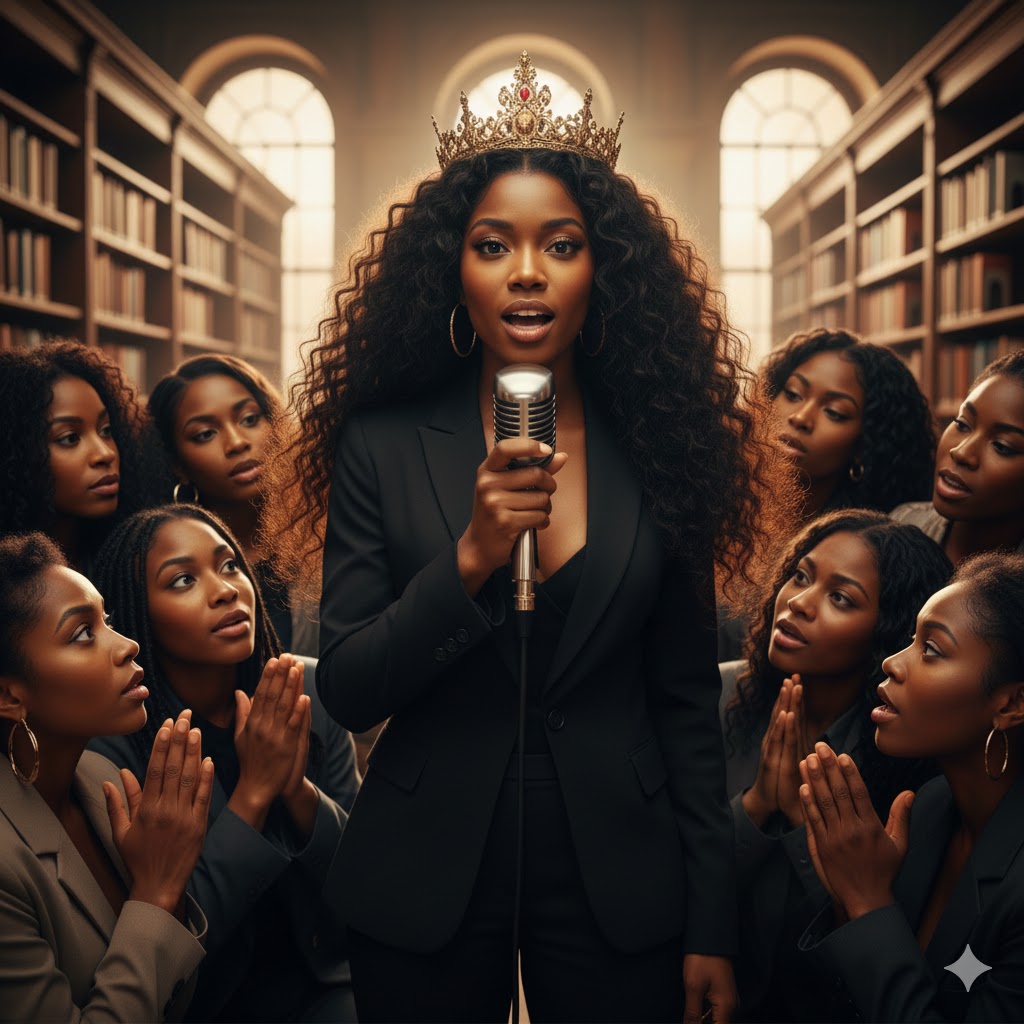
👑 Girl Talk Series: Crowns, Confidence & Calling

Hello Ladies – a crown is more than decoration—it is a declaration. When a woman places a crown on her head, even symbolically, she asserts royalty, identity, and worth. Scripture affirms a woman crowned in dignity: “Strength and honour are her clothing; and she shall rejoice in time to come” (Prov. 31:25, KJV). Ladies, before the world ever defined beauty or worth, God already crowned you in His purpose.

Many women admire crowns without recognizing that they already wear one inwardly. A woman aligned with God carries a spiritual diadem, not a borrowed vanity. “Thou shalt also be a crown of glory in the hand of the Lord” (Isa. 62:3, KJV). The crown is His, but the purpose is yours.

Confidence today is often manufactured through trends, influencers, or aesthetics, yet biblical confidence is nurtured through God’s voice, not echo chambers. “The Lord is my light and my salvation; whom shall I fear?” (Psa. 27:1, KJV). Real confidence begins without fear, not without opposition.

Many women struggle with insecurity because their identity was placed in mirrors instead of meaning. But scripture secures femininity deeper than reflection: “For we are his workmanship, created in Christ Jesus unto good works” (Eph. 2:10, KJV). A woman is crafted, not accidental.

Covenantal confidence does not walk loudly—it walks anchored. Social confidence boasts, but spiritual confidence bows. “Humble yourselves in the sight of the Lord, and he shall lift you up” (James 4:10, KJV). Lift comes after posture, not performance.

Calling is not something chased, but something uncovered through obedience. Many women run after purpose while running from submission. Yet scripture explains alignment brings assignment: “Commit thy works unto the Lord, and thy thoughts shall be established” (Prov. 16:3, KJV).

God’s calling for women includes mentorship, nurture, emotional articulation, and spiritual inheritance transmission. But not every voice online stewards identity correctly. “Take heed what ye hear” (Mark 4:24, KJV). Listening determines shaping.

A woman who walks without calling will eventually walk toward validation markets—likes, praise, trends, competition. But calling frees a woman from comparison prison. “The Lord is the portion of mine inheritance” (Psa. 16:5, KJV). Purpose comes pre-inherited under God.

Many ladies were taught to seek crowns socially—beauty crowns, success crowns, marriage crowns—but not to seek the God who crowns covenantally. Yet scripture promises the most important crowning: “He crowneth thee with lovingkindness and tender mercies” (Psa. 103:4, KJV). Mercy is the first crown, not reward.

The world celebrates outspoken women, but often mocks obedient women. Yet scripture centers quiet strength as divine feminine power: “A meek and quiet spirit… is in the sight of God of great price” (1 Pet. 3:4, KJV).

Many ladies seek confidence through economic or romantic elevation, not realizing divine positioning precedes earthly inheritance. God uplifts womanhood through righteousness, not rivalry. Christ uplifts through covenant, not conquest.

A crowned woman must still carry accountability. Crowns do not remove correction. “Whom the Lord loveth he correcteth” (Prov. 3:12, KJV). If He corrects you, you are not lost, you are loved.

Confidence without covenant becomes vanity, but confidence under covenant becomes testimony. God makes women glorious by spiritual alignment, not social applause. “The Lord shall establish thee an holy people unto himself” (Deut. 28:9, KJV). Purpose stays holy when covenant stays intact.

Many ladies carry a diagnosis of insecurity, father-wounds, fractured religious history, and relational trust ruptures, and bring those unmet needs online to influencers who monetize what God should have fathered. Scripture warns against replacing the shepherd with sectors. “Woe unto the shepherds that destroy and scatter the sheep” (Ezek. 34:2, KJV).

A woman healed under God does not deny femininity; she redefines it through scripture, not trends. She carries faith’s original blueprint, not digital doctrine. Identity was God-instated before platform-marketed.

Girls must stop believing that confidence is the absence of tears, softness, or uncertainty. Strength is not emotional burial; it is emotional clarity surrendered to God. God welcomes the tears that influencers shame. “The Lord is nigh unto them that are of a broken heart” (Psa. 34:18, KJV).

The voices online divide men into alpha/beta ranks, yet scripture reverses the ranking system entirely. “The Lord looketh on the heart” (1 Sam. 16:7, KJV). Purpose is internal rulership, not external hierarchy.

The crisis in modern feminine purpose is that many want crowns without process, confidence without covenant, influence without instruction. Yet scripture confirms true feminine inheritance flows only through divine ordering.

A crowned woman must eventually step into a calling that endures longer than applause. Influence is seasonal, calling is eternal. God began a purpose in you intentionally, and scripture promises the follow-through: “He which hath begun a good work in you will perform it” (Phil. 1:6, KJV).

Covenantal womanhood disciples nurture, guidance, humility, covenant, assignment, and inheritance—not opinion gladiatorship or grievance markets. The internet has microphones; God has mantles.

The real power of a crowned woman is not dominating rooms—but discerning them. “Give not that which is holy unto the dogs” (Matt. 7:6, KJV). Discernment is feminine spiritual rulership.

Purpose-seeking ends only when noise bows to knowledge, grievances bow to God, insecurity bows to identity, trends bow to scripture, and womanhood bows to a covenant that does not scatter under social duress. Godliness is not a trend; it is an eternal feminine inheritance installed by the spirit over the stage.

Therefore, ladies, wear your crowns spiritually first. Walk in God’s confidence before social confidence. Uncover calling through obedience rather than ideological markets. Your crown is not your burden—lack of covenant is. But once covenant returns, crowns become testimonies, confidence becomes inheritance, and calling becomes performed destiny.


📚 References

The Holy Bible, King James Version. (1611). Cambridge University Press.

hooks, b. (2004). The Will to Change: Men, Masculinity, and Love. Washington Square Press.

Tatum, B. D. (1997). Why Are All the Black Kids Sitting Together in the Cafeteria? Basic Books.
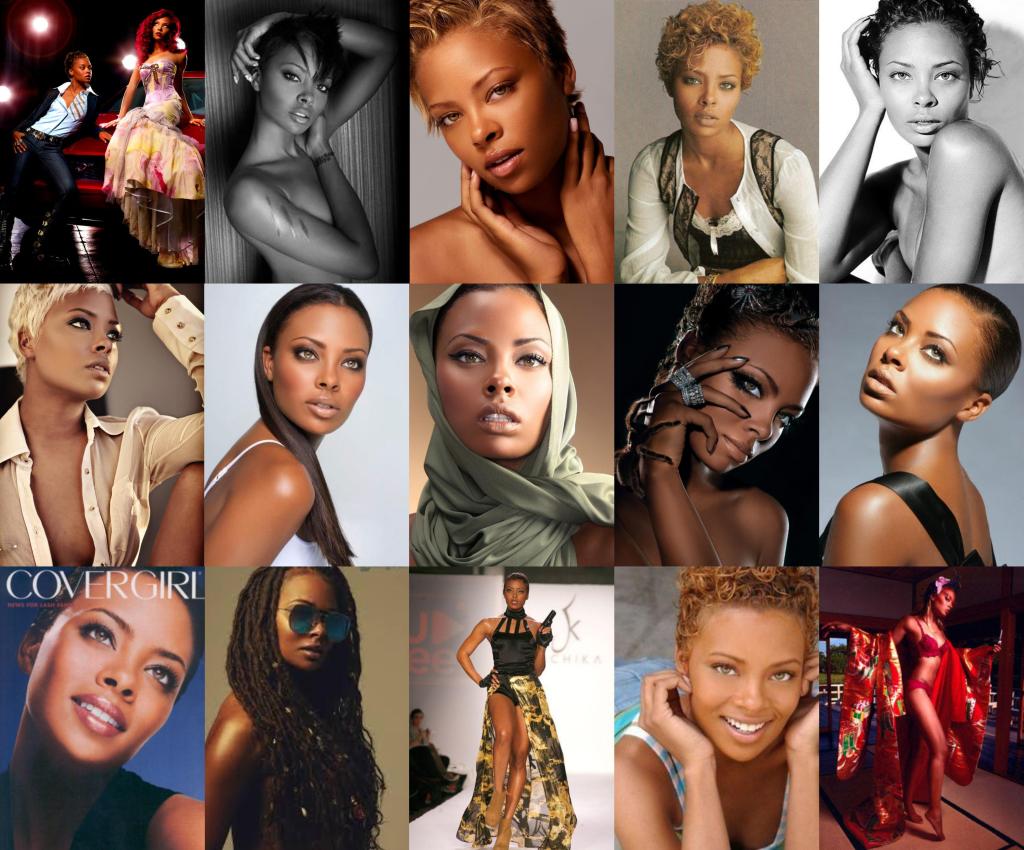
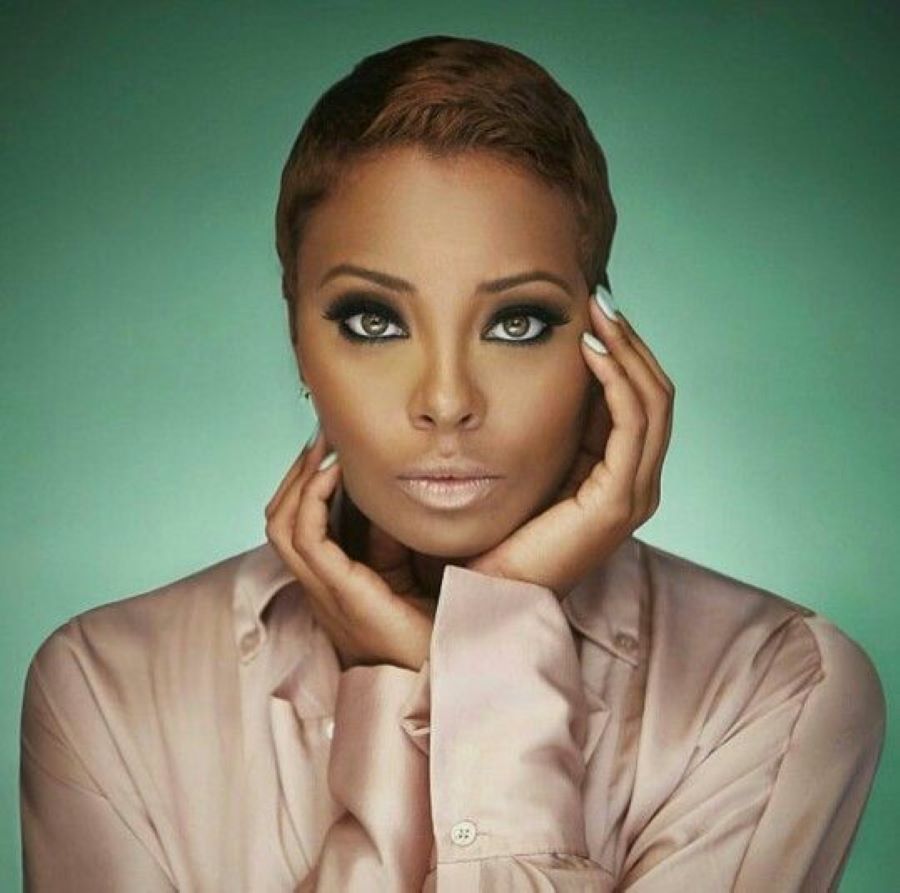
The Ebony Dolls: Eva Marcille

This photograph is the property of its respective owner. No copyright infringement intended.

She entered the world like a masterpiece brushed in melanin—a canvas of luminous light ebony-toned skin, warmed with golden undertones that seemed to glow without permission. Her eyes, a mesmerizing hazel-green ocean rimmed with amber, framed by elongated lashes, and her face sculpted in elegant symmetry, carried a porcelain-like softness yet striking angularity that photographers would later call exotic, rare, unforgettable. She was not just beautiful, but possessed an aesthetic harmony where Africa, Europe, and possibility met in one gaze.

Eva Marcille Pigford was born on October 30, 1984, in Los Angeles, California, to Evan Pigford and Michelle Pigford (IMDB, 2024). She identifies as African American and Puerto Rican, with additional European ancestry, making her widely recognized as multiracial/biracial or “mixed, though she embraces her Black identity as dominant in representation and cultural affiliation (Marcille in BET, 2022). She grew up in South Central Los Angeles, later attending Clark Atlanta University, where she studied broadcast journalism before entering the modeling world (Essence, 2020).

Her journey into Hollywood began on one of the most-watched runways on television—America’s Next Top Model (ANTM). In 2004, Eva auditioned for the third cycle of ANTM, impressing judges with her high-fashion potential, bone structure, presence, and magnetic eyes. She won the competition at age 19, securing a CoverGirl cosmetics contract and becoming the first winner with significantly darker skin and exotic features to take the mainstream commercial modeling crown (Banks et al., 2004; Tyra Show Archives).

This photograph is the property of its respective owner. No copyright infringement intended.

Following ANTM, she quickly transitioned into major print and commercial modeling campaigns. She signed with Ford Models, one of the most prestigious agencies globally (Models.com, 2010). Her early post-show momentum included high-profile spreads in Elle, Essence, King Magazine, GQ, and Cosmopolitan, elevating her beyond reality TV into fashion-editorial legitimacy (IMDB, 2024; Elle Archives, 2005).

Marcille became a campaign face for major brands. Her CoverGirl contract was followed by modeling partnerships and appearances in ad work for Samsung, Apple Bottoms, DKNY, Avon, and Macy’s commercials (Advertising Archives via Commercial Database; IMDB, 2024). She also became the face of shea-butter beauty and urban fashion aesthetics through co-signs with Apple Bottoms and beauty editorials celebrating deeper melanin-VS-Eurocentric glam balance (Essence, 2020).

She accumulated numerous accolades during her modeling years. In 2006, she received the Young Hollywood Award for Female Superstar of Tomorrow, marking her crossover potential beyond modeling into scripted media (Young Hollywood Awards, 2006). Her career trajectory would later include multiple NAACP media appearances and beauty acknowledgments for diversifying beauty representation for young Black and multiracial women (NAACP Image Awards Nominations Database).

Eva soon pursued acting, initially through guest television roles before securing recurring characters. Early appearances included roles on Smallville (2005), Everybody Hates Chris (2007), and House of Payne (2008), which helped transition her from model to actress in the early 2000s Hollywood pipeline (IMDB, 2024).

This photograph is the property of its respective owner. No copyright infringement intended.

She later earned significant screen attention in film, appearing in Crossover (2006), followed by roles in I Think I Love My Wife (2007) alongside comedian Chris Rock, and other Black-ensemble screen projects that positioned her as a staple face of the modern ebony Hollywood class (IMDB, 2024).

Her most culturally impactful work in scripted television came decades later. In 2021, she joined the cast of Tyler Perry’s drama-soap powerhouse All the Queen’s Men, portraying Madam’s rival, Marilyn “Ms. Noelle” Deville, a glamorous yet cunning boss-woman role that aligned her beauty with narrative authority, seduction, and psychological complexity (Perry, 2021). This role cemented her presence in the urban neo-noir glam queen archetype (IMDB, 2024).

Her career also expands into hosting, reality television, and brand ambassadorship. In 2018, she joined The Real Housewives of Atlanta (RHOA), increasing her cultural relevance in Black pop-culture media. She leveraged that visibility into business, advocacy, and television commentary (Bravo, 2018).

Her personal life became part of her public narrative. Eva is a mother to three children:

  • Marley Rae McCall (born 2014) with singer Kevin McCall,
  • Michael Todd Sterling Jr. (born 2018),
  • and Maverick Leonard Sterling (born 2019) with her ex-husband, attorney Michael Sterling (Sterling & Marcille in People, 2023).

She married Michael Sterling in 2018 in a star-studded Atlanta ceremony, widely praised for elegance, intimacy, and cultural grandeur (People, 2023). In 2023, she filed for divorce, citing irreconcilable differences, but has publicly maintained a co-parenting-forward family focus (People, 2023).

So what makes her an Ebony Doll archetype? The phrase “Ebony Doll” symbolizes more than skin tone—it represents exotic facial symmetry, soft-spoken glam power, and editorial beauty rooted in Black aesthetics but universal in appeal (Hunter, 2005; Hall, 1997). Eva embodies this through her deep-melanin foundation, mixed-heritage features, commercial runway legitimacy, and Hollywood endurance. But deeper still, an ideal Ebony Doll must influence beauty psychology—she did. Eva helped normalize hazel-green eyes on dark melanin, short-hairstyle femininity in Black fashion media, and soft yet dominant screen presence (Hooks, 1992; Hunter, 2005).

This photograph is the property of its respective owner. No copyright infringement intended.

Her features align with cross-cultural beauty science. Studies on beauty perception highlight the high impact of eye color contrast against deep skin, facial symmetry, upper-cheekbone prominence, oval face sculpting, and universal aesthetic ambiguity (“ethnically mixed facial harmonics”) being perceived as exotically attractive (Rhodes, 2006; Little, Jones, & DeBruine, 2011). This matches Eva’s visual profile and explains her path to fashion-campaign success and sustained camera appeal.

Thus, she is an Ebony Doll ideal not simply because she is beautiful, but because she is representative, aspirational, adaptable, culturally resonant, fashion-validated, screen-anchored, and psychologically unforgettable.


References

Bravo. (2018). The Real Housewives of Atlanta cast archives.

Banks, T., et al. (2004). America’s Next Top Model, Cycle 3 production and judging transcripts. UPN Archives.

Bet. (2022). Interview commentary on multiracial identity, ethnicity, and cultural affiliation archives.

Essence. (2020). Eva Marcille career editorial and modeling retrospective.

Hall, S. (1997). Representation: Cultural representations and signifying practices. Sage.

Hooks, B. (1992). Black looks: Race and representation. South End Press.

Hunter, M. (2005). Race, gender, and the politics of skin tone. Routledge.

IMDB. (2024). Eva Marcille professional filmography and career database archives.

Jones, B. C., DeBruine, L. M., & Little, A. C. (2011). Facial contrast and attractiveness. Psychological Science, 22(1), 57–62.

Marcille, E., Sterling, M. (2023). Marriage and co-parenting public statements. People Magazine Archives.

Perry, T. (2021). All the Queen’s Men production and casting archives.

Rhodes, G. (2006). The evolutionary psychology of facial beauty. Annual Review of Psychology, 57, 199–226.

The Outside Edit

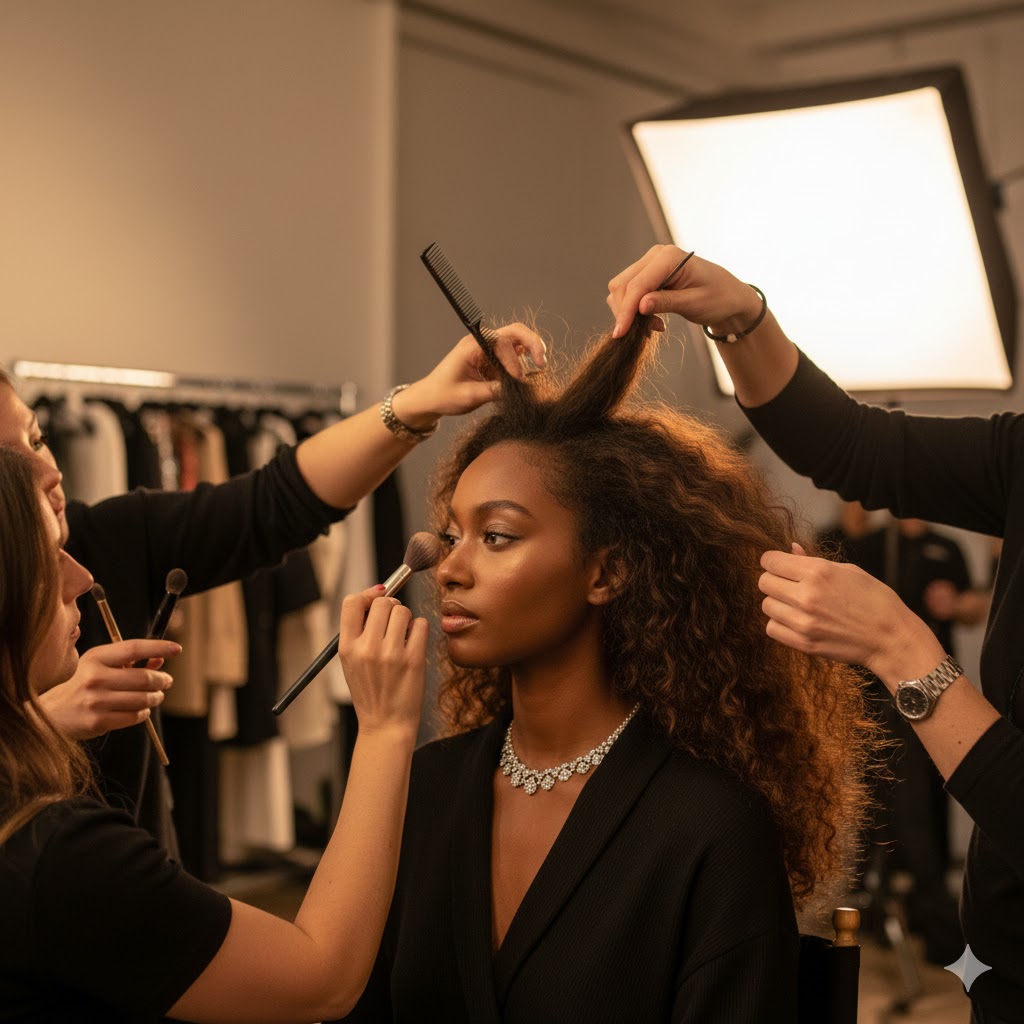
The Outside Edit is the process of consciously refining and curating one’s external appearance to project identity, confidence, and intention. It is an intersection of fashion, grooming, posture, and nonverbal cues, communicating messages that words alone cannot.

Appearance is a silent language. The choices we make about clothing, accessories, and hairstyle speak volumes about our personality, mood, and social status (Andrade, Morais, & Soares de Lima, 2024). These visual cues shape first impressions and influence how others perceive competence and trustworthiness.

Grooming and hygiene are foundational to the Outside Edit. Clean, well-maintained hair, skin, and nails signal self-respect and discipline. Even minor details, like polished shoes or neat attire, can alter perceptions of credibility and professionalism (Sollerhed & Bringsén, 2023).

Color psychology plays a vital role in external presentation. Warm colors often convey approachability and energy, while cool colors suggest calm and professionalism. Understanding these subtle influences allows for strategic self-presentation (Kim & Sullivan, 2019).

Accessories and embellishments enhance personality expression. Jewelry, watches, handbags, and eyewear provide additional layers to a visual narrative, reinforcing individuality while complementing broader style choices.

Posture and body language are integral components of the Outside Edit. A confident stance, open gestures, and deliberate movement communicate self-assurance and engagement, while slouching or fidgeting can diminish perceived authority (Gorbatov, Khapova, & Lysova, 2018).

Fashion trends intersect with personal style, but the Outside Edit prioritizes individuality. Incorporating trends selectively ensures that presentation aligns with authentic identity rather than conformity to external pressures.

Cultural identity is expressed through clothing, accessories, and hairstyles. Traditional garments and symbolic motifs communicate heritage, values, and personal narrative, creating a bridge between ancestral roots and contemporary expression (Lieven, 2022).

Professional environments demand a calibrated Outside Edit. Leaders, educators, and public figures carefully curate visual cues to inspire trust, credibility, and influence. Their appearance often precedes verbal communication, reinforcing authority (Gorbatov et al., 2018).

Social media amplifies the reach and impact of visual presentation. Curated profiles, photographs, and videos allow individuals to control their image and convey intentional narratives to global audiences (Kim & Sullivan, 2019).

The Outside Edit extends beyond fashion; it encompasses nonverbal expression. Facial expression, eye contact, and microexpressions complement attire, creating a holistic impression of authenticity and emotional intelligence (Hietanen, 2018).

Lighting, setting, and environment influence how the Outside Edit is perceived. Subtle changes in illumination or backdrop can enhance or diminish colors, textures, and overall presence, affecting first impressions (Sollerhed & Bringsén, 2023).

Confidence is a key multiplier of the Outside Edit. Individuals who embody self-assurance convey competence and charisma, drawing attention naturally and creating a sense of presence that transcends appearance alone (Gorbatov et al., 2018).

Minimalism and restraint are powerful tools. Strategic simplicity in clothing, accessories, and styling communicates elegance, thoughtfulness, and sophistication, allowing the observer to focus on the essence of the individual (Andrade et al., 2024).

Facial grooming, skincare, and makeup are tools to highlight unique features rather than mask identity. Thoughtful presentation enhances natural beauty and communicates intentionality, reinforcing authenticity (Kim & Sullivan, 2019).

Visual storytelling is central to the Outside Edit. Each element of appearance—from color to texture to proportion—contributes to the narrative one presents to the world, creating a coherent, intentional persona (Lieven, 2022).

Adaptability allows the Outside Edit to respond to context. Social events, professional settings, and creative spaces require nuanced variations in presentation, demonstrating awareness and versatility (Gorbatov et al., 2018).

Art, photography, and media celebrate the Outside Edit as a form of expression. Iconic portraits and fashion editorials showcase how style, poise, and visual curation convey narrative, emotion, and identity (Kim & Sullivan, 2019).

Psychological research underscores the impact of appearance on perception. People make rapid judgments about competence, warmth, and status based on visual cues, highlighting the strategic importance of self-presentation (Andrade et al., 2024).

Ultimately, the Outside Edit is a deliberate, mindful practice. It integrates style, grooming, posture, and expression to communicate authenticity, creativity, and intention, shaping both perception and self-confidence in meaningful ways (Sollerhed & Bringsén, 2023).


References

  • Andrade, B., Morais, R., & Soares de Lima, E. (2024). The personality of visual elements: A framework for the development of visual identity based on brand personality dimensions. The International Journal of Visual Design, 18(1), 67–98.
  • Gorbatov, S., Khapova, S. N., & Lysova, E. I. (2018). Personal branding: Interdisciplinary systematic review and research agenda. Frontiers in Psychology, 9, 2238. https://doi.org/10.3389/fpsyg.2018.02238
  • Hietanen, J. K. (2018). Affective eye contact: An integrative review. Frontiers in Psychology, 9, 1587. https://doi.org/10.3389/fpsyg.2018.01587
  • Kim, Y.-K., & Sullivan, P. (2019). Emotional branding speaks to consumers’ heart: The case of fashion brands. Fashion and Textiles, 6, Article 2. https://doi.org/10.1186/s40691‑018‑0164‑y
  • Lieven, T. (2022). How behavioral branding affects brand equity. Frontiers in Psychology, 13. https://doi.org/10.3389/fpsyg.2022.904736
  • Sollerhed, A.-C., & Bringsén, Å. (2023). Appearance between professionalism and work‑related stress among marketing employees. Work, 75(4), 1231–1242. https://doi.org/10.3233/WOR-220307

The Legacy of Black Excellence: From Ancestry to Modern Influence

Black excellence is not a new phenomenon; it is rooted in ancestral achievement, resilience, and intellect. From ancient African kingdoms to contemporary leaders, Black people have consistently demonstrated creativity, leadership, and innovation.

Ancient African civilizations, such as Egypt, Mali, and Songhai, illustrate early examples of Black excellence. Scholars, architects, and leaders established governance, education, and culture that influenced the world for centuries.

Mansa Musa of Mali exemplifies wealth, diplomacy, and vision. His pilgrimage to Mecca in the 14th century demonstrated both economic and spiritual influence, leaving a legacy of leadership and philanthropy that inspires to this day.

Black excellence also manifests in scholarship. Thinkers like W.E.B. Du Bois and Carter G. Woodson challenged oppressive narratives, documented history, and created intellectual foundations for future generations.

In the arts, Black people have transformed music, literature, and visual culture. The Harlem Renaissance marked a period where artists like Langston Hughes and Zora Neale Hurston defined cultural expression and intellectual pride.

Science and innovation reveal Black excellence in problem-solving and creativity. Katherine Johnson’s calculations were critical to NASA missions, while George Washington Carver revolutionized agriculture through research and innovation.

Athletics has provided another platform for Black excellence. Athletes like Jackie Robinson, Serena Williams, and Usain Bolt have combined talent with resilience, breaking barriers while inspiring global audiences.

In politics, figures such as Nelson Mandela and Barack Obama have reshaped leadership paradigms. Mandela’s struggle against apartheid demonstrated moral and strategic excellence, while Obama’s presidency represented historic achievement on a global scale.

Black excellence is spiritual as well as practical. Leaders like Martin Luther King Jr. and Fannie Lou Hamer combined faith with activism, demonstrating that moral courage and spiritual conviction are integral to leadership.

In entertainment, actors, musicians, and filmmakers have redefined representation. Figures like Sidney Poitier, Lupita Nyong’o, and Kendrick Lamar have showcased Black creativity, storytelling, and cultural depth.

Education remains a key area of influence. Historically Black Colleges and Universities (HBCUs) have nurtured excellence for generations, producing scholars, leaders, and professionals who continue to shape society.

Entrepreneurship highlights resilience and ingenuity. Black-owned businesses, past and present—from the Greenwood District of Tulsa to modern ventures—demonstrate wealth creation, innovation, and community empowerment.

Fashion and beauty illustrate cultural influence. Black designers and models have challenged Eurocentric standards, celebrating diversity, creativity, and aesthetic innovation while inspiring global trends.

Literature continues to shape thought and culture. Contemporary writers like Chimamanda Ngozi Adichie, Ta-Nehisi Coates, and Colson Whitehead explore identity, history, and social critique, continuing a legacy of intellectual excellence.

Black excellence is global. From African leaders to diasporic creatives, Black influence spans continents, demonstrating a shared heritage of achievement and innovation that transcends borders.

Technology and STEM fields are modern arenas of Black excellence. Innovators in AI, medicine, and engineering challenge stereotypes and contribute meaningfully to global progress while inspiring the next generation.

Black excellence is also communal. Mentorship, advocacy, and activism show that achievement is not just personal but collective. Leaders invest in the growth and empowerment of others, ensuring that excellence multiplies across generations.

The spiritual dimension of excellence emphasizes integrity, vision, and resilience. True Black excellence harmonizes personal talent with service, using gifts for community upliftment and societal transformation.

Black excellence endures despite adversity. Generations of oppression, discrimination, and marginalization have not diminished Black brilliance; they have refined it, producing leaders, creatives, and thinkers of exceptional character.

Ultimately, the legacy of Black excellence is both inspiration and responsibility. It reminds communities and the world that Black people have always contributed to civilization, culture, and human progress, and they continue to shape the future through intellect, creativity, and resilience.


References

Diop, C. A. (1989). The African origin of civilization: Myth or reality. Lawrence Hill Books.

Gates, H. L. (2011). In search of our roots: How 19 extraordinary African Americans reclaimed their past. Crown.

Hine, D. C., McCluskey, A. T., & McDaniel, A. (2012). The African American odyssey. Pearson.

Woodson, C. G. (2021). The mis-education of the Negro. Dover.

West, C. (2017). Race matters. Beacon Press.

Tutu, D., & Tutu, M. (2014). The book of forgiving: The fourfold path for healing ourselves and our world. HarperOne.

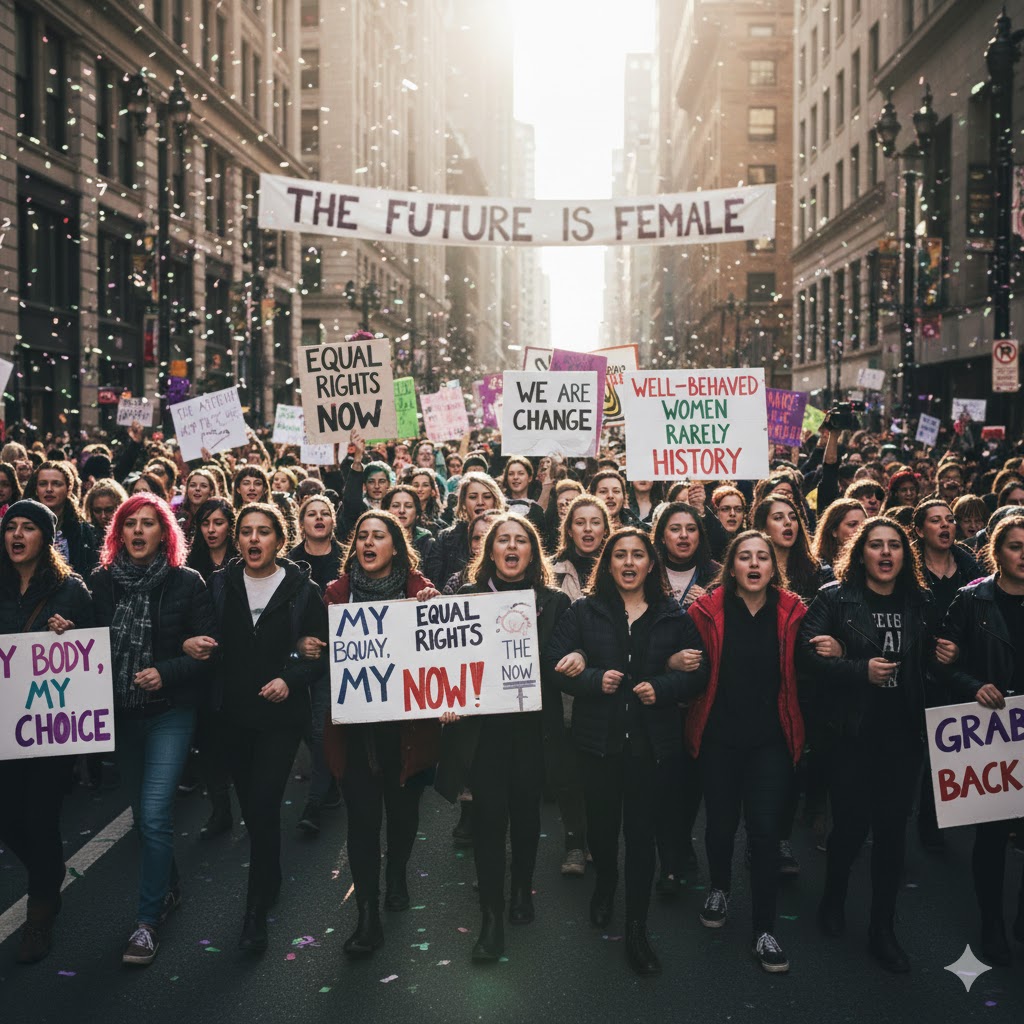
The Dark Feminist Movement

A Critical Analysis of Ideology, Scripture, and Cultural Transformation

The modern feminist landscape is diverse, but a particular faction—often referred to as the Dark Feminist Movement—has emerged with sharper ideological stances that challenge traditional morality, biblical principles, and historical understandings of womanhood. This movement is characterized by its emphasis on radical autonomy, bodily sovereignty without ethical restriction, and the rejection of religious frameworks—particularly the Bible—as oppressive structures designed to limit female freedom. Yet Scripture affirms that “The fear of the Lord is the beginning of wisdom” (Proverbs 9:10), positioning God—not self—as the rightful source of authority.

At the heart of dark feminism is the belief that the Bible is fundamentally patriarchal. Proponents argue that Scripture reinforces male authority, female submission, and gender roles that they consider outdated. They view biblical instructions on marriage, sexuality, and family as relics of ancient societies rather than eternal moral truths. However, the Bible teaches that “All scripture is given by inspiration of God” (2 Timothy 3:16), asserting its timeless relevance.

One of the central pillars of the dark feminist worldview is abortion as ultimate bodily autonomy. This group sees reproductive freedom not merely as healthcare, but as a form of power—an assertion that a woman’s body, choices, and future must remain completely independent of religious moral codes. Scripture, however, affirms the sanctity of life: “Before I formed thee in the belly I knew thee” (Jeremiah 1:5), framing unborn life as God-ordained.

Dark feminists also critique the Bible’s teachings on sexual morality. They reject the biblical view that sexuality is sacred, covenantal, and bound by divine standards. Instead, they embrace a fluid, unrestricted sexual ethic where pleasure and personal fulfillment override spiritual or communal responsibility. Yet Scripture teaches that “Flee fornication” (1 Corinthians 6:18) and that the body is “the temple of the Holy Ghost” (1 Corinthians 6:19).

A significant component of this movement includes support for queer theory, which challenges the Bible’s teachings on gender and sexuality. Dark feminists argue that gender is socially constructed and fluid, whereas Scripture presents gender as intentionally designed and divinely ordered. Genesis 1:27 clearly states: “Male and female created he them,” anchoring gender in divine creation rather than cultural fluidity.

Dark feminism often critiques biblical womanhood as inherently repressive. Passages about submission, modesty, motherhood, and marital roles are interpreted as tools for maintaining male dominance. However, Scripture reveals submission as mutual and rooted in love, not control: “Submitting yourselves one to another in the fear of God” (Ephesians 5:21). Modesty is framed not as oppression but protection (1 Timothy 2:9–10).

The movement also resists biblical teachings on marriage. Instead of seeing marriage as covenantal and sacred, dark feminists frame it as a historical institution that restricted women’s economic and social power. Yet the Bible describes marriage as honorable (Hebrews 13:4) and rooted in sacrificial partnership: “Husbands, love your wives, even as Christ also loved the church” (Ephesians 5:25).

Another major theme is the rejection of male leadership—whether in the home, church, or society. Dark feminists argue that leadership roles historically given to men are products of patriarchal culture rather than divine order. However, Scripture presents leadership as responsibility, not dominance—“He that is greatest among you shall be your servant” (Matthew 23:11).

This movement also frequently critiques motherhood. While not universally anti-motherhood, dark feminism resists the idea that motherhood is a woman’s divine calling. Yet Scripture honors mothers with reverence: “Her children arise up, and call her blessed” (Proverbs 31:28). Motherhood is portrayed as ministry, not limitation.

Spiritually, dark feminists often embrace alternative belief systems—tarot, ancestor veneration, goddess worship, or metaphysical spirituality—as ways to reclaim feminine power outside the Bible. Scripture warns against such practices: “Regard not them that have familiar spirits” (Leviticus 19:31). Biblical spirituality places God—not self or mystical frameworks—at the center.

The movement is also rooted in social justice philosophies that sometimes conflict with biblical teachings. Issues like systemic oppression, reproductive justice, and queer liberation become moral priorities framed through a secular lens. The Bible teaches justice but ties it to righteousness: “To do justice and judgment is more acceptable to the Lord” (Proverbs 21:3).

Dark feminism promotes a worldview where self is supreme. Personal identity, desire, and self-definition hold more weight than external moral codes. This directly conflicts with biblical teaching that says: “Lean not unto thine own understanding” (Proverbs 3:5).

The movement also critiques biblical narratives such as Eve’s deception in Genesis. Dark feminists reinterpret Eve as a symbol of enlightenment. The Bible frames her as deceived (1 Timothy 2:14), not empowered, reminding believers that rebellion leads to brokenness, not liberation.

Another area of conflict involves forgiveness and reconciliation. The Bible emphasizes repentance, surrender, and restoration (Matthew 6:14–15), while dark feminism often promotes severing ties and prioritizing self-preservation. Scripture frames reconciliation as strength, not weakness.

Within the Dark Feminist Movement, masculinity is frequently depicted as inherently oppressive. The Bible differentiates between corrupt masculinity and godly masculinity, calling men to be protectors and providers (1 Corinthians 16:13–14).

Economically, dark feminists push for total financial independence from men. While empowerment is good, Scripture teaches interdependence within marriage: “Two are better than one” (Ecclesiastes 4:9).

The movement also influences media and cultural narratives. Films, music, and social platforms increasingly glorify self-worship, sexual liberation, and anti-marriage ideologies. Scripture warns: “Love not the world” (1 John 2:15–16), emphasizing holiness over cultural conformity.

Despite these tensions, it is important to acknowledge that dark feminism arises from real pain—historical oppression, gender inequality, domestic violence, and religious misuse. The Bible acknowledges these injustices and commands protection for women (Colossians 3:19; 1 Peter 3:7).

Ultimately, the conflict centers on authority: Who defines womanhood—God or the self? The Dark Feminist Movement elevates autonomy; the Bible elevates divine design. Joshua 24:15 declares, “Choose you this day whom ye will serve,” making the contrast clear.


The Biblical View of Womanhood

Biblical womanhood is not oppression—it is identity rooted in divine purpose, dignity, and sacred design.

  1. Women are created in God’s image (Genesis 1:27), carrying equal worth, value, and spiritual significance as men.
  2. Women possess divine strength modeled by Deborah (Judges 4), Esther (Esther 4), and the Proverbs 31 woman.
  3. Biblical womanhood honors wisdom, virtue, and inner beauty, as seen in 1 Peter 3:3–4.
  4. God honors the emotional depth of women, inviting them to cast their cares upon Him (1 Peter 5:7).
  5. Motherhood is divine, not mandatory, but honored as a godly calling (Psalm 127:3).
  6. Marriage is covenant partnership, not hierarchy, modeled after Christ’s sacrificial love (Ephesians 5:25).
  7. Women are called to spiritual strength, being “helpers” in the same sense that God is called our Helper (Psalm 46:1).
  8. Biblical womanhood encourages purpose, entrepreneurship, and productivity (Proverbs 31:16–24).
  9. Virtue is power, not weakness (Proverbs 31:10).
  10. God sees, honors, and defends women, especially the vulnerable (Psalm 68:5).

Biblical womanhood is not about silence, subservience, or suppression—it is about walking in God’s purpose, identity, grace, and strength with the dignity He designed.

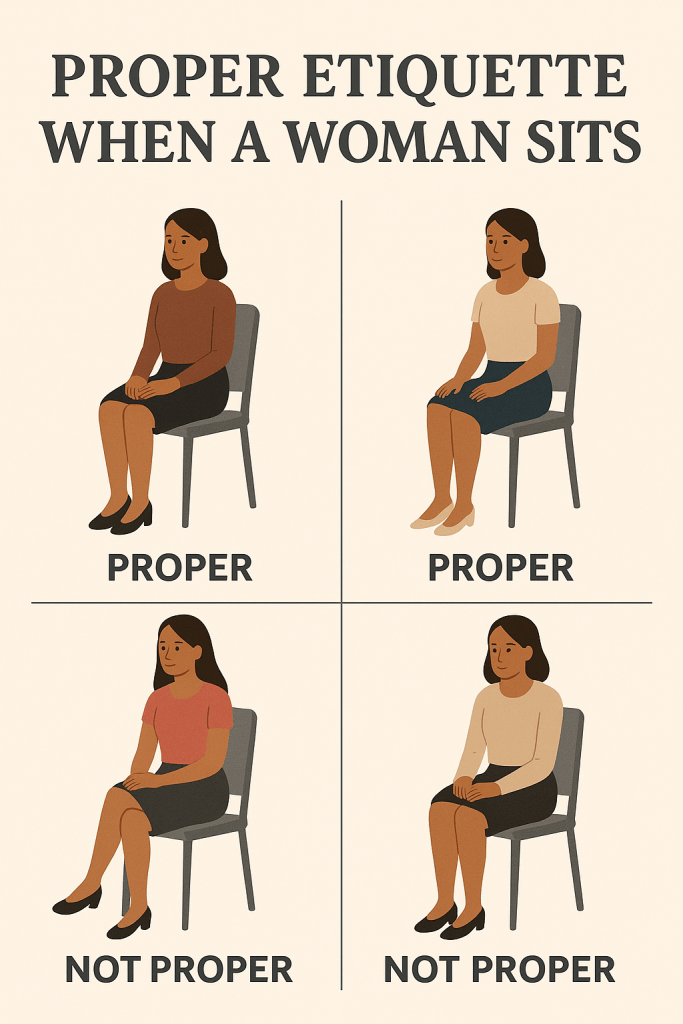
The Proper Etiquette Series: How to Sit Properly?

Sitting properly is one of the most foundational elements of etiquette, communicating poise, confidence, and self-respect without a single word spoken. Whether in professional, social, or formal settings, the way a woman sits creates an immediate impression. Proper posture reflects inner discipline, elegance, and an understanding of decorum—qualities that never go out of style.

A proper seated posture begins with how one approaches the chair. Instead of collapsing into the seat or sitting hastily, a woman should move with intention and grace. She steps toward the chair, turns slightly, and lowers herself gently with control, keeping her back straight as she sits. This simple act sets the tone for polished behavior.

Once seated, posture becomes key. The back should remain straight with the shoulders relaxed, avoiding both stiffness and slouching. Good posture not only looks refined but also conveys attentiveness and dignity. It supports healthy breathing and reduces strain on the spine, merging etiquette with physical wellness.

Leg placement is one of the most important elements of proper sitting etiquette. There are two traditionally accepted positions: the “duchess slant” and the “ankle cross.” In the duchess slant, the knees are kept together while the legs are angled slightly to one side—soft, feminine, and modest. In the ankle cross, the knees remain together while the ankles are crossed discreetly. Both positions maintain modesty and balance.

What should be avoided are positions that convey carelessness or lack of awareness. This includes sitting with knees apart, legs wide, or slouching deeply into the seat. While modern culture sometimes normalizes casual posture, traditional etiquette emphasizes composure, especially in settings requiring professionalism or formality. How one sits reflects how one values the environment and the company present.

Hand placement also contributes to overall poise. Hands should rest lightly on the lap—never fidgeting, tapping, or gripping the seat. Gentle stillness communicates confidence and calm. Avoiding restless movements prevents unnecessary distractions and keeps the posture looking serene and controlled.

In skirt or dress attire, proper sitting technique becomes even more essential. A woman should subtly smooth her clothing beneath her as she sits to avoid wrinkling and to maintain coverage. Crossing the legs at the knee is traditionally discouraged for formal settings because it may appear overly casual or create wardrobe challenges, whereas the duchess slant remains universally polished.

Awareness of one’s environment is also part of correct etiquette. Whether at dinner, in a meeting, or at a ceremony, a woman should sit in a way that does not intrude upon the space of others. Leaning excessively, swinging legs, or resting arms over chair backs can appear disrespectful. Elegance remains controlled, balanced, and contained.

Body language completes the picture. A proper seated posture includes calm facial expression, gentle eye engagement, and a composed presence. Sitting correctly enhances communication by allowing others to see the individual as attentive, confident, and respectful. Etiquette is as much about what one conveys silently as what one speaks aloud.

Ultimately, sitting properly is an art that merges modesty, poise, and mindfulness. It elevates everyday behavior into purposeful elegance. When a woman understands how to sit with grace, she communicates not only refinement but also self-dignity—two traits that remain timeless across cultures and eras. Proper etiquette is not about restriction; it is about presenting oneself with honor and intentionality.


References

Bixler, S. (2018). The etiquette edge: Modern manners for business success. HarperCollins.

Forni, P. M. (2002). Choosing civility: The twenty-five rules of considerate conduct. St. Martin’s Press.

Hixson, K. (2016). The art of poise: Graceful living in a modern world. Etiquette Press.

Post, P. (2021). Emily Post’s etiquette (19th ed.). HarperCollins.

Udall, A. (2015). The essentials of modern etiquette: Social graces for contemporary women. Silver Leaf Press.

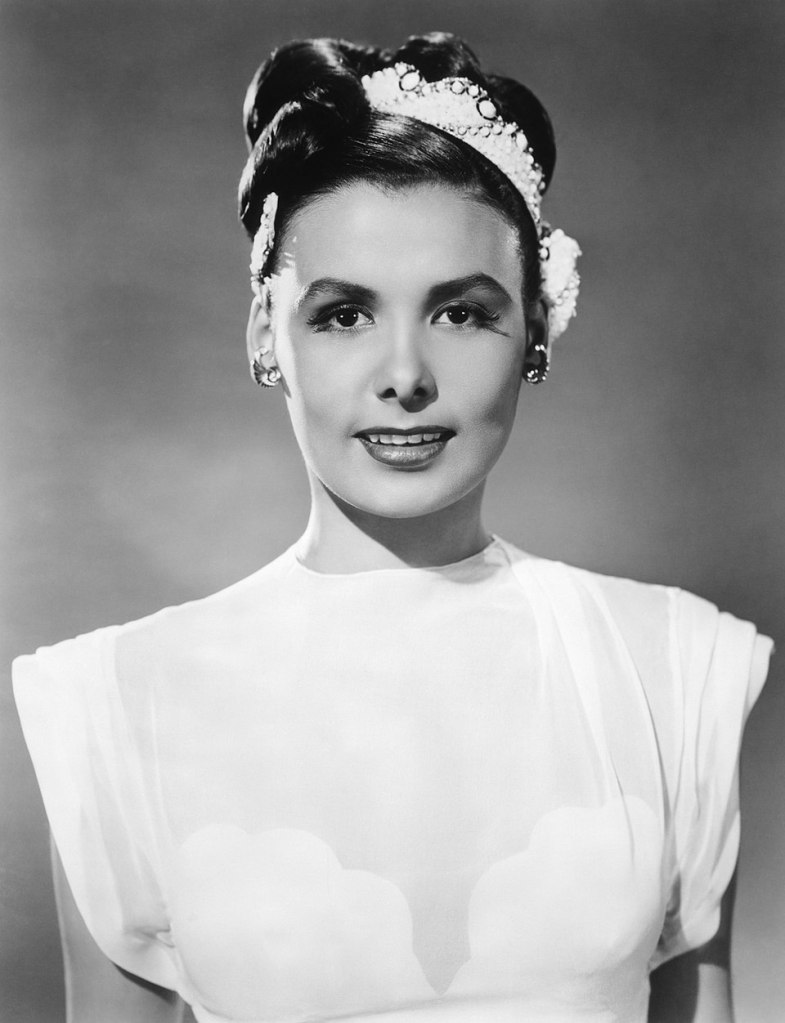
The Ebony Dolls: Lena Horne

The remarkable, Ms Lena…

This photograph is the property of its respective owner. No copyright infringement intended.

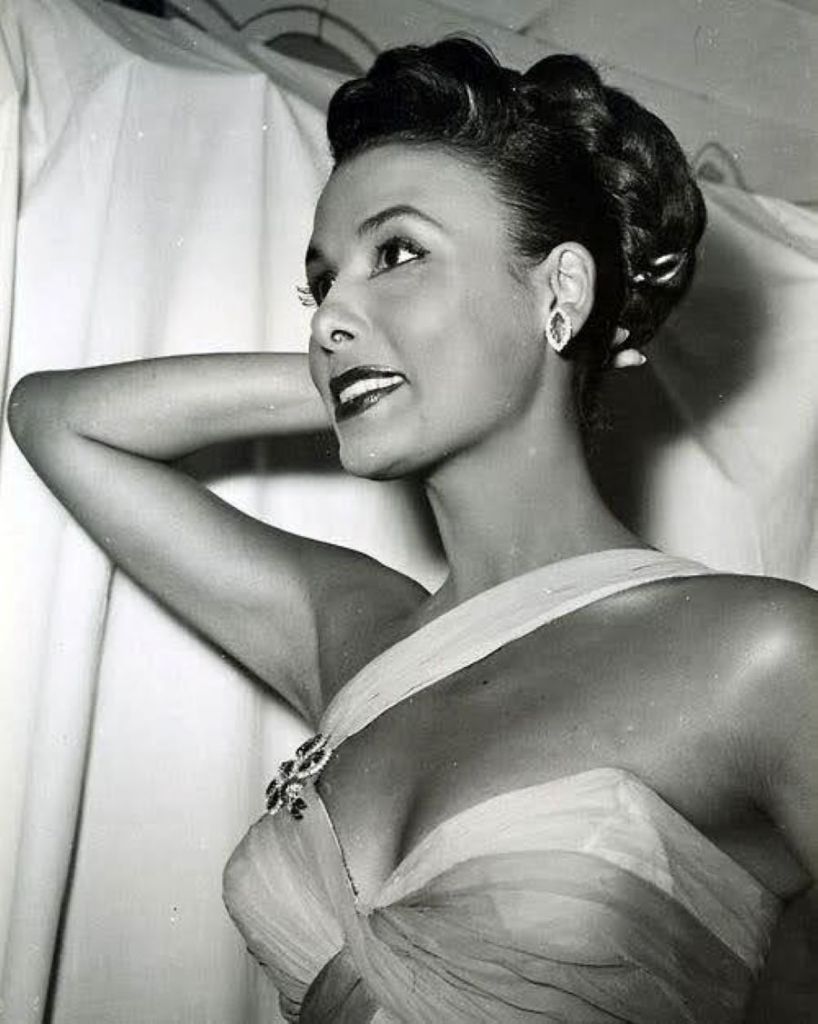
Lena Horne was a vision of elegance, beauty, and poise whose presence captivated audiences worldwide. Her light complexion, radiant smile, and graceful demeanor made her a striking figure in Hollywood during a time when Black women were often denied visibility. Many described her as stunningly beautiful, a woman whose allure went beyond physicality—her voice, intelligence, and stage presence added layers of magnetism that commanded respect and admiration. Even in the racially segregated entertainment industry, Lena’s appearance and talent allowed her to transcend barriers, though not without confronting the challenges of colorism and systemic discrimination (Horne, 1983).

Lena Mary Calhoun Horne was born on June 30, 1917, in Brooklyn, New York, into a family that carried both African American and European ancestry. Her heritage was complex: she was light-skinned, a trait that shaped both opportunities and challenges in her career and personal identity. Growing up, Lena was conscious of her appearance in a society that valued lighter skin, often granting her advantages in access to roles that darker-skinned Black women were denied. Yet, she remained critical of colorism, speaking openly about the ways society’s standards created division and unequal treatment within the Black community (Horne, 1983).

Lena’s career began at a young age. She joined the chorus line at the Cotton Club in Harlem as a teenager, performing alongside some of the era’s greatest Black entertainers. Her talent quickly set her apart, and she was discovered by Hollywood talent scouts, leading to a contract with MGM in the late 1930s. Despite her abilities, Lena often faced typecasting: she was one of the few Black actresses who could portray roles of sophistication and glamour, yet she was restricted from starring opposite white actors in romantic roles due to prevailing racial taboos (Haskins, 1995).

This photograph is the property of its respective owner. No copyright infringement intended.

Horne’s film career included appearances in landmark movies such as Cabin in the Sky (1943) and Stormy Weather (1943), the latter becoming a signature work that showcased both her acting and her legendary singing voice. She was celebrated not only for her performances but also for her groundbreaking contributions to integrating Black artists into mainstream entertainment. Despite her beauty and talent, Lena often had to fight for roles and recognition in an industry rife with discrimination and restrictive casting practices.

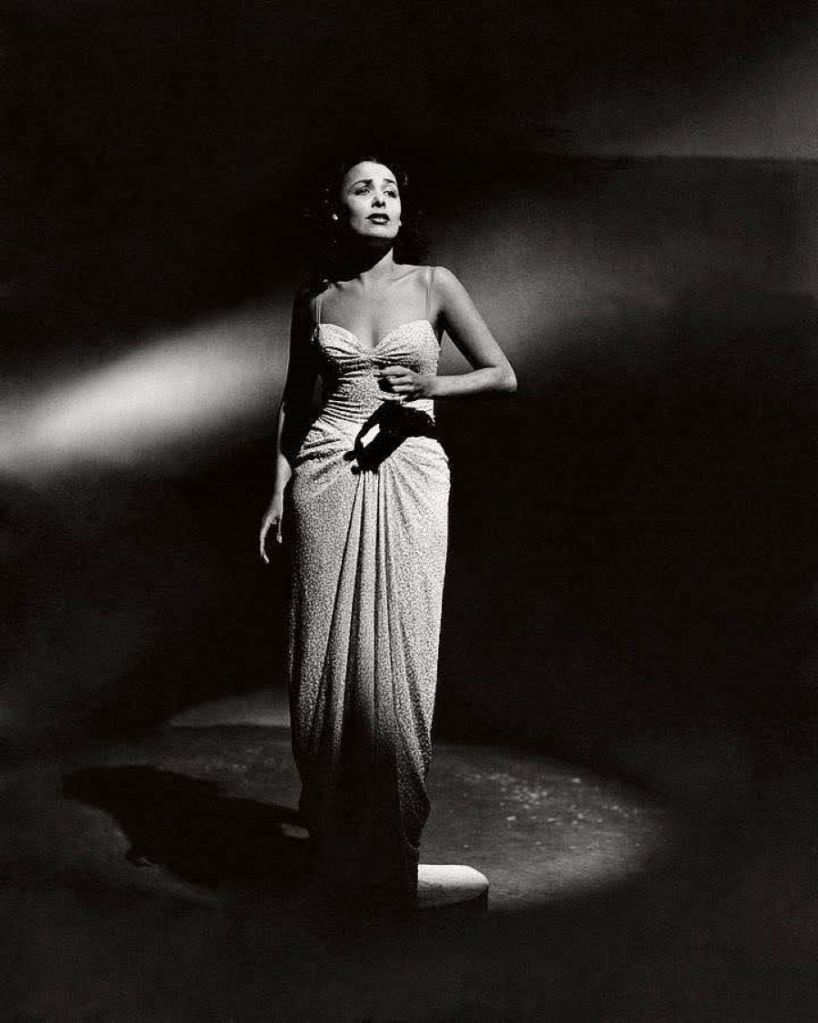
Her music career was equally remarkable. Lena Horne became one of the most iconic jazz and popular singers of her time, known for songs such as Stormy Weather and The Lady is a Tramp. She performed in nightclubs, theaters, and on television, captivating audiences with her sultry voice, elegance, and impeccable stage presence. Horne broke barriers in live performance, becoming one of the first Black women to headline at major venues previously reserved for white entertainers (Erenberg, 2008).

Horne was acutely aware of the role her skin tone played in her opportunities. While lighter skin occasionally afforded her access, she spoke out about the injustice of colorism within Hollywood and society at large. She recognized that talented darker-skinned Black performers were often overlooked, and she used her platform to advocate for equality, fair treatment, and representation. In interviews, she reflected on the complexity of her position—benefiting from colorism while resisting complicity in perpetuating its harm (Horne, 1983).

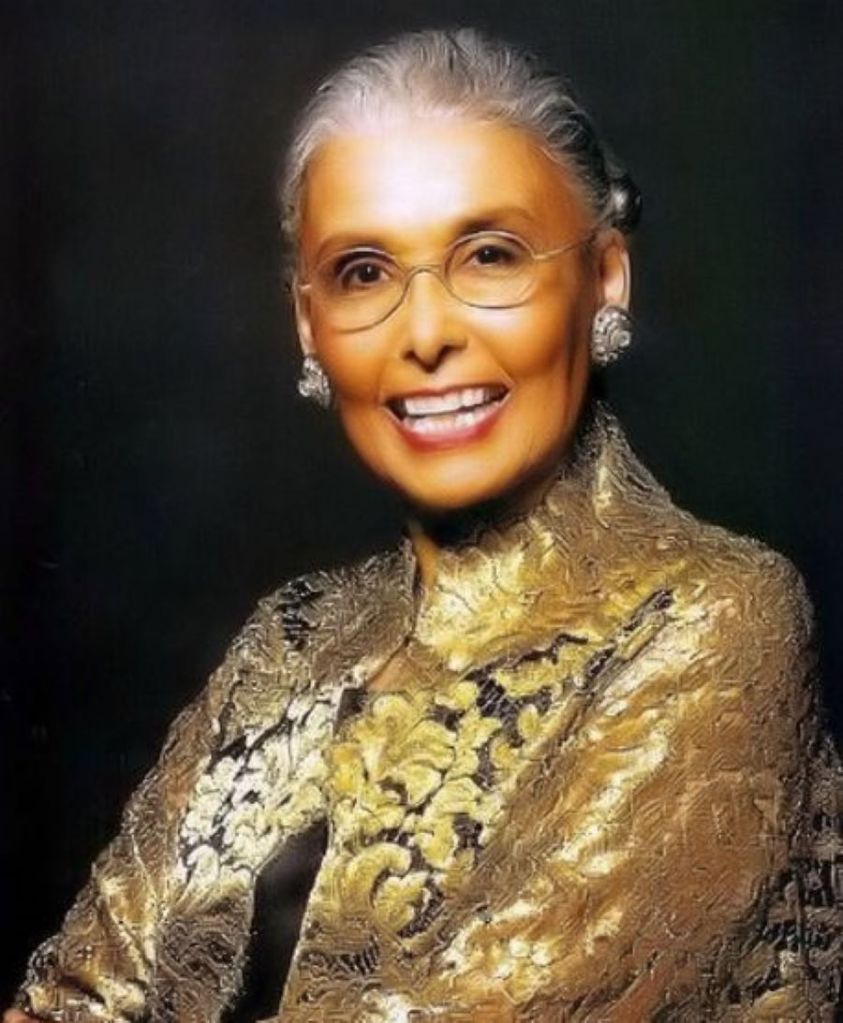
This photograph is the property of its respective owner. No copyright infringement intended.

Her activism extended beyond colorism. Lena Horne was deeply involved in civil rights work, participating in the March on Washington in 1963 and supporting organizations that fought for racial equality and social justice. She refused to perform in venues that practiced segregation, and she openly challenged discriminatory practices within the entertainment industry. Her courage and advocacy made her not just an icon of beauty and talent but also a model of principled resistance (Haskins, 1995).

Lena Horne received numerous accolades throughout her career. While she was not always recognized by Hollywood with major awards during her peak years, she earned several nominations and honors later in life, including a Special Academy Award in 1981, recognizing her contributions to the film industry and the struggle for racial equality. She was also the recipient of Grammy Awards and Lifetime Achievement honors, reflecting her enduring influence as a performer and cultural icon.

This photograph is the property of its respective owner. No copyright infringement intended.

Her experiences as a light-skinned Black woman navigating race, colorism, and sexism provided Lena with a unique perspective. She often discussed the privileges and burdens of her appearance, advocating for the recognition of beauty across the spectrum of skin tones. Lena’s grace, intelligence, and forthrightness helped reshape societal perceptions of Black women, challenging stereotypes while embodying sophistication, talent, and dignity (Erenberg, 2008).

Horne’s influence continues to resonate. She inspired generations of Black performers to embrace their identity, challenge inequity, and pursue excellence despite systemic barriers. Lena Horne’s legacy is a blend of artistry, activism, and advocacy—her beauty complemented by her unwavering commitment to justice, equality, and representation. She remains a quintessential figure in Black cultural history, a shining example of elegance, resilience, and purpose.


References

  • Erenberg, L. A. (2008). Swingin’ the Dream: Big Band Jazz and the Rebirth of American Culture. University of Chicago Press.
  • Haskins, J. (1995). Lena Horne: A Life of Music and Activism. Black Scholar Press.
  • Horne, L. (1983). Lena: My Story. New York: G.P. Putnam’s Sons.
  • IMDb. (n.d.). Lena Horne Filmography. Retrieved from https://www.imdb.com/name/nm0001351/

The Brown Girl Mirror: Reflecting Beyond Skin Tone. #thebrowngirldilemma

Photo by Jumos Imagery on Pexels.com

For Brown girls, the mirror often reflects more than mere physical appearance—it becomes a site where identity, culture, and societal bias converge. From childhood, many experience implicit and explicit messages that equate beauty, success, and value with lighter skin and Eurocentric features. These pressures can distort self-perception, creating internalized bias, low self-esteem, and a sense of invisibility. Reflecting beyond skin tone requires reframing identity, affirming cultural heritage, and cultivating resilience in the face of persistent colorism (Hunter, 2007).

Media representation significantly shapes how Brown girls see themselves. Television, film, fashion, and social media often privilege lighter-skinned women, marginalizing darker complexions and culturally distinct features. Celebrities like Yara Shahidi, Salli Richardson, and Mari Morrow illustrate the social preference for lighter skin, while Lupita Nyong’o, Issa Rae, and Kenya Moore challenge these norms by embracing melanin-rich beauty. Exposure to authentic representation reinforces self-worth and validates features historically underrepresented, allowing Brown girls to see the full spectrum of beauty as attainable and admirable (Byrd & Tharps, 2014).

Education and mentorship act as mirrors of potential rather than skin tone. Programs such as Black Girls CODE, Girls Who Code, and culturally responsive leadership initiatives provide tangible tools for academic, creative, and professional growth. Mentorship offers guidance, modeling resilience and achievement while validating identity beyond societal preference. By engaging in spaces where talent, intellect, and character are valued over complexion, Brown girls internalize a sense of worth that extends beyond visual aesthetics (Banks, 2015).

Cultural affirmation strengthens this reframing. Celebrating African and diasporic history, art, and heritage provides context for identity and instills pride in natural features, hair textures, and skin tone. Community programs, workshops, and storytelling sessions allow Brown girls to explore their ancestry, express creativity, and reclaim narratives that colonialism and colorism historically undermined. Such practices cultivate internal confidence and counteract negative social messaging (Hunter, 2007).

The psychological dimension of reflecting beyond skin tone is critical. Social comparison theory explains how exposure to biased societal standards can erode self-esteem, but conscious self-reflection, journaling, and affirmations help Brown girls develop resilience. Recognizing intrinsic value, talents, and unique contributions allows them to define beauty and success on personal and culturally affirming terms rather than external validation (Festinger, 1954; Fardouly et al., 2015).

Faith offers a transformative perspective in navigating these challenges. Proverbs 31:30 (KJV) emphasizes, “Favour is deceitful, and beauty is vain: but a woman that feareth the LORD, she shall be praised.” Spiritual grounding encourages Brown girls to measure self-worth by character, virtue, and divine purpose rather than societal metrics. Faith-based reflection provides a mirror for the soul, fostering enduring confidence and resilience that transcend external judgment.

Practical strategies complement spiritual and cultural reflection. Embracing personal style, skincare, natural hair, wellness routines, and creative expression empowers Brown girls to celebrate their bodies while reinforcing self-love. These actions serve as outward affirmations of pride in heritage and identity, integrating aesthetics with authenticity, self-respect, and personal agency.

In conclusion, the Brown girl mirror extends beyond skin tone to reflect identity, resilience, talent, and spirituality. By engaging media critically, participating in mentorship and educational programs, celebrating cultural heritage, and grounding self-worth in faith, Brown girls can navigate colorism and societal bias while cultivating holistic self-esteem. Reflecting beyond skin tone allows them to claim agency, embrace authentic beauty, and inspire future generations to define value and radiance on their own terms.


References

Banks, J. A. (2015). Cultural diversity and education: Foundations, curriculum, and teaching. Routledge.

Byrd, A. D., & Tharps, L. L. (2014). Hair Story: Untangling the Roots of Black Hair in America. St. Martin’s Press.

Fardouly, J., Diedrichs, P. C., Vartanian, L. R., & Halliwell, E. (2015). Social comparisons on social media: The impact of Facebook on young women’s body image concerns and mood. Body Image, 13, 38–45.

Festinger, L. (1954). A theory of social comparison processes. Human Relations, 7(2), 117–140.

Hunter, M. (2007). The persistent problem of colorism: Skin tone, status, and inequality. Sociology Compass, 1(1), 237–254.

Masculine Perfection Series: Shemar Moore, Morris Chestnut, and Travis Cure

In the shimmering constellation of Hollywood’s most handsome and talented men, few stars shine as brightly as Shemar Moore, Morris Chestnut, and Travis Cure. These men represent a rare fusion of strength, style, and sophistication — the embodiment of masculine perfection. With chiseled physiques, radiant skin tones that range from golden bronze to deep mahogany, and charisma that commands the screen, each of them has carved a distinct path in the entertainment industry. Beyond their striking looks, they possess the discipline, intelligence, and heart that make them more than just leading men — they are icons of modern Black excellence and representations of divine craftsmanship in human form.


Shemar Moore: The Golden Standard of Handsome

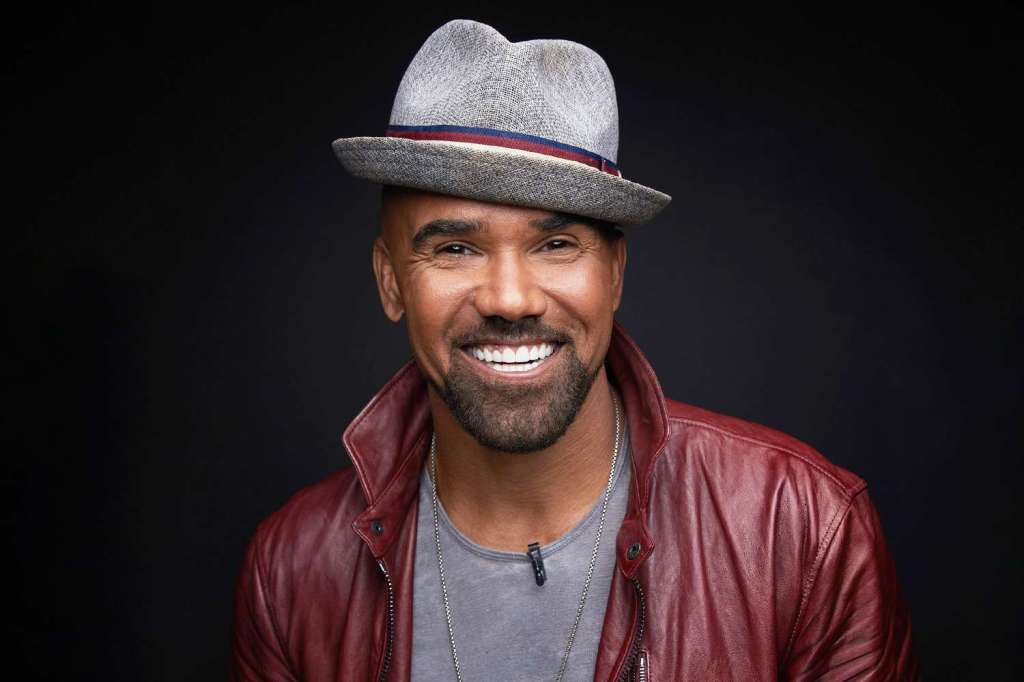
This photograph is the property of its respective owner. No copyright infringement intended.

Shemar Franklin Moore, born April 20, 1970, in Oakland, California, is the epitome of Hollywood charm and physical perfection. With his golden-brown complexion, sculpted physique, and infectious smile, Moore has long been celebrated as one of the most handsome men in the entertainment world. A model-turned-actor, he began his career in the early 1990s, quickly rising to fame for his role as Malcolm Winters on The Young and the Restless (1994–2005). His portrayal earned him a Daytime Emmy Award and solidified his reputation as a heartthrob.

Moore’s magnetism extended beyond daytime television when he joined the cast of the hit crime drama Criminal Minds (2005–2016) as Derek Morgan, a role that highlighted his toughness, empathy, and leadership. He currently stars as Sergeant Daniel “Hondo” Harrelson in the CBS action drama S.W.A.T., where his commanding presence and flawless physique continue to capture audiences.

Off-screen, Moore’s life mirrors his confidence and charisma. He is also the founder of Baby Girl LLC, a clothing line that raises awareness for multiple sclerosis in honor of his late mother. Despite being one of Hollywood’s most desired bachelors for years, Moore welcomed his first child with model Jesiree Dizon in 2023, marking a new chapter in his life. His career is a testament to endurance, talent, and timeless allure — Shemar Moore remains a perfect 10 in every sense.


Morris Chestnut: The Definition of Majestic “Hot Chocolate”

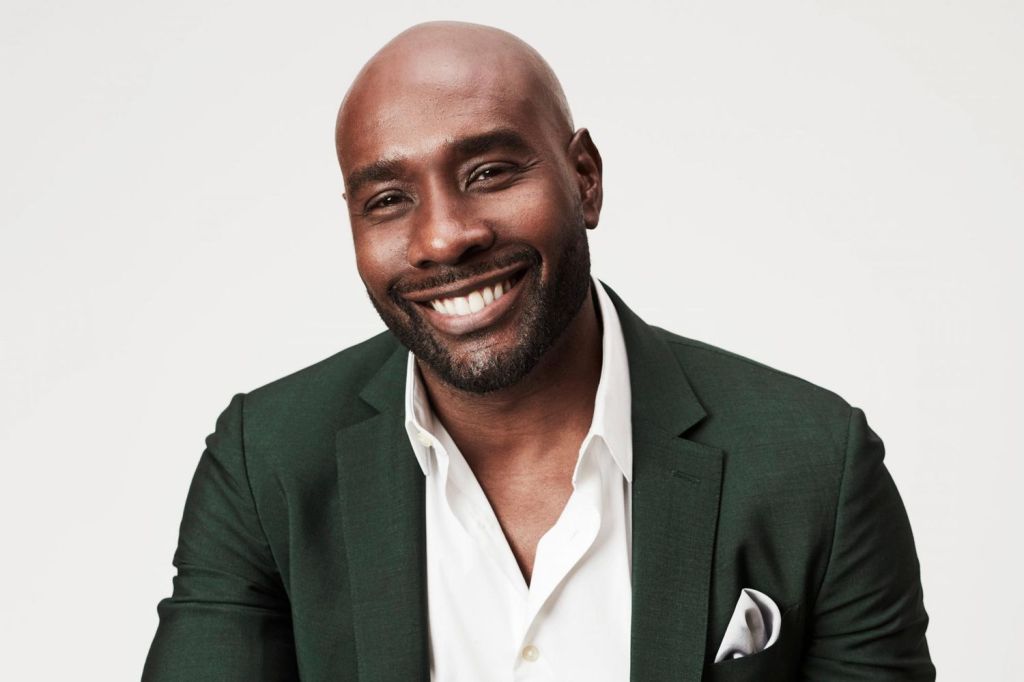
This photograph is the property of its respective owner. No copyright infringement intended.

Morris Lamont Chestnut, born January 1, 1969, in Cerritos, California, has long reigned as the cinematic archetype of the ideal man. With his deep, chocolate-brown skin and mesmerizing eyes, Chestnut embodies what many describe as “Black handsomeness in motion.” His film debut in John Singleton’s Boyz n the Hood (1991) as Ricky Baker launched him into stardom, and since then, he has maintained a reputation as one of the most attractive and respected actors in Hollywood.

Throughout his illustrious career, Chestnut has starred in classics such as The Best Man (1999), The Brothers (2001), Think Like a Man (2012), and The Perfect Guy (2015). His performances are distinguished not only by his physical presence but also by his emotional depth and versatility. In 2015, he received a NAACP Image Award for Outstanding Actor for his role in The Best Man Holiday (2013).

Known for his grace, humility, and commitment to family, Morris Chestnut has been married to Pam Byse since 1995, proving that real love still thrives in Hollywood. His success in film and television, coupled with his flawless physique and gentlemanly demeanor, makes him every woman’s dream man and a living symbol of enduring Black masculinity. For decades, he has been the poster child of male perfection — handsome, intelligent, and irresistibly charming.


Travis Cure: The Rising Star of Modern Masculinity

This photograph is the property of its respective owners. No copyright infringement intended

Travis Cure is one of Hollywood’s most captivating new faces — a blend of classic good looks and raw, emerging talent. With a physique that seems sculpted by divine hands and features that exude confidence and power, Cure is the personification of modern Black male beauty. Born and raised in Miami, Florida, Cure’s journey to stardom began through modeling and fitness. His perfectly symmetrical face, commanding frame, and piercing gaze quickly caught the attention of industry professionals, propelling him into acting.

He gained recognition for his roles in Tyler Perry’s The Oval, where he showcased not only his physical appeal but also his natural acting ability. Cure has also appeared in the film Deadly Sexy (2018), and his career continues to ascend as he takes on more dynamic and challenging roles.

Known for his discipline, fitness lifestyle, and strong work ethic, Travis Cure has become a symbol of determination and masculine beauty. His flawless complexion, toned body, and calm confidence make him one of the most striking men in entertainment today. Though he is still rising, Cure has already earned a devoted fanbase and the admiration of audiences worldwide. He represents the new generation of Black Hollywood — powerful, polished, and purpose-driven.


Conclusion

Shemar Moore, Morris Chestnut, and Travis Cure stand as embodiments of the artistry of masculine beauty — golden, rich, and radiant in their own ways. Their presence on and off the screen redefines what it means to be both strong and graceful, handsome and humble. Each has carved his legacy through talent, discipline, and divine design, representing the finest aspects of Black excellence. In the ever-evolving landscape of Hollywood, they remain timeless — men whose beauty and brilliance will forever be celebrated.


References

African Kings’ Aesthetic Legacy — Shaka Zulu, Mansa Musa, and the Menelik Lineage.

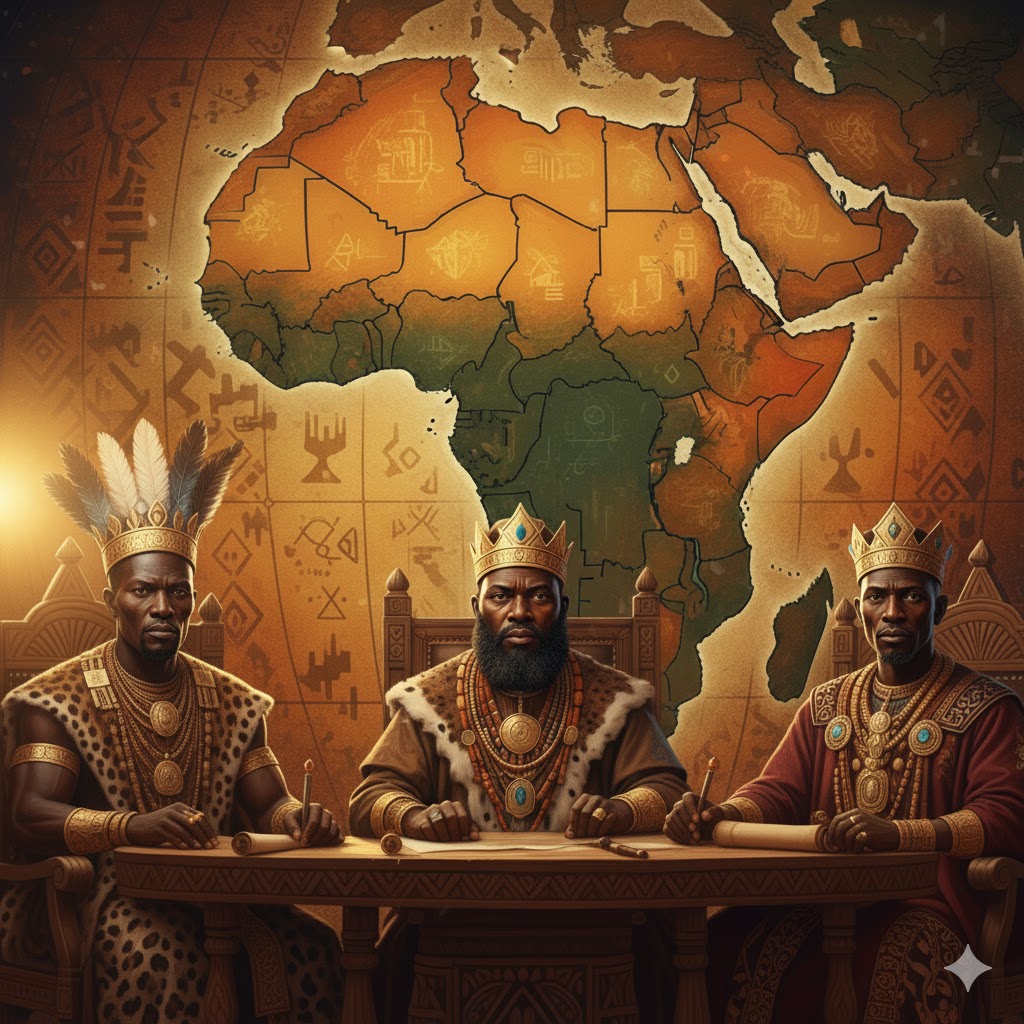
Across the tapestry of African history, the aesthetic and regal expressions of its kings reveal a profound cultural sophistication. Far more than adornment, African royal aesthetics embodied spiritual authority, political power, divine lineage, and communal identity. This legacy—rooted in ancestral dignity, biblical heritage, and sociopolitical strategy—remains etched in the memory of the African diaspora, shaping contemporary visions of beauty, pride, and leadership.

Shaka Zulu, the legendary king of the Zulu Kingdom, is often remembered for military revolution, but his visual presence was equally symbolic. His regalia—leopard skins, feathered headpieces, and the formidable iklwa spear—embodied authority and spiritual connection to ancestral power. In Zulu culture, leopard skin signified rulership and sacred status, marking Shaka as chosen by both lineage and divine purpose.

Shaka’s aesthetic choices were not mere performance. Royal attire served as psychological warfare, instilling fear in enemies and reverence among followers. His bare-chested stature, adorned in animal skins and traditional ornaments, portrayed strength, discipline, and a warrior-king archetype. This image continues to inspire modern African aesthetics rooted in courage, masculinity, and ethnic honor.

While Shaka’s visual legacy radiates martial might, Mansa Musa’s majesty reflects wealth, scholarship, and spiritual devotion. Known as the wealthiest ruler in recorded history, the emperor of Mali broadcast divine prosperity through gold-embroidered robes, luxurious fabrics, and grand caravans laden with gold during his pilgrimage to Mecca. His aesthetic was sanctified opulence—material abundance presented as a testament to divine favor.

Mansa Musa’s attire and gifts symbolized more than personal wealth; they expressed Mali’s intellectual and religious elevation. His support for Islamic scholarship and architectural development, including the famed Sankore University, reveals a king whose regal splendor mirrored cultural enlightenment. To look upon Musa was to witness the glory of a spiritually anchored kingdom infused with educational prestige.

A great king is often measured not only by wealth or war but by their ability to uplift their nation’s beauty and identity. In both Shaka and Mansa Musa’s reigns, attire communicated a message: African sovereignty was majestic, cultured, and God-ordained. Their legacy resists colonial narratives that sought to reduce African kingdoms to primitiveness.

The Menelik lineage—tracing origins to King Solomon and the Queen of Sheba—offers another dimension to African royal aesthetics: biblical legitimacy. Ethiopian emperors, believed to descend from Menelik I, carried themselves with divine authority. Crowns adorned with crosses, ceremonial robes, lion symbolism, and sacred scepters proclaimed their connection to the Lion of Judah.

This lineage grounded royal aesthetics in scripture, blending Hebraic tradition with African identity. Ethiopian kings and queens, from Menelik to Haile Selassie, wore garments that mirrored priesthood and ancient Israelite tradition—silk robes, jeweled crowns, and embroidered crosses. Their appearance declared covenant heritage and sacred kingship.

The Solomonic tradition did not merely borrow from biblical imagery; it asserted Africa’s centrality in salvation history. Through attire, ritual, and royal posture, Ethiopia preserved a visual theology: that God’s chosen lineage flowed through African bloodlines. Such aesthetics challenged Western religious narratives by rooting biblical heritage in the Black experience.

Across African kingdoms, beauty was political. Regalia conveyed legitimacy, commanded unity, and inspired resistance. It affirmed African dignity against centuries of distortion and erasure. The royal aesthetic stood as evidence that African civilization produced rulers equal to, and often surpassing, those of Europe and Asia.

Moreover, African royal aesthetics fused spirituality and statehood. Kings were more than rulers—they were shepherds, protectors, and spiritual intercessors. Whether through animal symbolism, gold ornamentation, or embroidered sacred garments, regalia reminded subjects that rulership was divine stewardship. Visual splendor communicated sacred responsibility.

Today, the aesthetic legacy of African kings influences modern fashion, leadership imagery, and cultural pride. From contemporary artists drawing inspiration from royal attire to global celebrations of African textiles, jewelry, and hairstyles, the regal memory still reigns. It informs movements reclaiming African identity from colonial distortion.

In the diaspora, this legacy also sustains psychological empowerment. Images of African kings counterbalance narratives of enslavement and inferiority. They offer icons of nobility, strength, and divine selection—foundations for renewed cultural confidence. Aesthetic tradition becomes a tool for spiritual and social restoration.

Biblically, kingship and beauty intertwine with divine covenant. The scriptures declare: “I have said, Ye are gods; and all of you are children of the most High” (Psalm 82:6, KJV). African kings embodied this truth, wearing majesty not for vanity but for sacred duty. Their appearance testified to the divine imprint upon Black identity.

Thus, the aesthetic legacies of Shaka Zulu, Mansa Musa, and the Menelik line are not relics—they are living testimonies. They call today’s generation to reclaim dignity, honor, and spiritual royalty. Through wardrobe, posture, and cultural pride, the descendants of these kingdoms continue to rise, embodying a beauty forged in history and blessed by God.

Below the surface of gold, feathers, hides, and crowns lies a fundamental truth: African kings dressed as heirs of divine promise. Their aesthetic legacy remains a spiritual inheritance—an invitation to walk in royal identity, remembering that Black majesty is not a myth but a recorded, sacred reality.


References
Boahen, A. A. (2011). African perspectives on colonialism. Diasporic Press.
Davidson, B. (1998). A history of West Africa. Longman.
Isaac, S. (2020). Ethiopia and the lineage of Solomon: An African biblical heritage. Hebraic Studies Journal, 12(3), 45–62.
Knight, I. (2015). Zulu rising: The epic story of iSandlwana and Rorke’s Drift. Macmillan.
Levtzion, N., & Hopkins, J. F. P. (Eds.). (2000). Corpus of early Arabic sources for West African history. Markus Wiener.
Trimingham, J. S. (2018). Islam in West Africa. Oxford African Texts.