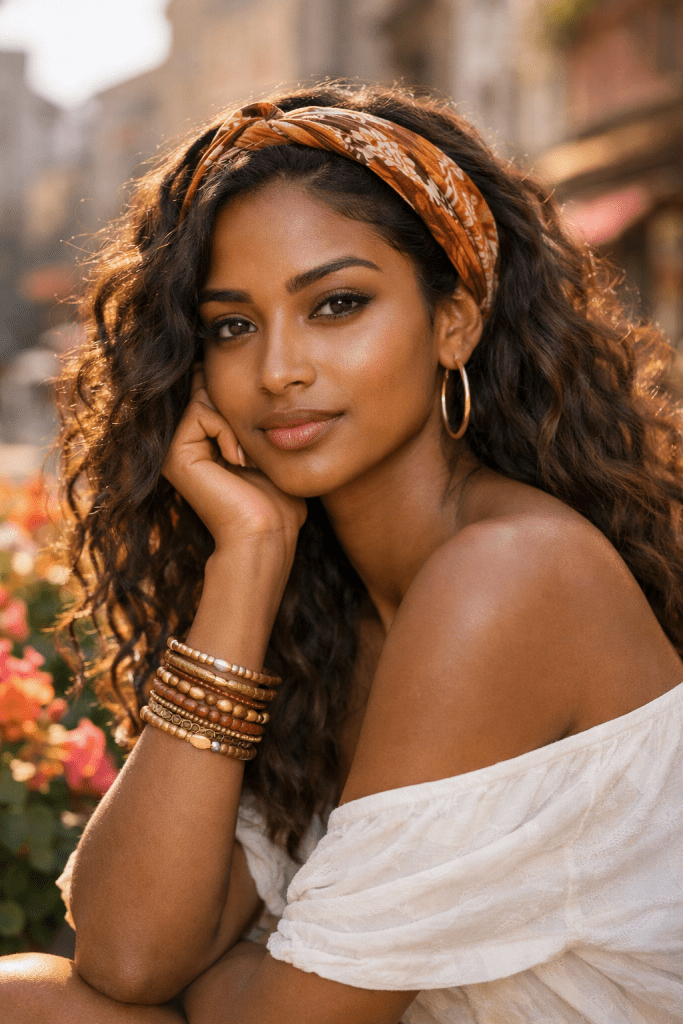
Navigating life as a brown-skinned girl is a journey of constant negotiation—between societal expectations, personal identity, and cultural beauty standards. From childhood, brown girls are acutely aware of how their skin tone situates them within the hierarchy of desirability, both within and outside their communities. Lighter skin is often idealized, celebrated in media, and equated with elegance, intelligence, and worth, while darker tones can be stigmatized or rendered invisible. This color-coded hierarchy, often internalized through subtle comments, media representation, and historical legacies of slavery and colonization, profoundly shapes self-perception and social mobility (Hunter, 2007; Rockquemore & Brunsma, 2002). The result is a dual challenge: the desire to be accepted by mainstream standards and the need to cultivate self-love in the face of systemic bias.
Beauty and fashion industries have historically perpetuated narrow ideals, often favoring Eurocentric features and lighter skin tones, creating a constant tension for brown girls striving to see themselves reflected in the world. Hair texture, eye color, and even body shape are scrutinized through these cultural lenses, further complicating identity formation (Banks, 2018; Russell-Curry, 2019). Social media has added another layer: while platforms provide spaces for celebration and community, they also amplify unrealistic beauty standards and comparison culture. For many brown girls, the pursuit of “acceptable” beauty involves a careful balance between embracing natural features and negotiating external pressures to conform.
Yet, alongside these challenges, a growing movement of empowerment and self-definition is reshaping the narrative. Brown girls are reclaiming their stories, embracing melanin-rich beauty, and celebrating cultural heritage through art, fashion, and activism. Figures like Lupita Nyong’o, Yara Shahidi, and Naomi Campbell exemplify this reclamation, showing that brown skin is not a limitation but a hallmark of strength, resilience, and beauty (Taylor, 2016; Wade & Ferree, 2016). Community-based mentorship, literature, and online collectives further reinforce positive identity development, encouraging brown girls to define beauty on their own terms rather than internalizing external biases.
Love and acceptance, both personal and communal, are central to this journey. Families, peers, and cultural institutions play a pivotal role in fostering confidence, while representation in media and leadership positions helps validate experiences and aspirations. Psychologically, embracing one’s skin tone correlates with higher self-esteem, reduced internalized colorism, and greater social confidence (Keith & Herring, 1991; Monk, 2015). Beyond the Shade is, therefore, more than a conversation about skin—it is about the holistic affirmation of identity, the courage to resist limiting narratives, and the celebration of brown girls as complex, beautiful, and powerful individuals in every sphere of life.
References
Banks, I. (2018). Hair matters: Beauty, power, and Black women’s consciousness. New York University Press.
Hunter, M. (2007). The persistent problem of colorism: Skin tone, status, and inequality. Sociology Compass, 1(1), 237–254.
Keith, V. M., & Herring, C. (1991). Skin tone and stratification in the Black community. American Journal of Sociology, 97(3), 760–778.
Monk, E. P. (2015). The cost of color: Skin color, discrimination, and health among African Americans. American Journal of Sociology, 121(2), 396–444.
Rockquemore, K. A., & Brunsma, D. L. (2002). Beyond Black: Biracial identity in America. Sage Publications.
Russell‑Curry, A. (2019). Shades of identity: Colorism, Black girlhood, and embodied performance. Journal of Gender Studies, 28(2), 147–161.
Taylor, K.-Y. (2016). How we get free: Black feminist visions of liberation. University of Minnesota Press.
Wade, L., & Ferree, M. M. (2016). Gender: Ideas, interactions, institutions (3rd ed.). W.W. Norton & Company.
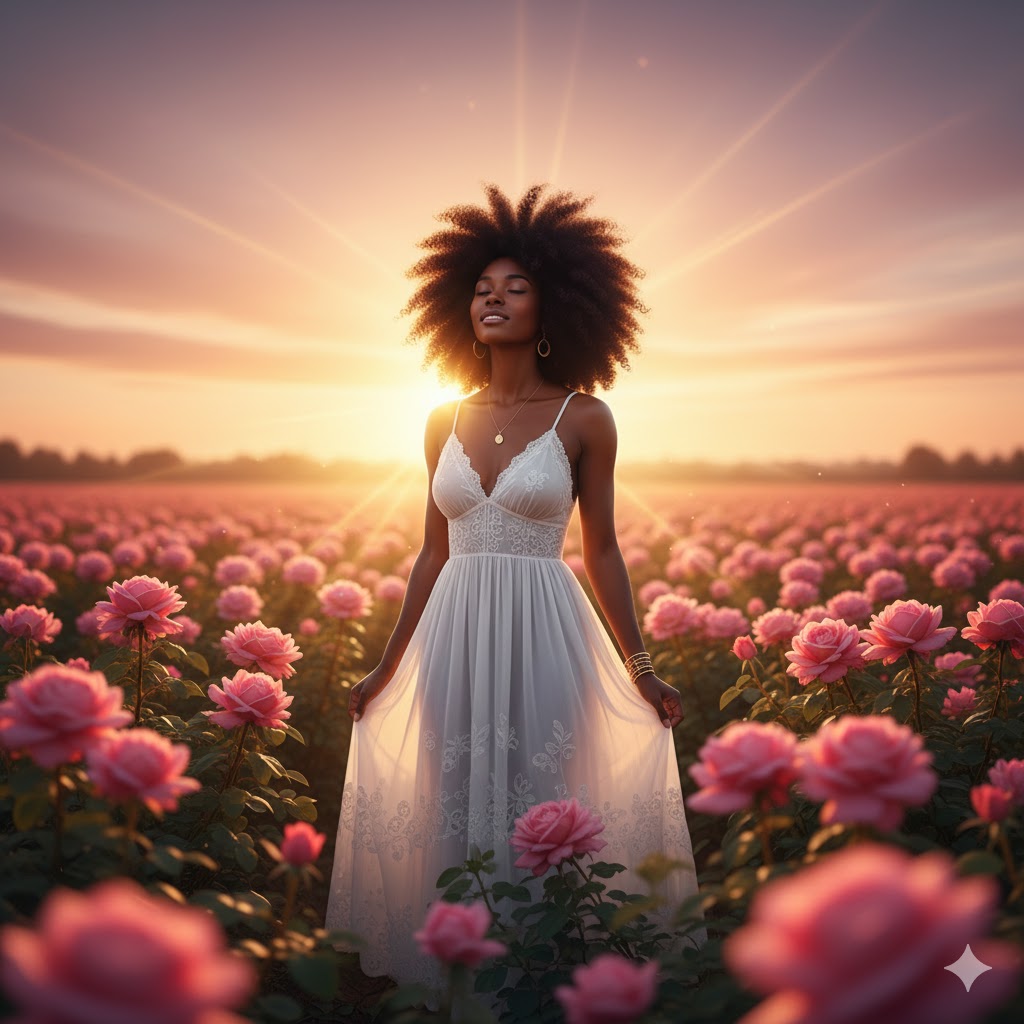
Brown girl blooming is the sacred story of becoming—an unfolding that resists erasure and outgrows every attempt to confine it. Her bloom is not accidental but intentional, watered by ancestors who endured storms she will never fully see. She rises with the memory of those who survived, those who fought, and those who refused to let the world define their worth. Her beauty grows from lineage, truth, and unbreakable Black resilience.
Brown girl blooming means learning to love the soil you were planted in, even when that soil feels too heavy, too harsh, or too overlooked. The richness of melanin carries a testimony of survival, a melody of triumph sung through generations. No flower is judged for the darkness of its petals; rather, it is celebrated for its rare and incomparable brilliance. So too is the brown girl who steps into her own light.
Her bloom is not simply external but deeply spiritual. She learns that God did not make a mistake when He shaped her features, deepened her tones, and crowned her with textured glory. She discovers scriptures that affirm her value, reminding her that she is “fearfully and wonderfully made” (Psalm 139:14, KJV). This truth becomes the wind that pushes her toward self-acceptance.
Brown girl blooming is transformative because it requires the courage to reclaim what society taught her to reject. For decades, she was told that her hair needed to be tamed, her voice softened, her presence minimized. Now, she blooms by taking up space unapologetically, stepping into rooms that were never built with her in mind, yet cannot thrive without her influence.
Society often demanded her labor while dismissing her identity. Yet she continues to rise, drawing from the legacy of women like Sojourner Truth, Ida B. Wells, and Maya Angelou—women who bloomed defiantly in the face of oppression. Their courage becomes fertilizer for her growth, reminding her that blooming is both a right and a responsibility.
Every brown girl carries stories in her skin—stories of migration, resistance, creativity, and spiritual strength. These stories are not burdens; they are seeds. When nurtured, they bloom into purpose, wisdom, and generational healing. Her body becomes a living archive of her people’s triumph.
Some seasons of blooming come through pain. Colorism, misogynoir, and systemic bias attempt to stunt her growth. But even broken branches can sprout again. Research on racial identity development shows how affirming environments help women of color thrive despite systemic oppression (Cross & Vandiver, 2001). Brown girl blooming is not a denial of hardship but a declaration of perseverance.
And when she blooms, she helps others bloom too. Her glow becomes a mirror for her sisters, reflecting possibility and belonging. She becomes a sanctuary for other brown girls who are still learning to see their own beauty, offering encouragement and empathy as they fight to bloom in unfriendly soil.
Brown girl blooming is also intellectual. She reads, studies, questions, and innovates. She pursues degrees, builds businesses, writes books, and reconstructs narratives that once excluded her. Education becomes a form of blossoming—a quiet rebellion against historic attempts to keep her mind unwatered.
Her bloom is emotional as well. She learns to love herself in full dimension, not just the polished parts. Healing from trauma, anxiety, and generational wounds is part of her process. She embraces therapy, sisterhood, and faith as tools that prune her soul, making room for new blossoms.
Spiritually, she blooms by understanding her divine identity. She realizes she is made in the image of the Most High (Genesis 1:27, KJV), and that truth radiates through her confidence. Prayer becomes her sunlight; scripture becomes her living water. Her relationship with God sustains her growth even in barren seasons.
Brown girl blooming is cultural. She adorns herself in braids, curls, coils, locs, Ankara fabrics, and sacred traditions that remind her of home. She celebrates her ancestry unapologetically, allowing heritage to be both her root and her blossom.
Her bloom strengthens when she learns to love her voice. For centuries, society silenced Black women’s truths. Now, she speaks with clarity, power, and purpose. She becomes an advocate, a visionary, a storyteller, and a protector of her community.
The world does not always know how to honor her bloom, but that has never stopped her from flowering. She is not fragile—she is resilient, adaptable, and divinely crafted. Her bloom can withstand harsh winds and still grow toward the sun.
Each stage of blooming reveals a new dimension of her identity. Sometimes she is a bud—still closed, still developing. Other times she is in full bloom—radiant, confident, and unstoppable. There is no shame in her process; blooming takes time.
Brown girl blooming also means unlearning the lies of Eurocentric beauty standards. Studies show that internalized colorism and bias affect the self-esteem and mental health of Black women (Huber & Solorzano, 2015). Yet she uproots these lies and plants new truths: she is beautiful, worthy, and complete in her God-given design.
Her bloom inspires the next generation—girls watching their mothers, aunties, teachers, and mentors flourish with dignity and self-love. They learn from her example that beauty is not measured by complexion but by character, brilliance, and inner strength.
Brown girl blooming is not a trend; it is a lifelong journey. It is the ongoing process of learning who she is, what she carries, and why she matters. Each chapter of her life adds new petals to her story.
She blooms when she builds healthy relationships. She surrounds herself with people who see her, honor her, and water her growth. She releases those who only drain her soul, trusting that God will provide better companions for her journey.
She blooms when she chooses joy—unapologetic joy that refuses to be dimmed. She dances, laughs, celebrates, and embraces her own softness. In doing so, she shows the world that Black women deserve pleasure, ease, and rest.
And ultimately, brown girl blooming is a testament to divine promise. Despite every force that tried to bury her, she grew. She survived. She blossomed. And she will continue to bloom for generations to come.
References
Angelou, M. (1986). All God’s children need traveling shoes. Random House.
Cross, W. E., & Vandiver, B. J. (2001). Nigrescence theory and measurement: Introducing the Cross Racial Identity Scale (CRIS). Journal of Counseling Psychology, 48(3), 278–287.
Huber, L. P., & Solorzano, D. G. (2015). Racial microaggressions as a tool for critical race research. Race Ethnicity and Education, 18(3), 297–320.
King James Bible. (1611). Authorized Version.
Truth, S. (1995). Narrative of Sojourner Truth. Penguin Books. (Original work published 1850)
Wells, I. B. (2020). Crusade for justice: The autobiography of Ida B. Wells. University of Chicago Press. (Original work published 1928)
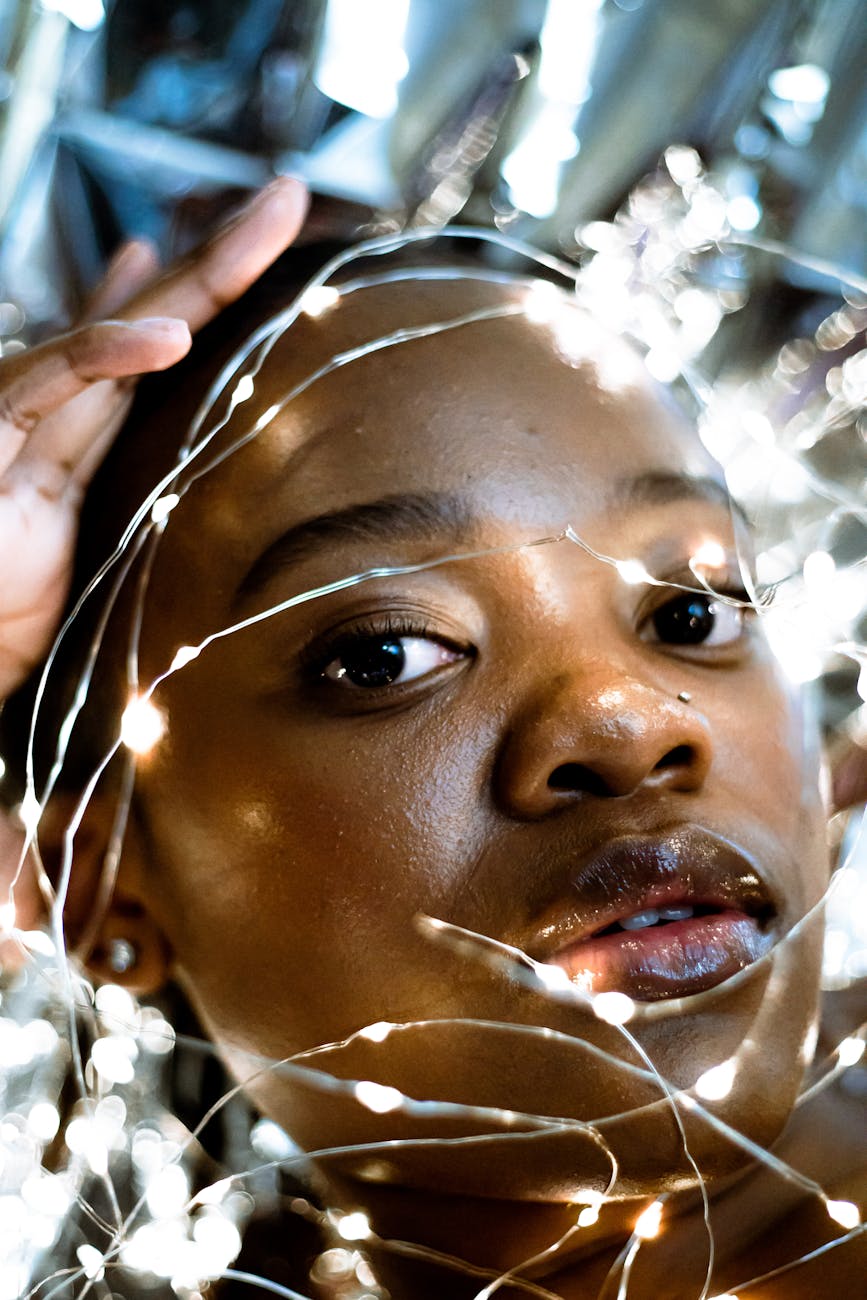
For individuals with dark skin, navigating a world that idealizes lightness is an enduring challenge. Society often elevates pale skin as the standard of beauty, success, and desirability, marginalizing darker complexions. Glow in the Dark is a celebration of dark-skinned identity, affirming beauty, resilience, and self-love in the face of systemic bias and colorism.
Historically, colonialism and slavery entrenched a hierarchy of skin tones. Lighter-skinned individuals were often granted privileges, while darker-skinned people were dehumanized, undervalued, and stigmatized (Hunter, 2007). These legacies persist today, influencing media representation, social perceptions, and self-image.
Colorism, the preferential treatment of lighter skin within racialized communities, compounds challenges for dark-skinned individuals. It can manifest subtly through microaggressions or overtly through exclusion from social, professional, and romantic opportunities. Understanding these dynamics is crucial to fostering resilience and self-acceptance (Russell, Wilson, & Hall, 1992).
Psychologically, living in a “pale world” can lead to internalized oppression. Many dark-skinned individuals are conditioned to view their complexion as less desirable, creating struggles with self-esteem, identity, and belonging. Reclaiming one’s narrative is an essential step toward healing and empowerment.
Media representation plays a powerful role in shaping perceptions. Historically, darker-skinned individuals were underrepresented or portrayed negatively in television, film, and advertising. When they were visible, they were often caricatured, reinforcing stereotypes. Today, increasing visibility of dark-skinned role models challenges these norms, affirming that beauty exists in all shades.
Beauty standards in fashion and advertising have long centered around lighter tones. Foundation shades, skincare marketing, and magazine covers have historically excluded dark skin, signaling to consumers that their complexion is less worthy. Expanding inclusivity is critical to affirming the worth of dark-skinned people (Glenn, 2008).
Dark-skinned women face a “double bind” of gendered and colorist biases. Their beauty is often undervalued compared to lighter peers, yet they are simultaneously hypersexualized in media narratives. Self-love becomes an act of resistance against a society that seeks to define their value through restrictive and prejudiced lenses.
Hair, an essential component of identity, intersects with skin tone. Natural hairstyles like afros, locs, and braids are often stigmatized in mainstream culture, yet they are powerful symbols of pride and self-expression. Embracing natural hair affirms cultural heritage and reinforces self-love.
Education is key to dismantling internalized biases. Learning about the historical and cultural significance of melanin-rich skin fosters appreciation and pride. Curricula that integrate Black history, cultural contributions, and positive representation help students develop resilience against pervasive societal prejudice.
Family and community support profoundly impact self-perception. Children who receive affirmation about their skin tone, hair, and heritage are more likely to embrace their identity confidently. Community initiatives that celebrate dark-skinned beauty reinforce belonging and self-worth.
Social media amplifies both challenges and opportunities. Platforms can perpetuate colorism through beauty filters and preference hierarchies, but they also provide spaces for empowerment. Campaigns like #DarkSkinIsBeautiful and #MelaninPoppin cultivate pride, representation, and collective affirmation.
Spiritual perspectives validate the inherent worth of dark-skinned individuals. Song of Solomon 1:5 celebrates dark skin: “I am black, but comely, O ye daughters of Jerusalem” (KJV). Such affirmations provide a framework for understanding beauty as divinely ordained rather than socially constructed.
Economic empowerment intersects with skin tone. Supporting Black-owned businesses and inclusive brands strengthens community wealth while reinforcing pride in identity. Economic agency becomes a form of self-affirmation and resistance against systems that marginalize dark-skinned individuals.
Art, literature, and film provide avenues for cultural expression and validation. Creators highlighting dark-skinned beauty, resilience, and achievement challenge dominant narratives, offering inspiration and affirmation to communities historically overlooked or misrepresented.
Interpersonal relationships also reflect colorism’s influence. Studies indicate that dark-skinned individuals often face bias in dating, friendships, and professional networks. Affirming self-worth requires both personal confidence and supportive social environments that counteract prejudice (Hill, 2002).
Mental health is profoundly affected by colorism. Therapy, mentorship, and community support help dark-skinned individuals process internalized biases, cope with societal pressures, and cultivate resilience. Prioritizing emotional well-being is essential to sustaining self-love in a pale-dominated culture.
Cultural pride strengthens identity and resilience. Celebrating heritage, learning ancestral histories, and participating in cultural practices provide a foundation of self-respect and belonging. These practices counteract societal narratives that devalue dark skin and marginalized communities.
Global movements for racial justice underscore the importance of self-love. Dark-skinned individuals who assert pride in their appearance and identity participate in broader efforts to dismantle systemic bias, affirming that visibility, representation, and advocacy are intertwined with personal empowerment.
Ultimately, glowing in a pale world is an act of defiance and affirmation. Loving one’s shade transcends aesthetics; it is a reclamation of dignity, a celebration of heritage, and a declaration of worth. Each individual who embraces their complexion challenges societal hierarchies and models resilience for future generations.
In conclusion, Glow in the Dark is both personal and revolutionary. Dark-skinned individuals who affirm their beauty resist systemic prejudice, nurture self-love, and inspire collective empowerment. Loving one’s shade in a pale world is a commitment to authenticity, pride, and the celebration of melanin as a source of strength, history, and beauty.
References
Glenn, E. N. (2008). Yearning for lightness: Transnational circuits in the marketing and consumption of skin lighteners. Gender & Society, 22(3), 281–302. https://doi.org/10.1177/0891243208316089
Hill, M. E. (2002). Skin color and the perception of attractiveness among African Americans: Does gender make a difference? Social Psychology Quarterly, 65(1), 77–91.
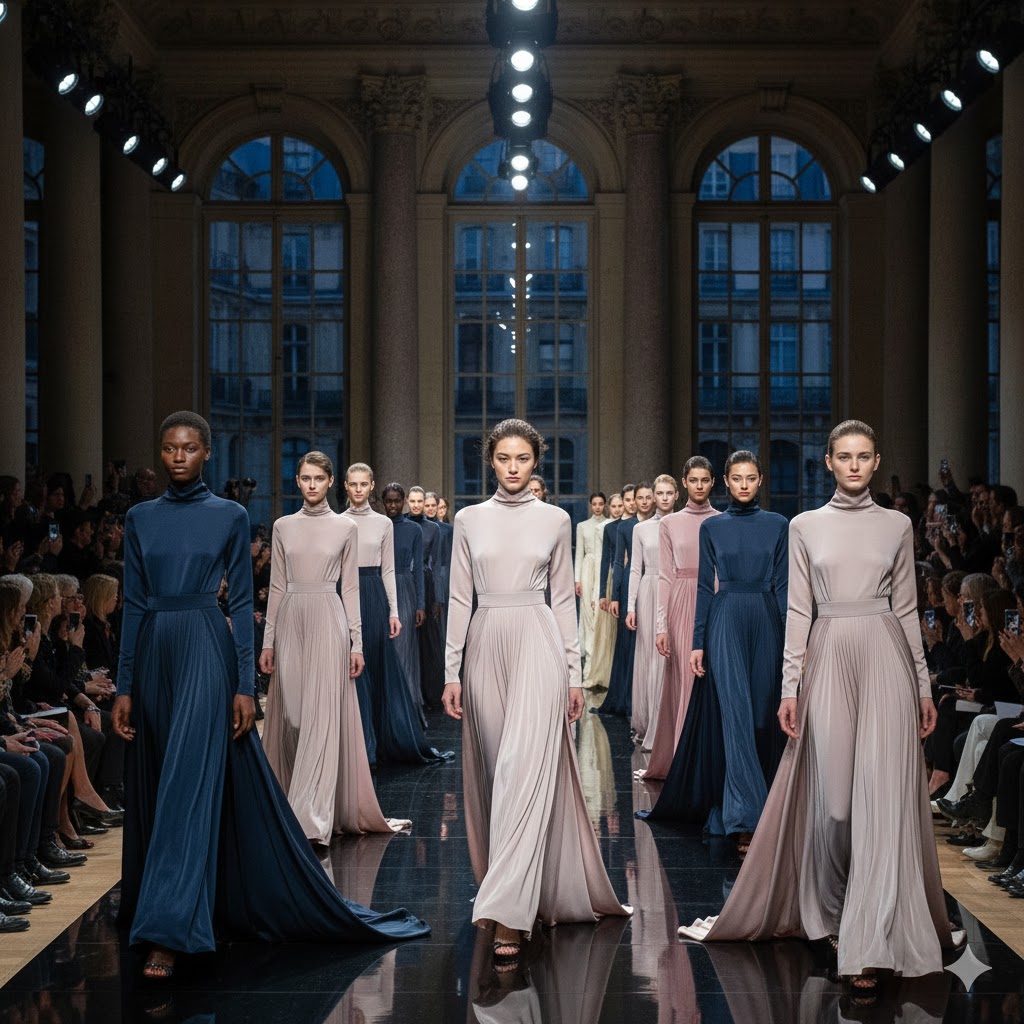
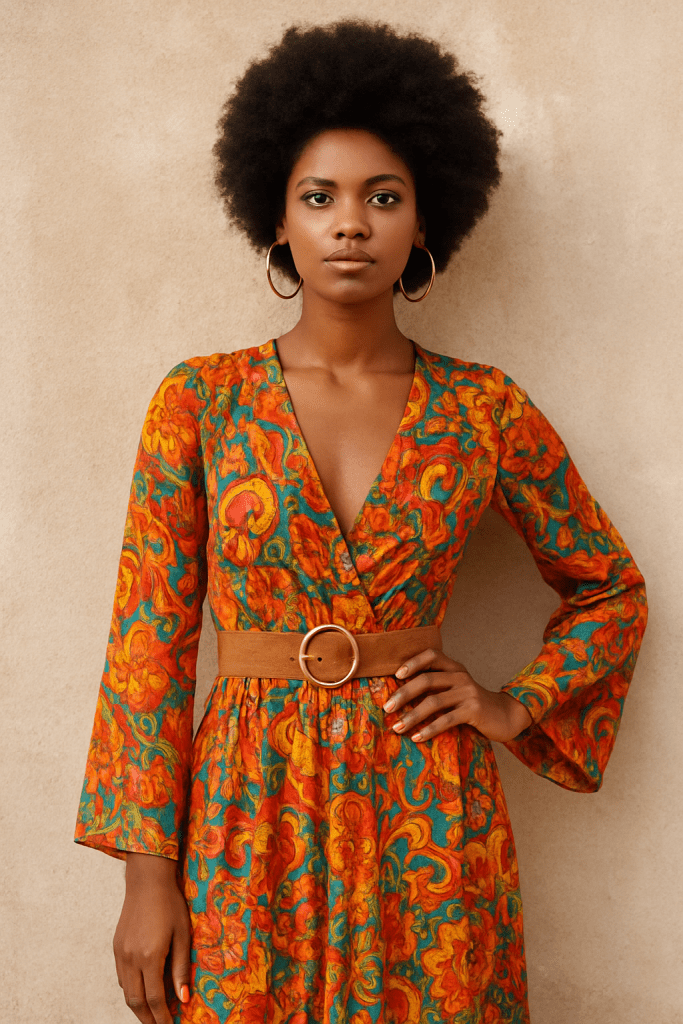
Fashion has always been a reflection of society’s values, culture, and technological advancements. From the early 1900s to the present day, clothing styles, fabric choices, and aesthetics have continually evolved to mirror the social, political, and economic climate of the time. In the early 20th century, fashion was formal and conservative. Women wore long skirts, corsets, and structured garments that emphasized modesty and social status, while men wore tailored suits with hats and polished shoes. Fabrics were primarily natural, such as cotton, wool, and silk, reflecting both availability and the limitations of textile technology.
The 1920s brought a dramatic shift with the emergence of the flapper style. Women’s clothing became more relaxed, shorter hemlines appeared, and dresses allowed greater freedom of movement. This change reflected a broader societal shift as women gained more independence following World War I. Designers like Coco Chanel revolutionized fashion by introducing practical, elegant, and comfortable clothing, while popularizing jersey fabrics. Men’s fashion became less rigid, with slimmer suits and more casual styles starting to appear.
During the 1930s and 1940s, fashion was heavily influenced by economic hardship and wartime scarcity. Utility clothing became common, emphasizing functionality over excess. Silhouettes were elegant but conservative, and fabric rationing led to inventive design solutions. Hollywood glamour, however, also influenced trends, with movie stars like Rita Hayworth setting aspirational standards for evening wear and hairstyles.
The 1950s introduced a return to opulence and structure following World War II. Christian Dior’s “New Look” emphasized cinched waists, full skirts, and a feminine silhouette. Designers began exploring more luxurious fabrics, embellishments, and tailored details, appealing to an aspirational consumer base. Men’s fashion leaned toward refined suits, often accented with accessories like pocket squares and hats. Fashion became a marker of status, and the industry’s influence on culture intensified.
The 1960s marked a radical departure from tradition, reflecting youth culture, rebellion, and the civil rights movement. Mini skirts, bold patterns, and mod styles dominated women’s fashion, while men embraced slimmer cuts, turtlenecks, and colorful patterns. Designers like Yves Saint Laurent introduced ready-to-wear collections that made high fashion more accessible. Materials like synthetic fibers and new textiles allowed experimentation with bold colors, shapes, and textures.
By the 1970s, fashion became synonymous with individuality and counterculture. The hippie movement introduced flowing fabrics, bell-bottom pants, tie-dye patterns, and ethnic-inspired prints. Disco culture brought glitter, sequins, and extravagant evening wear. Designers began incorporating international influences, including African textiles and Asian motifs, broadening the global aesthetic palette. Men’s fashion became more relaxed, embracing flamboyance, color, and personal expression.
The 1980s celebrated excess and power dressing. Bold silhouettes, shoulder pads, neon colors, and designer logos became status symbols. Fashion became a statement of wealth, ambition, and cultural influence. Iconic designers like Gianni Versace, Giorgio Armani, and Ralph Lauren dominated the landscape, and celebrity influence began shaping trends. Menswear embraced sharp tailoring, power suits, and luxury branding, aligning fashion with professional success.
In the 1990s, fashion shifted toward minimalism and casual wear. Supermodels like Naomi Campbell, Kate Moss, and Cindy Crawford defined beauty standards with their tall, skinny frames, influencing the perception of the “ideal” model. Streetwear also emerged, blending hip-hop culture with high fashion. Designers began experimenting with gender-neutral aesthetics, grunge-inspired looks, and bold contrasts between luxury and casual wear.
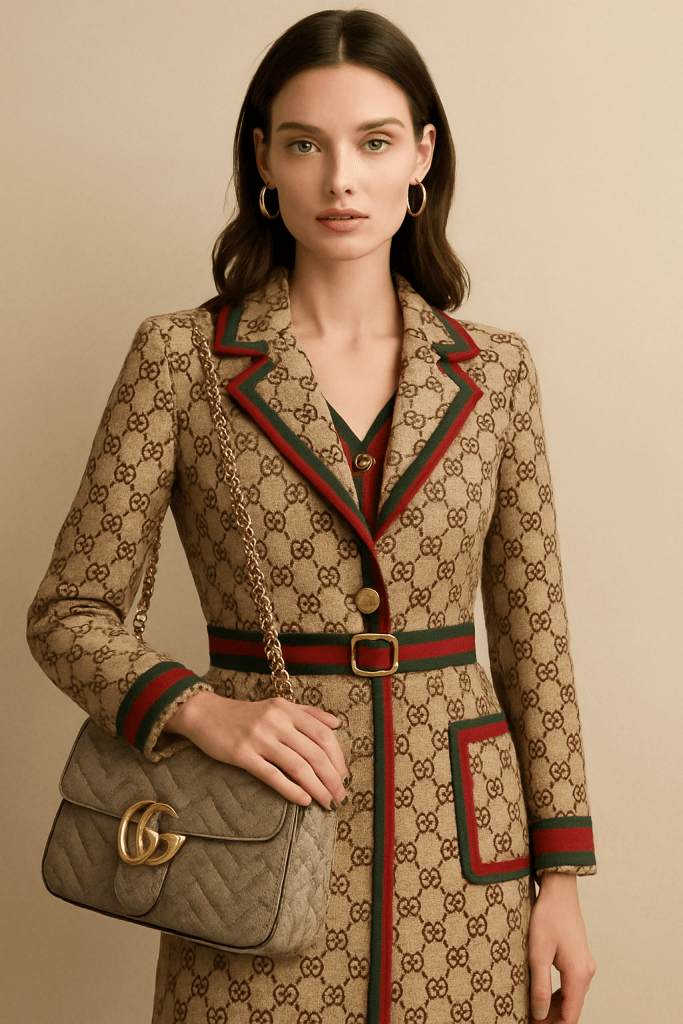
The early 2000s saw the rise of fast fashion and brand collaboration. Fashion became more democratized, with high-end styles replicated by affordable retailers. Celebrities influenced trends, and designer handbags, such as Louis Vuitton and Gucci, became cultural symbols. Fabrics ranged from traditional natural textiles to innovative blends and synthetics that allowed intricate detailing. Black designers like Dapper Dan began gaining recognition for their work in streetwear and luxury collaborations, challenging longstanding Eurocentric dominance in fashion.
By the 2010s, the industry began embracing diversity, body positivity, and inclusivity. Fashion campaigns started featuring models of varying sizes, ages, and ethnicities. Designers like Kerby Jean-Raymond of Pyer Moss brought social consciousness to the runway, emphasizing storytelling and heritage. Black designers gained more visibility, though challenges remained in a historically Eurocentric industry. The fashion world also embraced sustainability, rethinking materials and production processes to address environmental concerns.
Social media transformed fashion dramatically. Platforms like Instagram, TikTok, and YouTube allowed influencers to dictate trends, bypass traditional gatekeepers, and connect directly with audiences. Influencers like Chiara Ferragni, Aimee Song, and Camila Coelho became tastemakers, blending high fashion with personal branding. Social media gave rise to micro-influencers who shaped niche fashion communities, promoting brands and styles that might otherwise have been ignored by mainstream media.
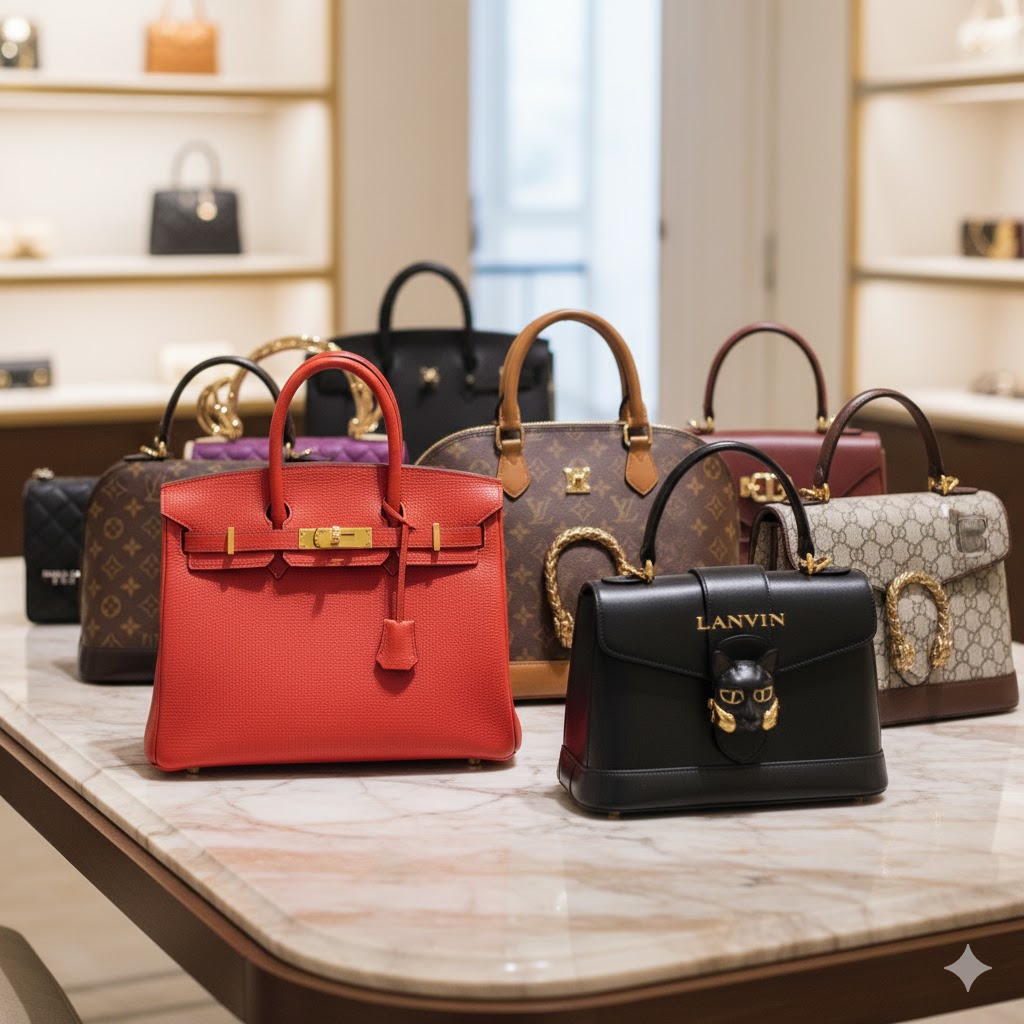
Handbags, particularly luxury items like the Hermès Birkin, became symbols of status and investment. The exclusivity, craftsmanship, and limited availability of such bags drive demand, and social media exposure amplifies their desirability. Fashion houses like Chanel, Louis Vuitton, and Gucci dominate this market, and ownership remains concentrated among multinational corporations, often led by conglomerates like LVMH or Kering. These companies leverage branding, heritage, and marketing to maintain prestige.
Fashion houses now frequently extend their influence into beauty products. Makeup lines, fragrances, and skincare collections complement apparel, allowing brands to capture a larger share of consumer spending and reinforce brand identity. Dior, Chanel, and Fenty Beauty exemplify how fashion and beauty converge, creating a holistic lifestyle brand. The synergy between apparel and cosmetics enhances brand loyalty and global recognition.
Globalization has also highlighted labor practices. Many fashion houses rely on overseas production, sometimes under exploitative conditions in sweatshops. This has led to increased scrutiny and calls for ethical labor standards. Brands are increasingly under pressure to provide transparency, ensure fair wages, and address sustainability. Consumers, empowered by social media, demand accountability in addition to aesthetics.
Quality has become more valued than quantity among discerning consumers. Fast fashion may offer variety at low cost, but luxury brands emphasize durability, craftsmanship, and timeless design. Investing in fewer, high-quality pieces ensures longevity and reduces waste, reflecting a shift toward conscious consumerism. The appreciation of quality over trendiness aligns with a growing awareness of environmental impact and ethical responsibility.
Diversity in design has increased over the decades. Black designers, Asian designers, and other underrepresented creators are gaining visibility, contributing unique perspectives and celebrating heritage. Platforms like New York Fashion Week, Paris Fashion Week, and digital showcases highlight these voices, challenging traditional Eurocentric dominance and inspiring global audiences.
Texture and fabric innovation have also evolved. Designers experiment with sequins, satin, leather, neoprene, and technical fabrics that merge fashion with functionality. Fabrics now serve multiple purposes: aesthetic, comfort, sustainability, and performance. This evolution reflects changing consumer demands and technological advances in material science.
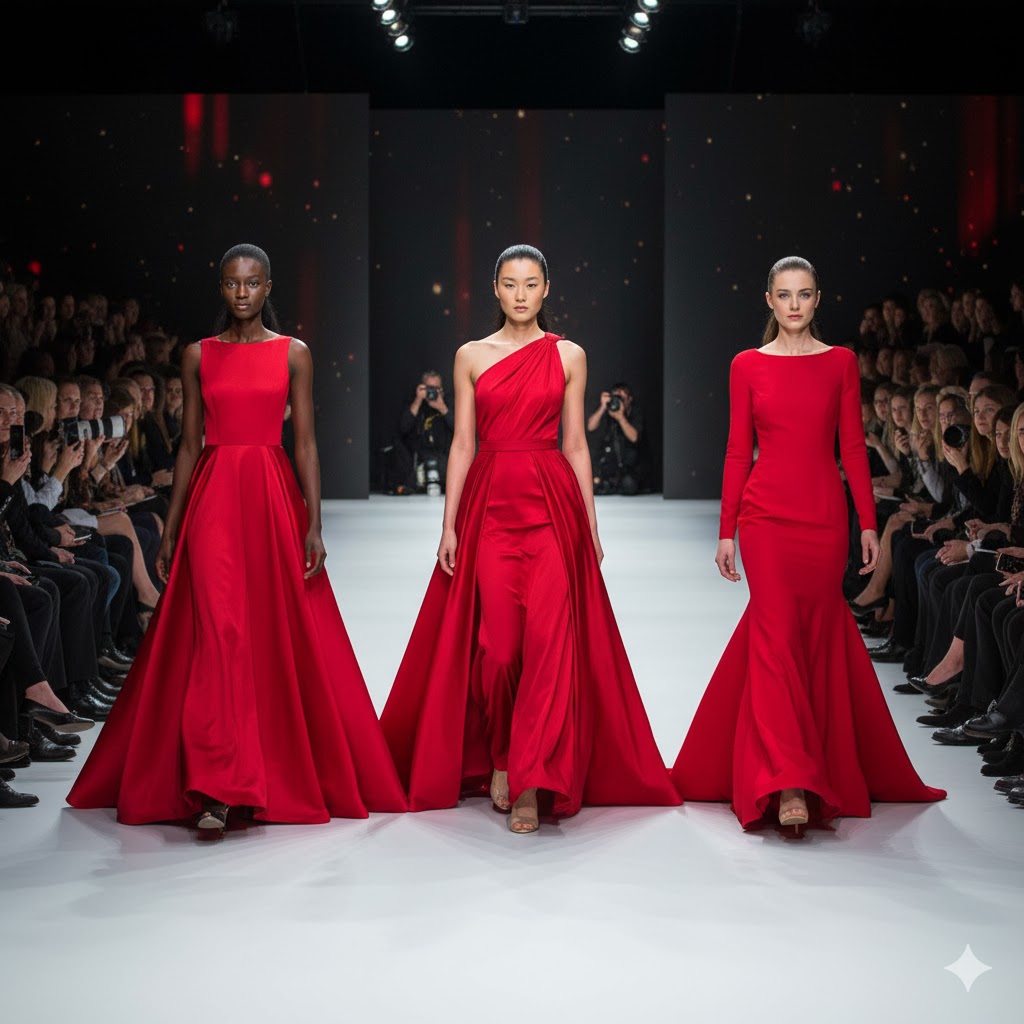
The modeling industry has also shifted significantly. Whereas thin, young, Eurocentric models dominated runways in the 1990s, today’s fashion shows feature older models, curvy models, and models of diverse ethnic backgrounds. Campaigns celebrate individuality, authenticity, and representation, reflecting broader social values.
Digital marketing has reshaped the fashion hierarchy. Instagram “drops,” TikTok trends, and influencer collaborations accelerate consumer adoption, sometimes outpacing traditional seasonal collections. This immediacy challenges the traditional fashion calendar while increasing the democratization of style. Influencers like Kendall Jenner, Bella Hadid, and Virgil Abloh (during his tenure at Louis Vuitton) exemplify this cultural shift, blending celebrity, social media reach, and design credibility.
Luxury handbag sales remain a dominant revenue source for fashion houses. Hermès consistently leads in sales, particularly with its Birkin and Kelly bags, due to scarcity, craftsmanship, and brand prestige. Chanel’s classic bags also hold value and investment potential, demonstrating that exclusivity and quality drive consumer desire.
Fashion brands now often operate across multiple industries—apparel, footwear, cosmetics, fragrances, and even home goods. This diversification maximizes revenue streams and strengthens brand influence. Louis Vuitton and Gucci, for example, have leveraged cross-industry expansion to maintain market dominance while attracting younger, digitally savvy consumers.
Black designers continue to gain recognition, though challenges remain. Pyer Moss, LaQuan Smith, and Kerby Jean-Raymond merge storytelling with luxury, creating designs that resonate culturally and socially. Their work challenges traditional norms and emphasizes fashion as a vehicle for social commentary. Representation in fashion not only fosters inclusivity but also expands the industry’s creative palette.
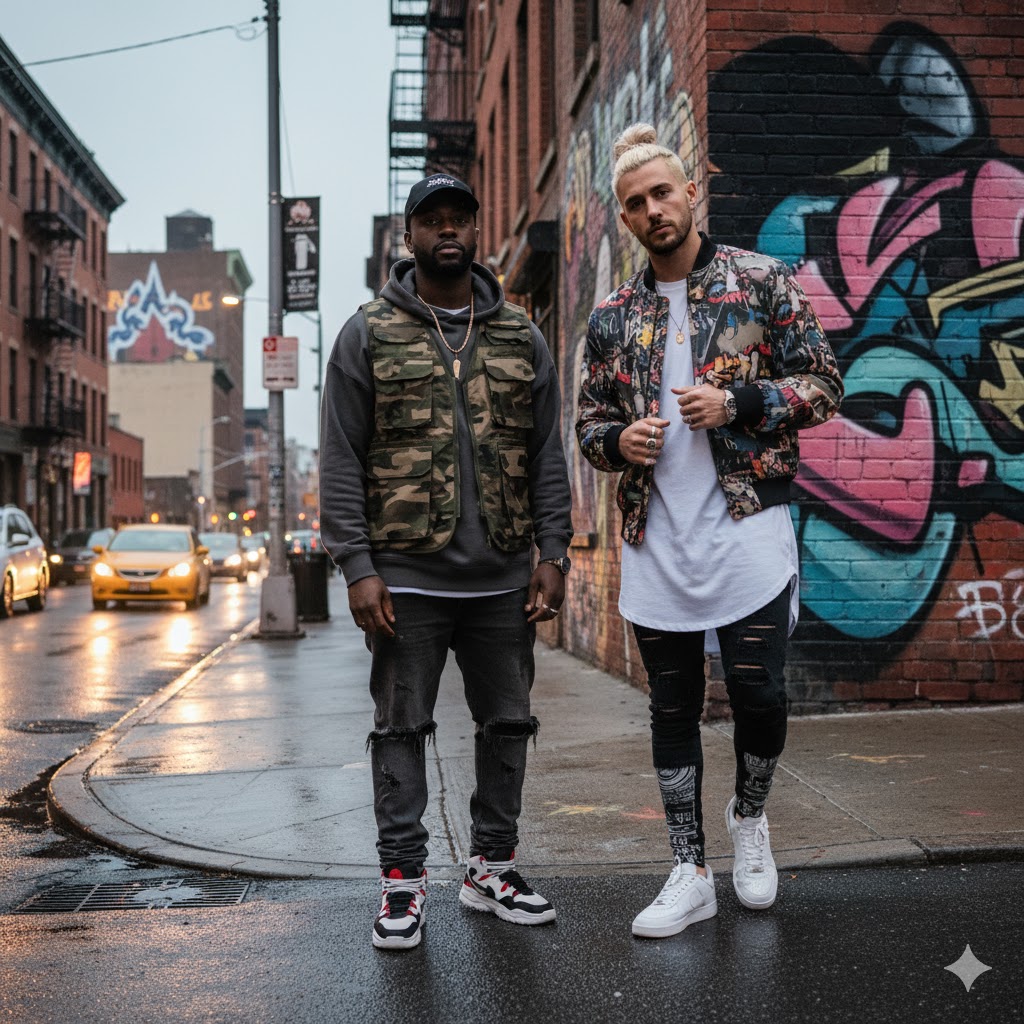
The rise of streetwear and casual luxury has changed global fashion. Sneakers, hoodies, and casual ensembles are now central to high-fashion collections, reflecting a shift in cultural influence and consumer priorities. This democratization of luxury aligns with social media-driven trends and youth culture, bridging accessibility with prestige.
Fashion houses are largely owned by conglomerates like LVMH, Kering, and Richemont, which oversee multiple brands while maintaining distinct identities. These corporate structures allow for global expansion, strategic acquisitions, and control over intellectual property. Despite their size, individual designers within these houses retain creative influence, though they operate within corporate strategy.
Handbags, particularly luxury lines, serve both as fashion statements and investment pieces. Scarcity, quality craftsmanship, and brand heritage drive demand. The Hermès Birkin, Chanel Classic Flap, and Louis Vuitton Neverfull exemplify this dual function. Consumers now weigh investment potential alongside aesthetics when purchasing high-end bags.
Fast fashion remains a controversial part of the industry. While it democratizes access to trends, it often relies on sweatshop labor in developing countries. The conditions in these facilities raise ethical concerns, pushing some brands to adopt sustainability practices and improve labor standards. Socially conscious consumers are increasingly influential, demanding transparency and accountability.
Social media has elevated influencers to new levels of power in fashion. They dictate trends, collaborate with brands, and shape public perception. TikTok and Instagram are especially powerful platforms where influencers like Chiara Ferragni, Aimee Song, and Camila Coelho have global reach, directly impacting brand success and consumer behavior.
Celebrity influence continues to intertwine with fashion. Collaborations, capsule collections, and co-branded products merge fame with design credibility. Rihanna’s Fenty brand and Beyoncé’s Ivy Park exemplify this synergy, blending lifestyle, music, and apparel into highly influential fashion narratives.
Quality over quantity has become a guiding principle for conscious consumers. While fast fashion encourages disposability, luxury consumers prioritize durability, craftsmanship, and long-term value. Investing in fewer, well-made pieces ensures satisfaction and reflects a sustainable approach to style.
Digital commerce has transformed the industry. Fashion houses leverage online platforms to reach global audiences, offer exclusive products, and integrate virtual try-ons. Technology has also enabled transparency in supply chains, helping brands address ethical and environmental concerns while maintaining consumer trust.
Fashion Evolution Timeline (1900s–2025)
Early 1900s (1900–1910): Birth of Modern Fashion
At the turn of the century, women’s fashion was still very structured: corsets, long skirts, tailored blouses. Men wore formal suits, waistcoats, and hats. This reflects the social conventions and strict gender roles of the time. Timetoast+1
Charles Frederick Worth, often considered the first “fashion designer,” had already established haute couture houses—he put labels on garments, helping found the idea of branded fashion. Timetoast
1920s: The Roaring Twenties and the Flapper
This decade saw a seismic shift: the flapper look emerged with shorter hemlines, dropped waistlines, and looser silhouettes. Luxury and freedom collided. Timetoast+1
Coco Chanel rose to prominence, popularizing jersey fabrics, comfortable cuts, and the iconic “little black dress,” fundamentally changing how women dressed. Timetoast+1
1930s–1940s: War, Utility, and Glamour
The Great Depression and World War II forced fashion toward utility: less fabric, functional cuts, and practical clothing. Designers had to operate under wartime rationing while still creating style. Fashion ABC
Despite hardship, Hollywood’s Golden Age glamor influenced evening wear, and elegance remained aspirational even amid economic constraint.
1950s: Post-War Elegance and the “New Look”
After the war, fashion turned back to structure, femininity, and opulence. Christian Dior’s “New Look” (though introduced in 1947) dominated with cinched waists and full skirts, expressing abundance and aspiration in the postwar years. Lifelong Learning Collaborative
This era also elevated luxury accessories, structured tailoring, and refined social style.
1960s: Youth Revolution and Mod Aesthetic
The 1960s introduced mod style: geometric prints, bright colors, miniskirts, and bold experimentation. Fashion became a sign of generational change.
Designers like Yves Saint Laurent helped democratize high fashion with ready-to-wear collections, making style more accessible and reflective of youth culture.
1970s: Counterculture, Disco, and Global Influences
Fashion diversified: hippie styles, ethnic prints, bell bottoms, and flowing fabrics represented youth rebellion, spiritual exploration, and cross-cultural exchange.
Disco brought sparkles and glamour back; clothes became louder, more expressive, and more daring.
1980s: Power Dressing & Logos
The ’80s are often remembered for bold silhouettes: big shoulders, power suits, bold branding, and a “more is more” aesthetic.
Logos became status symbols—designer labels were not just about style but also about wealth and identity.
1990s: Minimalism, Grunge, and Streetwear Rise
A backlash to ’80s maximalism came in the form of minimalism: clean lines, neutral colors, and understated design.
Simultaneously, grunge and streetwear gained traction. Supermodels like Kate Moss popularized the ultra-thin aesthetic, influencing how beauty and fashion were marketed. Timetoast
Hip-hop culture and urban fashion started to merge with luxury.
2000s: Fast Fashion, Celebrity Culture, and Logos Everywhere
The rise of fast fashion (cheap, rapidly produced clothing) democratized trendy style but also introduced ethical concerns.
Celebrity influence grew: stars launched fashion lines, became walking billboards, and drove brand visibility.
Luxury handbags (Louis Vuitton, Gucci) became powerful cultural symbols. Materials and synthetic blends grew more common, allowing for more variety and accessibility.
2010s: Diversity, Inclusivity, and Sustainability
The fashion industry began to more intentionally include models of different sizes, ages, and ethnicities.
Black designers (e.g., Kerby Jean-Raymond of Pyer Moss) gained visibility, integrating activism, heritage, and social justice into their fashion narratives. Wikipedia
Sustainability became a conversation: brands and consumers began confronting their environmental footprint.
Digital platforms, social media, and e-commerce reshaped brand-to-consumer relationships and access.
2020s (to 2025): Digital Couture, Influencers & Cross-Industry Brands
Fashion continues to be disrupted by social media influencers, digital marketing, and “drops” rather than traditional seasonal collections.
Fashion brands are branching into beauty (makeup, skincare), blurring the line between wardrobe and lifestyle.
Luxury handbag demand remains strong: limited-edition bags (like Birkin, Kelly) retain value; craftsmanship and brand heritage are central.
Corporate ownership: many luxury houses are owned by conglomerates (e.g., LVMH, Kering), while some, like Hermès, remain more independent.
Ethical labor and transparency in production are under heavier scrutiny; brands are being pushed to reform sweatshop practices.
Fabric innovation continues: technical textiles, sustainable materials, and cross-functional design are rising.
Modeling reflects society more than ever: older models, new body types, and diverse racial representation appear on runways and campaigns.
Digital couture or virtual fashion is emerging in some corners, leveraging technology and virtual experiences.
Key Designers & Their Impact
Coco Chanel (Gabrielle Bonheur Chanel, 1883–1971)
Impact: Revolutionized women’s fashion in the 20th century with practical, elegant, and timeless designs. She popularized trousers for women, the little black dress, and tweed suits. Chanel introduced luxury ready-to-wear and redefined modern femininity.
Signature: Simplicity, comfort, and elegance fused with luxury. Chanel No. 5 perfume became iconic.
Legacy: Her brand remains a global symbol of sophistication and innovation in women’s fashion.
2. Christian Dior (1905–1957)
Impact: Creator of the “New Look” in 1947, which emphasized a cinched waist, full skirts, and an ultra-feminine silhouette, reviving French haute couture after World War II.
Signature: Luxury, opulence, and sculptural tailoring.
Legacy: Dior remains a top luxury house influencing global fashion trends, especially in women’s formalwear and haute couture.
3. Karl Lagerfeld (1933–2019)
Impact: Longtime creative director of Chanel and Fendi, Lagerfeld blended classic couture with modern, edgy designs. He was known for reinventing fashion houses while respecting their heritage.
Signature: Sharp tailoring, dramatic accessories, and innovative runway presentations.
Legacy: Credited with modernizing luxury brands and making them relevant for new generations.
4. Giorgio Armani (b. 1934)
Impact: Revolutionized menswear in the 1980s with soft tailoring, neutral palettes, and unstructured suits. Armani brought casual elegance to formalwear and expanded into luxury lifestyle branding.
Signature: Minimalism, understated elegance, and precision tailoring.
Legacy: Defined power dressing and remains a staple for business and luxury wardrobes worldwide.
5. Ralph Lauren (b. 1939)
Impact: Created a distinctly American style, blending classic British influences with casual preppy aesthetics. He popularized lifestyle branding in fashion, turning clothing into an aspirational symbol of wealth and culture.
Signature: Polo shirts, tailored blazers, and luxury leisurewear.
Legacy: A global fashion empire emphasizing heritage, elegance, and accessible luxury.
6. Donatella Versace (b. 1955)
Impact: Took over Versace after Gianni Versace’s death and pushed bold, sexy, and glamorous designs, making the brand synonymous with luxury, high drama, and celebrity culture.
Signature: Bright colors, bold prints, and body-conscious silhouettes.
Legacy: Influenced modern red-carpet fashion and the fusion of fashion with celebrity culture.
7. Tom Ford (b. 1961)
Impact: Revitalized Gucci in the 1990s, introducing provocative glamour and sleek tailoring. Later, he launched his own luxury brand, emphasizing high-end menswear, womenswear, and beauty.
Signature: Sleek silhouettes, sensual aesthetics, and modern luxury.
Legacy: Elevated fashion marketing, bridging Hollywood glamour with runway appeal.
8. Alexander McQueen (1969–2010)
Impact: Known for theatrical runway shows, avant-garde designs, and mastery of tailoring. McQueen combined dark romanticism with British sartorial tradition.
Signature: Dramatic silhouettes, intricate details, and conceptual storytelling.
Legacy: Left a lasting imprint on runway theatrics and modern fashion narrative; continues through the McQueen brand.
Jay Jaxon — One of the first Black couturiers in Paris, breaking racial barriers in haute couture. Wikipedia
Arthur McGee — A trailblazer: his studio in New York’s garment district became one of the first Black-led design houses. Wikipedia
Wesley Tann — Designed for both high society and Black glamour icons; significant in the 1960s. Wikipedia
Kerby Jean-Raymond / Pyer Moss — Uses fashion as art + activism; highlights social justice, history, and culture. Wikipedia
LaQuan Smith — Known for bold, sexy, modern designs that have dressed celebrities and broken into high-tier fashion. Wikipedia
Social & Economic Dynamics
Fashion cycles are not random — there is social signaling, elite competition, and counter-cultural resistance. arXiv
As fashion houses became more global, conglomerates (like LVMH and Kering) began to control many of the most powerful luxury brands.
Social media influencers have redefined how trends are created and consumed. Designers and brands increasingly collaborate with influencers to reach younger, digital-first audiences.
Luxury brands expand into beauty lines because lifestyle branding is more profitable: clothing plus cosmetics builds a more complete identity for consumers.
Sustainability, ethical labor, and transparency have become more than buzzwords — they are central to fashion’s future relevance.
Year / Era
Designer
Key Contributions
Impact on Handbags & Accessories
Legacy / Notes
1920s–1930s
Coco Chanel
Introduced little black dress, tweed suits, practical elegance for women
Chanel 2.55 bag (classic quilted handbag) became iconic
Redefined femininity, set standard for luxury handbags and practical fashion
1940s
Christian Dior
“New Look” (cinched waist, full skirt)
Introduced Dior handbags to match couture lines
Rebuilt post-WWII French fashion; emphasized luxury, femininity
1950s–1960s
Givenchy (Hubert de Givenchy)
Elegant gowns, Audrey Hepburn collaborations
Le Sac (classic handbag styles)
Popularized film-influenced haute couture; luxury branding tied to celebrity culture
1960s–1970s
Yves Saint Laurent
Ready-to-wear collections, tuxedo jacket for women
Introduced iconic Saint Laurent handbags
Democratized fashion; elevated ready-to-wear as a luxury market
Challenging traditional fashion gatekeeping; redefining luxury for diverse audiences
In conclusion, fashion has evolved dramatically from 1900 to 2025. From structured, formal garments to inclusive, diverse, and technologically innovative styles, the industry reflects society’s shifting values. Social media, influencers, and luxury branding have reshaped consumption patterns, while ethical considerations, quality, and sustainability are increasingly central. Black designers are gaining visibility, handbags dominate cultural and financial discourse, and consumer priorities now balance aesthetics, identity, and conscience. The evolution of fashion is not just about clothes—it is about culture, power, innovation, and the ways in which individuals express identity across time.
References
Century of Change: Fashion in the 20th Century. Fashion ABC
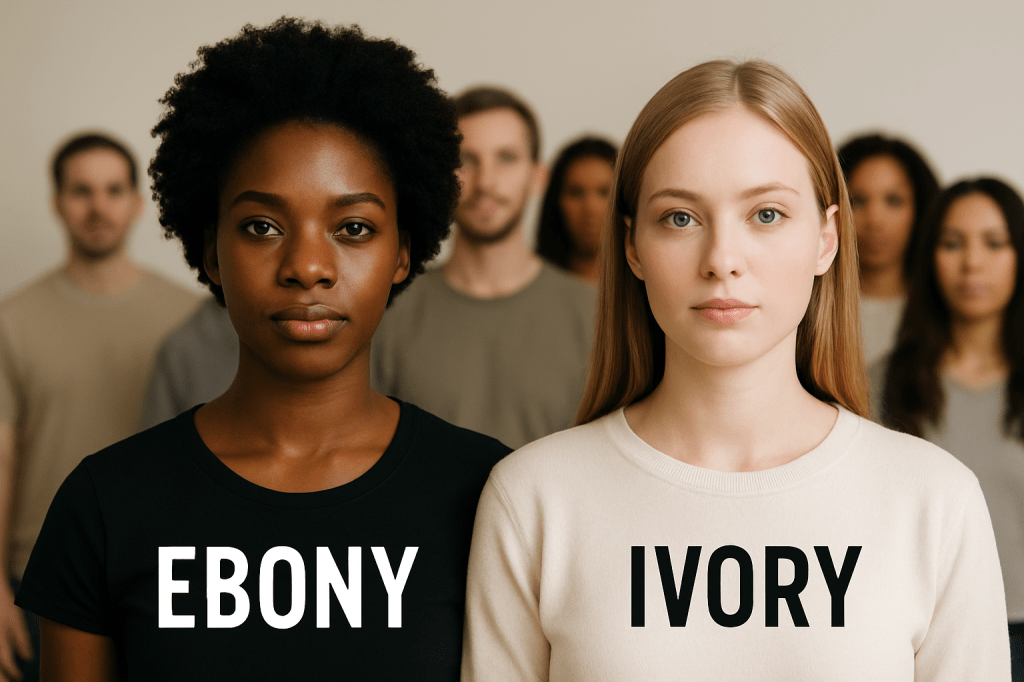
From the dawn of civilization, beauty has been both a mirror and a weapon—reflecting ideals shaped by power and privilege, and wielded to define worth within social hierarchies. Within the globalized gaze of modernity, the politics of skin color continue to influence how femininity and desirability are perceived, especially among women of African descent. The notion of “Ebony and Ivory” evokes more than just color; it symbolizes the ongoing dialogue between light and dark, between acceptance and exclusion, and between the internalized and externalized standards of beauty that shape identity (hooks, 1992).
The idea of “two shades, one standard” captures the paradox of colorism: the simultaneous elevation and devaluation of Blackness within the same racial group. While “ivory” tones have historically been exalted as closer to Western ideals, “ebony” skin has often been marginalized, caricatured, or fetishized. Both ends of the spectrum, however, are measured against the same Eurocentric barometer that privileges whiteness as the ultimate aesthetic reference (Hunter, 2005).
This phenomenon, deeply rooted in colonialism, reveals how beauty became a tool of control. During the transatlantic slave trade, lighter-skinned enslaved individuals were often granted domestic positions and social proximity to white power structures, breeding intra-racial hierarchies that persist today. These legacies still echo in media representation, where lighter skin is frequently coded as “refined,” while darker tones are portrayed as “exotic” or “primitive” (Craig, 2006).
For many women of color, navigating these coded perceptions can be exhausting. The “brown girl dilemma” emerges when one feels too dark to be celebrated and too light to be considered authentically Black. This liminal existence is both a burden and a revelation—proof that beauty, as defined by Western constructs, remains an unattainable illusion that fractures rather than unites.
Beauty standards, much like colonial borders, were imposed rather than chosen. From the powdered faces of the Victorian era to the filtered glow of Instagram, the valuation of lightness has remained a constant aesthetic undercurrent. Yet, even within African and Afro-diasporic communities, this colonial inheritance continues to dictate preferences in partners, media icons, and even professional opportunities (Glenn, 2008).
In popular culture, colorism is often masked by phrases like “preference” or “type.” However, these preferences are rarely organic—they are sociologically constructed through centuries of imagery that equate lightness with purity and success, and darkness with defiance and struggle. The entertainment industry’s casting choices often reinforce these biases, rewarding lighter skin with visibility while relegating darker complexions to supporting or stereotypical roles (Russell, Wilson, & Hall, 2013).
This bias extends beyond film and television. In the global beauty market, skin-lightening creams generate billions annually, a grim testament to the internalization of Eurocentric ideals (Glenn, 2008). The psychological effects of such products are profound, suggesting that beauty is not only skin-deep but soul-deep, affecting one’s perception of self-worth and belonging.
For Black women, beauty is an act of survival. To adorn oneself becomes an assertion of existence in a world that often demands invisibility. From the regal hairstyles of precolonial Africa to the natural hair movement, Black women have continuously redefined and reclaimed their beauty on their own terms (Byrd & Tharps, 2014).
Yet, this reclamation is not without struggle. Within the Black community itself, hierarchies persist. The glorification of lighter women as more “marriageable” or “acceptable” continues to fracture solidarity. It is an unspoken inheritance of slavery’s psychological residue, perpetuated by both men and women who unconsciously valorize proximity to whiteness.
The darker-skinned woman often bears the weight of invisibility and hypervisibility simultaneously—ignored in spaces of admiration, yet scrutinized as the embodiment of resistance or rebellion. This double-bind mirrors W.E.B. Du Bois’ concept of “double consciousness,” wherein one is forced to see oneself through the lens of a world that refuses full recognition (Du Bois, 1903).
Light-skinned women, conversely, navigate their own complexities. While society may privilege them aesthetically, they are often accused of benefiting from colorism or being “not Black enough.” Thus, both ebony and ivory tones bear distinct forms of cultural alienation, tied together by an oppressive standard neither created (Monk, 2014).
In this context, beauty becomes not celebration but negotiation. Every compliment, every criticism, every casting call, and every social media post reinforces the invisible hierarchy of shade. The struggle is not between dark and light, but against the system that pits them against each other.
Media representation plays a critical role in dismantling or reinforcing these divides. When dark-skinned actresses like Lupita Nyong’o or Viola Davis are celebrated, it signals progress—but also exposes how rare such representation remains. Likewise, the inclusion of mixed-race models in campaigns may appear inclusive, yet often centers features still aligned with Eurocentric beauty (Tate, 2009).
To heal from this color divide, we must first acknowledge that beauty is not a monolith. It is plural, diverse, and spiritually rooted. In the biblical sense, humanity was created “in the image of God” (Genesis 1:27, KJV), meaning all shades reflect divine artistry. The rejection of any hue is, therefore, a rejection of the Creator’s design.
Moreover, Proverbs 31:30 reminds us that “favor is deceitful, and beauty is vain: but a woman that feareth the Lord, she shall be praised.” This verse redirects the gaze from the external to the eternal, urging women to seek validation not from comparison but from divine purpose.
Ebony and ivory are not opposites but complements, each contributing to the symphony of creation. Just as piano keys of contrasting colors produce harmony, so too can diverse complexions coexist in mutual admiration and respect. The beauty of one does not diminish the beauty of the other; together, they reveal the fullness of God’s palette.
True beauty transcends complexion—it emanates from character, compassion, and conviction. In a world obsessed with appearances, spiritual and cultural consciousness must redefine the standard. Beauty should not divide but dignify, not exclude but exalt.
To love one’s shade is to reclaim agency over identity. When Black women, in all their hues, embrace their reflection without apology, they dismantle centuries of aesthetic oppression. “Ebony and Ivory” then becomes more than a contrast—it becomes a covenant of self-acceptance and collective healing.
As we move forward, let beauty be measured not by shade but by soul. For when light and dark come together, they create balance, harmony, and wholeness—the true reflection of divine beauty.
References
Byrd, A. D., & Tharps, L. L. (2014). Hair Story: Untangling the Roots of Black Hair in America. St. Martin’s Press. Craig, M. L. (2006). Race, beauty, and the tangled knot of a guilty pleasure. Feminist Theory, 7(2), 159–177. Du Bois, W. E. B. (1903). The Souls of Black Folk. Chicago: A.C. McClurg. Glenn, E. N. (2008). Yearning for lightness: Transnational circuits in the marketing and consumption of skin lighteners. Gender & Society, 22(3), 281–302. hooks, b. (1992). Black Looks: Race and Representation. South End Press. Hunter, M. L. (2005). Race, gender, and the politics of skin tone. Routledge. Monk, E. P. (2014). Skin tone stratification among Black Americans, 2001–2003. Social Psychology Quarterly, 77(4), 360–379. Russell, K., Wilson, M., & Hall, R. (2013). The Color Complex (Revised): The Politics of Skin Color Among African Americans. Anchor. Tate, S. A. (2009). Black Beauty: Aesthetics, Stylization, Politics. Ashgate Publishing. The Holy Bible, King James Version (KJV). (1611).
Skin color is more than a biological trait; it is a social, cultural, and historical marker. Among people of African descent, the spectrum of brown skin encompasses a wide array of shades, each carrying unique significance in terms of identity, beauty, and social perception. The differences between dark skin and light skin are often perceived not only visually but also psychologically and socially, shaping how individuals are treated, how they see themselves, and how society values them. To understand shades of brown, one must consider genetics, history, psychology, and cultural representation.
Genetic and Biological Foundations
Human skin color is determined primarily by melanin, the pigment produced by melanocytes. Darker skin contains higher levels of eumelanin, which provides more protection against ultraviolet (UV) radiation. Lighter brown skin contains less eumelanin, resulting in greater sensitivity to UV exposure (Jablonski & Chaplin, 2000). These variations occur naturally across populations due to evolutionary adaptation to geographic and environmental conditions. In African and African-descended populations, this genetic diversity produces a rich spectrum of brown skin—from deep ebony to caramel and honey tones.
Cultural Significance of Skin Tone
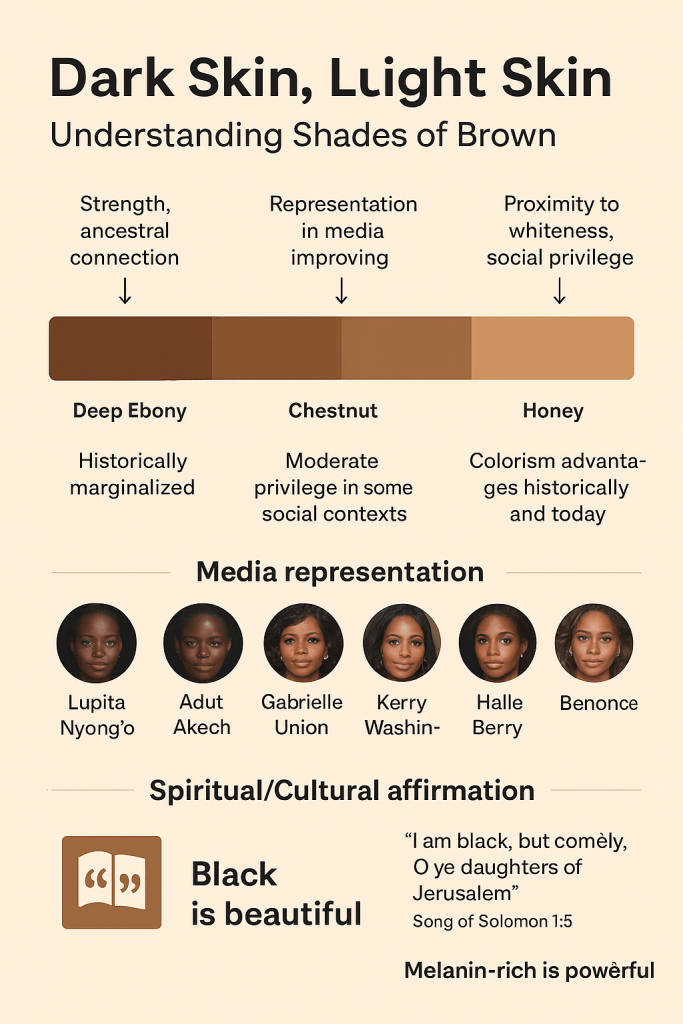
Shades of brown have been imbued with cultural meaning throughout history. In many African societies, dark skin is celebrated as a sign of strength, vitality, and connection to ancestry. Conversely, during and after slavery in the Americas, lighter skin was often associated with proximity to whiteness, privilege, and social mobility (Hunter, 2005). This historical privileging of light skin laid the foundation for colorism—the practice of favoring lighter-skinned individuals over darker-skinned ones within communities of color.
Examples of celebrities/models for each tone:
Dark Brown: Lupita Nyong’o, Adut Akech, Viola Davis.
Medium Brown: Gabrielle Union, Kerry Washington.
Light Brown: Halle Berry, Zendaya, Beyoncé.
Colorism and Social Hierarchy
Colorism is a direct legacy of slavery and colonialism. Enslaved light-skinned Africans often received preferential treatment, while darker-skinned individuals were relegated to harsher labor. These social hierarchies persisted into the 20th century, influencing marriage, employment, and media representation. Research shows that lighter-skinned African Americans often enjoy advantages in education, income, and perceptions of attractiveness, demonstrating the lingering psychological and structural effects of colorism (Hill, 2002).
Psychological Impacts
Skin tone can affect self-esteem, social interactions, and identity formation. Dark-skinned individuals may experience negative stereotypes, including assumptions about aggression, laziness, or undesirability, while light-skinned individuals may face internal and external pressure to conform to Eurocentric beauty standards (Fanon, 2008). These dynamics contribute to a spectrum of internalized perceptions of beauty and self-worth, influencing choices about hair, clothing, and cosmetic practices.
Shades of Brown in Media Representation
Media representation continues to reflect and shape perceptions of brown skin. Historically, lighter-skinned actors and models were prioritized in film, television, and advertising, reinforcing the desirability of proximity to whiteness. Dark-skinned individuals were underrepresented or cast in secondary roles, perpetuating stereotypes (Hunter, 2005). Today, movements such as #MelaninPoppin and #BlackGirlMagic seek to celebrate all shades of brown, providing positive visibility for darker-skinned individuals and challenging entrenched biases.
Celebrities as Icons of Melanin Diversity
Public figures have played a key role in redefining beauty standards across the spectrum of brown skin. Adut Akech, Lupita Nyong’o, and Viola Davis celebrate deep ebony skin, while actresses like Halle Berry and Zendaya represent lighter shades of brown. By showcasing a range of skin tones, these women challenge narrow conceptions of beauty and affirm that Blackness is not monolithic but diverse and vibrant.
The Bible and Affirmation of Dark Skin
Scripture affirms the beauty and worth of dark-skinned individuals. Song of Solomon 1:5 (KJV) states, “I am black, but comely, O ye daughters of Jerusalem,” validating the inherent beauty of darker tones. Such affirmations counteract centuries of imposed inferiority and colorist ideologies, offering spiritual grounding for self-acceptance and pride in one’s natural skin.
The Global Perspective
Shades of brown carry significance beyond African-descended populations in the Americas. Across Latin America, the Caribbean, and Africa, skin tone influences social hierarchy, marriage prospects, and economic opportunities. In India and Southeast Asia, similar dynamics exist, with lighter skin often preferred in media and marriage markets. These global patterns reveal that the social value assigned to skin tone is historically contingent and culturally transmitted rather than biologically inherent.
Skin Tone and Hair Texture
Skin tone often intersects with hair texture in shaping beauty standards. Darker-skinned individuals with tightly coiled hair historically faced compounded biases in professional and social settings. Lighter-skinned individuals with looser curls or straighter hair were more likely to align with Eurocentric aesthetics, reinforcing hierarchies within African-descended communities. Movements celebrating natural hair, such as the CROWN Act in the U.S., have challenged these biases and promoted acceptance of diverse expressions of Black beauty.
Colorism in Family and Relationships
Colorism also manifests in interpersonal relationships. Studies indicate that lighter-skinned individuals may experience preferential treatment in dating, marriage, and family dynamics. In some cases, families internalize societal biases, encouraging lighter-skinned children to pursue social advantages associated with proximity to whiteness. This perpetuates generational cycles of color-based prejudice, highlighting the social power of skin tone beyond personal preference.
Psychological Resilience
Despite systemic pressures, many dark-skinned individuals cultivate resilience and pride. Awareness of historical oppression, cultural affirmation, and spiritual grounding contribute to self-confidence and community solidarity. Social campaigns and media representation increasingly highlight the value and beauty of darker tones, fostering empowerment and collective affirmation.
Intersectionality: Race, Gender, and Skin Tone
Shades of brown are experienced differently depending on gender. Dark-skinned women often face compounded bias, with stereotypes intersecting with sexism, while men encounter expectations tied to hypermasculinity and athleticism. Intersectional analysis shows that skin tone cannot be separated from broader structures of racial and gendered inequality, emphasizing the need for nuanced understanding.
Beauty Standards and Economic Implications
Skin tone affects economic outcomes. Studies reveal that lighter-skinned individuals are often favored in hiring, promotions, and media representation. Cosmetic industries exploit these perceptions, marketing skin-lightening products and hair-straightening treatments as pathways to social and professional success. Understanding shades of brown therefore requires attention to both cultural meaning and material consequences.
Spiritual and Cultural Affirmation
Faith and cultural traditions offer avenues for affirming the beauty of all shades of brown. African proverbs, folklore, and religious texts celebrate melanin-rich skin as a symbol of vitality, heritage, and divine design. These affirmations provide psychological and spiritual reinforcement against societal biases.
Conclusion
Shades of brown are not merely aesthetic; they are markers of identity, history, and social dynamics. Dark skin and light skin among African-descended populations carry complex cultural meanings shaped by slavery, colonization, and media representation. Understanding these shades requires attention to biology, psychology, culture, and spirituality. By affirming the beauty of all tones—from deep ebony to caramel and honey—society can challenge colorism, celebrate diversity, and restore dignity to what has long been marginalized. As Song of Solomon 1:5 reminds us, “I am black, but comely,” all shades of brown are inherently worthy of recognition and celebration.
References
Fanon, F. (2008). Black skin, white masks. Grove Press. (Original work published 1952)
Hill, M. E. (2002). Skin color and the perception of attractiveness among African Americans: Does gender make a difference? Social Psychology Quarterly, 65(1), 77–91.
Hunter, M. (2005). Race, gender, and the politics of skin tone. Routledge.
Jablonski, N. G., & Chaplin, G. (2000). The evolution of human skin coloration. Journal of Human Evolution, 39(1), 57–106.
Where faith, history, and truth illuminate the Black experience.

 THE BROWN GIRL DILEMMA