Tag Archives: black community

The Politics of Lightism in the Black Community: Power, Perception, and the Legacy of Color Hierarchies.

Lightism, often referred to as colorism, is a deeply embedded social hierarchy within the Black community that privileges lighter skin tones over darker ones. While racism operates externally, colorism functions internally, shaping perceptions of beauty, worth, and social mobility. This phenomenon is not accidental but is rooted in historical systems of oppression that date back to slavery and colonialism.

The origins of lightism can be traced to the institution of slavery in the United States, where lighter-skinned enslaved individuals—often the mixed-race children of enslaved Black women and white slave owners—were sometimes given preferential treatment. They were more likely to work in the house rather than the fields, creating a visible hierarchy tied to proximity to whiteness. This early distinction laid the groundwork for enduring social divisions within the Black community.

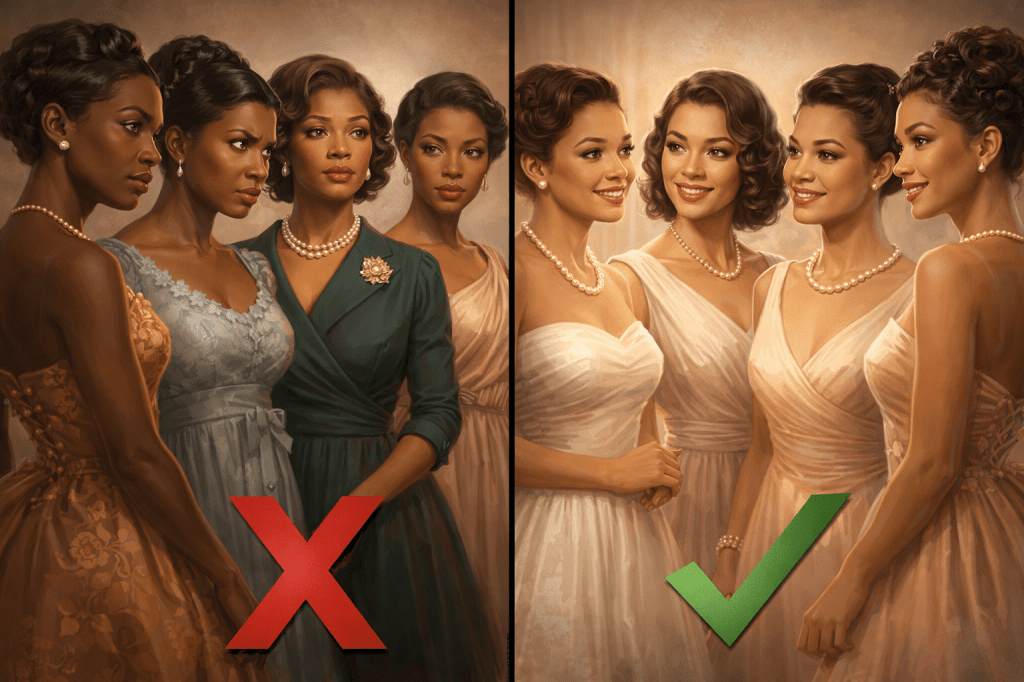
During the post-slavery era, these divisions were reinforced through social institutions such as the “paper bag test,” which informally determined access to certain social clubs, churches, and educational opportunities. Individuals whose skin tone was lighter than a brown paper bag were often granted entry, while darker-skinned individuals were excluded. This practice institutionalized color-based discrimination within Black spaces themselves.

Lightism has also been perpetuated through media representation, where lighter-skinned Black individuals are more frequently depicted as desirable, successful, or socially acceptable. Film, television, and advertising industries have historically favored Eurocentric features, reinforcing the notion that beauty is aligned with proximity to whiteness. This has had lasting psychological effects on both light- and dark-skinned individuals.

Scholars such as Alice Walker have been instrumental in bringing attention to colorism. Walker is credited with popularizing the term “colorism,” defining it as prejudicial or preferential treatment of same-race people based solely on their skin color. Her work illuminated how internalized racism manifests within marginalized communities.

Psychologically, lightism can contribute to issues of self-esteem, identity conflict, and internalized inferiority among darker-skinned individuals. Studies have shown that darker-skinned Black women, in particular, often face compounded discrimination based on both race and skin tone, affecting their opportunities in employment, relationships, and media visibility.

Conversely, lighter-skinned individuals may experience unearned privilege within the community, though this privilege is often complicated by questions of identity and authenticity. This dynamic creates tension and division, as individuals navigate a system that simultaneously elevates and scrutinizes them.

The politics of lightism extend into economic outcomes as well. Research indicates that lighter-skinned individuals, on average, earn higher incomes and receive more educational and professional opportunities than their darker-skinned counterparts. These disparities mirror broader systemic inequalities while also reflecting intra-community biases.

In the realm of beauty and fashion, lightism has historically dictated standards that marginalize darker skin tones. From foundation shades to magazine covers, the underrepresentation of dark-skinned beauty has reinforced narrow definitions of attractiveness. However, recent movements have begun to challenge these norms, advocating for greater inclusivity.

Social media has played a dual role in the conversation around lightism. On one hand, it has amplified harmful stereotypes and colorist rhetoric; on the other, it has provided a platform for dark-skinned voices to reclaim narratives of beauty and empowerment. Hashtags and digital activism have become tools for resistance and awareness.

The legacy of colonialism also plays a significant role in shaping global perceptions of skin color. In many parts of the world, lighter skin is associated with wealth, education, and modernity, while darker skin is unfairly linked to poverty and labor. These associations are remnants of colonial power structures that continue to influence contemporary societies.

Religious and cultural narratives have sometimes been misinterpreted to justify color hierarchies, further entrenching lightism within communities. These interpretations often distort historical and biblical contexts, contributing to harmful ideologies that equate lightness with purity and darkness with inferiority.

Education is a critical tool in dismantling lightism. By teaching accurate histories of slavery, colonialism, and racial formation, individuals can better understand the origins of color-based bias. Awareness fosters critical thinking and challenges internalized beliefs that perpetuate division.

Representation matters deeply in shifting perceptions. The increased visibility of dark-skinned actors, models, and public figures has begun to redefine beauty standards and challenge longstanding biases. This cultural shift is essential in promoting equity and self-acceptance.

Community dialogue is equally important. Open conversations about colorism allow individuals to share experiences, confront biases, and build solidarity. These discussions can be uncomfortable but are necessary for collective healing and growth.

The intersection of gender and colorism reveals that Black women are disproportionately affected by lightism. Beauty standards, dating preferences, and professional opportunities often place darker-skinned women at a disadvantage, highlighting the need for intersectional analysis.

Resistance to lightism can be seen in movements that celebrate melanin-rich skin and African features. Campaigns, art, and literature have emerged to affirm the beauty and value of darker skin, countering centuries of negative messaging.

Ultimately, the politics of lightism are about power—who holds it, who is denied it, and how it is maintained. Challenging this system requires both individual introspection and collective action to dismantle deeply ingrained biases.

The journey toward equity within the Black community involves recognizing and addressing the harm caused by colorism. It calls for a redefinition of beauty, value, and identity that is not based on proximity to whiteness but rooted in authenticity and diversity.

By confronting lightism, the Black community can move toward greater unity and empowerment, honoring the full spectrum of its beauty and strength. This work is not only social but deeply psychological and cultural, requiring sustained commitment across generations.

References

Hunter, M. (2007). The persistent problem of colorism: Skin tone, status, and inequality. Sociology Compass, 1(1), 237–254. https://doi.org/10.1111/j.1751-9020.2007.00006.x

Keith, V. M., & Herring, C. (1991). Skin tone and stratification in the Black community. American Journal of Sociology, 97(3), 760–778.

Walker, A. (1983). In Search of Our Mothers’ Gardens: Womanist Prose. Harcourt Brace Jovanovich.

Wilder, J. (2015). Color Stories: Black Women and Colorism in the 21st Century. Temple University Press.

2 Paths Within the Black Community: Assimilation, Identity, and God-Conscious Restoration

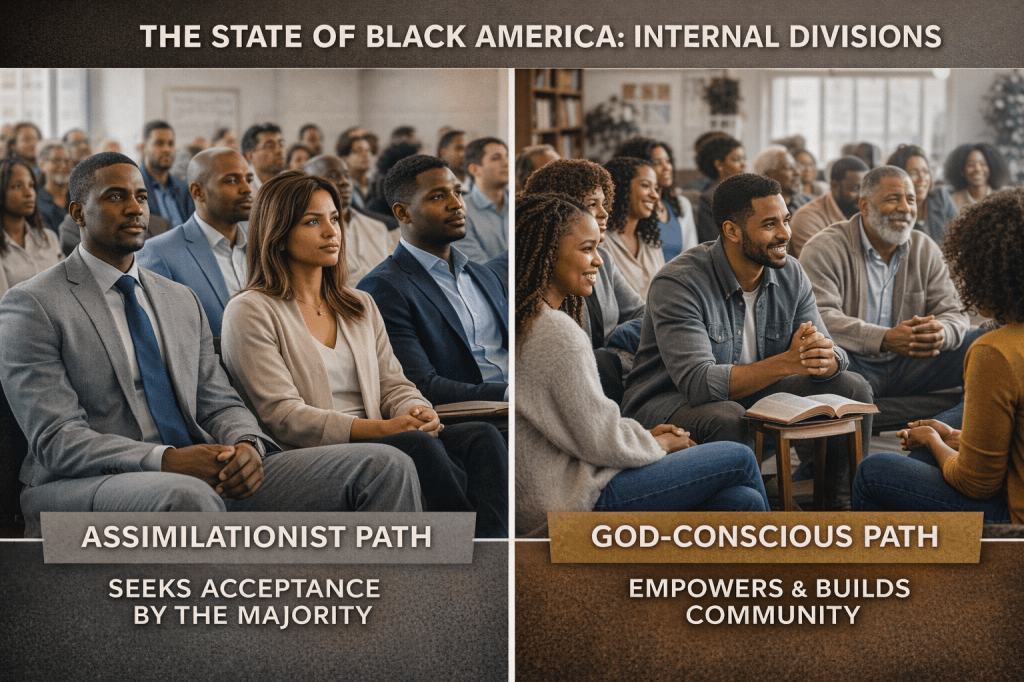
Throughout history, oppressed communities have wrestled with two primary survival responses: assimilation into the dominant power structure or resistance through identity preservation and collective empowerment. Within the African American experience in the United States, this tension has manifested in visible ideological and behavioral distinctions shaped by slavery, segregation, systemic racism, and theological interpretation.

The legacy of American chattel slavery created not only economic devastation but psychological fractures. Scholars such as Frantz Fanon (1967) argued that colonized people often internalize the worldview of the colonizer as a survival mechanism. This internalization can result in identification with the dominant culture as a means of perceived safety or advancement.

In the American context, the character “Uncle Tom,” from Harriet Beecher Stowe’s novel Uncle Tom’s Cabin, became a cultural symbol—though often misinterpreted—of perceived submission to white authority. Over time, the term evolved into a pejorative label describing individuals believed to prioritize white approval over communal solidarity.

Assimilation, however, must be examined sociologically rather than emotionally. Sociologist W.E.B. Du Bois described “double consciousness” as the tension Black Americans feel between their African heritage and American citizenship (Du Bois, 1903). For some, minimizing racial conflict or denying systemic racism is not necessarily ignorance but an adaptation strategy shaped by generational trauma.

Research in racial identity development theory, particularly by William E. Cross Jr., shows that Black identity formation progresses through stages. Some individuals remain in earlier phases characterized by assimilationist leanings or a preference for proximity to dominant culture standards.

Internalized racism, defined as the acceptance of societal beliefs about Black inferiority, has been documented extensively in psychological literature (Pyke, 2010). These dynamics often manifest in beauty standards, speech patterns, cultural preferences, and political alignments.

At the same time, it is overly simplistic to categorize individuals as entirely unaware of racism. Many who emphasize cross-racial harmony may genuinely believe that integration and meritocracy are viable pathways toward equality.

Conversely, there exists another path rooted in cultural preservation, spiritual consciousness, and collective empowerment. This path emphasizes group solidarity, historical awareness, and theological identity.

The Black church historically functioned as the epicenter of resistance and social organization. Leaders such as Martin Luther King Jr. articulated liberation through Christian ethics grounded in agape love and justice.

Similarly, figures like Malcolm X emphasized self-respect, self-defense, and psychological decolonization. Though their methods differed, both leaders promoted dignity and communal uplift.

Theologically, many Black faith traditions interpret biblical narratives as parallel to the African American experience. The Exodus story and passages like Deuteronomy 28 have been understood as frameworks for interpreting suffering and covenant identity.

God-conscious empowerment emphasizes spiritual rebirth alongside cultural restoration. It teaches that liberation is not merely political but moral and spiritual.

Community builders focus on economic cooperation, educational advancement, and intergenerational teaching. The philosophy echoes the principles of collective economics articulated by Marcus Garvey and the Universal Negro Improvement Association.

Intra-community conflict, however, often undermines these efforts. Social dominance theory suggests marginalized groups can replicate hierarchical thinking internally (Sidanius & Pratto, 1999).

The call for unity does not mean uniformity. It requires shared goals centered on dignity, spiritual awareness, and structural progress.

Teaching children cultural literacy and historical truth is central to empowerment. Scholars like Carter G. Woodson argued that miseducation perpetuates subjugation.

Spiritual formation also plays a role. Biblical anthropology emphasizes identity in both flesh and spirit, reinforcing inherent worth beyond societal labels.

God-conscious frameworks encourage reconciliation within the community before external transformation.

This perspective rejects self-hatred while also avoiding racial supremacism. It affirms dignity without dehumanizing others.

Economic empowerment initiatives, cooperative models, and entrepreneurship align with this restorative vision.

Psychologically, collective pride correlates with higher resilience and well-being among marginalized populations (Neblett et al., 2012).

Faith-based empowerment movements often stress repentance from destructive behaviors such as internal violence, colorism, and fragmentation.

The metaphor of “needles in a haystack” captures the rarity of individuals fully committed to spiritual discipline and communal sacrifice.

Such builders prioritize generational legacy over short-term validation.

They recognize racism as structural rather than merely interpersonal, supported by scholarship from Michelle Alexander in The New Jim Crow.

At the same time, they resist fatalism. Faith sustains hope amid systemic obstacles.

Christ-centered identity reframes suffering through redemptive theology rather than victimhood.

Recognizing oneself as chosen does not imply superiority but covenant responsibility.

The call to stop fighting one another echoes both biblical admonition and sociological necessity.

Group progress historically required strategic unity, as evidenced during the Civil Rights Movement.

Yet even within movements, ideological differences persisted, illustrating the complexity of Black thought.

Ultimately, these two paths are not fixed identities but developmental positions shaped by history, psychology, and theology.

Healing requires compassion, education, and spiritual maturity.

Rather than condemnation, transformation must be the goal.

The future of Black empowerment lies not in caricatures but in consciousness, character, and Christ-centered community building.


References

Alexander, M. (2010). The New Jim Crow.

Cross, W. E. (1991). Shades of Black: Diversity in African-American Identity.

Du Bois, W. E. B. (1903). The Souls of Black Folk.

Fanon, F. (1967). Black Skin, White Masks.

Neblett, E. W., et al. (2012). Racial identity and psychological health.

Pyke, K. (2010). What is internalized racial oppression? Sociological Perspectives, 53(4), 551–572.

Sidanius, J., & Pratto, F. (1999). Social Dominance: An Intergroup Theory of Social Hierarchy and Oppression.

Woodson, C. G. (1933). The Mis-Education of the Negro.

Is There Wealth in the Black Community?

The question of whether there is wealth in the Black community requires both historical and contemporary analysis. On one hand, there are visible examples of affluent Black individuals—entrepreneurs, entertainers, athletes, professionals, and political leaders—who have accumulated substantial financial resources. On the other hand, aggregate data consistently show that Black Americans, as a group, possess significantly less wealth than their White counterparts. This gap is not merely about income, but about intergenerational wealth, assets, ownership, and long-term financial security.

Wealth is fundamentally different from income. Income refers to money earned through wages or salaries, while wealth includes accumulated assets such as property, investments, businesses, savings, and inheritances. A household may earn a decent income yet remain wealth-poor if it lacks assets and savings. Studies show that even middle-class Black families often have far less wealth than White families with similar incomes, indicating structural rather than individual causes (Oliver & Shapiro, 2006).

Statistically, the racial wealth gap in the United States is stark. According to the Federal Reserve’s Survey of Consumer Finances, the median White household holds nearly ten times the wealth of the median Black household. In 2022, the median net worth of White households was approximately $285,000, compared to about $44,900 for Black households (Federal Reserve, 2023). This means that at the midpoint, a typical Black family has access to less than one-sixth of the financial resources of a typical White family.

Only a small percentage of Black Americans fall into the top wealth brackets. Roughly 10% of Black households hold the majority of Black wealth, mirroring the general pattern of wealth concentration in America, but starting from a far lower baseline (Pew Research Center, 2020). This creates the perception that “some” Black people are doing extremely well while the majority remain economically vulnerable.

Historically, the lack of wealth in the Black community is rooted in slavery and its aftermath. For over 250 years, enslaved Africans were denied wages, property, and legal personhood. After emancipation, formerly enslaved people were promised “40 acres and a mule,” but this never materialized. Instead, land and capital were redistributed back to former slaveholders, not the enslaved (Darity & Mullen, 2020).

The Jim Crow era further prevented Black wealth accumulation through legal segregation, exclusion from labor unions, and denial of access to quality education and housing. One of the most damaging policies was redlining, in which Black neighborhoods were systematically denied mortgages and investment. This meant Black families were locked out of the primary wealth-building tool in America: homeownership (Rothstein, 2017).

Homeownership remains one of the strongest predictors of wealth. Yet Black homeownership rates are still significantly lower than White rates. As of 2023, about 44% of Black households owned homes compared to over 73% of White households (U.S. Census Bureau, 2023). Since homes appreciate over time and can be passed down, this gap compounds across generations.

Education is often promoted as the great equalizer, but even here disparities remain. Black Americans are more likely to carry student loan debt and less likely to receive financial assistance from family. This means that Black graduates often begin their professional lives in debt, while White graduates are more likely to begin with inherited financial support (Hamilton et al., 2015).

Racism in the labor market also plays a role. Numerous studies show that Black job applicants are less likely to receive callbacks than equally qualified White applicants with identical resumes (Bertrand & Mullainathan, 2004). Wage gaps persist even when controlling for education and experience, limiting long-term earning and saving potential.

Additionally, Black entrepreneurs face greater barriers to capital. Black-owned businesses are more likely to be denied loans and receive smaller amounts at higher interest rates. Without access to startup capital, business growth is constrained, reducing one of the key pathways to wealth creation (Fairlie & Robb, 2008).

The idea that “a Black person can only get so far in America” reflects not a lack of talent or effort, but systemic ceilings embedded in institutions. Structural racism functions through policies, markets, and norms that disproportionately advantage White Americans while disadvantaging Black Americans, even without overt racial intent (Bonilla-Silva, 2018).

Another major issue is intergenerational wealth transfer. White families are far more likely to inherit money, property, or businesses. Inheritance accounts for a large portion of wealth inequality. Black families, having been historically excluded from asset ownership, simply have less to pass down (Piketty, 2014).

The lack of institutional “help” for Black people is also tied to political economy. Social programs that once benefited working-class Americans—such as the New Deal and GI Bill—were either explicitly or implicitly designed to exclude Black Americans. This produced a racialized welfare state that subsidized White mobility while limiting Black advancement (Katznelson, 2005).

Despite these realities, there is wealth within the Black community, but it is fragile, concentrated, and constantly threatened by systemic forces. Black wealth exists in professional classes, faith institutions, Black-owned media, real estate investors, and growing entrepreneurial networks. However, it lacks the generational depth and institutional protection found in White wealth.

To change this, structural solutions are required. Individual financial literacy is helpful but insufficient on its own. Policy interventions such as baby bonds, student debt cancellation, housing reparations, fair lending enforcement, and reparations for slavery are increasingly discussed as necessary to close the wealth gap (Darity et al., 2018).

At the individual level, strategies for Black wealth-building include prioritizing asset ownership, investing early, reducing consumer debt, building businesses, purchasing property in appreciating areas, and collective economics through cooperatives and community investment models. While these cannot fix systemic inequality, they can mitigate vulnerability.

Cultural shifts are also important. Consumerism, status spending, and symbolic wealth often replace long-term asset accumulation in marginalized communities. Reorienting values toward ownership, savings, and investment is crucial for sustainable economic empowerment (Hamilton & Darity, 2017).

Ultimately, the racial wealth gap is not a personal failure of Black Americans, but a predictable outcome of historical and institutional exclusion. Wealth in America has always been racialized. The question is not whether Black people work hard enough, but whether the economic system was ever designed to allow them to accumulate and retain wealth at scale.

In conclusion, there is wealth in the Black community, but it is limited, unequal, and structurally constrained. The idea that only 10% “make it” reflects a system that concentrates opportunity at the top while leaving the majority economically precarious. Without structural reform, the racial wealth gap will persist for generations.

True Black economic liberation requires both personal financial strategies and collective political action. Until racism in housing, education, finance, and labor is dismantled, wealth in the Black community will remain the exception rather than the norm.


References

Bertrand, M., & Mullainathan, S. (2004). Are Emily and Greg more employable than Lakisha and Jamal? American Economic Review, 94(4), 991–1013.
https://doi.org/10.1257/0002828042002561

Bonilla-Silva, E. (2018). Racism without racists: Color-blind racism and the persistence of racial inequality in America (5th ed.). Rowman & Littlefield.

Darity, W., Hamilton, D., Paul, M., Aja, A., Price, A., Moore, A., & Chiopris, C. (2018). What we get wrong about closing the racial wealth gap. Samuel DuBois Cook Center on Social Equity.

Darity, W., & Mullen, A. (2020). From here to equality: Reparations for Black Americans in the twenty-first century. University of North Carolina Press.

Fairlie, R. W., & Robb, A. (2008). Race and entrepreneurial success: Black-, Asian-, and White-owned businesses in the United States. MIT Press.

Federal Reserve. (2023). Survey of Consumer Finances. Board of Governors of the Federal Reserve System.

Hamilton, D., & Darity, W. (2017). The political economy of education, financial literacy, and the racial wealth gap. Federal Reserve Bank of St. Louis Review, 99(1), 59–76.

Hamilton, D., Darity, W., Price, A., Sridharan, V., & Tippett, R. (2015). Umbrellas don’t make it rain: Why studying and working hard isn’t enough for Black Americans. New School, Duke University.

Katznelson, I. (2005). When affirmative action was White: An untold history of racial inequality in twentieth-century America. W.W. Norton.

Oliver, M. L., & Shapiro, T. M. (2006). Black wealth/White wealth: A new perspective on racial inequality (2nd ed.). Routledge.

Pew Research Center. (2020). Trends in income and wealth inequality.

Piketty, T. (2014). Capital in the twenty-first century. Harvard University Press.

Rothstein, R. (2017). The color of law: A forgotten history of how our government segregated America. Liveright.

U.S. Census Bureau. (2023). Housing Vacancies and Homeownership (CPS/HVS).

The Color of Success: Melanin, Skin Tone, and Social Perception in Black Communities.

This photograph is the property of its respective owner. No copyright infringement intended.

Skin tone has long been a significant factor in shaping social dynamics within Black communities. The phenomenon of colorism—discrimination based on skin tone—has profound implications for individuals’ experiences and opportunities. This paper explores how melanin levels influence social perceptions, opportunities, and interpersonal relationships among Black individuals.Verywell Mind


Historical Context of Colorism

Colorism has roots in colonial and slavery-era ideologies that privileged lighter skin as a marker of European ancestry and higher social status. Practices like the “brown paper bag test” in Black social institutions exemplify how these biases were institutionalized within the community. Such historical precedents have perpetuated a hierarchy of skin tones, influencing societal perceptions and interactions.Verywell Mind+1Wikipedia


Skin Tone and Social Perception

Research indicates that lighter-skinned Black individuals often receive preferential treatment in various social contexts. For instance, studies have shown that lighter-skinned Black women tend to have advantages in employment and educational settings. Conversely, darker-skinned individuals may face biases that affect their social mobility and access to resources.


Psychosocial Impact of Colorism

The internalization of colorist ideals can lead to significant psychological effects. Darker-skinned individuals may experience lower self-esteem and increased susceptibility to mental health issues due to societal devaluation. Conversely, lighter-skinned individuals might grapple with identity conflicts and the pressure to conform to Eurocentric beauty standards.


Colorism in Media and Representation

Media portrayals often reinforce colorist biases by favoring lighter-skinned actors and models, thereby marginalizing darker-skinned individuals. This lack of representation can perpetuate stereotypes and limit opportunities for darker-skinned Black individuals in the entertainment industry.


Case Studies:

Colorism, the preferential treatment of lighter skin within Black communities, impacts both public figures and everyday individuals, shaping perceptions, opportunities, and self-esteem. A powerful example is Academy Award-winning actress Lupita Nyong’o, who has openly discussed her experiences growing up in Kenya with dark skin. From a young age, Nyong’o internalized societal and community biases, praying for lighter skin and believing that it would make her more beautiful and accepted. Her perspective began to shift when she encountered role models such as supermodel Alek Wek, whose prominence in the fashion industry challenged Eurocentric beauty standards. Nyong’o’s rise to global acclaim through films like 12 Years a Slave (2013) and Black Panther (2018) not only validated her personal worth but also sent a powerful message to dark-skinned individuals worldwide. She further leveraged her platform to advocate against skin bleaching and promote self-acceptance through her children’s book Sulwe (2019), providing younger generations with tools to resist internalized colorism and embrace their natural beauty.

Similarly, colorism deeply affects the daily lives of non-celebrities, as illustrated by the experiences of Maya Thompson, a 27-year-old African American woman from Atlanta. Growing up in a predominantly Black neighborhood, Thompson observed that lighter-skinned peers often received praise and attention from teachers and community members, while darker-skinned students, including herself, faced stereotypes associating their complexion with negative traits. These early experiences contributed to self-consciousness and internalized bias. As an adult, Thompson encountered subtle forms of colorism in professional settings, noticing that lighter-skinned colleagues were more likely to be promoted and treated favorably by clients. The psychological toll of these biases led her to pursue therapy and participate in mentorship and community programs designed to combat colorism and build self-esteem. By engaging in cultural initiatives celebrating darker skin tones and advocating for inclusive representation, Thompson gradually reclaimed her sense of identity and confidence.

Together, the experiences of Nyong’o and Thompson demonstrate the pervasive and multifaceted nature of colorism. While Nyong’o’s celebrity status provides visibility that can inspire broad societal change, Thompson’s story highlights the everyday psychological, social, and professional challenges faced by countless dark-skinned individuals. Both narratives underscore the importance of representation, mentorship, community support, and self-acceptance in confronting colorist attitudes and fostering resilience within Black communities.

Economic Implications of Skin Tone

Skin tone can influence economic opportunities and outcomes. Lighter-skinned individuals may have better job prospects and higher salaries, while darker-skinned individuals might face discrimination that hinders their economic advancement. These disparities contribute to the broader socioeconomic inequalities within Black communities.


Combating Colorism: Strategies and Initiatives

Efforts to address colorism include promoting diverse representation in media, implementing anti-discrimination policies, and fostering community dialogues about the impact of skin tone biases. Educational programs that challenge colorist attitudes and celebrate all shades of Blackness are essential in dismantling these ingrained prejudices.Verywell Mind


Conclusion

Colorism remains a pervasive issue within Black communities, affecting various aspects of life, from personal relationships to professional opportunities. Addressing colorism requires a multifaceted approach that includes education, representation, and systemic change. By confronting these biases, society can move towards greater equity and inclusivity for all Black individuals, regardless of skin tone.


References

  1. Assari, S., & Caldwell, C. H. (2022). How Skin Tone Influences Relationships Between Discrimination and Health: A Study of Black Adolescents. PMC. Retrieved from https://pmc.ncbi.nlm.nih.gov/articles/PMC9683503/
  2. Maddox, K. B., & Gray, S. A. (2002). Cognitive Representations of Black Americans: Re-examining the Role of Skin Tone. Personality and Social Psychology Bulletin, 28(2), 250-259.
  3. Hall, R. E. (2010). An Historical Analysis of Skin Color Discrimination. Journal of Black Studies, 40(1), 5-24.
  4. Dixon, T. L. (2017). Racism in the United States: Implications for Media Representation. Journal of Social Issues, 73(1), 1-17.
  5. Hall, R. E. (1995). Dark Skin and the Cultural Ideal of Masculinity. Journal of African American Studies, 1(3), 37-62.
  6. Hall, R. E. (1992). Bias Among African Americans Regarding Skin Color: Implications for Social Work Practice. Research on Social Work Practice, 2(4), 479-486.
  7. Hall, R. E. (2010). An Historical Analysis of Skin Color Discrimination. Journal of Black Studies, 40(1), 5-24.
  8. Hall, R. E. (1995). Dark Skin and the Cultural Ideal of Masculinity. Journal of African American Studies, 1(3), 37-62.
  9. Hall, R. E. (1992). Bias Among African Americans Regarding Skin Color: Implications for Social Work Practice. Research on Social Work Practice, 2(4), 479-486.
  10. Hall, R. E. (2010). An Historical Analysis of Skin Color Discrimination. Journal of Black Studies, 40(1), 5-24.

Essence. (2014, March 4). Lupita Nyong’o’s inspiring speech on beauty that everyone should hear. Retrieved from https://www.essence.com

Nyong’o, L. (2019). Sulwe. New York: Simon & Schuster Books for Young Readers.

Hall, R. E. (2010). An historical analysis of skin color discrimination. Journal of Black Studies, 40(1), 5–24.

Hunter, M. (2007). The persistent problem of colorism: Skin tone, status, and inequality. Sociology Compass, 1(1), 237–254.

  • Essence. (2014, March 4). Lupita Nyong’o’s inspiring speech on beauty that everyone should hear. Retrieved from https://www.essence.com
  • Nyong’o, L. (2019). Sulwe. New York: Simon & Schuster Books for Young Readers.
  • Keith, V., & Herring, C. (1991). Skin tone and stratification in the Black community. American Journal of Sociology, 97(3), 760–778.
  • Glenn, E. N. (2009). Yearning for lightness: Transnational circuits in the marketing and consumption of skin lighteners. Gender & Society, 23(3), 281–302.

The Rise of Black Digital Influence: Culture, Commerce, and Community

The digital era has ushered in unprecedented opportunities for Black voices to shape culture, commerce, and community globally. Platforms such as TikTok, Instagram, YouTube, and podcasts have provided unprecedented visibility, allowing Black creators to redefine aesthetics, narratives, and influence in ways previously constrained by traditional gatekeepers.

Black digital influence is first and foremost cultural. Social media has amplified Afrocentric beauty, hairstyles, fashion, and music, creating a global dialogue that celebrates Black identity. From natural hair movements to streetwear trends, Black creators are driving culture forward while reclaiming representation.

Historically, Black creativity was often commodified without proper recognition or compensation. Digital platforms now allow Black creators to assert ownership, narrate their stories, and monetize their craft independently, transforming cultural influence into economic empowerment.

The rise of Black influencers in music exemplifies this cultural and commercial convergence. TikTok, in particular, has propelled songs by Black artists to viral status, shaping charts, influencing mainstream media, and allowing independent artists to compete with major labels.

Fashion and beauty industries have experienced profound disruption. Black models, designers, and stylists utilize social media to challenge Eurocentric beauty standards, normalize diversity, and directly market products to global audiences. Platforms bypass traditional gatekeeping, giving Black creatives control over brand narrative.

Black digital influence also serves as a form of historical and cultural education. Creators use social media to teach African and African American history, genealogy, and social justice issues, providing accessible knowledge and fostering community awareness.

Podcasts and YouTube channels led by Black hosts have become platforms for intellectual discourse, storytelling, and entrepreneurship. Figures such as Tiffany Aliche (the Budgetnista) or content creators focusing on Black history and culture expand knowledge while creating wealth and visibility.

Entrepreneurship has flourished through digital influence. Black-owned businesses now reach global markets via e-commerce, digital marketing, and online services. The ability to sell directly to consumers allows creators to bypass traditional barriers in retail and finance.

Digital finance, including cryptocurrency and NFTs, has further expanded avenues for Black economic empowerment. Innovators are using blockchain technology to create wealth, preserve intellectual property, and invest in community-driven projects, demonstrating the convergence of technology and culture.

Social media has amplified activism. Movements like #BlackLivesMatter have demonstrated the power of digital platforms in mobilizing communities, influencing legislation, and shaping global conversations around racial justice and accountability.

The rise of Black digital influence also strengthens intergenerational knowledge transfer. Younger creators draw on ancestral narratives, cultural memory, and historical resilience while innovating content, products, and platforms for a modern audience.

Representation is another critical aspect. Black digital creators provide aspirational figures for youth, illustrating that cultural pride, entrepreneurship, and intellectual contribution can coexist with influence and wealth in a digital-first world.

Digital influence is not without challenges. Algorithmic bias, cyberbullying, content theft, and platform censorship can disproportionately affect Black creators. Navigating these obstacles requires both strategic knowledge and community solidarity.

Black digital communities have formed networks of support. Collaborative projects, cross-promotion, and mentorship among creators amplify reach and provide protection against exploitation, ensuring sustainability of influence and commerce.

Cultural appropriation remains a concern. Black creators must continually assert ownership over cultural products and narratives, educating global audiences while safeguarding the integrity of Black cultural expression.

Despite challenges, Black digital influence demonstrates resilience, creativity, and innovation. It transforms pain into art, oppression into opportunity, and visibility into empowerment. Black creators are setting trends, defining aesthetics, and reclaiming narratives at an unprecedented pace.

The intersection of faith and digital influence is also notable. Some creators incorporate spiritual guidance, moral frameworks, and community values into their content, blending cultural empowerment with ethical leadership.

Black digital entrepreneurship challenges traditional economic barriers. Influencers, content creators, and business owners leverage platforms to build brands, create jobs, and circulate wealth within Black communities, contributing to broader social and economic mobility.

Globalization amplifies Black influence. Creators in the diaspora connect with audiences worldwide, fostering cross-cultural exchange, solidarity, and shared identity, illustrating the universal impact of Black creativity and innovation.

Ultimately, the rise of Black digital influence reflects the ongoing evolution of Black excellence. It merges culture, commerce, and community into a powerful force for visibility, education, and empowerment, creating a legacy that is both digital and enduring.


References

Gates, H. L. (2011). In search of our roots: How 19 extraordinary African Americans reclaimed their past. Crown.

West, C. (2017). Race matters. Beacon Press.

Tutu, D., & Tutu, M. (2014). The book of forgiving: The fourfold path for healing ourselves and our world. HarperOne.

Noble, S. U. (2018). Algorithms of oppression: How search engines reinforce racism. NYU Press.

McKelvey, F., & Mulla, D. (2022). Digital Blackness: The power and politics of Black social media. Routledge.

Walker, K., & Brooks, C. (2021). Black digital entrepreneurship: Culture, commerce, and community. Palgrave Macmillan.

🌸 Rooted in Strength: Community, Resilience, and Generational Triumphs of Black Women 🌸

Photo by RDNE Stock project on Pexels.com

The lives of Black women have historically been shaped not only by individual strength but by the networks of community that surround them. From family structures and church congregations to mentorship programs and cultural organizations, community acts as both a protective force and a springboard for generational success. These collective bonds foster resilience, impart wisdom, and cultivate the spiritual and psychological resources necessary to navigate systemic oppression while achieving extraordinary accomplishments.

Historically, the Black church has been a central pillar in shaping Black women’s identities. From the era of slavery through the civil rights movement, church communities offered spiritual guidance, social support, and leadership training. Women such as Septima Clark, who established citizenship schools to educate and empower Black communities, exemplify how communal efforts translate into generational progress. Scripture underscores the importance of collective strength: “Two are better than one; because they have a good reward for their labour. For if they fall, the one will lift up his fellow” (Ecclesiastes 4:9–10, KJV). In this way, spiritual and social support within a community nurtures resilience and ensures continuity of success across generations.

Mentorship and familial networks play a similarly transformative role. Psychological research indicates that individuals with strong social support systems demonstrate higher self-esteem, better stress management, and increased goal attainment (Cohen & Wills, 1985). Black women raised in supportive communities often benefit from role models, shared knowledge, and encouragement that transcend generational barriers. For example, the influence of matriarchal figures such as Coretta Scott King and Mary McLeod Bethune demonstrates how guidance from pioneering women cultivates leadership skills and societal influence among younger generations. These women’s legacies ripple through time, illustrating how community shapes identity, ambition, and achievement.

Communities also foster resilience in the face of systemic oppression. The psychological concept of “collective efficacy” refers to a group’s shared belief in its capability to organize and achieve desired outcomes, even in challenging circumstances. For Black women, this manifests in cultural organizations, sororities, advocacy groups, and grassroots movements that reinforce self-worth, nurture talent, and protect mental health. Modern examples include Black Girl Magic collectives and mentorship programs for young Black women in STEM and the arts, which provide opportunities and encouragement that individual effort alone might not secure.

Generational triumphs are evident in families and lineages that demonstrate upward mobility, educational attainment, and community leadership despite historical adversity. For instance, the legacy of the Du Bois family and other multigenerational scholars highlights the role of education and communal support in achieving long-term societal impact. Similarly, artistic dynasties such as the Staples and Collins families demonstrate cultural preservation and excellence passed down through shared mentorship and encouragement. Each triumph story exemplifies how communal structures empower Black women to break cycles of oppression while instilling values, work ethic, and vision in future generations.

🌟 Generational Triumph Spotlight: Black Women and Their Legacies

Septima Poinsette Clark (1898–1987)

  • Legacy: Established citizenship schools during the Civil Rights Movement, educating generations of Black Americans to vote and advocate for justice.
  • Impact: Her work empowered communities, fostering leadership and civic engagement that transcended her lifetime.

Mary McLeod Bethune (1875–1955)

  • Legacy: Founder of Bethune-Cookman University and leader in education for Black youth.
  • Impact: Mentored countless students, emphasizing education, self-worth, and community responsibility across generations.

Coretta Scott King (1927–2006)

  • Legacy: Civil rights activist and advocate for education, peace, and equality.
  • Impact: Inspired younger leaders, including her children, and strengthened community-based movements for social justice.

Ella Baker (1903–1986)

  • Legacy: Influential organizer in the NAACP, SCLC, and SNCC.
  • Impact: Advocated grassroots leadership, empowering local communities and fostering intergenerational activism.

Oprah Winfrey (b. 1954)

  • Legacy: Media mogul, philanthropist, and mentor to emerging Black leaders.
  • Impact: Through her platform and charitable work, she provides inspiration, mentorship, and resources for young Black women across generations.

Angela Davis (b. 1944)

  • Legacy: Scholar, activist, and author focused on social justice, prison reform, and Black liberation.
  • Impact: Her activism and writings have shaped movements and inspired young women to pursue education and justice-oriented careers.

The Du Bois Family

  • Legacy: William Edward Burghardt Du Bois and descendants emphasized scholarship, leadership, and civil rights.
  • Impact: Generational academic and civic contributions reflect the role of familial mentorship and community values in shaping societal leaders.

Misty Copeland (b. 1982)

  • Legacy: First African American principal dancer at American Ballet Theatre and advocate for arts education.
  • Impact: Inspires young dancers and artists, promoting access, representation, and mentorship across generations.

The Collins and Staples Families

  • Legacy: Families with multi-generational achievements in music, education, and cultural preservation.
  • Impact: Demonstrates how cultural knowledge, artistic talent, and community pride are nurtured and passed down through generations.

Amanda Gorman (b. 1998)

  • Legacy: Poet and activist whose work emphasizes justice, resilience, and youth leadership.
  • Impact: Inspires a new generation to value literacy, expression, and civic engagement.

Scripture further reinforces the power of community in nurturing resilience and leadership. Proverbs 31 celebrates a woman whose strength, wisdom, and influence benefit both her household and the broader community: “She openeth her mouth with wisdom; and in her tongue is the law of kindness” (Proverbs 31:26, KJV). Black women who thrive within strong communal networks often mirror this biblical ideal, balancing self-mastery with nurturing, teaching, and leading others.

Ultimately, the interplay between community, resilience, and generational triumph illustrates a cycle of empowerment. When Black women are supported spiritually, socially, and emotionally, they are better equipped to overcome adversity, achieve personal and collective goals, and pass down legacies of excellence. Their stories—ranging from pioneers in education, activism, and arts to contemporary leaders in politics, business, and science—demonstrate that triumph is rarely solitary; it is deeply rooted in the collective strength of community.


References

  • Cohen, S., & Wills, T. A. (1985). Stress, social support, and the buffering hypothesis. Psychological Bulletin, 98(2), 310–357.
  • Kendi, I. X. (2016). Stamped from the Beginning: The Definitive History of Racist Ideas in America. Nation Books.
  • Bible (KJV). Ecclesiastes 4:9–10; Proverbs 31:26.
  • Morris, A. D. (1999). Women’s Work: The Civil Rights Movement and the Politics of Gender. University of North Carolina Press.

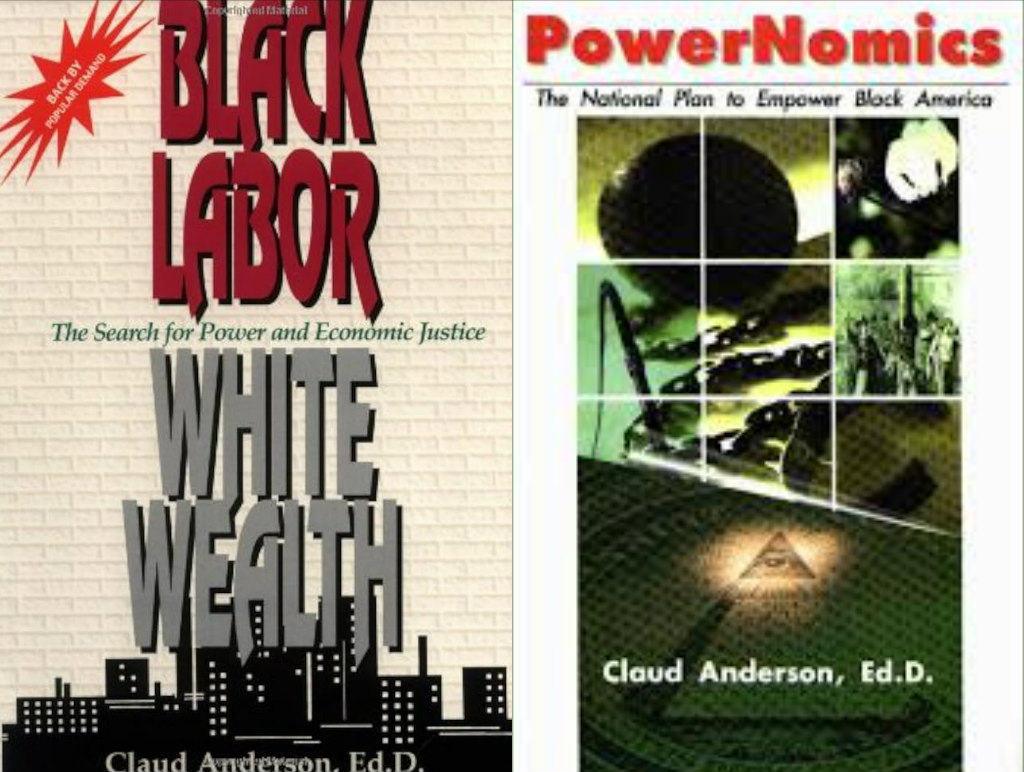
DOUBLE BOOK REVIEW: Black Labor, White Wealth and PowerNomics by Dr. Claud Anderson

5-Star Review of Black Labor, White Wealth and PowerNomics by Dr. Claud Anderson


📚 About the Books

1. Black Labor, White Wealth (1994)
Dr. Claud Anderson’s Black Labor, White Wealth is a masterfully researched chronicle that traces the historical exploitation of Black labor in America. It unearths the foundational truth that the economic engine of the United States was built largely on the backs of enslaved Africans—whose forced labor produced immense wealth for white elites. Anderson outlines how systemic racism, codified in law and reinforced by social customs, created a permanent underclass of African Americans. The book details how wealth was redistributed from Black to white hands through legalized oppression, disenfranchisement, Jim Crow laws, and economic exclusion.

2. PowerNomics: The National Plan to Empower Black America (2001)
As a follow-up, PowerNomics is not merely a critique of the status quo but a blueprint for economic self-empowerment. This work lays out a five-part strategy for Black Americans to become competitive in the 21st-century global economy. Anderson emphasizes building group economics, owning media outlets, creating independent education systems, and establishing a political infrastructure that serves Black interests. This book is revolutionary in that it pushes beyond protest—it advocates for practical solutions rooted in group solidarity and economic literacy.


🧠 Central Themes and Insights

💰 Finance and Black Empowerment
Both books place economic power at the center of liberation. Anderson argues that wealth—not mere income—is what sustains families, communities, and influence. Black Americans, though a trillion-dollar consumer market, own less than 2% of the nation’s wealth. He promotes asset accumulation, business development, and cooperative economics as tools to repair the generational damage of slavery and economic marginalization.

“If you don’t have money, you don’t have power. If you don’t have power, you don’t have justice.”Dr. Claud Anderson

💡 Making Things Better
Anderson’s solution-oriented approach is rooted in practical realism:

  • Pool resources to support Black-owned businesses.
  • Develop industries that circulate the Black dollar within the community.
  • Teach financial literacy from a young age.
  • Lobby for policies that directly benefit Black economic interests.
  • Control the institutions (schools, media, banks) that shape thought and opportunity.

🔍 The Truth About White Exploitation of Black Labor

Dr. Anderson meticulously documents how white elites created and maintained systems designed to exploit Black labor without reward:

  • Slavery (1619–1865) provided free labor that built white wealth.
  • The Homestead Act gave white settlers millions of acres of land—none to freed slaves.
  • Jim Crow laws ensured that Black people were second-class citizens economically and socially.
  • After the Civil Rights era, economic gains were stifled by mass incarceration, redlining, and predatory capitalism.

These acts were not random; they were strategic, multigenerational, and deeply embedded in American law and culture.


⚖️ Similarities and Differences Between the Two Books

AspectBlack Labor, White WealthPowerNomics
ToneHistorical, analytical, foundationalStrategic, solution-focused, motivational
FocusPast injustices and economic theftFuture action plans and systemic empowerment
PurposeTo expose the mechanisms of Black economic suppressionTo provide a plan for Black economic and political power
AudienceScholars, historians, activistsEntrepreneurs, educators, policy makers, community leaders
Key MessageAmerica owes a historical debt to Black peopleBlack America must build parallel economic infrastructure

👤 Who Is Dr. Claud Anderson?

Dr. Claud Anderson is a respected author, economist, political strategist, and entrepreneur. He holds several advanced degrees including a doctorate in education and is a former assistant secretary in the U.S. Department of Commerce under President Jimmy Carter. He also served as State Coordinator of Education under Governor Reubin Askew of Florida.

Dr. Anderson founded the Harvest Institute, a think tank dedicated to research, policy development, and advocacy for Black economic empowerment. His mission has been to awaken Black America to the necessity of controlling its own economy and institutions, rather than relying on integration alone.

He is married to Joan Anderson, and though his family life remains mostly private, his legacy as a thought leader and economic pioneer is cemented in his tireless advocacy for systemic Black advancement.


🌍 His Global and Community Impact

Dr. Anderson’s works are used in classrooms, community centers, and business forums across the United States. He is widely regarded as a pioneer of Black economic nationalism and a bold voice in a field too often marked by assimilationist strategies. His ideas have influenced a generation of Black entrepreneurs, educators, and activists.


🖋️ Final Thoughts – 5-Star Rating

⭐⭐⭐⭐⭐

Both Black Labor, White Wealth and PowerNomics are indispensable for anyone serious about understanding the economic roots of systemic racism and how to uproot them. Dr. Anderson gives Black America not just a mirror to reflect on the past, but a map to navigate the future. His scholarship is unflinching, his voice prophetic, and his vision urgent.

To read these books is to be informed, convicted, and empowered. They are not just books—they are weapons of liberation.


📚 References

Anderson, C. (1994). Black labor, white wealth: The search for power and economic justice. PowerNomics Corporation of America.
Anderson, C. (2001). PowerNomics: The national plan to empower Black America. PowerNomics Corporation of America.

Strong but Silent: The Mental Health Crisis in the Black Community.

Photo by Kelvin Diri on Pexels.com

Understanding the Mental Health Crisis in the Black Community

The Black community faces a pressing mental health crisis—characterized by elevated rates of psychological distress, limited access to care, and deep-rooted stigma. Black Americans are 20% more likely to experience serious mental health problems compared to the general population, and 30% more likely to report serious psychological distressForge HealthWikipedia. Yet, only 1 in 3 Black adults who need mental health care actually receive it, compared with 1 in 2 White adultsForge HealthNAACPColumbia Psychiatry. Such disparities underline a systemic gap in both awareness and treatment.


Root Causes: Trauma, Racism, and Stigma

Deep psychological wounds stemming from historic trauma, including centuries of slavery and institutional racism, continue to influence mental well-being today. The concept of Post-Traumatic Slave Syndrome (PTSS), proposed by Joy DeGruy Leary, argues that unresolved trauma from slavery—and ongoing discrimination—has been transmitted across generations, manifesting as low self-esteem, internalized anger, and self-limiting beliefsWikipedia.

Compounding this is systemic racism, which produces chronic stress through daily microaggressions, economic marginalization, police violence, and unequal treatment in healthcare—leading to elevated anxiety, PTSD, and depressive disordersVerywell MindTIMEmcleanhospital.orgThe Washington Post. Additionally, stigma in the Black community—rooted in historically denying mental illness in enslaved people (e.g., the pseudoscientific “drapetomania”)—continues to perpetuate silence, shame, and avoidance of mental health carewww.counseling.orgMental Health Americahygieiabh.org.


Psychological and Societal Impacts: A Data-Driven View

  • Suicide Trends: In 2021, suicide ranked as the third leading cause of death among Black youths aged 10–24, with rates rising nearly 37% over two decadesNAACPWikipedia. Alarmingly, Black teenage girls are 60% more likely to attempt suicide compared to their white peersAmerican Addiction Centers.
  • Disproportionate Emergency Care: Black adults visit emergency departments (EDs) for mental health concerns at twice the national average, yet are less likely to be admitted or transferred for psychiatric careNAACP.
  • Professional Representation: Only 2–4% of mental health professionals in the U.S. are Black (e.g., 2% of psychiatrists and 4% of psychologists), creating barriers in cultural understanding and trust between providers and patientsNAACPcrescentwellnessfoundation.orgwww.counseling.org.

Why Mental Health Matters—and Its Hereditability

Mental health isn’t just personal—it’s foundational to individual and community well-being. When unaddressed, mental disorders can erode relationships, limit productivity, and perpetuate cycles of sufferingPsychiatryOnline.

Research also suggests that severe trauma can affect gene expression—intergenerational trauma—through biological mechanisms like epigenetics, influencing the offspring’s vulnerability to depression, anxiety, and PTSDHealthPsychology Today.


Common Mental Illnesses and Treatments in the Black Community

1. Major Depressive Disorder & Anxiety

These are among the most prevalent conditions. Evidence-based treatments include:

  • Psychotherapy (especially culturally responsive models)
  • Medication (e.g., SSRIs)
  • Community-based wellness initiatives (e.g., group therapy, healing studios)PsychiatryOnline

2. PTSD & Trauma-Related Disorders

Often triggered by violence, racism, or historical trauma. Treatment strategies include:

3. Misdiagnosis and Disparities

Black individuals are often misdiagnosed with schizophrenia when presenting anxiety or mood symptoms. Improved diagnostic training and culturally sensitive assessment are crucialReddithygieiabh.org.


Healing Measures and Community Strategies

Institutions and grassroots efforts are creating vital pathways to wellness:

  • NAACP resolutions (2024) call for culturally tailored mental health care, expanded service access, employer accommodations, and promotion of community-level mental hygieneNAACP.
  • Wellness First approach emphasizes centering healing within community contexts—e.g., Albany’s Root3d studio offering yoga and journaling programs designed for people of colorPsychiatryOnline.
  • Professionals like Dr. Joy Harden Bradford have launched platforms such as Therapy for Black Girls, which taps into culturally competent psychotherapy and community discourseWikipedia.
  • Association of Black Psychologists (ABPsi), founded in 1968, champions African-centered psychology and develops culturally aligned frameworks for therapyWikipedia.

Real Stories of Trauma and Resilience

  • Regina King’s son, Ian Alexander Jr., died by suicide in 2022 at age 26 after a private battle with depression. Despite professional help, the struggles were hidden from many. Regina shares that she sometimes reads his journals in a meditation to stay connected with his memoryPeople.com.
  • Tiffany Simelane, Miss Swaziland 2008, took her own life in 2009 amid intense personal and public pressures—highlighting the psychological toll of pageant expectations and isolationWikipedia.

Key Precautions & Recommendations

  1. Normalize mental health conversations in churches, schools, and homes.
  2. Screen early, especially among youth—younger Black Americans face rising suicide riskNAACPWikipedia.
  3. Ask providers about cultural competence before starting therapyColumbia Psychiatry.
  4. Utilize culturally affirming care—online platforms, teletherapy, community healing spaces.
  5. Educate families & faith leaders to foster supportive environments rather than stigma.

Helplines & Web Resources

  • 988 Suicide & Crisis Lifeline – Call or text, 24/7.
  • 988lifeline.org – Online chat supportPeople.comMental Health America.
  • Therapy for Black Girls – Directory and podcast by Dr. Joy Harden BradfordWikipedia.
  • NAACP mental health resource hub – Guidance and policy advocacyNAACP.
  • Association of Black Psychologists (ABPsi) – Culturally grounded practitioner networkWikipedia.

Conclusion

The mental health crisis in the Black community is not a matter of individual weakness—but a collective calling. Anchored in historical trauma, systemic inequity, and stigma, it demands solutions that are culturally attuned, community-centered, and policy-driven. Healing is possible when care is compassionate, accessible, and culturally affirmed. Let’s keep this conversation open, and take action—together.