Tag Archives: bible

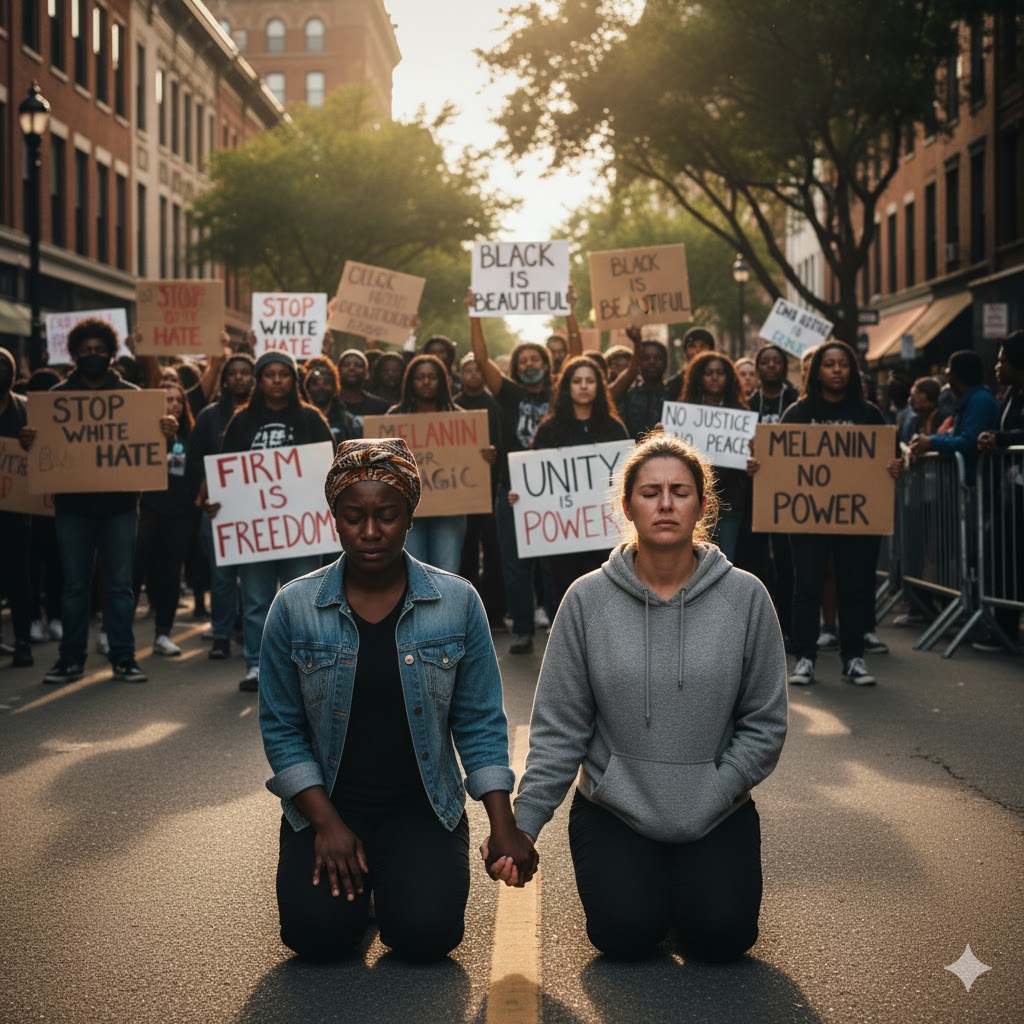
Dilemma: Being Pro-Black Does Not Mean Being Anti-White.

I believe that in every nation, there are both good and bad people. I do not believe that every white person is evil, nor do I subscribe to the idea that being pro-Black requires hating anyone of another race. Some of my closest friends are white, and many of the greatest opportunities and support I have received in life have come from individuals who do not look like me. However, I do not like how Black people were treated at the hands of white people throughout history. They did some evil things to my people—enslaving, dehumanizing, and oppressing generations in ways that still echo today. Yet even in my pain, I do not excuse treating people badly with racism and hate. My faith and conscience teach me that evil should not be repaid with evil. I believe in accountability, truth, and love that heals rather than destroys.

The phrase “being pro-Black” has been misunderstood by many, often distorted by social media and political rhetoric. To be pro-Black is to affirm, protect, and uplift the value of Black life, culture, and history in a world that has too often devalued it. It means loving who we are without apology, restoring what has been stolen, and healing what has been broken. Yet it does not mean to hate or reject others. It is possible—and necessary—to celebrate one’s heritage while still embracing universal humanity (hooks, 1992).

The false assumption that pro-Blackness equals anti-whiteness often stems from fear and guilt rather than understanding. Historically, those in power have portrayed Black pride as a threat to the status quo. During the Civil Rights Movement, for instance, calls for equality were met with accusations of aggression or reverse racism. But love of self is not hatred of others. The same world that celebrates Italian heritage or Irish pride should not condemn Black people for loving themselves and seeking liberation (West, 2001).

To be pro-Black is to reject oppression, not to reject individuals. It is to stand against systems that perpetuate inequality, from slavery to segregation to modern-day mass incarceration. When Black people advocate for justice, they are not attacking white people—they are attacking racism, a sin and a structure that dehumanizes both the oppressed and the oppressor (King, 1963).

The Bible itself speaks to the unity of humanity and the diversity of creation. Acts 17:26 (KJV) declares, “And hath made of one blood all nations of men for to dwell on all the face of the earth.” This scripture reveals that ethnic difference was never meant to divide us but to display the beauty of divine variety. Therefore, affirming Black identity aligns with biblical truth, not contradiction. God does not erase our color; He sanctifies it for His glory.

I have personally encountered compassion and understanding from white allies who have listened, supported, and helped amplify Black voices. Their actions remind me that allyship is not about guilt—it’s about shared humanity. Many white individuals throughout history have stood against racial injustice, from the abolitionists who risked their lives to end slavery to modern-day activists who march beside us in solidarity (Alexander, 2010).

Being pro-Black means loving the legacy of our ancestors—the kings and queens, the inventors, scholars, artists, and visionaries who built civilizations long before colonial contact. It means unlearning internalized inferiority and celebrating the brilliance of melanin, rhythm, creativity, and resilience. None of this requires hatred toward others. It requires healing, remembrance, and restoration of self-worth.

Racism thrives when people believe they must compete for dignity. The truth is, dignity is not a scarce resource—it is divinely infinite. Every race can celebrate its heritage without diminishing another’s. The problem arises when celebration turns into supremacy. White supremacy, not whiteness, is the enemy of humanity; it is the spiritual and social lie that some people are inherently superior to others.

Being pro-Black is an act of spiritual alignment. It is about returning to the image of God within the Black man and woman, distorted for centuries by slavery, colonialism, and Eurocentric theology. It is a declaration that our skin is not a curse but a crown. To affirm this truth does not exclude others from divine love but insists that all people recognize and respect Black humanity as equal in worth and wonder.

Many misunderstandings about pro-Blackness arise from the pain of history. The trauma of slavery and racial violence has left scars across generations. For some, anger toward injustice may appear as hatred toward white people, but more often it is grief, unhealed pain, and frustration over centuries of inequity. True pro-Black love transforms that pain into purpose—it heals instead of hardens.

Cultural pride must be rooted in love, not resentment. The late theologian Howard Thurman (1949) wrote that hatred “confuses the issues” and “distorts the personality.” Hatred consumes both victim and perpetrator. Therefore, being pro-Black should never mean exchanging one form of prejudice for another. Instead, it should mean striving for freedom of the soul, mind, and body while extending grace toward others who walk a different path.

Social progress has always depended on cooperation between people of different races. The abolition of slavery, the Civil Rights Movement, and today’s justice movements all demonstrate that racial equality cannot be achieved in isolation. It requires solidarity—a shared vision for humanity’s moral and spiritual evolution. To be pro-Black is to contribute to that evolution by affirming one’s identity while respecting others’.

Love of one’s people does not require permission or apology. Black pride should not be seen as separatist, but as a necessary corrective to centuries of oppression. When others learn to see pro-Blackness as love rather than hate, dialogue replaces division. Dr. Martin Luther King Jr. reminded us that “love is the only force capable of transforming an enemy into a friend.” Such love is active, courageous, and rooted in justice (King, 1963).

To be pro-Black also means telling the truth about history. It means confronting uncomfortable realities—colonialism, slavery, Jim Crow, redlining, and ongoing discrimination—without bitterness but with moral clarity. A people cannot heal from what they refuse to face. Truth-telling is not anti-white; it is pro-truth, and truth sets everyone free (John 8:32).

Pro-Black identity challenges everyone to reflect on their own cultural roots. Just as Black people reclaim their heritage, so can white people embrace theirs responsibly—without superiority, guilt, or shame. Healing the racial divide begins when each group honors its past, learns from it, and walks in humility toward reconciliation.

It is essential to remember that allyship and accountability can coexist. Being pro-Black does not mean excusing racism among non-Black communities; it means calling for transformation in love. Genuine allies understand that fighting racism benefits all humanity, not just one race. The liberation of one group uplifts the moral consciousness of the whole.

The heart of pro-Blackness is not division but divine order. It seeks the restoration of balance—a world where Black children see their worth reflected in books, films, and leadership. When that balance is restored, everyone benefits. A tree that grows strong in its roots provides shade for all who rest beneath it.

In my journey, I have learned that love for my people deepens my compassion for all people. When I see the suffering of others, regardless of race, I am moved by the same empathy that compels me to uplift my own community. The closer one walks with God, the more one recognizes that love cannot be confined by color.

To be pro-Black is to walk in truth, to heal from generational wounds, and to stand tall in divine dignity. It is to know that we can love ourselves without diminishing anyone else. The world becomes more just when every race celebrates its own identity while respecting others’. True power is not found in domination but in understanding.

Ultimately, being pro-Black is about love—love for self, love for community, and love for humanity. It is about breaking the chains of oppression through education, unity, and spiritual awakening. It is a call to rise without resentment, to build without bitterness, and to shine without shade. In the words of Galatians 3:28 (KJV), “There is neither Jew nor Greek, bond nor free… for ye are all one in Christ Jesus.”


References

  • Alexander, M. (2010). The New Jim Crow: Mass Incarceration in the Age of Colorblindness. The New Press.
  • hooks, b. (1992). Black Looks: Race and Representation. South End Press.
  • King, M. L. Jr. (1963). Strength to Love. Harper & Row.
  • Thurman, H. (1949). Jesus and the Disinherited. Abingdon-Cokesbury Press.
  • West, C. (2001). Race Matters. Beacon Press.
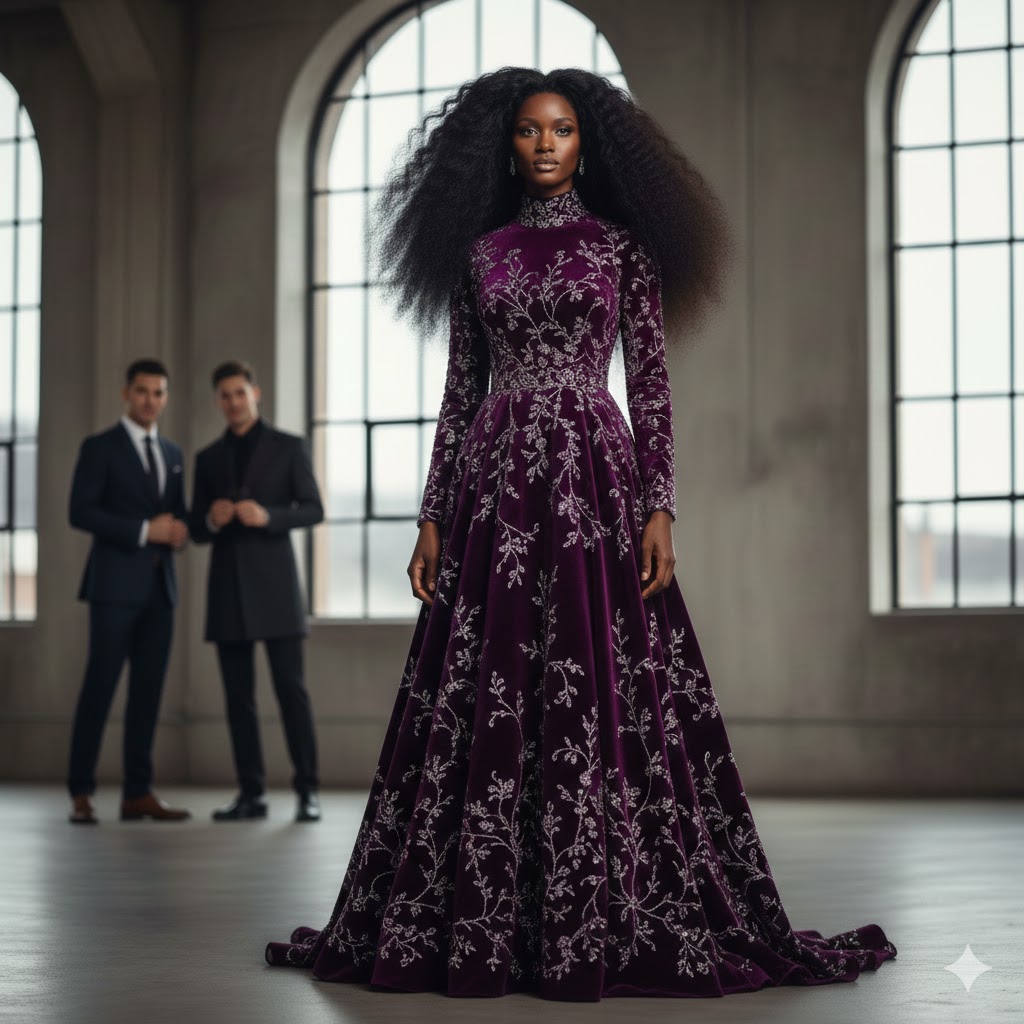
How to Be More Bold, Feminine, Minimalist, and Fashion-Forward.

Boldness, femininity, minimalism, and fashion-forward expression may appear to be separate aesthetics, yet when combined, they create a timeless and elevated personal style. Many women desire to embody confidence while maintaining softness, simplicity, and modernity. Achieving this balance requires an intentional approach to self-presentation, identity, and psychological mindset. Being bold does not mean being loud; femininity does not mean being overly delicate; minimalism is not plainness; and fashion-forward expression is not trend-chasing. Rather, these elements work together to refine how a woman shows up in the world.

Cultivating boldness begins internally. Psychological research shows that confidence grows from clarity of identity and repeated action rather than innate personality. When a woman knows who she is—and who she is becoming—her style naturally becomes stronger. Boldness is about owning your presence: standing tall, speaking clearly, and embracing choices without apology. In fashion, this can translate into choosing a statement piece, wearing colors that amplify your skin tone, or selecting silhouettes that highlight your strengths.

Femininity is another layer that enhances boldness rather than contradicts it. Feminine style is rooted in grace, softness, and intentional detailing. It is defined by fluidity, movement, and the celebration of womanhood. This can include fabrics that drape, cuts that flatter natural curves, subtle makeup that enhances features, and accessories that add gentle elegance. Feminine style is less about conforming to stereotypes and more about tapping into one’s natural softness and beauty.

Minimalism grounds both boldness and femininity. Minimalist fashion emphasizes simplicity, clean lines, and a curated wardrobe. A minimalist aesthetic allows your presence—not your clothing—to speak first. It relies on neutral palettes, quality fabrics, and timeless pieces that elevate rather than distract. The minimalist woman does not chase every trend; she selects what aligns with her essence. She chooses pieces that can be styled multiple ways, giving her the freedom to express creativity without clutter.

Being fashion-forward requires an understanding of both personal style and the evolving language of fashion. It doesn’t mean adopting every trend, but anticipating what flatters you within the context of modern style. Fashion-forward women combine timelessness with innovation—mixing classic silhouettes with current textures, pairing minimalist staples with bold accents, or integrating culturally relevant elements into their aesthetic. They look informed, intentional, and contemporary.

To merge boldness with femininity, balance is key. For example, a structured blazer paired with a soft satin camisole creates strength and softness simultaneously. A bold red lip matched with minimal makeup elsewhere maintains both daring and restraint. A fitted dress in a neutral tone maintains femininity while staying minimal and fashion-forward.

Confidence in presentation grows as women practice self-expression. Behavioral psychology notes that repeated exposure to a behavior increases comfort and reduces fear. This means embracing bold earrings or streamlined monochrome outfits may feel unfamiliar initially, but the more they are worn, the more natural they become. Boldness is built through action.

Minimalist femininity thrives on subtlety and intentionality. Instead of heavily layered accessories, one might choose a single high-quality piece—a simple gold necklace, pearl earrings, or a structured leather handbag. The minimalist approach invites refinement. It encourages investing in fewer but better items that elevate every outfit.

A fashion-forward mindset also requires staying culturally aware. Fashion is deeply influenced by art, music, social change, and global aesthetics. Women who study these patterns—not obsessively, but curiously—gain insight into why trends emerge and how to adopt them strategically. Understanding the cultural language of style gives depth to personal expression.

Boldness can also be psychological empowerment. Studies show that clothing impacts mood, confidence, and performance. This is known as “enclothed cognition.” When you wear clothing that aligns with your ideal self, your behavior follows. A woman who dresses boldly is more likely to behave boldly; a woman who dresses minimally is more likely to feel grounded and purposeful.

Femininity is also nurtured psychologically through self-care and self-compassion. A woman who honors her body—through rest, nutrition, movement, and emotional boundaries—expresses natural femininity effortlessly. Her glow is not just fashion-based; it is internal wellness expressed outwardly.

Minimalism can also apply to lifestyle. Decluttering mental, emotional, and physical spaces frees energy for creativity and self-expression. When your closet is organized and simplified, styling becomes easier and more intentional. Minimalism creates mental clarity, helping women decide what truly reflects their identity.

Another element of being fashion-forward is fit. No matter how stylish or expensive a piece is, the wrong fit diminishes its impact. Tailoring—even small adjustments—can transform a garment from ordinary to elevated. Fashion-forward women pay attention to proportion, silhouette, and balance.

Boldness also includes authenticity. True boldness means resisting the pressure to imitate others and instead developing a personal signature. This could be a specific color you love, a hairstyle that defines you, or a recurring accessory that becomes part of your identity. Signature style communicates confidence.

Feminine style can also be modern. Today’s femininity celebrates strength and softness, wisdom and beauty. It includes sharp blazers, flowing skirts, soft neutral palettes, and structured handbags. A woman can be feminine without being overly frilly—modern femininity is polished, mature, and graceful.

Minimalism pairs easily with luxury. The minimalist philosophy emphasizes quality. Investing in premium basics—such as well-made trousers, fitted tops, cashmere sweaters, and leather outerwear—creates a wardrobe that elevates even casual looks. Minimalist luxury is understated but powerful.

To be fashion-forward, experiment with textures: leather, silk, knitwear, matte vs. glossy finishes. These subtle details bring depth to simple outfits. They prevent minimalism from becoming boring and femininity from becoming predictable.

The key to merging all four aesthetics is mindfulness. Mindful dressing involves asking: Does this reflect who I am? Does it express who I am becoming? Does it support my confidence? Does it honor my femininity, simplicity, and modern sensibility? Mindfulness brings harmony to style.

Ultimately, bold, feminine, minimalist, and fashion-forward expression is about identity, clarity, and intention. When a woman knows her worth, understands her aesthetic, and honors her personal evolution, her style becomes timeless. She does not dress to impress others. She dresses to reflect a powerful, grounded, and beautifully modern version of herself.


References

Ahuvia, A. (2005). Beyond the extended self: Loved objects and consumers’ identity narratives. Journal of Consumer Research, 32(1), 171–184.

Entwistle, J. (2015). The fashioned body: Fashion, dress, and modern social theory. Polity Press.

Fredrickson, B. L., & Roberts, T. (1997). Objectification theory. Psychology of Women Quarterly, 21(2), 173–206.

Kwon, Y. H. (1992). The influence of clothing on mood and self-perception. Clothing and Textiles Research Journal, 10(4), 18–22.

Levy, S. J. (1959). Symbols for sale. Harvard Business Review, 37(4), 117–124.

Tseëlon, E. (2012). Masculinities and femininities in fashion. Berg Publishers.

Trier-Bieniek, A. (2015). Feminist theory and pop culture. Sense Publishers.

Tseëlon, E. (1995). The masque of femininity: The presentation of woman in everyday life. SAGE Publications.

Loved in Brown

To be loved in Brown is to exist inside a psychology where identity is not earned through proximity but is bestowed through divine and relational election (Cross, 1991).

Brown skin carries a biological testimony of adaptation and protection, yet it also carries a psychological battleground where meaning is often contested before it is understood (Jablonski, 2012).

Historically, complexion classification systems have manufactured emotional hierarchies that assign value by shade, fragmenting self-concept among melanated people (Hunter, 2007).

The psychological scars of colorist cognition mirror intragroup trauma more intimate than racism alone, because colorism harms inside the family, the community, and the internal self-schema (Byrd & Tharps, 2014).

Yet Scripture declares that love originates in God, who anoints individuals not by appearance but by divine choice, meaning brownness never disqualified the beloved (1 Samuel 16:7, KJV).

Humanity’s origin begins in dust animated by divine breath, grounding creation in earth-tones rather than colorless ideals (Genesis 2:7, KJV).

God declared His created image-bearer “very good” before societal gaze formed its hierarchies (Genesis 1:31, KJV).

Attachment psychology later confirmed what Scripture modeled: identity becomes securely integrated when love is stable, yielding confidence rather than shame (Bowlby, 1969/1982; 1 John 4:18, KJV).

Song of Solomon offers a divine aesthetic interruption, recording that brown skin—darkened by exposure—is still considered lovely, chosen, and adored (Song of Solomon 1:5–6, KJV).

Representation research affirms that visibility of brown beauty reconstructs internalized belonging (Tynes et al., 2019).

This aligns spiritually with God calling His chosen even when others call them common (John 15:16, KJV).

Outgrowing the old self requires identity renewal. Scripture commands cognitive renovation, not shade alteration, emphasizing a change of person, not pigment (Romans 12:2, KJV).

To be loved in Brown requires replacing old internal narratives with divine speech, because death and life are governed first by the tongue, then by the heart that believes it (Proverbs 18:21, KJV).

Paul models identity egress by counting former identities as loss so the higher self in Christ could emerge (Philippians 3:7–8, KJV).

The greatest transformations in Scripture occur in hidden, formative margins—browning seasons of isolation, processing, and divine appointment (Genesis 41, KJV; Masten, 2014).

Love becomes healing when it is covenantal, not comparative; Scripture defines love as divine origin rather than emotional consumerism (1 John 4:7–8, KJV).

The theology of love refuses colorist opposition, affirming that love is sparked by God, sustained by God, and defined as God Himself (1 John 4:8, KJV).

To be loved in Brown is not to be loved despite color, but loved in it, as ink holds no shame for the page it colors.

Brownness becomes a crown when loved rightly, not weaponized socially (Ruth 1:16–17, KJV).

Thus, Loved in Brown stands as a divine psychological correction—God-chosen, spiritually secure, communally resilient, visually brilliant, and eternally authored (Genesis 1:31; Philippians 1:6, KJV).


References

Bowlby, J. (1982). Attachment and Loss: Vol. 1. Attachment (2nd ed.). Basic Books. (Original work published 1969).

Byrd, A. D., & Tharps, L. L. (2014). Hair Story: Untangling the Roots of Black Hair in America. St. Martin’s Press.

Cross, W. E. (1991). Shades of Black: Diversity in African American Identity. Temple University Press.

Hunter, M. (2007). The persistent problem of colorism: Skin tone, status, and inequality. Sociology Compass, 1(1), 237–254.

Jablonski, N. G. (2012). Living Color: The Biological and Social Meaning of Skin Color. University of California Press.

Tynes, B. M., Stewart, A. M., & Hamilton, M. W. (2019). Race-related traumatic events online and mental health among adolescents. Developmental Psychology, 55(4), 737–751.

The Holy Bible, King James Version (Authorized 1611/1769). Genesis 1:31; 2:7; 1 Samuel 16:7; Song of Solomon 1:5–6; Proverbs 18:21; Philippians 3:7–8; Philippians 1:6; John 15:16; John 15:16; 1 John 4:7–8; 1 John 4:18; 1 John 4:18.

Psychology Series: Psychology Through a Biblical Lens – Understanding the Mind and Spirit

Psychology, the study of the mind and behavior, intersects profoundly with faith. While modern psychology explores human thought, emotion, and behavior, the Bible provides guidance for the heart, mind, and soul, revealing that true understanding begins with God (Proverbs 2:6).

The human mind is complex, capable of reasoning, creativity, and reflection. Scripture reminds us that our thoughts must align with God’s truth. Isaiah 26:3 declares: “Thou wilt keep him in perfect peace, whose mind is stayed on thee: because he trusteth in thee.” Peace of mind is found in trusting God rather than relying solely on human understanding.

Emotions are a central aspect of human psychology. God designed us to experience joy, sorrow, anger, and compassion. Psalm 34:18 encourages: “The LORD is nigh unto them that are of a broken heart; and saveth such as be of a contrite spirit.” Emotional healing begins with God’s presence and care.

Cognitive processes, including thought patterns and memory, influence behavior. Romans 12:2 advises: “And be not conformed to this world: but be ye transformed by the renewing of your mind, that ye may prove what is that good, and acceptable, and perfect, will of God.” Transforming the mind spiritually helps align thoughts with righteousness.

Behavioral psychology emphasizes actions shaped by environment and reinforcement. Galatians 6:7 warns: “Be not deceived; God is not mocked: for whatsoever a man soweth, that shall he also reap.” Our actions produce consequences, and understanding this helps cultivate self-discipline and moral responsibility.

Mental health struggles, such as anxiety and depression, are common. Philippians 4:6-7 instructs: “Be careful for nothing; but in every thing by prayer and supplication with thanksgiving let your requests be made known unto God. And the peace of God, which passeth all understanding, shall keep your hearts and minds through Christ Jesus.” Prayer and faith provide relief and guidance.

Stress management is another area where psychology and faith intersect. Matthew 11:28-30 reminds believers: “Come unto me, all ye that labour and are heavy laden, and I will give you rest.” God’s comfort can reduce anxiety and support mental resilience.

Human relationships impact psychological well-being. Proverbs 13:20 teaches: “He that walketh with wise men shall be wise: but a companion of fools shall be destroyed.” Healthy relationships foster emotional stability, while toxic influences can lead to harm.

Self-esteem and identity are central to modern psychology. Psalm 139:14 affirms: “I will praise thee; for I am fearfully and wonderfully made: marvellous are thy works; and that my soul knoweth right well.” Understanding that we are created in God’s image fosters dignity and self-worth.

Addiction and destructive behaviors challenge mental health. 1 Corinthians 10:13 provides hope: “There hath no temptation taken you but such as is common to man: but God is faithful, who will not suffer you to be tempted above that ye are able; but will with the temptation also make a way to escape.” God offers strength to overcome harmful habits.

Cognitive-behavioral principles can be aligned with biblical teaching. By replacing sinful or harmful thought patterns with God-honoring truths, believers can cultivate spiritual and mental health. 2 Corinthians 10:5 instructs: “Casting down imaginations, and every high thing that exalteth itself against the knowledge of God, and bringing into captivity every thought to the obedience of Christ.”

Developmental psychology emphasizes stages of growth. Proverbs 22:6 underscores early spiritual formation: “Train up a child in the way he should go: and when he is old, he will not depart from it.” Moral and emotional habits established early can guide lifelong behavior.

Forgiveness is critical for psychological well-being. Holding resentment fosters bitterness and stress. Colossians 3:13 commands: “Forbearing one another, and forgiving one another, if any man have a quarrel against any: even as Christ forgave you, so also do ye.” Releasing grudges promotes emotional and spiritual health.

Gratitude and positivity influence mental resilience. 1 Thessalonians 5:16-18 says: “Rejoice evermore. Pray without ceasing. In every thing give thanks: for this is the will of God in Christ Jesus concerning you.” Positive focus nurtures mental well-being.

Stress from societal pressures is amplified when individuals rely on worldly measures. Proverbs 3:5-6 reminds: “Trust in the LORD with all thine heart; and lean not unto thine own understanding. In all thy ways acknowledge him, and he shall direct thy paths.” Faith-centered guidance mitigates anxiety and indecision.

Trauma and suffering affect psychological health. Psalm 147:3 offers assurance: “He healeth the broken in heart, and bindeth up their wounds.” God’s care provides restoration where human efforts fall short.

Coping strategies, such as prayer, meditation on scripture, and fellowship, align with modern therapeutic techniques while rooting solutions in God’s Word. Philippians 4:8 instructs: “Finally, brethren, whatsoever things are true, whatsoever things are honest, whatsoever things are just, whatsoever things are pure…think on these things.”

Identity and purpose are central to psychological fulfillment. Jeremiah 29:11 affirms: “For I know the thoughts that I think toward you, saith the LORD, thoughts of peace, and not of evil, to give you an expected end.” Understanding divine purpose strengthens resilience and motivation.

Empathy and compassion contribute to emotional intelligence. Romans 12:15 teaches: “Rejoice with them that do rejoice, and weep with them that weep.” Caring for others enhances social bonds and personal fulfillment.

Finally, psychology and faith together encourage holistic growth. Mind, body, and spirit are interconnected. 1 Thessalonians 5:23 prays: “And the very God of peace sanctify you wholly; and I pray God your whole spirit and soul and body be preserved blameless unto the coming of our Lord Jesus Christ.” True mental and emotional health flourishes when aligned with God’s guidance.


References

  • The Holy Bible, King James Version (KJV)
  • Proverbs 2:6; 13:20; 22:6; 3:5-6
  • Isaiah 26:3
  • Psalm 34:18; 139:14; 147:3
  • Philippians 4:6-7, 4:8
  • Romans 12:2, 12:15
  • Matthew 11:28-30
  • Joshua 24:15
  • 1 Corinthians 10:13
  • 2 Corinthians 10:5
  • Colossians 3:13
  • Jeremiah 29:11
  • 1 Thessalonians 5:16-18, 5:23
  • Galatians 6:7

The Narrative of Love

Love is the most timeless story ever told, written in hearts and echoed across generations. It is a narrative that transcends culture, time, and circumstance, shaping human experience with its power to heal, transform, and inspire. Scripture reminds us, “Charity suffereth long, and is kind; charity envieth not; charity vaunteth not itself, is not puffed up” (1 Corinthians 13:4, KJV). This sets the tone for understanding love as a deliberate, enduring narrative rather than a fleeting emotion.

At the beginning of love’s narrative, attraction often plays the leading role. Physical allure, charm, and chemistry draw individuals together, igniting the spark that sets the story in motion. Infatuation may masquerade as love in these early chapters, but the true narrative requires depth beyond superficial fascination.

As the story unfolds, love reveals itself through knowledge and understanding. To truly love is to know another person’s soul, to embrace their flaws, fears, and dreams. Proverbs 31:30 reminds us, “Favor is deceitful, and beauty is vain: but a woman that feareth the LORD, she shall be praised” (KJV). True love honors the person beyond outward appearances.

Conflict and challenge often serve as pivotal plot points in the narrative of love. Relationships encounter trials, disagreements, and misunderstandings. Love’s endurance is tested, echoing the biblical principle: “Love suffereth long” (1 Corinthians 13:4, KJV). The ability to remain committed during adversity defines the depth of the story.

Communication is the dialogue that sustains love’s narrative. Honest, respectful, and vulnerable exchanges allow hearts to connect and understand one another. Infatuation, by contrast, often avoids true dialogue, focusing instead on validation and fantasy.

Acts of service and sacrifice add richness to love’s story. Genuine love seeks the good of the other, prioritizing their well-being even at personal cost. John 15:13 declares, “Greater love hath no man than this, that a man lay down his life for his friends” (KJV). Such actions turn mere affection into a lasting testament of devotion.

Intimacy in love is not only physical but also emotional, intellectual, and spiritual. Sharing fears, hopes, and vulnerabilities weaves the threads that hold the narrative together. Love grows stronger when both partners reveal and receive trust, forming a bond that withstands the tests of time.

Love’s narrative also involves patience and forgiveness. No story unfolds without moments of error or disappointment. To forgive and to endure is to write chapters of grace, following the guidance: “Be ye kind one to another, tenderhearted, forgiving one another” (Ephesians 4:32, KJV).

The narrative of love is characterized by consistency and stability. True love does not fluctuate with moods or circumstances; it is steadfast, reliable, and comforting. “Love suffereth long, and is kind; love envieth not” (1 Corinthians 13:4, KJV) emphasizes the unwavering nature of genuine affection.

Time allows love’s story to deepen. Infatuation fades when novelty diminishes, but love grows richer through shared experiences, memories, and mutual support. Like a finely written book, it gains meaning with each chapter lived together.

A sense of mutual growth defines love. Partners inspire each other to be better versions of themselves, fostering personal, spiritual, and emotional development. “Iron sharpeneth iron; so a man sharpeneth the countenance of his friend” (Proverbs 27:17, KJV). Love is a transformative force within the narrative of life.

Love’s narrative often includes moments of joy and celebration. Laughter, shared victories, and simple pleasures punctuate the story, reminding us that love is not only enduring but also exuberant. These moments create cherished memories that define the relationship.

Conversely, the narrative of love acknowledges sorrow and loss. Painful experiences, such as betrayal, death, or separation, are chapters that test the resilience of love. Endurance through suffering strengthens the bond, as Romans 5:3-4 teaches, “We glory in tribulations also: knowing that tribulation worketh patience; And patience, experience; and experience, hope” (KJV).

Spiritual alignment enhances the narrative of love. Partners who share values, faith, and purpose build a foundation that transcends fleeting desires. Ephesians 5:25 instructs, “Husbands, love your wives, even as Christ also loved the church” (KJV), illustrating love as a sacred, enduring commitment.

Acts of recognition and appreciation are key chapters in love’s story. Celebrating the other’s accomplishments, acknowledging their struggles, and expressing gratitude strengthen the emotional bond. Infatuation often neglects this depth, focusing instead on self-interest.

Love’s narrative is enriched by shared dreams and future planning. The vision of a shared life, family, or purpose provides direction and meaning, anchoring the relationship in something greater than immediate emotion.

Romantic gestures, whether grand or simple, embellish love’s story. Thoughtful surprises, letters, and small acts of care reinforce the message that love is active, not passive. These actions add texture and color to the narrative.

True love fosters security and trust. In its presence, individuals feel safe to express their authentic selves, free from fear or judgment. “Love rejoiceth not in iniquity, but rejoiceth in the truth” (1 Corinthians 13:6, KJV). Trust is the backbone of the narrative, allowing the story to unfold with integrity.

The narrative of love concludes not in an ending but in continuity. Real love is cyclical and evolving, adapting to seasons of life while remaining anchored in commitment, grace, and mutual respect. It is a story written day by day, choice by choice, heart by heart.

Ultimately, love is both a personal and divine narrative. It reflects God’s design, teaches lessons of patience, kindness, and sacrifice, and transforms individuals. “And now abideth faith, hope, charity, these three; but the greatest of these is charity” (1 Corinthians 13:13, KJV). The narrative of love is eternal, written in the hearts of all who embrace it.


References

  1. Holy Bible, King James Version. (1611). 1 Corinthians 13:4–7, 13.
  2. Holy Bible, King James Version. (1611). John 15:13.
  3. Holy Bible, King James Version. (1611). Proverbs 27:17.
  4. Holy Bible, King James Version. (1611). Ephesians 4:32, 5:25.
  5. Holy Bible, King James Version. (1611). Romans 5:3–4.
  6. Hatfield, E., & Rapson, R. L. (1993). Love, sex, and intimacy: Their psychology, biology, and history. New York: HarperCollins.
  7. Sternberg, R. J. (1986). A triangular theory of love. Psychological Review, 93(2), 119–135. https://doi.org/10.1037/0033-295X.93.2.119
  8. Fisher, H. (2004). Why we love: The nature and chemistry of romantic love. New York: Henry Holt and Company.
  9. Aron, A., & Aron, E. N. (1997). Self-expansion motivation and including other in the self. In S. Duck (Ed.), Handbook of personal relationships: Theory, research and interventions (pp. 251–270). Chichester, UK: Wiley.
  10. Collins, N. L., & Feeney, B. C. (2000). A safe haven: An attachment theory perspective on support seeking and caregiving in intimate relationships. Journal of Personality and Social Psychology, 78(6), 1053–1073. https://doi.org/10.1037/0022-3514.78.6.1053

Difficulties Are Necessary for Life

Difficulties are not proof that life has failed—rather, they testify that life is working according to God’s refining process, for affliction enlarges the soul and tutors the spirit (Smith, 2020).

Scripture reveals that trials serve a divine purpose. Paul declares that tribulations produce patience, shaping believers through progressive sufferings that build spiritual stamina, not destruction (Romans 5:3-4, KJV).

Life’s challenges are God’s crucible. Proverbs teaches that just as silver is tried in the furnace, human hearts are tested by the Lord Himself (Proverbs 17:3, KJV).

Hardship marches beside every calling. Christ warns that in the world, believers shall have tribulation—not may, but will, affirming that difficulty is stitched into earthly existence (John 16:33, KJV).

Suffering awakens prayer. Distress becomes the spiritual trumpet that calls men and women to cry toward God, who promises to hear them and deliver them out of all troubles (Psalm 34:17, KJV).

The wilderness is necessary for maturity. Deuteronomy reveals that God led Israel into hard places to humble them, prove them, and reveal what was truly in their heart (Deuteronomy 8:2, KJV).

Struggles expose spiritual hunger. When earthly strength collapses, dependence on God rises, for man lives by every Word of God, not bread alone (Deuteronomy 8:3, KJV).

Affliction produces obedience. Psalm 119 teaches that suffering teaches statutes—pain becomes the unwilling teacher of righteousness (Psalm 119:71, KJV).

Trials extract faith from theory into reality. James echoes this truth, proving that faith matures through testing, though Job lived it long before it was written (James 1:2-3, KJV).

Difficulty births endurance. Hebrews reminds believers that chastening corrects and proves sonship, for God disciplines those He loves (Hebrews 12:6-7, KJV).

Storms test spiritual roots. Christ teaches that houses built on sand collapse under trouble, while those founded on rock survive—it is not the absence of storm, but the foundation that matters (Matthew 7:24-27, KJV).

Hardship develops courage. Joshua was commanded to be strong because the assignment ahead was heavy, not easy (Joshua 1:9, KJV).

Suffering silences pride. Paul described being given a thorn to keep him from self-exaltation—pain became a shield against arrogance (2 Corinthians 12:7-9, KJV).

Adversity expands compassion. Those wounded by life often become vessels of gentleness, for God comforts us so we may comfort others (2 Corinthians 1:3-4, KJV).

Hard seasons cultivate spiritual perception. Elijah heard God’s voice after fire, wind, and earthquake—difficulty cleared his hearing (1 Kings 19:11-12, KJV).

Affliction proves calling. Joseph’s pit and prison preceded his palace—pain processed a dream before privilege manifested (Genesis 37-41, KJV).

Trials reveal loyalty. Ruth clung tighter when loss grew heavier, showing that difficulties do not break the faithful, they anchor them (Ruth 1:16-17, KJV).

Suffering produces hope, not despair. Biblical hope is not optimism—it is expectation grown in suffering, rooted in God’s faithfulness (Romans 8:18, KJV).

Hardship is spiritually proportional. The greater the impact, the heavier the pressure, for glory outweighs suffering when purpose is understood (Romans 8:28;18, KJV).

Thus, difficulties are not evidence of God’s absence—often they are the evidence of His involvement, molding believers into instruments able to survive what the untested self could never carry (Romans 5:3-5, KJV).


References

Beck, A. T. (1976). Cognitive therapy and emotional disorders. International Universities Press.

Frankl, V. E. (2006). Man’s search for meaning. Beacon Press. (Original work published 1946)

Masten, A. (2014). Ordinary magic: Resilience in development. Guilford Press.

Smith, J. (2020). Resilience and faith under pressure. Journal of Psychology & Spirituality, 12(4), 201-219.

Taleb, N. N. (2012). Antifragile: Things that gain from disorder. Random House.

The King James Version Bible. (Authorized, 1611/1769).

💗 Girl Talk Series: Shrinking in the Presence of People💗

To every daughter of God, every sister, every woman who has ever whispered instead of speaking, stepped back instead of stepping forward, or made herself small so someone else could feel big—this message is for you. You were never designed to shrink. You were never meant to fold yourself into tiny spaces so others could be comfortable. God did not breathe life into you for you to live hidden, muted, or diminished.

You are a light in this world, and light is meant to shine. You are a crown-bearing woman with God-given gifts, purpose, intelligence, beauty, and anointing. There is nothing accidental or excessive about the way He crafted you. Shrinking yourself does not serve God, and it does not serve the world. It only steals the brilliance He placed within you.

So stand tall, sis. Speak boldly. Live fully. Show up as your complete, authentic self—because the world needs the version of you that God created, not the smaller version fear created. You are worthy of being seen, valued, loved, and heard. Step into your fullness with confidence, because God has already approved you.

Do not shrink yourself. There is a quiet, dangerous habit many women develop—a habit of making themselves smaller so others can feel bigger. But you were never created to shrink. Jesus Himself said, “Ye are the light of the world. A city that is set on a hill cannot be hid” (Matthew 5:14, KJV). Your light was designed to stand out, not fade.

Shrinking often begins slowly. You silence parts of yourself little by little—your opinions, your laughter, your brilliance—because someone implied it was “too much.” But being too much for the wrong people simply means you haven’t yet found the people who can handle your fullness.

Black women, especially, are often conditioned to shrink. Society tells them to be quiet but strong, visible but not “too bold,” brilliant but not “intimidating.” These contradictions create emotional exhaustion. Yet God says otherwise: “I will praise thee; for I am fearfully and wonderfully made…” (Psalm 139:14, KJV). There is nothing accidental about your strength.

In relationships, shrinking may feel like the cost of keeping peace—avoiding conflict, tiptoeing around truths, or lowering your standards to keep someone near. But any love that demands your silence is not love; it is captivity. Godly love embraces the whole woman, not fragments of her.

Sometimes shrinking happens within friendships. You become the fixer, the listener, the emotional anchor—but never the one who receives support. You hide your pain so you won’t be a burden. But healthy friendships are reciprocal. Even Jesus had disciples who listened to Him, supported Him, and stood beside Him.

Family expectations can also pressure women to shrink. Many become the “strong daughter,” the “responsible one,” the “helper.” Though serving family can be honorable, shrinking yourself into roles that suffocate your own dreams is not God’s will. Stewardship includes your purpose, your peace, and your identity.

Work and academic spaces often punish confident, outspoken women. You may soften your intelligence or mute your leadership to avoid labels like “aggressive.” But excellence is not arrogance—it is worship. “Whatsoever ye do, do it heartily, as to the Lord” (Colossians 3:23, KJV). God is honored when you step boldly into your calling.

Psychologically, shrinking becomes a survival tactic. If you’ve lived in environments where your authenticity brought criticism, you learn to hide. Over time, hiding feels safer than being seen. But authenticity is healing. Authenticity is freedom.

Many women carry labels assigned in childhood: “bossy,” “loud,” “difficult,” “sassy.” These words were not truth; they were attempts to control a girl growing into power. God’s labels are different: anointed, beloved, chosen, set apart.

Every time you shrink, you limit what God can do through you. You limit the impact you could have, the people you could inspire, and the legacy you could leave. God placed greatness in you for a reason.

Confronting the fear of judgment is part of spiritual maturity. People’s opinions will always shift, but God’s opinion remains. “Be not afraid of their faces…” (Jeremiah 1:8, KJV). Your purpose cannot bow to intimidation.

Rejection is another fear that causes shrinking. Many women want to be liked so badly that they silence their true selves. But there is a difference between being liked and being valued. God values you—fully, completely, eternally.

Healing begins when you root your identity in Scripture instead of society. Society wants you small. God calls you royal. “A chosen generation, a royal priesthood…” (1 Peter 2:9, KJV). Royal women do not hide their crowns.

Reclaiming your voice is the first step. Speak your needs. Say “no” without guilt. Stand firm on your standards. Each act of courage restores a piece of your soul.

Reclaiming yourself also means honoring your gifts. If God made you talented, shine. If He gave you beauty, carry it gracefully. If He gave you wisdom, speak it boldly. Shrinking your gift is dishonoring the Giver.

Choose relationships—romantic, platonic, and professional—that celebrate your growth. People who resent your glow were never meant to walk with you. God will send those who admire your shine because they are secure in their own.

Remember that humility is not self-erasure. Humility is strength under control. Shrinking, however, is insecurity in disguise. God did not call you to invisibility. He called you to impact.

Your boldness is an act of obedience. When you walk in your full identity, you demonstrate what God can do through a woman who refuses to live beneath her calling. Your courage is your ministry.

God wants you to flourish. Your expansion honors Him. Your confidence honors Him. Your unapologetic presence honors Him. As Paul wrote, “Stir up the gift of God, which is in thee…” (2 Timothy 1:6, KJV). Do not let fear smother what God placed inside you.

So, sis, no more shrinking. No more shrinking your voice, your needs, your truth, your beauty, your intelligence, or your purpose. You are not too much—you are God-made, God-called, and God-approved. Step into every room like you belong there, because you do. The world needs your full light, not a dimmed version of it.


Biblical (KJV)

Matthew 5:14
Psalm 139:14
Colossians 3:23
Jeremiah 1:8
1 Peter 2:9
2 Timothy 1:6

References

Brown, B. (2012). Daring greatly: How the courage to be vulnerable transforms the way we live, love, parent, and lead. Gotham Books.
Hooks, B. (2000). All about love: New visions. William Morrow.
Myers, D. G. (2014). Psychology (11th ed.). Worth Publishers.
Wilson, S. (2021). The psychology of self-worth in women. Oxford Press.

The Marriage Series: Endless Love

Endless love begins with God, for Scripture teaches that “God is love” (1 John 4:8, KJV). His love is not fleeting, shallow, or dependent on mood. It is eternal, steadfast, sacrificial, and unconditional. When we speak of “endless love” in marriage, dating, or courting, we are ultimately speaking of the divine example set by the Most High Himself. Human relationships can only reflect this kind of love when they are rooted in God’s nature rather than human emotion.

Love, according to Scripture, is not merely an emotion—it is a decision and a commitment. Feelings rise and fall, but love endures because it is anchored in choice. The Bible defines love in powerful terms: “Charity suffereth long, and is kind… seeketh not her own… beareth all things, believeth all things, hopeth all things, endureth all things” (1 Corinthians 13:4–7, KJV). This description emphasizes loving actions, not emotional highs. Real love chooses patience when irritation is easier, kindness when anger feels justified, and forgiveness when resentment feels deserved.

In dating, love begins with discernment—seeking a partner whose character, values, and spiritual life align with God’s will. Dating, when done properly, is not aimless entertainment; it is preparation for a covenant. A relationship must be grounded in spiritual compatibility, emotional maturity, and mutual respect. Godly dating involves intentional conversations about faith, purpose, family, and future. It avoids emotional entanglement without clarity and seeks purity in both behavior and thought.

Courting takes this intention deeper. Biblical courting focuses on purposeful relationship-building through prayer, wise counsel, and boundaries that protect the heart. Courting says, “I am exploring this relationship with marriage in mind.” It reflects Proverbs 4:23 (KJV): “Keep thy heart with all diligence; for out of it are the issues of life.” In courts, physical attraction is acknowledged but not idolized. True love is tested through communication, character, and consistency—not physical intimacy.

Marriage, however, is where endless love becomes a covenant. The Bible describes marriage as two becoming one flesh (Genesis 2:24, KJV). This unity is spiritual, emotional, and physical. Marriage is not simply a romantic partnership but a sacred assignment. Spouses are called to love one another with the same sacrificial commitment Christ shows His church (Ephesians 5:25, KJV). That means loving when tired, loving when hurt, loving when misunderstood, and loving when the feelings are not as strong as they used to be.

Because feelings change. This is one of the greatest truths about love that many overlook. Infatuation fades. Attraction fluctuates. Excitement rises and falls. But love, when anchored in God, remains stable. Feelings are like the wind—unpredictable and inconsistent. Love is like the foundation—unshakable, dependable, and enduring. In marriage, couples must decide repeatedly to choose each other, honor each other, forgive each other, and serve each other, even on days when emotions do not cooperate.

God’s love teaches us how to do this. His love is patient with our flaws, gentle with our weaknesses, and merciful with our failures. Marriage requires the same posture. Endless love means seeing your spouse’s humanity and choosing grace instead of criticism. It means remembering that your marriage is not just between two people but between three: husband, wife, and God. With God at the center, love becomes stronger than storms, conflicts, and trials.

Communication plays a vital role in endless love. Couples must speak truth in love (Ephesians 4:15, KJV), listening with humility and expressing feelings with kindness. Many marriages fail not because love disappears but because communication breaks down. Endless love requires transparency, vulnerability, and a willingness to resolve issues rather than avoid them.

Forgiveness is another essential part of enduring love. Scripture teaches, “Forbearing one another, and forgiving one another” (Colossians 3:13, KJV). In marriage, forgiveness is not optional; it is a necessity. People who live together, build together, and share life together will make mistakes. Endless love chooses peace over pride, unity over ego, and healing over punishment.

Intimacy—emotional, spiritual, and physical—also strengthens endless love. Couples must maintain connection through prayer, affection, shared goals, and time together. Intimacy is not merely physical; it is the weaving of two hearts through consistency, trust, and compassion. When spouses nurture intimacy, their love becomes resilient and deeply rooted.

Endless love also requires selflessness. In dating, courting, and marriage, selfishness destroys relationships. The Bible commands us to “look not every man on his own things, but every man also on the things of others” (Philippians 2:4, KJV). In marriage, this means considering your spouse’s needs, dreams, and emotional well-being. It means showing love through service, empathy, and generosity.

Spiritual unity is one of the strongest pillars of endless love. Couples who pray together stay connected through God’s strength. Prayer builds humility, breaks pride, and aligns hearts with divine purpose. When a man and woman seek God together, they find supernatural stability in their relationship. Love becomes fueled by the Holy Spirit rather than by human limitation.

Endless love is also protective. Love does not expose weaknesses, embarrass a partner, or diminish their worth. Instead, love covers, nurtures, and safeguards. “Above all things have fervent charity among yourselves: for charity shall cover the multitude of sins” (1 Peter 4:8, KJV). Protecting your spouse’s dignity is an act of godly love.

In dating and courting, protection means guarding purity. In marriage, protection means prioritizing fidelity, boundaries, and emotional loyalty. Endless love recognizes that the covenant must be guarded from external influences, temptations, and distractions. A marriage that is not protected is a marriage that becomes vulnerable.

Endless love also requires perseverance. Every marriage will face seasons of difficulty—financial hardships, health issues, loss, misunderstandings, or spiritual dryness. But love “endureth all things” (1 Corinthians 13:7, KJV). Perseverance is what transforms ordinary love into extraordinary love. It is the refusal to give up.

Lastly, endless love reflects God. When couples love each other with patience, sacrificial care, honesty, loyalty, and faithfulness, they mirror Christ’s heart to the world. Marriage becomes a ministry. Dating becomes preparation. Courting becomes intentional. Every stage reflects God’s divine purpose for relationships.

In the end, endless love is not a feeling—it is a decision. It is the daily choice to love as God loves: faithfully, sacrificially, and eternally.

References

American Psychological Association. (2019). The road to commitment: Psychological foundations of long-term relationships. APA Publishing.

Benson, H. (2017). Marriage in the light of Scripture: A Christian guide to love and covenant. Crossway.

Bowlby, J. (1988). A secure base: Parent-child attachment and healthy human development. Basic Books.

Chapman, G. (2015). The five love languages: The secret to love that lasts. Northfield Publishing.

Cohen, O. (2020). Emotional regulation in marriage: Understanding the role of feelings in long-term commitment. Journal of Family Psychology, 34(2), 210–223.

Evans, T. (2014). Kingdom marriage: Connecting God’s purpose with your pleasure. Focus on the Family Publishing.

Fletcher, G. J. O., & Kerr, P. S. G. (2010). Through a glass darkly: Understanding commitment and sacrifice in romantic relationships. Journal of Social and Personal Relationships, 27(5), 623–638.

Gottman, J., & Silver, N. (2015). The seven principles for making marriage work. Harmony Books.

Hazan, C., & Shaver, P. (1987). Romantic love conceptualized as an attachment process. Journal of Personality and Social Psychology, 52(3), 511–524.

Johnson, S. (2019). Created for connection: The “hold me tight” guide for Christian couples. Little, Brown & Company.

Keller, T., & Keller, K. (2011). The meaning of marriage: Facing the complexities of commitment with the wisdom of God. Penguin Random House.

Lambert, N. M., & Dollahite, D. C. (2010). The role of prayer in strengthening relationships. Review of Religious Research, 52(2), 201–219.

Markman, H. J., Stanley, S., & Blumberg, S. (2010). Fighting for your marriage: A positive plan for preventing and surviving marital conflict. Jossey-Bass.

Murray, S. L., & Holmes, J. G. (2000). The commitment accelerator: How trust and sacrifice shape long-term relationships. Journal of Personality and Social Psychology, 78(4), 557–573.

Roberts, R. C. (2007). Spiritual emotions: Reflections on Christian affection. Eerdmans Publishing.

Rosenberg, E. L. (2020). Regulation of love: The difference between feelings and loving actions. Emotion Review, 12(2), 124–134.

Schnarch, D. (2011). Passionate marriage: Keeping love and intimacy alive. W. W. Norton & Company.

Stanley, S. M. (2005). The power of commitment: A guide to active, lifelong love. Jossey-Bass.

Thomas, G. (2015). Sacred marriage: What if God designed marriage to make us holy more than to make us happy? Zondervan.

Worthington, E. L. (2005). Hope-focused marriage counseling: A guide to brief therapy. InterVarsity Press.

Biblical References (KJV)
Holy Bible, King James Version. (2017). Thomas Nelson Publishing. (Original work published 1611)

The Weight She Carries, the Grace She Wears

The Black woman stands at the intersection of history and hope, burden and brilliance. Her story is not merely a narrative of survival but a testament to a grace that refuses to die. “The Weight She Carries, the Grace She Wears” is more than a title—it is a reflection of the spiritual, emotional, and generational load she bears with a strength that confounds the world.

Her weight begins with history. From the chains of the transatlantic slave trade to the ongoing echoes of structural racism, Black women have been positioned at the crossroads of inequality. Yet, despite this, they have carried their families, communities, and faith through the wilderness with a dignity that defies explanation.

Spiritually, the Black woman’s strength mirrors biblical archetypes—Deborah’s courage, Ruth’s loyalty, Esther’s wisdom, and Mary’s faithfulness. But her journey is not only rooted in scripture; it is lived daily as she navigates systems that underestimate her while demanding her labor, compassion, and excellence.

The emotional weight she carries often remains unseen. She is expected to be strong, even when she is breaking. She wipes her own tears because the world frequently overlooks them. Still, she rises each day wrapped in a grace that comforts others even as she longs to be comforted.

Her grace is not passive. It is an active, intentional form of resilience. Black women have learned to turn pain into poetry, pressure into purpose, and silence into strength. This grace becomes her shield in a world that too often devalues her body, her voice, and her brilliance.

Identity plays a central role in her journey. She must negotiate a sense of self in a culture that stereotypes her—labeling her angry, intimidating, or “too much.” Yet she understands that authenticity is her liberation. Her identity becomes an act of resistance, a declaration that she will not shrink to make others comfortable.

The weight she carries includes the expectations of family. Many Black women become the backbone of their households, holding everyone together emotionally and spiritually. They nurture while often receiving no nurturing in return. Still, they love deeply, passionately, and sacrificially.

Economically, she bears the weight of wage gaps, limited opportunities, and the constant pressure to outperform to be seen as equal. Despite this, she continues to ascend—educating herself, building businesses, owning property, and creating generational wealth.

Her weight also includes the complexities of beauty. She is judged, compared, imitated, and criticized, yet she remains the blueprint. Society borrows from her style while denying her credit. Still, she walks with elegance, redefining beauty on her own terms.

Mentally, she balances the demands of work, relationships, self-care, and spirituality. She carries generational trauma while trying to build generational healing. The pressure to be “strong” often limits her ability to be vulnerable, yet her vulnerability is part of her transformative power.

In relationships, she gives deeply. Yet at times, she finds herself loving men still learning to love themselves. Her heart becomes both sanctuary and battlefield. Even in heartbreak, she wears her grace like a garment, believing that love—real love—is still worth waiting for.

Spiritually, she is the prayer warrior of her family, the intercessor who calls heaven down in the midnight hour. Her weight includes the responsibility to hold onto faith for everyone who has forgotten how to believe. And she does this not for applause, but because she knows God sustains her.

The grace she wears is not perfection—it is perseverance. It is her ability to keep moving forward even when she is exhausted. Her grace is her ability to forgive, to heal, to rebuild, and to hope again.

She navigates the world with a quiet intelligence, an instinctive wisdom passed down through generations of women who survived storms she will never see. Her grace becomes an inheritance, a legacy, a spiritual garment sewn with threads of sacrifice and love.

Her weight is also joy. Black women carry a capacity for laughter, creativity, and connection that fuels communities. She creates music, art, hair culture, language, and movements that shape cultures globally. Under her weight is a fire that no oppression can extinguish.

Psychologically, she navigates complex terrain—battling microaggressions, stereotypes, workplace politics, and the chronic stress of racism. Yet she cultivates coping strategies rooted in faith, community, sisterhood, and self-affirmation.

The grace she wears shows up in motherhood, whether she has biological children, spiritual children, or community children. She becomes a teacher, a mentor, a guide, shaping futures simply through her presence, her words, and her wisdom.

Her weight is also her purpose. She understands that her life is not random; it is intentional. Her gifts are needed, her voice is needed, her leadership is needed. Everything she carries prepares her for everything she is becoming.

Ultimately, the Black woman remains one of humanity’s greatest miracles. The weight she carries would break many, yet the grace she wears teaches the world what resilience truly looks like. She is not defined by her burdens but by her ability to rise above them.

Her story will always be one of power, beauty, faith, and transformation. For everything she carries, she continues to shine. And for every weight she bears, she wears a grace the world cannot comprehend.


References

Beauboeuf-Lafontant, T. (2009). Behind the mask of the strong Black woman: Voice and the embodiment of a costly performance. Temple University Press.

Collins, P. H. (2000). Black feminist thought: Knowledge, consciousness, and the politics of empowerment (2nd ed.). Routledge.

Gillum, T. (2019). Exploring Black women’s emotional labor and resilience in contemporary society. Journal of Black Psychology, 45(3), 179–197.

Harris-Perry, M. (2011). Sister citizen: Shame, stereotypes, and Black women in America. Yale University Press.

hooks, b. (2000). All about love: New visions. William Morrow.

Jones, C. (2021). The psychological burdens of strength: Black women and emotional wellness. Journal of Women’s Health, 30(6), 867–873.

Inside the Manosphere: Masculinity, Trauma, and the Search for Identity

The term manosphere has become a cultural phenomenon—an online constellation of blogs, influencers, podcasts, and forums where men gather to discuss masculinity, identity, relationships, and power. Yet beneath the surface lies a complex psychological, sociological, and spiritual reality that shapes how modern men interpret themselves and the world. The manosphere is not just a digital community; it is a mirror reflecting the anxieties, wounds, and aspirations of men living in a rapidly changing society.

The rise of the manosphere must be understood within the context of shifting gender norms. As traditional roles blur, many men experience a destabilization of identity. For some, this space becomes a refuge—a place to voice concerns without judgment. For others, it becomes a breeding ground for bitterness, resentment, and hyper-individualism. The manosphere is therefore not monolithic; it is a spectrum ranging from healthy male self-improvement to toxic ideologies anchored in misogyny.

Central to the manosphere’s appeal is the hunger for meaning. Many men feel isolated in a world that rarely encourages emotional vulnerability. With rates of male depression, loneliness, and suicide rising, online male communities often claim to fill a void left by absent fathers, fragmented families, or a culture that repeatedly tells men to “man up” rather than to heal. In this sense, the manosphere often functions as an informal form of brotherhood.

However, the manosphere also includes extremist factions that weaponize men’s pain. These groups—such as incels, red pill purists, and certain hyper-nationalistic voices—convert insecurity into ideology. Their narratives often blame women, feminism, or multiculturalism for men’s frustrations, redirecting personal wounds toward collective resentment. These narratives thrive because they offer simple explanations for complex emotional realities.

The manosphere also capitalizes on the modern marketplace of attention. Influencers monetize male insecurity through coaching programs, dating strategies, and lifestyle brands. While some provide legitimate guidance on discipline, fitness, or financial literacy, others exploit men’s vulnerabilities by offering overly simplistic narratives about dominance, submission, and sexual entitlement.

Spiritually, the manosphere reflects a crisis of masculine purpose. Historically, men found identity through covenant relationships, community, and responsibility. Today’s manosphere often promotes a detached masculinity rooted in self-gratification rather than service. In contrast to biblical manhood—which emphasizes love, stewardship, and sacrificial leadership—the manosphere frequently exalts power over humility and conquest over character.

At the same time, not all digital male spaces are destructive. Some men’s groups foster healthy dialogue about accountability, emotional intelligence, mentorship, and healing generational trauma. These spaces acknowledge the reality of male pain without blaming entire genders. They encourage growth, integrity, and brotherhood rooted in compassion rather than competition.

The manosphere’s obsession with dating dynamics reveals deeper issues about relational insecurity. Many voices teach men to view women as adversaries, prizes, or objects to be manipulated. This dehumanizing approach reflects a broader cultural problem: a lack of emotional maturity. Healthy relationships require empathy, communication, and mutual respect—qualities often dismissed in more toxic corners of the manosphere.

The manosphere also intersects with race. Black men, for instance, navigate not only gender expectations but also historical trauma, systemic oppression, and racial stereotypes. As a result, the Black manosphere often includes discussions about legacy, survival, and spiritual identity that differ from mainstream narratives. Yet even within Black communities, the influence of misogynoir can distort relationships by aligning with harmful patriarchal patterns.

In many ways, the manosphere is a symptom of fractured families. Men who grow up without stable male role models often seek identity in digital substitutes. This creates a vacuum where influencers become father figures—guiding millions not through covenant, wisdom, or lived experience, but through charisma and algorithmic popularity.

Economically, many men feel powerless in a world where career stability and financial certainty are no longer guaranteed. The manosphere taps into this anxiety by promising shortcuts to wealth, success, and dominance. Yet these promises often oversimplify the realities of socioeconomic stress.

The manosphere also thrives because society rarely provides safe spaces for male vulnerability. When emotional expression is stigmatized, unresolved trauma festers. Digital communities then become an outlet for suppressed anger. The problem is not that men seek refuge online—it is that many find the wrong voices at the wrong time.

Intellectually, the manosphere promotes a pseudo-scientific worldview that blends evolutionary psychology with selective data. Arguments about “male hierarchy,” “female hypergamy,” or “alpha archetypes” often ignore the nuance and complexity of real human behavior. These narratives appeal because they make relational struggles feel predictable and controllable.

Politically, the manosphere intersects with anti-feminist movements, conservative nationalism, and reactionary ideologies. These movements often exploit men’s grievances to recruit supporters and reinforce polarized worldviews. As a result, the manosphere becomes not only a gendered space but a political tool.

Yet the manosphere’s existence also reveals society’s failure to support men holistically. Schools often lack male mentors. Churches struggle to engage young men effectively. The workforce increasingly rewards skills traditionally associated with collaboration rather than physical labor. Without guidance, many men turn to digital communities for identity formation.

The spiritual danger of the manosphere lies in its distortion of leadership. True leadership is rooted in accountability, humility, and service. Yet manosphere leaders often promote dominance without responsibility, authority without empathy, and influence without moral grounding. This produces men who are emotionally underdeveloped yet psychologically inflated.

Still, the manosphere reveals that men desire structure, meaning, and purpose. When guided by healthy principles, male communities can produce resilience, discipline, and brotherhood. The solution is not to eliminate male spaces but to reform them—to infuse them with wisdom, character, and compassion.

A redeemed version of the manosphere would prioritize healing trauma, improving emotional intelligence, strengthening families, and encouraging men to embrace both strength and tenderness. Rather than targeting women, it would call men to grow into the fullness of their divine and human potential.

Ultimately, the manosphere is a mirror of modern manhood—its wounds, its fears, its hopes, and its confusion. It reveals how desperately men need guidance, fathering, community, and a purpose higher than ego. What men choose to do with this space will determine whether the manosphere becomes a force for healing or a playground for dysfunction.


References

Bailey, J., & Noman, R. (2020). Digital masculinity and online identity formation. Journal of Cyber Psychology, 12(3), 145–162.

Connell, R. W. (2005). Masculinities (2nd ed.). University of California Press.

Ging, D. (2019). Alphas, betas, and incels: The manosphere as a transnational online masculinity ecosystem. Men and Masculinities, 22(4), 638–657.

Kimmel, M. (2017). Angry white men: American masculinity at the end of an era. Nation Books.

Marwick, A., & Lewis, R. (2020). Media manipulation and online radicalization within the manosphere. Internet Studies Review, 8(1), 55–78.

Wilson, S. (2021). Broken boys to hardened men: Male vulnerability in digital subcultures. Journal of Social Psychology, 161(2), 240–256.