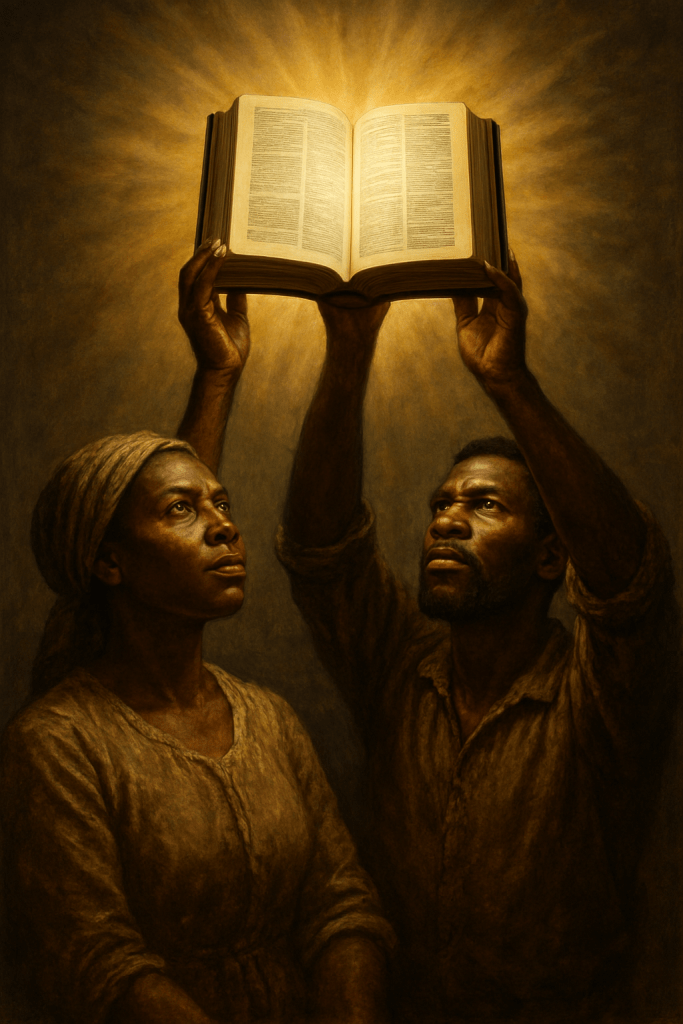
Tag Archives: bible

Baby , I’m Scared of You 💜

Learning to trust someone with your heart is one of the most courageous actions a person can take. Fear of intimacy often develops from past experiences that taught you that loving deeply is dangerous and being vulnerable invites disappointment. Yet the longing for companionship persists, inviting you to face the fears that keep love at a distance. Overcoming this begins with acknowledging your fear rather than masking it with pride or emotional withdrawal.

People carry invisible wounds from childhood, past relationships, and social conditioning. These wounds shape how they interpret a partner’s intentions. Fear can distort reality, making safe people seem unsafe and genuine affection appear suspicious. Healing requires learning the difference between spiritual intuition and emotional fear—intuition protects you; fear reminds you of your past. Strengthening discernment allows the heart to feel without panicking.

Trust becomes possible when you first trust yourself. Self-trust means believing you can handle disappointment, recognize red flags, and still remain whole. When you honor your boundaries and know your worth, you become less afraid of being abandoned or betrayed. Instead of clinging to the wrong person out of fear, you become comfortable walking away when something threatens your peace.

Red flags usually appear early, though many ignore them out of loneliness or desire. Someone who lies about small things will eventually lie about important things. A partner who gaslights, manipulates, or mocks your feelings is signaling emotional danger. Inconsistency, emotional unavailability, disrespect of boundaries, entitlement, silent treatment, or love bombing are also signs of an unhealthy connection.

The wrong partner does not merely break your heart—they disturb your spirit. Your peace becomes fragile, your self-esteem slowly erodes, and your emotional stability weakens. When your intuition repeatedly warns you through anxiety, confusion, or spiritual tension, it is essential to pay attention. Love should not leave you drained or spiritually oppressed.

Healing requires releasing old stories about yourself. Many people fear love because they expect to be hurt the same way they were before. But healthy relationships cannot grow in soil filled with old trauma. Forgiveness—of yourself and others—creates emotional space for new experiences. Forgiveness does not excuse wrongdoing; it simply frees your heart from being ruled by pain.

Healthy love requires vulnerability. Letting someone in does not mean abandoning your boundaries; it means trusting someone enough to allow connection to grow naturally. Vulnerability is not an instant process—it unfolds through honest communication, consistency, and emotional safety. A partner who is patient with your fears is showing you that love can exist without pressure.

Pay attention to how someone handles conflict. A partner who refuses accountability, deflects blame, or shuts down emotionally is signaling relational immaturity. Maturity looks like apology, empathy, and the willingness to repair emotional ruptures. Trust grows not because a person is flawless but because they are responsible enough to honor the relationship.

Healing is also internal. Your confidence, emotional intelligence, and spiritual grounding shape how you love and who you choose. When you increase self-love, you stop choosing emotionally unhealthy partners. You no longer fear losing someone bad for you, because you know they are not aligned with your destiny.

Fear of love shows up differently in men and women, but the root is often the same—wounds that were never healed. Men often fear failing someone. Women often fear being hurt by someone. Both end up protecting their hearts in ways that limit intimacy. Healing requires understanding not only yourself, but the opposite gender’s emotional reality.

Many men grew up being taught to suppress vulnerability, so trusting a woman feels risky. Showing emotion has long been associated with weakness, so opening up often requires deep courage. A man may fear being judged, misunderstood, or emasculated. He worries that if he reveals his softness, it will be used against him. For a man, love is a battlefield between wanting closeness and fearing exposure.

Women, on the other hand, often fear emotional danger. Many have experienced betrayal, inconsistency, or abandonment. Their fear is rooted in being misled by someone who appeared loving but lacked character. A woman’s heart becomes cautious not because she cannot love, but because she has loved deeply and been wounded profoundly. Her fear is losing herself while trying to love someone who does not love her well.

The warning signs of the wrong man often include emotional inconsistency, lack of accountability, possessiveness disguised as passion, manipulation, love bombing, or refusal to mature. A man who avoids responsibility, dismisses your feelings, or misuses your nurturing spirit is showing you he is not ready for a healthy relationship. His charm may be strong, but his character will reveal itself in time.

The warning signs of the wrong woman often include emotional volatility, entitlement, insecurity disguised as dependency, manipulation through withdrawal, or using affection as leverage. A woman who only values what a man provides but not who he is will drain him emotionally. Her beauty may attract him, but her lack of emotional stability will exhaust him.

A good man is consistent, protective, accountable, emotionally self-aware, and spiritually grounded. He communicates openly, stands on his word, and respects the emotional and physical boundaries of the woman he loves. He does not weaponize her vulnerability.

A good woman is nurturing, emotionally mature, supportive, honest, and secure within herself. She brings peace, not chaos. She communicates her needs with clarity and respects the emotional process of the man she loves. She does not punish him for opening up.

Trust becomes easier when both partners understand each other’s fears. A man needs safety for his vulnerability. A woman needs safety for her heart. When both feel protected, intimacy blossoms naturally.

Healing also involves accepting the truth about past choices. Many men stay with women who drain them because they feel obligated to “fix” her. Many women stay with men who hurt them because they hope he will “change.” Growth begins when you stop confusing potential with character.

The right relationship requires two healed or healing individuals—people who choose peace over drama, honesty over ego, and accountability over excuses. Love grows when both partners take responsibility for their emotional patterns and strive toward wholeness.

Trusting again means you must allow yourself to be known. Men must learn that vulnerability is strength, not weakness. Women must learn that discernment is wisdom, not fear. Both must learn to love with boundaries but without bitterness.

Love thrives where emotional safety is mutual. When trust is earned slowly, consistently, and respectfully, the fear begins to fade. The right man will protect her spirit. The right woman will protect his heart. Together, fear transforms into partnership.

You deserve a love that grows you, strengthens you, and honors the best parts of you. Fear will not stop you once you understand that the right person will never benefit from your pain—they will help you heal from it.

The right person brings clarity, not chaos. Their presence brings calm, not confusion. Their actions match their words. They respect your boundaries, support your growth, and protect your heart. When love is right, it feels like partnership—not survival.

Overcoming the fear of love is a journey. It involves prayer, introspection, therapy, and daily courage. Healing is not linear, but every step forward counts. Your heart is not fragile—it is resilient. And when the right person arrives, they will not punish you for your fears; they will help you feel safe enough to let them go.

You deserve a love that restores you, not one that destroys you. In time, trust becomes easier, peace grows stronger, and fear loses its power. Love will find you when you are ready—not when you are perfect.


REFERENCES

Bartholomew, K., & Horowitz, L. M. (1991). Attachment styles among young adults: A test of a four-category model. Journal of Personality and Social Psychology, 61(2), 226–244.

Brown, B. (2012). Daring greatly: How the courage to be vulnerable transforms the way we live, love, parent, and lead. Gotham Books.

Cloud, H., & Townsend, J. (2017). Boundaries in dating: How healthy choices grow healthy relationships. Zondervan.

Johnson, S. M. (2019). Hold me tight: Seven conversations for a lifetime of love. Little, Brown Spark.

Tatum, B. D. (2017). Why are all the Black kids sitting together in the cafeteria? Basic Books.
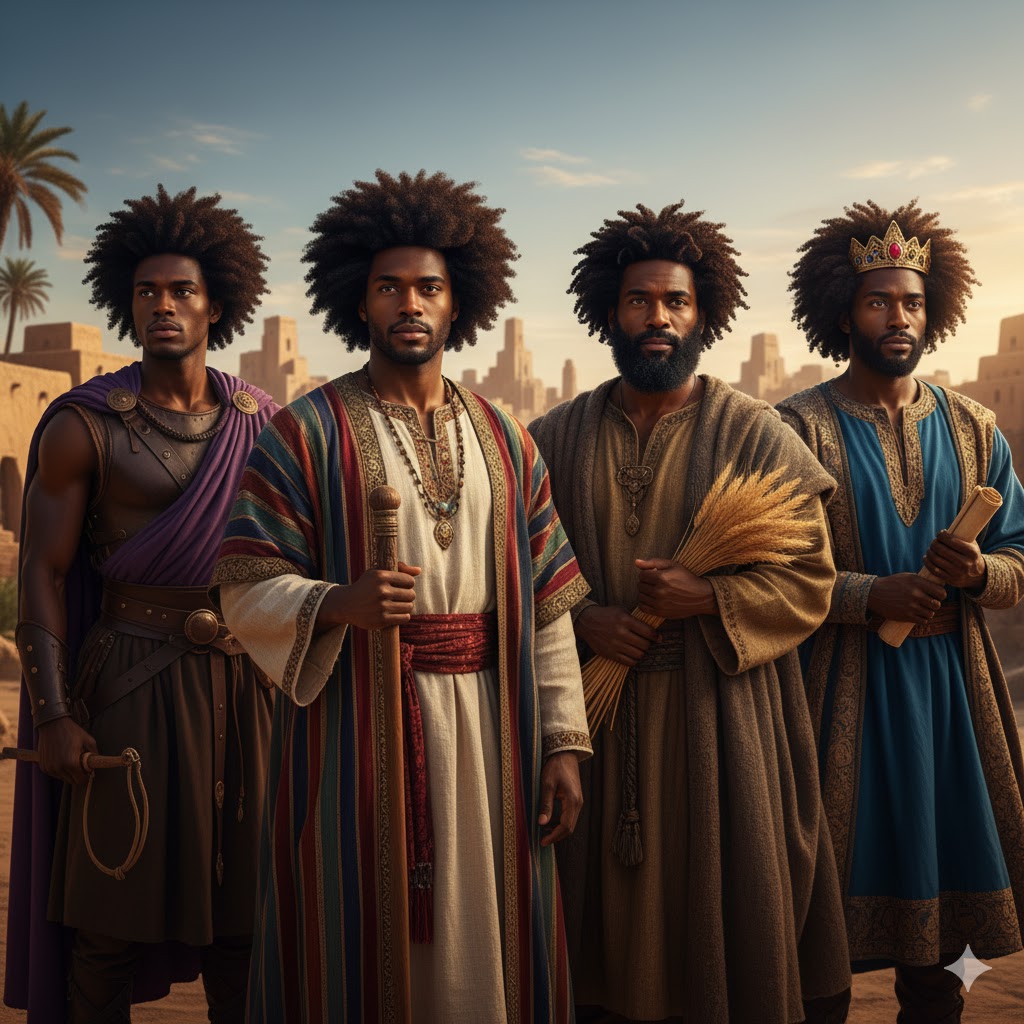
The Bible Series: Masculine Archetypes — David, Joseph, Boaz, Solomon, and Christ-Like Manhood.

Biblical masculinity is not defined merely by physical strength or social status. Rather, it is rooted in covenant identity, moral authority, obedience to God, protective leadership, and sacrificial love. The Scriptures present layered archetypes—each revealing a dimension of righteous manhood and offering a blueprint for spiritual, emotional, and cultural formation. These archetypes counter modern distortions of masculinity rooted in ego, domination, and superficial conquest. Instead, they elevate purpose, humility, stewardship, and divine calling as the true hallmarks of masculine greatness.

David: The Warrior-Poet King
David embodies paradoxical masculine beauty—ferocity in battle paired with artistic tenderness. His courage against Goliath reflects heroic faith, not arrogance. Scripture declares, “The LORD saveth not with sword and spear” (1 Samuel 17:47, KJV), showing that David’s strength came from trust in God. Yet he also wept, repented, wrote psalms, and worshiped openly. His masculinity embraced emotional intelligence and spiritual intimacy. His failures remind men to repent quickly and return to righteousness. David teaches that a man can wield both the harp and the sword—balanced power rooted in divine purpose.

Joseph: The Moral Leader and Visionary Provider
Joseph reveals integrity under pressure and excellence in adversity. Sold into slavery, falsely accused, and imprisoned, he maintained righteousness. When tempted sexually, he fled, declaring, “How then can I do this great wickedness, and sin against God?” (Genesis 39:9, KJV). His restraint and purity positioned him for elevation. As a provider during famine, Joseph exemplifies strategic wisdom, patience, and forgiveness. He shows that real masculine power is self-control, foresight, and the ability to rise without bitterness. Joseph models destiny leadership—meekness that matures into national authority.

Boaz: The Noble Protector and Redeemer
Boaz personifies protective masculinity rooted in kindness and covenant responsibility. He noticed Ruth not merely for beauty but for character and loyalty. Boaz protected her dignity, provided provision, and acted honorably as kinsman-redeemer, reflecting a man who values lineage preservation and community ethics. Scripture notes his generosity and godliness: “The LORD recompense thy work” (Ruth 2:12, KJV). He demonstrates that masculine strength serves, protects, and uplifts womanhood. Boaz teaches that a man does not exploit vulnerability; he covers it with dignity, commitment, and righteous leadership.

Solomon: The Wise King and Builder
Solomon represents intellectual brilliance, kingly refinement, and creative authority. His request for wisdom rather than riches reflects spiritual maturity (1 Kings 3:9–12). He constructed the Temple—symbolizing that masculinity builds, organizes, and leaves legacy. Although his later life warns against unchecked desire and divided loyalty, Solomon’s wisdom literature (Proverbs, Ecclesiastes, Song of Solomon) shapes biblical ethics of discipline, justice, and godly courtship. Solomon’s archetype emphasizes mental strength, discernment, cultural sophistication, and the stewardship of power under divine law.

Christ-Like Manhood: The Perfect Model
Christ embodies the fulfillment of righteous masculinity. He was firm yet gentle, authoritative yet humble, lion and lamb. He washed feet, blessed children, confronted corruption, healed the broken, and gave His life for His people. Scripture declares, “Greater love hath no man than this, that a man lay down his life for his friends” (John 15:13, KJV). Christ-like masculinity rejects pride, domination, and violence for their own sake; instead, it champions sacrifice, servant-leadership, holiness, truth, discipline, emotional capacity, and uncompromising moral courage.

Unity of Archetypes in Biblical Manhood
David teaches bravery and worship; Joseph teaches purity and perseverance; Boaz teaches honorable love and protection; Solomon teaches wisdom and excellence; Christ synthesizes them all into godly kingship and sacrificial love. These archetypes reveal that a biblical man is warrior, provider, visionary, priest, protector, and servant. He leads not by ego but by obedience. He conquers not nations, but himself. He builds not just houses, but homes and legacies rooted in righteousness.

In an age confused by shallow masculinity—defined by appearance, dominance, and applause—Scripture calls men to deeper identity. Biblical manhood is covenant manhood: purposeful, disciplined, humble, courageous, and rooted in divine calling. True masculine glory shines brightest not through force, but through faithfulness, character, and love.


References

Henry, M. (2010). Commentary on the whole Bible. Hendrickson.
Lewis, G. (2019). Biblical masculinity and covenant leadership. Kingdom Press.
Tripp, P. D. (2012). War of words: Redeeming communication. P&R Publishing.
Wright, N. T. (2011). Jesus and the victory of God. Fortress Press.

Dilemma: First Black Religion?!

The question of the first Black religion is not merely historical—it is existential, cultural, and theological. For many, religion is tied to identity, ancestry, trauma, and liberation. The dilemma emerges when history asserts one origin, scripture hints another, and lived experience narrates yet another.

Long before colonization, African spirituality flourished in elaborate cosmologies. These systems honored divine hierarchy, ancestral intercession, sacred symbols, covenantal obedience, and moral law. In parallel, biblical scripture references lands populated by Cushites, Egyptians, Ethiopians, and early civilizations where Black peoples interfaced with God’s unfolding plan (Gen. 10:6).

The lineage of Ham—particularly through Cush, Mizraim, and Canaan—places Africa at the dawn of human migration, culture, and worship. Though often misrepresented due to later interpretations, scripture never describes Ham as cursed in skin, but in lineage outcome concerning Canaan only (Gen. 9:25).

The Bible clearly presents Cush as a progenitor of nations in Africa. The Hebrew term Cush historically corresponds to regions of Northeast Africa, modern Sudan, Ethiopia, Eritrea, and the Nile Valley. These were lands where worship, civilization, and monarchal structures first developed.

African spirituality centered upon the belief in a supreme creator long before Western intrusions. This mirrors biblical revelation that God made Himself known to early nations, even outside later Israelite identity formation. Scripture affirms that all nations descend from one blood under God’s dominion (Acts 17:26).

Black contact with biblical worship begins even in patriarchal narratives. Moses married a Black Cushite woman, indicating cultural and religious intersections before formalized Judaic religion emerged (Num. 12:1). This disrupts the narrative that Black spiritual identity began only through Western Christianity.

Ethiopia is mentioned dozens of times in scripture, often as a land already acquainted with monarchy, worship, prophecy, and divine awareness. “Princes shall come out of Egypt; Ethiopia shall soon stretch out her hands unto God” (Psa. 68:31). This implies pre-existing spiritual consciousness and later global alignment toward Yahweh.

The dilemma intensifies when analyzing the transatlantic slave trade. Enslaved Africans were forcibly baptized into Christianity—a religion used both to console the oppressed and to justify the oppressor. Yet scripture declares that God sides with the afflicted: “He shall deliver the needy when he crieth; the poor also, and him that hath no helper” (Psa. 72:12).

Colonial Christianity reframed African spirituality as pagan, though much of it was built on a belief in one high God, sacred law, covenant allegiance, and moral accountability. This resembles the biblical world before the codified Torah existed—where God spoke, not systems.

Abraham encountered Melchizedek, a priest outside his nation, already worshipping the most high God (Gen. 14:18). This supports the theological idea that God’s first priesthood and worship were not geographically European.

Egypt, a Black African empire, was the first nation where God demonstrated Himself in national judgment and spiritual distinction. The Exodus confrontations show Yahweh contending with Egypt’s religion, not introducing spirituality to the world for the first time (Exo. 7:5).

God made Himself known in Egypt through plague and judgment: “And the Egyptians shall know that I am the Lord, when I stretch forth mine hand upon Egypt” (Exo. 7:5). This verifies Africa as the stage for one of God’s earliest religious confrontations.

Africa was not spiritually empty—it was spiritually contested. The world’s first recorded civilization, religious systems, libraries, priesthoods, temple economies, astronomy, sacred initiations, and moral codes began on African soil.

The Queen of Sheba—an African monarch—recognized Solomon through divine fascination, wealth exchange, and theological awe (1 Kings 10). This demonstrates that African worship already operated in sacred curiosity toward Yahweh before forced conversions ever existed.

Another scriptural Ethiopian, Ebed-melech, feared God, rescued the prophet Jeremiah, and was divinely delivered for his faithfulness, showing independent African knowledge of Yahweh before Christian imperialism (Jer. 38:7-13; 39:16-18).

Then comes Philip and the Ethiopian eunuch, a royal treasury official already reading the prophet Isaiah before being instructed and baptized (Acts 8:27-38). This passage is central to the argument that Black peoples engaged biblical religion before Western mediation, dismantling the claim that Christianity was Africa’s first encounter with God.

“He was led as a sheep to the slaughter” (Isa. 53:7; Acts 8:32) foreshadows Christ’s redemptive suffering—a passage preserved in Africa’s royal religious archives long before institutional Christianity dominated the continent.

Some assert that the “slave Bible” created a counterfeit Christian origin for Black people. But scripture pre-dates slavery and repeatedly spotlights African worshipers siding with God’s prophets, kings, and divine revelation (Psa. 87:4).

African spirituality practiced sacred law long before Western religion arrived. This reflects biblical truth: “I have put my law in their inward parts, and write it in their hearts” (Jer. 31:33). God embedded spiritual cognition into early peoples before institutions claimed ownership of Him.

Faithful obedience—not geographical religion—is the foundation of true worship. Jesus confirms this principle: “They that worship him must worship him in spirit and in truth” (John 4:24). Truth existed before titles like Christianity even did.

The real dilemma is not whether Black religion began in Africa or in the Bible—the crisis is when the world convinced Black people their spirituality came from chains, not the covenant.

God foretold long suffering for His chosen people: “And ye shall be sold unto your enemies… and no man shall buy you” (Deut. 28:68). Many scholars connect this to the transatlantic captivity as a prophetic cycle, showing that biblical identity could explain the Black religious experience more than colonial religion ever did.

Still, the truth remains: scripture shows Black peoples worshiping God, protecting prophets, reading prophecy, engaging the priesthood, serving royal courts, and stretching hands toward Yahweh before Christianity baptized Africa by force.

The dilemma of First Black Religion confronts three realities: Africa birthed the world’s oldest spiritual systems, the Bible records Africa’s earliest interactions with God, and slavery weaponized Christianity into both comfort and confusion.

Black religion did not begin in Europe, in plantations, or in forced baptism. It began wherever God first spoke to Black peoples—and scripture confirms that Africa heard His voice early, often, and sovereignly.

The question now shifts from origins to inheritance. God promised restoration: “And the Lord thy God will turn thy captivity… and have compassion upon thee, and will return and gather thee from all the nations” (Deut. 30:3).

The future of Black religion, identity, and covenant is not found in the hands that rewrote history, but in the God who wrote ancestry, suffering, deliverance, and spiritual consciousness into scripture from the beginning.


References

The Holy Bible, King James Version.
American Bible Society. (1611). KJV.

The Bible Series: Joseph’s Journey – Integrity in the Face of Temptation.

Joseph, son of Jacob, is one of the most remarkable figures in the Old Testament, celebrated for his steadfast integrity, unwavering faith, and divine insight. His life illustrates the intersection of human vulnerability and God’s providence, revealing how integrity can sustain one through trials, temptation, and betrayal. Joseph’s journey begins in Canaan, as the favored son of Jacob, where his early dreams of prominence foreshadowed a destiny shaped by divine orchestration (Genesis 37:3-11, KJV).

The beauty of Joseph, as described in Scripture, was not merely physical. Genesis 39:6 (KJV) notes that “the LORD blessed the Egyptian’s house for Joseph’s sake; and the blessing of the LORD was upon all that he had in the house, and in the field.” His countenance, demeanor, and charisma reflected a harmony of spiritual favor and personal presence. This external attractiveness was intertwined with moral and spiritual virtues, making him admired by those around him while simultaneously inciting envy.

Joseph’s beauty and favored status with his father generated jealousy among his brothers. Their resentment led to betrayal: Joseph was sold into slavery, stripped of familial protection, and sent to Egypt (Genesis 37:28, KJV). From the outset, Joseph’s life demonstrates a paradox familiar to many of God’s faithful: blessings can attract both opportunity and opposition. His response to betrayal set the tone for the integrity that would define his journey.

In Egypt, Joseph’s initial trials were compounded by Potiphar’s household. Despite being a slave in a foreign land, he quickly distinguished himself through diligence, wisdom, and reliability (Genesis 39:4, KJV). His integrity was evident in his work ethic and his ability to maintain trust, establishing his reputation for righteousness. Joseph’s commitment to ethical conduct, even in servitude, exemplifies the principle that integrity is not situational but rooted in character.

The pivotal test of Joseph’s moral fortitude came through temptation. Potiphar’s wife attempted to seduce him repeatedly, but Joseph steadfastly resisted, declaring, “How then can I do this great wickedness, and sin against God?” (Genesis 39:9, KJV). This declaration highlights the inseparable link between faith and moral action. Joseph’s refusal was not merely a personal decision; it was an affirmation of his loyalty to God above human desire.

Joseph’s rejection of sin had immediate consequences. Falsely accused, he was imprisoned despite his innocence (Genesis 39:20, KJV). Yet even in confinement, Joseph’s integrity and divine favor were evident. He quickly gained the trust of the prison keeper and earned responsibility over all inmates, demonstrating that virtuous character transcends circumstance (Genesis 39:22-23, KJV).

The narrative of Joseph illustrates a recurrent biblical theme: integrity often carries cost but yields long-term reward. While betrayal and false accusation caused temporary suffering, these challenges positioned Joseph for greater divine purpose. The testing of his character cultivated patience, wisdom, and humility—qualities necessary for leadership in the broader trajectory of God’s plan (Genesis 41:39-41, KJV).

Joseph’s gift of interpreting dreams was another arena in which integrity intersected with divine favor. When he accurately interpreted the dreams of Pharaoh’s cupbearer and baker, his insight reflected spiritual discernment and reliance on God rather than self-interest (Genesis 40:8, KJV). His interpretations were not for personal gain but a faithful service to God, a hallmark of his unwavering moral compass.

The story emphasizes the theme of providence. Although Joseph’s brothers acted out of malice, God’s hand was evident in every event, preparing Joseph for leadership over Egypt and the preservation of Israel during famine (Genesis 50:20, KJV). Joseph’s integrity, patience, and moral clarity enabled him to serve effectively, demonstrating that ethical steadfastness aligns with divine destiny.

In the broader context of temptation, Joseph’s life is instructive for understanding the relationship between desire, discipline, and divine alignment. Resisting immediate gratification or ethical compromise often requires foresight, trust, and moral courage. Joseph’s ability to maintain integrity in the face of repeated provocations exemplifies a spiritual principle that transcends historical and cultural context.

Joseph’s life also illustrates the interplay between humility and influence. Despite his elevated position, he consistently attributed success to God rather than personal skill or cunning (Genesis 41:16, KJV). Integrity in leadership, as Joseph demonstrates, involves recognizing one’s dependence on divine guidance while exercising authority responsibly.

His relationship with his brothers later reveals the transformative power of integrity. Rather than seeking revenge, Joseph extended forgiveness and provision during famine (Genesis 45:4-11, KJV). His ability to maintain righteousness while exercising authority shows how moral character enhances leadership, fostering reconciliation and social restoration.

Joseph’s stewardship in Egypt demonstrates the practical application of integrity. He managed resources wisely, planned for future scarcity, and implemented equitable policies to sustain a nation (Genesis 41:46-57, KJV). Integrity, in Joseph’s example, is not passive virtue but active diligence and wise governance.

Temptation recurs in Joseph’s story beyond sexual advances, extending to political and social pressures. He navigated complex relationships with Pharaoh, Egyptian officials, and foreign emissaries, maintaining ethical discernment while fulfilling divine purpose. Joseph’s life illustrates that integrity requires consistency across all spheres of life, not just in moments of overt moral challenge.

Theological reflections on Joseph highlight that integrity is integrally linked to trust in God. His unwavering faith and ethical conduct in the midst of hardship align with Psalm 112:1-3 (KJV), which praises the man who fears the Lord, highlighting the blessings of righteousness, security, and influence. Joseph embodies the principle that personal integrity attracts divine favor and societal trust.

Joseph’s narrative also underscores the redemptive potential of suffering. His trials, though painful, shaped character, fortified patience, and deepened reliance on God (Romans 5:3-5, KJV). Integrity in adversity does not prevent trials but transforms them into instruments of spiritual and practical preparation.

Joseph’s capacity for foresight, mercy, and resourcefulness reflects the holistic nature of integrity. He combined ethical steadfastness with practical wisdom, demonstrating that moral character is both internal and relational—affecting not only oneself but entire communities.

The beauty of Joseph is reflected in the congruence of his physical presence, moral character, and spiritual alignment. He was handsome in appearance, attractive in demeanor, and noble in spirit (Genesis 39:6, KJV). This holistic beauty symbolizes the harmony between divine favor, human virtue, and natural gifts—a reflection of God’s grace in shaping character and presence simultaneously.

Ultimately, Joseph’s journey teaches that integrity is not situational; it is a lifelong practice rooted in God-centered values. It involves courage to resist temptation, patience through trials, wisdom in leadership, and humility before God. His life affirms that divine purpose is inseparable from ethical consistency, and that steadfastness in virtue enables both personal fulfillment and communal restoration.

Joseph’s story serves as a model for believers navigating moral challenges today. His journey reminds us that temptation is inevitable, suffering may be unjust, and yet, with faith and integrity, one can fulfill God’s calling. The alignment of character, courage, and divine guidance creates a life that not only endures trials but also shapes history for generations.

The Life of Joseph:

  • Joseph born to Rachel; favored son; given a coat of many colors
  • Include a small icon of a colorful coat

Dreams of Prominence (Genesis 37:5-11) – Green

  • Joseph shares dreams of leadership; brothers’ jealousy begins
  • Icon: Sun, moon, and stars representing dreams

Betrayal by Brothers (Genesis 37:18-28) – Red

  • Brothers sell Joseph into slavery; deception
  • Icon: Hands exchanging silver coins

Potiphar’s House / First Temptation (Genesis 39:1-12) – Red

  • Joseph excels as a slave; resisted Potiphar’s wife
  • Icon: House with a warning symbol

Imprisonment (Genesis 39:19-23) – Red

  • Falsely accused and imprisoned, retains integrity
  • Icon: Prison bars

Cupbearer and Baker Dreams (Genesis 40:1-23) – Green

  • Joseph interprets dreams in prison; God’s gift revealed
  • Icon: Scroll or dream bubble

Pharaoh’s Dreams & Promotion (Genesis 41:1-41) – Green

  • Interprets Pharaoh’s dreams; appointed ruler of Egypt
  • Icon: Egyptian crown

Famine Management (Genesis 41:46-57) – Blue

  • Implements food storage plan; demonstrates wisdom and integrity
  • Icon: Grain or storehouse

Reunion with Brothers (Genesis 42:1-38; 45:1-15) – Blue

  • Forgives brothers; provides for family; maintains righteousness
  • Icon: Handshake or olive branch

Jacob’s Family Settles in Egypt (Genesis 46:1-34) – Blue

  • Entire family preserved; God’s plan fulfilled
  • Icon: Tent or family group

Joseph’s Death and Legacy (Genesis 50:22-26) – Green

  • Maintains faith until death; prophetic blessing for Israel
  • Icon: Tomb or folded hands

Through his life, Joseph illustrates the timeless principle that God’s providence operates in concert with human integrity. By faithfully maintaining righteousness, resisting temptation, and trusting divine timing, one embodies the essence of spiritual calling, reflecting both the beauty of virtue and the power of God’s design.


References

The Holy Bible, King James Version.

Childs, B. S. (2001). Introduction to the Old Testament as Scripture. Fortress Press.

Hamilton, V. P. (1990). The Book of Genesis, Chapters 18–50. Eerdmans.

Sailhamer, J. H. (1992). Genesis: The Expositor’s Bible Commentary. Zondervan.

Motyer, J. A. (2008). The Message of Genesis 1–11. InterVarsity Press.

Kitchen, K. A. (2003). On the Reliability of the Old Testament. Eerdmans.

Unveiling the Soul: The Masks We Wear

This photograph is the property of its respective owner. No copyright infringement intended

Humanity has long mastered the art of concealment. Beneath polished smiles and carefully curated identities lie the masks we wear to survive, to belong, and to be loved. These masks are not always physical but psychological—crafted through years of conditioning, trauma, and fear. The Bible reminds us in 1 Samuel 16:7 (KJV), “for man looketh on the outward appearance, but the LORD looketh on the heart.” This divine truth reveals that while we can deceive others with appearances, God alone sees the soul behind the mask.

The concept of wearing masks has deep roots in psychology. Carl Jung’s theory of the persona describes the social face an individual presents to the world, a mask designed to make a particular impression on others while concealing the true self. This persona is a necessary adaptation, yet when it becomes our identity, it separates us from authenticity. We begin to live not as who we are, but as who we think others need us to be. This fragmentation of self creates emotional dissonance, anxiety, and spiritual emptiness.

Scripture exposes this duplicity in human nature. Jesus warns in Matthew 23:27 (KJV), “Woe unto you, scribes and Pharisees, hypocrites! for ye are like unto whited sepulchres, which indeed appear beautiful outward, but are within full of dead men’s bones.” The term “hypocrite” in Greek literally means “actor”—one who wears a mask. Christ’s rebuke was not merely moral but psychological, exposing the destructive power of living a lie and confusing external virtue with internal truth.

The masks we wear vary with context: the mask of confidence hiding insecurity, the mask of kindness concealing resentment, or the mask of holiness veiling secret sin. These disguises form as defense mechanisms against pain and rejection. Sigmund Freud described such mechanisms as ways the ego protects itself from anxiety. While they serve a temporary purpose, prolonged use leads to spiritual decay. When we hide behind facades, we forfeit intimacy with others and with God.

In relationships, masks can become prisons. Many people fall in love not with each other but with each other’s illusions. The psychological toll of maintaining appearances leads to exhaustion and disconnection. The Apostle Paul speaks to this struggle, urging believers to “put off concerning the former conversation the old man, which is corrupt according to the deceitful lusts” (Ephesians 4:22, KJV). In essence, Paul calls for the removal of masks and the embrace of renewed identity in Christ.

Our masks are often born of fear—fear of rejection, failure, exposure, or inadequacy. Yet fear itself is a deceptive teacher. It tells us that we must perform to be accepted. God’s Word contradicts this notion by assuring us that divine love is unconditional. Romans 8:38–39 (KJV) declares that nothing “shall be able to separate us from the love of God.” When we understand this truth, the need for deception begins to crumble, and the soul can breathe again.

The psychology of authenticity emphasizes congruence between the inner self and outward behavior. Psychologist Carl Rogers believed that authenticity is the foundation of psychological health, a state where a person’s real feelings and experiences align with their actions. This echoes the biblical principle found in James 1:8 (KJV): “A double minded man is unstable in all his ways.” To live authentically before God is to live undivided—to let truth govern both heart and behavior.

The danger of masks lies in their comfort. They protect us from vulnerability, but they also imprison us in falsehood. Over time, we can forget who we are beneath the mask. This self-alienation leads to depression and spiritual numbness. In Revelation 3:17 (KJV), the church of Laodicea is chastised for self-deception: “Thou sayest, I am rich… and knowest not that thou art wretched, and miserable, and poor, and blind, and naked.” When the soul believes its own illusion, repentance becomes distant and healing impossible.

Authenticity requires courage—the courage to confront one’s inner contradictions. It is a process of stripping away illusions, a spiritual unveiling that exposes the heart’s hidden wounds. The Psalmist pleads in Psalm 139:23–24 (KJV), “Search me, O God, and know my heart: try me, and know my thoughts.” This prayer is the cry of the unmasked soul, willing to be examined by divine light. True healing begins when we invite God into our hidden places.

Modern psychology recognizes the therapeutic value of self-disclosure. When individuals speak truthfully about their emotions and experiences, the burden of secrecy is lifted, and shame loses its power. Likewise, 1 John 1:9 (KJV) promises, “If we confess our sins, he is faithful and just to forgive us our sins.” Both psychology and Scripture affirm that confession—whether in therapy or prayer—transforms concealment into freedom.

The masks we wear are also cultural. Society rewards image over integrity, performance over purity. In an age dominated by social media, many curate digital personas that distort reality. Likes and followers become measures of worth, while the soul quietly starves. Romans 12:2 (KJV) warns believers, “Be not conformed to this world: but be ye transformed by the renewing of your mind.” Spiritual transformation begins when we reject the false standards of visibility and embrace the unseen virtue of sincerity.

Even within religious spaces, masks can thrive. The mask of piety can disguise spiritual pride; the mask of humility can conceal envy or ambition. Jesus saw through such pretense in His encounters with the Pharisees. His call remains timeless: “Take heed that ye do not your alms before men, to be seen of them” (Matthew 6:1, KJV). True worship arises not from performance but from purity of heart.

The process of unmasking is rarely easy. It involves confession, forgiveness, and grace. It requires facing parts of ourselves we’d rather deny. Yet the reward of authenticity is peace. Isaiah 26:3 (KJV) affirms, “Thou wilt keep him in perfect peace, whose mind is stayed on thee.” When we align our inner life with divine truth, the chaos of duplicity dissolves.

The mask often symbolizes control—a way to manage how others perceive us. However, the need to control perception reveals a lack of trust in God’s design. The Creator who fashioned us in His image (Genesis 1:27) did not make mistakes. To live unmasked is to honor the divine artistry within us. The acceptance we crave from others already exists in the eyes of God.

Psychologically, removing the mask allows for genuine connection. Vulnerability invites empathy. When we present our true selves, we give others permission to do the same. This mutual authenticity fosters community and healing. In the words of Proverbs 27:17 (KJV), “Iron sharpeneth iron; so a man sharpeneth the countenance of his friend.” Only unmasked souls can sharpen one another in truth.

The journey toward authenticity is both spiritual and psychological. It is a return to Eden, to the moment before humanity hid from God among the trees (Genesis 3:8–10). Since that first act of concealment, humanity has been sewing fig leaves of self-protection. But the gospel invites us to lay them down. Christ’s sacrifice tore the veil of separation, granting us access to God without pretense.

To unveil the soul is to embrace vulnerability as strength. It is to recognize that the light of God exposes not to shame but to heal. John 3:21 (KJV) teaches, “He that doeth truth cometh to the light, that his deeds may be made manifest.” The light of truth does not condemn; it clarifies. It restores us to wholeness by aligning appearance with essence.

In psychological healing and spiritual renewal alike, authenticity becomes the foundation of transformation. The unmasked life is not about perfection but honesty—an honest walk with God and others. It is living without duplicity, without the heavy burden of pretending to be more or less than what we are.

The Masks We Wear

The Mask of Deception
Used to hide truth and manipulate perception; a mask that thrives on illusion, lies, and self-deceit. It creates distance from both God and others, severing intimacy and trust.

The Mask of Morality
Appears righteous and upright, but often hides self-righteousness and pride. Worn by those who want to appear holy before men rather than pure before God.

The Mask of Strength
Conceals vulnerability and pain behind bravado or toughness. It says “I’m fine” while the soul quietly bleeds beneath the armor.

The Mask of Confidence
A polished exterior that hides deep insecurity. This mask seeks validation and affirmation from others while masking self-doubt.

The Mask of Perfection
Driven by fear of failure and rejection, it portrays flawlessness while denying human weakness. It exhausts the soul in pursuit of an impossible ideal.

The Mask of Control
Used by those who fear chaos or abandonment. It micromanages, dictates, and manipulates outcomes to maintain emotional safety.

The Mask of People-Pleasing
Rooted in fear of disapproval, it seeks acceptance at any cost. It silences the true voice to keep peace, even when peace means self-betrayal.

The Mask of Success
Adorns the face of ambition and achievement while concealing inner emptiness. It thrives on applause but dreads stillness.

The Mask of Humor
Covers pain with laughter. The smiling face becomes a shield against vulnerability and exposure of deep emotional wounds.

The Mask of Victimhood
A self-protective identity that clings to hurt and injustice, using past pain as a justification for inaction or bitterness.

The Mask of Independence
Rejects help and intimacy to avoid rejection. It shouts, “I don’t need anyone,” while inwardly longing for connection.

The Mask of Religion
Appears pious but hides spiritual pride and hypocrisy. It follows form without faith, rules without relationship, and rituals without repentance.

The Mask of Seduction
Uses charm and allure to manipulate affection or power. It disguises insecurity with sensual confidence.

The Mask of Anger
Deflects pain by projecting aggression. It conceals grief, fear, or rejection under a hard, defensive exterior.

The Mask of Silence
Withdraws and hides emotions, avoiding confrontation or truth. This mask is worn by those afraid to speak or be misunderstood.

The Mask of Busyness
Keeps the mind occupied to avoid introspection or conviction. It thrives on productivity as a substitute for peace.

The Mask of Spiritual Superiority
Cloaks ego in the language of enlightenment. It compares faith, wisdom, or revelation to elevate self above others.

The Mask of Suffering
Finds identity in pain and martyrdom. It uses struggle to gain sympathy or moral superiority rather than growth.

The Mask of False Humility
Pretends to be modest while secretly desiring praise. It hides ambition behind self-deprecation.

The Mask of Loyalty
Pretends devotion while harboring resentment or divided motives. This mask is common in toxic relationships built on pretense.

The Mask of Indifference
Covers caring with apathy. It numbs the soul to avoid feeling rejected or hurt again.

The Mask of Self-Righteousness
Justifies judgment of others by moral or religious standards, often to hide personal flaws or guilt.

The Mask of Forgiveness
Claims to have forgiven while secretly holding grudges. It smiles in peace but remembers every wound.

The Mask of Intelligence
Uses intellect or academic achievement to mask emotional insecurity or fear of being seen as vulnerable or weak.

The Mask of Beauty
Seeks validation through physical appearance, fashion, or admiration. It hides deep feelings of inadequacy and self-worth issues.

The Mask of Fearlessness
Pretends courage while internally trembling. It refuses to show weakness, often leading to emotional burnout.

The Mask of Identity
Assumes cultural, social, or racial stereotypes to fit in, losing the divine individuality crafted by God.

Ultimately, to unveil the soul is to return to the truth of divine identity. God does not bless the mask; He blesses the man or woman behind it. When we stand before Him unmasked, we rediscover the beauty of being fully known and yet fully loved. In the stillness of divine presence, the masks fall away, and the soul breathes again in freedom and light.

References

American Psychological Association. (2020). Publication manual of the American Psychological Association (7th ed.).
Freud, S. (1961). The ego and the id. W. W. Norton & Company.
Jung, C. G. (1953). Two essays on analytical psychology. Princeton University Press.
King James Bible. (1611). The Holy Bible. Oxford University Press.
Rogers, C. (1961). On becoming a person: A therapist’s view of psychotherapy. Houghton Mifflin.
Scott, S. (2017). The masks we wear: Psychology of self-presentation and authenticity. Routledge.
Tournier, P. (1954). The Meaning of Persons. Harper & Brothers.
Van der Kolk, B. (2014). The body keeps the score: Brain, mind, and body in the healing of trauma. Viking Press.

Psychology Series: The Psychology of Masks – When the Soul Hides from Itself

Human beings have always been masters of disguise—not merely in form, but in spirit. We craft illusions to conceal the truth within us, wrapping our wounds in polished behavior and perfect smiles. These masks become our silent companions, sculpted by fear, pride, and the deep desire to belong. Yet beneath the costume, the soul yearns to be seen. The Apostle Paul warns, “For if a man think himself to be something, when he is nothing, he deceiveth himself” (Galatians 6:3, KJV). Psychology calls it the persona; Scripture calls it hypocrisy. Either way, it is the barrier between who we pretend to be and who we are.

Carl Jung, the father of analytical psychology, described the persona as the social mask we wear to adapt to society’s expectations. It is not inherently evil—at times, it protects us—but when we become the mask, authenticity withers. In the spiritual realm, this transformation marks the beginning of deception. The soul begins to perform for acceptance, forgetting that God’s love was never conditional. As Jesus declared, “And ye shall know the truth, and the truth shall make you free” (John 8:32, KJV).

The mask of deception is among the oldest in human history. Adam and Eve wore it in Eden when they hid from God after eating the forbidden fruit. Their fig leaves were the first fashion of fear—a desperate attempt to appear whole while broken. Every human since has learned this same art of concealment. We call it composure, dignity, or professionalism, but in truth, it is avoidance. We fear exposure more than sin itself.

There is also the mask of morality, carefully constructed to appear virtuous while the heart festers with pride. It recites Scripture, performs kindness, and serves from a place of self-importance. Jesus exposed such falsehood among the Pharisees, calling them “whited sepulchres” (Matthew 23:27, KJV)—beautiful on the outside but spiritually decayed within. This mask thrives in religious spaces where performance replaces purity and image eclipses intimacy with God.

The mask of strength is another common disguise, often worn by those who fear weakness. It walks tall, speaks boldly, and hides tears beneath a hard gaze. In truth, it is not strength but self-preservation. Psychology identifies this as reaction formation, where individuals act the opposite of what they feel. Yet God reminds us, “My grace is sufficient for thee: for my strength is made perfect in weakness” (2 Corinthians 12:9, KJV). The unmasked soul understands that vulnerability is not defeat but divine connection.

The mask of confidence presents a perfect posture to the world—assertive, fearless, radiant—while trembling in secret. It is often fueled by imposter syndrome and internalized rejection. This mask whispers, “If I don’t seem sure of myself, no one will believe in me.” Yet Scripture answers with quiet assurance: “In quietness and in confidence shall be your strength” (Isaiah 30:15, KJV). True confidence is not a pose; it is the peace of knowing who you are in God.

The mask of perfection enslaves many. It obsesses over image, order, and success, chasing approval that never satisfies. It hides behind excellence to avoid the truth of imperfection. Psychology names this compulsion neurotic perfectionism; Scripture calls it vanity. Ecclesiastes 1:2 (KJV) laments, “Vanity of vanities… all is vanity.” God does not demand perfection of performance, only purity of heart.

The mask of people-pleasing is soft and smiling, eager to help, yet driven by the terror of rejection. It trades authenticity for acceptance, hiding discomfort behind constant compliance. This behavior reflects what psychologists call codependency—a cycle of external validation rooted in unhealed childhood wounds. The Bible calls us to a different posture: “We ought to obey God rather than men” (Acts 5:29, KJV). The soul must first learn to please heaven before it can find peace among men.

Some masks are loud, others silent. The mask of busyness, for example, hides emptiness through constant motion. Productivity becomes a sanctuary from pain. Yet even God rested. The psalmist urges, “Be still, and know that I am God” (Psalm 46:10, KJV). Stillness terrifies the masked soul because silence reveals the voice it has tried so hard to ignore.

In the digital age, the mask of beauty and success reigns supreme. Social media has become a gallery of illusions—filters of perfection concealing insecurity and self-doubt. The performance of happiness replaces the pursuit of healing. Psychologically, this is self-objectification, where one’s worth is measured by appearance rather than essence. Spiritually, it is idolatry: the worship of image over identity.

The mask of anger often hides a wounded heart. It roars to protect the inner child who once cried unheard. This mask convinces us that rage equals power, but in truth, it is a shield for sorrow. “Be ye angry, and sin not” (Ephesians 4:26, KJV). Anger, when unmasked, becomes grief seeking acknowledgment, not vengeance.

The mask of religion may be the most deceptive. It memorizes prayers but forgets mercy, quotes scripture but avoids transformation. It loves appearances but resists surrender. James 1:27 (KJV) reminds us, “Pure religion and undefiled before God… is this, To visit the fatherless and widows in their affliction, and to keep himself unspotted from the world.” True faith has no need for masks because it is lived, not performed.

Then there is the mask of silence, worn by those afraid to speak truth. It hides pain behind passivity and calls it peace. Yet unspoken truth poisons the heart. Jeremiah confessed, “His word was in mine heart as a burning fire shut up in my bones” (Jeremiah 20:9, KJV). To be silent when God calls for truth is to betray the soul’s purpose.

Some wear the mask of loyalty, pretending devotion while harboring bitterness. Others wear the mask of forgiveness, claiming to have let go while secretly rehearsing old wounds. Psychology calls this emotional suppression; the Bible calls it hypocrisy. Real forgiveness does not erase memory but transforms it. It releases judgment to God, freeing the soul from the bondage of resentment.

The mask of independence proudly proclaims self-sufficiency. It needs no help, no love, no God. Yet this is the mask of the orphaned spirit, terrified of dependence. In truth, God created us for connection. “It is not good that the man should be alone” (Genesis 2:18, KJV). Authentic independence flows from secure dependence on the divine.

The mask of intellect shines brightly in academic and spiritual circles alike. It uses knowledge to shield vulnerability, turning wisdom into armor. Yet “knowledge puffeth up, but charity edifieth” (1 Corinthians 8:1, KJV). Intellectual pride prevents revelation; humility invites it. True wisdom knows when to be silent and when to weep.

Each mask serves a purpose but exacts a cost. They protect us from pain but distance us from love. They create an illusion of safety while suffocating authenticity. In psychological terms, masks are defense mechanisms; in spiritual terms, they are barriers between the heart and God. Healing begins when we dare to remove them—not in front of the world, but before the One who already sees.

To unmask is an act of courage and surrender. It is to stand spiritually naked before God, as Adam once did, and say, “Here I am.” The unmasked soul is not perfect, but it is free. It no longer performs to be loved—it lives because it is loved. This is the essence of redemption: the recovery of the self that God created before fear and pride built the masquerade.

When the masks fall away, truth takes its rightful place. The heart begins to align with heaven’s rhythm again. “And ye shall put on the new man, which after God is created in righteousness and true holiness” (Ephesians 4:24, KJV). To unveil the soul is to return to that divine image—to live not as actors on a stage but as sons and daughters in the light of truth.


References

American Psychological Association. (2020). Publication manual of the American Psychological Association (7th ed.).
Freud, S. (1961). The ego and the id. W. W. Norton & Company.
Jung, C. G. (1953). Two essays on analytical psychology. Princeton University Press.
King James Bible. (1611). The Holy Bible. Oxford University Press.
Rogers, C. (1961). On becoming a person: A therapist’s view of psychotherapy. Houghton Mifflin.
Scott, S. (2017). The masks we wear: Psychology of self-presentation and authenticity. Routledge.
Tournier, P. (1954). The Meaning of Persons. Harper & Brothers.
Van der Kolk, B. (2014). The body keeps the score: Brain, mind, and body in the healing of trauma. Viking Press.

💔 If You’re Not in His Heart: Understanding the Difference Between Being Wanted and Being Chosen 💔

There comes a time in every woman’s life when she must face a difficult but liberating truth: some men want you, but they do not choose you. They enjoy your presence but do not commit to your future. They admire your beauty but do not honor your soul. They like the idea of you, but do not value the responsibility of loving you. And when a man’s heart is not aligned with yours, God gives you the wisdom and courage to walk away.

Many women stay in situationships thinking they are relationships. They confuse attention with affection, chemistry with commitment, and desire with destiny. Yet the Bible warns, “Ye shall know them by their fruits.” (Matthew 7:16). If a man’s actions, consistency, and integrity do not reflect genuine love, then his “interest” is nothing more than a temporary desire.

Being wanted is about what you can provide—companionship, beauty, validation, or pleasure. But being chosen is about who you are—your character, spirit, and values. A man can want you today and want someone else tomorrow. But when a man chooses you, his decision is rooted in identity, not impulse. He chooses with his heart, not his hormones.

The pain of realizing you are wanted but not chosen is real. It hurts because your intentions were sincere. You gave emotionally, spiritually, and sometimes physically. You hoped he would see your worth. But hope cannot keep a relationship alive—honor does. And a man who does not choose you will eventually dishonor you by default.

Walking away requires divine wisdom, not just strength. Wisdom helps you discern the difference between patience and wasting time. Strength helps you leave, but wisdom helps you heal. Wisdom says, “If he does not see your value now, he never will without God’s intervention.” Wisdom says, “Stop auditioning for a man who is not seeking a wife.”

Scripture teaches, “Can two walk together, except they be agreed?” (Amos 3:3). A man who does not choose you cannot walk with you spiritually, emotionally, or purposefully. You can’t force agreement where there is no alignment. You can’t force covenant where there is no commitment. You can’t create a future with someone who only visits your present.

Being wanted is shallow. It requires no responsibility, no integrity, no sacrifice. A man can “want” many women at once. But being chosen is sacred. It means he sees you as a partner, not a pastime. He invests emotionally, prays for your well-being, and respects your body. He doesn’t want your presence alone—he wants your purpose intertwined with his.

The moment you realize he has not chosen you is the moment your healing begins. Accepting the truth is not weakness; it is wisdom. It frees your heart from confusion, anxiety, and false expectations. God cannot send the right man while you’re holding onto the wrong one. Release makes room for restoration.

Walking away with wisdom means you stop explaining your value. You stop proving you are loyal. You stop shrinking to fit his comfort. Instead, you rise into the fullness of the woman God created you to be. The right man will recognize what the wrong man was blind to see.

You walk away by acknowledging that you deserve a love that mirrors Scripture. A love that “beareth all things, believeth all things, hopeth all things, endureth all things” (1 Corinthians 13:7). Not a love that drains you, confuses you, or manipulates you. God wants you to be cherished, not tolerated.

When a man does not include you in his plans, it is because you are not in his heart. When he wants your body but not your covenant, it is because he has not chosen you. When he keeps you as an option while treating others as priorities, it is because you are wanted but not valued. These truths hurt, but they protect.

Being chosen means he waits for you—not just emotionally, but physically. A chosen woman is worth waiting for. A chosen woman is worth committing to. A chosen woman is seen as a future wife, not a temporary pleasure. If he pressures you sexually, he wants you. But if he protects your purity, he has chosen you.

Your worth is not determined by a man’s ability to recognize it. Your value is given by God, not human opinion. Walking away means returning to the One who loved you first, redeemed you, and called you worthy. When God is involved, rejection becomes redirection.

Wisdom says your heart cannot heal in the same place it was wounded. That is why God whispers, “Daughter, depart.” When you walk away with wisdom, you don’t curse him, chase him, or cling to him. You release him. You trust that God has something better, something purer, something aligned with His will for your life.

Being chosen also means peace. When a man chooses you, his presence feels safe. His actions feel consistent. His love feels honest. You won’t have to compete, question, or convince. You won’t feel like you’re fighting for a spot in his life. You are placed there effortlessly.

In the end, being wanted is common. But being chosen is rare. You deserve a love that chooses you, honors you, protects you, and waits for you. And when God sends the right man, you won’t have to wonder if you’re in his heart—his life, his actions, and his commitment will show it.


KJV Scripture References

  • Matthew 7:16
  • Proverbs 4:23
  • Amos 3:3
  • 1 Corinthians 13:4–7
  • Proverbs 18:22
  • Hebrews 13:4
  • Psalm 34:18 – “The Lord is nigh unto them that are of a broken heart…”
  • Romans 8:28

Dilemma: Fornication & Baby-Mama Culture

Fornication culture describes the widespread normalization of sexual intimacy outside of the biblical marriage covenant, forming one of the greatest moral, spiritual, and sociological dilemmas of this generation (Foster, 2019). It does not exist in isolation—it partners with baby-mama culture, where motherhood and fatherhood emerge without covenantal structure, shared governance, or spiritual oversight.

Though culture may call it “freedom,” the Bible calls fornication flight-worthy: “Flee fornication. Every sin that a man doeth is without the body; but he that committeth fornication sinneth against his own body” (1 Corinthians 6:18, KJV). Scripture frames it not simply as a mistake but a corruption of the self, spiritually, physically, and psychologically.

When sex becomes common, covenant becomes optional. Yet scripture does not treat sexual union casually: “Marriage is honourable in all, and the bed undefiled: but whoremongers and adulterers God will judge” (Hebrews 13:4, KJV). The bed is divine, but only when the ring governs engagement.

Culture now teaches that commitment can follow sex, but scripture teaches that marriage prevents fornication, not results from it: “Nevertheless, to avoid fornication, let every man have his own wife, and let every woman have her own husband” (1 Corinthians 7:2, KJV). Marriage is covering, not cleanup.

Fornication removes structure from relationships, replacing wife and husband with labels that feel lighter than vows. Proverbs warns that results follow doctrines of the heart: “Keep thy heart with all diligence; for out of it are the issues of life” (Proverbs 4:23, KJV). The culture in the heart becomes the society in the home.

When relationships begin without covenant, trust is thin and rupture is thick. Jesus explains: “A good man out of the good treasure of the heart bringeth forth good things…” (Matthew 12:35, KJV). Treasureless foundations produce unstable emotional economy.

Rather than spiritual stewardship, co-parenting often becomes government-mediated guardianship, legal oversight, and financial arbitration. “Except the Lord build the house, they labour in vain that build it” (Psalm 127:1, KJV) remains the great indictment—families work harder when God works less in them.

Children conceived through fornication often inherit instability long before articulation. Scripture declared children are heritage: “Lo, children are an heritage of the Lord…” (Psalm 127:3, KJV). Yet heritage without covenant becomes struggle before identity, survival before vision.

A father is meant to be more than finance; he is meant to be formation: “And ye fathers, provoke not your children to wrath: but bring them up in the nurture and admonition of the Lord” (Ephesians 6:4, KJV). Legal systems may extract checks, but only fathers deposit consciousness.

Many fathers become known more for child-support documents than household discipleship. Paul warns that lack of provision is denial of faith, yet provision without presence creates distortion: “But if any provide not for his own…he hath denied the faith…” (1 Timothy 5:8, KJV).

Generational wounds compound the story. Black families were historically denied marriage, fatherhood, and kinship rights during slavery, creating structural precedent for relational rupture (Franklin, 2010). “The fathers have eaten sour grapes, and the children’s teeth are set on edge” (Jeremiah 31:29, KJV) captures the symbolic multi-generation effect.

Many mothers live the double weight of motherhood without wifehood, raising children as economic heads without spiritual covering. Scripture affirms feminine spiritual posture heals rather than retaliates: “Let it not be that outward adorning only…but a meek and quiet spirit…” (1 Peter 3:3-4, KJV).

Men also carry consequence when seed is created without structure. Deuteronomy warns covenant disorder results in economic vulnerability: “He shall lend to thee, and thou shalt not lend to him…he shall be the tail” (Deuteronomy 28:44, KJV). This is the arithmetic of covenantlessness.

Child-support culture enters as a legal remedy, yet without covenant, it can feel like punishment instead of responsibility. Many men work multiple jobs, wages garnished, time extracted, identity exhausted, carrying provision but not paternal story honor (Payne, 2023).

Disordered desire creates disordered communication. Jesus clarifies: “For out of the abundance of the heart the mouth speaketh…” (Matthew 12:34, KJV). Accusation becomes the language when accountability isn’t the lifestyle.

Fornication culture fuels relationship turnover, not relational endurance. Proverbs warns sexual recklessness brings dishonor: “He shall get a wound and dishonour…” (Proverbs 6:32-33, KJV). The wound is emotional, economic, and communal.

When marriage is removed, relationships function on desire—not design. Paul instructs the correct escape: “Flee also youthful lusts…” (2 Timothy 2:22, KJV). Lust builds moments, not mountains.

Society absorbs fatherlessness as social identity diffusion, gang affiliation, emotional displacement, hyper-masculine defense scripting, and unanchored familial belonging (Anderson, 2023). When fathers exit the home, society adopts the survivors.

The community promotes sexual access over covenantal alignment, making relationships emotionally expensive and spiritually cheap. Proverbs rebukes imbalance as abomination: “A false balance is abomination to the Lord…” (Proverbs 11:1, KJV).

Healing begins when men reclaim identity beyond economy, and women reclaim identity beyond emotional aftermath, covenant before creation, covering before consequence. Malachi gives the vision: “And he shall turn the heart of the fathers to the children…” (Malachi 4:6, KJV). This is restoration, not retaliation.

God calls family to revival, not mere survival. Fatherhood is glory, guidance, government: “The glory of children are their fathers…” (Proverbs 17:6, KJV). Glory lives in presence, not enforcement.

Thus, the answer to fornication culture is covenant culture—marriage before mother, God before seed, father before finance, order before womb, kingdom before courts. This is the counterculture: God-built homes, father-turned hearts, and covenant-rooted legacies.


References

Anderson, E. (2023). Fatherlessness and community identity construction. Urban Family Psychology Review.
Franklin, J. H. (2010). From Slavery to Freedom. McGraw-Hill.
Foster, T. (2019). Sexual ethics and cultural normalization. Journal of Faith & Society.
Payne, R. (2023). Economic survival among non-custodial fathers. Urban Social Economics Review.
Rhodes, G. (2006). Facial beauty and identity perception. Annual Review of Psychology.

Girl Talk Series: What really matters Beauty, Brains, or Righteousness?

In a world that worships outward beauty, social validation, and intellect, many women find themselves asking: What truly matters most? Is it our appearance, our intelligence, or our righteousness before God? The truth is, while beauty and brains are gifts from the Most High, righteousness is the crown that endures forever. In a society obsessed with aesthetics and achievement, we must be reminded that our eternal worth is not measured by what others see, but by what God sees within.

Beloved daughters, before we polish the outside, we must build the inside. Our skin may glow and our minds may shine, but if our spirits are unclean, the beauty fades and the brilliance dims. The Most High looks beyond the surface—He searches the heart, the intentions, and the purity of our walk. As women of faith, we must learn to prioritize righteousness first, then allow our wisdom and beauty to flow from that divine foundation.

The order of importance, according to the Word of God, is:

  1. Righteousness (Spiritual Beauty)
  2. Brains (Wisdom and Understanding)
  3. Beauty (Outer Appearance)

When righteousness is the root, everything else blossoms in its rightful season.


Righteousness: The True Measure of a Woman

The Scriptures teach that righteousness—our right standing with God—is of eternal value. Proverbs 31:30 (KJV) reminds us:

“Favour is deceitful, and beauty is vain: but a woman that feareth the Lord, she shall be praised.”

This verse is the anchor for every virtuous woman. Physical beauty can captivate for a moment, but spiritual beauty sustains for eternity. When we live in obedience to God, clothed in humility, love, and holiness, we reflect a divine glow that no makeup or mirror can reproduce. The inner beauty of righteousness is the fragrance of heaven on earth—it pleases God and transforms others.


Brains: The Beauty of Wisdom

Next comes the mind—our intellect and understanding. The world celebrates intelligence as power, and in truth, wisdom is indeed a crown. But the Bible distinguishes between worldly knowledge and spiritual wisdom. Proverbs 3:13 (KJV) declares:

“Happy is the man that findeth wisdom, and the man that getteth understanding.”

True intelligence begins with the fear of the Lord (Proverbs 9:10). A woman may hold degrees and titles, but without godly wisdom, her knowledge lacks eternal fruit. Spiritual intelligence allows us to discern truth from deception, to walk in peace, and to make choices aligned with God’s will. The wise woman not only studies books—she studies the Word.


Beauty: A Fleeting Gift of Grace

Finally, we come to outward beauty—something every woman cherishes. Beauty is a divine gift, not a sin, but it was never meant to define us. 1 Samuel 16:7 (KJV) says:

“For the Lord seeth not as man seeth; for man looketh on the outward appearance, but the Lord looketh on the heart.”

While the world teaches us to contour, enhance, and perfect, God calls us to purify, renew, and transform. There is nothing wrong with taking care of our bodies, dressing beautifully, or expressing our femininity—but when appearance becomes an idol, we lose sight of who we are. True beauty flows from a righteous heart and a gentle spirit. As 1 Peter 3:3–4 (KJV) reminds us:

“Whose adorning let it not be that outward adorning of plaiting the hair, and of wearing of gold, or of putting on of apparel;
But let it be the hidden man of the heart, in that which is not corruptible, even the ornament of a meek and quiet spirit, which is in the sight of God of great price.”


Building the Inner Temple

Ladies, our true reflection is not in the mirror—it is in our spirit. We must build the inner temple with prayer, fasting, discipline, and faith. Outward beauty will fade, worldly intelligence will pass, but righteousness will lead us into eternal life.

When we walk in purity, kindness, humility, and obedience, we are building treasures in heaven (Matthew 6:19–21). That is the beauty that never dies. The Proverbs 31 woman was praised not just for her strength or skill, but because “she feareth the Lord.” Her beauty was holy; her intelligence, guided by wisdom; and her righteousness, eternal.


In God’s Eyes

So what really matters in the eyes of God?
It is not the flawless face, nor the perfect résumé—it is the pure heart.
It is not the crown we wear, but the character we keep.
It is not what we look like, but who we are becoming in Christ.

Righteousness is the essence of divine femininity. Brains and beauty will attract the world, but righteousness will attract heaven. When a woman walks in holiness, she walks in power.


Scripture References

  • Proverbs 31:30 – “Favour is deceitful, and beauty is vain: but a woman that feareth the Lord, she shall be praised.”
  • 1 Samuel 16:7 – “For the Lord seeth not as man seeth; for man looketh on the outward appearance, but the Lord looketh on the heart.”
  • 1 Peter 3:3–4 – “Let it be the hidden man of the heart… a meek and quiet spirit, which is in the sight of God of great price.”
  • Proverbs 9:10 – “The fear of the Lord is the beginning of wisdom.”
  • Matthew 6:19–21 – “Lay not up for yourselves treasures upon earth… but lay up for yourselves treasures in heaven.”
  • Proverbs 3:13 – “Happy is the man that findeth wisdom, and the man that getteth understanding.”

Leaders of the New School

The world is entering a new era shaped by voices, visions, and values radically different from those that dominated previous generations. The phrase “Leaders of the New School” captures an emerging movement—not simply of age, but of mindset. These leaders represent a shift in consciousness, prioritizing justice, innovation, empathy, and authenticity in ways the old systems could not sustain.

The new school leader is defined not by traditional hierarchy but by influence, integrity, and impact. Leadership is no longer reserved for those with titles, degrees, or institutional approval. Today, it emerges from lived experience, digital presence, community organization, and an unwavering refusal to accept inherited inequities.

A significant hallmark of new school leadership is transparency. While old structures thrived on secrecy, guarded personas, and carefully crafted facades, modern leaders understand that vulnerability builds trust. Authenticity has become currency, and honesty has become the foundation for influence.

Technology plays a central role in this shift. Digital platforms have democratized leadership, allowing individuals once excluded from power—Black youth, women, activists, creators, and visionaries—to influence global conversations. A single voice can now spark movements, educate millions, or challenge injustice with unprecedented reach.

Leaders of the new school also value collaboration over competition. They reject the scarcity mindset that once pitted marginalized groups against each other. Instead, they embrace collective advancement, recognizing that progress is strongest when shared. Community-centered leadership is the new standard.

This new wave of leaders prioritizes mental wellness. They understand that burnout, generational trauma, and emotional suppression sabotage long-term impact. They advocate for therapy, self-care, rest, and spiritual grounding as essential components of sustainable leadership. Wholeness is no longer a luxury; it is a requirement.

Leaders of the new school challenge outdated systems with bold creativity. They imagine solutions beyond the constraints of tradition. Whether in business, education, activism, or faith, they innovate without fear—disrupting norms that have long harmed marginalized communities.

Empathy fuels their leadership. Rather than demanding people hide their struggles, modern leaders create environments where humanity is honored. They value emotional intelligence as much as technical skill, understanding that connection drives transformation.

These leaders also embrace cultural pride. Black leaders in particular carry the legacy of ancestors who fought, created, resisted, and rebuilt. Their leadership honors this lineage while forging new paths forward with confidence and strategic vision. Culture becomes both compass and catalyst.

Faith, for many new school leaders, remains a guiding light. But unlike rigid institutional models, their spirituality is expansive, personal, and justice-driven. They integrate biblical principles with social responsibility, advocating for compassion, liberation, and community healing.

In the realm of activism, new school leaders are fearless. They confront racism, colorism, injustice, and inequality with clarity and conviction. Their leadership is rooted in truth-telling, even when uncomfortable. They understand that silence sustains oppression.

Economically, leaders of the new school redefine success. They prioritize financial literacy, generational wealth, entrepreneurship, and collaborative economics. They resist exploitative systems and champion development that empowers entire communities, not just individuals.

Education is also being reimagined. New leaders challenge outdated curricula and advocate for teachings that reflect identity, history, and real-world relevance. They push for representation, equity, and critical thinking as foundational elements of modern learning.

These leaders recognize the power of storytelling. They wield narrative as a tool for healing, inspiration, and cultural correction. Through books, music, film, digital media, and public speaking, they reclaim space previously dominated by distorted perspectives.

The new school leader is comfortable evolving. They understand that leadership is not static but dynamic. They grow, adapt, and continuously refine themselves—embracing humility over ego. Their leadership is fluid, responsive, and rooted in lifelong learning.

In community spaces, new school leaders create safety. They foster environments where people feel seen, valued, and empowered. They use their platforms to uplift others, not overshadow them. Influence becomes a responsibility, not a pedestal.

These leaders also maintain global awareness. They connect struggles across borders—recognizing that freedom, justice, and dignity are universal pursuits. Their approach is intersectional, holistic, and informed by a global consciousness.

Perhaps the greatest strength of leaders in this new era is their courage. They are unafraid to defy tradition, confront injustice, or imagine alternatives. Their boldness is not arrogance but conviction—a refusal to settle for systems that no longer serve humanity.

Ultimately, “Leaders of the New School” reflects a new paradigm of purpose-driven leadership rooted in authenticity, justice, and empowerment. These leaders inherit the wisdom of the past while shaping the promise of the future. They are the bridge between yesterday’s struggles and tomorrow’s possibilities.

The world is shifting because of them. And as these leaders rise—creative, conscious, and courageous—they redefine what leadership looks like for generations to come.


References

Brown, B. (2018). Dare to lead: Brave work. Tough conversations. Whole hearts. Random House.

hooks, b. (2000). All about love: New visions. William Morrow.

Kendi, I. X. (2019). How to be an antiracist. One World.

Noble, S. U. (2018). Algorithms of oppression: How search engines reinforce racism. NYU Press.

Pew Research Center. (2022). Gen Z and the shifting landscape of leadership and activism.

Sinek, S. (2009). Start with why: How great leaders inspire everyone to take action. Penguin.

Twenge, J. M. (2017). iGen: Why today’s super-connected kids are growing up less rebellious, more tolerant—and completely unprepared for adulthood. Atria Books.

West, C. (2004). Democracy matters: Winning the fight against imperialism. Penguin Books.