Tag Archives: Beauty

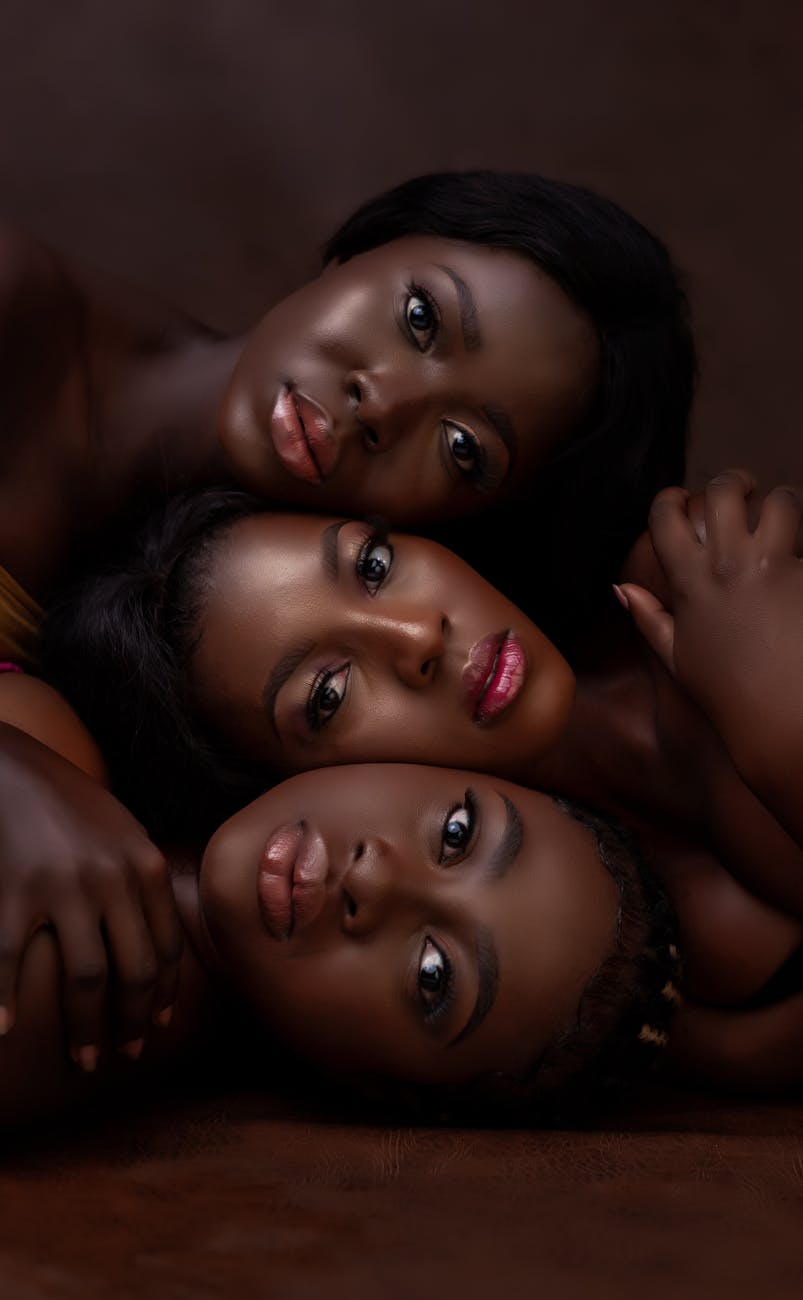
Pretty Privilege Series: Pretty For a Dark Skinned Girl.

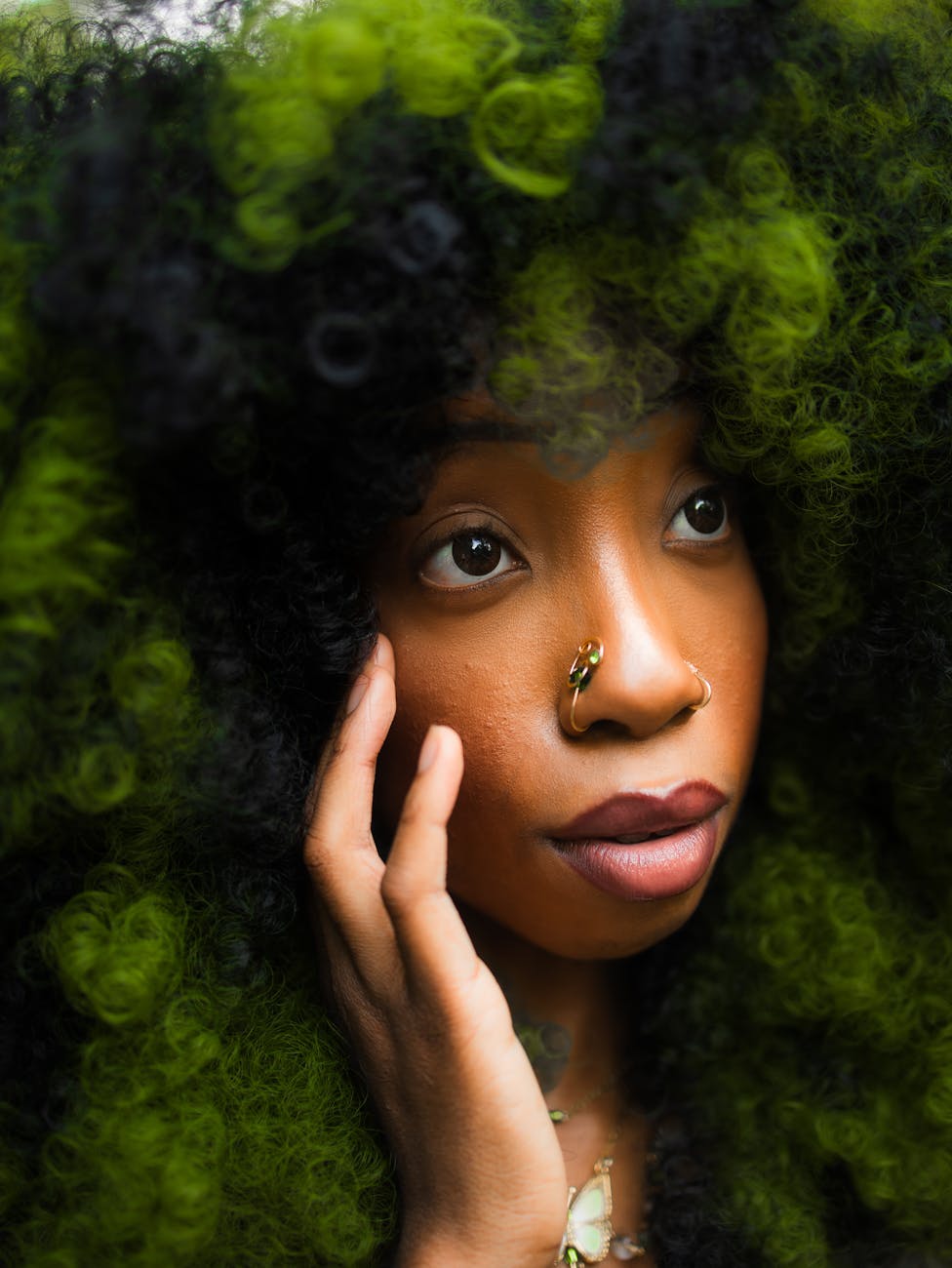
Photo by kingBiggie on Pexels.com

The phrase “pretty for a dark-skinned girl” is one of the most backhanded compliments directed at Black women. It implies that beauty and dark skin are mutually exclusive, and that attractiveness in a darker-skinned woman is a rare exception rather than a norm. This statement does more than critique — it reinforces the colonial hierarchy that places lighter skin at the top of beauty standards (Hunter, 2007).

Historically, European colonization promoted a racialized beauty ideal where whiteness represented purity, refinement, and superiority. Darker skin was associated with servitude, labor, and inferiority. This mindset was internalized within colonized societies, leading to colorism — discrimination not only from outside forces but also within the Black community itself (Smedley, 1999).

During the transatlantic slave trade, enslaved women with lighter complexions were often brought into the house to serve domestically, while darker women were left in the fields. This created a divide, associating lighter skin with proximity to whiteness and privilege. The legacy of that division continues to affect how people perceive beauty today, particularly when it comes to women (Williams, 1987).

When someone says, “You’re pretty for a dark-skinned girl,” they are subconsciously affirming the idea that beauty is unexpected when attached to deep melanin. The phrase suggests that light skin is the default standard of beauty and that darker skin is a deviation from the norm. This not only harms dark-skinned girls but also perpetuates self-hate across generations (Russell, Wilson, & Hall, 2013).

Psychologically, hearing this phrase can have devastating effects on self-esteem. Dark-skinned women internalize the belief that they must work harder to prove their beauty or worthiness. Studies show that darker-skinned women report lower levels of self-confidence and higher rates of body image issues compared to lighter-skinned peers (Hill, 2002).

The phrase also reveals a deeper issue in romantic desirability. Dark-skinned women are often told they are “cute” but not necessarily “wife material.” This stereotype contributes to colorist dating preferences where light-skinned women are chosen more frequently, reinforcing the notion that dark-skinned women must settle for less (Wilder, 2010).

Media representation has historically fueled this narrative. For decades, darker-skinned women were rarely cast as love interests in films and TV shows. When they were included, they were often portrayed as the sassy friend, the struggling single mother, or the antagonist, while lighter-skinned women were framed as the romantic ideal (Bogle, 2016).

Even in music culture, the phrase “pretty for a dark-skinned girl” became a subtle lyrical motif. Hip-hop and R&B songs have historically glorified “redbones” or “yellow bones,” with little praise for deep-skinned women, except when fetishized for exotic appeal (Neal, 2013).

The phrase is also tied to Western beauty marketing. Beauty companies historically failed to create makeup shades that matched darker complexions, essentially excluding dark-skinned women from mainstream beauty campaigns. This exclusion reinforced the idea that darker women were not part of the beauty conversation until recent years (Tate, 2016).

In schools, dark-skinned girls often face color-based bullying. Research has found that darker-skinned children are more likely to be teased by peers and even disciplined more harshly by teachers, further embedding the message that they are less valued (Monk, 2014).

Religiously and spiritually, this phrase contradicts biblical teaching. Song of Solomon 1:5 affirms, “I am black, but comely,” a declaration of beauty and dignity. God’s word establishes that beauty is not skin-deep, and partiality based on complexion contradicts James 2:1-4, which condemns favoritism.

Cultural movements have begun to reclaim and resist this narrative. Actresses like Lupita Nyong’o, Viola Davis, and Danai Gurira have spoken openly about their journeys to self-acceptance and the rejection of the idea that their beauty is rare or conditional. Lupita in particular has stated that seeing supermodel Alek Wek changed her perception of herself, showing the power of representation (Nyong’o, 2014).

Social media campaigns like #MelaninPoppin and #BlackGirlMagic have played a crucial role in affirming the beauty of darker-skinned women. These campaigns have helped normalize seeing deep-skinned women as glamorous, intelligent, and powerful — not just beautiful “for their complexion.”

The entertainment industry has also started to shift, though slowly. Recent shows and films like Insecure, The Woman King, and Queen & Slim feature dark-skinned women as romantic leads and complex protagonists. This marks a cultural correction, pushing back against decades of erasure.

Testimonies of Dark-Skinned Women Who Reclaimed Their Beauty

The phrase “pretty for a dark-skinned girl” has left deep scars on generations of Black women. But many have turned that pain into power by speaking publicly about their experiences with colorism and self-acceptance. Their testimonies serve as both education and liberation for younger girls still wrestling with the same wounds.

Academy Award-winning actress Lupita Nyong’o is one of the most influential voices in this conversation. In her viral 2014 Essence speech, Lupita shared that as a child, she prayed to God for lighter skin, believing it was the key to beauty and love. Seeing Sudanese supermodel Alek Wek on magazine covers transformed her view of herself: “She was dark as night and was in all the magazines and on runways. … Seeing someone who looked like me being celebrated gave me permission to embrace myself” (Nyong’o, 2014).

Viola Davis, one of Hollywood’s most acclaimed actresses, has also been candid about her journey. Growing up poor in Rhode Island, she recalls being called “ugly” and “Black” as insults. “I internalized that for a long time. I felt like I was invisible,” Davis told Essence. Today, she proudly wears her natural hair on red carpets and uses her platform to tell authentic stories about dark-skinned women in roles like Annalise Keating in How to Get Away with Murder.

Gabrielle Union has spoken about her early struggles with colorism in Hollywood. She admitted to being told she was “too dark” for certain roles, even as casting directors praised her acting skills. In her book We’re Going to Need More Wine (2017), she reflects on how she had to unlearn the idea that lighter skin equaled better opportunities. “I had to get comfortable in the skin I was in, even when the world was telling me that it wasn’t enough,” she writes.

Grammy-winning singer India.Arie has long celebrated deep brown skin in her music, particularly in her anthem “Brown Skin.” She has said the song was a direct response to being told early in her career to lighten her skin in photoshoots. Her music reclaims dark skin as sensual, beautiful, and worthy of praise.

Even Beyoncé has acknowledged the issue. In her visual album Black Is King (2020), she deliberately cast women with deep melanin to center their beauty and royalty. Her project was widely praised for providing images that dark-skinned girls could see themselves in — regal, loved, and celebrated.

Supermodel Duckie Thot, often called the “Black Barbie,” has shared her painful experience of being bullied for her skin tone in Australia. “People called me names like ‘burnt’ and ‘charcoal,’” she told Teen Vogue. Today, she has flipped the narrative by becoming one of the most sought-after models in the fashion industry, walking for major designers and starring in global campaigns.

Actress Danielle Brooks, known for her role as Taystee on Orange Is the New Black, has also spoken about the microaggressions she faced as a dark-skinned woman in entertainment. “I had to learn that my worth is not based on someone else’s perception of me,” she said in a Glamour interview.

Author and activist Michaela Angela Davis has long worked to dismantle colorism in media. She argues that changing the conversation starts with visibility: “If little girls never see themselves in commercials, on magazine covers, or in love stories, they’ll grow up thinking they’re unworthy of being seen.”

Social media influencer Nia the Light created the viral hashtag #MelaninPoppin to celebrate darker-skinned beauty worldwide. Her online platform has encouraged thousands of women to share unfiltered images of themselves, redefining beauty norms without relying on mainstream approval.

Even within academia, women like Dr. Yaba Blay have taken a stand. In her groundbreaking project Pretty. Period., Dr. Blay compiled portraits and testimonies of dark-skinned women to affirm that their beauty needs no qualifiers. She writes, “Dark-skinned women are not beautiful in spite of their complexion. They are beautiful because of it.”

These testimonies demonstrate that healing from colorism is both personal and collective. It begins with rejecting harmful language and reclaiming identity, but it is sustained by building communities of affirmation where dark-skinned girls can thrive.

Many of these women highlight the importance of representation for the next generation. Lupita Nyong’o’s children’s book Sulwe tells the story of a dark-skinned girl who learns to see her beauty as divine. Books like this offer children tools to combat internalized bias before it takes root.

The faith community also plays a role in this restoration. Scriptures like Psalm 139:14 — “I am fearfully and wonderfully made” — remind dark-skinned women that their beauty is intentional and crafted by the Creator. This spiritual affirmation helps counteract the social messages that try to devalue them.

Healing also requires systemic change. Media producers must continue to cast dark-skinned women in leading roles, beauty brands must maintain inclusive shade ranges, and schools must educate children about colorism as a form of bias (Monk, 2014).

Feminist scholars argue that embracing dark-skinned beauty is revolutionary because it challenges both patriarchy and white supremacy. Loving oneself in a world that profits from self-hate is an act of defiance and liberation (Hunter, 2007).

Each testimony is a seed that plants confidence in others. When dark-skinned women publicly speak their truth, they dismantle the lie that their beauty is conditional. They empower the next generation to walk unapologetically in their natural skin.

Society must move from tolerating dark skin to celebrating it — not as a trend but as a constant truth. Dark-skinned beauty has always existed and always will, regardless of shifting cultural aesthetics.

In the end, the phrase “pretty for a dark-skinned girl” must be buried. These testimonies show that dark-skinned girls are not exceptions to beauty; they are the embodiment of it. Their stories remind the world that melanin is not a limitation but a crown.

Still, the phrase continues to surface in subtle ways. In dating apps, social media comment sections, and everyday conversation, darker-skinned women still encounter qualifiers when praised. This reveals that society has yet to fully dismantle the internalized belief that light is superior (Charles, 2003).

Economic data also demonstrates that darker-skinned women face a “beauty penalty” in the workforce. Research shows they earn less than lighter-skinned Black women and are less likely to be promoted, even with the same qualifications (Goldsmith, Hamilton, & Darity, 2006).

The burden of this phrase also creates tension between women of different shades. Dark-skinned women may feel resentment, while light-skinned women may struggle with guilt over the privilege they did not seek. These tensions must be addressed honestly to foster unity and healing within the Black community (Hall, 1992).

Education and open dialogue are crucial. Parents, teachers, and mentors must teach young girls to reject backhanded compliments and affirm that their beauty is not conditional. Community-based programs can help shift cultural language from divisive to affirming.

Ultimately, to say someone is “pretty for a dark-skinned girl” is to miss the truth that she is simply pretty, period. Dismantling this phrase is not just about affirming beauty but about affirming humanity, dignity, and equality for all women of African descent.

The future demands a culture where dark-skinned beauty is not an exception but a celebrated expression of God’s creativity. When society no longer needs to qualify the beauty of dark-skinned girls, we will know that pretty privilege has been replaced by true, holistic acceptance.


References

  • Bogle, D. (2016). Toms, Coons, Mulattoes, Mammies, and Bucks: An Interpretive History of Blacks in American Films. Bloomsbury.
  • Charles, C. (2003). Skin Bleaching, Self-Hate, and Black Identity in Jamaica. Journal of Black Studies, 33(6), 711–728.
  • Goldsmith, A., Hamilton, D., & Darity, W. (2006). Shades of Discrimination: Skin Tone and Wages. American Economic Review, 96(2), 242–245.
  • Hall, R. E. (1992). Bias Among African Americans Regarding Skin Color: Implications for Social Work Practice. Research on Social Work Practice, 2(4), 479–486.
  • Hill, M. (2002). Skin Color and the Perception of Attractiveness Among African Americans. Social Psychology Quarterly, 65(1), 77–91.
  • Hunter, M. (2007). The Persistent Problem of Colorism: Skin Tone, Status, and Inequality. Sociology Compass, 1(1), 237–254.
  • Monk, E. P. (2014). Skin Tone Stratification among Black Americans, 2001–2003. Social Forces, 92(4), 1313–1337.
  • Neal, M. A. (2013). What the Music Said: Black Popular Music and Black Public Culture. Routledge.
  • Nyong’o, L. (2014). Speech at Essence Black Women in Hollywood Luncheon. Essence.
  • Russell, K., Wilson, M., & Hall, R. (2013). The Color Complex: The Politics of Skin Color Among African Americans. Anchor Books.
  • Smedley, A. (1999). Race in North America: Origin and Evolution of a Worldview. Westview Press.
  • Tate, S. (2016). Black Beauty: Aesthetics, Stylization, Politics. Routledge.
  • Wilder, J. (2010). Revisiting “Color Names and Color Notions”: A Contemporary Examination of the Language and Attitudes of Skin Color among Young Black Women. Journal of Black Studies, 41(1), 184–206.
  • Williams, E. (1987). Capitalism and Slavery. UNC Press.
  • Blay, Y. (2013). Pretty. Period. Retrieved from https://prettyperiod.me
  • Davis, V. (2015). Interview with Essence Magazine.
  • Hunter, M. (2007). The Persistent Problem of Colorism: Skin Tone, Status, and Inequality. Sociology Compass, 1(1), 237–254.
  • Union, G. (2017). We’re Going to Need More Wine. HarperCollins.
  • Vogue Teen. (2018). Duckie Thot: How I Learned to Love My Dark Skin. Teen Vogue.
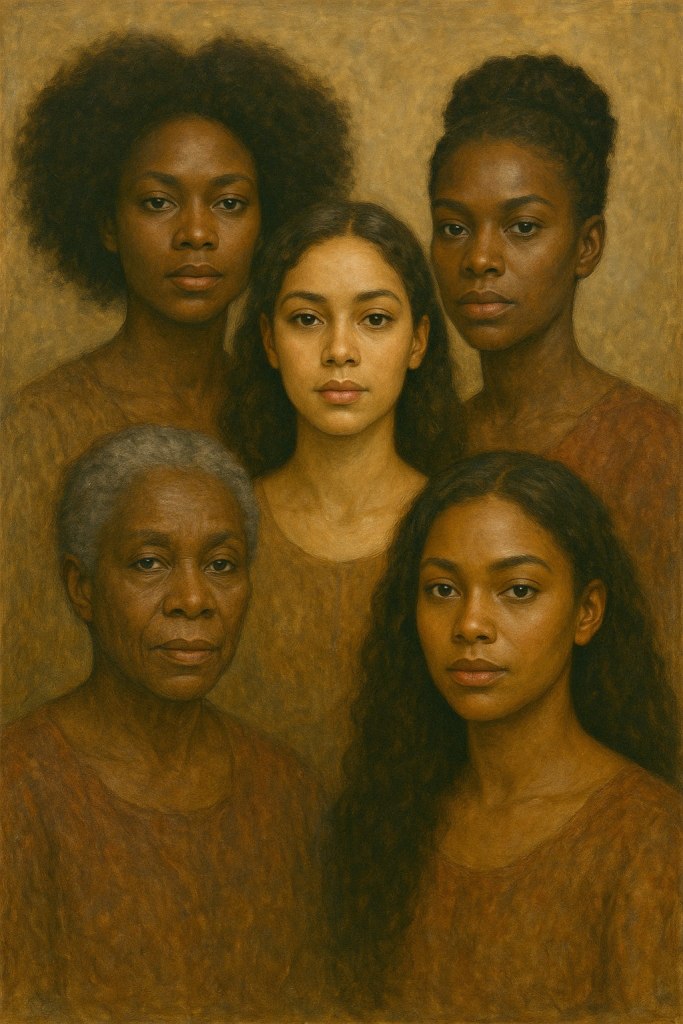
Hierarchies of Black Beauty: The Black Beauty Standards.

Throughout history, beauty has been a reflection of power, culture, and identity. Within the African diaspora, the concept of Black beauty has been shaped and reshaped by colonialism, enslavement, media influence, and self-determination. The hierarchies of Black beauty—those unwritten but deeply felt rules about who is seen as beautiful and who is not—continue to influence how Black people perceive themselves and each other.

During slavery, Eurocentric beauty ideals were imposed on African people through forced assimilation and comparison. The features of African women and men—broad noses, full lips, rich brown skin, and tightly coiled hair—were mocked and demonized by white society. Whiteness became the standard of purity, civility, and desirability, while Blackness was equated with inferiority. This created a psychological wound that still lingers across generations.

Enslaved women who were lighter-skinned or bore more “European” features were often treated differently by slaveholders. They were more likely to work in the house, to be dressed better, or to be exploited sexually under the guise of preference. These patterns of color-based privilege established early hierarchies that divided enslaved communities and birthed the seeds of colorism (White, 1999).

After emancipation, those same hierarchies persisted within the Black community. Lighter skin, looser hair textures, and narrower features were celebrated as signs of refinement and social mobility. Many institutions—such as schools, churches, and fraternities—adopted discriminatory practices like the “brown paper bag test,” where one’s acceptance depended on being lighter than a brown bag. Beauty became political; it was no longer just personal.

As the 20th century progressed, mass media amplified Eurocentric standards. Hollywood, fashion, and advertising celebrated light-skinned actresses and models while marginalizing darker-skinned women. Magazines like Ebony and Jet often centered on fairer complexions, perpetuating internalized bias. These images subtly taught Black people that to be closer to whiteness was to be closer to beauty.

The emergence of the Civil Rights and Black Power movements in the 1960s challenged these ideologies. The slogan “Black is Beautiful” became a revolutionary cry against centuries of self-rejection. Afros, dark skin, and African attire became symbols of resistance and pride. This era reclaimed Black aesthetics as divine and powerful, reflecting the truth of Psalm 139:14: “I will praise thee; for I am fearfully and wonderfully made” (KJV).

However, even within this movement, hierarchies persisted. Light-skinned Black women often continued to dominate media and modeling, while darker women were celebrated more for their strength or resilience than for their beauty. This subtle bias revealed how deeply colonial beauty norms had been internalized.

For Black men, these hierarchies influenced attraction and desirability. Many internalized the belief that lighter-skinned women were more refined or feminine, while darker women were strong but less delicate. This mindset perpetuated generational harm and fractured romantic relationships within the Black community. Proverbs 31:30 reminds, “Favour is deceitful, and beauty is vain: but a woman that feareth the Lord, she shall be praised.”

In the modern era, social media has both challenged and reinforced these hierarchies. Platforms like Instagram and TikTok have given rise to diverse representations of beauty, yet filters and algorithms often favor lighter skin tones. The digital age has democratized visibility but not erased bias. Beauty, once judged by proximity to whiteness, is now measured by digital exposure.

Hair remains a defining element of Black beauty. From natural kinks and coils to braids, locs, and wigs, Black hair is a cultural language of resistance and creativity. Yet, the “good hair” myth—rooted in slavery—still shapes self-esteem. The CROWN Act (2020) seeks to protect against discrimination based on hair texture, a sign that the fight for beauty equality continues in policy as well as perception.

Colorism also affects the modeling and entertainment industries. Despite the progress symbolized by figures like Lupita Nyong’o and Viola Davis, lighter-skinned actresses still receive disproportionate attention and roles. The industry’s selective inclusivity sends a mixed message: Black beauty is accepted only when it aligns with global marketability.

These hierarchies have deep psychological consequences. Many darker-skinned Black women internalize feelings of invisibility, leading to anxiety, low self-esteem, and social withdrawal. Conversely, lighter-skinned individuals may feel pressure to justify their Blackness or face resentment from peers. This emotional tension reflects the distorted mirror that colonialism left behind.

Biblically, the elevation of one shade over another contradicts divine creation. Song of Solomon 1:5 declares, “I am black, but comely, O ye daughters of Jerusalem.” The verse reclaims darkness not as deficiency but as beauty and strength. God’s creation exists in gradients of glory; the sun-kissed skin of Africa is a reflection of divine artistry.

Education and cultural reclamation have become powerful tools for dismantling these hierarchies. Movements celebrating melanin-rich skin, natural hair, and Afrocentric aesthetics have redefined beauty from within. When Black youth see models, influencers, and scholars who look like them, they begin to internalize self-love rather than self-doubt.

Still, the struggle continues. Even within the Black community, shade-based humor and preferences persist in dating, entertainment, and family dynamics. These microaggressions perpetuate division under the guise of personal taste. Healing requires accountability and unlearning centuries of indoctrination.

To truly dismantle the hierarchies of Black beauty, society must recognize that beauty is not a ladder but a spectrum. The diversity of Black skin tones, facial features, and textures testifies to the richness of African ancestry. Each shade tells a story of survival, migration, and divine design.

Beauty standards, once defined by oppression, are now being redefined through liberation. Modern movements like “Dark Skin Appreciation” and “Melanin Magic” remind the world that Black beauty is not monolithic—it is infinite. It encompasses every hue, from ebony to honey, each deserving of reverence and celebration.

In reclaiming these narratives, Black people restore what was stolen: the right to see themselves as beautiful in their natural form. Isaiah 61:3 speaks of God giving “beauty for ashes.” The ashes of colonialism, slavery, and colorism can give rise to new beauty when identity is rooted in truth.

Ultimately, the hierarchies of Black beauty dissolve when the gaze shifts from societal validation to divine affirmation. When Black men and women recognize themselves as reflections of God’s image, beauty ceases to be hierarchical—it becomes holy. The journey to self-acceptance is, therefore, both political and spiritual, an act of resistance and worship.

References

Holy Bible, King James Version. (1611).

White, D. G. (1999). Ar’n’t I a Woman?: Female Slaves in the Plantation South. W.W. Norton & Company.

Russell, K., Wilson, M., & Hall, R. (2013). The Color Complex (Revised): The Politics of Skin Color Among African Americans. Anchor Books.

Craig, M. L. (2002). Ain’t I a Beauty Queen?: Black Women, Beauty, and the Politics of Race. Oxford University Press.

Hunter, M. (2007). The persistent problem of colorism: Skin tone, status, and inequality. Sociology Compass, 1(1), 237–254.

Beauty for Ashes

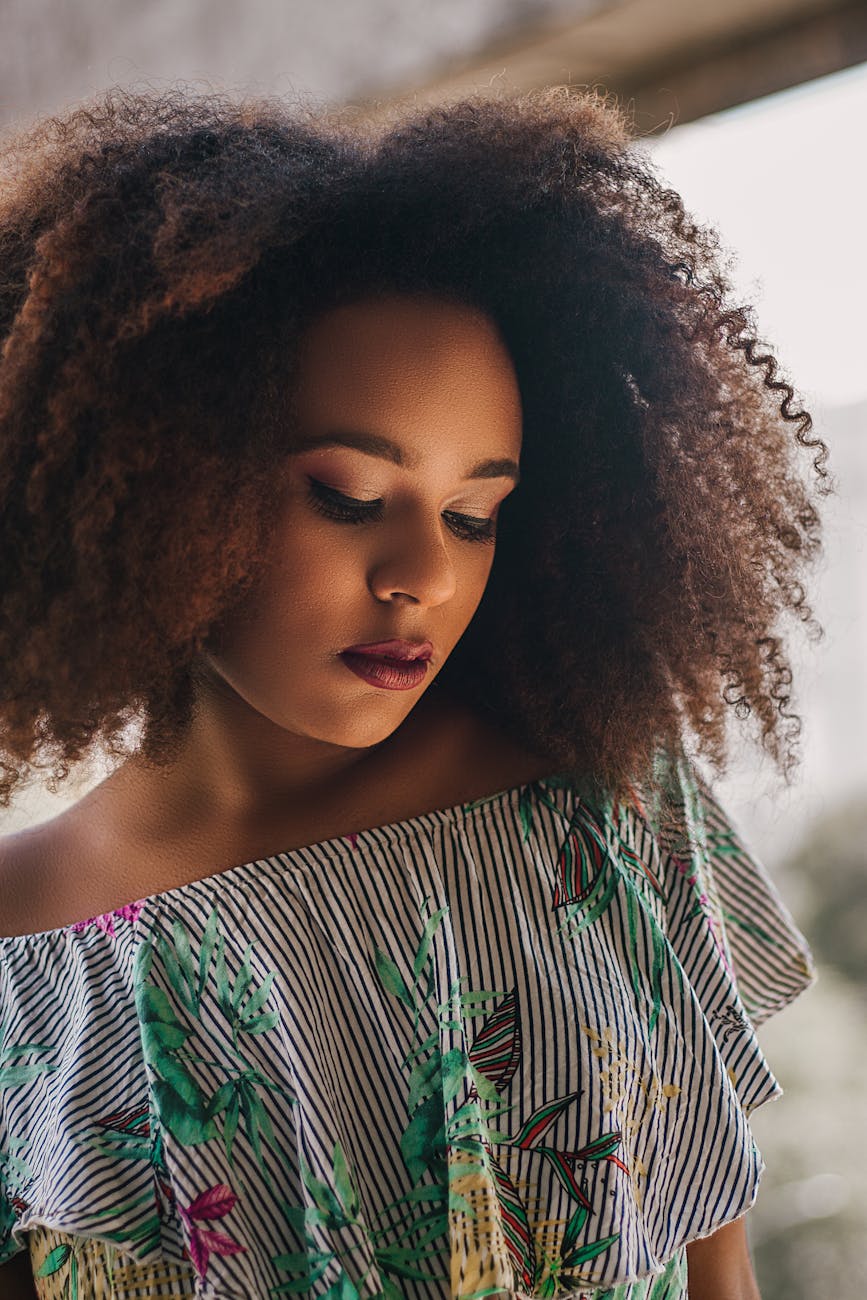
Photo by Charles Awelewa on Pexels.com

There comes a moment in every woman’s life when the reflection in the mirror no longer tells the whole story. Beneath the smile, there may be pain, regret, or memories of seasons when life felt broken. Yet the Most High, in His infinite mercy, specializes in restoration. He exchanges ashes for beauty, mourning for joy, and despair for praise. As Isaiah 61:3 (KJV) declares, “To appoint unto them that mourn in Zion, to give unto them beauty for ashes, the oil of joy for mourning, the garment of praise for the spirit of heaviness.” What was once a story of loss becomes a testimony of grace.

True beauty often emerges through the fires of affliction. The woman who has endured heartbreak, betrayal, or rejection knows the power of divine transformation. Her scars are no longer signs of defeat but reminders of survival. The Most High beautifies the soul that trusts in Him, turning sorrow into strength and pain into purpose. Psalm 147:3 (KJV) assures, “He healeth the broken in heart, and bindeth up their wounds.”

When you surrender your ashes—your broken dreams, past mistakes, and silent tears—to God, He breathes new life into you. Your glow begins from within, not from cosmetics or compliments, but from a heart that has been redeemed. The Most High makes you radiant with His presence, just as Psalm 34:5 (KJV) says, “They looked unto him, and were lightened: and their faces were not ashamed.”

Many women try to cover pain with beauty, but the Most High uncovers beauty within pain. What the world sees as ruin, He sees as a canvas for rebirth. When you walk with Him, even your past becomes part of His masterpiece. Romans 8:28 (KJV) reminds us that “all things work together for good to them that love God.” Every tear becomes oil for your anointing, every hardship a step toward holiness.

The ashes symbolize the remnants of what once was—dreams that died, relationships that faded, or confidence that was crushed. But the Most High never leaves His daughters in ashes. When you lay them at His feet, He adorns you with spiritual beauty that no man, mirror, or makeup can provide. Your inner light becomes the evidence of His glory at work in your life.

A woman transformed by God carries herself differently. She walks in peace, speaks with wisdom, and exudes grace. She knows that her beauty does not depend on worldly approval but on divine favor. Psalm 90:17 (KJV) says, “And let the beauty of the Lord our God be upon us.” When that beauty rests upon you, it draws others not to your face, but to your faith.

The Most High’s version of beauty is not fragile or fleeting—it’s eternal. It’s not measured by symmetry or style, but by sanctification. The world prizes perfection, but God prizes purity. He refines you through trials so that His image shines in you. Malachi 3:3 (KJV) says, “And he shall sit as a refiner and purifier of silver.” Through your endurance, you become a vessel of His brilliance.

Even in times of loss, your beauty is preserved in the promises of God. The woman who has lost everything but still worships—she is the embodiment of beauty for ashes. Her tears become seeds, and her faith brings forth a harvest of joy. Psalm 30:5 (KJV) encourages, “Weeping may endure for a night, but joy cometh in the morning.”

When your identity is rooted in the Most High, you no longer chase validation or comparison. You realize that being chosen by Him is the ultimate form of beauty. The ashes of your past no longer define you—they sanctify you. Through every trial, He is shaping a crown that only you can wear.

The beauty God gives is redemptive. It rebuilds, renews, and redefines. It tells the world that even after devastation, glory is possible. The ashes are not the end—they are the beginning of something holy. For every wound, He gives a promise; for every tear, He provides comfort. As Psalm 30:11 (KJV) testifies, “Thou hast turned for me my mourning into dancing.”

A woman of “beauty for ashes” is not ashamed of her story. She carries her testimony like a jewel, knowing that through her struggle, others will find strength. Her life becomes a reflection of God’s mercy—a living example that what was broken can be made whole again.

To receive this beauty, you must first let go of the ashes. Let go of self-hatred, shame, and the desire for worldly perfection. Let the Most High rewrite your story with grace. When you choose healing over hiding, His Spirit fills your heart with radiance that cannot fade.

Inner beauty is the fragrance of holiness. It’s what makes a woman captivating in a way that the world cannot counterfeit. Proverbs 31:25 (KJV) says, “Strength and honour are her clothing; and she shall rejoice in time to come.” This strength is born from faith; this honor comes from obedience.

Sometimes, beauty for ashes means forgiveness—of yourself and of others. It means choosing peace over bitterness, love over resentment. When you release the weight of the past, the Most High clothes you with peace, making your spirit light and free.

There is a sacred glow that follows those who have been through the fire and survived. It is not the glow of arrogance, but of anointing. Every hardship has purified you; every prayer has molded you. You are no longer who you were—you are who He called you to be.

The enemy meant to destroy you, but the Most High used those ashes to strengthen your faith. What the world calls damaged, He calls destined. Isaiah 43:2 (KJV) promises, “When thou walkest through the fire, thou shalt not be burned.”

Your beauty is not skin deep—it’s soul deep. It is born in worship, sustained by faith, and revealed through love. Every act of kindness, every moment of forgiveness, every word of wisdom is another brushstroke of divine beauty upon your life.

When the Most High restores, He doesn’t merely repair—He transforms. You emerge from the ashes not as you were, but as something greater: a reflection of His power and love. You become the living embodiment of Isaiah 61:3—a testimony that beauty can indeed rise from ashes.

So, daughter of Zion, lift your head. Your ashes are temporary, but your beauty is eternal. Walk in your divine purpose and let your heart reflect His glory. For when the Most High clothes you in beauty, no storm, loss, or trial can ever strip it away.

References
Holy Bible, King James Version. (1611). Isaiah 61:3; Psalm 147:3; Psalm 34:5; Romans 8:28; Psalm 90:17; Malachi 3:3; Psalm 30:5, 11; Proverbs 31:25; Isaiah 43:2.

Radiance From Within: Cultivating Confidence in a Colorist World.

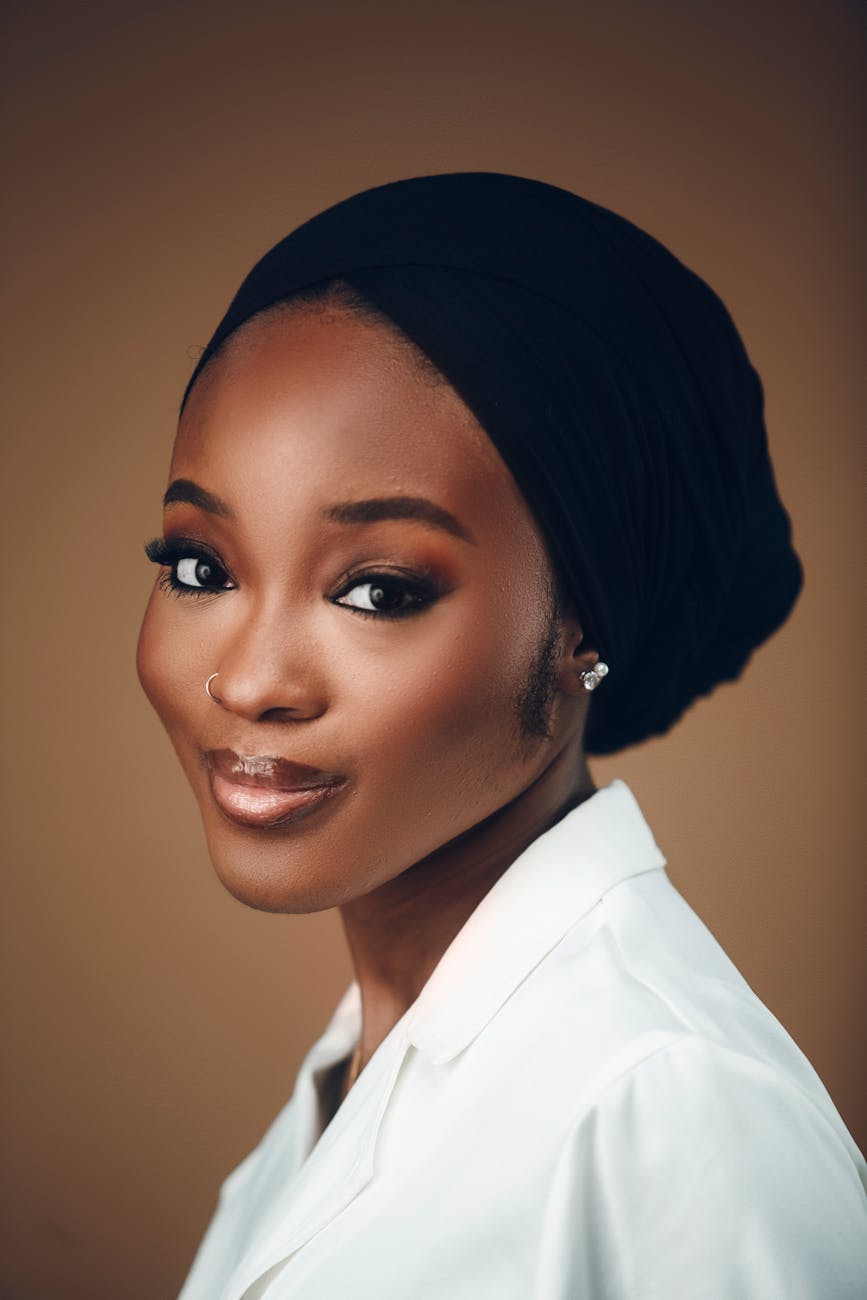
Photo by Marcelo Dias on Pexels.com

Beyond Eurocentric Standards: Redefining Beauty on Your Own Terms

Beauty has long been defined by Eurocentric ideals: fair skin, straight hair, narrow noses, and Westernized features. These standards, deeply rooted in historical oppression and colonialism, continue to influence media, advertising, and societal perceptions, creating a colorist hierarchy that devalues melanin-rich skin and diverse features. However, redefining beauty on your own terms is both a radical and empowering act.

Challenging Historical Bias

Eurocentric beauty standards originated during colonialism and slavery, where European features were positioned as superior, and darker skin was stigmatized. Colorism, the preferential treatment of lighter skin tones within communities of color, persists as a result, affecting self-esteem, representation, and opportunities (Hunter, 2007). Understanding this history is essential for dismantling internalized biases and reclaiming a personal definition of beauty.

Owning Your Features

Redefining beauty starts with self-acceptance. Celebrating your natural hair texture, melanin-rich skin, facial features, and body shape affirms your identity and challenges imposed norms. Figures like Lupita Nyong’o, Tracee Ellis Ross, and Adut Akech exemplify how embracing one’s heritage and physical features reshapes cultural perceptions of beauty. By owning what makes you unique, you assert that beauty is not a standard to meet but a personal declaration of worth.

Navigating a Colorist World

Living in a society where colorism persists requires intentional strategies:

  • Representation Matters: Seek media, fashion, and beauty content that celebrates melanin and diverse features.
  • Community Support: Surround yourself with peers, mentors, and influencers who uplift and affirm your beauty.
  • Affirmation Practices: Daily self-affirmations reinforce self-worth and counter societal messages of inadequacy.
  • Advocacy: Speak out against discriminatory or biased standards in professional, educational, and social spaces.

Cultural and Psychological Implications

Beauty is deeply intertwined with cultural identity and psychological health. Celebrating your features as part of your heritage strengthens self-esteem, reduces internalized colorism, and affirms belonging (Russell, Wilson, & Hall, 1992). Moreover, redefining beauty encourages society to broaden its perceptions, creating space for more inclusive representations across media and culture.

Redefining Beauty for the Next Generation

By rejecting Eurocentric standards, brown girls and women become role models for authenticity. They demonstrate that beauty is multifaceted, culturally grounded, and rooted in confidence rather than conformity. The legacy is powerful: empowering younger generations to embrace their natural features and instilling pride in their melanin-rich skin.

Redefining Beauty Beyond Eurocentric Standards: A Guide for Brown Girls

1. Celebrate Your Features

Tips:

  • Embrace natural hair textures, melanin-rich skin, and facial features.
  • Practice daily affirmations such as:
    • “My skin, my hair, my features are beautiful and powerful.”
    • “I define my beauty, not society’s standards.”
      Visual Idea: Side-by-side graphics of diverse hairstyles, skin tones, and facial features with empowering quotes.

2. Seek Representation

Tips:

  • Follow influencers, creators, and media showcasing melanin-rich beauty.
  • Support brands that are inclusive in makeup, fashion, and media campaigns.
    Examples: Lupita Nyong’o, Tracee Ellis Ross, Adut Akech, Rihanna.
    Visual Idea: A collage highlighting diverse influencers with their iconic looks.

3. Build Supportive Communities

Tips:

  • Engage with online groups and social media spaces that celebrate brown beauty.
  • Participate in discussions and challenges that uplift and affirm cultural pride.
    Hashtags: #BrownSkinGirl, #MelaninMagic, #BlackGirlJoy
    Visual Idea: Network-style graphic showing connection between community and empowerment.

4. Educate Yourself

Tips:

  • Learn the history of colorism and Eurocentric beauty standards.
  • Share knowledge to empower yourself and others.
    Visual Idea: Timeline infographic showing the origins of Eurocentric standards and modern reclamation.

5. Advocate and Speak Out

Tips:

  • Challenge biased representations in professional or social spaces.
  • Support media, brands, and initiatives that uplift all shades of brown.
    Visual Idea: Call-to-action graphics with messages like “Celebrate All Shades” or “Your Beauty is Your Voice.”

6. Affirm Daily

Tips:

  • Use mirror affirmations, journaling, or social media posts to reinforce self-worth.
  • Examples: “I am beautiful, I am powerful, I am brown and brilliant.”
    Visual Idea: Inspirational, colorful templates for daily affirmations.

Conclusion

Redefining beauty on your own terms is both an act of self-love and resistance. Beyond Eurocentric standards lies the freedom to celebrate individuality, heritage, and authenticity. In a colorist world, embracing your features, amplifying representation, and affirming your worth transforms beauty from a restrictive standard into a personal, empowering, and inclusive declaration. Redefining beauty is an act of self-love and resistance. By celebrating natural features, seeking representation, building supportive communities, educating oneself, advocating, and affirming daily, brown girls can navigate a colorist world with confidence and pride. Beauty is not a standard to follow—it is a declaration of identity, heritage, and empowerment.


References

  • Hunter, M. (2007). The Persistent Problem of Colorism: Skin Tone, Status, and Inequality. Sociology Compass, 1(1), 237–254.
  • Russell, K., Wilson, M., & Hall, R. E. (1992). The Color Complex: The Politics of Skin Color in a New Millennium. Anchor Books.

Made in His Image: The Spiritual Truth About Beauty.

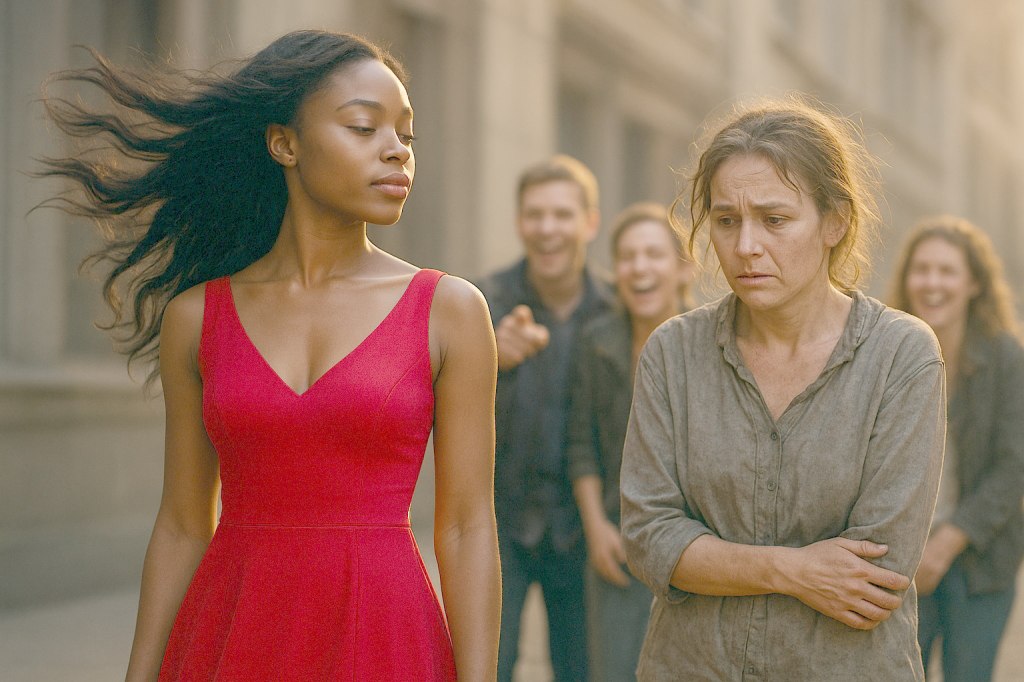
Photo by Darkshade Photos on Pexels.com

Beauty is one of the most misunderstood concepts in human history. Across centuries and cultures, societies have constructed standards that often distort the divine purpose of beauty. In a world that prizes external perfection and marketable aesthetics, many have forgotten that beauty originates in the spiritual realm. To be made in the image of God is to reflect His essence—not merely in physical form, but in character, creativity, and purpose. Scripture reminds us, “So God created man in his own image, in the image of God created he him; male and female created he them” (Genesis 1:27, KJV). Beauty, therefore, is not something one attains through imitation of the world, but something inherently woven into our being by the Creator.

From the beginning, God’s design of humanity was intentional and good. The creation narrative reveals that after forming man and woman, “God saw everything that he had made, and, behold, it was very good” (Genesis 1:31, KJV). The phrase “very good” conveys not just moral perfection but aesthetic harmony—creation in balance with divine order. This means that every skin tone, hair texture, and feature carries the fingerprint of God’s artistry. To deny one’s natural form is, in a way, to question the wisdom of the Creator who sculpted it.

Over time, however, humanity began to redefine beauty according to its own limited perception. The fall of man distorted not only moral integrity but also self-image. Sin introduced comparison, pride, and shame—the same emotions that caused Adam and Eve to cover themselves in the garden. In modern society, these emotions manifest through insecurity, envy, and the relentless pursuit of an artificial ideal. The spiritual battle over beauty is thus a battle over truth—whether one will believe what God says about creation or what culture dictates.

Biblically, beauty has always been connected to holiness. In Psalm 29:2, believers are instructed to “worship the Lord in the beauty of holiness.” This suggests that beauty is not about appearance but alignment—being in harmony with divine purpose. A pure heart, compassionate spirit, and righteous life radiate a beauty that cannot fade with time or trend. The Apostle Peter emphasized this when he wrote, “Whose adorning let it not be that outward adorning… but let it be the hidden man of the heart… a meek and quiet spirit, which is in the sight of God of great price” (1 Peter 3:3–4, KJV).

In this spiritual framework, beauty becomes a reflection of divine character rather than human vanity. The world exalts physical symmetry, but God values inner transformation. The Beatitudes (Matthew 5) describe a kind of beauty that transcends flesh—the beauty of mercy, peace, humility, and righteousness. These virtues emanate from within and illuminate the outer person, producing a radiance that no cosmetic can replicate.

For people of African descent, understanding beauty through the lens of divine creation holds particular importance. Centuries of colonialism, racism, and cultural erasure have warped perceptions of worth and desirability. Yet, when one recognizes that melanin itself is divine design—a gift of the sun and protection from creation’s elements—it reaffirms the sacredness of Black identity. To embrace natural features is to honor the Creator’s intention, declaring, “I am fearfully and wonderfully made” (Psalm 139:14, KJV).

Jesus Himself demonstrated beauty through humility. Isaiah prophesied that the Messiah would have “no form nor comeliness; and when we shall see him, there is no beauty that we should desire him” (Isaiah 53:2, KJV). Yet His beauty was not in physical form but in sacrificial love and obedience. The cross, an instrument of death, became the most beautiful image of redemption ever witnessed. Thus, true beauty is born not from comfort or vanity, but from the willingness to love and serve others selflessly.

The problem with worldly beauty is that it seeks validation rather than revelation. When individuals define themselves by mirrors and media, they lose sight of the divine reflection within. The enemy’s strategy has always been to distort identity, for when people forget who they are, they forget who God is. This is why Paul urged believers, “Be not conformed to this world: but be ye transformed by the renewing of your mind” (Romans 12:2, KJV). Transformation begins with remembrance—remembering that we are divine creations, not consumer products.

In the spiritual economy, beauty cannot be purchased or enhanced by material means. It must be cultivated through faith and obedience. Proverbs 31:30 declares, “Favour is deceitful, and beauty is vain: but a woman that feareth the Lord, she shall be praised.” Here, beauty is redefined as reverence. The more one grows in wisdom, compassion, and holiness, the more beautiful one becomes in the eyes of heaven. This reorientation shifts beauty from performance to presence—from surface to soul.

The African diaspora’s reclamation of beauty, therefore, is not merely cultural but theological. When men and women of African descent embrace their God-given form, they participate in a divine act of restoration. Every natural curl, every dark hue, every proud feature becomes a testimony of divine craftsmanship. This reclamation is a mirror to the world that says, “God’s image is diverse, and His glory is revealed through every shade of creation.”

True beauty also carries moral responsibility. To be made in God’s image is to reflect His justice, mercy, and truth. When beauty is divorced from righteousness, it becomes idolatry—an obsession with form devoid of spirit. This is the tragedy of modern beauty culture: the worship of self rather than the Creator. But when beauty is sanctified, it becomes a ministry. It inspires others to see God through the way we love, create, and exist authentically.

Men, too, must reclaim the spiritual understanding of beauty. Society often defines masculinity by strength and dominance, but biblical beauty in men lies in integrity, leadership, and humility. King David, described as “ruddy, and of a beautiful countenance” (1 Samuel 16:12, KJV), was admired not merely for his looks but for his heart after God. His life reminds us that true beauty—male or female—radiates from inner righteousness.

To be made in God’s image is to live in reflection of His light. When people recognize the divine source of their existence, they cease to compete for worldly approval. Their confidence is anchored in eternity. They no longer chase beauty—they embody it. This awareness restores not only individual self-worth but communal dignity, uniting people under the truth that all bearers of God’s image share divine value.

In worship, beauty takes its highest form. When humanity offers itself back to God in love and service, the reflection becomes complete. Just as light reveals the nature of a mirror, God’s glory reveals the nature of man. The more we behold Him, the more we reflect Him. “But we all, with open face beholding as in a glass the glory of the Lord, are changed into the same image” (2 Corinthians 3:18, KJV). Beauty, therefore, is transformation—becoming more like the One who made us.

The spiritual truth about beauty is that it cannot be destroyed, only forgotten. Sin, shame, and societal distortion may cloud perception, but beneath the surface lies divine design. Every human carries the breath of God—the ultimate signature of worth. To rediscover this truth is to awaken to divine reality: that our reflection was never flawed, only misunderstood.

In a world obsessed with filters and façades, believers are called to be mirrors of God’s unfiltered glory. The journey toward spiritual beauty begins not in the salon or the screen but in surrender—yielding to the Creator who makes all things beautiful in His time (Ecclesiastes 3:11, KJV). To walk in that truth is to experience freedom, for when one knows their divine origin, they no longer seek validation from creation.

Beauty, then, is not a possession but a revelation—a glimpse of God’s nature within human form. It is the harmony of spirit, soul, and body aligned with divine will. To be made in His image is to live as a reflection of eternal beauty, radiant with love, wisdom, and holiness. And when humanity finally embraces this truth, the mirror will no longer reflect confusion or comparison—but the face of the Creator shining through His creation.


References

The Holy Bible, King James Version. (1611). Thomas Nelson.
Baldwin, J. (1963). The fire next time. Dial Press.
hooks, b. (2000). All about love: New visions. William Morrow.
Lewis, C. S. (1952). Mere Christianity. HarperCollins.
Mays, J. L. (Ed.). (2011). HarperCollins study Bible (Rev. ed.). HarperOne.
Piper, J. (2008). Spectacular sins and their global purpose in the glory of Christ. Crossway.
Ture, K., & Hamilton, C. V. (1967). Black power: The politics of liberation in America. Vintage Books.
Wilkerson, I. (2020). Caste: The origins of our discontents. Random House.
Wynter, S. (2003). Unsettling the coloniality of being/power/truth/freedom. The New Centennial Review, 3(3), 257–337.
West, C. (1993). Race matters. Beacon Press.
Boyd, D. (2004). Seeing is believing: The theology of beauty and the image of God. Baker Academic.
Keller, T. (2013). Every good endeavor: Connecting your work to God’s work. Penguin Books.
Smith, J. K. A. (2009). Desiring the kingdom: Worship, worldview, and cultural formation. Baker Academic.
Thomas, C. (2019). God, image, and identity: Reclaiming beauty from a biblical lens. Faith & Reason Press.

Beauty Bias: The Silent Oppressor

Beauty has always been more than skin deep. Across societies, the standards of attractiveness are not merely aesthetic preferences—they are mechanisms of privilege, discrimination, and social control. Those who meet societal ideals are often rewarded, while those who diverge face subtle and overt marginalization. This phenomenon, widely referred to as beauty bias, operates silently but powerfully, influencing career trajectories, social opportunities, and interpersonal relationships (Hamermesh & Biddle, 1994).

From an early age, children learn who is “desirable” and who is not. Research shows that teachers often unconsciously favor students deemed more attractive, offering them more attention and positive reinforcement (Langlois et al., 2000). This early conditioning establishes a lifelong connection between appearance and social advantage. In many ways, it mirrors the biblical admonition that God judges the heart rather than outward appearance (1 Samuel 16:7, KJV). Yet society’s persistent fixation on outward beauty undermines this spiritual principle.

In professional spaces, beauty bias manifests as a measurable advantage in hiring, promotion, and salary. Attractive individuals are often perceived as more competent, intelligent, and socially adept, even when qualifications are identical (Riniolo et al., 2006). For Black women and men, this bias is compounded by colorism, where lighter skin tones receive preferential treatment within and outside their communities (Hunter, 2007). The resulting inequity is both economic and psychological, reinforcing systemic barriers.

Media and advertising perpetuate and normalize narrow beauty standards. From fashion magazines to television commercials, the celebration of Eurocentric features marginalizes those who do not conform. These representations create a cultural hierarchy that equates beauty with moral worth and social value (Wolf, 1991). The spiritual dimension of this bias cannot be overstated: scripture repeatedly warns against superficial judgment (Matthew 23:27-28, KJV), highlighting the danger of equating external beauty with inner virtue.

The psychological toll of beauty bias is profound. Individuals who fail to meet societal ideals experience lower self-esteem, higher rates of depression, and social anxiety (Cash & Pruzinsky, 2002). For adolescents, particularly girls, these pressures intensify as social media amplifies curated images of perfection. The silent oppressor thus infiltrates the mind, shaping identity, self-perception, and life choices.

Beauty bias intersects with race, gender, and socioeconomic status. Black women, for instance, face a dual burden: discrimination based on both race and deviation from Western beauty norms. Studies indicate that darker-skinned Black women earn less and are less likely to be considered for leadership positions than lighter-skinned peers (Hannon, 2019). In workplaces, schools, and social spaces, these compounded biases reinforce cycles of marginalization.

Cultural institutions often codify beauty bias. Lawsuits against companies for discrimination based on appearance reveal a troubling reality: while race, gender, and age are protected, appearance often remains a loophole for inequity (Eagly & Makhijani, 1992). The lack of formal recognition allows beauty bias to operate invisibly, shaping lives without accountability.

Historically, beauty bias has been weaponized to enforce social hierarchies. Colonialism and slavery manipulated perceptions of beauty to privilege Eurocentric features, fostering internalized inferiority among colonized populations (Hunter, 2007). This historical layering explains why contemporary beauty bias often overlaps with colorism and racialized ideals, particularly in the African diaspora.

In religious contexts, beauty bias is also evident. The biblical story of Leah and Rachel (Genesis 29:17, KJV) reflects societal preferences for outward beauty, highlighting how cultural values can distort human relationships and worth. Rachel’s favor due to her appearance sparked envy and relational tension, mirroring modern experiences of beauty-based preferential treatment.

Social media has amplified beauty bias to unprecedented levels. Algorithms prioritize images conforming to conventional attractiveness, creating a feedback loop of validation for some and exclusion for others (Fardouly et al., 2015). The constant exposure to idealized appearances magnifies the pressure to conform, often at the expense of mental health and authentic self-expression.

Education and intervention are key to combating beauty bias. Awareness campaigns and inclusive media representation can help dismantle harmful stereotypes. Research underscores the importance of cultivating environments where competence, character, and creativity are valued over appearance (Hosoda et al., 2003). This approach aligns with spiritual teachings emphasizing inner virtue over external form (Proverbs 31:30, KJV).

Beauty bias is not limited to women. Men also face societal pressures to conform to physical ideals, affecting employment opportunities, social acceptance, and self-perception (Grammer & Thornhill, 1994). These expectations create a gendered dimension to bias, showing that societal obsession with appearance impacts everyone, albeit differently.

Consumer culture intensifies beauty bias through commodification of attractiveness. Cosmetic procedures, fashion, and fitness industries profit from insecurities created by narrow beauty ideals (Wolf, 1991). This economic exploitation transforms appearance into currency, perpetuating inequality and reinforcing the silent oppressor.

Intersectionality offers a critical lens to understand beauty bias. Kimberlé Crenshaw’s framework illustrates how overlapping identities—race, gender, age, and class—shape the intensity and impact of appearance-based discrimination (Crenshaw, 1991). Black women, low-income individuals, and non-conforming genders often face compounded pressures that limit access to opportunities and social mobility.

The workplace remains a battleground for beauty bias. Studies show that attractive employees are often evaluated more favorably during performance reviews and receive more promotions, regardless of skill level (Hamermesh & Biddle, 1994). These inequities exacerbate existing disparities in income and professional advancement, particularly for marginalized groups.

Mental health consequences extend beyond self-esteem. Individuals targeted by beauty bias may develop body dysmorphic disorder, eating disorders, and chronic stress, creating long-term psychological harm (Cash & Pruzinsky, 2002). Addressing beauty bias, therefore, is not merely an aesthetic concern but a public health imperative.

Media representation can challenge beauty bias. Initiatives highlighting diverse body types, skin tones, and features disrupt conventional hierarchies and provide validation for marginalized groups (Hunter, 2007). Representation matters because it shapes cultural norms, informs perceptions of worth, and challenges the silent oppressor embedded in social consciousness.

Biblical scripture offers guidance on resisting societal fixation on appearance. In 1 Peter 3:3-4 (KJV), the apostle emphasizes inner beauty and a gentle spirit over external adornment, urging believers to cultivate virtues that endure beyond fleeting aesthetics. Such spiritual insight directly counters the societal obsession with physical attractiveness.

Ultimately, beauty bias operates as a form of structural and cultural oppression. It silently privileges some while disadvantaging others, creating invisible barriers in education, employment, social interaction, and personal development. Recognizing and addressing this bias requires intentionality, cultural critique, and systemic intervention.

By elevating character, competence, and inner virtue over superficial standards, societies can mitigate the silent oppressor of beauty bias. Through education, media representation, and spiritual alignment with biblical principles, individuals and institutions can begin to dismantle these inequities, creating a world where worth is measured by substance rather than appearance.


References

  • Cash, T. F., & Pruzinsky, T. (2002). Body image: A handbook of theory, research, and clinical practice. Guilford Press.
  • Crenshaw, K. (1991). Mapping the margins: Intersectionality, identity politics, and violence against women of color. Stanford Law Review, 43(6), 1241–1299.
  • Eagly, A. H., & Makhijani, M. G. (1992). Gender and the evaluation of leaders: A meta-analysis. Psychological Bulletin, 111(1), 3–22.
  • Fardouly, J., Diedrichs, P. C., Vartanian, L. R., & Halliwell, E. (2015). Social comparisons on social media: The impact of Facebook on young women’s body image concerns and mood. Body Image, 13, 38–45.
  • Grammer, K., & Thornhill, R. (1994). Human facial attractiveness and sexual selection: The role of symmetry and averageness. Journal of Comparative Psychology, 108(3), 233–242.
  • Hamermesh, D. S., & Biddle, J. E. (1994). Beauty and the labor market. American Economic Review, 84(5), 1174–1194.
  • Hannon, P. A. (2019). Colorism in the workplace: Skin tone and employment outcomes. Journal of Black Studies, 50(4), 350–372.
  • Hosoda, M., Stone-Romero, E. F., & Coats, G. (2003). The effects of physical attractiveness on job-related outcomes: A meta-analysis of experimental studies. Personnel Psychology, 56(2), 431–462.
  • Hunter, M. L. (2007). The persistent problem of colorism: Skin tone, status, and inequality. Sociology Compass, 1(1), 237–254.
  • Langlois, J. H., Kalakanis, L., Rubenstein, A. J., Larson, A., Hallam, M., & Smoot, M. (2000). Maxims or myths of beauty? A meta-analytic and theoretical review. Psychological Bulletin, 126(3), 390–423.
  • Riniolo, T. C., Johnson, K. D., Sherman, S. J., & Trezza, G. (2006). Is beauty best? Physical attractiveness and the accumulation of social resources. Personality and Social Psychology Bulletin, 32(9), 1157–1169.
  • Wolf, N. (1991). The beauty myth: How images of beauty are used against women. HarperCollins.

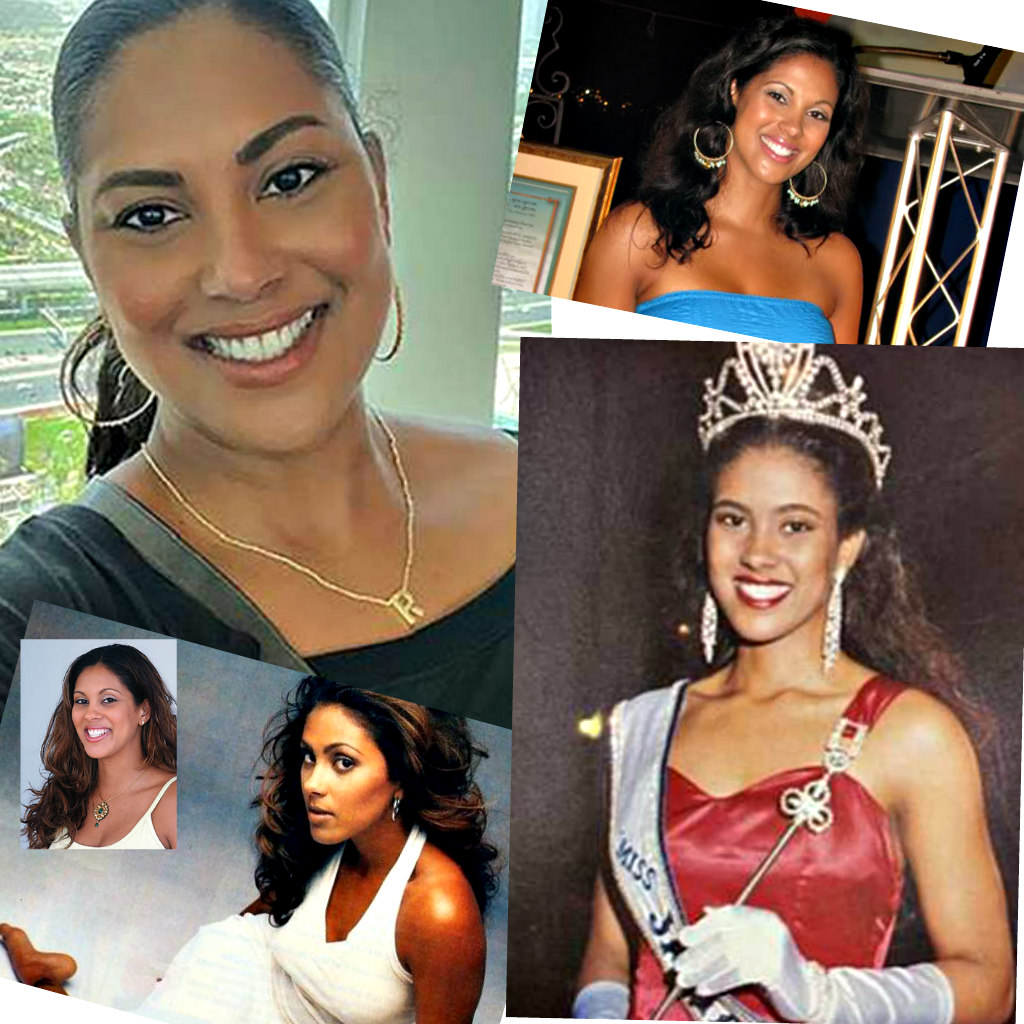
The Ebony Dolls: Rachel Stuart Baker

The Face of Island Stylee

These photographs are the property of their respective owners. No copyright infringement intended.

Born in the early 1970s, Rachel Stuart was born in Kingston, Jamaica. Rachel’s early life unfolded amidst vibrant island rhythms and a cross-cultural upbringing. She spent a portion of her childhood years in Canada before returning to Jamaica for her high school education, attending Stella Maris Preparatory School and Immaculate Conception High School. Jamaica Observer+1 Later, Mohawk College in Canada. As a young woman, she embraced both modelling and academic pursuits, eventually studying television broadcasting in Canada. Jamaica Observer

Rachel Stuart Baker stands as one of the most beloved television personalities of the 1990s, celebrated for her beauty, charisma, and cultural pride. Before she became the radiant face of BET, Rachel served in the Canadian Armed Forces—a little-known fact that highlights her strength, discipline, and patriotism. Her time in the military gave her a sense of order and confidence that later translated effortlessly onto television screens. It was this rare combination of elegance and resilience that made Rachel a standout figure in both media and life.

Her beauty and poise were recognized early on. In 1993, she claimed the title of Miss Jamaica Universe and represented her country at the 42nd Miss Universe pageant in Mexico. Jamaica Observer+1 Before that, she also won the Miss Caraïbes pageant, showcasing her regional prominence in Caribbean beauty competitions. Jamaica Observer+1

Transitioning from pageantry to media, Rachel brought her charm and credibility to the U.S. cable-television stage through BET (Black Entertainment Television). She became the host of Caribbean Rhythms, a pioneering program that spotlighted musicians and musical culture from across the Caribbean. Our Today+1 Her role on the show made her a cultural bridge—bringing Caribbean reggae, dance-hall, and soca artists into the American media consciousness.

Following her success on Caribbean Rhythms, Rachel also hosted BET’s Planet Groove, a show that leaned into music-video culture across R&B, soul, and urban genres. Our Today, these television roles leveraged both her polished on-screen presence and her deep connection to Caribbean heritage, making her a memorable personality in 1990s music television.

Rachel’s background as a Jamaican-Canadian model and actress further enriched her on-screen persona. She used her pageant experience, modelling background, and television training to navigate the entertainment industry with grace. Wikipedia+1 Her success underscored how beauty and brains can combine to create influence, especially as a woman of Caribbean descent on a major network.

Her impact on Caribbean music’s exposure to U.S. audiences cannot be understated. As one profile observed, via Caribbean Rhythms, she helped bring artists like Buju Banton and Beenie Man into greater visibility, contributing to the broader global recognition of Caribbean music. Our Today, this cultural-curation role positioned her as more than a host—she became an ambassador of Caribbean entertainment.

In the 1990s, Rachel became synonymous with Black Entertainment Television (BET), emerging as one of the network’s most iconic hosts. She first gained recognition as the host of Caribbean Rhythms, a vibrant program that spotlighted the beauty and beats of the Caribbean diaspora. With her smooth voice, radiant smile, and island flair, she brought reggae, soca, and dancehall into millions of American homes. Rachel wasn’t just a host—she was a cultural ambassador, connecting Caribbean talent to the world stage.

Her presence on Caribbean Rhythms made her the heartbeat of Caribbean representation in American television. Men across the United States and the Caribbean often called her their “#1 crush,” captivated by her exotic beauty, warm energy, and natural charm. She embodied the ideal of feminine confidence—never forced, never pretentious, but authentically radiant. Whether she was interviewing Shabba Ranks, Buju Banton, or Beenie Man, Rachel exuded joy and pride in showcasing the rhythms of her heritage.

As her popularity soared, Rachel expanded her reach within BET. She hosted Planet Groove, Live from LA, and appeared on BET Soundstage and Video Vibrations, each show adding to her dynamic portfolio. With every role, she left an indelible mark—her laughter, elegance, and Caribbean cadence became part of the network’s golden era. Fans tuned in not only for the music but for Rachel herself, whose magnetic personality brought warmth and authenticity to every broadcast.

Beyond her television career, Rachel’s background as a Jamaican-born, Canadian-raised woman gave her a unique cultural identity. Her journey from Kingston, Jamaica, to Canada, and then to American television reflected the vibrant intersection of cultures that shaped her worldview. She had already made history in 1993 as Miss Jamaica Universe, proudly representing her island on the global stage. Her military experience in Canada only deepened her resilience and discipline, traits that served her well in the competitive entertainment industry.

Rachel’s beauty was never merely external—it was a reflection of her confidence and spirit. With her caramel complexion, radiant smile, and captivating presence, she redefined what it meant to be a Caribbean woman in mainstream media. She embodied both sophistication and island fire, inspiring young women to embrace their cultural roots while pursuing global excellence.

Off-screen, Rachel found love and marriage with Paxton Baker, a respected and prominent executive at BET who served as President of BET Event Productions and other leadership roles within the network. Their union symbolized not only romance but also shared purpose, as both were instrumental in elevating Black entertainment and music television. Together, they have three children and have built a family rooted in faith, creativity, and service. The family has maintained a connection to Rachel’s Jamaican roots, as Rachel continues to visit Jamaica and participate in cultural engagements. Jamaica Observer+1 Rachel later chose to step away from the spotlight to focus on motherhood and community work, demonstrating that fulfillment goes beyond fame.

Even after leaving BET, her legacy endures. Fans from across the diaspora still recall her laughter, her energy, and her trailblazing presence that opened doors for future Caribbean hosts and artists. In interviews, Rachel has expressed gratitude for her years on BET, calling them some of the most exciting times of her life. Her voice and influence continue to echo across generations of Black entertainment and Caribbean pride.

Today, Rachel Stuart Baker remains a symbol of timeless beauty, poise, and authenticity. Her journey—from a disciplined Canadian soldier to a beloved Caribbean media star—is one of resilience, grace, and purpose. She proved that a woman could be beautiful, bold, and brilliant all at once, without compromising her values or cultural identity.

Rachel’s name evokes nostalgia for an era when BET was a cultural hub for music, pride, and Black excellence. She remains, to many, the unforgettable face of that time—the Caribbean queen who lit up screens and hearts alike, with a smile that still defines an entire generation of television magic.

In recent years, Rachel has shifted from high-profile television hosting to focus more on her family, charitable work, and cultural advocacy. According to interviews, she left BET to “grow my family” and has since been involved with theatre programs, food banks, orphanages, and school fundraising. Jamaica Observer Despite stepping back from daily television, her past work remains influential among Caribbean and urban media audiences.

Her legacy is one of beauty, substance, and cultural connectivity—a woman who moved from pageant queen to media host to family advocate, all while maintaining authenticity and pride in her heritage. Rachel Stuart Baker remains a symbol of how Caribbean-born talent has impacted mainstream U.S. entertainment, especially in amplifying the voices of Caribbean artists and culture.

References

  • “Rachel Stuart Baker: 30 years after Miss Jamaica Universe.” Jamaica Observer, March 12, 2023. Jamaica Observer
  • “Whatever happened to Rachel? … former Caribbean Rhythms host enjoying family life.” Our.Today, October 15, 2025. Our Today
  • “Rachel Stuart – Wikipedia.” Wikipedia
  • “Catchin’ Up With BET Alumnus Rachel Stuart-Baker of ‘Caribbean Rhythms’.” WHUR, date unspecified. whur.com
  • BET Archives: Caribbean Rhythms, Planet Groove, Live from LA, BET Soundstage (1993–2000).

Judged by the Flesh: The Hidden Cost of Lookism.

In a world that increasingly prioritizes aesthetics, lookism—discrimination based on physical appearance—has emerged as a subtle yet powerful social ill. Unlike overt forms of prejudice, lookism operates quietly, influencing hiring practices, social interactions, and access to opportunities. Society often equates attractiveness with competence, likability, and even moral character, creating systemic advantages for those deemed “good-looking” and profound disadvantages for those who do not meet conventional beauty standards (Langlois et al., 2000).

The roots of lookism are both cultural and biological. Evolutionary psychology suggests humans have historically relied on physical cues to assess health, fertility, and social dominance. Yet, while some preference for symmetry or health markers may have biological origins, contemporary standards are deeply cultural, shaped by media, fashion, and globalized beauty ideals. This creates a hierarchy where certain facial features, body types, and skin tones are valorized, while others are marginalized.

Research consistently shows that physical appearance influences professional outcomes. Attractive individuals are more likely to be hired, earn higher salaries, and receive positive performance evaluations, regardless of skill or experience. This phenomenon, sometimes called “beauty premium,” highlights the insidious economic consequences of lookism. Those who fall outside idealized beauty norms experience not only diminished opportunities but also the psychological burden of feeling undervalued or invisible (Hamermesh & Biddle, 1994).

Lookism intersects with race, gender, and class, compounding disadvantage. For example, women of color often face both racialized and beauty-based discrimination, navigating a society that celebrates Eurocentric features as ideal. Black women, in particular, contend with colorism, hair politics, and features historically stigmatized, intensifying the harm of lookism within their communities and society at large.

Social media has intensified lookism by elevating curated images and digital standards of beauty. Platforms like Instagram and TikTok prioritize visual appeal, rewarding those with aesthetically pleasing appearances while marginalizing others. This “algorithmic bias” perpetuates unrealistic beauty ideals, fostering low self-esteem, body dysmorphia, and a relentless comparison culture (Fardouly et al., 2015).

Lookism also operates in interpersonal relationships. Attractive individuals often receive more attention, affection, and social favor, while those deemed less attractive are frequently dismissed, underestimated, or socially excluded. This bias extends beyond conscious prejudice; implicit cognition studies reveal that humans subconsciously associate beauty with positive traits such as intelligence, morality, and sociability (Dion et al., 1972).

Educational environments are not immune. Teachers may unknowingly favor attractive students, granting them more attention, encouragement, or leniency. This early bias can shape self-perception and academic outcomes, reinforcing societal inequities and perpetuating cycles of privilege and marginalization (Ritts et al., 1992).

The psychological toll of lookism is significant. Individuals who are judged harshly for their appearance are at increased risk of depression, anxiety, and social withdrawal. Persistent exposure to appearance-based discrimination erodes self-worth and fosters internalized bias, where individuals adopt society’s negative judgments as personal truths. These effects are particularly acute during adolescence, when identity and self-esteem are most malleable.

Lookism’s influence extends to healthcare. Research demonstrates that patients perceived as attractive are more likely to receive attentive care, quicker diagnoses, and greater empathy from healthcare providers, whereas those considered unattractive may experience neglect or misdiagnosis. Such disparities reflect the deep, often unconscious, ways physical appearance shapes life outcomes (Hamermesh & Biddle, 1994).

Media representation reinforces lookism through selective portrayal. Television, film, and advertising disproportionately feature individuals who conform to narrow standards of beauty, marginalizing diverse bodies, skin tones, and facial features. These representations not only validate societal bias but also communicate implicit messages about worth, desirability, and success.

Even in romantic relationships, lookism exerts influence. Cultural narratives and dating algorithms often prioritize conventional attractiveness, reinforcing the notion that beauty is synonymous with value. This commodification of physical appearance can overshadow qualities like character, intellect, and emotional compatibility, perpetuating superficial standards of partnership.

Workplace lookism has legal and ethical implications. Although anti-discrimination laws protect against race, gender, and age biases, physical appearance is not universally protected, leaving “appearance discrimination” largely unchecked. Employees who deviate from conventional attractiveness norms face subtle penalties—missed promotions, social exclusion, or biased performance evaluations.

Despite its pervasive nature, interventions against lookism are possible. Awareness campaigns, diversity initiatives, and inclusive media representation can challenge ingrained perceptions of beauty. Organizations that prioritize skill, character, and diversity over appearance foster equitable opportunities and reduce the hidden costs of aesthetic bias.

Cultural critique also plays a role in mitigating lookism. Scholars and activists have highlighted the intersectionality of appearance-based bias with race, gender, and socioeconomic status, emphasizing the need to dismantle systems that equate beauty with virtue or competence. These critiques encourage society to value individuals holistically rather than superficially.

Psychological resilience can counteract the personal effects of lookism. Encouraging self-compassion, emphasizing skill development, and cultivating communities that value diverse appearances help mitigate the internalization of appearance-based discrimination. Programs that celebrate body positivity and aesthetic diversity have shown positive effects on self-esteem and mental health outcomes.

Historically, beauty standards have been mutable, illustrating that what is considered attractive is socially constructed rather than inherent. Renaissance, Victorian, and modern ideals vary dramatically, underscoring the arbitrary nature of lookism and the potential for cultural change. Understanding this fluidity empowers individuals to question and resist oppressive aesthetic norms.

Social media literacy is increasingly critical. Users must recognize curated imagery, filters, and digital enhancements as non-representative of reality. Educating young people on the mechanics of social media influence can reduce the internalization of unattainable beauty ideals and mitigate the mental health consequences of lookism.

It is also essential to address intra-community lookism, such as colorism or hair politics, which reinforce discriminatory hierarchies within marginalized groups. These forms of appearance-based bias perpetuate inequality and hinder collective empowerment, demonstrating that the effects of lookism are both broad and intimate.

Finally, combating lookism requires systemic change alongside personal resilience. Policies promoting inclusion, media representation of diverse appearances, and education that challenges aesthetic hierarchies are crucial for reducing the hidden costs of judging by the flesh. Without intentional action, society risks perpetuating inequities that undermine social cohesion, self-worth, and justice.

In conclusion, lookism is a pervasive, often invisible form of discrimination that shapes opportunities, relationships, and self-perception. Recognizing its impact and implementing cultural, institutional, and individual interventions are essential steps toward a more equitable society. As society becomes increasingly conscious of bias in all forms, addressing lookism is critical for cultivating justice, dignity, and authentic human value.

References

  • Dion, K., Berscheid, E., & Walster, E. (1972). What is beautiful is good. Journal of Personality and Social Psychology, 24(3), 285–290.
  • Fardouly, J., Diedrichs, P. C., Vartanian, L. R., & Halliwell, E. (2015). Social comparisons on social media: The impact of Facebook on young women’s body image concerns and mood. Body Image, 13, 38–45.
  • Hamermesh, D. S., & Biddle, J. E. (1994). Beauty and the labor market. American Economic Review, 84(5), 1174–1194.
  • Langlois, J. H., Kalakanis, L., Rubenstein, A. J., Larson, A., Hallam, M., & Smoot, M. (2000). Maxims or myths of beauty? A meta-analytic and theoretical review. Psychological Bulletin, 126(3), 390–423.
  • Ritts, V., Patterson, M., & Tubbs, M. (1992). Expectations, impressions, and judgments of physically attractive students: A review. Review of Educational Research, 62(4), 413–426.

Judged by the Flesh: The Hidden Cost of Lookism.

In a world that increasingly prioritizes aesthetics, lookism—discrimination based on physical appearance—has emerged as a subtle yet powerful social ill. Unlike overt forms of prejudice, lookism operates quietly, influencing hiring practices, social interactions, and access to opportunities. Society often equates attractiveness with competence, likability, and even moral character, creating systemic advantages for those deemed “good-looking” and profound disadvantages for those who do not meet conventional beauty standards (Langlois et al., 2000).

The roots of lookism are both cultural and biological. Evolutionary psychology suggests humans have historically relied on physical cues to assess health, fertility, and social dominance. Yet, while some preference for symmetry or health markers may have biological origins, contemporary standards are deeply cultural, shaped by media, fashion, and globalized beauty ideals. This creates a hierarchy where certain facial features, body types, and skin tones are valorized, while others are marginalized.

Research consistently shows that physical appearance influences professional outcomes. Attractive individuals are more likely to be hired, earn higher salaries, and receive positive performance evaluations, regardless of skill or experience. This phenomenon, sometimes called “beauty premium,” highlights the insidious economic consequences of lookism. Those who fall outside idealized beauty norms experience not only diminished opportunities but also the psychological burden of feeling undervalued or invisible (Hamermesh & Biddle, 1994).

Lookism intersects with race, gender, and class, compounding disadvantage. For example, women of color often face both racialized and beauty-based discrimination, navigating a society that celebrates Eurocentric features as ideal. Black women, in particular, contend with colorism, hair politics, and features historically stigmatized, intensifying the harm of lookism within their communities and society at large.

Social media has intensified lookism by elevating curated images and digital standards of beauty. Platforms like Instagram and TikTok prioritize visual appeal, rewarding those with aesthetically pleasing appearances while marginalizing others. This “algorithmic bias” perpetuates unrealistic beauty ideals, fostering low self-esteem, body dysmorphia, and a relentless comparison culture (Fardouly et al., 2015).

Lookism also operates in interpersonal relationships. Attractive individuals often receive more attention, affection, and social favor, while those deemed less attractive are frequently dismissed, underestimated, or socially excluded. This bias extends beyond conscious prejudice; implicit cognition studies reveal that humans subconsciously associate beauty with positive traits such as intelligence, morality, and sociability (Dion et al., 1972).

Educational environments are not immune. Teachers may unknowingly favor attractive students, granting them more attention, encouragement, or leniency. This early bias can shape self-perception and academic outcomes, reinforcing societal inequities and perpetuating cycles of privilege and marginalization (Ritts et al., 1992).

The psychological toll of lookism is significant. Individuals who are judged harshly for their appearance are at increased risk of depression, anxiety, and social withdrawal. Persistent exposure to appearance-based discrimination erodes self-worth and fosters internalized bias, where individuals adopt society’s negative judgments as personal truths. These effects are particularly acute during adolescence, when identity and self-esteem are most malleable.

Lookism’s influence extends to healthcare. Research demonstrates that patients perceived as attractive are more likely to receive attentive care, quicker diagnoses, and greater empathy from healthcare providers, whereas those considered unattractive may experience neglect or misdiagnosis. Such disparities reflect the deep, often unconscious, ways physical appearance shapes life outcomes (Hamermesh & Biddle, 1994).

Media representation reinforces lookism through selective portrayal. Television, film, and advertising disproportionately feature individuals who conform to narrow standards of beauty, marginalizing diverse bodies, skin tones, and facial features. These representations not only validate societal bias but also communicate implicit messages about worth, desirability, and success.

Even in romantic relationships, lookism exerts influence. Cultural narratives and dating algorithms often prioritize conventional attractiveness, reinforcing the notion that beauty is synonymous with value. This commodification of physical appearance can overshadow qualities like character, intellect, and emotional compatibility, perpetuating superficial standards of partnership.

Workplace lookism has legal and ethical implications. Although anti-discrimination laws protect against race, gender, and age biases, physical appearance is not universally protected, leaving “appearance discrimination” largely unchecked. Employees who deviate from conventional attractiveness norms face subtle penalties—missed promotions, social exclusion, or biased performance evaluations.

Despite its pervasive nature, interventions against lookism are possible. Awareness campaigns, diversity initiatives, and inclusive media representation can challenge ingrained perceptions of beauty. Organizations that prioritize skill, character, and diversity over appearance foster equitable opportunities and reduce the hidden costs of aesthetic bias.

Cultural critique also plays a role in mitigating lookism. Scholars and activists have highlighted the intersectionality of appearance-based bias with race, gender, and socioeconomic status, emphasizing the need to dismantle systems that equate beauty with virtue or competence. These critiques encourage society to value individuals holistically rather than superficially.

Psychological resilience can counteract the personal effects of lookism. Encouraging self-compassion, emphasizing skill development, and cultivating communities that value diverse appearances help mitigate the internalization of appearance-based discrimination. Programs that celebrate body positivity and aesthetic diversity have shown positive effects on self-esteem and mental health outcomes.

Historically, beauty standards have been mutable, illustrating that what is considered attractive is socially constructed rather than inherent. Renaissance, Victorian, and modern ideals vary dramatically, underscoring the arbitrary nature of lookism and the potential for cultural change. Understanding this fluidity empowers individuals to question and resist oppressive aesthetic norms.

Social media literacy is increasingly critical. Users must recognize curated imagery, filters, and digital enhancements as non-representative of reality. Educating young people on the mechanics of social media influence can reduce the internalization of unattainable beauty ideals and mitigate the mental health consequences of lookism.

It is also essential to address intra-community lookism, such as colorism or hair politics, which reinforce discriminatory hierarchies within marginalized groups. These forms of appearance-based bias perpetuate inequality and hinder collective empowerment, demonstrating that the effects of lookism are both broad and intimate.

Finally, combating lookism requires systemic change alongside personal resilience. Policies promoting inclusion, media representation of diverse appearances, and education that challenges aesthetic hierarchies are crucial for reducing the hidden costs of judging by the flesh. Without intentional action, society risks perpetuating inequities that undermine social cohesion, self-worth, and justice.

In conclusion, lookism is a pervasive, often invisible form of discrimination that shapes opportunities, relationships, and self-perception. Recognizing its impact and implementing cultural, institutional, and individual interventions are essential steps toward a more equitable society. As society becomes increasingly conscious of bias in all forms, addressing lookism is critical for cultivating justice, dignity, and authentic human value.

References

  • Dion, K., Berscheid, E., & Walster, E. (1972). What is beautiful is good. Journal of Personality and Social Psychology, 24(3), 285–290.
  • Fardouly, J., Diedrichs, P. C., Vartanian, L. R., & Halliwell, E. (2015). Social comparisons on social media: The impact of Facebook on young women’s body image concerns and mood. Body Image, 13, 38–45.
  • Hamermesh, D. S., & Biddle, J. E. (1994). Beauty and the labor market. American Economic Review, 84(5), 1174–1194.
  • Langlois, J. H., Kalakanis, L., Rubenstein, A. J., Larson, A., Hallam, M., & Smoot, M. (2000). Maxims or myths of beauty? A meta-analytic and theoretical review. Psychological Bulletin, 126(3), 390–423.
  • Ritts, V., Patterson, M., & Tubbs, M. (1992). Expectations, impressions, and judgments of physically attractive students: A review. Review of Educational Research, 62(4), 413–426.

The Male Files: Beauty over Personality

Photo Credit: Tibo Norman (used with permission)

In today’s society, the valuation of men often hinges upon appearance, charisma, and physical appeal rather than depth of character. Media culture has conditioned both men and women to prioritize beauty over inner worth, even within male identity. The modern male is judged not by his moral integrity or wisdom, but by how closely he aligns with aesthetic ideals. This distortion of values reflects a growing superficiality that has not only infiltrated female beauty standards but has now taken men captive as well.

The obsession with male beauty is a recent cultural shift. Historically, masculinity was associated with strength, courage, and provision. Yet, in a postmodern, image-driven world, appearance has become currency. Men are increasingly commodified through fashion, fitness, and facial symmetry. Social media platforms reinforce these ideals, elevating certain looks as the standard of male desirability while silencing deeper traits such as compassion, patience, and faithfulness.

Beauty, for men, now functions as a social passport. A handsome face can open doors to admiration, privilege, and romantic interest. Conversely, men deemed “average” or “unattractive” often face discrimination, invisibility, or rejection. This reality echoes the experiences women have long endured—objectification based on physical traits rather than personality or virtue. The double standard has simply shifted its direction.

Hollywood and celebrity culture have fueled this phenomenon. Actors such as Travis Cure, Idris Elba, Shemar Moore, and Regé-Jean Page embody the archetype of the “perfect man”—tall, chiseled, and effortlessly confident. Their images dominate advertising and media narratives, subtly teaching that physical appeal equates to success and desirability. Meanwhile, the intellectual, kind, or spiritually grounded man is often portrayed as dull or irrelevant.

Social media further amplifies these ideals. Platforms like Instagram and TikTok reward visual perfection with validation—likes, followers, and admiration. Men now curate themselves like brands, promoting fitness routines, skin regimens, and fashion aesthetics. The self becomes a digital performance, crafted for approval rather than authenticity. As the Apostle Paul warned, “For men shall be lovers of their own selves, covetous, boasters, proud…” (2 Timothy 3:2, KJV).

This obsession with beauty reshapes identity and relationships. Many men internalize the belief that their worth is defined by how women perceive them, rather than who they are in God’s eyes. Such validation-based living breeds insecurity and competition rather than self-acceptance. It creates a fragile masculinity built on appearance instead of moral character.

The rise of “pretty boys” and “model men” reflects a cultural reversal of gendered vanity. Once, men criticized women for their beauty obsessions, yet now, they too stand before the mirror, enslaved by self-image. Grooming culture, cosmetic enhancement, and social comparison have merged into a new masculine aestheticism—one that values looks over legacy.

Spirituality offers a sobering contrast. Scripture teaches that true beauty is inward. “Man looketh on the outward appearance, but the Lord looketh on the heart” (1 Samuel 16:7, KJV). This verse underscores a divine principle: external attractiveness fades, but inner righteousness endures. The modern male must rediscover this truth to reclaim authentic manhood.

Men who rely on beauty alone often suffer silently. They may attract temporary admiration but rarely earn lasting respect. Relationships formed on appearance lack spiritual depth and emotional stability. The moment physical perfection fades or public attention shifts, these men feel abandoned and purposeless. This emotional void reveals the emptiness of external validation.

Historically, great men were defined by their deeds, not their looks. Figures such as Frederick Douglass, Martin Luther King Jr., and Nelson Mandela were revered for conviction and courage. Their moral beauty inspired transformation, proving that integrity leaves a greater legacy than physical appearance ever could. Today’s generation must return to that model of greatness.

Beauty without character is like gold-plated brass—it shines, but it lacks substance. In relationships, women may initially be drawn to a man’s physical appeal, but they ultimately seek strength, leadership, and spiritual maturity. Superficial attraction fades when trials test the soul. Personality and principle become the glue that sustains love beyond the surface.

Modern capitalism profits from male insecurity. Industries exploit appearance anxiety, selling fitness supplements, grooming products, and designer wardrobes under the illusion that beauty equals success. This consumer trap replaces spiritual confidence with material vanity, urging men to buy rather than build self-worth.

True manhood must return to its divine roots. The biblical man leads with wisdom, compassion, and self-control. He understands that appearance is fleeting, but legacy is eternal. As Proverbs 31:30 reminds us, “Favour is deceitful, and beauty is vain: but a woman that feareth the Lord, she shall be praised.” The same principle applies to men—those who fear God embody lasting beauty.

Personality—rooted in humility, courage, and faith—defines a man’s true worth. It is the light that remains when youthful glow fades. The world may idolize handsomeness, but heaven honors holiness. When men walk in purpose, their presence becomes radiant beyond physical measure.

The pressure of beauty over personality has also created mental health struggles among men. Depression, body dysmorphia, and social anxiety are rising as men chase unattainable perfection. This crisis reveals how far society has drifted from valuing authentic humanity. Healing begins when men detach their worth from worldly admiration.

Men must learn to see themselves through divine eyes, not digital ones. Social media filters and comparisons distort truth. God designed every man with intention, from his features to his purpose. Accepting this divine craftsmanship restores peace and dignity in an age obsessed with appearances.

Reclaiming personality over beauty means redefining success. The strong man is not the most handsome but the most honorable. He uplifts others, speaks truth, and walks in integrity. His smile may fade, but his character leaves a mark that time cannot erase.

The church and community play vital roles in reshaping male identity. Mentorship, discipleship, and open dialogue can counter the idol of beauty. By emphasizing moral leadership, empathy, and service, men can rediscover their God-given image and reject superficial validation.

Ultimately, the true beauty of a man lies in his spirit. His courage to love, his strength to forgive, and his devotion to God define his essence. In a culture that prizes image over integrity, the righteous man stands as a reflection of divine masculinity—beautiful not in body, but in soul.

References

  • Holy Bible, King James Version. (1611/2017). Thomas Nelson.
  • Paul, S. (2020). The Mask of Masculinity: How Image Replaced Integrity. Oxford University Press.
  • hooks, b. (2004). The Will to Change: Men, Masculinity, and Love. Atria Books.
  • Gill, R. (2009). Mediated Masculinities: Image, Body, and Culture. Routledge.
  • Dines, G., & Humez, J. (2018). Gender, Race, and Class in Media. SAGE Publications.
  • Twenge, J. M., & Campbell, W. K. (2018). The Narcissism Epidemic: Living in the Age of Entitlement. Atria Books.
  • Anderson, E. (2014). Inclusive Masculinity: The Changing Nature of Masculinities. Routledge.
  • Schwalbe, M. (2016). Manhood Acts: Gender and the Practices of Domination. Routledge.
  • Pease, B. (2019). Reinventing Masculinity: The Power of Character over Appearance. Beacon Press.