Tag Archives: Beauty

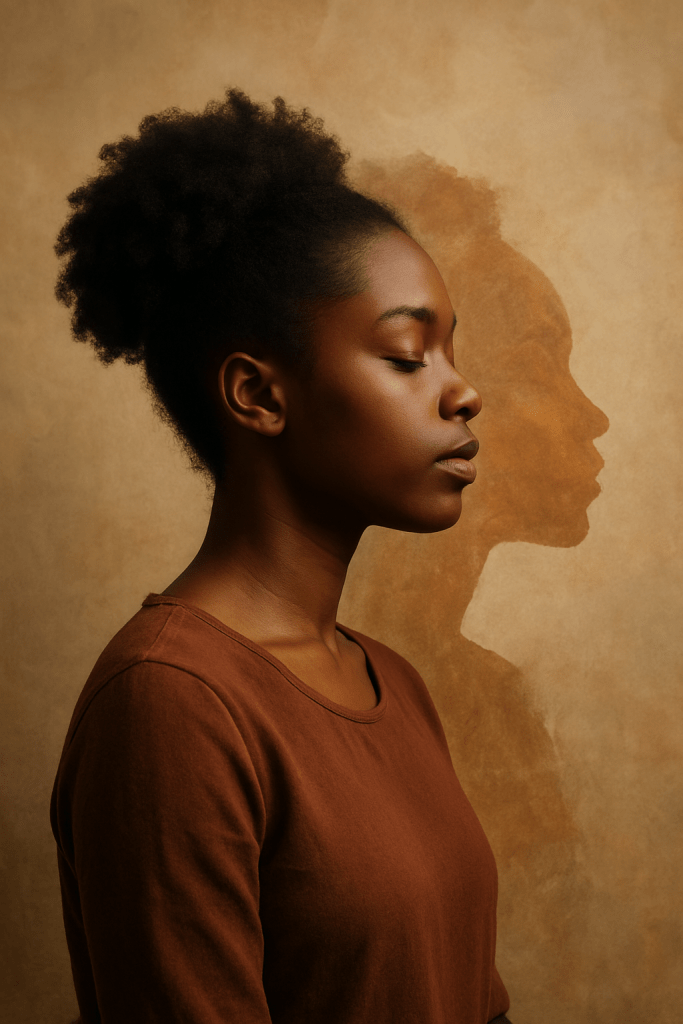
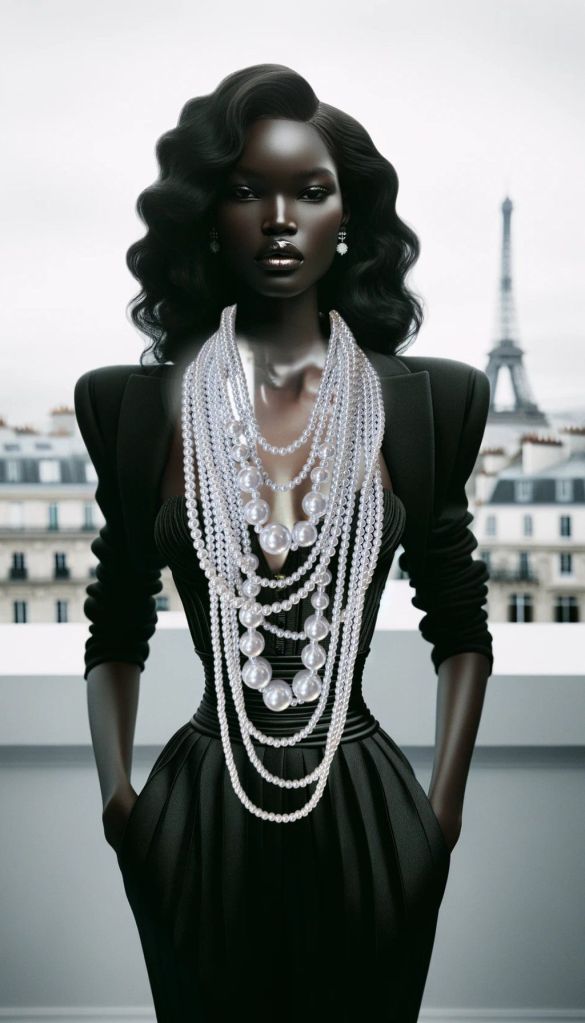
The Beauty and Complexity of Black Identity

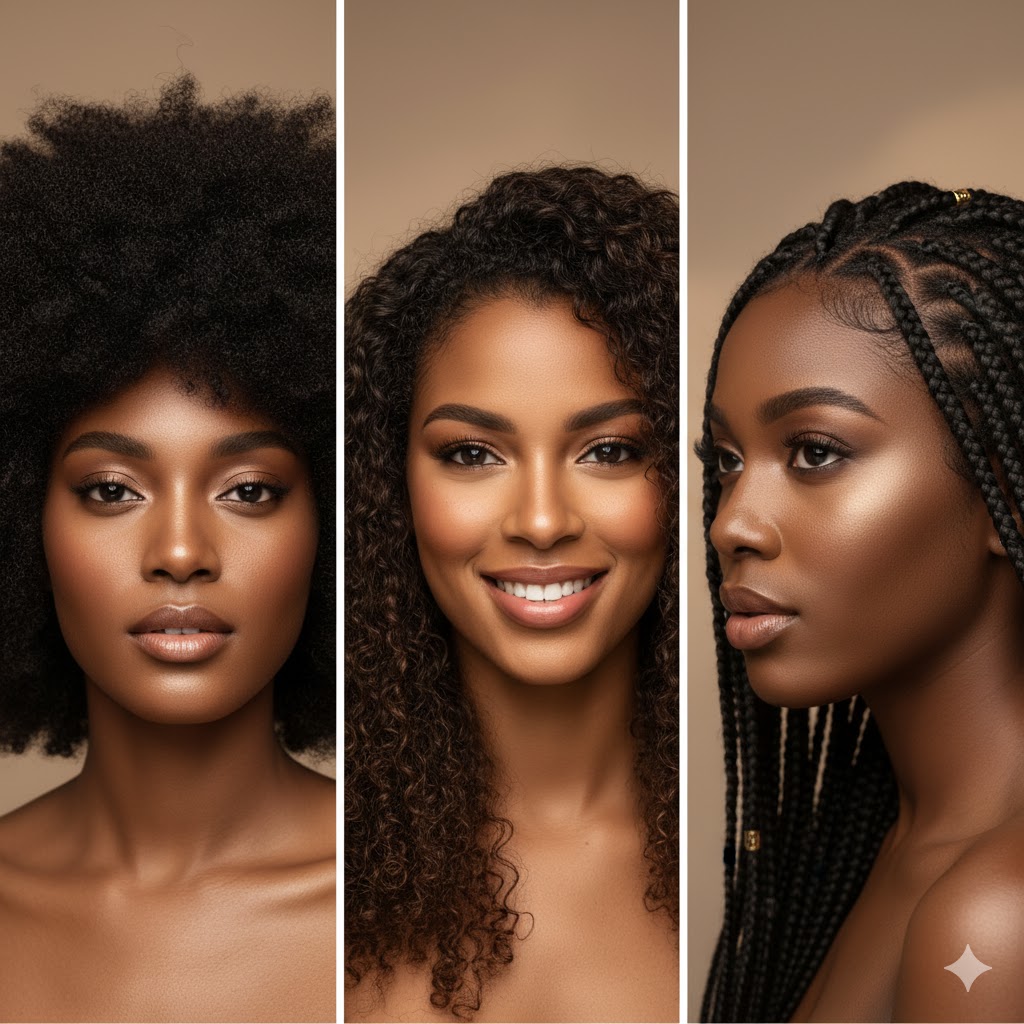
Black identity is a tapestry woven from centuries of history, culture, and resilience. It is not reducible to skin color; it is a multidimensional phenomenon encompassing heritage, creativity, spirituality, and self-definition.

The beauty of Black identity lies in its endurance. Despite centuries of enslavement, colonization, and systemic oppression, Black people preserved cultural knowledge, language, and traditions that continue to thrive today.

Historically, African kingdoms cultivated rich civilizations marked by art, scholarship, and governance. Figures such as Mansa Musa of Mali exemplify the wealth, intellect, and sophistication that were the foundation of Black cultural identity long before European interference.

The transatlantic slave trade attempted to erase identity, but Black people transformed oppression into cultural preservation. Spirituals, folktales, and oral histories became vessels for memory and hope, connecting generations across oceans and centuries.

Black identity expresses itself through art. From the Harlem Renaissance to contemporary visual arts, Black creativity reflects both struggle and triumph. Pain and resilience coexist in these works, creating a unique aesthetic language.

Music has been a cornerstone of Black identity. Jazz, blues, gospel, hip-hop, and R&B articulate joy, sorrow, and social critique. Each genre serves as a historical record and a tool of spiritual survival.

Language is a powerful marker of identity. African American Vernacular English (AAVE), Creole languages, and preserved African languages carry cultural meaning, community solidarity, and resistance to assimilation.

Fashion and style are also expressions of Black identity. From Kente cloth and African-inspired garments to modern streetwear, Black people assert individuality, creativity, and pride through dress and adornment.

Black identity is spiritual as well as cultural. Enslaved Africans integrated Christianity with African traditions, creating vibrant spiritual practices. Churches became spaces of education, community organizing, and cultural preservation.

Physical beauty is an integral part of Black identity. Hair, skin, and features have historically been politicized, yet Black people have reclaimed and celebrated these traits as symbols of pride and self-love.

Black identity is intellectual. Thinkers, scientists, and writers such as W.E.B. Du Bois, Zora Neale Hurston, and Katherine Johnson illustrate the intellectual legacy of Black communities that has challenged stereotypes and contributed globally.

Colorism complicates Black identity. The preference for lighter skin in certain societies stems from colonial hierarchies, but Black communities continue to resist these constructs, emphasizing that identity is spiritual, cultural, and personal, not merely visual.

Black identity is resilient in the face of systemic oppression. Black communities have developed institutions, businesses, and networks that sustain culture, foster economic empowerment, and create spaces for artistic and intellectual flourishing.

Family and community are central to Black identity. Extended families, churches, and community networks provide support, mentoring, and intergenerational transmission of cultural knowledge and values.

Black identity is global. The African diaspora connects Black communities across the Americas, Europe, and Africa. Shared histories of struggle and triumph create solidarity that transcends borders.

Black identity is expressed in literature. Writers like James Baldwin, Toni Morrison, and Chimamanda Ngozi Adichie explore the nuances of race, culture, and personal identity, revealing the complexity and richness of Black experience.

The intersection of Blackness and spirituality adds depth to identity. Faith traditions provide frameworks for ethics, social justice, and personal resilience, shaping both individual character and communal life.

Black identity is dynamic. Migration, globalization, and digital communication continue to expand its forms of expression, allowing younger generations to engage with heritage while innovating culturally and socially.

The beauty of Black identity also lies in joy. Music, dance, storytelling, and celebrations manifest resilience, hope, and communal connection, showing that Blackness encompasses both survival and flourishing.

Ultimately, Black identity is complex, multifaceted, and sacred. It embodies history, art, spirituality, intellect, and resilience. To honor Black identity is to recognize the profound contributions, enduring struggles, and eternal beauty of a people who have persevered against every attempt at erasure.


References

Diop, C. A. (1989). The African origin of civilization: Myth or reality. Lawrence Hill Books.

Gates, H. L. (2011). In search of our roots: How 19 extraordinary African Americans reclaimed their past. Crown.

Graves, J. L. (2017). The emperor’s new clothes: Biological theories of race at the millennium. Rutgers University Press.

Hine, D. C., McCluskey, A. T., & McDaniel, A. (2012). The African American odyssey. Pearson.

Woodson, C. G. (2021). The mis-education of the Negro. Dover.

Tutu, D., & Tutu, M. (2014). The book of forgiving: The fourfold path for healing ourselves and our world. HarperOne.
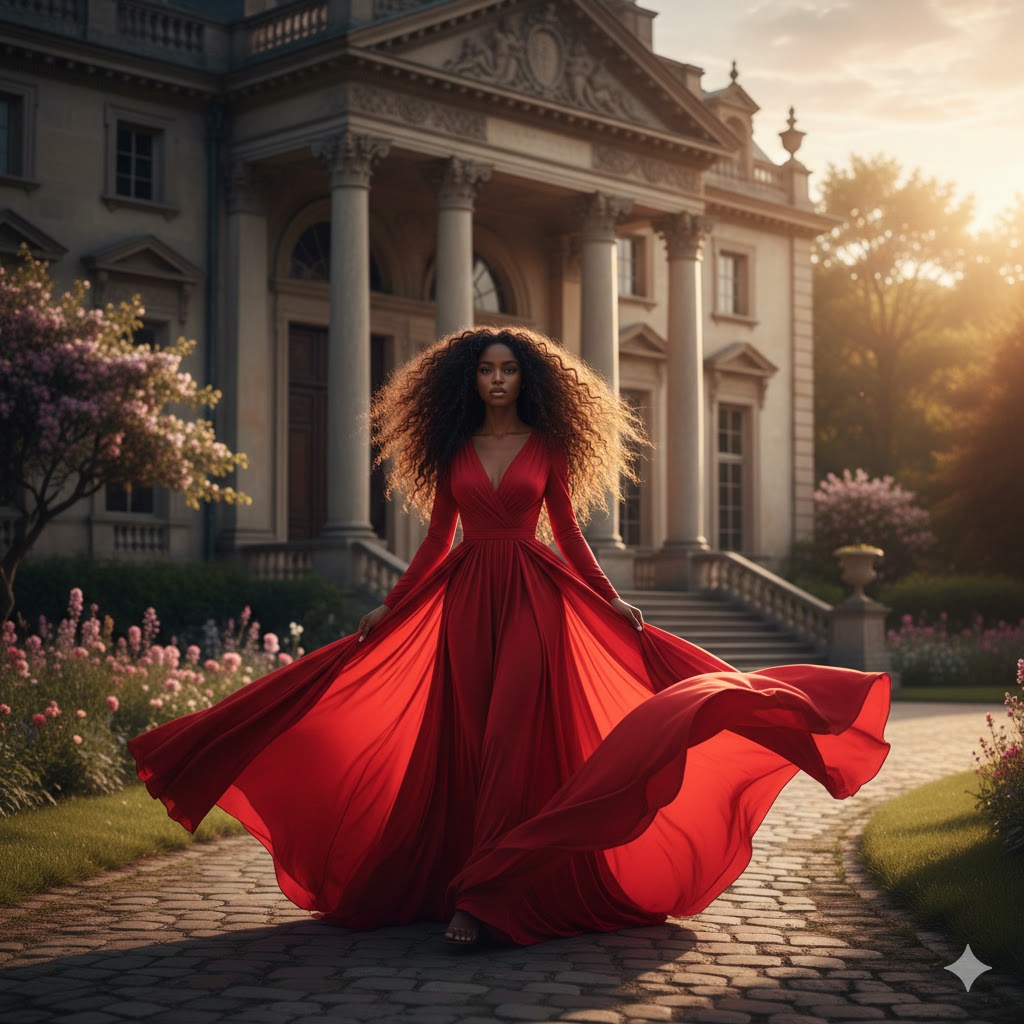

The Black Woman: The Force of Nature

The Black woman is a force of nature—powerful, unbreakable, and extraordinary. She carries a presence that cannot be imitated or minimized. Her soul holds a depth that comes from surviving centuries of oppression while still producing brilliance, culture, and generational resilience. The Most High has gifted her with a spirit that stands tall in storms and shines even in darkness. She is not merely strong—she is strength itself.

Her beauty is unparalleled. From the richness of her melanin to the depth of her features, the Black woman embodies divine artistry. Her skin, kissed by the sun, radiates warmth and royalty. Her hair, in all its textures and forms, is a crown of glory that speaks of identity, culture, and heritage. She is beauty beyond measure—beauty that the world often tries to imitate but can never fully replicate.

The Black woman’s heart is expansive. She loves deeply, often beyond her own capacity, because she understands sacrifice. She loves with intention, commitment, and soul. She shows up for others even when her own heart is weary. Her compassion is not weakness—it is spiritual strength that transforms families, communities, and nations.

Black women are the backbone of their households. They nurture, teach, build, discipline, and uplift. Many have raised generations with limited resources yet produced kings, queens, scholars, and leaders. Their motherhood is a sacred duty, executed with grace and power. Proverbs 31:25 describes her perfectly: “Strength and honour are her clothing; and she shall rejoice in time to come.”

The Black woman carries a unique spiritual intuition. She discerns danger, reads emotion, and senses the unseen. Her prayers cover entire families. Her intercession has saved countless lives. She is a warrior in the spiritual realm, fighting battles that others may never know about.

Her strength is unmatched. Not only does she endure trials, but she transforms them into triumph. History proves this—from surviving slavery, segregation, and systemic injustice, to rising as leaders, educators, innovators, and cultural icons. The Black woman embodies resilience that cannot be taught; it is inherited, divine, and ancestral.

Black women hold up Black men with loyalty, encouragement, and unwavering belief. Even when society tears Black men down, the Black woman often stands beside them as a pillar of support. She speaks life into her husband, her father, her sons, and her brothers. She sees their greatness even when the world tries to blind them.

For Black sons, she is the first love, the first teacher, the first safe place. She nurtures them into men, instilling courage and identity. For Black daughters, she is the blueprint. She models strength, elegance, intelligence, and survival. Her daughters learn womanhood by watching her endure with dignity.

Her intellect is sharp and expansive. Black women are scholars, scientists, theologians, mothers, CEOs, creators, and innovators. Despite being doubted and underestimated, they continue to excel in every field imaginable. They shatter ceilings that were never designed to include them.

The Black woman’s creativity breathes life into culture. Music, fashion, language, dance, and art—Black women have shaped global culture with little credit and even less recognition. Their ingenuity inspires the world, even when the world refuses to honor its source.

Her emotional strength is both beautiful and misunderstood. She feels deeply yet carries herself with composure. Her pain becomes poetry. Her wounds become wisdom. Her journey becomes testimony. Through heartbreak, she rebuilds; through betrayal, she forgives; through loss, she rises again.

Black women are natural leaders. Their presence commands respect not because they demand it, but because they embody it. They lead with compassion, strategy, intuition, and power. Their leadership has sustained movements, communities, and families throughout generations.

She carries cultural memory. Within her is the story of her ancestors—their survival, their songs, their traditions. She subconsciously preserves history through her cooking, her storytelling, her faith, and her rituals. She is a living heritage.

She is a healer. From herbal knowledge to emotional nurturing, the Black woman restores what is broken. Her hands comfort, her words soothe, and her presence brings peace. Her resilience heals generations that come after her.

The Black woman is loyal. She stands when others walk away. She believes when others doubt. She gives when others take. Her loyalty is not naive—it is rooted in her spiritual calling to uplift those she loves.

She is fierce when necessary. Her fire is sacred. She defends her children, her family, her purpose, and her identity with unwavering determination. She does not fear challenges because she has faced greater battles and conquered them.

Her faith is powerful. Through every trial, she calls on the Most High. Her relationship with God sustains her in ways the world cannot understand. She is a woman of prayer, a woman of scripture, a woman of faith. As Psalm 46:5 affirms, “God is in the midst of her; she shall not be moved.”

Her presence elevates spaces. When a Black woman walks into a room, the atmosphere shifts. Her confidence, her elegance, her energy—these things are felt, not just seen. She is a force, a storm, a sunrise.

The Black woman is worthy of honor. Worthy of rest. Worthy of celebration. Worthy of love. Her contribution to the world is immeasurable and irreplaceable. She is the heartbeat of her community, the anchor of her family, and the embodiment of God’s creativity.

The Black woman is a force of nature—powerful, breathtaking, essential, and divine. The world is better because she exists.


References

  • Proverbs 31:25 (KJV)
  • Psalm 46:5 (KJV)
  • Collins, P. H. (2000). Black Feminist Thought.
  • hooks, bell. (1981). Ain’t I a Woman: Black Women and Feminism.
  • Martin, D. (2017). Black Women in the United States: Progress and Pitfalls.

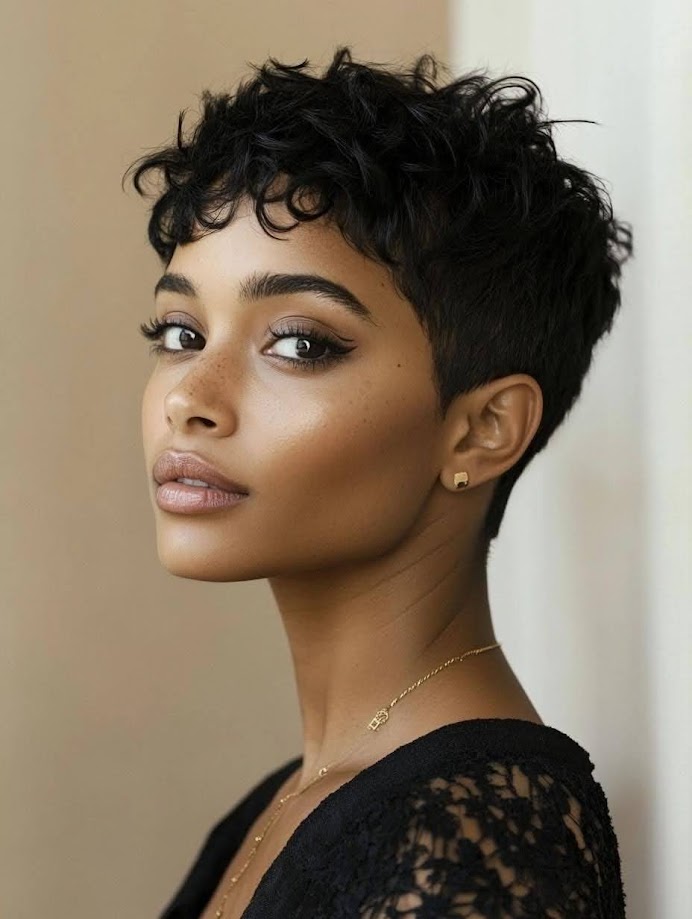
What Is Refinement in Beauty?

Refinement in beauty is more than elegance, symmetry, or polished presentation—it is the intentional shaping of one’s appearance, character, and presence to reflect depth, maturity, and inner harmony. While physical beauty may capture attention, refinement elevates beauty into something thoughtful, cultivated, and enduring.

Historically, refinement referred to the process of purifying something—gold, silver, or even language. When applied to beauty, refinement becomes the act of removing distractions so the essence can shine. It is beauty distilled, clarified, and made meaningful (Eco, 2004).

Refined beauty is not about perfection; it is about balance. It values moderation, subtlety, and intentionality. Rather than exaggeration, refinement emphasizes proportion, coherence, and purposeful choices.

Culturally, refined beauty carries different expressions. In some traditions, refinement emphasizes grace and softness; in others, intellect, modesty, or craftsmanship. Despite these differences, refinement universally signals attentiveness and thoughtfulness in self-presentation (Bourdieu, 1984).

Refinement begins with self-awareness. A person who understands their features, personality, and presence can refine their beauty in a way that feels authentic rather than imitative. It is not about fitting into a standard—it is about highlighting one’s unique strengths.

Refinement also includes emotional discipline. A refined presence is calm rather than chaotic, thoughtful rather than impulsive. The emotional steadiness one carries becomes a form of beauty in itself, communicating maturity and inner peace (Goleman, 1995).

A refined aesthetic embraces quality over excess. Whether in clothing, hair, or makeup, refinement values intentional choices that elevate rather than overwhelm. This simplicity enhances natural beauty rather than hiding it.

Grace is an essential component of refined beauty. Grace manifests in posture, tone, movement, and expression. It is the quiet confidence that draws attention not through loudness but through presence.

Refinement also involves intellectual beauty. The way a person speaks, listens, and engages with ideas contributes to how they are perceived. Intelligence paired with kindness becomes a powerful form of beauty (hooks, 2000).

Spiritual grounding influences refinement as well. Many cultures associate refinement with virtue—patience, humility, discernment. This inner richness radiates outward, affecting how others experience one’s presence (Lewis, 2013).

Beauty refined is not boastful. It does not seek validation through comparison. Instead, it rests in self-assurance, knowing that true beauty is recognized by those with perception and depth.

In fashion, refinement favors timeless silhouettes, clean lines, and well-chosen accents. These choices convey discipline and intentionality, suggesting that beauty is curated rather than accidental.

Refinement enhances natural features rather than transforming them. Instead of altering identity, it reveals identity. This approach encourages authenticity in a world often dominated by filters and artificial enhancements (Jones, 2011).

Social media has challenged and reshaped notions of refined beauty. While trends encourage exaggeration—extreme contouring, bold aesthetics—refinement resists by promoting understatement and elegance.

Refinement is also tied to etiquette. Kindness, respect, and consideration for others elevate beauty by reflecting inner character. A person’s behavior can reinforce or undermine their external refinement (Martin, 2016).

In relationships, refinement shows in how one communicates—thoughtfully, respectfully, and with emotional intelligence. This interpersonal beauty strengthens bonds and fosters trust.

Refined beauty values growth. It evolves as a person matures, shedding youthful insecurity for a more rooted, stable expression of self. It becomes not just how one looks, but how one lives.

Refinement recognizes that beauty is experienced through the senses—how a person smells, speaks, moves, and carries themselves. These subtle cues create a holistic aesthetic that goes beyond surface appearance.

Ultimately, refinement in beauty is the marriage of inner and outer harmony. It is the art of presenting oneself with intention, elegance, and authenticity. It is beauty that whispers rather than shouts, yet leaves a lasting impression.

Refinement teaches us that true beauty is not found in excess but in clarity—clarity of self, purpose, values, and expression. In this way, refinement transforms beauty into a deeper, more soulful encounter.


References

  • Bourdieu, P. (1984). Distinction: A social critique of the judgement of taste. Harvard University Press.
  • Eco, U. (2004). On beauty: A history of a western idea. Secker & Warburg.
  • Goleman, D. (1995). Emotional intelligence. Bantam Books.
  • hooks, bell. (2000). All about love: New visions. William Morrow.
  • Jones, M. (2011). Beauty imagined: A history of the global beauty industry. Oxford University Press.
  • Lewis, C. S. (2013). The weight of glory. HarperOne.
  • Martin, J. (2016). The power of etiquette: How manners shape identity. Social Behavior Review, 12(3), 220–234.

The Beauty of Becoming….

Becoming is a journey, not a destination. It is the quiet unfolding of who we are meant to be, shaped by trials, faith, identity, and the choices we make along the way. The beauty of becoming lies not in perfection, but in the process—the stretching, the learning, the breaking, and the rebuilding that form a life of depth and purpose.

To become anything great, one must first confront the inner landscapes of the soul. This requires honesty, the willingness to face uncomfortable truths, and the courage to shed old versions of oneself. Growth begins where denial ends. It is in those sacred spaces of self-reflection that transformation first takes root.

There is a divine rhythm to becoming. Scripture reminds us that God moves in seasons—“To everything there is a season” (Ecclesiastes 3:1, KJV). Becoming is the unfolding of these seasons: the planting, the watering, the waiting, and the harvest. Each season carries lessons that prepare us for the next.

The beauty of becoming also emerges through struggle. Trials are not curses but catalysts. Hardship refines; adversity illumines; disappointment redirects. What seems like destruction often becomes the fertile soil where destiny grows. Through struggle, we develop endurance and character.

Becoming requires letting go. Letting go of who we used to be, what others expected, and the weight of past mistakes. Release is an act of liberation. The more we loosen our grip on what no longer serves us, the more capacity we create for God to pour in new strength, new vision, and new identity.

There is beauty in vulnerability. Becoming demands that we soften where life has hardened us. It requires openness to healing—emotional, spiritual, relational. When we allow ourselves to feel deeply, we become more human, more compassionate, and more aligned with God’s design for our hearts.

Faith is the anchor of becoming. Without faith, the process feels chaotic and purposeless. With faith, even the unknown becomes sacred territory. Faith allows us to trust that every step, even the painful ones, is divinely ordered and will work together for our good (Romans 8:28, KJV).

The beauty of becoming is dynamic. It is not linear, predictable, or smooth. Some days you leap forward, other days you crawl, and some days you stand still—but you are still becoming. The pauses are part of the process. The setbacks are part of the story. Nothing is wasted.

Becoming teaches patience. We often desire immediate change, instant results, or sudden clarity. But becoming is slow artistry. God does His greatest work in the unseen—beneath the surface, behind the scenes, within the heart. Patience allows us to embrace the pace of grace.

Comparison is the thief of becoming. The moment we measure ourselves against others, we lose sight of our own path. Your becoming will not look like anyone else’s because your calling, your battles, and your blessings are uniquely yours. Embrace your difference as your divine design.

Becoming also involves restoration. The pieces of our past that we thought were broken beyond repair are often the very fragments God uses to create new glory. He is the Potter; we are the clay. In His hands, nothing is wasted, and everything is redeemable.

The beauty of becoming is illuminated through identity. When we know who we are and whose we are, we no longer shrink to fit into the molds of others. We step boldly into our assignment, our gifts, and our God-given authority. Identity fuels transformation.

Relationships also shape our becoming. Some people come to grow us, some to prune us, and some to reposition us. Honor each role. People are part of the curriculum of destiny, teaching us lessons we could never learn alone.

Becoming requires discipline. Dreams without discipline remain fantasies. Purpose demands intentionality—spiritual discipline, mental discipline, financial discipline, emotional discipline. These small, consistent choices shape the future you are building.

There is beauty in embracing change. Change disrupts comfort but expands capacity. Change signals movement, and movement is the heartbeat of becoming. The willingness to adapt, evolve, and be teachable opens doors that stagnation cannot.

Becoming is rooted in self-love—not vanity, but stewardship. To love oneself is to honor the vessel God created, nurture the mind, protect the soul, and speak life into your own journey. Self-love fuels resilience and empowers us to grow with grace.

The beauty of becoming is found in purpose. We are not wandering aimlessly; we are being shaped intentionally. Purpose clarifies decisions, strengthens resolve, and aligns us with the path God designed specifically for us.

Becoming is also sacred because it never ends. As long as we live, we are continually unfolding. New seasons will call forth new versions of you. New challenges will demand new strength. New blessings will require new wisdom. Becoming is a lifelong transformation.

Ultimately, the beauty of becoming reflects the beauty of God’s work within us. We are His workmanship—masterpieces in progress (Ephesians 2:10, KJV). Every chapter, every scar, every triumph, and every tear contribute to the masterpiece He is creating. Becoming is not about reaching a final point, but about becoming more like Christ, more aligned with purpose, and more alive to the fullness of who we are destined to be.

References

Cloud, H. (2016). Necessary endings: The employees, businesses, and relationships that all of us have to give up to move forward. HarperCollins.

Dweck, C. S. (2006). Mindset: The new psychology of success. Random House.

Frankl, V. E. (2006). Man’s search for meaning. Beacon Press.

Houston, J. (2018). The transforming power of prayer: Deepening your friendship with God. HarperOne.

Keller, T. (2013). Walking with God through pain and suffering. Penguin Books.

Lewis, C. S. (1952). Mere Christianity. HarperCollins.

McKnight, S. (2011). The King Jesus Gospel: The original good news revisited. Zondervan.

Piper, J. (2007). When the darkness will not lift: Doing what we can while we wait for God—and joy. Crossway.

Sanders, J. O. (1994). Spiritual leadership: Principles of excellence for every believer. Moody Publishers.

Scazzero, P. (2017). Emotionally healthy spirituality: It’s impossible to be spiritually mature, while remaining emotionally immature. Zondervan.

Tolle, E. (1999). The power of now: A guide to spiritual enlightenment. New World Library.

Willard, D. (1999). The divine conspiracy: Rediscovering our hidden life in God. HarperCollins.

The Radiance Within: Understanding the Essence of True Beauty

Beauty has long been discussed, defined, redefined, and marketed, but its truest form can never be reduced to external features alone. “The Radiance Within” speaks to the inner light—the character, spirit, and emotional depth—that transcends physical appearance. While society often prioritizes surface-level aesthetics, inner beauty continues to shape how we connect, how we influence others, and how we see ourselves. True radiance is not a matter of bone structure, complexion, or perfect symmetry, but a reflection of one’s heart, values, and presence.

Inner beauty is rooted in authenticity. When individuals live truthfully—embracing their strengths, flaws, and growth—they emit a kind of confidence that cannot be artificially reproduced. Authentic people are grounded, and this grounding allows their presence to feel peaceful, trustworthy, and magnetic. In contrast, performative beauty is fragile because it depends on constant validation. Inner radiance thrives independently of public approval.

Character is a major component of true beauty. Traits such as integrity, compassion, patience, and humility create a spiritual glow that outer beauty cannot match. Someone who consistently treats others with respect builds a reputation that lasts beyond first impressions. Their beauty is experienced—not merely seen. In a world obsessed with image, character-based beauty remains timeless.

Another dimension of inner radiance is emotional intelligence. Individuals who understand their own emotions—and respond thoughtfully to the emotions of others—possess a maturity that adds depth to their presence. Their ability to empathize, resolve conflict, and communicate with clarity enhances both personal and professional relationships. Emotional intelligence transforms beauty from something decorative into something deeply functional.

Inner beauty also manifests through kindness. Acts of kindness can uplift others in a way that leaves a lasting impact. People rarely remember the outfits or hairstyles we wear, but they never forget how we made them feel. When kindness becomes habitual, it shapes reputation, relationships, and one’s overall aura. It becomes the face of one’s humanity.

Spiritual grounding is another essential part of inner radiance. Whether through faith, meditation, or personal reflection, individuals who nurture their spirits often carry a calming presence. Their beauty is not chaotic or performative—it is steady. Spiritual beauty reveals itself in wisdom, discernment, and the ability to endure challenges with grace.

Purpose is also connected to beauty. People who walk in their purpose exhibit passion, clarity, and drive. Their sense of direction becomes magnetic. When someone is aligned with their calling, others can sense it. Purpose adds life to the eyes, conviction to speech, and meaning to every step taken. This is a beauty that grows richer with time.

Confidence rooted in self-worth—not ego—also enhances inner radiance. When individuals understand their value, they no longer rely on external validation. They become self-assured without being arrogant. This quiet confidence is compelling because it invites admiration without demanding it.

Resilience contributes greatly to inner beauty. Those who have endured hardship and grown stronger from it carry a depth that cannot be imitated. Their beauty becomes a testimony—an inner light forged through endurance, healing, and wisdom. Resilience adds honor and dignity to one’s presence.

Compassion and service also elevate inner beauty. People who use their gifts to uplift others radiate a beauty that is both generous and healing. Service transforms beauty into a legacy. Through kindness, mentorship, and encouragement, individuals plant seeds of goodness that continue long after they are gone.

Humility is another attribute that enriches inner radiance. Humble individuals do not think less of themselves; they think of themselves less often. They elevate others and contribute positively to their environments without seeking praise. Humility makes beauty approachable rather than intimidating.

Gratitude enhances inner beauty by shifting perspective. People who practice gratitude experience life with appreciation rather than entitlement. This attitude produces joy, contentment, and emotional balance, all of which radiate outward. Gratitude-based beauty is warm, steady, and enduring.

Inner beauty also manifests in the ability to love deeply and genuinely. Love—expressed through patience, loyalty, thoughtfulness, and understanding—is one of the most powerful forms of radiance. When someone loves well, their presence becomes healing, comforting, and inspiring.

Wisdom enriches beauty by adding depth and discernment. Wise individuals bring clarity to chaos and insight to confusion. Their perspective becomes valuable, and their words carry weight. Wisdom beautifies the mind and soul, creating a radiance that draws others inward.

Creativity is another expression of inner beauty. Creative individuals bring color, imagination, and innovation into the world. Their ideas inspire others and contribute to art, culture, and transformation. Creativity reveals inner radiance through expression and originality.

Emotional vulnerability also adds to beauty. Vulnerable individuals are not weak—they are brave. They allow themselves to feel, to heal, and to be seen authentically. Vulnerability creates intimate connections and teaches others that imperfection is a part of the human experience.

Self-love is foundational to inner radiance. When individuals treat themselves with dignity and compassion, they develop healthier relationships and stronger emotional boundaries. Self-love beautifies the spirit by creating internal harmony. It teaches us that we are worthy of love, respect, and peace.

Growth and teachability make beauty dynamic rather than static. Individuals willing to learn, evolve, and confront their flaws demonstrate a rare form of beauty rooted in humility and courage. Growth ensures that inner radiance continues to expand.

Peacefulness is another dimension of inner beauty. Those who maintain emotional and spiritual peace despite external chaos bring calmness wherever they go. Their presence feels safe, steady, and refreshing. Peace is beauty at rest.

Ultimately, “The Radiance Within” teaches that beauty is not something we chase—it is something we cultivate. External beauty may open doors, but inner beauty builds legacies. It influences generations, strengthens communities, and transforms lives. True beauty does not fade, wrinkle, or age; it expands, deepens, and shines brighter with time.


References

Brown, B. (2012). Daring greatly: How the courage to be vulnerable transforms the way we live, love, parent, and lead. Gotham Books.

Goleman, D. (2006). Emotional intelligence. Bantam.

Hooks, B. (2000). All about love: New visions. William Morrow.

Seligman, M. E. P. (2011). Flourish: A visionary new understanding of happiness and well-being. Free Press.

Thurman, H. (1998). Meditations of the heart. Beacon Press.

Van Tongeren, D. R., & Showalter Van Tongeren, S. A. (2020). The courage to suffer: A new clinical framework for life’s greatest crises. Templeton Press.

Celebrity Spotlight: Sade

This photograph is the property of its respective owner. No copyright infringement intended.

Sade Adu, born Helen Folasade Adu on January 16, 1959, stands as one of the most enigmatic, adored, and musically influential women of the modern era. Her artistic identity blends sensual minimalism, rich emotional depth, and an unmistakable sonic signature that has carried her across generations. She is a woman whose voice alone can halt time—evoking longing, healing, and intimacy.

Born in Ibadan, Nigeria, Sade came into the world as a child of blended heritage: her father, Adebisi Adu, was Nigerian; her mother, Anne Cook, was an English nurse. This biracial identity shaped her life aesthetically and socially, giving her both a multicultural foundation and a dual sense of belonging. When her parents separated, Sade moved with her mother to Essex, England, where she grew up with an awareness of her African roots and British upbringing.

Her early life was marked by modesty and artistic curiosity. Sade originally studied fashion design at Saint Martin’s School of Art, believing her future lay in visual creativity rather than music. Music was not yet a career plan—it was simply part of her environment. Yet destiny has a way of tapping gifted people on the shoulder, even when they walk another path.

During her time in London, Sade began to sing background vocals for a Latin-soul group called Pride. Her voice—warm, cool, smoky, and profoundly emotional—caught immediate attention. The crowd response made it clear: she was not meant to remain in the background. Her presence commanded the spotlight.

This photograph is the property of its respective owner. No copyright infringement intended.

As she performed with Pride, Sade began writing songs with members of the band. Her writing style, poetic and minimalist, reflected both vulnerability and confidence. After receiving overwhelming praise during Pride performances, a smaller formation of members broke away to create the group known today as Sade. With this new ensemble, her career trajectory shifted from underground singer to rising global star.

Sade’s breakthrough came with the 1984 release of “Diamond Life”, an album that introduced the world to hits such as “Smooth Operator”, “Your Love Is King”, and “Hang On to Your Love.” Her voice was unlike anything in the pop landscape—soft yet powerful, elegant yet raw, glamorous yet grounded. The album became one of the best-selling debut albums by a British female vocalist.

Her follow-up albums—“Promise” (1985), “Stronger Than Pride” (1988), “Love Deluxe” (1992), and “Lovers Rock” (2000)—continue to define entire eras of music. Sade is known for slow-burn records that age like fine wine, album cycles that are intentionally spaced out, and a perfectionist’s approach to her craft.

Over the course of her career, Sade has earned several major awards, including Grammy Awards for Best New Artist, Best R&B Performance, and Best Pop Vocal Album. She remains one of the few artists who can disappear for a decade and return to immediate worldwide acclaim. Her aura of mystery only amplifies her influence.

Beyond her music, Sade’s personal life is intentionally shielded from mainstream scrutiny. She married Spanish film director Carlos Scola in the late 1980s, though the marriage ended shortly afterward. She later entered a long-term partnership with Ian Watts, with whom she has one child—Mickailia “Ila” Adu, born in 1996. In recent years, Sade has been deeply supportive of Ila, who transitioned and publicly shared their journey, reflecting Sade’s nurturing and fiercely protective maternal spirit.

Sade’s family life is grounded in privacy, warmth, and a devotion to simplicity. Unlike many celebrities, she prefers countryside living over Hollywood glamour, giving interviews sparingly and valuing her peace above all. Her hobbies include quiet, earthy pleasures—gardening, cooking, horseback riding, and interior design. She is a woman who enjoys the feel of soil, the calm of nature, and the comfort of a peaceful home.

Her biracial identity shaped much of her early experience, especially growing up as a light-skinned Black girl in Britain. She has spoken about the complexities of being visibly different—too light for one group, too African for another—and how she carved her identity independently of other people’s expectations. Her presence helped broaden visual representations of Black womanhood at a time when few mixed-heritage Black women had global platforms.

As a light-skinned Black woman with a Nigerian father, Sade carried both privilege and pressure. She navigated colorism, exoticization, and constant commentary on her appearance. Yet she faced it with quiet dignity, using neither her lighter complexion nor her beauty as shields or shortcuts. Instead, she let her art speak.

This photograph is the property of its respective owner. No copyright infringement intended.

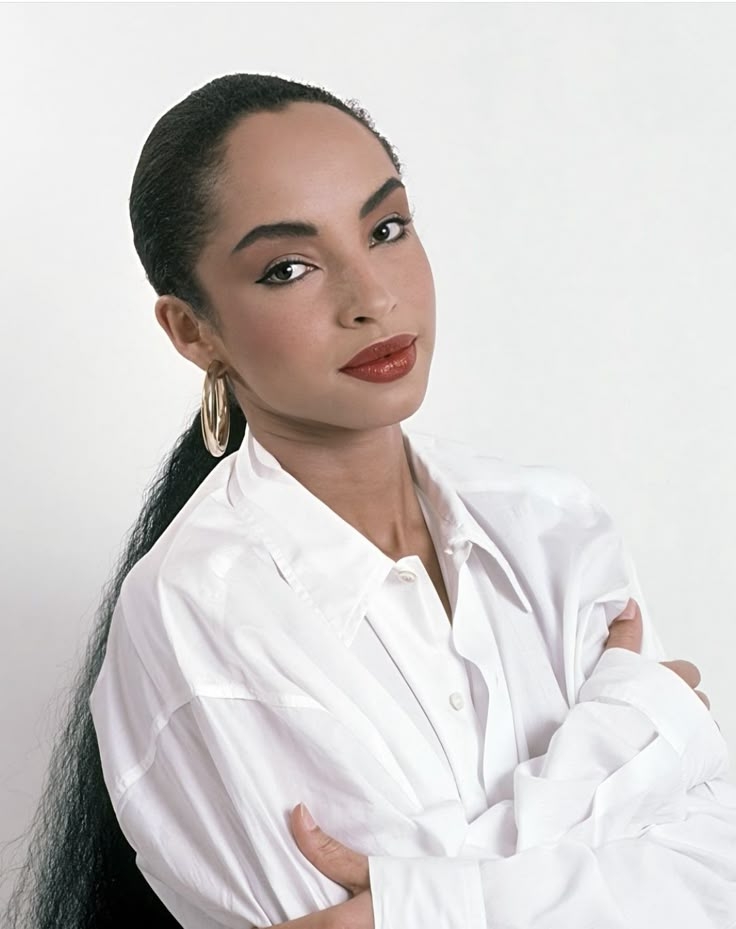
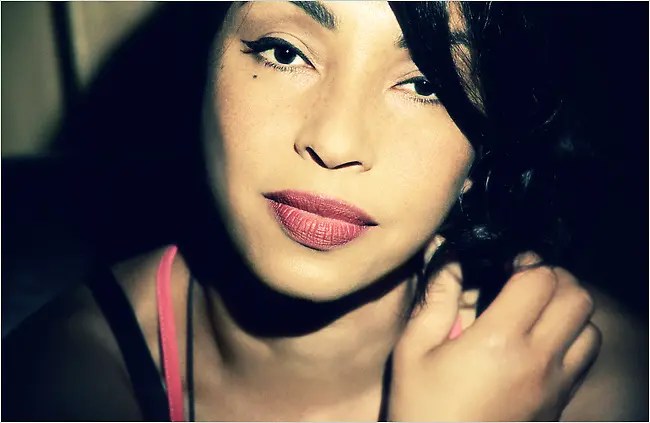
Sade’s beauty is legendary. She is known for her glowing skin, sculpted cheekbones, expressive eyes, and minimalist style that centers simplicity over spectacle. Her signature ponytail, red lip, and understated glamour have become visual emblems of femininity and quiet power. Men adore her, women are inspired by her, and the world respects her.

Her expressive face carries centuries of story—African ancestry, British poise, feminine softness, and artistic soulfulness. She embodies an effortless type of beauty that does not compete, does not overstate, and does not perform. Instead, she exists with self-possession and grace.

Despite global fame, Sade remains notoriously humble. She has repeatedly turned down industry pressure to release faster, perform larger, or commercialize more aggressively. Her silence is intentional. Her scarcity is strategic. Her voice, when released, comes like rain after drought—rare, cleansing, and deeply treasured.

She represents a generation of artists who prioritize emotional truth over fame, musical integrity over charts, and soulfulness over spectacle. While others chase trends, Sade creates worlds. While others release singles, she releases experiences.

Even today, new generations discover her music as if stumbling upon a rare, precious jewel. Her songs underscore weddings, heartbreaks, romantic dinners, moments of grief, and moments of deep spiritual healing. She is a universal voice of love.

Sade is not just a singer; she is an aesthetic. A feeling. A timeless feminine archetype. Her music remains evergreen, her influence remains vast, and her presence remains untouched by time. Her legacy stands on the pillars of elegance, artistic purity, emotional honesty, and cultural depth. She is truly one of the most beloved women in the world.


References

Balfour, I. (2016). The Sade influence: Minimalism, soul, and global style. Routledge.
Gates, H. L. (2020). Cultural icons of the African diaspora. Oxford University Press.
Guerrero, E. (2012). Women of soul: The evolution of Black female artistry. Columbia University Press.
Harris, D. (2018). Music, identity, and biracial representation in modern Britain. Cambridge University Press.
Rolling Stone. (2021). Sade: A timeless musical mystique.
Smith, S. (2021). Sonic intimacy: Black women musicians and emotional expression. University of California Press.

Silent Inferiority: How Colorism Breeds Self-Doubt in Brown Girls

Colorism is one of the most quiet yet devastating forces shaping the self-worth of countless Brown and dark-skinned Black girls. It is a wound carried in silence, often inherited before a child even understands language. This system of shade-based hierarchy teaches girls that the deeper their melanin, the more they must fight to be seen, valued, or affirmed. The pain is subtle, but its impact echoes across generations.

From early childhood, many Brown girls absorb social cues that their beauty is conditional. Compliments often drift toward lighter-skinned peers while darker-skinned children hear words coded with pity or backhanded surprise. In playgrounds and classrooms, they learn that beauty is not simply a matter of opinion—it is a currency, unevenly distributed.

These lessons deepen as girls enter adolescence, a stage already marked by insecurity. In these years, beauty becomes entwined with belonging. But for Brown girls, their melanin can become a barrier to social acceptance. They witness the attention others receive—affection, praise, desirability—and begin to question their own worthiness. The silence around their beauty becomes a form of erasure.

Media amplifies these insecurities. Television, film, music videos, and social media frequently showcase lighter complexions as the standard of attractiveness, softness, innocence, or feminine ideal. When representation exists for darker-skinned women, it is too often caricatured, masculinized, or overshadowed by stereotypes. Brown girls internalize these images long before they can verbalize their impact.

Family environments, although meant to nurture, can sometimes reinforce these hierarchies. Casual comments about staying out of the sun, praising lighter relatives, or dismissing darker features as burdens plant seeds of self-doubt. The children who hear these remarks learn to associate their complexion with inadequacy rather than inheritance.

School environments can also intensify the pressure. Peer groups form around beauty trends shaped by mainstream standards, leaving Brown girls to navigate subtle exclusions. When crushes favor lighter companions or boys make teasing remarks about dark skin, the message is clear: some girls are deemed desirable, while others must work harder to be noticed.

Romantic dynamics further complicate the issue. Many Brown girls grow up hearing men boldly declare their preference for “light-skinned women,” often in ways that degrade darker women. These declarations become cultural scripts, encouraging girls to believe that their skin tone reduces their chances for love, admiration, or partnership.

Over time, colorism creates a psychological split within many Brown girls. Outwardly they grow strong, talented, and intelligent. Inwardly they wrestle with a sense of invisibility—feeling unseen, muted, or overshadowed. The emotional labor required to appear confident despite this silent burden can be exhausting.

Social media, while offering community, can also intensify comparison. Filters, trends, and curated beauty aesthetics favor lighter tones and Eurocentric features. Brown girls scrolling through these platforms may find themselves caught between admiration and envy, trying to reconcile their natural beauty with digitally constructed ideals.

In some cultural spaces, lighter skin is linked to opportunity. Whether in entertainment, corporate settings, or social circles, the unspoken assumption persists that lightness equates to professionalism, softness, or superiority. Brown girls learn to question whether their achievements will be recognized or overshadowed by biases beyond their control.

Colorism also impacts self-expression. Some Brown girls hesitate to wear bright colors, bold makeup, or certain hairstyles out of fear of drawing negative attention. They are taught that their beauty requires restraint, while lighter peers are granted freedom to experiment without judgment.

Friendships can become complicated terrain. Brown girls may notice that lighter friends receive favoritism, invitations, or visibility that they do not. While the affection is real, the inequity can create quiet resentment or feelings of inadequacy that are hard to articulate.

In some cases, Brown girls may feel pressure to overachieve academically or professionally to compensate for perceived deficits in beauty or social privilege. Their value becomes tied to performance rather than inherent worth. This perfectionism, though applauded, can mask internal wounds.

Colorism also infiltrates spirituality and identity. Girls raised in faith-based environments may struggle to reconcile divine love with a world that subtly devalues their physical presence. They question why God made them dark if society treats their melanin as an obstacle.

Despite the pain colorism causes, Brown girls possess remarkable resilience. Many develop a deep inner strength, self-awareness, and empathy forged through adversity. They learn to name the systems that harmed them and begin the process of reclaiming their image.

Representation is slowly improving, with more dark-skinned women in media, business, pageantry, and leadership. These images matter. When Brown girls see women who look like them celebrated for their excellence, beauty, and brilliance, a new narrative begins to form—one where their skin becomes a crown, not a curse.

Community healing is essential. Open conversations within families, churches, and social groups can dismantle generational biases. When adults acknowledge past harm and intentionally uplift Brown girls, cycles of insecurity begin to break. Healing starts with honesty.

Self-love, though often spoken as a cliché, becomes revolutionary for Brown girls. Learning to admire their complexion, their features, their heritage, and their presence is an act of defiance against systems built to diminish them. When they embrace their reflection, they reclaim their power.

Sisterhood plays a critical role in restoring confidence. When Brown girls affirm one another—celebrating beauty, talent, uniqueness, and strength—they create safe spaces where melanin is honored, not diminished. These connections reinforce identity and belonging.

Ultimately, colorism breeds self-doubt by convincing Brown girls that they are inferior. But as awareness grows and communities challenge these biases, a new truth emerges: Brown girls are radiant, deserving, worthy, and powerful. Their beauty is not muted—it is magnificent. And when they step into that truth, the silence breaks and confidence rises where insecurity once lived.

References

Bailey, T. (2021). The psychological impact of colorism on Black girls and women. Journal of Black Studies, 52(4), 335–352.

Bryant, M. (2013). Shades of difference: Why skin color matters. Stanford University Press.

Crenshaw, K. (1991). Mapping the margins: Intersectionality, identity politics, and violence against women of color. Stanford Law Review, 43(6), 1241–1299.

Hall, R. E. (2017). The melanin millennium: Skin color as the real global issue. Springer.

Hunter, M. (2007). The persistent problem of colorism: Skin tone, status, and inequality. Sociology Compass, 1(1), 237–254.

Maxwell, M. (2020). Colorism in media and popular culture: The borders of beauty. Routledge.

Monk, E. P. (2015). The cost of color: Skin color, discrimination, and health among African Americans. American Journal of Sociology, 121(2), 396–444.

Russell, K., Wilson, M., & Hall, R. (2000). The color complex: The politics of skin color among African Americans (Revised ed.). Anchor Books.

Thompson, C. (2009). Black beauty: Aesthetics, stylization, politics. Duke University Press.

Walker, A. (1982). If the present looks like the past, what does the future look like? In Search of Our Mothers’ Gardens. Harcourt, Brace, Jovanovich.

Wilder, J., & Cain, C. (2011). Teaching and learning color consciousness in Black families: Exploring family processes and women’s experiences with colorism. Journal of Family Issues, 32(5), 577–604.

Wilder, J., & Perry, S. (2020). Shades of Blackness: The effects of skin tone in the workplace. Sociology of Race and Ethnicity, 6(2), 182–197.

Masculine Grace: The Overlooked Beauty of the Black Man.

This photograph is the property of its respective owner. No copyright infringement intended.

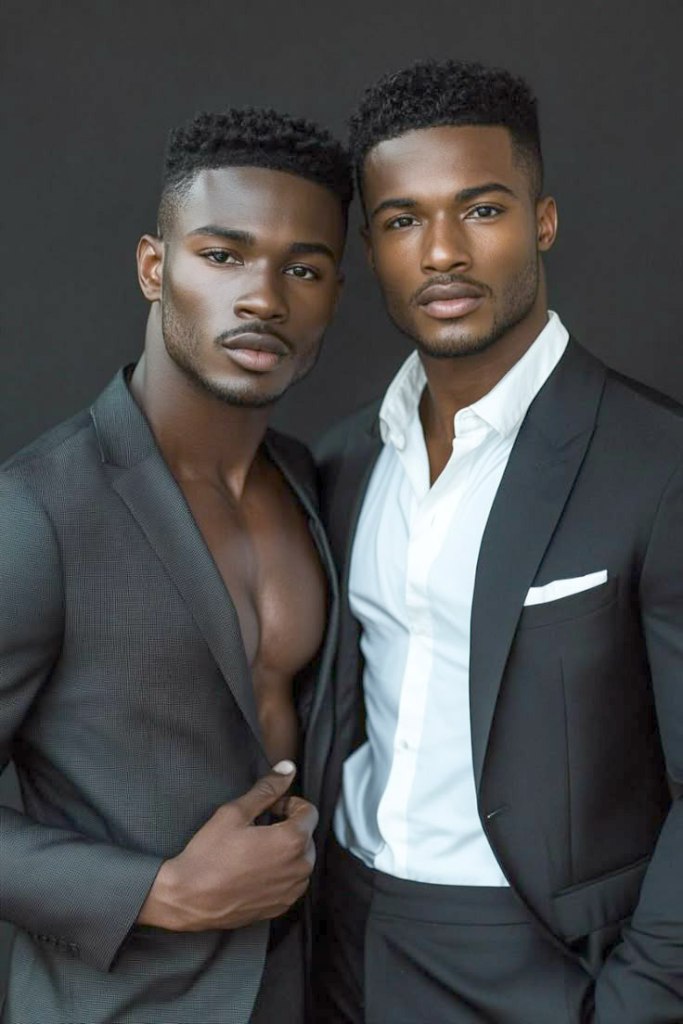
The image of the Black man has long been distorted through colonial narratives, Eurocentric standards, and centuries of systemic dehumanization. Yet beneath the scars of history lies a quiet and powerful truth: the Black man embodies a form of beauty rarely celebrated—masculine grace. This grace transcends the mere physical, radiating through resilience, wisdom, emotional strength, and spiritual depth. It is the beauty of a being who has survived what was meant to destroy him and yet continues to create, lead, and love.

The world has often feared what it should have revered. From the plantation fields to the modern boardroom, the Black man’s physicality has been both fetishized and criminalized. His body—once deemed property—became a battleground for the projection of others’ fears and desires. But when seen through a lens untainted by bias, the symmetry of his form, the depth of his skin, and the fire of his eyes reflect divine craftsmanship, not danger (hooks, 2004).

To speak of masculine grace is to acknowledge that strength and softness are not opposites but complements. The Black man’s beauty rests in the balance between his power and gentleness—how he can protect without oppressing, lead without dominating, and love without losing himself. This duality challenges the Eurocentric masculine archetype that equates sensitivity with weakness (Majors & Billson, 1992).

Historically, Black men were denied the right to be seen as beautiful because beauty was defined through whiteness. The ideal male form was sculpted in marble—pale, rigid, and devoid of emotion. Yet the Black man’s presence, rich in rhythm and movement, exudes life. His grace is kinetic, a poetry of motion expressed in dance, labor, sport, and art—a beauty that moves rather than poses.

In African traditions, beauty was holistic. It encompassed virtue, spirit, and purpose, not merely appearance. The Yoruba concept of “iwa l’ewa” translates to “character is beauty,” suggesting that true beauty arises from inner moral substance (Abiodun, 2014). This philosophy restores the spiritual context that Western aesthetics stripped away. For the Black man, beauty is not vanity—it is dignity manifested.

Masculine grace can be seen in the tender way a father lifts his child, in the calm leadership of a pastor guiding his congregation, or in the perseverance of a man rebuilding his life after systemic injustice. It is the quiet confidence of knowing that one’s value is not defined by material success but by moral conviction and spiritual alignment (Kimbrough, 1997).

Yet media portrayals continue to undermine this beauty. The camera often captures the Black man as an aggressor, athlete, or entertainer, rarely as a scholar, lover, or thinker. This narrow visual vocabulary limits how society perceives Black masculinity. The absence of representation becomes a form of erasure—an aesthetic violence that teaches the world to see Black men as function rather than form (Dixon & Linz, 2000).

The reclamation of masculine grace, therefore, is an act of resistance. It says to the world: “You will not define my worth through stereotypes.” It also calls upon Black men to rediscover the divine artistry within themselves. To walk with grace is to carry both the weight of history and the light of redemption with balance and pride.

There is a sacred stillness in the Black man who knows his identity in God. His beauty reflects the imago Dei—the image of the Creator (Genesis 1:27). His walk is testimony; his voice, a melody of generations who refused to die in silence. This sacred reflection dismantles the notion that masculinity must be performative or domineering. In divine masculinity, grace and strength coexist.

Grace in the Black man also manifests in his intellectual and creative expressions. From Langston Hughes’s poetry to Chadwick Boseman’s cinematic brilliance, from Barack Obama’s eloquence to Marvin Gaye’s soul, Black men have continually shown that intellect and emotion are not contradictions but harmonies. They redefine what it means to be a man of grace—disciplined, dignified, and deeply human.

One cannot discuss the beauty of the Black man without addressing colorism’s shadow. Lighter tones have long been favored, even among people of African descent, a legacy of colonial conditioning. Yet, the deep hues of the Black man’s skin absorb light differently—reflecting warmth, history, and strength. His melanin is a masterpiece of biology and symbolism: protection and poetry in one (Blay, 2011).

To appreciate masculine grace requires decolonizing the gaze. This means rejecting the Eurocentric standards that measure beauty through whiteness and fragility. Instead, it calls for an aesthetic rooted in authenticity, where dark skin, broad noses, textured hair, and strong physiques are not liabilities but legacies—markers of ancestral power and divine design.

The modern world’s obsession with hypermasculinity has numbed emotional intelligence in men. But the Black man’s grace lies in his capacity to feel deeply—to weep, to heal, to forgive. This emotional courage is perhaps his most overlooked beauty. It takes strength to love after being unloved, to lead after being stripped of leadership, to rebuild after centuries of destruction (Akbar, 1996).

In contemporary culture, movements like “Black Boy Joy” have sought to reclaim this emotional space, celebrating the multifaceted beauty of Black men—laughing, learning, nurturing, and creating. These images disrupt toxic archetypes and reveal a truth long hidden: Black masculinity is not monolithic but mosaic.

The spiritual aspect of masculine grace cannot be overstated. The Black man’s relationship with faith—through prayer, perseverance, and praise—anchors his identity. His beauty radiates most when he walks in divine purpose. As the psalmist wrote, “The steps of a good man are ordered by the Lord” (Psalm 37:23, KJV). This divine choreography gives rhythm to his grace.

Every scar, every wrinkle, every muscle tells a story of endurance. The body of the Black man is a living archive—of battles fought, burdens carried, and victories won. His beauty is not cosmetic but cosmic, stitched with the threads of survival and hope.

In art, literature, and film, there is a growing movement to honor this beauty. Photographers like Kwame Brathwaite and writers like Ta-Nehisi Coates have reframed the Black male body as sacred rather than sinful, majestic rather than menacing. Through their work, masculine grace becomes visible again.

Ultimately, to honor the beauty of the Black man is to restore balance in a world that has long denied him softness. His grace teaches that masculinity is not the absence of vulnerability but the mastery of it. The true measure of a man lies not in his ability to dominate but in his capacity to love, forgive, and uplift.

Masculine grace, then, is both art and theology—a living testament that the Black man, made in the image of the Most High, is not merely beautiful; he is divinely composed. His existence challenges centuries of misrepresentation and stands as proof that beauty, when seen through truth, is revolutionary.


References

Abiodun, R. (2014). Yoruba art and language: Seeking the African in African art. Cambridge University Press.
Akbar, N. (1996). Breaking the chains of psychological slavery. Mind Productions.
Blay, Y. A. (2011). (1)ne Drop: Shifting the lens on race. Black Print Press.
Dixon, T. L., & Linz, D. (2000). Race and the misrepresentation of victimization on local television news. Communication Research, 27(5), 547–573.
hooks, b. (2004). We real cool: Black men and masculinity. Routledge.
Kimbrough, M. (1997). Faith and identity: African-American men in search of self. Orbis Books.
Majors, R., & Billson, J. M. (1992). Cool pose: The dilemmas of Black manhood in America. Simon & Schuster.
The Holy Bible, King James Version. (1611/2017). King James Bible Online. https://www.kingjamesbibleonline.org/

Melanin and Magnificence: Redefining Beauty through a Black Lens.

This photograph is the property of its respective owner. No copyright infringement intended.

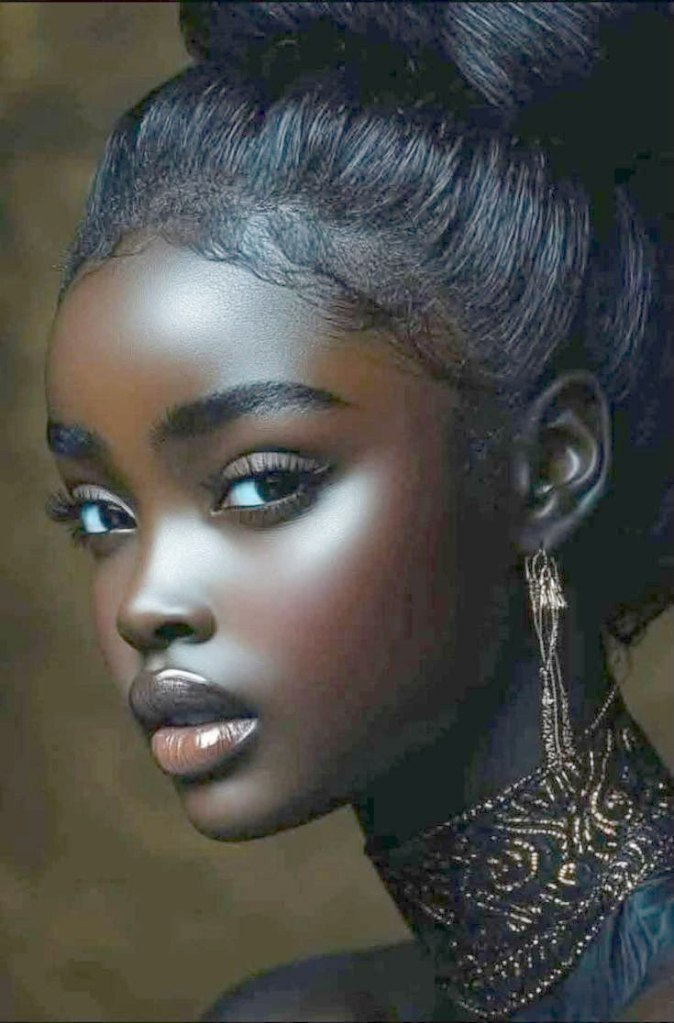
Beauty has long been defined through Eurocentric standards that valorize lighter skin, straight hair, and European facial features, marginalizing the diverse aesthetics inherent to African-descended peoples. Yet, in recent decades, there has been a resurgence of cultural pride that positions melanin—not as a marker of difference or inferiority—but as a symbol of magnificence, resilience, and heritage. This essay explores how Black communities are redefining beauty, reclaiming agency over self-image, and challenging the historical legacies of colonial aesthetics (Banks, 2019; Hunter, 2007).

This photograph is the property of its respective owner. No copyright infringement intended.

Historical Marginalization of Black Features
The privileging of European aesthetics originates in colonialism and the transatlantic slave trade, which systematically devalued African physical features. Skin tone hierarchies, hair texture biases, and facial feature preferences were not merely social preferences but tools of oppression, used to enforce racialized social stratification (Painter, 2010). Literature, early photography, and art often depicted lighter-skinned individuals with Eurocentric features as “civilized” or “desirable,” while darker-skinned individuals were framed as “other,” reinforcing internalized notions of inadequacy (Hall, 1997).

Psychological Implications of Eurocentric Standards
Internalization of Eurocentric beauty ideals has deep psychological consequences for Black communities. Studies show that colorism—favoring lighter skin over darker—affects self-esteem, social mobility, and mental health (Hunter, 2007). Children exposed to media that elevates European features may develop implicit biases against their own natural traits, associating their darker skin, full lips, or textured hair with undesirability or incompetence (Jones, 2018). This internalized bias contributes to identity conflict and social anxiety, perpetuating the very hierarchies these standards sought to enforce.

The Role of Media and Popular Culture
Modern media continues to reflect and reinforce Eurocentric beauty norms. Film, fashion, and advertising often present European features as aspirational, subtly pressuring Black individuals to conform through hair straightening, skin lightening, or cosmetic alteration (Hunter, 2011). Social media amplifies this effect, with algorithmic promotion frequently privileging lighter-skinned, Eurocentric beauty, generating both admiration and self-critique among viewers. Yet, these platforms also offer spaces for resistance and representation.

Reclaiming Beauty Through a Black Lens
Resistance to Eurocentric standards has been growing. Movements celebrating natural hair, darker skin tones, and Afrocentric aesthetics actively redefine beauty through a Black lens. Campaigns like #BlackGirlMagic and #MelaninPoppin celebrate traits historically marginalized, fostering psychological resilience, cultural pride, and communal affirmation (Thompson, 2020). Black-owned media outlets, fashion brands, and artistic platforms contribute to a paradigm shift that centers Blackness as inherently beautiful, powerful, and diverse.

The Significance of Melanin
Melanin—the pigment that gives skin its color—has become a symbol of magnificence, resilience, and heritage. Beyond its biological function, melanin represents historical survival against oppression, a legacy of strength, and an aesthetic of authenticity. Celebrating melanin challenges centuries of devaluation and reframes Black beauty not as an imitation of European ideals but as a unique, dignified, and powerful standard in its own right (Banks, 2019).

Global and Cultural Impact
Redefining beauty through a Black lens has implications beyond individual self-perception. It challenges global beauty industries to diversify representation, prompts policymakers to address hair and skin discrimination, and inspires cross-cultural appreciation of African aesthetics. The reclamation of beauty is both personal and political, confronting colonial legacies while fostering pride and inclusion in contemporary society (Hunter, 2011).

Conclusion
Melanin and magnificence are not merely aesthetic concepts—they are acts of reclamation, resistance, and empowerment. By redefining beauty through a Black lens, communities can dismantle centuries-old hierarchies that devalued their features and assert the inherent dignity, elegance, and diversity of Blackness. The celebration of melanin is a cultural, psychological, and spiritual affirmation: a declaration that Black beauty is magnificent, sovereign, and unassailable.

References

  • Banks, I. (2019). Hair matters: Beauty, power, and Black women’s identity. NYU Press.
  • Hall, S. (1997). Representation: Cultural representations and signifying practices. Sage.
  • Hunter, M. L. (2007). The persistent problem of colorism: Skin tone, status, and inequality. Sociology Compass, 1(1), 237–254.
  • Hunter, M. L. (2011). Race, gender, and the politics of skin tone. Routledge.
  • Jones, A. (2018). Colorism and psychological effects in youth. Journal of Black Psychology, 44(2), 123–145.
  • Painter, N. I. (2010). The history of White people. W. W. Norton & Company.
  • Thompson, C. (2020). Afrocentric beauty and social media activism. Cultural Studies Review, 26(3), 55–74.

The Ebony Dolls: Lena Horne

The remarkable, Ms Lena…

This photograph is the property of its respective owner. No copyright infringement intended.

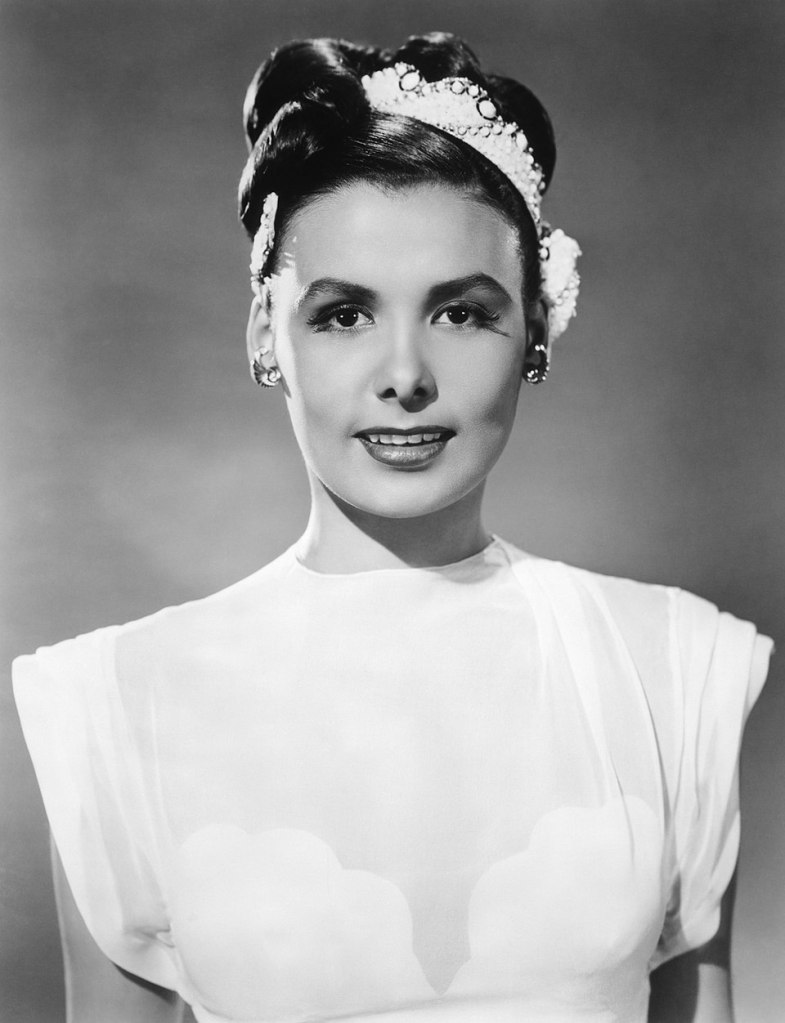
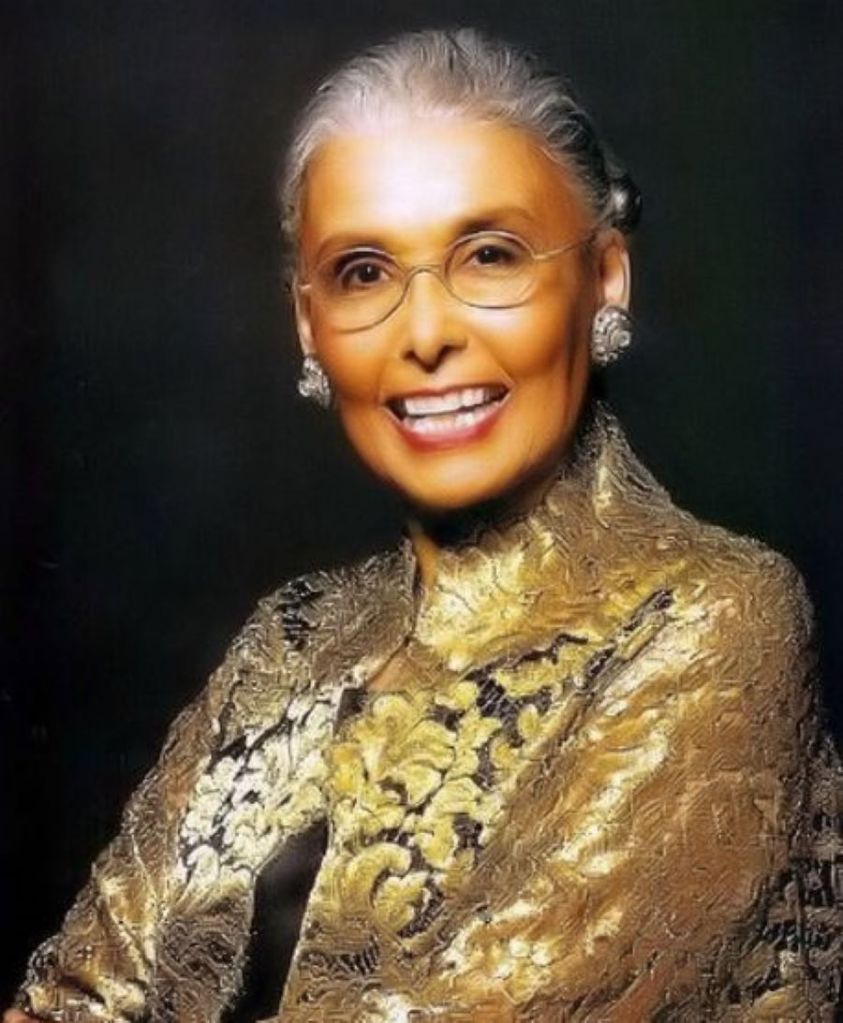
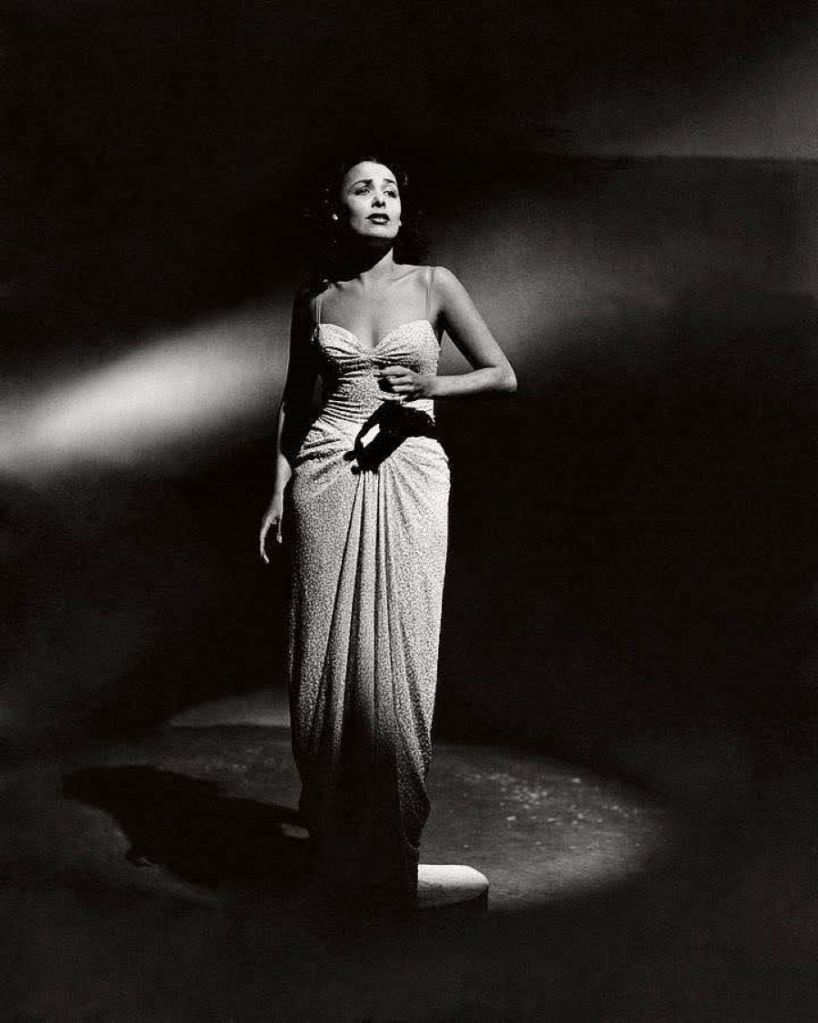
Lena Horne was a vision of elegance, beauty, and poise whose presence captivated audiences worldwide. Her light complexion, radiant smile, and graceful demeanor made her a striking figure in Hollywood during a time when Black women were often denied visibility. Many described her as stunningly beautiful, a woman whose allure went beyond physicality—her voice, intelligence, and stage presence added layers of magnetism that commanded respect and admiration. Even in the racially segregated entertainment industry, Lena’s appearance and talent allowed her to transcend barriers, though not without confronting the challenges of colorism and systemic discrimination (Horne, 1983).

Lena Mary Calhoun Horne was born on June 30, 1917, in Brooklyn, New York, into a family that carried both African American and European ancestry. Her heritage was complex: she was light-skinned, a trait that shaped both opportunities and challenges in her career and personal identity. Growing up, Lena was conscious of her appearance in a society that valued lighter skin, often granting her advantages in access to roles that darker-skinned Black women were denied. Yet, she remained critical of colorism, speaking openly about the ways society’s standards created division and unequal treatment within the Black community (Horne, 1983).

Lena’s career began at a young age. She joined the chorus line at the Cotton Club in Harlem as a teenager, performing alongside some of the era’s greatest Black entertainers. Her talent quickly set her apart, and she was discovered by Hollywood talent scouts, leading to a contract with MGM in the late 1930s. Despite her abilities, Lena often faced typecasting: she was one of the few Black actresses who could portray roles of sophistication and glamour, yet she was restricted from starring opposite white actors in romantic roles due to prevailing racial taboos (Haskins, 1995).

This photograph is the property of its respective owner. No copyright infringement intended.

Horne’s film career included appearances in landmark movies such as Cabin in the Sky (1943) and Stormy Weather (1943), the latter becoming a signature work that showcased both her acting and her legendary singing voice. She was celebrated not only for her performances but also for her groundbreaking contributions to integrating Black artists into mainstream entertainment. Despite her beauty and talent, Lena often had to fight for roles and recognition in an industry rife with discrimination and restrictive casting practices.

Her music career was equally remarkable. Lena Horne became one of the most iconic jazz and popular singers of her time, known for songs such as Stormy Weather and The Lady is a Tramp. She performed in nightclubs, theaters, and on television, captivating audiences with her sultry voice, elegance, and impeccable stage presence. Horne broke barriers in live performance, becoming one of the first Black women to headline at major venues previously reserved for white entertainers (Erenberg, 2008).

Horne was acutely aware of the role her skin tone played in her opportunities. While lighter skin occasionally afforded her access, she spoke out about the injustice of colorism within Hollywood and society at large. She recognized that talented darker-skinned Black performers were often overlooked, and she used her platform to advocate for equality, fair treatment, and representation. In interviews, she reflected on the complexity of her position—benefiting from colorism while resisting complicity in perpetuating its harm (Horne, 1983).

This photograph is the property of its respective owner. No copyright infringement intended.

Her activism extended beyond colorism. Lena Horne was deeply involved in civil rights work, participating in the March on Washington in 1963 and supporting organizations that fought for racial equality and social justice. She refused to perform in venues that practiced segregation, and she openly challenged discriminatory practices within the entertainment industry. Her courage and advocacy made her not just an icon of beauty and talent but also a model of principled resistance (Haskins, 1995).

Lena Horne received numerous accolades throughout her career. While she was not always recognized by Hollywood with major awards during her peak years, she earned several nominations and honors later in life, including a Special Academy Award in 1981, recognizing her contributions to the film industry and the struggle for racial equality. She was also the recipient of Grammy Awards and Lifetime Achievement honors, reflecting her enduring influence as a performer and cultural icon.

This photograph is the property of its respective owner. No copyright infringement intended.

Her experiences as a light-skinned Black woman navigating race, colorism, and sexism provided Lena with a unique perspective. She often discussed the privileges and burdens of her appearance, advocating for the recognition of beauty across the spectrum of skin tones. Lena’s grace, intelligence, and forthrightness helped reshape societal perceptions of Black women, challenging stereotypes while embodying sophistication, talent, and dignity (Erenberg, 2008).

Horne’s influence continues to resonate. She inspired generations of Black performers to embrace their identity, challenge inequity, and pursue excellence despite systemic barriers. Lena Horne’s legacy is a blend of artistry, activism, and advocacy—her beauty complemented by her unwavering commitment to justice, equality, and representation. She remains a quintessential figure in Black cultural history, a shining example of elegance, resilience, and purpose.


References

  • Erenberg, L. A. (2008). Swingin’ the Dream: Big Band Jazz and the Rebirth of American Culture. University of Chicago Press.
  • Haskins, J. (1995). Lena Horne: A Life of Music and Activism. Black Scholar Press.
  • Horne, L. (1983). Lena: My Story. New York: G.P. Putnam’s Sons.
  • IMDb. (n.d.). Lena Horne Filmography. Retrieved from https://www.imdb.com/name/nm0001351/