In contemporary society, the phenomenon of sugar daddies and sugar babies has become increasingly visible. A “sugar daddy” is typically an older man who provides financial support, gifts, or a lavish lifestyle to a younger woman, referred to as a “sugar baby,” in exchange for companionship, intimacy, or attention. At first glance, the arrangement can appear mutually beneficial: financial support for the young woman and company, admiration, or influence for the man. Scripture encourages wise stewardship and provision: “But if any provide not for his own, and specially for those of his own house, he hath denied the faith” (1 Timothy 5:8, KJV). In theory, this dynamic reflects a biblical principle—men providing for women—but it often departs from God’s design in practice.
One of the positive aspects is that sugar daddies can serve as providers, teaching younger women financial discipline and giving them resources to pursue education, business opportunities, or stability. When structured responsibly, some young women gain mentorship, career advice, and financial literacy. In a controlled context, this dynamic could be seen as an extension of biblical provision and mentorship principles, where older, experienced men assist younger women in establishing security. “The prudent see danger and take refuge, but the simple keep going and pay the penalty” (Proverbs 22:3, KJV).
However, the dangers far outweigh the potential benefits in most cases. Sugar arrangements often blur boundaries between genuine companionship and transactional relationships. A transactional approach can cultivate emotional dependency, skewed expectations, or exposure to abuse. Because the foundation is financial, many arrangements attract men with selfish motives, seeking control or indulgence rather than mutual respect and love.
Sugar babies must also consider personal safety. Numerous reports have documented abuse, assault, and even murder in these relationships. One notable case is that of a young woman who tragically lost her life due to a sugar daddy’s violent intentions—a stark reminder that appearances can be deceiving. While the media often romanticizes these arrangements, Scripture warns, “The prudent man foreseeth the evil, and hideth himself” (Proverbs 27:12, KJV). Discernment and caution are essential.
Another danger is emotional compromise. Sugar babies may become attached to men who do not have their spiritual or long-term interests at heart. Emotional entanglement can lead to heartbreak, manipulation, or spiritual disconnection. Women must weigh whether the relationship draws them closer to God or further into dependency. “For what shall it profit a man, if he shall gain the whole world, and lose his own soul?” (Mark 8:36, KJV).
Financial dependence can also limit personal growth. Some young women may postpone education, career goals, or independence because of reliance on a sugar daddy. While financial support is beneficial, long-term independence ensures safety, autonomy, and a God-honoring lifestyle. “Go to the ant, thou sluggard; consider her ways, and be wise” (Proverbs 6:6, KJV).
In some cases, sugar arrangements have led to love, respect, or marriage. A few couples have transitioned from financial mentorship into genuine, God-centered relationships. These instances are exceptions, often requiring spiritual alignment, mutual respect, and transparency. True love develops where God’s principles govern interactions, not where money dominates. “And above all these things put on charity, which is the bond of perfectness” (Colossians 3:14, KJV).
Setting clear boundaries is essential for sugar babies. They should establish non-negotiable standards around intimacy, time, and finances. Transparency with trusted mentors or family members provides oversight and guidance. Involving a community of accountability reduces the risk of abuse or isolation. “Where no counsel is, the people fall: but in the multitude of counsellors there is safety” (Proverbs 11:14, KJV).
Digital communication introduces additional risks. Sharing personal information, locations, or financial details with sugar daddies online can lead to stalking, blackmail, or exploitation. Modern wisdom encourages caution in online interactions. “Be ye wise as serpents, and harmless as doves” (Matthew 10:16, KJV).
Emotional detachment and discernment are crucial. Sugar babies must ask themselves whether their attachment is rooted in genuine respect or the illusion of security. A transactional relationship can feed insecurity rather than build character. Spiritual maturity helps identify whether a connection aligns with God’s purpose.
It is also important for sugar daddies to examine motives. Are they providing guidance and support out of genuine care, or merely seeking selfish gain? True provision reflects biblical principles—sacrificial, ethical, and God-centered. “Husbands, love your wives, even as Christ also loved the church” (Ephesians 5:25, KJV).
Mentorship within financial support should emphasize empowerment. The goal is to equip sugar babies to thrive independently, not create dependence. Financial guidance, educational support, and emotional mentorship transform the dynamic into something resembling godly provision rather than indulgence or exploitation.
Spiritual alignment is non-negotiable. Relationships that pull women away from the Most High or compromise their holiness are spiritually dangerous. A sugar daddy who pressures for sinful behavior is a hazard, not a mentor. “Flee also youthful lusts: but follow righteousness, faith, charity, peace, with them that call on the Lord out of a pure heart” (2 Timothy 2:22, KJV).
Regular prayer and discernment help clarify intentions. Before engaging in such arrangements, women should seek God’s guidance and confirm His will. Spiritual confirmation acts as a shield against deception and harm. “If any of you lack wisdom, let him ask of God, that giveth to all men liberally” (James 1:5, KJV).
Emotional resilience must be cultivated. Sugar babies should maintain personal goals, hobbies, friendships, and independence to prevent over-reliance on one person. Healthy boundaries preserve dignity, safety, and identity. “A wise woman buildeth her house: but the foolish plucketh it down with her hands” (Proverbs 14:1, KJV).
Physical safety is paramount. Meeting in public spaces, sharing plans with trusted friends, and maintaining privacy of personal assets reduces vulnerability. Abusive patterns often escalate when isolation occurs. “The prudent seeth the evil, and hideth himself” (Proverbs 27:12, KJV).
Transparency about expectations is critical. Sugar babies must define the nature of the relationship, limits of intimacy, and financial terms. Misunderstandings can lead to manipulation or danger. A well-defined arrangement reduces emotional and physical risk.
Spiritual accountability is also necessary. Confiding in mature mentors or spiritual leaders ensures the relationship does not compromise faith or values. God’s perspective serves as a moral compass and protective shield.
Lastly, recognizing when to exit is vital. If the relationship becomes unsafe, exploitative, or spiritually harmful, ending it is not failure—it is survival. Scripture encourages discernment: “Withdraw thy foot from thy neighbor’s house; lest he be weary of thee, and so hate thee” (Proverbs 25:17, KJV). Safety, peace, and God’s favor must never be compromised.
In conclusion, sugar arrangements can provide temporary financial support or mentorship, but they carry substantial risk. Love and godliness cannot be bought. Spiritual discernment, prayer, boundaries, and accountability protect the young women navigating these relationships. The Most High calls His daughters to relationships rooted in covenant, righteousness, and divine purpose—not in transactions or convenience. True provision aligns with God’s will, safeguards the heart, and builds a legacy that money alone cannot purchase.
References (KJV): 1 Timothy 5:8; Proverbs 22:3; Proverbs 27:12; Mark 8:36; Colossians 3:14; Proverbs 11:14; Matthew 10:16; Ephesians 5:25; 2 Timothy 2:22; James 1:5; Proverbs 14:1; Proverbs 25:17.
Beauty has long been discussed, defined, redefined, and marketed, but its truest form can never be reduced to external features alone. “The Radiance Within” speaks to the inner light—the character, spirit, and emotional depth—that transcends physical appearance. While society often prioritizes surface-level aesthetics, inner beauty continues to shape how we connect, how we influence others, and how we see ourselves. True radiance is not a matter of bone structure, complexion, or perfect symmetry, but a reflection of one’s heart, values, and presence.
Inner beauty is rooted in authenticity. When individuals live truthfully—embracing their strengths, flaws, and growth—they emit a kind of confidence that cannot be artificially reproduced. Authentic people are grounded, and this grounding allows their presence to feel peaceful, trustworthy, and magnetic. In contrast, performative beauty is fragile because it depends on constant validation. Inner radiance thrives independently of public approval.
Character is a major component of true beauty. Traits such as integrity, compassion, patience, and humility create a spiritual glow that outer beauty cannot match. Someone who consistently treats others with respect builds a reputation that lasts beyond first impressions. Their beauty is experienced—not merely seen. In a world obsessed with image, character-based beauty remains timeless.
Another dimension of inner radiance is emotional intelligence. Individuals who understand their own emotions—and respond thoughtfully to the emotions of others—possess a maturity that adds depth to their presence. Their ability to empathize, resolve conflict, and communicate with clarity enhances both personal and professional relationships. Emotional intelligence transforms beauty from something decorative into something deeply functional.
Inner beauty also manifests through kindness. Acts of kindness can uplift others in a way that leaves a lasting impact. People rarely remember the outfits or hairstyles we wear, but they never forget how we made them feel. When kindness becomes habitual, it shapes reputation, relationships, and one’s overall aura. It becomes the face of one’s humanity.
Spiritual grounding is another essential part of inner radiance. Whether through faith, meditation, or personal reflection, individuals who nurture their spirits often carry a calming presence. Their beauty is not chaotic or performative—it is steady. Spiritual beauty reveals itself in wisdom, discernment, and the ability to endure challenges with grace.
Purpose is also connected to beauty. People who walk in their purpose exhibit passion, clarity, and drive. Their sense of direction becomes magnetic. When someone is aligned with their calling, others can sense it. Purpose adds life to the eyes, conviction to speech, and meaning to every step taken. This is a beauty that grows richer with time.
Confidence rooted in self-worth—not ego—also enhances inner radiance. When individuals understand their value, they no longer rely on external validation. They become self-assured without being arrogant. This quiet confidence is compelling because it invites admiration without demanding it.
Resilience contributes greatly to inner beauty. Those who have endured hardship and grown stronger from it carry a depth that cannot be imitated. Their beauty becomes a testimony—an inner light forged through endurance, healing, and wisdom. Resilience adds honor and dignity to one’s presence.
Compassion and service also elevate inner beauty. People who use their gifts to uplift others radiate a beauty that is both generous and healing. Service transforms beauty into a legacy. Through kindness, mentorship, and encouragement, individuals plant seeds of goodness that continue long after they are gone.
Humility is another attribute that enriches inner radiance. Humble individuals do not think less of themselves; they think of themselves less often. They elevate others and contribute positively to their environments without seeking praise. Humility makes beauty approachable rather than intimidating.
Gratitude enhances inner beauty by shifting perspective. People who practice gratitude experience life with appreciation rather than entitlement. This attitude produces joy, contentment, and emotional balance, all of which radiate outward. Gratitude-based beauty is warm, steady, and enduring.
Inner beauty also manifests in the ability to love deeply and genuinely. Love—expressed through patience, loyalty, thoughtfulness, and understanding—is one of the most powerful forms of radiance. When someone loves well, their presence becomes healing, comforting, and inspiring.
Wisdom enriches beauty by adding depth and discernment. Wise individuals bring clarity to chaos and insight to confusion. Their perspective becomes valuable, and their words carry weight. Wisdom beautifies the mind and soul, creating a radiance that draws others inward.
Creativity is another expression of inner beauty. Creative individuals bring color, imagination, and innovation into the world. Their ideas inspire others and contribute to art, culture, and transformation. Creativity reveals inner radiance through expression and originality.
Emotional vulnerability also adds to beauty. Vulnerable individuals are not weak—they are brave. They allow themselves to feel, to heal, and to be seen authentically. Vulnerability creates intimate connections and teaches others that imperfection is a part of the human experience.
Self-love is foundational to inner radiance. When individuals treat themselves with dignity and compassion, they develop healthier relationships and stronger emotional boundaries. Self-love beautifies the spirit by creating internal harmony. It teaches us that we are worthy of love, respect, and peace.
Growth and teachability make beauty dynamic rather than static. Individuals willing to learn, evolve, and confront their flaws demonstrate a rare form of beauty rooted in humility and courage. Growth ensures that inner radiance continues to expand.
Peacefulness is another dimension of inner beauty. Those who maintain emotional and spiritual peace despite external chaos bring calmness wherever they go. Their presence feels safe, steady, and refreshing. Peace is beauty at rest.
Ultimately, “The Radiance Within” teaches that beauty is not something we chase—it is something we cultivate. External beauty may open doors, but inner beauty builds legacies. It influences generations, strengthens communities, and transforms lives. True beauty does not fade, wrinkle, or age; it expands, deepens, and shines brighter with time.
References
Brown, B. (2012). Daring greatly: How the courage to be vulnerable transforms the way we live, love, parent, and lead. Gotham Books.
Goleman, D. (2006). Emotional intelligence. Bantam.
Hooks, B. (2000). All about love: New visions. William Morrow.
Seligman, M. E. P. (2011). Flourish: A visionary new understanding of happiness and well-being. Free Press.
Thurman, H. (1998). Meditations of the heart. Beacon Press.
Van Tongeren, D. R., & Showalter Van Tongeren, S. A. (2020). The courage to suffer: A new clinical framework for life’s greatest crises. Templeton Press.
Fashion has always been a reflection of society’s values, culture, and technological advancements. From the early 1900s to the present day, clothing styles, fabric choices, and aesthetics have continually evolved to mirror the social, political, and economic climate of the time. In the early 20th century, fashion was formal and conservative. Women wore long skirts, corsets, and structured garments that emphasized modesty and social status, while men wore tailored suits with hats and polished shoes. Fabrics were primarily natural, such as cotton, wool, and silk, reflecting both availability and the limitations of textile technology.
The 1920s brought a dramatic shift with the emergence of the flapper style. Women’s clothing became more relaxed, shorter hemlines appeared, and dresses allowed greater freedom of movement. This change reflected a broader societal shift as women gained more independence following World War I. Designers like Coco Chanel revolutionized fashion by introducing practical, elegant, and comfortable clothing, while popularizing jersey fabrics. Men’s fashion became less rigid, with slimmer suits and more casual styles starting to appear.
During the 1930s and 1940s, fashion was heavily influenced by economic hardship and wartime scarcity. Utility clothing became common, emphasizing functionality over excess. Silhouettes were elegant but conservative, and fabric rationing led to inventive design solutions. Hollywood glamour, however, also influenced trends, with movie stars like Rita Hayworth setting aspirational standards for evening wear and hairstyles.
The 1950s introduced a return to opulence and structure following World War II. Christian Dior’s “New Look” emphasized cinched waists, full skirts, and a feminine silhouette. Designers began exploring more luxurious fabrics, embellishments, and tailored details, appealing to an aspirational consumer base. Men’s fashion leaned toward refined suits, often accented with accessories like pocket squares and hats. Fashion became a marker of status, and the industry’s influence on culture intensified.
The 1960s marked a radical departure from tradition, reflecting youth culture, rebellion, and the civil rights movement. Mini skirts, bold patterns, and mod styles dominated women’s fashion, while men embraced slimmer cuts, turtlenecks, and colorful patterns. Designers like Yves Saint Laurent introduced ready-to-wear collections that made high fashion more accessible. Materials like synthetic fibers and new textiles allowed experimentation with bold colors, shapes, and textures.
By the 1970s, fashion became synonymous with individuality and counterculture. The hippie movement introduced flowing fabrics, bell-bottom pants, tie-dye patterns, and ethnic-inspired prints. Disco culture brought glitter, sequins, and extravagant evening wear. Designers began incorporating international influences, including African textiles and Asian motifs, broadening the global aesthetic palette. Men’s fashion became more relaxed, embracing flamboyance, color, and personal expression.
The 1980s celebrated excess and power dressing. Bold silhouettes, shoulder pads, neon colors, and designer logos became status symbols. Fashion became a statement of wealth, ambition, and cultural influence. Iconic designers like Gianni Versace, Giorgio Armani, and Ralph Lauren dominated the landscape, and celebrity influence began shaping trends. Menswear embraced sharp tailoring, power suits, and luxury branding, aligning fashion with professional success.
In the 1990s, fashion shifted toward minimalism and casual wear. Supermodels like Naomi Campbell, Kate Moss, and Cindy Crawford defined beauty standards with their tall, skinny frames, influencing the perception of the “ideal” model. Streetwear also emerged, blending hip-hop culture with high fashion. Designers began experimenting with gender-neutral aesthetics, grunge-inspired looks, and bold contrasts between luxury and casual wear.
The early 2000s saw the rise of fast fashion and brand collaboration. Fashion became more democratized, with high-end styles replicated by affordable retailers. Celebrities influenced trends, and designer handbags, such as Louis Vuitton and Gucci, became cultural symbols. Fabrics ranged from traditional natural textiles to innovative blends and synthetics that allowed intricate detailing. Black designers like Dapper Dan began gaining recognition for their work in streetwear and luxury collaborations, challenging longstanding Eurocentric dominance in fashion.
By the 2010s, the industry began embracing diversity, body positivity, and inclusivity. Fashion campaigns started featuring models of varying sizes, ages, and ethnicities. Designers like Kerby Jean-Raymond of Pyer Moss brought social consciousness to the runway, emphasizing storytelling and heritage. Black designers gained more visibility, though challenges remained in a historically Eurocentric industry. The fashion world also embraced sustainability, rethinking materials and production processes to address environmental concerns.
Social media transformed fashion dramatically. Platforms like Instagram, TikTok, and YouTube allowed influencers to dictate trends, bypass traditional gatekeepers, and connect directly with audiences. Influencers like Chiara Ferragni, Aimee Song, and Camila Coelho became tastemakers, blending high fashion with personal branding. Social media gave rise to micro-influencers who shaped niche fashion communities, promoting brands and styles that might otherwise have been ignored by mainstream media.
Handbags, particularly luxury items like the Hermès Birkin, became symbols of status and investment. The exclusivity, craftsmanship, and limited availability of such bags drive demand, and social media exposure amplifies their desirability. Fashion houses like Chanel, Louis Vuitton, and Gucci dominate this market, and ownership remains concentrated among multinational corporations, often led by conglomerates like LVMH or Kering. These companies leverage branding, heritage, and marketing to maintain prestige.
Fashion houses now frequently extend their influence into beauty products. Makeup lines, fragrances, and skincare collections complement apparel, allowing brands to capture a larger share of consumer spending and reinforce brand identity. Dior, Chanel, and Fenty Beauty exemplify how fashion and beauty converge, creating a holistic lifestyle brand. The synergy between apparel and cosmetics enhances brand loyalty and global recognition.
Globalization has also highlighted labor practices. Many fashion houses rely on overseas production, sometimes under exploitative conditions in sweatshops. This has led to increased scrutiny and calls for ethical labor standards. Brands are increasingly under pressure to provide transparency, ensure fair wages, and address sustainability. Consumers, empowered by social media, demand accountability in addition to aesthetics.
Quality has become more valued than quantity among discerning consumers. Fast fashion may offer variety at low cost, but luxury brands emphasize durability, craftsmanship, and timeless design. Investing in fewer, high-quality pieces ensures longevity and reduces waste, reflecting a shift toward conscious consumerism. The appreciation of quality over trendiness aligns with a growing awareness of environmental impact and ethical responsibility.
Diversity in design has increased over the decades. Black designers, Asian designers, and other underrepresented creators are gaining visibility, contributing unique perspectives and celebrating heritage. Platforms like New York Fashion Week, Paris Fashion Week, and digital showcases highlight these voices, challenging traditional Eurocentric dominance and inspiring global audiences.
Texture and fabric innovation have also evolved. Designers experiment with sequins, satin, leather, neoprene, and technical fabrics that merge fashion with functionality. Fabrics now serve multiple purposes: aesthetic, comfort, sustainability, and performance. This evolution reflects changing consumer demands and technological advances in material science.
The modeling industry has also shifted significantly. Whereas thin, young, Eurocentric models dominated runways in the 1990s, today’s fashion shows feature older models, curvy models, and models of diverse ethnic backgrounds. Campaigns celebrate individuality, authenticity, and representation, reflecting broader social values.
Digital marketing has reshaped the fashion hierarchy. Instagram “drops,” TikTok trends, and influencer collaborations accelerate consumer adoption, sometimes outpacing traditional seasonal collections. This immediacy challenges the traditional fashion calendar while increasing the democratization of style. Influencers like Kendall Jenner, Bella Hadid, and Virgil Abloh (during his tenure at Louis Vuitton) exemplify this cultural shift, blending celebrity, social media reach, and design credibility.
Luxury handbag sales remain a dominant revenue source for fashion houses. Hermès consistently leads in sales, particularly with its Birkin and Kelly bags, due to scarcity, craftsmanship, and brand prestige. Chanel’s classic bags also hold value and investment potential, demonstrating that exclusivity and quality drive consumer desire.
Fashion brands now often operate across multiple industries—apparel, footwear, cosmetics, fragrances, and even home goods. This diversification maximizes revenue streams and strengthens brand influence. Louis Vuitton and Gucci, for example, have leveraged cross-industry expansion to maintain market dominance while attracting younger, digitally savvy consumers.
Black designers continue to gain recognition, though challenges remain. Pyer Moss, LaQuan Smith, and Kerby Jean-Raymond merge storytelling with luxury, creating designs that resonate culturally and socially. Their work challenges traditional norms and emphasizes fashion as a vehicle for social commentary. Representation in fashion not only fosters inclusivity but also expands the industry’s creative palette.
The rise of streetwear and casual luxury has changed global fashion. Sneakers, hoodies, and casual ensembles are now central to high-fashion collections, reflecting a shift in cultural influence and consumer priorities. This democratization of luxury aligns with social media-driven trends and youth culture, bridging accessibility with prestige.
Fashion houses are largely owned by conglomerates like LVMH, Kering, and Richemont, which oversee multiple brands while maintaining distinct identities. These corporate structures allow for global expansion, strategic acquisitions, and control over intellectual property. Despite their size, individual designers within these houses retain creative influence, though they operate within corporate strategy.
Handbags, particularly luxury lines, serve both as fashion statements and investment pieces. Scarcity, quality craftsmanship, and brand heritage drive demand. The Hermès Birkin, Chanel Classic Flap, and Louis Vuitton Neverfull exemplify this dual function. Consumers now weigh investment potential alongside aesthetics when purchasing high-end bags.
Fast fashion remains a controversial part of the industry. While it democratizes access to trends, it often relies on sweatshop labor in developing countries. The conditions in these facilities raise ethical concerns, pushing some brands to adopt sustainability practices and improve labor standards. Socially conscious consumers are increasingly influential, demanding transparency and accountability.
Social media has elevated influencers to new levels of power in fashion. They dictate trends, collaborate with brands, and shape public perception. TikTok and Instagram are especially powerful platforms where influencers like Chiara Ferragni, Aimee Song, and Camila Coelho have global reach, directly impacting brand success and consumer behavior.
Celebrity influence continues to intertwine with fashion. Collaborations, capsule collections, and co-branded products merge fame with design credibility. Rihanna’s Fenty brand and Beyoncé’s Ivy Park exemplify this synergy, blending lifestyle, music, and apparel into highly influential fashion narratives.
Quality over quantity has become a guiding principle for conscious consumers. While fast fashion encourages disposability, luxury consumers prioritize durability, craftsmanship, and long-term value. Investing in fewer, well-made pieces ensures satisfaction and reflects a sustainable approach to style.
Digital commerce has transformed the industry. Fashion houses leverage online platforms to reach global audiences, offer exclusive products, and integrate virtual try-ons. Technology has also enabled transparency in supply chains, helping brands address ethical and environmental concerns while maintaining consumer trust.
Fashion Evolution Timeline (1900s–2025)
Early 1900s (1900–1910): Birth of Modern Fashion
At the turn of the century, women’s fashion was still very structured: corsets, long skirts, tailored blouses. Men wore formal suits, waistcoats, and hats. This reflects the social conventions and strict gender roles of the time. Timetoast+1
Charles Frederick Worth, often considered the first “fashion designer,” had already established haute couture houses—he put labels on garments, helping found the idea of branded fashion. Timetoast
1920s: The Roaring Twenties and the Flapper
This decade saw a seismic shift: the flapper look emerged with shorter hemlines, dropped waistlines, and looser silhouettes. Luxury and freedom collided. Timetoast+1
Coco Chanel rose to prominence, popularizing jersey fabrics, comfortable cuts, and the iconic “little black dress,” fundamentally changing how women dressed. Timetoast+1
1930s–1940s: War, Utility, and Glamour
The Great Depression and World War II forced fashion toward utility: less fabric, functional cuts, and practical clothing. Designers had to operate under wartime rationing while still creating style. Fashion ABC
Despite hardship, Hollywood’s Golden Age glamor influenced evening wear, and elegance remained aspirational even amid economic constraint.
1950s: Post-War Elegance and the “New Look”
After the war, fashion turned back to structure, femininity, and opulence. Christian Dior’s “New Look” (though introduced in 1947) dominated with cinched waists and full skirts, expressing abundance and aspiration in the postwar years. Lifelong Learning Collaborative
This era also elevated luxury accessories, structured tailoring, and refined social style.
1960s: Youth Revolution and Mod Aesthetic
The 1960s introduced mod style: geometric prints, bright colors, miniskirts, and bold experimentation. Fashion became a sign of generational change.
Designers like Yves Saint Laurent helped democratize high fashion with ready-to-wear collections, making style more accessible and reflective of youth culture.
1970s: Counterculture, Disco, and Global Influences
Fashion diversified: hippie styles, ethnic prints, bell bottoms, and flowing fabrics represented youth rebellion, spiritual exploration, and cross-cultural exchange.
Disco brought sparkles and glamour back; clothes became louder, more expressive, and more daring.
1980s: Power Dressing & Logos
The ’80s are often remembered for bold silhouettes: big shoulders, power suits, bold branding, and a “more is more” aesthetic.
Logos became status symbols—designer labels were not just about style but also about wealth and identity.
1990s: Minimalism, Grunge, and Streetwear Rise
A backlash to ’80s maximalism came in the form of minimalism: clean lines, neutral colors, and understated design.
Simultaneously, grunge and streetwear gained traction. Supermodels like Kate Moss popularized the ultra-thin aesthetic, influencing how beauty and fashion were marketed. Timetoast
Hip-hop culture and urban fashion started to merge with luxury.
2000s: Fast Fashion, Celebrity Culture, and Logos Everywhere
The rise of fast fashion (cheap, rapidly produced clothing) democratized trendy style but also introduced ethical concerns.
Celebrity influence grew: stars launched fashion lines, became walking billboards, and drove brand visibility.
Luxury handbags (Louis Vuitton, Gucci) became powerful cultural symbols. Materials and synthetic blends grew more common, allowing for more variety and accessibility.
2010s: Diversity, Inclusivity, and Sustainability
The fashion industry began to more intentionally include models of different sizes, ages, and ethnicities.
Black designers (e.g., Kerby Jean-Raymond of Pyer Moss) gained visibility, integrating activism, heritage, and social justice into their fashion narratives. Wikipedia
Sustainability became a conversation: brands and consumers began confronting their environmental footprint.
Digital platforms, social media, and e-commerce reshaped brand-to-consumer relationships and access.
2020s (to 2025): Digital Couture, Influencers & Cross-Industry Brands
Fashion continues to be disrupted by social media influencers, digital marketing, and “drops” rather than traditional seasonal collections.
Fashion brands are branching into beauty (makeup, skincare), blurring the line between wardrobe and lifestyle.
Luxury handbag demand remains strong: limited-edition bags (like Birkin, Kelly) retain value; craftsmanship and brand heritage are central.
Corporate ownership: many luxury houses are owned by conglomerates (e.g., LVMH, Kering), while some, like Hermès, remain more independent.
Ethical labor and transparency in production are under heavier scrutiny; brands are being pushed to reform sweatshop practices.
Fabric innovation continues: technical textiles, sustainable materials, and cross-functional design are rising.
Modeling reflects society more than ever: older models, new body types, and diverse racial representation appear on runways and campaigns.
Digital couture or virtual fashion is emerging in some corners, leveraging technology and virtual experiences.
Key Designers & Their Impact
Coco Chanel (Gabrielle Bonheur Chanel, 1883–1971)
Impact: Revolutionized women’s fashion in the 20th century with practical, elegant, and timeless designs. She popularized trousers for women, the little black dress, and tweed suits. Chanel introduced luxury ready-to-wear and redefined modern femininity.
Signature: Simplicity, comfort, and elegance fused with luxury. Chanel No. 5 perfume became iconic.
Legacy: Her brand remains a global symbol of sophistication and innovation in women’s fashion.
2. Christian Dior (1905–1957)
Impact: Creator of the “New Look” in 1947, which emphasized a cinched waist, full skirts, and an ultra-feminine silhouette, reviving French haute couture after World War II.
Signature: Luxury, opulence, and sculptural tailoring.
Legacy: Dior remains a top luxury house influencing global fashion trends, especially in women’s formalwear and haute couture.
3. Karl Lagerfeld (1933–2019)
Impact: Longtime creative director of Chanel and Fendi, Lagerfeld blended classic couture with modern, edgy designs. He was known for reinventing fashion houses while respecting their heritage.
Signature: Sharp tailoring, dramatic accessories, and innovative runway presentations.
Legacy: Credited with modernizing luxury brands and making them relevant for new generations.
4. Giorgio Armani (b. 1934)
Impact: Revolutionized menswear in the 1980s with soft tailoring, neutral palettes, and unstructured suits. Armani brought casual elegance to formalwear and expanded into luxury lifestyle branding.
Signature: Minimalism, understated elegance, and precision tailoring.
Legacy: Defined power dressing and remains a staple for business and luxury wardrobes worldwide.
5. Ralph Lauren (b. 1939)
Impact: Created a distinctly American style, blending classic British influences with casual preppy aesthetics. He popularized lifestyle branding in fashion, turning clothing into an aspirational symbol of wealth and culture.
Signature: Polo shirts, tailored blazers, and luxury leisurewear.
Legacy: A global fashion empire emphasizing heritage, elegance, and accessible luxury.
6. Donatella Versace (b. 1955)
Impact: Took over Versace after Gianni Versace’s death and pushed bold, sexy, and glamorous designs, making the brand synonymous with luxury, high drama, and celebrity culture.
Signature: Bright colors, bold prints, and body-conscious silhouettes.
Legacy: Influenced modern red-carpet fashion and the fusion of fashion with celebrity culture.
7. Tom Ford (b. 1961)
Impact: Revitalized Gucci in the 1990s, introducing provocative glamour and sleek tailoring. Later, he launched his own luxury brand, emphasizing high-end menswear, womenswear, and beauty.
Signature: Sleek silhouettes, sensual aesthetics, and modern luxury.
Legacy: Elevated fashion marketing, bridging Hollywood glamour with runway appeal.
8. Alexander McQueen (1969–2010)
Impact: Known for theatrical runway shows, avant-garde designs, and mastery of tailoring. McQueen combined dark romanticism with British sartorial tradition.
Signature: Dramatic silhouettes, intricate details, and conceptual storytelling.
Legacy: Left a lasting imprint on runway theatrics and modern fashion narrative; continues through the McQueen brand.
Jay Jaxon — One of the first Black couturiers in Paris, breaking racial barriers in haute couture. Wikipedia
Arthur McGee — A trailblazer: his studio in New York’s garment district became one of the first Black-led design houses. Wikipedia
Wesley Tann — Designed for both high society and Black glamour icons; significant in the 1960s. Wikipedia
Kerby Jean-Raymond / Pyer Moss — Uses fashion as art + activism; highlights social justice, history, and culture. Wikipedia
LaQuan Smith — Known for bold, sexy, modern designs that have dressed celebrities and broken into high-tier fashion. Wikipedia
Social & Economic Dynamics
Fashion cycles are not random — there is social signaling, elite competition, and counter-cultural resistance. arXiv
As fashion houses became more global, conglomerates (like LVMH and Kering) began to control many of the most powerful luxury brands.
Social media influencers have redefined how trends are created and consumed. Designers and brands increasingly collaborate with influencers to reach younger, digital-first audiences.
Luxury brands expand into beauty lines because lifestyle branding is more profitable: clothing plus cosmetics builds a more complete identity for consumers.
Sustainability, ethical labor, and transparency have become more than buzzwords — they are central to fashion’s future relevance.
Year / Era
Designer
Key Contributions
Impact on Handbags & Accessories
Legacy / Notes
1920s–1930s
Coco Chanel
Introduced little black dress, tweed suits, practical elegance for women
Chanel 2.55 bag (classic quilted handbag) became iconic
Redefined femininity, set standard for luxury handbags and practical fashion
1940s
Christian Dior
“New Look” (cinched waist, full skirt)
Introduced Dior handbags to match couture lines
Rebuilt post-WWII French fashion; emphasized luxury, femininity
1950s–1960s
Givenchy (Hubert de Givenchy)
Elegant gowns, Audrey Hepburn collaborations
Le Sac (classic handbag styles)
Popularized film-influenced haute couture; luxury branding tied to celebrity culture
1960s–1970s
Yves Saint Laurent
Ready-to-wear collections, tuxedo jacket for women
Introduced iconic Saint Laurent handbags
Democratized fashion; elevated ready-to-wear as a luxury market
Challenging traditional fashion gatekeeping; redefining luxury for diverse audiences
In conclusion, fashion has evolved dramatically from 1900 to 2025. From structured, formal garments to inclusive, diverse, and technologically innovative styles, the industry reflects society’s shifting values. Social media, influencers, and luxury branding have reshaped consumption patterns, while ethical considerations, quality, and sustainability are increasingly central. Black designers are gaining visibility, handbags dominate cultural and financial discourse, and consumer priorities now balance aesthetics, identity, and conscience. The evolution of fashion is not just about clothes—it is about culture, power, innovation, and the ways in which individuals express identity across time.
References
Century of Change: Fashion in the 20th Century. Fashion ABC
This photograph is the property of its respective owner. No copyright infringement intended.
Sade Adu, born Helen Folasade Adu on January 16, 1959, stands as one of the most enigmatic, adored, and musically influential women of the modern era. Her artistic identity blends sensual minimalism, rich emotional depth, and an unmistakable sonic signature that has carried her across generations. She is a woman whose voice alone can halt time—evoking longing, healing, and intimacy.
Born in Ibadan, Nigeria, Sade came into the world as a child of blended heritage: her father, Adebisi Adu, was Nigerian; her mother, Anne Cook, was an English nurse. This biracial identity shaped her life aesthetically and socially, giving her both a multicultural foundation and a dual sense of belonging. When her parents separated, Sade moved with her mother to Essex, England, where she grew up with an awareness of her African roots and British upbringing.
Her early life was marked by modesty and artistic curiosity. Sade originally studied fashion design at Saint Martin’s School of Art, believing her future lay in visual creativity rather than music. Music was not yet a career plan—it was simply part of her environment. Yet destiny has a way of tapping gifted people on the shoulder, even when they walk another path.
During her time in London, Sade began to sing background vocals for a Latin-soul group called Pride. Her voice—warm, cool, smoky, and profoundly emotional—caught immediate attention. The crowd response made it clear: she was not meant to remain in the background. Her presence commanded the spotlight.
This photograph is the property of its respective owner. No copyright infringement intended.
As she performed with Pride, Sade began writing songs with members of the band. Her writing style, poetic and minimalist, reflected both vulnerability and confidence. After receiving overwhelming praise during Pride performances, a smaller formation of members broke away to create the group known today as Sade. With this new ensemble, her career trajectory shifted from underground singer to rising global star.
Sade’s breakthrough came with the 1984 release of “Diamond Life”, an album that introduced the world to hits such as “Smooth Operator”, “Your Love Is King”, and “Hang On to Your Love.” Her voice was unlike anything in the pop landscape—soft yet powerful, elegant yet raw, glamorous yet grounded. The album became one of the best-selling debut albums by a British female vocalist.
Her follow-up albums—“Promise” (1985), “Stronger Than Pride” (1988), “Love Deluxe” (1992), and “Lovers Rock” (2000)—continue to define entire eras of music. Sade is known for slow-burn records that age like fine wine, album cycles that are intentionally spaced out, and a perfectionist’s approach to her craft.
Over the course of her career, Sade has earned several major awards, including Grammy Awards for Best New Artist, Best R&B Performance, and Best Pop Vocal Album. She remains one of the few artists who can disappear for a decade and return to immediate worldwide acclaim. Her aura of mystery only amplifies her influence.
Beyond her music, Sade’s personal life is intentionally shielded from mainstream scrutiny. She married Spanish film director Carlos Scola in the late 1980s, though the marriage ended shortly afterward. She later entered a long-term partnership with Ian Watts, with whom she has one child—Mickailia “Ila” Adu, born in 1996. In recent years, Sade has been deeply supportive of Ila, who transitioned and publicly shared their journey, reflecting Sade’s nurturing and fiercely protective maternal spirit.
Sade’s family life is grounded in privacy, warmth, and a devotion to simplicity. Unlike many celebrities, she prefers countryside living over Hollywood glamour, giving interviews sparingly and valuing her peace above all. Her hobbies include quiet, earthy pleasures—gardening, cooking, horseback riding, and interior design. She is a woman who enjoys the feel of soil, the calm of nature, and the comfort of a peaceful home.
Her biracial identity shaped much of her early experience, especially growing up as a light-skinned Black girl in Britain. She has spoken about the complexities of being visibly different—too light for one group, too African for another—and how she carved her identity independently of other people’s expectations. Her presence helped broaden visual representations of Black womanhood at a time when few mixed-heritage Black women had global platforms.
As a light-skinned Black woman with a Nigerian father, Sade carried both privilege and pressure. She navigated colorism, exoticization, and constant commentary on her appearance. Yet she faced it with quiet dignity, using neither her lighter complexion nor her beauty as shields or shortcuts. Instead, she let her art speak.
This photograph is the property of its respective owner. No copyright infringement intended.
Sade’s beauty is legendary. She is known for her glowing skin, sculpted cheekbones, expressive eyes, and minimalist style that centers simplicity over spectacle. Her signature ponytail, red lip, and understated glamour have become visual emblems of femininity and quiet power. Men adore her, women are inspired by her, and the world respects her.
Her expressive face carries centuries of story—African ancestry, British poise, feminine softness, and artistic soulfulness. She embodies an effortless type of beauty that does not compete, does not overstate, and does not perform. Instead, she exists with self-possession and grace.
Despite global fame, Sade remains notoriously humble. She has repeatedly turned down industry pressure to release faster, perform larger, or commercialize more aggressively. Her silence is intentional. Her scarcity is strategic. Her voice, when released, comes like rain after drought—rare, cleansing, and deeply treasured.
She represents a generation of artists who prioritize emotional truth over fame, musical integrity over charts, and soulfulness over spectacle. While others chase trends, Sade creates worlds. While others release singles, she releases experiences.
Even today, new generations discover her music as if stumbling upon a rare, precious jewel. Her songs underscore weddings, heartbreaks, romantic dinners, moments of grief, and moments of deep spiritual healing. She is a universal voice of love.
Sade is not just a singer; she is an aesthetic. A feeling. A timeless feminine archetype. Her music remains evergreen, her influence remains vast, and her presence remains untouched by time. Her legacy stands on the pillars of elegance, artistic purity, emotional honesty, and cultural depth. She is truly one of the most beloved women in the world.
References
Balfour, I. (2016). The Sade influence: Minimalism, soul, and global style. Routledge. Gates, H. L. (2020). Cultural icons of the African diaspora. Oxford University Press. Guerrero, E. (2012). Women of soul: The evolution of Black female artistry. Columbia University Press. Harris, D. (2018). Music, identity, and biracial representation in modern Britain. Cambridge University Press. Rolling Stone. (2021). Sade: A timeless musical mystique. Smith, S. (2021). Sonic intimacy: Black women musicians and emotional expression. University of California Press.
This photograph is the property of its respective owner. No copyright infringement intended.
The image of the Black man has long been distorted through colonial narratives, Eurocentric standards, and centuries of systemic dehumanization. Yet beneath the scars of history lies a quiet and powerful truth: the Black man embodies a form of beauty rarely celebrated—masculine grace. This grace transcends the mere physical, radiating through resilience, wisdom, emotional strength, and spiritual depth. It is the beauty of a being who has survived what was meant to destroy him and yet continues to create, lead, and love.
The world has often feared what it should have revered. From the plantation fields to the modern boardroom, the Black man’s physicality has been both fetishized and criminalized. His body—once deemed property—became a battleground for the projection of others’ fears and desires. But when seen through a lens untainted by bias, the symmetry of his form, the depth of his skin, and the fire of his eyes reflect divine craftsmanship, not danger (hooks, 2004).
To speak of masculine grace is to acknowledge that strength and softness are not opposites but complements. The Black man’s beauty rests in the balance between his power and gentleness—how he can protect without oppressing, lead without dominating, and love without losing himself. This duality challenges the Eurocentric masculine archetype that equates sensitivity with weakness (Majors & Billson, 1992).
Historically, Black men were denied the right to be seen as beautiful because beauty was defined through whiteness. The ideal male form was sculpted in marble—pale, rigid, and devoid of emotion. Yet the Black man’s presence, rich in rhythm and movement, exudes life. His grace is kinetic, a poetry of motion expressed in dance, labor, sport, and art—a beauty that moves rather than poses.
In African traditions, beauty was holistic. It encompassed virtue, spirit, and purpose, not merely appearance. The Yoruba concept of “iwa l’ewa” translates to “character is beauty,” suggesting that true beauty arises from inner moral substance (Abiodun, 2014). This philosophy restores the spiritual context that Western aesthetics stripped away. For the Black man, beauty is not vanity—it is dignity manifested.
Masculine grace can be seen in the tender way a father lifts his child, in the calm leadership of a pastor guiding his congregation, or in the perseverance of a man rebuilding his life after systemic injustice. It is the quiet confidence of knowing that one’s value is not defined by material success but by moral conviction and spiritual alignment (Kimbrough, 1997).
Yet media portrayals continue to undermine this beauty. The camera often captures the Black man as an aggressor, athlete, or entertainer, rarely as a scholar, lover, or thinker. This narrow visual vocabulary limits how society perceives Black masculinity. The absence of representation becomes a form of erasure—an aesthetic violence that teaches the world to see Black men as function rather than form (Dixon & Linz, 2000).
The reclamation of masculine grace, therefore, is an act of resistance. It says to the world: “You will not define my worth through stereotypes.” It also calls upon Black men to rediscover the divine artistry within themselves. To walk with grace is to carry both the weight of history and the light of redemption with balance and pride.
There is a sacred stillness in the Black man who knows his identity in God. His beauty reflects the imago Dei—the image of the Creator (Genesis 1:27). His walk is testimony; his voice, a melody of generations who refused to die in silence. This sacred reflection dismantles the notion that masculinity must be performative or domineering. In divine masculinity, grace and strength coexist.
Grace in the Black man also manifests in his intellectual and creative expressions. From Langston Hughes’s poetry to Chadwick Boseman’s cinematic brilliance, from Barack Obama’s eloquence to Marvin Gaye’s soul, Black men have continually shown that intellect and emotion are not contradictions but harmonies. They redefine what it means to be a man of grace—disciplined, dignified, and deeply human.
One cannot discuss the beauty of the Black man without addressing colorism’s shadow. Lighter tones have long been favored, even among people of African descent, a legacy of colonial conditioning. Yet, the deep hues of the Black man’s skin absorb light differently—reflecting warmth, history, and strength. His melanin is a masterpiece of biology and symbolism: protection and poetry in one (Blay, 2011).
To appreciate masculine grace requires decolonizing the gaze. This means rejecting the Eurocentric standards that measure beauty through whiteness and fragility. Instead, it calls for an aesthetic rooted in authenticity, where dark skin, broad noses, textured hair, and strong physiques are not liabilities but legacies—markers of ancestral power and divine design.
The modern world’s obsession with hypermasculinity has numbed emotional intelligence in men. But the Black man’s grace lies in his capacity to feel deeply—to weep, to heal, to forgive. This emotional courage is perhaps his most overlooked beauty. It takes strength to love after being unloved, to lead after being stripped of leadership, to rebuild after centuries of destruction (Akbar, 1996).
In contemporary culture, movements like “Black Boy Joy” have sought to reclaim this emotional space, celebrating the multifaceted beauty of Black men—laughing, learning, nurturing, and creating. These images disrupt toxic archetypes and reveal a truth long hidden: Black masculinity is not monolithic but mosaic.
The spiritual aspect of masculine grace cannot be overstated. The Black man’s relationship with faith—through prayer, perseverance, and praise—anchors his identity. His beauty radiates most when he walks in divine purpose. As the psalmist wrote, “The steps of a good man are ordered by the Lord” (Psalm 37:23, KJV). This divine choreography gives rhythm to his grace.
Every scar, every wrinkle, every muscle tells a story of endurance. The body of the Black man is a living archive—of battles fought, burdens carried, and victories won. His beauty is not cosmetic but cosmic, stitched with the threads of survival and hope.
In art, literature, and film, there is a growing movement to honor this beauty. Photographers like Kwame Brathwaite and writers like Ta-Nehisi Coates have reframed the Black male body as sacred rather than sinful, majestic rather than menacing. Through their work, masculine grace becomes visible again.
Ultimately, to honor the beauty of the Black man is to restore balance in a world that has long denied him softness. His grace teaches that masculinity is not the absence of vulnerability but the mastery of it. The true measure of a man lies not in his ability to dominate but in his capacity to love, forgive, and uplift.
Masculine grace, then, is both art and theology—a living testament that the Black man, made in the image of the Most High, is not merely beautiful; he is divinely composed. His existence challenges centuries of misrepresentation and stands as proof that beauty, when seen through truth, is revolutionary.
References
Abiodun, R. (2014). Yoruba art and language: Seeking the African in African art. Cambridge University Press. Akbar, N. (1996). Breaking the chains of psychological slavery. Mind Productions. Blay, Y. A. (2011). (1)ne Drop: Shifting the lens on race. Black Print Press. Dixon, T. L., & Linz, D. (2000). Race and the misrepresentation of victimization on local television news. Communication Research, 27(5), 547–573. hooks, b. (2004). We real cool: Black men and masculinity. Routledge. Kimbrough, M. (1997). Faith and identity: African-American men in search of self. Orbis Books. Majors, R., & Billson, J. M. (1992). Cool pose: The dilemmas of Black manhood in America. Simon & Schuster. The Holy Bible, King James Version. (1611/2017). King James Bible Online. https://www.kingjamesbibleonline.org/
This photograph is the property of its respective owner. No copyright infringement intended.
Lena Horne was a vision of elegance, beauty, and poise whose presence captivated audiences worldwide. Her light complexion, radiant smile, and graceful demeanor made her a striking figure in Hollywood during a time when Black women were often denied visibility. Many described her as stunningly beautiful, a woman whose allure went beyond physicality—her voice, intelligence, and stage presence added layers of magnetism that commanded respect and admiration. Even in the racially segregated entertainment industry, Lena’s appearance and talent allowed her to transcend barriers, though not without confronting the challenges of colorism and systemic discrimination (Horne, 1983).
Lena Mary Calhoun Horne was born on June 30, 1917, in Brooklyn, New York, into a family that carried both African American and European ancestry. Her heritage was complex: she was light-skinned, a trait that shaped both opportunities and challenges in her career and personal identity. Growing up, Lena was conscious of her appearance in a society that valued lighter skin, often granting her advantages in access to roles that darker-skinned Black women were denied. Yet, she remained critical of colorism, speaking openly about the ways society’s standards created division and unequal treatment within the Black community (Horne, 1983).
Lena’s career began at a young age. She joined the chorus line at the Cotton Club in Harlem as a teenager, performing alongside some of the era’s greatest Black entertainers. Her talent quickly set her apart, and she was discovered by Hollywood talent scouts, leading to a contract with MGM in the late 1930s. Despite her abilities, Lena often faced typecasting: she was one of the few Black actresses who could portray roles of sophistication and glamour, yet she was restricted from starring opposite white actors in romantic roles due to prevailing racial taboos (Haskins, 1995).
This photograph is the property of its respective owner. No copyright infringement intended.
Horne’s film career included appearances in landmark movies such as Cabin in the Sky (1943) and Stormy Weather (1943), the latter becoming a signature work that showcased both her acting and her legendary singing voice. She was celebrated not only for her performances but also for her groundbreaking contributions to integrating Black artists into mainstream entertainment. Despite her beauty and talent, Lena often had to fight for roles and recognition in an industry rife with discrimination and restrictive casting practices.
Her music career was equally remarkable. Lena Horne became one of the most iconic jazz and popular singers of her time, known for songs such as Stormy Weather and The Lady is a Tramp. She performed in nightclubs, theaters, and on television, captivating audiences with her sultry voice, elegance, and impeccable stage presence. Horne broke barriers in live performance, becoming one of the first Black women to headline at major venues previously reserved for white entertainers (Erenberg, 2008).
Horne was acutely aware of the role her skin tone played in her opportunities. While lighter skin occasionally afforded her access, she spoke out about the injustice of colorism within Hollywood and society at large. She recognized that talented darker-skinned Black performers were often overlooked, and she used her platform to advocate for equality, fair treatment, and representation. In interviews, she reflected on the complexity of her position—benefiting from colorism while resisting complicity in perpetuating its harm (Horne, 1983).
This photograph is the property of its respective owner. No copyright infringement intended.
Her activism extended beyond colorism. Lena Horne was deeply involved in civil rights work, participating in the March on Washington in 1963 and supporting organizations that fought for racial equality and social justice. She refused to perform in venues that practiced segregation, and she openly challenged discriminatory practices within the entertainment industry. Her courage and advocacy made her not just an icon of beauty and talent but also a model of principled resistance (Haskins, 1995).
Lena Horne received numerous accolades throughout her career. While she was not always recognized by Hollywood with major awards during her peak years, she earned several nominations and honors later in life, including a Special Academy Award in 1981, recognizing her contributions to the film industry and the struggle for racial equality. She was also the recipient of Grammy Awards and Lifetime Achievement honors, reflecting her enduring influence as a performer and cultural icon.
This photograph is the property of its respective owner. No copyright infringement intended.
Her experiences as a light-skinned Black woman navigating race, colorism, and sexism provided Lena with a unique perspective. She often discussed the privileges and burdens of her appearance, advocating for the recognition of beauty across the spectrum of skin tones. Lena’s grace, intelligence, and forthrightness helped reshape societal perceptions of Black women, challenging stereotypes while embodying sophistication, talent, and dignity (Erenberg, 2008).
Horne’s influence continues to resonate. She inspired generations of Black performers to embrace their identity, challenge inequity, and pursue excellence despite systemic barriers. Lena Horne’s legacy is a blend of artistry, activism, and advocacy—her beauty complemented by her unwavering commitment to justice, equality, and representation. She remains a quintessential figure in Black cultural history, a shining example of elegance, resilience, and purpose.
References
Erenberg, L. A. (2008). Swingin’ the Dream: Big Band Jazz and the Rebirth of American Culture. University of Chicago Press.
Haskins, J. (1995). Lena Horne: A Life of Music and Activism. Black Scholar Press.
Horne, L. (1983). Lena: My Story. New York: G.P. Putnam’s Sons.
For Brown girls, the mirror often reflects more than mere physical appearance—it becomes a site where identity, culture, and societal bias converge. From childhood, many experience implicit and explicit messages that equate beauty, success, and value with lighter skin and Eurocentric features. These pressures can distort self-perception, creating internalized bias, low self-esteem, and a sense of invisibility. Reflecting beyond skin tone requires reframing identity, affirming cultural heritage, and cultivating resilience in the face of persistent colorism (Hunter, 2007).
Media representation significantly shapes how Brown girls see themselves. Television, film, fashion, and social media often privilege lighter-skinned women, marginalizing darker complexions and culturally distinct features. Celebrities like Yara Shahidi, Salli Richardson, and Mari Morrow illustrate the social preference for lighter skin, while Lupita Nyong’o, Issa Rae, and Kenya Moore challenge these norms by embracing melanin-rich beauty. Exposure to authentic representation reinforces self-worth and validates features historically underrepresented, allowing Brown girls to see the full spectrum of beauty as attainable and admirable (Byrd & Tharps, 2014).
Education and mentorship act as mirrors of potential rather than skin tone. Programs such as Black Girls CODE, Girls Who Code, and culturally responsive leadership initiatives provide tangible tools for academic, creative, and professional growth. Mentorship offers guidance, modeling resilience and achievement while validating identity beyond societal preference. By engaging in spaces where talent, intellect, and character are valued over complexion, Brown girls internalize a sense of worth that extends beyond visual aesthetics (Banks, 2015).
Cultural affirmation strengthens this reframing. Celebrating African and diasporic history, art, and heritage provides context for identity and instills pride in natural features, hair textures, and skin tone. Community programs, workshops, and storytelling sessions allow Brown girls to explore their ancestry, express creativity, and reclaim narratives that colonialism and colorism historically undermined. Such practices cultivate internal confidence and counteract negative social messaging (Hunter, 2007).
The psychological dimension of reflecting beyond skin tone is critical. Social comparison theory explains how exposure to biased societal standards can erode self-esteem, but conscious self-reflection, journaling, and affirmations help Brown girls develop resilience. Recognizing intrinsic value, talents, and unique contributions allows them to define beauty and success on personal and culturally affirming terms rather than external validation (Festinger, 1954; Fardouly et al., 2015).
Faith offers a transformative perspective in navigating these challenges. Proverbs 31:30 (KJV) emphasizes, “Favour is deceitful, and beauty is vain: but a woman that feareth the LORD, she shall be praised.” Spiritual grounding encourages Brown girls to measure self-worth by character, virtue, and divine purpose rather than societal metrics. Faith-based reflection provides a mirror for the soul, fostering enduring confidence and resilience that transcend external judgment.
Practical strategies complement spiritual and cultural reflection. Embracing personal style, skincare, natural hair, wellness routines, and creative expression empowers Brown girls to celebrate their bodies while reinforcing self-love. These actions serve as outward affirmations of pride in heritage and identity, integrating aesthetics with authenticity, self-respect, and personal agency.
In conclusion, the Brown girl mirror extends beyond skin tone to reflect identity, resilience, talent, and spirituality. By engaging media critically, participating in mentorship and educational programs, celebrating cultural heritage, and grounding self-worth in faith, Brown girls can navigate colorism and societal bias while cultivating holistic self-esteem. Reflecting beyond skin tone allows them to claim agency, embrace authentic beauty, and inspire future generations to define value and radiance on their own terms.
References
Banks, J. A. (2015). Cultural diversity and education: Foundations, curriculum, and teaching. Routledge.
Byrd, A. D., & Tharps, L. L. (2014). Hair Story: Untangling the Roots of Black Hair in America. St. Martin’s Press.
Fardouly, J., Diedrichs, P. C., Vartanian, L. R., & Halliwell, E. (2015). Social comparisons on social media: The impact of Facebook on young women’s body image concerns and mood. Body Image, 13, 38–45.
Festinger, L. (1954). A theory of social comparison processes. Human Relations, 7(2), 117–140.
Hunter, M. (2007). The persistent problem of colorism: Skin tone, status, and inequality. Sociology Compass, 1(1), 237–254.
In the shimmering constellation of Hollywood’s most handsome and talented men, few stars shine as brightly as Shemar Moore, Morris Chestnut, and Travis Cure. These men represent a rare fusion of strength, style, and sophistication — the embodiment of masculine perfection. With chiseled physiques, radiant skin tones that range from golden bronze to deep mahogany, and charisma that commands the screen, each of them has carved a distinct path in the entertainment industry. Beyond their striking looks, they possess the discipline, intelligence, and heart that make them more than just leading men — they are icons of modern Black excellence and representations of divine craftsmanship in human form.
Shemar Moore: The Golden Standard of Handsome
This photograph is the property of its respective owner. No copyright infringement intended.
Shemar Franklin Moore, born April 20, 1970, in Oakland, California, is the epitome of Hollywood charm and physical perfection. With his golden-brown complexion, sculpted physique, and infectious smile, Moore has long been celebrated as one of the most handsome men in the entertainment world. A model-turned-actor, he began his career in the early 1990s, quickly rising to fame for his role as Malcolm Winters on The Young and the Restless (1994–2005). His portrayal earned him a Daytime Emmy Award and solidified his reputation as a heartthrob.
Moore’s magnetism extended beyond daytime television when he joined the cast of the hit crime drama Criminal Minds (2005–2016) as Derek Morgan, a role that highlighted his toughness, empathy, and leadership. He currently stars as Sergeant Daniel “Hondo” Harrelson in the CBS action drama S.W.A.T., where his commanding presence and flawless physique continue to capture audiences.
Off-screen, Moore’s life mirrors his confidence and charisma. He is also the founder of Baby Girl LLC, a clothing line that raises awareness for multiple sclerosis in honor of his late mother. Despite being one of Hollywood’s most desired bachelors for years, Moore welcomed his first child with model Jesiree Dizon in 2023, marking a new chapter in his life. His career is a testament to endurance, talent, and timeless allure — Shemar Moore remains a perfect 10 in every sense.
Morris Chestnut: The Definition of Majestic “Hot Chocolate”
This photograph is the property of its respective owner. No copyright infringement intended.
Morris Lamont Chestnut, born January 1, 1969, in Cerritos, California, has long reigned as the cinematic archetype of the ideal man. With his deep, chocolate-brown skin and mesmerizing eyes, Chestnut embodies what many describe as “Black handsomeness in motion.” His film debut in John Singleton’s Boyz n the Hood (1991) as Ricky Baker launched him into stardom, and since then, he has maintained a reputation as one of the most attractive and respected actors in Hollywood.
Throughout his illustrious career, Chestnut has starred in classics such as The Best Man (1999), The Brothers (2001), Think Like a Man (2012), and The Perfect Guy (2015). His performances are distinguished not only by his physical presence but also by his emotional depth and versatility. In 2015, he received a NAACP Image Award for Outstanding Actor for his role in The Best Man Holiday (2013).
Known for his grace, humility, and commitment to family, Morris Chestnut has been married to Pam Byse since 1995, proving that real love still thrives in Hollywood. His success in film and television, coupled with his flawless physique and gentlemanly demeanor, makes him every woman’s dream man and a living symbol of enduring Black masculinity. For decades, he has been the poster child of male perfection — handsome, intelligent, and irresistibly charming.
Travis Cure: The Rising Star of Modern Masculinity
This photograph is the property of its respective owners. No copyright infringement intended
Travis Cure is one of Hollywood’s most captivating new faces — a blend of classic good looks and raw, emerging talent. With a physique that seems sculpted by divine hands and features that exude confidence and power, Cure is the personification of modern Black male beauty. Born and raised in Miami, Florida, Cure’s journey to stardom began through modeling and fitness. His perfectly symmetrical face, commanding frame, and piercing gaze quickly caught the attention of industry professionals, propelling him into acting.
He gained recognition for his roles in Tyler Perry’s The Oval, where he showcased not only his physical appeal but also his natural acting ability. Cure has also appeared in the film Deadly Sexy (2018), and his career continues to ascend as he takes on more dynamic and challenging roles.
Known for his discipline, fitness lifestyle, and strong work ethic, Travis Cure has become a symbol of determination and masculine beauty. His flawless complexion, toned body, and calm confidence make him one of the most striking men in entertainment today. Though he is still rising, Cure has already earned a devoted fanbase and the admiration of audiences worldwide. He represents the new generation of Black Hollywood — powerful, polished, and purpose-driven.
Conclusion
Shemar Moore, Morris Chestnut, and Travis Cure stand as embodiments of the artistry of masculine beauty — golden, rich, and radiant in their own ways. Their presence on and off the screen redefines what it means to be both strong and graceful, handsome and humble. Each has carved his legacy through talent, discipline, and divine design, representing the finest aspects of Black excellence. In the ever-evolving landscape of Hollywood, they remain timeless — men whose beauty and brilliance will forever be celebrated.
References
CBS. (2024). S.W.A.T. [Television series]. CBS Studios.
Across the tapestry of African history, the aesthetic and regal expressions of its kings reveal a profound cultural sophistication. Far more than adornment, African royal aesthetics embodied spiritual authority, political power, divine lineage, and communal identity. This legacy—rooted in ancestral dignity, biblical heritage, and sociopolitical strategy—remains etched in the memory of the African diaspora, shaping contemporary visions of beauty, pride, and leadership.
Shaka Zulu, the legendary king of the Zulu Kingdom, is often remembered for military revolution, but his visual presence was equally symbolic. His regalia—leopard skins, feathered headpieces, and the formidable iklwa spear—embodied authority and spiritual connection to ancestral power. In Zulu culture, leopard skin signified rulership and sacred status, marking Shaka as chosen by both lineage and divine purpose.
Shaka’s aesthetic choices were not mere performance. Royal attire served as psychological warfare, instilling fear in enemies and reverence among followers. His bare-chested stature, adorned in animal skins and traditional ornaments, portrayed strength, discipline, and a warrior-king archetype. This image continues to inspire modern African aesthetics rooted in courage, masculinity, and ethnic honor.
While Shaka’s visual legacy radiates martial might, Mansa Musa’s majesty reflects wealth, scholarship, and spiritual devotion. Known as the wealthiest ruler in recorded history, the emperor of Mali broadcast divine prosperity through gold-embroidered robes, luxurious fabrics, and grand caravans laden with gold during his pilgrimage to Mecca. His aesthetic was sanctified opulence—material abundance presented as a testament to divine favor.
Mansa Musa’s attire and gifts symbolized more than personal wealth; they expressed Mali’s intellectual and religious elevation. His support for Islamic scholarship and architectural development, including the famed Sankore University, reveals a king whose regal splendor mirrored cultural enlightenment. To look upon Musa was to witness the glory of a spiritually anchored kingdom infused with educational prestige.
A great king is often measured not only by wealth or war but by their ability to uplift their nation’s beauty and identity. In both Shaka and Mansa Musa’s reigns, attire communicated a message: African sovereignty was majestic, cultured, and God-ordained. Their legacy resists colonial narratives that sought to reduce African kingdoms to primitiveness.
The Menelik lineage—tracing origins to King Solomon and the Queen of Sheba—offers another dimension to African royal aesthetics: biblical legitimacy. Ethiopian emperors, believed to descend from Menelik I, carried themselves with divine authority. Crowns adorned with crosses, ceremonial robes, lion symbolism, and sacred scepters proclaimed their connection to the Lion of Judah.
This lineage grounded royal aesthetics in scripture, blending Hebraic tradition with African identity. Ethiopian kings and queens, from Menelik to Haile Selassie, wore garments that mirrored priesthood and ancient Israelite tradition—silk robes, jeweled crowns, and embroidered crosses. Their appearance declared covenant heritage and sacred kingship.
The Solomonic tradition did not merely borrow from biblical imagery; it asserted Africa’s centrality in salvation history. Through attire, ritual, and royal posture, Ethiopia preserved a visual theology: that God’s chosen lineage flowed through African bloodlines. Such aesthetics challenged Western religious narratives by rooting biblical heritage in the Black experience.
Across African kingdoms, beauty was political. Regalia conveyed legitimacy, commanded unity, and inspired resistance. It affirmed African dignity against centuries of distortion and erasure. The royal aesthetic stood as evidence that African civilization produced rulers equal to, and often surpassing, those of Europe and Asia.
Moreover, African royal aesthetics fused spirituality and statehood. Kings were more than rulers—they were shepherds, protectors, and spiritual intercessors. Whether through animal symbolism, gold ornamentation, or embroidered sacred garments, regalia reminded subjects that rulership was divine stewardship. Visual splendor communicated sacred responsibility.
Today, the aesthetic legacy of African kings influences modern fashion, leadership imagery, and cultural pride. From contemporary artists drawing inspiration from royal attire to global celebrations of African textiles, jewelry, and hairstyles, the regal memory still reigns. It informs movements reclaiming African identity from colonial distortion.
In the diaspora, this legacy also sustains psychological empowerment. Images of African kings counterbalance narratives of enslavement and inferiority. They offer icons of nobility, strength, and divine selection—foundations for renewed cultural confidence. Aesthetic tradition becomes a tool for spiritual and social restoration.
Biblically, kingship and beauty intertwine with divine covenant. The scriptures declare: “I have said, Ye are gods; and all of you are children of the most High” (Psalm 82:6, KJV). African kings embodied this truth, wearing majesty not for vanity but for sacred duty. Their appearance testified to the divine imprint upon Black identity.
Thus, the aesthetic legacies of Shaka Zulu, Mansa Musa, and the Menelik line are not relics—they are living testimonies. They call today’s generation to reclaim dignity, honor, and spiritual royalty. Through wardrobe, posture, and cultural pride, the descendants of these kingdoms continue to rise, embodying a beauty forged in history and blessed by God.
Below the surface of gold, feathers, hides, and crowns lies a fundamental truth: African kings dressed as heirs of divine promise. Their aesthetic legacy remains a spiritual inheritance—an invitation to walk in royal identity, remembering that Black majesty is not a myth but a recorded, sacred reality.
References Boahen, A. A. (2011). African perspectives on colonialism. Diasporic Press. Davidson, B. (1998). A history of West Africa. Longman. Isaac, S. (2020). Ethiopia and the lineage of Solomon: An African biblical heritage. Hebraic Studies Journal, 12(3), 45–62. Knight, I. (2015). Zulu rising: The epic story of iSandlwana and Rorke’s Drift. Macmillan. Levtzion, N., & Hopkins, J. F. P. (Eds.). (2000). Corpus of early Arabic sources for West African history. Markus Wiener. Trimingham, J. S. (2018). Islam in West Africa. Oxford African Texts.
The human male form has long been a subject of fascination in art, science, and culture, reflecting not only physicality but also social hierarchies, cultural ideals, and psychological projections. Across centuries, the representation of the male body has evolved, embodying changing conceptions of masculinity, strength, and beauty. From classical sculptures of Greece and Rome to contemporary photography and film, the male form has been interpreted as a canvas of power and presence.
Historically, the Greek ideal celebrated the male body as a perfect balance of symmetry, proportion, and athleticism. Sculptures such as Polykleitos’ Doryphoros exemplified mathematical precision, with the canon of proportions establishing standards for physical perfection that would influence Western art for millennia. This idealized vision of masculinity combined both aesthetic beauty and moral virtue, suggesting that bodily perfection mirrored inner excellence.
The Renaissance reintroduced classical principles while emphasizing dynamic motion and individual expression. Artists such as Michelangelo in David portrayed not only physical strength but also psychological tension and heroic presence. The male form became an emblem of intellectual and spiritual power, reflecting a holistic understanding of human potential. Renaissance art thus bridged the external and internal, situating the male body as both a physical marvel and a symbolic vessel of identity.
In non-Western contexts, the male form has been depicted through varied cultural lenses. In African art, the male figure often embodies communal roles, leadership, and spiritual vitality rather than purely aesthetic ideals. Carvings, masks, and statues depict muscularity and posture as markers of social and ceremonial significance. Similarly, in East Asian traditions, male figures have symbolized wisdom, martial skill, and filial duty, emphasizing presence over purely sculptural beauty.
Contemporary representations of the male body have expanded to encompass a spectrum of forms, challenging classical notions of beauty and strength. Media, fashion, and advertising frequently spotlight muscular, lean physiques, reinforcing cultural ideals tied to health, athleticism, and desirability. These portrayals, however, often obscure the diversity of natural male forms, creating pressures that intersect with gender norms and body image concerns.
The perception of male strength and virility is deeply intertwined with visual cues. Broad shoulders, defined musculature, and upright posture convey dominance and confidence, signaling both physical capability and social authority. Yet these traits are culturally mediated; in some societies, intellectual presence, sartorial elegance, or artistic skill may supersede raw physicality as markers of masculine power.
Psychologically, the male form operates as a site of projection for both men and women. Men may internalize societal ideals as standards for self-worth, while women may perceive these traits through lenses of attraction, protection, or social status. The interaction of biology, culture, and psychology produces a complex matrix in which physicality, behavior, and charisma intersect.
Artistic depiction often emphasizes narrative alongside form. Paintings, photographs, and sculptures do not merely replicate anatomy but evoke story, emotion, and character. The male form thus becomes a storytelling tool, capable of conveying vulnerability, aggression, heroism, or intimacy depending on context. Such portrayals can redefine social perceptions of masculinity beyond mere physical prowess.
The study of anatomy underpins much of the artistic representation of the male body. Knowledge of skeletal structure, muscle distribution, and movement enables artists to render the body convincingly and expressively. Anatomical studies by Leonardo da Vinci and modern biomechanics research illustrate how understanding physiology enhances both aesthetic and functional interpretation of form.
In cinema and performance, the male body functions as a medium of narrative embodiment. Action films, dance, and theater utilize posture, gesture, and musculature to communicate character, intent, and emotion. Actors’ physical training is integral to credibility, reinforcing cultural associations between physical form and personal agency.
Clothing and adornment further influence perception. Tailored suits, armor, traditional garments, or casual attire interact with the body’s contours to project authority, elegance, or approachability. Fashion, therefore, becomes a form of embodied rhetoric, shaping how presence is interpreted socially and aesthetically.
The intersection of race and the male form reveals additional layers of perception. Societal biases often exaggerate or stereotype certain physiques, influencing both admiration and marginalization. Scholarly research highlights how media representation of Black, Asian, and Indigenous men can reinforce prejudicial narratives while simultaneously offering opportunities for celebration and redefinition of power.
Athleticism, historically celebrated in art and society, continues to reinforce ideals of the male form. Sports icons, Olympians, and bodybuilders exemplify disciplined cultivation of the body, symbolizing perseverance, control, and societal admiration. These figures operate at the nexus of corporeal excellence and symbolic authority.
The sexualization of the male form has also evolved, reflecting shifting cultural mores. Where once nudity implied heroism, divinity, or philosophical ideal, contemporary eroticized representations carry complex implications regarding consent, objectification, and agency. The male body thus navigates multiple discourses simultaneously: aesthetic, athletic, sexual, and symbolic.
Media proliferation intensifies scrutiny of the male form. Social platforms, advertising, and global cinema perpetuate standards of muscularity, height, and symmetry, creating feedback loops that influence self-perception and social judgment. These pressures can foster both aspiration and anxiety, highlighting the psychosocial dimensions of bodily representation.
Philosophically, the male form invites reflection on mortality, temporality, and embodiment. Aging, injury, and transformation challenge ideals of constancy and perfection, offering opportunities for more nuanced understandings of masculinity. Imperfection, once marginalized in classical aesthetics, now contributes to narratives of resilience, authenticity, and wisdom.
Cross-disciplinary studies, incorporating anthropology, psychology, and art history, illuminate the interplay between biology and culture in shaping perceptions of the male form. Evolutionary theory, for example, considers sexual selection, strength signaling, and social hierarchy as factors influencing both appearance and societal valuation. Cultural studies, in turn, examine media representation, ritual, and mythology as determinants of perception.
Digital technology and virtual spaces are redefining the male form in contemporary imagination. CGI, motion capture, and social media avatars allow manipulation of physique, posture, and expression beyond natural limits, raising questions about authenticity, aspiration, and identity. Such developments extend the discourse of perception into immersive and interactive arenas.
Ultimately, the art of the male form transcends mere anatomy. It is a dialogue among power, presence, and perception, reflecting the interdependence of physicality, culture, and cognition. The male body is both observed and experienced, a site of aesthetic contemplation, social negotiation, and personal embodiment.
Contemporary discourse urges inclusivity, diversity, and critical reflection, challenging narrow definitions of strength and beauty. Recognizing variation, vulnerability, and agency broadens appreciation of the male form beyond traditional paradigms. In this light, art, science, and lived experience converge to create a dynamic understanding of masculinity as both human and culturally mediated.
In conclusion, the male form remains a compelling locus of study and representation. Its power lies not solely in muscle or height but in the interplay of physicality, presence, and perception, shaped by history, culture, and psychology. From the classical canon to modern media, the male body continues to articulate ideals, challenge assumptions, and inspire contemplation, affirming its enduring significance in human imagination and social life.

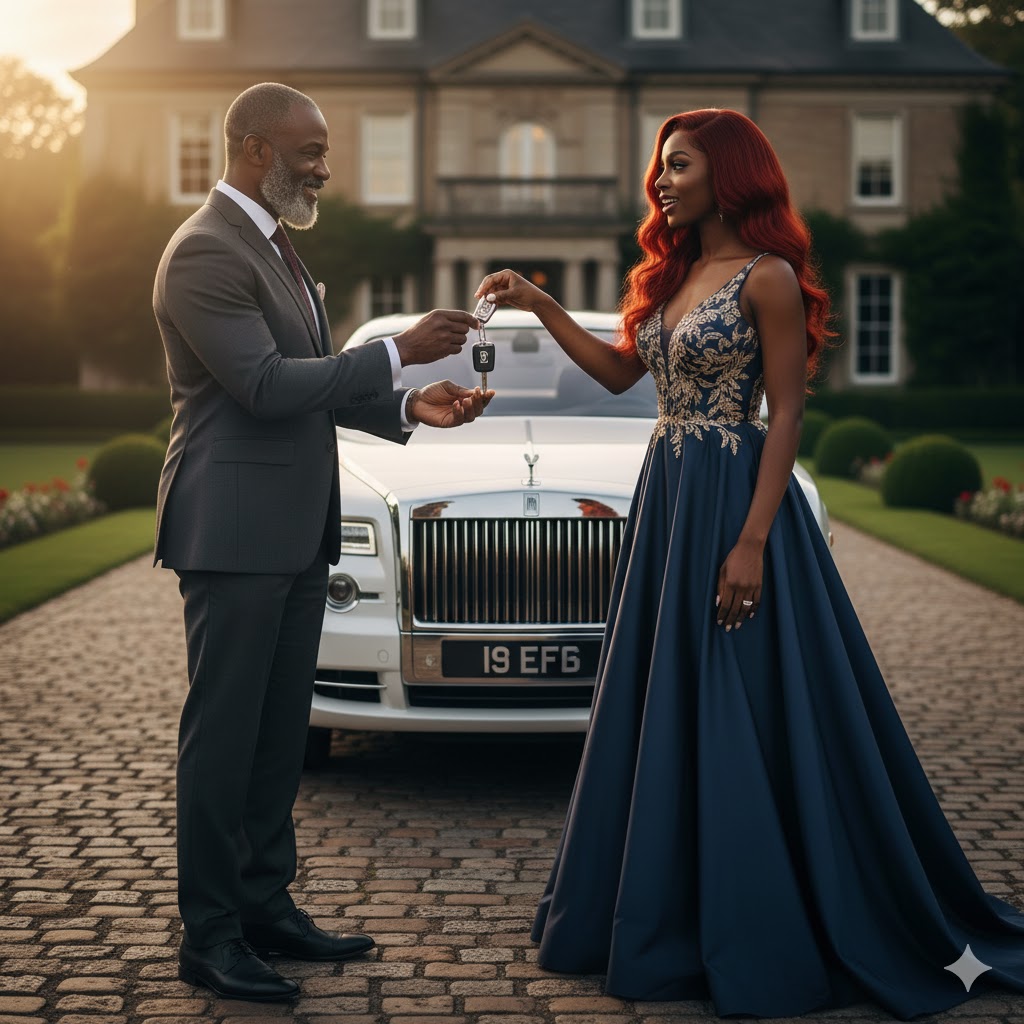
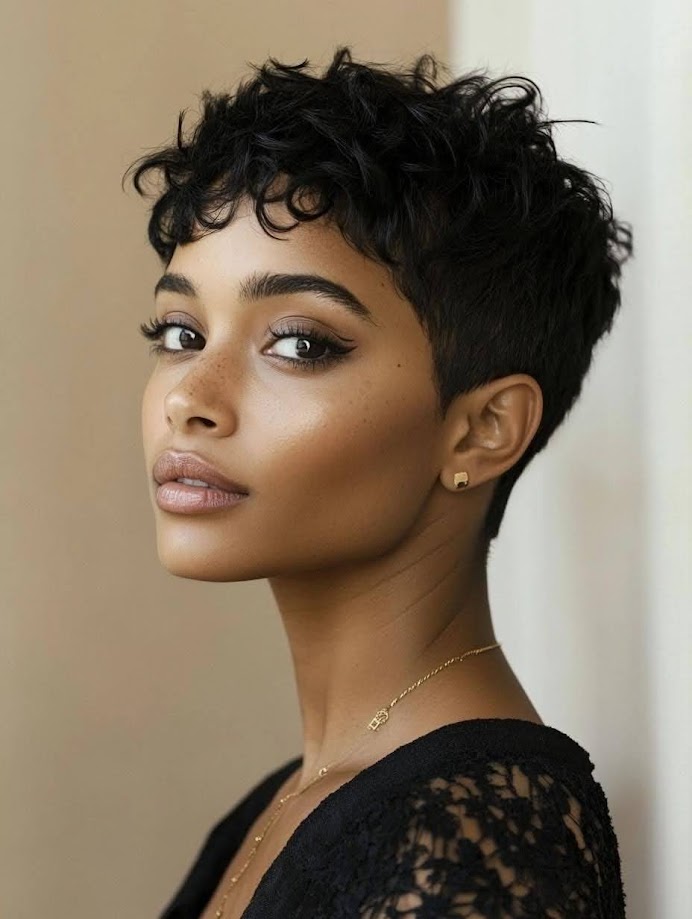
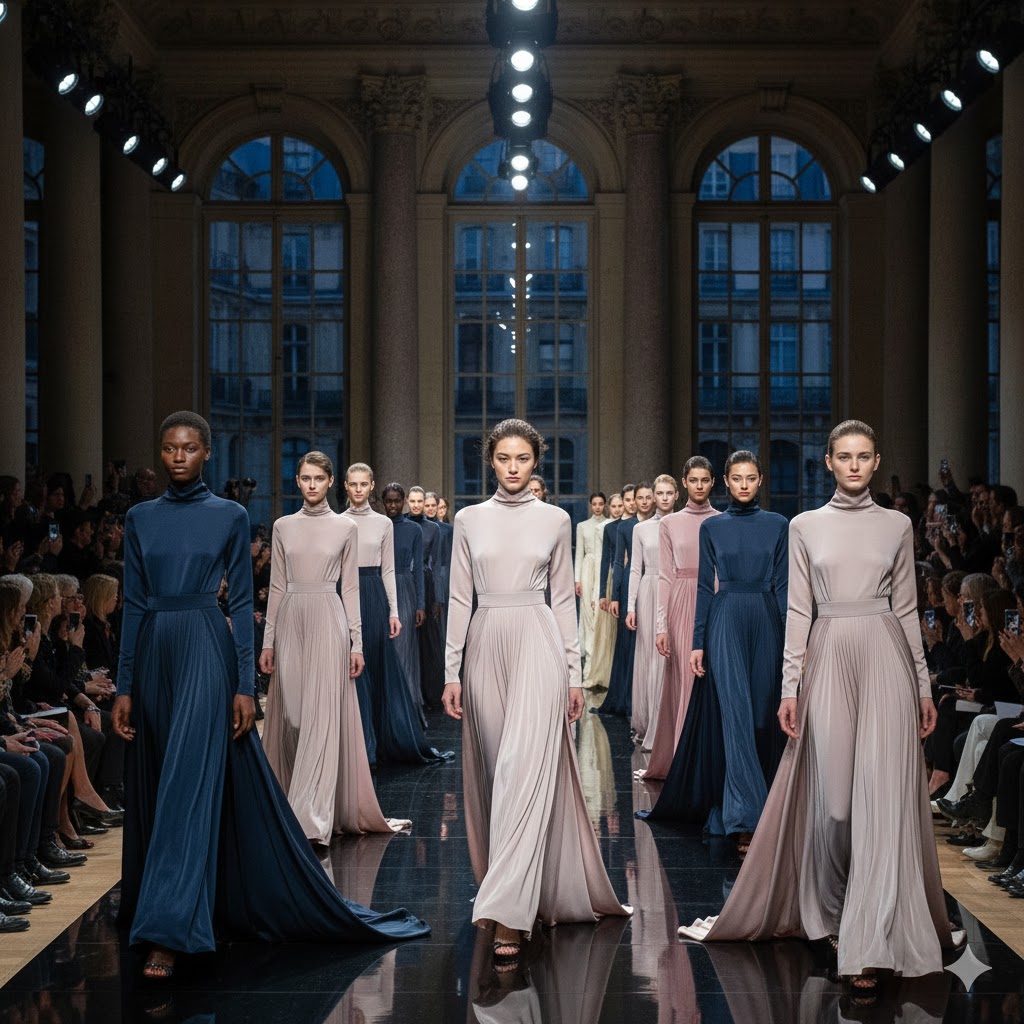
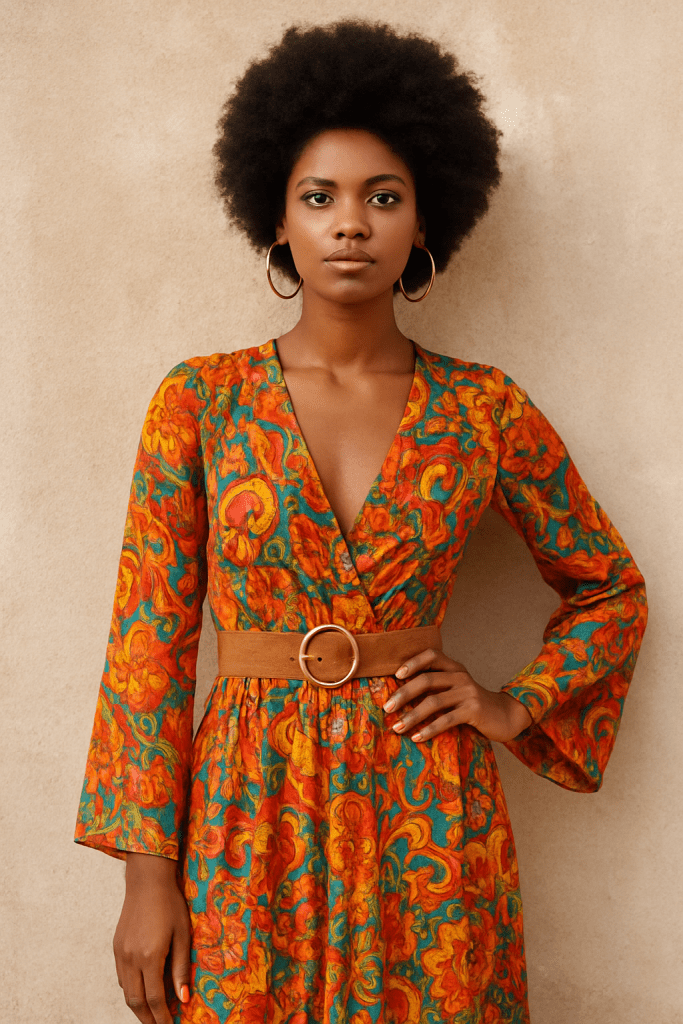
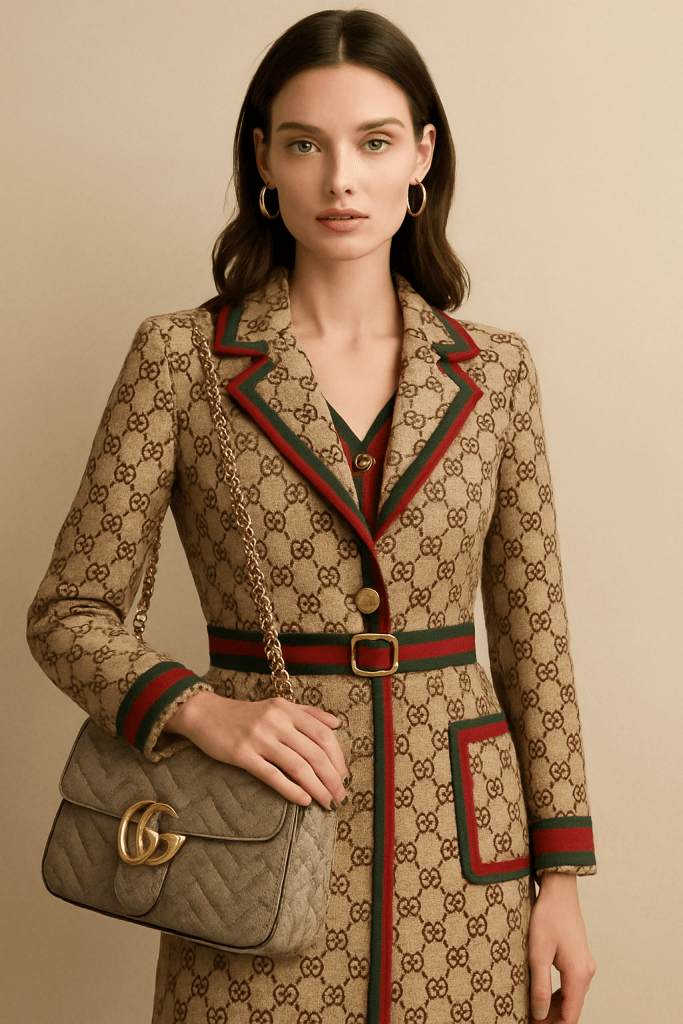
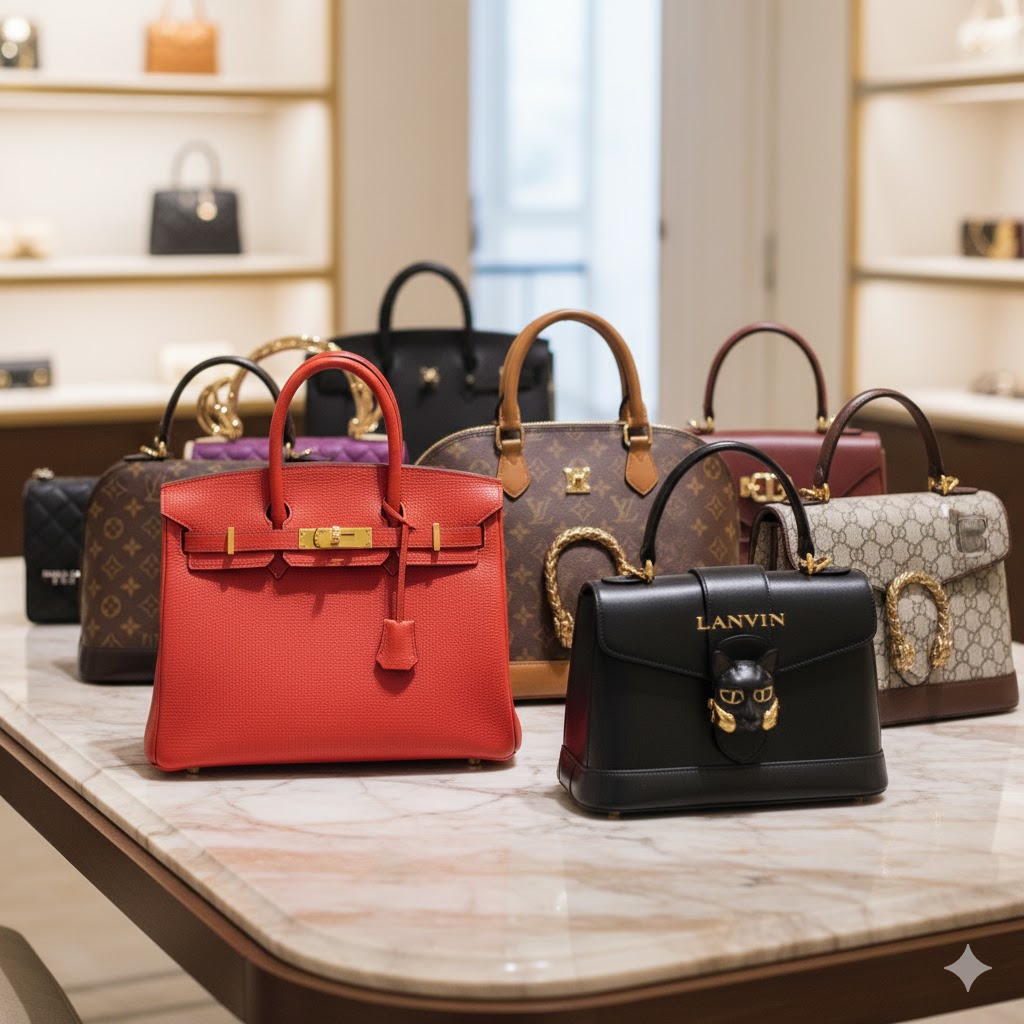
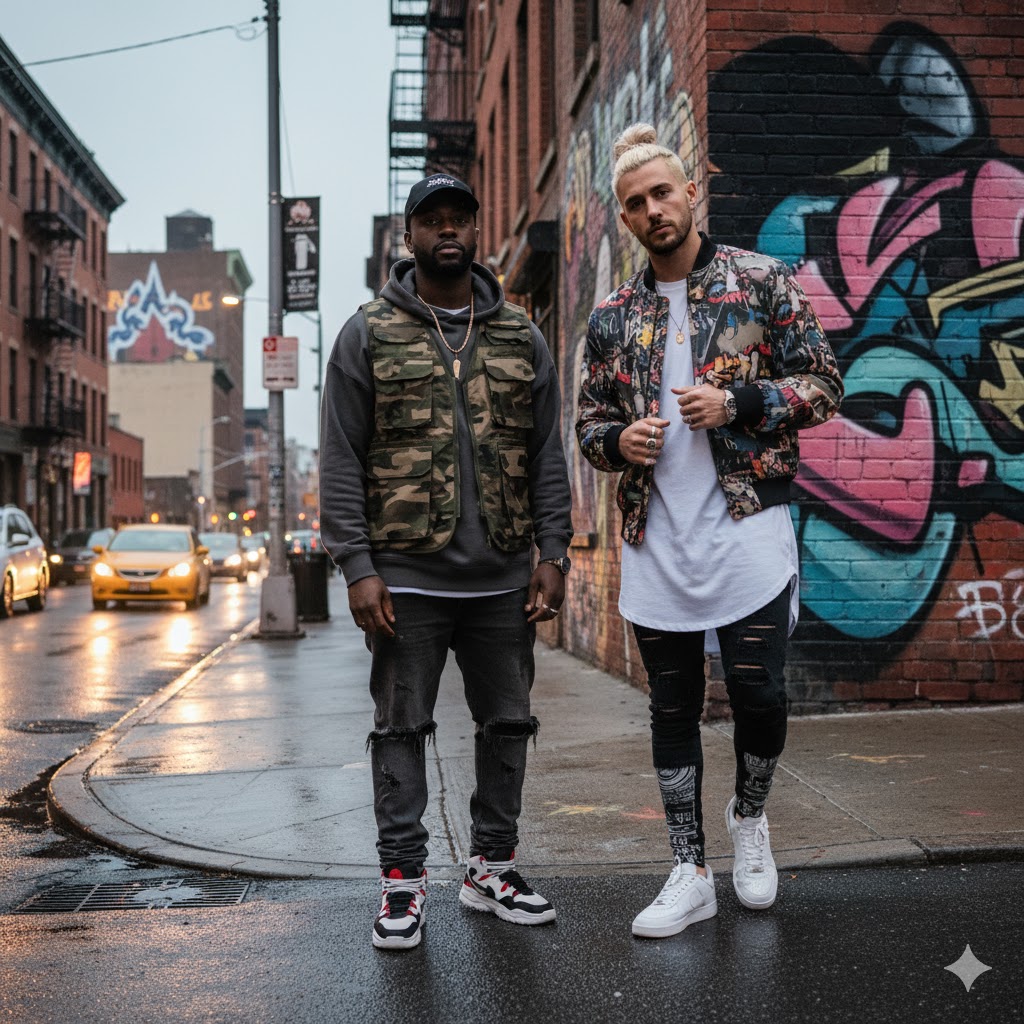
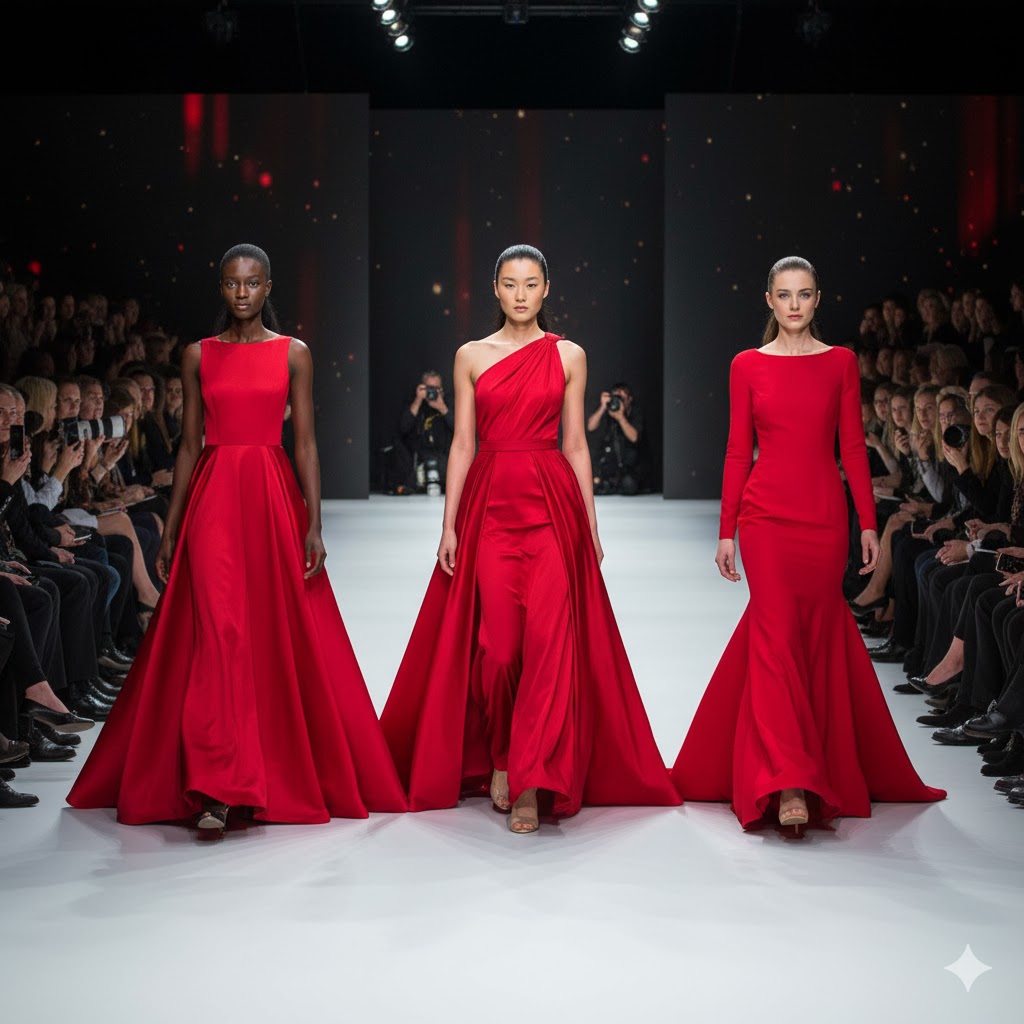
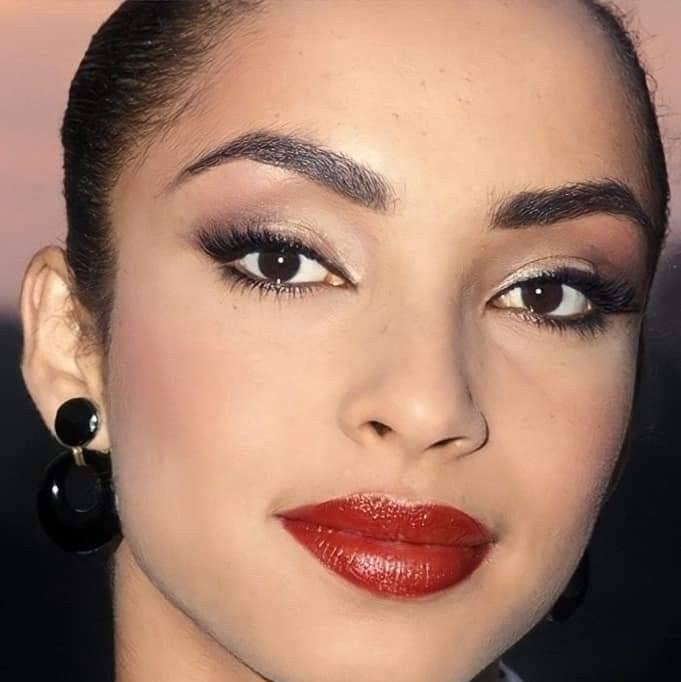
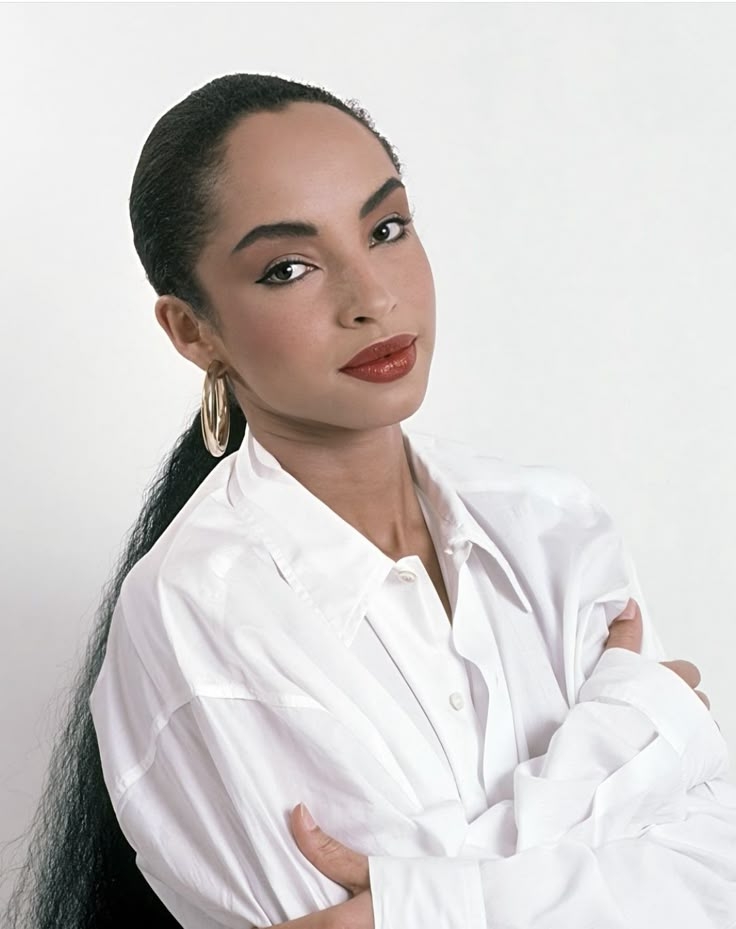
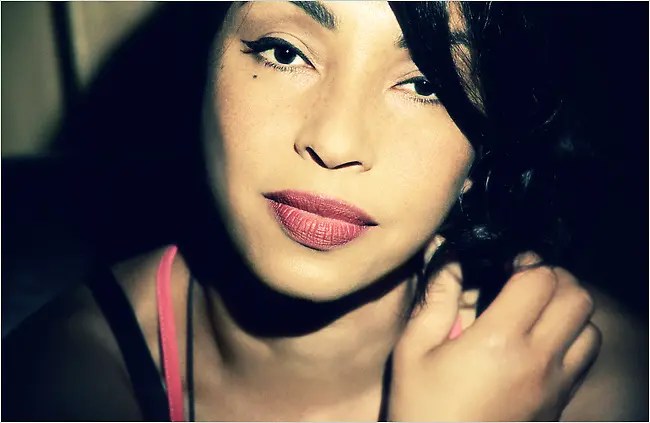
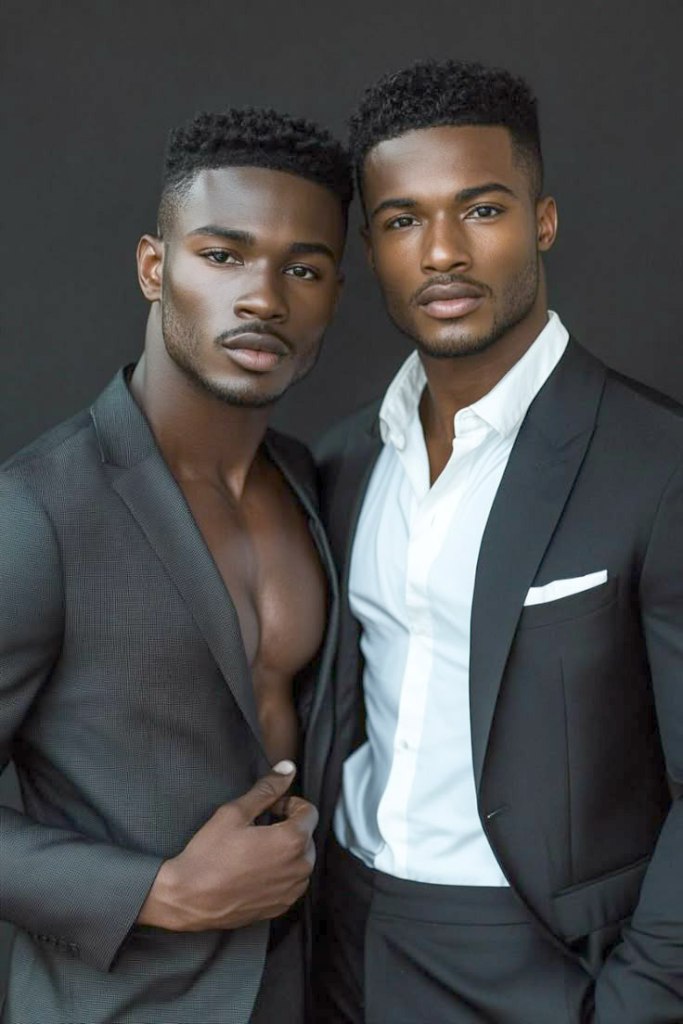
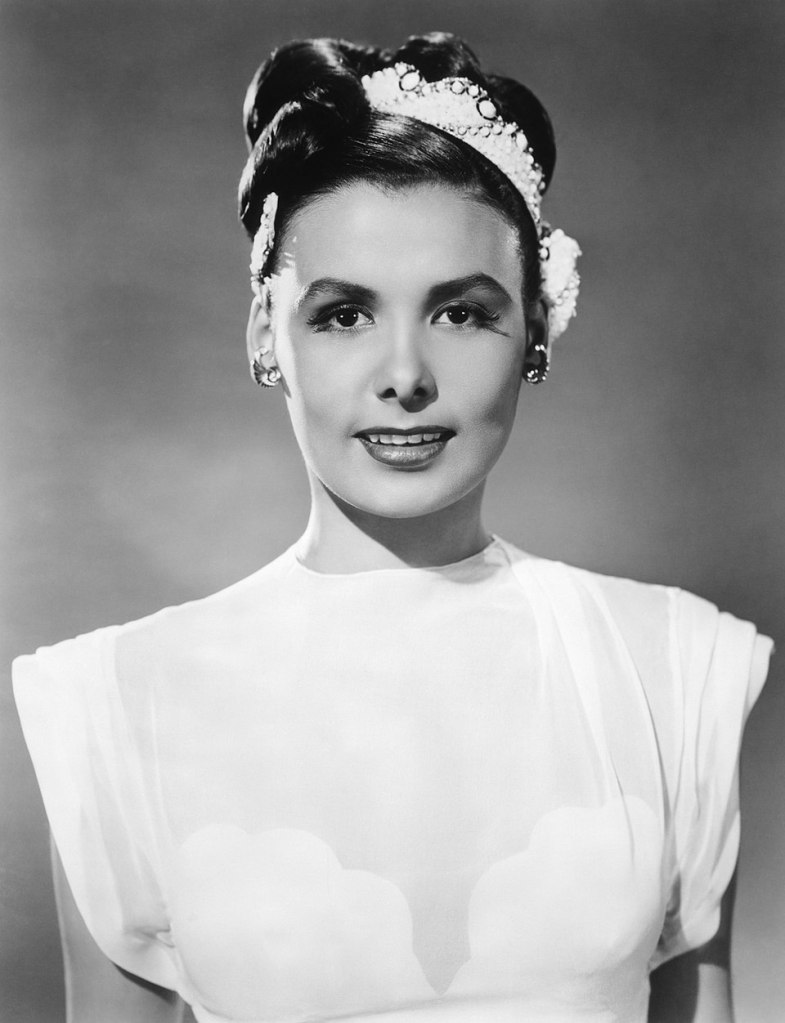
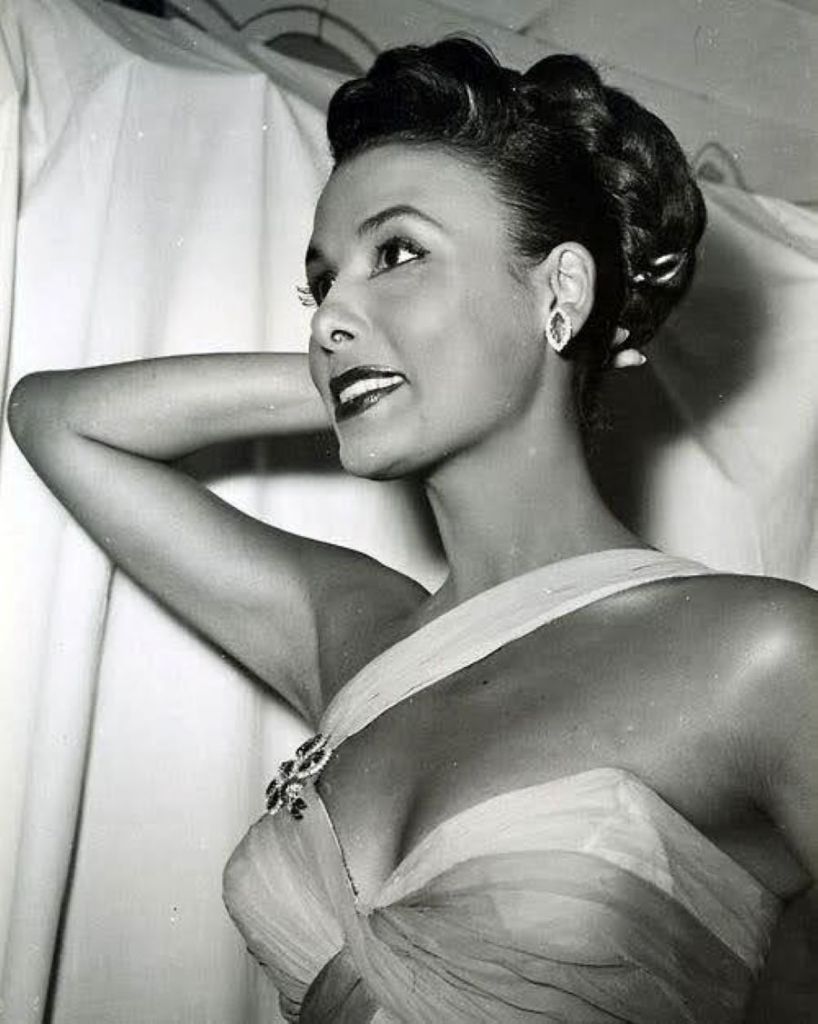
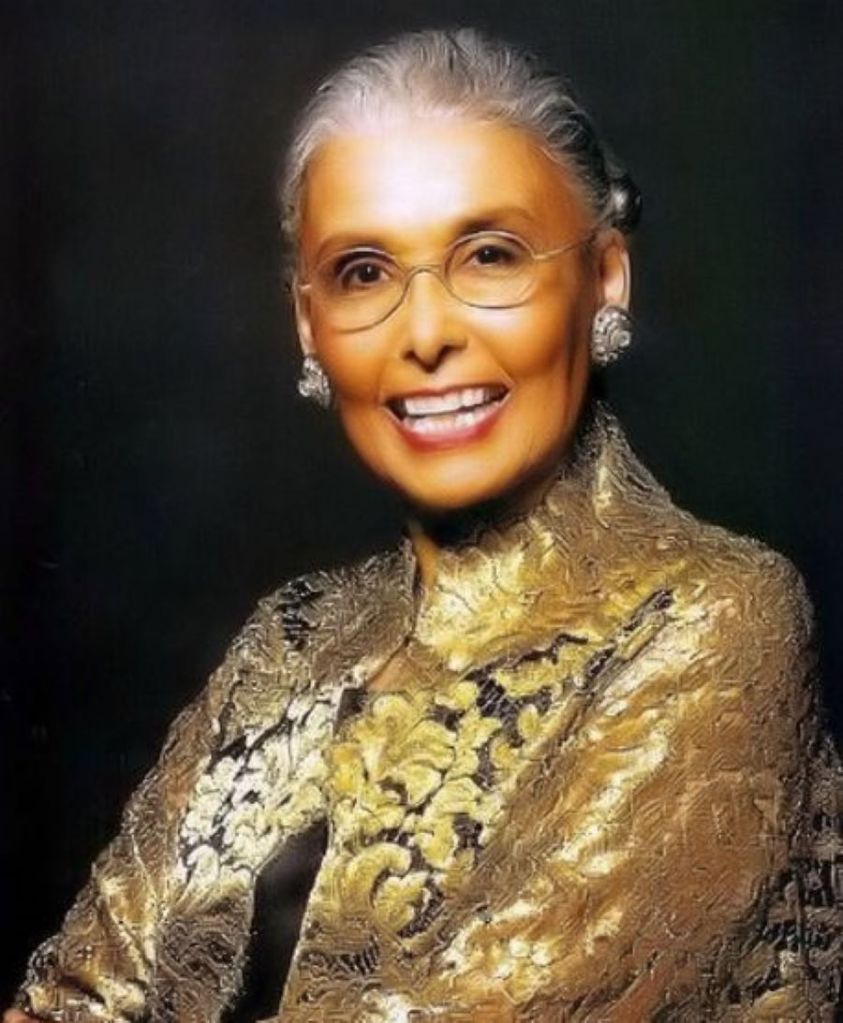
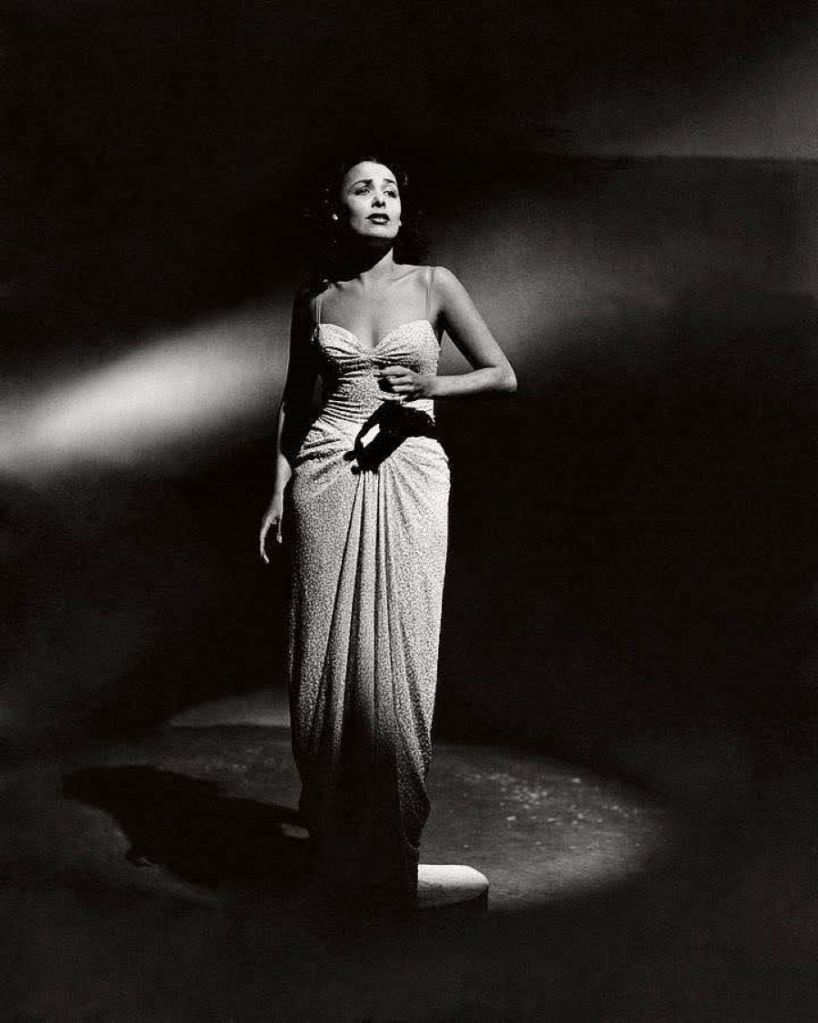
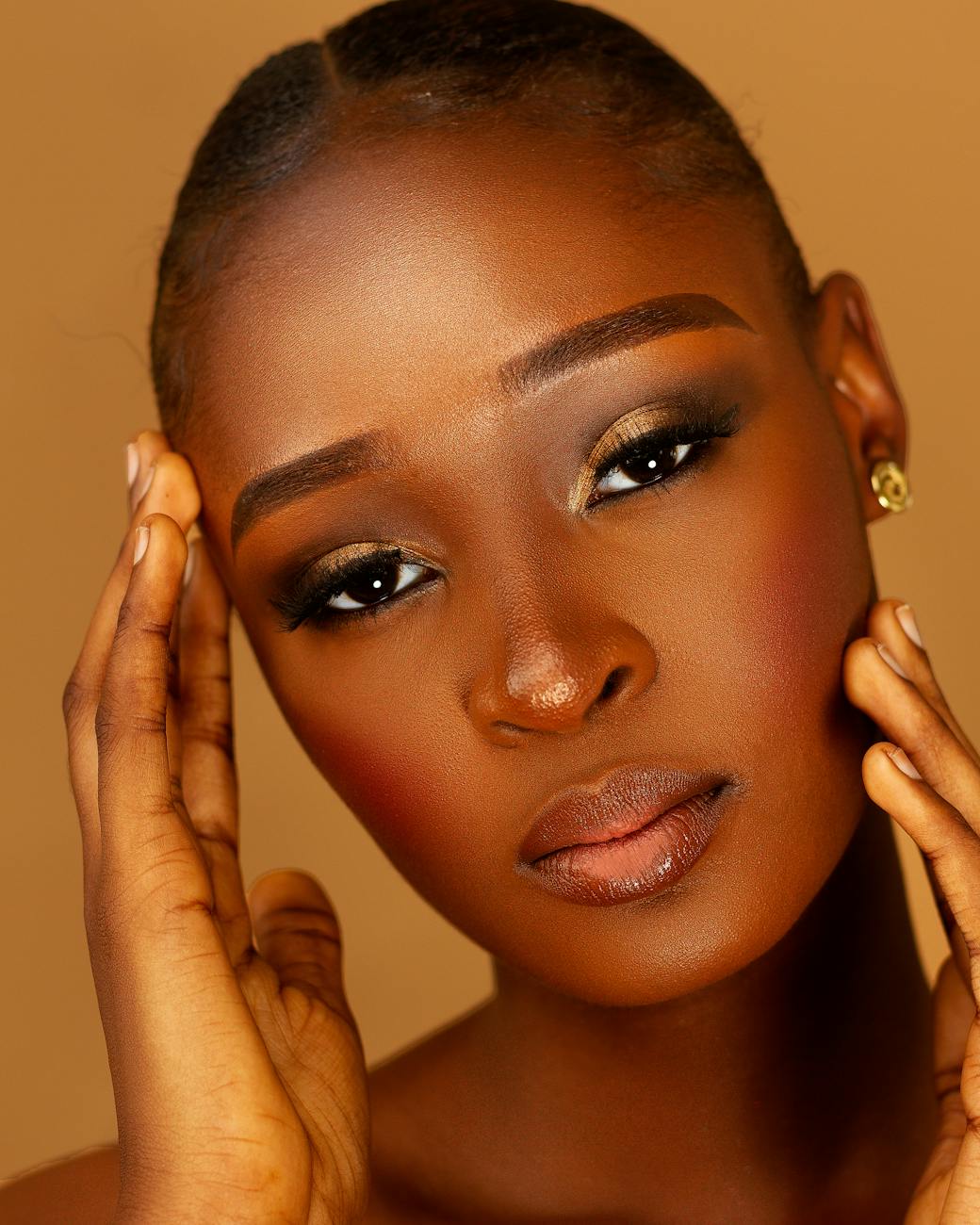
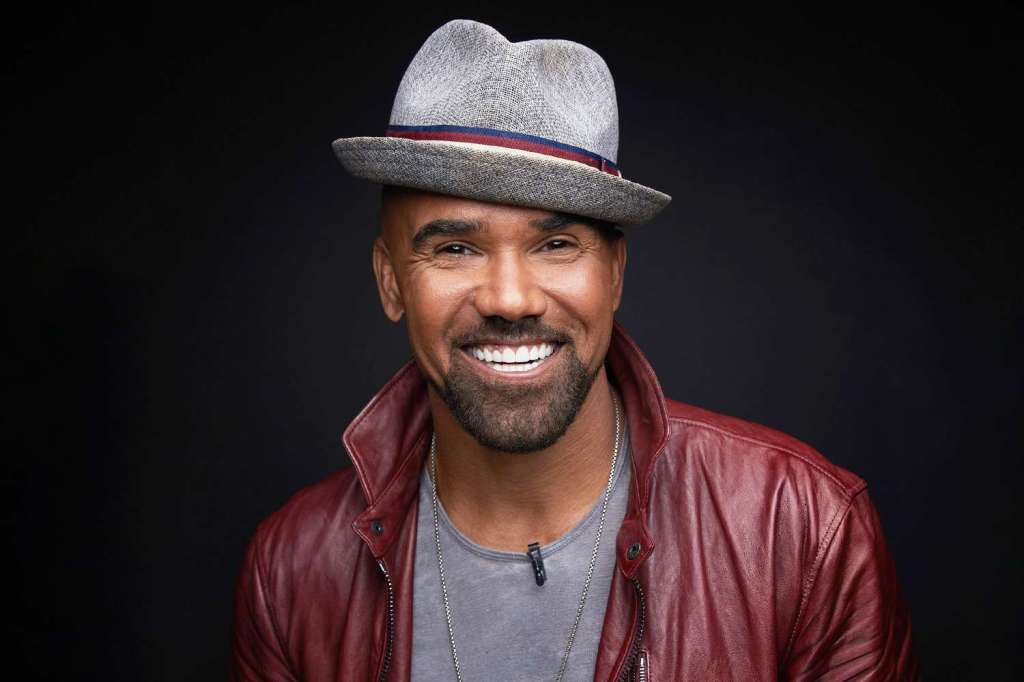
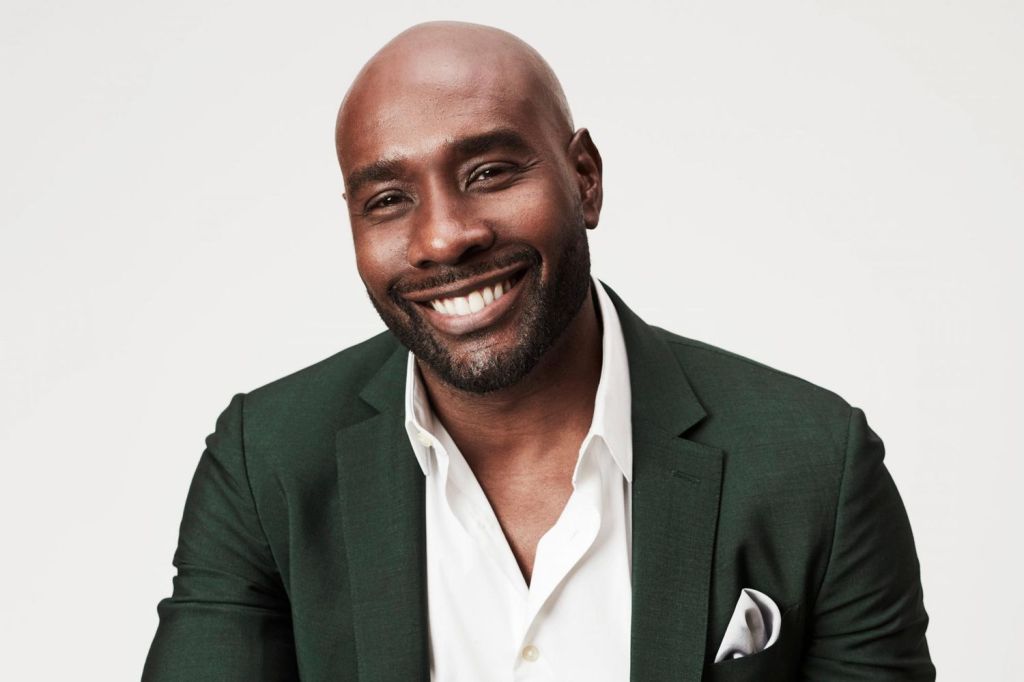

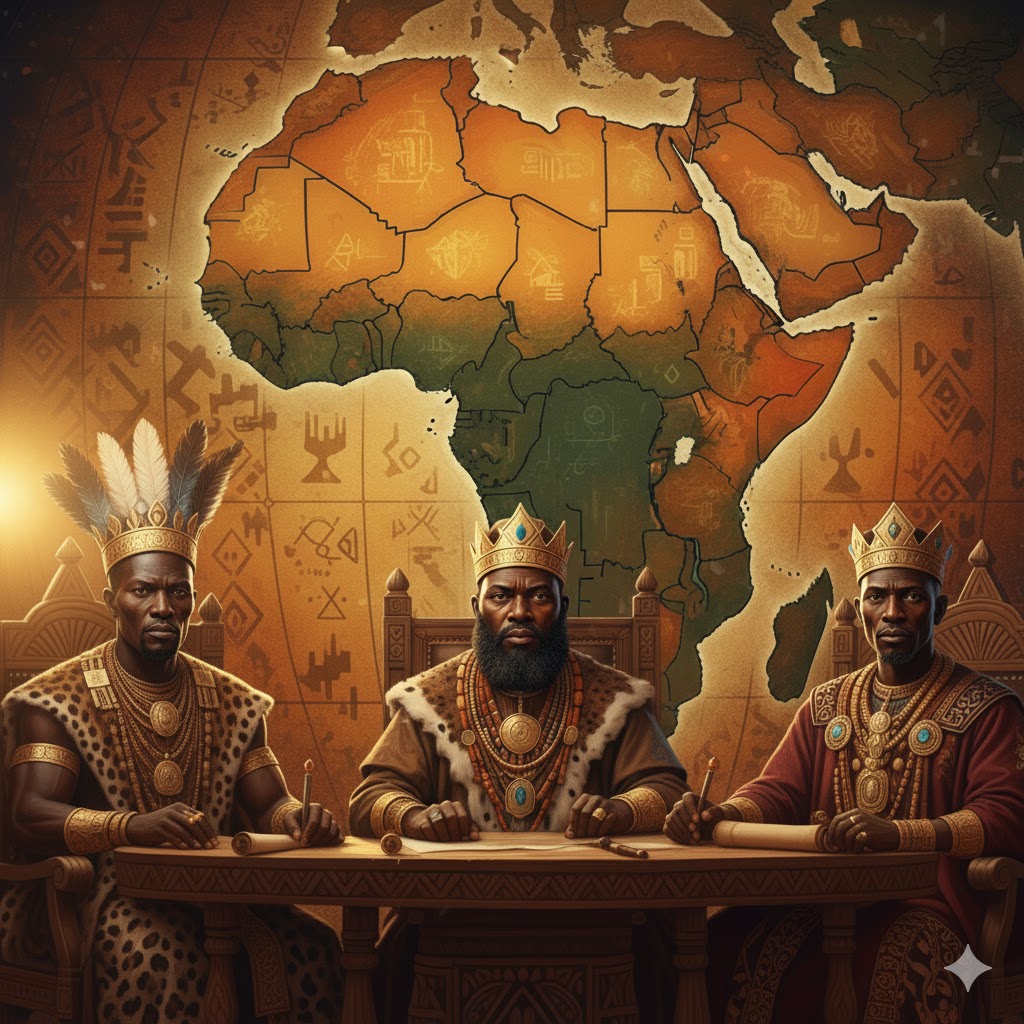
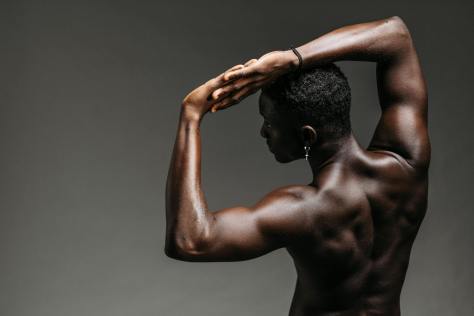
 THE BROWN GIRL DILEMMA