Tag Archives: art

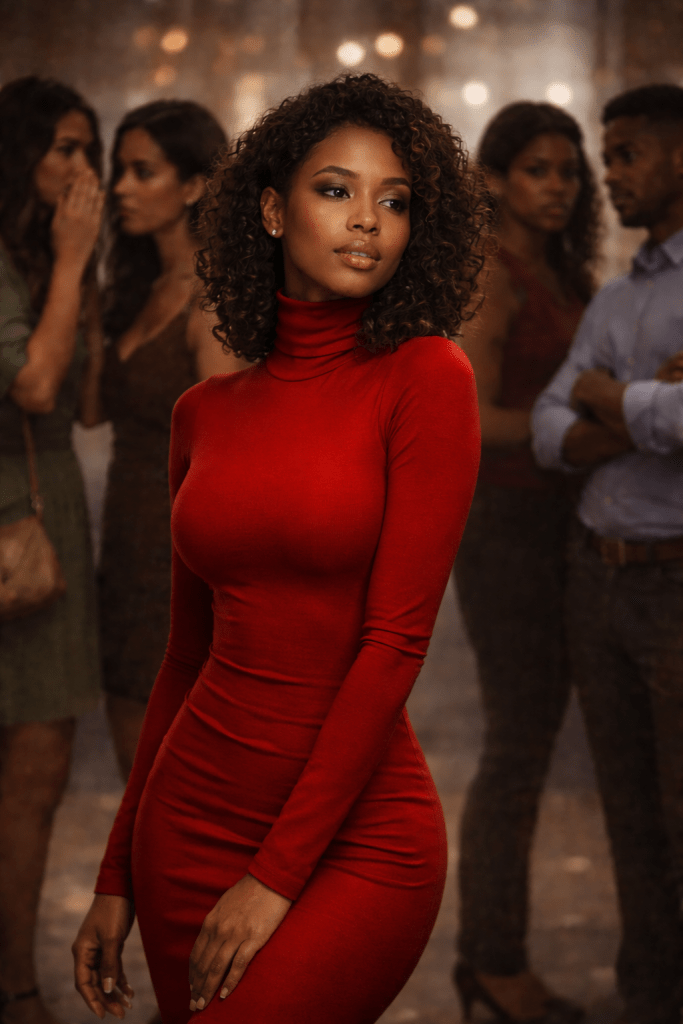
Ann Lowe: The Hidden Architect of Fashion with American Elegance.

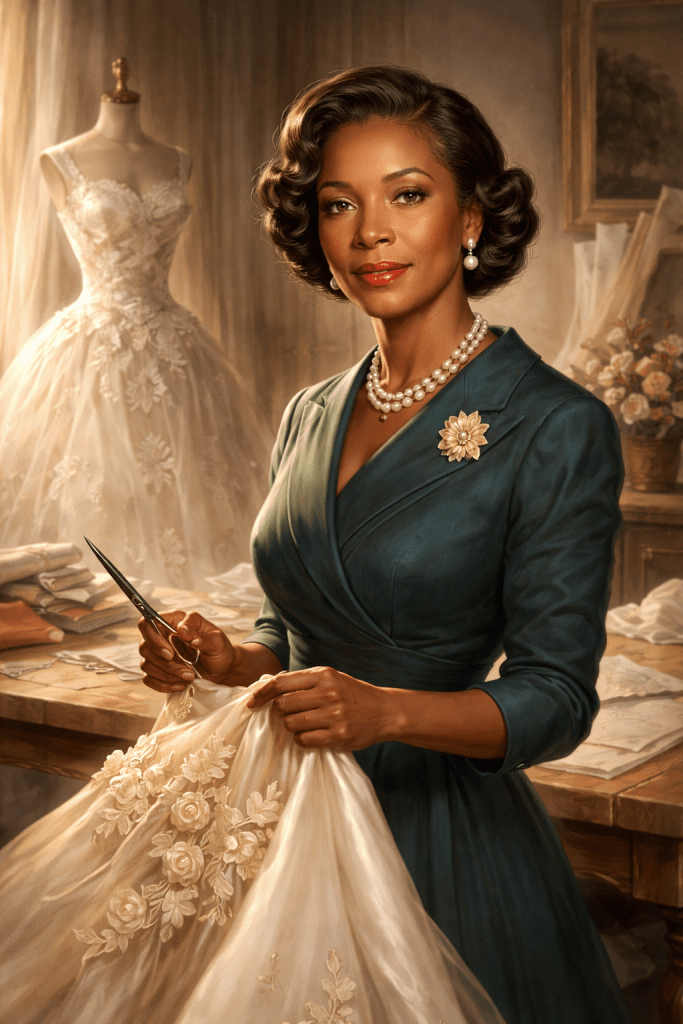
Ann Lowe stands as one of the most underrecognized yet profoundly influential figures in American fashion history, a woman whose genius was stitched into some of the most iconic garments of the twentieth century. Born into a lineage shaped by both artistry and oppression, Lowe’s life and career represent a powerful intersection of race, resilience, and refined craftsmanship. Despite working during an era deeply entrenched in racial segregation, she rose to dress some of the most elite women in America, leaving behind a legacy that continues to inspire designers and historians alike.

Born in 1898 in Clayton, Alabama, Ann Lowe was the great-granddaughter of an enslaved seamstress and the daughter of a skilled dressmaker. Her family’s talent for design was cultivated under the harsh conditions of slavery, where Black women were often forced to create garments for wealthy white families. This generational inheritance of skill became Lowe’s foundation, transforming what began as forced labor into a refined art form that would later captivate high society.

Lowe’s early exposure to couture techniques came through her mother and grandmother, who designed elaborate gowns for prominent Southern families. After her mother’s death, Lowe completed an unfinished set of dresses for a governor’s wife at just sixteen years old, astonishing clients with her ability. This moment marked the beginning of her independent career, signaling a rare and extraordinary talent that would defy the limitations imposed on Black women in her time.

Determined to refine her craft, Lowe enrolled in a design school in New York, where she faced segregation even within education. She was separated from her white classmates but excelled beyond expectations, completing her program ahead of schedule. Her perseverance in the face of discrimination highlighted both her resilience and her commitment to excellence.

Lowe eventually established herself in New York City, where she opened her own salon. She became known for her intricate hand-sewn floral appliqués, delicate embroidery, and structured silhouettes that reflected both European couture traditions and her own distinct aesthetic. Her work was often described as ethereal, feminine, and technically masterful.

Among her elite clientele were members of America’s most prominent families, including the Rockefellers and the du Ponts. Yet, despite her high-profile clients, Lowe remained largely uncredited due to the racial dynamics of the era. Many of the women who wore her gowns received public admiration, while Lowe’s name remained hidden behind the seams.

One of the most significant moments in her career came when she was commissioned to design the wedding gown for Jacqueline Bouvier Kennedy, who would later become the wife of John F. Kennedy. This gown would become one of the most iconic bridal dresses in American history.

The dress itself was a masterpiece of ivory silk taffeta, featuring a portrait neckline, fitted bodice, and a voluminous skirt adorned with intricate folds. Lowe also designed the bridesmaids’ dresses, ensuring a cohesive and elegant visual presentation for the entire wedding party. Her attention to detail and commitment to perfection were evident in every stitch.

However, just days before the wedding, a catastrophic flood in Lowe’s studio destroyed the dresses she had painstakingly created. Without informing her client, Lowe worked tirelessly to recreate each garment in time for the ceremony, absorbing the financial loss herself. This act of dedication exemplified her professionalism and unwavering commitment to her craft.

Despite the monumental success of the wedding and the global attention it received, Lowe was not publicly credited at the time. When asked about the designer, Jacqueline Kennedy reportedly described the dress as made by “a colored dressmaker,” reflecting the racial attitudes that obscured Lowe’s recognition.

Lowe’s connection to Jacqueline Kennedy remains one of the most discussed aspects of her legacy, symbolizing both her brilliance and the systemic barriers she faced. It was not until years later that her role in creating the gown was widely acknowledged, allowing her to finally receive the recognition she deserved.

In addition to her work for high society, Lowe also designed dresses for debutantes, particularly for the annual Azalea Ball in Florida. These gowns became a rite of passage for wealthy young women, further cementing her reputation as a designer of elegance and tradition.

Lowe’s designs are now preserved in several prestigious institutions, most notably the Smithsonian Institution, where her work is recognized as a vital part of American cultural and fashion history. Her garments are also held in collections at the Metropolitan Museum of Art, ensuring that her legacy endures for future generations.

Her inclusion in these museums represents a significant shift in how her contributions are valued, transforming her from an overlooked artisan into a celebrated pioneer. These institutions acknowledge not only her technical skill but also the cultural significance of her work as a Black woman navigating a segregated industry.

Lowe’s career was not without hardship. Financial instability plagued her business, partly due to her reluctance to charge her wealthy clients what her work was truly worth. This, combined with systemic racism, limited her financial success despite her immense talent.

Nevertheless, her influence can be seen in the generations of designers who followed. Her emphasis on craftsmanship, detail, and elegance set a standard that continues to resonate within the fashion industry today. She remains a symbol of excellence achieved against overwhelming odds.

Lowe’s story also serves as a lens through which to examine the broader history of Black labor in America. From slavery to the twentieth century, Black artisans have often been the invisible architects of beauty and culture, their contributions minimized or erased. Lowe’s life challenges this narrative, demanding recognition and respect.

Her work embodies a quiet form of resistance, demonstrating that excellence can thrive even in the most restrictive conditions. Through her designs, she asserted her identity and artistry in a society that sought to marginalize both.

Today, Ann Lowe is increasingly celebrated as a trailblazer, a woman who transformed inherited skill into high art. Her story is not just one of fashion but of perseverance, dignity, and the enduring power of creativity.

In reclaiming her legacy, we honor not only Ann Lowe but also the countless unnamed Black women whose talents shaped history from behind the scenes. Her stitches, once hidden, now tell a story of brilliance that can no longer be ignored.

References

Bolton, A. (2016). Jacqueline Kennedy: The White House Years. Metropolitan Museum of Art.

Harris, A. (2018). The Hidden History of American Fashion: Rediscovering Ann Lowe. Fashion Studies Journal, 12(3), 45–62.

Smithsonian Institution. (n.d.). Ann Lowe: American Couturier. National Museum of African American History and Culture.

Vreeland, D. (1965). American Fashion and Its Designers. New York: Harper & Row.

Walker, R. (2020). Threads of Legacy: African American Dressmakers and the Politics of Recognition. Journal of American History, 107(2), 389–412.
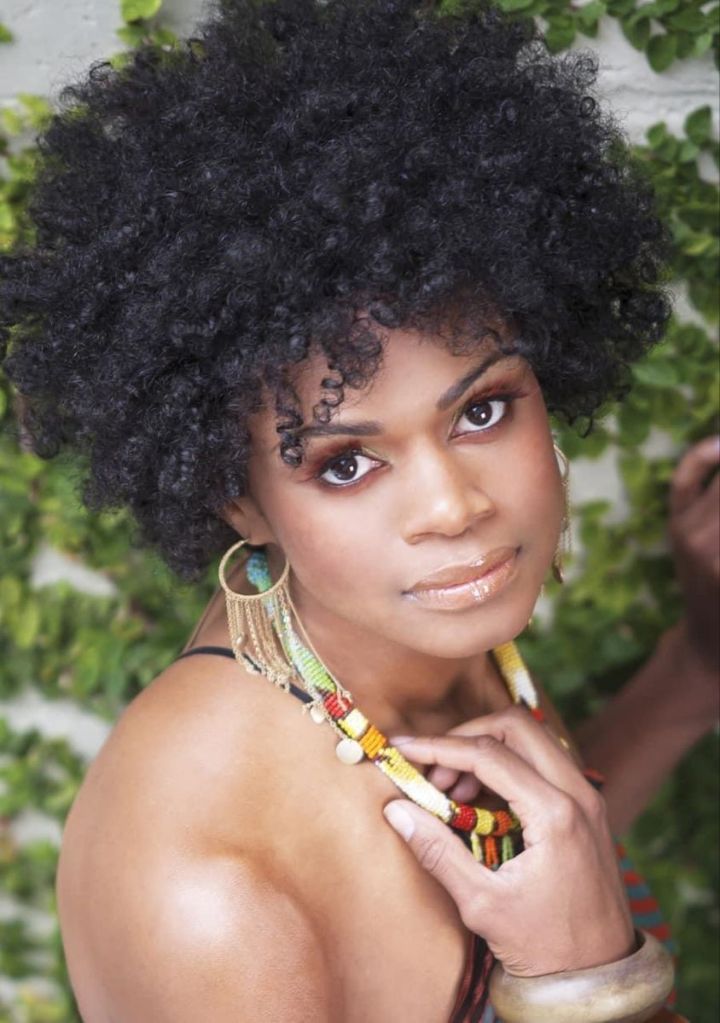
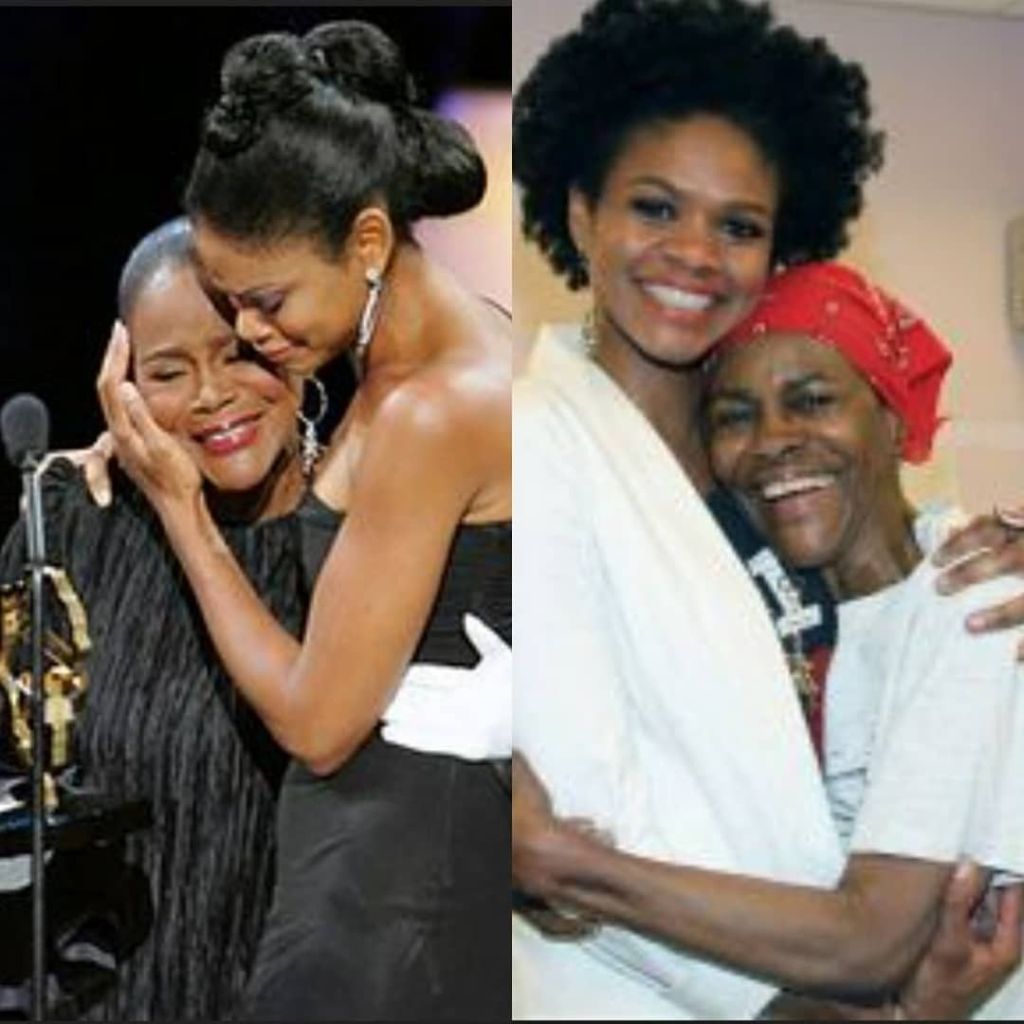
The “It Girl” Series: Kimberly Elise

Piercing, expressive eyes and a commanding screen presence—Kimberly Elise blends beauty with depth, talent, and the rare quiet power of a young Cicely Tyson.

This photograph is the property of its respective owner.

Kimberly Elise Trammel was born on April 17, 1967, in Minneapolis, Minnesota, and raised with a deep love for performance and storytelling. She earned a B.A. in Communications from the University of Minnesota before pursuing her acting career in Los Angeles. Elise’s natural talent, intense presence, and distinctively expressive eyes quickly set her apart in dramatic roles. She made her feature‑film debut in the crime action classic Set It Off (1996), portraying Tisean “T.T.” Williams with emotional intensity and strength.

Elise’s career is marked by nuanced, layered performances in films that explore struggle, resilience, and redemption. She appeared in Beloved (1998), John Q (2002), The Manchurian Candidate (2004), Diary of a Mad Black Woman (2005), Woman Thou Art Loosed (2004), Pride (2007), The Great Debaters (2007), For Colored Girls (2010), Dope (2015), Almost Christmas (2016), Death Wish (2018), and Ad Astra (2019).

Her collaborations with Denzel Washington—John Q, The Manchurian Candidate, and The Great Debaters—are particularly notable. Elise has described working with Washington as a professional joy, emphasizing that he is intensely focused, generous in his preparation, and deeply committed to family and craft—qualities she shares as a performer. Elise’s repeated casting opposite him and the respect evident in industry discussions reflect a mutual professional regard and creative rapport.

These photographs are the property of their respective owners.

Elise’s expressive, piercing eyes are a hallmark of her acting style: they convey internal life, pain, strength, and transformation without a single line of dialogue. Her presence has drawn comparisons to a young Cicely Tyson, not only for her physical resemblance but for the depth and dignity she brings to every role.

In her personal life, Kimberly Elise was first married to Maurice Oldham (April 21, 1989 – September 29, 2005), with whom she has two daughters, AjaBleu Oldham and Butterfly Rose Oldham. She later married George E. McCrary on August 23, 2023.

Elise’s work has earned critical recognition and industry honors. Early in her career, she won Best Supporting Actress at the 19th Annual CableACE Awards for The Ditchdigger’s Daughters (1997). She also received Independent Spirit Award and NAACP Image Award nominations for Woman Thou Art Loosed (2004), won NAACP Image Awards for Diary of a Mad Black Woman and other projects, and has been celebrated for her powerful contributions to film and television that center Black women’s stories.

Kimberly Elise embodies the qualities of an “It Girl” through a blend of confidence, emotional intelligence, and acting prowess. Her beauty is not superficial but expressive and commanding, rooted in her ability to convey truth through subtle gestures and deep emotional resonance. Whether portraying everyday struggles or extraordinary resilience, Elise’s work resonates with authenticity, intelligence, and grace—making her one of Hollywood’s most compelling and enduring talents.

References:

  1. Kimberly Elise. (2024). IMDb. https://www.imdb.com/name/nm0253708/biography/
  2. Kimberly Elise Filmography. (2024). Fandango. https://www.fandango.com/people/kimberly-elise-197874/film-credits
  3. Kimberly Elise Movies & TV Shows. (2024). Rotten Tomatoes. https://www.rottentomatoes.com/celebrity/kimberly_elise
  4. Kimberly Elise: The Perfect Pairing. (2020). Essence. https://www.essence.com/news/kimberly-elise-the-perfect-pairing/
  5. Actress Kimberly Elise on Working with Denzel Washington. (2013). TheGrio. https://thegrio.com/2013/05/31/actress-kimberly-elise-talks-being-denzel-washingtons-work-wife
  6. Kimberly Elise: Giving Voice to Voiceless. (2018). Chicago Sun‑Times. https://chicago.suntimes.com/2018/4/13/18398979/kimberly-elise-giving-voice-to-voiceless-on-road-to-black-hollywood-royalty
  7. NAACP Image Awards: Past Winners. (2023). NAACP.org. https://naacpimageawards.net/past-winners/

The Male Files: A Study of Black Masculinity.

Black masculinity has long existed at the intersection of history, theology, psychology, and sociopolitical reality. From a biblical standpoint, masculinity is not primarily defined by dominance, wealth, or physical strength, but by spiritual authority, moral responsibility, and covenantal leadership. Scripture presents man as created in the image of God (imago Dei), entrusted with stewardship, protection, and purpose (Genesis 1:26–28). In this framework, masculinity is inherently relational—man is called to lead through service, to love through sacrifice, and to govern through righteousness (Ephesians 5:25; Micah 6:8).

The biblical archetype of manhood is embodied in figures such as Adam, Abraham, Moses, David, and ultimately Christ, whose life redefines power as humility and leadership as servanthood (Mark 10:42–45). Christological masculinity subverts worldly conceptions of patriarchy by centering emotional discipline, spiritual submission, and moral accountability. In this sense, true masculinity is not measured by domination over others but by mastery of self (Proverbs 16:32). For Black men, whose bodies and identities have historically been politicized and criminalized, the biblical model offers a counter-narrative rooted in dignity, divine purpose, and sacred identity.

From a worldly and sociological perspective, Black masculinity has been profoundly shaped by the historical forces of enslavement, colonialism, Jim Crow, mass incarceration, and media stereotyping. Scholars such as W.E.B. Du Bois (1903) and Frantz Fanon (1952) argue that Black male identity in Western societies has been constructed through a lens of hypervisibility and dehumanization, where the Black male body becomes both feared and fetishized. This has produced what Du Bois famously termed “double consciousness”—the psychological conflict of seeing oneself through the eyes of a society that simultaneously denies one’s humanity.

Contemporary studies further reveal that dominant models of masculinity in Western culture—often termed hegemonic masculinity—emphasize emotional suppression, sexual conquest, economic dominance, and physical aggression (Connell, 2005). For many Black men, these norms intersect with systemic barriers such as racial profiling, educational inequality, labor market discrimination, and disproportionate policing. As a result, masculinity becomes a site of psychological tension, where survival often demands performative toughness rather than emotional vulnerability or spiritual development (hooks, 2004).

Media representations exacerbate this crisis by narrowing Black masculinity into a limited set of archetypes: the athlete, the entertainer, the criminal, or the hypersexual figure. These images, while profitable within capitalist frameworks, distort the multidimensional realities of Black male identity and constrain the imagination of what Black men can be and become (Gray, 1995). This cultural scripting has tangible consequences, influencing self-perception, interpersonal relationships, and even mental health outcomes among Black men (APA, 2018).

The tension between the biblical and worldly constructions of masculinity reveals a fundamental philosophical divide. While the world defines masculinity through power, performance, and possession, the biblical worldview defines it through purpose, character, and spiritual alignment. The Black man, situated within both paradigms, often navigates a fractured identity—caught between social expectations and divine calling. Yet within this tension lies the potential for transformation. As theology and critical race scholarship converge, a liberatory vision of Black masculinity emerges—one that is intellectually grounded, spiritually anchored, emotionally whole, and historically conscious.

Ultimately, The Male Files argues that the restoration of Black masculinity requires both spiritual reorientation and structural reform. Biblically, this entails returning to a model of manhood rooted in covenant, accountability, and moral leadership. Sociologically, it requires dismantling the systems that continue to pathologize Black male existence. Black masculinity, when reclaimed through both sacred and scholarly lenses, becomes not a crisis to be managed, but a legacy to be redeemed—an identity not defined by trauma, but by transcendence.


References

American Psychological Association. (2018). Guidelines for psychological practice with boys and men. APA.

Connell, R. W. (2005). Masculinities (2nd ed.). University of California Press.

Du Bois, W. E. B. (1903). The souls of Black folk. A.C. McClurg & Co.

Fanon, F. (1952). Black skin, white masks. Grove Press.

Gray, H. (1995). Watching race: Television and the struggle for Blackness. University of Minnesota Press.

hooks, b. (2004). We real cool: Black men and masculinity. Routledge.

The Holy Bible, King James Version. (1611/2017). Cambridge University Press.

Passing Series: Dona Drake

This photograph is the property of its respective owner. No copyright infringement intended.

Dona Drake occupies a complex and often painful place in Hollywood history as a woman of color who was forced to “pass” as white and Latina to survive within a racially segregated film industry. Born Eunice Westmoreland in the early twentieth century, Drake’s career reveals the psychological and structural pressures placed on racially ambiguous performers in an era when Black identity was treated as a professional death sentence. Her story is not merely one of personal reinvention, but of institutional coercion, cultural erasure, and racial deception demanded by Hollywood itself.

Drake was born in 1914 to African American parents, despite later studio narratives claiming she was of Spanish or Latin descent. Her father, Amos Westmoreland, was a Black vaudeville performer, and her mother was also African American. This factual lineage directly contradicts the racial mythology constructed around her public persona, illustrating how studios deliberately rewrote her identity to make her palatable to white audiences.

In the 1930s and 1940s, Hollywood operated under a rigid racial caste system shaped by Jim Crow ideology, the Production Code, and deeply entrenched white supremacy. Black actresses were almost exclusively limited to roles as maids, mammies, or comic relief, for a light-skinned woman like Drake, passing offered a pathway into lead roles, romance, and upward mobility that would otherwise be inaccessible.

Drake first entered Hollywood under the name “Dona Drake” in the early 1940s, a carefully crafted identity that obscured her African American origins. Studios promoted her as “Mexican,” “Spanish,” or “Latin American,” depending on the role, allowing her to be cast in exoticized but non-Black parts. This racial ambiguity functioned as a form of commercial camouflage, enabling her to navigate a racist system while concealing her true heritage.

Her most notable film appearances during this period included roles in Road to Morocco (1942) and The Falcon in San Francisco (1945), where she was marketed as a glamorous “foreign” woman rather than a Black American. These roles would have been impossible had her racial background been publicly known, revealing how Hollywood’s casting practices were fundamentally racialized and exclusionary.

Drake’s passing was not merely professional but psychological. To maintain her career, she had to continuously deny her family, ancestry, and community. This form of racial performance required constant vigilance, as discovery could mean immediate blacklisting. Passing thus became a survival strategy rooted in fear rather than freedom.

This photograph is the property of its respective owner. No copyright infringement intended.

In 1941, Drake also performed under the name “Rita Rio” during her singing and nightclub career, another identity layer that distanced her from Blackness and aligned her with Latin exoticism. These shifting names reflect how racial identity in Hollywood was not self-defined but corporate-controlled, reshaped to fit market demands.

Hollywood actively taught Drake how to lie about herself. Studio publicists constructed false biographies, altered her speech patterns, and discouraged any association with Black spaces or people. This training in racial deception was not unique to Drake but part of a broader system in which light-skinned performers were coached to “perform whiteness” as a professional skill.

The reason Drake wanted to be perceived as white or non-Black was rooted in the brutal reality of racial economics. Black actresses earned less, had fewer roles, and were denied romantic narratives. Passing offered access to dignity, complexity, and visibility in a world that refused to humanize Black women on screen.

However, Drake’s success was fragile. As racial scrutiny increased and Hollywood’s gossip culture intensified, questions about her background followed her throughout her career. The constant pressure of concealment reportedly took an emotional toll, contributing to personal struggles and career instability later in life.

Drake’s downfall reflects the psychological cost of racial erasure. Passing requires not only external performance but internal fragmentation, where one must suppress authentic identity to maintain social survival. Scholars often describe this as a form of racial dissociation or identity splitting.

Her story also exposes the hypocrisy of Hollywood’s racial politics. While studios claimed to celebrate diversity through “ethnic” characters, they simultaneously excluded real Black identity, preferring racial fantasy over racial truth. Drake’s Latin persona was acceptable precisely because it was not Black.

From a sociological perspective, Drake represents what W.E.B. Du Bois called “double consciousness,” the internal conflict of seeing oneself through the eyes of a society that devalues your true identity. Her life illustrates how racial passing is not individual deception but structural coercion embedded in white supremacy.

Drake never publicly reclaimed her Black identity during her lifetime, which reflects how deeply the fear of racial exposure had been internalized. Even in death, her racial background remained contested, showing how thoroughly her original identity had been overwritten by Hollywood myth.

Dona Drake’s legacy forces us to confront uncomfortable truths about representation, race, and survival. She was not simply pretending to be white; she was responding rationally to a system that punished Blackness and rewarded proximity to whiteness. Her life stands as a historical case study in racial capitalism and identity trauma.

Ultimately, Drake’s passing reveals that Hollywood did not merely reflect racism; it engineered it. By forcing performers like her to erase themselves, the industry taught generations that Black identity was something to escape rather than embrace. Her story is not about individual shame, but about institutional violence against Black existence itself.


References

Bogle, D. (2016). Toms, coons, mulattoes, mammies, and bucks: An interpretive history of Blacks in American films (5th ed.). Bloomsbury.

Du Bois, W. E. B. (2007). The souls of Black folk. Oxford University Press. (Original work published 1903)

Gaines, J. M. (2017). Fire and desire: Mixed-race movies in the silent era. University of Chicago Press.

Hoberman, J. (2018). Hollywood and the color line. Film Quarterly, 71(3), 12–19.

Smith, S. (2019). Passing and performance: Racial ambiguity in classical Hollywood. Journal of American Culture, 42(2), 145–158.

The Ebony Dolls: Alek Wek

Sudanese Supermodel and Icon of Unconventional Beauty

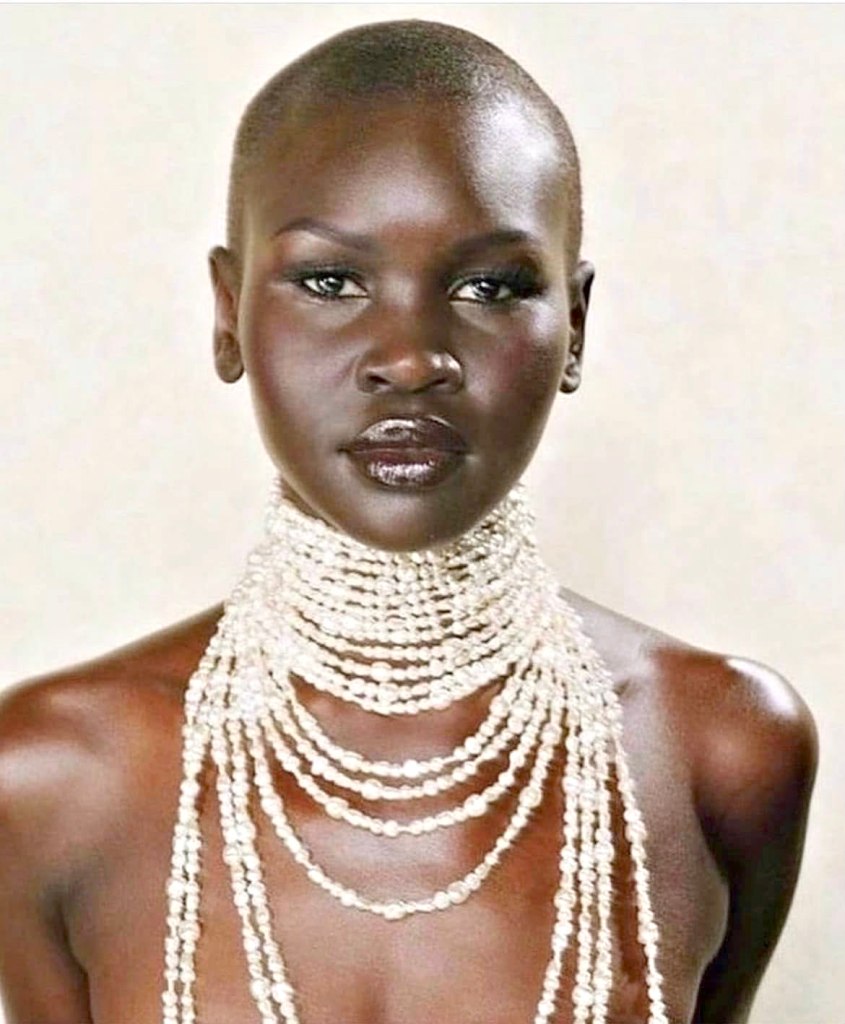
This photograph is the property of its respective owner. No copyright infringement intended.

Alek Wek is a Sudanese-British supermodel and cultural icon whose emergence in the global fashion industry transformed dominant conceptions of beauty, race, and representation. Born on April 16, 1977, in Wau, South Sudan, Wek became one of the first African models to achieve international supermodel status in the late 1990s, celebrated not for conformity to Western standards but for her distinctly African features and richly melanated skin.

Wek’s early life was shaped by political violence and displacement. During the Second Sudanese Civil War, her family fled to London as refugees when she was 14 years old. This experience of forced migration profoundly shaped her worldview and later humanitarian advocacy, grounding her public identity in resilience and survival.

She was discovered in 1995 at an outdoor market in Crystal Palace, London, by a modeling scout from Models 1 agency. At the time, Wek had no prior connection to fashion and did not fit the conventional industry image of beauty. Her height, deep ebony skin, shaved head, and Nilotic facial features were considered “unmarketable” by traditional standards—yet these exact traits would soon redefine global beauty culture.

Wek’s breakthrough came in 1996 when she appeared in the iconic Calvin Klein Obsession fragrance campaign, photographed by Steven Meisel. The campaign was revolutionary, positioning a dark-skinned African woman at the center of a luxury brand’s visual identity. This marked one of the first times a Sudanese model was presented as the global face of high fashion.

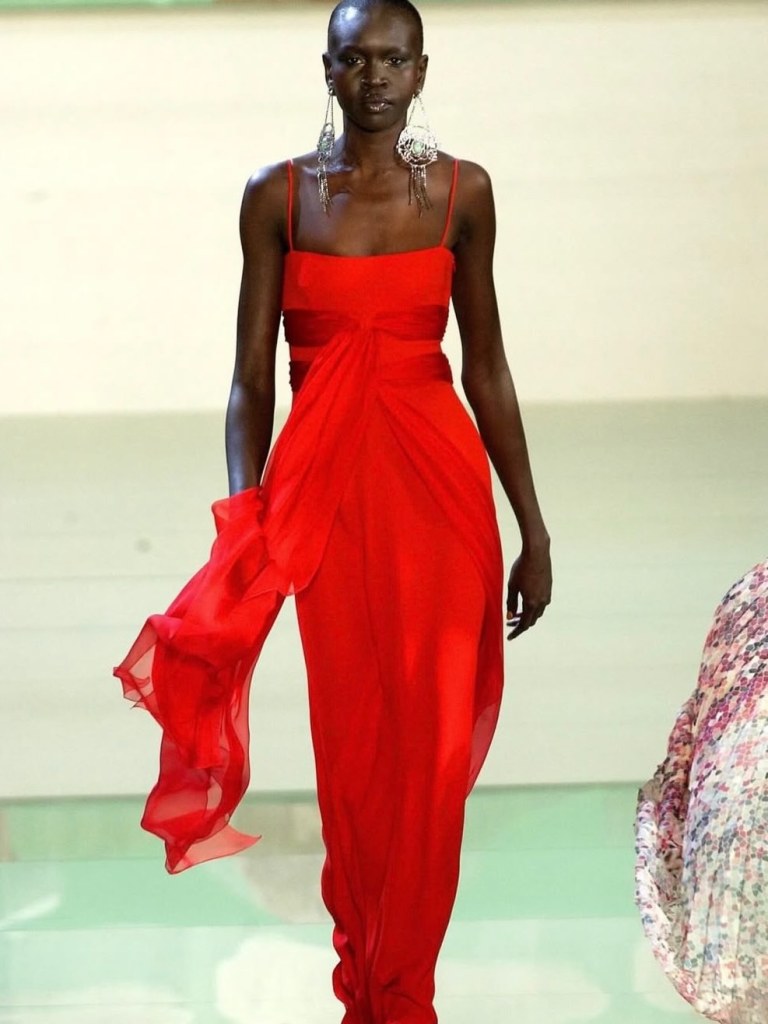
Her runway career quickly flourished, with appearances for elite designers including Chanel, Jean Paul Gaultier, Moschino, Givenchy, Donna Karan, Valentino, and Victoria’s Secret. She graced the covers of Vogue, Elle, Harper’s Bazaar, Allure, and i-D, becoming one of the most visible Black models of her generation.

Alek Wek is particularly celebrated for her “unconventional beauty,” a term often used to describe her departure from Eurocentric norms. Her elongated limbs, high cheekbones, almond eyes, sculptural facial structure, and shaved head embodied an Afrocentric aesthetic that was rarely elevated in Western fashion prior to her rise.

Her rich ebony dark skin became her most radical form of beauty capital. In an industry long dominated by lighter skin tones and racial assimilation, Wek’s melanation symbolized a form of aesthetic resistance. She did not soften her African features to fit Western ideals—she forced Western ideals to expand.

This photograph is the property of its respective owner. No copyright infringement intended.

Wek’s impact extended beyond modeling into cultural politics. She became a symbol of racial pride, particularly for dark-skinned Black women and African girls who had rarely seen themselves reflected in elite beauty spaces. Her visibility disrupted global color hierarchies and helped normalize deeply melanated beauty.

In 1997, Alek Wek was named MTV’s Model of the Year, and in 1998 she won Elle Magazine’s Model of the Year Award. These recognitions confirmed her status as not just a novelty, but a dominant fashion force.

She also transitioned into acting, appearing in films such as The Four Feathers (2002), further expanding her influence into global media representation. Her presence on screen continued the work of decolonizing visual narratives of African women.

Alek Wek has no publicly known husband and has remained largely private about her romantic life. She does not have children. Her public identity has been centered more on cultural leadership, advocacy, and representation than on traditional celebrity domestic narratives.

In 2013, Wek was appointed a UNHCR Goodwill Ambassador, using her refugee experience to advocate for displaced people worldwide. She has worked extensively with the United Nations, raising awareness about refugee rights, humanitarian aid, and African development.

Wek’s humanitarian mission aligns with her broader legacy: using beauty as a tool for social consciousness rather than commercial consumption. She reframes modeling as a platform for ethical visibility rather than mere spectacle.

In cultural theory, Alek Wek represents what scholars describe as “decolonial beauty.” Her image dismantles colonial hierarchies that positioned African features as inferior or primitive. Instead, she embodies African aesthetics as classical, regal, and sovereign.

As an “Ebony Doll,” Alek Wek symbolizes the highest form of Black feminine archetype—not sexualized, not exoticized, but monumental. The term here reflects a symbolic elevation: beauty that is iconic, ancestral, and spiritually grounded.

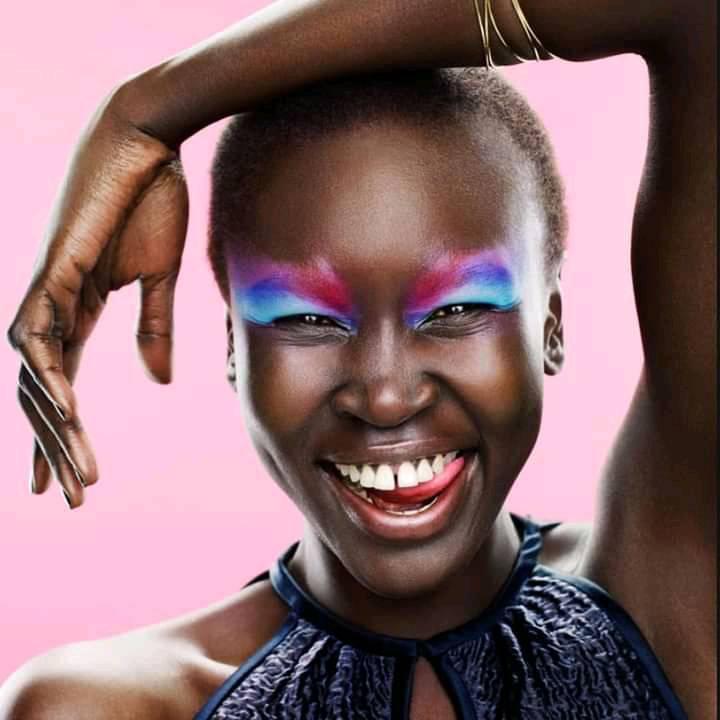
This photograph is the property of its respective owner. No copyright infringement intended.

Her shaved head became a signature aesthetic, challenging Eurocentric femininity that equates beauty with long hair and softness. Wek’s minimalism emphasized bone structure, skin, and presence, redefining femininity through strength and abstraction.

She is celebrated in academic, fashion, and cultural spaces as a pioneer of Afrocentric representation. Designers, photographers, and scholars frequently cite her as the model who made space for later figures like Nyakim Gatwech, Duckie Thot, Adut Akech, and Anok Yai.

Alek Wek’s legacy lies not in trend, but in transformation. She did not simply enter the fashion system—she altered its symbolic architecture.

Ultimately, Alek Wek is an Ebony Doll because she embodies what had long been denied: the idea that African features, dark skin, and refugee identity are not marginal, but magnificent. Her beauty is not decorative—it is historical.

She stands as a living monument to Black aesthetics, African resilience, and the global redefinition of what beauty means.


References

Wek, A. (2015). Alek: From Sudanese refugee to international supermodel. HarperCollins.

UNHCR. (2013). Goodwill Ambassador: Alek Wek biography. United Nations High Commissioner for Refugees.

Calvin Klein. (1996). Obsession fragrance campaign featuring Alek Wek.

Elle Magazine. (1998). Model of the Year Awards.

Banks, I. (2015). Black bodies in fashion: Representation and resistance. Fashion Theory, 19(3), 267–289.

Hunter, M. (2007). The persistent problem of colorism. Sociology Compass, 1(1), 237–254.

Bourdieu, P. (1986). The forms of capital. In J. Richardson (Ed.), Handbook of theory and research for the sociology of education (pp. 241–258). Greenwood.

Crenshaw, K. (1991). Mapping the margins: Intersectionality and identity politics. Stanford Law Review, 43(6), 1241–1299.

Entwistle, J. (2009). The aesthetic economy of fashion: Models and symbolic capital. Berg.

Beyond Bias: Education, Culture, and the Future of Brown Girl Empowerment. #thebrowngirldilemma

Photo by Polina Tankilevitch on Pexels.com

Brown girls navigate a complex social landscape where bias, colorism, and cultural stereotypes intersect, shaping self-perception, opportunity, and empowerment. From childhood through adulthood, societal norms often privilege lighter skin, Eurocentric features, and conformity to dominant cultural ideals, placing additional pressure on Brown girls to assert their identity and worth. Overcoming these challenges requires a multi-faceted approach that combines education, cultural affirmation, and personal resilience.

Education plays a pivotal role in empowering Brown girls to rise above systemic bias. Academic achievement equips them with critical thinking skills, confidence, and the ability to advocate for themselves in both professional and social settings. Schools and mentorship programs that emphasize representation, diversity, and culturally responsive pedagogy can counteract stereotypes, reinforcing the idea that intelligence, talent, and leadership are independent of skin tone or appearance (Banks, 2015). Knowledge becomes both armor and empowerment, allowing Brown girls to challenge narratives that seek to diminish their potential.

Cultural affirmation is equally crucial. Celebrating Black and Brown heritage, hair textures, skin tones, and historical achievements fosters pride and resilience. Exposure to role models like Lupita Nyong’o, Issa Rae, and Yara Shahidi demonstrates that success, beauty, and influence are not determined by proximity to whiteness but by authenticity, talent, and perseverance. Cultural initiatives, festivals, and media representation highlight the diversity and richness of Brown girl identity, providing alternative narratives that counteract colorism and societal marginalization.

Psychological resilience is intertwined with education and cultural affirmation. Brown girls often experience internalized bias, which can erode self-esteem and hinder personal growth. Social comparison theory explains how constant exposure to societal standards favoring lighter skin or Eurocentric features can produce dissatisfaction and self-doubt (Festinger, 1954). By cultivating self-awareness, mindfulness, and confidence-building practices, Brown girls can navigate these pressures while maintaining pride in their heritage and features.

Media literacy also empowers Brown girls to critique and navigate content that perpetuates bias. Social media, film, and advertising frequently amplify colorism and unrealistic beauty standards. Teaching Brown girls to deconstruct media messages, recognize algorithmic biases, and value authentic representation fosters critical engagement rather than passive acceptance. This awareness reinforces the understanding that beauty, worth, and influence are not dictated by societal trends but by personal integrity and talent (Fardouly et al., 2015).

Mentorship and community support amplify empowerment. Programs that connect Brown girls with successful role models provide guidance, encouragement, and proof that overcoming bias is possible. Mentors not only teach skills but also model resilience, confidence, and leadership. Supportive networks reinforce the notion that challenges related to skin tone, culture, or societal expectation can be met with knowledge, self-worth, and collective solidarity.

Spiritual grounding offers a lasting framework for empowerment. Proverbs 31:30 (KJV) declares, “Favour is deceitful, and beauty is vain: but a woman that feareth the LORD, she shall be praised.” Faith provides Brown girls with a lens to measure their value beyond societal metrics of beauty or achievement. Spiritual conviction nurtures confidence, perseverance, and ethical decision-making, ensuring that empowerment is holistic, anchored in character as well as capability.

Looking to the future, the empowerment of Brown girls depends on dismantling systemic bias while celebrating identity. Education, cultural affirmation, mentorship, and spiritual grounding collectively create pathways for Brown girls to thrive academically, socially, and personally. Visibility in media, leadership roles, and public discourse further normalizes diverse representation, ensuring that future generations inherit a world where beauty, intelligence, and influence are inclusive and celebrated.

Empowerment in Action: Tools and Programs Uplifting Brown Girls

Empowering Brown girls requires intentional initiatives that address both systemic barriers and personal development. Across education, media, and leadership, programs are emerging to provide resources, mentorship, and representation, equipping young women to navigate societal bias while embracing their identity with pride.

Educational Programs and Mentorship
Programs like Girls Who Code and Black Girls CODE offer access to STEM education, mentorship, and skill-building opportunities for young Black and Brown girls. By fostering technical proficiency and problem-solving skills, these programs counteract stereotypes about intellectual capacity while promoting confidence in academic achievement. Local initiatives, such as culturally responsive school curricula and after-school enrichment programs, ensure that Brown girls see themselves reflected in their learning and are encouraged to pursue higher education and leadership roles (Banks, 2015).

Media Representation and Literacy
Representation in media shapes self-perception and societal expectations. Initiatives like #BlackGirlMagic, #UnapologeticallyBlack, and campaigns led by organizations such as The Representation Project highlight dark-skinned beauty, natural hair textures, and culturally diverse achievements. Media literacy programs teach Brown girls to critically engage with content, identify bias, and challenge unrealistic beauty standards, fostering resilience against harmful social comparisons (Fardouly et al., 2015).

Leadership and Entrepreneurship Programs
Leadership programs like Black Girls Rock! and The National Coalition of 100 Black Women, Inc. empower young women to take active roles in their communities, promoting civic engagement, public speaking, and entrepreneurship. These platforms provide visibility, mentorship, and resources to cultivate both confidence and competence. Brown girls participating in these programs learn to leverage their talents, articulate their perspectives, and claim space in sectors where representation has been historically limited.

Cultural Affirmation and Community Spaces
Cultural centers, youth groups, and online communities dedicated to celebrating Black and Brown heritage create safe spaces for identity exploration and affirmation. Events, workshops, and storytelling sessions allow Brown girls to explore ancestry, art, and personal style while learning from role models who reflect their experiences. These spaces cultivate pride in cultural heritage and counteract internalized colorism, reinforcing the value of authentic self-expression (Hunter, 2007).

Mental Health and Wellness Initiatives
Programs like Therapy for Black Girls address mental health challenges, including anxiety, depression, and self-esteem issues arising from colorism and societal bias. Providing access to culturally competent counselors and peer support, these initiatives normalize emotional care and teach coping strategies for navigating discrimination, social pressures, and media-induced comparison. Mental wellness becomes an essential pillar of empowerment, ensuring that Brown girls develop both confidence and resilience.

Faith and Spiritual Development
Faith-based programs and mentorship integrate spiritual grounding with personal growth. By emphasizing values such as integrity, discipline, and purpose, these initiatives complement secular programs, reinforcing that self-worth extends beyond societal standards of beauty or achievement. Proverbs 31:30 (KJV) serves as a guiding principle: “Favour is deceitful, and beauty is vain: but a woman that feareth the LORD, she shall be praised.” Spiritual empowerment supports holistic development, nurturing both character and confidence.

Digital Platforms and Social Media Advocacy
Social media, when used intentionally, becomes a tool for empowerment. Platforms like Instagram, YouTube, and TikTok allow Brown girls to showcase talent, share personal narratives, and build supportive networks. Influencers and content creators who celebrate natural hair, melanin-rich skin, and cultural heritage provide relatable role models, amplifying messages of self-love and pride. Digital advocacy challenges traditional gatekeepers of beauty and success, democratizing influence and visibility.

Policy and Institutional Support
Sustainable empowerment also requires systemic change. Advocating for policies that address colorism, discrimination, and unequal educational resources ensures that empowerment extends beyond individual programs. Scholarships, equitable representation in curricula, and funding for culturally focused initiatives create structural support that allows Brown girls to thrive academically, socially, and professionally.

Empowering Brown girls demands a multi-dimensional approach that integrates education, mentorship, media representation, mental wellness, cultural affirmation, and spiritual grounding. Programs such as Black Girls CODE, Black Girls Rock!, Therapy for Black Girls, and media campaigns like #BlackGirlMagic illustrate practical pathways for fostering confidence, resilience, and leadership. By combining personal development with systemic advocacy, communities can ensure that the next generation of Brown girls steps into spaces of power, influence, and self-assured identity with pride and unshakable confidence.

In conclusion, moving beyond bias requires intentional strategies that affirm identity, cultivate knowledge, and promote resilience. Brown girls, equipped with education, cultural pride, mentorship, and spiritual grounding, are positioned to redefine societal standards, challenge prejudice, and embrace empowerment in its fullest sense. By fostering these conditions, communities can ensure that the future of Brown girl identity is one of confidence, dignity, and unassailable self-worth.


References

Banks, J. A. (2015). Cultural diversity and education: Foundations, curriculum, and teaching. Routledge.

Festinger, L. (1954). A theory of social comparison processes. Human Relations, 7(2), 117–140.

Fardouly, J., Diedrichs, P. C., Vartanian, L. R., & Halliwell, E. (2015). Social comparisons on social media: The impact of Facebook on young women’s body image concerns and mood. Body Image, 13, 38–45.

Hunter, M. (2007). The persistent problem of colorism: Skin tone, status, and inequality. Sociology Compass, 1(1), 237–254.

Byrd, A. D., & Tharps, L. L. (2014). Hair Story: Untangling the Roots of Black Hair in America. St. Martin’s Press.

Beauty Sins: Judged by the Flesh

In modern society, physical beauty operates as both a form of privilege and a source of scrutiny, shaping social interactions, professional opportunities, and relational dynamics. Individuals whose appearances align with conventional standards often receive favorable treatment, whereas those who deviate are marginalized, judged, or denied empathy. This phenomenon, often referred to as “pretty privilege,” has profound psychological, social, and cultural implications (Langlois et al., 2000; Eagly et al., 1991).

The “halo effect” explains why attractive individuals are assumed to possess desirable personality traits, such as intelligence, kindness, or competence (Dion, Berscheid, & Walster, 1972). Conversely, individuals considered less attractive may be unfairly perceived as flawed, lazy, or untrustworthy. These biases, though largely subconscious, perpetuate inequities and social hierarchies rooted in appearance.

Cultural expectations of beauty are gendered and racialized. Women, in particular, face pressures to maintain physical attractiveness, often measured against Eurocentric standards, while men encounter standards that emphasize muscularity or facial symmetry. For Black women, these pressures intersect with colorism and societal stereotypes, creating compounded challenges (Hunter, 2007).

Judgment based on fleshly appearance fosters social alienation and psychological distress. Research demonstrates that individuals marginalized for perceived unattractiveness are more susceptible to anxiety, depression, and reduced self-esteem, affecting both personal well-being and social mobility (Langlois et al., 2000).

The media reinforces appearance-based evaluation through idealized images in advertising, television, and social media. Constant exposure to curated beauty standards creates unrealistic expectations and normalizes judgment based on physical traits rather than character or competence (Wolf, 1991).

Social settings often reveal the stark consequences of beauty bias. Attractive individuals may gain access to social networks, career opportunities, and preferential treatment, while others, equally talented or morally virtuous, are overlooked. These disparities illustrate that beauty functions as a form of currency within contemporary culture (Hosoda, Stone-Romero, & Coats, 2003).

Colorism intensifies the judgment of Black bodies. Lighter-skinned individuals frequently receive positive attention and social advantage, while darker-skinned individuals are systematically devalued in social, professional, and romantic contexts. This inequity underscores how appearance-based biases intersect with racial hierarchies (Hunter, 2007).

In relational contexts, the privileging of beauty influences both romantic and platonic interactions. Attractive individuals often receive increased attention and favorable treatment, reinforcing social hierarchies based on appearance (Eagly et al., 1991). Less attractive individuals may struggle to achieve recognition or empathy, perpetuating feelings of exclusion and invisibility.

Religious and ethical perspectives challenge the primacy of physical appearance. Scripture reminds believers that God values character, virtue, and the heart over outward beauty (1 Samuel 16:7, KJV). Faith traditions encourage evaluating individuals by moral integrity rather than superficial attributes, promoting equity and compassion.

The consequences of beauty-based judgment extend to professional domains. Hiring decisions, promotions, and workplace evaluations are influenced by perceived attractiveness, disadvantaging those who do not conform to societal ideals (Hosoda et al., 2003). This systemic bias perpetuates structural inequities tied to appearance.

Psychological resilience can mitigate the effects of beauty-based discrimination. Developing self-worth independent of societal validation, cultivating supportive social networks, and emphasizing skill, intelligence, and moral character contribute to empowerment and reduced vulnerability to external judgment.

The commodification of beauty amplifies its social power. Cosmetic industries, fashion media, and influencer culture profit from insecurities about appearance, reinforcing the notion that attractiveness equates to social and economic advantage (Wolf, 1991).

Educational environments are similarly affected. Attractive students often receive favorable treatment from educators and peers, while those deemed less attractive may experience marginalization or underestimation of ability, shaping long-term outcomes (Langlois et al., 2000).

Intersecting identities, such as gender, race, and socioeconomic status, compound appearance-based bias. Black women, for example, may face both beauty-based and racialized discrimination, highlighting the layered nature of societal judgment (Hunter, 2007).

Legal outcomes also demonstrate the impact of beauty bias. Studies indicate that attractive defendants are more likely to receive lenient sentencing, whereas those considered less attractive face harsher treatment, revealing the systemic influence of physical appearance (Dion et al., 1972).

Media literacy and critical engagement are essential tools for mitigating the influence of beauty-based judgment. Encouraging diverse representations and challenging narrow beauty ideals fosters awareness and reduces the social and psychological harm of appearance bias (Marwick, 2017).

The ethical implications of judging by the flesh extend to everyday interactions. Valuing character, competence, and relational integrity over appearance promotes fairness, empathy, and social cohesion. Cultivating these values counters the superficiality reinforced by cultural norms.

Public discourse increasingly addresses the societal cost of beauty-based privilege. Awareness campaigns, research, and representation efforts highlight the importance of evaluating individuals beyond surface appearance, fostering equity and inclusivity (Zebrowitz & Montepare, 2008).

In conclusion, beauty sins—judging individuals based on their flesh—perpetuate social inequities, psychological distress, and systemic bias. A conscious shift toward evaluating character, virtue, and competence over outward appearance is necessary to foster fairness, empathy, and genuine human connection.

References

Dion, K., Berscheid, E., & Walster, E. (1972). What is beautiful is good. Journal of Personality and Social Psychology, 24(3), 285–290.

Eagly, A. H., Ashmore, R. D., Makhijani, M. G., & Longo, L. C. (1991). What is beautiful is good, but…: A meta-analytic review of research on the physical attractiveness stereotype. Psychological Bulletin, 110(1), 109–128.

Hosoda, M., Stone-Romero, E. F., & Coats, G. (2003). The effects of physical attractiveness on job-related outcomes: A meta-analysis of experimental studies. Personnel Psychology, 56(2), 431–462.

Hunter, M. (2007). The persistent problem of colorism: Skin tone, status, and inequality. Sociology Compass, 1(1), 237–254.

Langlois, J. H., Kalakanis, L., Rubenstein, A. J., Larson, A., Hallam, M., & Smoot, M. (2000). Maxims or myths of beauty? A meta-analytic and theoretical review. Psychological Bulletin, 126(3), 390–423.

Marwick, A. (2017). Status update: Celebrity, publicity, and branding in the social media age. Yale University Press.

Wolf, N. (1991). The beauty myth: How images of beauty are used against women. HarperCollins.

Zebrowitz, L. A., & Montepare, J. M. (2008). Social perception from the face: Mechanisms and meaning. Social and Personality Psychology Compass, 2(3), 1497–1517.

Holy Bible, King James Version (KJV). 1 Samuel 16:7.

Golden Resistance: The Triumph of the Brown-Skinned Woman

The brown-skinned woman embodies resilience, beauty, and cultural heritage. Across centuries, she has faced systemic oppression, colorism, and societal erasure, yet she persists, embodying a narrative of triumph against all odds.

Historical narratives often marginalized dark- and brown-skinned women, privileging Eurocentric ideals of beauty. Despite this, brown-skinned women cultivated spaces of empowerment within communities, families, and spiritual traditions (Hunter, 2007).

Colonialism and slavery imposed external definitions of worth, linking lighter skin to privilege and darker tones to subjugation. Yet brown-skinned women resisted these narratives, preserving identity, culture, and dignity (Gates, 2019).

Beauty standards have long been weaponized against brown-skinned women. Media and literature often depicted them as exotic or undesirable, fostering internalized oppression. Still, many embraced their natural beauty as a form of defiance (Hall, 1997).

The brown-skinned woman’s strength is rooted in cultural memory. Oral histories, music, and literature have documented resilience, transmitting lessons of perseverance and self-respect across generations (hooks, 2000).

Education became a site of resistance. Brown-skinned women have historically fought to access learning, literacy, and leadership roles, challenging societal assumptions of intellect and capability (Collins, 2000).

In contemporary times, brown-skinned women are redefining standards of beauty and success. Social media and grassroots movements celebrate melanin-rich skin, natural hair, and Afrocentric features, reclaiming visibility and pride (Banks, 2017).

Colorism within communities posed internal challenges. Brown-skinned women navigated both external oppression and intra-community hierarchies, cultivating solidarity and mentorship to foster empowerment (Hunter, 2007).

Representation in media and entertainment has been transformative. Figures like Lupita Nyong’o, Kerry Washington, and Tracee Ellis Ross challenge stereotypes, embodying success, beauty, and influence for brown-skinned women worldwide (Ferguson, 2015).

Brown-skinned women have shaped social justice movements. Their leadership in civil rights, feminist movements, and contemporary activism underscores the intersection of gender, race, and color in the struggle for equality (Crenshaw, 1991).

Entrepreneurship is another arena of triumph. Brown-skinned women create businesses, brands, and platforms celebrating Black excellence, simultaneously challenging economic marginalization and societal biases (Smith, 2020).

Art and literature provide spaces to assert identity. Brown-skinned women use creative expression to celebrate heritage, critique oppression, and cultivate self-love, creating enduring cultural legacies (Gates, 2019).

Physical beauty, while celebrated, is not the sole measure of triumph. Intelligence, courage, resilience, and leadership are equally central to the brown-skinned woman’s legacy (hooks, 2000).

Intersectionality shapes the lived experience of brown-skinned women. Navigating race, gender, class, and color, they demonstrate adaptability and agency, crafting strategies for survival and success (Collins, 2000).

Global movements like #MelaninPoppin and #BlackGirlMagic highlight the celebratory reclamation of brown skin, challenging centuries of marginalization and providing visible role models for younger generations (Banks, 2017).

Brown-skinned women’s triumphs are evident in academia. Scholars and researchers assert authority, contribute to global knowledge, and dismantle stereotypes regarding intellectual capacity (Smith, 2020).

In family and community life, brown-skinned women often serve as anchors. They nurture, mentor, and cultivate resilience, passing on wisdom and cultural pride to future generations (hooks, 2000).

Spirituality and faith provide sustenance. Many brown-skinned women draw strength from religious and cultural traditions, which reinforce identity, hope, and perseverance (Hall, 1997).

Overcoming systemic barriers requires courage. Brown-skinned women navigate discrimination in workplaces, media, and education, asserting presence and excellence despite societal prejudice (Crenshaw, 1991).

The triumph of the brown-skinned woman is a continuous narrative. Through resilience, creativity, leadership, and unapologetic self-expression, she transforms historical oppression into a legacy of empowerment, inspiration, and beauty (Hunter, 2007).


References

  • Banks, T. (2017). Representation and beauty in Black media: Celebrating melanin-rich identity. Journal of Black Studies, 48(7), 657–678.
  • Collins, P. H. (2000). Black feminist thought: Knowledge, consciousness, and the politics of empowerment. Routledge.
  • Crenshaw, K. (1991). Mapping the margins: Intersectionality, identity politics, and violence against women of color. Stanford Law Review, 43(6), 1241–1299.
  • Ferguson, R. (2015). Representation matters: African American women in contemporary media. Cultural Studies Review, 21(2), 45–67.
  • Gates, H. L. (2019). The Black image in the White mind: Media and race in America. Vintage Books.
  • Hall, R. E. (1997). Beauty and power: Race, gender, and the visual culture of Black women. Feminist Media Studies, 3(1), 23–45.
  • hooks, b. (2000). Feminism is for everybody: Passionate politics. South End Press.
  • Hunter, M. L. (2007). The persistent problem of colorism: Skin tone, status, and inequality. Sociology Compass, 1(1), 237–254.
  • Smith, D. (2020). Entrepreneurship, empowerment, and the brown-skinned woman. Journal of Black Business, 17(3), 115–130.

The Covenant of Melanin: God’s Blueprint for Black Marriage 👑🤎

Photo by Zexy Zw.com on Pexels.com

Marriage is sacred. In the context of Black love, it carries an added layer of historical and spiritual weight. Black couples are called not only to love one another but to honor God, preserve lineage, and reclaim the legacy of union disrupted by slavery and systemic oppression. This is God’s blueprint for Black marriage: a covenant rooted in faith, fidelity, and purpose.

The covenant begins with God. Genesis 2:24 states, “Therefore shall a man leave his father and his mother, and shall cleave unto his wife: and they shall be one flesh.” This divine principle is the foundation of all marriages, emphasizing unity, mutual respect, and partnership. Black couples must see their union as sacred, not social or transactional.

Historically, African marriages honored both families and communities. Kings and queens, like Mansa Musa of Mali or Queen Nzinga of Ndongo, ruled in partnership, demonstrating that love and leadership are intertwined (Levtzion, 2000; Heywood, 2017). These examples show that marriage is both relational and communal, carrying responsibilities beyond the individual couple.

Slavery and colonialism attempted to sever Black unions. Families were separated, and marriages were often illegal or unrecognized. Despite this, love persisted, maintained through spiritual connection, secret ceremonies, and resilient commitment (Berlin, 1998). Modern Black marriage is a reclamation of that sacred history.

Psychologically, Black couples carry intergenerational trauma. Mass incarceration, economic inequality, and social marginalization create challenges for intimacy and trust (Alexander, 2010). Counseling, mentorship, and faith-based support can help couples navigate these obstacles while restoring relational strength.

Mutual respect is central to God’s blueprint. Ephesians 5:21–33 instructs husbands to love their wives as Christ loved the church and wives to respect their husbands. This reciprocal dynamic mirrors the principle of kings and queens ruling side by side, where neither diminishes the other.

Communication is the lifeblood of covenantal marriage. Black couples must practice honesty, vulnerability, and active listening. Historical oppression often fosters defensive or guarded communication, but intentional dialogue fosters intimacy and shared vision (Siegel, 2012).

Spiritual alignment strengthens the covenant. Couples who pray, study scripture, and worship together create a relational environment resilient to external pressures. Ecclesiastes 4:12 affirms that a threefold cord—including God—is not easily broken. ✝️

Economic partnership also plays a vital role. Generational wealth, budgeting, and joint decision-making reflect the practical wisdom of African royalty, ensuring that love is supported by stability and shared responsibility. 💼👑

Colorism and societal pressures challenge Black marriages. Recognizing the value of all shades and rejecting internalized hierarchies ensures that love is based on authenticity, not conformity (Hunter, 2007). Couples must affirm one another fully to honor God’s design.

Forgiveness is essential in covenantal love. Colossians 3:13 reminds couples to forgive as God forgave them. Forgiveness prevents resentment from undermining trust and allows couples to grow together spiritually and emotionally.

Parenting within this covenant transmits legacy. Children raised in marriages rooted in God’s blueprint witness models of respect, partnership, and faith. Sons learn to lead with integrity, and daughters learn to expect reverence, reshaping generational cycles. 👶🏾

Cultural affirmation enriches the covenant. Music, art, rituals, and African heritage reinforce identity, pride, and shared purpose. Celebrating these roots strengthens marital bonds and situates love within a broader historical and spiritual context. 🎶🌍

Rebuilding trust in the Black community also matters. Mentorship, community support, and representation of thriving Black marriages combat societal narratives of dysfunction. Couples who model covenantal love inspire hope and continuity.

Ultimately, the covenant of melanin is a divine design. Black marriage is sacred, resilient, and purposeful. When couples honor God, respect one another, and embrace their shared heritage, they reflect His glory and restore the legacy of love disrupted by history. Black marriage is not just personal—it is prophetic, communal, and eternal. 👑🤎


References

  • Alexander, M. (2010). The new Jim Crow: Mass incarceration in the age of colorblindness. The New Press.
  • Berlin, I. (1998). Many thousands gone: The first two centuries of slavery in North America. Harvard University Press.
  • Bradbury, R. (1998). The Nubian queens: Ancient African women and power. Oxford University Press.
  • Heywood, L. M. (2017). Njinga of Angola: Africa’s warrior queen. Harvard University Press.
  • Hunter, M. (2007). The persistent problem of colorism: Skin tone, status, and inequality. Sociology Compass, 1(1), 237–254.
  • Levtzion, N. (2000). Ancient Ghana and Mali. Africana Publishing.
  • Siegel, D. J. (2012). The developing mind: How relationships and the brain interact to shape who we are. Guilford Press.

The Brown Girl: Beauty Personified

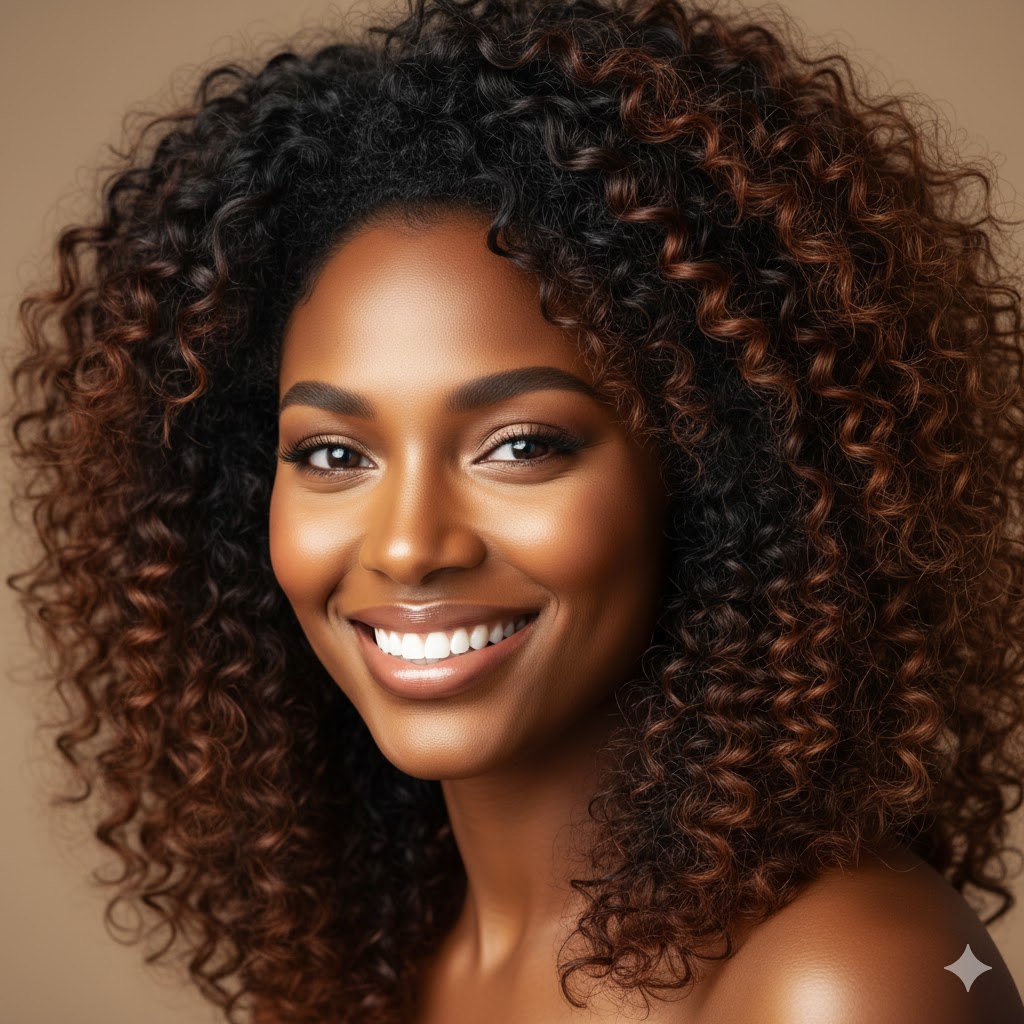
The brown girl stands as a timeless symbol of radiance, resilience, and regal splendor. Her beauty is not merely external, nor confined to superficial definitions shaped by Eurocentric visual hierarchies. Rather, her essence glows from a divine inheritance—carried in her skin like sunlight wrapped in earth, in her features shaped by ancestral strength, and in her spirit forged through generations of perseverance and brilliance. The brown girl is beauty personified, not because the world always affirms it, but because creation itself does.

Historically, the image of the brown-skinned woman has been misunderstood, misrepresented, and underestimated. Yet she has always existed as a foundational pillar of civilization. From the queens of Kemet, Kush, and Punt to the heroines of the African diaspora, her presence has defined cultural, spiritual, and intellectual legacies across continents and centuries. Beauty, in her, is embodied not as ornament but as origin.

Her melanin—rich, warm, and luminescent is not merely pigment, but a tapestry of genetic sophistication and divine artistry. Science affirms that melanin serves as a natural protector, a molecular masterpiece that absorbs light, defends against damage, and radiates health and vitality (Wakamatsu et al., 2022). The brown girl carries in her skin a biological excellence that is both ancient and unmatched.

Her facial structure—broad nose or small nose, full lips, expressive eyes, and sculpted cheekbones—has inspired imitation, innovation, and admiration throughout history. Yet these same features have been policed, mocked, and exoticized by systems that simultaneously envy and oppress. Sociologists note the long legacy of colorism and phenotype bias rooted in colonial psychology, where beauty was weaponized as a tool of hierarchy (Hunter, 2007). Despite this, the brown girl remains unstolen, unbroken, and undeniably radiant.

Her hair—coils, curls, waves, and kinks—stands as a crown of divine geometry. Spiraled like galaxies and textured like sacred earth, it is a testament to identity and inheritance. Where the world once demanded conformity, the brown girl reclaimed autonomy, turning her hair into a proclamation of dignity, heritage, and pride. Her beauty is not assimilation—it is revolution.

Culturally, she has shaped fashion, language, art, rhythm, and rhythm-born movements. From braided hairstyles that carry historical codes to dance forms born in Black communities, her presence is culture’s heartbeat. Her grace has been echoed in poetry, sculpted in bronze, sung in gospel hymns, and captured through lenses that struggle to contain her brilliance.

Emotionally, she embodies empathy and power—able to nurture nations and challenge empires. The brown girl’s beauty is rooted in emotional intelligence, compassion, and spiritual depth. Her resilience is not merely reaction but prophecy: she rises not because she must, but because she is called to rise.

Spiritually, she reflects what is sacred. In the biblical narrative, wisdom is personified as a woman of strength, dignity, and divine insight (Proverbs 31:10-31 KJV). Across cultures, goddesses of fertility, creation, and justice are depicted in brown forms. In her, heaven and earth meet.

In modern society, she still battles stereotypes that attempt to flatten her identity—too loud, too strong, too independent, too dark, too much. Yet she breaks these molds effortlessly, revealing that her beauty is multifaceted: soft and mighty, gentle and powerful, intellectual and artistic, graceful and grounded. She is not a trope—she is truth.

She has become the muse and the creator—architect of movements, scholar of survival, priestess of dignity, and mother of nations. The brown girl does not wait for permission to shine; her glow predates oppression and outlives it. Her beauty, like her story, is eternal.

The global beauty industry once erased her image, yet now attempts to profit from the features it ignored. Still, the brown girl understands her value is not market-made but God-given. She does not seek validation—she commands presence.

Education, enterprise, and expression are her adornments. She writes, builds, heals, leads, and innovates. Her mind is fertile ground for brilliance; her voice alters narratives. She births both children and movements, both leaders and legacies.

In relationships, she loves deeply and thoughtfully. Her softness is not weakness—it is wisdom. Her standards are not arrogance—they are inheritance. To be loved by her is to witness excellence and be called higher.

Her walk carries rhythm, grace, and authority; her presence fills rooms. She does not shrink to soothe insecurity—she rises to affirm destiny. Her beauty is not performative; it is purposeful. She is art in motion, history in flesh, divinity in form.

The brown girl is not defined by the struggle that shaped her, but by the glory within her. Trauma has touched her, but triumph crowns her. She carries memory and prophecy simultaneously, holding ancient worlds and future visions in her smile.

She exists beyond gaze or approval. She is beauty when seen and beauty when overlooked. When the world forgets her, she remembers herself. When the world imitates her, she remains original. Her reflection is sacred, not simply stunning.

Time cannot diminish her, trends cannot outrun her, and systems cannot erase her. Her beauty is foundational—before magazines, filters, or metrics ever tried to measure it. She was beauty in womb, in cradle, in history’s first breath.

Her existence refutes any narrative of inferiority. She is evidence of God’s creative genius, Africa’s royal bloodline, and humanity’s first mother. Beauty began with her—and still rests within her.

To see the brown girl is to witness elegance and endurance. To know her is to learn power and peace. To honor her is to honor humanity’s beginning and future. She is not striving to become beauty—she has always been beauty.

And the world, slowly returning to the truth it once denied, is learning again to bow to the brilliance of the brown girl—beauty personified.


References

Hunter, M. (2007). The persistent problem of colorism: Skin tone, status, and inequality. Sociology Compass, 1(1), 237–254.

Wakamatsu, K., Ito, S., & Hasegawa, A. (2022). Melanin chemistry and its implications for skin health. International Journal of Molecular Sciences, 23(18), 10521–10539.

Proverbs 31:10-31, King James Version.