AUTHOR SPOTLIGHT: Toni Morrison

The Conjurer of Black Memory, Love, and Liberation

Photo credit: PATRICK KOVARIK/AFP/GettyImages)

Toni Morrison, born Chloe Ardelia Wofford on February 18, 1931, in Lorain, Ohio, was one of the most brilliant literary voices of the 20th century. A Nobel Laureate, Pulitzer Prize winner, editor, teacher, and cultural icon, Morrison reshaped American literature by centering the Black experience, especially the inner lives of Black women. Through lyrical prose, spiritual depth, and historical honesty, she offered the world powerful stories that honored the complexities of race, identity, trauma, and love. Her legacy continues to influence generations of readers, writers, and thinkers who see themselves reflected in the truth of her words.


Early Life and Inspiration

Morrison was raised in a working-class African American family during the Great Depression. Her parents, George and Ramah Wofford, emphasized education, oral tradition, and Black pride. From a young age, she was immersed in African American folklore, spirituals, and storytelling. Though she grew up in an integrated town, Morrison understood the weight of racism, particularly through her father’s deep mistrust of white people, which stemmed from his own experiences in the segregated South.

She attended Howard University, where she changed her name to Toni, a shortened version of her baptismal name, Anthony. She later earned a master’s degree in English from Cornell University. After marrying Harold Morrison, a Jamaican architect, she had two sons—Harold and Slade—but the marriage ended in divorce. She raised her children as a single mother while working as a senior editor at Random House, becoming the first Black woman to hold that position. It was during this time that she began writing fiction, often waking up before dawn to write while her children slept.


Becoming a Writer and Literary Vision

Toni Morrison’s decision to write stemmed from a deep desire to see Black life reflected with honesty, beauty, and dignity. She once said, “If there’s a book you really want to read, but it hasn’t been written yet, then you must write it.” Her debut novel, The Bluest Eye (1970), told the tragic story of a young Black girl who longs for blue eyes and acceptance in a world that devalues her Blackness. This set the tone for Morrison’s career—exploring themes of internalized racism, generational trauma, and spiritual survival.

Morrison’s writing style was uniquely poetic, non-linear, and rich in symbolism. She often wove together the mystical and the mundane, the historical and the personal, allowing her stories to transcend time while remaining grounded in the Black American experience. Her characters were deeply human—flawed, sacred, wounded, and strong—and she never apologized for writing to a Black audience. Morrison rejected the white gaze, choosing instead to write “without explaining to white people,” thereby creating authentic narratives that affirmed Black identity and voice.


Beloved and Tar Baby: Inspirations and Impact

Two of her most profound works, Tar Baby (1981) and Beloved (1987), exemplify Morrison’s commitment to excavating Black history and identity. Tar Baby explores the tensions between wealth and cultural memory, beauty standards, assimilation, and the spiritual consequences of disconnection from one’s roots. The novel, inspired by African American folklore, offers a complex meditation on what it means to be free—and what it costs to belong.

Beloved, widely regarded as her masterpiece, was inspired by the true story of Margaret Garner, an enslaved woman who killed her child rather than allow her to be captured and returned to slavery. Morrison transforms this historical account into a haunting ghost story that examines the psychological legacy of slavery. The novel, for which she won the Pulitzer Prize in 1988, presents memory not just as a personal experience, but as a communal reckoning. In 2006, The New York Times Book Review named Beloved the best American novel of the previous 25 years.


Challenges as a Black Woman and Author

Despite her immense talent, Morrison faced numerous challenges. As a Black woman in the predominantly white publishing world, she endured marginalization, tokenism, and skepticism. Her work was sometimes dismissed as “too Black” or “too political,” and her insistence on centering Black stories without catering to white sensibilities was considered radical. Nevertheless, she stood firm. Morrison refused to let racism and sexism shape her craft, stating, “The very serious function of racism is distraction. It keeps you from doing your work.” Her light skin may have shielded her from some overt forms of discrimination, but it did not spare her the structural barriers and cultural resistance faced by Black women in the literary world.


Awards, Recognition, and Cultural Influence

Morrison’s literary genius was eventually acknowledged with the highest honors. In 1993, she became the first African American woman to receive the Nobel Prize in Literature. She also received the Pulitzer Prize, the Presidential Medal of Freedom (2012), more than 30 honorary degrees, and a place in the canon of great American writers. Her work appeared in curricula across the world, and she was celebrated in pop culture through appearances on Oprah’s Book Club, interviews, documentaries, and film adaptations. In 2023, she was honored with a U.S. postage stamp—an enduring symbol of national recognition.

Beyond literature, Morrison became a cultural voice for justice and liberation. She used her platform to speak against racism, economic injustice, and the erasure of Black stories. She was revered for her intellect, her elegance, and her unwavering commitment to truth.


Private Life and Motherhood

Toni Morrison remained fiercely private about her personal life, though her love for her sons was evident in her interviews and dedications. Her son Slade Morrison, who predeceased her in 2010, co-wrote several children’s books with her. Her home life, though quiet, informed much of her writing. She infused her narratives with the rhythms of family life, the strength of single mothers, and the wisdom of matriarchs. Her experiences as a working mother, editor, and teacher were not separate from her art—they were its foundation.


Advice to Black Women and Lasting Legacy

Morrison’s advice to Black women was simple, bold, and liberating: “You are your best thing.” She believed in the power of Black women to define themselves, to love themselves fiercely, and to resist erasure. She encouraged them to create, to remember, and to live without apology.

Her legacy continues to thrive. Writers like Ta-Nehisi Coates, Jesmyn Ward, and Chimamanda Ngozi Adichie cite her as a major influence. Her novels are still taught in classrooms, her interviews quoted in protest signs, and her words invoked in moments of cultural reckoning. Morrison wrote not just with intellect, but with anointing.


Conclusion

Toni Morrison was not simply a writer—she was a witness, a warrior, and a woman of vision. Through her novels, she preserved the spiritual and historical truths of Black America. She showed the world that Black lives are rich with depth, pain, joy, and beauty. Her ability to transform suffering into art and memory into liberation makes her one of the most important literary voices in history. In honoring her, we honor a tradition of truth-telling and the endless power of the written word.


References

Morrison, T. (1970). The Bluest Eye. Holt, Rinehart and Winston.
Morrison, T. (1981). Tar Baby. Alfred A. Knopf.
Morrison, T. (1987). Beloved. Alfred A. Knopf.
The Nobel Foundation. (1993). Nobel Lecture: Toni Morrison.
Obama, B. (2012). Presidential Medal of Freedom Recipients. White House Archives.
New York Times Book Review. (2006). The Best Work of American Fiction of the Last 25 Years.
Winfrey, O. (1998). Oprah’s Book Club: Beloved. Harpo Productions.
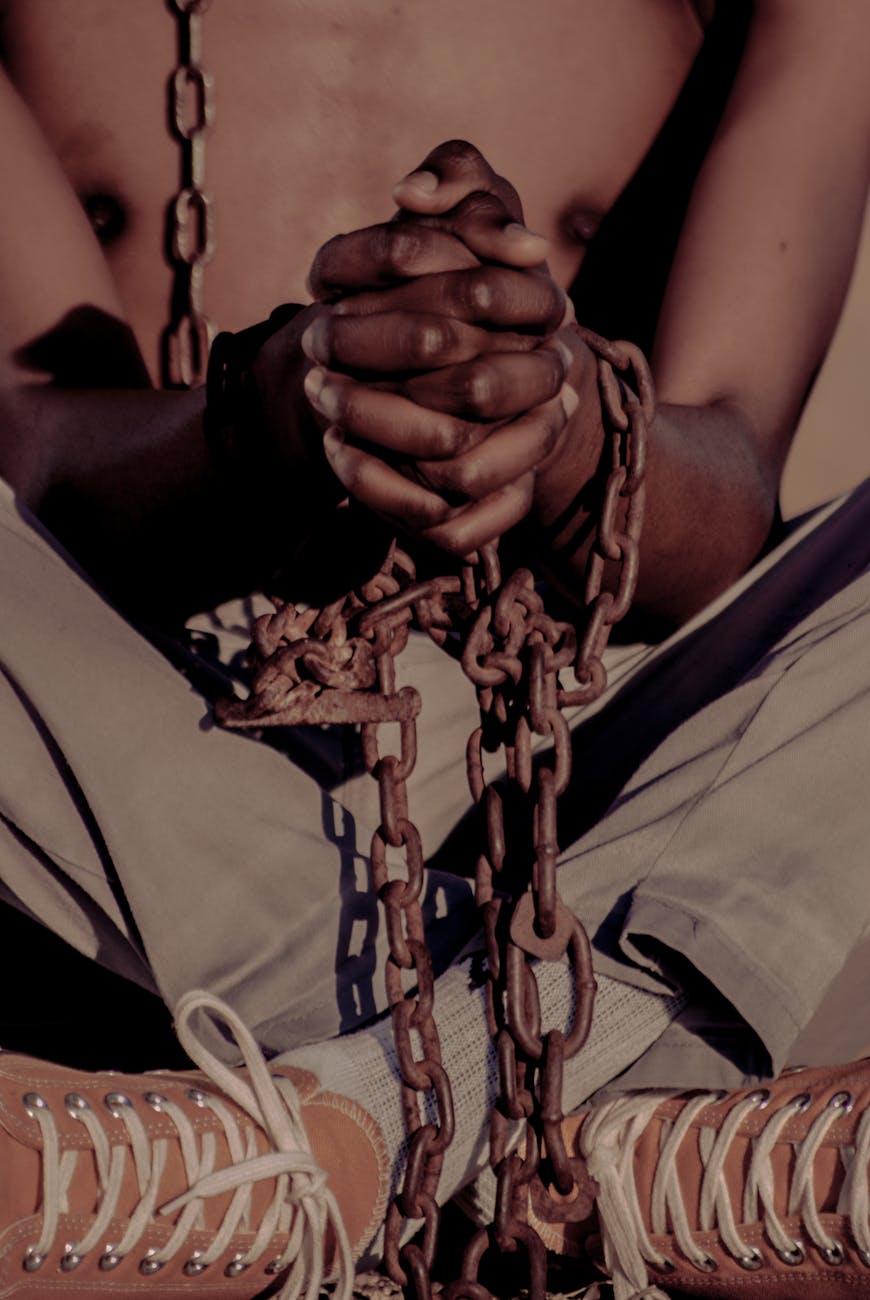

“The Emancipation Proclamation: Abraham Lincoln’s Fight to Free a Divided Nation”

Photo by Thato Moiketsi on Pexels.com

The Emancipation Proclamation and Its Impact

The Emancipation Proclamation, issued on January 1, 1863, was a wartime executive order that declared all enslaved people in Confederate-held territory to be free (Foner, 2010). Although it did not immediately free all enslaved people, it transformed the character of the war, shifting its aim from merely preserving the Union to also including the abolition of slavery. It allowed Black men to enlist in the Union Army, leading to the formation of over 180,000 Black soldiers who fought for their freedom and the Union cause.

The Emancipation Proclamation did not apply to the border slave states (Delaware, Kentucky, Maryland, Missouri) or areas of the Confederacy already under Union control. It applied only to states in active rebellion. Here’s what it declared:

That on the first day of January, A.D. 1863, all persons held as slaves within any State or designated part of a State, the people whereof shall then be in rebellion against the United States, shall be then, thenceforward, and forever free.

Main Points:

  1. Freedom for enslaved people in Confederate-controlled territories (not the entire U.S.).
  2. Authorized Black men to serve in the Union Army and Navy, transforming the war into a fight for human liberty.
  3. Called for the U.S. military to recognize and maintain the freedom of formerly enslaved people.
  4. Framed as a “fit and necessary war measure” for suppressing the rebellion.

Lincoln concluded with a solemn declaration:

“And upon this act, sincerely believed to be an act of justice, warranted by the Constitution, upon military necessity, I invoke the considerate judgment of mankind and the gracious favor of Almighty God.”


Limitations of the Emancipation Proclamation

Despite its powerful rhetoric, the Proclamation did not immediately free a single slave in practice. Why?

  • It only applied to areas outside of Union control.
  • It excluded the border states and certain regions within Confederate states that had already surrendered or been reclaimed.
  • Enforcement depended entirely on Union military success.

However, its symbolic and legal significance was profound.


Impact on Black Americans and the War

  1. Moral Clarity: It transformed the Civil War from a battle for union into a crusade against slavery, giving the war a moral imperative that resonated globally.
  2. Black Enlistment: Over 180,000 Black men joined the Union Army and Navy, shifting the tide of the war and demonstrating extraordinary valor (Berlin et al., 1992).
  3. Pathway to the 13th Amendment: Though not a constitutional law, the Emancipation Proclamation paved the way for the 13th Amendment (ratified in 1865), which permanently abolished slavery in the United States.
  4. Global Message: It discouraged foreign powers (especially Britain and France) from supporting the Confederacy, as they had already abolished slavery in their own empires.

Historical Interpretation

  • Frederick Douglass called the Emancipation Proclamation “the immortal paper” that turned a war for Union into a war for freedom.
  • Historian Eric Foner notes that although it was limited in scope, it was “a revolutionary act of immense consequence” (Foner, 2010).
  • Lincoln later said, “I never, in my life, felt more certain that I was doing right, than I do in signing this paper.”

Though legally narrow and strategically calculated, the Emancipation Proclamation was a turning point in American history. It elevated the struggle of enslaved African Americans onto the national and international stage, set the foundation for constitutional abolition, and forced the United States to reckon with its original sin—slavery.

It was not merely a document of war; it was a moral declaration that the U.S. could no longer be a nation divided between slavery and freedom.

Abraham Lincoln: The Reluctant Liberator and the Legacy of Freedom

Abraham Lincoln, the 16th President of the United States, stands as one of the most pivotal figures in American history. Born on February 12, 1809, in a log cabin in Hardin County, Kentucky, Lincoln rose from humble beginnings to the nation’s highest office. Self-taught and profoundly principled, he guided the country through its most divisive era—the Civil War—preserving the Union and paving the way toward the abolition of slavery.

Lincoln’s motivations were both moral and strategic. While he personally opposed slavery, he prioritized saving the Union. In a famous letter to Horace Greeley in 1862, Lincoln wrote, “If I could save the Union without freeing any slave, I would do it… and if I could save it by freeing all the slaves, I would do it” (Lincoln, 1862). The proclamation was as much a military strategy as a moral statement—aimed at weakening the Confederacy’s economic base and preventing foreign nations from supporting the South.

Why Lincoln Helped Black People: A Shift in Moral Clarity

Lincoln’s evolution on slavery was gradual. Initially, he supported compensated emancipation and colonization schemes to send freed slaves to Africa or the Caribbean. However, as the war progressed, he began to recognize the moral and constitutional necessity of abolition. Influenced by abolitionists like Frederick Douglass and the courage of Black soldiers, Lincoln’s policies matured, culminating in his push for the Thirteenth Amendment, which permanently abolished slavery in the United States.

The Division Between North and South

The Civil War exposed the deep ideological divide between the industrialized North and the agrarian, slaveholding South. The North viewed slavery as economically backward and morally indefensible, while the South saw it as integral to its economy and social order. Lincoln’s leadership during this period forced the issue to the national forefront, resulting in radical social and constitutional changes that reshaped American society.

His Rise to the Presidency

Lincoln’s political career began in the Illinois State Legislature, and he later served a single term in Congress. It was his debates with Senator Stephen Douglas during the 1858 Illinois Senate race that catapulted him to national prominence. Though he lost that race, his powerful oratory and moral conviction caught the attention of the newly-formed Republican Party, which nominated him for President in 1860. His election triggered Southern secession, plunging the nation into civil war.

Family, Legacy, and Lineage

Lincoln married Mary Todd, a woman from a wealthy Kentucky family, and together they had four sons—Robert, Edward, William, and Thomas (Tad). Only Robert lived to adulthood. Lincoln’s ancestry was primarily English, and while there have been unsubstantiated rumors that he had African ancestry, there is no verified genealogical evidence supporting this claim (Oates, 1977). However, the cultural symbolism of his role in ending slavery has often led Black Americans to claim a spiritual kinship with him.

Was Lincoln the Greatest President for Black Americans?

While Lincoln is often hailed as the “Great Emancipator,” his legacy is nuanced. He took critical steps toward ending slavery, but not always out of an abolitionist conviction. Later presidents such as Lyndon B. Johnson, who signed the Civil Rights Act of 1964 and the Voting Rights Act of 1965, also played pivotal roles in advancing Black civil rights. Barack Obama, the first Black president, holds a symbolic and historical significance that echoes Lincoln’s foundational impact.

The Tragic End: Assassination by John Wilkes Booth

Lincoln was assassinated on April 14, 1865, by John Wilkes Booth, a Confederate sympathizer, at Ford’s Theatre in Washington, D.C., just days after the Confederate surrender at Appomattox. Booth believed Lincoln’s actions had destroyed the South and sought to avenge its downfall. Lincoln died the next morning, becoming a martyr for the Union and for liberty.


Conclusion

Abraham Lincoln remains one of the most consequential leaders in American history. His legacy, especially in the Black community, is one of complex admiration. Though not without contradictions, his leadership during the Civil War and his eventual commitment to abolition fundamentally reshaped the nation. His decisions laid the groundwork for future civil rights advancements, and his vision of a united, free America continues to inspire generations.


References

  • Foner, E. (2010). The Fiery Trial: Abraham Lincoln and American Slavery. W. W. Norton & Company.
  • Lincoln, A. (1862). Letter to Horace Greeley, August 22, 1862.
  • Oates, S. B. (1977). With Malice Toward None: A Life of Abraham Lincoln. Harper & Row.
  • Berlin, I., Reidy, J. P., & Rowland, L. (1992). Freedom: A Documentary History of Emancipation, 1861–1867. Cambridge University Press.
  • Foner, E. (2010). The Fiery Trial: Abraham Lincoln and American Slavery. W. W. Norton & Company.
  • Lincoln, A. (1863). The Emancipation Proclamation. U.S. National Archives.

Girl Talk Series: Why Some Men Leave the Women Who Built Them Up.

Photo by Thomas Mosito on Pexels.com

A Painful Reality

Few betrayals cut as deeply as the experience of helping a man rise—emotionally, financially, or spiritually—only for him to walk away when stability is achieved. For many women, this feels not only like the loss of a relationship but also a negation of their sacrifices. This phenomenon has been widely observed, from everyday relationships to celebrity breakups. It is both a psychological and spiritual matter, rooted in human nature’s complexities and moral failings. The KJV Bible reminds us in Jeremiah 17:9, “The heart is deceitful above all things, and desperately wicked: who can know it?”

The Psychology Behind It

Psychologically, men who leave the women who supported them often operate from entitlement, avoidance of accountability, or narcissism. Narcissistic Personality Disorder (American Psychiatric Association, 2013) is marked by a lack of empathy, an inflated sense of self-importance, and exploitation of others without guilt. In some cases, the man may see the woman as a stepping stone rather than a lifelong partner. Once he attains his desired position in life, he may pursue someone who fits a different image of his “ideal” self, driven by status or ego. Relationship research also shows that people sometimes “trade up” based on perceived social, physical, or financial gain (Klohnen & Luo, 2003).

What the Bible Says

Scripture warns against exploiting kindness for selfish gain. Proverbs 17:13 states, “Whoso rewardeth evil for good, evil shall not depart from his house.” The Bible also advises discernment, teaching in Matthew 7:6, “Give not that which is holy unto the dogs, neither cast ye your pearls before swine.” A man of godly character will value loyalty and reciprocity, whereas an unfaithful or self-serving man will take blessings without gratitude. In biblical terms, a man who leaves a faithful, supportive woman without cause is acting in unrighteousness.

Ten Things a Woman Should Never Do for a Man

To guard against exploitation, a woman should be mindful of her boundaries. Ten things she should avoid doing include:

  1. Sacrificing her faith for his comfort.
  2. Funding his lifestyle without accountability.
  3. Abandoning her career or education for him prematurely.
  4. Ignoring red flags in his behavior.
  5. Co-signing loans or legal agreements irresponsibly.
  6. Overextending emotional labor without reciprocity.
  7. Moving in without commitment or covenant.
  8. Isolating from friends and family for him.
  9. Compromising moral standards to please him.
  10. Placing his dreams above her God-given purpose.

Why People Move On: A Celebrity Example

Celebrity relationships often magnify this pattern. One example is singer Jennifer Hudson’s breakup with David Otunga. While details are private, public narratives suggested that dynamics shifted once fame, status, and financial stability were at play. In less publicized cases, men may leave because they associate their earlier struggles with the woman who helped them, and subconsciously desire a “fresh start” with someone new. This is less about the woman’s worth and more about the man’s inability to reconcile his past with his present self-image.

What a Woman Should Do After It Happens

When this happens, the first step is to resist taking it personally. His departure speaks more about his character than your value. The Bible offers comfort in Psalm 34:18: “The Lord is nigh unto them that are of a broken heart; and saveth such as be of a contrite spirit.” Psychologically, healing involves self-care, seeking support from trusted friends or counselors, and reframing the experience as a lesson rather than a life sentence. Reinvest energy into personal growth, passions, and faith rather than chasing closure from someone unwilling to provide it.

Conclusion: Moving Forward in Wisdom

Ultimately, a man who leaves the woman who helped him rise is revealing his lack of maturity, gratitude, or spiritual grounding. This behavior often stems from unresolved insecurities, narcissistic tendencies, or selfish ambition. The KJV Bible encourages discernment, wisdom, and guarding one’s heart (Proverbs 4:23). Women who understand the psychology behind such actions can avoid misplaced guilt and instead recognize their own resilience. The goal is not to harden one’s heart, but to grow wiser, setting boundaries that protect both dignity and emotional well-being.


References

American Psychiatric Association. (2013). Diagnostic and statistical manual of mental disorders (5th ed.). Arlington, VA: American Psychiatric Publishing.

Klohnen, E. C., & Luo, S. (2003). Interpersonal attraction and personality: What is attractive—self-similarity, ideal similarity, complementarity or attachment security? Journal of Personality and Social Psychology, 85(4), 709–722.

The Holy Bible, King James Version.

The Virtuous Woman and the Faithful Man: Biblical and Psychological Foundations of Lasting Commitment.

Photo by August de Richelieu on Pexels.com


“A faithful man shall abound with blessings: but he that maketh haste to be rich shall not be innocent.”Proverbs 28:20, KJV


The quest for faithfulness in romantic relationships has been a timeless pursuit across cultures, religions, and psychological studies. While both men and women desire loyalty, there is a particular question that resonates deeply: What kind of woman attracts and sustains the affection of a faithful man? A faithful man is one whose loyalty is not circumstantial but grounded in moral conviction, spiritual discipline, and personal integrity. The “cream of the crop” woman—who inspires and maintains this devotion—embodies a rare combination of biblical virtue and psychological intelligence. To understand this dynamic, one must analyze both the attributes of such a woman and the inner workings of a truly faithful man.

The Biblical Portrait of a Desirable Woman

The KJV Bible presents the quintessential model of feminine excellence in Proverbs 31:10: “Who can find a virtuous woman? for her price is far above rubies.” This virtuous woman is industrious, wise, nurturing, and God-fearing. Her attractiveness is not primarily physical—though physical beauty can be a factor—but is deeply rooted in her character. She honors God, respects her husband, and uses her wisdom to build her household rather than tear it down (Proverbs 14:1). From a psychological perspective, such women tend to display high emotional intelligence (Goleman, 1995), empathy, and resilience, which strengthen relational bonds and foster trust.

Attributes of the “Cream of the Crop” Woman

A woman who attracts and keeps a faithful man is not merely appealing in appearance, but she embodies qualities that align with both biblical and psychological ideals. She is self-respecting, confident without arrogance, nurturing yet strong in conviction, and committed to personal growth. Such women set healthy boundaries, communicate effectively, and practice self-control—qualities shown in psychological studies to correlate with relationship satisfaction (Gottman & Silver, 1999). Her character invites respect, and her presence inspires a man to become the best version of himself.

Defining a Faithful Man

A faithful man is one who remains loyal to his commitments in word, thought, and deed. In the biblical sense, his fidelity flows from his devotion to God. Psalm 101:2-3 declares, “I will walk within my house with a perfect heart. I will set no wicked thing before mine eyes.” A man must first be faithful to God before he can be faithfully devoted to his wife. Without a vertical alignment of his spiritual priorities, his horizontal relationships are vulnerable to compromise. This is consistent with psychological findings that personal values and moral convictions are strong predictors of long-term faithfulness (Mark et al., 2011).

Why Many Men Fail to Remain Faithful

Despite the ideal, many men fall short of fidelity. Biblically, this failure often stems from sin and a lack of spiritual discipline (James 1:14-15). Psychologically, men may cheat due to unmet emotional needs, lack of impulse control, low relationship satisfaction, or a thrill-seeking personality (Allen et al., 2005). Cultural factors, including media normalization of infidelity, further erode moral boundaries. Without intentional resistance to temptation, even men with seemingly strong commitments can falter.

Mastering the Flesh: Sexual Self-Control

Scripture repeatedly calls men to master their sexual appetites. 1 Thessalonians 4:3-4 teaches, “For this is the will of God, even your sanctification, that ye should abstain from fornication: That every one of you should know how to possess his vessel in sanctification and honour.” A faithful man learns to discipline his body and mind, guarding his eyes, thoughts, and actions. Psychologically, sexual self-control is linked to delayed gratification and impulse regulation—skills that can be developed through mindfulness, accountability, and spiritual devotion (Baumeister & Tierney, 2011).

The Intersection of Faithfulness and Relationship Stability

When a man’s faithfulness is reinforced by his commitment to God, and a woman’s character is shaped by virtue and emotional intelligence, the foundation for a lasting relationship is established. This mutual alignment creates an environment of trust, security, and mutual respect. Such relationships resist external temptations because both partners prioritize covenant over convenience.

Conclusion

The faithful man is a rarity, but not an impossibility. The woman who attracts such a man does so not by manipulation or mere outward allure, but by embodying godly virtue and psychological wisdom. A faithful man’s devotion to his wife begins with his devotion to God, while a woman’s ability to inspire such loyalty rests in her capacity for wisdom, self-respect, and godliness. In a culture plagued by broken promises, the union of a virtuous woman and a faithful man stands as a beacon of what love can—and should—be.


References

Allen, E. S., Atkins, D. C., Baucom, D. H., Snyder, D. K., Gordon, K. C., & Glass, S. P. (2005). Intrapersonal, interpersonal, and contextual factors in engaging in and responding to extramarital involvement. Clinical Psychology: Science and Practice, 12(2), 101–130.

Baumeister, R. F., & Tierney, J. (2011). Willpower: Rediscovering the greatest human strength. New York: Penguin Press.

Goleman, D. (1995). Emotional intelligence. New York: Bantam Books.

Gottman, J. M., & Silver, N. (1999). The seven principles for making marriage work. New York: Crown.

Mark, K. P., Janssen, E., & Milhausen, R. R. (2011). Infidelity in heterosexual couples: Demographic, interpersonal, and personality-related predictors of extradyadic sex. Archives of Sexual Behavior, 40(5), 971–982.

The Holy Bible, King James Version.

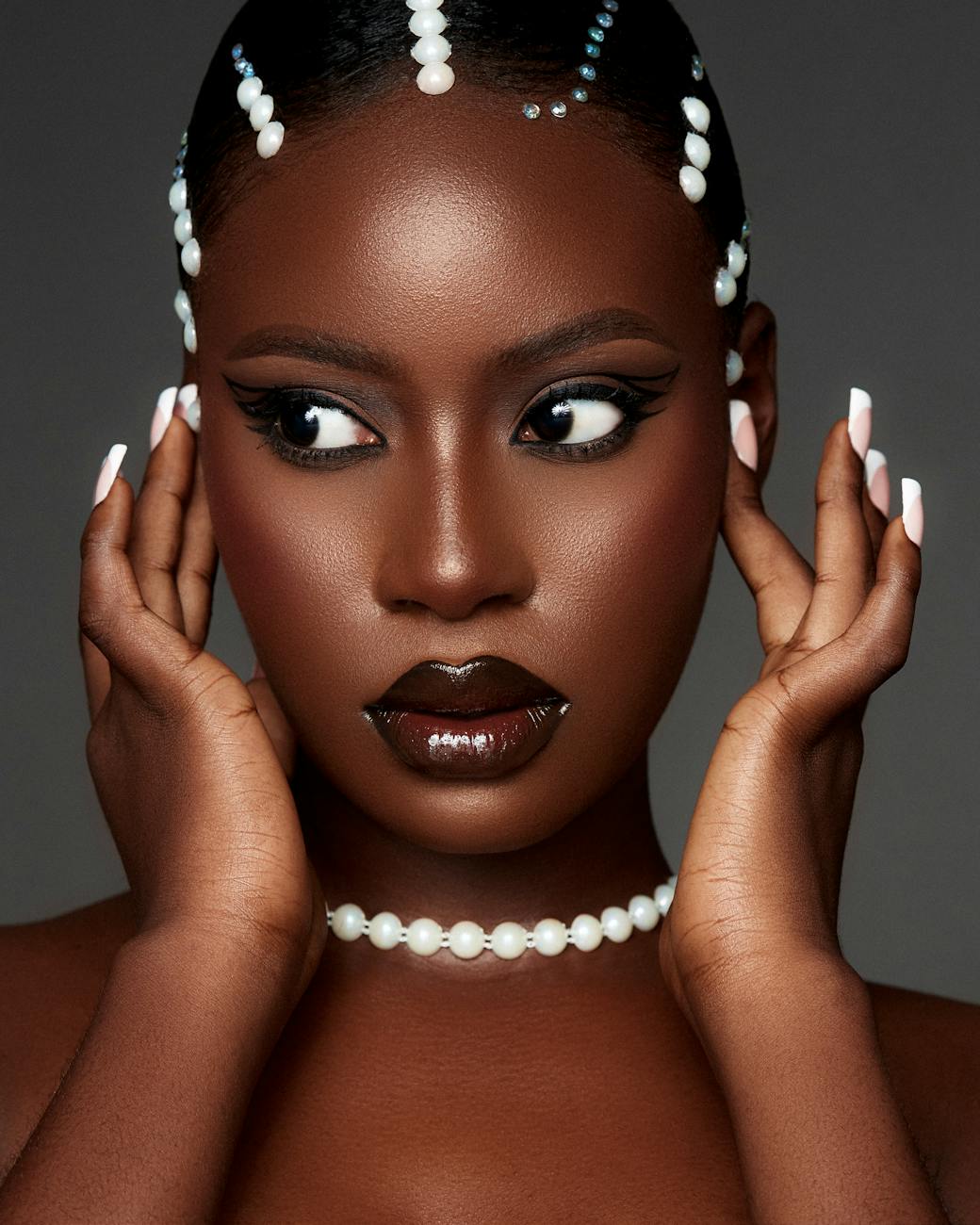
✊🏾 The Black is Beautiful Movement: Origins, Influence, and Legacy ✊🏾

Photo by AOG PIXELS on Pexels.com

The Black is Beautiful movement emerged in the United States during the mid-1960s as a cultural and political affirmation of Black identity, aesthetics, and heritage. While the phrase became widely popularized through the work of the Black Arts Movement and fashion photography, its roots can be traced to the activism of figures such as Kwame Brathwaite and the African Jazz-Art Society & Studios (AJASS) in Harlem. Brathwaite and AJASS launched the Naturally ’62 fashion show in 1962, which celebrated natural hair, darker skin tones, and African-inspired clothing, directly challenging Eurocentric beauty standards (Ford, 2015).

The slogan Black is Beautiful was also closely aligned with the broader Civil Rights and Pan-Africanist movements, reflecting the ideological influence of leaders like Marcus Garvey, whose earlier campaigns emphasized racial pride and self-love. The movement gained visibility in magazines such as Ebony, Jet, and Essence, which featured darker-skinned models and natural hairstyles. Advertising agencies and brands—particularly those serving the African American market—began to incorporate Black beauty ideals into their campaigns. Companies such as Johnson Products (with its Afro Sheen brand) and Soft Sheen made direct use of the slogan and imagery in print and television ads during the 1970s (Taylor, 2016).

The world’s reaction to the movement varied. In the Black community, it fostered a collective sense of dignity and cultural pride, encouraging African Americans to reject skin bleaching, hair straightening, and other practices that reflected internalized racism. Globally, the movement resonated with African liberation struggles, influencing artists and activists in the Caribbean, Africa, and the United Kingdom. Internationally, the concept intersected with anti-colonial sentiment, with publications and cultural festivals abroad adopting similar affirmations of Black beauty and identity (Cummings, 2018).

The Black is Beautiful movement had a profound psychological impact on African Americans. Research in social psychology has shown that positive in-group representation can improve self-esteem and counteract internalized oppression (Cross, 1991). By redefining beauty standards, the movement helped dismantle the harmful association between whiteness and attractiveness, replacing it with an appreciation for African features such as full lips, broad noses, tightly coiled hair, and deep skin tones.

Celebrities played a significant role in popularizing the movement. Figures like Cicely Tyson, Nina Simone, and Kathleen Cleaver wore natural hairstyles and spoke openly about embracing their African heritage. Tyson rejected roles that required her to straighten her hair, stating in interviews that her natural style was a statement of self-respect. Nina Simone famously declared, “You’ve got to learn to leave the table when love’s no longer being served”—a statement tied to the larger ethos of self-worth and pride. In the sports world, Muhammad Ali’s unapologetic proclamation, “I’m Black and I’m proud” echoed the movement’s core message. In music, James Brown’s 1968 hit Say It Loud – I’m Black and I’m Proud became an anthem that galvanized support across generations.

The movement’s era was primarily the 1960s through the 1970s, coinciding with the Civil Rights Movement, the Black Power Movement, and the rise of Black cultural nationalism. Its legacy continues in contemporary movements such as Black Girl Magic and Melanin Poppin’, which similarly celebrate African-descended beauty and identity in the face of ongoing colorism and Eurocentric media dominance.

In sum, the Black is Beautiful movement was not merely a fashion statement but a political and psychological revolution. It empowered generations of African Americans to embrace their identity, reject assimilationist beauty norms, and inspire a global dialogue on race, aesthetics, and cultural pride.


References

Cross, W. E. (1991). Shades of Black: Diversity in African-American identity. Temple University Press.

Cummings, M. J. (2018). We will shoot back: Armed resistance in the Mississippi freedom movement. NYU Press.

Ford, Tanisha C. (2015). Liberated threads: Black women, style, and the global politics of soul. University of North Carolina Press.

Taylor, Ula Y. (2016). The promise of patriarchy: Women and the nation of Islam. University of North Carolina Press.

Black Men and Emotional Expression: Breaking the Chains of Stoicism.

Photo by Collis on Pexels.com

“Black brother, strong brother, there is no one above ya” — Angie Stone, Brotha (2001)

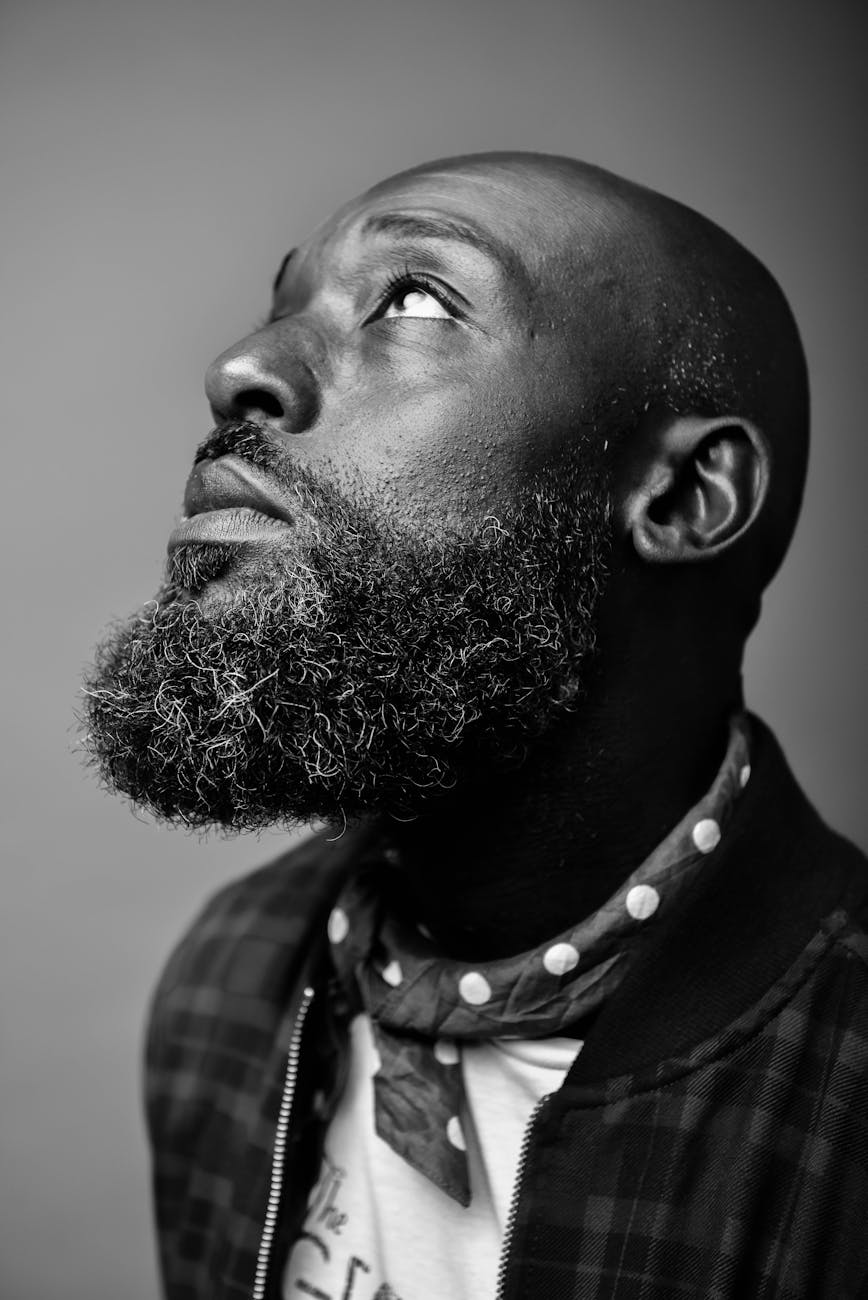
Emotional expression refers to the outward communication of one’s internal emotional state—through words, facial expressions, tone, and body language. For Black men, this expression is often constrained by cultural, historical, and societal expectations that demand strength at the expense of vulnerability. Stoicism, in its original philosophical sense, teaches emotional restraint and rational control. However, in the context of Black masculinity, it has often been twisted into an unhealthy suppression of feelings, rooted in survival strategies dating back to slavery and reinforced by modern racism. As Ecclesiastes 3:4 (KJV) reminds us, there is “a time to weep, and a time to laugh; a time to mourn, and a time to dance.” Yet for too many Black men, the “time to weep” is denied in public life.

Historically, the stoic posture of Black men in America can be traced to the plantation era, where emotional displays could be perceived as weakness and invite punishment or exploitation. During slavery, the ability to mask fear, pain, or grief became a survival mechanism—what psychologists today would call emotional numbing. Frederick Douglass (1845) wrote of witnessing the brutal whipping of his aunt and the necessity of learning to conceal his own terror in order to endure. This learned restraint did not vanish with emancipation. The Jim Crow era reinforced the necessity of composure; Black men’s very survival often depended on their ability to appear non-threatening and emotionally controlled in the face of racial aggression.

From a psychological perspective, stoicism in Black men today reflects both resilience and risk. The American Psychological Association (2019) notes that emotional suppression can lead to increased rates of depression, anxiety, cardiovascular disease, and substance abuse. Black men, compared to Black men in African or Caribbean nations, often navigate a uniquely racialized landscape in the United States—where systemic oppression is compounded by media stereotypes portraying them as hyper-aggressive or emotionally detached. In contrast, while colorism and colonial influence exist globally, Black men in countries like Ghana, Nigeria, or Jamaica may face less daily exposure to white-dominated cultural narratives that frame their masculinity as threatening.

Upbringing plays a crucial role in shaping emotional expression. Many Black boys in America are socialized from a young age to “man up,” “stop crying,” or “be strong,” messages passed down from fathers and grandfathers who themselves were taught that vulnerability invites danger. This intergenerational transmission of stoicism—similar to generational trauma—has deep roots in both historical necessity and the internalization of white supremacist standards of manhood. In psychology, this is known as emotional socialization, and it explains why many Black men may default to guardedness even in safe, intimate spaces. Proverbs 17:22 (KJV) teaches, “A merry heart doeth good like a medicine: but a broken spirit drieth the bones.” Yet for too many, the broken spirit is left untreated because society demands they remain stoic.

Breaking the chains of stoicism requires both cultural and systemic shifts. Black men must be empowered to see emotional expression not as a threat to their masculinity but as an essential part of their humanity. Community-based mental health programs, representation of emotionally vulnerable Black men in media, and faith-based teachings that affirm God’s concern for the whole person—mind, body, and soul—are vital. Historically, movements like the Harlem Renaissance and the speeches of leaders like Martin Luther King Jr. modeled emotional depth without weakness. In reclaiming the full range of emotional expression, Black men honor both their ancestral resilience and their right to live fully, without the burden of a mask.


References

  • American Psychological Association. (2019). APA guidelines for psychological practice with boys and men. https://www.apa.org
  • Douglass, F. (1845). Narrative of the Life of Frederick Douglass, an American Slave. Anti-Slavery Office.
  • The Holy Bible, King James Version.
  • Stone, A. (2001). Brotha [Song]. J Records.

Dilemma: Self Worship

“Thou Shalt Have No Other Gods Before Me”: A Theological and Psychological Critique of Self-Worship in Contemporary Culture

Photo by Ekaterina Astakhova on Pexels.com

Abstract

This dissertation explores the phenomenon of self-worship, a rising form of idolatry in contemporary society, particularly magnified in the realms of celebrity culture, social media, and beauty obsession. Drawing from biblical texts (KJV and the Apocrypha), psychological literature on grandiose narcissism, and sociocultural analysis, this study examines the roots, expressions, and consequences of self-worship. It explores the behavioral traits of individuals who exalt themselves as deities—glorifying their own beauty, status, or public acclaim—and evaluates the psychological mechanisms and societal factors that support this phenomenon. The study aims to confront the spiritual and psychological dangers of inflated self-regard and calls for a return to biblical humility, godly reverence, and authentic self-worth rooted in the Creator rather than creation.


Introduction

In a world increasingly driven by self-promotion, vanity, and external validation, the age-old sin of idolatry has taken a new form—self-worship. While ancient idols were carved from wood or stone, today’s idols are sculpted through filters, fame, and the facade of perfection. Both celebrities and ordinary individuals fall prey to this spiritual distortion, building altars to themselves in their minds, and seeking homage from others. Self-worship, as this paper contends, is not only a theological offense against God but also a psychological and sociological pathology that distorts the human soul and fractures authentic relationships.


The Biblical Condemnation of Self-Worship

The Bible speaks extensively about idolatry, repeatedly warning against exalting anything—including the self—above God. The first commandment in Exodus 20:3 (KJV) states unequivocally: “Thou shalt have no other gods before me.” The commandment includes not only external idols but internal idols—such as pride, vanity, and self-importance. In 2 Timothy 3:2, Paul prophetically writes, “For men shall be lovers of their own selves, covetous, boasters, proud, blasphemers…” This is a direct reference to self-worship and its moral decay.

The Apocrypha echoes this sentiment. In Wisdom of Solomon 14:12, it reads: “For the devising of idols was the beginning of spiritual fornication, and the invention of them the corruption of life.” When the self becomes an idol, spiritual decay follows. Worshipping oneself as a god is not new—it reflects Lucifer’s fall: “I will ascend into heaven, I will exalt my throne above the stars of God…” (Isaiah 14:13-14, KJV). His pride became his destruction, and similarly, self-exaltation today leads to spiritual ruin.


The Psychology of Grandiose Narcissism

In clinical psychology, grandiose narcissism is a subtype of narcissistic personality disorder (NPD) characterized by an inflated sense of self-worth, superiority, and a deep need for admiration. It differs from vulnerable narcissism, which is rooted in insecurity. Grandiose narcissists believe they are uniquely special, destined for greatness, and entitled to constant praise.

Traits of Grandiose Narcissism include:

  • Inflated self-importance and superiority
  • Obsessive focus on physical appearance or success
  • Excessive need for admiration and validation
  • Exploitation of others for personal gain
  • Lack of empathy
  • Arrogance or haughty behavior
  • Belief in personal uniqueness and entitlement

This narcissistic tendency aligns dangerously with the spiritual concept of self-worship. A person who sees themselves as the center of the universe becomes their own god—demanding praise, expecting submission, and rejecting correction.


Beauty, Vanity, and the Venus Archetype

The modern obsession with physical beauty feeds directly into the cult of self-worship. Women in particular are pressured to idolize their own appearance, often comparing themselves to the goddess Venus—symbol of beauty, sensuality, and sexual power. Venus has become a cultural archetype for many women today: admired, envied, and worshipped. Platforms like Instagram and TikTok turn beauty into currency, while women proclaim their desirability through filtered images and curated lifestyles.

Proverbs 31:30 warns: “Favour is deceitful, and beauty is vain: but a woman that feareth the Lord, she shall be praised.” The wisdom here is that beauty is temporary, but character and reverence endure. However, in today’s media-saturated culture, this truth is largely ignored. When self-worth is built on external appearance, it breeds not only insecurity but a false elevation of the self as divine.


The Role of the Media in Promoting Self-Worship

Modern media is the altar upon which self-worship is enshrined. Reality television, influencer culture, celebrity worship, and branding all contribute to the normalization of narcissistic behavior. The media teaches that being seen, praised, and envied is the highest good. Fame becomes salvation. A viral post becomes validation. The line between performance and personhood blurs, and identity becomes a curated image.

Social media, in particular, reinforces narcissistic behaviors by rewarding exhibitionism and self-glorification. Algorithms favor beauty, wealth, and hyper-confidence—traits often found in narcissistic personalities. These platforms serve as digital mirrors where people worship their reflection and demand that others do the same.


Self-Worship in Ordinary Life

While celebrities may seem the most obvious practitioners of self-worship, the behavior is increasingly common among ordinary people. Everyday individuals parade their accomplishments, beauty, and opinions in a desperate bid for recognition. Self-worship often disguises itself as “self-love,” but it becomes sinful when it demands the praise that rightfully belongs to God.

This idolatry manifests in statements like, “I know I’m beautiful because people tell me all the time,” or “I’m a goddess,” which reflect the dangerous shift from healthy self-esteem to exalted self-idolatry. Even subtle behaviors—like constantly posting selfies, fishing for compliments, or belittling others—reflect the undercurrent of a self-worshipping heart.


The Roots of Self-Worship: Is Childhood to Blame?

Childhood development plays a significant role in the formation of narcissistic tendencies. Overindulgent parenting, unearned praise, or early trauma can foster an inflated or fragile sense of self. Children who are told they are “better than everyone” without being taught humility, or those who are neglected and overcompensate through performance, are both at risk. According to Kohut’s theory of narcissism, unmet childhood needs for mirroring and affirmation can result in an adult who demands excessive validation.

Thus, self-worship is often a psychological defense mechanism—masking insecurity and unresolved wounds. It’s not merely vanity; it is a cry for significance answered in the wrong place.


How the Self-Worshipper Treats Others

Those who worship themselves often view others as either tools or threats. Relationships become transactional: others are valuable only if they admire, serve, or elevate the narcissist. Grandiose narcissists lack empathy and often demean those who don’t feed their ego. This results in broken relationships, abuse of power, and a cycle of isolation. The Bible warns in Proverbs 16:18: “Pride goeth before destruction, and an haughty spirit before a fall.”


Why Do People Believe They Are Gods?

The belief that one is a god or divine figure often stems from a mix of cultural, psychological, and spiritual deception. It echoes Satan’s original lie in Genesis 3:5, “Ye shall be as gods.” This temptation continues to plague humanity today. Some believe they are gods due to power, fame, or spiritual delusion. Others, like those in the New Age or occult circles, genuinely believe in self-deification.

Spiritually, this is rebellion against the Creator. Isaiah 2:11 (KJV) warns: “The lofty looks of man shall be humbled, and the haughtiness of men shall be bowed down, and the LORD alone shall be exalted in that day.” Self-worship is ultimately a challenge to God’s sovereignty.


Conclusion: Returning to Reverence

In a world obsessed with self, the antidote is surrender. Humanity was never meant to bear the weight of worship. Only God is worthy. Worshipping the self leads to spiritual blindness, relational dysfunction, and moral collapse. Whether you are a celebrity or a regular person, the call is the same: “Humble yourselves in the sight of the Lord, and he shall lift you up” (James 4:10, KJV). God calls us to die to self, not deify it.

True self-worth is not found in the mirror or the masses but in the One who made us. To be free from self-worship is to walk in humility, love others sincerely, and live for the glory of God—not the applause of man.


References

  • American Psychiatric Association. (2013). Diagnostic and Statistical Manual of Mental Disorders (5th ed.). Washington, DC.
  • Kohut, H. (1971). The Analysis of the Self. New York: International Universities Press.
  • Lasch, C. (1979). The Culture of Narcissism. New York: Norton.
  • Twenge, J. M., & Campbell, W. K. (2009). The Narcissism Epidemic: Living in the Age of Entitlement. Free Press.
  • Bible. King James Version (KJV). Scriptures: Exodus 20:3; Isaiah 14:13–14; Proverbs 31:30; 2 Timothy 3:2; James 4:10; Isaiah 2:11; Genesis 3:5; Proverbs 16:18.
  • Apocrypha. Wisdom of Solomon 14:12. (Available in KJV-based Apocryphal editions.)

🖤🤎 Black Love in a Broken World 🤎🖤

How We Love Ourselves through Struggle.

Photo by Vinu00edcius Vieira ft on Pexels.com

“Black love is a radical act of self-preservation and cultural continuity in a world designed to undermine it.” — Cornel West

“The most disrespected person in America is the Black woman. The most unprotected person in America is the Black woman. The most neglected person in America is the Black woman.” — Malcolm X


Black love is a powerful yet often misunderstood force, shaped by a history of systemic oppression, socio-economic challenges, and cultural marginalization. It exists not only between partners but also within the self, community, and family. In a world where societal structures and historical trauma challenge Black relationships, learning to love oneself and one another becomes a revolutionary act of resistance, resilience, and hope. Understanding Black love requires a multidimensional approach, integrating psychological insights, biblical principles, and historical and contemporary examples of enduring relationships.

This paper explores Black love through multiple lenses: historical trauma, contemporary examples of couples who have endured adversity, psychological frameworks for resilience, and spiritual guidance from the Bible (KJV). It examines both what is lacking and what is flourishing in Black love, offering insights into how individuals and communities can sustain relational integrity despite external pressures.


Historical Context of Black Love

Historically, Black love has existed under conditions of oppression, from slavery to Jim Crow, where couples were separated by systemic forces. Enslaved Africans often formed families and romantic bonds despite the threat of forced separation, abuse, and dehumanization. These historical conditions necessitated resilience, patience, and deep trust, forming the foundation for what contemporary scholars recognize as intergenerational emotional endurance in Black love (Collins, 2000).

The practice of forming families under slavery was itself an act of resistance. By creating bonds and transmitting cultural knowledge, enslaved Africans preserved a sense of identity and humanity. Relationships during this period were often precarious, yet the emotional and spiritual commitment that survived the brutality of slavery has informed contemporary understandings of endurance, loyalty, and partnership within Black love.


Examples of Couples’ Enduring Struggle

Modern Black couples continue to demonstrate the endurance of love through adversity. For example, Michelle and Barack Obama’s relationship illustrates partnership, shared vision, and mutual support amidst public scrutiny and professional pressures. Similarly, legendary soul musicians Marvin Gaye and Janis Hunter navigated personal and societal challenges while striving to maintain family and emotional bonds. Historically, couples like Mary McLeod Bethune and Albertus Bethune exemplified resilience as they balanced public activism, social barriers, and domestic responsibilities, demonstrating that love and commitment can coexist with external struggle.

These examples highlight that Black love often requires conscious commitment, mutual respect, and the courage to sustain relational integrity despite external pressures. In each case, the couple’s ability to communicate, empathize, and protect one another’s well-being reflects the enduring spiritual and emotional frameworks necessary to maintain love across generations.


Loving Ourselves through Struggle

Self-love is foundational for healthy Black love. Psychological research indicates that internalized oppression, low self-esteem, and societal marginalization can impede one’s capacity to form loving relationships (Hooks, 2000). Loving oneself through struggle involves recognizing personal worth, cultivating resilience, and maintaining mental and emotional health.

Practices such as meditation, journaling, counseling, and spiritual engagement empower individuals to navigate adversity while preserving their sense of identity, dignity, and relational capacity. Self-love also includes setting boundaries, prioritizing mental health, and cultivating community support. When individuals understand and appreciate their own worth, they are better equipped to contribute positively to intimate partnerships, family units, and communal networks.


Honoring Faithful Providers and Kind Fathers

Black women honoring faithful, present husbands and Black men appreciating nurturing fathers reinforces the values of commitment, accountability, and emotional presence. The Bible emphasizes the role of the husband as a provider and protector, stating in Ephesians 5:25 (KJV): “Husbands, love your wives, even as Christ also loved the church, and gave himself for it.” Similarly, Proverbs 22:6 (KJV) advises: “Train up a child in the way he should go: and when he is old, he will not depart from it.”

Recognizing and affirming these attributes strengthens family bonds and models healthy relational dynamics for children, fostering generational continuity of trust, care, and love. Fathers who engage emotionally and spiritually with their families challenge the historical stereotypes of absenteeism and disengagement, promoting resilience and positive relational modeling within the Black community.


Navigating Love through Hurt and Trying Times

Black couples must navigate trauma, socio-economic challenges, and societal bias, often simultaneously addressing personal and collective pain. Loving through hurt requires empathy, forgiveness, and open communication. Psychological frameworks suggest that emotionally attuned couples develop stronger bonds when addressing conflict constructively, validating feelings, and reinforcing mutual support (Gottman & Silver, 2015).

Biblical teachings, such as 1 Corinthians 13:4–7 (KJV), emphasize patience, kindness, and perseverance: “Charity suffereth long, and is kind; charity envieth not; charity vaunteth not itself, is not puffed up…” These spiritual principles complement psychological approaches, underscoring the importance of both emotional intelligence and moral integrity in sustaining relationships. Healing through relational struggle often requires acknowledging personal and intergenerational trauma, creating a foundation for mutual growth and understanding.


Impact of the Modern World on Black Love

The contemporary environment, characterized by systemic inequities, media misrepresentation, and economic pressures, poses unique challenges to Black love. Social media often projects unrealistic relational standards, while societal structures may undermine economic stability, increasing stress and relational tension. These conditions necessitate conscious intentionality in relationships, where partners actively cultivate trust, mutual respect, and emotional intimacy as shields against external destabilizing forces.

Economic pressures, gentrification, and systemic racism exacerbate stressors in Black relationships, yet cultural resilience, community networks, and shared faith often provide protective buffers. Recognizing the structural forces affecting Black love allows couples to contextualize challenges and engage in deliberate strategies to strengthen relational bonds despite societal obstacles.


Attributes of Real Love in Black Relationships

Real Black love is characterized by loyalty, empathy, mutual respect, accountability, and shared vision. It values communication, spiritual alignment, and emotional resilience. According to psychology, attachment security, emotional intelligence, and conflict resolution skills are crucial to sustaining relationships under stress (Johnson, 2013).

Biblically, 1 Corinthians 13 highlights qualities such as patience, kindness, humility, and endurance as hallmarks of enduring love. Black love thrives when both partners embody these attributes, balancing individual identity with collective commitment. A conscious awareness of cultural history, spiritual heritage, and psychological dynamics enhances relational stability and ensures that love is both deeply felt and actively maintained.


What Is Lacking and What Is Good in Black Love

While Black love exhibits resilience and creativity, systemic oppression and intergenerational trauma have introduced challenges, including mistrust, fragmented communication, and underrepresentation of positive relational models. Conversely, strengths include cultural pride, emotional endurance, adaptability, and a deep understanding of relational perseverance. Recognizing these strengths alongside areas for growth allows the Black community to intentionally cultivate loving relationships, grounded in self-awareness, shared history, and spiritual and emotional maturity.

Encouraging open dialogues about relational expectations, emotional literacy, and historical context helps Black couples navigate relational complexities while celebrating cultural continuity. Mentorship, communal support, and positive media representation also play vital roles in sustaining healthy Black love.


Conclusion

Black love in a broken world is both a reflection of struggle and a testament to resilience. It demands self-love, commitment, and conscious cultivation of relational virtues. By honoring faithful partners, nurturing emotional intelligence, and aligning practices with biblical and psychological principles, Black individuals can sustain love through adversity. Historical examples, modern couples, and scholarly research collectively demonstrate that Black love is not merely romantic; it is an act of resistance, cultural preservation, and generational empowerment.

Embracing these lessons enables individuals and communities to navigate hardship while celebrating the enduring power of love. In doing so, Black love becomes a transformative force that nurtures identity, fosters communal cohesion, and builds legacies of dignity, joy, and mutual respect for generations to come.


References

  • Collins, P. H. (2000). Black Feminist Thought: Knowledge, Consciousness, and the Politics of Empowerment. Routledge.
  • Gottman, J., & Silver, N. (2015). The Seven Principles for Making Marriage Work. Harmony Books.
  • Hooks, B. (2000). All About Love: New Visions. William Morrow & Company.
  • Johnson, S. M. (2013). Love Sense: The Revolutionary New Science of Romantic Relationships. Little, Brown and Company.
  • Wallace, M. (2016). On the Challenges of Black Love in America. Journal of African American Studies, 20(2), 153–172.
  • Hill, M. (2019). Endurance and Resilience in Black Relationships: A Sociocultural Perspective. Sage Publications.
  • Malcolm X. (1965). The Autobiography of Malcolm X. Ballantine Books.
  • Cornel West. (1993). Race Matters. Beacon Press.
  • The Holy Bible, King James Version.

Strong but Silent: The Mental Health Crisis in the Black Community.

Photo by Kelvin Diri on Pexels.com

Understanding the Mental Health Crisis in the Black Community

The Black community faces a pressing mental health crisis—characterized by elevated rates of psychological distress, limited access to care, and deep-rooted stigma. Black Americans are 20% more likely to experience serious mental health problems compared to the general population, and 30% more likely to report serious psychological distressForge HealthWikipedia. Yet, only 1 in 3 Black adults who need mental health care actually receive it, compared with 1 in 2 White adultsForge HealthNAACPColumbia Psychiatry. Such disparities underline a systemic gap in both awareness and treatment.


Root Causes: Trauma, Racism, and Stigma

Deep psychological wounds stemming from historic trauma, including centuries of slavery and institutional racism, continue to influence mental well-being today. The concept of Post-Traumatic Slave Syndrome (PTSS), proposed by Joy DeGruy Leary, argues that unresolved trauma from slavery—and ongoing discrimination—has been transmitted across generations, manifesting as low self-esteem, internalized anger, and self-limiting beliefsWikipedia.

Compounding this is systemic racism, which produces chronic stress through daily microaggressions, economic marginalization, police violence, and unequal treatment in healthcare—leading to elevated anxiety, PTSD, and depressive disordersVerywell MindTIMEmcleanhospital.orgThe Washington Post. Additionally, stigma in the Black community—rooted in historically denying mental illness in enslaved people (e.g., the pseudoscientific “drapetomania”)—continues to perpetuate silence, shame, and avoidance of mental health carewww.counseling.orgMental Health Americahygieiabh.org.


Psychological and Societal Impacts: A Data-Driven View

  • Suicide Trends: In 2021, suicide ranked as the third leading cause of death among Black youths aged 10–24, with rates rising nearly 37% over two decadesNAACPWikipedia. Alarmingly, Black teenage girls are 60% more likely to attempt suicide compared to their white peersAmerican Addiction Centers.
  • Disproportionate Emergency Care: Black adults visit emergency departments (EDs) for mental health concerns at twice the national average, yet are less likely to be admitted or transferred for psychiatric careNAACP.
  • Professional Representation: Only 2–4% of mental health professionals in the U.S. are Black (e.g., 2% of psychiatrists and 4% of psychologists), creating barriers in cultural understanding and trust between providers and patientsNAACPcrescentwellnessfoundation.orgwww.counseling.org.

Why Mental Health Matters—and Its Hereditability

Mental health isn’t just personal—it’s foundational to individual and community well-being. When unaddressed, mental disorders can erode relationships, limit productivity, and perpetuate cycles of sufferingPsychiatryOnline.

Research also suggests that severe trauma can affect gene expression—intergenerational trauma—through biological mechanisms like epigenetics, influencing the offspring’s vulnerability to depression, anxiety, and PTSDHealthPsychology Today.


Common Mental Illnesses and Treatments in the Black Community

1. Major Depressive Disorder & Anxiety

These are among the most prevalent conditions. Evidence-based treatments include:

  • Psychotherapy (especially culturally responsive models)
  • Medication (e.g., SSRIs)
  • Community-based wellness initiatives (e.g., group therapy, healing studios)PsychiatryOnline

2. PTSD & Trauma-Related Disorders

Often triggered by violence, racism, or historical trauma. Treatment strategies include:

3. Misdiagnosis and Disparities

Black individuals are often misdiagnosed with schizophrenia when presenting anxiety or mood symptoms. Improved diagnostic training and culturally sensitive assessment are crucialReddithygieiabh.org.


Healing Measures and Community Strategies

Institutions and grassroots efforts are creating vital pathways to wellness:

  • NAACP resolutions (2024) call for culturally tailored mental health care, expanded service access, employer accommodations, and promotion of community-level mental hygieneNAACP.
  • Wellness First approach emphasizes centering healing within community contexts—e.g., Albany’s Root3d studio offering yoga and journaling programs designed for people of colorPsychiatryOnline.
  • Professionals like Dr. Joy Harden Bradford have launched platforms such as Therapy for Black Girls, which taps into culturally competent psychotherapy and community discourseWikipedia.
  • Association of Black Psychologists (ABPsi), founded in 1968, champions African-centered psychology and develops culturally aligned frameworks for therapyWikipedia.

Real Stories of Trauma and Resilience

  • Regina King’s son, Ian Alexander Jr., died by suicide in 2022 at age 26 after a private battle with depression. Despite professional help, the struggles were hidden from many. Regina shares that she sometimes reads his journals in a meditation to stay connected with his memoryPeople.com.
  • Tiffany Simelane, Miss Swaziland 2008, took her own life in 2009 amid intense personal and public pressures—highlighting the psychological toll of pageant expectations and isolationWikipedia.

Key Precautions & Recommendations

  1. Normalize mental health conversations in churches, schools, and homes.
  2. Screen early, especially among youth—younger Black Americans face rising suicide riskNAACPWikipedia.
  3. Ask providers about cultural competence before starting therapyColumbia Psychiatry.
  4. Utilize culturally affirming care—online platforms, teletherapy, community healing spaces.
  5. Educate families & faith leaders to foster supportive environments rather than stigma.

Helplines & Web Resources

  • 988 Suicide & Crisis Lifeline – Call or text, 24/7.
  • 988lifeline.org – Online chat supportPeople.comMental Health America.
  • Therapy for Black Girls – Directory and podcast by Dr. Joy Harden BradfordWikipedia.
  • NAACP mental health resource hub – Guidance and policy advocacyNAACP.
  • Association of Black Psychologists (ABPsi) – Culturally grounded practitioner networkWikipedia.

Conclusion

The mental health crisis in the Black community is not a matter of individual weakness—but a collective calling. Anchored in historical trauma, systemic inequity, and stigma, it demands solutions that are culturally attuned, community-centered, and policy-driven. Healing is possible when care is compassionate, accessible, and culturally affirmed. Let’s keep this conversation open, and take action—together.


MALCOLM X vs MARTIN LUTHER KING JR.

✊🏽 Two Prophets, One Struggle for Black Liberation

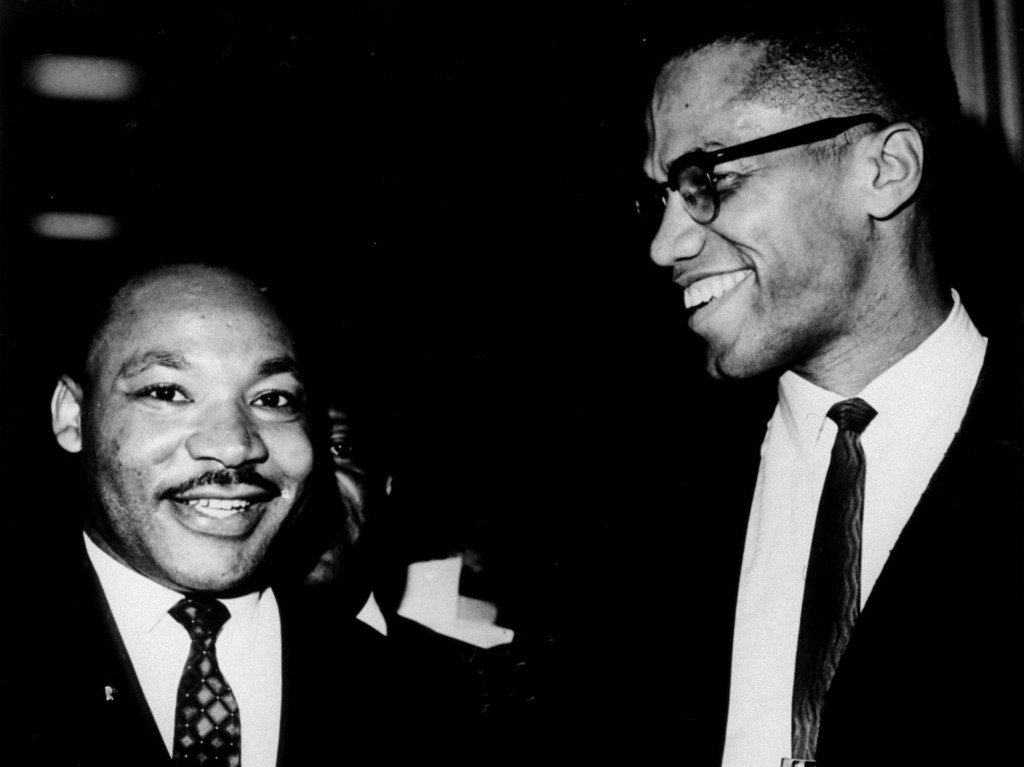
(AP Photo/Henry Griffin)

In the pantheon of American civil rights icons, two names shine with unrelenting brilliance: Malcolm X and Dr. Martin Luther King Jr. Though often cast as ideological opposites—one the militant voice of self-determination, the other the peaceful champion of integration—both men were fearless visionaries who dedicated their lives to the liberation and dignity of African Americans. Despite their differences in theology, rhetoric, and strategy, both stood at the frontline of a nation grappling with racism, injustice, and the unfulfilled promise of democracy.


🕋 Malcolm X: The Firebrand of Black Nationalism

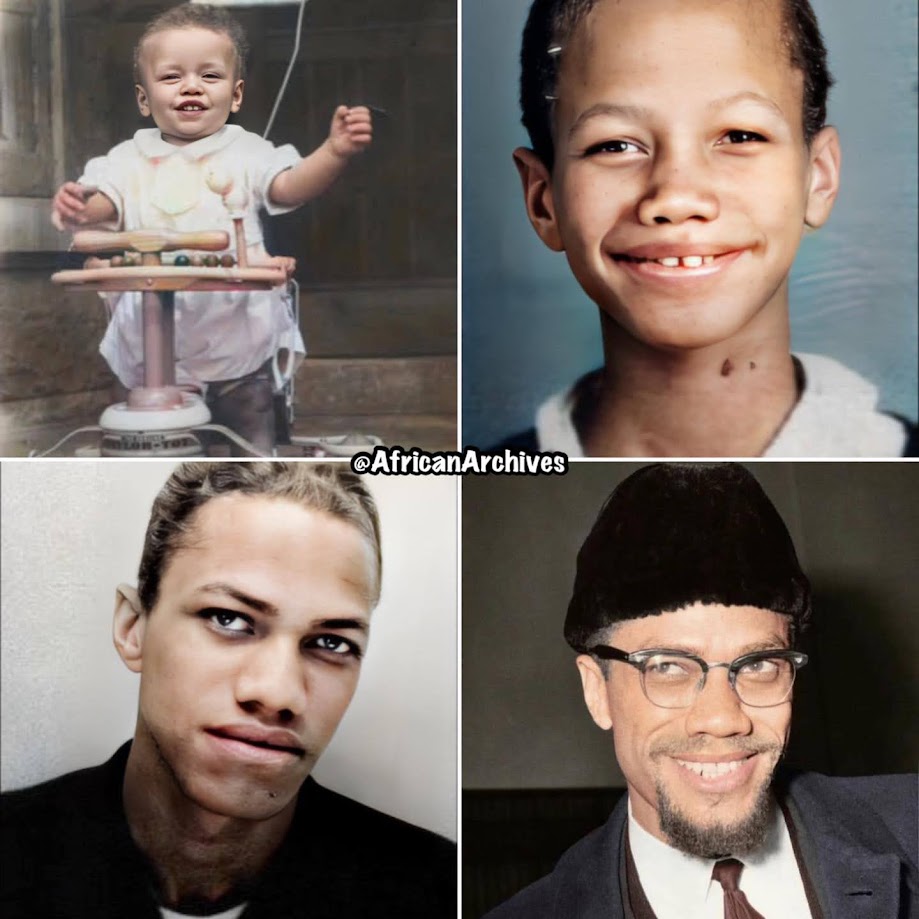
Malcolm X was born Malcolm Little on May 19, 1925, in Omaha, Nebraska. The son of a Baptist preacher and Garveyite activist, Malcolm was introduced early to the power of Black pride. However, after the tragic death of his father and institutionalization of his mother, Malcolm’s youth spiraled into crime and incarceration. While in prison, he encountered the teachings of the Nation of Islam (NOI), a Black nationalist and religious movement led by Elijah Muhammad. Renouncing his surname—“Little”—as a slave name, Malcolm adopted “X” to represent his lost African ancestry.

Through the NOI, Malcolm preached racial pride, economic self-reliance, and Black separation from white society. He famously called for Black liberation “by any means necessary”, advocating self-defense rather than passive resistance. At a time when police brutality and lynchings plagued Black communities, Malcolm X’s unapologetic stance resonated deeply.

Malcolm X’s views were complex and evolving. While he initially condemned interracial relationships, later in life, after breaking with the Nation of Islam and making a pilgrimage to Mecca in 1964, he saw Muslims of all races united in faith. This broadened his worldview and led him to embrace Pan-Africanism and human rights advocacy, softening his stance toward whites.

On Black women, Malcolm once declared:

“The most disrespected person in America is the Black woman. The most unprotected person in America is the Black woman.” (Malcolm X, 1962)

This powerful quote reflected his growing recognition of Black women’s roles in the liberation struggle.

He was married to Betty Shabazz, with whom he had six daughters. Tragically, Malcolm X was assassinated on February 21, 1965, in Harlem’s Audubon Ballroom, just as he was forming the Organization of Afro-American Unity, a non-religious group focused on global Black solidarity.


✝️ Dr. Martin Luther King Jr.: The Apostle of Peace and Justice

Born Michael Luther King Jr. on January 15, 1929, in Atlanta, Georgia, he later changed his name to Martin in honor of the German Protestant reformer. Raised in the heart of the Black church, Martin became a Baptist minister and theologian steeped in the Christian doctrine of love, peace, and redemption.

King earned his doctorate in theology from Boston University and emerged as the leader of the Montgomery Bus Boycott in 1955 after Rosa Parks’ arrest. He founded the Southern Christian Leadership Conference (SCLC) and promoted nonviolent civil disobedience inspired by the teachings of Jesus Christ and Mahatma Gandhi.

He once wrote:

“Darkness cannot drive out darkness; only light can do that. Hate cannot drive out hate; only love can do that.” (King, Strength to Love, 1963)

King’s message appealed to the moral conscience of America. He led monumental events like the March on Washington in 1963, where he delivered his iconic “I Have a Dream” speech.

King was married to Coretta Scott King, and they had four children. While widely revered today, King was labeled a radical in his time. After his death in 1968, newly released FBI files alleged moral failings and adultery, but these accusations remain controversial and heavily debated for their lack of verifiable evidence and the FBI’s notorious attempts to discredit him (Garrow, 1986).


⚖️ Christianity vs. Nation of Islam

The theological differences between the men mirrored the ideological divides of their movements:

  • Christianity, as King practiced, preached forgiveness, integration, and universal brotherhood.
  • The Nation of Islam, as Malcolm embraced in his early years, preached Black supremacy, self-sufficiency, and a theological rejection of white society as inherently evil.

While King saw America as a nation to be redeemed, Malcolm often saw it as irredeemable.


🤝🏿 Did They Respect Each Other?

Though they met only once briefly in 1964, both Malcolm and Martin acknowledged the other’s sincerity and impact. Initially, Malcolm criticized King’s nonviolence as submissive. However, toward the end of his life, Malcolm expressed admiration for King’s commitment and bravery. After Malcolm’s assassination, King said:

“Malcolm X was a brilliant man who had great insight and was an eloquent spokesman for his point of view…I think he had a great ability to analyze the problem.”


👑 What Did They Do for Black People?

  • Malcolm X gave voice to the voiceless, empowering Black people to see themselves as valuable, independent, and sovereign. He introduced terms like “Afro-American” and made “Black is Beautiful” a political statement.
  • Martin Luther King Jr. was instrumental in achieving civil rights legislation, including the Civil Rights Act of 1964 and the Voting Rights Act of 1965, transforming American society through legal and moral change.

🌍 Views on America, Racism, and Africa

  • Malcolm X denounced America’s hypocrisy, calling it a “prison of the oppressed.” After his hajj to Mecca, he embraced a broader global view, saying, “I am not a racist. I am against every form of racism and segregation.”
  • King believed America could live up to its promise if it was held accountable. He said, “I have a dream that one day this nation will rise up and live out the true meaning of its creed.”

Both men viewed Africa as central to Black identity and liberation. Malcolm made alliances with African leaders, while King supported African independence movements.


👶🏾 Wives and Children

  • Malcolm X and Betty Shabazz had six daughters, including the late activist Malikah Shabazz.
  • Martin Luther King Jr. and Coretta Scott King had four children, including Bernice King, a prominent speaker and activist.

🏁 Final Thought: Who Had the Better Message?

This question defies easy answers. Malcolm X gave us the courage to stand tall. Martin Luther King Jr. taught us the power of enduring love. Together, they represented two wings of the same freedom bird. One cried out in righteous anger; the other marched with patient hope. But both demanded that Black people be seen, respected, and free.


📚 References

  • Garrow, D. J. (1986). Bearing the Cross: Martin Luther King, Jr., and the Southern Christian Leadership Conference. William Morrow & Co.
  • Malcolm X & Haley, A. (1965). The Autobiography of Malcolm X. Grove Press.
  • King, M. L. Jr. (1963). Strength to Love. Harper & Row.
  • Marable, M. (2011). Malcolm X: A Life of Reinvention. Viking.
  • Cone, J. H. (1991). Martin & Malcolm & America: A Dream or a Nightmare. Orbis Books.
  • Nation of Islam. (n.d.). Official Website. http://www.noi.org
  • The King Center. (n.d.). Biography of Dr. Martin Luther King Jr. http://www.thekingcenter.org

Where faith, history, and truth illuminate the Black experience.