Category Archives: The Male Files Series

The Male Files: Unlocking His Mind, One Secret at a Time.

Photo by cottonbro studio on Pexels.com

Understanding men is a complex endeavor, but it is essential for building healthy relationships. Men’s thoughts, desires, and fears are often guided by both biological instincts and emotional experiences. By studying these patterns, women can better navigate relationships and understand why men behave the way they do.

One of the first things to understand is why many men are attracted to physical beauty. Scripture acknowledges the human tendency to notice outward appearances, but it also warns against valuing it above the heart. “Favor is deceitful, and beauty is vain: but a woman that feareth the Lord, she shall be praised” (Proverbs 31:30, KJV). Men are naturally visual beings, but God calls them to pursue character as well as appearance.

Biologically, men are wired to respond to visual stimuli. Evolutionary psychology suggests that physical attraction signals fertility and health, which historically increased the chances of reproduction. This does not excuse superficiality, but it explains why initial attraction is often visual.

Although men should be providers, men often seek 50/50 relationships, desiring balance in effort, respect, and contribution. They want partners who will not only love them but also complement them spiritually, emotionally, and practically. “Two are better than one; because they have a good reward for their labour” (Ecclesiastes 4:9, KJV). Men value equality in partnership because it allows shared growth and stability.

The secrets of men often revolve around unspoken needs. Many struggle with expressing vulnerability, fearing judgment or rejection. Proverbs 20:5 (KJV) says, “Counsel in the heart of man is like deep water; but a man of understanding will draw it out.” Men often hide fears, hurts, and insecurities deep inside, and it takes patience and wisdom to uncover them.

Money is another sensitive subject for men. Many feel pressure to provide and fear failure if they cannot meet financial expectations. 1 Timothy 5:8 (KJV) reminds us, “But if any provide not for his own, and specially for those of his own house, he hath denied the faith, and is worse than an infidel.” This responsibility can create anxiety and affect relational dynamics.

Sex is also central in male psychology. Men often struggle with strong sexual desires, and societal pressures have conditioned them to expect instant gratification. While waiting for marriage is biblically encouraged, “Flee fornication. Every sin that a man doeth is without the body; but he that committeth fornication sinneth against his own body” (1 Corinthians 6:18, KJV), many men wrestle with self-control due to both hormones and cultural influences.

Many men fear vulnerability in love. Opening up about emotions, past trauma, or fears of inadequacy can feel risky. Yet, Proverbs 27:6 (KJV) teaches, “Faithful are the wounds of a friend; but the kisses of an enemy are deceitful.” True intimacy requires honesty, even when it is uncomfortable or risky.

Insecurities about appearance are also common. Men are often silent about their struggles with weight, hair loss, or other physical concerns. This silence can be misinterpreted as confidence, but beneath it may lie fear of rejection or inadequacy. Psalm 139:14 (KJV) affirms, “I will praise thee; for I am fearfully and wonderfully made.” God reminds men and women alike of inherent worth.

Fear influences male behavior in relationships. Some men fear emotional dependency, others fear betrayal, and some fear failure. These fears can cause withdrawal, defensiveness, or even aggression. “The heart is deceitful above all things, and desperately wicked: who can know it?” (Jeremiah 17:9, KJV). Men, like women, must confront these fears to love fully.

Men’s past hurts often shape present interactions. Childhood trauma, broken relationships, or rejection can create defensive patterns. Ephesians 4:31–32 (KJV) instructs, “Let all bitterness, and wrath, and anger, and clamor, and evil speaking, be put away from you, with all malice: And be ye kind one to another, tenderhearted, forgiving one another, even as God for Christ’s sake hath forgiven you.” Healing past wounds is critical for relational success.

Commitment can feel risky because vulnerability exposes men to emotional pain. Proverbs 22:3 (KJV) says, “A prudent man foreseeth the evil, and hideth himself; but the simple pass on, and are punished.” Men may hesitate to commit fully until trust is established.

Men’s desire for beauty often intersects with societal expectations. Media, peers, and culture emphasize physical perfection, which reinforces surface-level attraction. Yet, Song of Solomon 4:7 (KJV) highlights spiritual and emotional beauty: “Thou art all fair, my love; there is no spot in thee.” This reminds men that true beauty encompasses more than the exterior.

Financial concerns impact male decision-making in relationships. Men may delay commitment or engagement until they feel capable of providing, even if their partner is ready. Proverbs 13:11 (KJV) teaches, “Wealth gotten by vanity shall be diminished: but he that gathereth by labour shall increase.” Men often equate financial stability with relational readiness.

Sexual desire can conflict with spiritual principles. Men may struggle with patience in waiting for marital intimacy. 1 Thessalonians 4:3–5 (KJV) emphasizes, “This is the will of God, even your sanctification, that ye should abstain from fornication; That every one of you should know how to possess his vessel in sanctification and honour; Not in the lust of concupiscence, even as the Gentiles which know not God.” Spiritual discipline is essential for navigating this tension.

Men often compartmentalize their emotions due to fear of appearing weak. This behavior may be misunderstood by partners as disinterest or detachment. Ecclesiastes 7:10 (KJV) advises, “Say not thou, What is the cause that the former days were better than these? for thou dost not enquire wisely concerning this.” Understanding requires patience and empathy.

Trust is a central concern for men. Betrayal or dishonesty in prior relationships can create internal walls. Proverbs 3:5–6 (KJV) encourages reliance on God: “Trust in the LORD with all thine heart; and lean not unto thine own understanding. In all thy ways acknowledge him, and he shall direct thy paths.” Men must reconcile faith with relational trust to overcome fears.

Fear of inadequacy also drives secrecy about desires, weaknesses, and vulnerabilities. Men may hide insecurities about appearance, finances, or emotional depth to maintain social status or protect their ego. Romans 12:2 (KJV) reminds believers, “And be not conformed to this world: but be ye transformed by the renewing of your mind, that ye may prove what is that good, and acceptable, and perfect, will of God.” Transformation begins with honesty before God and self.

Some men equate control with masculinity, fearing that vulnerability signals weakness. Yet, true strength lies in transparency and courage. Joshua 1:9 (KJV) says, “Have not I commanded thee? Be strong and of a good courage; be not afraid, neither be thou dismayed: for the LORD thy God is with thee whithersoever thou goest.” God’s presence empowers men to embrace vulnerability confidently.

Emotional withdrawal is often misunderstood. Silence may not indicate indifference but an internal struggle to process feelings. Ecclesiastes 3:1, 7 (KJV) teaches, “To every thing there is a season, and a time to every purpose under the heaven… a time to keep silence, and a time to speak.” Timing matters in male emotional expression.

Insecurity about appearance can affect relationship initiation. Men may fear rejection or judgment based on body image, height, or other physical attributes. 1 Samuel 16:7 (KJV) states, “But the LORD said unto Samuel, Look not on his countenance, or on the height of his stature; because I have refused him: for the LORD seeth not as man seeth; for man looketh on the outward appearance, but the LORD looketh on the heart.” God values character above external traits.

Men’s past experiences with women shape expectations and fears. Trauma, unfaithfulness, or dishonesty in prior partners can make trust and commitment challenging. Colossians 3:13 (KJV) reminds believers to “forgive one another, if any man have a quarrel against any: even as Christ forgave you, so also do ye.” Forgiveness is a step toward relational healing.

Finally, understanding men requires compassion and discernment. Unlocking his mind involves patience, empathy, and acknowledgment of both his strengths and vulnerabilities. Proverbs 20:5 (KJV) reiterates, “Counsel in the heart of man is like deep water; but a man of understanding will draw it out.” A wise partner guides and supports without judgment.

Men want love that honors their needs, respects their fears, and challenges them to grow spiritually, emotionally, and morally. True intimacy is built on trust, patience, and mutual respect. 1 Corinthians 13:4–7 (KJV) defines this love: “Charity suffereth long, and is kind; charity envieth not; charity vaunteth not itself, is not puffed up… beareth all things, believeth all things, hopeth all things, endureth all things.”

In conclusion, men’s secrets are not mysteries to be feared but truths to be understood. Their desires for beauty, equality, and intimacy are natural, but fears, insecurities, and past hurts complicate them. By applying biblical wisdom, patience, and empathy, women can navigate relationships with discernment and grace, unlocking the heart and mind of the men they love.


References (KJV)

  • Proverbs 20:5; 27:6; 31:30; 3:5–6
  • Ecclesiastes 4:9; 7:10; 3:1,7; 4:12
  • 1 Corinthians 6:18; 13:4–7
  • 1 Thessalonians 4:3–5
  • 1 Samuel 16:7
  • Psalm 139:14; 30:5; 147:3; 34:18
  • Jeremiah 17:9
  • Romans 12:2
  • Ephesians 4:31–32
  • Colossians 3:13
  • Joshua 1:9

The Male Files: What Men Fear in Love — Pride, Pain, and the Walls They Build.

Photo by Polina Tankilevitch on Pexels.com

Love is a battlefield for most men—not because they don’t desire it, but because they fear what it demands. Behind the masculine exterior lies a boy once taught that vulnerability equals weakness. Many men have been conditioned to armor themselves with pride, control, and silence, believing that emotion is the enemy of manhood. Yet, love—true love—requires exposure. It asks a man to be seen, known, and open. For many, that is terrifying.

From childhood, boys are told, “Don’t cry,” “Man up,” and “Be strong.” These phrases become emotional handcuffs that prevent them from expressing hurt, fear, or need. As they grow, they learn to suppress emotion and replace it with performance. They chase success, power, or women to validate their worth, never realizing that love requires the very thing society taught them to bury—vulnerability.

A man’s fear of love is often rooted in fear of rejection. He worries that if he reveals his true self—his insecurities, his failures, his past—he will not be enough. So instead, he hides behind the version of himself that looks impressive. But this facade becomes a prison. When love finally knocks, he’s too afraid to open the door, fearing that the woman will see the cracks beneath the confidence.

Many men have also witnessed love fail—divorces, betrayal, abandonment—and the pain left an imprint on their psyche. They fear reliving it. Proverbs 18:14 (KJV) says, “The spirit of a man will sustain his infirmity; but a wounded spirit who can bear?” A broken heart can wound the spirit more deeply than any physical blow. So men protect themselves the only way they know how—by not loving fully at all.

Another layer of fear comes from the pressure to lead. A godly man is called to be the head, but in a world where masculinity is often attacked or distorted, many don’t know how to lead in love. They fear failing as providers, protectors, or spiritual guides. Instead of leaning on God’s strength, they rely on control, mistaking dominance for direction. This pride-driven leadership often drives love away.

Worldly men often view love as a transaction. They give affection in exchange for admiration, sex, or validation. But once the thrill fades, they withdraw. Their fear of intimacy is masked as disinterest. They crave connection but dread accountability. It is not that they don’t want love—they just want it without risk.

Psychologically, this is known as avoidant attachment—a pattern where people crave closeness but feel trapped by it. Many men grew up with distant fathers or emotionally unavailable role models. Their blueprint for love is broken. They equate affection with dependency, and dependency with weakness. Thus, they run from the very thing that could heal them.

Spiritually, this internal war is the struggle between the flesh and the spirit. The flesh seeks control, while the spirit seeks surrender. True love demands surrender—not to another person’s dominance, but to divine vulnerability. Ephesians 5:25 (KJV) says, “Husbands, love your wives, even as Christ also loved the church, and gave himself for it.” Christ’s love required sacrifice, exposure, and humility—qualities many men have not yet mastered.

For some men, the fear of love is also a fear of being needed. To love means to be responsible for someone else’s heart. That weight can feel overwhelming. It forces a man to confront his own emotional instability. So instead, he avoids commitment, convincing himself that he’s “not ready,” when in reality, he’s afraid to fail.

In the modern age, social media and hookup culture have deepened this fear. Relationships have become disposable, and vulnerability has become unfashionable. Men curate highlight reels of their lives to appear in control, confident, and detached. But under the surface lies loneliness. Genesis 2:18 (KJV) reminds us, “It is not good that the man should be alone.” God designed man for companionship, yet fear and pride isolate him from the very connection he was created for.

Pride is love’s greatest saboteur. Many men would rather lose love than lose their image. They equate apology with defeat and softness with surrender. But pride turns the heart to stone. Proverbs 16:18 (KJV) warns, “Pride goeth before destruction, and an haughty spirit before a fall.” Until a man humbles himself, love cannot reach him.

The fear of emotional exposure also stems from shame. Men often carry silent burdens—past mistakes, moral failures, addictions, or regrets. They fear that if they let a woman get too close, she will see the ugliness they hide. This fear of being “found out” creates emotional distance. But love cannot thrive in hiding; it grows only in honesty.

Godly men, however, learn that love is not about perfection but redemption. They understand that vulnerability doesn’t weaken them—it refines them. A man who loves God can love boldly because he draws strength from grace, not ego. First John 4:18 (KJV) says, “There is no fear in love; but perfect love casteth out fear.” When a man surrenders to God, fear loses its grip.

The journey from guardedness to openness is not instant—it’s a process of healing. A man must first confront his inner boy—the one still craving affirmation, the one still afraid of not being enough. When he lets God father that wounded child, he begins to love differently: with patience, empathy, and courage.

Women, too, play a role in this healing. When a woman creates a safe space free from ridicule or control, she helps dismantle the walls around a man’s heart. A godly woman becomes a mirror of divine grace, showing him that love doesn’t expose to shame, but to restore. This kind of love turns a fearful man into a faithful one.

When men understand that love requires humility, they begin to lead with strength that protects, not pride that isolates. The strongest man is not the one who never feels—but the one who feels deeply and still chooses faith over fear. That is the essence of godly masculinity.

In the end, what men fear in love is not the woman—it’s themselves. They fear being seen, stripped of pretense, and required to change. But love was never meant to be comfortable; it was meant to be transformative. And transformation always costs the ego something.

Love is not for the faint of heart. It demands risk, honesty, and growth. The man who avoids it may gain control, but he loses connection. The man who embraces it gains purpose. For as 1 Corinthians 13:11 (KJV) reminds us, “When I was a child, I spake as a child, I understood as a child, I thought as a child: but when I became a man, I put away childish things.” To love well is to finally become a man.


References

Cloud, H., & Townsend, J. (2018). Boundaries in Dating: How Healthy Choices Grow Healthy Relationships. Zondervan.

Eldredge, J. (2001). Wild at Heart: Discovering the Secret of a Man’s Soul. Thomas Nelson.

Johnson, R. (1989). He: Understanding Masculine Psychology. Harper & Row.

Lewis, C. S. (1942). The Screwtape Letters. Geoffrey Bles.

Piper, J. (1993). Desiring God: Meditations of a Christian Hedonist. Multnomah Press.

The Holy Bible, King James Version. (n.d.). Bible Gateway. https://www.biblegateway.com

📜 The Male Files: Kings Without Crowns

A king without a crown is not a man without power—he is a man without placement. In the digital age, masculinity is promoted as territory to seize, not a role to steward. Scripture defines the male purpose differently: “The steps of a good man are ordered by the LORD” (Psa. 37:23, KJV). A man becomes a king only when God becomes the one ordering his direction—not popularity, ideology, or trend.

Many men know the language of kingship, but few understand the theology of crowning. Crowns in scripture are given, not taken. “I have found David… a man after mine own heart, which shall fulfil all my will” (Acts 13:22, KJV). His kingship began the moment God found him, not the moment humans favored him. Modern masculinity movements reverse this order.

The manosphere tells men to master women, wealth, and dominion, yet scripture calls men to master themselves first. “He that ruleth his spirit is better than he that taketh a city” (Prov. 16:32, KJV). Internal governance is the biblical inauguration of kings, long before social influence ever recognizes them.

A generation of men now seek crowns through controversy, commentary, or charisma. Amplified voices have replaced consecrated ones. Online platforms reward dominance performance more than devotional grounding, shaping men into rhetoricians, not patriarchs (Ging, 2019). This produces kings in vocabulary, but orphans in covenant.

The deepest masculine wound is not irrelevance—it is fatherlessness. Even when fathers are present physically, many sons remain unfathered spiritually and emotionally. Scripture reveals the necessity of generational anchoring: “One generation shall praise thy works to another” (Psa. 145:4, KJV). But inheritance cannot flow where identity was never affirmed.

Many young men trade intimacy with God for brotherhood with echo chambers. These communities offer belonging, but not becoming. Digital masculine networks thrive on social identity formation through grievance-based solidarity (Ribeiro et al., 2020). A man may gain community and still lose self.

The rejection of vulnerability is another missing piece of the crown. The world shames wounded men for bleeding, yet God draws near to men who break without abandoning Him. “The LORD is nigh unto them that are of a broken heart” (Psa. 34:18, KJV). Healing is not a disqualification from kingship—it is often the prerequisite for it.

Without a crown, many men adopt hardness as a throne. They equate emotional restraint with authority and detachment with discipline. Yet scripture rejects emotional amputation as strength. God never calls men to bury emotion—He calls them to submit it.

The social narrative also labels men by dominance rank—alpha, sigma, beta—as though personality category determines divine assignment. Scripture disrupts the taxonomy entirely: “Man looketh on the outward appearance, but the LORD looketh on the heart” (1 Sam. 16:7, KJV). A man may be “quiet” socially and crowned spiritually, or “viral” digitally and bankrupt internally.

Men without covenant begin to idolize conquest as coronation—money, physiques, sexual access, and endorsement from other unhealed men. But crowns in scripture are moral, not muscular. “He crowneth thee with lovingkindness and tender mercies” (Psa. 103:4, KJV). The biblical masculine crown is a heart posture, not a public one.

Modern masculinity movements are also monetized emotional ecosystems. They capitalize on male loneliness, insecurity, identity confusion, and resentment, offering ideology as a prosthetic for unhealed trauma (Marwick & Caplan, 2018). When pain becomes a marketplace, purpose becomes product packaging, not priesthood.

Kingship in scripture is inseparable from service. A man crowned by God eventually carries responsibility toward others, not leverage over them. True biblical masculinity is Christ-modeled servant leadership (hooks, 2004). Jesus never destroyed women to validate manhood, nor discarded disciples to preserve authority.

Many “lost sons” become “loud prophets” online—preaching dominion but rejecting discipleship, declaring kingship but refusing kings, demanding crowns but avoiding correction. Yet scripture insists: “For whom the LORD loveth he correcteth” (Heb. 12:6, KJV). If there is no correction, there is no crowning.

A man without a crown can still become one, but not by digital decree. It happens through surrender, internal rulership, covenantal obedience, father-anchored identity, spiritual accountability, and a re-ordered heart. Kings are formed under covenant, not comment sections.

The tragedy is not that men lack crowns—it is that many no longer recognize the God who gives them. They seek kingdoms without the King who assigns them, becoming sovereigns of self rather than sons under spirit. Biblical kings are not autonomous—they are anointed.

A crowned man is not a perfect man, but an obedient one. He does not rise because he never fell—he rises because God raised him. “Humble yourselves… and he shall lift you up” (James 4:10, KJV). When God lifts a man, no algorithm can replace the mantle.


📚 References

Ging, D. (2019). Manosphere cultures and the rise of digital masculine identity movements. Social Media + Society, 5(2), 1–14.

Marwick, A., & Caplan, R. (2018). Drinking male rage: The monetization of patriarchy on social platforms. Data & Society Research Institute.

Ribeiro, M., Ottoni, R., West, R., Almeida, V., & Meira Jr., W. (2020). The evolution of grievance masculinity networks across the web. Proceedings of the International AAAI Conference on Web and Social Media, 14, 196–207.

hooks, b. (2004). The Will to Change: Men, Masculinity, and Love. Washington Square Press.

American Psychological Association. (2017). Guidelines for Psychological Practice with Boys and Men.

The Male Files: Things Men Say That Hurt Women Without Realizing.

Women carry words deeply. While men often focus on intention, women absorb tone, emotion, and delivery. The female heart is designed with sensitivity, intuition, and emotional intelligence—qualities that allow her to nurture, connect, and love with fullness. But because of that same sensitivity, certain phrases strike her spirit harder than men realize. What he thinks is small may echo in her long after the conversation ends.

1 Peter 3:7 – “Husbands, dwell with them according to knowledge, giving honour unto the wife…”
Ephesians 4:29 – “Let no corrupt communication proceed out of your mouth…”
Colossians 3:19 – “Husbands, love your wives, and be not bitter against them.”
Proverbs 15:4 – “A wholesome tongue is a tree of life…”
James 1:19 – “Let every man be swift to hear, slow to speak, slow to wrath.”

When a man says, “Calm down,” he may mean to diffuse the situation, but she hears dismissal. This phrase makes her feel dramatic, irrational, or overly emotional. Instead of feeling understood, she feels silenced. Women want their emotions seen, not minimized.

Saying “You’re overreacting” wounds her deeply. It labels her feelings as invalid or exaggerated. Even if her emotions seem strong, they are real to her. She feels alone when her emotional reality is denied.

When a man tells her, “You’re too sensitive,” she hears that her femininity is a flaw. Sensitivity is part of her design—her ability to feel, discern, and connect. Calling her “too sensitive” communicates that her heart is a burden instead of a treasure.

Statements like “You’re imagining things” or “That didn’t happen” can make her doubt her intuition, which is one of her strongest God-given gifts. Women remember tone, details, and emotional patterns. Gaslighting, even unintentionally, erodes her trust in her own perception.

Saying “I don’t have time for this” makes her feel unimportant. A woman interprets time and attention as love. When he refuses to engage, she feels like she is competing with his stress, distractions, or interests.

The phrase “Do what you want” may sound like freedom, but she hears emotional abandonment. Instead of leadership or partnership, it signals that he has stepped back from caring about the outcome.

When a man says, “You’re lucky I’m with you,” even jokingly, it leaves a deep scar. It communicates that she is not desirable, not enough, or not worthy. A woman’s confidence in the relationship begins to crumble under such words.

Telling her, “My ex never did that,” or comparing her to another woman is emotionally devastating. Comparison breaks trust and makes her feel inadequate in her own skin. A woman wants to be cherished uniquely, not measured against someone else.

Saying “You act just like your mother” cuts her deeply, especially if used negatively. Women value their identity; attacking it through family comparison feels disrespectful and demeaning.

When a man tells her, “You’re doing too much,” it diminishes her effort. Women often express love through detail, care, and thoroughness. Undermining her investment makes her feel taken for granted.

The phrase “You’re not the same anymore” frightens her emotionally. Women need reassurance that growth, aging, and change are still seen as beautiful. This statement makes her feel like she is losing value in his eyes.

Saying “I didn’t ask you to do that” invalidates her sacrifices. Women often go beyond what is asked because they love deeply. When their efforts are brushed off, they feel unseen and unappreciated.

When he says “Get over it,” she hears that her feelings are inconvenient. Healing takes time, and women need emotional presence, not impatience.

The phrase “You’re acting crazy” is especially painful. It pathologizes her emotions and attacks her dignity. Women want to feel safe expressing themselves without being labeled unstable.

Telling her, “That’s why I don’t tell you things,” shuts the door of communication. She hears that she is unworthy of honesty or vulnerability. It builds insecurity and fear in her spirit.

When a man responds with silence—stonewalling—she feels rejected. Women need connection. Silence feels like abandonment and creates emotional distance.

Saying “You’re too much” wounds her at her core because women often fear being “too emotional, too needy, or too expressive.” This reinforces the fear that she must shrink to be loved.

The phrase “I don’t care” can crush her, even if he meant it casually. Women tie care to commitment. If he doesn’t care, she feels unprotected.

And when a man weaponizes love by saying, “I don’t know if I want this anymore,” it destabilizes her entire emotional foundation. Women build relationships on security, consistency, and devotion. Empty threats cause emotional trauma and insecurity.

Ultimately, women bloom under love, tenderness, reassurance, and emotional presence. When a man speaks with gentleness, compassion, and respect, he nurtures her heart and strengthens the bond between them. Words can heal or wound. A wise man uses them to love.


References (KJV Bible)

Proverbs 18:21 – “Death and life are in the power of the tongue.”
Proverbs 31:26 – “She openeth her mouth with wisdom; and in her tongue is the law of kindness.”
1 Peter 3:7 – “Husbands, dwell with them according to knowledge, giving honour unto the wife…”
Ephesians 4:29 – “Let no corrupt communication proceed out of your mouth…”
Colossians 3:19 – “Husbands, love your wives, and be not bitter against them.”
Proverbs 15:4 – “A wholesome tongue is a tree of life…”
James 1:19 – “Let every man be swift to hear, slow to speak, slow to wrath.”

The Male Files: Understanding Male Emotions and Communication Styles.

Photo by Diva Plavalaguna on Pexels.com

Men are often stereotyped as emotionally detached or unwilling to communicate, but this is a narrow and misleading perception. Male emotions and communication styles are shaped by social expectations, cultural conditioning, and personal experience. The Bible reminds us that “as he thinketh in his heart, so is he” (Proverbs 23:7, KJV), meaning a man’s inner life and outward expression are deeply connected, even if he does not easily show it.

From an early age, many boys are taught to suppress emotions, hearing phrases like “man up” or “don’t cry.” This conditioning creates men who may feel deeply but struggle to articulate those feelings. Ecclesiastes 3:4 reminds us that there is “a time to weep, and a time to laugh; a time to mourn, and a time to dance” (KJV). Yet, men often wrestle with giving themselves permission to experience this full emotional spectrum.

Men often express emotions through actions rather than words. A man may not always verbalize affection, but he may demonstrate it by acts of service, provision, or protection. First John 3:18 teaches, “let us not love in word, neither in tongue; but in deed and in truth” (KJV). For many men, love is shown more consistently in doing than in speaking.

Anger is one of the emotions men most freely express, not because it is the only feeling they have, but because society has conditioned anger as the “acceptable” male emotion. However, Scripture cautions, “Be ye angry, and sin not” (Ephesians 4:26, KJV). Male anger often masks deeper emotions such as fear, grief, or insecurity.

When it comes to vulnerability, men may retreat into silence. This silence can be misinterpreted as indifference, but often it reflects processing or self-protection. Proverbs 17:27 states, “He that hath knowledge spareth his words: and a man of understanding is of an excellent spirit” (KJV). Silence in men can be wisdom, but it can also be a wall.

Men’s communication styles tend to be solution-focused. When a partner shares a problem, a man may rush to “fix it” rather than simply listening. This difference can create relational tension. James 1:19 reminds all believers to be “swift to hear, slow to speak” (KJV). Men must learn that listening is sometimes the greatest form of communication.

Affectionate communication often emerges in non-verbal ways. Touch, presence, or providing can be male expressions of love that do not always translate into words. Husbands are called to “love their wives as their own bodies” (Ephesians 5:28, KJV), meaning emotional and physical expressions are intertwined.

Men may also struggle with emotional language. Unlike women, who are often socialized to articulate feelings with detail, men may resort to simple phrases like “I’m fine” or “it’s okay.” This brevity does not mean lack of depth but reflects differences in verbal fluency around emotions.

Trust plays a major role in male emotional expression. Many men only open up fully when they feel secure and respected. Proverbs 31:11 affirms, “The heart of her husband doth safely trust in her” (KJV). A man who feels safe with his partner is more likely to communicate honestly and vulnerably.

Men often use humor as a mask for deeper emotions. Joking may deflect sadness, fear, or anxiety, allowing men to protect themselves from vulnerability. Ecclesiastes 7:6 warns against empty laughter, showing that not all humor reflects joy. Sometimes laughter hides pain.

Another challenge in male communication is pride. Many men hesitate to admit weakness or need, fearing it undermines their masculinity. Yet the Bible declares, “God resisteth the proud, but giveth grace unto the humble” (James 4:6, KJV). Genuine communication requires humility and honesty.

In conflict, men may prefer withdrawal rather than confrontation. This “stonewalling” behavior may frustrate partners, but it often reflects an avoidance of escalating emotions. Proverbs 15:1 notes, “A soft answer turneth away wrath: but grievous words stir up anger” (KJV). Withdrawal can either protect peace or damage intimacy depending on how it is used.

Men are often motivated by respect in their communication. Ephesians 5:33 instructs that a wife “see that she reverence her husband” (KJV). When a man feels respected, he is more likely to communicate openly; when he feels disrespected, he may shut down emotionally.

Spiritual grounding influences male emotions profoundly. A man rooted in prayer and Scripture develops self-control and peace. Galatians 5:22–23 teaches that the fruit of the Spirit includes love, gentleness, and temperance. Men who cultivate spiritual maturity become better communicators and more balanced emotionally.

Men may also compartmentalize emotions, separating work, relationships, and spiritual life. This coping mechanism helps men manage responsibilities but can create relational distance. Luke 12:34 reminds us, “For where your treasure is, there will your heart be also” (KJV). Compartmentalization must give way to integration for authentic communication.

The influence of culture cannot be ignored. Western culture prizes independence and strength in men, while other cultures value community and expression. Paul declared, “unto the Jews I became as a Jew…to them that are without law, as without law” (1 Corinthians 9:20–21, KJV). Understanding male communication requires sensitivity to cultural context.

Modern psychology notes that men may use avoidance communication, delaying difficult conversations. This mirrors Adam in Genesis 3, who hid from God after disobedience. God’s question, “Adam, where art thou?” (Genesis 3:9, KJV), shows that avoidance has always been a challenge in male communication.

Emotional literacy is a skill men can grow in. The ability to name and share feelings is not weakness but strength. David, Israel’s warrior-king, wept openly before God, saying, “I am troubled; I am bowed down greatly; I go mourning all the day long” (Psalm 38:6, KJV). His example shows that expressing emotion is part of true manhood.

Healthy male communication balances strength with vulnerability. Jesus Himself wept (John 11:35, KJV), demonstrating that masculinity is not the absence of emotion but the capacity to express it rightly. Men who follow Christ learn to speak truth in love and to live authentically.

In conclusion, understanding male emotions and communication styles requires both biblical wisdom and relational patience. Men often communicate through actions more than words, protect themselves with silence or humor, and reveal vulnerability only when trust is secure. Yet Scripture calls men to maturity, humility, and truth. As men learn to integrate faith, emotion, and communication, they reflect the image of Christ, who was both strong and tender, both truthful and compassionate.


References

  • The Holy Bible, King James Version.
  • Proverbs 23:7; Ecclesiastes 3:4; 1 John 3:18; Ephesians 4:26; Proverbs 17:27; James 1:19; Ephesians 5:28; Proverbs 31:11; Ecclesiastes 7:6; James 4:6; Proverbs 15:1; Ephesians 5:33; Galatians 5:22–23; Luke 12:34; 1 Corinthians 9:20–21; Genesis 3:9; Psalm 38:6; John 11:35.

The Male Files: The Making of a Man – God’s Blueprint for Male Leadership

Photo by Yan Krukau on Pexels.com

In a world increasingly shaken by moral confusion, fractured homes, and shifting social roles, the concept of manhood has often been distorted, diminished, or dismissed. Yet Scripture remains steadfast, offering a blueprint for the creation of a man — not merely by culture’s standards, but by God’s divine design. True male leadership is not defined by dominance or ego, but by responsibility, humility, discipline, and love rooted in righteousness. God did not create man to be passive or self-serving; He established him as steward, protector, cultivator, and spiritual head of his household.

From the beginning, God formed man from the dust and breathed life into him (Genesis 2:7, KJV), signifying sacred purpose and divine authority. Adam was given responsibility before he was given companionship — a profound message that purpose precedes partnership. A man must know who he is in God before he can lead others. This blueprint establishes foundational priorities: identity in Christ comes before influence, responsibility before relationship, and spiritual strength before social status.

Biblical leadership begins with obedience to God. Scripture declares, “The steps of a good man are ordered by the Lord” (Psalm 37:23, KJV). A God-led man does not rely solely on emotion, opinion, or worldly ambition; he follows the divine path. The modern man is often pulled between pride and pressure, but the biblical man rests in the assurance of God’s direction. Leadership without submission to God becomes tyranny or chaos; leadership rooted in God becomes stability and blessing.

A righteous man embraces discipline. Proverbs tells us, “He that ruleth his spirit is better than he that taketh a city” (Proverbs 16:32, KJV). Strength is not defined merely by physical power but by mastery of one’s impulses. The world praises dominance; Scripture honors self-control. Godly leadership demands emotional maturity, patience, and the ability to respond, not merely react.

Humility is another cornerstone. Jesus Himself, the model of divine masculinity, washed His disciples’ feet, demonstrating that true leadership serves (John 13:14-15). The world’s model of manhood often demands recognition; God’s model demands service. A man after God’s heart leads through compassion, not coercion, understanding that authority without love becomes abuse, but authority with love becomes protection and guidance.

Men are called to be providers and protectors — not merely financially, but spiritually. A father and husband must be a covering, an intercessor, and a teacher of righteousness in his home. As Scripture commands, “Husbands, love your wives, even as Christ also loved the church” (Ephesians 5:25, KJV). This love is sacrificial, steadfast, and nurturing. It means leading by example, praying over one’s family, and cultivating a home grounded in honor and holiness.

Biblical manhood requires courage. Joshua was charged, “Be strong and of a good courage” (Joshua 1:9, KJV). A man does not shrink from responsibility when challenges arise; he stands firm in faith. This courage is not arrogance, but trust in God’s power beyond human strength. Modern society often pressures men to hide weakness, but Scripture teaches them to surrender weakness to God, where it becomes strength made perfect.

A true man cultivates legacy. He builds not only wealth or achievements, but character and generational faith. Scripture instructs men to train their children in the ways of the Lord (Deuteronomy 6:6-7). His life becomes a testimony that shapes the destiny of his lineage. Leadership, then, is not momentary; it echoes through generations.

The making of a man is a divine process. It is not fashioned by culture, ego, or material gain, but molded through prayer, discipline, obedience, and love. To be a man according to God’s blueprint is to walk in authority without arrogance, humility without weakness, strength without harshness, and love without limitation.

In a time when manhood is misunderstood and masculinity is often criticized, God calls men back to the foundation — to stand as kings, priests, warriors, and servants in His kingdom. The true measure of a man is not in his power over others, but in his surrender to God.

When a man aligns with God’s blueprint, families are strengthened, communities prosper, and societies heal. The world does not simply need more males; it needs more men — men who walk in purpose, honor, integrity, and divine authority. As Scripture affirms, “Watch ye, stand fast in the faith, quit you like men, be strong” (1 Corinthians 16:13, KJV). This is God’s call. This is the making of a man.

The Male Files: The psychology behind commitment and fear of vulnerability.

Photo by RDNE Stock project on Pexels.com

Commitment in relationships is more than a decision to stay; it is a psychological, emotional, and even neurological state that involves risk, trust, and intimacy. At its core, commitment requires vulnerability—an openness to expose one’s emotions, fears, and needs to another person. For many, the fear of vulnerability underpins hesitancy toward commitment. Understanding this fear requires exploring attachment theory, past trauma, cognitive biases, and social conditioning.

Attachment Styles and Commitment

Attachment theory, first articulated by Bowlby (1969) and later expanded by Ainsworth (1978), explains how early caregiver interactions shape our approach to intimacy. Individuals with secure attachment are generally comfortable with emotional closeness and trust, making commitment less threatening. Conversely, those with avoidant or anxious attachment styles may struggle. Avoidant individuals fear dependency and may reject intimacy to maintain independence, while anxious individuals crave closeness but fear abandonment, which can create ambivalence toward commitment (Mikulincer & Shaver, 2016).

For instance, an avoidant partner may resist cohabitation or long-term engagement, citing a need for freedom. While this may appear as selfishness, psychologically, it is a defense against perceived emotional danger. The fear is not of the partner themselves but of losing control, being engulfed, or experiencing rejection.

Trauma and Emotional Guarding

Past trauma—especially in childhood or previous relationships—can significantly heighten the fear of vulnerability. Experiences of betrayal, neglect, or abuse can lead individuals to anticipate pain in future relationships. This hypervigilance manifests as emotional walls, avoidance of intimacy, or rapid disengagement when feelings intensify. Research shows that unresolved trauma is strongly correlated with commitment phobia and attachment avoidance (Levine, 2010).

For example, someone who was emotionally neglected as a child may view commitment as a potential trap, fearing that opening up will result in abandonment. The psychological defense mechanism here is protective: it reduces perceived emotional risk but also prevents the formation of deep, enduring connections.

Cognitive Biases and Fear of Loss

Fear of vulnerability is reinforced by cognitive distortions such as catastrophizing and overgeneralization. Individuals may convince themselves that commitment inevitably leads to betrayal, loss, or suffocation. This mental framework is often reinforced by observing failed relationships in their social circles, media portrayals, or parental divorce.

Furthermore, the psychological cost of vulnerability can feel disproportionately high. Committing requires self-disclosure, dependence, and trust. Social psychology suggests that humans are wired to avoid loss and harm more strongly than they pursue gain—a principle known as loss aversion (Kahneman & Tversky, 1979). This evolutionary bias makes the potential pain of vulnerability feel more immediate and threatening than the long-term benefits of intimacy.

Neurobiology of Commitment and Fear

Neurologically, commitment and vulnerability involve complex interactions between the brain’s reward, fear, and attachment systems. Oxytocin, often called the “bonding hormone,” encourages trust and emotional closeness, while the amygdala, responsible for fear and threat detection, can trigger protective withdrawal. When past experiences signal danger, the amygdala may override the reward pathways, leading to avoidance behaviors despite conscious desire for connection (Coan, Schaefer, & Davidson, 2006).

Social and Cultural Factors

Societal conditioning can exacerbate fear of commitment. In cultures that emphasize independence, self-sufficiency, or male stoicism, vulnerability may be perceived as weakness. Social expectations—such as the fear of losing identity, autonomy, or social status—can deter individuals from fully investing emotionally. This cultural overlay interacts with personal psychology, amplifying hesitation toward long-term commitment.

The Role of Self-Esteem and Self-Worth

Low self-esteem is closely linked to fear of vulnerability. Individuals who doubt their worth may fear that committing will expose flaws, lead to rejection, or require them to perform for approval. Narcissistic tendencies can also emerge as a protective strategy: maintaining emotional distance allows the individual to appear confident while masking fear of intimacy. Secure self-esteem, in contrast, allows for healthier risk-taking in relationships and greater willingness to commit.

Overcoming Fear of Vulnerability

Addressing fear of vulnerability and commitment requires conscious effort. Therapy—particularly attachment-based, cognitive-behavioral, or trauma-informed approaches—can help individuals recognize defensive patterns, reframe cognitive distortions, and develop trust in safe relational contexts. Practicing small acts of vulnerability and communicating openly with partners also strengthens neural pathways for intimacy, allowing the reward centers of the brain to outweigh fear responses over time.

Conclusion

Commitment and fear of vulnerability are deeply intertwined. Psychological defenses, attachment histories, trauma, cognitive biases, and social influences all contribute to hesitancy in intimate relationships. Yet understanding these mechanisms provides a path toward growth. By cultivating self-awareness, emotional regulation, and trust, individuals can move beyond fear, embrace vulnerability, and experience the deep, enduring bonds that commitment offers. True intimacy is always a balance between courage and caution, and overcoming the fear of vulnerability is essential for authentic relational fulfillment.


References

  • Ainsworth, M. D. S. (1978). Patterns of attachment: A psychological study of the strange situation. Hillsdale, NJ: Erlbaum.
  • Bowlby, J. (1969). Attachment and loss: Vol. 1. Attachment. New York: Basic Books.
  • Coan, J. A., Schaefer, H. S., & Davidson, R. J. (2006). Lending a hand: Social regulation of the neural response to threat. Psychological Science, 17(12), 1032–1039.
  • Kahneman, D., & Tversky, A. (1979). Prospect theory: An analysis of decision under risk. Econometrica, 47(2), 263–292.
  • Levine, A. (2010). Attached: The new science of adult attachment and how it can help you find—and keep—love. New York: TarcherPerigee.
  • Mikulincer, M., & Shaver, P. R. (2016). Attachment in adulthood: Structure, dynamics, and change (2nd ed.). New York: Guilford Press.

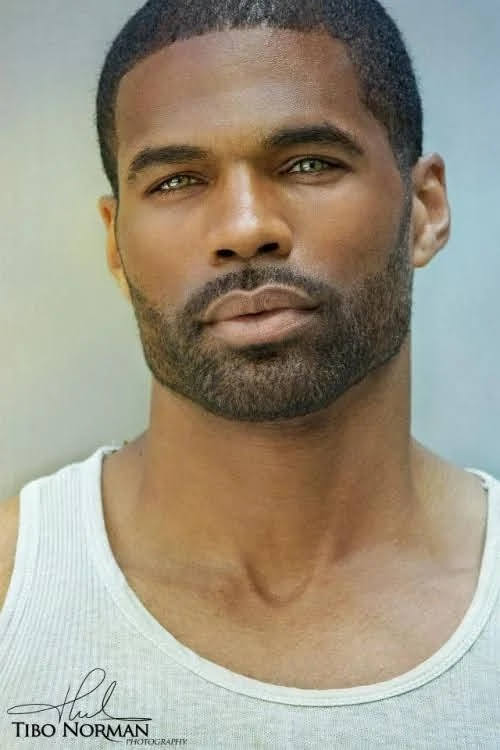
The Male Files: Beauty over Personality

Photo Credit: Tibo Norman (used with permission)

In today’s society, the valuation of men often hinges upon appearance, charisma, and physical appeal rather than depth of character. Media culture has conditioned both men and women to prioritize beauty over inner worth, even within male identity. The modern male is judged not by his moral integrity or wisdom, but by how closely he aligns with aesthetic ideals. This distortion of values reflects a growing superficiality that has not only infiltrated female beauty standards but has now taken men captive as well.

The obsession with male beauty is a recent cultural shift. Historically, masculinity was associated with strength, courage, and provision. Yet, in a postmodern, image-driven world, appearance has become currency. Men are increasingly commodified through fashion, fitness, and facial symmetry. Social media platforms reinforce these ideals, elevating certain looks as the standard of male desirability while silencing deeper traits such as compassion, patience, and faithfulness.

Beauty, for men, now functions as a social passport. A handsome face can open doors to admiration, privilege, and romantic interest. Conversely, men deemed “average” or “unattractive” often face discrimination, invisibility, or rejection. This reality echoes the experiences women have long endured—objectification based on physical traits rather than personality or virtue. The double standard has simply shifted its direction.

Hollywood and celebrity culture have fueled this phenomenon. Actors such as Travis Cure, Idris Elba, Shemar Moore, and Regé-Jean Page embody the archetype of the “perfect man”—tall, chiseled, and effortlessly confident. Their images dominate advertising and media narratives, subtly teaching that physical appeal equates to success and desirability. Meanwhile, the intellectual, kind, or spiritually grounded man is often portrayed as dull or irrelevant.

Social media further amplifies these ideals. Platforms like Instagram and TikTok reward visual perfection with validation—likes, followers, and admiration. Men now curate themselves like brands, promoting fitness routines, skin regimens, and fashion aesthetics. The self becomes a digital performance, crafted for approval rather than authenticity. As the Apostle Paul warned, “For men shall be lovers of their own selves, covetous, boasters, proud…” (2 Timothy 3:2, KJV).

This obsession with beauty reshapes identity and relationships. Many men internalize the belief that their worth is defined by how women perceive them, rather than who they are in God’s eyes. Such validation-based living breeds insecurity and competition rather than self-acceptance. It creates a fragile masculinity built on appearance instead of moral character.

The rise of “pretty boys” and “model men” reflects a cultural reversal of gendered vanity. Once, men criticized women for their beauty obsessions, yet now, they too stand before the mirror, enslaved by self-image. Grooming culture, cosmetic enhancement, and social comparison have merged into a new masculine aestheticism—one that values looks over legacy.

Spirituality offers a sobering contrast. Scripture teaches that true beauty is inward. “Man looketh on the outward appearance, but the Lord looketh on the heart” (1 Samuel 16:7, KJV). This verse underscores a divine principle: external attractiveness fades, but inner righteousness endures. The modern male must rediscover this truth to reclaim authentic manhood.

Men who rely on beauty alone often suffer silently. They may attract temporary admiration but rarely earn lasting respect. Relationships formed on appearance lack spiritual depth and emotional stability. The moment physical perfection fades or public attention shifts, these men feel abandoned and purposeless. This emotional void reveals the emptiness of external validation.

Historically, great men were defined by their deeds, not their looks. Figures such as Frederick Douglass, Martin Luther King Jr., and Nelson Mandela were revered for conviction and courage. Their moral beauty inspired transformation, proving that integrity leaves a greater legacy than physical appearance ever could. Today’s generation must return to that model of greatness.

Beauty without character is like gold-plated brass—it shines, but it lacks substance. In relationships, women may initially be drawn to a man’s physical appeal, but they ultimately seek strength, leadership, and spiritual maturity. Superficial attraction fades when trials test the soul. Personality and principle become the glue that sustains love beyond the surface.

Modern capitalism profits from male insecurity. Industries exploit appearance anxiety, selling fitness supplements, grooming products, and designer wardrobes under the illusion that beauty equals success. This consumer trap replaces spiritual confidence with material vanity, urging men to buy rather than build self-worth.

True manhood must return to its divine roots. The biblical man leads with wisdom, compassion, and self-control. He understands that appearance is fleeting, but legacy is eternal. As Proverbs 31:30 reminds us, “Favour is deceitful, and beauty is vain: but a woman that feareth the Lord, she shall be praised.” The same principle applies to men—those who fear God embody lasting beauty.

Personality—rooted in humility, courage, and faith—defines a man’s true worth. It is the light that remains when youthful glow fades. The world may idolize handsomeness, but heaven honors holiness. When men walk in purpose, their presence becomes radiant beyond physical measure.

The pressure of beauty over personality has also created mental health struggles among men. Depression, body dysmorphia, and social anxiety are rising as men chase unattainable perfection. This crisis reveals how far society has drifted from valuing authentic humanity. Healing begins when men detach their worth from worldly admiration.

Men must learn to see themselves through divine eyes, not digital ones. Social media filters and comparisons distort truth. God designed every man with intention, from his features to his purpose. Accepting this divine craftsmanship restores peace and dignity in an age obsessed with appearances.

Reclaiming personality over beauty means redefining success. The strong man is not the most handsome but the most honorable. He uplifts others, speaks truth, and walks in integrity. His smile may fade, but his character leaves a mark that time cannot erase.

The church and community play vital roles in reshaping male identity. Mentorship, discipleship, and open dialogue can counter the idol of beauty. By emphasizing moral leadership, empathy, and service, men can rediscover their God-given image and reject superficial validation.

Ultimately, the true beauty of a man lies in his spirit. His courage to love, his strength to forgive, and his devotion to God define his essence. In a culture that prizes image over integrity, the righteous man stands as a reflection of divine masculinity—beautiful not in body, but in soul.

References

  • Holy Bible, King James Version. (1611/2017). Thomas Nelson.
  • Paul, S. (2020). The Mask of Masculinity: How Image Replaced Integrity. Oxford University Press.
  • hooks, b. (2004). The Will to Change: Men, Masculinity, and Love. Atria Books.
  • Gill, R. (2009). Mediated Masculinities: Image, Body, and Culture. Routledge.
  • Dines, G., & Humez, J. (2018). Gender, Race, and Class in Media. SAGE Publications.
  • Twenge, J. M., & Campbell, W. K. (2018). The Narcissism Epidemic: Living in the Age of Entitlement. Atria Books.
  • Anderson, E. (2014). Inclusive Masculinity: The Changing Nature of Masculinities. Routledge.
  • Schwalbe, M. (2016). Manhood Acts: Gender and the Practices of Domination. Routledge.
  • Pease, B. (2019). Reinventing Masculinity: The Power of Character over Appearance. Beacon Press.

The Male Files: Black Men of the Past, History, and Values.

The legacy of Black men throughout history is a chronicle of courage, intellect, and moral strength. Too often, mainstream narratives reduce their contributions to fragments—overlooking the deep values that guided their endurance and brilliance. From the kingdoms of Africa to the modern struggles of identity in America, the Black man has been a central figure in the construction of civilization and the preservation of humanity’s conscience. His story is not just one of survival but of purpose, rooted in ancestral wisdom and spiritual discipline.

The image of the Black man before colonialism was one of leadership and sacred duty. In empires such as Mali, Songhai, and Kemet (Egypt), men were not only warriors and rulers but also philosophers, astronomers, and spiritual guides. Their sense of manhood was inseparable from service to community and reverence for the divine. Mansa Musa of Mali, for instance, exemplified how wealth and faith could coexist under moral responsibility, making him one of history’s most revered kings (Gomez, 1998).

Colonialism, however, disrupted this equilibrium. European imperialists imposed false hierarchies that redefined the African man as primitive, stripping him of dignity and rewriting his identity through the lens of conquest. The transatlantic slave trade transformed men once viewed as protectors and visionaries into property. Yet, even in bondage, the enslaved man retained an inner compass of values—courage, faith, and brotherhood—that sustained his humanity against systematic dehumanization (Franklin & Moss, 2000).

Black men of the antebellum era carried an unspoken theology of resistance. Their faith was both shield and sword, as seen in the spirituals sung under the stars and the coded messages of liberation woven into song. The story of men like Denmark Vesey and Nat Turner reflects the moral paradox of faith and rebellion—where violence was not a lust for power but a cry for freedom born from divine conviction (Aptheker, 1943).

With emancipation came new challenges. The Reconstruction period presented opportunities for leadership and literacy, yet the rise of Jim Crow laws swiftly sought to crush these gains. Black men responded not by despair but by constructing values-based institutions—churches, schools, and fraternal orders—that instilled discipline and dignity. Leaders like Booker T. Washington and W. E. B. Du Bois embodied contrasting yet complementary visions of manhood: one rooted in practical labor and self-reliance, the other in intellectual excellence and cultural pride (Harlan, 1983).

Throughout the 20th century, the Black man became both the conscience and catalyst of social change. The Civil Rights era revealed men whose moral fortitude transcended fear. Martin Luther King Jr. wielded nonviolence as a weapon of divine justice, while Malcolm X called for self-defense and cultural awakening. Despite their differences, both shared the same masculine integrity—the conviction that manhood is not about dominance but discipline, not ego but service (Marable, 2011).

The strength of these men was not limited to their activism; it extended to their private lives as fathers, mentors, and builders. The Black father figure, though often attacked by policy and stereotype, has remained a vital symbol of stability and love. The presence of a guiding father or mentor—whether biological or spiritual—represents a foundational value in the Black male experience: accountability through legacy.

Black artistry has also served as a mirror of male evolution. Jazz, blues, and hip-hop became outlets for emotional expression in a world that often silenced the Black man’s voice. From Louis Armstrong’s trumpet to Kendrick Lamar’s lyrical introspection, these men have embodied vulnerability as strength, challenging toxic models of masculinity. Their art carries ethical messages of perseverance, faith, and cultural self-knowledge (Dyson, 2001).

The value system of the Black man has always been rooted in communal consciousness. In African and diasporic traditions, the concept of “Ubuntu”—I am because we are—captures the essence of his worldview. Manhood is measured not by isolation but by contribution. Even in the face of racism, this communal ethos has survived, inspiring social movements and mentorship programs that uphold integrity, responsibility, and respect as cornerstones of Black male identity.

In academia and philosophy, the Black man has reclaimed intellectual space once denied to him. Thinkers like Cornel West and Molefi Kete Asante have redefined masculinity through Afrocentric and moral frameworks, asserting that to be a man is to be morally awake. This intellectual tradition resists Western individualism by grounding value in collective elevation rather than competition (Asante, 2007).

Spiritually, the Black man’s faith remains one of his most defining values. The pulpit has long been his platform of leadership, where preachers like Richard Allen and T. D. Jakes have spoken truth to power. Even outside the church, his spiritual strength manifests in prayer, meditation, and ancestral reverence. The KJV Bible’s portrayal of righteous men—David, Joseph, Moses—resonates deeply within his cultural narrative, reinforcing the belief that godly character is the highest expression of manhood (Proverbs 20:7, KJV).

The challenges of modernity have not erased these values but tested them. Systemic racism, mass incarceration, and economic disenfranchisement continue to threaten the moral fabric of Black manhood. Yet, new generations of men are reclaiming purpose through mentorship, entrepreneurship, and fatherhood. The rebirth of the “modern griot”—the storyteller who teaches through wisdom—is proof that the value of knowledge endures.

Masculine values within the Black community emphasize balance—strength tempered with humility, courage coupled with compassion. The ideal man is both protector and nurturer, reflecting divine duality. His power is not to control but to sustain, his authority not to dominate but to serve. This ethical framework echoes the ancient African principle of Ma’at, representing truth, justice, and harmony (Karenga, 2004).

In examining historical figures like Frederick Douglass, we see a prototype of moral masculinity—an intellect sharpened by suffering, a leader shaped by conviction. His life embodies a recurring theme: that the Black man’s greatness lies not in what he possesses, but in what he perseveres through. The same can be said for countless unnamed men who labored, prayed, and built legacies under the weight of oppression.

Values such as loyalty, integrity, and faith are not abstract ideals for the Black man—they are survival mechanisms. To navigate a world that questions his humanity, he must cultivate inner peace and moral consistency. In every era, from slavery to the digital age, these values have anchored him, ensuring that his reflection in history’s mirror is not defined by pain alone, but by principle.

The psychological and emotional wellness of the Black man has become a vital modern conversation. Healing from generational trauma requires returning to ancestral values—brotherhood, spiritual grounding, and emotional intelligence. These are not signs of weakness but pathways to restoration. As Proverbs 27:17 teaches, “Iron sharpeneth iron; so a man sharpeneth the countenance of his friend.” Brotherhood remains a sacred practice of renewal.

Education has always been both shield and sword for the Black man. The pursuit of knowledge represents not assimilation but liberation—a means to reclaim narrative and redefine identity. The value of education, both formal and spiritual, transforms oppression into opportunity and silence into strategy.

As history continues to unfold, the story of Black men remains unfinished but unbroken. From ancient kings to modern visionaries, they are the living embodiment of endurance shaped by ethics. The “Male Files” of history reveal not just a pattern of survival, but a symphony of values—faith, resilience, honor, and love—that continue to define their collective soul.

In the mirror of time, the Black man sees more than scars—he sees structure. His reflection is not one of victimhood but vision, not despair but determination. The values that were carried his ancestors now sustain his sons. The beauty of his story is not only in his strength, but in the moral code that gives that strength purpose.


References

Aptheker, H. (1943). American Negro slave revolts. Columbia University Press.
Asante, M. K. (2007). Afrocentricity: The theory of social change. African American Images.
Dyson, M. E. (2001). Holler if you hear me: Searching for Tupac Shakur. Basic Civitas Books.
Franklin, J. H., & Moss, A. A. (2000). From slavery to freedom: A history of African Americans. McGraw-Hill.
Gomez, M. A. (1998). Exchanging our country marks: The transformation of African identities in the colonial and antebellum South. University of North Carolina Press.
Harlan, L. R. (1983). Booker T. Washington: The wizard of Tuskegee, 1901–1915. Oxford University Press.
Karenga, M. (2004). Maat, the moral ideal in ancient Egypt: A study in classical African ethics. Routledge.
Marable, M. (2011). Malcolm X: A life of reinvention. Viking.
The Holy Bible, King James Version. (1611/2017). King James Bible Online. https://www.kingjamesbibleonline.org/

The Male Files: What About Purity?

Photo by Gustavo Fring on Pexels.com

Purity, as a moral and spiritual principle, has often been discussed through a gendered lens—emphasizing female chastity while neglecting the ethical and spiritual accountability of men. Historically, patriarchal societies have framed purity as a woman’s virtue, binding her worth to her sexual restraint, while men were often excused as biologically impulsive or socially dominant. The question, then, “What about purity?” redirects the conversation toward a neglected truth: men, too, are called to holiness, self-control, and covenantal integrity.

In scriptural context, purity is not gender-exclusive. The Apostle Paul instructs both men and women to “flee fornication” (1 Corinthians 6:18, KJV) and to “present your bodies a living sacrifice, holy, acceptable unto God” (Romans 12:1, KJV). Biblical purity is holistic—it encompasses the mind, body, and spirit. Yet, within contemporary culture, men are rarely encouraged to guard their hearts and desires with the same vigilance expected of women. This imbalance has cultivated generations of moral inconsistency and relational dysfunction.

Psychologically, purity represents discipline and delayed gratification—qualities directly linked to maturity and self-mastery. According to Freud’s psychoanalytic framework, unchecked desire can lead to neurosis or compulsive behavior (Freud, 1923). Similarly, modern studies on impulsivity and addiction suggest that self-restraint enhances emotional regulation and decision-making (Mischel, 2014). Thus, sexual purity, far from being a restrictive command, is a psychological safeguard against chaos.

Society’s double standard, however, praises male conquest while condemning female expression. This distortion reduces manhood to virility rather than virtue. Media glorifies hypersexual behavior, equating masculinity with dominance, while spiritual teachings often fail to challenge this narrative. The result is a crisis of identity: men raised to lead yet unequipped to govern their impulses.

Theologically, purity begins with purpose. Adam’s first assignment was not Eve—it was stewardship. He was charged with naming creation and maintaining order (Genesis 2:15-20). This divine sequence emphasizes that a man’s identity must first be rooted in obedience before partnership. Sexual purity, then, is not repression but redirection—a commitment to align desire with divine timing and covenant.

In ancient Hebrew culture, purity laws applied equally to men. Ritual cleanliness was required before temple worship (Leviticus 15), symbolizing inner sanctification. Men who defiled themselves sexually were considered unfit for sacred service. Such statutes reflect an enduring principle: leadership demands purity. A man who cannot govern his flesh cannot righteously govern a household or community.

Modern psychology parallels this scriptural truth. Research on self-regulation demonstrates that sexual discipline strengthens other life domains—academic performance, relationship satisfaction, and leadership competence (Baumeister & Tierney, 2011). The same mental muscle that resists temptation also fuels perseverance, integrity, and resilience. Thus, purity becomes not a burden, but a blueprint for success.

Cultural conditioning, however, undermines this pursuit. From adolescence, men are socialized to equate sexual experience with status. Peer groups, music, and pornography normalize promiscuity while stigmatizing abstinence. This environment fosters what psychologists term “toxic masculinity,” where emotional vulnerability and restraint are mocked as weakness. Consequently, many men internalize lust as identity rather than a temporary temptation.

Pornography, in particular, has become the modern plague of male impurity. Studies indicate that habitual consumption rewires neural pathways, reducing empathy and altering perception of women (Wilson, 2014). Spiritually, it erodes the ability to form genuine intimacy, creating a false sense of control and gratification. Jesus addressed this condition centuries ago, warning, “Whosoever looketh on a woman to lust after her hath committed adultery with her already in his heart” (Matthew 5:28, KJV). Purity begins long before physical acts—it begins in thought.

Men who pursue purity engage in spiritual warfare against both culture and self. Lust, pride, and idolatry often coexist. When men worship pleasure, they dethrone God from the seat of authority in their lives. Purity, therefore, is a covenantal act of worship. It declares that one’s body and desires belong to the Creator, not to the cravings of the flesh. This sacred restraint is the essence of biblical manhood.

The misconception that purity is only about celibacy ignores its broader meaning. True purity encompasses integrity in speech, honesty in relationships, and respect for boundaries. A man who is pure in heart cannot exploit women, manipulate emotions, or pursue selfish pleasure. His masculinity is marked by restraint and reverence, not recklessness. “Blessed are the pure in heart: for they shall see God” (Matthew 5:8, KJV). Purity clarifies vision—it allows men to see truth without distortion.

In relationships, purity establishes trust. A man who has learned to discipline his flesh before marriage is better equipped to honor his covenant after marriage. Infidelity often begins in ungoverned thought, not sudden opportunity. The same restraint practiced in singleness becomes the foundation for faithfulness in union. This is why Proverbs 4:23 admonishes, “Keep thy heart with all diligence; for out of it are the issues of life.”

The psychological dimension of purity cannot be ignored. Lust addiction, like substance abuse, triggers dopamine surges and withdrawal cycles. Neuroscientific research confirms that abstaining from compulsive sexual behavior restores neural balance and improves emotional stability (Kuhn & Gallinat, 2014). Thus, purity is both spiritual and neurobiological renewal—a rewiring of the brain toward wholeness.

Men who pursue purity often face ridicule, yet their strength lies in endurance. In a hypersexualized culture, abstinence becomes countercultural courage. It redefines strength as self-governance rather than aggression. True masculinity is not the ability to conquer many women, but to commit wholly to one. As Paul writes, “Every man should have his own wife, and every woman her own husband” (1 Corinthians 7:2, KJV). Covenant replaces conquest.

Purity also restores sacred masculinity. In biblical history, men of honor—Joseph, Daniel, and Job—demonstrated moral restraint under pressure. Joseph fled Potiphar’s wife not because he lacked desire, but because he feared God more than temptation (Genesis 39:9). His purity preserved his destiny. Likewise, modern men must discern that every moment of compromise threatens long-term calling.

Spiritually, impurity dulls discernment. Sin clouds the conscience, creating emotional numbness and spiritual apathy. When men live in habitual indulgence, they lose sensitivity to the Holy Spirit’s conviction. Purity reawakens spiritual sensitivity, restoring communion with God. Psalm 24:3-4 declares, “Who shall ascend into the hill of the Lord?… He that hath clean hands, and a pure heart.” Purity is prerequisite to spiritual elevation.

This conversation also requires compassion. Many men struggle silently with guilt, shame, and secrecy surrounding sexual sin. Healing must involve grace, accountability, and renewal. The path to purity is not perfection but progression. Confession, prayer, and brotherhood create an environment where restoration becomes possible. “Confess your faults one to another… that ye may be healed” (James 5:16, KJV).

In a broader cultural sense, the restoration of male purity could transform communities. When men lead with integrity, families thrive, women are protected, and children inherit stability. Purity births purpose—it is the moral backbone of righteous leadership. A pure man is not only faithful to his wife; he is faithful to his calling, his vision, and his God.

Ultimately, purity is not about deprivation but dominion. It empowers men to master themselves, their desires, and their destiny. It liberates them from addiction to validation and enables them to love without exploitation. The pure man becomes the pillar upon which healthy societies are built—strong, disciplined, and spiritually awake.

The male call to purity is both ancient and urgent. In a world that prizes pleasure over principle, the man who pursues holiness stands as a revolutionary. His body becomes a temple, his mind a sanctuary, his heart a throne where God reigns. The question “What about purity?” is no longer rhetorical—it is a summons. And every man who answers it restores not only himself, but the image of God within him.

References

  • The Holy Bible, King James Version (KJV)
  • Baumeister, R. F., & Tierney, J. (2011). Willpower: Rediscovering the Greatest Human Strength. Penguin Press.
  • Freud, S. (1923). The Ego and the Id. SE, 19.
  • Kuhn, S., & Gallinat, J. (2014). Brain Structure and Functional Connectivity Associated with Pornography Consumption: The Brain on Porn. JAMA Psychiatry, 71(7), 827–834.
  • Mischel, W. (2014). The Marshmallow Test: Mastering Self-Control. Little, Brown.
  • Wilson, G. (2014). Your Brain on Porn: Internet Pornography and the Emerging Science of Addiction. Commonwealth Publishing.