Category Archives: The Brown Girl Experience

Living in the Middle Hue

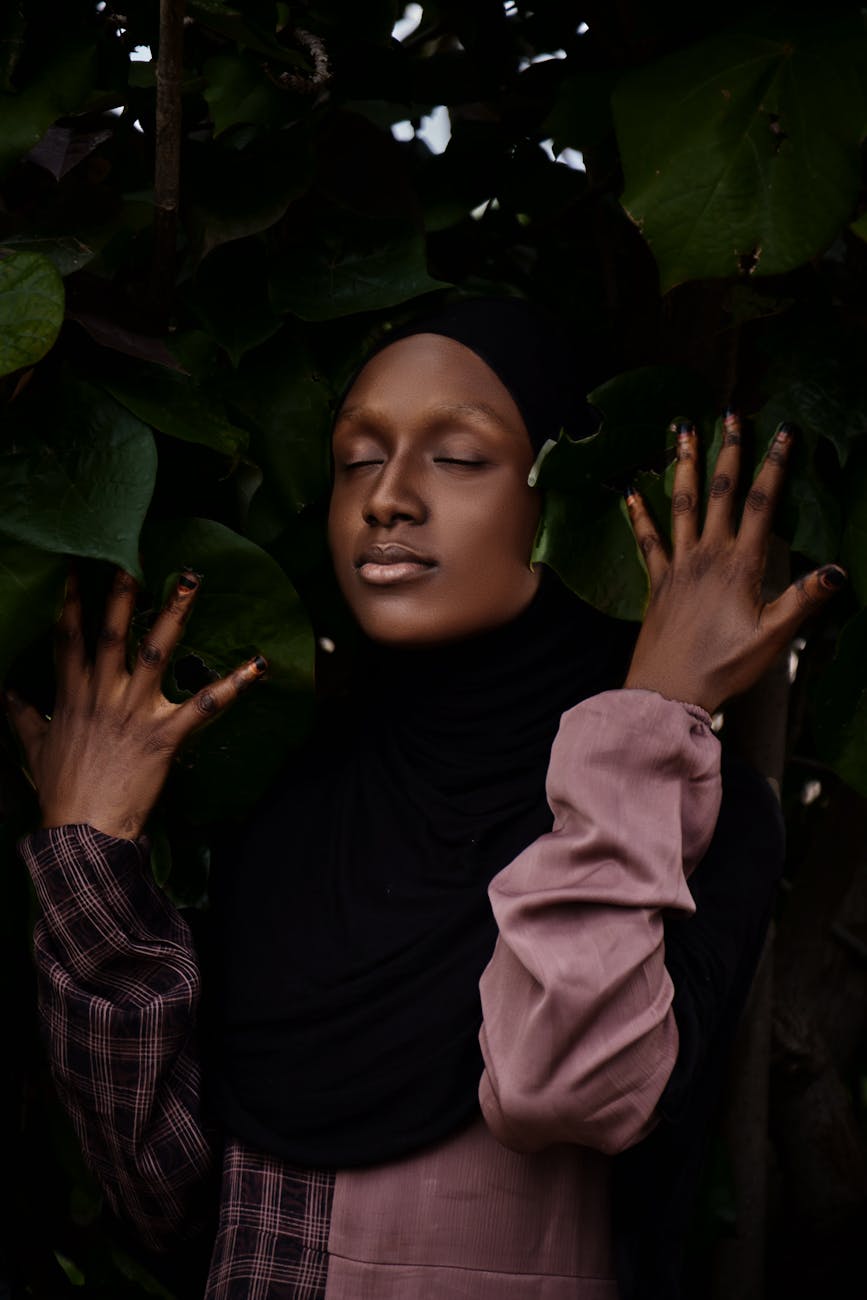
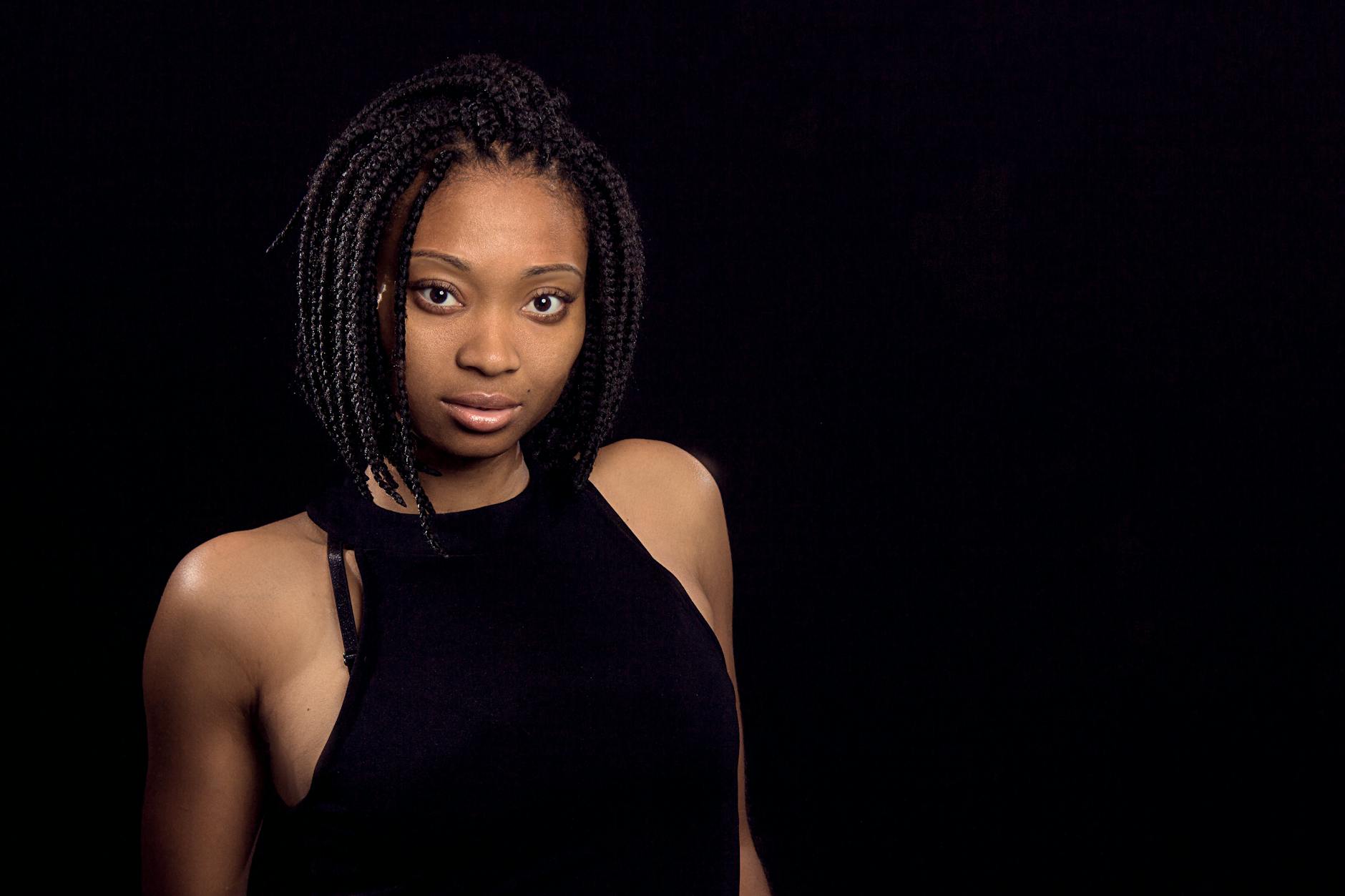
Photo by Dellon Thomas on Pexels.com

To live in the middle hue is to exist in a space that is simultaneously visible and invisible. Brown-skinned women occupy a unique position within the color spectrum of Black beauty, standing between the lighter complexions that society often privileges and the darker complexions that increasingly symbolize resistance and resilience. This positioning creates a distinctive lived experience marked by tension, invisibility, and resilience.

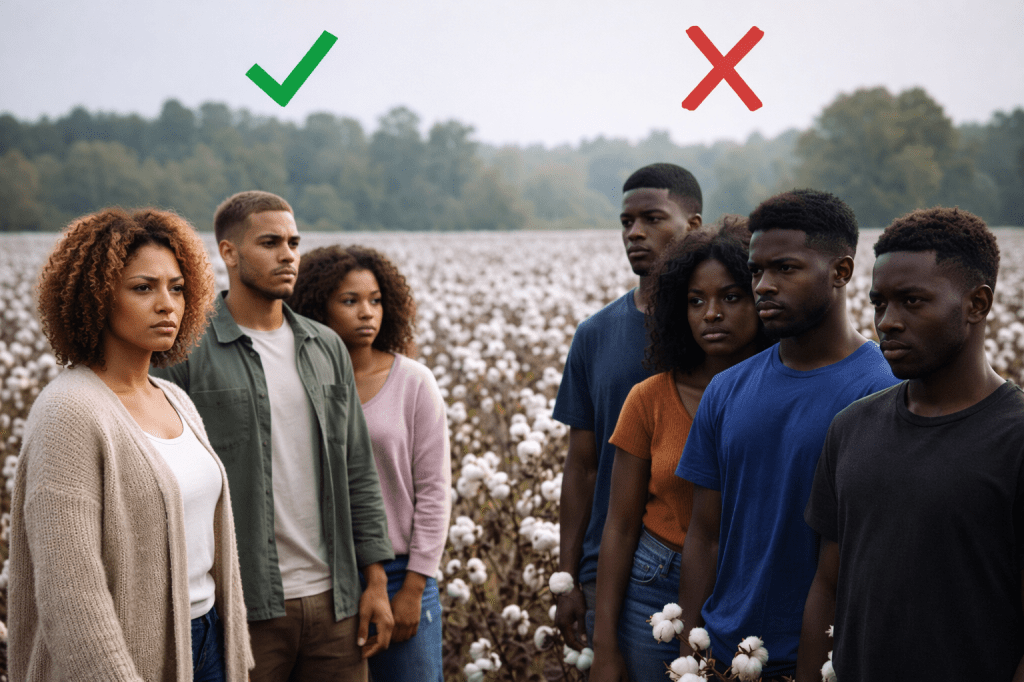
Historically, colorism has shaped the trajectory of Black identity in profound ways. During slavery, skin tone was a marker of social hierarchy, with lighter-skinned individuals often placed in domestic roles and darker-skinned individuals subjected to field labor (Hunter, 2007). Brown-skinned women often stood somewhere in between, navigating ambiguous roles that reflected neither full privilege nor complete marginalization.

The legacy of these hierarchies remains. Contemporary psychology shows that skin tone significantly influences perceptions of attractiveness, intelligence, and competence (Hill, 2002). Brown-skinned women frequently find themselves overlooked, as if their shade renders them “neutral”—not exalted, not despised, but quietly ignored. This invisibility defines much of the “middle hue” experience.

Celebrities like Gabrielle Union, Nia Long, Sanaa Lathan, and Regina King exemplify this dynamic. Each has built a successful career, yet their complexions have not been consistently framed as cultural standards of beauty. Instead, they are remembered for talent, relatability, or resilience—qualities that, while admirable, subtly reflect society’s tendency to place brown-skinned women in the background rather than at the center.

The Bible offers an antidote to these hierarchies. Song of Solomon 1:5 (KJV) declares: “I am black, but comely, O ye daughters of Jerusalem.” The Shulamite’s affirmation reminds us that all shades of melanin, including the middle hues, are divinely beautiful. God’s design resists society’s categories, declaring beauty where humanity places division.

The psychological toll of colorism cannot be ignored. Social identity theory suggests that individuals derive worth from group belonging (Tajfel & Turner, 1986). When brown-skinned women are neither fully included in the praise of light skin nor in the pride of dark skin, they experience a fractured sense of belonging, resulting in anxiety, insecurity, and disconnection.

This fractured identity is especially pronounced in adolescence. Many young brown-skinned girls grow up hearing remarks such as, “You’re not light enough to be pretty” or “You’re not dark enough to be bold.” These microaggressions plant seeds of confusion and create internal struggles with identity. Living in the middle hue becomes a quiet battle for self-worth.

Romantic dynamics further illustrate this struggle. Research demonstrates that skin tone plays a role in partner preference and marriage patterns (Keith & Herring, 1991). Light-skinned women are often idealized as “trophy wives,” while dark-skinned women are increasingly celebrated for embodying cultural pride. Brown-skinned women, however, are frequently relegated to the “safe” or “average” category, reinforcing the pain of invisibility.

Yet, living in the middle hue also fosters resilience. Brown-skinned women often cultivate strength in navigating spaces that fail to affirm them. Celebrities like Regina King demonstrate this resilience, using their influence to expand representation and redefine what beauty, leadership, and artistry look like for women in the middle hue.

In popular culture, the erasure of brown skin persists. Spike Lee’s School Daze highlighted the tension between light and dark, but women of middle hues were largely sidelined, reflecting society’s reluctance to acknowledge their struggle. The middle hue continues to be minimized, even when discussions of colorism are at the forefront.

Anthropology describes this as liminality—existing on thresholds without belonging fully to either category (Turner, 1969). Brown-skinned women embody this liminal state, straddling two poles but never fully claimed by either. Living in the middle hue is, therefore, a cultural limbo marked by complexity and nuance.

Theologically, this liminality contradicts God’s design. Genesis 1:27 (KJV) affirms, “So God created man in his own image.” This declaration dismantles any human-created hierarchies. In God’s view, brown skin is not “middle” or secondary—it is equally part of His image, carrying the fullness of divine artistry.

Healing begins when brown-skinned women embrace this truth. Spiritual grounding reminds them that they are “fearfully and wonderfully made” (Psalm 139:14, KJV). Psychology echoes this, emphasizing that self-affirmation practices empower marginalized groups to resist internalized bias (Steele, 1988). Living in the middle hue can shift from invisibility to empowerment when women affirm their worth daily.

Representation in media is essential for healing. When brown-skinned women are centered as protagonists, love interests, and cultural icons, they redefine the narrative. Icons like Gabrielle Union, who has spoken openly about her experiences, help dismantle the silence surrounding the middle hue.

Intergenerational affirmation also plays a critical role. Brown-skinned mothers and mentors must teach young girls that their skin tone is not a compromise but a crown. Affirmation at home combats the cultural messages that reinforce invisibility, ensuring that the next generation lives confidently in their middle hue.

Community is another vital tool. Sisterhood spaces, where women affirm one another regardless of complexion, dismantle color hierarchies. Ecclesiastes 4:9-10 (KJV) emphasizes the power of support: “For if they fall, the one will lift up his fellow.” Healing requires unity, not competition, across the spectrum of Black womanhood.

The middle hue also represents balance. Brown skin carries the warmth of light tones and the richness of dark ones, embodying a harmony that reflects cultural wholeness. Rather than existing as a compromise, the middle hue symbolizes the blending of beauty across the spectrum.

Ultimately, living in the middle hue is both a challenge and an opportunity. The challenge lies in navigating invisibility, stereotypes, and comparison. The opportunity lies in embracing resilience, balance, and divine affirmation. Brown-skinned women represent a richness that society must learn to celebrate, not sideline.

In the end, living in the middle hue is not about being “in between”—it is about standing in fullness. Brown-skinned women are not halfway to beauty, nor shadows of extremes. They are radiant in their own right, carrying the glory of divine creation. When this truth is embraced, the blues of invisibility give way to the joy of affirmation.


References

  • Hill, M. E. (2002). Skin color and the perception of attractiveness among African Americans: Does gender make a difference? Social Psychology Quarterly, 65(1), 77–91.
  • Hunter, M. (2007). The persistent problem of colorism: Skin tone, status, and inequality. Sociology Compass, 1(1), 237–254.
  • Keith, V. M., & Herring, C. (1991). Skin tone and stratification in the Black community. American Journal of Sociology, 97(3), 760–778.
  • Steele, C. M. (1988). The psychology of self-affirmation: Sustaining the integrity of the self. Advances in Experimental Social Psychology, 21, 261–302.
  • Tajfel, H., & Turner, J. (1986). The social identity theory of intergroup behavior. In S. Worchel & L. W. Austin (Eds.), Psychology of intergroup relations (pp. 7–24). Nelson-Hall.
  • Turner, V. (1969). The ritual process: Structure and anti-structure. Aldine.
  • The Holy Bible, King James Version.
The Phenomenal Black Woman

The Black woman stands as one of the most powerful and resilient figures in modern society—an embodiment of endurance, brilliance, and sacred strength. Her story is not merely one of survival, but of transformation: turning adversity into innovation, pain into purpose, and marginalization into leadership. Across history and into the present, the Black woman continues to rise as a cultural architect, economic force, spiritual anchor, and intellectual pioneer.

Statistically and socially, Black women are among the most educated demographic groups in the United States. They consistently enroll in and complete higher education at rates surpassing many of their counterparts, often while balancing work, family, and community responsibilities. This pursuit of education is not simply for individual advancement but reflects a collective ethos—education as liberation, as legacy, as resistance against systems that once forbade their literacy.

Beyond education, Black women are also the most entrepreneurial group in America. They are starting businesses at unprecedented rates, creating brands, services, and institutions that respond directly to the needs of their communities. From beauty and wellness to finance, tech, education, and real estate, Black women are building economic ecosystems that circulate wealth and opportunity where it was historically denied.

This entrepreneurial spirit is deeply rooted in historical memory. Enslaved Black women were traders, healers, midwives, and market women long before modern capitalism recognized them as business owners. In the face of legal exclusion from wealth-building systems, they created informal economies, mutual aid societies, and cooperative networks that sustained entire communities through segregation and poverty.

The strength of the Black woman is not performative—it is structural. She is often the backbone of the family, holding emotional, financial, and spiritual labor simultaneously. She raises children, supports elders, nurtures partners, and still finds space to cultivate her own dreams. Her strength is not the absence of vulnerability, but the discipline of carrying love even while burdened.

Black women have long served as cultural carriers. Through language, food, music, fashion, and spirituality, they preserve ancestral knowledge and translate it into modern expression. From gospel hymns to hip-hop aesthetics, from soul food to wellness rituals, Black women shape culture while rarely being credited as its original architects.

Spiritually, the Black woman has been a priestess of survival. Whether through church leadership, ancestral traditions, or personal faith practices, she has held communities together through prayer, prophecy, and healing. She is often the intercessor—the one who believes when others lose faith, the one who remembers God when the world forgets her humanity.

Psychologically, Black women navigate a unique intersection of racial and gendered stress, yet they exhibit extraordinary emotional intelligence and adaptability. They master the art of code-switching, resilience, and strategic silence, often carrying invisible labor in professional and social spaces that demand excellence without offering protection.

Intellectually, Black women have been architects of major political, social, and academic movements. From abolition and civil rights to feminism, education reform, and digital activism, Black women have consistently led revolutions that they were later written out of. Their intellectual labor has reshaped law, sociology, literature, theology, and psychology.

The Black woman’s body itself has been a site of political struggle and cultural projection. Historically exoticized, commodified, hypersexualized, and criticized, her body has also been reclaimed as a symbol of beauty, fertility, creativity, and divine design. Today, Black women redefine beauty standards, celebrating melanin, natural hair, full features, and diverse body types as sacred rather than marginal.

In motherhood, Black women often mother not only their own children but entire communities. They become teachers, counselors, protectors, and advocates. Even in systems that criminalize their sons and overlook their daughters, Black women remain the primary architects of emotional and moral development.

In love and relationships, Black women are frequently expected to be endlessly loyal, patient, and forgiving, even when reciprocity is absent. Yet they continue to choose love, family, and connection, often while healing generational wounds of abandonment, instability, and emotional labor imbalance.

Economically, Black women stretch limited resources into abundance. They are financial strategists by necessity—managing households, building credit, launching side businesses, and creating generational pathways where none previously existed. They practice wealth-building not as luxury, but as survival and stewardship.

Politically, Black women are the most reliable voting bloc and one of the most influential forces in democratic movements. They organize, mobilize, educate, and protect civil rights, often without institutional power or public recognition. When social justice shifts, it is usually because Black women moved first.

Culturally, Black women shape global aesthetics. From hairstyles and slang to fashion, dance, and social media trends, Black women generate cultural capital that fuels entire industries. Yet their influence is frequently extracted, rebranded, and monetized without fair compensation or acknowledgment.

Emotionally, the Black woman is a healer. She holds space for grief, trauma, and transformation—not only her own, but others’. She listens, nurtures, advises, and absorbs emotional pain while rarely being given the same care in return.

Historically, the Black woman has been both invisible and indispensable. She built America’s domestic, agricultural, and caregiving infrastructure while being excluded from its rewards. Yet she continues to rise, not waiting for permission to thrive.

The modern Black woman is redefining femininity itself. She is soft and strong, spiritual and strategic, nurturing and ambitious. She refuses false binaries between vulnerability and power, choosing instead to embody both with grace.

An ode to the Black woman is an ode to life itself. She is the womb of culture, the memory of nations, the architect of futures not yet seen. Her existence is not an accident of history—it is a divine intervention in a world that tried to erase her.

The phenomenal Black woman is not exceptional because she overcame suffering—she is exceptional because she transformed suffering into legacy. She is the most educated, the most entrepreneurial, the most spiritually resilient, and one of the most culturally influential forces on earth. She is not just surviving history—she is writing it.

References

American Association of University Women. (2023). Fast facts: Women of color in higher education. https://www.aauw.org/resources/article/fast-facts-woc-higher-ed/

Anderson, M., & Perrin, A. (2018). Black women and technology adoption. Pew Research Center. https://www.pewresearch.org/internet/2018/01/25/blacks-and-technology-adoption/

Collins, P. H. (2000). Black feminist thought: Knowledge, consciousness, and the politics of empowerment (2nd ed.). Routledge.

Crenshaw, K. (1991). Mapping the margins: Intersectionality, identity politics, and violence against women of color. Stanford Law Review, 43(6), 1241–1299. https://doi.org/10.2307/1229039

Federal Reserve Bank of Kansas City. (2021). The state of women-owned businesses. https://www.kansascityfed.org/research/economic-review/women-owned-businesses/

Georgetown University Center on Education and the Workforce. (2020). A profile of Black women in the labor market. https://cew.georgetown.edu/cew-reports/black-women/

Giddings, P. (1984). When and where I enter: The impact of Black women on race and sex in America. HarperCollins.

McKinsey & Company. (2022). Black women are ambitious. But they’re held back at work. https://www.mckinsey.com/featured-insights/diversity-and-inclusion/black-women-are-ambitious-but-theyre-held-back-at-work

National Women’s Business Council. (2023). Black women entrepreneurs: Driving innovation and economic growth. https://nwbc.gov/

Pew Research Center. (2021). Black Americans are more likely than others to say family is central to their identity. https://www.pewresearch.org/social-trends/2021/03/25/

Smith, J. A., & Patton, L. D. (2016). Postracial rhetoric and the Black female student. Journal of College Student Development, 57(6), 645–661. https://doi.org/10.1353/csd.2016.0064

U.S. Census Bureau. (2022). Women-owned businesses by race and ethnicity. https://www.census.gov/programs-surveys/sbo.html

U.S. Department of Labor. (2023). Women in the labor force: A databook. https://www.dol.gov/agencies/wb/data

Walker, A. (1983). In search of our mothers’ gardens: Womanist prose. Harcourt Brace Jovanovich.

World Economic Forum. (2020). The power of Black women in the U.S. economy. https://www.weforum.org/reports/

Galaxies of Gold Presents: The World’s Most Beautiful Woman, a visual phenomenon – A Black Woman’s Story.

A memoir written by © Scientist Arieyah Naseek

She makes beauty envious, and perfection wants to commit suicide.

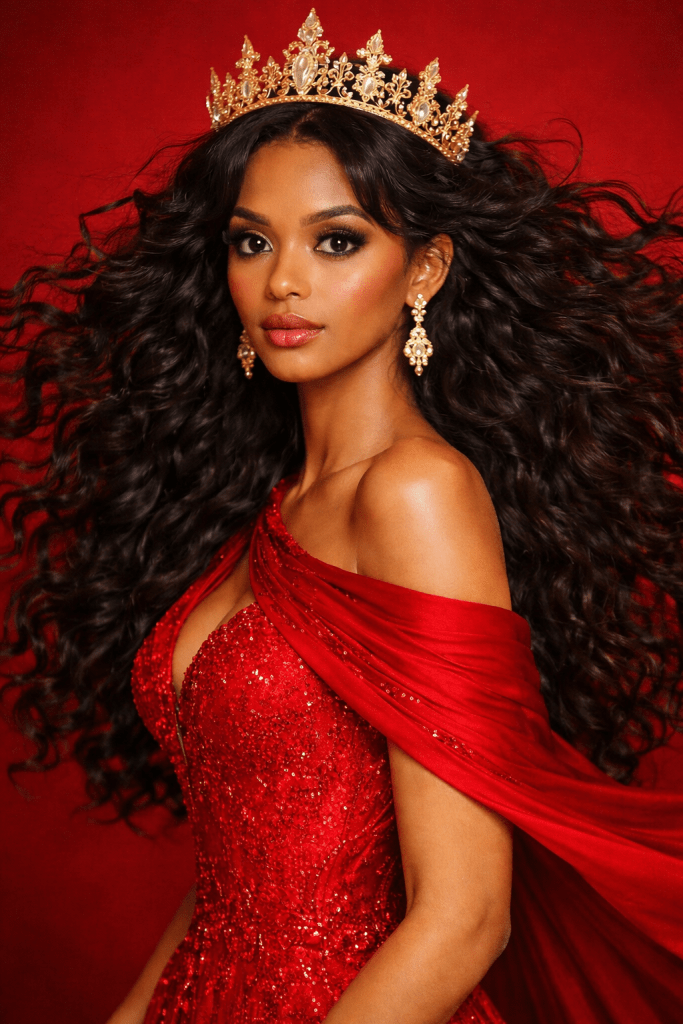
Golden Café Au Lait is the color of her skin. “Beauty” is her name, christened by an African king who once declared that her birth name simply would not do. To him, she was the embodiment of perfection and beauty, the woman who defines what divine beauty could look like in human form. From that day forward, she was known only as Beauty, the woman whose very presence seemed regal yet ethereal, human yet divine. From the time she was a child, the world seemed to pause when she entered a room. Beauty’s aura filled every room, commanding attention without uttering a word. Her light golden skin shimmered like polished bronze infused with honeyed sunlight, and her presence drew admiration as naturally as flowers turn toward the sun.

By adolescence, photographers and artists vied for the chance to capture her likeness. They said her skin tone was “liquid light caramel,” a hue that defied description and reflected every ray of light. She was only sixteen when she appeared in her first major advertising campaign in Germany. The image—a portrait of her smiling softly against a gold backdrop—was sold around the world, inspiring a generation of young Black girls to see beauty reflected in their own skin for the first time.

Everywhere she went, people stared. In college, professors remembered her face before her name. Boys competed for her attention as if her affection were a trophy. Even when she spoke with depth and intelligence, the conversation always circled back to her looks. “You could be a model,” they’d say—never realizing she already was. Her image had graced global billboards, her likeness immortalized in ad campaigns that declared her “the most beautiful woman on earth.”

Her face became both a blessing and a burden. When she entered a room, all eyes gravitated toward her. Teachers remembered her beauty before her brilliance. Classmates praised her appearance but never asked about her dreams. Men admired her, women studied her, and somewhere in between, Beauty lost the comfort of simply being herself.

Her family, especially her grandmother and aunt, adored her beauty and never hesitated to remind her of it. “You’re our precious jewel,” her grandmother would say, smoothing Beauty’s hair. “God must’ve taken His time with you.” Beauty would smile but quietly wonder if being admired meant being understood. Her aunt always stated that she had that kind of beauty that could knock a man to his knees.

There was a time when she became almost protective of her appearance—guarded about who touched her, half-jokingly insisting she didn’t want anyone’s skin to “rub off” on her. It wasn’t arrogance but armor. She had learned how beauty could invite both praise and envy, love and projection. People either worshipped her or resented her—few ever simply saw her.

The men around her had placed her on pedestals and showered her with gifts. Jewelry, flowers, promises—affection often disguised as possession. Later in life came the grander gestures: extravagant marriage proposals and gifts.

Beauty became an international model. Her image adorned billboards around the world. She became the face of the Black Diamond. Yet, even as the world praised her, she remained deeply grounded. When reporters asked what made her beautiful, she often smiled and said, “I am simply who my Creator designed me to be—nothing more, nothing less.”

Even as her modeling career soared—her likeness becoming known to the world—Beauty carried that ache. She could pose for hours, mastering every angle, yet behind the lens, she wondered if anyone cared who she was when the camera stopped clicking. People spoke about her beauty as though it existed separately from her soul.

Behind the flawless photos and radiant smiles was a woman quietly questioning: Is this all they see?

Yet the more people praised her beauty, the more Beauty learned to shrink herself. She noticed how other women tensed around her, how conversations would shift, laughter turn brittle, and compliments become comparisons. So she began to downplay her glow—wearing looser clothes, softening her speech, dimming her confidence—just to make others feel comfortable in her presence. What the world called a blessing often felt like a burden she had to manage carefully.

Beauty’s beauty was not only admired—it was studied. Photographers, sculptors, and scientists alike sought to capture her essence, though many admitted that no lens could ever fully translate the magnitude of her allure. Her face appeared on billboards across continents, representing extraordinary beauty, grace, luxury, and timeless splendor. She was not simply a model; she was a symbol—a vision of Black femininity both celebrated and contested.

For her, beauty was both a crown and a cage. She loved God, studied His Word, and lived by faith, yet the world continued to measure her by her reflection instead of her revelation. No matter how much she achieved—degrees, philanthropy, ministry work—people always returned to her modeling days as though they defined her entirely. It was as if her face spoke louder than her voice.

Her complexion, a rare golden café au lait tone, became her signature, along with her large, mesmerizing eyes, which have a mirror effect to them, small nose, and full lips. Some described it as sunlight kissing caramel; others said it was a color that could only exist in dreams. A male friend said that her beauty is like a sunset. But beyond the admiration lay whispers—jealousy, envy, and critique. Beauty’s rise to the public eye became a mirror reflecting society’s long, complicated relationship with color and beauty within the Black diaspora.

Women were envious of Beauty. She often felt the weight of her own appearance, learning early that her beauty, though praised, was also isolating. “I had to learn to downplay myself,” she once confided in an interview. “Sometimes I’d hide behind plain clothes, no makeup, just to make others feel comfortable.” Her light skin was both her blessing and her burden.

People often said that her success came easily because of her skin tone. “She got this or that because she’s light,” they whispered, reducing her years of effort to the shade of her skin. Yet, even under such scrutiny, Beauty carried herself with humility. She made it her mission to celebrate darker-skinned women, reminding them that their melanin was not a disadvantage but a divine hue in its own right.

In one of her most iconic speeches after being crowned Miss Ultimate Beauty, she addressed the audience directly: “Beauty does not belong to a single shade. Every complexion comes from God.” The crowd erupted in applause, not because of her ethereal face, but because of her truth.

Her reign as Miss Ultimate Beauty made global headlines. Everyone clamored to work with her, seeing in Beauty a living canvas of light and depth. Yet amid the attention, she remained grounded—returning often to her roots in the United States, where she visited schools to mentor young girls about confidence and inner worth.

A group of Scientists and a famous film director, captivated by her ethereal features, began production on a documentary series titled Beauty about her and The Science of Beauty. They described her beauty as “so spectacular she looks unreal—a genetic masterpiece, a visual phenomenon.” The documentary, already in development, aimed to explore not just her life but also the science, art, and sociology behind human attraction. The Documentary Series set to be released in 2028 or 2029.

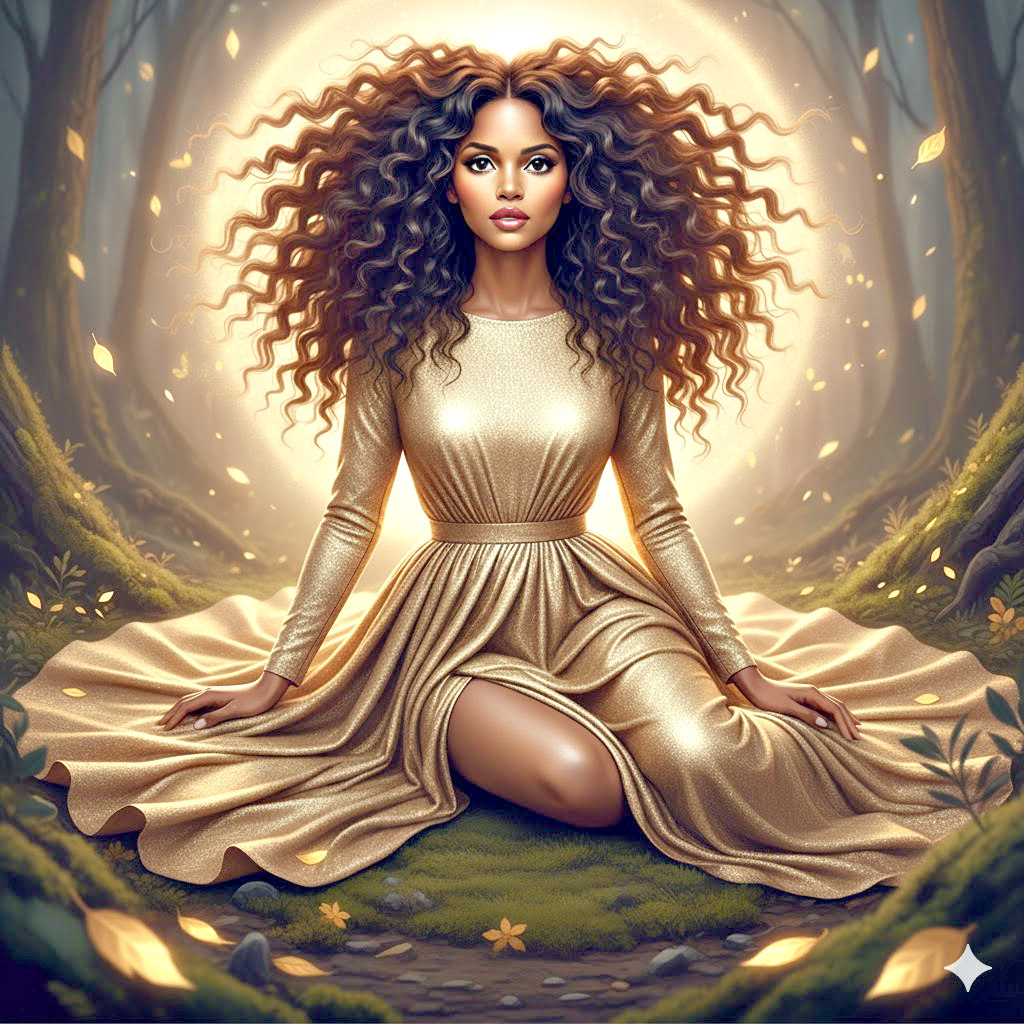
Beauty’s face became synonymous with the title of “the most beautiful woman in the world” and “Genetic Masterpiece.” She has the kind of beauty that transcends time, evoking comparisons to the great black beauties of this world, yet distinctly her own—look, extraordinary, astonishing, rare, unique, unparalleled, regal, and radiant. Her dark coal curls danced in the wind like liquid fire while cascading down her back like sheets of molasses, and her eyes—large, expressive, hypnotic, piercing, and filled with quiet wisdom—invited the world to see beyond the surface.

Her gold gown, worn at a world foundation gala, became legendary. The fabric rippled like sunlight on water, modest yet magnetic. No skin was exposed, yet all eyes were on her. The designer later confessed, “It wasn’t the dress that shone—it was Beauty herself.”

But Beauty knew beauty was never enough. She wrestled with loneliness, aware that admiration often lacked understanding. “People love what they see,” she said, “but they rarely ask who I am beneath the gold.” Her journals, later published in a book, revealed her deepest dilemmas and her wish to be valued for her soul as much as her beauty or skin.

In private moments, Beauty admitted she sometimes wished to be ordinary—to walk into a room without the echo of awe or envy following her. Yet destiny would not allow her anonymity; she was born to be seen.

Her story became the heart of global conversations about colorism and representation. Scholars cited her as a living paradox—a woman praised for beauty that both challenged and reinforced societal bias. Her beauty sparked debates in articles, classrooms, and beauty forums worldwide.

When asked about her thoughts on colorism, Beauty said, “Lightness does not make me better, darkness does not make you lesser. We are all tones of God’s imagination.” Her words inspired campaigns that began redefining beauty standards across Africa and the diaspora.

Her influence extended beyond modeling. Beauty launched a foundation supporting young women of all complexions in creative industries. She funded scholarships for photographers and artists to challenge color bias through their work.

Years later, at a major art exhibition in Africa, her portrait was unveiled—a depiction of her draped in gold and crowned with sunlight. The Gold Standard of Beauty. Critics called it “The Eighth Wonder of the Modern World.” It wasn’t vanity; it was legacy.

In interviews, she reflected, “If I’m to be remembered, let it not be for my face, but for the love I inspired in those who once doubted their reflection and my love and devotion to the Most High God of Israel.”

Beauty’s name became immortalized, not as an object of beauty, but as a force of healing in the ongoing dialogue of identity and self-worth. Her beauty—golden, astonishing, glowing, godlike—became less about appearance and more about awakening.

In every photo, in every glimmer of light touching her light cafe au lait skin, Beauty’s message remains—beauty is not what you see; this is temporal. True beauty comes from within, and only the things you do for Christ will last.

As her faith deepened, Beauty began to see her reflection differently. The same face that once burdened her became a vessel of purpose. She no longer viewed her features as random genetics but as a deliberate brushstroke from a divine Artist. Genesis 1:27 reminded her: “So God created man in his own image.” That meant her beauty was not hers to idolize or to fear—it was His signature on her soul.

She began to use her platform to speak about inner worth, teaching young women that outward beauty without spiritual grounding is like perfume on an empty bottle—sweet for a moment, but fading fast. Her favorite verse, Proverbs 31:30, became her mantra: “Favour is deceitful, and beauty is vain: but a woman that feareth the Lord, she shall be praised.”

Through faith, Beauty learned to laugh at the irony of her journey—that the woman called “The 8th Wonder of the World” was never truly seeking wonder at all. She was seeking wisdom. And she found it in Christ, who taught her that beauty is not what the world sees, but what Heaven recognizes.

Now, as she walks in purpose, her glow feels different. Her presence unsettles the superficial and awakens the meaningful. It’s not the shimmer of camera lights but the radiance of peace. She is still breathtaking, but not because of her symmetry—because of her spirit. Her beauty no longer introduces her; her light does.

In Beauty’s story, we see that beauty is neither a curse nor a crown—it is temporal. When surrendered to God, even the most admired woman learns that the truest form of grace is not in being seen, but in being sanctified.

Written by © Scientist Arieyah Naseek

What Are You Mixed With? – And Other Microaggressions of Erasure.

A man said to me, “You are the most beautiful woman I have seen. What are you mixed with? You can’t be all Black.” His words were meant to be a compliment, but they struck me like a backhanded slap. In that moment, my identity was reduced to a puzzle he wanted to solve, as though my beauty could not possibly exist within the fullness of Blackness. This is a story many Black women know too well — where admiration becomes interrogation, and affirmation becomes erasure.

“What are you mixed with?” may sound like a harmless question, but it carries a heavy undertone that many Black people instantly recognize. It suggests that their beauty, intellect, or talent must have come from something other than being fully Black. It is rarely asked of white individuals, nor of those whose racial identity matches a dominant group. For Black people, it becomes a subtle interrogation, implying that their very existence must be explained, categorized, or justified.

This question is one of many racial microaggressions — brief and commonplace verbal, behavioral, or environmental slights that communicate hostile, derogatory, or negative racial messages (Sue et al., 2007). Microaggressions are often delivered without malicious intent, yet their cumulative effect on mental health and identity can be significant. Questions about “mixed heritage” often leave the recipient feeling exoticized, tokenized, or “othered,” as if they are a curiosity to be solved.

Historically, this curiosity is rooted in colonial thinking. During slavery, white slaveholders meticulously catalogued the racial percentages of enslaved people — mulatto, quadroon, octoroon — to determine their value and social status (Williamson, 1980). This obsession with blood quantum was less about ancestry and more about control, categorizing Black people in order to decide who would remain enslaved and who might pass into freedom. The modern fascination with “mixedness” is a residue of that system, where proximity to whiteness was privileged and fetishized.

Colorism — the preference for lighter skin within and outside the Black community — is closely tied to this microaggression. Light skin has historically been associated with privilege, beauty, and desirability, while darker skin was demonized (Hunter, 2007). Asking “What are you mixed with?” when someone is light-skinned reinforces the idea that beauty or acceptability is tied to whiteness or foreign ancestry.

Celebrities often face this question publicly. Meghan Markle, the Duchess of Sussex, has shared that her biracial identity was constantly questioned, with people asking, “What are you?” as if they needed to categorize her before interacting (Winfrey, 2021). Zendaya has spoken openly about colorism, acknowledging that her lighter skin tone gives her access and opportunity denied to darker-skinned actresses, and she intentionally uses her platform to amplify those voices (Robinson, 2018).

This constant questioning can have psychological effects. Repeated microaggressions are linked to racial battle fatigue — a state of mental, emotional, and physical exhaustion caused by navigating racism daily (Smith et al., 2011). Being asked about one’s racial makeup forces a person to confront how others perceive them, which can trigger feelings of alienation or anxiety.

Spiritually, these questions can also conflict with the truth of God’s creation. Psalm 139:14 (KJV) affirms, “I will praise thee; for I am fearfully and wonderfully made: marvellous are thy works.” The implication that Blackness must be “mixed with something” to be beautiful denies the inherent dignity God has placed in every person, including those with deep melanin-rich skin and African features.

Microaggressions of erasure go beyond just “What are you mixed with?” They include statements like “You’re pretty for a dark-skinned girl,” “You talk white,” or “I don’t see color.” While they may be meant as compliments, they actually diminish identity. They praise the individual for fitting into a standard that denies their full cultural and racial reality.

The phrase “I don’t see color” is another common erasure tactic. It attempts to signal equality but ultimately refuses to acknowledge the existence of systemic racism and the lived experiences of Black people. As Neville et al. (2013) argue, colorblindness allows racial inequalities to persist because it discourages the recognition of injustice.

“What are you mixed with?” can also sexualize and exoticize. In some cases, it is asked not out of genuine curiosity but as a way to turn identity into a fantasy or a fetish. This is particularly true for women of color, whose bodies and features have been hypersexualized throughout history (Collins, 2004). This type of questioning reduces a person to their perceived racial “ingredients” rather than honoring them as a whole being.

W.E.B. Du Bois (1903) described the phenomenon of double-consciousness — the sense of always looking at oneself through the eyes of others. For many Black people, being constantly asked about their racial makeup deepens this double-consciousness, forcing them to perform or explain their identity to make others comfortable.

Some who ask “What are you mixed with?” may genuinely mean no harm. For them, it is a way to make conversation or express admiration. But intent does not erase impact. Microaggressions accumulate over time, becoming heavy burdens that affect how Black people move through the world — whether they feel accepted, whether they feel seen, whether they feel safe.

Biblically, diversity is not something to erase or explain away. Revelation 7:9 (KJV) describes a heavenly vision where “all nations, and kindreds, and people, and tongues” stand together before God. This suggests that ethnicity and identity are preserved and celebrated in eternity. To erase Blackness or reduce it to a mixture is to work against divine design.

Representation in media has begun to challenge these erasures. Campaigns like #BlackGirlMagic, #MelaninPoppin, and the natural hair movement have helped normalize the beauty of African features and dark skin. Seeing darker-skinned models, actors, and influencers celebrated for their beauty disrupts the idea that only “mixed” or “exotic” Black people are worthy of admiration.

Healing from the harm of these microaggressions requires education. Non-Black individuals must learn the history of racial classification, colorism, and why these questions are not benign. They must understand that curiosity should never come at the cost of someone else’s dignity.

Black individuals, meanwhile, can reclaim their narrative by affirming their identity openly and unapologetically. This may include correcting someone who asks “What are you mixed with?” by simply saying, “I’m Black — and that’s enough.” Such responses help shift the cultural expectation that Blackness must be explained or justified.

The Erasure Complex and Other Microaggressions of Erasure

The Erasure Complex is the cumulative psychological, social, and spiritual effect of living in a world where Blackness is constantly questioned, redefined, and made to prove its legitimacy. It is not merely about blatant racism but about the small, repeated messages that suggest Black identity is insufficient, unattractive, or incomplete unless modified by proximity to whiteness.

One of the most common forms of erasure is the question, “What are you mixed with?” It might sound curious or flattering, but for Black people, it can feel like an accusation — as though beauty, intelligence, or grace cannot come from African roots alone. These moments communicate that being fully Black is something to be doubted, pitied, or corrected.

Microaggressions like this have deep historical roots. In slavery and Jim Crow America, racial classification was an obsession. Words like mulatto, quadroon, and octoroon were invented to measure bloodlines and determine status, privileges, and restrictions (Williamson, 1980). Even freedom could hinge on whether a person could pass for white. That system created a generational wound — a belief that lighter skin or “mixed blood” was better, safer, more desirable.

The Erasure Complex is not limited to questions of ancestry. It also shows up in phrases like, “You talk white,” “You’re pretty for a dark-skinned girl,” or “I don’t see color.” Each of these statements subtly removes part of a Black person’s identity. They praise the individual for being an exception to a negative stereotype while reinforcing the stereotype itself.

Celebrities often experience these erasures publicly. Lupita Nyong’o, for example, has spoken about being told as a child that dark skin was not beautiful and how she longed to be lighter (Nyong’o, 2014). Zendaya, who is biracial, has acknowledged that her lighter skin gives her privilege and access that darker-skinned actresses are denied (Robinson, 2018). Both testimonies expose how deeply embedded these beauty hierarchies remain.

Psychologically, constant microaggressions accumulate to create racial battle fatigue — mental and emotional exhaustion caused by having to navigate these slights daily (Smith et al., 2011). They can lead to anxiety, hypervigilance, and internalized racism, where Black individuals begin to question their own worth and beauty.

Spiritually, the Erasure Complex challenges the truth of creation. Genesis 1:27 (KJV) reminds us, “So God created man in his own image.” To imply that Blackness is insufficient is to deny the fullness of God’s artistry. Psalm 139:14 (KJV) further affirms, “I will praise thee; for I am fearfully and wonderfully made.” There is no divine error in deep melanin, broad noses, full lips, or coiled hair — they are reflections of God’s intentional design.

Colorblind rhetoric, though often well-meaning, also contributes to erasure. When someone says, “I don’t see color,” they deny a person’s racial reality and the systemic oppression tied to it. As Neville et al. (2013) argue, this type of “colorblindness” allows racism to persist because it refuses to name or confront it.

The Erasure Complex also intersects with the policing of Black hair. When Black women wear natural hair, braids, or locs, they may face questions like, “When are you going to do something with your hair?” — implying that the way it naturally grows is wrong. The Crown Act (2022) was passed in several U.S. states precisely to stop discrimination based on natural hairstyles, which reveals just how institutionalized this erasure can be.

Even in religious spaces, erasure can be present. Some churches have historically promoted Eurocentric aesthetics as “holy” or “presentable,” leaving little room for African expression in hair, dress, or worship styles. This creates an unspoken pressure to assimilate rather than to celebrate the diversity that Revelation 7:9 describes, where “all nations, and kindreds, and people, and tongues” are represented before God’s throne.

Media representation is slowly challenging the Erasure Complex. Campaigns like #BlackGirlMagic, #MelaninPoppin, and films like Black Panther have shifted cultural narratives by celebrating the beauty, brilliance, and power of Blackness without dilution. These moments are important not just as entertainment but as acts of cultural restoration.

However, healing is not just about seeing representation. It is also about internal work — rejecting internalized racism and embracing the full spectrum of Black identity. This may mean responding to “What are you mixed with?” by saying unapologetically, “I’m Black — fully, beautifully Black.” Such responses resist the subtle suggestion that Blackness must be explained away.

Education is essential for those outside the community as well. Non-Black individuals must understand why these questions and statements are harmful, even if they are said with good intentions. Learning the history of racial classification, colorism, and microaggressions can equip people to affirm Black identity rather than interrogate it.

The Erasure Complex also thrives in silence. When microaggressions occur, those who witness them have an opportunity to speak up. Being an ally means interrupting erasure when it happens — affirming the dignity of Blackness in public and private spaces.

W.E.B. Du Bois’ concept of double-consciousness remains relevant here. Many Black people navigate the tension of how they see themselves versus how the world sees them (Du Bois, 1903). Erasure compounds that tension, forcing them to constantly explain, defend, and validate their identity. Healing this wound requires both cultural change and self-acceptance.

The ultimate goal is not just to stop erasure but to replace it with affirmation. Isaiah 61:3 (KJV) speaks of God giving His people “beauty for ashes.” For a people whose identity has been systematically erased and distorted, reclaiming Blackness as beautiful, holy, and worthy is a divine act of restoration.

In conclusion, the Erasure Complex is a powerful framework for understanding the subtle but deeply wounding ways that Black identity is questioned and diminished. Microaggressions like “What are you mixed with?” are not simply curiosities — they are echoes of a racial caste system designed to value proximity to whiteness. By naming this dynamic, addressing its historical roots, and affirming the fullness of Blackness, we can dismantle the systems of erasure and move toward wholeness and liberation.


Our communities also have a role to play. Too often, respectability politics within religious spaces have privileged lighter-skinned or Eurocentric beauty standards. By teaching that all skin tones reflect God’s image, churches can help dismantle internalized racism and affirm the beauty of Black identity.

In conclusion, “What are you mixed with?” is not just a casual question — it is a microaggression that reflects centuries of racial hierarchy and erasure. By recognizing its historical roots, addressing its psychological impact, and responding with pride and education, we can move toward a world where Blackness does not need an asterisk, an apology, or an explanation.


References

  • Collins, P. H. (2004). Black sexual politics: African Americans, gender, and the new racism. Routledge.
  • Du Bois, W. E. B. (1903). The souls of Black folk. A.C. McClurg & Co.
  • Hunter, M. (2007). The persistent problem of colorism: Skin tone, status, and inequality. Sociology Compass, 1(1), 237–254.
  • Neville, H. A., Awad, G. H., Brooks, J. E., Flores, M. P., & Bluemel, J. (2013). Color-blind racial ideology: Theory, training, and measurement implications in psychology. American Psychologist, 68(6), 455–466.
  • Robinson, J. (2018, September 4). Zendaya talks about colorism, privilege, and responsibility. Marie Claire.
  • Smith, W. A., Allen, W. R., & Danley, L. L. (2011). “Assume the position… you fit the description”: Psychosocial experiences and racial battle fatigue among African American male college students. American Behavioral Scientist, 51(4), 551–578.
  • Sue, D. W., Capodilupo, C. M., Torino, G. C., Bucceri, J. M., Holder, A. M. B., Nadal, K. L., & Esquilin, M. (2007). Racial microaggressions in everyday life: Implications for clinical practice. American Psychologist, 62(4), 271–286.
  • Williamson, J. (1980). New people: Miscegenation and mulattoes in the United States. Free Press.
  • Winfrey, O. (2021, March 7). Oprah with Meghan and Harry: A CBS primetime special. CBS.

Exotic, But Not Enough: The Politics of Being Seen as ‘Special’

Yet the same specialness that elevates you is often twisted by society into a form of exoticization. To be called “special” because of your Black features is a double-edged sword. It acknowledges beauty but simultaneously separates it from normalcy, making Blackness an object of curiosity rather than a standard to be celebrated on its own terms. This is the politics of being seen as “special” — a liminal space where admiration borders on objectification.

Exoticization has historical roots in the Western gaze. During the colonial period, Africans, especially women, were depicted in art, literature, and anthropology as inherently different — mysterious, seductive, and often hypersexualized. This framing positioned them as objects to be observed and studied rather than fully human, a narrative that persists subtly in contemporary media (Collins, 2004).

In modern society, Black women are frequently described as “exotic” or “unique,” language that seems complimentary but carries implicit othering. To be called exotic is to signal that one is different from the default, which in most Western societies is white. The praise is thus conditional — it only holds value when compared against a Eurocentric standard of beauty.

Being seen as “special” also comes with the invisible burden of performance. Black women are expected to embody this exotic appeal without deviating from societal fantasies. There is pressure to maintain a polished, curated appearance that aligns with someone else’s imagination of “Black beauty,” rather than an authentic self-expression.

Celebrities frequently exemplify this dynamic. Halle Berry, for example, has discussed how her mixed heritage led Hollywood to view her as exotic, opening doors while simultaneously pigeonholing her into roles that emphasized her difference (Berry, 2014). Similarly, Lupita Nyong’o’s rise to prominence was celebrated as a disruption to beauty norms, yet even her acclaim was framed around rarity, the “exceptional” Black woman, rather than the normalization of Black beauty in everyday life.

Exotic, But Not Enough: The Cost of Being the Exceptional Black Woman

I remember the first time I was called “exotic.” I was fourteen, standing in a bookstore, and a man approached me. “You’re beautiful,” he said, “so exotic… I’ve never seen anyone like you.” At that moment, I felt both elevated and invisible. Elevated, because someone recognized my beauty; invisible, because my Blackness was reduced to an adjective, something rare to be admired but never fully understood. That tension — being celebrated and erased at the same time — is the daily reality for so many Black women.

Being called “special” or “exceptional” carries a hidden price. Society frames Black women’s beauty as unusual, as if it exists outside the norm, something that can only be understood through the lens of novelty or difference. This is not admiration without consequence — it is a subtle form of objectification, a lens that separates Black women from ordinariness and imposes expectations of perfection.

Historically, this pattern is rooted in colonial and slave-era ideologies. African women were depicted as mysterious, sensual, and inherently different in European art, literature, and pseudo-science. Their bodies were studied, catalogued, and exoticized, creating a template that continues to influence how Black women are perceived today (Collins, 2004). The message was clear: Black beauty is not the default; it is a spectacle.

In school, this dynamic plays out in classrooms and playgrounds. Girls who are “special” for their looks or mixed heritage often receive attention from teachers and peers, but this attention is conditional. Compliments often carry comparisons — lighter skin, straighter hair, narrower noses — that suggest their beauty is exceptional only when aligned with whiteness. Meanwhile, darker-skinned girls learn that their natural beauty is ordinary, overlooked, or even undesirable.

Celebrities are not immune. Halle Berry has shared that Hollywood initially labeled her as “exotic,” a distinction that opened doors but also confined her to a narrow set of roles emphasizing her difference (Berry, 2014). Lupita Nyong’o’s rise to fame was celebrated as the “exceptional” Black woman, her deep skin and natural features framed as rare, beautiful anomalies. While inspiring, this narrative implies that Black women are only remarkable when they are unusual.

The psychological cost of being seen as exceptional is significant. Black women often internalize the pressure to maintain perfection — flawless skin, a curvaceous figure, impeccable hair — because deviation threatens the fantasy that others have projected onto them. The result is chronic stress, hypervigilance, and anxiety, all in the service of fulfilling someone else’s idea of “special” (Hunter, 2007).

Social media intensifies this effect. On platforms like Instagram, Black women are often celebrated for their rarity — lighter skin, unique hair textures, or particular facial features. While visibility can be empowering, it reinforces a standard where only certain traits are elevated. Many women scroll through feeds feeling both admired and inadequate, unsure if they are enough outside the curated lens of online admiration (Mercer, 2018).

Exoticization frequently intersects with fetishization. Compliments can morph into sexualized attention, where a Black woman’s features are admired but her personhood is overlooked. This transformation of admiration into desire strips agency and places the burden of appeal on her shoulders (Collins, 2004). Being special in this context is not empowering — it is performative and conditional.

Church and faith communities are not exempt. Black women are sometimes told that only Eurocentric features are “presentable” or “holy,” perpetuating an internalized belief that divine beauty aligns with whiteness. This conflicts with scripture, which consistently affirms that God created humanity in His own image (Genesis 1:27, KJV) and that every individual is fearfully and wonderfully made (Psalm 139:14, KJV).

The internalization of these messages leads many Black women to police their own bodies. We straighten our hair, lighten our skin, and sculpt our features to meet expectations. In doing so, we become complicit in a system that values difference over ordinariness and admiration over authenticity. The exceptional Black woman becomes a curated performance rather than a natural, living identity.

Family and community often provide the first lessons in resilience. Older women teach younger women that beauty is not about rarity but about the fullness of who you are. This guidance is essential, reminding girls that they do not need to be exotic to be worthy — that their value is inherent, not contingent on being unusual or extraordinary.

Friendships can complicate the experience. Peer comparisons — “She’s so exotic” or “She’s prettier because she’s mixed” — reinforce hierarchies within the Black community, creating tension and jealousy. The social cost of being “special” is alienation, as admiration from outsiders can distance women from their peers.

Romantic relationships are another arena where this politics plays out. Some men fetishize Black women’s difference, praising them for traits they perceive as rare, while overlooking their personality, intellect, and agency. Being “special” in this context is conditional love — valued for appearance but not always for selfhood.

Education and mentorship are crucial tools for countering the pressure of exceptionalism. Teaching Black girls to see their beauty as inherent, not exceptional, helps dismantle internalized hierarchies and builds self-esteem. Celebrating everyday Blackness — ordinary yet divine — restores balance in a world that constantly tells women they are extraordinary only in comparison to others.

Representation in media must go beyond the exceptional. Stories that normalize Black beauty in all its forms — dark, light, natural, straight, curly — reinforce that Blackness is not a spectacle but a standard. Films, advertisements, and TV shows that showcase everyday beauty help young women internalize a healthy sense of self.

The Erasure Complex compounds the cost of being exceptional. When Black women are admired for being different, it subtly suggests that being fully Black is not enough. The gaze that elevates them simultaneously erases the vast diversity of Black identity, reinforcing conditional admiration rather than universal recognition.

Spiritual grounding offers a counterbalance. Recognizing that one’s beauty and worth are divinely ordained, rather than societally validated, shifts the focus from external approval to intrinsic value. Psalm 139:14 (KJV) reminds us that we are “fearfully and wonderfully made” — unique, yes, but whole and worthy in our natural state.

Community solidarity also heals. By celebrating Black women collectively rather than selectively, society can dismantle the hierarchy of exoticization. From hair and skin to intellect and talent, the normalization of Black excellence fosters a sense of belonging rather than isolation.

Ultimately, being seen as “special” is both an honor and a burden. While it can affirm one’s beauty, it can also confine, objectify, and pressure. True empowerment comes from rejecting conditional admiration, embracing one’s authentic self, and affirming that Blackness — in all its forms — is a universal standard of beauty, not an exception.

In conclusion, the cost of being the exceptional Black woman is real, spanning psychological, social, and spiritual domains. Recognition should not require rarity, admiration should not demand objectification, and beauty should not depend on being extraordinary. To be authentically Black, fully human, and unapologetically oneself is to claim a power and dignity that no external gaze can define. You are special — not because you are rare, but because you are divinely complete.

The psychology of being labeled “special” is complex. While admiration can boost self-esteem, it often comes with heightened scrutiny. Every flaw is amplified because deviation from the constructed standard risks breaking the illusion of perfection that exoticization demands. This creates an internalized pressure to maintain a level of beauty that is unsustainable and emotionally taxing (Hunter, 2007).

Social media amplifies this paradox. Platforms like Instagram and TikTok showcase Black women’s beauty as a form of currency, often highlighting traits that conform to Eurocentric beauty ideals — lighter skin, narrower noses, straighter hair. Even when celebrating natural features, the algorithms often elevate only those deemed “unusual” or “rare,” reinforcing the narrative of being exceptional rather than normal (Mercer, 2018).

Exoticization is closely linked to fetishization, where Black women’s features are sexualized and objectified. The concept of the “exotic woman” transforms admiration into desire, but it strips agency from the individual. Her identity is commodified, admired for how it appeals to someone else rather than for her intrinsic worth or personhood (Collins, 2004).

This pressure is not only external but internalized. Many Black women grow up absorbing messages about what it means to be beautiful, often measuring themselves against a standard that views them as inherently unusual. Internalized colorism and beauty hierarchy become self-policing mechanisms that complicate self-love and identity formation (Hunter, 2007).

In contrast, biblical scripture offers a standard that transcends societal constructs. Genesis 1:27 (KJV) affirms that “God created man in his own image,” which implies that beauty and worth are divinely ordained, not dependent on human hierarchy. Psalm 139:14 (KJV) reinforces this, reminding believers that they are “fearfully and wonderfully made,” with beauty and worth inherent, not contingent on external validation.

The social consequences of being seen as “special” are also significant. Exceptionalism often isolates Black women from their peers, creating distance in communities where solidarity is needed. To be admired primarily for being rare or different can undermine authentic connection, reinforcing the notion that one’s value lies in their difference rather than their humanity.

Exoticization also perpetuates a colorist hierarchy. Lighter-skinned or mixed-race women are often labeled “special,” while darker-skinned women are either ignored or othered differently. This conditional admiration fragments the community, subtly teaching that some forms of Blackness are more palatable or worthy of attention than others (Hunter, 2007).

In the workplace, this dynamic can shape opportunities. Women seen as “exotic” may be promoted for image-based reasons rather than competence, or conversely, pigeonholed into roles that exploit their appearance. Their skills and intellect are overshadowed by the constant framing of their bodies and faces as objects of fascination (Collins, 2004).

Education and mentorship can help counteract these effects. Teaching Black girls that their beauty is both ordinary and extraordinary simultaneously — that they are “special” because they are authentically themselves — can dismantle the internalized pressure to perform for admiration. Celebrating everyday Black beauty as the norm rather than the exception is crucial for mental health and self-acceptance.

Representation matters. Media that portrays Black women in a range of roles, skin tones, and expressions — not only the rare or unusual — helps normalize Black beauty and dismantle exoticization. Films, TV, and advertisements that celebrate Black women for their achievements, intellect, and character, alongside their appearance, provide a more holistic framework for identity (Mercer, 2018).

The politics of being seen as “special” are therefore multifaceted — psychological, cultural, historical, and spiritual. While admiration may feel empowering, it is inseparable from centuries of racialized viewing that objectifies difference. Recognizing this dynamic is the first step toward reclaiming agency over identity.

Ultimately, true empowerment comes from rejecting the conditional praise of the exotic gaze and embracing the full spectrum of Blackness without apology. Being special is not about meeting someone else’s standard or fascination; it is about owning one’s inherent worth and beauty as ordained by God.

In conclusion, the label of “special” carries both admiration and erasure. To be exoticized is to be elevated and confined simultaneously. By understanding the historical and psychological underpinnings of this phenomenon, celebrating authentic Black beauty, and fostering spaces that normalize rather than fetishize, Black women can reclaim the power of their visage. Your FACE is divine, your identity complete, and your beauty is not a curiosity — it is a standard unto itself.


References

  • Berry, H. (2014). Halle Berry interviews on Hollywood and racial identity. Essence Magazine.
  • Collins, P. H. (2004). Black sexual politics: African Americans, gender, and the new racism. Routledge.
  • Hunter, M. (2007). The persistent problem of colorism: Skin tone, status, and inequality. Sociology Compass, 1(1), 237–254.
  • Mercer, K. (2018). Representing Blackness in media: Social media, visibility, and authenticity. Routledge.
  • Genesis 1:27, KJV.
  • Psalm 139:14, KJV.

Threads of Sisterhood

Sisterhood is one of the most powerful yet misunderstood bonds among women. It is not merely friendship, nor is it automatic by shared gender or proximity. True sisterhood is a deliberate weaving of trust, empathy, accountability, and mutual care that strengthens women individually and collectively.

Across cultures and generations, women have survived, healed, and thrived through communal bonds. In many societies, sisterhood functioned as an informal institution—transmitting wisdom, nurturing children, preserving culture, and sustaining emotional health. These bonds were often the quiet backbone of communities.

Within the Black community especially, sisterhood has been both a refuge and a resistance. Enslavement, segregation, and systemic marginalization forced Black women to rely on one another for survival, emotional support, and shared knowledge. Sisterhood was not a luxury; it was a necessity.

Yet sisterhood has also been strained by forces designed to divide. Colorism, competition, scarcity, and internalized oppression have frayed the threads that once held women together. When systems reward comparison over collaboration, unity becomes difficult to sustain.

At its core, sisterhood requires vulnerability. It asks women to be seen fully—strengths, wounds, fears, and flaws included. This vulnerability creates trust, and trust is the thread that holds the fabric together.

Psychologically, sisterhood offers protective benefits. Research shows that strong female social bonds reduce stress, improve mental health, and increase resilience. Women who feel supported by other women are more likely to navigate adversity with confidence and hope.

However, authentic sisterhood is not built on flattery or avoidance of truth. It requires accountability. A sister is one who loves enough to correct, not just comfort. This balance distinguishes healthy bonds from superficial alliances.

Biblically, sisterhood reflects God’s design for communal strength. Scripture teaches that believers are members of one body, each responsible for the care of the other (1 Corinthians 12:25–26, KJV). Though often applied broadly, this principle holds profound relevance for women walking together in faith.

The Bible also affirms the power of unity: “Two are better than one… for if they fall, the one will lift up his fellow” (Ecclesiastes 4:9–10, KJV). Sisterhood embodies this truth through shared burdens and collective healing.

Competition undermines sisterhood by fostering comparison. When women are conditioned to view one another as rivals—for beauty, validation, or opportunity—the fabric weakens. True sisterhood rejects scarcity thinking and affirms that one woman’s success does not diminish another’s worth.

Shadeism and favoritism further strain these bonds. When women internalize hierarchies based on skin tone, class, or proximity to dominant standards, unity fractures. Healing sisterhood requires confronting these biases with honesty and courage.

Sisterhood also demands emotional maturity. Not every woman will occupy the same role or depth in one’s life. Discernment allows for healthy boundaries without bitterness, preserving peace while honoring connection.

Intergenerational sisterhood is particularly vital. When elders and younger women exchange wisdom and perspective, communities gain stability. Scripture encourages this exchange, emphasizing the teaching and nurturing role of mature women (Titus 2:3–5, KJV).

In times of crisis, sisterhood becomes most visible. Women often show up quietly—bringing meals, prayers, childcare, and listening ears. These unseen acts form the strongest threads, binding hearts through service.

Sisterhood is also a space for celebration. Rejoicing together strengthens bonds just as much as mourning together. Shared joy reinforces belonging and counters narratives of isolation.

In a digital age, sisterhood faces new challenges. Social media can create the illusion of connection while deepening comparison. Intentional, embodied relationships remain essential for authentic bonding.

Healing fractured sisterhood requires humility. Apology, forgiveness, and grace repair torn threads. Without these practices, wounds calcify and division persists.

Sisterhood flourishes where safety exists. Women must feel protected from judgment, betrayal, and exploitation. Safe spaces allow authenticity to breathe and trust to grow.

Spiritually, sisterhood reflects divine intention. God often works through collective obedience and shared faith, reminding women they were never meant to walk alone (Hebrews 10:24–25, KJV).

The threads of sisterhood are not self-sustaining; they require care. Neglect leads to unraveling, while intentionality strengthens the weave. Time, honesty, and compassion are the tools that maintain it.

Ultimately, sisterhood is both a gift and a responsibility. When women choose unity over division, healing over harm, and collaboration over competition, they create a fabric strong enough to cover generations. Threads of sisterhood, once woven with purpose, become a legacy of strength, love, and collective restoration.


References

Collins, P. H. (2000). Black feminist thought: Knowledge, consciousness, and the politics of empowerment. Routledge.

hooks, b. (2000). Feminist theory: From margin to center. South End Press.

Taylor, S. E. (2011). Tend-and-befriend: Biobehavioral bases of affiliation under stress. Current Directions in Psychological Science, 20(4), 273–277.

Ecclesiastes 4:9–10 (King James Version). Holy Bible.

1 Corinthians 12:25–26 (King James Version). Holy Bible.

Titus 2:3–5 (King James Version). Holy Bible.

Hebrews 10:24–25 (King James Version). Holy Bible.

The Brown Girl Speaks: Truths Behind the Tone. #thebrowngirldilemma

Photo by Turaki Photography on Pexels.com

There is a power that comes from living in brown skin—a power the world often misunderstands, mislabels, or diminishes. To be a brown girl is to walk through life both seen and unseen, celebrated and silenced, loved and judged through the lens of color. Every shade tells a story, and every story carries the weight of survival, beauty, and truth. This is the testimony of tone—the unspoken language of melanin that has shaped our identity and the way the world perceives us.

Being brown is not a uniform experience; it is a spectrum of existence. Between light and dark lies an entire geography of complexion, each shade bearing its own burden and blessing. Brown girls stand at the crossroads of colorism, where acceptance can depend on just how much light the skin reflects. Our tone becomes both mirror and battleground, measuring us against ideals we never created but were born to challenge.

From an early age, many brown girls are taught to navigate the politics of appearance. Family members may speak in coded language: “She’s a nice color,” “Don’t stay in the sun too long,” or “You’re getting darker.” These comments, wrapped in love, are heavy with internalized fear—a fear passed down from generations marked by colonial rule and racial stratification. They echo a past where lighter skin meant proximity to privilege and darker skin meant proximity to pain.

Colorism, a child of racism, thrives quietly within communities of color. It separates sisters, ranking beauty on a scale rooted in European aesthetics. In classrooms, in workplaces, and in dating choices, the tone of a woman’s skin can shape how she is valued. Studies continue to show that lighter-skinned women are perceived as more competent, approachable, and desirable (Hunter, 2007). These unspoken hierarchies leave brown and dark-skinned women fighting for validation in a world that still equates fairness with worth.

The brown girl grows up learning the art of adaptation—how to smile softly enough not to seem intimidating, how to lighten foundation, straighten hair, or use filters to “blend in.” Society calls it beauty; psychology calls it survival. Behind every curated image lies a quiet fatigue from performing palatability for a gaze that refuses to see the fullness of her humanity.

But beneath that fatigue is fire. When the brown girl speaks, she does not whisper. She speaks the truth that beauty was never meant to be confined to a color chart. She declares that her tone is not a limitation but a lineage, a living record of ancestry written in pigment. Every shade of brown is a monument to those who endured, created, and thrived despite the violence of erasure.

The truth behind the tone is that brownness holds memory. It remembers the sun of Africa, the soil of the Caribbean, the warmth of Latin America, and the mysticism of South Asia. It is global, sacred, and connected. Colonialism tried to fragment that unity by teaching the colonized to despise their reflection, to compete rather than commune. Yet the brown girl’s skin remains a testament—it absorbs light and transforms it, just as her spirit absorbs pain and turns it into art, activism, and faith.

Media representation has often failed to capture the depth of brownness. When it does, it frequently sanitizes or fetishizes it. Lighter tones dominate screens, while darker ones are typecast or ignored. The result is psychological distortion—a message that beauty and desirability exist on a gradient tilted toward whiteness. For many brown girls, representation becomes a hunger, a longing to see oneself reflected with dignity rather than diluted for consumption.

But the modern brown girl is rewriting that narrative. Through film, music, literature, and social media, she tells her own story—raw, unfiltered, and unapologetic. Movements like #MelaninPoppin and #UnfairAndLovely have become digital revolutions, pushing back against centuries of exclusion. Visibility becomes liberation. Speaking becomes healing.

Emotionally, the journey toward self-acceptance is layered. It requires peeling back the lies taught by both society and family, confronting the ways we’ve internalized comparison. It means forgiving ourselves for believing that lighter was better, for chasing a reflection that was never truly ours. Healing begins when we stop asking for permission to be beautiful and start defining beauty through our own lens.

The tone of brown skin is not just visual—it is spiritual. It carries the energy of endurance, creativity, and divine craftsmanship. In biblical symbolism, the earth is brown, the first human was formed from dust, and creation itself was birthed from color. To be brown is to resemble the ground that sustains all life. Our tones are sacred, kissed by creation, and ordained with purpose.

Yet the world still measures women through lenses of desirability rather than dignity. The brown girl challenges that measurement. She demands to be seen not just as beautiful but as brilliant, complex, and whole. Her tone does not beg for approval; it commands respect. She is the embodiment of contrast and harmony, light and shadow coexisting in one divine design.

The truth behind the tone is also historical. Colonization redefined color as currency, turning complexion into a social passport. Post-slavery societies upheld these hierarchies through institutions that rewarded “fairness” and punished “darkness.” From the paper bag tests of the early 20th century to the casting biases of today, colorism has remained a subtle weapon of division. The brown girl carries that legacy but refuses to be bound by it.

Psychologically, this rebellion is revolutionary. To love one’s brown skin in a world that profits from bleaching creams and filters is to defy centuries of conditioning. It is to reclaim the body as sacred ground, not a site of shame. It is to rewire the mind from scarcity to abundance, from comparison to celebration.

The brown girl’s tone also speaks of resilience. It tells of women who raised children, led revolutions, built nations, and healed communities while being overlooked. It speaks of grandmothers who wore their darkness like armor, mothers who protected their children from the sting of prejudice, and daughters who now demand to be seen in full light.

Culturally, brown women have always shaped the world’s rhythm—through language, art, food, and faith. Their influence transcends borders, yet their contributions are often minimized. To reclaim the truth behind the tone is to center those voices, to remind the world that the global South, the brown nations, have always been the heartbeat of civilization.

Still, confession remains part of the journey. Many brown girls admit that even as they preach self-love, they are still learning it. Healing is not linear; it is layered like our tones. It is saying, “I love my skin,” even on days when the world does not. It is wearing brown not as burden but as blessing.

When the brown girl speaks, she speaks for generations. Her voice carries the hush of grandmothers, the hymns of mothers, and the hope of daughters yet to come. She speaks for every shade of brown silenced by shame and every hue still fighting for visibility. Her tone is truth, and her truth is freedom.

The tone of brown is not just color—it is culture, consciousness, and calling. It reflects the light of every sun that has ever kissed this earth. It is the hue of legacy, of life, of love that endures. The brown girl no longer asks to be seen; she commands to be remembered. And when she speaks, her words paint the world in truth.

References

Fanon, F. (1952). Black skin, white masks. Grove Press.

hooks, b. (1992). Black looks: Race and representation. South End Press.

Hunter, M. (2007). The persistent problem of colorism: Skin tone, status, and inequality. Sociology Compass, 1(1), 237–254.

Russell, K., Wilson, M., & Hall, R. (1992). The color complex: The politics of skin color among African Americans. Anchor Books.

Tate, S. A. (2016). Black beauty: Aesthetics, stylization, politics. Routledge.

Soulful Sister Talks…. Episode 1 (Understanding Men, Love, and Godly Relationships)

The journey of understanding men, relationships, and desire is often filled with questions, curiosity, and at times, confusion. Soulful Sister Talks is designed to provide clarity, spiritual guidance, and practical wisdom for women seeking to navigate the complexities of love, attraction, and intimacy. These conversations honor the experiences of women while grounding discussions in faith and discernment.

One common question is: Why do some men seem to prefer light-skinned women? Colorism is deeply rooted in societal and historical constructs. Studies have shown that media representation, colonial legacies, and cultural conditioning influence perceptions of beauty, often favoring lighter skin tones. Men, like women, are affected by societal messages. Understanding this helps women recognize that such preferences are often superficial and culturally driven, not a reflection of personal worth or value.

Another reality is that men often think about sex. Sexual desire is a natural human impulse, and men tend to experience visual and physical stimulation more frequently. However, understanding biology does not excuse immoral behavior. Scripture reminds us in 1 Corinthians 6:18 (KJV): “Flee fornication. Every sin that a man doeth is without the body; but he that committeth fornication sinneth against his own body.” God calls men to self-control and women to discernment in navigating relationships.

Ghosting, or suddenly withdrawing from communication, is a phenomenon many women experience. Men may ghost for reasons ranging from fear of confrontation to emotional immaturity. While painful, recognizing patterns and protecting emotional well-being is essential. A woman must cultivate self-respect, patience, and discernment, trusting God to bring clarity and intentional relationships. Proverbs 4:23 (KJV) instructs, “Keep thy heart with all diligence; for out of it are the issues of life.” Guarding your heart is spiritual as well as emotional.

Recognizing a good or godly man is central to soulful sister talks. A godly man is patient, faithful, responsible, and spiritually aligned. 1 Timothy 3:2-7 (KJV) outlines qualities such as self-control, hospitality, and integrity. Signs of a godly man include consistency in character, devotion to God, accountability, and the ability to honor, respect, and protect women without coercion or selfish motives.

Lust is another topic many women question: Do all men struggle with it? The short answer is that men, like all humans, experience temptation, but struggle does not define character. Spiritual maturity, accountability, and self-discipline determine how a man manages desire. James 1:14-15 (KJV) reminds us that temptation, when yielded to, leads to sin, but resisting it with wisdom, prayer, and counsel strengthens character.

Soulful sister talks also address discernment in relationships. Women are encouraged to seek men whose actions align with words, whose faith mirrors values, and whose intentions are pure. Proverbs 31:30 (KJV) reinforces that beauty is vain, but the fear of the Lord produces lasting value. Aligning with a man of God ensures that love, attraction, and companionship are rooted in purpose and mutual respect.

Healthy communication is essential. Discussing boundaries, desires, and expectations helps prevent misunderstandings and promotes emotional intimacy. Women are empowered to voice needs clearly and to recognize red flags, including inconsistency, dishonesty, or a lack of spiritual alignment.

Soulful sister talks also encourage reflection on personal patterns. Understanding what attracts one to certain types of men, and how to cultivate self-worth, can prevent cycles of disappointment. Women are reminded that self-love, prayer, and spiritual discernment are prerequisites for attracting the right partner.

Ultimately, understanding men is part of understanding relationships and oneself. Soulful Sister Talks emphasizes grace, wisdom, and patience. By combining spiritual insight with practical advice, women learn to navigate attraction, desire, and love with discernment, protection, and purpose.


Discussion Table: Understanding Men and Godly Relationships

TopicInsight / Scripture Reference (KJV)Reflection / Guidance
Preference for light-skinned womenCultural conditioning and colorism influence perception; value is not determined by skin toneHow do societal standards impact my view of myself and men’s attraction?
Men and sexual desire1 Corinthians 6:18 – sexual impulses are natural but require self-controlHow can I protect my heart while understanding men’s biology?
Ghosting and withdrawalProverbs 4:23 – guard your heart with diligenceHow do I respond to emotional unavailability without compromising self-worth?
Recognizing a godly man1 Timothy 3:2-7 – integrity, faith, accountability, self-controlWhat qualities in a man reflect godliness and alignment with my values?
Do all men deal with lust?James 1:14-15 – temptation is universal; discipline and accountability matterHow can I discern a man’s maturity in handling desire?
Signs of a healthy relationshipProverbs 31:30 – character over appearance; mutual respect and spiritual alignmentAre my relationships purposeful, respectful, and spiritually grounded?

Soulful Sister Talks Guide: Understanding Men, Love, and Godly Relationships

Purpose:
This guide is designed to help women navigate relationships, attraction, and understanding men with wisdom, spiritual discernment, and self-respect. Each section includes reflection prompts, practical exercises, and scripture-based insights.


1. Understanding Attraction: Why Some Men Prefer Light-Skinned Women

  • Insight: Preferences for lighter skin are often influenced by societal and cultural conditioning, not personal worth. Colorism has deep historical roots that affect perceptions of beauty.
  • Scripture: Psalm 139:14 – “I will praise thee; for I am fearfully and wonderfully made.”
  • Reflection Prompt: How do societal beauty standards influence my view of myself and others?
  • Exercise: List three qualities in yourself that you value most. Meditate on these attributes daily.

2. Men and Sexual Desire

  • Insight: Sexual thoughts are natural, but men are called to self-control. Understanding this helps navigate intimacy without compromising spiritual or emotional integrity.
  • Scripture: 1 Corinthians 6:18 – “Flee fornication. Every sin that a man doeth is without the body; but he that committeth fornication sinneth against his own body.”
  • Reflection Prompt: How can I protect my heart while understanding male desire?
  • Exercise: Set personal boundaries in dating or friendships. Write them down and practice communicating them clearly.

3. Ghosting and Emotional Withdrawal

  • Insight: Ghosting often reflects emotional immaturity or fear of confrontation. Women should protect their hearts and recognize red flags.
  • Scripture: Proverbs 4:23 – “Keep thy heart with all diligence; for out of it are the issues of life.”
  • Reflection Prompt: How do I respond to emotional unavailability without compromising my self-worth?
  • Exercise: Reflect on past experiences. Identify patterns where your boundaries were ignored and write ways to reinforce them in future relationships.

4. Recognizing a Godly Man

  • Insight: A godly man demonstrates faith, integrity, accountability, patience, and respect. Actions reveal character more than words.
  • Scripture: 1 Timothy 3:2-7 – qualities of a man of God.
  • Reflection Prompt: What qualities in a man are non-negotiable for me?
  • Exercise: Make a “Godly Man Checklist” of traits you desire, ensuring alignment with biblical principles.

5. Understanding Lust and Temptation

  • Insight: Men, like all humans, experience temptation. Spiritual maturity and self-discipline determine how they handle desire.
  • Scripture: James 1:14-15 – temptation, when acted on, leads to sin.
  • Reflection Prompt: How can I discern whether a man is spiritually disciplined and trustworthy?
  • Exercise: Observe actions over time. Are words and deeds consistent in resisting temptation and honoring relationships?

6. Signs of a Healthy Relationship

  • Insight: Healthy relationships are built on respect, communication, shared values, and spiritual alignment, not solely attraction or convenience.
  • Scripture: Proverbs 31:30 – “Favor is deceitful, and beauty is vain: but a woman that feareth the LORD, she shall be praised.”
  • Reflection Prompt: Are my relationships purposeful, respectful, and spiritually grounded?
  • Exercise: Journal a list of qualities and behaviors in your current or past relationships. Highlight which align with Godly principles.

7. Conversation Prompts for Sisterhood Circles

  • Share a time when societal standards influenced your self-perception. How did you overcome it?
  • How do you define a godly man in your life today?
  • Discuss strategies for maintaining boundaries while dating or forming friendships.
  • Reflect on moments of temptation—how did prayer or faith guide your decisions?

8. Practical Daily Exercises

  • Morning Affirmations: Speak your worth and God-given value aloud.
  • Boundaries Journal: Daily note of emotional or spiritual boundaries you maintained or need to reinforce.
  • Scripture Meditation: Select a verse each week (e.g., Proverbs 31:30, Psalm 139:14) and write personal reflections on how it applies to your relationships.
  • Accountability Partner: Pair with a trusted sister to discuss challenges, prayer, and progress in discernment.

Conclusion:
Soulful Sister Talks empowers women to navigate love, attraction, and relationships with wisdom, discernment, and grace. By combining spiritual guidance, practical exercises, and reflection, women cultivate self-respect, clarity, and alignment with God’s plan for relationships. Each conversation and reflection strengthens emotional intelligence, faith, and relational discernment—helping women walk boldly as chosen daughters of God.

Proverbs 31 Woman

The Proverbs 31 woman is an enduring biblical archetype of strength, wisdom, and godly character. Her influence extends beyond her household into her community, reflecting the integration of faith, diligence, and compassion in everyday life. She embodies what it means to be a woman after God’s heart.

She is virtuous and capable. “Who can find a virtuous woman? for her price is far above rubies” (Proverbs 31:10, KJV). Her value is not measured by beauty alone but by integrity, wisdom, and the impact she has on those around her.

Hard work defines her character. She rises early and labors diligently to care for her household, manage resources, and contribute to her family’s well-being. “She riseth also while it is yet night, and giveth meat to her household” (Proverbs 31:15, KJV).

The Proverbs 31 woman is financially wise. She invests thoughtfully, engages in trade or business, and ensures stability and provision. “She considereth a field, and buyeth it: with the fruit of her hands she planteth a vineyard” (Proverbs 31:16, KJV).

Strength and honor are her clothing. She faces challenges with courage and confidence, embodying dignity and resilience. “Strength and honour are her clothing; and she shall rejoice in time to come” (Proverbs 31:25, KJV).

Her wisdom guides her household. She instructs her children in faith and morality, and she manages her home with discernment and order. “She openeth her mouth with wisdom; and in her tongue is the law of kindness” (Proverbs 31:26, KJV).

She is compassionate and generous. The Proverbs 31 woman extends care to the poor, the marginalized, and those in need, reflecting God’s heart through action. “She stretcheth out her hand to the poor; yea, she reacheth forth her hands to the needy” (Proverbs 31:20, KJV).

Faith anchors her life. Her trust in God shapes her decisions, her interactions, and her priorities. She fears the Lord above all else, understanding that reverence is the foundation of her strength. “The heart of her husband doth safely trust in her” (Proverbs 31:11, KJV).

She exemplifies dignity in speech. Her words uplift, guide, and encourage. She does not engage in gossip or empty talk but speaks with purpose and grace. “She openeth her mouth with wisdom; and in her tongue is the law of kindness” (Proverbs 31:26, KJV).

Time management and diligence are her allies. She balances responsibilities with precision, ensuring her household, work, and spiritual life are aligned. “She looketh well to the ways of her household, and eateth not the bread of idleness” (Proverbs 31:27, KJV).

Her beauty is both internal and external. While she takes care of her appearance, her inner strength, humility, and godliness shine brighter than jewels. “Her price is far above rubies” (Proverbs 31:10, KJV).

She earns respect from her family and community. Her consistent character, reliability, and integrity make her a role model for younger women and an anchor for her household.

Her husband benefits from her wisdom and partnership. He can trust her guidance, counsel, and judgment in managing household and financial matters. “The heart of her husband doth safely trust in her” (Proverbs 31:11, KJV).

She demonstrates courage in business and decision-making. She is proactive, discerning, and bold when investing in resources or taking steps to grow her household.

Her faith inspires joy. Even in trials, she maintains hope, laughter, and optimism, influencing her family and community positively.

She is adaptable. Life’s challenges do not overwhelm her; she adjusts strategies, manages crises, and continues forward with resilience.

The Proverbs 31 woman practices humility. Though capable and accomplished, she acknowledges God as the source of her strength and success. “She is not afraid of the snow for her household: for all her household are clothed with scarlet” (Proverbs 31:21, KJV).

She nurtures relationships. Family, friends, and community members experience her care, wisdom, and generosity. Her life demonstrates the balance between ambition and empathy.

She leaves a lasting legacy. Her children and community witness a model of virtue, strength, and faith that continues through generations. “Many daughters have done virtuously, but thou excellest them all” (Proverbs 31:29, KJV).

Ultimately, the Proverbs 31 woman embodies the ideal of godly womanhood. She is strong, compassionate, wise, and diligent, with faith guiding her every decision. Modern women can aspire to this standard, not for perfection, but to walk faithfully, serve others, and honor God in every area of life.


References

The Holy Bible, King James Version. (1769/2017). Cambridge University Press.
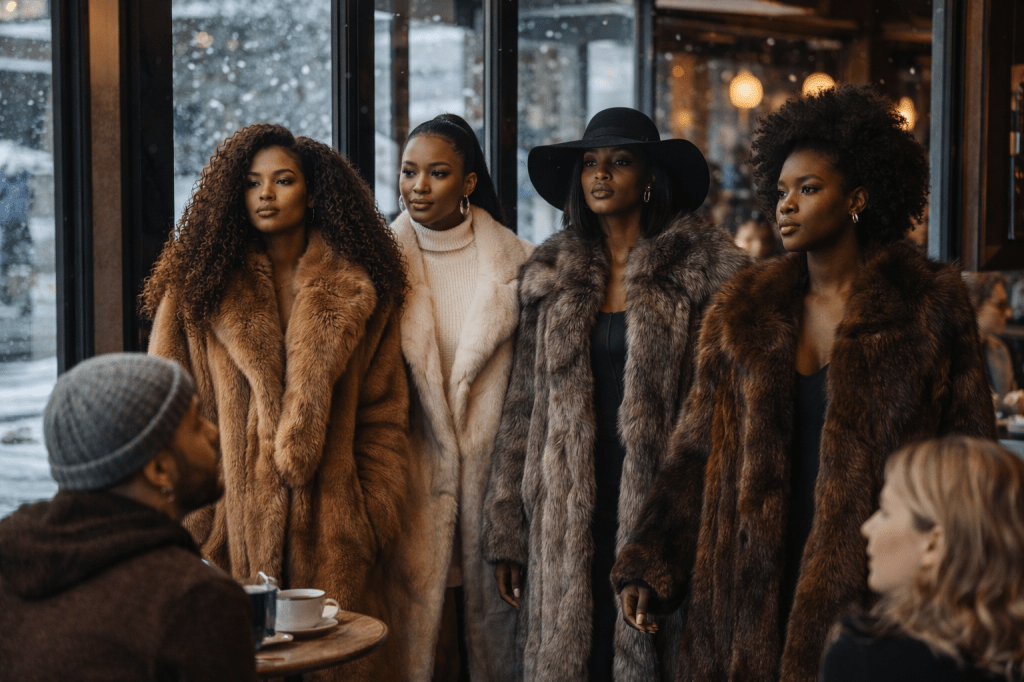
Collins, P. H. (2000). Black feminist thought: Knowledge, consciousness, and the politics of empowerment. Routledge.

Brown, T. N., & Taylor, S. (2019). Faith and feminine strength: Applying Proverbs 31 in contemporary life. Journal of Biblical Studies, 23(2), 145–162.

Hobbs, R. (2018). Women of virtue: Lessons from Proverbs 31. HarperCollins.

The Genesis of Colorism

Colorism is a deeply rooted social phenomenon that continues to shape perceptions of beauty, worth, and opportunity within racial and ethnic communities. Unlike racism, which primarily operates across racial lines, colorism is the preferential treatment of lighter-skinned individuals over darker-skinned individuals within the same racial or ethnic group. It is a subtle yet pervasive force that influences personal identity, social mobility, and cultural norms.

The term “colorism” was popularized by Alice Walker in the 1980s, though the phenomenon existed long before it had a name. Walker defined it as a form of prejudice or discrimination in which people are treated differently based on the social meanings attached to skin color. Her work drew attention to the complex ways in which intra-racial discrimination intersects with historical oppression.

Colorism is sometimes referred to by other names, including “shadeism,” “toneism,” and “skin tone bias.” Each term highlights the focus on skin color rather than racial categorization, emphasizing the internalized hierarchies that exist within communities. These labels help distinguish colorism from broader racial prejudice.

While racism involves power dynamics between different racial groups, colorism operates primarily within racial communities, privileging lighter skin over darker skin. It often aligns with Eurocentric standards of beauty and social value, elevating those whose appearance more closely resembles the historically dominant group. This intra-racial discrimination can lead to unequal treatment in employment, relationships, and media representation.

The origins of colorism are deeply intertwined with colonialism, slavery, and the historical imposition of European standards. In the Americas, enslaved Africans were often subjected to differential treatment based on skin tone, with lighter-skinned individuals sometimes receiving preferential roles or treatment due to mixed ancestry with white enslavers. This historical precedent laid the groundwork for modern color hierarchies.

Colorism is reinforced by media and cultural representation. Television, film, advertising, and beauty industries often prioritize lighter-skinned models and actors, equating light skin with beauty, success, and desirability. This reinforces the perception that darker skin is less valuable, perpetuating social and psychological inequality.

Within families, colorism can manifest in preferential treatment of lighter-skinned children. Praise, attention, and expectations may be skewed toward those with lighter complexions, while darker-skinned siblings are subtly or overtly marginalized. These patterns of bias create internalized hierarchies from an early age.

Economic and professional opportunities are also affected by colorism. Studies show that lighter-skinned individuals often earn higher wages, experience fewer workplace biases, and receive more favorable treatment in professional settings than darker-skinned peers. This economic disparity illustrates how colorism extends beyond aesthetics to tangible social consequences.

Colorism intersects with gender, often compounding disadvantage for darker-skinned women. Historically, European beauty ideals equated lighter skin with femininity and desirability, marginalizing women whose appearance did not align with these norms. The pressure to conform to Eurocentric beauty standards has long-lasting social and psychological implications.

Educational opportunities have historically been influenced by colorism. In some communities, lighter-skinned individuals were prioritized for schooling or professional training, reflecting entrenched societal hierarchies that valorized proximity to whiteness. These disparities contributed to cycles of privilege and marginalization.

The perpetuation of colorism is often subtle and implicit, making it difficult to challenge. Compliments, social preferences, and assumptions about intelligence or behavior can all be influenced by skin tone. While often framed as benign or accidental, these biases accumulate over a lifetime to reinforce social inequality.

Colorism also shapes interpersonal relationships, influencing dating and marriage preferences. Lighter-skinned individuals are often deemed more desirable partners, while darker-skinned individuals may face stigma or reduced romantic opportunities. These biases reinforce the notion that worth and attractiveness are correlated with skin tone.

Global perspectives reveal that colorism is not confined to the United States or the African diaspora. Across Asia, Latin America, and the Caribbean, lighter skin is often associated with higher social status, wealth, and beauty. The global nature of colorism underscores its roots in historical power dynamics and colonization.

Education and awareness are critical in addressing colorism. Scholars, activists, and cultural commentators work to expose the ways color hierarchies are maintained and internalized. By naming and examining the phenomenon, communities can begin to challenge ingrained biases and foster more equitable social norms.

Toni Morrison, the acclaimed novelist, addressed colorism in her works, particularly in The Bluest Eye. Morrison explored how internalized racism and the valorization of Eurocentric beauty standards inflicted emotional and psychological harm on dark-skinned children. Her writings continue to illuminate the personal and societal consequences of colorism.

Media representation plays a dual role, both reinforcing and challenging colorism. While mainstream media often privileges lighter skin, contemporary Black media and cultural productions increasingly celebrate diverse shades of beauty. These shifts help challenge long-standing biases and expand cultural narratives around beauty and worth.

Colorism often affects self-esteem and identity formation. Darker-skinned individuals may internalize negative perceptions, experiencing shame or diminished confidence. Conversely, lighter-skinned individuals may experience privilege but also pressure to conform to external expectations, creating complex psychological dynamics.

The beauty industry has historically capitalized on colorism. Skin-lightening products, hair straightening, and other treatments marketed toward darker-skinned individuals reinforce the notion that lighter skin is superior. This commercialization both exploits and perpetuates color-based hierarchies.

Colorism can influence social mobility. Lighter-skinned individuals may gain access to elite social networks or higher-status opportunities more readily than darker-skinned peers. These advantages often accumulate across generations, reinforcing systemic disparities within communities.

Educational curricula and historical narratives can obscure the origins of colorism, leaving many unaware of its systemic roots. Understanding colorism as part of a larger history of colonialism, slavery, and European cultural dominance is crucial to dismantling it. Awareness fosters empathy and challenges internalized biases.

Colorism also affects leadership and representation. Lighter-skinned individuals are often more visible in political, cultural, and business leadership positions, creating role models who may not fully reflect the diversity of their communities. This disparity reinforces societal hierarchies and perpetuates bias.

Colorism influences fashion, music, and art, shaping aesthetic norms and cultural production. Historically, lighter-skinned performers were favored for commercial exposure, while darker-skinned artists faced barriers to mainstream acceptance. This dynamic both reflects and perpetuates cultural hierarchies based on skin tone.

Addressing colorism requires both individual and collective action. Self-awareness, open dialogue, and community initiatives can challenge bias. Encouraging inclusive representation and celebrating all shades fosters equity and cultural pride. Confronting colorism is an act of both social justice and personal liberation.

Ultimately, colorism reflects society’s struggle with internalized hierarchies, historical oppression, and beauty standards rooted in power. Recognizing the origins and effects of colorism is the first step toward equity, healing, and cultural transformation. By examining privilege, dismantling bias, and celebrating diversity, communities can move toward a future where skin tone does not dictate worth or opportunity.


References

Walker, A. (1983). In Search of Our Mothers’ Gardens: Womanist Prose. Harcourt Brace Jovanovich.

Morrison, T. (1970). The Bluest Eye. Holt, Rinehart & Winston.

Hunter, M. L. (2007). The Persistent Problem of Colorism: Skin Tone, Status, and Inequality. Sociology Compass, 1(1), 237–254.

Russell-Cole, K., Wilson, M., & Hall, R. E. (2013). The Color Complex: The Politics of Skin Color in a New Millennium. Anchor Books.

Bennett, L. (2020). Shadeism and Colorism: Historical Origins and Contemporary Effects. Journal of African American Studies, 24(2), 145–163.