Category Archives: the brown girl dilemma

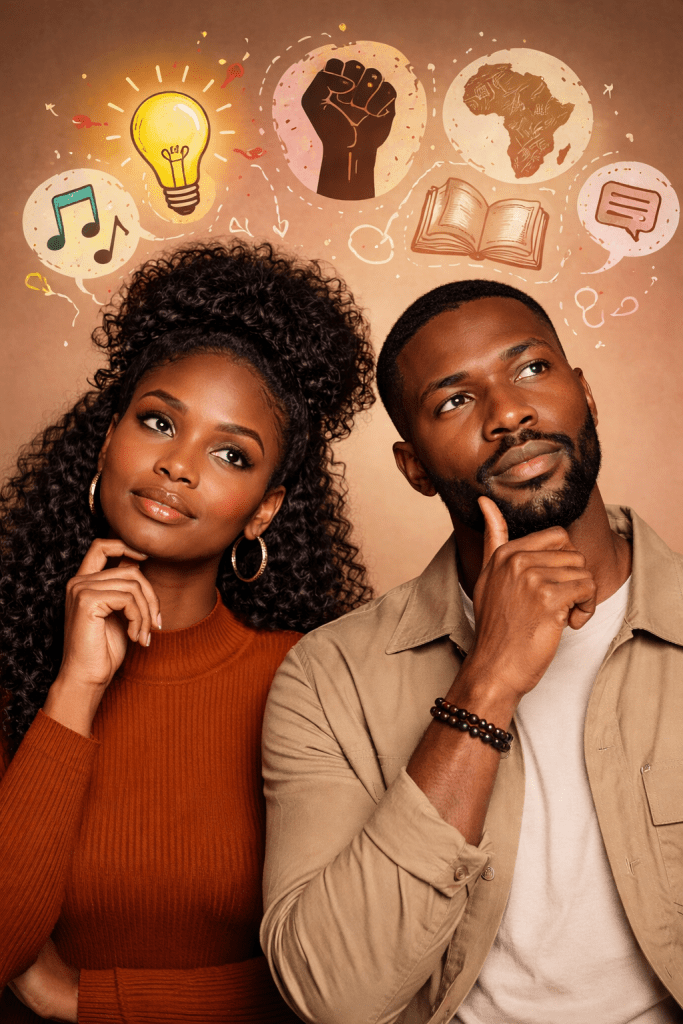
Beyond Bias: Education, Culture, and the Future of Brown Girl Empowerment. #thebrowngirldilemma

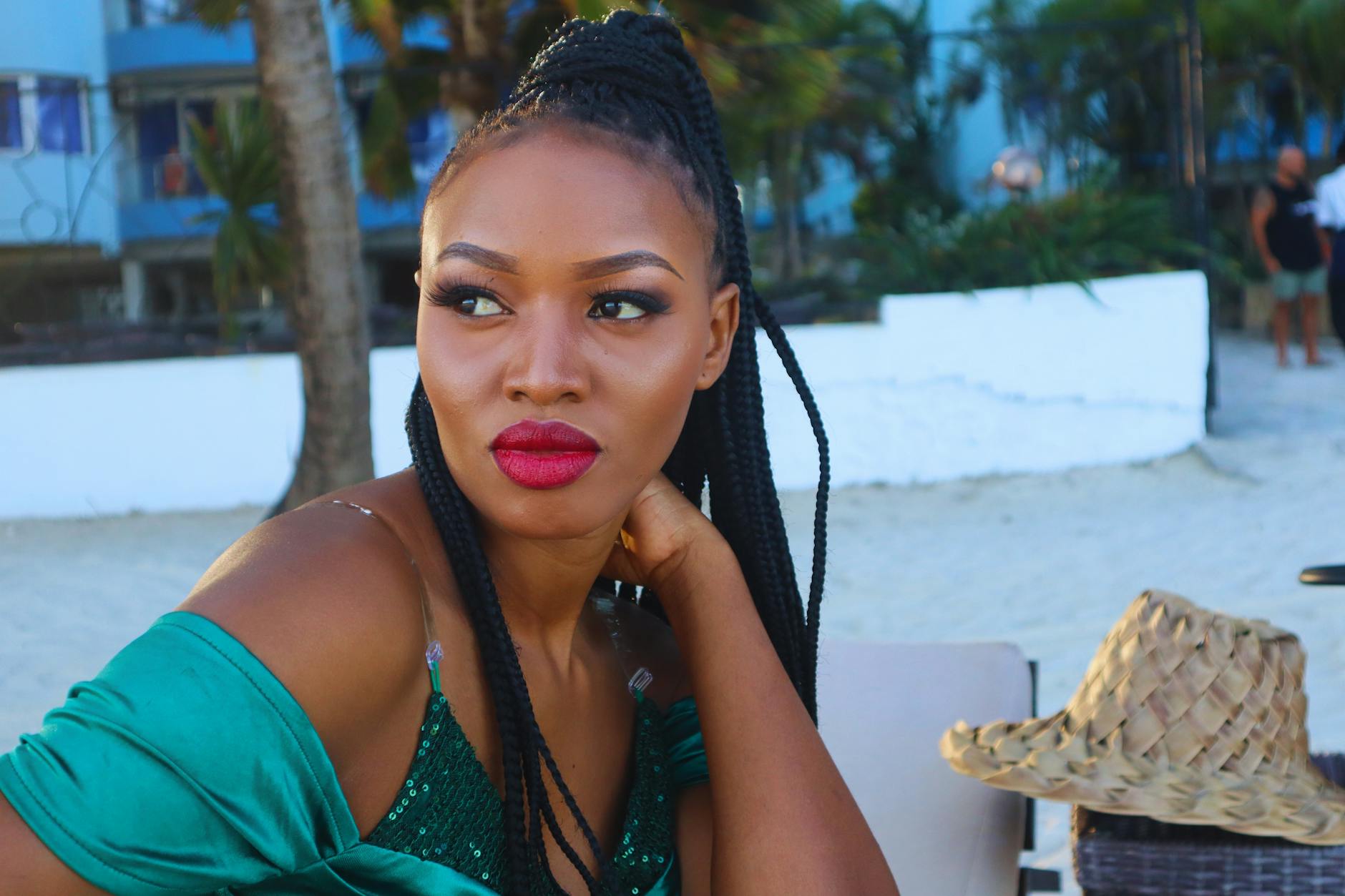
Photo by Polina Tankilevitch on Pexels.com

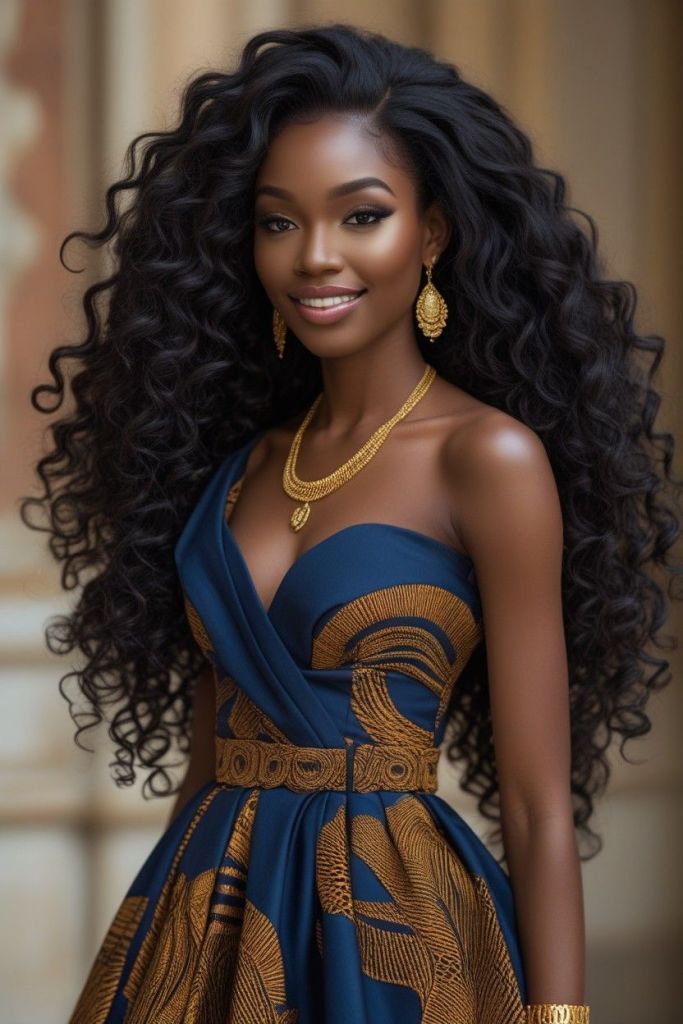
Brown girls navigate a complex social landscape where bias, colorism, and cultural stereotypes intersect, shaping self-perception, opportunity, and empowerment. From childhood through adulthood, societal norms often privilege lighter skin, Eurocentric features, and conformity to dominant cultural ideals, placing additional pressure on Brown girls to assert their identity and worth. Overcoming these challenges requires a multi-faceted approach that combines education, cultural affirmation, and personal resilience.

Education plays a pivotal role in empowering Brown girls to rise above systemic bias. Academic achievement equips them with critical thinking skills, confidence, and the ability to advocate for themselves in both professional and social settings. Schools and mentorship programs that emphasize representation, diversity, and culturally responsive pedagogy can counteract stereotypes, reinforcing the idea that intelligence, talent, and leadership are independent of skin tone or appearance (Banks, 2015). Knowledge becomes both armor and empowerment, allowing Brown girls to challenge narratives that seek to diminish their potential.

Cultural affirmation is equally crucial. Celebrating Black and Brown heritage, hair textures, skin tones, and historical achievements fosters pride and resilience. Exposure to role models like Lupita Nyong’o, Issa Rae, and Yara Shahidi demonstrates that success, beauty, and influence are not determined by proximity to whiteness but by authenticity, talent, and perseverance. Cultural initiatives, festivals, and media representation highlight the diversity and richness of Brown girl identity, providing alternative narratives that counteract colorism and societal marginalization.

Psychological resilience is intertwined with education and cultural affirmation. Brown girls often experience internalized bias, which can erode self-esteem and hinder personal growth. Social comparison theory explains how constant exposure to societal standards favoring lighter skin or Eurocentric features can produce dissatisfaction and self-doubt (Festinger, 1954). By cultivating self-awareness, mindfulness, and confidence-building practices, Brown girls can navigate these pressures while maintaining pride in their heritage and features.

Media literacy also empowers Brown girls to critique and navigate content that perpetuates bias. Social media, film, and advertising frequently amplify colorism and unrealistic beauty standards. Teaching Brown girls to deconstruct media messages, recognize algorithmic biases, and value authentic representation fosters critical engagement rather than passive acceptance. This awareness reinforces the understanding that beauty, worth, and influence are not dictated by societal trends but by personal integrity and talent (Fardouly et al., 2015).

Mentorship and community support amplify empowerment. Programs that connect Brown girls with successful role models provide guidance, encouragement, and proof that overcoming bias is possible. Mentors not only teach skills but also model resilience, confidence, and leadership. Supportive networks reinforce the notion that challenges related to skin tone, culture, or societal expectation can be met with knowledge, self-worth, and collective solidarity.

Spiritual grounding offers a lasting framework for empowerment. Proverbs 31:30 (KJV) declares, “Favour is deceitful, and beauty is vain: but a woman that feareth the LORD, she shall be praised.” Faith provides Brown girls with a lens to measure their value beyond societal metrics of beauty or achievement. Spiritual conviction nurtures confidence, perseverance, and ethical decision-making, ensuring that empowerment is holistic, anchored in character as well as capability.

Looking to the future, the empowerment of Brown girls depends on dismantling systemic bias while celebrating identity. Education, cultural affirmation, mentorship, and spiritual grounding collectively create pathways for Brown girls to thrive academically, socially, and personally. Visibility in media, leadership roles, and public discourse further normalizes diverse representation, ensuring that future generations inherit a world where beauty, intelligence, and influence are inclusive and celebrated.

Empowerment in Action: Tools and Programs Uplifting Brown Girls

Empowering Brown girls requires intentional initiatives that address both systemic barriers and personal development. Across education, media, and leadership, programs are emerging to provide resources, mentorship, and representation, equipping young women to navigate societal bias while embracing their identity with pride.

Educational Programs and Mentorship
Programs like Girls Who Code and Black Girls CODE offer access to STEM education, mentorship, and skill-building opportunities for young Black and Brown girls. By fostering technical proficiency and problem-solving skills, these programs counteract stereotypes about intellectual capacity while promoting confidence in academic achievement. Local initiatives, such as culturally responsive school curricula and after-school enrichment programs, ensure that Brown girls see themselves reflected in their learning and are encouraged to pursue higher education and leadership roles (Banks, 2015).

Media Representation and Literacy
Representation in media shapes self-perception and societal expectations. Initiatives like #BlackGirlMagic, #UnapologeticallyBlack, and campaigns led by organizations such as The Representation Project highlight dark-skinned beauty, natural hair textures, and culturally diverse achievements. Media literacy programs teach Brown girls to critically engage with content, identify bias, and challenge unrealistic beauty standards, fostering resilience against harmful social comparisons (Fardouly et al., 2015).

Leadership and Entrepreneurship Programs
Leadership programs like Black Girls Rock! and The National Coalition of 100 Black Women, Inc. empower young women to take active roles in their communities, promoting civic engagement, public speaking, and entrepreneurship. These platforms provide visibility, mentorship, and resources to cultivate both confidence and competence. Brown girls participating in these programs learn to leverage their talents, articulate their perspectives, and claim space in sectors where representation has been historically limited.

Cultural Affirmation and Community Spaces
Cultural centers, youth groups, and online communities dedicated to celebrating Black and Brown heritage create safe spaces for identity exploration and affirmation. Events, workshops, and storytelling sessions allow Brown girls to explore ancestry, art, and personal style while learning from role models who reflect their experiences. These spaces cultivate pride in cultural heritage and counteract internalized colorism, reinforcing the value of authentic self-expression (Hunter, 2007).

Mental Health and Wellness Initiatives
Programs like Therapy for Black Girls address mental health challenges, including anxiety, depression, and self-esteem issues arising from colorism and societal bias. Providing access to culturally competent counselors and peer support, these initiatives normalize emotional care and teach coping strategies for navigating discrimination, social pressures, and media-induced comparison. Mental wellness becomes an essential pillar of empowerment, ensuring that Brown girls develop both confidence and resilience.

Faith and Spiritual Development
Faith-based programs and mentorship integrate spiritual grounding with personal growth. By emphasizing values such as integrity, discipline, and purpose, these initiatives complement secular programs, reinforcing that self-worth extends beyond societal standards of beauty or achievement. Proverbs 31:30 (KJV) serves as a guiding principle: “Favour is deceitful, and beauty is vain: but a woman that feareth the LORD, she shall be praised.” Spiritual empowerment supports holistic development, nurturing both character and confidence.

Digital Platforms and Social Media Advocacy
Social media, when used intentionally, becomes a tool for empowerment. Platforms like Instagram, YouTube, and TikTok allow Brown girls to showcase talent, share personal narratives, and build supportive networks. Influencers and content creators who celebrate natural hair, melanin-rich skin, and cultural heritage provide relatable role models, amplifying messages of self-love and pride. Digital advocacy challenges traditional gatekeepers of beauty and success, democratizing influence and visibility.

Policy and Institutional Support
Sustainable empowerment also requires systemic change. Advocating for policies that address colorism, discrimination, and unequal educational resources ensures that empowerment extends beyond individual programs. Scholarships, equitable representation in curricula, and funding for culturally focused initiatives create structural support that allows Brown girls to thrive academically, socially, and professionally.

Empowering Brown girls demands a multi-dimensional approach that integrates education, mentorship, media representation, mental wellness, cultural affirmation, and spiritual grounding. Programs such as Black Girls CODE, Black Girls Rock!, Therapy for Black Girls, and media campaigns like #BlackGirlMagic illustrate practical pathways for fostering confidence, resilience, and leadership. By combining personal development with systemic advocacy, communities can ensure that the next generation of Brown girls steps into spaces of power, influence, and self-assured identity with pride and unshakable confidence.

In conclusion, moving beyond bias requires intentional strategies that affirm identity, cultivate knowledge, and promote resilience. Brown girls, equipped with education, cultural pride, mentorship, and spiritual grounding, are positioned to redefine societal standards, challenge prejudice, and embrace empowerment in its fullest sense. By fostering these conditions, communities can ensure that the future of Brown girl identity is one of confidence, dignity, and unassailable self-worth.


References

Banks, J. A. (2015). Cultural diversity and education: Foundations, curriculum, and teaching. Routledge.

Festinger, L. (1954). A theory of social comparison processes. Human Relations, 7(2), 117–140.

Fardouly, J., Diedrichs, P. C., Vartanian, L. R., & Halliwell, E. (2015). Social comparisons on social media: The impact of Facebook on young women’s body image concerns and mood. Body Image, 13, 38–45.

Hunter, M. (2007). The persistent problem of colorism: Skin tone, status, and inequality. Sociology Compass, 1(1), 237–254.

Byrd, A. D., & Tharps, L. L. (2014). Hair Story: Untangling the Roots of Black Hair in America. St. Martin’s Press.

Dilemma: Earthy Injustice

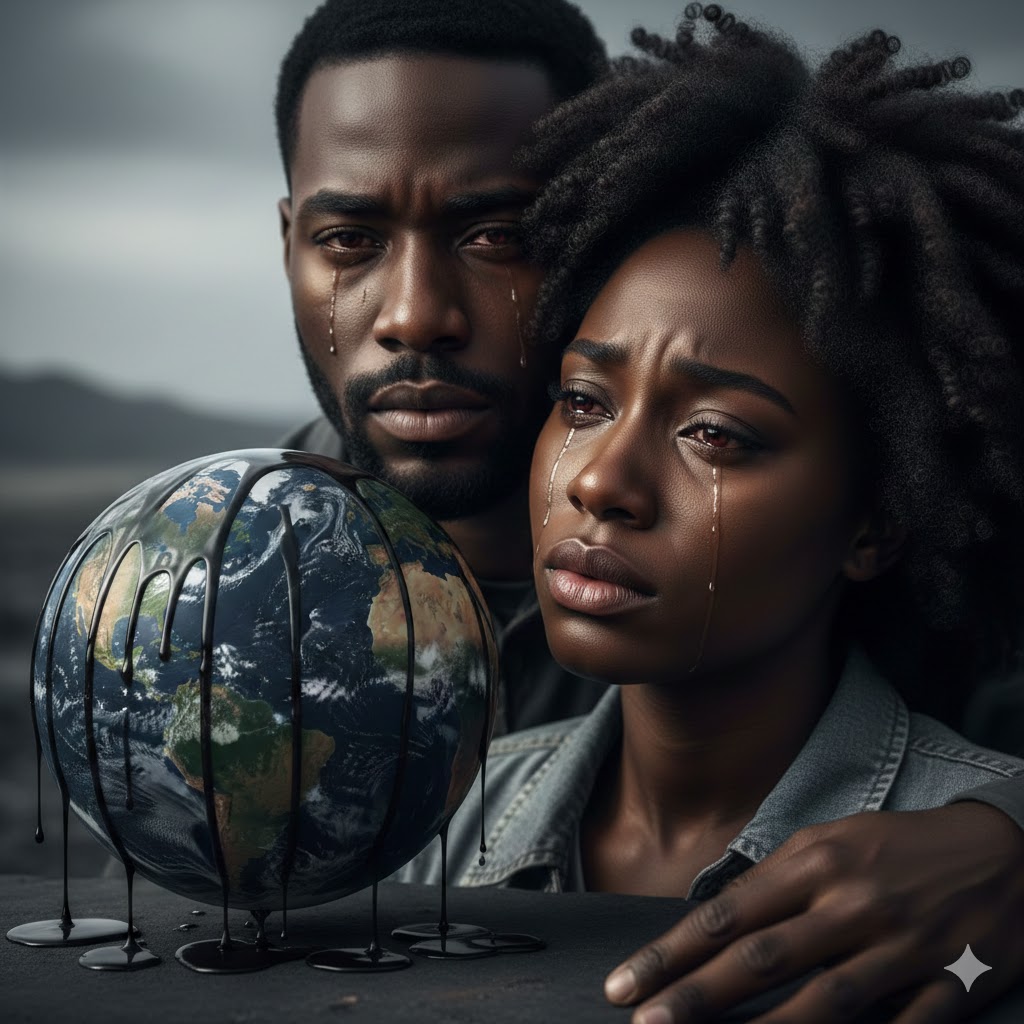
Earthly injustice is not an abstract concept but a lived reality etched into human history through conquest, enslavement, exploitation, and systemic inequality. It manifests wherever power divorces itself from morality and institutions prioritize profit, dominance, or comfort over human dignity.

From ancient empires to modern nation-states, injustice has been sustained by laws that favor the powerful and narratives that normalize suffering. These systems rarely collapse on their own; they persist until confronted by truth, resistance, and moral reckoning.

Scripture consistently identifies injustice as a violation of divine order. The Bible portrays God as attentive to imbalance, especially when the poor, the stranger, and the captive are crushed under unjust structures.

Earthly injustice thrives on dehumanization. When a group is stripped of identity, history, or worth, oppression becomes administratively easy and morally invisible to those who benefit from it.

Slavery represents one of the clearest examples of institutionalized injustice. Human beings were transformed into commodities, families into property, and labor into stolen wealth, all under legal and theological justification.

The transatlantic slave trade fused economic ambition with racial ideology, producing a hierarchy that outlived slavery itself. Its aftershocks remain embedded in wealth disparities, social stratification, and global inequality.

Colonialism extended injustice across continents, extracting resources while erasing cultures. Colonized peoples were taught to doubt their own humanity while serving the prosperity of distant empires.

Earthly injustice is often maintained through selective morality. Religious texts are quoted to demand obedience while passages condemning oppression are ignored or reinterpreted.

The Bible’s prophets repeatedly confronted this hypocrisy. They condemned societies that upheld ritual purity while neglecting justice, mercy, and compassion.

Injustice also operates psychologically. Generations exposed to domination may internalize inferiority, fulfilling the goals of oppression without the need for constant force.

Modern injustice frequently disguises itself as neutrality. Policies framed as fair or colorblind often perpetuate historical inequities by refusing to address unequal starting points.

Earthly courts can legalize injustice, but legality does not equate to righteousness. History records many laws that were lawful yet morally indefensible.

Scripture insists that injustice leaves a moral residue. Blood cries from the ground, wages withheld cry out, and suffering demands divine attention.

Those who endure injustice often develop alternative moral visions rooted in survival, faith, and communal care. These visions challenge dominant definitions of success and power.

Resistance to injustice takes many forms, from open rebellion to quiet endurance. Each asserts that oppression does not have the final word.

Earthly injustice is sustained by forgetting. When societies erase past crimes, they create conditions for repetition rather than repair.

Justice requires more than condemnation; it requires restoration. Repairing harm involves truth-telling, accountability, and material redress.

The Bible warns that unchecked injustice invites judgment. Nations that exalt themselves through exploitation eventually encounter collapse, whether through internal decay or external consequence.

Earthly injustice exposes the limits of human systems. It reveals the need for a higher moral authority beyond political power or economic interest.

The persistence of injustice does not negate justice’s existence. Rather, it testifies to the urgency of aligning human action with divine standards of righteousness.


References

The Holy Bible, King James Version. (1611/1769).

Cone, J. H. (1997). God of the oppressed. Orbis Books.

Du Bois, W. E. B. (1903). The souls of Black folk. A. C. McClurg & Co.

Heschel, A. J. (2001). The prophets. Harper Perennial.

Williams, E. (1944). Capitalism and slavery. University of North Carolina Press.

Dilemma: Colonialism

Colonialism represents one of the most enduring and destructive systems in human history, shaping global inequalities that persist long after formal empires collapsed. At its core, colonialism involved the domination of one people by another through force, dispossession, and ideological control. The dilemma of colonialism lies not only in its historical brutality but in its long-term consequences, which continue to structure economic systems, cultural identities, and psychological realities across the modern world.

European colonial expansion was driven by the pursuit of land, labor, and resources, justified through doctrines of racial superiority and civilizational hierarchy. Indigenous societies were not encountered as equals but as obstacles to be conquered or “improved.” This worldview allowed colonial powers to rationalize enslavement, genocide, and cultural erasure as moral and economic necessities.

Economic exploitation was central to the colonial project. Colonized lands were reorganized to serve imperial markets, transforming self-sustaining economies into extractive systems dependent on the export of raw materials. Wealth flowed outward to imperial centers, while poverty was institutionalized in the colonies, laying the groundwork for global inequality.

The transatlantic slave trade functioned as a pillar of colonial capitalism. Millions of Africans were forcibly displaced, commodified, and exploited to fuel plantation economies in the Americas and the Caribbean. This system generated immense wealth for European powers while devastating African societies socially, demographically, and politically.

Colonialism also dismantled indigenous governance structures. Traditional political systems were replaced with colonial administrations designed to extract resources and suppress resistance. Artificial borders divided ethnic groups and forced rival communities into single political units, creating instability that continues to affect postcolonial states.

Cultural domination accompanied economic and political control. Colonial powers imposed their languages, religions, and value systems while denigrating indigenous cultures as primitive or inferior. This process stripped colonized peoples of historical continuity and disrupted intergenerational transmission of knowledge and identity.

Education under colonial rule was not designed to empower but to discipline. Schools trained a small elite to serve colonial administrations while teaching them to internalize European superiority. As Frantz Fanon observed, colonial education often produced alienation rather than enlightenment.

Religion was frequently weaponized to legitimize colonial expansion. Biblical narratives were selectively interpreted to justify conquest, enslavement, and submission. While Christianity offered spiritual comfort to many, it was also used as a tool of social control, obscuring the moral contradictions of colonial violence.

The psychological effects of colonialism were profound. Colonized peoples were subjected to constant messages of inferiority, leading to internalized racism and fractured self-perception. Fanon described this condition as a divided consciousness, where the oppressed come to see themselves through the eyes of the oppressor.

Racial hierarchies were meticulously constructed and enforced. Whiteness became synonymous with intelligence, beauty, and authority, while Blackness and indigeneity were associated with backwardness. These hierarchies did not disappear with independence; they were absorbed into global culture and continue to influence social relations.

Colonialism reshaped gender roles in destructive ways. Indigenous gender systems were often more fluid or complementary, but colonial rule imposed rigid patriarchal norms that marginalized women and erased their leadership roles. Colonial economies also relied heavily on the exploitation of women’s labor.

Environmental destruction was another hallmark of colonial rule. Land was treated as property rather than a sacred resource, leading to deforestation, soil depletion, and ecological imbalance. These practices prioritized short-term profit over sustainability, leaving lasting environmental scars.

Resistance to colonialism was constant, though often erased from dominant historical narratives. Enslaved Africans revolted, indigenous peoples fought invasions, and anti-colonial movements emerged across continents. Freedom was not granted by empires; it was wrested through struggle and sacrifice.

The transition from colonial rule to independence was frequently incomplete. Many nations inherited economies designed for extraction, not development, and political systems modeled on colonial governance. Independence without structural transformation left former colonies vulnerable to continued domination.

Colonial legacies remain visible in global wealth disparities. Former colonial powers continue to benefit from accumulated capital, while former colonies face debt, underdevelopment, and external interference. These inequalities are not accidental but historical outcomes of exploitation.

Colonialism also distorted historical memory. Textbooks and public narratives often minimize imperial violence while celebrating exploration and “progress.” This selective memory impedes reconciliation and allows injustice to persist without accountability.

From a moral and spiritual perspective, colonialism represents a profound violation of divine principles of justice and human dignity. Scripture condemns oppression, theft, and the exploitation of the vulnerable, warning that nations built on injustice cannot stand indefinitely.

The dilemma of colonialism is not simply whether it was harmful, but whether the world is willing to confront its consequences honestly. Apologies without reparative action risk becoming symbolic gestures rather than pathways to healing.

Decolonization requires more than political independence. It demands economic justice, cultural restoration, psychological healing, and historical truth-telling. Without these elements, colonialism merely changes form rather than ending.

Ultimately, colonialism challenges humanity to reckon with power, morality, and memory. Until its legacies are addressed with humility and justice, the wounds it created will continue to shape the present, reminding the world that history is never truly past.


References

Fanon, F. (1963). The wretched of the earth. Grove Press.

Fanon, F. (1967). Black skin, white masks. Grove Press.

Nkrumah, K. (1965). Neocolonialism: The last stage of imperialism. Thomas Nelson & Sons.

Rodney, W. (1972). How Europe underdeveloped Africa. Bogle-L’Ouverture Publications.

Said, E. W. (1978). Orientalism. Pantheon Books.

Smith, A. (1776/2007). An inquiry into the nature and causes of the wealth of nations. MetaLibri.

The Holy Bible, King James Version. (1611/1987). Cambridge University Press.

The Dilemma of Neocolonialism

Neocolonialism describes a modern system of domination in which former colonial powers and global institutions maintain control over formerly colonized nations through economic, political, cultural, and psychological means rather than direct rule. Though flags have changed and independence has been declared, power has not been equally redistributed. The dilemma of neocolonialism lies in its invisibility; it operates quietly through contracts, currencies, media, and ideology, making exploitation appear voluntary and progress appear neutral.

Unlike classical colonialism, which relied on overt violence and occupation, neocolonialism thrives on dependency. Developing nations are encouraged to integrate into a global system that is structurally unequal, where the terms of trade, access to capital, and control of resources overwhelmingly favor the Global North. Independence, in this context, becomes symbolic rather than substantive.

Economic neocolonialism is perhaps its most visible manifestation. International financial institutions often impose austerity measures, privatization, and deregulation as conditions for loans, stripping nations of sovereignty over their own economies. These policies frequently benefit multinational corporations while deepening poverty and limiting state capacity to provide education, healthcare, and infrastructure.

Resource extraction remains central to neocolonial control. Many African, Caribbean, and Latin American nations possess vast natural wealth, yet remain impoverished due to exploitative mining contracts, oil concessions, and agricultural monopolies. Raw materials are exported cheaply, processed elsewhere, and sold back at inflated prices, perpetuating unequal exchange.

Currency dependence is another powerful tool of neocolonialism. Systems such as the CFA franc tie African economies to former colonial powers, restricting monetary autonomy and reinforcing external oversight. Control over currency is control over policy, development, and ultimately national destiny.

Political neocolonialism operates through proxy leadership and external influence. Leaders who comply with foreign interests are often supported diplomatically or militarily, while those who resist face sanctions, destabilization, or regime change. Sovereignty becomes conditional upon obedience rather than legitimacy.

Cultural neocolonialism shapes how people see themselves. Western norms of beauty, success, governance, and intelligence are exported globally through media, education, and advertising. Indigenous knowledge systems are marginalized, while Eurocentric frameworks are presented as universal standards.

Language itself becomes a colonial residue. Former colonies often conduct governance, law, and higher education in colonial languages, creating barriers to participation and reinforcing elite dominance. Linguistic hierarchy mirrors power hierarchy, privileging those closest to colonial culture.

Education systems frequently reproduce colonial narratives. Textbooks may minimize imperial violence while glorifying Western “development.” Students are trained to admire foreign models and distrust local solutions, producing generations alienated from their own history and capacity.

Psychologically, neocolonialism cultivates internalized inferiority. Frantz Fanon described this condition as the colonization of the mind, where the oppressed adopt the worldview of the oppressor. This mental dependency sustains material dependency.

Technological neocolonialism has emerged as a new frontier. Data extraction, digital surveillance, and platform monopolies allow corporations to profit from the Global South while controlling information flows. Technology promises liberation but often deepens asymmetry.

Media representation reinforces global hierarchy. Western news outlets frame crises in the Global South as perpetual dysfunction, rarely acknowledging historical causes rooted in imperial exploitation. This narrative justifies continued intervention and control.

Neocolonialism also shapes migration patterns. Economic instability caused by extraction and austerity forces people to migrate, while host nations criminalize them for seeking survival. The system creates displacement and then punishes its victims.

Gender dynamics are not exempt. Neocolonial economies disproportionately exploit women’s labor, particularly in manufacturing, domestic work, and informal markets. At the same time, Western feminism is often exported without regard for local cultural and economic realities.

Environmental degradation is another consequence. Extractive industries devastate land and water, leaving communities with pollution while profits flow outward. Climate vulnerability in formerly colonized regions is inseparable from histories of imperial extraction.

Resistance to neocolonialism takes many forms. Grassroots movements, pan-Africanism, decolonial scholarship, and economic nationalism challenge the status quo. These efforts seek not isolation but equitable participation and self-determination.

True development requires epistemic justice. Valuing indigenous knowledge, local governance models, and culturally grounded solutions disrupts the assumption that progress must mirror Western paths. Decolonization is as much intellectual as it is economic.

Spiritual traditions have long recognized the moral dimensions of exploitation. Biblical teachings condemn unjust weights, usury, and oppression of the poor, affirming that systems built on inequality invite judgment rather than blessing.

The dilemma of neocolonialism persists because it benefits powerful actors while diffusing responsibility. Exploitation is hidden behind contracts, development rhetoric, and globalization. Accountability becomes difficult when domination lacks a single visible ruler.

Breaking free from neocolonialism requires structural change, not symbolic reform. Economic sovereignty, cultural affirmation, political autonomy, and ethical global cooperation must replace dependency and extraction.

Ultimately, neocolonialism challenges humanity to choose between domination and justice. Until power is redistributed and dignity restored, independence will remain incomplete, and freedom will remain conditional rather than lived.


References

Amin, S. (1976). Unequal development: An essay on the social formations of peripheral capitalism. Monthly Review Press.

Fanon, F. (1963). The wretched of the earth. Grove Press.

Fanon, F. (1967). Black skin, white masks. Grove Press.

Nkrumah, K. (1965). Neocolonialism: The last stage of imperialism. Thomas Nelson & Sons.

Rodney, W. (1972). How Europe underdeveloped Africa. Bogle-L’Ouverture Publications.

Said, E. W. (1978). Orientalism. Pantheon Books.

World Bank. (2020). Global economic prospects. World Bank Publications.

The Holy Bible, King James Version. (1611/1987). Cambridge University Press.

Pretty Privilege Series: Brothers at the Frontline — Black Men’s Role in Dismantling Colorism.

Photo by Mika Borgia on Pexels.com

Colorism is not just a women’s issue — it is a community issue. Black men, in particular, play a critical role in shaping beauty standards, especially through dating choices, music, and cultural influence. To dismantle colorism, Black men must become allies and active participants in affirming dark-skinned women’s dignity and worth.

Historically, colorism was reinforced by systems that divided enslaved Black people based on skin tone. Lighter-skinned Black men and women were given preferential treatment, creating hierarchies that still influence dating and marriage patterns today (Hunter, 2007). Black men must examine how much of their preferences are rooted in this colonial history.

Many Black men have admitted to being told from a young age that lighter-skinned girls were more desirable. This conditioning is not merely personal taste but cultural programming that associates lightness with refinement and status (Wilder, 2010).

Rap lyrics and hip-hop culture have often glorified “redbones” or “yellow bones,” reinforcing the idea that lighter-skinned women are the ultimate prize. When influential Black men elevate only one type of beauty, it reinforces harmful hierarchies for the entire community (Neal, 2013).

The first step for Black men is introspection. Asking “Why do I find this skin tone more attractive?” can uncover unconscious biases. Recognizing that preferences can be shaped by media, colonialism, and white supremacy is essential to choosing love freely and without inherited prejudice.

Public affirmation matters. When Black men openly celebrate their dark-skinned wives, daughters, and partners, they send a powerful message to younger boys and the community at large. NBA player LeBron James, for example, often praises his dark-skinned wife Savannah publicly, providing representation that counters stereotypes.

Music artists can also be powerful agents of change. Kendrick Lamar famously rapped, “I want a real woman, not a Barbie doll” and has celebrated darker-skinned women in his videos. More male artists following suit would normalize seeing dark-skinned women as desirable and worthy of love songs.

Black fathers hold special influence. The way a father talks to his daughter about her beauty can shape her self-esteem for life. Fathers must affirm their daughters’ skin as beautiful, compliment them without comparing them to lighter peers, and teach them to embrace their natural hair and features (Harris, 2015).

Mentorship is another key area. Young Black boys must be taught early that beauty is not determined by proximity to whiteness. When mentors and role models praise women of all shades — especially darker-skinned women — they help undo cycles of internalized bias.

In barbershops and male-dominated spaces, colorist jokes and comments must be challenged. Black men can change the tone of conversation by refusing to laugh at insults aimed at dark-skinned women and calling out backhanded compliments like “She’s pretty for a dark-skinned girl.”

In families, brothers and male cousins can be protective allies. Instead of teasing their sisters or female relatives for being “too dark,” they can encourage them, compliment them, and shut down colorist remarks from others.

Spiritual leadership from Black men can be transformative. When pastors and male church leaders preach against favoritism (James 2:1-4) and affirm that every shade of Black skin reflects God’s image, they restore dignity to the women in their congregations.

Economically, Black male entrepreneurs, photographers, and designers can hire, feature, and celebrate dark-skinned women in their projects. This provides both representation and opportunity, counteracting decades of exclusion in business and media.

Black male directors, writers, and filmmakers must also tell stories that feature dark-skinned women as love interests and heroines. Barry Jenkins’ If Beale Street Could Talk and Ryan Coogler’s Black Panther are examples of films that present darker-skinned women with elegance and depth.

Men must also hold one another accountable in dating spaces. If a friend refuses to date dark-skinned women because they are “too ghetto” or “too masculine,” brothers must challenge those stereotypes and ask where those ideas originated.

Educating sons is critical. Parents can show their boys positive images of dark-skinned women in books, movies, and history lessons. When boys grow up seeing dark-skinned beauty celebrated, they are less likely to perpetuate colorism in adulthood.

Social media is another battleground. Black men with platforms should use them to uplift women of all shades, rather than fueling comparison or tearing down darker-skinned women. Positive representation online can reach millions of people and shift public perception.

Breaking cycles of colorism also means embracing healthy masculinity. When men heal from their own traumas, they stop projecting insecurities onto women by trying to control or police their appearance based on Eurocentric ideals.

Ultimately, Black men’s voices carry weight. When they reject colorism publicly, privately, and in relationships, they help dismantle a system that has harmed Black women for centuries. They become co-builders of a community where every shade is celebrated.

The fight against colorism is not just about aesthetics — it is about restoring unity, love, and respect between Black men and women. When Black men lead with intention, they can help rewrite beauty standards and leave a healthier legacy for generations to come.


References

  • Harris, A. (2015). The Influence of Fathers on the Self-Esteem of African American Daughters. Journal of Black Psychology, 41(3), 257–276.
  • Hunter, M. (2007). The Persistent Problem of Colorism: Skin Tone, Status, and Inequality. Sociology Compass, 1(1), 237–254.
  • Neal, M. A. (2013). What the Music Said: Black Popular Music and Black Public Culture. Routledge.
  • Wilder, J. (2010). Revisiting “Color Names and Color Notions”: A Contemporary Examination of the Language and Attitudes of Skin Color among Young Black Women. Journal of Black Studies, 41(1), 184–206.

The Rebirth of Brown: From Marginalized to Magnificent.

This photo is the property of its respective owners. No copyright infringement intended.

Throughout history, the concept of beauty has been manipulated, racialized, and hierarchized, leaving brown-skinned women in a liminal space between admiration and exclusion. The “rebirth of brown” signifies a profound cultural awakening—an emergence from centuries of internalized inferiority toward unapologetic self-celebration. This renaissance is not just aesthetic; it is spiritual, intellectual, and political. It represents the reclamation of a divine identity once diminished by colonial narratives and white supremacist beauty standards.

Colorism, the preferential treatment of lighter skin tones within communities of color, is one of the most insidious remnants of slavery and colonial rule. For generations, brown and dark-skinned women have been marginalized in favor of those with Eurocentric features. This marginalization extended into media, religion, and economics, shaping how entire populations viewed themselves (Hunter, 2007). Yet today, there is a growing movement of resistance, one that elevates the brown complexion as a symbol of resilience, heritage, and power.

The rebirth of brown begins with unlearning. For centuries, Black and brown girls were taught to see their features as flaws. They were told their skin was “too dark,” their hair “too coarse,” and their lips “too full.” Such language was not mere critique—it was psychological warfare designed to sever people of African descent from their sense of divine creation. The process of rebirth, therefore, is an act of healing—a spiritual resurrection of self-worth that challenges centuries of lies.

Representation has played a pivotal role in this transformation. When actresses like Lupita Nyong’o and Viola Davis graced magazine covers and red carpets, they did more than represent diversity; they shattered barriers that had long confined Black beauty to narrow ideals. Their success redefined global perceptions of elegance, creating space for brown girls worldwide to see themselves as inherently valuable.

The spiritual aspect of this rebirth cannot be ignored. In the Bible, the Song of Solomon declares, “I am black, but comely” (Song of Solomon 1:5, KJV). This verse has long been misinterpreted, yet in its true form, it celebrates melanin-rich beauty as divine. The reclamation of this scriptural affirmation reconnects brown women to their God-given identity—one that is not defined by colonial impositions but by divine design.

Historically, systems of oppression weaponized beauty as a means of control. During slavery and segregation, lighter skin often meant better treatment, education, or social mobility (Russell, Wilson, & Hall, 1992). This created divisions within the Black community that persist today. However, the rebirth movement dismantles this internalized oppression, asserting that beauty cannot be ranked or quantified—it is a reflection of culture, ancestry, and divine creativity.

The global reach of colorism—from Africa to Asia to Latin America—reveals how deeply colonial beauty ideals have been ingrained. Yet across the diaspora, brown women are reclaiming their narratives through art, film, fashion, and scholarship. Social media campaigns like #MelaninMagic and #UnfairAndLovely highlight this revolution of self-acceptance and solidarity. These movements remind the world that brown is not a compromise—it is completeness.

Education and visibility are key to sustaining this transformation. When school curriculums include diverse histories and celebrate African civilizations such as Kush, Nubia, and Mali, young brown students learn to associate their skin tone with greatness, not shame. The rebirth of brown, therefore, begins in the mind and blossoms through awareness and pride.

Media portrayal also plays a major role. For decades, films and advertisements favored fair-skinned women as love interests or symbols of sophistication. The “brown girl” was often cast as the friend, the sidekick, or the struggle narrative. Today, this trend is shifting. Black-owned media outlets and independent creators are producing content that centers brown-skinned women as protagonists—complex, desirable, and multidimensional.

The psychological effects of colorism run deep. Studies show that skin tone can influence self-esteem, social mobility, and even mental health (Hall, 2010). Overcoming this requires intentional affirmations of worth and systemic change in industries that profit from insecurity. The beauty industry, for example, must diversify its marketing and stop equating fairness with flawlessness.

Fashion has also become a battlefield of representation. Designers now celebrate brown hues as luxury tones, naming them “mocha,” “espresso,” and “caramel.” While this may seem commercial, it subtly repositions brownness as aspirational. The same tones once mocked are now coveted—a cultural reversal that illustrates the power of visibility.

Yet, this rebirth is not without tension. Some accuse movements of “melanin pride” of reversing discrimination or fostering exclusion. However, self-love among the historically oppressed is not supremacy—it is survival. As theologian Howard Thurman (1949) emphasized, affirming one’s dignity in a dehumanizing world is an act of divine resistance.

The economic implications of this renaissance are equally significant. Black-owned beauty and fashion brands—such as Fenty Beauty and The Lip Bar—have revolutionized inclusivity, proving that authenticity and diversity are profitable. The rebirth of brown extends beyond empowerment; it is also about reclaiming financial power in industries that once excluded us.

In literature, authors like Toni Morrison and Alice Walker have long chronicled the pain and power of brown womanhood. Their works remind readers that the journey toward self-acceptance is both personal and political. Morrison’s The Bluest Eye remains a haunting portrayal of how colorism can destroy the psyche, yet its continued relevance shows how necessary rebirth remains.

Religious imagery has also shifted. The traditional portrayal of a white Jesus, for instance, contributed to subconscious color bias in spiritual spaces. Reclaiming Afrocentric biblical imagery aligns theology with truth, reinforcing the sacredness of brownness. When faith affirms melanin, healing becomes holistic.

Social activism continues to be a driving force. Brown women at the forefront of movements like #BlackLivesMatter and #SayHerName demonstrate that visibility is not vanity—it is liberation. Their courage transforms pain into purpose, proving that brown women are not passive victims but powerful change-makers.

Healing generational trauma requires both community and consciousness. Support groups, cultural programs, and mentorship initiatives create safe spaces for brown girls to discuss self-image and identity without judgment. Collective affirmation rebuilds what centuries of oppression tried to destroy.

The rebirth of brown is not merely about complexion—it symbolizes the resurrection of truth. It is about remembering that brown women carry the DNA of queens, warriors, and scholars. Their existence defies erasure and reclaims glory. This awakening represents the intersection of beauty, history, and divine purpose.

In the future, the rebirth of brown will inspire a new cultural standard—one rooted in authenticity and pride. The next generation of brown girls will grow up seeing reflections of themselves in every field, from politics to entertainment, knowing they are magnificent by design.

From marginalized to magnificent, the brown woman’s story is one of redemption. She is no longer the shadow, but the light—radiant, regal, and reborn.


References

  • Hall, R. E. (2010). An Historical Analysis of Skin Color Discrimination in America: Victimism in the Color Complex. Springer.
  • Hunter, M. (2007). The Persistent Problem of Colorism: Skin Tone, Status, and Inequality. Sociology Compass, 1(1), 237–254.
  • Russell, K., Wilson, M., & Hall, R. (1992). The Color Complex: The Politics of Skin Color Among African Americans. Anchor Books.
  • Thurman, H. (1949). Jesus and the Disinherited. Beacon Press.
  • The Holy Bible, King James Version (KJV).

Brown Girl Blues: “I’d Kill For Your Lips,” They Say….

Photo by Sheer Wave Therapy on Pexels.com

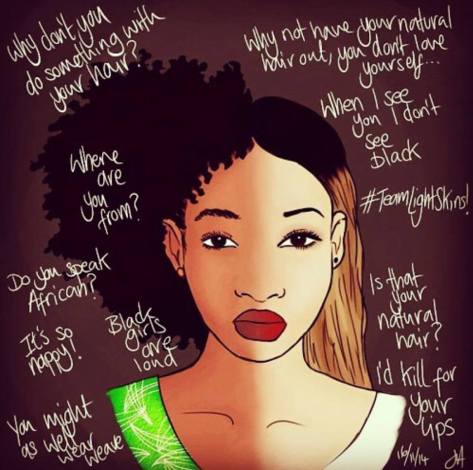
The phrase “I’d kill for your lips” sounds like flattery, but for many brown girls, it is a haunting compliment. It encapsulates a history of desire mixed with exploitation, admiration laced with appropriation. The words roll off tongues in admiration of features once mocked, once ridiculed, and once pathologized — yet now celebrated when worn by someone else.

For centuries, the lips of brown women have been sites of fascination and fear. During slavery and colonialism, full lips were used to justify racist caricatures that depicted Black women as hypersexual and animalistic (Collins, 2000). The grotesque imagery of figures like Sarah Baartman, the so-called “Hottentot Venus,” exemplified how European audiences eroticized and dehumanized African femininity (Qureshi, 2004).

To say “I’d kill for your lips” is to unknowingly echo the violence of history. It is an unconscious confession of envy born from centuries of theft — where physical traits of Blackness were plundered even as Black bodies were persecuted. The world both craved and condemned the features it now romanticizes.

In the modern era, the full lips that once symbolized “otherness” have become the pinnacle of Western beauty. From fashion runways to social media filters, the aesthetic of plump, pouty lips dominates global standards. Yet the models of this look are rarely brown-skinned women; they are often white influencers who undergo cosmetic enhancement to mimic what nature gave to women of African descent (Nash, 2019).

This phenomenon exemplifies the paradox of cultural and corporeal appropriation. Society rejects the people but embraces the features. It dismembers identity, taking the aesthetic while discarding the heritage, the struggle, and the soul that shaped it. This disembodied admiration is not love — it is consumption.

The statement “I’d kill for your lips” thus becomes more than an expression of envy; it is a metaphor for how society symbolically “kills” the original to resurrect the imitation. It celebrates the copy but crucifies the source.

Within this paradox lies the pain of countless brown girls who grew up being teased for their appearance. Many remember childhoods filled with mockery — lips called “too big,” noses “too wide,” skin “too dark.” These wounds ran deep, leaving psychological scars that linger into womanhood (Russell, Wilson, & Hall, 1992).

Then suddenly, the very traits that once provoked shame became fashionable. The same lips once mocked in schoolyards were now praised in magazines. But the praise was selective — applauding the imitation while ignoring the originators. This selective admiration creates a silent rage and a longing for justice.

To be a brown girl in such a world is to constantly negotiate between pride and pain. One learns to love one’s reflection while knowing that others only love it in pieces — as long as it is detached from the fullness of identity.

Beauty, then, becomes political. For the brown girl, every selfie, every smile, every expression is a reclamation of what was stolen. Her lips are not merely aesthetic; they are ancestral. They carry the stories of foremothers who survived silence, objectification, and distortion.

The lips of brown women have spoken liberation into existence. They have kissed away fear, sung through struggle, and prayed through suffering. They have articulated protest, prophecy, and poetry. Their fullness is not just biological; it is spiritual — a testament to abundance and resilience.

Historically, white femininity was constructed in opposition to Black femininity. While white women were seen as pure and delicate, Black women were hypersexualized and loud (hooks, 1981). The fetishization of features like full lips reveals how racial desire operates under domination — to desire the exotic without embracing the person.

Contemporary media perpetuates this dynamic through what scholars call commodified Blackness (Weheliye, 2002). Pop culture borrows the aesthetics of Black womanhood — from lips and curves to slang and attitude — yet distances itself from Black identity itself. The result is a hollow performance of beauty stripped of cultural soul.

“I’d kill for your lips” becomes a tragic refrain in this context. It is admiration laced with erasure. Beneath the compliment lies the question: Would you still want them if they came with my skin?

This question echoes across social media spaces where brown women watch their likeness replicated without credit. Lip fillers, bronzers, and contour trends mimic features that were once signs of “too much Blackness.” Now they are marks of luxury.

The irony is painful yet familiar. Beauty industries profit from what society once punished. They commercialize the natural features of women of color while offering those same women limited representation or voice.

But brown women are reclaiming the narrative. Artists, activists, and influencers are using digital platforms to celebrate authentic Black and brown beauty. Hashtags like #MelaninMagic and #BlackGirlJoy function as digital revolutions, redefining what beauty means beyond white gaze.

The psychological work of reclamation is just as vital as the cultural. Brown girls are learning to love what the world once taught them to hate. This self-love is not vanity but healing — an act of decolonization of the mirror.

Healing also involves confronting the contradictions. A brown girl can feel flattered and hurt simultaneously when someone says, “I’d kill for your lips.” She can recognize admiration but still grieve the history that makes that statement possible.

In many ways, the lips symbolize the border between visibility and invisibility. They are the threshold of voice — the space where silence turns into speech. For generations, brown women’s voices have been suppressed, their words deemed “too loud,” “too emotional,” or “too much.” The fullness of their lips reminds the world of what it has tried to silence.

When a brown woman speaks, her lips are political instruments. They challenge stereotypes, they narrate histories, and they bless futures. Every word spoken from those lips resists centuries of objectification.

To “kill for those lips,” then, would mean to destroy what gives them power — to rob them of their context and their story. Society does this symbolically every time it celebrates features but denies identity.

Yet the brown woman refuses erasure. Her lips remain full — of memory, of truth, of divine breath. She smiles not because she has been accepted, but because she has accepted herself.

Her smile is rebellion. It says, You cannot own what you did not create.

Her lips are holy ground. They are the place where trauma transforms into testimony, and beauty into revolution.

She does not need anyone to die for her lips; she simply needs the world to stop killing her joy, her identity, and her authenticity.

When she speaks now, her lips tell a different story — one of reclamation. She knows that her beauty was never a trend; it was always a birthright.

The world can keep its envy. She will keep her fullness — of lips, of life, and of spirit.


References

Collins, P. H. (2000). Black feminist thought: Knowledge, consciousness, and the politics of empowerment. Routledge.

hooks, b. (1981). Ain’t I a woman: Black women and feminism. South End Press.

Nash, J. C. (2019). Black feminism reimagined: After intersectionality. Duke University Press.

Qureshi, S. (2004). Displaying Sara Baartman, the ‘Hottentot Venus’. History of Science, 42(2), 233–257.

Russell, K., Wilson, M., & Hall, R. (1992). The color complex: The politics of skin color among African Americans. Anchor Books.

Weheliye, A. G. (2002). Feenin’: Posthuman voices in contemporary Black popular music. Social Text, 20(2), 21–47.

The Brown Girl Dilemma: Self-Hatred, Lookism, Lightism, and Mental Slavery.

This artwork is the property of its respective owner. No copyright infringement intended.

The experience of brown-skinned girls and women is marked by complex social pressures that extend beyond race. Within and outside of Black and Brown communities, colorism—the preferential treatment of lighter skin over darker shades—intersects with lookism and internalized societal standards to create what can be described as mental slavery. These pressures shape self-perception, relationships, and social mobility, resulting in a lived experience where one’s skin tone and features dictate perceived worth.

Self-Hatred and Internalized Bias

Self-hatred among brown girls is often fueled by societal messaging that favors Eurocentric beauty ideals. Media, peer comparison, and historical legacies of oppression contribute to an internalized hierarchy of value. Psychologists describe this as internalized oppression, where victims unconsciously adopt the prejudices of the dominant culture (Welsing, 1991). Brown-skinned girls may feel inferior to lighter-skinned peers, impacting self-esteem, academic performance, and social confidence.

Lookism: Appearance as a Social Currency

Lookism—the preference for certain physical traits—intensifies color-based biases. Studies show that facial symmetry, lighter skin, and straight hair are often socially rewarded in professional and social contexts (Etcoff, 1999). Brown girls may experience disadvantage not because of talent or character, but because their appearance fails to align with prevailing beauty standards. This reinforces a system where self-worth is externally validated, creating pressure to modify appearance through cosmetics, hair treatments, or even skin-lightening products.

Lightism and Color Hierarchy

Lightism, a subset of colorism, privileges lighter skin within communities of color. Historically rooted in colonial hierarchies and slavery, light skin was associated with proximity to power, wealth, and status. Brown girls are thus positioned in a spectrum of desirability, often excluded from leadership opportunities, romantic preference, and cultural representation. The Bible reminds believers that value is spiritual and moral rather than physical: “But the Lord said unto Samuel, Look not on his countenance, or on the height of his stature; because I have refused him: for the Lord seeth not as man seeth; for man looketh on the outward appearance, but the Lord looketh on the heart” (1 Samuel 16:7, KJV).

Mental Slavery and Cultural Conditioning

Mental slavery refers to the internalized belief that worth and success are determined by adherence to dominant cultural norms. Brown girls often face a dual pressure: conforming to Eurocentric standards while navigating systemic racism and community bias. This can manifest as low self-confidence, anxiety, and even estrangement from one’s cultural identity. The psychological effects are profound, limiting aspirations and perpetuating cycles of inequality.

Strategies for Healing and Empowerment

  • Awareness: Recognizing internalized bias and societal pressures is the first step toward liberation.
  • Community Support: Engaging with affirming networks that celebrate brown and dark-skinned beauty reinforces self-worth.
  • Media Representation: Advocating for diverse representation in media, fashion, and leadership provides visible role models.
  • Faith and Spiritual Practice: For believers, grounding identity in God’s perspective restores confidence and counters external value systems (Psalm 139:14, KJV).

The Brown Girl Empowerment Toolkit

1. Affirmations and Self-Worth

Daily affirmations help counter internalized oppression:

  • “I am fearfully and wonderfully made” (Psalm 139:14, KJV).
  • “My worth is not determined by the color of my skin but by the character of my heart” (1 Samuel 16:7, KJV).
  • “I celebrate my melanin, my heritage, and my uniqueness.”

2. Media Literacy and Representation

  • Follow media that celebrates brown and dark-skinned beauty.
  • Support creators and public figures who challenge colorism.
  • Critically analyze mainstream media to understand subtle messages about beauty and desirability.

3. Community and Mentorship

  • Join groups or online communities focused on celebrating brown beauty.
  • Seek mentors—especially brown women leaders, entrepreneurs, and creatives—to model confidence and success.
  • Share experiences with peers to build solidarity and resilience.

4. Cultural Pride and Identity

  • Study African, Caribbean, or South Asian heritage to reinforce pride in skin, hair, and cultural features.
  • Celebrate traditional hairstyles, clothing, and art as expressions of identity.
  • Engage in cultural events to counteract Eurocentric standards.

5. Faith and Spiritual Grounding

  • Use prayer, meditation, and scripture to anchor identity beyond societal approval.
  • Daily prayer of self-acceptance and guidance.
  • Study verses affirming God’s value of the heart over appearance (1 Samuel 16:7, KJV).

6. Psychological Tools

  • Journaling: Document experiences of discrimination, self-reflection, and victories.
  • Cognitive Restructuring: Replace negative thoughts with positive affirmations.
  • Therapy: Seek mental health support familiar with colorism and racial trauma.

7. Practical Beauty Strategies

  • Embrace natural hair and skin tones; avoid unnecessary bleaching or alteration.
  • Use makeup, hair, or fashion as self-expression rather than approval-seeking.
  • Celebrate diverse skin tones in personal branding, social media, and public presence.

8. Role Models

  • Priyanka Chopra: Advocates for dusky beauty and challenges colorism in Bollywood.
  • Rashida Strober: Activist emphasizing self-love and black beauty standards.
  • Chimamanda Ngozi Adichie: Author promoting African identity and resisting Western beauty norms.

9. Action Steps

  1. Daily affirmation practice (5 minutes).
  2. Limit exposure to media promoting harmful beauty standards.
  3. Join or form support networks to discuss colorism openly.
  4. Highlight cultural pride in social media or community activities.
  5. Engage in mentorship to guide younger girls in building self-confidence.

Conclusion

The Brown Girl Dilemma—self-hatred, lookism, lightism, and mental slavery—is a multifaceted issue with deep historical and cultural roots. Addressing it requires societal change, psychological support, and personal empowerment. By understanding the origins of color bias, rejecting internalized oppression, and embracing cultural and spiritual identity, brown girls can reclaim their value, beauty, and power.


References

Biblical References (KJV)

  • 1 Samuel 16:7
  • Psalm 139:14

Secondary Sources
Welsing, F. C. (1991). The Isis Papers: The Keys to the Colors. Third World Press.
Etcoff, N. (1999). Survival of the Prettiest: The Science of Beauty. Doubleday.
Hunter, M. L. (2007). The Persistent Problem of Colorism: Skin Tone, Status, and Inequality. Sociology Compass, 1(1), 237–254.
Clark, R., & Clark, K. (1947). Racial Identification and Preference in Negro Children. Journal of Negro Education, 16(3), 169–176.

Golden Resistance: The Triumph of the Brown-Skinned Woman

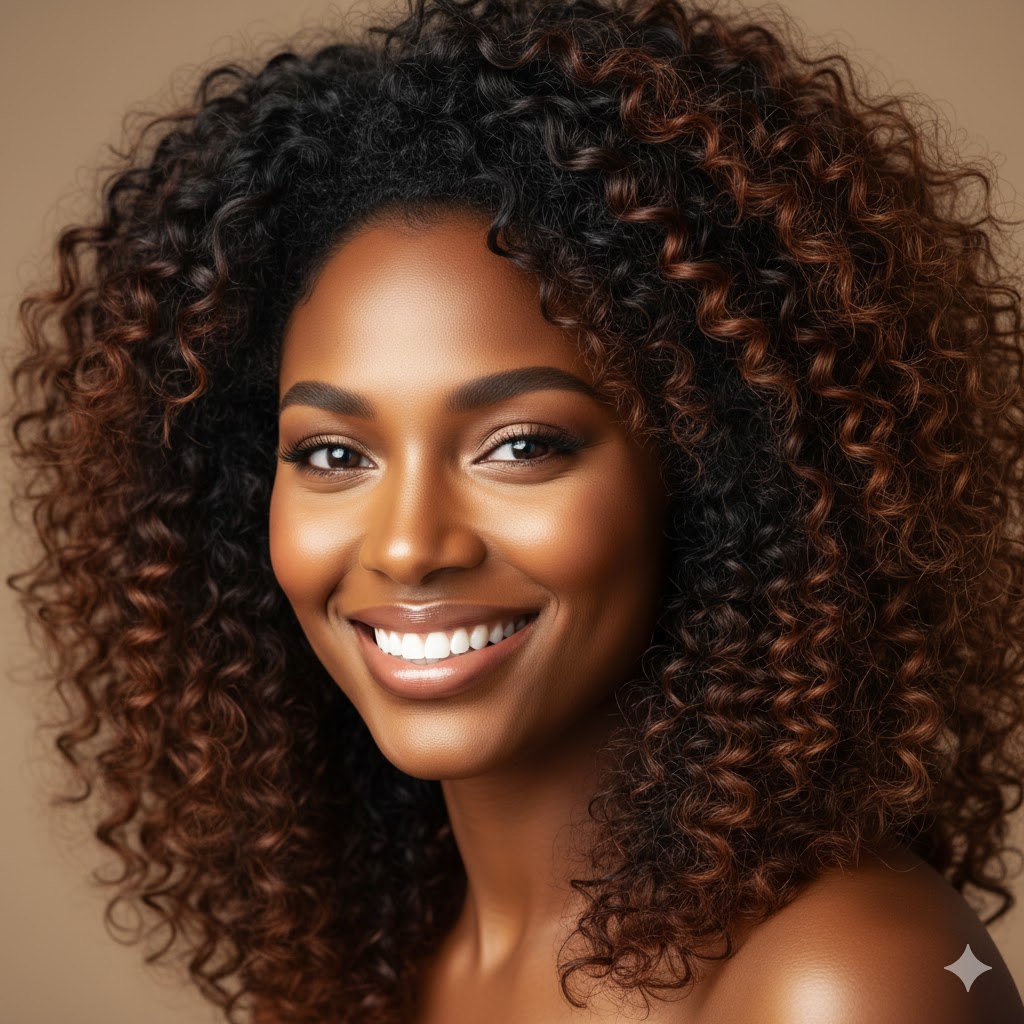
The brown-skinned woman embodies resilience, beauty, and cultural heritage. Across centuries, she has faced systemic oppression, colorism, and societal erasure, yet she persists, embodying a narrative of triumph against all odds.

Historical narratives often marginalized dark- and brown-skinned women, privileging Eurocentric ideals of beauty. Despite this, brown-skinned women cultivated spaces of empowerment within communities, families, and spiritual traditions (Hunter, 2007).

Colonialism and slavery imposed external definitions of worth, linking lighter skin to privilege and darker tones to subjugation. Yet brown-skinned women resisted these narratives, preserving identity, culture, and dignity (Gates, 2019).

Beauty standards have long been weaponized against brown-skinned women. Media and literature often depicted them as exotic or undesirable, fostering internalized oppression. Still, many embraced their natural beauty as a form of defiance (Hall, 1997).

The brown-skinned woman’s strength is rooted in cultural memory. Oral histories, music, and literature have documented resilience, transmitting lessons of perseverance and self-respect across generations (hooks, 2000).

Education became a site of resistance. Brown-skinned women have historically fought to access learning, literacy, and leadership roles, challenging societal assumptions of intellect and capability (Collins, 2000).

In contemporary times, brown-skinned women are redefining standards of beauty and success. Social media and grassroots movements celebrate melanin-rich skin, natural hair, and Afrocentric features, reclaiming visibility and pride (Banks, 2017).

Colorism within communities posed internal challenges. Brown-skinned women navigated both external oppression and intra-community hierarchies, cultivating solidarity and mentorship to foster empowerment (Hunter, 2007).

Representation in media and entertainment has been transformative. Figures like Lupita Nyong’o, Kerry Washington, and Tracee Ellis Ross challenge stereotypes, embodying success, beauty, and influence for brown-skinned women worldwide (Ferguson, 2015).

Brown-skinned women have shaped social justice movements. Their leadership in civil rights, feminist movements, and contemporary activism underscores the intersection of gender, race, and color in the struggle for equality (Crenshaw, 1991).

Entrepreneurship is another arena of triumph. Brown-skinned women create businesses, brands, and platforms celebrating Black excellence, simultaneously challenging economic marginalization and societal biases (Smith, 2020).

Art and literature provide spaces to assert identity. Brown-skinned women use creative expression to celebrate heritage, critique oppression, and cultivate self-love, creating enduring cultural legacies (Gates, 2019).

Physical beauty, while celebrated, is not the sole measure of triumph. Intelligence, courage, resilience, and leadership are equally central to the brown-skinned woman’s legacy (hooks, 2000).

Intersectionality shapes the lived experience of brown-skinned women. Navigating race, gender, class, and color, they demonstrate adaptability and agency, crafting strategies for survival and success (Collins, 2000).

Global movements like #MelaninPoppin and #BlackGirlMagic highlight the celebratory reclamation of brown skin, challenging centuries of marginalization and providing visible role models for younger generations (Banks, 2017).

Brown-skinned women’s triumphs are evident in academia. Scholars and researchers assert authority, contribute to global knowledge, and dismantle stereotypes regarding intellectual capacity (Smith, 2020).

In family and community life, brown-skinned women often serve as anchors. They nurture, mentor, and cultivate resilience, passing on wisdom and cultural pride to future generations (hooks, 2000).

Spirituality and faith provide sustenance. Many brown-skinned women draw strength from religious and cultural traditions, which reinforce identity, hope, and perseverance (Hall, 1997).

Overcoming systemic barriers requires courage. Brown-skinned women navigate discrimination in workplaces, media, and education, asserting presence and excellence despite societal prejudice (Crenshaw, 1991).

The triumph of the brown-skinned woman is a continuous narrative. Through resilience, creativity, leadership, and unapologetic self-expression, she transforms historical oppression into a legacy of empowerment, inspiration, and beauty (Hunter, 2007).


References

  • Banks, T. (2017). Representation and beauty in Black media: Celebrating melanin-rich identity. Journal of Black Studies, 48(7), 657–678.
  • Collins, P. H. (2000). Black feminist thought: Knowledge, consciousness, and the politics of empowerment. Routledge.
  • Crenshaw, K. (1991). Mapping the margins: Intersectionality, identity politics, and violence against women of color. Stanford Law Review, 43(6), 1241–1299.
  • Ferguson, R. (2015). Representation matters: African American women in contemporary media. Cultural Studies Review, 21(2), 45–67.
  • Gates, H. L. (2019). The Black image in the White mind: Media and race in America. Vintage Books.
  • Hall, R. E. (1997). Beauty and power: Race, gender, and the visual culture of Black women. Feminist Media Studies, 3(1), 23–45.
  • hooks, b. (2000). Feminism is for everybody: Passionate politics. South End Press.
  • Hunter, M. L. (2007). The persistent problem of colorism: Skin tone, status, and inequality. Sociology Compass, 1(1), 237–254.
  • Smith, D. (2020). Entrepreneurship, empowerment, and the brown-skinned woman. Journal of Black Business, 17(3), 115–130.

Black Thought Collective

The intellectual and cultural contributions of Black people, when examined collectively, form a rich tapestry of thought that spans centuries, continents, and disciplines. The Black Thought Collective is not merely an academic exercise—it is a recognition of the shared consciousness, resilience, and creative genius of people of African descent. It encompasses reflections on freedom, justice, identity, spirituality, culture, and social responsibility, offering a lens through which the world can better understand the Black experience.

Historical Foundations of Black Thought

Black intellectual thought has deep roots, stretching from African kingdoms and philosophical traditions to the African diaspora. Scholars such as W. E. B. Du Bois articulated the dual consciousness of being Black in a world dominated by Eurocentric norms, highlighting the tensions of identity, freedom, and self-perception (Du Bois, 1903). Similarly, Carter G. Woodson emphasized the importance of education and historical knowledge in combating systemic oppression (Woodson, 1933). These early foundations established the principle that Black people’s collective reflection is not only valid but essential for social transformation.

Resistance and Liberation in Thought

Black thought is often forged in the crucible of struggle. From the era of slavery to the modern civil rights movement, Black intellectuals and activists have confronted oppression with innovative strategies and visionary ideas. The writings of Du Bois (1999) on Reconstruction, the activism of Frederick Douglass, and the political philosophy embedded in contemporary movements like #BlackLivesMatter (Taylor, 2016) all demonstrate that Black thought functions as both critique and guide for collective liberation.

Cultural and Artistic Contributions

Art, music, literature, and philosophy serve as essential vessels of Black collective consciousness. Jazz, hip-hop, African oral traditions, and literary works by Toni Morrison, James Baldwin, and bell hooks articulate both the pain and the triumph of Black life. These cultural productions are not merely aesthetic; they are intellectual interventions, shaping social understanding and advancing discourse on identity, equity, and justice (hooks, 2000; Coates, 2015).

Contemporary Intellectual Discourse

Modern Black thought encompasses sociology, political theory, education, and philosophy. Scholars like Cornel West (2001) and Charles Mills (1997) interrogate the persistent effects of racial hierarchies, systemic injustice, and epistemic exclusion. Collectively, Black intellectuals challenge dominant paradigms, demanding recognition of structural inequities while proposing pathways to equity and collective flourishing (Glaude, 2016).

Spiritual and Moral Dimensions

Faith and spirituality have historically played a central role in shaping Black thought. The moral imperatives embedded in religious traditions—from African spiritual systems to Christianity—inform principles of justice, communal responsibility, and ethical leadership. Black thought consistently integrates the spiritual with the practical, emphasizing that liberation encompasses mind, body, and soul.

Intersectionality and Inclusivity

The Black Thought Collective is inherently intersectional. Gender, class, sexuality, and geographic location intersect with race to produce diverse perspectives within the collective. The insights of Black women intellectuals, including bell hooks and Kimberlé Crenshaw, underscore how multiple axes of oppression and identity inform nuanced understandings of justice and empowerment (hooks, 2000; Taylor, 2016).

Global Perspective

Black thought is not confined to the United States; it resonates across the African diaspora. Intellectuals from the Caribbean, Latin America, Europe, and Africa have contributed perspectives on colonization, migration, cultural identity, and global solidarity. Figures such as Frantz Fanon, Ngũgĩ wa Thiong’o, and Chimamanda Ngozi Adichie highlight the universal and adaptable nature of Black thought, bridging local experience with global consciousness.

Education and Knowledge Production

Education has been both a site of oppression and liberation. Black scholars have emphasized the production and dissemination of knowledge that centers Black experience, countering narratives imposed by colonial and Eurocentric institutions. Woodson’s advocacy for historically accurate education and contemporary calls for decolonized curricula continue this legacy (Woodson, 1933; Painter, 2010).

The Collective Mindset

The strength of Black thought lies in its collective nature. While individual thinkers contribute distinct perspectives, the synthesis of voices creates a holistic understanding of Black life, culture, and aspiration. This collective intelligence fosters resilience, innovation, and strategies for social, political, and cultural advancement.

Future Directions

Looking forward, the Black Thought Collective will continue to evolve. Emerging scholars, activists, and cultural creators are expanding the discourse to include technology, environmental justice, global health, and other contemporary challenges. By integrating historical insight with modern innovation, Black thought remains dynamic, relevant, and transformative.

Conclusion

The Black Thought Collective is a living testament to the intellectual, cultural, and spiritual vitality of Black people. It demonstrates that collective reflection is not merely academic but a vital tool for liberation, empowerment, and social change. Understanding and valuing these contributions is essential for a more just, equitable, and inclusive world. The collective wisdom of Black people offers profound insights into humanity, justice, and the ongoing pursuit of freedom.


References

Alexander, M. (2012). The new Jim Crow: Mass incarceration in the age of colorblindness. The New Press.

Coates, T.-N. (2015). Between the world and me. Spiegel & Grau.

Du Bois, W. E. B. (1903). The souls of Black folk. A. C. McClurg & Co.

Du Bois, W. E. B. (1999). Black reconstruction in America, 1860–1880. Free Press. (Original work published 1935)

Glaude, E. S., Jr. (2016). Democracy in Black: How race still enslaves the American soul. Crown Publishing Group.

hooks, b. (2000). Where we stand: Class matters. Routledge.

Mills, C. W. (1997). The racial contract. Cornell University Press.

Painter, N. I. (2010). The history of White people. W. W. Norton & Company.

Taylor, K.-Y. (2016). From #BlackLivesMatter to Black liberation. Haymarket Books.

West, C. (2001). Race matters. Beacon Press.

Woodson, C. G. (1933). The mis-education of the Negro. Associated Publishers.

Yancy, G. (2018). Black bodies, white gazes: The continuing significance of race in America. Rowman & Littlefield.