Category Archives: The Brown Girl Chronicle

Milk & Honey Conversations

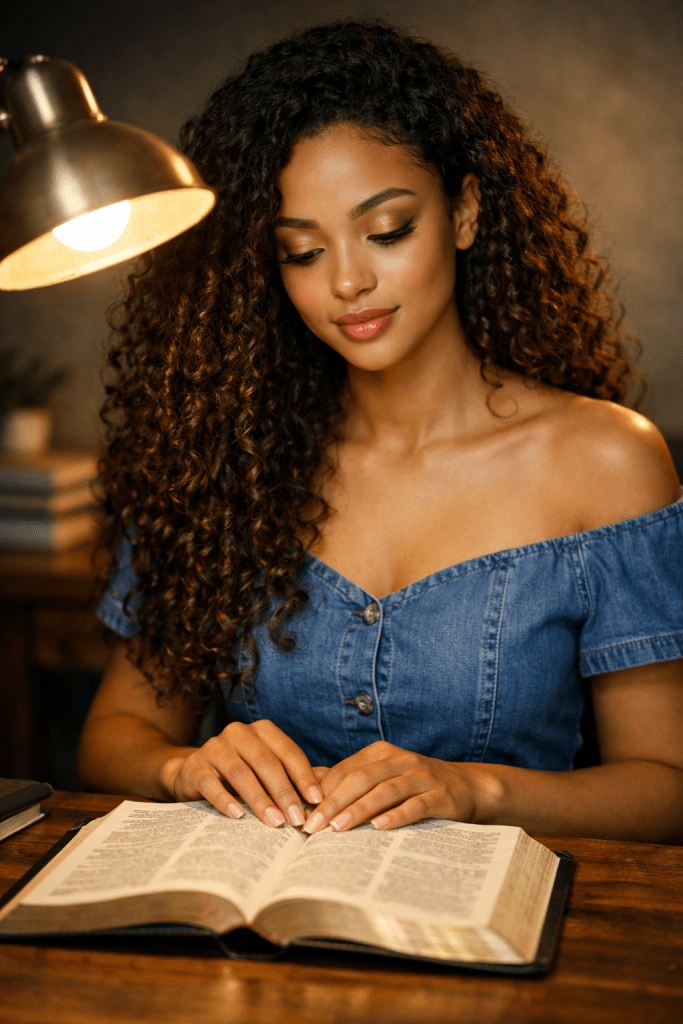
Photo by Ninthgrid on Pexels.com

Milk and honey are not just metaphors in Scripture; they symbolize abundance, blessing, and the fulfillment of God’s promises. For Black women, conversations grounded in these principles—honesty, faith, and nurturing dialogue—become spaces where wisdom, empowerment, and healing flow freely. Just as the Israelites were promised a land flowing with milk and honey (Exodus 3:8, KJV), so too can women cultivate communities rich in guidance, support, and spiritual nourishment.

The act of conversation carries profound power. Proverbs 25:11 (KJV) teaches, “A word fitly spoken is like apples of gold in pictures of silver.” Words exchanged in safe, faith-centred spaces can uplift, challenge, and transform. Milk & Honey Conversations are intentional dialogues where women affirm one another, share insights, and confront life’s complexities without judgment.

Creating such spaces begins with intentional listening. James 1:19 (KJV) instructs, “Wherefore, my beloved brethren, let every man be swift to hear, slow to speak, slow to wrath.” By prioritizing listening over responding, women validate experiences, honor emotions, and establish trust, allowing for authentic exchanges that nourish the spirit.

Vulnerability is central to Milk & Honey Conversations. Sharing struggles, triumphs, and lessons learned encourages authenticity. 2 Corinthians 1:4 (KJV) reminds us, “Who comforteth us in all our tribulation, that we may be able to comfort them which are in any trouble…” Through openness, women create a ripple effect of healing, guidance, and encouragement.

These conversations also bridge generational wisdom. Older sisters impart life lessons grounded in faith and experience, while younger women bring fresh perspectives and energy. Titus 2:3-4 (KJV) highlights this exchange: “The aged women likewise, that they be in behaviour as becometh holiness…that they may teach the young women to be sober, to love their husbands, to love their children.” Such dialogue strengthens bonds across age, experience, and circumstance.

Milk & Honey Conversations are not limited to personal struggles; they address cultural, spiritual, and professional realities. From navigating systemic barriers to celebrating milestones, these discussions equip women with tools to flourish in multiple dimensions of life. Proverbs 15:23 (KJV) reminds us, “A man hath joy by the answer of his mouth: and a word spoken in due season, how good is it!” Timely, faith-informed dialogue produces guidance that is both practical and divine.

Spiritual grounding is essential. Prayer, scripture, and reflection underpin these conversations, ensuring they are anchored in God’s wisdom. Colossians 3:16 (KJV) encourages, “Let the word of Christ dwell in you richly in all wisdom; teaching and admonishing one another in psalms and hymns and spiritual songs, singing with grace in your hearts to the Lord.” This spiritual foundation distinguishes Milk & Honey Conversations from ordinary exchanges.

Accountability is another pillar. Sisters who engage in honest dialogue hold one another to standards of integrity, faith, and personal growth. Galatians 6:2 (KJV) exhorts, “Bear ye one another’s burdens, and so fulfill the law of Christ.” By gently challenging one another, women cultivate character, resilience, and spiritual maturity.

The environment matters. Conversations flourish in spaces that are safe, welcoming, and free from judgment. Proverbs 27:17 (KJV) states, “Iron sharpeneth iron; so a man sharpeneth the countenance of his friend.” A supportive environment ensures dialogue is enriching, rather than depleting, fostering strength, insight, and spiritual clarity.

Milk & Honey Conversations also celebrate identity and heritage. They provide a space to honor culture, history, and shared experiences, acknowledging the unique journey of Black women. Lamentations 3:22-23 (KJV) reminds us of God’s steadfast love and mercy, “It is of the Lord’s mercies that we are not consumed, because his compassions fail not. They are new every morning…” Recognizing this allows women to reclaim narratives of resilience and triumph.

These conversations cultivate emotional intelligence. By sharing feelings, fears, and victories, women learn empathy, patience, and compassion. Proverbs 16:24 (KJV) notes, “Pleasant words are as a honeycomb, sweet to the soul, and health to the bones.” Emotional depth strengthens connection, enhancing relational and spiritual growth.

Milk & Honey Conversations encourage boldness. Women are empowered to speak truths, share visions, and assert boundaries in loving yet assertive ways. 2 Timothy 1:7 (KJV) declares, “For God hath not given us the spirit of fear; but of power, and of love, and of a sound mind.” Courageous dialogue fosters confidence, clarity, and divine alignment.

Reflection is a key practice. After each conversation, taking time to meditate, journal, or pray on shared insights deepens understanding and embeds lessons into daily life. Psalm 1:2-3 (KJV) illustrates the power of reflection: “But his delight is in the law of the Lord; and in his law doth he meditate day and night. And he shall be like a tree planted by the rivers of water…” Spiritual reflection transforms dialogue into actionable wisdom.

Mentorship naturally flows from these conversations. Women who speak openly inspire others to lead, nurture, and guide. Exodus 18:21 (KJV) highlights this principle, “Moreover thou shalt provide out of all the people able men, such as fear God, men of truth, hating covetousness; and place such over them, to be rulers…” Mentorship ensures knowledge and wisdom are shared, strengthening communities.

Conversations also normalize struggle and perseverance. Sharing challenges reminds women that they are not alone, reducing shame and isolation. Romans 5:3-4 (KJV) teaches, “Tribulation worketh patience; and patience, experience; and experience, hope.” Understanding that difficulty is part of growth encourages resilience and hope.

Celebration is equally important. Milestones, victories, and answered prayers are acknowledged and honoured within these sacred spaces. 1 Thessalonians 5:11 (KJV) exhorts, “Wherefore comfort yourselves together, and edify one another, even as also ye do.” Joy strengthens bonds and amplifies collective gratitude.

Milk & Honey Conversations can also serve as spiritual discernment sessions. Through prayerful dialogue, women discern God’s will for decisions, relationships, and personal growth. James 1:5 (KJV) reminds, “If any of you lack wisdom, let him ask of God…” Seeking God’s guidance ensures that choices are aligned with divine purpose.

Boundaries are reinforced through these dialogues. Women learn to protect their time, energy, and spiritual health while still engaging meaningfully. Proverbs 4:23 (KJV) teaches, “Keep thy heart with all diligence; for out of it are the issues of life.” Healthy boundaries ensure that abundance flows without depletion.

These conversations create generational impact. Wisdom shared today equips the next generation of women to navigate life with faith, grace, and confidence. Deuteronomy 6:6-7 (KJV) emphasizes teaching the young: “And these words, which I command thee this day, shall be in thine heart: and thou shalt teach them diligently unto thy children.” Sharing knowledge ensures continuity of strength, culture, and spiritual alignment.

Finally, Milk & Honey Conversations are a lifestyle. They are intentional, faith-based, and nurturing, offering women a framework to grow emotionally, spiritually, and relationally. They celebrate authenticity, embrace vulnerability, and cultivate empowerment. In creating these sacred spaces, women embody the fullness of God’s blessing—flowing, abundant, and transformative.


References:

  • Holy Bible, King James Version. (1611). Exodus 3:8; Proverbs 25:11; James 1:19; 2 Corinthians 1:4; Titus 2:3-4; Proverbs 15:23; Colossians 3:16; Galatians 6:2; Proverbs 27:17; Lamentations 3:22-23; Proverbs 16:24; 2 Timothy 1:7; Psalm 1:2-3; Exodus 18:21; Romans 5:3-4; 1 Thessalonians 5:11; James 1:5; Proverbs 4:23; Deuteronomy 6:6-7.

The Brown Girl Chronicle: Truth, Trials, and Triumphs.

Photo by Marcelo Chagas on Pexels.com

The story of the Brown girl is one of layered resilience—a quiet strength forged in centuries of misunderstanding, marginalization, and misrepresentation. She stands as a symbol of continuity, bearing the weight of her foremothers’ prayers and the echoes of a culture often silenced. Her truth is not simply personal; it is collective, a reflection of generations who fought to be seen in full color in a world that blurred their brilliance into shadows.

For the Brown girl, beauty has always been both a gift and a battlefield. She was told she was too dark to be delicate, too bold to be beautiful, too strong to be loved. Her complexion became an unspoken social script, assigning her a role that rarely mirrored her reality. From childhood, she learned to navigate the politics of shade—how a few tones lighter could mean acceptance, opportunity, or desirability. This unrelenting calculus of complexion carved scars invisible to the eye but deeply etched in her psyche.

Colorism became a cruel whisper passed down through family lines, often masked as advice or preference. “Stay out of the sun,” some would say, or “you’re pretty for a dark girl.” These words, though softly spoken, carried centuries of colonial distortion that equated light with purity and darkness with inferiority. Yet, beneath this imposed hierarchy, the Brown girl began to unlearn. Her awakening was gradual but powerful—she came to realize that her melanin was not a mark of shame but of divine craftsmanship.

Historically, the Brown girl has been the cornerstone of her community yet seldom its celebrated image. In the fields, in the factories, in the fight for civil rights, her labor built nations while her name remained unsung. Her trials were both economic and emotional, shaped by a system that exploited her body, dismissed her intellect, and commodified her image. Despite these wounds, she rose with the quiet defiance of survival—a survival that redefined what it means to be beautiful and whole.

In modern society, the Brown girl’s narrative continues to evolve amid shifting ideals of representation. The rise of social media has given her a stage, yet also a mirror that reflects society’s unfinished biases. The filters and edits of digital beauty reinforce old hierarchies under new guises. But she is fighting back—with every unfiltered photo, every natural curl, every unapologetic post declaring, “I am enough.” Her voice, once dismissed, now echoes across screens and spaces, demanding to be heard on her own terms.

The trials of the Brown girl are deeply intertwined with the psychological legacies of slavery and colonialism. These systems not only exploited her ancestors’ labor but sought to fracture their sense of self. Through generations, trauma was internalized, manifesting as self-doubt and color bias. Yet, within this pain lies the possibility of transformation—a re-rooting of identity grounded in historical truth and ancestral pride. Healing, for her, is not forgetting but remembering differently.

To speak of her truth is to acknowledge the contradictions she lives with: praised for her strength yet denied tenderness, admired for her resilience yet rarely protected. The world expects her to be unbreakable, but inside, she yearns for softness—the kind that affirms she doesn’t have to always be the strong one. Her triumphs are not always loud; sometimes, they are found in the quiet decision to love herself in a world that profits from her insecurities.

In her career, the Brown girl must work twice as hard for half the recognition. Her tone and texture often determine how she is perceived before her talent is even seen. This intersection of racism, colorism, and lookism shapes not just her professional journey but her emotional health. Yet she persists, embodying excellence in spaces not built for her. Each promotion, each degree, each creative expression is an act of reclamation—a rewriting of history in her favor.

Her trials also find expression in love. Romantic rejection often carries the residue of societal bias, where lighter skin is still coded as more desirable. She learns early that beauty is political, and affection is filtered through centuries of conditioning. Still, she does not surrender to bitterness. Her love becomes revolutionary—rooted in self-acceptance, radiating confidence, and defying the colonial gaze that once defined her worth.

Spiritually, the Brown girl’s journey mirrors the biblical archetypes of endurance and faith. Like Hagar in the wilderness, she has been cast aside yet still seen by God. Her melanin is not merely biological—it is theological. It connects her to the dust from which humanity was formed, to the warmth of the African sun, to the divine imprint of creation itself. In embracing her hue, she honors the Creator who called all things “good.”

Culturally, she represents the heart of the diaspora. Her music, her dance, her language, and her laughter carry fragments of Africa’s rhythm and the Americas’ resilience. Every hairstyle, every garment, every prayer whispered in pain or joy becomes a piece of resistance art. Through her cultural expression, she not only survives but teaches the world what beauty born of struggle looks like.

Her triumphs are not defined by fame or validation but by freedom—the freedom to exist without apology. To wear her natural hair at work without judgment. To be chosen in films, books, and art not as the sidekick or the suffering figure, but as the centerpiece. To see little girls who look like her represented on screens and in classrooms, learning early that brown is not a burden but a blessing.

The Brown girl’s chronicle is one of duality: both fragile and formidable, silenced and outspoken, ordinary and extraordinary. She embodies the tension between societal perception and self-realization. Her story disrupts stereotypes and reclaims narratives long distorted by white supremacy and patriarchy. In her voice lies the testimony of countless others who refused to fade.

Her truth is not a monolith. Brown girls come in a spectrum of shades, shapes, and stories. Some grew up in privilege, others in poverty. Some found affirmation early; others are still searching. Yet all share an unspoken understanding—that their color carries history, pain, and possibility. Together, they form a living archive of endurance and evolution.

Her trials have taught her empathy. She sees through the illusions of beauty standards and the fragility of external validation. Her compassion extends even to those who once looked down upon her, for she understands that their prejudice is learned, not innate. In this way, she rises above bitterness, embodying grace even when the world offers none.

Each triumph, no matter how small, is monumental. The Brown girl who walks into a boardroom wearing her afro is reclaiming space. The one who publishes her poetry, paints her truth, or raises her children with love untouched by shame—each is a monument of healing. Her triumphs are living testimonies of survival transfigured into power.

Psychologically, her evolution represents a return to wholeness. She learns to detach her worth from European beauty ideals and anchor it in self-knowledge. She redefines beauty as authenticity, not conformity. Her confidence becomes contagious, inspiring others to do the same. The mirror, once her enemy, becomes her altar of affirmation.

The Brown girl’s chronicle is also a historical record. It speaks to how media, colonialism, and capitalism have commodified color. From bleaching creams to casting biases, her image has been shaped by profit rather than truth. But as she tells her story, she dismantles those systems one confession at a time.

Her truth is sacred. It reminds us that melanin is not a curse to overcome but a covenant to honor. Her existence itself challenges the lie that whiteness is the measure of beauty or worth. By simply being, she redefines the human aesthetic and restores balance to a world distorted by artificial hierarchies.

Her trials teach endurance, but her triumphs teach transcendence. The Brown girl does not just survive oppression—she transforms it into art, advocacy, and an anthem of hope. Her laughter in the face of pain becomes prophecy. Her joy is resistance. Her beauty, reclaimed and radiant, is her final rebellion.

And so, the chronicle continues—written in her own words, in her own time, in her own tone. She speaks not just for herself but for generations of women who bore silence like armor. Her truth, once hidden, now burns with the brilliance of her skin under the sun. Her trials shaped her, but her triumphs define her. She is the Brown girl, and she is finally free.

References

Banks, T. A. (2019). Colorism and the politics of beauty. Journal of Black Studies, 50(3), 243–261.
Hill, M. (2021). The psychology of colorism: Identity, bias, and belonging. American Journal of Cultural Psychology, 12(4), 411–430.
Hunter, M. (2007). The persistent problem of colorism: Skin tone, status, and inequality. Sociology Compass, 1(1), 237–254.
Russell, K., Wilson, M., & Hall, R. (2013). The color complex: The politics of skin color in a new millennium. Anchor Books.
Walker-Barnes, C. (2020). Too heavy a yoke: Black women and the burden of strength. Cascade Books.
West, C. (1993). Race matters. Beacon Press.

Brown Girl, Faith Woven in Her Bones

Faith for the Brown girl is not a concept learned only in books or churches; it is something she carries in her body. It lives in her posture, her endurance, her prayers whispered through clenched teeth, and her ability to stand when history expected her to break. Her faith is ancestral, embodied, and practiced long before it is ever named.

From the womb, the Brown girl is fearfully and wonderfully made, crafted with intention by a God who knew the weight she would bear (Psalm 139:13–16, KJV). Her body becomes both sanctuary and testimony. Scripture affirms that divine power dwells within earthen vessels, revealing that what appears fragile to the world often carries immeasurable spiritual treasure (2 Corinthians 4:7, KJV).

Faith woven into her bones is inherited. It is passed down through mothers and grandmothers who prayed over children they could not always protect, but trusted God to cover. During slavery, segregation, and ongoing structural oppression, Black women’s faith functioned as survival theology—an active trust in God’s presence amid suffering rather than denial of it (Williams, 1993).

The Brown girl learns early that strength and softness are not opposites. Proverbs 31:25 declares that she is clothed in strength and dignity, yet wisdom flows from her mouth with gentleness. This duality resists Western frameworks that masculinize strength and feminize fragility. In her, faith produces wholeness.

Her body remembers what history tries to forget. Trauma is not only psychological; it is stored somatically, shaping how one moves through the world (van der Kolk, 2014). Yet the same body that carries pain also carries praise. African and African American spiritual traditions affirm that memory, rhythm, and ritual transmit faith through generations (Thompson, 1983).

The declaration “I am black, but comely” (Song of Solomon 1:5, KJV) stands as a direct contradiction to racialized beauty hierarchies imposed through colonialism. For the Brown girl, faith includes reclaiming beauty as sacred rather than conditional. Her melanin, hair texture, and features are not obstacles to holiness; they are expressions of divine artistry.

Womanist theology insists that God-talk must take the lived experiences of Black women. Faith is not abstract doctrine detached from life, but a practice forged in the wilderness—much like Hagar, whose encounter with God affirmed her visibility and worth (Williams, 1993; Weems, 1995). The Brown girl recognizes herself in these biblical narratives.

Isaiah 61 promises beauty for ashes and garments of praise for the spirit of heaviness. This scripture resonates deeply for the Brown girl, whose joy often emerges not from ease but from transformation. Her faith does not erase suffering; it redeems it.

The endurance of the Brown girl reflects Hebrews 11:1—faith as substance and evidence. Faith becomes visible through perseverance, moral clarity, and refusal to internalize lies about inferiority. It shows up in how she loves, forgives, and continues believing even when outcomes are delayed.

Black feminist thought emphasizes that knowledge is produced through lived experience (Collins, 2000). The Brown girl’s faith is a form of knowing—one that resists erasure and challenges dominant narratives that marginalize her voice. Her spirituality is intellectual, emotional, and embodied.

James Cone reminds us that the cross cannot be separated from Black suffering in America (Cone, 2011). Yet the Brown girl’s faith affirms resurrection as well. She believes not only in survival, but in restoration, dignity, and future joy.

Her faith is communal. It thrives in testimony, song, prayer circles, and sacred conversations among women. This collective spirituality mirrors African cosmologies where the individual is inseparable from the community (Mbiti, 1990).

Ultimately, faith woven in her bones means the Brown girl does not have to prove her worth to be chosen. She is already called, already seen, already held. Her life itself becomes scripture—readable evidence of a God who sustains, heals, and restores.


References

Cannon, K. G. (1988). Black womanist ethics. Scholars Press.

Collins, P. H. (2000). Black feminist thought: Knowledge, consciousness, and the politics of empowerment (2nd ed.). Routledge.

Cone, J. H. (2011). The cross and the lynching tree. Orbis Books.

Mbiti, J. S. (1990). African religions and philosophy (2nd ed.). Heinemann.

Thompson, R. F. (1983). Flash of the spirit: African and Afro-American art and philosophy. Vintage Books.

van der Kolk, B. (2014). The body keeps the score. Viking.

Weems, R. J. (1995). Just a sister away: A womanist vision of women’s relationships in the Bible. LuraMedia.

Williams, D. S. (1993). Sisters in the wilderness: The challenge of womanist God-talk. Orbis Books.

The Holy Bible, King James Version. (1769/2017). Cambridge University Press.

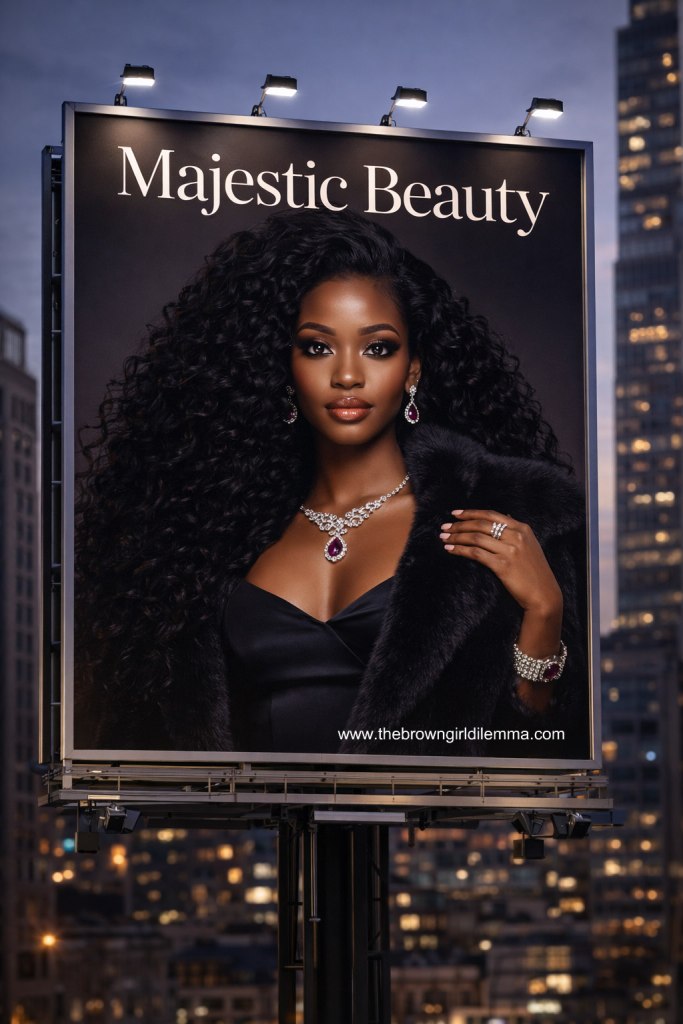
The Commodification of Black Beauty

Black beauty has long existed as a site of contradiction—celebrated for its cultural power while simultaneously exploited for profit. The commodification of Black beauty refers to the process by which Black bodies, features, aesthetics, and cultural expressions are transformed into marketable assets, often detached from the people and histories that created them. This process operates within racial capitalism, where value is extracted from Blackness while Black lives remain devalued.

Historically, Black beauty was framed as inferior under slavery and colonialism. African features were caricatured, exoticized, or erased to justify domination. At the same time, Black women’s bodies were exploited for labor, reproduction, and spectacle. This duality—dehumanization alongside consumption—laid the foundation for modern beauty industries.

In contemporary culture, Black beauty is increasingly visible yet still controlled. Dark skin, full lips, thick bodies, and textured hair are celebrated when separated from Black people themselves. These traits are often deemed fashionable only after being filtered through non-Black bodies, granting profit and praise without the burden of racial stigma.

The global beauty industry profits enormously from Black consumers while promoting standards that marginalize them. Skin-lightening products, relaxers, and cosmetic procedures reinforce the idea that Black features require modification to be acceptable. Even “inclusive” marketing often reproduces hierarchy by privileging lighter skin and Eurocentric features.

Social media has accelerated commodification by turning Black beauty into content. Influencers monetize aesthetics through visibility, sponsorships, and algorithms that reward conformity to dominant standards. Authenticity becomes a brand, and self-expression becomes labor. Black beauty is no longer simply lived; it is performed for consumption.

Colorism remains a central mechanism in this economy. Lighter-skinned Black women are disproportionately chosen as brand ambassadors, romantic leads, and beauty icons. Darker-skinned women, when included, are often exoticized or tokenized, reinforcing a tiered system of value within Blackness itself.

The commodification of Black beauty also distorts self-perception. When worth is measured through market response—likes, sales, attention—identity becomes unstable. Beauty becomes something to manage, maintain, and monetize rather than an inherent expression of self and ancestry.

Gender intensifies these dynamics. Black women bear the heaviest burden of beauty commodification, facing both hypervisibility and erasure. They are expected to embody strength, sexuality, and resilience while remaining palatable to consumer markets that profit from their image.

Resistance emerges through reclamation. Natural hair movements, Afrocentric fashion, and Black-owned beauty brands challenge extraction by centering cultural ownership and self-definition. These movements insist that Black beauty is not a trend but a lineage.

Yet even resistance risks co-optation. Once profitable, counter-aesthetics are often absorbed into mainstream markets, stripped of political meaning. This cycle reveals the limits of representation without structural change.

True liberation requires decoupling Black beauty from market value. Visibility alone is insufficient if it serves consumption rather than dignity. Beauty must be allowed to exist without being sold.

The commodification of Black beauty ultimately reflects a deeper moral failure: a society willing to profit from Black aesthetics while refusing full respect for Black humanity. Undoing this contradiction demands ethical consumption, cultural accountability, and collective self-affirmation.

References

Banks, I. (2000). Hair matters: Beauty, power, and Black women’s consciousness. NYU Press.

Collins, P. H. (2004). Black sexual politics: African Americans, gender, and the new racism. Routledge.

Crenshaw, K. (1991). Mapping the margins: Intersectionality, identity politics, and violence against women of color. Stanford Law Review, 43(6), 1241–1299.

Hunter, M. (2007). The persistent problem of colorism: Skin tone, status, and inequality. Sociology Compass, 1(1), 237–254.

hooks, b. (1992). Black looks: Race and representation. South End Press.

Roberts, D. (1997). Killing the Black body: Race, reproduction, and the meaning of liberty. Pantheon Books.

Tate, S. A. (2015). Black beauty: Aesthetics, stylization, politics. Ashgate.

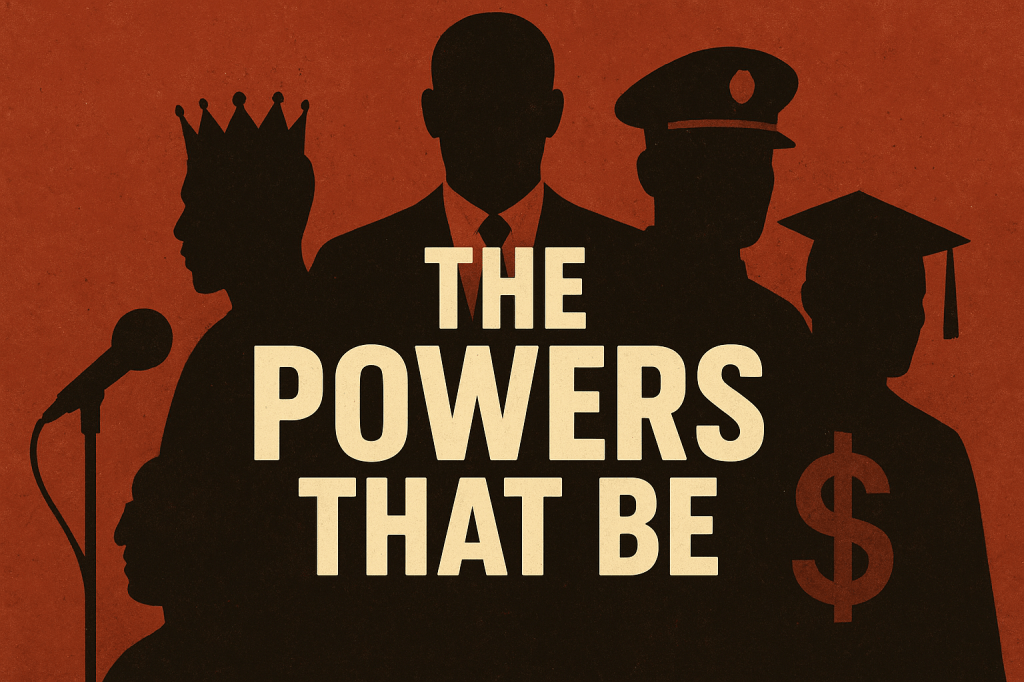
Who Are the Powers That Be?

The question “Who are the powers that be?” stretches beyond casual curiosity; it is a theological, historical, and sociopolitical inquiry that reveals how authority functions in the seen and unseen realms. Throughout Scripture and human history, “the powers that be” refer to those forces—spiritual and earthly—that shape societies, influence human behavior, and govern the direction of nations. Understanding these powers is essential for discerning justice, oppression, liberation movements, and the spiritual battles believers face daily.

In the biblical world, authority is never viewed as random or accidental. Romans 13:1 teaches that “the powers that be are ordained of God,” signaling that all structure in the world, whether righteous or corrupted, sits under divine sovereignty. Yet Scripture also warns that earthly authority can become distorted when leaders reject righteousness. Pharaoh, Nebuchadnezzar, and Herod stand as reminders that political power can be manipulated for the harm of the vulnerable. These opposing realities—divine order and human corruption—frame the ongoing tension around who truly holds power.

Afrocentric & Hebraic–Israelite Perspective)

The question “Who are the powers that be?” resonates deeply within the collective memory of African-descended people and the biblical heritage of the scattered Israelites. It is more than a political inquiry—it is a spiritual and historical decoding of how ruling forces have shaped the destiny, identity, and suffering of Black people across generations. Through an Afrocentric and Hebraic-Israelite lens, the “powers that be” refer not only to governments and institutions but also to empires, spiritual hierarchies, colonial systems, and prophetic cycles that influence the lives of the chosen people.

Scripture presents authority as both divine and contested. Romans 13:1 states that “the powers that be are ordained of God,” indicating that rulers operate within the boundaries of divine sovereignty. Yet throughout the Bible, oppressive rulers—from Pharaoh to Nebuchadnezzar—were permitted to rise as instruments of judgment or refinement for Israel. This pattern echoes across African diaspora history, where colonial powers, enslavers, and Western institutions wielded authority that reshaped nations and scattered peoples. In this reading, oppression becomes a sign not of abandonment but of prophecy unfolding.

A Hebraic-Israelite interpretation identifies the descendants of the transatlantic slave trade as the children of Israel under the curses of Deuteronomy 28. Here, “the powers that be” become the nations that rose to dominance through slavery, colonization, and exploitation of African bodies and labor. Their economic and political power reflected the biblical warning that Israel would become “a proverb and a byword” among all nations (Deut. 28:37). The systems that oppressed Black people were not random; they were part of a prophesied cycle of captivity that marked Israel’s disobedience and exile.

From an Afrocentric perspective, the phrase “powers that be” includes empires that rewrote African history, erased indigenous spiritual knowledge, and dismantled pre-colonial civilizations. West African societies such as Mali, Ghana, Songhai, and Dahomey once possessed enormous wealth, governance systems, and spiritual sophistication. Yet Western powers wielded military technology, religious propaganda, and economic manipulation to dominate African nations. This manufactured dominance became codified into racist ideologies, leading to centuries of systemic oppression that still persists today.

The Bible reveals that human rulers rarely operate alone; they are influenced by spiritual principalities. Ephesians 6:12 identifies an unseen hierarchy—principalities, powers, rulers of darkness—that governs nations and institutions. Hebraic-Israelite thinkers see these spiritual forces working behind political systems that uphold white supremacy, capitalism, and global inequality. These powers influence legislation, policing, education, media, and economic policy. Their purpose is to perpetuate cycles of captivity and confusion among Israel, preventing awakening, unity, and cultural restoration.

Modern institutions—banks, corporations, governments, and entertainment industries—become extensions of these powers. They shape reality, dictate beauty standards, control narratives, and reinforce hyper-consumerism. For Black people, these institutions have historically limited access to wealth and visibility while exploiting creative labor, natural resources, and cultural expression. This manipulation mirrors ancient Israel’s frequent confrontation with foreign empires—Egypt, Assyria, Babylon, Rome—whose political dominance flowed from spiritual corruption and divine timing.

Understanding who the powers that be truly are also requires revisiting the question of identity. Since the transatlantic slave trade, Western systems have deliberately obscured Black people’s heritage, stripping them of language, history, and spiritual lineage. The power to define identity is one of the greatest tools of domination. Hebraic-Israelite thought argues that reclaiming biblical identity is an act of liberation from these powers. It breaks psychological chains and restores dignity, purpose, and covenant consciousness.

Yet spiritual awakening does not eliminate the reality of earthly oppression. Even in Scripture, Israel endured captivity while maintaining divine identity. Daniel served in Babylon, Joseph in Egypt, and Esther under Persia. Each navigated hostile systems while remaining loyal to their heritage and God’s law. These examples suggest that the children of Israel can survive and even flourish within oppressive structures without losing sight of their calling.

Afrocentric and Hebraic readings converge on one truth: the powers that be are temporary. Empires rise and crumble, and spiritual forces eventually face divine judgment. Psalm 2 depicts earthly rulers plotting in vain against God’s anointed. Isaiah 14 describes the fall of oppressive kings. Revelation portrays the collapse of global systems that exploit nations and traffic in human souls. These texts speak directly to the suffering of Black people and signal the approaching reversal of centuries of oppression.

Discernment becomes essential. People who understand the powers that be can resist manipulation, challenge false narratives, and restore cultural and spiritual identity. Hebraic-Israelite consciousness empowers individuals to see their history as prophecy, not coincidence, and to recognize their place in a divine timeline where suffering is followed by restoration.

Ultimately, “the powers that be” include earthly rulers, spiritual hierarchies, and societal systems that shape global order. But the highest power remains Yah, the Most High, who sets up kings and removes them. For the children of Israel, awakening to this truth brings clarity and courage. It affirms that while earthly powers influence circumstances, they do not define destiny. The Most High determines the rise and fall of nations, the liberation of His people, and the restoration of their identity.

This understanding transforms how Afrocentric and Israelite communities interpret history, engage society, and prepare for the future. It calls for unity, spiritual discipline, and cultural reclamation. And it reminds the dispersed descendants of Israel that although they live under the powers that be, they are ultimately governed by the Power who will be.

Historically, “the powers that be” include monarchies, empires, colonial rulers, slaveholders, corporate elites, political structures, and Western institutions that have shaped global culture. For Black communities across the African diaspora, the phrase carries a specific resonance: it evokes memories of transatlantic slavery, segregation, racial hierarchy, and the global systems that still dictate access to wealth, resources, education, and justice. The legacy of these powers still influences economic inequality, policing, healthcare disparities, and the psychological narrative of inferiority imposed upon people of African descent.

In the spiritual realm, Scripture reveals that “principalities, powers, and the rulers of the darkness of this world” (Ephesians 6:12) exert influence over nations and institutions. These are unseen forces—spiritual systems—that inspire human rebellion, pride, violence, and the oppression of the vulnerable. Thus, “the powers that be” cannot be understood solely by looking at governments or corporations; one must also acknowledge the spiritual forces working behind them. The Bible presents a cosmic hierarchy that affects the social one.

Christians are reminded that earthly power is temporary. empires rise and fall, yet God’s kingdom remains unmoved. This is why believers are commanded to use discernment when interacting with the world’s systems. Scripture calls followers to “test the spirits” (1 John 4:1), recognize injustice, and speak truth to power like the prophets of old. Jeremiah, Isaiah, Amos, and Micah consistently challenged kings and rulers whose policies harmed the poor and distorted justice. Their example teaches that righteous authority protects, while corrupt authority oppresses.

In a modern context, “the powers that be” show up in quieter but equally impactful ways: media conglomerates that shape public opinion, financial institutions that determine generational wealth, political systems that allocate justice unevenly, and cultural forces that define beauty, morality, and success. These powers manifest in boardrooms, legislative chambers, digital algorithms, and economic structures that influence billions daily. They are not always elected, visible, or accountable—yet they hold extraordinary influence over human behavior.

For Black communities, the question of power is also a question of identity. Who holds the authority to define history, culture, and truth? For centuries, Western powers controlled the narrative—portraying African civilizations as primitive, erasing contributions to science and theology, and distorting biblical imagery. Recovering historical truth becomes an act of resistance against such powers. This reclamation aligns with biblical themes of remembering one’s heritage and refusing to accept distorted versions of identity imposed by oppressive systems.

Yet Scripture consistently points to a higher truth: while human powers influence the world, they do not define destiny. Even in times of captivity—whether Babylonian exile or transatlantic slavery—God preserved remnants, elevated leaders, and overturned systems. Moses confronted Pharaoh. Esther confronted Haman. Daniel outlasted empires. Christ confronted the religious and political powers of His day. Each represents divine disruption against unjust authority.

Understanding “the powers that be” also requires humility, because human beings—even the righteous—can misuse authority. Power tests character. It magnifies motives. It exposes hidden pride. This is why Jesus taught that true greatness is found in service, not domination (Mark 10:42–45). Power divorced from righteousness becomes tyranny, but power rooted in God’s truth becomes protection, leadership, and justice.

Ultimately, “the powers that be” include three interconnected realms: spiritual authority, human governance, and cultural influence. These realms interact constantly, shaping laws, social norms, and moral direction. The believer’s task is not to fear these powers but to understand and navigate them wisely. Knowledge of spiritual warfare, historical truth, political awareness, and personal discernment empowers individuals to stand firm in a world influenced by both visible and invisible forces.

Christ’s resurrection demonstrates that no earthly or spiritual power can override God’s authority. His victory disarmed principalities (Colossians 2:15) and established a kingdom that outlasts every empire. This kingdom invites believers to walk in purpose, justice, and spiritual clarity even while living within earthly systems. Thus, the answer to the question “Who are the powers that be?” is layered, complex, and deeply spiritual. It reminds us that while power shapes the world, God shapes destiny.

The believer must remain watchful, prayerful, discerning, and courageous. Understanding the powers that be allows one to resist manipulation, recognize injustice, reclaim identity, and align with the higher authority of God’s kingdom. In every generation, those who understand power can transform communities and challenge systems that were designed to oppress. And ultimately, true power belongs not to governments or institutions, but to the One who reigns over heaven and earth.


References

Holy Bible, King James Version. (1769/2017). Cambridge University Press.

Paul, R. (2010). The politics of power and authority in biblical literature. Journal of Ancient Studies, 22(3), 145–162.

Sloan, T. (2018). Spiritual warfare and the unseen realm: A theological exploration. Christian Academic Press.

Williams, C. (2016). Race, empire, and systems of power: Understanding historical oppression. Diaspora Research Review, 14(2), 89–112.

Wright, J. (2020). The powers that be: Government, empire, and the kingdom of God. Theological Horizons, 7(1), 33–57.

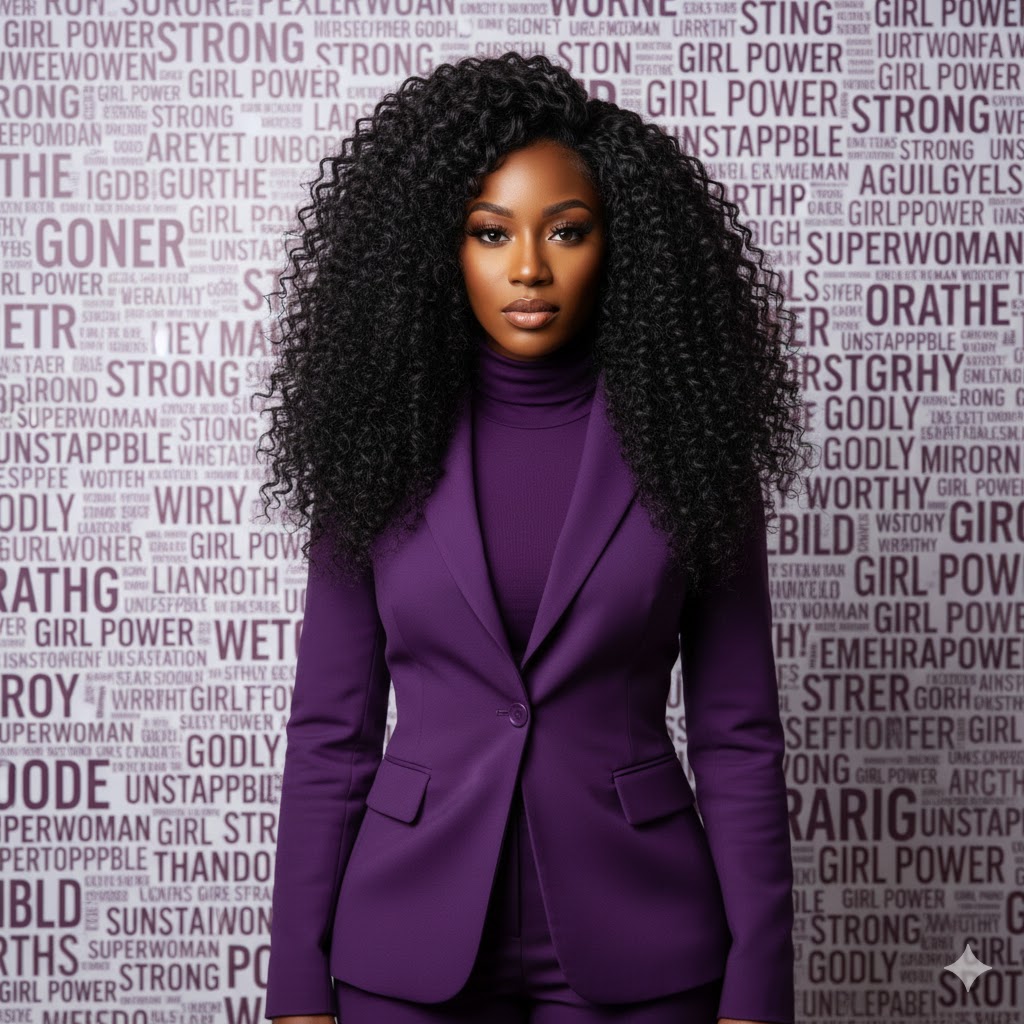
Girl Power Reconsidered: Strength and Authority of the Biblical Woman

“Girl power,” as popularly defined, often centers on autonomy, rebellion, and self-exaltation. In contrast, the Bible presents a vision of female power rooted not in dominance or imitation of men, but in divine alignment, moral authority, wisdom, endurance, and covenantal purpose. Biblical womanhood does not diminish power; it redefines it.

Biblical power begins with creation. Woman was not an afterthought but a deliberate act of God, formed as ezer kenegdo—a helper corresponding to man, not inferior but essential. This Hebrew phrase conveys strength, aid, and strategic support, often used of God Himself.

The biblical woman’s power is relational, not competitive. She builds rather than destabilizes, strengthens rather than rivals. Her authority flows from her position in God’s order, not from rejection of it.

Proverbs 31 offers one of Scripture’s clearest portraits of female power. The virtuous woman is industrious, economically astute, physically strong, and respected in the gates. Her power is quiet yet undeniable, woven into every sphere of life.

Biblical girl power includes wisdom. Proverbs repeatedly personifies wisdom as a woman, calling humanity to life, discernment, and righteousness. This imagery is intentional: the woman embodies moral insight and spiritual instruction.

Scripture affirms women as leaders and agents of deliverance. Deborah served as judge and prophetess, exercising authority over Israel without sacrificing femininity or faith. Her leadership flowed from obedience to God, not ambition.

Esther’s power lay not in force but in courage, timing, and restraint. She risked her life to save her people, demonstrating that biblical power often operates through sacrifice rather than spectacle.

Ruth’s strength appeared through loyalty, humility, and perseverance. Her obedience positioned her within the Messianic lineage, showing that faithfulness can reshape history.

The biblical woman’s body is not her primary currency. Scripture consistently values her character, discretion, and fear of the Lord over physical allure. This stands in sharp contrast to modern definitions of empowerment.

Biblical girl power includes self-governance. A woman who controls her spirit is portrayed as stronger than one who conquers a city. Discipline, restraint, and emotional wisdom are marks of true strength.

Motherhood, when present, is elevated rather than minimized. Women like Hannah and Jochebed shaped prophetic destinies through prayer and moral courage, influencing nations through nurture.

Singleness is also honored. Miriam, Anna the prophetess, and others demonstrate that a woman’s worth is not contingent on marital status but on spiritual calling.

The New Testament continues this framework. Women were the first witnesses of the resurrection, entrusted with the most consequential truth in Christian faith. This divine choice affirms women as reliable bearers of revelation.

Biblical girl power does not erase male leadership but complements it. Power is not sameness; it is harmony within divine order. Scripture values interdependence over rivalry.

The fear of the Lord is the foundation of biblical empowerment. A woman aligned with God’s will carries spiritual authority that transcends social rank or circumstance.

Modern culture often equates empowerment with sexual freedom and defiance of tradition. Scripture, however, portrays freedom as obedience that leads to peace, dignity, and legacy.

The biblical woman understands legacy. Her decisions are generational, oriented toward inheritance, lineage, and moral continuity rather than momentary validation.

Biblical girl power is resilient. Women endured exile, persecution, barrenness, and loss without surrendering faith. Their endurance is a testimony of strength forged in suffering.

This model challenges both misogyny and distorted feminism. It rejects the devaluation of women while refusing ideologies that detach power from responsibility.

True empowerment in Scripture is not loud but enduring, not rebellious but righteous, not self-centered but God-centered.

The biblical woman stands as a steward of life, wisdom, and faith. Her power is sacred, purposeful, and transformative.

In reclaiming biblical girl power, women rediscover strength that does not fade with age, beauty, or social trends—because it is anchored in God.


References

The Holy Bible, King James Version. (1611/1769).

Trible, P. (1978). God and the rhetoric of sexuality. Fortress Press.

Frymer-Kensky, T. (2002). Reading the women of the Bible. Schocken Books.

Brenner, A. (1993). The feminist companion to the Bible. Sheffield Academic Press.

Clines, D. J. A. (1995). What does Eve do to help? JSOT Press.

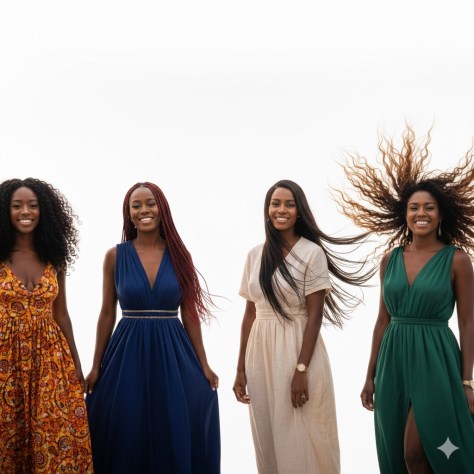
🌸Unapologetically Her🌸

To be unapologetically her is to live fully in alignment with one’s divine identity, embracing every facet of self—strengths, imperfections, beauty, and purpose—without compromise or fear of judgment. In a world that constantly pressures Black women to conform to ideals that erase individuality, stepping into unapologetic authenticity is both radical and necessary. Psalm 139:14 (KJV) reminds us, “I will praise thee; for I am fearfully and wonderfully made.” Every feature, every talent, every choice reflects a design rooted in intentionality and divine love.

Being unapologetically herself requires courage. It means acknowledging societal pressures and expectations without allowing them to define self-worth. Romans 12:2 exhorts, “And be not conformed to this world: but be ye transformed by the renewing of your mind…” Transformation begins when a woman dares to reject the notion that she must dilute her identity to fit in or be accepted. She honors her God-given uniqueness and refuses to apologize for it.

This authenticity extends across all areas of life—relationships, career, creativity, and personal style. A woman unapologetically herself recognizes that her voice matters, her contributions are valuable, and her boundaries are sacred. Proverbs 31:25 (KJV) illustrates this strength: “Strength and honour are her clothing; and she shall rejoice in time to come.” Living unapologetically is not arrogance; it is the quiet confidence that comes from knowing one’s purpose and walking faithfully within it.

Community and sisterhood are essential in this journey. Surrounding herself with those who celebrate authenticity, rather than enforce conformity, reinforces a woman’s ability to remain true. Ecclesiastes 4:9-10 teaches, “Two are better than one…For if they fall, the one will lift up his fellow.” Sisters who affirm one another create environments where individuality flourishes, and where authenticity is met with love and encouragement.

Living unapologetically also involves embracing vulnerability and imperfection. It is a recognition that mistakes, emotions, and evolving perspectives are part of the human experience. 2 Corinthians 12:9 (KJV) reminds us, “My grace is sufficient for thee: for my strength is made perfect in weakness.” Strength emerges not from perfection but from the courage to stand fully in one’s truth, trusting that God’s grace sustains every step.

Ultimately, to be unapologetically her is to embody freedom, faith, and intentional living. It is a declaration of self-worth, a celebration of divine design, and a model for other women to claim their space in the world boldly. Black women who embrace this ethos inspire generations, break cycles of conformity, and manifest the beauty, power, and purpose inherent in their God-given identity. To live unapologetically is to shine without hesitation, love without limits, and step into one’s destiny with unwavering confidence.