Category Archives: the brown boy dilemma

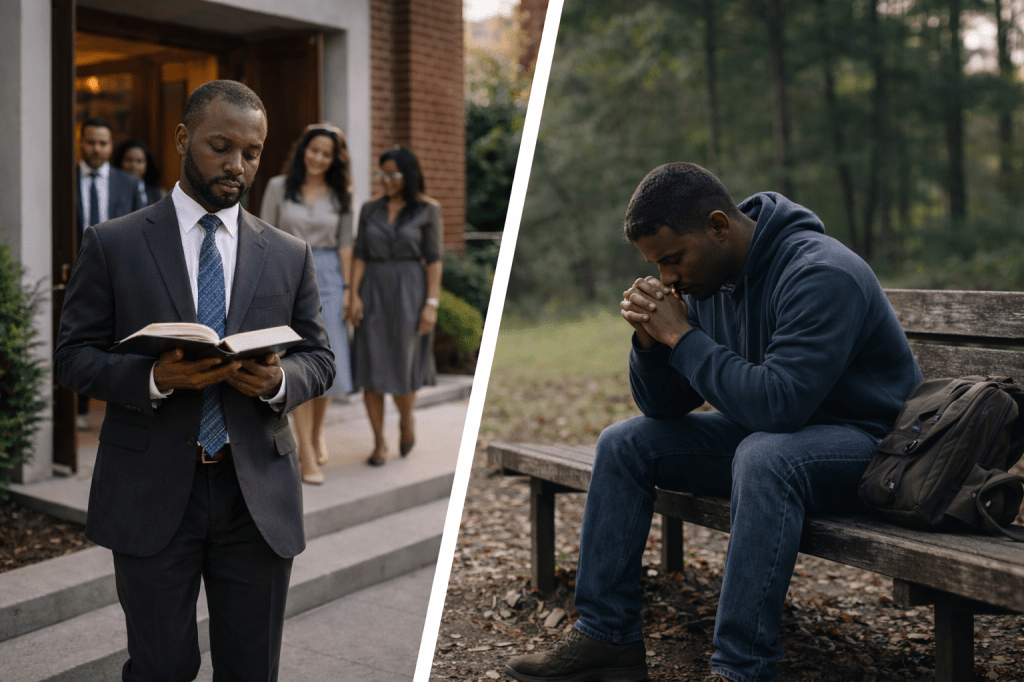
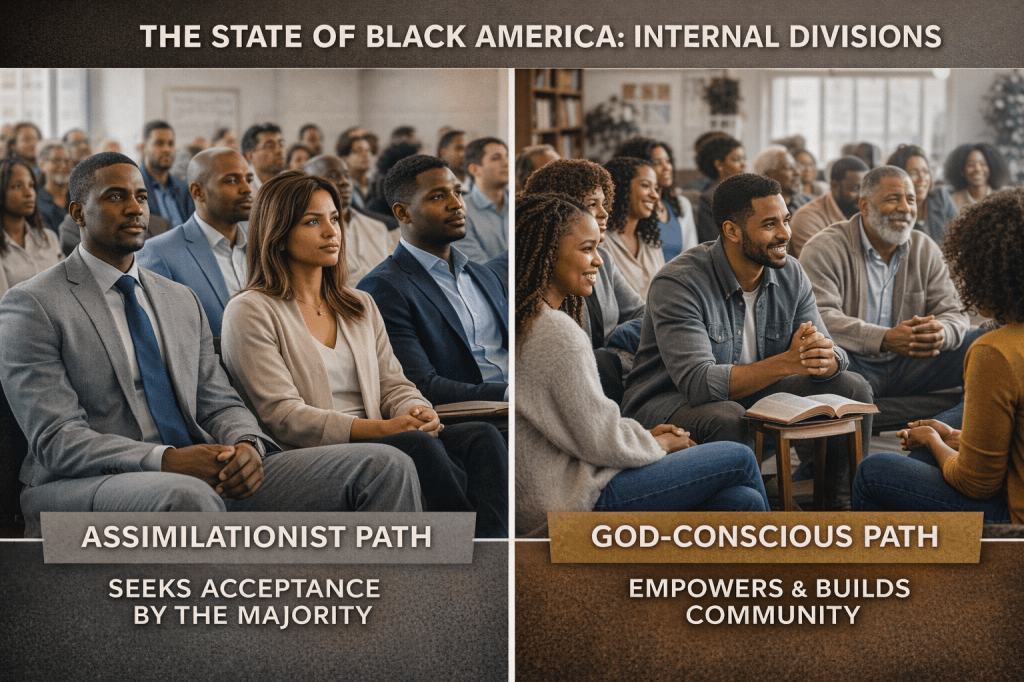
2 Paths Within the Black Community: Assimilation, Identity, and God-Conscious Restoration

Throughout history, oppressed communities have wrestled with two primary survival responses: assimilation into the dominant power structure or resistance through identity preservation and collective empowerment. Within the African American experience in the United States, this tension has manifested in visible ideological and behavioral distinctions shaped by slavery, segregation, systemic racism, and theological interpretation.

The legacy of American chattel slavery created not only economic devastation but psychological fractures. Scholars such as Frantz Fanon (1967) argued that colonized people often internalize the worldview of the colonizer as a survival mechanism. This internalization can result in identification with the dominant culture as a means of perceived safety or advancement.

In the American context, the character “Uncle Tom,” from Harriet Beecher Stowe’s novel Uncle Tom’s Cabin, became a cultural symbol—though often misinterpreted—of perceived submission to white authority. Over time, the term evolved into a pejorative label describing individuals believed to prioritize white approval over communal solidarity.

Assimilation, however, must be examined sociologically rather than emotionally. Sociologist W.E.B. Du Bois described “double consciousness” as the tension Black Americans feel between their African heritage and American citizenship (Du Bois, 1903). For some, minimizing racial conflict or denying systemic racism is not necessarily ignorance but an adaptation strategy shaped by generational trauma.

Research in racial identity development theory, particularly by William E. Cross Jr., shows that Black identity formation progresses through stages. Some individuals remain in earlier phases characterized by assimilationist leanings or a preference for proximity to dominant culture standards.

Internalized racism, defined as the acceptance of societal beliefs about Black inferiority, has been documented extensively in psychological literature (Pyke, 2010). These dynamics often manifest in beauty standards, speech patterns, cultural preferences, and political alignments.

At the same time, it is overly simplistic to categorize individuals as entirely unaware of racism. Many who emphasize cross-racial harmony may genuinely believe that integration and meritocracy are viable pathways toward equality.

Conversely, there exists another path rooted in cultural preservation, spiritual consciousness, and collective empowerment. This path emphasizes group solidarity, historical awareness, and theological identity.

The Black church historically functioned as the epicenter of resistance and social organization. Leaders such as Martin Luther King Jr. articulated liberation through Christian ethics grounded in agape love and justice.

Similarly, figures like Malcolm X emphasized self-respect, self-defense, and psychological decolonization. Though their methods differed, both leaders promoted dignity and communal uplift.

Theologically, many Black faith traditions interpret biblical narratives as parallel to the African American experience. The Exodus story and passages like Deuteronomy 28 have been understood as frameworks for interpreting suffering and covenant identity.

God-conscious empowerment emphasizes spiritual rebirth alongside cultural restoration. It teaches that liberation is not merely political but moral and spiritual.

Community builders focus on economic cooperation, educational advancement, and intergenerational teaching. The philosophy echoes the principles of collective economics articulated by Marcus Garvey and the Universal Negro Improvement Association.

Intra-community conflict, however, often undermines these efforts. Social dominance theory suggests marginalized groups can replicate hierarchical thinking internally (Sidanius & Pratto, 1999).

The call for unity does not mean uniformity. It requires shared goals centered on dignity, spiritual awareness, and structural progress.

Teaching children cultural literacy and historical truth is central to empowerment. Scholars like Carter G. Woodson argued that miseducation perpetuates subjugation.

Spiritual formation also plays a role. Biblical anthropology emphasizes identity in both flesh and spirit, reinforcing inherent worth beyond societal labels.

God-conscious frameworks encourage reconciliation within the community before external transformation.

This perspective rejects self-hatred while also avoiding racial supremacism. It affirms dignity without dehumanizing others.

Economic empowerment initiatives, cooperative models, and entrepreneurship align with this restorative vision.

Psychologically, collective pride correlates with higher resilience and well-being among marginalized populations (Neblett et al., 2012).

Faith-based empowerment movements often stress repentance from destructive behaviors such as internal violence, colorism, and fragmentation.

The metaphor of “needles in a haystack” captures the rarity of individuals fully committed to spiritual discipline and communal sacrifice.

Such builders prioritize generational legacy over short-term validation.

They recognize racism as structural rather than merely interpersonal, supported by scholarship from Michelle Alexander in The New Jim Crow.

At the same time, they resist fatalism. Faith sustains hope amid systemic obstacles.

Christ-centered identity reframes suffering through redemptive theology rather than victimhood.

Recognizing oneself as chosen does not imply superiority but covenant responsibility.

The call to stop fighting one another echoes both biblical admonition and sociological necessity.

Group progress historically required strategic unity, as evidenced during the Civil Rights Movement.

Yet even within movements, ideological differences persisted, illustrating the complexity of Black thought.

Ultimately, these two paths are not fixed identities but developmental positions shaped by history, psychology, and theology.

Healing requires compassion, education, and spiritual maturity.

Rather than condemnation, transformation must be the goal.

The future of Black empowerment lies not in caricatures but in consciousness, character, and Christ-centered community building.


References

Alexander, M. (2010). The New Jim Crow.

Cross, W. E. (1991). Shades of Black: Diversity in African-American Identity.

Du Bois, W. E. B. (1903). The Souls of Black Folk.

Fanon, F. (1967). Black Skin, White Masks.

Neblett, E. W., et al. (2012). Racial identity and psychological health.

Pyke, K. (2010). What is internalized racial oppression? Sociological Perspectives, 53(4), 551–572.

Sidanius, J., & Pratto, F. (1999). Social Dominance: An Intergroup Theory of Social Hierarchy and Oppression.

Woodson, C. G. (1933). The Mis-Education of the Negro.

Lost Sons, Loud Voices: Masculinity Without Covenant in the Digital Age

Lost sons grow up in a world more connected than ever, yet relationally barren. Platforms provide community templates, while life often fails to provide community itself. Scripture speaks to men without a rooted vision: “My people are destroyed for lack of knowledge” (Hos. 4:6, KJV).

The digital age did not create male disorientation, but it amplified it. Grievance found microphones, immaturity found markets, and wound-identity found a home page. “The simple believeth every word” (Prov. 14:15, KJV), and the internet has mastered the discipling of simplicity.

Masculinity without covenant becomes performance without purpose. It boasts of control but lacks calling, command but not mission, influence but not inheritance. “A bastard shall dwell in Ashdod” (Zech. 9:6, KJV), a prophetic metaphor echoed by many scholars referencing fatherless identities displaced from spiritual lineage.

Many lost boys are algorithm-raised, not father-raised. Their rites of passage are viral, not sacred, horizontal, not prophetic; social, not spiritual. God offers the contrast: “I will be a father unto you” (2 Cor. 6:18, KJV).

Digital male movements frequently frame women as rivals, not recipients, obstacles, not co-heirs. Yet scripture orders unity, not hierarchy: “That they all may be one” (John 17:21, KJV).

Covenantal masculinity defined strength through obedience. But modern masculinity defines strength through ego-visibility. God rebukes this posture: “Pride goeth before destruction” (Prov. 16:18, KJV).

The loud male voices online echo confidence without conviction. Their identities are outspoken but not examined. But scripture demands the introspection they avoid: “Examine yourselves, whether ye be in the faith” (2 Cor. 13:5, KJV).

Many boys build masculinity on grievance because grievance feels powerful. Pain becomes political, loneliness becomes polemical, rejection becomes rhetoric. Yet scripture prescribes healing, not amplification: “He healeth the broken in heart, and bindeth up their wounds” (Psa. 147:3, KJV).

Love is dandified as weakness in digital male spaces. Yet biblical masculinity is not fragile toward softness, it fathers through it. “Fathers, provoke not your children to wrath: but bring them up” (Eph. 6:4, KJV).

The manosphere provides discipleship without doctrine, obedience without God, brotherhood without rebuke, and masculinity without cross. But scripture anchors manhood in Christ’s model: “Not as lords over God’s heritage” (1 Pet. 5:3, KJV).

Masculinity without covenant elevates voice and buries responsibility. But scripture centers provision as evidence of faith: “If any provide not for his own… he hath denied the faith” (1 Tim. 5:8, KJV).

Without a covenant, men build kingdoms that collapse under ego rather than a covenant that endures under God. Scripture calls for divine architecture over human ambition: “Except the Lord build the house, they labour in vain that build it” (Psa. 127:1, KJV).

Many men seek validation from followers rather than formation from fathers. They desire influence without instruction. But scripture re-anchors formation: “As iron sharpeneth iron, so a man sharpeneth the countenance of his friend” (Prov. 27:17, KJV).

Yet without older iron, younger iron dulls itself. Peer-sharpening-peer without covenant leads to abrasion, not formation. “They have rejected knowledge, I also will reject thee” (Hos. 4:6, KJV). The rejection is of direction, not of men, but the consequence still settles in identity.

Digital male communities promise masculine resurgence through dominance psychology, economic status, or adversarial identity politics. But scripture places rulership inward first: “He that ruleth his spirit is better than he that taketh a city” (Prov. 16:32, KJV).

The lost sons of the digital age create identity nationalism without covenantal citizenship. Their belonging is ideological, not covenantal, vocal, not obedient, outspoken, not submitted. But the biblical masculine model is radical submission to God. “Submit yourselves therefore unto God” (James 4:7, KJV).

The emotional dilemma of lost sons becomes spiritual dilemma when unresolved boys adopt identities that rival holiness itself. Pain becomes worldview before scripture becomes worldview.

Masculinity that grows without covenant eventually fathers loud movements but not healthy lineage. Its fruit is rhetoric, not restoration. But scripture promises regeneration: “A tree is known by his fruit” (Matt. 12:33, KJV). The internet bears fruit, but not every orchard is holy.

Many boys desire brotherhood but find battalion. They desire identity but find ideology. They desire purpose but find a platform. God offers the inversion: covenant before crowd, spirit before stage, rebuke before rebuild, fathering before fame.

Masculinity without covenant becomes an echo, not a root. It reverberates but does not anchor. Yet God anchors manhood firmly in divine identity formation. “The Lord hath made all things for himself” (Prov. 16:4, KJV).

The greatest dilemma is that men want transformation into unbreakable instead of transformation into new. But scripture centers re-creation, not hardness: “If any man be in Christ, he is a new creature” (2 Cor. 5:17, KJV).

Real manhood is not the absence of wound but the presence of covenant. Healing does not erase masculinity; it legitimizes it through spiritual lineage rather than digital doctrine.

The digital age gives men unlimited microphones, but the covenant gives men unlimited inheritance. True restoration is not a rise in voice but a rise in obedience, nurture, alignment, covenant, and soul shepherding through scripture.


References

American Psychological Association. (2017). Guidelines for Psychological Practice With Boys and Men. APA.

Baumeister, R. F. (1991). Meanings of Life. Guilford Press.

Berger, J. M. (2018). Extremism and grievance communities online: Group identity and psychological belonging. International Centre for Counter-Terrorism, 9(2), 1–25.

Ging, D. (2019). Online masculine communities and the discipling of male grievance ideology. Social Media + Society, 5(2), 1–14.

hooks, b. (2004). The Will to Change: Men, Masculinity, and Love. Washington Square Press.

Kimmel, M. (2013). Angry White Men: American Masculinity at the End of an Era. Nation Books.

Ribeiro, M., Ottoni, R., West, R., Almeida, V., & Meira Jr., W. (2020). The evolution of the manosphere across digital platforms. Proceedings of the International AAAI Conference on Web and Social Media, 14, 196–207.

Van Valkenburgh, S. P. (2021). Neoliberal masculinity and anti-feminist identity movements in the digital era. Men and Masculinities, 24(1), 84–103.

The Holy Bible, King James Version. (1611). Cambridge University Press.

Shocking Facts About Black People – Historical and Cultural Insights

Photo by Roger Sekoua on Pexels.com

The history and cultural legacy of Black people are rich, complex, and often misrepresented. From ancient civilizations to the transatlantic slave trade, Black communities have faced oppression, exploitation, and erasure. Yet, these narratives also reveal extraordinary resilience, intelligence, and innovation. Understanding these facts challenges misconceptions and honors God’s design of His people (Psalm 139:14).

African Civilizations Pre-Slavery

Long before European contact, African kingdoms such as Mali, Songhai, Kush, and Great Zimbabwe were centers of wealth, education, and governance. Mansa Musa of Mali, for example, amassed immense wealth and elevated scholarship and trade, demonstrating the intellectual and economic prowess of Black civilizations (Conrad, 2012).

The Origins of Humanity

Scientific research shows that Homo sapiens originated in Africa. Genetic studies confirm that all humans trace lineage to African ancestors, highlighting Black people as the root of humanity (Tishkoff et al., 2009).

Contributions to Science and Medicine

Ancient Egyptians pioneered surgery, medicine, and mathematics. The concept of medical documentation, early surgical procedures, and complex calendars originated in African societies, long before European acknowledgment.

Cultural Innovations

Black people developed advanced metallurgy, architecture, textiles, music, and art. Instruments such as the drum and innovations in astronomy, navigation, and oral history shaped civilizations globally.

The Transatlantic Slave Trade

Between the 16th and 19th centuries, millions of Africans were forcibly enslaved. This systemic oppression disrupted societies, severed familial bonds, and attempted to erase cultural identity, leaving a legacy of trauma that persists today (Eltis & Richardson, 2010).

Black Intellectual Traditions

Despite oppression, Black intellectualism flourished. Figures like W.E.B. Du Bois, Olaudah Equiano, and Phillis Wheatley challenged stereotypes and demonstrated literary, philosophical, and scientific brilliance.

Biblical Identity

The Bible references the descendants of Cush, Mizraim, and Ham, linking Black people to God’s covenantal history (Genesis 10:6–14). This heritage underscores that Black people are not secondary or accidental, but divinely created with purpose.

Resilience Amid Oppression

Black communities have demonstrated remarkable resilience, developing strategies to survive, adapt, and thrive despite systemic racism, segregation, and economic exploitation. Faith, communal support, and cultural preservation were central to survival.

Impact on Global Culture

From language and music to cuisine and fashion, Black culture has profoundly influenced global societies. Jazz, hip-hop, gospel, and African diasporic traditions reflect creativity born from both joy and struggle.

Skin Tone and Colorism

Colorism within Black communities is a byproduct of colonialism, privileging lighter skin while marginalizing darker skin. This internalized hierarchy is not reflective of value or beauty but of historical imposition (Hunter, 2007).

Economic and Political Contributions

Black inventors, entrepreneurs, and leaders have shaped modern society. Innovations such as traffic lights, medical devices, and agricultural techniques were pioneered by Black individuals, despite systemic barriers.

Misrepresentation in Media

Media often distorts Black identity, portraying negative stereotypes while omitting historical and cultural contributions. These narratives perpetuate misconceptions and obscure the richness of Black heritage.

Health Disparities and Genetics

Black populations experience certain health disparities due to both socio-economic and biological factors. Yet genetic diversity among Africans has contributed to adaptive strengths, including immunity to certain diseases and physical endurance.

Spiritual Depth

Faith has been central to Black survival and empowerment. Christianity, Islam, and traditional spiritual practices have fostered resilience, moral guidance, and community cohesion across centuries.

Diaspora Connections

The African diaspora maintains cultural continuity through language, religion, and tradition. Understanding these connections highlights a shared heritage that spans continents and centuries.

Resistance and Liberation Movements

From slave revolts to civil rights activism, Black people have consistently resisted oppression. Leaders such as Harriet Tubman, Frederick Douglass, and Malcolm X exemplify courage, strategic intelligence, and moral leadership.

Contemporary Achievements

Today, Black individuals excel in academia, arts, business, science, and governance, challenging historical misrepresentations and redefining global influence.

Conclusion

Black history and culture are filled with achievements, resilience, and divine purpose. Recognizing these facts challenges societal misconceptions and honors the value and dignity of Black people as God’s creation (Psalm 139:14; Genesis 1:27). True understanding requires both historical insight and cultural appreciation.


References

  • Conrad, D. C. (2012). Empires of medieval West Africa: Ghana, Mali, and Songhai. Ohio University Press.
  • Eltis, D., & Richardson, D. (2010). Atlas of the transatlantic slave trade. Yale University Press.
  • Hunter, M. L. (2007). The persistent problem of colorism: Skin tone, status, and inequality. Sociology Compass, 1(1), 237–254. https://doi.org/10.1111/j.1751-9020.2007.00006.x
  • Tishkoff, S. A., et al. (2009). The genetic structure and history of Africans and African Americans. Science, 324(5930), 1035–1044. https://doi.org/10.1126/science.1172257
  • Psalm 139:14 (KJV) – “I am fearfully and wonderfully made.”
  • Genesis 10:6–14 (KJV) – Descendants of Cush, Mizraim, and Ham.

Dilemma: External Righteousness VS Internal Righteousness

External righteousness refers to visible religious behavior—what people can see, measure, and often praise. It includes practices such as church attendance, public prayer, fasting, modest dress, and moral language. These actions are not inherently wrong; in fact, Scripture encourages godly behavior. However, the dilemma arises when righteousness becomes performative rather than transformative, focused more on appearance than on authentic spiritual change.

Internal righteousness, by contrast, speaks to the condition of the heart. It concerns motives, intentions, desires, and the inner posture of the soul toward God. This form of righteousness is invisible to human eyes but fully known to God. Internal righteousness is not about impressing others but about genuine repentance, humility, and obedience that flows from love rather than fear or social pressure.

Jesus directly addressed this tension in His rebukes of the Pharisees. They were meticulous in observing religious laws, yet their hearts were far from God. In Matthew 23:27 (KJV), Jesus compared them to “whited sepulchres,” beautiful on the outside but full of corruption within. This metaphor captures the essence of external righteousness: polished behavior masking internal decay.

The danger of external righteousness lies in self-deception. When individuals equate holiness with religious performance, they may believe they are spiritually healthy while remaining inwardly unchanged. This creates a false sense of security, where salvation is assumed based on actions rather than genuine faith and transformation.

Internal righteousness begins with repentance. Repentance is not merely apologizing for sin but a deep turning of the heart toward God. Psalm 51:10 (KJV) reflects this internal posture: “Create in me a clean heart, O God; and renew a right spirit within me.” The focus is not on outward correction alone, but on inner renewal.

One of the central theological tensions in Christianity is between justification and sanctification. Justification is the act of being declared righteous before God through faith, while sanctification is the ongoing process of being made righteous in character. External righteousness often skips sanctification and imitates holiness without spiritual substance.

The prophet Samuel articulated this principle when he told Saul, “The Lord looketh on the heart” (1 Samuel 16:7, KJV). God does not evaluate righteousness by surface behavior, status, or reputation. Divine judgment is rooted in the inner life, not public image.

External righteousness is also closely linked to religious pride. When righteousness is visible, it becomes comparable. People begin to measure themselves against others, producing spiritual arrogance. Luke 18:11–12 (KJV) shows the Pharisee boasting in prayer about his fasting and tithing, while the tax collector humbly sought mercy. Jesus affirmed the one with internal righteousness, not the one with external performance.

Internal righteousness produces fruit rather than performance. According to Galatians 5:22–23 (KJV), the fruit of the Spirit includes love, patience, gentleness, and self-control. These are not behaviors that can be easily staged; they emerge from a transformed heart and sustained relationship with God.

A major issue with external righteousness is that it often relies on fear—fear of judgment, fear of rejection, fear of hell. Internal righteousness, however, flows from love. As 1 John 4:18 (KJV) teaches, “Perfect love casteth out fear.” Obedience becomes relational rather than transactional.

Jesus emphasized internal righteousness in the Sermon on the Mount. He redefined sin not only as outward acts but as inward thoughts and intentions. Lust was equated with adultery, and hatred with murder (Matthew 5, KJV). This teaching dismantled the idea that righteousness is merely behavioral compliance.

External righteousness can exist without faith, but internal righteousness cannot. People may follow moral codes for social approval, cultural identity, or personal discipline. Yet without faith, these acts lack spiritual power. Hebrews 11:6 (KJV) states plainly that without faith it is impossible to please God.

Theologically, internal righteousness is rooted in regeneration—the spiritual rebirth described in John 3:3 (KJV). Jesus told Nicodemus that one must be “born again” to see the kingdom of God. This new birth is not behavioral reform but spiritual transformation from within.

Paul’s writings consistently emphasize internal righteousness. In Romans 7, he describes the struggle between outward law and inward sin, concluding that true deliverance comes through Christ, not through the law. The law can expose sin, but only the Spirit can change the heart.

External righteousness often leads to spiritual exhaustion. Maintaining a religious image requires constant effort, control, and self-monitoring. Internal righteousness, however, produces rest. Matthew 11:28 (KJV) invites believers to find rest in Christ, not in religious striving.

Another danger of external righteousness is hypocrisy. When inner desires contradict outer behavior, individuals live double lives. This creates cognitive dissonance and emotional fragmentation. Jesus condemned hypocrisy more than any other sin because it distorts truth and misrepresents God.

Internal righteousness produces integrity, meaning alignment between belief, desire, and action. Integrity does not mean perfection but sincerity. It reflects a heart that genuinely seeks God even while struggling with weakness. Proverbs 4:23 (KJV) affirms this by urging believers to guard the heart, for it shapes all of life.

Spiritually, external righteousness aligns with legalism, while internal righteousness aligns with grace. Legalism focuses on rule-keeping as a means of acceptance. Grace focuses on transformation as a response to acceptance. Ephesians 2:8–9 (KJV) makes clear that salvation is by grace, not by works.

Internal righteousness also reshapes identity. Instead of seeing oneself as “a good person trying to behave,” the believer becomes “a new creation in Christ” (2 Corinthians 5:17, KJV). Righteousness becomes a state of being, not a checklist of actions.

Psychologically, external righteousness is often driven by social validation, while internal righteousness is driven by spiritual conviction. One seeks applause; the other seeks alignment with God. This distinction explains why some people abandon faith when no one is watching—they were living for observers, not for God.

Ultimately, the dilemma between external and internal righteousness is the difference between religion and relationship. Religion emphasizes systems, rituals, and appearances. Relationship emphasizes intimacy, surrender, and transformation. God desires obedience, but He desires the heart first.

True righteousness is not what people see, but what God sees. External righteousness may impress crowds, but internal righteousness transforms lives. According to Jeremiah 17:10 (KJV), God searches the heart and tests the mind, rendering judgment not by performance but by truth within. The real question, therefore, is not how righteous we look—but how righteous we are when no one is watching.


References

Holy Bible (King James Version). (2017). Thomas Nelson.

Bonhoeffer, D. (1995). The cost of discipleship. Touchstone.

Grudem, W. (1994). Systematic theology: An introduction to biblical doctrine. Zondervan.

Piper, J. (2007). What Jesus demands from the world. Crossway.

Tozer, A. W. (1961). The knowledge of the holy. HarperCollins.

Wright, N. T. (2010). After you believe: Why Christian character matters. HarperOne.

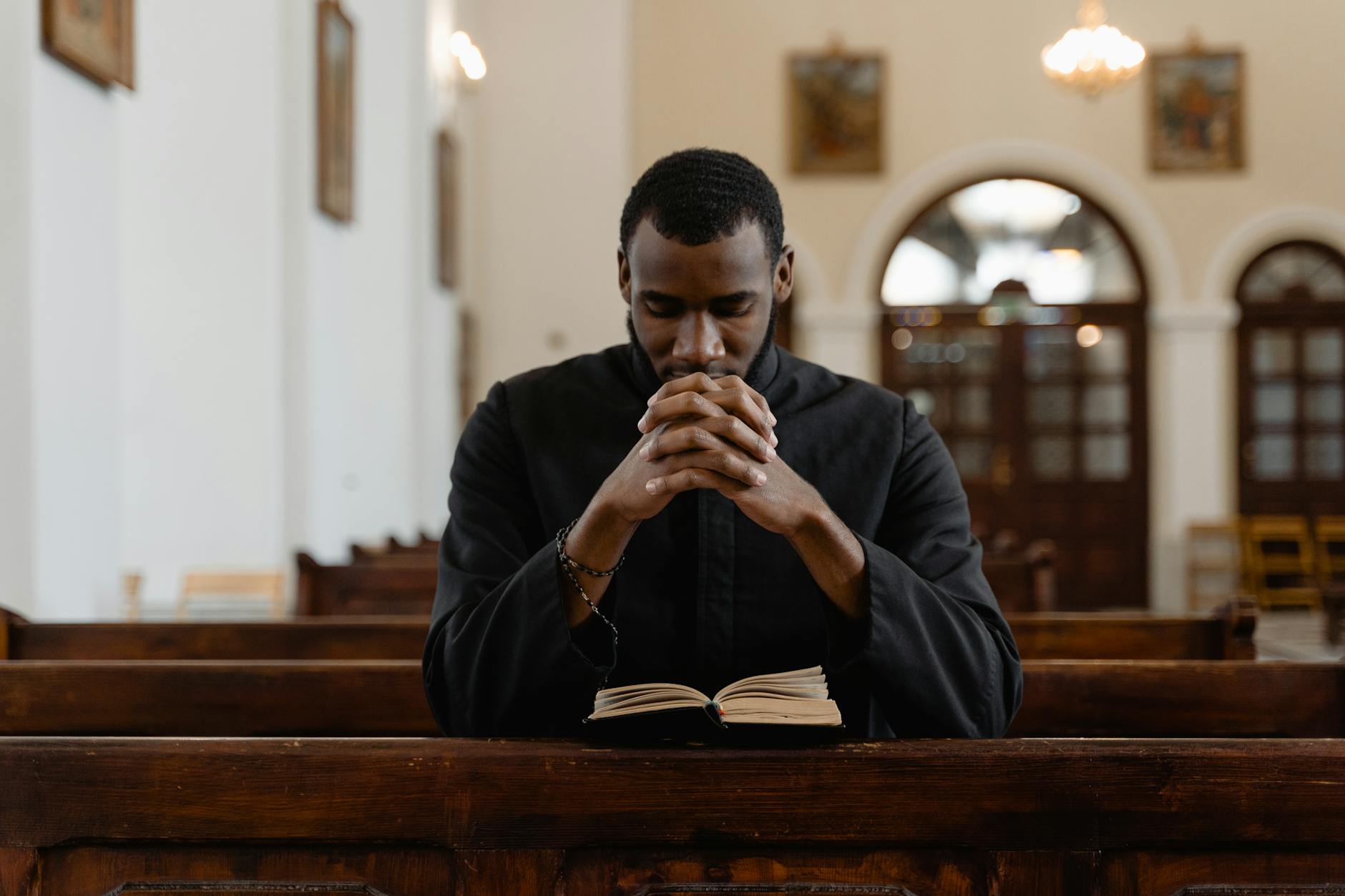
Men Who Pray: Reclaiming Spiritual Authority Through Faith.

Photo by MART PRODUCTION on Pexels.com

Prayer is a defining act that connects men to divine guidance, moral clarity, and spiritual authority. In a world where traditional masculine power is often measured by wealth, status, or physical prowess, prayer offers a transformative avenue for men to reclaim authentic authority rooted in humility, obedience, and purpose. Men Who Pray explores how spiritual disciplines restore leadership, integrity, and influence.

Historically, men in scripture exemplified spiritual authority through prayer. Figures such as Moses, David, and Solomon demonstrated that true leadership depends on communion with God rather than solely on human wisdom or strength (1 Samuel 12:23; 2 Chronicles 1:7–12, KJV). Prayer was both a tool and a testimony of divine empowerment.

Modern society often marginalizes men’s spiritual development. Cultural narratives emphasize independence and emotional stoicism, discouraging men from seeking divine counsel. This neglect undermines their ability to lead ethically in family, community, and professional spheres. Prayer serves as a corrective to these distortions, restoring alignment with God’s will.

Prayer cultivates humility, a hallmark of spiritual authority. Recognizing dependence on God fosters self-awareness and accountability. Men who pray acknowledge that ultimate power is God-given, not self-invented, allowing them to exercise influence responsibly and justly (Proverbs 3:5–6, KJV).

Intercessory prayer is a mechanism for communal leadership. Men who pray on behalf of families, communities, and nations demonstrate stewardship, empathy, and moral courage. Their spiritual advocacy nurtures social cohesion and inspires trust, reflecting the biblical mandate to shepherd and protect (James 5:16).

Consistent prayer shapes character and integrity. Daily spiritual discipline reinforces patience, self-control, and discernment. Men who commit to regular prayer internalize values that guide decisions, manage conflict, and uphold justice, strengthening both personal and societal moral frameworks.

Spiritual authority through prayer transcends hierarchical power. Unlike worldly dominance, divine authority is relational, ethical, and enduring. Men who cultivate this authority gain influence through respect, wisdom, and service, echoing the biblical principle that “the greatest among you shall be your servant” (Matthew 23:11, KJV).

Prayer combats moral and emotional vulnerability. Life’s pressures—temptation, stress, and adversity—challenge men’s integrity. Prayer provides guidance, fortification, and clarity, enabling men to navigate these trials without succumbing to destructive behaviors or compromised ethics (Psalm 5:11–12, KJV).

Mentorship and modeling are amplified through prayer. Men who prioritize spiritual practice serve as role models for younger generations, demonstrating that true strength emerges from faithfulness and obedience rather than aggression or coercion. This transmission of spiritual discipline preserves cultural and moral continuity.

Faith-driven leadership strengthens families. Fathers who pray cultivate homes grounded in moral clarity, spiritual resilience, and mutual respect. Children witness that authority is inseparable from accountability, compassion, and devotion, fostering well-rounded spiritual development (Ephesians 6:4, KJV).

Prayer also reinforces community engagement. Men who pray for societal welfare demonstrate active stewardship and ethical responsibility. This outward focus bridges personal spirituality with social action, reinforcing the biblical principle of love for neighbor and advocacy for justice (Micah 6:8, KJV).

The discipline of prayer enhances discernment. Through reflection and spiritual attunement, men learn to identify truth, avoid deception, and make decisions aligned with divine wisdom. This discernment underpins ethical leadership and strengthens relational trust.

Spiritual authority challenges destructive cultural norms of masculinity. Men who embrace prayer redefine strength, modeling courage, vulnerability, and ethical stewardship as complementary rather than opposing forces. This redefinition fosters healthier communities and family structures.

Prayer provides resilience against societal oppression. For men facing systemic injustice or marginalization, spiritual practice serves as a source of inner strength and hope. Biblical examples, such as Daniel and Joseph, demonstrate how prayer sustains moral integrity amidst adversity (Daniel 6:10, KJV).

Education on the power of prayer is essential. Teaching young men to integrate spiritual practice with daily life equips them to navigate modern challenges with integrity, purpose, and leadership grounded in faith rather than social approval or material gain.

Mental and emotional health benefit from prayer. Regular spiritual reflection fosters peace, emotional regulation, and clarity, countering stress, anger, or despair. Men who pray cultivate resilience, enabling them to lead without succumbing to personal turmoil (Philippians 4:6–7, KJV).

Corporate prayer—engaging with others in faith communities—strengthens relational bonds and collective purpose. Men who participate model collaboration, humility, and mutual support, reinforcing the social dimensions of spiritual authority.

Prayer aligns men with God’s covenant promises. Acknowledging divine guidance affirms identity, purpose, and destiny, anchoring men in a moral and spiritual framework that transcends temporal challenges (Jeremiah 29:11, KJV).

Consistency in prayer transforms character over time. Spiritual authority is not instantaneous but cultivated through persistent devotion, reflection, and obedience. Men who commit to this discipline demonstrate reliability, ethical fortitude, and lasting influence.

In conclusion, Men Who Pray illustrates that spiritual authority is reclaimed not through dominance, aggression, or societal expectation, but through prayer, humility, and faithful alignment with God. Men who embrace this path become builders of ethical families, communities, and legacies, embodying strength intertwined with spiritual wisdom and divine purpose.


References

The Holy Bible, King James Version. (n.d.). 1 Samuel 12:23; 2 Chronicles 1:7–12; Proverbs 3:5–6; James 5:16; Matthew 23:11; Psalm 5:11–12; Ephesians 6:4; Micah 6:8; Daniel 6:10; Philippians 4:6–7; Jeremiah 29:11. King James Bible Online. https://www.kingjamesbibleonline.org

Ferguson, R. A. (2019). The spiritual lives of African American men: Faith, family, and resilience. Routledge.

Pruett, K. (2017). Faithful fathers: The role of prayer and spirituality in fatherhood. Journal of Men’s Studies, 25(3), 310–326. https://doi.org/10.1177/1060826517720998

Watson, N. (2015). Masculinity and spirituality: Redefining strength through faith. Palgrave Macmillan.

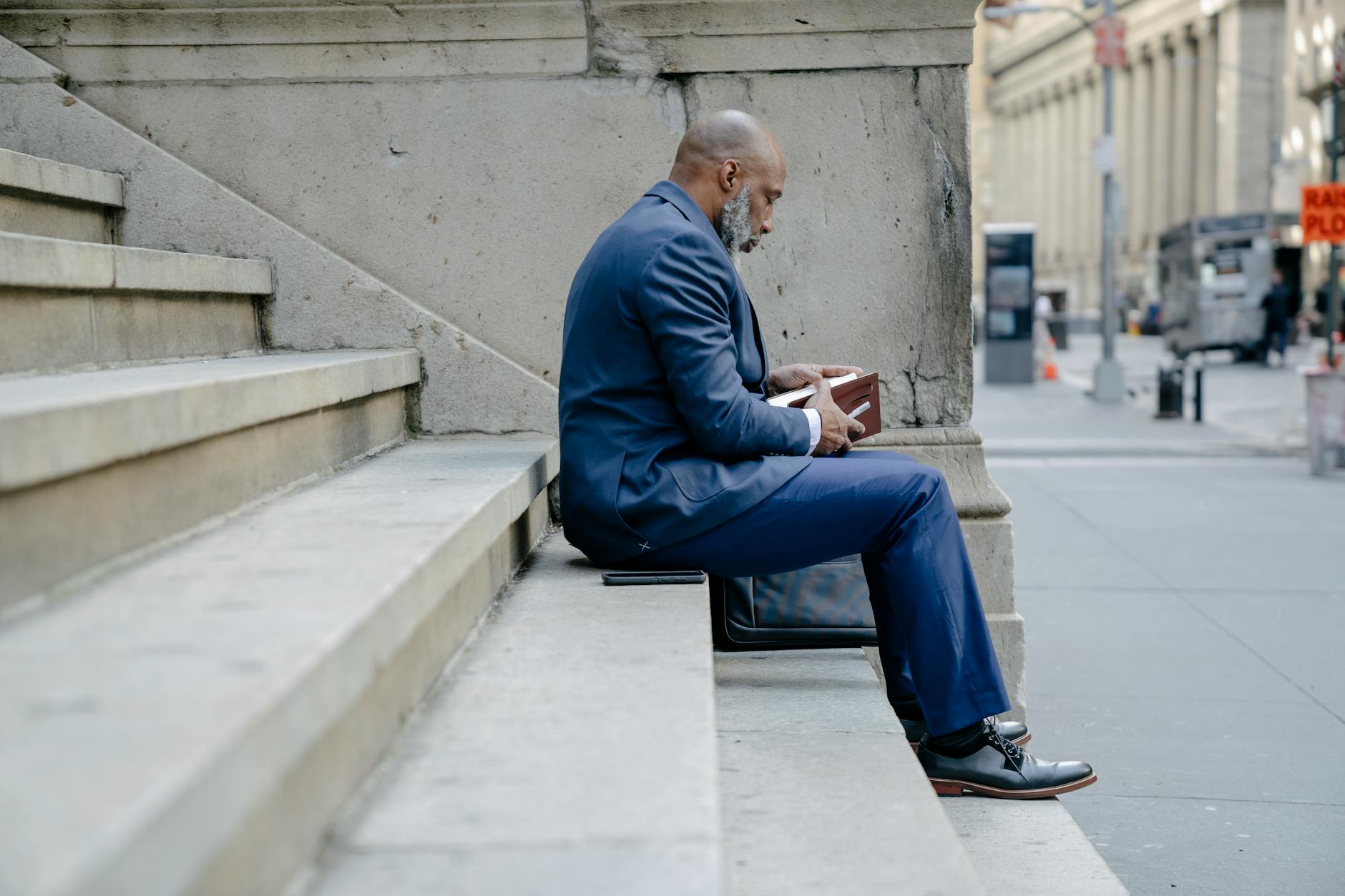
The Male Files: Rebuilding the Foundation/Blueprint of Manhood.

Photo by Barbara Olsen on Pexels.com

Manhood, in its truest sense, is more than physical maturity—it is the cultivation of character, purpose, and ethical responsibility. Modern societal pressures, cultural shifts, and historical misrepresentations have fragmented traditional concepts of manhood, necessitating a conscious effort to rebuild its foundation. The Male Files examines how men can reconstruct a blueprint for responsible, empowered, and principled masculinity.

Historically, rites of passage marked the transition from boyhood to manhood. In many cultures, these ceremonies emphasized accountability, community contribution, and personal integrity. They served as a framework for teaching values, skills, and ethical responsibility, creating a clear blueprint for adulthood (Imam, 2015).

Spiritual grounding is central to the foundation of manhood. Faith or a principled moral compass provides men with guidance, resilience, and ethical clarity. Biblical examples such as King David illustrate the importance of aligning leadership, decision-making, and personal conduct with spiritual convictions (1 Samuel 16:7, KJV).

Education and knowledge are integral to rebuilding manhood. Intellectual development equips men to navigate life with discernment, problem-solving abilities, and critical thinking. Learning also empowers men to mentor others, contribute meaningfully to society, and resist destructive cultural narratives.

Emotional intelligence is essential in constructing a new blueprint. Men must cultivate self-awareness, empathy, and relational skills. Developing the ability to manage emotions, communicate effectively, and form healthy relationships differentiates responsible manhood from mere physical maturity.

Economic responsibility forms a critical component of the foundation. Financial literacy, resource management, and intergenerational planning reflect a man’s commitment to sustaining himself, his family, and his community. A rebuilt blueprint emphasizes strategic stewardship over impulsive or self-centered behavior (Graves, 2013).

Accountability is non-negotiable in ethical manhood. Owning decisions, accepting consequences, and learning from mistakes are hallmarks of integrity. Men who practice accountability cultivate trust, respect, and leadership credibility in both personal and professional spheres.

Mentorship is a cornerstone of the blueprint. Experienced men passing on wisdom, ethical standards, and practical skills foster continuity and resilience within communities. Mentorship transforms individual development into a generational legacy of responsible manhood.

Physical health and well-being support the reconstruction of manhood. Strength, endurance, and vitality allow men to fulfill roles as protectors, providers, and leaders. However, true health encompasses mental, emotional, and spiritual dimensions, creating holistic capacity for action.

Resilience in adversity shapes the character of modern manhood. Life inevitably presents challenges—economic hardship, societal marginalization, or personal loss. Men who cultivate resilience respond with perseverance, courage, and strategic problem-solving rather than impulsive reactions or avoidance.

Leadership within family structures is foundational. Fathers and elder men establish environments of guidance, protection, and ethical modeling. Their influence ensures that children develop a clear understanding of responsibility, integrity, and relational dynamics within a stable family framework.

Cultural narratives influence the reconstruction of manhood. Media, literature, and societal discourse often portray men narrowly, emphasizing aggression, dominance, or material success. Rebuilding the blueprint involves redefining masculinity to prioritize emotional literacy, ethical leadership, and service.

Faithful engagement in community work reinforces the new model. Acts of service, mentorship programs, and civic participation demonstrate that manhood extends beyond self-interest. Community-oriented behavior underscores accountability, empathy, and social responsibility.

Spiritual resilience undergirds ethical decision-making. Men anchored in principles or faith are better equipped to navigate societal pressures that encourage dishonesty, exploitation, or moral compromise. Integrity becomes both a compass and a foundation for enduring manhood.

Self-reflection is essential in maintaining and improving the blueprint. Regular evaluation of character, behavior, and goals allows men to identify areas for growth, correct misalignments, and strengthen ethical and emotional capacities.

Interpersonal relationships are a reflection of rebuilt manhood. Respectful engagement, honest communication, and empathetic support enhance friendships, romantic partnerships, and professional connections, demonstrating consistency in principle and action.

Economic empowerment complements the broader blueprint. Financial literacy, entrepreneurship, and ethical wealth-building create independence and reinforce personal and familial stability, demonstrating responsible stewardship and foresight.

Education on historical and social influences equips men to resist destructive patterns. Awareness of systemic oppression, cultural expectations, and inherited biases allows men to make informed choices, breaking cycles of neglect, aggression, or underachievement.

Artistic and cultural expression can reinforce identity, purpose, and self-respect. Engaging with music, literature, or visual arts enables men to process experiences, express values, and cultivate pride in heritage while affirming individuality within societal structures.

Ultimately, rebuilding the foundation of manhood requires holistic integration of faith, intellect, emotional intelligence, accountability, and service. Men who consciously reconstruct their blueprint embody leadership, responsibility, and ethical purpose, setting a model for future generations.

In conclusion, The Male Files presents manhood as a deliberate, ongoing project. By embracing responsibility, cultivating resilience, and modeling principled behavior, men can redefine masculinity in a modern context, fostering communities, families, and societies grounded in integrity, strength, and purposeful action.


References

Graves, J. (2013). Black men in America: Health, family, and social policy. Routledge.

Hunter, M. (2005). Race, gender, and the development of African American masculinity. In M. Hunter & J. Davis (Eds.), African American family life: Ecological and cultural diversity (pp. 45–62). Sage Publications.

Imam, A. (2015). African rites of passage: Cultural significance and social impact. African Studies Review, 58(2), 89–107. https://doi.org/10.1017/asr.2015.21

1 Samuel 16:7 (King James Bible). (n.d.). King James Bible Online. https://www.kingjamesbibleonline.org

Connell, R. W. (2005). Masculinities (2nd ed.). University of California Press.

Zimbardo, P. G., & Coulombe, N. D. (2015). Man interrupted: Why young men are struggling and what we can do about it. Conari Press.

Dilemma: Racist Jokes and Not Challenging Them

Racist jokes have long been disguised as “harmless humor,” but they are one of the most insidious tools used to maintain racial hierarchies and normalize prejudice. These jokes may seem trivial to those who tell them, yet they carry deep historical and psychological implications that wound the dignity of Black people and other marginalized groups. The failure to challenge such jokes allows racism to flourish in silence, turning laughter into complicity. Racist humor is not merely a matter of taste—it is a form of cultural violence that reinforces systemic oppression (Sue et al., 2019).

At the core of racist jokes lies the dehumanization of others. By reducing a person or group to a stereotype, humor becomes a weapon rather than a bridge. It permits white individuals to reaffirm superiority under the guise of comedy. When these jokes target Black people, they often draw on centuries-old caricatures born from slavery and Jim Crow imagery—depicting Black individuals as lazy, violent, hypersexual, or unintelligent (Pilgrim, 2012). Such portrayals have shaped how society perceives and mistreats Black lives.

Silence in the face of racist jokes is a form of passive racism. When bystanders laugh or remain quiet, they send a message that prejudice is acceptable or trivial. This silence validates the racist sentiment, giving it space to thrive in social and professional environments. The failure to challenge these remarks reflects what Martin Luther King Jr. described as the “appalling silence of the good people”—the moral inaction that sustains injustice (King, 1963).

Examples of racist jokes are numerous and often recycled across generations. Some of the most common include:

  1. “What do you call a Black pilot? A good example—because you didn’t expect that!”
  2. “Why don’t Black people like country music? Because every time they say ‘yee-haw,’ someone thinks they’re stealing horses.”
  3. “How do you starve a Black man? Hide his food stamps under his work boots.”
  4. “What’s faster than a Black man running with your TV? His mom cashing the check.”
  5. “Why are Black people afraid of chainsaws? Because they start with the sound ‘Run!’”
  6. “What’s the difference between Batman and a Black man? Batman can go to the store without Robin.”
  7. “Why did the Black guy buy a ladder? To get his credit score up.”
  8. “What do you call a Black man in college? A visitor.”
  9. “Why don’t Black people like swimming? They don’t want to wash off their color.”
  10. “What’s the national bird of Black America? The jailbird.”

These examples are painful to read but necessary to expose. Each joke perpetuates a stereotype rooted in anti-Blackness—whether about crime, poverty, education, or worth. They are not mere words; they echo the same ideologies that justified enslavement, segregation, and mass incarceration. Their humor is drawn from the suffering and systemic oppression of Black people.

When racist jokes go unchallenged, they teach observers—especially youth—that racial bias is acceptable. They create cultural permission for future discrimination. What begins as laughter at a “joke” can evolve into bias in hiring decisions, police interactions, or healthcare treatment. Racist humor trains society to see Black pain as entertainment and to dismiss calls for justice as overreactions (Ford & Ferguson, 2004).

Psychologically, racist jokes inflict harm on Black listeners. They reinforce feelings of alienation, shame, and anger. The experience of being mocked or reduced to a stereotype in public settings activates stress responses similar to trauma. Over time, these repeated microaggressions can lead to racial battle fatigue—a state of chronic emotional exhaustion experienced by many Black people navigating white-dominated environments (Smith, 2004).

Sociologically, racist jokes function as bonding rituals among white people. Laughter becomes a shared signal of racial belonging, reinforcing in-group solidarity at the expense of Black humanity. Those who laugh, even uncomfortably, affirm their membership in whiteness. This is why silence is never neutral—it sides with power, not justice. Every unchallenged joke strengthens the invisible architecture of racism in daily life (Billig, 2001).

To overcome this, people must learn to recognize and interrupt racism in real time. The first step is developing moral courage—the ability to speak up even when it feels socially uncomfortable. This can involve simple but firm responses such as: “That’s not funny,” “Why would you say that?”, or “I don’t tolerate racist jokes.” Silence is easy; resistance requires integrity. When someone disrupts the moment, they break the illusion that everyone agrees with the prejudice.

Education also plays a vital role. People must be taught to understand the historical roots of racist humor and how it connects to larger systems of oppression. Anti-racist training, media literacy, and open discussions about bias can dismantle the ignorance that fuels these “jokes.” Understanding that humor has been a tool of white supremacy helps individuals grasp why such comments are never innocent (Hughey & Byrd, 2013).

Accountability must replace passivity. In workplaces, schools, and families, institutions should create clear policies that address discriminatory remarks and jokes. Anti-racism should not be optional—it should be embedded in codes of conduct and enforced through restorative or disciplinary measures. This sends a message that humor is not exempt from ethics.

Healing from the effects of racist humor also requires community solidarity. Black people need spaces where their pain is validated and their identity celebrated. Laughter within Black spaces, however, serves a different function—it becomes an act of resistance and reclamation. When Black comedians address racism, they invert its power by transforming pain into truth-telling and empowerment. The difference lies in who holds the power to define the narrative.

Spiritual and emotional healing are also vital. Scriptures remind believers that “death and life are in the power of the tongue” (Proverbs 18:21, KJV). Racist jokes speak death—death to empathy, to equality, and to the image of God within Black lives. To overcome them, society must relearn the sacred weight of words and choose speech that uplifts rather than degrades.

For white allies, it is essential to examine why silence feels safer than confrontation. Fear of social rejection often outweighs moral responsibility. But true allyship demands discomfort. It means risking relationships to uphold justice and using privilege as a shield for the oppressed rather than a cloak for cowardice.

For Black people, resilience involves not internalizing the lies behind racist humor. These jokes are reflections of ignorance, not truth. Overcoming them means affirming self-worth, reclaiming identity, and surrounding oneself with affirming voices that speak life into Black existence. Education, faith, and cultural pride all serve as antidotes to the poison of ridicule.

On a societal level, challenging racist jokes is a step toward dismantling the normalization of anti-Blackness. When everyday racism becomes unacceptable in private conversations, society takes a measurable step toward equity. The goal is not to police humor but to purify it—to restore its power to unite rather than divide.

In the end, racist jokes are not about laughter but about control. They remind Black people of their supposed “place” in a racial hierarchy that should have been dismantled long ago. To laugh along is to agree; to stay silent is to consent. The only moral option is to challenge it. Every voice raised in truth breaks a link in the chain of systemic racism.

References
Billig, M. (2001). Humor and hatred: The racist jokes of the Ku Klux Klan. Discourse & Society, 12(3), 267–289.
Ford, T. E., & Ferguson, M. A. (2004). Social consequences of disparagement humor: A prejudiced norm theory. Personality and Social Psychology Review, 8(1), 79–94.
Hughey, M. W., & Byrd, W. C. (2013). The souls of white jokes: Whiteness and humor in social media. Ethnic and Racial Studies, 36(10), 1582–1598.
King, M. L. Jr. (1963). Letter from Birmingham Jail.
Pilgrim, D. (2012). The museum of racist memorabilia: The Jim Crow Museum of Racist Imagery. Ferris State University Press.
Smith, W. A. (2004). Black faculty coping with racial battle fatigue: The campus racial climate in a post–civil rights era. New Directions for Teaching and Learning, 2004(98), 27–37.
Sue, D. W., Alsaidi, S., Awad, M. N., Glaeser, E., Calle, C. Z., & Mendez, N. (2019). Disarming racial microaggressions: Microintervention strategies for targets, White allies, and bystanders. American Psychologist, 74(1), 128–142.

The Male Files: A Study of Black Masculinity.

Black masculinity has long existed at the intersection of history, theology, psychology, and sociopolitical reality. From a biblical standpoint, masculinity is not primarily defined by dominance, wealth, or physical strength, but by spiritual authority, moral responsibility, and covenantal leadership. Scripture presents man as created in the image of God (imago Dei), entrusted with stewardship, protection, and purpose (Genesis 1:26–28). In this framework, masculinity is inherently relational—man is called to lead through service, to love through sacrifice, and to govern through righteousness (Ephesians 5:25; Micah 6:8).

The biblical archetype of manhood is embodied in figures such as Adam, Abraham, Moses, David, and ultimately Christ, whose life redefines power as humility and leadership as servanthood (Mark 10:42–45). Christological masculinity subverts worldly conceptions of patriarchy by centering emotional discipline, spiritual submission, and moral accountability. In this sense, true masculinity is not measured by domination over others but by mastery of self (Proverbs 16:32). For Black men, whose bodies and identities have historically been politicized and criminalized, the biblical model offers a counter-narrative rooted in dignity, divine purpose, and sacred identity.

From a worldly and sociological perspective, Black masculinity has been profoundly shaped by the historical forces of enslavement, colonialism, Jim Crow, mass incarceration, and media stereotyping. Scholars such as W.E.B. Du Bois (1903) and Frantz Fanon (1952) argue that Black male identity in Western societies has been constructed through a lens of hypervisibility and dehumanization, where the Black male body becomes both feared and fetishized. This has produced what Du Bois famously termed “double consciousness”—the psychological conflict of seeing oneself through the eyes of a society that simultaneously denies one’s humanity.

Contemporary studies further reveal that dominant models of masculinity in Western culture—often termed hegemonic masculinity—emphasize emotional suppression, sexual conquest, economic dominance, and physical aggression (Connell, 2005). For many Black men, these norms intersect with systemic barriers such as racial profiling, educational inequality, labor market discrimination, and disproportionate policing. As a result, masculinity becomes a site of psychological tension, where survival often demands performative toughness rather than emotional vulnerability or spiritual development (hooks, 2004).

Media representations exacerbate this crisis by narrowing Black masculinity into a limited set of archetypes: the athlete, the entertainer, the criminal, or the hypersexual figure. These images, while profitable within capitalist frameworks, distort the multidimensional realities of Black male identity and constrain the imagination of what Black men can be and become (Gray, 1995). This cultural scripting has tangible consequences, influencing self-perception, interpersonal relationships, and even mental health outcomes among Black men (APA, 2018).

The tension between the biblical and worldly constructions of masculinity reveals a fundamental philosophical divide. While the world defines masculinity through power, performance, and possession, the biblical worldview defines it through purpose, character, and spiritual alignment. The Black man, situated within both paradigms, often navigates a fractured identity—caught between social expectations and divine calling. Yet within this tension lies the potential for transformation. As theology and critical race scholarship converge, a liberatory vision of Black masculinity emerges—one that is intellectually grounded, spiritually anchored, emotionally whole, and historically conscious.

Ultimately, The Male Files argues that the restoration of Black masculinity requires both spiritual reorientation and structural reform. Biblically, this entails returning to a model of manhood rooted in covenant, accountability, and moral leadership. Sociologically, it requires dismantling the systems that continue to pathologize Black male existence. Black masculinity, when reclaimed through both sacred and scholarly lenses, becomes not a crisis to be managed, but a legacy to be redeemed—an identity not defined by trauma, but by transcendence.


References

American Psychological Association. (2018). Guidelines for psychological practice with boys and men. APA.

Connell, R. W. (2005). Masculinities (2nd ed.). University of California Press.

Du Bois, W. E. B. (1903). The souls of Black folk. A.C. McClurg & Co.

Fanon, F. (1952). Black skin, white masks. Grove Press.

Gray, H. (1995). Watching race: Television and the struggle for Blackness. University of Minnesota Press.

hooks, b. (2004). We real cool: Black men and masculinity. Routledge.

The Holy Bible, King James Version. (1611/2017). Cambridge University Press.

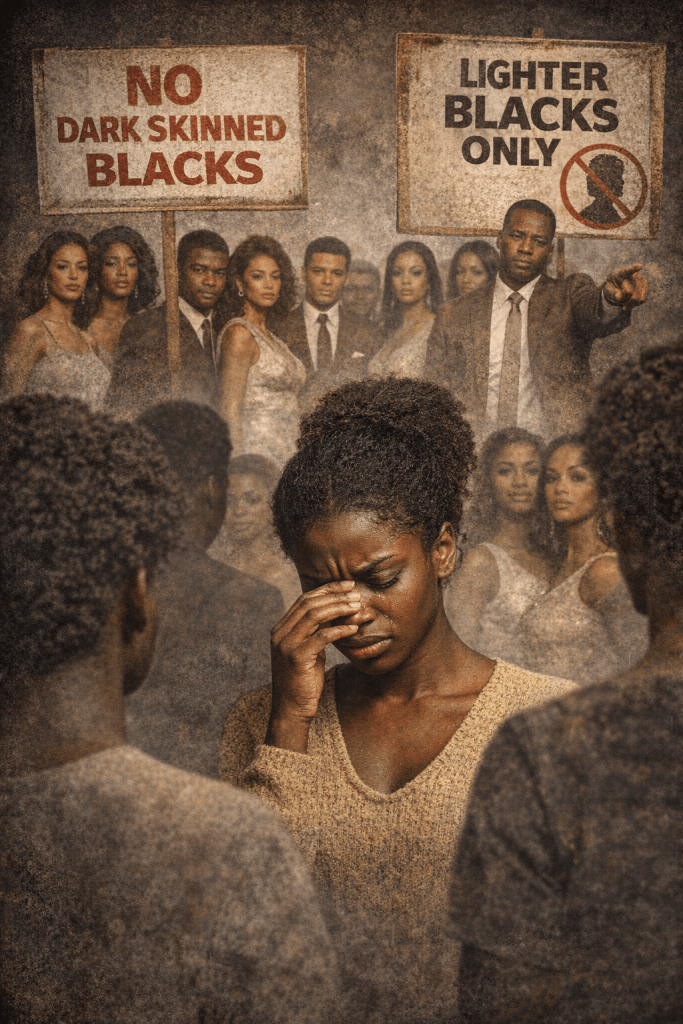
Self-Hating Blacks Banned Darker Blacks

Self-hatred within the Black community is one of the most tragic psychological legacies of slavery, colonialism, and white supremacy. It is a condition where Black people unconsciously absorb anti-Black ideologies and then reproduce those same systems of hierarchy and exclusion among themselves. One of the clearest manifestations of this internalized racism is colorism, where darker-skinned Black people are marginalized, excluded, or deemed inferior by lighter-skinned Black people who have been socially conditioned to associate proximity to whiteness with value, intelligence, beauty, and success.

Colorism did not originate within the Black community. It was engineered through slavery, where lighter-skinned enslaved people, often the offspring of enslaved women and white slave masters, were granted closer proximity to the house, while darker-skinned Africans were relegated to the fields. This created a racial caste system within Blackness itself, embedding the idea that lighter skin meant higher status, better treatment, and greater access to resources.

Over time, this system evolved beyond physical labor into a psychological hierarchy. Lighter-skinned Blacks were often given better education, more opportunities, and greater representation in media, while darker-skinned Blacks were systematically portrayed as aggressive, undesirable, unintelligent, or hypersexual. These narratives were not accidental; they were tools of social control designed to fracture Black unity and create internal competition instead of collective resistance.

Self-hating Blacks did not create these structures, but many unconsciously enforced them. By adopting Eurocentric beauty standards and internalizing anti-Black imagery, some Black people became gatekeepers of whiteness within Black spaces. This is why darker Blacks were often excluded from leadership roles, romantic desirability, media representation, and even religious platforms, despite being the most genetically and historically African.

In many Black communities, darker-skinned children grow up receiving different treatment than their lighter-skinned peers. They are disciplined more harshly, praised less frequently, and rarely affirmed as beautiful. Meanwhile, lighter-skinned children are often subconsciously favored, described as “pretty,” “articulate,” or “well-behaved,” reinforcing a psychological message that darkness is a deficit.

This internal hierarchy becomes even more visible in dating and marriage patterns. Numerous sociological studies show that lighter-skinned Black women are more likely to be perceived as attractive and marriageable, while darker-skinned women are more likely to be stereotyped as aggressive or undesirable. This has nothing to do with biology and everything to do with centuries of racial conditioning.

Dark-skinned Black men are similarly affected, often being hypersexualized, criminalized, or depicted as dangerous. Yet lighter-skinned Black men are more likely to be portrayed as romantic leads, intellectuals, or socially acceptable partners. The result is a racial double consciousness where Blackness is tolerated only when diluted.

Media has played a major role in this psychological warfare. For decades, Black magazines, music videos, television shows, and advertisements overwhelmingly featured light-skinned models and actors, reinforcing the idea that success and beauty required proximity to whiteness. Darker Blacks were either erased or reduced to background characters, comic relief, or symbols of dysfunction.

This phenomenon produced what Frantz Fanon described as the “colonized mind,” where the oppressed adopt the values and worldview of the oppressor. In this condition, Black people begin to see themselves through white eyes and judge their own people according to white standards. The darkest among them become the most dehumanized.

Self-hatred becomes structural when Black institutions themselves participate in this exclusion. Churches, schools, social clubs, sororities, fraternities, and professional networks have historically favored lighter-skinned Blacks, creating social filters that replicate colonial hierarchies even in supposedly Black-controlled spaces.

This is why darker Blacks were often banned from certain social circles, beauty contests, modeling agencies, and elite organizations. Not officially, but psychologically and culturally. They were “too dark,” “not the right look,” or “not marketable,” which are simply coded ways of saying not close enough to whiteness.

The tragedy is that darker-skinned Blacks are the closest living descendants to the original African populations from which all humans originate. Genetically, melanated skin is the ancestral human phenotype. Yet through racial conditioning, this biological truth was inverted into a social lie where darkness became associated with inferiority.

This internal division weakened Black collective power. Instead of uniting against systemic racism, Black communities were fractured into internal hierarchies of worth. Lighter Blacks were taught to distance themselves from darker Blacks, while darker Blacks were taught to aspire toward lighter identity, leading to generational psychological trauma.

Colorism also created economic consequences. Darker Blacks face higher rates of unemployment, lower wages, harsher sentencing in the criminal justice system, and reduced access to healthcare and housing. These outcomes are not random; they reflect how deeply skin tone influences institutional decision-making.

The most devastating effect of this system is spiritual. When Black people internalize self-hatred, they disconnect from their ancestral identity, cultural memory, and collective purpose. They begin to measure their worth by standards that were never designed for their liberation, only their management.

This is why self-hating Blacks often police darker Blacks more harshly than white people do. They become enforcers of respectability politics, assimilation, and aesthetic conformity. In psychological terms, this is called identification with the oppressor.

Dark-skinned Blacks, in turn, are forced to develop double resilience: resisting external racism while also surviving internal rejection. Many grow up with deep wounds around self-worth, desirability, and visibility, despite being the very foundation of Black history and genetic continuity.

The modern movement of Black consciousness seeks to reverse this damage. It rejects Eurocentric beauty standards and re-centers African aesthetics, melanin, natural hair, and cultural authenticity as sources of pride rather than shame. It exposes colorism as a colonial weapon, not a natural preference.

Healing requires collective psychological decolonization. Black people must unlearn the lies embedded in their subconscious and recognize that all shades of Blackness are sacred, powerful, and historically significant. Darkness is not a defect; it is the original human design.

Until Black communities dismantle internalized racism, they will continue reproducing the same systems that were designed to destroy them. Self-hating Blacks banning darker Blacks is not just a social issue; it is a spiritual crisis rooted in colonial trauma.

True Black liberation begins when Black people stop measuring themselves against whiteness and start honoring the full spectrum of their own identity. Only then can the community heal the internal fractures created by slavery, colonialism, and psychological warfare.

Colorism is not about preference. It is about power, history, and psychological conditioning. And the first step toward freedom is telling the truth about how deeply it has shaped Black self-perception.

The ultimate irony is that the darkest Blacks, once marginalized and excluded, are now leading the global reawakening of Black identity, pride, and ancestral remembrance. What was once rejected is now being reclaimed as divine.

This is not a coincidence. It is historical correction.


References

Fanon, F. (1967). Black skin, white masks. Grove Press.

Harrison, M. S., & Thomas, K. M. (2009). The hidden prejudice in selection: A research investigation on skin color bias. Journal of Applied Social Psychology, 39(6), 1346–1364.

Hunter, M. (2007). The persistent problem of colorism: Skin tone, status, and inequality. Sociology Compass, 1(1), 237–254.

Hunter, M. (2011). Buying racial capital: Skin-bleaching and cosmetic surgery in a globalized world. The Journal of Pan African Studies, 4(4), 142–164.

Keith, V. M., & Herring, C. (1991). Skin tone and stratification in the Black community. American Journal of Sociology, 97(3), 760–778.

Russell, K., Wilson, M., & Hall, R. (2013). The color complex: The politics of skin color among African Americans. Anchor Books.

Tummala-Narra, P. (2007). Conceptualizing colorism and its implications for mental health. American Psychologist, 62(4), 352–360.

Walker, S. (2002). Style and status: Selling beauty to African American women, 1920–1975. University Press of Kentucky.

Wilkerson, I. (2020). Caste: The origins of our discontents. Random House.

Byrd, R. P., & Gates, H. L. Jr. (2009). The Black intellectual tradition. Harvard University Press.

Pretty Privilege Series: Melanin Wars — Fighting for Equality Within Our Own Community.

Photo by Omotayo Samuel on Pexels.com

The history of colorism and shade hierarchies within the Black community reveals deep wounds that continue to shape identity, beauty standards, and opportunities. What some scholars call “melanin wars” are battles fought not against external forces of white supremacy alone, but within our own communities. These struggles reflect centuries of colonialism and slavery, where proximity to whiteness translated into privilege, and darker skin became stigmatized (Hunter, 2007).

Pretty privilege operates along this color spectrum, granting advantages to those with lighter skin tones while imposing disadvantages on those with darker complexions. This privilege manifests in dating, marriage prospects, media representation, and professional advancement. The cost is not just individual insecurity, but a collective fracture that keeps us divided rather than united.

During slavery, lighter-skinned Black people, often the children of enslaved women and white slaveholders, were sometimes afforded “house” roles rather than field labor. Though still enslaved, their perceived closeness to whiteness created hierarchies within Black life itself (Russell, Wilson, & Hall, 1992). These divisions laid the foundation for intra-racial tensions that persist centuries later.

The term “melanin wars” is symbolic of the psychological battles that occur when skin shade becomes the basis for worth. Dark-skinned individuals often report being seen as less attractive, less employable, and less trustworthy compared to lighter-skinned counterparts. Research by Keith and Herring (1991) confirms that skin tone has a measurable impact on socioeconomic outcomes, showing lighter-skinned African Americans tend to have higher incomes and educational attainment.

In the realm of beauty, these wars play out with devastating consequences. Lighter-skinned women are often upheld as the ideal, while darker-skinned women are objectified or marginalized. The phrase “pretty for a dark-skinned girl” encapsulates this bias. Such language reinforces the belief that beauty and melanin are at odds, perpetuating harm that seeps into self-esteem and soul.

For Black men, the melanin wars also hold weight. Darker-skinned men are more likely to be perceived as dangerous or aggressive, while lighter-skinned men may be considered less threatening. These stereotypes shape encounters with law enforcement, workplace dynamics, and even interpersonal relationships (Maddox & Gray, 2002).

These internal battles are not only social but spiritual. Genesis 1:31 (KJV) declares, “And God saw everything that he had made, and, behold, it was very good.” Yet, when communities internalize shade hierarchies, they deny the goodness of God’s creation. Melanin wars, at their root, represent a spiritual attack on identity and unity.

One of the greatest costs of this battle is disunity. Instead of standing together against systemic racism, communities fracture over internal shade differences. Galatians 5:15 (KJV) warns, “But if ye bite and devour one another, take heed that ye be not consumed one of another.” The melanin wars are a distraction that consumes energy which could be used to fight real systems of oppression.

Media representation intensifies the wars. Television, film, and music industries disproportionately cast lighter-skinned individuals in leading or romantic roles, while darker-skinned individuals are often relegated to side characters or villains. This symbolic violence reinforces the idea that worth and desirability are tied to complexion.

Families are not immune to the effects of shade hierarchies. Parents may, knowingly or unknowingly, favor lighter-skinned children, praising them more openly or assuming they will have an easier life. Such favoritism breeds resentment and insecurity, creating trauma that carries into adulthood.

Economically, the melanin wars are exploited by billion-dollar industries such as skin bleaching. In nations across Africa, the Caribbean, and Asia, skin-lightening creams promise social mobility and desirability, at the cost of physical and psychological health (Charles, 2003). The demand for these products reflects the global reach of colorism.

Theologically, the melanin wars are contrary to the vision of the kingdom of God. Revelation 7:9 (KJV) envisions a redeemed community of “all nations, and kindreds, and people, and tongues” united before God’s throne. Shade distinctions hold no eternal relevance in God’s presence, reminding us that human hierarchies are temporary and unjust.

Fighting for equality within our community requires first acknowledging the wounds. Denial only deepens harm, but truth opens the door to healing. John 8:32 (KJV) proclaims, “And ye shall know the truth, and the truth shall make you free.” Recognizing the structures of colorism is the first step toward freedom.

Education is critical in dismantling these hierarchies. By teaching children about the history of colorism, the beauty of all skin tones, and their identity as image-bearers of God, we equip future generations to resist these lies. Proverbs 22:6 (KJV) reminds us, “Train up a child in the way he should go: and when he is old, he will not depart from it.”

Healing also requires media accountability. By demanding diverse representation across shades, communities can push industries to portray the full spectrum of Black beauty. This shift is not just cosmetic but cultural, shaping how young people see themselves and others.

Unity is perhaps the most powerful weapon against melanin wars. When communities intentionally uplift one another, celebrate all shades, and refuse to participate in divisive practices, the chains of colorism weaken. As Ecclesiastes 4:12 (KJV) declares, “And if one prevail against him, two shall withstand him; and a threefold cord is not quickly broken.”

Mentorship also plays a role in healing. When darker-skinned individuals see role models who are thriving in faith, leadership, and influence, it counters narratives of inferiority. Representation in leadership, academia, ministry, and business reshapes expectations of worth and potential.

Spiritually, prayer and the renewing of the mind are essential. Romans 12:2 (KJV) commands, “Be ye transformed by the renewing of your mind.” Breaking free from melanin wars requires deliverance from toxic thought patterns and the embrace of biblical truths about identity.

The fight for equality within our community is ultimately a fight for the soul. Melanin wars wound the heart, divide the body, and distort the image of God. But healing is possible through truth, unity, and love. By confronting the cost of shade and dismantling its privileges, the community can move toward wholeness.

In the end, melanin is not a curse but a crown. The wars we fight against each other can be transformed into victories of solidarity if we choose love over envy, affirmation over insecurity, and unity over division. Equality within the community begins when we refuse to let shade determine worth, and instead, embrace the divine truth that every complexion is a reflection of God’s beauty.


References

  • Charles, C. A. D. (2003). Skin bleachers’ representations of skin color in Jamaica. Journal of Black Studies, 33(6), 711–728.
  • Hunter, M. (2007). The persistent problem of colorism: Skin tone, status, and inequality. Sociology Compass, 1(1), 237–254.
  • Keith, V. M., & Herring, C. (1991). Skin tone and stratification in the Black community. American Journal of Sociology, 97(3), 760–778.
  • Maddox, K. B., & Gray, S. A. (2002). Cognitive representations of Black Americans: Reexploring the role of skin tone. Personality and Social Psychology Bulletin, 28(2), 250–259.
  • Russell, K., Wilson, M., & Hall, R. (1992). The Color Complex: The Politics of Skin Color Among African Americans. Anchor Books.
  • The Holy Bible, King James Version.