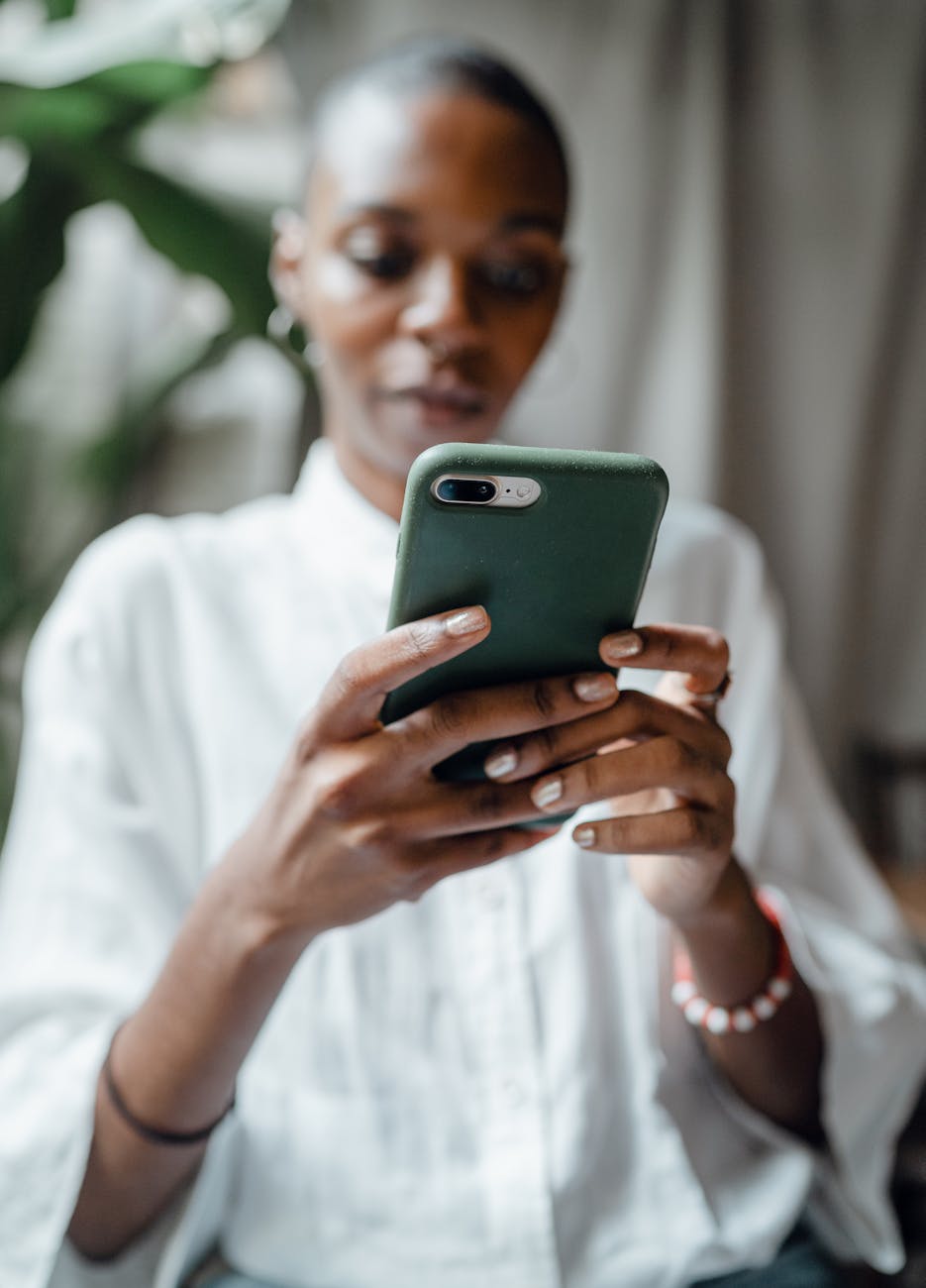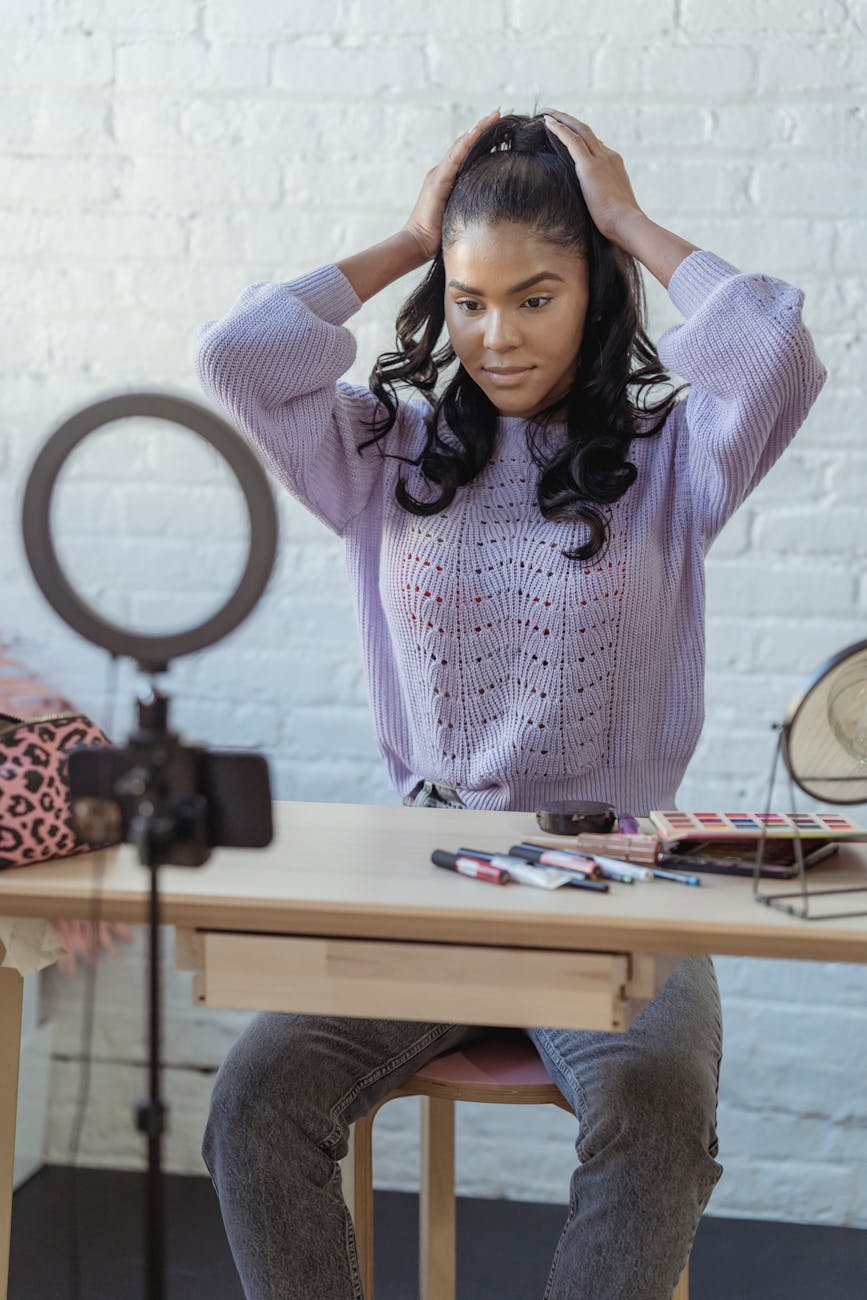
Category Archives: social media

The Digital Mirror: Social Media, Beauty, and Self-Esteem.

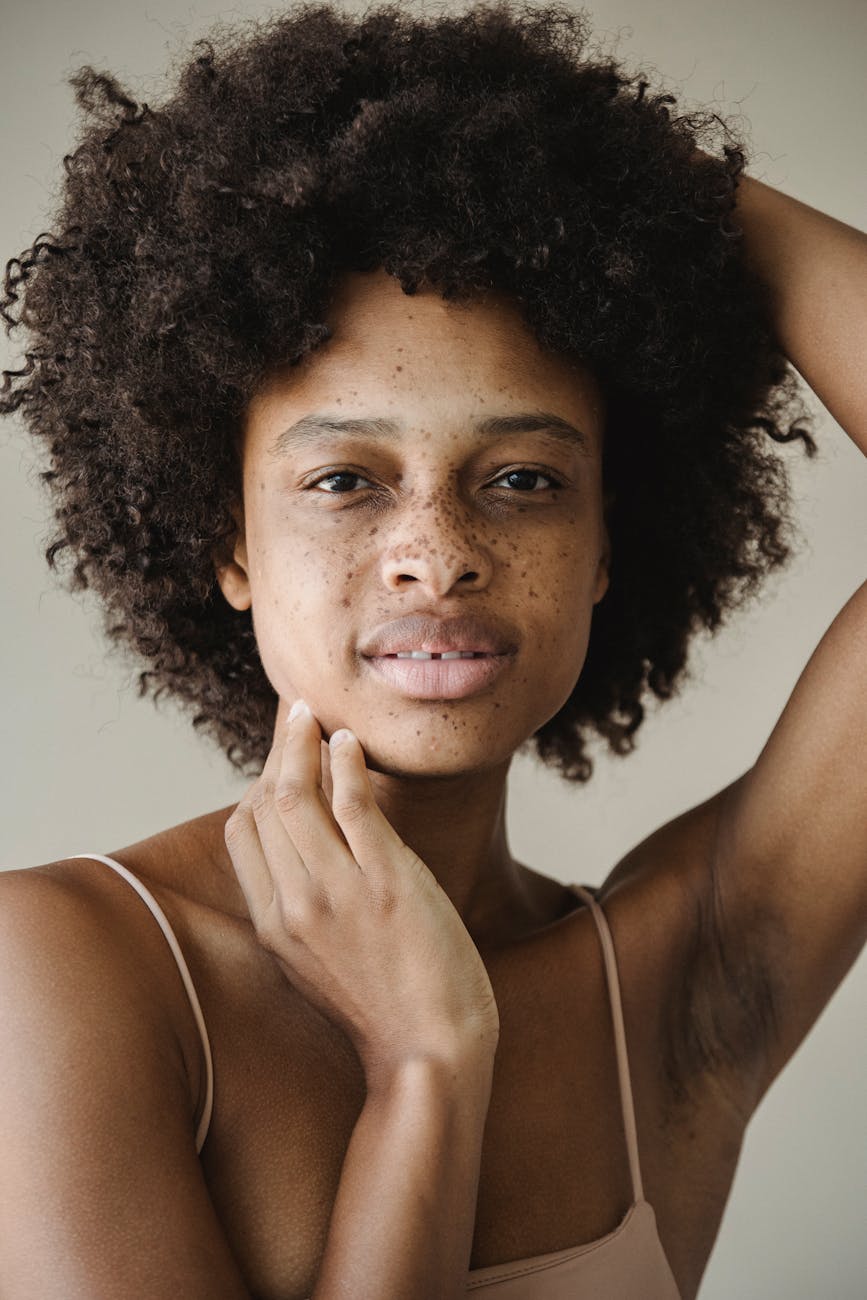
Photo by George Milton on Pexels.com

In the modern era, social media has become a pervasive force shaping perceptions of beauty, self-worth, and identity. Platforms like Instagram, TikTok, and YouTube offer unprecedented opportunities for self-expression and connection, yet they also present unique challenges, particularly for Brown and Black women. The constant exposure to curated images, filtered content, and influencer culture creates what can be described as a “digital mirror,” reflecting societal ideals that are often unattainable or exclusionary. Understanding the impact of social media on beauty perception and self-esteem is essential for cultivating resilience and positive self-image.

Social Media and the Construction of Beauty

Social media operates as a cultural lens, magnifying dominant beauty standards while simultaneously offering a platform for diverse representation. Research shows that frequent exposure to idealized images online can lead to social comparison, self-criticism, and body dissatisfaction (Fardouly et al., 2015). For Brown women, these comparisons are compounded by colorism, where lighter skin tones are often favored and amplified in mainstream content. The digital mirror, therefore, can both empower and undermine, depending on the type of content consumed and the framing of beauty standards.

The Role of Influencers and Representation

Influencers who embrace diversity and authentic representation play a pivotal role in reshaping perceptions of beauty online. Figures like Issa Rae, Lupita Nyong’o, and Adut Akech challenge Eurocentric ideals and normalize melanin-rich beauty. Representation in social media feeds offers validation, encourages self-expression, and promotes self-esteem among viewers who see themselves reflected positively. Research indicates that media representation significantly affects self-perception, particularly in marginalized communities where societal standards have historically excluded them (Tiggemann & Slater, 2014).

Psychological Impacts of the Digital Mirror

While social media can affirm identity, it also exposes users to negative commentary, trolling, and colorist remarks. This can exacerbate anxiety, depressive symptoms, and feelings of inadequacy (Valkenburg et al., 2017). The digital mirror not only reflects societal beauty ideals but can also amplify internalized biases. For Brown women, this dual effect underscores the importance of critical engagement and media literacy: understanding the difference between curated content and reality is crucial for mental well-being.

Strategies for Healthy Engagement

Building resilience in the digital age requires intentional strategies. Curating social media feeds to prioritize diverse and affirming content, limiting screen time, and practicing mindfulness while online can mitigate negative impacts. Engaging with communities that celebrate melanin-rich beauty, such as hashtags like #BrownSkinPoppin or #MelaninMagic, fosters empowerment and self-affirmation. Additionally, creators and viewers alike benefit from remembering that digital portrayals are often filtered, edited, and idealized, and do not define one’s inherent beauty or worth.

Transforming Social Media into a Tool for Empowerment

Beyond personal self-esteem, social media can serve as a platform for advocacy, education, and cultural pride. Brown women can leverage their digital presence to challenge colorism, amplify underrepresented voices, and create content that affirms diverse beauty. By transforming social media from a potential source of insecurity into a tool for empowerment, users can assert agency over how their image and identity are represented.

Digital Self-Care Guide for Brown Girls: Maintaining Confidence on Social Media

  1. Curate Your Feed – Follow creators, influencers, and accounts that celebrate diversity, melanin-rich beauty, and positive representation. Unfollow or mute content that triggers comparison or insecurity.
  2. Limit Screen Time – Set intentional boundaries for social media usage to prevent fatigue and constant exposure to unrealistic standards.
  3. Practice Mindful Scrolling – Notice your emotional reactions while online. Pause or disengage if content negatively impacts your self-esteem.
  4. Engage with Affirming Communities – Participate in groups and hashtags like #MelaninMagic, #BrownSkinPoppin, or #NaturalBeauty, which promote self-love and cultural pride.
  5. Remember the Filter Effect – Understand that photos are often curated, edited, or staged. Real life is not always reflected online.
  6. Post Authentically – Share your experiences, natural beauty, and personal achievements. Authentic content fosters connection and counters unrealistic portrayals.
  7. Journal or Reflect – After browsing social media, write down affirmations or moments that celebrate your skin, hair, or cultural identity.
  8. Seek Support – Talk to friends, family, or mentors when online negativity affects your mood or self-perception.
  9. Use Social Media for Advocacy – Transform negative experiences into education or awareness campaigns, challenging colorism and stereotypes.
  10. Affirm Your Worth Daily – Regularly remind yourself that beauty is not dictated by likes, comments, or online trends.
  11. Balance Inspiration and Comparison – Follow accounts that inspire, but avoid measuring your worth against curated online highlights.
  12. Celebrate Every Shade – Embrace your unique tone and features as part of your identity. Share and celebrate them with pride.

Conclusion

The digital mirror of social media reflects both societal beauty standards and individual perceptions, shaping self-esteem in complex ways. For Brown and Black women, exposure to curated content can either reinforce colorist ideals or serve as a space for affirmation and representation. Through intentional engagement, media literacy, and community support, social media can become a tool for empowerment rather than harm. Understanding the dynamics of the digital mirror allows women to navigate online spaces with confidence, celebrate their unique beauty, and resist the pressures of unrealistic or exclusionary standards.


References

  • Fardouly, J., Diedrichs, P. C., Vartanian, L. R., & Halliwell, E. (2015). Social comparisons on social media: The impact of Facebook on young women’s body image concerns and mood. Body Image, 13, 38–45.
  • Tiggemann, M., & Slater, A. (2014). NetGirls: The Internet, Facebook, and body image concern in adolescent girls. International Journal of Eating Disorders, 47(6), 630–643.
  • Valkenburg, P. M., Meier, A., & Beyens, I. (2017). Social media use and adolescents’ self-esteem: A meta-analysis. Review of General Psychology, 21(4), 340–352.
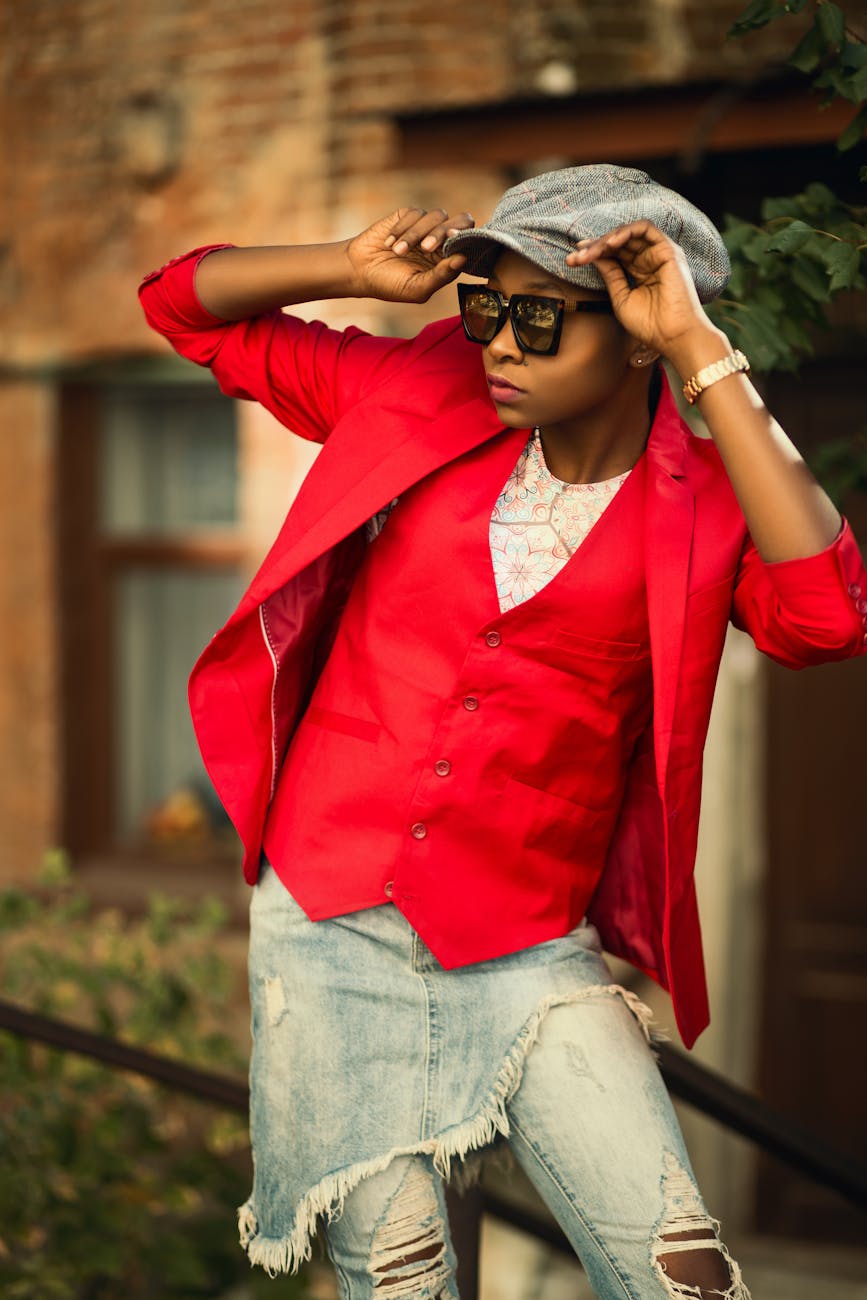
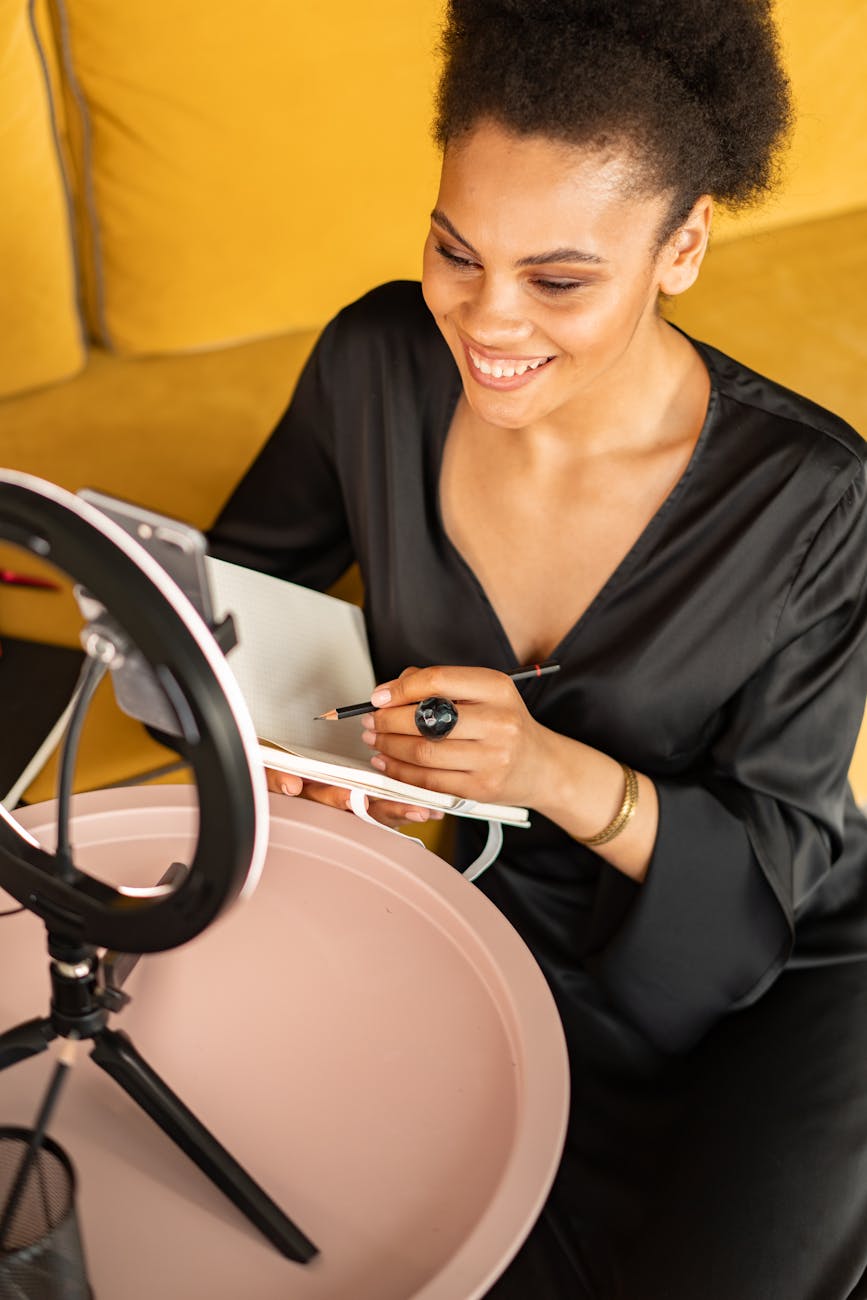
The Impact of Viral Culture on Identity and Confidence.

Photo by Godisable Jacob on Pexels.com

Viral culture is one of the most defining features of the digital age, reshaping how individuals understand themselves and how societies negotiate visibility, power, and belonging. It operates through algorithms, platforms, and public participation, transforming ordinary content into global phenomena. For many, the pursuit of virality has become synonymous with the pursuit of relevance. Yet, this culture has profound consequences for identity and confidence, particularly among communities whose histories of misrepresentation and marginalization complicate their online presence.

At its core, viral culture thrives on rapid dissemination and collective engagement. Unlike traditional media that required gatekeepers, virality democratizes visibility: anyone with a smartphone has the potential to reach millions within hours. This democratization has empowered voices once silenced, offering platforms for expression and identity affirmation. However, it has also tethered self-worth to visibility metrics—likes, shares, and followers—that can fluctuate wildly and leave individuals vulnerable to cycles of validation and rejection (Marwick, 2015).

From a psychological perspective, Festinger’s (1954) social comparison theory helps explain how viral culture affects confidence. Individuals often evaluate their identity through comparisons with others, and in digital spaces, these comparisons are amplified. Viral fame creates an unattainable benchmark, leading many to feel inadequate if their content does not achieve similar traction. For those who do go viral, the initial boost in confidence may be followed by anxiety and pressure to maintain relevance—a fragile cycle where identity is negotiated through external validation rather than intrinsic self-worth.

The impact is particularly pronounced among younger generations. Adolescents and young adults, who are in critical stages of identity formation, often equate online visibility with social value. Studies reveal that teenagers who seek virality experience higher rates of body dissatisfaction, anxiety, and diminished self-esteem when their posts underperform (Perloff, 2014). Viral culture thus becomes not only a stage for performance but also a mirror that distorts, reflecting back images filtered by algorithms, aesthetics, and consumer appeal rather than authentic self-expression.

For Black communities, viral culture presents both opportunities and challenges. On one hand, viral hashtags such as #BlackLivesMatter, #BlackGirlMagic, and #SayHerName have mobilized global awareness, affirming cultural identity and collective confidence. These digital movements provide visibility where mainstream media often erases or distorts Black voices, reinforcing solidarity and pride (Florini, 2019). Viral content has also allowed Black creativity—through dance, fashion, language, and humor—to reach international audiences, shaping global trends.

Yet, the commodification of Black culture within viral spaces cannot be ignored. Black dances, slang, and aesthetics often go viral only to be appropriated by non-Black creators who gain profit and visibility, while the originators remain uncredited. This dynamic mirrors historical exploitation, where Black identity is celebrated in fragments but denied in wholeness. Such exploitation can harm confidence, as cultural production becomes stripped of ownership and individuals witness their creativity detached from their identity (Nissenbaum & Shifman, 2017).

Viral shaming further complicates identity. Just as positive content can boost confidence, negative virality can destroy reputations and self-esteem. Black women, in particular, face heightened vulnerability: viral culture often amplifies misogynoir—content that combines racism and sexism—through ridicule, body-shaming, or stereotyping. This digital violence reinforces historical narratives of devaluation, leaving psychological scars even as communities attempt to reclaim narratives of strength and resilience (Bailey, 2021).

On the other hand, viral culture has created unexpected spaces of empowerment. Figures such as Tabitha Brown, whose viral videos centered on kindness and authenticity, demonstrate that virality can affirm identity by amplifying voices grounded in values of compassion and faith. These examples reveal that confidence gained through viral culture need not be shallow or performative; it can be deeply rooted in authentic identity when creators resist the pressures of conformity.

Faith provides a critical anchor in navigating viral culture. The Bible reminds believers that identity is not contingent on public approval but on divine purpose. Romans 12:2 (KJV) urges, “Be not conformed to this world: but be ye transformed by the renewing of your mind.” Viral culture thrives on conformity to trends, aesthetics, and digital clout, but scripture re-centers confidence in God’s unchanging truth. For Black communities, whose history includes resilience against erasure, faith becomes not only a source of individual grounding but also a collective shield against the volatility of online validation.

Historically, confidence among marginalized communities was cultivated through family, community, and spiritual institutions rather than fleeting moments of recognition. Viral culture disrupts these traditional anchors, shifting the measure of self-worth into digital spaces. Yet, by merging digital engagement with cultural pride and spiritual affirmation, individuals can resist the erosion of identity. Movements such as #ChurchTikTok or gospel-infused viral moments illustrate how faith traditions can intersect with viral culture to sustain confidence rather than undermine it.

The paradox of viral culture lies in its ability to both affirm and destabilize identity. On one side, it democratizes influence, amplifies marginalized voices, and builds global solidarity. On the other, it commodifies culture, fosters harmful comparisons, and reduces confidence to numbers on a screen. The key is cultivating critical engagement: using viral culture as a tool rather than a measure of worth. Individuals and communities must learn to navigate these spaces with discernment, grounding identity in values, traditions, and truths that transcend the volatility of virality.

In conclusion, viral culture has become an inescapable force that shapes identity and confidence in the modern world. It creates opportunities for visibility, empowerment, and cultural pride, while simultaneously fostering cycles of comparison, appropriation, and insecurity. For Black communities, the stakes are higher, as viral culture can both amplify resistance and reproduce exploitation. Ultimately, sustainable confidence must rest not on fleeting virality but on authentic identity, cultural grounding, and spiritual truth. When rooted in these foundations, individuals can engage with viral culture without losing themselves in the process.


References

  • Bailey, M. (2021). Misogynoir transformed: Black women’s digital resistance. New York University Press.
  • Festinger, L. (1954). A theory of social comparison processes. Human Relations, 7(2), 117–140.
  • Florini, S. (2019). Blackness, memes, and memory: The digital politics of cultural visibility. Communication and Critical/Cultural Studies, 16(4), 268–284.
  • Marwick, A. (2015). Instafame: Luxury selfies in the attention economy. Public Culture, 27(1), 137–160.
  • Nissenbaum, A., & Shifman, L. (2017). Internet memes as contested cultural capital: The case of 4chan’s /b/ board. New Media & Society, 19(4), 483–501.
  • Perloff, R. M. (2014). Social media effects on young women’s body image concerns: Theoretical perspectives and an agenda for research. Sex Roles, 71(11-12), 363–377.

“Brown paper bag” descendants: lighter influencers prioritized.

Photo by Mikhail Nilov on Pexels.com

The term “brown paper bag test” historically described a colorist practice in which lighter-skinned Black individuals, often those whose skin matched or was lighter than a brown paper bag, were given preferential treatment in social clubs, schools, and employment (Harris, 2015). This arbitrary test codified a hierarchy within the Black community, creating generational legacies that continue to influence perceptions of beauty, social mobility, and cultural capital.

  • Legacy Influence: Descendants of lighter-skinned families historically benefited from better education, access to resources, and visibility, creating a systemic advantage that persists today.
  • Media & Representation: Lighter-skinned influencers—celebrities, social media personalities, and public figures—receive more exposure, sponsorships, and opportunities, echoing the historical privileging of “brown paper bag” individuals (Russell, Wilson, & Hall, 2016).

Biblical and Spiritual Lens

Colorist favoritism reflects the human tendency to judge by appearance rather than moral or spiritual worth. Scripture condemns such superficial evaluation:

  • James 2:1 (KJV): “My brethren, have not the faith of our Lord Jesus Christ, the Lord of glory, with respect of persons.”
  • Genesis 1:27 (KJV): Affirms all humans are created in God’s image, regardless of skin tone, countering social hierarchies based on complexion.
  • Wisdom of Solomon 14:12 (Apocrypha): Warns against corrupting judgment with superficial valuation, applicable to both historical colorism and modern influencer culture.

Contemporary Implications

1. Social Media and Influencers

  • Lighter-skinned influencers dominate Instagram, TikTok, and YouTube, shaping beauty standards and consumer behavior.
  • Algorithms reinforce this bias, prioritizing images and videos that fit Eurocentric beauty ideals, creating a digital reflection of historical colorism.

2. Hollywood and African Cinema

  • Casting decisions often favor lighter-skinned actors for lead roles, award campaigns, and international appeal, mirroring the same hierarchy established in the brown paper bag era.
  • This perpetuates the notion that lighter-skinned descendants are more “marketable,” sidelining equally talented darker-skinned performers.

3. Socioeconomic Outcomes

  • The visibility and prioritization of lighter influencers correlate with wealth accumulation, sponsorship deals, and global recognition, reinforcing generational privilege tied to skin tone.

Visual & Conceptual Integration

  • Imagine the Digital Plantation visual, now layered with a “brown paper bag” motif hovering over lighter-skinned influencers, subtly glowing.
  • Darker-skinned individuals are positioned in semi-shadow or behind algorithmic overlays, symbolizing systemic bias, underrepresentation, and the persistence of historic privilege.

References

  • Harris, A. P. (2015). Skin tone stratification and social inequality: Historical and contemporary perspectives. Oxford University Press.
  • Hunter, M. (2007). The persistent problem of colorism: Skin tone, status, and inequality. Sociology Compass, 1(1), 237–254.
  • Russell, K., Wilson, M., & Hall, R. (2016). The color complex: The politics of skin color in a new millennium. Anchor Books.

Social Media Filters: How they affect Society.

Social media filters—digital tools that alter or enhance images—have become ubiquitous in modern communication. From subtle smoothing and lighting adjustments to full transformations of facial features and body proportions, filters are used across platforms like Instagram, Snapchat, TikTok, and Facebook. While often framed as fun or aesthetic enhancements, their societal impact is profound and multi-layered.

Filters influence perceptions of beauty, often reinforcing Eurocentric or unrealistic ideals. Features such as lighter skin, sharper noses, larger eyes, and plumped lips are frequently emphasized in popular filters. These digital alterations echo long-standing beauty hierarchies established in media and advertising, further embedding narrow standards of attractiveness.

The psychological impact of filters is significant. Studies show that constant exposure to filtered images can increase body dissatisfaction, self-comparison, and anxiety, particularly among young women and adolescents (Fardouly et al., 2018). Filters create a gap between one’s real appearance and the idealized digital self, fostering insecurities and negative self-perception.

Social comparison is a major consequence. Platforms encourage users to measure their appearance, lifestyle, and desirability against curated and often digitally enhanced representations. For Black and Brown users, filters that lighten skin or smooth natural hair textures may reinforce colorism and internalized bias, subtly suggesting that darker features are less desirable.

Filters also affect interpersonal relationships. Individuals may feel pressure to present a perfected digital self in dating apps or social media, influencing attraction and romantic dynamics. This can create unrealistic expectations and dissatisfaction when interacting with unfiltered, real-life appearances.

The “beauty filter economy” is closely tied to consumerism. Filters often align with cosmetic trends, promoting products like skin-lightening creams, makeup, or cosmetic surgery. Influencers and brands capitalize on filter-enhanced appearances to market products, blending digital aesthetics with material consumption.

Filters have social and cultural implications beyond individual self-esteem. They contribute to homogenized beauty ideals, erasing diversity and authenticity. Features traditionally celebrated in African, Asian, and Indigenous cultures—such as textured hair, darker skin, and broader noses—are frequently altered or erased in popular filters, reinforcing Eurocentric dominance.

On the positive side, filters can promote creativity and self-expression. Users can explore artistic aesthetics, experiment with color grading, or adopt fantastical appearances for entertainment purposes. For marginalized communities, filters may provide playful ways to experiment with identity, though these benefits coexist with potential harm.

Mental health concerns associated with filters are increasingly recognized. Professionals report growing cases of body dysmorphia, low self-esteem, and anxiety related to online appearance comparison. Young users, especially girls and women of color, are disproportionately affected, as societal beauty standards intersect with racialized and gendered expectations.

Filters also influence professional and social identity. Influencers, models, and public figures often rely on digitally enhanced appearances to gain followers, sponsorships, and visibility. This blurs the line between authentic identity and curated performance, affecting how society values physical appearance and social capital.

Education and awareness can mitigate some negative effects. Media literacy programs encourage users to critically evaluate digitally altered images, recognize filters, and understand their psychological impact. Social campaigns promoting natural beauty, diversity, and authenticity provide counter-narratives to filter-driven standards.

Some platforms have taken regulatory steps. Instagram and Snapchat have introduced warnings about heavy filters, promoted unaltered imagery in certain campaigns, and encouraged users to embrace authenticity. However, the commercial incentives to maintain filter popularity remain strong.

Filters intersect with the broader societal obsession with perfection. They amplify cultural pressures to achieve flawless skin, symmetrical features, and Eurocentric aesthetics. Combined with the skin-lightening industry, cosmetic surgery trends, and celebrity influence, filters perpetuate a culture of constant self-optimization.

Social media algorithms exacerbate the problem. Content that aligns with beauty ideals receives more engagement, reinforcing visibility of filtered images. Users then perceive these idealized images as normative, increasing pressure to conform digitally and physically.

Cultural resistance movements, like #NoFilter, #MelaninPoppin, and #DarkIsBeautiful, challenge the dominance of filtered beauty. They encourage users to showcase natural skin tones, hair textures, and unaltered features, highlighting the diversity of human aesthetics and reclaiming agency over self-presentation.

Filters also have implications for racial identity. In contexts where lighter skin and Eurocentric features are valued, filters that whiten skin or slim noses may reinforce internalized racism and colorism, particularly among Black and Brown youth. This digital reinforcement of historical hierarchies can affect self-worth and social interactions.

In addition to race, filters intersect with gender. Women disproportionately experience pressure to use filters to appear youthful, flawless, and conventionally attractive. Men are not immune, but social norms often render their digital alterations less scrutinized, reflecting gendered beauty expectations.

Technological innovation will continue to shape the landscape. Artificial intelligence now allows hyper-realistic transformations, aging or de-aging effects, and even deepfake manipulation. These developments raise ethical concerns regarding authenticity, consent, and the psychological consequences of prolonged exposure to impossible ideals.

Ultimately, social media filters illustrate the convergence of technology, culture, and psychology. While offering creative tools, they simultaneously perpetuate restrictive beauty standards, exacerbate mental health challenges, and reinforce systemic biases. Critical engagement and cultural awareness are essential to mitigate harm.

In conclusion, the societal effects of social media filters are profound. They shape perceptions of beauty, influence interpersonal and professional dynamics, and reinforce historical hierarchies tied to race, gender, and class. Awareness campaigns, media literacy, and cultural reclamation movements are crucial in challenging their negative impacts, promoting diversity, authenticity, and psychological well-being.


References

  • Fardouly, J., Diedrichs, P. C., Vartanian, L. R., & Halliwell, E. (2018). Social comparisons on social media: The impact of Facebook on young women’s body image concerns and mood. Body Image, 13, 38–45.
  • Chua, T. H. H., & Chang, L. (2016). Follow me and like my beautiful selfies: Singapore teenage girls’ engagement in self-presentation and peer comparison on social media. Computers in Human Behavior, 55, 190–197.
  • Lewis, J., & Lockwood, E. (2018). Colorism, Beauty, and Media: Social Perceptions of Black Women. Journal of African American Studies.
  • Wang, Y., & Lee, S. Y. (2020). Beauty filters and selfie culture: A psychological study on the impact of appearance-altering technology. Journal of Media Psychology, 32(2), 67–78.
  • Tiggemann, M., & Slater, A. (2014). NetGirls: The Internet, Facebook, and body image concern in adolescent girls. International Journal of Eating Disorders, 47(6), 630–643.

Skin Positivity Movements: Lessons from Social Media Campaigns.

Photo by Antonius Ferret on Pexels.com

Skin positivity movements have emerged as powerful platforms challenging entrenched beauty standards, particularly colorism, Eurocentric ideals, and discrimination against darker skin tones. Social media has amplified these movements, allowing marginalized voices to share personal narratives, celebrate melanin-rich skin, and cultivate self-acceptance. For Black women and other people of color, these campaigns provide empowerment, community, and a corrective lens on mainstream beauty narratives.

Historically, dark-skinned individuals have faced systemic marginalization in media, advertising, and professional spaces. Lighter skin has often been associated with attractiveness, wealth, and social mobility, while darker skin has been stigmatized (Hunter, 2007). Skin positivity movements directly confront these prejudices by affirming the beauty and worth of melanin-rich skin.

Hashtags such as #MelaninMagic, #DarkSkinIsBeautiful, and #BlackGirlMagic have created digital communities where participants share photographs, testimonials, and affirmations celebrating natural skin tones. Influencers and everyday users alike post content highlighting the beauty, versatility, and cultural significance of dark skin, transforming personal empowerment into collective advocacy.

These campaigns do more than celebrate aesthetics; they challenge social biases. By promoting diverse representation, they combat colorism, foster pride, and provide educational resources about the historical roots of skin-based discrimination. Campaigns often pair visual content with messages encouraging self-love, confidence, and resilience in the face of societal pressure.

Psychologically, engagement with skin positivity content has measurable benefits. Research indicates that seeing representation of darker skin in media reduces internalized colorism, enhances self-esteem, and encourages positive body image (Tiggemann & Slater, 2014). For Black women, the affirmation of their natural skin tones counters years of societal messaging that devalued their beauty.

Celebrities have played an influential role in amplifying skin positivity. Figures like Lupita Nyong’o, Viola Davis, and Janelle Monáe use social media to showcase their natural beauty, often discussing experiences of bias and self-acceptance. Their visibility reinforces that dark skin is not only acceptable but celebrated and aspirational, challenging long-standing industry standards.

Social media campaigns also highlight the intersection of skin positivity with other movements, such as natural hair acceptance and cultural empowerment. By linking beauty affirmation with cultural pride, these movements encourage holistic self-respect, including respect for hair texture, heritage, and identity.

Skin Positivity Movements: Key Lessons from Social Media Campaigns

1. Celebrate Melanin-Rich Skin

  • Highlight your natural skin tone with pride.
  • Use hashtags like #MelaninMagic, #DarkSkinIsBeautiful, #BlackGirlMagic.
  • Share photos and stories affirming beauty in darker skin.

2. Engage with Positive Communities

  • Follow influencers and creators who celebrate Black beauty (e.g., Lupita Nyong’o, Jackie Aina, Janelle Monáe).
  • Participate in online groups or forums that promote self-acceptance.
  • Offer support and encouragement to others.

3. Educate and Advocate

  • Share posts about the history of colorism and skin bias.
  • Explain the cultural significance of melanin-rich skin.
  • Promote understanding through storytelling and awareness campaigns.

4. Counter Negative Messaging

  • Avoid accounts or content that perpetuate colorism or Eurocentric beauty ideals.
  • Use social media intentionally to boost confidence rather than compare.
  • Affirm your worth daily: “I am fearfully and wonderfully made” (Psalm 139:14, KJV).

5. Combine with Holistic Self-Care

  • Protect and nurture your skin with healthy routines.
  • Embrace natural hair textures alongside skin positivity.
  • Engage in spiritual and mental wellness practices for overall empowerment.

6. Amplify Voices

  • Support brands, creators, and campaigns that honor Black beauty.
  • Share inspirational stories of dark-skinned women breaking barriers.
  • Promote visibility in media, fashion, and professional spaces.

Visual Design Notes

  • Color Palette: Deep browns, golds, warm tones to reflect melanin-rich skin.
  • Icons: Camera for selfies/posts, heart for support, book for education, shield for self-care.
  • Layout: 6 key lessons, each with an icon, short description, and hashtag or Bible verse.
  • Header Quote: “I am fearfully and wonderfully made” – Psalm 139:14 (KJV).

From a spiritual perspective, skin positivity aligns with the biblical principle that all humans are fearfully and wonderfully made. “I will praise thee; for I am fearfully and wonderfully made: marvellous are thy works; and that my soul knoweth right well” (Psalm 139:14, KJV). Recognizing and celebrating God-given features counters societal pressure to conform to externally imposed standards.

Lessons from these campaigns include the importance of visibility, community support, and intentional storytelling. By consistently elevating narratives that celebrate melanin-rich skin, social media campaigns foster empowerment, challenge discriminatory norms, and cultivate resilience among marginalized groups.

In conclusion, skin positivity movements on social media have transformed the discourse around beauty, representation, and identity. By centering darker skin tones, these campaigns challenge colorism, promote self-acceptance, and foster collective empowerment. For Black women and other marginalized populations, the lessons of these movements underscore the transformative power of representation, affirmation, and community in cultivating confidence and reshaping societal norms.


References

  • Hunter, M. (2007). The persistent problem of colorism: Skin tone, status, and inequality. Sociology Compass, 1(1), 237–254.
  • Tiggemann, M., & Slater, A. (2014). NetGirls: The Internet, Facebook, and body image concern in adolescent girls. International Journal of Eating Disorders, 47(6), 630–643.
  • Thompson, C. (2019). Black Hair: Art, Style, and Culture. Bloomsbury Academic.
  • The Holy Bible, King James Version.

How Do White Women Perceive Black Women?

The perception of Black women by white women is deeply shaped by history, culture, and media narratives. From the days of slavery to modern pop culture, these perceptions have been complex, often influenced by competition, envy, or internalized societal hierarchies, rather than direct understanding.

During slavery, white women were both enforcers and victims of a racialized system. Black women were often positioned as laborers, caregivers, and even objects of sexual exploitation, which bred tension and jealousy. White women sometimes resented the resilience and strength of Black women, seeing them as a threat to their social status within the household hierarchy.

Historical beauty standards rooted in European ideals also influenced perception. Features such as dark skin, fuller lips, and naturally textured hair were devalued, while fair skin and straight hair were celebrated. This created a subconscious lens through which white women judged Black women, linking beauty to social acceptance rather than inherent worth.

Romantic dynamics further complicated these perceptions. White women have historically been socialized to see Black women dating Black men or successful partners as competition. Envy could be triggered by traits such as confidence, attractiveness, or assertiveness, particularly when societal narratives suggested that Black women were “less desirable” or should occupy a lower social position.

Media representation has reinforced stereotypes and shaped perception over generations. Reality TV shows like The Real Housewives of Atlanta often highlight conflict, portraying Black women as confrontational or loud. White female audiences consuming these narratives may unconsciously internalize these depictions, perceiving Black women through a lens of stereotype rather than reality.

Conversely, positive media portrayals have the power to shift perception. Films like Black Panther feature Black women as intelligent, elegant, and powerful figures. Characters such as Nakia and Okoye demonstrate strength, grace, and heroism, allowing white women audiences to admire Black women as equals in intellect, beauty, and moral courage.

Social media amplifies perceptions in subtle and explicit ways. On Instagram and TikTok, Black women showcase fashion, hair, and beauty that celebrates natural features. White women engaging with these platforms may respond with admiration or envy, reflecting historical conditioning as well as personal biases. Viral moments, such as Lupita Nyong’o’s red carpet appearances or Beyoncé’s visual albums, exemplify how Black women’s beauty can inspire global recognition and sometimes mixed reactions.

Celebrity culture complicates perception further. Serena Williams, for instance, is both admired for her athletic prowess and critiqued for traits that are celebrated in white athletes but stereotyped in Black women. White women’s admiration can coexist with subtle judgment, revealing the persistent influence of racialized standards.

In dating contexts, white women sometimes view Black women through stereotypes connected to sexuality. The Jezebel myth, which hypersexualized Black women during slavery, continues to influence how white women interpret Black women’s romantic relationships. Media portrayals in shows like Scandal or Empire can unintentionally reinforce notions of Black women as overly sexual or aggressive.

Colorism adds another layer to perception. Lighter-skinned Black women are often viewed as more socially acceptable or attractive, reflecting both historical hierarchies and media preferences. White women may unconsciously perceive lighter-skinned Black women with admiration or envy, while darker-skinned women face compounded biases.

Workplace dynamics mirror these societal trends. Assertive Black women may be labeled “aggressive” or “intimidating” by colleagues, whereas similar behavior by white women is praised. White women’s perceptions are influenced by cultural conditioning and media framing, which historically cast Black women as threats to social and professional order.

Perception is also affected by exposure and familiarity. White women with direct relationships or friendships with Black women often develop more nuanced and positive perceptions, appreciating beauty, intelligence, and character rather than relying on stereotypes. Media literacy and cross-cultural experience help break down historical biases.

Historical myths, like the “angry Black woman” stereotype, continue to inform perception. These myths originated as tools of control during slavery, designed to justify harsh treatment and limit social power. White women today may unknowingly adopt these narratives, perceiving Black women as confrontational or overly dominant.

Media influence remains pervasive. Reality TV, news coverage, and social media highlight Black women in conflict or competition, reinforcing biases. Shows like Love & Hip Hop often depict drama among Black women, affecting both white and Black viewers’ understanding of female relationships and social dynamics.

Positive media representation challenges these stereotypes. The Netflix series Self Made, portraying Madam C.J. Walker, showcases entrepreneurship, beauty, and intelligence. White women watching such portrayals can develop respect and admiration, seeing Black women as multi-dimensional and accomplished rather than one-dimensional stereotypes.

Social media trends celebrating natural hair, such as the #BlackGirlMagic movement, allow white women to witness Black women embracing texture, style, and individuality. These cultural moments promote admiration, inspire fashion and beauty trends, and challenge Eurocentric standards.

White women’s perceptions also intersect with social class and status. Black women in positions of influence, such as politicians, entertainers, or CEOs, may be viewed with admiration or jealousy depending on the observer’s insecurities and exposure to stereotypes. Media often amplifies these perceptions through coverage and commentary.

Celebrity fashion moments continue to shape perception. Lupita Nyong’o’s glowing red carpet appearances or Rihanna’s beauty empire highlight the elegance, radiance, and versatility of Black female beauty. White women witnessing these moments may experience both inspiration and societal-conditioned envy.

Ultimately, perception reflects both historical influence and personal bias. White women’s views of Black women are shaped by slavery-era hierarchies, colorism, media representation, and cultural narratives. While some perceptions stem from envy or stereotyping, education, exposure, and authentic interaction can transform perception into admiration and respect.

Bridging perception requires visibility, storytelling, and authentic representation. Media that uplifts Black women’s beauty, talent, and intellect challenges historical biases and promotes mutual understanding. White women who engage critically with media, build relationships, and reflect on historical context are more likely to perceive Black women with respect and appreciation rather than judgment.

Perception evolves as history, culture, and media awareness intersect. When white women encounter Black women outside stereotypes—in friendship, workplace, or media—they can witness the richness of Black beauty, intellect, and resilience. Understanding historical roots, challenging media myths, and celebrating authentic excellence fosters genuine admiration, transforming centuries-old bias into recognition and respect.

Historical References (Slavery and Perception)

  • White, Deborah Gray. (1999). Ar’n’t I a Woman?: Female Slaves in the Plantation South. W.W. Norton & Company.
  • Davis, Angela Y. (1983). Women, Race & Class. Random House.
  • Franklin, John Hope, & Moss, Alfred A. (2000). From Slavery to Freedom: A History of African Americans. McGraw-Hill Education.
  • Painter, Nell Irvin. (2002). Creating Black Americans: African-American History and Its Meanings, 1619 to the Present. Oxford University Press.

Media and Cultural Studies References

  • Collins, Patricia Hill. (2000). Black Feminist Thought: Knowledge, Consciousness, and the Politics of Empowerment. Routledge.
  • hooks, bell. (1992). Black Looks: Race and Representation. South End Press.
  • Byrd, Ayana D., & Tharps, Lori L. (2014). Hair Story: Untangling the Roots of Black Hair in America. St. Martin’s Press.
  • Gray, Herman. (2005). Cultural Moves: African Americans and the Politics of Representation. University of California Press.
  • Entman, Robert M., & Rojecki, Andrew. (2000). The Black Image in the White Mind: Media and Race in America. University of Chicago Press.

Dating, Social Perception, and Psychology References

  • Buchanan, T., & Seligman, L. (2013). Interracial Dating Attitudes and Racial Stereotypes: A Sociopsychological Analysis. Journal of Social Issues.
  • Hunter, Margaret L. (2011). Buying Racial Capital: Skin-Bleaching and Cosmetic Surgery in Black and African Communities. Social Text.
  • Lewis, J., & Lockwood, E. (2018). Colorism, Beauty, and Media: Social Perceptions of Black Women. Journal of African American Studies.

Media Examples Cited

  • The Real Housewives of Atlanta (Bravo, 2008–present) – Reality TV portrayal of Black women in social and conflict-driven narratives.
  • Scandal (ABC, 2012–2018) – Portrayal of strong, ambitious, and often sexualized Black female characters.
  • Black Panther (Marvel Studios, 2018) – Positive representation of Black women as intelligent, courageous, and regal.
  • Self Made: Inspired by the Life of Madam C.J. Walker (Netflix, 2020) – Highlighting entrepreneurship, beauty, and intelligence.
  • Social Media: #BlackGirlMagic (Instagram/TikTok) – Movement celebrating Black women’s natural beauty, talent, and achievements.
  • Celebrity Case Studies: Beyoncé, Lupita Nyong’o, Rihanna, Serena Williams – Examples of Black female beauty, cultural influence, and public perception.

Brain Rot: The Lure of Social Media

Photo by Dalila Dalprat on Pexels.com

Social media stands as one of the most powerful forces shaping modern consciousness. While it promises connection, entertainment, and information, it simultaneously erodes attention, distorts self-perception, and rewires the mind. The phrase “brain rot” captures this slow psychological decay—a cultural and neurological drifting toward distraction, comparison, and overstimulation (Alter, 2017). In a world where digital platforms govern attention, the brain becomes a battlefield.

Algorithms engineer compulsion, not connection. Platforms optimize for engagement, not mental well-being, feeding the mind constant stimulation that disrupts cognitive rest cycles (Foerde & Shohamy, 2020). Where previous generations sought answers through study and silence, today many seek stimulation through endless scroll.

Attention—the currency of consciousness—is now fractured. Continuous scrolling conditions the mind to crave novelty at the expense of depth (Carr, 2020). A long-form book becomes unbearable, silence becomes uncomfortable, and thought becomes fragmented. The result is an inability to remain still, focus deeply, or engage meaningfully in sustained learning.

Attention decay is not a failure of willpower; it is engineered. Platforms deploy behavioral design mechanisms—intermittent rewards, infinite scroll, push notifications—to keep users locked in feedback loops (Eyal, 2014). The brain, wired for dopamine reward cycles, responds instinctively. Every like, share, and notification becomes a small high.

This dopamine loop leads to repeated checking, searching, and refreshing. Research shows similar neural activation patterns between social media engagement and substance addiction (Andreassen et al., 2017). The mind becomes dependent on micro-stimuli, weakened in its ability to seek fulfillment offline. The quiet life feels empty without digital applause.

Beyond neurology, the lure of social media is emotional. It offers validation. Affirmation. Belonging. Yet behind the screen lies comparison, envy, and insecurity. Curated lives produce distorted standards—beauty that is filtered, success that is exaggerated, happiness that is staged (Chou & Edge, 2012). The heart grows restless chasing illusions.

Identity becomes performance. Value becomes measured by visibility. The self becomes a brand. The digital mirror shapes self-worth as individuals seek approval from audiences rather than from purpose, community, or faith (Twenge, 2017). What once came from inner conviction now comes from metrics: likes, followers, views.

Vulnerability deepens among youth. Studies show rising anxiety, depression, and social disorientation among adolescents linked to heavy social media use (Keles et al., 2020). With developing brains still forming executive function and emotional regulation, the digital trap becomes generational.

Social comparison intensifies colorism, beauty bias, and racial insecurity online. Eurocentric filters and algorithmic biases elevate certain features and diminish others, reinforcing internalized hierarchy (Noble, 2018). In Black communities especially, social media creates pressure to conform to narrow aesthetics while erasing complexity and heritage.

The spiritual dimension of brain rot is profound. Constant distraction dulls discernment. The mind becomes reactive instead of reflective. Scripture warns, “Be still, and know that I am God” (Psalm 46:10, KJV). But digital culture abandons stillness. When the soul loses silence, it loses clarity.

Social media also impacts memory and learning. Outsourcing thought to devices weakens retrieval processes and deep storage of information (Storm & Stone, 2015). Minds no longer remember; they rely on searching. Knowledge becomes external. Wisdom becomes scarce.

Community fractures into digital tribes. Echo chambers amplify anger, misinformation, and division. Outrage becomes a resource to harvest, not a reaction to injustice (Sunstein, 2017). Brain rot is not only forgetting truth; it is learning to love noise.

Yet social media is not inherently destructive—it reflects usage. It can teach, inform, uplift, and empower movements for justice. Digital mobilization has amplified marginalized voices, documented abuses, and preserved history erased from mainstream narratives (Tufekci, 2017). The danger lies not in the tool, but in the unexamined dependency.

Restoration requires discipline. Boundaries guard the mind. Intentional consumption, designated offline time, and mindful use reclaim mental sovereignty (Newport, 2019). Digital sabbaths cultivate peace. Silence strengthens the inner voice.

Parents, educators, and leaders must teach digital literacy. Children must learn that value is not algorithm-assigned but divinely inherent. Minds must rediscover books, prayer, reflection, and community—not merely screens.

Prioritizing presence heals. Eye-to-eye conversation, physical touch, shared experiences, and real-world learning nourish cognitive development and emotional well-being. No emoji replaces human intimacy.

Ultimately, brain rot is a symptom of spiritual and cultural drift. When the mind serves distraction instead of purpose, decay follows. But when the mind seeks truth, discipline, and meaning, it flourishes. As Scripture reminds, “Set your affection on things above, not on things on the earth” (Colossians 3:2, KJV).

To reclaim the brain is to reclaim sovereignty, identity, and destiny. It is to choose depth over distraction and wisdom over noise. The battle for the mind is the battle for the future.

The cure begins with awareness, continues with discipline, and ends in liberation. The brain can be rewired. Focus can be restored. Thought can deepen again. We simply must choose clarity over chaos.

The lure of social media is strong—but the power of a disciplined mind is stronger.


References

Alter, A. (2017). Irresistible: The rise of addictive technology and the business of keeping us hooked. Penguin Press.
Andreassen, C. S., et al. (2017). The relationship between addictive use of social media and video games and symptoms of psychiatric disorders. Psychological Reports, 120(4).
Carr, N. (2020). The shallows: What the Internet is doing to our brains. W. W. Norton.
Chou, H., & Edge, N. (2012). “They are happier and having better lives than I am”: Facebook use and depression. Cyberpsychology, Behavior, and Social Networking, 15(2).
Eyal, N. (2014). Hooked: How to build habit-forming products. Portfolio.
Foerde, K., & Shohamy, D. (2020). Neuroscience of habit learning. Neurobiology of Learning and Memory, 169.
Keles, B., et al. (2020). A systematic review of social media and depression among adolescents. Clinical Child and Family Psychology Review, 23(4).
Noble, S. U. (2018). Algorithms of oppression: How search engines reinforce racism. NYU Press.
Newport, C. (2019). Digital minimalism: Choosing a focused life in a noisy world. Portfolio.
Storm, B. C., & Stone, S. M. (2015). Saving-enhanced memory. Psychological Science, 26(2).
Sunstein, C. R. (2017). #Republic: Divided democracy in the age of social media. Princeton University Press.
Tufekci, Z. (2017). Twitter and tear gas: The power and fragility of networked protest. Yale University Press.
Twenge, J. (2017). iGen. Atria Books.

Media, Money, and Melanin: How Culture Shapes Perception.

Photo by Oladimeji Ajegbile on Pexels.com

Media is one of the most powerful forces in shaping societal perceptions of beauty, success, and desirability, and it often reinforces colorism, especially against Brown and Black women. Representation is tightly linked to economics, as visibility in advertising, television, film, and digital platforms directly correlates with financial opportunity. The intersection of media and money amplifies certain standards of beauty—typically lighter skin, Eurocentric features, and straight hair—while marginalizing darker-skinned individuals (Hunter, 2007).

The economic incentives of media shape perception by privileging images that attract attention, engagement, and revenue. Brands often market beauty products, clothing, and lifestyles that align with Eurocentric ideals, perpetuating narrow standards that exclude Brown-skinned and dark-skinned women. Television shows, films, and music videos frequently cast lighter-skinned actors and models, signaling societal value and desirability while creating a visual hierarchy rooted in complexion (Byrd & Tharps, 2014).

Digital media accelerates these patterns through algorithmic amplification. Platforms like Instagram, TikTok, and YouTube favor images that generate high engagement, often reinforcing Eurocentric aesthetics. Influencers with lighter skin tend to gain broader visibility, while darker-skinned users may receive less exposure. These algorithmic biases replicate historical colorist hierarchies, merging cultural perception with financial reward, and demonstrating how melanin becomes both a marker of identity and a determinant of social and economic value (Fardouly et al., 2015).

However, counter-narratives are emerging. Movements like #BlackGirlMagic, #UnapologeticallyBlack, and #MelaninPoppin celebrate darker complexions, natural hair textures, and culturally distinct features. These campaigns challenge traditional media standards while creating market demand for products, representation, and content that reflect authentic diversity. Brands are beginning to invest in campaigns featuring dark-skinned women, demonstrating that cultural affirmation and economic value can align.

Media also influences self-perception. Continuous exposure to lighter-skinned ideals fosters comparison and internalized bias, which can impact confidence, self-esteem, and career ambition. Psychological studies show that individuals who consume media lacking representation of their skin tone and features often experience diminished self-worth (Festinger, 1954). Providing positive, diverse portrayals allows Brown girls to see themselves in aspirational roles, countering centuries of exclusion.

Cultural context further shapes these dynamics. The historical legacy of colonialism and slavery has ingrained Eurocentric beauty standards within global media. Skin tone hierarchy, hair texture preference, and facial feature bias are all culturally mediated constructs that persist through advertising, film, and music. Recognizing the economic and cultural forces behind these standards equips communities to challenge bias and demand authentic representation (Hunter, 2007).

Faith and ethical perspective provide guidance in navigating these pressures. Proverbs 31:30 (KJV) reminds, “Favour is deceitful, and beauty is vain: but a woman that feareth the LORD, she shall be praised.” True value transcends media-driven metrics of desirability and economic reward. By rooting self-worth in character and faith, Brown girls can navigate the influence of media while preserving confidence and authenticity.

In conclusion, the interplay of media, money, and melanin shapes perception in profound ways, influencing societal beauty standards, financial opportunity, and self-esteem. While historical and algorithmic biases have favored lighter-skinned ideals, emerging cultural movements, diverse representation, and conscious media consumption provide avenues for empowerment. Recognizing the economics behind visibility enables Brown girls to understand both the influence of media and their power to redefine perception, asserting their worth in all spheres of life.


Exoticized and Erased: Brown Girls in Global Pop Culture

Brown girls occupy a complicated space in global pop culture, often simultaneously exoticized and erased. While their features, skin tone, and cultural markers are fetishized in music, fashion, and film, their full humanity, voices, and stories are frequently overlooked. This duality—being celebrated for appearance yet marginalized in representation—creates unique challenges for self-perception, identity formation, and societal inclusion (Hunter, 2007).

Exoticization occurs when Brown girls are portrayed as “other,” framed as alluring, mysterious, or hypersexualized, rather than as individuals with diverse talents, ambitions, and personalities. Fashion editorials, music videos, and film often employ tropes that commodify brownness for visual appeal, catering to a Eurocentric or Western gaze. While these portrayals provide visibility, they reduce complex identities to aesthetic consumption, reinforcing limited narratives about desirability and cultural value (Byrd & Tharps, 2014).

Erasure manifests when Brown girls are absent from leading roles, influential positions, and decision-making spaces in media and culture. Hollywood, global advertising, and international modeling frequently favor lighter-skinned actors and models, marginalizing darker-skinned or ethnically ambiguous performers. This absence diminishes representation, leaving Brown girls without aspirational figures in mainstream media while reinforcing colorist hierarchies and internalized bias (Hunter, 2007).

Celebrity culture both reflects and challenges these dynamics. Figures like Lupita Nyong’o, Issa Rae, and Priyanka Chopra have broken barriers, using visibility to showcase talent and authentic cultural identity. Lupita Nyong’o’s red carpet appearances celebrate her dark, radiant skin and African heritage, while Issa Rae’s work in media emphasizes narratives of Black life that are rarely centered globally. These successes demonstrate that Brown girls can redefine cultural perception when given opportunity, platform, and recognition.

Digital platforms provide new avenues to combat exoticization and erasure. Social media campaigns like #BrownSkinGirls and #UnapologeticallyBrown allow young women to claim narratives of beauty, talent, and intellect. User-generated content democratizes representation, enabling Brown girls to showcase their artistry, voice, and personal style beyond the limitations imposed by traditional media. This visibility challenges global audiences to recognize and value their full humanity.

The psychological impact of exoticization and erasure is significant. Internalizing limited portrayals can produce self-doubt, low self-esteem, and identity confusion. Conversely, positive representation strengthens resilience, cultural pride, and confidence. Exposure to authentic role models, media literacy education, and supportive community networks enables Brown girls to navigate cultural pressures while embracing their identity fully (Festinger, 1954).

Spiritual grounding also offers a corrective lens. As Proverbs 31:30 (KJV) states, “Favour is deceitful, and beauty is vain: but a woman that feareth the LORD, she shall be praised.” True recognition is not contingent on exoticization, social validation, or media presence. Anchoring identity in character, virtue, and faith equips Brown girls to value themselves beyond global narratives that often distort or minimize their significance.

In conclusion, Brown girls face the dual challenge of being exoticized yet erased in global pop culture. While these forces can distort self-perception, digital platforms, celebrity advocacy, and cultural affirmation provide tools to reclaim identity and celebrate authentic beauty. By resisting reductive narratives and embracing representation, Brown girls can assert agency, redefine cultural standards, and inspire a future in which their presence, talent, and beauty are fully recognized and celebrated.


References

Byrd, A. D., & Tharps, L. L. (2014). Hair Story: Untangling the Roots of Black Hair in America. St. Martin’s Press.

Fardouly, J., Diedrichs, P. C., Vartanian, L. R., & Halliwell, E. (2015). Social comparisons on social media: The impact of Facebook on young women’s body image concerns and mood. Body Image, 13, 38–45.

Festinger, L. (1954). A theory of social comparison processes. Human Relations, 7(2), 117–140.

Hunter, M. (2007). The persistent problem of colorism: Skin tone, status, and inequality. Sociology Compass, 1(1), 237–254.

Authenticity over Acceptance: Which Leads to True Belonging?

Photo by cottonbro studio on Pexels.com

The Social Dilemma

Human beings are wired for connection, yet many live torn between the desire to be authentic and the need for acceptance. Authenticity refers to living in alignment with one’s true values, beliefs, and personality, while acceptance is the desire to be embraced, validated, and approved by others. The tension arises when these two needs seem to conflict — when being fully yourself risks rejection, or being accepted requires self-betrayal.


Defining Authenticity

Psychologists define authenticity as the ability to express your true thoughts, emotions, and values consistently, regardless of external pressure (Kernis & Goldman, 2006). Biblically, authenticity aligns with integrity — “The just man walketh in his integrity” (Proverbs 20:7, KJV). Authenticity requires courage, because it exposes you to possible criticism. However, it also leads to a sense of inner freedom, as you are no longer living behind a mask.


Defining Acceptance

Acceptance is the social experience of being recognized, valued, and included. It fulfills a core human need, as seen in Maslow’s hierarchy of needs (Maslow, 1943). Acceptance can be positive when it affirms a person’s God-given identity, but it can become toxic when it requires conformity to sinful or unhealthy behaviors. Paul warns believers not to seek worldly approval at the cost of truth: “Do I seek to please men? for if I yet pleased men, I should not be the servant of Christ” (Galatians 1:10, KJV).


The Social Pressure to Conform

Social groups often demand conformity, sometimes subtly. Whether through family expectations, peer influence, or workplace culture, people feel pressure to “fit in.” This can lead to self-silencing, where one hides parts of their identity or faith to maintain social harmony. Jesus warned against this when he said, “Woe unto you, when all men shall speak well of you!” (Luke 6:26, KJV), reminding us that universal approval often means compromise.


The Benefits of Authenticity

Research shows that living authentically correlates with higher well-being, lower stress, and stronger self-esteem (Ryan & Deci, 2017). When you are authentic, relationships deepen because they are based on honesty rather than pretense. Spiritually, authenticity is key to intimacy with God, who desires truth in the inward parts (Psalm 51:6).


The Risks of Prioritizing Acceptance

While acceptance feels good in the short term, relying on it can lead to people-pleasing, burnout, and loss of identity. People who build their lives around others’ approval may feel fragmented and anxious. Acceptance at any cost can be a trap, leaving you constantly adjusting yourself to maintain others’ favor — an exhausting and unstable foundation for belonging.


Biblical and Modern Examples

Biblically, Daniel chose authenticity over acceptance by refusing to eat the king’s meat (Daniel 1:8), risking punishment but gaining God’s favor. Similarly, Martin Luther King Jr. chose authenticity in his fight for justice despite widespread opposition, ultimately shifting society. Both examples show that true influence often requires sacrificing popularity for principle.


Conclusion: Choosing Authenticity First

Authenticity and acceptance are not always mutually exclusive, but when forced to choose, authenticity leads to deeper, more lasting belonging. True acceptance is found in God, who declares believers accepted in the beloved (Ephesians 1:6, KJV). When we live authentically before Him, we attract the right relationships — those who love us for who we truly are — rather than chasing superficial approval.


References

  • Kernis, M. H., & Goldman, B. M. (2006). A multicomponent conceptualization of authenticity: Theory and research. Advances in Experimental Social Psychology, 38, 283–357.
  • Maslow, A. H. (1943). A theory of human motivation. Psychological Review, 50(4), 370–396.
  • Ryan, R. M., & Deci, E. L. (2017). Self-Determination Theory: Basic Psychological Needs in Motivation, Development, and Wellness. Guilford Press.
  • The Holy Bible, King James Version (1769/2023).

Social Media and Black Women’s Self-Esteem.

Photo by Ketut Subiyanto on Pexels.com

In the twenty-first century, social media has become one of the most powerful cultural forces shaping identity, perception, and self-worth. For Black women, the relationship with social media is both empowering and challenging. While these platforms have created spaces for representation, celebration, and resistance against Eurocentric beauty standards, they also perpetuate unrealistic ideals and cycles of comparison that affect self-esteem. Understanding this dual impact requires exploring psychological, cultural, and sociological dimensions.

Historically, Black women have been marginalized in mainstream media, often stereotyped or underrepresented. Social media disrupted this dynamic by giving them the agency to create and share their own narratives. Hashtags like #BlackGirlMagic, #MelaninPoppin, and #NaturalHairMovement emerged as affirmations of beauty and worth, allowing Black women to reclaim space that had long excluded them. This visibility has significantly contributed to increased confidence and cultural pride, affirming identities that were once dismissed (Trudy, 2018).

At the same time, the benefits of representation are complicated by the pressure of comparison. Social media operates on visibility, likes, and shares, often rewarding curated versions of life and beauty. Black women are not immune to these pressures; in fact, they may face intensified scrutiny because of colorism, body type expectations, and hair politics. Studies have shown that exposure to idealized images on social media can increase body dissatisfaction and lower self-esteem, particularly when women compare themselves to influencers or celebrities who align with Eurocentric or narrow beauty ideals (Perloff, 2014).

Colorism is another dimension magnified by social media. While platforms highlight darker-skinned beauty more than before, algorithms, beauty filters, and brand partnerships often privilege lighter skin tones, perpetuating hierarchies within the Black community itself. For darker-skinned Black women, constant exposure to these dynamics can reinforce harmful messages about desirability and worth, creating psychological strain (Hunter, 2007).

Yet, social media has also become a site of resistance. Many Black women use these platforms to challenge stereotypes, build businesses, and create communities centered on authenticity and empowerment. Influencers such as Jackie Aina in the beauty industry, or authors and activists who amplify wellness, have carved out spaces where self-love and confidence are prioritized. This re-centering of Black women’s narratives demonstrates how digital platforms can both wound and heal, depending on how they are used and engaged.

The role of faith and spirituality also intersects with Black women’s online experiences. Scripture such as Psalm 139:14, “I will praise thee; for I am fearfully and wonderfully made” (KJV), is often invoked in digital affirmations to counteract the weight of comparison. This spiritual grounding provides a framework for resilience, reminding Black women that self-worth transcends algorithms and external validation.

From a psychological perspective, the concept of “social comparison theory” explains much of this tension. Festinger’s (1954) theory argues that individuals determine their worth based on comparison with others. For Black women navigating social media, upward comparisons—especially with Eurocentric standards—can harm self-esteem, while lateral comparisons with affirming and relatable peers can foster confidence and solidarity.

In conclusion, social media plays a paradoxical role in shaping the self-esteem of Black women. It has provided tools of empowerment, affirmations of beauty, and platforms for visibility that were previously denied. Yet, it also reproduces harmful cycles of comparison, colorism, and body surveillance that weigh heavily on psychological well-being. The challenge, then, is not only in how Black women use social media but also in how these platforms evolve to reflect diversity authentically. For many, balancing digital engagement with affirmations rooted in culture, community, and faith is key to cultivating self-esteem in a world where “likes” often determine perceived value.


References

  • Festinger, L. (1954). A theory of social comparison processes. Human Relations, 7(2), 117–140.
  • Hunter, M. (2007). The persistent problem of colorism: Skin tone, status, and inequality. Sociology Compass, 1(1), 237–254.
  • Perloff, R. M. (2014). Social media effects on young women’s body image concerns: Theoretical perspectives and an agenda for research. Sex Roles, 71(11-12), 363–377.
  • Trudy. (2018). #BlackGirlMagic: The digital politics of Black womanhood. Feminist Media Studies, 18(5), 895–910.