Category Archives: Relationships

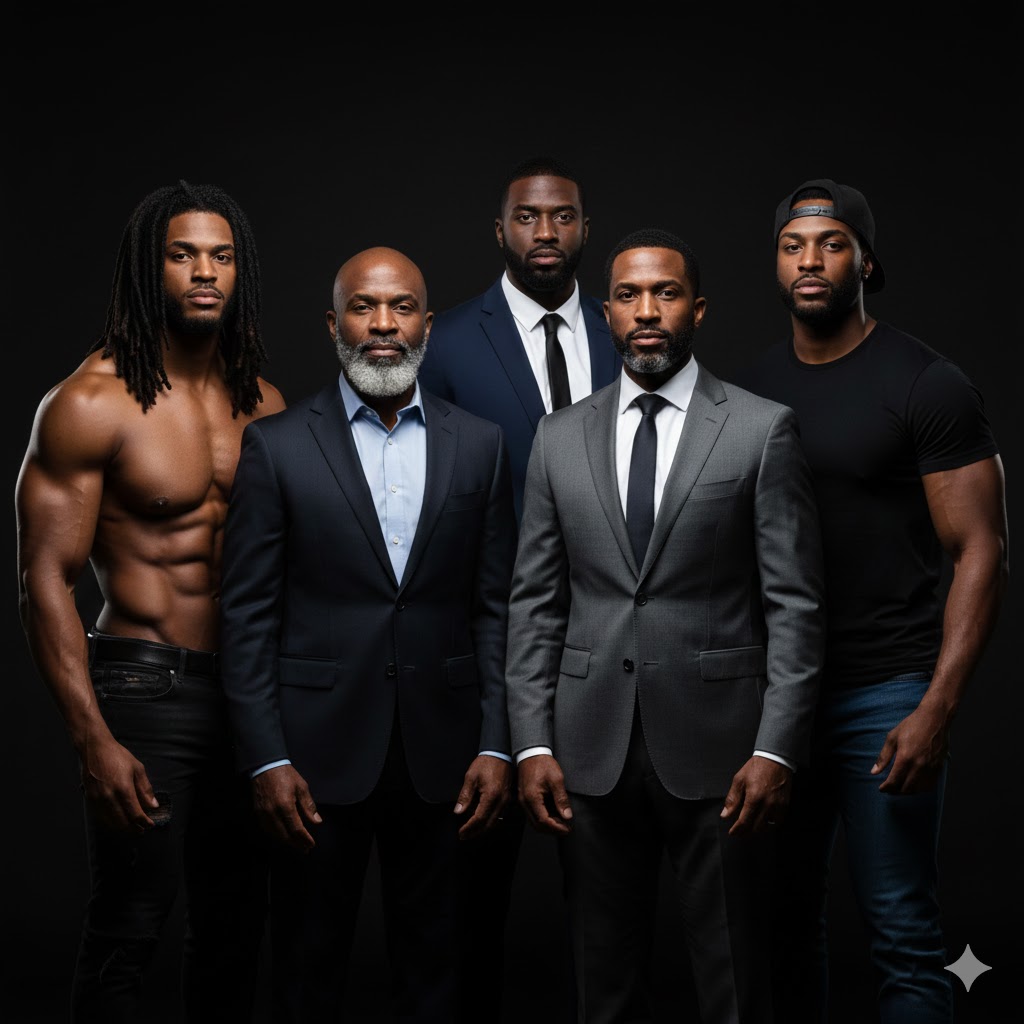
Girl Talk Series: The Types of Men you will Encounter in the Dating Process.

Ladies, wisdom calls for discernment, especially when it comes to the men you allow access to your heart, body, and future. The Bible repeatedly warns that relationships shape destiny, character, and spiritual health. Paying attention to the patterns, fruit, and spirit of the man around you is not judgmental—it is biblical self-preservation.

Modern dating, as practiced today, is a relatively new social construct and often lacks biblical structure or accountability. Scripture emphasizes intention, covenant, and purpose rather than emotional experimentation. Without discernment, many women find themselves emotionally depleted by men who were never meant to lead, love, or commit.

Among all the men you may encounter, the rarest is the needle in the haystack—the Godly man. He is uncommon not because God stopped making him, but because discipline, obedience, and integrity are costly. This man embodies godly wisdom not only in his speech but also in his consistent actions.

The Godly man loves as Christ loves the church, sacrificially and responsibly. He understands authority and submission in a biblical sense, meaning he leads with humility and strength, not control. “Husbands, love your wives, even as Christ also loved the church, and gave himself for it” (Ephesians 5:25, KJV).

He is understanding yet firm, compassionate yet principled. His godliness is internal before it is external; his faith is not performative but transformative. Like David, he is a man after God’s own heart, striving daily to align his will with the Most High (1 Samuel 13:14, KJV).

This man is intentional. He does not waste time, emotions, or bodies. He keeps himself for marriage, honors boundaries, and values covenant over convenience. “Marriage is honourable in all, and the bed undefiled” (Hebrews 13:4, KJV).

He is also a provider—financially, spiritually, emotionally, and mentally. Scripture states plainly, “If any provide not for his own… he hath denied the faith” (1 Timothy 5:8, KJV). However, this type of man requires something equally rare: a Godly woman prepared to recognize, respect, and walk alongside him.

The most common man encountered in dating culture today is the narcissist. He is charming, confident, and initially intoxicating. He enters your life with love-bombing, excessive compliments, and intense attention designed to create emotional dependency.

Over time, the narcissist reveals his true nature. He is unfaithful, manipulative, and emotionally abusive. He gaslights, deflects responsibility, and slowly erodes a woman’s confidence while feeding his ego. Scripture warns of men who are “lovers of their own selves” (2 Timothy 3:2, KJV).

Another man many women meet is the wanderer. He is polite, respectful, and seemingly kind, but emotionally unavailable. He enjoys your presence without offering direction, vision, or commitment. Though not overtly harmful, his indecision leads to disappointment.

The wanderer disappears when accountability or depth is required. He lacks clarity about you and about himself. “Where there is no vision, the people perish” (Proverbs 29:18, KJV). A man without vision cannot lead a relationship.

The showboat is another dangerous type. He lies about his status, character, intentions, or accomplishments. You are constantly confused because his words and actions never align. Deception is his default language.

Scripture is clear about such men: “A lying tongue hateth those that are afflicted by it” (Proverbs 26:28, KJV). With the showboat, you never truly know who you are dealing with because authenticity is absent.

The religious man presents himself as spiritually impressive. He quotes Scripture fluently, knows religious language, and appears holy on the surface. Yet his life does not reflect obedience, humility, or transformation.

He has information about God but no intimacy with Him. Christ warned of those who “say, Lord, Lord” yet do not do the will of the Father (Matthew 7:21, KJV). Appearance without fruit is spiritual deception.

The whoremonger or fornicator is openly driven by lust. His conversations are sexual, his focus is your body, and his intentions are carnal. He pressures boundaries and treats intimacy as entertainment rather than a covenant.

Scripture speaks sternly on this behavior, declaring that the fornicator sins against his own body (1 Corinthians 6:18, KJV). A man enslaved to lust cannot offer faithful love or spiritual leadership.

Closely related is the non-provider. He lacks ambition, responsibility, and accountability. He avoids work, neglects family obligations, and prioritizes pleasure over purpose. This man drains rather than builds.

The Bible does not romanticize laziness. “He that is slothful in his work is brother to him that is a great waster” (Proverbs 18:9, KJV). A man unwilling to labor cannot sustain a household or honor a woman.

Discernment requires prayer, not desperation. Women are encouraged to seek God before seeking companionship. “In all thy ways acknowledge him, and he shall direct thy paths” (Proverbs 3:6, KJV). Prayer sharpens perception.

Fasting is also a powerful tool for clarity. Biblically, fasting humbles the soul and heightens spiritual sensitivity. It helps strip away emotional attachment and reveals the truth that feelings may obscure (Isaiah 58:6, KJV).

Pay attention to patterns, not promises. Fruit reveals character over time. “Ye shall know them by their fruits” (Matthew 7:16, KJV). Consistency matters more than charm.

Guard your heart diligently, for relationships influence purpose and peace. “Keep thy heart with all diligence; for out of it are the issues of life” (Proverbs 4:23, KJV). Wisdom protects future joy.

Ultimately, the goal is not simply to avoid bad men, but to become a woman anchored in God, capable of discernment and discipline. When aligned with the Most High, confusion decreases and clarity increases.

The Godly Man (The Needle in the Haystack)

Who he is
He is authentic, consistent, and intentional. His godliness is internal before it is external. His actions align with Scripture, not just his words. He honors boundaries, keeps himself for marriage, leads with humility, and loves as Christ loves the church. He provides, plans, and pursues with clarity and purpose.

How to recognize him
He is patient, not rushed. He is consistent over time. He prays without performing. He shows discipline in finances, sexuality, and speech. His leadership feels safe, not forced.

How to position yourself for him
Become a Godly woman yourself. Develop prayer discipline, obedience, emotional maturity, and self-respect. This man is not attracted to chaos or compromise. Two cannot walk together unless they agree.


The Narcissist (The Most Common)

Who he is
He is self-centered, manipulative, and emotionally dangerous. He love-bombs early, gives excessive compliments, and moves too fast emotionally. Over time, he becomes critical, dismissive, unfaithful, and mentally draining. He gaslights, deflects blame, and lacks accountability.

How to recognize him
He talks mostly about himself. He rushes intimacy. He avoids responsibility. He makes you question your reality. He has a pattern of broken relationships where everyone else is “the problem.”

How to avoid him
Do not be impressed by charm. Watch how he handles correction and disappointment. Set boundaries early and observe his reaction. Narcissists reveal themselves when they cannot control you.


The Wanderer (Nice but Unavailable)

Who he is
He is polite, respectful, and pleasant, but emotionally absent. He enjoys your presence without offering vision, direction, or commitment. He drifts in and out of your life and disappears when depth is required.

How to recognize him
He avoids defining the relationship. He makes no future plans with you. He is inconsistent in communication. He keeps you emotionally close but relationally distant.

How to avoid him
Ask direct questions early. Require clarity. If he avoids commitment, believe him. Do not invest emotionally where there is no vision.


The Showboat (The Liar and Pretender)

Who he is
He exaggerates or lies about who he is, what he has, and what he intends. His words and actions never align. You feel confused more than secure because authenticity is missing.

How to recognize him
His stories change. He avoids transparency. He performs rather than connects. He resists accountability and hates being questioned.

How to avoid him
Slow everything down. Verify consistency over time. Ask questions and observe behavior. Truth does not fear time or scrutiny.


The Religious Man (Form Without Fruit)

Who he is
He knows Scripture but does not live it. He presents as holy but lacks integrity behind closed doors. His faith is performative, not transformative.

How to recognize him
He quotes Scripture but disrespects boundaries. He talks about God but lacks humility, repentance, or discipline. His private life contradicts his public image.

How to avoid him
Watch his fruit, not his vocabulary. Observe how he treats people when no one is watching. True godliness produces consistent character.


The Whoremonger / Fornicator

Who he is
He is ruled by lust. His conversations are sexual, his focus is your body, and his intentions are physical rather than covenantal. He has a reputation for sleeping around and cannot commit.

How to recognize him
He pushes sexual boundaries early. He constantly sexualizes conversations. He pressures you to compromise. He speaks loosely about past partners.

How to avoid him
Establish firm boundaries immediately. Refuse sexual conversation outside of marriage. Lust-driven men remove themselves when denied access.


The Non-Provider (The Lazy Man)

Who he is
He avoids responsibility. He lacks ambition, discipline, and direction. He does not work consistently and neglects leadership in his life and household.

How to recognize him
He has excuses instead of progress. He avoids work. He lacks goals. He expects others to carry his weight.

How to avoid him
Pay attention to his work ethic. Do not confuse potential with effort. A man unwilling to provide cannot sustain a future.


Final Wisdom for Avoidance

Pray before you attach. Fast when emotions cloud judgment. Watch patterns, not promises. Set boundaries early and keep them. Do not ignore red flags for loneliness. Discernment is protection, not fear.

When you are anchored in God, emotionally disciplined, and clear in your standards, the wrong men lose access—and the right man recognizes you without confusion.

God is not the author of chaos or emotional torment. His design for relationships reflects order, love, and truth. Trust Him to reveal what is hidden and remove what is harmful.

The right man will not require you to abandon your convictions, compromise your body, or question your worth. He will complement your walk with God, not compete with it. When you know who you are in Christ, you recognize who does not belong.


References (KJV)

The Holy Bible, King James Version.
1 Samuel 13:14
Proverbs 3:6; Proverbs 4:23; Proverbs 18:9; Proverbs 26:28; Proverbs 29:18
Isaiah 58:6
Matthew 7:16, 21
1 Corinthians 6:18
Ephesians 5:25
1 Timothy 5:8
Hebrews 13:4

Girl Talk Series: Being That “Ride or Die”

Not for boyfriends. Not for situationships. Not for potential. For the covenant.

🌸 Ladies, Before We Begin… 🌸

Beloved sisters, this conversation is not about being loyal to any man who smiles at you, texts you good morning, or gives you a little attention. The world has romanticized being a “ride or die” for situationships, unproven men, and temporary connections — but Kingdom women do not give wife devotion to boyfriend energy.

This lesson is for covenant, not confusion.
For wives, and for women preparing for the man God has proven, not the man you’re hoping will change.

We are speaking to the woman who understands that loyalty belongs where there is leadership, vision, and God’s covering. To the woman who knows that her heart, her strength, and her devotion are worthy of a man who honors God, honors her, and chooses her publicly and spiritually.

“Every wise woman buildeth her house…”
Proverbs 14:1 (KJV)

We do not build for men still living like boys.
We do not sacrifice for men who do not submit to God.
We do not pour into a vessel that refuses to be filled by the Lord.

Your loyalty is royal.
Your devotion is divine.
Your heart is holy ground.

And the one who receives that kind of love must be a man who has shown consistent character, spiritual maturity, and covenant intention.

This is not about being gullible — it is about being God-led.
Not desperate — but discerning.
Not a placeholder — but a wife in purpose and preparation.

So as we enter this conversation, remember:

You are not proving yourself to a man.
You are preparing yourself for God’s promise.

Let’s talk about what it truly means to stand by a King, and to walk in the grace, wisdom, and strength of a help meet designed by Heaven.

There is a narrative in today’s culture that glorifies being a “ride or die” for any man who shows a little attention. Social media tells women to hold down men who have not proven character, commitment, or covenant. But beloved, God never called daughters of Zion to pour out loyalty, sacrifice, and devotion on untested vessels or unsubmitted men.

This lesson is not for girlfriend status. This is for wives and women preparing for God-ordained marriage, not for anyone entertaining random relationships or men who do not carry the spirit of leadership, responsibility, and faithfulness.

Before you ride, he must have vision.
Before you die to self, he must have died to flesh.
Before you support, he must be submitted to God.

A “ride or die” spirit is righteous when it is covenant-based — when a man has proven himself trustworthy, God-fearing, and aligned with Kingdom purpose. This kind of loyalty belongs inside marriage, not the wilderness of modern dating.

“Whoso findeth a wife findeth a good thing, and obtaineth favour of the LORD.”
Proverbs 18:22 (KJV)

A wife is not “auditioned,” “tested,” or “trial-run.” She is chosen, covered, and covenanted.

💕 A True “Ride or Die” Wife in the Kingdom

She is not desperate — she is discerning.
She does not chase — she is chosen.
She does not break herself — she builds her home.

She stands by her husband because he stands by God.

“Two are better than one… For if they fall, the one will lift up his fellow.”
Ecclesiastes 4:9-10 (KJV)

A Kingdom “ride or die” woman is:

His help meet (Genesis 2:18)
His peace, not his battle (Proverbs 31:26)
His rest, not his restlessness (Proverbs 12:4)
His comfort, not his chaos (Titus 2:4-5)
His support, not his stress (1 Peter 3:1-2)

When she rides, she rides in wisdom, faith, and loyalty.
When she sacrifices, it is for covenant, not confusion.
When she submits, she does so under God’s structure, not man’s ego.

“Wives, submit yourselves unto your own husbands, as unto the Lord.”
Ephesians 5:22 (KJV)

Submission is safe when he submits to God first.


👑 Kingdom “Ride or Die” Looks Like:

  • Praying for him
  • Protecting his name
  • Building him up, not breaking him down
  • Standing with him in spiritual battles
  • Loving him with patience and wisdom
  • Being his rest, warmth, and covering

This is not slavery — it is strength in submission and honor.
This is not weakness — it is divine womanhood.

Remember beloved — loyalty is holy when it is covenant, not chaos.

“The heart of her husband doth safely trust in her…”
Proverbs 31:11 (KJV)

A true “ride or die” woman is not reckless.
She is rooted in God, grounded in peace, and crowned with grace.


🌺 Reflection Questions

  • Am I preparing to be a wife or performing for a boyfriend?
  • Do I give loyalty to men who have not earned leadership?
  • Does the man I envision supporting submit to Christ?
  • Am I building for covenant or clinging to potential?

The Male Files: Unlocking His Mind, One Secret at a Time.

Photo by cottonbro studio on Pexels.com

Understanding men is a complex endeavor, but it is essential for building healthy relationships. Men’s thoughts, desires, and fears are often guided by both biological instincts and emotional experiences. By studying these patterns, women can better navigate relationships and understand why men behave the way they do.

One of the first things to understand is why many men are attracted to physical beauty. Scripture acknowledges the human tendency to notice outward appearances, but it also warns against valuing it above the heart. “Favor is deceitful, and beauty is vain: but a woman that feareth the Lord, she shall be praised” (Proverbs 31:30, KJV). Men are naturally visual beings, but God calls them to pursue character as well as appearance.

Biologically, men are wired to respond to visual stimuli. Evolutionary psychology suggests that physical attraction signals fertility and health, which historically increased the chances of reproduction. This does not excuse superficiality, but it explains why initial attraction is often visual.

Although men should be providers, men often seek 50/50 relationships, desiring balance in effort, respect, and contribution. They want partners who will not only love them but also complement them spiritually, emotionally, and practically. “Two are better than one; because they have a good reward for their labour” (Ecclesiastes 4:9, KJV). Men value equality in partnership because it allows shared growth and stability.

The secrets of men often revolve around unspoken needs. Many struggle with expressing vulnerability, fearing judgment or rejection. Proverbs 20:5 (KJV) says, “Counsel in the heart of man is like deep water; but a man of understanding will draw it out.” Men often hide fears, hurts, and insecurities deep inside, and it takes patience and wisdom to uncover them.

Money is another sensitive subject for men. Many feel pressure to provide and fear failure if they cannot meet financial expectations. 1 Timothy 5:8 (KJV) reminds us, “But if any provide not for his own, and specially for those of his own house, he hath denied the faith, and is worse than an infidel.” This responsibility can create anxiety and affect relational dynamics.

Sex is also central in male psychology. Men often struggle with strong sexual desires, and societal pressures have conditioned them to expect instant gratification. While waiting for marriage is biblically encouraged, “Flee fornication. Every sin that a man doeth is without the body; but he that committeth fornication sinneth against his own body” (1 Corinthians 6:18, KJV), many men wrestle with self-control due to both hormones and cultural influences.

Many men fear vulnerability in love. Opening up about emotions, past trauma, or fears of inadequacy can feel risky. Yet, Proverbs 27:6 (KJV) teaches, “Faithful are the wounds of a friend; but the kisses of an enemy are deceitful.” True intimacy requires honesty, even when it is uncomfortable or risky.

Insecurities about appearance are also common. Men are often silent about their struggles with weight, hair loss, or other physical concerns. This silence can be misinterpreted as confidence, but beneath it may lie fear of rejection or inadequacy. Psalm 139:14 (KJV) affirms, “I will praise thee; for I am fearfully and wonderfully made.” God reminds men and women alike of inherent worth.

Fear influences male behavior in relationships. Some men fear emotional dependency, others fear betrayal, and some fear failure. These fears can cause withdrawal, defensiveness, or even aggression. “The heart is deceitful above all things, and desperately wicked: who can know it?” (Jeremiah 17:9, KJV). Men, like women, must confront these fears to love fully.

Men’s past hurts often shape present interactions. Childhood trauma, broken relationships, or rejection can create defensive patterns. Ephesians 4:31–32 (KJV) instructs, “Let all bitterness, and wrath, and anger, and clamor, and evil speaking, be put away from you, with all malice: And be ye kind one to another, tenderhearted, forgiving one another, even as God for Christ’s sake hath forgiven you.” Healing past wounds is critical for relational success.

Commitment can feel risky because vulnerability exposes men to emotional pain. Proverbs 22:3 (KJV) says, “A prudent man foreseeth the evil, and hideth himself; but the simple pass on, and are punished.” Men may hesitate to commit fully until trust is established.

Men’s desire for beauty often intersects with societal expectations. Media, peers, and culture emphasize physical perfection, which reinforces surface-level attraction. Yet, Song of Solomon 4:7 (KJV) highlights spiritual and emotional beauty: “Thou art all fair, my love; there is no spot in thee.” This reminds men that true beauty encompasses more than the exterior.

Financial concerns impact male decision-making in relationships. Men may delay commitment or engagement until they feel capable of providing, even if their partner is ready. Proverbs 13:11 (KJV) teaches, “Wealth gotten by vanity shall be diminished: but he that gathereth by labour shall increase.” Men often equate financial stability with relational readiness.

Sexual desire can conflict with spiritual principles. Men may struggle with patience in waiting for marital intimacy. 1 Thessalonians 4:3–5 (KJV) emphasizes, “This is the will of God, even your sanctification, that ye should abstain from fornication; That every one of you should know how to possess his vessel in sanctification and honour; Not in the lust of concupiscence, even as the Gentiles which know not God.” Spiritual discipline is essential for navigating this tension.

Men often compartmentalize their emotions due to fear of appearing weak. This behavior may be misunderstood by partners as disinterest or detachment. Ecclesiastes 7:10 (KJV) advises, “Say not thou, What is the cause that the former days were better than these? for thou dost not enquire wisely concerning this.” Understanding requires patience and empathy.

Trust is a central concern for men. Betrayal or dishonesty in prior relationships can create internal walls. Proverbs 3:5–6 (KJV) encourages reliance on God: “Trust in the LORD with all thine heart; and lean not unto thine own understanding. In all thy ways acknowledge him, and he shall direct thy paths.” Men must reconcile faith with relational trust to overcome fears.

Fear of inadequacy also drives secrecy about desires, weaknesses, and vulnerabilities. Men may hide insecurities about appearance, finances, or emotional depth to maintain social status or protect their ego. Romans 12:2 (KJV) reminds believers, “And be not conformed to this world: but be ye transformed by the renewing of your mind, that ye may prove what is that good, and acceptable, and perfect, will of God.” Transformation begins with honesty before God and self.

Some men equate control with masculinity, fearing that vulnerability signals weakness. Yet, true strength lies in transparency and courage. Joshua 1:9 (KJV) says, “Have not I commanded thee? Be strong and of a good courage; be not afraid, neither be thou dismayed: for the LORD thy God is with thee whithersoever thou goest.” God’s presence empowers men to embrace vulnerability confidently.

Emotional withdrawal is often misunderstood. Silence may not indicate indifference but an internal struggle to process feelings. Ecclesiastes 3:1, 7 (KJV) teaches, “To every thing there is a season, and a time to every purpose under the heaven… a time to keep silence, and a time to speak.” Timing matters in male emotional expression.

Insecurity about appearance can affect relationship initiation. Men may fear rejection or judgment based on body image, height, or other physical attributes. 1 Samuel 16:7 (KJV) states, “But the LORD said unto Samuel, Look not on his countenance, or on the height of his stature; because I have refused him: for the LORD seeth not as man seeth; for man looketh on the outward appearance, but the LORD looketh on the heart.” God values character above external traits.

Men’s past experiences with women shape expectations and fears. Trauma, unfaithfulness, or dishonesty in prior partners can make trust and commitment challenging. Colossians 3:13 (KJV) reminds believers to “forgive one another, if any man have a quarrel against any: even as Christ forgave you, so also do ye.” Forgiveness is a step toward relational healing.

Finally, understanding men requires compassion and discernment. Unlocking his mind involves patience, empathy, and acknowledgment of both his strengths and vulnerabilities. Proverbs 20:5 (KJV) reiterates, “Counsel in the heart of man is like deep water; but a man of understanding will draw it out.” A wise partner guides and supports without judgment.

Men want love that honors their needs, respects their fears, and challenges them to grow spiritually, emotionally, and morally. True intimacy is built on trust, patience, and mutual respect. 1 Corinthians 13:4–7 (KJV) defines this love: “Charity suffereth long, and is kind; charity envieth not; charity vaunteth not itself, is not puffed up… beareth all things, believeth all things, hopeth all things, endureth all things.”

In conclusion, men’s secrets are not mysteries to be feared but truths to be understood. Their desires for beauty, equality, and intimacy are natural, but fears, insecurities, and past hurts complicate them. By applying biblical wisdom, patience, and empathy, women can navigate relationships with discernment and grace, unlocking the heart and mind of the men they love.


References (KJV)

  • Proverbs 20:5; 27:6; 31:30; 3:5–6
  • Ecclesiastes 4:9; 7:10; 3:1,7; 4:12
  • 1 Corinthians 6:18; 13:4–7
  • 1 Thessalonians 4:3–5
  • 1 Samuel 16:7
  • Psalm 139:14; 30:5; 147:3; 34:18
  • Jeremiah 17:9
  • Romans 12:2
  • Ephesians 4:31–32
  • Colossians 3:13
  • Joshua 1:9

The Male Files: What Men Fear in Love — Pride, Pain, and the Walls They Build.

Photo by Polina Tankilevitch on Pexels.com

Love is a battlefield for most men—not because they don’t desire it, but because they fear what it demands. Behind the masculine exterior lies a boy once taught that vulnerability equals weakness. Many men have been conditioned to armor themselves with pride, control, and silence, believing that emotion is the enemy of manhood. Yet, love—true love—requires exposure. It asks a man to be seen, known, and open. For many, that is terrifying.

From childhood, boys are told, “Don’t cry,” “Man up,” and “Be strong.” These phrases become emotional handcuffs that prevent them from expressing hurt, fear, or need. As they grow, they learn to suppress emotion and replace it with performance. They chase success, power, or women to validate their worth, never realizing that love requires the very thing society taught them to bury—vulnerability.

A man’s fear of love is often rooted in fear of rejection. He worries that if he reveals his true self—his insecurities, his failures, his past—he will not be enough. So instead, he hides behind the version of himself that looks impressive. But this facade becomes a prison. When love finally knocks, he’s too afraid to open the door, fearing that the woman will see the cracks beneath the confidence.

Many men have also witnessed love fail—divorces, betrayal, abandonment—and the pain left an imprint on their psyche. They fear reliving it. Proverbs 18:14 (KJV) says, “The spirit of a man will sustain his infirmity; but a wounded spirit who can bear?” A broken heart can wound the spirit more deeply than any physical blow. So men protect themselves the only way they know how—by not loving fully at all.

Another layer of fear comes from the pressure to lead. A godly man is called to be the head, but in a world where masculinity is often attacked or distorted, many don’t know how to lead in love. They fear failing as providers, protectors, or spiritual guides. Instead of leaning on God’s strength, they rely on control, mistaking dominance for direction. This pride-driven leadership often drives love away.

Worldly men often view love as a transaction. They give affection in exchange for admiration, sex, or validation. But once the thrill fades, they withdraw. Their fear of intimacy is masked as disinterest. They crave connection but dread accountability. It is not that they don’t want love—they just want it without risk.

Psychologically, this is known as avoidant attachment—a pattern where people crave closeness but feel trapped by it. Many men grew up with distant fathers or emotionally unavailable role models. Their blueprint for love is broken. They equate affection with dependency, and dependency with weakness. Thus, they run from the very thing that could heal them.

Spiritually, this internal war is the struggle between the flesh and the spirit. The flesh seeks control, while the spirit seeks surrender. True love demands surrender—not to another person’s dominance, but to divine vulnerability. Ephesians 5:25 (KJV) says, “Husbands, love your wives, even as Christ also loved the church, and gave himself for it.” Christ’s love required sacrifice, exposure, and humility—qualities many men have not yet mastered.

For some men, the fear of love is also a fear of being needed. To love means to be responsible for someone else’s heart. That weight can feel overwhelming. It forces a man to confront his own emotional instability. So instead, he avoids commitment, convincing himself that he’s “not ready,” when in reality, he’s afraid to fail.

In the modern age, social media and hookup culture have deepened this fear. Relationships have become disposable, and vulnerability has become unfashionable. Men curate highlight reels of their lives to appear in control, confident, and detached. But under the surface lies loneliness. Genesis 2:18 (KJV) reminds us, “It is not good that the man should be alone.” God designed man for companionship, yet fear and pride isolate him from the very connection he was created for.

Pride is love’s greatest saboteur. Many men would rather lose love than lose their image. They equate apology with defeat and softness with surrender. But pride turns the heart to stone. Proverbs 16:18 (KJV) warns, “Pride goeth before destruction, and an haughty spirit before a fall.” Until a man humbles himself, love cannot reach him.

The fear of emotional exposure also stems from shame. Men often carry silent burdens—past mistakes, moral failures, addictions, or regrets. They fear that if they let a woman get too close, she will see the ugliness they hide. This fear of being “found out” creates emotional distance. But love cannot thrive in hiding; it grows only in honesty.

Godly men, however, learn that love is not about perfection but redemption. They understand that vulnerability doesn’t weaken them—it refines them. A man who loves God can love boldly because he draws strength from grace, not ego. First John 4:18 (KJV) says, “There is no fear in love; but perfect love casteth out fear.” When a man surrenders to God, fear loses its grip.

The journey from guardedness to openness is not instant—it’s a process of healing. A man must first confront his inner boy—the one still craving affirmation, the one still afraid of not being enough. When he lets God father that wounded child, he begins to love differently: with patience, empathy, and courage.

Women, too, play a role in this healing. When a woman creates a safe space free from ridicule or control, she helps dismantle the walls around a man’s heart. A godly woman becomes a mirror of divine grace, showing him that love doesn’t expose to shame, but to restore. This kind of love turns a fearful man into a faithful one.

When men understand that love requires humility, they begin to lead with strength that protects, not pride that isolates. The strongest man is not the one who never feels—but the one who feels deeply and still chooses faith over fear. That is the essence of godly masculinity.

In the end, what men fear in love is not the woman—it’s themselves. They fear being seen, stripped of pretense, and required to change. But love was never meant to be comfortable; it was meant to be transformative. And transformation always costs the ego something.

Love is not for the faint of heart. It demands risk, honesty, and growth. The man who avoids it may gain control, but he loses connection. The man who embraces it gains purpose. For as 1 Corinthians 13:11 (KJV) reminds us, “When I was a child, I spake as a child, I understood as a child, I thought as a child: but when I became a man, I put away childish things.” To love well is to finally become a man.


References

Cloud, H., & Townsend, J. (2018). Boundaries in Dating: How Healthy Choices Grow Healthy Relationships. Zondervan.

Eldredge, J. (2001). Wild at Heart: Discovering the Secret of a Man’s Soul. Thomas Nelson.

Johnson, R. (1989). He: Understanding Masculine Psychology. Harper & Row.

Lewis, C. S. (1942). The Screwtape Letters. Geoffrey Bles.

Piper, J. (1993). Desiring God: Meditations of a Christian Hedonist. Multnomah Press.

The Holy Bible, King James Version. (n.d.). Bible Gateway. https://www.biblegateway.com

❤️ Are You in His Heart?❤️

This photograph is the property of its respective owner. No copyright infringement intended.

Every woman deserves to be loved with intention, clarity, and sincerity. Yet too many remain unsure, asking silently, “Am I in his heart—or just in his phone?” This question isn’t rooted in insecurity; it’s rooted in discernment. God created women with intuition, spiritual sensitivity, and emotional depth. When something feels off, it usually is. And when something is real, peace confirms it.

To know whether you are in a man’s heart, you must first understand what the heart truly is. In Scripture, the heart isn’t just emotions—it is the center of thought, decision, character, and purpose. Proverbs 4:23 declares, “Keep thy heart with all diligence; for out of it are the issues of life.” If a man places you in that sacred place, he places you in his future, his priorities, and his inner world.

Love is not a feeling alone; love is a behavior. It is shown through consistency, protection, sacrifice, and truth. Feelings can shift with circumstances, but love abides. 1 Corinthians 13 teaches that love is patient, kind, honest, and enduring. If his “love” is unpredictable, unstable, or self-serving, it is attraction—not commitment.

You are in his heart when your well-being matters to him. He cares about how you feel, how you sleep, what worries you, and what brings you joy. You are not an afterthought—you are an emotional priority. He includes you in decisions, values your perspective, and considers how his actions impact your peace.

But perhaps one of the greatest signs that you are in his heart is this: he is willing to wait until marriage to have sex. A man’s discipline reveals his devotion. When a man truly loves you, he protects your body, your dignity, and your relationship with God. He does not pressure you into intimacy; he stewards you with reverence. Hebrews 13:4 reminds us that the marriage bed is honorable, but sex outside of marriage brings consequences.

Waiting requires maturity, self-control, and respect. A man who waits is a man who envisions you as his wife—not his temporary pleasure. He values covenant more than convenience. He chooses holiness over hormones. He understands that time reveals truth and that rushing intimacy only clouds judgment. But waiting builds clarity, strengthens trust, and honors God.

When a man is willing to wait, he shows that he sees you as a treasure, not a tool. He wants a foundation strong enough to support a future—not a relationship built on lust. Lust takes; love protects. Lust consumes; love preserves. Lust rushes; love endures. His ability to wait reveals the depth of his character and the sincerity of his intentions.

You are in his heart when he protects your purity—not just his own image. He sets boundaries, not temptations. He leads the relationship spiritually, not carnally. He encourages prayer, not pressure. He wants a relationship that God can bless, not one that guilt constantly follows.

Another sign is emotional availability. A man who truly loves you lets you into his internal world. He opens up about struggles, dreams, fears, and goals. He trusts you with his truth and doesn’t hide behind emotional walls. Vulnerability is a pathway to intimacy—deeper than physical connection.

You will also know you are in his heart by the atmosphere he brings. Real love brings peace, not anxiety. A man who loves you will never keep you confused about where you stand with him. He communicates clearly, consistently, and intentionally. Confusion is not the fruit of love; confusion is the fruit of mixed motives.

Being in his heart means he honors your purpose. He does not distract you from your calling or belittle your growth. Instead, he supports your dreams, prays for your elevation, and celebrates who you are spiritually, mentally, and emotionally. He sees you as a partner, not competition.

You are in his heart when he protects your name. He doesn’t speak against you behind your back. He doesn’t entertain disrespect. He covers you with integrity. A man who loves you will guard your reputation as though it were his own.

You will know you’re in his heart when he makes room for you in his life. Not just in his free time, but in his priorities, his future plans, and his daily choices. If you’re always on standby, you’re not in his heart—you’re in his convenience.

He shows you you’re in his heart by choosing you consistently. Not sometimes. Not when he’s bored. Not when he wants attention. But daily—intentionally, willingly, and lovingly. Real love doesn’t disappear when things get difficult; it becomes stronger.

A man who truly carries you in his heart will also correct himself for you. He will grow, adjust, communicate, and evolve because he values the relationship more than his pride. Love makes a man humble and teachable.

Spiritual alignment is another sign. If he prays for you, prays with you, and seeks God concerning you, he is investing in the relationship at the deepest level. Any love not rooted in God will eventually break under pressure. But love rooted in Christ will endure.

Finally, understand this truth: a man’s heart always leans toward what he wants to keep. If he sees you as a wife, his love will be honorable, intentional, and pure. If he sees you as temporary, his actions will reveal it through inconsistency, avoidance, and compromise.

You deserve the kind of love that reflects God’s heart—stable, patient, protective, and pure. When you are in a man’s heart, he will love you like Christ loved the church—with sacrifice, honor, and commitment. And when that love is genuine, you won’t have to ask if you’re in his heart—his life will show it.


KJV Scripture References

  • Proverbs 4:23
  • 1 Corinthians 13:4–7
  • Hebrews 13:4
  • Matthew 7:16
  • Ephesians 5:25
  • 1 John 3:18
  • Song of Solomon 8:7
  • Proverbs 18:22

Healing Our Love: Confronting Trauma in Black Relationships.

Photo by Polina Tankilevitch on Pexels.com

The legacy of slavery, segregation, and systemic oppression has left enduring scars on Black communities, particularly affecting relational dynamics within intimate partnerships. Historical trauma, compounded by ongoing structural inequities, has shaped patterns of trust, attachment, and communication in Black relationships, requiring deliberate examination and healing.

Intergenerational trauma, passed down through family narratives, profoundly influences perceptions of love and intimacy. Children who grow up witnessing or experiencing violence, neglect, or emotional suppression may internalize maladaptive relational scripts that manifest in adulthood (Danieli, 1998). This inheritance complicates the development of secure, emotionally healthy partnerships.

Colorism and Eurocentric beauty standards have also affected relational dynamics. Lighter-skinned individuals have historically been afforded preferential treatment in society, sometimes influencing partner selection, self-esteem, and internalized hierarchies within Black relationships (Hunter, 2005). These biases create additional stressors that must be addressed in the pursuit of authentic connection.

Psychologically, many Black individuals contend with hypervigilance and mistrust shaped by societal oppression. Constant exposure to systemic injustice can induce heightened sensitivity to relational slights, fostering conflict and defensive communication patterns (Williams, 2019). Recognizing these patterns is the first step toward relational repair.

Socioeconomic pressures exacerbate relational strain. Financial instability, limited access to quality education, and disproportionate encounters with the criminal justice system can create stress that directly impacts intimacy and partnership stability (Staples, 2013). Healing relational trauma requires acknowledging these structural realities rather than pathologizing individual behavior.

Historical dislocation, particularly the destruction of the Black family under slavery, continues to echo in modern relational structures. Enslaved Black families were often separated, creating long-term disruptions in attachment, trust, and intergenerational guidance about healthy relationships (Davis, 2006). This context illuminates the structural roots of relational dysfunction.

Attachment theory provides a useful framework for understanding relational trauma in Black communities. Many individuals exhibit insecure attachment styles—anxious, avoidant, or disorganized—stemming from early experiences of instability, neglect, or mistrust (Bowlby, 1988). Addressing these patterns requires intentional therapy, self-reflection, and relational accountability.

Emotional literacy is critical in healing Black relationships. Generational norms often discourage the open expression of vulnerability, particularly among Black men, due to hypermasculinity and societal expectations (Hooks, 2004). Encouraging safe spaces for emotional expression allows partners to develop empathy, intimacy, and authentic connection.

Mental health stigma within Black communities further complicates healing. Reluctance to seek therapy or counseling can perpetuate cycles of unresolved trauma, conflict, and relational dysfunction (Ward & Brown, 2015). Culturally competent therapeutic interventions are essential to dismantle barriers to mental wellness.

Communication patterns in Black relationships are often influenced by trauma responses. Hyperreactivity, withdrawal, or conflict avoidance can impede mutual understanding and trust. Couples must learn to identify triggers, engage in reflective listening, and cultivate conflict resolution strategies that honor both partners’ experiences.

Relational trauma also intersects with gender dynamics. Black women and men navigate societal expectations shaped by intersecting oppressions, including racism, sexism, and classism. These pressures can distort relational power dynamics, influence emotional labor, and affect mutual respect (Collins, 2000). Healing requires equitable negotiation of roles and responsibilities.

Community and cultural support networks play a vital role in relational repair. Extended family, faith-based institutions, and peer mentorship can provide models of healthy relationships, emotional support, and guidance in conflict resolution (Chatters et al., 2008). Integrating these networks enhances resilience and relational stability.

Spirituality often functions as both a coping mechanism and a source of relational guidance. Biblical teachings, ancestral wisdom, and faith traditions encourage forgiveness, empathy, and selflessness, offering a framework for confronting trauma and cultivating enduring love (Johnson, 2012).

Self-awareness is foundational to relational healing. Individuals must confront their own wounds, biases, and internalized oppression before expecting sustainable change within partnerships. Practices such as journaling, therapy, meditation, and mentorship foster clarity and emotional growth.

Healthy boundary-setting is critical. Trauma survivors often struggle with enmeshment or over-accommodation, compromising relational integrity. Establishing and maintaining boundaries reinforces trust, respect, and mutual empowerment in Black relationships (Miller & Stiver, 1997).

Conflict is inevitable, but the response to conflict determines relational resilience. Couples can utilize trauma-informed approaches, including de-escalation techniques, reflective dialogue, and restorative practices, to transform disagreements into opportunities for growth (van der Kolk, 2014).

Forgiveness is a nuanced but essential component of healing. Forgiveness in Black relationships does not imply excusing harmful behavior but rather releasing the hold of trauma to enable relational restoration and personal freedom. It requires accountability, empathy, and conscious reflection.

Intergenerational healing involves disrupting cycles of trauma by modeling healthy relational behaviors for younger generations. By demonstrating vulnerability, respect, and effective communication, Black couples can cultivate relational legacies that prioritize emotional intelligence and mutual care (Bryant-Davis, 2005).

Finally, confronting trauma in Black relationships is both a personal and communal endeavor. Healing requires intentionality, cultural competence, spiritual guidance, and a commitment to dismantling internalized oppression. Through these processes, Black couples can redefine love not as inherited dysfunction but as an empowered, restorative, and transformative force.


References

  • Bowlby, J. (1988). A secure base: Parent-child attachment and healthy human development. Basic Books.
  • Bryant-Davis, T. (2005). Thriving in the wake of trauma: A multicultural guide. Praeger.
  • Chatters, L. M., Taylor, R. J., Woodward, A. T., & Nicklett, E. J. (2008). Social support from church and family members and depressive symptoms among older African Americans. American Journal of Geriatric Psychiatry, 16(8), 635–642.
  • Collins, P. H. (2000). Black feminist thought: Knowledge, consciousness, and the politics of empowerment (2nd ed.). Routledge.
  • Danieli, Y. (1998). International handbook of multigenerational legacies of trauma. Plenum Press.
  • Davis, A. (2006). Women, race & class. Vintage.
  • Hooks, B. (2004). The will to change: Men, masculinity, and love. Washington Square Press.
  • Hunter, M. L. (2005). Race, gender, and the politics of skin tone. Routledge.
  • Johnson, A. (2012). Sacred love: Spirituality and intimate relationships in African American communities. Fortress Press.
  • Miller, J. B., & Stiver, I. P. (1997). The healing connection: How women form relationships in therapy and in life. Beacon Press.
  • Staples, R. (2013). Black male-female relationships: How to create and sustain healthy love. Praeger.
  • van der Kolk, B. (2014). The body keeps the score: Brain, mind, and body in the healing of trauma. Viking.
  • Ward, E., & Brown, R. L. (2015). Mental health stigma and African Americans. Journal of African American Studies, 19(2), 137–152.
  • Williams, M. (2019). Trauma and Black relationships: Understanding emotional dysregulation and trust. Routledge.

How Colorism Influences Attraction and Marriage Patterns.

Photo by cottonbro studio on Pexels.com

Colorism, the system of discrimination that privileges lighter skin tones over darker ones within the same racial or ethnic group, has deep and lasting effects on personal relationships, particularly in the realms of attraction and marriage. Rooted in slavery, colonialism, and Eurocentric beauty ideals, colorism continues to shape how individuals perceive desirability, compatibility, and social status in romantic relationships. These biases not only affect who people date and marry but also reinforce systemic inequities across generations.

Historically, the origins of colorism in America can be traced back to slavery, when lighter-skinned enslaved people—often the offspring of white slave owners and Black women—were given preferential treatment, including less physically demanding work and occasional access to education (Hunter, 2007). This distinction laid the foundation for associating lighter skin with privilege, desirability, and higher social standing. These values, rooted in white supremacy, carried over into post-slavery society and became embedded in ideas of beauty and mate selection.

Attraction, often seen as a deeply personal and subjective experience, is not immune to these social hierarchies. Numerous studies have shown that lighter-skinned individuals are frequently perceived as more attractive, feminine, or masculine in socially acceptable ways (Hill, 2002). In media and popular culture, lighter-skinned Black women are often cast in roles of love interests or wives, while darker-skinned women are more likely to be portrayed as aggressive, hypersexual, or undesirable. These portrayals reinforce biases that influence dating preferences across racial and cultural lines.

For men, colorism influences partner selection by shaping perceptions of status and desirability. Men who select lighter-skinned partners may be viewed as having achieved higher social standing, as these choices align with Eurocentric standards of beauty and social capital (Monk, 2014). Conversely, women with darker skin tones often report being overlooked, rejected, or fetishized in the dating market, facing unique struggles in establishing romantic relationships that validate their worth.

The Influence of Skin Tone on Attraction and Marriage Patterns

Section 1: Dating Preferences by Skin Tone

Skin TonePerceived AttractivenessDating Market OpportunitiesNotes
LightHighMore options, higher social mobilityOften favored in media and social circles (Hunter, 2002)
MediumModerateModerate optionsMay face mixed perceptions in social and professional settings
DarkLower (due to societal bias)Fewer options, often fetishized or overlookedPsychological effects include lower self-esteem, feelings of invisibility (Keith & Herring, 1991)

Section 2: Marriage Patterns by Skin Tone

Skin ToneLikelihood to MarrySpouse Socioeconomic StatusNotes
LightHigherOften higher SES partners“Marriage market capital” based on social perceptions (Goldsmith et al., 2007)
MediumModerateMixed SES partnersVaries by social circle and geographic location
DarkLowerOften lower SES partnersColorism influences social and economic outcomes; may experience delayed marriage or less partner choice

Section 3: Psychological & Spiritual Impacts

  • Dark-skinned women: Increased risk of low self-esteem, body image dissatisfaction, internalized colorism, and rejection in dating.
  • Light-skinned women: Higher social capital but may experience imposter syndrome or pressure to maintain image.
  • Spiritual perspective: KJV Bible emphasizes God looks at the heart, not outward appearance (1 Samuel 16:7).
  • Community impact: Need for affirmations, media representation, and celebration of all skin tones (#MelaninMagic, #BlackGirlMagic).

Section 4: Key Takeaways

  • Colorism is a systemic influence shaping dating and marriage patterns.
  • Light skin often provides social advantages, while dark skin faces bias even in elite or professional circles.
  • Internalized biases affect self-esteem, relationships, and life choices.
  • Spiritual and community affirmation are essential tools to counteract colorism.

Marriage patterns reflect the cumulative impact of these biases. Studies have found that lighter-skinned women are more likely to marry, and they tend to marry partners with higher socioeconomic status compared to their darker-skinned counterparts (Goldsmith, Hamilton, & Darity, 2007). These trends suggest that skin tone operates as a form of “marriage market capital,” where lighter-skinned individuals are afforded more opportunities for upward mobility through marriage. For darker-skinned individuals, limited marriage prospects can exacerbate social and economic inequality.

Colorism also affects interracial marriages. Black women with lighter skin tones are statistically more likely to marry outside their race compared to darker-skinned Black women, in part because lighter skin is perceived as more aligned with mainstream beauty ideals (Hunter, 2002). This trend reflects how racialized beauty hierarchies shape romantic choices not only within the Black community but also in broader society.

Case Study 1: Beyoncé and Jay-Z

Beyoncé, often cited as one of the most powerful and admired Black women in the world, is light-skinned with a caramel complexion. Her marriage to Jay-Z, who himself comes from a slightly lighter-skinned African American background, reflects a dynamic where skin tone and status intersect. While their union is also grounded in shared values and artistic collaboration, some scholars note that lighter skin and societal beauty standards likely amplified Beyoncé’s social capital, increasing her visibility, desirability, and access to elite circles (Hunter, 2007).

Case Study 2: Lupita Nyong’o and Relationships

Lupita Nyong’o, a darker-skinned actress who gained international acclaim for her role in 12 Years a Slave, has spoken about facing colorism within Hollywood and dating circles. Her experience highlights how darker-skinned Black women often encounter fetishization or erasure in romantic contexts. Despite her global recognition, societal biases still shape the perception of desirability, illustrating that colorism is not limited to casual dating but extends into perceptions of high-status partners.

Case Study 3: Michael B. Jordan and Dating Preferences

Actor Michael B. Jordan, who is lighter-skinned compared to some of his peers, has often been paired romantically with women in Hollywood who are either lighter-skinned or mixed-race. Media narratives around these pairings frequently emphasize their beauty and perceived “marketability,” underscoring how skin tone remains a silent influencer in high-profile relationships. Such pairings demonstrate colorism’s subtle but persistent influence on attraction even among successful Black individuals.

Psychologically, these patterns create damaging effects on self-esteem and self-worth. Dark-skinned women often internalize rejection as a reflection of their inherent value, leading to feelings of invisibility, unworthiness, or bitterness toward the dating process. Conversely, lighter-skinned women may grapple with imposter syndrome, questioning whether their desirability is based on genuine love or simply their proximity to whiteness. Both experiences reflect the way colorism undermines authentic human connection in relationships.

Spiritually, colorism directly contradicts biblical teachings on love and marriage. Scripture emphasizes that love is not based on outward appearances but on the heart and character: “But the Lord said unto Samuel, Look not on his countenance, or on the height of his stature; because I have refused him: for the Lord seeth not as man seeth; for man looketh on the outward appearance, but the Lord looketh on the heart” (1 Samuel 16:7, KJV). Likewise, Proverbs 31 highlights the value of a virtuous woman over fleeting physical attributes. These verses affirm that God’s standard for attraction and marriage is rooted in righteousness and inner beauty, not skin tone or social status.

To break free from colorism’s hold on attraction and marriage patterns, both individuals and communities must confront their internalized biases. Media must continue diversifying portrayals of love and beauty, ensuring that darker-skinned individuals are celebrated as desirable, worthy partners. Within Black communities, fostering affirmations that embrace the full spectrum of melanin can help dismantle generational hierarchies. Spiritually, returning to God’s standard of love and marriage can provide healing, as couples root their unions not in skin tone but in faith, commitment, and character.

In conclusion, colorism continues to shape attraction and marriage patterns in profound ways, reinforcing inequities and damaging self-perceptions. By acknowledging these influences, embracing self-worth, and prioritizing character and faith, individuals can create relationships that reflect true love, equality, and divine worth.


References

  • Goldsmith, A. H., Hamilton, D., & Darity, W. (2007). From dark to light: Skin color and wages among African-Americans. Journal of Human Resources, 42(4), 701–738.
  • Hill, M. E. (2002). Skin color and the perception of attractiveness among African Americans: Does gender make a difference? Social Psychology Quarterly, 65(1), 77–91.
  • Hunter, M. (2002). If you’re light you’re alright: Light skin color as social capital for women of color. Gender & Society, 16(2), 175–193.
  • Hunter, M. (2007). The persistent problem of colorism: Skin tone, status, and inequality. Sociology Compass, 1(1), 237–254.
  • Monk, E. P. (2014). Skin tone stratification among Black Americans, 2001–2003. Social Forces, 92(4), 1313–1337.
  • The Holy Bible, King James Version.

Loved in Brown

To be loved in Brown is to exist inside a psychology where identity is not earned through proximity but is bestowed through divine and relational election (Cross, 1991).

Brown skin carries a biological testimony of adaptation and protection, yet it also carries a psychological battleground where meaning is often contested before it is understood (Jablonski, 2012).

Historically, complexion classification systems have manufactured emotional hierarchies that assign value by shade, fragmenting self-concept among melanated people (Hunter, 2007).

The psychological scars of colorist cognition mirror intragroup trauma more intimate than racism alone, because colorism harms inside the family, the community, and the internal self-schema (Byrd & Tharps, 2014).

Yet Scripture declares that love originates in God, who anoints individuals not by appearance but by divine choice, meaning brownness never disqualified the beloved (1 Samuel 16:7, KJV).

Humanity’s origin begins in dust animated by divine breath, grounding creation in earth-tones rather than colorless ideals (Genesis 2:7, KJV).

God declared His created image-bearer “very good” before societal gaze formed its hierarchies (Genesis 1:31, KJV).

Attachment psychology later confirmed what Scripture modeled: identity becomes securely integrated when love is stable, yielding confidence rather than shame (Bowlby, 1969/1982; 1 John 4:18, KJV).

Song of Solomon offers a divine aesthetic interruption, recording that brown skin—darkened by exposure—is still considered lovely, chosen, and adored (Song of Solomon 1:5–6, KJV).

Representation research affirms that visibility of brown beauty reconstructs internalized belonging (Tynes et al., 2019).

This aligns spiritually with God calling His chosen even when others call them common (John 15:16, KJV).

Outgrowing the old self requires identity renewal. Scripture commands cognitive renovation, not shade alteration, emphasizing a change of person, not pigment (Romans 12:2, KJV).

To be loved in Brown requires replacing old internal narratives with divine speech, because death and life are governed first by the tongue, then by the heart that believes it (Proverbs 18:21, KJV).

Paul models identity egress by counting former identities as loss so the higher self in Christ could emerge (Philippians 3:7–8, KJV).

The greatest transformations in Scripture occur in hidden, formative margins—browning seasons of isolation, processing, and divine appointment (Genesis 41, KJV; Masten, 2014).

Love becomes healing when it is covenantal, not comparative; Scripture defines love as divine origin rather than emotional consumerism (1 John 4:7–8, KJV).

The theology of love refuses colorist opposition, affirming that love is sparked by God, sustained by God, and defined as God Himself (1 John 4:8, KJV).

To be loved in Brown is not to be loved despite color, but loved in it, as ink holds no shame for the page it colors.

Brownness becomes a crown when loved rightly, not weaponized socially (Ruth 1:16–17, KJV).

Thus, Loved in Brown stands as a divine psychological correction—God-chosen, spiritually secure, communally resilient, visually brilliant, and eternally authored (Genesis 1:31; Philippians 1:6, KJV).


References

Bowlby, J. (1982). Attachment and Loss: Vol. 1. Attachment (2nd ed.). Basic Books. (Original work published 1969).

Byrd, A. D., & Tharps, L. L. (2014). Hair Story: Untangling the Roots of Black Hair in America. St. Martin’s Press.

Cross, W. E. (1991). Shades of Black: Diversity in African American Identity. Temple University Press.

Hunter, M. (2007). The persistent problem of colorism: Skin tone, status, and inequality. Sociology Compass, 1(1), 237–254.

Jablonski, N. G. (2012). Living Color: The Biological and Social Meaning of Skin Color. University of California Press.

Tynes, B. M., Stewart, A. M., & Hamilton, M. W. (2019). Race-related traumatic events online and mental health among adolescents. Developmental Psychology, 55(4), 737–751.

The Holy Bible, King James Version (Authorized 1611/1769). Genesis 1:31; 2:7; 1 Samuel 16:7; Song of Solomon 1:5–6; Proverbs 18:21; Philippians 3:7–8; Philippians 1:6; John 15:16; John 15:16; 1 John 4:7–8; 1 John 4:18; 1 John 4:18.

💛When a Woman Loves a Man 💛

When a woman loves a man 💛, her affection becomes a sanctuary—soft enough to comfort yet strong enough to sustain. This love is not casual or fleeting; it is intentional, wholehearted, and deeply rooted in care.

A woman’s love carries depth. She does not merely admire; she invests emotionally, spiritually, and mentally. Her presence evolves into both a haven and a guiding force for the man she cherishes.

When a woman loves a man 💛, she sees beyond flaws. She recognizes his humanity and still believes in his potential. Her love encourages him to grow while assuring him that he is enough.

This love is protective—not possessive, but nurturing. She guards his heart, his dreams, and his peace with quiet diligence, praying for his strength and covering him with loyalty.

A woman in love listens deeply. She pays attention not just to words but to silence, body language, and emotions unspoken. Her intuition becomes a compass, guiding her understanding of his inner world.

Her love is encouragement. She affirms his identity and celebrates his achievements. Even when he doubts himself, she holds space for his greatness until he can see it too.

When she loves a man 💛, she honors him publicly and privately. Respect becomes one of her primary love languages, and she expresses it through tone, actions, and the way she speaks of him to others.

Her love cultivates emotional safety. The man who receives her devotion finds a place where he can be vulnerable without fear of judgment or dismissal.

A woman’s love is patient. She does not rush his process of healing or growth. Instead, she stands beside him with grace, trusting that time and intention will yield transformation.

Spiritually, her love can be intercessory. She prays for him, over him, and with him, believing that divine alignment strengthens the bond they share.

When a woman loves a man 💛, she builds with him. She envisions a future where their partnership thrives, and she contributes to that vision with her effort, wisdom, and presence.

Her love is expressed through sacrifice—small and large. She gives freely, whether in time, energy, or compassion, because her heart is anchored in commitment.

This love softens her, but it also strengthens her. Loving deeply challenges her to mature emotionally and spiritually, shaping her into a more grounded and giving version of herself.

A woman’s love brings stability. Her consistency becomes a pillar, offering the man reassurance that he is not walking through life alone.

When she loves a man 💛, she embraces his flaws without enabling harmful patterns. Her love holds him accountable because she desires his wholeness, not just his affection.

Her presence becomes healing. She brings calm to his storms, clarity to his confusion, and joy to his long days. Her love has the power to renew him.

This love is reciprocal at its healthiest. She blossoms most beautifully when her love is honored, cherished, and protected by the man who receives it.

A woman’s love is expressive—through words, touch, service, or devotion. Her heart communicates in ways that go beyond language, reflecting sincerity and depth.

When a woman loves a man 💛, she becomes a partner, a confidante, and a friend. Her loyalty anchors their relationship, fostering unity that endures challenges and celebrates triumphs.

Ultimately, a woman’s love is a gift—rare, powerful, and transformative. When nurtured, it elevates both the woman and the man, creating a bond built on trust, honor, and sacred connection. 💛


References

  • Bell, H. (2012). The nature of romantic attachment in adult relationships. Journal of Social Psychology, 148(3), 325–340.
  • hooks, bell. (2000). All about love: New visions. William Morrow.
  • Johnson, S. (2008). Hold me tight: Seven conversations for a lifetime of love. Little, Brown Spark.
  • Markman, H., Stanley, S., & Blumberg, S. (2010). Fighting for your marriage. Jossey-Bass.
  • Myers, D. (2014). Psychology of love and emotional intimacy. Oxford University Press.
  • Wilkinson, R. (2019). Emotional trust and partnership development. Journal of Marriage & Family Studies, 52(4), 412–429.

The Dating Series: Waiting

Hey Ladies – waiting on God in dating is not punishment—it is protection. It is the Most High’s way of shielding your heart from counterfeits, distractions, and relationships that would derail your destiny. Waiting feels slow, but it is sacred. Scripture reminds us, “Rest in the LORD, and wait patiently for him” (Psalm 37:7, KJV). Waiting is not passive; it is active obedience rooted in faith.

Purity before God is not merely physical abstinence but a posture of the heart. It means aligning your desires with His purpose, guarding your emotions, and protecting your spirit from attachments that weaken your walk. “Keep thy heart with all diligence; for out of it are the issues of life” (Proverbs 4:23, KJV). Waiting trains the heart to choose intentionally, not impulsively.

Accountability is essential in the waiting season. You cannot walk in purity alone. We all need wise counsel, spiritual mentorship, and trusted friends who will pray for us, correct us, and remind us of the bigger picture. Scripture says, “Iron sharpeneth iron” (Proverbs 27:17, KJV). Accountability helps you stay aligned with God’s standard, not the world’s.

Waiting is spiritual warfare. The enemy attacks most fiercely in seasons of longing and loneliness because he wants you to settle for less than what God promised. Yet you are reminded, “Be sober, be vigilant” (1 Peter 5:8, KJV). Staying vigilant in your season of waiting protects you from deceptive relationships dressed as blessings.

The waiting season is also a refining season. God uses this time to heal your wounds, prune your character, and strengthen your identity in Him. Before God brings love to you, He shapes you into a vessel that can handle it. This echoes the truth that the Father is the potter and we are the clay (Isaiah 64:8, KJV). Waiting is preparation, not punishment.

Keeping yourself pure means setting boundaries—physical, emotional, and spiritual. It is not a weakness to say “no”; it is wisdom. “Abstain from all appearance of evil” (1 Thessalonians 5:22, KJV). Boundaries protect your anointing and make room for the relationship God is preparing for you.

Waiting requires intentional prayer. Not just praying for a spouse, but praying for clarity, healing, strength, and discernment. The more you pray, the more your desires align with God’s desires. “Men ought always to pray, and not to faint” (Luke 18:1, KJV). Prayer steadies your heart in seasons of delay.

Purity also extends to your thoughts. Even when your body is disciplined, your mind can wander. Scripture instructs us to “bring into captivity every thought to the obedience of Christ” (2 Corinthians 10:5, KJV). Purity begins in the imagination long before it manifests in action.

Waiting is not withholding—it’s building. God uses this time to strengthen your gifts, elevate your calling, and deepen your relationship with Him. A season of singleness is a season of spiritual acceleration if you embrace it fully. Paul reminds believers that undivided devotion to God is a gift (1 Corinthians 7:34, KJV).

Accountability also includes being honest with yourself. Waiting reveals your triggers, weaknesses, patterns, and emotional vulnerabilities. When you confront these things with the help of the Holy Spirit, you break cycles that once sabotaged your relationships. Truth brings freedom (John 8:32, KJV).

Waiting on God requires faith in His timing. Not your timeline, not society’s pressure, not emotional impulses. God makes everything beautiful “in his time” (Ecclesiastes 3:11, KJV). If the Most High is delaying something, it is because He’s aligning everything perfectly.

Purity demands discipline. It means turning away from situations that stir temptation, choosing environments that encourage holiness, and feeding your spirit more than your flesh. “Watch and pray, that ye enter not into temptation” (Matthew 26:41, KJV). Waiting is a spiritual investment.

In the waiting, God matures your discernment. Every relationship is not for you. Some come to test you, not bless you. Waiting sharpens your spiritual instincts so you can recognize the difference between a distraction and a destiny partner. “Beloved, believe not every spirit, but try the spirits” (1 John 4:1, KJV).

Waiting also invites you to work on your purpose. Instead of sitting still, you become fruitful where you are. Develop yourself, build your skills, strengthen your walk, and serve in the kingdom. Purpose-driven women attract purpose-driven men. Ruth met Boaz while working in her field, not waiting at home idle.

Purity is not perfection—it is dedication. You will not always get everything right, but the heart posture is what matters. God honors those who sincerely seek Him. “A broken and a contrite heart… thou wilt not despise” (Psalm 51:17, KJV). Your desire to honor God is itself worship.

Waiting teaches patience, and patience builds strength. “Let patience have her perfect work” (James 1:4, KJV). This patience will bless your future marriage, because love demands emotional maturity. Waiting grows fruit that relationships can thrive on.

Accountability keeps you grounded. Surround yourself with people who value holiness, who can pray for you, and who will tell you the truth even when it hurts. Your circle impacts your choices. “He that walketh with wise men shall be wise” (Proverbs 13:20, KJV).

Waiting sanctifies your desires. Over time, God removes the superficial checklist and gives you a kingdom-centered vision for partnership. You begin to seek someone who reflects Christ, not culture. Your standards become spiritual, not worldly.

Purity positions you for God’s best. You are not waiting in vain. You are waiting with expectation. The Most High delights in blessing those who trust Him. “No good thing will he withhold from them that walk uprightly” (Psalm 84:11, KJV). Your obedience prepares you for overflow.

Waiting is worship. It is an act of surrender. It is a declaration that God’s timing is better than your impatience. When you wait on Him, you position yourself for a love story written by the Author of destiny.

Your season of waiting is not empty—it is holy. Keep yourself pure, stay accountable, and trust God’s timing. Your promise is on the way.


References (KJV)

Psalm 37:7; Proverbs 4:23; Proverbs 27:17; 1 Peter 5:8; Isaiah 64:8; 1 Thessalonians 5:22; Luke 18:1; 2 Corinthians 10:5; 1 Corinthians 7:34; John 8:32; Ecclesiastes 3:11; Matthew 26:41; 1 John 4:1; Psalm 51:17; James 1:4; Proverbs 13:20; Psalm 84:11.