
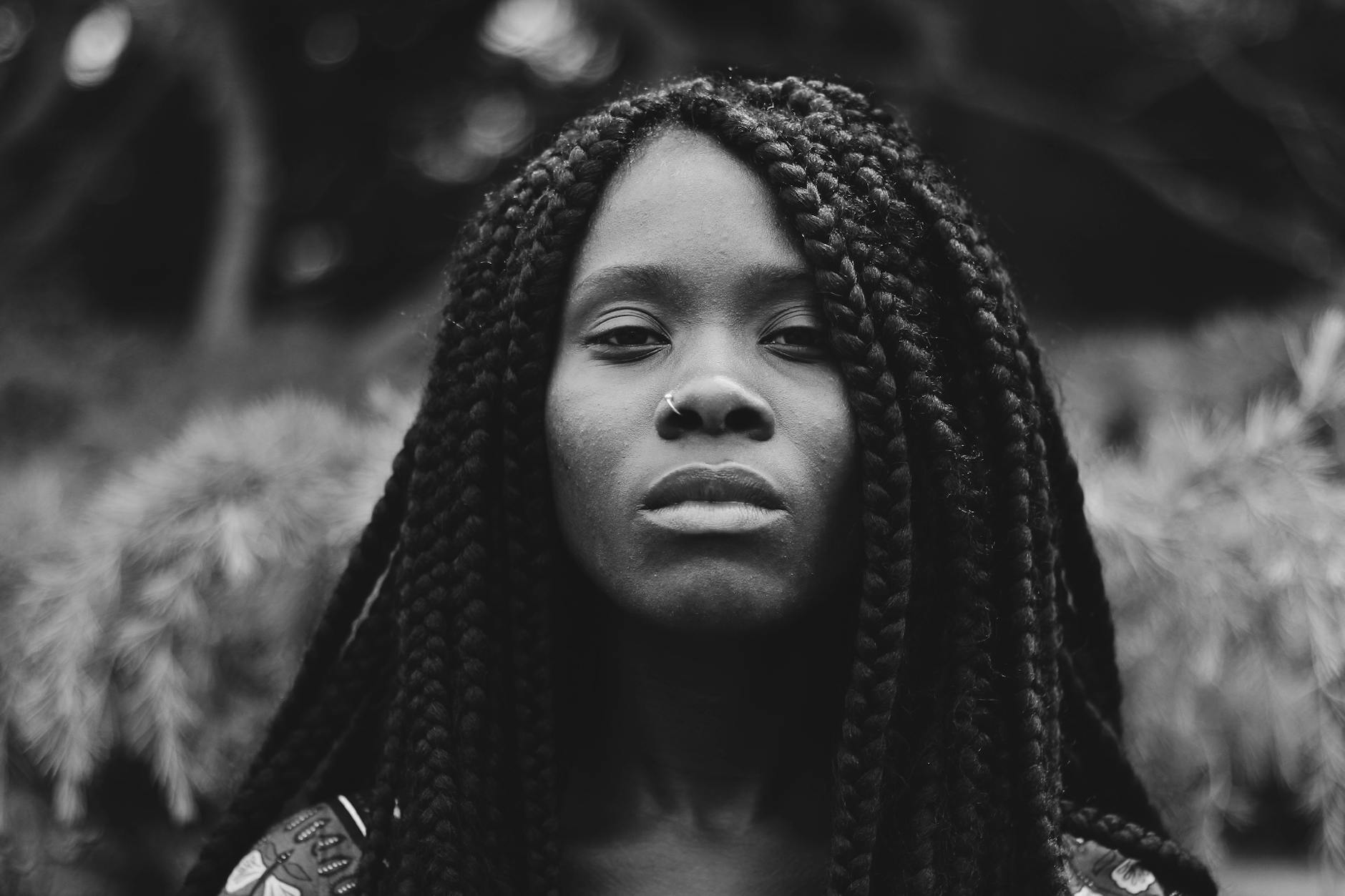
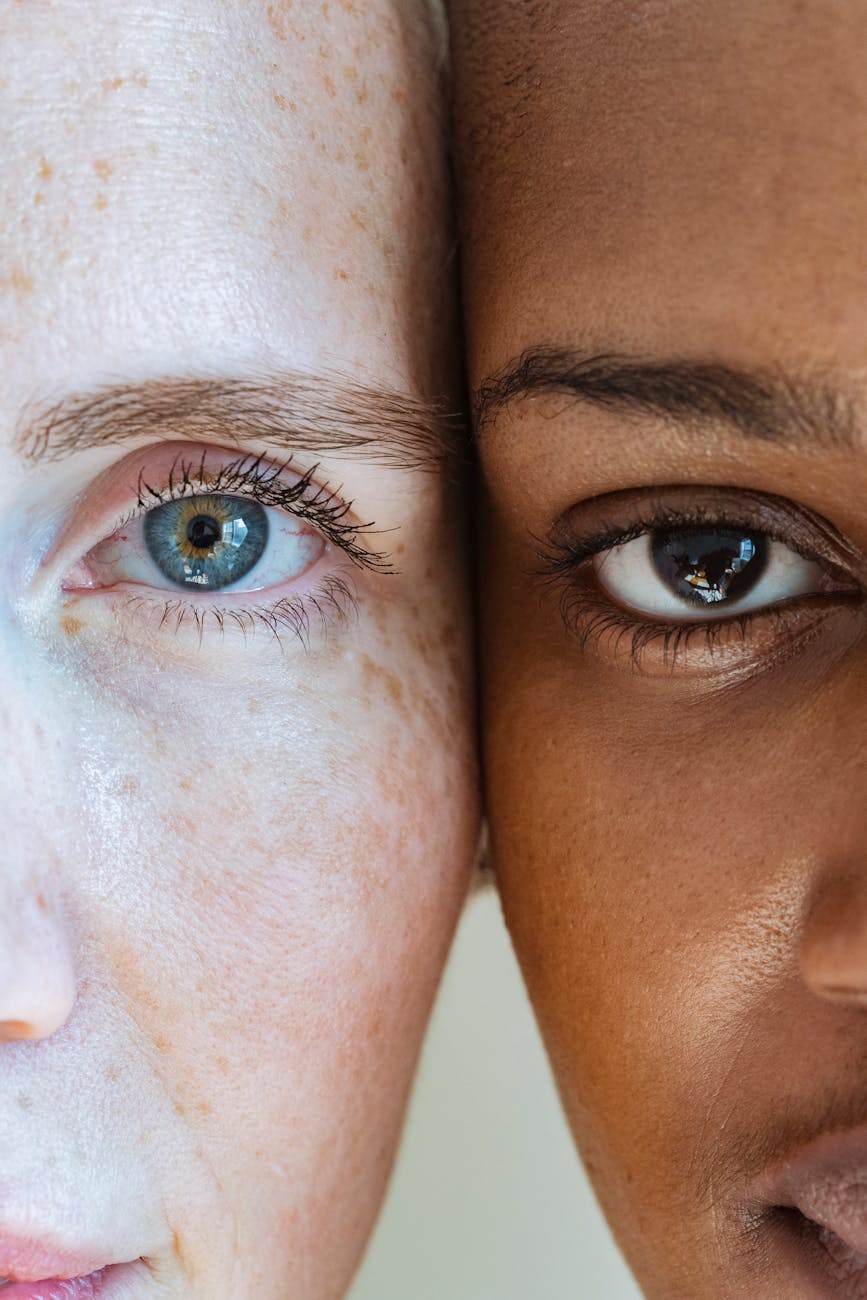
- Colorism, defined as discrimination based on skin tone, is a pervasive issue that disproportionately impacts Black women worldwide. While racism focuses on the broader hierarchy between races, colorism operates within racial groups, creating internalized biases and a preference for lighter skin (Hunter, 2007).
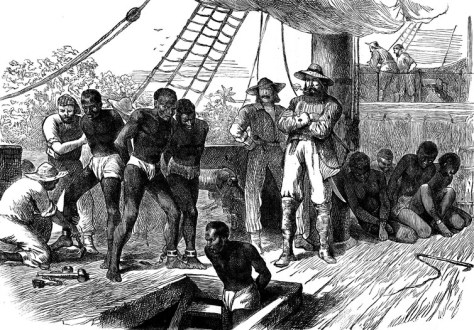
- Historically, colorism among Black populations in the United States emerged from slavery, when lighter-skinned enslaved women, often the daughters of white slaveholders, were granted marginally better treatment and opportunities than their darker-skinned counterparts (Keith & Herring, 1991).
- These historical dynamics laid the foundation for persistent societal perceptions that associate lighter skin with beauty, intelligence, and social value, while darker skin is often linked to criminality, poverty, and sexual promiscuity (Hill, 2002).
- Media representation reinforces these biases. Television, film, and advertising predominantly feature light-skinned Black women as the ideal of beauty, reinforcing a Eurocentric standard that excludes darker-skinned women from mainstream admiration (Hall, 2009).
- Celebrities such as Halle Berry and Lupita Nyong’o demonstrate how skin tone can shape public perception. While both are celebrated for their beauty, lighter-skinned figures historically have received more consistent opportunities in film and modeling industries, illustrating a systemic preference (Banks, 2000).
- Colorism also influences romantic desirability and social mobility. Studies show that lighter-skinned Black women are more likely to receive positive attention in dating contexts and have greater access to professional advancement (Russell-Cole, Wilson, & Hall, 2013).
- Social media exacerbates colorism by creating algorithms and engagement patterns that reward lighter skin, influencing self-esteem and identity formation among young Black women (Nash, 2018).
- Within Black communities, internalized colorism can create tension and division. Darker-skinned women often report being marginalized, even by peers, and subjected to derogatory labels that valorize lighter skin (Tyree, 2006).
- Workplace discrimination persists as well. Employers and colleagues may unconsciously associate darker skin with unprofessionalism or lower competence, impacting hiring, promotion, and salary decisions (Herring & Henderson, 2012).
- Educational settings are not immune. Teachers’ biases, often subconscious, can lead to harsher disciplinary actions and lower academic expectations for darker-skinned girls (Madison, 2014).
- Colorism intersects with gender in a way that magnifies its impact. Black women face a dual burden of racial and gendered discrimination, making the consequences of skin-tone bias particularly harsh (Collins, 2000).
- Beyond institutional structures, personal relationships are affected. Surveys reveal that darker-skinned Black women report lower self-esteem and higher rates of social exclusion compared to their lighter-skinned peers (Hunter, 2007).
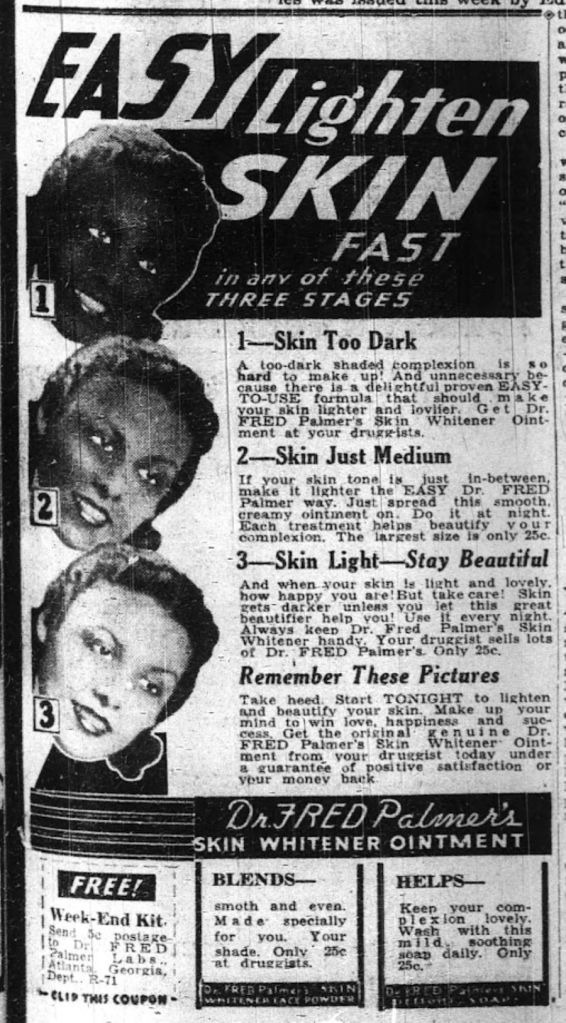
- Beauty standards enforced through colorism have psychological consequences. Many Black women resort to skin-lightening products or cosmetic procedures to conform, risking physical and mental health (Dlova et al., 2015).
- Colorism is not limited to the U.S. It is a global phenomenon, affecting Black women in the Caribbean, Latin America, Africa, and Europe, with colonial histories intensifying preferences for lighter skin (Glenn, 2008).
- In Brazil, for example, a complex racial hierarchy favors lighter-skinned individuals, impacting marriage prospects, employment, and social status, often more rigidly than in the United States (Telles, 2004).
- African nations such as Nigeria and South Africa also witness pervasive skin-lightening practices, demonstrating that global beauty standards remain Eurocentric and exclusionary (Charles, 2009).
- Religious and cultural ideologies sometimes reinforce these biases. Misinterpretations of biblical texts have been used historically to justify hierarchies of race and beauty, further marginalizing dark-skinned women (Jewell, 2020).
- Media campaigns that celebrate natural Black beauty, like Lupita Nyong’o’s advocacy for dark-skinned representation, are slowly challenging these norms but face resistance due to entrenched social preferences (Wade, 2015).
- Combating colorism requires conscious cultural and institutional intervention, including diverse representation in media, inclusive hiring practices, and education that addresses internalized biases (Russell-Cole et al., 2013).
- Family structures also play a role. Parents who reinforce Eurocentric beauty ideals inadvertently transmit colorist attitudes to children, perpetuating cycles of self-doubt and prejudice (Hunter, 2007).
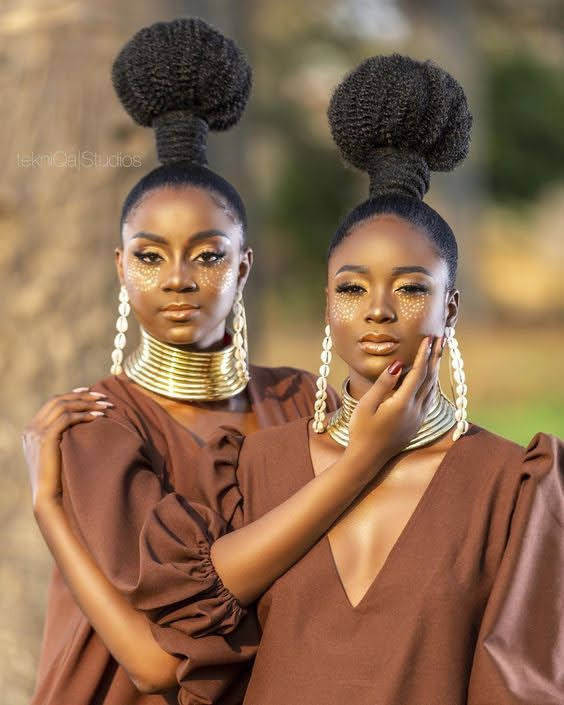
- Literature and arts have long provided a space for Black women to reclaim narratives around beauty. Authors, filmmakers, and photographers are using their platforms to showcase darker-skinned women as powerful, desirable, and multidimensional (Hall, 2009).
- Faith communities can also contribute to healing, emphasizing spiritual identity over physical appearance. Scriptures such as 1 Samuel 16:7 highlight that divine value is determined not by outward appearance but by the heart, challenging societal obsessions with skin tone.
- Advocacy and education are crucial. Programs that engage youth and communities in discussions about colorism can foster awareness, empathy, and systemic change (Tyree, 2006).
- Despite progress, the pervasive nature of colorism indicates that systemic and internalized biases remain deeply rooted. Black women continue to navigate an intersection of societal pressures that demand both racial and gendered resilience (Collins, 2000).
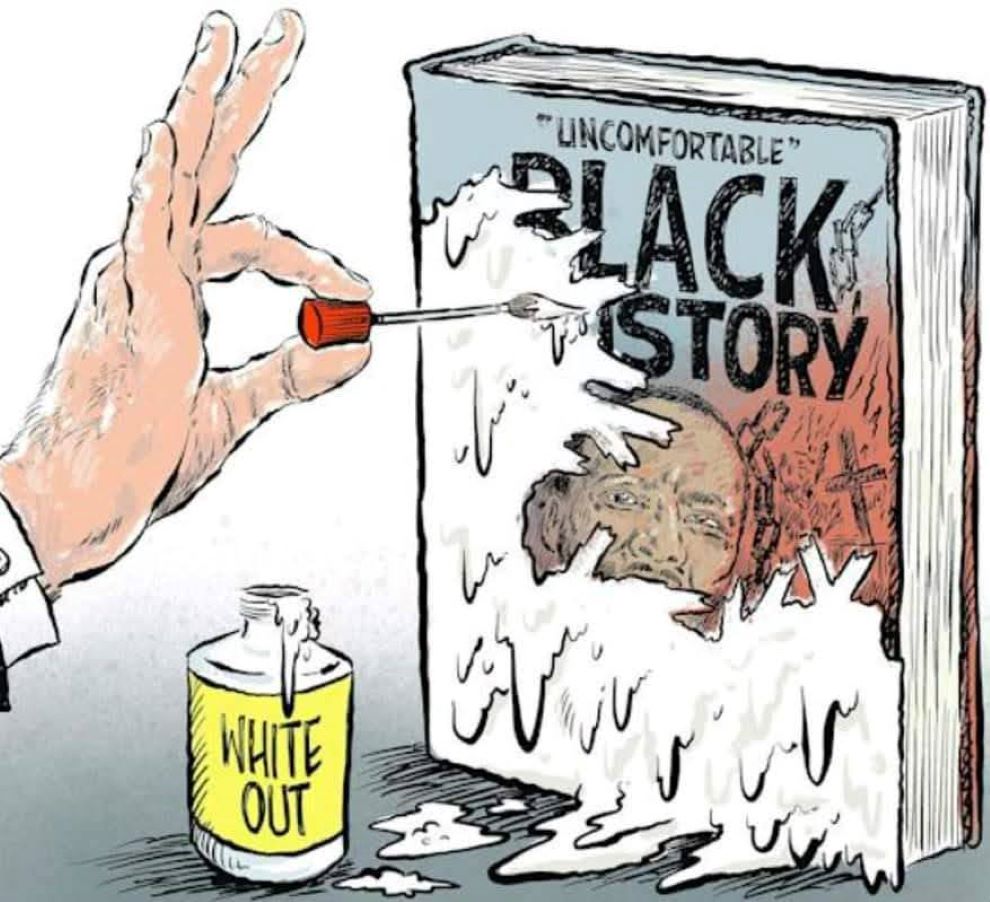
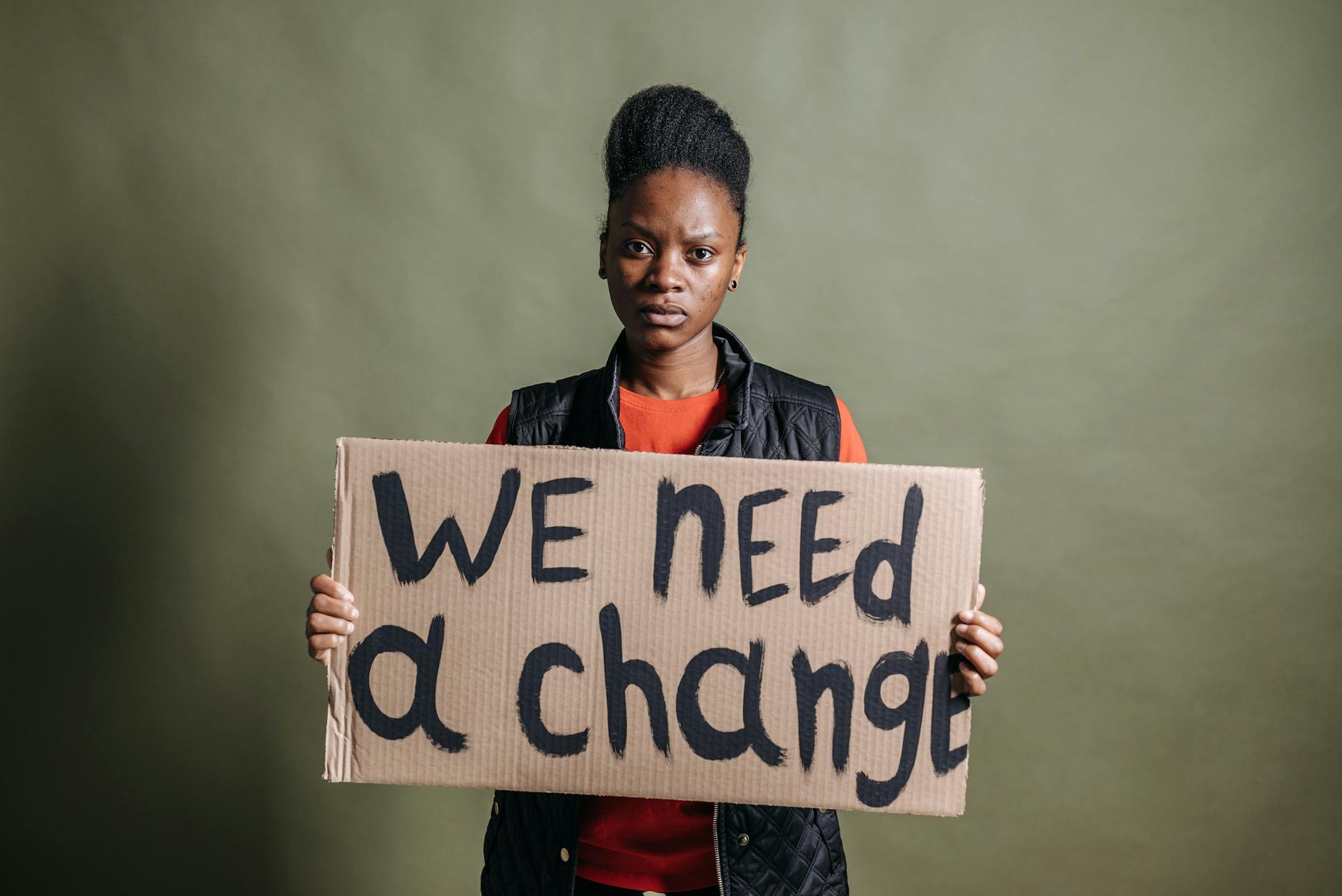
- Ultimately, exposing colorism is not merely about aesthetics; it is about justice, dignity, and equality. Addressing the stereotypes Black women face requires collective acknowledgment of historical roots, present biases, and active commitment to cultural transformation.
References
Banks, I. (2000). Hair matters: Beauty, power, and black women’s consciousness. NYU Press.
Charles, C. A. D. (2009). Skin bleaching, self-hate, and black identity in Jamaica. Journal of Black Studies, 39(3), 521–539.
Collins, P. H. (2000). Black feminist thought: Knowledge, consciousness, and the politics of empowerment (2nd ed.). Routledge.
Dlova, N. C., Hamed, S. H., Tsoka-Gwegweni, J., Grobler, A., & Hift, R. (2015). Skin lightening practices: An epidemiological study of South African women. Journal of the American Academy of Dermatology, 72(3), 464–470.
Glenn, E. N. (2008). Yearning for lightness: Transnational circuits in the marketing and consumption of skin lighteners. Gender & Society, 22(3), 281–302.
Hall, R. E. (2009). Colorism and the media: Black women and beauty standards. Media, Culture & Society, 31(5), 615–636.
Herring, C., & Henderson, L. (2012). Skin deep: How race and complexion matter in the workplace. Annual Review of Sociology, 38, 353–374.
Hill, M. (2002). Skin color and the persistence of colorism in American society. Journal of African American Studies, 6(2), 7–13.
Hunter, M. (2007). The persistent problem of colorism: Skin tone, status, and inequality. Sociology Compass, 1(1), 237–254.
Jewell, R. (2020). Biblical misinterpretations and racial hierarchies: A critical analysis. Journal of Religious Studies, 45(2), 112–130.
Keith, V., & Herring, C. (1991). Skin tone and stratification in the black community. American Journal of Sociology, 97(3), 760–778.
Madison, D. (2014). Teacher bias and colorism in schools. Education and Urban Society, 46(6), 691–712.
Nash, R. (2018). Social media and the reinforcement of colorism. New Media & Society, 20(6), 1–18.
Russell-Cole, K., Wilson, M., & Hall, R. E. (2013). The color complex: The politics of skin color among African Americans. HarperCollins.
Telles, E. E. (2004). Race in another America: The significance of skin color in Brazil. Princeton University Press.
Tyree, T. (2006). The influence of colorism on self-esteem and interpersonal relationships among African Americans. Journal of Black Psychology, 32(1), 41–60.
Wade, L. (2015). Dark beauty: Celebrating black women in media. Feminist Media Studies, 15(3), 433–447.



 THE BROWN GIRL DILEMMA