Category Archives: racial trauma

The Brown Girl Dilemma: #teamlightskin #teamdarkskin — The Loss of Identity

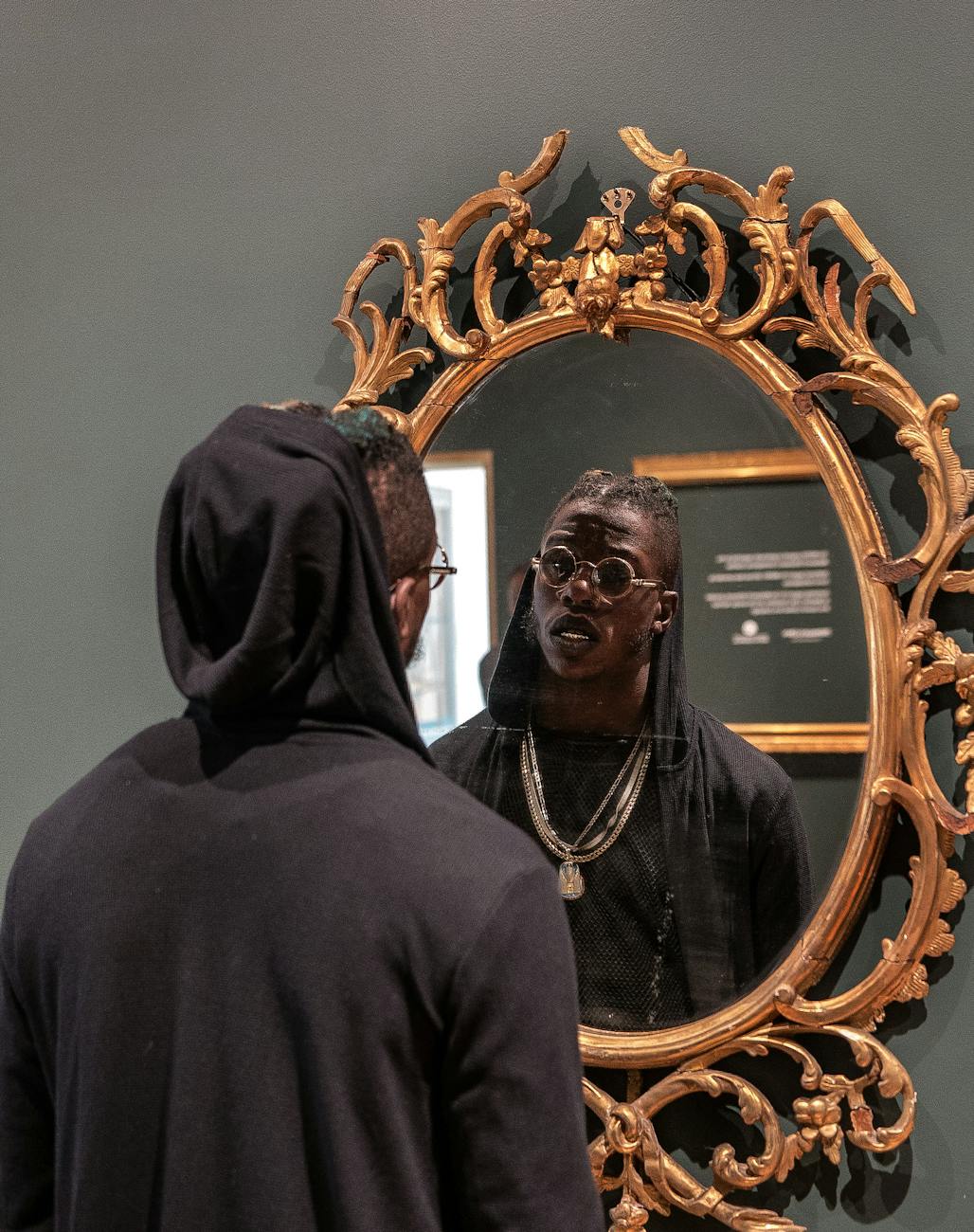
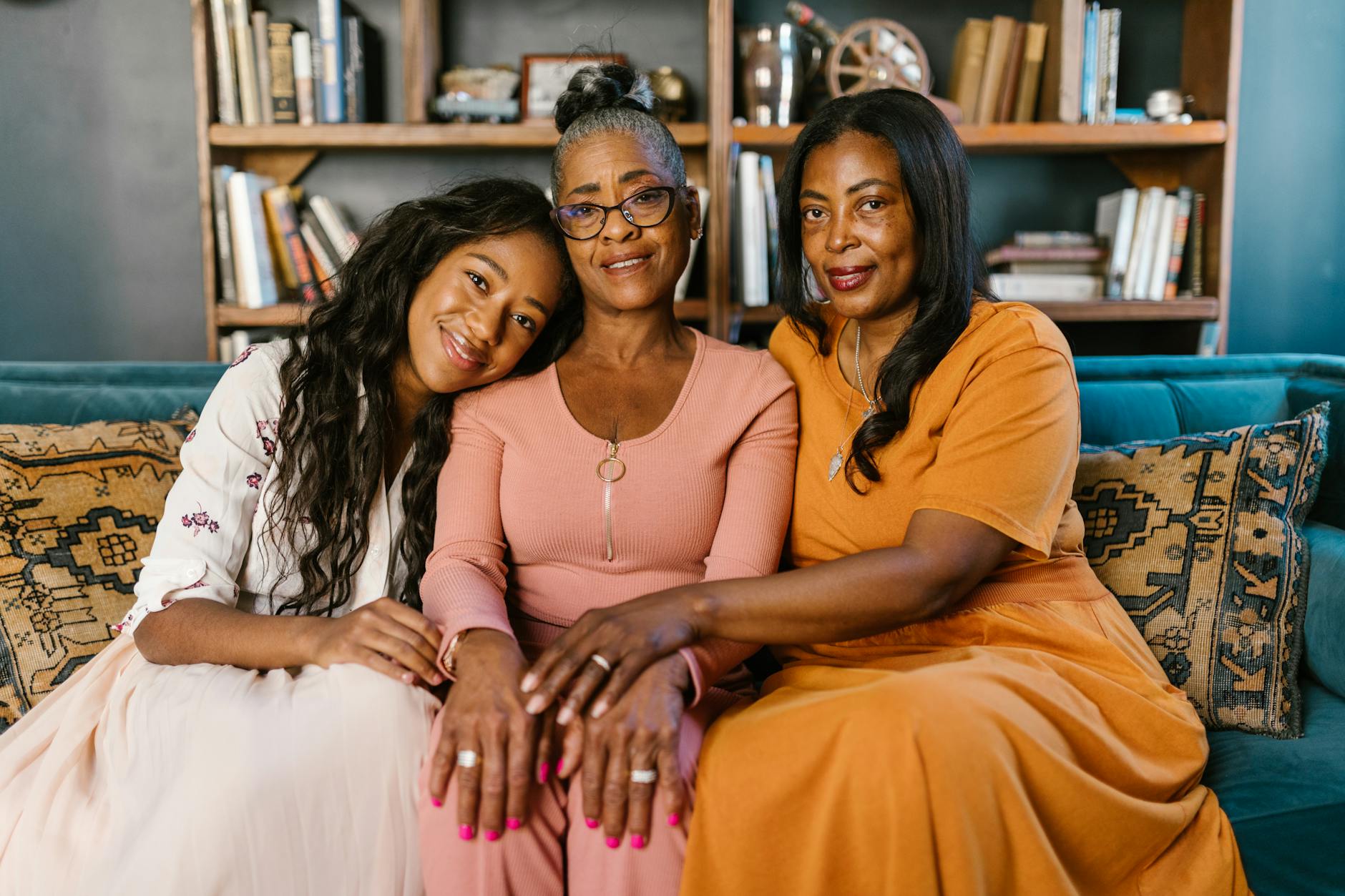
Photo by kings ent shot on Pexels.com

The conversation around skin tone in the Black community has long been fraught with pain, division, and misunderstanding. The rise of social media hashtags such as #teamlightskin and #teamdarkskin has amplified old wounds under the guise of humor, preference, and cultural pride. Yet beneath these digital expressions lies a centuries-old dilemma—the fragmentation of identity for brown-skinned women navigating the intersections of race, gender, and colorism. This dilemma is not simply about complexion; it is about the loss of identity and the ongoing negotiation of worth in societies shaped by white supremacy and internalized oppression.

Historically, the preference for lighter skin among Black populations is rooted in the legacy of slavery and colonialism. Enslaved Africans with lighter skin were often granted privileges, sometimes working inside homes while darker-skinned individuals endured harsher field labor (Hunter, 2007). These divisions created an internal hierarchy that continues to reverberate in modern times. For the brown girl—often caught in the middle of these divisions—her identity becomes fractured, leaving her struggling to find where she belongs.

The hashtags #teamlightskin and #teamdarkskin perpetuate these divisions by forcing women to align with one category or another. While intended by some as playful banter, they reinforce harmful binaries that pit Black women against each other. For brown girls, who do not neatly fit into either category, these labels become restrictive. They are reminded constantly that their beauty, desirability, and even value are measured not only against whiteness but also within a racialized color hierarchy.

This loss of identity manifests in social, psychological, and relational ways. Psychologically, colorism has been linked to decreased self-esteem, internalized shame, and identity confusion (Keith & Herring, 1991). Brown girls often feel they are “not light enough” to benefit from color privilege and “not dark enough” to claim solidarity with darker-skinned peers. This creates a liminal space of invisibility where their identity feels erased.

In social contexts, these divisions play out in dating preferences, media representation, and peer dynamics. Research has shown that lighter-skinned women are more likely to be idealized in media portrayals and considered more desirable in dating (Monk, 2014). Meanwhile, darker-skinned women are often subject to stereotypes of strength or undesirability. Brown-skinned women, suspended between these polarities, often face erasure—their stories and representations diminished because they do not fit neatly into either category.

Culturally, these divisions are exacerbated by music, entertainment, and social media. Hip-hop lyrics frequently highlight “redbones” or “yellow bones,” reinforcing the desirability of light-skinned women (Stephens & Few, 2007). At the same time, movements celebrating dark-skinned beauty, such as #melaninpoppin, emphasize resistance to colorist standards but can still inadvertently leave brown girls feeling sidelined. This cultural polarization means that the brown girl is constantly negotiating her place in conversations about beauty, desirability, and identity.

Theologically, this dilemma represents a distortion of God’s creation. Scripture affirms that humanity was created in the image of God (Genesis 1:27), and Acts 17:26 (KJV) reminds us that God “hath made of one blood all nations of men.” Yet colorism corrupts this truth, dividing sisters against each other and breeding insecurity. Instead of celebrating diversity in melanin as divine artistry, the #teamlightskin vs. #teamdarkskin divide reduces identity to shade categories that deny the fullness of Black womanhood.

Brown girls often internalize these divisions as pressure to prove themselves. Some attempt to emphasize their lightness in certain contexts while downplaying it in others, depending on the cultural capital of the moment. Others lean toward embracing dark-skinned solidarity to escape accusations of privilege, only to feel dismissed by those who view them as not “dark enough.” This constant shifting creates identity fatigue and emotional exhaustion.

At the heart of this dilemma is the colonial mentality that equates proximity to whiteness with value. Frantz Fanon (1952/2008) argued that colonized people often internalize the desire to embody whiteness, whether through skin tone, hair texture, or cultural assimilation. Brown girls navigating this reality often feel caught between rejecting whiteness and not fully being embraced by Black communities divided by color lines. Their loss of identity, then, is both imposed by society and perpetuated within the community itself.

The effects of this dilemma are intergenerational. Mothers, grandmothers, and peers pass down explicit and implicit messages about skin tone, often reinforcing preferences rooted in colonial history (Russell et al., 2013). Brown girls grow up hearing phrases like “stay out of the sun” or “you’re lucky you’re not too dark,” which embed colorist logic into their sense of self. This inheritance ensures that the dilemma persists across generations unless intentionally confronted and dismantled.

Mental health consequences for brown girls cannot be overlooked. Research links experiences of colorism with depression, body dysmorphia, and even disordered eating (Thompson & Keith, 2001). The constant scrutiny of their skin tone and the pressure to fit into light or dark categories leave brown girls without a stable sense of self. This crisis of identity reflects the trauma of cultural erasure and the weight of impossible beauty standards.

Education and media representation play critical roles in either reinforcing or challenging this dilemma. When classrooms, textbooks, and films predominantly showcase lighter-skinned or Eurocentric standards of beauty, brown girls internalize the message that they are less visible and less valued. Conversely, inclusive representation that highlights the full spectrum of Black beauty can provide affirmation and belonging.

Social media, while often amplifying divisions, can also be harnessed to dismantle them. Hashtags that celebrate all shades of melanin, such as #BrownSkinGirl popularized by Beyoncé, can offer visibility and affirmation to brown girls who otherwise feel invisible. Yet these movements must move beyond aesthetics to address the deeper psychological and structural roots of colorism.

Breaking free from the brown girl dilemma requires intentional identity reconstruction. This means redefining beauty and worth beyond color hierarchies, rooting identity in culture, heritage, and divine value rather than arbitrary shade categories. It also requires challenging internalized colonial logic and choosing solidarity across the Black spectrum rather than competition.

Churches, schools, and families must be proactive in teaching young girls the truth of their worth. Biblical texts such as Psalm 139:14 affirm that we are “fearfully and wonderfully made.” Such affirmations, when reinforced in community, help brown girls resist the lies of colorism. Mentorship programs and intergenerational conversations can also equip them to navigate identity struggles with resilience and pride.

Communal healing also depends on dismantling the false binaries of light and dark. The reality is that Black identity is not monolithic but expansive, encompassing a wide range of shades, textures, and experiences. Celebrating this diversity rather than segmenting it is crucial for rebuilding collective identity. As Audre Lorde (1984) argued, difference should be a source of strength rather than division.

Ultimately, the brown girl dilemma symbolizes a broader cultural crisis—the fragmentation of identity under oppressive systems. By confronting colorism, rejecting shade hierarchies, and affirming every shade of Black beauty, communities can restore what has been lost. The brown girl, no longer forced to choose between #teamlightskin or #teamdarkskin, can embrace her full identity without compromise.

In conclusion, the hashtags #teamlightskin and #teamdarkskin reveal the persistence of colorism in digital spaces but also highlight the urgent need for healing. The brown girl dilemma underscores the psychological, social, and spiritual costs of dividing identity along shade lines. Only through intentional cultural, educational, and spiritual transformation can the loss of identity be restored, allowing brown girls—and all Black women—to flourish in their full humanity.


References

  • Fanon, F. (2008). Black skin, white masks. Grove Press. (Original work published 1952)
  • Hunter, M. (2007). The persistent problem of colorism: Skin tone, status, and inequality. Sociology Compass, 1(1), 237–254.
  • Keith, V. M., & Herring, C. (1991). Skin tone and stratification in the Black community. American Journal of Sociology, 97(3), 760–778.
  • Lorde, A. (1984). Sister outsider: Essays and speeches. Crossing Press.
  • Monk, E. P. (2014). Skin tone stratification among Black Americans, 2001–2003. Social Forces, 92(4), 1313–1337.
  • Russell, K., Wilson, M., & Hall, R. (2013). The color complex: The politics of skin color among African Americans. Anchor Books.
  • Stephens, D. P., & Few, A. L. (2007). Hip hop honey or video ho: African American preadolescents’ understanding of female sexual scripts in hip hop culture. Sexuality & Culture, 11(4), 48–69.
  • Thompson, M. S., & Keith, V. M. (2001). The Blacker the berry: Gender, skin tone, self-esteem, and self-efficacy. Gender & Society, 15(3), 336–357.

Healing Generations: Therapy, Mindfulness, and Resilience for Black Women.

Photo by Christina Morillo on Pexels.com

1. Therapy in the Black Community: Overcoming Stigma

Mental health care remains underutilized in the Black community, largely due to historical mistrust, cultural stigma, and systemic barriers. Generational experiences of racism, discrimination, and neglect have contributed to skepticism toward therapeutic institutions. Yet, therapy is a critical tool for healing trauma, managing stress, and promoting emotional resilience.

Stigma often arises from misconceptions that seeking therapy indicates weakness or failure. Many Black families emphasize self-reliance, spiritual coping mechanisms, and familial support, which can discourage professional intervention (Ward et al., 2013). Overcoming these barriers requires education about mental health, normalization of therapy, and community advocacy.

Culturally competent therapists who understand racial dynamics and culturally specific stressors are essential. Practices like narrative therapy, cognitive-behavioral approaches, and faith-integrated counseling have shown effectiveness in addressing the unique experiences of Black clients (Williams et al., 2018).

Faith can also play a supportive role. “Cast thy burden upon the Lord, and he shall sustain thee” (Psalm 55:22, KJV) highlights that spiritual guidance can coexist with professional care, reinforcing holistic healing. Encouraging conversations around mental health within churches, community groups, and families reduces stigma and promotes early intervention.


2. Intergenerational Trauma in Black Families

Intergenerational trauma refers to the transmission of historical and collective trauma from one generation to the next. For Black families, legacies of slavery, segregation, and systemic racism have left enduring psychological, emotional, and social impacts. These traumas often manifest as anxiety, depression, mistrust, and behavioral patterns that affect parenting and family relationships.

Research indicates that trauma responses, coping mechanisms, and stress responses can be learned and internalized by descendants (Danieli, 1998). Recognizing intergenerational trauma allows families to break harmful cycles, foster resilience, and implement healing strategies. Family therapy, storytelling, and cultural affirmation are critical interventions.

Education about history and collective experiences empowers Black families to contextualize emotional struggles without self-blame. “Train up a child in the way he should go: and when he is old, he will not depart from it” (Proverbs 22:6, KJV) underscores the importance of guidance and intentional nurturing across generations.


3. Mindfulness and Meditation for Black Women

Mindfulness and meditation practices provide powerful tools for Black women navigating the intersectional pressures of race, gender, and societal expectations. By fostering awareness, presence, and emotional regulation, these practices can counteract stress, anxiety, and internalized societal bias.

Mindfulness encourages self-compassion and self-acceptance, vital in communities where women are often expected to display resilience and strength despite adversity. Meditation, breathing exercises, and reflective journaling allow Black women to process trauma, release tension, and connect with inner resources.

Culturally relevant mindfulness integrates spiritual grounding, affirmations, and meditation aligned with Black cultural narratives. Scripture can also be incorporated: “Be still, and know that I am God” (Psalm 46:10, KJV) reinforces the spiritual dimension of mindfulness, encouraging trust and calm in God’s presence.

Studies demonstrate that consistent mindfulness practice improves emotional well-being, reduces stress hormones, and enhances focus (Hölzel et al., 2011). For Black women, these practices can serve as both preventive and therapeutic measures, complementing therapy and community support.


Healing and Mental Wellness for Black Women

1. Therapy in the Black Community

  • Purpose: Professional support for emotional, psychological, and trauma-related challenges.
  • Barriers: Historical mistrust, cultural stigma, lack of culturally competent therapists.
  • Strategies: Normalize therapy, combine with faith/spiritual guidance (Psalm 55:22, KJV), promote mental health education.
  • Icons: Couch, therapist, dialogue bubbles.

2. Intergenerational Trauma

  • Definition: Transmission of historical trauma (slavery, segregation, systemic racism) across generations.
  • Effects: Anxiety, depression, behavioral patterns, mistrust in families.
  • Solutions: Family therapy, storytelling, cultural affirmation, intentional parenting (Proverbs 22:6, KJV).
  • Icons: Family tree, broken chain, heart.

3. Mindfulness and Meditation

  • Purpose: Stress reduction, emotional regulation, self-awareness, spiritual grounding.
  • Techniques: Meditation, breathing exercises, journaling, affirmations.
  • Spiritual Component: “Be still, and know that I am God” (Psalm 46:10, KJV).
  • Benefits: Improves focus, emotional well-being, resilience.
  • Icons: Lotus flower, meditation figure, brain.

References

  • Danieli, Y. (1998). International Handbook of Multigenerational Legacies of Trauma. Springer.
  • Hölzel, B. K., Lazar, S. W., Gard, T., Schuman-Olivier, Z., Vago, D. R., & Ott, U. (2011). How does mindfulness meditation work? Frontiers in Psychology, 2, 1–9.
  • Ward, E. C., Wiltshire, J. C., Detry, M. A., & Brown, R. L. (2013). African American men and women’s attitude toward mental illness, perceptions of stigma, and preferred coping behaviors. Nursing Research, 62(3), 185–194.
  • Williams, M. T., Printz, D., & DeLapp, R. C. T. (2018). Providing culturally competent mental health care for Black Americans. Journal of Clinical Psychology, 74(6), 993–1003.
  • The Holy Bible, King James Version.

Types of Racism

Racism is not a singular phenomenon but a complex system of beliefs, policies, and practices that establish and maintain racial hierarchies. It operates on individual, institutional, and structural levels, shaping everything from identity formation to social mobility. Understanding the types of racism is critical for dismantling the deeply embedded inequities that continue to define societies around the world (Bonilla-Silva, 2014).

Individual racism occurs when a person’s beliefs, attitudes, or actions consciously or unconsciously perpetuate racial prejudice or discrimination. It is expressed through personal bias, stereotyping, and direct acts of hostility toward people of another race. Though often the most visible form of racism, it is only one layer of a much larger system (Tatum, 2017).

Interpersonal racism happens in day-to-day interactions, often disguised as microaggressions. These subtle acts—such as questioning a person’s intelligence or making assumptions about their background—communicate inferiority and reinforce racial hierarchies. The cumulative impact of such encounters can result in significant psychological harm (Sue et al., 2007).

Internalized racism occurs when individuals from marginalized racial groups adopt the negative beliefs or stereotypes perpetuated by dominant groups. This internal oppression manifests through self-doubt, assimilation, and the devaluation of one’s cultural heritage. It often results from centuries of colonization, media misrepresentation, and social exclusion (Pyke, 2010).

Institutional racism refers to policies and practices embedded within organizations—such as schools, corporations, or law enforcement—that produce unequal outcomes along racial lines. Even when not explicitly racist, these structures perpetuate disparities in employment, housing, education, and criminal justice (Carmichael & Hamilton, 1967).

Structural racism extends beyond individual institutions and reflects the historical accumulation of inequality across systems. It is the totality of social, economic, and political mechanisms that normalize racial disadvantage and privilege. Structural racism is both pervasive and self-reinforcing, making it one of the most difficult forms to dismantle (Gee & Ford, 2011).

Systemic racism operates as a comprehensive framework that upholds racial inequality in virtually every sphere of life. It is the “normalization and legitimization” of various dynamics—historical, cultural, and institutional—that routinely advantage white people while disadvantaging people of color (Feagin, 2013).

Cultural racism manifests through the promotion of one group’s norms, values, and aesthetics as the universal standard. This form of racism is deeply embedded in media, beauty ideals, education, and religion. It often leads to the marginalization of cultural expressions that do not align with dominant ideals (hooks, 1992).

Colorism—a byproduct of cultural and systemic racism—favors lighter skin tones over darker ones, even within the same racial group. This phenomenon originates from colonial hierarchies that equated proximity to whiteness with superiority and privilege. Colorism affects access to opportunities, social status, and self-worth (Hunter, 2007).

Environmental racism refers to the disproportionate exposure of marginalized racial communities to environmental hazards. Examples include toxic waste sites, polluted neighborhoods, and limited access to clean water and green spaces. This form of racism connects race directly to public health outcomes (Bullard, 2000).

Economic racism operates through inequitable labor systems, wage disparities, and barriers to financial mobility. The racial wealth gap in the United States, for instance, is not accidental but the result of centuries of discriminatory practices—from slavery and sharecropping to redlining and employment discrimination (Oliver & Shapiro, 2019).

Educational racism is evident in underfunded schools, biased curricula, and tracking systems that disadvantage students of color. These inequities reinforce generational poverty and limit access to higher education, perpetuating systemic disparities (Ladson-Billings, 2006).

Political racism manifests when laws, policies, or voting systems suppress the political power of racial minorities. Gerrymandering, voter ID laws, and disenfranchisement are tools historically used to limit Black and brown representation in governance (Anderson, 2016).

Medical racism exposes racial disparities in health care access, treatment, and outcomes. From the exploitation of enslaved Black bodies in early medical research to the ongoing neglect of pain reports by Black patients, racism remains a critical determinant of health inequality (Washington, 2006).

Linguistic racism operates through language hierarchies that stigmatize certain dialects or accents as “less educated” or “unprofessional.” This form of bias privileges white, Western speech norms and penalizes linguistic diversity within communities of color (Flores & Rosa, 2015).

Religious racism merges ethnocentrism with theological bias, often using religion to justify racial domination. Historically, Christianity was weaponized to validate slavery and colonization, presenting whiteness as divine and Blackness as cursed (Cone, 1969). The aftershocks of this manipulation still influence racialized theology today.

Spatial racism refers to the deliberate segregation of communities through housing policies and urban planning. Practices like redlining, restrictive covenants, and gentrification maintain racial boundaries, limiting access to resources and generational wealth (Rothstein, 2017).

Media racism perpetuates stereotypes that frame people of color as dangerous, inferior, or hypersexualized. Such portrayals shape public perception, influence policy, and justify violence. The absence of nuanced representation contributes to cultural erasure (Entman & Rojecki, 2001).

Colorblind racism is a contemporary form that denies the existence of racial inequality by asserting that race “no longer matters.” This ideology ignores systemic inequities and discourages meaningful discussions about race, ultimately maintaining the status quo (Bonilla-Silva, 2014).

Ultimately, racism manifests in diverse but interconnected ways—individual prejudice feeding institutional policy, cultural bias informing structural design. These interlocking forms ensure that racial inequality is both normalized and invisible to those who benefit from it. Understanding the many faces of racism is not an intellectual exercise but a moral imperative toward dismantling its hold on humanity.


References (APA 7th Edition)

Anderson, C. (2016). White rage: The unspoken truth of our racial divide. Bloomsbury.

Bonilla-Silva, E. (2014). Racism without racists: Color-blind racism and the persistence of racial inequality in America. Rowman & Littlefield.

Bullard, R. D. (2000). Dumping in Dixie: Race, class, and environmental quality. Westview Press.

Carmichael, S., & Hamilton, C. V. (1967). Black power: The politics of liberation. Vintage Books.

Cone, J. H. (1969). Black theology and Black power. Seabury Press.

Entman, R. M., & Rojecki, A. (2001). The Black image in the White mind: Media and race in America. University of Chicago Press.

Feagin, J. R. (2013). Systemic racism: A theory of oppression. Routledge.

Flores, N., & Rosa, J. (2015). Undoing appropriateness: Raciolinguistic ideologies and language diversity in education. Harvard Educational Review, 85(2), 149–171.

Gee, G. C., & Ford, C. L. (2011). Structural racism and health inequities. Du Bois Review, 8(1), 115–132.

hooks, b. (1992). Black looks: Race and representation. South End Press.

Hunter, M. (2007). The persistent problem of colorism: Skin tone, status, and inequality. Sociology Compass, 1(1), 237–254.

Ladson-Billings, G. (2006). From the achievement gap to the education debt. Educational Researcher, 35(7), 3–12.

Oliver, M. L., & Shapiro, T. M. (2019). Black wealth/White wealth: A new perspective on racial inequality. Routledge.

Pyke, K. D. (2010). What is internalized racial oppression and why don’t we study it? Sociological Perspectives, 53(4), 551–572.

Rothstein, R. (2017). The color of law: A forgotten history of how our government segregated America. Liveright Publishing.

Sue, D. W., Capodilupo, C. M., & Holder, A. M. B. (2007). Racial microaggressions in everyday life. American Psychologist, 62(4), 271–286.

Tatum, B. D. (2017). Why are all the Black kids sitting together in the cafeteria? Basic Books.

Washington, H. A. (2006). Medical apartheid: The dark history of medical experimentation on Black Americans from colonial times to the present. Doubleday.

ChatGPT can make mistakes. Check important info.

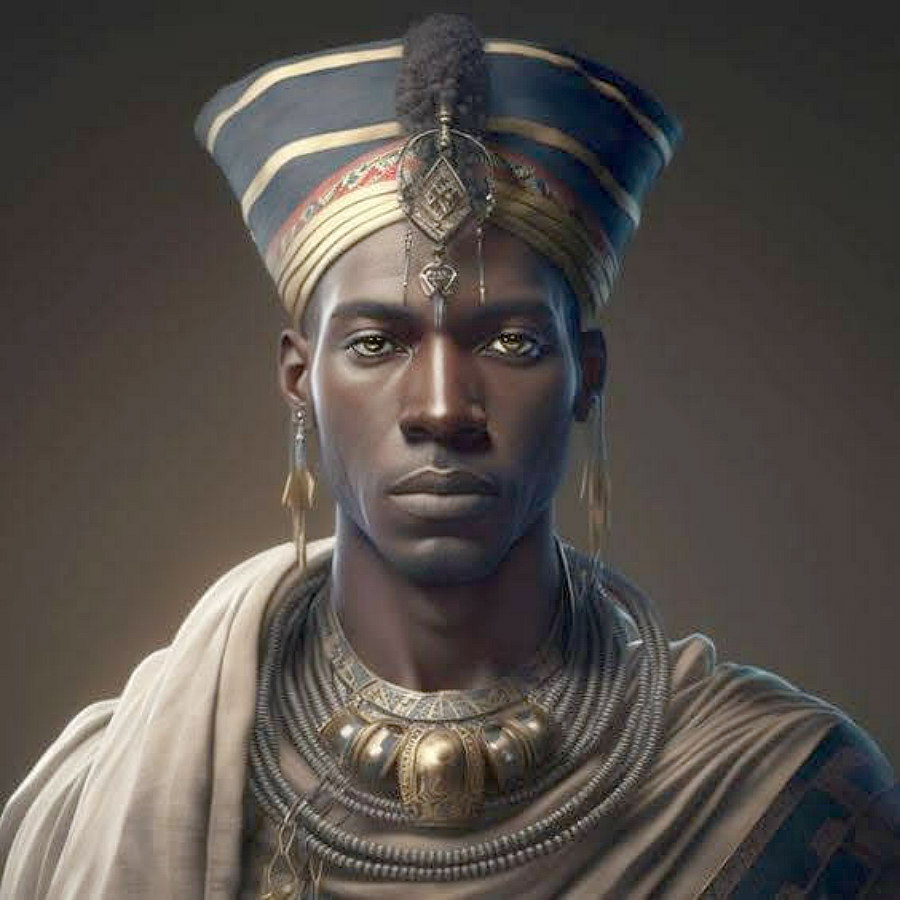
The Rebirth of the Black Man: Healing from Generational Trauma.

The story of the Black man is one of survival, resilience, and divine purpose. From the chains of slavery to the invisible shackles of systemic oppression, the Black man has endured psychological, spiritual, and social warfare. Yet in every generation, there emerges a call to rebirth—to heal from the inherited trauma passed down through centuries. This rebirth is not merely physical but spiritual, emotional, and cultural. It requires the Black man to reclaim his true identity, rediscover his divine masculinity, and restore the legacy of strength that has been systematically stripped away.

Generational trauma among Black men stems from centuries of enslavement, displacement, and dehumanization. The transatlantic slave trade did not just destroy bodies; it fractured families, identities, and cultural memory. Enslaved men were often stripped of their role as protectors and providers, forced to watch their loved ones suffer without the power to intervene. This historical trauma became embedded in the collective consciousness of the Black community, influencing patterns of behavior, emotional detachment, and broken family structures.

In the modern era, this trauma manifests in new forms—mass incarceration, police brutality, economic disparity, and media misrepresentation. These conditions reinforce the false narrative of the Black man as inherently dangerous, irresponsible, or unworthy of love. Healing begins when the Black man recognizes that his worth was never defined by the systems that oppressed him. Instead, his identity must be rooted in divine truth, self-knowledge, and ancestral strength.

Biblically, the process of healing mirrors spiritual rebirth. Romans 12:2 (KJV) declares, “And be not conformed to this world: but be ye transformed by the renewing of your mind.” The renewing of the mind is essential to break the mental chains of generational trauma. The Black man must unlearn the lies told by colonizers and rediscover his God-given identity as a king, priest, and leader. This spiritual renewal is the foundation of liberation.

Healing also requires acknowledging pain. The Black man’s stoicism—while often seen as strength—can sometimes mask deep wounds. Society has conditioned men to suppress emotions, but healing demands vulnerability. Psalm 34:18 (KJV) reminds us, “The Lord is nigh unto them that are of a broken heart; and saveth such as be of a contrite spirit.” To heal, one must first confront the brokenness within, allowing God to mend what generational trauma has fractured.

Community plays a vital role in this rebirth. For centuries, the Black man has been isolated—pitted against his brother in competition rather than unity. The restoration of brotherhood, mentorship, and collective accountability is essential. Proverbs 27:17 (KJV) says, “Iron sharpeneth iron; so a man sharpeneth the countenance of his friend.” Through unity, the Black man can rebuild his foundation, support his family, and pass down a legacy of wisdom rather than pain.

Fatherhood also represents a cornerstone of healing. When a man steps into his divine role as a father, he reverses generational curses. He becomes the protector and spiritual guide that slavery once denied him the right to be. The presence of strong fathers in the home strengthens the next generation, teaching sons discipline, identity, and love—while showing daughters their worth through example.

Economically, the rebirth of the Black man involves financial literacy and ownership. Generational trauma was perpetuated by economic disenfranchisement, yet modern empowerment comes through education, entrepreneurship, and cooperative economics. Proverbs 13:22 (KJV) states, “A good man leaveth an inheritance to his children’s children.” The rebuilding of wealth is not just about money but about reclaiming legacy, land, and sovereignty.

Emotionally, the healing process involves forgiveness—both of self and others. Centuries of oppression have fostered resentment and internalized anger, yet freedom cannot coexist with bitterness. Forgiveness does not mean forgetting history; it means freeing the heart from the weight of vengeance. True kings operate in wisdom and peace, not rage.

Spiritually, the rebirth calls the Black man back to the Most High. Deuteronomy 30:3 (KJV) promises restoration for the children of Israel when they return to God: “Then the Lord thy God will turn thy captivity, and have compassion upon thee.” The Black man’s healing is tied to his reconnection with divine purpose. As he returns to spiritual alignment, he becomes a vessel of generational restoration.

The journey of healing is not linear—it is a continual process of rediscovery. It involves studying history, embracing African and Hebraic roots, and understanding that the suffering of the past was not in vain. Every scar tells a story of survival; every triumph, a testament to divine favor. The rebirth is about transforming pain into power and oppression into opportunity.

The rebirth of the Black man also challenges societal expectations. No longer defined by stereotypes, he emerges as an intellectual, artist, father, and leader. He embraces balance—strength and sensitivity, authority and compassion. His success is not measured by material gain but by spiritual fulfillment and communal impact.

Healing from generational trauma also requires dismantling toxic masculinity. True manhood is not domination but stewardship. It is the ability to lead with love, discipline with wisdom, and protect without pride. The reborn Black man embodies humility, confidence, and spiritual discernment.

Within relationships, healing fosters healthy love. Many Black men were denied examples of nurturing relationships, resulting in mistrust or emotional distance. Through prayer, counseling, and divine guidance, love becomes redemptive rather than destructive. Ephesians 5:25 (KJV) commands, “Husbands, love your wives, even as Christ also loved the church.” This kind of love heals both partners and the family structure as a whole.

The rebirth also restores cultural pride. For too long, the image of the Black man was distorted by colonizers who feared his power. To heal, he must study his lineage—kings, prophets, warriors, and scholars who shaped civilizations. Knowing his history ignites confidence and restores dignity. Knowledge of self is the highest form of liberation.

This movement toward healing transcends individuals; it is collective. The Black community must create safe spaces where men can speak, weep, and grow without judgment. Churches, schools, and organizations must prioritize mental health, mentorship, and fatherhood programs. Healing the Black man heals the nation.

Ultimately, the rebirth of the Black man is divine prophecy unfolding. Isaiah 61:3 (KJV) speaks of those who will be given “beauty for ashes, the oil of joy for mourning, the garment of praise for the spirit of heaviness.” The ashes of slavery, oppression, and trauma are giving birth to a generation of men walking in spiritual authority and purpose.

The rebirth is not merely survival—it is resurrection. It is the return of the divine Black man, conscious of his worth, his lineage, and his Creator. Through faith, unity, and knowledge, he rises again—stronger, wiser, and unbreakable. The chains are broken, and the curse reversed. The rebirth has begun.


References

  • Holy Bible, King James Version
  • DeGruy, J. (2005). Post Traumatic Slave Syndrome: America’s Legacy of Enduring Injury and Healing. Uptone Press.
  • Akbar, N. (1991). Breaking the Chains of Psychological Slavery. Mind Productions.
  • Kambon, K. (1998). African/Black Psychology in the American Context. Nubian Nation Publications.
  • Anderson, C. (2017). PowerNomics: The National Plan to Empower Black America. PowerNomics Corporation of America.
  • hooks, b. (2004). We Real Cool: Black Men and Masculinity. Routledge.

Dilemma: Self-Hatred

The Psychological Legacy of Slavery and Color Bias.

Photo by Shanice McKenzie on Pexels.com

Self-hatred among Black people has deep historical roots, particularly stemming from the trauma of slavery and centuries of systemic oppression. This internalized disdain manifests in attitudes toward one’s skin, hair, and cultural features, and continues to affect Black people today. Psychologists identify self-hatred as a form of internalized oppression, where victims adopt the negative beliefs and stereotypes imposed by dominant groups (Welsing, 1991). Biblically, this contrasts with God’s perspective: “But the Lord said unto Samuel, Look not on his countenance, or on the height of his stature; for the Lord seeth not as man seeth; for man looketh on the outward appearance, but the Lord looketh on the heart” (1 Samuel 16:7, KJV).

Historical Roots: Slavery and Colorism

During slavery, lighter-skinned slaves—often children of European masters—were given preferential treatment, while darker-skinned individuals faced harsher labor and punishment. This created a color hierarchy within enslaved communities, instilling notions of inferiority based on skin tone. Hair texture was also stigmatized, and European beauty ideals were valorized. These historical realities laid the foundation for psychological wounds that persist across generations.

Psychological Effects

Self-hatred manifests as low self-esteem, anxiety, depression, and identity conflict. Psychologists note that internalized racism can result in imposter syndrome, social withdrawal, and preference for Eurocentric features (Hunter, 2007). Black girls and women may feel pressured to straighten hair, lighten skin, or alter features to fit societal ideals. The stress of trying to conform externally often exacerbates internal conflict and mental health challenges.

Contemporary Implications

Today, Black people still face discrimination in employment, education, and media representation. Lookism and lightism—preference for lighter skin and straighter hair—affect hiring decisions, casting in media, and social interactions. Colorism perpetuates inequality even within communities of color, while mainstream media continues to glorify Eurocentric beauty standards. The KJV Bible reminds believers to find value in spiritual and moral integrity rather than external appearance (1 Peter 3:3-4, KJV).

Self-Hatred Healing Guide: Overcoming the Legacy of Slavery and Colorism

1. Daily Affirmations and Spiritual Grounding

  • “I am fearfully and wonderfully made” (Psalm 139:14, KJV).
  • “God sees the heart; my worth is in Him, not in society’s standards” (1 Samuel 16:7, KJV).
  • “My skin, hair, and features are beautiful and reflect God’s design.”

Practice: Repeat affirmations daily, write them in a journal, or post them where you see them regularly.


2. Cultural Pride and Representation

  • Celebrate African, Caribbean, or Black American heritage.
  • Engage with media that showcases Black beauty, culture, and achievements.
  • Support Black-owned businesses, authors, artists, and creators to reinforce cultural pride.

3. Media Literacy

  • Critically evaluate mainstream media for Eurocentric beauty standards.
  • Avoid content that perpetuates negative stereotypes or color bias.
  • Share and promote diverse representation that affirms dark and brown-skinned beauty.

4. Mental Health and Therapy

  • Seek therapy with professionals trained in racial trauma and colorism.
  • Journaling: Write thoughts, experiences, and victories to externalize and process internalized biases.
  • Cognitive restructuring: Challenge negative self-talk and replace it with truth-based affirmations rooted in spirituality and personal value.

5. Faith and Spiritual Practices

  • Pray daily for self-acceptance, healing, and guidance.
  • Meditate on Scriptures emphasizing inner beauty and God’s perspective:
    • 1 Samuel 16:7: God values the heart, not outward appearance.
    • Psalm 139:14: Each person is wonderfully made.
  • Use fasting, worship, and fellowship to strengthen spiritual resilience and emotional health.

6. Practical Beauty and Self-Care

  • Embrace natural hair textures, skin tones, and facial features.
  • Experiment with self-expression through fashion, makeup, and hairstyles that celebrate identity rather than conform to Eurocentric norms.
  • Develop a self-care routine that nurtures mental, physical, and emotional well-being.

7. Community and Mentorship

  • Join groups or networks that celebrate Black identity and provide emotional support.
  • Seek mentorship from Black leaders, activists, and professionals who model confidence and self-love.
  • Share experiences with peers to normalize challenges and reinforce empowerment.

8. Action Steps

  1. Begin each day with affirmations and prayer.
  2. Limit exposure to harmful media messages.
  3. Participate in cultural and community events that celebrate Black heritage.
  4. Engage in therapy, journaling, or spiritual counseling.
  5. Mentor or guide younger Black individuals to foster self-love and cultural pride.

Strategies for Change

  • Cultural Affirmation: Celebrate Black features, hairstyles, and skin tones in media, education, and community spaces.
  • Education: Teach the history of slavery, colorism, and its psychological effects to promote awareness.
  • Therapy and Counseling: Encourage mental health support focused on racial trauma and self-worth.
  • Faith-Based Empowerment: Scripture and spiritual practice can restore confidence and identity in God’s eyes (Psalm 139:14, KJV).

Role of White Society

White society can help dismantle systemic biases by:

  • Confronting and correcting discriminatory policies in workplaces, schools, and media.
  • Promoting diverse representation in leadership and media.
  • Supporting initiatives that celebrate Black culture rather than co-opt or erase it.
  • Recognizing the historical roots of self-hatred and advocating for reparative justice.

References

Biblical References (KJV)

  • 1 Samuel 16:7
  • 1 Peter 3:3-4
  • Psalm 139:14

Psychology & Sociology References

  • Welsing, F. C. (1991). The Isis Papers: The Keys to the Colors. Third World Press.
  • Hunter, M. L. (2007). The Persistent Problem of Colorism: Skin Tone, Status, and Inequality. Sociology Compass, 1(1), 237–254.
  • Clark, R., & Clark, K. (1947). Racial Identification and Preference in Negro Children. Journal of Negro Education, 16(3), 169–176.

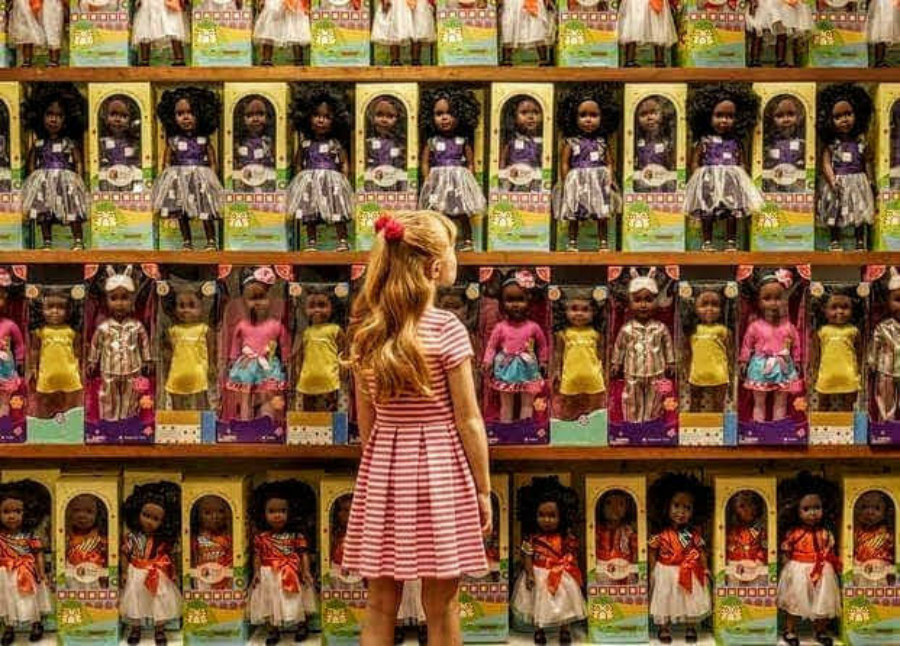
The Black Doll Experiment: Exposing the Psychological Cost of Racism.

The Black Doll Experiment was a landmark psychological study conducted in the 1940s by husband-and-wife psychologists Dr. Kenneth Clark and Dr. Mamie Clark. It aimed to investigate how segregation and systemic racism affected the self-perception and identity of Black children in the United States. Using simple tools—dolls of different skin colors—the Clarks revealed profound truths about the psychological damage inflicted by racism and white supremacy.

In the experiment, Black children aged three to seven were shown four dolls: two with white skin and two with Black skin. The children were asked a series of questions such as: “Which doll is the nice doll?” “Which doll is the bad doll?” “Which doll looks like you?” The overwhelming majority of children preferred the white dolls, attributing positive traits like “good” and “pretty” to them, while associating the Black dolls with “bad” and “ugly.” Even when asked to identify the doll that looked like them, many Black children reluctantly pointed to the Black doll, often with visible discomfort or sadness (Clark & Clark, 1947).

The lesson learned was painfully clear: segregation and systemic racism had instilled in Black children a sense of inferiority and self-rejection. The study demonstrated how social structures, media, and education reinforced the idea that whiteness was superior and Blackness undesirable. This internalized racism was not innate but learned—a result of constant exposure to discriminatory norms, limited representation, and exclusion from full citizenship in America.

The message behind the experiment was that segregation harmed not only material opportunities for Black people but also their very sense of self-worth and identity. By showing the psychological scars of racism on the youngest and most innocent members of society, the Clarks challenged the moral legitimacy of Jim Crow laws.

The outcome of the Black Doll Experiment was historic. It was used as evidence in the landmark 1954 Supreme Court case Brown v. Board of Education, which declared racial segregation in public schools unconstitutional. Chief Justice Earl Warren cited the Clarks’ research to show that segregation created “a sense of inferiority” that affected Black children’s motivation to learn. Thus, the experiment played a direct role in dismantling legalized segregation in education and advancing the Civil Rights Movement.

Those involved included Dr. Kenneth Clark, who later became the first Black president of the American Psychological Association (APA), and Dr. Mamie Clark, who was instrumental in both designing the methodology and analyzing the psychological meaning of the children’s responses. Together, they bridged psychology and social justice, showing how science could serve as a tool of liberation.

The results underscored the deep psychological wounds racism inflicted on Black children, highlighting the urgent need for systemic reform. While the dolls revealed self-hatred, the greater solution lay in dismantling segregation, challenging racist stereotypes, and affirming Black identity through representation, culture, and education.

The solution proposed—then and now—was not only to desegregate schools but also to affirm the beauty, intelligence, and worth of Black children. This includes strengthening cultural pride, promoting positive Black imagery, and dismantling systemic barriers that reinforce inferiority complexes. In the words of Psalm 139:14 (KJV), “I will praise thee; for I am fearfully and wonderfully made.” The Clarks’ experiment was thus both a warning and a call to action: the liberation of Black people requires not just political freedom but also psychological healing.

References

  • Clark, K. B., & Clark, M. P. (1947). Racial identification and preference in Negro children. In E. L. Hartley (Ed.), Readings in Social Psychology (pp. 169–178). New York: Holt.
  • Brown v. Board of Education, 347 U.S. 483 (1954).
  • Russell, K. K., Wilson, M., & Hall, R. (1992). The Color Complex: The Politics of Skin Color Among African Americans. Anchor.
  • KJV Bible, Psalm 139:14.

Dilemma: White Supremacy

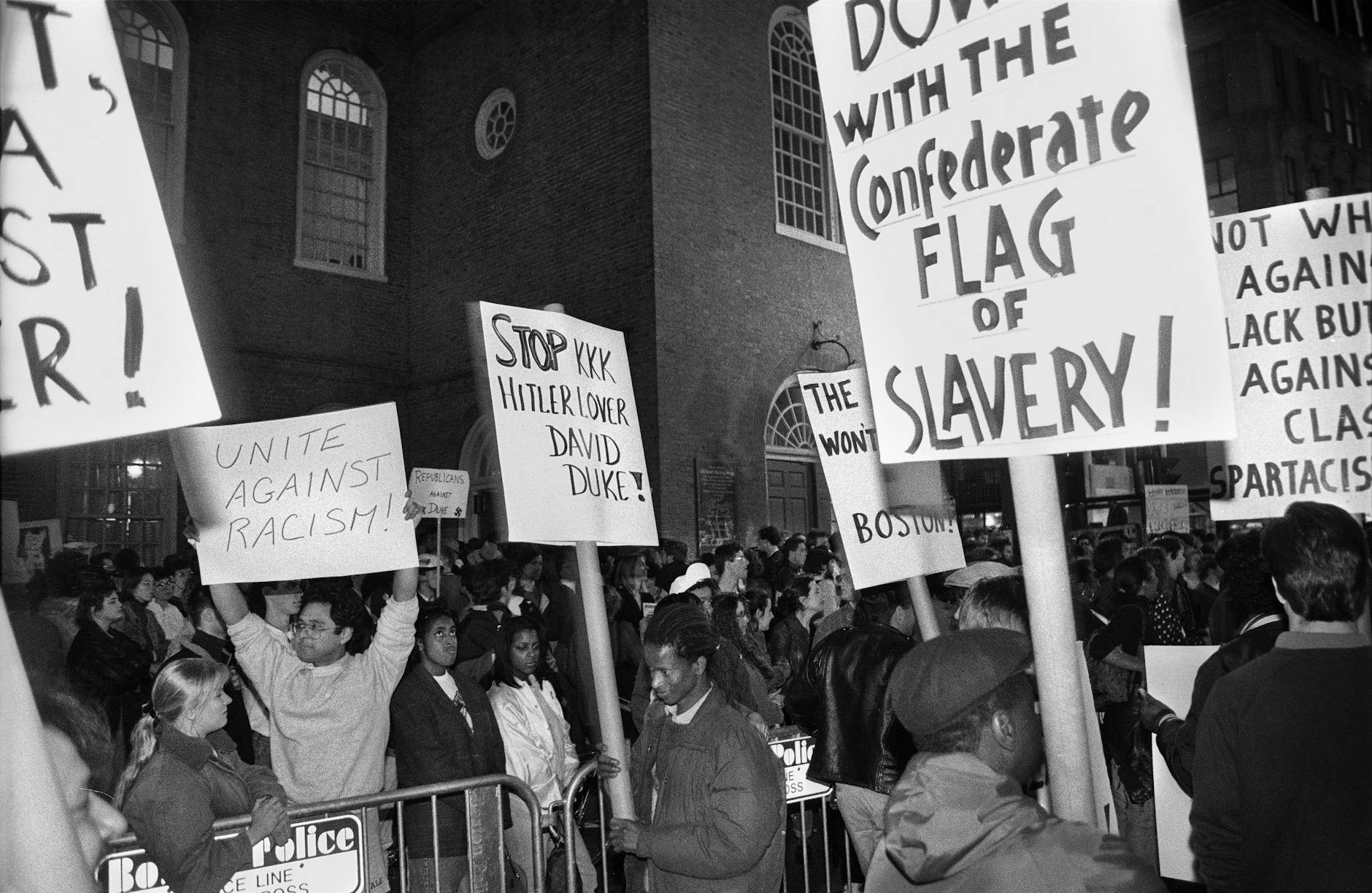
Photo by David Henry on Pexels.com

“The white race is the dominant race in America, and the black race is inferior.” — David Duke, former Grand Wizard of the Ku Klux Klan .Southern Poverty Law Center

White supremacy is a deeply ingrained ideology asserting the inherent superiority of white people over all other races. This belief system has been central to the social, political, and economic structures of many societies, particularly in the United States. Its origins can be traced back to the colonial era, where European powers justified the enslavement and subjugation of African peoples through pseudo-scientific and theological rationales.


Historical Origins and the Role of the Ku Klux Klan

The formalization of white supremacy in the United States was significantly influenced by the founding of the Ku Klux Klan (KKK) in 1865. Established by six Confederate veterans in Pulaski, Tennessee, the Klan aimed to restore white dominance in the post-Civil War South through terror and intimidation. The KKK’s activities included lynchings, arson, and other forms of violence directed at Black individuals and their allies.TIMEWikipedia+1

While the Klan was officially disbanded in the 1870s, its ideology persisted and resurfaced in various forms throughout American history, including during the Civil Rights Movement of the 1960s and in contemporary white nationalist groups.


The Premise of White Supremacy

At its core, white supremacy posits that white people are inherently superior to people of all other races and therefore should dominate society. This belief has been perpetuated through various means, including legislation, cultural norms, and institutional practices that privilege white individuals while marginalizing others.

The premise of white supremacy is often supported by distorted interpretations of religious texts and pseudo-scientific theories that dehumanize non-white populations. For instance, the “Curse of Ham” narrative was historically used to justify the enslavement of Black people by misinterpreting biblical passages .The Banner


Manifestations in Contemporary Society

In modern times, white supremacy manifests in various aspects of life, including employment, education, housing, and criminal justice. Black individuals often face systemic barriers such as discriminatory hiring practices, unequal educational opportunities, and over-policing, which hinder their ability to achieve economic stability and social mobility.

Psychologically, the pervasive nature of white supremacy can lead to internalized racism among Black individuals, affecting their self-esteem and mental health. Studies have shown that exposure to racial discrimination is associated with increased stress and adverse health outcomes .American Psychological Association


Biblical Perspectives and Misinterpretations

The Bible does not support the notion of racial superiority. In fact, passages such as Galatians 3:28 emphasize the equality of all people in Christ: “There is neither Jew nor Greek, slave nor free, male nor female, for you are all one in Christ Jesus.” However, throughout history, certain groups have misused scripture to justify racial hierarchies, citing misinterpretations like the “Curse of Ham” to rationalize the enslavement and oppression of Black people .GotQuestions.blogThe Banner


Psychological Impact on Black Americans

The psychological effects of white supremacy on Black Americans are profound and multifaceted. Chronic exposure to racism can lead to mental health issues such as anxiety, depression, and post-traumatic stress disorder (PTSD). Moreover, the constant need to navigate a society that devalues their existence can result in a diminished sense of self-worth and identity .


Global Perspectives on White Supremacy

While white supremacy is most prominently associated with the United States, it is not confined to its borders. Countries like Israel, Myanmar, and South Korea have faced criticism for racial discrimination and human rights violations against minority groups . These global instances highlight the pervasive nature of racial hierarchies and the need for international efforts to combat them.U.S. News & World Report


Steps of White Supremacy

White supremacy operates through several key mechanisms:

  1. Ideological Justification: Promoting beliefs and narratives that dehumanize non-white populations.
  2. Institutionalization: Embedding discriminatory practices within societal institutions such as schools, workplaces, and the legal system.
  3. Cultural Reinforcement: Perpetuating stereotypes and biases through media and cultural representations.
  4. Violence and Intimidation: Employing physical force and threats to maintain dominance and suppress resistance.

Accountability and Responsibility

Responsibility for perpetuating white supremacy lies not only with overt hate groups but also with institutions and individuals who uphold and benefit from systemic racism. This includes policymakers, educators, and media figures who perpetuate or fail to challenge discriminatory practices and narratives.


Personal Narratives and Experiences

Individuals who have experienced white supremacy often recount stories of exclusion, discrimination, and violence. For example, during the Civil Rights Movement, activists like Rosa Parks and Martin Luther King Jr. faced systemic oppression and personal threats as they challenged racial injustices. Their resilience underscores the profound impact of white supremacy on personal lives and the collective struggle for equality.


The Esteem of Whiteness

The elevation of whiteness can be attributed to historical power dynamics where white individuals established and maintained control over resources, institutions, and narratives. This dominance was reinforced through laws, social norms, and economic systems that privileged white people and marginalized others.


Global Impact and Worst Offenders

Globally, white supremacy manifests in various forms, including colonialism, apartheid, and neo-imperialism. Countries with histories of colonial exploitation, such as Belgium in the Congo and the United Kingdom in India, have legacies of racial hierarchies that continue to affect post-colonial societies.


Conclusion

White supremacy is a pervasive ideology with deep historical roots and widespread contemporary implications. Its impact on Black Americans is profound, affecting their psychological well-being, social mobility, and sense of identity. Addressing white supremacy requires a concerted effort to dismantle systemic racism, promote equity, and foster a culture of inclusion and respect for all individuals, regardless of race.

References

  • Southern Poverty Law Center. (n.d.). David Duke. Retrieved from
  • History.com Editors. (2020, June 25). Ku Klux Klan: Origin, Members & Facts. HISTORY. Retrieved from
  • American Psychological Association. (n.d.). Racism and Mental Health. Retrieved from
  • Bible Odyssey. (n.d.). The Legacy of the Bible in Justifying Slavery. Retrieved from
  • Boston Review. (2019, November 14). Toward a Global History of White Supremacy. Retrieved from
  • Southern Poverty Law Center. (2018, August 14). White Shadow: David Duke’s Lasting Influence on American White Supremacy. Retrieved from
  • Wikipedia contributors. (2023, December 24). Ku Klux Klan. In Wikipedia, The Free Encyclopedia. Retrieved from
  • Wikipedia contributors. (2023, December 24). White supremacy. In Wikipedia, The Free Encyclopedia. Retrieved from

Colorism and the Silent Wounds or Intra-Facial Discrimination.

Photo by Darina Belonogova on Pexels.com

Colorism, a term popularized by Alice Walker in 1983, refers to prejudice or discrimination against individuals with darker skin tones, often by members of their own racial or ethnic group. Unlike racism, which is an intergroup phenomenon, colorism is largely intra-racial and internalized, functioning as a byproduct of colonialism, slavery, and white supremacy. In the Black community, this hierarchy of skin tone—placing light skin above dark—has deep historical roots and persistent modern implications. The silent wounds of colorism often manifest as diminished self-esteem, fractured unity, and internalized oppression.


The Silent Wounds of Intra-Racial Discrimination

The wounds of colorism are “silent” because they are often normalized and rarely addressed openly. Psychologically, they appear as feelings of inadequacy, alienation, and resentment within the Black community. Children are often socialized into believing that lighter skin equates to beauty, intelligence, or higher status. Studies have shown that darker-skinned African Americans face harsher prison sentences, reduced job opportunities, and are less likely to be married than lighter-skinned peers with similar qualifications (Monk, 2014). The consequences are cumulative: lower self-worth, fractured identity, and intergenerational bias.


Historical Roots: The Light vs. Dark Divide

The light-skin/dark-skin divide began during slavery in the Americas, where lighter-skinned enslaved Africans—often the children of white slave owners and enslaved Black women—were sometimes given preferential treatment. They were more likely to work in the house rather than in the fields, receive basic education, or be considered for manumission. This hierarchy persisted into the Jim Crow era, reinforced by social organizations like the “Blue Vein Societies” that excluded darker-skinned Blacks. The ideology of white supremacy made whiteness the ultimate standard of beauty and worth, embedding these beliefs deep within Black cultural consciousness.


Colorism in the Black Community and Entertainment

Today, colorism manifests in how Black people perceive and treat one another. Light-skinned individuals are often assumed to be more attractive, educated, or approachable, while darker-skinned individuals may be stereotyped as aggressive or less refined. This bias is evident in the entertainment, modeling, and sports industries, where lighter-skinned women such as Zendaya, Amandla Stenberg, and Tessa Thompson often receive leading roles, while darker-skinned actresses like Lupita Nyong’o and Viola Davis have had to fight for representation. In music, rappers like Kodak Black have openly stated a preference for lighter-skinned women, reflecting deep-seated biases. Actor Taye Diggs once admitted in an interview that he was attracted to white women due to his upbringing in predominantly white spaces—a statement that sparked discussion about internalized preference and societal conditioning.

Examples of Celebrities by Skin Tone

  • Light-skinned celebrated celebrities: Zendaya, Tessa Thompson, Amandla Stenberg, Drake, Mariah Carey.
  • Dark-skinned celebrated celebrities: Lupita Nyong’o, Viola Davis, Idris Elba, Danai Gurira, Mahershala Ali.

Global and African Context

Colorism is not limited to the African diaspora in the West; it is prevalent in Africa itself. In nations like Nigeria, Ghana, and South Africa, skin-lightening products are widely sold, despite known health risks. The preference for lighter skin is tied to colonial history and reinforced by global media that promotes Eurocentric beauty ideals. Light-skinned women are often considered more “marriageable” or “professional,” while darker-skinned women face social and economic disadvantages.


Social and Economic Impacts

Colorism influences social mobility, dating, marriage prospects, and even income potential. Lighter-skinned Black Americans have been found to earn more, live in wealthier neighborhoods, and receive better educational opportunities than their darker-skinned counterparts (Keith & Herring, 1991). In modeling and advertising, lighter skin tones are disproportionately featured in beauty campaigns, perpetuating the cycle of bias.


Celebrity Commentary on Colorism

Several celebrities have spoken openly about colorism. Lupita Nyong’o has shared how she once prayed to God to lighten her skin, only to later embrace her beauty. Viola Davis has criticized Hollywood for sidelining darker-skinned women in romance and leading roles. Rapper Cardi B has acknowledged that her lighter complexion has given her certain advantages in the music industry compared to darker-skinned peers. These admissions highlight the need for systemic change within media representation.


Solutions and Path to Change

Addressing colorism requires both personal and systemic transformation. On a personal level, Black communities must unlearn internalized racism by affirming the beauty, intelligence, and value of all skin tones. On a systemic level, industries must commit to equal representation and opportunities for darker-skinned individuals. Education, media literacy, and cultural celebration of melanin-rich beauty can dismantle the hierarchy. As Proverbs 31:30 (KJV) reminds us, “Favour is deceitful, and beauty is vain: but a woman that feareth the Lord, she shall be praised.”


Conclusion

Colorism’s silent wounds are a legacy of colonialism and slavery, perpetuated by white supremacy and internalized bias. They impact social, economic, and psychological well-being within the Black community, both in the diaspora and on the African continent. Breaking this cycle demands intentional action, from challenging biased beauty standards to holding media accountable for diverse representation. Until the hierarchy of skin tone is dismantled, true unity in the Black community will remain incomplete.


References

  • Keith, V. M., & Herring, C. (1991). Skin tone and stratification in the Black community. American Journal of Sociology, 97(3), 760–778.
  • Monk, E. P. Jr. (2014). Skin tone stratification among Black Americans, 2001–2003. Social Forces, 92(4), 1313–1337.
  • Walker, A. (1983). In Search of Our Mothers’ Gardens. Harcourt Brace Jovanovich.
  • The Holy Bible, King James Version.

School-to-Prison Pipeline: How the System Fails Black Youth Before They Start.

Photo by RDNE Stock project on Pexels.com

Psychologist Amos Wilson once observed, “Until our children are taught how to be Black, they will fail in school, because the schools were not designed to educate them in the first place.” This profound statement captures the structural failure of the American education system to nurture Black children. Instead of affirming identity and fostering opportunity, schools often serve as the first station along a pathway that leads Black youth toward incarceration. This phenomenon, widely known as the school-to-prison pipeline, is not a new development but the product of a long history of systemic inequality and institutional neglect.

Historically, education for African Americans was deliberately restricted. During slavery, teaching the enslaved to read was illegal in many states, as literacy threatened the institution of bondage. Following emancipation, segregated schools under Jim Crow laws ensured that Black children received inferior resources, curricula, and facilities. Though Brown v. Board of Education (1954) legally ended segregation, the persistence of de facto segregation, underfunded schools in Black neighborhoods, and discriminatory practices maintained inequities. This historical backdrop set the stage for the school-to-prison pipeline, where structural racism in education and law enforcement converges.

One of the primary mechanisms of this pipeline is disproportionate discipline. Research shows that Black students are suspended and expelled at much higher rates than their white peers for the same behaviors (Skiba et al., 2011). Zero-tolerance policies, adopted widely in the 1990s, criminalized minor misbehaviors such as tardiness, classroom disruptions, or dress code violations. Instead of counseling and restorative practices, schools resorted to suspensions, expulsions, and referrals to law enforcement. This exclusionary discipline pushes students out of classrooms and into contact with the criminal justice system.

Psychologically, such punitive environments stigmatize Black children early. Labeling theory suggests that when children are repeatedly categorized as “troublemakers,” they internalize these labels, which shapes self-perception and behavior (Becker, 1963). This creates a cycle where Black students, already navigating racial bias, are further burdened with psychological scars from being treated as criminals-in-waiting. The Bible echoes this concern in Ephesians 6:4, warning fathers and authority figures not to provoke children to wrath, but to nurture them. Yet the school system often provokes, rather than nurtures, Black children.

The failure extends beyond discipline to curriculum and pedagogy. Schools frequently erase or marginalize Black history, culture, and contributions. This invisibility diminishes self-worth and alienates Black youth from academic engagement. Amos Wilson argued that education must be rooted in the cultural and psychological needs of Black children; otherwise, it serves as a mechanism of control rather than liberation. Proverbs 22:6 (KJV) instructs, “Train up a child in the way he should go: and when he is old, he will not depart from it.” Yet Black children are too often trained into alienation, criminalization, and failure rather than purpose and possibility.

Socioeconomic inequality compounds the problem. Underfunded schools in predominantly Black neighborhoods lack qualified teachers, extracurricular opportunities, and adequate resources. These structural disadvantages feed directly into the school-to-prison pipeline. Psychologist Urie Bronfenbrenner’s ecological systems theory underscores that a child’s development is deeply influenced by the surrounding environment. When the environment is impoverished and punitive, children’s outcomes are shaped accordingly, not by personal failure but by systemic design.

The courts and law enforcement deepen this cycle. School-based arrests disproportionately affect Black youth, often for nonviolent infractions. Once ensnared in the juvenile justice system, young people face barriers to reentry into schools and future employment, effectively criminalizing childhood. Lamentations 3:27 reminds us, “It is good for a man that he bear the yoke in his youth.” Yet the yoke that many Black children bear is one of systemic injustice, imposed before they even have the chance to reach adulthood.

Ultimately, the school-to-prison pipeline reflects a betrayal of society’s moral and civic responsibility to its children. To dismantle it, reforms must address disciplinary practices, resource allocation, and culturally relevant curricula. Schools must transform from punitive institutions into nurturing environments that uplift Black youth. Both biblical wisdom and psychological research affirm that the flourishing of children depends on systems that nurture identity, support growth, and embody justice. Until such transformation occurs, justice will remain deferred, and the future of Black youth will continue to be unjustly stolen.


References

Alexander, M. (2010). The new Jim Crow: Mass incarceration in the age of colorblindness. The New Press.

Becker, H. S. (1963). Outsiders: Studies in the sociology of deviance. Free Press.

Bronfenbrenner, U. (1979). The ecology of human development: Experiments by nature and design. Harvard University Press.

King James Bible. (1769/2017). The Holy Bible, King James Version. Cambridge University Press. (Original work published 1611).

Skiba, R. J., Horner, R. H., Chung, C. G., Rausch, M. K., May, S. L., & Tobin, T. (2011). Race is not neutral: A national investigation of African American and Latino disproportionality in school discipline. School Psychology Review, 40(1), 85–107.

Wilson, A. (1998). Blueprint for Black power: A moral, political, and economic imperative for the twenty-first century. Afrikan World InfoSystems.

Pretty for a Black Girl: The Burden of Backhanded Compliments.

Black girl, rise, you are the dawn,
Your skin is sunlight, rich and strong.
With coils that crown like royal thrones,
You carry beauty all your own.
No measure made by foreign eyes,
Can shrink the truth your soul implies.
You are the art, the song, the pearl—
The blueprint of a brighter world.

Photo by RDNE Stock project on Pexels.com

For generations, Black women have been subjected to the backhanded compliment: “You’re pretty for a Black girl.” Though cloaked in admiration, these words reveal deep prejudice. From schoolyards to Hollywood casting rooms, Black women have heard variations of this phrase: “You’re cute for a dark-skinned girl,” “You’re attractive, but not like most Black girls,” or “I don’t usually like Black women, but you’re different.” These comments expose a painful truth—society has long devalued Black femininity, suggesting that beauty is an exception rather than the norm within Blackness.

Other Backhanded Compliments Black Women Have Heard

“You’re attractive for a dark-skinned girl.”

“You’re pretty… are you mixed?”

“You’re exotic looking.”

“You’re cute, but not like most Black girls.”

“I don’t usually like Black women, but you’re different.”

“You’re beautiful… for a natural hair girl.”

    The History and Motive Behind the Comment

    This backhanded compliment has roots in white supremacy and colorism. During slavery, lighter-skinned women were often positioned as “desirable” due to proximity to whiteness, while darker-skinned women were degraded and caricatured (Hunter, 2007). Mainstream media reinforced these ideas through films, magazines, and advertisements that excluded or exoticized Black women (Craig, 2006). The motive behind such statements is to uphold Eurocentric beauty standards—suggesting that Black women can only be beautiful when they resemble white ideals. Thus, “pretty for a Black girl” is not praise; it is an insult wrapped in condescension.

    Psychology of the Backhanded Compliment

    Psychologically, backhanded compliments operate as microaggressions, subtle forms of racism that undermine self-worth (Sue et al., 2007). They communicate that beauty is unusual among Black women, reinforcing stereotypes and internalized oppression. For the speaker, such comments often serve as a way to elevate themselves within racial hierarchies, consciously or unconsciously. For the recipient, the effect is cumulative, eroding confidence and perpetuating the false idea that Black beauty is inferior or rare.

    The Bible and the Black Community’s Response

    The Bible offers a powerful counter-narrative to these lies. In Song of Solomon, the Shulamite woman declares, “I am black, but comely, O ye daughters of Jerusalem” (Song of Solomon 1:5, KJV). This affirmation reminds us that Blackness and beauty are not opposites—they coexist by divine design. Within the Black community, responses to such backhanded compliments have ranged from frustration to defiance. Movements celebrating natural hair, melanin, and diverse body types testify to the resilience of Black women reclaiming their beauty.

    Racism and the Burden of Beauty

    The phrase “pretty for a Black girl” cannot be separated from systemic racism. It reveals how Black women are measured against white standards rather than appreciated within their own cultural aesthetics. Racism constructed a false hierarchy of beauty, portraying Black women as either hypersexual or unattractive (Collins, 2000). This has left Black women carrying a double burden: to resist these stereotypes while affirming their rightful place in the spectrum of human beauty. Changing this narrative requires dismantling racist ideologies in media, education, and daily interactions.

    Conclusion: Breaking the Cage of Backhanded Compliments

    Affirmations for the Black Girl Crown

    • I am not “pretty for a Black girl.”
    • I am pretty, period.
    • My skin is not a limitation; it is liberation.
    • My melanin is poetry written by God’s own hand.
    • My hair is not “too much” — it is a crown of glory.
    • I am not “different”; I am divine.
    • I am not an exception; I am the example.
    • My beauty does not need comparison; it is complete on its own.
    • I am fearfully and wonderfully made (Psalm 139:14, KJV).
    • My Blackness is not a burden; it is brilliance.
    • I am the standard, not the stereotype.
    • I am the dream and the proof that beauty is infinite.

    The burden of these comments has weighed heavily on Black women for generations, but the response has been powerful. From Dorothy Dandridge to Lupita Nyong’o, Black women continue to redefine beauty and challenge racist narratives. To change this, society must confront the racism and colorism behind these words and uplift Black women’s beauty in its full diversity. Silence in the face of these insults only continues the cycle; speaking truth, celebrating diversity, and rooting identity in God’s Word breaks the chains.


    References

    • Collins, P. H. (2000). Black feminist thought: Knowledge, consciousness, and the politics of empowerment. Routledge.
    • Craig, M. L. (2006). Race, beauty, and the tangled knot of a guilty pleasure. Feminist Theory, 7(2), 159–177.
    • Hunter, M. (2007). The persistent problem of colorism: Skin tone, status, and inequality. Sociology Compass, 1(1), 237–254.
    • Sue, D. W., Capodilupo, C. M., Torino, G. C., Bucceri, J. M., Holder, A. M., Nadal, K. L., & Esquilin, M. (2007). Racial microaggressions in everyday life: Implications for clinical practice. American Psychologist, 62(4), 271–286.