Category Archives: psychology

Unveiling the Soul: The Masks We Wear

This photograph is the property of its respective owner. No copyright infringement intended

Humanity has long mastered the art of concealment. Beneath polished smiles and carefully curated identities lie the masks we wear to survive, to belong, and to be loved. These masks are not always physical but psychological—crafted through years of conditioning, trauma, and fear. The Bible reminds us in 1 Samuel 16:7 (KJV), “for man looketh on the outward appearance, but the LORD looketh on the heart.” This divine truth reveals that while we can deceive others with appearances, God alone sees the soul behind the mask.

The concept of wearing masks has deep roots in psychology. Carl Jung’s theory of the persona describes the social face an individual presents to the world, a mask designed to make a particular impression on others while concealing the true self. This persona is a necessary adaptation, yet when it becomes our identity, it separates us from authenticity. We begin to live not as who we are, but as who we think others need us to be. This fragmentation of self creates emotional dissonance, anxiety, and spiritual emptiness.

Scripture exposes this duplicity in human nature. Jesus warns in Matthew 23:27 (KJV), “Woe unto you, scribes and Pharisees, hypocrites! for ye are like unto whited sepulchres, which indeed appear beautiful outward, but are within full of dead men’s bones.” The term “hypocrite” in Greek literally means “actor”—one who wears a mask. Christ’s rebuke was not merely moral but psychological, exposing the destructive power of living a lie and confusing external virtue with internal truth.

The masks we wear vary with context: the mask of confidence hiding insecurity, the mask of kindness concealing resentment, or the mask of holiness veiling secret sin. These disguises form as defense mechanisms against pain and rejection. Sigmund Freud described such mechanisms as ways the ego protects itself from anxiety. While they serve a temporary purpose, prolonged use leads to spiritual decay. When we hide behind facades, we forfeit intimacy with others and with God.

In relationships, masks can become prisons. Many people fall in love not with each other but with each other’s illusions. The psychological toll of maintaining appearances leads to exhaustion and disconnection. The Apostle Paul speaks to this struggle, urging believers to “put off concerning the former conversation the old man, which is corrupt according to the deceitful lusts” (Ephesians 4:22, KJV). In essence, Paul calls for the removal of masks and the embrace of renewed identity in Christ.

Our masks are often born of fear—fear of rejection, failure, exposure, or inadequacy. Yet fear itself is a deceptive teacher. It tells us that we must perform to be accepted. God’s Word contradicts this notion by assuring us that divine love is unconditional. Romans 8:38–39 (KJV) declares that nothing “shall be able to separate us from the love of God.” When we understand this truth, the need for deception begins to crumble, and the soul can breathe again.

The psychology of authenticity emphasizes congruence between the inner self and outward behavior. Psychologist Carl Rogers believed that authenticity is the foundation of psychological health, a state where a person’s real feelings and experiences align with their actions. This echoes the biblical principle found in James 1:8 (KJV): “A double minded man is unstable in all his ways.” To live authentically before God is to live undivided—to let truth govern both heart and behavior.

The danger of masks lies in their comfort. They protect us from vulnerability, but they also imprison us in falsehood. Over time, we can forget who we are beneath the mask. This self-alienation leads to depression and spiritual numbness. In Revelation 3:17 (KJV), the church of Laodicea is chastised for self-deception: “Thou sayest, I am rich… and knowest not that thou art wretched, and miserable, and poor, and blind, and naked.” When the soul believes its own illusion, repentance becomes distant and healing impossible.

Authenticity requires courage—the courage to confront one’s inner contradictions. It is a process of stripping away illusions, a spiritual unveiling that exposes the heart’s hidden wounds. The Psalmist pleads in Psalm 139:23–24 (KJV), “Search me, O God, and know my heart: try me, and know my thoughts.” This prayer is the cry of the unmasked soul, willing to be examined by divine light. True healing begins when we invite God into our hidden places.

Modern psychology recognizes the therapeutic value of self-disclosure. When individuals speak truthfully about their emotions and experiences, the burden of secrecy is lifted, and shame loses its power. Likewise, 1 John 1:9 (KJV) promises, “If we confess our sins, he is faithful and just to forgive us our sins.” Both psychology and Scripture affirm that confession—whether in therapy or prayer—transforms concealment into freedom.

The masks we wear are also cultural. Society rewards image over integrity, performance over purity. In an age dominated by social media, many curate digital personas that distort reality. Likes and followers become measures of worth, while the soul quietly starves. Romans 12:2 (KJV) warns believers, “Be not conformed to this world: but be ye transformed by the renewing of your mind.” Spiritual transformation begins when we reject the false standards of visibility and embrace the unseen virtue of sincerity.

Even within religious spaces, masks can thrive. The mask of piety can disguise spiritual pride; the mask of humility can conceal envy or ambition. Jesus saw through such pretense in His encounters with the Pharisees. His call remains timeless: “Take heed that ye do not your alms before men, to be seen of them” (Matthew 6:1, KJV). True worship arises not from performance but from purity of heart.

The process of unmasking is rarely easy. It involves confession, forgiveness, and grace. It requires facing parts of ourselves we’d rather deny. Yet the reward of authenticity is peace. Isaiah 26:3 (KJV) affirms, “Thou wilt keep him in perfect peace, whose mind is stayed on thee.” When we align our inner life with divine truth, the chaos of duplicity dissolves.

The mask often symbolizes control—a way to manage how others perceive us. However, the need to control perception reveals a lack of trust in God’s design. The Creator who fashioned us in His image (Genesis 1:27) did not make mistakes. To live unmasked is to honor the divine artistry within us. The acceptance we crave from others already exists in the eyes of God.

Psychologically, removing the mask allows for genuine connection. Vulnerability invites empathy. When we present our true selves, we give others permission to do the same. This mutual authenticity fosters community and healing. In the words of Proverbs 27:17 (KJV), “Iron sharpeneth iron; so a man sharpeneth the countenance of his friend.” Only unmasked souls can sharpen one another in truth.

The journey toward authenticity is both spiritual and psychological. It is a return to Eden, to the moment before humanity hid from God among the trees (Genesis 3:8–10). Since that first act of concealment, humanity has been sewing fig leaves of self-protection. But the gospel invites us to lay them down. Christ’s sacrifice tore the veil of separation, granting us access to God without pretense.

To unveil the soul is to embrace vulnerability as strength. It is to recognize that the light of God exposes not to shame but to heal. John 3:21 (KJV) teaches, “He that doeth truth cometh to the light, that his deeds may be made manifest.” The light of truth does not condemn; it clarifies. It restores us to wholeness by aligning appearance with essence.

In psychological healing and spiritual renewal alike, authenticity becomes the foundation of transformation. The unmasked life is not about perfection but honesty—an honest walk with God and others. It is living without duplicity, without the heavy burden of pretending to be more or less than what we are.

The Masks We Wear

The Mask of Deception
Used to hide truth and manipulate perception; a mask that thrives on illusion, lies, and self-deceit. It creates distance from both God and others, severing intimacy and trust.

The Mask of Morality
Appears righteous and upright, but often hides self-righteousness and pride. Worn by those who want to appear holy before men rather than pure before God.

The Mask of Strength
Conceals vulnerability and pain behind bravado or toughness. It says “I’m fine” while the soul quietly bleeds beneath the armor.

The Mask of Confidence
A polished exterior that hides deep insecurity. This mask seeks validation and affirmation from others while masking self-doubt.

The Mask of Perfection
Driven by fear of failure and rejection, it portrays flawlessness while denying human weakness. It exhausts the soul in pursuit of an impossible ideal.

The Mask of Control
Used by those who fear chaos or abandonment. It micromanages, dictates, and manipulates outcomes to maintain emotional safety.

The Mask of People-Pleasing
Rooted in fear of disapproval, it seeks acceptance at any cost. It silences the true voice to keep peace, even when peace means self-betrayal.

The Mask of Success
Adorns the face of ambition and achievement while concealing inner emptiness. It thrives on applause but dreads stillness.

The Mask of Humor
Covers pain with laughter. The smiling face becomes a shield against vulnerability and exposure of deep emotional wounds.

The Mask of Victimhood
A self-protective identity that clings to hurt and injustice, using past pain as a justification for inaction or bitterness.

The Mask of Independence
Rejects help and intimacy to avoid rejection. It shouts, “I don’t need anyone,” while inwardly longing for connection.

The Mask of Religion
Appears pious but hides spiritual pride and hypocrisy. It follows form without faith, rules without relationship, and rituals without repentance.

The Mask of Seduction
Uses charm and allure to manipulate affection or power. It disguises insecurity with sensual confidence.

The Mask of Anger
Deflects pain by projecting aggression. It conceals grief, fear, or rejection under a hard, defensive exterior.

The Mask of Silence
Withdraws and hides emotions, avoiding confrontation or truth. This mask is worn by those afraid to speak or be misunderstood.

The Mask of Busyness
Keeps the mind occupied to avoid introspection or conviction. It thrives on productivity as a substitute for peace.

The Mask of Spiritual Superiority
Cloaks ego in the language of enlightenment. It compares faith, wisdom, or revelation to elevate self above others.

The Mask of Suffering
Finds identity in pain and martyrdom. It uses struggle to gain sympathy or moral superiority rather than growth.

The Mask of False Humility
Pretends to be modest while secretly desiring praise. It hides ambition behind self-deprecation.

The Mask of Loyalty
Pretends devotion while harboring resentment or divided motives. This mask is common in toxic relationships built on pretense.

The Mask of Indifference
Covers caring with apathy. It numbs the soul to avoid feeling rejected or hurt again.

The Mask of Self-Righteousness
Justifies judgment of others by moral or religious standards, often to hide personal flaws or guilt.

The Mask of Forgiveness
Claims to have forgiven while secretly holding grudges. It smiles in peace but remembers every wound.

The Mask of Intelligence
Uses intellect or academic achievement to mask emotional insecurity or fear of being seen as vulnerable or weak.

The Mask of Beauty
Seeks validation through physical appearance, fashion, or admiration. It hides deep feelings of inadequacy and self-worth issues.

The Mask of Fearlessness
Pretends courage while internally trembling. It refuses to show weakness, often leading to emotional burnout.

The Mask of Identity
Assumes cultural, social, or racial stereotypes to fit in, losing the divine individuality crafted by God.

Ultimately, to unveil the soul is to return to the truth of divine identity. God does not bless the mask; He blesses the man or woman behind it. When we stand before Him unmasked, we rediscover the beauty of being fully known and yet fully loved. In the stillness of divine presence, the masks fall away, and the soul breathes again in freedom and light.

References

American Psychological Association. (2020). Publication manual of the American Psychological Association (7th ed.).
Freud, S. (1961). The ego and the id. W. W. Norton & Company.
Jung, C. G. (1953). Two essays on analytical psychology. Princeton University Press.
King James Bible. (1611). The Holy Bible. Oxford University Press.
Rogers, C. (1961). On becoming a person: A therapist’s view of psychotherapy. Houghton Mifflin.
Scott, S. (2017). The masks we wear: Psychology of self-presentation and authenticity. Routledge.
Tournier, P. (1954). The Meaning of Persons. Harper & Brothers.
Van der Kolk, B. (2014). The body keeps the score: Brain, mind, and body in the healing of trauma. Viking Press.


Psychology Series: West African Psychology – Tradition, Identity, and Spiritual Consciousness

West African psychology represents an intricate synthesis of ancestral wisdom, communal identity, and spiritual consciousness. Unlike Western psychology, which centers on individualism and cognitive analysis, West African psychology is relational, holistic, and rooted in spirituality. It explores not only the human mind but the collective spirit that binds the community together. This essay examines the philosophical foundations, cultural paradigms, and contemporary applications of psychological thought within the West African context.

Long before the formal discipline of psychology emerged in Europe, African civilizations practiced advanced forms of psychological inquiry through philosophy, oral tradition, and spiritual systems. Ancient centers of learning such as Timbuktu, Ife, and Kumasi trained scholars in moral behavior, emotional balance, and communal ethics. African psychology was not divorced from spirituality but saw the psyche (ori, kra, chi) as a divine essence connected to both ancestors and the Creator.

In West African societies, the individual is never isolated from the group. The psychological self is defined through relationships with family, ancestors, and the spirit world. The Yoruba term Ori (inner head or spiritual consciousness) illustrates this beautifully: it is both destiny and divine intelligence guiding one’s path. The Akan concept of Sunsum and Kra parallels this, viewing the soul as the link between the human and divine.

Oral literature—proverbs, folktales, and songs—serves as the vehicle of West African psychology. Proverbs function as moral diagnostics, addressing behavioral correction, emotional intelligence, and cognitive awareness. A proverb such as the Akan saying, “Wisdom is like a baobab tree; no one individual can embrace it,” reflects collective problem-solving and humility, core psychological values in traditional African societies (Gyekye, 1997).

The griot, or traditional storyteller, functions as historian, counselor, and psychologist. By preserving genealogies and moral histories, the griot reinforces identity and belonging—two pillars of mental health in African thought. Elders act as interpreters of social behavior and mediators of conflict, employing narrative therapy long before Western models of psychoanalysis emerged.

West African psychology holds that the ancestors continue to influence the living. This belief shapes an understanding of generational trauma and healing that predates contemporary Western psychology. Ceremonies such as libations or ancestral veneration serve therapeutic purposes, reconnecting individuals with their lineage, thus restoring balance to the mind and soul (Mbiti, 1969).

Rituals in West African societies—such as initiation, drumming, and dance—function as methods of psychological transformation. These activities are designed to harmonize the spiritual, emotional, and physical aspects of the individual. The psychological emphasis lies not on pathology but on restoring harmony between the person, community, and cosmos.

The Yoruba and Igbo philosophical systems provide profound theories of consciousness. The Yoruba Ori-Inu (inner head) aligns with self-awareness and purpose, while the Igbo Chi signifies one’s personal spirit and destiny. These models parallel modern psychological ideas of self-concept and existential meaning but integrate divine intentionality, reflecting a sacred understanding of consciousness.

Though the term Ubuntu originates in Southern Africa, its underlying principle—“I am because we are”—resonates throughout West Africa. Communal interdependence defines identity formation, moral development, and emotional regulation. In contrast to Western individualism, African psychology sees personal well-being as inseparable from community well-being (Nwoye, 2015).

Gender identity in West African psychology is guided by roles within the family and community rather than purely biological distinctions. Women often hold spiritual and emotional authority as nurturers and healers, while men serve as protectors and moral exemplars. Psychological maturity is tied to fulfilling these social roles with integrity, balance, and humility.

Music and rhythm play a crucial role in the regulation of emotion and social bonding. Drumming is not merely artistic but therapeutic—a language of the unconscious. Psychologists studying African traditions note that rhythmic entrainment (synchronized movement) lowers stress and enhances group cohesion, illustrating an indigenous model of group therapy.

The transatlantic slave trade severed ancestral and spiritual connections, leading to psychological dislocation among African descendants. This trauma continues to echo in diasporic communities as collective grief and identity fragmentation. Healing this wound requires a return to African-centered psychological frameworks that restore memory and connection to heritage (Akbar, 1984).

Afrocentric psychologists such as Na’im Akbar and Wade Nobles have emphasized the importance of African consciousness in mental health. They argue that the disconnection from African cosmology has produced spiritual amnesia. Reclaiming African identity restores balance, purpose, and wholeness—key components of psychological healing for African-descended peoples worldwide.

Today, West African psychologists integrate indigenous practices with Western methodologies. In Ghana and Nigeria, traditional healers often work alongside clinical professionals to treat mental illness. This hybrid approach recognizes that emotional distress cannot be separated from spiritual imbalance, an insight often overlooked in Western psychiatry.

Colonial education systems disrupted indigenous epistemologies, promoting cognitive models alien to African spirituality. West African psychology calls for decolonized education that validates African knowledge systems. Restoring indigenous philosophy in schools promotes not only intellectual freedom but psychological liberation (Hountondji, 1997).

Islam, Christianity, and traditional belief systems coexist across West Africa, shaping the spiritual psyche. Prayer, fasting, and communal worship offer cognitive and emotional structure. Even among Christians and Muslims, ancestral values of respect, community, and reverence for life remain embedded in daily psychology.

Urban migration and globalization have introduced new psychological challenges: alienation, unemployment, and cultural dislocation. Yet, traditional coping mechanisms—family networks, spirituality, and storytelling—remain powerful buffers against stress. Modern African psychology continues to adapt these age-old resources to contemporary social contexts.

African-centered therapy emphasizes identity restoration, spiritual alignment, and community reconnection. Therapists working within this framework prioritize cultural affirmation and spiritual guidance over purely clinical methods. Healing becomes a collective process rather than an individual one (Nobles, 2013).

West African psychology offers the world a model of balance—mind, body, and spirit unified in purpose. It challenges the reductionism of Western science by affirming the sacredness of human consciousness. Its wisdom calls for a redefinition of psychology not as a discipline of the mind alone but as the science of soul and society.

West African psychology is not a relic of the past but a living framework of resilience, harmony, and divine connection. It invites humanity to remember that healing begins with remembering who we are. The ancestral mind of West Africa continues to speak—through its proverbs, music, and spirituality—reminding the world that the psyche is sacred and the soul communal.

Remember God is Guide!


References

Akbar, N. (1984). Chains and images of psychological slavery. Mind Productions.
Diop, C. A. (1974). The African origin of civilization: Myth or reality. Lawrence Hill Books.
Gyekye, K. (1997). Tradition and modernity: Philosophical reflections on the African experience. Oxford University Press.
Hountondji, P. J. (1997). Endogenous knowledge: Research trails. African Books Collective.
Mbiti, J. S. (1969). African religions and philosophy. Heinemann.
Nobles, W. W. (2013). African psychology: Toward its reclamation, revitalization, and advancement. Institute for the Advanced Study of Black Family Life and Culture.
Nwoye, A. (2015). What is African psychology the psychology of? Theory & Psychology, 25(1), 96–116.
Sarpong, P. (2002). People differ: An approach to cultural anthropology. Sub-Saharan Publishers.
Wiredu, K. (2004). African philosophy: An introduction. Routledge.

Psychology Series: Psychology Through a Biblical Lens – Understanding the Mind and Spirit

Psychology, the study of the mind and behavior, intersects profoundly with faith. While modern psychology explores human thought, emotion, and behavior, the Bible provides guidance for the heart, mind, and soul, revealing that true understanding begins with God (Proverbs 2:6).

The human mind is complex, capable of reasoning, creativity, and reflection. Scripture reminds us that our thoughts must align with God’s truth. Isaiah 26:3 declares: “Thou wilt keep him in perfect peace, whose mind is stayed on thee: because he trusteth in thee.” Peace of mind is found in trusting God rather than relying solely on human understanding.

Emotions are a central aspect of human psychology. God designed us to experience joy, sorrow, anger, and compassion. Psalm 34:18 encourages: “The LORD is nigh unto them that are of a broken heart; and saveth such as be of a contrite spirit.” Emotional healing begins with God’s presence and care.

Cognitive processes, including thought patterns and memory, influence behavior. Romans 12:2 advises: “And be not conformed to this world: but be ye transformed by the renewing of your mind, that ye may prove what is that good, and acceptable, and perfect, will of God.” Transforming the mind spiritually helps align thoughts with righteousness.

Behavioral psychology emphasizes actions shaped by environment and reinforcement. Galatians 6:7 warns: “Be not deceived; God is not mocked: for whatsoever a man soweth, that shall he also reap.” Our actions produce consequences, and understanding this helps cultivate self-discipline and moral responsibility.

Mental health struggles, such as anxiety and depression, are common. Philippians 4:6-7 instructs: “Be careful for nothing; but in every thing by prayer and supplication with thanksgiving let your requests be made known unto God. And the peace of God, which passeth all understanding, shall keep your hearts and minds through Christ Jesus.” Prayer and faith provide relief and guidance.

Stress management is another area where psychology and faith intersect. Matthew 11:28-30 reminds believers: “Come unto me, all ye that labour and are heavy laden, and I will give you rest.” God’s comfort can reduce anxiety and support mental resilience.

Human relationships impact psychological well-being. Proverbs 13:20 teaches: “He that walketh with wise men shall be wise: but a companion of fools shall be destroyed.” Healthy relationships foster emotional stability, while toxic influences can lead to harm.

Self-esteem and identity are central to modern psychology. Psalm 139:14 affirms: “I will praise thee; for I am fearfully and wonderfully made: marvellous are thy works; and that my soul knoweth right well.” Understanding that we are created in God’s image fosters dignity and self-worth.

Addiction and destructive behaviors challenge mental health. 1 Corinthians 10:13 provides hope: “There hath no temptation taken you but such as is common to man: but God is faithful, who will not suffer you to be tempted above that ye are able; but will with the temptation also make a way to escape.” God offers strength to overcome harmful habits.

Cognitive-behavioral principles can be aligned with biblical teaching. By replacing sinful or harmful thought patterns with God-honoring truths, believers can cultivate spiritual and mental health. 2 Corinthians 10:5 instructs: “Casting down imaginations, and every high thing that exalteth itself against the knowledge of God, and bringing into captivity every thought to the obedience of Christ.”

Developmental psychology emphasizes stages of growth. Proverbs 22:6 underscores early spiritual formation: “Train up a child in the way he should go: and when he is old, he will not depart from it.” Moral and emotional habits established early can guide lifelong behavior.

Forgiveness is critical for psychological well-being. Holding resentment fosters bitterness and stress. Colossians 3:13 commands: “Forbearing one another, and forgiving one another, if any man have a quarrel against any: even as Christ forgave you, so also do ye.” Releasing grudges promotes emotional and spiritual health.

Gratitude and positivity influence mental resilience. 1 Thessalonians 5:16-18 says: “Rejoice evermore. Pray without ceasing. In every thing give thanks: for this is the will of God in Christ Jesus concerning you.” Positive focus nurtures mental well-being.

Stress from societal pressures is amplified when individuals rely on worldly measures. Proverbs 3:5-6 reminds: “Trust in the LORD with all thine heart; and lean not unto thine own understanding. In all thy ways acknowledge him, and he shall direct thy paths.” Faith-centered guidance mitigates anxiety and indecision.

Trauma and suffering affect psychological health. Psalm 147:3 offers assurance: “He healeth the broken in heart, and bindeth up their wounds.” God’s care provides restoration where human efforts fall short.

Coping strategies, such as prayer, meditation on scripture, and fellowship, align with modern therapeutic techniques while rooting solutions in God’s Word. Philippians 4:8 instructs: “Finally, brethren, whatsoever things are true, whatsoever things are honest, whatsoever things are just, whatsoever things are pure…think on these things.”

Identity and purpose are central to psychological fulfillment. Jeremiah 29:11 affirms: “For I know the thoughts that I think toward you, saith the LORD, thoughts of peace, and not of evil, to give you an expected end.” Understanding divine purpose strengthens resilience and motivation.

Empathy and compassion contribute to emotional intelligence. Romans 12:15 teaches: “Rejoice with them that do rejoice, and weep with them that weep.” Caring for others enhances social bonds and personal fulfillment.

Finally, psychology and faith together encourage holistic growth. Mind, body, and spirit are interconnected. 1 Thessalonians 5:23 prays: “And the very God of peace sanctify you wholly; and I pray God your whole spirit and soul and body be preserved blameless unto the coming of our Lord Jesus Christ.” True mental and emotional health flourishes when aligned with God’s guidance.


References

  • The Holy Bible, King James Version (KJV)
  • Proverbs 2:6; 13:20; 22:6; 3:5-6
  • Isaiah 26:3
  • Psalm 34:18; 139:14; 147:3
  • Philippians 4:6-7, 4:8
  • Romans 12:2, 12:15
  • Matthew 11:28-30
  • Joshua 24:15
  • 1 Corinthians 10:13
  • 2 Corinthians 10:5
  • Colossians 3:13
  • Jeremiah 29:11
  • 1 Thessalonians 5:16-18, 5:23
  • Galatians 6:7

Psychology Series: Understanding Psychology – The Science of Mind and Behavior

Psychology is the scientific study of the mind and behavior. It seeks to understand how individuals think, feel, and act in various situations, blending science with practical insight into human experience. At its core, psychology explores the mechanisms that shape perception, emotion, cognition, and social interaction.

The roots of psychology date back to ancient civilizations, where philosophers like Plato and Aristotle speculated about the mind, behavior, and human nature. However, modern psychology emerged in the late 19th century with Wilhelm Wundt, who established the first experimental laboratory, emphasizing systematic observation and measurement of mental processes.

Psychology is a diverse field that encompasses multiple subdisciplines. Clinical psychology focuses on diagnosing and treating mental illness, whereas cognitive psychology explores processes like memory, attention, and problem-solving. Developmental psychology studies how people grow and change across the lifespan, and social psychology examines how individuals’ thoughts and behaviors are influenced by others.

One critical area of psychology is behavioral study, pioneered by figures like John B. Watson and B.F. Skinner. Behaviorists emphasize that behavior is learned from the environment through conditioning, reinforcement, and punishment, offering insight into habits, addiction, and learning.

Cognitive psychology, by contrast, emphasizes internal mental processes. Researchers study how people perceive, store, and retrieve information, revealing mechanisms behind memory, decision-making, and problem-solving. Cognitive-behavioral therapy (CBT) applies these insights to help individuals change harmful thought patterns and behaviors.

Biological psychology explores the relationship between the brain, nervous system, and behavior. Neuroscience has uncovered how brain structures, neurotransmitters, and hormones influence mood, cognition, and behavior, deepening our understanding of mental health conditions such as depression, anxiety, and schizophrenia.

Humanistic psychology, led by Carl Rogers and Abraham Maslow, emphasizes individual potential, personal growth, and self-actualization. It promotes the idea that humans have an innate drive to achieve fulfillment, creativity, and purpose, focusing on strengths rather than pathology.

Social psychology examines the effects of social interactions on behavior. It investigates phenomena like conformity, obedience, group dynamics, prejudice, and relationships. Classic studies, including Milgram’s obedience experiment and Asch’s conformity study, illustrate the powerful influence of social contexts on individual actions.

Developmental psychology highlights how cognition, emotion, and behavior evolve from infancy to adulthood. Piaget’s theory of cognitive development and Erikson’s psychosocial stages provide frameworks for understanding learning, moral development, and identity formation across the lifespan.

Psychology also informs education, helping teachers and parents understand learning styles, motivation, and behavioral challenges. Educational psychologists apply cognitive and behavioral principles to enhance classroom environments and improve student outcomes.

In mental health, psychologists use various therapeutic approaches, including talk therapy, CBT, psychoanalysis, and mindfulness-based therapies. These interventions aim to reduce symptoms, improve coping strategies, and foster emotional well-being.

Positive psychology is a modern subfield focusing on strengths, resilience, happiness, and human flourishing. Researchers study factors like gratitude, optimism, and purpose to help individuals live meaningful, fulfilling lives rather than merely treating illness.

Industrial-organizational psychology applies psychological principles to workplaces. It explores employee motivation, leadership, productivity, and organizational culture, helping companies optimize performance and well-being.

Forensic psychology bridges psychology and law, aiding in criminal profiling, jury selection, and understanding criminal behavior. It demonstrates how psychological insight can support justice and legal decision-making.

Cross-cultural psychology examines how culture shapes behavior, cognition, and emotion. By comparing societies, researchers reveal universal human tendencies and culturally specific patterns, emphasizing the interplay between biology, society, and culture.

Personality psychology studies the traits, patterns, and characteristics that define individual differences. The Big Five personality traits—openness, conscientiousness, extraversion, agreeableness, and neuroticism—help predict behavior, relationships, and occupational success.

Emotion psychology explores how feelings influence thought, behavior, and decision-making. Emotions affect social interactions, health, and motivation, highlighting the interconnection between mind and body.

Clinical research demonstrates that early intervention, therapy, and support systems improve mental health outcomes. Psychology emphasizes prevention, resilience-building, and coping strategies to mitigate stress, trauma, and chronic mental health conditions.

Finally, psychology continues to evolve as neuroscience, genetics, artificial intelligence, and technology expand our understanding of human behavior. Its applications extend from mental health treatment to education, workplace productivity, public policy, and personal growth.

Psychology is ultimately the bridge between scientific inquiry and human experience. By understanding the mind and behavior, individuals and communities can promote well-being, empathy, and social harmony, fostering lives of purpose and resilience.


References

  • Myers, D. G. (2020). Psychology (12th ed.). Worth Publishers.
  • Passer, M. W., & Smith, R. E. (2019). Psychology: The Science of Mind and Behaviour (6th ed.). McGraw-Hill Education.
  • American Psychological Association (APA). (2023). About Psychology. https://www.apa.org
  • Carlson, N. R. (2017). Physiology of Behavior (12th ed.). Pearson.
  • Cherry, K. (2023). What Is Psychology?. Verywell Mind. https://www.verywellmind.com/what-is-psychology-2794963

Megalomaniac: Understanding Arrogance and the Rise of Vanity in Modern Society

The term megalomaniac originates from the Greek words megas (great) and mania (madness), describing an individual with an obsessive desire for power, recognition, or superiority. In modern psychology, megalomania is often linked to narcissistic personality traits, where self-importance becomes exaggerated and detached from reality (Millon, 2011).

Arrogance, vanity, and conceit are closely related to megalomania, reflecting a pattern of self-centered behavior. Such traits are evident when individuals prioritize their own image, desires, or status over the well-being of others (Twenge & Campbell, 2009).

People often develop vanity or pride due to both environmental and psychological factors. For example, consistent praise without accountability in childhood can create an inflated sense of self-worth (Kernberg, 2016). This early reinforcement fosters a belief that one is inherently superior.

Social comparison also plays a pivotal role in fostering arrogance. Humans naturally evaluate themselves against others, and when comparison emphasizes status, wealth, or appearance, it can lead to vanity-driven behavior (Festinger, 1954).

Social media platforms amplify narcissistic tendencies. Carefully curated posts, filtered images, and constant validation through likes or comments encourage self-absorption and a focus on external approval (Andreassen et al., 2017).

Megalomania is often fueled by insecurity. Ironically, individuals who appear self-confident may actually harbor deep self-doubt, using arrogance as a shield to protect their fragile self-esteem (Cain, 2012).

Cultural and societal influences further promote self-importance. Modern society frequently rewards individual achievement, wealth accumulation, and physical appearance, reinforcing conceited attitudes and self-centered values (Twenge, 2014).

Religious and moral perspectives caution against pride and arrogance. The Bible, for example, states in Proverbs 16:18 (KJV), “Pride goeth before destruction, and an haughty spirit before a fall,” highlighting the dangers of vanity and self-exaltation.

Arrogance can also emerge from positions of power. Authority may inflate an individual’s sense of entitlement and superiority, a phenomenon documented in both organizational and political psychology (Galinsky et al., 2006).

The megalomaniac personality often seeks admiration and external validation, rather than internal fulfillment. Such individuals frequently manipulate others’ perceptions to maintain their sense of importance.

Social media, celebrity culture, and influencer dynamics exacerbate these tendencies. The pursuit of followers, sponsorships, or viral attention creates an environment where vanity becomes normalized and celebrated (Kross et al., 2013).

Psychologically, narcissism is not purely a moral failing but a maladaptive trait. Studies suggest that certain genetic and developmental factors can predispose individuals to narcissistic behavior (Livesley et al., 2002).

Arrogance manifests in subtle and overt ways: interrupting others, dismissing opposing viewpoints, or exaggerating personal achievements are common behavioral markers of a megalomaniac personality.

The Bible also addresses conceit and arrogance in James 4:6 (KJV): “God resisteth the proud, but giveth grace unto the humble.” This verse reinforces the virtue of humility as a counter to vanity-driven self-importance.

Social environments, including schools and workplaces, can inadvertently encourage narcissism. Reward systems based solely on performance or public recognition may teach individuals to value self-promotion over collective growth (Campbell et al., 2004).

Megalomania can have destructive consequences in relationships. Excessive self-focus undermines empathy, fosters manipulation, and can lead to emotional exploitation of others (Miller et al., 2011).

Addressing arrogance requires self-reflection and accountability. Encouraging humility, gratitude, and service-oriented behaviors can mitigate vanity and promote emotional intelligence (Emmons, 2007).

Religious and philosophical traditions consistently emphasize the importance of humility as a corrective to megalomania. Philippians 2:3 (KJV) instructs: “Let nothing be done through strife or vainglory; but in lowliness of mind let each esteem other better than themselves.”

Modern society’s obsession with self-presentation, fueled by social media and celebrity culture, continues to blur the line between confidence and narcissism. Recognizing these influences is essential to fostering healthier self-perception and interpersonal relationships.

Ultimately, understanding megalomania, arrogance, and vanity is not just a psychological pursuit but a moral and spiritual one. Awareness, humility, and intentional cultivation of empathy offer the most effective antidotes to the pervasive culture of self-importance.


References:

  • Andreassen, C. S., Pallesen, S., & Griffiths, M. D. (2017). The relationship between addictive use of social media, narcissism, and self-esteem: Findings from a large national survey. Addictive Behaviors, 64, 287–293.
  • Cain, N. M. (2012). Narcissism: What it is, and why it matters. Harvard Review of Psychiatry, 20(2), 93–100.
  • Campbell, W. K., Rudich, E. A., & Sedikides, C. (2002). Narcissism, self-esteem, and the positivity of self-views: Two portraits of self-love. Personality and Social Psychology Bulletin, 28(3), 358–368.
  • Emmons, R. A. (2007). Thanks! How the new science of gratitude can make you happier. Houghton Mifflin Harcourt.
  • Festinger, L. (1954). A theory of social comparison processes. Human Relations, 7(2), 117–140.
  • Galinsky, A. D., Gruenfeld, D. H., & Magee, J. C. (2003). From power to action. Journal of Personality and Social Psychology, 85(3), 453–466.
  • Kernberg, O. F. (2016). Narcissistic personality disorder: Diagnostic and clinical features. American Psychiatric Publishing.
  • Kross, E., et al. (2013). Facebook use predicts declines in subjective well-being in young adults. PLOS ONE, 8(8), e69841.
  • Livesley, W. J., Jang, K. L., Jackson, D. N., & Vernon, P. A. (2002). Genetic and environmental contributions to dimensions of personality disorder. American Journal of Psychiatry, 159(12), 2114–2123.
  • Miller, J. D., Dir, A. L., Gentile, B., Wilson, L., Pryor, L. R., & Campbell, W. K. (2011). Searching for a vulnerable dark side: Comparing self-report and informant ratings of narcissism and psychopathy. Personality and Individual Differences, 50(5), 659–664.
  • Millon, T. (2011). Disorders of personality: DSM–IV and beyond. John Wiley & Sons.
  • Twenge, J. M., & Campbell, W. K. (2009). The narcissism epidemic: Living in the age of entitlement. Free Press.

Psychology Series: What is behind a Smile?

A smile is one of the most universal expressions of human emotion, yet it is also one of the most complicated. Psychologists consider the smile a powerful form of nonverbal communication that can reveal truth, conceal truth, or express emotions that words cannot accurately capture. While people often assume a smile means happiness, the psychology behind a smile is far deeper, shaped by biology, culture, personality, and emotional survival.

A genuine smile—often called the Duchenne smile—involves the mouth and the eyes. It reflects real joy, connection, or contentment, activating the brain’s reward centers and releasing dopamine, endorphins, and serotonin. These natural chemicals help reduce stress, elevate mood, and create a sense of emotional bonding. A real smile happens almost effortlessly, rooted in positive emotion or human connection. When someone smiles with sincerity, their entire face participates, and their body language becomes open and unguarded.

However, psychology shows that not all smiles express happiness. People frequently use smiles as emotional masks to hide pain, fear, anxiety, or exhaustion. These are known as “social smiles” or “surface smiles.” A person may smile to avoid conflict, to appear strong, or to protect themselves from vulnerability. Children learn early that smiling makes adults more comfortable, which is why many grow into adults who hide their discomfort or trauma behind a practiced expression of warmth.

Some smiles are strategic—used to navigate social environments, ease tension, or gain acceptance. In professional settings, people often smile to appear approachable, confident, or competent, even when they feel overwhelmed. Psychology calls this “emotional labor”—managing one’s visible emotions to meet social expectations. Over time, emotional labor can create fatigue, burnout, or a sense of disconnection from one’s authentic self.

There are also submissive smiles, often used when someone feels unsafe, threatened, or unsure of their social power. These smiles function as protective gestures meant to defuse hostile situations or prevent confrontation. In communities facing systemic discrimination, such smiles can become ingrained survival tools—expressions shaped less by joy and more by caution.

Cultural psychology reveals that the meaning of a smile also depends on cultural norms. Some cultures view smiling as a sign of politeness, warmth, or trustworthiness; others see excessive smiling as a sign of weakness or social uncertainty. Thus, what one culture views as friendliness, another might interpret as discomfort or insincerity.

A smile can also be a sign of internal conflict. People dealing with depression or trauma often smile to avoid burdening others or to convince themselves that they are okay. This is known as “smiling depression,” a state in which outward expressions of joy conceal inner battles. While the world sees brightness, the individual feels heaviness they are afraid to voice.

Yet smiles can also heal. Research shows that even a forced smile can trick the brain into releasing mood-enhancing chemicals. Smiling increases social connection, builds trust, and strengthens relationships. It can soften hostility, create a sense of belonging, and communicate empathy. In therapy, smiles often emerge as signs of emotional breakthrough or the beginning of healing.

Behind every smile lies a story—sometimes joyful, sometimes painful, sometimes deeply complex. A smile can be a shield, a greeting, a plea for help, or a testament to resilience. It can express sincerity or mask sorrow. It can reveal love or hide grief. Understanding the psychology behind a smile reminds us that human emotion is layered, and what we see on the surface does not always mirror what is happening within.

To truly understand someone, we must look beyond the upward curve of their lips and listen to the subtle cues of their eyes, voice, posture, and silence. A smile may be the most recognizable expression in the world, but it is also one of the most misunderstood.

References

Ambadar, Z., Cohn, J. F., & Reed, L. I. (2009). All smiles are not created equal: Morphology and timing of smiles perceived as amused, polite, and embarrassed. Journal of Nonverbal Behavior, 33(1), 17–34.

Ekman, P. (2003). Emotions revealed: Recognizing faces and feelings to improve communication and emotional life. Henry Holt.

Ekman, P., & Friesen, W. V. (1982). Felt, false, and miserable smiles. Journal of Nonverbal Behavior, 6(4), 238–252.

Fernandez-Dols, J. M., & Crivelli, C. (2013). Emotional expressions: The world through a face. Cambridge University Press.

Grandey, A. A. (2000). Emotion regulation in the workplace: A new way to conceptualize emotional labor. Journal of Occupational Health Psychology, 5(1), 95–110.

Keltner, D., & Lerner, J. S. (2010). Emotion. In S. T. Fiske, D. T. Gilbert, & G. Lindzey (Eds.), Handbook of social psychology (5th ed., pp. 317–352). Wiley.

Krumhuber, E. G., & Manstead, A. S. (2009). Are you joking? The elaboration likelihood model and smiling behavior. Journal of Experimental Social Psychology, 45(1), 219–224.

Matsumoto, D., Yoo, S. H., & Nakagawa, S. (2008). Culture, emotion regulation, and adjustment. Journal of Personality and Social Psychology, 94(6), 925–937.

Niedenthal, P. M. (2007). Embodying emotion. Science, 316(5827), 1002–1005.

Soussignan, R. (2002). Duchenne smile, emotional experience, and physiological responses: A test of the facial feedback hypothesis. Emotion, 2(1), 52–74.

The Psychological Effects of Colorism

Photo by Engin Akyurt on Pexels.com

Colorism, defined as the preferential treatment of individuals based on skin tone within the same racial or ethnic group, has long-lasting consequences on the mental health and social identity of Black communities, particularly women. Rooted in slavery and colonialism, colorism has perpetuated hierarchies where lighter skin is seen as closer to whiteness and thus more desirable, while darker skin is marginalized and stigmatized (Hunter, 2007). The psychological effects of this phenomenon continue to shape identity formation, self-esteem, and mental health in profound ways.

One of the most significant psychological effects of colorism is the internalization of beauty standards that privilege lighter skin. From childhood, dark-skinned individuals are often exposed to messages that devalue their appearance, while lighter-skinned individuals are praised or deemed more attractive. This social conditioning fosters self-doubt, low self-esteem, and body image dissatisfaction among darker-skinned individuals (Keith & Herring, 1991). For women especially, media representations reinforce the Eurocentric ideal, which creates a lifelong struggle to reconcile beauty with identity.

Colorism also creates divisions within families and communities, where children of lighter complexion may be favored over their darker-skinned siblings. This intra-racial bias can cause feelings of alienation, resentment, and diminished self-worth, leading to long-term psychological scars (Bryant, 2013). The hierarchy of skin tone within families mirrors the racial caste system of society, intensifying internalized oppression.

Moreover, colorism has deep implications for romantic relationships. Studies show that men often express a preference for lighter-skinned partners, framing them as more socially acceptable, desirable, and even more “feminine” (Hunter, 2002). This places added pressure on dark-skinned women, who often feel overlooked, rejected, or devalued in the dating market. The rejection rooted in colorism can mirror experiences of racial trauma, leading to feelings of invisibility and unworthiness.

Professionally, colorism impacts confidence and career opportunities. Darker-skinned Black individuals often encounter workplace bias, where lighter-skinned colleagues may be perceived as more professional, approachable, or intelligent. This “light-skin privilege” not only creates barriers to advancement but also causes psychological stress, anxiety, and burnout as individuals attempt to “prove” their worth against discriminatory perceptions (Monk, 2014). The emotional toll of constantly fighting against bias contributes to imposter syndrome, depression, and chronic stress.

The psychological effects extend to identity development. Dark-skinned individuals are often pressured to alter their appearance—through skin bleaching, hair straightening, or excessive makeup—to conform to beauty ideals. This identity suppression fosters internalized racism, in which individuals distance themselves from their own Blackness. The long-term consequence is a fractured sense of self, which can create cycles of shame, self-hatred, and generational trauma (Charles, 2003).

Spiritually, colorism also conflicts with biblical teachings on human worth and equality. The King James Version of the Bible reminds us that humanity is “fearfully and wonderfully made” (Psalm 139:14) and that “man looketh on the outward appearance, but the Lord looketh on the heart” (1 Samuel 16:7). The perpetuation of colorism undermines this divine truth, placing societal standards above God’s design for human dignity. For many Black women, faith provides a space to heal from the wounds of colorism by embracing spiritual affirmation that transcends oppressive beauty standards.

Addressing the psychological effects of colorism requires both individual and collective healing. On the individual level, therapy, self-affirmation, and positive representation play vital roles in undoing internalized oppression. On a collective level, Black communities must resist Eurocentric hierarchies by celebrating the full spectrum of Black beauty and dismantling harmful narratives passed through generations. The rise of movements like #MelaninMagic and #BlackGirlMagic represent crucial steps in reclaiming and affirming dark skin as powerful, beautiful, and worthy.

In conclusion, colorism is not simply a matter of preference; it is a form of psychological violence that fractures identity, undermines self-esteem, and perpetuates generational trauma. Healing requires confronting internalized biases, creating spaces of affirmation, and reinforcing the truth that Blackness—in every shade—is inherently valuable. Recognizing the psychological effects of colorism is the first step toward building healthier identities and stronger communities rooted in self-love and divine worth.


References

  • Bryant, C. (2013). The Impact of Colorism on African American Women’s Self-Perceptions. Journal of Black Studies, 44(7), 775–790.
  • Charles, C. (2003). Skin bleachers’ representations of skin color in Jamaica. Journal of Cultural Studies, 17(3), 325–346.
  • Hunter, M. (2002). If you’re light you’re alright: Light skin color as social capital for women of color. Gender & Society, 16(2), 175–193.
  • Hunter, M. (2007). The persistent problem of colorism: Skin tone, status, and inequality. Sociology Compass, 1(1), 237–254.
  • Keith, V. M., & Herring, C. (1991). Skin tone and stratification in the Black community. American Journal of Sociology, 97(3), 760–778.
  • Monk, E. P. (2014). Skin tone stratification among Black Americans, 2001–2003. Social Forces, 92(4), 1313–1337.
  • The Holy Bible, King James Version.

Narcissism Series: Do Narcissists Know They Are Narcissists?

Photo by Photo By: Kaboompics.com on Pexels.com

The question of whether narcissists possess awareness of their own narcissism has fascinated psychologists, theologians, and social scientists alike. Narcissism, characterized by grandiosity, entitlement, lack of empathy, and an excessive need for admiration, exists on a spectrum from healthy self-esteem to pathological self-absorption (American Psychiatric Association [APA], 2022). The debate revolves around whether narcissists are consciously aware of their behaviors or genuinely blind to their dysfunction. Understanding this self-awareness—or lack thereof—sheds light on one of the most elusive dynamics of human personality.

Psychological research indicates that many narcissists demonstrate partial self-awareness. Studies have shown that they can accurately describe their narcissistic traits when asked directly, acknowledging their arrogance or manipulativeness (Carlson, Vazire, & Oltmanns, 2011). However, this recognition does not translate into remorse or change. Instead, narcissists often rationalize their behavior as justified or even admirable. This reflects a moral and emotional blindness rather than a cognitive one—they “know,” but they do not feel the wrongness of their actions.

The paradox of narcissistic awareness lies in the distinction between cognitive and emotional empathy. Narcissists are often capable of cognitive empathy—the intellectual understanding of how others feel—but they lack emotional empathy, the ability to genuinely share and respond to another’s emotional experience (Wai & Tiliopoulos, 2012). This selective awareness enables manipulation: they recognize how to affect others’ emotions without internalizing the moral implications of doing so. Thus, their “knowledge” of narcissism functions as a strategic awareness rather than genuine insight.

Moreover, narcissists’ awareness is filtered through ego defense mechanisms. Freud’s early psychoanalytic theory and later works by Kernberg (1975) and Kohut (1977) revealed that narcissism operates as a psychological shield against deep-seated shame, inadequacy, and fear of rejection. Admitting to narcissism would destabilize the very defense system that sustains their fragile self-concept. Therefore, the narcissist’s mind distorts reality through denial, projection, and rationalization, protecting their grandiose self-image at all costs.

This self-deception is often reinforced by confirmation bias. Narcissists selectively interpret information that supports their self-image while dismissing anything that contradicts it. When confronted with criticism, they may accuse others of jealousy, incompetence, or negativity. According to Campbell and Miller (2011), narcissists employ this bias to preserve their sense of superiority, even when reality contradicts their narrative. This pattern prevents self-reflection and accountability, sustaining the illusion of infallibility.

Interestingly, studies show that narcissists are not entirely oblivious to how they are perceived. Research by Carlson et al. (2011) found that narcissistic individuals are aware that others view them as arrogant or self-centered—but they simply do not see this as a flaw. They interpret their traits as confidence or leadership. In this way, self-awareness coexists with moral blindness. Their self-perception is not inaccurate, but it is reframed through a lens of pride.

From a biblical and theological perspective, narcissistic blindness is reminiscent of the “reprobate mind” described in Romans 1:28 (KJV), wherein individuals reject moral truth and become desensitized to sin. This form of spiritual blindness prevents repentance, as the narcissist’s heart is hardened by pride. Like the Pharisees whom Christ rebuked for their self-righteousness, narcissists often mistake arrogance for righteousness. They are not ignorant of their behavior—they are resistant to correction because humility threatens their identity.

Another aspect of awareness lies in narcissistic self-presentation. Many narcissists strategically manage impressions to appear humble, altruistic, or spiritually enlightened. This suggests a conscious awareness of social norms and expectations. The phenomenon known as covert narcissism thrives on this façade, concealing self-absorption behind false modesty. Psychologically, this manipulation reveals a cunning awareness of how narcissism is perceived, even as they deny embodying it (Miller et al., 2011).

However, the degree of awareness varies across the narcissism spectrum. Those with grandiose narcissism tend to exhibit open arrogance and entitlement, often relishing their superiority. In contrast, vulnerable narcissists may experience inner shame and self-doubt, oscillating between inferiority and superiority. Studies by Pincus and Lukowitsky (2010) suggest that vulnerable narcissists have greater self-awareness of their insecurities but struggle to reconcile them, leading to emotional volatility and resentment.

The sociocultural environment also influences narcissistic awareness. In a society that glorifies self-promotion, materialism, and personal branding, narcissistic behaviors are often rewarded rather than condemned. Lasch (1979) described this as “the culture of narcissism,” where self-centeredness becomes normative. Within such a culture, narcissists may see their traits as assets rather than liabilities, reinforcing the delusion that their behavior is adaptive or even virtuous.

Neuroscientific research adds another layer to this discussion. Brain imaging studies have shown that narcissists display abnormal activity in areas associated with empathy and self-referential thinking, such as the anterior insula and medial prefrontal cortex (Fan et al., 2011). This neurological difference suggests a biological basis for their impaired moral awareness. They can think about how others feel, but they cannot feel it deeply enough to alter their behavior.

In therapeutic settings, narcissists often display intellectual acknowledgment of their dysfunction but resist emotional engagement. Therapists report that narcissists can articulate their flaws eloquently while remaining detached from genuine contrition. This phenomenon, termed intellectualized insight, reflects awareness without integration (Ronningstam, 2016). The narcissist’s “confession” becomes another performance—a means to appear self-aware without relinquishing control.

Religious and spiritual narcissists exhibit a particularly deceptive form of awareness. They appropriate humility, repentance, or enlightenment as part of their image, claiming transformation while remaining unhealed internally. This “false humility” mirrors the self-righteousness of the Pharisees, whom Jesus described as “whited sepulchres”—beautiful on the outside but corrupt within (Matthew 23:27, KJV). Their awareness serves image maintenance, not spiritual growth.

The question of awareness also intersects with moral responsibility. If narcissists recognize their behavior yet refuse to change, their actions become willful rather than unconscious. This complicates the debate about accountability. Some scholars argue that narcissists’ impaired empathy limits moral responsibility (Campbell & Foster, 2007), while others contend that strategic manipulation implies full awareness of wrongdoing. In either case, awareness without repentance perpetuates harm.

It is important to note that not all narcissistic individuals are beyond self-realization. Some experience ego collapse after major failures or relational losses, which can trigger painful self-awareness. This “narcissistic injury” momentarily punctures their grandiose defenses, allowing insight to emerge. However, without continued humility and guidance, this awareness often regresses into renewed self-pity or blame-shifting rather than transformation (Ronningstam, 2005).

In biblical terms, awareness without repentance mirrors the tragedy of King Saul, who recognized his rebellion yet continued in pride until his downfall (1 Samuel 15:24–30, KJV). True awareness, by contrast, resembles King David’s response—acknowledgment of sin followed by repentance. Thus, the difference between pseudo-awareness and true self-knowledge lies in humility. The narcissist’s tragedy is not ignorance, but the inability to surrender pride.

Psychologically, healing requires the dismantling of grandiose defenses through empathy training, accountability, and deep emotional work. As Miller and Campbell (2008) emphasize, insight alone does not heal narcissism; only the emotional experience of vulnerability does. Until the narcissist feels genuine remorse, awareness remains theoretical. They must move from intellectual recognition to emotional integration—a shift few achieve willingly.

From a theological standpoint, awareness without transformation is spiritual deception. It is the knowledge of sin without repentance, wisdom without obedience. The narcissist’s awareness becomes another idol—a mirror that reflects their brilliance but not their brokenness. The path toward true self-awareness begins when the individual turns the mirror outward, seeing others as reflections of God’s image rather than extensions of their own.

In conclusion, narcissists often know they are narcissists, at least intellectually. They recognize their traits, manipulate perception, and defend their self-concept with remarkable sophistication. What they lack is not cognition but contrition. Their awareness is corrupted by pride, their insight imprisoned by self-interest. True awareness—whether psychological or spiritual—requires humility, empathy, and the willingness to change. Without these, knowledge of narcissism becomes another form of narcissism itself.


References

American Psychiatric Association. (2022). Diagnostic and statistical manual of mental disorders (5th ed., text rev.).
Campbell, W. K., & Foster, C. A. (2007). The narcissistic self: Background, an extended agency model, and ongoing controversies. In C. Sedikides & S. Spencer (Eds.), The self (pp. 115–138). Psychology Press.
Campbell, W. K., & Miller, J. D. (2011). The handbook of narcissism and narcissistic personality disorder: Theoretical approaches, empirical findings, and treatments. Wiley.
Carlson, E. N., Vazire, S., & Oltmanns, T. F. (2011). Do narcissists know themselves? Psychological Science, 22(2), 203–209.
Fan, Y., Wonneberger, C., Enzi, B., de Greck, M., Ulrich, C., Tempelmann, C., & Northoff, G. (2011). The narcissistic self and its neural correlates: An exploratory fMRI study. Psychological Medicine, 41(8), 1641–1650.
Kernberg, O. F. (1975). Borderline conditions and pathological narcissism. Jason Aronson.
Kohut, H. (1977). The restoration of the self. International Universities Press.
Lasch, C. (1979). The culture of narcissism: American life in an age of diminishing expectations. Norton.
Miller, J. D., & Campbell, W. K. (2008). Comparing clinical and social-personality conceptualizations of narcissism. Journal of Personality, 76(3), 449–476.
Miller, J. D., Price, J., Gentile, B., Lynam, D. R., & Campbell, W. K. (2011). Grandiose and vulnerable narcissism from the perspective of the interpersonal circumplex. Personality and Individual Differences, 51(6), 761–766.
Pincus, A. L., & Lukowitsky, M. R. (2010). Pathological narcissism and narcissistic personality disorder. Annual Review of Clinical Psychology, 6(1), 421–446.
Ronningstam, E. (2005). Identifying and understanding the narcissistic personality. Oxford University Press.
Ronningstam, E. (2016). Narcissistic personality disorder: A current review. Current Psychiatry Reports, 18(2), 9.
Wai, M., & Tiliopoulos, N. (2012). The affective and cognitive empathic nature of the dark triad of personality. Personality and Individual Differences, 52(7), 794–799.

Narcissism Series: Mirror, Mirror – The Narcissism of Modern Beauty Culture.

Photo by Ryanniel Masucol on Pexels.com

In today’s hyper-visual society, beauty has transcended its natural boundaries to become a global obsession. The rise of digital media has birthed a culture that thrives on self-display, self-comparison, and curated perfection. The modern beauty industry capitalizes on psychological vulnerability, selling not only products but the illusion of worthiness through appearance. Beauty, once a reflection of divine creativity and individuality, has become a narcissistic mirror reflecting societal emptiness.

The roots of this narcissism stem from both individual and cultural conditioning. Social media platforms, particularly Instagram and TikTok, reinforce the idea that self-worth is derived from external validation—likes, comments, and followers. The constant reinforcement of visual feedback conditions users to equate beauty with approval. As Twenge and Campbell (2009) argue in The Narcissism Epidemic, society’s shift toward image-based communication fosters self-centeredness and superficial comparison.

Beauty in the modern world has become performative rather than authentic. The body and face are canvases for self-promotion, commodified into digital assets that must be maintained through filters, surgeries, and endless self-surveillance. This cultural fixation transforms the self into an object to be consumed. As Wolf (1991) asserts in The Beauty Myth, the modern woman is entrapped by a cycle of desire and dissatisfaction perpetuated by patriarchal and commercial forces.

Psychologically, this obsession has deep implications. Narcissism, as defined by the DSM-5 (APA, 2013), involves grandiosity, a need for admiration, and a lack of empathy. Modern beauty culture amplifies these traits, rewarding those who prioritize image over substance. Cosmetic enhancements, constant selfies, and influencer lifestyles all reflect an inflated yet fragile self-image sustained by external approval.

This phenomenon extends beyond vanity—it reflects a cultural identity crisis. The endless pursuit of beauty reveals a deeper void: a lack of internal peace and acceptance. When identity is built on aesthetics, it becomes fragile, dependent on social trends and public perception. This creates a cycle of insecurity masked by curated confidence, producing what psychologists call “vulnerable narcissism” (Hendin & Cheek, 1997).

Media manipulation reinforces unrealistic ideals that distort self-perception. Photoshop, AI-generated filters, and augmented reality redefine normality, leading to widespread dysmorphia and dissatisfaction. Studies show that repeated exposure to idealized images correlates with higher rates of anxiety, depression, and body dissatisfaction, particularly among women (Grabe, Ward, & Hyde, 2008). Beauty thus becomes a psychological battlefield.

Ironically, the more a person invests in external beauty, the less connected they often become to internal authenticity. This disconnect reflects the biblical notion in 1 Peter 3:3–4, which teaches that true beauty lies in “the hidden person of the heart” rather than external adornment. Yet in a consumer-driven world, the inner self is neglected, and the spirit is starved of genuine love, purpose, and humility.

The commercialization of beauty has democratized narcissism. Beauty products, surgeries, and enhancements are marketed as tools of empowerment, yet they often reinforce dependency on external affirmation. The rhetoric of “self-love” has been commodified into a marketing strategy, selling confidence in bottles, lip kits, and serums rather than cultivating true self-acceptance.

Social media influencers have become modern idols, perpetuating what psychologists describe as “social comparison theory” (Festinger, 1954). Women, in particular, are bombarded with messages equating beauty with power, success, and desirability. The curated perfection of influencers creates unattainable benchmarks, leading ordinary individuals to feel perpetually inadequate.

Men are not immune to these pressures. The rise of “gym culture,” aesthetic surgeries, and body modification among men reflects a growing male narcissism. Studies show an increase in muscle dysmorphia and self-objectification among young men (Frederick & Haselton, 2007). Thus, beauty narcissism transcends gender—it’s a human affliction shaped by media, capitalism, and psychological fragility.

At its core, modern beauty narcissism is a spiritual problem disguised as a social one. It reveals humanity’s broken relationship with self and Creator. When people seek validation through mirrors and screens instead of divine connection, beauty becomes an idol. This aligns with Romans 1:25, which describes worshipping the created rather than the Creator.

Historically, beauty has always been linked to social hierarchy. From European aristocracies to Hollywood, lighter skin, symmetrical features, and thin bodies have symbolized superiority. Though globalization has expanded the definition of beauty, Eurocentric standards remain dominant, subtly influencing perceptions across cultures (Hill, 2002). Thus, narcissism in beauty is also tied to colonial legacies of power and desirability.

The psychological harm of this fixation is profound. Studies show that individuals overly concerned with appearance often experience higher rates of loneliness, anxiety, and shallow relationships (Neumann & Bierhoff, 2004). This occurs because narcissism thrives on external validation, leaving the inner self underdeveloped. Emotional intimacy becomes difficult when self-image overshadows authenticity.

Technology has magnified this crisis. The “selfie generation” blurs the line between self-expression and self-obsession. Constant self-documentation creates a fragmented identity, where people live more vividly online than in reality. The pursuit of the perfect angle or filter becomes symbolic of deeper existential emptiness. Beauty no longer reflects being—it replaces it.

The irony is that while beauty culture promises empowerment, it often delivers enslavement. The constant maintenance of image—hair, makeup, surgeries, lighting—creates exhaustion masked as elegance. Women are told they are free, yet bound by invisible chains of performance. The result is a form of psychological labor that drains emotional energy.

True healing from narcissistic beauty culture requires self-awareness and spiritual grounding. Individuals must redefine beauty beyond visibility. Beauty rooted in compassion, wisdom, and purpose transcends time and vanity. Inner beauty is not performative—it is transformative. It glows quietly, independent of validation or visibility.

Psychologists suggest that mindfulness, gratitude, and self-compassion counteract the negative effects of narcissistic tendencies (Zuckerman, Li, & Diener, 2017). When individuals embrace imperfection and humanity, they cultivate humility and self-acceptance. The mirror becomes not a prison, but a window to growth.

The cultural narrative must shift from “looking good” to “being whole.” The education system, faith communities, and families play vital roles in teaching young people to discern media illusions from authentic self-worth. By exposing the manipulations of the beauty industry, society can foster resilience against psychological exploitation.

Ultimately, the path forward lies in restoring sacred balance—honoring both physical presentation and inner peace. When beauty serves love, truth, and divine purpose, it becomes a blessing. When it serves pride, envy, or greed, it becomes bondage. The modern age’s mirror is deceptive, but through self-reflection grounded in truth, humanity can reclaim its original, unfiltered beauty.

References:

American Psychiatric Association. (2013). Diagnostic and statistical manual of mental disorders (5th ed.). Washington, DC: Author.

Barber, N. (2008). The evolutionary psychology of physical attractiveness: Sexual selection and human beauty. Social Biology, 55(1), 34–51. https://doi.org/10.1080/19485565.2008.9989124

Cash, T. F. (2012). Encyclopedia of body image and human appearance (Vols. 1–2). Academic Press.

Davis, K. (2003). Dubious equalities and embodied differences: Cultural studies on cosmetic surgery. Rowman & Littlefield.

Donnelly, K., & Twenge, J. M. (2017). Mirror, mirror on the wall: Gender differences in self‐enhancement in social media. Psychology of Popular Media Culture, 6(3), 277–289. https://doi.org/10.1037/ppm0000102

Engeln, R. (2020). Beauty sick: How the cultural obsession with appearance hurts girls and women. HarperCollins.

Frederick, D. A., & Haselton, M. G. (2007). Why is muscularity sexy? Tests of the fitness indicator hypothesis. Personality and Social Psychology Bulletin, 33(8), 1167–1183. https://doi.org/10.1177/0146167207303022

Gill, R. (2007). Gender and the media. Polity Press.

Grabe, S., Ward, L. M., & Hyde, J. S. (2008). The role of the media in body image concerns among women: A meta-analysis of experimental and correlational studies. Psychological Bulletin, 134(3), 460–476. https://doi.org/10.1037/0033-2909.134.3.460

Hendin, H. M., & Cheek, J. M. (1997). Assessing hypersensitive narcissism: A reexamination of Murray’s Narcism Scale. Journal of Research in Personality, 31(4), 588–599. https://doi.org/10.1006/jrpe.1997.2204

Hill, M. E. (2002). Skin color and the perception of attractiveness among African Americans: Does gender make a difference? Social Psychology Quarterly, 65(1), 77–91. https://doi.org/10.2307/3090169

Hirschman, E. C., & Thompson, C. J. (1997). Why media matter: Toward a richer understanding of consumers’ relationships with advertising and mass media. Journal of Advertising, 26(1), 43–60. https://doi.org/10.1080/00913367.1997.10673517

Miller, J. D., & Campbell, W. K. (2008). Comparing clinical and social-personality conceptualizations of narcissism. Journal of Personality, 76(3), 449–476. https://doi.org/10.1111/j.1467-6494.2008.00492.x

Neumann, E., & Bierhoff, H. W. (2004). The role of self-regulation and self-complexity in the experience of physical attractiveness. European Journal of Personality, 18(1), 1–20. https://doi.org/10.1002/per.499

O’Brien, K. S., Latner, J. D., Halberstadt, J., Hunter, J. A., Anderson, J., Caputi, P., & Akabas, S. (2008). Do anti-fat attitudes predict antifat behaviors? Obesity, 16(2), S87–S92. https://doi.org/10.1038/oby.2008.455

Twenge, J. M., & Campbell, W. K. (2009). The narcissism epidemic: Living in the age of entitlement. Free Press.

Wolf, N. (1991). The beauty myth: How images of beauty are used against women. Harper Perennial.

Zarate, M. A., Garcia, B., Garza, A. A., & Hitlan, R. T. (2004). Cultural threat and perceived realistic group conflict as dual predictors of prejudice. Journal of Experimental Social Psychology, 40(1), 99–105. https://doi.org/10.1016/S0022-1031(03)00067-2

Zuckerman, M., Li, C., & Diener, E. F. (2017). Societal conditions and the gender difference in narcissism: A cross-national analysis. Journal of Personality, 85(3), 345–356. https://doi.org/10.1111/jopy.12243

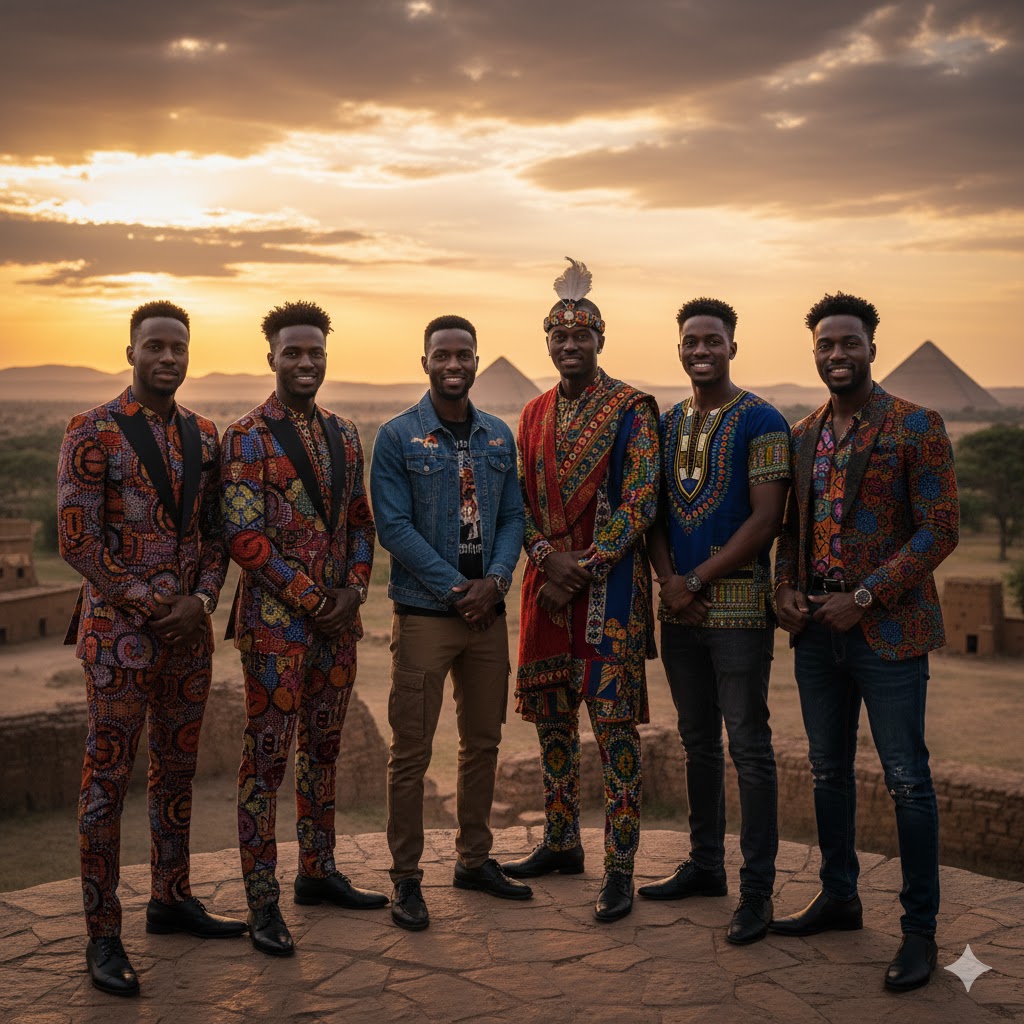
Comparative Masculine Aesthetic Table (Genetics + Psychology + Cultural Archetypes)

Across civilizations, masculine aesthetics have served as visual language—signaling power, protection, fertility, discipline, nobility, and divine purpose. When examining masculine presentation through genetics, psychology, and cultural archetypes, we see not merely beauty standards but philosophies of manhood rooted in lineage, survival, and heritage. Masculinity becomes a relational ethic tied to duty, identity, and legacy.

In African traditions, masculine aesthetics often centered on warrior strength and spiritual authority. Broad shoulders, strong jawlines, deep skin pigmentation, and robust bone structure—common phenotypes linked with ancestral African genetics—symbolized survival power in harsh environments. These features communicated readiness to defend the community and withstand adversity, aligning with warrior archetypes like the Zulu induna or Dahomey generals.

Psychologically, African masculine identity historically emphasized communal responsibility, courage, and divine leadership. Kings and warriors adorned themselves with symbolic emblems—leopard skins, spears, gold, spiritual markings—to visually display covenant identity and ancestral power. Beauty is intertwined with duty, where physical form expresses divine assignment and social purpose.

In Near Eastern and Hebraic traditions, masculine aesthetics blended priesthood and kingship. The biblical Israelite ideal combined moral purity, spiritual discipline, and prophetic authority. The archetype of David—warrior-poet, humble yet mighty—illustrates a masculinity where beauty flowed from righteousness, loyalty to God, and leadership rooted in covenant responsibility.

Ethiopian Solomonic imagery continued this sacred lineage, reinforcing that true masculine strength radiates from spiritual legitimacy. Royal garments, crowns, and lion symbolism communicated divine selection. The biblical statement, “Gird thy sword upon thy thigh, O most mighty… and in thy majesty ride prosperously” (Psalm 45:3–4, KJV), captured a fusion of warriorhood and holiness.

In West African Mali and Songhai empires, masculine aesthetics emphasized intellectual nobility and economic authority. Scholars, merchants, and rulers like Mansa Musa projected refinement through textiles, gold adornment, and dignified posture. Beauty symbolized abundance and wisdom—masculinity as provision and civilization-building rather than brute force alone.

Greco-Roman masculinity elevated proportion, symmetry, and muscularity, rooted in philosophical ideals of human perfection. Statues reflected ideal facial angles, balanced musculature, and calm expressions, tying genetics to aesthetic geometry. This classical archetype valued form as evidence of discipline, intellect, and civic virtue, merging beauty with philosophical excellence.

Psychologically, European masculinity later shifted toward aristocratic refinement—tailoring, grooming, posture—as symbols of social rank. The “gentleman” aesthetic emphasized controlled aggression, elite education, and strategic alliance-building. Strength was intellectual and diplomatic as much as physical, shaping modern Western masculine ideals.

In East Asian cultures, masculine aesthetics historically reflected stoicism, inner discipline, and harmony. Samurai traditions honored restrained expression, refined posture, and spiritual calm. Masculinity emphasized mastery over the self, duty to the collective, and quiet loyalty. Strength was inward strength—discipline over impulse, honor over dominance.

Genetically, masculine variation across populations emerges from evolutionary pressures. Warmer climates favored lean muscularity and melanin richness; colder environments selected for broader frames and lighter pigmentation. These genetic differences helped shape aesthetic ideals, but culture transformed biology into symbolic language—beauty expressing identity, not hierarchy.

The global archetype of the “Protector” appears universal—whether Zulu warrior, Hebrew king, Roman general, or Samurai swordsman. Yet, the expression differs: African masculinity externalized communal defense; Hebraic masculinity sanctified justice; Roman masculinity disciplined the body; Samurai masculinity disciplined the spirit.

Another shared archetype is the “Wise Leader.” African kings like Askia the Great, biblical figures like Solomon, and Chinese scholar-officials all projected masculine intelligence through regal composure, ceremonial attire, and calm authority. Beauty was not aggression but thoughtfulness, wisdom, and strategic leadership.

Modern Western culture often reduces masculinity to aesthetics of height, symmetry, muscularity, and dominance. Yet indigenous and ancient societies prioritized virtue, contribution, and communal stewardship. True masculine beauty historically flowed from service, reverence, and legacy—outward form reflecting inward purpose.

Psychologically, masculine confidence has always correlated with perceived social usefulness. Men valued for protection, knowledge, or provision developed stronger self-identity. Masculine beauty, therefore, is not vanity but affirmation of purpose—biology and psychology converging through cultural meaning.

Colonial distortions attempted to weaponize aesthetics by racializing features, privileging European symmetry standards, and devaluing African phenotype richness. Yet African features—broad noses, high cheekbones, rich melanin, coiled hair, full lips—carry evolutionary excellence and cultural depth. As consciousness rises, these traits are reclaimed as symbols of royal identity and ancestral power.

Diaspora psychology reflects a restoration journey: reclaiming Black masculine beauty as spiritual and historical truth. The modern resurgence of natural hair, African garments, sacred jewelry, and warrior postures echoes ancient aesthetics—rooted in memory and resilience.

Masculinity across cultures ultimately shares core values: courage, protection, provision, wisdom, self-mastery, and legacy. Aesthetics serve as visual prophecy—declaring who a man believes himself to be and what he is called to protect. Biology gives the canvas; culture paints its meaning; faith crowns it with divine identity.

Thus, comparative masculine aesthetics reveal not competition but diversity and sacred design. Each culture’s masculine expression illuminates a facet of creation’s purpose: the strong defender, the wise shepherd, the noble king, the disciplined warrior, the peaceful scholar. The truest masculine beauty is integrity lived in visible form.

As men embrace historically grounded identity, they move beyond performative masculinity into covenant masculinity—rooted in duty, love, excellence, and God-given dignity. Strength becomes service, beauty becomes symbolism of purpose, and the masculine form becomes a living temple of divine intention.


References

Akbar, N. (1996). Breaking the chains of psychological slavery. Mind Productions.
Blier, S. (2019). Royal arts of Africa: Majesty, power, and identity. Princeton University Press.
Dutton, E. (2021). The anthropology of beauty: What we like and why. Ulster Academic Press.
Wade, N. (2014). A troublesome inheritance: Genes, race, and human history. Penguin.
Wilson, A. N. (1999). Blueprint for Black power. Afrikan World InfoSystems.