Category Archives: melanin

The Skin Equation: Value, Beauty, and Bias. #thebrownpeopledilemma

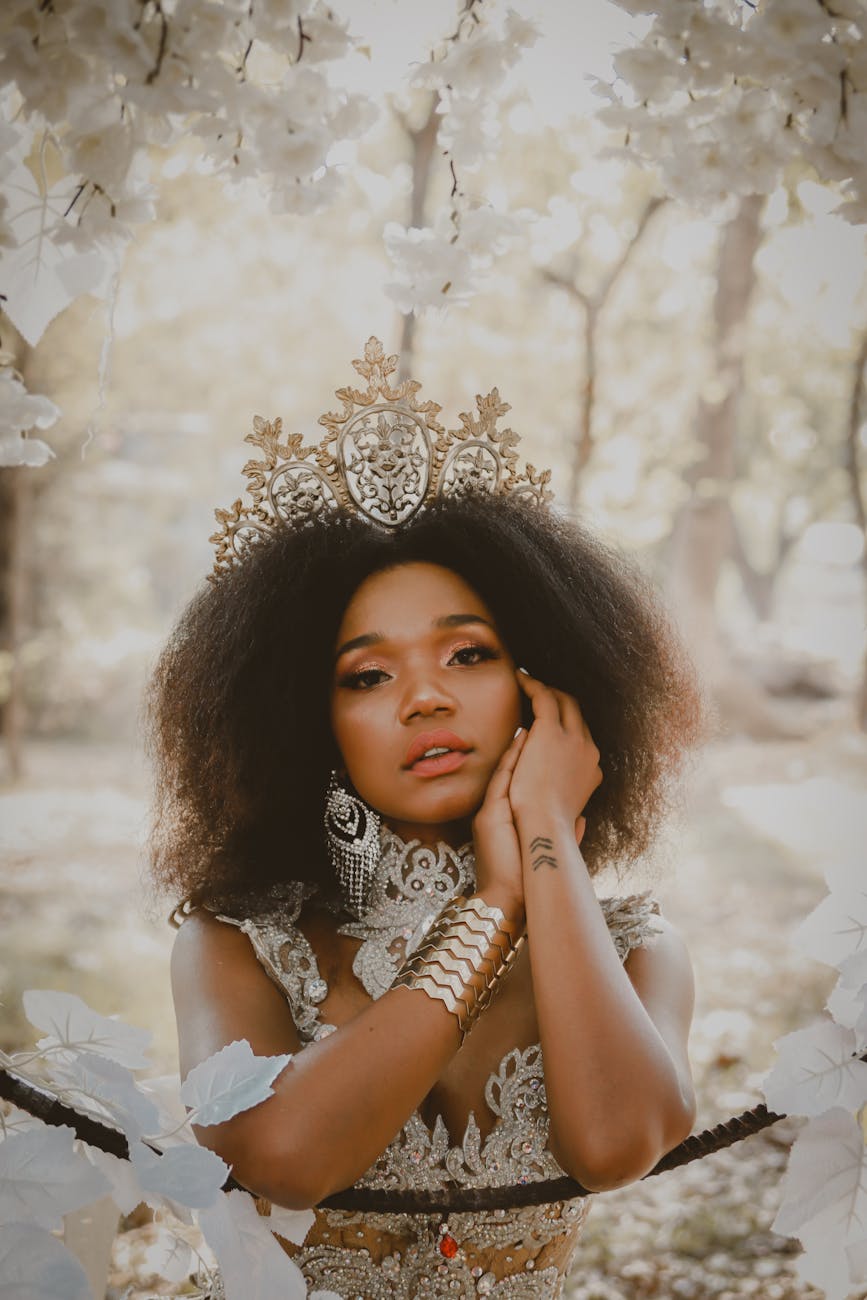
Photo by Bolaji Balogun on Pexels.com

The politics of skin color remains one of the most enduring social hierarchies across the world. Within the spectrum of human diversity, the color of one’s skin has historically functioned as a social equation — determining beauty, value, and belonging. This “skin equation” reflects not only aesthetic preferences but also deep-rooted power dynamics forged through colonialism, slavery, and systemic racism. In modern times, it continues to shape how people of color, particularly within the African diaspora, perceive themselves and others.

Skin tone has become a social currency, an unspoken determinant of privilege and opportunity. In post-slavery societies, lighter skin was often associated with freedom, education, and proximity to whiteness — while darker skin became stigmatized as a visual marker of servitude and inferiority (Hunter, 2007). This hierarchy birthed what is now known as colorism, a phenomenon that exists both within and outside of racial boundaries, influencing social mobility, media representation, and romantic desirability.

Beauty standards, largely shaped by Eurocentric ideals, perpetuate the marginalization of darker complexions. Historically, the Western world’s definition of beauty has been tethered to lightness — straight hair, thin noses, and pale skin. These features were systemically glorified in art, advertising, and cinema, creating a global aesthetic code that devalued African features. As a result, many individuals internalized color-based bias, linking lighter skin with attractiveness and success.

This internalized bias, as theorized by Frantz Fanon in Black Skin, White Masks (1952), results in psychological fragmentation. The colonized subject learns to desire the oppressor’s image, wearing a metaphorical “white mask” in pursuit of acceptance. Fanon’s analysis highlights that colorism is not merely an aesthetic issue but a form of psychological violence, teaching the oppressed to despise their reflection.

In the Americas, color hierarchies were institutionalized through systems like the “one-drop rule” and the “mulatto caste,” where mixed-race individuals were placed above darker-skinned Africans. This practice reinforced racial purity ideologies and divided the Black community along pigment lines. Even after emancipation, these divisions persisted — visible in employment discrimination, political leadership, and media representation (Russell, Wilson, & Hall, 1992).

The entertainment industry further amplifies the bias of the skin equation. Light-skinned actors and models are often cast as romantic leads or beauty icons, while darker-skinned individuals are relegated to roles of servitude or aggression. This pattern, sometimes called “color-coded casting,” communicates to audiences that lightness equates to worthiness and desirability. It becomes a subconscious pedagogy — teaching viewers which shades deserve empathy and admiration.

However, the rise of digital media has sparked a counter-narrative. Movements like #MelaninMagic and #BlackGirlMagic have redefined beauty through the celebration of dark skin tones. Social media platforms have allowed creators to subvert Eurocentric imagery by showcasing diverse complexions in their natural splendor. This reclamation of aesthetic autonomy represents a cultural resistance — an act of rewriting the visual narrative of beauty.

The “skin equation” also extends to economics. In numerous studies, lighter-skinned individuals have been shown to earn higher wages, receive shorter prison sentences, and be perceived as more intelligent or trustworthy than their darker-skinned peers (Maddox & Gray, 2002). These disparities indicate that colorism functions as an economic bias as much as a cultural one.

In the realm of dating and marriage, skin tone continues to influence desirability politics. Research shows that lighter skin correlates with perceptions of femininity and gentleness in women, and with professionalism and status in men. These notions, deeply entrenched in colonial logic, sustain social hierarchies even within intra-racial relationships.

Globally, skin lightening remains a billion-dollar industry, particularly in regions like Africa, Asia, and the Caribbean. The marketing of bleaching products often implies that success, romance, and prestige are achievable through lightness. Such campaigns perpetuate a colonial beauty mindset — convincing the consumer that transformation toward whiteness equals empowerment, when in truth it is an extension of self-erasure (Glenn, 2008).

Colorism’s impact on identity development is particularly harmful among children and adolescents. Studies reveal that darker-skinned children often face more bullying and internalized shame, resulting in lower self-esteem (Wilder, 2010). This early conditioning establishes a lifelong struggle between self-acceptance and societal rejection, producing adults who must heal from inherited bias.

Religious and spiritual imagery has also played a role in reinforcing skin hierarchies. The portrayal of divine figures as white — from angels to Christ — encoded whiteness as holiness and blackness as sinfulness. This theological distortion produced what some scholars call “pigment theology,” where color became synonymous with morality (Cone, 1970). Such images continue to shape subconscious associations of purity and impurity.

In African and Caribbean contexts, the colonial past lingers in linguistic and cultural symbols that favor lightness — phrases like “fair and lovely” or “bright and clean” carry subtle biases. In these societies, color becomes both a marker of postcolonial trauma and an indicator of social aspiration. The residue of empire thus lives on in the language of beauty and respectability.

Despite these systemic issues, the reclamation of dark skin as divine and regal has gained momentum in recent decades. Artists, theologians, and activists have sought to reframe Blackness as sacred — connecting it to African spirituality, biblical lineage, and ancestral royalty. This reimagining restores balance to the skin equation by asserting that melanin is not a curse but a crown.

From a psychological perspective, the deconstruction of colorism requires reprogramming collective self-image. Healing involves education, representation, and the dismantling of media-driven hierarchies. When people of all shades see themselves reflected positively in culture, they begin to rewrite the equation of value and beauty from within.

Sociologically, the persistence of colorism reveals how racism mutates over time. As overt racial segregation wanes, colorism operates subtly — maintaining inequality through aesthetics rather than legislation. This covert discrimination is harder to detect but equally destructive to communal unity.

Educational reform also plays a role in dismantling the skin equation. Curriculums that include African civilizations, Black inventors, and darker-skinned beauty icons broaden the definition of excellence. When children learn to associate dark skin with intelligence, creativity, and leadership, they internalize empowerment rather than shame.

The media’s future lies in the intentional elevation of diverse skin tones — in fashion campaigns, film casting, and advertising. Representation must move beyond tokenism toward genuine inclusivity, celebrating the full range of human hues. Only through visual equity can we begin to repair centuries of aesthetic injustice.

Ultimately, the “skin equation” reflects a collective moral test. It challenges societies to confront the hidden mathematics of bias that equate whiteness with worth and darkness with deficiency. The dismantling of this formula is both a spiritual and cultural act — requiring truth, love, and liberation. When we learn to see beauty not as a spectrum of shade but as a manifestation of soul, the equation balances at last.


References

Cone, J. H. (1970). A Black theology of liberation. Orbis Books.

Fanon, F. (1952). Black skin, white masks. Grove Press.

Glenn, E. N. (2008). Yearning for lightness: Transnational circuits in the marketing and consumption of skin lighteners. Gender & Society, 22(3), 281–302.

Hunter, M. (2007). The persistent problem of colorism: Skin tone, status, and inequality. Sociology Compass, 1(1), 237–254.

Maddox, K. B., & Gray, S. A. (2002). Cognitive representations of Black Americans: Reexploring the role of skin tone. Personality and Social Psychology Bulletin, 28(2), 250–259.

Russell, K., Wilson, M., & Hall, R. (1992). The color complex: The politics of skin color among African Americans. Anchor Books.

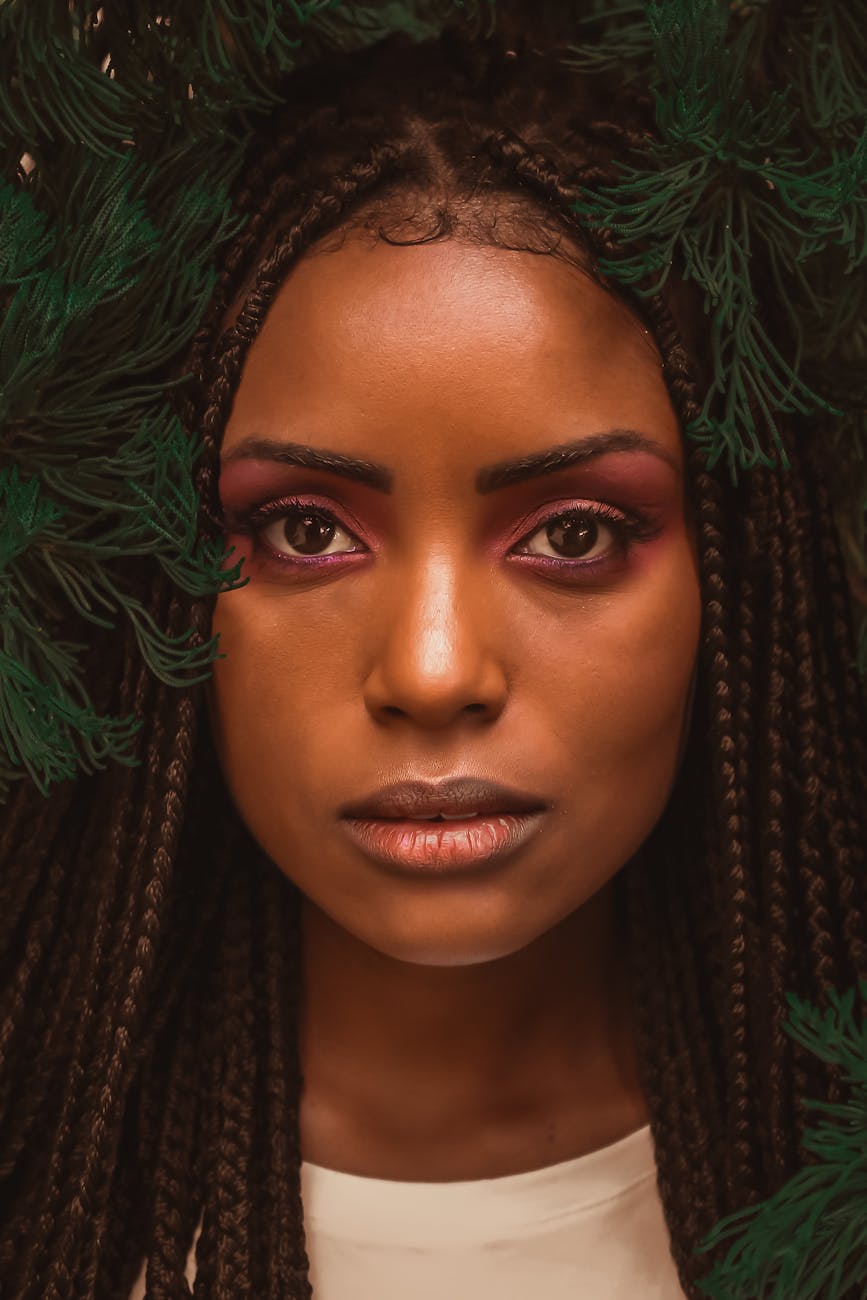
When Melanin Isn’t Enough

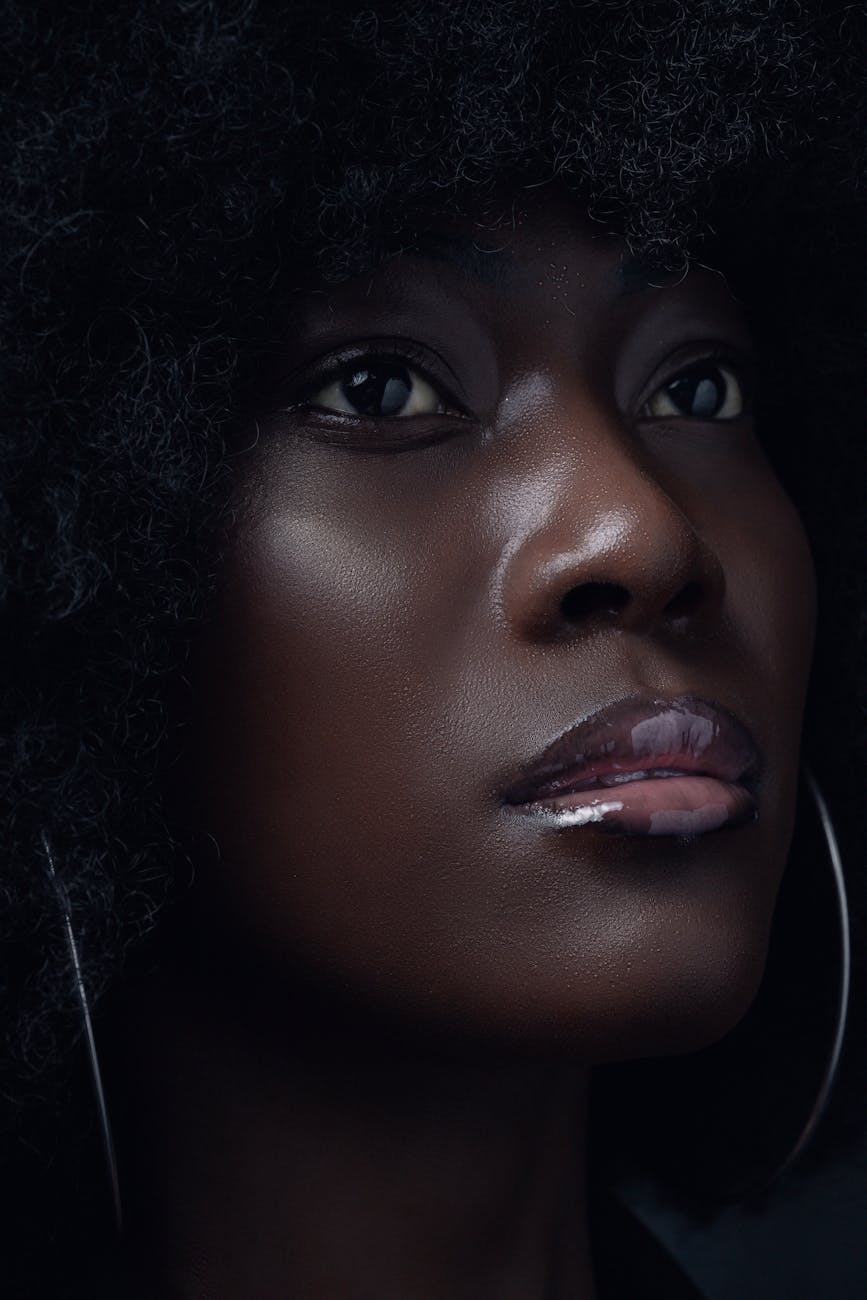
Photo by Daryl Johnson on Pexels.com

To be cloaked in melanin is to carry the history of a people, the beauty of creation, and the strength of survival. Yet for many, that sacred covering has not always guaranteed belonging, protection, or peace. When Melanin Isn’t Enough explores the painful paradox of being richly pigmented in a world that celebrates Black culture but resists Black humanity. It is a confession and a lament—a recognition that melanin, though powerful, cannot shield the heart from systems designed to wound it.

Melanin was meant to be glory. It is the pigment that absorbs sunlight and turns it into strength, a biological brilliance that protects, preserves, and radiates. Yet society, poisoned by racism and colonial beauty ideals, has turned that divine gift into a social marker of inferiority. For centuries, Blackness has been commodified and criminalized—embraced when fashionable, erased when inconvenient. The contradiction leaves many asking: if my skin carries the sun, why must I still fight to prove my worth under its light?

The struggle begins early. In classrooms and playgrounds, darker-skinned children often face ridicule, while lighter tones are subtly praised. These small moments plant seeds of self-doubt that blossom into lifelong insecurities. The child learns that melanin is both identity and liability, and the world’s mixed messages fracture the soul. “Am I too dark to be loved? Too Black to be accepted?” These questions echo long after childhood, haunting the adult who must unlearn the lies planted in innocence.

For the Black woman, melanin becomes both armor and target. She is admired when her features fit aesthetic trends, but dismissed when her authenticity challenges Eurocentric comfort. Her beauty is borrowed by fashion and filtered by media, yet she is often denied the credit for the culture she creates. When melanin isn’t enough, her humanity becomes conditional—validated only when it entertains or conforms.

The Black man, too, feels this contradiction deeply. His melanin, symbolizing ancestral might, is perceived through a lens of fear. His strength becomes threat; his presence, politicized. No matter how articulate, accomplished, or gentle he becomes, his skin too often writes his story before he speaks. He must navigate the exhausting tightrope between pride and safety, power and perception.

Melanin should have been a bridge of unity, but within the Black community, it sometimes becomes a border. Colorism, born from colonial residue, divides sisters and brothers into categories of worth. Light-skinned privilege and dark-skinned pain intersect in cycles of jealousy, guilt, and misunderstanding. This internal division weakens collective power, fulfilling the enemy’s agenda of disunity. Scripture warns, “Every kingdom divided against itself is brought to desolation” (Matthew 12:25, KJV). Healing requires honest reckoning with these inherited wounds.

Spiritually, when melanin isn’t enough, it is because the war is not of flesh but of perception. The world has misnamed Blackness—calling divine what is pale and calling inferior what is holy. Yet the Word declares, “I am fearfully and wonderfully made” (Psalm 139:14, KJV). The Creator, who formed man from the dust of the ground, did not err in His design. Melanin was God’s intentional artistry, not a cosmic afterthought. The error lies not in the pigment but in the gaze that refuses to see it as divine.

The emotional toll of that misperception is immense. Many who are richly melanated still feel unseen—rejected in corporate spaces, romantic relationships, and even faith communities. Society consumes the aesthetic of Blackness but denies its depth. From music to fashion to slang, melanin is celebrated in fragments while its full humanity is ignored. The world wants Black culture without Black people.

In this tension, faith becomes refuge. The believer learns that divine validation transcends social opinion. The Bible reminds us in 1 Samuel 16:7 that “man looketh on the outward appearance, but the Lord looketh on the heart.” When melanin isn’t enough to earn human acceptance, grace becomes the garment that restores identity. The faithful must remember that worth is not measured by shade or status, but by spiritual alignment.

History reveals that melanin alone did not save our ancestors from oppression—but their faith did sustain them. Enslaved Africans sang songs of deliverance even while bound, trusting a God who saw their pain beyond their pigmentation. Their melanin was their mark of identity, but their endurance was their proof of divinity. It reminds us that liberation is both physical and spiritual; the chains on the body can break faster than the chains on the mind.

Modernity presents a new kind of bondage—the bondage of performance. Blackness has become commodified, reduced to trends and tokens. Melanin-rich influencers are celebrated online, but the same society often neglects justice for the oppressed. Aesthetic appreciation without moral accountability is hollow. When melanin becomes a brand instead of a birthright, identity becomes performance rather than truth.

Healing begins with revelation. Melanin is enough—when seen through the eyes of God. It is enough when rooted in purpose, not performance. But it cannot bear the full burden of validation in a world still blind to its worth. The solution lies in balance: to love the skin without idolizing it, to embrace heritage without becoming enslaved to it, and to seek wholeness that begins within.

Community restoration depends on collective healing. When melanin-rich people affirm one another across shades and experiences, they dismantle centuries of divide-and-rule. Love becomes the new language of liberation. “Above all these things put on charity, which is the bond of perfectness” (Colossians 3:14, KJV). Only love—divine and communal—can make melanin more than enough.

Ultimately, When Melanin Isn’t Enough is a call to transcend pigment politics and embrace spiritual purpose. Melanin may be our covering, but it is not our completion. Our identity is not limited to skin but rooted in spirit. We are more than color—we are covenant. More than beautiful—we are chosen. The world may not always recognize that truth, but Heaven already has.

References

  • The Holy Bible, King James Version. (1611).
  • Banks, T. A. (2019). Colorism and the politics of beauty. Journal of Black Studies, 50(3), 243–261.
  • Hunter, M. (2007). The persistent problem of colorism: Skin tone, status, and inequality. Sociology Compass, 1(1), 237–254.
  • Walker-Barnes, C. (2020). Too heavy a yoke: Black women and the burden of strength. Cascade Books.
  • hooks, b. (1992). Black looks: Race and representation. South End Press.
  • West, C. (1993). Race matters. Beacon Press.

The Brown Girl Dilemma Anthology

Essays on Identity, Faith, and Resilience

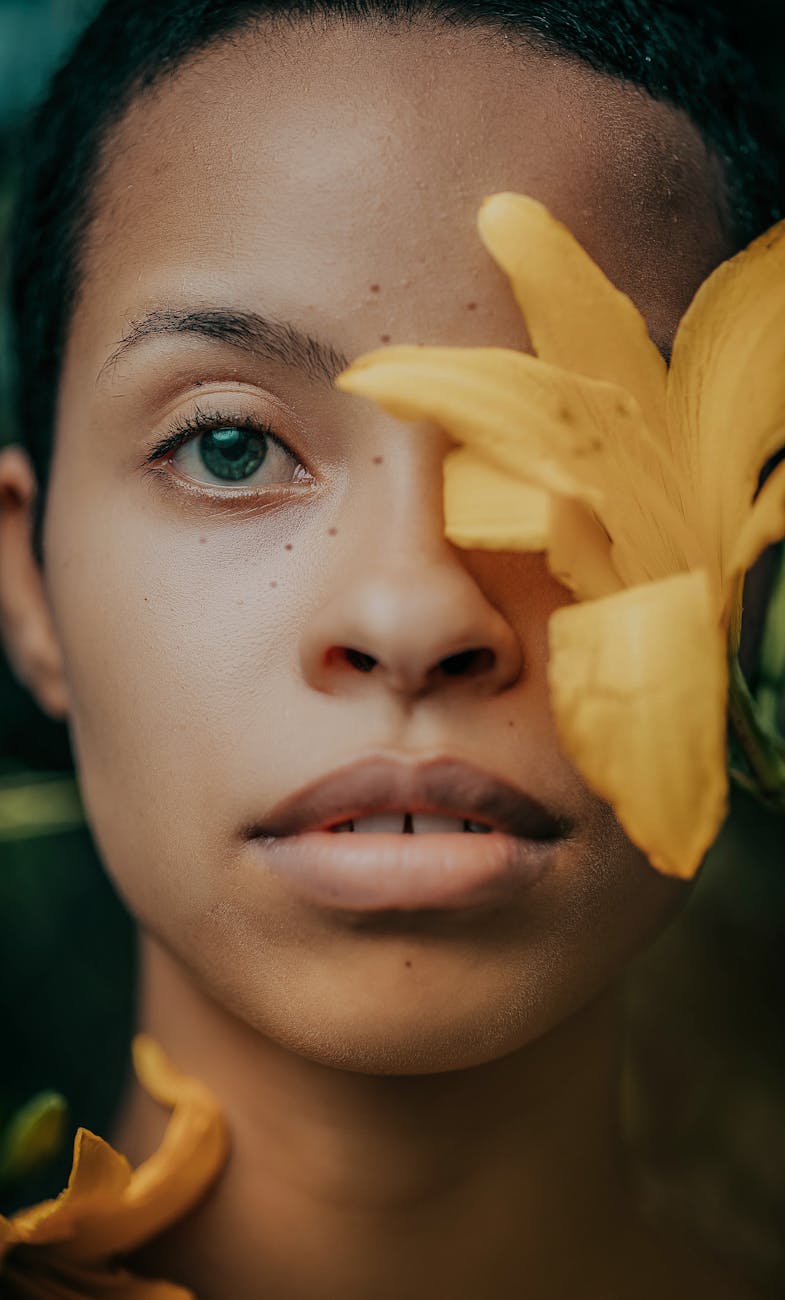
Photo by Matheus Henrin on Pexels.com

Introduction: Naming the Dilemma

The story of the brown girl has too often been told by others—distorted by colonial narratives, diminished by Eurocentric beauty standards, and overshadowed by the structures of white supremacy. To be a brown girl is to exist at the crossroads of invisibility and hyper-visibility, of longing and defiance, of burden and brilliance. Yet, it is also to carry within one’s skin, history, and faith an unshakable strength.

This anthology, The Brown Girl Dilemma, weaves together eight reflections that explore the psychological, theological, and cultural experiences of brown girls. Each essay unpacks a layer of her reality: her struggles, her triumphs, her beauty, her biases, her faith, and her crown. Together, they paint a portrait of resilience and hope, testifying that the brown girl’s story is not merely one of survival but of victory.


Beyond the Mirror: Unpacking the Brown Girl Dilemma

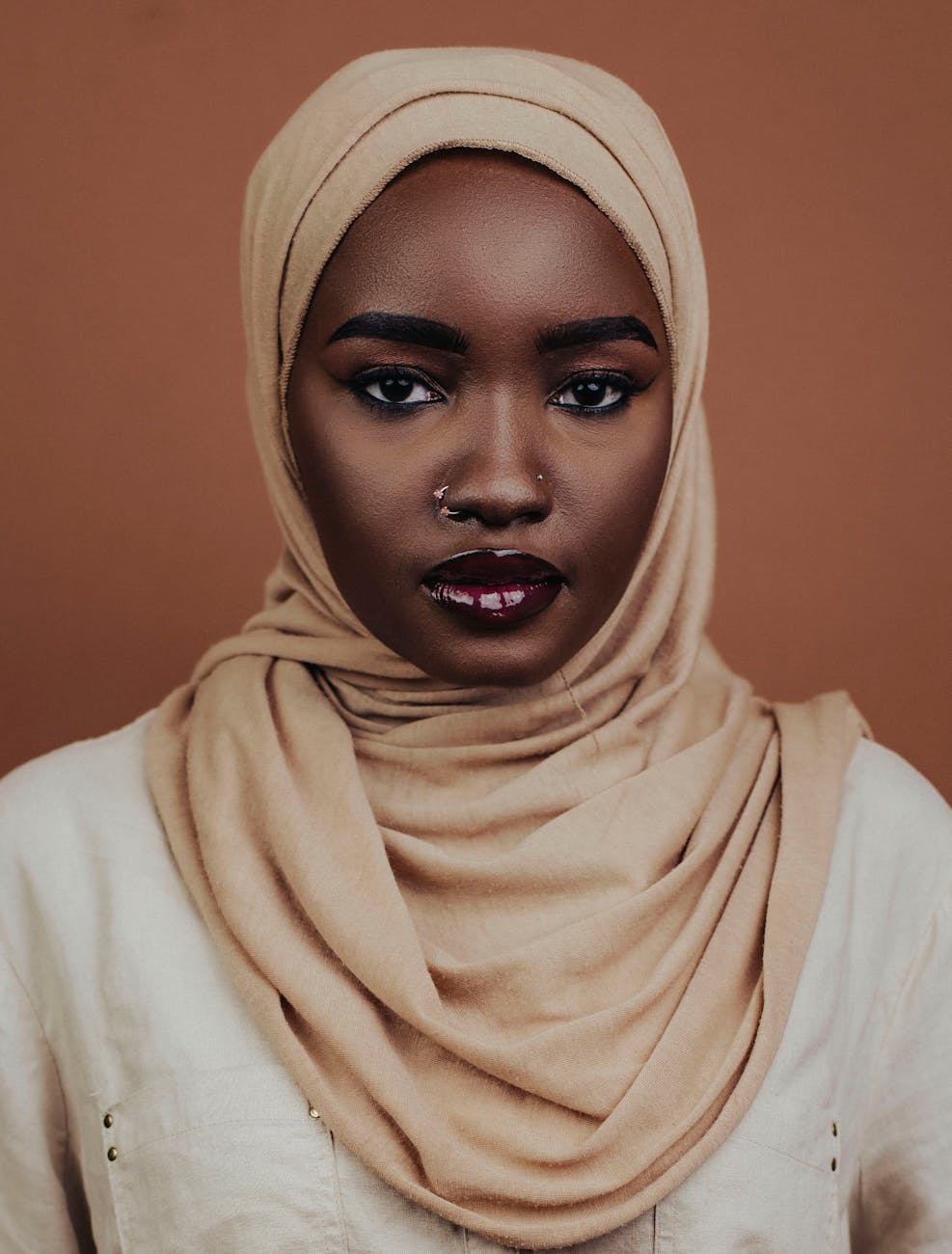
Photo by Mwabonje Ringa on Pexels.com

The mirror often reflects not only one’s face but also the stories society has told about it. For brown girls, the mirror has been a site of battle. From childhood, they have been fed images that elevate whiteness as the pinnacle of beauty while positioning melanin as a flaw (Hunter, 2007). Yet beyond the mirror lies the truth: the brown girl is not a mistake but a masterpiece, fearfully and wonderfully made (Psalm 139:14, KJV). Her dilemma, therefore, is not inherent in her skin but imposed by cultural lies. The work of unpacking begins when she refuses to internalize the distortion, reclaiming the mirror as a site of affirmation rather than shame.


Beauty, Bias, and the Brown Girl Battle

Photo by Megwara Favour on Pexels.com

Beauty is not neutral. It is shaped by bias, wielded as a weapon, and coded into systems that privilege certain shades over others. Colorism—bias within communities of color that favors lighter skin tones—continues to affect employment, marriage prospects, and social mobility (Monk, 2014). The brown girl’s battle is not against her reflection but against these structures of exclusion. Yet resilience emerges when she embraces her natural beauty as sacred. Like the Shulamite woman of Song of Solomon, she can boldly declare: “I am black, but comely” (Song of Solomon 1:5, KJV). Her beauty becomes both resistance and revolution.


Sacred Shades: A Theological Look at the Brown Girl Dilemma

Photo by Ivan Samkov on Pexels.com

Scripture affirms the diversity of creation: “And God saw everything that he had made, and, behold, it was very good” (Genesis 1:31, KJV). Her melanin is no accident—it is sacred. Yet theology has been misused, with distorted readings of texts like the “curse of Ham” weaponized to justify slavery and racism (Goldenberg, 2003). A theological re-examination reveals that the brown girl is not cursed but chosen, not marginalized but mighty. Her shades are not blemishes but blessings, woven intentionally into the divine tapestry.


Brown Skin, Heavy Crown: The Weight of Representation

Photo by John Ray Ebora on Pexels.com

Representation is both privilege and burden. The brown girl often carries the pressure of being “the first,” “the only,” or “the token” in schools, workplaces, and media. Research on “tokenism” highlights the psychological toll of being isolated in professional settings (Kanter, 1977). Her crown is heavy because she is asked to stand not just for herself but for her entire community. Yet within this weight lies an opportunity: her very presence disrupts narratives of exclusion. Like Queen Esther, she steps into spaces of power “for such a time as this” (Esther 4:14, KJV), bearing her crown with dignity even when it feels crushing.


Invisible Yet Hyper-Visible: The Brown Girl Paradox

Photo by Jonatan Galvis on Pexels.com

The brown girl’s life is marked by paradox. In many contexts, she is invisible—overlooked in promotions, underrepresented in media, and silenced in public discourse (Collins, 2000). Yet in others, she is hyper-visible—her body fetishized, her features policed, her presence scrutinized. This double-bind echoes W.E.B. Du Bois’ (1903/1994) notion of “double consciousness.” Psychology confirms the strain of such contradictions (Harris-Perry, 2011), but it also testifies to the adaptability born from them. The brown girl learns to navigate invisibility and visibility with wisdom, asserting her presence in spaces that once denied her.


The Skin They Can’t Ignore: Brown Girls in a World of Whiteness

Photo by Bave Pictures on Pexels.com

Despite centuries of erasure, the brown girl’s skin refuses to disappear. From the runways of fashion to the classrooms of academia, from pulpits to parliaments, brown girls are reshaping global narratives (Craig, 2021). Their melanin is a marker of survival, a testimony to ancestors who endured and resisted. The world of whiteness may attempt to silence them, but their skin speaks—a language of resilience, beauty, and truth.


From Colorism to Confidence: Redefining the Brown Girl Dilemma

Photo by Andrea Piacquadio on Pexels.com

The journey from colorism to confidence is neither linear nor easy, but it is necessary. Healing begins when the brown girl rejects society’s scales of worth and embraces her own. Confidence does not erase the pain of exclusion, but it transforms it into power. With each affirmation, each step of self-love, she dismantles the very dilemma that once sought to define her. Psychology shows that affirming racial identity correlates with higher self-esteem and resilience (Sellers et al., 1998). The narrative shifts: she is no longer trapped in the binary of lighter versus darker but liberated in the fullness of her identity.


Shades of Struggle, Shades of Strength: The Brown Girl Experience

Photo by Lucas Pezeta on Pexels.com

The brown girl experience is a tapestry woven with both pain and power. Struggles with racism, sexism, and colorism are undeniable, but so is the strength cultivated through them. History remembers the voices of brown women who transformed struggle into legacy—Sojourner Truth, Audre Lorde, Maya Angelou, and countless unnamed others. Their resilience becomes inheritance, passed down to new generations of brown girls who rise stronger than those before them. Their lives declare that struggle and strength are not opposites but companions.


Conclusion: Rewriting the Dilemma

Photo by Darksight Image on Pexels.com

The brown girl dilemma is not an unsolvable riddle—it is a story in the process of being rewritten. Each essay in this anthology testifies to a different dimension of her truth: beauty, bias, theology, representation, paradox, visibility, confidence, and resilience. Together, they reveal that the dilemma was never truly hers but society’s.

The final word belongs to the brown girl herself. She is more than the reflection in the mirror, more than the burden of bias, more than the paradox of presence. She is sacred, crowned, resilient, and radiant. She is a daughter of the Most High, created in His image, carrying both the weight of her history and the brilliance of her destiny. And in her story, we find not only the struggle of brown girls but the strength of all humanity.


References

Collins, P. H. (2000). Black feminist thought: Knowledge, consciousness, and the politics of empowerment. Routledge.

Craig, M. L. (2021). Ain’t I a beauty queen?: Black women, beauty, and the politics of race. Oxford University Press.

Du Bois, W. E. B. (1994). The souls of Black folk. Dover Publications. (Original work published 1903)

Goldenberg, D. M. (2003). The curse of Ham: Race and slavery in early Judaism, Christianity, and Islam. Princeton University Press.

Harris-Perry, M. V. (2011). Sister citizen: Shame, stereotypes, and Black women in America. Yale University Press.

Hunter, M. (2007). The persistent problem of colorism: Skin tone, status, and inequality. Sociology Compass, 1(1), 237–254. https://doi.org/10.1111/j.1751-9020.2007.00006.x

Kanter, R. M. (1977). Men and women of the corporation. Basic Books.

Monk, E. P. (2014). Skin tone stratification among Black Americans, 2001–2003. Social Forces, 92(4), 1313–1337. https://doi.org/10.1093/sf/sou007

Sellers, R. M., Caldwell, C. H., Schmeelk-Cone, K. H., & Zimmerman, M. A. (1998). Racial identity, racial discrimination, perceived stress, and psychological well-being among African American young adults. Journal of Health and Social Behavior, 39(3), 302–314. https://doi.org/10.2307/2676348

The Holy Bible, King James Version.

The Plantation Palette: How Colorism Was Painted Into Our DNA.

Colorism is not simply a social construct—it is a historical wound written into the subconscious of the African diaspora. It is the shadow of slavery that lingers in how we perceive beauty, worth, and belonging. The plantation, once a site of brutal labor and exploitation, became the first workshop where shades of brown were turned into symbols of hierarchy. Within its cruel order, skin color was not just biology—it became social destiny.

The origins of colorism in the Americas lie in the cruel logic of white supremacy. During slavery, the European masters created a false dichotomy between “house slaves” and “field slaves.” Those with lighter complexions, often the offspring of rape and coercion by white men, were assigned domestic work and treated marginally better. Darker-skinned Africans, whose features reflected their full heritage, were confined to the fields. This system cultivated resentment, insecurity, and self-hatred—ingredients that would harden into generational trauma.

On the plantation, color became code. It signified proximity to whiteness and, therefore, proximity to privilege. The masters engineered this system deliberately, knowing that internal division among the enslaved would ensure control. This was psychological warfare disguised as social order. What began as survival-based favoritism evolved into a culture of comparative value, one that still haunts descendants today.

This plantation palette—the gradation of complexion from light to dark—became the foundation of a pigment hierarchy that endured long after slavery’s abolition. Freedmen’s societies, post-slavery fraternities, and even churches sometimes practiced exclusion based on complexion. The “paper bag test,” requiring one’s skin to be lighter than a brown paper bag, institutionalized colorism within Black spaces. The oppressor’s palette became the people’s poison.

In a cruel twist of history, this bias was internalized. Enslaved and freed Black communities began to mirror the hierarchies imposed upon them. The lighter the skin, the closer one appeared to the master class. The darker the tone, the further one was deemed from beauty, intelligence, and refinement. It was not merely prejudice—it was the plantation’s psychological residue replicated in every generation.

Science and pseudo-genetics in the 19th and 20th centuries gave colorism false legitimacy. Phrenologists and eugenicists claimed that lighter skin signified evolutionary advancement, while darker tones represented savagery. These racist pseudosciences seeped into textbooks, media, and art. Even after slavery, the plantation’s palette painted the world’s perception of Blackness in gradients of acceptance and rejection.

The entertainment industry perpetuated this pigment hierarchy. Early Hollywood refused to cast dark-skinned Black actors in leading roles, preferring “passing” or lighter-toned performers who could fit Eurocentric ideals. In music, Motown executives polished their artists’ images to appeal to white audiences, often selecting those whose skin was “marketable.” The plantation’s palette had evolved from whip to camera, from overseer to director’s chair.

In beauty culture, skin bleaching became a global epidemic. From the Caribbean to Africa to South Asia, the false promise of lighter skin as a ticket to success spread like a virus. Colonialism exported colorism as cultural infection, linking “fairness” to purity and status. Advertisements equating lightness with virtue were not new—they were modern echoes of the plantation’s visual code.

Psychologically, colorism is a form of inherited trauma. Epigenetic studies suggest that stress and oppression can influence gene expression across generations (Yehuda & Bierer, 2009). While color preference itself is cultural, the social stress tied to darker skin—exclusion, discrimination, invisibility—can shape self-perception at a cellular level. Thus, colorism is not merely learned; it is embodied.

The plantation painted identity with a cruel precision: lightness equaled potential, darkness equaled labor. This message infiltrated the bloodstream of the diaspora, turning self-recognition into self-negotiation. Every time a child is told they are “too dark” or “too light,” the plantation speaks again. Its brushstrokes still stain the canvas of our collective consciousness.

However, the story of the plantation palette is also one of resistance. Black communities have long challenged these hierarchies through cultural affirmation. The Harlem Renaissance, the Negritude Movement, and the Black Arts Movement reclaimed the beauty of darkness as divine. Writers like Langston Hughes and Aimé Césaire shattered the myth of inferiority by celebrating melanin as majesty.

Spiritually, the lie of colorism collapses under divine truth. Scripture declares, “I will praise thee; for I am fearfully and wonderfully made” (Psalm 139:14, KJV). The Creator did not craft shades of humanity to rank them, but to reflect His boundless creativity. Melanin is not a mistake—it is a masterpiece. To reclaim our beauty is to reclaim the truth of divine intention.

Sociologically, colorism continues to influence education, employment, and dating patterns. Studies show that lighter-skinned individuals often receive higher income, lighter sentencing, and more favorable treatment in professional and romantic contexts (Hochschild & Weaver, 2007). The plantation may be gone, but its paint still dries unevenly across modern institutions.

Media representation remains a battleground. When dark-skinned women like Lupita Nyong’o, Viola Davis, and Danai Gurira rise to prominence, they challenge centuries of aesthetic bias. Their visibility restores balance to the narrative, reminding the world that beauty does not fade with depth—it deepens. The plantation palette can be repainted when darker hues are centered, celebrated, and seen.

Education is one of the most powerful solvents against colorism. Teaching young people the origins of complexion bias empowers them to unlearn it. When students understand that colorism was manufactured to divide, they begin to heal. Knowledge restores agency; truth restores dignity. The palette can be reclaimed through re-education.

In the realm of relationships, colorism continues to distort love. Preferences shaped by colonial beauty ideals still define desirability in the modern age. Healing requires that both men and women confront these biases honestly—understanding that love conditioned by shade is not love at all, but indoctrination. Liberation begins with reprogramming affection to mirror authenticity.

Culturally, art has always been the great redeemer. Black painters, photographers, and filmmakers are repainting the narrative, giving dark skin the glory it was denied. Through rich tones, shadows, and light, they rewrite the visual language of worth. Every portrait of a dark-skinned figure bathed in golden light is an act of rebellion against the plantation palette.

Economically, industries that profit from color bias must be held accountable. The global skin-lightening market, projected to surpass $12 billion, thrives on the insecurity of colonized beauty ideals (Statista, 2023). Dismantling colorism means dismantling the profit systems built upon it. Freedom is not just emotional—it is financial.

Ultimately, the plantation palette reminds us that identity has been painted, but it can also be repainted. Each generation holds the brush. When we celebrate every shade of brown as sacred, we undo the work of centuries. Our skin becomes testimony, not tragedy. Our reflection becomes revolution.

Colorism was painted into our DNA through trauma, but through truth, it can be washed clean. The time has come to reclaim our palette—to turn shame into pride, division into unity, and pain into art. What was once used to divide us will now define us as divine. We are not products of the plantation; we are the pigments of paradise, unchained and unashamed.

References

  • The Holy Bible, King James Version (Psalm 139:14).
  • Hochschild, J. L., & Weaver, V. (2007). The Skin Color Paradox and the American Racial Order. Social Forces, 86(2), 643–670.
  • Yehuda, R., & Bierer, L. M. (2009). The Relevance of Epigenetics to PTSD: Implications for the DSM-V. Journal of Traumatic Stress, 22(5), 427–434.
  • hooks, b. (1992). Black Looks: Race and Representation. South End Press.
  • Russell, K., Wilson, M., & Hall, R. (1992). The Color Complex: The Politics of Skin Color Among African Americans. Doubleday.
  • Morrison, T. (1992). Playing in the Dark: Whiteness and the Literary Imagination. Vintage.
  • Tate, S. (2009). Black Beauty: Aesthetics, Stylization, Politics. Routledge.
  • Craig, M. L. (2002). Ain’t I a Beauty Queen?: Black Women, Beauty, and the Politics of Race. Oxford University Press.
  • Hall, S. (1997). Representation: Cultural Representations and Signifying Practices. Sage.
  • Davis, A. (1981). Women, Race, & Class. Random House.

Pretty Privilege Series: The Weight of Hue — How Skin Tone Still Shapes Our Lives.

Photo by cottonbro studio on Pexels.com

Colorism continues to shape the lives of Black people across the globe, creating a hierarchy where lighter skin is often valued above darker skin. This hierarchy influences perceptions of beauty, social status, economic opportunity, and even self-worth (Hunter, 2007).

The roots of colorism are deeply historical. During slavery and colonization, lighter-skinned Africans were often given preferential treatment, assigned domestic roles, and sometimes even granted freedom, while darker-skinned Africans labored in the fields and were systematically dehumanized. These practices embedded the association of lightness with privilege (Williams, 1987).

The media has perpetuated this bias for generations. Hollywood films, advertisements, and television shows historically cast lighter-skinned Black actors in leading, romantic, and heroic roles, while darker-skinned actors were relegated to secondary or villainous roles. Such representation shapes public perception and influences the self-esteem of viewers (Bogle, 2016).

The psychological effects of colorism are profound. Darker-skinned individuals often report higher rates of depression, lower self-esteem, and feelings of inadequacy compared to their lighter-skinned peers. Internalized messages about beauty and desirability can create lifelong struggles with identity and confidence (Hill, 2002).

Colorism also affects romantic relationships. Studies indicate that lighter-skinned women and men are often preferred as partners, while darker-skinned individuals face marginalization. These biases are rooted in historical hierarchies that equate proximity to whiteness with social desirability (Wilder, 2010).

In the workplace, colorism manifests in income and promotion disparities. Research shows that darker-skinned Black men and women often earn less than their lighter-skinned counterparts, even with equivalent qualifications and experience. This shade-based wage gap highlights ongoing systemic inequities (Goldsmith, Hamilton, & Darity, 2006).

Schools are microcosms where colorism begins early. Dark-skinned children are more likely to face teasing, social exclusion, or harsher disciplinary measures. These early experiences shape their academic performance and social confidence (Monk, 2014).

Family and community attitudes play a significant role in either perpetuating or challenging colorism. Compliments that favor lighter skin, such as “You’re pretty for a dark-skinned girl,” reinforce hierarchy, while affirmations of all shades foster resilience and self-love (Russell, Wilson, & Hall, 2013).

Language and terminology also reinforce hierarchy. Terms like “high yellow,” “redbone,” and “chocolate” often carry implicit judgments. Changing this language is a necessary step in dismantling social biases and cultivating inclusive beauty standards (Charles, 2003).

Social media has become a double-edged sword. While it can perpetuate light-skinned beauty ideals, movements such as #MelaninPoppin and #DarkSkinIsBeautiful celebrate deep-skinned beauty and provide visibility to those historically marginalized. These campaigns foster community pride and affirmation.

Religious and spiritual frameworks can help counteract internalized bias. Scriptures like Song of Solomon 1:5 — “I am black, but comely” — affirm that dark skin is beautiful and worthy of celebration. Churches can encourage young women and men to see all shades as reflections of God’s design (James 2:1-4).

Media literacy programs are essential tools for combating the weight of hue. Teaching children and adults to critically evaluate film, television, and advertising helps them resist internalizing harmful colorist norms and fosters appreciation for a wider range of beauty standards.

Empowerment programs targeting youth help counteract the negative effects of colorism. Workshops, mentorship, and historical education about African ancestry instill pride in melanin-rich skin and encourage healthy self-perception (Hall, 1992).

Feminist scholars argue that colorism intersects with sexism and racism, amplifying the oppression of dark-skinned women. Addressing this intersectionality is crucial for holistic liberation and equity within the Black community (Hunter, 2007).

Representation matters not only for women but for men as well. Dark-skinned Black men face societal prejudice that can affect perceptions of attractiveness, trustworthiness, and professional capability. Affirming men of all shades helps dismantle hierarchical standards that harm the entire community.

Black fathers and male mentors have a critical role. By affirming dark-skinned daughters, nieces, and younger women in their communities, men can actively challenge societal preferences for lighter skin and foster confidence in the next generation (Harris, 2015).

Economic and professional equity initiatives are equally important. Organizations must address unconscious bias in hiring, promotions, and pay scales to ensure that darker-skinned individuals are not disadvantaged due to complexion. Equitable policies disrupt systemic inequalities rooted in colorism.

Education about the historical and cultural origins of colorism provides tools for resistance. Teaching children about African leaders, inventors, and cultural figures with dark skin fosters pride and counters centuries of negative messaging (Smedley, 1999).

Therapeutic interventions, including counseling and support groups, can help individuals address internalized colorism. Healing requires acknowledging past trauma, challenging negative beliefs, and embracing one’s natural complexion.

Breaking the shade hierarchy is a lifelong process that requires conscious effort, education, and representation. By affirming beauty across all skin tones, fostering inclusive media, and challenging biases, the Black community can reduce the weight of hue and empower future generations.


References

  • Bogle, D. (2016). Toms, Coons, Mulattoes, Mammies, and Bucks: An Interpretive History of Blacks in American Films. Bloomsbury.
  • Charles, C. (2003). Skin Bleaching, Self-Hate, and Black Identity in Jamaica. Journal of Black Studies, 33(6), 711–728.
  • Goldsmith, A., Hamilton, D., & Darity, W. (2006). Shades of Discrimination: Skin Tone and Wages. American Economic Review, 96(2), 242–245.
  • Hall, R. E. (1992). Bias Among African Americans Regarding Skin Color: Implications for Social Work Practice. Research on Social Work Practice, 2(4), 479–486.
  • Harris, A. (2015). The Influence of Fathers on the Self-Esteem of African American Daughters. Journal of Black Psychology, 41(3), 257–276.
  • Hill, M. (2002). Skin Color and the Perception of Attractiveness Among African Americans. Social Psychology Quarterly, 65(1), 77–91.
  • Hunter, M. (2007). The Persistent Problem of Colorism: Skin Tone, Status, and Inequality. Sociology Compass, 1(1), 237–254.
  • Monk, E. P. (2014). Skin Tone Stratification among Black Americans, 2001–2003. Social Forces, 92(4), 1313–1337.
  • Russell, K., Wilson, M., & Hall, R. (2013). The Color Complex: The Politics of Skin Color Among African Americans. Anchor Books.
  • Smedley, A. (1999). Race in North America: Origin and Evolution of a Worldview. Westview Press.
  • Williams, E. (1987). Capitalism and Slavery. UNC Press.
  • Wilder, J. (2010). Revisiting “Color Names and Color Notions”: A Contemporary Examination of the Language and Attitudes of Skin Color among Young Black Women. Journal of Black Studies, 41(1), 184–206.

The Black Male Gaze in this Color Biased Culture.

Why do Most black men prefer light skin.

This photograph is the property of its respective owner. No copyright infringement intended.

Beauty has never been purely personal; it is mediated through social, cultural, and historical forces. One of the most insidious influences is the male gaze, a term coined by Laura Mulvey (1975) to describe the way visual culture positions women as objects of male desire. In contemporary society, this gaze intersects with racial bias, creating a hierarchy in which lighter-skinned women are often perceived as more desirable.

This preference for light skin among men, particularly in African-descended communities, is not incidental but rooted in colonial histories. During slavery and colonization, lighter skin became associated with privilege, proximity to whiteness, and access to social mobility, while darker skin was stigmatized as inferior (Hunter, 2007). These historical hierarchies persist, shaping contemporary attraction and desirability standards.

The media has played a central role in perpetuating these biases. Advertising, television, and film often celebrate lighter-skinned women as the epitome of beauty, while darker-skinned women are underrepresented or stereotyped. This visibility bias reinforces the notion that lighter skin equals social value, intelligence, and romantic desirability (Banks, 2019).

Psychologically, men are not immune to cultural conditioning. Social learning theory suggests that people internalize the norms and preferences prevalent in their society (Bandura, 1977). Consequently, men may be unconsciously influenced by media representations, familial attitudes, and peer reinforcement that favor light-skinned women, even when their personal values suggest otherwise.

Eurocentric beauty ideals—straight hair, narrow noses, and lighter skin—also inform this bias. These standards were historically imposed on colonized populations to assert racial hierarchy and maintain power structures (Painter, 2010). The association of these traits with superiority has trickled down through generations, subtly influencing what men perceive as attractive.

Colorism, the preferential treatment of lighter-skinned individuals within the same racial group, magnifies these effects. Research shows that lighter-skinned women often receive more attention, admiration, and social opportunities than their darker-skinned peers (Hunter, 2011). This preferential treatment extends into romantic attraction, where light skin can be erroneously equated with status, beauty, and compatibility.

The male gaze is also reinforced through social and economic factors. Historically, lighter-skinned women were more likely to receive education, employment, and upward mobility. Men seeking partners with social advantage may unconsciously associate lighter skin with access to resources, subtly biasing their attraction (Jones, 2018).

Psychological studies further reveal that men are drawn to features culturally associated with femininity and delicacy—traits that Eurocentric standards have historically emphasized in light-skinned women. Fuller lips, wider noses, and darker skin, common among darker-skinned women, have been unjustly coded as less “feminine” under these biased frameworks (Frisby, 2004).

Social media exacerbates these preferences. Platforms like Instagram and TikTok algorithmically amplify images conforming to mainstream beauty norms, often favoring lighter skin tones. This constant exposure normalizes light-skinned beauty as aspirational, subtly shaping male desire through repetitive visual reinforcement (Thompson, 2020).

Family and community dynamics also contribute to internalized preferences. Boys growing up in communities where lighter skin is praised and darker skin is stigmatized often adopt these hierarchies as standards of desirability. These learned biases are rarely questioned, becoming a “default” lens through which men view romantic partners.

The male gaze, therefore, is both a cultural and psychological phenomenon. It is not inherently malicious but is shaped by centuries of systemic preference and visual conditioning. Men’s attraction to light-skinned women is frequently a reflection of societal pressures rather than purely personal choice.

Intersectionality complicates this phenomenon. Light-skinned women may still face gender-based oppression, but their skin tone can provide a form of privilege in romantic and social contexts. Darker-skinned women, conversely, navigate compounded biases related to both gender and skin tone, often facing marginalization in attractiveness hierarchies (Hunter, 2007).

Critically, attraction is not static or universal. Many men consciously reject colorist ideals and appreciate beauty across the spectrum. Nevertheless, the persistence of systemic preferences indicates that bias culture exerts a subtle but powerful influence on collective notions of desirability.

Education and awareness are crucial in dismantling these biases. By understanding the historical and cultural roots of colorism and the male gaze, individuals can critically examine their preferences and challenge unconscious assumptions (Banks, 2019). Media literacy programs and representation initiatives can also mitigate the impact of visual conditioning.

Empowerment movements that celebrate darker-skinned women challenge these entrenched standards. Campaigns such as #UnfairAndLovely and #DarkIsBeautiful reframe beauty narratives, highlighting the elegance, strength, and desirability of women across the melanin spectrum (Thompson, 2020).

Men can actively participate in redefining attraction by consciously expanding their notions of beauty. Recognizing that societal conditioning may shape desire allows for more authentic, inclusive, and equitable standards of love and partnership.

The male gaze is intertwined with social validation. Men may be influenced by the admiration or approval of peers when selecting romantic partners, reinforcing a preference for light-skinned women. This social feedback loop perpetuates a biased culture, even among men who intellectually reject colorist standards.

Historical fetishization of light skin also informs contemporary patterns of desire. Colonizers idealized lighter-skinned women and often sexually exploited them, creating long-lasting cultural associations between desirability, access, and skin tone (Painter, 2010). These legacies subtly influence male perceptions of attractiveness today.

It is important to differentiate between attraction and objectification. Valuing light skin without addressing its historical baggage perpetuates superficiality and ignores the richness of cultural diversity. True appreciation of beauty requires acknowledging history while celebrating the full spectrum of features in Black communities.

In conclusion, the preference for light-skinned women among many men is not merely personal but deeply rooted in colonial history, media representation, and social conditioning. The male gaze, compounded by biased culture, has historically valorized Eurocentric features, shaping romantic desire in ways that reinforce systemic hierarchies. Addressing these biases requires conscious reflection, cultural critique, and the celebration of beauty in all its diverse expressions.

References

  • Bandura, A. (1977). Social learning theory. Prentice Hall.
  • Banks, I. (2019). Hair matters: Beauty, power, and Black women’s identity. NYU Press.
  • Frisby, C. M. (2004). Beauty, body image, and the media. Routledge.
  • Hunter, M. L. (2007). The persistent problem of colorism: Skin tone, status, and inequality. Sociology Compass, 1(1), 237–254.
  • Hunter, M. L. (2011). Race, gender, and the politics of skin tone. Routledge.
  • Jones, A. (2018). Colorism and psychological effects in youth. Journal of Black Psychology, 44(2), 123–145.
  • Mulvey, L. (1975). Visual pleasure and narrative cinema. Screen, 16(3), 6–18.
  • Painter, N. I. (2010). The history of White people. W. W. Norton & Company.
  • Thompson, C. (2020). Afrocentric beauty and social media activism. Cultural Studies Review, 26(3), 55–74.

The Melanin Manuscripts

The Melanin Manuscripts begin with a truth older than nations: that Blackness is not an accident but an inheritance. It is a coded brilliance written by the Creator Himself, woven into the skin of a people who have shaped the world with intellect, beauty, resilience, and spiritual depth. These manuscripts are not bound in leather but in lineage, carried in memory, DNA, culture, and faith. They tell a story the world tried to bury, yet like seeds planted deep, the story rose again.

In these manuscripts, melanin becomes both metaphor and miracle. Scientifically, melanin protects, preserves, and sustains life. Spiritually, it symbolizes endurance—an outward sign of an inward strength developed through centuries of struggle and triumph. This duality makes Blackness both biological and sacred, a mark of identity that connects descendants of Africa to ancient civilizations, sacred texts, and future generations.

The first chapter of the Melanin Manuscripts stretches back to African antiquity, where knowledge, philosophy, and mathematics flourished. Civilizations like Kush, Axum, Kemet, and Mali wrote history long before Europe learned to read it. Their scholars studied the stars, their architects built wonders, and their communities thrived through systems that valued family, spirituality, and communal strength. This ancient brilliance forms the prologue of Black identity, reminding the world that African contributions are foundational, not peripheral.

The manuscripts turn their pages to the era of the transatlantic slave trade, where the brilliance of melanin came under assault. Millions of men, women, and children were forced into captivity, their bodies commodified and their identities stripped. Yet even in chains, their holiness could not be erased. The manuscripts record that their survival was not luck but divine intervention, a testament to a God who heard their cries and preserved their descendancy.

Embedded in these pages is the spiritual power of the enslaved. They found in Scripture the God of Exodus—the One who breaks chains and lifts oppressed people into promise. They turned fields into sanctuaries, sorrow into songs, and nights of terror into mornings of hope. Their hymns carried coded messages of freedom, their prayers sustained their souls, and their faith ignited movements that would one day shake nations. These entries in the manuscripts shine with spiritual fire.

The Melanin Manuscripts record the intellectual genius of Black pioneers. Inventors like Garrett Morgan, scientists like George Washington Carver, educators like Mary McLeod Bethune, and physicians like Dr. Charles Drew wrote new chapters through innovation. Their brilliance overturned stereotypes and carved space for Black excellence in disciplines where doors had long been locked. Their achievements were not mere victories—each was a reclamation of stolen dignity.

The manuscripts also honor the warriors and liberators whose courage reshaped history. Nat Turner, Queen Nzinga, Toussaint Louverture, Harriet Tubman, and Ida B. Wells appear in their pages like prophets and generals. They waged war against systems built to crush them, insisting that freedom was non-negotiable. Their stories reveal a pattern: wherever oppression rose, resistance rose higher.

No manuscript would be complete without the artistry of Black culture. From spirituals to jazz, from gospel to hip-hop, from poetry to modern cinema, the creative power of a people who endured unthinkable pain gave birth to some of the world’s most influential art forms. These artistic chapters demonstrate that beauty, rhythm, and innovation arise naturally from melanin-rich souls who turn trauma into triumph and silence into symphonies.

The modern chapters of the Melanin Manuscripts reflect a global diaspora still rising. Scholars, activists, creators, and thinkers continue to shape conversations about identity, justice, leadership, and liberation. Their voices echo across continents, tying together Africa, the Caribbean, Europe, and the Americas. The global Black experience remains interconnected, bound by shared memory and ancestral strength.

These manuscripts reveal that melanin is more than pigment—it is a legacy. In a world that attempted to define Black people by struggle alone, these documents reclaim identity as powerful, intellectual, spiritual, and dignified. They argue that a people who built civilizations, survived enslavement, and transformed every society they touched cannot be reduced to stereotypes or oversight.

The Melanin Manuscripts affirm that Blackness is a story of survival, but also of sovereignty. It is not only about suffering; it is about strategy, leadership, beauty, and brilliance. It is the story of a people who refuse to disappear, who bloom in deserts, who rise from ashes, and who turn oppression into opportunity. This resilience is not accidental—it is inherited.

The manuscripts speak of family, of mothers whose hands held together entire bloodlines, and fathers who fought silently to protect their children’s futures. These domestic chapters reveal that survival often happens in private spaces long before it is visible in public records. Their sacrifices, though unrecorded, are written in the margins of these sacred archives.

The Melanin Manuscripts highlight the spiritual dimension of Black identity. Biblical connections to ancient African nations, the presence of Ethiopian and Cushite peoples in Scripture, and the prophetic resilience of a people familiar with exile and restoration make Black identity deeply intertwined with sacred text. This theological lineage strengthens the manuscripts’ authority.

Within these pages lies a call to remembrance. To forget the brilliance of Black history is to forget the sacredness of survival. To ignore the manuscripts is to lose part of the world’s greatest story of endurance, innovation, and faith. These documents demand reverence because they are written with the ink of ancestors and the blood of martyrs.

They also offer a call to future generations: continue writing. Every Black child becomes a new page in this divine anthology. Every achievement becomes a new chapter. Every act of courage, creativity, scholarship, or leadership expands the text. The manuscripts will never be complete because the story is still unfolding.

The Melanin Manuscripts are also testimonies. They testify that no system can erase God’s imprint on a people. They testify that truth surfaces even when buried. They testify that melanin, in all its richness, reflects not only beauty but a blueprint for resilience and royalty. These truths echo across generations.

Ultimately, these manuscripts remind the world that Black history is more than a subject—it is a sacred scroll. It is scripture written through lived experience, a holy archive that blends anthropology, theology, science, and poetry. It is the record of a people who endured the impossible and still shine like gold refined in fire.

The Melanin Manuscripts end where they began—with identity. A proud, powerful, God-ordained identity that no one can diminish. And so long as the manuscripts exist in memory, culture, and bloodline, Black brilliance will continue to rise, generation after generation, as both testimony and triumph.

References:
Psalm 68:31 (KJV); Jeremiah 30:10; Genesis 10:6–12; Gates, H. L. The African Americans: Many Rivers to Cross; Asante, M. K. The History of Africa; Diop, C. A. The African Origin of Civilization; Franklin, J. H. From Slavery to Freedom; Raboteau, A. Slave Religion; Oluadah Equiano, The Interesting Narrative; Davis, A. Women, Race & Class.

Beauty in Context: Cultural Perceptions Across Time

Beauty is a concept both timeless and fluid, shaped by culture, society, and history. What one era or civilization considers beautiful may differ drastically from that of another. While scientific principles like symmetry, proportion, and health inform perceptions of attractiveness, cultural context profoundly influences who is valued and why. Faith reminds us that true beauty transcends these shifting standards, as every human is fearfully and wonderfully made in God’s image (Psalm 139:14).

1. Ancient Egypt and Divine Aesthetics

In Ancient Egypt, beauty was closely linked to divinity, status, and symmetry. Eye makeup, jewelry, and elaborate hairstyles were both aesthetic and symbolic, reflecting moral and social order. Beauty was not only outward; it conveyed spiritual and societal ideals.

2. Greek Ideals of Proportion

The Greeks emphasized balance and mathematical harmony in beauty, exemplified in statues like the Venus de Milo. The concept of the “golden ratio” influenced facial and bodily ideals, suggesting that beauty was a reflection of cosmic order and perfection.

3. Roman and Early European Standards

Romans valued youth, symmetry, and proportion, often sculpting and painting faces to idealize citizens. In these societies, beauty signified power, social standing, and civic virtue.

4. Medieval Europe

During the Middle Ages, pale skin signified nobility, as it indicated one did not labor outdoors. Fuller figures were often admired, symbolizing wealth and prosperity. Religious art frequently depicted saints and angels with ethereal beauty, linking aesthetic appeal to moral virtue.

5. The Renaissance

The Renaissance revived classical ideals, celebrating symmetry, proportion, and idealized human forms. Artists such as Leonardo da Vinci and Botticelli emphasized harmonious facial structures, linking physical beauty with intellect and moral excellence.

6. Non-Western Cultural Standards

African, Asian, and Indigenous societies have historically valued distinct facial and bodily traits, often connected to spirituality, rites of passage, and social identity. Beauty was culturally contextual, emphasizing characteristics meaningful within the community.

7. Colonial Influence and Colorism

Colonization imposed European beauty standards worldwide, privileging lighter skin, straighter hair, and Eurocentric features. Colorism emerged, favoring individuals with lighter skin and marginalizing those with darker complexions.

8. African Beauty Ideals

Traditional African societies celebrated melanin-rich skin, full lips, broad noses, and natural hair. Facial scarification, body art, and adornments highlighted individuality and spiritual identity, emphasizing beauty beyond Eurocentric norms.

9. Asian Beauty Standards

In East and South Asia, historical preferences included fair skin, small facial features, and delicate proportions. Cultural texts, paintings, and rituals reinforced these ideals over centuries, reflecting social hierarchy and health indicators.

10. Modern Western Influence

With globalization, Western media, fashion, and advertising disseminated Eurocentric beauty ideals worldwide. Features such as slim bodies, narrow noses, and light skin became aspirational, impacting self-esteem and cultural perceptions.

11. Psychological Implications

Cultural beauty norms affect mental health, self-worth, and social interactions. Studies show that individuals judged as attractive often receive preferential treatment, while those outside mainstream ideals face bias, stigma, or discrimination.

12. Beauty and Media Representation

Television, film, and social media reinforce narrow beauty standards. The proliferation of edited images and filters creates unrealistic ideals, impacting body image and shaping desires for conformity.

13. Faith Perspective on Beauty

Scripture reminds believers that God values the heart above outward appearance (1 Samuel 16:7). True beauty integrates spiritual, moral, and physical dimensions, honoring God through obedience, kindness, and integrity.

14. Shifts in Contemporary Standards

Recent movements celebrate diverse body types, natural hair, and darker skin tones. Representation matters, challenging Eurocentric norms and reaffirming the dignity of previously marginalized features.

15. Intersection of Science and Culture

While science identifies universal cues—symmetry, skin clarity, facial proportions—culture mediates perception. What is considered beautiful is a dynamic interplay between biology and social conditioning.

16. Beauty Across Ethnicities

Anthropological studies show that aesthetic preferences vary widely, influenced by heritage, environment, and historical experience. Recognizing this diversity affirms that beauty cannot be universally standardized.

17. Aging and Beauty

Beauty evolves with age. Youthfulness is often idealized, but maturity brings wisdom, character, and spiritual depth—qualities that Scripture values alongside outward appearance (Proverbs 31:25).

18. Combating Bias

Understanding the cultural and historical context of beauty helps dismantle lookism and colorism. Promoting inclusivity and self-acceptance aligns with the biblical principle of valuing each person as God’s creation.

19. Beauty as Divine Reflection

Every face, regardless of societal standards, reflects the handiwork of God. Recognizing divine intentionality in human diversity cultivates gratitude, humility, and celebration of uniqueness.

20. Conclusion

Beauty is simultaneously universal and culturally specific, informed by biology, psychology, and society. Yet, the ultimate measure of worth and attractiveness is rooted in God’s design. As Psalm 139:14 affirms, we are all fearfully and wonderfully made, and true beauty lies in acknowledging, celebrating, and honoring that divine creation.


References

  • Hunter, M. L. (2007). The persistent problem of colorism: Skin tone, status, and inequality. Sociology Compass, 1(1), 237–254. https://doi.org/10.1111/j.1751-9020.2007.00006.x
  • Russell-Cole, K., Wilson, M., & Hall, R. E. (2013). The color complex: The politics of skin color among African Americans. Anchor Books.

  • Jones, D., & Hill, K. (1993). Criteria of facial attractiveness in five populations. Human Nature, 4(3), 271–296.
  • Psalm 139:14 (KJV).
  • 1 Samuel 16:7 (KJV).
  • Proverbs 31:25 (KJV).

Pretty Privilege Series: Melanin Wars — Fighting for Equality Within Our Own Community.

Photo by Omotayo Samuel on Pexels.com

The history of colorism and shade hierarchies within the Black community reveals deep wounds that continue to shape identity, beauty standards, and opportunities. What some scholars call “melanin wars” are battles fought not against external forces of white supremacy alone, but within our own communities. These struggles reflect centuries of colonialism and slavery, where proximity to whiteness translated into privilege, and darker skin became stigmatized (Hunter, 2007).

Pretty privilege operates along this color spectrum, granting advantages to those with lighter skin tones while imposing disadvantages on those with darker complexions. This privilege manifests in dating, marriage prospects, media representation, and professional advancement. The cost is not just individual insecurity, but a collective fracture that keeps us divided rather than united.

During slavery, lighter-skinned Black people, often the children of enslaved women and white slaveholders, were sometimes afforded “house” roles rather than field labor. Though still enslaved, their perceived closeness to whiteness created hierarchies within Black life itself (Russell, Wilson, & Hall, 1992). These divisions laid the foundation for intra-racial tensions that persist centuries later.

The term “melanin wars” is symbolic of the psychological battles that occur when skin shade becomes the basis for worth. Dark-skinned individuals often report being seen as less attractive, less employable, and less trustworthy compared to lighter-skinned counterparts. Research by Keith and Herring (1991) confirms that skin tone has a measurable impact on socioeconomic outcomes, showing lighter-skinned African Americans tend to have higher incomes and educational attainment.

In the realm of beauty, these wars play out with devastating consequences. Lighter-skinned women are often upheld as the ideal, while darker-skinned women are objectified or marginalized. The phrase “pretty for a dark-skinned girl” encapsulates this bias. Such language reinforces the belief that beauty and melanin are at odds, perpetuating harm that seeps into self-esteem and soul.

For Black men, the melanin wars also hold weight. Darker-skinned men are more likely to be perceived as dangerous or aggressive, while lighter-skinned men may be considered less threatening. These stereotypes shape encounters with law enforcement, workplace dynamics, and even interpersonal relationships (Maddox & Gray, 2002).

These internal battles are not only social but spiritual. Genesis 1:31 (KJV) declares, “And God saw everything that he had made, and, behold, it was very good.” Yet, when communities internalize shade hierarchies, they deny the goodness of God’s creation. Melanin wars, at their root, represent a spiritual attack on identity and unity.

One of the greatest costs of this battle is disunity. Instead of standing together against systemic racism, communities fracture over internal shade differences. Galatians 5:15 (KJV) warns, “But if ye bite and devour one another, take heed that ye be not consumed one of another.” The melanin wars are a distraction that consumes energy which could be used to fight real systems of oppression.

Media representation intensifies the wars. Television, film, and music industries disproportionately cast lighter-skinned individuals in leading or romantic roles, while darker-skinned individuals are often relegated to side characters or villains. This symbolic violence reinforces the idea that worth and desirability are tied to complexion.

Families are not immune to the effects of shade hierarchies. Parents may, knowingly or unknowingly, favor lighter-skinned children, praising them more openly or assuming they will have an easier life. Such favoritism breeds resentment and insecurity, creating trauma that carries into adulthood.

Economically, the melanin wars are exploited by billion-dollar industries such as skin bleaching. In nations across Africa, the Caribbean, and Asia, skin-lightening creams promise social mobility and desirability, at the cost of physical and psychological health (Charles, 2003). The demand for these products reflects the global reach of colorism.

Theologically, the melanin wars are contrary to the vision of the kingdom of God. Revelation 7:9 (KJV) envisions a redeemed community of “all nations, and kindreds, and people, and tongues” united before God’s throne. Shade distinctions hold no eternal relevance in God’s presence, reminding us that human hierarchies are temporary and unjust.

Fighting for equality within our community requires first acknowledging the wounds. Denial only deepens harm, but truth opens the door to healing. John 8:32 (KJV) proclaims, “And ye shall know the truth, and the truth shall make you free.” Recognizing the structures of colorism is the first step toward freedom.

Education is critical in dismantling these hierarchies. By teaching children about the history of colorism, the beauty of all skin tones, and their identity as image-bearers of God, we equip future generations to resist these lies. Proverbs 22:6 (KJV) reminds us, “Train up a child in the way he should go: and when he is old, he will not depart from it.”

Healing also requires media accountability. By demanding diverse representation across shades, communities can push industries to portray the full spectrum of Black beauty. This shift is not just cosmetic but cultural, shaping how young people see themselves and others.

Unity is perhaps the most powerful weapon against melanin wars. When communities intentionally uplift one another, celebrate all shades, and refuse to participate in divisive practices, the chains of colorism weaken. As Ecclesiastes 4:12 (KJV) declares, “And if one prevail against him, two shall withstand him; and a threefold cord is not quickly broken.”

Mentorship also plays a role in healing. When darker-skinned individuals see role models who are thriving in faith, leadership, and influence, it counters narratives of inferiority. Representation in leadership, academia, ministry, and business reshapes expectations of worth and potential.

Spiritually, prayer and the renewing of the mind are essential. Romans 12:2 (KJV) commands, “Be ye transformed by the renewing of your mind.” Breaking free from melanin wars requires deliverance from toxic thought patterns and the embrace of biblical truths about identity.

The fight for equality within our community is ultimately a fight for the soul. Melanin wars wound the heart, divide the body, and distort the image of God. But healing is possible through truth, unity, and love. By confronting the cost of shade and dismantling its privileges, the community can move toward wholeness.

In the end, melanin is not a curse but a crown. The wars we fight against each other can be transformed into victories of solidarity if we choose love over envy, affirmation over insecurity, and unity over division. Equality within the community begins when we refuse to let shade determine worth, and instead, embrace the divine truth that every complexion is a reflection of God’s beauty.


References

  • Charles, C. A. D. (2003). Skin bleachers’ representations of skin color in Jamaica. Journal of Black Studies, 33(6), 711–728.
  • Hunter, M. (2007). The persistent problem of colorism: Skin tone, status, and inequality. Sociology Compass, 1(1), 237–254.
  • Keith, V. M., & Herring, C. (1991). Skin tone and stratification in the Black community. American Journal of Sociology, 97(3), 760–778.
  • Maddox, K. B., & Gray, S. A. (2002). Cognitive representations of Black Americans: Reexploring the role of skin tone. Personality and Social Psychology Bulletin, 28(2), 250–259.
  • Russell, K., Wilson, M., & Hall, R. (1992). The Color Complex: The Politics of Skin Color Among African Americans. Anchor Books.
  • The Holy Bible, King James Version.

Melanin and Majesty: A Celebration of Black People.

Melanin is not merely a biological pigment; it is a living testament of divine craftsmanship, an artistic imprint etched into the skin of a global people whose story predates the formation of the modern world. The richness of our hue carries with it the memory of ancient suns, kingdoms, victories, and unshakable faith. To celebrate melanin is to celebrate a lineage of resilience that stretches from the cradle of civilization to the complexities of contemporary society. It is an act of honoring both the science and the spirituality woven into Black identity.

In every shade of brown is a legacy that speaks with authority. The cocoa tones, the ebony richness, the bronze warmth—all reflect a people uniquely fashioned with purpose. Human diversity itself is illuminated through these hues, testifying that beauty was never meant to be monolithic. Instead, it is found in the spectrum of melanin that paints the world with depth and dimensionality. Across continents and cultures, melanin stands as one of humanity’s most ancient inheritances.

This celebration extends far beyond physical appearance. Melanin symbolizes a people’s endurance—weathering centuries of displacement, oppression, and dehumanization. From West Africa’s empires to America’s plantations, from Caribbean resistance to global diasporic flourishing, the story of melanin is a story of survival and triumph. It is the kind of brilliance that no whip, law, or system could erase.

Majesty, then, is not an embellishment but an inherent truth. Black people are descendants of kings, queens, warriors, prophets, and scholars. The world often obscures this truth, offering narratives that shrink our contributions to mere fragments. But history—biblical, African, and global—reveals a lineage marked by innovation, wisdom, and spiritual depth. Our majesty is both ancestral and present.

Across generations, melanin has carried the burden of representation. Whether in art, media, or education, Blackness has often been framed through deficit lenses. Yet, despite these distortions, Black culture continues to influence global aesthetics, music, language, and fashion. Majesty radiates when a people create beauty in spite of being told they are undesirable. It shines when they redefine standards rather than seek permission to belong.

The celebration of melanin is, therefore, an act of reclamation. It calls us to remember what the world has spent centuries trying to make us forget. It invites us to gather the fragments of our stolen narratives and piece them back together with dignity. Through this reclamation, generations learn to love themselves without apology. A celebration of our people is a celebration of truth.

Faith plays a vital role in this majesty. From spiritual songs whispered in fields to the thunderous sermons of modern pulpits, Black spirituality is intertwined with liberation. Biblical reflections—particularly narratives of Exodus, exile, and restoration—have long sustained the soul of a suffering people. Many have looked to scripture as a mirror, finding themselves in the stories of a chosen people preserved through adversity.

Melanin and majesty also encompass the intellectual contributions of the diaspora. Black scholars, inventors, and thinkers have shaped medicine, physics, mathematics, the arts, and theology—often without proper recognition. To spotlight Black excellence is to affirm that genius has no racial boundaries, though society has historically imposed them. The manuscripts of our people are written not only in struggle but in brilliance.

Our celebration must also acknowledge the complexities within the Black community. Colorism, internalized racism, and colonial legacies have left scars that require healing. This healing begins with recognizing that every shade of melanin—light, medium, and dark—is equally sacred. Majesty does not fade with complexion; it is inherent in the soul and history of our people.

Across oceans, the diaspora shares a unified rhythm. From Lagos to Kingston, from Atlanta to London, from Bahia to Johannesburg, Black communities echo each other’s stories through music, dance, spirituality, and shared memory. This global resonance is both cultural and spiritual. Melanin carries an unspoken language understood across borders.

Majesty further appears in the everyday heroism of Black people. Parents who work tirelessly to provide, children who excel despite systemic barriers, elders who carry wisdom, and youth who fearlessly reclaim identity—all contribute to the collective glory. The celebration belongs not only to icons but to ordinary people who embody greatness.

Yet, the world continues to demand extraordinary resilience from Black people. The constant expectation to overcome, endure, or “represent” becomes its own burden. But even in the face of discrimination and structural oppression, the Black spirit remains unbroken. Majesty persists not because of suffering but because of divine design.

The celebration of melanin should also inspire unity. Across generations, families, and communities, there is a call to uplift one another—to reinforce self-worth, love, and solidarity. The more we honor our shared heritage, the stronger we become as a people. Collective celebration fuels collective liberation.

Majesty shows itself through art—through the brushstrokes of painters, the rhythm of drummers, the words of poets, the choreography of dancers, and the storytelling of filmmakers. Art has always been the sanctuary of Black expression, preserving narratives that others attempted to silence. Through art, our glory becomes immortal.

Our beauty is not merely physical but moral and cultural. It is reflected in hospitality, communal care, creativity, and spirituality. These traits, passed down through generations, have shaped the soul of the diaspora. Melanin symbolizes a deep capacity to radiate warmth, love, and connection.

The global impact of Black culture serves as evidence of majesty. From jazz to hip-hop, from cornrows to couture, from liberation movements to intellectual revolutions, Black creativity influences the world at every level. Even when uncredited, the fingerprints of Black genius remain unmistakable.

This celebration also compels us to advocate for justice. Honoring our people requires confronting the inequities that still plague Black communities—mass incarceration, economic disparity, healthcare inequities, and educational suppression. Celebration without justice is incomplete. True majesty demands transformation.

To celebrate melanin is to embrace both the triumphs and the trials that shaped our identity. It is to acknowledge that beauty and struggle have walked hand-in-hand, carving a people of depth and dignity. Our story is one of resurrection—rising again and again despite attempts to bury us.

Ultimately, melanin and majesty invite the world to witness the sacredness of Black existence. They remind us that we are not defined by oppression but by origin, resilience, and divine purpose. This celebration is a declaration: we are more than history’s wounds; we are history’s wonders.

And so, in honoring melanin, we honor the Creator who shaped it. In celebrating majesty, we celebrate the ancestors who carried it. Our people remain a radiant testament to survival and excellence. Melanin is our heritage; majesty is our inheritance. Together, they form the unbroken legacy of a global people whose story continues to shine with glory.


References

Anderson, C. (2021). The Black history reader: 101 questions you never thought to ask. PowerNomics Corporation of America.

Asante, M. K. (2016). The history of Africa: The quest for eternal harmony. Routledge.

Bennett, L. (1993). Before the Mayflower: A history of Black America. Penguin Books.

Brown, R. (2020). African diaspora studies: The past, present, and future. Oxford University Press.

Diop, C. A. (1974). The African origin of civilization: Myth or reality. Lawrence Hill Books.

Fanon, F. (1963). The wretched of the earth. Grove Press.

Gates, H. L. (2011). Life upon these shores: Looking at African American history, 1513–2008. Alfred A. Knopf.

Karenga, M. (2010). Introduction to Black studies. University of Sankore Press.

Kendi, I. X. (2019). How to be an antiracist. One World.

Patterson, O. (2019). The ordeal of integration: Progress and resentment in America’s “racial” crisis. Harvard University Press.