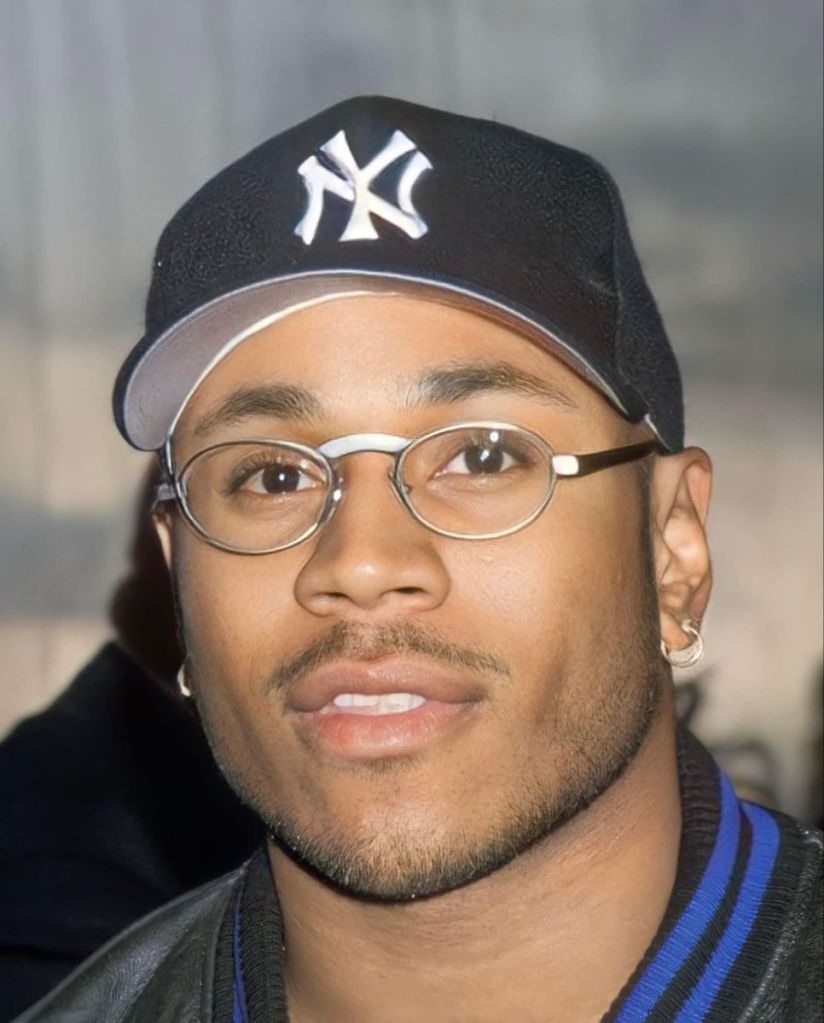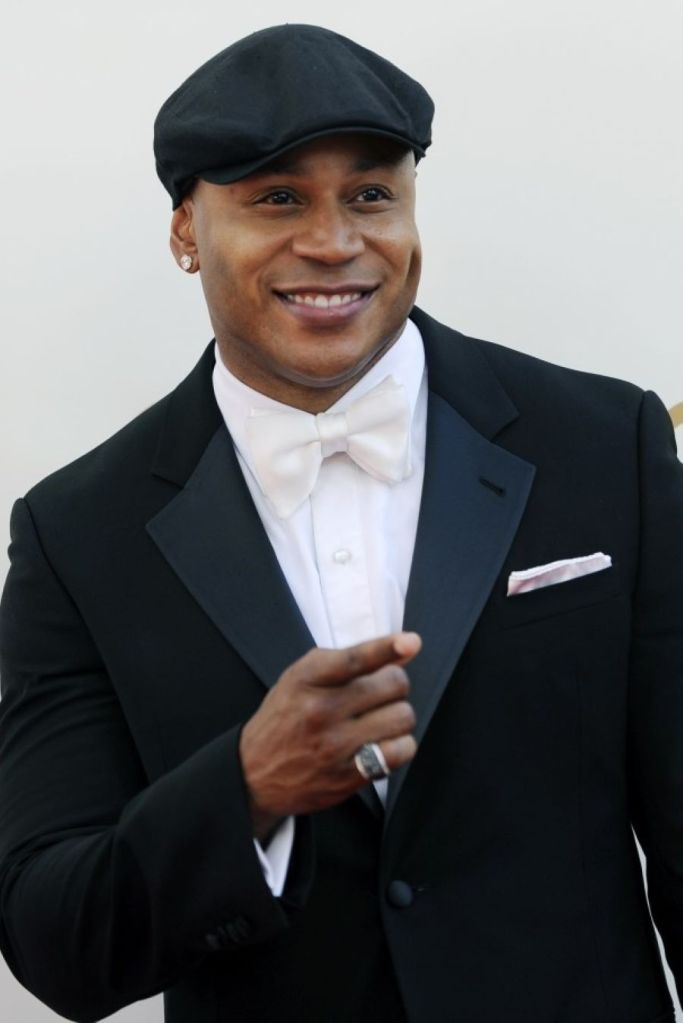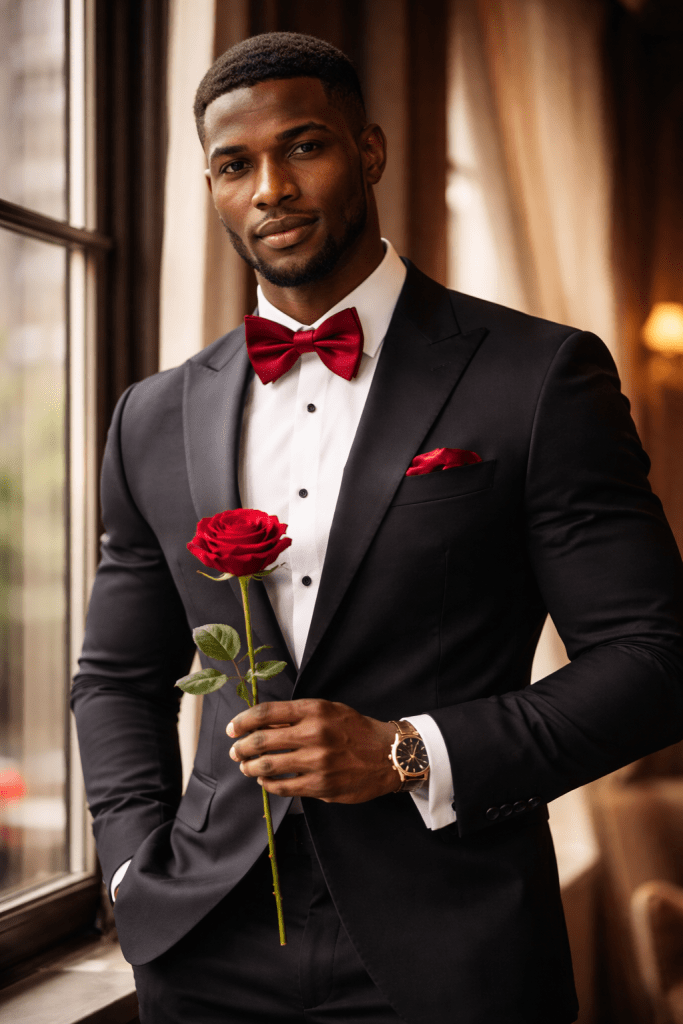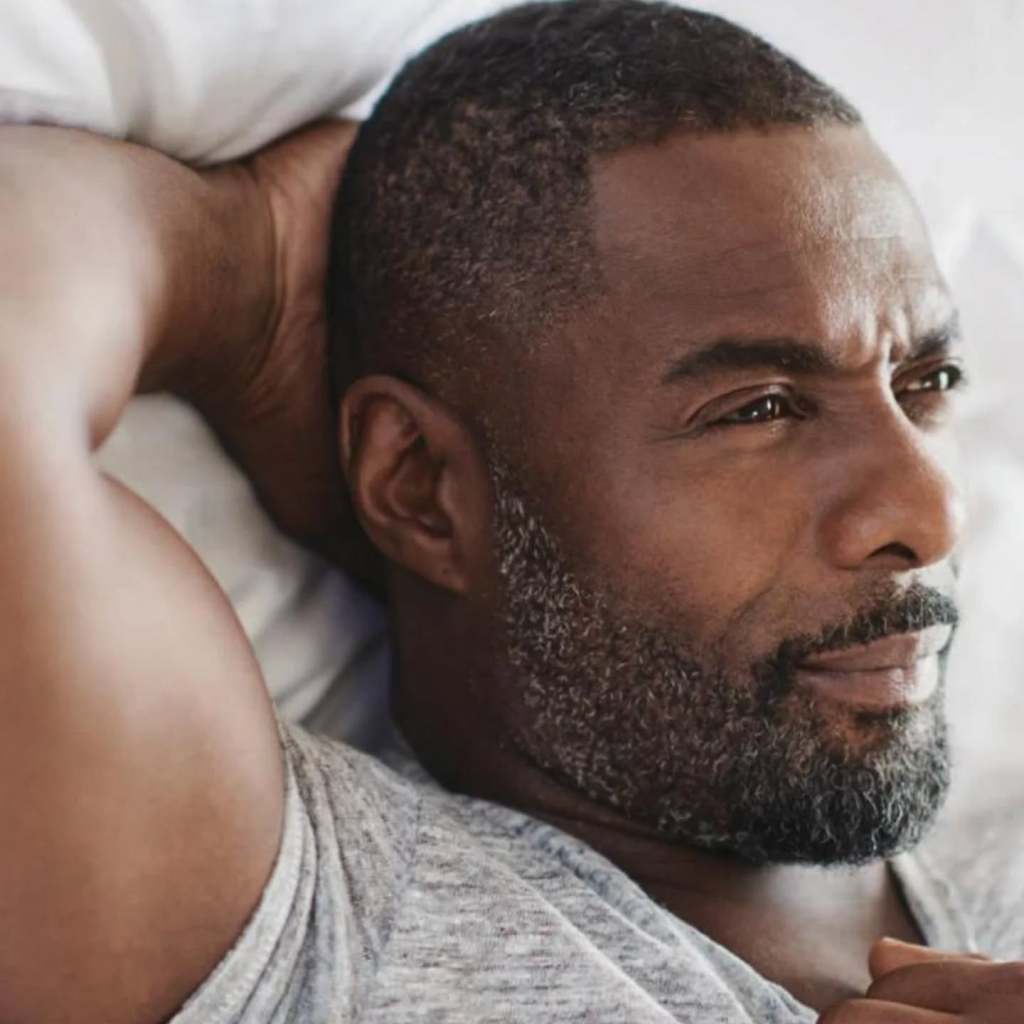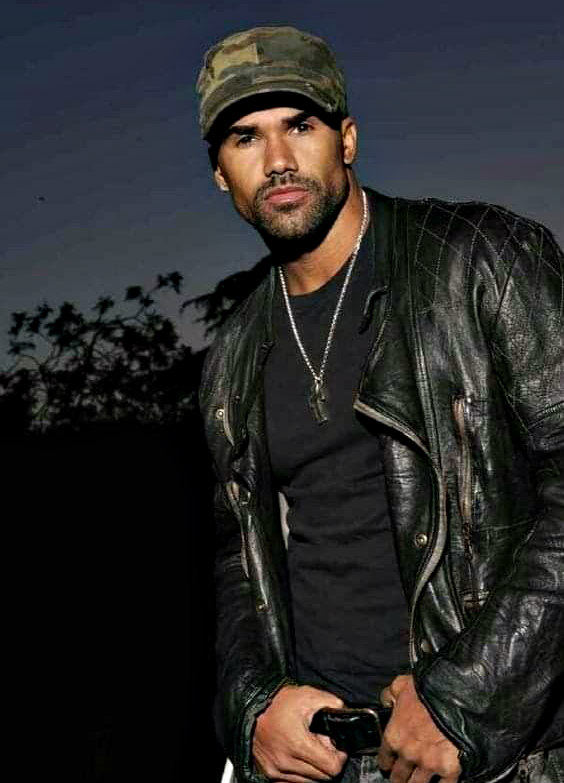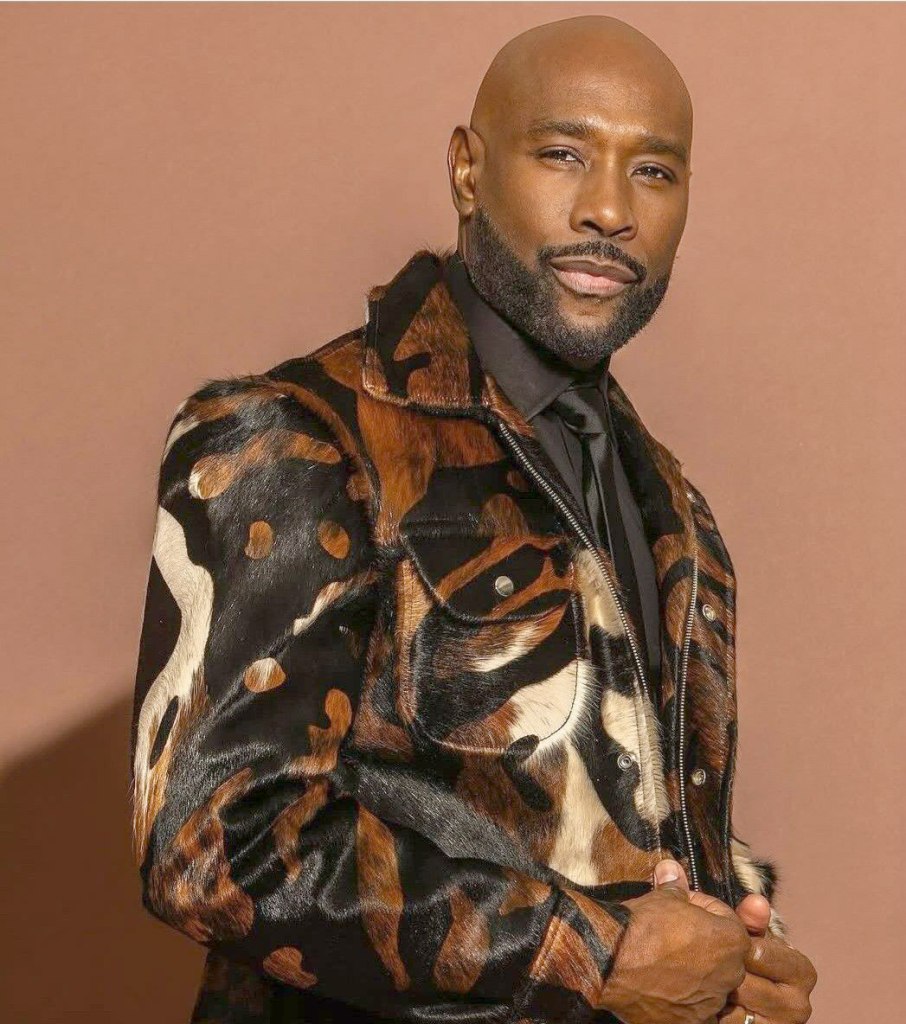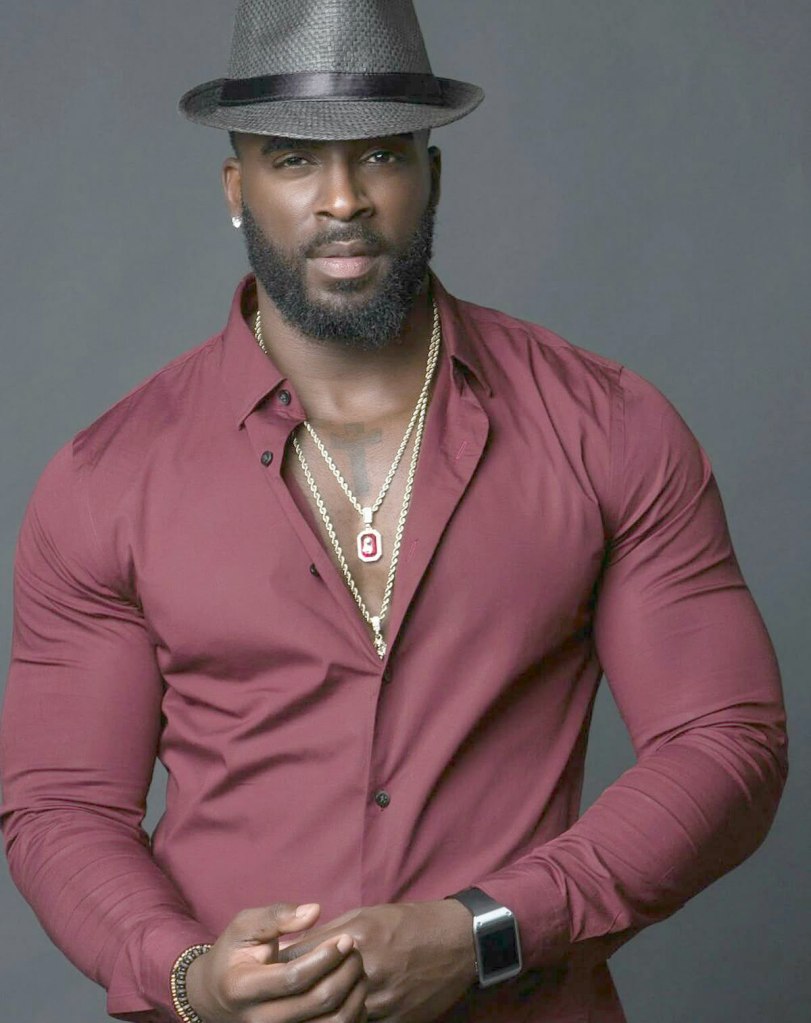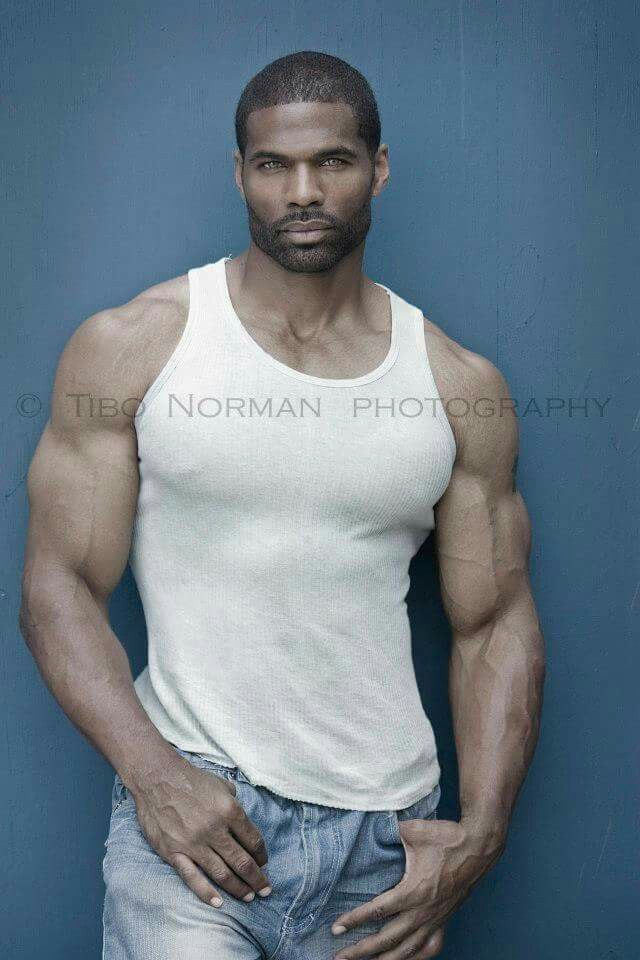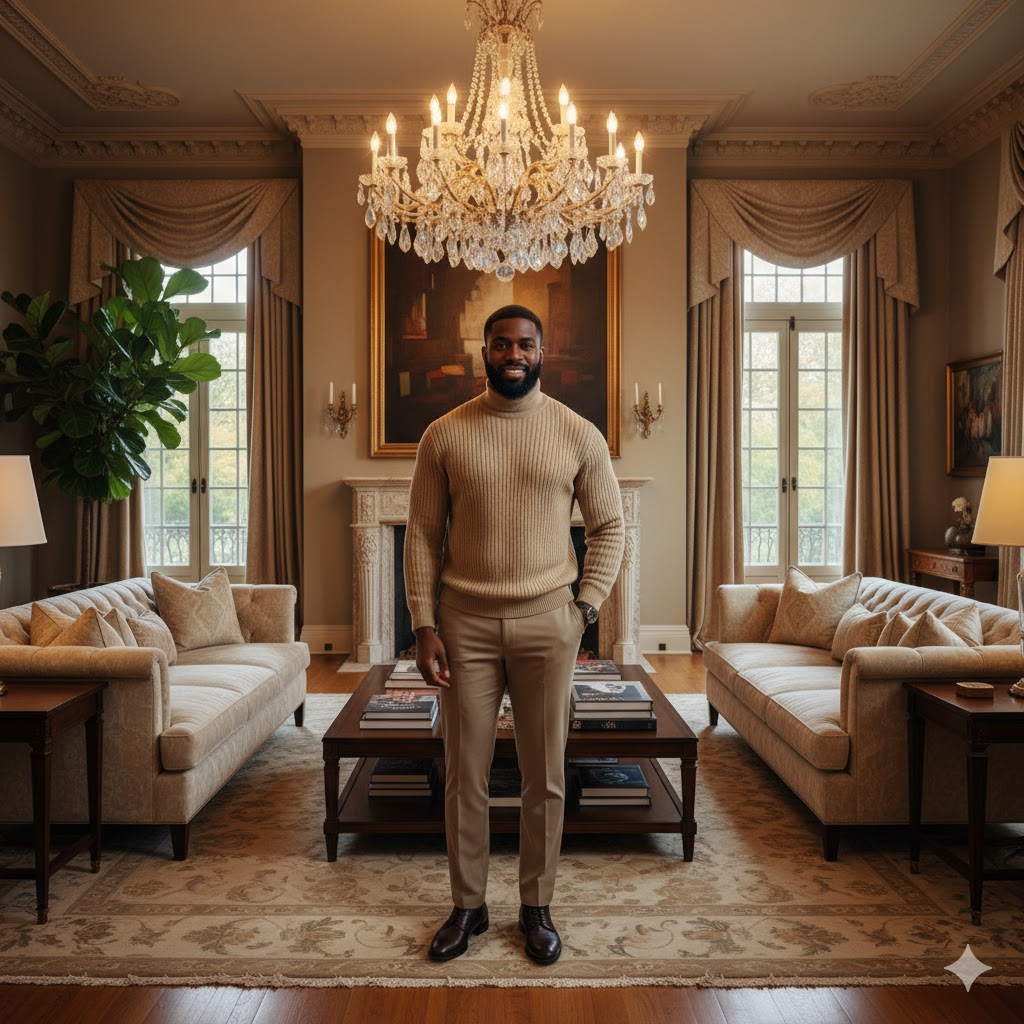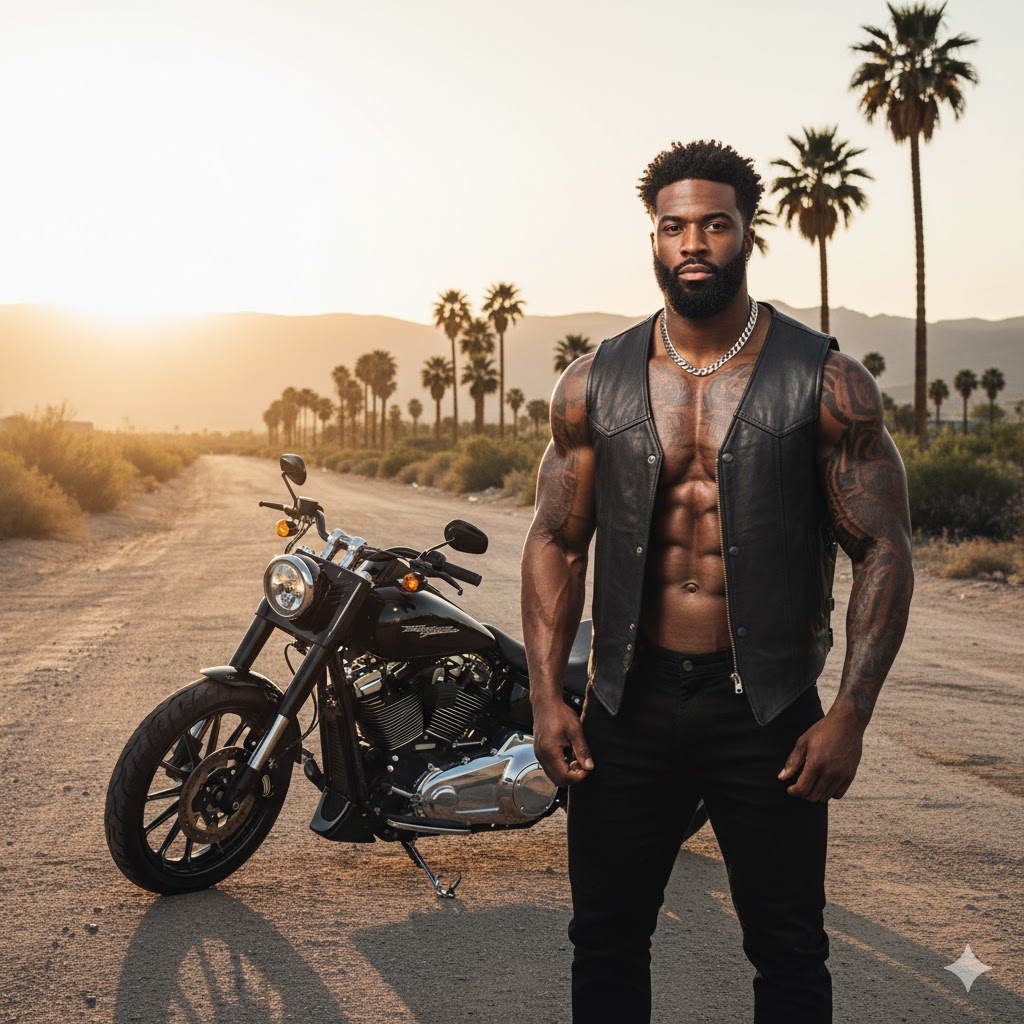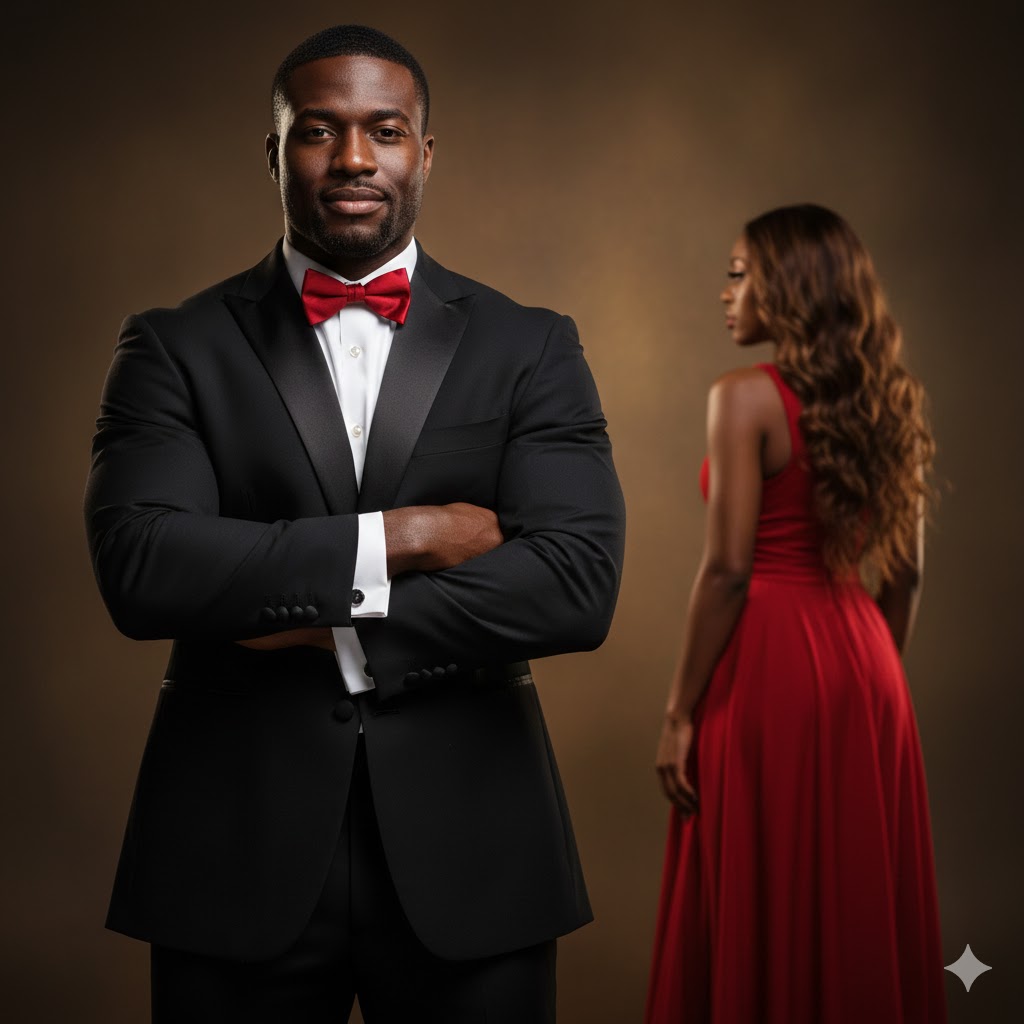
Category Archives: masculine perfection

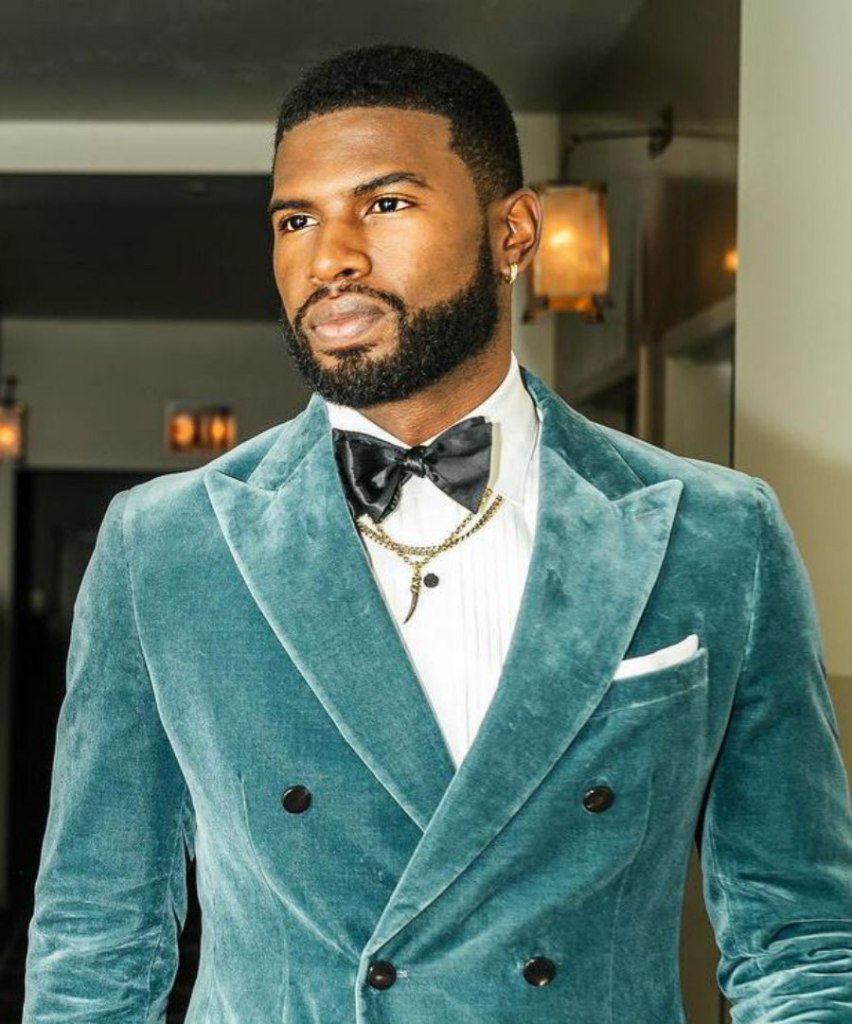
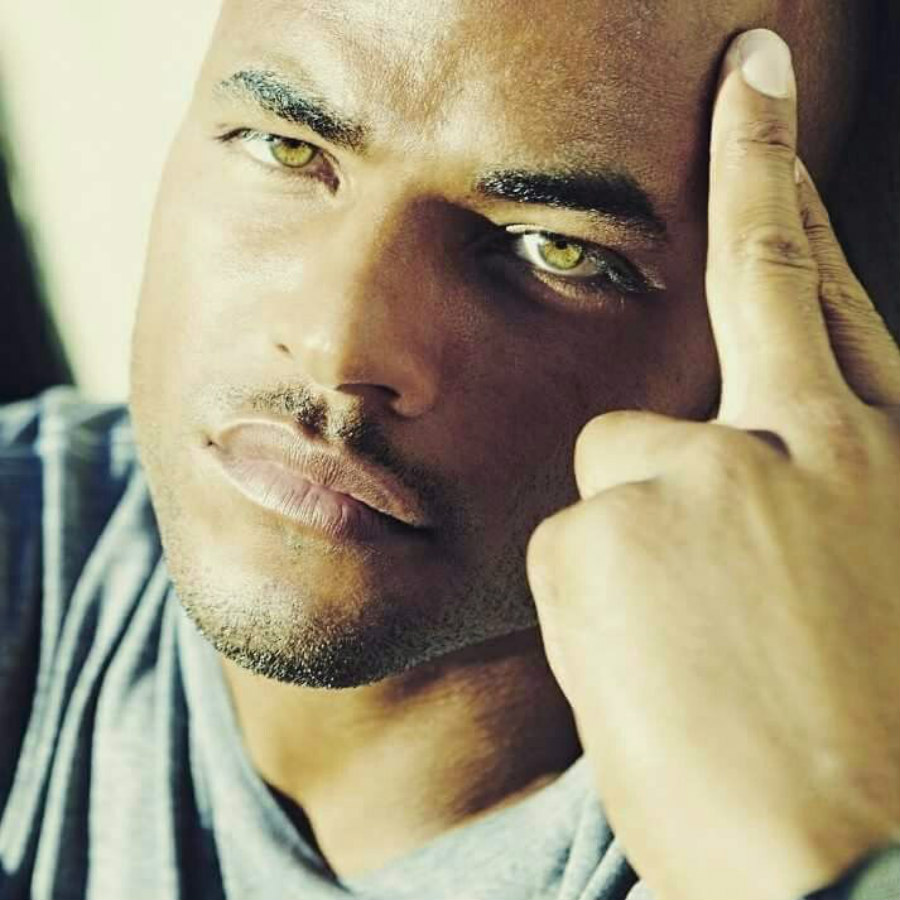
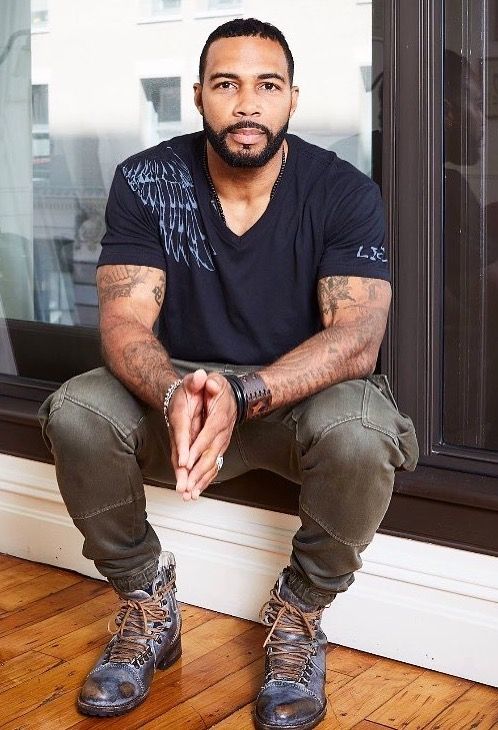
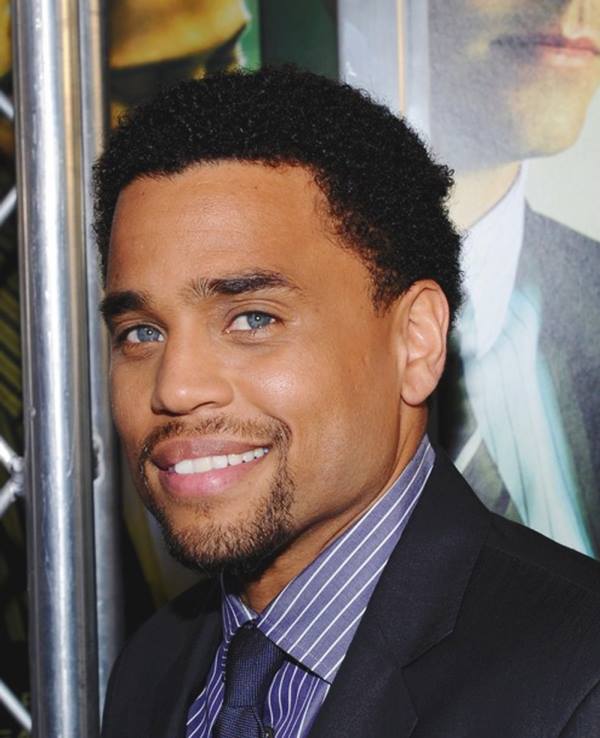
Beauty Series: Men, Masculinity, and the Face Value Fallacy

In modern society, physical attractiveness often carries disproportionate weight in social perception. For men, appearance can influence how they are perceived in both romantic and professional contexts. The “face value fallacy” refers to the assumption that outward appearance reflects inner character, abilities, or worth, a misconception that can mislead both men and women.

Masculinity is often intertwined with perceptions of physicality. Height, facial structure, muscle tone, and grooming can influence how men are judged socially, romantically, and professionally. Society frequently equates certain physical traits with strength, confidence, or success, creating pressure to conform to idealized standards.

However, the face value fallacy distorts understanding. While appearance may open doors or attract initial attention, it is not indicative of integrity, wisdom, or moral character. A man’s physical appeal does not guarantee faithfulness, responsibility, or emotional intelligence. Proverbs 31:30 reminds us, “Favor is deceitful, and beauty is vain: but a woman that feareth the Lord, she shall be praised.” This principle applies universally—outer attractiveness is transient and not a reliable measure of value.

For Black men, navigating societal standards of masculinity is compounded by cultural pressures and racialized stereotypes. Media, historical prejudice, and community expectations shape perceptions of what it means to be attractive, successful, or powerful. The pressure to embody both physical and social ideals can create internal conflict and influence behavior.

Romantic relationships are particularly impacted by the face value fallacy. Men may prioritize appearance when evaluating potential partners, while women may do the same when assessing men. Overemphasis on looks can obscure important qualities such as faithfulness, kindness, intelligence, and spiritual alignment.

Masculinity is more than appearance; it encompasses responsibility, integrity, and the ability to lead and protect. A godly man demonstrates strength through character, service, and faithfulness, not merely through aesthetics. Ephesians 5:25–28 emphasizes love expressed through action, highlighting the importance of inner virtue over superficial appeal.

The fallacy also affects self-perception. Men may equate their worth with how attractive they are or how favorably they are perceived by women or society. This can foster insecurity, anxiety, or unhealthy competition. True confidence is rooted in competence, character, and alignment with God’s purpose.

Social media amplifies the face value fallacy. Filters, curated images, and public comparison encourage judgment based on looks rather than substance. For men, this environment can distort priorities, fostering preoccupation with external validation instead of spiritual or personal growth.

The face value fallacy impacts decision-making in dating, career, and social interactions. Men who overemphasize appearance may overlook red flags, ignore character flaws, or invest in relationships that lack alignment with God’s principles. Discernment requires looking beyond the surface to evaluate behavior, integrity, and values.

Cultural influences play a role in shaping what is considered masculine and attractive. Historically, certain facial features, skin tone, or body types have been idealized, particularly within Western media. These standards often exclude diverse expressions of masculinity and contribute to pressure to conform.

Men may also experience fetishization, particularly in cross-cultural or interracial contexts. Certain physical traits—muscle, height, facial symmetry—can be objectified, reducing a man to aesthetic qualities rather than recognizing holistic character. This parallels how women are often evaluated primarily on appearance.

Faith provides a corrective lens. A man who prioritizes God’s guidance, integrity, and service embodies true masculinity. Appearance becomes secondary to spiritual alignment, moral responsibility, and relational fidelity. Psalm 37:23–24 underscores that the Lord directs the steps of the righteous, emphasizing guidance over outward perception.

Men who understand the face value fallacy cultivate authenticity. They invest in self-discipline, emotional intelligence, and godly character, ensuring that relationships and social interactions are grounded in substance rather than superficial attraction.

The fallacy also informs mentorship and leadership. Men who rise to positions of influence based solely on appearance or charm risk instability, ethical compromise, or relational discord. True leadership requires wisdom, empathy, and integrity, not merely aesthetic appeal.

Masculinity expressed through service rather than show fosters respect. Protecting, providing, and encouraging others reflects strength rooted in action rather than image. Proverbs 20:7 illustrates this principle: “The just man walketh in his integrity: his children are blessed after him.”

Romantic attraction must balance beauty with virtue. Physical appeal can initiate interest, but faithfulness, encouragement, and spiritual alignment sustain a lasting partnership. Women seeking godly men should look beyond appearance to assess character, values, and consistency.

Education, reflection, and accountability help men navigate pressures of appearance. Mentorship, community guidance, and scripture study reinforce the understanding that true masculinity is holistic, integrating physical, emotional, and spiritual dimensions.

Ultimately, the face value fallacy serves as a cautionary tale: appearances are temporary and often misleading. For men, prioritizing inner character, integrity, and godly principles creates enduring influence, meaningful relationships, and spiritual fulfillment.

Understanding this fallacy also benefits women. Recognizing that physical appearance does not guarantee fidelity, leadership, or moral alignment allows women to make informed choices in partners, fostering healthier relationships and spiritual growth.

Beauty, whether male or female, is a gift, but it should never define worth. Masculinity grounded in integrity, wisdom, and service endures beyond fleeting aesthetic standards. Godly men and women alike are called to evaluate relationships and social interactions through the lens of scripture, ensuring alignment with divine purpose rather than superficial perception.

References

The Holy Bible, King James Version.

Ephesians 5:25–28
Proverbs 31:30
Psalm 37:23–24
Twenge, J. M., & Campbell, W. K. (2009). The Narcissism Epidemic: Living in the Age of Entitlement. Free Press.

Hunter, M. (2007). The persistent problem of colorism: Skin tone, status, and inequality. Sociology Compass, 1(1), 237–254.

Anderson, E. (2012). The Social Dynamics of Black Male Attraction. Oxford University Press.

Psychology Today. (2016). Why physical attractiveness influences behavior.
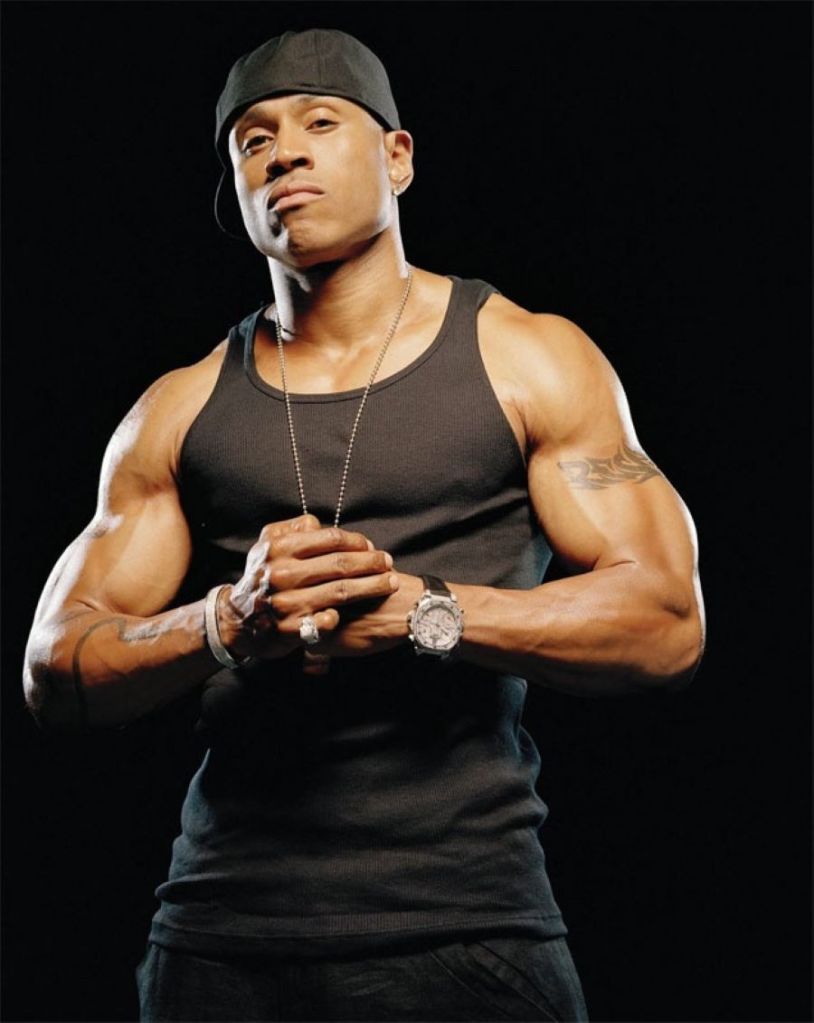
Masculine Perfection Series: L.L. Cool J

The Rapping Peanut-Butter Colored Adonis, one of the pioneers and GOATs of Rap Music, and timeless swagger.

LL Cool J—born James Todd Smith on January 14, 1968, in Queens, New York—emerged from humble beginnings to become one of hip-hop’s most enduring architects. Raised in a working-class household in the Hollis neighborhood, he began writing rhymes at age nine and was recording demos by his early teens. His breakthrough came in 1984 when he signed with the pioneering label Def Jam Recordings, co-founded by Russell Simmons and Rick Rubin. His debut album, Radio (1985), helped solidify the commercial viability of rap music, blending street lyricism with crossover appeal. From the outset, LL Cool J projected confidence, charisma, and lyrical precision—qualities that would earn him the title many fans bestow upon him: one of the GOATs of rap.

Throughout the late 1980s and 1990s, LL Cool J became synonymous with versatility. He balanced hard-edged battle rhymes with romantic ballads like “I Need Love,” proving that vulnerability could coexist with bravado in hip-hop masculinity. Albums such as Bigger and Deffer (1987) and Mama Said Knock You Out (1990) elevated him into rap royalty, with the latter earning a Grammy Award and cementing his comeback narrative. His accolades include multiple Grammy Awards, NAACP Image Awards, and in 2021, induction into the Rock and Roll Hall of Fame—a historic milestone recognizing his foundational role in shaping mainstream hip-hop. His Kennedy Center Honors recognition further affirmed his cultural impact beyond music.

Beyond the microphone, LL Cool J built a formidable acting career. His filmography includes roles in Deep Blue Sea (1999), Any Given Sunday (1999), and S.W.A.T. (2003). On television, he achieved long-running success starring as Sam Hanna in the hit CBS series NCIS: Los Angeles (2009–2023), a role that introduced him to a new generation of viewers and showcased his disciplined, commanding screen presence. His transition from rap pioneer to respected actor demonstrated rare longevity in an industry known for rapid turnover. Few artists have sustained relevance across four decades while maintaining credibility in both music and film.

Physically, LL Cool J has long been celebrated as a striking figure in entertainment—a peanut-butter–hued Adonis with a sculpted physique that redefined hip-hop sex appeal in the late twentieth century. His commitment to fitness, often displayed through sleeveless performances and confident stage presence, challenged stereotypes of rappers and expanded the image of Black male desirability in mainstream media. Yet beneath the aesthetic admiration lies a consistent narrative of discipline and devotion. Married since 1995 to Simone Smith, whom he often describes as his foundation, he is a devoted husband and father to their four children. His story—rooted in Queens grit, maternal encouragement, lyrical hunger, and spiritual grounding—embodies perseverance. LL Cool J is not merely a rapper or actor; he is a cultural institution whose artistry, humility, and longevity continue to shape the architecture of hip-hop and Black masculinity in American popular culture.

LL Cool J belongs in the Masculine Perfection series because he epitomizes the ideal of manhood in both form and presence. With his peanut-butter complexion, sculpted physique, and commanding aura, he embodies physical perfection while exuding confidence, discipline, and charisma. His music redefined Black male aesthetic in hip-hop, blending strength, vulnerability, and emotional intelligence, while his acting career demonstrates gravitas, control, and versatility on screen. Beyond his striking appearance, his humility, devotion to family, and sustained excellence over four decades make him a paragon of refined power, resilience, and timeless appeal—a man whose beauty, talent, and character are “drop-dead fine” and worthy of celebration as the ultimate masculine ideal.

References

LL Cool J. (2023). Biography. Rock & Roll Hall of Fame.

Rock and Roll Hall of Fame. (2021). LL Cool J Inductee Profile.

Dyson, M. E. (2007). Know What I Mean? Reflections on hip-hop. Basic Civitas Books.

Forman, M., & Neal, M. A. (Eds.). (2012). That’s the joint!: The hip-hop studies reader (2nd ed.). Routledge.

Grammy Awards. (n.d.). LL Cool J – Artist Profile. The Recording Academy.

CBS. (2009–2023). NCIS: Los Angeles series archives and cast biography.

Smith, S., & Cool J, L. L. (2022). Public interviews and award acceptance speeches compiled in media archives.

The Perfect Man: Does He Really Exist?

The idea of the “perfect man” has occupied human imagination for centuries, appearing in philosophy, religion, psychology, and popular culture. In modern society, the perfect man is often portrayed as wealthy, emotionally intelligent, physically attractive, faithful, ambitious, spiritually grounded, and socially powerful. Yet this idealized image raises an important question: does such a man truly exist, or is perfection merely a social and theological construct shaped by unrealistic expectations?

From a biblical perspective, the concept of perfection is complex. The King James Bible uses the word “perfect” not to imply flawlessness in the modern sense, but spiritual maturity, completeness, or alignment with God’s will. Jesus himself states, “Be ye therefore perfect, even as your Father which is in heaven is perfect” (Matthew 5:48, KJV). This verse sets an impossibly high standard if interpreted literally, suggesting that human perfection is aspirational rather than fully attainable.

Scripture consistently affirms that no human being is without sin. Romans 3:23 declares, “For all have sinned, and come short of the glory of God” (KJV). This includes even the most righteous men in the Bible—Abraham lied, Moses disobeyed, David committed adultery, Solomon fell into idolatry, and Peter denied Christ. These figures were called by God, yet deeply imperfect.

The only truly perfect man in biblical theology is Jesus Christ. Hebrews 4:15 states that Christ “was in all points tempted like as we are, yet without sin” (KJV). Unlike all other men, Jesus is presented as morally, spiritually, and ontologically perfect. In Christian doctrine, perfection is not embodied in human men, but in the divine-man Christ.

Psychologically, the idea of the perfect man reflects projection and idealization. Carl Jung described ideals as archetypes—symbolic representations of inner desires and collective myths. The perfect man often functions as an unconscious projection of safety, validation, authority, and emotional fulfillment rather than a real, embodied human being (Jung, 1969).

Modern dating culture intensifies this illusion. Social media presents curated images of men who appear successful, disciplined, loving, wealthy, and spiritually grounded. Yet these representations hide flaws, struggles, insecurities, and moral failures. What is marketed as “high-value men” often reflects capitalist performance rather than character formation.

From a sociological standpoint, perfection is also shaped by gender expectations. Men are expected to be providers, protectors, leaders, emotionally strong yet emotionally available, dominant yet gentle, ambitious yet present. These contradictory demands make the ideal of the perfect man structurally impossible (Connell, 2005).

Biblically, manhood is not defined by perfection but by obedience, repentance, and growth. Proverbs 24:16 states, “For a just man falleth seven times, and riseth up again” (KJV). The righteous man is not the one who never falls, but the one who returns to God after failure.

The apostle Paul openly rejected the idea of personal perfection. In Philippians 3:12 he writes, “Not as though I had already attained, either were already perfect: but I follow after” (KJV). Paul acknowledges that spiritual maturity is a process, not a destination. Even apostles were in development.

The desire for a perfect man often masks deeper fears—fear of abandonment, fear of instability, fear of emotional harm. Perfection becomes a psychological defense mechanism: if a man is perfect, he cannot disappoint, betray, or fail. But this belief denies the reality of human vulnerability.

In theology, this longing is ultimately misplaced. Augustine argued that human beings are restless until they find rest in God, not in other humans. Expecting perfection from a man places divine expectations on a finite being, which inevitably leads to disillusionment (Augustine, Confessions).

Relationally, the myth of the perfect man can damage intimacy. When one partner is idealized, the other becomes pressured to perform rather than be authentic. This creates emotional distance, resentment, and identity strain. Love becomes conditional on maintaining an image.

From a Black theological perspective, the perfect man narrative is further complicated by systemic racism. Black men are often denied full humanity in social institutions and portrayed through stereotypes—either hypermasculine or socially deficient. The demand to be “perfect” becomes an added psychological burden in an already unequal society (hooks, 2004).

Scripture instead offers a different model: the “whole man,” not the perfect man. Micah 6:8 states, “What doth the Lord require of thee, but to do justly, and to love mercy, and to walk humbly with thy God?” (KJV). Wholeness is ethical, spiritual, and relational—not flawless.

The biblical ideal of manhood centers on character rather than perfection: humility, accountability, faithfulness, self-control, leadership through service, and submission to God. These are cultivated, not inherent. They are fruits of discipline, not genetic traits (Galatians 5:22–23, KJV).

Even marriage in Scripture assumes imperfection. Ephesians 5 calls husbands to love their wives as Christ loved the church, yet the church itself is described as flawed, rebellious, and in constant need of correction. Love, therefore, operates in imperfection, not beyond it.

The fantasy of the perfect man is ultimately a modern form of idolatry. It elevates human relationships to a salvific role, expecting men to provide emotional, spiritual, and existential fulfillment that only God can sustain. This mirrors what theologians call “relational substitution for God.”

Theologically speaking, perfection belongs to the eschaton—the future restored world, not the present fallen one. Ecclesiastes 7:20 states, “For there is not a just man upon earth, that doeth good, and sinneth not” (KJV). Human perfection is postponed until divine restoration.

What does exist, however, is the growing man: imperfect, reflective, accountable, spiritually seeking, emotionally developing, and ethically grounded. This man does not claim perfection but pursues wisdom, repentance, and responsibility.

Thus, the perfect man does not exist in human form. He exists only in Christ. What exists among men are degrees of maturity, integrity, discipline, and faith. The real question is not whether the perfect man exists, but whether we are willing to love imperfect people without turning them into gods.

In conclusion, the perfect man is a theological impossibility and a psychological projection. Scripture, psychology, and sociology all agree: human beings are inherently flawed. The biblical call is not to find perfection in men, but to pursue wholeness in God and growth in character.

The perfect man does not exist—but the faithful, growing, accountable man does. And that man, though imperfect, is the only real man available in this world.


References

Augustine. (2001). Confessions (H. Chadwick, Trans.). Oxford University Press. (Original work published c. 397)

Connell, R. W. (2005). Masculinities (2nd ed.). University of California Press.

hooks, b. (2004). The will to change: Men, masculinity, and love. Atria Books.

Jung, C. G. (1969). The archetypes and the collective unconscious (2nd ed.). Princeton University Press.

The Holy Bible, King James Version. (1611/1769). Cambridge Edition.

Phillips, J. B. (1953). Your God is too small. Touchstone.

Tillich, P. (1957). Dynamics of faith. Harper & Row.

The Black Archetypes of Male Beauty: The Most Handsome Black Male Celebrities.

Black male beauty has long existed at the intersection of visibility and erasure—celebrated within Black communities yet historically marginalized by mainstream media that privileged Eurocentric standards of masculinity. Today, the rise of Black leading men in film, television, fashion, and culture represents not merely aesthetic recognition but a cultural re-centering of what male beauty truly looks like. Black male attractiveness is not singular or monolithic; it spans a spectrum of shades, facial structures, energies, and archetypes—from regal authority to gentle vulnerability, from warrior strength to romantic softness. These men embody more than physical appeal; they reflect history, resilience, and ancestral aesthetics that reclaim African features as symbols of global desirability. In honoring the most handsome Black male celebrities, we are also honoring a larger truth: Black male beauty is diverse, powerful, and divinely designed, standing as both a visual standard and a cultural restoration.

This photograph is the property of its respective owner. No copyright infringement intended.

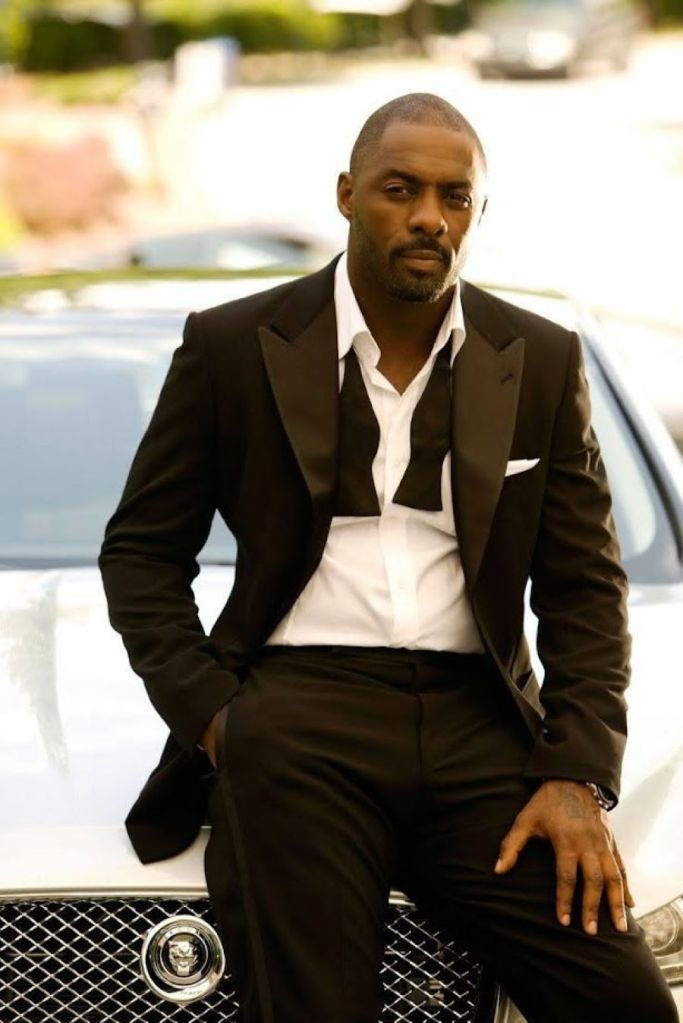
Idris Elba
Idris Elba embodies the classic “tall, dark, and handsome” archetype through his imposing height, deep complexion, resonant voice, and commanding presence, which together signal what evolutionary psychology associates with protective and authoritative masculinity—strength, genetic fitness, and emotional depth (Rhodes, 2006; Puts et al., 2012). He is the epitome of handsomeness, the complete package, with his broad facial structure, piercing soulful eyes, strong jawline, and calm demeanor. This projection of kingly gravitas feels both powerful and grounding, making his beauty not only physical but also symbolic of dignified Black male authority in a global cultural landscape.

This photograph is the property of its respective owner. No copyright infringement intended.

Shemar Moore
Shemar Moore represents a “golden” or “light cafe au lait” masculinity rooted in warmth, symmetry, and relational charm, with his light honeyed skin tone, expressive marbles like eyes, and radiant smile activating perceptions of approachability, joy, and emotional safety (Maddox & Gray, 2002; Gangestad & Simpson, 2000). He is the complete package in terms of beauty. His muscular build, combined with playful charisma, reflects a form of soft dominance—strength without threat—making his beauty feel intimate, affectionate, astonishing, and emotionally inviting rather than distant or intimidating.

This photograph is the property of its respective owner. No copyright infringement intended.

Morris Chestnut
Morris Chestnut has been the heartthrob for decades, representing black masculinity and black male beauty. He embodies a form of “classic gentleman masculinity” rooted in symmetry, emotional steadiness, and timeless appeal. The epitome of fineness. His medium-brown complexion, described as chocolate heaven, refined facial proportions, calm eyes that convey a great deal, and consistently polished presentation signal what evolutionary psychology describes as stable attractiveness—beauty associated with trust, long-term partnership, and reliability, rather than fleeting sexual novelty (Rhodes, 2006; Gangestad & Simpson, 2000). Chestnut’s appeal is not loud or hyper-sexualized; it is dignified, mature, and romantic, making him the archetype of the dependable Black leading man whose beauty feels safe, rooted, and enduring across generations.

This photograph is the property of its respective owner. No copyright infringement intended.

Travis Cure
Travis Cure represents a modern “aesthetic masculinity” shaped by fitness culture, facial harmony, and digital-era visual standards. His lean, muscular build, sharp jawline, clear skin, come-hither good looks, and balanced facial symmetry align closely with contemporary metrics of physical attractiveness, where visual clarity, body sculpting, and high grooming standards dominate desirability frameworks (Frederick & Haselton, 2007). Cure’s beauty reflects a post-Instagram masculinity—where the male body is curated, disciplined, and displayed as both art and aspiration, signaling self-mastery, health, and high social capital.

Photo Credit: Tibo Norman Photography

Louis Allen III
Louis Allen III embodies “intellectual masculinity”—a beauty rooted not only in physical features but in cognitive presence, articulation, and cultural depth. His refined facial structure, physique, piercing green-hazel eyes, like a piece of art found in a museum, and composed demeanor project what social psychology identifies as competence-based attractiveness, where intelligence, emotional regulation, and verbal confidence significantly enhance perceived desirability (Fiske et al., 2007). Allen’s appeal operates in the realm of gravitas and mental authority; his beauty feels thoughtful, elevated, and spiritually grounded, representing a form of Black male attractiveness where the mind becomes the primary aesthetic asset.

This photograph is the property of its respective owner. No copyright infringement intended.

Broderick Hunter
Broderick Hunter represents “sculptural masculinity”—a form of beauty that feels almost architectural in its precision and physical harmony. His tall, model-good-looks, bewitching mirrored eyes, athletic frame, sharply defined cheekbones, full lips, and symmetrical facial structure align closely with classical standards of male attractiveness rooted in proportion, balance, and visual impact (Rhodes, 2006). Hunter’s appeal is highly aesthetic and cinematic; he embodies the archetype of the living statue, where Black male beauty is experienced as fine art—polished, striking, and immediately captivating, reflecting a modern luxury ideal of masculine form.

This photograph is the property of its respective owner. No copyright infringement intended.

Redriac Williams
Redriac Williams represents a form of “regal masculinity” rooted in stature, symmetry, and aristocratic bearing. His athletic frame, mesmerizing green-hazel eyes, sculpted features, and composed posture align with what social psychologists describe as status-based attractiveness—beauty associated with leadership, high rank, and social authority (Fiske et al., 2007). Williams’ appeal feels noble and elevated, evoking the image of a modern Black prince whose beauty communicates command, discipline, and quiet confidence.

This photograph is the property of its respective owner. No copyright infringement intended.

Omari Hardwick
Omari Hardwick represents “warrior-poet masculinity”—a fusion of physical intensity and emotional complexity. His muscular build, pretty eyes with an intense gaze, and textured facial features project what psychology defines as dominance-based attractiveness, while his artistic sensibility and introspective demeanor soften that dominance into depth (Frederick & Haselton, 2007). Hardwick’s beauty feels charged and cinematic; he embodies the archetype of the brooding protector whose appeal lies in both power and inner struggle.

This photograph is the property of its respective owner. No copyright infringement intended.

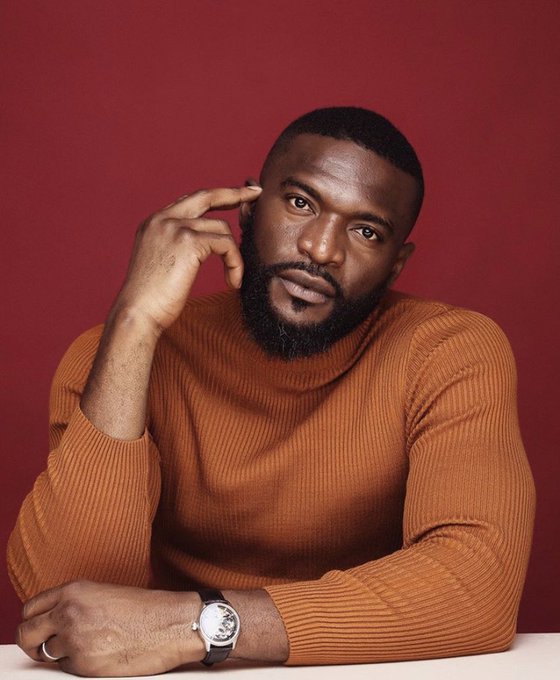
Kenneth Okolie
Kenneth Okolie embodies “continental masculinity”—a deeply Afrocentric beauty marked by strong bone structure, dark luminous skin, and ancestral presence. His broad facial planes, deep-set eyes, and princely demeanor associate with royalty. Dignified stillness aligns with evolutionary cues of genetic robustness and masculine stability (Rhodes, 2006). Okolie’s attractiveness feels primal and rooted, reflecting a lineage-based aesthetic where Black male beauty is directly tied to heritage, earthiness, and spiritual depth rather than Western grooming standards.

This photograph is the property of its respective owner. No copyright infringement intended.

Michael Ealy
Michael Ealy embodies “ethereal masculinity”—a rare form of beauty defined by softness, luminosity, and emotional transparency. His light complexion, piercing blue eyes, gentle facial contours, and expressive gaze activate what psychologists describe as neotenous attractiveness, where youthful features and vulnerability increase perceptions of trust, emotional safety, and romantic desirability (Fiske et al., 2007; Rhodes, 2006). Ealy’s beauty feels tender, positioning him as the archetype of the sensitive romantic—where Black male attractiveness is associated not with dominance, but with intimacy, empathy, and emotional depth.

*Honorary Mention*

This photograph is the property of its respective owner. No copyright infringement intended.

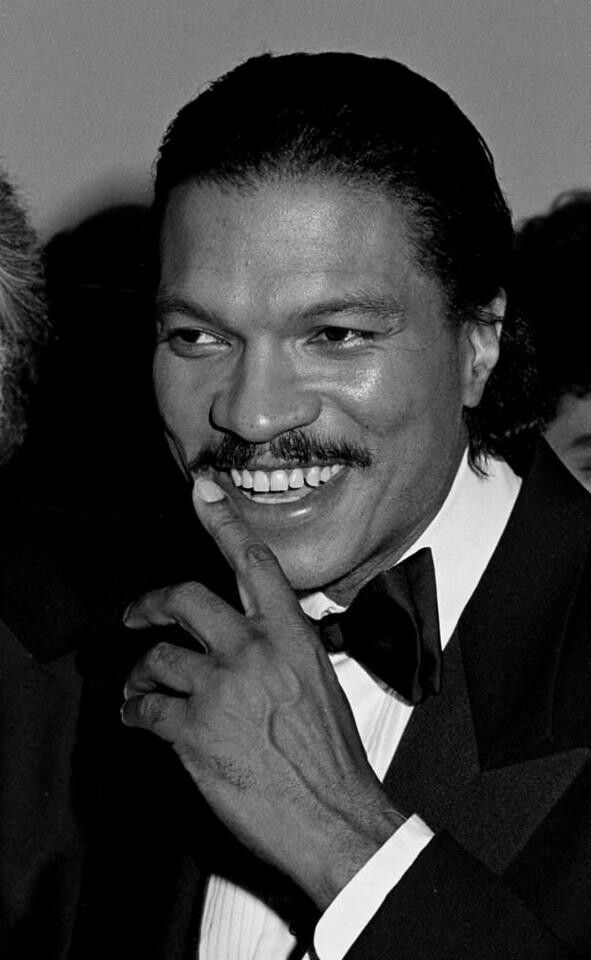
Billy Dee Williams
Billy Dee Williams embodies “legendary gentleman masculinity”—a timeless elegance defined by smooth features, a come-hither smile, relaxed confidence, and effortless charm. His appeal aligns with what sociologists describe as charisma-based attractiveness, where confidence, voice, and social ease outweigh raw physicality (Fiske et al., 2007). Williams’ beauty is not about youth but about aging gracefully—he represents the archetype of the black male celebrity beauty – cool, demure, unique, sophisticated, and romantic icon whose sophistication and grace transcend generations.

References

Gangestad, S. W., & Simpson, J. A. (2000). The evolution of human mating: Trade-offs and strategic pluralism. Behavioral and Brain Sciences, 23(4), 573–587.
Maddox, K. B., & Gray, S. A. (2002). Cognitive representations of Black Americans: Reexploring the role of skin tone. Personality and Social Psychology Bulletin, 28(2), 250–259.
Puts, D. A., et al. (2012). Sexual selection on male vocal fundamental frequency in humans. Proceedings of the Royal Society B, 279(1743), 1–7.
Rhodes, G. (2006). The evolutionary psychology of facial beauty. Annual Review of Psychology, 57, 199–226.

Frederick, D. A., & Haselton, M. G. (2007). Why is muscularity sexy? Tests of the fitness indicator hypothesis. Personality and Social Psychology Bulletin, 33(8), 1167–1183.
Fiske, S. T., Cuddy, A. J. C., & Glick, P. (2007). Universal dimensions of social cognition: Warmth and competence. Trends in Cognitive Sciences, 11(2), 77–83.
Gangestad, S. W., & Simpson, J. A. (2000). The evolution of human mating: Trade-offs and strategic pluralism. Behavioral and Brain Sciences, 23(4), 573–587.
Rhodes, G. (2006). The evolutionary psychology of facial beauty. Annual Review of Psychology, 57, 199–226.

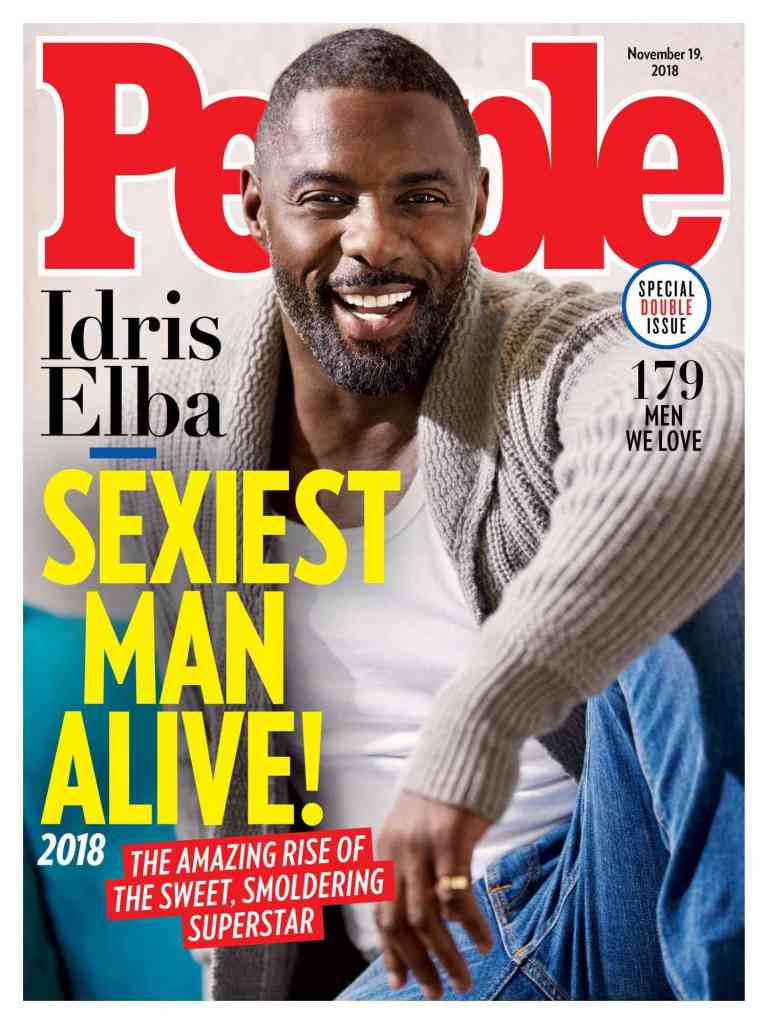
Masculine Perfection Series: Idris Elba

The Crown Jewel of British African Cool

Photo Credit: People AP

Idris Elba is the epitome of modern masculinity, one of the finest men on earth who is often referred to as “tall, dark, and handsome” with a depth of talent and presence that makes hearts race across continents. With a chiseled jawline, soulful eyes, and a baritone British accent that exudes quiet power, Elba’s face ranked among the top scores on ThePerfectHumanFace.com, affirming what many have already believed: he is masculine perfection personified. But behind the looks lies a powerhouse of acting prowess, a multifaceted artist who has reshaped how Black men are portrayed on screen—dignified, dynamic, and deeply human.

Born Idrissa Akuna Elba on September 6, 1972, in London, England, to a Sierra Leonean father and a Ghanaian mother, Elba proudly carries his African heritage while representing the finest of British talent. He grew up in Hackney, East London, and began acting in his early twenties, gaining his first big break on the British TV series Bramwell. He would later gain international recognition for his iconic portrayal of Russell “Stringer” Bell on HBO’s The Wire, a role that fused intellect with danger and redefined what a Black gangster could look like on television.

Idris Elba is also a devoted family man. He has been married to model and activist Sabrina Dhowre Elba since 2019, and he is a proud father to two children. Outside of acting, he has launched a men’s skincare and wellness line called S’Able Labs, focused on inclusion, health, and self-care, co-founded with his wife. The brand reflects his belief in holistic well-being, emphasizing inner confidence alongside outer grooming.

Elba’s acting résumé is robust and decorated. He’s received Golden Globe nominations, an NAACP Image Award, a Screen Actors Guild Award, and was even appointed an Officer of the Order of the British Empire (OBE) by Queen Elizabeth II in 2016 for his services to drama. From Mandela: Long Walk to Freedom to Beasts of No Nation, and Luther to The Harder They Fall, Elba’s range has no boundaries. His favorite role, as he once shared in interviews, is John Luther—the brilliant but troubled detective he portrayed with grit and grace in the BBC series Luther.

In 2018, People Magazine named him the “Sexiest Man Alive,” a title that made global headlines. Elba accepted the honor with humility and humor, tweeting, “Who’d have thought it! Thank you People magazine. I’m honored & thankful.” Yet the title meant more than vanity—it was a rare acknowledgment of a Black man as the universal standard of male desirability. “Representation matters,” Elba has said. “To see yourself reflected as beautiful or powerful—that’s life-changing.”

Elba has been vocal about racism in Hollywood and the challenges of being a Black actor. He has criticized the lack of diversity and inclusion in the British and American entertainment industries, once stating, “Change is coming, but it’s too slow. We’re not asking for handouts—we’re asking for opportunity.” His rumored potential casting as James Bond sparked both excitement and racial backlash, highlighting the ongoing resistance to Black leads in legacy roles. Elba responded with elegance, emphasizing that representation is about inspiration, not provocation.

Standing 6’2″ tall, Elba’s presence is physically commanding and emotionally magnetic. Black women have long expressed admiration for him, not just for his looks but for his aura. Comments such as, “He’s the perfect blend of rugged and refined,” and “Idris Elba could read a phone book and still sound like Shakespeare,” are common across social media. One fan gushed, “Idris is like fine wine—smooth, complex, and only gets better with time.”

Elba’s love and respect for Black women are evident both in his interviews and in the way he uplifts his wife. In one interview he shared, “Black women have held me down since day one. My mother, my daughter, my wife—they are the definition of strength and beauty.” These sentiments further elevate his appeal, as he acknowledges and honors the role of Black women in shaping his journey.

In terms of industry differences, Elba has often compared acting in the UK and the US. He noted that in Britain, classism affects casting just as much as race, whereas in America, race is more overtly central to opportunity. “In the UK, I wasn’t black enough. In America, I was black and British, so I was exotic,” he once reflected. Regardless of geography, Elba has proven that excellence transcends borders.

In conclusion, Idris Elba is more than a pretty face—he is a symbol of global Black excellence. He represents dignity, strength, style, and substance. As both an actor and advocate, he challenges outdated narratives and forges new paths for Black men in media. Whether he’s commanding the screen or speaking truth to power, Elba remains a towering figure—physically, artistically, and culturally. He is, without question, a modern legend.


Quotes

  • “Black women have held me down since day one. My mother, my daughter, my wife—they are the definition of strength and beauty.” — Idris Elba
  • “Representation matters. To see yourself reflected as beautiful or powerful—that’s life-changing.” — Idris Elba
  • “Idris Elba is like fine wine—smooth, complex, and only gets better with time.” — Anonymous fan

References

People Magazine. (2018). Sexiest Man Alive: Idris Elba.
BBC News. (2016). Idris Elba receives OBE from Queen Elizabeth II.
The Guardian. (2020). Idris Elba on diversity in Hollywood and James Bond rumors.
Essence Magazine. (2021). Idris and Sabrina Elba Launch S’Able Labs: Skincare for All.
Vogue. (2022). Idris Elba and the Redefinition of Masculinity.

Masculine Grace: The Overlooked Beauty of the Black Man.

This photograph is the property of its respective owner. No copyright infringement intended.

The image of the Black man has long been distorted through colonial narratives, Eurocentric standards, and centuries of systemic dehumanization. Yet beneath the scars of history lies a quiet and powerful truth: the Black man embodies a form of beauty rarely celebrated—masculine grace. This grace transcends the mere physical, radiating through resilience, wisdom, emotional strength, and spiritual depth. It is the beauty of a being who has survived what was meant to destroy him and yet continues to create, lead, and love.

The world has often feared what it should have revered. From the plantation fields to the modern boardroom, the Black man’s physicality has been both fetishized and criminalized. His body—once deemed property—became a battleground for the projection of others’ fears and desires. But when seen through a lens untainted by bias, the symmetry of his form, the depth of his skin, and the fire of his eyes reflect divine craftsmanship, not danger (hooks, 2004).

To speak of masculine grace is to acknowledge that strength and softness are not opposites but complements. The Black man’s beauty rests in the balance between his power and gentleness—how he can protect without oppressing, lead without dominating, and love without losing himself. This duality challenges the Eurocentric masculine archetype that equates sensitivity with weakness (Majors & Billson, 1992).

Historically, Black men were denied the right to be seen as beautiful because beauty was defined through whiteness. The ideal male form was sculpted in marble—pale, rigid, and devoid of emotion. Yet the Black man’s presence, rich in rhythm and movement, exudes life. His grace is kinetic, a poetry of motion expressed in dance, labor, sport, and art—a beauty that moves rather than poses.

In African traditions, beauty was holistic. It encompassed virtue, spirit, and purpose, not merely appearance. The Yoruba concept of “iwa l’ewa” translates to “character is beauty,” suggesting that true beauty arises from inner moral substance (Abiodun, 2014). This philosophy restores the spiritual context that Western aesthetics stripped away. For the Black man, beauty is not vanity—it is dignity manifested.

Masculine grace can be seen in the tender way a father lifts his child, in the calm leadership of a pastor guiding his congregation, or in the perseverance of a man rebuilding his life after systemic injustice. It is the quiet confidence of knowing that one’s value is not defined by material success but by moral conviction and spiritual alignment (Kimbrough, 1997).

Yet media portrayals continue to undermine this beauty. The camera often captures the Black man as an aggressor, athlete, or entertainer, rarely as a scholar, lover, or thinker. This narrow visual vocabulary limits how society perceives Black masculinity. The absence of representation becomes a form of erasure—an aesthetic violence that teaches the world to see Black men as function rather than form (Dixon & Linz, 2000).

The reclamation of masculine grace, therefore, is an act of resistance. It says to the world: “You will not define my worth through stereotypes.” It also calls upon Black men to rediscover the divine artistry within themselves. To walk with grace is to carry both the weight of history and the light of redemption with balance and pride.

There is a sacred stillness in the Black man who knows his identity in God. His beauty reflects the imago Dei—the image of the Creator (Genesis 1:27). His walk is testimony; his voice, a melody of generations who refused to die in silence. This sacred reflection dismantles the notion that masculinity must be performative or domineering. In divine masculinity, grace and strength coexist.

Grace in the Black man also manifests in his intellectual and creative expressions. From Langston Hughes’s poetry to Chadwick Boseman’s cinematic brilliance, from Barack Obama’s eloquence to Marvin Gaye’s soul, Black men have continually shown that intellect and emotion are not contradictions but harmonies. They redefine what it means to be a man of grace—disciplined, dignified, and deeply human.

One cannot discuss the beauty of the Black man without addressing colorism’s shadow. Lighter tones have long been favored, even among people of African descent, a legacy of colonial conditioning. Yet, the deep hues of the Black man’s skin absorb light differently—reflecting warmth, history, and strength. His melanin is a masterpiece of biology and symbolism: protection and poetry in one (Blay, 2011).

To appreciate masculine grace requires decolonizing the gaze. This means rejecting the Eurocentric standards that measure beauty through whiteness and fragility. Instead, it calls for an aesthetic rooted in authenticity, where dark skin, broad noses, textured hair, and strong physiques are not liabilities but legacies—markers of ancestral power and divine design.

The modern world’s obsession with hypermasculinity has numbed emotional intelligence in men. But the Black man’s grace lies in his capacity to feel deeply—to weep, to heal, to forgive. This emotional courage is perhaps his most overlooked beauty. It takes strength to love after being unloved, to lead after being stripped of leadership, to rebuild after centuries of destruction (Akbar, 1996).

In contemporary culture, movements like “Black Boy Joy” have sought to reclaim this emotional space, celebrating the multifaceted beauty of Black men—laughing, learning, nurturing, and creating. These images disrupt toxic archetypes and reveal a truth long hidden: Black masculinity is not monolithic but mosaic.

The spiritual aspect of masculine grace cannot be overstated. The Black man’s relationship with faith—through prayer, perseverance, and praise—anchors his identity. His beauty radiates most when he walks in divine purpose. As the psalmist wrote, “The steps of a good man are ordered by the Lord” (Psalm 37:23, KJV). This divine choreography gives rhythm to his grace.

Every scar, every wrinkle, every muscle tells a story of endurance. The body of the Black man is a living archive—of battles fought, burdens carried, and victories won. His beauty is not cosmetic but cosmic, stitched with the threads of survival and hope.

In art, literature, and film, there is a growing movement to honor this beauty. Photographers like Kwame Brathwaite and writers like Ta-Nehisi Coates have reframed the Black male body as sacred rather than sinful, majestic rather than menacing. Through their work, masculine grace becomes visible again.

Ultimately, to honor the beauty of the Black man is to restore balance in a world that has long denied him softness. His grace teaches that masculinity is not the absence of vulnerability but the mastery of it. The true measure of a man lies not in his ability to dominate but in his capacity to love, forgive, and uplift.

Masculine grace, then, is both art and theology—a living testament that the Black man, made in the image of the Most High, is not merely beautiful; he is divinely composed. His existence challenges centuries of misrepresentation and stands as proof that beauty, when seen through truth, is revolutionary.


References

Abiodun, R. (2014). Yoruba art and language: Seeking the African in African art. Cambridge University Press.
Akbar, N. (1996). Breaking the chains of psychological slavery. Mind Productions.
Blay, Y. A. (2011). (1)ne Drop: Shifting the lens on race. Black Print Press.
Dixon, T. L., & Linz, D. (2000). Race and the misrepresentation of victimization on local television news. Communication Research, 27(5), 547–573.
hooks, b. (2004). We real cool: Black men and masculinity. Routledge.
Kimbrough, M. (1997). Faith and identity: African-American men in search of self. Orbis Books.
Majors, R., & Billson, J. M. (1992). Cool pose: The dilemmas of Black manhood in America. Simon & Schuster.
The Holy Bible, King James Version. (1611/2017). King James Bible Online. https://www.kingjamesbibleonline.org/

Comparative Masculine Aesthetic Table (Genetics + Psychology + Cultural Archetypes)

Across civilizations, masculine aesthetics have served as visual language—signaling power, protection, fertility, discipline, nobility, and divine purpose. When examining masculine presentation through genetics, psychology, and cultural archetypes, we see not merely beauty standards but philosophies of manhood rooted in lineage, survival, and heritage. Masculinity becomes a relational ethic tied to duty, identity, and legacy.

In African traditions, masculine aesthetics often centered on warrior strength and spiritual authority. Broad shoulders, strong jawlines, deep skin pigmentation, and robust bone structure—common phenotypes linked with ancestral African genetics—symbolized survival power in harsh environments. These features communicated readiness to defend the community and withstand adversity, aligning with warrior archetypes like the Zulu induna or Dahomey generals.

Psychologically, African masculine identity historically emphasized communal responsibility, courage, and divine leadership. Kings and warriors adorned themselves with symbolic emblems—leopard skins, spears, gold, spiritual markings—to visually display covenant identity and ancestral power. Beauty is intertwined with duty, where physical form expresses divine assignment and social purpose.

In Near Eastern and Hebraic traditions, masculine aesthetics blended priesthood and kingship. The biblical Israelite ideal combined moral purity, spiritual discipline, and prophetic authority. The archetype of David—warrior-poet, humble yet mighty—illustrates a masculinity where beauty flowed from righteousness, loyalty to God, and leadership rooted in covenant responsibility.

Ethiopian Solomonic imagery continued this sacred lineage, reinforcing that true masculine strength radiates from spiritual legitimacy. Royal garments, crowns, and lion symbolism communicated divine selection. The biblical statement, “Gird thy sword upon thy thigh, O most mighty… and in thy majesty ride prosperously” (Psalm 45:3–4, KJV), captured a fusion of warriorhood and holiness.

In West African Mali and Songhai empires, masculine aesthetics emphasized intellectual nobility and economic authority. Scholars, merchants, and rulers like Mansa Musa projected refinement through textiles, gold adornment, and dignified posture. Beauty symbolized abundance and wisdom—masculinity as provision and civilization-building rather than brute force alone.

Greco-Roman masculinity elevated proportion, symmetry, and muscularity, rooted in philosophical ideals of human perfection. Statues reflected ideal facial angles, balanced musculature, and calm expressions, tying genetics to aesthetic geometry. This classical archetype valued form as evidence of discipline, intellect, and civic virtue, merging beauty with philosophical excellence.

Psychologically, European masculinity later shifted toward aristocratic refinement—tailoring, grooming, posture—as symbols of social rank. The “gentleman” aesthetic emphasized controlled aggression, elite education, and strategic alliance-building. Strength was intellectual and diplomatic as much as physical, shaping modern Western masculine ideals.

In East Asian cultures, masculine aesthetics historically reflected stoicism, inner discipline, and harmony. Samurai traditions honored restrained expression, refined posture, and spiritual calm. Masculinity emphasized mastery over the self, duty to the collective, and quiet loyalty. Strength was inward strength—discipline over impulse, honor over dominance.

Genetically, masculine variation across populations emerges from evolutionary pressures. Warmer climates favored lean muscularity and melanin richness; colder environments selected for broader frames and lighter pigmentation. These genetic differences helped shape aesthetic ideals, but culture transformed biology into symbolic language—beauty expressing identity, not hierarchy.

The global archetype of the “Protector” appears universal—whether Zulu warrior, Hebrew king, Roman general, or Samurai swordsman. Yet, the expression differs: African masculinity externalized communal defense; Hebraic masculinity sanctified justice; Roman masculinity disciplined the body; Samurai masculinity disciplined the spirit.

Another shared archetype is the “Wise Leader.” African kings like Askia the Great, biblical figures like Solomon, and Chinese scholar-officials all projected masculine intelligence through regal composure, ceremonial attire, and calm authority. Beauty was not aggression but thoughtfulness, wisdom, and strategic leadership.

Modern Western culture often reduces masculinity to aesthetics of height, symmetry, muscularity, and dominance. Yet indigenous and ancient societies prioritized virtue, contribution, and communal stewardship. True masculine beauty historically flowed from service, reverence, and legacy—outward form reflecting inward purpose.

Psychologically, masculine confidence has always correlated with perceived social usefulness. Men valued for protection, knowledge, or provision developed stronger self-identity. Masculine beauty, therefore, is not vanity but affirmation of purpose—biology and psychology converging through cultural meaning.

Colonial distortions attempted to weaponize aesthetics by racializing features, privileging European symmetry standards, and devaluing African phenotype richness. Yet African features—broad noses, high cheekbones, rich melanin, coiled hair, full lips—carry evolutionary excellence and cultural depth. As consciousness rises, these traits are reclaimed as symbols of royal identity and ancestral power.

Diaspora psychology reflects a restoration journey: reclaiming Black masculine beauty as spiritual and historical truth. The modern resurgence of natural hair, African garments, sacred jewelry, and warrior postures echoes ancient aesthetics—rooted in memory and resilience.

Masculinity across cultures ultimately shares core values: courage, protection, provision, wisdom, self-mastery, and legacy. Aesthetics serve as visual prophecy—declaring who a man believes himself to be and what he is called to protect. Biology gives the canvas; culture paints its meaning; faith crowns it with divine identity.

Thus, comparative masculine aesthetics reveal not competition but diversity and sacred design. Each culture’s masculine expression illuminates a facet of creation’s purpose: the strong defender, the wise shepherd, the noble king, the disciplined warrior, the peaceful scholar. The truest masculine beauty is integrity lived in visible form.

As men embrace historically grounded identity, they move beyond performative masculinity into covenant masculinity—rooted in duty, love, excellence, and God-given dignity. Strength becomes service, beauty becomes symbolism of purpose, and the masculine form becomes a living temple of divine intention.


References

Akbar, N. (1996). Breaking the chains of psychological slavery. Mind Productions.
Blier, S. (2019). Royal arts of Africa: Majesty, power, and identity. Princeton University Press.
Dutton, E. (2021). The anthropology of beauty: What we like and why. Ulster Academic Press.
Wade, N. (2014). A troublesome inheritance: Genes, race, and human history. Penguin.
Wilson, A. N. (1999). Blueprint for Black power. Afrikan World InfoSystems.

Masculine Perfection Series: Kenneth Okolie, Van Vicker, and Ramsey Nouah

In the grand gallery of African excellence and cinematic artistry, few men embody the essence of masculine perfection as profoundly as Kenneth Okolie, Van Vicker, and Ramsey Nouah. These leading men of Nollywood and Ghanaian cinema epitomize refinement, beauty, and brilliance. Their presence transcends borders — commanding screens across Africa and the diaspora with magnetic performances, striking physiques, and elegant confidence. They are not only talented actors but cultural ambassadors, proving that African men are among the most captivating and multidimensional figures in global entertainment.


Kenneth Okolie: The Regal Gentleman of Nollywood

This photograph is the property of its respective owners. No copyright infringement intended

Kenneth Okolie, born February 21, 1984, in Nigeria, stands as one of Nollywood’s most polished and admired figures. A man of regal stature, broad shoulders, and a perfectly sculpted jawline, Okolie embodies the image of African royalty. His deep-brown complexion, calm confidence, and eloquence have made him one of the most desirable actors in the industry.

Before becoming a celebrated actor, Kenneth began his career as a model, winning Mr. Nigeria 2010, a title that catapulted him into fame and opened doors in film and television. His transition from modeling to acting came naturally, as his charm and on-screen poise quickly captivated audiences.

He gained recognition through roles in acclaimed films such as The Royal Hibiscus Hotel (2017), Desperate Housewives Africa, and Fifty the Series. His performances balance intensity and tenderness, often portraying characters who exude leadership and integrity.

Off-screen, Kenneth Okolie is admired for his humility and devotion to family. He married his longtime partner Jessica Nwakah in 2017, and together they represent a picture of grace and grounded success. His awards include Best Supporting Actor at the Nollywood Movies Awards and Best Actor in a Leading Role at the African Magic Viewers’ Choice Awards (AMVCA). Handsome, intelligent, and sophisticated, Kenneth Okolie is truly the modern African gentleman — a symbol of both royal elegance and divine masculinity.


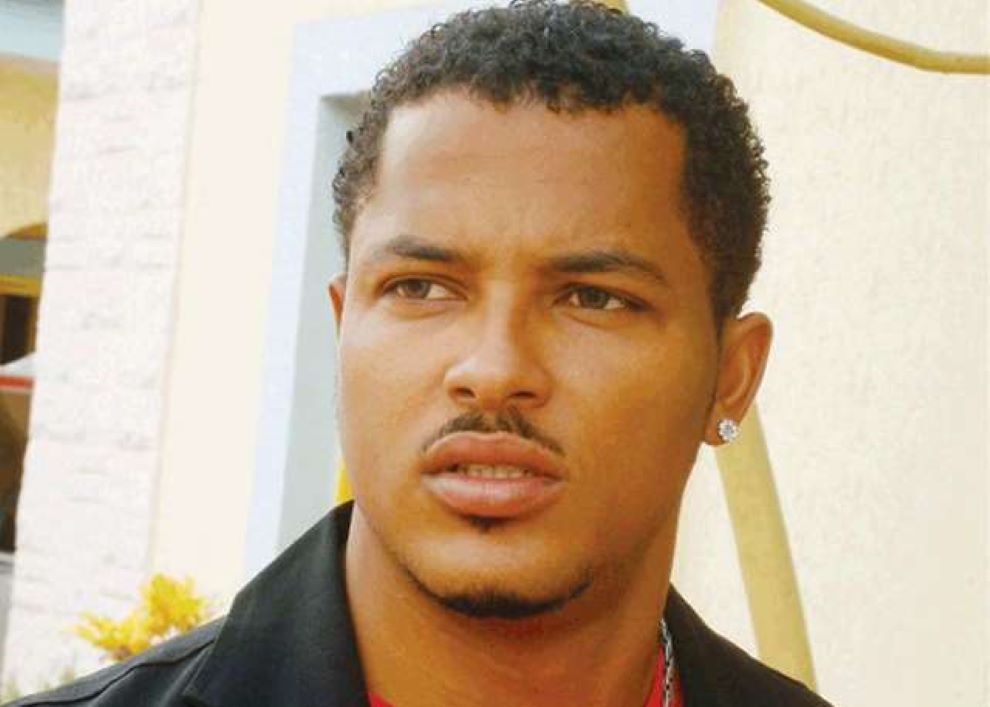
Van Vicker: The Golden Charmer of Ghanaian Cinema

This photograph is the property of its respective owners. No copyright infringement intended

Joseph Van Vicker, born August 1, 1977, in Accra, Ghana, is one of the most recognizable and beloved faces in African entertainment. With his golden skin tone, captivating smile, and soft yet commanding eyes, Van Vicker exudes an effortless charm that has made him a fan favorite across the continent.

He began his career as a radio and television personality, working as a DJ and presenter before transitioning into acting. His rise to fame came with his breakout roles in Divine Love (2004) and Beyoncé: The President’s Daughter (2006), which showcased his romantic charisma and screen presence. Since then, he has starred in over 200 films, often portraying the handsome lover or noble hero.

Van Vicker’s talent has earned him numerous accolades, including the AAMA Best Actor Award and the Pan African Film Festival Award for Achievement. Beyond acting, he is a director, producer, and humanitarian, with a deep passion for empowering youth and supporting education in Ghana.

Married to his high school sweetheart, Adjoa Vicker, since 2003, Van Vicker embodies loyalty and family devotion — a rare quality in the entertainment world. His combination of charm, humility, and artistic excellence makes him one of the most admired men in African cinema. To many, he represents the “golden boy” of Ghana — radiant, talented, and timelessly handsome.


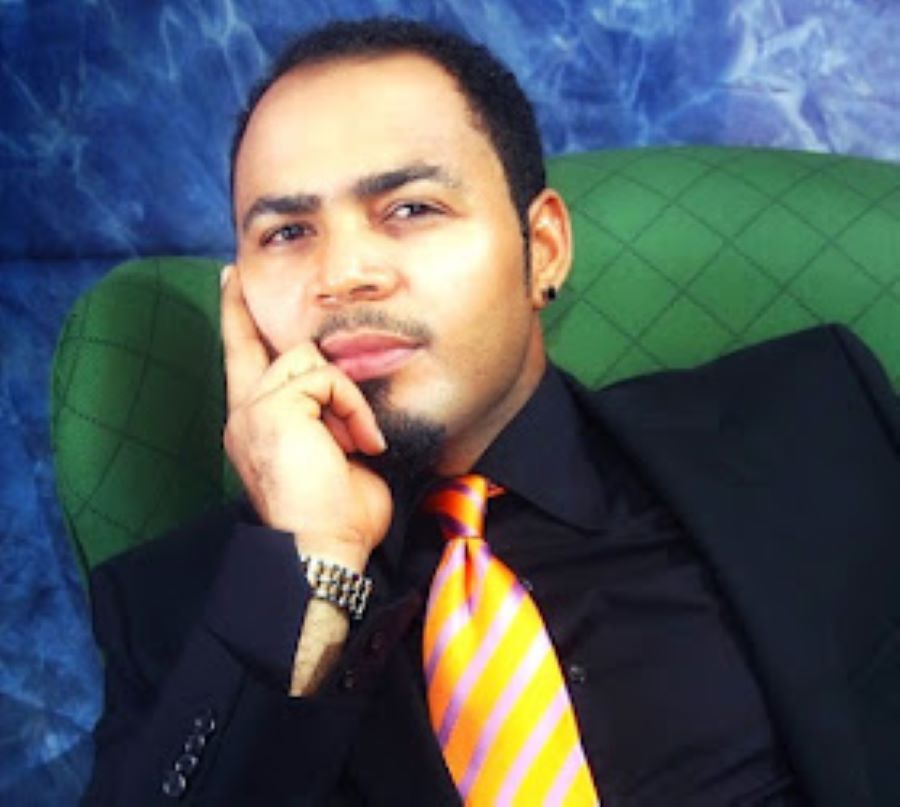
Ramsey Nouah: The Prince of Nollywood

This photograph is the property of its respective owners. No copyright infringement intended

Ramsey Tokunbo Nouah Jr., born December 19, 1970, in Lagos, Nigeria, is the very definition of timeless beauty and cinematic mastery. With his smooth golden light caramel complexion, soulful eyes, and sophisticated demeanor, Ramsey Nouah has been affectionately called “Nollywood’s Lover Boy” — a title he has worn gracefully for over two decades.

His acting career began in the early 1990s with the television soap opera Fortunes, but it was his roles in romantic films such as Silent Night (1996), Dangerous Twins (2004), and Figurine (2009) that established him as one of the most talented and handsome actors in Africa.

Nouah has since evolved into a respected director and producer, making his directorial debut with the blockbuster Living in Bondage: Breaking Free (2019), which won multiple Africa Magic Viewers’ Choice Awards, including Best Overall Movie. His ability to seamlessly move between acting, directing, and producing shows his artistic brilliance and leadership in Nollywood.

Married to Emelia Phillips-Nouah, Ramsey is a devoted husband and father. His calm confidence, refined beauty, and professionalism have made him a mentor and role model to younger actors. His accolades include Best Actor in a Leading Role at the African Movie Academy Awards (AMAA) and multiple recognitions from the AMVCA. Ramsey Nouah is not just a handsome face — he is the embodiment of African cinematic evolution, blending legacy, artistry, and elegance.


Conclusion

Kenneth Okolie, Van Vicker, and Ramsey Nouah stand as three pillars of African masculinity — distinguished, disciplined, and devastatingly handsome. Each of them brings a unique light to the African film industry: Okolie with his regal grace, Vicker with his golden warmth, and Nouah with his timeless sophistication. Together, they redefine what it means to be both powerful and tender, proving that Black excellence radiates across borders and generations. Their artistry reminds the world that Africa not only births talent — it births kings.


References

  • Africa Magic Viewers’ Choice Awards. (2024). Award winners archive. MultiChoice Africa.
  • IMDb. (2024). Kenneth Okolie biography. https://www.imdb.com/name/nm5022442/
  • IMDb. (2024). Van Vicker biography. https://www.imdb.com/name/nm1951509/
  • IMDb. (2024). Ramsey Nouah biography. https://www.imdb.com/name/nm1528046/
  • Nollywood Movies Awards. (2023). Kenneth Okolie: Best Supporting Actor.
  • Pan African Film Festival. (2022). Lifetime Achievement Honorees.
  • Netflix. (2019). Living in Bondage: Breaking Free [Film]. Play Network Studios.
  • Ghanaian Times. (2023). Van Vicker: From actor to filmmaker and philanthropist.

What is a Perfect Man According to the Most High God?

When Scripture speaks of a perfect man, it does not describe a flawless or sinless human, but a man who is mature, upright, righteous, disciplined, and aligned with God’s will. Perfection in the Bible means spiritual completeness — a man who fears God, obeys His commandments, and walks in humility and righteousness. “Be ye therefore perfect, even as your Father which is in heaven is perfect” (Matthew 5:48, KJV).

The perfect man is defined not by muscles, money, status, or charisma, but by character. He stands firm in faith, refuses compromise, and seeks God’s approval above the approval of culture or flesh. His identity is rooted in the Most High — not ego, reputation, or worldly success. “The steps of a good man are ordered by the Lord” (Psalm 37:23, KJV).

A perfect man is a man of obedience. He yields his will to God’s law, not personal preference. He does not follow his emotions or social trends; he follows Scripture. “Fear God, and keep his commandments: for this is the whole duty of man” (Ecclesiastes 12:13, KJV). Obedience to God governs every part of his life.

The perfect man is disciplined and tempered. He governs his spirit, rejects impulsive behavior, and practices self-control. “He that ruleth his spirit [is better] than he that taketh a city” (Proverbs 16:32, KJV). Discipline separates the righteous from the reckless, the king from the crowd.

A godly man guards his heart, for out of it flow the issues of life (Proverbs 4:23, KJV). He does not let lust, envy, pride, or anger rule him. He crucifies the flesh daily, refusing to be controlled by passions or pressures. His heart belongs to the Most High first and foremost.

A perfect man is a man of truth. He speaks truth, stands on truth, and lives truth. There is no deception, manipulation, or double-mindedness in him. “The just man walketh in his integrity” (Proverbs 20:7, KJV). His yes means yes; his no means no. His character is consistent in public and private.

He is a man of wisdom. Wisdom governs his decisions, relationships, finances, and speech. “Wisdom is the principal thing” (Proverbs 4:7, KJV). He studies the Word, seeks counsel, and discerns spirits. He does not follow fools, nor is he swayed by the noise of society.

The perfect man is a protector. He guards his household, his wife, his children, and his community. Not only physically, but spiritually — covering in prayer, leadership, and righteous example. “The good shepherd giveth his life for the sheep” (John 10:11, KJV). His strength is sacrificial, not selfish.

He is a provider — not merely financially, but emotionally, spiritually, and morally. “If any provide not for his own… he hath denied the faith” (1 Timothy 5:8, KJV). Provision means stability, guidance, structure, and commitment. He builds, he plants, and he prepares for future generations.

The perfect man is humble. He does not boast in his accomplishments; he gives all glory to God. “Humble yourselves… in the sight of the Lord, and he shall lift you up” (James 4:10, KJV). His humility makes him teachable, gentle, and gracious — not weak, but wise.

He is a man of prayer. Prayer is his foundation, not his emergency plan. He seeks the Most High daily, acknowledging that no strength apart from God can sustain him. “Pray without ceasing” (1 Thessalonians 5:17, KJV). Prayer fuels his power.

A perfect man is a warrior — spiritually alert, standing against darkness, resisting temptation, and fighting for righteousness. “Put on the whole armour of God” (Ephesians 6:11, KJV). He does not retreat in battle; he advances in faith.

He is a servant-leader, modeling Christ. Leadership is not domination; it is sacrifice. “He that is greatest among you shall be your servant” (Matthew 23:11, KJV). He leads with love, not control; with vision, not vanity.

The perfect man is a lover of righteousness. He hates evil, injustice, and wickedness. “Depart from evil, and do good” (Psalm 34:14, KJV). His moral foundation is unshakable. He chooses purity over pleasure, principle over popularity.

He honors his wife as Christ loves the church — tenderly, sacrificially, faithfully. “Husbands, love your wives, even as Christ also loved the church” (Ephesians 5:25, KJV). He covers her, cherishes her, and leads her toward holiness, not vanity or sin.

A perfect man is a father who trains his children in righteousness. “Train up a child in the way he should go” (Proverbs 22:6, KJV). He corrects with love, teaches by example, and plants seeds of discipline and faith in his household.

He is a man of faith. He trusts God when storms come, when resources seem low, when paths seem uncertain. “For we walk by faith, not by sight” (2 Corinthians 5:7, KJV). His faith steadies those around him.

He is steadfast and unmovable. Trials do not break him; they refine him. Temptation does not control him; he overcomes by the Spirit. “Endure hardness, as a good soldier of Jesus Christ” (2 Timothy 2:3, KJV). His endurance is spiritual strength in action.

A perfect man leaves legacy — not just property, but principles. Not just wealth, but wisdom. Not just children, but disciples of truth. “A good man leaveth an inheritance to his children’s children” (Proverbs 13:22, KJV). His life echoes beyond his years.

Ultimately, the perfect man walks in fear of the Lord. This is the cornerstone of manhood — reverence, obedience, worship, surrender. “The fear of the Lord is the beginning of wisdom” (Psalm 111:10, KJV). A man who fears God lacks nothing. A man without fear of God lacks everything.

The Science of Black Masculinity — skull structure, melanin physiology, and ancestral power.

Black masculinity exists at the nexus of biology, psychology, and ancestral memory. While society often tries to flatten Black manhood into stereotypes—either hyper-aggressive or broken—scholarship and science reveal a far richer, dignified, and evolutionarily purposeful reality. Biological design, ancestral environments, and spiritual legacy together form a multidimensional model of strength, resilience, and divine identity.

Evolutionary anthropology demonstrates that ancestral African populations developed phenotypes shaped by millions of years in equatorial environments. Higher bone density, robust musculature, and facial structure associated with ancestral African lineages reflect adaptation to intense physical demands and climatic conditions. Powerful mandibles, pronounced zygomatic arches, broader nasal passages, and strong orbital rims supported survival in heat, physical exertion, and resistance to environmental pathogens (Boyd & Silk, 2021). These features, rather than being stigmatized, represent evolutionary excellence.

Facial structure in African-descended men often displays high cheekbones, deep-set eyes, defined brow ridges, and strong mandibles. These characteristics are associated in anthropology with warrior morphology: the ability to chew fibrous foods, protect facial structure under physical force, and maintain respiratory efficiency in hot climates (Lieberman, 2011). What media sometimes distorts as “threatening” is, in truth, evidence of ancestral adaptation and power.

Melanin physiology also plays a central role. Eumelanin, the dominant pigment in African populations, protects DNA from ultraviolet radiation, reduces oxidative stress, and enhances immune defense (Yamaguchi & Hearing, 2014). Beyond physical protection, melanin has been the subject of spiritual and symbolic interpretation in African and diasporic cultures, connecting biological function to metaphysical significance. While science acknowledges melanin’s biochemical role, cultural memory acknowledges it as a sign of divine selection and earthly royalty.

Neuromelanin—located in the brain’s substantia nigra—plays a role in cognitive processing, motor function, and stress response regulation. While all humans possess neuromelanin, research shows variability in distribution and concentration influenced by ancestry (Zecca et al., 2008). This has led some scholars and cultural thinkers to explore how neurological adaptation and stress resistance shaped African-descended populations’ resilience through historical trauma.

Black muscle composition often includes higher proportions of fast-twitch fibers, reflecting evolutionary specialization in explosive strength, sprinting, and physical stamina (Ama et al., 1986). These traits supported hunting, evasion, and battle—skills central to ancestral survival and tribal protection. Modern athletic excellence echoes ancient warrior lineage, though society frequently exploits this ability without honoring its roots in divine design and cultural stewardship.

Black masculinity also carries a spiritual archetype of protector and provider rooted in African kingdoms and biblical lineage. From Zulu impi warriors to West African empire generals to Hebrew patriarchs, masculine identity was defined by guardianship, leadership, and moral responsibility. Scripture reinforces this sacred authority, declaring, “Ye are gods; and all of you are children of the most High” (Psalm 82:6, KJV). Biological strength and divine calling intersect here—physical excellence as temple and instrument of God’s purpose.

Psychological research notes that masculinity in African-descended men frequently emphasizes community loyalty, emotional guardedness born from generational trauma, and profound spiritual grounding (Akbar, 1996). Black men often navigate a dual battle: the fight to embody ancestral strength and the struggle against systems that pathologize that strength. This creates unique resilience, endurance, and inner discipline.

Ancestral power—carried through epigenetic inheritance—reflects survival across slavery, colonization, and oppression. Epigenetic studies show trauma can encode resilience and biological adaptation across generations (Yehuda et al., 2016). Black masculinity thus embodies both inherited scars and inherited strength—evidence of God’s preservation and ancestral memory.

Cultural archetypes of Black kingship—Shaka, Menelik, Mansa Musa—establish aesthetics of leadership rather than dominance, honor rather than brutality. Biblical ancestry deepens this archetype: Davidic courage, Joseph-like purity, Boaz-like covering, and Christ-like sacrificial love become models for righteous Black manhood. True strength is not predatory—it is protective, disciplined, and spiritually anchored.

Modern media often attempts to weaponize biology against Black men, reducing warrior features into criminal suggestions. Yet when placed within evolutionary, historical, and theological context, these same features represent strength, intelligence, resilience, and chosen identity. Storytelling must reclaim—not just defend—Black masculine biology as evidence of divine craftsmanship.

In essence, the science of Black masculinity is a study in sacred design: bone that remembers battle, melanin that absorbs the sun like a blessing, muscles crafted for movement and survival, hearts forged through generational fire, and spirits anchored in ancient covenant. Black male embodiment is not simply genetic architecture—it is a living archive of God’s breath, ancestral warfare, and cosmic intention.

To honor Black masculine biology is to honor creation. To understand ancestral strength is to understand divine engineering. To embrace Black masculine identity fully is to reclaim a throne history attempted to topple—but God preserved through body, mind, and spirit.


References

Akbar, N. (1996). Breaking the chains of psychological slavery. Mind Productions.
Ama, P. F., Simoneau, J. A., Boulay, M. R., Serresse, O., Thériault, G., & Bouchard, C. (1986). Skeletal muscle characteristics in sedentary Black and Caucasian males. European Journal of Applied Physiology, 55(5), 389–395.
Boyd, R., & Silk, J. (2021). How humans evolved (9th ed.). W. W. Norton.
Lieberman, D. (2011). The evolution of the human head. Harvard University Press.
Yamaguchi, Y., & Hearing, V. J. (2014). Melanocytes and melanosomes: Physiology, pharmacology, and pathology. Annual Review of Pharmacology and Toxicology, 54, 297–323.
Yehuda, R. et al. (2016). Holocaust exposure induced intergenerational effects on FKBP5 methylation. Biological Psychiatry, 80(5), 372–380.
Zecca, L. et al. (2008). The role of iron and neuromelanin in Parkinson’s disease. Progress in Neurobiology, 84(3), 227–239.