Category Archives: identity

Forged in Fire: The Resilience and Identity of the Black Man in America.

The identity of the Black man in America has been shaped by a historical crucible of oppression, resistance, and transformation. From the earliest days of forced migration during the Transatlantic Slave Trade to contemporary struggles with systemic inequality, the Black man’s journey reflects both the brutality of racial subjugation and the enduring strength of cultural and spiritual resilience. His story is not merely one of survival, but of continual redefinition in the face of adversity.

The institution of chattel slavery stripped Black men of autonomy, identity, and familial authority. Enslaved African men were commodified, their labor exploited to build the economic infrastructure of a nation that simultaneously denied their humanity. This paradox—being essential yet devalued—formed the foundation of a fractured identity that would echo across generations.

Following the formal abolition of slavery, Black men entered a period marked by false promises and systemic betrayal. Reconstruction briefly offered hope, but the rise of Jim Crow Laws reinstated a rigid racial hierarchy. Black men were systematically disenfranchised, criminalized, and excluded from civic participation, reinforcing narratives of inferiority and danger.

The criminalization of Black masculinity became a central tool of social control. Stereotypes portraying Black men as inherently violent or hypersexual were propagated through media, politics, and pseudo-scientific discourse. These narratives justified discriminatory practices and contributed to the disproportionate targeting of Black men within the criminal justice system.

The emergence of the Civil Rights Movement marked a pivotal moment in redefining Black male identity. Leaders such as Martin Luther King Jr. advocated for nonviolent resistance, while Malcolm X emphasized self-defense and Black empowerment. Together, these figures embodied the complexity and diversity of Black masculinity.

Despite legislative victories, including the Civil Rights Act and Voting Rights Act, structural inequalities persisted. Black men continued to face barriers in employment, education, and housing, limiting opportunities for upward mobility. The promise of equality remained elusive, as systemic racism adapted to new social and political contexts.

The concept of “the Black male crisis” gained prominence in sociological discourse, often focusing on issues such as unemployment, incarceration, and educational disparities. However, this framing frequently overlooks the systemic roots of these challenges, placing undue responsibility on individuals rather than institutions.

Mass incarceration has emerged as one of the most significant threats to Black male identity in the modern era. Policies such as the War on Drugs disproportionately impacted Black communities, leading to the overrepresentation of Black men in prisons. Scholars like Michelle Alexander have described this phenomenon as a contemporary system of racial control.

Economic disenfranchisement further compounds these challenges. The decline of industrial jobs and the persistence of wage gaps have limited economic opportunities for many Black men. Without access to stable employment, the ability to fulfill traditional roles associated with masculinity—provider, protector, leader—becomes increasingly constrained.

Education systems also reflect and reinforce inequality. Black boys are more likely to face disciplinary action, be placed in special education programs, or attend underfunded schools. These disparities contribute to lower graduation rates and reduced access to higher education, perpetuating cycles of disadvantage.

Media representations play a critical role in shaping public perceptions of Black men. Often depicted through narrow and negative stereotypes, Black men are rarely afforded the complexity and humanity granted to other groups. These portrayals influence societal attitudes and inform policy decisions.

Yet, amidst these challenges, the resilience of Black men remains evident. Cultural expressions—music, art, literature—serve as powerful tools of resistance and identity formation. From hip-hop to spoken word poetry, Black men have used creative platforms to articulate their experiences and assert their humanity.

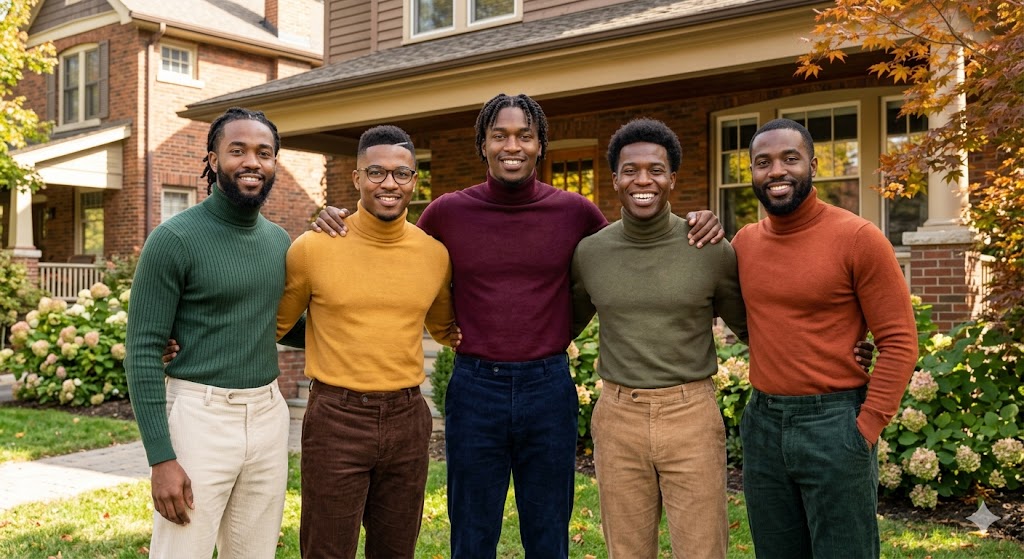
Family and community structures provide additional sources of strength. Despite systemic pressures, many Black men continue to prioritize fatherhood, mentorship, and communal responsibility. These roles challenge dominant narratives and highlight the importance of relational identity.

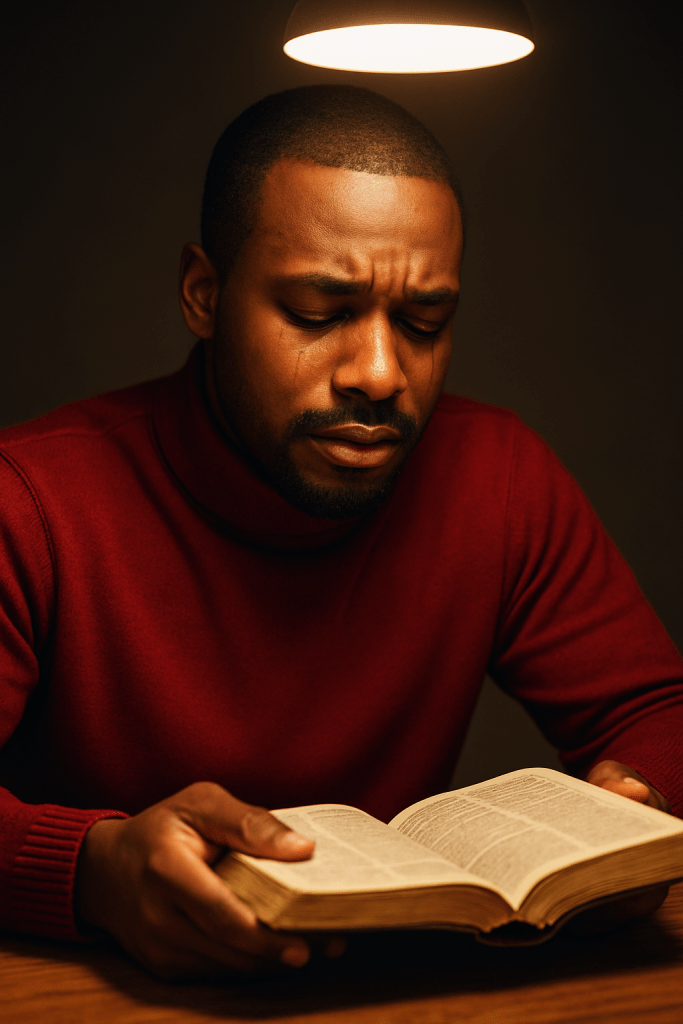
Faith and spirituality have historically been central to the Black male experience. The church has functioned as both a refuge and a site of resistance, offering moral guidance and collective empowerment. Biblical narratives of suffering and redemption resonate deeply within this context.

The intersection of race and masculinity creates unique psychological pressures. Black men must navigate a society that simultaneously fears and marginalizes them, leading to heightened stress and mental health challenges. Yet, stigma surrounding mental health often prevents open dialogue and access to care.

Contemporary movements have sought to reclaim and redefine Black male identity. Initiatives focused on mentorship, education, and entrepreneurship aim to empower Black men and address systemic barriers. These efforts reflect a broader commitment to self-determination and community uplift.

The role of allyship and policy reform cannot be overlooked. Addressing systemic inequality requires collective action, including equitable legislation, institutional accountability, and cultural change. Without these measures, progress remains limited.

The narrative of the Black man in America is not monolithic. It encompasses a wide range of experiences, identities, and perspectives. Recognizing this diversity is essential to understanding the full scope of Black masculinity.

Resilience, while often celebrated, should not be romanticized as a substitute for justice. The ability of Black men to endure hardship does not absolve society of its responsibility to address the root causes of inequality.

Ultimately, the identity of the Black man in America is forged not only through struggle but through resistance, creativity, and hope. His story is a testament to the enduring human spirit and a call to reimagine a society grounded in equity and dignity.


References

Alexander, M. (2010). The New Jim Crow: Mass incarceration in the age of colorblindness. The New Press.

Anderson, E. (1999). Code of the street: Decency, violence, and the moral life of the inner city. W.W. Norton.

Du Bois, W. E. B. (1903). The souls of Black folk. A.C. McClurg & Co.

Foner, E. (2014). Reconstruction: America’s unfinished revolution, 1863–1877. Harper & Row.

hooks, b. (2004). We real cool: Black men and masculinity. Routledge.

Kendi, I. X. (2016). Stamped from the beginning: The definitive history of racist ideas in America. Nation Books.

Massey, D. S., & Denton, N. A. (1993). American apartheid: Segregation and the making of the underclass. Harvard University Press.

Muhammad, K. G. (2010). The condemnation of Blackness: Race, crime, and the making of modern urban America. Harvard University Press.

Staples, R. (1982). Black masculinity: The Black male’s role in American society. Black Scholar Press.
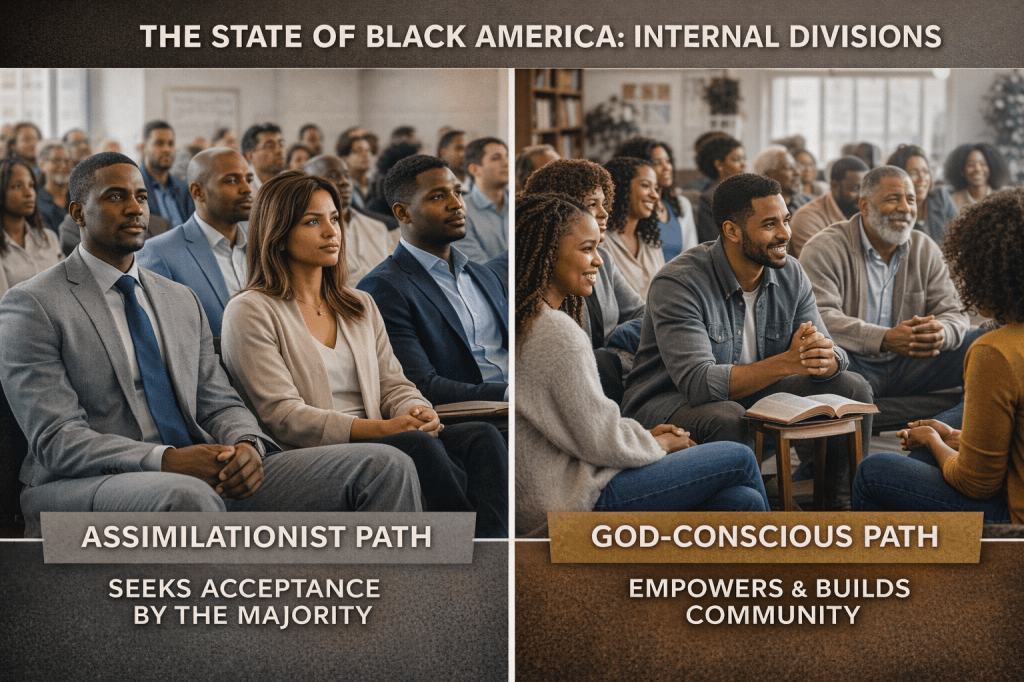
2 Paths Within the Black Community: Assimilation, Identity, and God-Conscious Restoration

Throughout history, oppressed communities have wrestled with two primary survival responses: assimilation into the dominant power structure or resistance through identity preservation and collective empowerment. Within the African American experience in the United States, this tension has manifested in visible ideological and behavioral distinctions shaped by slavery, segregation, systemic racism, and theological interpretation.

The legacy of American chattel slavery created not only economic devastation but psychological fractures. Scholars such as Frantz Fanon (1967) argued that colonized people often internalize the worldview of the colonizer as a survival mechanism. This internalization can result in identification with the dominant culture as a means of perceived safety or advancement.

In the American context, the character “Uncle Tom,” from Harriet Beecher Stowe’s novel Uncle Tom’s Cabin, became a cultural symbol—though often misinterpreted—of perceived submission to white authority. Over time, the term evolved into a pejorative label describing individuals believed to prioritize white approval over communal solidarity.

Assimilation, however, must be examined sociologically rather than emotionally. Sociologist W.E.B. Du Bois described “double consciousness” as the tension Black Americans feel between their African heritage and American citizenship (Du Bois, 1903). For some, minimizing racial conflict or denying systemic racism is not necessarily ignorance but an adaptation strategy shaped by generational trauma.

Research in racial identity development theory, particularly by William E. Cross Jr., shows that Black identity formation progresses through stages. Some individuals remain in earlier phases characterized by assimilationist leanings or a preference for proximity to dominant culture standards.

Internalized racism, defined as the acceptance of societal beliefs about Black inferiority, has been documented extensively in psychological literature (Pyke, 2010). These dynamics often manifest in beauty standards, speech patterns, cultural preferences, and political alignments.

At the same time, it is overly simplistic to categorize individuals as entirely unaware of racism. Many who emphasize cross-racial harmony may genuinely believe that integration and meritocracy are viable pathways toward equality.

Conversely, there exists another path rooted in cultural preservation, spiritual consciousness, and collective empowerment. This path emphasizes group solidarity, historical awareness, and theological identity.

The Black church historically functioned as the epicenter of resistance and social organization. Leaders such as Martin Luther King Jr. articulated liberation through Christian ethics grounded in agape love and justice.

Similarly, figures like Malcolm X emphasized self-respect, self-defense, and psychological decolonization. Though their methods differed, both leaders promoted dignity and communal uplift.

Theologically, many Black faith traditions interpret biblical narratives as parallel to the African American experience. The Exodus story and passages like Deuteronomy 28 have been understood as frameworks for interpreting suffering and covenant identity.

God-conscious empowerment emphasizes spiritual rebirth alongside cultural restoration. It teaches that liberation is not merely political but moral and spiritual.

Community builders focus on economic cooperation, educational advancement, and intergenerational teaching. The philosophy echoes the principles of collective economics articulated by Marcus Garvey and the Universal Negro Improvement Association.

Intra-community conflict, however, often undermines these efforts. Social dominance theory suggests marginalized groups can replicate hierarchical thinking internally (Sidanius & Pratto, 1999).

The call for unity does not mean uniformity. It requires shared goals centered on dignity, spiritual awareness, and structural progress.

Teaching children cultural literacy and historical truth is central to empowerment. Scholars like Carter G. Woodson argued that miseducation perpetuates subjugation.

Spiritual formation also plays a role. Biblical anthropology emphasizes identity in both flesh and spirit, reinforcing inherent worth beyond societal labels.

God-conscious frameworks encourage reconciliation within the community before external transformation.

This perspective rejects self-hatred while also avoiding racial supremacism. It affirms dignity without dehumanizing others.

Economic empowerment initiatives, cooperative models, and entrepreneurship align with this restorative vision.

Psychologically, collective pride correlates with higher resilience and well-being among marginalized populations (Neblett et al., 2012).

Faith-based empowerment movements often stress repentance from destructive behaviors such as internal violence, colorism, and fragmentation.

The metaphor of “needles in a haystack” captures the rarity of individuals fully committed to spiritual discipline and communal sacrifice.

Such builders prioritize generational legacy over short-term validation.

They recognize racism as structural rather than merely interpersonal, supported by scholarship from Michelle Alexander in The New Jim Crow.

At the same time, they resist fatalism. Faith sustains hope amid systemic obstacles.

Christ-centered identity reframes suffering through redemptive theology rather than victimhood.

Recognizing oneself as chosen does not imply superiority but covenant responsibility.

The call to stop fighting one another echoes both biblical admonition and sociological necessity.

Group progress historically required strategic unity, as evidenced during the Civil Rights Movement.

Yet even within movements, ideological differences persisted, illustrating the complexity of Black thought.

Ultimately, these two paths are not fixed identities but developmental positions shaped by history, psychology, and theology.

Healing requires compassion, education, and spiritual maturity.

Rather than condemnation, transformation must be the goal.

The future of Black empowerment lies not in caricatures but in consciousness, character, and Christ-centered community building.


References

Alexander, M. (2010). The New Jim Crow.

Cross, W. E. (1991). Shades of Black: Diversity in African-American Identity.

Du Bois, W. E. B. (1903). The Souls of Black Folk.

Fanon, F. (1967). Black Skin, White Masks.

Neblett, E. W., et al. (2012). Racial identity and psychological health.

Pyke, K. (2010). What is internalized racial oppression? Sociological Perspectives, 53(4), 551–572.

Sidanius, J., & Pratto, F. (1999). Social Dominance: An Intergroup Theory of Social Hierarchy and Oppression.

Woodson, C. G. (1933). The Mis-Education of the Negro.

The Visual Identity

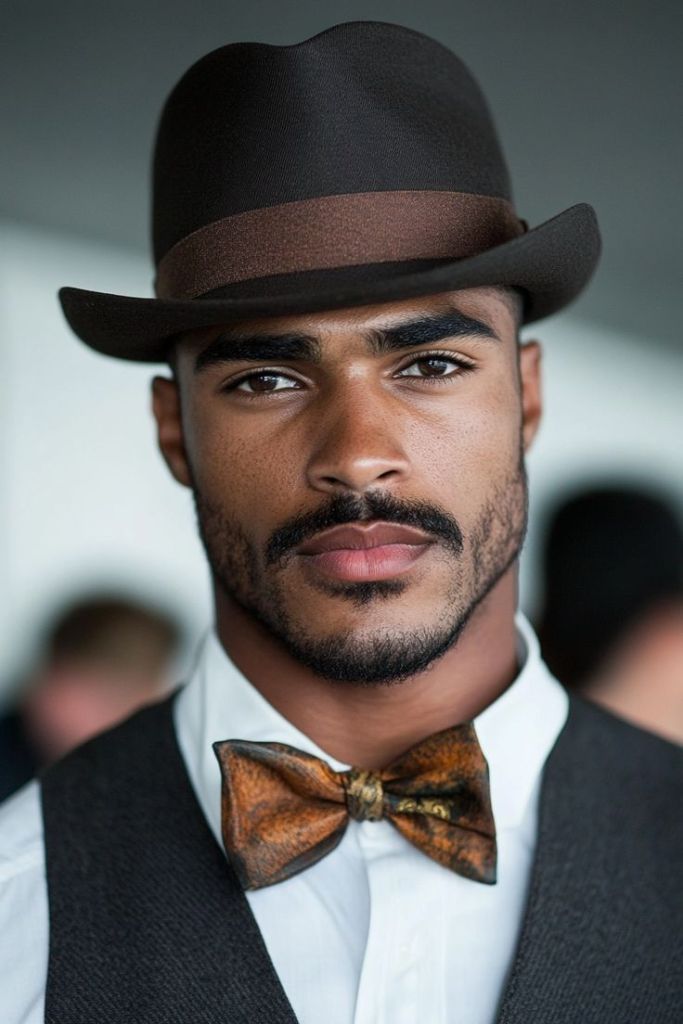
Visual identity is more than aesthetics; it is the deliberate curation of appearance to communicate who we are to the world. It encompasses fashion, grooming, posture, and symbolic choices that together create a cohesive personal or professional presence.

In a society that often emphasizes first impressions, visual identity becomes a language of its own. Every choice—from clothing colors to hairstyle—speaks before words are exchanged. It is a silent introduction that conveys confidence, values, and creativity.

Fashion is a core element of visual identity. The garments we choose reflect personal taste, cultural affiliation, and aspirational values. A tailored suit, a flowing dress, or casual streetwear signals social cues and communicates the wearer’s intention, mood, and personality.

Hairstyle and grooming complement clothing as part of an integrated visual presentation. Hair, skin, and posture reflect discipline, self-respect, and attention to detail. These elements shape perception and can reinforce authenticity and credibility.

Accessories and adornments add nuance to visual identity. Jewelry, watches, bags, or scarves provide additional layers of meaning, allowing individuals to express subtle facets of personality and status. Each accessory can amplify the story of the self.

Color plays a psychological role in shaping perception. Warm tones may convey approachability, cool tones professionalism, and bold hues creativity. Understanding the impact of color allows one to craft an identity that aligns with intention and desired reception.

Cultural and historical influences inform visual identity. Traditional garments, hairstyles, and symbolic motifs connect individuals to heritage and ancestry, allowing expression of pride and belonging while maintaining modern relevance.

Visual identity extends beyond the individual. Brands, institutions, and movements employ visual elements—logos, colors, typography, and imagery—to project ethos and narrative. Consistency strengthens recognition and conveys authority or innovation.

In professional environments, visual identity shapes opportunities. Leaders, presenters, and public figures use visual cues strategically to inspire trust, convey expertise, and reinforce personal or organizational narratives. The visual self often precedes spoken communication.

Photography and digital media amplify visual identity. Social media, professional profiles, and creative portfolios allow curation of image and story. Online presentation now shapes reputation and perception as much as in-person interaction.

Visual identity communicates emotional tone. Subtle gestures, posture, and facial expression enhance or contradict clothing and style, adding complexity to the message. Alignment of these elements signals authenticity and intentionality.

Fashion cycles and trends intersect with personal identity. While trends provide inspiration, true visual identity is consistent, reflecting personal taste rather than mere conformity. Individuality emerges through selective adoption of trends that resonate with self-perception.

Lighting and environment influence the impact of visual identity. A well-lit room, natural sunlight, or carefully staged backdrop enhances colors, textures, and posture, ensuring the intended message is communicated effectively.

Visual identity can convey power and influence. Strategic choices in appearance, posture, and demeanor assert authority and inspire respect. Individuals who master these elements project presence that commands attention and engagement.

Subtlety and minimalism are powerful aspects of visual identity. Restraint in design, accessories, and expression communicates sophistication, thoughtfulness, and confidence. Sometimes less is more when crafting a compelling visual narrative.

Visual identity evolves with experience and context. Life stages, career shifts, and personal growth influence stylistic choices, reflecting changing priorities and self-perception. Adaptability demonstrates awareness and intentional self-presentation.

Art and performance often explore visual identity as a form of expression. Costume, makeup, and stage presence contribute to character development and storytelling, revealing layers of meaning that words alone cannot convey.

Psychology and perception studies underscore the importance of visual identity. Humans naturally assess trustworthiness, competence, and attractiveness based on appearance. Understanding these mechanisms enables intentional and effective self-presentation.

Personal branding is an extension of visual identity in professional spheres. Entrepreneurs, creatives, and public figures cultivate visual consistency to reinforce values, mission, and influence, ensuring alignment between appearance and message.

Ultimately, visual identity is the intersection of art, psychology, and self-expression. It communicates who we are, what we value, and how we wish to be perceived. A thoughtfully crafted visual presence is a powerful tool for connection, influence, and self-realization.

References

  • Andrade, B., Morais, R., & Soares de Lima, E. (2024). The Personality of Visual Elements: A Framework for the Development of Visual Identity Based on Brand Personality Dimensions. The International Journal of Visual Design, 18(1), 67–98. edirlei.com
  • Kim, Y.-K., & Sullivan, P. (2019). Emotional branding speaks to consumers’ heart: the case of fashion brands. Fashion and Textiles, 6, Article 2. https://doi.org/10.1186/s40691‑018‑0164‑y SpringerOpen
  • Gorbatov, S., Khapova, S. N., & Lysova, E. I. (2018). Personal branding: Interdisciplinary systematic review and research agenda. Frontiers in Psychology, 9, 2238. https://doi.org/10.3389/fpsyg.2018.02238 PMC+1
  • Lieven, T. (2022). How behavioral branding affects brand equity. Frontiers in Psychology, 13. https://doi.org/10.3389/fpsyg.2022.904736 Frontiers
  • Sollerhed, A.-C., & Bringsén, Å. (2023). Appearance between professionalism and work‑related stress among marketing employees. Work, 75(4), 1231–1242. https://doi.org/10.3233/WOR-220307 PMC
  • Zhang, L. (Year). Doctor of Business Administration Dissertation: Visual Identity for Personal Branding. Nottingham Trent University. (Doctoral dissertation). IRep
  • Sirgy, M. J. (in How Does Self‑concept and Brand Personality Affect Luxury Consumers’ Purchasing Decisions, Springer). In Self-congruity and luxury brand choice. In Luxury Brand Management (pp. …). https://doi.org/10.1007/978‑981‑10‑2976‑9_3 SpringerLink

Intersectionality: Race, Gender, and Identity.

Photo by Polina Tankilevitch on Pexels.com

Intersectionality is a framework for understanding how multiple aspects of identity—such as race, gender, class, and sexuality—intersect to create unique experiences of privilege and oppression. Coined by legal scholar Kimberlé Crenshaw in 1989, intersectionality highlights how social systems and power structures do not affect everyone equally but instead produce layered, complex forms of discrimination, particularly for Black women and other marginalized populations.

Race and gender are two central axes in intersectional analysis. Black women, for example, experience discrimination that is not merely additive (race + gender) but intertwined, producing distinctive challenges that cannot be fully understood by examining either race or gender alone (Crenshaw, 1989). This approach allows for a more nuanced understanding of social inequality, as it acknowledges that identities are interconnected and context-specific.

Identity formation is profoundly shaped by these intersecting factors. A Black woman’s self-perception is influenced by societal messages regarding both race and gender, as well as by cultural heritage, family, and community. These overlapping identities can result in heightened awareness of societal biases, but they also provide resilience, cultural pride, and a multifaceted sense of self (Collins, 2000).

Intersectionality: Understanding Overlapping Identities

Core Concept

  • Intersectionality: How multiple social identities (race, gender, class, sexuality) intersect to create unique experiences of privilege and oppression (Crenshaw, 1989).

Visual Layout

Central Circle: Individual Identity
Surrounding Overlapping Circles:

  1. Race
  2. Gender
  3. Class
  4. Sexuality
  5. Religion/Culture

Overlapping Areas: Show how combinations produce distinct experiences.

  • Race + Gender: Unique discrimination experienced by women of color (“double jeopardy”).
  • Race + Class: Economic disparities and systemic barriers.
  • Gender + Sexuality: Gendered expectations compounded by sexual orientation.
  • All Intersecting: Complex lived realities shaped by multiple layers of identity.

Key Examples

  • Black Women in the Workplace: Face both gendered and racial bias, requiring intersectional policies.
  • Media Representation: Stereotypes often ignore overlapping identities; intersectional visibility fosters empowerment.
  • Health Outcomes: Intersectional stress contributes to mental health disparities.

Strategies for Applying Intersectionality

  • Policy design that considers multiple identity factors.
  • Awareness of biases in personal and professional contexts.
  • Representation and inclusion in media, education, and leadership.
  • Spiritual grounding: “Ye are all one in Christ Jesus” (Galatians 3:28, KJV).

Visual Design Notes

  • Colors: Different shades for each circle to show overlaps.
  • Icons: Workplace, media, health, education symbols around outer circles.
  • Text Highlights: Key phrases like “Privilege,” “Oppression,” “Unique Experiences,” “Empowerment.”

In practical terms, intersectionality reveals why certain policies or social interventions may fail. For instance, workplace diversity initiatives that focus solely on gender may not address the unique challenges faced by women of color, while race-focused programs may overlook gendered experiences. Intersectional analysis thus informs more equitable solutions and highlights the necessity of inclusive policymaking.

Psychologically, intersectionality affects mental health and well-being. Black women often experience compounded stress from navigating both racial and gendered expectations, a phenomenon sometimes referred to as “double jeopardy” (Beal, 1970). Recognizing and addressing these intersecting pressures is critical for developing coping strategies, resilience, and community support systems.

Culturally, intersectionality informs representation in media and public life. Black women are frequently underrepresented or stereotyped, reflecting biases that marginalize their complex identities. Accurate and multidimensional representation fosters empowerment and challenges societal norms, enabling individuals to see themselves as whole and valued.

The Bible provides spiritual guidance relevant to understanding identity and intersectional challenges. “There is neither Jew nor Greek, there is neither bond nor free, there is neither male nor female: for ye are all one in Christ Jesus” (Galatians 3:28, KJV). This verse underscores the inherent worth of individuals beyond social hierarchies and biases, reminding believers that identity in God transcends societal discrimination.

Intersectionality also has implications for activism and social justice. Movements such as Black Lives Matter incorporate intersectional frameworks to address not only race but also gender, sexuality, and class, emphasizing the need for solutions that acknowledge the complexity of lived experiences. Recognizing the interconnectedness of oppressions allows advocates to craft more comprehensive and effective strategies.

Education plays a critical role in applying intersectionality. Scholars, educators, and students must be equipped to recognize overlapping systems of privilege and oppression. Curricula that integrate intersectional perspectives foster critical thinking, empathy, and awareness of social inequities, preparing individuals to navigate diverse social contexts responsibly.

In conclusion, intersectionality provides a vital lens for understanding the complex ways race, gender, and identity intersect to shape experiences of privilege and oppression. By acknowledging the interconnectedness of social categories, individuals, policymakers, and communities can develop more nuanced, equitable approaches to social justice, representation, and personal empowerment. For Black women and other marginalized groups, intersectional awareness fosters resilience, cultural pride, and advocacy for systemic change.


References

  • Beal, F. M. (1970). Double jeopardy: To be Black and female. Meridians, 1(2), 1–10.
  • Collins, P. H. (2000). Black Feminist Thought: Knowledge, Consciousness, and the Politics of Empowerment. Routledge.
  • Crenshaw, K. (1989). Demarginalizing the intersection of race and sex: A Black feminist critique of antidiscrimination doctrine, feminist theory and antiracist politics. University of Chicago Legal Forum, 1989(1), 139–167.
  • The Holy Bible, King James Version.

Inside the Manosphere: Masculinity, Trauma, and the Search for Identity

The term manosphere has become a cultural phenomenon—an online constellation of blogs, influencers, podcasts, and forums where men gather to discuss masculinity, identity, relationships, and power. Yet beneath the surface lies a complex psychological, sociological, and spiritual reality that shapes how modern men interpret themselves and the world. The manosphere is not just a digital community; it is a mirror reflecting the anxieties, wounds, and aspirations of men living in a rapidly changing society.

The rise of the manosphere must be understood within the context of shifting gender norms. As traditional roles blur, many men experience a destabilization of identity. For some, this space becomes a refuge—a place to voice concerns without judgment. For others, it becomes a breeding ground for bitterness, resentment, and hyper-individualism. The manosphere is therefore not monolithic; it is a spectrum ranging from healthy male self-improvement to toxic ideologies anchored in misogyny.

Central to the manosphere’s appeal is the hunger for meaning. Many men feel isolated in a world that rarely encourages emotional vulnerability. With rates of male depression, loneliness, and suicide rising, online male communities often claim to fill a void left by absent fathers, fragmented families, or a culture that repeatedly tells men to “man up” rather than to heal. In this sense, the manosphere often functions as an informal form of brotherhood.

However, the manosphere also includes extremist factions that weaponize men’s pain. These groups—such as incels, red pill purists, and certain hyper-nationalistic voices—convert insecurity into ideology. Their narratives often blame women, feminism, or multiculturalism for men’s frustrations, redirecting personal wounds toward collective resentment. These narratives thrive because they offer simple explanations for complex emotional realities.

The manosphere also capitalizes on the modern marketplace of attention. Influencers monetize male insecurity through coaching programs, dating strategies, and lifestyle brands. While some provide legitimate guidance on discipline, fitness, or financial literacy, others exploit men’s vulnerabilities by offering overly simplistic narratives about dominance, submission, and sexual entitlement.

Spiritually, the manosphere reflects a crisis of masculine purpose. Historically, men found identity through covenant relationships, community, and responsibility. Today’s manosphere often promotes a detached masculinity rooted in self-gratification rather than service. In contrast to biblical manhood—which emphasizes love, stewardship, and sacrificial leadership—the manosphere frequently exalts power over humility and conquest over character.

At the same time, not all digital male spaces are destructive. Some men’s groups foster healthy dialogue about accountability, emotional intelligence, mentorship, and healing generational trauma. These spaces acknowledge the reality of male pain without blaming entire genders. They encourage growth, integrity, and brotherhood rooted in compassion rather than competition.

The manosphere’s obsession with dating dynamics reveals deeper issues about relational insecurity. Many voices teach men to view women as adversaries, prizes, or objects to be manipulated. This dehumanizing approach reflects a broader cultural problem: a lack of emotional maturity. Healthy relationships require empathy, communication, and mutual respect—qualities often dismissed in more toxic corners of the manosphere.

The manosphere also intersects with race. Black men, for instance, navigate not only gender expectations but also historical trauma, systemic oppression, and racial stereotypes. As a result, the Black manosphere often includes discussions about legacy, survival, and spiritual identity that differ from mainstream narratives. Yet even within Black communities, the influence of misogynoir can distort relationships by aligning with harmful patriarchal patterns.

In many ways, the manosphere is a symptom of fractured families. Men who grow up without stable male role models often seek identity in digital substitutes. This creates a vacuum where influencers become father figures—guiding millions not through covenant, wisdom, or lived experience, but through charisma and algorithmic popularity.

Economically, many men feel powerless in a world where career stability and financial certainty are no longer guaranteed. The manosphere taps into this anxiety by promising shortcuts to wealth, success, and dominance. Yet these promises often oversimplify the realities of socioeconomic stress.

The manosphere also thrives because society rarely provides safe spaces for male vulnerability. When emotional expression is stigmatized, unresolved trauma festers. Digital communities then become an outlet for suppressed anger. The problem is not that men seek refuge online—it is that many find the wrong voices at the wrong time.

Intellectually, the manosphere promotes a pseudo-scientific worldview that blends evolutionary psychology with selective data. Arguments about “male hierarchy,” “female hypergamy,” or “alpha archetypes” often ignore the nuance and complexity of real human behavior. These narratives appeal because they make relational struggles feel predictable and controllable.

Politically, the manosphere intersects with anti-feminist movements, conservative nationalism, and reactionary ideologies. These movements often exploit men’s grievances to recruit supporters and reinforce polarized worldviews. As a result, the manosphere becomes not only a gendered space but a political tool.

Yet the manosphere’s existence also reveals society’s failure to support men holistically. Schools often lack male mentors. Churches struggle to engage young men effectively. The workforce increasingly rewards skills traditionally associated with collaboration rather than physical labor. Without guidance, many men turn to digital communities for identity formation.

The spiritual danger of the manosphere lies in its distortion of leadership. True leadership is rooted in accountability, humility, and service. Yet manosphere leaders often promote dominance without responsibility, authority without empathy, and influence without moral grounding. This produces men who are emotionally underdeveloped yet psychologically inflated.

Still, the manosphere reveals that men desire structure, meaning, and purpose. When guided by healthy principles, male communities can produce resilience, discipline, and brotherhood. The solution is not to eliminate male spaces but to reform them—to infuse them with wisdom, character, and compassion.

A redeemed version of the manosphere would prioritize healing trauma, improving emotional intelligence, strengthening families, and encouraging men to embrace both strength and tenderness. Rather than targeting women, it would call men to grow into the fullness of their divine and human potential.

Ultimately, the manosphere is a mirror of modern manhood—its wounds, its fears, its hopes, and its confusion. It reveals how desperately men need guidance, fathering, community, and a purpose higher than ego. What men choose to do with this space will determine whether the manosphere becomes a force for healing or a playground for dysfunction.


References

Bailey, J., & Noman, R. (2020). Digital masculinity and online identity formation. Journal of Cyber Psychology, 12(3), 145–162.

Connell, R. W. (2005). Masculinities (2nd ed.). University of California Press.

Ging, D. (2019). Alphas, betas, and incels: The manosphere as a transnational online masculinity ecosystem. Men and Masculinities, 22(4), 638–657.

Kimmel, M. (2017). Angry white men: American masculinity at the end of an era. Nation Books.

Marwick, A., & Lewis, R. (2020). Media manipulation and online radicalization within the manosphere. Internet Studies Review, 8(1), 55–78.

Wilson, S. (2021). Broken boys to hardened men: Male vulnerability in digital subcultures. Journal of Social Psychology, 161(2), 240–256.

Divine Identity: Rediscovering Who We Are in God.

Photo by Tima Miroshnichenko on Pexels.com

The search for identity among Black people is not merely historical—it is deeply spiritual. Beneath centuries of oppression and distortion lies a divine truth: we are not accidents of history, but instruments of prophecy. Our existence, heritage, and resilience are written in Scripture long before slavery’s chains and colonization’s lies. Rediscovering who we are in God is both revelation and revolution, a holy awakening that reclaims what was stolen and restores what was silenced.

When God created humanity, He made no mistakes. “So God created man in his own image, in the image of God created he him; male and female created he them” (Genesis 1:27, KJV). This divine image was not limited to one hue or heritage. Yet through centuries of white supremacy, the face of God was painted pale, and His people were depicted as European. This distortion of divinity not only whitened Christ but wounded the collective soul of Black people, teaching us to worship a reflection that excluded us.

To rediscover divine identity is to strip away colonial religion and uncover covenant truth. The Bible is not a European book—it is a Middle Eastern and African text. Many of its central figures were people of color, dwelling in lands like Egypt, Ethiopia, and Canaan. Moses was mistaken for an Egyptian (Exodus 2:19). Christ Himself hid in Africa as a child (Matthew 2:13–15). Simon of Cyrene, who carried His cross, was an African man (Mark 15:21). The Scriptures themselves reveal that the story of salvation is inseparable from the African presence.

White supremacy sought to erase that truth, using false imagery to associate holiness with whiteness and sin with Blackness. This lie, repeated for centuries, fractured the spiritual self-perception of the Black race. Yet the Bible stands in defiance of such deception. “His head and his hairs were white like wool, as white as snow; and his eyes were as a flame of fire” (Revelation 1:14, KJV). The description of Christ in Revelation, with hair like wool and feet like burned brass, contradicts the Western portrayal and restores cultural truth.

For centuries, Black people were taught to see themselves as cursed descendants of Ham—a false doctrine birthed from racist misinterpretation of Genesis 9. But nowhere in Scripture does God curse Ham himself, nor his African lineage. This myth became one of the greatest theological weapons of white supremacy, used to justify slavery and colonization. The true curse, however, fell upon those who twisted God’s Word for oppression.

The rediscovery of divine identity begins with understanding that our spiritual history predates slavery. We are descendants of strength, wisdom, and divine favor. The same God who walked with Abraham and Moses also walked with us through plantations and prisons. We are not forgotten—we are chosen. “But ye are a chosen generation, a royal priesthood, an holy nation, a peculiar people” (1 Peter 2:9, KJV).

To be chosen does not mean to be superior—it means to be set apart for divine purpose. Throughout Scripture, God’s chosen people endured captivity, exile, and oppression. Their suffering was not a sign of rejection but a pathway to redemption. Likewise, the Black experience mirrors the biblical pattern of exile and restoration. Our history of enslavement and struggle bears prophetic resemblance to the children of Israel in Egypt and Babylon.

Our rediscovery must also dismantle the illusion that European Christianity holds a monopoly on truth. Long before Rome adopted the cross, African nations knew God by many names. Ethiopia embraced Christianity centuries before Europe, as recorded in Acts 8:27–39, where an Ethiopian eunuch was baptized by Philip. The first Christian nations were not white—they were African and Semitic. This truth reclaims the faith that was hijacked and used as a tool of oppression.

Spiritual amnesia among Black people has led to generational despair. Many have forgotten that they are the descendants of kings, prophets, and builders of civilizations. The world labeled us slaves, but God called us heirs. “And if children, then heirs; heirs of God, and joint-heirs with Christ” (Romans 8:17, KJV). To rediscover divine identity is to walk again in the authority of inheritance.

Racism has always targeted identity because identity shapes destiny. When a people forget who they are, they become easily controlled. But once they remember, they become unstoppable. This is why the awakening of Black consciousness—rooted in Scripture and history—is so threatening to systems of oppression. Spiritual ignorance maintains bondage; spiritual knowledge births freedom.

The church must reclaim its prophetic voice. Too often, pulpits have preached comfort rather than conviction, submission rather than liberation. True gospel truth uplifts the oppressed and rebukes the oppressor. “Learn to do well; seek judgment, relieve the oppressed, judge the fatherless, plead for the widow” (Isaiah 1:17, KJV). The rediscovery of divine identity demands a return to justice as a sacred duty.

Divine identity is not only racial—it is moral and spiritual. It calls for holiness, integrity, and righteousness. A people who rediscover their divine roots must also live as divine representatives. The world must see through us the reflection of God’s character, not just His color. For identity without virtue becomes vanity, and heritage without holiness becomes hypocrisy.

Healing from false identity also involves reclaiming beauty. The Eurocentric ideal of attractiveness has long devalued melanin, natural hair, and African features. But when God created diversity, He called it good. “And God saw every thing that he had made, and, behold, it was very good” (Genesis 1:31, KJV). To see beauty in Blackness is to see beauty in God’s own creation.

Education plays a sacred role in this awakening. When we study Scripture alongside history, we uncover the continuity between biblical truth and African legacy. We see that wisdom, science, and faith flourished in Africa long before colonial distortion. Rediscovering divine identity means returning to our intellectual and spiritual roots, understanding that knowledge and faith were never meant to be enemies.

Black unity is essential for divine restoration. Division—by colorism, denomination, or class—weakens collective power. Christ prayed, “That they all may be one” (John 17:21, KJV). Our unity is a form of resistance; it restores the divine order that racism tried to destroy. When we love one another as God loves us, we heal the fractures of history.

This rediscovery also demands repentance—from the oppressors who built systems of white supremacy, and from the oppressed who have internalized self-hate. Healing begins when truth replaces lies, and when both sides humble themselves before the Creator. “If my people, which are called by my name, shall humble themselves, and pray… then will I hear from heaven, and will forgive their sin, and will heal their land” (2 Chronicles 7:14, KJV).

To rediscover divine identity is to understand that we are not merely descendants of Africa—we are descendants of God. We are the bridge between suffering and salvation, the living evidence of divine endurance. Our story is not a tragedy; it is a testimony.

As we rise from centuries of distortion, the world will see the restoration of a people once despised but now divinely defined. We are the light the darkness could not extinguish. We are the fulfillment of prophecy—the stone that the builders rejected, becoming the cornerstone of a new era (Psalm 118:22, KJV).

Our calling now is to live in the fullness of who we are—to walk in royal humility, to lead in righteous strength, to love with divine compassion. The rediscovery of identity is not just about knowing our past; it is about shaping our future according to God’s will.

Let this be our declaration: We are not who the world says we are. We are who God says we are. We are chosen, redeemed, and restored. We are the children of the Most High, created in His image, commissioned for His glory. Our divine identity has been reclaimed, and no system, no lie, no power on earth can strip it away again.


References

  • The Holy Bible, King James Version (KJV).
  • Cone, J. H. (1970). A Black Theology of Liberation. Orbis Books.
  • Asante, M. K. (2003). Afrocentricity: The Theory of Social Change. African American Images.
  • Ben-Jochannan, Y. (1970). African Origins of Major Western Religions. Alkebu-Lan Books.
  • Williams, C. (1987). The Destruction of Black Civilization. Third World Press.
  • Wilkerson, I. (2020). Caste: The Origins of Our Discontents. Random House.
  • Du Bois, W. E. B. (1903). The Souls of Black Folk. A. C. McClurg & Co.

Reclaiming the Mirror: Beauty, Identity, and Resistance in the African Diaspora.

Photo by Godisable Jacob on Pexels.com

The concept of beauty has long been weaponized as a tool of domination and exclusion. For people of African descent, beauty has been historically defined through Eurocentric lenses that sought to invalidate African features, skin tones, and hair textures. This distortion of aesthetics served colonial and psychological purposes—reinforcing systems of white supremacy and dehumanization. Yet, amid this oppression, the African diaspora has continuously resisted, reclaimed, and redefined beauty through self-love, creativity, and cultural expression.

From the transatlantic slave trade to modern globalization, the manipulation of Black beauty has been integral to controlling identity. European colonizers constructed racial hierarchies that associated whiteness with purity and civilization, while blackness was linked to savagery and inferiority. These narratives became embedded in social, political, and religious ideologies, influencing how the world viewed—and how Black people came to view—themselves. This internalized oppression still manifests today in colorism, hair discrimination, and beauty bias within and outside the Black community.

Resistance to these narratives began as early as slavery itself. Enslaved Africans braided maps into their hair, wore headwraps as acts of pride, and sang spirituals affirming divine identity. These practices were not mere survival mechanisms but subtle assertions of self-worth. By reclaiming control over their bodies and appearances, Africans in the diaspora asserted, “We are still human.” This quiet defiance evolved into a cultural aesthetic that would later inspire entire movements of liberation.

The Harlem Renaissance marked a turning point in redefining Black beauty and identity. Figures like Zora Neale Hurston, Langston Hughes, and Josephine Baker challenged the notion that Black culture needed white validation. Their art celebrated dark skin, natural hair, and sensual expression, reclaiming the very traits society had demeaned. The phrase “Black is Beautiful,” born from this era and later popularized in the 1960s, became both a political slogan and a spiritual affirmation.

The Black Power movement of the 1960s and 1970s elevated aesthetics into activism. The afro became a crown of resistance, symbolizing freedom from assimilation. Black models like Beverly Johnson and Naomi Sims graced magazine covers once closed to women of their complexion, forcing the fashion world to confront its biases. Through photography, music, and protest, Black people around the world began to reassert the value of their image.

In the African diaspora, beauty and identity are deeply intertwined with spirituality. Ancient African civilizations revered the human form as divine art—sculptures from Nok, Benin, and Kemet celebrated symmetry, strength, and melanin as reflections of the Creator. This spiritual understanding of beauty counters the Western tendency to commodify and sexualize. The African aesthetic is holistic, connecting inner virtue with outer form—a principle still visible in African diasporic faiths like Yoruba and Rastafari.

Media representation remains one of the battlegrounds for beauty reclamation. For decades, film and advertising industries portrayed Eurocentric features as universal ideals. However, with the rise of digital media, Black creators began shaping new narratives. Platforms like YouTube and Instagram became spaces for natural hair tutorials, melanin-positive campaigns, and discussions about shadeism. This digital renaissance democratized visibility and dismantled the monopoly of Western beauty standards.

In contemporary times, artists like Lupita Nyong’o, Viola Davis, and Michaela Coel have redefined what global beauty looks like. They embody confidence rooted in authenticity rather than conformity. Their visibility challenges centuries of erasure, reminding the world that African beauty is not a trend—it is foundational. Each image, each role, becomes a mirror through which the diaspora can see itself with dignity and love.

Colorism, however, continues to plague the diaspora, a lingering scar of colonialism and slavery. Light skin often remains associated with privilege, while darker complexions are marginalized. This phenomenon fractures communities and perpetuates hierarchies of desirability. Yet, new generations are confronting these wounds head-on through documentaries, essays, and online activism—demanding that every shade of melanin be honored equally.

The reclamation of African aesthetics extends beyond physical features—it encompasses fashion, language, and ritual. African print clothing, protective hairstyles, and ancestral jewelry have become emblems of identity. What was once mocked or banned in workplaces is now worn proudly on global runways. The diaspora’s embrace of traditional aesthetics is not merely nostalgic—it is revolutionary, asserting that African heritage is modern, relevant, and eternal.

Psychologically, reclaiming beauty is an act of healing. Centuries of racial trauma have distorted self-perception, leading to generational insecurities. Scholars like bell hooks and Frantz Fanon have discussed the colonization of the mind and the struggle to love oneself under oppressive gaze. To look in the mirror and find beauty in one’s reflection is therefore a radical act of resistance, one that dismantles the psychological remnants of enslavement.

Black beauty movements have also intersected with gender liberation. Black women, historically hypersexualized or desexualized, have reclaimed agency over their image. Movements like #MelaninMagic and #BlackGirlMagic celebrate diverse forms of femininity—powerful, intellectual, sensual, and sacred. Similarly, Black men are confronting toxic stereotypes that equate masculinity with aggression, finding beauty in vulnerability and self-expression.

The global spread of African aesthetics—from music videos to fashion weeks—illustrates how the diaspora has transformed pain into power. Afrobeats, hip-hop, and soul music have carried messages of pride, resilience, and beauty to every corner of the world. The rhythm of resistance lives in every hairstyle, every dance, every melody that celebrates Blackness unapologetically.

Educational institutions and media organizations are beginning to recognize the importance of diverse representation. Curriculums now explore African art history, and museums exhibit African beauty traditions once labeled “primitive.” This reclamation of space in academia and culture is crucial—it ensures that future generations inherit a fuller, truer reflection of themselves.

In theology, the reclamation of beauty challenges centuries of Eurocentric religious imagery. Depictions of a white Messiah and angels have been replaced in many circles with images that reflect the original people of the Bible. The rise of Afrocentric theology reaffirms that divinity does not belong to one race or culture. The beauty of the Creator is reflected in the diversity of creation itself.

Art remains one of the most powerful vehicles for this transformation. Painters, photographers, and filmmakers across the diaspora are crafting new visual languages that honor melanin, texture, and form. Fine art portraiture—like the works of Kehinde Wiley or Awol Erizku—reimagines classical European iconography through an African lens, restoring Black presence to the historical canvas.

Beauty, in its truest sense, is more than aesthetics—it is liberation. When Black people embrace their natural selves, they reject the lie that they must change to be worthy. This acceptance becomes an act of spiritual sovereignty, echoing the biblical declaration that we are “fearfully and wonderfully made” (Psalm 139:14, KJV).

The mirror, once a symbol of distortion, now becomes a site of truth. It reflects not the colonizer’s image, but the Creator’s craftsmanship. To reclaim the mirror is to reclaim narrative power—to define beauty not by borrowed standards, but by ancestral wisdom. Every curl, curve, and hue tells a story of endurance, divinity, and rebirth.

Ultimately, the reclamation of beauty in the African diaspora is about freedom—the freedom to exist without apology, to see oneself as whole and holy. It is about transforming generations of shame into songs of pride and turning reflection into revolution. Through art, faith, and community, the descendants of Africa continue to rise, reminding the world that the most powerful form of beauty is self-acceptance rooted in truth.


References

Baker, J. (2017). The politics of Black beauty. Oxford University Press.
Davis, A. Y. (1981). Women, race, & class. Random House.
Fanon, F. (1952). Black skin, white masks. Grove Press.
hooks, b. (1992). Black looks: Race and representation. South End Press.
Hunter, M. (2007). The persistent problem of colorism: Skin tone, status, and inequality. Sociology Compass, 1(1), 237–254.
Mercer, K. (1994). Welcome to the jungle: New positions in Black cultural studies. Routledge.
Mills, C. W. (1997). The racial contract. Cornell University Press.
Nyong’o, L. (2014). Lupita Nyong’o’s speech on beauty and self-love [Video]. Essence Black Women in Hollywood.
Walker, A. (1983). In search of our mothers’ gardens: Womanist prose. Harcourt Brace Jovanovich.
Wiley, K. (2018). Reclaiming beauty: African aesthetics in modern art. Yale University Press.
Wilkerson, I. (2020). Caste: The origins of our discontents. Random House.
Wynter, S. (2003). Unsettling the coloniality of being/power/truth/freedom. The New Centennial Review, 3(3), 257–337.
Yaba Blay, Y. (2017). Pretty. Period.: The politics of being Black and beautiful. Blackprint Press.
Bryant-Davis, T. (2007). Healing requires recognition: The case for race-based traumatic stress. The Counseling Psychologist, 35(1), 135–143.
Johnson, K. (2021). Beauty in resistance: Black aesthetics and cultural power. Duke University Press.
Lewis, R. (2011). Afrocentric identity and the politics of beauty. Routledge.
Morrison, T. (1992). Playing in the dark: Whiteness and the literary imagination. Vintage Books.
Nash, J. C. (2019). Black feminism reimagined: After intersectionality. Duke University Press.
Tate, S. (2016). Black beauty: Aesthetics, stylization, politics. Routledge.
Thompson, C. (2009). Black women, beauty, and hair as resistance. Journal of Pan African Studies, 3(2), 97–108.

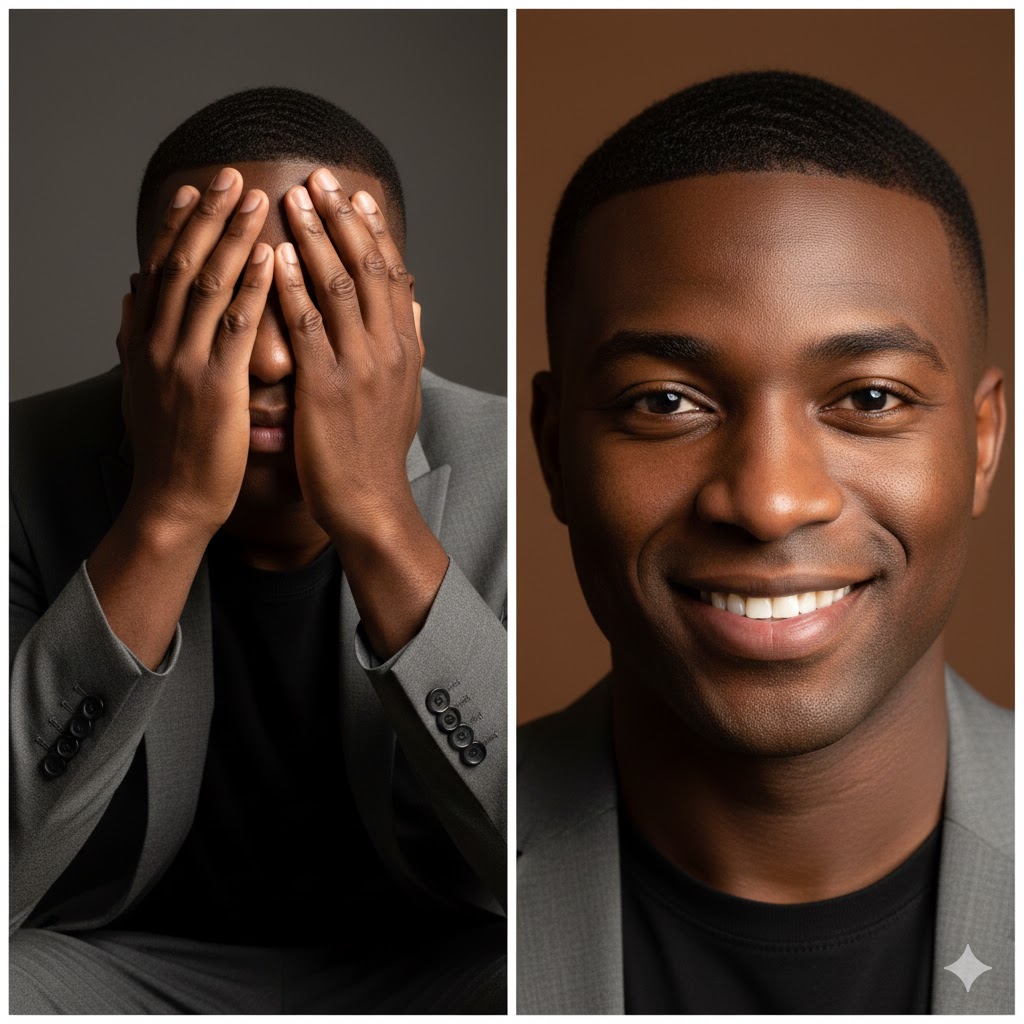
The Brown Boy Dilemma: Identity, Masculinity, and the Burden of Perception.

This photograph is the property of its respective owner. No copyright infringement intended.

The struggle of the “Brown Boy” in contemporary society represents a complex intersection of race, colorism, masculinity, and identity. It is not merely a question of visibility but of valuation—how the world perceives darker-skinned men of African descent, and how they, in turn, perceive themselves. In a world that constantly dictates beauty, strength, and worth through Eurocentric ideals, the brown-skinned boy grows up negotiating his humanity in spaces that either fear or fetishize him. His story is both sociological and spiritual, a narrative woven through generations of marginalization and resilience.

From childhood, many brown boys encounter subtle yet persistent forms of rejection. Whether through teasing, biased praise toward lighter peers, or the absence of representation in media, they learn early that their skin tone shapes how others respond to them. Studies on colorism confirm that lighter skin is often associated with higher social status, attractiveness, and opportunity, while darker skin triggers stereotypes of aggression or inferiority (Hunter, 2007). These biases distort self-esteem, forcing brown boys to internalize shame before they even understand its source.

The media perpetuates these disparities through selective glorification. In film and advertising, lighter-skinned men are more likely to be portrayed as romantic leads, while darker men are typecast as villains or hypermasculine figures (Russell, Wilson, & Hall, 1992). This limited representation teaches brown boys that their value lies not in emotional intelligence or creativity, but in physical dominance or stoicism. Such portrayals strip away the complexity of Black and brown male identity, reducing humanity to stereotype.

Masculinity becomes a double-edged sword for the brown boy. On one hand, he is expected to embody strength, resilience, and control; on the other, these same traits are used to justify fear and criminalization. Society tells him to “man up” while simultaneously punishing him for appearing “too masculine.” This contradiction leaves little room for vulnerability—a key ingredient of emotional health. As bell hooks (2004) notes, patriarchal masculinity denies men access to their full humanity, trapping them behind masks of silence and anger.

The burden of perception extends beyond media and social norms into institutional life. In schools, brown boys are disproportionately disciplined compared to their lighter or white peers for the same behaviors (Ferguson, 2001). They are labeled “troublemakers” or “disruptive” rather than “leaders” or “gifted.” This early criminalization creates a psychological prison that follows them into adulthood, shaping their self-concept and limiting future possibilities. The result is an invisible cage built from others’ expectations.

Colorism also manifests within the Black community itself, where colonial hierarchies of complexion persist. Brown boys often find themselves “too dark” to be considered desirable in mainstream spaces yet “not dark enough” to be validated as authentically Black in others. This in-between identity can create deep internal conflict. It is a wound inherited from slavery, when lighter-skinned slaves were given preferential treatment as house servants while darker-skinned individuals labored in the fields (Hall, 1992). These divisions fractured unity and continue to echo through generations.

In romantic relationships, the brown boy’s dilemma is intensified. Studies have shown that women across many racial groups often rate lighter-skinned men as more attractive or “safe” partners (Harrison & Thomas, 2009). Meanwhile, darker men are either stigmatized as threatening or exotified as hypersexual. Both extremes deny them full personhood. Such experiences can breed insecurity and mistrust, complicating intimacy and self-acceptance.

Spiritually, the brown boy wrestles with a deeper question: “Who am I beyond what the world sees?” In a biblical sense, he is a reflection of divine creation, made in the image of God (Genesis 1:27). Yet societal conditioning distorts this truth, teaching him to equate his reflection with rejection. The book of Psalms reminds him that he is “fearfully and wonderfully made” (Psalm 139:14, KJV), but without affirmation, he struggles to believe it. His dilemma becomes not only social but spiritual—a battle for his soul’s self-worth.

The psychological toll of colorism on men is often overlooked. While much of the discourse on colorism focuses on women, men also endure its scars in silence. They are taught that emotions are weakness, so they suppress their pain. Over time, this repression manifests as anger, isolation, or detachment. As psychologists have found, unresolved racial trauma can lead to chronic stress and depressive symptoms among men of color (Williams & Mohammed, 2009). Healing thus requires both communal empathy and individual vulnerability.

In the realm of economics, the brown boy’s complexion can even influence professional advancement. Research indicates that darker-skinned men earn less on average than their lighter-skinned peers, even within the same racial group (Hersch, 2006). These disparities reveal that colorism is not just emotional but structural—a system that rewards proximity to whiteness. For many brown men, every professional achievement comes with the burden of overperformance to prove worthiness.

Culturally, however, the brown boy carries within him the strength of his ancestors. His melanin is a testament to resilience, survival, and divine design. African traditions often viewed dark skin as a sign of strength and connection to the earth—a physical manifestation of spiritual power. To reclaim that heritage is to undo centuries of colonial indoctrination. The brown boy must rediscover that his identity is sacred, not shameful.

The brown boy dilemma also reveals the fragility of Western beauty standards. Society’s preference for fair skin stems from colonialism, slavery, and white supremacy—systems designed to devalue darker bodies while exploiting their labor and culture. Undoing this mindset requires conscious re-education. Schools, churches, and families must affirm that beauty, intelligence, and virtue are not determined by shade but by spirit.

In art and literature, the reclamation of the brown male image has begun. Figures like Chadwick Boseman, Daniel Kaluuya, and John Boyega have challenged color hierarchies by embodying grace, intellect, and humanity in their performances. Their visibility offers young brown boys a mirror of possibility. Representation matters—not as tokenism, but as liberation from erasure.

Despite the obstacles, many brown men rise as leaders, scholars, and visionaries. They transform pain into purpose, channeling rejection into creativity and service. Their triumph is quiet yet profound: to love themselves in a world that taught them not to. This act of self-love is revolutionary. As Frantz Fanon (1952) wrote in Black Skin, White Masks, the oppressed must reclaim their identity through self-definition rather than external validation.

The journey of the brown boy is ultimately one toward wholeness. Healing begins when he confronts the lies that equate his worth with whiteness. It continues when he embraces his complexity—strong yet sensitive, dark yet luminous, masculine yet nurturing. His liberation is not the denial of his pain but the transformation of it.

Faith plays a central role in this restoration. In God’s eyes, there is no hierarchy of hue; the soul’s radiance transcends skin. The brown boy must learn to see himself through divine rather than colonial eyes. When he does, he becomes a vessel of light, a living rebuke to the systems that tried to dim him.

In conclusion, The Brown Boy Dilemma is not simply a racial or aesthetic issue—it is a moral one. It challenges humanity to dismantle the illusions of color-based worth and to restore dignity to all shades of creation. The brown boy’s struggle mirrors the world’s sickness, but his healing reflects its hope. His existence testifies that beauty, power, and divinity cannot be measured by tone—they are written in the soul, where no shadow can reach.


References

Fanon, F. (1952). Black Skin, White Masks. Grove Press.
Ferguson, A. A. (2001). Bad Boys: Public Schools in the Making of Black Masculinity. University of Michigan Press.
Hall, R. E. (1992). Bias among African Americans regarding skin color: Implications for social work practice. Research on Social Work Practice, 2(4), 479–486.
Harrison, M. S., & Thomas, K. M. (2009). The hidden prejudice in selection: A research agenda to examine color bias in organizations. Journal of Organizational Behavior, 30(8), 1031–1046.
Hersch, J. (2006). Skin tone effects among African Americans: Perceptions and reality. American Economic Review, 96(2), 251–255.
hooks, b. (2004). The Will to Change: Men, Masculinity, and Love. Atria Books.
Hunter, M. (2007). The persistent problem of colorism: Skin tone, status, and inequality. Sociology Compass, 1(1), 237–254.
Russell, K., Wilson, M., & Hall, R. (1992). The Color Complex: The Politics of Skin Color among African Americans. Harcourt Brace Jovanovich.
Williams, D. R., & Mohammed, S. A. (2009). Discrimination and racial disparities in health: Evidence and needed research. Journal of Behavioral Medicine, 32(1), 20–47.

Silent Battles: Anxiety and Identity for Dark-Skinned Women. #thebrowngirldilemma

Photo by Klaus Nielsen on Pexels.com

Even in the shadows of bias, dark-skinned women carry light within.

The experience of dark-skinned women in a world dominated by Eurocentric beauty ideals is layered with silent battles. Beyond the visible struggles of colorism lies an interior war against anxiety, insecurity, and fractured identity. While society often dismisses these experiences as superficial, the psychological toll is profound. Being constantly evaluated through a biased lens of attractiveness imposes a burden that impacts mental health, self-esteem, and relationships (Hunter, 2007).

Dark-skinned women face a dual invisibility: underrepresentation in mainstream media and overexposure to damaging stereotypes. The lack of affirming images means many young women grow up without role models who reflect their beauty. This absence translates into identity anxiety, where feelings of worth are perpetually questioned. The silence of these struggles can be isolating, leading to internalized doubt and a sense of invisibility even in spaces meant to be inclusive (Craig, 2002).

The Weight of Shades: Mental Health Implications of Color Bias

Color bias functions not only as a social hierarchy but also as a psychological wound. Studies reveal that darker-skinned women are more likely to experience depression, body dissatisfaction, and low self-worth compared to lighter-skinned peers (Keith & Herring, 1991). The constant comparisons create an internalized hierarchy that attaches anxiety to something as natural and immutable as skin tone.

Anxiety is often heightened by experiences of exclusion in dating, employment, and social recognition. These moments, though seemingly individual, accumulate into chronic stressors. The anticipation of being judged negatively because of skin tone fosters hypervigilance—an exhausting cycle where dark-skinned women must brace for bias before it even occurs (Thompson & Keith, 2001).

At its most harmful, color bias produces identity fragmentation. Dark-skinned women may feel compelled to alter or minimize aspects of themselves—through skin-lightening practices, straightening hair, or modifying style choices—in order to fit into biased standards. These behaviors not only reinforce harmful hierarchies but also fuel ongoing cycles of anxiety and alienation, trapping women between cultural authenticity and societal acceptance (Glenn, 2008).

Despite these struggles, resilience emerges as a recurring theme in the narratives of dark-skinned women. Many find healing and strength in community movements such as #MelaninPoppin and #BlackGirlMagic, which provide visibility and affirmation. These cultural affirmations allow dark-skinned women to reconstruct identity, building confidence not through external validation but through collective celebration of self-worth and heritage.

Spirituality also offers a powerful counterweight to anxiety. Psalm 139:14 (KJV) declares, “I will praise thee; for I am fearfully and wonderfully made: marvellous are thy works; and that my soul knoweth right well.” Such affirmations anchor identity beyond cultural bias, reminding dark-skinned women that beauty is divinely conferred and cannot be diminished by human prejudice. Faith creates a space where identity is whole, secure, and celebrated.

Ultimately, the silent battles of anxiety and identity for dark-skinned women are not signs of weakness but reflections of the resilience required to exist within biased systems. By naming these struggles, affirming cultural pride, and fostering representation, society can begin to dismantle the structures that sustain colorism. Until then, dark-skinned women continue to wage silent battles—with courage, with faith, and with a beauty that no bias can erase.


References

Craig, M. L. (2002). Ain’t I a Beauty Queen?: Black Women, Beauty, and the Politics of Race. Oxford University Press.

Glenn, E. N. (2008). Yearning for lightness: Transnational circuits in the marketing and consumption of skin lighteners. Gender & Society, 22(3), 281–302.

Hunter, M. (2007). The persistent problem of colorism: Skin tone, status, and inequality. Sociology Compass, 1(1), 237–254.

Keith, V. M., & Herring, C. (1991). Skin tone and stratification in the Black community. American Journal of Sociology, 97(3), 760–778.

Thompson, M. S., & Keith, V. M. (2001). The Blacker the berry: Gender, skin tone, self-esteem, and self-efficacy. Gender & Society, 15(3), 336–357.

Growth Mindset Energy

Biblical Insights and Psychological Perspectives

Photo by Monstera Production on Pexels.com

A growth mindset is the belief that one’s abilities, intelligence, and talents can develop over time through effort, learning, and perseverance. Psychology, pioneered by Carol Dweck (2006), emphasizes that individuals with a growth mindset embrace challenges, learn from criticism, and persist despite setbacks. Biblically, this aligns with principles of perseverance, diligence, and faith in God’s transformative power: “I can do all things through Christ which strengtheneth me” (Philippians 4:13, KJV). Growth mindset energy is the dynamic force that propels individuals toward excellence while maintaining spiritual and emotional balance.

One way growth mindset energy manifests is through resilience in the face of obstacles. People who believe their abilities can improve view challenges as opportunities rather than threats. Psychology shows that this mindset reduces fear of failure and increases motivation (Dweck, 2006). Scripturally, James 1:2–4 (KJV) instructs, “Count it all joy when ye fall into divers temptations; knowing this, that the trying of your faith worketh patience.” Viewing challenges as divine training fuels energy to keep moving forward.

Another characteristic is embracing learning and constructive feedback. Growth-minded individuals actively seek knowledge and correction, recognizing that improvement requires guidance. Proverbs 9:9 (KJV) states, “Give instruction to a wise man, and he will be yet wiser.” Psychology supports this principle, showing that people who accept feedback demonstrate greater skill development, adaptability, and problem-solving capacity. This receptivity converts challenges into personal and professional growth.

Energy regulation and persistence are also central to growth mindset. People with this mindset direct their emotional and mental energy toward productive goals. Self-regulation, as described by Baumeister et al. (2007), allows individuals to delay gratification and sustain effort over time. Biblically, Galatians 6:9 (KJV) encourages, “And let us not be weary in well doing: for in due season we shall reap, if we faint not.” Maintaining consistent effort, fueled by faith and vision, is a hallmark of growth mindset energy.

Moreover, growth mindset energy fosters positive interpersonal influence. Individuals who embody resilience, curiosity, and persistence inspire and uplift others. Philippians 2:3–4 (KJV) exhorts, “Let nothing be done through strife or vainglory; but in lowliness of mind let each esteem other better than themselves.” Psychologically, people with growth mindsets are often seen as motivating, empathetic, and collaborative, creating a ripple effect of energy and improvement in their communities.

7 Ways to Harness Growth Mindset Energy

  1. Embrace Challenges
  • Psychology: Seeing obstacles as opportunities increases motivation and learning (Dweck, 2006).
  • James 1:2–4 (KJV): Count it joy when trials test your faith, producing patience.
  1. Learn from Feedback
  • Psychology: Constructive criticism fosters skill development and adaptability.
  • Proverbs 9:9 (KJV): Give instruction to a wise person, and they grow wiser.
  1. Persist Through Setbacks
  • Psychology: Resilience strengthens goal achievement (Duckworth et al., 2007).
  • Galatians 6:9 (KJV): Do not grow weary in well-doing; in due season you shall reap.
  1. Cultivate Self-Discipline
  • Psychology: Emotional regulation and delayed gratification improve long-term outcomes (Baumeister et al., 2007).
  • 1 Corinthians 9:27 (KJV): Keep the body under subjection through discipline.
  1. Focus on Growth, Not Comparison
  • Psychology: Growth-oriented people avoid unhealthy social comparison.
  • Philippians 2:3–4 (KJV): Esteem others better than yourselves and value humility.
  1. Surround Yourself with Positive Influences
  • Psychology: Environment shapes mindset; supportive relationships boost growth energy (Bandura, 1997).
  • Proverbs 27:17 (KJV): Iron sharpens iron, so one person sharpens another.
  1. Anchor Energy in Faith
  • Psychology: Spiritual grounding provides purpose and resilience.
  • Philippians 4:13 (KJV): “I can do all things through Christ which strengtheneth me.”

In conclusion, growth mindset energy integrates belief in potential, diligent effort, resilience, and humility. It aligns psychological principles of learning and self-regulation with biblical teachings of perseverance, instruction, and faith. By cultivating growth mindset energy, individuals not only achieve personal excellence but also inspire and uplift those around them. True energy is therefore both transformative and contagious, rooted in a combination of mental discipline and spiritual faith.


📚 References

  • The Holy Bible, King James Version.
  • Dweck, C. S. (2006). Mindset: The new psychology of success. Random House.
  • Baumeister, R. F., Vohs, K. D., & Tice, D. M. (2007). The strength model of self-control. Current Directions in Psychological Science, 16(6), 351–355.
  • Duckworth, A. L., Peterson, C., Matthews, M. D., & Kelly, D. R. (2007). Grit: Perseverance and passion for long-term goals. Journal of Personality and Social Psychology, 92(6), 1087–1101.
  • Bandura, A. (1997). Self-efficacy: The exercise of control. W.H. Freeman.