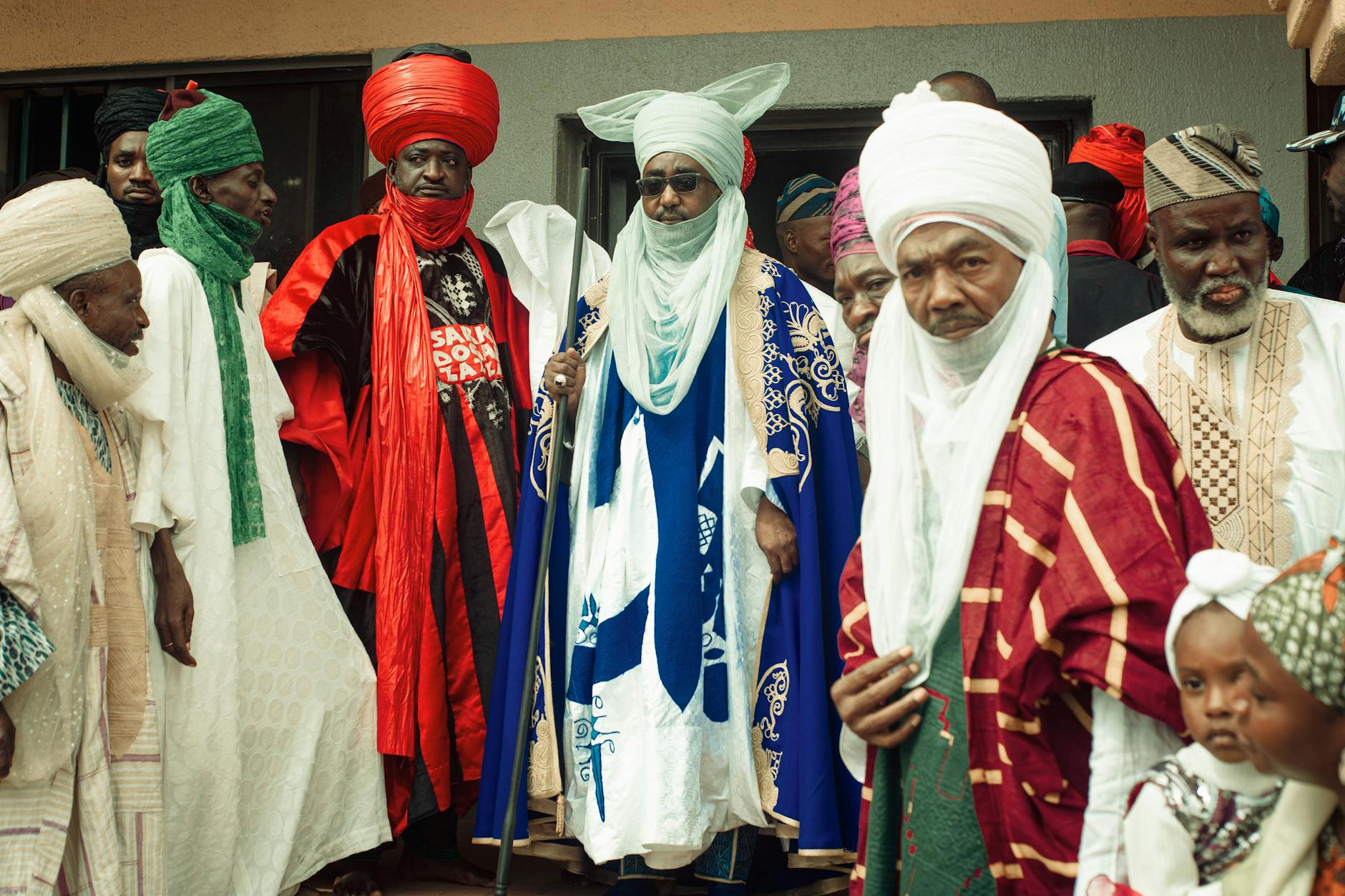
In the search for identity, few tools have been as revolutionary as the study of genetics. Modern science allows us to trace human migrations, family lineages, and even ancient biblical connections through markers passed down in DNA. Among these markers, haplogroups—clusters of related genetic signatures inherited from a common ancestor—offer profound insights into the origins and journeys of entire peoples.
For those of African descent, haplogroup studies are especially significant. Y-DNA haplogroup E1b1a (E-M2), for instance, is one of the most common paternal lineages among West and Central Africans, regions heavily impacted by the transatlantic slave trade (Underhill et al., 2000). This same lineage is carried today by millions of African Americans, linking them genetically to ancestral homelands. Mitochondrial DNA (mtDNA), inherited maternally, likewise carries the story of women whose resilience sustained generations through migration, captivity, and survival.
What makes these findings powerful is not merely the science, but the resonance they have with Scripture. The Bible often speaks of “seed,” “bloodline,” and “generations” as carriers of both covenant and identity (Genesis 17:7; Deuteronomy 7:9, KJV). In this sense, haplogroups can be viewed as scientific confirmations of heritage and continuity, testifying to the endurance of a people across time and dispersion.
Understanding haplogroups does more than satisfy curiosity—it challenges the narratives of erasure imposed by colonialism and slavery. It allows descendants of the African diaspora to reclaim history not just through oral tradition or written record, but through the very code of their being. Genetics, then, becomes both a science and a witness, affirming that identity is neither lost nor forgotten, but inscribed in every cell.
📖 References
Underhill, P. A., Shen, P., Lin, A. A., Jin, L., Passarino, G., Yang, W. H., … & Oefner, P. J. (2000). Y chromosome sequence variation and the history of human populations. Nature Genetics, 26(3), 358–361.
This artwork is the property of its respective owner. No copyright infringement intended.
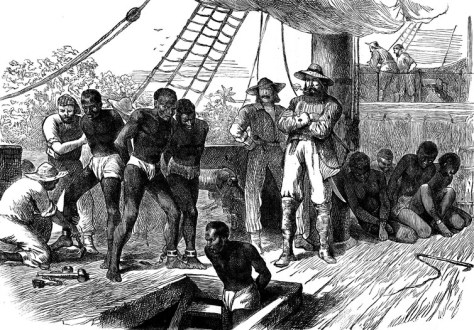
Chains rattled with the tide, Names stolen, tongues tied. On waters wide, hope sank deep, Captivity carried—memories we keep.
The loss of identity is one of the most profound dilemmas endured by humanity, particularly among oppressed peoples. For African descendants in the Americas, this dilemma is not abstract but lived—a consequence of slavery, colonization, and systemic erasure. This struggle to know oneself is both a personal and collective burden, rooted in history yet carried into the present.
Slave Ships as Sites of Erasure
The transatlantic slave ships were more than vessels of transport; they were tools of identity annihilation. Families were torn apart, languages silenced, and cultural memories suppressed. Olaudah Equiano (1789/2001) described the Middle Passage as a space where people were treated as “commodities” rather than human beings. In this forced displacement, African men and women were stripped of their names, rituals, and belonging.
Captivity and Biblical Parallels
The Bible offers parallels to this historical tragedy. Deuteronomy 28:68 (KJV) prophesies, “And the LORD shall bring thee into Egypt again with ships… and there ye shall be sold unto your enemies for bondmen and bondwomen, and no man shall buy you.” This verse echoes the reality of Africans transported into captivity, linking the loss of identity to a spiritual dimension of exile and prophecy.
Identity as a Human Anchor
Psychologically, identity functions as an anchor. Erikson’s (1968) stages of psychosocial development emphasize identity formation as crucial to mental stability. When individuals are robbed of cultural markers, such as name, language, and ancestry, they experience fragmentation. Enslaved Africans and their descendants inherited this psychological wound across generations.
The Mask of Survival
In order to survive, many enslaved people were forced to adopt the identity of their oppressors. Names were replaced with European ones, religions were imposed, and cultural practices were punished. This masking of the true self aligns with W.E.B. Du Bois’s (1903/1994) concept of “double consciousness,” where African Americans lived with the tension of their authentic self and the imposed gaze of white society.
Spiritual Disconnection
Another dimension of identity loss was spiritual. Many Africans brought rich religious traditions, yet these were suppressed and replaced with distorted forms of Christianity that justified slavery. While the true liberating message of the Gospel offered hope, its manipulation by oppressors contributed to spiritual confusion, making faith itself a site of identity struggle (Raboteau, 2004).
The Generational Silence
The dilemma did not end with emancipation. Generations inherited silence rather than memory. Families often lacked knowledge of their origins beyond slavery, leading to fractured identities. This loss of ancestral connection created cultural amnesia, leaving African descendants vulnerable to assimilation and shame.
The Psychological Cost
Research shows that historical trauma can have intergenerational effects. Danieli (1998) observed how unresolved trauma in one generation transmits to the next, manifesting in depression, anxiety, or internalized oppression. For Black communities, the unresolved trauma of slavery contributed to identity confusion, cycles of poverty, and weakened family structures.
Identity and Racism
The external world reinforced this loss through systemic racism. Stereotypes, laws, and discriminatory practices labeled Black people as inferior, perpetuating the identity imposed during slavery. This external misrepresentation created internal conflict, where individuals wrestled with the lies of society versus the truth of their humanity.
The Role of Education
Carter G. Woodson (1933/2006) argued in The Mis-Education of the Negro that systemic erasure within education reinforced identity loss. Black history was omitted or distorted, causing generations to believe they had no legacy worth preserving. Education became a battleground for identity reclamation.
The Dilemma of Assimilation
In pursuit of acceptance, many African Americans adopted European standards of beauty, speech, and culture. While assimilation provided opportunities for survival, it deepened the dilemma of identity: to belong outwardly meant to deny inwardly. This paradox remains visible today in debates about hair, skin tone, and language.
The Bible as Restoration
Despite misuse by oppressors, Scripture also became a source of restoration. Psalms 137:1 (KJV) captures the lament of displaced people: “By the rivers of Babylon, there we sat down, yea, we wept, when we remembered Zion.” The cry of exiles resonates with African descendants longing for identity, showing that biblical narratives of captivity also carry promises of restoration.
Community as Healer
Identity is not rebuilt in isolation but in community. Black churches, cultural movements, and grassroots organizations became centers of identity reclamation. Through music, worship, and storytelling, fragments of identity were pieced back together, restoring dignity and hope.
The Role of Memory
Remembering is itself an act of resistance. By preserving oral histories, traditions, and genealogies, communities resist erasure. Isaiah 58:12 (KJV) promises, “And they that shall be of thee shall build the old waste places… thou shalt be called, The repairer of the breach.” Remembering builds bridges between past and future.
Cultural Reclamation Movements
The Harlem Renaissance, Black Power, and Pan-African movements sought to reclaim lost identity. By celebrating African heritage, art, and pride, these movements countered centuries of imposed inferiority. They demonstrated that cultural expression is not merely art but a tool of identity restoration.
Psychological Healing
Healing identity loss requires psychological and spiritual renewal. Romans 12:2 (KJV) urges believers to “be transformed by the renewing of your mind.” Therapy, cultural education, and spiritual grounding all contribute to rebuilding fragmented identities, offering freedom from internalized lies.
Modern Identity Struggles
Even today, Black communities wrestle with dilemmas of identity. From debates over African versus African American identity to struggles with colorism and beauty standards, the search for self continues. The legacy of slavery’s identity theft lingers in these ongoing struggles.
Toward Restoration
Restoration comes when individuals and communities reclaim their heritage, affirm their worth, and embrace their divine purpose. Identity is not only about ancestry but also about destiny. Recognizing oneself as created in the image of God (Genesis 1:27, KJV) provides the ultimate foundation for restored dignity.
Conclusion
The dilemma of loss of identity is both a wound and a call to healing. Though chains, ships, and systems sought to erase, the memory of a people endures. Through history, faith, and collective resilience, identity can be reclaimed. What was lost in captivity can be restored in truth, for identity rooted in God and heritage cannot be permanently destroyed.
References
Danieli, Y. (1998). International handbook of multigenerational legacies of trauma. Springer.
Du Bois, W. E. B. (1994). The souls of Black folk. Dover. (Original work published 1903)
Equiano, O. (2001). The interesting narrative of the life of Olaudah Equiano. Bedford/St. Martin’s. (Original work published 1789)
Erikson, E. H. (1968). Identity: Youth and crisis. Norton.
Raboteau, A. (2004). Slave religion: The “invisible institution” in the antebellum South. Oxford University Press.
Woodson, C. G. (2006). The mis-education of the Negro. Book Tree. (Original work published 1933)
Throughout Scripture, God’s chosen ones often endured seasons of solitude. Abraham left his country and kin at God’s command (Genesis 12:1, KJV). Joseph was betrayed by his brothers and isolated in Egypt before being exalted (Genesis 37–41). Even Christ Himself withdrew to lonely places to pray (Luke 5:16, KJV) and endured Gethsemane’s solitude before the cross. This recurring theme suggests that aloneness is not abandonment, but a sacred space where God develops His chosen vessels.
One reason God’s chosen ones walk alone is preparation for divine assignment. Separation from the crowd allows for spiritual formation, free from distractions and competing voices. In psychology, solitude is associated with self-reflection, emotional regulation, and identity development (Long & Averill, 2003). Spiritually, it allows God’s voice to become clearer, as illustrated when Elijah heard not the earthquake or fire but the “still small voice” (1 Kings 19:12, KJV).
Another reason is that destiny often isolates. The path of the chosen is narrow and cannot be walked by everyone. Jesus taught, “Enter ye in at the strait gate… narrow is the way, which leadeth unto life, and few there be that find it” (Matthew 7:13–14, KJV). Psychology similarly affirms that individuals pursuing uncommon goals or higher callings often experience loneliness, as their values and direction diverge from the majority.
Walking alone also functions as a test of faith and endurance. God uses seasons of isolation to strengthen resilience and dependence on Him. Joseph’s prison years, David’s wilderness hiding from Saul, and Job’s losses all reflect this refining process. Psychologically, enduring solitude can foster resilience and autonomy, teaching individuals to derive self-worth from God and internal strength rather than constant external validation.
Moreover, walking alone guards the chosen against corruption and compromise. When separated, they are less susceptible to the pressures of conformity and worldliness. “Be ye not unequally yoked together with unbelievers” (2 Corinthians 6:14, KJV). Healthy solitude preserves purity of purpose. Psychology supports this principle through the concept of boundary-setting, where distance from toxic influences is necessary for personal growth and emotional well-being.
7 Reasons God’s Chosen Ones Walk Alone
Scripture + Psychology
Preparation for Purpose
Genesis 12:1 (KJV): God called Abraham to leave his kin.
Psychology: Solitude promotes self-reflection and identity development.
Clarity of God’s Voice
1 Kings 19:12 (KJV): Elijah heard God in the “still small voice.”
Being alone quiets distractions so God’s direction becomes clear.
Destiny Requires Separation
Matthew 7:14 (KJV): The narrow way is found by few.
Psychology: Those pursuing unique callings often experience isolation.
Strength Through Testing
Job 23:10 (KJV): “When he hath tried me, I shall come forth as gold.”
Trials in solitude refine faith and resilience.
Protection from Corruption
2 Corinthians 6:14 (KJV): “Be ye not unequally yoked…”
Healthy solitude guards against negative influence and compromise.
Spiritual Growth and Dependence on God
Psalm 62:5 (KJV): “My soul, wait thou only upon God.”
Psychology: Solitude develops autonomy and inner strength.
Set Apart for Greatness
Jeremiah 1:5 (KJV): “Before I formed thee… I sanctified thee.”
God sets apart His chosen to prepare them for higher assignments.
In conclusion, God’s chosen ones walk alone because solitude is the crucible of calling. It is where vision is clarified, faith is tested, character is refined, and destiny is secured. While loneliness may feel like abandonment, Scripture reveals it as preparation: “Lo, I am with you alway, even unto the end of the world” (Matthew 28:20, KJV). To walk alone with God is never truly to be alone; rather, it is to be set apart for greatness.
📚 References
The Holy Bible, King James Version.
Long, C. R., & Averill, J. R. (2003). Solitude: An exploration of benefits of being alone. Journal for the Theory of Social Behaviour, 33(1), 21–44.
Weiss, R. S. (1973). Loneliness: The experience of emotional and social isolation. MIT Press.
Throughout history, Black people have endured hatred, oppression, and marginalization on a global scale. This phenomenon is not merely social or political; it has deep spiritual and psychological roots. The Bible, particularly the King James Version, offers insight into why Black people have been hated, how God allows this suffering, and how the forces of darkness exploit it. Understanding these dynamics is essential for empowerment, resilience, and spiritual victory.
Biblical Foundations: Why Black People Are Hated
The hatred toward Black people is hinted at in Scripture as a form of prophetic suffering. Deuteronomy 28:37 states, “And thou shalt become an astonishment, a proverb, and a byword among all nations whither the LORD shall lead thee” (KJV). The Israelites, often linked biblically to Black Africans through E1b1a haplogroups and historical migrations, were marked for suffering as a consequence of God’s covenant and the lessons of obedience. This hatred, though painful, serves as a tool in God’s providential plan to teach, refine, and ultimately elevate His people spiritually.
Scripture also warns of the spiritual adversary behind oppression: “Be sober, be vigilant; because your adversary the devil, as a roaring lion, walketh about, seeking whom he may devour” (1 Peter 5:8, KJV). The devil manipulates human sin and societal prejudice to sow division, hatred, and despair, targeting Black people as part of a larger plan to weaken God’s chosen people.
Psychological Dimensions of Hatred
From a psychological perspective, the hatred of Black people is rooted in fear, envy, and the need for domination. Social psychology explains this as in-group/out-group bias, scapegoating, and internalized superiority complexes. Historical trauma, such as slavery and colonization, reinforced narratives that dehumanized Black people, creating generational cycles of oppression. Modern psychology identifies implicit bias, colorism, and structural racism as extensions of these long-standing prejudices, perpetuated unconsciously in societies worldwide.
The psychological impact of being hated manifests as internalized oppression, lowered self-esteem, and hyper-vigilance. Yet the Bible offers resilience strategies: “Fear thou not; for I am with thee: be not dismayed; for I am thy God” (Isaiah 41:10, KJV). Faith, identity in God, and historical consciousness serve as buffers against the toxic effects of hatred.
The Role of the Devil
Satan’s involvement in the hatred of Black people cannot be understated. He works to divide, oppress, and distort identity. As John 10:10 warns, “The thief cometh not, but for to steal, and to kill, and to destroy” (KJV). By promoting false narratives, enslavement, and systemic oppression, the devil aims to suppress Black excellence, spiritual awareness, and societal influence. Recognizing this spiritual warfare is critical to understanding that hatred is not merely human sin but also a tool of darkness.
The Meaning of Blackness
Blackness is more than skin color; it represents resilience, divine heritage, and a reflection of God’s creative diversity. Psalm 139:14 states, “I will praise thee; for I am fearfully and wonderfully made” (KJV). Black identity, therefore, is sacred and intentional. Historically, Black people have been leaders, prophets, and nation-builders, and their cultural and spiritual contributions reflect God’s favor and purpose, even when society hates them.
How to Overcome Hatred
Overcoming hatred requires a combination of spiritual, psychological, and practical strategies:
Faith in God’s Sovereignty: Trusting that God can turn suffering into blessing (Genesis 50:20).
Community and Mentorship: Strengthening ties within Black communities to resist isolation and despair.
Education and Awareness: Learning history, understanding systemic oppression, and reclaiming identity.
Spiritual Warfare: Prayer, fasting, and studying Scripture to resist the devil’s schemes (Ephesians 6:11-12).
How Black People Can Deal with Hatred
Dealing with hatred requires resilience, wisdom, and spiritual discernment:
Identity Affirmation: Embrace biblical and historical truths about heritage.
Psychological Healing: Engage in therapy, counseling, or group support to process generational trauma.
Advocacy and Leadership: Transform experiences of hatred into activism, mentorship, and leadership.
Forgiveness and Wisdom: Maintain a biblical posture of righteousness without compromising self-respect (Romans 12:17-21).
Conclusion
The hatred of Black people is both a historical and spiritual reality, sanctioned at times in Scripture for refinement, exploited by human sin, and magnified by Satan’s schemes. Yet Blackness carries divine meaning, and God equips His people to overcome hatred through faith, resilience, and wisdom. Understanding the interplay of biblical principles, psychological realities, and spiritual warfare empowers Black individuals and communities to thrive despite oppression. The journey from suffering to victory is both personal and communal, guided by Scripture, history, and divine purpose.
References
Biblical References (KJV)
Deuteronomy 28:37
1 Peter 5:8
Isaiah 41:10
John 10:10
Psalm 139:14
Genesis 50:20
Ephesians 6:11-12
Romans 12:17-21
Secondary Sources Fanon, F. (1967). Black Skin, White Masks. Grove Press.
Grier, W. H., & Cobbs, P. M. (1968). Black Rage. Basic Books.
Harris, S. (2015). The Psychological Effects of Racism on African Americans. American Psychological Association.
These photographs are the property of their respective owners. No copyright infringement intended.
For centuries, the presence of Black people in the Bible has been minimized or obscured through Eurocentric interpretations of Scripture. Yet, the King James Version (KJV) and the Apocrypha contain numerous references to African nations, dark-skinned peoples, and the true identity of the children of Israel. These connections reveal that Black people were not only present but central to the biblical narrative.
Cush, Ham, and the African Lineage
The Bible traces much of the African world back to Ham, the son of Noah. Genesis 10 (the Table of Nations) records: “And the sons of Ham; Cush, and Mizraim, and Phut, and Canaan” (Genesis 10:6, KJV).
Cush refers to Ethiopia (modern Sudan/Ethiopia).
Mizraim refers to Egypt (Kemet).
Phut refers to Libya/North Africa.
Canaan refers to the land that Israel later inhabited.
This genealogy directly places Africans at the root of early civilization, showing that people of dark skin were present in the earliest biblical times.
The Israelites and Their Appearance
Many hidden scriptures reveal the physical appearance of Israel. Contrary to the Eurocentric depictions, the Bible describes Israel as a people of dark skin.
Jeremiah 8:21 (KJV):“For the hurt of the daughter of my people am I hurt; I am black; astonishment hath taken hold on me.”
Lamentations 5:10 (KJV):“Our skin was black like an oven because of the terrible famine.”
Song of Solomon 1:5-6 (KJV):“I am black, but comely, O ye daughters of Jerusalem, as the tents of Kedar, as the curtains of Solomon. Look not upon me, because I am black…”
These passages show that Israelite figures, including prophets and kings, were described with dark skin, connecting them to African and Afro-Asiatic peoples.
Egypt, Ethiopia, and Black Royalty
The Bible honors Ethiopia and Egypt as powerful nations:
Amos 9:7 (KJV):“Are ye not as children of the Ethiopians unto me, O children of Israel?” – God directly compares Israel to Ethiopians, emphasizing their shared heritage.
Jeremiah 13:23 (KJV):“Can the Ethiopian change his skin, or the leopard his spots?” – highlighting the natural dark complexion of Africans.
Acts 8:27 (KJV): The Ethiopian eunuch, a royal servant of Candace, queen of Ethiopia, was one of the first Gentiles baptized, showing Africa’s early role in the spread of the Gospel.
The Apocrypha and Hidden Identity
The Apocrypha, often removed from modern Bibles, holds more insight into the suffering and scattering of Israel.
2 Esdras 6:54-56 (Apocrypha): Describes Israel as God’s chosen people above all nations, though later scattered.
2 Esdras 13:40-45 (Apocrypha): Describes the migration of the ten tribes of Israel into distant lands—interpreted by many as part of the scattering into Africa and eventually the Americas during slavery.
Baruch 2:29-30 (Apocrypha):“If ye will not hear my voice, surely this very great multitude shall be turned into a small number among the nations, where I will scatter them.”
This aligns with Deuteronomy 28, where curses were placed upon Israel for disobedience, including being taken on ships into slavery:
“And the LORD shall bring thee into Egypt again with ships… and there ye shall be sold unto your enemies for bondmen and bondwomen, and no man shall buy you” (Deuteronomy 28:68, KJV).
This prophecy eerily parallels the Transatlantic Slave Trade, where millions of Africans—descendants of Israel—were sold into bondage.
The Revelation of Christ’s Image
One of the most concealed truths involves the description of Christ Himself:
Revelation 1:14-15 (KJV):“His head and his hairs were white like wool, as white as snow; and his eyes were as a flame of fire; and his feet like unto fine brass, as if they burned in a furnace.”
Hair like wool = texture associated with Black people.
Feet like burned brass = a dark, brown/black complexion.
This description directly challenges Eurocentric images of a pale-skinned Christ.
Conclusion
The Bible contains profound truths about Black people that were long hidden through translation bias, colonialism, and Eurocentric theology. From the line of Ham and Cush to the descriptions of Israel’s skin color, from the curses of Deuteronomy 28 to the Apocryphal accounts of scattering, the evidence shows that Black people are deeply woven into the story of Scripture. The hidden truth is that the people of the Bible were not European, but Afro-Asiatic—people of color, many of whom would be recognized today as Black.
References
Holy Bible, King James Version.
The Apocrypha (2 Esdras, Baruch, Ecclesiasticus).
Ben-Jochannan, Y. (1993). African Origins of the Major Western Religions. Baltimore: Black Classic Press.
Windsor, R. (1969). From Babylon to Timbuktu: A History of Ancient Black Races Including the Black Hebrews. Atlanta: Windsor’s Golden Series.
Biblical Wisdom and Psychological Insight on Character and Relationships
This photograph is the property of its respective owners. No copyright infringement intended.
A good man is defined not merely by his outward appearance or words but by the integrity, character, and values he demonstrates in daily life. The Bible emphasizes that true strength is rooted in faith and moral integrity. Psalm 112:1 (KJV) declares, “Blessed is the man that feareth the Lord: that delighteth greatly in his commandments.” This reverence for God provides a foundation for all other virtues. Psychologically, a man guided by values and spiritual principles demonstrates stability, resilience, and a clear sense of purpose, which positively impacts his relationships and community.
First, a good man is faithful, honest, and transparent. Trustworthiness forms the cornerstone of lasting relationships. Scripture teaches, “Providing for honest things, not only in the sight of the Lord, but also in the sight of men” (2 Corinthians 8:21, KJV). Psychologically, honesty and transparency foster emotional safety and strengthen bonds, allowing intimacy to flourish without fear of deception or betrayal.
Second, a good man is responsible, disciplined, and self-controlled. Proverbs 14:29 (KJV) states, “He that is slow to wrath is of great understanding.” Responsibility ensures that a man can care for himself and those who depend on him, while self-discipline predicts long-term achievement and emotional stability. From a psychological perspective, self-control is strongly correlated with better stress management, goal attainment, and relational satisfaction.
Third, he is loving, compassionate, patient, and understanding. Ephesians 5:25 (KJV) instructs, “Husbands, love your wives, even as Christ also loved the church.” Emotional intelligence, including empathy and patience, allows a man to navigate conflict gracefully and maintain supportive relationships. Psychology confirms that men who cultivate compassion and patience experience more satisfying and enduring partnerships, as they respond thoughtfully rather than react impulsively.
Fourth, a good man is wise, humble, and teachable. Proverbs 9:10 (KJV) declares, “The fear of the Lord is the beginning of wisdom.” Humility allows him to learn from mistakes, accept counsel, and grow continually. Psychologically, humility reduces defensiveness and increases adaptability, making a man more capable of resolving challenges and nurturing meaningful relationships.
Finally, a good man is hardworking and a provider. Proverbs 10:4 (KJV) teaches, “The hand of the diligent maketh rich.” Providing goes beyond financial support; it encompasses emotional, spiritual, and practical stewardship of one’s household. Psychologically, ambition and diligence signal responsibility, motivation, and reliability. A man who strives to provide is not only demonstrating care but also creating stability for his family, reflecting both biblical principles and sound relational psychology.
Biblical Wisdom and Psychological Insight
Faithful and God-Fearing
Biblical Basis:“Blessed is the man that feareth the Lord” (Psalm 112:1, KJV).
Psychological Insight: Spiritual grounding provides moral stability and resilience in life and relationships.
Honest and Transparent
Biblical Basis:“Providing for honest things, not only in the sight of the Lord, but also in the sight of men” (2 Corinthians 8:21, KJV).
Psychological Insight: Honesty fosters trust and emotional safety, essential for intimacy and long-term partnerships.
Responsible and Accountable
Biblical Basis:“But let every man prove his own work” (Galatians 6:4, KJV).
Psychological Insight: Responsibility and accountability predict reliability and the ability to handle life’s challenges effectively.
Loving and Compassionate
Biblical Basis:“Husbands, love your wives, even as Christ also loved the church” (Ephesians 5:25, KJV).
Psychological Insight: Emotional intelligence and empathy are linked to healthier relationships and conflict resolution.
Disciplined and Self-Controlled
Biblical Basis:“He that is slow to wrath is of great understanding” (Proverbs 14:29, KJV).
Biblical Basis:“The just man walketh in his integrity: his children are blessed after him” (Proverbs 20:7, KJV).
Psychological Insight: A supportive man promotes security, growth, and confidence in those he loves.
Patient and Understanding
Biblical Basis:“With all lowliness and meekness, with longsuffering, forbearing one another in love” (Ephesians 4:2, KJV).
Psychological Insight: Patience and tolerance reduce conflict and enhance relationship satisfaction.
Wise and Discerned
Biblical Basis:“The fear of the Lord is the beginning of wisdom” (Proverbs 9:10, KJV).
Psychological Insight: Wisdom and critical thinking aid in making sound decisions and maintaining long-term stability.
Hardworking and A Provider
Biblical Basis:“The hand of the diligent maketh rich” (Proverbs 10:4, KJV).
Psychological Insight: Motivation and persistence indicate reliability and the ability to provide and achieve goals.
Humble and Teachable
Biblical Basis:“Humble yourselves in the sight of the Lord, and he shall lift you up” (James 4:10, KJV).
Psychological Insight: Humility allows growth, self-reflection, and healthy relationship dynamics.
In conclusion, a good man integrates faith, integrity, emotional intelligence, wisdom, humility, and diligence into his life. By embodying these ten attributes—faithful, honest, responsible, disciplined, loving, compassionate, patient, wise, humble, and a hardworking provider—he fulfills the biblical vision of manhood while fostering stable, thriving relationships. Aligning spiritual wisdom with psychological understanding ensures that a man is not only admired but also genuinely equipped to lead, love, and protect with purpose and integrity.
📚 References
Stanley, S. M., Rhoades, G. K., & Whitton, S. W. (2010). Commitment: Functions, formation, and the securing of romantic attachment. Journal of Family Theory & Review, 2(3), 243–257.
Sternberg, R. J. (1986). A triangular theory of love. Psychological Review, 93(2), 119–135.
I want you to feel, deep in your soul, just how cherished and celebrated you are. You are a man of strength and wisdom, a provider whose love is steady and unwavering, a leader whose footsteps guide those around you. I see the weight you carry, the battles you’ve faced, and the countless sacrifices you’ve made—not for yourself, but for those you love. Through it all, you remain a man after God’s own heart, holding fast to faith, integrity, and purpose, even when the world has tried to break you. Your resilience inspires, your courage uplifts, and your love nourishes the hearts of all who are blessed to know you.
Through every trial, every sleepless night, and every storm, you have been here—not just physically, but with your heart fully present. You protect, provide, and love in ways that words cannot capture, leaving a legacy of strength, honor, and devotion. Never doubt the power of your influence, the beauty of your character, or the depth of your worth. You are celebrated, appreciated, and loved beyond measure. Keep standing tall, keep walking in faith, and know that your journey, your triumphs, and your very essence are treasured.
💖 With all my love and admiration, a Black woman 💖
Black womanhood embodies resilience, strength, and spiritual depth. Across generations, Black women have relied on faith as a source of empowerment, guidance, and healing, navigating systemic oppression, personal challenges, and familial responsibilities. The Bible offers timeless wisdom that affirms their value, instills confidence, and provides tools for enduring life’s trials. Understanding these principles illuminates how spirituality can shape identity, foster resilience, and nurture generational healing.
Faith serves as a powerful tool for resilience and empowerment. Black women often face the dual pressures of racial and gendered oppression, economic disparities, and societal expectations. Scripture provides guidance and assurance of God’s sustaining power. Verses such as Isaiah 40:31 (KJV), “But they that wait upon the LORD shall renew their strength; they shall mount up with wings as eagles; they shall run, and not be weary; and they shall walk, and not faint,” illustrate that reliance on God cultivates endurance, courage, and hope. Faith empowers Black women to persevere in the face of adversity while maintaining a sense of dignity and purpose.
Healing generational trauma through spiritual practice is another essential aspect of Black womanhood. Many Black women carry the weight of historical trauma, including the legacy of slavery, segregation, and systemic discrimination. Spiritual disciplines such as prayer, meditation on Scripture, fasting, and worship create a framework for processing pain, restoring inner peace, and breaking cycles of trauma. By anchoring healing in faith, Black women can reclaim narratives of strength and resilience, fostering emotional and psychological restoration for themselves and future generations.
The church and broader community provide crucial support systems, particularly for widows and orphans. Historically, Black churches have served as centers for spiritual guidance, social support, and community advocacy. Women who are widowed or caring for children often rely on communal networks for emotional encouragement, material assistance, and mentorship. The biblical exhortation in James 1:27 (KJV), “Pure religion and undefiled before God and the Father is this, To visit the fatherless and widows in their affliction, and to keep himself unspotted from the world,” highlights the importance of nurturing and supporting vulnerable members of the community, reflecting how faith and collective care intersect.
Faith also profoundly shapes confidence and self-worth. In a society that frequently marginalizes Black women, spiritual affirmation reinforces identity, purpose, and value. Recognizing that they are fearfully and wonderfully made, as affirmed in Psalm 139:14 (KJV), Black women can embrace their uniqueness, talents, and beauty as God-given gifts. Spiritual practices, such as daily reflection and gratitude, cultivate self-awareness and self-respect, allowing women to navigate professional, personal, and social spaces with confidence and integrity.
Overcoming life challenges through spiritual discipline demonstrates the transformative power of faith. Challenges may include career obstacles, relational difficulties, health concerns, or societal pressures. By maintaining consistent prayer, scriptural study, and reliance on God’s guidance, Black women develop resilience, problem-solving skills, and emotional stability. Philippians 4:13 (KJV), “I can do all things through Christ which strengtheneth me,” serves as a guiding principle for approaching difficulties with perseverance, courage, and faith-informed strategy.
🌸 Faith & Empowerment Practices for Black Women
Daily Spiritual Practices
Morning Devotion & Prayer: Begin each day with scripture reflection and intentional prayer to set a positive tone.
Scripture Meditation: Focus on verses affirming worth, strength, and purpose (e.g., Psalm 139:14; Isaiah 40:31).
Gratitude Journaling: Write three things each day you are thankful for, cultivating a mindset of abundance and spiritual awareness.
Affirmations in Faith: Speak declarations such as, “I am fearfully and wonderfully made, and God empowers me to overcome challenges.”
Healing Generational Trauma
Intergenerational Prayer Circles: Join or create groups that pray for family, ancestors, and future generations.
Reflective Journaling: Document personal and family histories, highlighting triumphs and lessons learned.
Forgiveness Rituals: Use prayer and meditation to release resentment and trauma inherited through family and community.
Community Engagement
Bible Study: Actively engage in Bible study groups, women’s ministries, or outreach programs to foster connection and support.
Mentorship & Peer Support: Mentor younger women while also seeking guidance from experienced spiritual and professional mentors.
Service to Widows and Orphans: Volunteer or support programs that uplift vulnerable members of the community, following James 1:27 (KJV).
Building Confidence & Self-Worth
Reflect on God’s Purpose: Daily remind yourself that your gifts and talents are divinely given.
Celebrate Achievements: Record personal victories, both big and small, reinforcing a sense of accomplishment.
Faith-Based Goal Setting: Align personal and professional goals with spiritual values to ensure purpose-driven progress.
Overcoming Life Challenges
Prayer Before Decisions: Seek guidance through prayer and meditation before making important life choices.
Spiritual Accountability Partners: Share struggles and successes with trusted friends or mentors who encourage faith-based growth.
Resilience Rituals: Read uplifting scriptures, sing spiritual songs, or engage in contemplative walks to maintain mental and emotional balance.
Key Takeaways
Faith is both a personal anchor and a communal resource that strengthens Black women spiritually, emotionally, and socially.
Daily spiritual practices cultivate resilience, self-worth, and confidence.
Community engagement—through mentorship, church, and service—reinforces healing and generational empowerment.
Integrating biblical principles into daily life ensures that challenges are met with strength, purpose, and faith.
In conclusion, biblical insights illuminate the multifaceted strength of Black womanhood. Faith acts as both shield and compass, fostering resilience, empowering healing from generational trauma, and reinforcing confidence and self-worth. Through spiritual discipline and communal support, Black women navigate life’s challenges with grace, wisdom, and purpose. By integrating biblical principles into daily life, they not only overcome adversity but also cultivate legacies of empowerment and spiritual fortitude for future generations.
References
Bible (KJV). Isaiah 40:31; James 1:27; Psalm 139:14; Philippians 4:13.
hooks, b. (2000). All About Love: New Visions. William Morrow Paperbacks.
Boyd-Franklin, N. (2003). Black Families in Therapy: Understanding the African American Experience. Guilford Press.
Patterson, O. (1982). Slavery and Social Death: A Comparative Study. Harvard University Press.
The narrative of Black women has always been one of resilience, yet beneath this strength lies a series of silent battles that often go unnoticed. From the time of slavery until today, Black women have carried the weight of racial prejudice, gender discrimination, and economic disparity. Their voices, though powerful, are often silenced by the demand to remain strong. As a result, the struggles they endure are not always visible, yet they are deeply embedded in the social, psychological, and spiritual fabric of their lives (Collins, 2000).
Visible Roles vs. Silent Battles of Black Women
Visible Roles (What the World Sees)
Silent Battles (What They Endure)
Caregiver and nurturer for family
Neglect of personal needs and self-care
Resilient “Strong Black Woman” figure
Suppressed emotions, hidden depression
Professional achiever and breadwinner
Workplace bias, underpaid and undervalued
Community leader and activist
Burnout, exhaustion, lack of recognition
Pillar of faith and spirituality
Silent questioning, struggles with doubt
Embodiment of beauty and style
Internalized pressure to meet Eurocentric beauty standards
Protector of others
Vulnerability ignored, need for protection overlooked
Source of cultural pride and strength
Struggle with identity, isolation, and fatigue
One of the most profound struggles is the expectation to embody the archetype of the “Strong Black Woman.” While strength has enabled survival, it has also been a heavy burden. Many women are conditioned to suppress vulnerability and emotional needs, leading to high rates of depression, anxiety, and stress-related illnesses (Woods-Giscombé, 2010). The silent battle, therefore, is not only external but internal—a conflict between societal demands and the natural human need for rest, softness, and care.
Racism and sexism compound these struggles, creating what Kimberlé Crenshaw (1989) defines as “intersectionality.” Black women must constantly navigate a world where their race and gender intersect in ways that expose them to unique disadvantages. For example, in the workplace, they often face being undervalued, overlooked, or tokenized. In social contexts, they are stereotyped as “angry” or “difficult” when they assert themselves. These layered forms of oppression force Black women into silent endurance, as speaking out risks further marginalization.
The silence is also evident in the realm of beauty and identity. The Western beauty standard, rooted in whiteness, has historically excluded the natural features of Black women—dark skin, textured hair, and full bodies. This exclusion fosters feelings of inadequacy and internalized self-doubt. As Frances Cress Welsing argued, the elevation of whiteness in beauty is a reflection of deeper systems of racial dominance (Welsing, 1991). For Black women, the unspoken struggle becomes a daily negotiation between self-acceptance and societal rejection.
Family responsibilities further intensify these battles. Many Black women juggle roles as breadwinners, caretakers, and community pillars, often without adequate support. The silent weight of being “everything to everyone” can leave little room for personal dreams or self-care. Yet Scripture reminds us of the importance of rest and casting burdens on God: “Casting all your care upon him; for he careth for you” (1 Peter 5:7, KJV). This verse emphasizes that Black women need not carry the weight of the world alone.
Faith, however, is often both a coping mechanism and a source of resilience. Many Black women turn to prayer, worship, and church communities for strength and comfort. Still, the church has at times perpetuated the expectation that women must endlessly serve, sacrifice, and remain silent about their pain. Yet, biblical truth offers a counter-narrative: “Come unto me, all ye that labour and are heavy laden, and I will give you rest” (Matthew 11:28, KJV). This scripture dismantles the myth of invulnerability, affirming that rest and vulnerability are divine rights.
Psychologically, the suppression of these silent struggles can lead to “weathering,” a concept describing the cumulative effects of chronic stress on Black women’s health (Geronimus, 1992). Heart disease, hypertension, and mental health disparities often emerge as unspoken consequences of constantly enduring adversity. The lack of safe spaces to share struggles further reinforces silence, making vulnerability both a necessity and a challenge. Breaking this cycle requires intentional cultural, spiritual, and psychological healing.
In conclusion, the silent battles of Black women reveal the need for a collective reimagining of strength. True strength lies not in unending endurance but in the courage to acknowledge pain, embrace softness, and seek support. The Bible affirms that God’s strength is made perfect in weakness (2 Corinthians 12:9, KJV), reminding us that humanity, not superhuman resilience, is the essence of divine design. By breaking the silence, Black women—and the communities that rely on them—can begin to heal, reclaiming dignity and wholeness in the face of centuries of struggle.
References
Collins, P. H. (2000). Black feminist thought: Knowledge, consciousness, and the politics of empowerment. Routledge.
Crenshaw, K. (1989). Demarginalizing the intersection of race and sex. University of Chicago Legal Forum, 1989(1), 139–167.
Geronimus, A. T. (1992). The weathering hypothesis and the health of African-American women and infants. Ethnicity & Disease, 2(3), 207–221.
Welsing, F. C. (1991). The Isis papers: The keys to the colors. Third World Press.
Woods-Giscombé, C. L. (2010). Superwoman schema: African American women’s views on stress, strength, and health. Qualitative Health Research, 20(5), 668–683.
Generational trauma is not merely a poetic metaphor—it is a psychological and physiological reality. For Black people, the wounds of the past are not confined to history books; they live within our bodies, our minds, and our cultural memory. The transatlantic slave trade, Jim Crow laws, lynchings, segregation, mass incarceration, and systemic racism have left indelible marks on the collective psyche of African-descended peoples. According to trauma theory, unhealed pain can be transmitted across generations through learned behaviors, family dynamics, and even epigenetic changes that alter stress responses (Yehuda et al., 2016). Dr. Joy DeGruy (2005) calls this Post Traumatic Slave Syndrome, where the legacy of slavery manifests in self-doubt, internalized racism, and fractured community trust. The Bible affirms the reality of inherited struggle, stating, “The fathers have eaten sour grapes, and the children’s teeth are set on edge” (Jeremiah 31:29, KJV), illustrating how the consequences of one generation’s suffering can shape the lives of those yet unborn.
Our ancestors endured unimaginable cruelty—chains cutting into their wrists, the lash of the whip, the ripping apart of families, the erasure of native languages, and the stripping away of names, culture, and heritage. They survived slave ships where human beings were packed like cargo, brutal plantation labor from sunrise to sundown, and laws that declared them three-fifths of a person. These experiences did not vanish when emancipation came; instead, they morphed into racial terror, voter suppression, economic exclusion, and the daily indignities of being treated as “less than.” Such trauma imprinted a deep sense of hypervigilance, mistrust of institutions, and generational patterns of resilience and caution. Maya Angelou once said, “You may not control all the events that happen to you, but you can decide not to be reduced by them.” This speaks to the dual reality of our inheritance: the pain that seeks to bind us and the strength that pushes us to overcome.
Psychologically, generational trauma manifests in patterns of parenting, communication styles, and survival strategies that were essential in hostile environments but may become maladaptive in modern contexts. The legacy of white supremacy perpetuates this cycle by embedding inequality into laws, housing policies, education systems, and media narratives. Microaggressions, racial profiling, wage gaps, and health disparities are not isolated incidents; they are the aftershocks of centuries of oppression. According to the American Psychological Association (2019), chronic exposure to racism creates toxic stress, increasing risks for depression, anxiety, hypertension, and shortened life expectancy among Black Americans. As Exodus 3:7 (KJV) records, “I have surely seen the affliction of my people…and have heard their cry by reason of their taskmasters; for I know their sorrows.” God’s acknowledgment of suffering affirms the depth of our pain while offering hope for deliverance.
The pain we face today—police brutality, mass incarceration, economic inequality, and cultural erasure—is both the shadow of our history and the continuation of an oppressive system. White supremacy’s greatest cruelty is that it not only inflicts harm in the present but also manipulates the past, making it harder for us to heal. Yet healing is possible. Breaking the cycle requires collective acknowledgment, truth-telling, cultural restoration, and both psychological and spiritual liberation. As Galatians 5:1 (KJV) declares, “Stand fast therefore in the liberty wherewith Christ hath made us free, and be not entangled again with the yoke of bondage.” To reject the inheritance of pain is not to forget our ancestors’ suffering, but to honor them by reclaiming our wholeness, our joy, and our future.
References
American Psychological Association. (2019). Stress effects on the body. https://www.apa.org
DeGruy, J. (2005). Post Traumatic Slave Syndrome: America’s Legacy of Enduring Injury and Healing. Uptone Press.
Yehuda, R., et al. (2016). Holocaust exposure induced intergenerational effects on FKBP5 methylation. Biological Psychiatry, 80(5), 372–380.
The Holy Bible, King James Version.
Where faith, history, and truth illuminate the Black experience.







 THE BROWN GIRL DILEMMA