Category Archives: faith

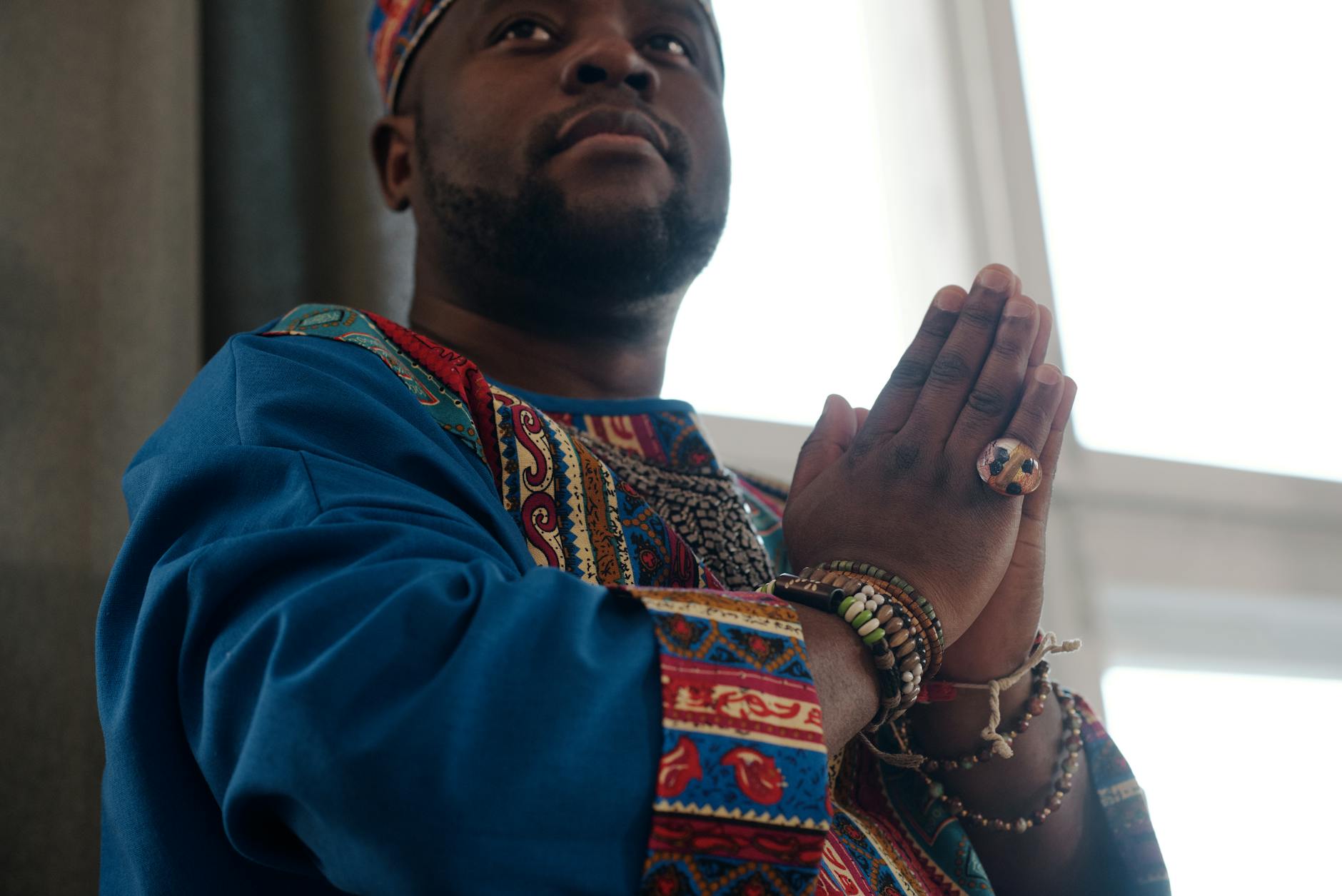
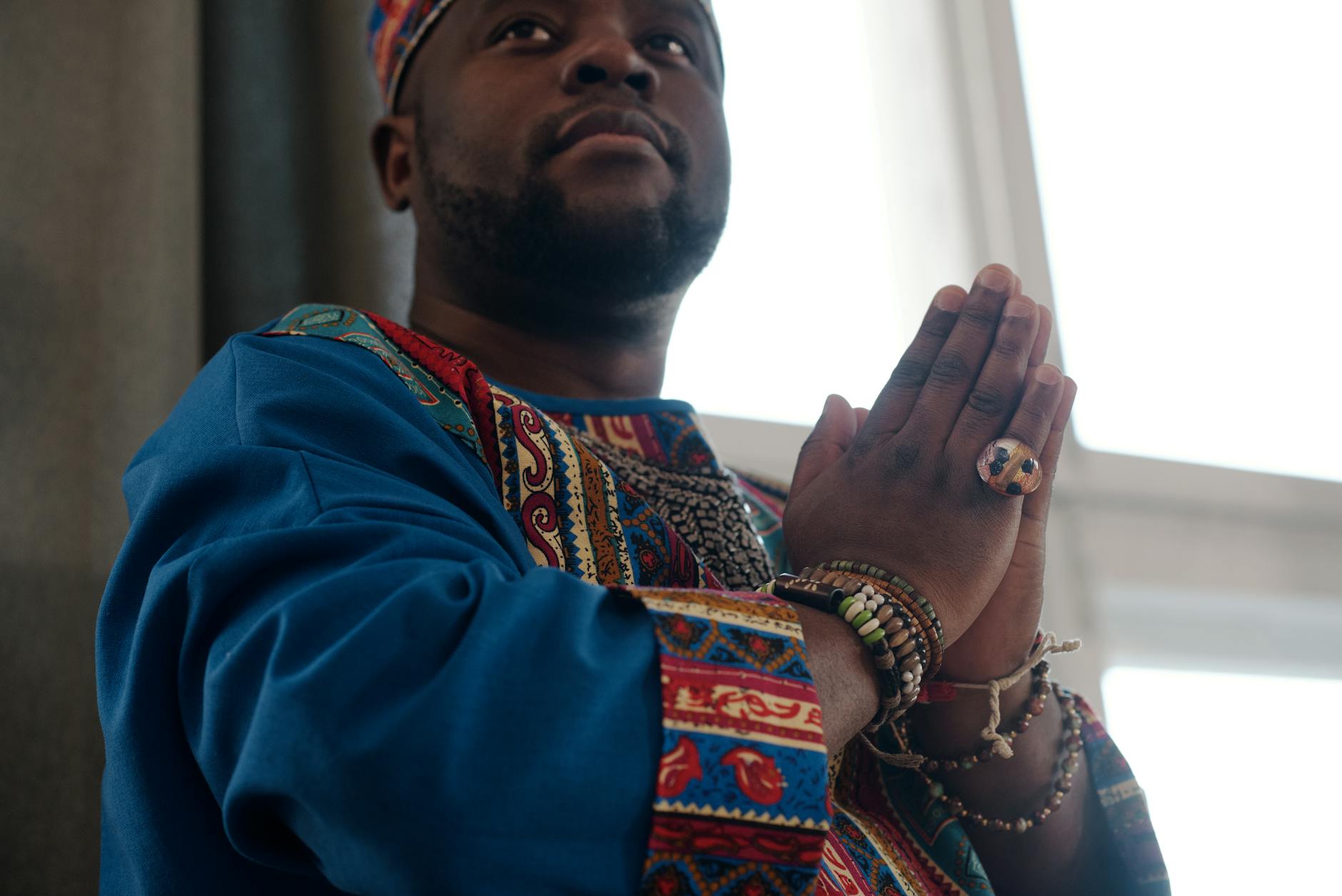
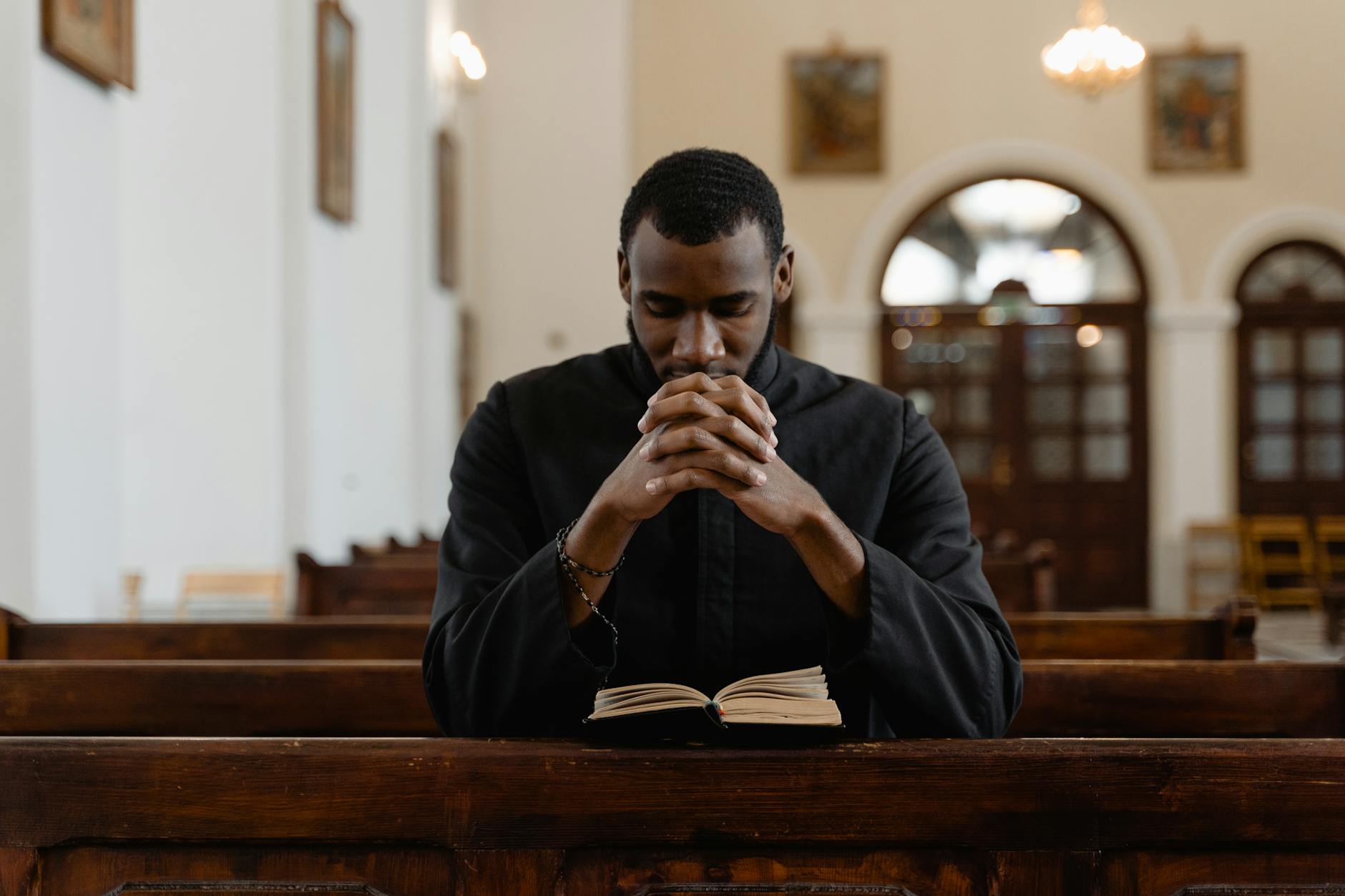
Men Who Pray: Reclaiming Spiritual Authority Through Faith.

Photo by MART PRODUCTION on Pexels.com

Prayer is a defining act that connects men to divine guidance, moral clarity, and spiritual authority. In a world where traditional masculine power is often measured by wealth, status, or physical prowess, prayer offers a transformative avenue for men to reclaim authentic authority rooted in humility, obedience, and purpose. Men Who Pray explores how spiritual disciplines restore leadership, integrity, and influence.

Historically, men in scripture exemplified spiritual authority through prayer. Figures such as Moses, David, and Solomon demonstrated that true leadership depends on communion with God rather than solely on human wisdom or strength (1 Samuel 12:23; 2 Chronicles 1:7–12, KJV). Prayer was both a tool and a testimony of divine empowerment.

Modern society often marginalizes men’s spiritual development. Cultural narratives emphasize independence and emotional stoicism, discouraging men from seeking divine counsel. This neglect undermines their ability to lead ethically in family, community, and professional spheres. Prayer serves as a corrective to these distortions, restoring alignment with God’s will.

Prayer cultivates humility, a hallmark of spiritual authority. Recognizing dependence on God fosters self-awareness and accountability. Men who pray acknowledge that ultimate power is God-given, not self-invented, allowing them to exercise influence responsibly and justly (Proverbs 3:5–6, KJV).

Intercessory prayer is a mechanism for communal leadership. Men who pray on behalf of families, communities, and nations demonstrate stewardship, empathy, and moral courage. Their spiritual advocacy nurtures social cohesion and inspires trust, reflecting the biblical mandate to shepherd and protect (James 5:16).

Consistent prayer shapes character and integrity. Daily spiritual discipline reinforces patience, self-control, and discernment. Men who commit to regular prayer internalize values that guide decisions, manage conflict, and uphold justice, strengthening both personal and societal moral frameworks.

Spiritual authority through prayer transcends hierarchical power. Unlike worldly dominance, divine authority is relational, ethical, and enduring. Men who cultivate this authority gain influence through respect, wisdom, and service, echoing the biblical principle that “the greatest among you shall be your servant” (Matthew 23:11, KJV).

Prayer combats moral and emotional vulnerability. Life’s pressures—temptation, stress, and adversity—challenge men’s integrity. Prayer provides guidance, fortification, and clarity, enabling men to navigate these trials without succumbing to destructive behaviors or compromised ethics (Psalm 5:11–12, KJV).

Mentorship and modeling are amplified through prayer. Men who prioritize spiritual practice serve as role models for younger generations, demonstrating that true strength emerges from faithfulness and obedience rather than aggression or coercion. This transmission of spiritual discipline preserves cultural and moral continuity.

Faith-driven leadership strengthens families. Fathers who pray cultivate homes grounded in moral clarity, spiritual resilience, and mutual respect. Children witness that authority is inseparable from accountability, compassion, and devotion, fostering well-rounded spiritual development (Ephesians 6:4, KJV).

Prayer also reinforces community engagement. Men who pray for societal welfare demonstrate active stewardship and ethical responsibility. This outward focus bridges personal spirituality with social action, reinforcing the biblical principle of love for neighbor and advocacy for justice (Micah 6:8, KJV).

The discipline of prayer enhances discernment. Through reflection and spiritual attunement, men learn to identify truth, avoid deception, and make decisions aligned with divine wisdom. This discernment underpins ethical leadership and strengthens relational trust.

Spiritual authority challenges destructive cultural norms of masculinity. Men who embrace prayer redefine strength, modeling courage, vulnerability, and ethical stewardship as complementary rather than opposing forces. This redefinition fosters healthier communities and family structures.

Prayer provides resilience against societal oppression. For men facing systemic injustice or marginalization, spiritual practice serves as a source of inner strength and hope. Biblical examples, such as Daniel and Joseph, demonstrate how prayer sustains moral integrity amidst adversity (Daniel 6:10, KJV).

Education on the power of prayer is essential. Teaching young men to integrate spiritual practice with daily life equips them to navigate modern challenges with integrity, purpose, and leadership grounded in faith rather than social approval or material gain.

Mental and emotional health benefit from prayer. Regular spiritual reflection fosters peace, emotional regulation, and clarity, countering stress, anger, or despair. Men who pray cultivate resilience, enabling them to lead without succumbing to personal turmoil (Philippians 4:6–7, KJV).

Corporate prayer—engaging with others in faith communities—strengthens relational bonds and collective purpose. Men who participate model collaboration, humility, and mutual support, reinforcing the social dimensions of spiritual authority.

Prayer aligns men with God’s covenant promises. Acknowledging divine guidance affirms identity, purpose, and destiny, anchoring men in a moral and spiritual framework that transcends temporal challenges (Jeremiah 29:11, KJV).

Consistency in prayer transforms character over time. Spiritual authority is not instantaneous but cultivated through persistent devotion, reflection, and obedience. Men who commit to this discipline demonstrate reliability, ethical fortitude, and lasting influence.

In conclusion, Men Who Pray illustrates that spiritual authority is reclaimed not through dominance, aggression, or societal expectation, but through prayer, humility, and faithful alignment with God. Men who embrace this path become builders of ethical families, communities, and legacies, embodying strength intertwined with spiritual wisdom and divine purpose.


References

The Holy Bible, King James Version. (n.d.). 1 Samuel 12:23; 2 Chronicles 1:7–12; Proverbs 3:5–6; James 5:16; Matthew 23:11; Psalm 5:11–12; Ephesians 6:4; Micah 6:8; Daniel 6:10; Philippians 4:6–7; Jeremiah 29:11. King James Bible Online. https://www.kingjamesbibleonline.org

Ferguson, R. A. (2019). The spiritual lives of African American men: Faith, family, and resilience. Routledge.

Pruett, K. (2017). Faithful fathers: The role of prayer and spirituality in fatherhood. Journal of Men’s Studies, 25(3), 310–326. https://doi.org/10.1177/1060826517720998

Watson, N. (2015). Masculinity and spirituality: Redefining strength through faith. Palgrave Macmillan.


Girl Talk Series: Faith, Femininity & Future.

Ladies, first and foremost, remember that your life is in the hands of a loving God. Seek Him first in all things, and pray earnestly for His will to be done in your life. By centering your relationship with Him, you create a foundation that guides your choices, relationships, and personal growth (Matthew 6:33, KJV).

Faith is not just a Sunday ritual; it is a daily practice that informs every decision you make. As women, our spiritual strength sets the tone for our emotional, mental, and social well-being. Engaging with scripture, prayer, and worship equips us to navigate life’s challenges with wisdom and grace (Hebrews 11:1).

Femininity is a divine gift. It is not defined solely by appearance, style, or societal expectations, but by character, poise, and the ability to influence with gentleness and confidence. Proverbs 31:25 reminds us that strength and honor are her clothing, and she rejoices in the days to come. Embracing your femininity means recognizing your inherent worth in God’s eyes.

Understanding your purpose is crucial for shaping your future. Life can present distractions, temptations, and pressure to conform to worldly standards. By remaining anchored in faith, you can discern what aligns with God’s plan versus what is fleeting or superficial (Jeremiah 29:11).

Healthy boundaries are essential in protecting your heart, time, and emotional energy. Setting limits in friendships, romantic relationships, and professional spaces demonstrates self-respect and ensures that your focus remains on growth and godly priorities (Proverbs 4:23).

Education and personal development are acts of stewardship over your God-given talents. Pursue knowledge, skill-building, and experiences that broaden your capacity to serve, lead, and contribute meaningfully to society. Wisdom is more valuable than gold, and a disciplined mind honors God (Proverbs 3:13–14).

Sisterhood is powerful when nurtured with love, encouragement, and accountability. Surround yourself with women who uplift you, challenge you to grow, and inspire you to walk in faith. As iron sharpens iron, supportive relationships strengthen character and purpose (Proverbs 27:17).

Emotional intelligence is a cornerstone of mature femininity. Understanding your feelings, responding thoughtfully, and navigating conflict with grace reflects both wisdom and self-control. Galatians 5:22–23 highlights the fruit of the Spirit, including love, peace, and patience—qualities that sustain healthy interactions.

Self-respect and self-worth begin with recognizing your divine identity. You are fearfully and wonderfully made, created in God’s image (Psalm 139:14). No external validation can replace the confidence that comes from understanding your spiritual value.

Practical wisdom in dating and relationships protects your heart and preserves your future. Seek partners who share your values, respect your boundaries, and pursue godly intimacy. Avoid situations that compromise your integrity or emotional well-being (1 Corinthians 6:18–20).

Financial literacy and independence empower women to steward resources responsibly. Money is a tool to support your goals, generosity, and stability. Proverbs 31:16 describes the virtuous woman as one who considers a field and buys it; wise financial management reflects discernment and preparation.

Health and self-care are spiritual responsibilities as well as physical necessities. Treat your body as a temple of the Holy Spirit, honoring God through nutrition, exercise, and rest (1 Corinthians 6:19–20). Holistic wellness ensures energy, clarity, and longevity for life’s pursuits.

Your voice matters. Express your ideas, dreams, and convictions with confidence and humility. Women who speak with clarity and kindness can influence communities, workplaces, and families, demonstrating the power of godly communication (Proverbs 31:26).

Faith equips you to face trials without despair. Challenges will come, but a prayerful and trusting heart can endure hardship with hope. Romans 12:12 encourages rejoicing in hope, patience in tribulation, and steadfastness in prayer.

Mentorship is invaluable. Seek guidance from older, experienced women of faith, and be willing to mentor younger sisters in turn. This generational exchange strengthens both individual lives and the broader community (Titus 2:3–5).

Creativity and expression honor God when used with intention. Whether through art, music, writing, or entrepreneurship, your talents can inspire others and glorify the Creator. Colossians 3:23 reminds us to work heartily as for the Lord, not men.

Resilience is cultivated through prayer, patience, and perseverance. Life may present setbacks, but steadfast faith and a positive mindset ensure that obstacles become lessons and opportunities (James 1:2–4).

Forgiveness frees the heart. Holding onto bitterness or past hurt limits your potential and blocks God’s plan for your life. Ephesians 4:31–32 calls us to put away anger, bitterness, and malice, and to be kind and forgiving.

Gratitude transforms perspective. Daily recognition of God’s blessings fosters joy, humility, and contentment, shaping a mindset that thrives even in adversity (1 Thessalonians 5:18).

Finally, embrace your future with courage and faith. God’s plans are perfect, and trusting Him allows you to walk confidently into your purpose. Commit your ambitions, relationships, and aspirations to Him, and watch as He orchestrates a life of blessing, influence, and fulfillment (Jeremiah 29:11).

A Long Way Home (Walk with God)

This photograph is the property of its respective owner. No copyright infringement intended.

There is something sacred about the word home. It does not merely describe a physical dwelling, but a spiritual destination—a place of rest, belonging, and divine intimacy. From a biblical perspective, humanity has always been on a journey, wandering between what was lost in Eden and what will be restored in the Kingdom of God. Our entire existence on earth can be understood as a pilgrimage, a long way home.

Scripture presents life as a temporary lodging. “For here have we no continuing city, but we seek one to come” (Hebrews 13:14, KJV). Earth is not our final address; it is a passageway. We are travelers passing through time, culture, trauma, and temptation, all while being called back to the presence of God, from whom the soul originated.

Sin is what made the journey long. In Genesis, Adam and Eve were exiled from divine intimacy, not just from a garden but from unbroken fellowship with the Most High. Every generation since has inherited that spiritual distance. To live in sin is to live in exile—breathing, yet displaced from one’s true home.

Yet God, in His mercy, never abandoned humanity to wander without direction. The entire biblical narrative—from Abraham’s call, to Israel’s wilderness journey, to Christ’s incarnation—is about God providing a path back. Redemption is not merely forgiveness; it is relocation of the soul.

Treasures from our past often shape how we travel. Memories, ancestral wisdom, cultural identity, and lived experiences become spiritual luggage. Some of these treasures refine us, while others weigh us down. God does not ask us to forget our past, but to redeem it—transforming pain into purpose.

Jesus taught that not all treasures belong in our suitcase. “Lay not up for yourselves treasures upon earth… but lay up for yourselves treasures in heaven” (Matthew 6:19–20, KJV). Earthly status, beauty, wealth, and validation cannot accompany us home. Only spiritual capital endures.

Our walk with God is not a sprint but a lifelong pilgrimage. Faith matures through trials, losses, unanswered prayers, and seasons of waiting. Like Israel in the wilderness, we often complain about the journey, forgetting that the delay itself is shaping our character.

Earth becomes a testing ground for the heart. God is less interested in what we accumulate and more concerned with what we become. Pride, bitterness, lust, and fear are burdens that slow the soul’s return. Repentance is the act of unpacking what God never told us to carry.

Home is not heaven as a place; it is God as a presence. Heaven is simply where God fully dwells without obstruction. To return home is to return to intimacy, obedience, humility, and truth. It is not about escaping the world, but being transformed within it.

The Apostle Paul described believers as ambassadors. An ambassador lives in a foreign land but remains loyal to their true country. Likewise, the faithful live in this world but do not belong to its systems, values, or idols.

The greatest deception of modern culture is convincing people that fulfillment is found in external things. Social media, consumerism, and self-worship teach us to build homes in places God never promised to dwell. But anything built without God becomes a temporary shelter.

God desires the heart more than performance. “My son, give me thine heart” (Proverbs 23:26, KJV). The true offering is not religious activity, but inner surrender. The heart is the only possession God explicitly asks us to bring home.

Salvation is not merely about avoiding hell, but about returning to a relationship. Christ did not come to make bad people good; He came to bring lost children back to their Father. The cross is the bridge, not the destination.

Many people reach material success yet feel spiritually homeless. This is because the soul remembers Eden, even if the mind does not. There is a divine homesickness embedded in human consciousness—a longing no relationship, achievement, or pleasure can satisfy.

The longer we stay attached to sin, the longer the journey feels. Sin delays arrival. It fragments identity, distorts purpose, and confuses direction. Every act of obedience shortens the distance between where we are and where we belong.

God’s concept of “packing light” is radical. He calls us to release ego, reputation, unforgiveness, and false identity. What He wants us to carry is faith, love, humility, and truth—items that increase in value the closer we get to Him.

Even suffering becomes a form of spiritual navigation. Trials expose what we truly trust. They teach us that comfort is not home, and pleasure is not peace. Sometimes God allows storms because we have mistaken the boat for the destination.

Death, in biblical theology, is not the end of life but the end of exile. For the righteous, it is not loss but return. It is the final border crossing from temporary residence into eternal citizenship.

To go a long way home is to awaken to who we truly are: souls created by God, separated by sin, restored by grace, and called back by love. Every prayer, every repentance, every act of faith is a step closer to that reunion.

In the end, the only thing God truly wants from us is alignment—our hearts facing the same direction as His. Not perfection, not fame, not success, but surrender. Home is not a place we find; it is a relationship we return to.


What to Pack for the Journey with God

Not physical items, but spiritual essentials:

A surrendered heart
A heart willing to be corrected, softened, and transformed.

A consistent prayer life
Not performance prayers, but honest conversation with God.

The Word of God
Scripture as daily bread, not occasional inspiration.

Repentance and humility
The ability to admit when we are wrong and turn back.

Faith and trust
Believing God even when the path is unclear.

Love and forgiveness
Releasing resentment so the soul can travel light.

Obedience
Choosing God’s will over personal comfort.

Gratitude
Recognizing God’s presence in every season.

Discernment
Knowing what to release and what to carry forward.

Hope
Confidence that the destination is real, even when unseen.


References

The Holy Bible, King James Version. (2017). Hendrickson Publishers.

Augustine of Hippo. (1991). Confessions (H. Chadwick, Trans.). Oxford University Press.

Bonhoeffer, D. (1959). The Cost of Discipleship. SCM Press.

Lewis, C. S. (2001). Mere Christianity. HarperOne.

Nouwen, H. J. M. (1992). The Return of the Prodigal Son: A Story of Homecoming. Doubleday.

Wright, N. T. (2012). After You Believe: Why Christian Character Matters. HarperOne.

Brown Girl, Faith Woven in Her Bones

Faith for the Brown girl is not a concept learned only in books or churches; it is something she carries in her body. It lives in her posture, her endurance, her prayers whispered through clenched teeth, and her ability to stand when history expected her to break. Her faith is ancestral, embodied, and practiced long before it is ever named.

From the womb, the Brown girl is fearfully and wonderfully made, crafted with intention by a God who knew the weight she would bear (Psalm 139:13–16, KJV). Her body becomes both sanctuary and testimony. Scripture affirms that divine power dwells within earthen vessels, revealing that what appears fragile to the world often carries immeasurable spiritual treasure (2 Corinthians 4:7, KJV).

Faith woven into her bones is inherited. It is passed down through mothers and grandmothers who prayed over children they could not always protect, but trusted God to cover. During slavery, segregation, and ongoing structural oppression, Black women’s faith functioned as survival theology—an active trust in God’s presence amid suffering rather than denial of it (Williams, 1993).

The Brown girl learns early that strength and softness are not opposites. Proverbs 31:25 declares that she is clothed in strength and dignity, yet wisdom flows from her mouth with gentleness. This duality resists Western frameworks that masculinize strength and feminize fragility. In her, faith produces wholeness.

Her body remembers what history tries to forget. Trauma is not only psychological; it is stored somatically, shaping how one moves through the world (van der Kolk, 2014). Yet the same body that carries pain also carries praise. African and African American spiritual traditions affirm that memory, rhythm, and ritual transmit faith through generations (Thompson, 1983).

The declaration “I am black, but comely” (Song of Solomon 1:5, KJV) stands as a direct contradiction to racialized beauty hierarchies imposed through colonialism. For the Brown girl, faith includes reclaiming beauty as sacred rather than conditional. Her melanin, hair texture, and features are not obstacles to holiness; they are expressions of divine artistry.

Womanist theology insists that God-talk must take the lived experiences of Black women. Faith is not abstract doctrine detached from life, but a practice forged in the wilderness—much like Hagar, whose encounter with God affirmed her visibility and worth (Williams, 1993; Weems, 1995). The Brown girl recognizes herself in these biblical narratives.

Isaiah 61 promises beauty for ashes and garments of praise for the spirit of heaviness. This scripture resonates deeply for the Brown girl, whose joy often emerges not from ease but from transformation. Her faith does not erase suffering; it redeems it.

The endurance of the Brown girl reflects Hebrews 11:1—faith as substance and evidence. Faith becomes visible through perseverance, moral clarity, and refusal to internalize lies about inferiority. It shows up in how she loves, forgives, and continues believing even when outcomes are delayed.

Black feminist thought emphasizes that knowledge is produced through lived experience (Collins, 2000). The Brown girl’s faith is a form of knowing—one that resists erasure and challenges dominant narratives that marginalize her voice. Her spirituality is intellectual, emotional, and embodied.

James Cone reminds us that the cross cannot be separated from Black suffering in America (Cone, 2011). Yet the Brown girl’s faith affirms resurrection as well. She believes not only in survival, but in restoration, dignity, and future joy.

Her faith is communal. It thrives in testimony, song, prayer circles, and sacred conversations among women. This collective spirituality mirrors African cosmologies where the individual is inseparable from the community (Mbiti, 1990).

Ultimately, faith woven in her bones means the Brown girl does not have to prove her worth to be chosen. She is already called, already seen, already held. Her life itself becomes scripture—readable evidence of a God who sustains, heals, and restores.


References

Cannon, K. G. (1988). Black womanist ethics. Scholars Press.

Collins, P. H. (2000). Black feminist thought: Knowledge, consciousness, and the politics of empowerment (2nd ed.). Routledge.

Cone, J. H. (2011). The cross and the lynching tree. Orbis Books.

Mbiti, J. S. (1990). African religions and philosophy (2nd ed.). Heinemann.

Thompson, R. F. (1983). Flash of the spirit: African and Afro-American art and philosophy. Vintage Books.

van der Kolk, B. (2014). The body keeps the score. Viking.

Weems, R. J. (1995). Just a sister away: A womanist vision of women’s relationships in the Bible. LuraMedia.

Williams, D. S. (1993). Sisters in the wilderness: The challenge of womanist God-talk. Orbis Books.

The Holy Bible, King James Version. (1769/2017). Cambridge University Press.

The Bible Series: Footsteps of Faith

Theme Scripture: 2 Corinthians 5:7 – “For we walk by faith, not by sight.”

Photo by Askar Abayev on Pexels.com

Introduction

Faith is not passive—it is active movement in the direction God calls us, even when the path is uncertain. Every step taken in obedience to His Word, guided by prayer and trust, becomes a testimony of His faithfulness.


1. Faith is the Foundation of Every Step

Walking with God begins with trusting Him fully, believing His promises, and surrendering personal understanding.

  • Hebrews 11:1 – “Now faith is the substance of things hoped for, the evidence of things not seen.”
  • Faith requires stepping forward, even when the destination is not visible.

2. Trust Over Circumstance

Life often presents obstacles that challenge our trust. Footsteps of faith are not dictated by fear but by confidence in God’s plan.

  • Proverbs 3:5-6 – Trust in the LORD with all thine heart; lean not unto thine own understanding…

3. Guided by the Word

The Bible serves as our map and compass, providing direction for every step.

  • Psalm 119:105 – “Thy word is a lamp unto my feet, and a light unto my path.”

4. Courage in the Unknown

Faith involves moving forward where you cannot see, knowing God sees the full journey.

  • Joshua 1:9 – “Be strong and of a good courage; be not afraid, neither be thou dismayed…”

5. Daily Commitment

Faithful footsteps are built daily through prayer, worship, obedience, and meditation on God’s promises.

  • Lamentations 3:22-23 – “His mercies are new every morning; great is thy faithfulness.”

6. The Power of Small Steps

Even incremental acts of faith matter. Every step aligned with God produces spiritual growth and strengthens character.

  • Zechariah 4:10 – “For who hath despised the day of small things?”

7. Overcoming Fear and Doubt

Fear may tempt us to stop walking, but faith presses forward with trust in God’s provision.

  • Isaiah 41:10 – “Fear thou not; for I am with thee…”

8. Community Encouragement

Walking in faith is often strengthened through fellowship, mentorship, and shared testimony.

  • Hebrews 10:24-25 – “And let us consider one another to provoke unto love and to good works…”

9. Faith in Action

Faith is proven by action. Walking by faith means making choices, helping others, and living in obedience even when it costs us.

  • James 2:17 – “Faith, if it hath not works, is dead, being alone.”

10. Eternal Perspective

Footsteps of faith look beyond temporary trials to the eternal reward God promises.

  • 2 Corinthians 4:18 – “While we look not at the things which are seen, but at the things which are not seen…”

Conclusion

To walk in the footsteps of faith is to trust, obey, and move forward with courage, knowing that God goes before you. Each step is a declaration that His promises are true, His love is steadfast, and His plan is perfect.

Faith, Femininity, and the Brown Girl Dilemma. #thebrowngirldilemma

Photo by Kaybee Photography on Pexels.com

The dilemma of the brown girl is not only social or psychological—it is deeply spiritual. To be a brown-skinned woman in a world built on whiteness is to wrestle daily with questions of identity, worth, and divine purpose. Femininity, already loaded with societal expectations, is further complicated by skin tone, hair texture, and cultural stereotypes. For the brown girl, faith often becomes both shield and sword: a shield against the arrows of colorism, and a sword to cut through lies of inferiority with the truth of divine affirmation.

Faith is the compass that helps brown girls navigate a world that questions their beauty, their womanhood, and their place. Scripture affirms what society denies. In Song of Solomon 1:5 (KJV), the Shulammite woman boldly declares, “I am black, but comely.” This verse not only acknowledges the reality of dark skin but also affirms its beauty. It is a reminder that femininity, in God’s design, is not diminished by melanin—it is magnified.

Yet, the dilemma remains. Brown girls are too often forced to choose between being hyper-visible and invisible, between being fetishized or ignored. Their femininity is policed: too strong, they are labeled masculine; too soft, they are accused of weakness. This paradox is a reflection of cultural double standards rooted in both racism and sexism (Crenshaw, 1989). But faith offers an alternative narrative: that femininity is not a performance for societal approval but a sacred expression of God’s image.

Femininity, when grounded in faith, is liberated from comparison. The Proverbs 31 woman, often cited as the biblical model of womanhood, was not defined by her appearance but by her character, her wisdom, and her strength. For brown girls, this scripture dismantles the lie that their worth is tied to Eurocentric beauty standards. Instead, it affirms that divine femininity is about purpose, resilience, and compassion.

Psychologically, faith functions as a protective factor against the internalized effects of colorism and sexism. Studies show that spiritual practices such as prayer, meditation, and scriptural reflection can foster resilience and positive self-concept in women of color (Watson & Hunter, 2015). When a brown girl declares herself fearfully and wonderfully made (Psalm 139:14), she is not reciting empty words but reclaiming her mental and spiritual health from a society invested in her doubt.

Faith also empowers brown girls to reimagine femininity as collective rather than competitive. In many spiritual traditions, sisterhood is sacred. The church, when functioning rightly, provides community, mentorship, and affirmation for women struggling under the weight of colorism. In this space, femininity is not weaponized but celebrated, not measured against whiteness but grounded in holiness.

The brown girl dilemma, then, is not an unsolvable curse but a calling to resist, redefine, and rise. Through faith, femininity becomes not a burden but a blessing, not a source of shame but a channel of divine glory. The words of Isaiah 61:3 (KJV) remind us that God gives “beauty for ashes, the oil of joy for mourning, the garment of praise for the spirit of heaviness.” For every insult hurled at her, there is a crown prepared. For every stereotype imposed on her, there is a truth that sets her free.

Faith and femininity converge to transform the brown girl dilemma into the brown girl testimony: a story of survival, grace, and sacred beauty. She is not simply enduring the weight of her existence—she is walking in divine purpose.


References

  • Crenshaw, K. (1989). Demarginalizing the intersection of race and sex: A Black feminist critique of antidiscrimination doctrine, feminist theory, and antiracist politics. University of Chicago Legal Forum, 1989(1), 139–167.
  • Watson, N. N., & Hunter, C. D. (2015). “I had to be strong”: Tensions in the strong Black woman schema. Journal of Black Psychology, 41(5), 424–452.
  • The Holy Bible, King James Version.

Overcoming Insecurity Through Faith, Self-Awareness, and Renewal.

Photo by Anchau on Pexels.com

Insecurity is a silent weight that many carry but few discuss openly. It creeps into our minds, whispering that we are not enough— not beautiful enough, smart enough, loved enough, or worthy enough. Whether it stems from childhood experiences, social comparison, or internalized self-doubt, insecurity has the power to distort our self-perception and limit our potential. The struggle with insecurity is universal, but the journey toward freedom begins with understanding where it comes from and how to dismantle its hold on our hearts and minds.

Often, insecurity takes root early in life through experiences that shape our self-image. Words spoken over us as children—whether affirming or damaging—become the internal dialogue we repeat as adults. If we were criticized, neglected, or made to feel less than others, insecurity can become our default emotional state. These wounds, if left unhealed, manifest in how we view ourselves and how we relate to others.

In a society that glorifies perfection and appearance, insecurity is amplified by constant comparison. Social media, advertising, and entertainment create unrealistic standards of success, beauty, and happiness. When we measure ourselves against these illusions, we begin to feel inadequate. Yet, these portrayals are often far removed from reality. Recognizing that comparison is a thief of joy is a crucial step toward reclaiming a healthy self-view.

The Bible reminds us that true worth is not found in external approval but in our divine identity. Psalm 139:14 declares, “I will praise thee; for I am fearfully and wonderfully made.” This scripture is not a poetic sentiment—it is a truth that directly confronts insecurity. When we understand that our value is rooted in how God designed us, rather than in how others perceive us, we begin to replace self-doubt with divine assurance.

Another cause of insecurity lies in fear—fear of rejection, failure, or not meeting expectations. These fears create an inner tension that makes us question our every move. However, 2 Timothy 1:7 reminds us that “God hath not given us the spirit of fear; but of power, and of love, and of a sound mind.” When we embrace this promise, we can confront insecurity not as a permanent flaw but as a challenge that can be overcome through faith and spiritual renewal.

Healing from insecurity requires honest self-reflection. We must identify the sources of our doubts and challenge the negative narratives we tell ourselves. Journaling, prayer, and counseling can be valuable tools in this process. Writing down moments when we feel unworthy and tracing their origins helps us understand the emotional triggers behind insecurity. Awareness becomes the first step toward transformation.

Insecurity also thrives in environments where validation is conditional. When people only affirm us for our achievements, appearance, or status, we begin to associate love with performance. Breaking this cycle means embracing the truth that love and worthiness are unconditional. God’s love is not based on how much we do, but on who we are—His creation, His image, His children.

It is equally important to recognize the role of community in overcoming insecurity. Surrounding ourselves with positive, faith-filled individuals helps reinforce a healthy mindset. Proverbs 27:17 states, “Iron sharpeneth iron; so a man sharpeneth the countenance of his friend.” Supportive people remind us of our strengths when we forget them and help us stay grounded in truth when insecurity tries to return.

Practical strategies can also help combat insecurity in daily life. Practicing gratitude redirects our focus from what we lack to what we have. Setting small, achievable goals builds confidence through action. Learning to celebrate progress, rather than perfection, creates momentum toward self-assurance.

Replacing negative self-talk with affirmations rooted in scripture is another powerful tool. Instead of thinking, “I’m not good enough,” we can declare, “I can do all things through Christ which strengtheneth me” (Philippians 4:13). Over time, these declarations reshape our inner narrative and align our thoughts with God’s truth rather than worldly lies.

Insecurity also affects relationships. When we operate from a place of self-doubt, we may become overly dependent on others for validation or, conversely, push people away out of fear of rejection. Healthy relationships require confidence in one’s own identity. When we learn to love ourselves properly, we can love others without insecurity sabotaging connection.

Spiritual growth plays a vital role in this process. Reading the Word, spending time in prayer, and cultivating intimacy with God strengthen the foundation of self-worth. The closer we draw to the Creator, the more clearly we see ourselves through His eyes. His presence replaces our broken self-image with the reflection of divine purpose and love.

Forgiveness is another step toward healing insecurity. Sometimes our insecurities are tied to unresolved pain caused by others. Letting go of resentment and forgiving those who hurt us frees our hearts from emotional captivity. Forgiveness does not excuse wrongdoing—it releases us from carrying the burden of bitterness.

Additionally, learning self-compassion helps neutralize insecurity. Many people treat themselves far harsher than they would treat anyone else. Speaking kindly to ourselves, acknowledging our efforts, and accepting that growth takes time nurtures emotional resilience. As Jesus taught in Mark 12:31, we are to “love thy neighbour as thyself”—meaning love for self is part of divine balance.

Overcoming insecurity is not about becoming flawless; it is about embracing authenticity. True confidence is quiet and steady—it comes from knowing who we are, not from seeking constant validation. When we live authentically, we attract relationships and opportunities aligned with truth rather than pretense.

There will always be moments when insecurity tries to resurface. However, recognizing it early and responding with truth and grace keeps it from regaining power. Growth involves setbacks, but each step forward is proof of strength. Healing is not linear, but it is possible with persistence and faith.

Over time, as we practice these habits, insecurity loses its grip. The person who once doubted their worth begins to stand tall in confidence, not arrogance, but in the assurance of divine identity. This transformation is both spiritual and psychological—a rebirth of self-perception rooted in God’s truth.

We must remember that self-worth cannot be earned; it is inherited through creation. Our flaws do not disqualify us from purpose—they often become the very vessels through which God’s strength is revealed. Insecurity tells us we are not enough; faith answers, “You are complete in Him” (Colossians 2:10).

Ultimately, breaking free from insecurity means breaking agreement with lies and embracing the truth of who we are. It requires courage to unlearn years of self-doubt and replace them with confidence built on grace. When we stop striving to be accepted and start believing we already are, we experience peace beyond performance.

In the end, overcoming insecurity is not about fixing ourselves but rediscovering the divine reflection that was never broken. The journey is lifelong, but every step toward self-acceptance and faith-filled confidence brings us closer to the person God designed us to be—whole, loved, and secure.


References

  • The Holy Bible, King James Version.
  • Brown, B. (2010). The gifts of imperfection: Let go of who you think you’re supposed to be and embrace who you are. Hazelden Publishing.
  • Joyce Meyer. (2008). Battlefield of the mind: Winning the battle in your mind. FaithWords.
  • Tchividjian, T. (2013). One way love: Inexhaustible grace for an exhausted world. David C Cook.

Prayer, Meditation, and Personal Growth

Photo by RDNE Stock project on Pexels.com

Prayer, meditation, and personal growth are interconnected disciplines that nurture spiritual, emotional, and mental well-being. For believers, these practices are not merely exercises in self-reflection but acts of devotion that align the soul with the will of God. Rooted in Scripture, prayer and meditation on God’s Word provide guidance, strength, and wisdom, fostering growth in character and faith.

Prayer is the foundational channel of communication with God. Philippians 4:6-7 (KJV) exhorts, “Be careful for nothing; but in every thing by prayer and supplication with thanksgiving let your requests be made known unto God. And the peace of God, which passeth all understanding, shall keep your hearts and minds through Christ Jesus.” Through prayer, believers express gratitude, seek guidance, and intercede for themselves and others, cultivating humility and reliance on God’s providence.

Meditation, particularly on Scripture, deepens understanding and internalization of God’s Word. Psalm 1:2-3 (KJV) states, “But his delight is in the law of the Lord; and in his law doth he meditate day and night. And he shall be like a tree planted by the rivers of water, that bringeth forth his fruit in his season; his leaf also shall not wither; and whatsoever he doeth shall prosper.” Regular meditation on biblical truths transforms the mind, guiding decisions, shaping character, and fostering spiritual discernment.

Personal growth in God involves applying principles of prayer and meditation to daily life. Romans 12:2 (KJV) commands, “And be not conformed to this world: but be ye transformed by the renewing of your mind, that ye may prove what is that good, and acceptable, and perfect, will of God.” By allowing God’s Word to renew the mind, believers develop virtues such as patience, humility, wisdom, and self-discipline, advancing toward spiritual maturity.

Daily Prayer and Meditation Practices for Personal Growth in God

  1. Start the Day with Scripture and Prayer
    Begin each morning by reading a short passage of the Bible and offering a prayer of gratitude and guidance. Psalm 5:3 (KJV) says, “My voice shalt thou hear in the morning, O Lord; in the morning will I direct my prayer unto thee, and will look up.” This sets the tone for a day anchored in God’s Word.
  2. Meditate on a Single Verse
    Choose one verse each day to meditate on. Reflect on its meaning, how it applies to your life, and ways to embody it in actions. Psalm 119:15 (KJV) encourages, “I will meditate in thy precepts, and have respect unto thy ways.” Focusing on one verse deepens understanding and personal application.
  3. Journaling Your Prayers and Insights
    Write down your prayers, reflections, and spiritual insights daily. Habakkuk 2:2 (KJV) instructs, “Write the vision, and make it plain upon tables, that he may run that readeth it.” Journaling provides clarity, tracks growth, and strengthens faith over time.
  4. Incorporate Short Prayer Breaks
    Take brief moments throughout the day to reconnect with God through silent prayer or thanksgiving. 1 Thessalonians 5:17 (KJV) states, “Pray without ceasing.” These pauses maintain spiritual focus and reduce stress.
  5. Reflect on Personal Growth Areas
    Use meditation to assess areas of personal development—patience, humility, kindness, or faithfulness. Romans 12:2 (KJV) reminds believers to renew the mind for transformation. Self-reflection aligned with Scripture encourages growth in character and spiritual maturity.
  6. Evening Reflection and Gratitude
    Before bed, review your day, noting moments where you lived in alignment with God’s Word or areas needing improvement. 1 Chronicles 16:11 (KJV) urges, “Seek the Lord and his strength, seek his face continually.” Evening reflection reinforces accountability and spiritual awareness.
  7. Memorize Scripture for Meditation
    Memorization strengthens internalization of God’s Word. Psalm 119:11 (KJV) declares, “Thy word have I hid in mine heart, that I might not sin against thee.” Reciting verses throughout the day reminds believers of God’s promises and guidance.
  8. Integrate Worship and Praise
    Combine meditation with worship through music or spoken praise. Psalm 100:2 (KJV) encourages, “Serve the Lord with gladness: come before his presence with singing.” Worship uplifts the spirit and deepens connection to God.
  9. Seek Community Support
    Participate in prayer groups or Bible study. Fellowship strengthens understanding and provides accountability. Ecclesiastes 4:9-10 (KJV) highlights the value of mutual support, “Two are better than one; because they have a good reward for their labour.”
  10. Set Spiritual Goals
    Identify goals for spiritual growth—memorizing verses, daily prayer consistency, or acts of service. 2 Peter 1:5-7 (KJV) encourages adding virtue to knowledge, self-control, patience, and godliness, cultivating a life of continuous improvement and Christlike character.

By incorporating these daily practices, believers foster personal growth grounded in prayer, meditation, and Scripture. These habits build resilience, clarity, and a deeper relationship with God, empowering individuals to live purposefully and faithfully.

Consistency is key in both prayer and meditation. Daily engagement with God’s Word and intentional prayer strengthen faith and resilience. Joshua 1:8 (KJV) emphasizes, “This book of the law shall not depart out of thy mouth; but thou shalt meditate therein day and night, that thou mayest observe to do according to all that is written therein: for then thou shalt make thy way prosperous, and then thou shalt have good success.” Persistent practice ensures growth, stability, and alignment with God’s purpose.

Personal growth is also reflected in ethical living and service to others. Galatians 5:22-23 (KJV) outlines the fruits of the Spirit—love, joy, peace, longsuffering, gentleness, goodness, faith, meekness, temperance—which develop through prayerful meditation and obedience. These qualities shape character and influence interactions, enhancing personal and communal well-being.

Journaling or reflective writing can supplement meditation, helping believers document insights, prayers, and spiritual breakthroughs. Habakkuk 2:2 (KJV) advises, “And the Lord answered me, and said, Write the vision, and make it plain upon tables, that he may run that readeth it.” Recording spiritual reflections reinforces understanding and encourages continued growth.

Prayer and meditation also foster emotional health. Philippians 4:13 (KJV) declares, “I can do all things through Christ which strengtheneth me.” Engaging in these practices reduces anxiety, builds resilience, and strengthens the ability to navigate life’s challenges with faith and confidence.

Community support enhances personal growth as well. Praying with others, studying Scripture in fellowship, and discussing spiritual insights fosters accountability and encouragement, aligning with Ecclesiastes 4:9-10 (KJV), “Two are better than one; because they have a good reward for their labour. For if they fall, the one will lift up his fellow…”

Finally, integrating prayer, meditation, and personal growth into daily life produces holistic transformation. Believers are empowered to act with integrity, pursue purpose, and cultivate spiritual fruit, embodying the teachings of Christ in thought, word, and deed. As Psalm 119:105 (KJV) affirms, “Thy word is a lamp unto my feet, and a light unto my path,” God’s Word illuminates the way for continual growth and spiritual maturity.


References

  1. Holy Bible, King James Version (KJV).
  2. Philippians 4:6-7 (KJV).
  3. Psalm 1:2-3 (KJV).
  4. Romans 12:2 (KJV).
  5. Joshua 1:8 (KJV).
  6. Galatians 5:22-23 (KJV).
  7. Habakkuk 2:2 (KJV).
  8. Philippians 4:13 (KJV).
  9. Ecclesiastes 4:9-10 (KJV).
  10. Psalm 119:105 (KJV).

Faith vs. Discipline: Understanding Their Roles in Personal Growth.

Photo by Askar Abayev on Pexels.com

Faith and discipline are two foundational pillars for spiritual, personal, and professional growth. Faith is trust in God and His promises, often motivating action even in the absence of visible results. Discipline, on the other hand, is the consistent practice of self-control, habits, and effort that drives progress regardless of emotion or circumstance. Both are essential, but they operate differently and complement each other in achieving long-term success.

Faith involves believing in God’s plan, trusting His timing, and relying on divine guidance. Hebrews 11:1 (KJV) defines faith as “the substance of things hoped for, the evidence of things not seen.” Faith provides motivation, hope, and resilience, especially in situations beyond one’s control. Psychology highlights that faith can reduce anxiety, increase optimism, and foster emotional resilience (Pargament, 1997).

Discipline, conversely, requires consistent action and self-regulation. It is the ability to maintain focus, adhere to routines, and delay gratification for long-term goals. Proverbs 25:28 (KJV) warns, “He that hath no rule over his own spirit is like a city that is broken down, and without walls.” Psychological studies show that self-discipline predicts success, achievement, and mental well-being (Baumeister et al., 2007).

While faith motivates and provides purpose, discipline ensures execution. Faith alone without action can lead to passivity, whereas discipline without faith may lack direction and meaning. The Bible presents both as necessary: “Commit thy works unto the LORD, and thy thoughts shall be established” (Proverbs 16:3, KJV). Discipline structures action, while faith guides intention.

Faith empowers perseverance. When challenges arise, faith reminds individuals of God’s promises and ultimate purpose. For instance, Abraham trusted God’s promise to make him the father of nations despite long delays (Genesis 15:6, KJV). Psychology indicates that hope and belief in a greater purpose enhance persistence under adversity (Snyder, 2002).

Discipline fosters consistency. Small, repeated actions build habits that shape character and outcomes. 1 Corinthians 9:27 (KJV) illustrates this principle: “But I keep under my body, and bring it into subjection.” Discipline trains the mind and body to act toward goals, even when motivation wanes, complementing faith’s inspiration with tangible effort.

Together, faith and discipline create a balanced approach to growth. Faith directs and inspires, while discipline enforces consistency and accountability. James 2:17 (KJV) emphasizes this synergy: “Even so faith, if it hath not works, is dead, being alone.” Spiritual and psychological development thrives when belief and action co-exist.

Faith vs. Discipline: Balancing Trust and Action

1. Understand the Difference

  • Faith: Belief and trust in God’s plan, even when outcomes are unseen.
    • Hebrews 11:1 (KJV): “Now faith is the substance of things hoped for, the evidence of things not seen.”
  • Discipline: Consistent effort, self-control, and structured action toward goals.
    • 1 Corinthians 9:27 (KJV): “But I keep under my body, and bring it into subjection.”

2. Let Faith Inspire Purpose

  • Use faith to define your “why” in life, your goals, and your moral direction.
  • Psychology: Purpose-driven action enhances resilience and motivation (Snyder, 2002).

3. Let Discipline Enforce Consistency

  • Structure daily routines, develop habits, and act even when motivation is low.
  • Proverbs 25:28 (KJV): “He that hath no rule over his own spirit is like a city that is broken down, and without walls.”
  • Psychology: Self-discipline predicts achievement and long-term success (Baumeister et al., 2007).

4. Combine Faith and Discipline in Daily Life

  • Pray and seek God’s guidance for your goals.
  • Take concrete steps toward them with planning and perseverance.
  • James 2:17 (KJV): “Even so faith, if it hath not works, is dead, being alone.”

5. Overcome Challenges Through Both

  • Faith gives hope in adversity; discipline keeps you moving forward.
  • Abraham trusted God for the promised child; consistent obedience brought that promise to fruition (Genesis 15–21, KJV).

6. Monitor Your Progress and Adjust

  • Reflect weekly: Are your actions aligned with God’s calling and your faith?
  • Psychology: Reflection enhances self-regulation and goal attainment (Zimmerman, 2002).

7. Encourage Balance in Your Community

  • Surround yourself with people who inspire faith and model discipline.
  • Proverbs 27:17 (KJV): “Iron sharpeneth iron; so a man sharpeneth the countenance of his friend.”
  • Mentorship and accountability amplify growth and spiritual alignment.

Key Takeaway: Faith provides vision, purpose, and divine alignment. Discipline converts that faith into tangible action and measurable progress. When both work together, personal, spiritual, and professional growth is sustainable, resilient, and purposeful.

In conclusion, faith and discipline are distinct but interdependent. Faith provides purpose, hope, and divine alignment, while discipline delivers structure, consistency, and measurable progress. By integrating both, individuals can navigate challenges, pursue goals with intention, and fulfill God’s calling in their lives. Psychology and Scripture together affirm that the most effective growth combines trust in God with deliberate, disciplined effort.


References

  • The Holy Bible, King James Version.
  • Baumeister, R. F., Vohs, K. D., & Tice, D. M. (2007). The strength model of self-control. Current Directions in Psychological Science, 16(6), 351–355.
  • Pargament, K. I. (1997). The psychology of religion and coping. Guilford Press.
  • Snyder, C. R. (2002). Hope theory: Rainbows in the mind. Psychological Inquiry, 13(4), 249–275.

Strong Black Woman or Soft Human Being? The Myth of Superwoman

Photo by Derrick Buckner on Pexels.com

The image of the “Strong Black Woman” has been passed down through generations as both a survival mechanism and a cultural burden. Rooted in slavery, systemic racism, and patriarchal oppression, this identity evolved as Black women were forced to carry the weight of their families, communities, and societies while being denied the protection and gentleness afforded to white women (Collins, 2000). This identity—though resilient and empowering on the surface—often comes with deep psychological, spiritual, and physical costs. It is here that the myth of the “Superwoman” emerges: the expectation that Black women can endlessly endure pain, labor, and responsibility without rest or vulnerability.

The Myth of the Superwoman

The “Superwoman Schema,” a term in psychology, describes the pressure many Black women feel to appear strong, suppress emotions, succeed despite limited resources, and prioritize others over themselves (Woods-Giscombé, 2010). Historically, this myth stems from slavery, where Black women were expected to work like men in the fields, bear children often against their will, and still nurture enslaved families. In modern society, these expectations persist in the workplace, the home, and even the church, leading to high rates of stress-related illnesses, depression, and anxiety among Black women (Beauboeuf-Lafontant, 2009).

Struggles and Dilemmas of the Black Woman

Black women face intersecting struggles of racism and sexism, navigating what Kimberlé Crenshaw (1989) termed “intersectionality.” They are often stereotyped as “angry” if they speak out, “lazy” if they rest, or “unfeminine” if they assert themselves. Balancing career, family, motherhood, and community roles often leaves little room for self-care. Psychologically, the burden of being strong leads to emotional suppression, which can erode mental health and spiritual well-being.

Managing It All: Coping and Consequences

To “manage it all,” many Black women rely on faith, cultural resilience, and community support. Prayer, church involvement, and scriptural affirmations become coping strategies. Yet even these can mask pain when vulnerability is discouraged. The Bible acknowledges the need for strength but also affirms human weakness and dependence on God: “Come unto me, all ye that labour and are heavy laden, and I will give you rest” (Matthew 11:28, KJV). This verse highlights the divine permission for Black women to rest, release, and receive care rather than carry the world alone.

Reclaiming Humanity Beyond the Myth

To heal, Black women must be allowed to exist as “soft human beings,” not just invincible figures. The Apostle Paul reminds believers that “My grace is sufficient for thee: for my strength is made perfect in weakness” (2 Corinthians 12:9, KJV). True strength does not lie in endless endurance but in recognizing limitations and leaning on God’s grace and community. Psychologists argue that dismantling the myth requires creating safe spaces for Black women to express vulnerability, seek therapy without stigma, and redefine self-worth beyond sacrifice (Watson & Hunter, 2015).

Conclusion

The myth of the Superwoman both honors and harms Black women. While it acknowledges resilience, it also denies softness, tenderness, and the right to be cared for. Black women’s struggles—historical and contemporary—show the need to dismantle the narrative that they must “manage it all.” Healing begins with affirming that being human is enough, and that rest, vulnerability, and softness are not weaknesses, but sacred acts of self-preservation.


References

  • Beauboeuf-Lafontant, T. (2009). Behind the mask of the strong Black woman: Voice and the embodiment of a costly performance. Temple University Press.
  • Collins, P. H. (2000). Black feminist thought: Knowledge, consciousness, and the politics of empowerment. Routledge.
  • Crenshaw, K. (1989). Demarginalizing the intersection of race and sex. University of Chicago Legal Forum, 1989(1), 139–167.
  • Watson, N. N., & Hunter, C. D. (2015). “I had to be strong”: Tensions in the strong Black woman schema. Journal of Black Psychology, 41(5), 424–452.
  • Woods-Giscombé, C. L. (2010). Superwoman schema: African American women’s views on stress, strength, and health. Qualitative Health Research, 20(5), 668–683.