Category Archives: dilemmas

Dilemma: Lynching

Strange Fruit: The Lingering Shadow of Lynching.

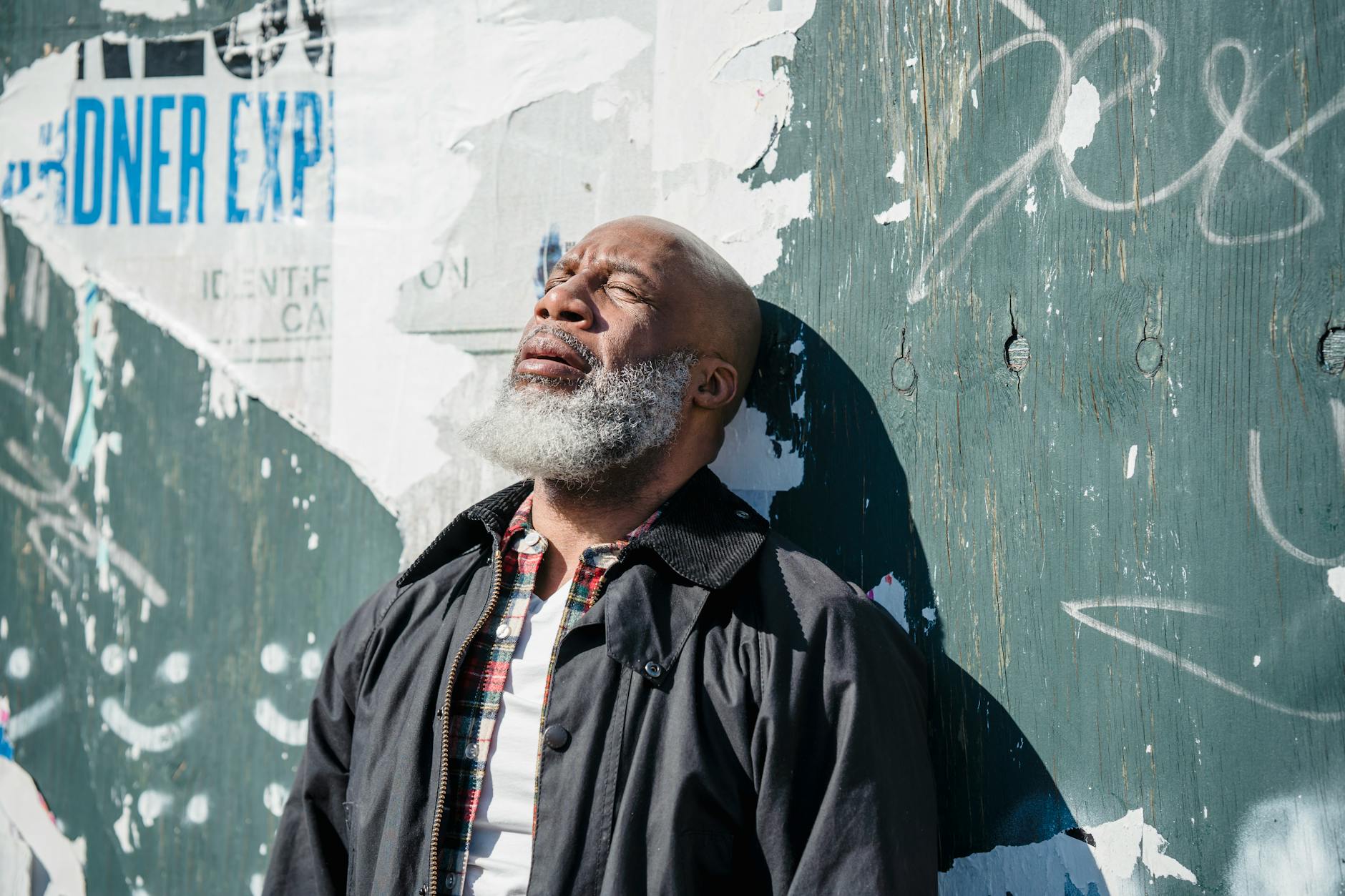
Photo by Alexey Demidov on Pexels.com

Lynching, a brutal form of extrajudicial killing, has left an indelible mark on American history. While its most notorious period occurred during the late 19th and early 20th centuries, the echoes of this violence have persisted into more recent times. This narrative delves into the story of Trey Reed, a fictional character whose life and death mirror the tragic realities faced by Black individuals subjected to racial terror. Lynching refers to the act of a mob executing an individual without legal authority, often in a public setting, and typically motivated by racial hatred. Historically, these acts were used to enforce white supremacy and instill fear within Black communities.

The Case of Trey Reed

In the summer of 1975, Trey Reed, a 22-year-old Black man from Georgia, was found hanging from a tree in a rural area. Authorities quickly labeled his death a suicide, but inconsistencies in the investigation raised suspicions. Reed had been outspoken about racial injustices in his community, leading many to believe his death was a targeted act of violence.

Community Response

Reed’s death sparked outrage among local civil rights groups. Protests and vigils were held, demanding a thorough investigation and accountability. Despite the public outcry, the case remained officially closed, with no charges filed.

The Role of Media

National media coverage of Reed’s death brought attention to the ongoing issue of racial violence in America. Journalists uncovered patterns of similar incidents in the region, suggesting a broader, systemic problem.

Legal Challenges

In 1980, the Reed family filed a civil lawsuit against local law enforcement, alleging misconduct and negligence. The case drew attention to the lack of legal recourse available to families of lynching victims.

The Legacy of Trey Reed

Although no one was ever convicted in Reed’s death, his story became a symbol of the fight against racial injustice. Memorials and scholarships were established in his name, ensuring that his legacy would continue to inspire future generations.

Comparative Cases: The Lynching of Mack Charles Parker

In 1959, Mack Charles Parker, a Black man in Mississippi, was accused of raping a white woman. Before he could stand trial, a mob abducted him from jail, beat him, and shot him dead. Despite confessions from the perpetrators, no one was ever indicted, highlighting the impunity often afforded to those committing such acts.

The Murder of Mary Turner

In 1918, Mary Turner, a pregnant Black woman in Georgia, was lynched after protesting the killing of her husband. Her brutal death underscored the extreme lengths to which white supremacists would go to silence dissent and maintain control.

The Case of George Armwood

George Armwood was lynched in Maryland in 1933 after being accused of assaulting a white woman. His death marked the last recorded lynching in the state, reflecting the persistence of racial violence even in the mid-20th century.

The Impact of the Civil Rights Movement

The Civil Rights Movement of the 1950s and 1960s brought national attention to the issue of lynching. Activists like Rosa Parks and Martin Luther King Jr. highlighted these atrocities, pushing for legal reforms and greater societal awareness.

The Emmett Till Case

In 1955, 14-year-old Emmett Till was lynched in Mississippi after allegedly offending a white woman. His open-casket funeral and the subsequent trial brought international attention to the brutality of racial violence in America.

The Role of Photography

Photographs of lynching victims, such as the iconic image of Till’s disfigured body, played a crucial role in galvanizing public opinion and spurring the civil rights movement.

The Decline of Lynching

Following increased activism and legal challenges, the frequency of lynchings declined in the latter half of the 20th century. However, the legacy of these acts continues to affect communities today.

The Importance of Memorialization

Institutions like the Equal Justice Initiative have worked to document and memorialize the victims of lynching, ensuring that their stories are not forgotten.

The Role of Education

Educating the public about the history of lynching is essential for fostering understanding and reconciliation. Programs and curricula have been developed to teach about this dark chapter in American history.

Ongoing Racial Injustice

While lynching may no longer be as prevalent, racial violence and discrimination persist in various forms. Addressing these issues requires continued vigilance and activism.

The Need for Legal Reform

Advocates continue to push for legal reforms to address hate crimes and ensure justice for victims of racial violence. This includes efforts to strengthen laws and improve the accountability of law enforcement agencies.

The Role of Community Engagement

Community involvement is crucial in combating racial injustice. Local organizations and leaders play a vital role in advocating for change and supporting affected individuals and families.

Conclusion: Remembering the Past, Shaping the Future

The story of Trey Reed serves as a poignant reminder of the enduring impact of lynching and racial violence in America. By remembering these atrocities and honoring the victims, society can work towards healing and ensuring that such injustices are never repeated.

References

Dilemma: Spiritually Shell-Shocked.

Spiritual Prisoners of War.

Photo by Nicola Barts on Pexels.com

In the landscape of American history, the Black experience remains a story marked by both divine endurance and deep trauma. The spiritual and psychological wounds inflicted by systemic racism, economic disenfranchisement, police brutality, and the remnants of Jim Crow laws have created generations that are spiritually shell-shocked—alive yet aching, breathing yet broken. The dilemma lies in navigating faith amid oppression, maintaining hope in a society designed to erode it, and remembering God’s promises when the world appears to forget justice.

From slavery to segregation, the Black soul has endured centuries of assault. The spiritual shell-shock of oppression echoes through time, a collective PTSD that manifests in our communities, churches, and identities. Just as soldiers return from war carrying invisible wounds, so too do descendants of the enslaved carry inherited pain. The difference is that this war was not fought overseas—it was fought on American soil, in cotton fields, courtrooms, and city streets.

Systemic racism operates not merely as prejudice, but as a structured power that undermines entire communities. It infiltrates schools, healthcare, housing, and employment, creating barriers that cripple progress. This machinery of inequity causes spiritual fatigue—a despair that whispers, “You are less than.” Yet Scripture declares otherwise: “I will praise thee; for I am fearfully and wonderfully made” (Psalm 139:14, KJV). This biblical truth must combat societal lies.

The economics of racial inequality further deepen the wound. The wealth gap between Black and white families is not accidental but a continuation of the theft of labor, land, and opportunity. During Reconstruction, promises like “forty acres and a mule” dissolved into betrayal, leaving many freedmen impoverished and powerless. The spiritual result was disillusionment—a people free in name but bound by poverty.

This cycle of economic despair is a modern plantation, disguised as urban poverty and wage disparity. Financial oppression strips dignity and fosters hopelessness. Yet the Bible reminds us that “The borrower is servant to the lender” (Proverbs 22:7, KJV). The struggle for economic liberation, therefore, is not only political but deeply spiritual—a fight for self-determination and divine restoration.

Police brutality represents the contemporary form of public terror once embodied by lynching. The televised deaths of unarmed Black men and women mirror the postcards of hangings sent during Jim Crow. The uniform replaced the hood, but the system remains. When another Black life is unjustly taken, the community collectively grieves—not just the person, but the persistence of evil.

This trauma accumulates. Every hashtag and protest becomes another reminder of a system that sees our skin as a weapon. For many, faith becomes both refuge and rebellion. It is the cry of Psalm 13:1—“How long wilt thou forget me, O Lord? forever? how long wilt thou hide thy face from me?” This ancient lament still echoes in our streets.

Jim Crow’s ghost still walks among us, haunting courtrooms, schools, and neighborhoods. Though its laws were repealed, its logic endures—in redlining, mass incarceration, and inequitable education. The spiritual dilemma emerges when those once oppressed by the whip now face oppression by the pen and policy.

Violence—both physical and structural—has long been a tool of control. From slave patrols to modern policing, from bombed Black churches to mass shootings, violence serves as a reminder that progress is fragile. This constant threat instills a collective fear, a hypervigilance that mirrors soldiers in combat. Spiritually, it breeds exhaustion and distrust, even toward divine promises.

The community’s resilience, however, is nothing short of miraculous. The same Bible that slaveholders misused to justify bondage became the source of liberation for the enslaved. The Exodus story, with Moses leading the Israelites from Egypt, became the heartbeat of the Black spiritual imagination. “Let my people go” (Exodus 5:1, KJV) was not only a biblical command but a declaration of human dignity.

Churches became sanctuaries for both the soul and the movement. Spiritual shell-shock was met with sacred song, protest, and prayer. The Negro spirituals—“Go Down, Moses,” “Swing Low, Sweet Chariot”—carried coded messages of freedom and theological hope. These songs were both therapy and theology, merging lament with resistance.

Yet in today’s world, the faith of our ancestors collides with a modern crisis of belief. Many young Black men and women question God’s justice in the face of persistent inequality. The dilemma deepens: How does one trust a God who allows suffering? But Scripture reminds us that “The sufferings of this present time are not worthy to be compared with the glory which shall be revealed in us” (Romans 8:18, KJV).

This verse reframes pain as purpose. What we endure is not meaningless, but molding. Oppression has refined our faith, producing resilience that outlasts empires. Every attempt to destroy us has revealed God’s sustaining hand. The survival of Black faith is a miracle greater than any political reform.

Education, too, has been weaponized and redeemed. During segregation, Black excellence flourished in spite of systemic neglect. Teachers and parents instilled divine worth in children the world rejected. Today, the erosion of that moral foundation contributes to spiritual shell-shock. The mind cannot heal if it is constantly fed inferiority.

Media and pop culture compound this by distorting Black identity. The glorification of violence, hypersexuality, and materialism numbs spiritual awareness. It’s a different kind of warfare—psychological colonization. Romans 12:2 urges, “Be not conformed to this world: but be ye transformed by the renewing of your mind.” This transformation is critical for our collective healing.

The Black home once stood as a fortress of love and resilience. However, systemic pressures—from mass incarceration to economic hardship—have fractured family structures. Absentee fathers, struggling mothers, and disillusioned youth form the triad of generational pain. This fragmentation contributes to our spiritual disorientation.

Healing, therefore, must be both individual and communal. It begins with acknowledgment—confessing that we are wounded yet worthy, broken yet beloved. Psalm 34:18 assures us, “The Lord is nigh unto them that are of a broken heart; and saveth such as be of a contrite spirit.”

True liberation requires spiritual reawakening. Policy changes may improve conditions, but only divine renewal can restore identity. When people recognize that their worth is not defined by systems but by God, they reclaim the power once stripped away.

The dilemma of being spiritually shell-shocked also exposes the hypocrisy of America’s Christian conscience. The same nation that quotes Scripture to justify its actions often ignores the Bible’s call for justice: “Learn to do well; seek judgment, relieve the oppressed, judge the fatherless, plead for the widow” (Isaiah 1:17, KJV).

Economic justice is a biblical command, not a political suggestion. The prophets denounced exploitation and greed. Amos cried, “Let judgment run down as waters, and righteousness as a mighty stream” (Amos 5:24, KJV). Martin Luther King Jr. echoed this cry, linking faith with civil rights, spirituality with social action.

Racial reconciliation cannot occur without repentance. America must confront its original sins of slavery and genocide with humility, not denial. Forgiveness without truth is false peace. Healing requires both justice and grace, both accountability and compassion.

Mental health, often stigmatized in the Black community, is another battlefield. The trauma of racism manifests as depression, anxiety, and despair. Churches must evolve into spaces of both prayer and therapy, merging spiritual and psychological care. For faith without healing is fragile.

As generational trauma lingers, hope becomes revolutionary. The very act of believing in God’s goodness amid injustice defies despair. Hebrews 11:1 declares, “Now faith is the substance of things hoped for, the evidence of things not seen.” Black faith, in this sense, is radical—it believes when the world gives no reason to.

The modern civil rights struggle continues through education, protest, and policy, but it must also continue through prayer. Spiritual warfare demands spiritual weapons: truth, righteousness, and perseverance. Ephesians 6:12 reminds us that “we wrestle not against flesh and blood, but against principalities, against powers, against the rulers of the darkness of this world.”

To be spiritually shell-shocked is not to be defeated—it is to be aware of the cost of survival. It is the weariness of a people who have prayed, marched, and bled for centuries, yet still believe. That belief is the bridge between trauma and triumph.

Every generation must decide whether to remain wounded or to walk toward wholeness. Healing demands confrontation—with history, with injustice, and with ourselves. But as 2 Chronicles 7:14 promises, “If my people, which are called by my name, shall humble themselves, and pray… then will I hear from heaven, and will forgive their sin, and will heal their land.”

The Healing of the Shell: Faith After the Fire

After centuries of endurance, the Black spirit stands at a crossroads—scarred but not destroyed, wounded but still whispering songs of survival. “We are troubled on every side, yet not distressed; we are perplexed, but not in despair” (2 Corinthians 4:8, KJV). These words encapsulate the paradox of our condition: to have walked through fire and yet to still reach toward heaven. Healing the spiritual shell-shock of oppression requires not only remembrance of the pain but the reclaiming of divine purpose that outlasts it.

The shell, once a defense mechanism, is also a symbol of transformation. It represents the hardened exterior formed by centuries of struggle, the thick skin we developed to survive injustice. Yet true healing calls for the courage to shed that shell—to allow vulnerability, forgiveness, and faith to reemerge. For too long, survival has been mistaken for healing. Now, the time has come for restoration.

The first step toward healing is truth. Healing cannot occur where denial persists. The nation must confront its sins, and individuals must acknowledge their pain. As Christ said, “Ye shall know the truth, and the truth shall make you free” (John 8:32, KJV). The truth liberates both the oppressed and the oppressor, for only through confession can grace begin its work.

Healing also requires remembrance without reliving. To remember is to honor our ancestors who carried crosses not of their choosing. To relive, however, is to remain bound by yesterday’s trauma. Faith becomes the bridge between memory and freedom. It transforms lament into legacy.

Forgiveness remains one of the hardest lessons. How can a people forgive centuries of cruelty? The answer is not found in excusing evil but in freeing the heart from its grip. Christ’s command to forgive seventy times seven (Matthew 18:22, KJV) was not meant to minimize injustice, but to preserve the soul from bitterness. To forgive is to reclaim control over one’s spirit.

Economic and psychological restoration must accompany spiritual healing. Poverty is not only material but mental—a conditioned belief in lack. The renewed Black mind must recognize that abundance begins in purpose, not possessions. Deuteronomy 8:18 reminds us, “But thou shalt remember the Lord thy God: for it is he that giveth thee power to get wealth.” True wealth is wisdom, faith, and community.

Education becomes both the sword and the salve. Where ignorance once enslaved, knowledge now emancipates. Every degree earned, every book read, every child taught is an act of spiritual warfare. Hosea 4:6 warns, “My people are destroyed for lack of knowledge.” Education is not merely academic—it is divine awakening.

The Black Church, though wounded, remains a pillar of healing. It must evolve beyond emotional worship to holistic restoration—addressing mental health, family stability, and financial literacy alongside prayer. A healed church produces healed people, and healed people transform nations.

Prayer, too, takes on new meaning after the fire. No longer the desperate cry of the oppressed, it becomes the steady declaration of the redeemed. Prayer changes posture—it lifts bowed heads and strengthens weary hearts. Philippians 4:6–7 teaches, “Be careful for nothing; but in every thing by prayer and supplication with thanksgiving let your requests be made known unto God.” Gratitude after grief is evidence of divine maturity.

Generational trauma must meet generational transformation. The pain inherited from slavery, segregation, and systemic racism must end where revelation begins. When we teach our children who they are—royalty, not remnants—we disrupt the cycle. Psalm 127:3 reminds us, “Lo, children are an heritage of the Lord.” Healing, therefore, is not just for us, but for those who come after.

Black love is also a revolutionary form of healing. To love oneself in a world that taught you to hate your reflection is an act of holy defiance. To love one another, beyond pain and prejudice, restores the image of God in humanity. 1 John 4:7 declares, “Beloved, let us love one another: for love is of God.” Love becomes our new language of deliverance.

Art, music, and storytelling continue to serve as instruments of spiritual recovery. Every poem, painting, and melody created from the ashes of struggle is testimony that beauty still lives in us. The creative spirit is sacred—it mirrors the Creator’s power to bring light out of darkness.

Faith must also be paired with works. James 2:17 reminds us, “Faith, if it hath not works, is dead.” The healing of our communities requires action—voting, mentoring, organizing, and building. Spirituality must step out of the sanctuary and into the streets. Healing is faith in motion.

Black women, as the backbone of resilience, deserve rest as part of healing. Too long have they carried the dual burdens of race and gender, faith and fatigue. Their healing is essential for the restoration of families and nations. Proverbs 31 describes a virtuous woman, but she must also be valued beyond her labor—honored for her soul.

Black men, too, must rediscover their divine identity beyond trauma. They are not statistics or stereotypes, but kings in covenant with God. The healing of their minds and spirits restores balance to homes and communities. Psalm 82:6 declares, “Ye are gods; and all of you are children of the most High.” The rediscovery of this truth breaks the curse of inferiority.

Community healing requires unity. Division—by class, colorism, or creed—only prolongs our pain. Christ’s prayer in John 17:21 was for oneness: “That they all may be one; as thou, Father, art in me, and I in thee.” Healing begins when we see each other not as rivals, but as reflections.

Healing after the fire also means redefining justice. Justice is not revenge but restoration—repairing what was broken and returning what was stolen. The call for reparations is not greed but biblical righteousness. Exodus 22:1 shows that restitution follows wrongdoing. A healed people must also be a just people.

Our relationship with God deepens through suffering. Pain teaches empathy, dependence, and humility. The scars of our history become testimonies of grace. As Joseph told his brothers, “Ye thought evil against me; but God meant it unto good” (Genesis 50:20, KJV). Our collective suffering has birthed divine wisdom.

Faith after the fire demands hope beyond sight. Hebrews 10:23 declares, “Let us hold fast the profession of our faith without wavering; (for he is faithful that promised).” The promise is not that the fire will not come, but that it will refine, not consume.

Healing also requires joy. After centuries of lament, we must learn to laugh again, to celebrate victories both great and small. Psalm 30:5 promises, “Weeping may endure for a night, but joy cometh in the morning.” That morning has not yet fully come, but dawn is near.

Cultural healing emerges when we reclaim the narratives once stolen from us. The story of the African diaspora is not solely one of suffering, but of strength, innovation, and divine purpose. We are not victims of history—we are vessels of prophecy.

The healing journey is incomplete without gratitude. Gratitude acknowledges that despite everything—chains, whips, and systemic cruelty—we are still here. Gratitude is a weapon of faith. It transforms trauma into triumph, sorrow into song.

In the ashes of oppression, new seeds of purpose take root. Out of the pain of racism grows the fruit of resilience; out of exile comes excellence. The fire was never meant to destroy us—it was meant to purify us for destiny.

Each generation must decide whether to inherit pain or pursue peace. Healing is a choice, one made daily in the face of adversity. Joshua 24:15 declares, “Choose you this day whom ye will serve.” To choose healing is to choose God’s will over generational wounds.

Ultimately, the healing of the shell represents resurrection. The same God who raised Christ from the dead can revive a people once buried under oppression. Romans 8:11 promises, “He that raised up Christ from the dead shall also quicken your mortal bodies by his Spirit.” Our spirits, too, are being quickened.

The fire has passed. The smoke still lingers, but so does the song. We rise not as victims, but as visionaries. Our shells may be cracked, but light now shines through them. The healing has begun—not just for a people, but for the soul of a nation.

And when the world asks how we survived, our answer will be simple: because grace never left us. “But they that wait upon the Lord shall renew their strength; they shall mount up with wings as eagles” (Isaiah 40:31, KJV). The spiritually shell-shocked have become spiritually restored—healed after the fire, whole by faith.

That healing is the hope of the spiritually shell-shocked. Despite every injustice, we endure. Despite every wound, we rise. The dilemma of our suffering becomes the testimony of our faith: that though the world may bruise the body, it cannot break the spirit.


References

  • The Holy Bible, King James Version (KJV).
  • Alexander, M. (2010). The New Jim Crow: Mass Incarceration in the Age of Colorblindness. The New Press.
  • Du Bois, W. E. B. (1903). The Souls of Black Folk. A. C. McClurg & Co.
  • Cone, J. H. (1970). A Black Theology of Liberation. Orbis Books.
  • King Jr., M. L. (1963). Letter from Birmingham Jail.
  • Wilkerson, I. (2020). Caste: The Origins of Our Discontents. Random House.
  • West, C. (1993). Race Matters. Beacon Press.
  • Thurman, H. (1949). Jesus and the Disinherited. Abingdon Press.

The Tone Dilemma: Shades, Society, and Self. #thebrowngirldilemma

Photo by Sherman Trotz on Pexels.com

Color has always been more than a visual spectrum; it is a social construct, a mirror, and a measure of worth. Within the global Black community, skin tone occupies a complex intersection between identity, desirability, and belonging. From the honey tones of the Caribbean to the deep, blue-black hues of the African continent, melanin has been both a mark of pride and a point of prejudice. “The Tone Dilemma” explores how shades shape not only perception but also selfhood in a world that still clings to colonial hierarchies of beauty.

Historically, lighter complexions were often privileged under systems of slavery and colonization. House slaves, typically of mixed ancestry, were afforded proximity to power and comfort, while darker-skinned laborers toiled in the fields. This social stratification created an enduring internalized bias within the Black diaspora—one that subtly persists in contemporary beauty standards, employment opportunities, and media representation (Hunter, 2007).

Media remains a powerful amplifier of these hierarchies. Mainstream entertainment often uplifts lighter-skinned actors and models as the “universal” standard of Black beauty. The visibility of women like Zendaya or Halle Bailey is often celebrated, yet darker-skinned counterparts face limited opportunities or hyper-stereotyping. These imbalances reaffirm a color-coded aesthetic ideal that devalues richness of tone in favor of proximity to whiteness (Monk, 2014).

In social contexts, skin tone still dictates desirability. Studies show that lighter-skinned Black individuals are often perceived as more intelligent, trustworthy, and attractive by both non-Black and Black evaluators (Keith & Herring, 1991). Such associations stem from centuries of racial conditioning that tied whiteness to purity and darkness to danger. These implicit biases are not simply aesthetic—they influence dating preferences, hiring decisions, and even police encounters.

The internal dialogue among Black individuals about color is often unspoken yet deeply felt. Many recall being teased for being “too dark” or “not dark enough.” In some cases, light-skinned people are accused of privilege or arrogance, while dark-skinned individuals battle invisibility. This circular wound fractures unity and obscures the collective beauty of the Black experience.

Colorism’s impact extends beyond self-esteem; it affects access to resources. Research shows that darker-skinned individuals within the same racial group often experience lower socioeconomic mobility and harsher sentencing in criminal justice systems (Viglione et al., 2011). The shade of one’s skin, thus, becomes a determinant not just of beauty but of life outcomes.

Social media has introduced both remedy and risk. Movements like #MelaninMagic and #BlackGirlMagic have helped reframe narratives by celebrating darker tones and rejecting Eurocentric norms. Yet, even within these digital affirmations, filters and curated imagery can reinforce unrealistic expectations. The quest for validation remains intertwined with the politics of color.

Historically, beauty rituals have also reflected these tensions. The global market for skin-lightening products, estimated at billions annually, exposes how deep the wound runs. These creams—often harmful—represent both aspiration and alienation: a longing to belong to a beauty paradigm that was never designed to include melanin (Glenn, 2008).

Within the African diaspora, however, there is a growing reclamation of color as divine art. The warm siennas, golden ambers, and deep obsidians of Black skin reflect ancestry, geography, and resilience. In African spiritual traditions, darker skin was often viewed as sacred, symbolizing closeness to the earth and the Creator’s fire.

Yet healing from colorism requires confrontation. It demands acknowledging how internalized whiteness seeps into love, art, and identity. Conversations about skin tone must be honest, not accusatory—spaces where both pain and pride coexist.

Educators and parents play a crucial role in reprogramming young minds. Teaching children that melanin is both science and soul—a biological blessing and a cultural crown—can shift generational narratives. Representation in dolls, books, and media also matters, shaping how future generations define “beautiful.”

The psychology of shade preference has roots in colonial trauma but thrives through modern reinforcement. The more society commodifies lightness, the more darkness must be defended, not as a counter-ideal but as an equal truth.

Artists and photographers have become crucial in this cultural renaissance. Through visual storytelling, they depict the full tonal spectrum of Blackness as poetry—each shade a note in a larger symphony of identity. Their work challenges the myth of uniformity and celebrates diversity within the diaspora.

In romantic relationships, the tone dilemma also manifests subtly. Some individuals admit to “preferences” shaped not by attraction but by social conditioning. To unlearn such biases is to rediscover love as something unbound by colonial logic.

Faith communities have also begun addressing the color divide. Biblical texts remind believers that humanity was created in God’s image—an image that encompasses the full range of human color. Reclaiming this theology can restore spiritual balance where self-hatred once lingered.

Educational curricula can integrate lessons about colorism into racial justice education. When students learn that skin shade variation is a natural adaptation to sunlight exposure and not a hierarchy of worth, science becomes liberation.

Psychologists encourage affirmations, visibility, and community healing spaces to dismantle tone-based trauma. Group dialogues and art therapy allow individuals to rewrite their narratives, transforming shame into self-acceptance.

Ultimately, the tone dilemma is not simply about pigment—it is about power, perception, and pride. To transcend it, we must see skin not as a scale but as a spectrum of strength.

When Black skin, in all its hues, is celebrated as divine design rather than divided by degrees, the world will finally begin to reflect its true beauty—a beauty that was never meant to be measured, only marveled at.

References
Glenn, E. N. (2008). Yearning for lightness: Transnational circuits in the marketing and consumption of skin lighteners. Gender & Society, 22(3), 281–302.
Hunter, M. (2007). The persistent problem of colorism: Skin tone, status, and inequality. Sociology Compass, 1(1), 237–254.
Keith, V. M., & Herring, C. (1991). Skin tone and stratification in the Black community. American Journal of Sociology, 97(3), 760–778.
Monk, E. P. (2014). Skin tone stratification among Black Americans, 2001–2003. Social Forces, 92(4), 1313–1337.
Viglione, J., Hannon, L., & DeFina, R. (2011). The impact of light skin on prison time for Black female offenders. The Social Science Journal, 48(1), 250–258.

Dilemma: Hate Crimes

A Scholarly Examination of Systemic Violence and Racial Terror

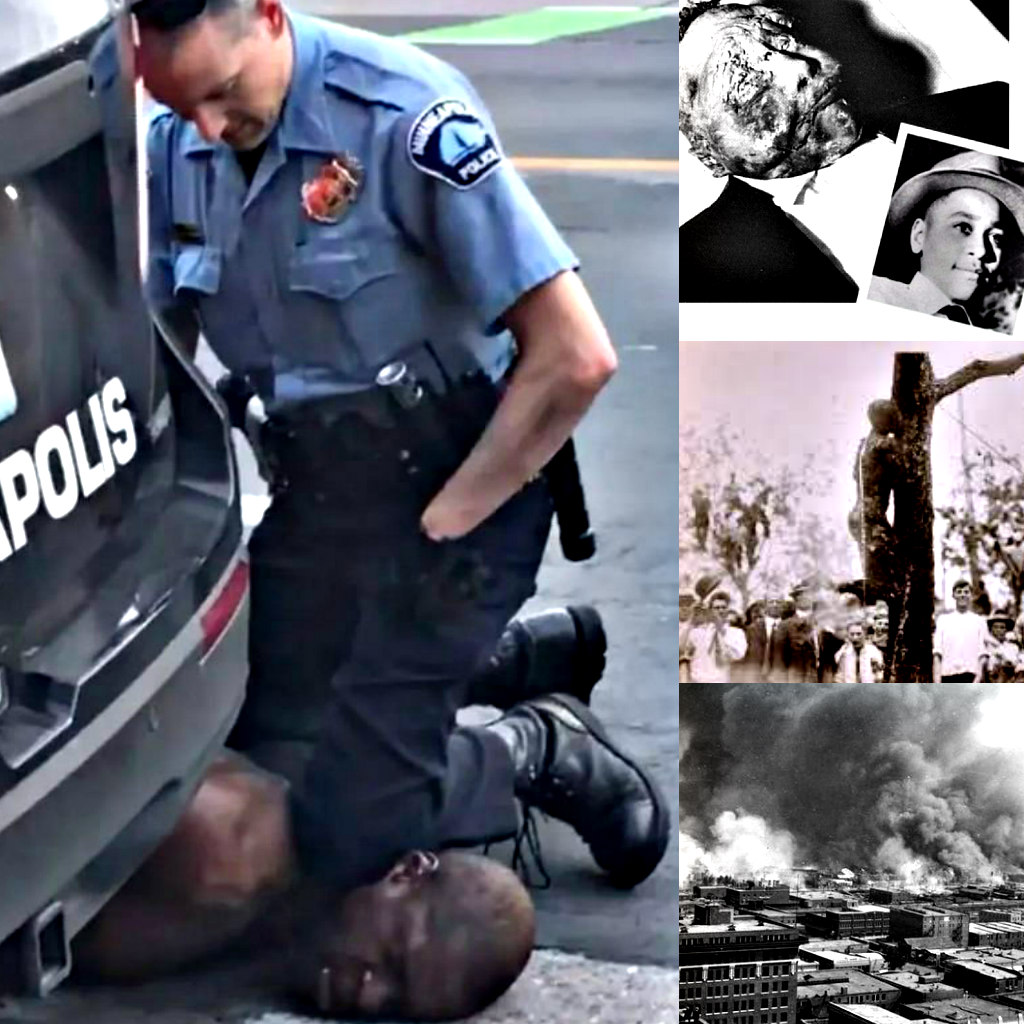
These photographs are the property of their respective owners. No copyright infringement intended.

The history of Black people in America is tragically punctuated by acts of racial terror, lynching, and systemic injustice. Hate crimes against African Americans have not only taken individual lives but also reinforced centuries of inequality and fear. This essay highlights ten of the most significant hate crimes in American history, revealing a consistent pattern of racialized violence that continues to reverberate in the present day.

The lynching of Emmett Till in 1955 stands as one of the most notorious hate crimes in U.S. history. At only fourteen years old, Till was brutally murdered in Mississippi for allegedly whistling at a white woman. His mutilated body, displayed publicly by his mother, Mamie Till-Mobley, exposed the horror of racial hatred to the world. The acquittal of his murderers by an all-white jury demonstrated the deep complicity of the justice system in racial violence (Whitfield, 1988).

The 1921 Tulsa Race Massacre remains one of the most devastating racial attacks on Black prosperity. White mobs destroyed the prosperous Greenwood District, known as “Black Wall Street,” killing an estimated 300 people and displacing thousands. The massacre wiped out decades of economic progress and reinforced the racial hierarchy that dominated early 20th-century America (Ellsworth, 1992).

Another brutal episode occurred during the Rosewood Massacre of 1923 in Florida, where a false accusation against a Black man led to the burning of an entire Black town. Dozens were killed, and survivors fled into swamps to escape white mobs. The incident was later recognized by the state of Florida, which awarded reparations to survivors decades later (D’Orso, 1996).

The Birmingham Church Bombing of 1963, which killed four young girls—Addie Mae Collins, Denise McNair, Carole Robertson, and Cynthia Wesley—shocked the conscience of the nation. The bombing, carried out by Ku Klux Klan members, occurred during the height of the civil rights movement and symbolized white resistance to desegregation and Black empowerment (McWhorter, 2001).

The murder of Medgar Evers in 1963, a civil rights leader and NAACP field secretary in Mississippi, represented another targeted act of racial terrorism. Evers was assassinated in his driveway for his efforts to secure voting rights and challenge segregation. His death galvanized the civil rights movement and intensified national awareness of southern racism (Marable, 1984).

The lynching of Jesse Washington in 1916 in Waco, Texas, was one of the most barbaric acts of mob violence ever recorded. A crowd of thousands gathered to watch as Washington was tortured and burned alive. The atrocity highlighted the normalization of public lynching as entertainment and a tool of white supremacy (Dray, 2002).

The Central Park Five case (1989) exposed how systemic racism can manifest within the criminal justice system without physical lynching. Five Black and Latino teenagers were wrongfully convicted of raping a white woman in Central Park. Media bias, coerced confessions, and racial profiling led to years of imprisonment before their exoneration. The case illustrated how racial fear could replace evidence in shaping narratives (Burns, 2011).

The Charleston Church Massacre in 2015 further proved that racial hatred still thrives in modern America. Dylann Roof entered the historic Emanuel AME Church and murdered nine Black worshipers during Bible study. This act of terror targeted a sacred space and echoed the domestic terrorism once carried out by the Ku Klux Klan (Thompson, 2016).

The murder of James Byrd Jr. in 1998 in Jasper, Texas, was a gruesome reminder that lynching never truly ended. Byrd was chained to the back of a truck and dragged for miles by three white supremacists. His death prompted national outrage and led to the 2009 Matthew Shepard and James Byrd Jr. Hate Crimes Prevention Act, expanding federal hate crime laws (Coleman, 2010).

The killing of George Floyd in 2020 reignited the global fight against racial injustice. Floyd’s death, captured on video as a white police officer knelt on his neck for over nine minutes, symbolized centuries of institutionalized violence against Black bodies. His dying words, “I can’t breathe,” became a rallying cry for the Black Lives Matter movement, leading to one of the largest civil rights protests in modern history (Clayton, 2020).

Each of these incidents illustrates how racism in America transcends time, geography, and form—manifesting in lynchings, massacres, police brutality, and judicial bias. The persistence of hate crimes underscores that racial violence is not an aberration but a fundamental feature of the American racial order.

Historically, these acts were often justified or ignored by law enforcement and political institutions, revealing systemic complicity. The failure to hold perpetrators accountable reinforced cycles of violence and mistrust within the Black community (Alexander, 2010).

Modern hate crimes, including the murders of Trayvon Martin, Ahmaud Arbery, and Breonna Taylor, continue this legacy. Each incident reflects a continuum of racialized fear and control rooted in America’s original sin—slavery and white supremacy (Taylor, 2016).

Sociologists argue that hate crimes against Black Americans are not merely individual acts but collective expressions of dominance intended to maintain racial hierarchy (Feagin, 2013). The violence communicates that Black progress and autonomy are met with punishment.

Media framing has often contributed to victim-blaming and the criminalization of Black identity. From Emmett Till to George Floyd, victims are frequently portrayed as threatening or non-compliant, a tactic that subtly absolves perpetrators (Entman & Rojecki, 2000).

Education about these events remains essential for dismantling ignorance and denial. Erasing or minimizing racial atrocities fosters a dangerous cultural amnesia that perpetuates prejudice (Loewen, 1995).

The psychological impact on Black Americans—manifested in generational trauma, mistrust of institutions, and internalized fear—continues to affect community health and cohesion (Comas-Díaz et al., 2019).

Despite this painful history, Black resilience endures. The collective response to racial violence has birthed justice movements, from civil rights to Black Lives Matter, reaffirming the enduring spirit of a people determined to live free and equal.

Ultimately, these ten hate crimes are not isolated tragedies but interconnected chapters in the story of America’s racial conscience. Understanding them demands not only remembrance but transformation—a collective moral reckoning that ensures such hatred never again defines the nation’s soul.


References

Alexander, M. (2010). The New Jim Crow: Mass Incarceration in the Age of Colorblindness. New Press.
Burns, S. (2011). The Central Park Five: The Untold Story Behind One of New York City’s Most Infamous Crimes. Knopf.
Clayton, J. (2020). George Floyd and the Rebirth of the Movement for Black Lives. Journal of Race and Social Justice, 5(2), 45–58.
Coleman, W. (2010). Hate Crimes in America: James Byrd Jr. and Beyond. Oxford University Press.
Comas-Díaz, L., Hall, G. N., & Neville, H. A. (2019). Racial trauma: Theory, research, and healing. American Psychologist, 74(1), 1–12.
D’Orso, M. (1996). Like Judgment Day: The Ruin and Redemption of a Town Called Rosewood. Perennial.
Dray, P. (2002). At the Hands of Persons Unknown: The Lynching of Black America. Random House.
Ellsworth, S. (1992). Death in a Promised Land: The Tulsa Race Riot of 1921. LSU Press.
Entman, R. M., & Rojecki, A. (2000). The Black Image in the White Mind: Media and Race in America. University of Chicago Press.
Feagin, J. R. (2013). Racist America: Roots, Current Realities, and Future Reparations. Routledge.
Loewen, J. W. (1995). Lies My Teacher Told Me: Everything Your American History Textbook Got Wrong. New Press.
Marable, M. (1984). Race, Reform, and Rebellion: The Second Reconstruction in Black America. University Press of Mississippi.
McWhorter, D. (2001). Carry Me Home: Birmingham, Alabama, the Climactic Battle of the Civil Rights Revolution. Simon & Schuster.
Taylor, K.-Y. (2016). From #BlackLivesMatter to Black Liberation. Haymarket Books.
Thompson, E. (2016). Charleston shooting: White supremacy, religion, and the politics of forgiveness. Journal of American Culture, 39(4), 385–392.
Whitfield, S. J. (1988). A Death in the Delta: The Story of Emmett Till. Johns Hopkins University Press.

ChatGPT can make mistakes. Check important info.

Dilemma: Celebrity Worship

In the modern world, celebrity worship has evolved into a cultural phenomenon that often mirrors religious devotion. From the adoration of musical icons like Michael Jackson and Elvis Presley to the idolization of figures such as Beyoncé and Denzel Washington, society has elevated entertainers to near-divine status. This fascination exposes a deep psychological and spiritual dilemma: humanity’s innate need to worship something greater than itself, redirected toward mortal figures rather than the Creator. As Scripture warns, “Thou shalt have no other gods before me” (Exodus 20:3, KJV).

Celebrity worship taps into an ancient human instinct—the desire to admire, imitate, and find meaning through others. Psychologically, this drive originates from the human need for connection and validation. According to Horton and Wohl (1956), the concept of “parasocial relationships” explains how individuals form one-sided emotional bonds with public figures. These attachments often fill voids of loneliness or inadequacy, creating the illusion of intimacy with someone who represents perfection or success.

The rise of celebrity culture can be traced to the intersection of media, capitalism, and human psychology. The entertainment industry capitalizes on this psychological vulnerability by marketing celebrities as products of aspiration and fantasy. In essence, fans are sold the illusion that by adoring the star, they too participate in their glamour and power. As the Apostle Paul cautioned, “They changed the glory of the incorruptible God into an image made like to corruptible man” (Romans 1:23, KJV).

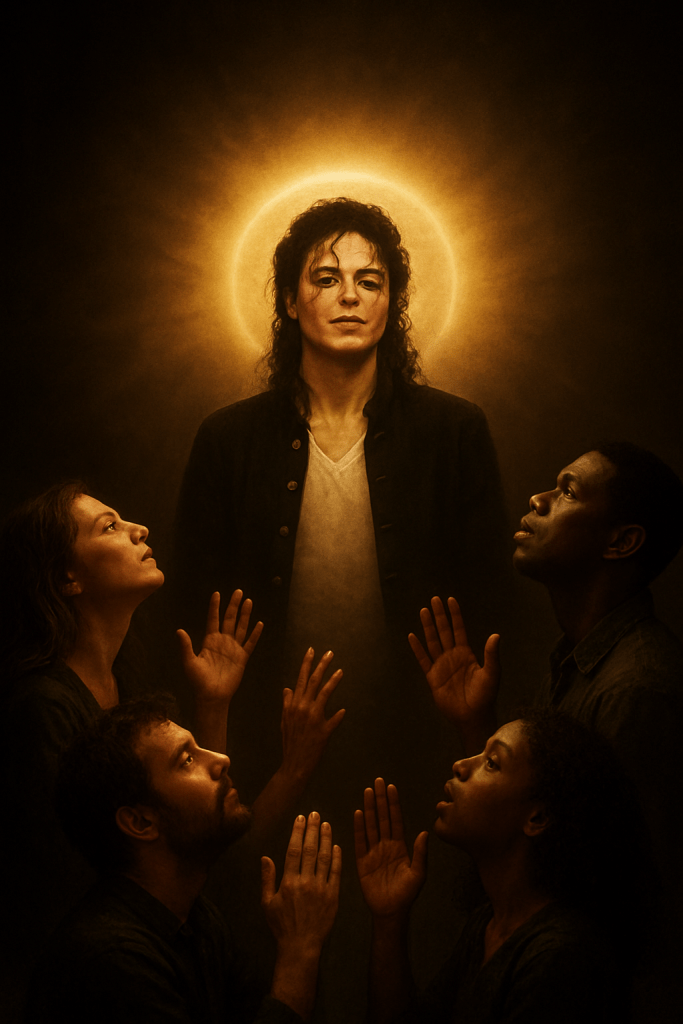
Michael Jackson’s global fame illustrates the height of this phenomenon. Often referred to as the “King of Pop,” Jackson’s fans displayed forms of devotion that blurred the line between admiration and worship. His death in 2009 triggered worldwide mourning akin to the passing of a religious leader. Sociologists argue that this reflects a transfer of spiritual energy from traditional religion to popular culture. The stage, once symbolic of performance, becomes a modern altar where fame replaces faith.

Elvis Presley, famously dubbed the “King of Rock and Roll,” experienced similar deification. Even decades after his death, Graceland functions as a pilgrimage site for millions. His image—reproduced endlessly on posters, candles, and memorabilia—represents a form of secular sainthood. This reflects what psychologist Raymond Cattell termed “idolized leadership,” where figures of influence become substitutes for spiritual or moral authority. Scripture warns of such misplaced adoration: “Little children, keep yourselves from idols” (1 John 5:21, KJV).

Beyoncé’s cultural influence demonstrates how celebrity worship has adapted in the digital age. Her fan base, famously called the “BeyHive,” exhibits behaviors paralleling religious devotion—defending her reputation online, memorizing her words, and attending concerts with reverence akin to worship. Critics note how her persona blends empowerment with divinity, often portraying herself in celestial imagery. The line between art and idolatry becomes dangerously thin when admiration turns to veneration.

Even actors like Denzel Washington, admired for his talent and faith-driven discipline, are not immune to idolization. While Washington himself frequently credits God for his success, audiences often elevate him to symbolic perfection—confusing his roles and virtues with divine attributes. This conflation reflects humanity’s tendency to worship the image of excellence rather than its Creator. As Jesus stated, “No man can serve two masters” (Matthew 6:24, KJV).

Psychologically, celebrity worship satisfies deep emotional and cognitive needs. The “celebrity worship syndrome,” described by McCutcheon et al. (2002), suggests that excessive admiration can lead to dependency, obsession, and delusion. Individuals begin to integrate the celebrity into their identity, blurring reality with fantasy. In such cases, worship is not merely admiration—it becomes a coping mechanism for self-esteem, loneliness, or unmet purpose.

The entertainment industry exploits this vulnerability by sustaining constant exposure through social media, interviews, and marketing. Algorithms feed audiences with curated perfection, reinforcing parasocial attachments. Psychologist Erich Fromm’s theory of “escape from freedom” posits that individuals seek to lose themselves in something greater when overwhelmed by anxiety or isolation. For many, celebrities become the modern substitute for gods—flawed but glorified beings who embody power, beauty, and control.

From a biblical perspective, celebrity worship represents a form of idolatry that endangers the soul. The Book of Exodus makes this clear: “Thou shalt not make unto thee any graven image” (Exodus 20:4, KJV). In the ancient world, idols were statues of wood and stone; today, they are screens and stages. Whether through music videos, award shows, or social media, modern culture has recreated the temple of Baal in the form of entertainment.

The moral dilemma lies not in appreciation but in obsession. God allows the admiration of human talent, yet He forbids replacing Him with it. When fans attribute salvific power to their favorite artists—believing they “saved” or “completed” them—they cross into spiritual deception. As Paul warned the Galatians, “How turn ye again to the weak and beggarly elements, whereunto ye desire again to be in bondage?” (Galatians 4:9, KJV).

Furthermore, celebrity worship reflects a crisis of identity. In a culture saturated with media, individuals define themselves by association rather than authenticity. The image of a celebrity becomes a mirror reflecting what fans wish to be—beautiful, successful, and adored. Yet such imitation breeds dissatisfaction, as comparison inevitably produces envy and inadequacy. This aligns with the biblical warning: “For where envying and strife is, there is confusion and every evil work” (James 3:16, KJV).

The phenomenon also exposes society’s spiritual hunger. As traditional faith declines, many turn to celebrities for meaning and inspiration. Concerts resemble revivals, red carpets replace temples, and award speeches echo sermons of self-worship. Psychologically, this reveals humanity’s persistent need for transcendence—an emptiness that only divine relationship can fill. Augustine’s words remain timeless: “Our hearts are restless until they find rest in Thee.”

For Christians, the challenge is to navigate admiration without idolatry. Scripture instructs believers to honor human excellence while maintaining perspective: “Cease ye from man, whose breath is in his nostrils” (Isaiah 2:22, KJV). Recognizing talent should lead to thanksgiving, not worship. True reverence belongs only to God, who grants every gift and ability.

Celebrities themselves often struggle under the weight of their own idolization. The psychological pressure of maintaining perfection leads to mental health crises, addiction, and isolation. Michael Jackson’s tragic decline exemplifies how fame, when equated with godhood, destroys the human spirit. His life became a cautionary tale—a mirror reflecting society’s unholy obsession with image and perfection.

Elvis’s death similarly revealed the emptiness of worldly adoration. Surrounded by fans who worshiped him as divine, he died lonely and medicated. The idol becomes both the object and victim of the worship it commands. As Psalm 115:8 warns, “They that make them are like unto them; so is every one that trusteth in them.”

The Church must reclaim the narrative of worship, teaching discernment in a celebrity-driven age. Believers are called to honor God through the lens of humility, not through obsession with fame. Jesus Himself rejected worldly glory, declaring, “My kingdom is not of this world” (John 18:36, KJV). When society replaces spiritual devotion with celebrity fascination, it bows to a false kingdom built on vanity and illusion.

Ultimately, the psychological roots of celebrity worship reveal humanity’s spiritual need. In seeking perfection, belonging, and hope, people look toward stars instead of the Creator of stars. This misplaced devotion perpetuates the illusion that salvation lies in fame and beauty. Yet true deliverance comes only from the One who created both.

Celebrity worship, therefore, is not simply a cultural fad—it is a spiritual crisis. It reveals the human heart’s hunger for transcendence, love, and significance. When these longings are misdirected toward entertainers, the result is emptiness. The remedy lies in realigning the object of worship: from the stage to the sanctuary, from the mortal to the eternal.


References

Fromm, E. (1941). Escape from Freedom. Farrar & Rinehart.
Horton, D., & Wohl, R. R. (1956). Mass communication and para-social interaction. Psychiatry, 19(3), 215–229.
McCutcheon, L. E., Lange, R., & Houran, J. (2002). Conceptualization and measurement of celebrity worship. British Journal of Psychology, 93(1), 67–87.
Cattell, R. B. (1950). Personality: A systematic theoretical and factual study. McGraw-Hill.
Holy Bible, King James Version. (1611). Cambridge University Press.
Augustine. (398 CE). Confessions. Translated by R.S. Pine-Coffin. Penguin Classics.
Twenge, J. M. (2013). The Narcissism Epidemic: Living in the Age of Entitlement. Free Press.
Ward, S. J. (2011). Idol worship: The psychology of celebrity worship. Journal of Media Psychology, 23(1), 15–25.

Dilemma: Tokenism

Photo by Mikhail Nilov on Pexels.com

Tokenism is a deceptive social construct that gives the illusion of inclusion while maintaining the core structures of exclusion. It occurs when organizations, media, or institutions make superficial efforts to include individuals from marginalized groups without addressing systemic inequities. Often, these symbolic gestures serve to protect an institution’s image rather than to promote authentic diversity or equality (Kanter, 1977).

The term “tokenism” was popularized by sociologist Rosabeth Moss Kanter in the 1970s to describe the experiences of minority groups—particularly women—in male-dominated professions. Kanter noted that tokens are often treated as representatives of their entire group rather than as individuals. This creates psychological strain and unrealistic expectations for those placed in tokenized roles (Kanter, 1977).

In the corporate world, tokenism manifests through selective hiring or promotion of minorities to demonstrate apparent progressiveness. These symbolic inclusions are often used to deflect criticism about a lack of genuine diversity. Such practices reinforce the idea that inclusion is performative rather than transformational (Wingfield, 2019).

Media representation is another major sphere where tokenism thrives. Black, Indigenous, and People of Color (BIPOC) characters are often written into television and film as secondary figures or stereotypes to appease diversity quotas rather than to enrich narratives. This hollow form of representation sustains racial bias under the guise of visibility (hooks, 1992).

For many people of color, tokenism creates an internal conflict—a dilemma of gratitude versus authenticity. On one hand, they may feel pressured to express appreciation for opportunities in spaces historically denied to them. On the other hand, they struggle with the awareness that their inclusion may not be rooted in merit or equality, but in optics (Thomas, 2020).

Psychologically, tokenism contributes to imposter syndrome and racialized stress. Tokens are hyper-visible due to their difference yet invisible when it comes to decision-making power. This paradox can erode self-esteem and perpetuate feelings of isolation, especially in environments that subtly invalidate their experiences (Pierce, 1974).

In education, tokenism surfaces when institutions highlight a few minority students in promotional materials or diversity panels while ignoring systemic inequities such as racial bias, funding disparities, or lack of representation in leadership. The symbolic celebration of a few does not correct the structural exclusion of many (Harper & Hurtado, 2007).

Within corporate culture, “diversity hires” may become a euphemism for tokenism when institutions recruit marginalized employees without equitable support systems. Without inclusive leadership, mentorship, and pathways for advancement, these hires remain isolated and underutilized (Dobbin & Kalev, 2018).

Tokenism also manifests in politics through the strategic placement of minority candidates to project inclusivity while maintaining the same policy agendas. These acts often aim to win votes or appease critics without granting genuine influence or resources to minority leaders (Gonzalez, 2021).

In the entertainment industry, casting one Black actor or person of color in an otherwise homogeneous production is often marketed as “diverse.” This is particularly prevalent in beauty and fashion campaigns where racial representation is commodified to appear progressive, but the decision-making board remains overwhelmingly white (Banet-Weiser, 2018).

The dilemma deepens when tokens feel obligated to “represent” their entire group. Every success or failure is magnified as a reflection of a collective identity rather than individual performance. This added psychological labor further marginalizes them in spaces where their presence is supposed to symbolize equality (Wingfield & Alston, 2014).

Religious and cultural organizations are not immune to tokenism. In some cases, Black or minority clergy are invited to participate in multicultural events primarily for optics rather than genuine collaboration or shared leadership. Such token gestures distort the meaning of unity and reconciliation (Cone, 1984).

The danger of tokenism lies in its subtlety. Because it mimics diversity, it can pacify calls for justice and delay systemic reform. It functions as a social anesthetic—numbing public consciousness by replacing equity with representation (Ahmed, 2012).

True inclusion requires structural change, not symbolic gestures. This involves redistributing power, addressing implicit bias, and creating accountability measures to ensure marginalized voices influence policy and decision-making. Without these steps, tokenism becomes the default language of modern diversity (Bell, 2020).

Tokenism also intersects with capitalism. Brands often exploit social justice movements to attract consumers, using performative allyship as marketing strategy. The commodification of diversity allows corporations to profit from representation without engaging in ethical transformation (Cottom, 2019).

For individuals experiencing tokenism, resistance begins with awareness. Naming and articulating the experience is a form of empowerment. It allows marginalized people to reclaim agency and challenge performative practices that use their image without valuing their contribution (Sue et al., 2007).

Allyship plays a crucial role in dismantling tokenism. True allies do not merely “invite” diverse individuals to the table—they help rebuild the table to ensure equitable participation. Solidarity must move beyond symbolism into structural advocacy (DiAngelo, 2018).

In academic spaces, tokenism distorts the pursuit of truth. When diversity is treated as a checkbox rather than a core value, intellectual innovation suffers. Authentic inclusion enriches scholarship by expanding perspectives and disrupting monocultural thinking (Stewart, 2017).

The solution to tokenism is not token absence but power redistribution. When institutions cultivate authentic equity, they no longer need symbolic figures to prove their inclusivity—the culture itself becomes inclusive by nature. Representation must evolve from visibility to influence (Crenshaw, 1991).

In the end, the dilemma of tokenism reminds us that progress without power is illusion. Diversity without justice is decoration. Until marginalized voices shape the systems that claim to include them, tokenism will remain a sophisticated disguise for exclusion—an uncomfortable mirror reflecting the unfinished work of equality.


References

Ahmed, S. (2012). On being included: Racism and diversity in institutional life. Duke University Press.

Banet-Weiser, S. (2018). Empowered: Popular feminism and popular misogyny. Duke University Press.

Bell, D. A. (2020). Faces at the bottom of the well: The permanence of racism. Basic Books.

Cone, J. H. (1984). For my people: Black theology and the Black church. Orbis Books.

Cottom, T. M. (2019). Thick: And other essays. The New Press.

Crenshaw, K. (1991). Mapping the margins: Intersectionality, identity politics, and violence against women of color. Stanford Law Review, 43(6), 1241–1299.

DiAngelo, R. (2018). White fragility: Why it’s so hard for White people to talk about racism. Beacon Press.

Dobbin, F., & Kalev, A. (2018). Why diversity programs fail and what works better. Harvard Business Review, 94(7), 52–60.

Gonzalez, J. (2021). Reclaiming representation: Race, politics, and authenticity in modern democracy. Columbia University Press.

Harper, S. R., & Hurtado, S. (2007). Nine themes in campus racial climates and implications for institutional transformation. New Directions for Student Services, 120, 7–24.

hooks, b. (1992). Black looks: Race and representation. South End Press.

Kanter, R. M. (1977). Men and women of the corporation. Basic Books.

Pierce, C. (1974). Psychiatric problems of the Black minority. In G. V. Stone & M. F. Stone (Eds.), Minority mental health (pp. 27–35). Grune & Stratton.

Stewart, D. L. (2017). The language of appeasement. Inside Higher Ed.

Sue, D. W., Capodilupo, C. M., & Holder, A. M. B. (2007). Racial microaggressions in the life experience of Black Americans. Professional Psychology: Research and Practice, 38(4), 329–336.

Thomas, D. A. (2020). Tokenism in corporate spaces: The performance of diversity. Journal of Organizational Change Management, 33(6), 1012–1028.

Wingfield, A. H. (2019). Flatlining: Race, work, and health care in the new economy. University of California Press.

Wingfield, A. H., & Alston, R. J. (2014). Maintaining hierarchies in predominantly White organizations: A theory of racialized tokenism. Sociological Perspectives, 57(4), 658–677.*

Dilemma: Bestiality

Photo by Jonas Von Werne on Pexels.com

Bestiality is a grave sexual sin and moral dilemma, defined as sexual activity between a human and an animal. It is inherently abusive, as animals cannot give consent, and it violates both natural law and divine commandments. Society universally condemns it, and scripture specifically prohibits it.

  1. Bestiality is engaging in sexual acts with non-human animals. It is not a form of mutual relationship; animals cannot give informed consent, which makes the act abusive by nature.
  2. Legal Status:
    • In most countries, bestiality is illegal and may fall under criminal sexual abuse, cruelty to animals, or obscenity laws.
    • Punishments can include imprisonment, fines, or mandatory counseling.
  3. Psychological Considerations:
    Individuals who commit bestiality may have underlying psychological disorders, paraphilias, or other behavioral issues (APA, 2013). It is considered a paraphilic disorder when it causes distress or harm.
  4. Religious and Moral Perspective:
    • In many religious frameworks, including Christianity and Judaism, sexual relations are reserved for humans within morally sanctioned contexts, such as marriage. Bestiality is often cited as sinful or abominable.
    • Leviticus 18:23 (KJV) states: “Neither shalt thou lie with any beast to defile thyself therewith: neither shall any woman stand before a beast to lie down thereto: it is confusion.”
  5. Health Risks:
    Engaging in sexual activity with animals can transmit zoonotic diseases, which are infections that pass from animals to humans. These can include bacterial, viral, and parasitic infections.
  6. Social Implications:
    Bestiality is heavily stigmatized due to its abusive nature and violation of ethical norms. Individuals engaging in such behavior often face legal action, social ostracism, and mental health consequences.

In short, bestiality is illegal, immoral, and abusive, harming both the human and the animal involved, and is universally condemned in law, ethics, and religious texts.

The act of bestiality is not only illegal in many nations but also classified as animal abuse and sexual deviance. Laws against it exist to protect the vulnerable and uphold societal moral standards. Punishments may include imprisonment, fines, and mandatory counseling.

Psychologically, bestiality is considered a paraphilic disorder when it causes distress or harm to the individual or others (APA, 2013). Those who engage in it often struggle with severe emotional or relational dysfunction, as their sexual behavior deviates from healthy human intimacy.

Historically, bestiality has been condemned in virtually all cultures. Ancient civilizations, including Hebrew societies, recognized it as an abomination because it disrupts the natural order of creation. The act is considered a misuse of sexual energy and a distortion of God’s design for human relationships.

Biblically, bestiality is explicitly forbidden. Leviticus 18:23 (KJV) says, “Neither shalt thou lie with any beast to defile thyself therewith: neither shall any woman stand before a beast to lie down thereto: it is confusion.” This emphasizes that sexual relations are sacred and intended only for human partners within moral boundaries.

Bestiality violates the concept of human dignity. God created humans in His image (Genesis 1:27), endowed with reason, conscience, and moral responsibility. Engaging sexually with an animal denies this divine calling and corrupts the soul.

Spiritually, the practice is destructive. It opens the individual to spiritual confusion, guilt, and separation from God. Sin of this nature can distort one’s understanding of intimacy, love, and relational boundaries. Proverbs 6:32–33 highlights that sexual sin carries consequences that impact life and soul.

Health risks are another critical concern. Sexual contact with animals exposes humans to zoonotic diseases, infections that can be transmitted from animals to humans, including bacteria, parasites, and viruses. This makes bestiality physically dangerous as well as morally corrupt.

Socially, bestiality is heavily stigmatized. Individuals who commit such acts face ostracism, shame, and legal consequences. It erodes trust, relational opportunities, and communal integrity, reinforcing its status as a taboo and criminal act.

Psychologists emphasize that addressing bestiality requires both spiritual and therapeutic intervention. Counseling can help individuals understand underlying trauma, paraphilic tendencies, or distorted sexual desires, while prayer and repentance restore moral alignment.

Addiction to sexual sin, including bestiality, is possible. Like other compulsive behaviors, it can become a destructive cycle, alienating the individual from family, community, and God. Breaking free requires accountability, support, and spiritual discipline.

Forgiveness and restoration are possible, but only through repentance. 1 John 1:9 (KJV) affirms, “If we confess our sins, he is faithful and just to forgive us our sins, and to cleanse us from all unrighteousness.” True repentance involves turning away from sin and seeking God’s guidance.

Education about sexual ethics is essential. Teaching boundaries, respect for God’s creation, and understanding consent can prevent individuals from engaging in destructive sexual behaviors. Knowledge reinforces moral and spiritual responsibility.

Community support strengthens recovery. Churches, mentorship programs, and counseling networks provide accountability, guidance, and reinforcement of moral living. These systems help individuals resist temptation and cultivate healthy relational patterns.

Ultimately, bestiality is a dilemma of the soul, body, and mind. It is a violation of natural law, a distortion of sexuality, and a spiritual offense. Addressing it requires recognition of sin, moral courage, psychological support, and a return to God’s blueprint for sexual ethics and human relationships.


References

  • American Psychiatric Association. (2013). Diagnostic and Statistical Manual of Mental Disorders (5th ed.). APA Publishing.
  • Genesis 1:27, King James Version.
  • Leviticus 18:23, King James Version.
  • Proverbs 6:32–33, King James Version.
  • 1 John 1:9, King James Version.

Brown Girl VS Brown Boy: The Trials That Both Black Women and Men Share.

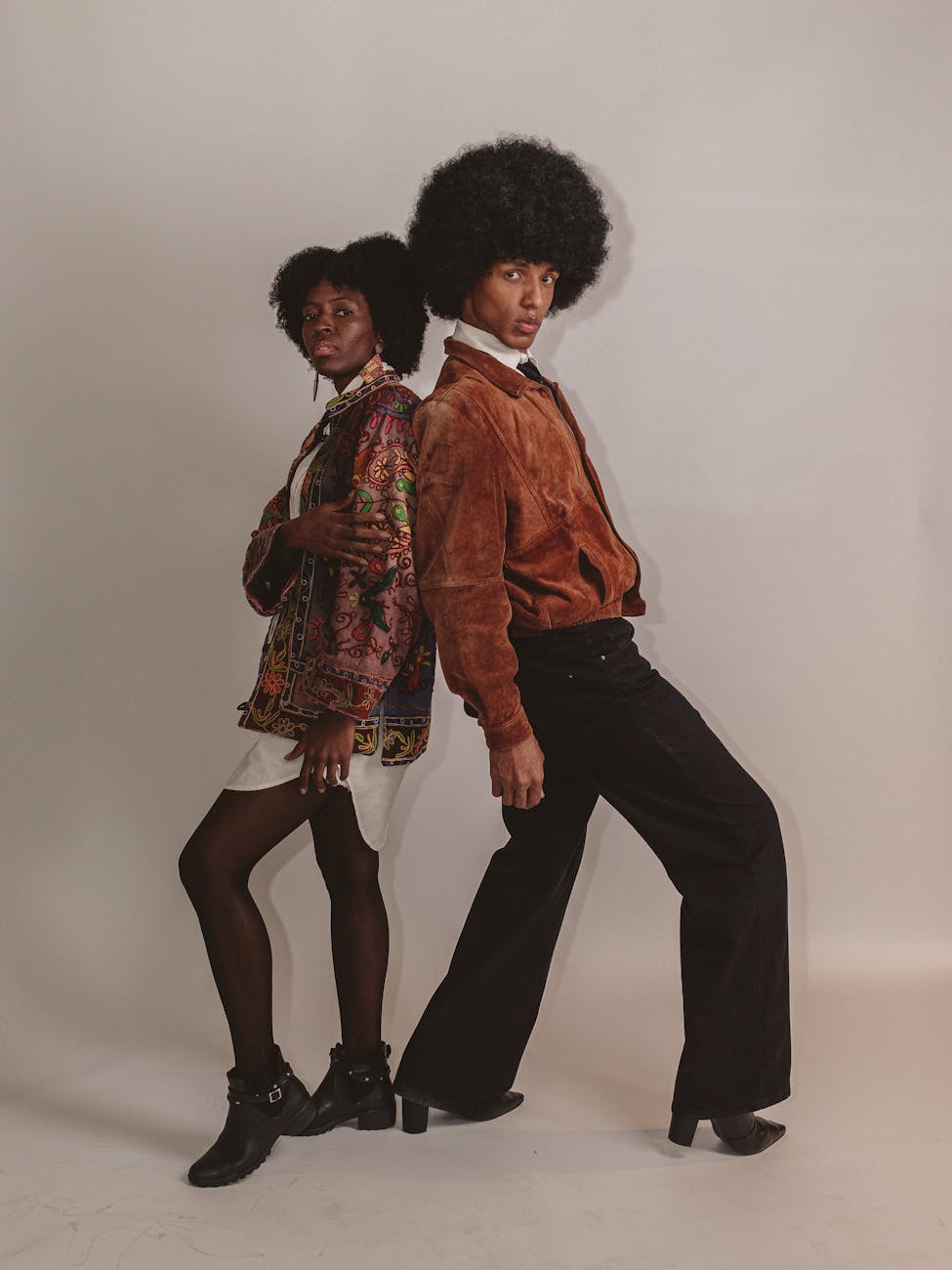
Photo by Alexandre Canteiro on Pexels.com

The narrative of the Brown Girl and the Brown Boy is a testimony of shared endurance and resilience across centuries of oppression. While each carries unique burdens shaped by gender, their struggles intertwine within the same framework of racism, systemic inequality, and cultural misrepresentation. The Brown Boy carries the burden of criminalization. From childhood, he is labeled as a threat, his innocence quickly stripped away by the gaze of a society that fears his melanin. He is often over-policed, over-disciplined, and prematurely marked as deviant. This early criminalization sets the stage for a life in which opportunity is constrained, where his existence is seen as something to be managed rather than celebrated. The Brown Girl, in turn, bears the weight of invisibility and hypervisibility at once. Her body is policed, her skin tone scrutinized, and her hair politicized. She is told she must work twice as hard to be seen, yet when she asserts herself, she is cast as angry or difficult. Her womanhood is too often undervalued, her femininity questioned, and her contributions overlooked. Invisibility denies her credit, while hypervisibility subjects her to surveillance.

Historical Roots of Struggle
The struggles of the Brown Girl and Brown Boy are rooted in slavery, where African men and women were simultaneously dehumanized, exploited, and stripped of their personhood. Enslaved men were depicted as dangerous brutes, while enslaved women were hypersexualized or forced into maternal roles without agency. This legacy persists today in stereotypes that continue to shape societal perceptions. The plantation created a blueprint for systemic oppression that both Black men and women still resist.

The Brown Boy is burdened by criminalization. From his youth, society sees him not as a child but as a potential threat. He is over-policed, over-disciplined, and prematurely marked as deviant. This reflects Deuteronomy 28:50 (KJV): “A nation of fierce countenance, which shall not regard the person of the old, nor shew favour to the young.” His innocence is stolen by systemic suspicion, his manhood molded in the shadow of fear.

The Brown Girl’s struggle is invisibility and hypervisibility at once. She is unseen in her brilliance yet overexposed in her body. Her skin, hair, and tone are politicized, making her both target and spectacle. The scriptures foretell this devaluation: “Thy sons and thy daughters shall be given unto another people, and thine eyes shall look, and fail with longing for them all the day long” (Deuteronomy 28:32, KJV). The world covets her beauty but denies her humanity.

Representation and Misrepresentation
Representation has always been a double-edged sword. For the Brown Boy, media often frames him as a criminal or athlete, denying the full spectrum of his humanity. For the Brown Girl, the media either erases her altogether or confines her to caricatures such as the “mammy,” “jezebel,” or “angry Black woman.” Both experience the suffocation of misrepresentation, where society refuses to see them as complex individuals.

Educational Barriers and Discipline
Education becomes a battlefield. Research shows that Black boys are disproportionately suspended and criminalized in classrooms, labeled as “problematic” rather than nurtured (Ferguson, 2000). Black girls, while often excelling academically, face their own policing: their natural hair is deemed “unprofessional,” their assertiveness mistaken for defiance, and their bodies sexualized even in youth. Both genders wrestle with an education system that undermines their potential.

Economic Inequalities
The Brown Boy often confronts systemic barriers to employment and financial stability, including discriminatory hiring practices and wage gaps. Meanwhile, the Brown Girl—despite being the most educated demographic in the U.S.—earns less than both her Black male counterparts and white women. This intersection of racism and sexism is a double bind, yet both find themselves navigating economic structures designed to exploit rather than uplift.

Colorism’s Dividing Line
Colorism deepens the trials of both. Brown Boys may be perceived as more threatening the darker their complexion, while Brown Girls may be considered less desirable. This internalized bias stems from colonial legacies that equated light skin with superiority. Both men and women endure the psychological scars of a hierarchy that measures their worth through proximity to whiteness.

Psychological Weathering
The term “weathering” describes the cumulative effect of systemic oppression on Black bodies, leading to premature aging and health decline (Geronimus, 1992). The Brown Boy often carries the weight of being seen as a target, leading to chronic stress. The Brown Girl shoulders the burden of caretaking, respectability politics, and constant scrutiny. Together, they endure the slow erosion of health by racism’s daily toll.

Police Violence and State Control
For Brown Boys, encounters with police often turn deadly. Mass incarceration and racial profiling remain defining realities. For Brown Girls, vulnerability takes other forms—sexual violence, neglect in medical care, and dismissal in the justice system. Both genders are ensnared in different arms of the same carceral state, one that polices their existence.

Body Politics
The body becomes a site of battle. Black men are hyper-masculinized, their physiques fetishized yet criminalized. Black women’s bodies are policed, objectified, and appropriated—praised when on non-Black women yet ridiculed when naturally theirs. Both genders face dehumanization through the gaze of others.

Faith and Resilience
Despite these struggles, faith traditions have long served as a refuge. From the hush harbors of slavery to today’s Black churches, scripture reminds the Brown Girl and Brown Boy of their worth: “I will praise thee; for I am fearfully and wonderfully made” (Psalm 139:14, KJV). Both draw strength from a spiritual lineage that affirms beauty, dignity, and resilience against a world that denies them.

Love and Partnership
Romantic and communal relationships are also affected by oppression. The stressors of unemployment, incarceration, and societal division often strain bonds between Black men and women. Yet, when the Brown Girl and Brown Boy commit to healing together, their love becomes an act of resistance, a sanctuary in a hostile world.

Cultural Expression
Music, art, and literature serve as outlets of survival. From jazz and hip-hop to spoken word and Afrofuturism, the Brown Girl and Brown Boy reclaim narratives and create new worlds. Through cultural production, they not only resist but also affirm their brilliance.

Generational Trauma
Trauma is not only personal but generational. Children inherit the burdens of systemic oppression, witnessing the struggles of their parents. The Brown Girl and Brown Boy often carry wounds passed down from ancestors who endured slavery, Jim Crow, and structural racism. Healing requires breaking these cycles while honoring ancestral resilience.

The Burden of Exceptionalism
Both genders often feel the pressure to be “twice as good” in order to be deemed worthy. This burden of exceptionalism leaves little room for error or rest. The Brown Boy is expected to defy the odds and avoid stereotypes, while the Brown Girl must embody strength without vulnerability. Both pay the psychological cost of being denied simple humanity.

Resistance in Activism
Black women and men have stood side by side in movements for freedom, from abolition to civil rights to Black Lives Matter. The Brown Girl and Brown Boy recognize that liberation is bound together, for one cannot be free without the other. Their shared activism is a testimony of collective endurance and vision.

Beauty and Affirmation
In a world that tells them otherwise, both must learn to see their beauty. The Brown Girl reclaims her natural hair, dark skin, and full features as symbols of pride. The Brown Boy embraces his strength, his melanin, and his presence as affirmations of worth. Beauty, once defined against them, becomes theirs to define.

Mental Health Struggles
The stigma of mental health persists in Black communities, where seeking therapy is sometimes discouraged. Yet, both men and women battle depression, anxiety, and PTSD from systemic oppression. The Brown Girl and Brown Boy must learn to embrace healing spaces without shame.

Solidarity and Division
Oppression sometimes pits them against each other, but solidarity is essential. The Brown Girl and Brown Boy must recognize that patriarchy and sexism wound as deeply as racism, and healing requires accountability, empathy, and mutual uplift. Their strength lies in unity, not division.

The Role of Media and Social Platforms
In the digital era, social media becomes both a battleground and a platform for empowerment. Hashtags like #BlackGirlMagic and #BlackBoyJoy counter negative narratives. Yet, both also endure online harassment and colorist commentary. The virtual space mirrors the real-world struggle for validation.

Conclusion: Trials, Triumphs, and Togetherness
The story of the Brown Girl and Brown Boy is not a story of defeat but of resilience. Though their trials differ in form, they intersect in meaning. Both endure systemic oppression, cultural erasure, and personal struggles—but both also embody brilliance, creativity, and faith. Their shared journey calls for solidarity, healing, and love. Together, the Brown Girl and Brown Boy prove that resilience runs deep in their skin, their spirit, and their story.


📚 References

  • Ferguson, A. A. (2000). Bad Boys: Public Schools in the Making of Black Masculinity. University of Michigan Press.
  • Geronimus, A. T. (1992). The weathering hypothesis and the health of African-American women and men: Implications for reproductive strategies and policy analysis. Milbank Quarterly, 70(2), 335–365.
  • hooks, b. (1981). Ain’t I a Woman: Black Women and Feminism. South End Press.
  • Du Bois, W. E. B. (1903). The Souls of Black Folk. Chicago: A. C. McClurg & Co.