Category Archives: dilemmas

The Dilemmas that Black People Face Today #blackpeopleproblems

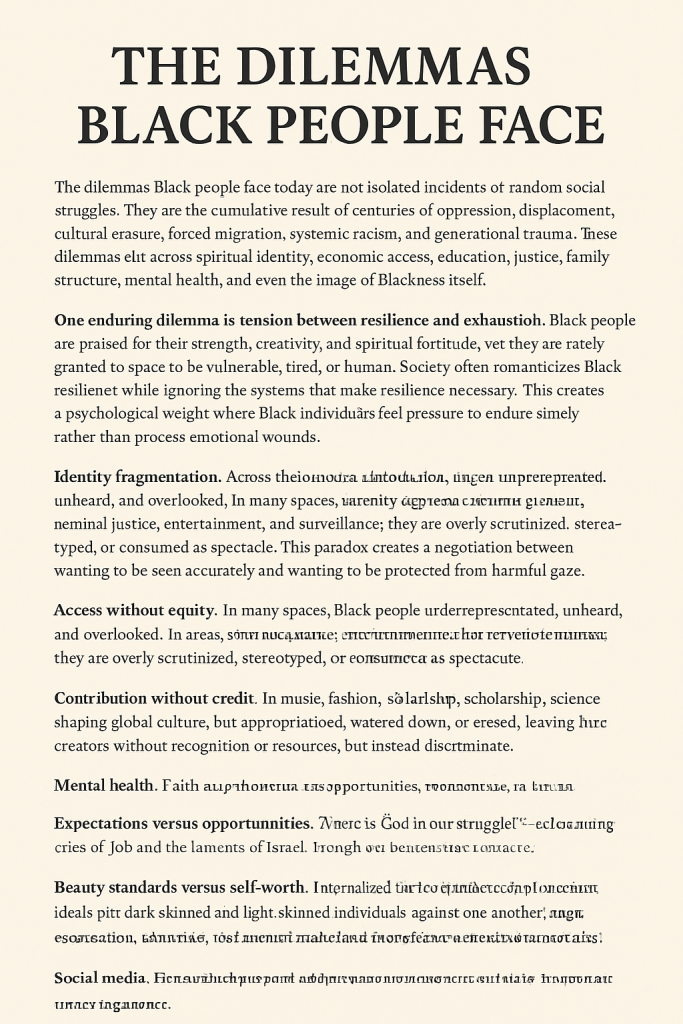
The dilemmas Black people face today are not isolated incidents or random social struggles. They are the cumulative result of centuries of oppression, displacement, cultural erasure, forced migration, systemic racism, and generational trauma. These dilemmas cut across spiritual identity, economic access, education, justice, family structure, mental health, and even the image of Blackness itself. They form a complex landscape that Black people must navigate daily while still fighting to build dignity, community, and hope.

One enduring dilemma is the tension between resilience and exhaustion. Black people are praised for their strength, creativity, and spiritual fortitude, yet they are rarely granted the space to be vulnerable, tired, or human. Society often romanticizes Black resilience while ignoring the systems that make resilience necessary. This creates a psychological weight where Black individuals feel pressure to endure silently rather than process emotional wounds.

Another dilemma lies in the legacy of identity fragmentation. Across the diaspora, Black people wrestle with questions of origin, belonging, and cultural continuity. The transatlantic slave trade severed language, history, names, and lineage—leaving many African Americans searching for spiritual and ancestral clarity. This leads to an internal conflict between who society has labeled them to be and who they truly are in God, history, and heritage.

Black people also face the dilemma of visibility versus hypervisibility. In many spaces, they are underrepresented, unheard, and overlooked. In other areas—such as criminal justice, entertainment, and surveillance—they are overly scrutinized, stereotyped, or consumed as spectacle. This paradox creates a constant negotiation between wanting to be seen accurately and wanting to be protected from harmful gaze.

Economically, the dilemma of access without equity remains a major barrier. While Black people may have access to schools, jobs, loans, and housing on paper, systemic practices—such as redlining, wage gaps, discriminatory hiring, and unequal school funding—undermine true equality. The presence of opportunity does not guarantee fairness, and this gap breeds frustration, fatigue, and generational stagnation.

Culturally, Black people face the dilemma of contribution without credit. From music to fashion, science scholarship, the Black world has shaped global culture. Yet those contributions are often appropriated, watered down, or erased, leaving Black creators without recognition or resources. Even in faith spaces, Black biblical history is minimized despite its foundational importance.

Within families, Black communities often face dilemmas created by historical disruption, including mass incarceration, economic instability, and systemic attacks on the Black home. These pressures can create strain in marriages, parenting, and generational continuity, forcing Black families to build structure while battling forces that aim to dismantle it.

Spiritually, there is a dilemma between faith and suffering. Black people often ask, “Where is God in our struggle?”—echoing the cries of Job and the laments of Israel. Yet faith has also been a source of resistance, identity, and liberation throughout Black history. The struggle lies in reconciling divine purpose with earthly injustice.

Colorism creates another dilemma: beauty standards versus self-worth. Internalized Eurocentric ideals can pit dark-skinned and light-skinned individuals against one another, producing wounds that trace back to slavery’s hierarchy. This dilemma shapes relationships, confidence, employment, desirability, and mental health.

In the area of justice, Black people face the dilemma of legal rights versus lived reality. Though laws promise equality, the outcomes—from traffic stops to sentencing—tell a different story. This dissonance reinforces a mistrust in systems meant to protect but instead discriminate.

Mental health remains a growing dilemma, as Black people contend with trauma, stress, discrimination, financial pressure, and societal expectations, all while lacking equitable access to culturally relevant care. Silence around therapy and emotional vulnerability can hinder healing.

Educationally, Black students face the dilemma of expectations versus opportunities. While excellence is often demanded, support is not always given. This leads to underfunded schools, biased assessments, and unequal advancement.

Social media has introduced new dilemmas—hyperexposure, comparison culture, cyberbullying, and the performative nature of modern identity. Though it allows Black voices to rise, it also magnifies criticism, competition, and unrealistic ideals.

And at the heart of all dilemmas lies a deeper spiritual one: the ongoing struggle for self-definition. Black people are constantly reclaiming a narrative that the world has tried to rewrite. This dilemma fuels movements, art, scholarship, and faith-based awakenings that reconnect Black people to origin, dignity, and divine purpose.

Despite these challenges, Black people continue to rise, resist, create, and believe. The dilemmas are real, but so is the power, brilliance, and spiritual calling placed upon the descendants of survival.


References

Alexander, M. (2010). The new Jim Crow: Mass incarceration in the age of colorblindness. The New Press.
Branch, T. (1988). Parting the waters: America in the King years, 1954–1963. Simon & Schuster.
Du Bois, W. E. B. (1903). The souls of Black folk. A. C. McClurg & Co.
hooks, b. (1995). Killing rage: Ending racism. Henry Holt.
Painter, N. I. (2006). Creating Black Americans: African-American history and its meanings. Oxford University Press.
Wilkerson, I. (2020). Caste: The origins of our discontents. Random House.
Woodson, C. G. (1933). The mis-education of the Negro. Associated Publishers.

Dilemma: Forgiveness

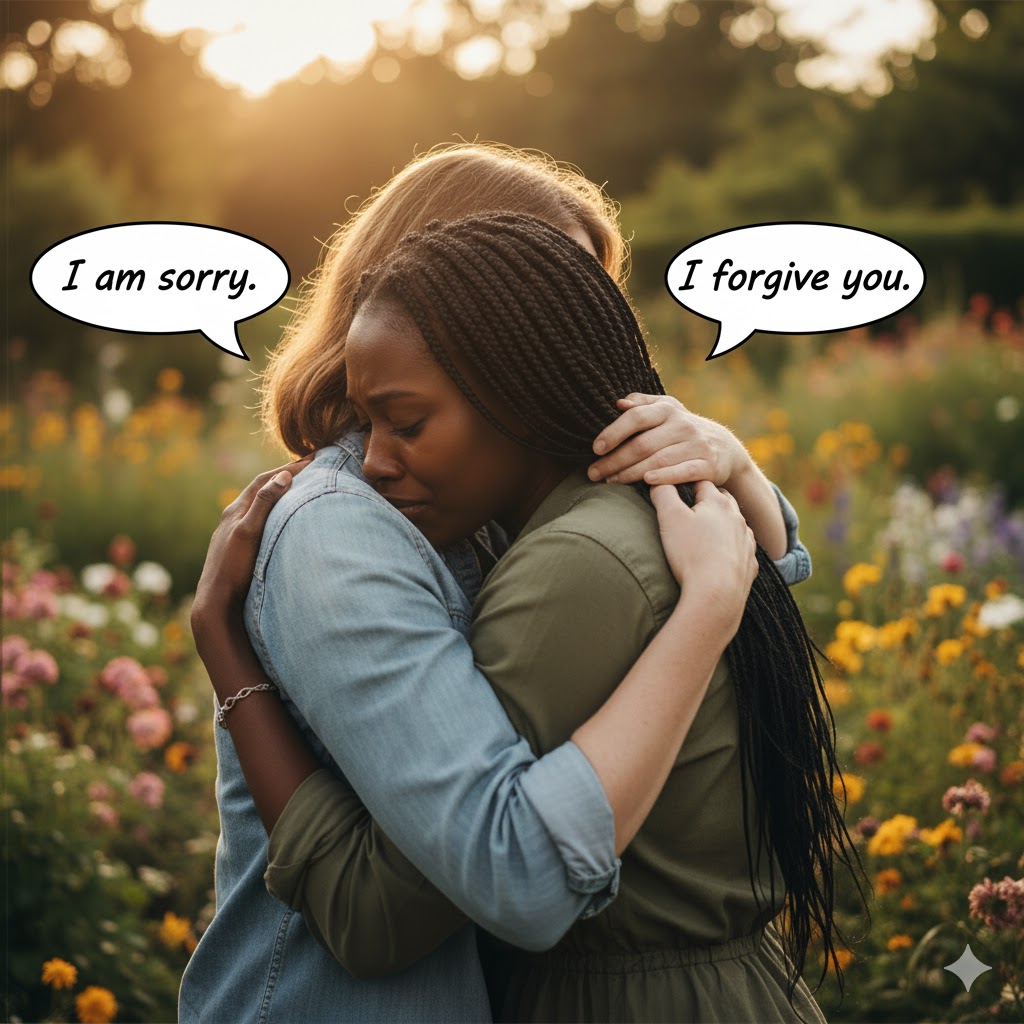
Forgiveness is one of the most challenging spiritual disciplines, especially when the wound runs deep. The dilemma of forgiveness lies in the tension between justice and mercy, memory and healing, pain and release. It is not a simple act; it is a journey—one that requires courage, humility, and divine strength. To forgive is not humanly easy, but it is spiritually necessary.

Forgiveness begins with a decision, not a feeling. The heart may still hurt, the mind may still replay the offense, and the emotions may still tremble—but forgiveness is a choice. God calls us to forgive because He knows that holding on to bitterness damages the soul more than the offense itself. As Christ taught, “Forgive, and ye shall be forgiven” (Luke 6:37, KJV).

The dilemma is especially heavy for Black people, whose historical suffering presents a unique struggle. Enslavement, lynching, segregation, humiliation, and systemic injustice created generational wounds. Yet, despite centuries of cruelty, many Black people embraced forgiveness—not as a sign of weakness, but as a spiritual survival strategy. They forgave to keep their hearts from becoming poisoned by hate.

This forgiveness was not passive. It was a deliberate, moral, and spiritual act rooted in faith, prayer, and endurance. Enslaved ancestors sang spirituals that prayed for deliverance—not revenge. Civil rights leaders preached love in the face of brutality. Millions of unnamed Black mothers and fathers raised their children without teaching them to hate those who oppressed them. Their forgiveness was empowered by God, not by submission.

God’s Word commands forgiveness because it frees the soul. In Matthew 6:14–15, Jesus teaches that our forgiveness from God is tied to our forgiveness toward others. The Bible does not excuse wrongdoing, but it refuses to let wrongdoers imprison our hearts. Forgiveness becomes an act of liberation—a release from emotional bondage.

Forgiveness does not mean forgetting. The human brain does not erase trauma, nor does God ask us to pretend as though harm never occurred. “Forgetting” in Scripture means choosing not to hold something against a person. God says, “Their sin will I remember no more” (Hebrews 8:12, KJV), meaning He chooses not to charge it to our account. We may remember the event, but we release its hold over us.

Forgiving others does not remove accountability. God is a God of mercy and justice. When you forgive, you are not excusing wrongdoing—you are transferring the burden of judgment to God, who sees and repays. This keeps your heart clean while allowing divine justice to unfold. Forgiveness protects you spiritually while God handles the offender.

Forgiveness toward friends requires honesty and boundaries. Friendships can be deeply painful when loyalty is violated, but God still commands reconciliation when possible. Proverbs 17:9 reminds us that “he that covereth a transgression seeketh love.” Forgiving a friend means acknowledging the wound while choosing peace over resentment.

Forgiveness within marriages requires humility and patience. Spouses hurt each other in ways outsiders never see. Yet Scripture teaches that love “beareth all things… endureth all things” (1 Corinthians 13:7, KJV). Forgiveness strengthens marital covenant and reflects the steadfast love of God.

Forgiving family—parents, siblings, and children—can be the hardest of all. Family wounds cut deep because the expectation of love is high. Yet the Bible continually teaches compassion, restoration, and long-suffering within families. Jesus said to forgive “seventy times seven” (Matthew 18:22, KJV), emphasizing perpetual grace.

Forgiving children involves maturity and understanding. Children make mistakes, sometimes causing serious emotional harm without fully understanding the impact. Parents are called to model God’s grace, teaching children through love, correction, and gentle restoration.

Forgiveness is also internal—you must forgive yourself. Many people carry guilt from past actions, regrets, or mistakes. If God extends mercy, you must learn to accept it. Self-forgiveness becomes an act of obedience to God’s grace.

True forgiveness requires honesty about the offense. Minimizing or denying the hurt only delays healing. You must acknowledge the pain, name the wound, and confront the emotions attached to it. God meets you in your truth, not in your denial.

Forgiveness is also a process. Some wounds heal slowly, and God understands that. Forgiveness may need to be repeated daily until the heart aligns with the decision. The process is not a sign of failure but a step toward deliverance.

Spiritually, forgiveness is warfare. The enemy thrives in bitterness, resentment, and division. When you forgive, you close the door to spiritual attack and open the door to peace. Forgiveness reclaims emotional territory surrendered to anger.

Forgiveness brings freedom. It removes the weight from your chest, the knot from your stomach, and the heaviness from your soul. It allows you to breathe again. It does not rewrite the past, but it releases your future.

Forgiveness aligns you with Christ. Jesus forgave His accusers, His executioners, and His betrayers. His example teaches that forgiveness is not optional—it is the calling of every believer. We forgive because He forgave us first.

Below are Ten Steps to Forgiving that reflect both Scripture and psychological wisdom:

  1. Acknowledge the pain honestly.
  2. Pray for strength, wisdom, and clarity.
  3. Make the decision to forgive, even before emotions catch up.
  4. Release the desire for revenge or repayment.
  5. Separate the person from the offense.
  6. Set appropriate boundaries if needed.
  7. Seek counsel, prayer partners, or pastoral support.
  8. Practice empathy—try to understand, not excuse.
  9. Repeat forgiveness daily until peace comes.
  10. Bless, pray for, and release the offender into God’s hands.

You know you have forgiven when the memory no longer holds emotional power over you. You may remember the event, but it loses its sting. Peace replaces pain, compassion replaces anger, and you can think of the person without bitterness or desire for retribution.

The Dilemma of Trust After Forgiveness

Forgiveness is a spiritual command, but trust is earned. The dilemma arises when we forgive but are unsure whether we can rely on the same person again. Forgiveness releases the offender from debt to our hearts, but trust asks for proof that they will not harm us again.

Forgiving someone does not automatically restore intimacy. The Bible teaches us to forgive, yet it also emphasizes wisdom in relationships. “A prudent man foreseeth the evil, and hideth himself” (Proverbs 22:3, KJV). Forgiveness is mercy; trust is discernment.

This dilemma is particularly poignant in communities that have experienced generational betrayal or oppression. Black people, for example, have forgiven systemic injustices and interpersonal harms, yet trust remains fragile because repeated violations have left deep scars.

Trust after forgiveness requires observation. Actions reveal character. As Scripture notes, “By their fruits ye shall know them” (Matthew 7:20, KJV). Forgiveness opens the door to potential reconciliation, but trust waits for consistent demonstration of respect and integrity.

The tension between forgiveness and trust is not a sign of spiritual weakness. Rather, it reflects discernment and self-preservation. God calls us to forgive without bitterness, yet also to walk wisely in the world (Ephesians 5:15–16, KJV).

In families, trust may take time to rebuild. A parent who has been hurt by a child’s rebellion or a spouse who has betrayed a marriage vow can forgive, but trust must grow gradually. Forgiveness releases resentment; trust ensures the covenant is honored moving forward.

Trust is relational, not instantaneous. Forgiveness sets the foundation; trust builds the structure. One cannot demand trust immediately after hurt—it must be earned through repeated reliability, accountability, and humility.

Forgiveness without boundaries can be dangerous. It is vital to establish clear expectations after betrayal. God forgives humanity but also enforces justice. In the same way, human relationships require safeguards to prevent repeated harm.

In communities recovering from historical trauma, trust requires transparency. Black people who forgave white oppressors may still approach interactions with vigilance. Forgiveness can coexist with caution, understanding that the heart cannot be recklessly exposed.

Forgiveness and trust are tested by temptation and circumstance. Just as humans are prone to sin, people may fail again. The biblical model for trust acknowledges imperfection while emphasizing accountability and restoration (Galatians 6:1–2, KJV).

In friendships, trust is rebuilt through honesty and time. A betrayed friend must demonstrate loyalty consistently. Forgiveness restores the relationship to a baseline of peace; trust allows shared vulnerability to flourish once more.

Trust in marriage requires similar diligence. A spouse who has sinned against the marriage covenant must demonstrate repentance, changed behavior, and ongoing commitment. Forgiveness cleanses the heart, while trust reestablishes security.

Trust also grows through communication. Open conversations about pain, expectations, and boundaries reinforce reliability. Forgiveness without dialogue may leave the forgiver vulnerable to repeated betrayal.

Spiritually, trusting after forgiveness mirrors our relationship with God. We forgive others because He forgives us, yet we walk by faith and not by sight (2 Corinthians 5:7, KJV). Our discernment protects the heart while our faith sustains it.

Forgiveness allows emotional release; trust allows measured engagement. We can forgive an offender fully yet remain cautious in entrusting them with our deepest vulnerabilities. This balance reflects maturity and godly wisdom.

Repeated offenses may require recalibration of trust. Forgiveness does not obligate blind confidence. Scripture encourages justice tempered with mercy—ensuring we do not enable harmful behavior (Romans 12:17–19, KJV).

Trust after forgiveness also requires self-reflection. Are we projecting fear from past wounds onto the present? Are we willing to allow growth and restoration? Forgiveness invites us to release resentment; trust invites us to evaluate prudently.

The dilemma highlights the difference between grace and entitlement. Forgiveness is freely given, reflecting God’s mercy. Trust is conditional, reflecting the responsibility of human beings to honor relationships.

True reconciliation is incomplete without both forgiveness and trust. Forgiveness releases the offender, but trust restores the relational dynamic. Both require time, humility, and spiritual guidance to align with God’s will.

Ultimately, the dilemma of trust after forgiveness challenges believers to balance mercy with wisdom. Forgiveness heals the heart; trust safeguards it. Together, they allow relationships to flourish under the guidance of God’s truth.


Forgiveness is not easy, but it is holy. It is the pathway to healing, the doorway to peace, and the evidence of spiritual maturity. Through God’s grace, you can forgive anyone—friends, family, spouses, children, and even entire systems of oppression. Forgiveness does not diminish the truth of harm; it magnifies the truth of God’s power.


KJV Scripture References

  • Matthew 6:14–15
  • Luke 6:37
  • Matthew 18:22
  • Hebrews 8:12
  • 1 Corinthians 13:7
  • Proverbs 17:9 Proverbs 22:3
  • Matthew 7:20
  • Ephesians 5:15–16
  • Galatians 6:1–2
  • 2 Corinthians 5:7
  • Romans 12:17–19

References

Chapman, G. (2010). The five languages of apology: How to experience healing in all your relationships. Northfield.

Tutu, D., & Tutu, M. (2014). The book of forgiving: The fourfold path for healing ourselves and our world. HarperOne.

West, C. (2017). Race matters. Beacon Press.

Woodson, C. G. (2021). The mis-education of the Negro. Dover.

Dilemma: Reparations

“Reparations are not about a handout—they are about restoring justice, repairing wounds, and reconciling with the truth of our shared history.” — Dr. Cornel West

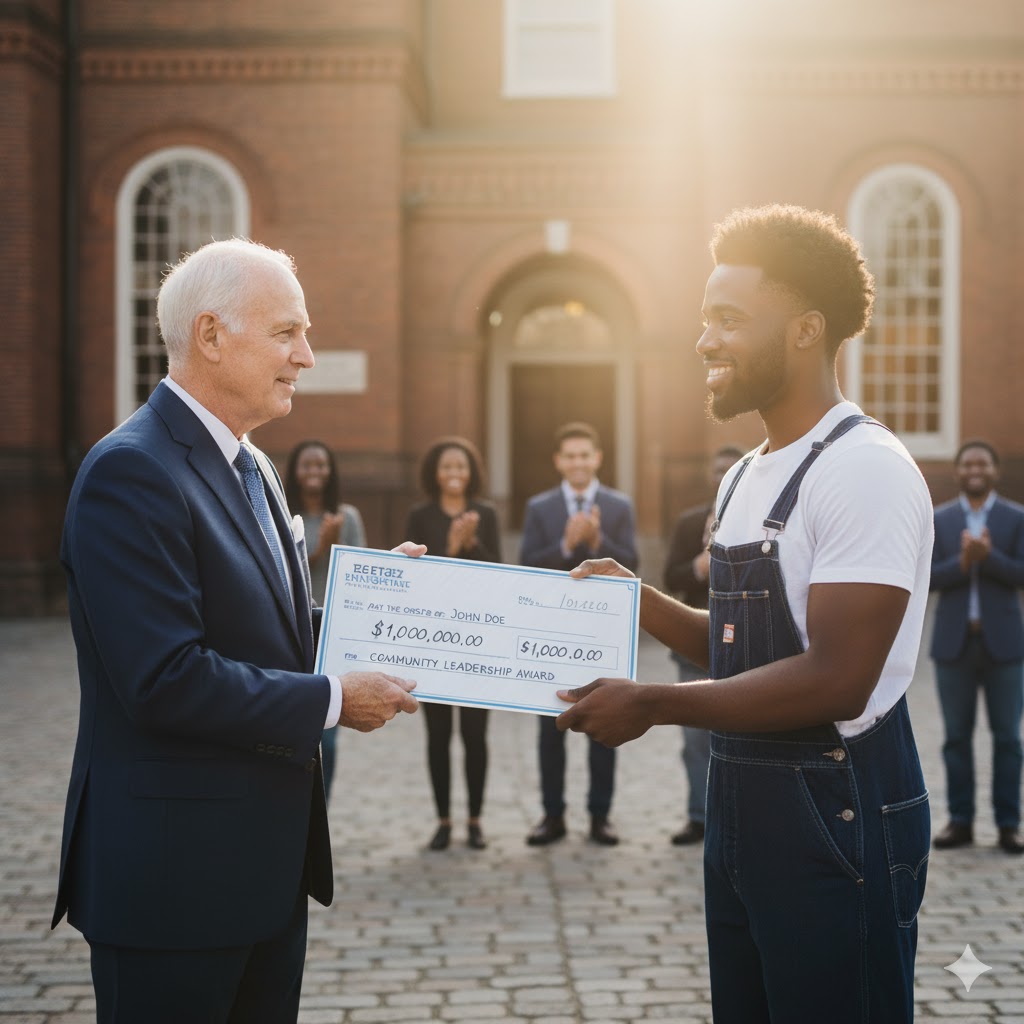
Reparations have long stood at the center of Black America’s moral, historical, and spiritual struggle for justice. They represent not merely financial compensation but a public acknowledgment of the harm inflicted upon millions of African-descended people who endured chattel slavery, racial terrorism, legal segregation, and generational dispossession. Yet despite the magnitude of these injustices, the United States has continually resisted granting African Americans what has been afforded to other groups. This dilemma reflects the nation’s unresolved relationship with truth, accountability, and its own historical narrative.

Reparations remain a contentious issue because they force America to confront its past without euphemism. They require the nation to admit that slavery was not an accidental blemish but a deliberate economic system built on inhumanity. The refusal to offer reparations stems from the denial of responsibility—an unwillingness to accept that the wealth of the nation was constructed through Black suffering. While some argue that time has healed old wounds, generational inequality remains a living consequence that can be traced through the socioeconomic conditions of Black communities today.

Black people deserve reparations because the injustices committed against them were unique in scale, duration, and brutality. Enslaved Africans were legally defined as property, denied humanity, and subjected to violence, rape, forced family separations, and the destruction of cultural identity. Even after emancipation, racist laws such as Black Codes, Jim Crow legislation, redlining, and discriminatory policing reinforced the conditions of inequality. Reparations acknowledge that the effects of slavery did not end in 1865; they echo across generations.

America’s lies to Black people have been vast and intentional. The promise of “forty acres and a mule” never materialized. The idea that freedom would naturally lead to equality proved untrue as the nation constructed new systems of oppression. Meanwhile, myths were created to distort history: that slavery was benevolent, that Black people were inferior, and that racial disparities were due to cultural failings rather than structural inequities. These lies became embedded in school curricula, political rhetoric, and national identity.

Responsibility for this legacy lies not only with the enslavers but also with the federal government, religious institutions, financial corporations, and those who profited from Black labor. Each played a role in perpetuating harm. The U.S. Constitution protected slavery, banks insured enslavers’ “property,” and churches often misused Scripture to justify bondage. Collectively, these institutions built wealth by extracting the life force of an entire people, while simultaneously shaping a narrative that minimized their culpability.

One of the most insidious aspects of American slavery was its misuse of the Bible. Passages were selectively cited to suggest divine approval for slavery, while the liberating themes of the Exodus, justice, and human dignity were ignored. Enslavers weaponized religion to control enslaved people, teaching obedience while forbidding them from reading Scripture in full. Yet Black people found in the Bible—especially the King James Version—promises of deliverance, justice, and divine retribution against oppressors. They recognized that true biblical teaching contradicted the slaveholder’s theology.

The torture inflicted on Black people was systematic and state-sanctioned. Whippings, brandings, mutilation, forced breeding, sexual assault, medical experimentation, and psychological terror were common tools of control. Enslaved children were sold away from their parents; women were violated for profit; men were dehumanized to break their spirit. After slavery, brutality continued through lynching, convict leasing, and racial massacres such as Tulsa in 1921 and Rosewood in 1923. These acts were not isolated incidents but expressions of a national ideology that devalued Black life.

Native Americans also endured genocide, land theft, cultural destruction, and forced assimilation. In some cases, the U.S. government offered financial settlements, land returns, and federal recognition—imperfect but tangible forms of reparative justice. Their experience demonstrates that reparations are not unprecedented; America has the capacity to compensate groups it has harmed. The contrast raises the question: why were African Americans excluded?

The purpose of slavery was economic exploitation and racial domination. The outcome was the creation of a racial caste system where whiteness became associated with power and Blackness with subjugation. The legacy includes wealth disparities, underfunded schools, mass incarceration, health inequalities, and cultural erasure. Generations of Black families have been denied the opportunity to accumulate wealth, resulting in the deep socioeconomic chasm we observe today.

The answer to the dilemma lies in truth-telling, repair, and systemic transformation. Reparations are not merely about money but about addressing the structural conditions that slavery created. They involve formal apologies, financial restitution, educational investments, land returns, business grants, policy reforms, and national remembrance. They require acknowledging the ongoing nature of racial inequality.

Reparations are defined as compensation given to a group for past harms, typically by the government responsible for those harms. They may include monetary payments, community investments, or institutional reforms. Historically, reparations have been provided to Holocaust survivors, Japanese Americans interned during World War II, Native American tribes, and victims of certain state injustices. The absence of reparations for African Americans reveals a contradiction in American values.

Many ethnic groups have received reparations because their suffering was publicly acknowledged as unjust and undeserved. Yet Black suffering was normalized, rationalized, or erased. The failure to grant reparations to Black people is not due to logistical difficulty but to a societal unwillingness to confront racism’s foundational role in American identity. This reluctance is reinforced by political rhetoric that portrays reparations as divisive rather than healing.

Efforts to remove Black history from schools, libraries, and public discourse represent a modern continuation of historical erasure. By censoring slavery, Jim Crow, and systemic racism, America seeks to avoid accountability. This suppression not only distorts national memory but also undermines progress toward justice. When a nation refuses to teach its children the truth, it ensures that oppression will repeat itself in new forms.

The solution begins with acknowledging historical facts without dilution. Reparations commissions should gather documentation, hear testimonies, and formulate actionable plans. Churches and corporations should be required to confess their roles in slavery and contribute to repair. Educational institutions must restore truthful curricula. Policies should address wealth gaps through homeownership grants, student loan forgiveness, and investments in Black-owned businesses and schools.

Spiritually, the Bible affirms reparations. In Exodus, God commands Egypt to compensate the Israelites for their forced labor. In Luke 19:8 (KJV), Zacchaeus pledges to restore fourfold what he has taken unjustly. These passages demonstrate that repentance requires both confession and restitution. Justice is incomplete without repair.

A national program of reparations would not erase the past, but it would create a foundation for healing and reconciliation. It would honor the resilience of Black people whose ancestors endured the unthinkable. It would affirm that America is capable of truth, justice, and transformation.

Reparations are not charity—they are the moral debt owed to a people whose contributions built the nation while their humanity was denied. They represent not only compensation but also dignity restored. For Black America, reparations are not merely a request—they are a rightful claim grounded in history, faith, and justice.

Only through honesty, restitution, and a commitment to systemic change can America move beyond its broken legacy. Reparations are not the end of the story, but they are the beginning of a new chapter where truth prevails over denial and justice triumphs over inequality.

References
Alexander, M. (2012). The new Jim Crow: Mass incarceration in the age of colorblindness. The New Press.
Coates, T.-N. (2014). The case for reparations. The Atlantic.
Du Bois, W. E. B. (1903). The souls of Black folk. A.C. McClurg.
Horne, G. (2018). The apocalypse of settler colonialism. Monthly Review Press.
King James Bible. (1769/2021). King James Version.
West, C. (1993). Race matters. Beacon Press.
Zinn, H. (2005). A people’s history of the United States. Harper Perennial.

Dilemma: The Isms

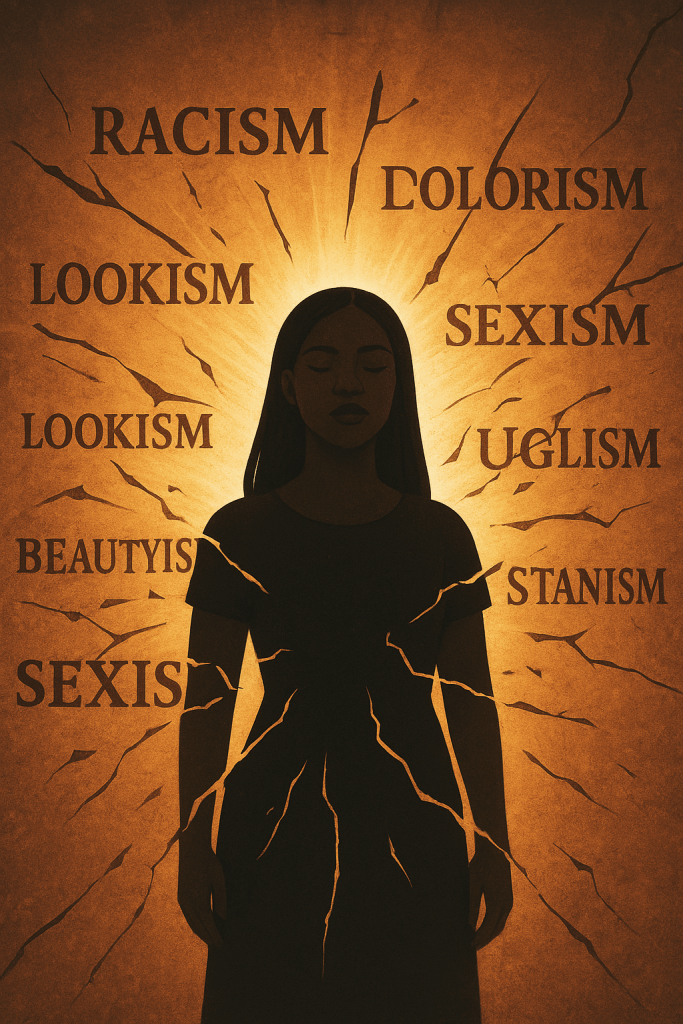
In the grand theater of human existence, few scripts are as persistent and poisonous as the “isms.” Racism, colorism, lookism, beautyism, sexism, oldism, shadeism, uglyism, and even satanism—all are manifestations of a fallen world obsessed with hierarchy, appearance, and power. Each “ism” reflects the corrosion of love and the rebellion of pride. Together, they create a network of deception that distorts identity, destroys unity, and desecrates the divine image in which humanity was made. Nowhere are the scars of these “isms” more deeply etched than within the Black experience. For centuries, Black people have stood at the crossroads of all these prejudices, bearing their weight in body, mind, and soul.

Racism remains the root—a centuries-old ideology that devalues melanin while exalting whiteness. It began as a tool of control and exploitation, branding Blackness as inferior to justify enslavement, colonization, and systemic oppression. The result is a world where Black people must constantly prove their worth in spaces that were built to exclude them. Yet God created man “of one blood” (Acts 17:26, KJV), and He did not rank His creation by hue or heritage. Racism, therefore, is not merely a social construct—it is a sin against divine design.

Colorism, birthed from the same soil, has fractured the Black community itself. It is the preference for lighter skin tones and the degradation of darker shades, a poison inherited from colonialism and slavery. Within entertainment, corporate spaces, and even family structures, darker-skinned individuals often face invisibility or bias. The pain of colorism is internal and generational—it teaches people to love themselves in fragments. Blackness, in all its shades, becomes a battlefield instead of a brotherhood.

Shadeism, a close cousin to colorism, digs deeper into the nuances of melanin politics. It is not just about dark or light, but about the subtle gradients that dictate beauty, opportunity, and social treatment. A few shades lighter can mean a world of difference in media representation or romantic desirability. This artificial hierarchy was never God’s plan. The Bible declares that “we are fearfully and wonderfully made” (Psalm 139:14, KJV), yet man continues to divide what God made whole.

Lookism extends these divisions into the realm of physical features. Society’s obsession with symmetrical faces, certain nose shapes, or body proportions reinforces Eurocentric ideals and marginalizes Black aesthetics. African features—broad noses, full lips, coily hair—have been mocked, exoticized, or appropriated, rarely celebrated for their divine authenticity. For Black people, lookism means being measured by standards that were never meant to reflect them.

Beautyism makes this discrimination even more insidious. It teaches that worth is equal to desirability and that physical beauty is a form of social capital. This idolization of beauty enslaves both the admired and the overlooked. The Black woman, in particular, stands at the intersection of racial, aesthetic, and gender bias—praised for her strength but rarely protected, desired for her body but dismissed for her humanity. Proverbs 31:30 (KJV) reminds us that “beauty is vain,” yet the world worships it as god.

Sexism compounds these struggles by defining womanhood through subservience and silence. Within the Black experience, sexism manifests uniquely. Black women are often denied softness, labeled as too strong, too loud, or too masculine. Their pain is minimized, their brilliance overlooked. Meanwhile, Black men face a different battle—emasculated by stereotypes yet pressured to perform dominance to prove their manhood. Both genders suffer when the divine order of respect and balance is replaced with competition and oppression.

Oldism, or ageism, is another hidden form of injustice. It affects the elders of the Black community, whose wisdom and history are often ignored by a youth-obsessed culture. In Western societies, aging is seen as decline rather than dignity. Yet Scripture says, “The hoary head is a crown of glory, if it be found in the way of righteousness” (Proverbs 16:31, KJV). Elders are living libraries, but oldism silences their stories, causing younger generations to repeat cycles of trauma.

Uglyism is perhaps the cruelest of the superficial “isms.” It labels people as unworthy of admiration based on arbitrary ideals of attractiveness. Within Black culture, uglyism often targets those with the darkest complexions or most African features. This cruel bias leads to deep-seated self-hate, psychological wounds, and lifelong insecurities. The truth, however, is that beauty cannot be defined by the eye of man—it must be defined by the heart of God. What the world calls “ugly,” God often calls chosen.

Satanism, though seemingly distinct from the others, undergirds them all. These “isms” are not merely social patterns—they are spiritual strategies. They divide humanity through pride, envy, and hatred, which are tools of the adversary. Satanism glorifies self-worship, vanity, and hierarchy—all principles seen in the other “isms.” The adversary’s goal is to make creation despise itself, to pit shade against shade, gender against gender, and soul against soul. Ephesians 6:12 (KJV) warns us that “we wrestle not against flesh and blood, but against principalities.” The “isms” are not random—they are orchestrated.

For Black people, the impact of these “isms” is multiplied. Racism devalues them, colorism divides them, lookism mocks them, and beautyism excludes them. Sexism silences their women, oldism forgets their elders, uglyism shames their features, and satanism blinds their spiritual identity. The Black experience becomes a battlefield not just for equality, but for wholeness.

Generational trauma has taught many Black individuals to conform in order to survive. Skin bleaching, hair alteration, and assimilation into Western beauty norms are all symptoms of a deeper wound—the internalized belief that to be accepted, one must erase oneself. But God never intended for His people to conform to the image of man. Romans 12:2 (KJV) commands, “Be not conformed to this world: but be ye transformed by the renewing of your mind.”

Each “ism” robs something sacred. Racism steals dignity. Colorism steals unity. Lookism steals authenticity. Beautyism steals peace. Sexism steals purpose. Oldism steals legacy. Uglyism steals confidence. Shadeism steals harmony. And satanism steals souls. Together, they create a system of distraction—a matrix designed to keep people fixated on the external rather than the eternal.

Healing begins with awareness but is completed through righteousness. God calls His people to live beyond the world’s labels. The Kingdom of Heaven does not rank based on skin tone, age, or beauty; it honors righteousness and humility. The true mark of greatness is not appearance, but obedience.

Black people, as descendants of resilience and divine heritage, must reclaim their image through the eyes of the Creator. Melanin is not a curse but a covering. Afrocentric features are not imperfections but imprints of glory. Elders are not outdated but anointed. Every shade, every texture, every curve is a verse in the poetry of creation.

The path to liberation lies in spiritual reprogramming—replacing the lies of the “isms” with the truth of divine identity. When Black people remember who they are and whose they are, the “isms” lose their grip. For the Most High sees not as man sees. He looks on the heart.

In the end, the true enemy is not color, beauty, or gender—it is corruption. The ultimate “ism” is ego, the self elevated above God. But those who walk in love, humility, and righteousness will transcend the world’s systems. As it is written, “If any man be in Christ, he is a new creature” (2 Corinthians 5:17, KJV).

Let the “isms” fall away, and let divine identity rise. For when we see ourselves and others as God sees us—fearfully, wonderfully, and equally made—the chains of vanity, prejudice, and pride are broken forever.


References

  • The Holy Bible, King James Version (KJV) – Genesis 1:27; Psalm 139:14; Acts 17:26; 1 Samuel 16:7; Proverbs 31:30; Proverbs 16:31; Romans 12:2; Galatians 5:22–23; Ephesians 6:12; 2 Corinthians 5:17.
  • hooks, b. (1981). Ain’t I a Woman: Black Women and Feminism. South End Press.
  • Hill Collins, P. (2000). Black Feminist Thought. Routledge.
  • Russell, K., Wilson, M., & Hall, R. (2013). The Color Complex: The Politics of Skin Color Among African Americans. Anchor Books.
  • Wolf, N. (1991). The Beauty Myth: How Images of Beauty Are Used Against Women. HarperCollins.
  • West, C. (1993). Race Matters. Beacon Press.
  • Bailey, C. (2020). Misogynoir Transformed: Black Women’s Digital Resistance. NYU Press.

Dilemma: Slave Codes

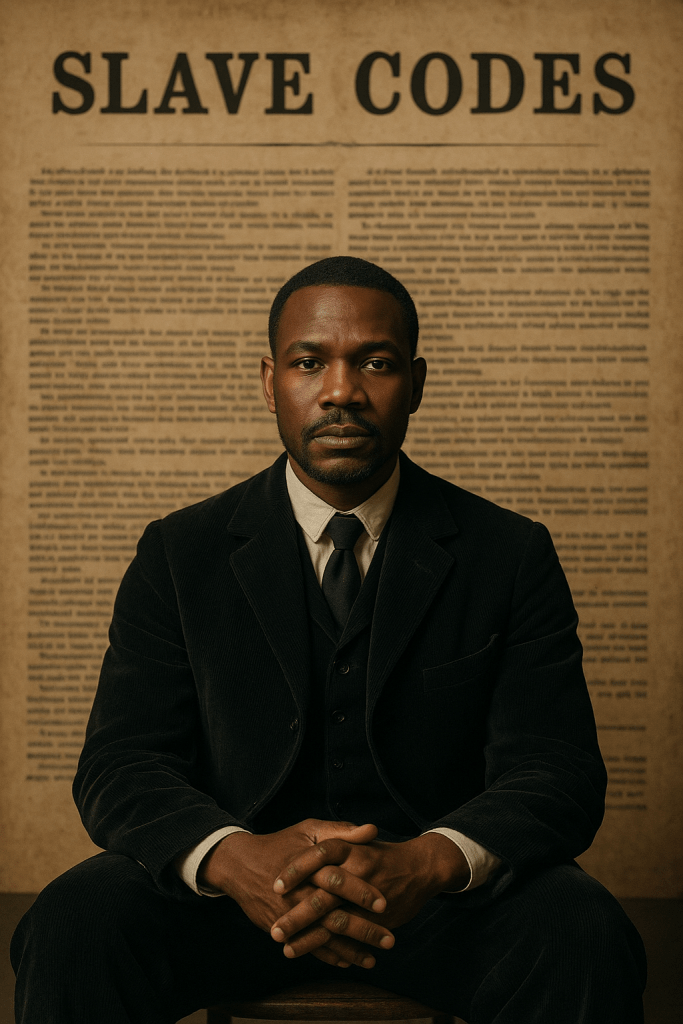
The institution of slavery in the Americas was not sustained by force alone but was codified through laws designed to regulate every aspect of enslaved Africans’ lives. These laws, known as slave codes, were crafted to protect the economic interests of slaveholders and to enforce racial hierarchy. The dilemma lies in how these codes dehumanized an entire race while simultaneously creating a legal system that institutionalized racism and justified the oppression of millions of African people (Higginbotham, 1978).

Slave codes emerged in the 17th century as colonial powers sought to control the growing African populations brought through the transatlantic slave trade. The first formalized set of slave codes appeared in Barbados in 1661, serving as a model for other colonies, including Virginia and South Carolina. These laws defined enslaved Africans not as human beings but as property—chattel—to be bought, sold, and inherited (Hall, 1992).

One of the most striking aspects of the slave codes was their comprehensive control over enslaved people’s daily lives. They restricted movement, prohibited literacy, and punished gatherings. Enslaved individuals were forbidden from assembling without white supervision, owning property, or testifying in court against white people (Berlin, 2003). These measures ensured that enslaved Africans remained socially, politically, and economically powerless.

The Virginia Slave Codes of 1705 marked a turning point in colonial America. This legislation legally solidified racial slavery by declaring that all imported non-Christian servants were to be enslaved for life. It also mandated that the status of the child followed that of the mother, guaranteeing that slavery would perpetuate across generations (Morgan, 1975). This legal structure created a hereditary caste system that positioned Blackness as synonymous with bondage.

Religious justifications often accompanied these codes. Many European colonists invoked Christianity as a moral defense for enslavement, claiming that slavery “civilized” Africans and exposed them to the gospel. However, the same laws barred the baptism of enslaved individuals from granting them freedom, illustrating the hypocrisy of such reasoning (Raboteau, 1978).

Punishments under the slave codes were brutal and served to instill fear. Whipping, branding, mutilation, and even death were common responses to resistance or attempted escape. These punishments were public spectacles meant to deter others from rebellion. The system used violence as both punishment and psychological warfare (Genovese, 1974).

The dilemma of the slave codes also extended to poor white laborers. While these laws primarily targeted Africans, they simultaneously elevated whiteness as a privileged status. Poor whites, who might otherwise have aligned with enslaved Africans due to shared economic hardship, were instead granted social superiority through racial distinction (Roediger, 1991).

This legal racial divide ensured that class solidarity among the oppressed was nearly impossible. By creating a buffer of racial privilege, the slave codes prevented the unity that could have challenged the planter elite. In this way, the laws not only oppressed Black people but also manipulated white identity for the benefit of the ruling class.

Slave codes also restricted education, fearing that literacy would inspire rebellion or awareness of rights. Enslaved individuals caught reading or writing could face severe punishment. By denying education, the system sought to suppress intellect and self-awareness among the enslaved population (Cornelius, 1991).

Religion, however, became a space of resistance. Despite prohibitions, enslaved Africans created secret worship gatherings known as “hush harbors,” blending African spiritual traditions with Christian teachings. These gatherings subverted the slave codes’ attempt to control their souls, showing that faith could serve as a form of rebellion (Raboteau, 1978).

The economic motivation behind the codes cannot be overstated. The laws protected the immense profits generated by slave labor on plantations. The human cost of this wealth accumulation was deliberately ignored, replaced by a moral rationalization that framed Africans as less than human. This economic greed formed the foundation for modern racial capitalism (Baptist, 2014).

Rebellion was the greatest fear of slaveholders, and thus the codes expanded after every insurrection. Following uprisings like the Stono Rebellion (1739) and Nat Turner’s Rebellion (1831), colonies tightened restrictions—limiting movement, banning assembly, and empowering militias to patrol enslaved communities (Egerton, 2004). The more resistance occurred, the harsher the legal controls became.

These codes were not isolated to the colonial period. After the Civil War, similar restrictions resurfaced through “Black Codes,” which sought to control freedmen by limiting their rights to work, vote, and move freely. Thus, the spirit of the slave codes lived on, transitioning from slavery to segregation (Litwack, 1998).

The legal legacy of slave codes profoundly shaped American law enforcement and criminal justice. Laws that once criminalized Black freedom evolved into modern systems of racial profiling, mass incarceration, and economic disenfranchisement. This continuity reveals how deeply the ideology of control was embedded in American governance (Alexander, 2010).

Psychologically, the slave codes inflicted generational trauma. They taught Black people that their lives were subject to constant surveillance and punishment. At the same time, they conditioned white society to associate authority with dominance over Black bodies, a mindset that still lingers in systemic racism today (hooks, 1992).

The slave codes also stripped enslaved people of family integrity. Enslaved marriages had no legal recognition, and children could be sold away at any moment. This destruction of kinship ties was another method of control, ensuring emotional dependency on slaveholders rather than familial bonds (Gutman, 1976).

Despite the overwhelming control, enslaved Africans continuously resisted—through work slowdowns, escapes, sabotage, and the preservation of culture. Their defiance proved that no law could extinguish the human will for freedom. Even within the confines of the slave codes, they found ways to reclaim their humanity (Franklin & Schweninger, 1999).

The dilemma of the slave codes challenges America’s moral conscience. These laws expose the hypocrisy of a nation that declared liberty and justice while codifying racial slavery. They reveal how systemic racism was not accidental but carefully engineered and legally enforced.

Understanding the history of the slave codes is essential to confronting present-day inequalities. They remind us that the struggle for justice requires dismantling the legal and psychological remnants of slavery that persist in modern institutions. The codes may have been abolished, but their legacy continues to echo through every system built upon their foundation.


References

Alexander, M. (2010). The New Jim Crow: Mass Incarceration in the Age of Colorblindness. New Press.
Baptist, E. E. (2014). The Half Has Never Been Told: Slavery and the Making of American Capitalism. Basic Books.
Berlin, I. (2003). Generations of Captivity: A History of African-American Slaves. Harvard University Press.
Cornelius, J. D. (1991). “When I Can Read My Title Clear”: Literacy, Slavery, and Religion in the Antebellum South. University of South Carolina Press.
Egerton, D. R. (2004). He Shall Go Out Free: The Lives of Denmark Vesey. Rowman & Littlefield.
Franklin, J. H., & Schweninger, L. (1999). Runaway Slaves: Rebels on the Plantation. Oxford University Press.
Genovese, E. D. (1974). Roll, Jordan, Roll: The World the Slaves Made. Pantheon Books.
Gutman, H. G. (1976). The Black Family in Slavery and Freedom, 1750–1925. Vintage Books.
Hall, N. A. T. (1992). Slave Society in the British Leeward Islands at the End of the Eighteenth Century. Yale University Press.
Higginbotham, A. L. (1978). In the Matter of Color: Race and the American Legal Process. Oxford University Press.
hooks, b. (1992). Black Looks: Race and Representation. South End Press.
Litwack, L. F. (1998). Trouble in Mind: Black Southerners in the Age of Jim Crow. Knopf.
Morgan, E. S. (1975). American Slavery, American Freedom: The Ordeal of Colonial Virginia. W. W. Norton & Company.
Raboteau, A. J. (1978). Slave Religion: The “Invisible Institution” in the Antebellum South. Oxford University Press.
Roediger, D. R. (1991). The Wages of Whiteness: Race and the Making of the American Working Class. Verso

Dilemma: Racial Profiling

Racial profiling is one of the most pervasive forms of systemic racism in modern society. At its core, it refers to law enforcement, institutions, or individuals targeting or treating people differently primarily because of their race, ethnicity, or national origin, rather than their behavior or credible evidence. (ACLU, n.d.)

The term has its roots in historical forms of discrimination, including slave patrols and discriminatory policing in the post-slavery United States. Over time, it evolved into a widespread practice used to justify surveillance, stops, and searches of Black communities disproportionately.

Racial profiling is not limited to policing. It manifests in education, housing, lending, employment, retail spaces, and travel, affecting Black individuals at almost every stage of life. The cumulative impact is systemic disadvantage and heightened exposure to social, economic, and legal risks.

In law enforcement, studies consistently show that Black people are more likely to be stopped, searched, and arrested than their White counterparts. For example, research using large-scale smartphone location data found that police presence is disproportionately concentrated in Black neighborhoods, independent of crime rates. (Chen et al., 2021)

Traffic stops provide a clear example. Black drivers are more likely to be stopped, searched, and ticketed than White drivers, even when controlling for behavior and location. (Phillips et al., 2017) These interactions reinforce the perception that Black individuals are inherently suspicious, perpetuating mistrust between communities and law enforcement.

Data from the Kaiser Family Foundation shows that nearly 70% of Black Americans report experiencing discrimination or police mistreatment in their lifetime, with almost half stating they felt their lives were in danger during these encounters. (KFF, 2020)

The psychological impact of racial profiling is profound. Exposure to profiling increases stress, anxiety, and trauma among Black individuals. Research shows that both direct and vicarious experiences of profiling contribute to long-term mental health disparities. (PubMed, 2020)

In the workplace, racial profiling can take the form of heightened scrutiny, biased disciplinary actions, and assumptions of incompetence. Black employees often report feeling monitored or distrusted by supervisors and colleagues based solely on racial assumptions.

Educational settings also reflect these patterns. Black students are disproportionately disciplined, searched, or subject to zero-tolerance policies. This early exposure to profiling shapes perceptions of authority and social justice, affecting educational outcomes and long-term life trajectories.

Retail environments often engage in what is called “shopping while Black.” Black shoppers are more likely to be followed, questioned, or suspected of theft compared to White shoppers. Local studies indicate that such profiling contributes to feelings of exclusion and social marginalization.

Housing policies also reflect profiling. Landlords, property managers, and neighborhood associations may treat Black applicants as higher risk, enforce codes more strictly in Black neighborhoods, or limit access to desirable housing. These practices contribute to residential segregation and wealth disparities.

Lending institutions also profile Black borrowers. Studies demonstrate that Black applicants are more likely to be denied loans, offered higher interest rates, or subjected to stricter scrutiny, even when controlling for income and creditworthiness. (Federal Reserve, 2019)

In travel and airports, profiling manifests as disproportionately high rates of stops and security screenings of Black travelers. For example, a news report highlighted that Black passengers at major U.S. airports faced more frequent detentions than their share of overall travelers. (People, 2023)

The legal system is deeply affected by profiling. Black defendants are more likely to face harsher charges, longer sentences, and pretrial detention compared to White defendants. Profiling perpetuates inequities in criminal justice outcomes, reinforcing structural racism.

Community trust is eroded when profiling is widespread. Black communities often report fear and suspicion of authorities, limiting cooperation and civic participation. This distrust has long-term consequences for social cohesion and public safety.

Profiling also exacerbates economic disparities. Encounters with law enforcement and legal systems disrupt employment, schooling, and economic productivity, perpetuating cycles of poverty in Black communities.

The historical roots of profiling, including slave patrols and Jim Crow policing, continue to shape modern practice. These legacies demonstrate how profiling is less an isolated problem and more a systemic feature of racialized institutions.

Structural factors, including zoning, policing budgets, and data collection practices, perpetuate profiling. Lack of transparency and accountability in stop-and-search procedures allows discriminatory practices to continue largely unchecked.

Policy interventions are critical. Mandatory data collection on stops, searches, and arrests, coupled with community oversight and bias training, can mitigate racial profiling. Redress mechanisms for victims are essential to ensure accountability.

Technology can both help and harm. While data analytics may identify discriminatory patterns, surveillance technologies, facial recognition, and predictive policing often disproportionately target Black neighborhoods, exacerbating profiling.

Education and public awareness campaigns are necessary to reduce the social acceptability of profiling. Community engagement, anti-bias training, and advocacy for civil rights strengthen resilience against discriminatory practices.

Culturally, racial profiling affects Black identity and experience. The cumulative stress of profiling contributes to racial battle fatigue, affecting physical health, mental health, and social cohesion. (Clark et al., 1999)

Media representation shapes perception. Over-representation of Black people in crime reporting reinforces stereotypes and justifies profiling in the public imagination. Counter-narratives are critical to challenging systemic bias.

Racial profiling is an ethical dilemma. It violates principles of justice, fairness, and equal protection under law. The practice undermines democratic norms and perpetuates intergenerational trauma.

Ultimately, racial profiling affects every facet of life for Black people: safety, employment, education, health, housing, and community life. Combating it requires structural, cultural, and legal interventions.

References

American Civil Liberties Union. (n.d.). Racial profiling | Race and criminal justice. Retrieved from https://www.aclu.org/issues/racial-justice/race-and-criminal-justice/racial-profiling

Chen, M. K., Christensen, K. L., John, E., Owens, E., & Zhuo, Y. (2021). Smartphone data reveal neighborhood-level racial disparities in police presence. arXiv. Retrieved from https://arxiv.org/abs/2109.12491

Clark, R., Anderson, N. B., Clark, V. R., & Williams, D. R. (1999). Racism as a stressor for African Americans: A biopsychosocial model. American Psychologist, 54(10), 805–816.

Federal Reserve. (2019). Discrimination in lending: Evidence and policy. Retrieved from https://www.federalreserve.gov/publications/files/2019-discrimination-lending.pdf

Kaiser Family Foundation. (2020, June 18). Poll: 7 in 10 Black Americans say they have experienced incidents of discrimination or police mistreatment in their lifetime. Retrieved from https://www.kff.org/racial-equity-and-health-policy/press-release/poll-7-in-10-black-americans-say-they-have-experienced-incidents-of-discrimination-or-police-mistreatment-in-their-lifetime-including-nearly-half-who-felt-their-lives-were-in-danger/

Phillips, C., Goel, S., et al. (2017). A large-scale analysis of racial disparities in police stops across the United States. arXiv. Retrieved from https://arxiv.org/abs/1706.05678

PBS NewsHour. (2016, August 31). Nearly a quarter of young Black people say they’ve been harassed by police, poll finds. Retrieved from https://www.pbs.org/newshour/nation/young-black-adults-less-trusting-police-poll-finds/

People. (2023). Tyler Perry calls out racial profiling of Black airport travelers. Retrieved from https://people.com/tyler-perry-calls-out-racial-profiling-of-black-airport-travelers-8659849

PubMed. (2020). Racial interactions and health consequences: A systematic review. Retrieved from https://pubmed.ncbi.nlm.nih.gov/32253746/

Dilemma: The “N” Word

The N‑word is a linguistic atomic bomb: it is capable of inflicting instantaneous injury, yet its power depends on historical context, speaker identity, and audience. It embodies centuries of subjugation, hatred, and oppression, and no neutral intent can erase that history.”
— Randall Kennedy, The N Word: Who Can Say It, Who Shouldn’t, and Why (2007, Beacon Press)

The word commonly referred to as the “N‑word” occupies one of the most charged spaces in the English language, carrying with it a history of slavery, segregation, dehumanisation, and ongoing racial violence. Its use, whether overt or subtle, signals more than mere insult—it implicates power, identity, culture, and memory. The dilemma lies in how the term continues to resonate, be contested, be reclaimed, and to injure.

Originally derived from the Latin niger (black), the term entered the English lexicon as “negro” (black person) and then evolved into “nigger”, a pejorative term whose first recorded uses as a slur date back to the seventeenth century. AAIHS+3PBS+3AA Registry+3 Even though a linguistic transformation occurred, the historic weight of racialised domination never abated. The term became embedded within the lexicon of white supremacy as a tool of dehumanisation.

In its historic usage, the slur served to mark Black persons as inferior, as property, as objects of violence and contempt. Through slavery, lynching, Jim Crow segregation, and systemic disenfranchisement, the word was more than an insult—it was an instrument of terror. AAIHS+2The Washington Post+2 To call someone this word was to place them at the lowest rung of society, to deny their humanity, to reduce them to a racialised subordinate.

Its meaning, however, is not fixed. Recent scholarship emphasises that context matters: the same lexical form may carry different pragmatic values depending on speaker identity, target, setting, intonation and community. A study of various uses of the slur in film and African American intra‑group settings argues that context determines nuance. PMC+1 In other words, the slur’s semantics are entangled with social and cultural dynamics.

When a non‑Black person uses the word towards a Black person, the meaning is rarely neutral. Given the historical legacy, it almost always signals contempt, racial threat or dominance. The slur thus acts as a linguistic embodiment of racial hierarchy—reinforcing what scholar Randall Kennedy called the “atomic bomb of racial slurs.” PBS+1 The emotional weight carried by the utterance cannot be divorced from the structural history.

Within the Black community, some use a variant ending in “‑a” (i.e., “nigga”) as a form of intra‑group address, signalling camaraderie, shared suffering, and cultural belonging. But this intra‑group appropriation remains contested. On one hand, it is reclamation; on the other, it is still rooted in a lexicon of oppression. PMC+1 This duality captures the complexity of language, identity, and power.

From a sociolinguistic and psychological perspective, the impact of the slur is substantial. Hearing or being addressed with the word has been associated with increased stress, lowered self‑esteem, internalised stigma, and social alienation. A qualitative study of African Americans’ feelings toward the word found strong negative reactions when used by non‑Black persons, and ambivalent or contextually bounded responses when used within the Black community. ScholarWorks The marker of difference and devaluation is thus deeply internalised.

The ethical and theological dimensions are equally weighty. If humanity is grounded in the imago Dei (Genesis 1:27) and dignity is recognized as universal, then the use of a slur that denies that dignity is a moral wrong. The N‑word becomes not merely a linguistic issue but a theological one: the denial of image, the denial of voice, the denial of equal worth. The Christian prophetic tradition that calls for justice (Isaiah 1:17; Amos 5:24) compels an interrogation of how language participates in oppression.

At a cultural level, the proliferation of the slur in media, music (especially hip‑hop), literature, and everyday speech complicates its mitigation. One analysis noted that the N‑word appears half a million times a day in social‑media use of the variant “nigga”. The Washington Post+1 This saturation suggests the word is both hyper‑present and normalized in certain contexts, even as it remains banned or taboo in others.

This juxtaposition—between taboo and normalization—underscores the dilemma. For many youth, especially across racial lines, the word may carry diminished sting or may function as slang. Yet for many older generations and for persons subjected to its historical brutality, the word still evokes chains, lynchings, segregation, and racial terror. The generational and intra‑community divide is thus real and significant. Learning for Justice

Moreover, the double standard inherent in discourse is explicit. Many educators and scholars note that Black persons may face fewer consequences (or different ones) when using the variant among themselves, whereas non‑Black persons often face condemnation, social censure, or institutional discipline. Lester, for instance, taught a college‐level course on the N‑word and observed that discussions often revolved around this double standard. Learning for Justice+1 The question of who may legitimately say the word is itself a question of power and membership.

In workplaces, educational institutions, and legal settings, the slur can trigger claims of hostile work environment, harassment, or discriminatory bias. Courts have grappled with whether intra‑racial use by Black workers can also constitute actionable harassment, demonstrating that the slur remains legally potent. Digital Commons@DePaul The law recognises that language can be a vehicle of structural oppression.

Language scholarship emphasises that slurs are performative: they do things—they wound, intimidate, exclude, subordinate. The N‑word performs historical violence, racial demotion, and cultural silencing. It enacts through sound and symbol what structural racism does through policy and practice. The reclamation rhetoric tries to invert that performance, to transform a scar into a badge—but the original wound remains.

Why do people use the N‑word today? Several motivations exist. Some non‑Black speakers may use it in ignorance of its history, other speakers may use it deliberately as taunt or threat. Sometimes it is used for shock, rebellion or humour (though harm remains). Within the Black community, usage may serve as marker of intimacy or cultural identity. But the asymmetry of power remains: when the speaker is non‑Black, the word seldom escapes the baggage of hate. The refusal of some non‑Black persons to recognise the word’s history is itself an expression of racial insensitivity.

When directed at Black persons in peer or social settings by non‑Black persons, the word often functions as a racial insult, an invocation of threat, or a reaffirmation of inferior status. Its use is fundamentally interlinked with racial hostility because of the long history of its deployment in violence, exclusion and demeaning treatment. It is an instrument of racial harm.

In interpersonal relations it also fosters distrust, emotional injury and intergenerational trauma. The repeated hearing or expectation of the word can condition psychological hyper‑vigilance, identity stress and a sense of perpetual othering. The phenomenon of “racial battle fatigue” resonates here: Black individuals develop cumulative stress responses to recurrent micro‑ and macro‑aggressions, among which the N‑word is a symbolic anchor.

At the community level, the ubiquity of the word among youth, popular culture and digital spaces intersects with structural inequalities and racial hierarchies. The word’s presence signals that racial devaluation remains socially acceptable in many contexts. This undermines collective efforts to build inclusive institutions and equal dignity. The normalization of the slur—especially when used casually—reduces the social impetus for change.

From a historical vantage, the N‑word is deeply tied to structural racism: from its evolution during the era of slavery, where it served as a descriptor of enslaved Africans, to the post‑emancipation era where it reinforced segregation and Jim Crow disenfranchisement, to the present where it persists in linguistic and cultural domains. The scholarly review of its history emphasises its continuity across centuries of racial subordination. AA Registry+1

Critically, the mere elimination of the word does not eliminate the racism behind it. Some commentators argue that focusing solely on “banning the word” distracts from addressing the power structures that allowed the word to thrive. One scholar argued that eradicationists confuse the form of the word with the conditions of its use. PMC In other words, the slur is a symptom, not the root, of racial devaluation.

In light of your interest in theology, genetics, identity and historical injustice, the N‑word invites reflection on how language intersects with inherited trauma, communal identity and racialised bodies. For example, when Black lineages (including Y‑DNA haplogroups such as E1b1a) are reclaimed and celebrated, the presence of a slur undermines the narrative of dignity restoration, reminding us that language remains a battleground for identity.

In conclusion, the dilemma of the N‑word is not simply a lexical matter—it is deeply social, historical, psychological, cultural and structural. Its significance lies in the interplay of language and power, identity and trauma, resistance and reclamation. Addressing the issue meaningfully requires attention not only to who uses the word, but the reasons behind its use, the relational context, the historical weight, and the healing work that must accompany language transformation.

References
Lester, N. A. (2011). Straight talk about the N‑word. Learning for Justice. Retrieved from https://www.learningforjustice.org/magazine/fall-2011/straight-talk-about-the-nword Learning for Justice
Rahman, J. (2014). Contextual determinants on the meaning of the N word. Philosophy & Social Criticism, 40(2), 123‑141. https://doi.org/10.1177/0191453714550430 PMC
Kennedy, R. (2007). The N Word: Who Can Say It, Who Shouldn’t, and Why. Beacon Press. (Referenced in Kennedy’s public commentary). Digital Commons@DePaul+1
National Association for the Advancement of Colored People. (2014). NAACP official position on the use of the word “nigger” and the “N‑word.” Retrieved from https://naacp.org/resources/naacp-official-position-use-word-nigger-and-n-word NAACP
“Analysis of the Reclamation and Spread of the N‑word in Pop Culture.” (n.d.). Undergraduate Showcase. Retrieved from https://www.journals.uc.edu/index.php/Undergradshowcase/article/download/4116/3123 Journals at UC
“A brief history: The word nigger.” African American Registry. (n.d.). Retrieved from https://aaregistry.org/story/nigger-the-word-a-brief-history/ AA Registry

Dilemma: Exalted by God, Diminished by the World

The dilemma of Black people is not merely historical — it is spiritual, psychological, and prophetic. It exists in the tension between divine identity and earthly rejection. It is the paradox of being a people endowed with brilliance, purpose, and sacred legacy, yet consistently challenged by social systems designed to suppress that brilliance. As Scripture declares, “For the Lord shall judge His people, and repent Himself for His servants, when He seeth that their power is gone” (Deuteronomy 32:36, KJV). The struggle has been seen and known by God.

This dilemma begins with divine intention. Black people embody creativity, resilience, and spiritual depth reflected in ancient civilizations, rich oral traditions, and unparalleled cultural influence. From Nubia to Mali, from Cush to Kemet, from Ethiopia to Judah, the African presence stands as a foundational pillar of global civilization (Diop, 1974). Yet as greatness rose, so did opposition — echoing the biblical notion that “many are the afflictions of the righteous” (Psalm 34:19, KJV).

Despite oppression, the Black spirit remains unbroken. Enslavement sought to steal identity, but instead sharpened emotional intelligence, cultural unity, and faith. On plantations, the enslaved held secret worship, trusting the God of deliverance just as Israel trusted Him in Egypt. They sang songs of freedom, echoing Moses: “Let my people go” (Exodus 5:1, KJV). Even bondage could not silence purpose.

One layer of this dilemma is invisibility. Black contributions are foundational to music, science, agriculture, theology, and medicine, yet rarely acknowledged (Asante, 1988). The world consumes our culture but often refuses to honor us as creators. We are celebrated as aesthetic, yet ignored as intellectual. We are loved for rhythm, but resisted for righteousness. We stand out — yet are told to “fit in.”

Another dimension is psychological warfare. Colonial propaganda attempted to convince us that we were inferior. Yet, biblically, the Most High often elevates the humble and chosen through adversity. “The last shall be first, and the first last” (Matthew 20:16, KJV). The struggle is not evidence of weakness, but a spiritual signpost of destiny.

Meanwhile, colorism emerged as a tool of division — a wound born of white supremacy’s hierarchy, weaponizing complexion to fracture unity. Yet Scripture teaches, “If a house be divided against itself, that house cannot stand” (Mark 3:25, KJV). Healing begins with rejecting systems that were never meant to define us.

We carry the burden of representation — expected to succeed flawlessly while being denied equal opportunity. This emotional weight mirrors Christ, who bore rejection while carrying divine purpose. “He was despised and rejected of men” (Isaiah 53:3, KJV). Our pain parallels prophecy.

Still, the world is threatened by Black excellence. When we rise in intellect, innovation, or leadership, systems shift uneasily, exposing the foundation of racial fear (Bell, 1992). This fear is not rooted in truth, but insecurity — because when a people gifted by God awaken, worldly powers tremble.

We live in dual consciousness — as W.E.B. Du Bois described — constantly balancing self-worth with societal judgment. Yet while society may try to define us, God declares our worth: “Ye are a chosen generation, a royal priesthood” (1 Peter 2:9, KJV). Our identity comes from heaven, not history books distorted by colonial pens.

Our existence challenges the world because we symbolize survival. We rose from chains to chart-topping music, from plantations to presidencies, from illiteracy laws to Ph.D. halls. Our story is not tragedy, but testimony. Every generation rises stronger than the last.

The dilemma also lies in being seen yet unseen. Black culture is everywhere — fashion, language, sports, beauty standards — yet our humanity is still debated. We are applauded on stages, yet targeted in streets. Loved on screens, yet feared in real life. A contradiction the world refuses to reconcile.

Economically, systems were built on our labor while denying us wealth (Muhammad, 2020). Our innovation created industries — cotton, music, sports — yet generational wealth disparities remain. Still, we thrive, build, and rise — a modern Joseph story, from pit to prominence.

Spiritually, Black people possess innate faith power. We pray with depth, worship with sincerity, love with intensity, and forgive with divine strength. Yet forgiveness has often been weaponized against us, urging peace without justice. But Scripture says, “Judgment also will I lay to the line, and righteousness to the plummet” (Isaiah 28:17, KJV).

Despite trauma, we create joy. We turn pain into poetry, oppression into art, and struggle into innovation. This alchemy of resilience is divine gifting — proof of God’s breath in us. We are living Psalms.

The world expects us to forget history, yet demands we perform excellence. But remembrance is biblical: “Thou shalt remember all the way which the Lord thy God led thee” (Deuteronomy 8:2, KJV). Memory is power. Our story is sacred.

The dilemma is also internal — unlearning lies, unbinding trauma, reclaiming divinity. Healing is both spiritual and psychological. As we restore identity, we rise into purpose. As we honor ancestry, we step into prophecy.

And still, hope remains our inheritance. Through storms, we remain anchored in God’s promise. “No weapon that is formed against thee shall prosper” (Isaiah 54:17, KJV). Not then. Not now. Not ever.

Our dilemma is not defeat — it is destiny unfolding. The world struggles to categorize what God has crowned. Oppression could not erase us. Misrepresentation could not distort us. Time could not silence us. We are history’s evidence and tomorrow’s blueprint.

We are not merely survivors — we are restorers. Rebuilders. Carriers of ancient wisdom and future vision. Our existence is revolutionary, our presence prophetic, our identity divine.

So stand tall, Black soul. Your legacy did not begin in chains; it began in crowns. Your struggle is not failure; it is refinement. Your identity is not determined by man; it is sealed by God. The dilemma is real — but so is the calling.

For buried gold is not forgotten — it is waiting for appointed time. And our time is rising.


Key Scriptures (KJV)

  • Psalm 34:19
  • Exodus 5:1
  • Matthew 20:16
  • Mark 3:25
  • 1 Peter 2:9
  • Isaiah 54:17

References

Asante, M. K. (1988). Afrocentricity.
Bell, D. (1992). Faces at the Bottom of the Well.
Diop, C. A. (1974). The African Origin of Civilization: Myth or Reality.
Muhammad, K. G. (2020). The Condemnation of Blackness.
Holy Bible, King James Version.

Dilemma: Racial Slurs

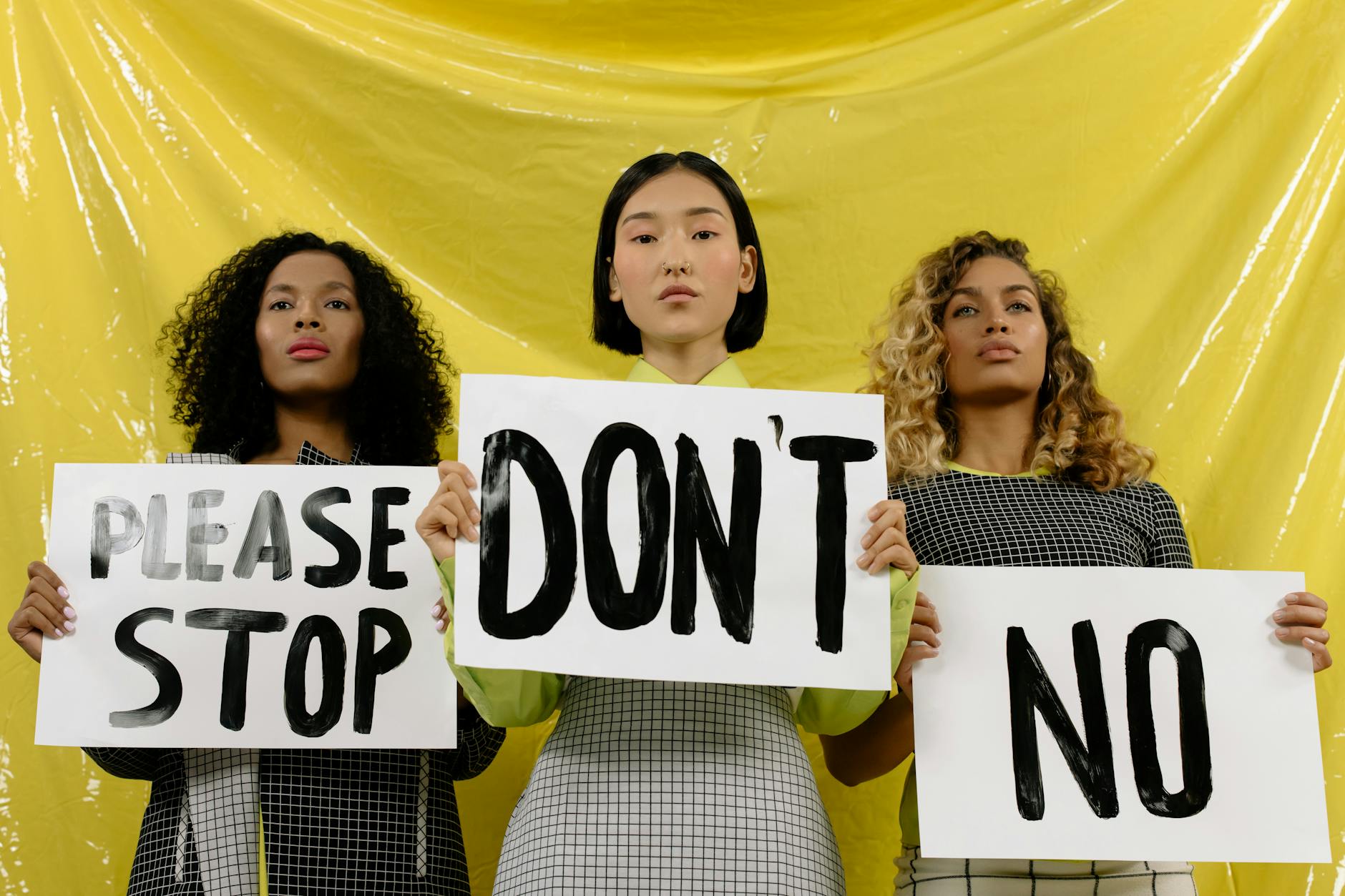
Photo by cottonbro studio on Pexels.com

Racial slurs are more than just words—they are weapons. They are verbal instruments of dehumanization that have been used for centuries to belittle, divide, and destroy. Every slur carries historical trauma, echoing systems of slavery, segregation, and racial oppression. The Bible teaches that “death and life are in the power of the tongue” (Proverbs 18:21, KJV), reminding us that language can either build or break the human spirit.

The most common racial slurs used against Black people, Asians, Indigenous peoples, Latinos, and others vary across cultures, but their roots are similar—they seek to strip identity and dignity. For educational clarity, common examples include the N-word against African Americans, “coon,” “monkey,” and “jigaboo.” Against other groups, terms such as “chink” (Asian), “spic” (Latino), “redskin” (Native American), and “terrorist” or “sand n****r” (Middle Eastern descent) are often used. These terms are not repeated here for hate, but for awareness—so that truth can confront ignorance.

The origin of many racial slurs is found in colonialism and white supremacy, which classified people according to color and physical features to justify domination. Language became a tool of hierarchy. Genesis 11:1–9 (KJV) reminds us that language once unified humanity, but sin brought division. Racial slurs are a modern manifestation of that same pride and separation.

When an oppressor uses a racial slur, they reaffirm an ideology of superiority. These words are meant to remind the target of their “place” in a social hierarchy that was never God-ordained. Yet Scripture declares in Acts 17:26, “And hath made of one blood all nations of men for to dwell on all the face of the earth.” There is no hierarchy in the kingdom of God—only equality in creation.

Psychologically, racial slurs wound deeply because they attack one’s core identity—the self-image shaped by culture, history, and ancestry. They cause internalized shame, self-hatred, and disconnection from one’s heritage. The emotional pain is not just momentary; it can imprint generational trauma. James 3:8 calls the tongue “an unruly evil, full of deadly poison,” which captures the lethal nature of racialized speech.

Sociologically, racial slurs function as control mechanisms. By labeling someone with a degrading name, a person or group exerts power. During slavery, slurs were used to reduce Africans to property; during segregation, they enforced social barriers. These words became linguistic chains.

The solution to racial slurs is both moral and spiritual. Morally, society must commit to education, accountability, and empathy. Spiritually, hearts must be renewed by the Spirit of God. Romans 12:2 (KJV) says, “Be ye transformed by the renewing of your mind.” Without internal transformation, laws and campaigns can only treat the symptoms, not the root.

Healing begins with acknowledgment—acknowledging that these words are not harmless jokes but symptoms of sin and hatred. Then comes repentance, not only from those who speak them, but also from those who silently tolerate them. Proverbs 31:8–9 calls the righteous to “open thy mouth for the dumb… and plead the cause of the poor and needy.”

Another part of the solution is education. Teaching history honestly—about slavery, Jim Crow, and racial colonization—equips future generations to understand why slurs exist and how to resist them. Silence only perpetuates ignorance. Hosea 4:6 warns, “My people are destroyed for lack of knowledge.”

Media accountability also plays a role. Popular culture often normalizes racialized language for humor or shock value. When slurs are sung, posted, or repeated carelessly, they lose their perceived harm but not their actual power. The children who hear them inherit desensitization.

Empathy training in schools, workplaces, and faith communities can bridge divides. The more we interact with those different from ourselves, the less we depend on stereotypes. Galatians 3:28 teaches that “there is neither Jew nor Greek… for ye are all one in Christ Jesus.” This verse doesn’t erase ethnicity; it erases enmity.

Racial slurs also persist because of fear—fear of the other, fear of loss of dominance, fear of change. Fear breeds hatred, but 1 John 4:18 declares, “Perfect love casteth out fear.” Love is not a weak response; it is a powerful act of defiance against bigotry.

The psychological solution involves reclaiming identity. When those targeted by slurs embrace their divine design—skin tone, culture, and heritage—they disarm the insult. Psalm 139:14 reminds, “I will praise thee; for I am fearfully and wonderfully made.” Knowing who you are in God makes you immune to those who call you less.

Community unity among people of color and allies is essential. Racism thrives in division. When Black, Brown, and Indigenous voices rise together in truth and dignity, the power of racist language weakens. Ecclesiastes 4:12 affirms, “A threefold cord is not quickly broken.”

Restorative justice also plays a part—allowing offenders to learn, grow, and make amends rather than simply be punished. Forgiveness does not excuse the offense, but it frees the victim from carrying its poison. Ephesians 4:32 urges believers to “be kind one to another… forgiving one another, even as God for Christ’s sake hath forgiven you.”

Yet, forgiveness must not silence truth. Racial slurs must be confronted directly, with courage and clarity. Jesus confronted the hypocrisy of His time with both grace and fire (Matthew 23). Righteous anger, when guided by love, leads to justice.

Ultimately, the tongue must be sanctified. James 3:10 reminds, “Out of the same mouth proceedeth blessing and cursing. My brethren, these things ought not so to be.” We must re-learn how to speak life—to name people as God names them: beloved, chosen, and worthy.

Each racial slur is a curse—but every curse can be broken by truth. When we replace slurs with affirmations, we reverse the narrative. Calling someone “brother,” “sister,” or “child of God” restores their dignity.

The vision is a redeemed language, where every nation and tongue praises together. Revelation 7:9 paints the heavenly picture: “A great multitude… of all nations, and kindreds, and people, and tongues, stood before the throne.” Heaven’s speech is unity. Earth’s must learn to echo it.


List (Educational and Analytical Context Only): Common Racial Slurs and Groups Targeted
(Note: These are cited for sociological study and anti-racism awareness, not for use.)

  • Against Black people: the “N-word,” “coon,” “monkey,” “jigaboo,” “boy,” “slave,” “colored.”
  • Against Latino/Hispanic people: “spic,” “wetback,” “beaner.”
  • Against Asian people: “chink,” “gook,” “yellow,” “oriental” (outdated and offensive).
  • Against Indigenous peoples: “redskin,” “savage.”
  • Against Middle Eastern people: “terrorist,” “camel jockey,” “sand n****r.”
  • Against Jewish people: “k**e,” “Christ killer.”
  • Against white people (though historically less systemic): “cracker,” “redneck.”

Each word represents centuries of pain, prejudice, and inequality—reminding us that the solution is not silence, but sanctified speech.


Biblical References (KJV)
Proverbs 18:21; Acts 17:26; James 3:8–10; Romans 12:2; Proverbs 31:8–9; Hosea 4:6; Galatians 3:28; Psalm 139:14; Ephesians 4:32; 1 John 4:18; Revelation 7:9.

When I See You, I Don’t See Black — And Other Microaggressions of Erasure”

Photo by Vitor Diniz on Pexels.com

It is a curious thing to be told, “When I see you, I don’t see Black.” On the surface, it sounds like a compliment — a supposed sign of acceptance. But beneath those words lies a deep and painful reality: erasure. To “not see Black” is to refuse to see a person fully. Blackness is not an insult that must be airbrushed away. It is a heritage, a culture, and a divine design that carries resilience, beauty, and history.

The phrase “What are you mixed with?” often accompanies this colorblind assertion. It suggests that the person’s beauty, intelligence, or refinement must have come from something other than pure African ancestry. This is the residue of white supremacy — the idea that to be fully Black is to be less than, and that any perceived excellence must be explained by proximity to whiteness (Bell, 1992).

These phrases are examples of racial microaggressions, subtle verbal slights that communicate bias, even when unintended (Sue et al., 2007). “I don’t see color” is often framed as a way to express equality, but research shows that colorblindness actually perpetuates racial inequality by ignoring structural racism (Neville et al., 2013). To deny race is to deny racism — and thus to deny the need for justice.

Biblically, God is not colorblind. Revelation 7:9 (KJV) paints a vision of heaven where “a great multitude… of all nations, and kindreds, and people, and tongues” stand before the throne. God sees color, ethnicity, and culture — and calls it good. To erase Blackness is to erase part of the divine mosaic of humanity.

For many Black people, hearing “When I see you, I don’t see Black” is a reminder that Blackness is still considered something one must look past in order to value someone. “It felt like they were saying, ‘I only respect you because you’re not like the others,’” said Renee, 28. “As if being Black is inherently negative.” This is a classic case of the “exceptional Negro” trope — praising an individual while degrading the group.

Similarly, “What are you mixed with?” is a coded way of expressing surprise that a Black person could be attractive or articulate. “People ask me that all the time,” said Marcus, 31. “When I tell them I’m just Black, they look confused, like I should apologize for not having some exotic backstory.” This curiosity reveals a hierarchy of desirability rooted in colorism — the privileging of light skin and mixed features over darker skin and African features (Hunter, 2007).

The historical roots of this hierarchy run deep. During slavery, lighter-skinned enslaved people — often the children of white masters — were sometimes given preferential treatment, fueling division within the Black community (Williamson, 1980). This legacy lingers, as seen in modern media where lighter-skinned actors, models, and musicians are often elevated as the “acceptable” face of Blackness.

Celebrities have spoken out about this painful phenomenon. Actress Lupita Nyong’o shared that she once prayed for lighter skin, believing it would make her beautiful. “I was teased and taunted about my dark skin,” she said in her powerful 2014 speech on beauty. “And my one prayer to God was that I would wake up lighter-skinned.” Nyong’o’s testimony underscores the damage caused by a culture that treats dark skin as undesirable.

Other celebrities have shared their personal experiences with these exact microaggressions. Meghan Markle has spoken openly about being asked repeatedly, “What are you?” growing up. In her interview with Oprah Winfrey, she revealed how her biracial identity was scrutinized both by the media and behind palace walls, with questions about how dark her son’s skin might be (Winfrey, 2021). Her story illustrates how curiosity about mixed heritage can carry undertones of fear and exclusion.

Zendaya has also used her platform to discuss colorism and the privilege of being a lighter-skinned Black woman in Hollywood. In interviews, she has admitted that her lighter complexion has allowed her access to roles and opportunities that darker-skinned actresses are often denied. “I have to be honest about my privilege,” she said, “and make sure I’m using my platform to showcase darker-skinned women too” (Robinson, 2018).

Colin Kaepernick, who is biracial, has shared how his identity was questioned from both sides. In his Netflix series Colin in Black & White, he recalls being constantly asked what he was “mixed with” and feeling like an outsider in both Black and white spaces. This experience reflects Du Bois’ (1903) concept of double-consciousness — the constant negotiation of identity in a society that categorizes by race.

The question “What are you mixed with?” can also exoticize and objectify. It turns identity into a guessing game, as if the person must justify their existence. “I’m not a math equation,” said Jasmine, 25. “I don’t owe anyone a breakdown of my ancestry so they can decide how to treat me.”

This line of questioning also erases the beauty of being fully African-descended. Psalm 68:31 (KJV) prophetically declares, “Princes shall come out of Egypt; Ethiopia shall soon stretch out her hands unto God.” African heritage is not a stain to be diluted but a glory to be embraced.

The deeper harm is that these statements normalize whiteness as the default and Blackness as the deviation. Saying “I don’t see you as Black” implies that Black is something negative to overcome. It also denies the lived reality of racism. As Dr. Beverly Daniel Tatum argues, to say you are colorblind is to close your eyes to injustice — and people who claim not to see race are less likely to notice or confront discrimination (Tatum, 2017).

Moreover, these phrases pressure Black individuals to perform a palatable version of Blackness. They subtly reward assimilation, encouraging people to soften their dialect, straighten their hair, or distance themselves from stereotypical “Blackness” to gain approval. This double-consciousness, as W.E.B. Du Bois (1903) called it, is the struggle to see oneself through both one’s own eyes and the eyes of a society that devalues you.

Some people genuinely believe they are being kind when they say these things. They intend to affirm equality, but true equality does not erase difference — it celebrates it. Paul’s words in 1 Corinthians 12:18 (KJV) remind us that “God set the members every one of them in the body, as it hath pleased him.” Diversity is divine design, not a problem to be solved.

The work of dismantling this erasure requires both education and empathy. Non-Black people must learn why colorblindness harms rather than heals. They must also recognize how fetishizing mixed heritage reinforces harmful hierarchies. Black people must reclaim their identity unapologetically, refusing to let others define their worth by proximity to whiteness.

Representation plays a crucial role here. When Blackness is portrayed in its full spectrum — from deep mahogany to golden brown — it challenges the idea that only certain shades are beautiful or acceptable. Campaigns like #MelaninPoppin and #BlackGirlMagic have helped shift cultural narratives, reminding the world that Blackness needs no qualifier to be celebrated.

Healing from these microaggressions is both personal and collective. It means telling children that their Blackness is not something to overcome but something to rejoice in. It means calling out subtle biases when they occur, with both grace and truth. It means creating spaces where Black identity can be expressed in all its complexity — natural hair, vernacular speech, cultural traditions — without apology.

The next time someone says, “I don’t see Black,” we must gently but firmly reply: “See me fully — my Blackness included.” To be truly seen is to be known, and to be known is to be loved. And when someone asks, “What are you mixed with?” we can answer with pride: “I am fearfully and wonderfully made — fully, beautifully, unapologetically who God created me to be.”


References

  • Bell, D. (1992). Faces at the bottom of the well: The permanence of racism. Basic Books.
  • Du Bois, W. E. B. (1903). The souls of Black folk. A.C. McClurg & Co.
  • Hunter, M. (2007). The persistent problem of colorism: Skin tone, status, and inequality. Sociology Compass, 1(1), 237–254.
  • Neville, H. A., Awad, G. H., Brooks, J. E., Flores, M. P., & Bluemel, J. (2013). Color-blind racial ideology: Theory, training, and measurement implications in psychology. American Psychologist, 68(6), 455–466.
  • Sue, D. W., Capodilupo, C. M., Torino, G. C., Bucceri, J. M., Holder, A. M. B., Nadal, K. L., & Esquilin, M. (2007). Racial microaggressions in everyday life: Implications for clinical practice. American Psychologist, 62(4), 271–286.
  • Tatum, B. D. (2017). Why are all the Black kids sitting together in the cafeteria? (Rev. ed.). Basic Books.
  • Williamson, J. (1980). New people: Miscegenation and mulattoes in the United States. Free Press.