Category Archives: culture

Shocking Facts About Black People – Historical and Cultural Insights

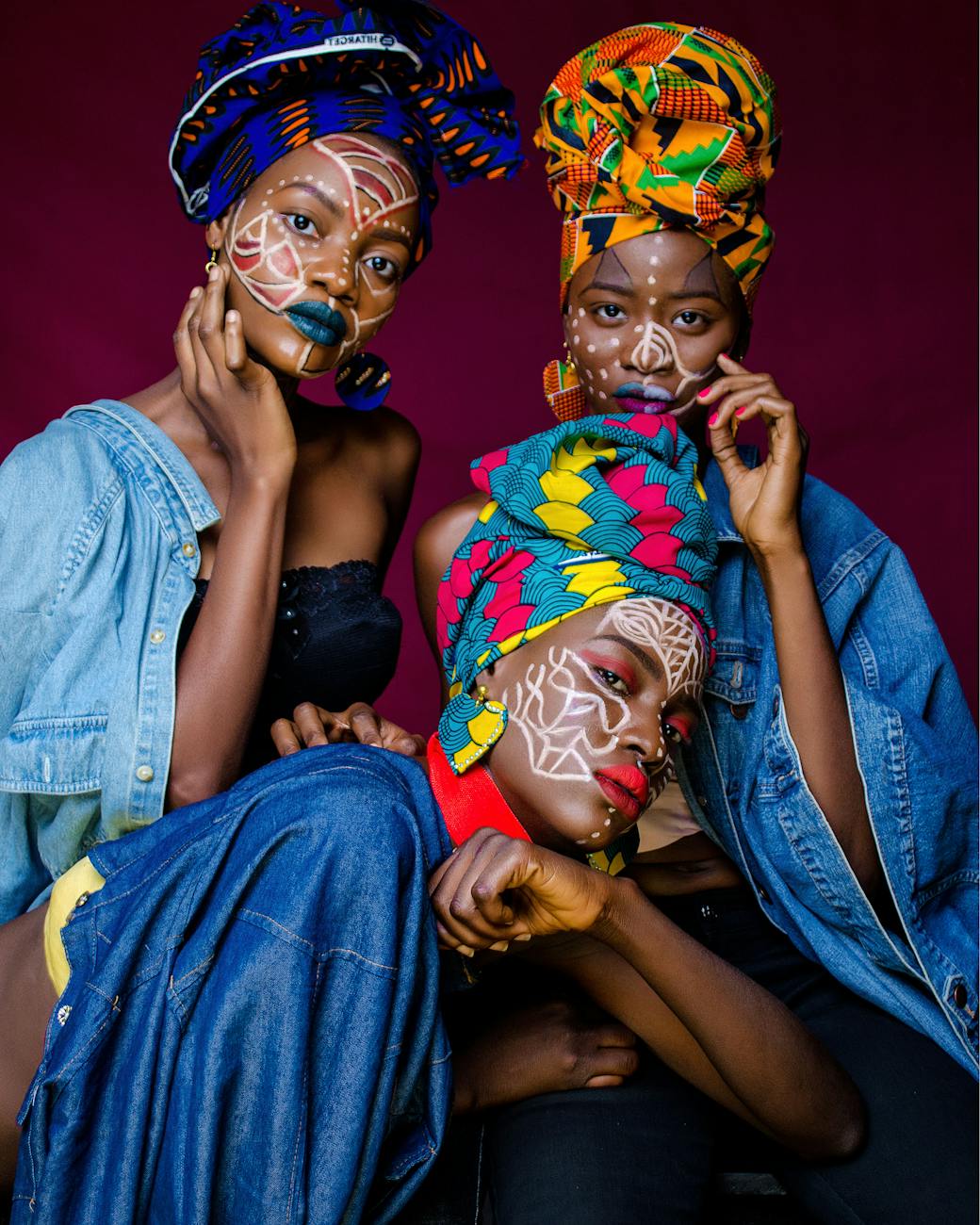
Photo by Roger Sekoua on Pexels.com

The history and cultural legacy of Black people are rich, complex, and often misrepresented. From ancient civilizations to the transatlantic slave trade, Black communities have faced oppression, exploitation, and erasure. Yet, these narratives also reveal extraordinary resilience, intelligence, and innovation. Understanding these facts challenges misconceptions and honors God’s design of His people (Psalm 139:14).

African Civilizations Pre-Slavery

Long before European contact, African kingdoms such as Mali, Songhai, Kush, and Great Zimbabwe were centers of wealth, education, and governance. Mansa Musa of Mali, for example, amassed immense wealth and elevated scholarship and trade, demonstrating the intellectual and economic prowess of Black civilizations (Conrad, 2012).

The Origins of Humanity

Scientific research shows that Homo sapiens originated in Africa. Genetic studies confirm that all humans trace lineage to African ancestors, highlighting Black people as the root of humanity (Tishkoff et al., 2009).

Contributions to Science and Medicine

Ancient Egyptians pioneered surgery, medicine, and mathematics. The concept of medical documentation, early surgical procedures, and complex calendars originated in African societies, long before European acknowledgment.

Cultural Innovations

Black people developed advanced metallurgy, architecture, textiles, music, and art. Instruments such as the drum and innovations in astronomy, navigation, and oral history shaped civilizations globally.

The Transatlantic Slave Trade

Between the 16th and 19th centuries, millions of Africans were forcibly enslaved. This systemic oppression disrupted societies, severed familial bonds, and attempted to erase cultural identity, leaving a legacy of trauma that persists today (Eltis & Richardson, 2010).

Black Intellectual Traditions

Despite oppression, Black intellectualism flourished. Figures like W.E.B. Du Bois, Olaudah Equiano, and Phillis Wheatley challenged stereotypes and demonstrated literary, philosophical, and scientific brilliance.

Biblical Identity

The Bible references the descendants of Cush, Mizraim, and Ham, linking Black people to God’s covenantal history (Genesis 10:6–14). This heritage underscores that Black people are not secondary or accidental, but divinely created with purpose.

Resilience Amid Oppression

Black communities have demonstrated remarkable resilience, developing strategies to survive, adapt, and thrive despite systemic racism, segregation, and economic exploitation. Faith, communal support, and cultural preservation were central to survival.

Impact on Global Culture

From language and music to cuisine and fashion, Black culture has profoundly influenced global societies. Jazz, hip-hop, gospel, and African diasporic traditions reflect creativity born from both joy and struggle.

Skin Tone and Colorism

Colorism within Black communities is a byproduct of colonialism, privileging lighter skin while marginalizing darker skin. This internalized hierarchy is not reflective of value or beauty but of historical imposition (Hunter, 2007).

Economic and Political Contributions

Black inventors, entrepreneurs, and leaders have shaped modern society. Innovations such as traffic lights, medical devices, and agricultural techniques were pioneered by Black individuals, despite systemic barriers.

Misrepresentation in Media

Media often distorts Black identity, portraying negative stereotypes while omitting historical and cultural contributions. These narratives perpetuate misconceptions and obscure the richness of Black heritage.

Health Disparities and Genetics

Black populations experience certain health disparities due to both socio-economic and biological factors. Yet genetic diversity among Africans has contributed to adaptive strengths, including immunity to certain diseases and physical endurance.

Spiritual Depth

Faith has been central to Black survival and empowerment. Christianity, Islam, and traditional spiritual practices have fostered resilience, moral guidance, and community cohesion across centuries.

Diaspora Connections

The African diaspora maintains cultural continuity through language, religion, and tradition. Understanding these connections highlights a shared heritage that spans continents and centuries.

Resistance and Liberation Movements

From slave revolts to civil rights activism, Black people have consistently resisted oppression. Leaders such as Harriet Tubman, Frederick Douglass, and Malcolm X exemplify courage, strategic intelligence, and moral leadership.

Contemporary Achievements

Today, Black individuals excel in academia, arts, business, science, and governance, challenging historical misrepresentations and redefining global influence.

Conclusion

Black history and culture are filled with achievements, resilience, and divine purpose. Recognizing these facts challenges societal misconceptions and honors the value and dignity of Black people as God’s creation (Psalm 139:14; Genesis 1:27). True understanding requires both historical insight and cultural appreciation.


References

  • Conrad, D. C. (2012). Empires of medieval West Africa: Ghana, Mali, and Songhai. Ohio University Press.
  • Eltis, D., & Richardson, D. (2010). Atlas of the transatlantic slave trade. Yale University Press.
  • Hunter, M. L. (2007). The persistent problem of colorism: Skin tone, status, and inequality. Sociology Compass, 1(1), 237–254. https://doi.org/10.1111/j.1751-9020.2007.00006.x
  • Tishkoff, S. A., et al. (2009). The genetic structure and history of Africans and African Americans. Science, 324(5930), 1035–1044. https://doi.org/10.1126/science.1172257
  • Psalm 139:14 (KJV) – “I am fearfully and wonderfully made.”
  • Genesis 10:6–14 (KJV) – Descendants of Cush, Mizraim, and Ham.

The Impact of Viral Culture on Identity and Confidence.

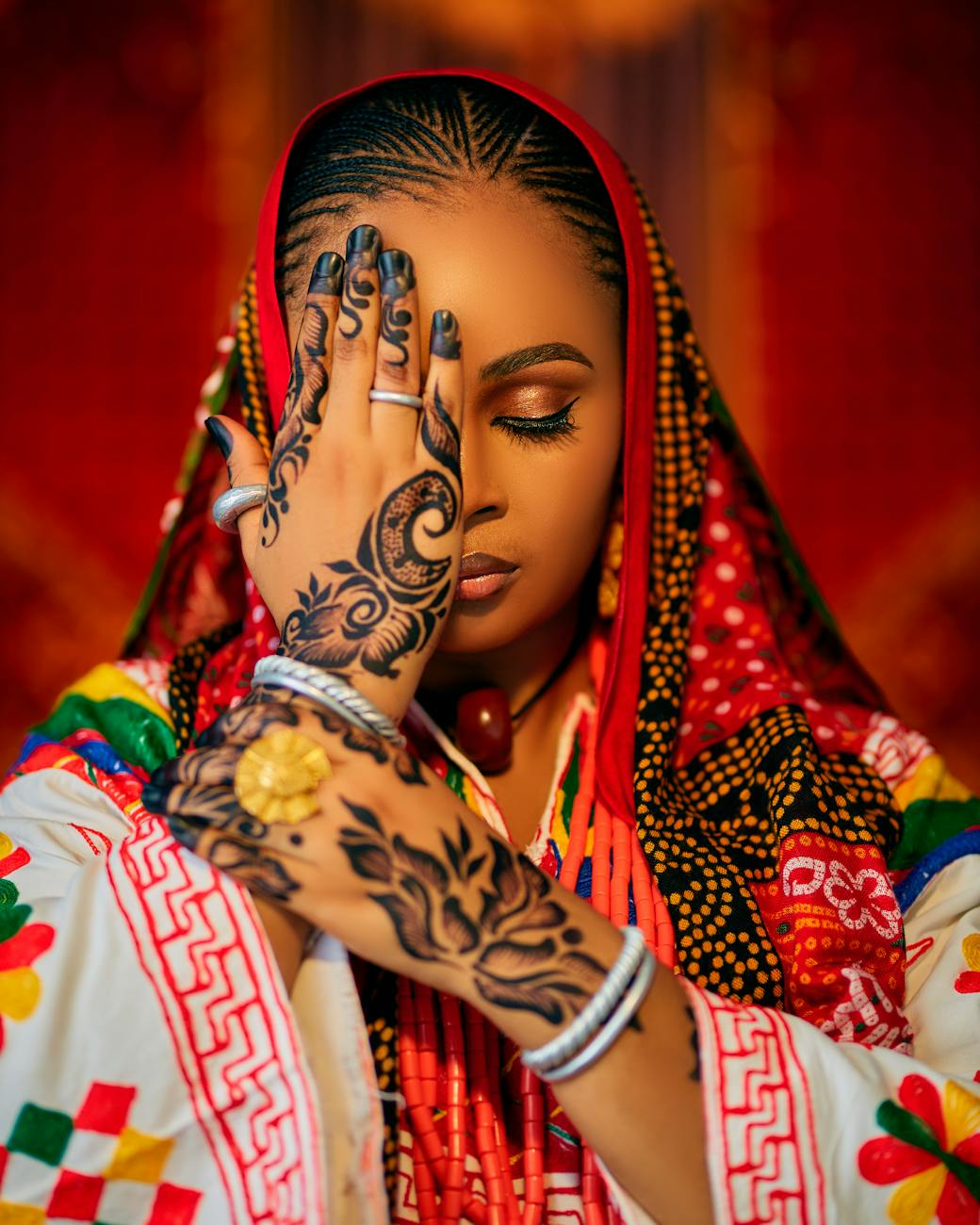
Photo by Godisable Jacob on Pexels.com

Viral culture is one of the most defining features of the digital age, reshaping how individuals understand themselves and how societies negotiate visibility, power, and belonging. It operates through algorithms, platforms, and public participation, transforming ordinary content into global phenomena. For many, the pursuit of virality has become synonymous with the pursuit of relevance. Yet, this culture has profound consequences for identity and confidence, particularly among communities whose histories of misrepresentation and marginalization complicate their online presence.

At its core, viral culture thrives on rapid dissemination and collective engagement. Unlike traditional media that required gatekeepers, virality democratizes visibility: anyone with a smartphone has the potential to reach millions within hours. This democratization has empowered voices once silenced, offering platforms for expression and identity affirmation. However, it has also tethered self-worth to visibility metrics—likes, shares, and followers—that can fluctuate wildly and leave individuals vulnerable to cycles of validation and rejection (Marwick, 2015).

From a psychological perspective, Festinger’s (1954) social comparison theory helps explain how viral culture affects confidence. Individuals often evaluate their identity through comparisons with others, and in digital spaces, these comparisons are amplified. Viral fame creates an unattainable benchmark, leading many to feel inadequate if their content does not achieve similar traction. For those who do go viral, the initial boost in confidence may be followed by anxiety and pressure to maintain relevance—a fragile cycle where identity is negotiated through external validation rather than intrinsic self-worth.

The impact is particularly pronounced among younger generations. Adolescents and young adults, who are in critical stages of identity formation, often equate online visibility with social value. Studies reveal that teenagers who seek virality experience higher rates of body dissatisfaction, anxiety, and diminished self-esteem when their posts underperform (Perloff, 2014). Viral culture thus becomes not only a stage for performance but also a mirror that distorts, reflecting back images filtered by algorithms, aesthetics, and consumer appeal rather than authentic self-expression.

For Black communities, viral culture presents both opportunities and challenges. On one hand, viral hashtags such as #BlackLivesMatter, #BlackGirlMagic, and #SayHerName have mobilized global awareness, affirming cultural identity and collective confidence. These digital movements provide visibility where mainstream media often erases or distorts Black voices, reinforcing solidarity and pride (Florini, 2019). Viral content has also allowed Black creativity—through dance, fashion, language, and humor—to reach international audiences, shaping global trends.

Yet, the commodification of Black culture within viral spaces cannot be ignored. Black dances, slang, and aesthetics often go viral only to be appropriated by non-Black creators who gain profit and visibility, while the originators remain uncredited. This dynamic mirrors historical exploitation, where Black identity is celebrated in fragments but denied in wholeness. Such exploitation can harm confidence, as cultural production becomes stripped of ownership and individuals witness their creativity detached from their identity (Nissenbaum & Shifman, 2017).

Viral shaming further complicates identity. Just as positive content can boost confidence, negative virality can destroy reputations and self-esteem. Black women, in particular, face heightened vulnerability: viral culture often amplifies misogynoir—content that combines racism and sexism—through ridicule, body-shaming, or stereotyping. This digital violence reinforces historical narratives of devaluation, leaving psychological scars even as communities attempt to reclaim narratives of strength and resilience (Bailey, 2021).

On the other hand, viral culture has created unexpected spaces of empowerment. Figures such as Tabitha Brown, whose viral videos centered on kindness and authenticity, demonstrate that virality can affirm identity by amplifying voices grounded in values of compassion and faith. These examples reveal that confidence gained through viral culture need not be shallow or performative; it can be deeply rooted in authentic identity when creators resist the pressures of conformity.

Faith provides a critical anchor in navigating viral culture. The Bible reminds believers that identity is not contingent on public approval but on divine purpose. Romans 12:2 (KJV) urges, “Be not conformed to this world: but be ye transformed by the renewing of your mind.” Viral culture thrives on conformity to trends, aesthetics, and digital clout, but scripture re-centers confidence in God’s unchanging truth. For Black communities, whose history includes resilience against erasure, faith becomes not only a source of individual grounding but also a collective shield against the volatility of online validation.

Historically, confidence among marginalized communities was cultivated through family, community, and spiritual institutions rather than fleeting moments of recognition. Viral culture disrupts these traditional anchors, shifting the measure of self-worth into digital spaces. Yet, by merging digital engagement with cultural pride and spiritual affirmation, individuals can resist the erosion of identity. Movements such as #ChurchTikTok or gospel-infused viral moments illustrate how faith traditions can intersect with viral culture to sustain confidence rather than undermine it.

The paradox of viral culture lies in its ability to both affirm and destabilize identity. On one side, it democratizes influence, amplifies marginalized voices, and builds global solidarity. On the other, it commodifies culture, fosters harmful comparisons, and reduces confidence to numbers on a screen. The key is cultivating critical engagement: using viral culture as a tool rather than a measure of worth. Individuals and communities must learn to navigate these spaces with discernment, grounding identity in values, traditions, and truths that transcend the volatility of virality.

In conclusion, viral culture has become an inescapable force that shapes identity and confidence in the modern world. It creates opportunities for visibility, empowerment, and cultural pride, while simultaneously fostering cycles of comparison, appropriation, and insecurity. For Black communities, the stakes are higher, as viral culture can both amplify resistance and reproduce exploitation. Ultimately, sustainable confidence must rest not on fleeting virality but on authentic identity, cultural grounding, and spiritual truth. When rooted in these foundations, individuals can engage with viral culture without losing themselves in the process.


References

  • Bailey, M. (2021). Misogynoir transformed: Black women’s digital resistance. New York University Press.
  • Festinger, L. (1954). A theory of social comparison processes. Human Relations, 7(2), 117–140.
  • Florini, S. (2019). Blackness, memes, and memory: The digital politics of cultural visibility. Communication and Critical/Cultural Studies, 16(4), 268–284.
  • Marwick, A. (2015). Instafame: Luxury selfies in the attention economy. Public Culture, 27(1), 137–160.
  • Nissenbaum, A., & Shifman, L. (2017). Internet memes as contested cultural capital: The case of 4chan’s /b/ board. New Media & Society, 19(4), 483–501.
  • Perloff, R. M. (2014). Social media effects on young women’s body image concerns: Theoretical perspectives and an agenda for research. Sex Roles, 71(11-12), 363–377.

Cultural Appropriation vs. Appreciation: Hair, Fashion, and Music.

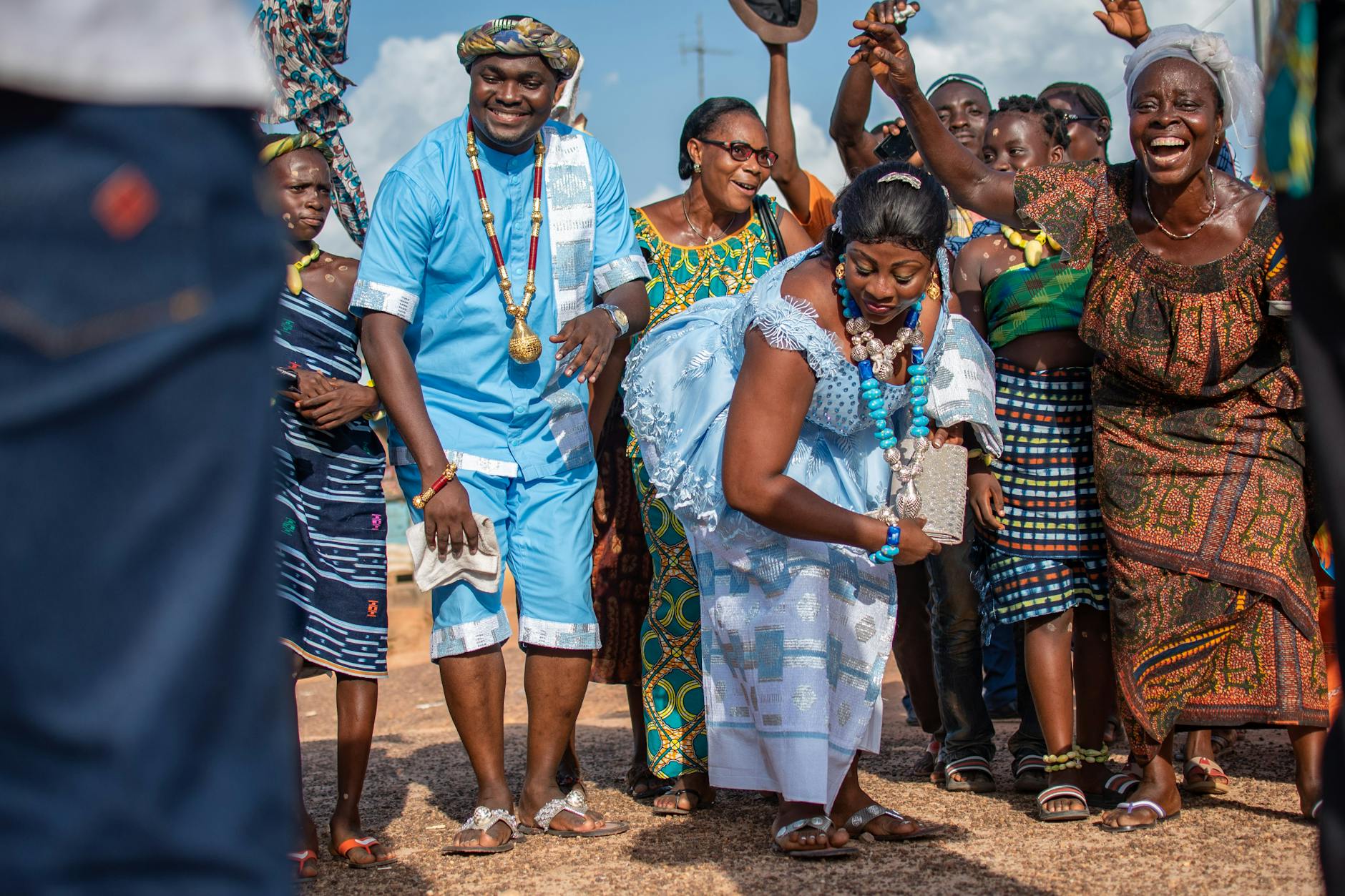
Photo by Bestbe Models on Pexels.com

Cultural appropriation and appreciation are concepts that often generate debate, particularly in creative industries such as hair, fashion, and music. While cultural appreciation involves learning from, respecting, and honoring another culture, cultural appropriation occurs when elements of a marginalized culture are adopted superficially, stripped of context, or used for profit without acknowledgment. For Black communities, whose cultural contributions have historically been exploited, understanding this distinction is essential in preserving heritage, identity, and agency.

In the realm of hair, cultural appropriation has frequently manifested through the adoption of traditionally Black hairstyles—braids, dreadlocks, cornrows—by non-Black individuals without acknowledgment of the historical and social significance. These hairstyles, long stigmatized in professional and educational settings for Black individuals, are often celebrated or commodified when worn by others (Thompson, 2019). Cultural appreciation, by contrast, involves learning the history, giving credit to Black culture, and respecting the lived experiences associated with these styles.

Fashion is another domain where the lines between appropriation and appreciation are frequently blurred. Designers and brands often adopt African-inspired patterns, textiles, and traditional garments without consultation or credit to the originating communities. When cultural symbols are used solely for aesthetic or commercial gain, it constitutes appropriation; when designers collaborate with local artisans, highlight the cultural context, and share profits fairly, it reflects appreciation (Rogers, 2006). This distinction emphasizes the importance of agency and acknowledgment in cultural exchange.

Music has similarly been affected by appropriation. Black musical forms such as jazz, hip-hop, R&B, and rap have been historically adopted and commercialized by non-Black artists, sometimes erasing the contributions of the originators. Cultural appreciation, on the other hand, involves studying the roots of the genre, respecting its historical context, and supporting artists within the community (Floyd, 1995). Misappropriation in music often leads to economic exploitation and diminished recognition for Black creators.

Cultural Appropriation vs. Appreciation: Quick Guide

1. Hair

ActionAppropriationAppreciation
Wearing cornrows, dreadlocks, or bantu knotsWearing styles without understanding history; dismissing the struggles Black people face for wearing natural hairLearning about the hairstyle’s cultural roots; crediting Black originators; supporting Black-owned salons
Using productsUsing Black hair products solely for trend/fashionSupporting Black-owned hair brands and educating yourself about hair care traditions

2. Fashion

ActionAppropriationAppreciation
African prints, dashikis, or traditional garmentsWearing garments purely for aesthetics; ignoring cultural significanceCollaborating with artisans; crediting communities; giving fair compensation
Jewelry and accessoriesUsing sacred symbols as casual fashionLearning the meaning and symbolism before wearing; respecting cultural context

3. Music

ActionAppropriationAppreciation
Sampling or performing genres like hip-hop, jazz, or R&BExploiting without credit; profiting while originators remain unrecognizedStudying genre history; crediting Black artists; supporting the community financially
Performance styleAdopting cultural expressions superficiallyEngaging with the culture authentically; understanding context; collaboration with originators

4. Key Principles to Avoid Appropriation

  • Educate Yourself: Learn the history and significance of cultural elements.
  • Give Credit: Always acknowledge the originators or communities.
  • Fair Compensation: Support artists, designers, or creators financially.
  • Respect Sacred Elements: Avoid trivializing spiritual or sacred cultural items.
  • Intent Matters: Ask if your action honors or exploits the culture.

5. Spiritual Reminder

“Thou shalt not oppress a stranger: for ye know the heart of a stranger, seeing ye were strangers in the land of Egypt” (Exodus 23:9, KJV).

  • Treat all cultures with empathy, respect, and ethical consideration.

The psychological effects of cultural appropriation are significant. When elements of a marginalized culture are commodified or misrepresented, it can reinforce feelings of marginalization, invisibility, and frustration among community members. For Black women, hair appropriation is particularly impactful, as hair is intimately connected to identity, beauty, and self-expression (Thompson, 2019). The contrast between stigmatization of Black hair in professional settings and its commodification elsewhere creates cognitive dissonance and emotional stress.

Legally and commercially, the distinction between appropriation and appreciation also affects intellectual property and compensation. While cultural elements often lack copyright protection, ethical standards dictate that originating communities receive recognition and financial benefit when their cultural artifacts are utilized commercially. This principle applies to fashion collaborations, music sampling, and hairstyle commercialization.

Historically, cultural appropriation has roots in colonialism, slavery, and systemic exploitation. Dominant groups have often taken cultural elements from marginalized populations while simultaneously denying those populations agency and economic benefit. Recognizing this history is essential for distinguishing between respectful cultural exchange and harmful appropriation.

Promoting cultural appreciation involves education, respect, and intentionality. Key strategies include learning about the origins of cultural elements, acknowledging creators publicly, providing fair compensation, and engaging in dialogue with communities about proper representation. These steps help prevent exploitation and foster cross-cultural understanding.

The Bible provides principles that align with cultural respect and appreciation: “Thou shalt not oppress a stranger: for ye know the heart of a stranger, seeing ye were strangers in the land of Egypt” (Exodus 23:9, KJV). This verse emphasizes empathy, respect, and ethical treatment of others, which can be applied to cultural exchange and the avoidance of appropriation.

In conclusion, differentiating cultural appropriation from appreciation is critical in hair, fashion, and music. Appreciation involves acknowledgment, respect, and fair benefit for originators, while appropriation exploits cultural elements for profit or aesthetics without context. By educating oneself, respecting historical significance, and fostering ethical collaboration, individuals and institutions can honor marginalized cultures and contribute to equitable representation.


References

  • Floyd, S. A. (1995). The Power of Black Music: Interpreting Its History from Africa to the United States. Oxford University Press.
  • Rogers, R. A. (2006). From cultural exchange to transculturation: A review and reconceptualization of cultural appropriation. Communication Theory, 16(4), 474–503.
  • Thompson, C. (2019). Black Hair: Art, Style, and Culture. Bloomsbury Academic.
  • The Holy Bible, King James Version.

Cultural Pride as Beauty: Why Identity Shapes Perception.

Photo by Al Ameen Saddiq on Pexels.com

Beauty is more than skin deep—it is inseparable from identity, heritage, and cultural pride. Across history, communities have celebrated aesthetic features that reflect ancestral lineage, values, and collective experience. In this sense, cultural pride becomes an intrinsic component of beauty, shaping both self-perception and how others perceive us. Understanding this relationship illuminates the power of identity in cultivating confidence, resilience, and self-worth.

The Interplay of Identity and Perception

Psychological research highlights that individuals who embrace their cultural heritage experience enhanced self-esteem and body image (Phinney, 1990). When identity is acknowledged and celebrated, aesthetic features are interpreted not merely as physical traits but as expressions of history, values, and belonging. For example, Black and brown individuals who take pride in natural hair, melanin-rich skin, or traditional attire often report greater confidence and satisfaction with appearance.

Embodying Heritage: Real-Life Examples of Cultural Pride in Beauty

Cultural pride transforms beauty into a declaration of identity. Across the African diaspora, Black and brown individuals are redefining aesthetic standards by embracing heritage, natural features, and traditional expressions of self. These examples demonstrate how cultural pride enhances confidence, shifts societal perception, and inspires future generations.

1. Lupita Nyong’o – Embracing Natural Skin and Hair
Lupita Nyong’o’s public celebration of her dark, melanin-rich skin and natural hair textures has challenged Hollywood’s narrow beauty standards. She frequently speaks about the importance of representation, affirming that embracing one’s authentic look is empowering. Her presence has inspired young women worldwide to take pride in their natural hair and skin, validating beauty in shades historically marginalized by media.

2. Tracee Ellis Ross – Championing Cultural Hairstyles
Tracee Ellis Ross is known for embracing and showcasing her natural hair in all its textures. From voluminous curls to intricate protective styles, she elevates cultural hairstyles as symbols of heritage and individuality. By owning her aesthetic, she communicates that cultural features are not just personal but political—empowering others to express identity confidently.

3. Adut Akech – Bridging Heritage and Fashion
Model Adut Akech, of South Sudanese heritage, has made waves in the fashion industry while proudly representing her culture. Through runway appearances, editorials, and advocacy, she demonstrates that heritage and beauty are intertwined, proving that embracing cultural roots does not limit opportunities but instead amplifies presence and influence.

4. Michaela Coel – Authentic Storytelling and Visibility
Michaela Coel, the writer and actress behind I May Destroy You, brings cultural pride into storytelling and media representation. Her unapologetic approach to her identity and appearance fosters authenticity on screen, encouraging audiences to appreciate beauty as inseparable from lived experience, heritage, and personal narrative.

5. Rihanna – Integrating Heritage into Style
Rihanna incorporates Caribbean and African influences into her fashion, makeup, and entrepreneurial ventures. By celebrating her roots in visible ways—through Fenty Beauty’s inclusive makeup lines and culturally inspired styling—she demonstrates that embracing heritage enhances both personal beauty and global influence.

The Psychological and Social Impact

These individuals illustrate that cultural pride enhances self-perception and confidence. Studies show that when individuals see public figures embracing heritage and natural features, it reduces internalized colorism and validates diverse expressions of beauty (Hunter, 2007). Socially, such visibility challenges stereotypes and broadens cultural definitions of attractiveness.

Cultural Pride as a Form of Empowerment

Embracing one’s cultural markers is an act of empowerment. Historically marginalized groups have faced pressure to conform to dominant beauty norms—often Eurocentric standards that devalue natural features. By reclaiming these features as symbols of pride, communities assert self-worth and challenge societal bias. Figures like Lupita Nyong’o, Tracee Ellis Ross, and Adut Akech exemplify how cultural pride and identity elevate perceived beauty on global stages.

Influence on Social Perception

Cultural pride also shapes how others perceive beauty. When individuals present themselves confidently while honoring heritage—through hairstyles, fashion, or traditional practices—it signals authenticity, strength, and self-assurance. Research in social psychology shows that observers are more likely to perceive confident, culturally-grounded individuals as attractive, competent, and influential (Tajfel & Turner, 1986). Thus, beauty is not solely an individual attribute but a social signal of identity and pride.

Historical and Spiritual Contexts

Cultural pride and aesthetic appreciation are intertwined with history and spirituality. In African and diasporic communities, features such as skin tone, hair texture, and attire carry ancestral significance, reflecting resilience and continuity. Biblically, beauty is affirmed in relation to identity and creation (Song of Solomon 1:5 KJV: “I am black, but comely, O ye daughters of Jerusalem”). Recognizing the sacredness of one’s heritage enhances self-esteem and reframes beauty as a celebration of identity rather than conformity.

Practical Steps to Embrace Cultural Beauty

  1. Educate Yourself: Learn about the historical and cultural significance of your aesthetic traits.
  2. Celebrate Heritage: Incorporate cultural fashion, hairstyles, and practices into daily life.
  3. Engage Community: Share experiences and support others in embracing their identity.
  4. Challenge Bias: Advocate for inclusive representation in media, education, and professional spaces.
  5. Affirm Daily: Use positive affirmations to reinforce the connection between cultural pride and beauty.

Conclusion

Cultural pride transforms beauty from a superficial attribute into a multidimensional expression of identity. By embracing heritage, individuals cultivate confidence, inspire admiration, and challenge societal biases. Beauty is thus inseparable from identity: it is cultural, historical, and spiritual. Owning one’s heritage, celebrating uniqueness, and expressing it boldly ensures that perception—both self and societal—aligns with authenticity, pride, and brilliance. Cultural pride is a transformative force in defining beauty. Figures like Lupita Nyong’o, Tracee Ellis Ross, Adut Akech, Michaela Coel, and Rihanna exemplify how embracing heritage, natural features, and identity can shape perception—both personally and societally. Beauty rooted in cultural pride is not superficial; it is resilient, empowering, and a declaration of authenticity. By celebrating heritage, we cultivate confidence, inspire representation, and redefine what it means to be truly beautiful.


References

  • Phinney, J. S. (1990). Ethnic identity in adolescents and adults: Review of research. Psychological Bulletin, 108(3), 499–514.
  • Tajfel, H., & Turner, J. C. (1986). The social identity theory of intergroup behavior. In S. Worchel & W. G. Austin (Eds.), Psychology of intergroup relations (pp. 7–24). Chicago: Nelson-Hall.
  • The Holy Bible, King James Version. (1611). Song of Solomon 1:5.

Hunter, M. (2007). The Persistent Problem of Colorism: Skin Tone, Status, and Inequality. Sociology Compass, 1(1), 237–254.

The Holy Bible, King James Version. (1611). Song of Solomon 1:5.