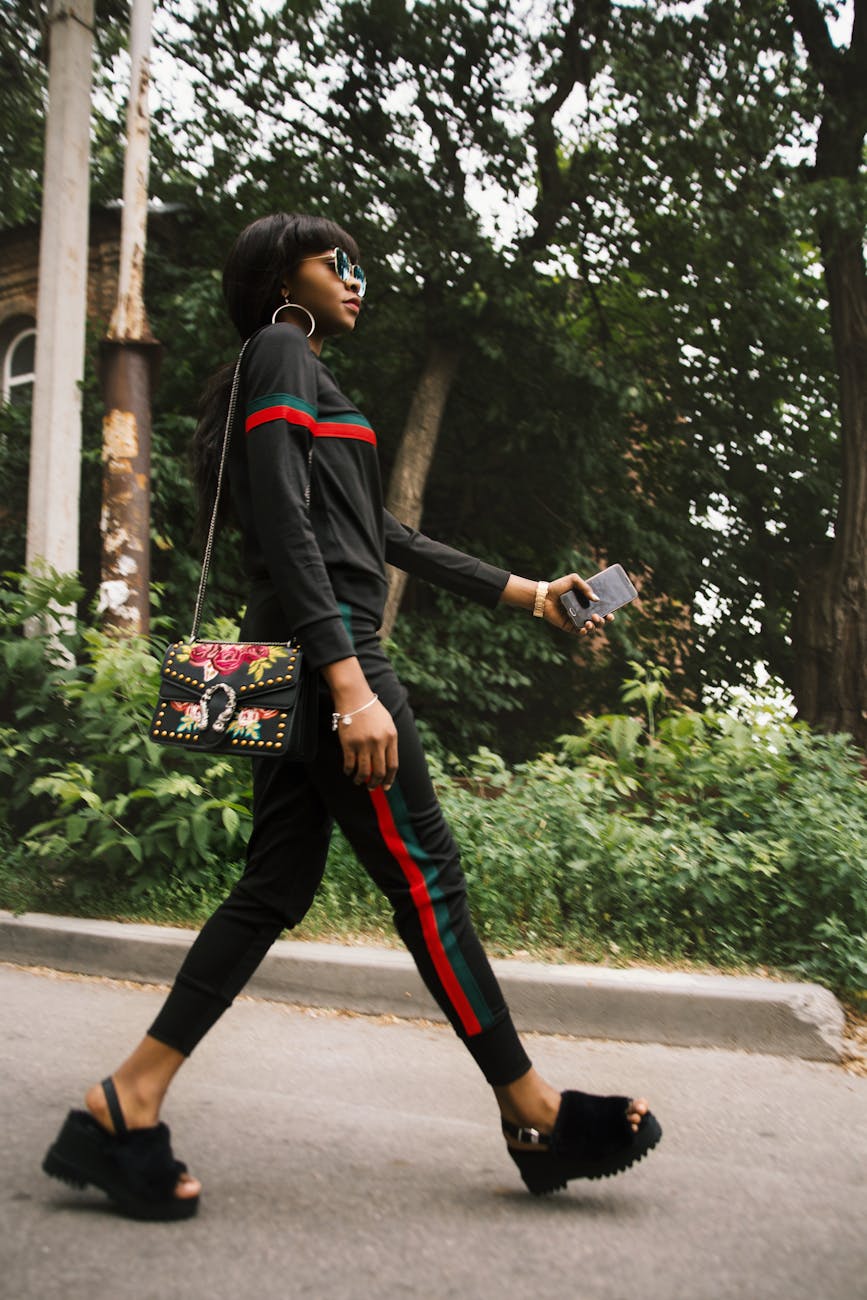
Category Archives: confidence

What does She have that I don’t have?

The question “What does she have that I don’t have?” echoes in the minds of women across cultures, ages, and social classes. It surfaces in boardrooms, classrooms, churches, social gatherings, and digital spaces. At its core, the question reflects comparison—a deeply human tendency to measure oneself against others. Yet comparison rarely produces clarity. More often, it cultivates insecurity, envy, and internal unrest.

Psychologist Leon Festinger (1954) explains through social comparison theory that individuals evaluate their own worth by assessing others. While this process can inspire growth, it can also distort perception. Social media intensifies upward comparison, presenting polished versions of beauty, marriage, success, and motherhood without revealing struggle, sacrifice, or discipline. What appears superior may simply be curated.

Confidence, however, is not something another woman “has” that you inherently lack. Research indicates that stable self-esteem develops gradually through competence, resilience, and internalized values rather than external validation (Orth & Robins, 2014). The woman who appears secure has often cultivated her identity intentionally. Confidence is built, not bestowed.

One pillar of lasting confidence is self-respect. Self-respect influences decisions about relationships, boundaries, and intimacy. Scripture teaches in 1 Corinthians 6:18 (KJV), found in the Bible, to “flee fornication.” Sexual integrity is not about shame but about stewardship—protecting emotional, spiritual, and physical well-being. Choosing purity fosters clarity and reduces the emotional entanglements that often erode confidence.

Keeping oneself pure extends beyond physical intimacy. It includes mental and emotional purity—guarding what one consumes through media, conversations, and environments. Philippians 4:8 (KJV) encourages focusing on things that are true, honest, just, pure, lovely, and of good report. What a woman allows into her mind shapes her self-concept and standards.

Another distinguishing trait often admired in women is composure. Walking in silence does not mean suppressing one’s voice; it means refusing to broadcast every insecurity or react to every provocation. A quiet strength reflects emotional regulation. Daniel Goleman (1995) identifies self-regulation as a key component of emotional intelligence, directly connected to leadership and relational stability.

Gossip and tearing down others are common byproducts of insecurity. When a woman diminishes another’s character, appearance, or success, she momentarily masks her own self-doubt. Yet Proverbs 16:28 (KJV), also within the Bible, warns that gossip separates close relationships. True confidence does not require another woman’s humiliation.

Building oneself requires discipline. Discipline in education, career preparation, spiritual development, physical health, and financial literacy cultivates independence. Independence reduces desperation. When a woman invests in herself, she shifts from seeking validation to embodying value.

Loving oneself is not narcissism; it is acknowledgment of inherent worth. Psychological research emphasizes that self-compassion correlates with emotional resilience and lower levels of anxiety and depression (Neff, 2003). Self-love allows a woman to extend grace to herself during failure rather than spiraling into comparison.

Boundaries are another marker of self-worth. Cloud and Townsend (1992) explain that healthy boundaries protect emotional well-being and clarify responsibility. A woman who says “no” when necessary may appear selective or distant, but in truth she is preserving her standards. Standards create stability.

The woman who seems admirable may also possess purpose. Purpose anchors identity beyond appearance or relationship status. When a woman understands her calling—whether in career, motherhood, ministry, entrepreneurship, scholarship, or artistry—she becomes less distracted by what others are doing. Purpose narrows focus and fuels discipline.

Silence paired with confidence often reflects discernment. Not every opportunity deserves acceptance; not every invitation deserves attendance. Wisdom involves choosing environments that align with one’s goals and values. Selectivity reduces unnecessary drama and preserves energy for meaningful growth.

Keeping oneself pure also involves relational discernment. Emotional entanglements with individuals who lack integrity can destabilize self-worth. Choosing partners and friends who respect boundaries reinforces confidence rather than undermines it. Healthy relationships reflect mutual honor.

Moreover, comparison diminishes gratitude. Gratitude shifts perspective from scarcity to abundance. Instead of asking what another woman possesses, gratitude asks what strengths and opportunities already exist within. This shift fosters contentment without suppressing ambition.

Ultimately, what she “has” is often alignment—alignment between values and behavior, words and actions, goals and habits. Confidence grows when integrity is consistent. A woman who walks in silence, refuses gossip, guards her purity, loves herself, and builds her skills does not compete—she evolves.

The question then transforms. Rather than asking, “What does she have that I don’t have?” a more empowering inquiry emerges: “What can I cultivate within myself?” Growth replaces envy. Discipline replaces doubt. Self-respect replaces comparison. And in that transformation, every woman has access to the confidence she once believed belonged to someone else.


References

Cloud, H., & Townsend, J. (1992). Boundaries: When to say yes, how to say no to take control of your life. Zondervan.

Festinger, L. (1954). A theory of social comparison processes. Human Relations, 7(2), 117–140.

Goleman, D. (1995). Emotional intelligence. Bantam Books.

Neff, K. D. (2003). Self-compassion: An alternative conceptualization of a healthy attitude toward oneself. Self and Identity, 2(2), 85–101.

Orth, U., & Robins, R. W. (2014). The development of self-esteem. Current Directions in Psychological Science, 23(5), 381–387.

Bible. (1769/2017). King James Version. (Original work published 1611).

Girl Talk Series: Confidence

The Science, Spirit, and Power of a Woman’s Worth.

Photo by Al Ameen Saddiq on Pexels.com

“A woman who knows her worth walks taller than the tallest tower.
Her stride is strength, her smile is fire,
Her confidence—an unshaken empire.”

A man once said to me, as I perched on high heels, “You look like a walking skyscraper.” That was not about beauty alone—it was about confidence. Sisters, confidence is not arrogance, nor is it shallow pride. Confidence is a deep assurance of who you are, rooted in self-respect, discipline, and knowing you are fearfully and wonderfully made (Psalm 139:14, KJV). To walk in confidence is to refuse to shrink, to stop apologizing for existing, and to step into every room as though you belong there—because you do.

As motivational speaker Mel Robbins reminds us: “Confidence is not a feeling. It’s a habit of taking action even when you don’t feel ready.” This aligns with faith—confidence grows not by waiting for fear to vanish, but by stepping forward despite it.

The Essence of Confidence

Confidence is the foundation of self-efficacy—the belief in one’s ability to succeed (Bandura, 1997). For women, it means trusting that your presence carries value and that your voice deserves to be heard. Walking in confidence is not merely about external appearance but about alignment between mind, spirit, and action. Confidence empowers women to set boundaries, pursue goals, and withstand rejection without crumbling.

📊 The Confidence Scale: Where Do You Stand?

🔴 Low Confidence (Insecurity Zone)

  • Constant self-doubt, second-guessing every decision.
  • Afraid to speak up or share opinions.
  • Shrinks back in social settings, avoids eye contact.
  • Needs constant validation from others to feel “enough.”
  • Negative self-talk: “I can’t,” “I’m not good enough.”

🟡 False Confidence (Arrogance Zone)

  • Loud or boastful to cover insecurity.
  • Puts others down to feel bigger.
  • Obsessed with being right or admired.
  • Confidence based on possessions, looks, or status.
  • Easily shaken when criticized or ignored.

🟢 True Confidence (Balanced Zone)

  • Walks into a room with calm assurance.
  • Speaks clearly, listens respectfully, and stands firm in truth.
  • Takes risks without fear of failure.
  • Keeps promises to self and others.
  • Anchored in faith: “For the Lord shall be thy confidence” (Proverbs 3:26, KJV).
  • Lifts others up while still knowing her own worth.

Confidence and Self-Care

Taking care of oneself physically, emotionally, and spiritually is an act of confidence. When a woman invests in her health, hygiene, and personal style, she communicates to the world that she is worthy of respect. Self-care is not vanity; it is stewardship of the vessel God has given you (1 Corinthians 6:19–20, KJV). From eating nourishing foods to getting rest, these practices strengthen not only the body but also the mind.

Owning a Room

Psychologically, posture and presence communicate confidence before words are ever spoken. Social psychologist Amy Cuddy’s research on “power posing” shows that expansive body language increases feelings of confidence and even reduces stress hormones (Cuddy, 2015). Owning a room means lifting your head, straightening your shoulders, and walking with intention. People are drawn to those who carry themselves with assurance, and a confident woman doesn’t have to shout to command respect—her presence speaks.

Creating the Life You Desire

Confidence is not only about how you present yourself, but about believing you have the power to shape your future. Vision casting, goal setting, and consistency create the foundation for the life you want. Proverbs 29:18 (KJV) reminds us, “Where there is no vision, the people perish.” A confident woman writes down her vision, pursues it with discipline, and refuses to let fear dictate her steps.

The Bible on Confidence

The Scriptures remind us that confidence is not rooted in the flesh, but in God. “For the Lord shall be thy confidence, and shall keep thy foot from being taken” (Proverbs 3:26, KJV). Biblical confidence is not boastful self-reliance; it is assurance that God’s presence and promises establish our worth. Esther walked in confidence when she approached the king, and Deborah ruled with confidence as a prophetess and judge.

Psychology of Confidence

Psychology views confidence as both a trait and a skill. According to Bandura’s theory of self-efficacy, repeated mastery experiences—succeeding at small goals—build lasting confidence. Cognitive-behavioral psychology emphasizes that positive self-talk reshapes beliefs, while repeated exposure to challenges reduces fear. In essence, confidence is both learned and strengthened through practice.

Tips for the Confident Woman

  • Affirm Daily with Scripture
    • Speak life over yourself: “I can do all things through Christ” (Philippians 4:13, KJV).
  • 📝 Keep Promises to Yourself
    • Follow through on small goals—confidence grows when you trust your own word.
  • 👗 Dress with Intention
    • Wear colors that empower: red for power, black for authority, blue for trust, white for clarity.
  • 💃 Practice Posture
    • Stand tall, shoulders back, head lifted—your body signals confidence before your words do.
  • 📚 Invest in Knowledge
    • Read, learn, and sharpen your skills—intelligence fuels authority and presence.
  • 🤝 Choose Your Circle Wisely
    • Surround yourself with people who build you up, not tear you down.
  • 🙏 Pray for Courage
    • Even when fear whispers, act in faith. Courage is confidence in motion.
  • 🪞 Positive Self-Talk
    • Replace self-criticism with affirmations: “I am worthy, I am capable, I am chosen.”
  • 🧘 Care for Your Body & Mind
    • Eat well, rest, and exercise—confidence shines through health and energy.
  • 🌟 Celebrate Small Wins
    • Confidence compounds—every victory, no matter how small, is proof of your power.

Colors that Cultivate Confidence

Fashion psychology reveals that colors influence both mood and perception. Studies show that wearing red increases feelings of power and attractiveness, while black communicates authority and sophistication. Blue inspires trustworthiness, and white reflects clarity and freshness (Vrij, 2001). For women, clothing becomes armor—a visual representation of their inner confidence.

Building Unshaken Confidence

Confidence is shaken when women tie their worth to external approval. To build unshaken confidence, women must anchor identity in values, not validation. Keeping promises to yourself is one of the greatest builders of confidence (Robbins, 2017). Each small act of discipline—waking up early, finishing a workout, completing a task—creates internal trust. Over time, this self-trust becomes unshakable confidence.

The Impact of Confidence

A confident woman attracts admiration, respect, and better opportunities. Employers, friends, and partners naturally gravitate toward those who exude assurance. Confidence is magnetic. Yet, the most powerful effect is internal—peace of mind, resilience, and the ability to weather storms without losing faith.

Science of Confidence

Neuroscience shows that confidence is tied to dopamine, the brain’s “reward chemical.” Achieving goals and taking risks activate dopamine, which reinforces self-assurance (Schultz, 2015). Confidence also engages the prefrontal cortex, helping regulate fear and enhance decision-making. Simply put, confidence reshapes the brain to see challenges as opportunities instead of threats.

Scale of Confidence

Confidence can be thought of as a scale ranging from insecurity (self-doubt, fear, avoidance) to arrogance (overcompensation, pride, disregard for others). True confidence sits in the balanced center—rooted in humility, resilience, and assurance of worth. On this scale, growth comes from moving daily decisions closer toward self-belief without tipping into pride.

Conclusion

Confidence is not something women must wait to receive—it is something to cultivate. Through self-care, spiritual grounding, psychological tools, and disciplined practice, women can build unshaken assurance. Confidence is both science and spirit, psychology and faith, fashion and inner truth. A confident woman becomes a light, a leader, and a living testament to her God-given worth.


📚 References

  • Bandura, A. (1997). Self-efficacy: The exercise of control. New York: W.H. Freeman.
  • Cuddy, A. (2015). Presence: Bringing your boldest self to your biggest challenges. Little, Brown and Company.
  • Robbins, M. (2017). The 5 Second Rule: Transform your life, work, and confidence with everyday courage. Savio Republic.
  • Schultz, W. (2015). Neuronal reward and decision signals: From theories to data. Physiological Reviews, 95(3), 853–951.
  • Vrij, A. (2001). Detecting lies and deceit: The psychology of lying and the implications for professional practice. Wiley.
  • The Holy Bible, King James Version (KJV).

r life, work, and confidence with everyday courage. Savio Republic.

  • Offers practical tools on acting quickly and building confidence through small, consistent actions.
  • Schunk, D. H., & Pajares, F. (2009).Self-efficacy theory. In K. R. Wentzel & A. Wigfield (Eds.), Handbook of Motivation at School (pp. 35–53). Routledge.
    • Highlights the role of belief in one’s abilities (self-efficacy) in motivation and confidence.
  • Provides insights on how clothing and visual cues influence perception and authority.
  • Neuroscientific evidence on dopamine and how goal achievement reinforces confidence.
  • The Holy Bible, King James Version (KJV).
    • “For the Lord shall be thy confidence, and shall keep thy foot from being taken” (Proverbs 3:26).
    • “I can do all things through Christ which strengtheneth me” (Philippians 4:13).
    • “Ye shall know them by their fruits” (Matthew 7:16).

From Colorism to Confidence: Redefining the Brown Girl Dilemma. #TheBrownGirlDilemma

Photo by Sherman Trotz on Pexels.com

The “brown girl dilemma” is rooted in centuries of systemic bias, historical oppression, and cultural preference for lighter skin tones. Colorism—the discrimination based on skin tone within a racial or ethnic group—has shaped the lives of brown-skinned women across the globe. From social exclusion to media misrepresentation, these biases have influenced not only self-perception but opportunities for education, career advancement, and personal relationships. Yet, amidst these challenges, brown girls are reclaiming confidence, redefining beauty standards, and embracing identity in its full spectrum.

Historical Foundations of Colorism

Colorism is not a modern phenomenon. Its roots trace back to slavery, colonization, and hierarchical caste systems. During slavery in the Americas, lighter-skinned enslaved women often received preferential treatment in domestic roles, while darker-skinned women were relegated to field labor (Hunter, 2007). Similarly, European colonization imposed racial hierarchies that prized European features and lighter skin. These historical practices laid the foundation for intergenerational bias that continues to affect brown girls today.

Internalized Bias and Self-Perception

Internalized colorism manifests as a distorted sense of beauty and self-worth. Brown girls often grow up absorbing messages that equate fairness with success, desirability, and intelligence. This internalization leads to self-doubt and a desire to conform to Eurocentric ideals. Psychology research indicates that repeated exposure to biased media and societal standards contributes to low self-esteem and body dissatisfaction among girls of color (Thompson, 1996).

Media Representation and Its Limits

Media has long been complicit in perpetuating colorism. Television, film, and advertising have historically favored lighter-skinned actresses, models, and influencers, relegating darker-skinned women to supporting roles or caricatured stereotypes. While representation of darker-skinned women is increasing, tokenism remains a problem. Brown girls often feel that their presence is conditional upon fitting narrowly defined ideals of beauty and behavior.

Cultural Expectations and Marriage Markets

In many societies, skin tone continues to dictate social and romantic opportunities. In South Asia, India, and Latin America, fairness remains a highly prized attribute in marriage markets, reinforcing a hierarchy that disadvantages darker-skinned women. The perpetuation of these standards teaches brown girls from a young age that their natural complexion may be less valued—a lesson that must be unlearned for confidence to flourish.

Hair, Features, and Policing of Identity

Colorism intersects with other aspects of appearance, including hair texture and facial features. Brown girls often face pressure to straighten hair, contour facial features, or lighten skin to conform to dominant standards. These pressures reinforce the notion that natural features are inadequate, perpetuating cycles of self-alteration and identity policing. Recognizing and rejecting these pressures is a vital step toward confidence.

Psychological Toll of Bias

The brown girl dilemma affects mental health. Studies link colorism to higher levels of anxiety, depression, and social withdrawal in women of color (Monk, 2014). Living under constant scrutiny and comparison erodes confidence, making the path toward self-acceptance challenging. Addressing these effects requires both individual resilience and structural changes in media, education, and workplace representation.

The Role of Faith

Faith provides a foundation for reframing beauty and self-worth. Biblical texts such as Song of Solomon 1:5—“I am black, but comely”—affirm the inherent beauty of darker skin tones. Psalm 139:14 reminds believers that they are “fearfully and wonderfully made.” For brown girls, spiritual affirmation can counter cultural messages of inferiority, offering a source of confidence rooted in divine design rather than societal approval.

Representation as Empowerment

Positive representation plays a critical role in redefining the brown girl dilemma. Figures like Lupita Nyong’o, Viola Davis, and Issa Rae have publicly embraced their melanin-rich skin and natural features. Their visibility challenges entrenched beauty hierarchies, creating spaces where brown girls can see themselves as worthy, beautiful, and powerful. Representation, when authentic, shifts the cultural narrative from scarcity to abundance.

Intersectionality and the Dilemma

The brown girl dilemma cannot be separated from broader systems of oppression. Gender, race, and class intersect with skin tone to compound discrimination. Darker-skinned women often face limited access to education and employment, increased policing, and marginalization within both majority and minority communities. Understanding these intersections allows for holistic approaches to empowerment and confidence-building.

Community and Collective Affirmation

Building confidence requires collective affirmation. Peer groups, mentorship programs, and social networks that celebrate brown skin provide crucial reinforcement against societal bias. Through storytelling, mentorship, and representation, communities can normalize brown beauty and challenge internalized colorism. Collective affirmation transforms confidence from a personal achievement into a shared cultural value.

Education and Conscious Awareness

Education about colorism and its historical roots empowers brown girls to critically analyze societal messages. Awareness fosters resilience, enabling girls to reject harmful comparisons and embrace their unique beauty. Curricula that include diverse histories and cultural contributions help dismantle Eurocentric standards, cultivating a sense of pride and belonging.

Reclaiming Beauty Standards

Redefining the brown girl dilemma involves reclaiming beauty on one’s own terms. By celebrating melanin-rich skin, natural hair, and diverse features, brown girls reject narrow societal definitions. Beauty is reframed as holistic, encompassing strength, intelligence, character, and cultural heritage—not merely conformity to whiteness.

Social Media as a Tool

While social media can perpetuate colorism, it has also become a tool for empowerment. Hashtags like #MelaninPoppin, #BrownSkinGirlMagic, and #BlackGirlJoy create virtual spaces that celebrate brown beauty. These digital movements allow girls to connect, share experiences, and redefine standards collectively, fostering a sense of pride and belonging.

Mentorship and Role Models

Mentorship is essential in building confidence. Brown girls benefit from seeing older women navigate spaces of visibility and authority while embracing their natural features. Role models provide practical guidance, emotional support, and inspiration, showing that brown skin is not a limitation but a source of strength.

Spiritual Practice and Identity Formation

Spiritual practice reinforces confidence by aligning identity with divine purpose. Prayer, meditation, and scriptural study cultivate resilience and self-worth. When brown girls internalize spiritual truths affirming their inherent value, they are better equipped to withstand societal pressures and redefine their place in a world that often marginalizes them.

Breaking Cycles of Internalized Bias

Addressing internalized colorism is crucial. Families and communities play a role in either perpetuating or dismantling bias. Encouraging positive affirmation, rejecting discriminatory comments, and celebrating diverse shades within families ensures that confidence is nurtured across generations. Breaking cycles of internalized bias transforms personal identity and collective culture.

Fashion, Style, and Self-Expression

Fashion and personal style offer brown girls avenues for self-expression and empowerment. Choosing clothing, hairstyles, and beauty routines that reflect personal identity—rather than conforming to narrow societal expectations—becomes a form of resistance. Confidence grows when self-expression is celebrated as a declaration of individuality and pride.

Activism and Advocacy

Empowerment extends beyond personal confidence to advocacy. Brown girls who challenge colorism, engage in media representation campaigns, or educate peers about historical biases embody proactive resistance. Activism transforms confidence into agency, ensuring that the brown girl dilemma is addressed at systemic levels, not just personal ones.

Toward Holistic Confidence

Confidence for brown girls is multifaceted, combining psychological resilience, spiritual grounding, community support, and cultural pride. Holistic approaches ensure that empowerment is sustainable, addressing both internalized messages and external biases. By embracing all aspects of identity, brown girls can thrive authentically.

Conclusion: Redefining the Dilemma

The journey from colorism to confidence is ongoing but achievable. By understanding the historical, psychological, and spiritual dimensions of bias, brown girls can reclaim their narratives and redefine beauty. Representation, mentorship, community affirmation, and spiritual grounding equip them to stand boldly in their melanin-rich skin. The brown girl dilemma is no longer a limitation—it is an opportunity to assert identity, pride, and resilience in a world that once sought to diminish them.


References

  • Collins, P. H. (2000). Black feminist thought: Knowledge, consciousness, and the politics of empowerment. Routledge.
  • Hunter, M. (2007). The persistent problem of colorism: Skin tone, status, and inequality. Sociology Compass, 1(1), 237–254.
  • Monk, E. P. (2014). Skin tone stratification among Black Americans, 2001–2003. Social Forces, 92(4), 1313–1337.
  • Thompson, C. (1996). Black women, beauty, and hair as a matter of being. Women’s Studies, 25(6), 667–678.
  • The Holy Bible, King James Version.

Radiance From Within: Cultivating Confidence in a Colorist World.

Photo by Marcelo Dias on Pexels.com

Beyond Eurocentric Standards: Redefining Beauty on Your Own Terms

Beauty has long been defined by Eurocentric ideals: fair skin, straight hair, narrow noses, and Westernized features. These standards, deeply rooted in historical oppression and colonialism, continue to influence media, advertising, and societal perceptions, creating a colorist hierarchy that devalues melanin-rich skin and diverse features. However, redefining beauty on your own terms is both a radical and empowering act.

Challenging Historical Bias

Eurocentric beauty standards originated during colonialism and slavery, where European features were positioned as superior, and darker skin was stigmatized. Colorism, the preferential treatment of lighter skin tones within communities of color, persists as a result, affecting self-esteem, representation, and opportunities (Hunter, 2007). Understanding this history is essential for dismantling internalized biases and reclaiming a personal definition of beauty.

Owning Your Features

Redefining beauty starts with self-acceptance. Celebrating your natural hair texture, melanin-rich skin, facial features, and body shape affirms your identity and challenges imposed norms. Figures like Lupita Nyong’o, Tracee Ellis Ross, and Adut Akech exemplify how embracing one’s heritage and physical features reshapes cultural perceptions of beauty. By owning what makes you unique, you assert that beauty is not a standard to meet but a personal declaration of worth.

Navigating a Colorist World

Living in a society where colorism persists requires intentional strategies:

  • Representation Matters: Seek media, fashion, and beauty content that celebrates melanin and diverse features.
  • Community Support: Surround yourself with peers, mentors, and influencers who uplift and affirm your beauty.
  • Affirmation Practices: Daily self-affirmations reinforce self-worth and counter societal messages of inadequacy.
  • Advocacy: Speak out against discriminatory or biased standards in professional, educational, and social spaces.

Cultural and Psychological Implications

Beauty is deeply intertwined with cultural identity and psychological health. Celebrating your features as part of your heritage strengthens self-esteem, reduces internalized colorism, and affirms belonging (Russell, Wilson, & Hall, 1992). Moreover, redefining beauty encourages society to broaden its perceptions, creating space for more inclusive representations across media and culture.

Redefining Beauty for the Next Generation

By rejecting Eurocentric standards, brown girls and women become role models for authenticity. They demonstrate that beauty is multifaceted, culturally grounded, and rooted in confidence rather than conformity. The legacy is powerful: empowering younger generations to embrace their natural features and instilling pride in their melanin-rich skin.

Redefining Beauty Beyond Eurocentric Standards: A Guide for Brown Girls

1. Celebrate Your Features

Tips:

  • Embrace natural hair textures, melanin-rich skin, and facial features.
  • Practice daily affirmations such as:
    • “My skin, my hair, my features are beautiful and powerful.”
    • “I define my beauty, not society’s standards.”
      Visual Idea: Side-by-side graphics of diverse hairstyles, skin tones, and facial features with empowering quotes.

2. Seek Representation

Tips:

  • Follow influencers, creators, and media showcasing melanin-rich beauty.
  • Support brands that are inclusive in makeup, fashion, and media campaigns.
    Examples: Lupita Nyong’o, Tracee Ellis Ross, Adut Akech, Rihanna.
    Visual Idea: A collage highlighting diverse influencers with their iconic looks.

3. Build Supportive Communities

Tips:

  • Engage with online groups and social media spaces that celebrate brown beauty.
  • Participate in discussions and challenges that uplift and affirm cultural pride.
    Hashtags: #BrownSkinGirl, #MelaninMagic, #BlackGirlJoy
    Visual Idea: Network-style graphic showing connection between community and empowerment.

4. Educate Yourself

Tips:

  • Learn the history of colorism and Eurocentric beauty standards.
  • Share knowledge to empower yourself and others.
    Visual Idea: Timeline infographic showing the origins of Eurocentric standards and modern reclamation.

5. Advocate and Speak Out

Tips:

  • Challenge biased representations in professional or social spaces.
  • Support media, brands, and initiatives that uplift all shades of brown.
    Visual Idea: Call-to-action graphics with messages like “Celebrate All Shades” or “Your Beauty is Your Voice.”

6. Affirm Daily

Tips:

  • Use mirror affirmations, journaling, or social media posts to reinforce self-worth.
  • Examples: “I am beautiful, I am powerful, I am brown and brilliant.”
    Visual Idea: Inspirational, colorful templates for daily affirmations.

Conclusion

Redefining beauty on your own terms is both an act of self-love and resistance. Beyond Eurocentric standards lies the freedom to celebrate individuality, heritage, and authenticity. In a colorist world, embracing your features, amplifying representation, and affirming your worth transforms beauty from a restrictive standard into a personal, empowering, and inclusive declaration. Redefining beauty is an act of self-love and resistance. By celebrating natural features, seeking representation, building supportive communities, educating oneself, advocating, and affirming daily, brown girls can navigate a colorist world with confidence and pride. Beauty is not a standard to follow—it is a declaration of identity, heritage, and empowerment.


References

  • Hunter, M. (2007). The Persistent Problem of Colorism: Skin Tone, Status, and Inequality. Sociology Compass, 1(1), 237–254.
  • Russell, K., Wilson, M., & Hall, R. E. (1992). The Color Complex: The Politics of Skin Color in a New Millennium. Anchor Books.

The Ultimate Guide to Confidence.

Photo by Rebrand Cities on Pexels.com

Confidence is one of the most attractive and empowering qualities a person can possess. It is not arrogance, nor is it pride—it is a quiet assurance that comes from knowing who you are, whose you are, and walking in purpose. The King James Bible says, “Cast not away therefore your confidence, which hath great recompence of reward” (Hebrews 10:35, KJV). Confidence brings favor, unlocks opportunities, and inspires others. This guide explores confidence in every dimension—body, mind, spirit, and relationships—backed by psychology and Scripture.

True confidence begins with a renewed mind. Psychologists have shown that self-esteem and confidence are deeply tied to thought patterns (Beck, 2021). When you think negatively about yourself, your brain reinforces that belief. Romans 12:2 (KJV) urges believers to be “transformed by the renewing of your mind.” To build confidence, you must first transform how you see yourself, embracing your identity as fearfully and wonderfully made (Psalm 139:14, KJV).

Photo by Jeff Denlea on Pexels.com

Body confidence is an important element. Many struggle with insecurity about their weight, height, or physical features. Society bombards us with unrealistic images, yet the Bible reminds us that our body is the temple of the Holy Spirit (1 Corinthians 6:19-20, KJV). Body confidence is not about perfection but stewardship—caring for your health, dressing with dignity, and being grateful for the body you have.

Posture and the way you carry yourself have a psychological effect on confidence. Studies show that standing tall, shoulders back, and chest open can actually increase feelings of self-assurance (Carney et al., 2010). The Bible says, “Lift up your heads” (Psalm 24:7, KJV)—a symbolic reminder not to walk in shame. Confident posture communicates respect for yourself and earns respect from others.

Photo by August de Richelieu on Pexels.com

Eye contact is another vital component. Psychology teaches that eye contact shows honesty, attentiveness, and security (Burgoon et al., 2016). Avoiding eye contact can suggest fear or dishonesty. Proverbs 28:1 (KJV) says, “The righteous are bold as a lion.” Looking someone in the eyes while speaking demonstrates that you are grounded and fearless.

Your attitude plays a major role in confidence. A positive attitude fuels resilience and charisma. The Bible encourages believers to “rejoice evermore” (1 Thessalonians 5:16, KJV), which creates a hopeful perspective even in adversity. A confident person does not allow circumstances to crush their spirit but instead maintains faith and optimism.

Personality confidence means embracing your unique temperament. Whether you are introverted or extroverted, God designed you intentionally. Psychology’s Big Five model shows that personality traits are relatively stable, but self-acceptance increases life satisfaction (Roberts et al., 2017). Confidence flows from loving how God made you, rather than wishing you were someone else.

Confidence also involves etiquette and manners. How you treat others communicates how secure you are within yourself. Confident people do not belittle others but show respect and kindness. Jesus taught, “As ye would that men should do to you, do ye also to them likewise” (Luke 6:31, KJV). Good manners reflect inner dignity and attract healthy relationships.

In relationships, confidence helps you set healthy boundaries. People who lack confidence often tolerate toxic behavior out of fear of abandonment. The Bible says, “Keep thy heart with all diligence; for out of it are the issues of life” (Proverbs 4:23, KJV). Healthy boundaries protect your peace and demonstrate that you know your worth.

Photo by Godisable Jacob on Pexels.com

Confidence is also seen in the way you walk. Your walk reflects your mood and energy. Research suggests that confident walking (head up, steady pace) is associated with higher self-esteem and is perceived as more attractive (Montepare et al., 1988). Spiritually, we are told to “walk circumspectly, not as fools, but as wise” (Ephesians 5:15, KJV). A confident walk shows you know where you are going—literally and metaphorically.

Speech and tone of voice are equally important. Confidence is heard in a clear, calm, and respectful voice. Proverbs 31:26 (KJV) says of the virtuous woman: “She openeth her mouth with wisdom; and in her tongue is the law of kindness.” Speak thoughtfully, avoid mumbling, and choose words that uplift rather than degrade.

Beauty and grooming play a psychological role in confidence. When you present yourself neatly, you send a message to your brain and to the world that you value yourself. The Bible reminds us that true beauty is inward: “Whose adorning let it not be that outward adorning… But let it be the hidden man of the heart” (1 Peter 3:3-4, KJV). Inner peace combined with outward care creates radiant confidence.

A great example of a confident woman in society is Princess Kate Middleton (Princess of Wales). She is poised, graceful, and carries herself with dignity regardless of public scrutiny. Her confidence is quiet, not boastful. Historical figures like Queen Esther in the Bible also demonstrate godly confidence—risking her life to save her people (Esther 4:16, KJV).

Psychological resilience is key to confidence. People who bounce back from setbacks show higher levels of self-efficacy (Bandura, 1997). The Bible promises that “all things work together for good to them that love God” (Romans 8:28, KJV). Believing that trials can be turned into triumph fuels confidence even during difficulty.

Emotional regulation contributes to confidence. People who are easily shaken by criticism or anger may struggle to project strength. Psychology teaches that emotional intelligence helps with handling conflict calmly and wisely (Goleman, 2006). The Bible echoes this, saying, “He that is slow to anger is better than the mighty” (Proverbs 16:32, KJV).

Social skills enhance confidence because they help you interact comfortably with others. Practice active listening, smiling, and speaking graciously. Jesus modeled social grace, dining with sinners, speaking with strangers, and treating all with dignity (Luke 5:29-32, KJV). Confidence grows as you engage with people authentically.

Confidence also involves self-control. Impulsiveness often comes from insecurity, whereas confident people can pause, think, and choose wisely. Galatians 5:22-23 (KJV) lists temperance as a fruit of the Spirit. The ability to restrain destructive impulses shows maturity and strength.

Another key area is decision-making. Confident people trust their judgment, informed by wisdom and prayer. James 1:5 (KJV) encourages believers to ask God for wisdom when uncertain. Psychology agrees that decision-making improves when fear is reduced and clarity is present (Beck, 2021).

Faith in God is the ultimate foundation for confidence. Knowing that your value comes from being a child of God removes the pressure to seek constant approval from others. Proverbs 3:26 (KJV) says, “For the Lord shall be thy confidence.” Faith-centered confidence is unshakable because it does not rely on circumstances.

Comparison is a confidence killer. Psychology refers to this phenomenon as “social comparison theory” (Festinger, 1954), which often leads to feelings of envy or inferiority. The Bible instructs us not to covet but to be content (Exodus 20:17, KJV). Celebrate others while embracing your own journey.

Gratitude increases confidence by shifting focus from what you lack to what you have. Studies show gratitude improves well-being and life satisfaction (Emmons & McCullough, 2003). The Bible tells us, “In every thing give thanks” (1 Thessalonians 5:18, KJV). Gratitude fuels joy, which makes you shine with confidence.

Confidence also thrives in purpose-driven living. When you know your calling, you walk with authority. Jeremiah 29:11 (KJV) affirms that God has a plan for your life. Purpose brings direction, and direction breeds confidence.

Tips to Build Confidence

  • Stand tall with good posture daily.
  • Practice steady eye contact in conversations.
  • Speak clearly and with kindness.
  • Maintain proper grooming and dress neatly.
  • Set healthy boundaries in relationships.
  • Memorize affirming Scriptures about your worth.
  • Journal your wins and answered prayers.
  • Surround yourself with positive, faith-filled people.
  • Replace negative self-talk with God’s truth.
  • Take small steps outside your comfort zone regularly.

Ultimately, confidence is a habit that is built over time. It is strengthened each time you face fear, practice discipline, and walk in faith. Like muscles, confidence grows when exercised daily. Philippians 4:13 (KJV) declares, “I can do all things through Christ which strengtheneth me.”

References

American Psychiatric Association. (2022). Diagnostic and statistical manual of mental disorders (5th ed., text rev.; DSM–5–TR). American Psychiatric Publishing.

Bandura, A. (1997). Self-efficacy: The exercise of control. Freeman.

Beck, J. S. (2021). Cognitive behavior therapy: Basics and beyond (3rd ed.). Guilford Press.

Burgoon, J. K., Guerrero, L. K., & Floyd, K. (2016). Nonverbal communication. Routledge.

Carney, D. R., Cuddy, A. J., & Yap, A. J. (2010). Power posing: Brief nonverbal displays affect neuroendocrine levels and risk tolerance. Psychological Science, 21(10), 1363–1368.

Emmons, R. A., & McCullough, M. E. (2003). Counting blessings versus burdens: An experimental investigation of gratitude and subjective well-being. Journal of Personality and Social Psychology, 84(2), 377–389.

Festinger, L. (1954). A theory of social comparison processes. Human Relations, 7(2), 117–140.

Goleman, D. (2006). Emotional intelligence: Why it can matter more than IQ. Bantam Books.

Montepare, J. M., Goldstein, S. B., & Clausen, A. (1988). The identification of emotions from gait information. Journal of Nonverbal Behavior, 12(1), 33–42.

King James Bible. (1769/2023). Authorized King James Version. Cambridge University Press. (Original work published 1611)

Confidence Is Contagious: Building Self-Worth as a Brown Girl with Virtual confidence.

Photo by PeopleByOwen on Pexels.com

Confidence is a powerful force that extends beyond individual self-esteem—it radiates and influences those around us. For brown girls, cultivating self-worth is both a personal journey and a social statement. Historical colorism, media bias, and societal beauty standards often create barriers to self-acceptance. Yet, embracing one’s skin tone, hair texture, and cultural identity fosters resilience, pride, and confidence.

Self-worth begins with self-recognition. Acknowledging one’s unique features and accomplishments—regardless of societal approval—lays the foundation for authentic confidence. Daily affirmations, mentorship, and representation of brown excellence in media serve as crucial tools in reinforcing value.

Confidence is also relational. When brown girls model self-assuredness, they inspire peers, younger generations, and communities to embrace their identity. By celebrating natural beauty, cultural heritage, and personal achievements, confidence becomes contagious, creating a ripple effect of empowerment.


Social Media and Cultural Influence

Social media platforms are pivotal in shaping perceptions of beauty, identity, and cultural pride. For brown girls, Instagram, TikTok, and Twitter provide spaces to engage with peers, influencers, and movements that celebrate melanin-rich skin, natural hair, and cultural heritage. Hashtags like #BrownSkinGirl, #MelaninMagic, and #BlackGirlJoy amplify representation, fostering visibility and pride.

Cultural influence on social media extends beyond aesthetics. Influencers who share personal narratives, fashion, and hair tutorials provide models of empowerment and authenticity. These platforms also enable brown girls to challenge stereotypes, critique colorism, and redefine beauty norms. The psychological benefits include increased self-esteem, affirmation of identity, and motivation to express individuality boldly.


Virtual Confidence: Navigating Online Spaces as a Brown Girl

While social media offers empowerment, it also exposes brown girls to colorism, negative comments, and unrealistic beauty standards. Navigating these spaces requires intentional strategies for maintaining confidence:

  1. Curate Your Feed: Follow accounts that celebrate diversity and representation.
  2. Set Boundaries: Limit exposure to harmful comments or comparison-driven content.
  3. Engage Authentically: Share personal style, achievements, and narratives confidently.
  4. Participate in Movements: Join online campaigns like #MelaninPoppin or #BrownGirlJoy to connect with supportive communities.
  5. Affirm Daily: Use self-affirmations that reinforce pride in skin tone, heritage, and accomplishments.

Virtual confidence emerges when brown girls use online spaces to celebrate identity, cultivate pride, and foster connection. By navigating these platforms intentionally, they can turn potential vulnerability into empowerment, inspiring themselves and others.

Virtual Confidence for Brown Girls: A Social Media Toolkit

1. Affirm Your Identity

Daily Affirmation Examples:

  • “My skin is radiant, my heritage is powerful, my confidence is unstoppable.”
  • “I am proud of my features, my voice, and my story.”
    Visual Idea: Create colorful, shareable graphics with brown skin tones and affirmations.

2. Curate Your Feed

Tips:

  • Follow influencers and creators celebrating melanin-rich beauty (#MelaninMagic, #BrownSkinGirl).
  • Engage with content that uplifts your identity and cultural pride.
    Visual Idea: Sample Instagram or TikTok feed mock-up highlighting inclusive accounts.

3. Engage Authentically

Tips:

  • Share your personal style, natural hair, makeup, and cultural expression.
  • Post stories, videos, or reels celebrating achievements or heritage.
    Visual Idea: Side-by-side images of selfies, cultural attire, and creative expressions.

4. Set Boundaries

Tips:

  • Use mute, block, or restrict functions to protect mental health.
  • Limit exposure to comparison-driven or negative content.
    Visual Idea: A “Digital Self-Care Checklist” graphic.

5. Participate in Empowering Movements

Hashtags to Follow or Use:

  • #BrownSkinGirl
  • #MelaninPoppin
  • #BlackGirlJoy
  • #VirtualConfidence
    Visual Idea: A hashtag collage showing diverse users celebrating melanin online.

6. Build Community

Tips:

  • Join virtual groups, forums, or challenges that celebrate brown girls.
  • Comment and interact with peers to share positivity and support.
    Visual Idea: A mini infographic of networked circles showing peer support connections.

7. Celebrate Achievements

Tips:

  • Post accomplishments, milestones, and creative projects.
  • Recognize your growth publicly or privately, digitally or offline.
    Visual Idea: Highlight reel or graphic “Celebrate Your Wins” template.

Virtual spaces can amplify confidence when navigated intentionally. By curating supportive content, engaging authentically, and affirming identity, brown girls can transform online platforms into arenas of empowerment, self-expression, and cultural pride. Confidence online is contagious—what you celebrate in yourself inspires the entire community.

References

  • Hunter, M. (2007). The Persistent Problem of Colorism: Skin Tone, Status, and Inequality. Sociology Compass, 1(1), 237–254.
  • Phinney, J. S. (1990). Ethnic Identity in Adolescents and Adults: Review of Research. Psychological Bulletin, 108(3), 499–514.
  • The Holy Bible, King James Version. (1611). Song of Solomon 1:5.