

Colorism, the preferential treatment of lighter-skinned individuals within the same racial or ethnic group, has deep historical roots that stretch from slavery and colonialism to modern-day digital culture. Unlike racism, which enforces hierarchies between racial groups, colorism operates within communities, producing internalized standards of beauty, privilege, and social status. Understanding the historical evolution of colorism reveals how social, economic, and technological forces continue to perpetuate biases based on skin tone.
During the transatlantic slave trade, lighter-skinned enslaved Africans often received preferential treatment because of partial European ancestry or proximity to white slaveholders. These individuals were frequently assigned domestic work instead of grueling field labor, gaining slightly better living conditions and social positioning within the enslaved community (Hunter, 2007). Over generations, lighter skin became associated with privilege, status, and survival, embedding hierarchies that extended beyond slavery into post-emancipation society.
Colonialism further entrenched colorism across the African diaspora. European colonizers promoted ideals of light skin, straight hair, and Eurocentric features as markers of civilization, morality, and sophistication. These standards infiltrated education, employment, and cultural norms, reinforcing the notion that proximity to whiteness equated with social and economic advantage (Byrd & Tharps, 2014). As a result, communities of color internalized these hierarchies, valuing lighter skin and devaluing darker complexions even within their own populations.
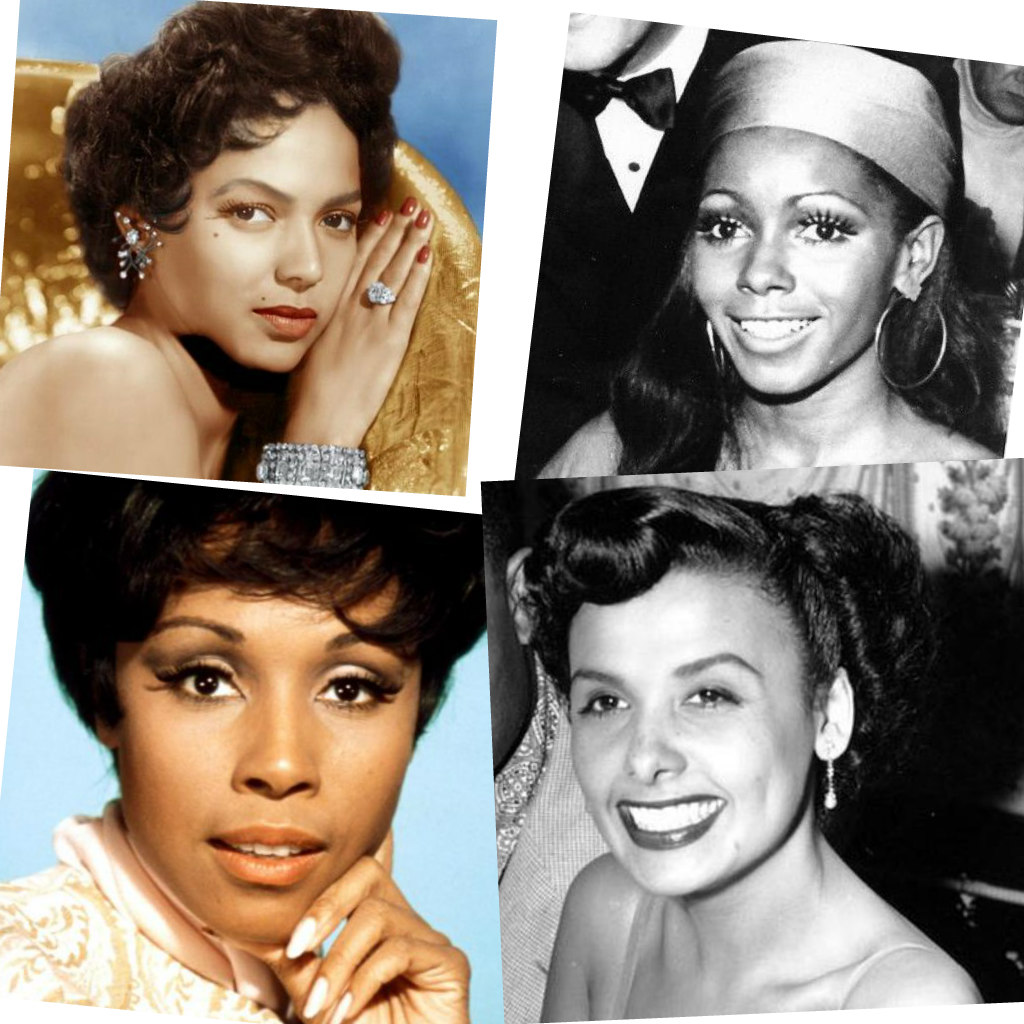
Media representation amplified these preferences during the 20th century. Hollywood films, fashion magazines, and advertising frequently highlighted lighter-skinned actors and models as ideals of beauty and success. Even within Black communities, light-skinned women and men received disproportionate visibility and admiration, while darker-skinned individuals were marginalized or stereotyped (Hunter, 2007). These cultural narratives solidified the association between complexion, desirability, and opportunity, perpetuating bias across generations.
With the rise of digital technology and social media, colorism has entered the realm of algorithms. Platforms like Instagram, TikTok, and Facebook often amplify content that aligns with dominant beauty ideals, including lighter skin tones, through engagement-driven algorithms. Likes, shares, and viral visibility create feedback loops that validate and reward lighter-skinned features, while darker-skinned users may experience relative invisibility or reduced exposure (Fardouly et al., 2015). In this way, historical hierarchies are reinforced and scaled by modern technology, linking ancestral bias to contemporary social media dynamics.
Psychologically, these persistent patterns of colorism affect self-esteem, confidence, and social identity. Individuals with darker complexions may internalize negative perceptions, experience body dissatisfaction, or feel excluded from cultural ideals of beauty (Festinger, 1954). Conversely, lighter-skinned individuals often benefit from societal affirmation, creating disparities in perceived social and aesthetic value. Recognizing these effects is essential for addressing both historical and modern manifestations of colorism.
Spiritual and ethical guidance provides a corrective lens for navigating the enduring impact of colorism. Proverbs 31:30 (KJV) declares, “Favour is deceitful, and beauty is vain: but a woman that feareth the LORD, she shall be praised.” True worth and dignity transcend social validation or algorithmic reinforcement, emphasizing character, faith, and virtue over skin tone. By grounding identity in spiritual and moral values, individuals can resist internalized bias and reclaim pride in authentic appearance.
In conclusion, colorism is a historical and contemporary phenomenon shaped by slavery, colonialism, media, and modern algorithms. From ancestral hierarchies to digital amplification, lighter skin has been privileged while darker complexions were marginalized. Understanding this evolution illuminates how systemic and cultural forces influence perception, self-worth, and social opportunity. Combating colorism requires both cultural representation and spiritual grounding, affirming that true value rests in character, faith, and the divine artistry inherent in every individual.
References
Byrd, A. D., & Tharps, L. L. (2014). Hair Story: Untangling the Roots of Black Hair in America. New York, NY: St. Martin’s Press.
Fardouly, J., Diedrichs, P. C., Vartanian, L. R., & Halliwell, E. (2015). Social comparisons on social media: The impact of Facebook on young women’s body image concerns and mood. Body Image, 13, 38–45.
Festinger, L. (1954). A theory of social comparison processes. Human Relations, 7(2), 117–140.
Hunter, M. (2007). The persistent problem of colorism: Skin tone, status, and inequality. Sociology Compass, 1(1), 237–254.





 THE BROWN GIRL DILEMMA