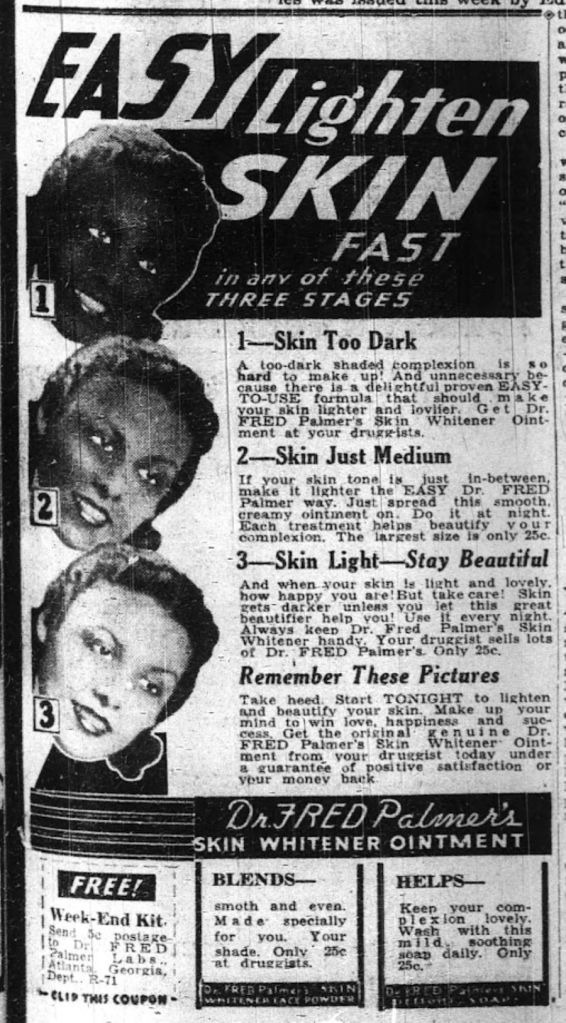
Category Archives: colorism

Blonde Hair Supremacy: The White Girl’s Colorism.

The concept of “blonde hair supremacy” has long shaped Western ideals of beauty, establishing a hierarchy even within whiteness itself. This ideology, rooted in centuries of Eurocentric preference, privileges women with blonde hair and blue eyes, symbolizing purity, desirability, and social power. Within this system, the image of the fair-haired, light-eyed woman became not just an aesthetic ideal but a cultural and racial marker that influenced fashion, film, and identity formation throughout the twentieth century.

In American culture, the blonde archetype rose to prominence during the 1950s and 1960s, coinciding with Hollywood’s golden age. Actresses like Marilyn Monroe, Grace Kelly, and Farrah Fawcett embodied the so-called “ideal woman”—white, blonde, and radiant. Their image was meticulously marketed through cinema, advertisements, and magazines, reinforcing the notion that lighter features represented not only beauty but also innocence and superiority. This visual monopoly excluded women of darker complexions, hair, and eyes, even among white women themselves.

Model and actress Kim Alexis, for example, became one of the quintessential blonde supermodels of the 1980s, gracing the covers of Vogue, Elle, and Sports Illustrated. Her beauty—defined by her golden hair and blue eyes—epitomized the mainstream aesthetic of the era. Similarly, Christie Brinkley, another icon of the same decade, was marketed as the “All-American Girl.” Her long blonde hair and bright smile symbolized youthful perfection, becoming a marketing standard for brands from CoverGirl to Coca-Cola.

Farrah Fawcett, meanwhile, became a cultural phenomenon in the 1970s with her feathered blonde hair and dazzling smile. Her poster, depicting her in a red swimsuit, sold millions and established her as the ultimate beauty symbol of her time. These women were not merely admired—they were used to define femininity itself. The message was clear: to be beautiful was to be blonde, thin, and white.

Yet even within whiteness, colorism operated as a silent divider. Brunettes, redheads, and women with darker features often faced subtle bias in media representation. While brunettes were sometimes portrayed as “smart” or “serious,” blondes were seen as desirable and approachable—the epitome of male fantasy. This dynamic created an intra-racial hierarchy that mirrored the larger racial colorism imposed on Black and brown women.

Historically, the glorification of blonde hair and blue eyes has roots in European pseudo-scientific racial theories from the 19th and early 20th centuries. Thinkers such as Arthur de Gobineau and Madison Grant associated fair features with racial purity and superiority, concepts later exploited by Nazi propaganda. The “Aryan ideal” became both a political and aesthetic weapon that reinforced systemic racism, influencing beauty standards far beyond Europe.

In American advertising, blonde hair became a shorthand for trustworthiness, innocence, and wealth. During the post–World War II boom, advertisers overwhelmingly selected blonde women to sell everything from soap to cigarettes. A lighter look suggested cleanliness, prosperity, and moral virtue. As a result, darker-haired or ethnically ambiguous women were often sidelined, exoticized, or cast as the “other.”

The media’s fixation on blonde beauty continued well into the 1990s and early 2000s. Models such as Claudia Schiffer and actresses like Cameron Diaz and Gwyneth Paltrow carried forward the tradition. Their success perpetuated a standard that was as much about race and class as it was about hair color. To be blonde was to be marketable—and to conform to the expectations of a predominantly white, Western gaze.

However, this “white girl’s colorism” also exposed the contradictions within white femininity. Women who did not fit the blonde mold—such as Winona Ryder, Anne Hathaway, or Monica Bellucci—were often cast as “edgy” or “mysterious,” relegated to roles that contrasted the wholesome allure of their blonde counterparts. Hollywood systematically used hair color to typecast femininity itself, establishing psychological and social divisions.

The impact of blonde supremacy extends beyond media representation. Sociologists have observed that hair color can influence professional success, dating preferences, and even perceptions of intelligence. Studies have shown that blonde women are often perceived as more youthful and sexually attractive, though not always as competent. This paradoxical stereotype—“the dumb blonde”—reveals how whiteness itself is tiered and manipulated to maintain gender and racial power structures.

The fascination with blonde hair also extends to global markets, where Western beauty ideals continue to shape standards. In Asia, Africa, and Latin America, the demand for blonde wigs, dyes, and blue contact lenses reflects the lingering legacy of colonial aesthetics. The image of blonde beauty remains aspirational, reinforcing the cultural dominance of Eurocentric features worldwide.

In contemporary pop culture, the legacy of the blonde hierarchy persists. From Barbie’s platinum locks to the filtered perfection of social media influencers, blonde beauty continues to dominate algorithms and advertising. Yet, a growing awareness challenges this monopoly. Celebrities like Beyoncé, Rihanna, and Zendaya have redefined what “blonde” can mean—appropriating the symbol and recontextualizing it within Black beauty.

Despite these shifts, the cultural script of blonde supremacy remains powerful. It subtly dictates who gets visibility, validation, and admiration. Even among white women, colorism functions as a social currency—blonde often equating to higher status, desirability, and femininity. The effect is an internalized bias that reinforces patriarchal and racialized beauty structures.

The stories of Kim Alexis, Christie Brinkley, and Farrah Fawcett illustrate how the blonde ideal was constructed and maintained. These women, while undoubtedly talented and charismatic, were elevated because they fit a specific, racially loaded template of beauty. Their images became benchmarks that influenced generations of women, shaping everything from hairstyle trends to cosmetic surgery preferences.

Let’s look at the celebrated physical beauty of today’s leading blonde actresses — Margot Robbie, Scarlett Johansson, Jennifer Lawrence, and Nicole Kidman — through a balanced, cultural and aesthetic lens. Each embodies a different version of the modern “blonde ideal,” reflecting how beauty has evolved beyond uniformity while still carrying echoes of the traditional blonde archetype that has dominated Western media.


Margot Robbie: The Modern Golden Muse

Margot Robbie represents a contemporary evolution of blonde beauty — one that blends classic glamour with natural vitality. Her golden-blonde hair, luminous skin, and symmetrical facial structure recall old Hollywood icons like Grace Kelly and Veronica Lake, yet she possesses a modern confidence that redefines the archetype. Her eyes, a pale blue-green, add to her ethereal quality, creating contrast and depth against her tanned complexion. What distinguishes Robbie’s beauty is its balance of innocence and authority: she can shift seamlessly from the sensuality of The Wolf of Wall Street to the playfulness and empowerment of Barbie. Her facial symmetry, delicate yet strong jawline, and high cheekbones align with many scientific measures of aesthetic appeal, while her demeanor projects a confidence that challenges passive beauty tropes.


Scarlett Johansson: The Classic Bombshell Reimagined

Scarlett Johansson embodies the sensual blonde archetype often associated with the “Hollywood siren.” With her soft golden hair, full lips, and almond-shaped green eyes, Johansson evokes the timeless allure of actresses like Marilyn Monroe — yet with a contemporary twist of mystery and self-awareness. Her beauty is characterized by balance: a heart-shaped face, voluptuous features, and expressive eyes that suggest both vulnerability and strength. Johansson’s blonde persona has often been tied to femininity and desire, but her career choices — from Lost in Translation to Marriage Story — have reframed her image as one of depth and introspection. She symbolizes a shift in how blonde beauty can coexist with complexity, intellect, and emotional power.


Jennifer Lawrence: The Relatable All-American Blonde

Jennifer Lawrence’s beauty embodies warmth and accessibility rather than untouchable perfection. Her sandy-blonde hair and blue-gray eyes, combined with an expressive face and lively personality, make her the archetype of the “girl next door” reimagined for the modern age. Her features are less sculpted and more open, conveying authenticity and natural charm. Lawrence’s beauty resonates because it feels achievable — she represents the kind of blonde aesthetic that bridges glamour with humanity. Even when styled for luxury campaigns or red-carpet appearances, her appeal lies in her spontaneity and unfiltered confidence. In contrast to the icy distance of older blonde ideals, Lawrence projects sincerity, humor, and relatability.


Nicole Kidman: The Regal and Ethereal Blonde

Nicole Kidman’s beauty has long been described as ethereal — a combination of porcelain skin, fine golden-blonde hair, and crystalline blue eyes. Her tall, statuesque frame and delicate bone structure evoke a timeless elegance reminiscent of European aristocracy. Kidman’s features — elongated facial proportions, high cheekbones, and translucent complexion — give her a luminous quality under light, often enhanced by minimalistic styling. Her beauty is less about sensuality and more about refinement; she embodies the dignified, almost otherworldly aspect of blonde femininity. Through decades in film, Kidman’s evolving hairstyles — from soft waves to sleek platinum — have mirrored her artistic transformations, maintaining her as one of Hollywood’s enduring icons of sophistication.


The Symbolism of Their Blonde Beauty

Together, these actresses illustrate how “blonde beauty” has diversified while maintaining its symbolic power in Western culture. Robbie’s sunlit glamour, Johansson’s sensual mystique, Lawrence’s approachable vitality, and Kidman’s aristocratic poise demonstrate four distinct interpretations of the same archetype. Historically, blonde hair represented purity, wealth, and desirability, but today it has become more fluid — capable of expressing rebellion, intellect, or authenticity.


Cultural Reflection

In a world increasingly aware of inclusivity, these women’s images still reflect how society continues to equate lightness with idealized femininity. Each actress, however, redefines the blonde standard by embedding depth, independence, and nuance within it. Robbie uses humor and intelligence to expand the archetype; Johansson infuses sensuality with emotional realism; Lawrence disrupts perfection with honesty; and Kidman merges elegance with resilience.

Their physical beauty — characterized by the interplay of hair color, eye contrast, facial proportion, and aura — continues to influence global beauty trends, but their power lies in their ability to transcend the traditional “white blonde” stereotype. They remind audiences that blonde hair no longer dictates fragility or conformity — it can signify strength, creativity, and individuality.

Meanwhile, women who did not conform to this mold often faced exclusion. Darker-haired white women, particularly those of Southern European, Jewish, or Slavic descent, were historically viewed as less “American” or less pure. The preference for blonde hair thus acted as a proxy for whiteness itself—an aesthetic measure of cultural belonging.

Psychologically, the preference for blonde hair ties into deeper cultural myths of light and darkness, purity and sin. Literature, film, and art have long used light-colored hair as a metaphor for goodness, while darker hair often signified danger or seduction. These tropes conditioned generations to associate moral and aesthetic superiority with fairer features.

As the 21st century progresses, conversations about inclusion have begun to deconstruct these biases. Movements promoting body positivity, natural hair, and diverse beauty have challenged the once-untouchable dominance of blonde imagery. Yet, the persistence of blonde beauty standards in advertising and entertainment suggests that the myth remains deeply embedded in Western consciousness.

“Blonde hair supremacy” is not merely a preference—it is a historical construct shaped by colonialism, capitalism, and patriarchy. It functions as a social code that privileges certain bodies and marginalizes others, even within the white population. Recognizing this dynamic is essential for dismantling the layered hierarchies that underpin colorism in all its forms.

Ultimately, the celebration of beauty in all its shades requires acknowledging how even “innocent” aesthetics carry ideological weight. The blonde ideal has long stood as a symbol of privilege, but awareness and representation are slowly reshaping what beauty means. The conversation around blonde hair supremacy opens a necessary dialogue about whiteness, power, and the evolving face of femininity in modern culture.


References

  • Craig, M. L. (2006). Race, Beauty, and the Politics of Hair. University of Chicago Press.
  • Dyer, R. (1997). White: Essays on Race and Culture. Routledge.
  • Peiss, K. (2011). Hope in a Jar: The Making of America’s Beauty Culture. University of Pennsylvania Press.
  • Wolf, N. (1991). The Beauty Myth: How Images of Beauty Are Used Against Women. HarperCollins.
  • Jeffries, D. J. (2016). “The White Ideal and the Blonde Archetype.” Journal of Cultural Studies, 12(3), 45–61.
  • Sobchack, V. (2004). Carnal Thoughts: Embodiment and Moving Image Culture. University of California Press.
  • Tate, S. (2009). Black Beauty: Aesthetics, Stylization, Politics. Ashgate.
  • Gates, H. L. (2014). Colorism: Skin Tone Stratification in the 21st Century. Harvard University Press.
  • Bordo, S. (2003). Unbearable Weight: Feminism, Western Culture, and the Body. University of California Press.
  • Entwistle, J. (2002). The Fashioned Body: Fashion, Dress and Modern Social Theory. Polity Press.

The Dark History of Having Pretty Privilege as a Light-Skinned Person.

The concept of “pretty privilege” refers to the societal advantages afforded to individuals deemed conventionally attractive. Within communities of color, this privilege is often compounded by colorism—the preferential treatment of lighter-skinned individuals over their darker-skinned counterparts. Historically, light-skinned individuals have navigated a complex landscape where their appearance has afforded them certain privileges, yet also subjected them to unique challenges and scrutiny.

Historical Roots of Colorism

Colorism traces its origins to colonial and slavery-era practices, where lighter-skinned individuals, often of mixed heritage, were granted privileges such as domestic roles or education, while darker-skinned individuals were relegated to labor-intensive tasks. This hierarchy established a precedent for valuing lighter skin within the community. The “brown paper bag test,” a practice where individuals lighter than a brown paper bag were granted entry into social clubs, exemplifies this internalized discrimination. Wikipedia

Cultural Reinforcement Through Media

Media representations have historically favored lighter-skinned individuals, reinforcing the notion that beauty and desirability are linked to lighter skin tones. This portrayal not only marginalizes darker-skinned individuals but also places pressure on light-skinned individuals to conform to these beauty standards. Films, advertisements, and television shows often depict light-skinned characters as more attractive, intelligent, and successful, perpetuating colorist ideals.

The Intersection of Pretty Privilege and Colorism

While light-skinned individuals may experience certain advantages, they are not immune to the complexities of colorism. They may face challenges such as being perceived as less authentically Black or being tokenized in spaces that seek diversity. Furthermore, the internalization of colorist ideals can lead to self-esteem issues and a sense of inadequacy, as individuals navigate the expectations placed upon them due to their appearance.

Example:

Halle Berry and the Intersection of Pretty Privilege and Colorism

Halle Berry’s career trajectory and public image exemplify the complex interplay between beauty standards, colorism, and the concept of “pretty privilege.” As a biracial woman with lighter skin, Berry has often been celebrated for her beauty, yet she has also faced challenges related to her racial identity and the expectations placed upon her.

Beauty and Career Advancement

Berry’s striking appearance has undoubtedly played a role in her ascent within Hollywood. Her success in beauty pageants, including being named Miss Ohio in 1986 and placing as the first runner-up in the Miss USA pageant the same year, highlights the industry’s preference for certain beauty ideals. These accolades likely opened doors for her in modeling and acting, leading to roles in films such as Boomerang (1992) and The Flintstones (1994). Her portrayal of Storm in the X-Men series further cemented her status as a leading actress.

The Impact of Pretty Privilege

While Berry’s beauty has afforded her opportunities, she has also acknowledged the limitations of being valued primarily for her appearance. In a 2024 interview with Marie Claire, Berry described beauty as a “hollow win,” emphasizing that she had no control over her looks and expressing a desire to be recognized for her talents and contributions beyond her physical appearance Marie Claire.

Colorism and Racial Identity

Berry’s biracial heritage has placed her at the intersection of colorism and racial identity. In the entertainment industry, lighter-skinned individuals often receive more favorable treatment, a phenomenon rooted in historical preferences for Eurocentric features. Berry has openly discussed the complexities of her identity, noting that she identifies as Black because that is how she is perceived, despite her mixed-race background Wikipedia.

Public Perception and Criticism

Berry’s experiences reflect broader societal issues related to beauty standards and racial identity. Discussions on platforms like Lipstick Alley have highlighted how her lighter skin may have contributed to her being perceived as more conventionally attractive, raising questions about the role of colorism in shaping public perceptions Lipstick Alley.

Advocacy and Empowerment

Beyond her acting career, Berry has used her platform to advocate for women’s empowerment and challenge societal norms. In 2025, she shared a makeup-free photo in a sheer dress to promote menopause awareness, encouraging women to embrace aging and defy conventional beauty standards InStyle. Her wellness brand, Re-spin, further reflects her commitment to supporting women through various life stages.

Halle Berry’s journey underscores the multifaceted nature of beauty, privilege, and identity. While her appearance has opened doors and afforded her opportunities, she remains a vocal advocate for being recognized for her abilities and character. Her experiences shed light on the complexities faced by individuals navigating the intersections of race, beauty, and societal expectations.

Social Dynamics and Interpersonal Relationships

Within communities of color, light-skinned individuals may experience strained relationships due to perceptions of favoritism or resentment. These dynamics can manifest in both subtle and overt ways, affecting friendships, family bonds, and community cohesion. The pressure to align with certain beauty standards can lead to identity conflicts and a sense of alienation.

Economic Implications

Studies have shown that lighter-skinned individuals often receive higher wages and better job opportunities compared to their darker-skinned counterparts. This economic disparity underscores the tangible benefits associated with lighter skin, highlighting the pervasive nature of colorism in professional settings. However, these advantages can also lead to feelings of guilt or discomfort among light-skinned individuals, who may recognize the inequities present within their communities.

Psychological Effects

The awareness of receiving preferential treatment can lead to cognitive dissonance for light-skinned individuals, as they grapple with the unfairness experienced by darker-skinned peers. This internal conflict can result in stress, anxiety, and a diminished sense of self-worth. Additionally, the constant scrutiny and expectations placed upon them can lead to burnout and emotional fatigue.

Educational Disparities

In educational institutions, light-skinned students often receive more favorable treatment from educators, leading to better academic outcomes. This bias can affect grading, disciplinary actions, and teacher-student relationships, contributing to a cycle where lighter-skinned students are more likely to succeed academically. Conversely, darker-skinned students may face harsher treatment and lower expectations, perpetuating educational inequalities.

Impact on Identity Formation

For light-skinned individuals, especially those of mixed heritage, navigating their identity can be complex. They may struggle with feelings of not fully belonging to either the Black or white communities, leading to identity crises and a lack of cultural grounding. This sense of liminality can affect their self-perception and their relationships with others.

Resistance and Advocacy

Despite the challenges, many light-skinned individuals have used their experiences to advocate for racial equity and challenge colorist norms. By acknowledging their privilege and working to dismantle colorist structures, they contribute to broader efforts aimed at achieving racial justice. Their advocacy highlights the importance of solidarity and collective action in addressing systemic issues.

Conclusion

The history of light-skinned individuals experiencing “pretty privilege” is intertwined with the broader narrative of colorism. While they may benefit from certain societal advantages, these privileges come with their own set of challenges and responsibilities. Understanding the complexities of this dynamic is crucial in the ongoing efforts to combat colorism and promote inclusivity within communities of color.

References

Shades of Innocence: Understanding Child Colorism.

Photo by cottonbro studio on Pexels.com

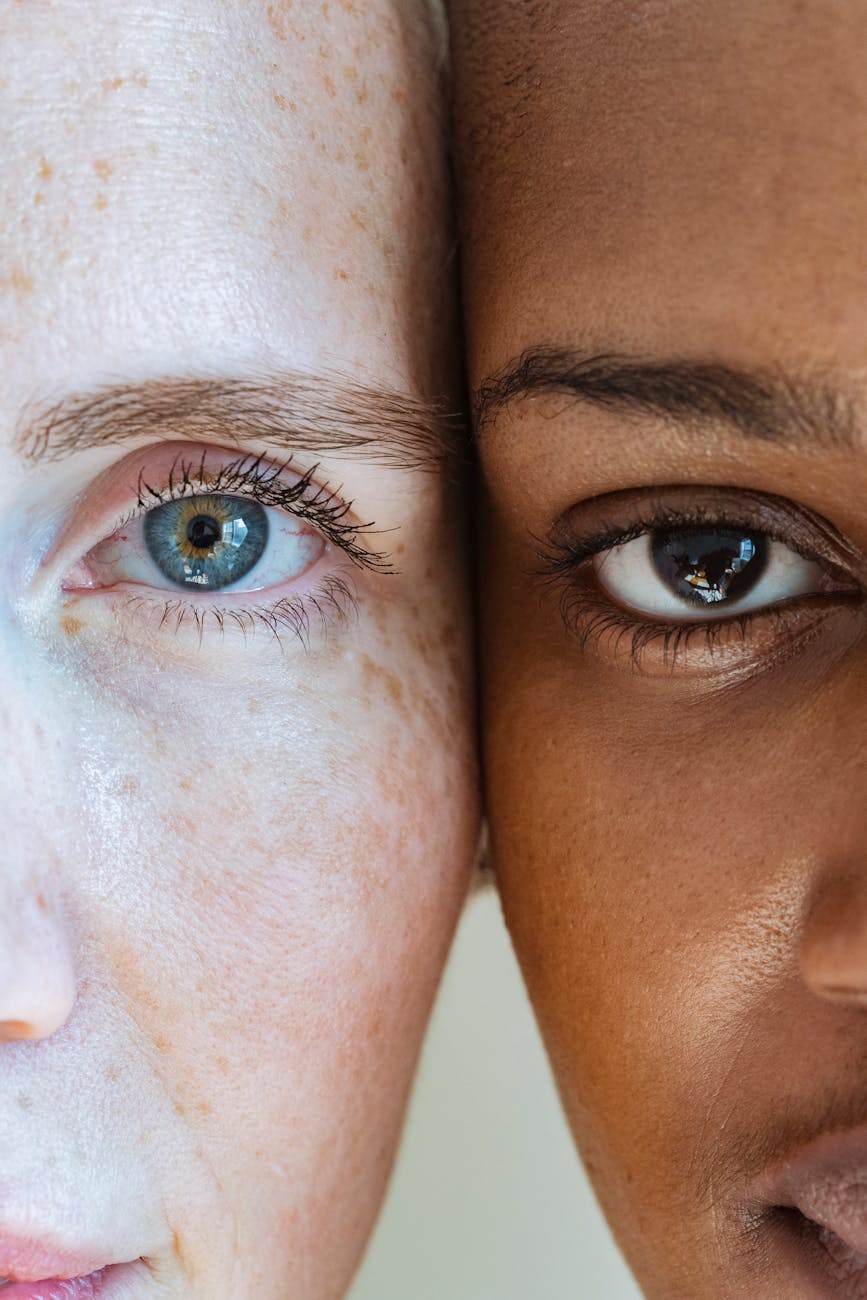
Child colorism is a pervasive yet often overlooked form of discrimination, rooted in the preferential treatment of lighter-skinned individuals over those with darker skin tones. While colorism affects adults in multiple domains such as employment, media representation, and social perception, its influence on children is particularly damaging, shaping self-esteem, social development, and identity from a young age.

Historically, colorism has been reinforced by colonialism, slavery, and societal hierarchies, which associated lighter skin with power, wealth, and beauty. In many communities, these historical legacies persist, subtly teaching children that lighter skin is more desirable or socially acceptable. This early exposure establishes a foundation for self-perception that can last a lifetime.

Within families, colorism often manifests unconsciously. Parents may praise lighter-skinned children for their appearance or intelligence, while offering less affirmation to darker-skinned siblings. Even casual comments like “You look so pretty for your skin tone” or “Why aren’t you lighter?” reinforce the idea that darker skin is less valued. Over time, these interactions can significantly influence a child’s sense of self-worth.

Peer interactions are another critical arena in which child colorism emerges. Schools and playgrounds, meant to foster equality and socialization, often replicate societal biases. Darker-skinned children may face teasing, exclusion, or derogatory nicknames from classmates, while lighter-skinned peers are more readily accepted and praised. These experiences can contribute to social anxiety and withdrawal.

Media representation amplifies these biases. From early childhood, children encounter cartoons, storybooks, toys, and television shows that overwhelmingly feature lighter-skinned characters or protagonists. The underrepresentation of darker-skinned children sends a subtle message that their appearance is less desirable, affecting both self-esteem and aspirations.

Colorism also intersects with gender, disproportionately affecting girls. Studies show that darker-skinned girls are often deemed less attractive, both by peers and within their own families, compared to lighter-skinned girls. This disparity can lead to a lifelong struggle with self-image and body confidence, beginning in formative years.

Psychologically, the effects of colorism on children are profound. Children internalize the societal preference for lighter skin, which may lead to feelings of inadequacy, low self-esteem, and identity confusion. These internalized beliefs often manifest in behaviors such as wishing for lighter skin or avoiding situations where their appearance is judged.

Academic performance may also be indirectly influenced by child colorism. Teachers’ expectations can be shaped, consciously or unconsciously, by a child’s skin tone. Research indicates that lighter-skinned children are sometimes presumed to be more intelligent or capable, which can translate into more attention, encouragement, and opportunities in educational settings.

Child colorism is not limited to any one culture or region. In African American communities, the preference for lighter skin has been documented extensively, affecting children’s perceptions of beauty and worth. Similarly, in India, fairness remains a dominant standard of attractiveness, influencing children’s social experiences and familial treatment.

In Latin American contexts, colonial histories have created complex racial hierarchies in which lighter-skinned children are more likely to receive social approval and affirmation. These global patterns demonstrate that child colorism is a structural and cultural issue, rather than isolated incidents.

Family interventions are crucial in mitigating child colorism. Parents can foster a positive environment by avoiding comparisons based on skin tone, actively celebrating all skin shades, and emphasizing qualities unrelated to appearance. Open conversations about beauty standards and societal bias help children critically engage with colorism from an early age.

Schools and educators also play a significant role in addressing child colorism. Anti-bullying programs should explicitly include color-based teasing, and curriculum materials should reflect the diversity of skin tones and experiences. Representation in educational content helps children see themselves positively and develop pride in their identity.

Media representation must be broadened to include diverse skin tones. Television shows, storybooks, toys, and online content that highlight darker-skinned children as heroes, protagonists, or leaders help counteract the subliminal messages of inferiority. Such representation fosters a sense of inclusion and affirmation.

Psychological support is another essential component. Counseling or therapeutic interventions can help children cope with the effects of colorism, develop resilience, and challenge internalized biases. Early support mitigates the long-term emotional and social consequences of discriminatory experiences.

Community engagement can further reinforce positive messaging. Cultural programs, storytelling, and community celebrations that honor darker skin tones promote pride and belonging. Engaging children in spaces where their appearance is valued and celebrated combats the negative societal messaging they encounter elsewhere.

Religious and spiritual communities can also address child colorism. Faith-based teachings that emphasize the intrinsic value of all people, regardless of skin tone, provide moral frameworks that challenge societal biases. Scriptural affirmations about human dignity and equality can strengthen a child’s self-image in contexts where colorism is prevalent.

Child colorism intersects with other forms of discrimination, including racism and socioeconomic bias. Darker-skinned children from lower-income families may experience compounded disadvantages, highlighting the structural dimensions of color bias. Understanding these intersections is critical for effective interventions.

Awareness campaigns and advocacy are vital in addressing child colorism on a societal level. Parents, educators, and media creators must recognize the impact of early exposure to color bias and take deliberate action to counteract these messages. Policies that encourage diversity and inclusion benefit children across racial and ethnic communities.

Ultimately, child colorism is not merely a cosmetic or social concern—it is a form of prejudice that shapes children’s emotional, cognitive, and social development. Left unaddressed, it perpetuates cycles of inequality and internalized oppression that extend into adulthood.

Addressing child colorism requires a multi-layered approach: family education, school policies, media representation, psychological support, and community engagement. By actively challenging color biases and celebrating all skin tones, society can create environments where children develop self-worth, confidence, and pride in their natural appearance.

Child colorism is a reflection of deeper societal hierarchies, but it is not immutable. With awareness, intentional action, and supportive environments, children of all skin tones can grow free from the damaging effects of prejudice, realizing their full potential and embracing their inherent beauty.

📚 Academic Articles and Research Studies

  1. Landor, A. M. (2013). Exploring the Impact of Skin Tone on Family Dynamics and Child Development. Journal of Family Psychology, 27(3), 397–407. Link
  2. Major, J. (2023). Colorism Among Black Youth in the United States. Psychology from the Margins, 1(1), Article 1033. Link
  3. Crutchfield, J. (2022). A Scoping Review of Colorism in Schools: Academic, Social, and Emotional Impacts on Students of Color. International Journal of Environmental Research and Public Health, 11(1), 15. Link
  4. Calzada, E. J. (2019). Skin Color as a Predictor of Mental Health in Young Latinx Children. Journal of Abnormal Child Psychology, 47(3), 473–485. Link
  5. Spann, M. S. (2023). The Effects of Colorism on the Self-esteem and Academic Achievement of African American Children. Journal of Research in Education, 33(2), 112–128. Link
  6. Thibault, O. (2020). The Impact of Colorism on Early Childhood Learners. SOAR (State University of New York at Albany) Theses and Dissertations. Link
  7. Moore, K. R. (2020). Disparities by Skin Color among Young African-American Children: Implications for Public Health Research. Journal of Health Disparities Research and Practice, 13(4), Article 5. Link
  8. Kim, Y. (2018). Skin Color and Academic Achievement in Young, Latino Children. Journal of Educational Psychology, 110(5), 725–738. Link
  9. Brown, C. S., & Bigler, R. S. (2005). Children’s Perceptions of Discrimination: A Developmental Model. Child Development, 76(3), 533–553. Link
  10. Craddock, N. (2018). Colourism: A Global Adolescent Health Concern. Current Opinion in Pediatrics, 30(4), 497–502. Link

🎥 Documentaries and Media

  1. Berry, D. C., & Duke, B. (2011). Dark Girls. [Film]. Link
  2. Nyong’o, L. (2019). Sulwe. [Children’s Book]. Link

🧠 Psychological and Sociocultural Insights

  1. Spradley, L. (2025). African American Girls Navigating the Complexities of Colorism. Women of Color and Library Services. Link
  2. Fergus, E. (2015). “What’s ‘Colorism’?”: Understanding Skin Tone Bias in Latino High School Students. Learning for Justice. Link
  3. Wilder, C. R., & Cain, H. (2011). The Role of Black Families in Developing Skin Tone Bias. Journal of Family Psychology, 25(5), 746–754. Link

The History of Colorism in India

Photo by Manjeet Singh Yadav on Pexels.com

Colorism, or the preferential treatment of lighter skin over darker skin within the same racial or ethnic group, is deeply entrenched in India’s historical, cultural, and social fabric. While the phenomenon is often discussed in relation to Western racial hierarchies, in India, it has evolved through a unique interplay of caste, colonialism, religion, and media representation. The roots of colorism stretch back thousands of years, but its persistence today reflects a continued legacy of inequality and internalized prejudice.

Historically, colorism in India predates European colonial rule. Ancient Sanskrit texts and Vedic scriptures often associated fairness with purity, beauty, and divinity, while darkness was symbolically linked to impurity or lower social standing. The “varna” system, which literally translates to “color,” was initially used to classify social groups in early Hindu society. The higher castes, particularly the Brahmins, were described as fair-skinned, while the lower castes, including the Shudras and Dalits, were often portrayed as darker, creating an early sociocultural hierarchy based on complexion (Jha, 2020).

The intertwining of skin color and caste identity became a foundational aspect of Indian society. This early form of discrimination did not function identically to modern racism but set the groundwork for valuing lighter skin as a marker of social status and spiritual purity. The ancient texts like the Rigveda describe the Aryans, who were fair-skinned, as defeating the darker-skinned indigenous Dasas or Dasyus, symbolically reinforcing the supremacy of light over dark (Thapar, 2002).

The arrival of foreign rulers further intensified these divisions. During the medieval period, the invasions by Persian, Turkic, and Mughal empires brought with them aesthetic ideals that favored fairer skin. The Mughals, who often had Central Asian ancestry, were depicted in art and literature as possessing lighter complexions, which became associated with nobility, beauty, and power. This aesthetic preference filtered down through society, where fairness became increasingly idealized among both men and women (Natrajan & Greenough, 2012).

However, it was under British colonial rule that colorism took on its modern, racialized form. The British, steeped in their own racist ideologies of white superiority, reinforced the association between fairness and intelligence, civility, and modernity. British administrators and missionaries often portrayed darker-skinned Indians as primitive, lazy, or morally inferior. The colonial administration’s favoring of lighter-skinned Indians for clerical and bureaucratic jobs helped institutionalize color bias (Chatterjee, 2019).

The rise of Western education and the influence of British culture led to widespread internalization of these ideas. Indians began to perceive fairness not just as a physical trait but as a social asset. Being fair-skinned came to signify upward mobility and access to privilege, while darker skin was stigmatized as a sign of backwardness or lower caste origins. Thus, colorism became both a social aspiration and a psychological burden, cutting across caste, region, and religion.

In post-independence India, the ideology of fairness did not fade. Instead, it was reinforced by the burgeoning film industry and consumer capitalism. Bollywood, India’s largest cultural export, played a major role in perpetuating color bias. Leading actors and actresses were overwhelmingly fair-skinned, often from North Indian or lighter-complexioned backgrounds, while darker-skinned actors were relegated to villainous, comic, or servile roles (Parameswaran & Cardoza, 2009).

Advertising and media amplified these stereotypes. Beginning in the 1970s, fairness creams such as Fair & Lovely (now rebranded as Glow & Lovely) became household names. The marketing campaigns explicitly portrayed fair skin as the key to success, marriage, and social acceptance. This commercialization of colorism normalized the pursuit of lighter skin as a sign of beauty and desirability, particularly among women (Hunter, 2011).

Sociologically, colorism in India also intersects with gender. Women face disproportionate pressure to conform to fairness ideals, as marriage markets and beauty standards emphasize lighter skin. Matrimonial advertisements routinely specify “fair bride wanted,” a practice that underscores the deeply ingrained nature of complexion-based discrimination. The notion that a woman’s value is tied to her skin tone reflects a patriarchal and colonial hangover that continues to shape modern Indian identity (Puri, 2016).

The globalized beauty industry further exacerbates this issue. The influence of Western beauty ideals and the rise of social media have intensified the demand for skin-lightening products. In recent years, even men have become targets of this marketing, as fairness is rebranded as a symbol of confidence and masculinity. Despite increased awareness, India remains one of the largest markets for skin-lightening cosmetics (Glenn, 2008).

Colorism also intersects with regional and linguistic identities. Northern Indians, who tend to have lighter complexions, often perceive themselves as more “Aryan,” while southern Indians, who are generally darker, are stigmatized in popular culture and interregional interactions. This has created deep cultural divides, perpetuated through jokes, cinema, and everyday discrimination (Jha, 2020).

In recent years, however, a growing movement challenging colorism has emerged. Activists, scholars, and artists have begun to call out the unfair beauty standards perpetuated by media and advertising. Campaigns such as “Dark Is Beautiful” and “Unfair & Lovely” have gained traction, sparking national conversations about beauty, identity, and colonial legacy (Kumar, 2021).

Social media has become a critical tool in dismantling colorist narratives. Influencers and celebrities are increasingly embracing their natural skin tones, rejecting filters and editing tools that lighten their appearance. These digital movements signify a generational shift in how Indians perceive beauty and self-worth, challenging the psychological scars of colonialism.

Yet, despite this progress, the remnants of colorism remain pervasive in Indian society. Skin tone continues to influence marriage prospects, job opportunities, and even perceptions of intelligence and trustworthiness. The psychological damage of colorism, including low self-esteem and body image issues, particularly among darker-skinned individuals, underscores its continuing impact (Parameswaran & Cardoza, 2009).

Religious imagery also continues to play a subtle role. While Hindu deities like Krishna and Kali are often described as dark-skinned, modern depictions frequently lighten their features. This reinterpretation reflects an unconscious bias that equates divinity with fairness, reinforcing the same colonial-era assumptions that lighter is superior.

Education and representation remain powerful tools for change. The inclusion of darker-skinned actors, models, and public figures in mainstream Indian culture marks a slow but significant shift toward inclusivity. Schools and media platforms that teach the history of colorism can help future generations recognize and reject internalized bias (Natrajan & Greenough, 2012).

Ultimately, the history of colorism in India is a story of how ancient caste ideologies merged with colonial racial hierarchies to produce a deep-seated form of social prejudice. Its persistence reflects the challenges of decolonizing not only institutions but also minds. True liberation requires confronting the psychological remnants of these systems and reimagining beauty, worth, and identity beyond complexion.

The fight against colorism in India is not just about aesthetics—it is about justice, dignity, and equality. As India continues to evolve in a globalized world, confronting its color bias is essential to creating a society that values character over complexion, and humanity over hue.


References (APA Style)

Chatterjee, S. (2019). Colonial Shadows: Skin Color and Class in British India. Oxford University Press.

Glenn, E. N. (2008). Yearning for lightness: Transnational circuits in the marketing and consumption of skin lighteners. Gender & Society, 22(3), 281–302.

Hunter, M. L. (2011). Buying racial capital: Skin-bleaching and cosmetic surgery in a globalized world. The Journal of Pan African Studies, 4(4), 142–164.

Jha, M. (2020). The Colour of Inequality: Understanding Skin Colour Discrimination in India. Penguin Random House.

Kumar, S. (2021). Fairness rebranded: The politics of colorism and beauty in India’s digital age. Asian Journal of Communication, 31(5), 420–437.

Natrajan, B., & Greenough, P. (2012). Against Stigma: Studies in Caste, Race, and Color Discrimination in India. Orient Blackswan.

Parameswaran, R., & Cardoza, K. (2009). Melanin on the margins: Advertising and the cultural politics of fair/light/white beauty in India. Journalism & Communication Monographs, 11(3), 213–274.

Puri, J. (2016). Woman, Body, Desire in Post-Colonial India: Narratives of Gender and Sexuality. Routledge.

Thapar, R. (2002). Early India: From the Origins to AD 1300. University of California Press.

The White Gaze, the Black Gaze, and Healing & Unity.

The white gaze is a historical and sociological concept that refers to the way white society observes, defines, and judges Black identity. From the transatlantic slave trade to modern mass media, the white gaze has consistently imposed labels and expectations on Black people that serve to uphold systems of power and control. In this view, Black identity is not self-determined, but rather constructed as “the other,” existing in opposition to whiteness.

Photo by Angela Roma on Pexels.com

The Black gaze, however, is a complicated internalization of both pride and pain. On one hand, it represents the self-awareness and affirmation of Blackness in defiance of systemic oppression. On the other, it can mirror internalized racism and colorism, as members of the Black community sometimes measure one another by proximity to white standards. The tension between the white gaze and the Black gaze creates an ongoing struggle for authenticity and wholeness.

Under the white gaze, all Black people are lumped into one category regardless of complexion, culture, or background. From slavery’s “one-drop rule” to Jim Crow’s “separate but equal,” whiteness has historically reduced Black identity to an object of suspicion, inferiority, or exoticism. This dehumanization was designed to rationalize inequality and maintain white dominance.

The Black gaze developed in resistance but also in fragmentation. Within Black communities, hierarchies of skin tone, hair texture, and cultural expression have often reproduced divisions. While these divisions are rooted in historical oppression, they nevertheless create cycles of mistrust and judgment. The “brown skin paradox” of being not light enough and not dark enough reflects this painful reality.

To understand the white gaze, one must acknowledge its function as surveillance and control. The white gaze is not neutral—it polices how Black people dress, speak, and behave. Even today, racial profiling, biased policing, and workplace discrimination reflect the persistence of the white gaze in shaping opportunities and consequences.

In contrast, the Black gaze, when rooted in empowerment, serves as a mirror of resilience. Black communities have created beauty, culture, and art that redefine standards outside of whiteness. Music, literature, and fashion have all been tools of resistance, reclaiming dignity from the distortions of the white gaze. Yet, the challenge remains: how to cultivate a gaze that unifies rather than divides.

Colorism complicates the Black gaze. Preference for lighter skin or “good hair” reflects the lingering influence of slavery, when proximity to whiteness often meant access to privilege. These divisions persist in families, dating preferences, and media representation. Such internal hierarchies weaken collective strength and hinder healing.

The Bible speaks directly to division and partiality. James 2:9 (KJV) declares, “But if ye have respect to persons, ye commit sin, and are convinced of the law as transgressors.” Favoritism based on appearance, whether by white supremacy or internal colorism, stands against God’s standard of justice. In Christ, identity is not measured by skin but by spirit.

Healing begins when the lies of both gazes are rejected. For Black people, this means no longer seeking validation through whiteness or competing for approval based on complexion. It requires embracing the truth of Psalm 139:14 (KJV): “I will praise thee; for I am fearfully and wonderfully made: marvellous are thy works; and that my soul knoweth right well.” Every shade is a reflection of divine craftsmanship.

Unity cannot come without truth. John 8:32 (KJV) proclaims, “And ye shall know the truth, and the truth shall make you free.” The truth is that white supremacy has always sought to divide and weaken, and that internalized division only strengthens the oppressor. Recognizing this truth is the first step to dismantling false gazes.

Healing also requires forgiveness, though not in the sense of forgetting history or ignoring injustice. Forgiveness, in this context, means refusing to allow bitterness to define identity. As Ephesians 4:31-32 (KJV) teaches, believers are called to “put away all bitterness, and wrath, and anger” and to “forgive one another, even as God for Christ’s sake hath forgiven you.” Unity comes when past wounds do not dictate future relationships.

Education is a tool for liberation. By learning the history of the white gaze and its impact, Black communities can understand the roots of division and resist repeating them. Teaching children the beauty of all shades and the worth of all features is a radical act of healing. Representation matters, but affirmation within families and communities matters even more.

Economics and justice are also part of healing. Unity requires advocating for equity in schools, workplaces, and the justice system. To confront the white gaze is to challenge systemic racism. To reform the Black gaze is to dismantle intra-community prejudices. Both are necessary for collective progress.

The role of the church is critical. Too often, churches have ignored or even perpetuated colorism and division. Yet the church is uniquely positioned to proclaim Galatians 3:28 (KJV): “There is neither Jew nor Greek, there is neither bond nor free, there is neither male nor female: for ye are all one in Christ Jesus.” The gospel calls for a unity that transcends race and shade without denying the realities of oppression.

Art, music, and storytelling play a role in reshaping the gaze. From gospel music to hip hop, Black creativity has always been a means of healing and protest. These cultural expressions disrupt the white gaze and provide spaces where Black identity is celebrated authentically. They remind the world that Blackness is not a monolith but a mosaic.

Unity requires humility. Healing cannot come if individuals cling to pride or superiority based on shade or proximity to whiteness. Philippians 2:3 (KJV) instructs, “Let nothing be done through strife or vainglory; but in lowliness of mind let each esteem other better than themselves.” This humility is the foundation of reconciliation within the community.

Healing also requires love. 1 Peter 4:8 (KJV) declares, “And above all things have fervent charity among yourselves: for charity shall cover the multitude of sins.” Love must be the lens through which the Black gaze is redefined—not as a competition of shades, but as a celebration of shared struggle, heritage, and destiny.

When the white gaze is dismantled and the Black gaze is purified, unity becomes possible. This unity is not uniformity but strength in diversity. It acknowledges pain but refuses to be imprisoned by it. It reclaims agency and affirms that every shade is essential to the collective story.

Ultimately, healing and unity require centering identity in God rather than in human gazes. To be seen by God, rather than to live under the gaze of man, is true freedom. 2 Corinthians 5:17 (KJV) reminds us: “Therefore if any man be in Christ, he is a new creature: old things are passed away; behold, all things are become new.” A new gaze emerges—God’s gaze—where worth is immeasurable, and unity is divine.


References

  • Hunter, M. (2007). The persistent problem of colorism: Skin tone, status, and inequality. Sociology Compass, 1(1), 237–254.
  • hooks, b. (1992). Black looks: Race and representation. South End Press.
  • Fanon, F. (1967). Black skin, white masks. Grove Press.
  • The Holy Bible, King James Version (KJV).

Not Light Enough, Not Dark Enough

This photograph is the property of its respective owners. No copyright infringement intended.

The struggle of identity within the Black community is a painful and persistent issue. One of the most overlooked dimensions of racial identity is the tension that exists between light skin and dark skin among people of African descent. While white supremacy has historically grouped all Black people together as one inferior category, within the Black community itself, a separate hierarchy has emerged—one that privileges certain shades of Blackness while marginalizing others. This creates the paradoxical reality of being “not light enough, not dark enough.”

For centuries, white colonial powers and enslavers classified Black people according to skin shade, hair texture, and physical features. Terms like “mulatto,” “quadroon,” and “octoroon” were not only derogatory but used as social markers to divide people of African descent. The “paper bag test” and other discriminatory practices reinforced the belief that lighter skin granted access to privilege, while darker skin meant rejection and hardship. White society, however, saw no nuance: regardless of tone, Blackness was stigmatized.

From the perspective of white supremacy, “all Black is Black.” The infamous “one-drop rule” in American history defined anyone with any African ancestry as Black. This erasure of diversity among Black people was designed to maintain control and strip away individuality. White America, by and large, treated Black people as a monolithic group—criminalized, marginalized, and dehumanized. Thus, while colorism was weaponized within the Black community, the larger society did not care whether a person was caramel, mahogany, or ebony—they were all subject to racism.

Within the Black community, however, a more complicated story unfolds. Here, color became not just a descriptor but a social currency. Lighter-skinned individuals often received preferential treatment in employment, education, entertainment, and even in dating. Darker-skinned individuals were unfairly stereotyped as more aggressive, less attractive, or less intelligent. This has led to deep wounds of mistrust, resentment, and division that persist to this day.

The painful truth is that Black people, who should be united in solidarity against systemic oppression, sometimes internalize the very biases created by white supremacy. This is evident in beauty standards that favor European features, in families where children of different shades are treated unequally, and in media portrayals that elevate lighter-skinned actors, singers, and models. The oppression from without has been compounded by discrimination from within.

At the heart of the dilemma lies the question: Who gets to define beauty, worth, and identity? The Bible reminds us that true value comes not from outward appearance but from the inward spirit. “But the LORD said unto Samuel, Look not on his countenance, or on the height of his stature; because I have refused him: for the LORD seeth not as man seeth; for man looketh on the outward appearance, but the LORD looketh on the heart” (1 Samuel 16:7, KJV). This verse reminds us that the very measuring sticks of color, shade, and tone are human constructions, not divine truths.

However, despite this spiritual truth, the earthly reality of colorism causes tangible pain. Many brown-skinned women, for example, express feeling invisible—too dark to be considered exotic or glamorous, yet not dark enough to be celebrated for “deep melanin beauty.” Men in similar positions may find themselves caught between stereotypes, never fitting cleanly into societal expectations of attractiveness or masculinity.

This sense of being “in between” breeds confusion in identity formation. Adolescents and young adults often internalize these messages, leading to low self-esteem, identity crises, and even depression. Social psychology research shows that constant invalidation of one’s identity leads to both intrapersonal and interpersonal struggles (Hunter, 2007). Thus, the “not light enough, not dark enough” paradox becomes not just a matter of aesthetics, but of psychological survival.

From the white gaze, Black people are subjected to stereotypes that lump them together: lazy, criminal, hypersexual, or less intelligent. These false narratives have been historically perpetuated through pseudo-science, racist media, and discriminatory policies. From the Black gaze, however, the nuances of complexion become battlegrounds of belonging. This dual oppression creates a unique burden where one can feel simultaneously over-visible to white society and under-valued within their own community.

One of the most tragic consequences of colorism is its impact on family dynamics. In many Black households, siblings of varying shades may be treated differently. A lighter child may be praised for “good hair” while a darker child may be chastised or teased. Such wounds cut deeply and last for generations. This dysfunction reflects the scripture: “Every kingdom divided against itself is brought to desolation; and every city or house divided against itself shall not stand” (Matthew 12:25, KJV). The Black community’s division over shade is one of the tools the enemy uses to weaken unity.

Another issue that arises is how Black men and women perceive each other through the lens of colorism. Research has shown that men often demonstrate preference toward lighter-skinned women in dating and marriage, while women may assume lighter-skinned men are more successful or less threatening (Burke, 2008). These biases play into centuries of social conditioning. Yet, these preferences reinforce division, leaving many feeling unloved and unwanted simply because of their shade.

The entertainment industry has perpetuated these biases. From the casting of actresses in leading roles to the glorification of certain musicians, there is a noticeable pattern: lighter skin is often framed as more marketable. This has left countless talented darker-skinned artists struggling to gain recognition, despite their abilities. Brown-skinned individuals find themselves marginalized as well, rarely fitting the archetype of “beautiful enough” or “authentic enough.”

Education and economics also reflect color bias. Studies have shown that darker-skinned individuals often receive harsher sentences in the criminal justice system, fewer job opportunities, and less pay than their lighter-skinned counterparts (Villarreal, 2010). Brown-skinned individuals again fall into the paradox of invisibility, overlooked in favor of those deemed closer to whiteness or those visibly marked as “other.”

In addition to external discrimination, there are internal struggles of self-love. Many people spend years unlearning negative messages about their hair, their nose, their lips, or their skin. Products like bleaching creams and hair straighteners continue to profit from these insecurities. The Bible warns against this self-hatred: “Thou art all fair, my love; there is no spot in thee” (Song of Solomon 4:7, KJV). To deny one’s natural beauty is to deny the Creator’s design.

Colorism also intersects with class. Historically, lighter-skinned Black people were more likely to be freed from slavery, receive education, or own property. This created a lasting generational wealth gap even within the Black community. Today, economic mobility is still influenced by shade in subtle ways, compounding the cycle of inequality.

Spiritual solutions are necessary to heal these wounds. The Church should play a leading role in dismantling colorism, teaching that all shades of Black are fearfully and wonderfully made (Psalm 139:14, KJV). Yet, churches have not always been free from these biases. It is vital for Christian communities to confront these divisions openly and to re-center identity in Christ rather than complexion.

Another issue worth mentioning is representation in relationships and family. Children raised in homes where one parent is lighter and the other darker may internalize confusion about their own identity. If not guided with love and affirmation, these children can grow up feeling as though they do not belong fully to either side. The danger is raising another generation caught in the cycle of shade hierarchy.

Healing begins with awareness. To break free from the “not light enough, not dark enough” dilemma, the Black community must address the historical roots of colorism and confront the ways it manifests today. This requires honest conversations, re-education, and intentional celebration of all shades of Blackness.

It also requires rejecting the false narratives imposed by white supremacy. The fact remains: whether light, brown, or dark, Black people share the same struggles under systemic racism. Police brutality, mass incarceration, voter suppression, and economic disenfranchisement do not discriminate by shade. To the oppressor, all are Black. Therefore, unity is essential.

At the same time, individuals must commit to personal healing. This means rejecting colorist preferences, affirming the beauty of all shades, and speaking life rather than perpetuating stereotypes. “Death and life are in the power of the tongue: and they that love it shall eat the fruit thereof” (Proverbs 18:21, KJV). Words spoken in families, schools, and communities can either heal or harm.

Ultimately, the dilemma of being “not light enough, not dark enough” is one born out of oppression and sustained by division. Yet, the truth of God’s Word offers freedom: “And ye shall know the truth, and the truth shall make you free” (John 8:32, KJV). The truth is that all shades of melanin are gifts from the Creator, carrying history, resilience, and beauty.

In order for Black people to thrive, there must be a rejection of hierarchies that serve no purpose but to divide. Healing requires a commitment to love, unity, and equality, rooted in both cultural pride and biblical truth. Only then can the scars of colorism begin to fade.


References

  • Burke, M. (2008). Colorism and African American women in the United States. Journal of Black Studies, 39(3), 348–367.
  • Hunter, M. (2007). The persistent problem of colorism: Skin tone, status, and inequality. Sociology Compass, 1(1), 237–254.
  • Villarreal, A. (2010). Stratification by skin color in contemporary Mexico. American Sociological Review, 75(5), 652–678.
  • The Holy Bible, King James Version (KJV).

Lightism: The Elevation of Light Skin and Its Impact on the Black Community.

Lightism, commonly referred to as colorism, is the systemic privileging of lighter skin within the Black community. Unlike racism, which operates across racial lines, colorism functions within the racial group, placing value on lighter pigmentation while devaluing darker skin tones. It manifests socially, economically, and psychologically, shaping perceptions of beauty, intelligence, and status.

Historically, light skin became esteemed due to colonialism and slavery. Enslaved Africans with lighter skin, often mixed-race offspring of enslaved women and European men, were sometimes granted preferential treatment, such as domestic roles instead of field labor. This hierarchy created a social precedent in which lighter skin was associated with proximity to power and privilege.

The legacy of slavery and colonialism established a generational hierarchy within the Black community. Light-skinned individuals were sometimes allowed greater access to education, resources, or social mobility. Over time, these historical inequities translated into cultural norms that valorize lighter skin.

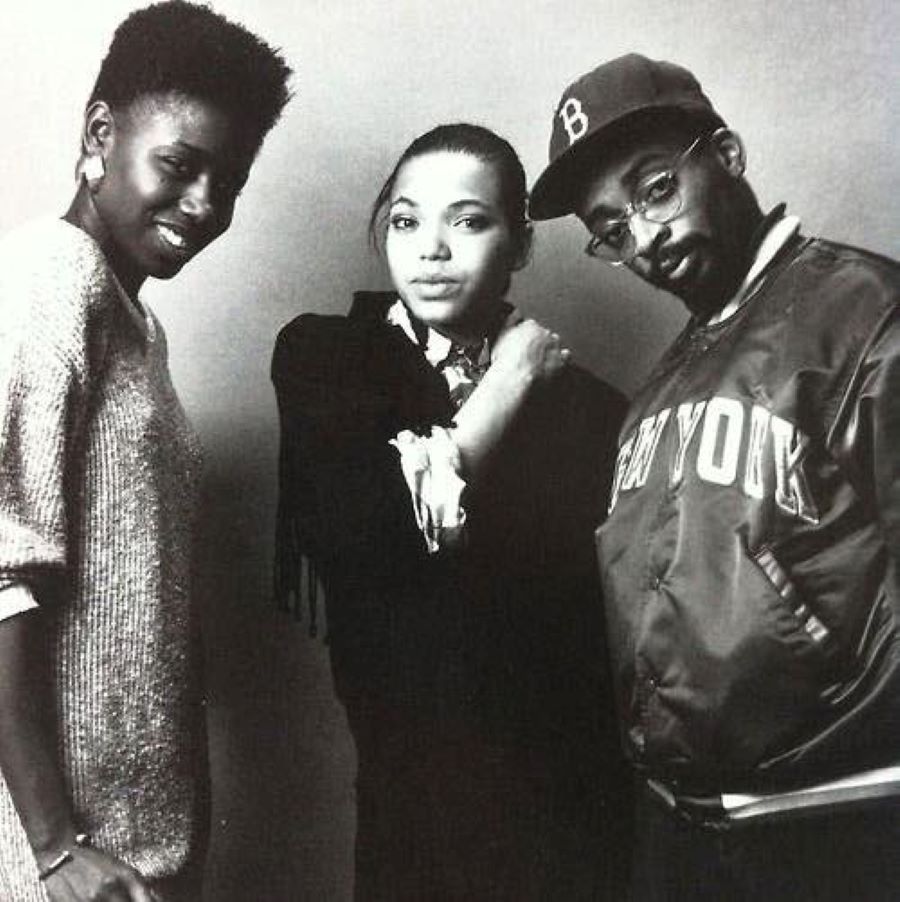
Spike Lee’s film School Daze (1988) explores this phenomenon vividly. Set on a historically Black college campus, the film depicts a divide between light-skinned and dark-skinned students, highlighting intra-racial prejudice, social fragmentation, and internalized oppression. The narrative exposes how colorism affects relationships, self-esteem, and group solidarity.

The message of School Daze is multifaceted. It critiques the ways Black people internalize societal beauty standards, encouraging audiences to recognize and resist internalized lightism. By portraying conflict between “pretty girls” with lighter skin and darker-skinned counterparts, Lee emphasizes the psychological and cultural damage of color-based favoritism.

Social psychology suggests that colorism impacts dating preferences, career opportunities, and media representation. Studies indicate that lighter-skinned Black women often receive more positive attention from peers and employers, perpetuating societal biases and reinforcing the notion that light skin equates to desirability or social capital.

Within the Black male dating paradigm, preferences often reflect internalized colorist ideals. While personal preference varies, research shows a disproportionate attraction to light-skinned women, influenced by media portrayal, historical conditioning, and societal messaging (Hunter, 2011). This preference affects self-perception and romantic dynamics within the community.

Skin-Lightening and Lightismlorism in the Black Community

Skin-lightening, also called skin bleaching, is the practice of using chemical products, creams, or procedures to reduce melanin in the skin. Within the Black community, it often reflects internalized lightism: the belief that lighter skin confers beauty, social status, or economic advantage. Psychologically, this practice is linked to low self-esteem, internalized racism, and social pressure (Hunter, 2011).

Celebrities and ordinary individuals alike have historically felt pressure to conform to lighter-skinned beauty ideals. Skin-lightening can temporarily change appearance but does not address the underlying social and cultural biases. It is also associated with health risks, including skin irritation, scarring, and long-term systemic effects from chemical exposure.

Biblically, true beauty is not skin-deep. Psalm 139:14 (KJV) states: “I will praise thee; for I am fearfully and wonderfully made: marvellous are thy works; and that my soul knoweth right well.” This reinforces that self-worth and beauty come from God’s design, not pigmentation.

Celebrities have long commented on light vs. dark skin tensions. Lena Horne, an iconic performer, spoke openly about the privileges she experienced as a lighter-skinned Black woman and the societal biases she observed against darker-skinned peers. Horne’s reflections highlight the complex interplay of skin tone, opportunity, and discrimination within the Black community.

Vanessa L. Williams and Halle Berry, both light-skinned women who achieved international fame, have also discussed colorism. Berry acknowledged the rarity of dark-skinned lead actresses in Hollywood, while Williams spoke on the pressures to conform to Eurocentric beauty standards, revealing a tension between personal pride and societal expectation.

Lightism Companion Table

CategoryExample / IndividualImpact / PracticePsychological EffectCultural / Media Reference
Celebrity CommentaryLena HorneDiscussed privileges as light-skinned; highlighted colorism against darker peersAwareness, advocacy for darker-skinned equalityInterviews, autobiographies
Celebrity CommentaryHalle BerryAcknowledged rarity of dark-skinned actresses; faced pressure to conform to Eurocentric beautyIdentity negotiation, professional pressurePublic interviews, award speeches
Celebrity CommentaryVanessa L. WilliamsExperienced both acclaim and bias; criticized Hollywood’s narrow beauty standardsStress, advocacy for diversityInterviews, memoirs
Media PortrayalSchool Daze (Spike Lee)Light-skinned vs dark-skinned students; social division on campusLow self-esteem, rivalry, internalized bias1988 film
Historical InfluenceColonial / Slavery EraLighter-skinned enslaved individuals often favoredInternalized hierarchy within the Black communityHall, 2010; Hunter, 2011
Skin-Lightening PracticesGeneral populationChemical creams, cosmetic proceduresTemporary perceived social advantage, long-term self-esteem issues, health risksHunter, 2011; Joseph, 2019
Dating PreferencesBlack men / studiesHigher attraction to light-skinned women in some surveysReinforces color-based desirability hierarchyHunter, 2011; Joseph, 2019
Social HierarchiesWorkplace / mediaLighter skin receives more visibility and opportunityJob access, promotion disparity, perceived intelligenceHall, 2010; Encyclopedia of African-American Society, 2005
Psychological EffectsAdolescents & adultsInternalized colorismDepression, self-consciousness, peer rivalryJoseph, 2019; Hunter, 2011
Counter-MovementNatural hair & melanin prideCelebrates darker skin tones and natural beautySelf-acceptance, cultural prideSocial media campaigns, cultural movements

Light-skinned Black women have offered varied perspectives. Some recognize the privileges light skin confers but advocate for solidarity and consciousness-raising around colorism. Others admit to internalizing societal messages, reflecting the pervasive nature of beauty hierarchies and the difficulty of transcending ingrained biases.

Media and pop culture amplify lightism by consistently favoring lighter-skinned Black actors, models, and singers. This visibility reinforces perceptions of desirability tied to pigmentation, marginalizing darker-skinned individuals and perpetuating social inequities in representation.

Colorism also intersects with economics. Studies indicate that lighter-skinned individuals often earn higher wages and experience more upward mobility than their darker-skinned peers, a phenomenon documented in both the U.S. and globally (Hall, 2010). This reinforces lightism as a systemic issue beyond personal preference.

School Daze illustrates that colorism also affects mental health. Characters experience insecurity, rivalry, and alienation due to skin tone, reflecting real-life experiences where darker-skinned Black individuals internalize negative societal messaging, leading to depression, low self-esteem, or identity conflict.

Psychologically, colorism reinforces intra-racial hierarchies, which can fracture community cohesion. When lighter skin is idealized, it creates an implicit standard of value, marginalizing those who do not conform and perpetuating shame for darker-skinned members.

Biblically, all humans are created in the image of God (Genesis 1:27, KJV). This principle underscores the spiritual equality of all individuals, countering societal messages that link worth to pigmentation. Scriptures remind believers that true beauty is rooted in righteousness and character, not skin tone (1 Samuel 16:7, KJV).

Racism and colorism together compound disadvantage. While racism targets Black people from outside the community, colorism enforces internal stratification, creating layers of oppression that influence education, relationships, and self-perception.

Historically, colorism shaped Hollywood and entertainment industries. Darker-skinned actors were often cast in villainous or subservient roles, while light-skinned performers received leading roles, reinforcing social hierarchies through media narratives.

School Daze also addresses economic implications. Lighter-skinned characters are depicted as more socially and professionally favored, reflecting real-world dynamics where pigmentation can affect employment, income, and status within Black institutions.

Black men’s stated preferences for lighter-skinned women are influenced by media, history, and internalized oppression, but there is also a counter-narrative of embracing darker beauty. Movements like the natural hair movement and campaigns celebrating melanin-rich skin attempt to challenge these biases and uplift all shades of Black beauty.

In conclusion, lightism is a complex cultural, psychological, and historical phenomenon. Its effects permeate self-esteem, interpersonal relationships, media representation, and economic opportunity within the Black community. Addressing colorism requires conscious reflection, cultural awareness, and a return to biblical and ethical principles that affirm the worth of all individuals, regardless of skin tone.


References

References

  • Hall, R. E. (2010). The Melanin Millennium: Skin Color as 21st Century International Discourse.
  • Hunter, M. (2011). Buying Racial Capital: Skin-bleaching and Cosmetic Surgery in a Globalized World.
  • Lee, S. (Director). (1988). School Daze [Film]. Columbia Pictures.
  • Encyclopedia of African-American Society. (2005). Colorism in the Black Community. Sage Publications.
  • The Holy Bible, King James Version. Genesis 1:27; 1 Samuel 16:7; James 2:1–4.
  • Joseph, A. (2019). Black Beauty Standards and Colorism in America. Journal of African-American Studies, 23(4), 456–472.
  • Hall, R., & Hunter, M. (2009). Skin Tone, Identity, and Social Stratification in African-American Communities.
  • The Holy Bible, King James Version. Genesis 1:27; 1 Samuel 16:7; James 2:1–4; Psalm 139:14.
  • Tate, S. (2009). Black Beauty: Aesthetics, Colorism, and Identity in African-American Culture. University Press of Mississippi.
  • Russell-Cole, K., Wilson, M., & Hall, R. (2013). The Color Complex: The Politics of Skin Color in a New Millennium. Anchor Books.
  • Namey, E. (2018). The Psychological Impacts of Colorism on Black Youth. Journal of Multicultural Counseling and Development, 46(3), 180–192.

THE COLORIST Gaze: Skin Tone Prejudice and the Politics of Proximity to Whiteness.

Photo by cottonbro studio on Pexels.com

Introduction: Who Is a Colorist?

A colorist is an individual who perpetuates or enforces discriminatory practices based on skin tone—favoring lighter skin over darker shades, even within the same racial or ethnic group. This behavior reflects colorism, a form of bias that upholds white or Eurocentric standards of beauty, professionalism, and desirability. While the term “colorism” was first coined by acclaimed African American author Alice Walker in her 1983 collection In Search of Our Mothers’ Gardens, the practice long predates the term—rooted in slavery, colonialism, caste systems, and global white supremacy.

A colorist can be of any race, but most often, colorists are individuals of color who have internalized societal messages that associate lightness with beauty, intelligence, and social mobility. Colorism is not just an interpersonal issue—it reflects deep systemic structures that impact everything from employment to education, marriage, and media representation.


The Race of the Colorist: Internalized Bias Across Cultures

While colorism is often highlighted within the Black community, it is by no means exclusive to it. In fact, some of the most pervasive colorist systems exist in countries like India, the Philippines, Brazil, South Africa, and Dominican Republic—all legacies of colonization and the global exportation of white beauty ideals.

In India, the caste system historically tied fair skin with higher caste status, and today, skin-lightening creams remain a billion-dollar industry. In Latin America, “mejorar la raza” (improve the race) is a common phrase that encourages marrying lighter-skinned partners to produce lighter children—reflecting long-standing colorist ideologies.

Thus, a colorist may be Black, Brown, Asian, or Indigenous—anyone who participates in or benefits from the stratification of people based on skin tone. Often, they have internalized whiteness as the standard and actively judge others who do not conform.


Prejudices and Practices of a Colorist

A colorist upholds several dangerous assumptions:

  • Lighter skin is more attractive, clean, and educated.
  • Darker skin is associated with poverty, aggression, or inferiority.
  • Romantic partners or children are more desirable if they have fair skin.
  • Certain hairstyles or cultural markers are acceptable only if paired with light skin.

These prejudices manifest in hiring practices, school discipline, healthcare disparities, and media exposure. A study by the National Bureau of Economic Research found that light-skinned Black men earn 15% more than their darker-skinned peers, even with identical resumes (Goldsmith, Hamilton, & Darity, 2006). This proves that colorist bias has material, not just emotional, consequences.


Example of a Colorist: The Case of Mathew Knowles

One public example is Mathew Knowles, father and former manager of Beyoncé. In interviews, he admitted that colorism influenced his dating preferences and how the music industry markets artists:

“When it comes to Black women, who are the people who get their music played on pop radio? Mariah Carey, Rihanna, Beyoncé. Do you think that’s an accident?”
—Mathew Knowles (Vulture, 2018)

His comment underscores how light-skinned artists are often elevated in mainstream media while darker-skinned artists with equal or greater talent struggle for visibility and recognition.


Effects of Colorism in Jobs and Daily Life

The impact of colorist thinking is far-reaching:

  • Employment: Lighter-skinned candidates are perceived as more “professional” or “polished,” particularly in customer-facing roles.
  • Legal System: Studies show that darker-skinned individuals receive longer prison sentences than lighter-skinned counterparts for the same crimes (Monk, 2015).
  • Healthcare: Dark-skinned patients are often undertreated for pain or misdiagnosed due to implicit bias.
  • Dating and Marriage: Colorists may seek partners of lighter skin tone as a form of social elevation or to have “fair-skinned” children.
  • Education: Teachers may unconsciously perceive lighter-skinned students as better behaved or more intelligent.

Do Colorists Marry Outside Their Race?

In many cases, yes—colorists may choose to marry outside their race, particularly into groups that offer closer proximity to whiteness, whether through skin tone or phenotype. However, even within the same racial or ethnic community, colorists may strategically pursue partners with lighter complexions in a conscious or unconscious attempt to “upgrade” their lineage. This reflects the internalized colonial logic that lighter is inherently better.


How to Overcome Colorism and the Colorist Mentality

Overcoming colorism—and dismantling the mindset of the colorist—requires both personal and collective transformation:

  1. Education: Learn the historical roots of colorism and its global impact.
  2. Representation: Support diverse portrayals of beauty and excellence across all skin tones.
  3. Affirmation: Celebrate melanin-rich skin and reject Eurocentric beauty standards.
  4. Policy Change: Enact workplace protections and anti-discrimination laws that address hair and appearance bias.
  5. Healing: Address the psychological trauma caused by years of shaming and invisibility.

As Dr. Yaba Blay writes:

“Colorism is not about preference; it’s about power. When your preference is shaped by systems of domination, it’s not just personal—it’s political.”


Conclusion

A colorist is not merely someone with a personal preference for lighter skin; they are a product and perpetrator of a global system that devalues Blackness and glorifies whiteness. From the beauty aisle to the boardroom, colorism shapes lives, relationships, and opportunities. But this system is neither natural nor irreversible. Through education, accountability, and a redefinition of beauty and worth, it is possible to unlearn colorist thinking and affirm the richness and dignity of all shades. To dismantle the colorist gaze is to reclaim not only the spectrum of Black and Brown beauty—but the humanity long denied to those furthest from the colonial ideal.


References

Blay, Y. (2021). One Drop: Shifting the Lens on Race. Beacon Press.
Goldsmith, A. H., Hamilton, D., & Darity, W. (2006). Shades of discrimination: Skin tone and wages. American Economic Review, 96(2), 242–245.
Monk, E. P., Jr. (2015). The cost of color: Skin color, discrimination, and health among African-Americans. American Journal of Sociology, 121(2), 396–444.
Walker, A. (1983). In Search of Our Mothers’ Gardens: Womanist Prose. Harcourt Brace Jovanovich.
Vulture. (2018). Mathew Knowles Talks Colorism in the Music Industry. https://www.vulture.com/2018/01/mathew-knowles-on-colorism-and-beyonce.html

Colorism in the Black Diaspora: Comparing Black Males and Black Females.

Photo by Bave Pictures on Pexels.com

Historical-Political Lens

Colorism in the Black diaspora emerged as a direct consequence of colonialism and slavery. European colonizers and slaveholders favored lighter-skinned individuals, often granting them slightly better treatment, opportunities, or status. This created a hierarchy within Black communities that elevated proximity to whiteness.

For Black women, colorism historically affected beauty, marriage prospects, and social acceptance. Lighter-skinned women were more likely to be considered attractive and were sometimes granted preferential treatment within social and domestic hierarchies.

For Black men, the impact of colorism was less about beauty and more about perceived competence, masculinity, and threat. Lighter-skinned men were occasionally afforded better economic or social opportunities, while darker-skinned men were disproportionately subjected to hard labor, criminalization, and surveillance.

These historical hierarchies persisted into post-slavery eras. Jim Crow laws, discriminatory labor practices, and educational restrictions reinforced color-based disparities for both men and women, embedding systemic inequities across generations.


Psychological-Social Lens

Psychologically, colorism affects self-esteem, identity formation, and social interactions. For Black women, lighter skin often translates into greater social validation, while darker skin may be associated with marginalization, rejection, or internalized stigma (Hunter, 2007).

Black men, by contrast, experience psychological pressure from stereotypes linking dark skin to aggression, criminality, or hypermasculinity. These perceptions influence self-concept, behavior, and relational dynamics. Darker-skinned men may overcompensate with displays of toughness, achievement, or hyper-masculine behavior to counteract bias.

Colorism also shapes intra-community dynamics. Among women, lighter skin is often associated with higher social desirability, romantic attention, and leadership visibility. Among men, lighter skin can confer perceived intelligence, professional credibility, and safety, while darker skin can create social obstacles and relational challenges.

Internalized colorism is common across genders, but the manifestations differ. Women internalize societal beauty standards, affecting body image and desirability, while men internalize expectations around masculinity, competence, and social threat.


Faith-Based Lens

Faith and spirituality provide a counter-narrative to colorism for both Black men and women. Scripture affirms that worth and identity are not defined by skin tone: “So God created man in his own image… male and female created he them” (Genesis 1:27, KJV).

For Black women, faith encourages self-worth beyond beauty and societal judgment, affirming intrinsic dignity. For Black men, faith emphasizes character, integrity, and purpose beyond external stereotypes of skin tone or perceived threat.

Churches historically offered both genders mentorship, support, and social capital. Spiritual communities affirmed resilience and value while fostering cultural pride. Religious teachings highlight unity, love, and equality, offering guidance to counteract internalized biases and societal hierarchies (1 Samuel 16:7, KJV).


Contemporary Lens

Today, colorism manifests differently in media, social spaces, and professional contexts for men and women.

  • Women: Lighter-skinned Black women dominate mainstream beauty representation. Darker-skinned women often face underrepresentation, bias in modeling, media, and advertising, and scrutiny over appearance. Social media amplifies these disparities, where lighter skin may garner more attention, likes, and opportunities.
  • Men: Darker-skinned Black men are often stereotyped in media as threatening or hyper-masculine, while lighter-skinned men are portrayed as professionals, leaders, or romantic leads. Social media reinforces these disparities, influencing self-perception, relational dynamics, and professional opportunities.

Economic consequences are also gendered. For women, lighter skin may influence marriage markets, social desirability, and cultural capital. For men, lighter skin can facilitate employment, promotions, and leadership visibility, while darker skin may exacerbate scrutiny or discrimination.


Restorative Lens

Addressing colorism requires multi-layered strategies for both genders. Education about historical roots helps individuals understand the socially constructed nature of color hierarchies. This awareness reduces internalized bias and fosters critical engagement with societal pressures.

Community-based initiatives are essential. Mentorship, dialogue, and representation can empower Black men and women to resist harmful stereotypes. Celebrating diversity in skin tone within families, neighborhoods, and media strengthens communal identity and psychological resilience.

Faith and spiritual grounding provide restoration. For both men and women, affirming worth in God’s eyes counters societal hierarchies and promotes self-acceptance. Spiritual teachings highlight unity, equality, and service as measures of value beyond appearance.

Policy interventions and systemic reform are also critical. Media representation, equitable employment practices, and leadership inclusion reduce institutionalized color-based bias. Social structures must be reimagined to affirm competence, beauty, and leadership irrespective of skin tone.

Culturally, reclamation of heritage is vital. Afrocentric education, historical awareness, and pride in African features help both men and women resist assimilation pressures and internalized colorism.

Ultimately, while colorism affects Black men and women differently—beauty and desirability for women, competence and threat perception for men—the root causes and consequences are interconnected. Both genders experience psychological, social, and structural impacts, and solutions must address both personal and systemic dimensions.

omainBlack FemalesBlack Males
Historical ImpactLighter-skinned women were often privileged in domestic or social roles; darker-skinned women faced marginalization.Lighter-skinned men occasionally received slightly better labor or social opportunities; darker-skinned men were subjected to harsher labor and criminalization.
Beauty & AppearanceSkin tone heavily tied to perceived attractiveness, social desirability, and marriage prospects.Less emphasis on beauty; skin tone influences perceived masculinity, competence, and threat.
StereotypesDark skin associated with “unattractive,” “less desirable,” or “too ethnic.”Dark skin linked to aggression, hypermasculinity, and criminality; lighter skin associated with intelligence, safety, and professionalism.
Psychological ImpactInternalized colorism affects self-esteem, body image, and social validation.Internalized colorism affects self-concept, behavior, and social positioning; may lead to hypervigilance or overcompensation.
Media RepresentationLighter-skinned women dominate mainstream media, modeling, and advertising; darker-skinned women underrepresented.Darker-skinned men portrayed as threatening or hypermasculine; lighter-skinned men shown as leaders, professionals, or romantic leads.
Economic & Social MobilityLighter-skinned women may have advantages in social capital and visibility; darker-skinned women face bias in beauty industries and social spheres.Lighter-skinned men have better access to employment, promotions, and leadership opportunities; darker-skinned men face workplace bias and social suspicion.
Community DynamicsColorism can cause competition, rivalry, or exclusion based on skin tone.Colorism can influence perceptions of authority, respect, and social acceptance within communities.
Restorative PathwaysCultural affirmation, historical education, media representation, spiritual grounding, and mentorship.Cultural affirmation, historical education, media representation, spiritual grounding, mentorship, and advocacy for systemic reform.

By combining historical awareness, psychological support, spiritual grounding, community affirmation, and systemic change, Black communities can dismantle color-based hierarchies and cultivate environments of equity, dignity, and pride.


📖 References

  • Hunter, M. (2007). The persistent problem of colorism: Skin tone, status, and inequality. Sociology Compass, 1(1), 237–254.
  • Herring, C., Keith, V., & Horton, C. (2004). Skin deep: How race and complexion matter in the “color-blind” era. Politics & Society, 32(1), 111–146.
  • Pyke, K. D. (2010). What is internalized racial oppression and why don’t we study it? Sociological Perspectives, 53(4), 551–572.
  • Holy Bible, King James Version.

Colorism in the Black Male Experience.

Photo by Ivan Samkov on Pexels.com

Cultural and Societal Expectations

  • Black Women: Colorism often ties directly to beauty standards, desirability, and marriage prospects. Lighter-skinned women are often idealized in media and society, which can affect self-esteem, social mobility, and romantic relationships. Darker-skinned women may face social marginalization and pressure to alter their appearance.
  • Black Men: Colorism is less about beauty in the traditional sense and more tied to perceptions of masculinity, competence, and threat. Lighter-skinned Black men are sometimes perceived as more intelligent, professional, or “safe,” while darker-skinned men may be stereotyped as aggressive, criminal, or hyper-masculine.

2. Stereotypes and Biases

  • Women: Dark skin is often linked to negative beauty stereotypes (“unattractive,” “too ethnic”), while lighter skin is associated with success, refinement, and desirability.
  • Men: Dark skin often amplifies negative societal stereotypes about violence or criminality. Light skin can be an advantage in professional or social contexts, but less connected to romantic desirability compared to women.

3. Psychological Impact

  • Women: Colorism can deeply affect self-esteem, body image, and social inclusion. It can also drive internalized biases against darker-skinned women within Black communities.
  • Men: Colorism influences self-perception, career advancement, and social treatment. Darker-skinned men may experience stress, hyper-vigilance, or feelings of marginalization due to persistent stereotyping.

4. Media Representation

  • Women: Light-skinned actresses, models, and influencers dominate mainstream beauty representation, reinforcing a preference for lighter skin.
  • Men: Media often depicts darker-skinned men in roles associated with aggression or criminality, while lighter-skinned men are more likely to appear as professionals, romantic leads, or “safe” characters.

5. Community Dynamics

  • Women: Colorism can create divisions within families and communities around marriage, social acceptance, or status.
  • Men: It can influence professional networking, mentorship opportunities, and perceptions of leadership or credibility.

In short, colorism is gendered: for Black women, it centers more on beauty and social desirability; for Black men, it centers more on perceived competence, threat, and social legitimacy. The psychological and social consequences differ, but both experiences stem from the same racialized hierarchy that elevates proximity to whiteness.

Historical-Political Lens

Colorism among Black males has roots in colonialism and slavery. European slaveholders often favored lighter-skinned enslaved people, sometimes assigning them less physically demanding work or placing them in supervisory roles. This created a hierarchy based on skin tone, privileging proximity to whiteness even within oppressed populations (Hunter, 2007).

The privileging of lighter skin reinforced systemic oppression. Lighter-skinned men could access slightly better opportunities, while darker-skinned men were subjected to the harshest labor, social marginalization, and heightened surveillance. These historical conditions cemented color-based hierarchies within Black communities, influencing perceptions of competence, value, and masculinity.

Stereotypes of dark-skinned Black men as aggressive or criminal were reinforced through legal and social structures, from the criminalization of African men during slavery to discriminatory policing in the Jim Crow and post-Civil Rights era. These biases persist in contemporary law enforcement and criminal justice systems.

The political and social consequences of these hierarchies continue to shape the experiences of Black men today. From employment discrimination to media representation, historical colorism has become institutionalized, producing lasting psychological and economic disparities.


Psychological-Social Lens

Colorism affects Black men’s self-concept and social interactions. Darker-skinned men often experience internalized stigma, leading to reduced self-esteem, hypervigilance, and stress (Pyke, 2010). Lighter-skinned men, by contrast, may receive social or professional advantages, sometimes creating tension or rivalry within the community.

Stereotypes linking dark skin with aggression or criminality amplify these psychological burdens. Black males may feel pressure to overcompensate through displays of toughness, financial success, or physical presence, influencing behavior and emotional health.

Colorism also impacts relationships and dating. Social preferences often favor lighter-skinned men for perceived attractiveness, status, or “safety,” which can strain intimacy, self-worth, and community cohesion. These biases are internalized across generations, shaping cultural perceptions of masculinity and value.

Peer, family, and community feedback further reinforce color-based hierarchies. Praise for lighter-skinned males and criticism of darker-skinned males perpetuate internalized bias, creating cycles of comparison, resentment, or self-doubt.


Faith-Based Lens

Faith and spirituality offer a counter-narrative to colorism. Scripture affirms that God values all individuals equally, regardless of skin tone: “So God created man in his own image… male and female created he them” (Genesis 1:27, KJV). Skin tone is never a measure of worth, character, or divine favor.

Churches and religious communities have historically played a role in reinforcing dignity among Black men, offering mentorship, moral guidance, and communal support. Faith-based teachings provide a psychological anchor, encouraging self-worth beyond societal perceptions or superficial hierarchies.

Colorism can also be addressed through spiritual principles such as unity, love, and service. Scripture emphasizes that true leadership and respect arise from character, integrity, and obedience to God rather than appearance or social privilege (1 Samuel 16:7, KJV).

Faith encourages reconciliation with self and community. By grounding identity in divine truth rather than social hierarchies, Black men can resist internalized biases, affirm their intrinsic worth, and cultivate resilience against culturally imposed standards of value.


Contemporary Lens

Today, colorism manifests in media representation, employment, and social interactions. Darker-skinned Black men are more likely to be portrayed in films, TV, and news as threatening, criminal, or hypermasculine, while lighter-skinned men are more often cast as professionals, leaders, or romantic interests.

Social media amplifies colorism by highlighting beauty, status, and perceived desirability. Influencers and public figures with lighter skin may receive disproportionate attention or engagement, reinforcing implicit hierarchies. This shapes self-perception and social aspirations within Black male communities.

Economic opportunities are also influenced by colorism. Studies show that lighter-skinned individuals often receive higher wages, more promotions, and better professional opportunities, while darker-skinned men experience bias in hiring and workplace treatment (Herring et al., 2004).

Even within Black communities, colorism persists. Light-skinned men may be afforded greater social mobility, leadership opportunities, or romantic desirability. Darker-skinned men face stereotypes, microaggressions, and implicit social penalties, perpetuating cycles of inequity.


Restorative Lens

Healing from colorism involves addressing both personal and systemic dimensions. Education about historical roots helps Black men understand that color-based hierarchies were imposed and are socially constructed, not reflections of inherent worth.

Community-based mentorship and dialogue are crucial for reducing internalized bias. By celebrating diverse skin tones, modeling positive behaviors, and affirming value beyond appearance, communities can counteract the psychological effects of colorism.

Faith and spiritual grounding support restoration. Emphasizing identity in God’s image and rejecting societal hierarchies provides resilience against internalized and externalized oppression. Churches and faith-based programs can nurture pride, self-respect, and communal solidarity.

Policy reform and representation also matter. Advocating for equitable hiring, media inclusivity, and leadership opportunities reduces systemic reinforcement of color-based hierarchies. Social structures must be reshaped to affirm that worth and competence are unrelated to skin tone.

Ultimately, addressing colorism among Black males requires a holistic approach. Combining historical awareness, psychological support, spiritual affirmation, community solidarity, and systemic reform empowers Black men to resist imposed hierarchies, reclaim identity, and foster self-respect.


📖 References

  • Hunter, M. (2007). The persistent problem of colorism: Skin tone, status, and inequality. Sociology Compass, 1(1), 237–254.
  • Herring, C., Keith, V., & Horton, C. (2004). Skin deep: How race and complexion matter in the “color-blind” era. Politics & Society, 32(1), 111–146.
  • Pyke, K. D. (2010). What is internalized racial oppression and why don’t we study it? Sociological Perspectives, 53(4), 551–572.
  • Holy Bible, King James Version.