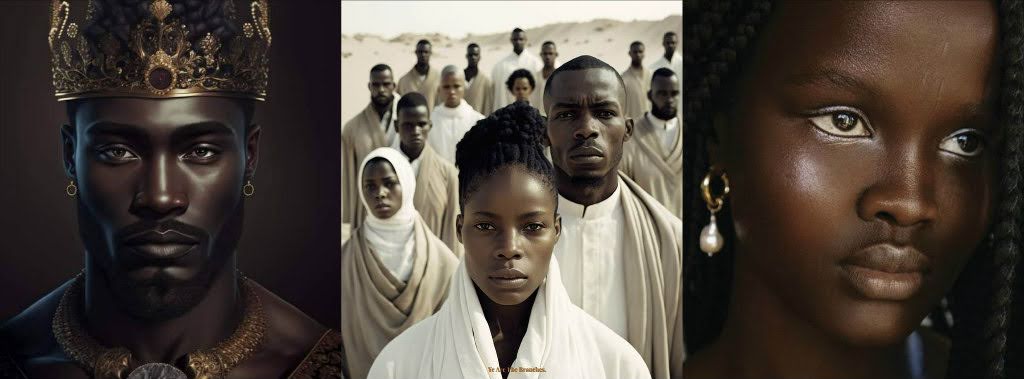
Category Archives: Chosen

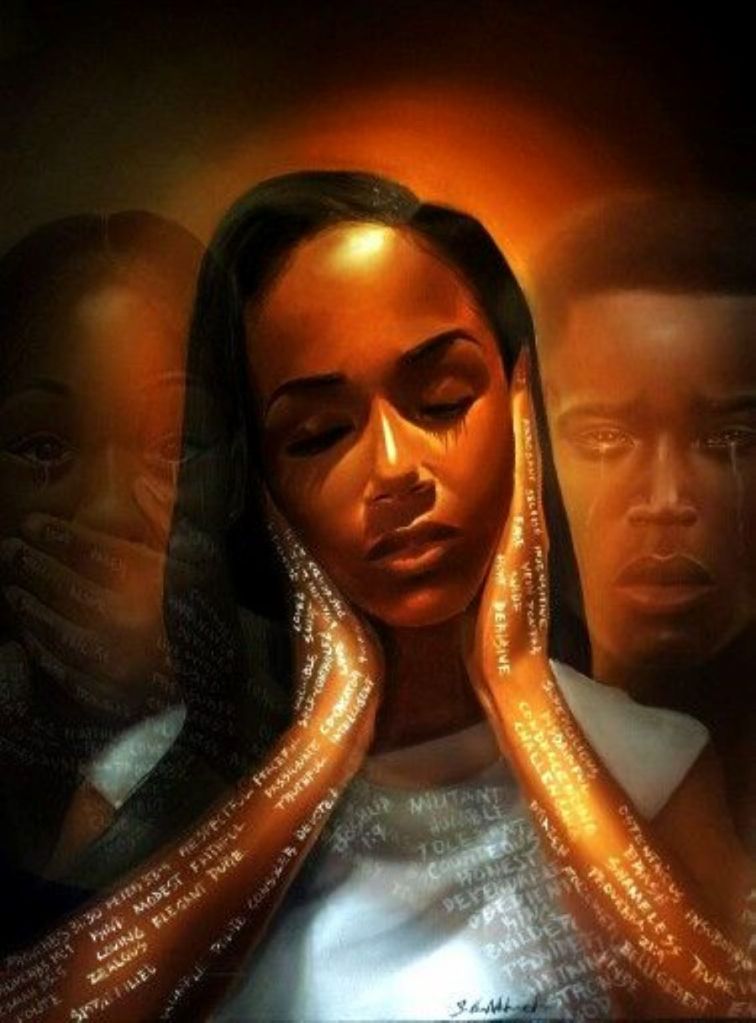
Who are you in Christ? #Chosen

This photograph is the property of its respective owner. No copyright infringement intended.

Your identity in Christ is the foundation of your spiritual journey, your purpose, your relationships, and the way you stand in a world that constantly pressures you to conform. Scripture teaches that true purpose is not found in people, material things, or validation from society, but in God alone. When you know who you are in Christ, you walk with confidence, clarity, and divine authority.

Knowing who you are in Christ begins with understanding that you were created intentionally and fearfully by God. Psalm 139:14 (KJV) declares, “I will praise thee; for I am fearfully and wonderfully made.” This truth applies to both women and men, reminding every soul that identity is rooted in divine craftsmanship, not culture’s opinions.

The world constantly tries to define identity through trends, status, money, and performance, but God defines you by His love, His calling, and His Word. Romans 12:2 (KJV) warns believers, “And be not conformed to this world: but be ye transformed by the renewing of your mind.” Transformation begins when you stop letting people shape you and allow God to renew you.

Identity truly begins when you receive Christ as Lord and Savior. According to 2 Corinthians 5:17 (KJV), “If any man be in Christ, he is a new creature.” In Christ, your past no longer has power to label you; you are recreated through grace.

Women in Christ are called daughters of the King—chosen, valuable, cherished, and empowered by God. Galatians 3:26 (KJV) affirms, “For ye are all the children of God by faith in Christ Jesus.” This means your worth is not up for debate; it is determined by God Himself.

Men in Christ are called sons of God—leaders in character, protectors of righteousness, and carriers of spiritual authority. Psalm 1 describes the blessed man who delights in God’s Word and prospers in his purpose. Strength in Christ is defined by spiritual obedience, not worldly dominance.

The purpose for both women and men begins with one clear instruction: “But seek ye first the kingdom of God, and his righteousness” (Matthew 6:33, KJV). True purpose is not found through ambition, comparison, or validation, but through seeking God first and trusting His guidance.

As you seek God, He reveals your identity, gifts, and calling. Ephesians 2:10 (KJV) declares that you are God’s workmanship, created for good works He prepared for you. Purpose is not random—it is woven into your spiritual DNA.

Being in Christ also means breaking free from people-pleasing. Galatians 1:10 (KJV) challenges every believer with the question, “Do I seek to please men? … I should not be the servant of Christ.” Living for applause traps you; living for Christ frees you.

Women often face immense pressure to conform to beauty standards, social expectations, and external validation. Proverbs 31:30 (KJV) reminds us that “favour is deceitful, and beauty is vain: but a woman that feareth the LORD, she shall be praised.” God honors character over cosmetics.

Men face pressure to appear strong, successful, and unshakable, but true strength comes from God. Joshua 1:9 (KJV) says, “Be strong and of a good courage… for the LORD thy God is with thee.” Strength in Christ is rooted in presence, not performance.

Your identity is not to impress people, but to reflect Christ. Matthew 5:16 (KJV) encourages believers, “Let your light so shine before men.” Your light is your God-given character, integrity, and obedience—not your status.

Identity in Christ means living free from condemnation. Romans 8:1 (KJV) teaches, “There is therefore now no condemnation to them which are in Christ Jesus.” Your identity is not defined by guilt but by grace.

When you know who you are in Christ, your relationships become healthier because you are not seeking completion in another person. You understand 1 John 4:19 (KJV): “We love him, because he first loved us.” God’s love stabilizes your heart.

A woman in Christ walks with dignity, strength, wisdom, and purpose. She embodies the faith of Mary, the courage of Esther, the leadership of Deborah, and the grace of the virtuous woman. Her identity flows from God, not culture.

A man in Christ walks in humility, leadership, prayer, compassion, and spiritual insight. Christ is his model—John 13 shows the Messiah washing feet, demonstrating that leadership is shown through service.

When you walk in your God-given identity, you detach from worldly validation. Colossians 3:2 (KJV) teaches, “Set your affection on things above, not on things on the earth.” You begin to crave purpose instead of popularity and righteousness instead of recognition.

God often allows challenges to strengthen your identity. Ephesians 6:10–11 (KJV) instructs believers to put on the whole armor of God. Identity becomes your armor—your confidence, your clarity, and your spiritual authority.

Walking in Christ brings peace that people cannot give. John 14:27 (KJV) says, “My peace I give unto you.” When you stop performing for others, peace settles into your spirit.

Daily fellowship with God—through prayer, Scripture, worship, and obedience—keeps your purpose aligned. Psalm 37:23 (KJV) confirms that “the steps of a good man are ordered by the LORD.” Purpose is revealed step by step, not rushed by pressure.

Ultimately, in Christ you are chosen, forgiven, loved, strengthened, and called. Your purpose is to glorify God, to reflect His character, and to walk boldly in your divine identity. When you seek God first, you no longer need to conform, impress, or perform. Your identity becomes anchored in the One who created you, redeemed you, and called you for such a time as this.

References (KJV)
Psalm 139:14
Romans 12:2
2 Corinthians 5:17
Galatians 3:26
Psalm 1
Matthew 6:33
Ephesians 2:10
Galatians 1:10
Proverbs 31:30
Joshua 1:9
Matthew 5:16
Romans 8:1
1 John 4:19
Colossians 3:2
Ephesians 6:10–11
John 14:27
Psalm 37:23

Reclaiming Truth: A Scholarly Rebuttal to Eurocentric History.

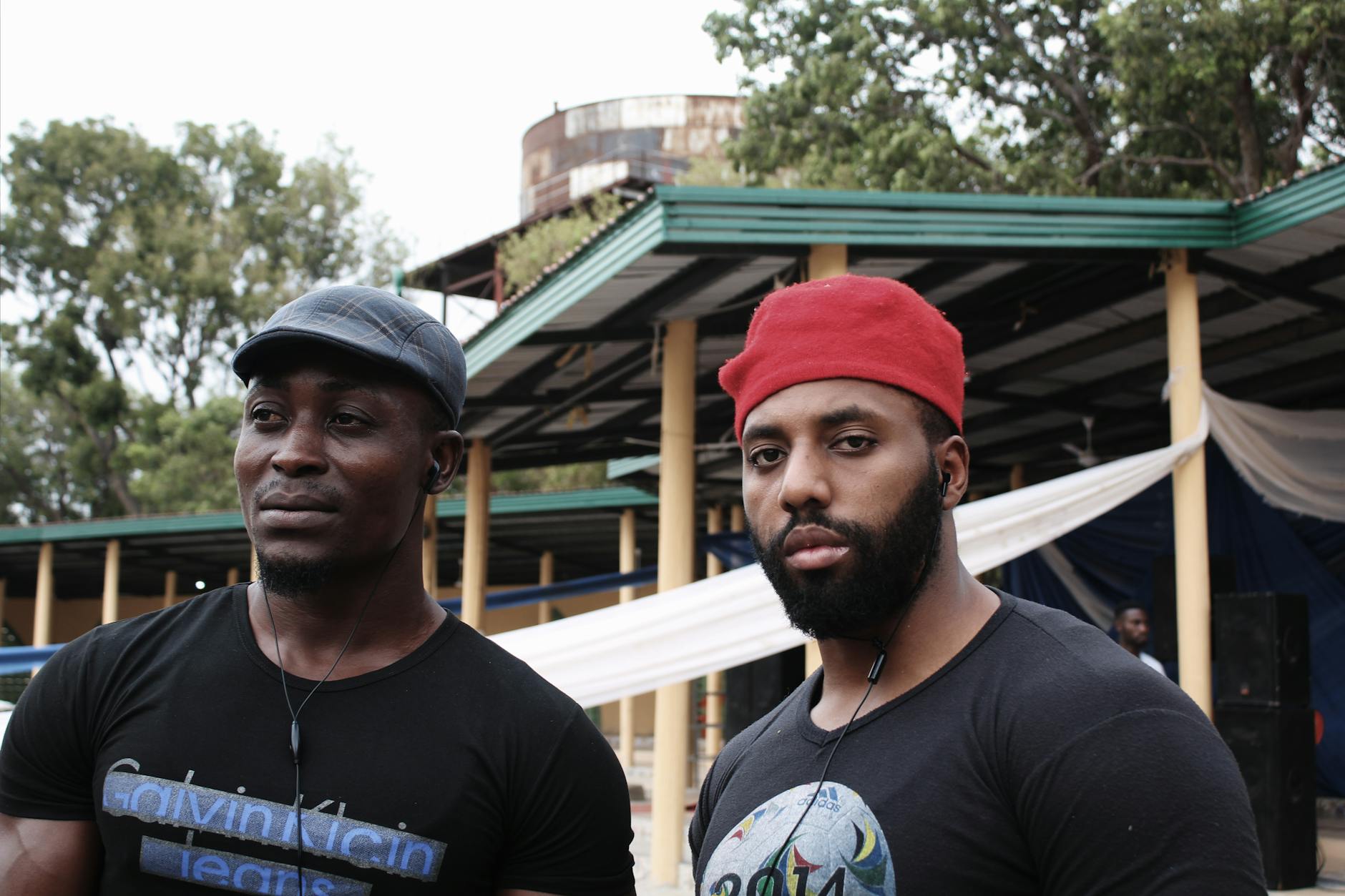
Photo by Deesarkee photos on Pexels.com

Eurocentric history has dominated the narrative of global civilization for centuries, portraying Europe as the cradle of culture, innovation, and morality while minimizing or erasing Africa’s role. This approach not only distorts facts but also perpetuates psychological oppression by marginalizing Black contributions. A careful examination of archaeology, genetics, theology, and anthropology reveals the truth of African primacy and the falsity of Eurocentric supremacy.

1. The Origins of Humanity Are African

Eurocentric historiography often frames humanity as a European achievement. In reality, the oldest Homo sapiens fossils — including Omo Kibish and Herto in Ethiopia — date back over 200,000 years (White et al., 2009). Genetic studies corroborate this: mitochondrial DNA diversity is greatest in African populations, confirming their position as the root of humanity (Tishkoff et al., 2009).

The Eurocentric myth of a “white Adam” contradicts both science and scripture. Genesis 2:7 (KJV) affirms that God formed man from the dust of the earth — the rich soils of Africa, where humanity first emerged.


2. Africa: Cradle of Civilization

Europe often claims credit for early civilization, yet empirical evidence shows that:

  • Ancient Egypt (Kemet) developed writing, mathematics, and monumental architecture over 5,000 years ago (Diop, 1974; Ehret, 2021).
  • Nubia, Axum, Mali, and Songhai established complex urban centers, international trade, metallurgy, and governance before European feudalism (Hunwick, 2003).
  • Timbuktu’s libraries and universities predated European Enlightenment, containing texts on medicine, astronomy, and philosophy (Diagne, 2016).

These facts demonstrate that technological and intellectual foundations attributed to Europe were built upon African precedent.


3. The Erasure of Black Agency in History

European colonial powers systematically erased Black achievements:

  • African scholars, inventors, and leaders were excluded from textbooks.
  • African knowledge of astronomy, navigation, and mathematics was appropriated and reframed as European “discovery.”
  • Artistic and literary contributions were minimized or exoticized.

For example, Greek civilization borrowed heavily from Egypt and other African sources, yet Eurocentric history positions Greece as the originator of philosophy, politics, and art.


4. Slavery and the Myth of Black Inferiority

Slavery is often narrated as punishment for alleged inferiority. In truth, Europeans enslaved educated, skilled, and politically organized Africans, precisely because they were a threat to European economic expansion. This inverted morality reinforced the false narrative of Black incapacity and subservience (Gates, 2014).


5. Biblical Evidence for African Centrality

Scripture repeatedly situates African peoples in positions of significance:

  • Cush, Mizraim, and Put are progenitors in Genesis 10, connecting Africa to the Abrahamic narrative.
  • Moses’ Ethiopian wife (Numbers 12:1–10) and Christ’s sojourn in Egypt (Matthew 2:13–15) affirm Black presence in sacred history.
  • Prophecies in Deuteronomy 28 and Isaiah 11 reflect both the hardships and the eventual restoration of the African diaspora.

6. Genetic Evidence Challenges Racial Hierarchies

Modern genetics contradicts European notions of superiority:

  • Africans harbor the most diverse alleles, indicating evolutionary sophistication and adaptability (Tishkoff et al., 2009).
  • Melanin provides UV protection, free radical scavenging, and neuromelanin in the brain supports cognitive resilience (Zecca et al., 2017).

Biology, therefore, refutes Eurocentric claims that Black people were biologically “less advanced.”


7. Cultural Continuity Across Diaspora

African cultural systems survived the Atlantic slave trade, demonstrating resilience and ingenuity:

  • Music, rhythm, and oral tradition preserved memory and identity.
  • Religion and communal structures adapted while maintaining theological and ethical continuity.
  • These cultural legacies challenge Eurocentric narratives that depict enslaved Africans as passive, cultureless victims.

8. European “Discovery” Is Misnomer

The Eurocentric narrative glorifies Columbus as “discoverer,” ignoring African and Phoenician maritime activity along the Atlantic and Caribbean coasts. African navigators had sophisticated seafaring knowledge long before European expansion (Diop, 1974).


9. Intellectual Resistance

Figures such as Anton Wilhelm Amo, Olaudah Equiano, and Phillis Wheatley challenge Eurocentric intellectual hegemony. Their writings and scholarship demonstrate that African-descended peoples were literate, philosophical, and politically astute despite systemic oppression.


10. The Psychological Weapon of Eurocentric History

By suppressing Black achievement, Europe imposed internalized inferiority, echoing Fanon’s “colonized mind” (Fanon, 1952). The narrative creates generations of people doubting their own worth, perpetuating racial hierarchy.


11. Reclaiming Historical Truth Is Liberation

Education rooted in accurate historiography restores agency. Black people, learning their ancestral contributions, regain cognitive, spiritual, and cultural sovereignty.


12. Melanin as Evidence of Divine Design

Melanin’s biochemical and neuroprotective functions demonstrate intentionality in creation (Hoogduijn, 2021; Solano, 2020). Its presence in skin, hair, and brain aligns with biblical affirmations of sacred human design (Psalm 139:14, KJV).


13. Misconceptions About Blackness in Scripture

Some Eurocentric interpretations attempted to “whiten” biblical figures. Critical scholarship and anthropological evidence reveal that ancient Israelites, Cushites, and Egyptians were likely dark-skinned Afro-Asiatic peoples, challenging European depictions.


14. African Empires Preceded European Expansion

West African kingdoms minted gold coins, established trade routes, and developed governance centuries before the European Renaissance. Mansa Musa’s pilgrimage (1324 CE) displayed wealth, knowledge, and diplomacy unmatched in Europe at the time.


15. Artistic and Scientific Appropriation

From pyramids to Greek philosophy to algebraic systems, Europe frequently appropriated African knowledge. Eurocentric historiography ignores or reassigns these contributions to white actors.


16. Modern Implications

The Eurocentric historical lens still shapes education, policy, and social perception. Reclaiming African-centered history empowers Black communities to rebuild identity, mental health, and socio-political agency.


17. Black Destiny and Restoration

Biblical prophecy supports eventual restoration:

“I will bring again the captivity of my people of Israel… and they shall build the waste cities, and inhabit them.” (Isaiah 49:22, KJV)

This aligns with diasporic resurgence in culture, technology, and global influence.


18. Integrating Science, Scripture, and History

Genetic evidence, archaeological data, and biblical scripture converge to affirm Black centrality in human history. Eurocentric distortion cannot withstand interdisciplinary scrutiny.


19. Conclusion: Rewriting the Narrative

A scholarly rebuttal demands that we:

  1. Recognize Africa as the cradle of humanity.
  2. Acknowledge African civilizations’ intellectual and spiritual achievements.
  3. Correct centuries of historical misrepresentation.
  4. Integrate science, scripture, and culture to reconstruct identity.

20. Call to Action

Black education must center ancestral knowledge, scripture-informed history, and scientific evidence. The liberation of the mind precedes liberation of society. Eurocentric myths are dismantled not through rhetoric alone but through evidence, pride, and scholarly rigor.


References

  • Diop, C. A. (1974). The African origin of civilization: Myth or reality. Lawrence Hill Books.
  • Ehret, C. (2021). Ancient Africa: A global history, to 300 CE. Princeton University Press.
  • Fanon, F. (1952). Black Skin, White Masks. Grove Press.
  • Gates, H. L. (2014). The African Americans: Many rivers to cross. SmileyBooks.
  • Hoogduijn, M. J. (2021). Melanin and its role in skin physiology. International Journal of Molecular Sciences, 22(9), 4352.
  • Hunwick, J. O. (2003). Timbuktu and the Songhay Empire. Brill.
  • Solano, F. (2020). Melanin and melanogenesis: Recent advances in melanocyte biology and function. International Journal of Molecular Sciences, 21(20), 7584.
  • Tishkoff, S. A., et al. (2009). The genetic structure and history of Africans and African Americans. Science, 324(5930), 1035–1044.
  • White, T. D., et al. (2009). Ardipithecus ramidus and early human evolution. Science, 326(5949), 64–86.
  • Zecca, L., et al. (2017). The role of neuromelanin in neurodegenerative diseases. Frontiers in Aging Neuroscience, 9, 1–12.

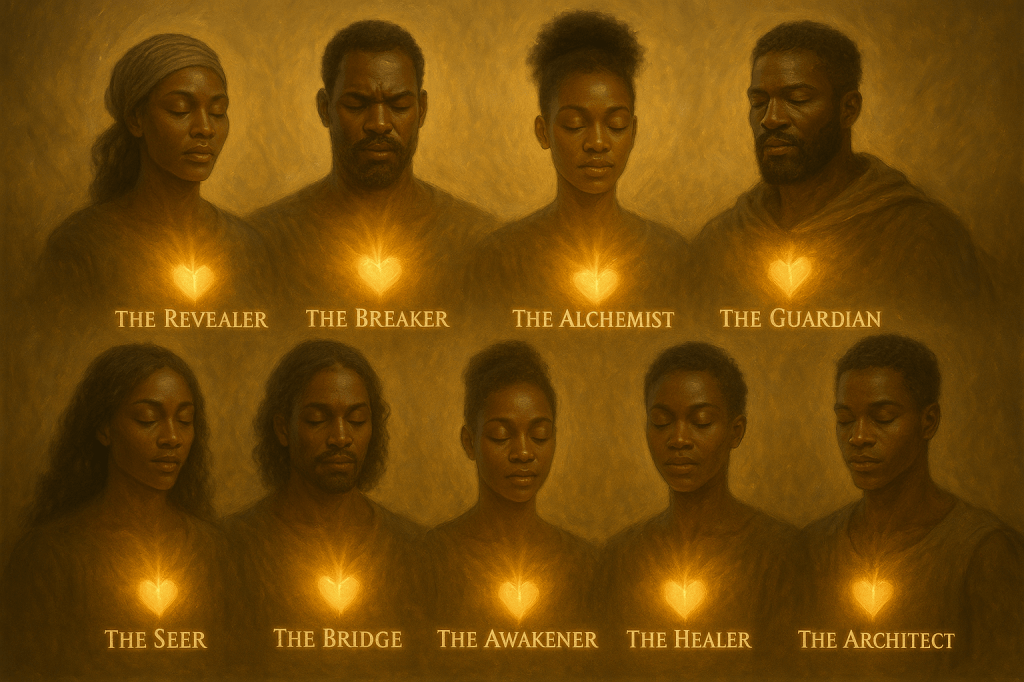
The Callings of the Chosen

In every generation, the Most High appoints vessels for divine purpose, shaping them for assignments that transcend time, culture, and earthly understanding. Scripture affirms that purpose precedes existence, declaring, “Before I formed thee in the belly I knew thee” (Jeremiah 1:5, KJV). This sacred foreknowledge reveals that spiritual callings are not random; they are crafted by the sovereignty of God for the restoration of His people and the advancement of His Kingdom.

The Revealer is appointed to unveil truth hidden beneath deception, spiritual blindness, and worldly confusion. Like Daniel, who interpreted dreams and decoded mysteries, revealers operate under heavenly wisdom and divine insight. Through revelation, they expose the schemes of darkness and illuminate the path of righteousness. “He revealeth the deep and secret things” (Daniel 2:22, KJV). Their purpose is to pull back the veil so that truth can lead souls to freedom.

The Breaker is forged for warfare, designed to dismantle generational curses, demonic cycles, and systemic oppression. The Breaker moves with authority, echoing the Messiah who “break in pieces the oppressor” (Psalm 72:4, KJV). This calling requires courage and spiritual resilience, as these individuals confront strongholds and stand boldly against principalities. They are destined to set captives free and disrupt the plans of the enemy.

The Alchemist represents transformation — the divine ability to turn suffering into strength, rejection into refinement, and trials into spiritual treasure. This calling mirrors Joseph’s journey, where tests became testimony, and hardship became preparation for destiny. The Most High turns “beauty for ashes” (Isaiah 61:3, KJV), and through the Alchemist, pain becomes purpose sanctified by heaven’s hand.

The Guardian is called to protect, intercede, and defend. Much like Nehemiah who rebuilt the walls and guarded the city, Guardians stand watch in prayer, vigilance, and faithfulness. Their spiritual armor is essential, fulfilling the mandate to “be sober, be vigilant” (1 Peter 5:8, KJV). They guard families, communities, truth, and righteousness, standing as pillars of divine protection.

The Seer walks in heightened spiritual sight, perceiving beyond the natural realm. Like Ezekiel and Elisha, Seers discern angels, divine messages, and spiritual warfare unseen by ordinary eyes. “Where there is no vision, the people perish” (Proverbs 29:18, KJV). Their prophetic sight guides nations, warns the righteous, and brings clarity where confusion seeks dominion.

The Bridge is chosen to unify — connecting generations, cultures, and spiritual realities. This calling resembles Moses, who bridged the gap between God and Israel. They reconcile and restore, standing between broken hearts and divine healing. “Blessed are the peacemakers” (Matthew 5:9, KJV). Bridges repair breaches and unite the flock for kingdom advancement.

The Awakener stirs souls from spiritual slumber, calling dry bones to rise. Like John the Baptist, they cry aloud to awaken repentance, righteousness, and identity. “Awake thou that sleepest” (Ephesians 5:14, KJV). Their voice shakes complacency and ignites revival in those chosen to walk in truth.

The Healer carries divine compassion and restorative power. Whether through laying on of hands, wise counsel, or comforting presence, they exemplify the heart of Christ who came to “heal the brokenhearted” (Luke 4:18, KJV). Healers minister to spiritual wounds, emotional scars, and physical afflictions through faith and obedience.

The Architect builds systems, structures, and visions aligned with divine order. Like Bezalel, who was filled with the Spirit to construct the tabernacle (Exodus 31:3–5, KJV), these chosen ones design strategies, ministries, and movements grounded in heavenly wisdom. Their work creates environments where God’s glory can dwell.

Each calling requires humility, obedience, and submission to the Most High. Talents and gifts are not merely abilities, but sacred tools for spiritual growth and edification. “A man’s gift maketh room for him” (Proverbs 18:16, KJV). Spiritual gifts, such as prophecy, teaching, healing, wisdom, and discernment, are manifestations of the Spirit for divine purposes (1 Corinthians 12:4–11, KJV).

Chosen vessels may experience solitude, spiritual attack, and misunderstanding because sanctification often precedes manifestation. Like David, who trained in obscurity, they learn private obedience before public anointing. Destiny requires pruning, testing, and stretching to prepare a vessel worthy of kingdom work.

Many are called, but few answer. The chosen walk a narrow path that rejects worldly applause for heavenly assignment. Their identity is anchored in God’s Word and divine purpose, not earthly titles or acclaim. To carry a spiritual calling is to live in surrender, knowing that “the gifts and calling of God are without repentance” (Romans 11:29, KJV).

When the Most High calls, He equips. Moses received Aaron, Jeremiah received divine reassurance, and the apostles received the Holy Spirit. The chosen are never left powerless; they operate in the authority bestowed by the Father. “Not by might, nor by power, but by my spirit” (Zechariah 4:6, KJV).

Divine callings manifest uniquely, yet they share core attributes — faith, perseverance, righteousness, and love. Without love, even the greatest gifts are empty (1 Corinthians 13:2, KJV). The chosen serve not for glory, but for the advancement of God’s Kingdom and the restoration of His people.

Each calling complements the others, forming a divine ecosystem within the body of believers. The Revealer needs the Guardian; the Seer needs the Architect; the Breaker needs the Healer. “For the body is not one member, but many” (1 Corinthians 12:14, KJV). Unity strengthens purpose, and collaboration magnifies impact.

Those called must cultivate spiritual discipline — prayer, fasting, study, and holy living. “Study to shew thyself approved unto God” (2 Timothy 2:15, KJV). Gifting without character leads to destruction, but gifting combined with holiness leads to divine excellence.

Chosen ones carry spiritual authority, yet remain servants first. They model Christ, who washed feet and bore the cross before wearing the crown. The journey demands humility, compassion, and unwavering trust in the Most High’s timing.

Opposition is guaranteed; purpose attracts resistance. Yet the chosen stand firm, knowing that “no weapon that is formed against thee shall prosper” (Isaiah 54:17, KJV). Trials refine the calling, sharpening discernment and deepening faith.

The Most High ordains seasons of elevation and hiddenness. Waiting is not punishment but preparation. Like Esther, Joseph, and David, the chosen discover that divine timing is perfect and purposeful.

Many experience spiritual isolation, not as abandonment, but consecration. Solitude trains the ear to hear God’s voice and the heart to rely on His strength. “Be still, and know that I am God” (Psalm 46:10, KJV).

True calling cannot be imitated or inherited; it is divinely imparted. It is recognized not by noise or titles but by fruit, obedience, and spiritual authority. “Ye shall know them by their fruits” (Matthew 7:16, KJV).

The chosen often feel unqualified, yet this humility positions them to be vessels of glory. God delights in using the unlikely, proving His power through surrendered lives. “God hath chosen the weak things of the world to confound the things which are mighty” (1 Corinthians 1:27, KJV).

As destinies unfold, chosen vessels must remember their source. They are instruments, not originators. The power, wisdom, and revelation they carry come from the Most High, not themselves. “He that glorieth, let him glory in the Lord” (1 Corinthians 1:31, KJV).

Every calling is sacred, and every chosen soul is appointed for impact. Whether seen or unseen, public or private, each assignment advances the Kingdom and restores righteousness. The chosen move is not by coincidence, but by divine design.

The Revealer, the Breaker, the Alchemist, the Guardian, the Seer, the Bridge, the Awakener, the Healer, and the Architect.

Ultimately, the callings of the chosen align with the mission to bring light, truth, justice, and healing in a world darkened by deception and sin. Their lives testify that God is still raising vessels, still speaking, and still performing wonders among His people.

And in the final measure, the chosen long to hear only one affirmation — “Well done, thou good and faithful servant” (Matthew 25:21, KJV). For that reward outweighs every sacrifice, every battle, and every tear. Their calling is eternal, and their purpose is holy.

References
Holy Bible, King James Version.
Jeremiah 1:5; Daniel 2:22; Psalm 72:4; Isaiah 61:3; 1 Peter 5:8; Proverbs 29:18; Matthew 5:9; Ephesians 5:14; Luke 4:18; Exodus 31:3–5; Proverbs 18:16; Romans 11:29; Zechariah 4:6; 1 Corinthians 12; 1 Corinthians 13:2; 1 Corinthians 12:14; 2 Timothy 2:15; Isaiah 54:17; Psalm 46:10; Matthew 7:16; 1 Corinthians 1:27; 1 Corinthians 1:31; Matthew 25:21 (KJV).

Shocking Facts About Black People: Origins, Identity, and Divine Election.

Photo by Keegan Checks on Pexels.com

1. The Forgotten Truth of African Genesis

Many are shocked to learn that mainstream science affirms what ancient faith traditions long held: human life began in Africa. Anthropological evidence places the earliest Homo sapiens in East Africa over 200,000 years ago (Jablonski, 2023). This aligns with the biblical image of humanity emerging from earth rich in life.

“The Lord God formed man of the dust of the ground…” (Genesis 2:7, KJV)

African soil is deeply iron-rich and dark — mirroring the earliest human remains found.


2. Black People as the Original Human Blueprint

Genetic studies show African populations possess the greatest genetic diversity on earth, marking them as the root population, not a branch (Tishkoff et al., 2009).
This means every other group emerges after — a biological echo of ancient origin.


3. The Bible’s Often-Erased African Presence

Scripture names African peoples repeatedly — Cush, Mizraim, Ethiopia, Sheba, Egypt. These are not background nations; they shaped civilization, science, and scripture itself.

“Princes shall come out of Egypt; Ethiopia shall soon stretch out her hands unto God.” (Psalm 68:31, KJV)

This was a prophecy of future global spiritual awakening.


4. Israel’s Ancient Proximity to Africa

Israel is not a European land. It sits between Africa and Arabia — ancient populations intermixed, traded, intermarried, and shared culture and language.

The Bible notes Moses married an Ethiopian woman (Numbers 12:1, KJV), and when criticized, God defended the union.


5. Chosen People: A Sacred Controversy

Many Black scholars argue the biblical Hebrews were Afro-Asiatic people, not European, and that transatlantic slaves fulfill prophetic curses of Deuteronomy 28.
Scripturally, chosen-ness is covenantal, not racial — yet history echoes the text.

“Ye shall be a chosen generation…” (1 Peter 2:9, KJV)


6. Deuteronomy 28 and the Slave Prophecy Argument

Enslavement, scattering, identity loss, and ships (Deuteronomy 28:68) have led many to connect biblical Israel’s trials with African captivity in the Americas.
This interpretation is contested in academics but embraced by many theologians of African descent.


7. Enslavement Was Foretold — But Not the End

Even in prophetic judgement, God promises restoration:

“I will gather them out of all countries… and I will cause them to dwell safely.”
(Jeremiah 32:37, KJV)

Spiritual liberation follows physical oppression — a theme central to Black history.


8. Ancient African Empires Were Advanced and Divine

Before slavery, Africa produced empires, libraries, mathematics, astronomy, luxury trade, and medicine. Egypt, Kush, Mali, Songhai, Axum — civilizations with spiritual and scholarly brilliance.


9. Slavery Was Systemic — Not Random

The transatlantic slave trade strategically targeted literate, skilled African societies. Many enslaved Africans were nobles, priests, scholars, and warriors — not “savages.”


10. Black Presence in Jesus’ Lineage

Matthew names Tamar, Rahab, Ruth, Bathsheba — all linked to African or Afro-Asiatic lineages. Ethiopia, Egypt, and Israel are intertwined throughout Christ’s narrative.
Jesus Himself hid in Egypt (Matthew 2:13), a sign of cultural likeness.


11. The First Christian Communities Were African

Long before Europe embraced Christianity, Africa had churches, bishops, and monastic systems — in Egypt, Nubia, Ethiopia, and Carthage.


12. Skin as a Symbol of Sacred Design

Melanin is protective, conductive, and biochemically powerful — defending against radiation and disease. It is a gift of climate and creation, not a curse.

“…fearfully and wonderfully made…” (Psalm 139:14, KJV)


13. Black Civilizations Reached the Americas Before Columbus (debated but argued)

Mansa Musa’s Mali empire and ancient Nubian navigators are theorized by scholars to have reached the Americas — challenging Eurocentric discovery narratives.


14. Colorism Was Engineered as a Weapon

Colonial systems made Blackness a burden by law. Identity was psychologically assaulted to fracture power.
Divide-and-rule remains a tool of oppression.


15. Black Genius Has Been Systematically Erased

From inventors to philosophers, countless Black pioneers were hidden or their achievements stolen — including medical, military, and technological innovations.


16. Black Spiritual Memory is Ancient

Rhythm, prophecy, communal worship, and oral tradition trace back to ancient African priesthoods and prophetic orders — echoes of biblical cultures.


17. African Diaspora Rising

Across the world — America, Caribbean, Europe, Africa — Black consciousness is awakening. The long sleep is ending.

“Awake, awake; put on thy strength, O Zion…” (Isaiah 52:1, KJV)


18. Prophecy of Restoration & Return

Biblically, God promises justice for oppressed peoples globally.

“I will restore health unto thee…” (Jeremiah 30:17, KJV)

Many Black theologians view this as both spiritual and historical.


19. Knowledge of Self Was the Greatest Theft

Chains were physical — but ignorance was the real shackle.
Re-education and spiritual awakening are liberation.


20. The Future is Black — and Global

Not exclusionary — but inevitable.
African nations are rising in population, economics, cultural influence, and spiritual voice.
God has a pattern: those despised become leaders.

“The stone which the builders rejected…” (Psalm 118:22, KJV)

Black destiny is not merely survival —
it is restoration and ascension.

The Royal Remnant: The Lost Tribes and the Black Biblical Lineage.

Photo by Qarim Zam on Pexels.com

The story of Black people across the globe is not merely a social or historical narrative—it is a divine chronicle written in the pages of prophecy. From the deserts of Egypt to the plantations of the Americas, the descendants of Israel have walked a path that mirrors the covenantal pattern of exile, punishment, and eventual restoration. Scripture foretells not only their scattering but also their awakening, for God never breaks His promises to His people.

The Book of Deuteronomy outlines blessings for obedience and curses for disobedience. Among these prophecies lies a haunting resemblance to the Black experience in the Americas. “And the LORD shall bring thee into Egypt again with ships, by the way whereof I spake unto thee, thou shalt see it no more again: and there ye shall be sold unto your enemies for bondmen and bondwomen, and no man shall buy you” (Deuteronomy 28:68, KJV). Egypt in this verse is symbolic of bondage, and the only people in history taken into slavery by ships are those transported during the transatlantic slave trade.

This prophecy provides the foundation for a larger spiritual revelation—that many descendants of enslaved Africans may in fact be members of the Lost Tribes of Israel. Historians, anthropologists, and theologians have begun to reexamine the migratory patterns of ancient Hebrew peoples across Africa, tracing their presence through language, ritual, and oral tradition. This is not conjecture but continuity—the living memory of a covenant people scattered yet preserved.

The Igbo, Yoruba, Ashanti, and other West African tribes bear customs and names reminiscent of ancient Israelite traditions. Among the Igbo, for instance, circumcision on the eighth day, dietary laws resembling Leviticus, and reverence for the Almighty as Chukwu echo biblical faith. (Parfitt, 2002). Similarly, the Lemba of Southern Africa have priestly oral traditions tracing their lineage to Israel and possess DNA markers linked to the ancient Kohanim priesthood (Thomas et al., 2000).

These African traditions were not mere imitations—they were continuations. Before the European slave ships arrived, West Africa was already home to thriving spiritual nations influenced by ancient Hebraic customs. The presence of Hebrew inscriptions, Star of David-like symbols, and Torah-based laws among precolonial communities suggests that remnants of Israel had long found refuge across the African continent after successive dispersions.

Following the Assyrian captivity (2 Kings 17:6), the northern tribes of Israel were scattered across regions extending into Africa. Centuries later, after the destruction of Jerusalem in 70 A.D. by Rome, historians like Josephus record that many Jews fled into Africa to escape persecution. From North Africa they migrated westward, establishing communities throughout the Sahel and beyond. (Josephus, Antiquities of the Jews, Book 12).

Thus, the enslavement of Africans in the Americas was not a random historical tragedy—it was the culmination of prophetic dispersion. The slave routes from ports such as Elmina, Ouidah, and Luanda became the corridors of divine consequence. The people carried away in chains were not merely Africans—they were a covenant people fulfilling the ancient warnings of Deuteronomy 28:64: “And the LORD shall scatter thee among all people, from the one end of the earth even unto the other…”

Within the Americas, this scattered remnant endured unspeakable suffering—lynchings, colonization, systemic racism, and cultural erasure. Yet, through it all, they retained spiritual fire. The spirituals sung in bondage were coded psalms of deliverance—“Go Down Moses,” “Swing Low, Sweet Chariot”—rooted in Israelite longing for freedom. The very identity of the enslaved became intertwined with biblical hope: that the God who delivered Israel from Egypt would again deliver His people.

This connection between Africa and Israel is not a fabrication of modern Black consciousness—it is a restoration of historical truth. Early European explorers such as Portuguese chroniclers of the 15th century noted Jewish-like customs among tribes they encountered on the West African coast. Missionaries and colonial administrators often destroyed or suppressed these practices, labeling them pagan to maintain control. Yet remnants survived in song, name, and ritual, awaiting rediscovery.

In rediscovering their divine lineage, many African Americans and people of the diaspora have found spiritual and psychological healing. Identity is power. To know that one is not cursed but chosen, not inferior but covenantal, transforms despair into destiny. As Isaiah wrote, “Yet now hear, O Jacob my servant; and Israel, whom I have chosen… Fear not: for I have redeemed thee, I have called thee by thy name; thou art mine” (Isaiah 43:1, KJV).

The world has long hidden this revelation under layers of colonial theology and racial hierarchy. Eurocentric Christianity disconnected the descendants of slaves from their biblical roots, teaching them submission rather than sovereignty. The same Bible that empowered liberation was used to justify bondage. Yet, God’s Word endures beyond manipulation—truth has a way of resurrecting itself.

Rediscovering the Black biblical lineage also redefines the meaning of salvation history. If the children of Israel were scattered among all nations, then the gathering of the lost tribes is a sign of the approaching redemption. The awakening of Black consciousness and return to the covenant represents not racial supremacy, but divine restoration. As Jeremiah declared, “For, lo, the days come, saith the LORD, that I will bring again the captivity of my people Israel and Judah” (Jeremiah 30:3, KJV).

Anthropological data further supports the idea of ancient Hebrew migration into Africa. Linguistic parallels between Hebrew and West African dialects—such as the Igbo “Elohim” (Chukwu Abiama) or Yoruba terms for covenantal purity—indicate shared ancient roots. Cultural anthropologists note that these traditions often predate European influence, suggesting transmission through ancient Semitic-African interaction (Daniels, 2019).

DNA studies, while limited and controversial, provide intriguing evidence. The Lemba’s priestly gene (the Cohen Modal Haplotype) matches that found among Jewish priests in the Middle East. Although not all African groups carry this specific marker, the presence of such genetic continuity among select tribes implies a wider Israelite dispersion than previously acknowledged (Thomas et al., 2000).

In America, the prophetic echoes of Deuteronomy 28 resonate vividly: the yoke of iron, the loss of heritage, the separation of families, the economic exploitation, and the social degradation. “Thy sons and thy daughters shall be given unto another people… and thou shalt be only oppressed and crushed alway” (Deuteronomy 28:32–33, KJV). These verses describe not an ancient myth but the lived reality of the African diaspora.

The systemic racism, Jim Crow laws, and police brutality that plague the Black community today are extensions of the same captivity spirit. Though the chains have become invisible, the system still thrives on economic inequality, mass incarceration, and cultural erasure. Yet, even in captivity, the covenant people awaken. God promised restoration to those who remember His commandments and turn back to Him. “If they shall bethink themselves… and return unto thee with all their heart” (1 Kings 8:47–48, KJV).

Spiritual reawakening among descendants of the diaspora is evidence of prophecy unfolding. Across the world, people of African descent are reclaiming Hebrew names, keeping Sabbaths, and studying Torah through a Hebraic lens. This is not rebellion against Christianity but a return to the roots of faith before it was westernized. It is a restoration of covenant identity in the light of truth.

The revelation of Black biblical lineage challenges both religion and history to tell the truth. It demands that we see Christ not as a European savior, but as a man of the people who looked like those despised by the world. “And his feet like unto fine brass, as if they burned in a furnace, and his voice as the sound of many waters” (Revelation 1:15, KJV). Representation in Scripture is not cosmetic—it is cosmic.

This knowledge must not produce arrogance but humility. If the Black race is indeed among the covenant people, then the responsibility is great. To be chosen is to be called to holiness, justice, and service. The covenant demands obedience and righteousness. The purpose of restoration is not to exalt a race but to glorify the Creator through the redeemed.

The return of the royal remnant also signifies the return of divine order. As family, faith, and morality are restored among the descendants of the diaspora, so too does the presence of God return to dwell among His people. The true revolution is not political—it is spiritual. God is raising a generation who will know Him not through tradition, but through truth.

Our ancestors sang, “We shall overcome.” That was not just hope—it was prophecy. The awakening happening today among the scattered tribes is the fulfillment of that faith. The dry bones of Ezekiel’s vision are rising. “Behold, O my people, I will open your graves, and cause you to come up out of your graves, and bring you into the land of Israel” (Ezekiel 37:12, KJV).

As this knowledge spreads, the nations tremble, for it unravels centuries of deception. The world built on lies cannot stand when the truth of divine identity rises. Black people across the diaspora are no longer ashamed—they are awakening as the royal remnant of prophecy.

In the end, this revelation is not about color but covenant. The Most High is gathering His children from every corner of the earth. Yet it begins with those who suffered most, for through their suffering, they preserved the testimony of faith. The story of the Black biblical lineage is thus the story of redemption—of a people refined through fire to reveal divine glory.

The Awakening: The Spiritual Return of the Scattered Tribes

The story of the Black diaspora is one of exile, survival, and covenantal destiny. Centuries of slavery, colonialism, and systemic oppression sought to erase identity, yet Scripture promised that the covenant people would be restored. “For, lo, the days come, saith the LORD, that I will bring again the captivity of my people Israel and Judah” (Jeremiah 30:3, KJV). The modern awakening among Black believers signals the spiritual return of the scattered tribes, fulfilling ancient prophecy in both soul and society.

The dispersion of Israel, first through Assyrian conquest and later Roman destruction, scattered the tribes across nations. Some fled into Africa, others across Asia and Europe. These movements were not mere historical happenstance but divinely ordained exile. Ezekiel 37:21–22 proclaims, “I will take the children of Israel from among the heathen… and I will make them one nation in the land” (KJV). The scattered tribes would not be lost forever—they would awaken in their time.

In the Americas, the transatlantic slave trade completed this prophetic scattering. Africans, many of whom were descendants of the Lost Tribes, were transported across the ocean under conditions that mirrored biblical bondage. Deuteronomy 28:68 foresaw this: “And the LORD shall bring thee into Egypt again with ships… and there ye shall be sold unto your enemies for bondmen and bondwomen” (KJV). The diaspora became a living testament to divine prophecy.

The modern spiritual awakening begins with recognition—acknowledgment that Black people are not outsiders in God’s plan, but heirs of covenant promise. Afrocentric biblical studies, Hebraic Israelite movements, and revivalist churches have sparked this recognition, teaching that identity is both spiritual and historical. To know oneself as part of God’s chosen lineage is to reclaim lost authority and purpose.

The awakening manifests in reclaiming religious practice that aligns with Scripture rather than colonial reinterpretation. Observance of Sabbaths, dietary laws, and biblical festivals reflects a return to covenantal roots. These practices are not antiquarian; they reconnect the scattered tribes to God’s commands and to one another across the diaspora. “Sanctify yourselves therefore, and be ye holy: for I am the LORD your God” (Leviticus 11:44, KJV).

Through worship, song, and prayer, the spirit of the people awakens. Spirituals sung by enslaved ancestors contained coded knowledge of redemption. Today, gospel, contemporary Christian music, and prophetic praise continue this tradition, echoing the covenantal identity of a people once scattered but never forsaken.

Education serves as both instrument and catalyst for this awakening. Knowledge of African kingdoms, Hebraic lineage, and diaspora history empowers believers to view themselves through God’s lens. Moses commanded, “Hear, O Israel… and thou shalt teach them diligently unto thy children” (Deuteronomy 6:4–7, KJV). Awareness of spiritual heritage restores agency and counters centuries of erasure.

The awakening is also communal. The scattered tribes are not merely individuals but a body, called to reunite in identity, purpose, and mission. Psalm 133:1 declares, “Behold, how good and how pleasant it is for brethren to dwell together in unity” (KJV). Through fellowship, mentoring, and intergenerational teaching, the covenant people begin to experience wholeness.

Prophecy also informs the socio-political aspect of awakening. Economic empowerment, civil rights, and social justice are spiritual acts when pursued in covenantal consciousness. Isaiah 1:17 exhorts, “Learn to do well; seek judgment, relieve the oppressed, judge the fatherless, plead for the widow” (KJV). Spiritual restoration is inseparable from action that restores dignity to the oppressed.

The transatlantic slave trade and centuries of oppression left psychological scars. The awakening heals these wounds by restoring memory and affirming divine identity. Jeremiah 31:16–17 promises, “I will turn their mourning into joy… they shall obtain joy and gladness” (KJV). Spiritual revival brings mental and emotional restoration to a people long traumatized.

Afrocentric scholarship validates these spiritual insights, connecting African history to biblical prophecy. The Igbo, Yoruba, Lemba, and other tribes maintain customs reminiscent of Israelite law, demonstrating continuity of faith despite displacement (Parfitt, 2002; Thomas et al., 2000). This historical awareness underpins the modern awakening.

The spiritual return also corrects religious misrepresentation. For centuries, Europeanized Christianity erased Black biblical identity. The awakening challenges these narratives, demonstrating that Christ’s ministry and covenant were never exclusively European. Revelation 1:14–15 describes Christ’s hair “like wool” and feet “as if they burned in a furnace” (KJV), affirming a reflection of the African lineage in Scripture.

Diaspora movements emphasize prophetic education. Young Black believers are being taught Hebrew language, Torah study, and historical context. This literacy fosters spiritual authority and communal cohesion. Hosea 4:6 warns, “My people are destroyed for lack of knowledge” (KJV). Knowledge of covenant identity is a shield against spiritual and social oppression.

Family and generational restoration are central to awakening. Broken families, a legacy of slavery and systemic oppression, are rebuilt when the covenant identity is embraced. Proverbs 22:6 instructs, “Train up a child in the way he should go: and when he is old, he will not depart from it” (KJV). Spiritual teaching preserves lineage not just biologically but covenantally.

The awakening embraces cultural heritage. Music, dance, and art reflecting African and Israelite traditions become vehicles for spiritual remembrance. Festivals, Sabbath gatherings, and communal meals recall biblical practices, linking the scattered tribes across continents. “And they shall teach no more every man his neighbour… but they shall all know me, from the least of them unto the greatest” (Jeremiah 31:34, KJV).

Spiritual gifts and prophetic revelation emerge in this context. Believers report visions, dreams, and callings reminiscent of biblical patterns, signaling divine confirmation of lineage. Joel 2:28–29 promises, “I will pour out my spirit upon all flesh… and your old men shall dream dreams” (KJV). The awakening is not symbolic alone; it is supernatural.

Economic and social empowerment accompany spiritual revival. As Deuteronomy 28 promises blessings for obedience, the re-engagement of Black communities in commerce, education, and governance becomes a fulfillment of divine covenant. Restoration is holistic, addressing body, mind, and spirit.

The awakening confronts systemic racism directly. Police brutality, mass incarceration, and educational inequities are challenged not only through social activism but through covenantal consciousness. Exodus 23:9 warns, “The stranger that dwelleth with you shall be unto you as one born among you, and thou shalt love him as thyself” (KJV). True restoration requires justice aligned with divine law.

Prophetic movements reconnect African Americans to continental Africa, fostering pan-African awareness. Pilgrimages, exchanges, and heritage tours cultivate identity, bridging the diaspora to ancestral lands. Acts 17:26 declares, “And hath made of one blood all nations of men” (KJV), emphasizing unity and restoration.

The awakening cultivates intergenerational leadership. Elders, pastors, and scholars mentor youth in covenant knowledge, spiritual discipline, and community responsibility. 1 Timothy 4:12 encourages, “Let no man despise thy youth; but be thou an example of the believers” (KJV). Leadership ensures the survival of covenant identity.

Healing of trauma is both spiritual and psychological. The acknowledgment of ancestral suffering, coupled with divine affirmation, restores dignity. Isaiah 61:3 promises “the garment of praise for the spirit of heaviness” (KJV). Spiritual awakening transforms grief into joy and sorrow into purpose.

Community reconciliation is central. Colorism, denominational divides, and social class fractures are addressed through covenantal teaching. Ephesians 4:3 exhorts, “Endeavouring to keep the unity of the Spirit in the bond of peace” (KJV). Restoration is collective, not merely individual.

The awakening also reclaims prophetic voice. Preachers, teachers, and leaders speak with authority rooted in covenant lineage. Their message challenges societal lies and reinforces divine destiny. Micah 6:8 instructs, “He hath shewed thee, O man, what is good; and what doth the LORD require of thee… to walk humbly with thy God” (KJV).

Faith-based activism emerges as a natural outgrowth. Communities engage in service, political advocacy, and social reform as acts of covenant obedience. Galatians 5:13 reminds, “Use not liberty for an occasion to the flesh, but by love serve one another” (KJV). Spiritual restoration and social action are inseparable.

Art, music, and literature reflect this awakening, bridging cultural memory with covenant identity. The preservation and celebration of African traditions alongside biblical practices reinforce continuity and destiny. Psalm 78:4 emphasizes, “We will not hide them from their children, shewing to the generation to come the praises of the LORD” (KJV).

The awakening is visible globally. African communities, Caribbean nations, and African American populations are engaging in spiritual revival simultaneously, demonstrating prophetic fulfillment. Isaiah 49:22 declares, “I will lift up mine hand to the nations, and set up my standard to the people” (KJV). The scattered tribes are returning.

Personal transformation accompanies communal revival. Individuals embrace covenant identity, moral responsibility, and spiritual discipline. Romans 12:2 exhorts, “Be ye transformed by the renewing of your mind” (KJV). Spiritual awakening begins internally before manifesting externally.

Prophetic fulfillment is ongoing. Modern recognition of Israelite lineage among African descendants aligns with biblical promises of restoration. Ezekiel 36:24–25 states, “I will take you from among the heathen… and sprinkle clean water upon you” (KJV). The spiritual return is literal and symbolic.

The awakening also emphasizes repentance. Spiritual restoration is contingent upon turning from falsehood and sin, embracing covenant obedience. 2 Chronicles 7:14 prescribes, *“If my people… shall humble themselves, and pray… then will I hear from heaven, and will forgive their sin, and embracing covenant obedience. 2 Chronicles 7:14 prescribes, “If my people… shall humble themselves, and pray… then will I hear from heaven, and will forgive their sin, and will heal their land” (KJV).

As the royal remnant rises, hope becomes tangible. Communities once demoralized are empowered, spiritually equipped, and historically informed. Deuteronomy 32:10 affirms, “He found him in a desert land, and in the waste howling wilderness; he led him about, he instructed him, he kept him as the apple of his eye” (KJV). God has never abandoned His people.

The awakening unites history, prophecy, and practice. African Americans and continental Africans reclaim cultural memory while embracing spiritual truth. Psalms 126:1–2 declares, “When the LORD turned again the captivity of Zion, we were like them that dream” (KJV). Dreams of restoration become reality.

The spiritual return empowers leadership, advocacy, and stewardship. Communities embrace covenant responsibility, ensuring that the royal remnant is both preserved and active. Proverbs 29:18 notes, “Where there is no vision, the people perish” (KJV). Covenant vision restores purpose.

Ultimately, the awakening is both prophetic and personal. Every believer who understands their lineage contributes to the restoration of the scattered tribes. Isaiah 11:12 declares, “He shall set up an ensign for the nations, and shall assemble the outcasts of Israel” (KJV). The scattered tribes are awakening, returning to the covenant, and fulfilling divine prophecy.

The royal remnant rises, not in vengeance but in victory. We remember who we are: a chosen generation, a royal priesthood, a holy nation. The chains of slavery have become the symbols of survival. The story is no longer about oppression but restoration. For the God of Israel has not forgotten His people.


References

  • The Holy Bible, King James Version (KJV).
  • Asante, M. K. (2003). Afrocentricity: The Theory of Social Change. African American Images.
  • Ben-Jochannan, Y. (1970). African Origins of Major Western Religions. Alkebu-Lan Books.
  • Daniels, B. (2019). Hebrew Identity in Africa: Cultural and Linguistic Evidence. Journal of Africana Studies.
  • Josephus, F. (75 CE). Antiquities of the Jews.
  • Parfitt, T. (2002). The Lost Tribes of Israel: The History of a Myth. Phoenix Press.
  • Thomas, M. G., Parfitt, T., et al. (2000). Y Chromosomes Traveling South: The Cohen Modal Haplotype and the Origins of the Lemba. American Journal of Human Genetics, 66(2), 674–686.
  • Williams, C. (1987). The Destruction of Black Civilization. Third World Press.
  • Wilkerson, I. (2020). Caste: The Origins of Our Discontents. Random House.

Stereotypes of Black Men: Fallacies, Facts, and Faith + Stereotypes of Black Women: Myths, Misrepresentations, and the Truth

Photo by Muhammad-Taha Ibrahim on Pexels.com

BLACK MEN:

Stereotypes of Black men have historically been used as powerful tools of oppression, rooted in slavery and colonial propaganda. Myths of hypersexuality, laziness, violence, and irresponsibility continue to frame perceptions, shaping public policy, media portrayals, and personal relationships. These stereotypes are not harmless—they carry devastating effects on how Black men are treated within society.

One of the most common stereotypes is that Black men are inherently violent or criminal. This image was popularized during the Jim Crow era and reinforced through biased media coverage and criminal justice policies such as “stop and frisk” and mass incarceration. In truth, studies show crime rates are linked more strongly to poverty and systemic inequality than to race.

Another destructive fallacy is that Black men are “deadbeat fathers.” This stereotype suggests Black men abandon their families at higher rates than other groups. However, research from the Centers for Disease Control reveals that Black fathers who live with their children are more involved in daily child-rearing than fathers of other racial groups. This finding challenges the myth and underscores the need to dismantle false narratives.

The marriage rate stereotype further complicates matters. Critics claim Black men are unwilling to marry, pointing to lower marriage rates in the African American community. While it is true that marriage rates are lower, this is not due to a lack of commitment but rather to economic instability, systemic barriers, and historical disruptions of family structures from slavery onward.

Divorce among Black men is also misrepresented. Statistics indicate higher divorce rates in Black communities, but these outcomes are often tied to financial stressors, unemployment, and discrimination that place strain on marriages. The stereotype that Black men are poor partners is misleading, as the root issue is societal and structural rather than individual.

Another stereotype is that Black men are uneducated or intellectually inferior. This belief has roots in pseudoscientific racism of the 19th century. Today, although disparities exist due to unequal access to quality education, Black men continue to excel academically in multiple disciplines, earning advanced degrees, contributing to STEM, and leading in arts, politics, and theology.

The hypersexualization of Black men is one of the most enduring myths. Dating back to slavery, enslaved Black men were portrayed as dangerous predators to justify lynchings and segregation. In modern times, this stereotype persists in media portrayals of athletes, entertainers, and even news coverage. This myth erases the humanity of Black men and devalues their roles as husbands, leaders, and fathers.

Employment stereotypes also persist, portraying Black men as lazy or dependent. This fallacy ignores the structural racism in hiring practices, wage disparities, and generational economic disadvantages. Despite barriers, Black men have historically shown resilience, from building thriving Black Wall Street communities to excelling in diverse professions.

Prejudice against Black men often takes subtle forms, known as microaggressions. Questions like “What are you mixed with?” or assumptions about aggression reveal ingrained stereotypes. These daily slights damage self-esteem, create stress, and perpetuate societal inequality.

Statistically, Black men face higher rates of unemployment and incarceration, not because of inherent flaws, but because of systemic racism, discriminatory laws, and biased policing. These statistics are often weaponized to reinforce negative stereotypes rather than addressing the true structural causes that produce these disparities.

Within family life, Black men often serve as strong anchors. Contrary to myths, studies show that many Black men take pride in fatherhood, mentorship, and marriage. This reality, however, is underreported, as negative narratives sell better in mainstream media.

Racism also creates distorted realities where the sins of a few are placed upon the many. When one Black man commits a crime, it becomes a commentary on the entire race, unlike in white communities where crimes are individualized. This collective stereotyping is an injustice that Black men bear daily.

The myth of emotional detachment further harms Black men. Society often portrays them as stoic, unfeeling, or emotionally unavailable. Yet, studies in psychology show Black men experience the same depth of love, grief, and vulnerability as anyone else but often mask emotions due to survival in a hostile society.

The biblical perspective contradicts these harmful stereotypes. The Bible affirms the value of men as providers, protectors, and leaders in righteousness. “Lo, children are an heritage of the Lord: and the fruit of the womb is his reward” (Psalm 127:3 KJV). Many Black men live faithfully to this calling despite societal barriers.

Scripture also challenges the stereotype of laziness. “In all labour there is profit: but the talk of the lips tendeth only to penury” (Proverbs 14:23 KJV). Black men, historically and presently, have labored tirelessly, from building the foundations of America under slavery to contributing to modern industries.

Racism in stereotypes is also exposed by the Bible’s teaching on justice and truth. “Judge not according to the appearance, but judge righteous judgment” (John 7:24 KJV). To judge an entire group of men based on appearance or isolated cases is unrighteous and perpetuates inequality.

Marriage and fatherhood stereotypes are dismantled by Scripture, which upholds the husband as the head of the home in love and sacrifice. “Husbands, love your wives, even as Christ also loved the church, and gave himself for it” (Ephesians 5:25 KJV). Many Black men embrace this calling, serving their families faithfully, even amid economic and social hardships.

The truth about Black men cannot be summarized in statistics alone. While challenges exist, they are not inherent flaws of character but reflections of centuries of systemic inequality. The resilience, faith, and brilliance of Black men defy the shallow narratives imposed upon them.

Moving forward requires challenging these stereotypes head-on. Education, community advocacy, and faith-based initiatives can help dismantle lies and build healthier narratives. Uplifting stories of Black men as leaders, scholars, and fathers must be centered more often.

Ultimately, the fallacies about Black men are not only harmful but false. The truth, supported by data and Scripture, is that Black men are human beings with complexity, resilience, and divine worth. Society must reject false labels and embrace the reality of Black men as image-bearers of God, capable of love, leadership, and greatness.

Photo by Mwabonje Ringa on Pexels.com

BLACK WOMEN:

The stereotypes of Black women are deeply entrenched in historical racism, dating back to slavery, colonialism, and early media portrayals. These images have reduced Black women to caricatures, stripping them of individuality and humanity. Myths such as the “angry Black woman,” the “Jezebel,” the “Mammy,” and the “Strong Black Woman” continue to shape how society perceives and interacts with them.

One of the most damaging stereotypes is the “angry Black woman.” This trope portrays Black women as loud, irrational, and hostile, silencing their legitimate grievances against racism and sexism. In truth, Black women often express justified frustration in contexts where they face compounded injustices, yet society labels them unfairly to dismiss their concerns.

The “Jezebel” stereotype hypersexualizes Black women, framing them as promiscuous and immoral. This myth was created during slavery to justify the sexual exploitation of Black women by enslavers. Today, it is perpetuated in music videos, movies, and fashion narratives, often reducing Black women to sexual objects rather than recognizing their dignity.

The “Mammy” stereotype paints Black women as self-sacrificing caretakers whose sole purpose is to serve white families. While rooted in slavery and domestic servitude, this image still lingers in portrayals of Black women as “strong” and endlessly nurturing, often at the expense of their own well-being.

The “Strong Black Woman” stereotype seems positive on the surface but is equally harmful. It assumes Black women can endure limitless suffering without support, placing unfair expectations upon them. While resilience is a reality in Black women’s lives, it should not erase their right to vulnerability and care.

Marriage rates among Black women are often scrutinized in public debates, sometimes weaponized as evidence of broken families. While studies show Black women marry at lower rates than other groups, this is not due to unwillingness but to systemic factors like imbalanced gender ratios, economic instability, and incarceration rates among Black men.

Divorce rates for Black women are similarly inflated in stereotype discourse. While Black women experience higher divorce rates, much of this stems from the economic and racial pressures that strain marriages, rather than personal failings. To reduce this issue to a stereotype ignores structural inequities.

Another fallacy is that Black women do not value education. In reality, Black women are among the fastest-growing groups in higher education. According to the National Center for Education Statistics, Black women consistently enroll in and graduate from colleges and universities at higher rates than their male counterparts, often carrying their communities forward academically.

Motherhood stereotypes also distort reality. Society has painted the image of the “welfare queen,” a derogatory myth suggesting Black women exploit government systems. This stereotype was heavily pushed during the Reagan era, despite evidence that the majority of welfare recipients were white. Black mothers, in truth, often work tirelessly to support and nurture their children under difficult circumstances.

In terms of parenting, Black women are frequently cast as single mothers who cannot raise successful children. Yet statistics show many children of single Black mothers excel academically, professionally, and spiritually. This truth contradicts the stereotype of dysfunction and highlights resilience.

The stereotype of Black women as “loud” is another form of silencing. Their voices are often policed in professional, educational, and social spaces. Yet the assertiveness of Black women should be understood as confidence and strength rather than reduced to a negative trope.

The stereotype of Black women as less beautiful than other women is also pervasive, rooted in Eurocentric beauty standards. Media often privileges light skin, straight hair, and Eurocentric features, while devaluing darker skin and natural textures. Yet global movements toward natural beauty, melanin celebration, and cultural pride are dismantling these lies.

Biblically, beauty is not defined by Eurocentric features but by God’s creation. “I will praise thee; for I am fearfully and wonderfully made: marvellous are thy works; and that my soul knoweth right well” (Psalm 139:14 KJV). This verse affirms that Black women’s natural hair, skin, and features are divinely crafted.

The Jezebel stereotype is particularly contradicted by Scripture. The Bible honors women who walk in purity and dignity. “In like manner also, that women adorn themselves in modest apparel, with shamefacedness and sobriety” (1 Timothy 2:9 KJV). Black women are called to live in holiness, not to embody society’s sexualized caricatures.

The Mammy stereotype is equally unbiblical. While caregiving is noble, no woman’s worth should be reduced to servitude. The virtuous woman of Proverbs 31 demonstrates balance—she provides, nurtures, manages, and honors God, reflecting complexity rather than one-dimensionality.

The “angry Black woman” trope also crumbles under biblical truth. Anger in Scripture is not inherently wrong; it is righteous when directed against injustice. “Be ye angry, and sin not: let not the sun go down upon your wrath” (Ephesians 4:26 KJV). Black women’s anger at oppression is often righteous and should be respected as a call for justice.

Another truth that dispels stereotypes is the spiritual leadership of Black women. Historically, they have been the backbone of churches, movements, and families, carrying faith and culture forward. This reality contradicts the stereotype of weakness or dysfunction.

The truth about Black women cannot be defined by stereotypes, statistics alone, or media portrayals. Black women embody resilience, beauty, intellect, faith, and creativity. Their experiences cannot be reduced to tropes rooted in racism and sexism.

Ultimately, stereotypes of Black women are both false and harmful. They erase individuality, diminish worth, and perpetuate racism. Society must reject these lies and embrace the truth: Black women are fearfully and wonderfully made, image-bearers of God, and vital to the flourishing of family, church, and community.

References

Alexander, M. (2010). The New Jim Crow: Mass Incarceration in the Age of Colorblindness. The New Press.
Centers for Disease Control and Prevention. (2013). Fathers’ Involvement With Their Children: United States, 2006–2010.
Western, B., & Pettit, B. (2010). Incarceration & social inequality. Daedalus, 139(3), 8–19.
Wilson, W. J. (2012). The Truly Disadvantaged: The Inner City, the Underclass, and Public Policy. University of Chicago Press.
The Holy Bible, King James Version (KJV).Alexander, M. (2010). The New Jim Crow: Mass Incarceration in the Age of Colorblindness. The New Press.
Collins, P. H. (2000). Black Feminist Thought: Knowledge, Consciousness, and the Politics of Empowerment. Routledge.
Harris-Perry, M. (2011). Sister Citizen: Shame, Stereotypes, and Black Women in America. Yale University Press.
National Center for Education Statistics. (2022). Digest of Education Statistics.
The Holy Bible, King James Version (KJV).

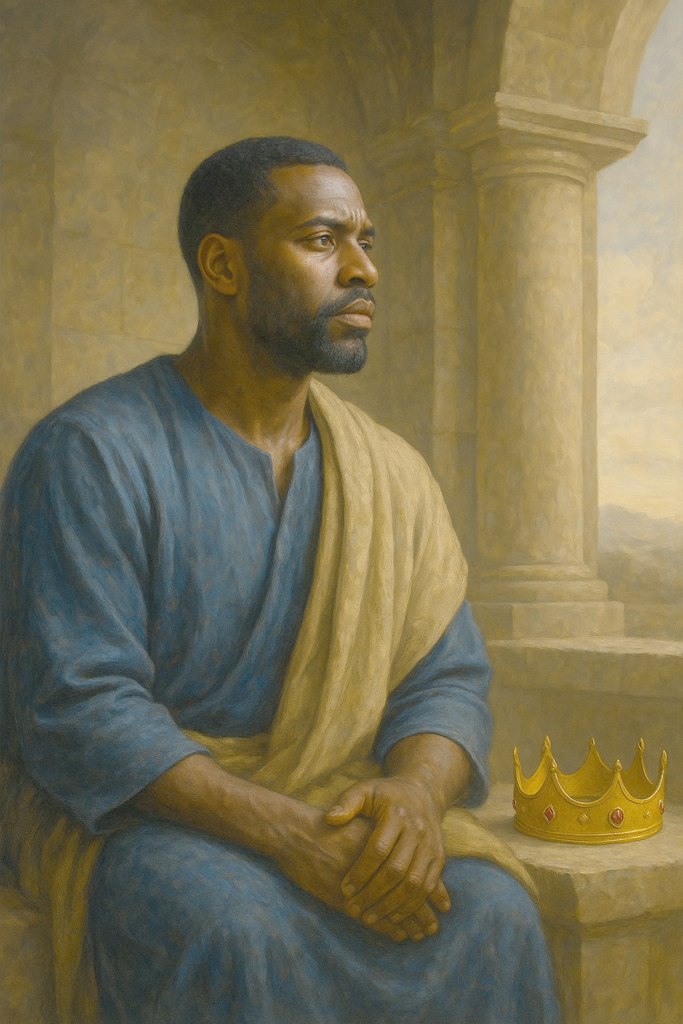
The Male Files: Kings Without Crowns: Restoring the Biblical Role of Men.

In contemporary society, the role of men has become increasingly ambiguous. The pressures of modern life, economic instability, and shifting cultural norms have left many men searching for identity and purpose. Historically, men were seen as protectors, providers, and leaders within their households and communities. Today, however, these roles are often challenged or undervalued, leaving many men feeling powerless and disconnected.

The Bible provides a clear framework for understanding masculinity and the responsibilities of men. From Adam in the Garden of Eden to the patriarchs of Israel, men were called to lead with integrity, courage, and wisdom (Genesis 2:15-17). Leadership in the biblical sense is not about domination but about stewardship: caring for family, guiding with righteousness, and serving with humility.

One of the hallmarks of biblical manhood is responsibility. Men are called to provide for their families materially, emotionally, and spiritually. This provision is not limited to finances but extends to moral guidance and protection from harm. In Proverbs 27:23-24, the importance of knowing and caring for one’s household is emphasized, reinforcing the notion that true leadership requires active engagement.

Spiritual leadership is another core aspect of biblical manhood. Men are expected to guide their households in faith, ensuring that God’s principles shape family decisions and values (Ephesians 6:4). This leadership is rooted in humility and service rather than coercion, reflecting the example of Christ as a servant-leader (Mark 10:45).

Unfortunately, societal pressures have distorted men’s understanding of their roles. The rise of materialism, instant gratification, and shifting gender norms has led many men to equate masculinity with physical strength or financial success alone. This limited view ignores the deeper responsibilities of character, integrity, and spiritual leadership.

Modern men face identity crises exacerbated by media portrayals that often celebrate selfishness, irresponsibility, or emotional detachment as markers of “manliness.” These false narratives contrast sharply with biblical principles, which emphasize self-discipline, accountability, and the pursuit of righteousness (1 Timothy 4:12).

The absence of mentorship and father figures in many communities has compounded these challenges. Without examples of godly leadership, young men struggle to internalize what it means to be responsible, compassionate, and principled. Scriptural wisdom underscores the value of generational teaching, as seen in Deuteronomy 6:6-7, which encourages fathers to guide their children consistently in God’s ways.

Restoring the biblical role of men requires intentionality. Men must embrace their responsibility to lead by example, demonstrating integrity in speech, action, and decision-making. Leadership is cultivated through discipline, prayer, and a commitment to lifelong learning, reflecting the holistic approach to manhood outlined in the Scriptures.

Emotional intelligence is a key component of modern biblical manhood. The Bible portrays men expressing grief, joy, and compassion, suggesting that emotional awareness is not a weakness but a strength (Psalm 34:18; John 11:35). Men who understand and manage their emotions can better lead their families and communities with empathy and wisdom.

Accountability is central to restoring male leadership. Biblical men were often held accountable by peers, elders, or God Himself. Men today benefit from similar structures—mentorship, community, and spiritual fellowship—to ensure their actions align with moral and spiritual principles (Proverbs 27:17).

Service is a defining trait of biblical masculinity. Jesus’ model demonstrates that leadership is inseparable from service (John 13:14-15). Men who prioritize the needs of others, particularly their families and communities, embody the essence of godly leadership. Service fosters respect, trust, and spiritual authority rather than demanding it.

Character formation begins with self-discipline. The apostle Paul frequently exhorts men to control their impulses, pursue righteousness, and cultivate perseverance (1 Corinthians 9:24-27). Discipline in thought, speech, and behavior builds credibility and moral authority—qualities essential for any man seeking to fulfill his biblical role.

Integrity is another critical aspect. Biblical men are called to be honest, reliable, and trustworthy in all areas of life (Proverbs 10:9). Integrity ensures that leadership is not merely positional but earned through consistent demonstration of values, creating a legacy of respect and influence.

Courage, both moral and physical, remains a defining element of biblical manhood. From David confronting Goliath to Daniel standing firm in the lion’s den, courage involves facing fear while upholding truth and justice (Joshua 1:9; Daniel 6:10-23). Modern men must also confront cultural and personal challenges with the same steadfastness.

Men are not intended to operate in isolation. Community involvement, fellowship, and collaboration are integral to the biblical model of manhood. Ecclesiastes 4:9-12 highlights the strength derived from unity, emphasizing that men lead best when supported and accountable to others.

A renewed focus on mentorship can transform generations. Experienced men guiding younger men in faith, character, and practical life skills restore continuity in moral and spiritual leadership. Biblical narratives, including the relationship between Elijah and Elisha, exemplify the power of such mentorship (2 Kings 2:1-15).

Resisting cultural distortion requires discernment. Men must evaluate societal norms against scriptural truth, rejecting notions of masculinity that conflict with God’s design. Critical engagement with culture ensures that men lead with principles rather than conformity to fleeting trends (Romans 12:2).

The restoration of male leadership also entails a renewed understanding of fatherhood. Fathers are called not merely to produce offspring but to nurture, instruct, and exemplify godly living (Psalm 103:13; Proverbs 20:7). Active, loving fatherhood strengthens families and communities alike.

Marriage and partnership reflect the broader call to leadership. Husbands are to love their wives sacrificially, mirroring Christ’s love for the church (Ephesians 5:25-28). Such leadership fosters mutual respect, emotional intimacy, and spiritual growth, dispelling misconceptions that male authority equates to control or dominance.

Finally, the restoration of biblical manhood is a lifelong journey. Men are called to continuous self-examination, growth, and alignment with God’s purposes. By embracing responsibility, service, integrity, and faith, men can reclaim their rightful place as leaders, protectors, and spiritual anchors—kings without crowns, yet empowered to shape families, communities, and generations (Micah 6:8).


References (APA 7th edition)

  • Holy Bible, King James Version. (2000). Thomas Nelson.
  • Deuteronomy 6:6-7.
  • Ephesians 5:25-28; 6:4.
  • Proverbs 10:9; 20:7; 27:17; 27:23-24.
  • Joshua 1:9.
  • Daniel 6:10-23.
  • John 11:35; 13:14-15.
  • Mark 10:45.
  • 1 Corinthians 9:24-27.
  • 1 Timothy 4:12.
  • Micah 6:8.
  • Ecclesiastes 4:9-12.
  • Genesis 2:15-17.
  • 2 Kings 2:1-15.
  • Romans 12:2.
  • Psalm 34:18; 103:13.

Why Do God’s Chosen Ones Walk Alone?

Biblical and Psychological Reflections

Photo by Aidi Tanndy on Pexels.com

Throughout Scripture, God’s chosen ones often endured seasons of solitude. Abraham left his country and kin at God’s command (Genesis 12:1, KJV). Joseph was betrayed by his brothers and isolated in Egypt before being exalted (Genesis 37–41). Even Christ Himself withdrew to lonely places to pray (Luke 5:16, KJV) and endured Gethsemane’s solitude before the cross. This recurring theme suggests that aloneness is not abandonment, but a sacred space where God develops His chosen vessels.

One reason God’s chosen ones walk alone is preparation for divine assignment. Separation from the crowd allows for spiritual formation, free from distractions and competing voices. In psychology, solitude is associated with self-reflection, emotional regulation, and identity development (Long & Averill, 2003). Spiritually, it allows God’s voice to become clearer, as illustrated when Elijah heard not the earthquake or fire but the “still small voice” (1 Kings 19:12, KJV).

Another reason is that destiny often isolates. The path of the chosen is narrow and cannot be walked by everyone. Jesus taught, “Enter ye in at the strait gate… narrow is the way, which leadeth unto life, and few there be that find it” (Matthew 7:13–14, KJV). Psychology similarly affirms that individuals pursuing uncommon goals or higher callings often experience loneliness, as their values and direction diverge from the majority.

Walking alone also functions as a test of faith and endurance. God uses seasons of isolation to strengthen resilience and dependence on Him. Joseph’s prison years, David’s wilderness hiding from Saul, and Job’s losses all reflect this refining process. Psychologically, enduring solitude can foster resilience and autonomy, teaching individuals to derive self-worth from God and internal strength rather than constant external validation.

Moreover, walking alone guards the chosen against corruption and compromise. When separated, they are less susceptible to the pressures of conformity and worldliness. “Be ye not unequally yoked together with unbelievers” (2 Corinthians 6:14, KJV). Healthy solitude preserves purity of purpose. Psychology supports this principle through the concept of boundary-setting, where distance from toxic influences is necessary for personal growth and emotional well-being.

7 Reasons God’s Chosen Ones Walk Alone

Scripture + Psychology

  1. Preparation for Purpose
  • Genesis 12:1 (KJV): God called Abraham to leave his kin.
  • Psychology: Solitude promotes self-reflection and identity development.
  1. Clarity of God’s Voice
  • 1 Kings 19:12 (KJV): Elijah heard God in the “still small voice.”
  • Being alone quiets distractions so God’s direction becomes clear.
  1. Destiny Requires Separation
  • Matthew 7:14 (KJV): The narrow way is found by few.
  • Psychology: Those pursuing unique callings often experience isolation.
  1. Strength Through Testing
  • Job 23:10 (KJV): “When he hath tried me, I shall come forth as gold.”
  • Trials in solitude refine faith and resilience.
  1. Protection from Corruption
  • 2 Corinthians 6:14 (KJV): “Be ye not unequally yoked…”
  • Healthy solitude guards against negative influence and compromise.
  1. Spiritual Growth and Dependence on God
  • Psalm 62:5 (KJV): “My soul, wait thou only upon God.”
  • Psychology: Solitude develops autonomy and inner strength.
  1. Set Apart for Greatness
  • Jeremiah 1:5 (KJV): “Before I formed thee… I sanctified thee.”
  • God sets apart His chosen to prepare them for higher assignments.

In conclusion, God’s chosen ones walk alone because solitude is the crucible of calling. It is where vision is clarified, faith is tested, character is refined, and destiny is secured. While loneliness may feel like abandonment, Scripture reveals it as preparation: “Lo, I am with you alway, even unto the end of the world” (Matthew 28:20, KJV). To walk alone with God is never truly to be alone; rather, it is to be set apart for greatness.


📚 References

  • The Holy Bible, King James Version.
  • Long, C. R., & Averill, J. R. (2003). Solitude: An exploration of benefits of being alone. Journal for the Theory of Social Behaviour, 33(1), 21–44.
  • Weiss, R. S. (1973). Loneliness: The experience of emotional and social isolation. MIT Press.

The Bible’s Secrets About Black People That Were Hidden.

These photographs are the property of their respective owners. No copyright infringement intended.

For centuries, the presence of Black people in the Bible has been minimized or obscured through Eurocentric interpretations of Scripture. Yet, the King James Version (KJV) and the Apocrypha contain numerous references to African nations, dark-skinned peoples, and the true identity of the children of Israel. These connections reveal that Black people were not only present but central to the biblical narrative.


Cush, Ham, and the African Lineage

The Bible traces much of the African world back to Ham, the son of Noah. Genesis 10 (the Table of Nations) records: “And the sons of Ham; Cush, and Mizraim, and Phut, and Canaan” (Genesis 10:6, KJV).

  • Cush refers to Ethiopia (modern Sudan/Ethiopia).
  • Mizraim refers to Egypt (Kemet).
  • Phut refers to Libya/North Africa.
  • Canaan refers to the land that Israel later inhabited.

This genealogy directly places Africans at the root of early civilization, showing that people of dark skin were present in the earliest biblical times.


The Israelites and Their Appearance

Many hidden scriptures reveal the physical appearance of Israel. Contrary to the Eurocentric depictions, the Bible describes Israel as a people of dark skin.

  • Jeremiah 8:21 (KJV): “For the hurt of the daughter of my people am I hurt; I am black; astonishment hath taken hold on me.”
  • Lamentations 5:10 (KJV): “Our skin was black like an oven because of the terrible famine.”
  • Song of Solomon 1:5-6 (KJV): “I am black, but comely, O ye daughters of Jerusalem, as the tents of Kedar, as the curtains of Solomon. Look not upon me, because I am black…”

These passages show that Israelite figures, including prophets and kings, were described with dark skin, connecting them to African and Afro-Asiatic peoples.


Egypt, Ethiopia, and Black Royalty

The Bible honors Ethiopia and Egypt as powerful nations:

  • Amos 9:7 (KJV): “Are ye not as children of the Ethiopians unto me, O children of Israel?” – God directly compares Israel to Ethiopians, emphasizing their shared heritage.
  • Jeremiah 13:23 (KJV): “Can the Ethiopian change his skin, or the leopard his spots?” – highlighting the natural dark complexion of Africans.
  • Acts 8:27 (KJV): The Ethiopian eunuch, a royal servant of Candace, queen of Ethiopia, was one of the first Gentiles baptized, showing Africa’s early role in the spread of the Gospel.

The Apocrypha and Hidden Identity

The Apocrypha, often removed from modern Bibles, holds more insight into the suffering and scattering of Israel.

  • 2 Esdras 6:54-56 (Apocrypha): Describes Israel as God’s chosen people above all nations, though later scattered.
  • 2 Esdras 13:40-45 (Apocrypha): Describes the migration of the ten tribes of Israel into distant lands—interpreted by many as part of the scattering into Africa and eventually the Americas during slavery.
  • Baruch 2:29-30 (Apocrypha): “If ye will not hear my voice, surely this very great multitude shall be turned into a small number among the nations, where I will scatter them.”

This aligns with Deuteronomy 28, where curses were placed upon Israel for disobedience, including being taken on ships into slavery:

  • “And the LORD shall bring thee into Egypt again with ships… and there ye shall be sold unto your enemies for bondmen and bondwomen, and no man shall buy you” (Deuteronomy 28:68, KJV).

This prophecy eerily parallels the Transatlantic Slave Trade, where millions of Africans—descendants of Israel—were sold into bondage.


The Revelation of Christ’s Image

One of the most concealed truths involves the description of Christ Himself:

  • Revelation 1:14-15 (KJV):“His head and his hairs were white like wool, as white as snow; and his eyes were as a flame of fire; and his feet like unto fine brass, as if they burned in a furnace.”
    • Hair like wool = texture associated with Black people.
    • Feet like burned brass = a dark, brown/black complexion.

This description directly challenges Eurocentric images of a pale-skinned Christ.


Conclusion

The Bible contains profound truths about Black people that were long hidden through translation bias, colonialism, and Eurocentric theology. From the line of Ham and Cush to the descriptions of Israel’s skin color, from the curses of Deuteronomy 28 to the Apocryphal accounts of scattering, the evidence shows that Black people are deeply woven into the story of Scripture. The hidden truth is that the people of the Bible were not European, but Afro-Asiatic—people of color, many of whom would be recognized today as Black.


References

  • Holy Bible, King James Version.
  • The Apocrypha (2 Esdras, Baruch, Ecclesiasticus).
  • Ben-Jochannan, Y. (1993). African Origins of the Major Western Religions. Baltimore: Black Classic Press.
  • Windsor, R. (1969). From Babylon to Timbuktu: A History of Ancient Black Races Including the Black Hebrews. Atlanta: Windsor’s Golden Series.