Category Archives: Black Women

The Global Allure: What Makes Black Women Beautiful? #blackbeauty

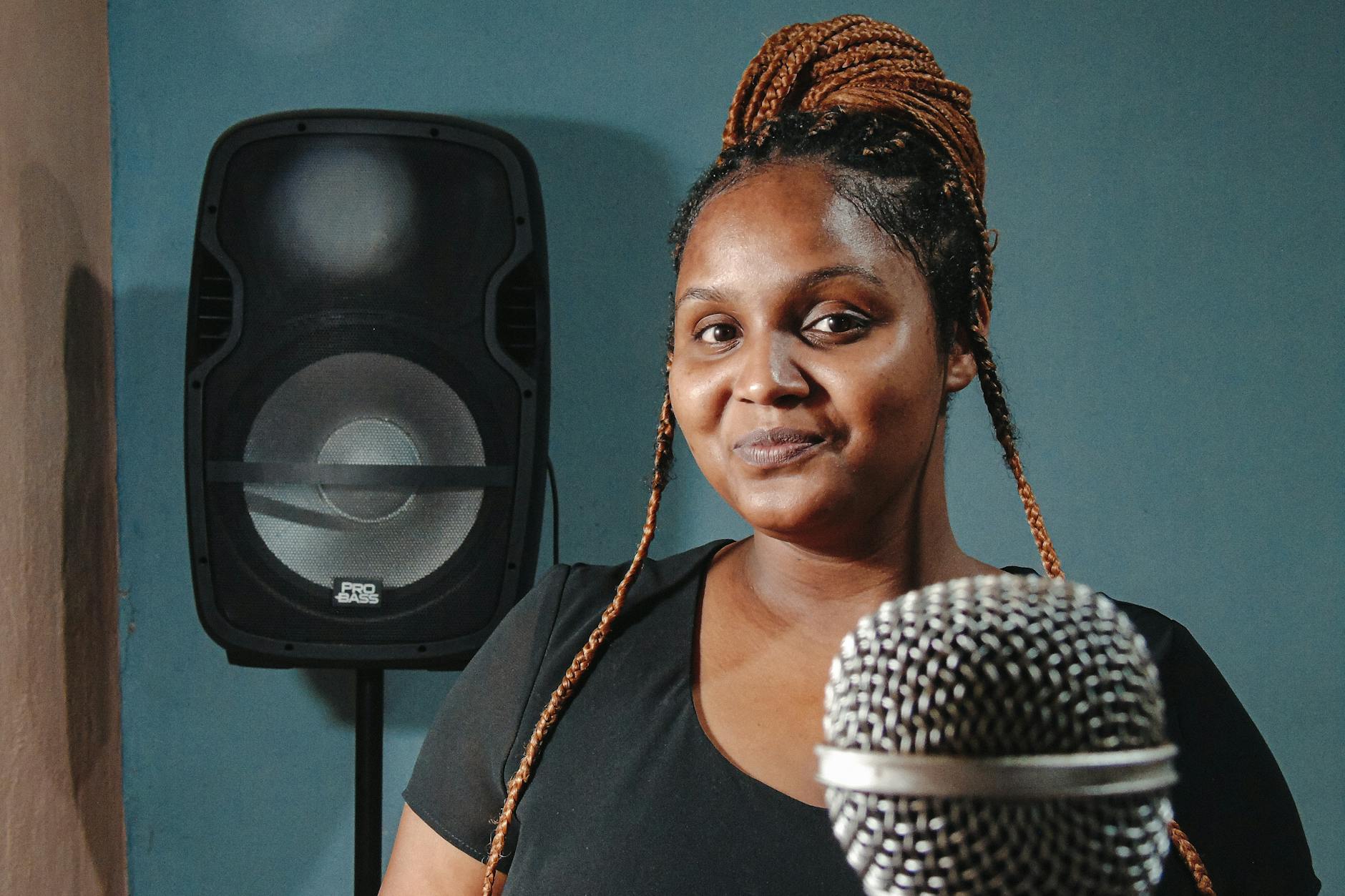
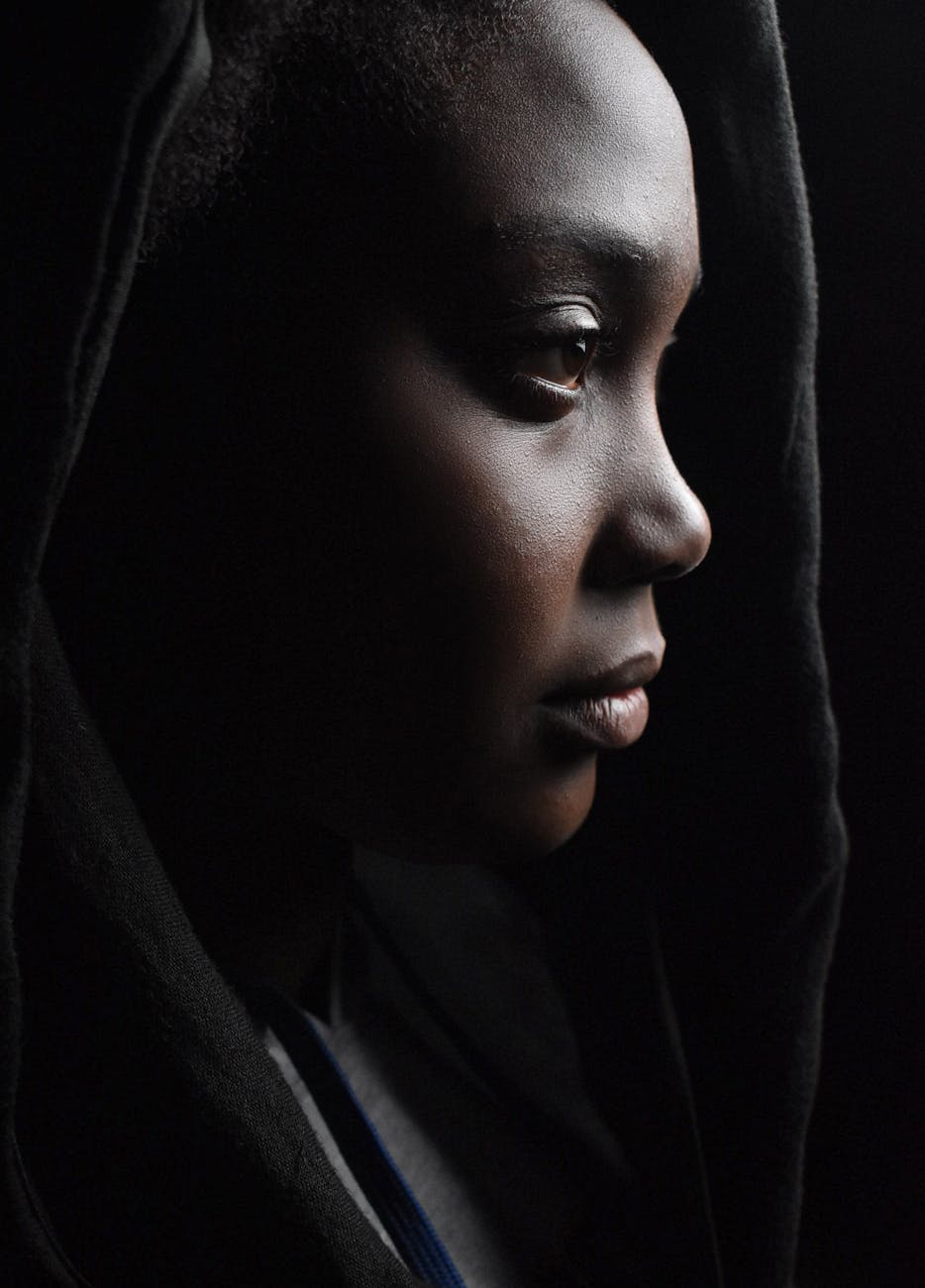
Beauty is often described as both universal and culturally specific, yet when it comes to Black women, their beauty holds a transcendent quality that blends strength, heritage, and physical distinctiveness. Across history and continents, the attributes of Black women’s appearance have not only been celebrated within their own communities but also mimicked and admired around the world. From their radiant skin tones to their sculpted bone structures and captivating eyes, Black women embody an aesthetic that challenges and redefines global standards of beauty.

One of the most celebrated attributes of Black women is their skin tone. Ranging from deep ebony to warm café au lait, their melanin-rich complexions are often associated with vitality, health, and timeless youthfulness (Russell, Wilson, & Hall, 2013). In fact, many cosmetic brands now attempt to market products that replicate the “glow” of melanin. Another defining feature is the diversity of facial structures—high cheekbones, expressive almond-shaped eyes, and full lips—which create a sense of balance and harmony that aligns with principles of facial symmetry often linked to attractiveness (Little et al., 2011).

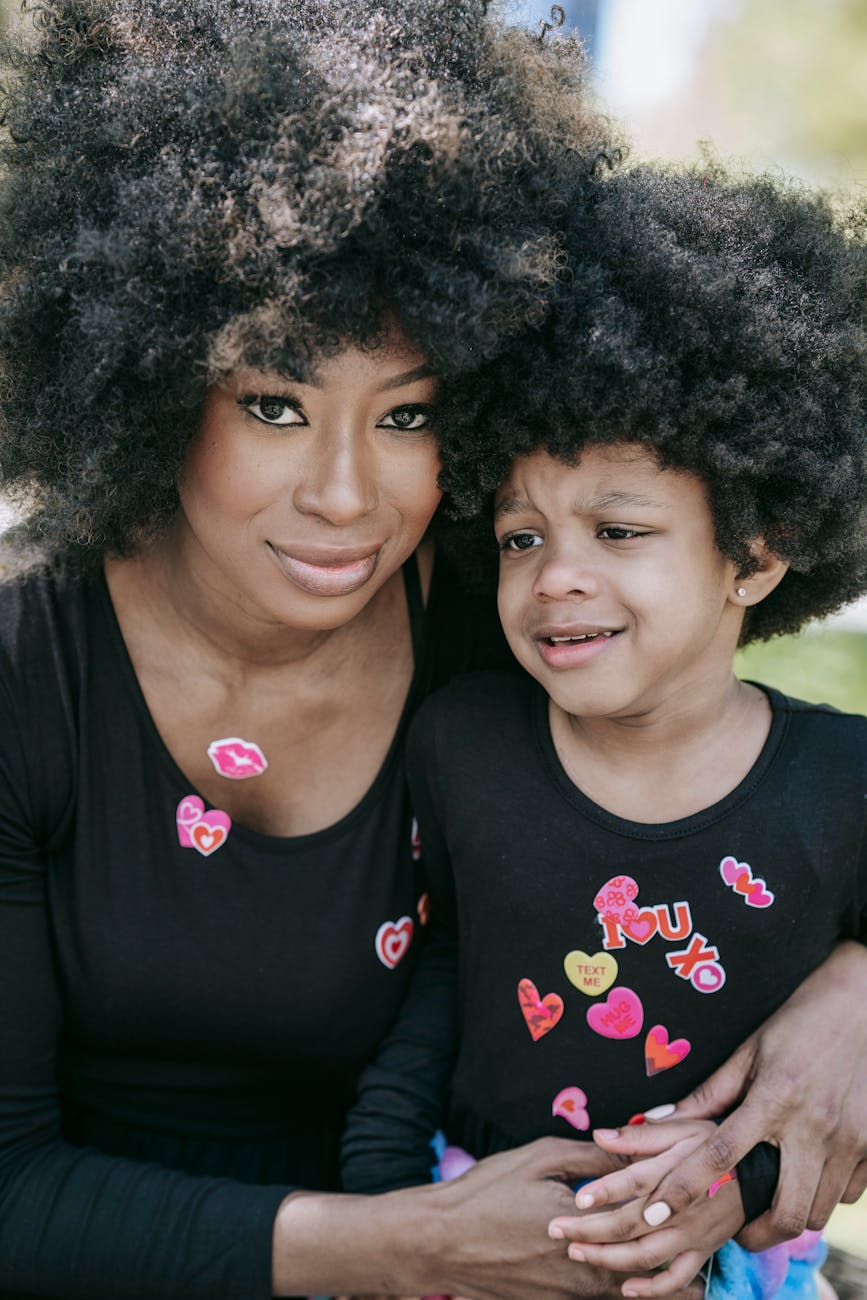
Globally, women of other races have long sought to mimic elements of Black women’s physicality. In the West, the pursuit of full lips has become one of the most obvious examples, with lip fillers and cosmetic procedures inspired by the natural beauty of Black women. Additionally, curvaceous body types—once marginalized—are now celebrated, with emphasis on rounded hips, narrow waists, and toned figures, reflecting the global fascination with Black women’s natural silhouettes (Patton, 2006). Hairstyles, too, have been widely imitated, with braids, twists, and natural textures moving from cultural tradition to global fashion trends.

Around the world, the admiration often focuses on both face and body, though in different contexts. Western beauty markets tend to idolize Black women’s curves, while fashion and modeling industries highlight their striking facial features and versatility in style. This dual admiration underscores the holistic nature of Black beauty—embodying both power and delicacy, sensuality and elegance.

Hollywood has offered a stage where the beauty of Black women has shone in diverse ways. Consider Lupita Nyong’o, whose deep, luminous skin and regal bone structure epitomize classic African beauty; her features challenge Eurocentric ideals while affirming natural radiance. Kenya Moore, celebrated for her pageant-winning beauty, combines high cheekbones with a radiant smile that exudes confidence and allure. Halle Berry, often hailed as one of the most beautiful women in the world, blends striking hazel eyes, a delicate nose, and flawless symmetry, making her a symbol of crossover appeal.

Nia Long embodies girl-next-door charm with soulful eyes and a glowing complexion, while Gabrielle Union is admired for her timeless smile and smooth, youthful skin that seems untouched by time. Vanessa L. Williams, the first Black Miss America, captivated audiences with her green-blue eyes and luminous skin, offering a rare blend of features that challenged stereotypical norms of beauty. Salli Richardson dazzles with her elegant bone structure and silky complexion, while Stacey Dash became a 90s icon with her doll-like features and expressive eyes.

Completing this constellation of Hollywood beauty are Sanaa Lathan, with her soft yet commanding features and effortlessly natural look, and Sandra Justice, a model and actress whose statuesque frame and bold facial features reflect both strength and sophistication. Together, these women demonstrate the range of Black beauty, from delicate to striking, natural to glamorous, affirming that there is no single definition—only a celebration of diversity.

Ultimately, the beauty of Black women lies not only in their physical appearance but in the way their features embody history, resilience, and cultural pride. Their influence is seen in the global beauty industry, fashion runways, and popular culture, where elements of Black aesthetics are both imitated and celebrated. As the world continues to expand its definitions of beauty, Black women remain at the forefront—timeless, trendsetting, and undeniably powerful.


References

Little, A. C., Jones, B. C., & DeBruine, L. M. (2011). Facial attractiveness: Evolutionary based research. Philosophical Transactions of the Royal Society B: Biological Sciences, 366(1571), 1638–1659.

Patton, T. O. (2006). Hey girl, am I more than my hair?: African American women and their struggles with beauty, body image, and hair. NWSA Journal, 18(2), 24–51.

Russell, K., Wilson, M., & Hall, R. (2013). The Color Complex: The Politics of Skin Color in a New Millennium. Anchor.

The Evolution of Black Women’s Identity in Media.

Photo by Moisu00e9s Souza Celestino on Pexels.com

The identity of Black women in media has been a contested site for centuries. From the earliest forms of representation during slavery to the multifaceted portrayals seen in contemporary television, film, and music, Black women have endured caricature, erasure, and distortion. Yet they have also reclaimed power, reshaped narratives, and challenged society’s limited gaze. This essay explores the evolution of Black women’s identity in media, tracing historical stereotypes, cultural shifts, and the emergence of new voices that define representation on their own terms.

Enslavement and Stereotypes

In the era of slavery, the media reflected the racial hierarchy designed to justify oppression. Black women were cast into roles that reduced their humanity. The mammy stereotype, a loyal, nurturing figure stripped of sexuality, was meant to normalize Black women’s servitude in white households (Collins, 2000). Meanwhile, the Jezebel trope, portraying Black women as hypersexual, provided justification for their exploitation and abuse. These stereotypes circulated through minstrel shows, advertising, and early literature, embedding themselves in cultural consciousness.

Early Cinema and Caricature

With the rise of film in the early 20th century, these images were cemented on screen. Birth of a Nation (1915) not only glorified white supremacy but also caricatured Black women as either grotesque or immoral. The entertainment industry treated Black womanhood as either comic relief or deviance, rarely affording dignity or complexity. These representations reinforced the cultural belief that Black women were outside the boundaries of true femininity.

Hollywood’s Golden Age and Colorism

The mid-20th century brought breakthroughs in visibility, though with limits. Actresses like Lena Horne and Dorothy Dandridge emerged as Hollywood stars. However, their success was conditioned by colorism, as lighter-skinned women were cast in glamorous roles while darker-skinned actresses were relegated to servitude roles. Dandridge, though immensely talented, faced barriers that kept her from sustaining a long career, reflecting how Hollywood selectively embraced Black beauty closer to Eurocentric ideals (Hunter, 2005).

Respectability Politics

The Civil Rights era of the 1950s and 1960s saw Black women negotiating respectability in media. They were expected to embody dignity and restraint, countering stereotypes through roles that emphasized professionalism and morality. Yet these portrayals often muted expressions of sexuality, individuality, and complexity. Representation was a balancing act—resisting racist caricature while conforming to narrow standards of acceptability.

“Black is Beautiful” Movement

The late 1960s and 1970s ushered in a shift with the Black is Beautiful movement. Natural hair, dark skin, and Afrocentric aesthetics became celebrated symbols of pride and resistance. Media reflected this new self-image, with magazines like Essence showcasing Black women on their own terms. Actress Pam Grier, through Blaxploitation films, embodied a new type of Black female protagonist—fierce, sensual, and central. Although controversial, her roles broke with the tradition of erasure and secondary status, pushing Black women into leading narratives.

Oprah Winfrey: Redefining Influence

One of the most transformative figures in modern media has been Oprah Winfrey. Rising from a background of poverty and trauma, Oprah created a media empire that placed a Black woman at the center of daytime television for decades. Her authenticity, compassion, and storytelling power challenged stereotypes, presenting a multidimensional Black woman whose identity transcended boundaries of race and gender. Oprah’s success symbolized empowerment through visibility, showing that Black women could dominate mainstream spaces without conforming to white ideals.

The Hip-Hop Era

From the 1980s into the 2000s, hip-hop shaped new images of Black women in media. Artists like Queen Latifah and MC Lyte used their platforms to assert independence, intelligence, and pride. Latifah’s U.N.I.T.Y. rejected misogyny while affirming respect for women. Conversely, music videos often displayed hypersexualized images of Black women, reducing them to background dancers and objects of desire. This duality revealed the tension between empowerment and exploitation, illustrating how media could simultaneously elevate and degrade.

Beyoncé: Power and Reclamation

Few figures embody the complexity of Black women’s media identity more than Beyoncé. Emerging as part of Destiny’s Child, she was initially packaged within a commercial pop framework. Over time, however, Beyoncé transformed into a cultural icon whose work fused entertainment with political commentary. Her visual album Lemonade (2016) celebrated Black womanhood, motherhood, and resilience while addressing infidelity, race, and legacy. Drawing on imagery of African spirituality and Southern Black culture, Beyoncé reframed Black women’s identity as powerful, multifaceted, and central to cultural discourse.

Viola Davis: Depth and Authenticity

Actress Viola Davis has pushed representation into new terrain by demanding roles that honor the complexity of Black women. In How to Get Away with Murder, she portrayed Annalise Keating, a brilliant, vulnerable, and flawed woman—a role rarely afforded to Black women in television history. Davis also made history by becoming the first Black woman to win an Emmy for Outstanding Lead Actress in a Drama. By embracing roles that show vulnerability alongside strength, Davis challenges the stereotype that Black women must always appear invulnerable.

Issa Rae: Authenticity in the Digital Era

Issa Rae represents a new wave of creators who bypassed traditional gatekeepers. Beginning with her YouTube series The Misadventures of Awkward Black Girl, Rae built a platform that celebrated the everyday experiences of young Black women. Her HBO series Insecure continued this project, portraying friendship, romance, career, and self-discovery without resorting to caricature. Rae’s work highlights the significance of digital media in empowering Black women to tell their own stories, creating representation rooted in authenticity rather than external validation.

Zendaya: A New Generation

As one of Hollywood’s most visible young stars, Zendaya represents a new generation of Black women in media. Her roles in Euphoria and films such as Dune have shown range, while her advocacy against colorism demonstrates awareness of her positionality. Zendaya’s career reflects both progress and ongoing challenges, as she openly acknowledges that her lighter skin tone has afforded her opportunities often denied to darker-skinned peers. She embodies the nuanced conversation about privilege, representation, and responsibility in contemporary media.

Social Media and Self-Definition

Social media has radically transformed the landscape of representation. Black women now have the ability to curate and broadcast their own identities without relying on traditional institutions. Influencers, writers, and activists use platforms like Instagram, YouTube, and TikTok to showcase natural hair, celebrate diverse body types, and engage in political discourse. Movements such as #BlackGirlMagic affirm pride, beauty, and resilience, countering centuries of erasure and distortion.

Persisting Challenges: Colorism

Despite progress, colorism remains a major barrier. Dark-skinned women are often marginalized in casting, advertising, and music videos, while lighter-skinned women are elevated as the preferred face of Black beauty. This reflects a colonial legacy in which proximity to whiteness was rewarded. The persistence of colorism reveals how deeply ingrained Eurocentric ideals remain in media representation (Hunter, 2005).

Eurocentric Beauty Standards

Beyond colorism, Eurocentric beauty standards still influence portrayals of Black women. Straight hair, slim noses, and lighter complexions are often privileged in media. This pressure to conform to white aesthetics has psychological consequences, influencing self-esteem and perpetuating exclusion. Yet the growing embrace of natural hair and Afrocentric features suggests that resistance is reshaping the standard of beauty.

Intersection of Gender and Race

Black women’s media identity cannot be understood apart from the intersection of racism and sexism. bell hooks (1992) argued that Black women are often seen as “other,” positioned outside dominant femininity and therefore vulnerable to exploitation. This dual marginalization explains why progress in representation has often been uneven. Media portrayals must navigate not only racial stereotypes but also patriarchal expectations.

Faith and Spiritual Identity

For many Black women, representation in media intersects with faith. Biblical texts affirm their worth, countering centuries of degradation. Song of Solomon 1:5 (KJV) states, “I am black, but comely, O ye daughters of Jerusalem.” Such verses reclaim Black beauty as divinely affirmed, offering spiritual grounding for self-definition. Faith becomes a tool for liberation, reinforcing that Black women’s identities extend beyond media distortions.

Transformation and Resistance

The evolution of representation reflects both oppression and resistance. From caricatures to complex portrayals, Black women have fought to assert their dignity. The resilience of figures like Oprah, Beyoncé, Viola Davis, Issa Rae, and Zendaya illustrates how Black women have turned media into a platform for empowerment. Their stories reveal not only cultural shifts but also the persistence of barriers.

Toward Multiplicity

Today, representation is no longer about singular breakthroughs but multiplicity. Black women exist in media as leaders, visionaries, entertainers, activists, and everyday protagonists. Their portrayals encompass vulnerability, joy, complexity, and contradiction. This multiplicity reflects a move away from stereotypes toward authenticity.

Conclusion

The evolution of Black women’s identity in media tells a story of struggle, resistance, and transformation. From slavery’s stereotypes to Hollywood’s constraints, from the “Black is Beautiful” movement to today’s digital age, representation has been redefined across generations. Figures like Oprah, Beyoncé, Viola Davis, Issa Rae, and Zendaya demonstrate the possibilities of media as a site of liberation. Yet the work continues, as challenges of colorism, Eurocentrism, and systemic exclusion persist. Ultimately, the story of Black women in media is one of ongoing reclamation—an insistence on defining themselves in truth, dignity, and power.


References

Collins, P. H. (2000). Black feminist thought: Knowledge, consciousness, and the politics of empowerment. Routledge.

hooks, b. (1992). Black looks: Race and representation. South End Press.

Hunter, M. (2005). Race, gender, and the politics of skin tone. Routledge.

Stephens, D. P., & Phillips, L. D. (2003). Freaks, gold diggers, divas, and dykes: The sociohistorical development of adolescent African American women’s sexual scripts. Sexuality & Culture, 7(1), 3–49.

Ford, T. (2015). Liberated threads: Black women, style, and the global politics of soul. University of North Carolina Press.

Black Women in STEM: Breaking Glass Ceilings.

Photo by Ogo Johnson on Pexels.com

Black women in STEM (Science, Technology, Engineering, and Mathematics) continue to navigate and challenge systemic barriers in fields historically dominated by men and underrepresented groups. Despite underrepresentation, discrimination, and limited access to resources, many Black women have emerged as innovators, leaders, and role models, breaking glass ceilings and paving the way for future generations.

Historical Context

Historically, Black women faced intersecting barriers of race and gender in education and professional STEM fields. In the 20th century, access to quality science and technology education was limited, particularly during segregation in the United States. Trailblazers such as Katherine Johnson, Dorothy Vaughan, and Mary Jackson at NASA not only contributed significantly to space exploration but also demonstrated resilience and intellect in the face of discrimination (Shetterly, 2016).

Challenges Faced

Black women in STEM encounter multiple challenges: implicit bias, lack of mentorship, and limited professional networks. Research indicates that stereotypes about competence and technical ability negatively affect hiring, promotions, and retention (National Science Foundation, 2019). Furthermore, cultural isolation and microaggressions can contribute to higher attrition rates among Black women in STEM fields.

Positive Representation and Role Models

Representation is crucial for encouraging young Black girls to pursue STEM careers. Figures like Dr. Mae Jemison, the first Black female astronaut, and Dr. Ayanna Howard, a roboticist and AI researcher, serve as inspirations. Visibility of Black women excelling in STEM challenges societal stereotypes and reinforces the message that talent transcends race and gender.

Strategies for Success

Mentorship and sponsorship are critical for advancement. Studies show that structured mentorship programs improve retention, career satisfaction, and leadership development for women of color in STEM (Fisher, 2018). Additionally, professional networks and affinity groups create safe spaces for collaboration, skill-building, and advocacy.

Empowering Black Women to Thrive in STEM: A Practical Guide

  1. Seek Early Exposure to STEM
    Encourage participation in science, technology, engineering, and math from a young age. STEM camps, coding clubs, robotics competitions, and science fairs help develop interest and foundational skills. Early exposure combats stereotypes and builds confidence.
  2. Pursue Targeted Education Opportunities
    Enroll in schools, programs, and workshops that prioritize diversity in STEM. Scholarships and grants for women of color can reduce financial barriers and expand access to higher education in STEM fields.
  3. Find Mentors and Sponsors
    Mentorship provides guidance, encouragement, and insight into navigating challenges. Sponsors actively advocate for your advancement in academia or the workplace. Studies show that mentorship and sponsorship are critical for retention and career progression (Fisher, 2018).
  4. Network with Like-Minded Peers
    Joining professional organizations and affinity groups, such as the National Society of Black Engineers (NSBE) or Black Women in Science and Engineering (BWISE), fosters connections, collaboration, and opportunities.
  5. Build Technical Competence and Soft Skills
    Excelling in STEM requires both technical knowledge and soft skills such as communication, teamwork, and leadership. Continuous learning, certifications, and workshops enhance employability and advancement potential.
  6. Develop Resilience and Confidence
    Intersectional challenges can test perseverance. Cultivating a growth mindset, practicing self-affirmation, and celebrating small victories build resilience. Engaging with community and mentors reinforces confidence.
  7. Advocate for Yourself
    Speak up in academic and professional settings about your contributions and achievements. Seek recognition, promotions, and opportunities without waiting for external validation.
  8. Leverage Technology and Resources
    Use online platforms, coding bootcamps, webinars, and professional development resources to stay current in your field. Accessing virtual communities expands learning and networking opportunities.
  9. Participate in Research and Innovation Projects
    Hands-on experience through labs, internships, and independent research hones problem-solving skills and builds a strong professional portfolio. Collaboration on innovative projects increases visibility and credibility.
  10. Inspire and Mentor Others
    As you advance, guide younger Black women entering STEM. Mentorship creates a cycle of empowerment, builds community, and strengthens representation. Giving back strengthens the broader ecosystem of diversity in STEM.
  11. Maintain Work-Life Balance and Self-Care
    Navigating challenging environments requires physical and mental wellness. Prioritize rest, hobbies, and supportive relationships to sustain long-term success.
  12. Set Long-Term Goals
    Plan clear career milestones and personal objectives. Having a roadmap helps measure progress and motivates continual growth. Revisit goals regularly to adapt to evolving opportunities and challenges.

By following these practical strategies, Black women can overcome systemic barriers, thrive in STEM careers, and become leaders and innovators. Empowerment comes through preparation, resilience, and mentorship, creating a foundation for both individual and collective success.

Educational Pathways

STEM education at all levels—primary, secondary, and higher education—is vital. Programs targeting underrepresented students, scholarships, and STEM enrichment camps increase access and build confidence in scientific skills. Encouraging girls to explore STEM fields early combats societal biases and builds foundational knowledge.

Impact of Intersectionality

The intersection of race and gender shapes the unique experiences of Black women in STEM. Intersectionality theory highlights that challenges faced by Black women are not simply additive but distinct from those faced by White women or Black men (Crenshaw, 1989). Recognizing this complexity is essential for developing targeted policies and support systems.

Psychological Resilience

Resilience and perseverance are common traits among successful Black women in STEM. Facing systemic barriers requires self-efficacy, emotional intelligence, and a growth mindset. Psychological research emphasizes that mentorship, community support, and positive identity development enhance resilience and persistence in challenging fields.

Breaking the Glass Ceiling

Black women continue to shatter ceilings by securing leadership positions, publishing innovative research, and founding STEM initiatives. Their achievements challenge stereotypes, inspire future generations, and demonstrate that excellence in STEM is attainable despite societal obstacles.

Future Directions

Efforts to increase representation of Black women in STEM must include educational reform, equitable hiring practices, mentorship programs, and systemic advocacy. Building inclusive environments and dismantling barriers are essential to fostering innovation, diversity, and equity in science and technology.

Conclusion

Black women in STEM exemplify perseverance, intelligence, and leadership. By breaking glass ceilings, they reshape societal perceptions, mentor the next generation, and contribute significantly to scientific and technological advancement. Their journeys reflect not only individual triumphs but also a collective movement toward inclusion, empowerment, and equity in STEM fields.


References

  1. Crenshaw, K. (1989). Demarginalizing the intersection of race and sex: A Black feminist critique of antidiscrimination doctrine. University of Chicago Legal Forum, 1989(1), 139–167.
  2. Shetterly, M. L. (2016). Hidden Figures: The American Dream and the Untold Story of the Black Women Mathematicians Who Helped Win the Space Race. William Morrow.
  3. National Science Foundation. (2019). Women, minorities, and persons with disabilities in science and engineering. NSF.
  4. Fisher, K. (2018). Mentorship and retention of women of color in STEM. Journal of STEM Education, 19(4), 45–53.
  5. National Center for Women & Information Technology (NCWIT). (2020). Women of color in computing: The state of the field.
  6. Beede, D. N., Julian, T. A., Langdon, D., McKittrick, G., Khan, B., & Doms, M. E. (2011). Women in STEM: A gender gap to innovation. Economics and Statistics Administration, U.S. Department of Commerce.
  7. Hewlett, S. A., & Rashid, R. (2011). The sponsor effect: Breaking through the last glass ceiling. Harvard Business Review.
  8. American Psychological Association. (2017). Stress in America: Coping with change. APA.
  9. Shetterly, M. L. (2016). Hidden Figures. William Morrow.
  10. National Science Foundation. (2019). Women, minorities, and persons with disabilities in science and engineering. NSF.
  11. National Center for Women & Information Technology (NCWIT). (2020). Women of color in computing: The state of the field.
  12. Collins, C., & Margo, R. (2009). The state of Black women’s financial literacy. National Women’s Law Center.

The Things Great Women Master.

Photo by Radomir Jordanovic on Pexels.com

Great women throughout history and in daily life are not defined solely by outward success or fame, but by their ability to master key disciplines of character, wisdom, and resilience. The Proverbs 31 woman remains a timeless example, showing that greatness is rooted in devotion to God, diligence in responsibilities, and care for others. “Strength and honour are her clothing; and she shall rejoice in time to come” (Proverbs 31:25, KJV). The things great women master often extend beyond themselves—they leave legacies that influence families, communities, and nations.

One of the first things great women master is self-discipline. They understand the necessity of ordering their time, actions, and speech. Proverbs 25:28 reminds us, “He that hath no rule over his own spirit is like a city that is broken down, and without walls” (KJV). Women of greatness recognize that emotional regulation, consistency, and intentional living protect them from instability and prepare them to lead (Duckworth, 2016).

Great women also master wisdom. They learn to discern between fleeting desires and lasting values. Wisdom provides direction and safeguards against destructive choices. Proverbs 4:7 declares, “Wisdom is the principal thing; therefore get wisdom: and with all thy getting get understanding” (KJV). Women who pursue wisdom through Scripture, prayer, and counsel shine as leaders and nurturers (Tamez, 2001).

Patience is another area of mastery. Life often requires waiting—whether for prayers to be answered, children to mature, or goals to manifest. James 1:4 instructs, “But let patience have her perfect work, that ye may be perfect and entire, wanting nothing” (KJV). Great women learn to wait without bitterness, using seasons of delay as preparation for what is to come (Schnitker & Emmons, 2013).

Resilience is central to greatness. Women who rise above adversity master the ability to endure trials without losing faith or identity. The Apostle Paul affirms this truth: “We are troubled on every side, yet not distressed; we are perplexed, but not in despair” (2 Corinthians 4:8, KJV). Resilient women become pillars in their families and examples to others facing hardship (Bonanno, 2004).

Great women master the art of nurturing, balancing strength with compassion. They recognize that their words and presence can heal, encourage, and build. Proverbs 31:26 says, “She openeth her mouth with wisdom; and in her tongue is the law of kindness” (KJV). This ability to nurture brings life into every environment they enter (Gilligan, 1993).

Vision is another mark of mastery. Women of greatness set goals beyond the present, envisioning futures that bless generations. “Where there is no vision, the people perish” (Proverbs 29:18, KJV). Great women not only dream, but they also execute plans that align with God’s purposes (Eldredge, 2010).

They also master stewardship—managing resources wisely. From finances to talents, great women avoid waste and maximize what they have been entrusted with. Luke 16:10 teaches, “He that is faithful in that which is least is faithful also in much” (KJV). Good stewardship allows them to provide stability for their households and communities (Ramsey, 2011).

Faith is a cornerstone of greatness. Great women cultivate unshakable trust in God’s promises even in uncertain times. Hebrews 11 recounts women such as Sarah, who “judged him faithful who had promised” (Hebrews 11:11, KJV). Their faith allows them to inspire and intercede for others (Piper, 2012).

Great women also master forgiveness. They refuse to let bitterness take root, understanding that unforgiveness poisons the soul. Ephesians 4:32 exhorts, “And be ye kind one to another, tenderhearted, forgiving one another, even as God for Christ’s sake hath forgiven you” (KJV). Forgiveness liberates them to continue in purpose without being held hostage by pain (Enright & Fitzgibbons, 2015).

Humility is another quality great women embrace. They balance confidence with a posture of service, recognizing that greatness comes from God, not self. James 4:10 states, “Humble yourselves in the sight of the Lord, and he shall lift you up” (KJV). Their humility makes their influence lasting (Ortberg, 2014).

They also master relationships. From friendships to marriage, great women learn how to cultivate trust, resolve conflicts, and create healthy bonds. Ecclesiastes 4:9–10 reminds us of the strength in relationships: “Two are better than one… for if they fall, the one will lift up his fellow” (KJV). Women who master relationships strengthen entire communities (Gottman & Silver, 2015).

Discipline in speech is another hallmark. Great women know that words carry power. Proverbs 18:21 warns, “Death and life are in the power of the tongue” (KJV). They master the art of encouragement, correction, and truth spoken with love (Tannen, 1990).

Great women master balance. They understand how to harmonize their roles—whether as professionals, mothers, leaders, or wives. Proverbs 31 illustrates a woman who manages business, family, and charity with wisdom. This mastery prevents burnout and cultivates holistic success (Slaughter, 2012).

Courage is also a defining mastery. Great women face fears with faith, speaking truth and standing for justice. Esther exemplifies this, risking her life to save her people (Esther 4:14–16, KJV). Courageous women leave a legacy of bravery that inspires others (Alexander, 2009).

Gratitude is another characteristic. Philippians 4:6 urges, “In every thing by prayer and supplication with thanksgiving let your requests be made known unto God” (KJV). Great women master thankfulness even in lack, creating contentment and joy (Emmons & McCullough, 2003).

Mastery of service also defines them. They do not live only for self, but invest in others. Matthew 23:11 says, “But he that is greatest among you shall be your servant” (KJV). Women who serve embody Christ’s love and transform lives (Greenleaf, 2002).

They also master adaptability. Change is inevitable, and great women learn to adjust without losing themselves. Philippians 4:12 demonstrates Paul’s flexibility, a trait mirrored in women who can thrive in any season (Pulakos et al., 2000).

Lastly, great women master legacy. They live in a way that their children, communities, and even strangers rise to call them blessed. Proverbs 31:28 declares, “Her children arise up, and call her blessed; her husband also, and he praiseth her” (KJV). Their lives become testimonies of God’s faithfulness across generations (Wilcox & Wolfinger, 2016).

Ultimately, greatness is not accidental but cultivated through mastery of virtues and disciplines rooted in God’s Word. Great women demonstrate that true influence comes not only from what they achieve but from who they become. By mastering faith, wisdom, humility, service, and love, they leave indelible marks on history and eternity.


References

  • Alexander, M. (2009). Women, leadership and equality. Routledge.
  • Bonanno, G. A. (2004). Loss, trauma, and human resilience. American Psychologist, 59(1), 20–28.
  • Duckworth, A. (2016). Grit: The power of passion and perseverance. Scribner.
  • Eldredge, J. (2010). Captivating: Unveiling the mystery of a woman’s soul. Thomas Nelson.
  • Emmons, R. A., & McCullough, M. E. (2003). Counting blessings versus burdens. Journal of Personality and Social Psychology, 84(2), 377–389.
  • Enright, R. D., & Fitzgibbons, R. P. (2015). Forgiveness therapy. American Psychological Association.
  • Gilligan, C. (1993). In a different voice: Psychological theory and women’s development. Harvard University Press.
  • Gottman, J., & Silver, N. (2015). The seven principles for making marriage work. Harmony Books.
  • Greenleaf, R. K. (2002). Servant leadership: A journey into the nature of legitimate power and greatness. Paulist Press.
  • Ortberg, J. (2014). The life you’ve always wanted: Spiritual disciplines for ordinary people. Zondervan.
  • Piper, J. (2012). Faith in future grace. Crossway.
  • Pulakos, E. D., Arad, S., Donovan, M. A., & Plamondon, K. E. (2000). Adaptability in the workplace. Journal of Applied Psychology, 85(4), 612–624.
  • Ramsey, D. (2011). The total money makeover. Thomas Nelson.
  • Schnitker, S. A., & Emmons, R. A. (2013). Patience as a virtue. Journal of Positive Psychology, 8(4), 247–256.
  • Slaughter, A. M. (2012). Why women still can’t have it all. The Atlantic.
  • Tamez, E. (2001). The Bible of the oppressed. Orbis Books.
  • Tannen, D. (1990). You just don’t understand: Women and men in conversation. Ballantine.
  • Wilcox, W. B., & Wolfinger, N. H. (2016). Soul mates: Religion, sex, love, and marriage among African Americans and Latinos. Oxford University Press.

Breaking the Strong Black Woman Myth

Photo by REAFON GATES on Pexels.com

The stereotype of the “Strong Black Woman” has been deeply ingrained in American society, media, and culture. It portrays Black women as endlessly resilient, self-sufficient, and able to withstand emotional, social, and financial hardships without support or vulnerability. While resilience is a positive trait, this stereotype imposes unrealistic expectations, often masking the real emotional and psychological needs of Black women. It pressures them to suppress feelings of pain, grief, or fatigue in order to meet societal standards of strength, which can have severe consequences for mental health and interpersonal relationships.

Historically, the origins of this myth can be traced back to slavery and the post-emancipation period. Enslaved Black women were forced to perform grueling labor while caring for their families under brutal conditions, establishing an early narrative of toughness. Post-slavery, during Reconstruction and the Jim Crow era, the Strong Black Woman trope persisted in media and society as Black women were expected to sustain families and communities in the face of systemic oppression, poverty, and racial violence (Collins, 2000).

Psychologically, the stereotype can lead to internalized pressure to avoid seeking help or showing vulnerability. Studies show that Black women who embrace this myth often experience higher rates of stress, depression, and anxiety, compounded by the stigma of appearing “weak” if they admit to needing support (Watson & Hunter, 2016). Socialization into the role of the invulnerable caregiver can prevent women from accessing mental health resources and receiving emotional support from partners, friends, or family.

The media and pop culture continue to reinforce the Strong Black Woman narrative. Television, film, and literature frequently portray Black female characters as self-reliant warriors, always persevering despite adversity. While these portrayals celebrate resilience, they also omit the complex realities of vulnerability, struggle, and the need for communal support. This simplification can perpetuate unrealistic standards and emotional isolation (Thomas et al., 2019).

Breaking this myth begins with acknowledgment. Black women must recognize that strength is multidimensional and includes the capacity to be vulnerable, seek help, and express emotions. Embracing authenticity over societal expectations can enhance self-compassion and mental well-being. Support systems, including therapy, mentorship, and community networks, are critical tools in dismantling the pressures of this stereotype.

10 Strategies to Break the Strong Black Woman Myth

  1. Acknowledge Vulnerability
    Recognize that being strong does not mean being invulnerable. Permit yourself to feel emotions fully—sadness, fear, or exhaustion—without guilt. Journaling, meditation, or prayer can help process emotions safely. Scripture reminds us in Psalm 34:18 (KJV), “The Lord is nigh unto them that are of a broken heart; and saveth such as be of a contrite spirit.”
  2. Seek Mental Health Support
    Therapy and counseling are powerful tools. Licensed professionals can help manage stress, anxiety, and depression. Acknowledging the need for guidance is a form of strength, not weakness. Cognitive Behavioral Therapy (CBT) and group therapy specifically designed for Black women can be particularly beneficial.
  3. Establish Boundaries
    Learn to say “no” without guilt. Protect your time, energy, and emotional well-being from over-demanding relationships, workplaces, and social expectations. Boundaries prevent burnout and cultivate healthier interactions with others.
  4. Create a Support Network
    Surround yourself with friends, mentors, and community members who affirm your humanity and allow space for vulnerability. Sharing experiences and challenges reduces isolation and reinforces that strength exists in community.
  5. Engage in Self-Care Rituals
    Prioritize activities that nurture your body, mind, and soul. This includes regular exercise, meditation, quality sleep, spiritual practices, and creative outlets. Self-care reinforces self-worth and helps resist the pressure to be perpetually resilient.
  6. Redefine Strength
    Challenge societal definitions by embracing a holistic view of strength: resilience, self-awareness, emotional intelligence, and the ability to ask for help. Strength is not just endurance—it’s balance and self-preservation.
  7. Practice Faith and Spirituality
    Spiritual grounding can provide guidance, rest, and emotional support. Engage in prayer, scripture study, or fellowship to reinforce that reliance on God is compatible with human vulnerability. Isaiah 40:29 (KJV) states, “He giveth power to the faint; and to them that have no might he increaseth strength.”
  8. Reflect on Your Needs Regularly
    Take inventory of your mental, physical, and emotional health. Identify areas where you feel pressure to overperform and develop practical steps to relieve that pressure. Self-reflection helps recalibrate expectations.
  9. Educate Others
    Help dismantle the stereotype by communicating your boundaries and needs with family, colleagues, and partners. Sharing personal insights about the Strong Black Woman myth increases awareness and reduces unrealistic expectations imposed by society.
  10. Celebrate Your Authenticity
    Embrace who you are beyond the myth. Recognize that true strength lies in authenticity—accepting imperfections, asking for help, and acknowledging limits. Celebrating achievements while honoring your humanity fosters empowerment and reduces internalized pressure.

Moreover, men, families, and society at large must reject the expectation that Black women should always be the emotional or financial backbone without support. Advocating for shared responsibilities in relationships, workplaces, and households can alleviate the undue pressure imposed by this cultural myth. Allies and partners can play a role by affirming that seeking help is not a sign of weakness but an expression of human strength.

Faith and spirituality have also provided avenues for challenging the Strong Black Woman trope. Biblical scripture, for instance, encourages seeking counsel, rest, and reliance on God. Proverbs 11:14 (KJV) states, “Where no counsel is, the people fall: but in the multitude of counsellors there is safety,” highlighting the importance of support and guidance. Recognizing spiritual and communal resources can counterbalance societal pressure to be invulnerable.

Education and awareness campaigns are additional tools for cultural change. Workshops, community dialogues, and social media platforms can highlight the importance of mental health, self-care, and authentic expression. Representation of Black women in media as complex individuals, capable of both strength and vulnerability, can also shift public perception over time.

In the workplace, breaking this myth requires employers to recognize that Black women may face unique pressures to overperform or suppress vulnerability. Implementing equitable policies, mentorship programs, and wellness resources can support holistic well-being. Additionally, highlighting and rewarding authentic leadership, which values emotional intelligence alongside resilience, can redefine what strength looks like in professional spaces.

Ultimately, dismantling the Strong Black Woman myth is about embracing balance, authenticity, and humanity. It requires challenging cultural narratives, providing systemic support, and empowering Black women to recognize that strength includes the ability to rest, feel, and seek help without judgment. Redefining strength in this way allows for richer personal lives, healthier relationships, and improved mental health outcomes.


References

  • Collins, P. H. (2000). Black Feminist Thought: Knowledge, Consciousness, and the Politics of Empowerment. Routledge.
  • Watson, N. N., & Hunter, C. D. (2016). “‘I Had to Be Strong’: Mental Health Implications of the Strong Black Woman Schema.” Journal of Black Psychology, 42(5), 424–452.
  • Thomas, A. J., Witherspoon, K. M., & Speight, S. L. (2019). “Toward a Model of the Strong Black Woman Schema.” Psychology of Women Quarterly, 43(4), 1–17.
  • Woods-Giscombé, C. L. (2010). “Superwoman Schema: African American Women’s Views on Stress, Strength, and Health.” Qualitative Health Research, 20(5), 668–683.
  • American Psychological Association. (2017). “Stress in America: Coping with Change.” APA.

Understanding the Mother Wound.

Photo by Barbara Olsen on Pexels.com

The “mother wound” is a term used in psychology to describe the emotional pain, unmet needs, and lasting effects that come from a strained or harmful relationship with one’s mother. This wound can form when a mother is absent, overly critical, emotionally unavailable, abusive, or unable to give nurturing love. It leaves a deep imprint on a child’s developing identity and often affects adulthood relationships, self-esteem, and the way one sees God. In many ways, the mother wound is the pain of not receiving the warmth, affirmation, and safety that children need from the woman who gave them life.

Psychologists note that children naturally bond with their mothers as their first source of safety and comfort. When that bond is disrupted, children may grow up feeling rejected, unworthy, or unlovable. This can lead to perfectionism, people-pleasing, or difficulty trusting others later in life. Some may struggle with anger, resentment, or fear of abandonment. The mother wound is not always the result of malicious intent—sometimes mothers simply repeat the patterns they learned from their own mothers. Yet the pain remains very real and can show up in adulthood as anxiety, depression, or an empty longing for approval.

The Bible acknowledges the power of a mother’s role and the pain that comes when it is lacking. Proverbs 31 celebrates a mother who nurtures and instructs, saying, “Her children arise up, and call her blessed” (Proverbs 31:28, KJV). Conversely, passages like Isaiah 49:15 remind us that even if a mother forgets her child, the Lord will not forget: “Can a woman forget her sucking child, that she should not have compassion on the son of her womb? yea, they may forget, yet will I not forget thee.” This scripture comforts those who feel abandoned, showing that God Himself steps in to mother and nurture His children when earthly mothers fail.

Psychologically, the mother wound often results in inner conflict. Adults may crave closeness with their mothers but also feel deep hurt or resentment toward them. This ambivalence can create guilt, shame, or anger. Therapists encourage people to recognize and name these feelings rather than suppress them. Suppression often leads to bitterness, which Scripture warns against: “Looking diligently lest any man fail of the grace of God; lest any root of bitterness springing up trouble you, and thereby many be defiled” (Hebrews 12:15, KJV). Healing requires courage to face the truth of what was lost or damaged.

Part of the solution is learning to re-parent yourself through God’s love. Psalm 27:10 declares, “When my father and my mother forsake me, then the Lord will take me up.” This verse is a promise that God Himself will provide the nurturing and affirmation you missed. Through prayer, meditation on God’s Word, and fellowship with healthy believers, you can learn to receive love in a secure way and build a new foundation of identity rooted in Christ.

Forgiveness is also a key step toward healing. Forgiveness does not excuse harmful behavior, but it frees you from carrying the weight of resentment. Jesus teaches, “For if ye forgive men their trespasses, your heavenly Father will also forgive you” (Matthew 6:14, KJV). Forgiving a mother who wounded you can be one of the most difficult acts of obedience, yet it can bring incredible peace and break generational cycles of pain.

Counseling or support groups can be helpful in processing the mother wound. Christian therapy combines psychological insight with biblical truth to address patterns of codependency, perfectionism, and unhealthy attachment styles. Journaling, prayer, and honest conversations with trusted mentors can also allow you to express your grief safely and invite God’s healing presence into those places of pain.

Ultimately, the solution to the mother wound is to let God rewrite your story. The Lord can transform sorrow into strength and teach you how to relate to others with healthier boundaries and deeper compassion. The process may be slow, but His promise is sure: “He healeth the broken in heart, and bindeth up their wounds” (Psalm 147:3, KJV). As you walk this journey, you will discover that your identity is not limited by what you lacked as a child. In Christ, you are whole, beloved, and capable of building a new legacy of love for future generations.

References

Biblical References (KJV):

  • Proverbs 31:28 – “Her children arise up, and call her blessed; her husband also, and he praiseth her.”
  • Isaiah 49:15 – “Can a woman forget her sucking child, that she should not have compassion on the son of her womb? yea, they may forget, yet will I not forget thee.”
  • Hebrews 12:15 – “Looking diligently lest any man fail of the grace of God; lest any root of bitterness springing up trouble you, and thereby many be defiled.”
  • Psalm 27:10 – “When my father and my mother forsake me, then the Lord will take me up.”
  • Matthew 6:14 – “For if ye forgive men their trespasses, your heavenly Father will also forgive you.”
  • Psalm 147:3 – “He healeth the broken in heart, and bindeth up their wounds.”

Psychological & Scholarly References:

  • Woodman, B. (2015). The Mother Wound: Understanding and Healing the Impact of Unavailable Mothers. Psychology Today.
  • Willson, J., & Toman, C. (2021). Intergenerational trauma and the “mother wound”: Exploring the psychological effects of maternal emotional unavailability. Journal of Family Therapy, 43(3), 356–373.
  • Bowlby, J. (1988). A Secure Base: Parent-Child Attachment and Healthy Human Development. Basic Books.
  • Neff, K. D. (2011). Self-Compassion: The Proven Power of Being Kind to Yourself. William Morrow.
  • Cloud, H., & Townsend, J. (1992). Boundaries: When to Say Yes, How to Say No to Take Control of Your Life. Zondervan.

Black Women and Imposter Syndrome: Causes and Solutions.

Photo by PICHA Stock on Pexels.com

Imposter syndrome is a psychological phenomenon in which individuals doubt their skills, accomplishments, or worth, feeling like frauds despite evidence of competence. Among Black women, this experience can be particularly acute due to the intersection of race, gender, and societal expectations. Even highly accomplished Black women often feel undeserving of their success or worry that others will “find out” they are not capable, perpetuating a cycle of anxiety, self-doubt, and overachievement.

The roots of imposter syndrome among Black women are multifaceted. Historically, systemic racism, limited representation in leadership, and societal stereotypes contribute to feelings of inadequacy. Black women are often expected to prove their competence repeatedly, unlike their peers, reinforcing internalized pressure and self-doubt. Social psychologist Clance and Imes (1978) first identified imposter syndrome in high-achieving women, but later research highlights that women of color experience additional burdens due to racialized expectations.

10 Practical Ways for Black Women to Overcome Imposter Syndrome

  1. Acknowledge and Name Imposter Feelings
    The first step is awareness. Recognize when feelings of self-doubt or fraudulence arise. Naming the experience allows for intentional reflection and creates space for change. Journaling or talking to a trusted friend can help articulate these feelings.
  2. Celebrate Achievements
    Keep a record of accomplishments, big or small. Reflecting on past successes counters the narrative that your achievements are due to luck or external factors. This reinforces self-efficacy and combats internalized doubt.
  3. Reframe Negative Thoughts
    Use cognitive reframing to challenge self-defeating thoughts. Instead of thinking, “I don’t deserve this promotion,” reframe to, “I earned this opportunity through my skills and hard work.” This technique is grounded in cognitive behavioral therapy (CBT) principles.
  4. Seek Mentorship and Role Models
    Connecting with mentors, particularly other Black women who have navigated similar challenges, provides validation and guidance. Observing role models’ successes can normalize achievement and reduce feelings of being an imposter.
  5. Practice Self-Compassion
    Treat yourself with the same kindness you would offer a friend. Self-compassion reduces perfectionism and helps you accept mistakes as part of growth. Kristin Neff’s research on self-compassion highlights its effectiveness in alleviating imposter-related stress.
  6. Build a Support Network
    Cultivate relationships with peers who affirm your skills and value. Sharing experiences in supportive environments fosters resilience and decreases isolation, which is often amplified by imposter syndrome.
  7. Engage in Professional Development
    Investing in skill-building and continuing education strengthens confidence. Mastery of competencies can counter feelings of inadequacy and provide tangible evidence of capability.
  8. Practice Mindfulness and Stress-Reduction Techniques
    Techniques such as meditation, deep breathing, and guided visualization help regulate stress and reduce overthinking associated with imposter feelings. Mindfulness allows you to observe thoughts without judgment, decreasing self-critical tendencies.
  9. Set Realistic Expectations
    Avoid the trap of perfectionism. Recognize that mistakes do not negate your value or competence. Setting achievable goals encourages progress without reinforcing self-doubt.
  10. Incorporate Faith and Spiritual Affirmation
    For many Black women, spiritual practices are a source of strength. Daily prayer, scripture reading, or meditation on affirming passages can reinforce self-worth. Psalm 139:14 (KJV) reminds us: “I will praise thee; for I am fearfully and wonderfully made,” reinforcing intrinsic value and purpose.

By integrating these strategies, Black women can gradually dismantle the limiting beliefs imposed by imposter syndrome. With consistent practice, mentorship, and self-care, they can embrace achievements authentically, foster confidence, and navigate professional and personal spaces with self-assurance.

Cultural factors also play a significant role. Black women are frequently socialized to be resilient, self-sufficient, and accommodating in predominantly White professional or academic spaces. While these traits are strengths, they can also exacerbate imposter feelings by discouraging vulnerability or acknowledgment of personal limitations. When combined with microaggressions, tokenism, or stereotyping in workplaces or academia, these experiences amplify feelings of inadequacy (Peteet et al., 2015).

Psychologically, imposter syndrome manifests as chronic self-doubt, over-preparation, perfectionism, and anxiety. Black women may internalize failures, attribute success to external factors, and avoid seeking promotions or new opportunities, fearing exposure as “frauds.” Over time, this can negatively impact career progression, mental health, and overall well-being. Studies indicate that women experiencing imposter syndrome are more likely to report stress, depression, and burnout (Clance & Imes, 1978; Kumar & Jagacinski, 2006).

Addressing imposter syndrome requires both individual strategies and systemic support. On a personal level, Black women can benefit from cultivating self-awareness, affirming achievements, and reframing thoughts of inadequacy. Techniques such as journaling, cognitive behavioral therapy (CBT), and mentorship programs can reinforce self-efficacy and combat negative self-perceptions. Mindfulness and meditation practices also reduce anxiety associated with imposter feelings.

Mentorship and representation are crucial solutions. Seeing other Black women in leadership roles, academia, or high-profile professions provides tangible evidence that success is attainable. Mentors can normalize feelings of self-doubt, offer guidance, and provide affirmation of competence, creating an empowering feedback loop. Peer support groups also foster validation and shared experiences.

Organizational interventions are equally important. Workplaces and academic institutions can implement inclusive policies, equitable evaluation practices, and recognition programs that affirm Black women’s contributions. Addressing microaggressions, bias in promotions, and underrepresentation reduces systemic pressures that contribute to imposter syndrome. Leaders should actively create spaces that normalize vulnerability, encourage skill development, and celebrate achievements.

Faith and spiritual practices can provide another avenue of support. Many Black women draw strength from their spiritual communities, prayer, and scripture, which reinforce their intrinsic worth and ability to overcome challenges. Psalm 139:14 (KJV) states, “I will praise thee; for I am fearfully and wonderfully made: marvellous are thy works; and that my soul knoweth right well,” serving as a reminder of inherent value and purpose.

Early intervention and education are also effective. Workshops, seminars, and training programs focusing on imposter syndrome, self-efficacy, and professional development can equip Black women with practical tools to navigate challenges. Awareness campaigns that highlight the prevalence of imposter feelings can reduce stigma and encourage proactive coping strategies.

Ultimately, overcoming imposter syndrome involves a combination of self-reflection, community support, representation, and systemic change. Black women must embrace their accomplishments, challenge internalized narratives, and claim space in professional and academic spheres. By recognizing and addressing the root causes of imposter syndrome, Black women can thrive with confidence, resilience, and authenticity.


References

  • Clance, P. R., & Imes, S. A. (1978). The Imposter Phenomenon in High Achieving Women: Dynamics and Therapeutic Intervention. Psychotherapy: Theory, Research & Practice, 15(3), 241–247.
  • Peteet, B. J., Montgomery, L., & Weekes, J. C. (2015). Predictors of imposter phenomenon among talented ethnic minority undergraduate students: The importance of perceived racism and cultural mistrust. Journal of Multicultural Counseling and Development, 43(4), 203–218.
  • Kumar, S., & Jagacinski, C. M. (2006). Imposters have goals too: The imposter phenomenon and its relationship to achievement goal theory. Personality and Individual Differences, 40(1), 147–157.
  • American Psychological Association. (2019). Stress in America: Stress and Current Events. APA.
  • Cokley, K., McClain, S., Enciso, A., & Martinez, M. (2013). An examination of the impact of minority status stress and impostor feelings on the mental health of diverse ethnic minority college students. Journal of Multicultural Counseling and Development, 41(2), 82–95.

Lessons from Strong Single Black Women

Photo by Dellon Thomas on Pexels.com

Strong single Black women have long served as pillars of resilience, leadership, and community support. They navigate societal pressures, systemic inequities, and personal challenges while maintaining dignity and purpose. Among these, widows occupy a unique space; their experiences of loss and perseverance offer profound lessons in faith, strength, and independence. The Bible provides numerous examples of women who, despite their single status or widowhood, embody courage, wisdom, and steadfastness (Ruth 1:16; Proverbs 31:25 KJV).

One key lesson from strong single Black women is the importance of self-reliance. Widows and single women often bear the dual responsibility of providing for themselves and their families. This fosters resilience and financial literacy. Scripture emphasizes resourcefulness, as seen in the story of the widow of Zarephath, whose faith and prudence ensured survival during famine (1 Kings 17:7-16 KJV). Modern single Black women similarly must cultivate skills in budgeting, career growth, and decision-making.

Strength in Singleness: 10 Lessons for Single and Widowed Black Women

  1. Trust in God’s Timing
    Faith is central to navigating singleness and widowhood. Proverbs 3:5-6 (KJV) reminds us, “Trust in the Lord with all thine heart; and lean not unto thine own understanding. In all thy ways acknowledge him, and he shall direct thy paths.” Trusting God’s plan reduces anxiety about the future and empowers women to make wise decisions.
  2. Embrace Self-Reliance
    Single and widowed women often bear multiple responsibilities. Developing skills in financial management, career growth, and household management fosters independence and confidence. Like the biblical widow of Zarephath (1 Kings 17:7-16 KJV), resourcefulness ensures survival and stability.
  3. Prioritize Emotional Health
    Acknowledging grief, stress, and emotional needs is essential. Therapy, journaling, or support groups can help process emotions. Suppressing feelings under the “strong woman” expectation can lead to burnout and emotional fatigue.
  4. Set Boundaries
    Establishing personal and relational boundaries ensures respect and preserves energy. Proverbs 31:26 (KJV) highlights wisdom and discernment: “She openeth her mouth with wisdom; and in her tongue is the law of kindness.” Boundaries are a form of self-respect.
  5. Invest in Education and Personal Growth
    Continual learning and skill development strengthen confidence, financial independence, and social mobility. Proverbs 4:7 (KJV) reminds us, “Wisdom is the principal thing; therefore get wisdom: and with all thy getting get understanding.”
  6. Engage in Community and Mentorship
    Strong single women often become mentors, leaders, and pillars in their communities. Sharing experiences and guidance fosters a sense of purpose and combats isolation. Galatians 6:2 (KJV) encourages, “Bear ye one another’s burdens, and so fulfil the law of Christ.”
  7. Celebrate Your Achievements
    Take time to acknowledge personal victories, however small. Recognizing accomplishments affirms self-worth and counters societal narratives that devalue single or widowed women.
  8. Cultivate Spiritual and Physical Wellness
    Maintaining spiritual practices, such as prayer and scripture study, along with physical self-care, nurtures resilience. Isaiah 40:31 (KJV) states, “But they that wait upon the Lord shall renew their strength; they shall mount up with wings as eagles…”
  9. Avoid Rushing Relationships
    Single and widowed women should seek partners who respect values, integrity, and faith. Avoiding pressure or settling ensures healthier relationships built on mutual respect and shared goals.
  10. Embrace Authenticity and Joy
    Strength includes being true to oneself, accepting imperfections, and celebrating life’s joys. Authentic living fosters peace, fulfillment, and empowerment, demonstrating that singleness or widowhood is not a deficit but a stage of growth.

By integrating faith, self-care, and purposeful living, single and widowed Black women can navigate life with resilience, joy, and empowerment. These lessons honor the legacy of biblical women while providing practical guidance for modern life.

Faith remains central to the life of the single or widowed Black woman. Trusting in God’s timing and guidance sustains them through challenges. Proverbs 3:5-6 (KJV) encourages reliance on the Lord: “Trust in the Lord with all thine heart; and lean not unto thine own understanding. In all thy ways acknowledge him, and he shall direct thy paths.” Single Black women, like biblical women, exemplify faith-driven perseverance, often turning to prayer, scripture, and community support for direction.

Another lesson is the cultivation of emotional intelligence and self-respect. Single women learn to set healthy boundaries, prioritize personal growth, and avoid compromising their values for social acceptance or romantic relationships. Proverbs 31:26 (KJV) says, “She openeth her mouth with wisdom; and in her tongue is the law of kindness.” Strong single Black women combine wisdom, discernment, and compassion in navigating both personal and professional spaces.

Community engagement is another hallmark. Single and widowed Black women often become mentors, advocates, and leaders within their neighborhoods, churches, and professional networks. By investing in others, they build networks of mutual support, reflecting the biblical principle of serving one another (Galatians 6:2 KJV). Their actions demonstrate that strength is not solely individual but relational and generative.

Resilience in the face of adversity is central to their experience. Widows, in particular, face grief, economic challenges, and societal invisibility. Yet, like biblical widows—such as Naomi—they model perseverance and hope, showing that life after loss can be meaningful and fulfilling (Ruth 4:14-17 KJV). This resilience provides a roadmap for other women navigating trials, emphasizing patience, faith, and strategic action.

Strong single Black women also emphasize education and continuous learning. Pursuing higher education, vocational training, and personal development equips them to navigate systemic barriers and secure financial independence. Proverbs 4:7 (KJV) reminds us, “Wisdom is the principal thing; therefore get wisdom: and with all thy getting get understanding.” Education empowers them to challenge inequities and mentor younger generations.

Lastly, self-care and spiritual wellness are foundational. Maintaining mental, physical, and emotional health enables single and widowed women to sustain their responsibilities while cultivating joy and fulfillment. Isaiah 40:31 (KJV) states, “But they that wait upon the Lord shall renew their strength; they shall mount up with wings as eagles; they shall run, and not be weary; and they shall walk, and not faint.” Integrating self-care with faith ensures long-term resilience and influence.

Strong single Black women, including widows, embody lessons in perseverance, faith, wisdom, and empowerment. Their experiences teach the value of self-reliance, spiritual grounding, community involvement, and continuous growth. By studying and celebrating their journeys, society can better understand the complexities, challenges, and triumphs of single Black women in modern life.


References

  1. Holy Bible, King James Version (KJV).
  2. Collins, P. H. (2000). Black Feminist Thought: Knowledge, Consciousness, and the Politics of Empowerment. Routledge.
  3. Woods-Giscombé, C. L. (2010). “Superwoman Schema: African American Women’s Views on Stress, Strength, and Health.” Qualitative Health Research, 20(5), 668–683.
  4. American Psychological Association. (2017). Stress in America: Coping with Change. APA.
  5. Stack, C. B. (1974). All Our Kin: Strategies for Survival in a Black Community. Harper & Row.
  6. Lincoln, C. E., & Mamiya, L. H. (1990). The Black Church in the African American Experience. Duke University Press.
  7. Thomas, A. J., Witherspoon, K. M., & Speight, S. L. (2019). “Toward a Model of the Strong Black Woman Schema.” Psychology of Women Quarterly, 43(4), 1–17.
  8. Hill, M. S. (2000). “Parenting and Family Processes in Low-Income, African American Families.” Marriage & Family Review, 29(3-4), 247–271.

Social Media and Black Women’s Self-Esteem.

Photo by Ketut Subiyanto on Pexels.com

In the twenty-first century, social media has become one of the most powerful cultural forces shaping identity, perception, and self-worth. For Black women, the relationship with social media is both empowering and challenging. While these platforms have created spaces for representation, celebration, and resistance against Eurocentric beauty standards, they also perpetuate unrealistic ideals and cycles of comparison that affect self-esteem. Understanding this dual impact requires exploring psychological, cultural, and sociological dimensions.

Historically, Black women have been marginalized in mainstream media, often stereotyped or underrepresented. Social media disrupted this dynamic by giving them the agency to create and share their own narratives. Hashtags like #BlackGirlMagic, #MelaninPoppin, and #NaturalHairMovement emerged as affirmations of beauty and worth, allowing Black women to reclaim space that had long excluded them. This visibility has significantly contributed to increased confidence and cultural pride, affirming identities that were once dismissed (Trudy, 2018).

At the same time, the benefits of representation are complicated by the pressure of comparison. Social media operates on visibility, likes, and shares, often rewarding curated versions of life and beauty. Black women are not immune to these pressures; in fact, they may face intensified scrutiny because of colorism, body type expectations, and hair politics. Studies have shown that exposure to idealized images on social media can increase body dissatisfaction and lower self-esteem, particularly when women compare themselves to influencers or celebrities who align with Eurocentric or narrow beauty ideals (Perloff, 2014).

Colorism is another dimension magnified by social media. While platforms highlight darker-skinned beauty more than before, algorithms, beauty filters, and brand partnerships often privilege lighter skin tones, perpetuating hierarchies within the Black community itself. For darker-skinned Black women, constant exposure to these dynamics can reinforce harmful messages about desirability and worth, creating psychological strain (Hunter, 2007).

Yet, social media has also become a site of resistance. Many Black women use these platforms to challenge stereotypes, build businesses, and create communities centered on authenticity and empowerment. Influencers such as Jackie Aina in the beauty industry, or authors and activists who amplify wellness, have carved out spaces where self-love and confidence are prioritized. This re-centering of Black women’s narratives demonstrates how digital platforms can both wound and heal, depending on how they are used and engaged.

The role of faith and spirituality also intersects with Black women’s online experiences. Scripture such as Psalm 139:14, “I will praise thee; for I am fearfully and wonderfully made” (KJV), is often invoked in digital affirmations to counteract the weight of comparison. This spiritual grounding provides a framework for resilience, reminding Black women that self-worth transcends algorithms and external validation.

From a psychological perspective, the concept of “social comparison theory” explains much of this tension. Festinger’s (1954) theory argues that individuals determine their worth based on comparison with others. For Black women navigating social media, upward comparisons—especially with Eurocentric standards—can harm self-esteem, while lateral comparisons with affirming and relatable peers can foster confidence and solidarity.

In conclusion, social media plays a paradoxical role in shaping the self-esteem of Black women. It has provided tools of empowerment, affirmations of beauty, and platforms for visibility that were previously denied. Yet, it also reproduces harmful cycles of comparison, colorism, and body surveillance that weigh heavily on psychological well-being. The challenge, then, is not only in how Black women use social media but also in how these platforms evolve to reflect diversity authentically. For many, balancing digital engagement with affirmations rooted in culture, community, and faith is key to cultivating self-esteem in a world where “likes” often determine perceived value.


References

  • Festinger, L. (1954). A theory of social comparison processes. Human Relations, 7(2), 117–140.
  • Hunter, M. (2007). The persistent problem of colorism: Skin tone, status, and inequality. Sociology Compass, 1(1), 237–254.
  • Perloff, R. M. (2014). Social media effects on young women’s body image concerns: Theoretical perspectives and an agenda for research. Sex Roles, 71(11-12), 363–377.
  • Trudy. (2018). #BlackGirlMagic: The digital politics of Black womanhood. Feminist Media Studies, 18(5), 895–910.

Biblical Insights on Black Womanhood

Photo by Victor Ace Geoffrey on Pexels.com

Black womanhood embodies resilience, strength, and spiritual depth. Across generations, Black women have relied on faith as a source of empowerment, guidance, and healing, navigating systemic oppression, personal challenges, and familial responsibilities. The Bible offers timeless wisdom that affirms their value, instills confidence, and provides tools for enduring life’s trials. Understanding these principles illuminates how spirituality can shape identity, foster resilience, and nurture generational healing.

Faith serves as a powerful tool for resilience and empowerment. Black women often face the dual pressures of racial and gendered oppression, economic disparities, and societal expectations. Scripture provides guidance and assurance of God’s sustaining power. Verses such as Isaiah 40:31 (KJV), “But they that wait upon the LORD shall renew their strength; they shall mount up with wings as eagles; they shall run, and not be weary; and they shall walk, and not faint,” illustrate that reliance on God cultivates endurance, courage, and hope. Faith empowers Black women to persevere in the face of adversity while maintaining a sense of dignity and purpose.

Healing generational trauma through spiritual practice is another essential aspect of Black womanhood. Many Black women carry the weight of historical trauma, including the legacy of slavery, segregation, and systemic discrimination. Spiritual disciplines such as prayer, meditation on Scripture, fasting, and worship create a framework for processing pain, restoring inner peace, and breaking cycles of trauma. By anchoring healing in faith, Black women can reclaim narratives of strength and resilience, fostering emotional and psychological restoration for themselves and future generations.

The church and broader community provide crucial support systems, particularly for widows and orphans. Historically, Black churches have served as centers for spiritual guidance, social support, and community advocacy. Women who are widowed or caring for children often rely on communal networks for emotional encouragement, material assistance, and mentorship. The biblical exhortation in James 1:27 (KJV), “Pure religion and undefiled before God and the Father is this, To visit the fatherless and widows in their affliction, and to keep himself unspotted from the world,” highlights the importance of nurturing and supporting vulnerable members of the community, reflecting how faith and collective care intersect.

Faith also profoundly shapes confidence and self-worth. In a society that frequently marginalizes Black women, spiritual affirmation reinforces identity, purpose, and value. Recognizing that they are fearfully and wonderfully made, as affirmed in Psalm 139:14 (KJV), Black women can embrace their uniqueness, talents, and beauty as God-given gifts. Spiritual practices, such as daily reflection and gratitude, cultivate self-awareness and self-respect, allowing women to navigate professional, personal, and social spaces with confidence and integrity.

Overcoming life challenges through spiritual discipline demonstrates the transformative power of faith. Challenges may include career obstacles, relational difficulties, health concerns, or societal pressures. By maintaining consistent prayer, scriptural study, and reliance on God’s guidance, Black women develop resilience, problem-solving skills, and emotional stability. Philippians 4:13 (KJV), “I can do all things through Christ which strengtheneth me,” serves as a guiding principle for approaching difficulties with perseverance, courage, and faith-informed strategy.

🌸 Faith & Empowerment Practices for Black Women

Daily Spiritual Practices

  • Morning Devotion & Prayer: Begin each day with scripture reflection and intentional prayer to set a positive tone.
  • Scripture Meditation: Focus on verses affirming worth, strength, and purpose (e.g., Psalm 139:14; Isaiah 40:31).
  • Gratitude Journaling: Write three things each day you are thankful for, cultivating a mindset of abundance and spiritual awareness.
  • Affirmations in Faith: Speak declarations such as, “I am fearfully and wonderfully made, and God empowers me to overcome challenges.”

Healing Generational Trauma

  • Intergenerational Prayer Circles: Join or create groups that pray for family, ancestors, and future generations.
  • Reflective Journaling: Document personal and family histories, highlighting triumphs and lessons learned.
  • Forgiveness Rituals: Use prayer and meditation to release resentment and trauma inherited through family and community.

Community Engagement

  • Bible Study: Actively engage in Bible study groups, women’s ministries, or outreach programs to foster connection and support.
  • Mentorship & Peer Support: Mentor younger women while also seeking guidance from experienced spiritual and professional mentors.
  • Service to Widows and Orphans: Volunteer or support programs that uplift vulnerable members of the community, following James 1:27 (KJV).

Building Confidence & Self-Worth

  • Reflect on God’s Purpose: Daily remind yourself that your gifts and talents are divinely given.
  • Celebrate Achievements: Record personal victories, both big and small, reinforcing a sense of accomplishment.
  • Faith-Based Goal Setting: Align personal and professional goals with spiritual values to ensure purpose-driven progress.

Overcoming Life Challenges

  • Prayer Before Decisions: Seek guidance through prayer and meditation before making important life choices.
  • Spiritual Accountability Partners: Share struggles and successes with trusted friends or mentors who encourage faith-based growth.
  • Resilience Rituals: Read uplifting scriptures, sing spiritual songs, or engage in contemplative walks to maintain mental and emotional balance.

Key Takeaways

  • Faith is both a personal anchor and a communal resource that strengthens Black women spiritually, emotionally, and socially.
  • Daily spiritual practices cultivate resilience, self-worth, and confidence.
  • Community engagement—through mentorship, church, and service—reinforces healing and generational empowerment.
  • Integrating biblical principles into daily life ensures that challenges are met with strength, purpose, and faith.

In conclusion, biblical insights illuminate the multifaceted strength of Black womanhood. Faith acts as both shield and compass, fostering resilience, empowering healing from generational trauma, and reinforcing confidence and self-worth. Through spiritual discipline and communal support, Black women navigate life’s challenges with grace, wisdom, and purpose. By integrating biblical principles into daily life, they not only overcome adversity but also cultivate legacies of empowerment and spiritual fortitude for future generations.


References

  • Bible (KJV). Isaiah 40:31; James 1:27; Psalm 139:14; Philippians 4:13.
  • hooks, b. (2000). All About Love: New Visions. William Morrow Paperbacks.
  • Boyd-Franklin, N. (2003). Black Families in Therapy: Understanding the African American Experience. Guilford Press.
  • Patterson, O. (1982). Slavery and Social Death: A Comparative Study. Harvard University Press.