Category Archives: black people

Shocking Facts About Black People – Historical and Cultural Insights

Photo by Roger Sekoua on Pexels.com

The history and cultural legacy of Black people are rich, complex, and often misrepresented. From ancient civilizations to the transatlantic slave trade, Black communities have faced oppression, exploitation, and erasure. Yet, these narratives also reveal extraordinary resilience, intelligence, and innovation. Understanding these facts challenges misconceptions and honors God’s design of His people (Psalm 139:14).

African Civilizations Pre-Slavery

Long before European contact, African kingdoms such as Mali, Songhai, Kush, and Great Zimbabwe were centers of wealth, education, and governance. Mansa Musa of Mali, for example, amassed immense wealth and elevated scholarship and trade, demonstrating the intellectual and economic prowess of Black civilizations (Conrad, 2012).

The Origins of Humanity

Scientific research shows that Homo sapiens originated in Africa. Genetic studies confirm that all humans trace lineage to African ancestors, highlighting Black people as the root of humanity (Tishkoff et al., 2009).

Contributions to Science and Medicine

Ancient Egyptians pioneered surgery, medicine, and mathematics. The concept of medical documentation, early surgical procedures, and complex calendars originated in African societies, long before European acknowledgment.

Cultural Innovations

Black people developed advanced metallurgy, architecture, textiles, music, and art. Instruments such as the drum and innovations in astronomy, navigation, and oral history shaped civilizations globally.

The Transatlantic Slave Trade

Between the 16th and 19th centuries, millions of Africans were forcibly enslaved. This systemic oppression disrupted societies, severed familial bonds, and attempted to erase cultural identity, leaving a legacy of trauma that persists today (Eltis & Richardson, 2010).

Black Intellectual Traditions

Despite oppression, Black intellectualism flourished. Figures like W.E.B. Du Bois, Olaudah Equiano, and Phillis Wheatley challenged stereotypes and demonstrated literary, philosophical, and scientific brilliance.

Biblical Identity

The Bible references the descendants of Cush, Mizraim, and Ham, linking Black people to God’s covenantal history (Genesis 10:6–14). This heritage underscores that Black people are not secondary or accidental, but divinely created with purpose.

Resilience Amid Oppression

Black communities have demonstrated remarkable resilience, developing strategies to survive, adapt, and thrive despite systemic racism, segregation, and economic exploitation. Faith, communal support, and cultural preservation were central to survival.

Impact on Global Culture

From language and music to cuisine and fashion, Black culture has profoundly influenced global societies. Jazz, hip-hop, gospel, and African diasporic traditions reflect creativity born from both joy and struggle.

Skin Tone and Colorism

Colorism within Black communities is a byproduct of colonialism, privileging lighter skin while marginalizing darker skin. This internalized hierarchy is not reflective of value or beauty but of historical imposition (Hunter, 2007).

Economic and Political Contributions

Black inventors, entrepreneurs, and leaders have shaped modern society. Innovations such as traffic lights, medical devices, and agricultural techniques were pioneered by Black individuals, despite systemic barriers.

Misrepresentation in Media

Media often distorts Black identity, portraying negative stereotypes while omitting historical and cultural contributions. These narratives perpetuate misconceptions and obscure the richness of Black heritage.

Health Disparities and Genetics

Black populations experience certain health disparities due to both socio-economic and biological factors. Yet genetic diversity among Africans has contributed to adaptive strengths, including immunity to certain diseases and physical endurance.

Spiritual Depth

Faith has been central to Black survival and empowerment. Christianity, Islam, and traditional spiritual practices have fostered resilience, moral guidance, and community cohesion across centuries.

Diaspora Connections

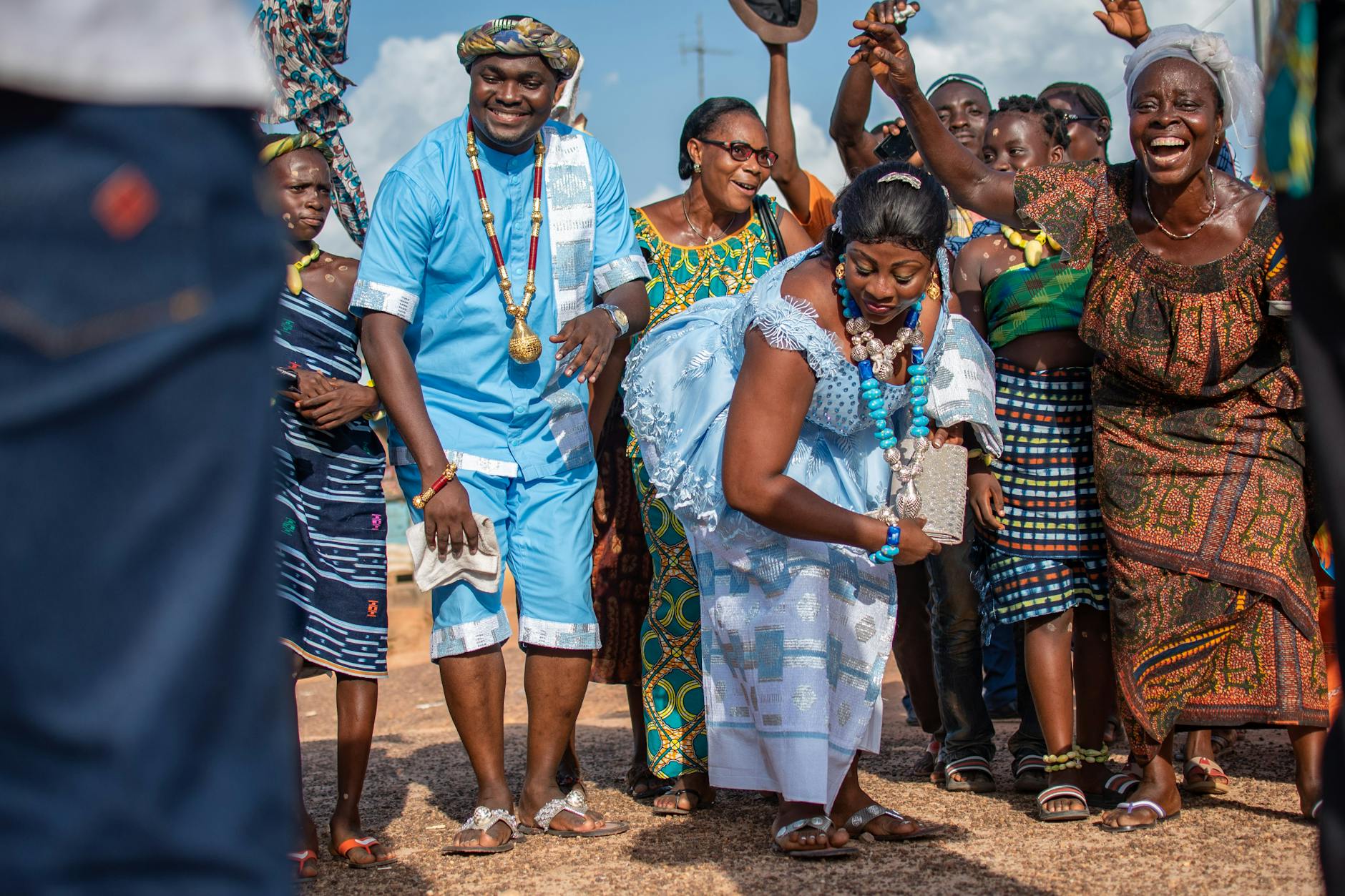
The African diaspora maintains cultural continuity through language, religion, and tradition. Understanding these connections highlights a shared heritage that spans continents and centuries.

Resistance and Liberation Movements

From slave revolts to civil rights activism, Black people have consistently resisted oppression. Leaders such as Harriet Tubman, Frederick Douglass, and Malcolm X exemplify courage, strategic intelligence, and moral leadership.

Contemporary Achievements

Today, Black individuals excel in academia, arts, business, science, and governance, challenging historical misrepresentations and redefining global influence.

Conclusion

Black history and culture are filled with achievements, resilience, and divine purpose. Recognizing these facts challenges societal misconceptions and honors the value and dignity of Black people as God’s creation (Psalm 139:14; Genesis 1:27). True understanding requires both historical insight and cultural appreciation.


References

  • Conrad, D. C. (2012). Empires of medieval West Africa: Ghana, Mali, and Songhai. Ohio University Press.
  • Eltis, D., & Richardson, D. (2010). Atlas of the transatlantic slave trade. Yale University Press.
  • Hunter, M. L. (2007). The persistent problem of colorism: Skin tone, status, and inequality. Sociology Compass, 1(1), 237–254. https://doi.org/10.1111/j.1751-9020.2007.00006.x
  • Tishkoff, S. A., et al. (2009). The genetic structure and history of Africans and African Americans. Science, 324(5930), 1035–1044. https://doi.org/10.1126/science.1172257
  • Psalm 139:14 (KJV) – “I am fearfully and wonderfully made.”
  • Genesis 10:6–14 (KJV) – Descendants of Cush, Mizraim, and Ham.

Seed of the Promise: How DNA and the Bible Reveal a Chosen People.

Photo by Yan Krukau on Pexels.com

From the beginning of Genesis, the concept of “seed” carries profound meaning. God’s promises to Abraham were not vague blessings, but covenantal assurances tied to his descendants: “And I will establish my covenant between me and thee and thy seed after thee in their generations for an everlasting covenant” (Genesis 17:7, KJV). The “seed of the promise” became a recurring theme throughout Scripture, linking identity, inheritance, and destiny. Today, science provides new tools to understand that promise, as genetics reveals the enduring bloodlines of peoples who have carried covenantal identity across millennia.

DNA, with its intricate coding of ancestry, functions almost like a modern “book of generations.” Haplogroups—clusters of genetic signatures inherited through paternal (Y-DNA) and maternal (mtDNA) lines—trace the migrations of peoples and preserve the record of dispersion. For many within the African diaspora, haplogroups such as E1b1a (E-M2) on the paternal side and L2/L3 on the maternal side establish direct connections to West and Central Africa, regions heavily impacted by the transatlantic slave trade (Tishkoff et al., 2009). Yet beyond geography, these markers symbolize continuity: a seed that could not be extinguished despite enslavement, exile, and systemic oppression.

This intertwining of genetics and Scripture challenges the narrative of erasure. Deuteronomy 28 speaks prophetically of a scattered people, yet Isaiah 44:3 declares, “I will pour my spirit upon thy seed, and my blessing upon thine offspring.” Just as the genetic record testifies to survival through dispersion, the biblical record testifies to divine preservation. The seed remains alive—not only biologically through DNA, but spiritually through covenant.

The revelation here is twofold: science provides evidence of origin, while the Bible provides evidence of purpose. Together they affirm that identity is not an accident of history, but a fulfillment of prophecy. The seed of the promise is both biological and spiritual, pointing toward a chosen people who, though scattered, remain bound by covenant and destined for restoration.


📖 References

  • Holy Bible, King James Version.
  • Tishkoff, S. A., Reed, F. A., Friedlaender, F. R., Ehret, C., Ranciaro, A., Froment, A., … & Williams, S. M. (2009). The genetic structure and history of Africans and African Americans. Science, 324(5930), 1035–1044.

Shocking Facts About Black People: Origins, Identity, and Divine Election.

Photo by Keegan Checks on Pexels.com

1. The Forgotten Truth of African Genesis

Many are shocked to learn that mainstream science affirms what ancient faith traditions long held: human life began in Africa. Anthropological evidence places the earliest Homo sapiens in East Africa over 200,000 years ago (Jablonski, 2023). This aligns with the biblical image of humanity emerging from earth rich in life.

“The Lord God formed man of the dust of the ground…” (Genesis 2:7, KJV)

African soil is deeply iron-rich and dark — mirroring the earliest human remains found.


2. Black People as the Original Human Blueprint

Genetic studies show African populations possess the greatest genetic diversity on earth, marking them as the root population, not a branch (Tishkoff et al., 2009).
This means every other group emerges after — a biological echo of ancient origin.


3. The Bible’s Often-Erased African Presence

Scripture names African peoples repeatedly — Cush, Mizraim, Ethiopia, Sheba, Egypt. These are not background nations; they shaped civilization, science, and scripture itself.

“Princes shall come out of Egypt; Ethiopia shall soon stretch out her hands unto God.” (Psalm 68:31, KJV)

This was a prophecy of future global spiritual awakening.


4. Israel’s Ancient Proximity to Africa

Israel is not a European land. It sits between Africa and Arabia — ancient populations intermixed, traded, intermarried, and shared culture and language.

The Bible notes Moses married an Ethiopian woman (Numbers 12:1, KJV), and when criticized, God defended the union.


5. Chosen People: A Sacred Controversy

Many Black scholars argue the biblical Hebrews were Afro-Asiatic people, not European, and that transatlantic slaves fulfill prophetic curses of Deuteronomy 28.
Scripturally, chosen-ness is covenantal, not racial — yet history echoes the text.

“Ye shall be a chosen generation…” (1 Peter 2:9, KJV)


6. Deuteronomy 28 and the Slave Prophecy Argument

Enslavement, scattering, identity loss, and ships (Deuteronomy 28:68) have led many to connect biblical Israel’s trials with African captivity in the Americas.
This interpretation is contested in academics but embraced by many theologians of African descent.


7. Enslavement Was Foretold — But Not the End

Even in prophetic judgement, God promises restoration:

“I will gather them out of all countries… and I will cause them to dwell safely.”
(Jeremiah 32:37, KJV)

Spiritual liberation follows physical oppression — a theme central to Black history.


8. Ancient African Empires Were Advanced and Divine

Before slavery, Africa produced empires, libraries, mathematics, astronomy, luxury trade, and medicine. Egypt, Kush, Mali, Songhai, Axum — civilizations with spiritual and scholarly brilliance.


9. Slavery Was Systemic — Not Random

The transatlantic slave trade strategically targeted literate, skilled African societies. Many enslaved Africans were nobles, priests, scholars, and warriors — not “savages.”


10. Black Presence in Jesus’ Lineage

Matthew names Tamar, Rahab, Ruth, Bathsheba — all linked to African or Afro-Asiatic lineages. Ethiopia, Egypt, and Israel are intertwined throughout Christ’s narrative.
Jesus Himself hid in Egypt (Matthew 2:13), a sign of cultural likeness.


11. The First Christian Communities Were African

Long before Europe embraced Christianity, Africa had churches, bishops, and monastic systems — in Egypt, Nubia, Ethiopia, and Carthage.


12. Skin as a Symbol of Sacred Design

Melanin is protective, conductive, and biochemically powerful — defending against radiation and disease. It is a gift of climate and creation, not a curse.

“…fearfully and wonderfully made…” (Psalm 139:14, KJV)


13. Black Civilizations Reached the Americas Before Columbus (debated but argued)

Mansa Musa’s Mali empire and ancient Nubian navigators are theorized by scholars to have reached the Americas — challenging Eurocentric discovery narratives.


14. Colorism Was Engineered as a Weapon

Colonial systems made Blackness a burden by law. Identity was psychologically assaulted to fracture power.
Divide-and-rule remains a tool of oppression.


15. Black Genius Has Been Systematically Erased

From inventors to philosophers, countless Black pioneers were hidden or their achievements stolen — including medical, military, and technological innovations.


16. Black Spiritual Memory is Ancient

Rhythm, prophecy, communal worship, and oral tradition trace back to ancient African priesthoods and prophetic orders — echoes of biblical cultures.


17. African Diaspora Rising

Across the world — America, Caribbean, Europe, Africa — Black consciousness is awakening. The long sleep is ending.

“Awake, awake; put on thy strength, O Zion…” (Isaiah 52:1, KJV)


18. Prophecy of Restoration & Return

Biblically, God promises justice for oppressed peoples globally.

“I will restore health unto thee…” (Jeremiah 30:17, KJV)

Many Black theologians view this as both spiritual and historical.


19. Knowledge of Self Was the Greatest Theft

Chains were physical — but ignorance was the real shackle.
Re-education and spiritual awakening are liberation.


20. The Future is Black — and Global

Not exclusionary — but inevitable.
African nations are rising in population, economics, cultural influence, and spiritual voice.
God has a pattern: those despised become leaders.

“The stone which the builders rejected…” (Psalm 118:22, KJV)

Black destiny is not merely survival —
it is restoration and ascension.

Brown Girl VS Brown Boy: The Trials That Both Black Women and Men Share.

Photo by Alexandre Canteiro on Pexels.com

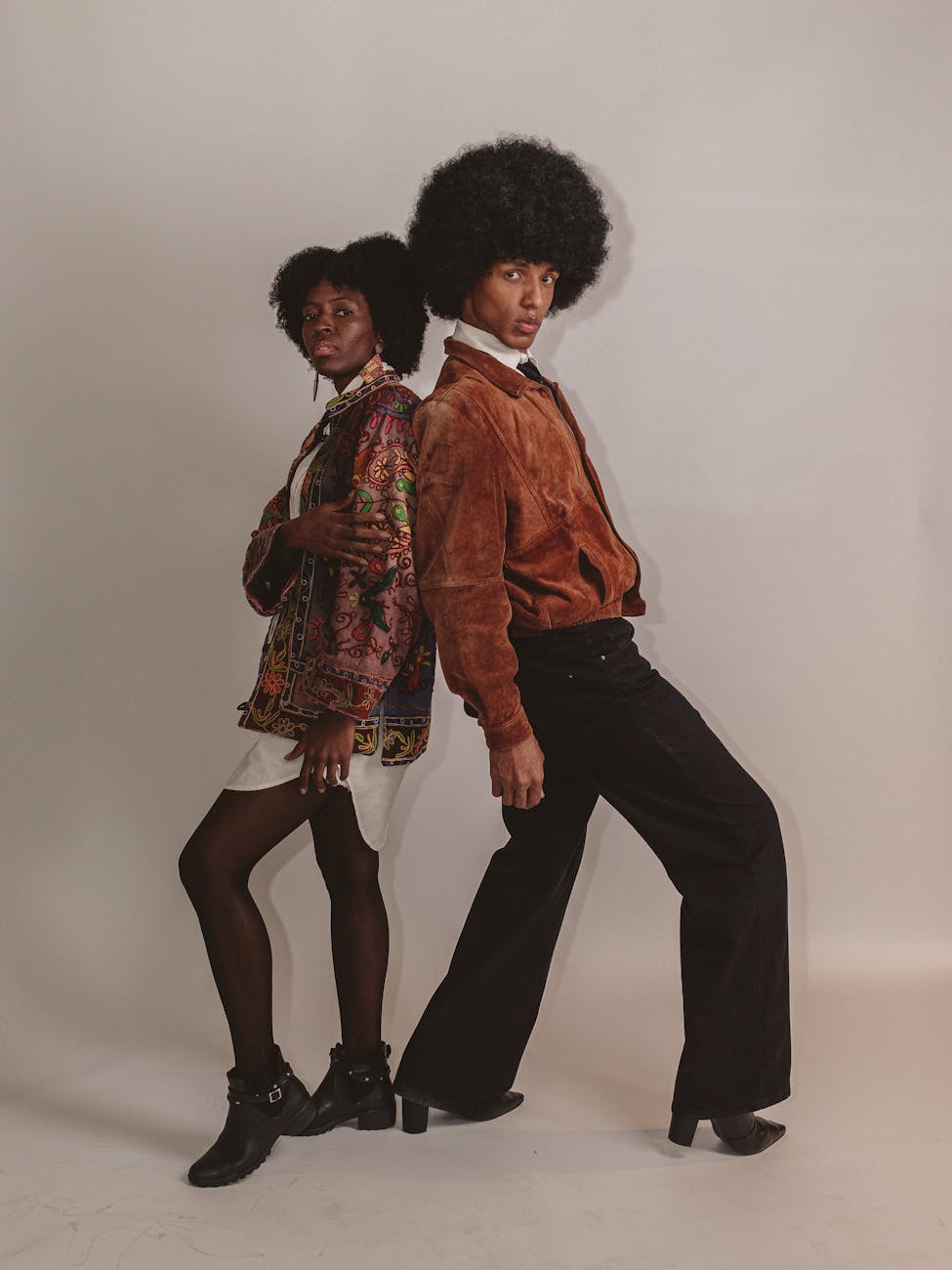
The narrative of the Brown Girl and the Brown Boy is a testimony of shared endurance and resilience across centuries of oppression. While each carries unique burdens shaped by gender, their struggles intertwine within the same framework of racism, systemic inequality, and cultural misrepresentation. The Brown Boy carries the burden of criminalization. From childhood, he is labeled as a threat, his innocence quickly stripped away by the gaze of a society that fears his melanin. He is often over-policed, over-disciplined, and prematurely marked as deviant. This early criminalization sets the stage for a life in which opportunity is constrained, where his existence is seen as something to be managed rather than celebrated. The Brown Girl, in turn, bears the weight of invisibility and hypervisibility at once. Her body is policed, her skin tone scrutinized, and her hair politicized. She is told she must work twice as hard to be seen, yet when she asserts herself, she is cast as angry or difficult. Her womanhood is too often undervalued, her femininity questioned, and her contributions overlooked. Invisibility denies her credit, while hypervisibility subjects her to surveillance.

Historical Roots of Struggle
The struggles of the Brown Girl and Brown Boy are rooted in slavery, where African men and women were simultaneously dehumanized, exploited, and stripped of their personhood. Enslaved men were depicted as dangerous brutes, while enslaved women were hypersexualized or forced into maternal roles without agency. This legacy persists today in stereotypes that continue to shape societal perceptions. The plantation created a blueprint for systemic oppression that both Black men and women still resist.

The Brown Boy is burdened by criminalization. From his youth, society sees him not as a child but as a potential threat. He is over-policed, over-disciplined, and prematurely marked as deviant. This reflects Deuteronomy 28:50 (KJV): “A nation of fierce countenance, which shall not regard the person of the old, nor shew favour to the young.” His innocence is stolen by systemic suspicion, his manhood molded in the shadow of fear.

The Brown Girl’s struggle is invisibility and hypervisibility at once. She is unseen in her brilliance yet overexposed in her body. Her skin, hair, and tone are politicized, making her both target and spectacle. The scriptures foretell this devaluation: “Thy sons and thy daughters shall be given unto another people, and thine eyes shall look, and fail with longing for them all the day long” (Deuteronomy 28:32, KJV). The world covets her beauty but denies her humanity.

Representation and Misrepresentation
Representation has always been a double-edged sword. For the Brown Boy, media often frames him as a criminal or athlete, denying the full spectrum of his humanity. For the Brown Girl, the media either erases her altogether or confines her to caricatures such as the “mammy,” “jezebel,” or “angry Black woman.” Both experience the suffocation of misrepresentation, where society refuses to see them as complex individuals.

Educational Barriers and Discipline
Education becomes a battlefield. Research shows that Black boys are disproportionately suspended and criminalized in classrooms, labeled as “problematic” rather than nurtured (Ferguson, 2000). Black girls, while often excelling academically, face their own policing: their natural hair is deemed “unprofessional,” their assertiveness mistaken for defiance, and their bodies sexualized even in youth. Both genders wrestle with an education system that undermines their potential.

Economic Inequalities
The Brown Boy often confronts systemic barriers to employment and financial stability, including discriminatory hiring practices and wage gaps. Meanwhile, the Brown Girl—despite being the most educated demographic in the U.S.—earns less than both her Black male counterparts and white women. This intersection of racism and sexism is a double bind, yet both find themselves navigating economic structures designed to exploit rather than uplift.

Colorism’s Dividing Line
Colorism deepens the trials of both. Brown Boys may be perceived as more threatening the darker their complexion, while Brown Girls may be considered less desirable. This internalized bias stems from colonial legacies that equated light skin with superiority. Both men and women endure the psychological scars of a hierarchy that measures their worth through proximity to whiteness.

Psychological Weathering
The term “weathering” describes the cumulative effect of systemic oppression on Black bodies, leading to premature aging and health decline (Geronimus, 1992). The Brown Boy often carries the weight of being seen as a target, leading to chronic stress. The Brown Girl shoulders the burden of caretaking, respectability politics, and constant scrutiny. Together, they endure the slow erosion of health by racism’s daily toll.

Police Violence and State Control
For Brown Boys, encounters with police often turn deadly. Mass incarceration and racial profiling remain defining realities. For Brown Girls, vulnerability takes other forms—sexual violence, neglect in medical care, and dismissal in the justice system. Both genders are ensnared in different arms of the same carceral state, one that polices their existence.

Body Politics
The body becomes a site of battle. Black men are hyper-masculinized, their physiques fetishized yet criminalized. Black women’s bodies are policed, objectified, and appropriated—praised when on non-Black women yet ridiculed when naturally theirs. Both genders face dehumanization through the gaze of others.

Faith and Resilience
Despite these struggles, faith traditions have long served as a refuge. From the hush harbors of slavery to today’s Black churches, scripture reminds the Brown Girl and Brown Boy of their worth: “I will praise thee; for I am fearfully and wonderfully made” (Psalm 139:14, KJV). Both draw strength from a spiritual lineage that affirms beauty, dignity, and resilience against a world that denies them.

Love and Partnership
Romantic and communal relationships are also affected by oppression. The stressors of unemployment, incarceration, and societal division often strain bonds between Black men and women. Yet, when the Brown Girl and Brown Boy commit to healing together, their love becomes an act of resistance, a sanctuary in a hostile world.

Cultural Expression
Music, art, and literature serve as outlets of survival. From jazz and hip-hop to spoken word and Afrofuturism, the Brown Girl and Brown Boy reclaim narratives and create new worlds. Through cultural production, they not only resist but also affirm their brilliance.

Generational Trauma
Trauma is not only personal but generational. Children inherit the burdens of systemic oppression, witnessing the struggles of their parents. The Brown Girl and Brown Boy often carry wounds passed down from ancestors who endured slavery, Jim Crow, and structural racism. Healing requires breaking these cycles while honoring ancestral resilience.

The Burden of Exceptionalism
Both genders often feel the pressure to be “twice as good” in order to be deemed worthy. This burden of exceptionalism leaves little room for error or rest. The Brown Boy is expected to defy the odds and avoid stereotypes, while the Brown Girl must embody strength without vulnerability. Both pay the psychological cost of being denied simple humanity.

Resistance in Activism
Black women and men have stood side by side in movements for freedom, from abolition to civil rights to Black Lives Matter. The Brown Girl and Brown Boy recognize that liberation is bound together, for one cannot be free without the other. Their shared activism is a testimony of collective endurance and vision.

Beauty and Affirmation
In a world that tells them otherwise, both must learn to see their beauty. The Brown Girl reclaims her natural hair, dark skin, and full features as symbols of pride. The Brown Boy embraces his strength, his melanin, and his presence as affirmations of worth. Beauty, once defined against them, becomes theirs to define.

Mental Health Struggles
The stigma of mental health persists in Black communities, where seeking therapy is sometimes discouraged. Yet, both men and women battle depression, anxiety, and PTSD from systemic oppression. The Brown Girl and Brown Boy must learn to embrace healing spaces without shame.

Solidarity and Division
Oppression sometimes pits them against each other, but solidarity is essential. The Brown Girl and Brown Boy must recognize that patriarchy and sexism wound as deeply as racism, and healing requires accountability, empathy, and mutual uplift. Their strength lies in unity, not division.

The Role of Media and Social Platforms
In the digital era, social media becomes both a battleground and a platform for empowerment. Hashtags like #BlackGirlMagic and #BlackBoyJoy counter negative narratives. Yet, both also endure online harassment and colorist commentary. The virtual space mirrors the real-world struggle for validation.

Conclusion: Trials, Triumphs, and Togetherness
The story of the Brown Girl and Brown Boy is not a story of defeat but of resilience. Though their trials differ in form, they intersect in meaning. Both endure systemic oppression, cultural erasure, and personal struggles—but both also embody brilliance, creativity, and faith. Their shared journey calls for solidarity, healing, and love. Together, the Brown Girl and Brown Boy prove that resilience runs deep in their skin, their spirit, and their story.


📚 References

  • Ferguson, A. A. (2000). Bad Boys: Public Schools in the Making of Black Masculinity. University of Michigan Press.
  • Geronimus, A. T. (1992). The weathering hypothesis and the health of African-American women and men: Implications for reproductive strategies and policy analysis. Milbank Quarterly, 70(2), 335–365.
  • hooks, b. (1981). Ain’t I a Woman: Black Women and Feminism. South End Press.
  • Du Bois, W. E. B. (1903). The Souls of Black Folk. Chicago: A. C. McClurg & Co.