Category Archives: black men

The Phenomenal Black Man

The Black man stands as one of the most complex and misunderstood figures in modern society—shaped by historical trauma, systemic barriers, and cultural misrepresentation, yet continually producing excellence, innovation, and leadership. His story is not one of deficiency, as dominant narratives often suggest, but of resilience: surviving institutions that were never designed for his success while still cultivating identity, dignity, and generational hope.

Historically, Black men were foundational to the construction of the modern world. From forced labor during enslavement to skilled craftsmanship, engineering, agriculture, and military service, Black men have contributed materially to global economies while being excluded from the political and financial rewards of their labor. This historical displacement from power did not erase their leadership capacity—it delayed its recognition.

In education, Black men face some of the most significant structural barriers of any demographic group, including school discipline disparities, underfunded institutions, and racialized tracking systems. Yet despite these obstacles, Black men continue to excel in higher education, producing scholars, scientists, theologians, engineers, physicians, and legal minds who challenge the myth of intellectual inferiority.

The intellectual legacy of Black men includes some of the most influential thinkers of modern history. Figures such as W.E.B. Du Bois, James Baldwin, Martin Luther King Jr., Malcolm X, Frantz Fanon, and Carter G. Woodson reshaped sociology, political theory, psychology, theology, and cultural studies. Their work remains foundational to understanding race, power, identity, and human liberation.

Economically, Black men are increasingly asserting entrepreneurial agency. From tech startups and financial services to fashion, real estate, sports management, and media production, Black men are building independent economic infrastructures. Entrepreneurship has become both a form of resistance to labor market discrimination and a strategy for generational wealth creation.

The Black man is also a cultural architect. Music, fashion, language, and global aesthetics have been profoundly shaped by Black male creativity—from jazz and blues to hip-hop, from streetwear to luxury fashion, from spoken word to film and digital media. Black men continuously produce cultural capital that fuels global industries.

Spiritually, the Black man has served as a prophet, preacher, teacher, and revolutionary theologian. The Black church, Islamic movements, and Afrocentric spiritual systems have provided Black men with frameworks for moral leadership, communal healing, and resistance to psychological colonization. Faith has often been a survival technology in a hostile world.

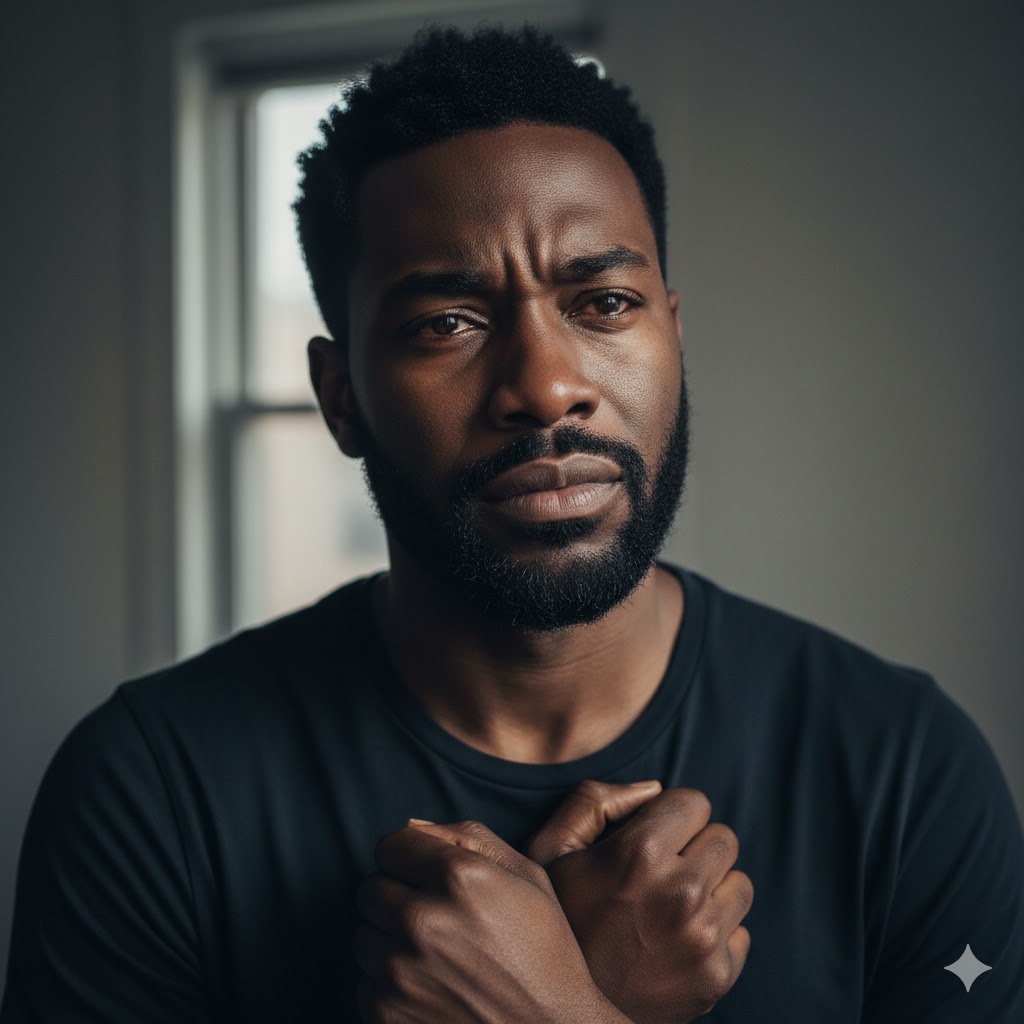
Psychologically, Black men navigate a unique terrain of racialized masculinity. They are frequently socialized to suppress vulnerability, emotional expression, and mental health needs in order to survive in environments that criminalize their bodies and silence their pain. Yet Black men are increasingly reclaiming emotional literacy, therapy, and self-awareness as tools of empowerment.

In family life, the narrative of the “absent Black father” has been one of the most damaging cultural myths. Research consistently shows that Black fathers are among the most involved fathers across racial groups when structural barriers such as incarceration and economic exclusion are accounted for. Black men actively participate in caregiving, emotional bonding, and moral instruction.

The Black man’s body has historically been framed as a site of fear and criminality. From slavery patrols to modern policing, Black male bodies have been surveilled, punished, and politicized. Yet the Black man continues to reclaim his body as sacred—through health, fitness, discipline, self-care, and spiritual grounding.

Politically, Black men have been central to liberation movements worldwide. From abolition and anti-colonial struggles to civil rights and Pan-Africanism, Black men have organized, theorized, and mobilized resistance against racial oppression. Their political consciousness has shaped democratic ideals globally.

The Black man’s relationship to labor has been one of both exploitation and mastery. Despite being overrepresented in physically demanding and dangerous occupations, Black men have also excelled in professional, technical, and intellectual fields, redefining what Black masculinity looks like beyond brute survival.

In relationships and intimacy, Black men are often burdened by stereotypes of emotional detachment, hypersexuality, or instability. Yet many Black men actively seek emotional depth, spiritual connection, and partnership grounded in respect and mutual growth. They are redefining masculinity beyond dominance toward responsibility and presence.

Culturally, Black men serve as intergenerational bridges. They carry ancestral memory, oral history, and survival strategies passed down through fathers, grandfathers, and community elders. Their identity is not isolated—it is collective, historical, and deeply rooted in lineage.

The modern Black man is increasingly invested in self-development. He studies financial literacy, mental health, spirituality, fitness, and purpose. He reads, builds, mentors, and heals. This shift represents a quiet revolution in Black male consciousness.

The Black man is also a mentor and protector. Whether through coaching, teaching, community organizing, or informal leadership, Black men invest in the next generation, offering guidance in environments where institutional support is often absent.

Despite structural violence, Black men continue to love—deeply, creatively, and spiritually. They love their families, their communities, their cultures, and their futures. Love becomes an act of resistance in a world that expects their emotional absence.

The phenomenal Black man is not defined by pathology but by possibility. He is a survivor of historical trauma and a carrier of ancestral wisdom. He is a thinker, a builder, a father, a lover, a leader, and a visionary.

An ode to the Black man is an ode to perseverance. He exists in the tension between vulnerability and strength, memory and future, pain and purpose. His presence is not accidental—it is historical, spiritual, and revolutionary.

The phenomenal Black man is not waiting to be redeemed by society—he is redeeming himself through consciousness, discipline, faith, and collective responsibility. He is not a problem to be solved, but a force to be understood, honored, and supported.


References

American Psychological Association. (2018). Boys and men of color: Implications for academic success. https://www.apa.org/monitor/2018/07/boys-men-color

Anderson, E. (1999). Code of the street: Decency, violence, and the moral life of the inner city. W. W. Norton.

Bonilla-Silva, E. (2014). Racism without racists: Color-blind racism and the persistence of racial inequality in America (4th ed.). Rowman & Littlefield.

Du Bois, W. E. B. (1903). The souls of Black folk. A.C. McClurg & Co.

Edin, K., Tach, L., & Mincy, R. (2009). Claiming fatherhood: Race and the dynamics of paternal involvement. The ANNALS of the American Academy of Political and Social Science, 621(1), 149–177. https://doi.org/10.1177/0002716208325548

Fanon, F. (1952). Black skin, white masks. Grove Press.

Harper, S. R. (2012). Black male student success in higher education. ASHE Higher Education Report, 38(3), 1–140. https://doi.org/10.1002/aehe.20002

National Center for Education Statistics. (2022). Status and trends in the education of racial and ethnic groups. https://nces.ed.gov/

Pew Research Center. (2018). Black fathers more involved than other dads. https://www.pewresearch.org/social-trends/2018/06/14/fathers-day-2018/

U.S. Department of Justice. (2021). Contacts between police and the public. https://bjs.ojp.gov/

U.S. Small Business Administration. (2023). Black-owned business statistics. https://www.sba.gov/

Woodson, C. G. (1933). The mis-education of the Negro. Associated Publishers.

World Economic Forum. (2020). The future of jobs report. https://www.weforum.org/reports/

The Male Files: The Truth About Men — No Filter.

Photo by Ali Drabo on Pexels.com

The truth about men is not always easy to say, but it is necessary. Men are often painted in extremes—either as stoic protectors who never feel or as reckless pursuers of sex and power. But in reality, men live in a space where strength collides with vulnerability, and where desires often wrestle against fears. No filter means speaking plainly about what men deal with, even if it’s uncomfortable.

Sex is one of the biggest areas where men are misunderstood. For many, sex is not just about physical pleasure—it is deeply tied to identity, validation, and self-worth. Men often measure their value by their ability to attract women, perform sexually, and maintain dominance. This pressure distorts healthy intimacy into performance, creating cycles of insecurity when men fall short.

At the root of this is fear. Many men fear rejection more than they fear failure. Rejection strikes at a man’s sense of masculinity, raising questions about whether he is desirable or enough. Psychology explains this through self-determination theory: humans crave competence, relatedness, and autonomy (Ryan & Deci, 2000). When men feel rejected, competence and relatedness are shattered, leaving insecurity behind.

Men also fear vulnerability. Society trains boys to suppress emotions, equating tears with weakness. As Proverbs 29:25 (KJV) warns, “The fear of man bringeth a snare.” This cultural snare traps men in silence, unable to express pain. In relationships, this silence becomes misinterpreted as indifference, when in reality it is fear of exposure.

Insecurity about provision is another deep truth. Many men are raised to believe their worth rests in financial success. If they cannot provide, they often feel emasculated. Studies show that unemployment or underemployment strongly correlates with depression in men, not just because of economic loss but because of an identity crisis (Wilkinson, 2001).

Sexual performance anxiety also weighs heavily. Men fear being inadequate in bed, as performance has been culturally tied to masculinity. Failure in this area can cause shame, silence, and avoidance. This creates a paradox: men crave sexual intimacy but fear it because it risks exposing their insecurities.

Pornography intensifies these struggles. Men are conditioned to view sex as conquest, comparing themselves to exaggerated performances on screen. This distorts expectations, leaving many dissatisfied with reality and unprepared for real intimacy. Proverbs 6:25 (KJV) warns against lustful illusions: “Lust not after her beauty in thine heart; neither let her take thee with her eyelids.”

Commitment is another area clouded by fear. Many men desire stability but fear losing freedom. This creates tension between wanting a lifelong partner and clinging to independence. Psychology calls this avoidant attachment, where closeness feels threatening because it means potential loss (Mikulincer & Shaver, 2007).

For others, commitment is frightening because it exposes the possibility of failure. Divorce, heartbreak, and betrayal leave scars, teaching men that intimacy is dangerous. Instead of healing, many retreat into casual sex or emotional withdrawal. It feels safer, but it leaves them lonely.

Trust is a battlefield for men. Some carry deep wounds from betrayal—whether from mothers, past lovers, or absent fathers. These betrayals create a reluctance to fully invest in women, out of fear of being hurt again. As a result, many men love halfway, holding back pieces of themselves.

Ego is another powerful force. Men often protect their egos with silence, pride, or anger. To admit fear feels like weakness, so many hide behind bravado. But as the Bible reminds us in 2 Corinthians 12:9 (KJV), “My strength is made perfect in weakness.” True strength for men lies not in hiding fears but in owning them.

Friendship is another misunderstood need. Men crave brotherhood, but modern masculinity often isolates them. Without trusted male friends, they place all emotional needs on women, which strains relationships. Research confirms that men with strong male friendships experience greater mental health and marital satisfaction (Mahalik et al., 2003).

Fatherhood also reveals deep insecurities. Many men wrestle with the fear of becoming the same fathers who wounded them—or of failing their children altogether. This fear pushes some into abandonment, while others overcompensate through over-discipline. The balance is difficult, especially when men themselves were never nurtured.

Spiritually, men wrestle with temptation. The struggle against lust, pride, and greed is ongoing. Paul describes this inner battle in Romans 7:19 (KJV): “For the good that I would I do not: but the evil which I would not, that I do.” Men know right from wrong but often find themselves doing the very things they despise.

Communication is another truth. Men are often labeled as emotionally unavailable, but many simply lack the vocabulary for vulnerability. They were never taught to name feelings beyond anger, so frustration becomes the default. This miscommunication fuels conflict in relationships, leaving women feeling unloved while men feel misunderstood.

Financial insecurity intersects with relational fear. Men fear being loved only for what they provide. This suspicion creates defensiveness, leading them to test women’s loyalty. Unfortunately, this defensive posture can drive away genuine partners, reinforcing their fears.

Another truth is men’s longing for respect. Ephesians 5:33 (KJV) highlights this dynamic: “Let the wife see that she reverence her husband.” Men crave respect as deeply as women crave love. When men feel disrespected, they withdraw, often silently, creating distance in relationships.

Men also struggle with aging. Gray hair, slowing bodies, and decreased strength remind men of mortality. Fear of losing virility leads some to chase younger women or cling to shallow displays of masculinity. Others grow resentful, fearing they are no longer attractive or useful.

Another hidden truth is men’s battle with mental health. Depression in men often manifests as anger, workaholism, or substance abuse. Yet men are less likely to seek help, fearing stigma. This silent suffering devastates relationships, as unaddressed pain spills over into destructive behavior.

Yet, despite these fears and insecurities, men deeply desire love. They may not always show it in words, but most crave companionship, partnership, and legacy. This truth cuts through the myths: men want intimacy, not just sex, but fear often distorts how they pursue it.

The key to healing lies in honesty. Men must learn to admit their weaknesses without shame. Vulnerability opens the door to authentic connection. When men speak plainly about their struggles, they discover they are not alone.

Women, too, play a role in this process. Patience, respect, and encouragement help men lower their defenses. But men must also take responsibility—learning to communicate, seeking therapy when needed, and grounding their worth not in sex or money but in God’s design.

Spiritually, men find strength when they root their identity in Christ. 1 Corinthians 16:13 (KJV) says, “Watch ye, stand fast in the faith, quit you like men, be strong.” This strength is not bravado but courage rooted in faith. True manhood is not about hiding fear but walking through it with integrity.

The truth about men, no filter, is that they are human. They fear, they fail, they hurt, and they love. Behind the masks of pride and performance lies a deep longing to be seen, respected, and loved for who they are. The more men embrace this truth, the more honest and whole their relationships become.


References

  • Mahalik, J. R., Burns, S. M., & Syzdek, M. (2003). Masculinity and perceived normative health behaviors as predictors of men’s health behaviors. Social Science & Medicine, 57(8), 1559–1569.
  • Mikulincer, M., & Shaver, P. R. (2007). Attachment in adulthood: Structure, dynamics, and change. Guilford Press.
  • Ryan, R. M., & Deci, E. L. (2000). Self-determination theory and the facilitation of intrinsic motivation, social development, and well-being. American Psychologist, 55(1), 68–78.
  • Wilkinson, R. (2001). Unemployment and health: A review. Public Health, 115(3), 153–160.
  • The Holy Bible, King James Version.

Girl Talk Series: The Male Files – The Secrets You Need to Know.

Understanding Male Emotions and Communication Styles

This artwork is the property of its respective owner. No copyright infringement intended.

Men often experience and express emotions differently than women, not because they feel less, but because of socialization, cultural expectations, and biological factors. From a young age, many boys are taught to “toughen up,” suppress tears, or hide vulnerability. This can lead to a gap in emotional expression that women sometimes interpret as indifference or detachment.

Psychologically, men often process feelings internally before verbalizing them. Research in gender studies shows that men may exhibit emotions through actions rather than words — fixing things, giving gifts, or providing support instead of verbal affirmation. Understanding this is key: their silence does not always mean a lack of feeling.

Communication styles also differ. Men often favor solution-focused communication, seeking to solve problems rather than share feelings in detail. Women, by contrast, often communicate to process emotions and seek empathy. Misunderstandings arise when men interpret questions as requests for advice and women interpret silence as disinterest.

Body language is a significant part of male communication. Posture, gestures, and tone often reveal more than words. A man who avoids eye contact might be struggling internally, while someone who withdraws physically may need space to process emotions. Observing actions alongside words provides a fuller picture of what he feels.

Cultural factors can compound these patterns. In many Black communities, historical and social pressures encourage men to project strength and stoicism. Scripture reminds men to lead with integrity and strength, yet also with sensitivity: “Be strong and of a good courage, fear not, nor be afraid of them: for the Lord thy God, he it is that doth go with thee” (Deuteronomy 31:6, KJV). Strength does not preclude emotional expression.

Emotional literacy is crucial for men. Teaching men to identify, name, and express their emotions can prevent destructive patterns like anger outbursts, withdrawal, or unhealthy coping mechanisms such as substance use. Proverbs 15:1 (KJV) highlights the power of gentle communication: “A soft answer turneth away wrath: but grievous words stir up anger.”

Practical Tips for Understanding Men’s Emotions:

  • Observe actions alongside words
  • Ask open-ended questions gently
  • Avoid judgment or criticism
  • Create safe spaces for vulnerability
  • Encourage emotional literacy and self-expression
  • Recognize cultural and social pressures influencing behavior
  • Integrate faith-based encouragement for holistic growth

Trust plays a major role in emotional openness. Many men do not share their feelings until they feel safe and respected. Women seeking emotional connection should foster environments of trust, patience, and non-judgment, encouraging honest dialogue.

Listening without immediate correction or advice is another key strategy. Men often need to articulate feelings without being problem-solved immediately. Reflective statements like “I hear you” or “I understand” validate their emotions and open deeper communication channels.

Men may also experience pressure around masculinity and societal expectations, which influences emotional expression. Addressing toxic masculinity and promoting vulnerability as a strength allows men to connect authentically. 1 Peter 3:8 (KJV) emphasizes unity and compassion: “Finally, be ye all of one mind, having compassion one of another.”

A Biblical Perspective

Men often experience and express emotions differently than women. This is not because they feel less deeply, but because God created men with unique emotional wiring and societal pressures often teach them to suppress vulnerability. From a young age, men are frequently taught to “be strong,” avoid crying, or hide sensitivity — behaviors that can hinder emotional connection.

The Bible acknowledges the emotional depth of men. King David, for example, openly expressed grief, fear, and joy. In Psalm 6:6 (KJV), he says, “I am weary with my groaning; all the night make I my bed to swim; I water my couch with my tears.” This demonstrates that men are capable of deep emotional expression, and tears are not a weakness but a form of release.

God designed men to lead their families with both strength and compassion. Ephesians 5:25 (KJV) instructs, “Husbands, love your wives, even as Christ also loved the church, and gave himself for it.” Emotional awareness is essential for this sacrificial love, because understanding feelings — their own and their spouse’s — enables men to lead with sensitivity and wisdom.

Men often communicate through actions more than words. Proverbs 20:11 (KJV) says, “Even a child is known by his doings, whether his work be pure, and whether it be right.” This principle applies to men of all ages: actions reflect emotional reality, even when verbal expression is limited. Fixing problems, providing support, or offering protection are often expressions of care.

Biblical masculinity balances strength and vulnerability. Deuteronomy 31:6 (KJV) reminds men, “Be strong and of a good courage, fear not, nor be afraid of them: for the LORD thy God, he it is that doth go with thee; he will not fail thee, nor forsake thee.” Strength is commanded, but God’s presence invites men to lean on Him — emotionally, spiritually, and relationally.

Communication differences are often shaped by culture. Men may be solution-focused, while women often process emotions verbally. Understanding this distinction prevents misinterpretation. Proverbs 15:1 (KJV) teaches, “A soft answer turneth away wrath: but grievous words stir up anger.” Gentle, patient communication helps men feel safe in expressing their hearts.

Trust is critical. Many men struggle to share emotions because of fear of judgment or appearing weak. Proverbs 3:5-6 (KJV) reminds believers, “Trust in the LORD with all thine heart; and lean not unto thine own understanding. In all thy ways acknowledge him, and he shall direct thy paths.” Men can be encouraged to trust God and, by extension, the safe spaces God places around them to express emotions.

The Bible models healthy emotional expression. Jesus wept at Lazarus’ tomb (John 11:35, KJV) and expressed anger in the temple (Matthew 21:12-13, KJV). Both demonstrate that emotional expression, even strong emotions, is appropriate when aligned with righteousness and truth.

Men’s emotional struggles may also stem from societal pressure to perform masculinity without fault. Addressing toxic expectations through mentorship and biblical teaching is key. 1 Peter 3:8 (KJV) teaches, “Finally, be ye all of one mind, having compassion one of another, love as brethren, be pitiful, be courteous.” Compassion and empathy are markers of spiritual and emotional maturity.

Encouraging men to cultivate emotional literacy — naming, expressing, and processing feelings — aligns with biblical principles of self-awareness and integrity. James 1:19 (KJV) instructs, “Wherefore, my beloved brethren, let every man be swift to hear, slow to speak, slow to wrath.” Listening and reflection are essential for healthy communication.

Practical strategies for understanding male emotions include: observing actions, creating safe spaces for dialogue, encouraging journaling, prayer, or mentorship, and modeling vulnerability. Ecclesiastes 4:9-10 (KJV) reminds us, “Two are better than one; because they have a good reward for their labour. For if they fall, the one will lift up his fellow.” Supportive relationships strengthen emotional expression.

Men’s emotional growth is not just for their own benefit — it strengthens families and communities. Proverbs 20:7 (KJV) says, “The just man walketh in his integrity: his children are blessed after him.” Emotionally aware men model integrity, teach healthy relationships, and break cycles of emotional suppression.

Healing from past emotional trauma, including generational trauma, is also essential. Counseling, prayer, and mentorship can help men process grief, shame, and suppressed emotions. Psalm 34:18 (KJV) reassures, “The LORD is nigh unto them that are of a broken heart; and saveth such as be of a contrite spirit.”

Men are capable of balancing strength with sensitivity when guided by God’s Word and empowered through faith. Colossians 3:12-13 (KJV) exhorts, “Put on therefore, as the elect of God, holy and beloved, bowels of mercies, kindness, humbleness of mind, meekness, longsuffering; Forbearing one another, and forgiving one another…” Emotional maturity reflects spiritual growth.

In romantic relationships, understanding male emotions improves intimacy and trust. Women who recognize nonverbal cues, respect need for space, and affirm men’s feelings foster healthier partnerships. Song of Solomon 2:16 (KJV) shows mutual delight and appreciation, affirming emotional connection in love.

Male mentorship programs, brotherhood groups, and faith-based counseling provide men spaces to explore vulnerability without judgment. Titus 2:2,6 (KJV) teaches older men to be sober, reverent, and mentors for younger men, modeling godly emotional behavior.

Emotional intelligence is also critical in leadership. Proverbs 16:32 (KJV) states, “He that is slow to anger is better than the mighty; and he that ruleth his spirit than he that taketh a city.” Men who master emotions lead families, communities, and workplaces with wisdom and stability.

Finally, women can play a supportive role by encouraging prayer, honest dialogue, and reflection. Galatians 6:2 (KJV) reminds us, “Bear ye one another’s burdens, and so fulfil the law of Christ.” Supporting men emotionally fulfills the biblical call to love and mutual care.


Key Takeaways

  • Men express emotions differently — often through actions, silence, or problem-solving.
  • Emotional literacy, mentorship, and faith-based guidance empower men to process feelings.
  • Scripture affirms that emotional depth, vulnerability, and empathy are marks of godly manhood.
  • Healthy communication strengthens relationships, families, and communities.

Finally, patience is essential. Changing communication patterns takes time, especially when emotions have been repressed for years. Encouraging men to journal, talk to mentors, or seek counseling can support emotional growth and healthier relationships.

References

The Holy Bible, King James Version. (1611). Thomas Nelson.

Clark, K., & Clark, M. (1947). Racial identification and preference in Negro children. Journal of Negro Education, 16(3), 169–175.

Hunter, M. (2007). The persistent problem of colorism: Skin tone, status, and inequality. Sociology Compass, 1(1), 237–254. https://doi.org/10.1111/j.1751-9020.2007.00006.x

Tajfel, H., & Turner, J. C. (1979). An integrative theory of intergroup conflict. In W. G. Austin & S. Worchel (Eds.), The social psychology of intergroup relations (pp. 33–47). Brooks/Cole.

Akbar, N. (1996). Breaking the chains of psychological slavery. Mind Productions.

The Cost of Strength: How Society Teaches Men to Suffer in Silence

From boyhood, society places a heavy expectation on males: be strong, be tough, be unshakeable. These early lessons become the foundation of a culture that praises male resilience while quietly punishing male vulnerability. The cost of this expectation is profound, shaping men’s emotional lives in ways that often go unseen.

Many boys are taught to “man up” before they even understand what emotions are. Crying, expressing fear, or asking for help are discouraged, replaced by messages that equate emotional expression with weakness (Pollack, 1998).

As these boys grow, they internalize the belief that silence is noble and vulnerability is shameful. Emotional restraint becomes a performance, and the world applauds them for pretending everything is fine.

Men often receive admiration for enduring pain without complaint. But beneath that admiration lies a dangerous expectation: strength is measured by how well a man hides his suffering. This perception leads to emotional suppression rather than emotional resilience (Addis & Mahalik, 2003).

The social script of masculinity teaches men to prioritize stoicism, turning emotional expression into a forbidden language. Over time, many lose the ability to articulate their inner world, leading to frustration, misunderstanding, and broken relationships.

Workplaces reinforce this silence. Men who admit stress or mental fatigue fear being seen as weak or incapable. Professional culture rewards those who suffer quietly and penalizes those who reveal human limitations (Mahalik et al., 2003).

Romantic relationships reveal another dimension of this silent burden. Many men desperately want emotional intimacy but fear rejection or ridicule if they open up. This creates a painful paradox: they crave connection but have been conditioned to avoid the vulnerability that makes connection possible.

Friendships among men are often limited by unspoken rules—jokes, competition, and surface conversation are acceptable, but deeper emotional sharing is discouraged. This results in profound isolation masked by casual companionship (Way, 2011).

Mental health is one of the greatest casualties of this silence. Men are statistically less likely to seek therapy, less likely to share their struggles, and more likely to suffer from untreated depression and anxiety (Addis & Mahalik, 2003).

Society encourages women to express emotion and discourages men from doing the same, creating an emotional double standard. The result is that men appear emotionally distant, not because they lack feeling, but because they have never been given permission to feel freely.

Cultural narratives often depict men as protectors and problem-solvers, roles that leave little room for emotional need. When men do express vulnerability, they may feel they are failing in their masculine responsibilities (Connell, 2005).

Media representations reinforce the expectation that “real men” absorb pain without complaint. Heroes in movies and television rarely cry, rarely seek help, and rarely acknowledge internal battles. These depictions shape how society views male strength.

Yet, beneath the surface, many men suffer from emotional numbness. The habit of suppressing feelings becomes so ingrained that some men struggle to identify their emotions at all, a phenomenon psychologists call “alexithymia.”

This emotional suppression affects men’s physical health as well. Research links chronic stress, unresolved trauma, and unexpressed emotion to heart disease, high blood pressure, and shorter life expectancy (Courtenay, 2000).

The pressure to remain strong at all times can lead some men to cope through harmful behaviors—substance abuse, aggression, or withdrawal. These behaviors are not signs of innate toxicity but of emotional exhaustion.

The cost of silence extends to fatherhood. Many fathers want to be emotionally present but were never taught how. When they attempt to bond or express softness, they may feel they are betraying the expectation of strength they were raised with.

Healing begins when men recognize that vulnerability is not the opposite of strength but a deeper expression of it. Admitting pain, fear, or uncertainty requires courage, not weakness.

Communities must also play a role by creating safe spaces for men to share, heal, and redefine masculinity in ways that honor emotional humanity. When men feel supported in vulnerability, they are more willing to step into wholeness.

Ultimately, society must reconsider its definition of strength. True strength is not silence. It is honesty. It is self-awareness. It is the willingness to confront pain rather than bury it.

When men are free to express their struggles without judgment, they reclaim parts of themselves that silence once stole. And in that reclamation, they discover that the strongest thing a man can be is fully human.


References

  • Addis, M. E., & Mahalik, J. R. (2003). Men, masculinity, and the contexts of help seeking. American Psychologist, 58(1), 5–14.
  • Connell, R. W. (2005). Masculinities (2nd ed.). University of California Press.
  • Courtenay, W. (2000). Constructions of masculinity and their influence on men’s well-being: A theory of gender and health. Social Science & Medicine, 50(10), 1385–1401.
  • Mahalik, J. R., Good, G. E., & Englar-Carlson, M. (2003). Masculinity scripts and men’s health. American Journal of Men’s Health, 2(2), 82–92.
  • Pollack, W. (1998). Real boys: Rescuing our sons from the myths of boyhood. Henry Holt.
  • Way, N. (2011). Deep secrets: Boys’ friendships and the crisis of connection. Harvard University Press.

Masculine Grace: The Overlooked Beauty of the Black Man.

This photograph is the property of its respective owner. No copyright infringement intended.

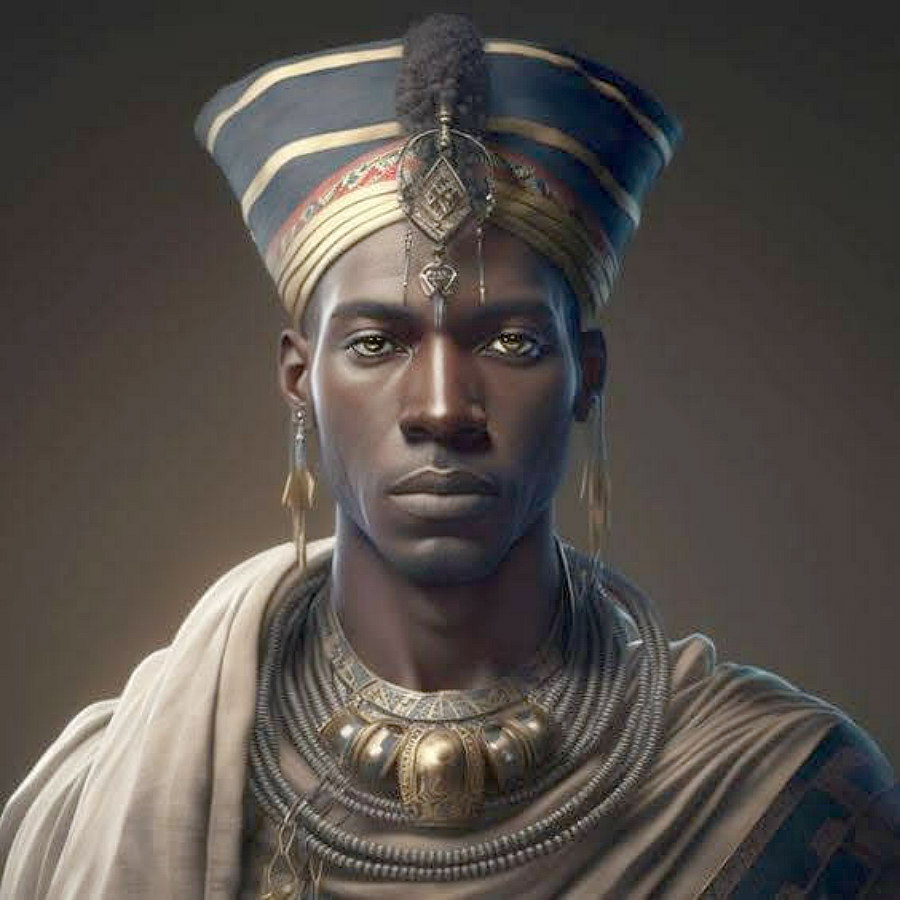
The image of the Black man has long been distorted through colonial narratives, Eurocentric standards, and centuries of systemic dehumanization. Yet beneath the scars of history lies a quiet and powerful truth: the Black man embodies a form of beauty rarely celebrated—masculine grace. This grace transcends the mere physical, radiating through resilience, wisdom, emotional strength, and spiritual depth. It is the beauty of a being who has survived what was meant to destroy him and yet continues to create, lead, and love.

The world has often feared what it should have revered. From the plantation fields to the modern boardroom, the Black man’s physicality has been both fetishized and criminalized. His body—once deemed property—became a battleground for the projection of others’ fears and desires. But when seen through a lens untainted by bias, the symmetry of his form, the depth of his skin, and the fire of his eyes reflect divine craftsmanship, not danger (hooks, 2004).

To speak of masculine grace is to acknowledge that strength and softness are not opposites but complements. The Black man’s beauty rests in the balance between his power and gentleness—how he can protect without oppressing, lead without dominating, and love without losing himself. This duality challenges the Eurocentric masculine archetype that equates sensitivity with weakness (Majors & Billson, 1992).

Historically, Black men were denied the right to be seen as beautiful because beauty was defined through whiteness. The ideal male form was sculpted in marble—pale, rigid, and devoid of emotion. Yet the Black man’s presence, rich in rhythm and movement, exudes life. His grace is kinetic, a poetry of motion expressed in dance, labor, sport, and art—a beauty that moves rather than poses.

In African traditions, beauty was holistic. It encompassed virtue, spirit, and purpose, not merely appearance. The Yoruba concept of “iwa l’ewa” translates to “character is beauty,” suggesting that true beauty arises from inner moral substance (Abiodun, 2014). This philosophy restores the spiritual context that Western aesthetics stripped away. For the Black man, beauty is not vanity—it is dignity manifested.

Masculine grace can be seen in the tender way a father lifts his child, in the calm leadership of a pastor guiding his congregation, or in the perseverance of a man rebuilding his life after systemic injustice. It is the quiet confidence of knowing that one’s value is not defined by material success but by moral conviction and spiritual alignment (Kimbrough, 1997).

Yet media portrayals continue to undermine this beauty. The camera often captures the Black man as an aggressor, athlete, or entertainer, rarely as a scholar, lover, or thinker. This narrow visual vocabulary limits how society perceives Black masculinity. The absence of representation becomes a form of erasure—an aesthetic violence that teaches the world to see Black men as function rather than form (Dixon & Linz, 2000).

The reclamation of masculine grace, therefore, is an act of resistance. It says to the world: “You will not define my worth through stereotypes.” It also calls upon Black men to rediscover the divine artistry within themselves. To walk with grace is to carry both the weight of history and the light of redemption with balance and pride.

There is a sacred stillness in the Black man who knows his identity in God. His beauty reflects the imago Dei—the image of the Creator (Genesis 1:27). His walk is testimony; his voice, a melody of generations who refused to die in silence. This sacred reflection dismantles the notion that masculinity must be performative or domineering. In divine masculinity, grace and strength coexist.

Grace in the Black man also manifests in his intellectual and creative expressions. From Langston Hughes’s poetry to Chadwick Boseman’s cinematic brilliance, from Barack Obama’s eloquence to Marvin Gaye’s soul, Black men have continually shown that intellect and emotion are not contradictions but harmonies. They redefine what it means to be a man of grace—disciplined, dignified, and deeply human.

One cannot discuss the beauty of the Black man without addressing colorism’s shadow. Lighter tones have long been favored, even among people of African descent, a legacy of colonial conditioning. Yet, the deep hues of the Black man’s skin absorb light differently—reflecting warmth, history, and strength. His melanin is a masterpiece of biology and symbolism: protection and poetry in one (Blay, 2011).

To appreciate masculine grace requires decolonizing the gaze. This means rejecting the Eurocentric standards that measure beauty through whiteness and fragility. Instead, it calls for an aesthetic rooted in authenticity, where dark skin, broad noses, textured hair, and strong physiques are not liabilities but legacies—markers of ancestral power and divine design.

The modern world’s obsession with hypermasculinity has numbed emotional intelligence in men. But the Black man’s grace lies in his capacity to feel deeply—to weep, to heal, to forgive. This emotional courage is perhaps his most overlooked beauty. It takes strength to love after being unloved, to lead after being stripped of leadership, to rebuild after centuries of destruction (Akbar, 1996).

In contemporary culture, movements like “Black Boy Joy” have sought to reclaim this emotional space, celebrating the multifaceted beauty of Black men—laughing, learning, nurturing, and creating. These images disrupt toxic archetypes and reveal a truth long hidden: Black masculinity is not monolithic but mosaic.

The spiritual aspect of masculine grace cannot be overstated. The Black man’s relationship with faith—through prayer, perseverance, and praise—anchors his identity. His beauty radiates most when he walks in divine purpose. As the psalmist wrote, “The steps of a good man are ordered by the Lord” (Psalm 37:23, KJV). This divine choreography gives rhythm to his grace.

Every scar, every wrinkle, every muscle tells a story of endurance. The body of the Black man is a living archive—of battles fought, burdens carried, and victories won. His beauty is not cosmetic but cosmic, stitched with the threads of survival and hope.

In art, literature, and film, there is a growing movement to honor this beauty. Photographers like Kwame Brathwaite and writers like Ta-Nehisi Coates have reframed the Black male body as sacred rather than sinful, majestic rather than menacing. Through their work, masculine grace becomes visible again.

Ultimately, to honor the beauty of the Black man is to restore balance in a world that has long denied him softness. His grace teaches that masculinity is not the absence of vulnerability but the mastery of it. The true measure of a man lies not in his ability to dominate but in his capacity to love, forgive, and uplift.

Masculine grace, then, is both art and theology—a living testament that the Black man, made in the image of the Most High, is not merely beautiful; he is divinely composed. His existence challenges centuries of misrepresentation and stands as proof that beauty, when seen through truth, is revolutionary.


References

Abiodun, R. (2014). Yoruba art and language: Seeking the African in African art. Cambridge University Press.
Akbar, N. (1996). Breaking the chains of psychological slavery. Mind Productions.
Blay, Y. A. (2011). (1)ne Drop: Shifting the lens on race. Black Print Press.
Dixon, T. L., & Linz, D. (2000). Race and the misrepresentation of victimization on local television news. Communication Research, 27(5), 547–573.
hooks, b. (2004). We real cool: Black men and masculinity. Routledge.
Kimbrough, M. (1997). Faith and identity: African-American men in search of self. Orbis Books.
Majors, R., & Billson, J. M. (1992). Cool pose: The dilemmas of Black manhood in America. Simon & Schuster.
The Holy Bible, King James Version. (1611/2017). King James Bible Online. https://www.kingjamesbibleonline.org/

The Conversations About Colorism Are Being Hijacked by Black Men — Why?

Photo by Jep Gambardella on Pexels.com

In recent years, colorism—the discrimination within the Black community based on skin tone—has reemerged as a central topic in discussions on race, identity, and representation. Yet, as the conversation has gained visibility, a troubling pattern has surfaced: Black men increasingly dominate or redirect discussions that were originally centered on the lived experiences of Black women. This phenomenon reveals not only gendered power dynamics but also deeper insecurities, social conditioning, and historical patterns of male-centered discourse in the Black community.

Colorism affects both genders, but its manifestations differ sharply. For Black women, it often determines beauty standards, desirability, and social value (Hunter, 2007). For Black men, colorism intersects more with social perception, criminalization, and masculinity (Hall, 2010). Yet, when colorism is discussed publicly—particularly online—many Black men position themselves as equal or greater victims, reframing the issue around their own grievances. This redirection often invalidates or minimizes the gendered suffering that darker-skinned Black women have historically endured.

At the root of this hijacking is defensiveness. Many Black men interpret critiques of colorism as personal attacks rather than systemic analysis. When Black women point out that men frequently idealize lighter-skinned women in media, dating, and social hierarchies, some men respond by claiming they too experience colorism from women. While men can experience shade bias, the scale, visibility, and historical roots of female-targeted colorism are far deeper.

This defensiveness is also a product of patriarchal conditioning. In patriarchal societies, men are socialized to lead conversations—even those about women’s pain. Within the Black community, this dynamic is intensified by centuries of emasculation under white supremacy, leading some Black men to over-assert authority in racial and gender dialogues (hooks, 2004). When colorism is raised, they may subconsciously reclaim the center stage to reestablish power and control over the narrative.

Furthermore, the male gaze in Black culture often amplifies colorist biases. From hip-hop videos to film and advertising, light-skinned women are frequently depicted as the ideal partner or feminine standard. When women challenge this imagery, some men perceive it as an indictment of their preferences rather than a critique of systemic conditioning (Stephens & Phillips, 2003). The reaction is often defensive, shifting focus from accountability to victimhood.

Social media has magnified this divide. Online platforms provide visibility for darker-skinned women to share their experiences of exclusion, ridicule, and invisibility. However, whenever these conversations gain traction, they are often derailed by men insisting that “colorism affects Black men too” or “dark-skinned men are fetishized, so it’s not the same.” These counterarguments distort the conversation’s intent, transforming a gendered critique into a false equivalence.

The fetishization of dark-skinned men—often cited by male participants—does not equate to systemic bias. It is frequently a hypersexualized stereotype rooted in colonial myths of Black male virility (Collins, 2000). This fetishization benefits neither gender, but it differs fundamentally from the colorist exclusion and humiliation endured by darker-skinned women in beauty, marriage, and media representation.

Another reason for male hijacking of colorism discourse lies in emotional illiteracy. Many Black men are not encouraged to process vulnerability or collective responsibility. Instead of engaging empathetically with women’s experiences, they intellectualize or deflect the issue to avoid guilt. This response is symptomatic of broader issues of gender relations and communication in the Black community.

Historically, the conversation around colorism was initiated by Black women scholars and activists, such as Alice Walker, who coined the term “colorism” in 1982 (Walker, 1982). Later scholars like Margaret Hunter (2007) and Ronald Hall (2010) analyzed how color hierarchies shape gendered oppression. Yet, as the discourse entered mainstream culture, male voices increasingly reframed the issue as a unisex problem, erasing the distinctly gendered dimensions.

Part of the reason this hijacking persists is because Black women’s pain is often minimized in both white and Black spaces. The intersection of race and gender renders their experiences less visible. When women assert that colorism harms them uniquely, they are accused of “dividing the community.” This silencing mirrors historical patterns in which Black women were expected to prioritize racial unity over gender justice (Crenshaw, 1991).

Another factor is male privilege within Blackness. Even within an oppressed racial group, men often benefit from patriarchal structures that validate their voices more than women’s. Thus, when Black men speak on colorism, their perspectives receive more attention and legitimacy, even when their narratives distort or misrepresent the issue.

Media representation further amplifies this imbalance. Films, songs, and podcasts that address colorism often feature male-led discussions, focusing on how men are “judged for being too dark” or “overlooked by women.” Meanwhile, darker-skinned actresses and public figures are still underrepresented, underpaid, or stereotyped (Monk, 2014). The structural inequity remains gendered, even if both genders experience forms of bias.

There is also an economic incentive behind this derailment. Male creators and influencers who discuss colorism from a male-centered perspective often gain larger audiences, as their narratives resonate with both male defensiveness and patriarchal norms. In contrast, women who speak about colorism face online harassment, accusations of bitterness, or dismissal as “divisive feminists.”

Psychologically, the hijacking of colorism discourse reflects projection. Many men project their internalized pain—stemming from racism, classism, or emotional neglect—onto discussions about women. Rather than confronting their own conditioning, they reframe the issue to validate their victimhood. This projection protects the ego but prevents accountability.

Colorism is, at its core, a gendered system of preference and exclusion. While men may experience it in terms of status or stereotype, women endure it in ways that intersect with desirability, marriage prospects, and self-worth. When men dominate these conversations, they obscure these nuances, flattening a multidimensional issue into a one-size-fits-all grievance narrative.

The solution lies not in silencing Black men but in rebalancing the dialogue. True allyship requires men to listen, not lead, when the topic concerns women’s pain. They must learn to amplify women’s voices without centering themselves. Doing so transforms the conversation from competition into collaboration.

Academically and culturally, it is vital to reassert that Black women’s experiences of colorism are foundational to the discourse. Their stories, research, and activism birthed this conversation; erasing or minimizing them reproduces the very inequality colorism exposes. The aim should not be to debate who suffers more, but to dismantle the structures that create suffering altogether.

Ultimately, the hijacking of colorism discussions by Black men is a reflection of unresolved patriarchal dynamics within the Black community. It reveals the lingering effects of colonial trauma—how oppression can turn inward, causing those once silenced to silence others. Healing requires courage: the courage for men to decenter themselves and for women to reclaim their voices unapologetically.

In the end, the conversation about colorism must return to its rightful center: the Black woman’s experience. Her story is not a subset of the Black struggle—it is the mirror that reflects how deeply white supremacy has fractured our perception of beauty, worth, and identity. Until her truth is fully heard and honored, the dialogue remains incomplete.


References

Collins, P. H. (2000). Black Feminist Thought: Knowledge, Consciousness, and the Politics of Empowerment. Routledge.
Crenshaw, K. (1991). Mapping the Margins: Intersectionality, Identity Politics, and Violence against Women of Color. Stanford Law Review, 43(6), 1241–1299.
Hall, R. E. (2010). The Melanin Millennium: Skin Color as 21st Century International Discourse. Springer.
hooks, b. (2004). We Real Cool: Black Men and Masculinity. Routledge.
Hunter, M. (2007). The Persistent Problem of Colorism: Skin Tone, Status, and Inequality. Sociology Compass, 1(1), 237–254.
Monk, E. P. (2014). Skin Tone Stratification among Black Americans, 2001–2003. Social Forces, 92(4), 1313–1337.
Stephens, D. P., & Phillips, L. D. (2003). Freaks, Gold Diggers, Divas, and Dykes: The Sociohistorical Development of Adolescent African American Women’s Sexual Scripts. Sexuality & Culture, 7(1), 3–49.
Walker, A. (1982). In Search of Our Mothers’ Gardens: Womanist Prose. Harcourt Brace.

The Rebirth of the Black Man: Healing from Generational Trauma.

The story of the Black man is one of survival, resilience, and divine purpose. From the chains of slavery to the invisible shackles of systemic oppression, the Black man has endured psychological, spiritual, and social warfare. Yet in every generation, there emerges a call to rebirth—to heal from the inherited trauma passed down through centuries. This rebirth is not merely physical but spiritual, emotional, and cultural. It requires the Black man to reclaim his true identity, rediscover his divine masculinity, and restore the legacy of strength that has been systematically stripped away.

Generational trauma among Black men stems from centuries of enslavement, displacement, and dehumanization. The transatlantic slave trade did not just destroy bodies; it fractured families, identities, and cultural memory. Enslaved men were often stripped of their role as protectors and providers, forced to watch their loved ones suffer without the power to intervene. This historical trauma became embedded in the collective consciousness of the Black community, influencing patterns of behavior, emotional detachment, and broken family structures.

In the modern era, this trauma manifests in new forms—mass incarceration, police brutality, economic disparity, and media misrepresentation. These conditions reinforce the false narrative of the Black man as inherently dangerous, irresponsible, or unworthy of love. Healing begins when the Black man recognizes that his worth was never defined by the systems that oppressed him. Instead, his identity must be rooted in divine truth, self-knowledge, and ancestral strength.

Biblically, the process of healing mirrors spiritual rebirth. Romans 12:2 (KJV) declares, “And be not conformed to this world: but be ye transformed by the renewing of your mind.” The renewing of the mind is essential to break the mental chains of generational trauma. The Black man must unlearn the lies told by colonizers and rediscover his God-given identity as a king, priest, and leader. This spiritual renewal is the foundation of liberation.

Healing also requires acknowledging pain. The Black man’s stoicism—while often seen as strength—can sometimes mask deep wounds. Society has conditioned men to suppress emotions, but healing demands vulnerability. Psalm 34:18 (KJV) reminds us, “The Lord is nigh unto them that are of a broken heart; and saveth such as be of a contrite spirit.” To heal, one must first confront the brokenness within, allowing God to mend what generational trauma has fractured.

Community plays a vital role in this rebirth. For centuries, the Black man has been isolated—pitted against his brother in competition rather than unity. The restoration of brotherhood, mentorship, and collective accountability is essential. Proverbs 27:17 (KJV) says, “Iron sharpeneth iron; so a man sharpeneth the countenance of his friend.” Through unity, the Black man can rebuild his foundation, support his family, and pass down a legacy of wisdom rather than pain.

Fatherhood also represents a cornerstone of healing. When a man steps into his divine role as a father, he reverses generational curses. He becomes the protector and spiritual guide that slavery once denied him the right to be. The presence of strong fathers in the home strengthens the next generation, teaching sons discipline, identity, and love—while showing daughters their worth through example.

Economically, the rebirth of the Black man involves financial literacy and ownership. Generational trauma was perpetuated by economic disenfranchisement, yet modern empowerment comes through education, entrepreneurship, and cooperative economics. Proverbs 13:22 (KJV) states, “A good man leaveth an inheritance to his children’s children.” The rebuilding of wealth is not just about money but about reclaiming legacy, land, and sovereignty.

Emotionally, the healing process involves forgiveness—both of self and others. Centuries of oppression have fostered resentment and internalized anger, yet freedom cannot coexist with bitterness. Forgiveness does not mean forgetting history; it means freeing the heart from the weight of vengeance. True kings operate in wisdom and peace, not rage.

Spiritually, the rebirth calls the Black man back to the Most High. Deuteronomy 30:3 (KJV) promises restoration for the children of Israel when they return to God: “Then the Lord thy God will turn thy captivity, and have compassion upon thee.” The Black man’s healing is tied to his reconnection with divine purpose. As he returns to spiritual alignment, he becomes a vessel of generational restoration.

The journey of healing is not linear—it is a continual process of rediscovery. It involves studying history, embracing African and Hebraic roots, and understanding that the suffering of the past was not in vain. Every scar tells a story of survival; every triumph, a testament to divine favor. The rebirth is about transforming pain into power and oppression into opportunity.

The rebirth of the Black man also challenges societal expectations. No longer defined by stereotypes, he emerges as an intellectual, artist, father, and leader. He embraces balance—strength and sensitivity, authority and compassion. His success is not measured by material gain but by spiritual fulfillment and communal impact.

Healing from generational trauma also requires dismantling toxic masculinity. True manhood is not domination but stewardship. It is the ability to lead with love, discipline with wisdom, and protect without pride. The reborn Black man embodies humility, confidence, and spiritual discernment.

Within relationships, healing fosters healthy love. Many Black men were denied examples of nurturing relationships, resulting in mistrust or emotional distance. Through prayer, counseling, and divine guidance, love becomes redemptive rather than destructive. Ephesians 5:25 (KJV) commands, “Husbands, love your wives, even as Christ also loved the church.” This kind of love heals both partners and the family structure as a whole.

The rebirth also restores cultural pride. For too long, the image of the Black man was distorted by colonizers who feared his power. To heal, he must study his lineage—kings, prophets, warriors, and scholars who shaped civilizations. Knowing his history ignites confidence and restores dignity. Knowledge of self is the highest form of liberation.

This movement toward healing transcends individuals; it is collective. The Black community must create safe spaces where men can speak, weep, and grow without judgment. Churches, schools, and organizations must prioritize mental health, mentorship, and fatherhood programs. Healing the Black man heals the nation.

Ultimately, the rebirth of the Black man is divine prophecy unfolding. Isaiah 61:3 (KJV) speaks of those who will be given “beauty for ashes, the oil of joy for mourning, the garment of praise for the spirit of heaviness.” The ashes of slavery, oppression, and trauma are giving birth to a generation of men walking in spiritual authority and purpose.

The rebirth is not merely survival—it is resurrection. It is the return of the divine Black man, conscious of his worth, his lineage, and his Creator. Through faith, unity, and knowledge, he rises again—stronger, wiser, and unbreakable. The chains are broken, and the curse reversed. The rebirth has begun.


References

  • Holy Bible, King James Version
  • DeGruy, J. (2005). Post Traumatic Slave Syndrome: America’s Legacy of Enduring Injury and Healing. Uptone Press.
  • Akbar, N. (1991). Breaking the Chains of Psychological Slavery. Mind Productions.
  • Kambon, K. (1998). African/Black Psychology in the American Context. Nubian Nation Publications.
  • Anderson, C. (2017). PowerNomics: The National Plan to Empower Black America. PowerNomics Corporation of America.
  • hooks, b. (2004). We Real Cool: Black Men and Masculinity. Routledge.

What are High Value, High Quality Men?

Photo by RDNE Stock project on Pexels.com

In today’s culture, the term “high-value man” has become popular, often tied to wealth, status, or influence. Yet, from a biblical perspective, true high-value and high-quality men are defined not only by external achievements but by internal virtues rooted in God’s Word. Proverbs 22:1 declares, “A good name is rather to be chosen than great riches, and loving favour rather than silver and gold” (KJV). A man’s true worth comes not from what he possesses but from his character, his faith, and his commitment to his God-given responsibilities.

The first mark of a high-value man is godliness. Scripture affirms that “the steps of a good man are ordered by the LORD: and he delighteth in his way” (Psalm 37:23, KJV). High-quality men live in alignment with God’s will, seeking His guidance before making decisions. Their spiritual leadership is not only personal but extends to their families and communities (Keller, 2011).

High-value men are providers. This principle is emphasized in 1 Timothy 5:8: “But if any provide not for his own, and specially for those of his own house, he hath denied the faith, and is worse than an infidel” (KJV). Biblical provision goes beyond money—it encompasses emotional support, spiritual guidance, protection, and stability. A man who provides these ensures that his household flourishes (Ramsey, 2011).

High-quality men are also protectors. As Christ laid down His life for the Church, so must men protect their families. Ephesians 5:25 teaches, “Husbands, love your wives, even as Christ also loved the church, and gave himself for it” (KJV). This sacrificial love is a marker of great value. Such men are courageous, ready to shield their loved ones from harm while leading with gentleness (Lewis, 2018).

Integrity is another key quality. Proverbs 20:7 says, “The just man walketh in his integrity: his children are blessed after him” (KJV). Integrity is the bedrock of trust, and a high-value man’s reputation is tied to his ability to keep his word. Without integrity, no amount of success can sustain a man’s worth (Cloud, 2009).

A high-quality man masters self-control. Proverbs 16:32 teaches, “He that is slow to anger is better than the mighty; and he that ruleth his spirit than he that taketh a city” (KJV). Emotional regulation shows strength greater than physical power. Such men handle conflicts with wisdom and do not allow rage, lust, or pride to rule them (Gottman & Silver, 2015).

Faithfulness defines a man’s value. Proverbs 31:11 highlights the trust of a faithful husband: “The heart of her husband doth safely trust in him, so that he shall have no need of spoil” (KJV). High-value men honor their commitments, remain loyal in relationships, and resist temptations that could destroy their homes (Larson & Holman, 2013).

A true marker of quality is humility. James 4:6 teaches, “God resisteth the proud, but giveth grace unto the humble” (KJV). High-value men are not arrogant but recognize their need for God and others. They admit faults, seek accountability, and grow in wisdom through correction (Ortberg, 2014).

High-value men are wise decision-makers. Proverbs 24:3–4 states, “Through wisdom is an house builded; and by understanding it is established: And by knowledge shall the chambers be filled with all precious and pleasant riches” (KJV). They weigh choices carefully, seek godly counsel, and consider long-term consequences (Stanley, 2008).

Leadership is also a defining trait. Biblical leadership is not about domination but about service. Jesus taught, “But he that is greatest among you shall be your servant” (Matthew 23:11, KJV). High-quality men lead by example, guiding with love, discipline, and vision for their families and communities (Greenleaf, 2002).

Stewardship is another measure of value. Luke 16:10 affirms, “He that is faithful in that which is least is faithful also in much” (KJV). High-value men manage finances wisely, avoid wastefulness, and invest in things that build future stability. They understand that money is a tool for provision and service, not self-indulgence (Ramsey, 2011).

Great men also master patience. Proverbs 14:29 declares, “He that is slow to wrath is of great understanding: but he that is hasty of spirit exalteth folly” (KJV). Patience enables men to endure trials without compromising integrity. It helps them guide their households with calmness rather than reactionary impulses (Schnitker & Emmons, 2013).

High-value men cultivate discipline in speech. Proverbs 18:21 teaches, “Death and life are in the power of the tongue” (KJV). Quality men do not speak carelessly but choose words that edify, guide, and strengthen others. Their speech reflects maturity and wisdom (Tannen, 1990).

Compassion is another sign of value. Colossians 3:12 urges, “Put on therefore, as the elect of God… bowels of mercies, kindness, humbleness of mind, meekness, longsuffering” (KJV). High-quality men extend kindness not only to their families but also to strangers, reflecting Christ’s heart (Gilligan, 1993).

Vision separates high-value men from the rest. Proverbs 29:18 reminds, “Where there is no vision, the people perish” (KJV). Men of value pursue goals that align with God’s purposes. Their vision provides direction for their families and inspires communities to aim higher (Eldredge, 2001).

High-quality men are also resilient. They endure challenges without giving up, modeling perseverance for others. Romans 5:3–4 declares, “Tribulation worketh patience; And patience, experience; and experience, hope” (KJV). Resilient men see hardships as opportunities for growth, not reasons for retreat (Bonanno, 2004).

They also embody accountability. Proverbs 27:17 affirms, “Iron sharpeneth iron; so a man sharpeneth the countenance of his friend” (KJV). High-value men welcome correction, build with other men of integrity, and avoid isolation. Their accountability makes them trustworthy leaders (Cloud & Townsend, 2010).

Generosity marks a high-quality man. Proverbs 11:25 states, “The liberal soul shall be made fat: and he that watereth shall be watered also himself” (KJV). A man’s willingness to give—whether time, money, or service—reveals his heart and increases his value in the eyes of God and others (Keller & Keller, 2015).

Ultimately, high-value, high-quality men are those who reflect Christ in their living. Their worth is measured not in fleeting status but in eternal fruit. Galatians 5:22–23 reminds us of the fruit of the Spirit—love, joy, peace, patience, gentleness, goodness, faith, meekness, and temperance. These qualities, embodied in a man, make him truly invaluable to God, his family, and his community.

In conclusion, a high-value man is not defined by the world’s standards of wealth or fame but by God’s standards of faith, integrity, provision, protection, wisdom, humility, and service. “Whoso findeth a wife findeth a good thing, and obtaineth favour of the LORD” (Proverbs 18:22, KJV). A man who embodies these qualities not only finds favor but becomes a blessing to all who are connected to him.


References

  • Bonanno, G. A. (2004). Loss, trauma, and human resilience. American Psychologist, 59(1), 20–28.
  • Cloud, H. (2009). Integrity: The courage to meet the demands of reality. HarperCollins.
  • Cloud, H., & Townsend, J. (2010). Boundaries in dating. Zondervan.
  • Eldredge, J. (2001). Wild at heart: Discovering the secret of a man’s soul. Thomas Nelson.
  • Gilligan, C. (1993). In a different voice: Psychological theory and women’s development. Harvard University Press.
  • Gottman, J., & Silver, N. (2015). The seven principles for making marriage work. Harmony Books.
  • Greenleaf, R. K. (2002). Servant leadership: A journey into the nature of legitimate power and greatness. Paulist Press.
  • Keller, T. (2011). The meaning of marriage. Dutton.
  • Keller, T., & Keller, K. (2015). God’s wisdom for navigating life. Viking.
  • Larson, J. H., & Holman, T. B. (2013). Premarital predictors of marital quality and stability. Routledge.
  • Lewis, R. (2018). Real men don’t read romance. Harvest House.
  • Ortberg, J. (2014). The life you’ve always wanted: Spiritual disciplines for ordinary people. Zondervan.
  • Ramsey, D. (2011). The total money makeover. Thomas Nelson.
  • Schnitker, S. A., & Emmons, R. A. (2013). Patience as a virtue. Journal of Positive Psychology, 8(4), 247–256.
  • Stanley, C. (2008). Living the extraordinary life: Nine principles to discover it. Thomas Nelson.
  • Tannen, D. (1990). You just don’t understand: Women and men in conversation. Ballantine.

Male Perspectives on Love, Sex, and Relationships.

Photo by August de Richelieu on Pexels.com

Love, sex, and relationships are central to the human experience, yet men’s perspectives on these themes are often overlooked, simplified, or misrepresented. Understanding the male outlook requires exploring not only cultural norms but also the inner struggles, spiritual truths, and psychological patterns that shape how men engage in matters of the heart.

From a biblical standpoint, love is not merely an emotion but a commitment. The apostle Paul emphasized that a husband must love his wife “even as Christ also loved the church, and gave himself for it” (Ephesians 5:25, KJV). This sets a high standard for men, calling them to practice sacrificial love rather than self-serving desire.

In many societies, however, men are socialized to equate love with conquest or possession. Sex becomes the dominant framework through which relationships are viewed, overshadowing intimacy, loyalty, and emotional vulnerability. This imbalance distorts the biblical design of marriage and promotes a cycle of broken bonds.

Psychologically, men often wrestle with attachment styles developed in childhood. A man with secure attachment will view love as safe and nurturing, while one with avoidant tendencies may fear intimacy, interpreting sex as a safer outlet than emotional closeness. These dynamics impact how relationships unfold across a lifetime.

Cultural narratives further complicate men’s perspectives. Popular media glorifies hypersexuality, teaching men to chase pleasure without responsibility. This mindset contrasts sharply with biblical teaching, which declares, “Marriage is honourable in all, and the bed undefiled: but whoremongers and adulterers God will judge” (Hebrews 13:4, KJV).

Men often experience pressure to define their worth by sexual conquest. In locker rooms, social circles, or even music, masculinity is wrongly equated with the number of women pursued. Yet, this form of validation is shallow and often leaves men empty, searching for deeper fulfillment that only true love and godly commitment can provide.

Another dimension is the male struggle with vulnerability. Society frequently discourages men from expressing emotions openly, labeling such expression as weakness. As a result, men may mask their fears and insecurities behind sex or detached relationships. Genuine love, however, requires vulnerability, echoing Christ’s openness and compassion.

When men encounter love, many wrestle with trust. Past betrayals, family dysfunction, or societal expectations may cause hesitation in giving their hearts fully. Psychology notes that unresolved trauma often shapes adult intimacy, influencing whether a man becomes nurturing or withdrawn in relationships.

The biblical narrative reveals that love is rooted in choice and action, not fleeting feelings. In 1 Corinthians 13:4-7 (KJV), Paul outlines love as patient, kind, humble, and enduring. Men who embrace this perspective discover that love is about building, not consuming; about serving, not exploiting.

Sex, though often idolized, was designed by God as a covenantal act, reserved for marriage. Men who misuse sex outside of this context risk deep emotional and spiritual consequences. Paul warned in 1 Corinthians 6:18 (KJV), “Flee fornication. Every sin that a man doeth is without the body; but he that committeth fornication sinneth against his own body.”

In relationships, men may approach commitment cautiously. For some, fear of losing independence or being controlled leads to hesitation. For others, financial and social pressures make them delay serious partnerships. These concerns highlight the need for balance between responsibility and desire.

One of the most overlooked aspects of male perspective is the longing for respect. Ephesians 5:33 (KJV) concludes that a husband should love his wife and the wife should reverence her husband. Men often equate respect with love, and when it is absent, relational conflict can arise.

Yet, the male pursuit of respect can sometimes veer into pride or domination if not tempered by humility. Psychology warns of the dangers of toxic masculinity, where men seek to control rather than to serve. A biblical view reminds men that leadership in love is expressed through humility, not tyranny.

Men also struggle with balancing passion and responsibility. The allure of lust is powerful, and unchecked desire can lead to betrayal, infidelity, or addiction. Proverbs 6:25-26 (KJV) warns, “Lust not after her beauty in thine heart… For by means of a whorish woman a man is brought to a piece of bread.”

However, when men pursue intimacy with integrity, relationships can flourish. True sexual expression, grounded in love and marriage, fosters unity and trust. It becomes not only a physical union but also a spiritual bond, reflecting God’s covenant with His people.

Friendship is another vital but undervalued part of male perspectives on love and relationships. Many men crave companionship that is free from judgment, where they can be their authentic selves. Healthy relationships integrate friendship with romance, deepening both emotional and sexual intimacy.

The absence of male role models contributes to distorted views of love and sex. Without guidance, young men may adopt harmful patterns of behavior, equating dominance with masculinity. Mentorship and discipleship are vital for reshaping these narratives in line with biblical truth.

Despite challenges, many men yearn for legacy through family. Proverbs 13:22 (KJV) declares, “A good man leaveth an inheritance to his children’s children.” Men who embrace responsibility and faith find purpose not only in love and sex but in building lasting generational impact.

Ultimately, male perspectives on love, sex, and relationships are diverse and complex, shaped by culture, psychology, and faith. Yet, when aligned with God’s design, men can rise above selfish desire to embody sacrificial love, faithful intimacy, and responsible leadership.

The call is clear: men must reject shallow patterns and embrace the depth of godly love. By doing so, they not only transform their own lives but also enrich the relationships and communities around them.


References

  • Holy Bible, King James Version.
  • Bowlby, J. (1988). A Secure Base: Parent-Child Attachment and Healthy Human Development. Basic Books.
  • hooks, b. (2004). The Will to Change: Men, Masculinity, and Love. Washington Square Press.
  • Wright, N. T. (2010). After You Believe: Why Christian Character Matters. HarperOne.

50 Hard Truths I Learned from Men and Coaching Women.

Photo by August de Richelieu on Pexels.com

Over years of personal observation, counseling, and coaching women, I have discovered patterns in male behavior that are both sobering and enlightening. These truths have been affirmed through conversation, heartbreak, coaching sessions, and prayer. Men and women often speak different emotional languages, yet there are recurring realities that, once understood, empower women to make wiser relational decisions. These insights are not meant to vilify men but to bring clarity. As Jesus said in John 8:32 (KJV), “And ye shall know the truth, and the truth shall make you free.”


50 Hard Truths

1. Men know what they want early.
Within the first few conversations, most men have decided whether they see you as wife material, girlfriend material, or simply someone they want to sleep with (Finkel et al., 2013).

2. Men lie — often to protect your feelings or their access.
Many men will tell women what they want to hear to avoid conflict or rejection. Proverbs 12:22 (KJV) says, “Lying lips are abomination to the Lord.”

3. Men love to pursue.
Most men are naturally wired for pursuit. When women chase, it can kill attraction (Baumeister & Vohs, 2004).

4. If he wants you, he will make time.
Men show priority by action, not words. If he’s too busy, he likely isn’t interested enough.

5. Men compartmentalize emotions.
Unlike women, men can separate physical intimacy from emotional connection, which can lead to heartbreak if women confuse sex for love.

6. Men respect what they work for.
If everything is given too easily — attention, intimacy, commitment — many men lose respect (Cloud & Townsend, 2002).

7. Men are visual.
Appearance strongly influences men’s attraction, but this does not mean compromising modesty or self-respect. 1 Timothy 2:9 (KJV) reminds women to “adorn themselves in modest apparel.”

8. Men fear rejection deeply.
This is why some hesitate to approach or commit — their ego and self-worth are at stake.

9. Men appreciate feminine energy.
Softness, kindness, and gentleness often inspire them to lead, love, and provide (1 Peter 3:4, KJV).

10. Some men confuse lust for love.
Lust is immediate and selfish; love is patient and self-sacrificial (1 Corinthians 13:4-7, KJV).

11. Men will test boundaries.
If a woman doesn’t hold her standards, some men will push for more than she is willing to give.

12. A man’s character is revealed by consistency.
Watch what he does over time, not just what he says.

13. Men are solution-oriented.
They often want to fix problems rather than just listen, which can frustrate women who seek empathy.

14. Some men enjoy the chase, not the catch.
Once they’ve “won,” interest can fade if they were motivated by conquest rather than connection.

15. Men are territorial.
Even casual partners may display jealousy if they see another man interested — this is not always love but ego.

16. Men often marry when ready, not when in love.
Timing and readiness often determine whether he commits (Glenn & Marquardt, 2001).

17. Men can be intimidated by strong women.
Some fear being emasculated or made to feel unnecessary.

18. A man’s friends reveal his character.
“Be not deceived: evil communications corrupt good manners” (1 Corinthians 15:33, KJV).

19. Men communicate through actions.
If his words and actions don’t match, believe the actions.

20. Men crave respect even more than love.
Ephesians 5:33 (KJV) instructs wives to respect their husbands — it fuels their masculinity.

21. Men love admiration.
Praise from a woman makes a man feel valued and motivated.

22. Some men will waste your time.
If he isn’t serious, he may keep you as an option while seeking someone else.

23. Men struggle with emotional vulnerability.
Cultural conditioning teaches them to hide feelings, which can lead to emotional distance.

24. Men like to feel needed.
When a woman is completely self-sufficient, some men feel unnecessary and withdraw.

25. Men have fragile egos.
Criticism can wound deeply, even if unintended.

26. Some men don’t want commitment — ever.
No amount of convincing will change a man who has no intention of marrying.

27. Men can sense desperation.
Neediness can push them away; confidence is magnetic.

28. Men are not mind readers.
Clear communication is necessary; unspoken expectations lead to disappointment.

29. Men notice emotional security.
Women who manage their emotions attract men seeking peace, not chaos.

30. Men are affected by past hurts.
Heartbreak or betrayal can make them cautious or even avoidant in future relationships.

31. Men love peace.
A contentious spirit in the home drives them away (Proverbs 21:19, KJV).

32. Men will follow a woman’s lead morally.
If she sets a standard of purity, some men will respect and follow it.

33. Men crave physical intimacy in marriage.
Sex is a primary way they feel loved (1 Corinthians 7:3-5, KJV).

34. Men notice loyalty.
A woman who defends him in public but corrects him privately gains trust.

35. Men value submission when mutual respect exists.
Submission is not weakness but order (Ephesians 5:22-24, KJV).

36. Men appreciate support in their purpose.
Helping him fulfill his calling makes him feel partnered, not opposed.

37. Men don’t always process as fast as women.
Patience is often required in decision-making.

38. Some men only want access, not responsibility.
They may pursue intimacy without intention to provide, protect, or commit.

39. Men will compete for a high-value woman.
Healthy competition makes them step up their efforts.

40. Men often fear failure.
If they cannot provide, they may avoid serious relationships.

41. Men appreciate women who inspire them to grow.
Challenge can be healthy if done with respect and encouragement.

42. Men respect women who respect themselves.
Boundaries communicate worth.

43. Men are not perfect leaders.
They need grace as they grow into their role.

44. Men sometimes marry for convenience.
Not every marriage is based on deep love — some are practical decisions.

45. Men value freedom.
Over-controlling or smothering behavior can drive them away.

46. Men notice femininity.
Grace, softness, and warmth inspire them to be masculine.

47. Men are drawn to peace over drama.
The “strong, loud, independent” trope can repel if it communicates combativeness.

48. Men are not projects.
Trying to “fix” a man rarely works and can breed resentment.

49. Men need accountability.
Good men surround themselves with mentors or brothers who sharpen them (Proverbs 27:17, KJV).

50. Men appreciate women who let them lead — but still have a voice.
Partnership is healthiest when both contribute to decision-making.


Conclusion

These 50 hard truths are not meant to discourage women but to equip them. Understanding male psychology, spiritual order, and human nature allows women to discern intentions and protect their hearts. Proverbs 4:7 (KJV) reminds us, “Wisdom is the principal thing; therefore get wisdom: and with all thy getting get understanding.” Knowing these truths helps women make informed choices, set godly standards, and pursue relationships that reflect God’s design for love, respect, and unity.


References

  • Baumeister, R. F., & Vohs, K. D. (2004). Sexual economics: Sex as female resource for social exchange in heterosexual interactions. Personality and Social Psychology Review, 8(4), 339-363.
  • Cloud, H., & Townsend, J. (2002). Boundaries in dating. Zondervan.
  • Finkel, E. J., Eastwick, P. W., & Matthews, J. (2013). Speed-dating as an invaluable tool for studying romantic attraction: A methodological primer. Personal Relationships, 14(1), 149–166.
  • Glenn, N. D., & Marquardt, E. (2001). Hooking up, hanging out, and hoping for Mr. Right. Institute for American Values.
  • Holy Bible, King James Version.