Category Archives: black history

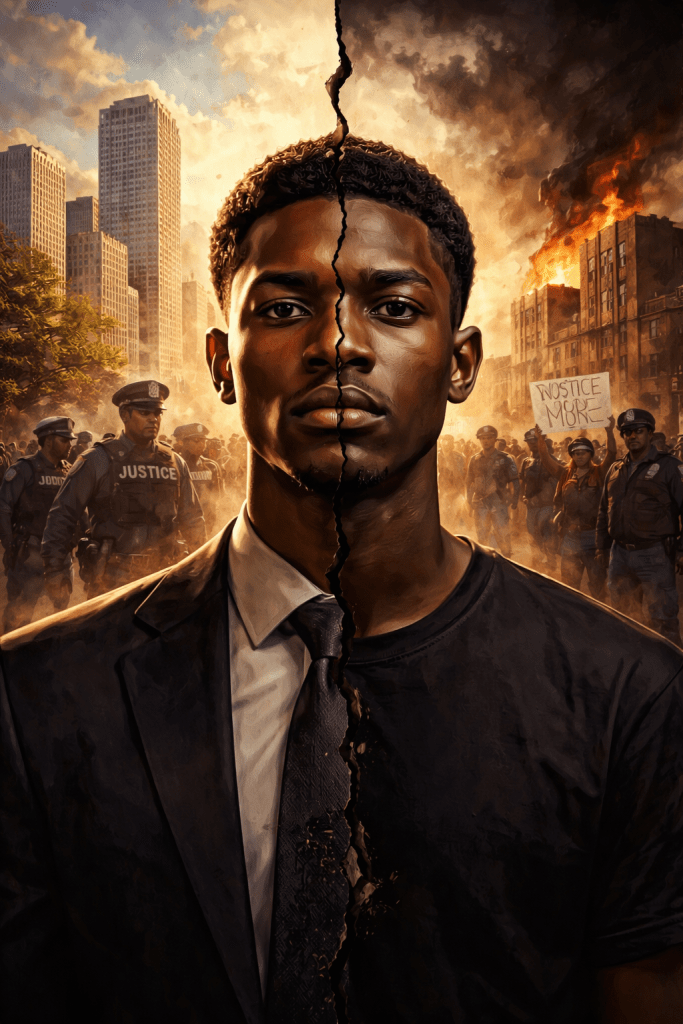
Dilemma: Racialized Double Consciousness

The concept of racialized double consciousness, first articulated by W. E. B. Du Bois remains one of the most enduring frameworks for understanding the psychological and social realities of Black life in America. It describes the internal conflict experienced by Black individuals who must navigate their own cultural identity while simultaneously viewing themselves through the lens of a dominant society that has historically marginalized them. This dual awareness is not merely theoretical; it is lived, embodied, and passed down through generations.

At its core, racialized double consciousness reflects a fractured sense of self. Black individuals are often compelled to reconcile who they are with how they are perceived. This tension produces a heightened awareness of identity, one that requires constant adjustment depending on the social environment. It is both a survival mechanism and a psychological burden, shaping how one speaks, behaves, and even thinks.

The historical roots of this phenomenon are deeply embedded in the legacy of slavery and segregation in the United States. From the era of bondage to the aftermath of the American Civil War, Black identity was constructed in opposition to a dominant white framework that denied full humanity. Even after emancipation, systems of exclusion such as Jim Crow laws reinforced a dual existence—one public and constrained, the other private and authentic.

During the early twentieth century, Du Bois argued that Black Americans were “gifted with second sight,” a profound awareness that allowed them to see both their own world and the world of the dominant culture. While this duality could foster resilience and insight, it also created a persistent sense of internal division. This division continues to shape contemporary experiences of race and identity.

In modern society, racialized double consciousness manifests in professional spaces, where Black individuals often feel pressure to code-switch to conform to dominant cultural norms. This adaptation can involve altering speech, appearance, or behavior to be perceived as acceptable or non-threatening. While effective in navigating systemic barriers, it can also lead to emotional exhaustion and a diminished sense of authenticity.

Education systems also play a significant role in reinforcing this dual awareness. Curricula that center Eurocentric perspectives can marginalize Black history and contributions, forcing Black students to engage with knowledge that does not fully reflect their lived experiences. This dissonance contributes to a fragmented educational identity and underscores the broader societal imbalance.

The media further amplifies racialized double consciousness by perpetuating stereotypes that distort Black identity. From film to news coverage, representations often oscillate between hypervisibility and invisibility. Influential figures such as Lupita Nyong’o have spoken openly about the psychological impact of colorism and representation, highlighting how external perceptions shape internal self-worth.

In addition to media, economic structures reinforce this duality. Wealth disparities, employment discrimination, and limited access to resources create an environment where Black individuals must constantly navigate structural inequities. The tension between aspiration and systemic limitation deepens the conundrum of identity and opportunity.

Racialized double consciousness is also evident in interactions with law enforcement and the criminal justice system. The need to be hyper-aware of one’s behavior in order to avoid suspicion or harm reflects a lived reality rooted in historical and contemporary injustice. This awareness is not abstract; it is often a matter of survival.

Within interpersonal relationships, this duality can influence how Black individuals relate to others, both within and outside their communities. The pressure to conform to external expectations can create internal conflict, particularly when those expectations conflict with cultural values or personal authenticity.

Despite its challenges, racialized double consciousness can also be a source of strength. The ability to navigate multiple cultural frameworks fosters adaptability, resilience, and a nuanced understanding of the world. This “double vision” can empower individuals to challenge dominant narratives and advocate for change.

The Black intellectual tradition has long engaged with this concept, expanding upon Du Bois’s original framework. Scholars have examined how gender, class, and other intersecting identities complicate the experience of double consciousness. Black women, for instance, often navigate multiple layers of marginalization, resulting in a more complex form of dual awareness.

Spirituality and faith traditions also provide a lens through which to understand and cope with this duality. For many, biblical narratives of exile, struggle, and redemption resonate deeply with the Black experience. These frameworks offer both comfort and a means of interpreting historical and contemporary realities.

Artistic expression has become a powerful outlet for articulating the tensions of double consciousness. Through music, literature, and visual art, Black creators explore themes of identity, belonging, and resistance. These expressions not only reflect individual experiences but also contribute to a collective cultural narrative.

The civil rights movement brought national attention to the realities of racial injustice and the internal conflicts it produces. Leaders and activists sought to dismantle the structures that necessitated double consciousness, advocating for a society in which Black identity could exist without compromise.

In contemporary discourse, the concept remains highly relevant. Movements for racial justice continue to highlight the psychological and structural dimensions of inequality. The persistence of systemic racism ensures that double consciousness is not a relic of the past but an ongoing reality.

Global perspectives further enrich the understanding of racialized double consciousness. Black individuals in different parts of the world experience similar tensions, though shaped by distinct cultural and historical contexts. This global dimension underscores the व्यापक impact of racial hierarchies.

The digital age has introduced new dimensions to this experience. Social media platforms allow for both self-expression and surveillance, creating spaces where identity can be affirmed or contested. The visibility afforded by these platforms can amplify both empowerment and scrutiny.

Ultimately, racialized double consciousness speaks to the enduring complexity of Black identity in a world structured by racial inequality. It is a testament to both the resilience and the vulnerability of those who navigate its demands daily.

As society continues to grapple with issues of race and justice, the insights offered by Du Bois remain profoundly relevant. Understanding and addressing the conditions that produce double consciousness is essential to creating a more equitable and inclusive world.

References

Du Bois, W. E. B. (1903). The Souls of Black Folk. Chicago, IL: A. C. McClurg & Co.

Lupita Nyong’o. (2014). Speech on beauty and colorism at Essence Black Women in Hollywood.

Alexander, M. (2010). The New Jim Crow: Mass Incarceration in the Age of Colorblindness. New York, NY: The New Press.

Coates, T.-N. (2015). Between the World and Me. New York, NY: Spiegel & Grau.

Fanon, F. (1952). Black Skin, White Masks. Paris, France: Éditions du Seuil.
They Buried Us, But We Rose: A Journey Through Black History.

This photograph is the property of its respective owner.

Black history is a testament to endurance, resistance, and transformation in the face of systematic dehumanization. It is not merely a narrative of suffering, but a chronicle of a people who, despite being buried under centuries of oppression, continually rose with dignity, innovation, and strength.

The journey begins with the Transatlantic Slave Trade, one of the most devastating forced migrations in human history. Millions of Africans were taken from their homelands, stripped of identity, language, and kinship, and thrust into a system designed to exploit their labor and erase their humanity.

Chattel slavery in the Americas institutionalized the idea that Black people were property rather than persons. Enslaved Africans were subjected to unimaginable violence, yet they preserved elements of their culture, spirituality, and communal identity, laying the groundwork for future resistance.

Resistance took many forms, from subtle acts of defiance to organized rebellions. Figures like Nat Turner led uprisings that challenged the institution of slavery, while others resisted through escape, sabotage, and the preservation of African traditions.

The abolition of slavery following the Civil War marked a significant turning point, yet freedom was incomplete. The Reconstruction era promised integration and equality, but these gains were quickly undermined by the rise of the Jim Crow Laws, which codified racial segregation and disenfranchisement.

During this period, Black Americans built institutions—churches, schools, and businesses—that served as pillars of community resilience. These institutions fostered education, leadership, and collective empowerment despite systemic barriers.

Violence remained a constant threat. Lynchings and racial terror were used to enforce white supremacy and suppress Black advancement. These acts were not isolated incidents but part of a broader system of control and intimidation.

The early twentieth century saw the rise of intellectual and cultural movements that redefined Black identity. Thinkers like W. E. B. Du Bois emphasized the importance of education and political engagement, while the Harlem Renaissance celebrated Black creativity and expression.

Migration also played a crucial role in reshaping Black history. The Great Migration saw millions of Black Americans move from the rural South to urban centers in the North and West, seeking economic opportunity and escape from racial violence.

The mid-twentieth century marked the emergence of the Civil Rights Movement, a transformative period characterized by mass mobilization and demands for legal equality. Leaders such as Martin Luther King Jr. advocated for nonviolent resistance and justice.

Simultaneously, figures like Malcolm X called for Black empowerment, self-defense, and a reevaluation of identity beyond the constraints imposed by a racially oppressive society.

Legislative victories, including the Civil Rights Act of 1964 and the Voting Rights Act of 1965, marked significant progress. However, these achievements did not eradicate systemic racism or economic inequality.

The late twentieth century introduced new challenges, including mass incarceration, economic restructuring, and persistent educational disparities. These issues disproportionately affected Black communities, reinforcing cycles of disadvantage.

Scholars like Michelle Alexander have argued that the criminal justice system functions as a modern mechanism of racial control, echoing earlier systems of oppression.

Despite these challenges, Black culture has profoundly influenced global society. Music, literature, art, and language rooted in Black experiences have shaped mainstream culture, often without equitable recognition or compensation.

The resilience of Black women and men alike has been central to this journey. Figures such as Harriet Tubman exemplify courage and sacrifice, leading others to freedom and inspiring generations.

Faith and spirituality have also played a vital role. The Black church has historically served as a center for resistance, community organization, and moral guidance, reinforcing a sense of hope and purpose.

In the twenty-first century, movements such as Black Lives Matter have reignited global conversations about racial justice, police brutality, and systemic inequality. These movements continue the legacy of resistance established by earlier generations.

Black history is not confined to the past; it is a living, evolving narrative. It encompasses both the pain of oppression and the triumph of survival, reflecting the complexity of the Black experience.

To study Black history is to confront uncomfortable truths about power, privilege, and inequality. It challenges dominant narratives and calls for a more inclusive and accurate understanding of the past.

Ultimately, the story of Black history is one of rising despite being buried—of reclaiming identity, asserting humanity, and striving for justice. It is a testament to the enduring strength of a people who refused to be erased.


References

Alexander, M. (2010). The New Jim Crow: Mass incarceration in the age of colorblindness. The New Press.

Du Bois, W. E. B. (1903). The souls of Black folk. A.C. McClurg & Co.

Foner, E. (2014). Reconstruction: America’s unfinished revolution, 1863–1877. Harper & Row.

Franklin, J. H., & Higginbotham, E. B. (2010). From slavery to freedom: A history of African Americans. McGraw-Hill.

Gates, H. L. (2013). Life upon these shores: Looking at African American history, 1513–2008. Alfred A. Knopf.

Hine, D. C., Hine, W. C., & Harrold, S. (2006). The African-American odyssey. Pearson.

Kendi, I. X. (2016). Stamped from the beginning: The definitive history of racist ideas in America. Nation Books.

Wilkerson, I. (2010). The warmth of other suns: The epic story of America’s great migration. Random House.

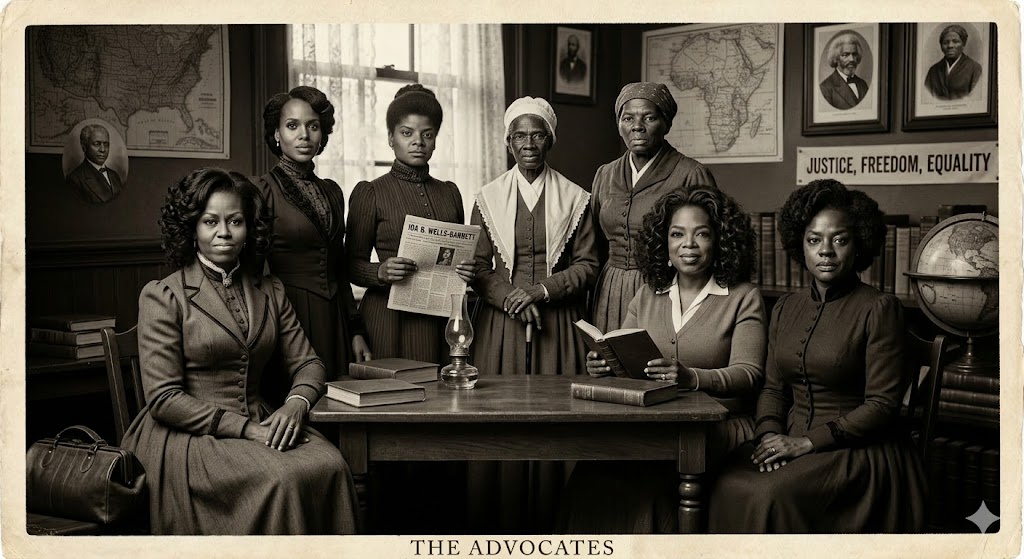
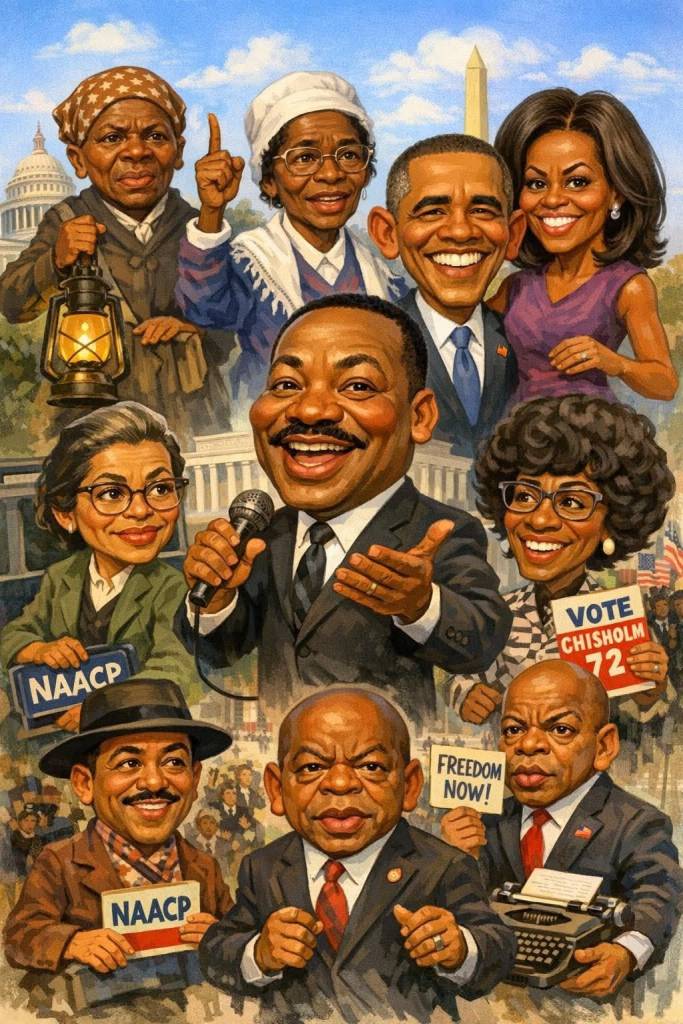
Unseen, Uncelebrated, Unstoppable: Dark-Skinned Women Who Changed Everything.

Dark-skinned women have long shaped history, art, culture, and politics, yet their contributions are often overlooked or undervalued. These women embody resilience, brilliance, and transformative power that defy societal limitations.

Harriet Tubman is one of the most iconic figures in American history. Born into slavery, she risked her life repeatedly to lead enslaved people to freedom via the Underground Railroad. Her courage and strategic brilliance exemplify the profound impact of dark-skinned women on the fight for justice.

Ida B. Wells transformed journalism and activism by exposing lynching and systemic racial violence. Through her fearless reporting, she challenged entrenched social norms and advocated for civil rights long before the modern civil rights movement.

Sojourner Truth, born into slavery, became a compelling orator and activist for abolition and women’s rights. Her speech “Ain’t I a Woman?” continues to inspire generations, illustrating the intersection of race and gender in advocacy.

Michelle Obama redefined the role of First Lady, advocating for education, health, and empowerment for young women. Her public presence and initiatives have had global influence, elevating the visibility and authority of Black women in leadership.

Viola Davis has reshaped Hollywood’s understanding of talent and representation. Her Emmy, Tony, and Academy Awards highlight not only her personal achievements but also the need for equitable opportunities for women of color in the entertainment industry.

Lupita Nyong’o’s Oscar-winning performance in 12 Years a Slave brought grace, strength, and visibility to dark-skinned actresses worldwide. Beyond acting, she challenges beauty standards and inspires young women to embrace their natural skin.

Angela Davis, a scholar and activist, has dedicated her life to fighting for civil rights, prison reform, and gender equality. Her fearless advocacy demonstrates the intellectual and moral leadership of Black women in public discourse.

Toni Morrison used literature to give voice to Black experiences and histories. Through novels like Beloved and The Bluest Eye, she illuminated the struggles and triumphs of dark-skinned women, creating a legacy of empowerment through storytelling.

Maya Angelou, a poet, singer, and activist, intertwined artistry and advocacy. Her work celebrated Black identity, resilience, and self-expression, leaving an enduring cultural imprint on generations of readers and performers.

Serena Williams transformed sports and broke racial and gender barriers in tennis. Her dominance on the court and influence off it showcase the resilience and versatility of dark-skinned women excelling in highly visible arenas.

Shirley Chisholm broke political barriers as the first Black woman elected to Congress and the first to run for a major party presidential nomination. Her courage inspired countless women to pursue leadership roles.

Oprah Winfrey’s rise from poverty to global influence demonstrates the transformative power of determination and vision. Her philanthropy and media presence have created platforms for countless underrepresented voices.

Madam C.J. Walker became the first self-made female millionaire in the U.S., creating economic opportunities and challenging social barriers for Black women in the early 20th century.

Mae Jemison, the first Black woman in space, shattered barriers in STEM and exploration, inspiring generations of girls to pursue careers in science and technology.

Zora Neale Hurston preserved African American folklore and heritage through literature and anthropology, elevating cultural narratives often ignored in mainstream history.

Coretta Scott King continued her husband’s civil rights work, advocating for equality, peace, and justice. Her leadership exemplifies the often unseen roles women play in movements for societal transformation.

Alice Walker, author of The Color Purple, illuminated the lived experiences of Black women, addressing trauma, resilience, and empowerment, shaping contemporary conversations around race and gender.

Ella Baker’s grassroots activism was pivotal in the civil rights movement, emphasizing collective leadership and community empowerment over personal recognition.

Shonda Rhimes revolutionized television by centering Black female characters in mainstream media, creating cultural influence and changing industry standards for representation.

Audre Lorde, a poet and activist, challenged oppression through her writing, encouraging Black women to embrace their voices and assert their identities unapologetically.

Angela Rye’s political commentary and advocacy work amplify marginalized voices, highlighting the continued need for equity and justice in modern society.

Kerry Washington blends artistry and activism, using her platform to engage in civic causes while portraying multidimensional Black women in film and television.

Ruby Dee’s career as an actress and activist highlighted the intersection of artistry and social advocacy, reflecting a lifelong dedication to both craft and justice.

Maya Rudolph, through comedy and performance, brings intelligence, cultural commentary, and visibility to dark-skinned women in entertainment, expanding the narrative of influence.

These women, past and present, demonstrate the unstoppable force of dark-skinned women in shaping history, culture, and society. Their achievements remind us that leadership, talent, and courage are not defined by visibility but by impact.

By celebrating their stories, society acknowledges not only their individual achievements but also the broader legacy of dark-skinned women who continue to inspire and transform the world.

Through their lives, we see a pattern: resilience, brilliance, and the ability to break barriers are hallmarks of dark-skinned women. Their impact is profound, enduring, and unstoppable.

The ongoing work of highlighting, recognizing, and celebrating these women is essential to rewriting narratives and empowering future generations. Their stories remind us that greatness often emerges in spite of societal neglect.

The legacies of these extraordinary women prove that being unseen or uncelebrated does not diminish influence. Their courage, intellect, and creativity continue to change the world in every sphere.

Ultimately, dark-skinned women have always been drivers of progress. By learning from and amplifying their stories, we ensure that their transformative power is recognized, celebrated, and passed on to inspire the leaders of tomorrow.


References

The Holy Bible, King James Version. (1611).

Clinton, C. (2004). Harriet Tubman: The Road to Freedom. Little, Brown.

Obama, M. (2018). Becoming. Crown Publishing Group.

Davis, V. (Interviews and speeches). Various sources.

Nyong’o, L. (Interviews, various). Media coverage and awards.

Walker, A. (1982). The Color Purple. Harcourt.

Angelou, M. (1993). Phenomenal Woman: Four Poems Celebrating Women. Random House.

Hooks, B. (1992). Black Looks: Race and Representation. South End Press.

Gates, H. L., Jr. (2019). Stony the Road: Reconstruction, White Supremacy, and the Rise of Jim Crow. Penguin Press.

Winfrey, O. (2007). The Wisdom of Sundays. Flatiron Books.

John Henrik Clarke: The Historian Who Restored Africa to World History.

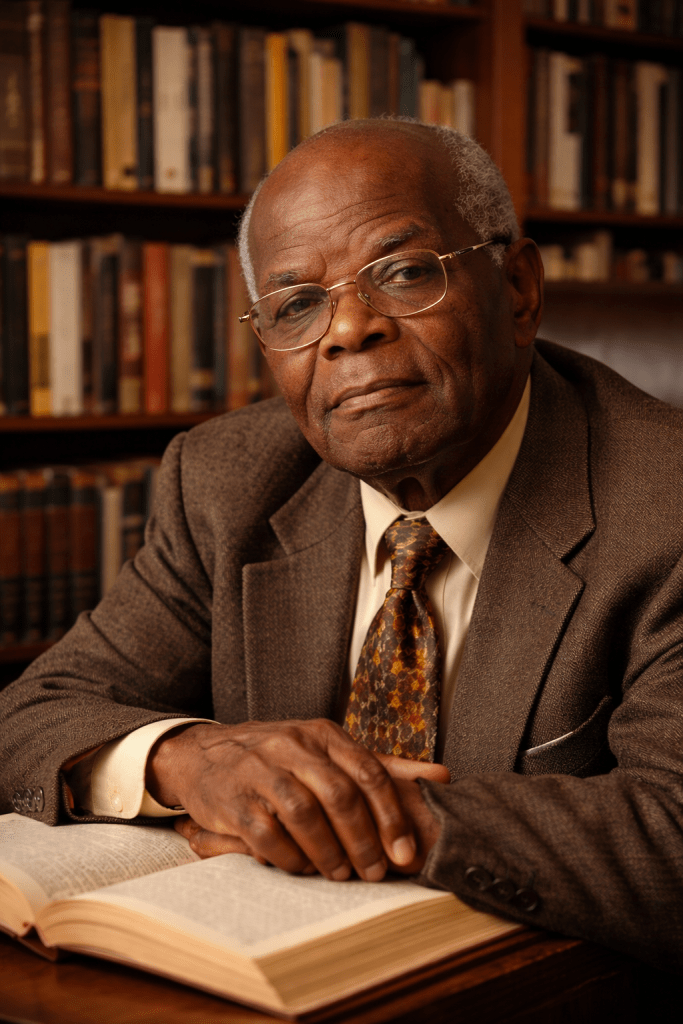
John Henrik Clarke is widely regarded as one of the most influential intellectual activists in modern Black history. A historian, educator, lecturer, and Pan-African thinker, Clarke devoted his life to correcting what he believed were distortions and omissions in Western scholarship regarding African and African-American history. Through decades of teaching, writing, and public speaking, he helped generations of Black people rediscover their historical roots and cultural identity.

Clarke was born John Henry Clark on January 1, 1915, in Union Springs, Alabama, into a family of sharecroppers. Growing up in the racially segregated South during the Jim Crow era, he witnessed firsthand the harsh realities of racism and economic hardship that shaped the lives of many African Americans during the early twentieth century. These early experiences deeply influenced his lifelong mission to understand the historical roots of oppression and to educate Black communities about their past.

Like many African Americans seeking better opportunities, Clarke migrated north during the Great Migration. As a young man, he moved to Harlem in New York City, which at the time was a vibrant center of Black intellectual, artistic, and political life. Harlem introduced Clarke to writers, activists, and scholars deeply engaged in discussions of race, identity, colonialism, and global Black liberation.

Although Clarke did not initially attend a traditional university, he became largely self-educated through extensive reading and mentorship. He studied history, philosophy, literature, and politics with a passion that would later earn him recognition as one of the most respected independent scholars of African history. His intellectual discipline demonstrated that scholarship could emerge both inside and outside formal academic institutions.

One of the individuals who inspired Clarke was the Jamaican-born Pan-African leader Marcus Garvey. Garvey’s philosophy of Black pride, self-determination, and global African unity had a profound influence on Clarke’s worldview. Garvey’s movement emphasized that people of African descent should study their history, celebrate their heritage, and build independent institutions.

Clarke was also inspired by the historian Carter G. Woodson, who founded Negro History Week, which later became Black History Month. Woodson’s work demonstrated that African-American history was worthy of serious academic study. Clarke followed in Woodson’s footsteps by expanding the study of African and diasporic history.

Another major intellectual influence on Clarke was the Senegalese scholar Cheikh Anta Diop. Diop’s research argued that ancient Egypt was fundamentally an African civilization and that African cultures played central roles in early human development. Clarke promoted Diop’s scholarship throughout the United States and helped introduce many Americans to these perspectives.

Clarke’s work centered on correcting what he believed to be Eurocentric interpretations of history. He argued that Western historical narratives often minimized Africa’s contributions to world civilization while exaggerating European influence. Clarke believed that restoring Africa’s historical role was essential for the psychological liberation of African people.

Throughout his career, Clarke emphasized that history shapes identity. He frequently explained that people who do not know their history struggle to understand their place in the world. For African Americans whose ancestry had been disrupted by slavery, historical knowledge became a tool for cultural reconstruction and empowerment.

Clarke believed that African civilizations had made significant contributions to philosophy, science, architecture, and governance long before the rise of Europe. By highlighting ancient African kingdoms and intellectual traditions, he challenged stereotypes that portrayed Africa as historically primitive or disconnected from global progress.

In the 1960s and 1970s, Clarke played a significant role in the development of Black Studies programs in American universities. At a time when many institutions had little or no coursework focused on African or African-American history, Clarke advocated for academic departments dedicated to Africana studies.

He helped establish scholarly organizations that centered African perspectives in research. One of the institutions he helped found was the African Heritage Studies Association, which was created by Black scholars who believed African history should be studied through African and diasporic intellectual frameworks.

Clarke also served as a professor at Hunter College in New York, where he taught courses on African history and the African diaspora. His lectures were widely attended and known for their passionate delivery and depth of knowledge. Many students described him as a master storyteller who could connect historical events across continents and centuries.

Beyond the classroom, Clarke was deeply committed to educating the broader community. He delivered lectures in churches, community centers, and public forums. He believed knowledge should not remain confined within universities but should reach everyday people.

Clarke’s scholarship helped many African Americans develop a stronger sense of cultural pride. By reconnecting Black communities with African history, he challenged narratives that had historically portrayed people of African descent as culturally inferior.

His work also emphasized the global nature of African history. Clarke taught that the African diaspora extended across the Americas, the Caribbean, and Europe, linking the experiences of African people across continents through shared histories of migration, slavery, and cultural resilience.

In addition to teaching, Clarke wrote numerous essays and books. Among his most influential works was African People in World History, which provided a broad overview of Africa’s historical role in global civilization. The book became widely used in Black Studies courses and community education programs.

Clarke also wrote extensively about the relationship between colonialism, slavery, and European economic development. He argued that the transatlantic slave trade and the exploitation of African resources played significant roles in the rise of Western economies.

Regarding race relations, Clarke held complex views about white people and European institutions. He often criticized systems of colonialism, racism, and imperialism that had oppressed African populations around the world. However, his critiques were primarily directed at historical systems of power rather than individual people.

Clarke believed that racism was a structural problem embedded in political and economic institutions. His writings focused on dismantling these systems through historical awareness, education, and cultural self-determination.

At the same time, Clarke maintained that true historical scholarship required honesty and critical thinking. He encouraged students to question dominant narratives and examine historical evidence carefully.

Clarke also stressed that African history should be studied within the broader context of world history. Rather than isolating Africa, he argued that African civilizations interacted with Europe, Asia, and the Middle East through trade, diplomacy, and cultural exchange.

Despite beginning his career outside traditional academic pathways, Clarke eventually received numerous honors and recognition for his scholarship. Universities awarded him honorary degrees acknowledging his contributions to the study of African history.

Clarke was also respected for his mentorship of younger scholars and activists. Many historians, writers, and educators credit Clarke with encouraging them to pursue research in African and African-diasporic history.

His influence extended beyond academia into cultural and political movements focused on Black empowerment. Clarke’s lectures often emphasized self-knowledge, cultural pride, and historical awareness as tools for liberation.

On a personal level, Clarke was married to Augusta Clarke, and together they raised children while balancing family life with his demanding career as a lecturer and writer. Despite his public role as an intellectual leader, he remained deeply committed to family and community.

Clarke continued teaching and writing well into his later years. His dedication to historical scholarship remained unwavering throughout his life. Even as new generations of scholars entered the field of Africana studies, Clarke remained a respected elder within the intellectual community.

He passed away in 1998, leaving behind a legacy that reshaped the way African history is studied and understood in the United States. Today he is remembered as one of the pioneers who helped establish Africana studies as a legitimate academic discipline.

For many scholars and students, Clarke represents the power of intellectual independence and cultural pride. His work reminds people that history is not merely a record of the past but a foundation for understanding identity and shaping the future.

Through his teaching, writing, and activism, John Henrik Clarke helped millions of people see Africa not as a footnote in world history but as one of its central chapters.


References

Clarke, J. H. (1993). African People in World History. Black Classic Press.

Clarke, J. H. (1999). Christopher Columbus and the Afrikan Holocaust: Slavery and the Rise of European Capitalism. A&B Books.

Hine, D. C., Hine, W. C., & Harrold, S. (2018). The African-American Odyssey. Pearson.

Howe, S. (1999). Afrocentrism: Mythical Pasts and Imagined Homes. Verso.

Asante, M. K. (2009). The History of Africa: The Quest for Eternal Harmony. Routledge.

Wikipedia contributors. “John Henrik Clarke.” Wikipedia, The Free Encyclopedia.

The Tuskegee Syphilis Study – Medical exploitation of Black men.

The Tuskegee Syphilis Study stands as one of the most infamous examples of medical racism and ethical misconduct in American history. Conducted between 1932 and 1972, the study involved hundreds of Black men who were deliberately misled and denied proper medical treatment in order for government researchers to observe the natural progression of untreated syphilis. The experiment revealed how racial prejudice, scientific curiosity, and institutional power combined to exploit a vulnerable population under the guise of public health research.

The study was conducted in Tuskegee, located in Alabama, a region with a large population of poor Black sharecroppers. Researchers from the United States Public Health Service collaborated with the Tuskegee Institute (now Tuskegee University) to recruit participants. Approximately 600 Black men were enrolled in the study, including 399 men who had syphilis and 201 who did not and were used as a control group.

Participants were told that they were receiving treatment for what doctors described as “bad blood,” a vague term commonly used in the rural South to refer to various ailments such as fatigue, anemia, or infections. In reality, the men were never informed that they had syphilis, nor were they told that the purpose of the study was to observe the disease’s untreated progression over time.

During the early twentieth century, scientific racism strongly influenced American medical research. Many white physicians believed that Black people were biologically different and less sensitive to pain or disease than white populations. These racist assumptions contributed to the belief that Black bodies could be used as experimental subjects without the same ethical considerations afforded to white patients.

When the study began in 1932, treatments for syphilis were limited and often dangerous. However, by the mid-1940s, the antibiotic Penicillin had become the widely accepted and highly effective cure for syphilis. Despite this breakthrough, researchers involved in the Tuskegee study intentionally withheld the drug from participants in order to continue observing the disease’s long-term effects.

Researchers monitored the men for decades, regularly conducting blood tests, spinal taps, and physical examinations. Many of the participants believed these procedures were forms of medical care, when in reality they were part of a long-term observational experiment. The spinal taps were misleadingly described to the men as “special treatment,” even though they were primarily diagnostic procedures used for research purposes.

The consequences for the participants were devastating. Untreated syphilis can lead to severe complications, including neurological damage, blindness, heart disease, and death. Many of the men in the study suffered these outcomes while researchers documented the progression of their illness.

The harm extended beyond the individual participants. Because the men were unaware they had syphilis, many unknowingly transmitted the disease to their wives. In some cases, children were born with congenital syphilis, a condition that can cause serious developmental and health complications.

The study continued for forty years, largely hidden from public scrutiny. Government officials, medical researchers, and public health professionals were aware of the experiment, yet few questioned its ethical implications during its early decades. Institutional authority and racial bias allowed the study to persist without significant oversight.

The experiment was finally exposed in 1972 after investigative reporting by Jean Heller, a journalist for Associated Press. Her report brought national attention to the unethical nature of the study and sparked widespread public outrage.

Following the media revelations, the study was immediately terminated by federal authorities. Public condemnation came from medical professionals, civil rights organizations, and political leaders who recognized the experiment as a gross violation of human rights and medical ethics.

The scandal prompted congressional hearings and led to the establishment of new ethical guidelines for human research in the United States. In 1974, the U.S. government passed the National Research Act, which created oversight systems for studies involving human subjects.

One of the most important outcomes of the investigation was the development of the Belmont Report in 1979. This document established fundamental ethical principles for human research, including respect for persons, beneficence, and justice. These principles continue to guide modern medical research practices.

The legacy of the Tuskegee study has had a profound impact on the relationship between Black communities and the American medical establishment. The study reinforced longstanding mistrust toward healthcare institutions among African Americans, many of whom view the incident as evidence of systemic racism within the medical system.

Medical researchers and public health officials have acknowledged that the lingering effects of this mistrust contribute to disparities in healthcare access, participation in clinical trials, and attitudes toward medical treatment among Black populations.

In 1997, the U.S. government formally apologized for the study. During a ceremony at the White House, Bill Clinton issued a public apology to the surviving participants and their families, acknowledging that the government had profoundly violated their rights and dignity.

Clinton stated that the study represented a betrayal of trust and a reminder of the importance of ethical standards in medical research. The apology was widely viewed as a symbolic attempt to address the historical injustice inflicted upon the victims.

Today, the Tuskegee Syphilis Study is frequently taught in medical schools, public health programs, and ethics courses as a cautionary example of how scientific research can be corrupted by racism and institutional power.

The event also serves as a critical reminder of the need for informed consent, transparency, and respect for human dignity in medical research. These ethical standards were strengthened precisely because of the injustices exposed by the Tuskegee study.

Ultimately, the Tuskegee Syphilis Study illustrates how vulnerable populations can be exploited when prejudice, authority, and scientific ambition intersect. Its history remains a powerful lesson about the importance of ethical accountability in both medicine and public health.


References

Brandt, A. M. (1978). Racism and research: The case of the Tuskegee Syphilis Study. Hastings Center Report, 8(6), 21–29.

Centers for Disease Control and Prevention. (2023). The Tuskegee timeline. Centers for Disease Control and Prevention.

Gamble, V. N. (1997). Under the shadow of Tuskegee: African Americans and health care. American Journal of Public Health, 87(11), 1773–1778.

Jones, J. H. (1993). Bad blood: The Tuskegee syphilis experiment. New York: Free Press.

Reverby, S. M. (2009). Examining Tuskegee: The infamous syphilis study and its legacy. Chapel Hill: University of North Carolina Press.

U.S. Department of Health and Human Services. (2022). Tuskegee syphilis study archival records. Washington, DC.

The Color Line Escape: The Black Students and Elites Who Passed Into White America.

The HBCU Students and Black Elites Who Passed as White.

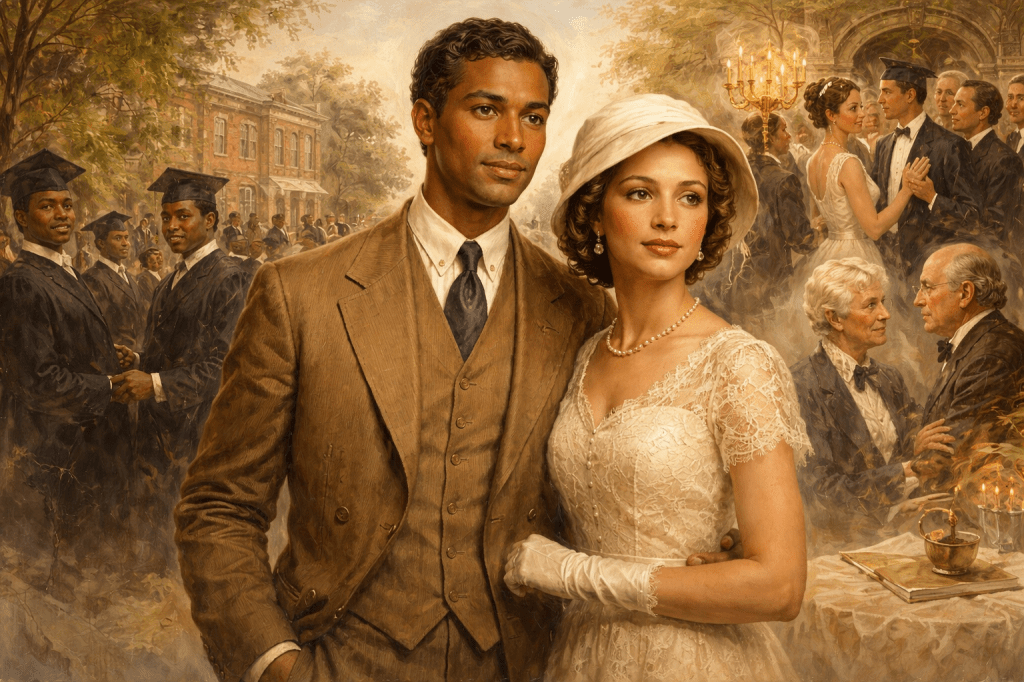
In the nineteenth and early twentieth centuries, the United States operated under a rigid racial system that determined nearly every aspect of a person’s life. Laws, customs, and social practices divided society into categories of “white” and “Black,” with whiteness granting access to education, wealth, safety, and political power. Within this oppressive system, some light-skinned African Americans made the difficult decision to “pass for white,” meaning they presented themselves as white to escape racial discrimination and gain opportunities otherwise denied to them.

Passing was not merely a social choice; it was a survival strategy shaped by systemic racism. During the era of slavery and the decades that followed Reconstruction, Black Americans faced constant threats to their livelihoods and safety. Segregation laws, violence, employment discrimination, and educational barriers created a society where whiteness often meant security and opportunity. For individuals whose physical appearance allowed them to cross the color line, passing became a pathway into a different social world.

Many of the individuals who passed came from educated Black families and elite communities. Some were graduates of historically Black colleges and universities, institutions that produced a generation of highly educated African Americans despite limited resources. Schools such as Howard University, Fisk University, and Atlanta University trained teachers, doctors, lawyers, and intellectuals who sought to uplift Black communities during the late nineteenth and early twentieth centuries.

Yet even with advanced education, racial barriers remained severe. Black professionals were often barred from practicing in white hospitals, law firms, and universities. Segregation limited their clientele and opportunities, making it difficult to fully utilize their education. In this environment, some light-skinned graduates chose to cross the racial boundary in order to practice their professions freely in white society.

One of the most famous examples of passing in American history is Anatole Broyard. Broyard was born into a Creole family of mixed ancestry in New Orleans but later lived as a white man in New York. As a literary critic for The New York Times, he built a successful career while concealing his Black heritage from most colleagues and friends.

Another example is Walter Francis White, whose appearance was so light that he could pass for white. Unlike many who crossed the color line permanently, White used his appearance strategically while working for the National Association for the Advancement of Colored People (NAACP). He traveled through the South investigating lynchings by posing as a white man to gather information.

The phenomenon of passing was deeply connected to America’s complex history of racial mixing. During slavery, many enslaved women were forced into relationships with white slave owners, resulting in generations of mixed-race descendants. By the late nineteenth century, some individuals of mixed ancestry had physical features that allowed them to be perceived as white.

For many who passed, the decision involved enormous personal sacrifice. Passing required cutting ties with family members, friends, and the Black community. Maintaining the illusion of whiteness meant living with constant fear that one’s racial background might be discovered. Exposure could result in job loss, social rejection, or even violence.

Some individuals passed temporarily to obtain employment or housing, while others permanently reinvented their identities. Those who crossed the color line often relocated to new cities where their past was unknown. Large urban centers such as New York City, Chicago, and Los Angeles provided anonymity that made it easier to construct new identities.

The pressures that encouraged passing intensified during the era of Jim Crow laws. Throughout the late nineteenth and early twentieth centuries, segregation laws enforced strict racial boundaries in schools, transportation, housing, and public life. These laws institutionalized racial inequality and reinforced the social advantages associated with whiteness.

Light-skinned members of the Black elite sometimes faced complicated choices within this racial hierarchy. On one hand, many felt a strong commitment to racial solidarity and community leadership. On the other hand, the opportunities available to whites could be dramatically different from those available to even the most educated Black citizens.

Passing was therefore not always motivated by rejection of Black identity. In many cases, it reflected the brutal realities of a society structured around racial discrimination. Economic advancement, personal safety, and professional success were powerful incentives for individuals seeking stability in an uncertain environment.

Literature and film have explored the psychological complexities of passing. Novels such as Passing depict the emotional tension experienced by individuals who cross the racial boundary. These stories reveal the internal conflict between personal ambition and loyalty to one’s heritage.

Historians estimate that thousands of African Americans passed for white during the late nineteenth and early twentieth centuries. However, the exact number is impossible to determine because many individuals successfully concealed their origins and left few records documenting their decisions.

Within Black communities, reactions to passing were mixed. Some viewed it as a betrayal or abandonment of the struggle for racial equality. Others understood it as a tragic consequence of systemic racism that forced people into impossible choices.

The existence of passing also exposed the arbitrary nature of racial categories. American society often defined race according to the “one-drop rule,” meaning that even a small amount of African ancestry classified a person as Black. Yet the fact that some individuals could move between racial identities demonstrated how socially constructed these categories truly were.

Passing gradually became less common after the civil rights movement of the 1950s and 1960s. As legal segregation was dismantled and new opportunities emerged for African Americans, the incentives to permanently abandon one’s racial identity diminished.

Nevertheless, the history of passing remains an important chapter in understanding race in the United States. It reveals the extreme pressures created by a society that rewarded whiteness while marginalizing Blackness.

For the students, professionals, and elites who crossed the color line, passing represented both opportunity and loss. While it sometimes brought economic stability and professional success, it often required the painful sacrifice of family ties, cultural heritage, and community belonging.

Ultimately, the phenomenon of passing highlights the human cost of racial inequality. It illustrates how deeply racism shaped personal identity, forcing individuals to navigate a world where the boundaries of race could determine the course of an entire life.


References

Ginsberg, E. K. (1996). Passing and the Fictions of Identity. Duke University Press.

Hobbs, A. (2014). A Chosen Exile: A History of Racial Passing in American Life. Harvard University Press.

Kennedy, R. (2001). Interracial Intimacies: Sex, Marriage, Identity, and Adoption. Pantheon Books.

Larsen, N. (1929). Passing. Alfred A. Knopf.

Smithsonian National Museum of African American History and Culture. History of racial passing in America.

Hine, D. C., Hine, W. C., & Harrold, S. (2014). The African American Odyssey. Pearson Education.

Library of Congress. Historical records on race and identity in the United States.

The Black Hamptons

Historic Black Beach Communities

The Black Hamptons is a historic cluster of African-American beachfront communities located in Sag Harbor on Long Island, New York. These communities emerged during the late 1940s, a time when racial segregation and discriminatory housing practices prevented Black Americans from purchasing property in traditional Hamptons resorts. In response to these barriers, African-American professionals, educators, and entrepreneurs created vacation communities where Black families could gather, enjoy leisure, and build generational wealth through land ownership.

The origins of the Black Hamptons are closely tied to Maude Terry, a Brooklyn schoolteacher who frequently vacationed in Sag Harbor. Terry envisioned a seaside retreat where Black families could enjoy the pleasures of summer without facing racial prejudice. Recognizing the scarcity of safe, welcoming spaces for African Americans along Long Island’s coast, she began to explore options for purchasing and developing land specifically for Black buyers.

Maude Terry was joined in her efforts by her sister, Amaza Lee Meredith, who was one of the first documented Black female architects in the United States. Meredith’s expertise in architecture and urban planning helped transform the raw land into a functional and attractive residential subdivision. She designed several of the first homes, combining practicality with aesthetic appeal, and ensuring that the community would be visually appealing while fostering a sense of pride among its residents.

Together, the Terry sisters created what would become the Sag Harbor Hills, Azurest, and Ninevah Beach neighborhoods. These three neighborhoods formed the core of what historians now call the SANS Historic District. Each neighborhood was deliberately planned to provide both privacy and a communal feel, with winding streets, beach access, and small parks that encouraged social interaction among residents.

Sag Harbor Hills became a popular summer destination for Black professionals such as doctors, lawyers, and academics. Its waterfront lots allowed families to enjoy beachside living and boating, creating a sense of leisure that had previously been denied due to racial segregation in other Hamptons communities. The neighborhood quickly became a hub of Black middle- and upper-class culture on the East Coast.

Azurest, the second neighborhood, was the subdivision that benefited most from Amaza Lee Meredith’s architectural vision. Featuring small, charming beach houses, Azurest attracted educators, artists, and entrepreneurs who sought a peaceful summer retreat. Its well-planned layout and proximity to the water made it especially desirable for families looking to spend extended summers in a safe and welcoming environment.

Ninevah Beach, the third primary neighborhood, expanded the Black Hamptons’ reach along the Sag Harbor coast. With additional beach access and residential lots, Ninevah Beach allowed the growing community to accommodate more families and strengthen the cultural and social bonds among residents. Over time, the three neighborhoods formed a contiguous enclave that became synonymous with African-American leisure and affluence.

The initial purchase of land and construction of homes was not without challenges. Most mainstream banks refused to issue mortgages to African-American buyers, a discriminatory practice known as redlining. This barrier could have prevented many families from acquiring property in the Black Hamptons, but community organizers developed cooperative financing strategies that allowed buyers to pool resources, invest in land collectively, and overcome systemic discrimination.

The cooperative financing model was essential for building generational wealth. By purchasing property in Sag Harbor, Black families were able to transfer assets to subsequent generations, securing long-term financial stability. Unlike many urban African-American communities that suffered from systemic disinvestment, the Black Hamptons offered a rare opportunity for homeownership in a desirable coastal location.

The Black Hamptons quickly gained a reputation as a cultural hub. Prominent entertainers and civil-rights advocates began visiting or establishing homes in the community. Lena Horne, the legendary singer and actress, purchased property in Sag Harbor, signaling the area’s growing prestige. Her presence attracted other artists and performers seeking a welcoming, affluent Black community on the East Coast.

Jazz legend Duke Ellington also visited the Black Hamptons, further enhancing its cultural cachet. Ellington’s ties to the area underscored the neighborhood’s appeal to Black artists and performers who were looking for both privacy and prestige. Similarly, civil-rights activist and performer Harry Belafonte was associated with the enclave, linking the community to a broader narrative of Black empowerment and visibility.

Entrepreneur and media personality B. Smith owned property in the Black Hamptons as well. Her investment reflected the community’s appeal to African-American professionals and business leaders who wanted summer residences that provided both status and cultural connection. Former NBA star Allan Houston is another figure linked to Sag Harbor, further illustrating the area’s appeal to accomplished Black individuals.

Over time, the Black Hamptons became a symbol of African-American achievement. While the area was originally created as a vacation community, its cultural and financial significance extended far beyond leisure. It represented the triumph of vision, organization, and resilience in the face of systemic racism.

Financially, property in the Black Hamptons has appreciated dramatically. Homes that once sold for a few thousand dollars now range from $1 million to several million, depending on size, location, and proximity to the water. This growth has both preserved and challenged the community’s identity, as rising property values make it increasingly difficult for younger generations or middle-class families to maintain ownership.

The influx of wealth has attracted outside investors and developers who sometimes purchase modest homes, demolish them, and build large luxury estates. While this trend reflects the desirability of the area, it also raises concerns about gentrification and the erasure of the historic Black cultural identity embedded in Sag Harbor Hills, Azurest, and Ninevah Beach.

Residents and preservation advocates have responded by seeking official recognition and protection for their neighborhoods. In 2019, the three communities were added to the National Register of Historic Places, acknowledging their significance as rare African-American beachfront enclaves and preserving their historical and cultural legacy for future generations.

Today, the Black Hamptons continues to attract influential African Americans, including entertainers, athletes, and business leaders, who value both the cultural history and the leisure opportunities of the area. It serves as a summer refuge, a gathering place, and a living testament to African-American resilience and achievement.

Despite challenges, including rising property costs and external development pressures, the Black Hamptons remains a unique symbol of Black wealth, cultural pride, and community organization. Efforts by local associations aim to maintain the historic character of the neighborhoods while balancing the realities of a highly competitive real estate market.

The Black Hamptons stands as both a historical and contemporary statement: it reflects the triumph of African Americans over systemic barriers while highlighting the ongoing importance of preserving culturally significant spaces. The neighborhoods continue to foster social cohesion, cultural celebration, and intergenerational wealth within the African-American community.

Its legacy also serves as a model for other historically marginalized groups seeking to protect and maintain culturally significant residential spaces. The Black Hamptons’ story demonstrates how deliberate planning, community cooperation, and visionary leadership can create enduring cultural and economic value.

In conclusion, the Black Hamptons is more than a vacation community; it is a testament to African-American perseverance, ingenuity, and the pursuit of leisure, culture, and wealth in a society that historically sought to limit these opportunities. Its founders, residents, and visitors have ensured that the community remains a meaningful space for celebrating Black identity, accomplishment, and generational legacy.

References

Beglane, T. (2019). African-American neighborhoods in Sag Harbor added to NYS Historic Register. WSHU Public Radio. https://www.wshu.org/news/2019-03-27/african-american-neighborhoods-in-sag-harbor-added-to-nys-historic-register

Jefferson, A. R. (2024). Long Road to Freedom: African American History on Long Island. Long Island Museum. https://longislandmuseum.org/wp-content/uploads/2024/09/Long-Road-to-Freedom-Book-FINAL.pdf

Leland, J. (2016). Investors move next door, unsettling a Black beachside enclave. The New York Times.

McMullen, T. (2017). Historically Black beach enclaves are fighting to save their identity. The Washington Post. https://www.washingtonpost.com/realestate/surf-sand-and-race/2017/07/26/f674c5be-61bb-11e7-84a1-a26b75ad39fe_story.html

Sag Harbor Hills, Azurest, and Ninevah Beach Subdivisions Historic District. (n.d.). Wikipedia. https://en.wikipedia.org/wiki/Sag_Harbor_Hills%2C_Azurest%2C_and_Ninevah_Beach_Subdivisions_Historic_District

27 East. (2019). Historic African-American summer communities in Sag Harbor could receive national recognition. https://www.27east.com/east-hampton-press/nehsans0620-1298259

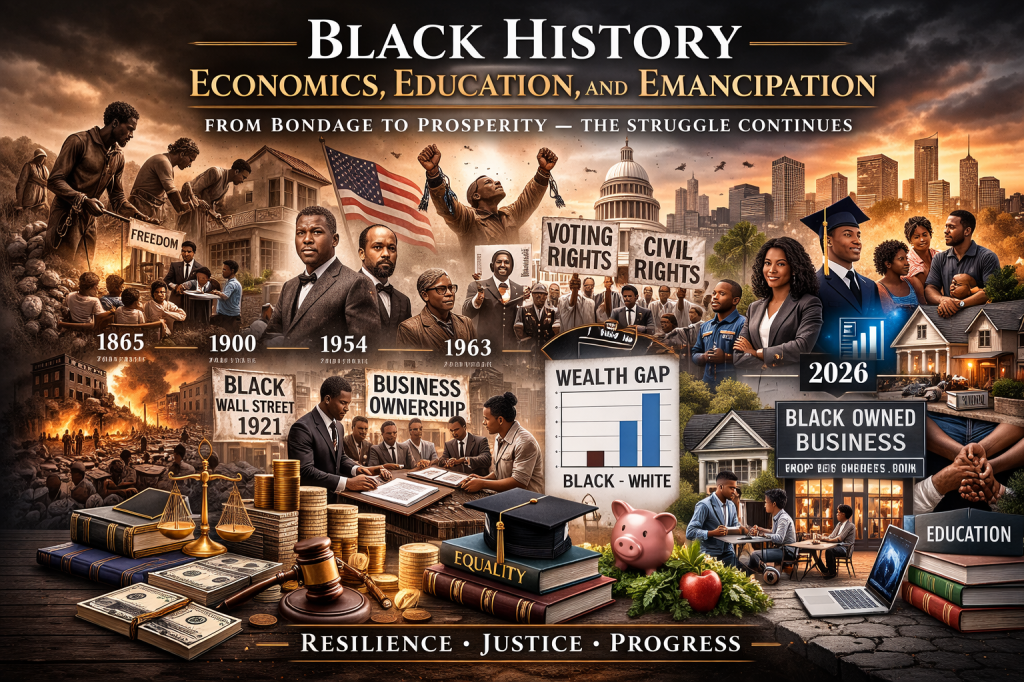
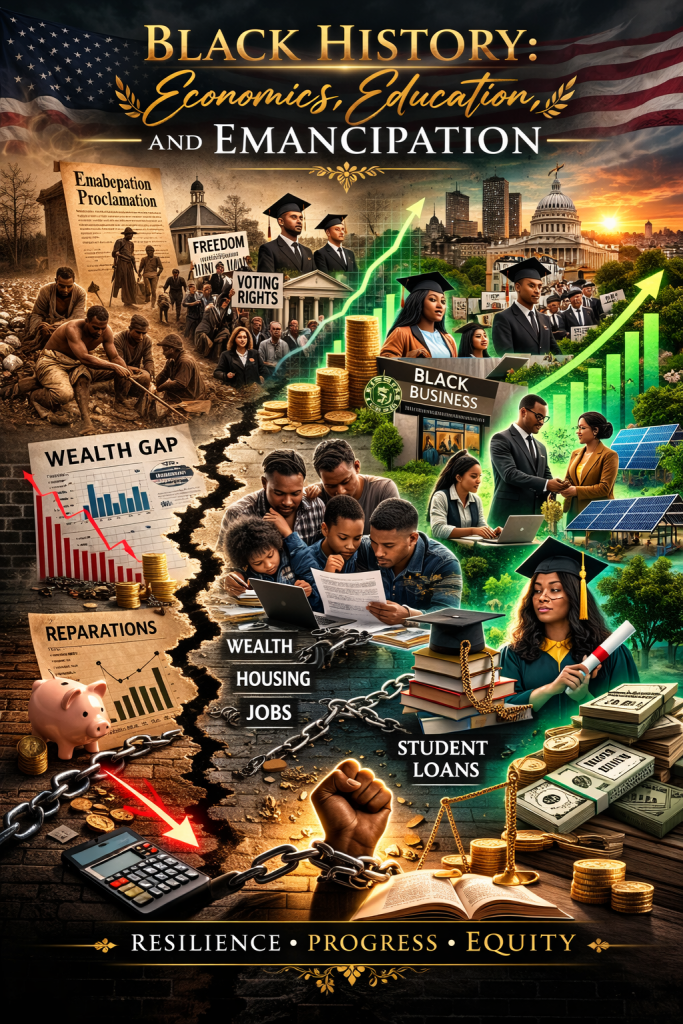
Black History: Economics, Education, and Emancipation.

Black history in the United States is not merely a litany of events; it is the story of a people’s persistent struggle for dignity, self-determination, and economic justice. From the systemic deprivations of slavery to the present day, the economic condition of Black Americans has been profoundly shaped by centuries of exclusion, exploitation, and resistance (McKinsey & Company, 2025). The interplay of economic opportunity, access to education, and emancipation has defined both individual lives and collective possibilities.

The legacy of slavery and Reconstruction laid the groundwork for persistent racial inequalities. Even at the formal end of slavery in 1865, Black Americans held virtually no wealth; over a century and a half later, that gap persists. Black households possess only a small fraction of national wealth compared with White households, illustrating how historical racial injustice still translates into economic precarity (LendingTree, 2026; Brookings Institution, 2024).

Structural discrimination continues to influence economic outcomes through labor markets that systematically disadvantage Black workers. Black Americans are overrepresented in lower-wage occupations and underrepresented in higher-paying managerial and professional roles, reinforcing income inequality (McKinsey & Company, 2019). This occupational segregation, rooted in historical discrimination, limits economic mobility and widens the wealth gap across generations.

Education has long been touted as a pathway to economic advancement, yet disparities in educational access and outcomes persist. Predominantly Black school districts receive significantly less funding than predominantly White districts, perpetuating cycles of unequal opportunity and limiting access to high-quality schooling (Black Wall Street Organization, 2025). In this context, education becomes not simply a means of individual uplift but a battleground for equity.

Higher education, while expanding enrollment for Black students over recent decades, also exposes students to disproportionate levels of debt. Black college graduates carry higher student loan burdens than their White counterparts, constraining their capacity to accumulate wealth through homeownership, savings, and investments (Black Wall Street Organization, 2025). Thus, the very institution that promises empowerment can become another vector of economic strain.

Despite the barriers, African Americans have demonstrated remarkable resilience. Historic models of Black economic self-help—mutual aid societies, Black-owned banks, business collectives, and cooperative enterprises—reflect a long tradition of economic self-determination. Yet these efforts have often faced hostile responses, from discriminatory lending practices to overt violence, as in the destruction of Black Wall Street in 1921 (Black Wall Street Organization, 2025).

Homeownership remains a key indicator of wealth building in America, yet the Black homeownership rate lags significantly behind that of White Americans, reflecting a century of housing discrimination and unequal access to mortgage capital (Washington Post, 2026). Even when Black families do own homes, properties often appraise for lower values due to enduring patterns of segregation and appraisal bias, further limiting generational wealth accumulation.

As of recent data, Black homeownership stands well below the rate for White families, and median wages for Black workers are substantially lower across industries. Black workers commonly earn about 70 percent of what White workers earn in comparable sectors, underscoring persistent wage disparities (LendingTree, 2026). These gaps are not accidental; they reflect longstanding structural inequities embedded in the economy.

Economic Data Tables: Black–White Disparities (2025–2026)

Median Household Income & Wealth

IndicatorBlack HouseholdsWhite HouseholdsSource
Median Household Income (2024)~$56,020~$88,010LendingTree (2026)
Median Household Wealth (% of U.S. total)~3.4%~83.5%LendingTree (2026)
Racial Wealth Ratio (White : Black)~8:1ZipDo (2026)
Median Wealth (Black vs White)~$24,100 vs $188,200ZipDo (2026)

Employment & Labor Market Disparities

IndicatorBlack WorkersWhite WorkersSource
Unemployment Rate (Q3, 2025)~7.8%~3.8%LendingTree (2026)
Black Unemployment (Nov 2025 spike)8.3%Reuters (2025)
Earnings Gap (Median wages)~70–75% of White wages100%WorldMetrics (2026)

Homeownership & Wealth Building

IndicatorBlack HouseholdsWhite HouseholdsSource
Homeownership Rate (2026)~43.6%~70.3%Washington Post (2026)
Homeownership Gap (Historical Persistence)Negligible improvement over decadesWashington Post (2026)
Access to Favorable Mortgage TermsHigher denial & biasLower denialLendingTree (2026)

These data illustrate several core structural truths:

  • Persistent Racial Wealth Gap: Black households hold a disproportionately small share of U.S. total wealth (about 3.4%), even though Black Americans represent ~13–14% of the population. Meanwhile, White households control over 80% of the national wealth. Economic inequality is thus not only about income but also about historical asset accumulation and generational transfer of wealth.
  • Income Inequality Across Sectors: Black workers earn approximately 70–75 cents for every dollar earned by White workers across major sectors, with the gap widening in higher‑paying occupations.
  • Employment Barriers: The unemployment rate for Black Americans in late 2025 and early 2026 was more than double the national rate, a persistent pattern indicating structural labor market discrimination and vulnerability during economic contractions.
  • Homeownership & Wealth Building: Black homeownership remains far below White rates, with only about 44% of Black households owning homes — a primary vehicle for middle‑class wealth — compared with around 70% of White households. Appraisal bias, mortgage denial disparities, and historical segregation play significant roles in this enduring gap

The wealth gap also manifests in broader national terms: White Americans hold the vast majority of U.S. wealth, while Black Americans hold only a small sliver despite representing a significant portion of the population (LendingTree, 2026). This imbalance illustrates how historical exclusion has compounded over time, making wealth accumulation a generational challenge.

In the labor market of 2025–2026, the unemployment rate for Black Americans has risen disproportionately higher than the national average, signaling troubling economic trends that scholars and civil rights analysts describe as a “Black recession.” Black unemployment climbed to levels nearly double those of White workers amid broader economic slowdown and policy reversals that eroded programs designed to address racial inequality (State of the Dream Report, 2026).

Economic policy and labor market shifts have gutted diversity and inclusion initiatives in federal agencies, removing support mechanisms that previously helped mitigate racial disparities in employment. As a result, Black workers have borne the brunt of federal job cuts, particularly Black women, who historically are overrepresented in public sector employment (State of the Dream Report, 2026).

The racial wealth gap is not simply an issue of income but of cumulative assets: investments, property equity, business ownership, and inheritance. White families disproportionately benefit from stock market gains and home equity appreciation, while Black families have historically had limited access to these primary vehicles of wealth growth (Investopedia, 2025). This structural imbalance inhibits intergenerational economic security.

The persistence of these disparities challenges the myth that formal emancipation was sufficient to equalize economic outcomes. Rather, emancipation began a long struggle against structural barriers that have constrained Black economic agency. This ongoing reality reveals that legal freedom without equitable economic opportunity remains incomplete.

Economic suffering among Black Americans in 2026 highlights the continuing legacy of these structural inequalities. Rising unemployment, growing wealth concentration among white households, and barriers to capital for Black entrepreneurs all point to an economy in which racial disparities remain entrenched. Scholars argue that the effects of these disparities are so profound that closing the racial wealth gap could significantly benefit the U.S. economy as a whole (McKinsey & Company, 2019).

Educational disparities remain deeply intertwined with economic outcomes. Black students often attend schools with fewer resources, lower teacher salaries, and less access to advanced coursework, hindering academic achievement and future earnings potential. These inequities underscore how education and economic status are mutually reinforcing.

At the same time, economic inequality among Black communities intersects with health, housing, and social stability. The lack of access to quality healthcare increases medical expenses and economic vulnerability, and housing instability remains a persistent threat for families with limited economic resources (Black Wall Street Organization, 2025).

Yet, in spite of systemic barriers, Black economic empowerment initiatives continue to evolve. Black-owned businesses, though smaller and less capitalized than their White counterparts, represent a significant force for community development. Support for entrepreneurship and access to capital remain key strategies for building Black economic resilience (Black Wall Street Organization, 2025).

Historically and in the present day, education has served as both a means of empowerment and a site of struggle. The promise of education as a path to economic freedom remains contested, as disparities in funding, access, and outcomes continue to shape life chances for Black Americans.

To confront the entrenched economic disparities of 2026 and beyond, scholars and policy advocates emphasize the need for structural reforms that address labor market discrimination, broaden access to capital, and ensure equitable educational opportunity. Without such reforms, the legacy of racial economic inequality will persist, limiting the full realization of emancipation.

In sum, Black history—rooted in economics, education, and emancipation—is a testament to both the enduring injustice of systemic exclusion and the persistent struggle for full economic citizenship. The story of Black America’s economic journey reveals deep structural challenges but also the resilience and ingenuity that have propelled this nation toward a more inclusive future.


References

Brookings Institution. (2024). Black wealth is increasing, but so is the racial wealth gap. Retrieved from https://www.brookings.edu/articles/black-wealth-is-increasing-but-so-is-the-racial-wealth-gap/

LendingTree. (2026). Snapshots of Black and White disparities in income, wealth, and employment. Retrieved from https://www.lendingtree.com/debt-consolidation/black-and-white-disparities-study/

McKinsey & Company. (2019). The economic state of Black America: What is and what could be. Retrieved from https://www.mckinsey.com/featured-insights/diversity-and-inclusion/the-economic-state-of-black-america-what-is-and-what-could-be

State of the Dream Report. (2026). From regression to signs of a Black recession. The EDU Ledger. Retrieved from https://www.theeduledger.com/demographics/african-american/article/15815124/state-of-the-dream-2026-from-regression-to-signs-of-a-black-recession

The Washington Post. (2026). Why does Black homeownership lag White ownership in every major city? Retrieved from https://www.washingtonpost.com/business/2026/02/21/black-homeownership-singletary/

Voices of the Americas: Black, Hispanic, Asian, Italian, and the Tapestry of Minority Sacrifice

The story of the United States is inseparable from the stories of its minorities. America’s economic strength, cultural vitality, and democratic evolution were built not by a single people, but by a convergence of nations, languages, and bloodlines. From forced migration to voluntary arrival, each community has carried both hope and hardship into the American narrative.

African Americans represent one of the oldest continuous minority presences in the nation, arriving first through the transatlantic slave trade in 1619. Enslaved Africans were forcibly transported, stripped of homeland and lineage, yet they laid the agricultural and economic foundation of early America. Their labor undergirded plantation wealth and national expansion, even as their humanity was denied.

Following emancipation, Black Americans faced Reconstruction’s collapse, Jim Crow segregation, racial terror, and systemic exclusion. The Great Migration reshaped northern cities as millions sought industrial opportunity and safety. The Civil Rights Movement, led by figures such as Martin Luther King Jr., transformed American law and conscience, yet disparities in wealth, policing, and healthcare persist.

Hispanic and Latino Americans trace their roots to Spanish colonization long before the United States existed. Regions such as California, Texas, and Florida were once part of Spain and later Mexico. After the Mexican-American War, many Mexicans became Americans overnight when borders shifted rather than people moving.

Immigration from Mexico, Puerto Rico, Cuba, and Central America increased in the twentieth century due to labor demands, political instability, and economic opportunity. Programs such as the Bracero Program recruited Mexican workers during World War II. Today, Latinos face immigration debates, labor inequities, and language-based discrimination, even as they contribute profoundly to agriculture, construction, military service, and entrepreneurship.

Asian Americans arrived in significant numbers during the nineteenth century, beginning with Chinese laborers who helped build the Transcontinental Railroad. Their sacrifice was met with exclusionary policies such as the Chinese Exclusion Act of 1882. Despite this discrimination, Chinese communities established resilient cultural and economic enclaves.

Japanese immigrants faced incarceration during World War II under Executive Order 9066, despite many being American citizens. Korean, Filipino, Indian, and Vietnamese immigrants followed in later waves, often shaped by war, colonial ties, or refugee resettlement policies. Asian Americans today continue to confront stereotypes and periodic surges of xenophobia, particularly during geopolitical tensions.

Italian Americans migrated in large numbers between 1880 and 1920, fleeing poverty and political instability in southern Italy. Upon arrival, they often encountered nativist hostility and were stereotyped as criminals or anarchists. Over time, they built tight-knit communities, contributing to urban labor, cuisine, art, and public service.

Irish Americans, though now often perceived as fully integrated, endured severe discrimination during the nineteenth century. Fleeing the Great Famine, they were met with “No Irish Need Apply” sentiments. They filled industrial jobs, shaped urban political machines, and gradually ascended into mainstream civic life.

Native Americans represent the original inhabitants of the Americas and have endured forced displacement, broken treaties, and cultural suppression. The Trail of Tears and the reservation system stand as painful reminders of conquest and survival. Despite systemic marginalization, Indigenous communities preserve language, sovereignty, and cultural identity.

Arab Americans began migrating in the late nineteenth century, often from Lebanon and Syria, and later from other parts of the Middle East. Many arrived seeking economic opportunity. Post-9/11 suspicion intensified scrutiny and discrimination, yet Arab Americans remain active in business, medicine, and public service.

Caribbean Americans, including Haitian and Jamaican immigrants, have shaped music, healthcare, and entrepreneurship. Migration increased in the twentieth century due to economic and political pressures in the Caribbean basin. These communities often navigate racial identity within broader Black American experiences while maintaining distinct cultural traditions.

African immigrants, distinct from descendants of enslaved Africans, have arrived in increasing numbers since the Immigration and Nationality Act of 1965. Highly educated and entrepreneurial, they contribute to academia, healthcare, and technology sectors while adapting to America’s racial frameworks.

Filipino Americans, whose migration ties date to U.S. colonial governance of the Philippines, have long served in the U.S. Navy and healthcare professions. Their presence illustrates how imperial history shaped migration patterns.

South Asian Americans, including Indian and Pakistani immigrants, expanded significantly after 1965 immigration reforms favored skilled labor. They have made substantial contributions in medicine, engineering, and technology while navigating religious discrimination and post-9/11 scrutiny.

Latina and Asian women have played pivotal roles in garment factories, domestic labor, and nursing, often underpaid and underrecognized. Their sacrifices fueled urban economies while supporting transnational families.

Military service stands as a shared thread across minority communities. From the Buffalo Soldiers to Hispanic Medal of Honor recipients, from Japanese American units in World War II to contemporary immigrant enlistments, minority sacrifice has defended freedoms not always fully extended to them.

Today, minorities collectively face wealth gaps, educational inequities, healthcare disparities, and political polarization. Yet they also represent demographic growth, entrepreneurial dynamism, and cultural innovation. American music, cuisine, language, and art reflect their imprint.

The American experiment is thus not a singular inheritance but a chorus. Black resilience, Hispanic heritage, Asian diligence, Italian and Irish perseverance, Jewish scholarship, Indigenous endurance, Arab entrepreneurship, Caribbean rhythm, and African ambition form a mosaic rather than a monolith.

Voices of the Americas are not peripheral to the nation’s story—they are foundational. Their migrations, whether forced or chosen, their sacrifices in labor and war, and their ongoing pursuit of equity define the evolving meaning of American identity.


References

Daniels, R. (2002). Coming to America: A History of Immigration and Ethnicity in American Life. HarperCollins.

Foner, E. (2014). Give Me Liberty!: An American History. W.W. Norton.

Takaki, R. (2008). A Different Mirror: A History of Multicultural America. Back Bay Books.

The Holy Bible, King James Version (for general themes of migration and diaspora).

U.S. Census Bureau. (2023). Demographic Profile of the United States.