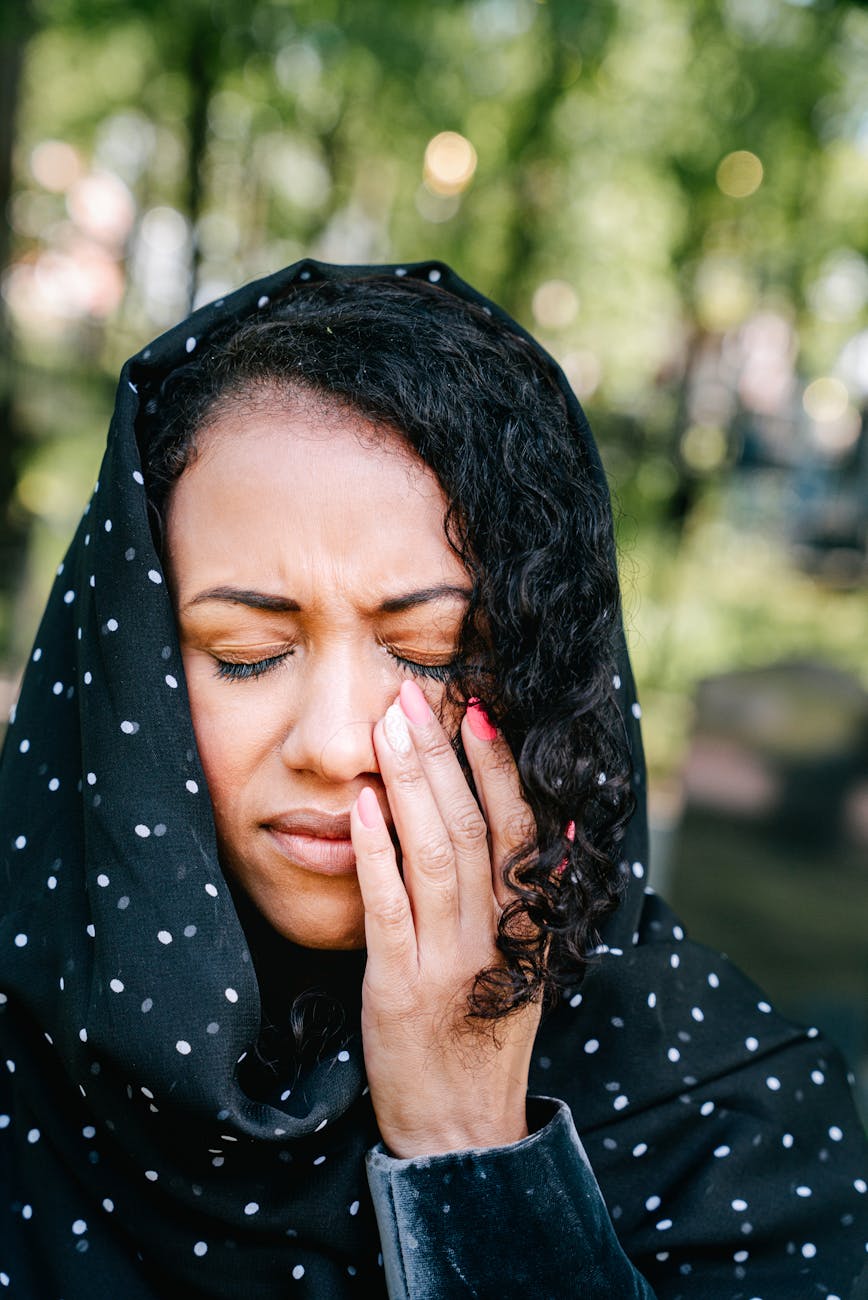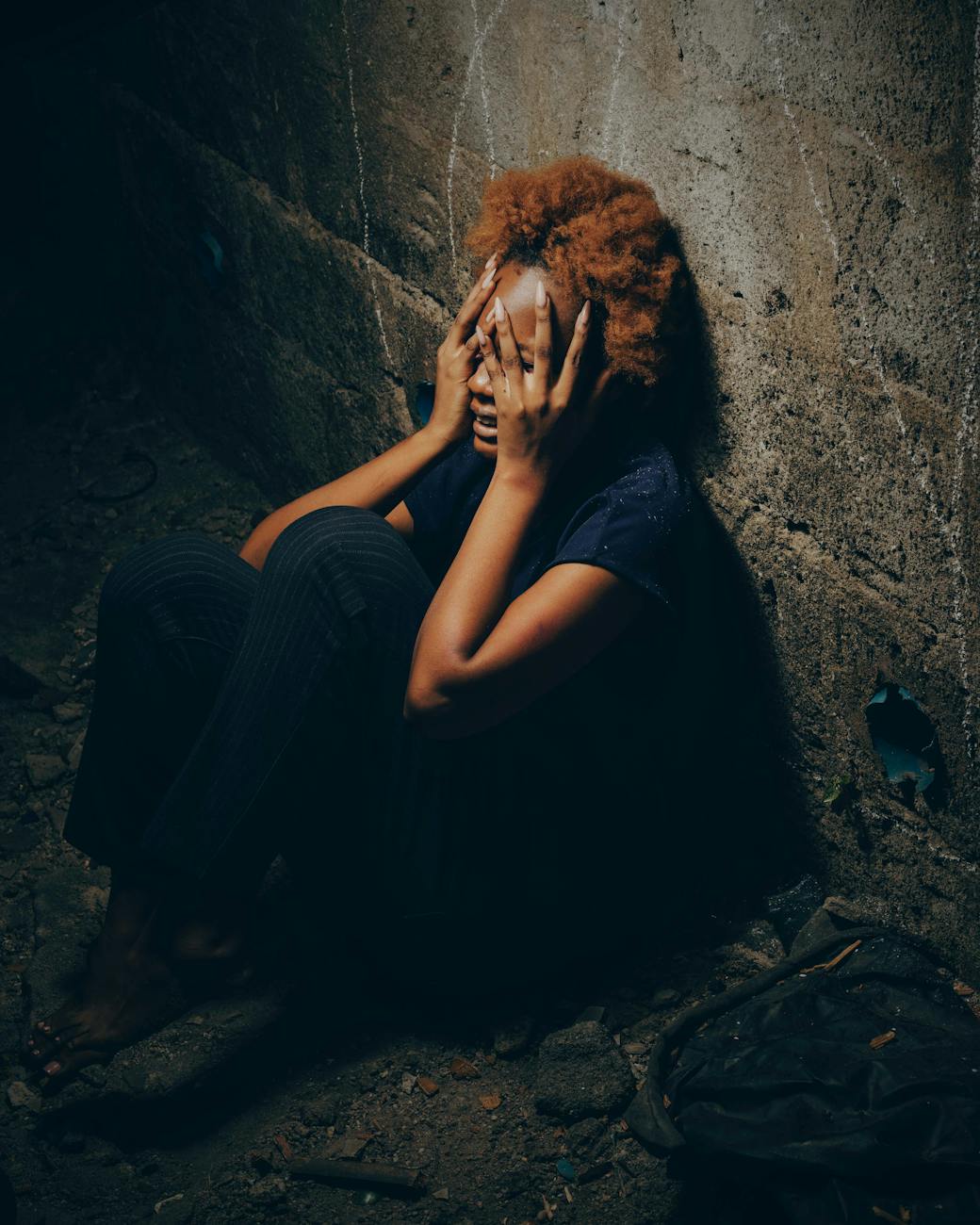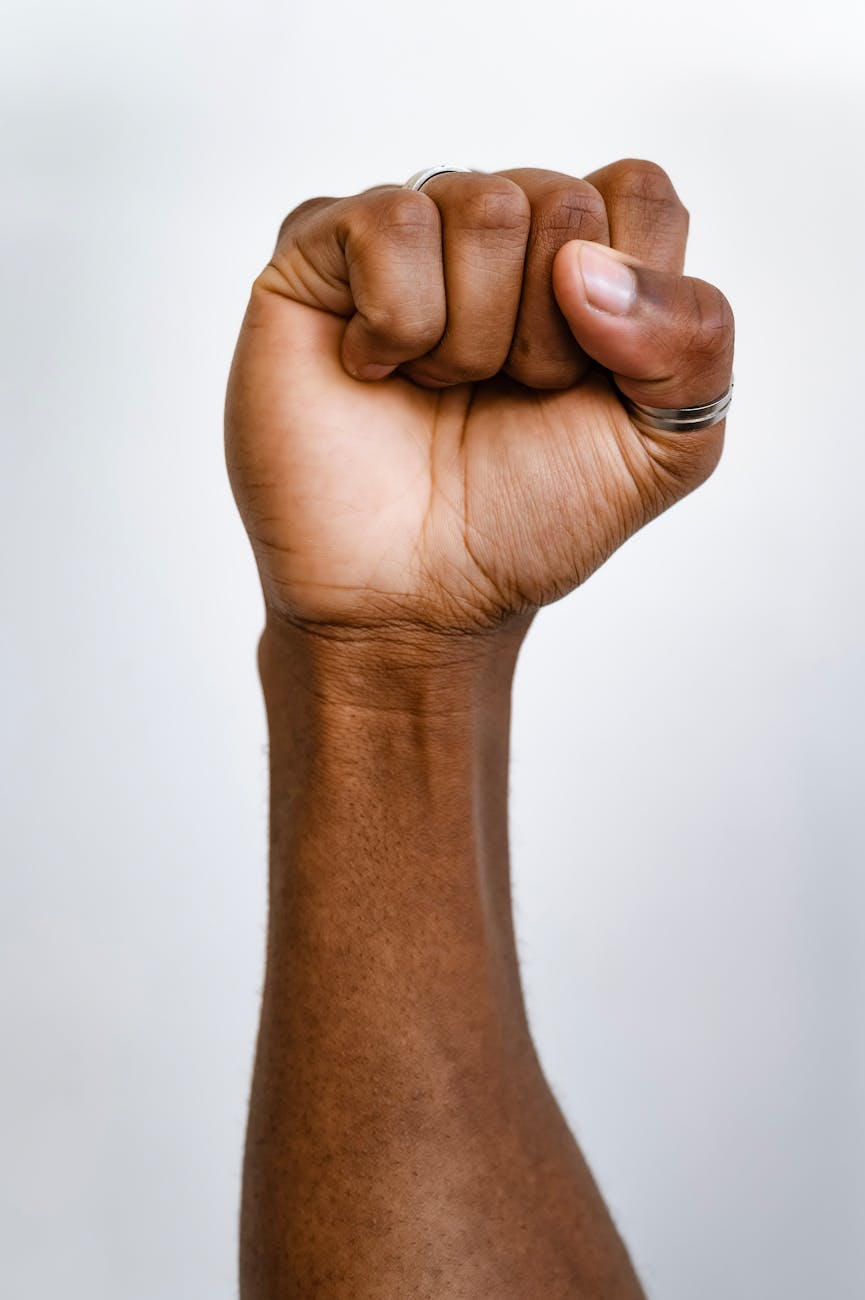
Category Archives: black community

The Black Panther Party: Misunderstood Militancy and Community Empowerment

Photo by PNW Production on Pexels.com

The Black Panther Party (BPP), founded in October 1966 in Oakland, California, by Huey P. Newton and Bobby Seale, emerged as one of the most influential yet misunderstood Black liberation movements of the 20th century. Rooted in a philosophy of self-defense, the Party was a response to police brutality, systemic racism, and economic inequality. While critics labeled them a hate group, their primary mission was to protect and uplift the Black community, not to incite racial hatred. The BPP’s adoption of black clothing, leather jackets, and berets symbolized both unity and resistance, representing a visual statement against oppression rather than an embrace of violence.

Were They a Hate Group?

Labeling the BPP a hate group is inaccurate. They were motivated by anti-injustice, not hatred of white people. Instead, they demanded accountability for systemic oppression. That said, the FBI, under J. Edgar Hoover, dubbed them “the greatest threat to the internal security of the country” and launched COINTELPRO, a covert sabotage campaign involving surveillance, false charges, and infiltration intended to “neutralize” the BPP Wikipedia+1BlackPast.orgNPR.

The founders, Huey Newton and Bobby Seale, were both politically active students inspired by the teachings of Malcolm X, Frantz Fanon, and other revolutionary thinkers. Newton, born in Monroe, Louisiana, in 1942, moved to Oakland as a child and later studied law at Merritt College, where he met Seale. Seale, born in Dallas, Texas, in 1936, was an Air Force veteran and activist who believed in Black self-determination. Together, they developed the Ten-Point Program, which called for freedom, full employment, decent housing, education that exposed the true history of Black people, and an end to police brutality.

The BPP established over 60 community programs, including free breakfast programs for children, health clinics, and educational initiatives. These programs addressed systemic neglect and provided vital resources to underserved Black neighborhoods. However, their armed patrols to monitor police activities and their revolutionary rhetoric drew intense attention from law enforcement. The FBI, under J. Edgar Hoover, deemed the Panthers the “greatest threat to the internal security of the country” and initiated the COINTELPRO (Counter Intelligence Program) to infiltrate, disrupt, and dismantle the movement. This campaign included surveillance, infiltration, false arrests, and targeted violence against members.

Fred Hampton, one of the most charismatic BPP leaders, rose to prominence in Chicago for his coalition-building efforts across racial lines. Born in 1948, Hampton became known for his “Rainbow Coalition,” uniting Black, Latino, and poor white communities. His leadership was cut short when he was killed in a 1969 FBI-coordinated police raid at the age of 21. Huey Newton’s trajectory was also deeply marked by the struggle; after multiple arrests, exile in Cuba, and internal party conflicts, Newton eventually returned to Oakland but was killed in 1989.

Fred Hampton and the Fate of Revolution

Fred Hampton, chair of the Chicago chapter, exemplified community-driven Black Power. In 1968, he organized a “Rainbow Coalition” of diverse marginalized groups—Panthers, Puerto Rican Young Lords, and white Appalachian activists—building solidarity across racial lines BlackPast.orgBiography.

However, FBI infiltration (via informant William O’Neal) led to a lethal police raid on December 4, 1969, in which Hampton and fellow Panther Mark Clark were killed while sleeping. The raid exposed official misconduct and ultimately led to a $1.85 million civil settlement against the government for violating civil rights BlackPast.org+1BiographyWikipediaNational Archives.

The Black Panthers were often accused of being anti-white, but their mission targeted injustice, not individuals based on race. They collaborated with various progressive groups, including white allies who supported anti-racist causes. While some members had interracial relationships, including marriages to white women, the movement’s focus remained centered on dismantling systemic oppression. Martin Luther King Jr. and Malcolm X had differing relationships to the Panthers’ ideology—King generally supported nonviolence, while Malcolm X’s earlier advocacy for armed self-defense influenced Panther philosophy.

Public perception of the Black Panthers was polarized—mainstream media often depicted them as violent extremists, while Black communities saw them as defenders and providers. FBI files, now public, confirm the extent of government efforts to neutralize the Panthers through misinformation, surveillance, and assassination. Although the original BPP disbanded in the early 1980s, splinter groups and modern movements continue to draw inspiration from their principles, adapting their mission to today’s struggles against police violence and racial inequality.

Conclusion: Legacy & Present Impact

The Black Panther Party emerged as a revolutionary force rooted in self-defense, community service, and radical political ideology. Far from being a hate group, it sought justice for Black communities through social programs and public resistance. Targeted by COINTELPRO and law enforcement, leaders like Huey Newton and Fred Hampton made enduring impacts, even in death. Their legacy—fierce, complex, and instructive—remains vital to understanding resistance, governance, and identity.

After federal assaults and internal decline, the Party dissolved by 1982 WikipediaNational Archives. Today, the legacy of the Panthers continues through:

  • Panther cubs: children like Fred Hampton Jr. carry forward the spirit, though many also bear emotional and social burdens from surveillance and activism The Guardian.
  • Cultural resurgence: Films like Judas and the Black Messiah and series like The Big Cigar have reignited interest in their story TIME+1.

While some people question if members married outside race—there’s no notable record. The Black Panther name and uniforms (black clothing) symbolized solidarity, militancy, and Black pride, embracing African roots and resistance.


References

  • Bloom, J., & Martin, W. E. (2016). Black against empire: The history and politics of the Black Panther Party. University of California Press.
  • Federal Bureau of Investigation. (1976). COINTELPRO: The counterintelligence program against the Black Panther Party. U.S. Government Printing Office.
  • Hampton, F. (2009). The Assassination of Fred Hampton: How the FBI and the Chicago Police Murdered a Black Panther. Lawrence Hill Books.
  • Newton, H. P. (1973). Revolutionary suicide. Harcourt Brace Jovanovich.
  • Seale, B. (1991). Seize the time: The story of the Black Panther Party and Huey P. Newton. Black Classic Press.
  • Williams, J. P. (2013). “The Black Panther Party and Black self-defense.” Journal of African American History, 98(1), 48–71.

Britannica – Black Panther Party origin & founders Encyclopedia Britannica+1

HISTORY.com – Party formation, programs, decline HISTORY

Wikipedia – Details on ideology & FBI targeting Wikipedia+1

BlackPast.org & Biography.com – Fred Hampton biography and assassination BlackPast.orgBiography

National Archives – BPP records and description National Archives

Time & Apple TV+ – Huey Newton escape story (The Big Cigar) TIME+1

The Guardian – Panther cubs’ legacy The Guardian
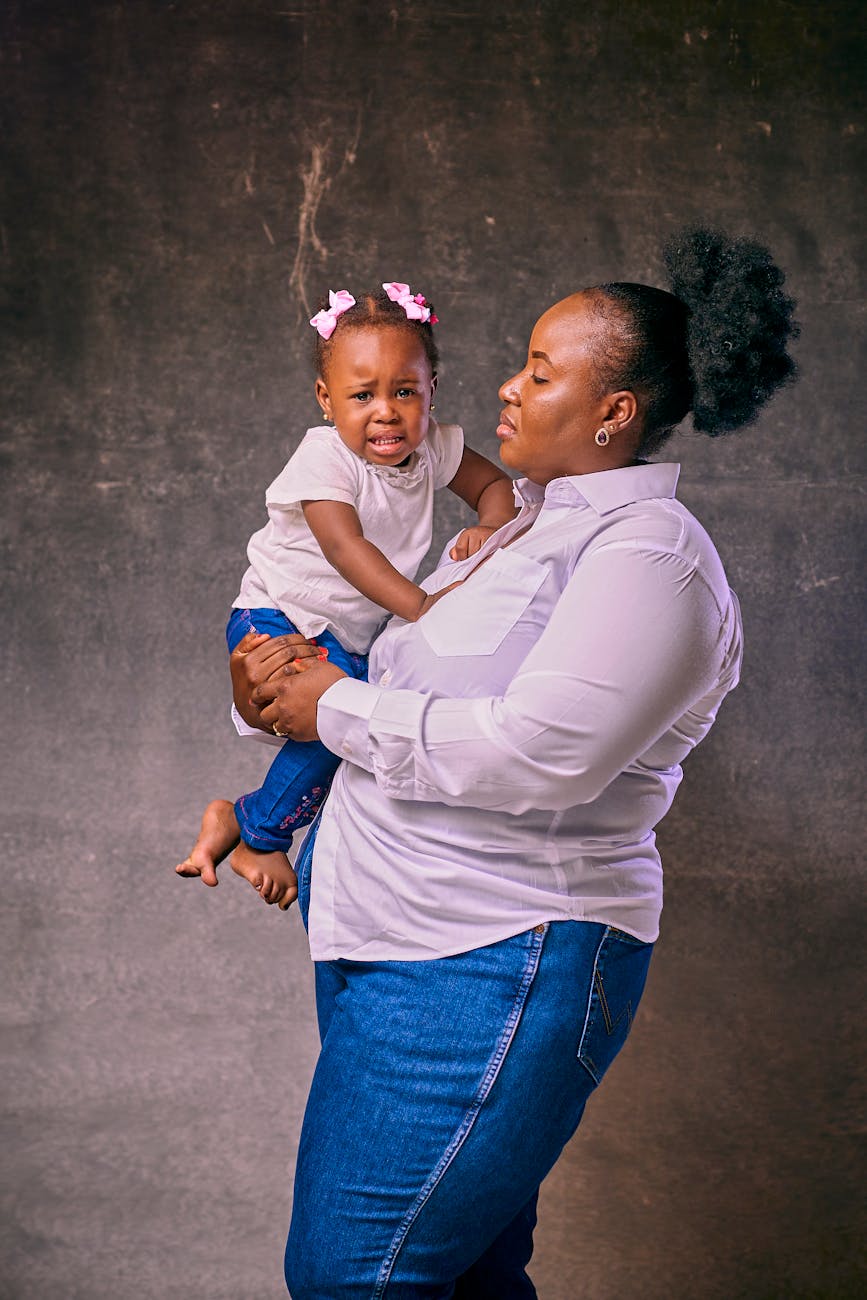
Unspoken Struggles: The Silent Battles of Black Women.

Photo by Kazys Photography on Pexels.com

The narrative of Black women has always been one of resilience, yet beneath this strength lies a series of silent battles that often go unnoticed. From the time of slavery until today, Black women have carried the weight of racial prejudice, gender discrimination, and economic disparity. Their voices, though powerful, are often silenced by the demand to remain strong. As a result, the struggles they endure are not always visible, yet they are deeply embedded in the social, psychological, and spiritual fabric of their lives (Collins, 2000).

Visible Roles vs. Silent Battles of Black Women

Visible Roles (What the World Sees)Silent Battles (What They Endure)
Caregiver and nurturer for familyNeglect of personal needs and self-care
Resilient “Strong Black Woman” figureSuppressed emotions, hidden depression
Professional achiever and breadwinnerWorkplace bias, underpaid and undervalued
Community leader and activistBurnout, exhaustion, lack of recognition
Pillar of faith and spiritualitySilent questioning, struggles with doubt
Embodiment of beauty and styleInternalized pressure to meet Eurocentric beauty standards
Protector of othersVulnerability ignored, need for protection overlooked
Source of cultural pride and strengthStruggle with identity, isolation, and fatigue

One of the most profound struggles is the expectation to embody the archetype of the “Strong Black Woman.” While strength has enabled survival, it has also been a heavy burden. Many women are conditioned to suppress vulnerability and emotional needs, leading to high rates of depression, anxiety, and stress-related illnesses (Woods-Giscombé, 2010). The silent battle, therefore, is not only external but internal—a conflict between societal demands and the natural human need for rest, softness, and care.

Racism and sexism compound these struggles, creating what Kimberlé Crenshaw (1989) defines as “intersectionality.” Black women must constantly navigate a world where their race and gender intersect in ways that expose them to unique disadvantages. For example, in the workplace, they often face being undervalued, overlooked, or tokenized. In social contexts, they are stereotyped as “angry” or “difficult” when they assert themselves. These layered forms of oppression force Black women into silent endurance, as speaking out risks further marginalization.

The silence is also evident in the realm of beauty and identity. The Western beauty standard, rooted in whiteness, has historically excluded the natural features of Black women—dark skin, textured hair, and full bodies. This exclusion fosters feelings of inadequacy and internalized self-doubt. As Frances Cress Welsing argued, the elevation of whiteness in beauty is a reflection of deeper systems of racial dominance (Welsing, 1991). For Black women, the unspoken struggle becomes a daily negotiation between self-acceptance and societal rejection.

Family responsibilities further intensify these battles. Many Black women juggle roles as breadwinners, caretakers, and community pillars, often without adequate support. The silent weight of being “everything to everyone” can leave little room for personal dreams or self-care. Yet Scripture reminds us of the importance of rest and casting burdens on God: “Casting all your care upon him; for he careth for you” (1 Peter 5:7, KJV). This verse emphasizes that Black women need not carry the weight of the world alone.

Faith, however, is often both a coping mechanism and a source of resilience. Many Black women turn to prayer, worship, and church communities for strength and comfort. Still, the church has at times perpetuated the expectation that women must endlessly serve, sacrifice, and remain silent about their pain. Yet, biblical truth offers a counter-narrative: “Come unto me, all ye that labour and are heavy laden, and I will give you rest” (Matthew 11:28, KJV). This scripture dismantles the myth of invulnerability, affirming that rest and vulnerability are divine rights.

Psychologically, the suppression of these silent struggles can lead to “weathering,” a concept describing the cumulative effects of chronic stress on Black women’s health (Geronimus, 1992). Heart disease, hypertension, and mental health disparities often emerge as unspoken consequences of constantly enduring adversity. The lack of safe spaces to share struggles further reinforces silence, making vulnerability both a necessity and a challenge. Breaking this cycle requires intentional cultural, spiritual, and psychological healing.

In conclusion, the silent battles of Black women reveal the need for a collective reimagining of strength. True strength lies not in unending endurance but in the courage to acknowledge pain, embrace softness, and seek support. The Bible affirms that God’s strength is made perfect in weakness (2 Corinthians 12:9, KJV), reminding us that humanity, not superhuman resilience, is the essence of divine design. By breaking the silence, Black women—and the communities that rely on them—can begin to heal, reclaiming dignity and wholeness in the face of centuries of struggle.


References

  • Collins, P. H. (2000). Black feminist thought: Knowledge, consciousness, and the politics of empowerment. Routledge.
  • Crenshaw, K. (1989). Demarginalizing the intersection of race and sex. University of Chicago Legal Forum, 1989(1), 139–167.
  • Geronimus, A. T. (1992). The weathering hypothesis and the health of African-American women and infants. Ethnicity & Disease, 2(3), 207–221.
  • Welsing, F. C. (1991). The Isis papers: The keys to the colors. Third World Press.
  • Woods-Giscombé, C. L. (2010). Superwoman schema: African American women’s views on stress, strength, and health. Qualitative Health Research, 20(5), 668–683.

Dilemma:🌹 Navigating Identity — Invisible Yet Indispensable: The Labor of Black Women in Society 🌹

🌹 The Brown Girl🌹

Photo by Ivan Samkov on Pexels.com

The journey of the Black woman is a complex tapestry woven with strands of resilience, faith, pain, and perseverance. Her voice, often muted by systemic oppression, resonates with both the echoes of ancestral struggle and the melody of survival. Despite her indispensable role in the shaping of societies, the Black woman remains caught between visibility and invisibility, celebrated yet silenced, desired yet devalued. This essay examines the layered dilemmas Black women face, focusing on silencing and gaslighting, mental health taboos, and generational trauma, while drawing upon psychology and the King James Bible (KJV) for insight and pathways toward healing.

Black women occupy a paradoxical position in society: they are both invisible and indispensable. Their labor has historically undergirded economies, families, and communities, yet their voices, bodies, and contributions are often dismissed or appropriated. This dilemma—rooted in slavery and perpetuated through systemic inequities—has created a cycle of resilience and exhaustion. Black women are expected to give endlessly while being denied the recognition and care they deserve. As scholar bell hooks (1981) argued, the exploitation of Black women’s labor is foundational to both racism and patriarchy, rendering them crucial yet overlooked participants in social progress.

The Price of Being Heard: Silencing and Gaslighting of Black Women’s Voices

One of the most profound challenges Black women face is the silencing of their voices. Whether in corporate boardrooms, political arenas, or healthcare settings, Black women are often dismissed, interrupted, or told their concerns are exaggerated. The tragic case of Serena Williams—who was ignored by medical staff during childbirth complications—illustrates how even wealthy, high-profile Black women experience silencing. Psychologically, this dismissal results in gaslighting: being made to question one’s reality or truth. Biblically, silencing echoes the injustice condemned in Proverbs 31:8 (KJV): “Open thy mouth for the dumb in the cause of all such as are appointed to destruction.” Scripture affirms that truth-telling is both a moral responsibility and a sacred act, underscoring the need to honor Black women’s testimonies.

Psychology of Silencing

From a psychological standpoint, constant silencing creates cognitive dissonance and internalized self-doubt. Research shows that being unheard increases anxiety and depressive symptoms, while persistent microaggressions erode self-esteem (Sue, 2010). For Black women, the compounded effect of race and gender means their silence is not merely personal but systemic. Overcoming this requires validating their voices, establishing platforms where they are centered, and teaching communities to listen with humility rather than defensiveness.

Solutions for Amplification

To counteract silencing, Black women must be given space in leadership, policy, and media representation. Mentorship programs, advocacy networks, and deliberate inclusion in decision-making structures can elevate voices long ignored. Churches and communities must also challenge patriarchal norms that discourage women from speaking openly. The Apostle Paul’s reminder in Galatians 3:28 (KJV)—“There is neither Jew nor Greek, there is neither bond nor free, there is neither male nor female: for ye are all one in Christ Jesus”—calls for dismantling hierarchies that devalue women’s contributions.

Black Women and Mental Health: Breaking the Taboo of Therapy and Healing

Mental health remains a taboo subject within many Black communities. Generational teachings to “pray it away” or “stay strong” have discouraged women from seeking professional help. The stigma is compounded by historical medical racism, such as the exploitation of Black bodies in the Tuskegee experiments. Psychologically, suppression of emotional struggles manifests as anxiety, depression, and even somatic illnesses like hypertension. Woods-Giscombé (2010) notes that the “Superwoman Schema” forces Black women to conceal vulnerability, worsening mental health outcomes.

Biblical and Psychological Perspective on Healing

The Bible affirms the importance of rest, restoration, and vulnerability. Matthew 11:28 (KJV) declares: “Come unto me, all ye that labour and are heavy laden, and I will give you rest.” This scripture reminds Black women that God does not demand unending strength but invites them into divine rest. Psychologically, therapy provides tools to unpack trauma, process grief, and build resilience. When paired with faith, therapy becomes not a contradiction to spirituality but a complement to healing.

Breaking the Stigma: Examples and Solutions

Examples of progress include the growing movement of Black female therapists, such as Dr. Joy Harden Bradford, founder of Therapy for Black Girls, which normalizes counseling within the community. Support groups, church-based wellness ministries, and culturally competent therapists are helping women dismantle stigma. Overcoming silence around mental health requires both education and representation—seeing women who look like them embrace therapy validates its importance.

Daughters of the Diaspora: Carrying Generational Trauma and Triumph

Black women also bear the dual inheritance of generational trauma and triumph. The legacies of slavery, colonization, and Jim Crow laws passed down unresolved pain—manifesting in patterns of fear, hypervigilance, and mistrust (DeGruy, 2005). At the same time, the triumph of survival, creativity, and spiritual faith continues to shape diasporic identity. For instance, the resilience of mothers and grandmothers who held families together amid oppression reflects triumph woven into trauma. This paradox forms the heart of diasporic womanhood: carrying both burden and brilliance.

Psychology of Intergenerational Trauma

Intergenerational trauma is supported by epigenetic research showing that stress can alter genetic expressions, passing heightened vulnerability to descendants (Yehuda & Lehrner, 2018). For Black women, inherited trauma manifests in hyper-responsibility, guardedness, and sometimes mistrust in relationships. Yet resilience is also passed down, enabling survival and cultural creativity. Psychologists argue that acknowledging both trauma and triumph is critical for holistic healing.

Biblical Understanding of Generational Struggles

The Bible acknowledges generational consequences: “Visiting the iniquity of the fathers upon the children unto the third and fourth generation” (Exodus 20:5, KJV). Yet it also emphasizes redemption: “But the mercy of the Lord is from everlasting to everlasting upon them that fear him” (Psalm 103:17, KJV). For Black women, this means generational pain is real but not final. Faith and intentional healing practices can break cycles of suffering.

Practical Solutions for Diasporic Healing

Healing generational trauma requires storytelling, therapy, and cultural reclamation. Practices such as oral history projects, mother-daughter healing circles, and reconnecting with African heritage provide pathways to empowerment. Community spaces that celebrate Black culture, music, and spirituality affirm the triumph that accompanies trauma. For example, the Gullah traditions in South Carolina preserve ancestral memory, providing cultural pride and connection.

Invisible Yet Indispensable: The Labor of Black Women

Throughout history, Black women have been the backbone of families, churches, and economies. From enslaved women sustaining households to domestic workers of the 20th century, their labor has often been invisible yet essential. Even today, Black women disproportionately fill caregiving roles—nurses, teachers, social workers—while also leading grassroots activism. Their indispensability, however, is rarely matched with recognition or protection. Ecclesiastes 3:13 (KJV) reminds us: “Every man should eat and drink, and enjoy the good of all his labour, it is the gift of God.” This affirms the dignity of labor that must be extended to Black women.

The Psychology of Overwork and Recognition

Psychologically, the invisibility of labor leads to burnout, resentment, and internalized feelings of worthlessness. When contributions are undervalued, women experience the psychological toll of invisibility—feeling unseen despite being overextended. Overcoming this requires systemic recognition of Black women’s work, pay equity, and shared household responsibilities. Within communities, honoring Black women means affirming their contributions without exploiting their endurance.

Toward Healing and Liberation

In overcoming these dilemmas, Black women must reclaim vulnerability, embrace therapy, and center their voices. Society must amplify rather than silence, honor rather than exploit, and protect rather than disregard. As Paul writes in 2 Corinthians 12:9 (KJV): “My grace is sufficient for thee: for my strength is made perfect in weakness.” This verse reframes weakness not as failure but as the gateway to divine empowerment. Solutions lie in a holistic embrace of faith, psychology, and cultural resilience—recognizing that Black women’s survival is not enough; their flourishing is essential for the healing of communities.


References

  • bell hooks. (1981). Ain’t I a woman? Black women and feminism. South End Press.
  • DeGruy, J. (2005). Post Traumatic Slave Syndrome: America’s legacy of enduring injury and healing. Uptone Press.
  • Sue, D. W. (2010). Microaggressions in everyday life: Race, gender, and sexual orientation. Wiley.
  • Woods-Giscombé, C. L. (2010). Superwoman schema: African American women’s views on stress, strength, and health. Qualitative Health Research, 20(5), 668–683.
  • Yehuda, R., & Lehrner, A. (2018). Intergenerational transmission of trauma effects: Putative role of epigenetic mechanisms. World Psychiatry, 17(3), 243–257.

Strong but Silent: The Mental Health Crisis in the Black Community.

Photo by Kelvin Diri on Pexels.com

Understanding the Mental Health Crisis in the Black Community

The Black community faces a pressing mental health crisis—characterized by elevated rates of psychological distress, limited access to care, and deep-rooted stigma. Black Americans are 20% more likely to experience serious mental health problems compared to the general population, and 30% more likely to report serious psychological distressForge HealthWikipedia. Yet, only 1 in 3 Black adults who need mental health care actually receive it, compared with 1 in 2 White adultsForge HealthNAACPColumbia Psychiatry. Such disparities underline a systemic gap in both awareness and treatment.


Root Causes: Trauma, Racism, and Stigma

Deep psychological wounds stemming from historic trauma, including centuries of slavery and institutional racism, continue to influence mental well-being today. The concept of Post-Traumatic Slave Syndrome (PTSS), proposed by Joy DeGruy Leary, argues that unresolved trauma from slavery—and ongoing discrimination—has been transmitted across generations, manifesting as low self-esteem, internalized anger, and self-limiting beliefsWikipedia.

Compounding this is systemic racism, which produces chronic stress through daily microaggressions, economic marginalization, police violence, and unequal treatment in healthcare—leading to elevated anxiety, PTSD, and depressive disordersVerywell MindTIMEmcleanhospital.orgThe Washington Post. Additionally, stigma in the Black community—rooted in historically denying mental illness in enslaved people (e.g., the pseudoscientific “drapetomania”)—continues to perpetuate silence, shame, and avoidance of mental health carewww.counseling.orgMental Health Americahygieiabh.org.


Psychological and Societal Impacts: A Data-Driven View

  • Suicide Trends: In 2021, suicide ranked as the third leading cause of death among Black youths aged 10–24, with rates rising nearly 37% over two decadesNAACPWikipedia. Alarmingly, Black teenage girls are 60% more likely to attempt suicide compared to their white peersAmerican Addiction Centers.
  • Disproportionate Emergency Care: Black adults visit emergency departments (EDs) for mental health concerns at twice the national average, yet are less likely to be admitted or transferred for psychiatric careNAACP.
  • Professional Representation: Only 2–4% of mental health professionals in the U.S. are Black (e.g., 2% of psychiatrists and 4% of psychologists), creating barriers in cultural understanding and trust between providers and patientsNAACPcrescentwellnessfoundation.orgwww.counseling.org.

Why Mental Health Matters—and Its Hereditability

Mental health isn’t just personal—it’s foundational to individual and community well-being. When unaddressed, mental disorders can erode relationships, limit productivity, and perpetuate cycles of sufferingPsychiatryOnline.

Research also suggests that severe trauma can affect gene expression—intergenerational trauma—through biological mechanisms like epigenetics, influencing the offspring’s vulnerability to depression, anxiety, and PTSDHealthPsychology Today.


Common Mental Illnesses and Treatments in the Black Community

1. Major Depressive Disorder & Anxiety

These are among the most prevalent conditions. Evidence-based treatments include:

  • Psychotherapy (especially culturally responsive models)
  • Medication (e.g., SSRIs)
  • Community-based wellness initiatives (e.g., group therapy, healing studios)PsychiatryOnline

2. PTSD & Trauma-Related Disorders

Often triggered by violence, racism, or historical trauma. Treatment strategies include:

3. Misdiagnosis and Disparities

Black individuals are often misdiagnosed with schizophrenia when presenting anxiety or mood symptoms. Improved diagnostic training and culturally sensitive assessment are crucialReddithygieiabh.org.


Healing Measures and Community Strategies

Institutions and grassroots efforts are creating vital pathways to wellness:

  • NAACP resolutions (2024) call for culturally tailored mental health care, expanded service access, employer accommodations, and promotion of community-level mental hygieneNAACP.
  • Wellness First approach emphasizes centering healing within community contexts—e.g., Albany’s Root3d studio offering yoga and journaling programs designed for people of colorPsychiatryOnline.
  • Professionals like Dr. Joy Harden Bradford have launched platforms such as Therapy for Black Girls, which taps into culturally competent psychotherapy and community discourseWikipedia.
  • Association of Black Psychologists (ABPsi), founded in 1968, champions African-centered psychology and develops culturally aligned frameworks for therapyWikipedia.

Real Stories of Trauma and Resilience

  • Regina King’s son, Ian Alexander Jr., died by suicide in 2022 at age 26 after a private battle with depression. Despite professional help, the struggles were hidden from many. Regina shares that she sometimes reads his journals in a meditation to stay connected with his memoryPeople.com.
  • Tiffany Simelane, Miss Swaziland 2008, took her own life in 2009 amid intense personal and public pressures—highlighting the psychological toll of pageant expectations and isolationWikipedia.

Key Precautions & Recommendations

  1. Normalize mental health conversations in churches, schools, and homes.
  2. Screen early, especially among youth—younger Black Americans face rising suicide riskNAACPWikipedia.
  3. Ask providers about cultural competence before starting therapyColumbia Psychiatry.
  4. Utilize culturally affirming care—online platforms, teletherapy, community healing spaces.
  5. Educate families & faith leaders to foster supportive environments rather than stigma.

Helplines & Web Resources

  • 988 Suicide & Crisis Lifeline – Call or text, 24/7.
  • 988lifeline.org – Online chat supportPeople.comMental Health America.
  • Therapy for Black Girls – Directory and podcast by Dr. Joy Harden BradfordWikipedia.
  • NAACP mental health resource hub – Guidance and policy advocacyNAACP.
  • Association of Black Psychologists (ABPsi) – Culturally grounded practitioner networkWikipedia.

Conclusion

The mental health crisis in the Black community is not a matter of individual weakness—but a collective calling. Anchored in historical trauma, systemic inequity, and stigma, it demands solutions that are culturally attuned, community-centered, and policy-driven. Healing is possible when care is compassionate, accessible, and culturally affirmed. Let’s keep this conversation open, and take action—together.


Beyond the Textbooks: The Erased Histories of Black Excellence

“A people without the knowledge of their past history, origin, and culture is like a tree without roots.” — Marcus Garvey


Photo by Oladimeji Ajegbile on Pexels.com

The history of Black excellence is far older, richer, and more complex than the version most people encounter in school curricula. The conventional narratives presented in textbooks are often incomplete, diluted, or intentionally altered to support dominant cultural and political agendas. From ancient African civilizations that pioneered mathematics, medicine, and architecture, to intellectual, artistic, and scientific contributions during and after slavery, much of Black history has been systematically erased or reframed. The erasure is not accidental—it is part of an ongoing strategy by those in power to control the collective memory of oppressed peoples, thereby shaping identity, opportunity, and self-worth.


What Has Been Erased from History

Mainstream history often omits or minimizes Africa’s role as the cradle of civilization. The advanced societies of Kemet (ancient Egypt), Kush, Mali, and Songhai are rarely presented as African achievements in the West, despite evidence of their innovations in astronomy, irrigation, architecture, and governance. Figures like Imhotep, the world’s first recorded multi-genius and physician, are seldom highlighted alongside Greek and Roman thinkers, even though his work predated them by millennia. The erasure extends to the transatlantic slave trade narrative, which is often oversimplified into dates and numbers, glossing over the complex political, spiritual, and cultural identities enslaved Africans brought with them. In modern times, the contributions of Black inventors, such as Garrett Morgan (traffic signal, gas mask) or Granville T. Woods (electrical railway improvements), have been under-credited or misattributed.


How People in Power Erase and Dilute History

Erasure occurs through multiple mechanisms:

  1. Textbook Censorship – School boards and publishers often frame slavery as a “migration” or “labor system” rather than a brutal institution rooted in racial terror.
  2. Selective Storytelling – Historical figures are stripped of their radical politics; for example, Martin Luther King Jr. is remembered primarily for “I Have a Dream” while his critiques of capitalism and militarism are ignored.
  3. Eurocentric Framing – Achievements of African civilizations are either ignored or attributed to outside influences, denying African agency.
  4. Modern Digital Manipulation – Social media algorithms and biased search results bury scholarship that challenges dominant narratives.

This dilution serves the purpose of cultural control. If oppressed groups are denied their true history, they may more easily internalize inferiority and accept their place in a manufactured social order. This aligns with George Orwell’s warning in 1984: “Who controls the past controls the future: who controls the present controls the past.”


Credible Sources to Learn Our History

To reclaim erased histories, credible sources are essential. These include:

  • Primary Sources: Archival documents, oral histories, and African artifacts preserved in institutions like the Schomburg Center for Research in Black Culture.
  • Scholarly Works: Ivan Van Sertima’s They Came Before Columbus, Cheikh Anta Diop’s The African Origin of Civilization, and Chancellor Williams’ The Destruction of Black Civilization.
  • Community Historians: Black churches, grassroots historians, and African cultural organizations often safeguard truths omitted from academic spaces.
  • Credible Textbooks: From Slavery to Freedom by John Hope Franklin, Before the Mayflower by Lerone Bennett Jr., and The Mis-Education of the Negro by Carter G. Woodson.

These sources resist the revisionism found in standard education systems and offer counter-narratives rooted in fact.


Biblical Insight into Historical Erasure

The Bible acknowledges the importance of remembering history and warns against its distortion. Deuteronomy 32:7 (KJV) commands, “Remember the days of old, consider the years of many generations: ask thy father, and he will shew thee; thy elders, and they will tell thee.” This mirrors the African oral tradition of passing down wisdom and identity. Psalm 78:4 (KJV) declares, “We will not hide them from their children, shewing to the generation to come the praises of the Lord, and his strength, and his wonderful works that he hath done.” The suppression of history is therefore not only an academic injustice but also a spiritual violation, cutting people off from divine instruction embedded in their collective story.


How the Past Has Been Watered Down

From the 19th century onward, Western historical scholarship often diminished African agency. Textbooks in the early 20th century described slavery as a “civilizing” process for Africans, ignoring the violence, cultural erasure, and systemic exploitation involved. Even today, school curricula often reduce the Civil Rights Movement to a few key events, ignoring the global anti-colonial solidarity movements it inspired. The erasure of radical Black political thought—such as the Pan-Africanism of Marcus Garvey or the anti-imperialism of Malcolm X—waters down the revolutionary potential of these legacies.


Modern-Day Erasure

In the 21st century, the erasure of Black history continues through legislative bans on “critical race theory,” the removal of books from school libraries, and the underfunding of African American studies programs. The cultural sanitization of slavery—framing it as “shared history” rather than a system of racialized terror—is a political act intended to protect dominant narratives and prevent structural change. Additionally, media often elevates stories of Black struggle over Black achievement, perpetuating a one-dimensional view of the Black experience.


Keeping Our History Alive

To keep our history alive, we must be proactive and communal in preservation:

  1. Intergenerational Storytelling: Families should pass down ancestral narratives without dilution.
  2. Independent Institutions: Support Black-owned publishing houses, museums, and schools that tell the full story.
  3. Curriculum Reform: Advocate for comprehensive African and African American history in public education.
  4. Digital Archives: Create accessible online repositories of oral histories, photographs, and documents.
  5. Spiritual Restoration: Reaffirm the biblical call to remember and honor the legacy of our ancestors as part of our divine inheritance.

Conclusion

The erasure of Black excellence is not simply an omission—it is an intentional act of power designed to weaken identity and unity. But knowledge is a form of liberation. By seeking out credible sources, rejecting diluted narratives, and actively preserving our history, we ensure that future generations stand rooted in truth. Marcus Garvey’s words remind us that without historical consciousness, we are like trees without roots—unable to stand tall or bear fruit. History is not a passive memory; it is a living inheritance, and we must guard it with vigilance, truth, and pride.


References

  • Bennett, L., Jr. (1993). Before the Mayflower: A History of the Negro in America, 1619–1992. Penguin Books.
  • Diop, C. A. (1974). The African Origin of Civilization: Myth or Reality. Chicago Review Press.
  • Franklin, J. H., & Moss, A. A. (2000). From Slavery to Freedom: A History of African Americans (8th ed.). McGraw-Hill.
  • Garvey, M. (1920). Philosophy and Opinions of Marcus Garvey. Universal Negro Improvement Association.
  • Van Sertima, I. (1976). They Came Before Columbus: The African Presence in Ancient America. Random House.
  • Williams, C. (1987). The Destruction of Black Civilization. Third World Press.
  • Woodson, C. G. (1933). The Mis-Education of the Negro. Associated Publishers.
  • The Holy Bible, King James Version.

Bloodlines and Bondage: The Untold Biblical Genealogy of the Black Diaspora

Photo by nappy on Pexels.com

The genealogy of the Black diaspora is a tapestry woven from millennia of movement, resilience, and divine purpose. For centuries, African people have been misrepresented, with their histories erased or distorted, obscuring their identity as part of the biblical lineage of the “chosen people.” The Hebrew Scriptures, in conjunction with modern genetic research, provide compelling evidence that many Black communities are descendants of the ancient Israelites. This paper traces the genealogy of the Black diaspora, exploring bloodlines, the E1B1A haplogroup, the diaspora’s origins, and the biblical connections to Jerusalem, while contextualizing the historical impact of slavery and migration.


Biblical Genealogy of the Black Chosen People

The Bible records that the descendants of Ham, specifically through Cush (Genesis 10:6–8, KJV), were settled in Africa. These descendants include the ancient kingdoms of Kush, Egypt, and parts of Sub-Saharan Africa, establishing a biblical precedent for African peoples as integral to the lineage of Israel. Deuteronomy 28 details blessings and curses, many of which scholars argue correspond with the historical experiences of the African diaspora. The scriptures provide a genealogical framework that links Africans to the broader story of the Israelites, emphasizing their role in God’s covenantal plan.


The Black Diaspora and Historical Context

The Black diaspora refers to the global dispersion of African peoples through migration, trade, conquest, and slavery. Starting with the transatlantic slave trade, millions of Africans were forcibly removed from their homelands, scattering the descendants of biblical Cush and Ham across the Americas, Europe, and the Caribbean. This diaspora disrupted the natural genealogical continuity, creating a legacy of bondage but also resilience. Historical records, oral traditions, and archaeology show that African civilizations prior to slavery had complex social, political, and religious structures, underscoring the depth of lineage that preceded forced displacement.


Genetics and the E1B1A Haplogroup

Modern genetic studies provide an additional layer of evidence for tracing African genealogies. The E1B1A Y-chromosome haplogroup is prevalent among West and Central African populations and is strongly associated with descendants of the African diaspora. This haplogroup traces paternal lineage and corroborates historical accounts of migrations from Northeast Africa toward the Nile Valley and across the continent. By linking genetics to biblical and historical records, researchers can identify patterns of descent consistent with the movements of Cushite and Hamitic peoples, reinforcing the continuity of Black Israelite lineage.


Tracing the Lineage Back to Jerusalem

Several biblical passages suggest that African peoples had connections to the Holy Land long before slavery. Psalm 87:4 (KJV) notes, “I will make mention of Rahab and Babylon to them that know me,” which scholars interpret as recognizing the inclusion of Cush and other African nations in God’s covenantal history. Historical interactions, including trade, migration, and the establishment of Jewish communities in Africa, provide evidence that Africans had religious and genealogical ties to Jerusalem and the Israelite tradition long before forced dispersal. The Ethiopian eunuch in Acts 8:27–39 further illustrates the integration of Africans into the biblical story of faith and covenant.


Legacy, Continuity, and Resilience

Despite centuries of enslavement, colonization, and cultural erasure, the genealogical and spiritual identity of African peoples as descendants of the biblical Israelites endures. The diaspora’s bloodlines, preserved through genetics and oral tradition, testify to resilience and divine continuity. Recognizing these connections empowers African descendants to reclaim identity, history, and purpose. The Bible consistently underscores the importance of remembering and honoring one’s lineage: “Remember the days of old, consider the years of many generations: ask thy father, and he will shew thee; thy elders, and they will tell thee” (Deuteronomy 32:7, KJV).


Conclusion

The biblical genealogy of the Black diaspora reveals a profound and often overlooked truth: African peoples are deeply intertwined with the history of Israel. From the descendants of Cush and Ham to the modern African diaspora, bloodlines and genetics such as E1B1A corroborate biblical and historical narratives. By tracing these lineages, scholars and communities alike can reclaim their rightful place in history, affirm spiritual identity, and honor the enduring legacy of the chosen people. Understanding the genealogy of the Black diaspora is both an act of scholarship and a restoration of truth.


References

  • De Gruy, J. (2005). Post Traumatic Slave Syndrome: America’s Legacy of Enduring Injury and Healing. Uptone Press.
  • Diop, C. A. (1974). The African Origin of Civilization: Myth or Reality. Chicago Review Press.
  • Franklin, J. H., & Moss, A. A. (2000). From Slavery to Freedom: A History of African Americans (8th ed.). McGraw-Hill.
  • Hammer, M. F., et al. (2001). Hierarchical patterns of global human Y-chromosome diversity. Molecular Biology and Evolution, 18(7), 1189–1203. https://doi.org/10.1093/oxfordjournals.molbev.a003906
  • Van Sertima, I. (1976). They Came Before Columbus: The African Presence in Ancient America. Random House.
  • The Holy Bible, King James Version.