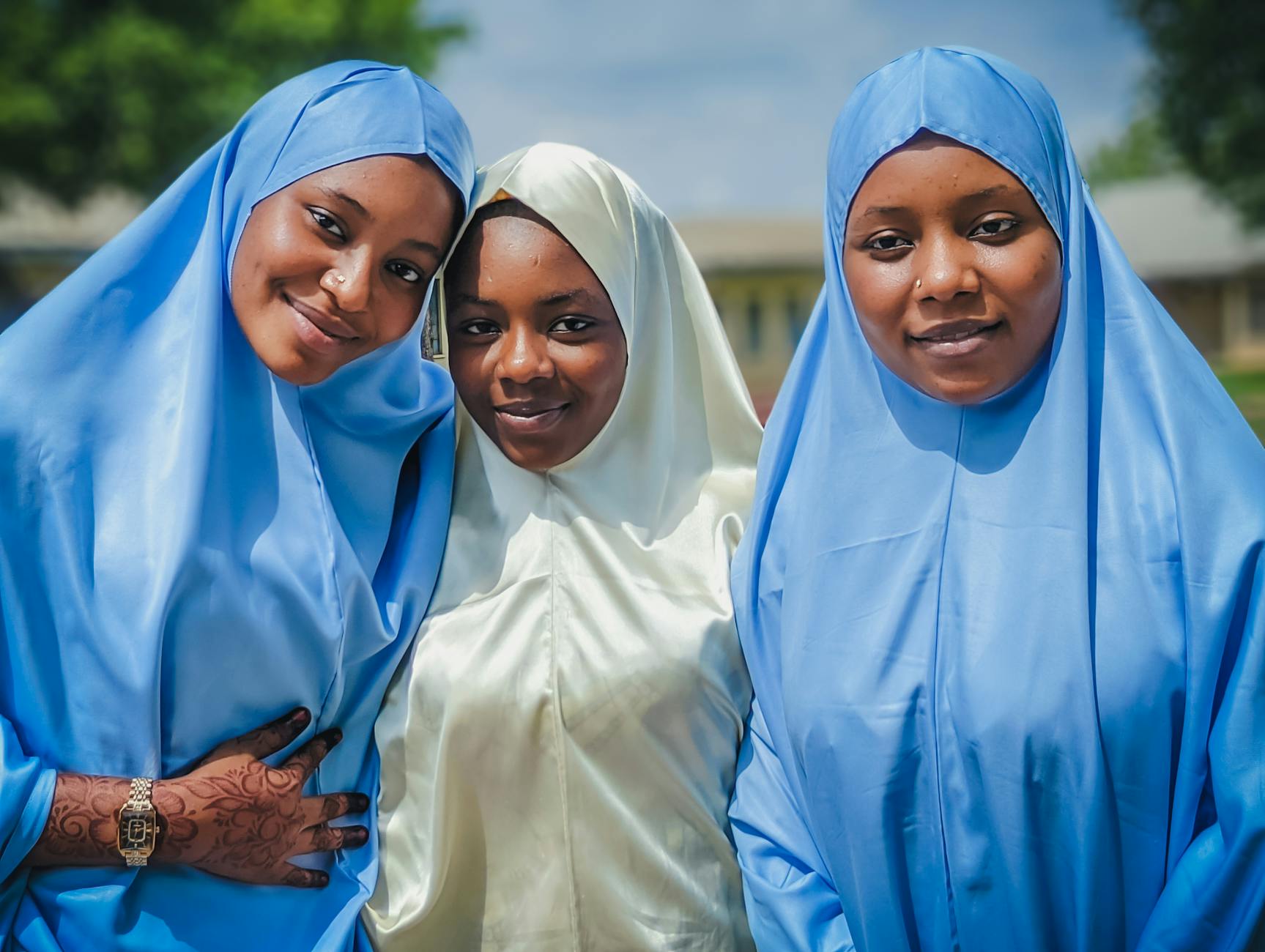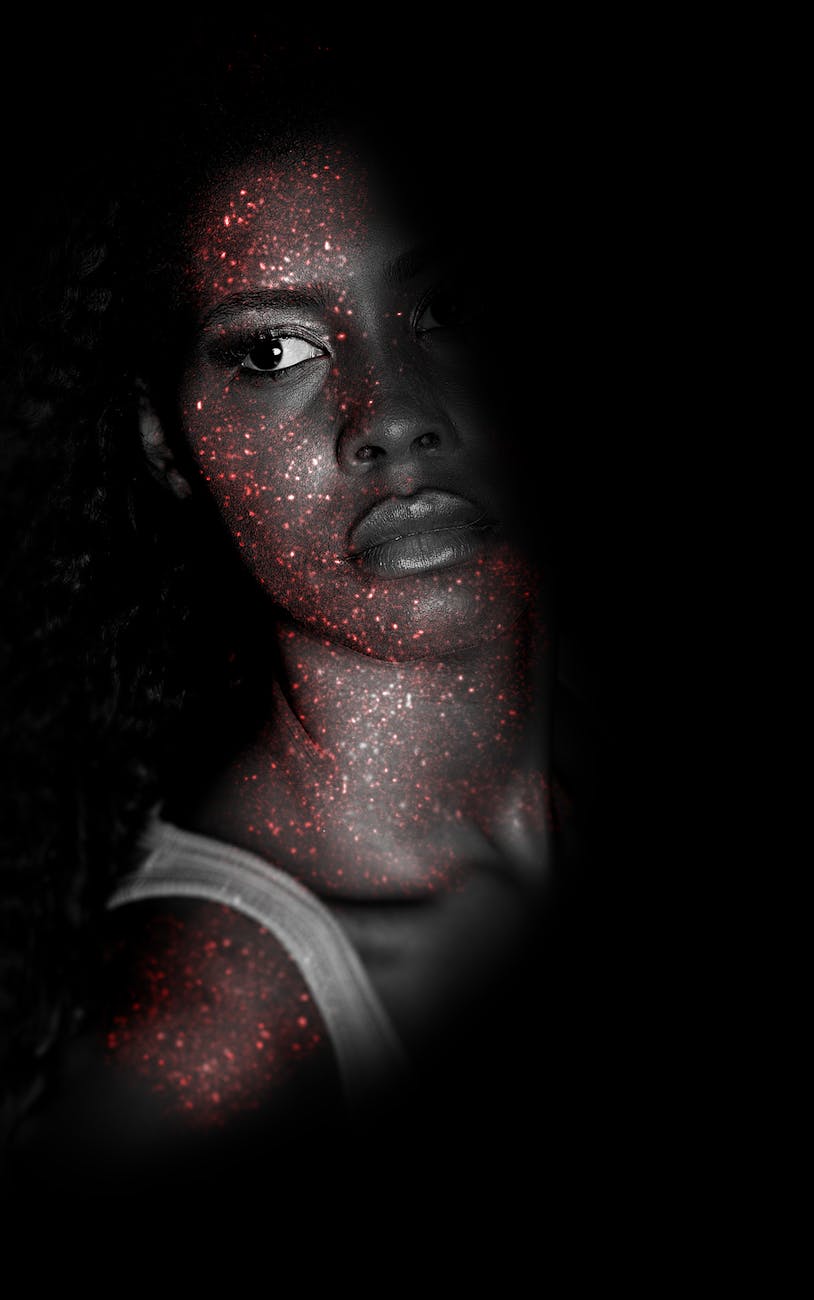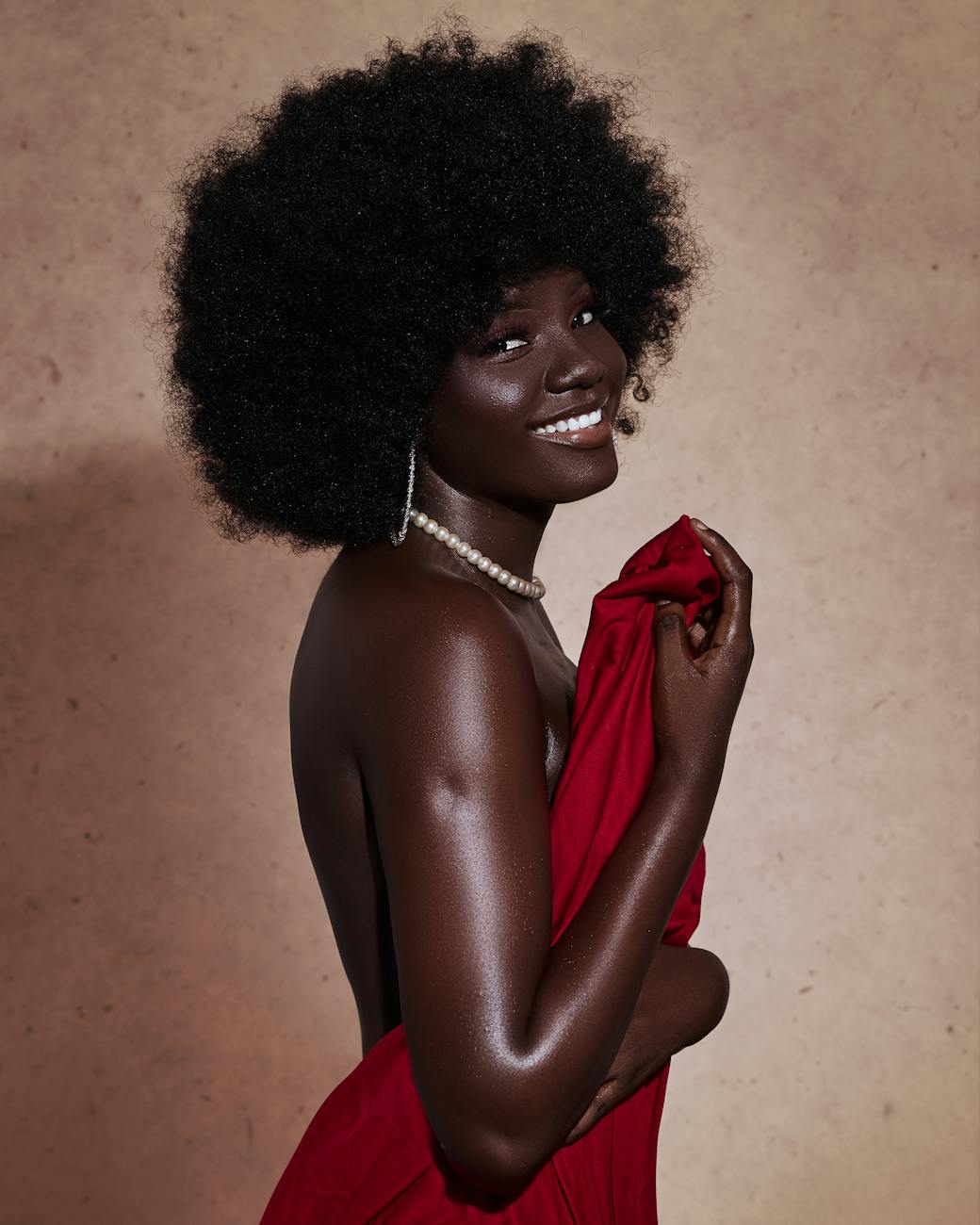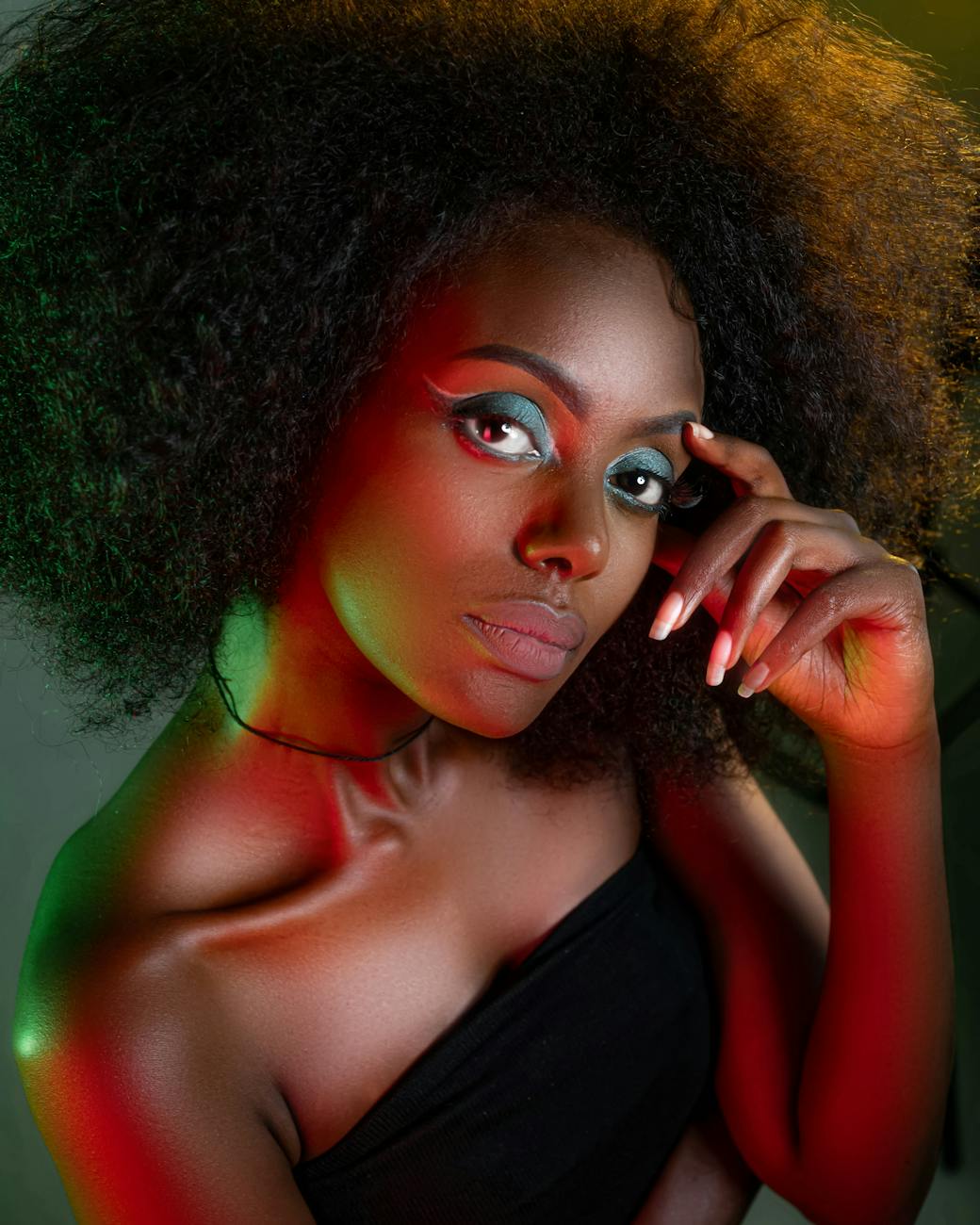
Category Archives: black beauty standards

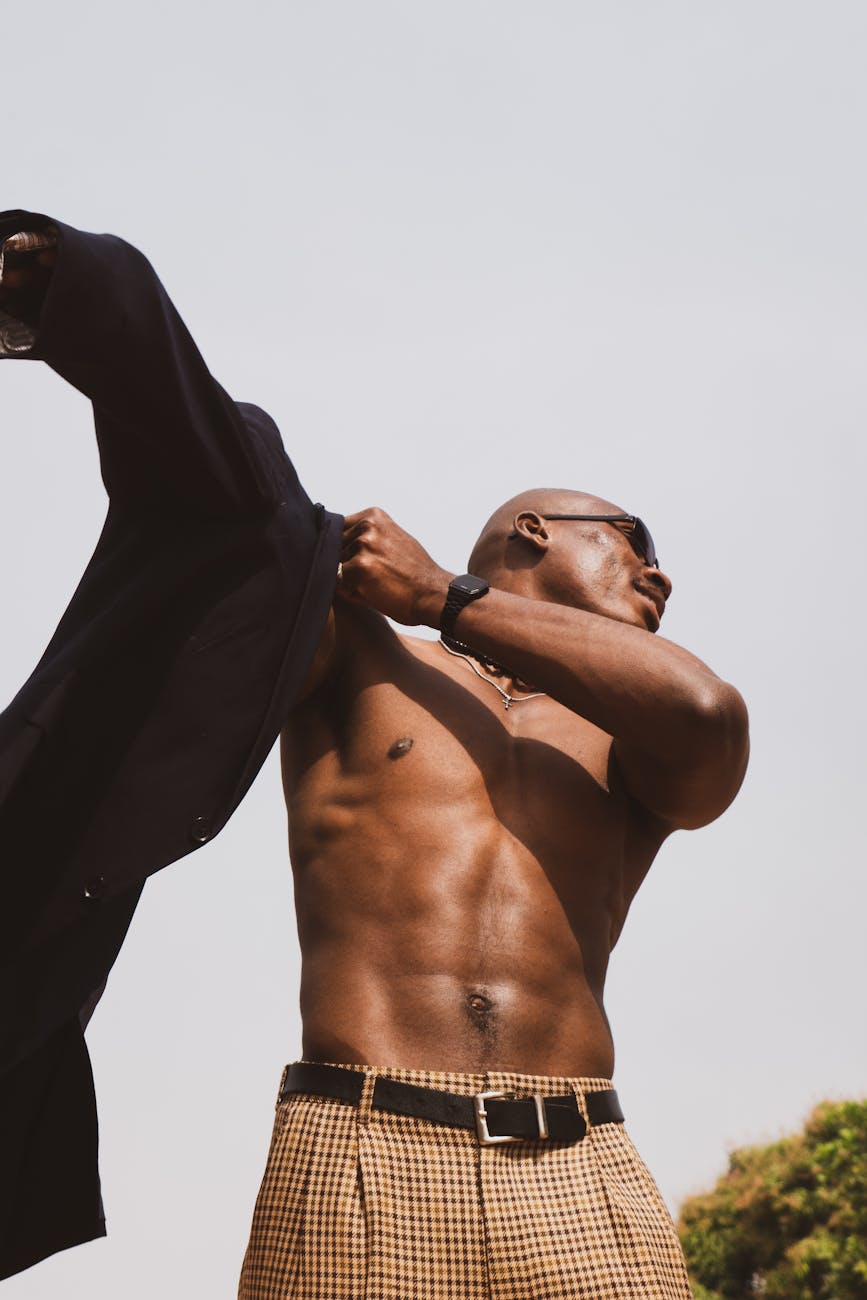
A Visual Phenomenon: The Masculine Perfection of the Black Man. #thescienceofblackbeauty

Photo by Stephen Audu on Pexels.com

The Black man stands as a visual phenomenon—an embodiment of strength, resilience, and beauty shaped by genetics, culture, and divine design. His presence commands attention, not only for the physical frame that history has often celebrated or feared, but also for the character, spirit, and royal essence within him. From the warrior traditions of Africa to the modern world stage, the Black man continues to reflect the image of God in both body and soul.

Genetics has played a significant role in the body frame and athletic performance of many Black men. With higher bone density, muscle fiber composition, and natural endurance, studies suggest that individuals of African descent often excel in sports and physical performance (Entine, 2000). Yet this strength is not merely physical—it is historical and spiritual, rooted in generations of survival and perseverance. The Bible affirms strength as a divine gift: “The glory of young men is their strength: and the beauty of old men is the gray head” (Proverbs 20:29, KJV).

The aesthetics of the Black man go beyond strength. His melanin skin, rich in tone and resilience, is not only a protective biological gift against the sun’s harsh rays but also a marker of beauty and identity. Melanin is a crown of survival, a natural armor, and a canvas of radiance. It reflects the divine artistry of creation, as Psalm 139:14 (KJV) declares, “I will praise thee; for I am fearfully and wonderfully made: marvellous are thy works.”

Stature is another defining feature. The posture and bearing of the Black man carry the weight of royalty, often likened to kingship. Historically, African warriors and leaders were revered for their physical presence and authority. Psychology affirms that posture, symmetry, and physical form are often subconsciously associated with leadership and dominance (Perrett, 2010). The golden ratio, a mathematical principle of beauty, can often be seen in the symmetry of Black men’s faces and bodies—proportions that align with universal standards of aesthetic appeal.

Muscular structure also speaks volumes about the design of the Black man. Broad shoulders, strong chests, and well-formed musculature communicate power and capability. This does not diminish gentleness but enhances it, reminding us that strength and tenderness can coexist. The apostle Paul writes, “Watch ye, stand fast in the faith, quit you like men, be strong” (1 Corinthians 16:13, KJV). Psychology echoes this truth, suggesting that confidence rooted in body awareness contributes to mental well-being and healthy identity (Cash & Pruzinsky, 2002).

Facial features—the lips, eyes, and nose—further highlight the aesthetics of the Black man. Full lips are often regarded as symbols of sensuality and expression, while deep-set eyes convey depth, wisdom, and intensity. Strong noses, broad and defined, represent heritage and identity. Taken together, these features create a visage that is both striking and unforgettable, challenging narrow Eurocentric beauty standards.

Celebrity Examples:

Kenneth Okolie exemplifies this phenomenon through his tall, commanding frame and model-like proportions. As a Nigerian actor and model, his physicality echoes the presence of African royalty. His symmetry and strong jawline capture the golden ratio, while his grounded demeanor highlights not only aesthetics but also discipline and cultural pride.

Billy Dee Williams, with his legendary career, reshaped the image of the Black man in Hollywood. His suave charm, captivating smile, and smooth voice combined charisma with elegance. Williams’ style in the 1970s became symbolic of Black sophistication, showing that masculinity could be both powerful and tender. He represented not only physical allure but also psychological presence—the ability to command a room with grace.

Jimmy Jean-Louis, known as “the Haitian Hollywood star,” carries a global appeal. His sculpted body, expressive eyes, and deep complexion embody the resilience of a warrior. Beyond his acting career, his humanitarian work in Haiti speaks to a beauty that extends beyond appearance—rooted in compassion, responsibility, and service. His life echoes Proverbs 31:8-9 (KJV), “Open thy mouth for the dumb in the cause of all such as are appointed to destruction. Open thy mouth, judge righteously, and plead the cause of the poor and needy.”

Redaric Williams, with his chiseled muscles, striking symmetry, and expressive features, represents the modern standard of Black male aesthetics in entertainment. His physique mirrors the artistry of strength, while his acting and modeling career emphasize versatility and adaptability. Redaric embodies the psychological principle that beauty fused with confidence and determination amplifies influence (Riggio, 2010).

Biblical Figures as Archetypes of the Black Man

The aesthetics of the Black man today are mirrored in biblical figures who exemplified strength, wisdom, and divine favor. David, for instance, was both a warrior and a man after God’s heart (1 Samuel 16:12-13, KJV). He combined physical skill with courage, integrity, and leadership—qualities reflected in contemporary Black men who aspire to honor, protection, and excellence. Samson, described as a man of immense strength, also carried the mark of God’s favor in his body (Judges 16). His muscular prowess and stature symbolize the God-given potential inherent in Black men. King Solomon, though not described in physical detail, represents wisdom, wealth, and character, showing that beauty and influence extend beyond the physical to intellect, leadership, and moral authority (1 Kings 4:29-34, KJV).

These biblical archetypes emphasize that the Black man’s worth is a combination of body, mind, and spirit. Muscular bodies, symmetrical features, and commanding presence are meaningful when paired with wisdom, faith, and moral character. Psychology supports this holistic view, suggesting that confidence, empathy, and integrity enhance attractiveness and social influence (Goleman, 1995; Riggio, 2010).

In conclusion, the Black man is more than body and bone—he is vision and value, a warrior and a king. His melanin, symmetry, muscles, and stature reveal a divine design, while his heart, mind, and character testify to God’s greater purpose. From Kenneth Okolie to biblical figures like David, Samson, and Solomon, the Black man embodies aesthetics, strength, and wisdom. Truly, he is a visual and spiritual phenomenon.


References

  • Cash, T. F., & Pruzinsky, T. (2002). Body image: A handbook of theory, research, and clinical practice. Guilford Press.
  • Entine, J. (2000). Taboo: Why Black athletes dominate sports and why we’re afraid to talk about it. PublicAffairs.
  • Goleman, D. (1995). Emotional intelligence: Why it can matter more than IQ. Bantam Books.
  • Perrett, D. (2010). In your face: The new science of human attraction. Palgrave Macmillan.
  • Riggio, R. E. (2010). The charisma quotient: The psychology of leadership, persuasion, and social influence. Routledge.
  • The Holy Bible, King James Version (KJV).
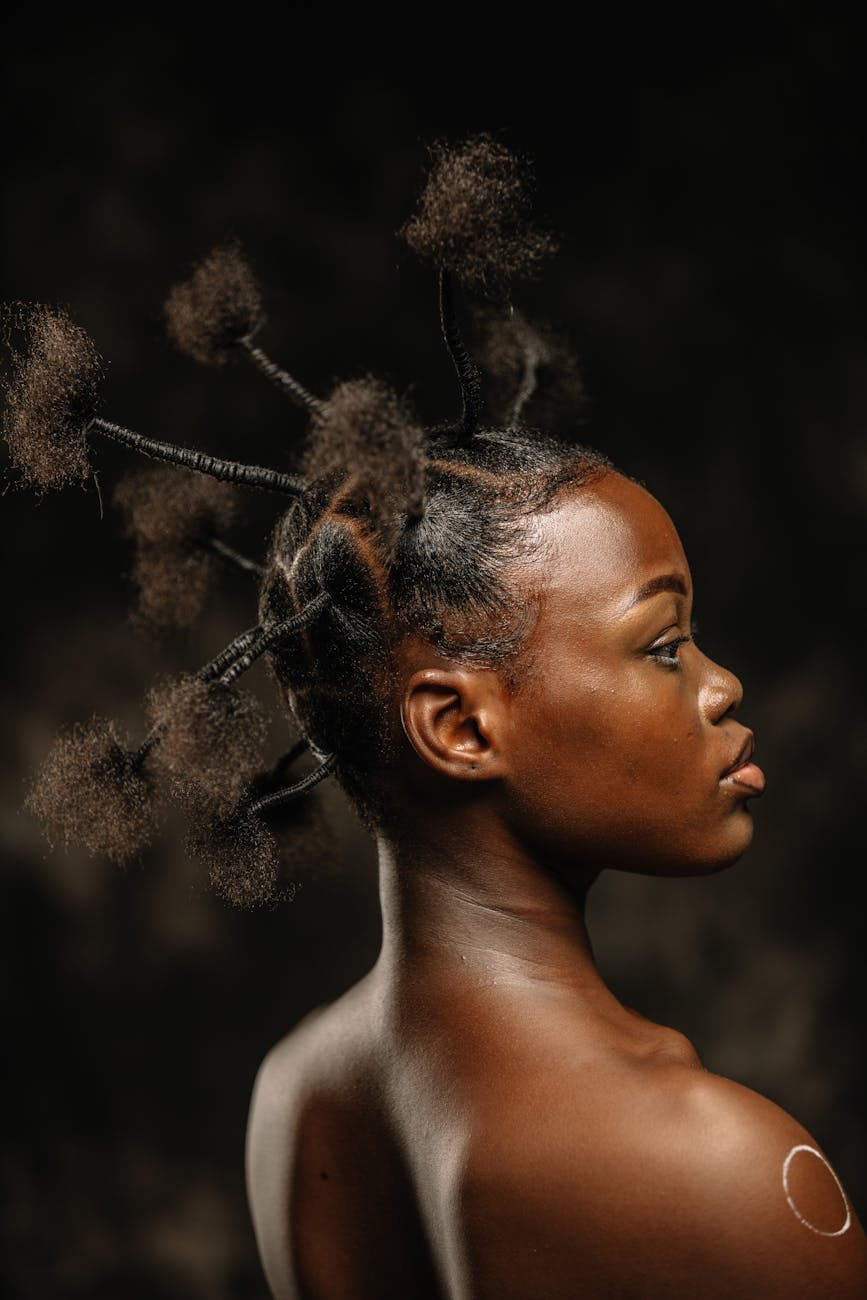
The Evolution of Black Beauty. #thescienceofblackbeauty

Photo by Ali Drabo on Pexels.com

The story of Black beauty is one of resilience, transformation, and self-definition. It is a history woven through genetics, culture, struggle, and celebration. The evolution of Black beauty reflects not only the physical adaptations of African-descended peoples but also the social forces that sought to erase them and the courageous reclamation that continues today. From the golden courts of African kingdoms to the global stage of fashion and film, Black beauty has endured as both a natural inheritance and a cultural statement of identity.

The origins of Black beauty are rooted in biology and the African environment. Dark skin rich in eumelanin evolved as a protective adaptation against intense ultraviolet radiation, safeguarding against skin cancer and preserving folate levels vital for reproduction (Jablonski & Chaplin, 2010). Afro-textured hair, with its coiled structure, served as insulation, cooling the scalp in hot climates. Broader noses and fuller lips facilitated air regulation and hydration. These features were not only functional but celebrated within ancient African societies, where adornment, scarification, and hairstyles carried spiritual and cultural meaning. Beauty was a reflection of harmony with nature and community.

In African kingdoms such as Nubia, Kush, and Mali, beauty was also tied to power and refinement. Women adorned themselves with jewelry, intricate hairstyles, and natural cosmetics made from minerals and plants. Mansa Musa’s Mali, for example, valued the elegance of dress and presentation as signs of wealth and spiritual dignity. Ancient Egypt revered dark skin as a symbol of fertility and divine blessing, with goddesses like Hathor often represented with rich pigmentation. Within these societies, beauty was never divorced from identity; it was both natural and sacred.

The transatlantic slave trade fractured this organic celebration. Enslaved Africans were torn from cultural practices of adornment and subjected to Eurocentric hierarchies that devalued their features. Skin tone, hair texture, and facial structure became grounds for stereotyping and degradation. Lighter-skinned individuals were often given preferential treatment under slavery, planting the seeds of colorism that persist today (Hunter, 2007). Black beauty, once celebrated, was weaponized as a marker of inferiority.

Despite these oppressive systems, enslaved Africans and their descendants found ways to preserve beauty as resistance. Hair braiding carried coded maps and messages of escape. Sunday church services became occasions for dignified dress, asserting humanity against the indignities of bondage. Beauty practices were acts of survival—quiet rebellions against erasure, affirmations that their bodies held value and dignity beyond the gaze of the oppressor.

The early 20th century introduced new challenges and opportunities. The rise of segregation-era media continued to glorify whiteness, relegating Black features to caricature. Yet, in the Harlem Renaissance of the 1920s, Black artists, writers, and performers redefined beauty through cultural pride. Figures like Josephine Baker challenged stereotypes with her iconic performances, while Black publications such as Ebony and Jet celebrated darker skin, natural hair, and African-inspired fashion. Beauty became intertwined with racial pride and cultural awakening.

The Civil Rights and Black Power movements of the 1960s and 1970s propelled this evolution further. The slogan “Black is Beautiful” declared an unapologetic embrace of African aesthetics. Natural hairstyles such as afros symbolized liberation and self-love, rejecting chemical straightening as a symptom of imposed Eurocentric standards (Byrd & Tharps, 2014). Black beauty shifted from mere aesthetics to political activism, a visible challenge to centuries of marginalization.

Even as these movements gained momentum, mainstream media continued to impose narrow ideals. Black women were often excluded from global standards of beauty unless they fit lighter-skinned, straighter-haired molds. Supermodels like Naomi Sims and later Naomi Campbell carved spaces within the fashion industry, but representation remained limited and conditional. The struggle for full recognition persisted.

The late 20th and early 21st centuries, however, have marked a new renaissance. Celebrities such as Erykah Badu, Lauryn Hill, and later Lupita Nyong’o redefined beauty on their own terms, celebrating natural features and melanin-rich skin. Social media platforms further amplified diverse representations, allowing Black creators to showcase beauty outside of mainstream filters. The natural hair movement gained traction globally, encouraging millions of women to embrace their textured hair as beautiful and worthy.

Corporate industries began to take notice. Rihanna’s Fenty Beauty disrupted cosmetics in 2017 by offering 40 foundation shades, directly addressing the exclusion of darker tones from the beauty market. This inclusivity sparked a revolution in the industry, forcing major brands to rethink representation. Black-owned beauty companies also flourished, ensuring that definitions of beauty were set by the community itself rather than imposed from outside.

The evolution of Black beauty is not merely external—it is psychological and spiritual. Centuries of denigration created scars of internalized racism and colorism, but communities have turned toward healing. Celebrating melanin, natural features, and cultural adornments has become a path to collective empowerment. Scripture reinforces this deeper understanding, reminding us that true beauty is not only in appearance but in spirit: “The king’s daughter is all glorious within” (Psalm 45:13, KJV). This truth has grounded generations of Black people who find strength in both inner character and outer identity.

Yet, challenges remain. Media continues to perpetuate colorism, often privileging lighter-skinned models and actresses. Eurocentric beauty standards still influence surgery trends, skin-lightening practices, and hair straightening industries, especially in regions of Africa and the Caribbean. The battle for holistic acceptance of Black beauty is ongoing, demanding vigilance and continued cultural affirmation (Tate, 2009).

Still, progress cannot be denied. From the braided crowns of ancestors to the afros of revolutionaries and the natural hair influencers of today, Black beauty has proven to be ever-evolving and self-renewing. It is a beauty that adapts without losing its roots, a beauty that radiates resilience even under pressure. Its evolution is not linear but cyclical—always returning to the truth that Black beauty is whole, worthy, and divine.

In conclusion, the evolution of Black beauty is a testament to survival and self-definition. From biological origins to ancient kingdoms, from the horrors of slavery to the triumphs of cultural renaissance, Black beauty has endured and blossomed. Today, it stands as both a scientific marvel and a cultural force, reminding the world that beauty is not dictated by dominance but by dignity. Black beauty, in its many forms, continues to evolve—not toward assimilation but toward liberation, glowing with the radiance of resilience.


References

  • Byrd, A., & Tharps, L. (2014). Hair story: Untangling the roots of Black hair in America. St. Martin’s Press.
  • Hunter, M. (2007). The persistent problem of colorism: Skin tone, status, and inequality. Sociology Compass, 1(1), 237–254.
  • Jablonski, N. G., & Chaplin, G. (2010). Human skin pigmentation as an adaptation to UV radiation. Proceedings of the National Academy of Sciences, 107(Suppl 2), 8962–8968.
  • Mercer, K. (1994). Welcome to the jungle: New positions in Black cultural studies. Routledge.
  • Tate, S. A. (2009). Black beauty: Aesthetics, stylization, politics. Ashgate.

Beyond Skin Deep: The Science and Sociology of Black Beauty #thescienceofblackbeauty

Photo by Mwabonje Ringa on Pexels.com

Black beauty is more than a matter of physical appearance; it is an embodiment of science, history, and cultural meaning. To move “beyond skin deep” is to recognize that beauty among people of African descent has been shaped by biology, interpreted through social structures, and expressed in cultural identity. Understanding Black beauty requires examining the interplay of genetics, aesthetics, and sociology, all of which reveal a narrative of resilience and radiance.

From a scientific perspective, the features commonly associated with African ancestry are products of adaptation. Dark skin, rich in melanin, developed as a natural shield against ultraviolet radiation, protecting folate and preserving reproductive health while enabling vitamin D synthesis (Jablonski & Chaplin, 2010). Afro-textured hair, with its tightly coiled strands, regulates heat by shielding the scalp from sunlight while permitting airflow (Robins, 2009). These traits, often devalued under Eurocentric beauty standards, testify to evolutionary brilliance and biological resilience.

Facial diversity within Black populations further illustrates the scientific depth of beauty. Broader nasal passages aid in humidifying and cooling air in warmer climates, while varied bone structures reflect the genetic richness of African populations—the most diverse in the world (Tishkoff et al., 2009). This diversity challenges narrow beauty ideals, showing that Black beauty cannot be confined to a single standard but encompasses a spectrum of scientifically grounded traits.

Sociologically, however, beauty has long been entangled with systems of power. Eurocentric ideals, rooted in colonialism, constructed whiteness as the norm and devalued African features (Hunter, 2007). This hierarchy produced colorism within and beyond Black communities, where lighter skin was privileged and darker skin marginalized. Beauty thus became not just biological but political, reinforcing racial inequality and internalized oppression.

Despite these challenges, Black communities have consistently redefined and reclaimed beauty. The “Black is Beautiful” movement of the 1960s, alongside the natural hair renaissance of recent decades, reframed melanin and Afrocentric aesthetics as sources of pride and identity (Byrd & Tharps, 2014). These cultural shifts represent acts of resistance, undermining imposed standards and affirming self-worth.

Representation in media and industry also plays a critical role in shaping beauty. For much of history, darker-skinned models and actresses were excluded or stereotyped, while lighter skin tones were more widely accepted. Yet contemporary figures such as Lupita Nyong’o, Viola Davis, and the inclusive cosmetics of Rihanna’s Fenty Beauty have expanded definitions of beauty, elevating African features and diverse skin tones to global prominence (Tate, 2009). Such representation transforms beauty into a sociological tool of empowerment.

Spiritually and socially, beauty extends beyond appearance to character and resilience. The Bible emphasizes that true beauty is “the hidden man of the heart” rather than outward adornment (1 Peter 3:3–4, KJV). For Black people, whose external beauty was historically denied, inner strength, dignity, and cultural creativity became markers of radiance. This spiritual depth underscores that Black beauty is not fragile but fortified by endurance.

In conclusion, the science and sociology of Black beauty reveal it to be multifaceted—rooted in biology yet shaped by cultural and social forces. It is a narrative of survival written in melanin, identity articulated in aesthetics, and resilience expressed in representation. Beyond skin deep, Black beauty is both science and story: a testimony to the enduring strength, creativity, and dignity of African-descended peoples.


References

  • Byrd, A., & Tharps, L. (2014). Hair story: Untangling the roots of Black hair in America. St. Martin’s Press.
  • Hunter, M. (2007). The persistent problem of colorism: Skin tone, status, and inequality. Sociology Compass, 1(1), 237–254.
  • Jablonski, N. G., & Chaplin, G. (2010). Human skin pigmentation as an adaptation to UV radiation. Proceedings of the National Academy of Sciences, 107(Suppl 2), 8962–8968.
  • Robins, A. H. (2009). Biological perspectives on human pigmentation. Cambridge University Press.
  • Tate, S. A. (2009). Black beauty: Aesthetics, stylization, politics. Ashgate.
  • Tishkoff, S. A., et al. (2009). The genetic structure and history of Africans and African Americans. Science, 324(5930), 1035–1044.

The Science of Black Beauty: From Biology to Cultural Expression. #thescienceofblackbeauty

Photo by snazzy Photography on Pexels.com

Black beauty is a multifaceted phenomenon shaped by evolution, history, psychology, and cultural representation. It is both a biological inheritance and a cultural expression, a story of resilience inscribed in the body and articulated through identity and artistry. To examine the science of Black beauty is to recognize how biology and culture work together to produce a radiance that has endured despite systemic erasure and oppression.

From a biological standpoint, the features associated with African ancestry are the products of adaptation and survival. Melanin-rich skin evolved to protect against harmful ultraviolet rays, preserving essential nutrients like folate while allowing for sufficient vitamin D synthesis (Jablonski & Chaplin, 2010). Similarly, tightly coiled hair acts as a natural regulator, shielding the scalp from heat while allowing airflow for cooling (Robins, 2009). These traits, often marginalized in Western standards, reflect evolutionary brilliance and resilience.

Facial diversity within African-descended populations further illustrates this complexity. Broader nasal passages facilitate air regulation in warmer climates, while fuller lips and diverse bone structures reveal the genetic depth of African populations, which are the most genetically varied in the world (Tishkoff et al., 2009). This diversity highlights that Black beauty cannot be confined to a single standard, but instead exists as a spectrum of biological expressions foundational to humanity itself.

Psychology, however, reveals how beauty is experienced and judged in society. For centuries, Eurocentric standards have distorted perceptions of beauty, leading to colorism, hair discrimination, and internalized racism within Black communities (Hunter, 2007). Such biases caused lasting psychological harm, shaping how individuals viewed themselves. Yet movements such as “Black is Beautiful” and the natural hair renaissance have countered these narratives, reframing beauty as pride in melanin, hair texture, and African aesthetics (Byrd & Tharps, 2014).

Cultural representation plays a powerful role in this redefinition. Historically, Black people were excluded from mainstream beauty imagery or depicted through degrading stereotypes. Icons like Cicely Tyson and Angela Davis challenged these norms by embracing natural hair and Afrocentric styles that carried political meaning. In the 21st century, Lupita Nyong’o and Rihanna’s Fenty Beauty expanded global beauty standards, affirming darker skin tones and inclusive cosmetics as worthy of admiration (Tate, 2009). Representation thus shifts beauty from marginalization to empowerment.

Historically, beauty within Black communities has also functioned as survival and resistance. Enslaved Africans braided hair not only as an aesthetic practice but also as a means of preserving cultural memory and transmitting coded messages for liberation (Byrd & Tharps, 2014). In these contexts, beauty was never superficial but deeply tied to resilience, dignity, and the struggle for freedom. This historical reality underscores how Black beauty is inseparable from cultural expression and survival.

Spiritually, beauty is defined by values deeper than the physical. Biblical scripture emphasizes inner beauty: “Whose adorning let it not be that outward adorning… but the hidden man of the heart” (1 Peter 3:3–4, KJV). For Black people, whose beauty was historically devalued, spiritual strength and inner radiance provided a foundation for self-worth and endurance. Thus, Black beauty extends beyond the surface, embodying faith, character, and the divine imprint of creation.

In conclusion, the science of Black beauty reveals it as both biological and cultural. Evolution crafted traits that ensured survival, while cultural expression transformed those traits into symbols of pride, identity, and resistance. From biology to psychology, from history to spirituality, Black beauty reflects resilience and radiance. It is a testimony not only to adaptation but also to the enduring power of a people who continue to shape global definitions of what it means to be beautiful.


References

  • Byrd, A., & Tharps, L. (2014). Hair story: Untangling the roots of Black hair in America. St. Martin’s Press.
  • Hunter, M. (2007). The persistent problem of colorism: Skin tone, status, and inequality. Sociology Compass, 1(1), 237–254.
  • Jablonski, N. G., & Chaplin, G. (2010). Human skin pigmentation as an adaptation to UV radiation. Proceedings of the National Academy of Sciences, 107(Suppl 2), 8962–8968.
  • Robins, A. H. (2009). Biological perspectives on human pigmentation. Cambridge University Press.
  • Tate, S. A. (2009). Black beauty: Aesthetics, stylization, politics. Ashgate.
  • Tishkoff, S. A., et al. (2009). The genetic structure and history of Africans and African Americans. Science, 324(5930), 1035–1044.

Unveiling Radiance: The Science Behind Black Beauty. #thescienccofblackbeauty

Photo by 3Motional Studio on Pexels.com

Black beauty is a phenomenon that transcends aesthetics, reaching into the realms of biology, psychology, culture, and spirituality. To unveil its radiance is to uncover the evolutionary genius of African traits, the resilience of a people who have endured systemic oppression, and the redefinition of beauty as an act of resistance. Far from being superficial, Black beauty embodies survival, identity, and the sacred dignity of heritage.

From a biological perspective, the features most associated with Black beauty—melanin-rich skin, coiled hair textures, and distinctive facial structures—carry deep evolutionary significance. Dark skin, rich in eumelanin, evolved as protection against harmful ultraviolet rays, while preserving vital nutrients like folate necessary for reproduction (Jablonski & Chaplin, 2010). Similarly, coiled hair functions as a natural insulator, protecting the scalp from heat while aiding in cooling, a design of resilience rooted in Africa’s climate (Robins, 2009). These features reveal that beauty is more than appearance—it is a story of adaptation and survival.

Psychology offers another lens into Black beauty. For centuries, Eurocentric ideals distorted global standards, leading to colorism and the devaluation of African features (Hunter, 2007). Internalized racism caused many to struggle with self-esteem, as seen in studies where Black children favored white dolls over Black dolls. Yet resilience emerged through movements such as “Black is Beautiful,” which reshaped psychological frameworks by affirming melanin, natural hair, and cultural aesthetics (Byrd & Tharps, 2014). In this way, beauty became a psychological anchor of identity and empowerment.

Culturally, representation plays a powerful role in shaping perceptions of beauty. Historically, Black women and men were excluded from mainstream imagery or reduced to stereotypes. However, pioneers like Cicely Tyson and Angela Davis disrupted these patterns by embracing natural styles that carried political meaning. In the modern era, global icons such as Lupita Nyong’o and Rihanna’s Fenty Beauty have expanded definitions of beauty, affirming darker complexions and diverse aesthetics as not only acceptable but aspirational (Tate, 2009). Representation thus transforms beauty from exclusion to celebration.

Black beauty is also inseparable from the politics of survival. During slavery, African women braided hair not only for style but also as cultural memory and, at times, as coded maps for escape (Byrd & Tharps, 2014). Beauty, in this context, was not frivolous but functional, a tool of survival and cultural preservation. This historical resilience underscores that beauty for Black communities is never just cosmetic—it is intertwined with dignity, memory, and liberation.

Spiritually, beauty is rooted in values deeper than appearance. The Bible teaches that true beauty lies within: “Whose adorning let it not be that outward adorning…but the hidden man of the heart” (1 Peter 3:3–4, KJV). For Black people, whose external beauty was often devalued by oppressive systems, inner radiance and spiritual strength became central to survival. Thus, Black beauty is not only seen in skin and hair, but also in character, resilience, and unwavering faith.

In contemporary society, Black aesthetics influence global fashion, music, and art. From natural hairstyles to melanin-positive campaigns, African-descended communities are reclaiming and redefining beauty on their own terms. Yet challenges remain, as colorism and Eurocentric bias persist in media and industries (Patton, 2006). Still, the global celebration of melanin and the mainstreaming of diverse beauty standards signal progress toward broader acceptance.

Ultimately, the science behind Black beauty reveals a truth greater than aesthetics: beauty is resilience, adaptation, and radiance born of struggle and survival. It is biological brilliance, psychological strength, cultural memory, and spiritual dignity combined. To unveil this radiance is to affirm that Black beauty is not only valid—it is foundational to humanity, a sacred testimony to the power of survival, identity, and divine design.


References

  • Byrd, A., & Tharps, L. (2014). Hair story: Untangling the roots of Black hair in America. St. Martin’s Press.
  • Hunter, M. (2007). The persistent problem of colorism: Skin tone, status, and inequality. Sociology Compass, 1(1), 237–254.
  • Jablonski, N. G., & Chaplin, G. (2010). Human skin pigmentation as an adaptation to UV radiation. Proceedings of the National Academy of Sciences, 107(Suppl 2), 8962–8968.
  • Patton, T. O. (2006). Hey girl, am I more than my hair? African American women and their struggles with beauty, body image, and hair. NWSA Journal, 18(2), 24–51.
  • Robins, A. H. (2009). Biological perspectives on human pigmentation. Cambridge University Press.
  • Tate, S. A. (2009). Black beauty: Aesthetics, stylization, politics. Ashgate.

The Science of Black Beauty: Evolution, Psychology, and Representation.

Photo by Abel Kayode on Pexels.com

Black beauty is a multidimensional construct shaped by biology, cultural history, and sociopolitical forces. Unlike mainstream Eurocentric beauty standards, which often reduce attractiveness to narrow features, Black beauty encompasses genetic diversity, evolutionary resilience, and cultural expression. To understand it requires an interdisciplinary lens—examining the evolutionary science of melanin, the psychological impacts of beauty ideals, and the representation of Black aesthetics in society.

Evolutionary Foundations of Black Beauty

From an evolutionary perspective, darker skin pigmentation is a result of natural selection. Melanin, particularly eumelanin, provides protection against ultraviolet (UV) radiation while preserving folate reserves essential for reproduction (Jablonski & Chaplin, 2010). Features common within populations of African descent, such as fuller lips, broader noses, and tightly coiled hair, are not merely aesthetic traits but adaptive markers designed for survival in hot and variable climates (Robins, 2009). These traits, once stigmatized under colonial rule, reflect a scientific truth: Black beauty is evolutionarily advantageous, biologically diverse, and deeply tied to human survival.

Psychological Dimensions of Black Beauty

Psychology reveals how beauty standards affect identity and self-esteem. Eurocentric ideals historically marginalized Black features, creating internalized biases and what Fanon (1967) described as a “racial epidermal schema.” The preference for lighter skin—colorism—illustrates how systemic racism infiltrates concepts of beauty (Hunter, 2007). Conversely, the natural hair movement and celebration of melanin-rich skin highlight the psychological liberation that comes from embracing authentic Black beauty. Self-acceptance, in this context, becomes both a personal act of healing and a political statement.

Representation and Cultural Visibility

Representation of Black beauty in media has historically oscillated between invisibility and exoticization. Early depictions often reinforced stereotypes, while mainstream fashion and entertainment industries celebrated only a limited spectrum of Black aesthetics (Craig, 2006). Today, however, global icons like Lupita Nyong’o, Viola Davis, and Naomi Campbell expand representation by embodying diverse shades, textures, and body types. Social media platforms also empower everyday voices, allowing new narratives to challenge Eurocentric dominance and redefine beauty on global terms.

Intersection of Science and Culture

The study of Black beauty requires bridging scientific objectivity with cultural subjectivity. Facial symmetry, the golden ratio, and evolutionary psychology offer biological explanations for attractiveness (Little et al., 2011). Yet, beauty is also socially constructed, shaped by history, politics, and resistance. For Black communities, beauty is more than appearance—it is identity, resilience, and cultural pride.

Conclusion

The science of Black beauty cannot be divorced from its history of misrepresentation and resistance. Evolutionary biology highlights its adaptive strength; psychology reveals its role in identity formation; and representation underscores its sociopolitical weight. To honor Black beauty is to affirm both its scientific roots and its cultural power, recognizing it as central to human diversity and dignity.


References

  • Craig, M. L. (2006). Race, beauty, and the tangled knot of a guilty pleasure. Feminist Theory, 7(2), 159–177.
  • Fanon, F. (1967). Black skin, white masks. Grove Press.
  • Hunter, M. (2007). The persistent problem of colorism: Skin tone, status, and inequality. Sociology Compass, 1(1), 237–254.
  • Jablonski, N. G., & Chaplin, G. (2010). Human skin pigmentation as an adaptation to UV radiation. Proceedings of the National Academy of Sciences, 107(Supplement 2), 8962–8968.
  • Little, A. C., Jones, B. C., & DeBruine, L. M. (2011). Facial attractiveness: Evolutionary based research. Philosophical Transactions of the Royal Society B: Biological Sciences, 366(1571), 1638–1659.
  • Robins, A. H. (2009). Biological perspectives on human pigmentation. Cambridge University Press.

Slavery’s Legacy on Modern Beauty Standards.

Photo by Abenezer Shewaga on Pexels.com

Beauty is never neutral. It is tied to power, culture, and history. For people of African descent, the idea of what is considered beautiful has been shaped profoundly by the transatlantic slave trade and its enduring consequences. The standards of beauty that dominate in Western culture today continue to reflect the racial hierarchies constructed during slavery. These standards privilege Eurocentric features—light skin, straight hair, narrow noses—while devaluing the natural attributes of African people. To understand modern beauty culture, one must trace its roots back to slavery and its systems of oppression.

Beauty, often perceived as natural or universal, is in reality a social construct deeply shaped by history, culture, and systems of power. For people of African descent, modern beauty standards are inseparably tied to the legacy of slavery and colonialism. The racial hierarchies established during the transatlantic slave trade not only dehumanized Africans but also codified Eurocentric ideals of attractiveness. These legacies persist in the privileging of lighter skin, straighter hair, and Eurocentric facial features while stigmatizing natural Black aesthetics. Understanding slavery’s role in shaping these standards reveals how oppression continues to infiltrate the psychology of self-image and the global beauty industry.

Eurocentric Beauty and Slavery’s Foundations

Slavery created a racialized hierarchy of features. Dark skin, broad noses, and tightly coiled hair were falsely associated with ugliness, savagery, and lack of civilization, while white features were elevated as the pinnacle of beauty and refinement (Fanon, 2008). This was not simply aesthetic preference; it was a political weapon used to justify enslavement and subjugation. By dehumanizing African features, slaveholders reinforced racial superiority while stripping enslaved people of pride in their appearance.

Light Skin Privilege Under Slavery

Within the plantation system, lighter-skinned enslaved people often received preferential treatment, working inside homes rather than in the fields. This was largely due to their proximity to whiteness, often the result of sexual violence committed by slaveholders against enslaved women (Hunter, 2005). This color hierarchy planted deep divisions that still affect Black communities today, with lighter skin frequently associated with higher status, desirability, and opportunity.

Colorism as Slavery’s Heir

The preference for lighter skin, known as colorism, is one of slavery’s most enduring legacies. Research shows that lighter-skinned African Americans are more likely to be perceived as attractive, more employable, and more educated compared to darker-skinned peers (Hill, 2002). These biases echo the privileges extended to mixed-race enslaved people, showing how slavery’s beauty hierarchy remains embedded in society’s subconscious.

The Psychological Wounds of Beauty Hierarchies

Psychologists such as Frantz Fanon (2008) described how colonized and enslaved people internalized white superiority, leading to a desire to approximate whiteness. This internalized racism manifests in practices like skin bleaching, hair straightening, and altering facial features through surgery. The pain of these practices is not in individual choice alone, but in the fact that centuries of conditioning taught Black people to see themselves as less beautiful unless they conformed to Eurocentric ideals.

Women, Hypersexualization, and Beauty

For Black women, the legacy of slavery extends into gendered stereotypes. Enslaved women were simultaneously hypersexualized and devalued. They were depicted as exotic, animalistic, and lustful, justifying both sexual exploitation and the denial of their femininity (Collins, 2000). These stereotypes live on in media portrayals of Black women as either hypersexual “video vixens” or undesirable compared to white counterparts. The slavery-era denial of Black femininity still lingers in modern representations.

Black Men and Bodily Commodification

Black men, too, inherited distorted beauty standards. During slavery, their bodies were commodified for labor and reproduction, leading to the creation of stereotypes associating Black masculinity with strength, hyper-athleticism, and physical dominance (Yancy, 2008). While some of these associations are admired in modern sports and media, they also reduce Black men to bodies rather than whole persons, a dehumanization that echoes slavery’s exploitation.

Naomi Campbell and Breaking Barriers

The fashion world historically resisted darker-skinned models, favoring light-skinned or racially ambiguous women. Naomi Campbell, one of the first Black supermodels to achieve international recognition, broke barriers by forcing the industry to confront its Eurocentric preferences. Yet even she has spoken about being excluded from magazine covers and fashion campaigns because of her skin tone. Her success represents both resistance and the persistence of slavery’s beauty legacy in high fashion.

Alek Wek and the Reclamation of African Aesthetics

Alek Wek, a South Sudanese model, transformed the global perception of beauty by challenging Eurocentric norms. With her dark skin and distinct African features, she faced initial backlash, but her rise to prominence forced the fashion industry to confront its biases. Lupita Nyong’o has publicly acknowledged that seeing Alek Wek made her believe that her own dark skin could be beautiful. Wek’s career is a testament to reclaiming Black aesthetics denied during slavery.

Lupita Nyong’o and the Affirmation of Dark Skin

Lupita Nyong’o has become a symbol of unapologetic Black beauty. In her speeches, she has reflected on childhood experiences of praying for lighter skin because of the societal pressures she faced. Her visibility and accolades, including her Academy Award, symbolize a corrective to the centuries-long denigration of dark-skinned women. Yet her story also reveals the ongoing weight of slavery’s legacy, as generations of children have been taught to equate lighter skin with worth.

Beyoncé and the Complexity of Representation

Beyoncé, celebrated worldwide, embodies the complexities of modern Black beauty representation. While she embraces her identity as a Black woman, her lighter skin and long, often straightened hair align more closely with Eurocentric ideals. This duality sparks debate: does her image empower or reinforce old hierarchies? The discussion itself reveals the depth of slavery’s impact, where even empowerment is entangled with questions of proximity to whiteness.

Adut Akech and Global Black Beauty

Adut Akech, a South Sudanese-Australian model, represents a new wave of global Black beauty. With her natural hair and rich complexion, she challenges the lingering belief that Eurocentric features are required for international success. Her prominence on runways worldwide demonstrates progress, yet her experiences with racism in the industry reveal how the wounds of slavery remain.

Media and Capitalism’s Exploitation of Insecurities

Slavery’s legacy lives not only in representation but in commerce. The beauty industry profits billions from insecurities tied to Eurocentric standards. Skin-lightening products dominate markets in Africa, Asia, and the Caribbean, showing how globalized the colonial beauty hierarchy has become. Hair relaxers and cosmetic surgeries targeting nose shapes and lips similarly reflect capitalism’s exploitation of slavery’s psychological scars.

Resistance Through the Natural Hair Movement

The natural hair movement directly challenges slavery’s legacy by rejecting the idea that straight hair is more professional or beautiful. Laws such as the CROWN Act, which bans hair discrimination in workplaces and schools, reflect the fight for freedom to embrace Black aesthetics. This movement is not just about style but about reclaiming dignity denied during slavery.

Social Media as a Space of Liberation

Unlike traditional media, social platforms have allowed Black creators to redefine beauty standards for themselves. Movements such as #MelaninPoppin and #BlackGirlMagic affirm the beauty of dark skin and natural features. These grassroots affirmations of identity are acts of resistance against centuries of imposed inferiority, echoing the Civil Rights era’s declaration that “Black is Beautiful.”

Theological Reflections on Black Beauty

Scripture challenges slavery’s lies about beauty. Song of Solomon 1:5 (KJV) affirms: “I am black, but comely, O ye daughters of Jerusalem.” This verse rejects the notion that darkness diminishes beauty. Isaiah 61:3 reminds us that God grants “beauty for ashes,” showing that even the ashes of slavery’s dehumanization can give rise to dignity and self-affirmation.

Beauty, Liberation, and Self-Worth

Reclaiming beauty is more than cosmetic; it is spiritual and psychological liberation. Romans 12:2 (KJV) calls for transformation through renewed minds, not conformity to the world’s ideals. Liberation from Eurocentric beauty standards is part of a broader freedom struggle—asserting that Blackness itself is sacred and inherently beautiful.

The Continuing Struggle Against Slavery’s Shadow

Even as progress is made, slavery’s shadow lingers in subtle forms—casting lighter-skinned actresses more often, privileging Eurocentric features in media, and pressuring Black people to alter their appearance for acceptance. Recognizing these patterns is essential for dismantling the chains of slavery that persist invisibly in beauty culture.

Conclusion

Slavery’s legacy on modern beauty standards is undeniable. From the plantation to the fashion runway, from media screens to beauty aisles, Eurocentric ideals continue to haunt definitions of attractiveness. Yet resistance has been powerful—from Naomi Campbell and Alek Wek to Lupita Nyong’o, Beyoncé, and Adut Akech, Black beauty continues to rise as a force of liberation. The struggle for self-acceptance and dignity is not just aesthetic; it is a moral, cultural, and spiritual battle against slavery’s enduring legacy. In affirming that “Black is Beautiful,” we affirm life, freedom, and the sacred worth of all who bear the mark of melanin.


References

Collins, P. H. (2000). Black feminist thought: Knowledge, consciousness, and the politics of empowerment. Routledge.

Fanon, F. (2008). Black skin, white masks. Grove Press. (Original work published 1952)

Hill, M. E. (2002). Skin color and the perception of attractiveness among African Americans: Does gender make a difference? Social Psychology Quarterly, 65(1), 77–91.

Hunter, M. (2005). Race, gender, and the politics of skin tone. Routledge.

Yancy, G. (2008). Black bodies, white gazes: The continuing significance of race in America. Rowman & Littlefield.

Unspoken Struggles: The Silent Battles of Black Women.

Photo by Kazys Photography on Pexels.com

The narrative of Black women has always been one of resilience, yet beneath this strength lies a series of silent battles that often go unnoticed. From the time of slavery until today, Black women have carried the weight of racial prejudice, gender discrimination, and economic disparity. Their voices, though powerful, are often silenced by the demand to remain strong. As a result, the struggles they endure are not always visible, yet they are deeply embedded in the social, psychological, and spiritual fabric of their lives (Collins, 2000).

Visible Roles vs. Silent Battles of Black Women

Visible Roles (What the World Sees)Silent Battles (What They Endure)
Caregiver and nurturer for familyNeglect of personal needs and self-care
Resilient “Strong Black Woman” figureSuppressed emotions, hidden depression
Professional achiever and breadwinnerWorkplace bias, underpaid and undervalued
Community leader and activistBurnout, exhaustion, lack of recognition
Pillar of faith and spiritualitySilent questioning, struggles with doubt
Embodiment of beauty and styleInternalized pressure to meet Eurocentric beauty standards
Protector of othersVulnerability ignored, need for protection overlooked
Source of cultural pride and strengthStruggle with identity, isolation, and fatigue

One of the most profound struggles is the expectation to embody the archetype of the “Strong Black Woman.” While strength has enabled survival, it has also been a heavy burden. Many women are conditioned to suppress vulnerability and emotional needs, leading to high rates of depression, anxiety, and stress-related illnesses (Woods-Giscombé, 2010). The silent battle, therefore, is not only external but internal—a conflict between societal demands and the natural human need for rest, softness, and care.

Racism and sexism compound these struggles, creating what Kimberlé Crenshaw (1989) defines as “intersectionality.” Black women must constantly navigate a world where their race and gender intersect in ways that expose them to unique disadvantages. For example, in the workplace, they often face being undervalued, overlooked, or tokenized. In social contexts, they are stereotyped as “angry” or “difficult” when they assert themselves. These layered forms of oppression force Black women into silent endurance, as speaking out risks further marginalization.

The silence is also evident in the realm of beauty and identity. The Western beauty standard, rooted in whiteness, has historically excluded the natural features of Black women—dark skin, textured hair, and full bodies. This exclusion fosters feelings of inadequacy and internalized self-doubt. As Frances Cress Welsing argued, the elevation of whiteness in beauty is a reflection of deeper systems of racial dominance (Welsing, 1991). For Black women, the unspoken struggle becomes a daily negotiation between self-acceptance and societal rejection.

Family responsibilities further intensify these battles. Many Black women juggle roles as breadwinners, caretakers, and community pillars, often without adequate support. The silent weight of being “everything to everyone” can leave little room for personal dreams or self-care. Yet Scripture reminds us of the importance of rest and casting burdens on God: “Casting all your care upon him; for he careth for you” (1 Peter 5:7, KJV). This verse emphasizes that Black women need not carry the weight of the world alone.

Faith, however, is often both a coping mechanism and a source of resilience. Many Black women turn to prayer, worship, and church communities for strength and comfort. Still, the church has at times perpetuated the expectation that women must endlessly serve, sacrifice, and remain silent about their pain. Yet, biblical truth offers a counter-narrative: “Come unto me, all ye that labour and are heavy laden, and I will give you rest” (Matthew 11:28, KJV). This scripture dismantles the myth of invulnerability, affirming that rest and vulnerability are divine rights.

Psychologically, the suppression of these silent struggles can lead to “weathering,” a concept describing the cumulative effects of chronic stress on Black women’s health (Geronimus, 1992). Heart disease, hypertension, and mental health disparities often emerge as unspoken consequences of constantly enduring adversity. The lack of safe spaces to share struggles further reinforces silence, making vulnerability both a necessity and a challenge. Breaking this cycle requires intentional cultural, spiritual, and psychological healing.

In conclusion, the silent battles of Black women reveal the need for a collective reimagining of strength. True strength lies not in unending endurance but in the courage to acknowledge pain, embrace softness, and seek support. The Bible affirms that God’s strength is made perfect in weakness (2 Corinthians 12:9, KJV), reminding us that humanity, not superhuman resilience, is the essence of divine design. By breaking the silence, Black women—and the communities that rely on them—can begin to heal, reclaiming dignity and wholeness in the face of centuries of struggle.


References

  • Collins, P. H. (2000). Black feminist thought: Knowledge, consciousness, and the politics of empowerment. Routledge.
  • Crenshaw, K. (1989). Demarginalizing the intersection of race and sex. University of Chicago Legal Forum, 1989(1), 139–167.
  • Geronimus, A. T. (1992). The weathering hypothesis and the health of African-American women and infants. Ethnicity & Disease, 2(3), 207–221.
  • Welsing, F. C. (1991). The Isis papers: The keys to the colors. Third World Press.
  • Woods-Giscombé, C. L. (2010). Superwoman schema: African American women’s views on stress, strength, and health. Qualitative Health Research, 20(5), 668–683.

👑🤎 Reclaiming the Crown 🤎👑

Photo by Arianna Jadu00e9 on Pexels.com

The Evolution of Black Beauty Standards

Beauty has always been more than skin deep—it is a social and political weapon, a cultural compass, and a reflection of power. For centuries, white beauty standards have dominated global narratives, shaping how attractiveness is measured, marketed, and internalized. This dominance was not accidental; it was a strategic result of colonization, slavery, media influence, and Eurocentric propaganda. Understanding the history of white beauty standards is essential to dismantling them, reclaiming our rightful place, and restoring the global recognition of Black beauty as a standard in itself.


The History of White Beauty Standards

White beauty standards emerged in the context of European imperial expansion. During the transatlantic slave trade and colonial periods, physical features such as pale skin, straight hair, narrow noses, and thin lips were elevated as the “ideal” in contrast to African features, which were dehumanized and stigmatized (Craig, 2002). Pseudoscience such as scientific racism and eugenics reinforced these ideals by associating Eurocentric features with intelligence, morality, and civility, while labeling African features as primitive. The Victorian era further cemented whiteness as a marker of social class and purity, with literature, paintings, and later Hollywood films perpetuating the image of the delicate, fair-skinned woman as the ultimate beauty.


Why This History Matters

Knowing this history is critical because beauty standards shape economies, mental health, and identity. Eurocentric ideals have historically limited economic opportunities for Black individuals through discriminatory hiring practices based on hair texture and skin tone (Hunter, 2007). They have influenced self-esteem, especially in children, leading to colorism, self-hate, and harmful practices like skin bleaching and hair straightening (Russell, Wilson, & Hall, 2013). Without an understanding of how these standards were weaponized, efforts to redefine beauty risk becoming superficial trends rather than a deep cultural revolution.


The Resilience and Evolution of Black Beauty

Despite centuries of erasure, Black beauty has survived through cultural pride, artistic expression, and resistance movements. The Harlem Renaissance celebrated dark skin and African aesthetics in the 1920s. The Black Power Movement of the 1960s popularized natural hair as a political statement, encapsulated in the slogan “Black is Beautiful.” Today, the natural hair movement, increased representation in media, and global celebration of melanin-rich skin continue the fight against Eurocentric definitions of beauty (Byrd & Tharps, 2014).

https://as1.ftcdn.net/jpg/01/74/54/64/1000_F_174546417_vxqxs3GKGjFHIDnNpkxrMwh0ceHPMaK8.jpg
This photograph is the property of its respective owner.
https://www.essence.com/wp-content/uploads/2010/03/images/2010/03/376521-pam_grier.jpg
This photograph is the property of its respective owner.
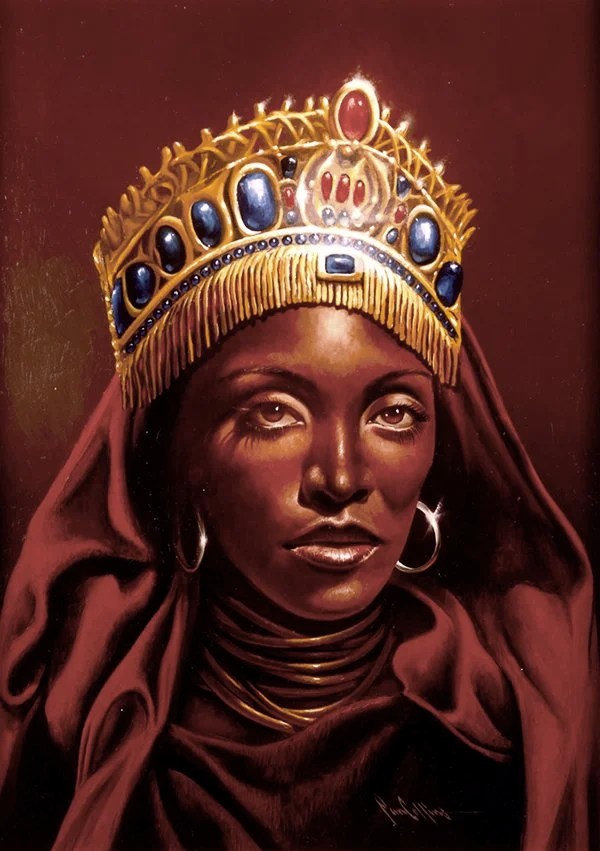
https://the-brown-girl-dilemma.com/wp-content/uploads/2025/08/7d6d7-12bqueen2bof2bsheba2bby2bpaul2bcollins.webp
This photograph/artwork is the property of its respective owner.
https://i.pinimg.com/1200x/ab/62/95/ab62959d7fee3669efd67362c838da82.jpg
This photograph is the property of its respective owner.

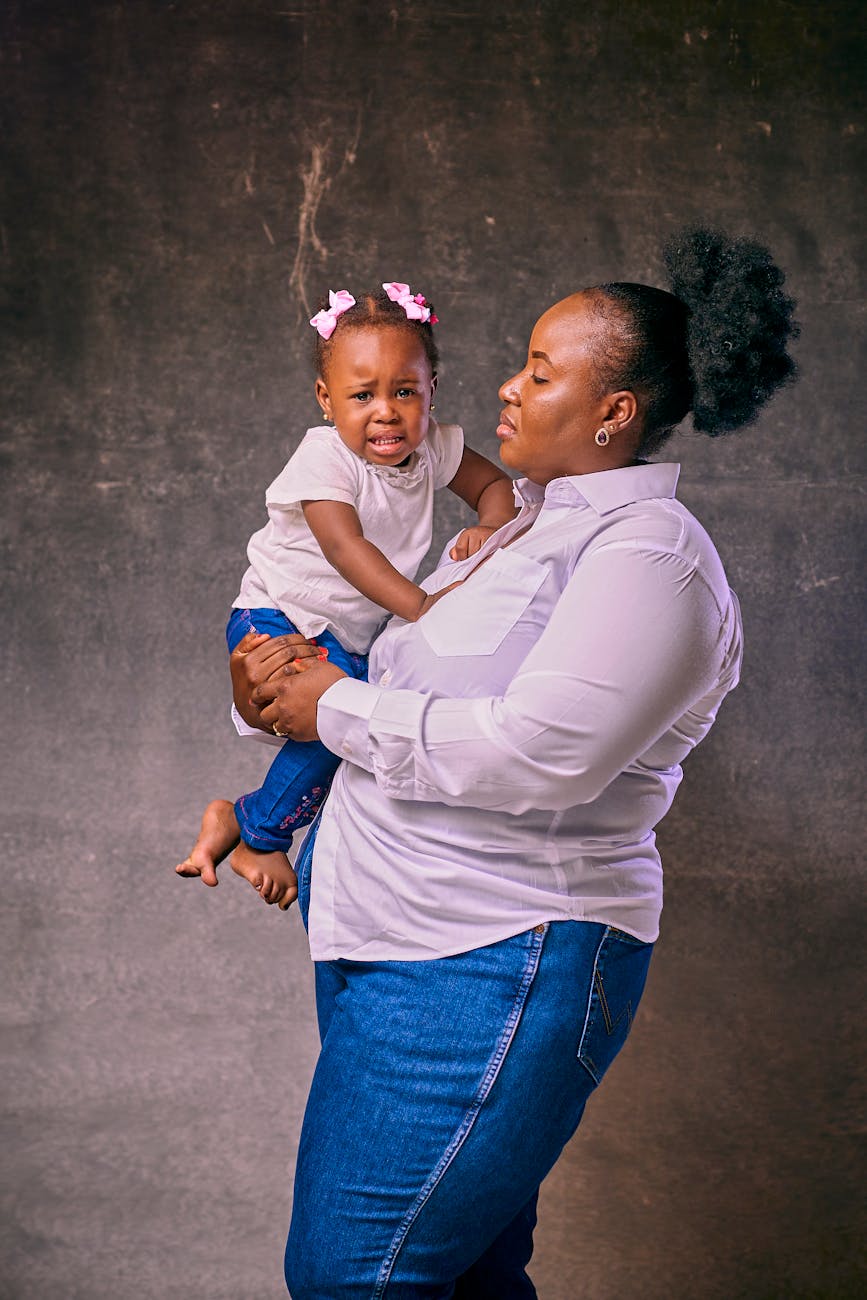
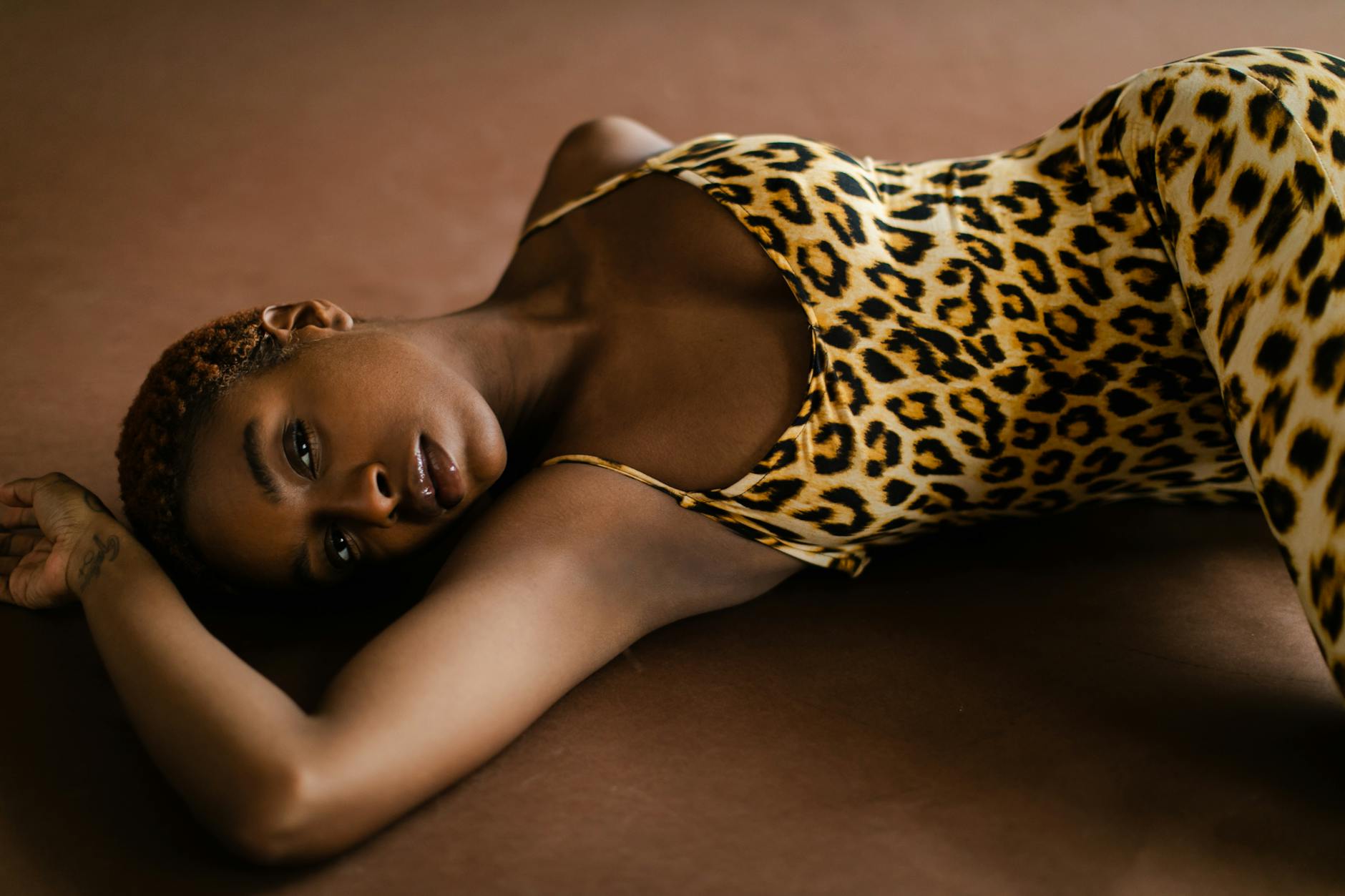
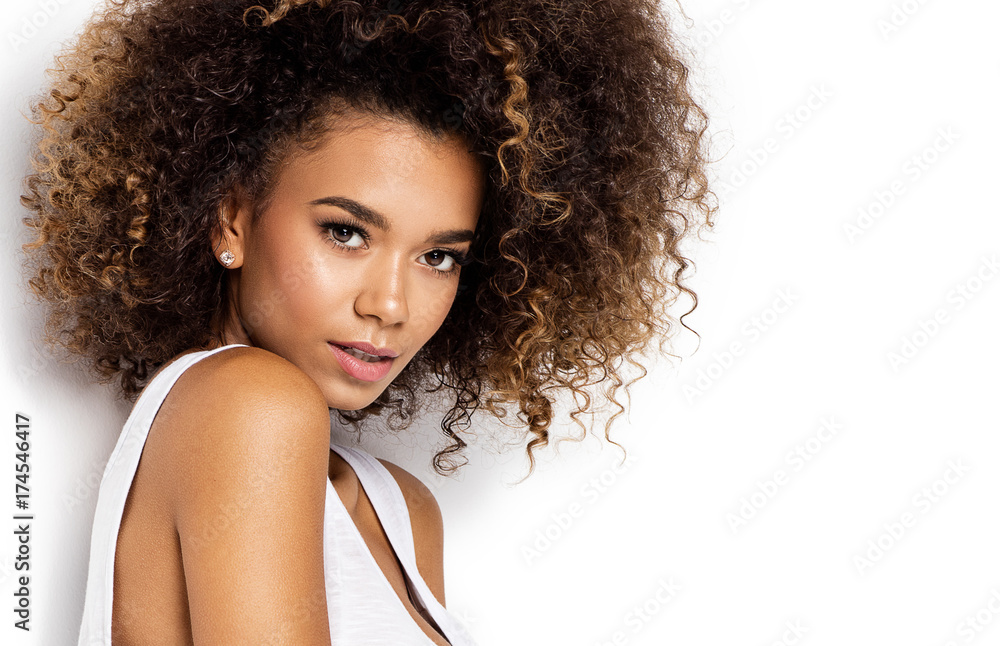
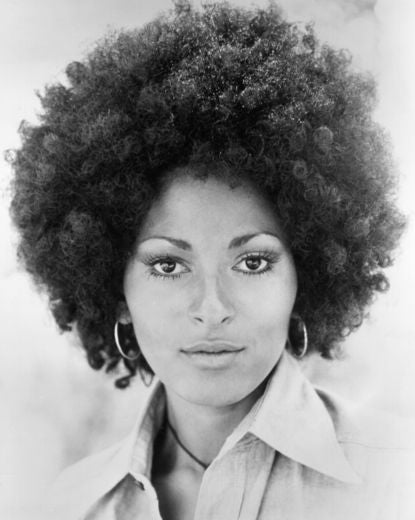
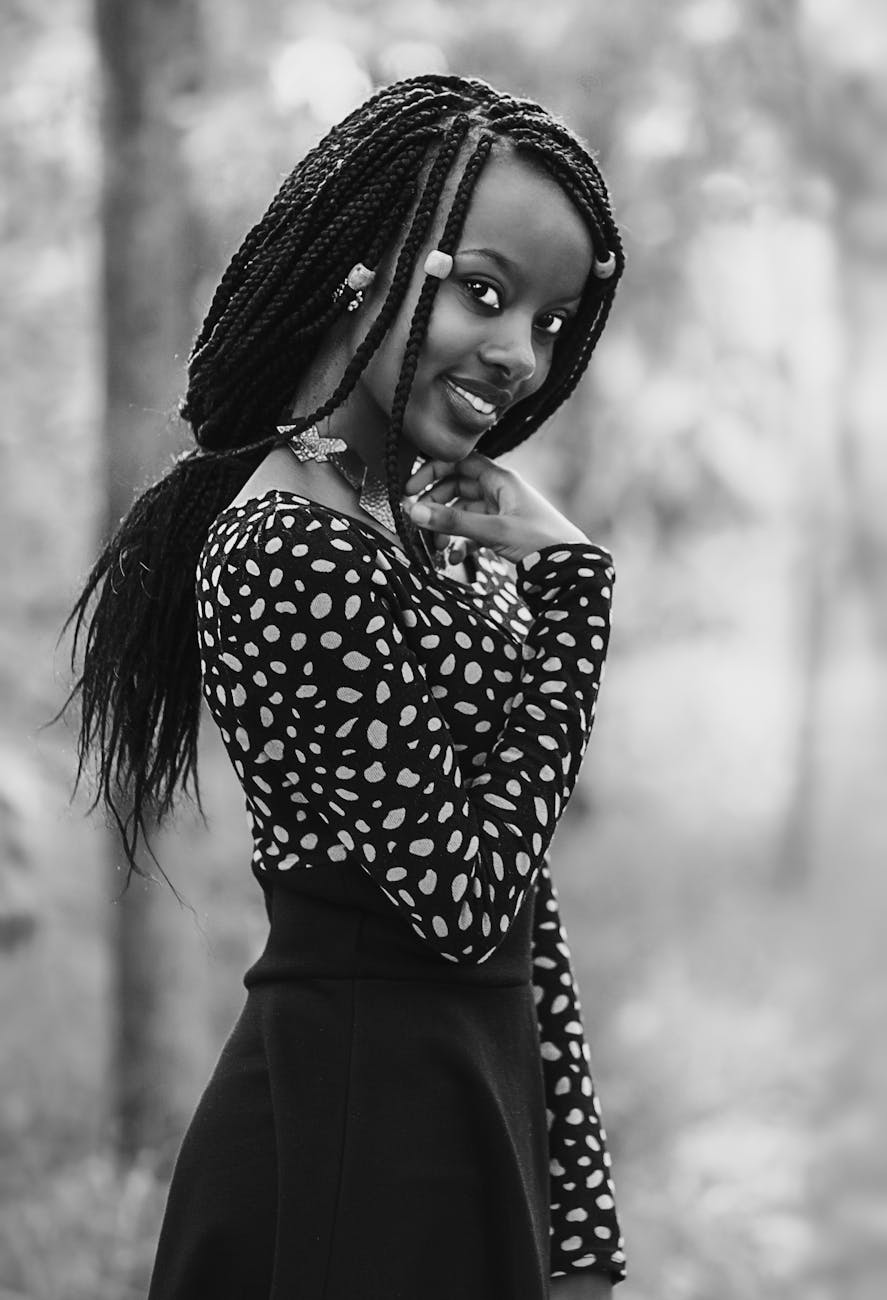
Here’s a richly diverse edge image carousel capturing the elegance and allure that embody celebrated Black beauty—portraits evoke radiance, Afrocentric grace, and timeless poise.


The World’s Most Beautiful Black Women in Entertainment.

Contemporary Global Icons:

  • Halle Berry – Arguably the most beautiful woman in the world. A timeless beauty who has mesmerized men since the 1990s, known for her short-cropped hair.
  • Nathalie Emmanuel – Known for her radiant smile and pretty face.
  • Rihanna – Her girlish charm, cafe au lait complexion, and a cosmetic company to boot, she redefines what is considered beautiful.
  • Lupita Nyong’o – Her resplendent skin and captivating natural beauty make her a standout in film.

African Royalty & Beauty Queens:

  • Anok Yai – A South Sudanese-born model whose groundbreaking achievements include opening Prada’s runway and advocating against colorism, making her one of fashion’s most influential figures. oceanonlinenews.comBeauty News
  • Zozibini Tunzi – Miss Universe 2019 from South Africa, celebrated for redefining beauty standards and representing African elegance on the global stage. Wikipedia
  • Chidinma Adetshina – Crowned Miss Universe Nigeria and first runner-up at Miss Universe 2024, her beauty and resilience inspire. Beauty News
  • Tshego Gaelae – Mrs. World 2025 winner from South Africa, blending legal expertise with beauty and leadership in her community. Wikipedia
  • Nomzamo Mbatha – South African actress and humanitarian whose radiant presence and advocacy work have made her an international beauty and cultural ambassador. top 10 on 10

Other Admirable Talents:

  • Gabrielle Union – Renowned for her consistency in beauty, charisma, and advocacy for inclusivity. Lifestyle Net Worth
  • Megalyn Echikunwoke – An actress whose elegance and authentic presence make her stand out both on-screen and off. Lifestyle Net Worth
  • Paige Hurd – Young, radiant, and charismatic, this rising star is making her mark through both talent and beauty. Lifestyle Net Worth
  • Jourdan Dunn – A groundbreaking British model recognized for her fierce runway presence and landmark modeling achievements. The Trend Spotter
  • Viola Davis – A beauty rooted in strength, emotion, and integrity, rising to monumental acclaim through soulful performances. The Trend SpotterVanity Fair

What Black Actors Say About Beauty

While direct quotes from Black actors about other Black women may not always circulate widely, the spirit of admiration is evident through actions and commendations:

  • Kenya Moore, former Miss USA, shared with students that her win helped challenge beauty norms, teaching kids the importance of intelligence, confidence, and Black beauty beyond appearance. People.com
  • Though not celebrity quotes, Leslie Jones delivered powerful commentary on Saturday Night Live, using humor to confront painful truths around Black beauty and stereotypes, highlighting the need for recognition and empathy. TIME

Summary Table: A Snapshot of Celebrated Black Beauty

NameNotability
Halle BerryIconic actress and timeless beauty
Nathalie EmmanuelRadiant presence from Game of Thrones
RihannaBeauty-plus-influence through her brands
Keke PalmerYouthful energy and natural charisma
Anok YaiRunway game-changer and inclusivity advocate
Zozibini TunziMiss Universe who redefined beauty standards
Chidinma AdetshinaNigerian queen rising beyond pageantry
Tshego GaelaeMrs. World merging beauty with accomplishment
Nomzamo MbathaActress & humanitarian with global impact
Gabrielle UnionRadiant advocate for representation
Megalyn EchikunwokeElegant and authentic on-screen presence
Paige HurdYouthful rising beauty
Jourdan DunnLegendary British model and industry trailblazer
Viola DavisDepth, beauty, and emotional authenticity

How We Reclaim Our Position as the World’s Beauty Standard

Reclaiming the crown requires three steps: cultural ownership, global visibility, and systemic change.

  1. Cultural Ownership – Embracing African features as desirable, not “different,” and rejecting beauty practices that harm natural attributes.
  2. Global Visibility – Amplifying Black beauty through fashion, film, art, and social media on a worldwide scale, without apology or dilution.
  3. Systemic Change – Fighting for anti-discrimination laws (such as the CROWN Act) that protect natural hair and skin tone diversity in schools and workplaces.

When we redefine beauty for ourselves and project it unapologetically, the world must adjust its gaze.


Conclusion

The reclamation of Black beauty is not a passing aesthetic trend—it is a restoration of historical truth. Before colonialism, African beauty standards shaped much of the ancient world, from Nubian queens to Ethiopian royalty admired for their dark skin, elaborate hairstyles, and regal presence. By understanding the origins of white beauty standards and actively rejecting them, Black people can once again stand at the center of the world’s definition of beauty—not as imitators of an imposed ideal, but as the original blueprint.

References

  • Byrd, A., & Tharps, L. L. (2014). Hair Story: Untangling the Roots of Black Hair in America. St. Martin’s Press.
  • Craig, M. L. (2002). Ain’t I a Beauty Queen? Black Women, Beauty, and the Politics of Race. Oxford University Press.
  • Hunter, M. L. (2007). The Persistent Problem of Colorism: Skin Tone, Status, and Inequality. Sociology Compass, 1(1), 237–254.
  • Russell, K., Wilson, M., & Hall, R. E. (2013). The Color Complex: The Politics of Skin Color in a New Millennium. Anchor Books.

Pretty Privilege Series: Beauty, Brains, and the Power They Hold.


Photo by Nicholas Githiri on Pexels.com

What Is Pretty Privilege?

Pretty privilege refers to the societal advantage given to people who are considered conventionally attractive. Those who benefit from this unspoken bias are often treated more favorably in areas such as employment, dating, customer service, and social interaction, simply because of their appearance.

This form of privilege stems from what psychologists call the “halo effect”—a cognitive bias where we assume that attractive people possess other positive traits like intelligence, kindness, or competence (Dion, Berscheid & Walster, 1972). In essence, beauty becomes a currency that opens doors.


Where Does Pretty Privilege Come From?

The roots of pretty privilege are deeply embedded in Western beauty standards, often tied to Eurocentric features: light skin, thinness, symmetry, straight hair, and youth. These standards have been exported globally through colonialism, media, advertising, and Hollywood.

In many cultures—including communities of color—these ideals have been internalized. As a result, light skin, certain facial features, and body types are often associated with higher status, desirability, and even intelligence, reinforcing colorism and body shaming (Russell et al., 1992; Craig, 2002).


Pretty Privilege in Culture and Work

Workplace: Attractive people tend to earn more money and are perceived as more capable. A study by Hamermesh & Biddle (1994) found that better-looking people earn 5% to 10% more than their average-looking peers. Attractive candidates are more likely to be hired, promoted, and trusted in leadership roles—even when qualifications are equal.

Culture: In media, “pretty” people dominate film, television, and social platforms. The more attractive you are by mainstream standards, the more likely you are to gain followers, brand deals, and admiration. This is especially prominent on platforms like Instagram and TikTok.

Dating: In online dating, attractiveness determines initial contact, and women deemed attractive receive up to 4x more messages than average (Finkel et al., 2012). Men, too, benefit, but to a lesser degree.

Social Treatment: Studies show that attractive people are judged less harshly, receive better customer service, and are more likely to be believed or forgiven (Langlois et al., 2000).


Does Pretty Privilege Apply Equally Across Cultures?

Not exactly. While attractiveness is valued globally, what is considered beautiful differs across cultures. However, colonialism and globalization have caused a dominant Western beauty standard to permeate much of the world, leading to widespread issues like skin bleaching (Africa, Asia, the Caribbean), cosmetic surgery, and eating disorders.

In Black and brown communities, pretty privilege is deeply tied to colorism, texturism (hair bias), and facial feature hierarchies. Lighter-skinned women with Eurocentric features often receive more attention, professional opportunities, and romantic interest—even within their own racial groups.


Is It Better to Be Beautiful or Smart?

This depends on the context:

  • In the long run, intelligence and competence often lead to more sustainable success.
  • In the short term, beauty may offer faster access to opportunities—but they may be more superficial.

📊 Statistics: Beauty vs. Intelligence

  • IQ vs. Income: According to the American Psychological Association, IQ correlates with income (~0.23 correlation), meaning intelligence has a consistent but moderate impact on earnings (Strenze, 2007).
  • Beauty vs. Income: Hamermesh (2011) found that people rated as attractive earn $230,000 more over a lifetime than unattractive peers.
  • Job Performance: Intelligence is one of the strongest predictors of job performance across professions (Schmidt & Hunter, 1998), while beauty is more relevant in jobs requiring visibility (e.g., sales, entertainment).
  • Marriage: Men with higher education are more likely to marry, but for women, appearance still heavily influences marital outcomes (Qian, 2017).

Criticisms and Limitations of Pretty Privilege

  • It’s unstable: Beauty fades or changes with age, weight, or health.
  • It reinforces harmful standards: Societies that idolize beauty often marginalize those who are disabled, older, or outside the norm.
  • It can mask incompetence: Attractive people may be overestimated in roles requiring skill or leadership, leading to flawed decisions.
  • It often ignores intersectionality: Beauty is racialized, gendered, and classed. A light-skinned woman may benefit from beauty privilege, while a dark-skinned woman may be penalized—even if equally attractive by objective measures.

Can We Change It?

We can’t eliminate pretty privilege overnight, but we can:

  1. Broaden definitions of beauty to be more inclusive across races, body types, ages, and genders.
  2. Value merit and integrity over superficial qualities in hiring and leadership.
  3. Teach media literacy to help young people understand how beauty standards are constructed and weaponized.
  4. Challenge ourselves: Ask whether our preferences in dating, hiring, or friendships are shaped by bias or real connection.

Conclusion

Pretty privilege is real, and it influences everything from careers to courtships. While being beautiful may open doors, intelligence, character, and resilience determine how long you stay in the room. We must recognize the power of both beauty and brains—but work to ensure that value isn’t limited to the surface.


References

  • Dion, K. K., Berscheid, E., & Walster, E. (1972). “What is beautiful is good.” Journal of Personality and Social Psychology, 24(3), 285–290.
  • Hamermesh, D. S., & Biddle, J. E. (1994). “Beauty and the Labor Market.” The American Economic Review, 84(5), 1174–1194.
  • Hamermesh, D. S. (2011). Beauty Pays: Why Attractive People Are More Successful. Princeton University Press.
  • Langlois, J. H., et al. (2000). “Maxims or Myths of Beauty? A Meta-Analytic and Theoretical Review.” Psychological Bulletin, 126(3), 390–423.
  • Finkel, E. J., et al. (2012). “Online Dating: A Critical Analysis from the Perspective of Psychological Science.” Psychological Science in the Public Interest, 13(1), 3–66.
  • Strenze, T. (2007). “Intelligence and socioeconomic success: A meta-analytic review of longitudinal research.” Intelligence, 35(5), 401–426.
  • Russell, K., Wilson, M., & Hall, R. (1992). The Color Complex. Anchor Books.
  • Craig, M. L. (2002). Ain’t I a Beauty Queen? Oxford University Press.
  • Schmidt, F. L., & Hunter, J. E. (1998). “The Validity and Utility of Selection Methods in Personnel Psychology.” Psychological Bulletin, 124(2), 262–274.
  • Qian, Y. (2017). “Gender Asymmetry in Educational and Income Assortative Marriage.” Journal of Marriage and Family, 79(2), 318–336