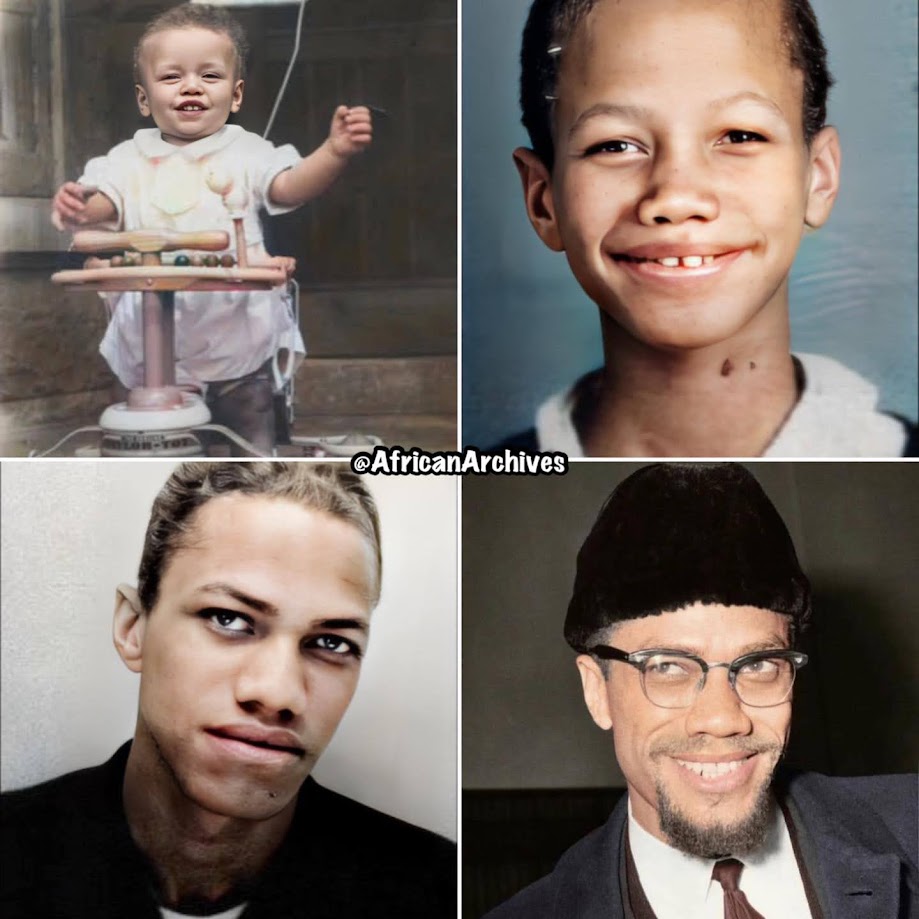
Category Archives: Biographies

Martin Luther King Jr. Holiday

“Injustice anywhere is a threat to justice everywhere.” — Martin Luther King Jr.
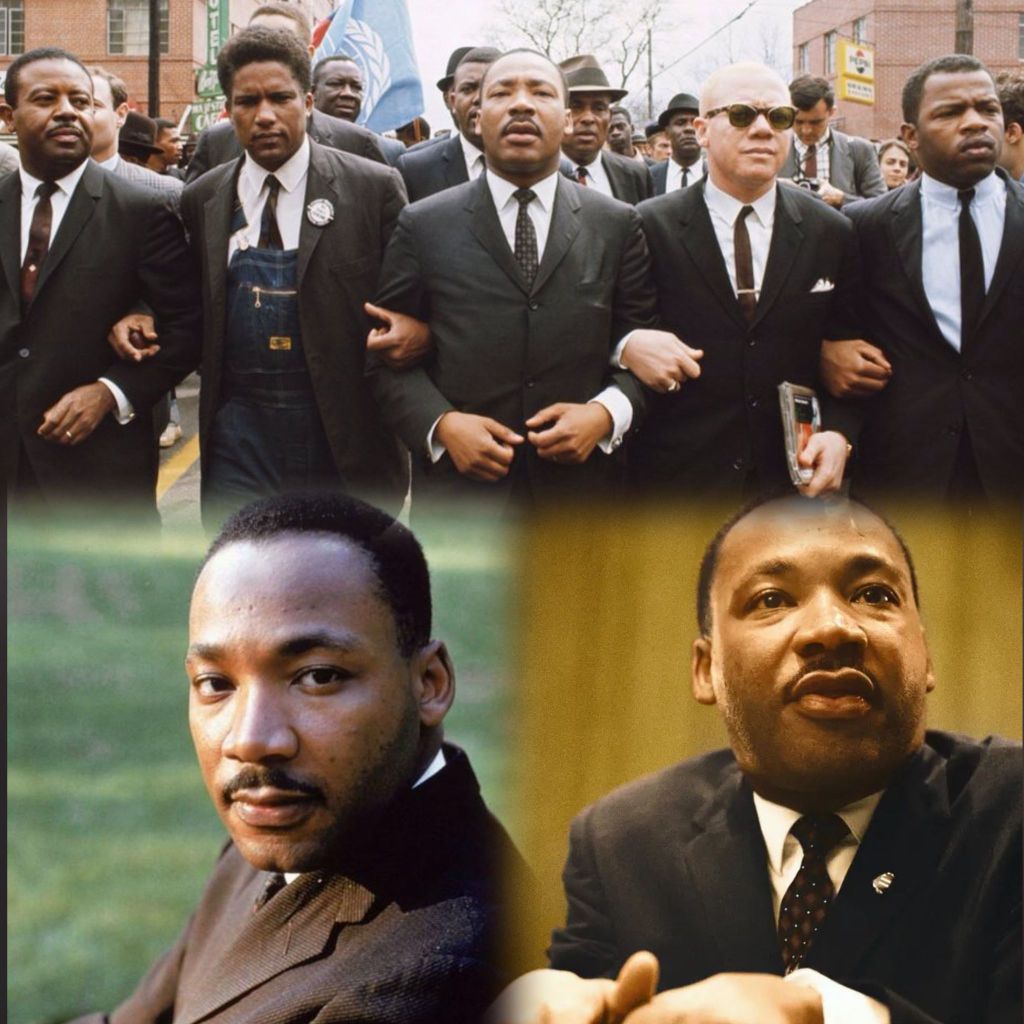
Martin Luther King Jr. Day is a federal holiday in the United States dedicated to honoring the life, legacy, and moral leadership of Dr. Martin Luther King Jr., one of the most influential figures in American history. The holiday serves not only as a remembrance of a man, but as a national reflection on justice, equality, nonviolence, and the unfinished work of civil rights.

The holiday was officially established in 1983, when President Ronald Reagan signed it into law, and it was first observed nationally on January 20, 1986. The date was chosen to fall on the third Monday of January, close to King’s birthday on January 15. The creation of the holiday followed years of public advocacy, grassroots organizing, and political struggle, reflecting the very democratic processes King championed.

He was born on January 15, 1929, with the name Michael King Jr. His father was also born Michael King. In 1934, after a trip to Germany, King’s father was deeply inspired by the 16th-century Protestant reformer Martin Luther. As a result, he changed his own name to Martin Luther King Sr. and also changed his son’s name to Martin Luther King Jr. The change reflected a theological and spiritual admiration for Martin Luther’s stand against corruption and injustice within the church.

Although the name change was used publicly and professionally from that point forward, King Jr.’s birth certificate was not formally amended, meaning “Michael King Jr.” technically remained his legal birth name on record. This renaming carried symbolic weight. Just as Martin Luther challenged entrenched systems in his era, Martin Luther King Jr. would later challenge racial injustice and moral hypocrisy in America, making the name prophetically aligned with his life’s mission.

Dr. Martin Luther King Jr. was born on January 15, 1929, in Atlanta, Georgia, into a deeply rooted Black Christian family. His father, Martin Luther King Sr., was a Baptist minister, and his mother, Alberta Williams King, was an educator and church organist. From an early age, King was immersed in faith, scholarship, and the lived reality of racial segregation in the Jim Crow South.

King was a brilliant academic. He earned a Bachelor of Arts degree from Morehouse College, a Bachelor of Divinity from Crozer Theological Seminary, and a PhD in Systematic Theology from Boston University. His education shaped his ability to articulate moral arguments against racism, drawing from Christian theology, philosophy, and social ethics.

While studying in Boston, King met Coretta Scott, a gifted musician and intellectual in her own right. They married in 1953, forming a partnership rooted in faith, justice, and shared purpose. Coretta Scott King would later become a civil rights leader herself, preserving and advancing her husband’s legacy long after his death.

Together, Martin and Coretta King had four children: Yolanda Denise King, Martin Luther King III, Dexter Scott King, and Bernice Albertine King. Each child has, in various ways, contributed to the continuation of their father’s vision for justice, equity, and nonviolent social change.

King’s public career as a civil rights leader began in earnest in 1955 during the Montgomery Bus Boycott, sparked by Rosa Parks’ arrest. As a young pastor, King emerged as the spokesperson for a mass movement that successfully challenged segregation through disciplined, collective nonviolent resistance.

Central to King’s philosophy was nonviolence, deeply inspired by the teachings of Jesus Christ and the example of Mahatma Gandhi. King believed nonviolence was not passive submission but a powerful moral force capable of transforming enemies into allies and unjust systems into redeemed institutions.

King became a central figure in the Civil Rights Movement, helping to lead campaigns against segregation, voter suppression, economic injustice, and racial violence. He co-founded the Southern Christian Leadership Conference (SCLC) in 1957, which mobilized Black churches as engines of social change.

One of King’s most iconic moments came during the 1963 March on Washington, where he delivered the “I Have a Dream” speech. This address articulated a prophetic vision of America living up to its founding ideals, resonating across racial, religious, and national boundaries.

King’s activism played a crucial role in the passage of landmark legislation, including the Civil Rights Act of 1964 and the Voting Rights Act of 1965. These laws dismantled legal segregation and expanded democratic participation for millions of Black Americans.

In recognition of his moral leadership and commitment to peace, King was awarded the Nobel Peace Prize in 1964, becoming the youngest recipient at the time. He used the prize money to further the civil rights struggle, emphasizing collective responsibility over personal gain.

Despite his global recognition, King faced constant opposition, surveillance, and threats. He was criticized by segregationists, political leaders, and even some allies who viewed his stance against war and economic inequality as too radical.

On April 4, 1968, Dr. Martin Luther King Jr. was assassinated in Memphis, Tennessee, while standing on the balcony of the Lorraine Motel. He had traveled there to support striking sanitation workers, demonstrating his growing focus on labor rights and economic justice.

King was killed by James Earl Ray, who later pleaded guilty, though questions and controversies surrounding the assassination persist. King’s death sent shockwaves through the nation and the world, igniting grief, protests, and renewed calls for justice.

In the wake of his death, Coretta Scott King founded The King Center in Atlanta in 1968. The King Center serves as a living memorial, dedicated to education, research, and nonviolent social change, ensuring that King’s philosophy remains active rather than merely historical.

The campaign to establish Martin Luther King Jr. Day was led by activists, lawmakers, and artists, including Stevie Wonder, whose song “Happy Birthday” helped galvanize public support. After years of resistance, the holiday was finally recognized as a federal observance.

Martin Luther King Jr. Day is unique among U.S. holidays because it is designated as a National Day of Service, encouraging Americans to honor King’s legacy through volunteerism and community engagement rather than leisure alone.

Today, King’s legacy lives on through movements for racial justice, voting rights, economic equity, and global human rights. His writings, sermons, and speeches continue to inform scholars, activists, theologians, and policymakers across the world.

Dr. Martin Luther King Jr. is remembered not simply as a civil rights leader, but as a moral visionary whose life testified that love, justice, and courage can bend the arc of history toward righteousness when people are willing to stand, sacrifice, and believe.


References

Carson, C. (2001). The autobiography of Martin Luther King, Jr. New York, NY: Warner Books.

King, M. L., Jr. (1963). Why we can’t wait. New York, NY: Harper & Row.

King, M. L., Jr. (1964). Nobel Peace Prize acceptance speech. Oslo, Norway.

The King Center. (n.d.). The life of Dr. Martin Luther King, Jr. Atlanta, GA.

U.S. Office of Personnel Management. (n.d.). Martin Luther King Jr. Day. Washington, DC.

Carson, C. (2001). The autobiography of Martin Luther King, Jr. New York, NY: Warner Books.
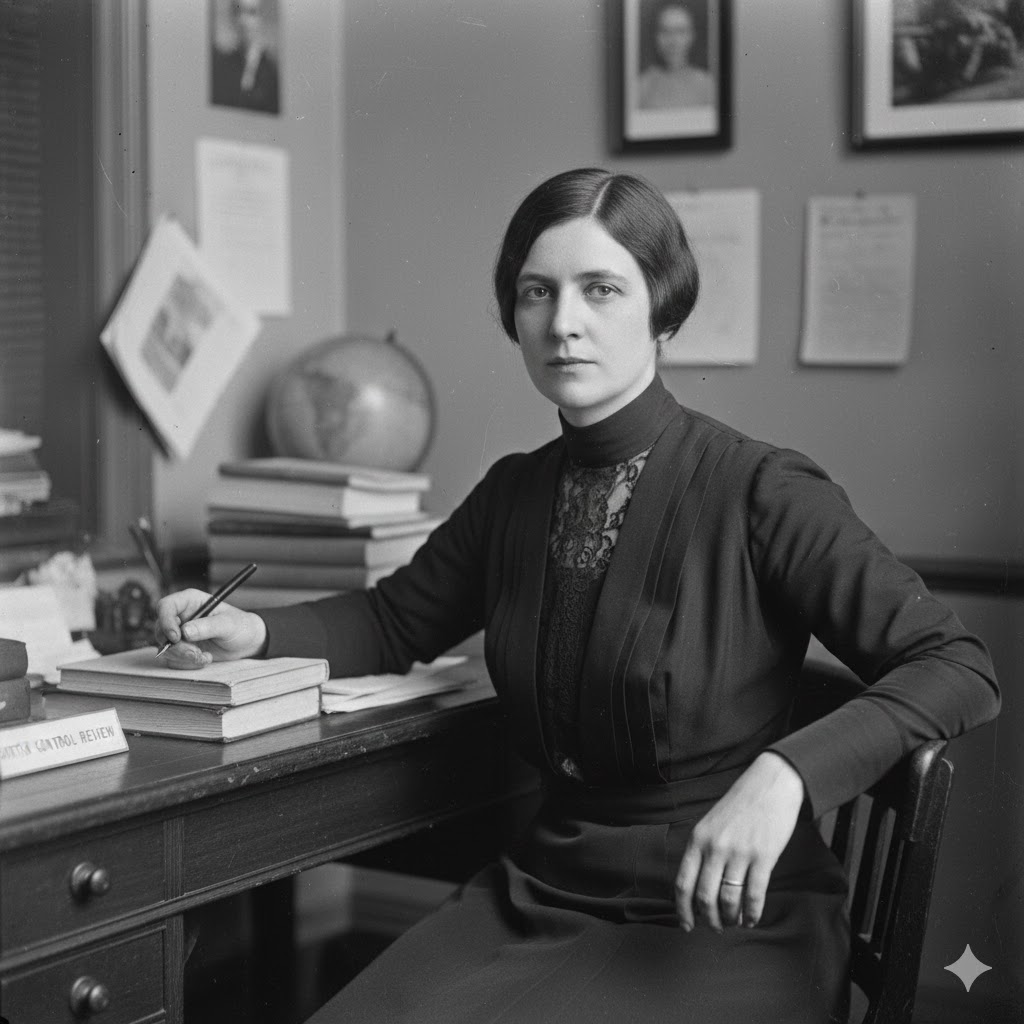
Margaret Sanger: Life, Legacy, and Ethical Reflections.

Margaret Louise Higgins Sanger (1879–1966) is a highly influential but deeply controversial figure in American history. As a nurse, educator, and activist, she is best known for pioneering the birth control movement in the United States. In 1916, she opened what’s recognized as the first U.S. birth control clinic, and she played a key role in founding organizations that later became Planned Parenthood. Her advocacy significantly widened access to contraception for women, especially those in under-resourced communities.

However, Sanger’s legacy is marred by her association with the eugenics movement — a widespread but now-discredited ideology in the early 20th century that sought to improve society by encouraging reproduction among people deemed “fit” and discouraging it among those considered “unfit.” She believed that birth control could curb “over‑fertility” and reduce the number of people she viewed as biologically or socially unfit. Critics argue that these beliefs dehumanized the poor, the disabled, and racial minorities.

One of the most controversial aspects of her work was the so-called “Negro Project”, launched in the late 1930s. Its stated goal was to deliver family-planning services to Black communities in the rural American South. In a 1939 letter to Dr. Clarence Gamble, Sanger wrote, “We do not want word to go out that we want to exterminate the Negro population, and the minister is the man who can straighten out that idea if it ever occurs to any of their more rebellious members.” She proposed recruiting Black ministers — because, she argued, they could engage their communities more effectively than white doctors.

Critics interpret her language as evidence that she saw Black people’s reproduction as problematic or even dangerous. Defenders, on the other hand, argue that she was responding to real mistrust among Black Americans toward white-led medical institutions. According to some historical accounts, Sanger’s strategy was pragmatic: she believed that if Black community leaders were on board, they could help dispel fears that her birth control work was a covert attempt to reduce the Black population.

Her relationship with Martin Luther King Jr. reflects another layer of complexity. In 1966, King received the Margaret Sanger Award from Planned Parenthood, acknowledging his support for family planning. King saw contraception as part of promoting economic justice and improving the well-being of Black families. While some applaud this alignment as a pragmatic partnership to promote social good, others criticize King for not addressing Sanger’s eugenic associations. The relationship highlights the tension between Sanger’s contributions to reproductive autonomy and the problematic aspects of her ideology.

Further complicating her legacy is her connection to white supremacist groups. Sanger once spoke to the women’s auxiliary of the Ku Klux Klan — a fact that alarms many. She also urged the sterilization of people she regarded as “unfit,” language that aligns with the darker edges of the eugenics movement. Her writings and speeches often reflect a belief in “racial betterment” — a concept common among many eugenicists of her day but deeply offensive (and harmful) in hindsight.

Yet, historical documentation also shows she did more than simply disparage: she opened birth control clinics in Harlem and worked with prominent Black leaders like W.E.B. Du Bois and Mary McLeod Bethune. According to Planned Parenthood’s own history, Sanger sought to make contraception accessible for marginalized women — though how she pursued that goal remains suspect to many.

For a follower of Christ or a biblical evaluation of Sanger’s life and work, several ethical concerns arise:

  • The sanctity of human life: From a biblical worldview, every human being bears the image of God (e.g., Genesis 1:27). Ideologies that treat certain lives as “less worthy” or “unfit” clash with that fundamental doctrine.
  • The dignity of the vulnerable: The Bible calls believers to defend and care for the weak and marginalized (see Proverbs 31:8–9). If birth control or eugenics is used to suppress disadvantaged populations rather than truly empower them, it raises serious moral red flags.
  • Repentance and legacy: Scripture shows that people are complex; even those who do great good can do serious harm (and vice versa). Christians should neither whitewash Sanger’s controversies nor dismiss her contributions outright — but they should confront them honestly.

Abortion in Sanger’s era was largely illegal and dangerous. Women who sought to terminate pregnancies often faced life-threatening procedures, performed in unsafe and unregulated conditions. Sanger’s primary focus, however, was not on legalizing abortion but on promoting contraception as a safer and more effective alternative. She viewed birth control as “the better way” to prevent unwanted pregnancies and to reduce the need for back-alley abortions. Contraception, according to Sanger, was simpler, safer, and more humane compared to the dangerous methods of illegal abortion prevalent at the time.

In her 1914 pamphlet Family Limitation, Sanger included some early advice on abortion using quinine, which was risky and primitive, but later editions of the pamphlet removed much of this content. Over time, she became more cautious about abortion, publicly discouraging it while continuing to advocate for preventive methods. She described abortion as “taking life” and consistently urged women to prevent pregnancy rather than resort to termination. According to Planned Parenthood, Sanger did not promote abortion as her main agenda; instead, she focused on contraception as a way to reduce the number of abortions necessary in society.

Sanger “marketed” contraception through education and public advocacy. She wrote pamphlets, including Family Limitation, that provided practical advice on birth control. She framed access to contraception as a women’s rights issue, emphasizing the importance of giving women control over their bodies, families, and futures. Additionally, she highlighted the social and economic consequences of unwanted pregnancies and large families, particularly among poor and immigrant populations, presenting birth control as part of broader social reform.

Her advocacy included civil disobedience: she opened clinics at legal risk and distributed contraceptive literature, even when it was considered “obscene” by contemporary standards. She also aligned birth control with science and public health, emphasizing the role of contraception in medical progress, hygiene, and the well-being of future generations.

From a biblical perspective, the question of abortion raises critical ethical considerations. The Sixth Commandment, commonly translated as “Thou shalt not kill,” is more precisely understood as prohibiting unjust or premeditated murder. In Matthew 5:21–22, Jesus expands this teaching, linking anger, insult, and hatred to the same moral seriousness as murder. The Bible differentiates between types of killing, acknowledging contexts like capital punishment and war in the Old Testament, yet consistently upholds the sanctity and dignity of human life, made in the image of God. Murder, in the biblical sense, is a grave sin and violates this divine image.

Evaluating Sanger from a follower of Christ’s ethical perspective presents a tension. On one hand, her work expanded access to contraception, potentially reducing harm, unwanted pregnancies, and deaths from unsafe abortions. On the other hand, her association with eugenics and her rhetoric about “unfit” populations raise serious moral questions about the value she placed on certain lives. Followers of Christ might ask whether her intentions to reduce suffering were morally justified if her means undermined the dignity of all people. Her legacy challenges us to consider how to remember individuals who have done both good and harm, balancing recognition of positive contributions with honest acknowledgment of flawed beliefs. The biblical prohibition on murder emphasizes that any ideology advocating population control must be carefully scrutinized through the lens of human dignity.


In short, Margaret Sanger was not a hero. Her embrace of eugenics, birth control, abortions,and problematic racial strategies cannot be ignored. Her story is a cautionary tale: powerful social reform can be tainted when it intersects with dehumanizing ideologies.


References

  1. Snopes, “Margaret Sanger Did Not Advocate ‘Exterminating the Negro Population’” Snopes
  2. Time, “What Margaret Sanger Really Said About Eugenics and Race” TIME
  3. ALL.org, “Margaret Sanger” ALL
  4. Politifact, “Founder of Planned Parenthood did not refer to Black women as weeds, was not Ku Klux Klan supporter” PolitiFact
  5. Live Action, “7 shocking quotes by Planned Parenthood’s founder” Live Action
  6. Michael Journal, “Margaret Sanger – The Founder of Planned Parenthood” Michael Journal
  7. U.S. Supreme Court amicus brief / Opposition Claims document, “We do not want word to get out that we want to exterminate the Negro population.” supremecourt.gov
  8. PAPRO Life “Important Points to Remember: Margaret Sanger” factsheet paprolife.org
  9. Congressional hearing document quoting Sanger about fearing Black opposition to extermination claim docs.house.gov
  10. Wikipedia, “Margaret Sanger” (en.wikipedia.org)
  11. Wikipedia, “Family Limitation” (en.wikipedia.org)
  12. Wikipedia, “Negro Project” (en.wikipedia.org)
  13. Planned Parenthood, “Opposition Claims About Margaret Sanger” (plannedparenthood.org)
  14. Feminist Majority Foundation, “The Real Story of Margaret Sanger” (feminist.org)
  15. The Persistent, “Margaret Sanger and Birth Control” (thepersistent.com)
  16. Encyclopedia Britannica, “Margaret Sanger” (britannica.com)
  17. Wikipedia, “Thou shalt not kill” (en.wikipedia.org)

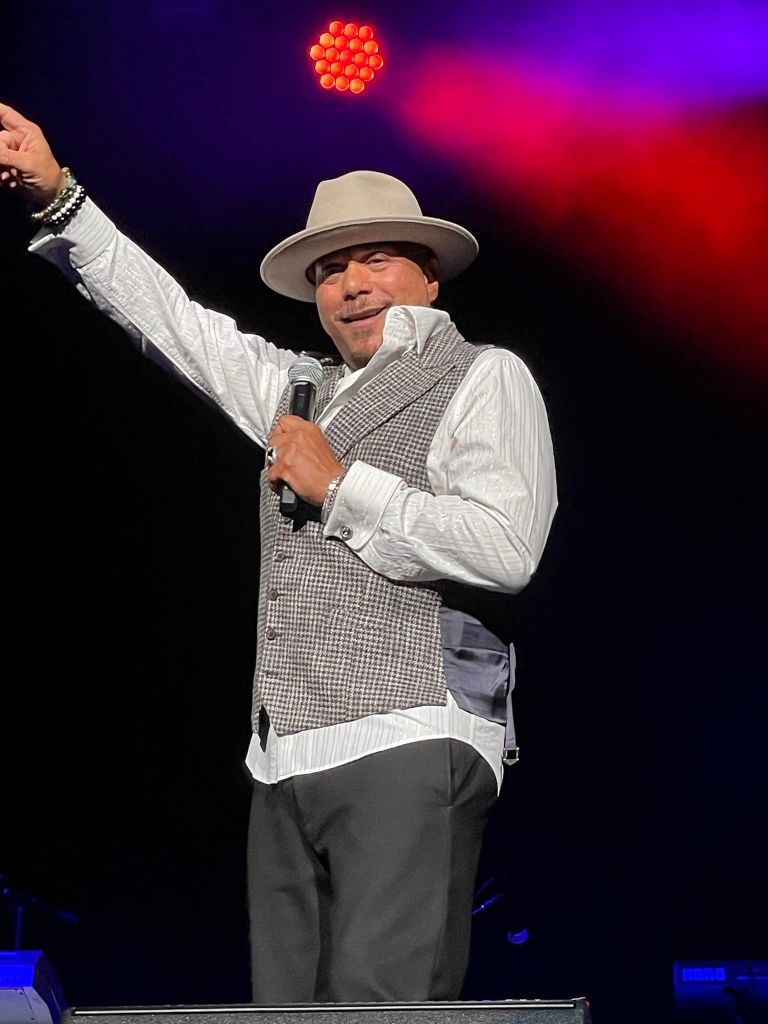
Celebrity Spotlight: Howard Hewett

This photograph is the property of its respective owner. No copyright infringement intended.

Howard Hewett is celebrated for his silky, emotive balladeer’s voice—smooth, resonant, and deeply expressive. His vocal tone carries a romantic warmth rooted in gospel tradition while effortlessly blending with contemporary R&B and soul. Hewett’s delivery is intimate yet powerful, allowing him to convey vulnerability, devotion, and longing in a way that has defined classic Black love songs for generations.

Born October 1, 1955, in Akron, Ohio, Howard Hewett Jr. was raised in a musically rich household. He was introduced to music at an early age through the church. He sang gospel alongside his sisters in a family group known as The Hewett Singers, which laid the spiritual and technical foundation for his vocal style.

Hewett’s early exposure to gospel instilled discipline, harmony, and emotional depth in his singing. As a teenager, he expanded beyond church music and joined a local funk band called Lyfe, where he gained experience performing secular music and honing his stage presence. This period marked his transition from gospel roots to broader musical exploration.

His professional career began to take shape in 1976, when he relocated to Los Angeles to pursue opportunities in the music industry. This move proved pivotal, placing him at the center of the emerging West Coast R&B and soul scene during a transformative era in Black music.

Howard Hewett rose to national prominence as the lead singer of the R&B group Shalamar, one of the flagship acts of Dick Griffey’s SOLAR Records. Joining the group in the late 1970s, Hewett became the voice behind many of Shalamar’s most iconic records during their commercial peak.

With Hewett on lead vocals, Shalamar released a string of timeless hits that blended dance, soul, and romance. Songs such as “The Second Time Around,” “A Night to Remember,” and “This Is for the Lover in You” became staples of Black radio and remain enduring classics in R&B history.

After establishing himself as a star with Shalamar, Hewett embarked on a solo career in the mid-1980s. He officially launched his solo journey in 1986 with the release of his debut album, I Commit to Love, under Elektra Records. The album showcased his signature romantic style and solidified his identity as a premier R&B balladeer.

His solo success continued with hits such as “I’m for Real,” “Stay,” and “Once, Twice, Three Times.” These songs emphasized emotional sincerity, commitment, and adult love, distinguishing Hewett in an era increasingly influenced by pop crossover trends.

Throughout his career, Hewett has been associated with award-winning projects. He contributed to the Grammy-winning Beverly Hills Cop soundtrack, which received recognition for its musical excellence and cultural impact during the 1980s.

Howard Hewett’s influence has also been recognized at the community level. The city of Akron, Ohio, has honored him for his artistic contributions, acknowledging his role as one of the city’s most successful and respected musical figures.

In his personal life, Hewett has experienced several marriages. His first marriage was to Rainey Riley-Cunningham, with whom he shares two daughters, LaKiva Siani and Rainey Daze. He later married Mari Molina, though that union did not produce children.

His third marriage was to actress and singer Nia Peeples, with whom he has a son, Christopher Eugene Howard Hewett, born in 1989. Hewett later married Angela Bloom-Hewett, and they share a daughter named Anissa Hewett. He is also a proud grandfather.

Beyond chart success, Hewett’s legacy rests in his role as a cultural voice for Black love, emotional transparency, and mature romance. His music has consistently affirmed tenderness, commitment, and vulnerability—values often absent from mainstream portrayals of masculinity.

With a career spanning more than four decades, Howard Hewett remains a respected elder statesman of R&B. His influence is evident in contemporary soul artists who prioritize vocal purity, lyrical sincerity, and emotional depth.

Howard Hewett’s story is one of faith-rooted beginnings, artistic perseverance, and enduring musical relevance. His voice continues to stand as a testament to the power of soulful expression and the timeless beauty of Black love in song.


References

Hewett, H. (n.d.). Official biography. Howard Hewett Music. https://www.howardhewettmusic.com/bio

Howard Hewett. (n.d.). In Wikipedia. https://en.wikipedia.org/wiki/Howard_Hewett

I Commit to Love. (n.d.). In Wikipedia. https://en.wikipedia.org/wiki/I_Commit_to_Love

Forever and Ever (Howard Hewett album). (n.d.). In Wikipedia. https://en.wikipedia.org/wiki/Forever_and_Ever_(Howard_Hewett_album)

City of Akron honors Howard Hewett. (n.d.). Downtown Akron Partnership. https://www.downtownakron.com

IMDb. (n.d.). Howard Hewett biography. https://www.imdb.com/name/nm0382040/bio/

Pathways to Liberation: The Freedom Fighters of the Underground Railroad and Their Legacy in Black Resistance.

Introduction

In the harrowing chapters of American history, few movements embody both the resilience of the oppressed and the defiance against systemic cruelty as powerfully as the Underground Railroad. This clandestine network of routes, safe houses, and allies helped thousands of enslaved African Americans flee bondage in pursuit of liberty. Central to this movement were extraordinary men and women—freedom fighters—who risked everything to resist the institution of slavery. Among them, figures like Harriet Tubman and Frederick Douglass emerged as enduring symbols of Black courage, leadership, and hope. This essay explores their biographies, the origins of the Underground Railroad, the treatment of African Americans during slavery, and the broader sociopolitical context under which this resistance occurred.


Understanding the Underground Railroad

The Underground Railroad was neither underground nor a literal railroad. It was a covert network established in the early 19th century, primarily between 1810 and 1860, that provided escape routes and safe havens for enslaved African Americans fleeing from Southern plantations to freedom in the North and Canada. Conductors, stationmasters, and abolitionist allies—both Black and white—worked in secrecy to protect fugitives from capture and re-enslavement.

The term was symbolic: “conductors” guided fugitives, “stations” were hiding places, and “cargo” referred to those escaping bondage. This movement represented a large-scale act of civil disobedience against federal laws like the Fugitive Slave Act (1850), which penalized those aiding escapees. The Underground Railroad was a revolutionary act of Black agency and interracial cooperation (Horton & Horton, 1997).


Top 5 Freedom Fighters of the Underground Railroad

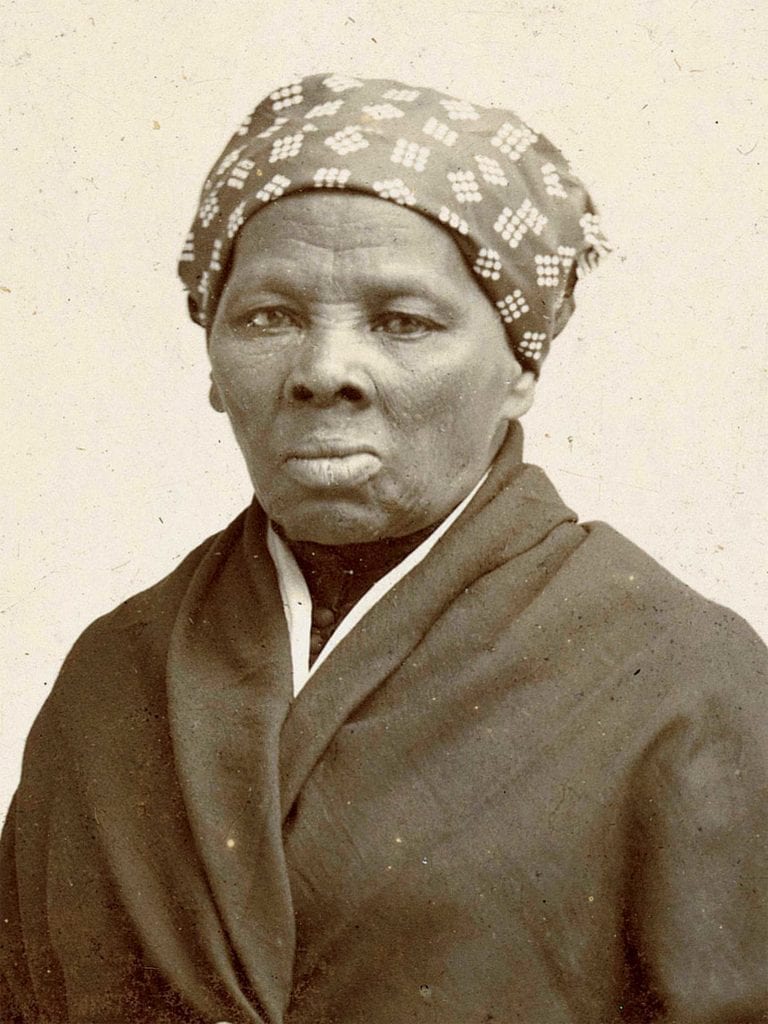
  1. Harriet Tubman (c. 1822–1913)
    Born Araminta Ross in Dorchester County, Maryland, Tubman escaped slavery in 1849 and went on to become the most famous conductor of the Underground Railroad. She made over 13 missions to the South, rescuing around 70 enslaved individuals, including family members. Tubman later served as a Union spy during the Civil War and advocated for women’s suffrage. She never had biological children but adopted a daughter, Gertie Davis, with her second husband, Nelson Davis. Her contribution is unparalleled in symbolizing Black resistance and unwavering commitment to freedom (Clinton, 2004).
  2. Frederick Douglass (1818–1895)
    Born Frederick Augustus Washington Bailey in Talbot County, Maryland, Douglass escaped slavery in 1838. He became a leading orator, abolitionist, writer, and statesman. His autobiographies, especially Narrative of the Life of Frederick Douglass, an American Slave, exposed the cruelty of slavery to a wide audience. Douglass married Anna Murray, a free Black woman who helped him escape, and they had five children. After Anna’s death, he married Helen Pitts, a white feminist. Douglass’s home in Rochester, New York, was a known stop on the Underground Railroad. He was also an advisor to President Abraham Lincoln (Blight, 2018).
  3. William Still (1821–1902)
    Often called the “Father of the Underground Railroad,” Still was a free Black man born in New Jersey. He documented the stories of hundreds of fugitives he helped through Philadelphia. His records, later published in The Underground Railroad (1872), are a crucial historical source. Still coordinated operations with conductors like Tubman and was instrumental in the Philadelphia Vigilance Committee. His brother, Peter Still, was enslaved, which gave William a personal stake in the cause (Still, 1872).
  4. Sojourner Truth (c. 1797–1883)
    Born Isabella Baumfree in Ulster County, New York, Truth escaped slavery in 1826. She became a powerful abolitionist and women’s rights advocate. Known for her speech “Ain’t I a Woman?”, she traveled across the nation preaching the injustices of slavery and gender inequality. Truth had five children and legally fought to recover her son, making her one of the first Black women to win a court case against a white man. While not a conductor per se, her speeches inspired the abolitionist cause deeply (Painter, 1996).
  5. Levi Coffin (1798–1877)
    A white Quaker and businessman from North Carolina, Coffin helped an estimated 3,000 slaves to freedom, earning him the title “President of the Underground Railroad.” He and his wife, Catharine, used their home in Indiana—and later Ohio—as a major depot. Though not Black himself, Coffin’s lifelong dedication to abolition was a crucial link in the network, showing interracial cooperation in the fight for justice (Coffin, 1876).

A Brief History of Slavery in the United States

Slavery in America began in 1619 with the arrival of the first enslaved Africans in Virginia. By the 18th century, chattel slavery had become a cornerstone of the Southern economy. Enslaved people were legally considered property, denied basic rights, and subjected to inhumane conditions, forced labor, sexual violence, and family separations.

By the early 1800s, over 4 million African Americans were enslaved in the United States. Resistance took many forms—rebellions, literacy, culture, and escape via the Underground Railroad. The psychological and physical torment endured under this system forged a legacy of trauma, resilience, and cultural endurance that shapes Black identity today.


Black Treatment by Society During the Period

Enslaved Black people were denied citizenship, education, autonomy, and family stability. The Fugitive Slave Acts (1793 and 1850) criminalized escape and punished those aiding fugitives. Free Blacks faced racial violence, segregation, and systemic disenfranchisement. Society regarded African Americans as subhuman, a sentiment codified in the infamous 1857 Dred Scott v. Sandford decision, which declared that no Black person could claim U.S. citizenship (Fehrenbacher, 1978).


Presidential Response: Abraham Lincoln and the Slavery Question

During the height of Underground Railroad activity, Abraham Lincoln (1809–1865), the 16th president, played a complicated role. Elected in 1860, Lincoln initially prioritized preserving the Union over ending slavery. However, his views evolved under the pressures of war and abolitionist influence. He issued the Emancipation Proclamation in 1863, which declared freedom for slaves in Confederate territories. While limited in scope, it marked a turning point in U.S. policy and helped shift the Civil War into a moral battle over slavery (McPherson, 1988).


Conclusion

The story of the Underground Railroad is one of profound moral courage and strategic resistance against one of the greatest evils in American history. Harriet Tubman, Frederick Douglass, and their allies—Black and white—offered the enslaved more than just escape; they embodied the possibility of a new life and future. These freedom fighters’ legacy endures in the ongoing struggle for racial justice, freedom, and human dignity.


References

  • Blight, D. W. (2018). Frederick Douglass: Prophet of Freedom. Simon & Schuster.
  • Clinton, C. (2004). Harriet Tubman: The Road to Freedom. Little, Brown and Company.
  • Coffin, L. (1876). Reminiscences of Levi Coffin. Western Tract Society.
  • Fehrenbacher, D. E. (1978). The Dred Scott Case: Its Significance in American Law and Politics. Oxford University Press.
  • Horton, J. O., & Horton, L. E. (1997). In Hope of Liberty: Culture, Community and Protest Among Northern Free Blacks, 1700-1860. Oxford University Press.
  • McPherson, J. M. (1988). Battle Cry of Freedom: The Civil War Era. Oxford University Press.
  • Painter, N. I. (1996). Sojourner Truth: A Life, A Symbol. W. W. Norton & Company.
  • Still, W. (1872). The Underground Railroad: Authentic Narratives and First-Hand Accounts. Porter & Coates.

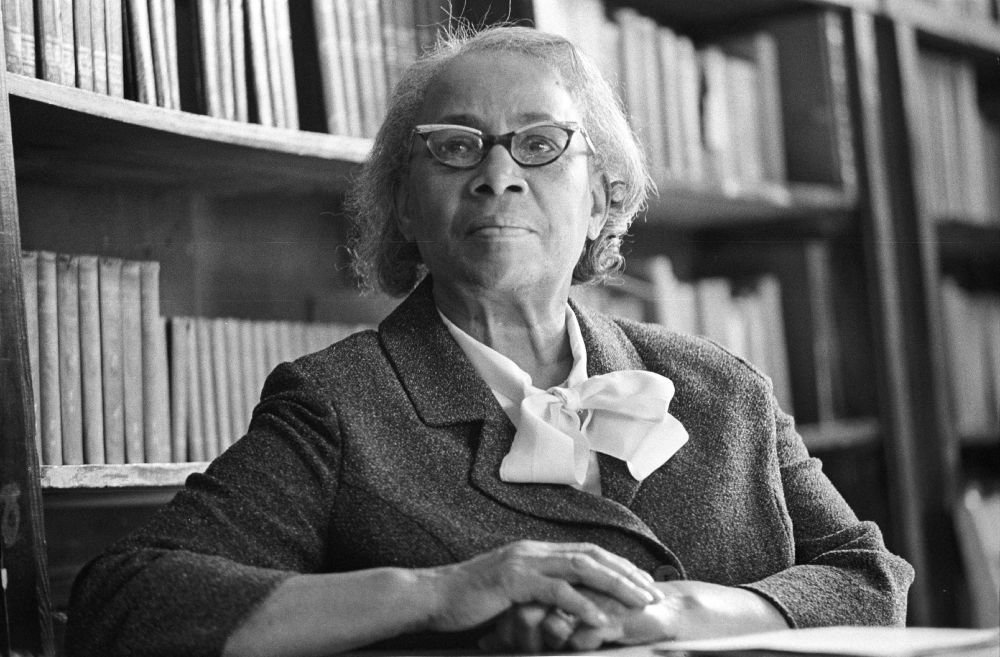
Septima Clark: The Mother of the Civil Rights Movement and Architect of Literacy Empowerment.

“I believe unconditionally in the ability of people to respond when they are told the truth. We need to be taught to study rather than believe, to inquire rather than to affirm.”Septima P. Clark

This photograph is the property of its respective owner. No copyright infringement intended.

Septima Poinsette Clark is often referred to as “The Mother of the Civil Rights Movement” because of her tireless efforts to blend education with grassroots activism. Her life was devoted to dismantling systemic barriers that excluded Black Americans from full participation in civic life. Clark believed that true freedom could not exist without literacy, and she spent her lifetime proving that education was the most powerful weapon against oppression.

Born on May 3, 1898, in Charleston, South Carolina, Septima was the daughter of a washerwoman and a former enslaved father who emphasized dignity and self-respect. Despite segregationist laws barring her from higher education opportunities in the South, she pursued teaching at the Avery Normal Institute and later advanced her studies at Columbia University and Benedict College. Her family background, particularly her mother’s insistence on hard work and her father’s resilience, shaped her commitment to justice and service (Charron, 2009).

Clark’s vision extended beyond the classroom. She understood that systemic racism was not only about physical segregation but also about intellectual deprivation. She founded and expanded Citizenship Schools, grassroots institutions designed to teach African Americans literacy skills so they could pass the literacy tests required for voter registration. These schools became essential in dismantling Jim Crow voter suppression, transforming ordinary men and women into empowered citizens ready to claim their constitutional rights (Clark, 1986).

Her collaborations with leading organizations and figures in the Civil Rights Movement amplified her reach. Clark worked with the NAACP, where she campaigned for equal pay for Black teachers, and with the Highlander Folk School, which became a training ground for activists such as Rosa Parks. She later partnered with the Southern Christian Leadership Conference (SCLC) under Martin Luther King Jr., spreading the Citizenship Schools across the South. In these partnerships, Clark blended her quiet strength with bold strategies, proving that the foundation of mass movements lies in community education (Payne, 1995).

Clark’s achievements were numerous and groundbreaking. She successfully challenged laws that denied Black teachers tenure in Charleston. She helped create a model of civic education that was adopted nationwide. In recognition of her contributions, President Jimmy Carter awarded her the Living Legacy Award in 1979, and she received the Martin Luther King Jr. Nonviolent Peace Prize in 1987. Her lifelong commitment to education, justice, and equality earned her recognition as one of the movement’s most influential yet often overlooked leaders.

Septima Clark’s legacy lies in the simple yet revolutionary idea that teaching literacy is teaching liberation. She understood that the right to vote was meaningless without the knowledge to exercise it. By empowering thousands of African Americans to read, write, and participate in democracy, she dismantled one of the most insidious barriers of segregation. Her life’s purpose was not only to fight oppression but to create a generation of leaders who could continue the work of justice. For this reason, Clark remains indispensable to the history of civil rights and to the enduring struggle for Black freedom.


📚 References

  • Clark, S. P. (1986). Ready from Within: Septima Clark and the Civil Rights Movement. Wild Trees Press.
  • Charron, K. M. (2009). Freedom’s Teacher: The Life of Septima Clark. University of North Carolina Press.
  • Payne, C. M. (1995). I’ve Got the Light of Freedom: The Organizing Tradition and the Mississippi Freedom Struggle. University of California Press.
  • National Women’s History Museum. (n.d.). Septima Poinsette Clark. Retrieved from https://www.womenshistory.org

MOVIE REVIEW: Lady sings the Blues (1972)

⭐⭐⭐⭐⭐ 5/5

Lady Sings the Blues: A Five-Star Tribute to Billie Holiday and Black Cinematic Brilliance

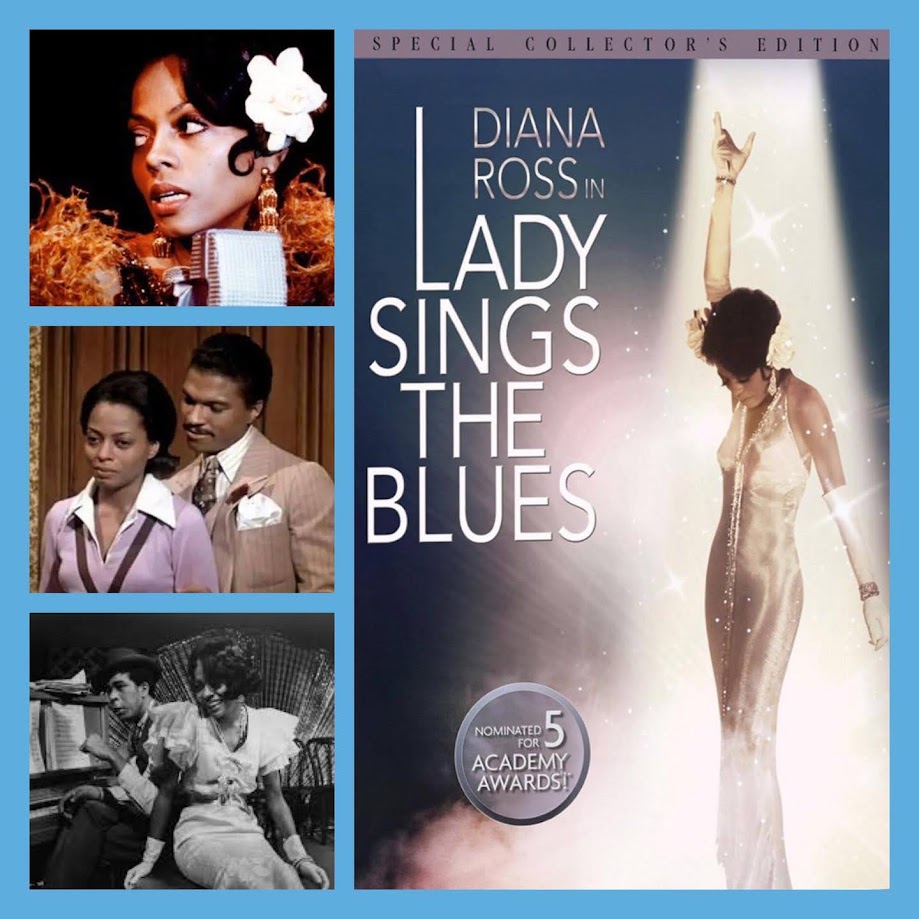
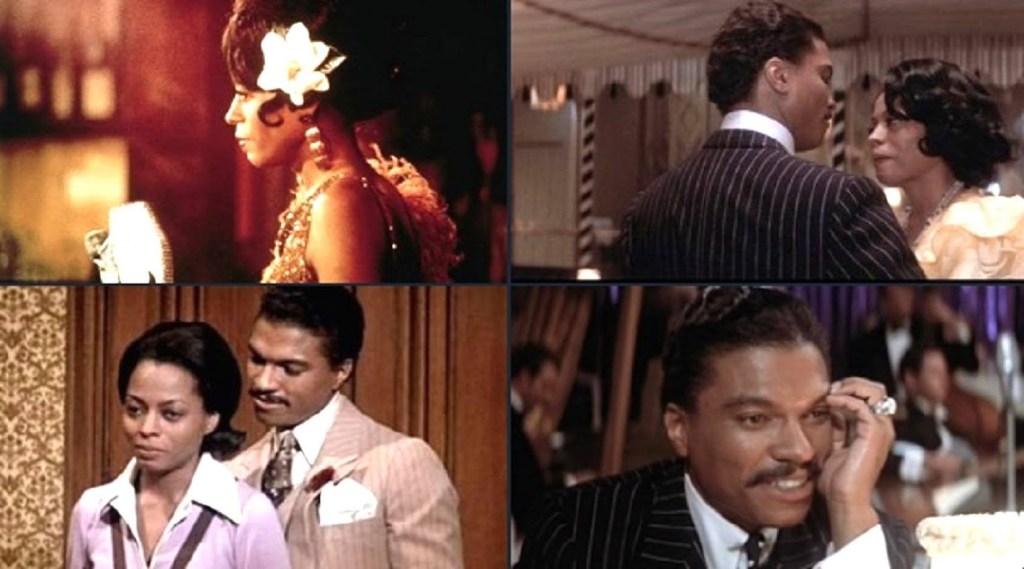
In 1972, Lady Sings the Blues captivated audiences with its raw, poignant dramatization of jazz legend Billie Holiday’s tumultuous life. With Diana Ross stepping boldly into the role of Holiday and Billy Dee Williams offering one of his most iconic performances, the film transcended traditional biopics. It gave voice to the complexities of Black womanhood, addiction, racism, and love through the lens of music. Directed by Sidney J. Furie and produced by Motown Productions, the film became an instant classic, earning five Academy Award nominations and launching Ross’s career as a serious actress.


The Film’s Narrative and Cultural Importance

Scenes from the movie – All photographs are the property of their respective owners.

Based loosely on Billie Holiday’s 1956 autobiography, Lady Sings the Blues follows her journey from a troubled childhood in Baltimore to stardom as one of the most influential jazz vocalists of all time. It candidly explores her battles with sexual trauma, substance abuse, and racial injustice. The film doesn’t just document her music career—it illustrates how the weight of being Black and brilliant in Jim Crow America often meant fighting to simply survive.

Audiences were struck not only by the musical numbers but by the painful authenticity in the story. As Ross sang Holiday’s signature pieces like “Strange Fruit” and “God Bless the Child,” the songs took on new meaning in the post-Civil Rights era, speaking directly to a generation still healing from America’s legacy of racial terror.


🎤 Billie Holiday: The Woman Behind the Blues

Billie Holiday, born Eleanora Fagan in 1915, rose from the poverty of Baltimore’s streets to become a jazz icon whose voice remains one of the most distinctive in music history. Orphaned early and sent to work in brothels, her life was marked by trauma. Despite these early hardships, Holiday channeled her pain into poignant songs that defied the sanitized entertainment norms of the time.

In her own words, she once said:

“If I’m going to sing like someone else, then I don’t need to sing at all.”

Holiday’s impact was revolutionary. Her song “Strange Fruit” was one of the first explicit artistic condemnations of American lynching, which made her a target of the FBI and earned her a place in both musical and civil rights history. Her voice, described as smoky and full of soul, was less about technical precision and more about raw emotion. She said,

“I don’t think I’m singing. I feel like I’m playing a horn… I try to improvise like Les Young, like Louis Armstrong, or someone else I admire.”

Holiday died in 1959 under federal arrest in her hospital bed, yet she remains a symbol of resistance, artistry, and tragic beauty.


🌟 Diana Ross: From Supreme Starlet to Dramatic Powerhouse

Diana Ross’s transformation from pop music icon to dramatic actress stunned the industry. Known primarily as the glamorous frontwoman of The Supremes, Ross had never acted professionally before taking on the daunting task of portraying Billie Holiday. Yet her performance earned widespread acclaim.

Ross reflected on the emotional toll the role demanded:

“I had to feel everything she felt. I had to go deep into her darkness to bring out her light.”

Critics praised her haunting renditions of Holiday’s music. Though Ross did not imitate Holiday’s exact vocal style, she captured the essence of her sorrow and resilience. Roger Ebert declared:

“Diana Ross doesn’t play Billie Holiday. She becomes her.”

Ross earned an Academy Award nomination for Best Actress and a Golden Globe win for Most Promising Newcomer. Her role opened the door for future Black actresses to take center stage in complex, leading roles. Ebony magazine wrote,

“Ross didn’t just play Billie—she exorcised her ghost with grace, grit, and unflinching beauty.”


💎 Billy Dee Williams: The Romantic Soul of the Film

The drop dead handsome Billy Dee Williams brought elegance, strength, and warmth to the role of Louis McKay, Billie Holiday’s husband and protector. Though the real-life relationship between Holiday and McKay was marked by volatility, the film portrayed him as a stabilizing presence and symbol of enduring love.

Born in New York City in 1937, Williams was an accomplished painter and stage actor before he rose to fame on screen. His breakthrough came with Brian’s Song (1971), but it was Lady Sings the Blues that made him a romantic icon in Black cinema. Williams once said:

“It was a love story wrapped in sorrow, but also in survival. That’s what moved people.”

His chemistry with Diana Ross was undeniable, helping redefine the image of Black love on screen. Williams later reflected:

“In that moment, we weren’t just acting. We were telling our story—our people’s story.”

His portrayal helped reshape Hollywood’s image of Black men, portraying tenderness, loyalty, and passion with quiet strength.


🌍 Awards, Acclaim & Cultural Reverberations

Lady Sings the Blues received five Academy Award nominations, including Best Actress (Diana Ross), Best Original Score, Best Screenplay, Best Art Direction, and Best Costume Design. It also won the NAACP Image Award and was nominated for a Golden Globe.

Critics and audiences alike were swept away. The New York Times praised the film’s boldness:

“It dares to tell the story of a Black woman’s tragedy and brilliance without apology.”

In Black America, the film became an instant classic. It was one of the first major studio pictures to center a Black woman’s story, inspiring a generation of artists and sparking deeper conversations about racism, addiction, and resilience.


Final Reflection: A Testament to Black Excellence

Lady Sings the Blues is not merely a film—it is a five-star artistic triumph and cultural monument. It honored the life of Billie Holiday not with pity, but with reverence and passion. With Diana Ross’s electrifying debut and Billy Dee Williams’s heartfelt performance, the film transformed pain into poetry and tragedy into triumph.

As Ross herself said:

“Billie’s story broke my heart. I had to tell it not as a diva, but as a woman trying to heal.”


References

Ebert, R. (1972). Lady Sings the Blues movie review. Chicago Sun-Times.
Holiday, B., & Dufty, W. (1956). Lady Sings the Blues. Doubleday.
Motown Productions. (Producer), & Furie, S. J. (Director). (1972). Lady Sings the Blues [Film]. Paramount Pictures.
Ebony Magazine. (1972). Diana Ross: The Triumph of Billie Holiday.
Williams, B. D. (2021). Interview on Lady Sings the Blues. Essence Magazine.

The Moors: The Children of the Crescent and Cross.

Photo by Edson Habacuc Rafael on Pexels.com

The Untold Legacy of the Moors in World History.

The Moors were a people of profound cultural, scientific, and political influence whose legacy shaped Europe, North Africa, and beyond. While the term “Moor” historically referred to Muslim inhabitants of the Maghreb (Northwest Africa), Iberian Peninsula, Sicily, and parts of southern Europe during the Middle Ages, their identity and contributions have often been obscured or misrepresented in modern narratives. Many scholars agree that a significant portion of the Moors were of African descent, including Black and Berber populations (Van Sertima, 1991). They were not only warriors and rulers but also scholars, architects, scientists, and traders whose intellectual and cultural gifts transformed European civilization.


I. Origins and Identity

The word “Moor” derives from the Latin Maurus, meaning an inhabitant of Mauretania, a region of ancient North Africa. By the Middle Ages, European Christian writers used “Moor” as a broad term for Muslims of African origin—especially those who came from the Maghreb and crossed into Spain in 711 CE under the leadership of Tariq ibn Ziyad (Fletcher, 1992). Historical evidence, including contemporary accounts, reveals that many of these people had dark skin and African features, confirming their Black African heritage alongside Berber ancestry (Snowden, 1970).


II. Geographic Location

The Moors’ power base stretched across:

  • Northwest Africa: Present-day Morocco, Algeria, Tunisia, Mauritania.
  • Al-Andalus: Muslim-ruled areas of Spain and Portugal from 711 to 1492.
  • Sicily and Southern Italy during parts of the 9th–11th centuries.

From these centers, they controlled vital trade routes linking Africa, Europe, and the Middle East.


III. Contributions to Europe

The Moors’ eight-century presence in Europe—especially in Spain—sparked what some historians call the European Renaissance before the Renaissance. Key contributions included:

  1. Education and Libraries – Córdoba alone had over 70 libraries, with one housing 400,000–600,000 manuscripts at a time when much of Europe was illiterate (Menocal, 2002).
  2. Science and Medicine – Introduced advanced surgical techniques, optics, and pharmacology (Savage-Smith, 1996).
  3. Mathematics – Brought Arabic numerals, algebra (al-jabr), and astronomical instruments like the astrolabe.
  4. Architecture – Built intricate palaces and mosques such as the Alhambra in Granada, blending geometric design with lush gardens and waterworks.
  5. Agriculture – Introduced new crops (rice, citrus fruits, sugarcane) and advanced irrigation systems.
  6. Philosophy – Preserved and translated works of Aristotle, Plato, and other Greek scholars, influencing Christian theologians such as Thomas Aquinas.

IV. Daily Life and Culture

The Moors lived in cosmopolitan cities with paved streets, public baths, markets, and universities. Their society valued literacy, hygiene, and cultural refinement. Women in elite Moorish households could be educated, and the culture encouraged poetry, music, and scholarly debate. The Moors also engaged in international trade, linking African gold and ivory routes to European markets.


V. Were the Moors Bible Believers?

The majority of Moors were Muslim, following Islam after the Arab expansion into North Africa in the 7th century. However, historical records show that Christian and Jewish communities lived under Moorish rule with relative tolerance compared to medieval Christian kingdoms (Fletcher, 1992). While the Moors were not primarily biblical Israelites in faith practice, some modern Afrocentric and Hebraic Israelite scholars argue that among them were remnants of dispersed Israelites who had migrated into North Africa before and after the Roman destruction of Jerusalem in 70 CE (Ben-Jochannan, 1993).


VI. Decline and Fall

The Reconquista—a centuries-long Christian campaign—gradually reduced Moorish territories. In 1492, Granada, the last Moorish stronghold in Spain, fell to Ferdinand and Isabella. This marked the end of Moorish political power in Europe, followed by forced conversions, expulsions, and persecution.


VII. Legacy

The Moors left a transformative legacy in Europe:

  • They catalyzed intellectual revival in the West.
  • They demonstrated advanced urban planning centuries ahead of much of medieval Europe.
  • Their African heritage challenges the narrative that European advancement came without African influence.
    Today, Moorish architecture, scientific texts, and agricultural practices stand as monuments to their ingenuity.

Conclusion

The Moors were not merely conquerors; they were cultural transmitters whose African and Islamic heritage reshaped Europe’s intellectual and material world. Their presence in Spain and beyond proves that African-descended peoples played a central role in shaping global history. As Psalm 24:1 (KJV) reminds us, “The earth is the LORD’s, and the fulness thereof,”—a truth reflected in the Moors’ bridging of continents, cultures, and civilizations.


References

Ben-Jochannan, Y. (1993). African origins of major “Western” religions. Black Classic Press.
Fletcher, R. (1992). Moorish Spain. University of California Press.
Menocal, M. R. (2002). The ornament of the world: How Muslims, Jews, and Christians created a culture of tolerance in medieval Spain. Little, Brown, and Company.
Savage-Smith, E. (1996). Islamic culture and the medical arts. National Library of Medicine.
Snowden, F. M. (1970). Blacks in antiquity: Ethiopians in the Greco-Roman experience. Harvard University Press.
Van Sertima, I. (1991). Golden age of the Moor. Transaction Publishers.

Dilemma: Self Worship

“Thou Shalt Have No Other Gods Before Me”: A Theological and Psychological Critique of Self-Worship in Contemporary Culture

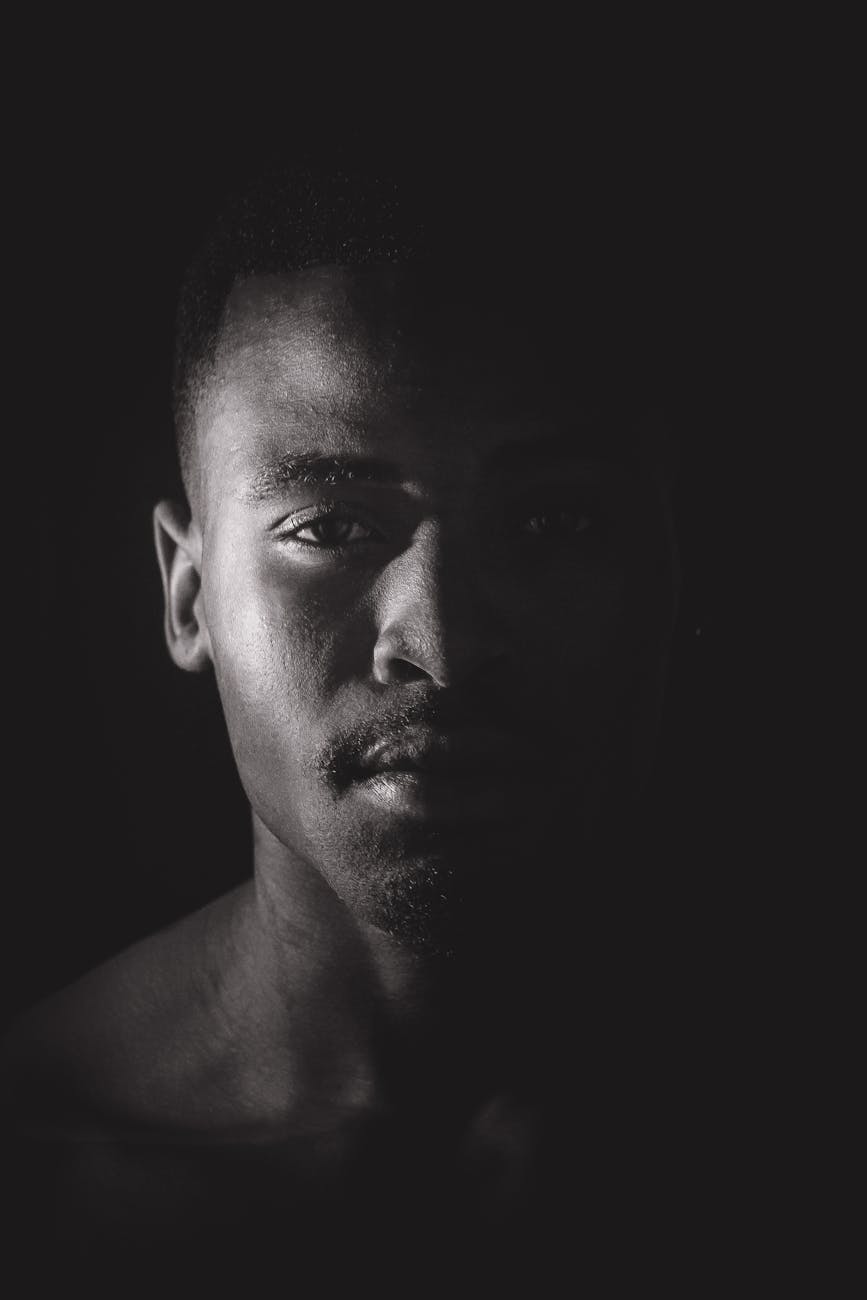
Photo by Ekaterina Astakhova on Pexels.com

Abstract

This dissertation explores the phenomenon of self-worship, a rising form of idolatry in contemporary society, particularly magnified in the realms of celebrity culture, social media, and beauty obsession. Drawing from biblical texts (KJV and the Apocrypha), psychological literature on grandiose narcissism, and sociocultural analysis, this study examines the roots, expressions, and consequences of self-worship. It explores the behavioral traits of individuals who exalt themselves as deities—glorifying their own beauty, status, or public acclaim—and evaluates the psychological mechanisms and societal factors that support this phenomenon. The study aims to confront the spiritual and psychological dangers of inflated self-regard and calls for a return to biblical humility, godly reverence, and authentic self-worth rooted in the Creator rather than creation.


Introduction

In a world increasingly driven by self-promotion, vanity, and external validation, the age-old sin of idolatry has taken a new form—self-worship. While ancient idols were carved from wood or stone, today’s idols are sculpted through filters, fame, and the facade of perfection. Both celebrities and ordinary individuals fall prey to this spiritual distortion, building altars to themselves in their minds, and seeking homage from others. Self-worship, as this paper contends, is not only a theological offense against God but also a psychological and sociological pathology that distorts the human soul and fractures authentic relationships.


The Biblical Condemnation of Self-Worship

The Bible speaks extensively about idolatry, repeatedly warning against exalting anything—including the self—above God. The first commandment in Exodus 20:3 (KJV) states unequivocally: “Thou shalt have no other gods before me.” The commandment includes not only external idols but internal idols—such as pride, vanity, and self-importance. In 2 Timothy 3:2, Paul prophetically writes, “For men shall be lovers of their own selves, covetous, boasters, proud, blasphemers…” This is a direct reference to self-worship and its moral decay.

The Apocrypha echoes this sentiment. In Wisdom of Solomon 14:12, it reads: “For the devising of idols was the beginning of spiritual fornication, and the invention of them the corruption of life.” When the self becomes an idol, spiritual decay follows. Worshipping oneself as a god is not new—it reflects Lucifer’s fall: “I will ascend into heaven, I will exalt my throne above the stars of God…” (Isaiah 14:13-14, KJV). His pride became his destruction, and similarly, self-exaltation today leads to spiritual ruin.


The Psychology of Grandiose Narcissism

In clinical psychology, grandiose narcissism is a subtype of narcissistic personality disorder (NPD) characterized by an inflated sense of self-worth, superiority, and a deep need for admiration. It differs from vulnerable narcissism, which is rooted in insecurity. Grandiose narcissists believe they are uniquely special, destined for greatness, and entitled to constant praise.

Traits of Grandiose Narcissism include:

  • Inflated self-importance and superiority
  • Obsessive focus on physical appearance or success
  • Excessive need for admiration and validation
  • Exploitation of others for personal gain
  • Lack of empathy
  • Arrogance or haughty behavior
  • Belief in personal uniqueness and entitlement

This narcissistic tendency aligns dangerously with the spiritual concept of self-worship. A person who sees themselves as the center of the universe becomes their own god—demanding praise, expecting submission, and rejecting correction.


Beauty, Vanity, and the Venus Archetype

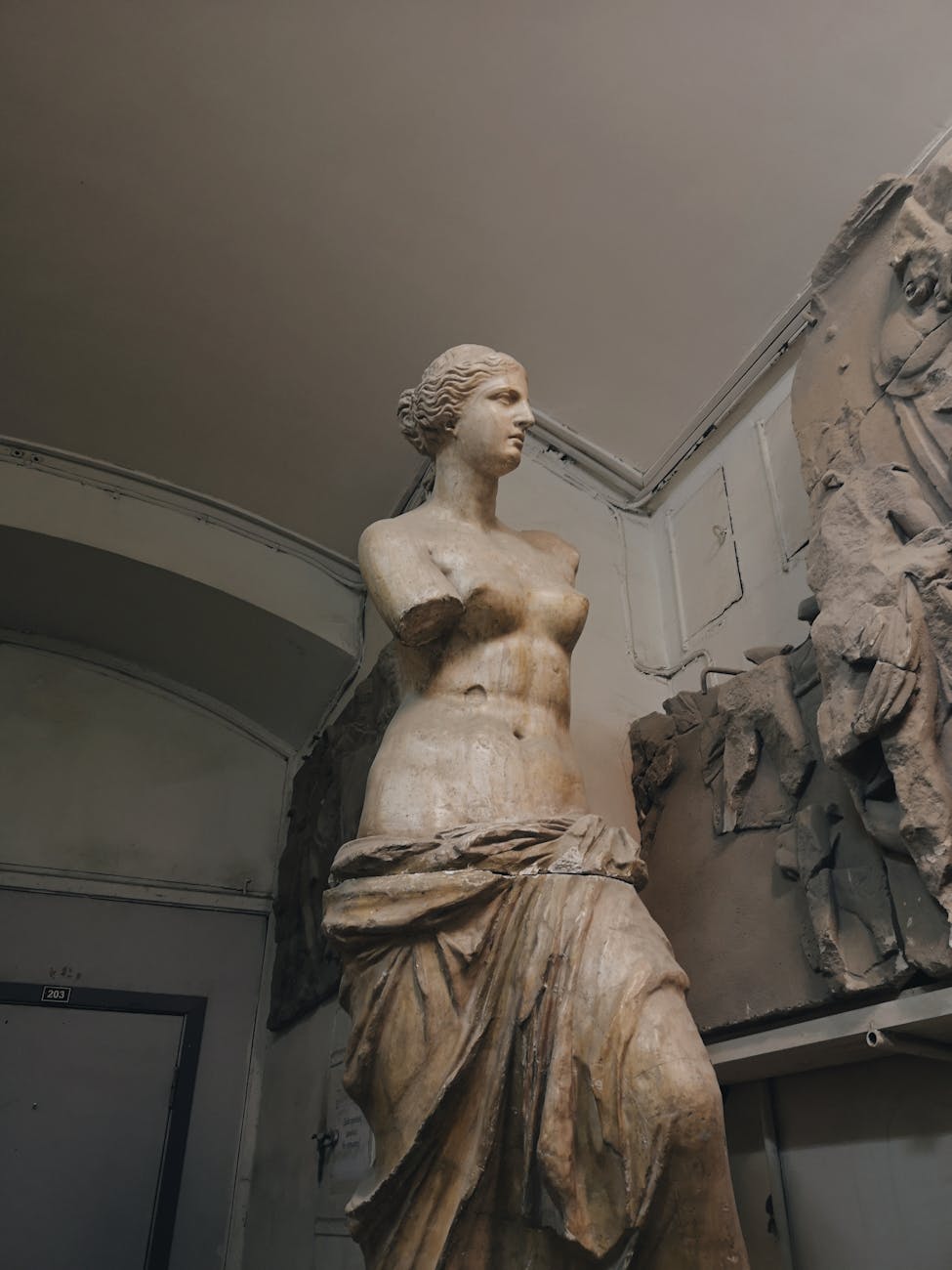
The modern obsession with physical beauty feeds directly into the cult of self-worship. Women in particular are pressured to idolize their own appearance, often comparing themselves to the goddess Venus—symbol of beauty, sensuality, and sexual power. Venus has become a cultural archetype for many women today: admired, envied, and worshipped. Platforms like Instagram and TikTok turn beauty into currency, while women proclaim their desirability through filtered images and curated lifestyles.

Proverbs 31:30 warns: “Favour is deceitful, and beauty is vain: but a woman that feareth the Lord, she shall be praised.” The wisdom here is that beauty is temporary, but character and reverence endure. However, in today’s media-saturated culture, this truth is largely ignored. When self-worth is built on external appearance, it breeds not only insecurity but a false elevation of the self as divine.


The Role of the Media in Promoting Self-Worship

Modern media is the altar upon which self-worship is enshrined. Reality television, influencer culture, celebrity worship, and branding all contribute to the normalization of narcissistic behavior. The media teaches that being seen, praised, and envied is the highest good. Fame becomes salvation. A viral post becomes validation. The line between performance and personhood blurs, and identity becomes a curated image.

Social media, in particular, reinforces narcissistic behaviors by rewarding exhibitionism and self-glorification. Algorithms favor beauty, wealth, and hyper-confidence—traits often found in narcissistic personalities. These platforms serve as digital mirrors where people worship their reflection and demand that others do the same.


Self-Worship in Ordinary Life

While celebrities may seem the most obvious practitioners of self-worship, the behavior is increasingly common among ordinary people. Everyday individuals parade their accomplishments, beauty, and opinions in a desperate bid for recognition. Self-worship often disguises itself as “self-love,” but it becomes sinful when it demands the praise that rightfully belongs to God.

This idolatry manifests in statements like, “I know I’m beautiful because people tell me all the time,” or “I’m a goddess,” which reflect the dangerous shift from healthy self-esteem to exalted self-idolatry. Even subtle behaviors—like constantly posting selfies, fishing for compliments, or belittling others—reflect the undercurrent of a self-worshipping heart.


The Roots of Self-Worship: Is Childhood to Blame?

Childhood development plays a significant role in the formation of narcissistic tendencies. Overindulgent parenting, unearned praise, or early trauma can foster an inflated or fragile sense of self. Children who are told they are “better than everyone” without being taught humility, or those who are neglected and overcompensate through performance, are both at risk. According to Kohut’s theory of narcissism, unmet childhood needs for mirroring and affirmation can result in an adult who demands excessive validation.

Thus, self-worship is often a psychological defense mechanism—masking insecurity and unresolved wounds. It’s not merely vanity; it is a cry for significance answered in the wrong place.


How the Self-Worshipper Treats Others

Those who worship themselves often view others as either tools or threats. Relationships become transactional: others are valuable only if they admire, serve, or elevate the narcissist. Grandiose narcissists lack empathy and often demean those who don’t feed their ego. This results in broken relationships, abuse of power, and a cycle of isolation. The Bible warns in Proverbs 16:18: “Pride goeth before destruction, and an haughty spirit before a fall.”


Why Do People Believe They Are Gods?

The belief that one is a god or divine figure often stems from a mix of cultural, psychological, and spiritual deception. It echoes Satan’s original lie in Genesis 3:5, “Ye shall be as gods.” This temptation continues to plague humanity today. Some believe they are gods due to power, fame, or spiritual delusion. Others, like those in the New Age or occult circles, genuinely believe in self-deification.

Spiritually, this is rebellion against the Creator. Isaiah 2:11 (KJV) warns: “The lofty looks of man shall be humbled, and the haughtiness of men shall be bowed down, and the LORD alone shall be exalted in that day.” Self-worship is ultimately a challenge to God’s sovereignty.


Conclusion: Returning to Reverence

In a world obsessed with self, the antidote is surrender. Humanity was never meant to bear the weight of worship. Only God is worthy. Worshipping the self leads to spiritual blindness, relational dysfunction, and moral collapse. Whether you are a celebrity or a regular person, the call is the same: “Humble yourselves in the sight of the Lord, and he shall lift you up” (James 4:10, KJV). God calls us to die to self, not deify it.

True self-worth is not found in the mirror or the masses but in the One who made us. To be free from self-worship is to walk in humility, love others sincerely, and live for the glory of God—not the applause of man.


References

  • American Psychiatric Association. (2013). Diagnostic and Statistical Manual of Mental Disorders (5th ed.). Washington, DC.
  • Kohut, H. (1971). The Analysis of the Self. New York: International Universities Press.
  • Lasch, C. (1979). The Culture of Narcissism. New York: Norton.
  • Twenge, J. M., & Campbell, W. K. (2009). The Narcissism Epidemic: Living in the Age of Entitlement. Free Press.
  • Bible. King James Version (KJV). Scriptures: Exodus 20:3; Isaiah 14:13–14; Proverbs 31:30; 2 Timothy 3:2; James 4:10; Isaiah 2:11; Genesis 3:5; Proverbs 16:18.
  • Apocrypha. Wisdom of Solomon 14:12. (Available in KJV-based Apocryphal editions.)

MALCOLM X vs MARTIN LUTHER KING JR.

✊🏽 Two Prophets, One Struggle for Black Liberation

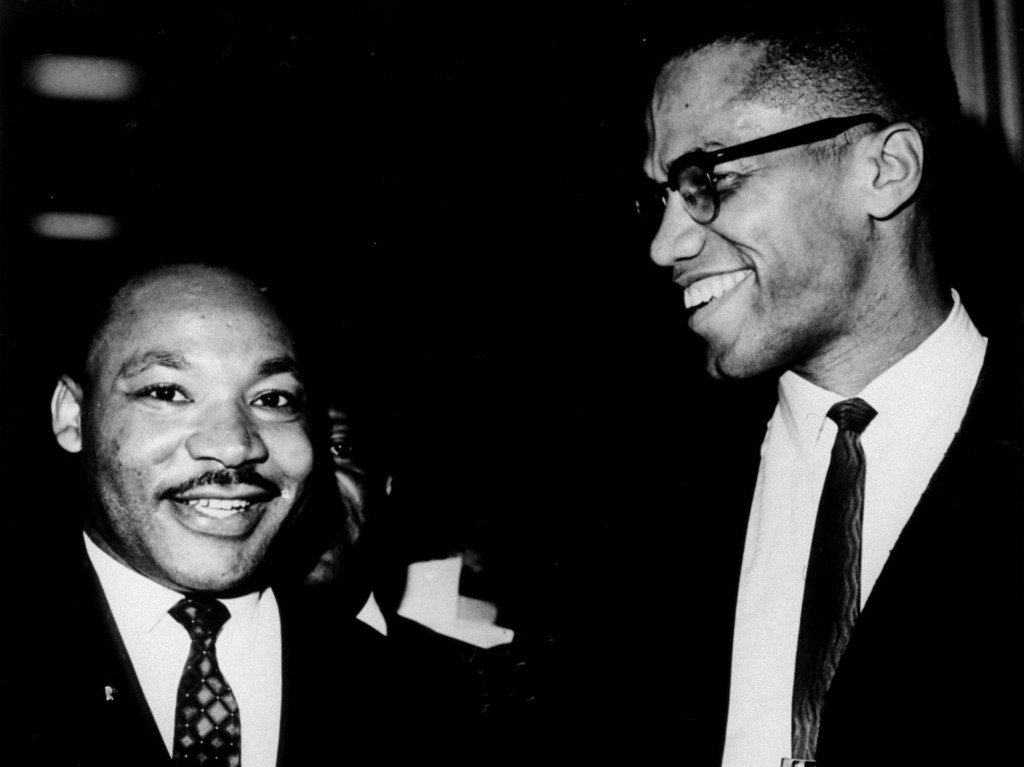
(AP Photo/Henry Griffin)

In the pantheon of American civil rights icons, two names shine with unrelenting brilliance: Malcolm X and Dr. Martin Luther King Jr. Though often cast as ideological opposites—one the militant voice of self-determination, the other the peaceful champion of integration—both men were fearless visionaries who dedicated their lives to the liberation and dignity of African Americans. Despite their differences in theology, rhetoric, and strategy, both stood at the frontline of a nation grappling with racism, injustice, and the unfulfilled promise of democracy.


🕋 Malcolm X: The Firebrand of Black Nationalism

Malcolm X was born Malcolm Little on May 19, 1925, in Omaha, Nebraska. The son of a Baptist preacher and Garveyite activist, Malcolm was introduced early to the power of Black pride. However, after the tragic death of his father and institutionalization of his mother, Malcolm’s youth spiraled into crime and incarceration. While in prison, he encountered the teachings of the Nation of Islam (NOI), a Black nationalist and religious movement led by Elijah Muhammad. Renouncing his surname—“Little”—as a slave name, Malcolm adopted “X” to represent his lost African ancestry.

Through the NOI, Malcolm preached racial pride, economic self-reliance, and Black separation from white society. He famously called for Black liberation “by any means necessary”, advocating self-defense rather than passive resistance. At a time when police brutality and lynchings plagued Black communities, Malcolm X’s unapologetic stance resonated deeply.

Malcolm X’s views were complex and evolving. While he initially condemned interracial relationships, later in life, after breaking with the Nation of Islam and making a pilgrimage to Mecca in 1964, he saw Muslims of all races united in faith. This broadened his worldview and led him to embrace Pan-Africanism and human rights advocacy, softening his stance toward whites.

On Black women, Malcolm once declared:

“The most disrespected person in America is the Black woman. The most unprotected person in America is the Black woman.” (Malcolm X, 1962)

This powerful quote reflected his growing recognition of Black women’s roles in the liberation struggle.

He was married to Betty Shabazz, with whom he had six daughters. Tragically, Malcolm X was assassinated on February 21, 1965, in Harlem’s Audubon Ballroom, just as he was forming the Organization of Afro-American Unity, a non-religious group focused on global Black solidarity.


✝️ Dr. Martin Luther King Jr.: The Apostle of Peace and Justice

Born Michael Luther King Jr. on January 15, 1929, in Atlanta, Georgia, he later changed his name to Martin in honor of the German Protestant reformer. Raised in the heart of the Black church, Martin became a Baptist minister and theologian steeped in the Christian doctrine of love, peace, and redemption.

King earned his doctorate in theology from Boston University and emerged as the leader of the Montgomery Bus Boycott in 1955 after Rosa Parks’ arrest. He founded the Southern Christian Leadership Conference (SCLC) and promoted nonviolent civil disobedience inspired by the teachings of Jesus Christ and Mahatma Gandhi.

He once wrote:

“Darkness cannot drive out darkness; only light can do that. Hate cannot drive out hate; only love can do that.” (King, Strength to Love, 1963)

King’s message appealed to the moral conscience of America. He led monumental events like the March on Washington in 1963, where he delivered his iconic “I Have a Dream” speech.

King was married to Coretta Scott King, and they had four children. While widely revered today, King was labeled a radical in his time. After his death in 1968, newly released FBI files alleged moral failings and adultery, but these accusations remain controversial and heavily debated for their lack of verifiable evidence and the FBI’s notorious attempts to discredit him (Garrow, 1986).


⚖️ Christianity vs. Nation of Islam

The theological differences between the men mirrored the ideological divides of their movements:

  • Christianity, as King practiced, preached forgiveness, integration, and universal brotherhood.
  • The Nation of Islam, as Malcolm embraced in his early years, preached Black supremacy, self-sufficiency, and a theological rejection of white society as inherently evil.

While King saw America as a nation to be redeemed, Malcolm often saw it as irredeemable.


🤝🏿 Did They Respect Each Other?

Though they met only once briefly in 1964, both Malcolm and Martin acknowledged the other’s sincerity and impact. Initially, Malcolm criticized King’s nonviolence as submissive. However, toward the end of his life, Malcolm expressed admiration for King’s commitment and bravery. After Malcolm’s assassination, King said:

“Malcolm X was a brilliant man who had great insight and was an eloquent spokesman for his point of view…I think he had a great ability to analyze the problem.”


👑 What Did They Do for Black People?

  • Malcolm X gave voice to the voiceless, empowering Black people to see themselves as valuable, independent, and sovereign. He introduced terms like “Afro-American” and made “Black is Beautiful” a political statement.
  • Martin Luther King Jr. was instrumental in achieving civil rights legislation, including the Civil Rights Act of 1964 and the Voting Rights Act of 1965, transforming American society through legal and moral change.

🌍 Views on America, Racism, and Africa

  • Malcolm X denounced America’s hypocrisy, calling it a “prison of the oppressed.” After his hajj to Mecca, he embraced a broader global view, saying, “I am not a racist. I am against every form of racism and segregation.”
  • King believed America could live up to its promise if it was held accountable. He said, “I have a dream that one day this nation will rise up and live out the true meaning of its creed.”

Both men viewed Africa as central to Black identity and liberation. Malcolm made alliances with African leaders, while King supported African independence movements.


👶🏾 Wives and Children

  • Malcolm X and Betty Shabazz had six daughters, including the late activist Malikah Shabazz.
  • Martin Luther King Jr. and Coretta Scott King had four children, including Bernice King, a prominent speaker and activist.

🏁 Final Thought: Who Had the Better Message?

This question defies easy answers. Malcolm X gave us the courage to stand tall. Martin Luther King Jr. taught us the power of enduring love. Together, they represented two wings of the same freedom bird. One cried out in righteous anger; the other marched with patient hope. But both demanded that Black people be seen, respected, and free.


📚 References

  • Garrow, D. J. (1986). Bearing the Cross: Martin Luther King, Jr., and the Southern Christian Leadership Conference. William Morrow & Co.
  • Malcolm X & Haley, A. (1965). The Autobiography of Malcolm X. Grove Press.
  • King, M. L. Jr. (1963). Strength to Love. Harper & Row.
  • Marable, M. (2011). Malcolm X: A Life of Reinvention. Viking.
  • Cone, J. H. (1991). Martin & Malcolm & America: A Dream or a Nightmare. Orbis Books.
  • Nation of Islam. (n.d.). Official Website. http://www.noi.org
  • The King Center. (n.d.). Biography of Dr. Martin Luther King Jr. http://www.thekingcenter.org

“The Tragic Beauty of Sarah Baartman: Colonial Spectacle, Black Female Bodies, and the Legacy of the Hottentot Venus”

All photographs are the property of their respective owners. No infringement intended.

Introduction

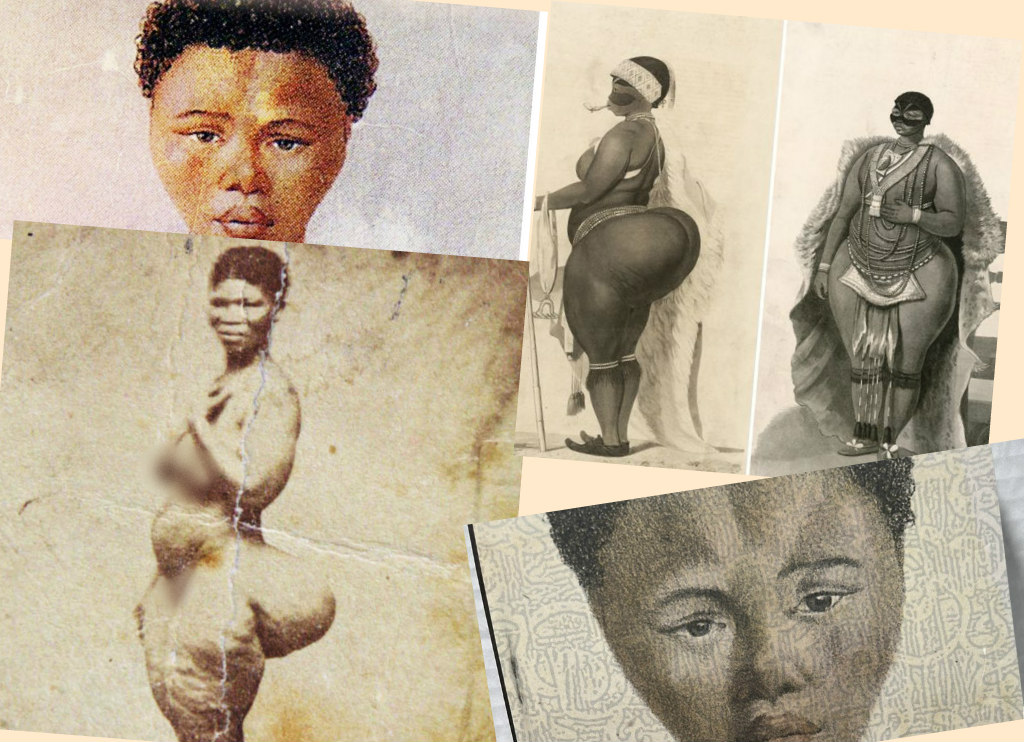
Sarah Baartman, widely known by the derogatory nickname “The Hottentot Venus,” was a South African Khoikhoi woman who became one of the most exploited and objectified figures in colonial history. Her life is emblematic of the intersection between racism, colonialism, misogyny, and pseudoscience. Displayed as a curiosity in 19th-century Europe, Baartman’s body was fetishized and dehumanized, even in death. Her story foreshadows the modern commodification of Black women’s bodies and raises critical questions about beauty standards, cultural appropriation, and racialized misogyny.


Early Life and Origins

Sarah Baartman was born around 1789 in the Gamtoos Valley of the Eastern Cape of South Africa. She belonged to the Khoikhoi people, an indigenous group known pejoratively as “Hottentots” by European colonists. Little is known about her early family life, but historical accounts suggest she was orphaned at a young age during colonial conflicts between the Dutch settlers and native Africans. She later became a domestic servant and was exposed to European culture and oppression early in life (Fausto-Sterling, 1995).


Her Exploitation and Display in Europe

In 1810, Sarah was taken to England by a British military surgeon, William Dunlop, under the pretense that she would gain wealth by exhibiting her body. She was soon placed on public display in London and later in Paris, exhibited nearly naked in circuses, saloons, and theaters. Advertised as the “Hottentot Venus,” her steatopygia—a natural genetic feature of prominent buttocks common among Khoisan women—became the central focus of her public spectacle.

European audiences viewed her body as both exotic and grotesque, sexualized and ridiculed. Scientists like Georges Cuvier subjected her to invasive examinations, believing she was proof of the “missing link” between animals and humans. Baartman became a living subject for racist pseudoscience that sought to validate white supremacy through physical anthropology (Gould, 1981).


Why Her Beauty Was Under Scrutiny

Baartman’s physical features—broad hips, dark skin, full lips, and pronounced buttocks—stood in stark contrast to Eurocentric ideals of beauty. Rather than being celebrated, her natural body became a site of scorn, desire, and “scientific” scrutiny. In essence, her Black femininity was hypersexualized and pathologized. Her beauty was never seen as worthy of admiration; instead, it was dissected to reinforce the colonial gaze and racist theories of human difference (Collins, 2000).


Her Death and Posthumous Humiliation

Sarah Baartman died on December 29, 1815, at just 26 years old, likely from pneumonia or syphilis, in Paris. Even in death, she was denied dignity. Her body was dissected by Cuvier, and her skeleton, genitals, and brain were preserved and displayed at the Musée de l’Homme in Paris for over 150 years.

Her remains were finally returned to South Africa in 2002, after a long legal and diplomatic battle. Then-President Nelson Mandela had requested their return as a matter of national and cultural healing. Sarah Baartman was buried on August 9, 2002, in the Eastern Cape, and her story became a symbol of the abuse of Black women under colonial regimes (Qureshi, 2004).


Personal Life: Family, Children, and Survival

Historical documentation does not confirm whether Sarah Baartman had a husband or children. Her personal agency during her time in Europe remains a matter of debate. Some accounts suggest she may have engaged in sex work out of economic desperation and lack of options. Her descent into prostitution, if it occurred, must be understood within the context of extreme exploitation, racism, and the absence of human rights for women of color in Europe.


Scientific Racism and Her Genetic Body Makeup

Baartman’s body became a site for scientific racism. European naturalists used her as a specimen to support racial hierarchies, claiming her physique was evidence of primitiveness. Her steatopygia, which is genetically normal among Khoisan women, was falsely framed as an aberration. The grotesque display of her genitalia by scientists such as Cuvier reinforced colonial myths about African sexuality and physiology (Gilman, 1985).


Modern Reflections: The BBL Craze and Baartman’s Legacy

Today, the Brazilian Butt Lift (BBL) craze—especially among women of all racial backgrounds—ironically mirrors the very body type for which Sarah Baartman was ridiculed. Her natural curves are now commodified, celebrated, and monetized in fashion, social media, and cosmetic surgery industries. Figures like Kim Kardashian, Nicki Minaj, and Cardi B have become modern icons of curvaceous beauty, appropriating features once vilified in Black women.

Yet, this popularity does not signal racial progress. Black women with natural bodies like Baartman’s still face colorism, fatphobia, and hypersexualization. The paradox remains: the Black body is envied, mimicked, and monetized, yet often despised and marginalized in its authentic form.


Why Some Women Use Their Bodies for Fame and Fortune

In a society that frequently commodifies women—especially Black women—many are compelled to capitalize on their physical appearance as a survival strategy. This is not new. Sarah Baartman’s coerced exhibitionism finds echoes in the lives of modern women who use their bodies in music, entertainment, and social media. The global beauty economy profits from features long stigmatized in Black women, reinforcing the painful legacy of objectification and exploitation.


Contemporary Symbolism and Social Commentary

Sarah Baartman represents both historical trauma and modern relevance. Her legacy forces a reckoning with how Black women’s bodies have been treated—as property, as curiosities, as sexual objects—and how they are still commercialized today.

While there are no precise contemporary equivalents, the symbolism of Sarah Baartman can be found in debates around beauty standards, the body positivity movement, and critiques of cultural appropriation. Figures like Serena Williams, Lizzo, and Megan Thee Stallion—who boldly embrace their bodies and identities—offer both resistance and reclamation in a world still shaped by the gaze that dehumanized Baartman.


Conclusion

Sarah Baartman’s life and death tell a harrowing story of racism, exploitation, and the violent colonial gaze. Yet, her story is not just one of suffering—it is also a story of endurance and symbolism. Her legacy compels us to confront uncomfortable truths about how Black femininity is perceived, appropriated, and controlled. From the grotesque science of the 19th century to the filtered perfection of social media today, Baartman’s body still haunts the Western imagination. We owe it to her and to all women like her to remember, reckon, and restore dignity to bodies once denied it.

  • In the 1990s, after the fall of apartheid and the establishment of a democratic government in South Africa, Nelson Mandela, as President (1994–1999), called for the return of Sarah Baartman’s remains as part of a broader effort to restore dignity to the victims of colonialism and racism.
  • Her remains, including her skeleton, brain, and genitalia, had been on display at the Muséum national d’Histoire naturelle in Paris for over 150 years following her death in 1815.
  • In 1994, shortly after Mandela became President, the South African government made an official request to the French government for the return of her remains.
  • The process faced legal and bureaucratic hurdles in France, where some institutions initially resisted the request, claiming her remains were part of the national scientific collection.
  • It was not until January 2002, after years of negotiation, that France passed special legislation allowing the return of Baartman’s remains to South Africa.
  • Her remains were repatriated on May 3, 2002, and she was finally laid to rest on August 9, 2002, in Hankey, Eastern Cape, near the area of her birth.
  • The burial date was symbolic—it coincided with South Africa’s National Women’s Day, commemorating the 1956 anti-pass laws march by women, making it a national tribute to Baartman as a historical symbol of the abuse and dignity of Black women.

While Nelson Mandela did not personally oversee the return (he had left the presidency by 1999), he was instrumental in beginning the political and moral campaign for her repatriation. His government’s efforts, supported by later administrations, ensured that Sarah Baartman could finally return home and be buried with the honor and humanity she had been denied in life.

Her story remains a profound symbol of the colonial exploitation of Black women and a call to honor those who suffered under imperial systems.

References

  • Collins, P. H. (2000). Black Feminist Thought: Knowledge, Consciousness, and the Politics of Empowerment. Routledge.
  • Fausto-Sterling, A. (1995). Myths of Gender: Biological Theories about Women and Men. Basic Books.
  • Gilman, S. L. (1985). Difference and Pathology: Stereotypes of Sexuality, Race, and Madness. Cornell University Press.
  • Gould, S. J. (1981). The Mismeasure of Man. W.W. Norton.
  • Qureshi, S. (2004). Displaying Sara Baartman, the ‘Hottentot Venus’. History of Science, 42(2), 233–257.
  • Scully, P. (2015). Sara Baartman and the Hottentot Venus: A Ghost Story and a Biography. Princeton University Press.