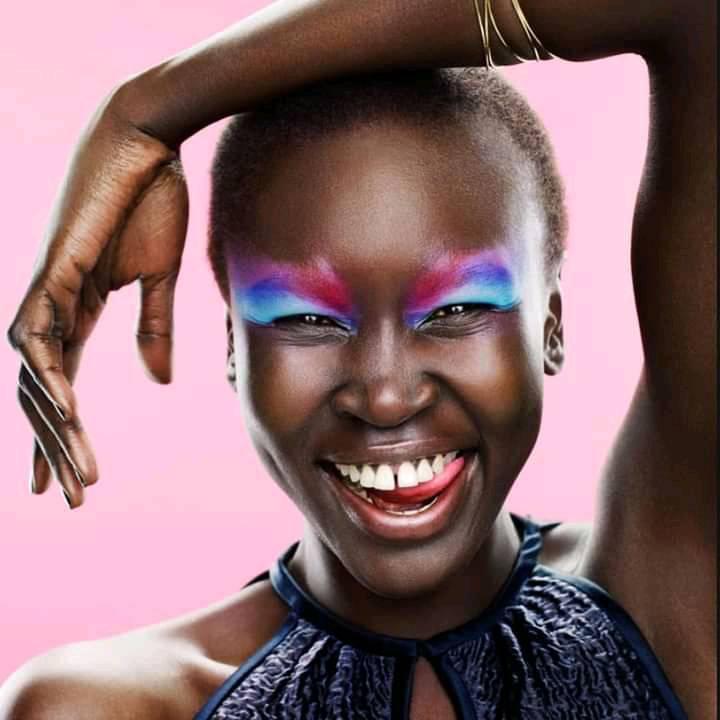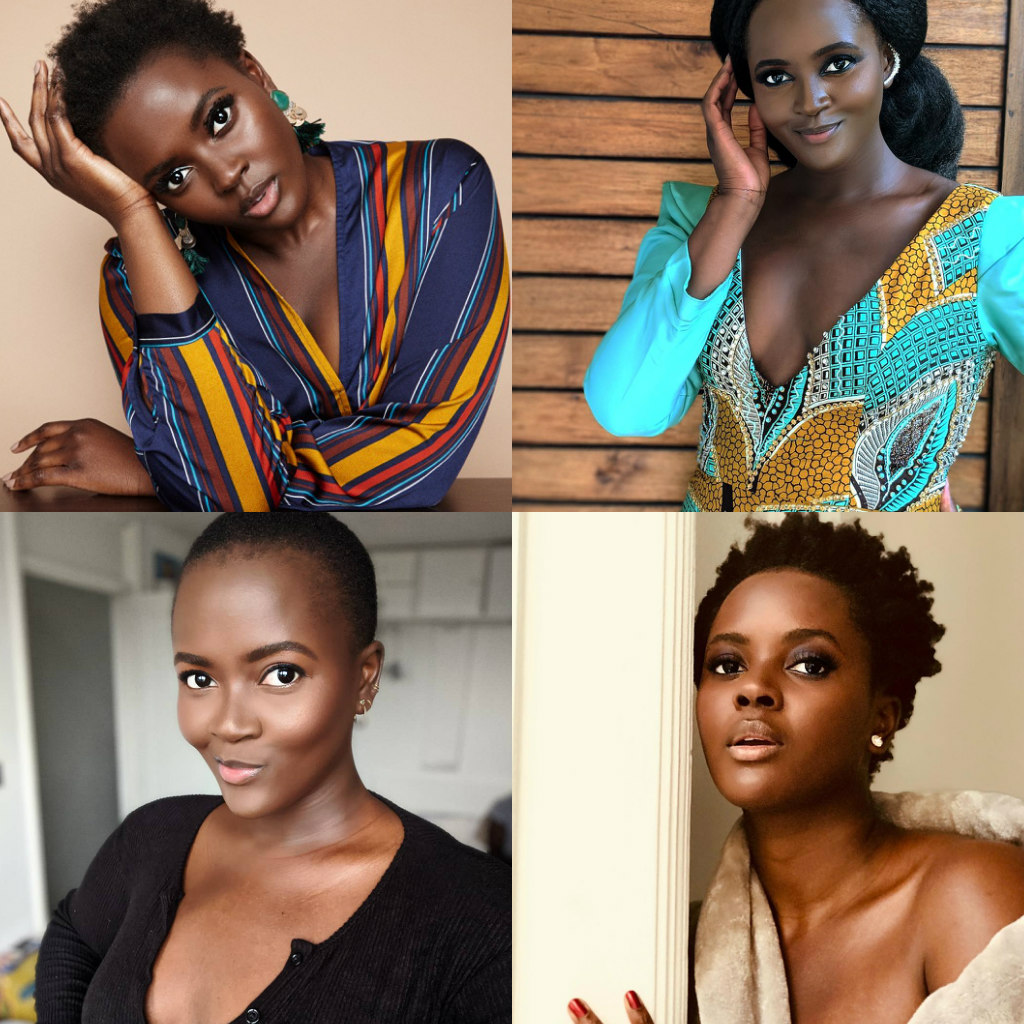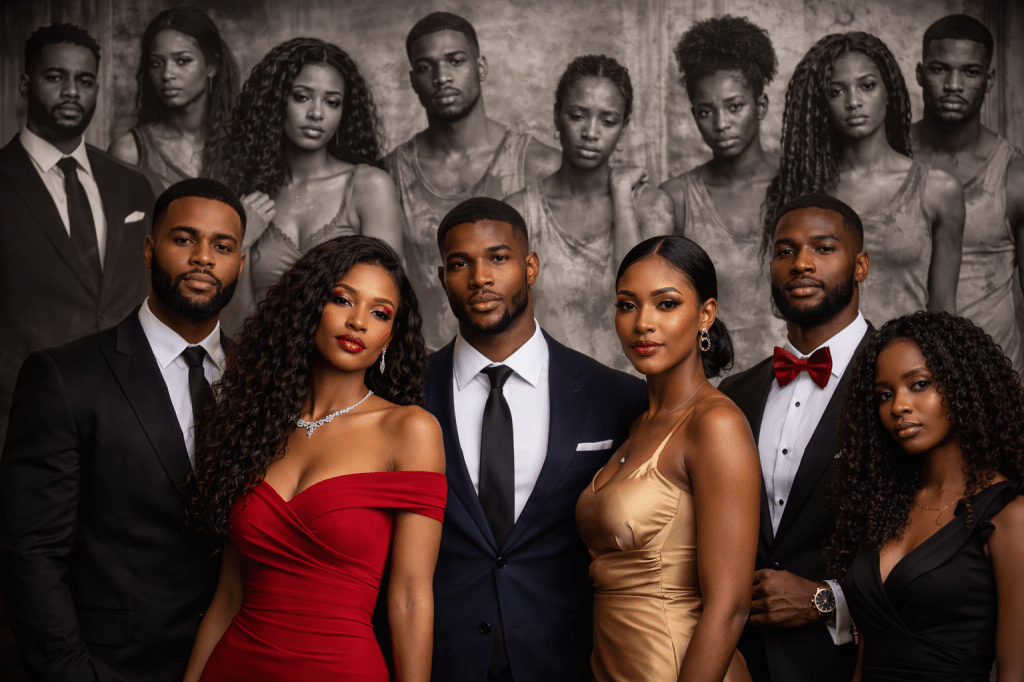
Category Archives: Beauty

The Ontology of the Ideal: Why Perfection Remains a Human Illusion

The concept of perfection has occupied a central place in human thought across philosophy, theology, psychology, and culture. From Plato’s realm of forms to modern social media ideals, perfection has been imagined as an attainable state of being—something one can reach, embody, or possess. Yet upon closer examination, perfection reveals itself not as an empirical reality, but as an ontological illusion: a symbolic construct produced by human consciousness in its attempt to transcend finitude.

Ontology, the philosophical study of being, asks not what we desire, but what truly exists. When applied to the concept of perfection, ontology forces a radical question: does perfection exist in reality, or only in imagination? Empirically, no human being has ever existed without limitation, contradiction, vulnerability, or moral failure. Thus, perfection does not exist as a state of human being, but as an abstract ideal projected onto reality.

In classical philosophy, Plato argued that perfect forms exist in a transcendent realm, while physical reality is merely a flawed copy. Beauty, goodness, and truth were not properties of material beings but eternal forms apprehended by the mind (Plato, Republic). This framework established a dualism between ideal and real—a structure that still governs modern thinking about perfection.

Christian theology radicalizes this further. Scripture affirms that perfection belongs to God alone. “Be ye therefore perfect, even as your Father which is in heaven is perfect” (Matthew 5:48, KJV). This command is not descriptive but aspirational; it reveals the impossibility of human perfection by holding divine perfection as the standard.

The Bible simultaneously asserts the universality of human imperfection. “For all have sinned, and come short of the glory of God” (Romans 3:23, KJV). Ontologically, this establishes imperfection as the defining condition of humanity. To be human is to be finite, fallen, incomplete, and in process.

The only figure presented as ontologically perfect is Christ. Hebrews 4:15 states that Jesus “was in all points tempted like as we are, yet without sin” (KJV). In Christian metaphysics, perfection is not human—it is incarnate divinity. This makes all human attempts at perfection fundamentally idolatrous, as they seek divine attributes within finite beings.

Psychologically, perfection operates as projection. Carl Jung argued that ideals function as archetypes—mental images representing unconscious desires for wholeness, safety, control, and transcendence (Jung, 1969). The “perfect man” or “perfect woman” is not real but symbolic: a mirror of unmet psychological needs.

In modern culture, perfection is commodified. Capitalism turns ideals into products—perfect bodies, perfect relationships, perfect lifestyles. Social media intensifies this illusion through filters, algorithms, and curated identities. What is presented as reality is a digitally engineered simulation of idealized existence.

Sociologically, perfection functions as social control. Gender ideals regulate bodies, behaviors, and emotional expression. Men must be strong, successful, and dominant; women must be beautiful, nurturing, and emotionally laboring. These ideals are contradictory and impossible, ensuring perpetual inadequacy (Connell, 2005).

From a Black critical perspective, perfection becomes racialized. Black bodies are historically excluded from ideal categories of beauty, intelligence, virtue, and humanity. Black excellence becomes a compensatory response—a demand to be twice as good in a system that never fully recognizes Black being as legitimate (hooks, 2000).

Thus, perfection is not neutral—it is political. It reflects who is allowed to represent humanity itself. Ontologically, perfection operates as a gatekeeping myth that disciplines marginalized groups while protecting dominant standards.

Theologically, the illusion of perfection is a form of idolatry. Augustine argued that humans are restless because they seek ultimate fulfillment in finite things instead of God (Confessions). The ideal partner, ideal body, ideal life become substitutes for divine wholeness.

Relationally, this produces impossible expectations. Idealization destroys intimacy by replacing real persons with imagined standards. Love becomes conditional upon performance. Authenticity is sacrificed for approval.

Even in moral philosophy, perfection collapses. Kant argued that ethical goodness lies not in flawless outcomes but in moral striving—acting from duty within limitation. Virtue exists in effort, not completion.

The Bible affirms this dynamic. “For a just man falleth seven times, and riseth up again” (Proverbs 24:16, KJV). Righteousness is not sinlessness—it is return, repentance, and realignment.

Paul explicitly rejects perfection: “Not as though I had already attained, either were already perfect: but I follow after” (Philippians 3:12, KJV). Spiritual life is defined as becoming, not being.

Ontology thus reveals a paradox: perfection exists only as concept, not as substance. It is a regulative ideal—an imaginary horizon that structures desire but never materializes.

What does exist is wholeness, not perfection. Wholeness allows contradiction, growth, wounds, and transformation. It accepts limitation as the condition of meaning.

In biblical anthropology, humans are not ideal—they are imago Dei: reflections, not replicas, of divine being. The image is fractured, incomplete, and relational.

The illusion of perfection collapses under ontological scrutiny. There is no perfect man. No perfect woman. No perfect self. There is only finite being striving toward infinite meaning.

Perfection remains a human illusion because it belongs to eternity, not existence. To demand it in time is to demand divinity from dust.

In conclusion, perfection is not a state of being—it is a symbolic longing. It reveals not what we are, but what we desire to escape: finitude, vulnerability, dependence, and mortality. Ontologically, perfection does not exist in humans because imperfection is the very structure of human existence.

To be human is not to be perfect. It is to be unfinished—and that is precisely where meaning begins.


References

Augustine. (2001). Confessions (H. Chadwick, Trans.). Oxford University Press. (Original work published c. 397)

Connell, R. W. (2005). Masculinities (2nd ed.). University of California Press.

hooks, b. (2000). Feminism is for everybody: Passionate politics. South End Press.

Jung, C. G. (1969). The archetypes and the collective unconscious (2nd ed.). Princeton University Press.

Kant, I. (1993). Grounding for the metaphysics of morals (J. W. Ellington, Trans.). Hackett. (Original work published 1785)

Plato. (2008). The Republic (R. Waterfield, Trans.). Oxford University Press.

The Holy Bible, King James Version. (1611/1769). Cambridge Edition.

Tillich, P. (1957). Dynamics of faith. Harper & Row.
Epistemologies of the Black Aesthetic and Phenomenology of the Black Woman and Man.

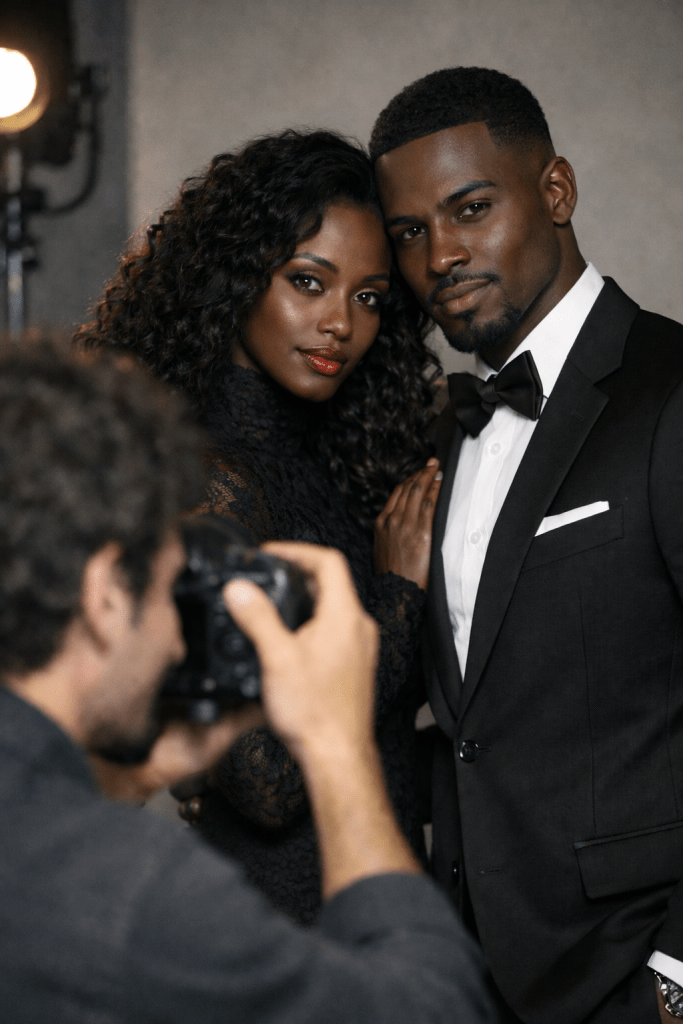
The epistemologies of the Black aesthetic begin with the recognition that knowledge itself is not neutral but socially and historically constructed. Epistemology, as the study of how knowledge is produced and legitimized, reveals that Western systems of knowing have long excluded Black experiences from the category of universal truth. Within this framework, Black aesthetics emerge not merely as artistic expressions but as alternative ways of knowing, rooted in embodied history, cultural memory, and collective survival.

The Black aesthetic operates as a counter-epistemology, challenging dominant paradigms that privilege Eurocentric modes of perception. Rather than separating reason from emotion, or mind from body, Black aesthetic traditions often integrate feeling, rhythm, spirituality, and storytelling as legitimate sources of knowledge. Music, dance, oral tradition, fashion, and visual art function as epistemic practices—ways of interpreting reality and transmitting meaning across generations.

Phenomenology, the philosophical study of lived experience, provides a powerful lens for understanding the Black woman and man as subjects rather than objects of knowledge. Phenomenology asks how individuals experience the world from within their own consciousness. Applied to Black existence, it shifts attention from how Black people are represented to how Black people perceive, feel, and inhabit social reality.

The phenomenology of the Black subject is inseparable from history. Slavery, colonialism, segregation, and systemic racism have shaped not only material conditions but also modes of perception. Black embodiment carries historical memory within it, producing what Frantz Fanon described as a “racial epidermal schema,” where the body is experienced through the gaze of others before it is experienced as self.

For the Black woman, phenomenology is marked by intersectionality—the simultaneous experience of racialized and gendered embodiment. Her body is not only racialized but sexualized, politicized, and surveilled. She is often forced to see herself through external projections that define her as laborer, caretaker, object of desire, or symbol of strength. These imposed meanings distort self-perception and fracture subjectivity.

Yet Black women also generate epistemologies of resistance. Through intellectual traditions such as Black feminism, womanism, and Africana philosophy, Black women reclaim authority over their own experiences. Knowledge emerges from lived reality, testimony, and embodied wisdom. The Black woman becomes not an object of study but a producer of theory.

The phenomenology of the Black man is shaped by a different but equally complex symbolic structure. Black masculinity has historically been framed through stereotypes of hyperphysicality, aggression, criminality, or emotional absence. These representations shape how Black men experience their own bodies in public space—often as sites of threat rather than humanity.

Black male subjectivity is therefore marked by hypervisibility and invisibility at once. The Black man is seen as a body but not recognized as a mind. His presence is often interpreted through fear rather than empathy. This produces what phenomenologists describe as alienation—the feeling of being estranged from one’s own existence.

Despite these constraints, Black men also produce alternative epistemologies of selfhood. Through music, literature, spirituality, and political consciousness, Black men articulate modes of being that resist dehumanization. Hip-hop, blues, jazz, and spoken word become philosophical forms—ways of narrating reality and reclaiming interior life.

The Black aesthetic unites these experiences through symbolic form. It functions as a visual, sonic, and cultural language through which Black people encode knowledge. Aesthetic practices become epistemic tools—mechanisms for understanding suffering, joy, memory, and hope. Art becomes theory in motion.

Unlike Western aesthetics, which often prioritize abstraction and detachment, the Black aesthetic emphasizes embodiment and relationality. Meaning is not discovered through distance but through participation. Knowledge emerges from the body in motion, from rhythm, from ritual, from collective experience. The aesthetic becomes a site of epistemological authority.

Memory plays a central role in this framework. The Black body functions as an archive, carrying ancestral trauma and resilience within its gestures, postures, and expressions. Cultural memory is transmitted not only through texts but through performance, language, and social practice. Knowledge lives in movement and sound.

Spirituality also operates as an epistemic dimension of Black life. In many African and diasporic traditions, knowledge is inseparable from divine order. Truth is not merely rational but spiritual, intuitive, and communal. The sacred becomes a way of knowing that resists Western secular epistemology.

The Black aesthetic thus collapses the boundary between art and life. Fashion becomes philosophy. Music becomes metaphysics. Beauty becomes political theory. These practices are not decorative but constitutive of reality. They shape how Black people understand themselves and the world.

From an epistemological standpoint, the Black woman and man exist within what philosopher Sylvia Wynter calls a struggle over the definition of the human. Western modernity constructs a narrow model of humanity based on whiteness, rationality, and individualism. Black existence challenges this model by revealing its exclusions.

Phenomenologically, Black existence is defined by what it means to live in a world that questions one’s humanity. The everyday experience of navigating institutions, media, and social space becomes a philosophical problem. The Black subject lives philosophy before studying it.

The Black aesthetic offers a new grammar of being. It allows Black people to name themselves, see themselves, and know themselves outside of imposed frameworks. This is not merely cultural expression but epistemic sovereignty—the right to define reality from within one’s own experience.

Knowledge, in this context, becomes relational rather than hierarchical. Truth is produced through dialogue, community, and shared struggle. The Black aesthetic rejects the idea of detached objectivity in favor of situated knowledge grounded in lived experience.

Both the Black woman and man embody what can be called epistemic resistance. Their existence disrupts dominant systems of meaning by revealing contradictions within Western claims to universality. Their bodies become sites where philosophy, history, and politics intersect.

The phenomenology of Black life ultimately reveals that subjectivity itself is political. To exist as Black in a racialized world is to experience reality through layers of meaning imposed from outside and reclaimed from within. Consciousness becomes a space of struggle and creativity.

The Black aesthetic, therefore, operates as both epistemology and ontology. It does not simply describe how Black people know the world; it reveals how Black people are in the world. Being and knowing collapse into each other, producing a distinct philosophical tradition.

In this sense, the Black woman and man are not marginal figures within philosophy but central figures in redefining what philosophy can be. Their experiences generate new questions about knowledge, reality, beauty, and humanity itself.

Ultimately, epistemologies of the Black aesthetic and the phenomenology of Black existence assert a radical claim: that Black life is not an object of analysis but a source of knowledge. Black being becomes Black knowing, and Black knowing becomes a new foundation for understanding the human condition.


References

Fanon, F. (1967). Black skin, white masks. Grove Press.

hooks, b. (1990). Yearning: Race, gender, and cultural politics. South End Press.

Collins, P. H. (2000). Black feminist thought: Knowledge, consciousness, and the politics of empowerment. Routledge.

Wynter, S. (2003). Unsettling the coloniality of being/power/truth/freedom. The New Centennial Review, 3(3), 257–337.

Gordon, L. R. (1995). Bad faith and antiblack racism. Humanity Books.

Du Bois, W. E. B. (1903). The souls of Black folk. A. C. McClurg.

Weheliye, A. G. (2014). Habeas viscus: Racializing assemblages, biopolitics, and Black feminist theories of the human. Duke University Press.

Hall, S. (1997). Representation: Cultural representations and signifying practices. Sage.

Tate, S. A. (2015). Black beauty: Aesthetics, stylization, politics. Routledge.

Merleau-Ponty, M. (2012). Phenomenology of perception. Routledge.

The Semiotics of Black Beauty

The semiotics of Black beauty begins with the understanding that beauty is not merely an aesthetic category but a system of signs, meanings, and cultural codes. Within semiotic theory, beauty operates as a language—one that communicates values, hierarchies, power relations, and historical memory. Black beauty, in particular, has functioned as a contested sign within Western modernity, simultaneously hyper-visible and marginalized, fetishized and erased. To analyze Black beauty semiotically is to examine how Black bodies, features, and aesthetics have been encoded, decoded, and re-signified across history.

In classical semiotics, Ferdinand de Saussure distinguished between the signifier (the form of the sign) and the signified (the concept it represents). Applied to Black beauty, the signifier may include dark skin, Afro-textured hair, full lips, broad noses, and curvilinear bodies, while the signified has historically been shaped by colonial ideology, racial hierarchy, and Eurocentric aesthetic standards. These physical features were not interpreted neutrally but loaded with meanings such as primitiveness, hypersexuality, exoticism, or inferiority. Thus, Black beauty became a distorted sign within the colonial visual grammar.

Colonialism produced what Frantz Fanon described as a racialized visual order in which Black bodies were rendered objects of surveillance and symbolic domination. In this system, beauty was weaponized as a tool of power, with whiteness positioned as the universal aesthetic norm. Blackness was defined in opposition to this norm, creating what semioticians would call a binary structure: beautiful versus ugly, civilized versus primitive, pure versus excessive. Black beauty was not simply excluded from the category of beauty; it was actively re-coded as its opposite.

Roland Barthes’ concept of myth is especially useful here. Myths transform cultural constructs into naturalized truths. The myth of beauty in Western society presents whiteness as neutral and universal while presenting Blackness as deviation. Over time, this myth became embedded in media, advertising, fashion, film, and even scientific discourse. Beauty standards ceased to appear ideological and instead appeared “natural,” obscuring their historical and political origins.

Black women’s bodies, in particular, have functioned as semiotic battlegrounds. From the exhibition of Sarah Baartman in the nineteenth century to contemporary hypersexualized representations in popular culture, Black femininity has been encoded through signs of excess—too sexual, too loud, too visible, too much. These representations operate as what Stuart Hall called regimes of representation, systems that fix meaning through repetition. The Black woman becomes a sign that circulates independently of her humanity.

Yet semiotics is not only about domination; it is also about resistance and re-signification. Black beauty has undergone profound symbolic transformation through cultural movements such as the Harlem Renaissance, the Black Arts Movement, Afrofuturism, and contemporary digital Black feminism. These movements challenge dominant sign systems by producing alternative visual codes—natural hair, dark skin celebration, Afrocentric fashion, and non-Eurocentric facial aesthetics. Here, Black beauty becomes a counter-sign, disrupting inherited meanings.

The politics of hair provides one of the clearest examples of semiotic struggle. Afro-textured hair has historically been encoded as unprofessional, wild, or undesirable, while straight hair has been associated with respectability and beauty. However, the natural hair movement re-signifies Afro-textured hair as a symbol of authenticity, resistance, and self-definition. Hair becomes a political sign, not merely a cosmetic choice.

Skin tone operates similarly within what scholars describe as colorism. Lighter skin has been historically coded as more beautiful due to proximity to whiteness, while darker skin has been marked as undesirable. This semiotic hierarchy is internalized within Black communities themselves, revealing how colonial sign systems reproduce themselves psychologically. Black beauty thus exists within a complex internal semiotics, where oppression is not only external but also internalized.

Media plays a central role in the production and circulation of beauty signs. Film, fashion, social media, and advertising function as symbolic machines that teach society what to desire and what to devalue. When Black women are underrepresented or represented through stereotypes, the sign of Black beauty becomes constrained, flattened, and commodified. Representation is not simply about visibility but about the range of meanings allowed to exist.

Digital culture has introduced new semiotic possibilities. Platforms such as Instagram, TikTok, and YouTube allow Black women to become producers of their own visual narratives rather than passive objects of representation. The rise of Black influencers, models, and artists creates decentralized beauty codes that challenge traditional gatekeepers. Semiotically, this represents a shift from imposed meaning to negotiated meaning.

The concept of the gaze is central to understanding Black beauty. Laura Mulvey’s theory of the male gaze can be extended to what many scholars call the white gaze—a visual framework through which Black bodies are interpreted and judged. Black beauty under the white gaze becomes spectacle rather than subject. However, the emergence of what is termed the Black female gaze reclaims visual authority, allowing Black women to define beauty on their own terms.

From a psychological perspective, beauty functions as symbolic capital. Pierre Bourdieu argued that symbolic capital produces social power through recognition and legitimacy. When Black beauty is denied legitimacy, Black women are denied access to certain forms of social mobility, desirability, and validation. Thus, beauty is not trivial; it is structurally linked to inequality.

Semiotically, Black beauty also intersects with spirituality. In many African cosmologies, beauty is not separated from morality, ancestry, or divine order. Physical appearance reflects harmony, balance, and spiritual alignment. This contrasts sharply with Western aesthetics, which prioritize surface over substance. Reclaiming Afrocentric aesthetics therefore represents not just cultural pride but epistemological resistance.

Fashion becomes another site of symbolic struggle. Historically, Black fashion was either appropriated or marginalized, yet contemporary Black designers and models are redefining aesthetic language globally. Clothing, hairstyles, and body presentation operate as visual texts through which Black identity is communicated. Fashion becomes semiotic activism.

Black beauty also functions as memory. It carries ancestral traces, historical trauma, and collective survival. The body itself becomes an archive, storing cultural meaning beyond written language. Semiotically, the Black body is a living sign, shaped by slavery, colonialism, migration, and resistance.

The commodification of Black beauty introduces further complexity. While Black aesthetics increasingly dominate popular culture, they are often consumed without acknowledging Black humanity. This produces what bell hooks called “eating the other,” where difference becomes a marketable aesthetic rather than a site of ethical engagement. Black beauty becomes profitable but not liberating.

At the level of language, even the word “beautiful” is semiotically loaded. To call Black women beautiful may appear affirming, yet it risks reinforcing the same system that requires validation from external authority. True semiotic liberation requires not merely inclusion within dominant categories but transformation of the categories themselves.

Thus, the semiotics of Black beauty is ultimately about power over meaning. Who gets to define beauty? Who controls the image? Who benefits from the sign? These are not aesthetic questions but political ones. Beauty operates as a symbolic economy, distributing value unevenly across racial and gendered lines.

Black beauty, when re-signified, becomes epistemological. It produces knowledge about the self, the body, and the world. It challenges Western philosophy’s separation of mind and body by asserting the body as a site of intelligence, history, and meaning. The Black woman becomes not an object of theory but a producer of theory.

In this sense, Black beauty is not simply visual; it is discursive. It speaks. It argues. It remembers. It resists. It transforms the semiotic field itself, expanding what beauty can mean and who gets to embody it.

Ultimately, the semiotics of Black beauty reveals that beauty is never innocent. It is a language shaped by history, power, and ideology. Yet within that language lies the possibility of rewriting the code. Black beauty, when claimed as self-authored meaning, becomes not a sign of exclusion but a symbol of cultural sovereignty.


References

Barthes, R. (1972). Mythologies. Hill and Wang.

Bourdieu, P. (1984). Distinction: A social critique of the judgement of taste. Harvard University Press.

Fanon, F. (1967). Black skin, white masks. Grove Press.

Hall, S. (1997). Representation: Cultural representations and signifying practices. Sage.

hooks, b. (1992). Black looks: Race and representation. South End Press.

Mulvey, L. (1975). Visual pleasure and narrative cinema. Screen, 16(3), 6–18.

Saussure, F. de. (2011). Course in general linguistics. Columbia University Press.

Tate, S. A. (2015). Black beauty: Aesthetics, stylization, politics. Routledge.

Weheliye, A. G. (2014). Habeas viscus: Racializing assemblages, biopolitics, and Black feminist theories of the human. Duke University Press.

Craig, M. L. (2002). Ain’t I a beauty queen? Black women, beauty, and the politics of race. Oxford University Press.

Beauty Series: Pretty Privilege

Pretty privilege refers to the unearned social advantages granted to individuals who are perceived as physically attractive. These advantages operate subtly yet powerfully, shaping how people are treated in workplaces, relationships, legal systems, and everyday interactions. Beauty, though often framed as subjective, functions as a social currency with measurable outcomes.

From early childhood, attractive individuals are often assumed to possess positive traits such as intelligence, kindness, and competence. Psychologists refer to this as the “halo effect,” where one favorable characteristic influences the perception of unrelated qualities. As a result, beauty becomes conflated with worth.

Pretty privilege affects economic outcomes in profound ways. Studies consistently show that attractive people earn higher wages, receive more promotions, and are evaluated more favorably in hiring processes. This advantage persists even when qualifications are equal, revealing beauty as a silent determinant of success.

In contrast, those deemed unattractive often face bias that mirrors other forms of discrimination. “Ugly” women, in particular, are more harshly judged, penalized for aging, weight, facial features, or nonconformity to beauty standards. Their competence is questioned, their femininity policed, and their presence minimized.

For women, beauty functions as both a blessing and a burden. Attractive women may receive preferential treatment, yet they are also sexualized, objectified, and dismissed as intellectually inferior. Their achievements are often attributed to appearance rather than effort or skill, creating a double bind.

Men experience pretty privilege differently. Attractive men are often perceived as leaders, trustworthy, and confident, while unattractive men are stereotyped as incompetent, socially awkward, or threatening. Masculinity is closely tied to appearance, height, and facial structure, influencing dating and professional opportunities.

Romantic relationships magnify the effects of pretty privilege. Attractive individuals have larger dating pools, more options, and greater forgiveness for negative behavior. Meanwhile, unattractive individuals are often expected to compensate through humor, resources, or emotional labor to be considered worthy of partnership.

Media plays a central role in reinforcing beauty hierarchies. Films, television, and advertising overwhelmingly center attractive bodies as protagonists while assigning unattractive characters to comic relief, villains, or moral lessons. These portrayals teach society who deserves love, power, and happiness.

Beauty standards are not neutral; they are racialized, gendered, and class-based. Eurocentric features, youth, thinness, and able-bodiedness dominate ideals of attractiveness, disproportionately disadvantaging Black women, dark-skinned individuals, disabled people, and those who do not conform to narrow norms.

Colorism intersects with pretty privilege in devastating ways. Lighter skin, looser hair textures, and finer features are often rewarded within and outside Black communities, creating internal hierarchies that replicate white supremacist beauty ideals. This compounds harm for darker-skinned women labeled as “less feminine” or “unattractive.”

The psychological toll of beauty bias is significant. Those consistently marginalized for their appearance experience lower self-esteem, depression, anxiety, and social withdrawal. Chronic rejection teaches people to internalize societal judgments, mistaking bias for personal failure.

Ugly women are often denied empathy. Their pain is minimized, their loneliness mocked, and their standards questioned. Society treats its desire for love as an entitlement while framing attractive people’s desires as natural and justified.

Men who lack conventional attractiveness may also suffer in silence. Cultural expectations discourage emotional expression, leaving them isolated when facing romantic rejection or social exclusion. Their struggles are often dismissed as personal inadequacy rather than structural bias.

Pretty privilege also distorts morality. Attractive individuals are more likely to receive lighter prison sentences, more lenient discipline in schools, and greater benefit of the doubt in conflicts. Beauty becomes confused with goodness, while unattractiveness is associated with guilt or deviance.

In religious and ethical frameworks, this bias reveals a deeper moral failure. Scripture repeatedly warns against judging by outward appearance, emphasizing that true worth lies in character and righteousness rather than form. Yet modern society continues to elevate the external over the internal.

Social media has intensified beauty-based stratification. Algorithms reward conventionally attractive faces with visibility and validation, while others remain unseen. Filters and cosmetic procedures further normalize artificial perfection, raising the cost of being considered acceptable.

Pretty privilege creates resentment and division, not because beauty exists, but because fairness does not. When society refuses to acknowledge this bias, those harmed are gaslit into silence while beneficiaries are told their success is purely merit-based.

Challenging pretty privilege requires cultural honesty. It demands recognizing beauty bias as real, measurable, and unjust. It also requires expanding representations of worth, desire, and competence beyond narrow aesthetic ideals.

Education, media reform, and ethical leadership can help disrupt these patterns. When children see diverse faces valued equally, when workplaces audit appearance bias, and when communities affirm dignity over desirability, healing begins.

Ultimately, beauty is not sinful, but the worship of it is. When appearance determines access to humanity, love, and opportunity, society commits a quiet injustice. True equity begins when people are valued not for how they look, but for who they are.


References

Dion, K., Berscheid, E., & Walster, E. (1972). What is beautiful is good. Journal of Personality and Social Psychology, 24(3), 285–290.

Eagly, A. H., Ashmore, R. D., Makhijani, M. G., & Longo, L. C. (1991). What is beautiful is good, but… Psychological Bulletin, 110(1), 109–128.

Hamermesh, D. S. (2011). Beauty pays: Why attractive people are more successful. Princeton University Press.

Hunter, M. (2007). The persistent problem of colorism. Sociology Compass, 1(1), 237–254.

Langlois, J. H., et al. (2000). Maxims or myths of beauty? Psychological Bulletin, 126(3), 390–423.

Rhode, D. L. (2010). The beauty bias: The injustice of appearance in life and law. Oxford University Press.

The Holy Bible, King James Version. (1611/1987). Cambridge University Press. (1 Samuel 16:7)

Tiggemann, M. (2011). Sociocultural perspectives on body image. Journal of Social Issues, 67(4), 601–616.

The Ebony Dolls: Iman

Somali Queen of Fashion and Global Beauty Icon

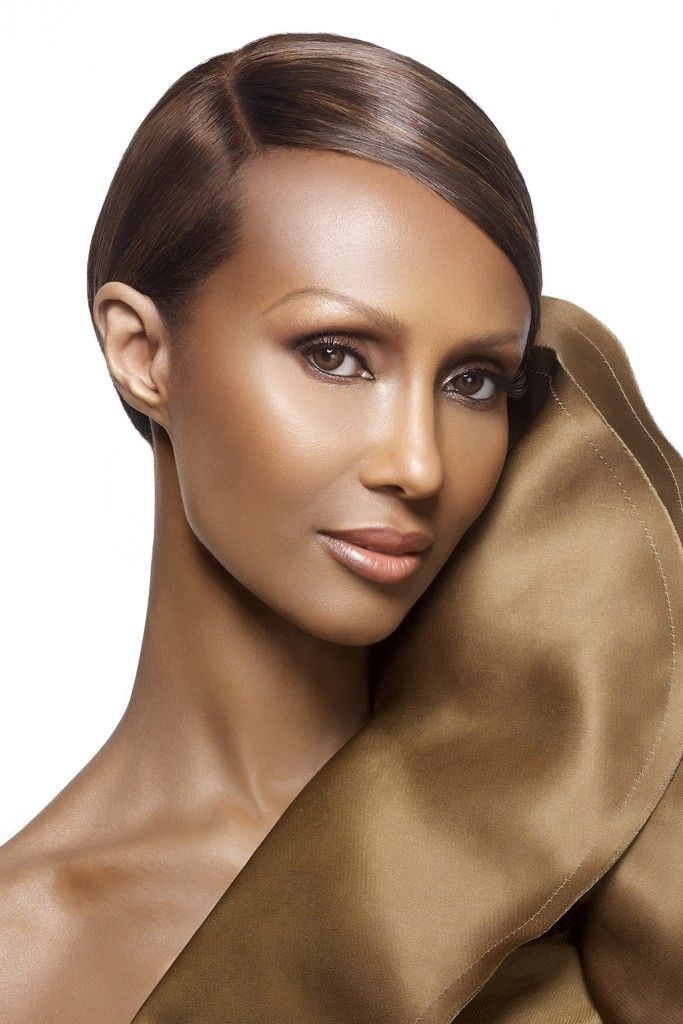
This photograph is the property of its respective owner. No copyright infringement intended.

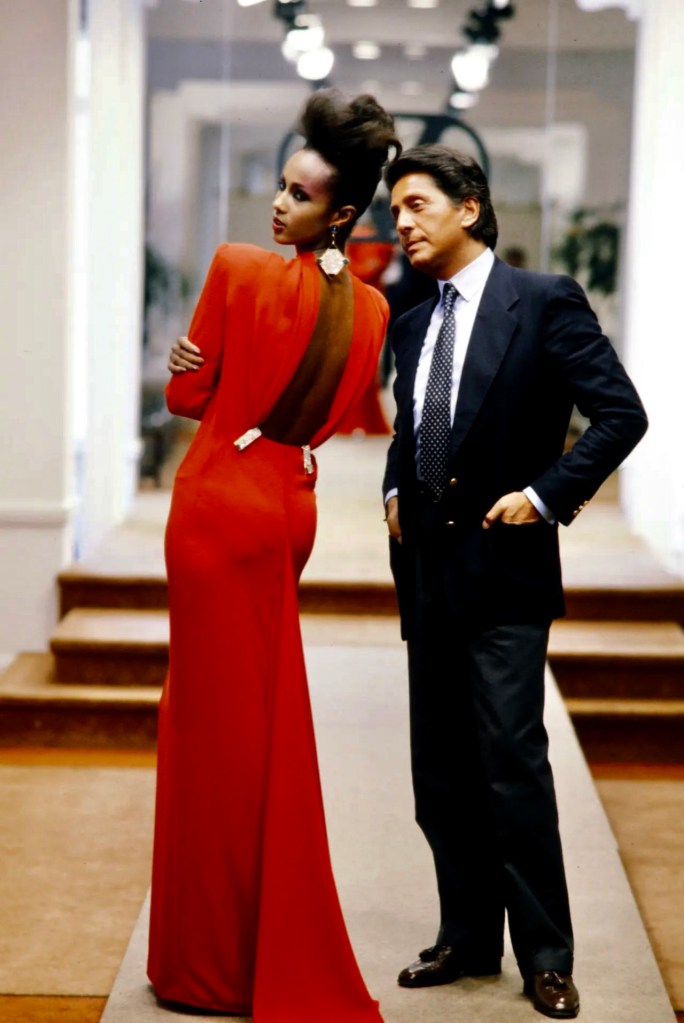
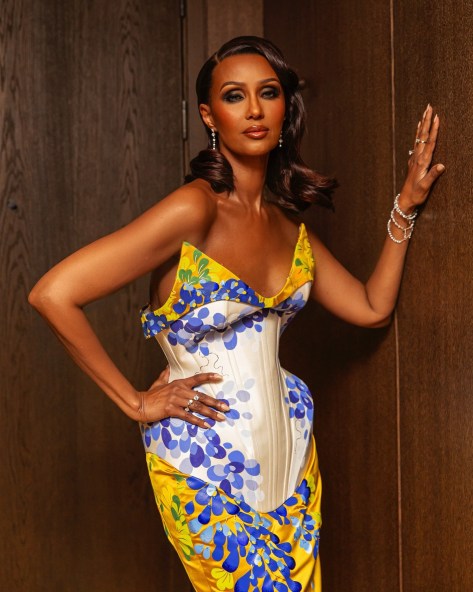
Iman Abdulmajid is a Somali supermodel, entrepreneur, and humanitarian whose career fundamentally reshaped global standards of beauty, race, and representation. Born on July 25, 1955, in Mogadishu, Somalia, Iman emerged as one of the first African supermodels to achieve worldwide fame, becoming the embodiment of high fashion elegance and later the architect of one of the most influential Black-owned beauty empires in history.

Iman’s early life was intellectually and culturally rich. Her father was a diplomat and former Somali ambassador, and her mother was a gynecologist. She was educated in Somalia, Egypt, and Kenya, and spoke several languages fluently before ever entering the fashion world. Contrary to common myth, Iman did not aspire to be a model; she was studying political science at the University of Nairobi when she was discovered.

She was discovered in 1975 by legendary American photographer Peter Beard, who encountered her while she was walking in Nairobi. Beard photographed her and presented her as an exotic African muse to the fashion world, launching her career internationally. Within months, Iman appeared on the cover of Vogue, marking one of the first times a dark-skinned African woman graced the magazine.

This photograph is the property of its respective owner. No copyright infringement intended.

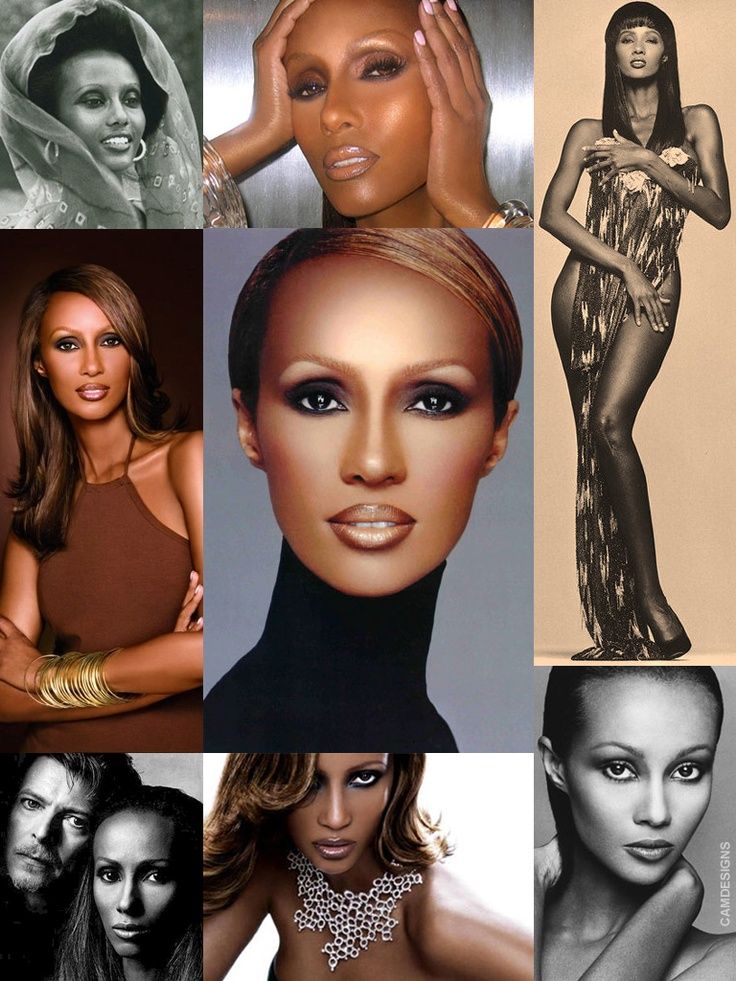
Iman’s rise was meteoric. She quickly became the muse of fashion icons such as Yves Saint Laurent, Gianni Versace, Calvin Klein, Halston, Issey Miyake, and Thierry Mugler. Yves Saint Laurent famously stated that he could not have designed his iconic “African Collection” without Iman, declaring that she represented his ideal woman.

Her runway and editorial career spanned two decades, during which she became one of the most in-demand models in the world. She appeared on the covers of Vogue, Harper’s Bazaar, Elle, Allure, and Time, and worked with elite photographers such as Richard Avedon, Helmut Newton, Irving Penn, and Steven Meisel.

This photograph is the property of its respective owner. No copyright infringement intended.

Iman’s beauty became legendary. She is celebrated for her luminous, deep brown skin, regal height, sculpted cheekbones, elongated neck, almond-shaped eyes, and symmetrical facial structure. Her Somali features reflect classical East African Nilotic aesthetics, often compared to ancient Nubian and Pharaonic beauty ideals.

In fashion theory, Iman is often described as the epitome of “model beauty” because her appearance combines proportion, bone structure, posture, and presence. She possesses what scholars call architectural beauty—features that translate powerfully across photography, film, and live runway.

Iman did not simply succeed within Eurocentric systems—she redefined them. At a time when Black models were rare and often marginalized, she became the standard rather than the exception. She normalized African beauty within luxury spaces that had historically excluded it.

In her personal life, Iman married iconic musician David Bowie in 1992. Their marriage became one of the most admired interracial celebrity unions in modern history, lasting until Bowie died in 2016. Together, they had one daughter, Alexandria Zahra Jones, born in 2000. Iman also has a daughter, Zulekha Haywood, from her previous marriage to basketball player Spencer Haywood.

Beyond modeling, Iman made history as a beauty entrepreneur. In 1994, she founded IMAN Cosmetics, one of the first global beauty brands created specifically for women of color. The brand addressed a massive gap in the cosmetics industry, which had long ignored deeper skin tones.

IMAN Cosmetics became a revolutionary force, offering foundation, skincare, and makeup products for a wide range of melanin-rich complexions. Iman famously stated that she created the brand because “women of color were invisible in beauty.” Her company is now regarded as a blueprint for inclusive beauty, preceding brands like Fenty by decades.

This photograph is the property of its respective owner. No copyright infringement intended.

Her entrepreneurial success transformed her from model to mogul. Iman became one of the wealthiest self-made Black women in fashion, proving that Black beauty could generate not only cultural value but economic sovereignty.

Iman’s impact extends into humanitarian and political advocacy. She has worked extensively with organizations such as CARE, Keep a Child Alive, and the UN Refugee Agency, focusing on African development, famine relief, and global health.

She has received numerous honors, including the Fashion Icon Award from the Council of Fashion Designers of America (CFDA), TIME Magazine Icon Award, BET Lifetime Achievement Award, and multiple humanitarian recognitions.

As an “Ebony Doll,” Iman represents the highest archetype of Black feminine beauty—regal, dignified, and timeless. The term here signifies symbolic elevation: she is not decorative, but iconic; not consumable, but monumental.

Her Somali beauty challenged colonial narratives that framed African features as primitive or undesirable. Instead, she presented African aesthetics as classical, royal, and divine—comparable to ancient queens, goddesses, and empresses.

Unlike hypersexualized representations of Black women, Iman’s beauty has always been associated with intellect, grace, and power. She embodies what cultural theorists describe as sovereign femininity—beauty aligned with authority rather than submission.

In sociological terms, Iman converted beauty into symbolic, cultural, and economic capital. She did not merely model luxury—she became luxury itself, reshaping global visual culture.

Iman’s legacy paved the way for generations of Black models, including Naomi Campbell, Alek Wek, Liya Kebede, Jourdan Dunn, Adut Akech, and Anok Yai. Without Iman, the contemporary presence of African beauty in fashion would be unimaginable.

Ultimately, Iman is not simply a model—she is a civilizational figure. She represents the re-entry of African beauty into global consciousness after centuries of erasure.

She is the Ebony Doll, not as fantasy, but as truth: the living standard by which model beauty itself is measured.


References

Iman. (2001). I Am Iman. HarperCollins.

Iman Cosmetics. (2020). Brand history and founder biography. IMAN Global.

Council of Fashion Designers of America. (2010). Fashion Icon Award: Iman.

Beard, P. (1975). Discovery of Iman photographic series.

TIME Magazine. (2018). Iman: Global fashion icon and entrepreneur.

Entwistle, J. (2009). The aesthetic economy of fashion: Models and symbolic capital. Berg.

Hunter, M. (2011). Buying racial capital: Skin bleaching and cosmetic surgery in a globalized world. The Journal of Pan African Studies, 4(4), 142–164.

Bourdieu, P. (1986). The forms of capital. In J. Richardson (Ed.), Handbook of theory and research for the sociology of education (pp. 241–258). Greenwood.

Banks, I. (2015). Black bodies in fashion: Representation and resistance. Fashion Theory, 19(3), 267–289.

Crenshaw, K. (1991). Mapping the margins: Intersectionality and identity politics. Stanford Law Review, 43(6), 1241–1299.

Beauty Capital and Social Stratification

Beauty capital refers to the social, economic, and cultural advantages accrued through physical attractiveness and aesthetic presentation. In contemporary societies, appearance operates as a form of symbolic currency, shaping access to opportunities, resources, and social mobility. Much like economic capital or educational capital, beauty capital can be accumulated, invested in, and exchanged for tangible rewards such as employment, romantic partnerships, and social recognition.

The concept of beauty capital is rooted in Pierre Bourdieu’s broader theory of capital, particularly cultural and symbolic capital. Bourdieu argued that individuals possess varying forms of capital that structure social hierarchies and reproduce inequality. Beauty capital functions similarly by conferring legitimacy, desirability, and perceived competence upon those who embody dominant aesthetic norms.

Social stratification emerges when beauty becomes unevenly distributed and socially rewarded. Individuals deemed attractive by prevailing standards are more likely to receive positive evaluations, higher wages, and greater social trust. Conversely, those who fall outside these standards often face discrimination, marginalization, and reduced life chances, reinforcing existing class, racial, and gender hierarchies.

Empirical research consistently demonstrates the “beauty premium” in labor markets. Attractive individuals are more likely to be hired, promoted, and earn higher salaries than their less attractive counterparts, even when controlling for education and experience. This phenomenon highlights how beauty operates as an invisible credential that shapes professional success.

Gender plays a critical role in the accumulation and valuation of beauty capital. Women, in particular, experience intense social pressure to conform to aesthetic ideals, often investing significant time and financial resources into appearance. This labor is frequently unpaid and normalized, yet it directly influences women’s access to social power and economic security.

Race further complicates the distribution of beauty capital. Eurocentric beauty standards—such as light skin, straight hair, and narrow facial features—privilege whiteness and marginalize non-white bodies. Black, Indigenous, and other racialized groups are systematically excluded from dominant aesthetic hierarchies, resulting in racialized forms of beauty stratification.

Colorism functions as a specific mechanism within racial stratification, privileging lighter skin tones over darker ones within the same racial group. Studies show that lighter-skinned individuals often experience higher incomes, better educational outcomes, and greater media representation. Beauty capital thus becomes a vehicle through which internalized racial hierarchies are reproduced.

Media institutions play a central role in constructing and maintaining beauty norms. Advertising, film, fashion, and social media continuously circulate narrow representations of attractiveness, shaping collective perceptions of value and desirability. These images do not merely reflect reality; they actively produce social expectations and exclusions.

The rise of digital culture has intensified the commodification of beauty. Social media platforms reward aesthetic performance through likes, followers, and sponsorships, transforming beauty into measurable economic capital. Influencer culture exemplifies how attractiveness can be directly monetized, blurring the boundaries between personal identity and market value.

Cosmetic industries thrive within this system, profiting from social insecurity and aspirational aesthetics. Beauty products, cosmetic surgery, and wellness regimes promise social mobility through bodily transformation. However, access to these resources is class-based, reinforcing the idea that beauty itself is stratified by wealth.

Beauty capital also intersects with sexuality and romantic markets. Attractive individuals are often perceived as more desirable partners and experience greater choice in intimate relationships. This dynamic influences marriage patterns, dating economies, and even psychological well-being, as attractiveness becomes tied to self-worth and relational power.

Psychological research demonstrates that attractive individuals benefit from the “halo effect,” wherein physical beauty is unconsciously associated with intelligence, kindness, and moral virtue. This cognitive bias results in systematic advantages across social interactions, from classroom settings to courtroom decisions.

In educational contexts, beauty capital shapes teacher expectations and peer relationships. Attractive students are more likely to receive positive attention, higher evaluations, and leadership opportunities. These micro-level interactions accumulate over time, producing long-term differences in confidence, achievement, and social integration.

The body thus becomes a site of social investment, discipline, and control. Michel Foucault’s notion of biopower helps explain how bodies are regulated through cultural norms, surveillance, and self-policing. Beauty standards function as disciplinary mechanisms that encourage individuals to internalize external expectations.

From a feminist perspective, beauty capital represents both constraint and resource. While women can leverage beauty for social mobility, they remain trapped within systems that objectify and commodify their bodies. Beauty becomes a double-edged sword: empowering in certain contexts, yet structurally exploitative.

Intersectional theory reveals that beauty capital cannot be analyzed in isolation from race, class, gender, and disability. For example, disabled bodies are often excluded from aesthetic economies altogether, rendering them socially invisible. Beauty norms thus reinforce ableism alongside other forms of inequality.

In religious and philosophical traditions, beauty has often been associated with moral virtue or divine order. However, modern consumer culture reframes beauty as marketable property rather than spiritual essence. This shift transforms aesthetics into a tool of capitalism rather than transcendence.

Historically, beauty ideals have shifted alongside political and economic systems. What is considered attractive in one era often reflects the dominant class structure of that time. Thinness, for instance, once symbolized poverty but now signifies discipline and elite self-control.

Resistance movements challenge dominant beauty norms by celebrating marginalized bodies and redefining aesthetic value. The natural hair movement, body positivity campaigns, and Afrocentric fashion all represent efforts to reclaim beauty as a site of cultural affirmation rather than oppression.

Ultimately, beauty capital operates as a powerful yet under-theorized mechanism of social stratification. By rewarding certain bodies and devaluing others, societies reproduce inequality through aesthetic hierarchies. Understanding beauty as capital reveals how deeply embedded appearance is within systems of power, identity, and social mobility.


References

Anderson, T. L., Grunert, C., Katz, A., & Lovascio, S. (2010). Aesthetic capital: A research review on beauty perks and penalties. Sociology Compass, 4(8), 564–575. https://doi.org/10.1111/j.1751-9020.2010.00312.x

Bourdieu, P. (1984). Distinction: A social critique of the judgement of taste. Harvard University Press.

Crenshaw, K. (1989). Demarginalizing the intersection of race and sex. University of Chicago Legal Forum, 1989(1), 139–167.

Eagly, A. H., Ashmore, R. D., Makhijani, M. G., & Longo, L. C. (1991). What is beautiful is good, but… A meta-analytic review of research on the physical attractiveness stereotype. Psychological Bulletin, 110(1), 109–128. https://doi.org/10.1037/0033-2909.110.1.109

Foucault, M. (1977). Discipline and punish: The birth of the prison. Pantheon Books.

Hamermesh, D. S. (2011). Beauty pays: Why attractive people are more successful. Princeton University Press.

Hunter, M. (2007). The persistent problem of colorism. Sociology Compass, 1(1), 237–254. https://doi.org/10.1111/j.1751-9020.2007.00006.x

Mulvey, L. (1975). Visual pleasure and narrative cinema. Screen, 16(3), 6–18. https://doi.org/10.1093/screen/16.3.6

Negrón-Muntaner, F. (2014). The beauty of the real: What Hollywood can learn from contemporary Latin American cinema. Rutgers University Press.

Wolf, N. (1991). The beauty myth: How images of beauty are used against women. HarperCollins.

The Ebony Dolls: Alek Wek

Sudanese Supermodel and Icon of Unconventional Beauty

This photograph is the property of its respective owner. No copyright infringement intended.

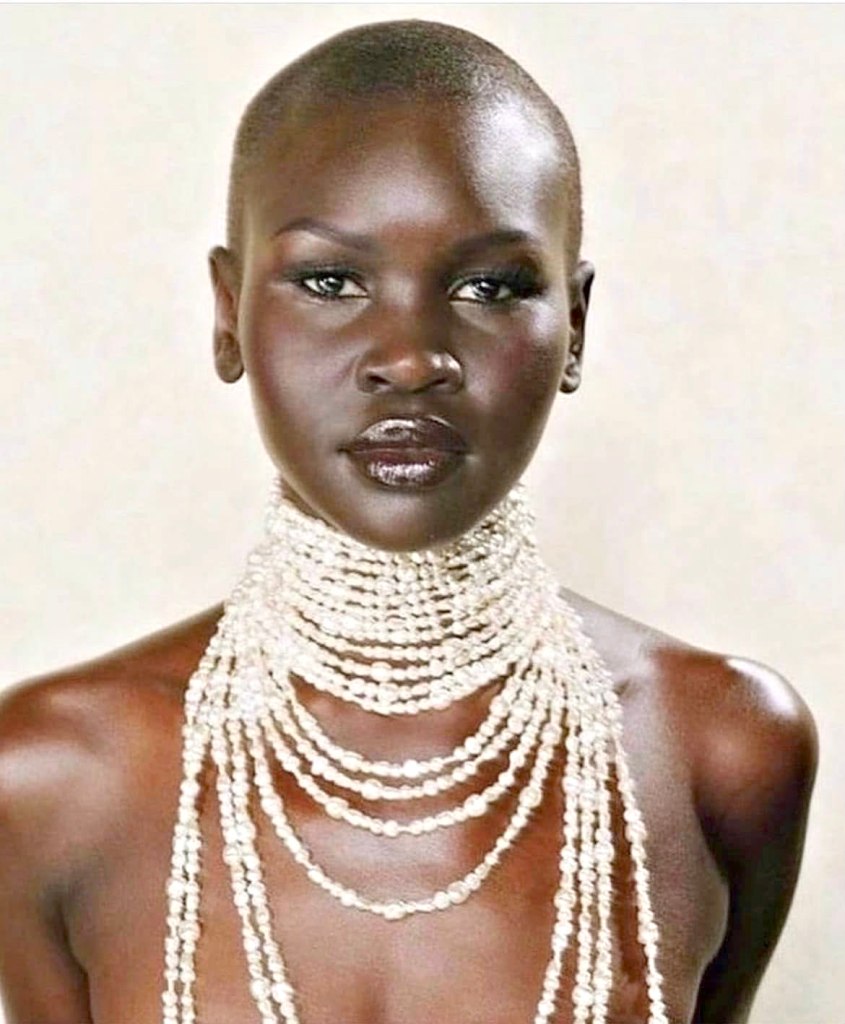
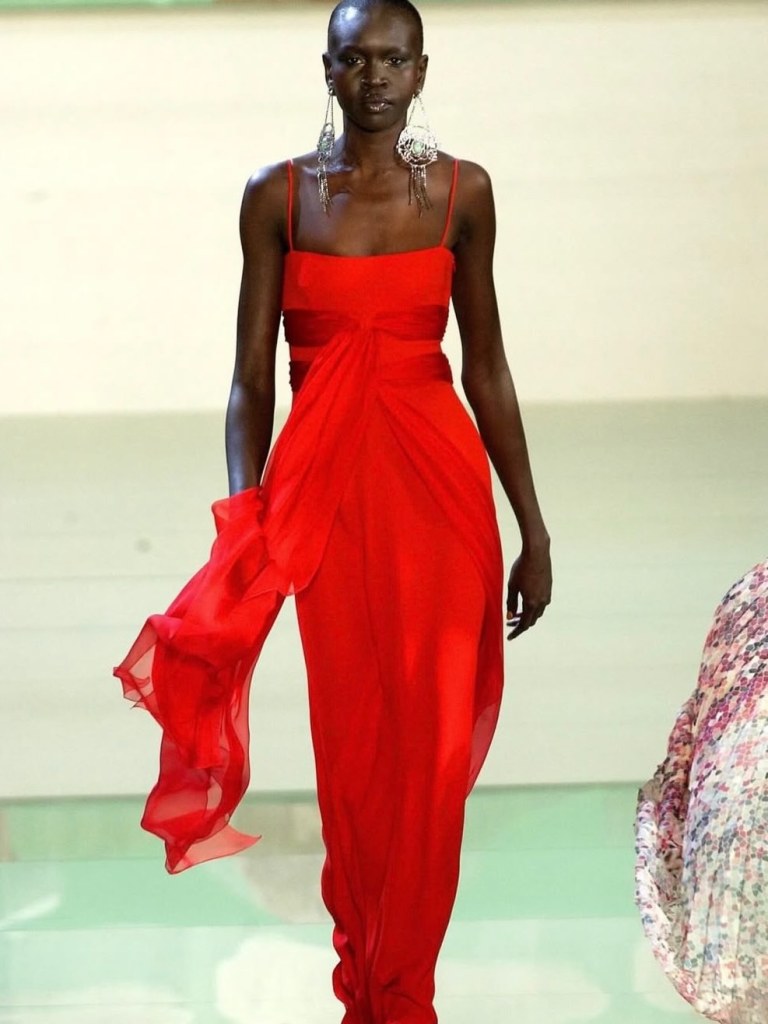
Alek Wek is a Sudanese-British supermodel and cultural icon whose emergence in the global fashion industry transformed dominant conceptions of beauty, race, and representation. Born on April 16, 1977, in Wau, South Sudan, Wek became one of the first African models to achieve international supermodel status in the late 1990s, celebrated not for conformity to Western standards but for her distinctly African features and richly melanated skin.

Wek’s early life was shaped by political violence and displacement. During the Second Sudanese Civil War, her family fled to London as refugees when she was 14 years old. This experience of forced migration profoundly shaped her worldview and later humanitarian advocacy, grounding her public identity in resilience and survival.

She was discovered in 1995 at an outdoor market in Crystal Palace, London, by a modeling scout from Models 1 agency. At the time, Wek had no prior connection to fashion and did not fit the conventional industry image of beauty. Her height, deep ebony skin, shaved head, and Nilotic facial features were considered “unmarketable” by traditional standards—yet these exact traits would soon redefine global beauty culture.

Wek’s breakthrough came in 1996 when she appeared in the iconic Calvin Klein Obsession fragrance campaign, photographed by Steven Meisel. The campaign was revolutionary, positioning a dark-skinned African woman at the center of a luxury brand’s visual identity. This marked one of the first times a Sudanese model was presented as the global face of high fashion.

Her runway career quickly flourished, with appearances for elite designers including Chanel, Jean Paul Gaultier, Moschino, Givenchy, Donna Karan, Valentino, and Victoria’s Secret. She graced the covers of Vogue, Elle, Harper’s Bazaar, Allure, and i-D, becoming one of the most visible Black models of her generation.

Alek Wek is particularly celebrated for her “unconventional beauty,” a term often used to describe her departure from Eurocentric norms. Her elongated limbs, high cheekbones, almond eyes, sculptural facial structure, and shaved head embodied an Afrocentric aesthetic that was rarely elevated in Western fashion prior to her rise.

Her rich ebony dark skin became her most radical form of beauty capital. In an industry long dominated by lighter skin tones and racial assimilation, Wek’s melanation symbolized a form of aesthetic resistance. She did not soften her African features to fit Western ideals—she forced Western ideals to expand.

This photograph is the property of its respective owner. No copyright infringement intended.

Wek’s impact extended beyond modeling into cultural politics. She became a symbol of racial pride, particularly for dark-skinned Black women and African girls who had rarely seen themselves reflected in elite beauty spaces. Her visibility disrupted global color hierarchies and helped normalize deeply melanated beauty.

In 1997, Alek Wek was named MTV’s Model of the Year, and in 1998 she won Elle Magazine’s Model of the Year Award. These recognitions confirmed her status as not just a novelty, but a dominant fashion force.

She also transitioned into acting, appearing in films such as The Four Feathers (2002), further expanding her influence into global media representation. Her presence on screen continued the work of decolonizing visual narratives of African women.

Alek Wek has no publicly known husband and has remained largely private about her romantic life. She does not have children. Her public identity has been centered more on cultural leadership, advocacy, and representation than on traditional celebrity domestic narratives.

In 2013, Wek was appointed a UNHCR Goodwill Ambassador, using her refugee experience to advocate for displaced people worldwide. She has worked extensively with the United Nations, raising awareness about refugee rights, humanitarian aid, and African development.

Wek’s humanitarian mission aligns with her broader legacy: using beauty as a tool for social consciousness rather than commercial consumption. She reframes modeling as a platform for ethical visibility rather than mere spectacle.

In cultural theory, Alek Wek represents what scholars describe as “decolonial beauty.” Her image dismantles colonial hierarchies that positioned African features as inferior or primitive. Instead, she embodies African aesthetics as classical, regal, and sovereign.

As an “Ebony Doll,” Alek Wek symbolizes the highest form of Black feminine archetype—not sexualized, not exoticized, but monumental. The term here reflects a symbolic elevation: beauty that is iconic, ancestral, and spiritually grounded.

This photograph is the property of its respective owner. No copyright infringement intended.

Her shaved head became a signature aesthetic, challenging Eurocentric femininity that equates beauty with long hair and softness. Wek’s minimalism emphasized bone structure, skin, and presence, redefining femininity through strength and abstraction.

She is celebrated in academic, fashion, and cultural spaces as a pioneer of Afrocentric representation. Designers, photographers, and scholars frequently cite her as the model who made space for later figures like Nyakim Gatwech, Duckie Thot, Adut Akech, and Anok Yai.

Alek Wek’s legacy lies not in trend, but in transformation. She did not simply enter the fashion system—she altered its symbolic architecture.

Ultimately, Alek Wek is an Ebony Doll because she embodies what had long been denied: the idea that African features, dark skin, and refugee identity are not marginal, but magnificent. Her beauty is not decorative—it is historical.

She stands as a living monument to Black aesthetics, African resilience, and the global redefinition of what beauty means.


References

Wek, A. (2015). Alek: From Sudanese refugee to international supermodel. HarperCollins.

UNHCR. (2013). Goodwill Ambassador: Alek Wek biography. United Nations High Commissioner for Refugees.

Calvin Klein. (1996). Obsession fragrance campaign featuring Alek Wek.

Elle Magazine. (1998). Model of the Year Awards.

Banks, I. (2015). Black bodies in fashion: Representation and resistance. Fashion Theory, 19(3), 267–289.

Hunter, M. (2007). The persistent problem of colorism. Sociology Compass, 1(1), 237–254.

Bourdieu, P. (1986). The forms of capital. In J. Richardson (Ed.), Handbook of theory and research for the sociology of education (pp. 241–258). Greenwood.

Crenshaw, K. (1991). Mapping the margins: Intersectionality and identity politics. Stanford Law Review, 43(6), 1241–1299.

Entwistle, J. (2009). The aesthetic economy of fashion: Models and symbolic capital. Berg.

Artificial Allure: How Cosmetic Capitalism Redefines Self-Worth.

Photo by ROMAN ODINTSOV on Pexels.com

In the modern age, beauty has become an economy, a global enterprise built upon desire, insecurity, and illusion. What was once a natural attribute or divine gift has been rebranded into a commodity, carefully marketed and endlessly consumed. The rise of cosmetic capitalism—the fusion of aesthetic obsession and capitalist profit—has transformed self-worth into a purchasable product. Under its glossy surface lies a troubling truth: the more individuals strive for “perfection,” the further they drift from authenticity.

Cosmetic capitalism thrives on the manipulation of perception. It capitalizes on the human longing to be seen, valued, and loved, while subtly redefining beauty as something always just out of reach. Advertising industries employ psychological tactics to manufacture dissatisfaction, convincing consumers that flaws are problems only money can solve. As Naomi Wolf (1991) argues in The Beauty Myth, this perpetual cycle of insecurity sustains the economic engine of modern capitalism—especially at the expense of women’s peace and identity.

The proliferation of cosmetic procedures, filters, and beauty products reflects not empowerment but enslavement to constructed ideals. The body becomes a billboard for consumer aspiration, and the face a canvas for capitalist fantasy. From plastic surgery to skincare regimens costing thousands, the marketplace preys on human vulnerability. What was once a mirror of individuality has become a mask of conformity, polished and profitable.

Social media has accelerated this commodification of self-image. Platforms like Instagram, TikTok, and Snapchat offer digital mirrors that reflect filtered realities rather than authentic identities. The algorithm rewards those who adhere most closely to the aesthetic of perfection—symmetry, smoothness, and sexual appeal—creating an economy of validation driven by likes and shares. In this sense, self-worth is no longer self-defined; it is crowdsourced, monetized, and algorithmically managed.

The cosmetic industry’s power lies not merely in products, but in narratives. It sells more than lipstick or foundation—it sells belonging. Through subtle messaging, it implies that confidence, success, and even love can be bought in a bottle. This seductive illusion keeps billions of consumers tethered to beauty routines that promise transformation while ensuring perpetual dependence. The capitalist beauty system thus mirrors the spiritual condition of idolatry: worshiping the creation rather than the Creator.

Historically, beauty was rooted in nature and divine reflection. Ancient African civilizations viewed adornment as spiritual expression—a way to honor the gods or celebrate life’s passages. Today’s beauty culture, however, has severed this sacred link. It no longer celebrates identity; it commodifies it. The sacred has become synthetic. Skin lightening, cosmetic surgery, and digital alteration have replaced the natural artistry of self with manufactured sameness, particularly targeting communities of color with Eurocentric ideals.

Colorism and racial capitalism intersect deeply with cosmetic culture. The global skin-lightening industry, valued in the billions, preys on the psychological remnants of colonialism. Lighter skin remains marketed as “premium,” reinforcing hierarchies that stem from slavery and segregation. This systemic conditioning perpetuates a cycle of shame, where darker-skinned individuals internalize inferiority and seek salvation through consumption. As Yaba Blay (2017) notes, the market exploits not just vanity but centuries of racial trauma.

Black women, in particular, stand at the crossroads of beauty and exploitation. Once demonized for their natural features, they are now imitated and appropriated by the same systems that marginalize them. Fuller lips, curvier bodies, and natural hairstyles—once mocked—are now commodified as exotic trends when worn by others. This irony underscores the hypocrisy of cosmetic capitalism: it steals the aesthetics of Blackness while erasing the people behind them.

Men, too, are increasingly drawn into this cosmetic economy. The rise of “manscaping,” muscle-enhancing supplements, and grooming products reveals how capitalism evolves to exploit all demographics. The same insecurity once marketed exclusively to women now fuels a male beauty industry worth billions. Toxic masculinity and body dysmorphia merge under the pressure to maintain a chiseled, curated image of strength and desirability.

The psychological consequences of cosmetic capitalism are profound. Studies link excessive beauty consumption with increased anxiety, depression, and body dysmorphic disorder. The endless pursuit of flawlessness leaves individuals perpetually dissatisfied, unable to accept themselves as they are. In spiritual terms, this is the corruption of self-image—the very “mirror of God” distorted by man’s marketing. When identity is mediated by brands, authenticity becomes an act of rebellion.

Biblically, this crisis reflects a deeper spiritual decay. Scripture warns against the vanity of outward appearances: “Whose adorning let it not be that outward adorning… but let it be the hidden man of the heart” (1 Peter 3:3–4, KJV). Cosmetic capitalism inverts this truth, teaching that worth is earned through purchase, not character. It replaces grace with glamour, humility with hype. The result is a generation that confuses external beauty for inner value, and branding for being.

Theologically, beauty is meant to reveal God’s handiwork, not man’s manipulation. Every feature—whether symmetrical or not—is intentional, carrying divine fingerprint. When one alters themselves to meet worldly standards, they unconsciously declare that God’s design is insufficient. Cosmetic capitalism, therefore, functions as both economic and spiritual colonization—it profits from convincing creation that it needs re-creation.

Resistance to this system requires both awareness and faith. To reject cosmetic capitalism is not to reject adornment, but to reclaim it as self-expression rather than self-erasure. It means celebrating the authenticity of one’s God-given form while refusing to participate in industries that profit from insecurity. This spiritual resistance mirrors Christ’s call to live “in the world, but not of the world” (John 17:14–16, KJV).

Artists, scholars, and activists within the African diaspora are at the forefront of this reclamation. From natural hair movements to melanin-positive campaigns, the cultural shift toward authenticity reflects both political defiance and spiritual awakening. These movements remind the world that beauty, when stripped of capitalist influence, becomes liberation—a mirror of divine creativity rather than corporate design.

Yet, the allure of artificial beauty persists because it offers the illusion of control. In a world of chaos and uncertainty, cosmetic enhancement promises mastery over at least one aspect of life: the body. This illusion, however, exacts a cost. It traps the soul in an endless loop of dissatisfaction, where every “fix” exposes a new flaw. The pursuit of perfection becomes a pilgrimage to nowhere.

The challenge for modern believers and thinkers alike is to restore beauty to its rightful context: as a reflection of inner truth. True beauty radiates from wholeness, not from highlighter. It is found in empathy, resilience, and divine alignment. It does not fade with age or depend on filters; it deepens with wisdom. In this sense, beauty is not bought—it is revealed.

In the end, cosmetic capitalism cannot deliver what it promises because it feeds on emptiness. Its survival depends on perpetual insecurity. Liberation begins the moment one recognizes that self-worth is not a commodity but a covenant. Each person is fearfully and wonderfully made (Psalm 139:14, KJV)—a masterpiece that needs no retouching.

To reclaim beauty is to reclaim freedom. When we turn away from the altar of artificial allure and look instead into the mirror of divine truth, we rediscover our reflection as it was meant to be: whole, sacred, and radiant with the image of God.


References

Blay, Y. (2017). Pretty. Period.: The politics of being Black and beautiful. Blackprint Press.
Fanon, F. (1952). Black skin, white masks. Grove Press.
hooks, b. (1992). Black looks: Race and representation. South End Press.
Mills, C. W. (1997). The racial contract. Cornell University Press.
Nyong’o, L. (2014). Lupita Nyong’o’s speech on beauty and self-love [Video]. Essence Black Women in Hollywood.
Tate, S. (2016). Black beauty: Aesthetics, stylization, politics. Routledge.
Thomas, C. (2019). God, image, and identity: Reclaiming beauty from a biblical lens. Faith & Reason Press.
Walker, A. (1983). In search of our mothers’ gardens: Womanist prose. Harcourt Brace Jovanovich.
Wilkerson, I. (2020). Caste: The origins of our discontents. Random House.
Wolf, N. (1991). The beauty myth: How images of beauty are used against women. HarperCollins.
Wynter, S. (2003). Unsettling the coloniality of being/power/truth/freedom. The New Centennial Review, 3(3), 257–337.
West, C. (1993). Race matters. Beacon Press.
Davis, A. Y. (1981). Women, race, & class. Random House.
Johnson, K. (2021). Beauty in resistance: Black aesthetics and cultural power. Duke University Press.
Mercer, K. (1994). Welcome to the jungle: New positions in Black cultural studies. Routledge.
The Holy Bible, King James Version. (1611). Thomas Nelson.

The Ebony Dolls: Philomena Kwao

Beauty, Brains, and the Power of Representation

Philomena Kwao stands as one of the most compelling figures in contemporary fashion modeling, not merely for her striking physical beauty, but for the intellectual and cultural depth she brings to an industry long dominated by narrow ideals. With her luminous dark skin, regal posture, and unforgettable, piercing eyes, Kwao represents a modern embodiment of Black elegance—one that challenges both Eurocentric beauty standards and the historical marginalization of plus-size women within fashion. One of Philomena Kwao’s most arresting and unforgettable features is her eyes—mirrored, expansive, and profoundly piercing. They are not merely beautiful; they are commanding. Her large, dark eyes possess a reflective depth that feels almost cinematic, as though they hold both memory and prophecy. In fashion photography, where the gaze is everything, Kwao’s eyes function as a narrative force. They do not simply invite attention; they demand contemplation.

Born in London to Ghanaian parents, Philomena Kwao’s journey into modeling was unconventional. Before the runway and magazine spreads, she pursued higher education, earning a degree in Economics from the University of Birmingham and later a master’s degree in International Health Management. Her academic background already distinguished her as a woman rooted in intellect and global consciousness. Modeling, for Kwao, was not originally a dream but an unexpected calling. She was discovered after submitting photographs to an online modeling platform, initially skeptical of the industry’s limitations but ultimately realizing its potential as a platform for advocacy and change.

Kwao rose to prominence as a plus-size model, though she has often resisted the reductive nature of that label. While she does not conform to traditional sample sizes, her physique defies stereotypes associated with “plus-size” modeling—she is statuesque, toned, and carries herself with the confidence of classical high fashion. Her work with agencies such as Wilhelmina Models and appearances in major publications including Vogue Italia, Essence, Glamour, and Sports Illustrated Swimsuit have placed her firmly among the elite tier of global models.

One of Philomena Kwao’s most defining attributes is her face—often described by critics and fans alike as one of the most beautiful in modern fashion. Her large almond-shaped eyes, sculpted cheekbones, full lips, and smooth melanin-rich complexion create a visage that feels both timeless and contemporary. There is a quiet nobility in her features, evoking the aesthetics of African royalty and classical portraiture. In an industry obsessed with youth and homogeneity, Kwao’s beauty feels ancestral, symbolic, and deeply cultural.

Beyond aesthetics, Kwao’s career is marked by activism and thought leadership. She has become a leading voice in body positivity, diversity, and mental health within fashion. She frequently speaks on panels, contributes to academic and cultural discussions, and advocates for ethical representation of women of color. Her work challenges not only size discrimination but also the sexualization and commodification of Black women’s bodies. She reframes modeling as a site of empowerment rather than objectification.

Philomena Kwao qualifies as an “Ebony Doll” not simply because she is a model, but because she represents the very essence of what the term should signify: a Black woman who is visually exquisite, culturally grounded, intellectually formidable, and socially influential. The Ebony Doll archetype is not about superficial beauty alone—it is about excellence, presence, and representation. Kwao embodies all three. She is living proof that Black beauty is not marginal or niche but global, aspirational, and transformative.

In a world still struggling to reconcile race, gender, and aesthetics, Philomena Kwao stands as a corrective image—one that says Black women do not need to shrink themselves to be seen. They are already monumental.


References

Ashley, L. (2018). The politics of plus-size fashion and representation. Fashion Theory, 22(5), 593–610.

Essence Magazine. (2020). Philomena Kwao on body positivity and mental health.

Glamour. (2017). Meet the model changing the face of fashion: Philomena Kwao.

Sports Illustrated. (2019). Philomena Kwao: Breaking barriers in swimwear.

Vogue Italia. (2016). Curves, color, and couture: A new generation of models.

Wilhelmina Models. (n.d.). Philomena Kwao portfolio and biography.

Kwao, P. (2019). Body image, race, and self-worth in the fashion industry. Journal of Cultural Studies, 14(3), 211–225.

The Ebony Dolls: Nyakim Gatwech

Known as the “Queen of the Dark,” celebrated for extreme melanated skin

This photograph is the property of its respective owner. No copyright infringement intended.

Gatwech’s skin tone isn’t just a physical attribute — it’s central to her identity and public ethos. She is affectionately known as the “Queen of the Dark,” a nickname bestowed upon her by her growing global fan base in admiration of her unapologetic self-love and radiant complexion. Despite encountering colorism and ignorant comments — including being asked if she would bleach her skin for money — she has consistently embraced and celebrated her dark beauty, turning potential humiliation into empowerment for others with similar skin tones.

Nyakim Gatwech is an Ethiopian-born American fashion model of South Sudanese descent whose strikingly deep, radiant dark complexion has positioned her as one of the most visually and culturally significant faces in modern modeling. Widely known as the “Queen of the Dark,” Nyakim represents a powerful redefinition of beauty in an industry historically dominated by Eurocentric standards and color hierarchies. Her skin tone, rich in melanin and visually luminous, is not merely aesthetic but symbolic — a living challenge to global colorism and internalized anti-Black beauty norms. Nyakim’s beauty lies in the contrast she embodies: jet-black skin against high fashion, regal African features within Western luxury spaces, and unapologetic self-love in a world that often pressures Black women to diminish themselves.

Born on January 27, 1993, in Gambela, Ethiopia, to South Sudanese parents who fled civil war, Nyakim spent her early childhood in refugee camps across Ethiopia and Kenya. Her family later immigrated to the United States, settling in Minnesota when she was a teenager. It was in the U.S. that she first encountered intense colorism, particularly in school, where classmates mocked her skin tone, leading to early insecurity and emotional distress. Ironically, the very feature she was taught to feel ashamed of would later become the foundation of her global identity and success.

Nyakim’s entry into modeling occurred organically. While studying in Minnesota, she was invited to walk in a college fashion show, which sparked her interest in the fashion world. Without agency representation or industry connections, she began building her portfolio independently, collaborating with local photographers and using Instagram as her primary platform. Social media became her runway, gallery, and voice — a space where she could present herself without filters, whitening, or apology.

Her breakthrough came when she shared a now-viral story about an Uber driver who asked if she would bleach her skin for money. Her response — rejecting the offer and affirming her love for her natural complexion — resonated globally. The post turned her into a symbol of resistance against skin bleaching culture and a spokesperson for radical self-acceptance. From that moment, Nyakim’s following grew exponentially, and she began receiving international modeling opportunities.

She later became the face of Annabelle Cosmetics’ EDGE campaign, which celebrated unconventional beauty and diversity. Her presence in fashion editorials, beauty campaigns, and cultural platforms marked a shift in representation — not just inclusion of Black women, but elevation of the darkest shades of Blackness as luxurious, desirable, and elite.

This photograph is the property of its respective owner. No copyright infringement intended.

Nyakim’s special significance lies not only in how she looks, but in what she represents. She is part of a new generation of Black models who do not seek proximity to whiteness, but instead reclaim African features, melanin, and cultural identity as high status. Her image disrupts centuries of colonial aesthetics where lightness was equated with beauty, purity, and value. In contrast, Nyakim’s work affirms that darkness itself is divine, regal, and worthy of admiration.

Her skin has become a visual metaphor — a mirror for millions of dark-skinned women and girls who were taught that their complexion was something to “fix.” Through her modeling and public statements, Nyakim reframes melanin as a blessing rather than a burden. She speaks openly about loving her reflection, embracing contrast, and rejecting any narrative that associates darkness with inferiority.

Regarding her personal life, Nyakim is known to be private. There is no publicly verified information confirming that she is married or has children. She has spoken primarily about her parents, siblings, and her journey as a refugee and immigrant, choosing to keep romantic relationships outside of the public spotlight. Her narrative focuses more on identity, culture, and empowerment than celebrity exposure.

This photograph is the property of its respective owner. No copyright infringement intended.

In terms of awards and recognition, Nyakim has not received mainstream fashion industry prizes like Vogue or CFDA awards, but she has been widely honored in cultural and empowerment spaces. She has been recognized by African and diaspora organizations, featured at international beauty and women’s empowerment events, and celebrated across global media as one of the most influential dark-skinned models in the world. While some social media outlets claim Guinness recognition for her skin tone, this remains unverified through official Guinness records.

Nyakim Gatwech is considered an Ebony Doll because she embodies the very essence of what the term signifies: a woman whose Blackness is not diluted, modified, or assimilated, but fully embraced, elevated, and aestheticized. She represents melanin as luxury, African features as elite, and dark skin as high fashion. Her beauty is not rooted in proximity to whiteness, but in proximity to ancestry, identity, and unapologetic self-love.

She stands as both muse and message — proof that the darkest skin can sit at the center of beauty culture, not its margins. Nyakim Gatwech is not simply a model; she is a visual revolution.


References

Cosmopolitan. (2017). Nyakim Gatwech on embracing her dark skin and redefining beauty.

Fashion Magazine. (2018). Nyakim Gatwech: The model changing beauty standards.

Gatwech, N. (2017). Instagram post on skin bleaching and self-love.

Oddity Central. (2017). The Queen of Dark: The model embracing her gorgeous dark skin.

Royal Tee Magazine. (2020). Empowering quotes about self-love from Nyakim Gatwech.

Teen Vogue. (2017). Model Nyakim Gatwech challenges beauty standards on Instagram.

Yahoo Lifestyle. (2017). Dark-skinned model gives Uber driver reality check.

Wikipedia. (2025). Nyakim Gatwech.

Pulse Nigeria. (2023). Nyakim Gatwech and the global celebration of dark skin.