Category Archives: Beauty

Masculine Perfection Series: Shemar Moore, Morris Chestnut, and Travis Cure

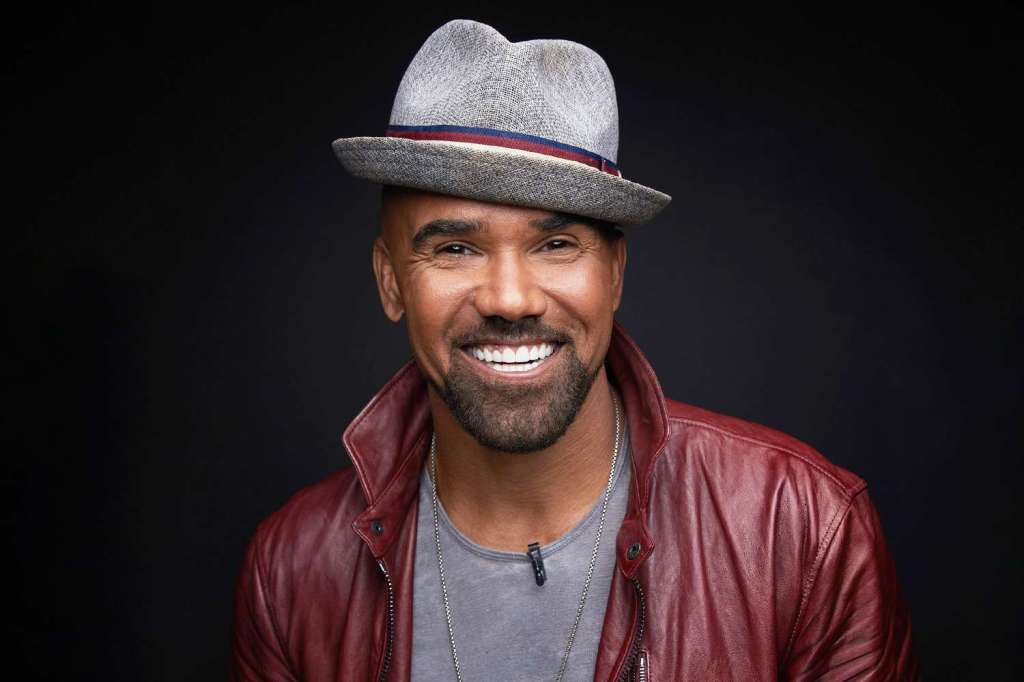
In the shimmering constellation of Hollywood’s most handsome and talented men, few stars shine as brightly as Shemar Moore, Morris Chestnut, and Travis Cure. These men represent a rare fusion of strength, style, and sophistication — the embodiment of masculine perfection. With chiseled physiques, radiant skin tones that range from golden bronze to deep mahogany, and charisma that commands the screen, each of them has carved a distinct path in the entertainment industry. Beyond their striking looks, they possess the discipline, intelligence, and heart that make them more than just leading men — they are icons of modern Black excellence and representations of divine craftsmanship in human form.


Shemar Moore: The Golden Standard of Handsome

This photograph is the property of its respective owner. No copyright infringement intended.

Shemar Franklin Moore, born April 20, 1970, in Oakland, California, is the epitome of Hollywood charm and physical perfection. With his golden-brown complexion, sculpted physique, and infectious smile, Moore has long been celebrated as one of the most handsome men in the entertainment world. A model-turned-actor, he began his career in the early 1990s, quickly rising to fame for his role as Malcolm Winters on The Young and the Restless (1994–2005). His portrayal earned him a Daytime Emmy Award and solidified his reputation as a heartthrob.

Moore’s magnetism extended beyond daytime television when he joined the cast of the hit crime drama Criminal Minds (2005–2016) as Derek Morgan, a role that highlighted his toughness, empathy, and leadership. He currently stars as Sergeant Daniel “Hondo” Harrelson in the CBS action drama S.W.A.T., where his commanding presence and flawless physique continue to capture audiences.

Off-screen, Moore’s life mirrors his confidence and charisma. He is also the founder of Baby Girl LLC, a clothing line that raises awareness for multiple sclerosis in honor of his late mother. Despite being one of Hollywood’s most desired bachelors for years, Moore welcomed his first child with model Jesiree Dizon in 2023, marking a new chapter in his life. His career is a testament to endurance, talent, and timeless allure — Shemar Moore remains a perfect 10 in every sense.


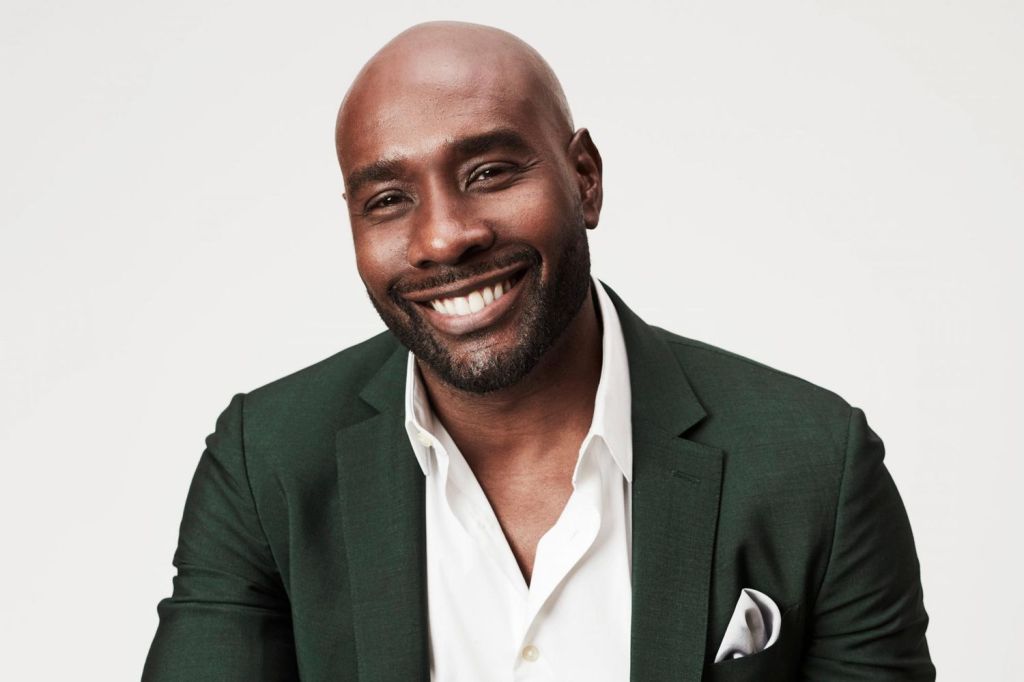
Morris Chestnut: The Definition of Majestic “Hot Chocolate”

This photograph is the property of its respective owner. No copyright infringement intended.

Morris Lamont Chestnut, born January 1, 1969, in Cerritos, California, has long reigned as the cinematic archetype of the ideal man. With his deep, chocolate-brown skin and mesmerizing eyes, Chestnut embodies what many describe as “Black handsomeness in motion.” His film debut in John Singleton’s Boyz n the Hood (1991) as Ricky Baker launched him into stardom, and since then, he has maintained a reputation as one of the most attractive and respected actors in Hollywood.

Throughout his illustrious career, Chestnut has starred in classics such as The Best Man (1999), The Brothers (2001), Think Like a Man (2012), and The Perfect Guy (2015). His performances are distinguished not only by his physical presence but also by his emotional depth and versatility. In 2015, he received a NAACP Image Award for Outstanding Actor for his role in The Best Man Holiday (2013).

Known for his grace, humility, and commitment to family, Morris Chestnut has been married to Pam Byse since 1995, proving that real love still thrives in Hollywood. His success in film and television, coupled with his flawless physique and gentlemanly demeanor, makes him every woman’s dream man and a living symbol of enduring Black masculinity. For decades, he has been the poster child of male perfection — handsome, intelligent, and irresistibly charming.


Travis Cure: The Rising Star of Modern Masculinity

This photograph is the property of its respective owners. No copyright infringement intended

Travis Cure is one of Hollywood’s most captivating new faces — a blend of classic good looks and raw, emerging talent. With a physique that seems sculpted by divine hands and features that exude confidence and power, Cure is the personification of modern Black male beauty. Born and raised in Miami, Florida, Cure’s journey to stardom began through modeling and fitness. His perfectly symmetrical face, commanding frame, and piercing gaze quickly caught the attention of industry professionals, propelling him into acting.

He gained recognition for his roles in Tyler Perry’s The Oval, where he showcased not only his physical appeal but also his natural acting ability. Cure has also appeared in the film Deadly Sexy (2018), and his career continues to ascend as he takes on more dynamic and challenging roles.

Known for his discipline, fitness lifestyle, and strong work ethic, Travis Cure has become a symbol of determination and masculine beauty. His flawless complexion, toned body, and calm confidence make him one of the most striking men in entertainment today. Though he is still rising, Cure has already earned a devoted fanbase and the admiration of audiences worldwide. He represents the new generation of Black Hollywood — powerful, polished, and purpose-driven.


Conclusion

Shemar Moore, Morris Chestnut, and Travis Cure stand as embodiments of the artistry of masculine beauty — golden, rich, and radiant in their own ways. Their presence on and off the screen redefines what it means to be both strong and graceful, handsome and humble. Each has carved his legacy through talent, discipline, and divine design, representing the finest aspects of Black excellence. In the ever-evolving landscape of Hollywood, they remain timeless — men whose beauty and brilliance will forever be celebrated.


References

What is Modesty?

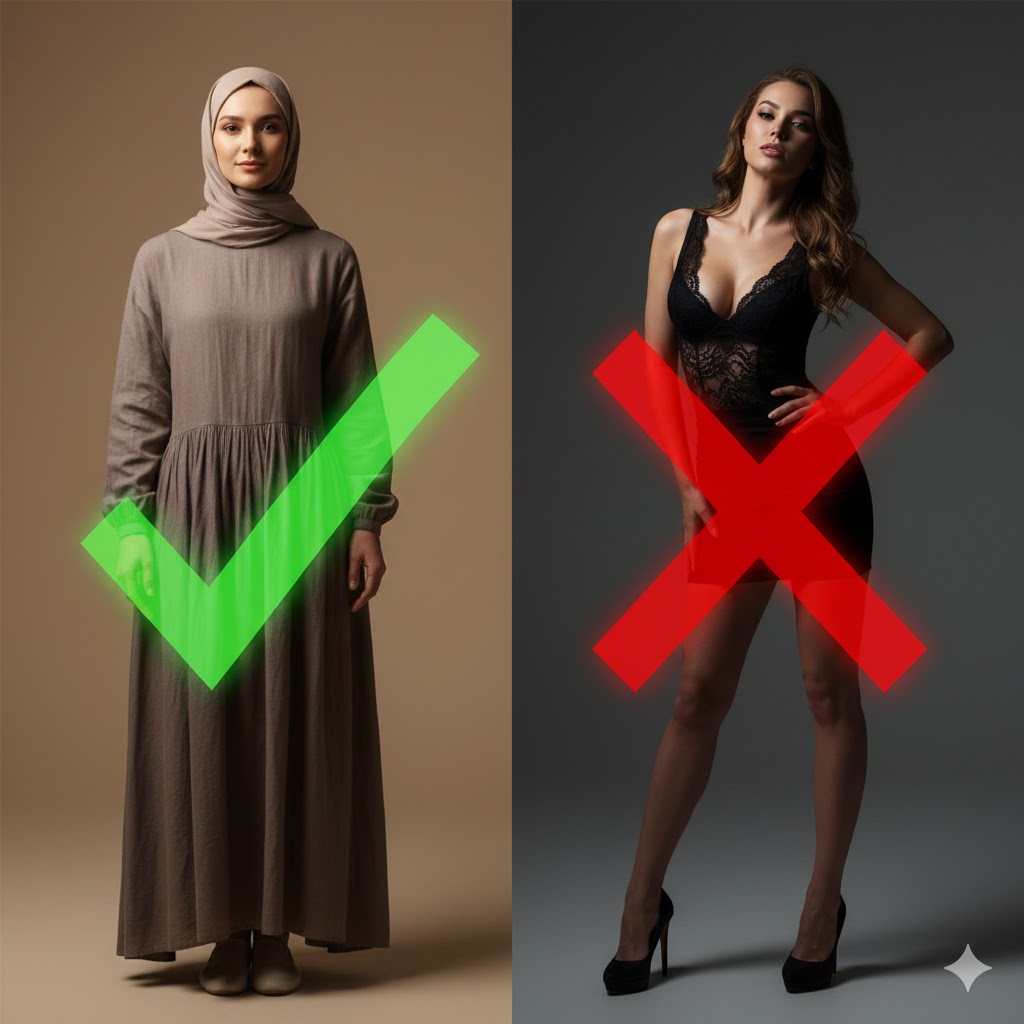
Modesty has always been a subject of moral, cultural, and spiritual reflection. Rooted in humility and self-respect, it represents a balance between outward appearance and inner virtue. In biblical terms, modesty is not merely about clothing but the posture of the heart, reflecting reverence for God and respect for oneself. Scripture reminds believers in 1 Timothy 2:9 (KJV) that women should “adorn themselves in modest apparel, with shamefacedness and sobriety,” suggesting that true modesty is both behavioral and spiritual.

In the modern era, modesty often collides with the ideals of self-expression and sexual liberation. Fashion industries and media outlets frequently glorify revealing attire as empowerment, while the ancient principle of modesty warns against the dangers of vanity and objectification. The line between confidence and immodesty becomes blurred when beauty is defined by exposure rather than elegance or character.

True modesty is never about suppression or shame; rather, it is an act of wisdom. It acknowledges that the body is sacred—a temple of the Holy Spirit (1 Corinthians 6:19–20)—and therefore worthy of honor. A modest person dresses not to hide their beauty but to express dignity, refinement, and discernment. Modesty communicates self-control and spiritual maturity.

In contrast, immodesty seeks validation through visibility. When one’s attire is designed primarily to attract sensual attention, it reflects a misplaced sense of worth. The problem lies not in fashion itself but in intention. Proverbs 31:25 describes the virtuous woman as one “clothed with strength and honour,” emphasizing internal grace over external display.

Cultural interpretations of modesty vary widely. In some societies, modest dress involves full coverage, while in others, it emphasizes simplicity and tastefulness. Yet across traditions, the essence remains consistent: modesty protects personal sanctity and commands respect. It teaches that the human form, though beautiful, should not be exploited for approval or profit.

Attitudinal modesty is just as vital as physical modesty. A person may be fully clothed yet still exude arrogance or pride. The modest spirit, however, is humble, gentle, and respectful. It does not boast of appearance, wealth, or influence. As 1 Peter 3:4 (KJV) teaches, the focus should be on “the hidden man of the heart,” a meek and quiet spirit that is precious in God’s sight.

Social media culture has complicated this message. Platforms often reward exhibitionism and self-promotion, conditioning young people to equate attention with value. Modesty, in contrast, requires self-restraint in both image and attitude—an ability to carry oneself with quiet confidence rather than overt display.

Modesty does not deny beauty; it redefines it. Beauty, when paired with modesty, becomes timeless, commanding admiration without provocation. Women like Audrey Hepburn and Cicely Tyson demonstrated how elegance can be powerful without being provocative, showing that modesty enhances allure by leaving something to the imagination.

Men, too, are called to modesty. Though often overlooked, male modesty involves both conduct and dress. Tight, flashy, or ostentatious clothing can reflect the same vanity condemned in women. A godly man dresses with respectability, decency, and restraint, recognizing that his appearance communicates his values.

The Bible consistently warns against pride in apparel. Isaiah 3:16–18 condemns the “haughty daughters of Zion” who flaunt ornaments and seductive gestures. The critique is not about fashion itself but the pride that fuels it. Likewise, Jesus condemned hypocrisy in outward appearances, urging followers to focus on inner purity.

Modern Christianity often struggles to define modesty amid evolving fashion trends. Some believers view it legalistically, turning clothing into a rigid moral code. Others dismiss modesty entirely as outdated. Yet, biblical modesty transcends rules—it’s about the reflection of the heart. The key question is: Who am I dressing for—God or the world?

Immodesty in attitude manifests through arrogance, flirtation, or entitlement. A modest person does not crave to be the center of attention but contributes to peace and order. Philippians 2:3 instructs believers to “do nothing through strife or vainglory,” highlighting the spiritual posture that undergirds modesty.

In professional and social settings, modesty earns respect and trust. Those who carry themselves with dignity and discretion often advance further because they inspire confidence rather than distraction. Modesty communicates self-awareness, while immodesty often betrays insecurity masked as confidence.

Fashion designers are increasingly rediscovering the power of modest aesthetics. The rise of “modest fashion” lines, even among major brands, shows that covering the body can still be stylish, sophisticated, and empowering. Designers like Anniesa Hasibuan and Dolce & Gabbana’s modest collections prove that modesty has modern relevance.

The psychology behind modesty reveals deep emotional intelligence. Those who value modesty tend to have strong boundaries and self-respect. They seek admiration for integrity, not sensuality. Immodesty, conversely, can arise from unhealed insecurity or a desire for affirmation, reflecting the heart’s hunger for validation.

Parents and spiritual leaders play a vital role in teaching modesty. Rather than shaming, they should model confidence, class, and self-respect. When young girls and boys see modesty as empowerment—not restriction—they learn that value comes from character, not exposure.

In marriage, modesty preserves intimacy. What is sacred should not be public. The mystery of love and attraction thrives when privacy is honored. The Song of Solomon celebrates beauty within covenant, reminding couples that intimacy was designed for sacred spaces, not public display.

Even beyond faith, modesty cultivates social harmony. It reduces competition, envy, and objectification, promoting authenticity in relationships. A modest heart elevates conversations, interactions, and environments, shifting focus from the superficial to the soulful.

Ultimately, modesty is a form of worship. It is saying to God, “I honor what You created by treating it with reverence.” It reflects holiness in both spirit and conduct, embodying grace, restraint, and strength. In a world obsessed with exposure, modesty is radical purity—a light that draws attention not to the body, but to the soul.

In conclusion, modesty in dress and attitude is not about denial but discernment. It is the art of balance between self-expression and self-control, between beauty and humility. When modesty governs both wardrobe and behavior, the result is elegance that glorifies God and dignifies the individual.

References

  • The Holy Bible, King James Version. (1611). 1 Timothy 2:9; 1 Corinthians 6:19–20; Proverbs 31:25; 1 Peter 3:4; Isaiah 3:16–18; Philippians 2:3.
  • Lewis, C. S. (1942). The Screwtape Letters. HarperOne.
  • Clark, R. (2018). Fashion and Faith: The Meaning of Modesty in Modern Culture. Christian Press.
  • Muhammad, A. (2020). Modesty and Power: Redefining Feminine Strength in Faith Communities. Journal of Religious Studies, 12(3), 145–162.
  • Taylor, J. (2019). Modesty in the Modern Age: A Sociocultural Analysis of Dress and Decorum. Oxford University Press.

The Myth of Perfection: Beauty as a Cultural Construct.

Photo by Kebs Visuals on Pexels.com

Beauty has long been perceived as a universal ideal, yet historical and cultural analysis reveals that standards of beauty are socially constructed, evolving in tandem with political, economic, and racial dynamics. The notion of perfection in appearance is not innate but mediated by cultural forces that dictate which traits are desirable.

In Western societies, Eurocentric aesthetics have dominated perceptions of beauty, emphasizing light skin, thin noses, high cheekbones, and specific body proportions. These ideals emerged through colonial expansion and the imposition of European norms across the globe, marginalizing other forms of beauty (Hunter, 2005).

Historically, the transatlantic slave trade and colonization reinforced hierarchies of appearance. Lighter-skinned individuals, often of mixed ancestry, were afforded greater privilege, while darker-skinned individuals were devalued. This colorism ingrained a visual hierarchy that persists in modern media and social expectations (Hunter, 2005; Glenn, 2008).

Media representation plays a pivotal role in shaping contemporary beauty standards. Television, film, and advertising overwhelmingly prioritize Eurocentric features, perpetuating ideals that are largely unattainable for a vast majority of the global population. The result is a culture that equates beauty with social capital (Tiggemann & Slater, 2014).

Social media has both challenged and reinforced beauty norms. Platforms allow marginalized communities to celebrate diverse aesthetics, yet they also amplify comparison culture, creating new pressures to conform to curated and often digitally altered standards (Fardouly et al., 2015).

Psychologically, the pursuit of an idealized appearance can produce anxiety, low self-esteem, and body dysmorphic tendencies. Individuals internalize cultural standards, evaluating self-worth through the lens of socially endorsed beauty, rather than intrinsic qualities or personal expression (Cash & Pruzinsky, 2002).

In Black communities, beauty is further complicated by colorism, hair politics, and feature bias. Social valuation of lighter skin, straighter hair, and Eurocentric facial traits continues to affect self-perception, partner selection, and access to professional opportunities (Hunter, 2005). These dynamics illustrate how beauty is both socially constructed and politically charged.

Feminist scholarship critiques beauty standards as mechanisms of social control. Objectification theory posits that women, and increasingly men, are valued primarily for their appearance, fostering self-surveillance and compliance with societal norms (Fredrickson & Roberts, 1997). Beauty becomes a tool of regulation, rather than a reflection of personal worth.

The commodification of beauty is evident in industries that profit from insecurities. Cosmetics, fashion, and cosmetic surgery industries capitalize on cultural ideals, framing enhancement as self-improvement while reinforcing narrow definitions of attractiveness (Wolf, 1991).

Cultural relativity challenges the myth of universal beauty. Anthropological studies reveal that aesthetic preferences vary widely across time, geography, and social context. What one culture deems beautiful may be inconsequential or undesirable elsewhere, emphasizing the constructed nature of beauty norms (Etcoff, 1999).

Intersectionality further complicates beauty ideals. Race, gender, class, and ability intersect to shape perceptions of attractiveness. For instance, Eurocentric beauty standards disproportionately favor affluent, able-bodied, white women, while marginalizing others, creating layered inequities in self-perception and social evaluation (Crenshaw, 1991).

Historical icons and contemporary figures illustrate the fluidity of beauty. Cleopatra, Josephine Baker, and contemporary Black celebrities redefine cultural aesthetics by challenging Eurocentric norms, highlighting the potential for representation to reshape social conceptions of beauty (Glenn, 2008).

Psychological resilience can emerge from embracing culturally resistant aesthetics. Individuals who celebrate features traditionally devalued by mainstream media often experience increased self-esteem and community cohesion, affirming that beauty is relational and context-dependent (Tiggemann & Slater, 2014).

Education plays a critical role in dismantling myths of perfection. Media literacy, critical pedagogy, and culturally responsive curricula encourage youth to interrogate beauty norms, fostering awareness of their constructed and often exclusionary nature (Levine & Piran, 2019).

Art and literature provide spaces to contest dominant standards. African diasporic artists, writers, and filmmakers celebrate diverse features and body types, asserting narratives that affirm inherent worth and challenge the singularity of Eurocentric beauty ( hooks, 1992).

The myth of perfection is also gendered. Women disproportionately bear the burden of conforming to beauty norms, though men are increasingly targeted by media pressures. Recognizing beauty as socially constructed allows both men and women to critique and resist harmful expectations (Cash & Pruzinsky, 2002).

Spiritual and philosophical perspectives offer alternative frameworks. Many traditions emphasize the impermanence of physical appearance and the primacy of inner virtue, suggesting that moral, intellectual, and emotional qualities constitute authentic beauty (Plato, Symposium; KJV Proverbs 31:30).

Healing from beauty-related trauma involves reclaiming agency over self-perception. Affirmative practices, community support, and representation empower individuals to define beauty on their own terms, resisting externally imposed ideals (Roberts et al., 2020).

Ultimately, understanding beauty as a cultural construct liberates individuals from impossible standards. It shifts the focus from external validation to self-affirmation, cultural pride, and the celebration of diverse forms of human expression.

The myth of perfection is pervasive yet mutable. By examining its historical roots, societal enforcement, and psychological impacts, scholars and communities can challenge its dominance, fostering a more inclusive, equitable, and authentic vision of beauty for all.


References

  • Cash, T. F., & Pruzinsky, T. (2002). Body image: A handbook of theory, research, and clinical practice. Guilford Press.
  • Crenshaw, K. (1991). Mapping the margins: Intersectionality, identity politics, and violence against women of color. Stanford Law Review, 43(6), 1241–1299.
  • Etcoff, N. (1999). Survival of the prettiest: The science of beauty. Doubleday.
  • Fardouly, J., Diedrichs, P. C., Vartanian, L. R., & Halliwell, E. (2015). Social comparisons on social media: The impact of Facebook on young women’s body image concerns and mood. Body Image, 13, 38–45.
  • Fredrickson, B. L., & Roberts, T.-A. (1997). Objectification theory: Toward understanding women’s lived experiences and mental health risks. Psychology of Women Quarterly, 21(2), 173–206.
  • Glenn, E. N. (2008). Yearning for lightness: Transnational circuits in the marketing and consumption of skin lighteners. Gender & Society, 22(3), 281–302.
  • hooks, b. (1992). Black looks: Race and representation. South End Press.
  • Hunter, M. L. (2005). Race, gender, and the politics of skin tone. Routledge.
  • Levine, M. P., & Piran, N. (2019). Body image development in women: Are we making progress? Body Image, 31, 90–97.
  • Roberts, A., Rydell, R., & Tate, D. (2020). Representation, resilience, and the psychology of beauty. Journal of Social Issues, 76(3), 682–700.
  • Tiggemann, M., & Slater, A. (2014). NetGirls: The Internet, Facebook, and body image concern in adolescent girls. International Journal of Eating Disorders, 47(6), 630–643.
  • Wolf, N. (1991). The beauty myth: How images of beauty are used against women. HarperCollins.

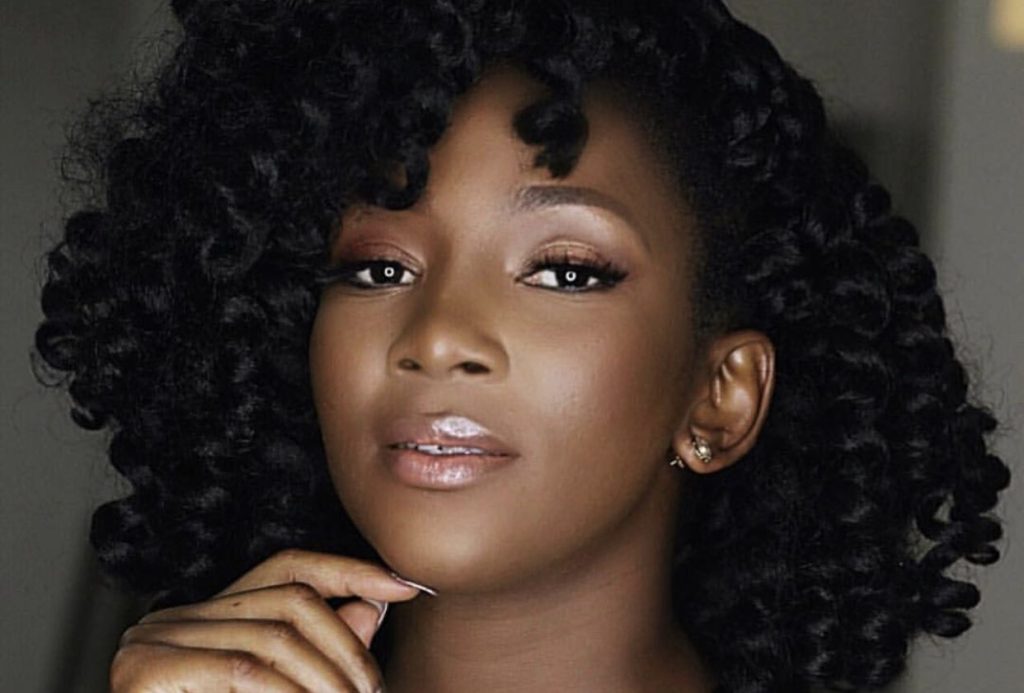
The Ebony Dolls: Genevieve Nnaji

This photograph is the property of its respective owner. No copyright infringement intended.

Few women embody the word elegance quite like Genevieve Nnaji — the Nigerian actress, producer, and cultural icon whose beauty and brilliance have transcended borders. With her luminous dark ebony skin, perfectly stunning face, expressive almond-shaped eyes, and graceful demeanor, she radiates a timeless charm reminiscent of a handcrafted porcelain doll — only richer, warmer, and divinely melanated. Her beauty is not only physical; it is regal, poised, and deeply rooted in confidence. Genevieve represents the pinnacle of African femininity: intelligent, self-assured, and graceful in both speech and movement. Often called the “Julia Roberts of Africa,” she stands as one of the most influential figures in Nollywood history, a living testament to what happens when talent meets purpose.


Early Life and Rise to Stardom

Genevieve Nnaji was born on May 3, 1979, in Mbaise, Imo State, Nigeria, and raised in Lagos. The fourth of eight children, she grew up in a close-knit family where hard work, education, and faith were emphasized. Her father worked as an engineer, and her mother was a nursery school teacher. From a young age, Genevieve displayed an extraordinary sense of charisma and performance. At just eight years old, she began acting in the popular Nigerian soap opera Ripples, marking the beginning of a journey that would reshape African cinema.

She later studied Creative Arts at the University of Lagos, where she continued auditioning for film roles while pursuing her education. In the late 1990s, her breakthrough came with the film Most Wanted (1998), followed by a series of blockbuster performances that established her as Nollywood royalty. Her ability to portray deep emotion and authentic African womanhood resonated with audiences across the continent and beyond.


This photograph is the property of its respective owner. No copyright infringement intended.

Career, Awards, and Global Recognition

Genevieve’s career is a masterclass in longevity and excellence. Over the years, she has starred in more than 100 Nollywood films, including Sharon Stone, Blood Sisters, Ijele, and Games Women Play. Her compelling performances earned her numerous accolades, such as the Africa Movie Academy Award (AMAA) for Best Actress in a Leading Role in 2005 — making her the first actress to win that prestigious honor.

In 2011, she was honored with the title of Member of the Order of the Federal Republic (MFR) by the Nigerian government for her contributions to the arts. Genevieve made history again when she directed and starred in Lionheart (2018), which became Nigeria’s first-ever Netflix original film and was Nigeria’s first submission to the Academy Awards in the “Best International Feature Film” category. Lionheart’s success cemented her global reputation as a pioneering filmmaker and storyteller.


Endorsements and Business Ventures

Genevieve’s influence extends beyond acting. Her stunning looks and magnetic presence have made her one of Africa’s most sought-after brand ambassadors. She has signed endorsement deals with major companies such as Lux, Range Rover Evoque, Etisalat (now 9mobile), and Amstel Malta, among others. Her elegance and professionalism have made her the face of premium African beauty, symbolizing grace and achievement.

In 2008, she launched her clothing line, St. Genevieve, blending fashion and philanthropy — proceeds from sales support various charitable causes. Through both her fashion and film ventures, she continues to empower women and promote positive representations of African beauty and excellence.


Family and Personal Life

Genevieve is known for maintaining a dignified level of privacy about her personal life. She is a proud mother to her daughter, Theodora, and has often spoken about the joys and challenges of motherhood. Despite her fame, she has remained grounded, preferring a quiet life away from unnecessary public drama. Her humility and mystery have only deepened her appeal, making her a beloved figure admired for both her beauty and integrity.


This photograph is the property of its respective owner. No copyright infringement intended.

Impact and Legacy

Genevieve Nnaji is widely considered one of the highest-paid actresses in Nollywood, commanding impressive fees per film due to her experience, influence, and star power. She has paved the way for many younger actresses and remains a mentor figure within the industry. Beyond wealth and awards, her impact lies in her ability to tell African stories with dignity, power, and authenticity. She redefined what it means to be a woman of substance and strength — not merely admired for her face, but for her mind and spirit.

Her legacy continues to inspire filmmakers, actresses, and audiences around the world. Genevieve’s artistry proves that true beauty transcends complexion and fame — it is the light of self-awareness, discipline, and divine purpose shining through every performance.


Conclusion

From the streets of Lagos to the global stage, Genevieve Nnaji has become the embodiment of African excellence. Her ebony glow, refined features, and commanding presence are matched only by her grace and intellect. She is not just a film star — she is a symbol of pride, power, and perfection for millions of Black women across the world. In her face and her art, we see the beauty of Africa: radiant, enduring, and forever unforgettable.


References (APA Style)

Africa Magic. (2020). Genevieve Nnaji: The icon of Nollywood. Africa Magic Entertainment. https://www.africamagic.dstv.com

BBC News. (2019, January 7). Genevieve Nnaji’s Lionheart: Nigeria’s first Oscar submission. BBC. https://www.bbc.com/news

Channels Television. (2011). Genevieve Nnaji honored with national award (MFR). Channels TV Nigeria. https://www.channelstv.com

IMDb. (n.d.). Genevieve Nnaji biography. IMDb. https://www.imdb.com/name/nm1452478/

Netflix. (2018). Lionheart [Film]. Netflix Originals.

Pulse Nigeria. (2023, June 12). Genevieve Nnaji: Biography, career, and impact on Nollywood. Pulse Nigeria. https://www.pulse.ng

The Guardian Nigeria. (2020, November 2). Genevieve Nnaji: Beauty, brains, and the power of quiet influence. The Guardian Nigeria. https://guardian.ng

Vanguard. (2021, August 10). Is Genevieve Nnaji still Nollywood’s highest-paid actress? Vanguard Nigeria. https://www.vanguardngr.com

Holy Handsomeness: When the Spirit Shapes the Flesh.

Photo by Bave Pictures on Pexels.com

In every era, humanity has been captivated by the mystery of beauty and form. Yet, true beauty transcends surface and symmetry—it is a reflection of inner divinity manifesting outwardly. “Holy handsomeness” is not about vanity or aesthetic perfection, but about the embodiment of spiritual alignment. When the spirit is pure, disciplined, and rooted in truth, the physical vessel begins to mirror that sacred order. The body becomes a temple, reflecting the glory of the One who formed it (1 Corinthians 6:19–20, KJV).

Throughout scripture, physical beauty is never detached from divine purpose. Joseph was described as “a goodly person, and well favoured” (Genesis 39:6, KJV), yet his true distinction lay not in appearance but in integrity and faithfulness. Likewise, David’s handsome countenance reflected the favor of God upon him, but his heart for worship and obedience defined his greatness. Holiness enhances beauty by bringing harmony between flesh and spirit.

The concept of holy handsomeness acknowledges that spiritual wellness influences physical presence. A man or woman walking in righteousness radiates a certain glow, an aura of peace and authority that no cosmetic or charm can replicate. The Hebrew understanding of beauty—yapheh—implies wholeness, completeness, and divine proportion. Thus, when the spirit governs the body, beauty becomes balanced, sanctified, and purpose-driven.

Modern culture separates the sacred from the sensual, yet in divine design, the two were never meant to conflict. The Creator fashioned the human form in His image—strong, graceful, and expressive. Handsomeness, then, is not a carnal pursuit but a reflection of divine craftsmanship. When the heart aligns with holiness, even simple gestures become radiant expressions of divine masculinity and femininity (Genesis 1:27).

Spiritual discipline—fasting, prayer, meditation, and obedience—has tangible effects on the body. Stress diminishes, countenance brightens, and posture changes. The fruit of the Spirit—love, joy, peace, patience—reshapes the facial expressions and mannerisms of the believer (Galatians 5:22–23). This transformation illustrates how inner virtue refines outward beauty, making holiness visible.

The handsomeness that flows from holiness carries authority without arrogance. It is the presence that commands respect rather than demands attention. Moses’ face shone after being in God’s presence (Exodus 34:29–30), symbolizing how communion with the divine alters even the physical appearance. The spirit, when alive and full of light, illuminates the flesh as a living testimony.

In contrast, a life of sin, bitterness, and deceit often corrodes the body. Scripture notes that “envy is the rottenness of the bones” (Proverbs 14:30, KJV). The countenance of the wicked hardens, while the righteous shine like morning light. Inner decay reveals itself through physical dissonance, proving that true handsomeness begins within the soul, not the mirror.

The holy man is handsome not because he seeks attention but because he reflects God’s order. His confidence is rooted in humility; his strength tempered by compassion. The holy woman’s beauty likewise flows from virtue, modesty, and wisdom. Both embody the divine symmetry between form and faith, proving that when the spirit shapes the flesh, beauty transcends gender or culture.

Holiness is attractive because it restores what sin distorts. In a world saturated with artificial perfection, authenticity becomes magnetic. People are drawn to those who carry peace and moral clarity. Their beauty is a sermon without words, their composure a silent call to something higher. This is holy handsomeness in its purest form—an external echo of internal grace.

When the spirit governs desire, the body is no longer an idol but an instrument of worship. Modesty, health, and self-respect flow naturally from an awareness of divine purpose. Physical maintenance—exercise, grooming, and care—becomes stewardship rather than vanity. The believer understands that their body is a living altar where spirit and flesh harmonize (Romans 12:1).

Even the discipline of posture and movement speaks to this principle. Uprightness in stance reflects uprightness in soul. The way a person walks, speaks, or looks at others reveals the condition of their inner world. Grace in demeanor comes not from training alone but from an abiding awareness of God’s presence within.

Holy handsomeness also manifests in relational integrity. A handsome spirit loves faithfully, leads righteously, and serves humbly. The charisma that follows is not performative but spiritual—an attractiveness born of sincerity and purpose. Such presence cannot be faked; it is the fragrance of holiness that emanates from communion with the Most High (2 Corinthians 2:15).

Psychologically, this connection between spirit and appearance aligns with what scholars call “embodied cognition”—the idea that internal states shape physical form and behavior. Joy relaxes the face, peace softens the eyes, and compassion transforms voice tone and gesture (Damasio, 1999). Spirituality, therefore, is not abstract—it physically incarnates through the body.

When the spirit shapes the flesh, aging itself becomes beautiful. Wrinkles are not decay but sacred etchings of wisdom and endurance. The godly man or woman grows more radiant with time, for holiness refines rather than fades. Their beauty is eternal because it originates from a timeless source.

The holy handsome person also exudes moral fragrance—what some theologians call “the beauty of holiness” (Psalm 29:2). It is a beauty that inspires rather than tempts, that uplifts rather than entraps. This beauty draws others toward God, not toward ego. It sanctifies the senses, reminding onlookers that physical grace was designed to glorify, not gratify.

This concept challenges modern narcissism. In a culture obsessed with self-image, holy handsomeness calls for self-examination. It reminds believers that to be truly handsome is to be whole—spirit, soul, and body integrated in divine order. The world’s beauty fades; God’s beauty matures.

When men and women allow holiness to shape their expression, they redefine beauty standards. The divine countenance shines through cultural difference, proving that beauty is not Eurocentric but spiritual. Handsomeness becomes not a look but a light—one that transcends complexion, status, and age.

Ultimately, holy handsomeness is not achieved but revealed. It emerges as the spirit purifies intention, humbles ego, and restores divine order within. It is the glory of transformation—the evidence that when the Spirit of God dwells richly in a person, even the flesh begins to testify.

To be holy and handsome is to embody divine symmetry—to be living art sculpted by Spirit and sanctified by purpose. The world may chase outer perfection, but those touched by divine beauty radiate something eternal. For when the Spirit shapes the flesh, the image of God is no longer hidden—it shines through man once more.


References

Damasio, A. (1999). The feeling of what happens: Body and emotion in the making of consciousness. Harcourt Brace.

Holy Bible, King James Version. (1769/2017). Cambridge University Press.

Lewis, C. S. (1943). The abolition of man. Oxford University Press.

Lewis, T. (2008). The energy of the soul: Spirituality and embodiment in theology and psychology. HarperOne.

Willard, D. (1998). The spirit of the disciplines: Understanding how God changes lives. HarperCollins.

Wright, N. T. (2011). After you believe: Why Christian character matters. HarperOne.

Yancey, P. (2002). Rumors of another world: What on earth are we missing? Zondervan.

Masculine Perfection Series: Kenneth Okolie, Van Vicker, and Ramsey Nouah

In the grand gallery of African excellence and cinematic artistry, few men embody the essence of masculine perfection as profoundly as Kenneth Okolie, Van Vicker, and Ramsey Nouah. These leading men of Nollywood and Ghanaian cinema epitomize refinement, beauty, and brilliance. Their presence transcends borders — commanding screens across Africa and the diaspora with magnetic performances, striking physiques, and elegant confidence. They are not only talented actors but cultural ambassadors, proving that African men are among the most captivating and multidimensional figures in global entertainment.


Kenneth Okolie: The Regal Gentleman of Nollywood

This photograph is the property of its respective owners. No copyright infringement intended

Kenneth Okolie, born February 21, 1984, in Nigeria, stands as one of Nollywood’s most polished and admired figures. A man of regal stature, broad shoulders, and a perfectly sculpted jawline, Okolie embodies the image of African royalty. His deep-brown complexion, calm confidence, and eloquence have made him one of the most desirable actors in the industry.

Before becoming a celebrated actor, Kenneth began his career as a model, winning Mr. Nigeria 2010, a title that catapulted him into fame and opened doors in film and television. His transition from modeling to acting came naturally, as his charm and on-screen poise quickly captivated audiences.

He gained recognition through roles in acclaimed films such as The Royal Hibiscus Hotel (2017), Desperate Housewives Africa, and Fifty the Series. His performances balance intensity and tenderness, often portraying characters who exude leadership and integrity.

Off-screen, Kenneth Okolie is admired for his humility and devotion to family. He married his longtime partner Jessica Nwakah in 2017, and together they represent a picture of grace and grounded success. His awards include Best Supporting Actor at the Nollywood Movies Awards and Best Actor in a Leading Role at the African Magic Viewers’ Choice Awards (AMVCA). Handsome, intelligent, and sophisticated, Kenneth Okolie is truly the modern African gentleman — a symbol of both royal elegance and divine masculinity.


Van Vicker: The Golden Charmer of Ghanaian Cinema

This photograph is the property of its respective owners. No copyright infringement intended

Joseph Van Vicker, born August 1, 1977, in Accra, Ghana, is one of the most recognizable and beloved faces in African entertainment. With his golden skin tone, captivating smile, and soft yet commanding eyes, Van Vicker exudes an effortless charm that has made him a fan favorite across the continent.

He began his career as a radio and television personality, working as a DJ and presenter before transitioning into acting. His rise to fame came with his breakout roles in Divine Love (2004) and Beyoncé: The President’s Daughter (2006), which showcased his romantic charisma and screen presence. Since then, he has starred in over 200 films, often portraying the handsome lover or noble hero.

Van Vicker’s talent has earned him numerous accolades, including the AAMA Best Actor Award and the Pan African Film Festival Award for Achievement. Beyond acting, he is a director, producer, and humanitarian, with a deep passion for empowering youth and supporting education in Ghana.

Married to his high school sweetheart, Adjoa Vicker, since 2003, Van Vicker embodies loyalty and family devotion — a rare quality in the entertainment world. His combination of charm, humility, and artistic excellence makes him one of the most admired men in African cinema. To many, he represents the “golden boy” of Ghana — radiant, talented, and timelessly handsome.


Ramsey Nouah: The Prince of Nollywood

This photograph is the property of its respective owners. No copyright infringement intended

Ramsey Tokunbo Nouah Jr., born December 19, 1970, in Lagos, Nigeria, is the very definition of timeless beauty and cinematic mastery. With his smooth golden light caramel complexion, soulful eyes, and sophisticated demeanor, Ramsey Nouah has been affectionately called “Nollywood’s Lover Boy” — a title he has worn gracefully for over two decades.

His acting career began in the early 1990s with the television soap opera Fortunes, but it was his roles in romantic films such as Silent Night (1996), Dangerous Twins (2004), and Figurine (2009) that established him as one of the most talented and handsome actors in Africa.

Nouah has since evolved into a respected director and producer, making his directorial debut with the blockbuster Living in Bondage: Breaking Free (2019), which won multiple Africa Magic Viewers’ Choice Awards, including Best Overall Movie. His ability to seamlessly move between acting, directing, and producing shows his artistic brilliance and leadership in Nollywood.

Married to Emelia Phillips-Nouah, Ramsey is a devoted husband and father. His calm confidence, refined beauty, and professionalism have made him a mentor and role model to younger actors. His accolades include Best Actor in a Leading Role at the African Movie Academy Awards (AMAA) and multiple recognitions from the AMVCA. Ramsey Nouah is not just a handsome face — he is the embodiment of African cinematic evolution, blending legacy, artistry, and elegance.


Conclusion

Kenneth Okolie, Van Vicker, and Ramsey Nouah stand as three pillars of African masculinity — distinguished, disciplined, and devastatingly handsome. Each of them brings a unique light to the African film industry: Okolie with his regal grace, Vicker with his golden warmth, and Nouah with his timeless sophistication. Together, they redefine what it means to be both powerful and tender, proving that Black excellence radiates across borders and generations. Their artistry reminds the world that Africa not only births talent — it births kings.


References

  • Africa Magic Viewers’ Choice Awards. (2024). Award winners archive. MultiChoice Africa.
  • IMDb. (2024). Kenneth Okolie biography. https://www.imdb.com/name/nm5022442/
  • IMDb. (2024). Van Vicker biography. https://www.imdb.com/name/nm1951509/
  • IMDb. (2024). Ramsey Nouah biography. https://www.imdb.com/name/nm1528046/
  • Nollywood Movies Awards. (2023). Kenneth Okolie: Best Supporting Actor.
  • Pan African Film Festival. (2022). Lifetime Achievement Honorees.
  • Netflix. (2019). Living in Bondage: Breaking Free [Film]. Play Network Studios.
  • Ghanaian Times. (2023). Van Vicker: From actor to filmmaker and philanthropist.

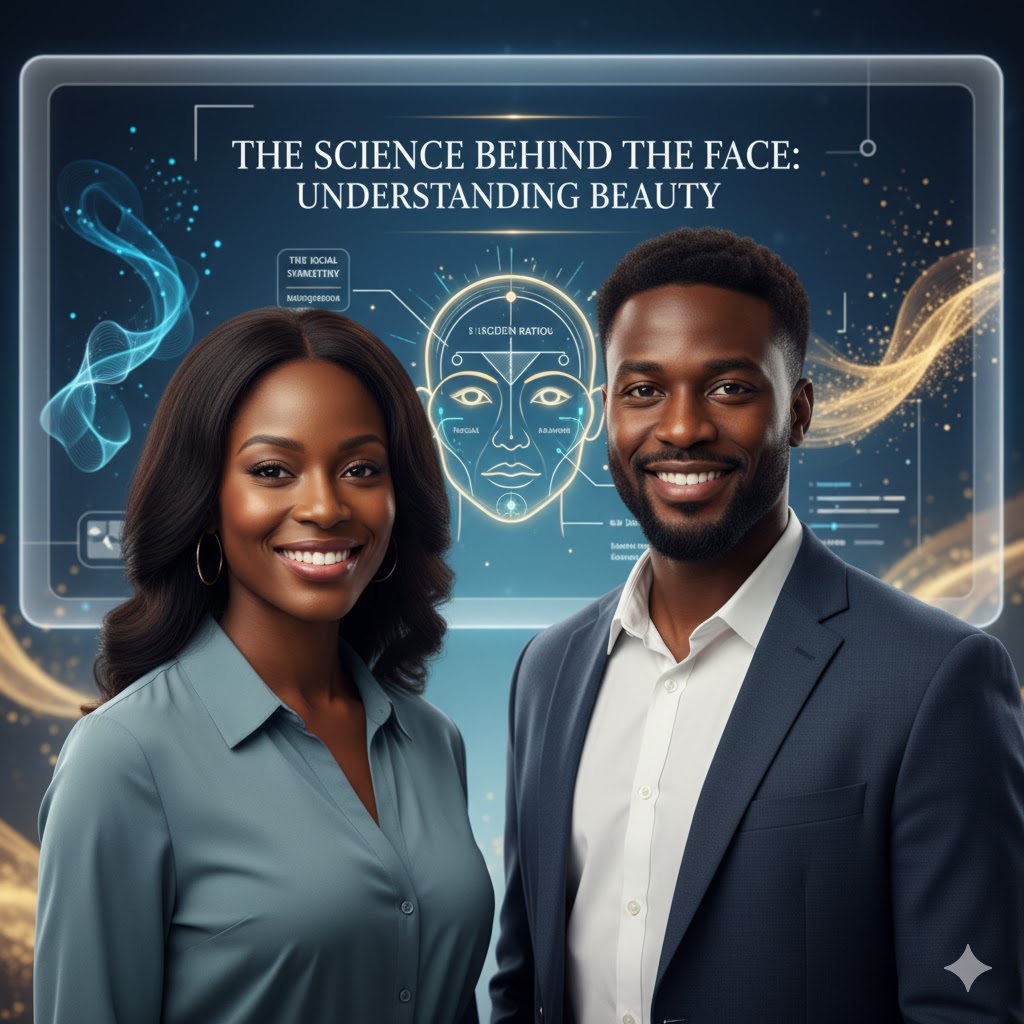
The Science Behind the Face: Understanding Beauty

Human fascination with beauty is universal, transcending cultures and centuries. The human face, as the most expressive and recognizable feature, has been the subject of both scientific study and artistic admiration. While societal standards influence perceptions of attractiveness, research in psychology, anatomy, and genetics reveals measurable factors that shape our judgments of beauty. Faith reminds us, however, that every face reflects God’s divine design.

1. Symmetry and Attraction

Facial symmetry is one of the most robust predictors of perceived attractiveness. Symmetrical faces are often rated as healthier, more balanced, and more appealing. Evolutionary psychology suggests that symmetry signals genetic fitness and developmental stability (Rhodes, 2006).

2. The Golden Ratio

The “golden ratio” (Phi, approximately 1.618) defines proportional relationships considered aesthetically pleasing. Applied to facial features, the distance between the eyes, the width of the nose, and the placement of the lips often reflect this ratio. Cultures unconsciously prefer faces that approximate these proportions.

3. Skin Tone and Texture

Even, clear skin signals health and youth, which are universally attractive traits. Cultural perceptions of skin tone are shaped by historical and social factors, often resulting in colorism. While lighter or more uniform skin may be preferred in some societies, all skin tones reflect the divine image of God (Psalm 139:14).

4. Hormonal Influences

Facial features often reflect hormonal markers of fertility and vitality. High cheekbones, a defined jawline, and full lips may indicate estrogen levels in women, while strong jawlines and brow ridges suggest testosterone in men. These cues are subconsciously interpreted as indicators of reproductive health.

5. Age and Youthfulness

Youthful features—smooth skin, full lips, and bright eyes—are often rated as more attractive. Research suggests this preference is linked to evolutionary drives, but spiritually, youthfulness is not the only measure of beauty. Wisdom and grace, as cultivated over time, reflect God’s design.

6. Facial Expression and Microexpressions

Beauty extends beyond physical features. Emotional expression, such as smiling or engaging eyes, enhances attractiveness. Microexpressions convey kindness, warmth, and empathy, making a face appear more appealing. Faith affirms that inner beauty radiates outward (1 Peter 3:3-4).

7. Cultural Influences

Beauty standards vary widely across cultures and epochs. Media and fashion often amplify narrow ideals, frequently favoring Eurocentric features. However, cultural diversity demonstrates that beauty is multifaceted, and global studies highlight varying preferences in facial features and expressions.

8. Colorism and Social Bias

Skin tone preferences can influence social outcomes, including dating, employment, and representation in media. Colorism, a form of bias privileging lighter skin within the same ethnic group, perpetuates inequality. Scientific understanding can help dismantle these prejudices while affirming the divine worth of all skin tones.

9. Facial Proportions and Cognitive Perception

The human brain evaluates faces holistically, integrating symmetry, proportion, and feature spacing. Neuroscience shows that certain facial ratios trigger reward pathways in the brain, creating a sense of visual pleasure.

10. Genetics and Heredity

Genetic inheritance plays a significant role in facial structure and features. Traits such as eye shape, nose width, and cheekbone prominence are influenced by ancestry. Recognizing this highlights the diversity of beauty and its roots in God’s creation.

11. The Role of Health Indicators

Perceived beauty often correlates with visible health markers: skin clarity, hair quality, and eye brightness. These indicators are evolutionarily significant but also remind us that self-care reflects stewardship of God’s gift of the body.

12. Symmetry vs. Individuality

While symmetry is appealing, perfectly symmetrical faces are rare. Unique features—freckles, dimples, and small asymmetries—often contribute to perceived attractiveness, demonstrating that God’s creativity celebrates individuality.

13. Psychological Effects of Beauty

Physical attractiveness influences social perception, confidence, and interpersonal outcomes. People often associate beauty with positive traits such as intelligence and kindness, though these assumptions are not always accurate. Awareness of these biases allows for more equitable social interactions.

14. Media, Technology, and Altered Perceptions

Social media, photography, and filters can distort beauty standards, creating unrealistic expectations. While science studies human perception, faith reminds us that true beauty is not defined by comparison but by alignment with God’s image.

15. Inner Beauty and Spirituality

Psychological research confirms that inner qualities—kindness, empathy, and integrity—significantly enhance perceived attractiveness. Scripture emphasizes that God values the heart over outward appearance (1 Samuel 16:7).

16. Cross-Cultural Variation

Studies across continents show differing preferences for features such as nose width, eye shape, and lip fullness. These variations underscore that beauty is not absolute but interpreted through cultural, social, and psychological lenses.

17. Beauty Across the Lifespan

While youth is often idealized, beauty in maturity reflects wisdom, experience, and grace. Aging gracefully embodies a different form of aesthetic appeal, aligned with spiritual depth.

18. Overcoming Bias Through Awareness

Understanding the science of beauty empowers individuals to challenge stereotypes, reduce lookism, and appreciate diversity. Faith-based perspectives reinforce that all people are made in God’s image, deserving honor and respect.

19. Integrating Science and Faith

Scientific insights explain perception, symmetry, and preference, but faith affirms intrinsic value. Beauty is not merely external; it integrates moral character, spiritual integrity, and divine design.

20. Conclusion

The science behind the face reveals measurable aspects of beauty: symmetry, proportion, skin quality, and expression. Yet, true beauty transcends these factors, rooted in the divine blueprint and reflected in the soul. Recognizing both the scientific and spiritual dimensions of beauty allows us to appreciate God’s creation fully. Every face—unique, fearfully, and wonderfully made—is a testament to His glory (Psalm 139:14).


References

  • Hunter, M. L. (2007). The persistent problem of colorism: Skin tone, status, and inequality. Sociology Compass, 1(1), 237–254. https://doi.org/10.1111/j.1751-9020.2007.00006.x
  • Rhodes, G. (2006). The evolutionary psychology of facial beauty. Annual Review of Psychology, 57(1), 199–226. https://doi.org/10.1146/annurev.psych.57.102904.190208
  • Russell-Cole, K., Wilson, M., & Hall, R. E. (2013). The color complex: The politics of skin color among African Americans. Anchor Books.
  • Psalm 139:14 (KJV).
  • 1 Peter 3:3-4 (KJV).
  • 1 Samuel 16:7 (KJV).

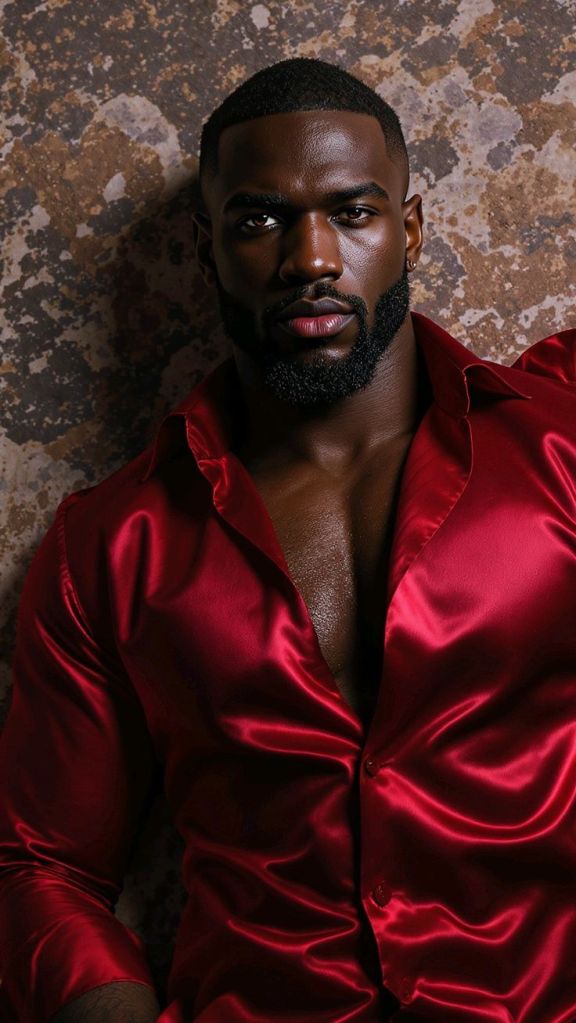
The Aesthetics of Manhood: Redefining Male Beauty in a Changing World

This photograph is the property of its respective owner. No copyright infringement intended.

In today’s evolving society, the concept of male beauty is undergoing a profound transformation. The traditional standards that once confined masculinity to stoicism, strength, and physical dominance are now being challenged by broader, more inclusive interpretations. The aesthetics of manhood are no longer limited to muscle and might—they now encompass vulnerability, intellect, emotional expression, and cultural authenticity.

Historically, male beauty was measured through physical power and ruggedness. In ancient Greece and Rome, statues of warriors and athletes represented the ideal male form—strong, symmetrical, and disciplined. The male body symbolized order and control, reflecting societal values of dominance and reason. However, these classical ideals excluded diverse expressions of masculinity, especially those from non-Western cultures that viewed beauty through community, spirit, and moral integrity (Bordo, 1999).

In African traditions, beauty in men has long been associated with wisdom, dignity, and spiritual strength. Among the Yoruba, for instance, the concept of iwa pele (good character) was considered more beautiful than mere physical appearance. Similarly, in ancient Kemet (Egypt), male beauty was symbolized by balance—between the body, mind, and soul. These ancestral philosophies remind us that beauty is not just seen; it is lived, embodied, and spiritually aligned (Asante, 2000).

The modern era, shaped by colonialism and Western media, disrupted these holistic views. Eurocentric standards elevated certain physical traits—light skin, straight hair, narrow noses—as superior, marginalizing men of African descent and redefining attractiveness through whiteness. The media portrayed Black men as hypermasculine or dangerous, stripping them of softness and sensitivity. This distortion created a false binary between strength and beauty (hooks, 2004).

Today, a cultural rebirth is reclaiming the aesthetics of Black manhood. The modern Black man is redefining beauty through authenticity—embracing his natural hair, his melanin, his heritage, and his emotions. Public figures like Idris Elba, Regé-Jean Page, and Chadwick Boseman have become global icons not merely because of their looks but because they embody elegance, confidence, and grace grounded in cultural pride.

Fashion has also become a vehicle for redefining masculinity. Once considered effeminate, self-expression through style now represents power and individuality. From tailored suits to traditional African attire, men are reclaiming the right to adorn themselves without judgment. The black corduroy suit, for instance—timeless, textured, and dignified—evokes a man grounded in intellect and self-respect, exuding quiet power rather than overt aggression.

Social media has democratized beauty, allowing diverse images of manhood to flourish. Influencers, models, and thinkers challenge the old norms by presenting vulnerability as strength and intellect as attraction. The male gaze is no longer just about how men look at women—it’s about how men perceive themselves. Self-love and self-definition are becoming acts of resistance against a society that once denied men the right to feel (Gill, 2008).

The aesthetics of manhood also intersect with mental health. For centuries, men were taught to hide pain and equate emotion with weakness. Today, redefining beauty includes emotional transparency—the courage to cry, to heal, to grow. This shift honors the humanity of men, not just their physicality. It teaches that inner peace radiates outward as a form of beauty.

In the world of art and photography, representations of male beauty are expanding. Portraits of Black men in fine suits, natural light, or ancestral settings highlight a sacred duality: strength intertwined with serenity. These images humanize the Black male body, reclaiming it from stereotypes of violence and hypersexualization. Beauty becomes political—a declaration of worth and wholeness.

Moreover, the redefinition of male beauty challenges capitalism’s grip on self-image. The beauty industry, long targeted toward women, now markets grooming, skincare, and fashion to men. While this opens new expressions, it also risks commodifying masculinity. The true aesthetics of manhood should arise from authenticity, not consumerism.

Education and media literacy are crucial in shaping new ideals. Young boys must be taught that their value extends beyond appearance or aggression. They must learn that empathy, faith, and integrity are beautiful traits. The aesthetics of manhood, when rooted in moral excellence, contribute to healthier relationships and stronger communities.

Faith and spirituality play an essential role as well. The biblical model of manhood—courage balanced with compassion—reminds us that beauty is divine when aligned with purpose. Scriptures like Proverbs 20:29 (“The glory of young men is their strength: and the beauty of old men is the gray head”) affirm that beauty evolves with age, wisdom, and moral refinement.

Culturally, we are witnessing a renaissance of manhood through art, film, and literature. Black filmmakers and writers depict complex male characters who cry, love, and lead with purpose. From the dignity of T’Challa in Black Panther to the introspection of Colman Domingo’s roles, beauty is reimagined as multifaceted and deeply human.

The aesthetics of manhood are also shifting across gender and sexuality lines. Men who defy conventional masculinity—whether through fashion, identity, or expression—expand the conversation. Their courage dismantles toxic ideals and allows a richer, more inclusive understanding of male beauty to emerge (Connell, 2005).

Intergenerational dialogue is vital in this redefinition. Elders must teach young men that beauty is not vanity but virtue. Meanwhile, younger generations must model new versions of manhood that blend tradition with transformation. Together, they can create a balanced vision where manhood is not confined by fear or dominance but liberated through authenticity.

The dilemma remains: society still pressures men to conform to outdated ideals of toughness. Yet, a new paradigm is rising—one that celebrates quiet strength, cultural pride, and spiritual wholeness. The true aesthetics of manhood are not found in perfection but in purpose, not in control but in connection.

Ultimately, redefining male beauty is about healing. It is about freeing men from centuries of repression and allowing them to see themselves as reflections of divine artistry. Every wrinkle, scar, and gray hair tells a story of endurance. Every expression of gentleness and courage reveals the image of God within.

The world is learning that beauty and masculinity are not opposites—they are allies in the making of a complete man. As this understanding deepens, society will no longer fear men who are beautiful in spirit, intellect, and soul. The aesthetics of manhood, then, become a universal call to redefine what it means to be human.


References

Asante, M. K. (2000). The African Philosophy of African Culture: Toward a Theory of Communication. Routledge.
Bordo, S. (1999). The Male Body: A New Look at Men in Public and in Private. Farrar, Straus and Giroux.
Connell, R. W. (2005). Masculinities (2nd ed.). University of California Press.
Gill, R. (2008). Empowerment/Sexism: Figuring Female Sexual Agency in Contemporary Advertising. Feminism & Psychology, 18(1), 35–60.
hooks, b. (2004). We Real Cool: Black Men and Masculinity. Routledge.

Brown Girl, Your Skin Is Gold: You Don’t Have to Conform to the European Standards of Beauty

You are Chosen, Your hair is good, Your melanin is poppin, You are fearfully and wonderfully made.

Brown girl, you are a reflection of divine artistry. The shade of your skin is not a mistake, nor is it something to hide. It is a royal robe woven by the hands of the Most High. You were created in His image (Genesis 1:27, KJV), and your melanin is a testimony of His creative brilliance. The deep, rich tones of your complexion are not something to be corrected or lightened—they are to be celebrated as proof of your divine heritage.

For too long, the world has set European standards of beauty as the ideal, convincing many that straight hair, narrow features, and pale skin define worth. But the Most High never made beauty uniform. He adorned His daughters in every hue, from ebony to bronze, from deep mahogany to caramel gold. “I will praise thee; for I am fearfully and wonderfully made” (Psalm 139:14, KJV). You were wonderfully made—exactly as you are.

Your beauty is sacred. The softness of your curls, the fullness of your lips, and the strength in your frame all carry the fingerprints of the Creator. You do not need to alter yourself to be loved or accepted. The world’s definition of beauty changes with time, but God’s view of you never wavers. You are His masterpiece, crafted in excellence and purpose.

Brown girl, remember the queens who came before you—Deborah, Ruth, the Queen of Sheba, Esther, and other women of faith and strength. Their beauty was not in vanity but in virtue, wisdom, and courage. They were women who feared God, and their inner light made them radiant. “Favour is deceitful, and beauty is vain: but a woman that feareth the Lord, she shall be praised” (Proverbs 31:30, KJV).

Your skin tells a story—of resilience, of lineage, of survival. It glows because it carries history within it. Your ancestors endured, prayed, and overcame, passing on strength and faith through the generations. Each shade of brown is sacred, kissed by the sun and crowned with divine purpose. When you look in the mirror, see royalty, not rejection.

You don’t have to straighten your curls or lighten your tone to fit into someone else’s mold. The Most High designed your coils to reach toward heaven. Your hair defies gravity because your spirit does too. “But even the very hairs of your head are all numbered” (Luke 12:7, KJV). That means your natural beauty is known, counted, and loved by God Himself.

You were never meant to blend in; you were made to stand out. The glow of your melanin, the rhythm of your walk, the power of your presence—all these are gifts. The Most High doesn’t create duplicates; He creates originals. So never compare your beauty to another’s reflection. You are the light He placed in this world to shine in your own unique way.

Brown girl, your confidence is your crown. When you walk in self-love and humility, you represent the image of the Kingdom. You don’t need validation from magazines or social media. Your worth is eternal and rooted in divine truth. “Ye are a chosen generation, a royal priesthood, an holy nation, a peculiar people” (1 Peter 2:9, KJV). Royalty doesn’t seek approval—it walks in it.

When society tells you that your features are too bold, your hair too wild, or your skin too dark, remember that these are the very traits that make you radiant. Your beauty is not an apology; it’s an announcement of divine brilliance. You were made in a way that reflects the warmth of the sun and the strength of the earth. You are creation personified.

It is not prideful to love your reflection—it is gratitude. To love your brown skin is to honor the God who shaped you. You carry within you the hues of the soil that birthed civilizations, the tones of strength and fertility. You are living poetry, written by the hand of the Most High Himself.

When you embrace your natural beauty, you resist conformity and affirm truth. The world benefits when you show up as your authentic self. Your light inspires others to do the same. Every time you love yourself out loud, you dismantle lies that have oppressed generations of Black and brown girls into silence and shame.

Let your self-love be worship. Let your confidence be testimony. When you lift your head high, you declare that the Most High makes no mistakes. Every freckle, every curl, every shade is intentional. “The king’s daughter is all glorious within” (Psalm 45:13, KJV). You are glorious within and without.

Brown girl, your beauty is not just skin deep—it’s spiritual. The glow of your melanin mirrors the glow of your soul. Your radiance is not merely physical; it’s a reflection of God’s spirit resting within you. When you walk in peace and righteousness, your countenance shines with divine light.

You are not too dark—you are divine. You are not too bold—you are chosen. You are not too different—you are deliberate. The beauty standard of Heaven celebrates diversity and distinction. You are not an imitation of the world’s image; you are a revelation of God’s imagination.

Do not be afraid to take up space, to wear your crown, or to celebrate your reflection. Modesty and confidence can coexist; humility and pride in identity can live in harmony. The world needs to see what God’s beauty looks like in full color. And that color is you.

Speak life into yourself daily. Say, “I am beautiful. I am enough. I am chosen.” Words have power, and when spoken in faith, they shape your reality. The same God who spoke light into existence spoke you into being—and He called you good.

You are not defined by your comparison to others, but by your connection to the Creator. You don’t have to chase trends or alter your essence to fit a mold that was never designed for you. God’s approval is the only standard worth seeking.

Brown girl, lift your head. Stand tall in your natural beauty. Celebrate your deep roots, your radiant skin, your strength, and your softness. You are living proof that Black is not only beautiful—it is divine. You carry a light that the world cannot dim.

Let your life be a reminder to every little girl who looks like you that she too is enough. Teach her to love her curls, her tone, and her reflection. Teach her to say, “I am fearfully and wonderfully made” (Psalm 139:14, KJV). Because when she believes it, the world changes.

Brown girl, your skin is gold. Your beauty is God-breathed. You are not an imitation of anyone else—you are an original masterpiece of the Most High. Shine in your authenticity, love your reflection, and never forget: you are already everything He designed you to be.

References
Holy Bible, King James Version.
Genesis 1:27; Psalm 139:14; Proverbs 31:30; Luke 12:7; 1 Peter 2:9; Psalm 45:13.

Beauty in the Eyes of Truth: Debunking Satoshi Kanazawa’s Racist “Study” on Black Women.

When Satoshi Kanazawa published his article, “Why Are Black Women Less Physically Attractive Than Other Women?” in 2011 on Psychology Today’s blog The Scientific Fundamentalist, he set off a firestorm of global outrage. His so-called “research” claimed that Black women were “objectively less attractive” than women of other races based on statistical data. What he called “scientific evidence” was, in reality, a misuse of data, steeped in racial bias, colonial beauty standards, and poor methodology.

Kanazawa drew from a database called the Add Health survey, which included self-reported ratings of physical attractiveness by interviewers. However, these interviewers were not trained in objective aesthetic assessment — they were individuals influenced by their own biases, cultural norms, and Eurocentric ideals of beauty. Instead of acknowledging this obvious flaw, Kanazawa treated subjective opinions as biological fact, thereby perpetuating pseudoscience.

The title alone — “Why Are Black Women Less Physically Attractive” — betrayed a racist premise. It positioned Black women as a scientific question to be explained rather than human beings deserving of dignity. This type of racial pseudoscience has roots in 19th-century eugenics, which sought to justify white supremacy through “biology.” In Kanazawa’s case, the problem wasn’t science — it was the misuse of science to validate prejudice.

The article provoked an immediate global backlash. Black women scholars, writers, and readers flooded Psychology Today with demands for its removal. Within days, the post was taken down and disavowed by the publication. The London School of Economics publicly condemned Kanazawa’s statements, suspended him from teaching duties, and launched an investigation into his conduct. Psychology Today later issued an apology for publishing the article at all, acknowledging that it failed editorial standards and promoted harmful racial stereotypes.

Satoshi Kanazawa was not a random internet blogger — he was a university lecturer and evolutionary psychologist who often courted controversy. He had previously published inflammatory posts suggesting that African nations were “less intelligent” due to genetics, and that men were “more rational” than women. His work consistently displayed a pattern of racial and gender bias disguised as evolutionary psychology, leading many experts to label his theories as “scientific racism.”

But why did he specifically target Black women? Because Black women have historically been positioned at the intersection of both racism and sexism — where both systems of oppression overlap. Kanazawa’s post reflected a broader societal narrative that devalues Black womanhood while glorifying Eurocentric beauty. From slavery-era stereotypes of the “mammy” and “jezebel” to modern media’s glorification of lighter skin and straighter hair, his article fed into a centuries-old lie: that whiteness equals beauty, and Blackness does not.

Yet the truth is exactly the opposite. The concept of beauty is not objective, and it certainly cannot be reduced to statistical averages. Beauty is in the eye of the beholder, as Proverbs 31:30 (KJV) reminds us: “Favour is deceitful, and beauty is vain: but a woman that feareth the Lord, she shall be praised.” The Most High never created one standard of beauty — He created diversity as a reflection of His glory.

The melanin-rich skin of Black women is a divine masterpiece of strength and radiance. Scientifically, melanin protects against ultraviolet radiation, delays aging, and carries powerful antioxidant properties. Spiritually, melanin symbolizes resilience and divine design — “I am black, but comely,” declares the Shulamite woman in Song of Solomon 1:5 (KJV), affirming that her dark skin is beautiful in the eyes of God.

Kanazawa’s so-called “findings” crumble under both scientific and spiritual truth. Studies since then have proven that perceptions of beauty are culturally constructed and heavily influenced by exposure, familiarity, and societal power dynamics. When media and academia have long centered white features as the norm, it’s no surprise that biases emerge in subjective surveys. The real issue is not the appearance of Black women — it’s the conditioning of the observers.

The damage from Kanazawa’s article, however, was not purely academic. It caused emotional harm to millions of Black women and girls who saw themselves being demeaned in the name of science. But out of that pain came power — Black women writers, scholars, and activists began challenging not just Kanazawa, but the entire structure of racialized beauty standards. Movements like #BlackGirlMagic and The Melanin Movement emerged to celebrate the uniqueness, intelligence, and glory of Black femininity.

The Bible teaches that every human is “fearfully and wonderfully made” (Psalm 139:14, KJV). There is no hierarchy in God’s creation, only purpose. The notion that any race of women could be “less attractive” defies both the natural order and divine truth. God does not rank beauty — He defines it by character, spirit, and righteousness.

Satoshi Kanazawa’s downfall serves as a lesson in accountability. His attempt to use science to degrade a people group backfired and exposed how racism still lurks in academic institutions. The removal of his article and suspension from LSE marked an important moment in the fight against institutional racism disguised as research.

To this day, Psychology Today has never republished the post, and Kanazawa’s reputation remains stained by his unethical approach. His legacy is a warning: intelligence without morality becomes manipulation. Data without empathy becomes oppression.

The truth is simple — Black women do not need validation from biased scientists or manipulated statistics. Their worth is intrinsic, God-given, and undeniable. Their features — full lips, textured hair, radiant skin — are not deviations from beauty but divine blueprints of creation.

In a world still influenced by Eurocentric ideals, it is critical to remember that beauty is not comparative — it is collective. Every shade and feature tells the story of a God who delights in variety.

Satoshi Kanazawa’s article was not science; it was prejudice cloaked in data. Its removal was an act of justice. And its legacy reminds us that truth and beauty cannot be measured by biased eyes — only by the Creator who made all flesh in His image.

Black Women Are Divine: The Truth About Melanin and Beauty Beyond Eurocentrism

For centuries, the beauty of the Black woman has been misunderstood, misrepresented, and mischaracterized. Western ideals — rooted in colonialism and white supremacy — have attempted to distort what God Himself called “good.” Yet, the truth remains: the Black woman is not an accident of biology, nor a deviation from beauty’s standard. She is divine design — formed with intention, wrapped in melanin, and crowned with resilience.

The Eurocentric gaze has long defined beauty through a narrow lens — lighter skin, straight hair, delicate features. But this standard was born not of truth, but of hierarchy. It emerged during colonization when European men sought to establish dominance by devaluing darker skin. To elevate whiteness, they had to diminish Blackness. And so, the war against Black womanhood became not just physical, but psychological.

But the Most High made no mistake. Genesis 2:7 (KJV) says, “And the LORD God formed man of the dust of the ground, and breathed into his nostrils the breath of life.” The dust of the ground is brown — the color of earth, rich in nutrients and minerals. In the same way, the skin of the Black woman carries the essence of creation itself. Her melanin is not a flaw; it is the fingerprint of God’s first masterpiece.

Melanin is the biological evidence of divine wisdom. It absorbs light, protects from radiation, preserves youth, and enhances the body’s connection to natural energy. Spiritually, it symbolizes endurance and divine covering. Isaiah 60:2 (KJV) proclaims, “For, behold, the darkness shall cover the earth… but the LORD shall arise upon thee, and his glory shall be seen upon thee.” The darkness that covers the Black woman is not a curse — it is glory manifested.

Every curl, every coil, every shade of brown tells a sacred story. Black hair, often stigmatized under European ideals, is in fact a marvel of design — coiled to protect the scalp, regulate heat, and retain moisture in tropical climates. It grows toward the heavens as a living symbol of strength and connection to the divine. 1 Corinthians 11:15 (KJV) declares, “If a woman have long hair, it is a glory to her.” Black hair, in all its natural forms, is an expression of that glory.

The lie of Eurocentric beauty has long told Black women they must alter themselves to be accepted — straighten their hair, lighten their skin, shrink their bodies, and quiet their voices. But these are not acts of self-love; they are symptoms of systemic programming. Romans 12:2 (KJV) warns, “And be not conformed to this world: but be ye transformed by the renewing of your mind.” To renew the mind is to remember divine truth: that you were already perfect in the eyes of your Creator.

Science, when freed from bias, testifies to the same truth. Melanin not only defines skin tone but also enhances vision, strengthens the immune system, and synchronizes the body’s natural rhythm with the sun. It is, quite literally, life-giving carbon — the same element found in stars, soil, and all living things. To possess melanin is to carry the universe within.

The Black woman’s lips, full and expressive, symbolize nourishment and truth. Her hips, wide and strong, represent creation and continuation of life. Her eyes, deep and radiant, reflect wisdom and empathy. Her skin, luminous and resilient, tells the story of survival through centuries of oppression — yet still she glows. Isaiah 61:3 (KJV) calls her a woman “to give unto them beauty for ashes.” She has walked through fire, yet she remains gold.

Historically, European colonialism labeled African features as “primitive” while simultaneously fetishizing them. This hypocrisy continues in modern media, where non-Black women are praised for features that originate in Black beauty — full lips, curvy bodies, sun-kissed skin. Yet when the Black woman bears them naturally, she is too often told she is “too much.” This contradiction exposes the world’s envy of what it cannot reproduce: divine authenticity.

To understand the sacredness of melanin is to understand covenant. Deuteronomy 7:6 (KJV) declares, “For thou art an holy people unto the LORD thy God: the LORD thy God hath chosen thee to be a special people unto himself.” The melanin in the Black woman is more than pigment — it is purpose. It connects her to the elements of the earth and the energy of creation. She embodies both survival and sanctity.

The Black woman is also the cradle of civilization. Archaeological and genetic evidence affirms that humanity’s maternal ancestry traces back to Africa — to the very women whose descendants are still walking the earth. The mitochondrial DNA of all humans today originates from an African mother scientists call “Mitochondrial Eve.” Long before Eurocentric ideals existed, the Black woman was the standard — the mother of nations.

Yet despite being the mother of humanity, she has been vilified, hypersexualized, and devalued. But God always restores what man destroys. Psalm 113:7 (KJV) reminds us, “He raiseth up the poor out of the dust, and lifteth the needy out of the dunghill.” The modern awakening of Black womanhood — in faith, culture, and scholarship — is that divine lifting in action.

To the Black woman, you are not defined by social metrics or colonial constructs. You are defined by the Word of God and the truth of creation. Your strength does not make you hard; your beauty does not make you vain; your melanin does not make you less. It makes you chosen.

Black woman, your skin is anointed with the same carbon that fuels the stars. Your heart beats with the rhythm of ancient drums. Your voice carries the tone of prophets and poets. Your presence testifies that the Creator’s design is intentional, balanced, and breathtaking.

Let no man or magazine define you. Let no algorithm rank you. Let no false science demean you. For you were not created to fit into the mold of European fantasy — you were shaped by divine reality. You are living evidence of God’s brilliance and endurance.

In a world obsessed with imitation, your authenticity is rebellion. In a society obsessed with whiteness, your blackness is truth. And in a culture obsessed with erasure, your existence is resistance. You are, and always will be, the living expression of the Most High’s creativity.

As Psalm 45:13 (KJV) says, “The king’s daughter is all glorious within: her clothing is of wrought gold.” Black woman, your skin is that gold. It shines not because others approve of it, but because Heaven does.

The world’s definition of beauty is fleeting, but yours is eternal. Your melanin, your essence, your truth — all are divine signatures. You are not less than. You are the blueprint.

KJV References:
Genesis 2:7; Isaiah 60:2; 1 Corinthians 11:15; Romans 12:2; Psalm 139:14; Song of Solomon 1:5; Deuteronomy 7:6; Psalm 113:7; Isaiah 61:3; Psalm 45:13; Proverbs 31:30; Revelation 7:9. Genesis 1:27; Psalm 139:14; Song of Solomon 1:5; Proverbs 31:30; Romans 2:11; James 2:1; 1 Samuel 16:7; Galatians 3:28; Revelation 7:9.