Category Archives: Beauty Standards

The Science of Beauty: Decoding the Biology, Psychology, and Perception of Aesthetics.

Beauty has long fascinated philosophers, scientists, and artists alike, as it intersects both the tangible and intangible aspects of human existence. While often considered subjective, beauty also possesses measurable biological and psychological dimensions that have been studied across disciplines such as evolutionary biology, neuroscience, and sociology. The science of beauty seeks to understand why certain features, forms, and proportions are universally regarded as attractive and how these perceptions influence human behavior and social dynamics.

Evolutionary biology offers a foundation for understanding beauty through the lens of survival and reproduction. Charles Darwin’s theory of sexual selection posits that beauty functions as a biological signal of health, fertility, and genetic fitness (Darwin, 1871). Facial symmetry, for instance, is often interpreted as an indicator of developmental stability and resistance to disease, leading individuals with symmetrical faces to be perceived as more attractive.

Symmetry is not merely an aesthetic ideal but a biological marker. Studies show that facial symmetry is associated with optimal hormone levels, fewer genetic mutations, and stronger immune systems (Rhodes, 2006). This biological alignment resonates subconsciously with observers, who interpret symmetry as a sign of good genes—a preference encoded over millennia of human evolution.

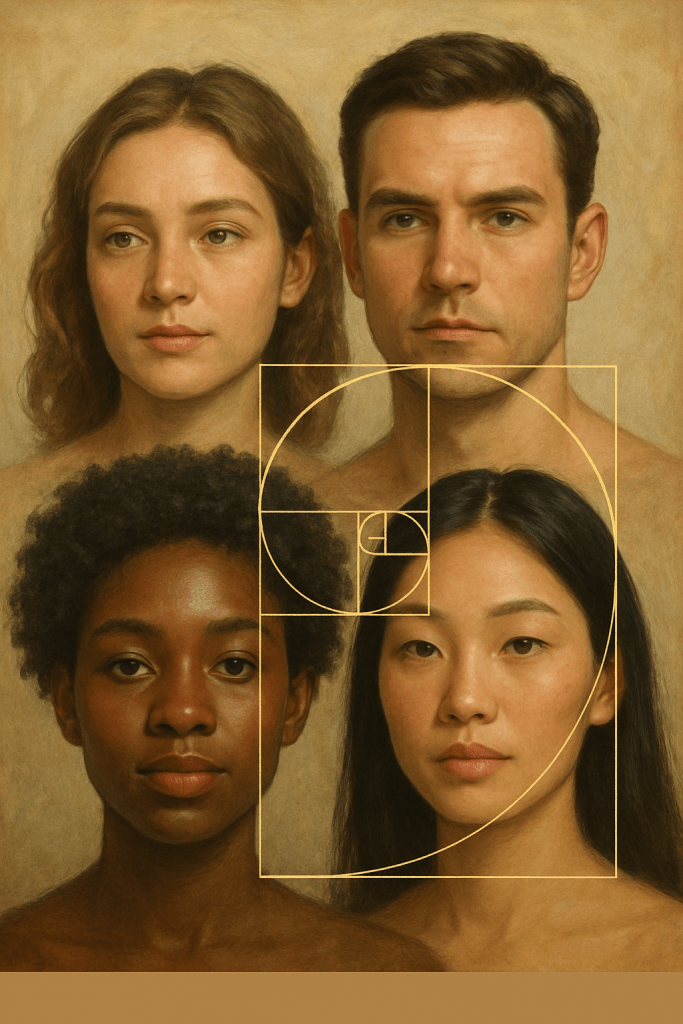
Another key concept in the science of beauty is the “golden ratio,” or phi (approximately 1.618), which describes a mathematical proportion found throughout nature, architecture, and the human body. Research has shown that faces approximating the golden ratio are consistently rated as more attractive (Marquardt, 2002). The Marquardt facial mask, designed to reflect these ideal proportions, has become a scientific model for analyzing facial harmony.

However, beauty extends beyond mathematics. Facial features such as full lips, clear skin, and high cheekbones also influence perceptions of attractiveness because they are subconsciously associated with youth, vitality, and reproductive capability (Etcoff, 1999). These traits act as visual cues that have guided human mate selection throughout history.

Neuroscience further enriches our understanding by exploring how the brain responds to beauty. Neuroimaging studies show that when individuals view faces they perceive as beautiful, the brain’s reward center—the medial orbitofrontal cortex—is activated (Aharon et al., 2001). This activation mirrors responses to pleasurable stimuli such as music or food, suggesting that beauty engages both cognitive and emotional circuits.

Psychological research has long examined the “halo effect,” a cognitive bias where physically attractive individuals are perceived as more intelligent, kind, and capable (Dion, Berscheid, & Walster, 1972). This effect reveals how deeply ingrained visual perception is in shaping human judgment and social hierarchies.

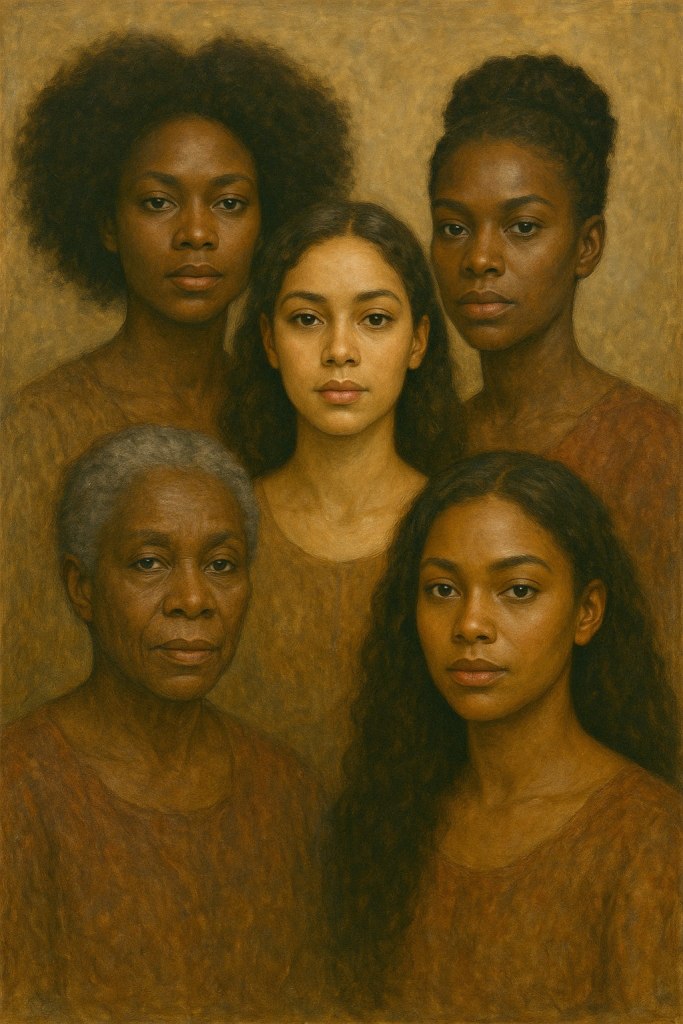
Cultural and racial variations complicate the notion of universal beauty. While certain traits are globally appreciated, cultural contexts shape aesthetic ideals. For example, Western media historically favored Eurocentric features—fair skin, narrow noses, and lighter eyes—whereas African, Asian, and Indigenous societies have celebrated diverse beauty markers such as darker skin tones, fuller bodies, and textured hair (Hunter, 2011).

In the modern era, beauty is also intertwined with media influence and technology. Social media platforms amplify specific beauty standards through filters, digital editing, and algorithms that reward particular looks. This digital aesthetic homogenization can distort self-perception and promote unrealistic ideals (Fardouly & Vartanian, 2016).

The cosmetics and fashion industries further reinforce the commercial side of beauty. The global beauty industry, valued at over $500 billion, capitalizes on insecurities by marketing transformation as empowerment. Yet this commodification raises ethical questions about authenticity and self-worth (Jones, 2021).

Beauty perception is also influenced by hormones and genetics. For example, testosterone levels are linked to masculine facial features such as a strong jawline, while estrogen contributes to features considered feminine, such as soft skin and fuller lips (Thornhill & Gangestad, 1999). These biological signals influence attraction subconsciously, reflecting reproductive compatibility.

Beyond physical features, behavioral expressions such as confidence, warmth, and kindness can enhance perceived attractiveness. Research suggests that beauty is dynamic—animated expressions, body language, and voice tone can transform how a person is viewed (O’Doherty et al., 2003).

The role of melanin in beauty has also been scientifically explored. Melanin not only determines skin tone but also provides photoprotection and age resistance (Kaidbey et al., 1979). Yet, despite its biological advantage, darker skin has often been devalued in societies shaped by colonial and colorist histories.

The psychological toll of beauty bias is profound. Studies link appearance-based discrimination to lower self-esteem, depression, and social anxiety (Rumsey & Harcourt, 2005). This underscores the importance of diversifying beauty ideals to promote psychological well-being and cultural inclusivity.

Beauty also intersects with moral and spiritual philosophy. Biblical and philosophical traditions have long grappled with whether beauty is a reflection of inner goodness or mere external vanity. As Proverbs 31:30 (KJV) reminds us, “Favor is deceitful, and beauty is vain: but a woman that feareth the Lord, she shall be praised.”

Modern science aligns with this idea by revealing that kindness, empathy, and positive energy can alter facial perception—literally making individuals appear more attractive through microexpressions and improved emotional resonance (Little, Burt, & Perrett, 2006).

Aesthetic medicine and cosmetic surgery have blurred the line between natural and artificial beauty. While technological advancements allow individuals to enhance or alter features, the psychological motivation often stems from conformity to societal pressures rather than personal fulfillment (Sarwer et al., 2005).

From a sociological perspective, beauty functions as a form of cultural capital. French sociologist Pierre Bourdieu (1984) argued that aesthetic preferences are tied to social class and education, reinforcing social hierarchies by defining what is considered “refined” or “desirable.”

The future of beauty science lies in inclusivity and authenticity. With increased awareness of genetic diversity, researchers are beginning to celebrate broader definitions of beauty that reflect global humanity rather than narrow ideals. This evolution aligns with the growing understanding that beauty is both innate and learned—an interplay of biology, culture, and consciousness.

Ultimately, the science of beauty reveals a profound truth: beauty is both a mirror and a mystery. It reflects our biological heritage while embodying the values of the societies we build. To understand beauty is to understand humanity itself—a species constantly seeking harmony between the seen and the unseen, the body and the soul.


References

Aharon, I., Etcoff, N., Ariely, D., Chabris, C. F., O’Connor, E., & Breiter, H. C. (2001). Beautiful faces have variable reward value: fMRI and behavioral evidence. Neuron, 32(3), 537–551.

Bourdieu, P. (1984). Distinction: A social critique of the judgement of taste. Harvard University Press.

Darwin, C. (1871). The descent of man, and selection in relation to sex. John Murray.

Dion, K., Berscheid, E., & Walster, E. (1972). What is beautiful is good. Journal of Personality and Social Psychology, 24(3), 285–290.

Etcoff, N. (1999). Survival of the prettiest: The science of beauty. Anchor Books.

Fardouly, J., & Vartanian, L. R. (2016). Social media and body image concerns: Current research and future directions. Current Opinion in Psychology, 9, 1–5.

Hunter, M. (2011). Race, gender, and the politics of skin tone. Routledge.

Jones, M. (2021). Beauty and capitalism: The cultural economy of aesthetics. Palgrave Macmillan.

Kaidbey, K. H., Agin, P. P., Sayre, R. M., & Kligman, A. M. (1979). Photoprotection by melanin—a comparison of black and Caucasian skin. Journal of the American Academy of Dermatology, 1(3), 249–260.

Little, A. C., Burt, D. M., & Perrett, D. I. (2006). Assortative mating for perceived facial personality traits. Personality and Individual Differences, 40(5), 973–984.

Marquardt, S. R. (2002). Dr. Stephen Marquardt’s Phi Mask: The mathematical formula of beauty. Journal of Aesthetic Dentistry, 12(2), 55–65.

O’Doherty, J., Winston, J., Critchley, H., Perrett, D., Burt, D. M., & Dolan, R. J. (2003). Beauty in a smile: The role of medial orbitofrontal cortex in facial attractiveness. Neuropsychologia, 41(2), 147–155.

Rhodes, G. (2006). The evolutionary psychology of facial beauty. Annual Review of Psychology, 57, 199–226.

Rumsey, N., & Harcourt, D. (2005). The psychology of appearance. Open University Press.

Sarwer, D. B., Crerand, C. E., & Didie, E. R. (2005). Body image and cosmetic medical treatments. Body Image, 2(4), 321–333.

Thornhill, R., & Gangestad, S. W. (1999). Facial attractiveness. Trends in Cognitive Sciences, 3(12), 452–460.
The Politics of Pretty: Brown Girls and Beauty Hierarchies. #thebrowngirldilemma

Photo by Sherman Trotz on Pexels.com

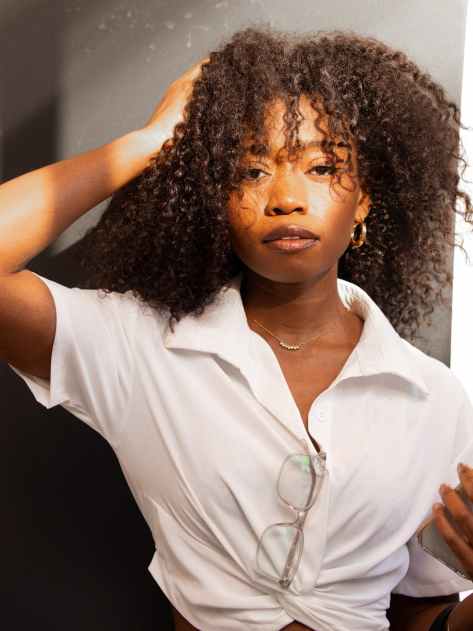
Beauty has never existed in a vacuum; it is deeply political, intertwined with power, culture, and societal hierarchy. For Brown girls, the politics of pretty are particularly complex, as beauty standards are often constructed to privilege lighter skin, Eurocentric features, and Western ideals. These hierarchies shape not only social perception but also opportunities, self-esteem, and cultural identity, producing both overt and subtle forms of discrimination (Hunter, 2007).

Historical legacies of colonialism and slavery play a central role in these hierarchies. Lighter-skinned individuals were historically afforded social, economic, and educational advantages, while darker-skinned people were marginalized. These structures created lasting beauty hierarchies in which skin tone, facial features, and hair texture became markers of status and desirability. Brown girls inherit these dynamics, navigating social spaces that often value proximity to whiteness over authentic cultural identity (Byrd & Tharps, 2014).

The media reinforces these hierarchies by promoting narrow definitions of beauty. Television, film, fashion, and social media often highlight lighter-skinned women as aspirational figures while darker-skinned women remain underrepresented or stereotyped. Celebrities like Yara Shahidi, Salli Richardson, and Mari Morrow illustrate the visibility and privilege associated with lighter skin, whereas Lupita Nyong’o, Kenya Moore, and Issa Rae challenge conventional beauty hierarchies by embracing melanin-rich skin, natural hair, and culturally distinct features (Fardouly et al., 2015).

Psychologically, these hierarchies impact self-perception and identity. Social comparison theory demonstrates that individuals evaluate themselves against societal standards, often internalizing bias. For Brown girls, repeated exposure to hierarchical standards of beauty can produce low self-esteem, body dissatisfaction, and feelings of exclusion. However, mentorship, representation, and culturally affirming environments can counteract these pressures, fostering resilience, confidence, and pride in one’s natural features (Festinger, 1954).

Economic implications of beauty hierarchies are equally significant. Lighter-skinned women often experience advantages in employment, income, and social mobility, demonstrating that beauty standards are not purely aesthetic but are tied to systemic privilege and opportunity. This inequity underscores how societal valuation based on appearance intersects with broader structures of power and access, perpetuating disadvantage for darker-skinned individuals (Hunter, 2007).

Cultural affirmation and advocacy provide pathways for resistance. Celebrating African and diasporic heritage, highlighting achievements of dark-skinned women, and promoting inclusive representation in media and education empower Brown girls to challenge hierarchical standards. Initiatives like #BlackGirlMagic, #MelaninPoppin, and #UnapologeticallyBrown amplify voices historically marginalized, affirming that beauty is multidimensional and not dictated by proximity to Eurocentric ideals (Banks, 2015).

Spiritual grounding complements cultural and social strategies. Proverbs 31:30 (KJV) declares, “Favour is deceitful, and beauty is vain: but a woman that feareth the LORD, she shall be praised.” Faith provides an enduring lens through which Brown girls can measure worth by character, integrity, and divine purpose rather than societal approval. Spiritual perspective reinforces resilience and affirms that authentic beauty emerges from self-awareness, virtue, and confidence.

In conclusion, the politics of pretty create hierarchical structures that privilege lighter skin and Eurocentric features, influencing perception, opportunity, and self-worth for Brown girls. Yet through cultural affirmation, representation, mentorship, and spiritual grounding, these hierarchies can be challenged. By redefining beauty on their own terms, Brown girls assert agency, embrace authentic features, and inspire a new paradigm in which melanin-rich beauty is celebrated, affirmed, and empowered.


References

Banks, J. A. (2015). Cultural diversity and education: Foundations, curriculum, and teaching. Routledge.

Byrd, A. D., & Tharps, L. L. (2014). Hair Story: Untangling the Roots of Black Hair in America. St. Martin’s Press.

Fardouly, J., Diedrichs, P. C., Vartanian, L. R., & Halliwell, E. (2015). Social comparisons on social media: The impact of Facebook on young women’s body image concerns and mood. Body Image, 13, 38–45.

Festinger, L. (1954). A theory of social comparison processes. Human Relations, 7(2), 117–140.

Hunter, M. (2007). The persistent problem of colorism: Skin tone, status, and inequality. Sociology Compass, 1(1), 237–254.

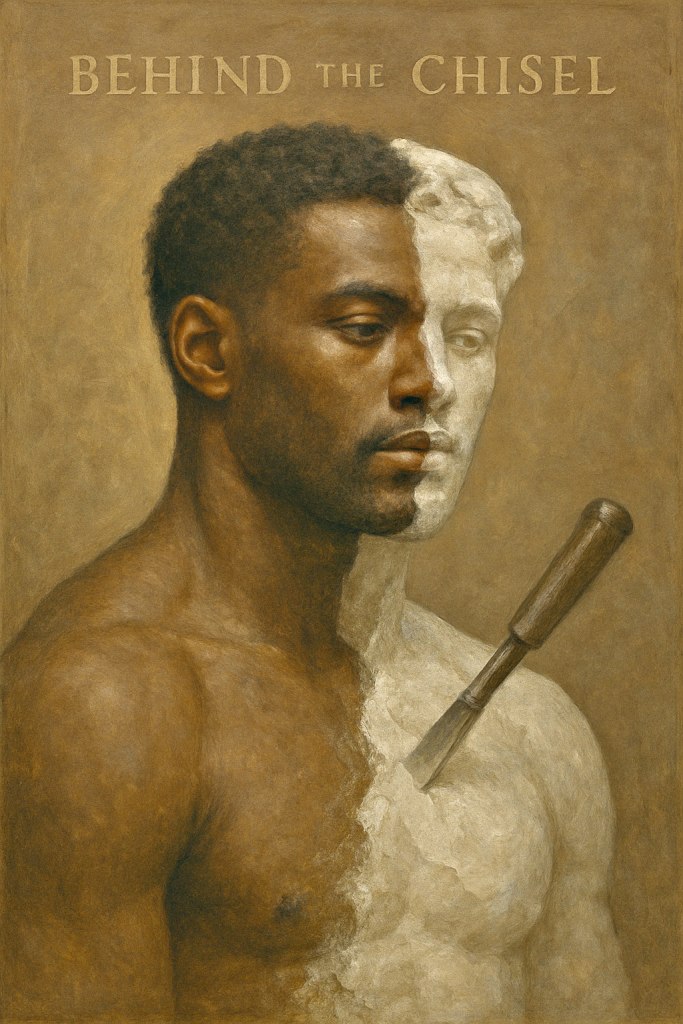
Behind the Chisel: The Vulnerability of the Beautiful Man.

Beauty, when embodied by a man, is both a gift and a burden. It grants social privilege, admiration, and power, yet it also confines him within the rigid expectations of visual perfection. The beautiful man becomes both subject and object, celebrated for his form but often alienated from his soul. In a society that prizes physical allure, his beauty becomes a mask—a chiseled shield hiding the delicate reality of human vulnerability beneath.

Historically, the male form was idealized not merely for attraction but as a symbol of strength, divinity, and order. In classical Greece and Rome, sculptors such as Polykleitos and Praxiteles established proportions that became the gold standard of masculine beauty, where symmetry reflected moral and cosmic harmony. The male nude in marble was not erotic but sacred, representing the balance between spirit and flesh. Yet even in this idealization, beauty was a double-edged sword. The hero’s perfect form was both admired and envied, his body a site of reverence and scrutiny alike.

The Renaissance revived this fascination with masculine perfection. Michelangelo’s David stands as the archetype—a beautiful man poised between youth and destiny. His body radiates strength, but his eyes betray contemplation, even fear. The chisel that shaped his muscles also exposed his soul. David’s tension between beauty and purpose mirrors the existential weight of the beautiful man throughout time: the pressure to embody power while concealing fragility.

In modernity, beauty became democratized yet commodified. With the advent of photography, cinema, and advertising, male beauty entered the realm of mass consumption. Icons like Paul Newman, Sidney Poitier, and Denzel Washington were admired not only for their talent but for their faces—faces that carried racial, social, and moral narratives. The beautiful man became a product of gaze and market, sculpted by expectation rather than stone.

The rise of digital media has intensified this commodification. Social media, with its relentless curation of images, has made beauty a measurable currency. Men are now expected to maintain a “natural perfection,” performing effortless attractiveness through fitness regimens, fashion, and self-branding. Yet behind the filtered glow and crafted angles lies the silent weight of performance anxiety—the fear of losing the audience’s gaze.

Psychologically, this creates a tension between identity and image. As Susan Bordo (1999) notes, men have increasingly internalized the gaze once reserved for women, becoming self-conscious objects of visual consumption. The male body is now a spectacle, and its owner becomes a curator of his own desirability. Beauty thus shifts from being a trait to being a task, an endless project of maintenance and validation.

The burden of male beauty also manifests in emotional suppression. Society rarely permits beautiful men to express vulnerability without undermining their masculine image. Strength, stoicism, and confidence are the expected traits—yet beneath them often lies loneliness. The beautiful man may find himself admired but not known, desired but not loved for his depth. His beauty becomes a barrier to intimacy, a mirror reflecting only surface light.

This paradox is magnified for Black men in particular, whose beauty often carries both hypervisibility and erasure. As scholars like bell hooks (2004) observe, the Black male body is simultaneously fetishized and feared, admired for its physicality yet denied full humanity. When beauty is filtered through racialized lenses, it becomes both a resistance and a burden. The Black beautiful man, then, is not only contending with aesthetics but with history—with centuries of objectification and survival inscribed into his skin.

The entertainment industry further distills this complexity. The camera loves the handsome man, yet it traps him in archetypes—the hero, the lover, the rebel. Hollywood celebrates his face while scripting his silence. Even within this admiration lies exploitation: beauty is marketable only when it conforms to prevailing ideals. As Laura Mulvey (1975) articulated in her theory of the “male gaze,” visual culture conditions viewers to consume bodies, not comprehend souls.

Behind this consumption lies a subtle cruelty: beauty fades. Time, the ultimate sculptor, erodes even the most flawless face. The beautiful man thus lives with an awareness of impermanence, of the day when admiration turns to nostalgia. His identity, if built on physical perfection, risks collapsing when youth departs. To age beautifully, therefore, becomes an act of rebellion—of reclaiming substance over surface.

Yet the vulnerability of beauty is not purely tragic. It invites empathy, forcing us to confront the shared fragility of all human ideals. The beautiful man who acknowledges his imperfections dismantles the myth of invincibility and reveals a more sacred kind of strength—the courage to be seen fully. His cracks become the proof of life, the evidence that marble can breathe.

Cultural critic Alexander Nehamas (2007) argues that beauty is “a promise of happiness,” not its guarantee. For the beautiful man, this promise often proves deceptive. The attention beauty attracts can isolate rather than fulfill, reducing complexity to aesthetics. Yet in that tension lies an opportunity: the chance to transform admiration into introspection, and image into meaning.

Spiritual traditions echo this truth. The Bible reminds humanity that “man looketh on the outward appearance, but the Lord looketh on the heart” (1 Samuel 16:7, KJV). True beauty, then, is not carved into flesh but cultivated in character. When a man understands that his worth transcends his reflection, he begins to live from the inside out—reclaiming the divine balance once symbolized in stone.

In art and life alike, the chisel’s purpose is revelation, not concealment. Every strike that shapes the figure also exposes the form beneath. Likewise, every trial that humbles the beautiful man reveals his essence. Vulnerability becomes the ultimate aesthetic—the invisible beauty of the soul.

This reclamation is vital in a world obsessed with surfaces. To be beautiful and human is to accept both admiration and misunderstanding, to find freedom not in perfection but in authenticity. Beauty ceases to be performance when it becomes truth. The man who dares to be imperfect redefines strength itself.

The modern beautiful man stands, like David, at the threshold between image and destiny. He learns that behind the chisel—the cuts of scrutiny, aging, and expectation—lies the deeper sculpture of spirit. His vulnerability is not his downfall but his masterpiece.

References

Bordo, S. (1999). The male body: A new look at men in public and in private. Farrar, Straus and Giroux.

Gilmore, D. D. (1990). Manhood in the making: Cultural concepts of masculinity. Yale University Press.

hooks, b. (2004). We real cool: Black men and masculinity. Routledge.

Kimmel, M. (2017). Angry white men: American masculinity at the end of an era. Nation Books.

Mulvey, L. (1975). Visual pleasure and narrative cinema. Screen, 16(3), 6–18.

Nehamas, A. (2007). Only a promise of happiness: The place of beauty in a world of art. Princeton University Press.

Pretty Privilege Series: Breaking the Mirror — Dismantling Colorism and Rewriting Beauty Standards

Photo by nomso obiano on Pexels.com

Colorism is not just a social issue; it is a deeply entrenched system that shapes how people perceive themselves and others. To dismantle it, we must not only expose its roots but actively work to uproot them from every layer of society — family, education, media, and faith communities.

The first step in dismantling colorism is to acknowledge that it exists. Too often, when dark-skinned women speak about their experiences, they are dismissed as “being too sensitive” or “imagining things.” Public acknowledgment validates their pain and makes space for honest dialogue (Hunter, 2007).

Families play a critical role in perpetuating or breaking cycles of colorism. Parents must avoid comments that favor lighter skin tones — phrases like “stay out of the sun” or “you’re too dark to wear that color” can harm children’s self-image. Instead, families should affirm melanin-rich skin as beautiful, worthy, and God-given (Psalm 139:14).

Representation in toys, books, and cartoons is equally crucial. Giving children dolls, storybooks, and characters that reflect a range of skin tones helps normalize beauty diversity early on. The popularity of dark-skinned Barbie dolls and children’s books like Sulwe by Lupita Nyong’o are helping to rewrite what “beautiful” looks like for a new generation.

Schools can be powerful agents of change. Anti-bias education should include lessons about colorism — not just racism — so that children understand why comments about skin tone can be harmful. Curriculum that highlights dark-skinned historical figures, inventors, and leaders helps students appreciate Blackness as a source of strength, not shame (Monk, 2014).

Media companies hold tremendous influence. Producers, casting directors, and advertisers must continue to broaden representation by featuring dark-skinned women in leading roles, fashion campaigns, and beauty commercials without making their complexion the “plot point.” Diversity should feel natural, not tokenized (Tate, 2016).

Music and pop culture also have a responsibility. Lyrics that glorify light skin at the expense of dark skin should be challenged. Artists can use their platforms to celebrate deeper melanin rather than perpetuate harmful hierarchies. This shift is already underway with songs like Beyoncé’s Brown Skin Girl, which honors dark-skinned beauty unapologetically.

Faith communities have a unique opportunity to restore dignity. Pastors and spiritual leaders can preach sermons that affirm all shades of Blackness, reminding congregations that partiality is sin (James 2:1-4). Churches can also host workshops for young girls about identity, self-worth, and biblical beauty.

Healing also requires confronting internalized bias. Adults who grew up hearing colorist comments must examine how those messages shaped their thinking. Therapy, journaling, and support groups can help individuals unlearn harmful beliefs and stop passing them down to the next generation (Hall, 1992).

Community mentorship programs can make a difference by pairing young girls with confident, accomplished dark-skinned women who model self-acceptance. Representation at a personal level — not just on screens — gives young people a tangible example to follow.

Social media campaigns like #MelaninPoppin and #DarkSkinGirlsDeserve continue to create spaces where Black women celebrate each other. These online movements should be amplified, encouraging women to share their stories, selfies, and success without fear of ridicule or fetishization.

Beauty companies must go beyond token inclusion. Creating inclusive shade ranges is important, but so is equitable marketing. Ads should show dark-skinned women in glamorous, aspirational ways, not just as a diversity checkbox. Representation should be consistent and global, not seasonal or trend-based.

Fashion magazines and runway shows should continue featuring models like Duckie Thot, Adut Akech, and Anok Yai in editorial spreads that highlight their natural skin. Seeing dark-skinned women gracing covers helps undo decades of invisibility in fashion media.

Colorism must also be addressed among men, as they often perpetuate dating preferences rooted in shade hierarchy. Open forums, barbershop talks, and men’s groups can challenge harmful narratives about what makes a woman “wifey material” and encourage men to value character over complexion.

Economic equity must be part of the conversation. Research shows that darker-skinned women face wage disparities compared to their lighter-skinned peers (Goldsmith, Hamilton, & Darity, 2006). Advocating for fair pay, promotions, and leadership opportunities ensures that beauty bias does not hinder professional growth.

Educational media like documentaries, podcasts, and panel discussions should explore colorism’s global impact — from Africa to the Caribbean to the U.S. This helps people see that it’s not just a “Black American” issue but a global phenomenon shaped by colonization and Eurocentric standards (Smedley, 1999).

Men and women of lighter complexions can become allies by acknowledging their privilege and refusing to benefit from systems that pit them against darker-skinned peers. Solidarity, not silence, is necessary for dismantling colorism’s power.

On a personal level, individuals can speak up when they hear colorist jokes or backhanded compliments like “pretty for a dark-skinned girl.” Silence allows harmful narratives to persist. Correcting these comments with gentleness and education can shift group dynamics over time.

Breaking the mirror of colorism is a lifelong process. It requires consistent work, intentional language, and bold representation. When society stops seeing dark skin as a barrier and starts seeing it as a blessing, true beauty equity will emerge.

Ultimately, dismantling colorism is not just about affirming appearance — it is about restoring identity, dignity, and worth to those who have been told they are less than. Rewriting beauty standards is an act of justice and healing that benefits the entire community, creating a world where every shade is celebrated as a masterpiece of divine design.


References

  • Goldsmith, A., Hamilton, D., & Darity, W. (2006). Shades of Discrimination: Skin Tone and Wages. American Economic Review, 96(2), 242–245.
  • Hall, R. E. (1992). Bias Among African Americans Regarding Skin Color: Implications for Social Work Practice. Research on Social Work Practice, 2(4), 479–486.
  • Hunter, M. (2007). The Persistent Problem of Colorism: Skin Tone, Status, and Inequality. Sociology Compass, 1(1), 237–254.
  • Monk, E. P. (2014). Skin Tone Stratification among Black Americans, 2001–2003. Social Forces, 92(4), 1313–1337.
  • Smedley, A. (1999). Race in North America: Origin and Evolution of a Worldview. Westview Press.
  • Tate, S. (2016). Black Beauty: Aesthetics, Stylization, Politics. Routledge.

Narcissism Series: Mirror, Mirror – The Narcissism of Modern Beauty Culture.

Photo by Ryanniel Masucol on Pexels.com

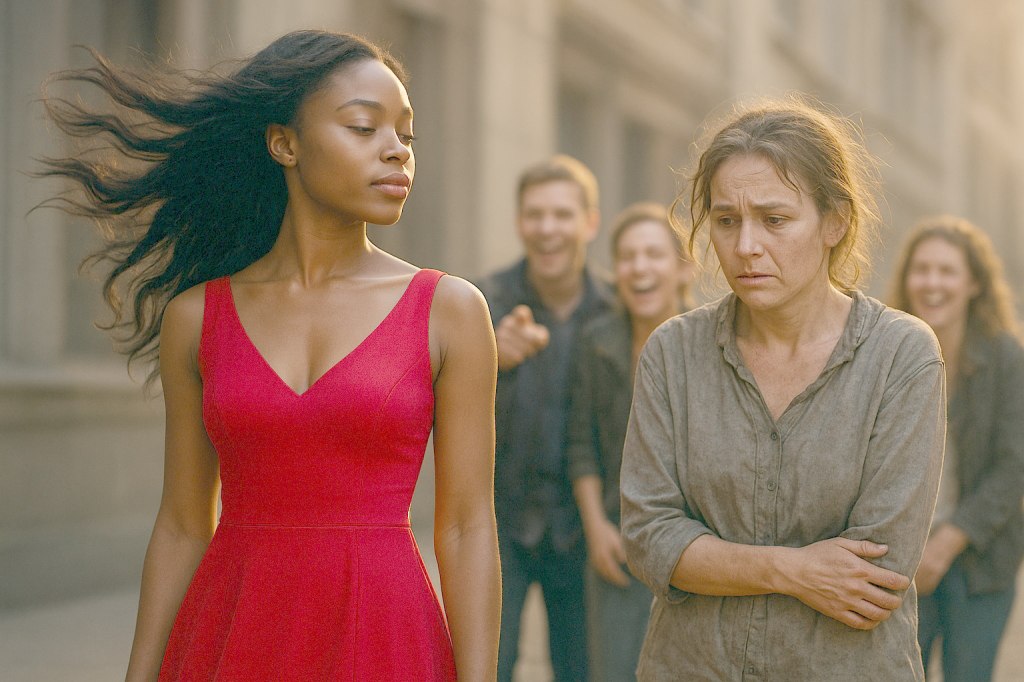
In today’s hyper-visual society, beauty has transcended its natural boundaries to become a global obsession. The rise of digital media has birthed a culture that thrives on self-display, self-comparison, and curated perfection. The modern beauty industry capitalizes on psychological vulnerability, selling not only products but the illusion of worthiness through appearance. Beauty, once a reflection of divine creativity and individuality, has become a narcissistic mirror reflecting societal emptiness.

The roots of this narcissism stem from both individual and cultural conditioning. Social media platforms, particularly Instagram and TikTok, reinforce the idea that self-worth is derived from external validation—likes, comments, and followers. The constant reinforcement of visual feedback conditions users to equate beauty with approval. As Twenge and Campbell (2009) argue in The Narcissism Epidemic, society’s shift toward image-based communication fosters self-centeredness and superficial comparison.

Beauty in the modern world has become performative rather than authentic. The body and face are canvases for self-promotion, commodified into digital assets that must be maintained through filters, surgeries, and endless self-surveillance. This cultural fixation transforms the self into an object to be consumed. As Wolf (1991) asserts in The Beauty Myth, the modern woman is entrapped by a cycle of desire and dissatisfaction perpetuated by patriarchal and commercial forces.

Psychologically, this obsession has deep implications. Narcissism, as defined by the DSM-5 (APA, 2013), involves grandiosity, a need for admiration, and a lack of empathy. Modern beauty culture amplifies these traits, rewarding those who prioritize image over substance. Cosmetic enhancements, constant selfies, and influencer lifestyles all reflect an inflated yet fragile self-image sustained by external approval.

This phenomenon extends beyond vanity—it reflects a cultural identity crisis. The endless pursuit of beauty reveals a deeper void: a lack of internal peace and acceptance. When identity is built on aesthetics, it becomes fragile, dependent on social trends and public perception. This creates a cycle of insecurity masked by curated confidence, producing what psychologists call “vulnerable narcissism” (Hendin & Cheek, 1997).

Media manipulation reinforces unrealistic ideals that distort self-perception. Photoshop, AI-generated filters, and augmented reality redefine normality, leading to widespread dysmorphia and dissatisfaction. Studies show that repeated exposure to idealized images correlates with higher rates of anxiety, depression, and body dissatisfaction, particularly among women (Grabe, Ward, & Hyde, 2008). Beauty thus becomes a psychological battlefield.

Ironically, the more a person invests in external beauty, the less connected they often become to internal authenticity. This disconnect reflects the biblical notion in 1 Peter 3:3–4, which teaches that true beauty lies in “the hidden person of the heart” rather than external adornment. Yet in a consumer-driven world, the inner self is neglected, and the spirit is starved of genuine love, purpose, and humility.

The commercialization of beauty has democratized narcissism. Beauty products, surgeries, and enhancements are marketed as tools of empowerment, yet they often reinforce dependency on external affirmation. The rhetoric of “self-love” has been commodified into a marketing strategy, selling confidence in bottles, lip kits, and serums rather than cultivating true self-acceptance.

Social media influencers have become modern idols, perpetuating what psychologists describe as “social comparison theory” (Festinger, 1954). Women, in particular, are bombarded with messages equating beauty with power, success, and desirability. The curated perfection of influencers creates unattainable benchmarks, leading ordinary individuals to feel perpetually inadequate.

Men are not immune to these pressures. The rise of “gym culture,” aesthetic surgeries, and body modification among men reflects a growing male narcissism. Studies show an increase in muscle dysmorphia and self-objectification among young men (Frederick & Haselton, 2007). Thus, beauty narcissism transcends gender—it’s a human affliction shaped by media, capitalism, and psychological fragility.

At its core, modern beauty narcissism is a spiritual problem disguised as a social one. It reveals humanity’s broken relationship with self and Creator. When people seek validation through mirrors and screens instead of divine connection, beauty becomes an idol. This aligns with Romans 1:25, which describes worshipping the created rather than the Creator.

Historically, beauty has always been linked to social hierarchy. From European aristocracies to Hollywood, lighter skin, symmetrical features, and thin bodies have symbolized superiority. Though globalization has expanded the definition of beauty, Eurocentric standards remain dominant, subtly influencing perceptions across cultures (Hill, 2002). Thus, narcissism in beauty is also tied to colonial legacies of power and desirability.

The psychological harm of this fixation is profound. Studies show that individuals overly concerned with appearance often experience higher rates of loneliness, anxiety, and shallow relationships (Neumann & Bierhoff, 2004). This occurs because narcissism thrives on external validation, leaving the inner self underdeveloped. Emotional intimacy becomes difficult when self-image overshadows authenticity.

Technology has magnified this crisis. The “selfie generation” blurs the line between self-expression and self-obsession. Constant self-documentation creates a fragmented identity, where people live more vividly online than in reality. The pursuit of the perfect angle or filter becomes symbolic of deeper existential emptiness. Beauty no longer reflects being—it replaces it.

The irony is that while beauty culture promises empowerment, it often delivers enslavement. The constant maintenance of image—hair, makeup, surgeries, lighting—creates exhaustion masked as elegance. Women are told they are free, yet bound by invisible chains of performance. The result is a form of psychological labor that drains emotional energy.

True healing from narcissistic beauty culture requires self-awareness and spiritual grounding. Individuals must redefine beauty beyond visibility. Beauty rooted in compassion, wisdom, and purpose transcends time and vanity. Inner beauty is not performative—it is transformative. It glows quietly, independent of validation or visibility.

Psychologists suggest that mindfulness, gratitude, and self-compassion counteract the negative effects of narcissistic tendencies (Zuckerman, Li, & Diener, 2017). When individuals embrace imperfection and humanity, they cultivate humility and self-acceptance. The mirror becomes not a prison, but a window to growth.

The cultural narrative must shift from “looking good” to “being whole.” The education system, faith communities, and families play vital roles in teaching young people to discern media illusions from authentic self-worth. By exposing the manipulations of the beauty industry, society can foster resilience against psychological exploitation.

Ultimately, the path forward lies in restoring sacred balance—honoring both physical presentation and inner peace. When beauty serves love, truth, and divine purpose, it becomes a blessing. When it serves pride, envy, or greed, it becomes bondage. The modern age’s mirror is deceptive, but through self-reflection grounded in truth, humanity can reclaim its original, unfiltered beauty.

References:

American Psychiatric Association. (2013). Diagnostic and statistical manual of mental disorders (5th ed.). Washington, DC: Author.

Barber, N. (2008). The evolutionary psychology of physical attractiveness: Sexual selection and human beauty. Social Biology, 55(1), 34–51. https://doi.org/10.1080/19485565.2008.9989124

Cash, T. F. (2012). Encyclopedia of body image and human appearance (Vols. 1–2). Academic Press.

Davis, K. (2003). Dubious equalities and embodied differences: Cultural studies on cosmetic surgery. Rowman & Littlefield.

Donnelly, K., & Twenge, J. M. (2017). Mirror, mirror on the wall: Gender differences in self‐enhancement in social media. Psychology of Popular Media Culture, 6(3), 277–289. https://doi.org/10.1037/ppm0000102

Engeln, R. (2020). Beauty sick: How the cultural obsession with appearance hurts girls and women. HarperCollins.

Frederick, D. A., & Haselton, M. G. (2007). Why is muscularity sexy? Tests of the fitness indicator hypothesis. Personality and Social Psychology Bulletin, 33(8), 1167–1183. https://doi.org/10.1177/0146167207303022

Gill, R. (2007). Gender and the media. Polity Press.

Grabe, S., Ward, L. M., & Hyde, J. S. (2008). The role of the media in body image concerns among women: A meta-analysis of experimental and correlational studies. Psychological Bulletin, 134(3), 460–476. https://doi.org/10.1037/0033-2909.134.3.460

Hendin, H. M., & Cheek, J. M. (1997). Assessing hypersensitive narcissism: A reexamination of Murray’s Narcism Scale. Journal of Research in Personality, 31(4), 588–599. https://doi.org/10.1006/jrpe.1997.2204

Hill, M. E. (2002). Skin color and the perception of attractiveness among African Americans: Does gender make a difference? Social Psychology Quarterly, 65(1), 77–91. https://doi.org/10.2307/3090169

Hirschman, E. C., & Thompson, C. J. (1997). Why media matter: Toward a richer understanding of consumers’ relationships with advertising and mass media. Journal of Advertising, 26(1), 43–60. https://doi.org/10.1080/00913367.1997.10673517

Miller, J. D., & Campbell, W. K. (2008). Comparing clinical and social-personality conceptualizations of narcissism. Journal of Personality, 76(3), 449–476. https://doi.org/10.1111/j.1467-6494.2008.00492.x

Neumann, E., & Bierhoff, H. W. (2004). The role of self-regulation and self-complexity in the experience of physical attractiveness. European Journal of Personality, 18(1), 1–20. https://doi.org/10.1002/per.499

O’Brien, K. S., Latner, J. D., Halberstadt, J., Hunter, J. A., Anderson, J., Caputi, P., & Akabas, S. (2008). Do anti-fat attitudes predict antifat behaviors? Obesity, 16(2), S87–S92. https://doi.org/10.1038/oby.2008.455

Twenge, J. M., & Campbell, W. K. (2009). The narcissism epidemic: Living in the age of entitlement. Free Press.

Wolf, N. (1991). The beauty myth: How images of beauty are used against women. Harper Perennial.

Zarate, M. A., Garcia, B., Garza, A. A., & Hitlan, R. T. (2004). Cultural threat and perceived realistic group conflict as dual predictors of prejudice. Journal of Experimental Social Psychology, 40(1), 99–105. https://doi.org/10.1016/S0022-1031(03)00067-2

Zuckerman, M., Li, C., & Diener, E. F. (2017). Societal conditions and the gender difference in narcissism: A cross-national analysis. Journal of Personality, 85(3), 345–356. https://doi.org/10.1111/jopy.12243

Holy Handsomeness: When the Spirit Shapes the Flesh.

Photo by Bave Pictures on Pexels.com

In every era, humanity has been captivated by the mystery of beauty and form. Yet, true beauty transcends surface and symmetry—it is a reflection of inner divinity manifesting outwardly. “Holy handsomeness” is not about vanity or aesthetic perfection, but about the embodiment of spiritual alignment. When the spirit is pure, disciplined, and rooted in truth, the physical vessel begins to mirror that sacred order. The body becomes a temple, reflecting the glory of the One who formed it (1 Corinthians 6:19–20, KJV).

Throughout scripture, physical beauty is never detached from divine purpose. Joseph was described as “a goodly person, and well favoured” (Genesis 39:6, KJV), yet his true distinction lay not in appearance but in integrity and faithfulness. Likewise, David’s handsome countenance reflected the favor of God upon him, but his heart for worship and obedience defined his greatness. Holiness enhances beauty by bringing harmony between flesh and spirit.

The concept of holy handsomeness acknowledges that spiritual wellness influences physical presence. A man or woman walking in righteousness radiates a certain glow, an aura of peace and authority that no cosmetic or charm can replicate. The Hebrew understanding of beauty—yapheh—implies wholeness, completeness, and divine proportion. Thus, when the spirit governs the body, beauty becomes balanced, sanctified, and purpose-driven.

Modern culture separates the sacred from the sensual, yet in divine design, the two were never meant to conflict. The Creator fashioned the human form in His image—strong, graceful, and expressive. Handsomeness, then, is not a carnal pursuit but a reflection of divine craftsmanship. When the heart aligns with holiness, even simple gestures become radiant expressions of divine masculinity and femininity (Genesis 1:27).

Spiritual discipline—fasting, prayer, meditation, and obedience—has tangible effects on the body. Stress diminishes, countenance brightens, and posture changes. The fruit of the Spirit—love, joy, peace, patience—reshapes the facial expressions and mannerisms of the believer (Galatians 5:22–23). This transformation illustrates how inner virtue refines outward beauty, making holiness visible.

The handsomeness that flows from holiness carries authority without arrogance. It is the presence that commands respect rather than demands attention. Moses’ face shone after being in God’s presence (Exodus 34:29–30), symbolizing how communion with the divine alters even the physical appearance. The spirit, when alive and full of light, illuminates the flesh as a living testimony.

In contrast, a life of sin, bitterness, and deceit often corrodes the body. Scripture notes that “envy is the rottenness of the bones” (Proverbs 14:30, KJV). The countenance of the wicked hardens, while the righteous shine like morning light. Inner decay reveals itself through physical dissonance, proving that true handsomeness begins within the soul, not the mirror.

The holy man is handsome not because he seeks attention but because he reflects God’s order. His confidence is rooted in humility; his strength tempered by compassion. The holy woman’s beauty likewise flows from virtue, modesty, and wisdom. Both embody the divine symmetry between form and faith, proving that when the spirit shapes the flesh, beauty transcends gender or culture.

Holiness is attractive because it restores what sin distorts. In a world saturated with artificial perfection, authenticity becomes magnetic. People are drawn to those who carry peace and moral clarity. Their beauty is a sermon without words, their composure a silent call to something higher. This is holy handsomeness in its purest form—an external echo of internal grace.

When the spirit governs desire, the body is no longer an idol but an instrument of worship. Modesty, health, and self-respect flow naturally from an awareness of divine purpose. Physical maintenance—exercise, grooming, and care—becomes stewardship rather than vanity. The believer understands that their body is a living altar where spirit and flesh harmonize (Romans 12:1).

Even the discipline of posture and movement speaks to this principle. Uprightness in stance reflects uprightness in soul. The way a person walks, speaks, or looks at others reveals the condition of their inner world. Grace in demeanor comes not from training alone but from an abiding awareness of God’s presence within.

Holy handsomeness also manifests in relational integrity. A handsome spirit loves faithfully, leads righteously, and serves humbly. The charisma that follows is not performative but spiritual—an attractiveness born of sincerity and purpose. Such presence cannot be faked; it is the fragrance of holiness that emanates from communion with the Most High (2 Corinthians 2:15).

Psychologically, this connection between spirit and appearance aligns with what scholars call “embodied cognition”—the idea that internal states shape physical form and behavior. Joy relaxes the face, peace softens the eyes, and compassion transforms voice tone and gesture (Damasio, 1999). Spirituality, therefore, is not abstract—it physically incarnates through the body.

When the spirit shapes the flesh, aging itself becomes beautiful. Wrinkles are not decay but sacred etchings of wisdom and endurance. The godly man or woman grows more radiant with time, for holiness refines rather than fades. Their beauty is eternal because it originates from a timeless source.

The holy handsome person also exudes moral fragrance—what some theologians call “the beauty of holiness” (Psalm 29:2). It is a beauty that inspires rather than tempts, that uplifts rather than entraps. This beauty draws others toward God, not toward ego. It sanctifies the senses, reminding onlookers that physical grace was designed to glorify, not gratify.

This concept challenges modern narcissism. In a culture obsessed with self-image, holy handsomeness calls for self-examination. It reminds believers that to be truly handsome is to be whole—spirit, soul, and body integrated in divine order. The world’s beauty fades; God’s beauty matures.

When men and women allow holiness to shape their expression, they redefine beauty standards. The divine countenance shines through cultural difference, proving that beauty is not Eurocentric but spiritual. Handsomeness becomes not a look but a light—one that transcends complexion, status, and age.

Ultimately, holy handsomeness is not achieved but revealed. It emerges as the spirit purifies intention, humbles ego, and restores divine order within. It is the glory of transformation—the evidence that when the Spirit of God dwells richly in a person, even the flesh begins to testify.

To be holy and handsome is to embody divine symmetry—to be living art sculpted by Spirit and sanctified by purpose. The world may chase outer perfection, but those touched by divine beauty radiate something eternal. For when the Spirit shapes the flesh, the image of God is no longer hidden—it shines through man once more.


References

Damasio, A. (1999). The feeling of what happens: Body and emotion in the making of consciousness. Harcourt Brace.

Holy Bible, King James Version. (1769/2017). Cambridge University Press.

Lewis, C. S. (1943). The abolition of man. Oxford University Press.

Lewis, T. (2008). The energy of the soul: Spirituality and embodiment in theology and psychology. HarperOne.

Willard, D. (1998). The spirit of the disciplines: Understanding how God changes lives. HarperCollins.

Wright, N. T. (2011). After you believe: Why Christian character matters. HarperOne.

Yancey, P. (2002). Rumors of another world: What on earth are we missing? Zondervan.

The Invisible Standard: When Brown Beauty Isn’t Seen. #thebrowngirldilemma

When society refuses to see Brown beauty, it is the world—not the woman—that is blind.

Photo by PeopleByOwen on Pexels.com

In a world saturated with curated images, filters, and imposed ideals, beauty is both celebrated and commodified. Yet, within this global obsession, Brown beauty often remains invisible. The “standard” of attractiveness that dominates mainstream media and cultural imagination has historically excluded the features, skin tones, and textures most associated with Brown and Black women. This invisibility is not simply accidental—it is the product of long-standing racial hierarchies and Eurocentric norms that dictate who is worthy of being seen, celebrated, and desired (Craig, 2002).

The invisibility of Brown beauty is rooted in colonial histories where lighter skin, straighter hair, and narrower facial features were elevated as superior. Generations of this conditioning continue to shape the implicit biases that determine who graces magazine covers, stars in leading film roles, or becomes the face of luxury brands. Even when Brown women are included, they are often tokenized, exoticized, or positioned in contrast to the so-called universal “standard,” rather than recognized as central to beauty itself (Russell, Wilson, & Hall, 1992).

Psychologically, invisibility produces profound effects. Young Brown girls who rarely see women with their skin tone or natural features represented in aspirational roles internalize a message of inadequacy. Social identity theory suggests that when one’s group is devalued, it negatively impacts self-esteem and belonging (Tajfel & Turner, 1986). The absence of representation silently whispers that Brown beauty is not enough, or worse, not beautiful at all.

Yet, the invisibility is not absolute. Icons like Lupita Nyong’o, Viola Davis, Issa Rae, and Kenya Moore have illuminated the richness of Brown beauty in ways that resist erasure. Their visibility challenges the monolithic standard by celebrating melanin, natural hair, and distinctly African features. Lupita Nyong’o, for example, has spoken openly about her childhood struggles with colorism, later reclaiming her image as a global symbol of elegance and strength. Her rise demonstrates the transformative power of visibility, not only for herself but for countless Brown girls who now see themselves reflected in spaces once closed to them (Nyong’o, 2014).

Media and marketing industries bear responsibility for either perpetuating invisibility or dismantling it. Campaigns that showcase the full spectrum of Brown beauty—from deep mahogany to warm café au lait complexions—have the power to disrupt the invisible standard. Brands like Fenty Beauty, with its inclusive foundation lines, prove that visibility is not just a cultural demand but also a profitable one. By centering Brown beauty rather than marginalizing it, industries can affirm that attractiveness exists in many shades, shapes, and styles.

Spiritually, invisibility becomes an even deeper conversation. Scripture affirms that worth and beauty are not measured by human standards but by divine creation. Genesis 1:27 (KJV) declares, “So God created man in his own image, in the image of God created he him; male and female created he them.” If all humanity reflects the Creator, then Brown beauty is not only visible—it is sacred. The invisibility imposed by society is, therefore, a distortion of truth, not a reflection of divine design.

Ultimately, the invisible standard thrives on silence. To counteract it, Brown women and their allies must continue to tell their stories, share their images, and challenge the hierarchies that erase them. When Brown beauty is seen, celebrated, and affirmed, the standard shifts from invisibility to inclusivity. It is not about replacing one beauty ideal with another but expanding the definition until it fully reflects the diversity of human expression.


References

Craig, M. L. (2002). Ain’t I a Beauty Queen?: Black Women, Beauty, and the Politics of Race. Oxford University Press.

Nyong’o, L. (2014, March). Lupita Nyong’o’s speech at the Essence Black Women in Hollywood Awards. Essence Magazine.

Russell, K., Wilson, M., & Hall, R. (1992). The Color Complex: The Politics of Skin Color among African Americans. Anchor Books.

Tajfel, H., & Turner, J. C. (1986). The social identity theory of intergroup behavior. In S. Worchel & W. G. Austin (Eds.), Psychology of Intergroup Relations (pp. 7–24). Nelson-Hall.

Black Women in Modeling: Redefining Beauty Standards.

Photo by magapls . on Pexels.com

For decades, the modeling industry has been dominated by Eurocentric ideals of beauty, where light skin, straight hair, and narrow features were privileged as the standard. Within this landscape, Black women faced barriers of both racism and colorism, often excluded from mainstream campaigns and denied equal opportunities. Yet, despite these challenges, Black women have transformed modeling, reshaping global beauty standards and redefining what it means to be seen, valued, and celebrated. Their journey is not only a story of fashion but also of resilience, representation, and cultural affirmation.

The entrance of Naomi Sims in the late 1960s marked a revolutionary moment for dark-skinned Black women in fashion. As the first African American supermodel to gain international recognition, Sims broke through racial barriers when she appeared on the cover of Ladies’ Home Journal in 1968. Her success challenged the industry’s exclusionary practices and paved the way for others, such as Beverly Johnson, who became the first Black model on the cover of Vogue in 1974. These women shattered long-held myths that Black beauty could not sell magazines or luxury products, demonstrating that Blackness itself was aspirational, marketable, and worthy of celebration.

The 1970s and 1980s further opened doors for iconic models like Iman, Grace Jones, and Pat Cleveland. Each redefined beauty in unique ways—Iman with her regal East African features, Grace Jones with her bold and androgynous style, and Cleveland with her theatrical runway presence. Together, they created new aesthetic possibilities that went far beyond Eurocentric limitations. They represented a multiplicity of Black beauty—dark, angular, bold, elegant, and unapologetically different. By their very existence, they destabilized narrow ideals and demanded recognition of global, diverse standards of beauty.

Despite these advances, systemic bias and colorism persisted. Dark-skinned Black women, particularly from Africa and the Caribbean, continued to face underrepresentation well into the 1990s and early 2000s. Lighter-skinned models often received more opportunities due to the industry’s preference for proximity to whiteness. Yet, the rise of models like Alek Wek, who emerged in the 1990s with her deep ebony complexion and Sudanese features, marked another turning point. Wek’s success signaled that beauty could not be confined to a singular mold. She inspired a new generation of dark-skinned models and young Black girls who saw themselves reflected on runways and in magazines for the first time.

In the 21st century, the impact of Black women in modeling has grown exponentially. Figures like Naomi Campbell, who dominated the 1990s supermodel era, paved the way for contemporary icons such as Lupita Nyong’o, Adut Akech, Anok Yai, and Duckie Thot. These women not only dominate global campaigns but also use their platforms to speak against colorism, racism, and lack of diversity in the industry. Their voices are as revolutionary as their beauty, pushing the conversation forward and demanding structural change in fashion houses, casting agencies, and media representation.

Beyond individual representation, Black women in modeling have also changed the commercial landscape. Rihanna’s Fenty Beauty and Iman’s earlier cosmetics line demonstrated that products must reflect the wide spectrum of skin tones that Black women embody. Similarly, natural hair movements and the celebration of Afrocentric features in beauty campaigns signify a shift toward inclusivity. Where once Black women were asked to assimilate into white-centered aesthetics, today they are celebrated for bringing their authentic selves into the fashion world.

The redefinition of beauty standards by Black women in modeling is not merely about fashion—it is deeply cultural and psychological. Representation affirms identity, counters internalized racism, and dismantles harmful hierarchies of color. For Black girls and women, seeing models who look like them is transformative, affirming that their features, skin, and hair are beautiful in their own right. This shift is biblical in scope as well, reflecting Psalm 139:14 (KJV), “I will praise thee; for I am fearfully and wonderfully made.” In reclaiming beauty, Black women in modeling have not only shifted an industry but have spoken life into generations of women once told they were not enough.

Despite the progress, challenges remain. Black models still face pay disparities, tokenism, and limited opportunities compared to their white counterparts. Fashion magazines may showcase diversity on the surface while maintaining exclusionary practices behind the scenes. Yet, the trajectory is undeniable: Black women have fundamentally reshaped the narrative of beauty and continue to expand its horizons.

Ultimately, Black women in modeling represent more than just physical appearance—they embody cultural survival, creativity, and the dismantling of oppressive beauty hierarchies. Their contributions reveal that true beauty cannot be confined to one standard. Instead, beauty is expansive, global, and reflective of God’s diverse creation. Through their presence, talent, and advocacy, Black women in modeling have redefined beauty for themselves and for the world.


References

Collins, P. H. (2000). Black feminist thought: Knowledge, consciousness, and the politics of empowerment. Routledge.
Craig, M. L. (2006). Race, beauty, and the tangled knot of a guilty pleasure. Feminist Theory, 7(2), 159–177.
Hall, R. E. (2010). An historical analysis of skin color discrimination in America: Victimism among victim group populations. Springer.
Johnson, B. (2012). The face that changed it all. Atria Books.
Lewis, R., & Neal, A. (2020). Colorism and the fashion industry: Shifting standards of representation. Journal of Black Studies, 51(5), 452–469.
Nyong’o, L. (2014). Speech on beauty and representation. Essence Awards.
Tate, S. A. (2009). Black beauty: Aesthetics, stylization, politics. Ashgate.
The Holy Bible, King James Version. (1611/2017). Thomas Nelson.

Hierarchies of Black Beauty: The Black Beauty Standards.

Throughout history, beauty has been a reflection of power, culture, and identity. Within the African diaspora, the concept of Black beauty has been shaped and reshaped by colonialism, enslavement, media influence, and self-determination. The hierarchies of Black beauty—those unwritten but deeply felt rules about who is seen as beautiful and who is not—continue to influence how Black people perceive themselves and each other.

During slavery, Eurocentric beauty ideals were imposed on African people through forced assimilation and comparison. The features of African women and men—broad noses, full lips, rich brown skin, and tightly coiled hair—were mocked and demonized by white society. Whiteness became the standard of purity, civility, and desirability, while Blackness was equated with inferiority. This created a psychological wound that still lingers across generations.

Enslaved women who were lighter-skinned or bore more “European” features were often treated differently by slaveholders. They were more likely to work in the house, to be dressed better, or to be exploited sexually under the guise of preference. These patterns of color-based privilege established early hierarchies that divided enslaved communities and birthed the seeds of colorism (White, 1999).

After emancipation, those same hierarchies persisted within the Black community. Lighter skin, looser hair textures, and narrower features were celebrated as signs of refinement and social mobility. Many institutions—such as schools, churches, and fraternities—adopted discriminatory practices like the “brown paper bag test,” where one’s acceptance depended on being lighter than a brown bag. Beauty became political; it was no longer just personal.

As the 20th century progressed, mass media amplified Eurocentric standards. Hollywood, fashion, and advertising celebrated light-skinned actresses and models while marginalizing darker-skinned women. Magazines like Ebony and Jet often centered on fairer complexions, perpetuating internalized bias. These images subtly taught Black people that to be closer to whiteness was to be closer to beauty.

The emergence of the Civil Rights and Black Power movements in the 1960s challenged these ideologies. The slogan “Black is Beautiful” became a revolutionary cry against centuries of self-rejection. Afros, dark skin, and African attire became symbols of resistance and pride. This era reclaimed Black aesthetics as divine and powerful, reflecting the truth of Psalm 139:14: “I will praise thee; for I am fearfully and wonderfully made” (KJV).

However, even within this movement, hierarchies persisted. Light-skinned Black women often continued to dominate media and modeling, while darker women were celebrated more for their strength or resilience than for their beauty. This subtle bias revealed how deeply colonial beauty norms had been internalized.

For Black men, these hierarchies influenced attraction and desirability. Many internalized the belief that lighter-skinned women were more refined or feminine, while darker women were strong but less delicate. This mindset perpetuated generational harm and fractured romantic relationships within the Black community. Proverbs 31:30 reminds, “Favour is deceitful, and beauty is vain: but a woman that feareth the Lord, she shall be praised.”

In the modern era, social media has both challenged and reinforced these hierarchies. Platforms like Instagram and TikTok have given rise to diverse representations of beauty, yet filters and algorithms often favor lighter skin tones. The digital age has democratized visibility but not erased bias. Beauty, once judged by proximity to whiteness, is now measured by digital exposure.

Hair remains a defining element of Black beauty. From natural kinks and coils to braids, locs, and wigs, Black hair is a cultural language of resistance and creativity. Yet, the “good hair” myth—rooted in slavery—still shapes self-esteem. The CROWN Act (2020) seeks to protect against discrimination based on hair texture, a sign that the fight for beauty equality continues in policy as well as perception.

Colorism also affects the modeling and entertainment industries. Despite the progress symbolized by figures like Lupita Nyong’o and Viola Davis, lighter-skinned actresses still receive disproportionate attention and roles. The industry’s selective inclusivity sends a mixed message: Black beauty is accepted only when it aligns with global marketability.

These hierarchies have deep psychological consequences. Many darker-skinned Black women internalize feelings of invisibility, leading to anxiety, low self-esteem, and social withdrawal. Conversely, lighter-skinned individuals may feel pressure to justify their Blackness or face resentment from peers. This emotional tension reflects the distorted mirror that colonialism left behind.

Biblically, the elevation of one shade over another contradicts divine creation. Song of Solomon 1:5 declares, “I am black, but comely, O ye daughters of Jerusalem.” The verse reclaims darkness not as deficiency but as beauty and strength. God’s creation exists in gradients of glory; the sun-kissed skin of Africa is a reflection of divine artistry.

Education and cultural reclamation have become powerful tools for dismantling these hierarchies. Movements celebrating melanin-rich skin, natural hair, and Afrocentric aesthetics have redefined beauty from within. When Black youth see models, influencers, and scholars who look like them, they begin to internalize self-love rather than self-doubt.

Still, the struggle continues. Even within the Black community, shade-based humor and preferences persist in dating, entertainment, and family dynamics. These microaggressions perpetuate division under the guise of personal taste. Healing requires accountability and unlearning centuries of indoctrination.

To truly dismantle the hierarchies of Black beauty, society must recognize that beauty is not a ladder but a spectrum. The diversity of Black skin tones, facial features, and textures testifies to the richness of African ancestry. Each shade tells a story of survival, migration, and divine design.

Beauty standards, once defined by oppression, are now being redefined through liberation. Modern movements like “Dark Skin Appreciation” and “Melanin Magic” remind the world that Black beauty is not monolithic—it is infinite. It encompasses every hue, from ebony to honey, each deserving of reverence and celebration.

In reclaiming these narratives, Black people restore what was stolen: the right to see themselves as beautiful in their natural form. Isaiah 61:3 speaks of God giving “beauty for ashes.” The ashes of colonialism, slavery, and colorism can give rise to new beauty when identity is rooted in truth.

Ultimately, the hierarchies of Black beauty dissolve when the gaze shifts from societal validation to divine affirmation. When Black men and women recognize themselves as reflections of God’s image, beauty ceases to be hierarchical—it becomes holy. The journey to self-acceptance is, therefore, both political and spiritual, an act of resistance and worship.

References

Holy Bible, King James Version. (1611).

White, D. G. (1999). Ar’n’t I a Woman?: Female Slaves in the Plantation South. W.W. Norton & Company.

Russell, K., Wilson, M., & Hall, R. (2013). The Color Complex (Revised): The Politics of Skin Color Among African Americans. Anchor Books.

Craig, M. L. (2002). Ain’t I a Beauty Queen?: Black Women, Beauty, and the Politics of Race. Oxford University Press.

Hunter, M. (2007). The persistent problem of colorism: Skin tone, status, and inequality. Sociology Compass, 1(1), 237–254.

Beauty Bias: The Silent Oppressor

Beauty has always been more than skin deep. Across societies, the standards of attractiveness are not merely aesthetic preferences—they are mechanisms of privilege, discrimination, and social control. Those who meet societal ideals are often rewarded, while those who diverge face subtle and overt marginalization. This phenomenon, widely referred to as beauty bias, operates silently but powerfully, influencing career trajectories, social opportunities, and interpersonal relationships (Hamermesh & Biddle, 1994).

From an early age, children learn who is “desirable” and who is not. Research shows that teachers often unconsciously favor students deemed more attractive, offering them more attention and positive reinforcement (Langlois et al., 2000). This early conditioning establishes a lifelong connection between appearance and social advantage. In many ways, it mirrors the biblical admonition that God judges the heart rather than outward appearance (1 Samuel 16:7, KJV). Yet society’s persistent fixation on outward beauty undermines this spiritual principle.

In professional spaces, beauty bias manifests as a measurable advantage in hiring, promotion, and salary. Attractive individuals are often perceived as more competent, intelligent, and socially adept, even when qualifications are identical (Riniolo et al., 2006). For Black women and men, this bias is compounded by colorism, where lighter skin tones receive preferential treatment within and outside their communities (Hunter, 2007). The resulting inequity is both economic and psychological, reinforcing systemic barriers.

Media and advertising perpetuate and normalize narrow beauty standards. From fashion magazines to television commercials, the celebration of Eurocentric features marginalizes those who do not conform. These representations create a cultural hierarchy that equates beauty with moral worth and social value (Wolf, 1991). The spiritual dimension of this bias cannot be overstated: scripture repeatedly warns against superficial judgment (Matthew 23:27-28, KJV), highlighting the danger of equating external beauty with inner virtue.

The psychological toll of beauty bias is profound. Individuals who fail to meet societal ideals experience lower self-esteem, higher rates of depression, and social anxiety (Cash & Pruzinsky, 2002). For adolescents, particularly girls, these pressures intensify as social media amplifies curated images of perfection. The silent oppressor thus infiltrates the mind, shaping identity, self-perception, and life choices.

Beauty bias intersects with race, gender, and socioeconomic status. Black women, for instance, face a dual burden: discrimination based on both race and deviation from Western beauty norms. Studies indicate that darker-skinned Black women earn less and are less likely to be considered for leadership positions than lighter-skinned peers (Hannon, 2019). In workplaces, schools, and social spaces, these compounded biases reinforce cycles of marginalization.

Cultural institutions often codify beauty bias. Lawsuits against companies for discrimination based on appearance reveal a troubling reality: while race, gender, and age are protected, appearance often remains a loophole for inequity (Eagly & Makhijani, 1992). The lack of formal recognition allows beauty bias to operate invisibly, shaping lives without accountability.

Historically, beauty bias has been weaponized to enforce social hierarchies. Colonialism and slavery manipulated perceptions of beauty to privilege Eurocentric features, fostering internalized inferiority among colonized populations (Hunter, 2007). This historical layering explains why contemporary beauty bias often overlaps with colorism and racialized ideals, particularly in the African diaspora.

In religious contexts, beauty bias is also evident. The biblical story of Leah and Rachel (Genesis 29:17, KJV) reflects societal preferences for outward beauty, highlighting how cultural values can distort human relationships and worth. Rachel’s favor due to her appearance sparked envy and relational tension, mirroring modern experiences of beauty-based preferential treatment.

Social media has amplified beauty bias to unprecedented levels. Algorithms prioritize images conforming to conventional attractiveness, creating a feedback loop of validation for some and exclusion for others (Fardouly et al., 2015). The constant exposure to idealized appearances magnifies the pressure to conform, often at the expense of mental health and authentic self-expression.

Education and intervention are key to combating beauty bias. Awareness campaigns and inclusive media representation can help dismantle harmful stereotypes. Research underscores the importance of cultivating environments where competence, character, and creativity are valued over appearance (Hosoda et al., 2003). This approach aligns with spiritual teachings emphasizing inner virtue over external form (Proverbs 31:30, KJV).

Beauty bias is not limited to women. Men also face societal pressures to conform to physical ideals, affecting employment opportunities, social acceptance, and self-perception (Grammer & Thornhill, 1994). These expectations create a gendered dimension to bias, showing that societal obsession with appearance impacts everyone, albeit differently.

Consumer culture intensifies beauty bias through commodification of attractiveness. Cosmetic procedures, fashion, and fitness industries profit from insecurities created by narrow beauty ideals (Wolf, 1991). This economic exploitation transforms appearance into currency, perpetuating inequality and reinforcing the silent oppressor.

Intersectionality offers a critical lens to understand beauty bias. Kimberlé Crenshaw’s framework illustrates how overlapping identities—race, gender, age, and class—shape the intensity and impact of appearance-based discrimination (Crenshaw, 1991). Black women, low-income individuals, and non-conforming genders often face compounded pressures that limit access to opportunities and social mobility.

The workplace remains a battleground for beauty bias. Studies show that attractive employees are often evaluated more favorably during performance reviews and receive more promotions, regardless of skill level (Hamermesh & Biddle, 1994). These inequities exacerbate existing disparities in income and professional advancement, particularly for marginalized groups.

Mental health consequences extend beyond self-esteem. Individuals targeted by beauty bias may develop body dysmorphic disorder, eating disorders, and chronic stress, creating long-term psychological harm (Cash & Pruzinsky, 2002). Addressing beauty bias, therefore, is not merely an aesthetic concern but a public health imperative.

Media representation can challenge beauty bias. Initiatives highlighting diverse body types, skin tones, and features disrupt conventional hierarchies and provide validation for marginalized groups (Hunter, 2007). Representation matters because it shapes cultural norms, informs perceptions of worth, and challenges the silent oppressor embedded in social consciousness.

Biblical scripture offers guidance on resisting societal fixation on appearance. In 1 Peter 3:3-4 (KJV), the apostle emphasizes inner beauty and a gentle spirit over external adornment, urging believers to cultivate virtues that endure beyond fleeting aesthetics. Such spiritual insight directly counters the societal obsession with physical attractiveness.

Ultimately, beauty bias operates as a form of structural and cultural oppression. It silently privileges some while disadvantaging others, creating invisible barriers in education, employment, social interaction, and personal development. Recognizing and addressing this bias requires intentionality, cultural critique, and systemic intervention.

By elevating character, competence, and inner virtue over superficial standards, societies can mitigate the silent oppressor of beauty bias. Through education, media representation, and spiritual alignment with biblical principles, individuals and institutions can begin to dismantle these inequities, creating a world where worth is measured by substance rather than appearance.


References

  • Cash, T. F., & Pruzinsky, T. (2002). Body image: A handbook of theory, research, and clinical practice. Guilford Press.
  • Crenshaw, K. (1991). Mapping the margins: Intersectionality, identity politics, and violence against women of color. Stanford Law Review, 43(6), 1241–1299.
  • Eagly, A. H., & Makhijani, M. G. (1992). Gender and the evaluation of leaders: A meta-analysis. Psychological Bulletin, 111(1), 3–22.
  • Fardouly, J., Diedrichs, P. C., Vartanian, L. R., & Halliwell, E. (2015). Social comparisons on social media: The impact of Facebook on young women’s body image concerns and mood. Body Image, 13, 38–45.
  • Grammer, K., & Thornhill, R. (1994). Human facial attractiveness and sexual selection: The role of symmetry and averageness. Journal of Comparative Psychology, 108(3), 233–242.
  • Hamermesh, D. S., & Biddle, J. E. (1994). Beauty and the labor market. American Economic Review, 84(5), 1174–1194.
  • Hannon, P. A. (2019). Colorism in the workplace: Skin tone and employment outcomes. Journal of Black Studies, 50(4), 350–372.
  • Hosoda, M., Stone-Romero, E. F., & Coats, G. (2003). The effects of physical attractiveness on job-related outcomes: A meta-analysis of experimental studies. Personnel Psychology, 56(2), 431–462.
  • Hunter, M. L. (2007). The persistent problem of colorism: Skin tone, status, and inequality. Sociology Compass, 1(1), 237–254.
  • Langlois, J. H., Kalakanis, L., Rubenstein, A. J., Larson, A., Hallam, M., & Smoot, M. (2000). Maxims or myths of beauty? A meta-analytic and theoretical review. Psychological Bulletin, 126(3), 390–423.
  • Riniolo, T. C., Johnson, K. D., Sherman, S. J., & Trezza, G. (2006). Is beauty best? Physical attractiveness and the accumulation of social resources. Personality and Social Psychology Bulletin, 32(9), 1157–1169.
  • Wolf, N. (1991). The beauty myth: How images of beauty are used against women. HarperCollins.