Category Archives: Beauty Standards

Ethereal Beauty of Brownness

This photograph is the property of its respective owner. No copyright infringement intended.

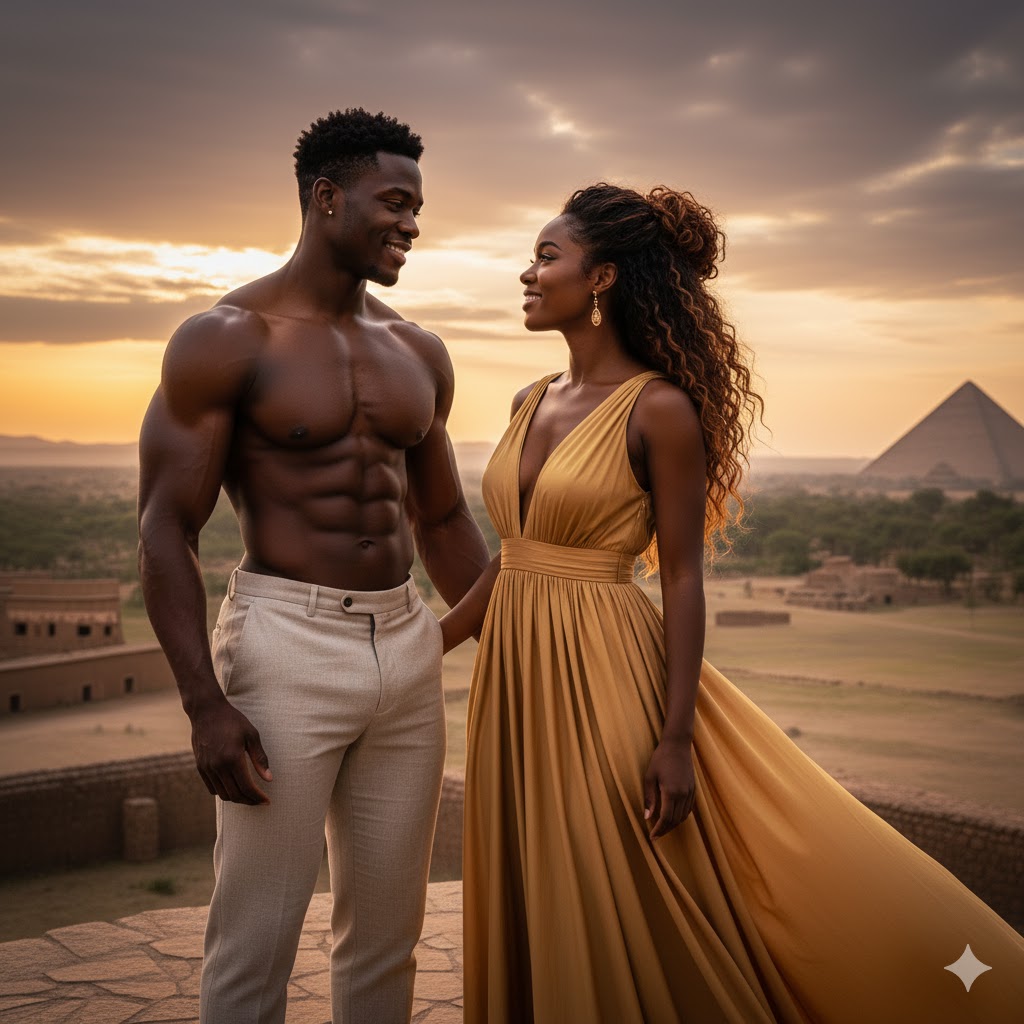
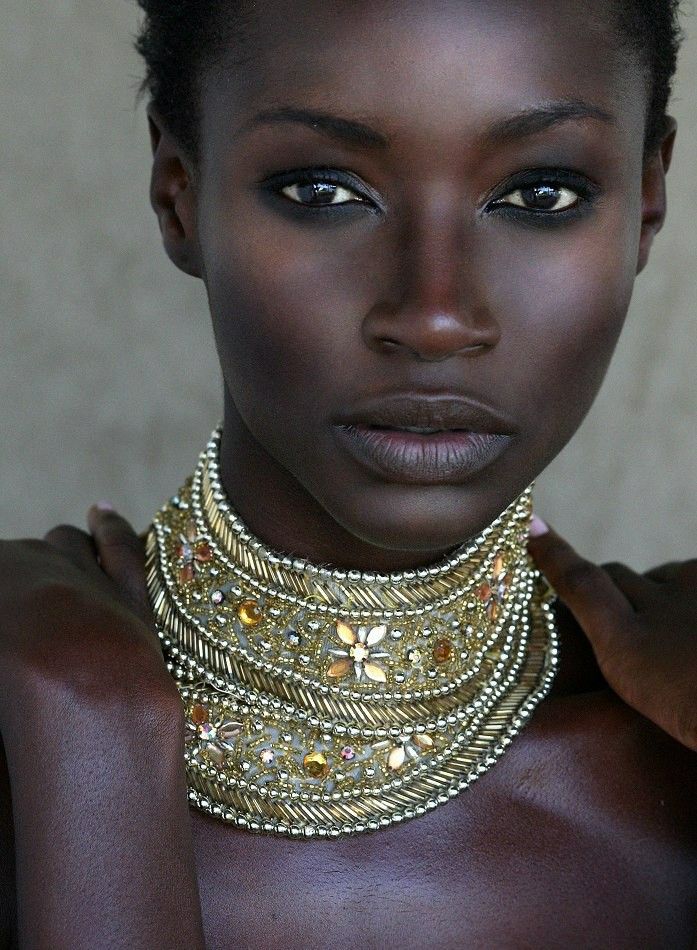
The concept of “brownness” as beauty transcends mere pigmentation; it reflects a complex interplay of history, biology, culture, and aesthetic perception. Brown skin, whether light caramel, golden bronze, deep chestnut, or rich ebony, embodies a spectrum of human variation that has been historically undervalued yet remains one of the most genetically adaptive and visually striking expressions of humanity. In contemporary discourse, browness is increasingly recognized not as a deviation from a Eurocentric standard but as a distinct and ethereal form of beauty rooted in both science and lived experience.
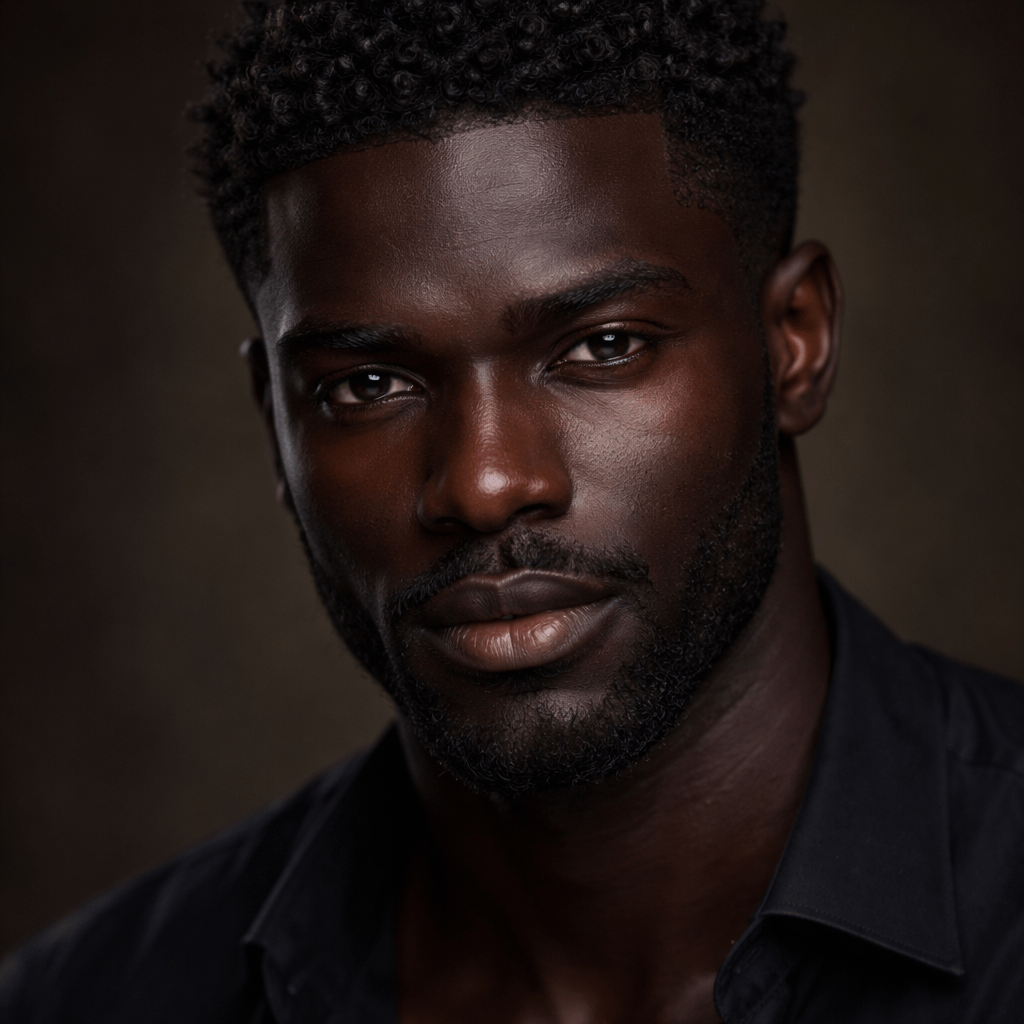
Outer beauty, though often dismissed as superficial, plays a powerful role in social identity and self-concept. Physical appearance shapes how individuals are perceived and how they navigate social spaces, including employment, romance, and media representation. For brown women and men, beauty has historically been filtered through systems of colorism and racial hierarchy, yet despite these barriers, brownness continues to produce some of the most globally celebrated faces, bodies, and aesthetic ideals.

From a genetic standpoint, brown skin is the result of higher concentrations of melanin, a natural pigment produced by melanocytes. Melanin is not only visually significant but biologically protective, shielding the skin from ultraviolet radiation and reducing the risk of skin cancers and premature aging (Jablonski & Chaplin, 2010). Thus, what society often labels as “darkness” is, in scientific terms, a sophisticated evolutionary advantage.

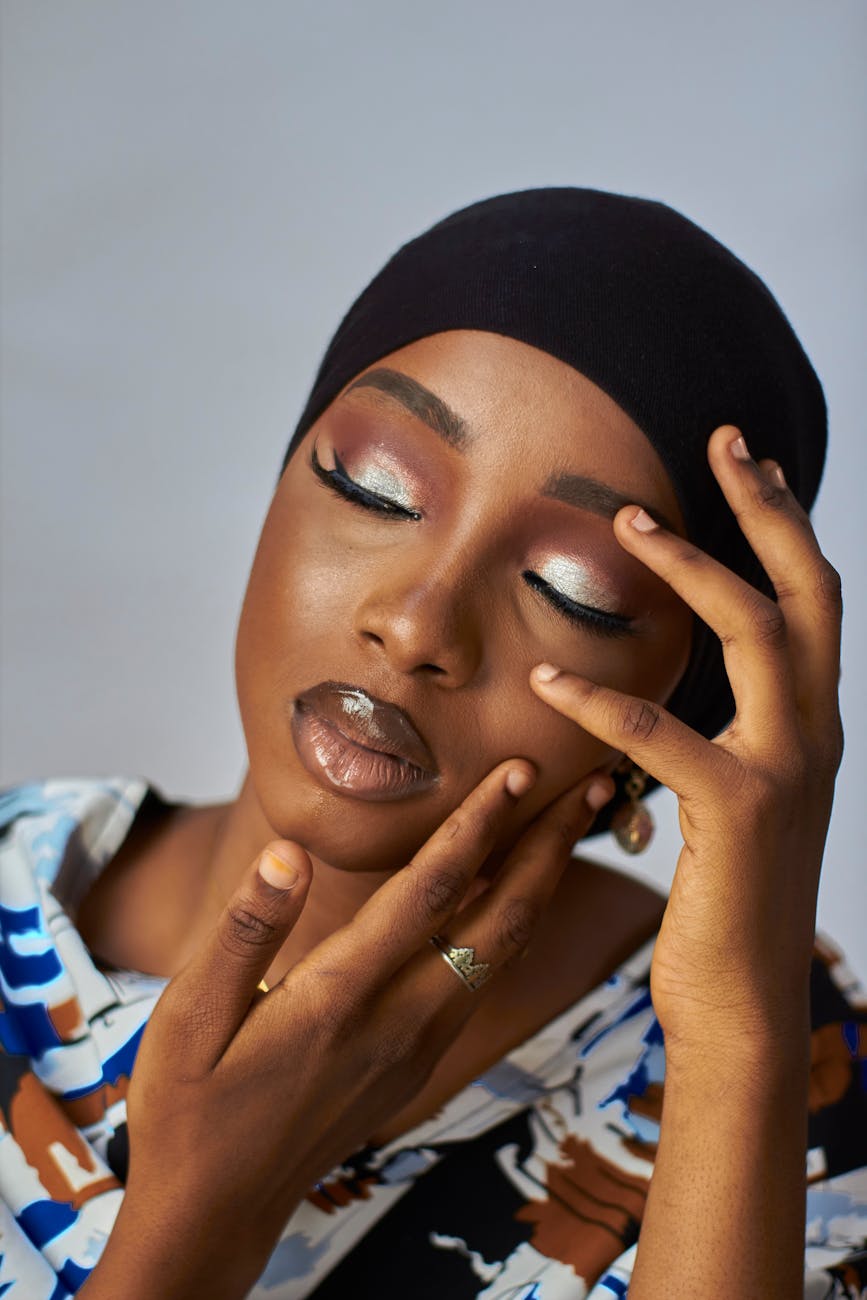
Melanin also contributes to what many describe as the “glow” of brown skin. This glow is not mystical but physiological—melanin reflects light differently, creating depth, warmth, and luminosity across the skin’s surface. Photographers and visual artists have long noted that brown skin captures light with a richness and dimensionality that lighter skin often cannot, making it especially striking in portraiture and cinema (Banks, 2015).

For women, brown beauty has historically been framed through contradiction—simultaneously exoticized and marginalized. Yet brown women possess a unique aesthetic versatility: their skin complements a wide range of colors, fabrics, and textures, from bold jewel tones to soft pastels. This chromatic harmony enhances the visual impact of brown femininity, making it both adaptable and visually powerful in the fashion and beauty industries.

Brown male beauty similarly reflects a blend of strength and softness. High melanin levels often correlate with strong bone density, facial symmetry, and robust physical features shaped by evolutionary adaptation (Jablonski, 2012). These traits contribute to widespread perceptions of brown men as physically striking, athletic, and visually commanding across global cultures.

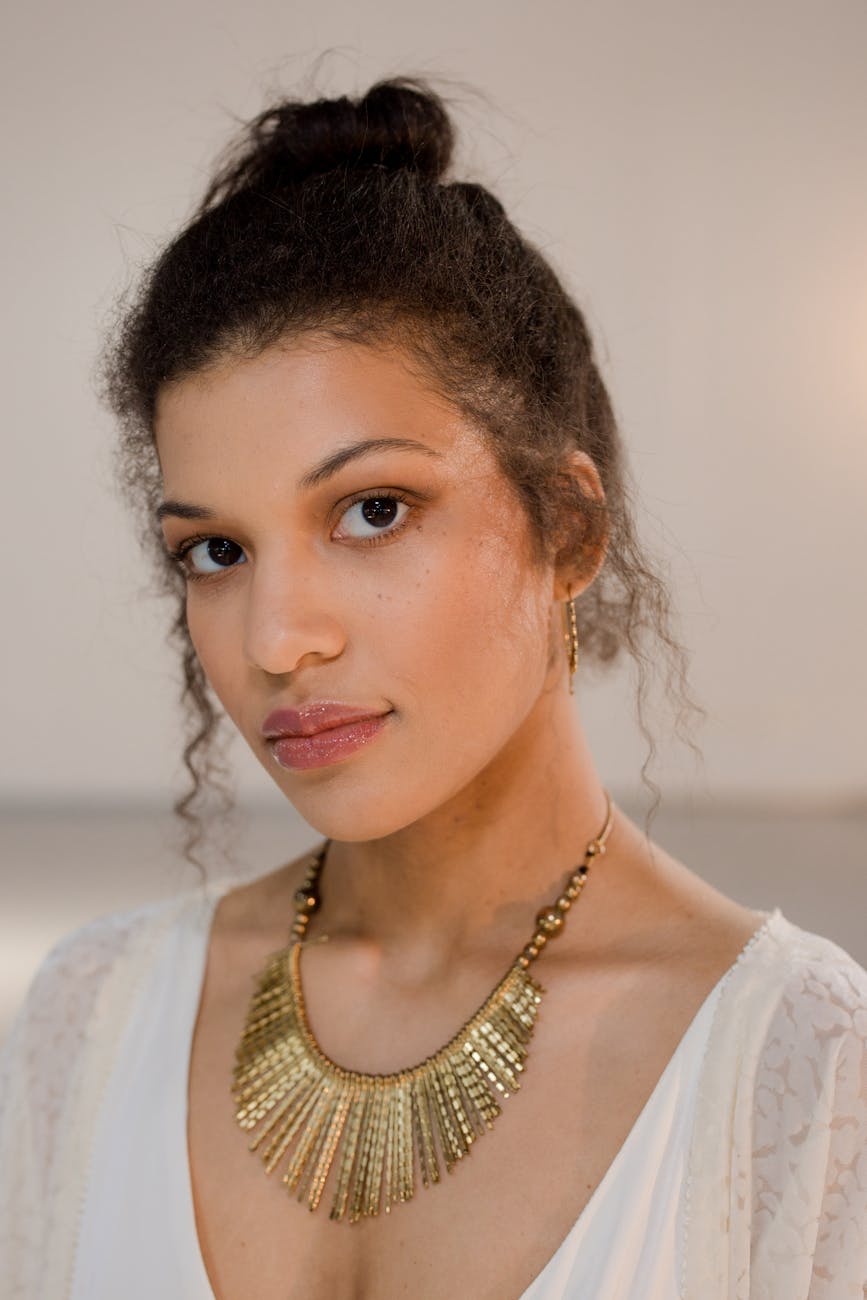
Facial structure also plays a role in the aesthetics of browness. Many populations with brown skin display prominent cheekbones, fuller lips, broader nasal bridges, and almond-shaped eyes—features increasingly celebrated in contemporary beauty standards. Ironically, these traits were once stigmatized but are now widely emulated through cosmetic surgery and digital filters, revealing how brown features have been culturally appropriated while brown bodies themselves were marginalized (Hunter, 2007).

Hair texture further amplifies the ethereal quality of brown beauty. Coily, curly, wavy, and kinky hair patterns represent a vast genetic spectrum that allows for artistic expression, volume, and sculptural aesthetics. Afro-textured hair, in particular, is biologically engineered for heat regulation and protection, yet culturally functions as a powerful symbol of identity, creativity, and visual presence (Byrd & Tharps, 2014).

The eyes of brown individuals also carry unique aesthetic significance. Higher melanin often produces deep brown or near-black irises that convey intensity, emotional depth, and warmth. The most beautiful eyes are the large, dark, mirrored eyes. Psychologically, darker eyes are associated with perceptions of trustworthiness, strength, and emotional richness, beauty, adding another layer to the perceived beauty of brown populations (Swami & Furnham, 2008).

From an evolutionary psychology perspective, humans are naturally drawn to traits that signal health, fertility, and resilience. Brown skin, protected by melanin, resists environmental stressors more effectively, often maintaining elasticity and smoothness well into older age. This contributes to the common observation that brown individuals “age more slowly,” a phenomenon supported by dermatological research (Taylor, 2002).

Historically, civilizations across Africa, Asia, the Middle East, and the Americas celebrated brown bodies as divine, royal, and sacred. Ancient Egyptian art, for instance, consistently depicted deities and royalty with brown or bronze skin, associating these tones with power, fertility, and cosmic balance (Assmann, 2001). Thus, browness was once the default aesthetic of divinity itself.

Colonialism disrupted these perceptions by imposing Eurocentric standards that privileged paleness as a marker of status and beauty. Colorism emerged within non-white communities, creating internal hierarchies based on skin shade rather than shared humanity. Yet modern scholarship increasingly frames brownness not as a deficiency but as a site of resistance, resilience, and aesthetic sovereignty (Hill, 2009).

In media and popular culture, brown beauty is now reclaiming space. Models, actors, and influencers of brown complexion dominate global fashion campaigns, redefining desirability through representation. Figures such as Lupita Nyong’o, Idris Elba, Naomi Campbell, and Zendaya exemplify how brown skin commands visual attention without needing to conform to Eurocentric norms.

The term “ethereal” is often reserved for lightness and delicacy, yet brown beauty embodies an alternative ethereality—one rooted in warmth, depth, and radiance rather than fragility. This form of beauty feels grounded yet transcendent, earthly yet luminous, reflecting what many describe as a soulful presence rather than a sterile aesthetic.

Genetically, all humans originated from melanated populations in Africa, meaning browness is not an anomaly but the ancestral template of humanity itself (Stringer, 2016). In this sense, brown beauty is not a minority aesthetic but the original human aesthetic, from which all other variations emerged.

Psychologically, embracing brown beauty fosters healthier self-concept among brown individuals, countering internalized racism and color-based shame. Studies show that positive racial and physical identity correlate with higher self-esteem, emotional resilience, and mental well-being (Neblett et al., 2012).

Outer beauty also shapes romantic and social desirability. Despite systemic bias, research indicates growing cross-cultural attraction toward brown features, especially in globalized societies where beauty standards are becoming more diverse and less racially rigid (Rhodes, 2006). This shift reflects a broader cultural awakening to the richness of human variation.

Brown beauty is also dynamic rather than static. Skin tones shift with seasons, lighting, health, and emotional states, creating a living canvas that responds to life itself. This fluidity gives brown skin an organic, almost poetic quality—beauty that moves, adapts, and evolves.

For both women and men, brown beauty challenges the notion that attractiveness must align with narrow ideals. Instead, it affirms that beauty is plural, genetic, and culturally constructed, shaped by biology but interpreted through social meaning. Brownness stands as evidence that diversity itself is aesthetically superior to uniformity.

Ultimately, the ethereal beauty of browness lies not only in its visual qualities but in its symbolic power. Black people with brown skin carry ancestral memory, evolutionary brilliance, and cultural depth. It reflects humanity in its most original form—resilient, radiant, and irreducibly beautiful.


References

Assmann, J. (2001). The search for God in ancient Egypt. Cornell University Press.

Banks, T. L. (2015). Colorism: A darker shade of pale. UCLA Law Review, 47(6), 1705–1745.

Byrd, A. D., & Tharps, L. L. (2014). Hair story: Untangling the roots of Black hair in America. St. Martin’s Press.

Hill, M. E. (2009). Skin color and the perception of attractiveness among African Americans. Journal of Black Psychology, 35(3), 358–374.

Hunter, M. (2007). The persistent problem of colorism: Skin tone, status, and inequality. Sociology Compass, 1(1), 237–254.

Jablonski, N. G. (2012). Living color: The biological and social meaning of skin color. University of California Press.

Jablonski, N. G., & Chaplin, G. (2010). Human skin pigmentation as an adaptation to UV radiation. Proceedings of the National Academy of Sciences, 107(Supplement 2), 8962–8968.

Neblett, E. W., Rivas-Drake, D., & Umaña-Taylor, A. J. (2012). The promise of racial and ethnic protective factors in promoting ethnic minority youth development. Child Development Perspectives, 6(3), 295–303.

Rhodes, G. (2006). The evolutionary psychology of facial beauty. Annual Review of Psychology, 57, 199–226.

Stringer, C. (2016). The origin of our species. Penguin Books.

Swami, V., & Furnham, A. (2008). The psychology of physical attraction. In V. Swami & A. Furnham (Eds.), The body beautiful: Evolutionary and sociocultural perspectives (pp. 3–18). Palgrave Macmillan.

Taylor, S. C. (2002). Skin of color: Biology, structure, function, and implications for dermatologic disease. Journal of the American Academy of Dermatology, 46(2), S41–S62.
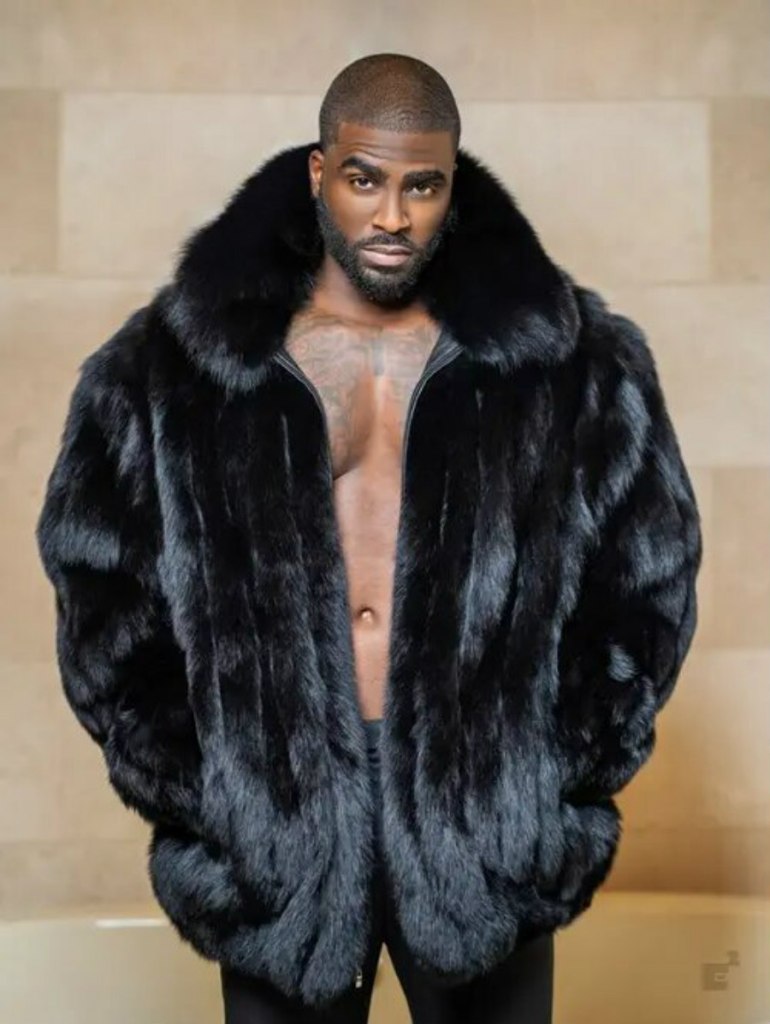
Beauty and the Beast Within: Reconciling Image and Identity in Men.

Photo Credit: Monte Ellis

Beauty and strength have long been seen as incompatible virtues in men. The “beautiful man” must walk a fine line between confidence and perceived vanity, while the “beast” within him—the primal, instinctive, and unrefined—lurks beneath the polished surface. The tension between these two forces—image and identity—defines the modern masculine experience. To be both admired and authentic, powerful yet tender, is the paradox at the heart of every man who strives to reconcile the external image with the internal truth.

In ancient times, beauty in men was not merely aesthetic—it was moral. The Greeks saw physical beauty (kalos) as a reflection of inner goodness (agathos). A well-formed body symbolized discipline, virtue, and harmony. Yet even then, the line between admiration and arrogance was thin. Narcissus, the mythic figure who fell in love with his reflection, serves as a cautionary tale about self-obsession. His beauty became his undoing, revealing the beast within: the hunger for validation that consumes self-awareness.

As centuries passed, ideals of male beauty shifted from divine symmetry to rugged endurance. The warrior replaced the sculpted god, and the ability to endure pain became more valued than aesthetic grace. The male body was no longer for worship but for labor and war. Yet even in these transformations, beauty persisted as a haunting standard—an invisible expectation shaping how men perceived themselves and were perceived by others.

The Renaissance revived the aesthetic fascination with male form, yet this time, beauty was imbued with humanity. Michelangelo’s David and da Vinci’s anatomical sketches suggested that beauty and intellect could coexist. Man was both beast and divine architect—a thinking creature whose body told the story of his soul. But beneath this artistic idealization lay a profound anxiety: if beauty could be measured, then so could worth.

In modernity, this anxiety has intensified under the gaze of media. The rise of Hollywood, fashion, and digital culture has sculpted men as living statues once more—objects of gaze and desire. The “beast” within now manifests not as savagery, but as silent insecurity. The beautiful man must constantly perform his image—maintaining fitness, style, and charisma—to remain relevant. His mirror becomes a battleground between authenticity and perfection.

Social media magnifies this struggle, transforming self-presentation into survival. The male influencer or actor curates his “brand” as carefully as a sculptor polishes marble. He is expected to appear both approachable and ideal, masculine yet emotionally intelligent. This duality—half human, half projection—echoes the myth of the beast: a creature misunderstood, craving connection but hidden behind his own exterior.

Psychologists have noted that this phenomenon contributes to rising rates of male body dysmorphia and emotional suppression. Men are socialized to deny vulnerability even as they chase unattainable ideals (Bordo, 1999). The more they sculpt the external, the more the internal self fractures. Beauty becomes armor, and the beast within grows restless—yearning to be seen, not just looked at.

The reconciliation of image and identity requires the courage to confront the beast—to acknowledge imperfection as integral to manhood. True transformation begins when the man ceases to perform and begins to reveal. Like the fairytale of Beauty and the Beast, redemption occurs not through the destruction of the beast but through the acceptance of his humanity. It is the gaze of compassion, not criticism, that restores his true form.

This metaphor extends to race as well. The Black man’s beauty, for instance, has historically been framed through lenses of hypermasculinity or exoticism. Western culture often commodifies his physique while silencing his emotions. To be both beautiful and Black is to wrestle with the distortion of gaze—where admiration often coexists with fear and fetishization (hooks, 2004). The reconciliation of image and identity here becomes both personal and political: to reclaim the right to define beauty on one’s own terms.

Faith offers another dimension to this reconciliation. Scripture reminds us that man was “fearfully and wonderfully made” (Psalm 139:14, KJV), not as an aesthetic boast but as a declaration of divine intention. The true image of manhood lies not in muscular perfection but in moral reflection—the ability to mirror the Creator through love, integrity, and purpose. Beauty without righteousness is vanity; strength without compassion is beastliness.

Philosopher Alexander Nehamas (2007) wrote that beauty is “a promise of happiness.” Yet that promise often deceives, leading men to chase admiration rather than wholeness. The modern man’s liberation begins when he breaks the mirror and uses the shards to see himself from multiple angles—not as a flawless image, but as a complete being.

Art and psychology converge on this truth: the beast within is not evil but exiled. It is the raw self, stripped of performance, that hungers for authenticity. When integrated, it restores balance between the physical and spiritual, the admired and the authentic.

Thus, the reconciliation of image and identity is not a process of destruction but integration. To embrace both beauty and beast is to acknowledge that the chisel that shapes us also wounds us. The scars, the imperfections, and the humanity beneath the surface are not flaws—they are fingerprints of experience.

The beautiful man who makes peace with his inner beast ceases to live for the camera or the crowd. He becomes art in motion—a living testament that beauty is not the absence of struggle but the mastery of it. His reflection no longer enslaves him; it testifies of his becoming.

In a world obsessed with surfaces, to be real is revolutionary. To be beautiful and broken, seen and sincere, is divine. The man who reconciles his image with his identity becomes more than a face or physique—he becomes whole. And in his wholeness, he reflects not the ideal, but the eternal.

References

Bordo, S. (1999). The male body: A new look at men in public and in private. Farrar, Straus and Giroux.

hooks, b. (2004). We real cool: Black men and masculinity. Routledge.

Kimmel, M. (2017). Angry white men: American masculinity at the end of an era. Nation Books.

Mulvey, L. (1975). Visual pleasure and narrative cinema. Screen, 16(3), 6–18.

Nehamas, A. (2007). Only a promise of happiness: The place of beauty in a world of art. Princeton University Press.

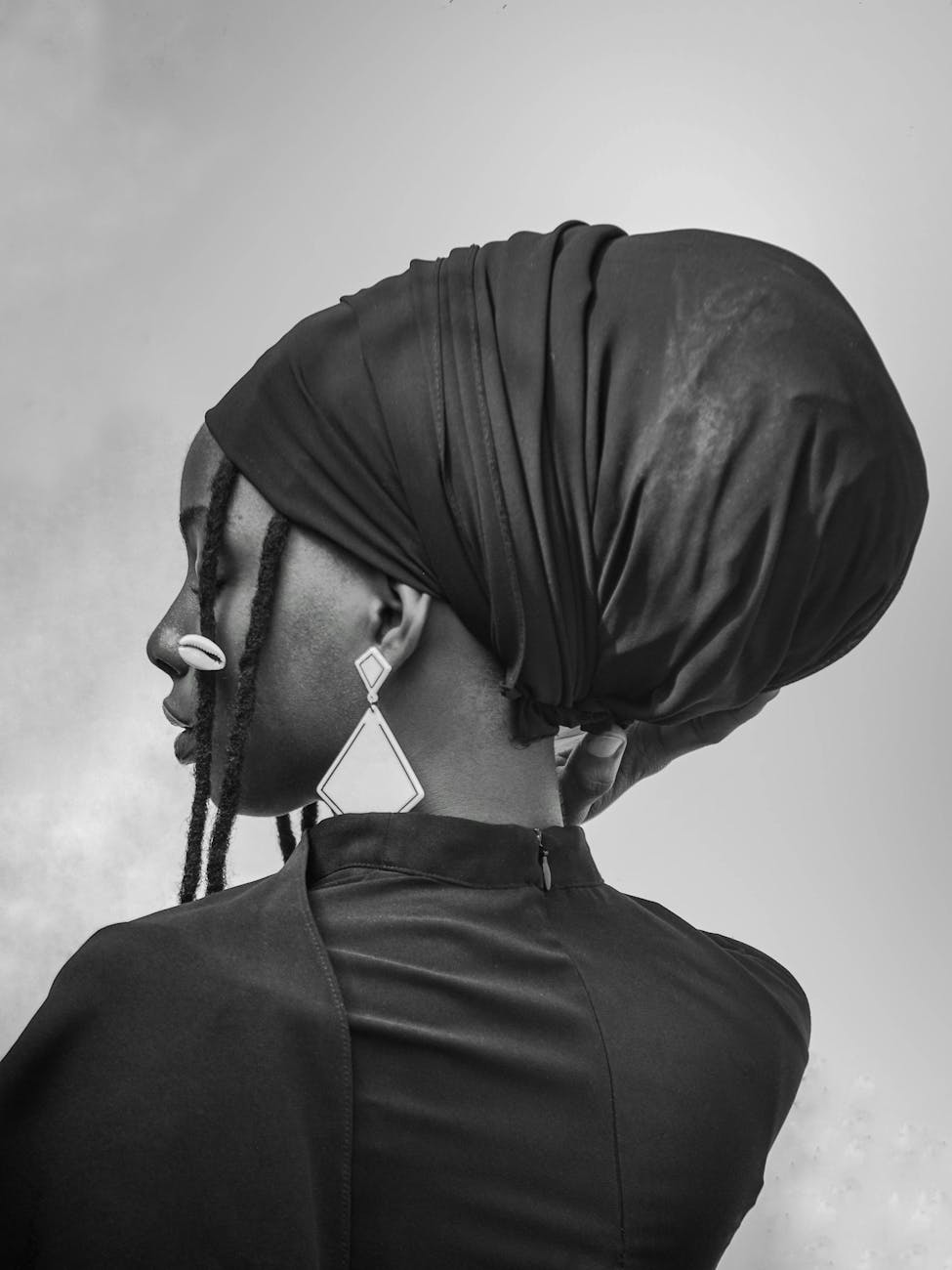
Beyond Beautiful: How Black Women’s Beauty Evolved Over Time.

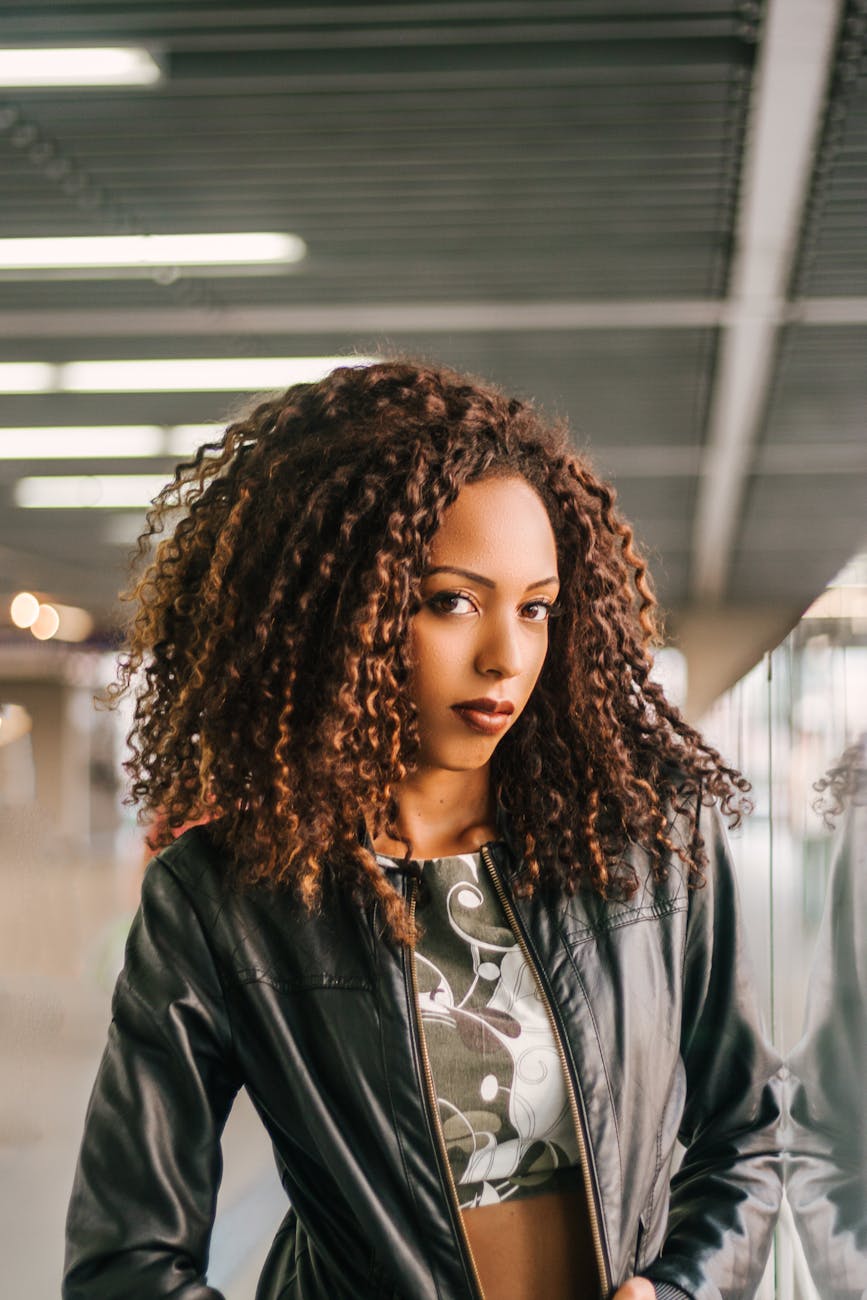
Photo by Theresa Ude on Pexels.com

Black women’s beauty has long been celebrated, contested, and politicized, shaped by a combination of historical, social, and cultural forces. Across centuries, perceptions of Black female beauty have evolved, reflecting both the resilience of Black women and the oppressive systems attempting to define them. Understanding this evolution requires tracing beauty from African societies to the global stage today.

In many pre-colonial African societies, Black women’s beauty was deeply tied to heritage, spirituality, and social status. In kingdoms such as Mali, Benin, and Nubia, physical adornment signified not only personal aesthetic but also political and cultural identity. Jewelry, intricate hairstyles, body markings, and textiles celebrated individuality and social hierarchy. Fuller body types, darker skin tones, and natural hair textures were symbols of health, fertility, and royal lineage. Beauty was not separated from character, lineage, or social role—it was holistic.

Hairstyles, in particular, were culturally significant. Cornrows, braids, and elaborate hair sculptures communicated age, marital status, social rank, and tribal affiliation. Hair was both an artistic medium and a declaration of identity, signaling pride in lineage and community. African queens and noblewomen often wore elaborate headdresses and ornaments, creating an enduring visual language of beauty that transcended mere appearance.

Skin tone also carried meaning within African cultures. While different regions celebrated a spectrum of complexions, melanin-rich skin was associated with vitality and resilience. Unlike later Eurocentric ideals, darker skin was not stigmatized; rather, it was revered and affirmed as part of cultural identity. Beauty standards were therefore inclusive, reflecting the natural diversity of African women.

The transatlantic slave trade disrupted these cultural ideals. Millions of African women were forcibly transported to the Americas, subjected to brutal labor, and stripped of cultural practices. European colonial powers imposed Eurocentric standards, privileging lighter skin, straighter hair, and narrow facial features. These imposed ideals devalued the physical characteristics of Black women, creating long-lasting psychological and social consequences.

Enslaved women were often fetishized, exploited, and objectified. Their bodies became symbols of labor, reproduction, and sexual control, stripping autonomy and self-worth. These experiences embedded systemic devaluation of Black women’s beauty into both society and the collective consciousness of the diaspora, contributing to internalized oppression.

After emancipation, Black women continued to navigate oppressive beauty standards. In the United States, the rise of minstrel shows and stereotyped imagery reinforced negative perceptions of Black female appearance. Colorism became entrenched, privileging lighter-skinned women over darker-skinned women for employment, social acceptance, and marriage prospects (Hunter, 2007). These internalized hierarchies complicated notions of self-worth and community cohesion.

Despite these challenges, Black women resisted and redefined beauty on their own terms. During the Harlem Renaissance, cultural pride was expressed through fashion, natural hairstyles, and art. Women celebrated African heritage through bold dress, artistic expression, and intellectual engagement. Icons like Josephine Baker used performance and personal style to challenge Eurocentric standards and assert agency over their bodies and image.

Hollywood, historically dominated by Eurocentric beauty ideals, often excluded Black women or relegated them to stereotypical roles. Yet some actresses broke barriers, using visibility to reshape mainstream notions of beauty. Lena Horne, Dorothy Dandridge, and later Halle Berry and Lupita Nyong’o exemplified how Black women could embody elegance, talent, and cultural pride while challenging narrow standards.

The late 20th century saw the emergence of natural hair movements. Women began rejecting chemical straightening in favor of embracing natural textures, braids, twists, and afros. These movements were both aesthetic and political, reclaiming autonomy over appearance and rejecting assimilation to white beauty ideals. Hair became a form of activism, signaling pride in identity and heritage.

Makeup, fashion, and body positivity movements further expanded expressions of Black beauty. Dark-skinned women began asserting visibility in media, challenging biases in magazines, advertisements, and runway shows. Representation of diverse skin tones and body types countered the persistent narrative that Black women must conform to Eurocentric ideals.

Colorism remains a persistent challenge, shaping personal perceptions and social hierarchies within Black communities. Research demonstrates that lighter-skinned women often experience preferential treatment, while darker-skinned women face greater discrimination in employment, media, and social acceptance (Herring et al., 2004). Yet cultural movements continue to celebrate all skin tones, emphasizing the value and beauty of melanin-rich skin.

Contemporary media, including social platforms like Instagram and TikTok, has amplified Black women’s voices and creativity. Influencers, makeup artists, and beauty entrepreneurs have created spaces for celebrating natural hair, traditional attire, and melanin-rich skin. Digital platforms allow women to challenge mainstream narratives, democratizing beauty standards and providing visibility for previously marginalized identities.

Globalization has also elevated African-inspired aesthetics worldwide. Fashion, hairstyles, and jewelry rooted in African culture have influenced international trends, allowing Black women to reclaim cultural ownership of beauty expressions that were once appropriated without acknowledgment.

Black women’s beauty has also been redefined through entrepreneurship. Cosmetic brands like Fenty Beauty, SheaMoisture, and Juvia’s Place have prioritized inclusivity, catering to diverse skin tones and hair textures. These innovations affirm that Black women’s beauty is expansive, multifaceted, and commercially significant.

The intersection of culture, history, and identity has made beauty a site of both struggle and empowerment. Black women’s ability to redefine aesthetics despite oppression demonstrates resilience and creativity. Beauty is not solely physical; it encompasses intelligence, artistry, heritage, and self-expression.

Psychologically, embracing authentic beauty contributes to empowerment and self-worth. Rejecting oppressive standards fosters confidence, encourages community solidarity, and affirms the intrinsic value of Black women. As Audre Lorde famously stated, “I am my best work—an authentic representation of myself” (Lorde, 1984).

The spiritual dimension of beauty has also played a role. In many African cultures and faith traditions, beauty is intertwined with virtue, character, and divine purpose. Spiritual teachings continue to affirm that true beauty is holistic, encompassing body, mind, and soul.

Today, Black women are not only reshaping beauty standards but also influencing global perceptions. From fashion runways to film screens, their visibility challenges narrow conceptions of beauty and celebrates diversity in skin tone, hair texture, and body form. Black women lead movements that redefine what it means to be beautiful on their own terms.

Ultimately, the evolution of Black women’s beauty is a story of resistance, creativity, and reclamation. From African queens to modern influencers, Black women have consistently asserted the value of their features, heritage, and identity. Beauty is a living testimony of resilience and cultural pride.

In conclusion, Black women’s beauty has evolved over time, shaped by history, oppression, resistance, and empowerment. It is both personal and political, aesthetic and cultural, rooted in identity and heritage. Beyond the surface, it tells a story of survival, creativity, and enduring strength—a beauty that transcends time, norms, and societal limitations.


📖 References

  • Hunter, M. (2007). The persistent problem of colorism: Skin tone, status, and inequality. Sociology Compass, 1(1), 237–254.
  • Herring, C., Keith, V., & Horton, C. (2004). Skin deep: How race and complexion matter in the “color-blind” era. Politics & Society, 32(1), 111–146.
  • Lorde, A. (1984). Sister Outsider: Essays and Speeches. Crossing Press.

✨ The Aesthetics of Melanin: Masculine & Feminine Beauty ✨

A celebration of Black physical excellence — form, feature, and divine design

The beauty of Black people is not merely visual; it is architectural, sculptural, and elemental. It is heritage carved into flesh, ancestry alive in bone, and glory poured into skin. Melanin is not pigment — it is poetry. It reads like scripture on the body, testifying to divine intention and ancestral brilliance.

Black skin holds sunlight like a crown. Rich tones ranging from deep ebony to golden bronze shimmer with warmth and depth untouched by time. Under light, melanin glows, refracting gold and copper undertones like sacred metal. Where others burn under sun, Black skin communes with it, absorbing radiance and returning it as brilliance.

The texture of Black skin is resilient and regal. Smooth like velvet, firm like carved obsidian, it communicates strength and softness in the same breath. Even in aging, Black skin preserves youth, holding firmness and clarity as a mark of blessing and biology. Time bends gently around melanin.

Black eyes are galaxies — deep, soulful, luminous. They hold ancestral wisdom, passion, and mystery. Their depth is unmatched, reflecting strength, intuition, and spiritual perception. Brown eyes ranging from warm amber to midnight black speak without words, their intensity capable of piercing or comforting in equal measure.

Full lips remain one of the most admired features in global beauty standards — naturally plump, sculpted, and expressive. They symbolize richness and vitality, formed to communicate power, tenderness, and passion. Where imitation tries and fails, Black lips set the original blueprint for sensual symmetry.

Black noses come in noble forms — wide, sculpted, and strong. They speak of identity, rootedness, and authenticity. The elegance of broader nasal structures enhances facial harmony, balance, and presence. In an era of artificial features, original African contours stand unmatched, unapologetic, and divine.

Cheekbones in Black men and women rise like royal architecture. High, pronounced, and sculpted, they frame the face with an effortless dignity. They create definition without effort, shaping expressions into portraits of grace or power depending on the moment.

Jawlines among Black men often carry heroic structure — angular, bold, carved like marble. Their faces speak of protection, authority, and masculine divinity. Black women’s jawlines balance softness and strength, demonstrating a design that holds both gentleness and majesty.

Hair — in coils, curls, waves, and kinks — stands as a living crown. Defying gravity, it rises toward heaven in spirals mirroring galaxies. Every curl is a signature of identity, every coil a testimony to resilience. Black hair is versatile, expressive, regal — a divine engineering of texture and pride.

Black men possess physiques sculpted by nature to command, protect, and endure. Broad shoulders, powerful backs, strong chests, and athletic proportions represent raw strength and disciplined elegance. From warriors to modern athletes, the Black male form proves excellence in structure and motion.

Black women embody curvature as art — hips shaped like crescents, waists sculpted like pottery, and silhouettes that flow like water. Their bodies represent fertility, power, beauty, and grace. Their movement carries rhythm, heritage, and magnetic softness.

The legs of Black men and women tell stories of mobility, endurance, and athletic superiority. Strong thighs, graceful calves, and balanced proportions reveal bodies built for power and speed, as though carved for motion with divine precision.

Black hands reveal labor and love. Strong and expressive, they carry cultural memory — hands that have created, fought, healed, raised nations, and built empires. In their form lies capability, tenderness, and dignity.

Collarbones and shoulders among Black women shimmer like sculpture. Smooth, elegant, and defined, they reflect femininity in pure form. Black men’s shoulders stand broad and unwavering, pillars of masculine power.

Black smiles, framed by full lips and bright teeth, radiate warmth, vitality, and confidence. There is a glow behind them — one shaped by survival, joy, and soul-deep life force. When Black people smile, the room lights differently.

Posture distinguishes Black beauty — upright, proud, grounded, and graceful. Even in casual stance, there is royal poise, inherited from ancestors who walked like kings and queens despite chains.

Movement in Black bodies is music made visible. Whether walking, dancing, or simply existing, fluidity and rhythm define them. Grace lives in the hips, strength in the back, confidence in the stride.

Masculine beauty among Black men is the fusion of power and nobility. Their features command attention; their presence shifts atmosphere. Feminine beauty among Black women is softness wrapped in steel, elegance intertwined with strength. Together they form a visual symphony — balance, brilliance, and divine complementarity.

The aesthetics of melanin transcend human standards. They reflect an original blueprint — the first beauty shaped by the Creator. Black bodies are not merely physically beautiful — they are historical, celestial, and spiritual. They carry the imprint of Eden, the dignity of royalty, and the radiance of creation itself.

Black beauty is not a trend. It is a truth — ancient, eternal, and unmatched. It does not strive to belong to the world’s standard; the world strives to imitate it. And yet, imitation never surpasses authenticity. Where melanin breathes, beauty lives in its highest form.

Biblical References (KJV)

  • Genesis 1:27 – “So God created man in his own image, in the image of God created he him; male and female created he them.”
  • Psalm 139:14 – “I will praise thee; for I am fearfully and wonderfully made: marvellous are thy works; and that my soul knoweth right well.”
  • Song of Solomon 4:1–7 – Descriptions of physical beauty, including lips, eyes, and skin.
  • Proverbs 31:25–30 – The virtuous woman: strength, beauty, and dignity.
  • 1 Corinthians 15:46 – “First that which is natural; afterward that which is spiritual.”

Scientific / Anthropological References

  • Jablonski, N. G. (2006). Skin: A Natural History. University of California Press.
  • Relethford, J. H. (2012). The Human Species: An Introduction to Biological Anthropology. McGraw-Hill Education.
  • Robins, G. (2014). The Science of Beauty: Facial Symmetry, Melanin, and Aesthetic Perception. Journal of Aesthetic Research.
  • Farkas, L. G. (1994). Anthropometry of the Head and Face. Raven Press.

Sociocultural / Psychological References

  • Banks, I. (2018). The Melanin Millennium: African Aesthetics in the Modern World.
  • Byrd, A., & Tharps, L. L. (2014). Hair Story: Untangling the Roots of Black Hair in America. St. Martin’s Press.
  • Hall, R. E. (2010). African-American Facial Features and Perceptions of Beauty. Journal of Black Studies.

The Psychology of Beauty: How Color Shapes Perception and Confidence.

Photo by Express_photographyy Muhd sani abbas on Pexels.com

Beauty is often thought of as merely aesthetic, yet psychology reveals that color—especially skin tone—plays a profound role in shaping perception, identity, and self-confidence. Human beings subconsciously associate certain hues with traits, emotions, and social status, influencing both how individuals see themselves and how they are perceived by others. Understanding the interplay between color and psychology provides insight into cultural biases, self-esteem, and the lived experiences of those navigating societal beauty standards.

Color as a Psychological Signal

Color conveys meaning beyond its visual appeal. In psychology, it is established that lighter and darker shades can trigger different perceptions. For instance, lighter skin tones are often unconsciously associated with attractiveness, approachability, or social privilege in Eurocentric societies, whereas darker tones may face bias or negative stereotyping (Hunter, 2007). These perceptions are reinforced through media, literature, and cultural narratives, affecting both interpersonal interactions and self-image.

The Impact of Skin Tone on Self-Confidence

Color perception significantly affects self-esteem and confidence. Studies on colorism reveal that individuals with lighter skin often experience social advantages, while those with darker skin may face prejudice, impacting psychological well-being (Russell, Wilson, & Hall, 1992). Conversely, individuals who learn to embrace their natural skin tone and its cultural significance report higher self-esteem and a stronger sense of identity. This demonstrates the critical link between color acceptance and psychological empowerment.

Cultural and Historical Contexts

The meaning attached to skin tone is not innate but culturally constructed. Colonialism, slavery, and global media have historically elevated lighter skin as a standard of beauty, relegating darker tones to marginalization (Hunter, 2005). Across African and diasporic communities, these biases influence dating preferences, professional opportunities, and societal treatment. Recognizing this history is essential to addressing internalized perceptions and fostering authentic self-confidence.

Beauty, Color, and Social Perception

Color does more than shape self-perception—it also dictates social perception. People often unconsciously ascribe personality traits, competence, and attractiveness based on color cues. For example, in professional or social contexts, lighter skin may be associated with approachability or higher status, while darker skin may be unfairly linked to negative stereotypes (Russell et al., 1992). Awareness of these biases is the first step toward challenging them and redefining beauty standards on equitable terms.

Psychological Strategies for Embracing Color

Self-reflection, media literacy, and exposure to diverse representations are key strategies for building confidence in one’s natural hue. Affirmations, community support, and representation in media empower individuals to value their skin tone and resist societal pressures. Celebrating diversity in color not only enhances personal confidence but also shifts cultural narratives about beauty, making them more inclusive and representative.

Melanin and Power: Thriving with Confidence in a World of Color Bias

Melanin-rich skin is a source of natural beauty, resilience, and identity. Yet, across cultures and history, darker tones have often been devalued, creating psychological and social challenges for those who bear them. Understanding the intersection of melanin, perception, and confidence allows individuals to embrace their skin fully, redefine beauty standards, and thrive in environments shaped by bias.

The Science of Melanin and Its Beauty

Melanin, the pigment responsible for skin color, offers protection against UV radiation and contributes to youthful, resilient skin. Beyond its biological function, melanin-rich skin carries deep cultural and ancestral significance. It symbolizes survival, heritage, and the legacy of African and diasporic communities, reminding those who bear it of strength passed down through generations.

Psychological Effects of Color Bias

Colorism—the privileging of lighter skin tones over darker ones—has measurable effects on self-esteem and social confidence. Studies show that darker-skinned individuals may experience discrimination in education, employment, and social settings, impacting psychological well-being (Hunter, 2007). Internalizing societal bias can lead to diminished self-worth, while embracing one’s natural shade correlates with higher confidence and identity affirmation.

Empowerment Through Representation

Representation matters. Celebrities like Lupita Nyong’o, Viola Davis, Idris Elba, and Michaela Coel showcase the elegance, power, and beauty of melanin-rich skin on global platforms. Their visibility challenges stereotypes, promotes diversity, and provides role models for younger generations. When media reflects the richness of skin tones, it reinforces positive self-perception and inspires confidence.

Strategies for Thriving with Melanin-Rich Skin

  1. Self-Affirmation: Regularly celebrate your skin tone with affirmations and reflection. Recognize its uniqueness and beauty.
  2. Community Support: Surround yourself with mentors, friends, and communities that uplift all shades of melanin.
  3. Media Literacy: Critically assess media portrayals of beauty and seek diverse, inclusive representations.
  4. Cultural Reclamation: Learn and honor the history, heritage, and achievements of people with melanin-rich skin.
  5. Personal Presentation: Embrace hairstyles, fashion, and skincare routines that make you feel empowered and confident.

The Spiritual Dimension

Scripture celebrates the beauty of all skin tones. The Bible affirms that beauty and dignity are inherent, not contingent on societal approval (Song of Solomon 1:5 KJV: “I am black, but comely, O ye daughters of Jerusalem”). Recognizing the spiritual value of melanin-rich skin reinforces self-love and counters societal pressures that seek to devalue it.

Conclusion

The psychology of beauty underscores that color is more than an aesthetic feature—it is a social and psychological signal that shapes perception, confidence, and identity. By understanding how color influences both self-image and societal treatment, individuals and communities can challenge biases, embrace diversity, and cultivate authentic self-esteem. True empowerment lies in recognizing the inherent value of every shade and redefining beauty beyond narrow cultural constructs. Thriving with melanin-rich skin is both a personal and collective journey. By embracing color, challenging bias, and seeking representation, individuals cultivate self-confidence and redefine beauty standards. Every shade of melanin tells a story of resilience, legacy, and power—reminding the world that true beauty is not dictated by society, but by self-acceptance, pride, and celebration of heritage.


References

  • Hunter, M. (2005). Race, Gender, and the Politics of Skin Tone. Routledge.
  • Hunter, M. (2007). The Persistent Problem of Colorism: Skin Tone, Status, and Inequality. Sociology Compass, 1(1), 237–254.
  • Russell, K., Wilson, M., & Hall, R. E. (1992). The Color Complex: The Politics of Skin Color in a New Millennium. Anchor Books.
  • King James Bible

The Violence of Beauty Standards

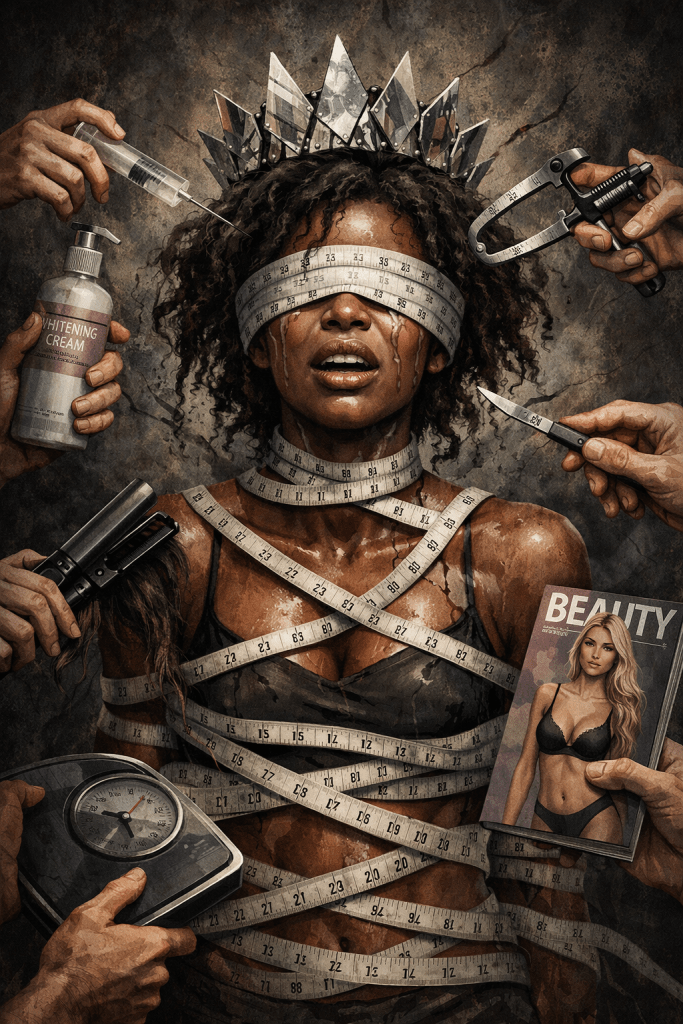
Beauty standards are often framed as harmless preferences or cultural aesthetics, yet their impact is anything but benign. They operate as a quiet, normalized form of violence—psychological, social, economic, and spiritual—imposed upon bodies that fall outside narrowly defined ideals. This violence is subtle enough to evade accountability and powerful enough to shape life outcomes, self-worth, and social hierarchies across generations.

The violence of beauty standards begins with definition. When a dominant culture determines which features are worthy of admiration and which are to be tolerated or erased, it establishes a hierarchy of human value. These hierarchies do not emerge organically; they are historically constructed through colonialism, slavery, class stratification, and racialized power relations that elevate proximity to whiteness, youth, thinness, and Eurocentric features.

For Black communities in particular, beauty standards have functioned as an extension of racial domination. During slavery and colonial rule, physical features were used to classify, rank, and commodify African-descended people. Lighter skin, straighter hair, and narrower features were rewarded with marginal privileges, while darker skin and African phenotypes were associated with labor, disposability, and dehumanization.

This legacy persists through colorism, a system in which skin tone operates as a social currency within and beyond racial groups. Colorism is not merely a preference; it is an internalized enforcement mechanism that reproduces racial hierarchy without the need for overt racism. Its violence lies in how it fractures communal bonds and assigns worth based on phenotype rather than character or humanity.

Beauty standards also enact violence through psychological harm. Repeated exposure to exclusionary ideals fosters chronic self-surveillance, body dissatisfaction, anxiety, and depression. Individuals learn to scrutinize their faces, hair, weight, and aging as problems to be fixed rather than natural expressions of life. This internalized gaze becomes a form of self-policing that mirrors external oppression.

The economic violence of beauty standards is equally profound. Entire industries profit from manufactured insecurity, extracting billions of dollars through skin-lightening products, cosmetic surgery, anti-aging treatments, and hair alteration. Those who can afford to approximate beauty ideals gain social and professional advantages, while those who cannot are penalized in employment, dating, media representation, and social mobility.

Gender intensifies this violence. Women and girls are disproportionately subjected to aesthetic regulation, with their value often tethered to attractiveness rather than intellect, integrity, or contribution. From childhood, girls are conditioned to equate beauty with worth, learning that visibility and validation are contingent upon meeting external standards that shift with trends yet remain rooted in patriarchal control.

Men are not immune to the violence of beauty standards, though it manifests differently. Rigid ideals of masculinity—height, muscularity, stoicism, dominance—discipline male bodies and emotions, discouraging vulnerability and self-acceptance. Men who deviate from these ideals face ridicule, emasculation, and social exclusion, revealing beauty standards as tools of behavioral conformity.

Media functions as a primary weapon in the enforcement of beauty norms. Through film, advertising, social media, and fashion, a narrow range of bodies and faces is repeatedly elevated as aspirational. Algorithmic amplification further entrenches these ideals, rewarding certain looks with visibility while rendering others invisible or stereotyped.

The violence intensifies in the digital age, where beauty standards are no longer distant images but interactive currencies. Likes, follows, and monetization transform appearance into measurable social capital. This quantification of beauty deepens comparison, fuels self-objectification, and accelerates the commodification of the self.

Beauty standards also operate as moral judgments. Attractive bodies are frequently associated with goodness, discipline, intelligence, and virtue, while those deemed unattractive are implicitly linked to laziness, moral failure, or incompetence. This phenomenon, often described as the halo effect, embeds aesthetic bias into decision-making processes that shape education, employment, and criminal justice outcomes.

The violence of beauty standards extends into spiritual dimensions. When individuals are taught to despise the bodies they inhabit, a rupture forms between self and creation. For faith traditions that affirm humanity as divinely made, beauty hierarchies function as theological distortions, subtly contradicting teachings about inherent worth and sacred design.

Historically marginalized bodies carry the heaviest burden of this violence. Disabled bodies, fat bodies, aging bodies, dark-skinned bodies, and gender-nonconforming bodies are treated as deviations rather than variations of human existence. The insistence on correction or concealment communicates that some lives are less deserving of comfort, desire, and dignity.

Resistance to beauty standards is often dismissed as oversensitivity or lack of self-esteem, yet such resistance is deeply political. To reject imposed ideals is to challenge systems that rely on comparison, insecurity, and consumption. It is an act of reclaiming agency over one’s body and narrative.

Cultural movements that celebrate diverse forms of beauty offer important counter-narratives, but they are not immune to co-optation. Inclusion is frequently aestheticized without dismantling underlying power structures, resulting in superficial diversity that leaves hierarchies intact. True liberation requires structural change, not symbolic representation alone.

Education plays a crucial role in disrupting the violence of beauty standards. Critical media literacy, historical context, and conversations about embodiment can equip individuals to recognize how ideals are constructed and whose interests they serve. Awareness does not erase harm, but it weakens its authority.

Healing from beauty-based violence is both personal and collective. Individually, it involves unlearning internalized contempt and cultivating self-regard beyond appearance. Collectively, it requires building communities that affirm worth independent of aesthetics and challenge discriminatory practices in institutions and media.

The language we use around beauty matters. Compliments, critiques, and casual comments can reinforce or resist harmful norms. Shifting language toward appreciation of character, creativity, resilience, and wisdom helps decenter appearance as the primary measure of value.

Ultimately, the violence of beauty standards lies in their ability to disguise domination as desire. They persuade individuals to participate in their own marginalization, to chase approval at the cost of peace, and to mistake conformity for empowerment. Naming this violence is the first step toward dismantling it.

A more just vision of beauty does not require the abandonment of aesthetics, but their reorientation. Beauty can be expansive, contextual, and humane when divorced from hierarchy and exclusion. In reclaiming beauty from violence, society moves closer to affirming the full dignity of every body.

References

Bordo, S. (2003). Unbearable weight: Feminism, Western culture, and the body. University of California Press.

Collins, P. H. (2004). Black sexual politics: African Americans, gender, and the new racism. Routledge.

Crenshaw, K. (1991). Mapping the margins: Intersectionality, identity politics, and violence against women of color. Stanford Law Review, 43(6), 1241–1299.

Dion, K., Berscheid, E., & Walster, E. (1972). What is beautiful is good. Journal of Personality and Social Psychology, 24(3), 285–290.

Hunter, M. (2007). The persistent problem of colorism: Skin tone, status, and inequality. Sociology Compass, 1(1), 237–254.

hooks, b. (1992). Black looks: Race and representation. South End Press.

Kaw, E. (1993). Medicalization of racial features: Asian American women and cosmetic surgery. Medical Anthropology Quarterly, 7(1), 74–89.

Wolf, N. (1991). The beauty myth: How images of beauty are used against women. HarperCollins.

Pretty Privilege Series: Undoing the Light Trap — Love, Liberation, and Color Truths.

Photo by cottonbro studio on Pexels.com

Pretty privilege is often discussed as an invisible advantage, yet within Black communities it carries a distinct and painful history rooted in colorism, colonial aesthetics, and racial hierarchy. The “light trap” refers to the social conditioning that equates proximity to whiteness—lighter skin, looser hair textures, narrower features—with value, safety, and desirability. This trap has shaped how love is distributed, how protection is granted, and how worth is measured.

Colorism did not emerge organically within Black societies; it was engineered through slavery and colonial rule. European powers imposed racial stratification systems that rewarded lighter-skinned enslaved people with marginal privileges, creating internal divisions that persist generations later. These divisions were not accidental but strategic, designed to fracture unity and reinforce dominance.

Within this system, beauty became currency. Lighter skin functioned as symbolic capital, granting access to social mobility, romantic desirability, and even perceived intelligence. Darker skin, by contrast, was associated with labor, invisibility, and punishment. These associations embedded themselves into collective psychology, passing quietly from parent to child, community to community.

The light trap distorts love by attaching affection to appearance rather than character. Romantic preferences are often framed as “personal taste,” yet taste itself is socially constructed. When lighter skin is consistently preferred, rewarded, and praised, desire becomes less about choice and more about conditioning.

For many dark-skinned women, love is experienced not as abundance but as audition. They are taught—implicitly and explicitly—that they must compensate for their skin tone with perfection, silence, or service. This burden creates emotional fatigue and reinforces the false belief that love must be earned through suffering.

Men are not immune to the light trap. Black men are socialized to equate lighter partners with status, success, and validation, mirroring the values of a society that already devalues Blackness. This dynamic harms men as well, narrowing their emotional range and disconnecting them from authentic attraction rooted in shared struggle and truth.

Media plays a central role in maintaining pretty privilege. Film, television, advertising, and social media overwhelmingly center lighter-skinned Black women as romantic leads, beauty icons, and symbols of femininity. Dark-skinned women, when included, are often relegated to stereotypes or supporting roles that affirm marginality.

These representations do more than entertain; they educate. They teach children who is worthy of love and who must wait. They instruct society on whose pain matters and whose is invisible. Over time, repeated images harden into “common sense,” making bias appear natural rather than manufactured.

Undoing the light trap requires naming it. Silence protects systems of harm. When colorism is dismissed as divisive or exaggerated, the wound deepens. Truth-telling is not betrayal; it is repair. Liberation begins where honesty is allowed to breathe.

Love, in its truest form, is incompatible with hierarchy. It cannot thrive where one shade is exalted and another is endured. A liberated vision of love honors the full spectrum of Black beauty without ranking, comparison, or apology. It sees dark skin not as an obstacle but as inheritance.

Healing also requires confronting internalized bias. Many people carry unconscious preferences shaped by years of exposure to colorist messaging. Acknowledging these biases is not an admission of evil but a commitment to growth. What is learned can be unlearned.

Community accountability is essential. Families, churches, schools, and cultural institutions must reject colorist language and practices. Casual jokes, backhanded compliments, and “good hair” narratives are not harmless; they are ideological tools that reinforce inequality.

The light trap also intersects with economics. Studies show that lighter-skinned individuals often receive higher wages, lighter sentences, and more favorable evaluations. These outcomes reinforce the illusion that lightness equals competence, while darkness signals deficiency.

Spiritual traditions have not been exempt from color bias. Imagery that associates light with goodness and dark with evil has been misused to justify racial hierarchies. Reclaiming spiritual language requires separating metaphor from misapplication and affirming that Blackness is not a curse but a creation.

Liberation demands new narratives. Stories that center dark-skinned women as loved, chosen, protected, and celebrated disrupt generations of conditioning. These narratives do not erase light-skinned experiences but refuse to place them on a pedestal.

Men who choose liberation must interrogate what they have been taught to desire. Love rooted in healing rather than status frees both partners from performance. It allows relationships to be spaces of refuge rather than reenactments of oppression.

For women, undoing the light trap means reclaiming self-definition. Worth is not granted by proximity to lightness or male approval. It is inherent, unmovable, and ancestral. Confidence grounded in truth is an act of resistance.

Collective healing will not be instant. Colorism is deeply woven into social fabric, reinforced by institutions and incentives. Yet every conscious choice, every honest conversation, weakens the trap’s hold.

The goal is not to reverse hierarchy but to abolish it. Liberation is not dark skin replacing light skin at the top; it is the dismantling of the ladder itself. Beauty without hierarchy restores humanity to everyone.

Undoing the light trap is ultimately about love—love that is truthful, expansive, and just. When Black communities choose truth over comfort and liberation over illusion, love becomes less about appearance and more about alignment, dignity, and shared freedom.

References

Adams, T. L., & Fuller, D. B. (2006). The words have changed but the ideology remains the same: Misogynistic lyrics in rap music. Journal of Black Studies, 36(6), 938–957.

Hunter, M. (2007). The persistent problem of colorism: Skin tone, status, and inequality. Sociology Compass, 1(1), 237–254.

Hunter, M. (2011). Buying racial capital: Skin-bleaching and cosmetic surgery in a globalized world. Journal of Pan African Studies, 4(4), 142–164.

Russell, K. Y., Wilson, M., & Hall, R. E. (2013). The color complex: The politics of skin color among African Americans. Anchor Books.

Thompson, V. S., & Keith, V. M. (2001). The blacker the berry: Gender, skin tone, self-esteem, and self-efficacy. Gender & Society, 15(3), 336–357.

Wilder, J. (2010). Revisiting “color names and color notions”: A contemporary examination of the language and attitudes of skin color among young Black women. Journal of Black Studies, 41(1), 184–206.

The Handsome Burden: How Society Looks at Black Male Beauty.

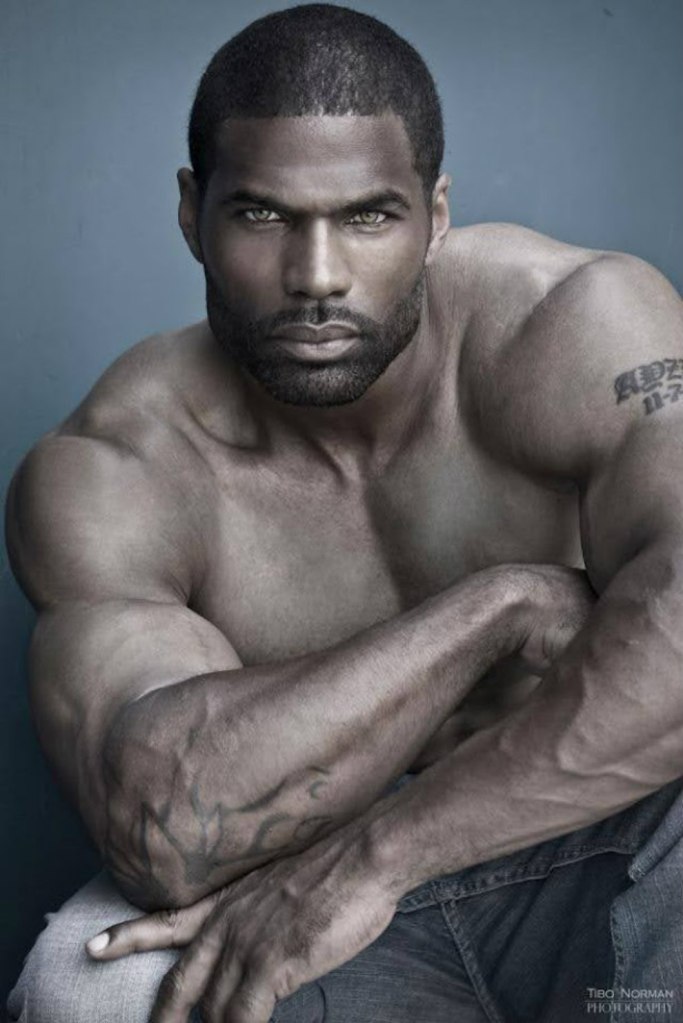
Photo Credit: Tibo Norman (used with permission)

Black male beauty has historically existed in a complex intersection of admiration and marginalization. In Western culture, ideals of masculinity and attractiveness have often been racially coded, favoring Eurocentric features such as light skin, straight hair, and narrow noses, leaving Black men to negotiate a beauty standard that often excludes them (Hunter, 2007). Despite these systemic barriers, Black men have consistently exemplified a wide range of physical beauty that challenges monolithic societal expectations.

The aesthetic evaluation of Black men is heavily influenced by historical and social contexts. During slavery and colonial periods, Black male bodies were subjected to objectification and dehumanization, yet their physicality was simultaneously fetishized as symbols of raw strength and virility (hooks, 1992). This duality created a paradoxical space where Black male attractiveness was both feared and desired.

Skin tone continues to play a significant role in how Black male beauty is perceived. Colorism, an intra-racial bias favoring lighter-skinned individuals, disproportionately affects Black men, impacting their representation in media and the dating market (Keith & Herring, 1991). Darker-skinned men often confront stereotypes associating them with aggression or hyper-masculinity, while lighter-skinned men are more frequently idealized in romantic or social contexts.

Facial features are another critical component in perceptions of beauty. Broad noses, full lips, and strong jawlines, which are characteristic of many Black men, are alternately fetishized and stigmatized in popular culture (Hall, 1997). Media representations often distort these features to fit palatable norms, leading to both admiration in certain subcultures and marginalization in mainstream society.

Hair texture and style also heavily influence social reception. Natural hair, afros, dreadlocks, and braids have long been sites of both cultural pride and discrimination. The policing of Black male hair in professional and social settings reflects broader societal discomfort with expressions of Black identity and beauty (Byrd & Tharps, 2014).

Athleticism is frequently conflated with attractiveness in Black men, reinforcing narrow definitions of beauty tied to physical performance rather than aesthetic nuance. This overemphasis perpetuates the stereotype that Black men’s value lies predominantly in their bodies’ functional capacity, rather than their individuality or style (Sailes, 1998).

The concept of “handsome burden” emerges from the paradox that Black male beauty, while celebrated in certain spaces, carries additional social costs. Attractive Black men are often hyper-visible, subjected to scrutiny, and stereotyped in ways that can impede social mobility and personal relationships (Griffin, 2012). The very features that draw admiration can also elicit bias.

Media representation is central to shaping societal views. Historically, Black men were either absent from mainstream portrayals of romantic leads or depicted in hypersexualized or villainized roles (Bogle, 2016). The lack of nuanced representation has contributed to a skewed understanding of Black male attractiveness, privileging exoticism over authenticity.

Black male celebrities frequently navigate the tension between societal fascination and personal agency over their image. Figures like Idris Elba, Michael B. Jordan, and Denzel Washington have gained recognition for their appearance, yet their visibility often subjects them to reductive discussions centered on looks rather than accomplishments (Russell, 2008).

Society’s obsession with physique and style creates pressures unique to Black men. Fashion, grooming, and fitness become mechanisms through which Black men negotiate social acceptance and desirability, amplifying the burden of external expectations (Banks, 2000).

Intersecting identities—such as socioeconomic status, sexuality, and regional background—further complicate the reception of Black male beauty. For example, a wealthy Black man may gain admiration that is denied to a working-class counterpart, illustrating how social capital intersects with racialized beauty standards (Patton, 2006).

Racialized beauty ideals also affect intimate relationships. Studies show that Black men often face exclusion in dating markets due to stereotypes about their masculinity or desirability (Felmlee, 2001). This phenomenon highlights how social perceptions of Black male beauty can influence both personal and emotional wellbeing.

The global circulation of Black male aesthetics offers a counter-narrative to Eurocentric beauty norms. Across Africa, the Caribbean, and the diaspora, Black men are celebrated for features that are undervalued in Western contexts, creating a multiplicity of beauty frameworks that resist homogenization (Ekine & Abbas, 2013).

Social media has amplified both the pressures and opportunities for Black men to curate their appearance. Platforms like Instagram provide spaces for self-representation and affirmation, yet they also expose individuals to heightened scrutiny and comparison, reinforcing anxieties about desirability (Tynes et al., 2016).

The commodification of Black male beauty through advertising and branding further complicates its social reception. Black men are often marketed as symbols of sexual allure or physical prowess, reducing complex identities to consumable aesthetic traits (Cole, 2015).

Historical trauma and generational narratives contribute to contemporary experiences of beauty for Black men. The lingering effects of slavery, segregation, and systemic oppression influence internalized self-perception and the valuation of physical traits, creating a psychological dimension to the “handsome burden” (Anderson, 2010).

Mental health implications are significant. Hypervisibility and the pressure to perform attractiveness can lead to stress, anxiety, and identity conflicts, revealing how aesthetic ideals intersect with emotional wellbeing (Wyatt et al., 2015).

Resistance movements have emerged, celebrating Black male beauty on its own terms. Cultural expressions such as hip hop, Afrofuturism, and Black fashion activism challenge normative aesthetics and create spaces where diverse Black male appearances are celebrated (Morgan & Bennett, 2011).

Education and scholarship play essential roles in redefining beauty narratives. By analyzing and challenging historical biases, researchers and cultural critics help to broaden society’s understanding of Black male attractiveness beyond reductive stereotypes (hooks, 1992).

Ultimately, Black male beauty exists as both a gift and a burden. The societal gaze can elevate and constrain, praise and stereotype, celebrate and marginalize. Understanding the intricate dynamics of this perception is critical to fostering cultural equity and dismantling limiting beauty paradigms.


References

Anderson, C. (2010). The psychology of African American male identity: Understanding the impact of historical trauma. Journal of Black Psychology, 36(4), 357–381.

Banks, I. (2000). Hair matters: Beauty, power, and Black men’s culture. New York University Press.

Bogle, D. (2016). Toms, coons, mulattoes, mammies, and bucks: An interpretive history of Blacks in American films (4th ed.). Bloomsbury Academic.

Byrd, A., & Tharps, L. (2014). Hair story: Untangling the roots of Black hair in America. St. Martin’s Press.

Cole, D. (2015). Advertising Blackness: Representation and racialization in marketing. Media, Culture & Society, 37(8), 1238–1254.

Ekine, S., & Abbas, H. (2013). African men and masculinities: Gendered transformations. Palgrave Macmillan.

Felmlee, D. (2001). No couple is an island: Social networks and mate selection. Social Forces, 79(4), 1259–1283.

Griffin, R. (2012). Beauty and the burden: Racialized perceptions of African American men. Journal of African American Studies, 16(3), 345–360.

Hall, R. (1997). The standard of beauty: A critical review of racialized aesthetics. Race & Society, 1(2), 123–138.

hooks, b. (1992). Black looks: Race and representation. South End Press.

Hunter, M. (2007). The persistent problem of colorism: Skin tone, status, and inequality. Sociology Compass, 1(1), 237–254.

Keith, V., & Herring, C. (1991). Skin tone and stratification in the Black community. American Journal of Sociology, 97(3), 760–778.

Morgan, M., & Bennett, D. (2011). Hip hop & the global imagination: Black male beauty and cultural resistance. Cultural Studies, 25(5), 643–664.

Patton, T. (2006). In the house of hip hop: Black masculinity and cultural capital. Gender & Society, 20(5), 599–617.

Russell, R. (2008). Image and identity: Black male celebrity culture. Media, Culture & Society, 30(5), 675–693.

Sailes, G. (1998). African American male athletes: Phenomenalism and stereotypes. Journal of Sport & Social Issues, 22(4), 390–402.

Tynes, B., Giang, M., Williams, D., & Thompson, G. (2016). Online racial discrimination and psychological adjustment among adolescents. Journal of Adolescent Health, 58(1), 30–36.

Wyatt, S., Gilbert, R., & Rivers, R. (2015). The impact of societal beauty standards on Black male mental health. Journal of Black Psychology, 41(2), 123–147.

How Eurocentric Beauty Standards Affect Self-Esteem.

Photo by Tima Miroshnichenko on Pexels.com

Beauty standards are not universal; they are shaped by culture, media, and history. For centuries, Eurocentric beauty ideals—emphasizing fair skin, straight hair, and thin noses—have dominated global media and social perception. These standards have profound psychological, cultural, and spiritual effects, particularly on Black women and other marginalized groups whose features are devalued in comparison.


Historical Roots of Eurocentric Beauty

Eurocentric beauty standards trace back to colonialism and the transatlantic slave trade. European features were associated with power, wealth, and social mobility, while African and Indigenous features were devalued. This legacy established a hierarchy of appearance that persists today, subtly shaping societal preferences and self-perception (Hunter, 2007).


Psychological Impacts on Self-Esteem

Psychology shows that internalizing external standards of beauty can significantly harm self-esteem. Social comparison theory posits that individuals measure their worth against others, and repeated exposure to idealized Eurocentric images can foster feelings of inadequacy, shame, and body dissatisfaction (Festinger, 1954; Swami et al., 2008).


Colorism and Skin Tone Bias

Within communities of color, Eurocentric ideals fuel colorism—preferential treatment of lighter skin over darker tones. This bias affects opportunities in employment, social circles, and even romantic desirability, reinforcing internalized oppression and self-doubt among darker-skinned individuals (Burke, 2008).


Media Representation and Unrealistic Standards

Modern media often perpetuates narrow definitions of beauty: celebrities with European features, airbrushed models, and viral trends that valorize lighter skin. Exposure to these images repeatedly reinforces the belief that “beautiful = European,” which undermines confidence and identity in those who do not fit these norms.


Biblical and Spiritual Perspective

The Bible affirms the intrinsic value and beauty of all people. The Shulamite woman declares, “I am black, but comely” (Song of Solomon 1:5, KJV), highlighting that dark skin is both natural and beautiful. Psalm 139:14 reminds believers: “I am fearfully and wonderfully made”, emphasizing that worth is divinely assigned, not culturally dictated.


Social and Cultural Consequences

Eurocentric standards create pressure to alter natural appearance through skin lightening, hair straightening, and cosmetic surgery. These practices often come at a psychological cost: low self-worth, identity conflict, and a sense of alienation from one’s cultural heritage.


Resisting Eurocentric Standards

Reclaiming self-esteem requires rejecting external definitions of beauty. Affirming natural features, celebrating cultural aesthetics, and diversifying media representation can counteract harmful narratives. Social movements like “Black is Beautiful” and “Melanin Magic” serve as tools for empowerment and self-love.


Psychological Interventions

Therapists recommend strategies such as cognitive restructuring (challenging negative self-beliefs), mindfulness, and positive affirmation to mitigate internalized bias. Community support and mentorship also strengthen identity and self-esteem, particularly among youth (Swami & Tovée, 2004).


Role of Family and Community

Families and cultural communities play a critical role in shaping perceptions of beauty. Encouraging pride in natural features, ancestral heritage, and cultural aesthetics fosters resilience against harmful societal messages.


Conclusion

Eurocentric beauty standards continue to negatively affect self-esteem, especially among people of color. Yet self-worth and beauty are not defined by societal bias—they are affirmed by God, culture, and personal identity. Reclaiming pride in one’s natural features, celebrating cultural aesthetics, and fostering positive media representation are essential steps in healing the psychological and spiritual effects of these pervasive ideals.


References

  • Burke, M. A. (2008). Colorism as racism: Skin tone, status, and inequality. Sociology Compass, 1(1), 237–254.
  • Festinger, L. (1954). A theory of social comparison processes. Human Relations, 7, 117–140.
  • Hunter, M. (2007). The persistent problem of colorism: Skin tone, status, and inequality. Sociology Compass, 1(1), 237–254.
  • Swami, V., & Tovée, M. J. (2004). The influence of body weight and shape in determining female and male physical attractiveness. Body Image, 1(2), 129–137.
  • Swami, V., Mada, R., Tovée, M. J., & Furnham, A. (2008). An investigation of the impact of television viewing on self-esteem and body image in adolescent girls. European Eating Disorders Review, 16(5), 389–398.

Beyond Eurocentric Standards: Redefining Beauty on Your Own Terms in this colorist world.

Photo by Marcelo Dias on Pexels.com

For centuries, Eurocentric beauty standards have dominated media, fashion, and societal perceptions. Fair skin, straight hair, narrow noses, and European facial features have been positioned as the ideal, marginalizing melanin-rich features and fostering a culture of colorism. In a world where lighter shades are often prioritized, redefining beauty on your own terms is an act of empowerment, resilience, and self-love.

The Roots of Eurocentric Beauty

Eurocentric beauty standards are deeply intertwined with colonialism, slavery, and systemic oppression. These ideals were used historically to assert superiority, devalue people of color, and enforce social hierarchies. Colorism—the preferential treatment of lighter skin tones within communities of color—remains a pervasive issue today, impacting self-esteem, career opportunities, and media representation (Hunter, 2007). Understanding this history is essential for reclaiming beauty on one’s own terms.

Owning Your Features

Redefining beauty starts with self-recognition and acceptance. Embracing natural hair textures, melanin-rich skin, and unique facial features counters societal bias and affirms personal identity. Influencers and celebrities like Lupita Nyong’o, Tracee Ellis Ross, Adut Akech, and Rihanna exemplify how celebrating natural features elevates cultural pride and inspires others to do the same. By owning what makes you unique, beauty becomes a personal statement rather than a standard to conform to.

Redefining Beauty Beyond Eurocentric Standards: A Toolkit for Empowerment

1. Celebrate Your Natural Features

  • Tips:
    • Embrace natural hair textures, melanin-rich skin, and unique facial features.
    • Daily affirmations:
      • “My skin, my hair, my features are beautiful and powerful.”
      • “I define my beauty, not society’s standards.”
  • Visual Idea: Color-rich illustrations of diverse skin tones with empowering typography.

2. Curate Representation

  • Tips:
    • Follow influencers and media that celebrate melanin-rich beauty.
    • Support inclusive brands in fashion, haircare, and beauty.
  • Examples: Lupita Nyong’o, Tracee Ellis Ross, Adut Akech, Rihanna.
  • Visual Idea: Collage of influencer photos showing a range of hairstyles, skin tones, and fashion statements.

3. Build Supportive Communities

  • Tips:
    • Engage with peers, mentorship programs, and online spaces that affirm brown beauty.
    • Participate in challenges and campaigns celebrating melanin (#BrownSkinGirl, #MelaninMagic).
  • Visual Idea: Network-style graphic showing community connection and peer support.

4. Educate Yourself

  • Tips:
    • Learn about the history of colorism and Eurocentric beauty standards.
    • Share knowledge to empower yourself and others.
  • Visual Idea: Timeline showing historical context and modern reclamation of beauty.

5. Advocate and Speak Out

  • Tips:
    • Challenge biased media, workplace norms, or social commentary that privileges Eurocentric ideals.
    • Amplify voices and platforms that celebrate diverse beauty.
  • Visual Idea: Bold call-to-action graphics with messages like “Celebrate All Shades” or “Your Beauty, Your Rules.”

6. Affirm Daily

  • Tips:
    • Use mirror affirmations, journaling, or social media posts to reinforce self-worth.
    • Examples: “I am radiant, I am powerful, I am brown and brilliant.”
  • Visual Idea: Shareable, colorful affirmation templates for Instagram, TikTok, or personal use.

Navigating a Colorist World

Living in a colorist society requires intentional strategies:

  • Curate Representation: Follow media and influencers who celebrate diverse skin tones and features.
  • Affirm Identity: Use daily affirmations such as, “My skin is radiant, my heritage is powerful.”
  • Build Supportive Communities: Engage with peers and online spaces that uplift melanin-rich beauty.
  • Advocate: Challenge biased media, workplace standards, or social norms that perpetuate Eurocentric ideals.

Psychological and Cultural Impacts

Embracing your natural features strengthens self-esteem and counters internalized colorism (Russell, Wilson, & Hall, 1992). Culturally, it honors heritage and ancestral identity, reinforcing that beauty is multifaceted and deeply personal. By redefining beauty beyond Eurocentric norms, individuals also influence society, expanding definitions of attractiveness and challenging restrictive ideals.

Redefining Beauty for Future Generations

When brown girls and women redefine beauty on their own terms, they set powerful examples for younger generations. They teach that confidence, cultural pride, and authenticity are central to self-worth. Rejecting Eurocentric standards creates space for representation, self-love, and a more inclusive understanding of beauty that celebrates all shades, textures, and forms.

Conclusion

Beauty is not dictated by societal preference—it is a personal, cultural, and empowering declaration. Beyond Eurocentric standards, embracing melanin-rich skin, natural hair, and unique features is an act of resistance, self-love, and identity affirmation. In a colorist world, redefining beauty on your own terms is both radical and necessary, proving that true beauty lies in authenticity, heritage, and confidence. Redefining beauty is an act of resistance, self-love, and empowerment. By celebrating natural features, seeking representation, building supportive communities, educating oneself, advocating, and affirming daily, brown girls can navigate a colorist world with confidence. Beauty is personal, cultural, and powerful—it belongs to you to define.


References

  • Hunter, M. (2007). The Persistent Problem of Colorism: Skin Tone, Status, and Inequality. Sociology Compass, 1(1), 237–254.
  • Russell, K., Wilson, M., & Hall, R. E. (1992). The Color Complex: The Politics of Skin Color in a New Millennium. Anchor Books.