
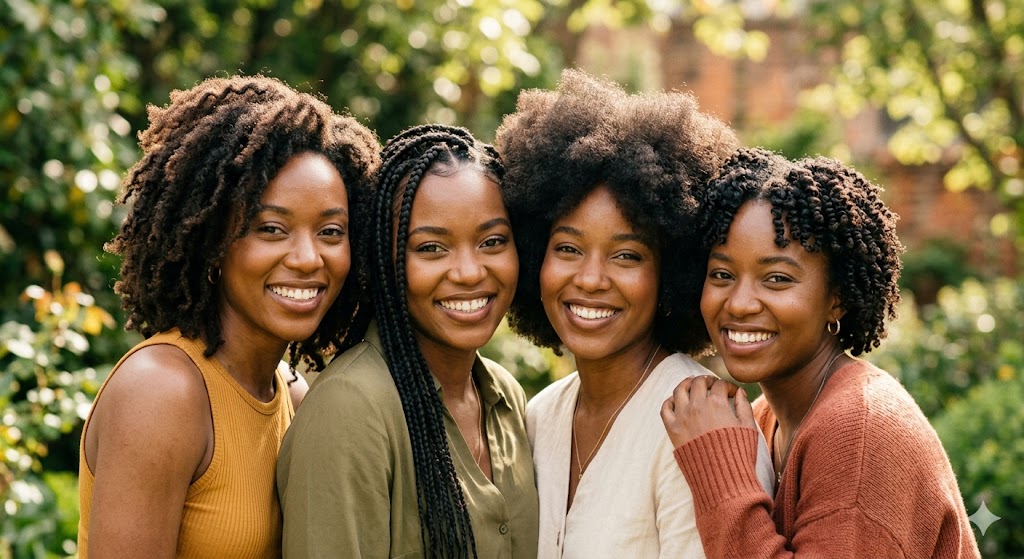
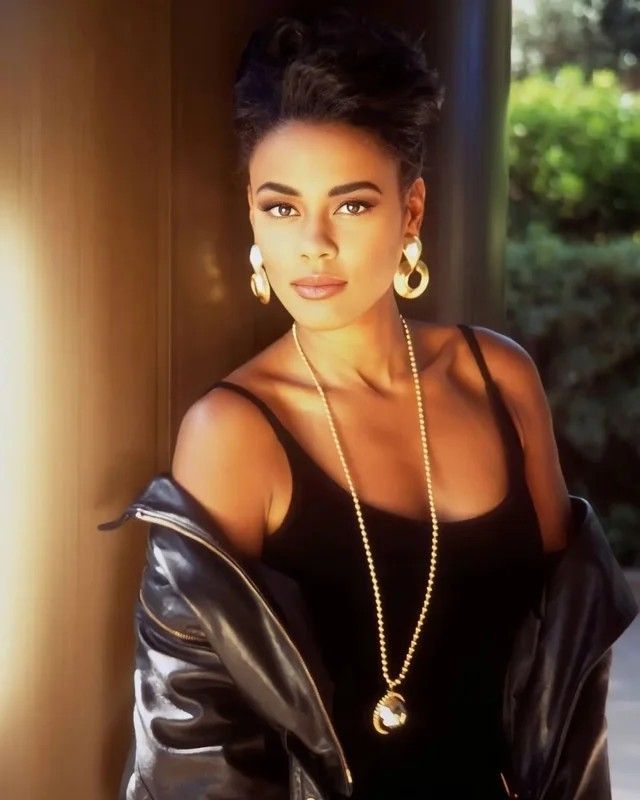
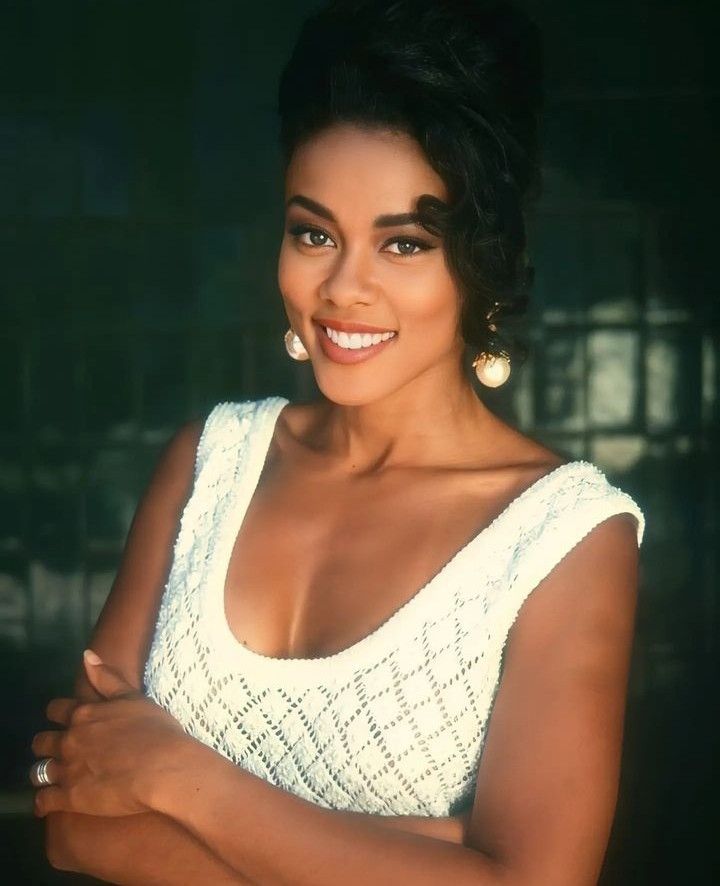
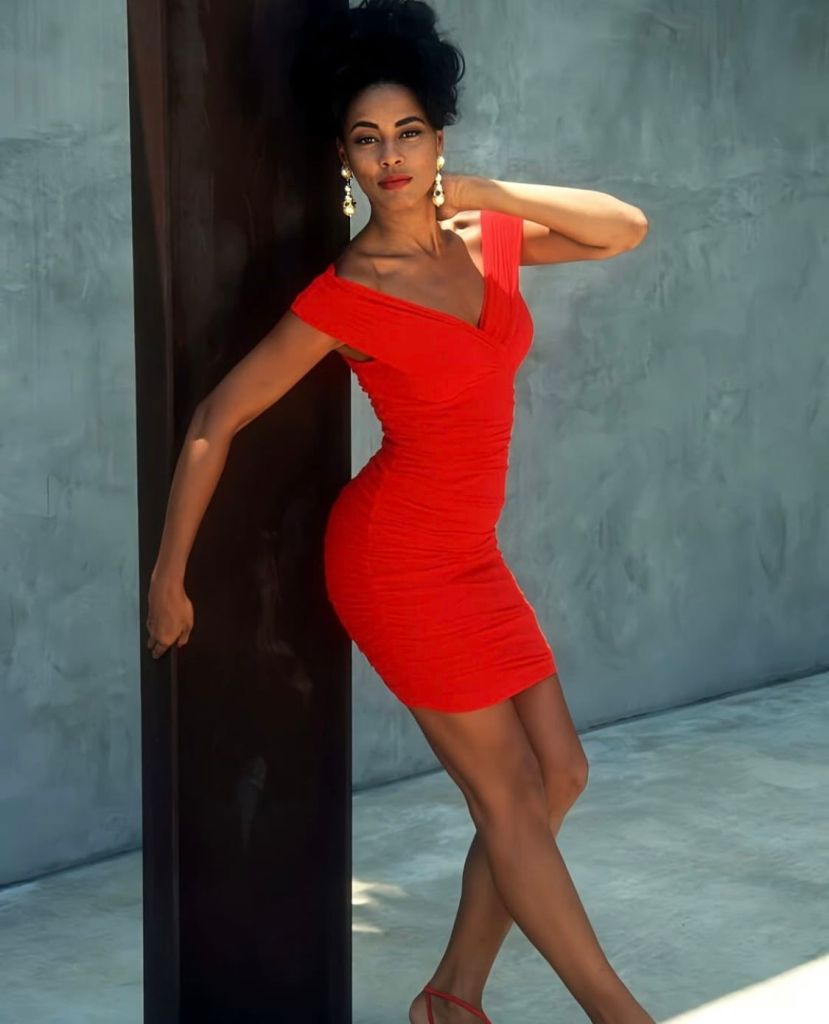
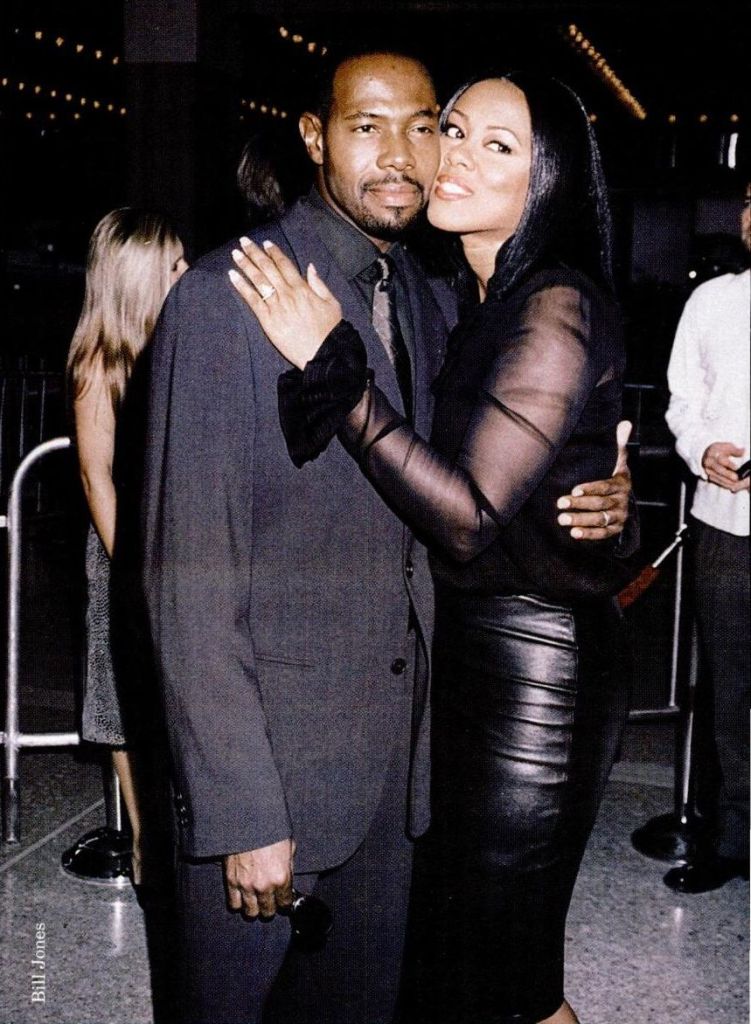
Black beauty has always transcended mere aesthetics; it is a testament to resilience, cultural richness, and ancestral legacy. Across history, Black people have navigated societies that often sought to diminish their worth, yet the essence of Black beauty has endured as a symbol of dignity, pride, and self-expression. From the radiant skin tones and textured hair of African queens to the strong features and commanding presence of Black men, Black beauty is deeply intertwined with identity and cultural memory (hooks, 1992).
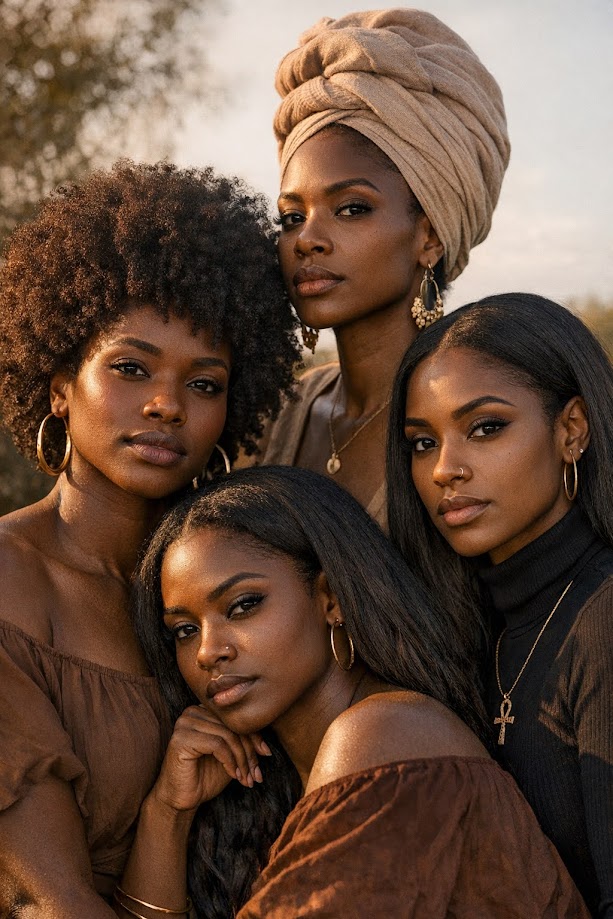
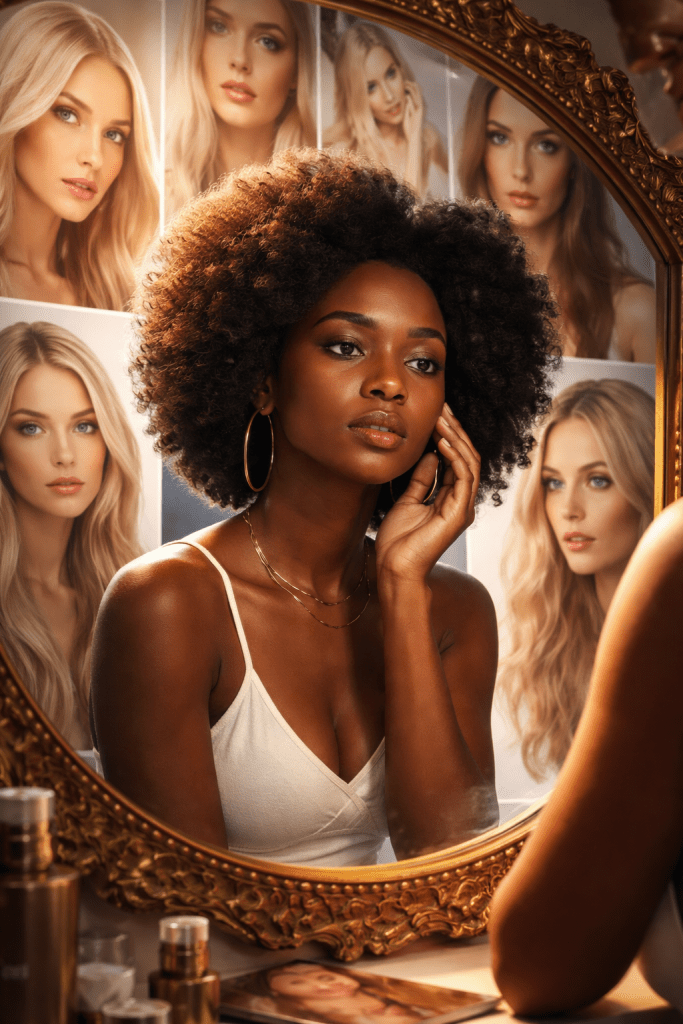
In the African diaspora, colorism has shaped perceptions of beauty, creating hierarchies that favored lighter skin over darker skin. This bias, rooted in colonialism and slavery, persists in media, fashion, and social interactions today (Hunter, 2007). Despite these pressures, Black women and men continue to reclaim and redefine beauty standards that honor natural hair, melanin-rich skin, and traditional African features. Celebrating Black beauty is not merely about appearance; it is an act of cultural resistance and affirmation.
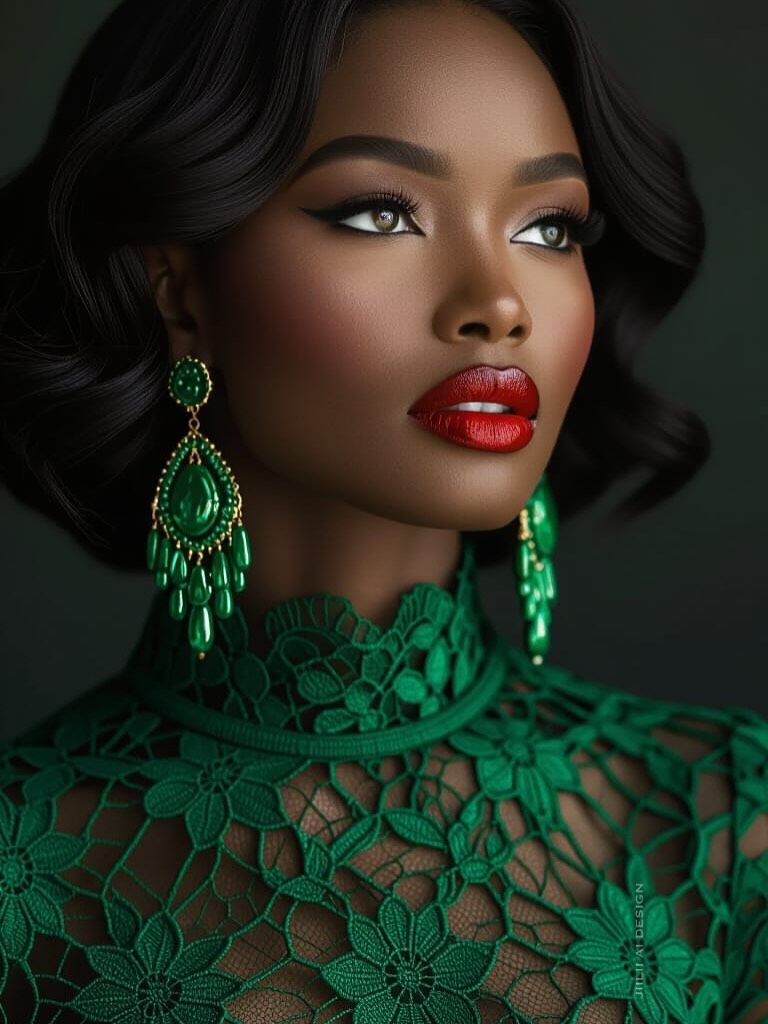
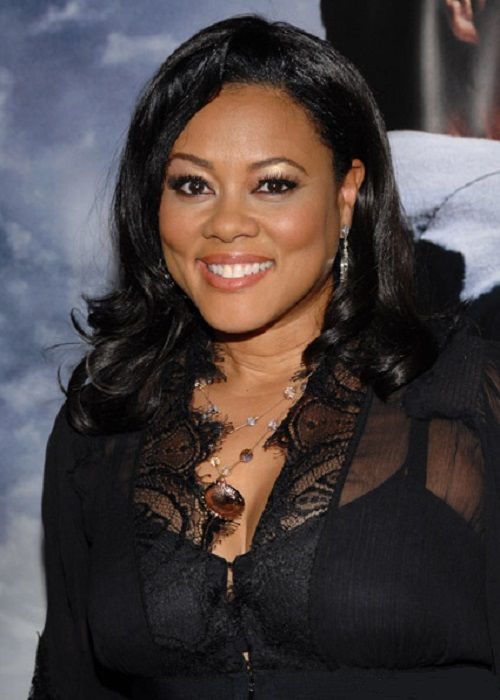
Black women, from historical figures like Harriet Tubman and Sojourner Truth to contemporary icons like Lupita Nyong’o and Viola Davis, embody beauty that intersects with intellect, courage, and artistry (Griffin, 2016). Their beauty cannot be reduced to a color palette; it is the resilience in their eyes, the grace in their posture, and the confidence in their presence that radiates powerfully. The acknowledgment of this multidimensional beauty challenges societal biases that have long devalued dark-skinned women.
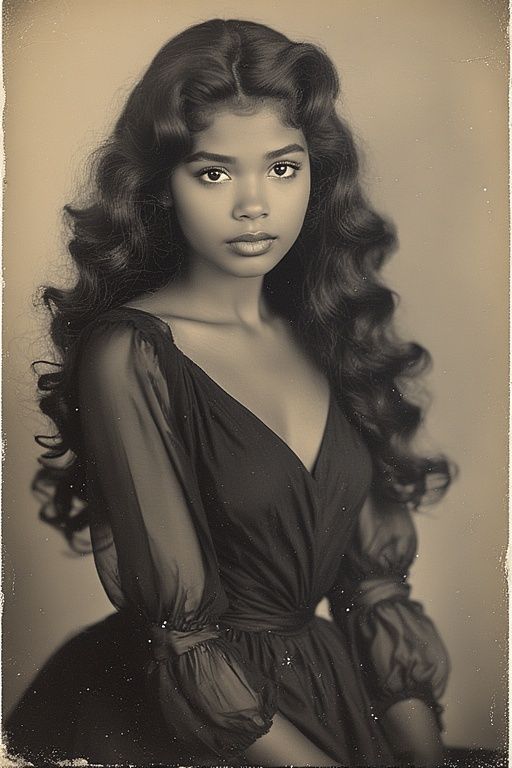
The resilience inherent in Black beauty reflects a historical continuum of survival and triumph. African civilizations prized intricate hairstyles, body art, and jewelry not only for aesthetic appeal but as markers of social status, spirituality, and identity (Echeruo, 1998). Enslaved Africans brought these traditions to the Americas, adapting them to new realities while preserving cultural memory. Contemporary Black beauty carries this legacy forward, connecting past and present in a celebration of unbroken identity.
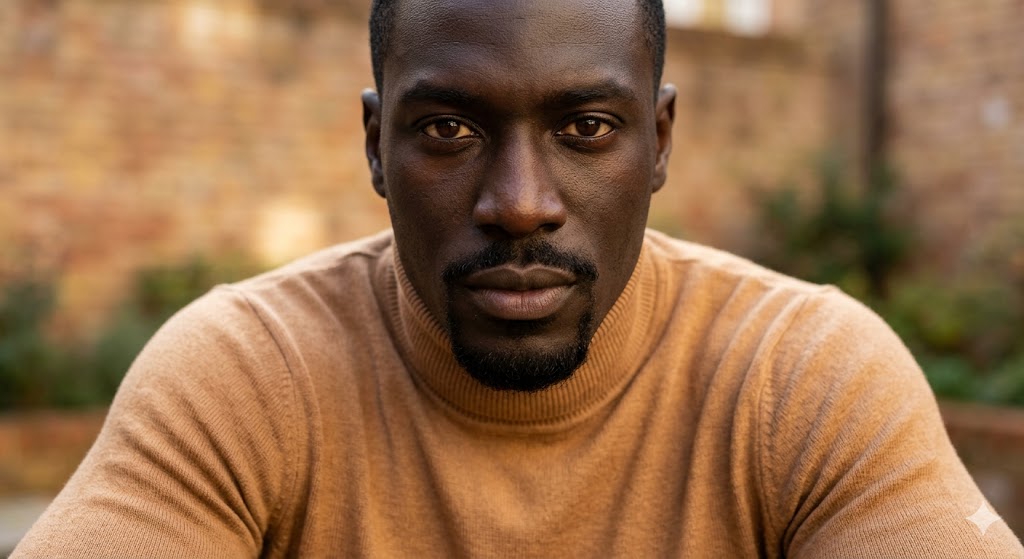
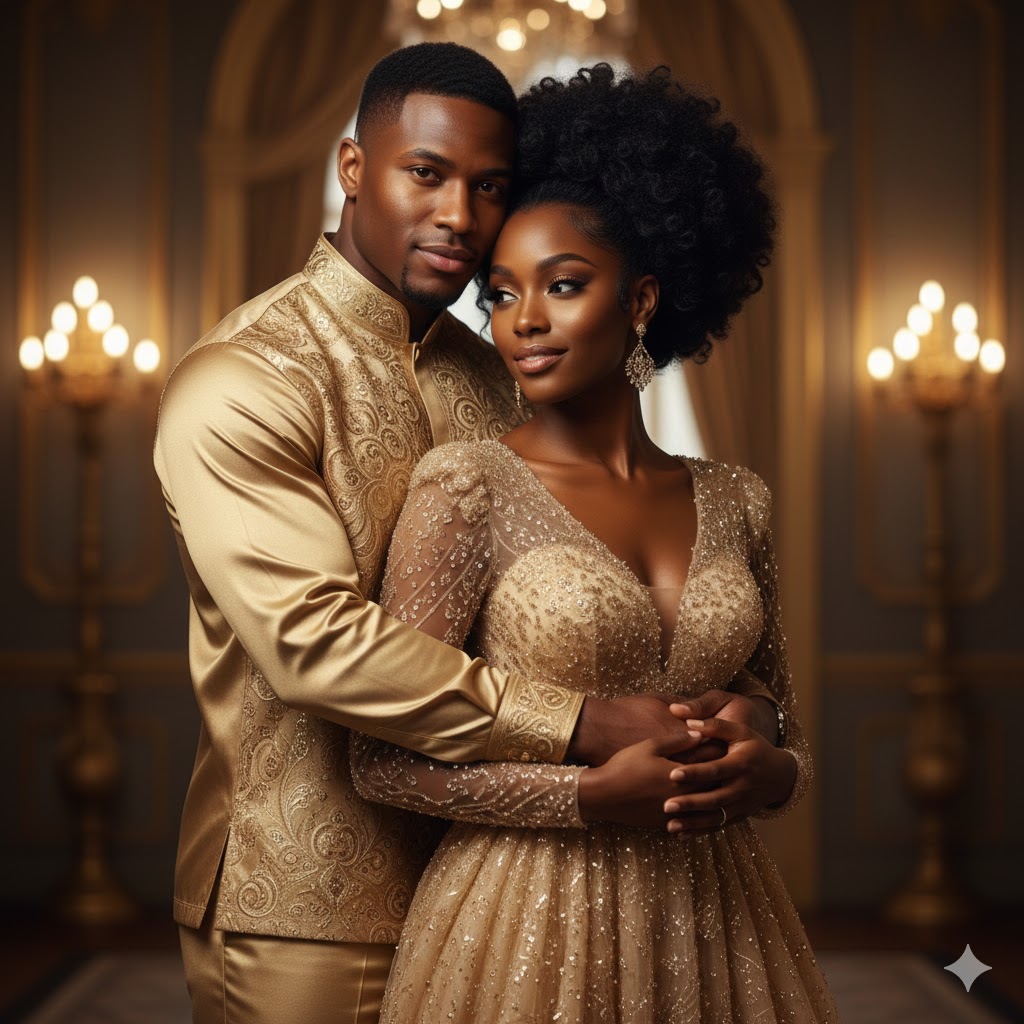
Equally compelling is the beauty of Black men, whose aesthetics convey strength, dignity, and sensuality. Black men’s beauty is found in their diverse skin tones, sculpted physiques, natural hair, and facial symmetry, reflecting both genetic legacy and personal style (Russell-Cole, Wilson, & Fergunson, 2013). It is also expressed through demeanor—confidence, resilience, intellect, and emotional depth—which enhances their physical presence. From civil rights leaders to cultural icons like Idris Elba, Morris Chestnut, and Omari Hardwick, Black men exemplify a holistic beauty that integrates mind, body, and spirit. This celebration of Black male beauty, often overlooked in mainstream narratives, affirms that attractiveness is inseparable from character and heritage.
Media representation has played a double-edged role in defining Black beauty. Historically, Black features were marginalized or caricatured, reinforcing Eurocentric ideals (Patton, 2006). Yet contemporary media increasingly spotlights diverse Black aesthetics, showcasing models, actors, and influencers who embrace natural hair, muscular physiques, and rich skin tones. Campaigns that center dark-skinned beauty, such as those featuring Naomi Campbell, Alek Wek, or Lupita Nyong’o, disrupt conventional norms and inspire younger generations to value authenticity over conformity.
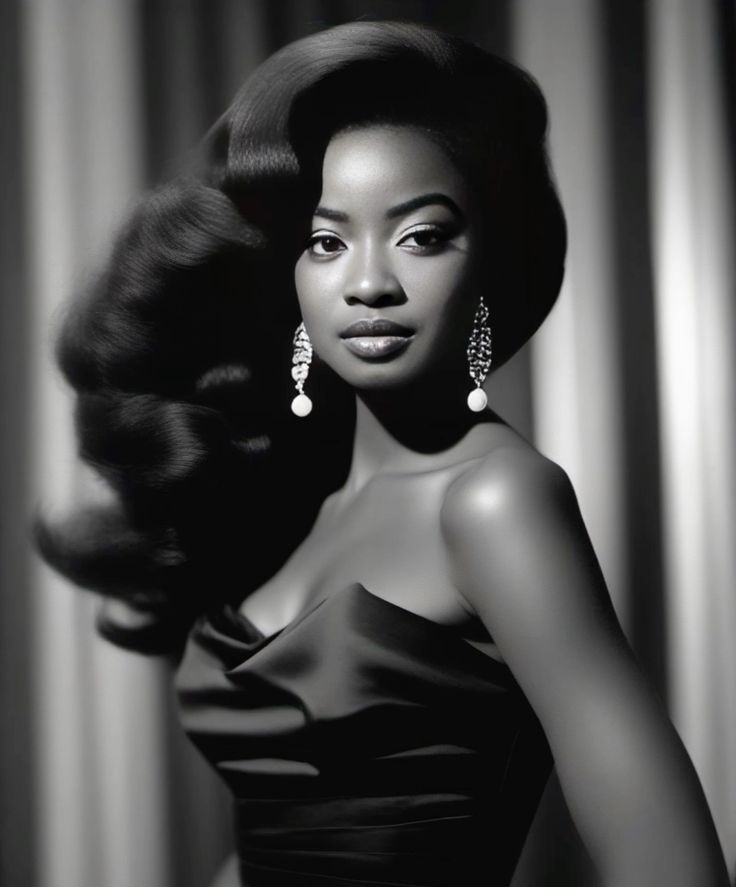
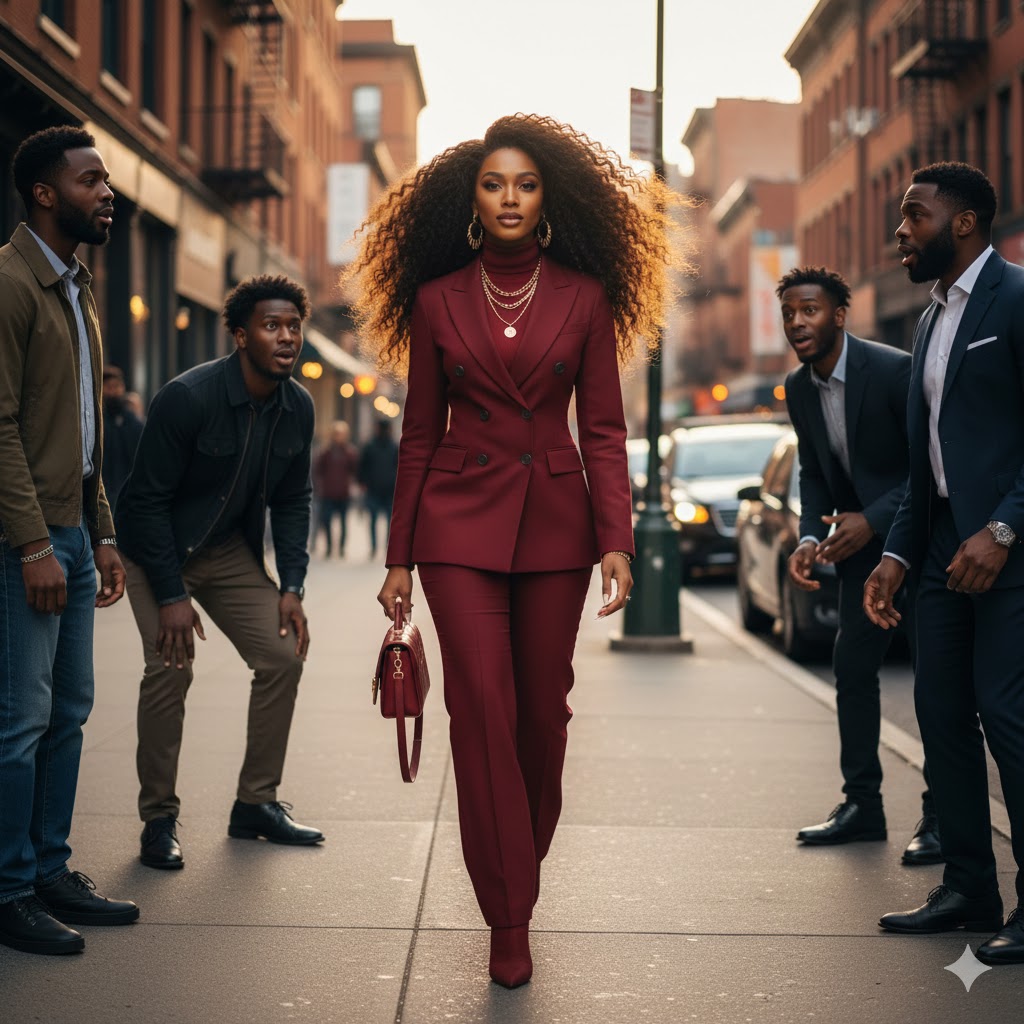
Black beauty also manifests through style and self-expression. Fashion, grooming, and personal adornment serve as mediums through which Black individuals celebrate identity and challenge societal expectations. From the elegance of a tailored suit to the casual flair of denim and vibrant textiles, Black beauty encompasses creativity and individuality (Steele, 1997). Accessories, hairstyles, and cultural symbols are not superficial; they are visual narratives of pride, resistance, and heritage.
In interpersonal and societal contexts, Black beauty has often been politicized. The pressure to conform to Eurocentric beauty standards has generated internalized bias and colorism within communities (Hunter, 2007). Yet, movements such as natural hair advocacy, dark-skinned representation campaigns, and Black male modeling collectives challenge these limitations, promoting self-love, acceptance, and empowerment. Beauty becomes a vehicle for social commentary and cultural affirmation.
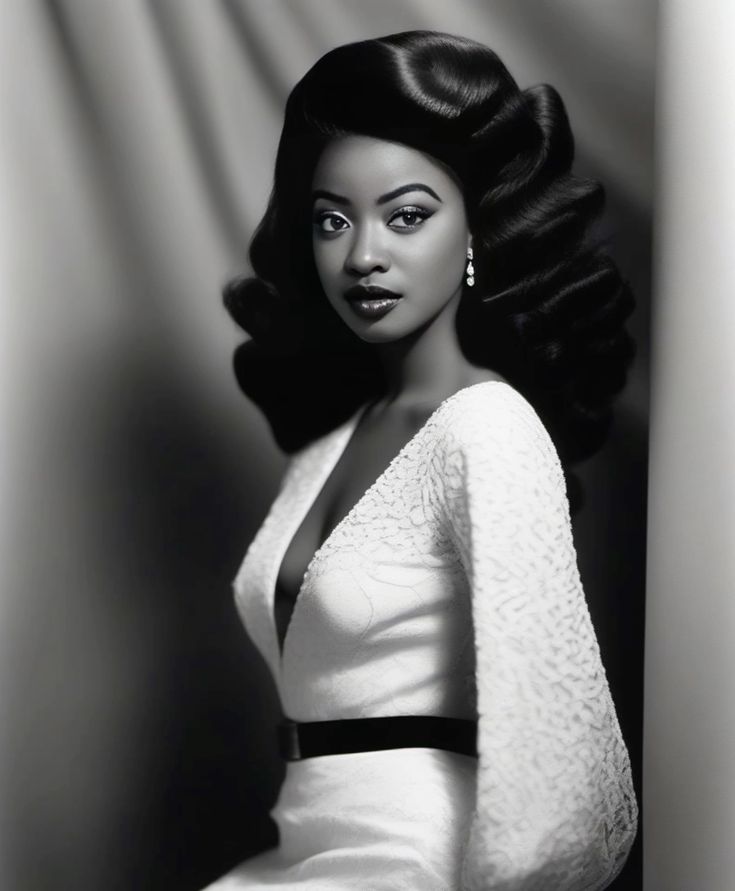
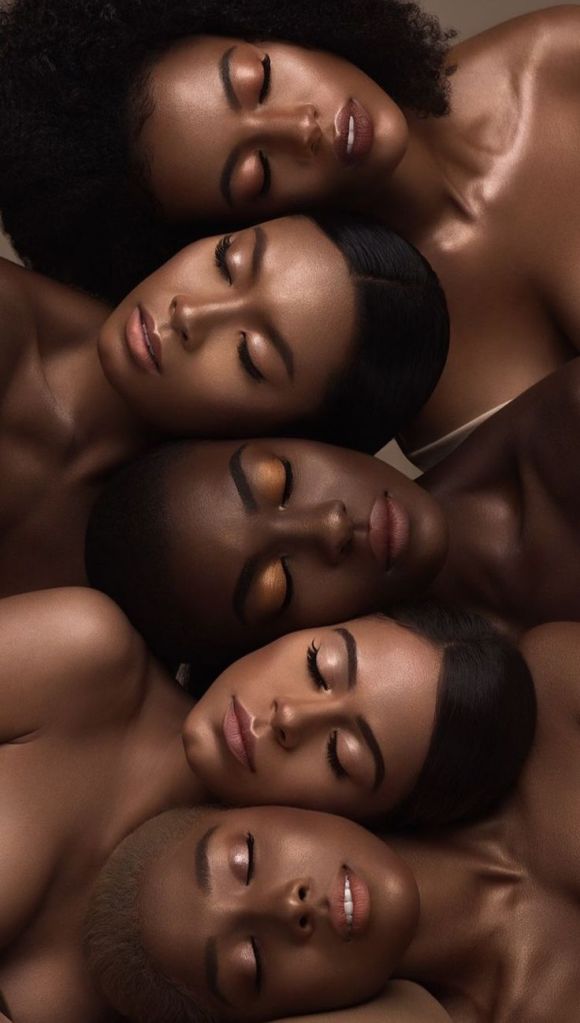
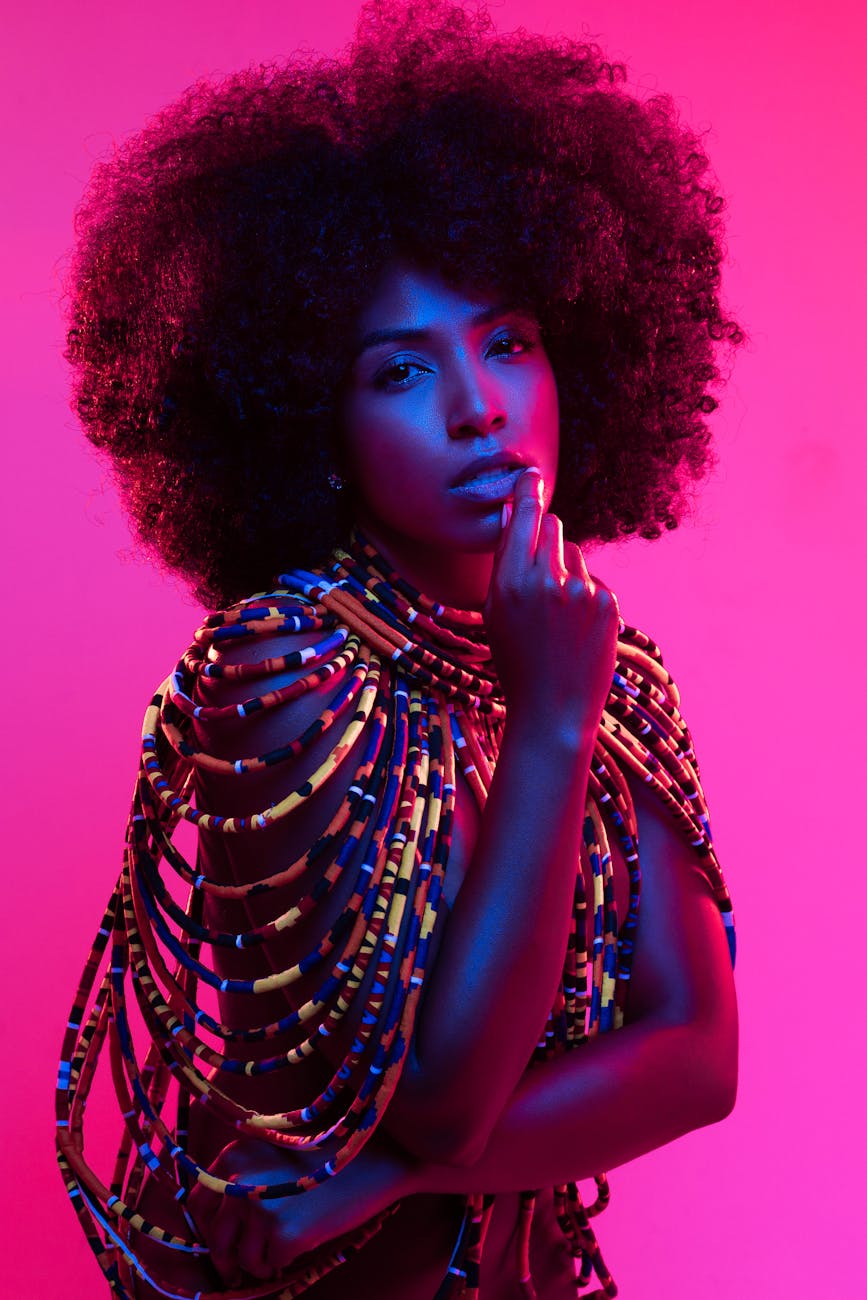
A key aspect of Black beauty is its versatility and range. Black skin exhibits a spectrum of rich tones, from deep ebony to caramel and golden hues. Hair textures range from tightly coiled to loosely wavy, each holding unique aesthetic and cultural significance. Facial features are equally varied, encompassing a diversity of nose shapes, lips, eyes, and jawlines. This multiplicity defies narrow standards, underscoring that beauty cannot be uniform but is enhanced by individuality and difference.
The spiritual dimension of Black beauty is also notable. In many African traditions, physical beauty is inseparable from moral and spiritual integrity. Radiance is considered a reflection of inner harmony, wisdom, and virtue (Asante, 2007). This perspective challenges purely superficial understandings of attractiveness, positioning beauty as a holistic attribute encompassing mind, body, and spirit.
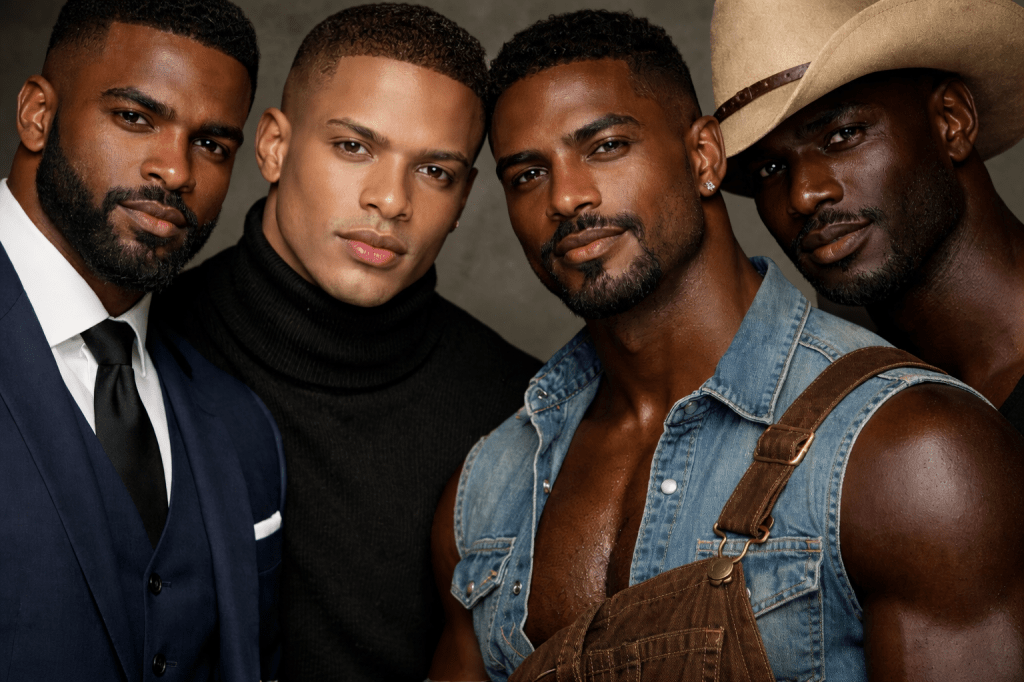
In celebrating Black men’s beauty, it is important to recognize the intersection of physical and cultural aesthetics. Strong jawlines, muscular frames, well-groomed hair, and facial hair styles are enhanced by posture, poise, and presence. Whether clad in suits, casual attire, or cultural dress, Black men project confidence that transcends clothing, revealing dignity, strength, and heritage. This form of beauty is not performative but deeply rooted in identity, ancestry, and self-respect.
Black beauty, however, extends beyond individual features to collective affirmation. Community events, cultural festivals, and artistic expressions showcase the diversity and richness of Black aesthetics, reinforcing pride and belonging. Such spaces allow Black individuals to appreciate beauty in its many forms, fostering unity and countering narratives of marginalization.
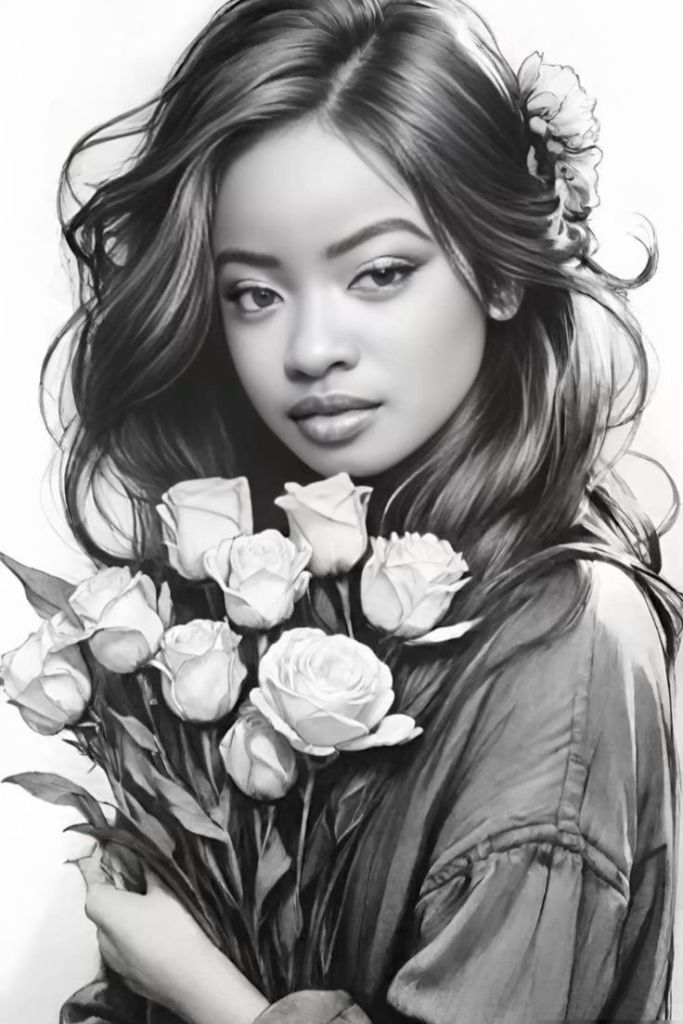
Education and scholarship also contribute to understanding Black beauty. Studies examining the psychology of race, aesthetics, and representation highlight the sociocultural pressures faced by Black individuals while celebrating adaptive strategies and cultural resilience (Russell-Cole et al., 2013). By documenting and analyzing Black beauty across contexts, scholars provide frameworks for appreciating its complexity and significance.
Ultimately, Black beauty is a celebration of survival, creativity, and self-expression. It resists devaluation, transcends colorism, and affirms identity. Each hairstyle, skin tone, and facial feature carries historical resonance, connecting individuals to a rich tapestry of culture, resilience, and artistry. Beauty is not passive but active—a statement of existence, pride, and defiance in the face of oppression.
Black beauty is not merely seen; it is felt, lived, and honored. It is a language of resistance, an affirmation of humanity, and a testament to ancestral strength. From the elegance of Black women to the commanding presence of Black men, this beauty encompasses the full spectrum of identity, expression, and cultural memory. It is an enduring, transformative force.
References
- Asante, M. K. (2007). The history of Africa: The quest for eternal harmony. Routledge.
- Echeruo, M. J. C. (1998). Victorian African Studies: Art, culture, and aesthetics. Cambridge Scholars Press.
- Griffin, L. (2016). Shades of beauty: Colorism in the African diaspora. University Press.
- hooks, b. (1992). Black looks: Race and representation. South End Press.
- Hunter, M. (2007). The persistent problem of colorism: Skin tone, status, and inequality. Sociology Compass, 1(1), 237–254.
- Patton, T. O. (2006). Hey girl, am I more than my hair?: African American women and their struggles with beauty, body image, and hair. NWSA Journal, 18(2), 24–51.
- Russell-Cole, K., Wilson, M., & Fergunson, R. (2013). The color complex: The politics of skin color in a New Millennium. Anchor Books.
- Steele, V. (1997). Fashion and eroticism: Ideals of feminine beauty from the Victorian era to the Jazz Age. Oxford University Press.

 THE BROWN GIRL DILEMMA