Category Archives: american history

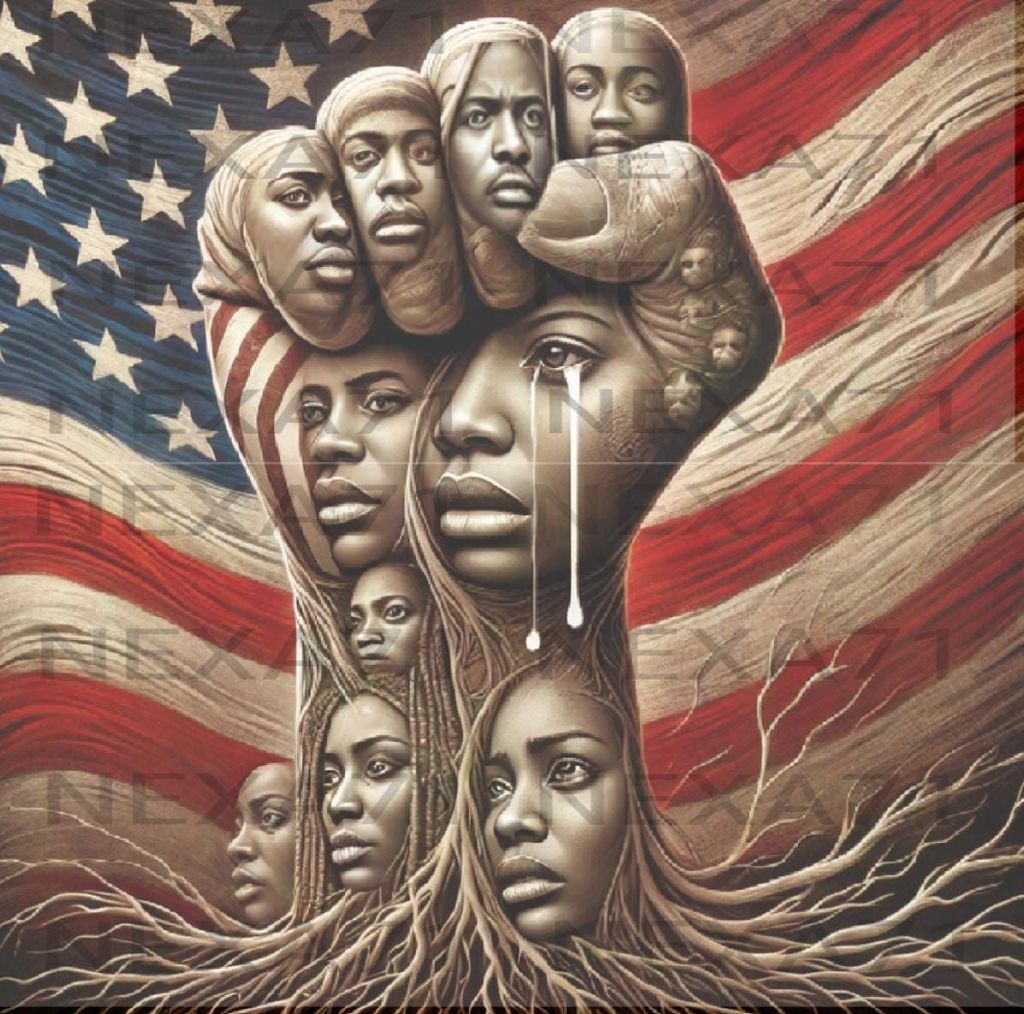
America, the Great? Power, Paradox, and the Price of Progress.

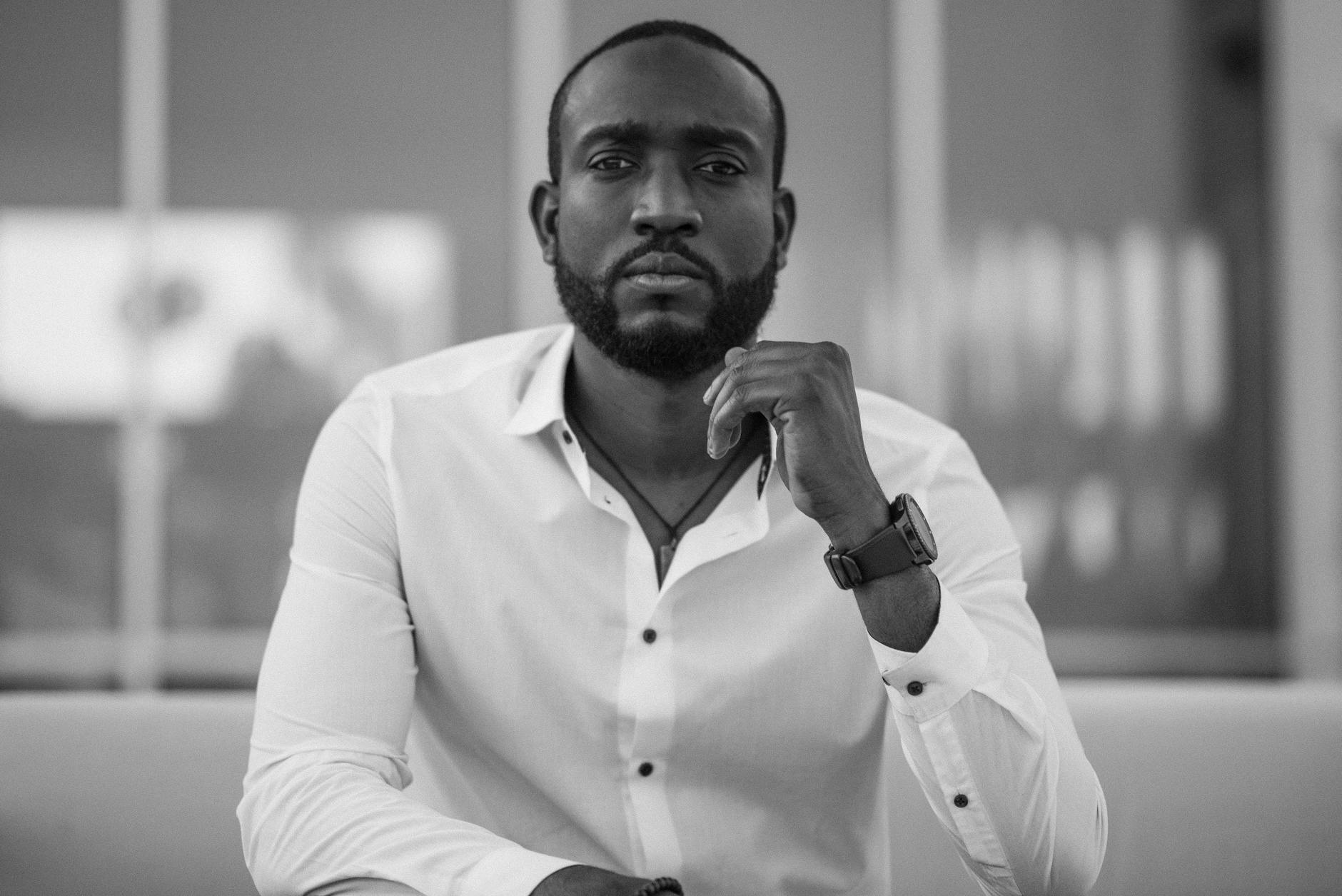
This photograph is the property of its respective owner.

America has long been celebrated as a beacon of freedom, democracy, and opportunity. The phrase “America the Great” echoes through political speeches, national anthems, and cultural narratives. Yet beneath this polished identity lies a complex and often troubling history shaped by conquest, exploitation, racial hierarchy, and systemic inequality. To understand why America considers itself “great,” one must examine both its achievements and the deeply rooted injustices that have defined its development.

The notion of American greatness is largely tied to its economic power, global influence, and foundational ideals of liberty outlined in the Declaration of Independence. These ideals, however, were not extended to all people. From its inception, the nation operated within contradictions—proclaiming freedom while institutionalizing slavery.

The economic foundation of the United States was built significantly through the exploitation of enslaved Africans during the Transatlantic Slave Trade. Millions of Black bodies were commodified, stripped of identity, and subjected to chattel slavery, a system in which human beings were treated as property. This system fueled agricultural wealth, particularly in cotton and tobacco industries, making America a global economic force.

Chattel slavery in America was uniquely brutal. Enslaved people were denied legal rights, family stability, and bodily autonomy. Their labor was extracted without compensation, and violence was used to maintain control. The wealth generated from slavery directly contributed to the nation’s infrastructure, banking systems, and early industrialization.

The myth of meritocracy often overshadows the reality that America’s prosperity was not built on equal opportunity but on unequal exploitation. Black labor laid the foundation of American capitalism while Black people themselves remained excluded from its benefits.

The presidency of Abraham Lincoln is often highlighted as a turning point in American history. Lincoln’s issuance of the Emancipation Proclamation symbolized a shift toward ending slavery. However, it is important to recognize that this act was as much a strategic wartime decision as it was a moral one.

While Lincoln played a role in the abolition of slavery, freedom did not equate to equality. The end of slavery ushered in a new era of oppression through systems like Black Codes and later the Jim Crow Laws, which legally enforced racial segregation and disenfranchisement.

The Jim Crow era institutionalized racial inequality across the South and beyond. Black Americans were subjected to separate and unequal facilities, denied voting rights, and lived under constant threat of racial violence. Lynching became a tool of terror, reinforcing white supremacy.

The Civil Rights Movement emerged as a response to these injustices. Leaders like Martin Luther King Jr., Malcolm X, and Rosa Parks challenged systemic racism and demanded equal rights under the law.

Legislation such as the Civil Rights Act of 1964 and the Voting Rights Act of 1965 marked significant victories. However, these legal gains did not dismantle the structural inequalities embedded within American society.

The concept of “shadow slavery” refers to modern systems that disproportionately affect Black communities, such as mass incarceration, economic disenfranchisement, and exploitative labor practices. These systems mirror aspects of slavery by controlling bodies and limiting freedom through institutional mechanisms.

Mass incarceration, often referred to as the “New Jim Crow,” disproportionately targets Black men, perpetuating cycles of poverty and marginalization. Policies such as the War on Drugs intensified these disparities, criminalizing entire communities.

Economic inequality remains a defining feature of American society. Despite being one of the wealthiest nations in the world, millions of Americans live in poverty. Black Americans, in particular, face systemic barriers to wealth accumulation, including discriminatory housing practices like redlining.

The American Dream promises upward mobility through hard work, yet this ideal is not equally accessible. Structural inequalities in education, employment, and healthcare continue to hinder progress for marginalized groups.

America’s global image as a land of opportunity often obscures the lived realities of its most vulnerable populations. Homelessness, food insecurity, and wage stagnation challenge the narrative of greatness.

The treatment of Black people in America cannot be divorced from its history. From slavery to segregation to systemic racism, each era has left an indelible mark on the social and economic fabric of the nation.

In recent years, Diversity, Equity, and Inclusion (DEI) initiatives have attempted to address these disparities. However, there has been significant backlash, with many institutions rolling back or eliminating such programs.

The dismantling of DEI efforts reflects a broader resistance to acknowledging and addressing systemic inequality. Critics argue that these programs are divisive, while proponents see them as necessary for achieving equity.

The tension surrounding DEI highlights the ongoing struggle over America’s identity. Is it a nation committed to equality, or one that resists confronting its past?

Education plays a critical role in shaping national narratives. The omission or sanitization of historical truths in curricula perpetuates ignorance and hinders progress.

The legacy of slavery and segregation continues to influence contemporary issues such as police brutality, racial profiling, and voter suppression.

Movements like Black Lives Matter have brought renewed attention to these injustices, challenging the notion that America has moved beyond its racist past.

The concept of greatness is often tied to power and dominance. America’s military strength and economic influence contribute to its global standing, but these factors do not necessarily equate to moral or ethical superiority.

Patriotism can sometimes function as a barrier to critical reflection. Questioning America’s history is often met with resistance, as it challenges deeply held beliefs about national identity.

The idea of American exceptionalism suggests that the United States is inherently different from and superior to other nations. This belief can obscure the need for accountability and reform.

Historical amnesia allows injustices to persist. Without a full reckoning with the past, systemic inequalities remain entrenched.

The labor of enslaved Africans was not merely a footnote in American history—it was central to the nation’s development. Acknowledging this truth is essential to understanding present-day disparities.

Reparations have been proposed as a means of addressing the enduring impact of slavery and systemic racism. This debate continues to spark controversy and resistance.

The criminal justice system reflects broader societal inequalities. Disparities in sentencing, policing, and incarceration rates reveal deep-rooted biases.

Healthcare inequality is another manifestation of systemic racism. Black Americans face higher rates of chronic illness and lower access to quality care.

Housing discrimination has long-term effects on wealth accumulation and community stability. Redlining and discriminatory lending practices have created lasting disparities.

Education inequality limits opportunities for upward mobility. Underfunded schools in predominantly Black communities perpetuate cycles of disadvantage.

The media plays a role in shaping perceptions of Black people, often reinforcing stereotypes and biases.

Cultural contributions of Black Americans—music, art, language—have profoundly influenced American identity, yet the creators are often marginalized.

The resilience of Black communities in the face of systemic oppression is a testament to strength and perseverance.

America’s greatness, if it exists, may lie not in its perfection but in its potential for growth and transformation.

True greatness requires accountability, justice, and a commitment to equity. Without these, the label becomes hollow.

The question is not whether America is great, but for whom it has been great—and at what cost.

A nation cannot fully realize its ideals while ignoring the suffering that built it.

The path forward requires honest dialogue, systemic change, and a willingness to confront uncomfortable truths.

Only then can America begin to reconcile its identity with its reality.


References

Alexander, M. (2010). The New Jim Crow: Mass incarceration in the age of colorblindness. The New Press.

Anderson, C. (2016). White Rage: The unspoken truth of our racial divide. Bloomsbury.

Baptist, E. E. (2014). The half has never been told: Slavery and the making of American capitalism. Basic Books.

Du Bois, W. E. B. (1903). The souls of Black folk. A.C. McClurg & Co.

Foner, E. (2010). The fiery trial: Abraham Lincoln and American slavery. W.W. Norton.

Hannah-Jones, N. (2019). The 1619 Project. The New York Times Magazine.

Massey, D. S., & Denton, N. A. (1993). American apartheid: Segregation and the making of the underclass. Harvard University Press.

Muhammad, K. G. (2010). The condemnation of Blackness: Race, crime, and the making of modern urban America. Harvard University Press.

Omi, M., & Winant, H. (2014). Racial formation in the United States. Routledge.

Wilkerson, I. (2020). Caste: The origins of our discontents. Random House.
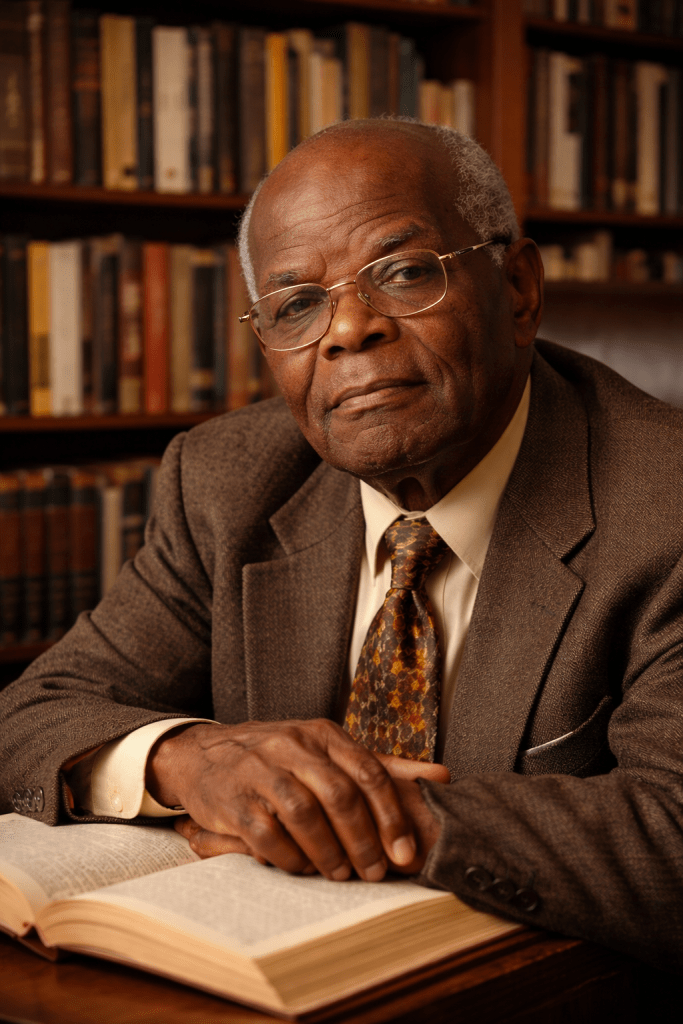
John Henrik Clarke: The Historian Who Restored Africa to World History.

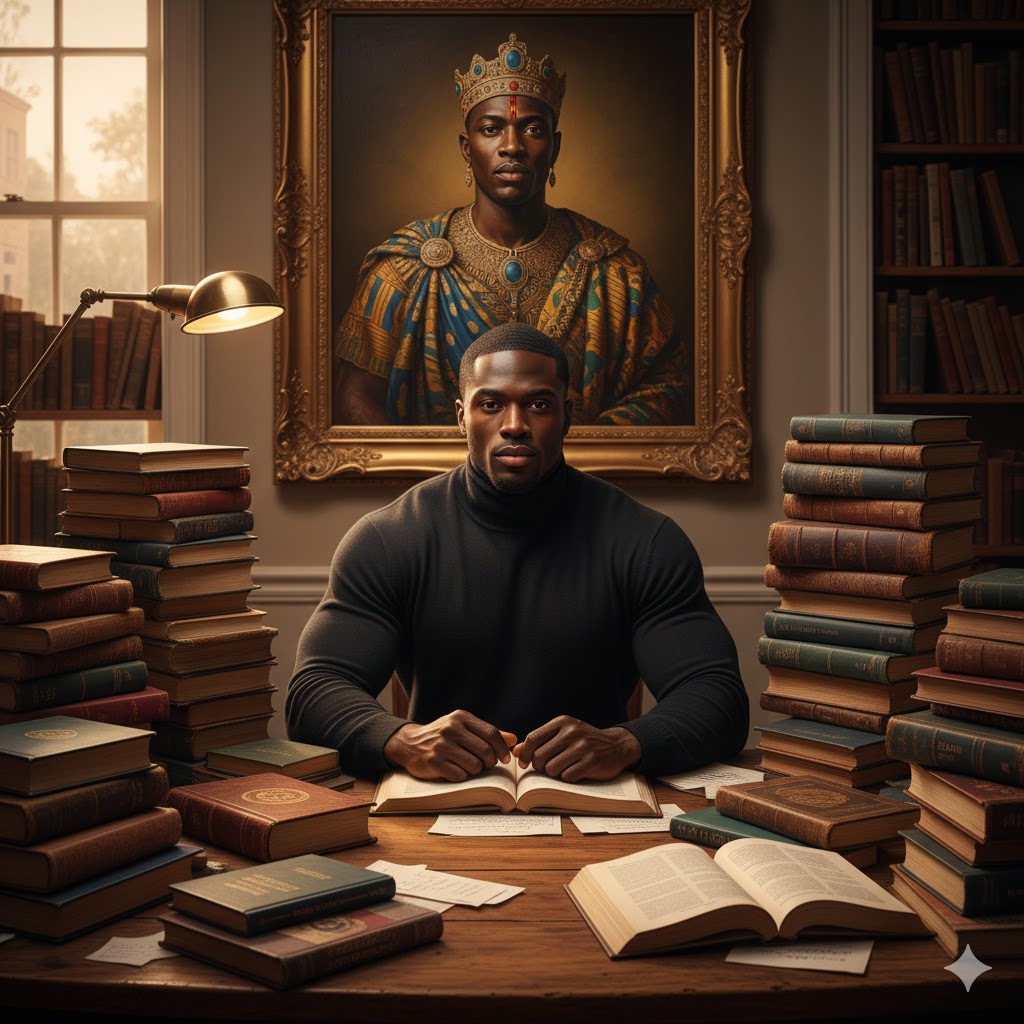
John Henrik Clarke is widely regarded as one of the most influential intellectual activists in modern Black history. A historian, educator, lecturer, and Pan-African thinker, Clarke devoted his life to correcting what he believed were distortions and omissions in Western scholarship regarding African and African-American history. Through decades of teaching, writing, and public speaking, he helped generations of Black people rediscover their historical roots and cultural identity.

Clarke was born John Henry Clark on January 1, 1915, in Union Springs, Alabama, into a family of sharecroppers. Growing up in the racially segregated South during the Jim Crow era, he witnessed firsthand the harsh realities of racism and economic hardship that shaped the lives of many African Americans during the early twentieth century. These early experiences deeply influenced his lifelong mission to understand the historical roots of oppression and to educate Black communities about their past.

Like many African Americans seeking better opportunities, Clarke migrated north during the Great Migration. As a young man, he moved to Harlem in New York City, which at the time was a vibrant center of Black intellectual, artistic, and political life. Harlem introduced Clarke to writers, activists, and scholars deeply engaged in discussions of race, identity, colonialism, and global Black liberation.

Although Clarke did not initially attend a traditional university, he became largely self-educated through extensive reading and mentorship. He studied history, philosophy, literature, and politics with a passion that would later earn him recognition as one of the most respected independent scholars of African history. His intellectual discipline demonstrated that scholarship could emerge both inside and outside formal academic institutions.

One of the individuals who inspired Clarke was the Jamaican-born Pan-African leader Marcus Garvey. Garvey’s philosophy of Black pride, self-determination, and global African unity had a profound influence on Clarke’s worldview. Garvey’s movement emphasized that people of African descent should study their history, celebrate their heritage, and build independent institutions.

Clarke was also inspired by the historian Carter G. Woodson, who founded Negro History Week, which later became Black History Month. Woodson’s work demonstrated that African-American history was worthy of serious academic study. Clarke followed in Woodson’s footsteps by expanding the study of African and diasporic history.

Another major intellectual influence on Clarke was the Senegalese scholar Cheikh Anta Diop. Diop’s research argued that ancient Egypt was fundamentally an African civilization and that African cultures played central roles in early human development. Clarke promoted Diop’s scholarship throughout the United States and helped introduce many Americans to these perspectives.

Clarke’s work centered on correcting what he believed to be Eurocentric interpretations of history. He argued that Western historical narratives often minimized Africa’s contributions to world civilization while exaggerating European influence. Clarke believed that restoring Africa’s historical role was essential for the psychological liberation of African people.

Throughout his career, Clarke emphasized that history shapes identity. He frequently explained that people who do not know their history struggle to understand their place in the world. For African Americans whose ancestry had been disrupted by slavery, historical knowledge became a tool for cultural reconstruction and empowerment.

Clarke believed that African civilizations had made significant contributions to philosophy, science, architecture, and governance long before the rise of Europe. By highlighting ancient African kingdoms and intellectual traditions, he challenged stereotypes that portrayed Africa as historically primitive or disconnected from global progress.

In the 1960s and 1970s, Clarke played a significant role in the development of Black Studies programs in American universities. At a time when many institutions had little or no coursework focused on African or African-American history, Clarke advocated for academic departments dedicated to Africana studies.

He helped establish scholarly organizations that centered African perspectives in research. One of the institutions he helped found was the African Heritage Studies Association, which was created by Black scholars who believed African history should be studied through African and diasporic intellectual frameworks.

Clarke also served as a professor at Hunter College in New York, where he taught courses on African history and the African diaspora. His lectures were widely attended and known for their passionate delivery and depth of knowledge. Many students described him as a master storyteller who could connect historical events across continents and centuries.

Beyond the classroom, Clarke was deeply committed to educating the broader community. He delivered lectures in churches, community centers, and public forums. He believed knowledge should not remain confined within universities but should reach everyday people.

Clarke’s scholarship helped many African Americans develop a stronger sense of cultural pride. By reconnecting Black communities with African history, he challenged narratives that had historically portrayed people of African descent as culturally inferior.

His work also emphasized the global nature of African history. Clarke taught that the African diaspora extended across the Americas, the Caribbean, and Europe, linking the experiences of African people across continents through shared histories of migration, slavery, and cultural resilience.

In addition to teaching, Clarke wrote numerous essays and books. Among his most influential works was African People in World History, which provided a broad overview of Africa’s historical role in global civilization. The book became widely used in Black Studies courses and community education programs.

Clarke also wrote extensively about the relationship between colonialism, slavery, and European economic development. He argued that the transatlantic slave trade and the exploitation of African resources played significant roles in the rise of Western economies.

Regarding race relations, Clarke held complex views about white people and European institutions. He often criticized systems of colonialism, racism, and imperialism that had oppressed African populations around the world. However, his critiques were primarily directed at historical systems of power rather than individual people.

Clarke believed that racism was a structural problem embedded in political and economic institutions. His writings focused on dismantling these systems through historical awareness, education, and cultural self-determination.

At the same time, Clarke maintained that true historical scholarship required honesty and critical thinking. He encouraged students to question dominant narratives and examine historical evidence carefully.

Clarke also stressed that African history should be studied within the broader context of world history. Rather than isolating Africa, he argued that African civilizations interacted with Europe, Asia, and the Middle East through trade, diplomacy, and cultural exchange.

Despite beginning his career outside traditional academic pathways, Clarke eventually received numerous honors and recognition for his scholarship. Universities awarded him honorary degrees acknowledging his contributions to the study of African history.

Clarke was also respected for his mentorship of younger scholars and activists. Many historians, writers, and educators credit Clarke with encouraging them to pursue research in African and African-diasporic history.

His influence extended beyond academia into cultural and political movements focused on Black empowerment. Clarke’s lectures often emphasized self-knowledge, cultural pride, and historical awareness as tools for liberation.

On a personal level, Clarke was married to Augusta Clarke, and together they raised children while balancing family life with his demanding career as a lecturer and writer. Despite his public role as an intellectual leader, he remained deeply committed to family and community.

Clarke continued teaching and writing well into his later years. His dedication to historical scholarship remained unwavering throughout his life. Even as new generations of scholars entered the field of Africana studies, Clarke remained a respected elder within the intellectual community.

He passed away in 1998, leaving behind a legacy that reshaped the way African history is studied and understood in the United States. Today he is remembered as one of the pioneers who helped establish Africana studies as a legitimate academic discipline.

For many scholars and students, Clarke represents the power of intellectual independence and cultural pride. His work reminds people that history is not merely a record of the past but a foundation for understanding identity and shaping the future.

Through his teaching, writing, and activism, John Henrik Clarke helped millions of people see Africa not as a footnote in world history but as one of its central chapters.


References

Clarke, J. H. (1993). African People in World History. Black Classic Press.

Clarke, J. H. (1999). Christopher Columbus and the Afrikan Holocaust: Slavery and the Rise of European Capitalism. A&B Books.

Hine, D. C., Hine, W. C., & Harrold, S. (2018). The African-American Odyssey. Pearson.

Howe, S. (1999). Afrocentrism: Mythical Pasts and Imagined Homes. Verso.

Asante, M. K. (2009). The History of Africa: The Quest for Eternal Harmony. Routledge.

Wikipedia contributors. “John Henrik Clarke.” Wikipedia, The Free Encyclopedia.

The Richmond Horror: Enslavement, and the Myth (Alleged) of the “Most Handsome Slave.”

The phrase “The Richmond Horror” has circulated in various historical anecdotes and online retellings connected to the slave markets of Richmond, Virginia, during the nineteenth century. The story typically centers on an enslaved man described as extraordinarily handsome, whose appearance allegedly caused a dramatic spectacle at a slave auction. While the account is often repeated in popular storytelling, historians emphasize that the broader context of Richmond’s slave markets reveals the true horror: the commodification of human beings, where physical appearance, strength, and perceived desirability determined a person’s price and fate.

During the antebellum period, Richmond, Virginia, became one of the most significant hubs of the domestic slave trade in the United States. After the federal government banned the transatlantic slave trade in 1808, the internal trade expanded dramatically. Enslaved people were sold from Upper South states such as Virginia and Maryland to plantation regions in the Deep South, including Mississippi, Louisiana, and Alabama. Richmond’s geographic position and its transportation connections made it a central marketplace for this trade.

Within Richmond, the district known as Shockoe Bottom became infamous as a center for slave auctions, slave jails, and trading offices. Enslaved men, women, and children were held in confined quarters before being publicly sold to the highest bidder. Buyers evaluated individuals based on perceived physical attributes such as strength, youth, fertility, and sometimes physical attractiveness. The market logic of slavery reduced human bodies to commodities, assigning monetary value to traits that slaveholders believed would increase productivity or status.

Stories like the so-called Richmond Horror draw attention to the way enslaved people were objectified during these auctions. In many slave narratives and historical accounts, observers described auctions where potential buyers inspected enslaved individuals closely—checking teeth, muscles, posture, and complexion. Enslaved men who were tall, strong, and physically striking were often sold at particularly high prices because they were expected to perform intense labor or serve in visible household roles.

The legend of the “most handsome slave” describes a moment when a young man was brought to auction and stunned the crowd with his appearance. According to the story, wealthy buyers competed aggressively to purchase him, driving the price unusually high. In the narrative, the bidding war escalated into a spectacle of greed and obsession, highlighting the moral corruption embedded in the slave system. The horror, according to the story, lies in the grotesque contrast between admiration for the man’s beauty and the simultaneous willingness to treat him as property.

Although this specific anecdote is not firmly verified in archival records, it reflects a broader reality documented in historical scholarship. Slave auctions frequently turned human lives into public entertainment. Crowds gathered to watch the sale of enslaved individuals, and newspapers occasionally advertised people with descriptive language emphasizing physical traits. The emphasis on bodily features mirrored the pseudoscientific racial thinking of the nineteenth century, which attempted to categorize people based on physical appearance.

Richmond’s slave-trading infrastructure made such spectacles possible on a large scale. Traders operated offices, holding pens, and prisons where enslaved people were detained before sale. One of the most notorious facilities was Lumpkin’s Jail, sometimes called “the Devil’s Half Acre.” This compound served as a private slave jail where individuals were confined under harsh conditions while traders arranged their sale or transport to other states.

Conditions inside these slave jails were often brutal. Enslaved people were chained, crowded into small spaces, and deprived of adequate food or sanitation. Many were awaiting forced transport to plantations in the Deep South, where demand for labor was expanding alongside the growth of cotton cultivation. Richmond functioned as a staging ground for these forced migrations.

Another horror associated with the Richmond slave trade was the systematic separation of families. Parents were sold away from children, spouses from one another, and siblings from siblings. Auction blocks became sites where lifelong bonds were permanently severed in moments of financial transaction. Numerous narratives written by formerly enslaved individuals describe the emotional trauma of watching loved ones being sold to distant plantations.

The commodification of beauty within this system was not limited to men. Enslaved women were often evaluated not only for labor but also for their perceived attractiveness. This objectification exposed them to sexual exploitation and abuse by slaveholders and traders. The valuation of physical traits within the slave market thus intersected with broader systems of racial hierarchy and gendered violence.

While the exact details of the Richmond Horror story remain uncertain, its enduring presence in cultural memory reflects a deeper truth about slavery. The institution did not merely exploit labor; it transformed human beings into objects whose worth could be measured, inspected, and purchased. The fascination with the appearance of an enslaved man—combined with the eagerness to own him—captures the disturbing contradictions at the heart of the slave system.

Several enslaved people connected to the slave trade and resistance in Richmond, Virginia, are historically documented. Unlike the anonymous figure in the “Richmond Horror” legend, their names and actions appear in historical records and have become important parts of American history.


1. Gabriel Prosser

One of the most well-known enslaved men connected to Richmond was Gabriel Prosser, an enslaved blacksmith who organized a large slave rebellion in 1800. Gabriel was highly skilled and literate, which allowed him to move somewhat freely in the city and communicate with other enslaved workers.

He planned a massive uprising that would involve enslaved people from plantations surrounding Richmond. The plan was to seize weapons, capture the city, and demand freedom. Gabriel reportedly adopted the slogan “Death or Liberty.”

However, heavy rain delayed the planned revolt, and informants revealed the plot to authorities. Gabriel was captured and later executed in Richmond. Although the rebellion failed, his resistance became one of the earliest major organized revolts against American slavery.


2. Henry Box Brown

Another remarkable figure connected to Richmond was Henry Brown, later known as “Henry Box Brown.” He was an enslaved man who worked in a tobacco warehouse.

In 1849, desperate to escape slavery after his wife and children were sold away, Brown devised an extraordinary plan. With the help of abolitionist friends, he shipped himself in a wooden crate by mail from Richmond to Philadelphia. The journey took about 27 hours.

When the box was opened by abolitionists in Philadelphia, Brown reportedly stood up and began singing a hymn of freedom. His daring escape made him famous among abolitionists, and he later became a public speaker advocating against slavery.


3. John Jasper

John Jasper was born into slavery in Virginia but later became one of the most influential Black preachers of the nineteenth century.

After emancipation, Jasper founded the Sixth Mount Zion Baptist Church in Richmond, where he became a powerful orator. Thousands attended his sermons, and he became known throughout the region for his charismatic preaching and strong theological messages.

His life reflected the transition from slavery to freedom and the leadership roles many formerly enslaved people assumed in Black communities after the Civil War.


The Real Horror of Richmond

While legends like the “Richmond Horror” circulate online, the verified history of Richmond’s slave trade reveals a much deeper tragedy. The district known as Shockoe Bottom served as one of the largest slave markets in the United States. Enslaved people were imprisoned in facilities such as Lumpkin’s Jail, where traders held men, women, and children before selling them to plantations in the Deep South.

Historians estimate that hundreds of thousands of enslaved people were sold or transported through Virginia during the domestic slave trade. Families were separated, individuals were chained together in forced marches called coffles, and human beings were treated as commodities.

Today, Richmond continues to confront this past through historical research, memorialization, and preservation efforts that honor the lives of those who endured slavery and fought for freedom.

Modern historians emphasize that the true horror of Richmond lies not in a single dramatic auction but in the scale of the trade that occurred there. Historians estimate that hundreds of thousands of enslaved people were transported out of Virginia through the domestic slave trade during the nineteenth century. Richmond played a central role in that forced migration, sending countless individuals to plantations throughout the American South.

Today, scholars, archaeologists, and community activists work to preserve the historical memory of places like Shockoe Bottom. Efforts have been made to protect burial grounds, interpret historical sites, and educate the public about Richmond’s role in the domestic slave trade. These initiatives aim to ensure that the experiences of the enslaved are not erased or forgotten.

The legend of the Richmond Horror, whether literal or symbolic, ultimately reminds us of the dehumanizing nature of slavery. In a system where beauty, strength, and youth could raise the price of a human being, admiration and cruelty coexisted in the same moment. The spectacle of an auction—where a person’s body could inspire awe while simultaneously being sold—reveals the moral contradictions that defined the institution of slavery in the United States.


References

Berlin, I. (2003). Generations of captivity: A history of African-American slaves. Harvard University Press.

Campbell, E. B. (2007). Richmond’s unhealed history. Brandylane Publishers.

Fogel, R. W., & Engerman, S. L. (1995). Time on the cross: The economics of American Negro slavery. W.W. Norton & Company.

Johnson, W. (1999). Soul by soul: Life inside the antebellum slave market. Harvard University Press.

Rothman, A. (2005). Slave country: American expansion and the origins of the Deep South. Harvard University Press.

Tarter, B. (2016). The Grandees of government: The origins and persistence of undemocratic politics in Virginia. University of Virginia Press.

National Park Service. (n.d.). Shockoe Bottom and the Richmond slave trade. U.S. Department of the Interior.

Johnson, W. (1999). Soul by soul: Life inside the antebellum slave market. Harvard University Press.

Library of Virginia. (n.d.). Gabriel’s Conspiracy (1800). Retrieved from https://www.lva.virginia.gov

Library of Virginia. (n.d.). Henry “Box” Brown. Retrieved from https://www.lva.virginia.gov

National Park Service. (n.d.). Shockoe Bottom and the Richmond slave trade. U.S. Department of the Interior.

Smithsonian Institution. (2013). Lumpkin’s Jail and the slave trade in Richmond. Smithsonian Magazine.

Voices of the Americas: Black, Hispanic, Asian, Italian, and the Tapestry of Minority Sacrifice

The story of the United States is inseparable from the stories of its minorities. America’s economic strength, cultural vitality, and democratic evolution were built not by a single people, but by a convergence of nations, languages, and bloodlines. From forced migration to voluntary arrival, each community has carried both hope and hardship into the American narrative.

African Americans represent one of the oldest continuous minority presences in the nation, arriving first through the transatlantic slave trade in 1619. Enslaved Africans were forcibly transported, stripped of homeland and lineage, yet they laid the agricultural and economic foundation of early America. Their labor undergirded plantation wealth and national expansion, even as their humanity was denied.

Following emancipation, Black Americans faced Reconstruction’s collapse, Jim Crow segregation, racial terror, and systemic exclusion. The Great Migration reshaped northern cities as millions sought industrial opportunity and safety. The Civil Rights Movement, led by figures such as Martin Luther King Jr., transformed American law and conscience, yet disparities in wealth, policing, and healthcare persist.

Hispanic and Latino Americans trace their roots to Spanish colonization long before the United States existed. Regions such as California, Texas, and Florida were once part of Spain and later Mexico. After the Mexican-American War, many Mexicans became Americans overnight when borders shifted rather than people moving.

Immigration from Mexico, Puerto Rico, Cuba, and Central America increased in the twentieth century due to labor demands, political instability, and economic opportunity. Programs such as the Bracero Program recruited Mexican workers during World War II. Today, Latinos face immigration debates, labor inequities, and language-based discrimination, even as they contribute profoundly to agriculture, construction, military service, and entrepreneurship.

Asian Americans arrived in significant numbers during the nineteenth century, beginning with Chinese laborers who helped build the Transcontinental Railroad. Their sacrifice was met with exclusionary policies such as the Chinese Exclusion Act of 1882. Despite this discrimination, Chinese communities established resilient cultural and economic enclaves.

Japanese immigrants faced incarceration during World War II under Executive Order 9066, despite many being American citizens. Korean, Filipino, Indian, and Vietnamese immigrants followed in later waves, often shaped by war, colonial ties, or refugee resettlement policies. Asian Americans today continue to confront stereotypes and periodic surges of xenophobia, particularly during geopolitical tensions.

Italian Americans migrated in large numbers between 1880 and 1920, fleeing poverty and political instability in southern Italy. Upon arrival, they often encountered nativist hostility and were stereotyped as criminals or anarchists. Over time, they built tight-knit communities, contributing to urban labor, cuisine, art, and public service.

Irish Americans, though now often perceived as fully integrated, endured severe discrimination during the nineteenth century. Fleeing the Great Famine, they were met with “No Irish Need Apply” sentiments. They filled industrial jobs, shaped urban political machines, and gradually ascended into mainstream civic life.

Native Americans represent the original inhabitants of the Americas and have endured forced displacement, broken treaties, and cultural suppression. The Trail of Tears and the reservation system stand as painful reminders of conquest and survival. Despite systemic marginalization, Indigenous communities preserve language, sovereignty, and cultural identity.

Arab Americans began migrating in the late nineteenth century, often from Lebanon and Syria, and later from other parts of the Middle East. Many arrived seeking economic opportunity. Post-9/11 suspicion intensified scrutiny and discrimination, yet Arab Americans remain active in business, medicine, and public service.

Caribbean Americans, including Haitian and Jamaican immigrants, have shaped music, healthcare, and entrepreneurship. Migration increased in the twentieth century due to economic and political pressures in the Caribbean basin. These communities often navigate racial identity within broader Black American experiences while maintaining distinct cultural traditions.

African immigrants, distinct from descendants of enslaved Africans, have arrived in increasing numbers since the Immigration and Nationality Act of 1965. Highly educated and entrepreneurial, they contribute to academia, healthcare, and technology sectors while adapting to America’s racial frameworks.

Filipino Americans, whose migration ties date to U.S. colonial governance of the Philippines, have long served in the U.S. Navy and healthcare professions. Their presence illustrates how imperial history shaped migration patterns.

South Asian Americans, including Indian and Pakistani immigrants, expanded significantly after 1965 immigration reforms favored skilled labor. They have made substantial contributions in medicine, engineering, and technology while navigating religious discrimination and post-9/11 scrutiny.

Latina and Asian women have played pivotal roles in garment factories, domestic labor, and nursing, often underpaid and underrecognized. Their sacrifices fueled urban economies while supporting transnational families.

Military service stands as a shared thread across minority communities. From the Buffalo Soldiers to Hispanic Medal of Honor recipients, from Japanese American units in World War II to contemporary immigrant enlistments, minority sacrifice has defended freedoms not always fully extended to them.

Today, minorities collectively face wealth gaps, educational inequities, healthcare disparities, and political polarization. Yet they also represent demographic growth, entrepreneurial dynamism, and cultural innovation. American music, cuisine, language, and art reflect their imprint.

The American experiment is thus not a singular inheritance but a chorus. Black resilience, Hispanic heritage, Asian diligence, Italian and Irish perseverance, Jewish scholarship, Indigenous endurance, Arab entrepreneurship, Caribbean rhythm, and African ambition form a mosaic rather than a monolith.

Voices of the Americas are not peripheral to the nation’s story—they are foundational. Their migrations, whether forced or chosen, their sacrifices in labor and war, and their ongoing pursuit of equity define the evolving meaning of American identity.


References

Daniels, R. (2002). Coming to America: A History of Immigration and Ethnicity in American Life. HarperCollins.

Foner, E. (2014). Give Me Liberty!: An American History. W.W. Norton.

Takaki, R. (2008). A Different Mirror: A History of Multicultural America. Back Bay Books.

The Holy Bible, King James Version (for general themes of migration and diaspora).

U.S. Census Bureau. (2023). Demographic Profile of the United States.

Black History Month: Trayvon Martin – A Life Stolen, A Nation Awakened.

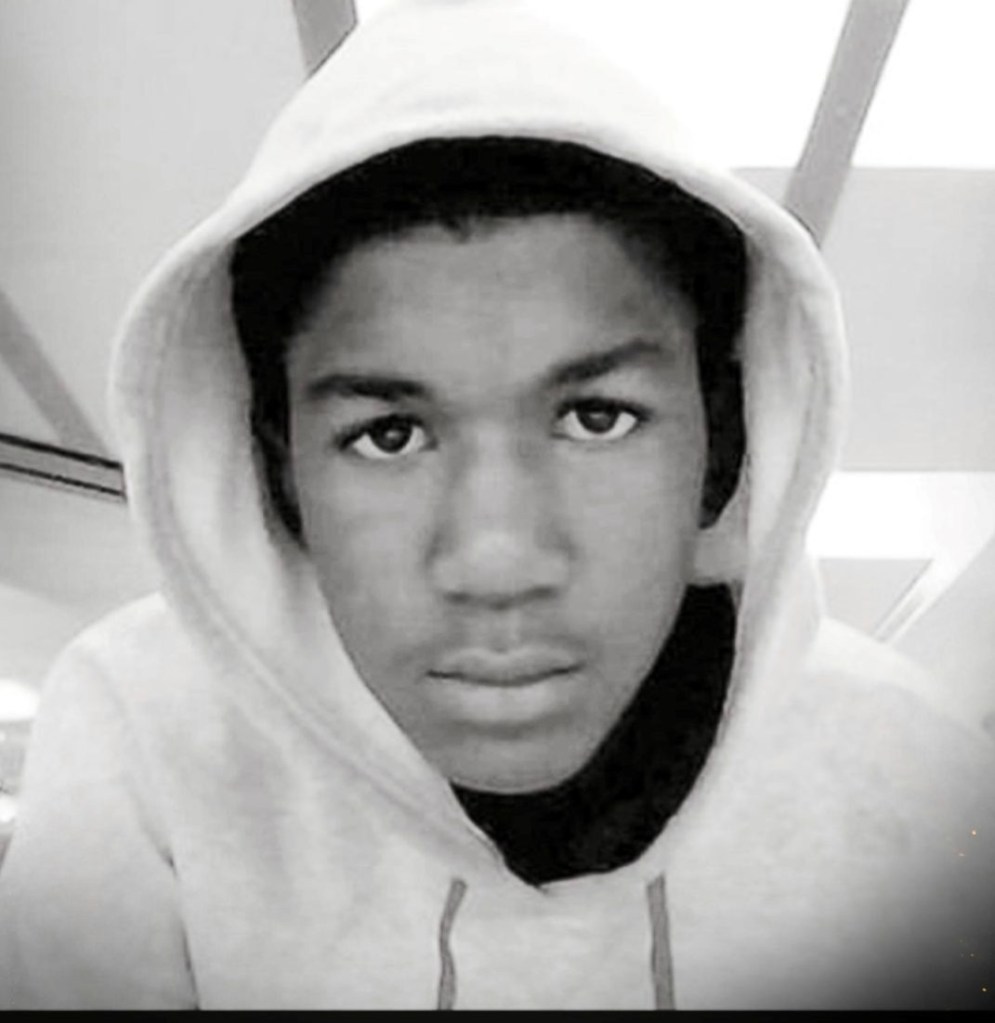
Trayvon Benjamin Martin was born on February 5, 1995, in Miami, Florida. He was a young African American teenager known by his family and friends as kind-hearted, playful, and full of potential. Trayvon enjoyed sports, especially football and basketball, and aspired to become an aviation mechanic. Like many young Black boys in America, his life reflected both ordinary youthful dreams and the inherited weight of navigating a society shaped by racial stereotypes and systemic inequality.


What Happened to Trayvon Martin

On the evening of February 26, 2012, Trayvon Martin was walking back to his father’s fiancée’s home in Sanford, Florida, after purchasing snacks from a convenience store. He was unarmed, wearing a hoodie, and talking on the phone with a friend. George Zimmerman, a neighborhood watch volunteer, reported Trayvon as “suspicious” to police, followed him despite being advised not to, and ultimately shot and killed him.

Zimmerman claimed self-defense and was later acquitted of all charges in 2013. The verdict sparked national and international outrage, as many saw the case as a reflection of how Black bodies are often criminalized, feared, and devalued within American society.


His Impact on the World

Though his life was tragically cut short at just 17 years old, Trayvon Martin’s death became a historical turning point. His name became a symbol of racial injustice and the dangerous consequences of racial profiling. The case helped ignite the modern civil rights movement known as Black Lives Matter, founded in 2013 by Alicia Garza, Patrisse Cullors, and Opal Tometi in response to Trayvon’s killing and Zimmerman’s acquittal.

Trayvon’s story forced America to confront uncomfortable truths about race, surveillance, fear, and the unequal application of justice. His hoodie became a global symbol of protest, representing how something as simple as clothing could become a perceived threat when worn by a Black male.


He Would Have Been 31 This Year

In 2026, Trayvon Martin would have been 31 years old. He could have been a husband, a father, a professional, or a leader in his community. Instead, his life exists in collective memory as a reminder of stolen futures and unrealized potential. His age now represents not just time passed, but the depth of loss — a life that never had the chance to fully begin.


Racism in America: A Broader Context

Trayvon Martin’s death cannot be understood in isolation. It exists within a long historical continuum of racial violence in America, from slavery and lynching to mass incarceration and police brutality. Sociologists describe this phenomenon as systemic racism — a structure in which laws, institutions, and cultural narratives disproportionately harm Black people.

The fear that led to Trayvon’s death reflects what scholars call implicit racial bias, where Black males are often subconsciously associated with danger, criminality, and threat. These biases influence everything from policing and surveillance to legal outcomes and media portrayals.

Trayvon’s case exposed how even in the absence of a crime, Black existence itself can be treated as suspicious. His death became a mirror held up to American society, forcing the nation to ask: Who is allowed to be innocent? Who is allowed to be safe? And whose life is presumed valuable?


Legacy

Trayvon Martin’s legacy is not defined by his death, but by the global movement that arose because of it. His name is spoken alongside others — Michael Brown, Tamir Rice, Sandra Bland, Breonna Taylor, George Floyd — as part of a growing historical archive of racial injustice.

Yet Trayvon remains unique: he was not arrested, not resisting, not committing a crime. He was simply walking home.

His life and death continue to educate, mobilize, and challenge the world to build a society where Black children can exist without fear, where justice is not selective, and where no family must bury a child for simply being seen as “out of place.”


References

Alexander, M. (2012). The new Jim Crow: Mass incarceration in the age of colorblindness. The New Press.

Bonilla-Silva, E. (2018). Racism without racists: Color-blind racism and the persistence of racial inequality in America (5th ed.). Rowman & Littlefield.

CBS News. (2013). George Zimmerman acquitted in Trayvon Martin case.

Garza, A. (2014). A herstory of the #BlackLivesMatter movement. The Feminist Wire.

Newman, K. S., & Cohen, A. (2014). Race, place, and building a youth movement: The case of Trayvon Martin. American Sociological Review, 79(3), 449–476.

Pew Research Center. (2016). On views of race and inequality, Blacks and Whites are worlds apart.

U.S. Department of Justice. (2013). Investigation of the Sanford Police Department’s handling of the Trayvon Martin shooting.

We Are the Story America Cannot Edit

Black history in America has always been more than a chapter—it is the spine of the national narrative. Yet for centuries, this story has been edited, erased, softened, or rewritten to soothe the conscience of a nation deeply shaped by the labor, blood, and brilliance of a people it tried to silence. Still, despite redactions and revisions, the truth endures: we are the story America cannot edit.

This story begins long before ships touched the Atlantic coast. It begins in African kingdoms where art, astronomy, architecture, and theology flourished. The brilliance of the ancestors did not begin in bondage; it began in royalty, innovation, and legacy. No revisionist textbook can erase the origins of a people whose civilizations helped advance global knowledge.

When the Middle Passage shattered families and scattered bodies across the ocean, America inherited a people it tried to dehumanize but could not destroy. The nation wrote laws to silence Black voices, but those voices survived. They survived in spirituals, in whispered prayers, in maroon communities, in the coded footsteps of escape routes carved in the night. The ink of this story was not blacklisted—it was carved in courage.

America tried to enslave people into subservience, but instead they became prophets, builders, warriors, and liberators. Harriet Tubman turned the Underground Railroad into a living testament of freedom. Frederick Douglass transformed literacy into a revolution. Sojourner Truth took the podium and shook the conscience of a country pretending not to hear her. These names refuse erasure.

The Civil War and Reconstruction wrote a brief chapter of possibility—Black senators, congressmen, teachers, and landowners rose swiftly. But America attempted another revision: Jim Crow. Segregation, lynching, and systemic disenfranchisement were designed to rewrite the Black story into one of subjugation. Yet the people refused the edits. Every protest, every church meeting, every organizing circle was a declaration that the pen of oppression could not overrule the pen of destiny.

The Civil Rights Movement authored a new wave of transformation. Martin Luther King Jr.’s dream, Malcolm X’s fire, Rosa Parks’ quiet firmness, and Fannie Lou Hamer’s thunderous truth-telling exposed the nation’s moral contradictions. Their lives demonstrate that Black people did not just endure history—they shaped it. They re-inked the American narrative with justice.

America has long tried to reduce Black identity to struggle, but Black culture refuses to be footnoted. Jazz, gospel, blues, soul, hip-hop, theatre, literature, and film—all are chapters written in brilliance, not brokenness. These art forms do not ask permission; they testify. They preserve memory. They uplift. They correct the historical record by embodying the power and creativity of a people the nation tried to underestimate.

Black resilience has always been inconvenient for America’s preferred storyline. It challenges myths of meritocracy, exposes the violence of past and present systems, and proves that progress was never given—only won. This is why so many attempts have been made to censor, dilute, or distort Black history. Yet truth has a way of resurfacing, even through the cracks of suppression.

The story America cannot edit also includes everyday heroes—grandmothers who kept families together, fathers who worked two and three jobs, children who dared to learn in schools that did not want them, freedom fighters whose names never made headlines, teachers who planted dreams in young minds, and church mothers who prayed communities through storms. These lives are sacred scripture for a people who built resilience into their DNA.

Even today, as political forces attempt to ban books, restrict curriculum, or sanitize the past, the story resists. Black scholars, artists, pastors, activists, and youth are documenting the truth in new ways—through digital archives, spoken word, classrooms, podcasts, and movements for justice. The story is not just preserved; it is expanding.

We are the story America cannot edit because our existence defies the narrative of inferiority that once dominated the national imagination. Every achievement in science, politics, sports, education, business, and ministry disproves the lies that once served as historical “facts.” Black excellence is not an anomaly—it is a continuation of ancestral greatness.

We are the story America cannot edit because the evidence is everywhere. It is in the economic foundation Black labor built. It is in the culture Black creativity shaped. It is in the democracy Black activism strengthened. It is in the global influence Black innovation commands. America has benefitted too deeply from Black genius to pretend it did not exist.

Our story remains uneditable because it is woven into Scripture as well as history. From Cush to Ethiopia, from the Queen of Sheba to the early church, the Bible itself records the presence, power, and purpose of African-descended people. The sacred text affirms what oppression tried to deny: that Blackness has always been part of God’s design and destiny.

We are the story America cannot edit because the truth is living, breathing, and continually unfolding. It shows up in every generation—Black children with brilliance in their eyes, Black elders carrying the wisdom of survivors, Black communities redefining strength, joy, and possibility.

Ultimately, America cannot edit what God Himself has preserved. The story of Black people is marked by divine protection, ancestral strength, and spiritual authority. It is a story of survival, transformation, and triumph. It is a story that exposes injustice but also reveals hope. It is a story bigger than slavery, bigger than segregation, bigger than racism.

We are the story America cannot edit because the truth is too powerful, too resilient, too sacred to be silenced. And as long as we continue to speak it, write it, live it, and teach it—the story will remain unaltered, unstoppable, and unforgettable.

References:
Exodus 1–3 (KJV); Psalm 68:31; Acts 8:27–39; Franklin, J. H. From Slavery to Freedom; Gates, H. L. The African Americans: Many Rivers to Cross; Hannah-Jones, N. The 1619 Project; Litwack, L. Trouble in Mind; Stevenson, B. Just Mercy; Anderson, C. White Rage; Raboteau, A. Slave Religion.

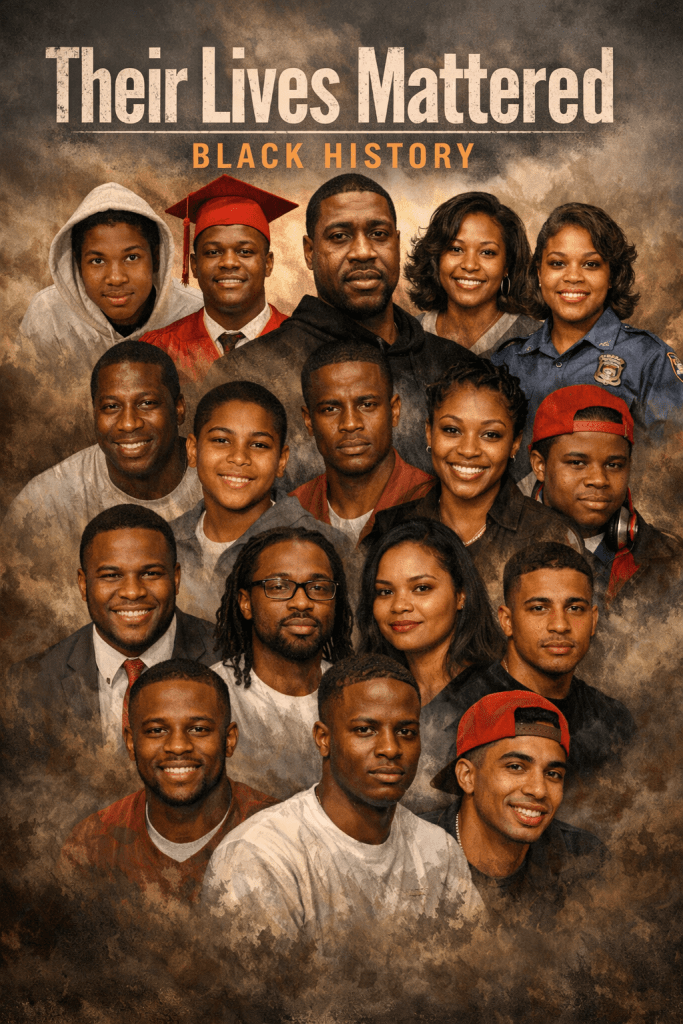
Their Lives Mattered: A Black History Lament.

Their lives mattered not as statistics, not as hashtags, not as passing headlines, but as human beings whose existence was violently interrupted by systems meant to protect. The stories of Trayvon Martin, La’Quan McDonald, Sonya Massey, George Floyd, Breonna Taylor, Eric Garner, Tamir Rice, Freddie Gray, Sandra Bland, Michael Brown, Botham Jean, Philando Castile, Atatiana Jefferson, Stephon Clark, Daunte Wright, and countless others reveal a recurring pattern of racialized state violence, criminalization of Black bodies, and the persistent failure of American justice.

Trayvon Martin was a 17-year-old unarmed Black teenager who was fatally shot in 2012 by George Zimmerman in Sanford, Florida, while walking home from a convenience store. Despite being unarmed and posing no threat, Trayvon was followed, confronted, and killed under the logic of “suspicion.” Zimmerman was acquitted under Florida’s “Stand Your Ground” law, igniting national outrage and becoming a catalyst for the Black Lives Matter movement.

La’Quan McDonald was a 17-year-old Black teenager who was shot 16 times by Chicago police officer Jason Van Dyke in 2014. Dashcam footage later revealed that La’Quan was walking away from police when he was killed, contradicting official police reports. The city suppressed the video for over a year. Van Dyke was eventually convicted of second-degree murder, a rare outcome in police killings.

Sonya Massey, a 36-year-old Black woman, was killed in 2024 by an Illinois sheriff’s deputy after calling 911 for help. While experiencing a mental health crisis, she was shot in her own home. Her death raised renewed concerns about how Black women, especially those in psychological distress, are treated as threats rather than victims in need of care.

George Floyd was a 46-year-old Black man killed in 2020 after Minneapolis police officer Derek Chauvin knelt on his neck for over nine minutes while Floyd was handcuffed and pleading for his life. His death was captured on video and sparked the largest global protests against racial injustice in modern history. Chauvin was later convicted of murder, marking a rare moment of legal accountability.

Breonna Taylor was a 26-year-old Black emergency medical technician who was shot and killed in her Louisville apartment in 2020 when police executed a no-knock warrant while she was asleep. Officers fired over 30 bullets, killing her in her own home. No officer was charged directly for her death, reinforcing public outrage over the lack of accountability.

Eric Garner was a 43-year-old Black man who died in 2014 after being placed in a chokehold by NYPD officer Daniel Pantaleo for allegedly selling loose cigarettes. Garner’s final words, “I can’t breathe,” became a global symbol of police brutality. A grand jury declined to indict the officer, and Pantaleo was only fired years later.

Tamir Rice was a 12-year-old Black child who was shot and killed by Cleveland police in 2014 while playing with a toy gun in a park. Officers arrived and shot him within seconds, without attempting de-escalation. No criminal charges were filed, despite Tamir being a minor posing no imminent threat.

Freddie Gray was a 25-year-old Black man who died in 2015 from a spinal injury sustained while in police custody in Baltimore. He had been arrested and transported in a police van without being properly restrained. His death led to mass protests, but none of the officers involved were ultimately convicted.

Sandra Bland was a 28-year-old Black woman found dead in a Texas jail cell in 2015 after being arrested during a traffic stop. Her death was ruled a suicide, but her treatment, arrest, and the circumstances of her death raised serious questions about racial profiling, police aggression, and custodial negligence.

Michael Brown was an 18-year-old Black teenager shot and killed by police officer Darren Wilson in Ferguson, Missouri, in 2014. Brown was unarmed at the time. His body was left in the street for hours, igniting national protests. A grand jury declined to indict Wilson, fueling global outrage.

Botham Jean was a 26-year-old Black accountant who was shot and killed in his own apartment in 2018 by off-duty Dallas police officer Amber Guyger, who claimed she mistook his home for hers. Guyger was convicted of murder, but her sentence was widely criticized as lenient.

Philando Castile was a 32-year-old Black school cafeteria worker who was shot and killed by police during a traffic stop in Minnesota in 2016. He had calmly informed the officer that he was legally carrying a firearm. His girlfriend livestreamed the aftermath. The officer was acquitted.

Atatiana Jefferson was a 28-year-old Black woman shot and killed by police in 2019 while inside her home in Fort Worth, Texas, after a neighbor requested a wellness check. She was playing video games with her nephew when she was killed. The officer was later convicted of manslaughter.

Stephon Clark was a 22-year-old Black man shot and killed by Sacramento police in 2018 while standing in his grandmother’s backyard. Officers claimed he had a gun; he was holding a cellphone. He was shot 20 times. No officers were charged.

Daunte Wright was a 20-year-old Black man killed in 2021 during a traffic stop in Minnesota when an officer claimed she mistakenly drew her gun instead of her taser. Wright’s death occurred during the trial of Derek Chauvin and reignited national protests. The officer was convicted of manslaughter.

These deaths are not isolated incidents but part of a historical continuum rooted in slavery, Jim Crow, mass incarceration, and racialized policing. The criminal justice system has repeatedly failed to protect Black lives while excusing or minimizing state violence through qualified immunity, grand jury non-indictments, and legal doctrines that prioritize police narratives over Black testimony.

Their lives mattered because they were sons, daughters, parents, workers, students, and dreamers. They mattered because their deaths exposed the moral contradictions of a nation that proclaims liberty while systematically devaluing Black existence. To remember them is not simply an act of mourning, but a political demand for truth, accountability, and structural transformation.

Their names and many others live on not only in memory but in resistance. They have become ancestral witnesses to injustice and sacred symbols in a global struggle for Black dignity. Their blood cries out from the ground, demanding not silence, but justice.


References

Alexander, M. (2012). The New Jim Crow: Mass incarceration in the age of colorblindness. The New Press.

Black Lives Matter. (n.d.). Say Their Names. https://blacklivesmatter.com

Equal Justice Initiative. (2020). Lynching in America: Confronting the legacy of racial terror. https://eji.org

Garner, E. (2014). NYPD case files and DOJ Civil Rights Investigation. U.S. Department of Justice.

Mapping Police Violence. (2023). Police killings database. https://mappingpoliceviolence.org

New York Times. (2014–2024). Police brutality and racial justice reporting.

U.S. Department of Justice. (2020). Investigation into the Minneapolis Police Department.

Washington Post. (2015–2024). Fatal force: Police shootings database. https://www.washingtonpost.com/graphics/investigations/police-shootings-database/

Williams, P. J. (1991). The Alchemy of Race and Rights. Harvard University Press.

The Degradation of American Culture: The Good, the Bad, and the Ugly – The Niggerization of America!

Race, Media, Internalized Oppression, and the Crisis of Identity in Modern America

What the word is meant to imply (in sociological usage)

When people use the term “niggerization” (usually in polemical or extremist writing), they typically mean:

The perceived process by which a society or group is said to adopt negative stereotypes historically associated with Black people, such as:

  • poverty
  • disorder
  • criminality
  • vulgarity
  • hypersexuality
  • anti-intellectualism
  • cultural dysfunction

So in that usage, it is shorthand for:

“cultural degradation framed through racist stereotypes.”

Why the term itself is intellectually flawed

From a scholarly standpoint, the term is conceptually incoherent and racist, because:

  1. It assumes Blackness itself is synonymous with dysfunction.
  2. It collapses complex social problems into racial essence.
  3. It confuses structural conditions (poverty, trauma, policy, media) with biological or cultural identity.
  4. It reproduces the very colonial logic it claims to critique.

In other words, it racializes social pathology, instead of analyzing:

  • capitalism
  • media systems
  • historical trauma
  • political economy
  • psychological conditioning

The accurate academic concepts instead

In serious sociology and psychology, the phenomena people try to describe with that word are actually studied as:

  • Cultural degradation (Postman, 1985)
  • Internalized oppression (Fanon, 1967)
  • Collective trauma (Herman, 1992)
  • Symbolic violence (Bourdieu, 1991)
  • Cultural pathology under late capitalism
  • Media-induced behavioral normalization

These frameworks explain the same issues without racial essentialism.

Bottom line (the honest answer)

The term “niggerization” means:

“The claim that social or cultural decline is caused by or resembles racist stereotypes of Black people.”

But academically speaking, it is:

  • not a valid concept
  • not used in peer-reviewed scholarship
  • built on racist assumptions
  • and analytically useless for real understanding.

Serious analysis talks about systems, trauma, incentives, power, and psychology — not racialized caricatures.

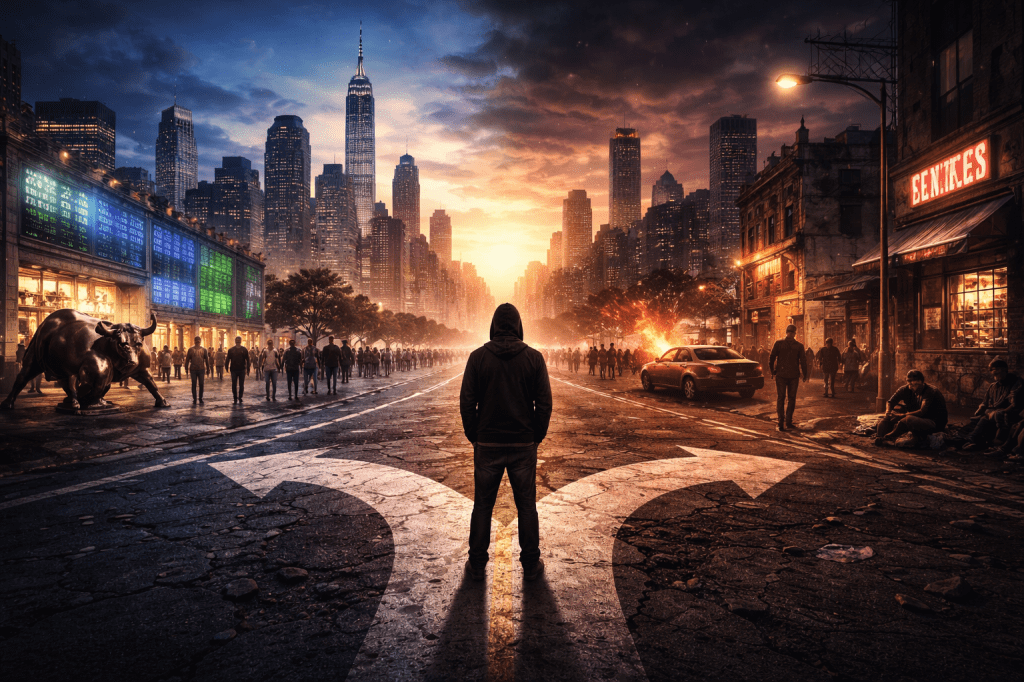
American culture stands at a paradoxical crossroads. On one hand, it represents unprecedented technological advancement, economic power, and global influence; on the other, it reveals deep moral confusion, cultural fragmentation, and psychological instability. The same society that produced civil rights movements, scientific revolutions, and artistic brilliance now also exports nihilism, hypersexuality, intellectual decline, and cultural self-loathing. This contradiction demands serious analysis, not sentimental nostalgia or ideological denial.

The “good” of American culture lies in its foundational ideals: liberty, education, innovation, and the belief in human potential. The United States historically functioned as a space where marginalized groups—particularly Black Americans—transformed systemic adversity into cultural excellence. From spirituals and jazz to civil rights theology and Black intellectualism, oppressed communities generated some of the most profound moral and artistic contributions in human history.

Black culture, in particular, once operated as a counter-hegemonic force—rooted in church, family structure, discipline, and collective survival. The Black church served not merely as a religious institution but as a psychological refuge, political organizing center, and moral compass. It cultivated literacy, leadership, and resistance, producing figures like Martin Luther King Jr., W.E.B. Du Bois, Malcolm X, and countless unsung educators and theologians.

However, the “bad” emerges when culture shifts from liberation to commodification. Under late-stage capitalism, identity itself becomes a product. Blackness, once forged in collective struggle, is now marketed as aesthetic rebellion divorced from historical consciousness. Hip-hop, fashion, slang, and trauma are packaged for global consumption while structural realities remain unresolved.

This transformation reflects what Frantz Fanon described as internalized oppression—the psychological condition in which colonized or marginalized people unconsciously absorb the values and narratives of their oppressors. Rather than defining themselves through ancestral dignity or moral purpose, individuals increasingly mirror distorted media archetypes that reward dysfunction, hypervisibility, and performative identity.

The American media-industrial complex plays a decisive role in this pathology. Reality television, viral culture, and algorithmic platforms normalize ignorance, narcissism, and moral exhibitionism. Intelligence is no longer rewarded; attention is. Loudness replaces substance, controversy replaces coherence, and degradation becomes spectacle.

From a sociological standpoint, this represents what Pierre Bourdieu called symbolic violence—a system in which dominant structures impose meaning in ways that appear natural or entertaining. Cultural decline is not accidental; it is engineered through incentives that reward psychological regression over collective uplift.

The “ugly” phase emerges when dysfunction becomes identity. At this stage, cultural pathology is defended, not questioned. Self-destructive behavior is reframed as authenticity. Anti-intellectualism becomes empowerment. Victimhood becomes currency. Accountability becomes oppression. The very tools needed for liberation—language, art, sexuality, spirituality—are weaponized against self-development.

This phenomenon is not limited to Black America; it reflects a broader American collapse of values. Consumerism replaces character. Pleasure replaces purpose. Image replaces substance. The nation increasingly resembles what the sociologist Christopher Lasch termed a culture of narcissism, where self-expression replaces moral formation and therapy replaces ethics.

Theologically, this crisis reflects a deeper spiritual disorder. Scripture consistently frames cultural decay as the consequence of moral inversion. “Woe unto them that call evil good, and good evil” (Isaiah 5:20, KJV). When societies lose transcendent moral reference points, they descend into relativism, where no behavior can be judged and no standard upheld.

In biblical anthropology, human beings are not merely social animals but moral agents accountable to divine law. When culture severs itself from transcendent accountability, identity collapses into instinct, impulse, and ego. This is not freedom; it is regression.

Deuteronomy 28 presents a powerful framework for cultural analysis: obedience produces collective flourishing, while disobedience produces psychological confusion, social instability, and generational trauma. The text reads less like ancient theology and more like sociological prophecy.

From a psychological perspective, the current American condition aligns with collective trauma theory. Historical violence—slavery, segregation, economic exploitation—left deep neurological and cultural scars. However, unresolved trauma does not heal itself; it either transforms into wisdom or mutates into pathology.

Instead of healing through historical consciousness, education, and moral reconstruction, American culture increasingly chooses escapism: drugs, sex, entertainment, consumption, and digital addiction. These are not neutral pleasures; they function as anesthetics against existential emptiness.

The tragedy is that Black America once offered a powerful counter-model: communal identity, spiritual resilience, disciplined family structures, and moral seriousness forged under pressure. That legacy is now being diluted, caricatured, and commercially exploited.

What was once a culture of survival has become a culture of simulation. Pain is aestheticized. Trauma is monetized. Rebellion is marketed. Liberation is reduced to branding.

This is not merely cultural decline; it is psychological colonization in reverse—where the descendants of the oppressed internalize and perform the very stereotypes once imposed upon them, now for profit and validation.

Yet the story is not closed. Cultural cycles can be reversed. The same communities that produced intellectual giants, theologians, artists, and revolutionaries can do so again. Cultural resurrection is possible, but it requires ruthless honesty.

It requires rejecting media lies, reclaiming historical consciousness, restoring intellectual discipline, rebuilding family structures, and re-centering spiritual identity. Culture does not change through slogans; it changes through values, institutions, and collective memory.

The future of America will not be determined by technology or politics alone, but by psychological orientation: whether society chooses depth over spectacle, meaning over impulse, and truth over performance.

Ultimately, the crisis of American culture is not racial at its core—it is spiritual and psychological. Race merely reveals the fractures more vividly. What we are witnessing is not just cultural decay, but a civilizational test: whether identity will be grounded in transcendence or dissolved into algorithmic noise.

The good showed what America could be.
The bad reveals what it compromised.
The ugly exposes what it becomes when it forgets who it is.


References

Bourdieu, P. (1991). Language and symbolic power. Harvard University Press.

Fanon, F. (1967). Black skin, white masks. Grove Press.

Du Bois, W. E. B. (1903). The souls of Black folk. A.C. McClurg.

Lasch, C. (1979). The culture of narcissism: American life in an age of diminishing expectations. W. W. Norton.

Herman, J. L. (1992). Trauma and recovery. Basic Books.

bell hooks. (1992). Black looks: Race and representation. South End Press.

Postman, N. (1985). Amusing ourselves to death. Penguin.

The Holy Bible, King James Version. (1611/2017). Hendrickson Publishers.

Dei, G. J. S. (2012). Reframing Blackness and Black solidarities through anti-colonial and decolonial prisms. Springer.

Wilkerson, I. (2020). Caste: The origins of our discontents. Random House.
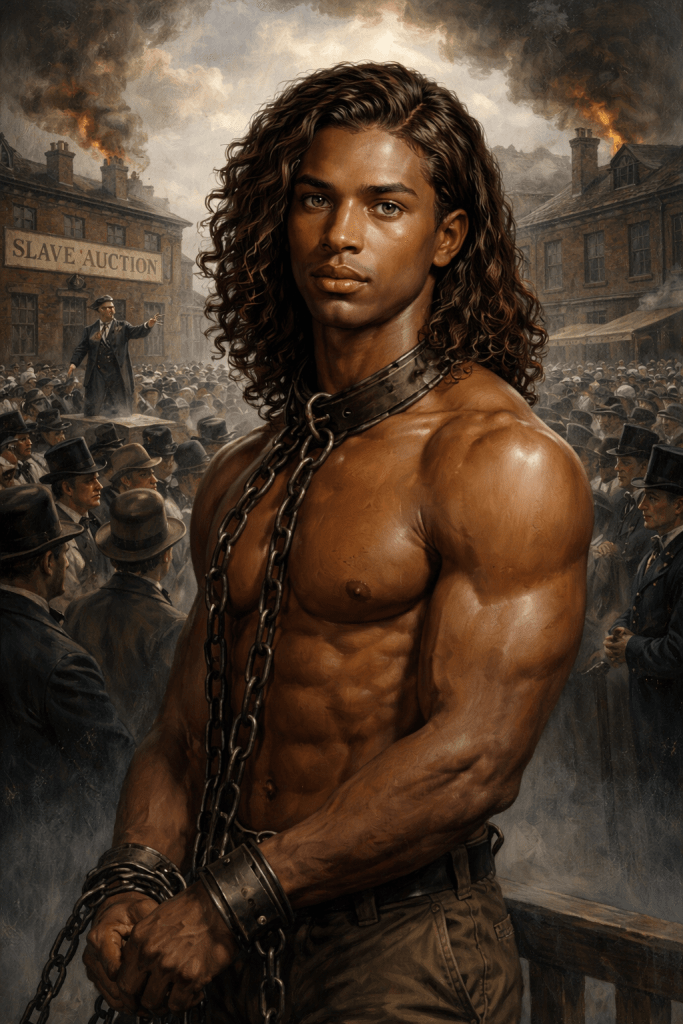
Dilemma : The Beast Nation

The term Beast Nation is not merely rhetorical; it is biblical, symbolic, and historical. In Scripture, beasts represent empires built on domination, violence, deception, and exploitation (Daniel 7; Revelation 13). America, when examined through its treatment of Black and Indigenous peoples, mirrors the characteristics of a prophetic beast—powerful, wealthy, religious in language, yet ruthless in practice.

Colonialism marks the first stage of the Beast Nation. European powers arrived under the banner of “discovery,” yet what followed was invasion, land theft, and cultural annihilation. Indigenous nations were displaced, murdered, and erased to establish settler dominance, fulfilling the biblical pattern of conquest through bloodshed (Habakkuk 2:12, KJV).

Colonial theology weaponized Christianity to justify conquest. Scripture was distorted to portray Europeans as divinely ordained rulers while Africans and Indigenous peoples were cast as subhuman. This manipulation of God’s Word mirrors the beast that speaks “great things and blasphemies” (Revelation 13:5, KJV).

Chattel slavery institutionalized this evil into law. Unlike other forms of servitude, chattel slavery reduced Africans to lifelong, inheritable property. Black bodies became commodities—bought, sold, bred, insured, and punished—stripped of humanity and covenantal identity.

The Bible condemns manstealing explicitly: “He that stealeth a man, and selleth him…shall surely be put to death” (Exodus 21:16, KJV). Yet America built its wealth in direct violation of this command, revealing the moral contradiction at its core.

Reconstruction briefly exposed the Beast Nation’s fear of Black autonomy. Promises of “40 acres and a mule” symbolized restitution and independence, yet these promises were rescinded. Land was returned to former enslavers, while Black families were thrust into sharecropping and debt peonage.

This betrayal echoed Proverbs 20:10: “Divers weights, and divers measures, both of them are alike abomination to the LORD” (KJV). America promised justice publicly while practicing theft privately.

Jim Crow followed as a system of racial terror disguised as law. Segregation, lynching, and voter suppression enforced white supremacy through fear. Black progress was criminalized, and racial hierarchy was violently preserved.

Lynching functioned as public ritual—Black bodies displayed as warnings. Crosses burned beside corpses while churches remained silent or complicit. This hypocrisy fulfilled Isaiah 1:15: “Your hands are full of blood” (KJV).

Surveillance evolved as a modern method of control. Slave patrols became police departments; plantation ledgers became data systems. Black neighborhoods were watched, tracked, and criminalized long before digital technology made surveillance ubiquitous.

The civil rights movement revealed the Beast Nation’s resistance to righteousness. Peaceful protestors were beaten, jailed, assassinated, and vilified. America condemned foreign tyranny while unleashing state violence on its own citizens.

Dr. King’s assassination symbolized the cost of prophetic truth. Like the prophets before him, he confronted power—and paid with his life (Matthew 23:37, KJV).

The War on Drugs marked a new era of legalized oppression. Though drug use was statistically similar across races, Black communities were targeted disproportionately. Mandatory minimums, three-strikes laws, and police militarization fueled mass incarceration.

Scripture warns of unjust laws: “Woe unto them that decree unrighteous decrees” (Isaiah 10:1, KJV). The prison system became a modern plantation, extracting labor and removing generations of Black men and women from their communities.

America proclaims itself the “Land of the Free,” yet millions of Black people lived and died in bondage on that very soil. Freedom was declared selectively, revealing liberty as conditional rather than universal.

It calls itself the “Home of the Brave,” while Indigenous nations were slaughtered, displaced, and confined to reservations. Courage was claimed by conquerors, while resistance was labeled savagery.

“In God We Trust” is stamped on currency that once financed human trafficking, slave ships, and plantations. Mammon was worshiped while God’s commandments were violated (Matthew 6:24, KJV).

“One Nation Under God” rang hollow as Black bodies swung from trees and crosses burned in terror campaigns. God’s name was invoked while His image-bearers were desecrated.

“Liberty and justice for all” existed only for white citizens. Black Americans were excluded from the social contract, taxed without representation, and punished without protection.

Education systems sanitized this history, presenting America as a flawed but noble experiment rather than a predatory empire. Truth was buried beneath patriotism.

Media reinforced the beast’s image, portraying Black resistance as threat and Black suffering as deserved. Narrative control became psychological warfare.

Churches often chose comfort over conviction. Many preached obedience to the state while ignoring God’s demand for justice (Micah 6:8, KJV).

The Beast Nation thrives on amnesia. Forgetting allows repetition; silence permits continuation.

Biblically, beasts fall when truth is revealed and judgment arrives (Daniel 7:26). Empires collapse not from external enemies alone, but from internal corruption.

For Black America, survival has always required spiritual discernment—recognizing systems not merely as flawed, but as adversarial.

The Exodus narrative reminds us that God hears the cries of the oppressed (Exodus 3:7, KJV). Liberation is divine, not granted by empires.

The Beast Nation fears awakening. Knowledge of history, identity, and covenant threatens its legitimacy.

Judgment begins with truth. Repentance demands restitution, not rhetoric.

Until justice flows “like waters, and righteousness like a mighty stream” (Amos 5:24, KJV), America remains a beast clothed in religious language and democratic symbols.


References

Alexander, M. (2012). The new Jim Crow: Mass incarceration in the age of colorblindness. The New Press.

Baptist, E. E. (2014). The half has never been told: Slavery and the making of American capitalism. Basic Books.

Du Bois, W. E. B. (1935). Black reconstruction in America. Free Press.

Horsman, R. (1981). Race and manifest destiny. Harvard University Press.

KJV Bible. (1769/2017). Authorized King James Version.

Wilkerson, I. (2020). Caste: The origins of our discontents. Random House.
The Cost of Being Black: How Systemic Racism Drains Wealth, Health, and Hope.

Photo by Zack Jarosz on Pexels.com

“Priced in Shadows”

Black skin, a crown the world can’t see,
Yet measured in chains of false decree.
We pay in blood for each small breath,
Our wealth denied, our dreams met death.
Health stolen by the weight of stress,
Hope rationed in the wilderness.
Still we rise, though markets cheat,
And march with fire in tired feet.
The cost is high, but worth it

For the seeds we plant will one day grow.


The Hidden Ledger of Oppression

The cost of being Black is not solely an economic figure—it is a compounded debt extracted from the soul, body, and spirit across generations. Systemic racism functions as both an economic apparatus and a psychological weapon, strategically designed to maintain social stratification (Feagin, 2013). From slavery to Jim Crow, and from redlining to mass incarceration, the financial, health, and emotional toll has been incalculable. The King James Bible acknowledges the burden of oppression, stating, “Woe unto them that decree unrighteous decrees, and that write grievousness which they have prescribed” (Isaiah 10:1, KJV). This divine warning frames systemic racism not as an accidental byproduct, but as an intentional social construct that exacts a tangible cost for simply existing while Black.


Wealth: Economic Theft as a System of Control

The economic cost of being Black is rooted in the generational theft of wealth. Slavery extracted centuries of unpaid labor, creating an economic deficit that remains largely unrepaired (Coates, 2014). Post-emancipation, policies such as sharecropping, discriminatory banking practices, and exclusion from the GI Bill perpetuated disparities. Today, the median wealth of Black families is roughly one-tenth that of white families in the United States (Federal Reserve, 2019). Wealth, in this context, is not merely financial but encompasses access to quality education, home ownership, and intergenerational security. Systemic racism has ensured that economic upward mobility for Black communities is statistically hindered, keeping many in a cycle of debt and economic vulnerability.


Health: The Biological Toll of Racial Inequity

The physical cost of being Black manifests in disproportionately high rates of hypertension, diabetes, maternal mortality, and chronic illness. Research in health psychology identifies “weathering”—the cumulative effect of chronic racial stress on the body—as a primary cause for the accelerated aging and higher disease burden among Black populations (Geronimus, 1992). Environmental racism compounds these effects through disproportionate exposure to pollutants and lack of access to quality healthcare. The Bible affirms that the body is sacred, “Know ye not that ye are the temple of God, and that the Spirit of God dwelleth in you?” (1 Corinthians 3:16, KJV). Yet, systemic racism desecrates this temple by denying Black communities the resources needed to thrive physically.


Hope: Psychological Warfare and Emotional Fatigue

Hope is one of the most fragile yet essential currencies for survival. Systemic racism drains hope through persistent discrimination, underrepresentation in leadership, and the erasure of Black narratives from history. The psychological toll includes racial battle fatigue, depression, and diminished self-worth, often reinforced by mass media portrayals that devalue Black life. Cornel West notes, “Never forget that justice is what love looks like in public.” Without justice, the capacity to hope is eroded, leading to cycles of despair. Psychology identifies hope as a critical factor in resilience, yet systemic oppression targets this very resource to ensure compliance and subjugation.


The Ringleaders: Power, Privilege, and Profit

Systemic racism is upheld by entrenched power structures composed of political elites, corporate monopolies, and institutional gatekeepers who profit from racial inequity. These ringleaders operate through legislation, economic policies, and cultural propaganda to maintain dominance. The Bible warns, “For the love of money is the root of all evil” (1 Timothy 6:10, KJV), highlighting the profit motive behind oppression. White supremacy functions not only as a racial ideology but as an economic strategy, ensuring that wealth and resources remain concentrated in the hands of a few while extracting value from the marginalized.


Breaking the Cost: Restitution, Resistance, and Renewal

Addressing the cost of being Black requires multi-layered solutions: reparations to address the economic gap, healthcare reforms to reduce racial disparities, and educational overhauls to restore accurate Black history. Culturally, restoring dignity and self-love through affirmations of Black beauty, excellence, and achievement is vital. Faith and scripture remain powerful tools of survival, as reflected in Psalm 68:31 (KJV), “Princes shall come out of Egypt; Ethiopia shall soon stretch out her hands unto God.” The chains of systemic racism can only be broken when economic justice, health equity, and psychological restoration are pursued simultaneously, creating a future where Blackness is no longer a liability but a celebrated inheritance.


References

  • Coates, T. (2014). The Case for Reparations. The Atlantic.
  • Feagin, J. R. (2013). Systemic Racism: A Theory of Oppression. Routledge.
  • Federal Reserve. (2019). Survey of Consumer Finances.
  • Geronimus, A. T. (1992). The weathering hypothesis and the health of African-American women and infants: Evidence and speculations. Ethnicity & Disease, 2(3), 207–221.
  • Holy Bible, King James Version.