Category Archives: a brown girl’s beauty

The Ebony Dolls: Irene Cara

Beauty in Motion, Talent in Song
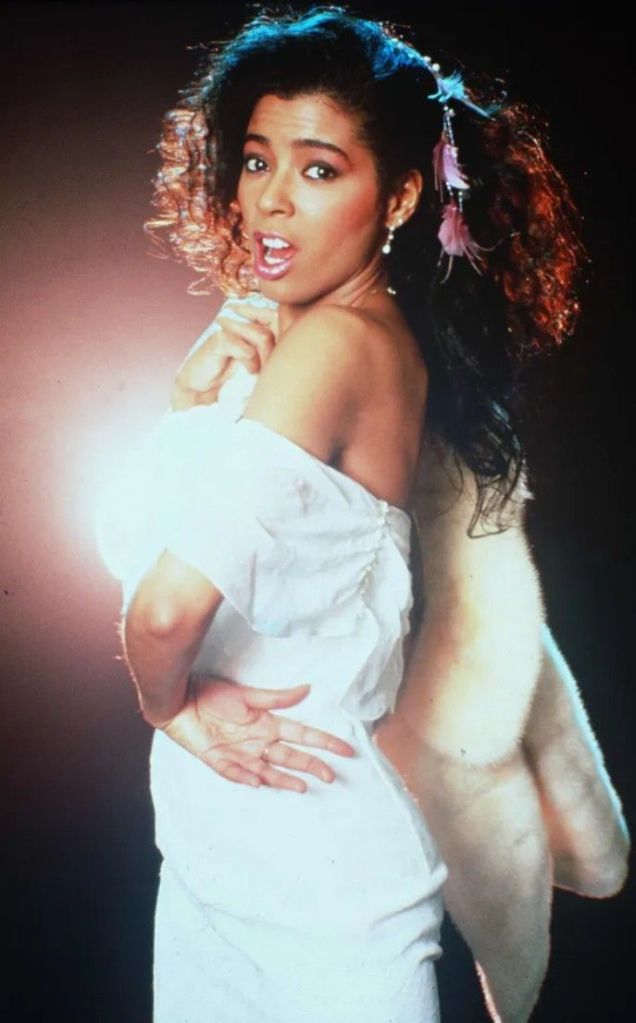
This photograph is the property of its respective owner.

In the world of music and film, few women have embodied the combination of radiant talent, striking beauty, and cultural impact like Irene Cara. With her glowing skin, expressive features, and charismatic presence, Cara became a symbol of inspiration and elegance for young Black women during the late 1970s and 1980s. Her accomplishments as a singer, songwriter, and actress earned her a place as an “Ebony Doll”—a figure whose beauty, poise, and artistry appear almost sculpted, leaving an enduring mark on entertainment and popular culture.
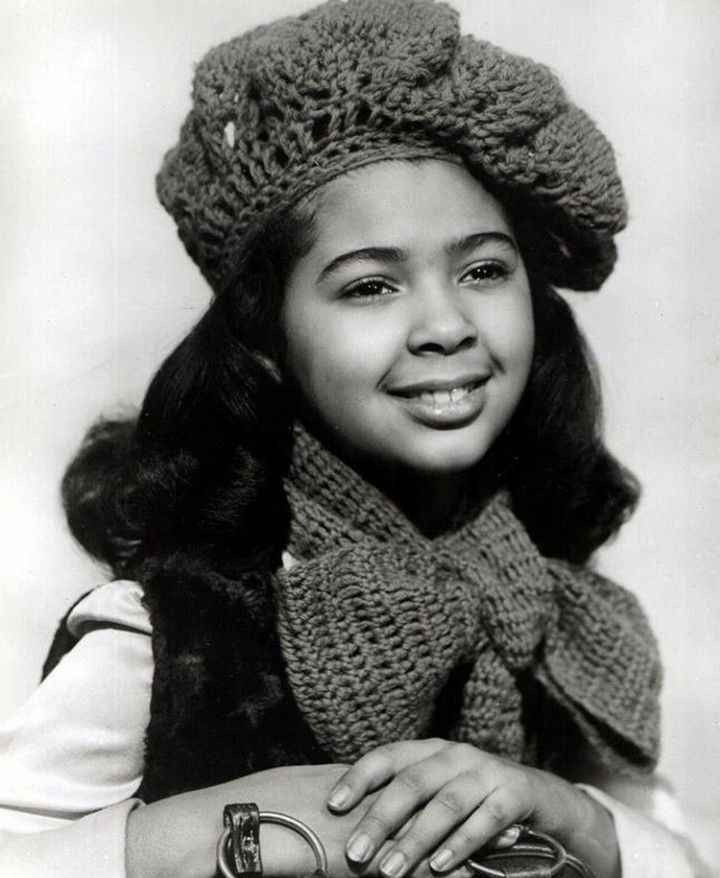
This photograph is the property of its respective owner.

Irene Cara Escalera was born on March 18, 1959, in New York City. was of mixed racial heritage, primarily Afro-Puerto Rican. Her father, Irene Cara Sr., was Puerto Rican, and her mother, Lillie Margaret Escalera, was African American. Growing up in this multicultural household, Cara was exposed to a rich blend of musical, cultural, and artistic influences, which shaped both her musical talent and her cosmopolitan sense of style. Raised in a family that encouraged musical expression, she developed her artistic skills from an early age. She studied dance, acting, and music, eventually attending the High School of Performing Arts, where her talent began to flourish. Her early immersion in performing arts laid the foundation for a career that would span film, stage, and music.
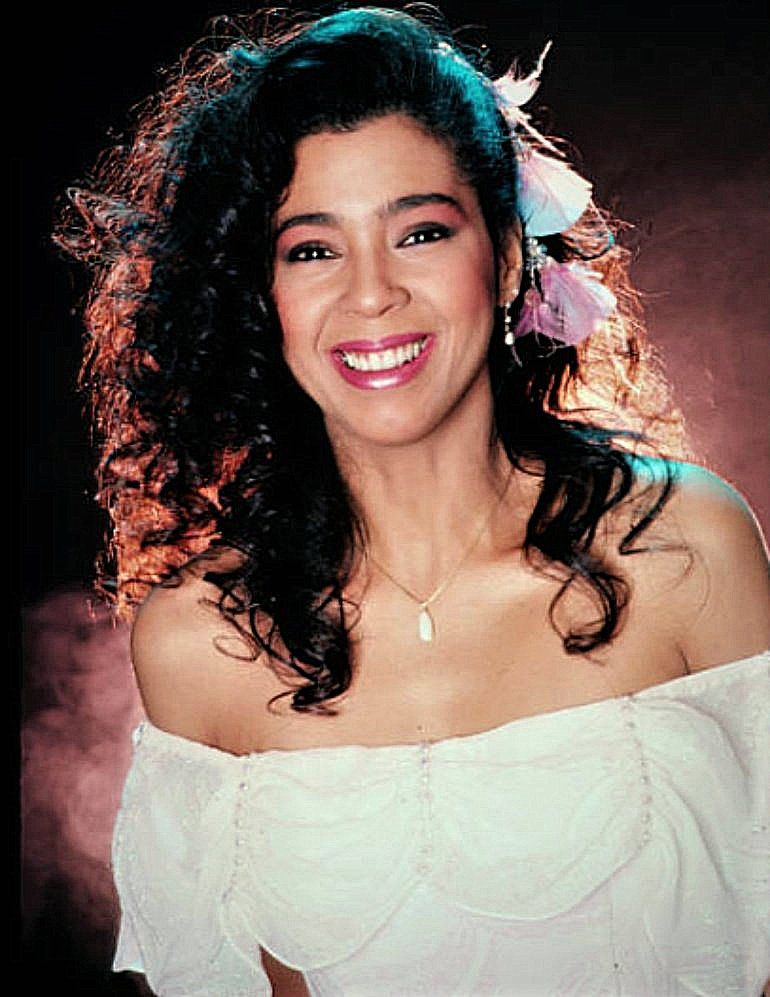
This photograph is the property of its respective owner.

Cara’s beauty was immediately noticeable. Her radiant skin, symmetrical features, and bright smile captured attention both on stage and on camera. Her statuesque frame and graceful movements gave her a commanding presence that complemented her vocal and acting abilities. As an “Ebony Doll,” Cara’s appearance projected both strength and elegance, inspiring admiration from fans and peers alike.

She first gained major public recognition through her work on Broadway and in television musicals. One of her earliest successes was starring in the musical Sparkle (1976), where her combination of acting, singing, and dance skills showcased her versatility as a performer. The role allowed Cara to project youthful beauty, talent, and confidence in a way that resonated with audiences.
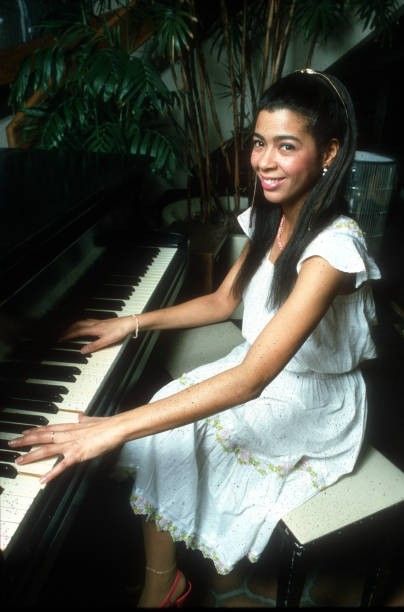
This photograph is the property of its respective owner.

Cara’s career reached its peak in the early 1980s with her starring role in the film Fame (1980). She portrayed Coco Hernandez, an ambitious young performer attending a New York City performing arts high school. The role highlighted her dramatic range, dance skills, and vocal talent, while also emphasizing her radiant, statuesque presence on screen. Her performance earned widespread acclaim and became iconic in the history of musical films.

The film’s theme song, Fame, performed by Cara, became a global sensation. Her voice, full of energy and passion, helped cement the song as an anthem for aspiring artists around the world. Her success with this song, combined with her on-screen charisma, made her a role model for young women pursuing careers in music and performance.

Following Fame, Cara achieved further acclaim with the hit single Flashdance… What a Feeling (1983) from the film Flashdance. She co-wrote the song, which went on to win both an Academy Award for Best Original Song and a Grammy Award for Best Female Pop Vocal Performance. The success of this track not only demonstrated her musical genius but also reinforced her position as an iconic figure of beauty and talent.
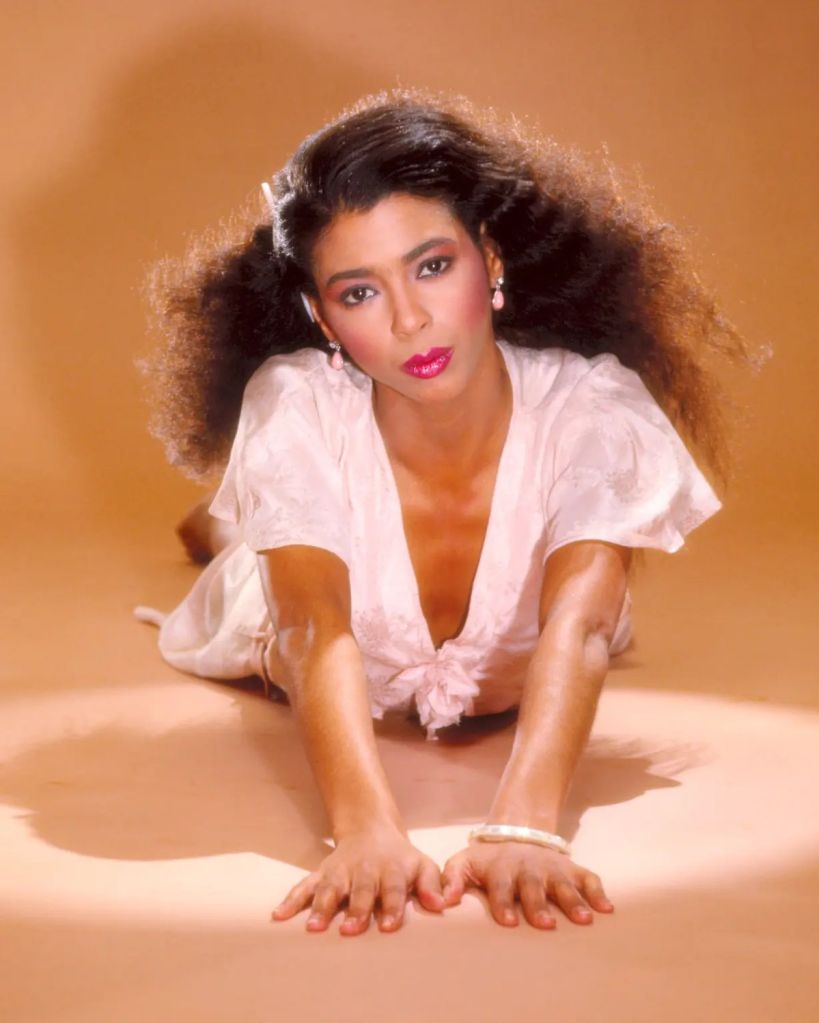
This photograph is the property of its respective owner.

Cara’s combination of vocal power, on-screen presence, and expressive movements contributed to her “Ebony Doll” status. Her performances radiated elegance, energy, and confidence, qualities that fans admired and the media celebrated. She served as a representation of Black female beauty that was glamorous, athletic, and inspiring.

Throughout her career, Cara also remained connected to live performance, touring internationally and appearing on stage in musical productions. Her work in music and theater allowed her to maintain her artistry while continuing to inspire new audiences.

Her impact on fashion and style was also notable. Cara’s distinctive hairstyles, radiant skin, and elegant wardrobe choices in performances and public appearances helped define the aesthetic of early-1980s pop culture for Black women. She represented a modern, glamorous vision of Black femininity that combined sophistication with youthful energy.

Beyond her artistry, Cara’s life and career demonstrated resilience. She navigated a challenging music industry while maintaining her integrity as a performer and songwriter. Her ability to blend artistry with poise exemplifies the qualities of an “Ebony Doll”: beauty, talent, and self-possession.
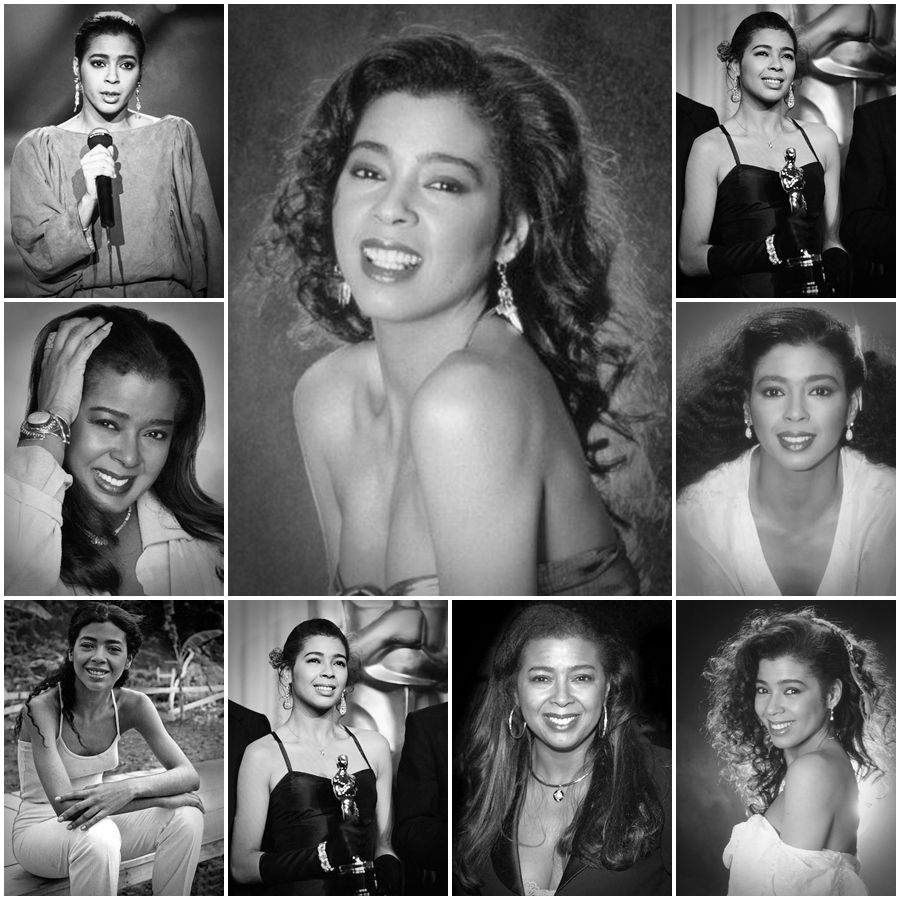
These photographs are the property of their respective owners.

Even decades after her peak fame, Irene Cara remained a cultural touchstone for her contributions to music and film. Her performances in Fame and Flashdance continue to inspire aspiring artists, and her elegant, radiant image remains celebrated in retrospectives and media coverage.

What makes Cara an “Ebony Doll” is the fusion of her physical beauty, artistic talent, and inspiring presence. She embodied the ideal of Black glamour in a way that is both authentic and aspirational, representing strength, confidence, and elegance across multiple disciplines.

Ultimately, Irene Cara’s story was one of brilliance, artistry, and timeless beauty. She was and remains a symbol of excellence in performance, style, and cultural influence, embodying the “Ebony Doll” ethos for generations of admirers.


References

Cara, I. (Interviews and public statements).

IMDb. (2026). Irene Cara Filmography. IMDb Database.

Britannica. (2026). Irene Cara. Encyclopaedia Britannica.

Smith, S. (2018). Black Women in Television and Film: A Cultural History. New York University Press.

PopMatters. (2020). Remembering Irene Cara: Fame, Flashdance, and the Voice of a Generation.
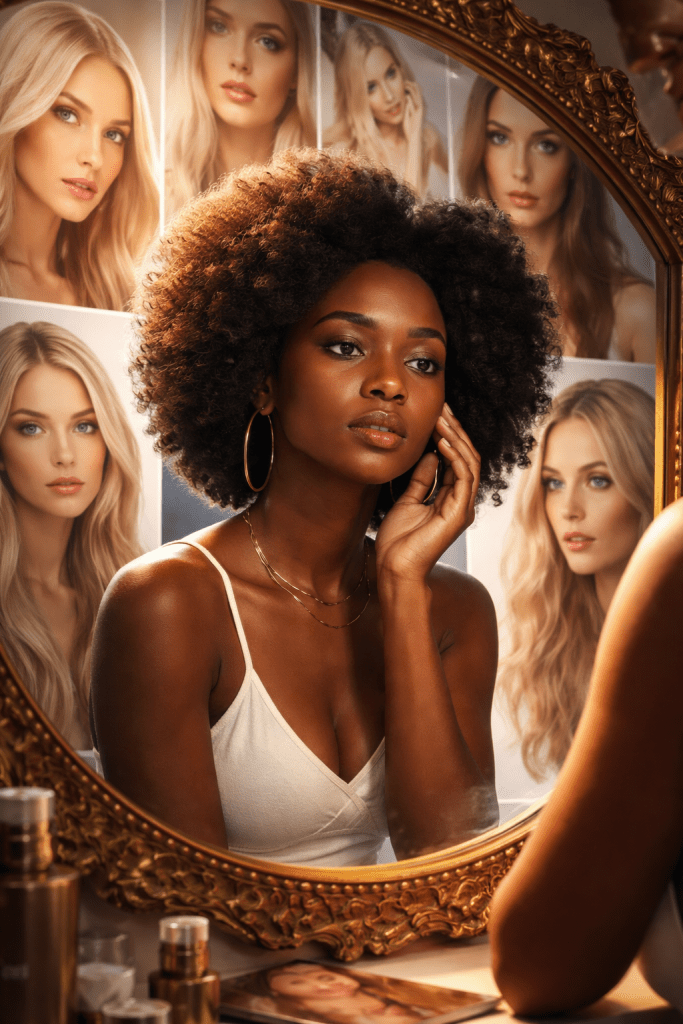
Internalized Whiteness: Beauty Standards and the Reverence for Eurocentric Features.

Black people in the United States and around the world have long contended with beauty ideals that place white, Eurocentric features at the top of a global hierarchy. These standards influence perceptions of skin, hair, facial structure, and desirability — shaping how individuals see themselves and each other. This phenomenon, when adopted within marginalized groups, is often referred to as internalized whiteness or internalized racism.

Internalized whiteness emerges when dominant cultural norms — rooted in white supremacy — become so embedded that they influence individuals’ self-value and self-image. This includes prioritizing lighter skin, straight hair, narrower noses, and thinner lips — traits historically associated with whiteness — over features more common among Black people.

At its core, internalized whiteness is not simply a matter of preference. It is a psychological and social legacy of historical oppression and exclusion — the aftermath of centuries in which European features were valorized while African features were devalued. This dynamic can play out within Black communities themselves, manifesting in preferences that mimic wider societal biases.

Research in psychology has found that internalized endorsement of Eurocentric beauty standards is associated with negative psychological outcomes for Black women, including increased anxiety and depression. This illustrates how deeply these aesthetic norms can penetrate individual self-worth.

Much of this beauty hierarchy has historical roots in colonialism and slavery. During slavery in the United States and Europe’s colonial enterprises globally, lighter skin was sometimes associated with proximity to enslaved persons’ masters or privileges — creating a rudimentary hierarchy of skin tone. This early color hierarchy evolved into modern colorism, where lighter skin and Eurocentric physical traits are socially rewarded.

Colorism — discrimination based on skin tone — is shaped by these beauty standards and operates both between and within racial groups. Studies have shown that within Black communities, lighter skin is often associated with social advantages, while darker skin correlates with disadvantage in socioeconomic status, relationships, and self-esteem.

This internalized ranking contributes to phenomena such as Black mothers complimenting mixed-race children for being “cute” while overlooking the beauty of darker-skinned children. Embedded beauty hierarchies can lead to intracommunity bias that privileges proximity to whiteness — a painful echo of larger societal values.

Internalized whiteness also shapes dating ideals. Within many Black communities, lighter or Eurocentric features are often perceived as more desirable. Researchers have documented how colorism can influence romantic relationships, with lighter-skinned individuals sometimes given preferential social attention or perceived as more attractive.

This dynamic is reinforced by media portrayals that celebrate Eurocentric standards. Television, film, and social media often highlight lighter skin and straighter hair as ideals of attractiveness, while darker skin and natural hair textures are marginalized or exoticized.

The entertainment industry itself reflects these norms. Colorism has long affected casting decisions, where lighter or Eurocentric Black actors may receive more visibility or roles reinforcing beauty ideals closer to whiteness. This can subtly encourage audiences to associate desirability with a closer resemblance to white aesthetics.

Prominent individuals have spoken about their own struggles with internalized beauty norms. Actor Taye Diggs has shared that he experienced self-esteem issues due to his dark skin during his youth and that seeing a dark-skinned model like Tyson Beckford celebrated for his looks helped shift his self-perception.

Diggs recounted that after seeing such representation, he felt more pride in his appearance — illustrating how affirming depictions can counteract internalized negative values.

Despite these pressures, there is a long tradition of movements that push back against internalized whiteness. The “Black Is Beautiful” movement, for example, explicitly affirmed the beauty of all African features and encouraged pride in Black identity and aesthetics.

Nonetheless, everyday social interactions continue to reflect internalized standards. Many within Black communities witness attitudes where darker skin or kinkier hair is overlooked or undervalued — sometimes even compared unfavorably to lighter skin or straighter hair. These preferences can create tension between generations and within peer groups.

Colorism also affects self-image in deeper ways. Adolescent Black girls who internalize beauty norms tied to whiteness often show lower body esteem and self-confidence, especially when media representations seldom reflect their own appearance.

The internalized gaze — the tendency to view oneself and one’s group through the lens of dominant Eurocentric ideals — is a psychological burden that can shape life choices, aspirations, and identity development.

Black individuals may also project these norms onto others. Stories of Black men and women expressing preferences for lighter-skinned or mixed partners indicate that societal beauty hierarchies persist even within marginalized groups. These patterns often reflect deeper social conditioning rather than genuine individual aesthetics.

For some, these preferences result in Black-on-Black criticism — for example, targeting darker-skinned individuals for perceived unattractiveness. Such intragroup conflict reflects the broader influence of external beauty standards internalized over time.

Within families, these dynamics can influence how children are treated and perceived. Some Black parents may unconsciously praise lighter or mixed-heritage children more frequently, reinforcing beauty standards rooted in whiteness.

However, research suggests that strong racial identity and cultural affirmation can mitigate the psychological effects of internalized whiteness. Black feminist consciousness and pride in African aesthetics have been linked to better body satisfaction and resilience against beauty ideals imposed by dominant culture.

Colorism and internalized whiteness do not only affect women. Men in Black communities may also internalize beauty hierarchies, influencing their preferences in partners and perceptions of themselves. These internalized biases can contribute to harmful social norms around desirability and masculinity.

Despite the deep roots of these issues, many in the Black community are actively resisting internalized beauty standards. Grassroots movements, cultural affirmations of natural hair care, skin tone diversity celebrations, and educational campaigns all challenge the notion that whiteness equals beauty.

Social media has become a space for Black creators to celebrate Afrocentric features, natural hair textures, and darker skin tones — offering counter-narratives to historical beauty hierarchies.

These cultural shifts are important because representation matters. Seeing diverse Black beauty celebrated publicly can weaken the internalized gaze and make space for fuller self-acceptance.

Fostering dialogue within families and communities about these issues can help dismantle internalized beauty standards. Education about the historical origins of these preferences can reveal how deeply they are rooted in systemic inequities, not biological superiority.

Ultimately, internalized whiteness and the reverence for Eurocentric features represent not an inherent flaw within Black people but the lingering psychological impact of centuries of racial domination and cultural marginalization.

Embracing Black aesthetics — in all their diversity — is part of the healing process. It involves reclaiming beauty definitions and affirming that Black features, skin tones, and hair textures are not only valid but inherently beautiful.

By understanding and challenging the internalized gaze, individuals and communities can move toward greater self-acceptance and collective pride.

Breaking free from these internalized hierarchies is not just a cultural shift — it’s a step toward racial justice and psychological liberation.


References

Dennis, A. C., DeAngelis, R., Hargrove, T. W., & Pearson, J. A. (2025). Colorism and health inequities among Black Americans: A biopsychosocial perspective. PMC. https://pmc.ncbi.nlm.nih.gov/articles/PMC12573201/?utm_source=chatgpt.com

Phoenix, A., & Craddock, N. (2024). Skin shade and relationships: How colourism pits Black and mixed Black-White women against each other. Frontiers in Sociology. https://pubmed.ncbi.nlm.nih.gov/39758188/?utm_source=chatgpt.com

Walker, S. T. (2014). Black beauty, white standards: Impacts on Black women and resources for resistance and resilience. University of Massachusetts Boston. https://scholarworks.umb.edu/doctoral_dissertations/147?utm_source=chatgpt.com

Williams, T. R., Sanders, S. M., Bass, J. E., Tookes-Williams, K., Popplewell, R., Hooper, V., & Garcia-Aguilera, C. (2025). Investigating the effects of racial identity on the relationship between Black women’s endorsement of Eurocentric beauty standards and psychological health. Women & Therapy. https://www.tandfonline.com/doi/full/10.1080/02703149.2025.2515013?utm_source=chatgpt.com

Internalized racism – Wikipedia. https://en.wikipedia.org/wiki/Internalized_racism?utm_source=chatgpt.com

Black is Beautiful – Wikipedia. https://en.wikipedia.org/wiki/Black_is_beautiful?utm_source=chatgpt.com

Taye Diggs commentary on colorism and self-esteem – Atlanta Black Star. https://atlantablackstar.com/2012/01/19/taye-diggs-reveals-black-men-are-scarred-by-colorism/?utm_source=chatgpt.com

Skin Deep Secrets: Confessions of a Brown Woman.

This photograph is the property of its respective owner. No copyright infringement intended.

In a world where skin tone often determines social acceptance, professional opportunity, and even perceived beauty, the “brown woman” stands at the crossroads of identity and judgment. Her complexion is both her armor and her battlefield, a silent storyteller of ancestral roots, resilience, and rejection. Yet beneath the surface lies a profound narrative of self-discovery — the confessions of a woman learning to love the skin she’s been taught to hide.

Colorism, a byproduct of colonialism and slavery, remains an insidious force in modern society. While racism distinguishes between races, colorism divides within them, privileging lighter complexions and marginalizing darker tones. The brown woman, often caught between societal ideals and her true self, is forced to reconcile with internalized hierarchies of shade and desirability.

In beauty culture, brown skin is often commodified — praised when exoticized yet criticized when authentic. The media portrays it as “sun-kissed,” “mocha,” or “golden,” terms that sanitize Blackness and dilute cultural identity. The brown woman’s skin becomes a marketing strategy rather than a manifestation of divine creation. Her image is reshaped not to celebrate her but to fit neatly into Eurocentric standards of beauty.

Growing up, many brown girls are told to “stay out of the sun” or “use this cream to lighten your skin.” These comments, passed down through generations, become psychological chains. They create a self-image dependent on proximity to whiteness. What begins as casual advice becomes an internalized inferiority complex, teaching young women to see themselves as “almost enough,” but never fully beautiful.

For many, this painful legacy begins at home. Families unconsciously perpetuate colorism through praise and criticism rooted in shade. “You’re pretty for a dark girl,” a common backhanded compliment, suggests that beauty is exceptional when found in darker tones. Such words wound deeply, shaping how brown women view themselves and others.

The entertainment industry reinforces these wounds. Light-skinned actresses and models often receive more roles, endorsements, and visibility. Meanwhile, brown women are relegated to the margins, portrayed as side characters, helpers, or symbols of struggle rather than elegance. The camera’s gaze has long been biased, framing beauty through a colonial lens.

In music videos, advertisements, and fashion campaigns, the ideal woman often resembles a hybrid — ethnically ambiguous yet close enough to whiteness to be universally marketable. This aesthetic erases brown women who reflect the majority of the global population, especially within the African diaspora, South Asia, and Latin America.

But amidst these systemic structures, the brown woman has begun reclaiming her power. Social media has become both her platform and her protest. Movements like #MelaninMagic and #BrownSkinGirl have amplified voices once silenced. Through self-photography, digital storytelling, and community building, women of color are redefining the narrative.

Still, empowerment comes with complexity. Online validation can be double-edged, reinforcing beauty hierarchies based on features, filters, and follower counts. The brown woman must navigate between self-love and digital performance, questioning whether the praise she receives is genuine or conditional.

Behind every confident selfie lies years of unlearning. It takes courage to stand before the mirror and see beauty rather than burden. It takes faith to reject billion-dollar industries built on bleaching creams and color-correcting foundations. To love brown skin is a political act — a rebellion against centuries of imposed shame.

The confessions of a brown woman are not only about pain; they are about survival. They are stories whispered in dressing rooms, sung in poetry, and written in journals — testaments to endurance and grace. Each confession is a declaration that says, “I am enough as I am.”

Brown women often discover that their beauty lies not in comparison but in contrast. Their tones mirror the earth, the cocoa bean, the sun at dusk — elements of nature itself. They are the shades of continuity, the living tapestry of humanity.

Education plays a crucial role in dismantling colorism. Teaching children about historical oppression, media literacy, and representation cultivates self-acceptance. When young brown girls see women like Lupita Nyong’o, Viola Davis, or Mindy Kaling celebrated for their achievements, it reshapes the standard of beauty for future generations.

Faith also anchors this transformation. Many brown women turn to spirituality to heal internalized wounds. Biblical affirmations such as “I am fearfully and wonderfully made” (Psalm 139:14, KJV) remind them that divine creation does not discriminate by shade. Their melanin is sacred, not shameful.

The global beauty market is slowly shifting. Brands are beginning to expand shade ranges and highlight diverse models, though often for profit rather than principle. True progress will come when darker skin is normalized, not exoticized — when representation reflects authenticity, not tokenism.

Yet the struggle continues. The brown woman’s journey toward self-acceptance is not linear but layered — a process of peeling back colonial residue to uncover divine identity. She learns that her worth cannot be defined by tone, trends, or validation, but by truth.

Her confession ends not in bitterness but in rebirth. She realizes that her melanin holds memory of sun, soil, ancestors, and God’s artistry. The very skin she once prayed to lighten now glows with confidence and consciousness.

The brown woman, once silenced, now speaks boldly. Her skin tells stories of resilience, rebellion, and revelation. She is no longer asking for recognition — she commands it. Her beauty is not skin-deep; it is soul-deep.

References

Ali, S. (2021). Colorism: The social and psychological impact of shadeism. Oxford University Press.
Hunter, M. (2017). Race, gender, and the politics of skin tone. Routledge.
Nyong’o, L. (2014). Lupita Nyong’o’s speech on beauty and self-acceptance. Essence Magazine.
Russell, K., Wilson, M., & Hall, R. (2013). The color complex: The politics of skin color among African Americans (2nd ed.). Anchor Books.
Walker, A. (1983). In search of our mothers’ gardens: Womanist prose. Harcourt.
Wilder, J. (2015). Color stories: Black women and colorism in the 21st century. Praeger.

The “It Girl” Series: Vivica A. Fox

The 90s bombshell who turned blockbuster beauty into enduring Black Hollywood power.

This photograph is the property of its respective owner.

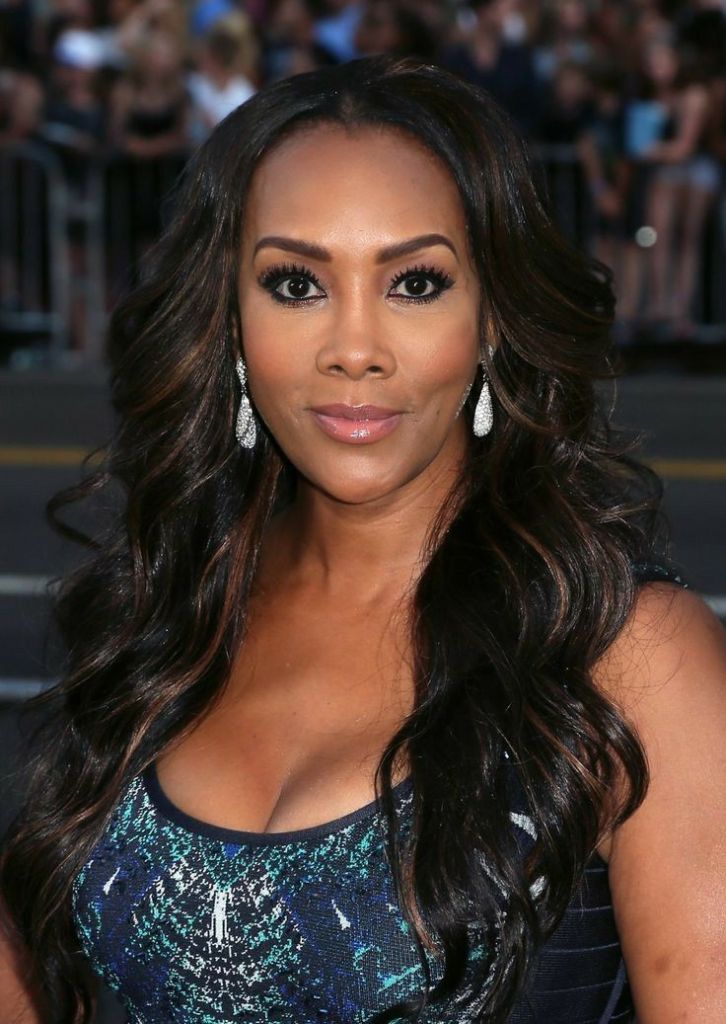
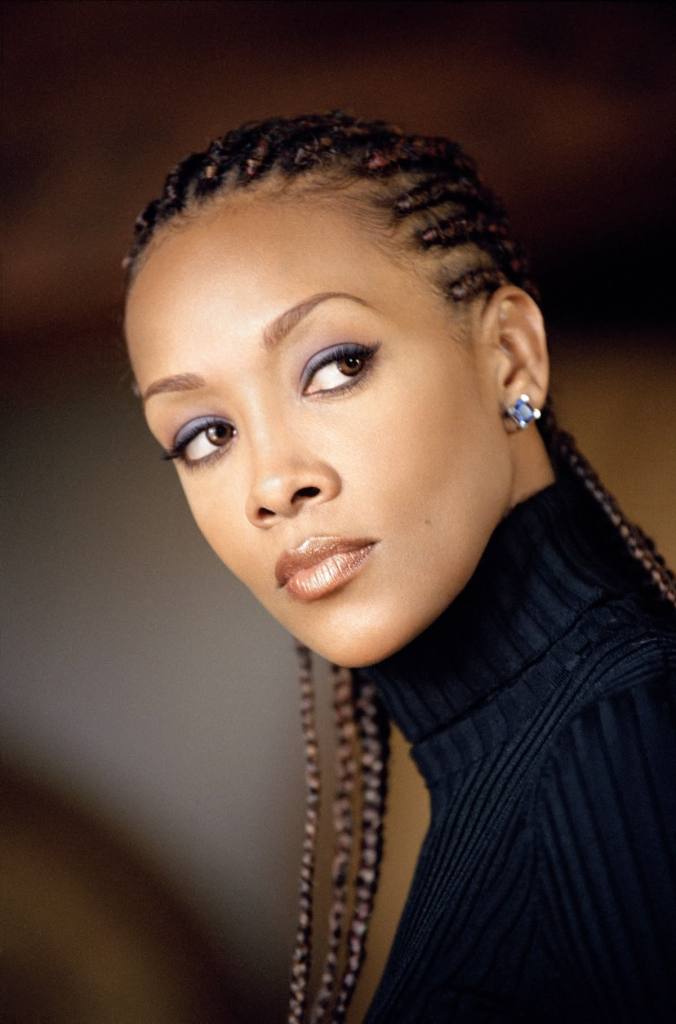
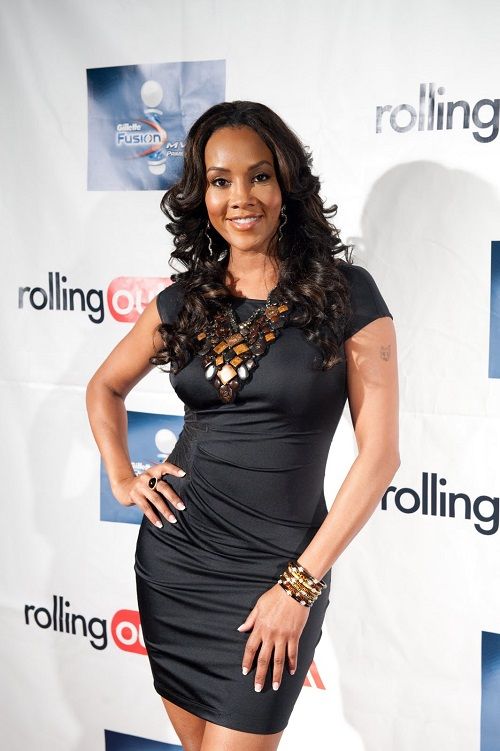
In the pantheon of Black Hollywood glamour, few women have embodied resilience, sensuality, and business acumen quite like Vivica A. Fox. With her radiant smile, honey-brown complexion, and unmistakable screen presence, Fox emerged in the 1990s as one of the definitive “It Girls” of her era. She was not merely beautiful—she was bankable. At a time when Hollywood often limited roles for Black actresses, Fox carved out a space where glamour met grit, and vulnerability met strength.

Born July 30, 1964, in South Bend, Indiana, and raised in Indianapolis, Fox earned a degree in social sciences from Golden West College before pursuing acting. Her early career included soap operas such as Days of Our Lives and Generations, where she honed the discipline and stamina required in the entertainment industry. These formative years shaped her work ethic and prepared her for the breakout that would redefine her trajectory.

This photograph is the property of its respective owner.

Fox’s ascension to mainstream fame arrived with her role as Jasmine Dubrow in Independence Day (1996). Acting alongside Will Smith, she portrayed a devoted girlfriend and single mother navigating apocalyptic chaos. The film grossed over $800 million worldwide, cementing Fox as a recognizable face in blockbuster cinema. That same year, she starred opposite Jada Pinkett Smith and Queen Latifah in Set It Off, a cultural landmark that remains one of the most significant portrayals of Black female antiheroes in American film history. Her performance as Frankie Sutton—loyal, fierce, and tragically vulnerable—demonstrated dramatic range and emotional depth.

This photograph is the property of its respective owner.

Throughout the late 1990s and early 2000s, Fox became synonymous with box office consistency and romantic allure. She starred in Soul Food, a film adaptation of the television series’ precursor, highlighting Black family dynamics, and appeared in Why Do Fools Fall in Love, portraying Elizabeth Waters opposite Halle Berry. Fox also displayed comedic brilliance in Booty Call and dramatic intensity in Kill Bill: Vol. 1, directed by Quentin Tarantino. As Vernita Green (Copperhead), she embodied physical power and maternal complexity, proving she could dominate action cinema alongside global stars.

In the 2010s, Vivica A. Fox strategically expanded her brand through a prolific partnership with Lifetime, becoming one of the network’s most recognizable leading ladies and executive producers. She headlined and produced multiple entries in the popular thriller franchise commonly known as “The Wrong” series—including titles such as The Wrong Roommate and The Wrong Fiancé—which centered on suspense-driven narratives involving deception, obsession, and betrayal. In 2020, Fox solidified her relationship with Lifetime and its parent company, A+E Networks, by signing a first-look development and producing deal. The agreement positioned her to both star in and executive produce original films for the network, effectively transitioning her from on-screen talent to creative architect. This deal underscored her business acumen, granting her expanded influence over storytelling while ensuring sustained visibility in a competitive industry.

Beyond acting, Fox evolved into a producer and entrepreneur, founding Foxy Brown Productions. She later became a staple of television, starring in and producing projects for networks such as Lifetime, often portraying sophisticated, high-powered women. Her longevity in the industry reflects not only talent but adaptability—an essential attribute for Black actresses navigating Hollywood’s shifting landscape.

Culturally, Fox’s beauty represented the quintessential “All-American” glamour filtered through a distinctly Black aesthetic. Her softly arched brows, almond-shaped eyes, and luminous skin tone positioned her within mainstream beauty discourse at a time when representation was limited. Yet her appeal transcended aesthetics. She carried herself with confidence, humor, and unapologetic femininity, influencing a generation of actresses and audiences alike.

Vivica A. Fox is an “It Girl” not because of fleeting popularity, but because of sustained visibility, cultural impact, and professional endurance. She represents the archetype of the 1990s Black Hollywood starlet who matured into a mogul—gracefully, strategically, and unapologetically. In a world that often sidelines women as they age, Fox has maintained relevance, embodying elegance and resilience.

Her legacy is one of survival and success. She is not simply remembered for her roles; she is remembered for her presence—bold, beautiful, and enduring.


References

Bogle, D. (2016). Toms, Coons, Mulattoes, Mammies, and Bucks: An interpretive history of Blacks in American films (Updated ed.). Bloomsbury Academic.

Guerrero, E. (1993). Framing Blackness: The African American image in film. Temple University Press.

IMDb. (n.d.). Vivica A. Fox. Retrieved from https://www.imdb.com

Mask, M. (2009). Divas on screen: Black women in American film. University of Illinois Press.

A+E Networks. (2020). Vivica A. Fox signs first-look development deal with Lifetime. Press release.

Deadline. (2020). Vivica A. Fox inks first-look deal with Lifetime.

IMDb. (n.d.). Vivica A. Fox filmography. Retrieved from https://www.imdb.com

Lifetime. (n.d.). Original movies featuring Vivica A. Fox. Retrieved from https://www.mylifetime.com

Beauty Series: The Halo Effect – How Attractiveness Shapes Perception

The concept of the “halo effect” has fascinated psychologists, sociologists, and everyday observers for decades. At its core, the halo effect describes a cognitive bias whereby one prominent positive trait, such as physical attractiveness, influences the perception of other unrelated traits. In other words, when someone appears beautiful, people often assume they are also intelligent, kind, successful, or trustworthy, even without evidence.

The halo effect was first formally studied by psychologist Edward Thorndike in 1920, who observed that commanding officers in the military rated subordinates more positively across unrelated categories if they excelled in one area. While Thorndike’s research did not focus on physical attractiveness, it laid the groundwork for understanding how first impressions can distort judgment across traits.

Later research explicitly explored how beauty generates this cognitive bias. Dion, Berscheid, and Walster (1972) coined the phrase “what is beautiful is good,” showing that physically attractive individuals were perceived as more socially competent, morally upright, and even happier than less attractive peers. Their experiments highlighted the enduring psychological power of appearance.

The halo effect operates unconsciously. People are rarely aware that their assessments are influenced by attractiveness. This automatic bias can affect evaluations in nearly every area of life, from employment decisions and leadership selection to dating preferences and legal judgments.

One of the most striking examples of the halo effect occurs in the workplace. Attractive employees are often assumed to be more competent and capable of leadership, even when performance metrics are identical. Studies show that attractive individuals receive better performance reviews, higher starting salaries, and more promotional opportunities.

In education, teachers may unconsciously give more favorable evaluations to students they perceive as attractive. This subtle form of bias reinforces social inequalities and demonstrates that the halo effect has tangible consequences beyond social perception.

The halo effect is not limited to positive traits. A single negative feature or action can produce a “horn effect,” in which one perceived flaw leads observers to assume other negative qualities. Both effects illustrate the same cognitive shortcut: humans generalize from salient cues to form overall impressions.

Physical attractiveness is closely tied to evolutionary psychology. Humans are wired to perceive health, symmetry, and vitality as indicators of genetic fitness. These evolutionary preferences amplify the halo effect, making beautiful people appear more capable or desirable.

Modern research expands the halo effect to digital spaces. Social media, filters, and photo-editing software amplify attractiveness cues, often creating inflated perceptions of competence, confidence, or social status. Gulati et al. (2024) demonstrate that AI-enhanced beauty can exacerbate the halo effect, influencing online hiring, social influence, and even dating behavior.

Cultural standards of beauty further shape the halo effect. What is considered attractive in one society may differ in another, yet the cognitive bias persists universally. Studies show that while facial symmetry and skin clarity are often valued cross-culturally, attributes such as height, body proportion, and grooming also contribute to halo-based judgments.

Celebrities and public figures benefit disproportionately from the halo effect. Actors, musicians, and politicians who are conventionally attractive often receive amplified media coverage, favorable reviews, and greater public trust, regardless of their actual competence or achievements.

The halo effect also influences judicial outcomes. Research indicates that defendants who are physically attractive receive more lenient sentences and more favorable juror assessments than less attractive defendants. This underscores how subconscious biases can infiltrate systems of justice.

In romantic relationships, attractiveness plays a dual role. Attractive individuals are often assumed to possess positive personality traits, leading to increased attention, dating opportunities, and perceived compatibility. However, these assumptions are not always accurate, and reliance on the halo effect can lead to misjudgment and disappointment.

Educational institutions, workplaces, and legal systems have developed training and awareness programs to mitigate the halo effect. By making evaluators conscious of their biases, organizations aim to reduce the disproportionate influence of attractiveness on decisions that should rely on objective criteria.

Despite its negative consequences, the halo effect can also have positive social functions. It can facilitate smoother social interactions, foster trust, and encourage prosocial behavior when applied unconsciously in small, everyday encounters. The challenge lies in balancing instinctual perceptions with critical assessment.

Media representation further entrenches halo-driven biases. Television, advertising, and film often equate beauty with moral virtue, intelligence, and social desirability, reinforcing societal beliefs about the link between appearance and character. These portrayals perpetuate stereotypes that extend the halo effect beyond personal observation.

The halo effect intersects with gender and race. Studies reveal that attractive women often experience both advantage and heightened scrutiny, while attractive men are perceived as more competent and dominant. Cultural biases also affect how attractiveness is perceived across different racial groups, revealing the interplay between beauty standards and systemic inequality.

Beauty standards evolve over time, yet the halo effect remains consistent. From Renaissance portraits to modern Instagram filters, humans are inclined to generalize from visible cues of beauty to judgments about competence, character, and social value.

Awareness of the halo effect empowers individuals to question first impressions. By actively seeking objective evidence and critically evaluating assumptions, people can reduce the unconscious influence of attractiveness on decisions, creating fairer evaluations in education, employment, and social judgment.

Ultimately, the halo effect demonstrates the profound power of perception in shaping human interactions. Beauty influences how people are treated, what opportunities they receive, and how society interprets their value. Recognizing this bias is a first step toward creating equitable systems that honor true merit over appearance.


References

Dion, K., Berscheid, E., & Walster, E. (1972). What is beautiful is good. Journal of Personality and Social Psychology, 24(3), 285–290.

Thorndike, E. L. (1920). A constant error in psychological ratings. Journal of Applied Psychology, 4(1), 25–29.

Talamas, S. N., Mavor, K. I., & Perrett, D. I. (2016). Blinded by beauty: Attractiveness bias and accurate perceptions of academic performance. PLoS ONE, 11(2), e0148284.

Gulati, A., Martínez-Garcia, M., Fernández, D., Lozano, M. A., Lepri, B., & Oliver, N. (2024). What is beautiful is still good: The attractiveness halo effect in the era of beauty filters. Computers in Human Behavior, 152, 107034.

Fiske, S. T., & Taylor, S. E. (2013). Social cognition: From brains to culture (2nd ed.). Sage Publications.

Nisbett, R. E., & Wilson, T. D. (1977). The halo effect: Evidence for unconscious alteration of judgments. Journal of Personality and Social Psychology, 35(4), 250–256.

Rosen, S., & Grossman, J. (2020). Attractiveness bias: Implications for education, employment, and justice. Social Science Review, 42(3), 112–128.

The “It Girl” Series: Nia Long

Timeless Brown Beauty, Unshakable Talent, and Cultural Icon

This photograph is the property of its respective owner. No copyright infringement intended.

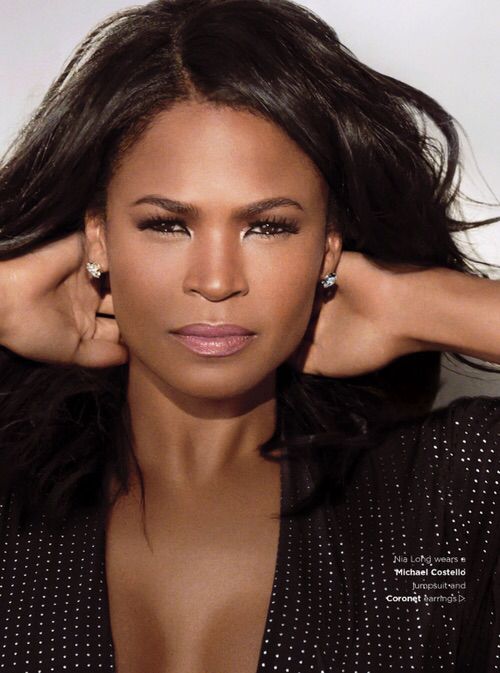
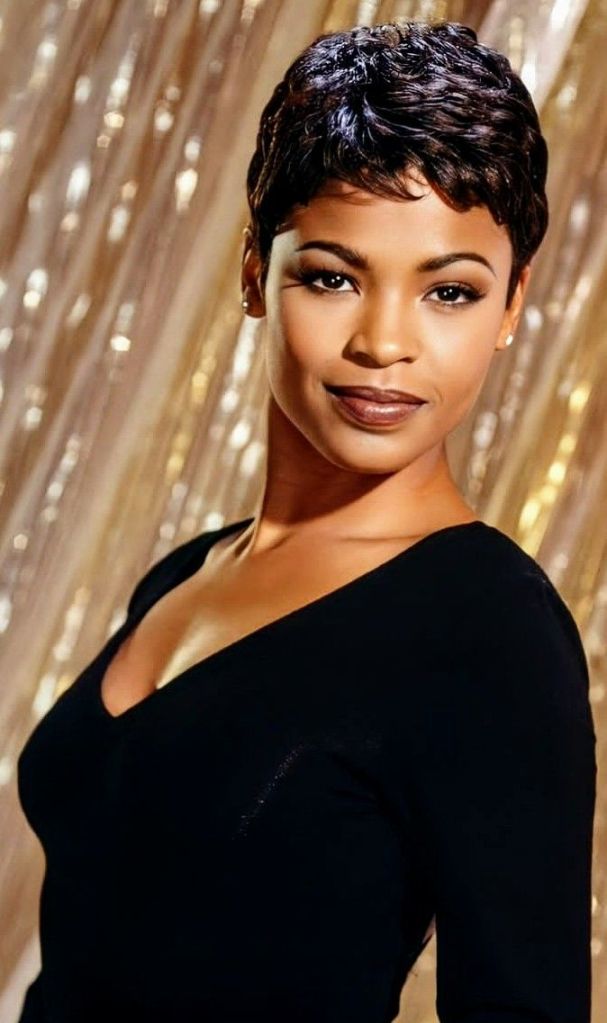
Nia Long is widely celebrated as one of Hollywood’s most luminous actresses—her elegant brown skin, classic features, and magnetic presence have earned her the affectionate status of a Black Hollywood “It Girl.” Born on October 30, 1970, in Brooklyn, New York, Long grew up steeped in creative influence; her mother was a printmaker and teacher, and her father a poet and educator. She cultivated her talents early, studying acting and performing in television roles before breaking through in one of the defining films of Black cinema, Boyz n the Hood (1991), which showcased her ability to inhabit characters with depth and authenticity that resonated deeply with audiences nationwide.

Long’s career is marked by versatility and longevity that few performers achieve. After Boyz n the Hood, she transitioned fluidly between gritty dramas like Love Jones (1997) and ensemble favorites like Friday (1995), Soul Food (1997), and the Best Man franchise, earning critical praise and becoming a beloved fixture in both film and television. She also garnered accolades, including multiple NAACP Image Awards and a Black Reel Award for her work, and her portrayal of Officer Sasha Monroe on Third Watch earned her two NAACP Image Awards for Outstanding Actress in a Drama Series—proof of her dramatic range and respected craft.

This photograph is the property of its respective owner. No copyright infringement intended.

People have often cited Long’s beauty as timeless and magnetic—her brown skin, expressive eyes, and poised elegance convey an all‑American allure that transcends passing trends. Her aesthetic has matured with grace; in 2025, she was named the first North America Brand Ambassador for Estée Lauder Companies, a partnership that celebrates authentic beauty and self-expression in later adulthood—a powerful statement against ageist beauty norms. She also starred in a striking 2024 shapewear campaign for SKIMS, reinforcing her status as a fashion and beauty icon whose confidence and poise continue to inspire across generations.

Beyond aesthetics, Long has navigated Hollywood’s challenges with resilience and conviction. As a brown‑skinned woman in an industry long defined by narrow beauty standards and racial bias, she consistently chose roles that expanded representation and humanized Black women with nuance, strength, and complexity. From classic sitcoms such as The Fresh Prince of Bel‑Air to contemporary hits like NCIS: Los Angeles, Empire, and Dear White People, Long has refused to be typecast, demonstrating breadth and intentionality in her choices. Off‑screen, she has ventured into production and behind‑the‑camera work, and she continues to develop meaningful projects that reflect her artistic vision and lived experience.

In every sense, Nia Long’s career exemplifies timeless beauty fused with artistic integrity. Her gorgeous brown skin and striking features are just the surface of a deeper legacy—one of cultural impact, emotional intelligence, and transcendent talent. She is not just an actress; she is an enduring symbol of Black beauty, power, and representation in Hollywood and beyond.

References

Estée Lauder Companies. (2025, October 9). Estée Lauder names Nia Long as Brand Ambassador. https://www.elcompanies.com/en/news-and-media/newsroom/press-releases/2025/10-09-2025-140045499

IMDb. (n.d.). Nia Long biography and filmography. https://www.imdb.com/name/nm0000505/bio/

Long, N. (2025). Upcoming memoir announcement. Artist & Brand Management. https://www.artistandbrand.com/clients/nia-long

Wikipedia contributors. (2025). Nia Long. Wikipedia. https://en.wikipedia.org/wiki/Nia_Long

SKIMS campaign coverage. (2024). Nia Long stars in SKIMS shapewear campaign. https://www.aol.com/nia-long-gets-almost-naked-214918936.html

Beyond the Shade: Love, Acceptance, and the Brown Girl Journey

Embracing Every Hue, Claiming Every Story

Navigating life as a brown-skinned girl is a journey of constant negotiation—between societal expectations, personal identity, and cultural beauty standards. From childhood, brown girls are acutely aware of how their skin tone situates them within the hierarchy of desirability, both within and outside their communities. Lighter skin is often idealized, celebrated in media, and equated with elegance, intelligence, and worth, while darker tones can be stigmatized or rendered invisible. This color-coded hierarchy, often internalized through subtle comments, media representation, and historical legacies of slavery and colonization, profoundly shapes self-perception and social mobility (Hunter, 2007; Rockquemore & Brunsma, 2002). The result is a dual challenge: the desire to be accepted by mainstream standards and the need to cultivate self-love in the face of systemic bias.

Beauty and fashion industries have historically perpetuated narrow ideals, often favoring Eurocentric features and lighter skin tones, creating a constant tension for brown girls striving to see themselves reflected in the world. Hair texture, eye color, and even body shape are scrutinized through these cultural lenses, further complicating identity formation (Banks, 2018; Russell-Curry, 2019). Social media has added another layer: while platforms provide spaces for celebration and community, they also amplify unrealistic beauty standards and comparison culture. For many brown girls, the pursuit of “acceptable” beauty involves a careful balance between embracing natural features and negotiating external pressures to conform.

Yet, alongside these challenges, a growing movement of empowerment and self-definition is reshaping the narrative. Brown girls are reclaiming their stories, embracing melanin-rich beauty, and celebrating cultural heritage through art, fashion, and activism. Figures like Lupita Nyong’o, Yara Shahidi, and Naomi Campbell exemplify this reclamation, showing that brown skin is not a limitation but a hallmark of strength, resilience, and beauty (Taylor, 2016; Wade & Ferree, 2016). Community-based mentorship, literature, and online collectives further reinforce positive identity development, encouraging brown girls to define beauty on their own terms rather than internalizing external biases.

Love and acceptance, both personal and communal, are central to this journey. Families, peers, and cultural institutions play a pivotal role in fostering confidence, while representation in media and leadership positions helps validate experiences and aspirations. Psychologically, embracing one’s skin tone correlates with higher self-esteem, reduced internalized colorism, and greater social confidence (Keith & Herring, 1991; Monk, 2015). Beyond the Shade is, therefore, more than a conversation about skin—it is about the holistic affirmation of identity, the courage to resist limiting narratives, and the celebration of brown girls as complex, beautiful, and powerful individuals in every sphere of life.

References

Banks, I. (2018). Hair matters: Beauty, power, and Black women’s consciousness. New York University Press.

Hunter, M. (2007). The persistent problem of colorism: Skin tone, status, and inequality. Sociology Compass, 1(1), 237–254.

Keith, V. M., & Herring, C. (1991). Skin tone and stratification in the Black community. American Journal of Sociology, 97(3), 760–778.

Monk, E. P. (2015). The cost of color: Skin color, discrimination, and health among African Americans. American Journal of Sociology, 121(2), 396–444.

Rockquemore, K. A., & Brunsma, D. L. (2002). Beyond Black: Biracial identity in America. Sage Publications.

Russell‑Curry, A. (2019). Shades of identity: Colorism, Black girlhood, and embodied performance. Journal of Gender Studies, 28(2), 147–161.

Taylor, K.-Y. (2016). How we get free: Black feminist visions of liberation. University of Minnesota Press.

Wade, L., & Ferree, M. M. (2016). Gender: Ideas, interactions, institutions (3rd ed.). W.W. Norton & Company.

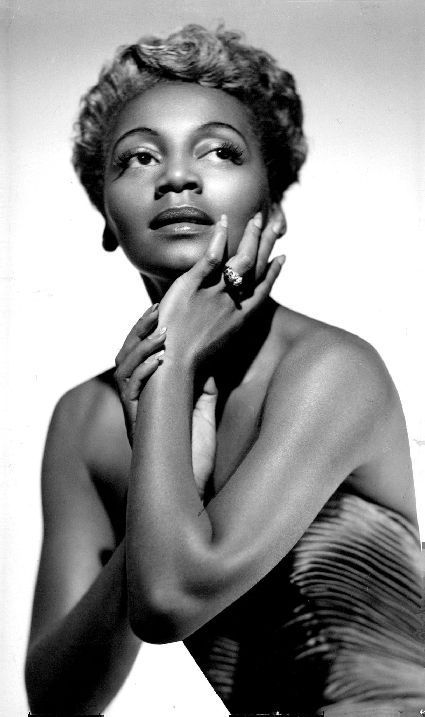
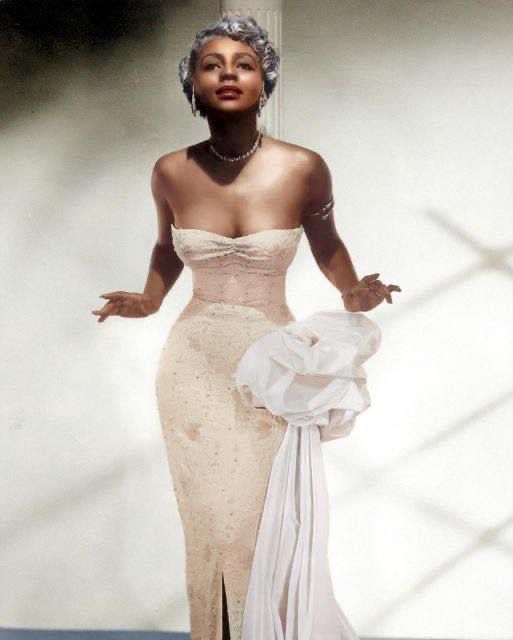
The Ebony Dolls: Joyce Bryant

The Bronze Blonde Bombshell Who Redefined Black Glamour

In the golden age of American nightlife, before the Civil Rights Movement reshaped the nation’s moral compass, one woman stood beneath the spotlight with silver hair gleaming and a voice that silenced entire rooms. Joyce Bryant was not merely a nightclub singer — she was spectacle, defiance, elegance, and contradiction embodied. She was called “The Bronze Blonde Bombshell,” “The Black Marilyn Monroe,” and “The Voice You’ll Always Remember.” Yet beyond the glamour was a woman of discipline, faith, and conviction whose life defied the industry that made her famous.

Born Ione Emily Bryant on October 14, 1927, in Oakland, California, and raised in San Francisco in a strict Seventh-day Adventist household, Bryant’s upbringing was conservative and deeply religious. Her early life did not forecast the sensual icon she would become. At fourteen, she briefly eloped — a youthful rebellion that ended almost as quickly as it began. It would not be the last time she surprised those who tried to define her.

Her entry into entertainment was accidental. In 1946, while visiting Los Angeles, she accepted a dare to sing at a nightclub to earn money for her return home. The club owner paid her $25 and invited her back. That impromptu performance marked the birth of a career that would soon electrify New York’s nightclub circuit.

By the late 1940s and early 1950s, Bryant was headlining major venues, reportedly earning thousands per week — an extraordinary sum for a Black woman in segregated America. Her four-octave vocal range captivated audiences, but it was her appearance that made her unforgettable. She dyed her hair metallic silver — initially using radiator paint — and wore impossibly tight mermaid gowns that required her to be sewn into them before performances. She moved minimally on stage, creating an aura of mystique that intensified her sensual presence.

Her aesthetic was deliberate. In an era when Black women were often denied glamorous representation, Bryant constructed herself as living art. In 1954, Ebony magazine named her one of the five most beautiful Black women in the world, alongside icons such as Lena Horne, Eartha Kitt, and Dorothy Dandridge. That recognition solidified her place within the visual lineage of celebrated Black femininity — what cultural historians often describe metaphorically as “Ebony Dolls”: women whose beauty, poise, and cultural visibility reshaped aesthetic standards.

Bryant’s recordings included songs such as “Love for Sale,” “Runnin’ Wild,” and “Drunk with Love.” Some were banned from radio due to perceived suggestiveness. Yet the controversy only amplified her allure. She was daring but never vulgar; provocative yet controlled. She understood that power in performance was not merely about exposure, but about command.

Her impact extended beyond aesthetics. Bryant broke racial barriers by performing in previously segregated venues, including Miami Beach nightclubs that rarely booked Black entertainers. She received threats from white supremacist groups but continued performing, quietly challenging Jim Crow norms with every booking.

Despite reaching the height of nightclub fame, Bryant walked away from it all in the mid-1950s. Disillusioned with the exploitation and moral compromises demanded by the entertainment industry, she returned to her religious roots. She studied at Oakwood College and devoted herself to faith-based service and activism. She also participated in civil rights fundraising efforts and supported the broader movement for racial justice emerging under leaders such as Martin Luther King Jr..

Unlike many performers who fade into obscurity after leaving the spotlight, Bryant reinvented herself. In the 1960s, she returned as a classically trained vocalist, studying opera and performing with respected companies including the New York City Opera. Her transition from nightclub bombshell to operatic soprano confounded critics who had underestimated her discipline and artistry.

Her film work was limited but historically noted. She appeared in the 1946 crime film Mr. Ace, performing as a nightclub singer. While Hollywood never fully capitalized on her magnetism, her screen presence remains a testament to her versatility.

Personally, Bryant’s life was marked more by independence than domestic publicity. Aside from her teenage elopement, she did not build her legacy around marriage or publicized romantic partnerships. Instead, she cultivated a life of artistic growth, spiritual conviction, and community service.

In later years, renewed interest in her story led to documentaries and retrospectives, reintroducing her to audiences who had never witnessed her reign firsthand. She passed away in Los Angeles in 2022 at the age of 95, leaving behind a legacy that spans glamour, resistance, faith, and reinvention.

Why is Joyce Bryant considered an Ebony Doll? Because she represented an archetype rarely afforded to Black women in mid-20th-century America: high glamour without apology, sensuality without shame, beauty without concession to Eurocentric standards. She crafted her image intentionally and then relinquished it on her own terms. She proved that beauty and righteousness, performance and principle, could coexist within one woman.

Joyce Bryant was not merely a nightclub sensation. She was a cultural architect of Black glamour. She was a pioneer who stood radiant in silver hair beneath hostile skies — and she remains a symbol of elegance forged in resistance.


References

Bryant, J. (n.d.). Official Biography. JoyceBryant.net.

Joyce Bryant. (2024). In Wikipedia.

Ebony. (1954). “The World’s Most Beautiful Black Women.” Ebony Magazine.

Mr. Ace. (1946). Republic Pictures.

Black Women Radicals. (n.d.). Joyce Bryant Biography.

Ebony Magazine. (2022). “Acclaimed Singer Joyce Bryant Passes Away at 95.”

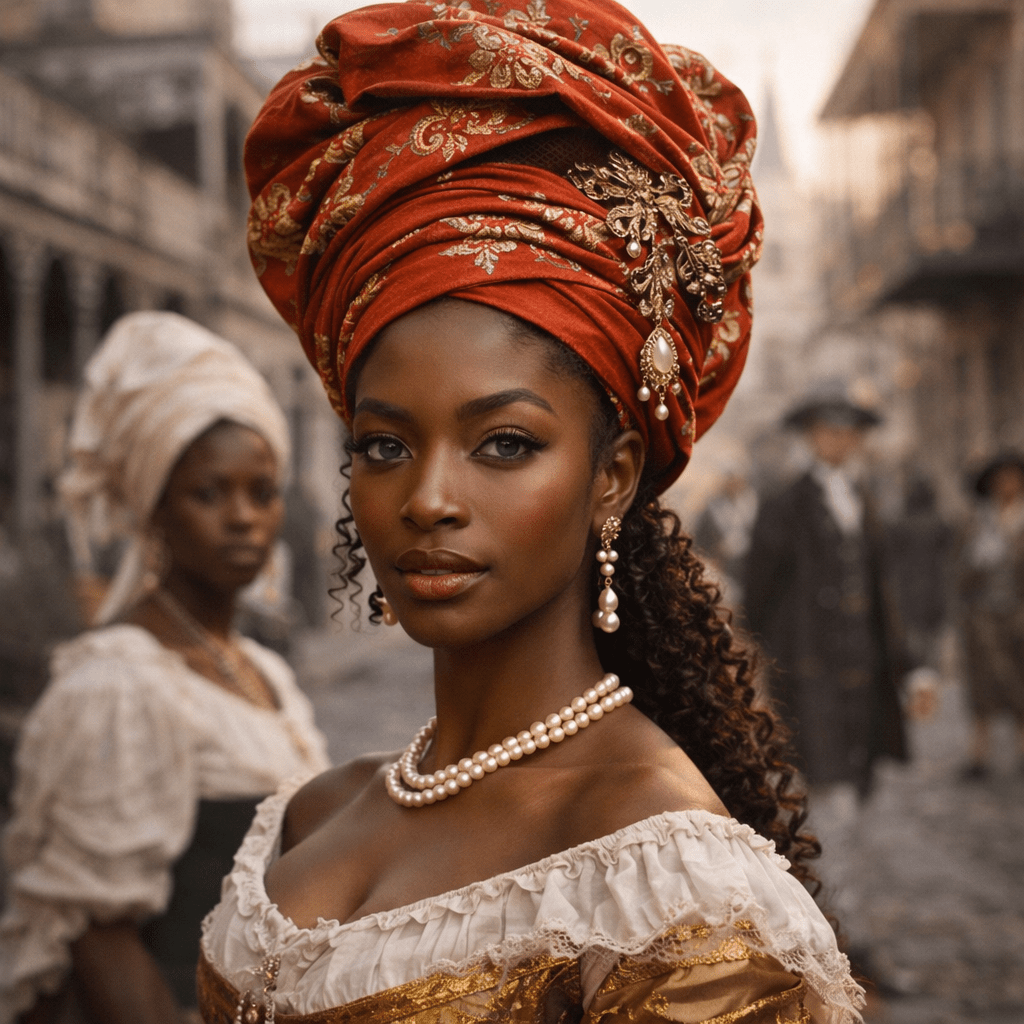
Black History: Tignon Law – When Black Beauty Became a Crime.

The Tignon Law represents one of the most striking examples of how Black beauty and identity have been policed through legislation. Passed in 1786 in Louisiana, this law required Black women, both free and enslaved, to cover their hair in public with a tignon, a type of headscarf. The law was ostensibly aimed at curbing the allure of Black women, reflecting deep anxieties about race, beauty, and social hierarchy in a colonial society.

The law was enacted during the period of Spanish rule in Louisiana, under the governorship of Esteban Rodríguez Miró. Miró was concerned with the growing social influence of free Black women, particularly the Gens de Couleur Libres, or free women of color, who were achieving economic independence and social prominence. Wealthy and attractive, these women challenged the rigid racial and gender hierarchies of the time.

The Tignon Law was framed as a moral and social regulation. Officials argued that Black women’s natural beauty and fashionable adornments threatened social order and risked attracting attention from white men. By forcing women to cover their hair, the law sought to visibly mark them as subordinate, restricting their ability to express themselves through appearance.

Hair and head wrapping have long been deeply symbolic in African and African diasporic cultures. Hair texture, styles, and adornments signify identity, social status, and cultural heritage. The Tignon Law directly targeted these expressions, attempting to erase visible signs of Black beauty that could empower women socially and economically.

Free Black women in New Orleans were particularly affected. Many were wealthy business owners, property holders, and skilled artisans. Their appearance, including elaborately styled hair and colorful scarves, became symbols of their independence and influence. These displays were seen as threats by a white elite intent on maintaining racial hierarchies.

Despite the law’s oppressive intent, Black women creatively subverted it. They wore tignons in elaborate, colorful, and decorative ways, turning what was intended as a mark of subjugation into a fashion statement. This resistance reflected ingenuity, resilience, and the enduring assertion of beauty and identity under racist constraints.

The law illustrates broader societal anxieties about Black female sexuality and power. White authorities feared that attractive Black women could disrupt social control by challenging assumptions of whiteness as superior and Blackness as subordinate. The Tignon Law is a vivid example of how systemic racism extends beyond economics and politics into the policing of appearance and cultural expression.

The Tignon Law was not only about controlling hair—it was about controlling the body and autonomy of Black women. By regulating visibility and beauty, colonial authorities sought to communicate that Black women could not assert power through self-presentation, wealth, or social influence.

Economic success among free Black women further intensified white anxieties. Many were entrepreneurs, running boarding houses, laundries, or small shops. Their wealth and social presence contradicted prevailing stereotypes of Black women as powerless or submissive, prompting legislative efforts to suppress this visibility.

The law also had implications for enslaved women. While their labor was exploited, enslaved women who displayed beauty or elegance could be accused of seduction or insolence. Hair covering laws reinforced a racialized hierarchy that sought to render all Black women invisible, modest, and socially subordinate.

Head wrapping itself carries a long history in African culture, signaling marital status, social rank, or spiritual devotion. The tignon, while imposed by colonial authorities, was adopted and transformed by Black women into an assertion of cultural pride and defiance.

Racist views underpinning the Tignon Law reflect broader European ideologies that sought to contain Black identity and sexuality. Beauty was racialized as threatening, with Black women punished for attractiveness and personal style in ways that white women were never subjected to.

Despite legal restrictions, Black women used the tignon to communicate status, creativity, and elegance. Some tied elaborate knots, layered multiple scarves, and adorned them with jewels or lace. Their adaptation of the law demonstrates the power of cultural expression to resist oppression.

The Tignon Law also highlights intersections of race, gender, and law. Unlike men, whose economic success might be tolerated or co-opted, Black women’s appearance and autonomy were policed as a threat to social order, revealing gendered dimensions of racial control.

Cultural historians argue that the Tignon Law had unintended consequences. By attempting to suppress Black beauty, it fostered a unique fashion aesthetic that blended African heritage with European influences, influencing Caribbean and American styles for generations.

The law remained in effect throughout the late 18th century, though enforcement was inconsistent. Black women’s ingenuity rendered the law largely symbolic, showing that social power can be expressed through appearance even under legal constraints.

The Tignon Law is a precursor to later codes and social norms that restricted Black women’s hair, such as school bans on natural hairstyles or corporate appearance policies. These contemporary issues echo the same underlying anxieties about Black beauty, professionalism, and visibility.

Understanding the Tignon Law is critical for appreciating the ways Black women have historically resisted aesthetic policing. It highlights their creativity, resilience, and ability to claim beauty as a form of power, even in the face of systemic oppression.

The law also reminds modern audiences that beauty is not superficial—it is political. Black women’s choices regarding hair, adornment, and style have long been sites of resistance, negotiation, and cultural affirmation.

Ultimately, the Tignon Law exemplifies the intersection of race, gender, law, and aesthetics. It serves as a testament to the enduring struggle of Black women to define their identity, assert autonomy, and transform imposed limitations into symbols of pride and cultural resilience.


References

Miller, M. (2017). Wrapped in Pride: African American Women and Head Coverings. University of North Carolina Press.

Foster, T. (2013). The Tignon Law: Policing Black Female Beauty in Colonial Louisiana. Journal of Southern History, 79(2), 287–310.

Reed, A. (2005). The Black Past: New Orleans Free Women of Color and the Tignon Law. African American Review, 39(4), 601–618.

Giddings, P. (1984). When and Where I Enter: The Impact of Black Women on Race and Sex in America. HarperCollins.

Hall, K. (1992). Hair as Power: Cultural Identity and Resistance in African American History. Journal of American History, 79(3), 921–939.

Dominguez, V. (2008). Colonial Laws and Racial Control in Spanish Louisiana. Louisiana Historical Quarterly, 91(1), 45–72.

Scott, R. (2006). Beauty and Subversion: The Politics of Black Female Appearance. Feminist Studies, 32(1), 87–112.

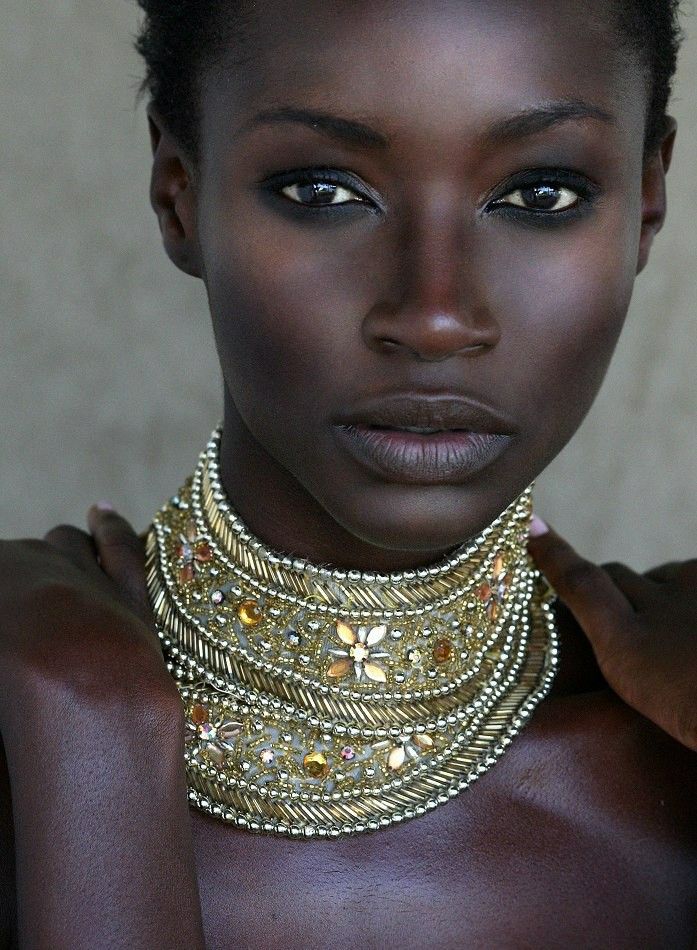
Ethereal Beauty of Brownness

This photograph is the property of its respective owner. No copyright infringement intended.

The concept of “brownness” as beauty transcends mere pigmentation; it reflects a complex interplay of history, biology, culture, and aesthetic perception. Brown skin, whether light caramel, golden bronze, deep chestnut, or rich ebony, embodies a spectrum of human variation that has been historically undervalued yet remains one of the most genetically adaptive and visually striking expressions of humanity. In contemporary discourse, browness is increasingly recognized not as a deviation from a Eurocentric standard but as a distinct and ethereal form of beauty rooted in both science and lived experience.

Outer beauty, though often dismissed as superficial, plays a powerful role in social identity and self-concept. Physical appearance shapes how individuals are perceived and how they navigate social spaces, including employment, romance, and media representation. For brown women and men, beauty has historically been filtered through systems of colorism and racial hierarchy, yet despite these barriers, brownness continues to produce some of the most globally celebrated faces, bodies, and aesthetic ideals.

From a genetic standpoint, brown skin is the result of higher concentrations of melanin, a natural pigment produced by melanocytes. Melanin is not only visually significant but biologically protective, shielding the skin from ultraviolet radiation and reducing the risk of skin cancers and premature aging (Jablonski & Chaplin, 2010). Thus, what society often labels as “darkness” is, in scientific terms, a sophisticated evolutionary advantage.

Melanin also contributes to what many describe as the “glow” of brown skin. This glow is not mystical but physiological—melanin reflects light differently, creating depth, warmth, and luminosity across the skin’s surface. Photographers and visual artists have long noted that brown skin captures light with a richness and dimensionality that lighter skin often cannot, making it especially striking in portraiture and cinema (Banks, 2015).

For women, brown beauty has historically been framed through contradiction—simultaneously exoticized and marginalized. Yet brown women possess a unique aesthetic versatility: their skin complements a wide range of colors, fabrics, and textures, from bold jewel tones to soft pastels. This chromatic harmony enhances the visual impact of brown femininity, making it both adaptable and visually powerful in the fashion and beauty industries.

Brown male beauty similarly reflects a blend of strength and softness. High melanin levels often correlate with strong bone density, facial symmetry, and robust physical features shaped by evolutionary adaptation (Jablonski, 2012). These traits contribute to widespread perceptions of brown men as physically striking, athletic, and visually commanding across global cultures.

Facial structure also plays a role in the aesthetics of browness. Many populations with brown skin display prominent cheekbones, fuller lips, broader nasal bridges, and almond-shaped eyes—features increasingly celebrated in contemporary beauty standards. Ironically, these traits were once stigmatized but are now widely emulated through cosmetic surgery and digital filters, revealing how brown features have been culturally appropriated while brown bodies themselves were marginalized (Hunter, 2007).

Hair texture further amplifies the ethereal quality of brown beauty. Coily, curly, wavy, and kinky hair patterns represent a vast genetic spectrum that allows for artistic expression, volume, and sculptural aesthetics. Afro-textured hair, in particular, is biologically engineered for heat regulation and protection, yet culturally functions as a powerful symbol of identity, creativity, and visual presence (Byrd & Tharps, 2014).

The eyes of brown individuals also carry unique aesthetic significance. Higher melanin often produces deep brown or near-black irises that convey intensity, emotional depth, and warmth. The most beautiful eyes are the large, dark, mirrored eyes. Psychologically, darker eyes are associated with perceptions of trustworthiness, strength, and emotional richness, beauty, adding another layer to the perceived beauty of brown populations (Swami & Furnham, 2008).

From an evolutionary psychology perspective, humans are naturally drawn to traits that signal health, fertility, and resilience. Brown skin, protected by melanin, resists environmental stressors more effectively, often maintaining elasticity and smoothness well into older age. This contributes to the common observation that brown individuals “age more slowly,” a phenomenon supported by dermatological research (Taylor, 2002).

Historically, civilizations across Africa, Asia, the Middle East, and the Americas celebrated brown bodies as divine, royal, and sacred. Ancient Egyptian art, for instance, consistently depicted deities and royalty with brown or bronze skin, associating these tones with power, fertility, and cosmic balance (Assmann, 2001). Thus, browness was once the default aesthetic of divinity itself.

Colonialism disrupted these perceptions by imposing Eurocentric standards that privileged paleness as a marker of status and beauty. Colorism emerged within non-white communities, creating internal hierarchies based on skin shade rather than shared humanity. Yet modern scholarship increasingly frames brownness not as a deficiency but as a site of resistance, resilience, and aesthetic sovereignty (Hill, 2009).

In media and popular culture, brown beauty is now reclaiming space. Models, actors, and influencers of brown complexion dominate global fashion campaigns, redefining desirability through representation. Figures such as Lupita Nyong’o, Idris Elba, Naomi Campbell, and Zendaya exemplify how brown skin commands visual attention without needing to conform to Eurocentric norms.

The term “ethereal” is often reserved for lightness and delicacy, yet brown beauty embodies an alternative ethereality—one rooted in warmth, depth, and radiance rather than fragility. This form of beauty feels grounded yet transcendent, earthly yet luminous, reflecting what many describe as a soulful presence rather than a sterile aesthetic.

Genetically, all humans originated from melanated populations in Africa, meaning browness is not an anomaly but the ancestral template of humanity itself (Stringer, 2016). In this sense, brown beauty is not a minority aesthetic but the original human aesthetic, from which all other variations emerged.

Psychologically, embracing brown beauty fosters healthier self-concept among brown individuals, countering internalized racism and color-based shame. Studies show that positive racial and physical identity correlate with higher self-esteem, emotional resilience, and mental well-being (Neblett et al., 2012).

Outer beauty also shapes romantic and social desirability. Despite systemic bias, research indicates growing cross-cultural attraction toward brown features, especially in globalized societies where beauty standards are becoming more diverse and less racially rigid (Rhodes, 2006). This shift reflects a broader cultural awakening to the richness of human variation.

Brown beauty is also dynamic rather than static. Skin tones shift with seasons, lighting, health, and emotional states, creating a living canvas that responds to life itself. This fluidity gives brown skin an organic, almost poetic quality—beauty that moves, adapts, and evolves.

For both women and men, brown beauty challenges the notion that attractiveness must align with narrow ideals. Instead, it affirms that beauty is plural, genetic, and culturally constructed, shaped by biology but interpreted through social meaning. Brownness stands as evidence that diversity itself is aesthetically superior to uniformity.

Ultimately, the ethereal beauty of browness lies not only in its visual qualities but in its symbolic power. Black people with brown skin carry ancestral memory, evolutionary brilliance, and cultural depth. It reflects humanity in its most original form—resilient, radiant, and irreducibly beautiful.


References

Assmann, J. (2001). The search for God in ancient Egypt. Cornell University Press.

Banks, T. L. (2015). Colorism: A darker shade of pale. UCLA Law Review, 47(6), 1705–1745.

Byrd, A. D., & Tharps, L. L. (2014). Hair story: Untangling the roots of Black hair in America. St. Martin’s Press.

Hill, M. E. (2009). Skin color and the perception of attractiveness among African Americans. Journal of Black Psychology, 35(3), 358–374.

Hunter, M. (2007). The persistent problem of colorism: Skin tone, status, and inequality. Sociology Compass, 1(1), 237–254.

Jablonski, N. G. (2012). Living color: The biological and social meaning of skin color. University of California Press.

Jablonski, N. G., & Chaplin, G. (2010). Human skin pigmentation as an adaptation to UV radiation. Proceedings of the National Academy of Sciences, 107(Supplement 2), 8962–8968.

Neblett, E. W., Rivas-Drake, D., & Umaña-Taylor, A. J. (2012). The promise of racial and ethnic protective factors in promoting ethnic minority youth development. Child Development Perspectives, 6(3), 295–303.

Rhodes, G. (2006). The evolutionary psychology of facial beauty. Annual Review of Psychology, 57, 199–226.

Stringer, C. (2016). The origin of our species. Penguin Books.

Swami, V., & Furnham, A. (2008). The psychology of physical attraction. In V. Swami & A. Furnham (Eds.), The body beautiful: Evolutionary and sociocultural perspectives (pp. 3–18). Palgrave Macmillan.

Taylor, S. C. (2002). Skin of color: Biology, structure, function, and implications for dermatologic disease. Journal of the American Academy of Dermatology, 46(2), S41–S62.