All posts by The Brown Girl Dilemma

I welcome everyone— women and men of all nationalities—to read, reflect, and gather insight across the many topics about black people explored here. To the Brown girl and the Brown boy who walk into rooms already carrying history, beauty, and burden—this space is for you. You stand at the intersection of visibility and erasure, desirability and disregard, reverence and resistance, often praised, questioned, desired, dismissed, and debated all at once. In a world that studies your skin more than your soul and distorts what God designed with intention, may truth, healing, and divine purpose meet you here. This is a conversation created to name your journey without silencing your truth, to restore what society has tried to redefine, and to remind you that your worth was never the problem—only the world’s inability to honor it.

Growing Up Famous While Black in Hollywood: The Untold Story of Child Stars.

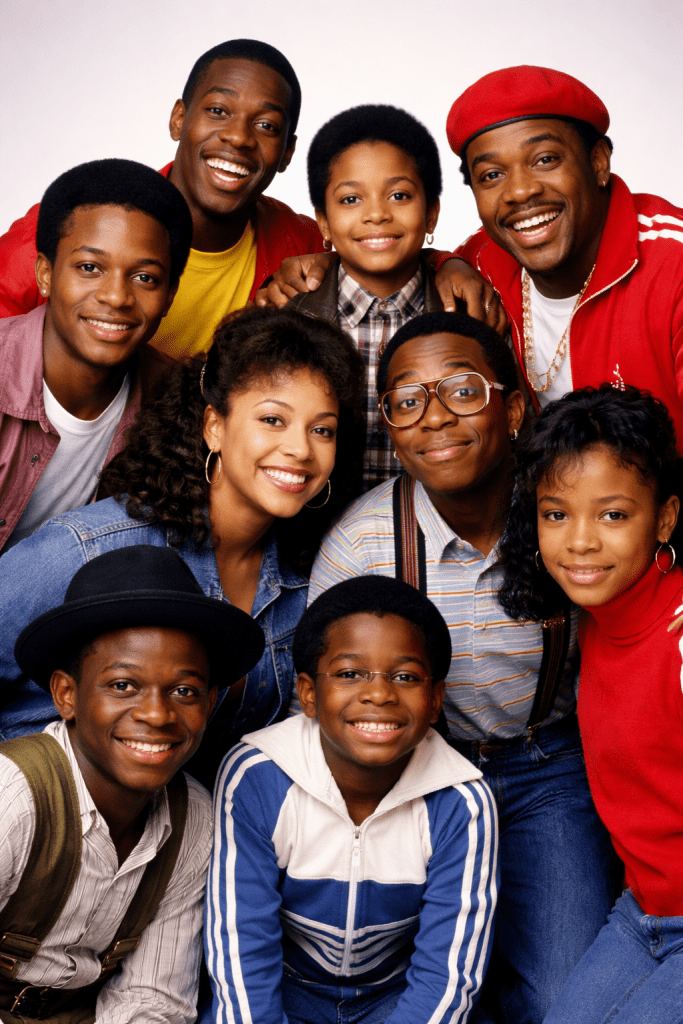
The history of Black child stars in American television reveals a complicated story of talent, visibility, exploitation, and racial inequality. Throughout the twentieth century, Black children appeared in sitcoms and films that were largely created and controlled by white executives, producers, and writers. While these young performers often became beloved cultural icons, their experiences behind the scenes frequently reflected the racial hierarchies that shaped the entertainment industry. Fame brought opportunity, but it also exposed many Black child actors to unequal pay, stereotyping, and limited long-term career support.

Hollywood’s early power structure was overwhelmingly white, especially during the 1970s and 1980s, when many Black child actors rose to prominence. Network executives, casting directors, and producers determined which stories were told and how Black characters were portrayed. Although television increasingly included Black characters, the creative control over those characters often remained outside the Black community. As a result, Black child stars sometimes found themselves performing roles that reflected white expectations about Black identity rather than authentic cultural representation.

One of the most recognizable Black child stars of television was Gary Coleman, who became famous for portraying Arnold Jackson on the sitcom Diff’rent Strokes. Coleman’s character was a witty and charming orphan adopted by a wealthy white businessman. His catchphrase, “What’chu talkin’ ’bout, Willis?” became one of the most famous lines in television history, turning Coleman into a national sensation and making him one of the most recognizable child actors of the era.

At the height of his fame, Coleman was reportedly earning approximately $100,000 per episode, making him one of the highest-paid child actors on television at the time. Despite this financial success, his story later became a cautionary tale about the vulnerability of child performers. Much of the money he earned as a child was mismanaged by adults responsible for his finances. As an adult, Coleman sued his adoptive parents and business advisor for misappropriating his trust fund.

Coleman’s struggles illustrate a broader pattern within Hollywood in which child stars generated enormous wealth for studios while having little control over their earnings. Although laws such as the Coogan Act were designed to protect child actors’ finances, many performers still experienced financial exploitation. For Black child stars, this vulnerability sometimes intersected with racial inequities in an already unequal industry.

Another major Black child star who captured audiences during the 1980s was Emmanuel Lewis, who played the title character on the sitcom Webster. Like Coleman’s role, Lewis portrayed an orphaned Black child adopted by a wealthy white family. The show centered on Webster’s charm and innocence, and Lewis quickly became a household name across the United States.

The premise of shows like Webster and Diff’rent Strokes reflected a recurring trope in Hollywood storytelling: the lovable Black child raised within a white household. While these narratives introduced audiences to talented Black performers, they often framed Black childhood through a lens that centered white benevolence. The stories rarely explored the broader social realities of Black communities or systemic racism.

In many cases, the appeal of these shows depended on the image of the “cute” Black child whose humor and innocence softened racial tensions for white audiences. The characters were often written to be charming, comedic, and non-threatening. While this made them popular with viewers, it also reinforced a narrow representation of Black identity.

Earlier generations of Black child actors experienced similar patterns of limited financial reward and stereotypical roles. One example is Matthew Beard, widely known as “Stymie” from the classic comedy series Our Gang (later called The Little Rascals). Beard was one of the most recognizable child actors of the 1930s, yet like many performers of that era, he reportedly received little long-term financial compensation for his work.

Beard’s experience illustrates how Hollywood historically profited from the talents of Black children while failing to provide long-term economic security. Although audiences loved these characters, the industry rarely invested in the future careers or financial stability of the young actors who portrayed them.

Another figure connected to the conversation about young Black actors in Hollywood is Lamont Bentley, who began acting at a young age and later became known for roles in Black-centered television and film. Like many performers who started as children, Bentley navigated an industry where opportunities for Black actors were limited and highly competitive.

Hollywood’s reliance on stereotypes also shaped how certain Black characters were written for sitcoms. A notable example involves Jimmie Walker, whose character J.J. Evans became the breakout figure on the sitcom Good Times. Walker’s catchphrase “Dyn-o-mite!” became immensely popular with audiences and turned him into one of the show’s most recognizable stars.

However, not everyone celebrated the character’s comedic style. Some cast members and critics argued that J.J.’s exaggerated mannerisms and clownish behavior reinforced negative stereotypes about Black men. Actors within the show reportedly disagreed with producers over the increasing emphasis on comedy at the expense of portraying a serious Black family narrative.

These debates highlight a long-standing tension in Black television representation. Comedy could open doors for Black actors and make shows commercially successful, yet it could also risk perpetuating caricatures that undermined the dignity of Black characters.

Many discussions about Black sitcoms inevitably include the work of influential television producer Norman Lear. Lear was responsible for several groundbreaking television programs that addressed social issues such as racism, poverty, and inequality. His shows helped bring Black family life into mainstream television during a time when representation was limited.

Lear’s supporters argue that his productions challenged audiences to confront uncomfortable social realities. Programs such as Good Times depicted working-class Black families and addressed issues like unemployment and systemic poverty.

At the same time, critics have debated whether some of Lear’s programs relied too heavily on exaggerated comedic elements. While his shows created opportunities for Black actors, they were still shaped by creative decisions made primarily within white-dominated production environments.

Another important figure in the discussion of Black child actors is Kim Fields, who portrayed Dorothy “Tootie” Ramsey on the sitcom The Facts of Life. Fields joined the show as a young actress and quickly became one of its most recognizable characters.

Within the show’s predominantly white ensemble cast, Fields represented one of the few Black characters at an elite girls’ boarding school. Her character brought diversity to the series and resonated with many viewers who rarely saw Black girls represented on mainstream television.

Fields appeared alongside actress Lisa Whelchel, who played Blair Warner, the wealthy and privileged student at the center of many storylines. The contrast between Blair’s affluent background and Tootie’s more grounded personality reflected broader class dynamics often explored in the show.

Although Fields was a beloved member of the cast, many television scholars have noted that storylines frequently centered on white characters. This reflected the broader structure of television writing rooms at the time, which were overwhelmingly white.

Despite these limitations, Fields successfully transitioned into adulthood within the entertainment industry, later starring in the sitcom Living Single. Her longevity in Hollywood is notable because many child actors struggle to maintain successful careers after their early fame fades.

Black child actors often faced a double burden in Hollywood. Like all child performers, they were subject to the pressures of fame, demanding work schedules, and public scrutiny. At the same time, they navigated racial stereotypes and limited roles shaped by systemic inequalities within the industry.

Outside the studio, fame did not shield these actors from the broader realities of American racism. Many experienced discrimination in everyday life despite their celebrity status. Their visibility on television did not always translate into social equality in their personal lives.

Financial instability was another common issue for child stars. Many actors who earned large salaries as children found themselves struggling financially as adults due to poor financial management or exploitation by guardians and managers.

The transition from child star to adult performer proved especially difficult in Hollywood. Once audiences associated an actor with a specific childhood role, casting directors often struggled to imagine them in more mature parts.

For Black actors, these challenges were often intensified by the industry’s limited representation of complex Black characters. Adult roles were scarce, and many performers were confined to stereotypes or minor supporting parts.

Nevertheless, Black child stars played a crucial role in shaping American popular culture. Their performances brought visibility to Black families and children on national television during decades when representation remained limited.

Case Study: Typecasting and the Career of Jaleel White After Steve Urkel on Family Matters

The career of Jaleel White provides a compelling case study on the phenomenon of typecasting in Hollywood, particularly as it affects Black actors who become strongly associated with a single character. White rose to international fame as the nerdy, high-pitched, suspender-wearing Steve Urkel on the sitcom Family Matters, which aired from 1989 to 1998. Although the role brought White immense popularity and cultural recognition, it also shaped public perception of the actor in ways that later complicated his career trajectory.

Jaleel White began acting at a very young age, appearing in commercials and minor television roles during the 1980s. His early career included guest appearances on several television programs, demonstrating his versatility even before landing the role that would define his career. Ironically, Steve Urkel was originally written as a one-time guest character on Family Matters. However, audience reactions were so enthusiastic that the character quickly became central to the show’s storyline.

Steve Urkel soon became one of the most recognizable television characters of the 1990s. With oversized glasses, colorful suspenders, high-water pants, and an awkward personality, Urkel embodied the archetype of the socially awkward genius. His catchphrase “Did I do that?” became a defining line of the era and entered American pop culture. Merchandise, lunchboxes, dolls, and T-shirts featuring the character flooded the market, illustrating the enormous commercial success of the role.

The character’s popularity, however, transformed the direction of Family Matters. Initially conceived as a family-centered sitcom about the Winslow household, the show gradually shifted toward storylines revolving around Urkel’s comedic misadventures and inventions. White himself reportedly played multiple variations of the character, including the suave alter ego Stefan Urquelle, which demonstrated his acting range within the confines of the show.

Typecasting occurs when an actor becomes so strongly associated with a particular role that casting directors and audiences struggle to see them in other types of characters. This phenomenon is common among child actors, whose formative years are closely tied to a specific public persona. For Jaleel White, Steve Urkel became both a blessing and a professional limitation.

After Family Matters ended in 1998, White faced the challenge of redefining his career outside the shadow of Urkel. Casting directors often struggled to envision him in serious or dramatically different roles because audiences had internalized the image of the comedic, awkward teenager. This is one of the central consequences of typecasting: the actor’s identity becomes fused with the fictional character in the public imagination.

In interviews, White has acknowledged the complexities of playing such an iconic role. While he remains proud of the cultural impact of Steve Urkel, he has also spoken about the difficulty of transitioning into adult roles. The entertainment industry frequently pigeonholes actors who become synonymous with a particular character, especially in long-running sitcoms.

Typecasting has historically affected many actors in television history. For example, actors who portray extremely distinctive characters—whether comedic or dramatic—often struggle to escape the expectations attached to those roles. In White’s case, the visual and vocal quirks of Urkel made the character particularly memorable, which strengthened the association between actor and role.

Another factor contributing to White’s typecasting was the character’s exaggerated personality. Urkel’s nasal voice, clumsy physical comedy, and eccentric inventions created a highly stylized performance. While this made the character beloved by audiences, it also made it more difficult for viewers to separate White’s real personality from the fictional character.

White attempted to diversify his career following the end of Family Matters. He appeared in various television programs, including guest roles and voice acting. One of his notable voice roles was portraying Sonic in the animated series Adventures of Sonic the Hedgehog, which demonstrated his versatility beyond live-action sitcom performance.

Despite these efforts, public recognition of White remains strongly tied to Steve Urkel. This phenomenon illustrates the enduring power of television characters in shaping an actor’s identity. Even decades after the show ended, audiences often refer to White primarily through the lens of his famous character.

Typecasting also intersects with broader structural patterns within Hollywood. Black actors historically have had fewer opportunities in mainstream television and film compared to their white counterparts. When a Black actor becomes strongly associated with a single role, the limited number of available roles can make it even more difficult to break free from that identity.

In the case of Jaleel White, however, the actor has embraced the legacy of Urkel while also attempting to redefine his career. He has appeared in various television projects, including reality competitions and guest appearances that highlight his personality beyond the fictional character.

White’s experience illustrates a broader tension within entertainment culture. Iconic roles bring fame, financial success, and cultural influence, but they can also create barriers for actors seeking artistic evolution. The stronger the cultural impact of the character, the more difficult it becomes for audiences to accept the actor in a different identity.

Scholars studying media representation often cite the phenomenon of typecasting as a structural limitation within the entertainment industry. Actors who portray culturally distinctive characters—particularly those tied to race, comedy, or physical traits—may find their careers defined by those portrayals long after the original performance ends.

Nevertheless, Steve Urkel remains one of the most influential television characters of the 1990s. The character reshaped the narrative of Family Matters and became a central symbol of nerd culture, comedic awkwardness, and television nostalgia. While typecasting influenced White’s career trajectory, it also cemented his place in television history.

Ultimately, the case of Jaleel White demonstrates the double-edged nature of iconic television roles. The success of Steve Urkel provided global recognition and cultural legacy, yet it also illustrates how Hollywood can confine actors within the boundaries of their most famous characters. For many performers, the challenge is not achieving fame, but escaping it.

For many Black viewers, these characters were deeply meaningful because they provided rare moments of identification on mainstream television. Seeing Black children on screen helped affirm cultural identity and possibility.

At the same time, the experiences of these actors reveal how deeply race shaped opportunities in Hollywood. Their careers highlight both the progress and the persistent inequalities that characterized the entertainment industry.

In recent decades, the industry has begun to change. Greater representation among writers, producers, and directors has created new opportunities for Black performers to tell their own stories.

Modern audiences are increasingly aware of the historical treatment of child actors, and there is growing advocacy for stronger protections and more equitable contracts.

The stories of performers such as Gary Coleman, Emmanuel Lewis, Kim Fields, and others remind us that behind every beloved television character was a young person navigating fame, expectation, and structural inequality.

Their experiences reveal both the joy that Black child stars brought to audiences and the systemic challenges they faced within a white-dominated entertainment industry.

Understanding this history allows scholars and audiences alike to examine how race, power, and media representation intersect in the making of American television.


References

Bogle, D. (2016). Bright Boulevards, Bold Dreams: The Story of Black Hollywood. Running Press.

Coleman, G. (1998). Gary Coleman: The Unauthorized Biography. St. Martin’s Press.

Gray, H. (2004). Watching Race: Television and the Struggle for Blackness. University of Minnesota Press.

Hunt, D., Ramón, A., & Tran, M. (2021). Hollywood Diversity Report. UCLA College of Social Sciences.

Watkins, S. C. (2005). Hip Hop Matters: Politics, Pop Culture, and the Struggle for the Soul of a Movement. Beacon Press.

Bogle, D. (2001). Toms, Coons, Mulattoes, Mammies, and Bucks: An Interpretive History of Blacks in American Films. Continuum.

IMDb historical production archives for Diff’rent Strokes, Webster, Good Times, and The Facts of Life.

White, J. (2012). Interviews discussing his career and the legacy of Steve Urkel.

IMDb. (n.d.). Family Matters production and cast archives.

Turner Classic Movies Media Archive on sitcom television history.

🌸 The Sisterhood Sessions: #3 Softness Without Apology

Photo by David Kwewum on Pexels.com

Opening Reflection

Close your eyes.
Relax your jaw.
Breathe into your chest, not your armor.

Today we reclaim the right to be soft,
not because we are weak —
but because we are no longer willing to carry the world on our backs to prove our strength.

Softness is not surrender.
Softness is sovereignty.


The Myth of the “Strong Woman”

For generations, we were praised for being the strong one:

  • The fixer
  • The nurturer
  • The backbone
  • The one who doesn’t break
  • The reliable one
  • The one who holds everyone else while no one holds her

The compliment that became a cage:

“You’re so strong.”

Strength became survival.
Softness became danger.
Rest became luxury.
Receiving felt like weakness.

But sis — even iron bends.
Even warriors need warmth.
Even queens rest in their castles.


The Burden of Being Unbreakable

Strength without sanctuary becomes trauma.
Independence without softness becomes isolation.
Competence without tenderness becomes exhaustion masked as resilience.

We learned to protect instead of feel.
We learned to carry instead of lean.
We learned to smile instead of rest.

And many of us only cried in silence —
if we cried at all.

But today, we release the weight.
We give ourselves permission to exhale.


A Sacred Reframe

Softness is not weakness.
Softness is wisdom.
Softness is safety.
Softness is holy.

To be soft is to be:

  • Emotionally present
  • Spiritually rooted
  • Gentle with yourself
  • Honest about your needs
  • Open to receiving
  • Unafraid to be human

Softness is power — refined, not erased.


Spiritual Anchor (KJV)

“In quietness and in confidence shall be your strength.”
— Isaiah 30:15

Your peace is strength.
Your tenderness is strength.
Your vulnerability is strength.
Your rest is strength.

Heaven never required you to be hard to be held.


Self-Work: Relearning Softness

Ask yourself gently:

  • Where did I learn that softness wasn’t safe?
  • When did rest start feeling like guilt?
  • Why does receiving feel foreign?
  • Who taught me love was earned through labor?
  • What does softness want to look like in my life now?

Then say this aloud:

I release the belief that I must be unbreakable to be worthy.


Practicing Softness in Real Time

This week, choose one act of softness:

  • Saying “I need help”
  • Resting without apology
  • Speaking kindly to yourself
  • Letting tears come without shame
  • Allowing someone to support you
  • Not rushing — even when you could
  • Choosing peace over proving

Softness is a muscle.
You strengthen it by using it.


Affirmations

Repeat with your hand over your heart:

  • I am safe to soften.
  • My softness is sacred.
  • I honor my emotions without shame.
  • I do not owe strength to anyone at the expense of myself.
  • I am worthy of tenderness — especially from me.

Say the last one again slowly:

I am worthy of tenderness — especially from me.


Closing Blessing

May your edges round without losing your essence.
May your defenses lower without losing your discernment.
May your heart soften without breaking.
May your soul rest without guilt.

May the world meet your softness with respect —
and if it doesn’t, may you keep it anyway.

Softness is your birthright.
Your crown does not dim when you rest —
it shines.

Until next session, Queen.
Stay soft. Stay sacred. 🌷👑

Narcissism Series: Gaslighting

Breaking the Trust in Yourself

Photo by Satumbo 9 on Pexels.com

Gaslighting is one of the most damaging forms of psychological manipulation a woman can endure. It is a deliberate attempt to make someone doubt their own memory, perception, or judgment. The term originates from the 1944 film Gaslight, where a husband manipulates his wife into believing she is losing her mind by subtly altering her environment and denying reality. In relationships, gaslighting slowly erodes a woman’s ability to trust herself, leading to confusion, self-blame, and spiritual weariness.

From a biblical perspective, gaslighting aligns with deception, which God clearly condemns. Proverbs 6:16–19 lists seven things the Lord hates, including “a lying tongue” and “a false witness that speaketh lies.” Gaslighting is rooted in dishonesty, and its ultimate aim is to control and silence the victim. It mirrors the strategy of Satan himself, who is called “the father of lies” in John 8:44.

Psychologically, gaslighting is classified as a form of emotional abuse. According to the American Psychological Association (2020), gaslighting involves “manipulating another person into doubting their perceptions, experiences, or understanding of events.” This can create cognitive dissonance, where the victim experiences mental distress from holding conflicting beliefs about what is true.

One of the primary tactics of gaslighting is denial. When a woman confronts a man about something he said or did, he may respond, “That never happened,” or, “You’re imagining things.” This denial is designed to make her question her memory. Over time, she may begin to suppress her instincts and believe his narrative over her own.

Another common tactic is minimizing the woman’s feelings. The man may say, “You’re overreacting,” or, “It wasn’t that serious,” when she expresses hurt. This not only dismisses her emotions but also sends the message that her pain is invalid. The effect is that she begins to silence herself to avoid further dismissal, creating emotional isolation.

Gaslighters also use rewriting history to paint themselves as the victim or to justify their actions. For example, he may reinterpret past conflicts and blame her for things she did not do. Isaiah 5:20 warns, “Woe unto them that call evil good, and good evil; that put darkness for light, and light for darkness.” Rewriting history is an attempt to invert reality and make the victim bear false guilt.

The long-term impact of gaslighting is significant. Women who endure this pattern may develop anxiety, depression, and even symptoms of post-traumatic stress. They may find themselves apologizing excessively, doubting their instincts, and feeling dependent on the abuser for validation. This loss of confidence can carry over into work, family, and spiritual life.

Gaslighting also damages a woman’s relationship with God because it can make her question whether she hears Him correctly. When a man mocks or dismisses her spiritual discernment, it can create distance between her and the Holy Spirit’s guidance. But 1 John 4:1 commands believers to “try the spirits whether they are of God,” affirming that discernment is a gift, not a weakness.

Recognizing the signs of gaslighting is the first step toward freedom. Women should pay attention to recurring patterns where they feel confused, silenced, or blamed after sharing their truth. Trusting your intuition is crucial; the Holy Spirit often warns you before your mind fully understands what is happening.

A practical tool for combating gaslighting is journaling. Writing down conversations, dates, and events creates a written record that can counter the manipulator’s false narrative. When doubt creeps in, reviewing your journal entries helps anchor you in what really happened.

Another strategy is keeping evidence in a safe place—such as text messages, emails, or voice notes—especially in situations where gaslighting is persistent. This evidence is not for revenge but for clarity. It can be shared with a counselor, pastor, or trusted friend to validate your experience.

Seeking wise counsel is also essential. Proverbs 11:14 teaches, “Where no counsel is, the people fall: but in the multitude of counsellors there is safety.” Sharing your experience with spiritually mature friends, therapists, or mentors can break the isolation and help you see reality more clearly.

Spiritually, prayer and meditation on Scripture are powerful weapons against gaslighting. Psalm 119:105 says, “Thy word is a lamp unto my feet, and a light unto my path.” God’s Word illuminates truth and gives peace when your perception is under attack.

Women should also work on rebuilding self-trust. Affirmations based on Scripture—such as “I am fearfully and wonderfully made” (Psalm 139:14)—help restore confidence in one’s worth and intuition. Over time, you can regain the ability to trust your judgment and stand firm in your decisions.

In cases of severe gaslighting, professional therapy may be necessary. Cognitive Behavioral Therapy (CBT) can help reframe distorted thinking patterns and empower victims to set healthy boundaries. Therapy provides a safe space to process experiences without fear of being silenced.

Boundaries are another critical part of healing. Proverbs 22:3 says, “A prudent man foreseeth the evil, and hideth himself.” Boundaries are not punishment but protection from further harm. They may involve limiting contact, refusing to engage in arguments meant to confuse you, or exiting the relationship entirely.

Women must also resist internalizing the gaslighter’s false accusations. Romans 8:1 assures believers, “There is therefore now no condemnation to them which are in Christ Jesus.” This verse is a reminder that God’s truth overrides any distorted narrative meant to shame or condemn you.

Breaking free from gaslighting is not just about leaving the manipulator but about reclaiming your identity in Christ. You were created to walk in truth, freedom, and soundness of mind (2 Timothy 1:7). Healing restores your ability to see clearly, love boldly, and discern wisely.

Healing After Gaslighting – Reclaiming Your Voice and Mind

Gaslighting leaves behind deep wounds that do not disappear the moment you leave the relationship. The confusion, shame, and self-doubt can linger, making it difficult to trust yourself and others. Healing is not instant but a process of restoration—mentally, emotionally, and spiritually. The good news is that God is a restorer, and He promises to heal the brokenhearted (Psalm 34:18).

The first step in healing is acknowledgment. Admit that what you went through was real and damaging. Gaslighting thrives on denial, so naming it out loud is a powerful step toward freedom. Writing your story down can help you see the pattern clearly and affirm that you were not imagining things.

Second, practice renewing your mind with truth. Romans 12:2 instructs believers to be “transformed by the renewing of your mind.” Replace the lies you were told (“You’re crazy,” “You’re too sensitive”) with biblical affirmations: “God has not given me the spirit of fear; but of power, and of love, and of a sound mind” (2 Timothy 1:7). Speak these truths over yourself daily.

Building a support network is crucial. Surround yourself with safe people who validate your feelings and speak life into you. Galatians 6:2 calls believers to “bear ye one another’s burdens.” Wise friends, counselors, or support groups can help you process pain and remind you that your voice matters.

Therapy is often a helpful part of healing. Cognitive Behavioral Therapy (CBT) or trauma-informed counseling can teach you to challenge distorted thoughts, rebuild confidence, and set healthy boundaries. Professional help does not replace prayer but works alongside it, allowing you to heal both spiritually and psychologically.

Forgiveness is another key step, though it can be challenging. Forgiving does not mean excusing the abuse or reconciling with the abuser, but it frees your heart from bitterness. Ephesians 4:31–32 reminds us to put away wrath and be kind, forgiving one another as Christ forgave us. This step is about your freedom, not theirs.

Create new boundaries to protect your mental and emotional health. This might mean blocking communication with the abuser, refusing to engage in circular arguments, or simply limiting access to your inner life. Proverbs 22:3 says, “A prudent man foreseeth the evil, and hideth himself.” Your peace is worth guarding.

Finally, give yourself permission to rebuild slowly. Trust may take time to return. Relationships, even healthy ones, may feel overwhelming at first. Be patient with yourself and lean on God’s timing. Isaiah 61:7 promises, “For your shame ye shall have double… everlasting joy shall be unto you.”

Healing after gaslighting is not just about regaining what you lost but discovering a stronger, wiser, more grounded version of yourself. Your voice will return, your discernment will sharpen, and your confidence will grow. God will use your story to help other women find freedom.

Finally, remember that God Himself is the defender of the oppressed. Psalm 34:18 promises, “The Lord is nigh unto them that are of a broken heart.” He will guide you, comfort you, and restore what was stolen from you when you trust Him.


References

  • Holy Bible, King James Version (KJV).
  • American Psychological Association. (2020). APA Dictionary of Psychology.
  • Sweet, P. L. (2019). The Sociology of Gaslighting. American Sociological Review, 84(5), 851–875.
  • Cloud, H., & Townsend, J. (2017). Boundaries in Dating: How Healthy Choices Grow Healthy Relationships. Zondervan.

Dilemmas

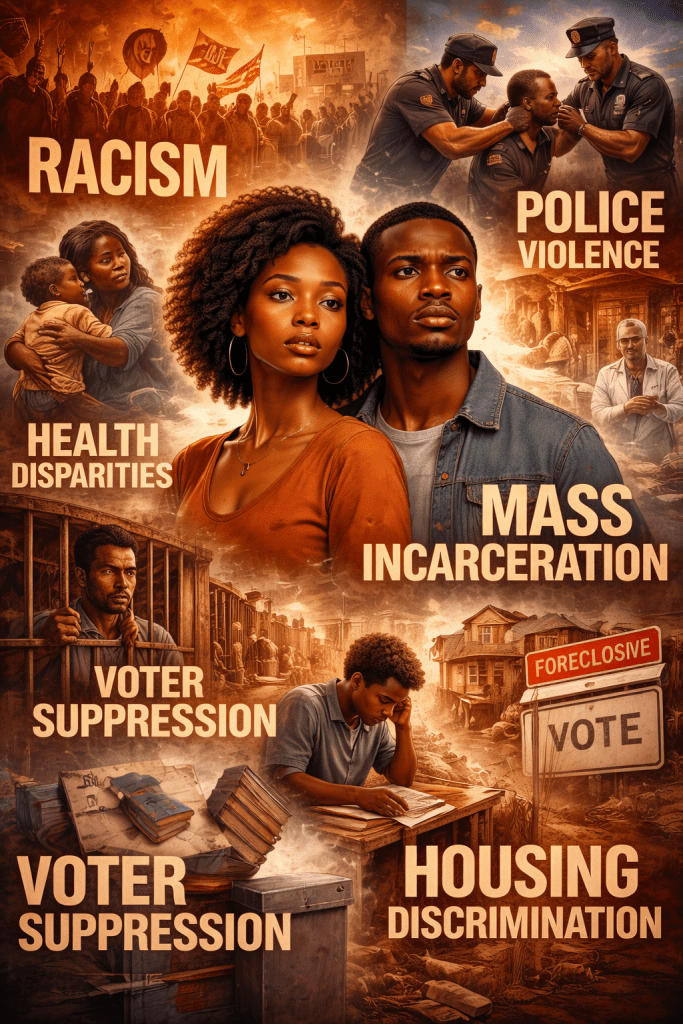
The biggest dilemma Black people face in the United States and globally is not a single issue—it is a complex intersection of systemic racism, historical oppression, and structural inequality. Scholars, historians, and social scientists generally agree that these challenges are interconnected, affecting economic opportunity, health, education, justice, and political representation simultaneously. Here’s a breakdown of the major dimensions of this dilemma:

The Weight of Structural Oppression: The Biggest Dilemma Black People Face

Black people in the United States face a complex web of challenges shaped by centuries of systemic racism, economic inequality, and social marginalization. These intersecting factors have created structural barriers that affect nearly every aspect of life, from housing and education to healthcare and political participation. Understanding the depth of this dilemma requires an examination of historical patterns and contemporary consequences.

Systemic Racism

Systemic or structural racism refers to the ways in which laws, policies, and social institutions create and perpetuate inequality based on race. This includes discriminatory practices in housing, education, employment, and criminal justice. Examples include:

  • Redlining and housing discrimination – Black families were historically denied access to mortgages and homeownership, creating generational wealth gaps.
  • Urban renewal and “Negro removal” – Black neighborhoods were destroyed for highways and development, displacing communities.

2. Economic Inequality

Black people consistently face disparities in income, wealth, and access to employment opportunities. According to Federal Reserve data:

  • The median wealth of Black families is significantly lower than that of white families.
  • Access to high-paying jobs is restricted by both educational and systemic barriers, including bias in hiring and promotion.

Economic inequality compounds other challenges, like housing, healthcare, and education.


3. Criminal Justice and Mass Incarceration

The U.S. criminal justice system disproportionately targets Black individuals:

  • Black Americans are more likely to be stopped, arrested, convicted, and given longer sentences than white Americans for similar offenses.
  • Systems like convict leasing historically re-enslaved Black men after emancipation, while modern mass incarceration continues this legacy in a more subtle form.

This creates cycles of poverty, family disruption, and social stigma.


4. Health Disparities

Black people experience disproportionate health challenges, both from systemic barriers and social determinants:

  • Higher rates of chronic disease, infant mortality, and maternal mortality.
  • Less access to quality healthcare and insurance.
  • The legacy of medical exploitation, such as the Tuskegee Syphilis Study, contributes to mistrust of medical institutions.

5. Educational Inequality

Education is a key pathway to social mobility, yet Black students often face:

  • Segregated schools due to district zoning and residential patterns.
  • Underfunded schools with fewer resources, larger class sizes, and limited access to advanced programs.
  • Bias in curriculum and disciplinary practices that disproportionately penalize Black students.

6. Cultural Stereotypes and Social Perceptions

Black people are frequently subjected to harmful stereotypes:

  • Men: “threatening,” “criminal,” or “hyper-masculine” tropes.
  • Women: “angry,” “jezebel,” or “mammy” archetypes.
  • These stereotypes affect employment, policing, mental health, and social interactions.

7. Political Disenfranchisement

Efforts to suppress Black votes through gerrymandering, voter ID laws, and intimidation continue to limit political influence. Without political power, communities struggle to advocate for systemic change in housing, education, and law enforcement.


8. Intergenerational Trauma

The cumulative effect of slavery, segregation, discrimination, and systemic oppression has created intergenerational trauma. This affects:

  • Mental health outcomes
  • Economic behaviors and financial stability
  • Family structures and community cohesion

One of the most pervasive forces shaping Black life is systemic racism. This form of oppression is embedded within institutions, laws, and social practices that disadvantage Black individuals collectively. Systemic racism manifests in policies that limit access to economic resources, enforce segregation, and perpetuate disparities across generations.

Housing discrimination has historically reinforced racial inequality. Practices such as redlining, blockbusting, and contract selling restricted Black families’ access to safe neighborhoods and homeownership. Redlining, for example, denied mortgages to residents in predominantly Black neighborhoods, preventing them from accumulating wealth through property ownership.

Urban renewal projects in the mid-twentieth century, often referred to as “Negro removal,” further disrupted Black communities. Entire neighborhoods were demolished for highways, commercial developments, and government buildings, displacing families and erasing community networks. These policies reinforced segregation while simultaneously enriching developers and local governments.

Economic inequality remains a central challenge. Black Americans experience higher unemployment rates and lower wages compared with white counterparts. This disparity is compounded by limited intergenerational wealth, which restricts opportunities for education, homeownership, and investment. As a result, economic mobility is often constrained by systemic barriers beyond individual control.

Education is similarly affected by structural inequities. School district zoning often ties educational resources to property taxes, leaving Black students in underfunded schools with fewer academic opportunities. Segregated schools continue to produce gaps in achievement and limit access to higher education and professional careers.

Healthcare disparities also exemplify systemic inequities. Black individuals experience higher rates of chronic illnesses, maternal mortality, and limited access to quality care. Historical exploitation, such as the Tuskegee Syphilis Study, has fostered mistrust toward medical institutions, further complicating healthcare outcomes for Black communities.

Criminal justice disparities are another critical component of structural oppression. Black Americans are disproportionately targeted for policing, incarceration, and harsher sentencing. Practices such as convict leasing in the post-Civil War South and contemporary mass incarceration policies have created cycles of poverty and social instability, particularly affecting Black men.

The labor market has not been immune to racial inequities. Occupational segregation, hiring discrimination, and wage gaps limit economic opportunities for Black workers. Even with equal qualifications, Black individuals frequently face systemic barriers that affect promotions, career progression, and job security.

Political disenfranchisement continues to hinder Black communities. Gerrymandering, voter suppression laws, and historical exclusion from voting limit the ability to influence policies that affect housing, education, healthcare, and criminal justice. This reduces accountability and reinforces systemic inequities.

Cultural and media representation also shapes social experiences. Black people are often portrayed through stereotypes that influence perceptions in employment, law enforcement, and interpersonal interactions. These portrayals contribute to bias, discrimination, and the psychological burden of navigating misrepresentation.

Intergenerational trauma compounds these structural challenges. The cumulative effects of slavery, segregation, and systemic discrimination influence mental health, economic behavior, family dynamics, and community cohesion. This trauma persists across generations, creating challenges that extend beyond immediate social conditions.

Health outcomes are further affected by social determinants such as neighborhood safety, food access, and environmental hazards. Many Black communities live in areas with limited resources, higher exposure to pollution, and reduced access to recreational spaces, exacerbating health disparities.

Despite these challenges, Black communities have demonstrated resilience and agency. Historically, Black churches, civic organizations, and grassroots movements have provided support networks, leadership opportunities, and platforms for advocacy. These institutions have played a critical role in fostering community cohesion and social advancement.

Cultural contributions by Black Americans, from music and literature to art and entrepreneurship, have not only enriched society but also served as forms of resistance and empowerment. Cultural production has allowed Black communities to assert identity, challenge oppression, and build intergenerational pride.

Family and community structures within Black communities have historically been sites of strength. Extended kin networks, cooperative child-rearing, and communal support have mitigated the effects of systemic oppression while fostering resilience.

Economic strategies, including mutual aid, cooperative business ventures, and community investment, have also served as tools to counter structural inequality. These efforts, while often limited by systemic barriers, demonstrate agency and resourcefulness in the face of adversity.

Policy interventions are essential to addressing the multifaceted challenges facing Black Americans. Measures to reduce income inequality, expand access to quality education and healthcare, reform the criminal justice system, and combat discriminatory housing practices are critical to creating equitable opportunities.

Understanding the Black experience requires recognizing both systemic barriers and the resilience of the community. Black Americans navigate a society that historically and continuously marginalizes them, yet they maintain cultural, economic, and social strength that contributes to societal advancement.

The overarching dilemma is that Black people are forced to navigate systems designed historically to exclude them. Every aspect of life—education, work, healthcare, criminal justice, housing—is influenced by these systemic barriers. While resilience, cultural strength, and community networks have enabled survival and progress, the structural challenges continue to create cycles of inequality that affect generations.

In short, the biggest dilemma Black people face is systemic oppression combined with persistent structural inequities, which compound across generations to limit access to opportunity, safety, and wealth.

Ultimately, the biggest dilemma facing Black people is not a matter of individual shortcomings but of persistent systemic inequality and structural oppression. Addressing these interrelated challenges requires comprehensive policy reforms, societal commitment to racial equity, and recognition of the historical context that created these disparities.


References

Alexander, M. (2012). The new Jim Crow: Mass incarceration in the age of colorblindness. The New Press.

Blackmon, D. A. (2008). Slavery by another name: The re-enslavement of Black Americans from the Civil War to World War II. Anchor Books.

Collins, P. H. (2000). Black feminist thought: Knowledge, consciousness, and the politics of empowerment. Routledge.

Crenshaw, K. (1989). Demarginalizing the intersection of race and sex. University of Chicago Legal Forum.

Foner, E. (1988). Reconstruction: America’s unfinished revolution, 1863–1877. Harper & Row.

Hirsch, A. R. (1983). Making the second ghetto: Race and housing in Chicago 1940–1960. University of Chicago Press.

Rothstein, R. (2017). The color of law: A forgotten history of how our government segregated America. Liveright Publishing.

Sugrue, T. J. (2014). The origins of the urban crisis: Race and inequality in postwar Detroit. Princeton University Press.

U.S. Department of Housing and Urban Development. (2023). History of housing discrimination and segregation in the United States.

Wingfield, A. H. (2013). No more invisible man: Race and gender in men’s work. Temple University Press.

Two Doors Before the Soul: Fear’s Panic Room or Faith’s War Room.

Every day, the human spirit stands in a hallway of decision—one door leads to fear and hiding, the other to prayer and spiritual battle.

Life often presents itself as a quiet hallway with two doors. The setting is not always visible to the eyes, yet it exists in the interior landscape of the mind and spirit. On one side stands a door labeled the Panic Room. On the other side rests the door to the War Room. Every day, consciously or unconsciously, individuals choose which door they will enter. The choice is not merely emotional but deeply spiritual, reflecting whether a person will surrender to fear or rise in prayerful resistance.

The Panic Room is built from accumulated anxieties. Its walls are constructed from past disappointments, financial worries, relational failures, and the lingering echoes of traumatic experiences. Once inside, the air grows heavy with thoughts such as I cannot handle this, life is too difficult, or nothing will ever change. It is a place designed for hiding rather than healing, for survival rather than transformation.

Fear is often persuasive because it masquerades as protection. The Panic Room promises temporary safety from overwhelming circumstances. Individuals retreat there when the pressures of life seem unbearable—economic instability, broken relationships, health concerns, or uncertainty about the future. In this chamber of dread, the mind rehearses worst-case scenarios, replaying them until anxiety becomes normalized.

Yet the Panic Room rarely offers true refuge. Instead, it traps individuals in cycles of overthinking and emotional paralysis. Problems are magnified, hope diminishes, and darkness settles into the corners of the soul. Fear convinces people that hiding is wisdom when in reality, it is spiritual stagnation.

Psychologically, fear activates survival mechanisms within the brain. Scholars of stress and cognition explain that repeated exposure to perceived threats can trigger chronic anxiety responses (McEwen, 2007). When individuals remain mentally confined within their Panic Rooms, their thoughts begin to revolve around crisis rather than solutions, reinforcing helplessness.

This room is filled with the voices of doubt. One voice says the economy is collapsing and survival is uncertain. Another whispers that relationships will always end in betrayal. Yet another warns that the future holds only disappointment. These voices feed despair until individuals become convinced that darkness is their permanent dwelling place.

In contrast, the War Room stands across the hallway as a radically different environment. This room is not designed for hiding but for spiritual confrontation. Its walls are covered not with fear but with written prayers, declarations of faith, and reminders of divine promises. Within this sacred space, individuals prepare themselves for the battles of life.

The War Room is a metaphor for intentional prayer and spiritual discipline. Instead of retreating from problems, believers enter this room to face them through communion with God. Prayer transforms panic into strategy and anxiety into spiritual focus.

Within the War Room, faith becomes an active force. Scriptures, affirmations, and prayers are placed upon the walls as reminders that spiritual authority exists beyond human weakness. The atmosphere is one of hope rather than despair, expectation rather than defeat.

The Bible repeatedly encourages believers to confront fear through prayer. In Philippians 4:6–7, the apostle Paul instructs believers to present their requests to God rather than surrender to anxiety. Prayer becomes the doorway through which divine peace enters the troubled mind.

Similarly, the War Room embodies the principle of spiritual warfare. The New Testament describes believers as participants in a spiritual struggle against unseen forces of darkness. In Ephesians 6:12, Paul the Apostle explains that the true battle is not merely physical but spiritual in nature.

Prayer in this room is not passive. It is strategic, intentional, and persistent. Individuals bring their fears before God and replace them with declarations of trust. Economic fears become prayers for provision. Relationship struggles become petitions for wisdom and healing.

Over time, the War Room becomes a place of clarity. Instead of magnifying problems, it magnifies divine sovereignty. Fear loses its grip when faith begins to dominate the narrative of the mind.

Psychologists have also observed the stabilizing effects of prayer and meditation on emotional health. Studies suggest that spiritual practices can reduce stress and improve psychological resilience (Koenig, 2012). In this sense, the War Room is both a spiritual and psychological refuge.

The difference between the two rooms is profound. The Panic Room amplifies problems, while the War Room amplifies possibilities. One encourages hiding while the other encourages spiritual engagement. One breeds anxiety while the other cultivates peace.

Importantly, the hallway between the two rooms represents a daily choice. Life constantly places individuals at this intersection. When adversity arises, the question becomes whether one will retreat into fear or rise into prayer.

Many people unintentionally live inside their Panic Rooms for years. They accept anxiety as a permanent condition rather than recognizing the open door to spiritual empowerment. Yet the War Room remains available to anyone willing to step inside.

Faith does not eliminate challenges, but it changes the posture with which individuals face them. Instead of asking, “How will I survive this?” the believer begins to ask, “How will God work through this?”

Peace eventually fills the War Room because prayer invites divine presence. Fear loses its authority where trust resides. What once felt overwhelming becomes manageable through spiritual perspective.

Ultimately, life presents two doors every day. One leads to panic, isolation, and despair. The other leads to prayer, courage, and spiritual victory. The hallway remains the same, but the choice of room determines the atmosphere of the soul.

The profound truth is that individuals choose their rooms daily. Fear invites them into hiding, but faith invites them into battle. The Panic Room may feel familiar, yet the War Room holds the power to transform fear into peace.


References

Koenig, H. G. (2012). Religion, spirituality, and health: The research and clinical implications. ISRN Psychiatry. https://doi.org/10.5402/2012/278730

McEwen, B. S. (2007). Physiology and neurobiology of stress and adaptation. Physiological Reviews, 87(3), 873–904.

The Holy Bible, King James Version. (1769/2017). Cambridge University Press.

The Ebony Dolls: Shari Belafonte

The Exotic Muse of Fashion and Television

This photograph is the property of its respective owner.

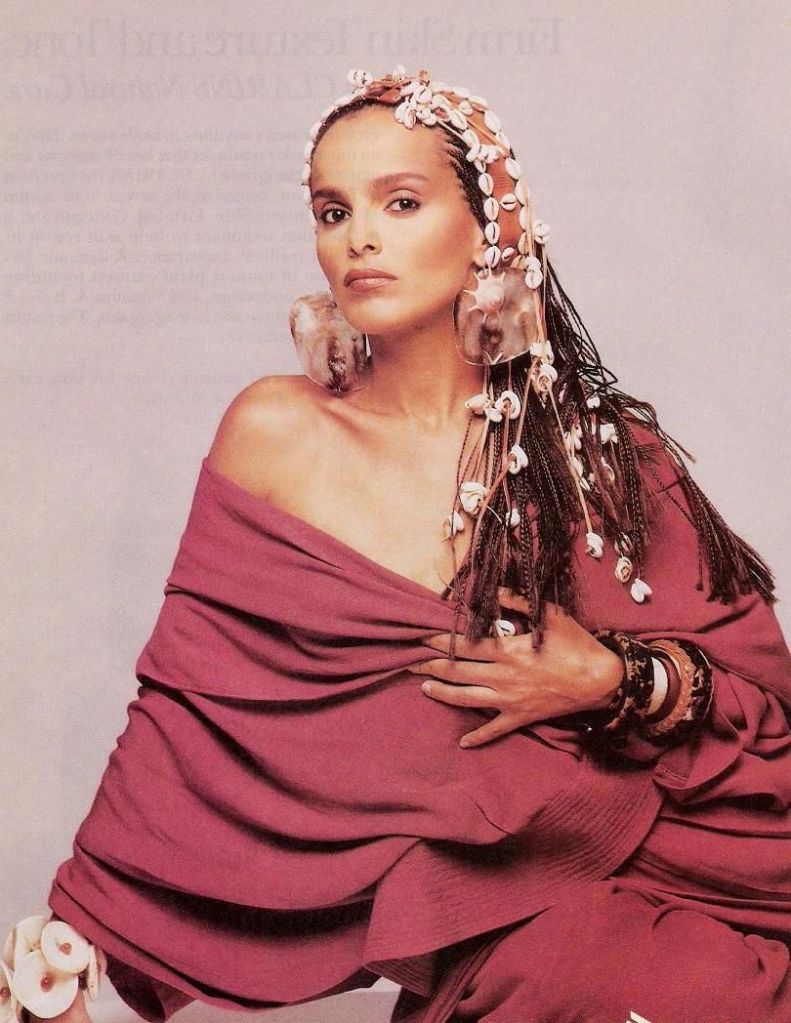
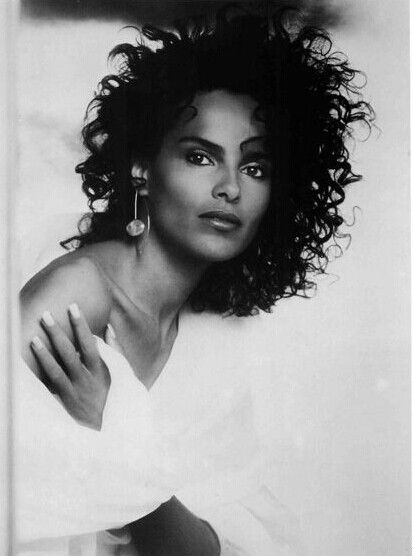
In the realm of fashion and television, certain women possess a rare combination of elegance, beauty, and cultural presence that captivates audiences across generations. Shari Belafonte is one of those women. With her luminous complexion, striking features, petite frame, and sophisticated style, Belafonte emerged in the 1980s as a striking symbol of refined Black beauty. Her graceful presence on magazine pages, television screens, and red carpets embodied a type of aesthetic often described in popular culture as the “Ebony Doll”—a woman whose beauty appears sculpted, radiant, and timeless, much like a living work of art.

This photograph is the property of its respective owner.

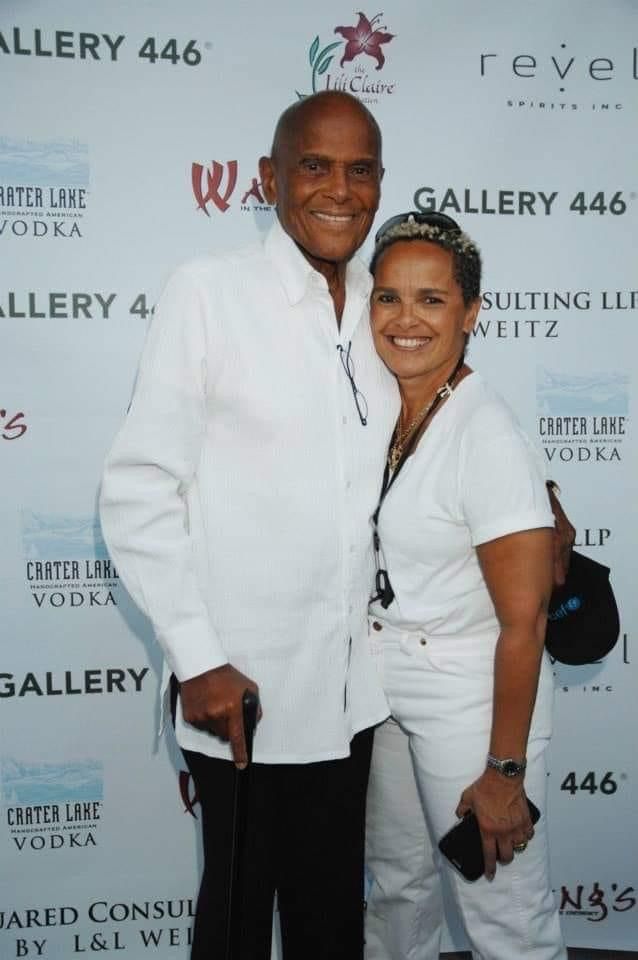
Shari Lynn Belafonte was born on September 22, 1954, in New York City. She is the daughter of legendary entertainer and civil rights activist Harry Belafonte and Marguerite Byrd. Growing up in a family deeply rooted in music, culture, and social activism gave Belafonte a unique upbringing that blended artistic creativity with global awareness. Her father’s influence exposed her to international culture and the power of representation in media.

with her father, Harry Belafonte – This photograph is the property of its respective owner.

Belafonte spent portions of her childhood traveling and experiencing diverse environments. These early experiences helped cultivate her polished demeanor and cosmopolitan outlook. Even at a young age, she carried herself with the poise and confidence that would later define her public image.

The term “Ebony Doll” has historically been used within Black culture to describe a woman whose beauty appears refined, polished, and almost sculptural. It celebrates deep, radiant skin tones, balanced facial symmetry, and elegant presentation. In Belafonte’s case, her smooth complexion, high cheekbones, almond-shaped eyes, and graceful posture strikingly embodied this aesthetic. Her presence evoked the elegance of classic fashion dolls, yet with the depth and authenticity of a living woman.

This photograph is the property of its respective owner.

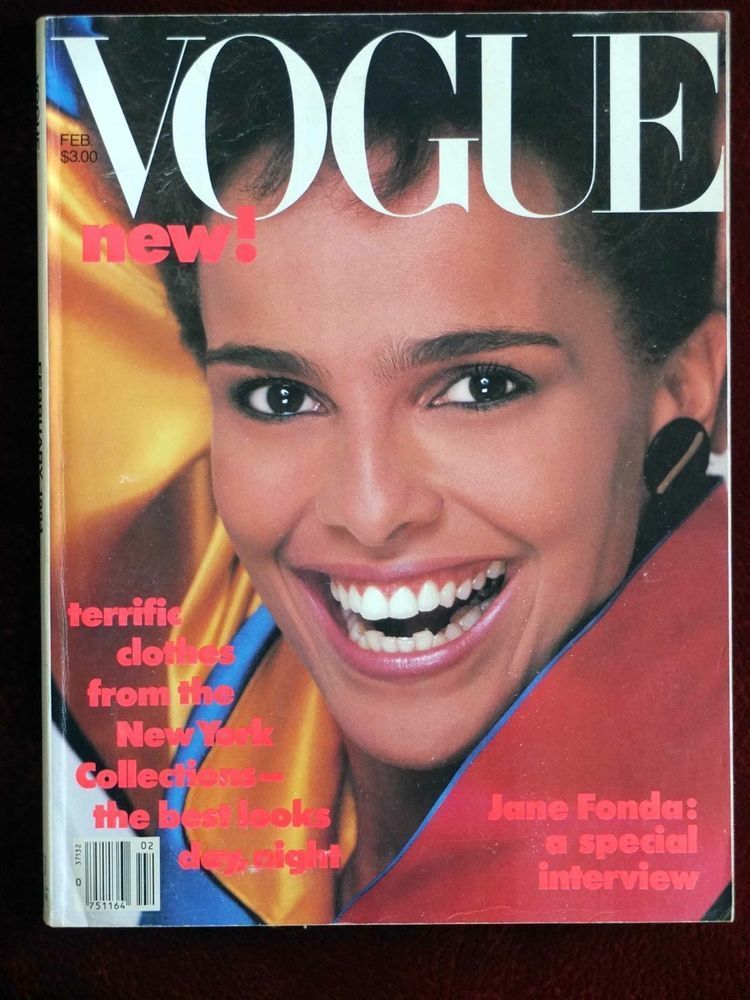
Belafonte first gained widespread attention through modeling. During the late 1970s and early 1980s, she appeared in major fashion magazines and advertising campaigns. Her statuesque beauty and confident gaze made her an ideal subject for high-fashion photography, where her natural elegance could shine through the lens.

In the fashion world, Belafonte quickly developed a reputation for sophisticated glamour. Her style combined classic femininity with contemporary edge, making her a standout figure in an industry still expanding its representation of Black beauty. At a time when mainstream fashion media often overlooked darker complexions, Belafonte’s visibility helped challenge narrow beauty standards.

Her modeling career also included collaborations with major fashion houses and cosmetics brands. Through these campaigns, she presented an image of refined glamour that resonated with audiences seeking broader representation in beauty and fashion imagery.

Belafonte’s transition from modeling to acting further elevated her visibility. She gained national recognition when she starred in the popular television drama Hotel during the 1980s. In the series, she portrayed Julie Gillette, the poised and intelligent assistant manager of a luxurious San Francisco hotel. The role showcased her natural sophistication and calm authority.

Her performance on Hotel helped redefine how Black women were portrayed on primetime television. Rather than limiting her character to stereotypical roles, the show presented Julie Gillette as professional, stylish, and capable. Belafonte’s elegance brought authenticity and credibility to the role.

While acting brought her fame, Belafonte continued exploring creative pursuits beyond television. She also pursued music, recording songs that reflected her artistic heritage and love for performance. Although her music career was more limited than her acting work, it demonstrated the versatility that runs through her artistic identity.

Belafonte eventually developed a deep passion for photography as well. Over time she became a respected photographer whose work has appeared in exhibitions and publications. Through photography she discovered another medium for storytelling and artistic expression.

Her photographic work reflects the same appreciation for beauty and composition that defined her modeling career. As both subject and artist, Belafonte understands how lighting, posture, and expression can create powerful visual narratives.

This photograph is the property of its respective owner.

Throughout her career, Belafonte has maintained a reputation for refined style. Whether appearing at public events or in editorial photographs, she consistently projects elegance, grace, and quiet confidence. Her fashion choices often emphasize clean silhouettes, rich textures, and classic design.

The concept of the “Ebony Doll” also speaks to presentation. It reflects not only physical beauty but also the art of self-possession—the ability to carry oneself with dignity and composure. Belafonte exemplifies this quality through her calm demeanor and poised public presence.

Her cultural influence extends beyond fashion and television. Inspired by the activism of her father, Belafonte has also participated in charitable and humanitarian efforts. She has supported causes related to environmental protection, education, and social justice.

Belafonte’s longevity in entertainment reflects a career built on adaptability and artistic curiosity. From modeling to acting to photography, she has explored multiple creative paths while maintaining the elegance that first captivated audiences.

Her legacy also highlights the evolving representation of Black beauty in media. During the 1980s, when opportunities for Black models and actresses were still limited, Belafonte helped expand the visual vocabulary of glamour and sophistication.

Today, she continues to engage with artistic and cultural projects, sharing her photography and creative work with audiences. Her enduring presence reminds admirers that beauty, creativity, and intellect can coexist gracefully throughout life.

This photograph is the property of its respective owner.

What makes Shari Belafonte an “Ebony Doll” is not merely her physical appearance but the harmony between elegance, artistry, and self-confidence. Her beauty feels sculptural yet warm, refined yet authentic.

In many ways, she represents a living portrait of Black elegance—an image that blends heritage, artistry, and timeless grace.

Ultimately, Shari Belafonte’s story is one of beauty, culture, and creative exploration. Her career reflects the power of representation and the importance of celebrating diverse expressions of glamour.

In every sense of the phrase, Shari Belafonte stands as a true “Ebony Doll”—a woman whose radiant beauty, sophistication, and artistic spirit continue to inspire admiration.


References

Belafonte, S. (Interviews and public statements).

Britannica. (2026). Harry Belafonte. Encyclopaedia Britannica.

IMDb. (2026). Shari Belafonte Filmography. IMDb Database.

Smith, S. (2018). Black Women in Television: A Cultural History. New York University Press.

Vogue Archive. (1980–1990). Fashion and modeling features. Vogue Magazine.

Right Calling, Wrong Posture

Many people are blessed with a divine calling, a purpose, or a gift from God. Yet, possessing a calling is not enough; the posture with which we approach it determines whether we fulfill our destiny or miss it entirely. A right calling in the wrong posture can lead to frustration, stagnation, and spiritual misalignment.

1. God Honors Posture, Not Just Talent

1 Samuel 16:7 (KJV) teaches: “But the Lord said unto Samuel, Look not on his countenance, or on the height of his stature; because I have refused him: for the Lord seeth not as man seeth; for man looketh on the outward appearance, but the Lord looketh on the heart.”
God values heart posture—humility, obedience, and faith—more than natural talent or outward appearance. You may be gifted, but without the right heart posture, your calling can be misused or ignored.

2. Pride Misaligns the Call

Proverbs 16:18 (KJV) warns: “Pride goeth before destruction, and an haughty spirit before a fall.”
Many individuals pursue their calling with arrogance, entitlement, or impatience. A posture of pride can blind a person to divine guidance, causing missteps even in areas where they are skilled. True readiness requires humility and teachability.

3. Impatience Can Distort the Mission

Ecclesiastes 3:1 (KJV) reminds us: “To everything there is a season, and a time to every purpose under the heaven.”
Rushing ahead of God’s timing, seeking recognition too early, or forcing results creates friction. The right calling requires patience; the wrong posture invites burnout and frustration.

4. Lack of Faith Weakens Impact

Hebrews 11:6 (KJV) teaches: “But without faith it is impossible to please him: for he that cometh to God must believe that he is, and that he is a rewarder of them that diligently seek him.”
Even with a correct calling, if faith is absent, one will fail to execute it effectively. Fear, doubt, or inaction undermine potential. Posture of trust and obedience strengthens calling.

5. Disobedience Nullifies Blessing

Joshua 1:7–8 (KJV) instructs: “Only be thou strong and very courageous, that thou mayest observe to do according to all the law…that thou mayest prosper whithersoever thou goest. This book of the law shall not depart out of thy mouth…that thou mayest make thy way prosperous, and that thou mayest have good success.”
Divine calling must align with God’s instructions. Talent without obedience is like a river without water—it looks promising but fails to nourish. Wrong posture in disobedience prevents true success.

6. Humility and Servanthood Elevate the Calling

Matthew 23:11 (KJV) declares: “But he that is greatest among you shall be your servant.”
God’s kingdom prioritizes servant leadership. Even when called to greatness, the posture of humility, service, and love ensures that the calling fulfills its divine purpose.

7. Listening and Aligning Your Spirit

Proverbs 3:5–6 (KJV) states: “Trust in the Lord with all thine heart; and lean not unto thine own understanding. In all thy ways acknowledge him, and he shall direct thy paths.”
Right posture involves continual spiritual alignment—prayer, discernment, and submission. A misaligned heart or ego can distort God’s calling into personal ambition.


Conclusion

A divine calling is a gift, but posture determines impact. Right calling, wrong posture, leads to wasted potential, frustration, and misalignment with God’s will. The correct posture—humility, obedience, patience, faith, and servanthood—ensures that the calling becomes a blessing, both spiritually and practically. Aligning posture with purpose allows God’s promises to manifest fully in one’s life.


References

Grudem, W. (2004). Systematic theology: An introduction to biblical doctrine. Inter-Varsity Press.

Stanley, A. (2012). The principle of posture in purpose: Aligning heart and calling. Thomas Nelson.

The Holy Bible, King James Version. (1769/2017). Cambridge University Press.

Oswald, R. (2015). Living in your calling: Posture, obedience, and impact. Moody Publishers.

The Richmond Horror: Enslavement, and the Myth (Alleged) of the “Most Handsome Slave.”

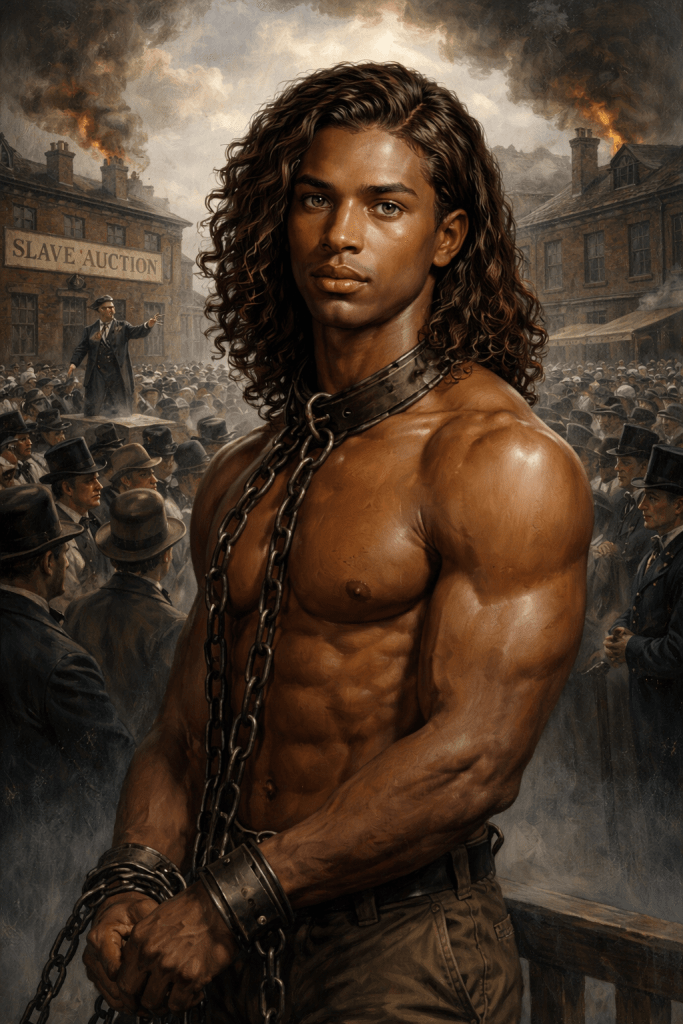
The phrase “The Richmond Horror” has circulated in various historical anecdotes and online retellings connected to the slave markets of Richmond, Virginia, during the nineteenth century. The story typically centers on an enslaved man described as extraordinarily handsome, whose appearance allegedly caused a dramatic spectacle at a slave auction. While the account is often repeated in popular storytelling, historians emphasize that the broader context of Richmond’s slave markets reveals the true horror: the commodification of human beings, where physical appearance, strength, and perceived desirability determined a person’s price and fate.

During the antebellum period, Richmond, Virginia, became one of the most significant hubs of the domestic slave trade in the United States. After the federal government banned the transatlantic slave trade in 1808, the internal trade expanded dramatically. Enslaved people were sold from Upper South states such as Virginia and Maryland to plantation regions in the Deep South, including Mississippi, Louisiana, and Alabama. Richmond’s geographic position and its transportation connections made it a central marketplace for this trade.

Within Richmond, the district known as Shockoe Bottom became infamous as a center for slave auctions, slave jails, and trading offices. Enslaved men, women, and children were held in confined quarters before being publicly sold to the highest bidder. Buyers evaluated individuals based on perceived physical attributes such as strength, youth, fertility, and sometimes physical attractiveness. The market logic of slavery reduced human bodies to commodities, assigning monetary value to traits that slaveholders believed would increase productivity or status.

Stories like the so-called Richmond Horror draw attention to the way enslaved people were objectified during these auctions. In many slave narratives and historical accounts, observers described auctions where potential buyers inspected enslaved individuals closely—checking teeth, muscles, posture, and complexion. Enslaved men who were tall, strong, and physically striking were often sold at particularly high prices because they were expected to perform intense labor or serve in visible household roles.

The legend of the “most handsome slave” describes a moment when a young man was brought to auction and stunned the crowd with his appearance. According to the story, wealthy buyers competed aggressively to purchase him, driving the price unusually high. In the narrative, the bidding war escalated into a spectacle of greed and obsession, highlighting the moral corruption embedded in the slave system. The horror, according to the story, lies in the grotesque contrast between admiration for the man’s beauty and the simultaneous willingness to treat him as property.

Although this specific anecdote is not firmly verified in archival records, it reflects a broader reality documented in historical scholarship. Slave auctions frequently turned human lives into public entertainment. Crowds gathered to watch the sale of enslaved individuals, and newspapers occasionally advertised people with descriptive language emphasizing physical traits. The emphasis on bodily features mirrored the pseudoscientific racial thinking of the nineteenth century, which attempted to categorize people based on physical appearance.

Richmond’s slave-trading infrastructure made such spectacles possible on a large scale. Traders operated offices, holding pens, and prisons where enslaved people were detained before sale. One of the most notorious facilities was Lumpkin’s Jail, sometimes called “the Devil’s Half Acre.” This compound served as a private slave jail where individuals were confined under harsh conditions while traders arranged their sale or transport to other states.

Conditions inside these slave jails were often brutal. Enslaved people were chained, crowded into small spaces, and deprived of adequate food or sanitation. Many were awaiting forced transport to plantations in the Deep South, where demand for labor was expanding alongside the growth of cotton cultivation. Richmond functioned as a staging ground for these forced migrations.

Another horror associated with the Richmond slave trade was the systematic separation of families. Parents were sold away from children, spouses from one another, and siblings from siblings. Auction blocks became sites where lifelong bonds were permanently severed in moments of financial transaction. Numerous narratives written by formerly enslaved individuals describe the emotional trauma of watching loved ones being sold to distant plantations.

The commodification of beauty within this system was not limited to men. Enslaved women were often evaluated not only for labor but also for their perceived attractiveness. This objectification exposed them to sexual exploitation and abuse by slaveholders and traders. The valuation of physical traits within the slave market thus intersected with broader systems of racial hierarchy and gendered violence.

While the exact details of the Richmond Horror story remain uncertain, its enduring presence in cultural memory reflects a deeper truth about slavery. The institution did not merely exploit labor; it transformed human beings into objects whose worth could be measured, inspected, and purchased. The fascination with the appearance of an enslaved man—combined with the eagerness to own him—captures the disturbing contradictions at the heart of the slave system.

Several enslaved people connected to the slave trade and resistance in Richmond, Virginia, are historically documented. Unlike the anonymous figure in the “Richmond Horror” legend, their names and actions appear in historical records and have become important parts of American history.


1. Gabriel Prosser

One of the most well-known enslaved men connected to Richmond was Gabriel Prosser, an enslaved blacksmith who organized a large slave rebellion in 1800. Gabriel was highly skilled and literate, which allowed him to move somewhat freely in the city and communicate with other enslaved workers.

He planned a massive uprising that would involve enslaved people from plantations surrounding Richmond. The plan was to seize weapons, capture the city, and demand freedom. Gabriel reportedly adopted the slogan “Death or Liberty.”

However, heavy rain delayed the planned revolt, and informants revealed the plot to authorities. Gabriel was captured and later executed in Richmond. Although the rebellion failed, his resistance became one of the earliest major organized revolts against American slavery.


2. Henry Box Brown

Another remarkable figure connected to Richmond was Henry Brown, later known as “Henry Box Brown.” He was an enslaved man who worked in a tobacco warehouse.

In 1849, desperate to escape slavery after his wife and children were sold away, Brown devised an extraordinary plan. With the help of abolitionist friends, he shipped himself in a wooden crate by mail from Richmond to Philadelphia. The journey took about 27 hours.

When the box was opened by abolitionists in Philadelphia, Brown reportedly stood up and began singing a hymn of freedom. His daring escape made him famous among abolitionists, and he later became a public speaker advocating against slavery.


3. John Jasper

John Jasper was born into slavery in Virginia but later became one of the most influential Black preachers of the nineteenth century.

After emancipation, Jasper founded the Sixth Mount Zion Baptist Church in Richmond, where he became a powerful orator. Thousands attended his sermons, and he became known throughout the region for his charismatic preaching and strong theological messages.

His life reflected the transition from slavery to freedom and the leadership roles many formerly enslaved people assumed in Black communities after the Civil War.


The Real Horror of Richmond

While legends like the “Richmond Horror” circulate online, the verified history of Richmond’s slave trade reveals a much deeper tragedy. The district known as Shockoe Bottom served as one of the largest slave markets in the United States. Enslaved people were imprisoned in facilities such as Lumpkin’s Jail, where traders held men, women, and children before selling them to plantations in the Deep South.

Historians estimate that hundreds of thousands of enslaved people were sold or transported through Virginia during the domestic slave trade. Families were separated, individuals were chained together in forced marches called coffles, and human beings were treated as commodities.

Today, Richmond continues to confront this past through historical research, memorialization, and preservation efforts that honor the lives of those who endured slavery and fought for freedom.

Modern historians emphasize that the true horror of Richmond lies not in a single dramatic auction but in the scale of the trade that occurred there. Historians estimate that hundreds of thousands of enslaved people were transported out of Virginia through the domestic slave trade during the nineteenth century. Richmond played a central role in that forced migration, sending countless individuals to plantations throughout the American South.

Today, scholars, archaeologists, and community activists work to preserve the historical memory of places like Shockoe Bottom. Efforts have been made to protect burial grounds, interpret historical sites, and educate the public about Richmond’s role in the domestic slave trade. These initiatives aim to ensure that the experiences of the enslaved are not erased or forgotten.

The legend of the Richmond Horror, whether literal or symbolic, ultimately reminds us of the dehumanizing nature of slavery. In a system where beauty, strength, and youth could raise the price of a human being, admiration and cruelty coexisted in the same moment. The spectacle of an auction—where a person’s body could inspire awe while simultaneously being sold—reveals the moral contradictions that defined the institution of slavery in the United States.


References

Berlin, I. (2003). Generations of captivity: A history of African-American slaves. Harvard University Press.

Campbell, E. B. (2007). Richmond’s unhealed history. Brandylane Publishers.

Fogel, R. W., & Engerman, S. L. (1995). Time on the cross: The economics of American Negro slavery. W.W. Norton & Company.

Johnson, W. (1999). Soul by soul: Life inside the antebellum slave market. Harvard University Press.

Rothman, A. (2005). Slave country: American expansion and the origins of the Deep South. Harvard University Press.

Tarter, B. (2016). The Grandees of government: The origins and persistence of undemocratic politics in Virginia. University of Virginia Press.

National Park Service. (n.d.). Shockoe Bottom and the Richmond slave trade. U.S. Department of the Interior.

Johnson, W. (1999). Soul by soul: Life inside the antebellum slave market. Harvard University Press.

Library of Virginia. (n.d.). Gabriel’s Conspiracy (1800). Retrieved from https://www.lva.virginia.gov

Library of Virginia. (n.d.). Henry “Box” Brown. Retrieved from https://www.lva.virginia.gov

National Park Service. (n.d.). Shockoe Bottom and the Richmond slave trade. U.S. Department of the Interior.

Smithsonian Institution. (2013). Lumpkin’s Jail and the slave trade in Richmond. Smithsonian Magazine.

The Dilemma of the Black Man and the Black Woman.

The dilemma of the Black man and Black woman is a spiritual, historical, and cultural paradox. Chosen by God, endowed with divine purpose and ancestral greatness, yet marginalized, oppressed, and misrepresented by the world. “For the Lord shall judge His people, and repent Himself for His servants, when He seeth that their power is gone” (Deuteronomy 32:36, KJV). Our divine worth has often clashed with societal perception.

Black men are called to leadership, protection, and spiritual headship. Scripture shows that a godly man is disciplined, righteous, and sacrificial. “He that ruleth his spirit is better than he that taketh a city” (Proverbs 16:32, KJV). Yet, society often diminishes his authority, questions his integrity, and criminalizes his presence. This creates tension between divine calling and worldly expectation.

Black women are called to honor, nurture, and uphold righteousness. The virtuous woman is praised for her fear of God and strength of character. “Who can find a virtuous woman? for her price is far above rubies” (Proverbs 31:10, KJV). Yet, she is often stereotyped, undervalued, and overburdened. The world demands perfection while failing to recognize her godly worth.

The dilemma begins in history. Black men and women have been enslaved, colonized, and systematically oppressed. They were denied education, autonomy, and wealth, yet their spiritual and cultural legacies endured. “They that wait upon the Lord shall renew their strength” (Isaiah 40:31, KJV). Faith sustained their identity through oppression.

For the Black man, societal misrepresentation often targets masculinity. His leadership and strength are viewed with suspicion rather than admiration. Scripture calls men to love and lead with humility: “Husbands, love your wives, even as Christ also loved the church” (Ephesians 5:25, KJV). Yet society frequently equates Black masculinity with aggression or threat.

For the Black woman, the world often reduces her worth to physical appearance or labor. She is resilient, yet society demands emotional perfection. Scripture reminds women of their eternal value: “Favour is deceitful, and beauty is vain: but a woman that feareth the Lord, she shall be praised” (Proverbs 31:30, KJV). Her worth is divine, not superficial.

The dilemma extends to relationships. The Black man struggles to lead spiritually, financially, and morally in a world that often undermines his authority. The Black woman struggles to honor God and maintain dignity in a culture that diminishes her voice. Yet Scripture instructs unity, obedience to God, and mutual respect: “Likewise, ye husbands, dwell with them according to knowledge, giving honour unto the wife” (1 Peter 3:7, KJV).

Education is another battlefield. Black men and women have historically had access denied, yet have produced scholars, thinkers, and inventors. “The heart of the prudent getteth knowledge; and the ear of the wise seeketh knowledge” (Proverbs 18:15, KJV). The dilemma is access and recognition despite capability.

Economically, Black men and women face systemic barriers. They are often denied fair wages, business opportunities, and generational wealth. Yet Scripture teaches diligence and provision: “If any provide not for his own, and specially for those of his own house, he hath denied the faith” (1 Timothy 5:8, KJV). Faith and persistence remain their anchors.

Spiritually, the Black man may wrestle with societal judgment while maintaining leadership and integrity. The Black woman may wrestle with societal objectification while nurturing faith and family. Scripture affirms that God’s view defines true worth: “Man looketh on the outward appearance, but the Lord looketh on the heart” (1 Samuel 16:7, KJV).

Cultural misrepresentation further complicates identity. Black men are often stereotyped as aggressive; Black women as angry or hypersexualized. Both distortions obscure God’s design. The Bible warns against judging by appearance or hearsay: “Judge not according to the appearance, but judge righteous judgment” (John 7:24, KJV).

Health disparities create another layer. Black men face high rates of disease, incarceration, and early mortality. Black women face maternal and systemic health inequities. Yet spiritual endurance sustains them: “Even the youths shall faint and be weary, and the young men shall utterly fall: But they that wait upon the Lord shall renew their strength” (Isaiah 40:30-31, KJV).

Black men and women are often forced to overperform to prove worth. Excellence is expected; failure is punished. Yet Scripture encourages perseverance and faith-driven identity: “But let patience have her perfect work, that ye may be perfect and entire, wanting nothing” (James 1:4, KJV).

The dilemma is compounded by colorism within the community. Lighter skin may be praised; darker skin criticized. Yet beauty and value are rooted in divine creation, not pigment. “So God created man in his own image, in the image of God created he him; male and female created he them” (Genesis 1:27, KJV).

Black men and women must navigate family dynamics where generational trauma persists. Healing and restoration require wisdom and faith. “Train up a child in the way he should go: and when he is old, he will not depart from it” (Proverbs 22:6, KJV). Spiritual and emotional nurturing is central.

The dilemma also affects love and partnership. Black men may struggle to lead without being misjudged. Black women may struggle to honor themselves while nurturing others. Godly love, patience, and discernment are the remedy: “Charity suffereth long, and is kind; charity envieth not; charity vaunteth not itself” (1 Corinthians 13:4, KJV).

Community expectation weighs heavily. Success is celebrated selectively; failure is amplified. Both men and women carry burdens not of their choosing. Scripture encourages unity and support: “Bear ye one another’s burdens, and so fulfil the law of Christ” (Galatians 6:2, KJV).

Despite these dilemmas, God equips His people with purpose. Black men and women are called to honor, wisdom, and influence. “And he said unto me, My grace is sufficient for thee: for my strength is made perfect in weakness” (2 Corinthians 12:9, KJV). Weakness is a canvas for divine strength.

Education, faith, family, and community become tools to navigate systemic obstacles. Black men lead with humility; Black women nurture with resilience. Both serve God’s higher calling while confronting societal injustice. “Trust in the Lord with all thine heart; and lean not unto thine own understanding” (Proverbs 3:5, KJV).

Ultimately, the dilemma is temporal; God’s perspective is eternal. Black identity, when rooted in divine truth, transcends cultural misrepresentation. “For I know the thoughts that I think toward you, saith the Lord, thoughts of peace, and not of evil, to give you an expected end” (Jeremiah 29:11, KJV).

Black men and women are divine reflections, created with purpose, intelligence, and sacred value. Their struggle is real, but their legacy is eternal. “Therefore all things whatsoever ye would that men should do to you, do ye even so to them” (Matthew 7:12, KJV). Treating oneself and each other with Godly love affirms identity.

The dilemma of the Black man and Black woman is multi-layered: historical, social, psychological, and spiritual. Yet, through faith, perseverance, and adherence to God’s Word, it becomes a pathway to triumph, restoration, and divine fulfillment. “Be strong and of a good courage, fear not, nor be afraid of them: for the Lord thy God, he it is that doth go with thee” (Deuteronomy 31:6, KJV).

Biblical References (KJV)

  • Genesis 1:27 — God created man in His image
  • Proverbs 3:5 — Trust in the Lord
  • Proverbs 16:32 — Self-control is better than conquering a city
  • Proverbs 18:15 — The heart of the prudent seeks knowledge
  • Proverbs 22:6 — Train up a child in the way he should go
  • Proverbs 31:10, 30 — The virtuous woman is above rubies
  • Isaiah 40:30-31 — Renewal of strength
  • Isaiah 54:17 — No weapon formed against thee shall prosper
  • Jeremiah 29:11 — God’s thoughts for peace and purpose
  • Matthew 7:12 — The Golden Rule
  • Ephesians 5:25 — Husbands love your wives as Christ loved the church
  • 1 Corinthians 13:4-6 — Charity suffereth long
  • 1 Peter 2:9 — Chosen generation, royal priesthood
  • 1 Peter 3:7 — Husbands dwell with knowledge, giving honor to wives
  • 2 Corinthians 12:9 — God’s strength made perfect in weakness
  • Galatians 6:2 — Bear one another’s burdens
  • Deuteronomy 31:6 — Be strong and courageous
  • Deuteronomy 32:36 — God judges His people
  • Psalm 68:31 — Ethiopia shall stretch out her hands to God
  • Exodus 5:1 — Let my people go

References

Asante, M. K. (1988). Afrocentricity: The theory of social change. African American Images.

Bell, D. (1992). Faces at the bottom of the well: The permanence of racism. Basic Books.

Diop, C. A. (1974). The African origin of civilization: Myth or reality. Lawrence Hill Books.

Du Bois, W. E. B. (1903). The souls of Black folk. A. C. McClurg & Co.

Fanon, F. (1967). Black skin, white masks. Grove Press.

hooks, b. (1995). Killing rage: Ending racism. Henry Holt and Co.

Muhammad, K. G. (2010). The condemnation of Blackness: Race, crime, and the making of modern urban America. Harvard University Press.

Woodson, C. G. (1933). The mis-education of the Negro. Associated Publishers.

Karenga, M. (2002). Introduction to Black studies (3rd ed.). University of Sankore Press.

Oyěwùmí, O. (1997). The invention of women: Making an African sense of Western gender discourses. University of Minnesota Press.

Chasing Sunlight: A Brown Girl’s Story

From her earliest memories, the brown girl learned that the world often measured beauty through a narrow lens. Yet even as she navigated these constraints, she discovered that her own radiance came from a deeper, more spiritual source—one that could not be dimmed by society’s expectations.

Growing up, she noticed subtle differences in the way people were treated. Lighter meant better. Paler meant prettier. Straighter hair meant more acceptable. These unspoken rules shaped how she saw herself, but they also birthed questions that would redefine her journey.

She soon realized that colorism—the preferential treatment of lighter skin within and outside the Black community—was not merely personal but historical. It was a legacy of colonialism that still lingered in classrooms, families, and media portrayals (Hunter, 2007).

At school, she felt the quiet sting of invisibility. Teachers praised the girls who looked nothing like her. Boys whispered admiration for complexions far from hers. Yet the brown girl refused to shrink; instead, she learned to observe, analyze, and grow stronger through insight.

Her grandmother became her first source of light. With stories of African queens, biblical women of strength, and ancestral wisdom, she taught the brown girl that her melanin was a sacred inheritance, not a flaw (hooks, 2000).

In adolescence, she began experimenting with beauty rituals—some meant to enhance her features and others designed to change them. The pressure to conform was heavy, but each time she looked in the mirror, she felt a tug toward authenticity.

The turning point came when she noticed that even those who met society’s beauty standards still struggled with insecurity. It revealed a powerful truth: beauty built on comparison is fragile, but beauty rooted in identity is unbreakable (Hall, 1997).

She started seeking images that reflected her. Books by Black women, films with diverse representation, and social movements celebrating melanin-rich beauty began to shift her understanding of self (Banks, 2017).

Her world widened. Lupita Nyong’o’s presence on global stages, the rise of natural hair movements, and conversations about inclusivity in fashion reshaped the cultural landscape in which she lived (Ferguson, 2015).

Even with these changes, she still faced microaggressions—people touching her hair without consent, questioning her heritage, or assuming she was less refined. Each encounter reminded her that representation does not erase bias overnight (Crenshaw, 1991).

Yet she refused to internalize these wounds. Instead, she began documenting her experiences, writing poetry, and sharing her story with others. She discovered that vulnerability could become activism.

As she stepped into adulthood, she noticed how beauty standards shaped professional and social opportunities. Those seen as “more presentable” were often treated with more respect. The brown girl learned to navigate these spaces with grace but also with a sharpened awareness of systemic bias.

Her faith deepened her resilience. Scriptures reminding her that she was “fearfully and wonderfully made” became anchors, grounding her in divine identity rather than societal ranking.

She also discovered a sisterhood among other brown girls—women who shared her struggles, victories, and dreams. Together, they formed communities where their stories were honored and their brilliance celebrated.

In time, she embraced her melanin as a symbol of survival. It held the memory of ancestors who endured displacement, injustice, and generational pain yet still carried glory in their skin.

Her career became another avenue of transformation. Whether she pursued art, leadership, education, or business, she found ways to elevate voices like hers and challenge the beauty hierarchy that once confined her.

She learned that her story was more than personal. It was political, cultural, and spiritual. Her journey illuminated the intersections of race, gender, and color, revealing how they shape identity in a world still learning to see fully.

The brown girl became a woman who no longer chased sunlight to feel seen. She recognized that she carried her own light—one born of resilience, culture, and faith.

Today, she stands boldly in the fullness of her identity. She knows that sunlight does not give her worth; it only reflects what has always been there.

In her triumph, she leaves a path for others—an invitation for every brown girl to embrace her own radiance and rewrite the narrative: you are enough, you are beautiful, and your melanin is a miracle.


References

  • Banks, T. (2017). Representation and beauty in Black media: Celebrating melanin-rich identity. Journal of Black Studies, 48(7), 657–678.
  • Collins, P. H. (2000). Black feminist thought: Knowledge, consciousness, and the politics of empowerment. Routledge.
  • Crenshaw, K. (1991). Mapping the margins: Intersectionality, identity politics, and violence against women of color. Stanford Law Review, 43(6), 1241–1299.
  • Ferguson, R. (2015). Representation matters: African American women in contemporary media. Cultural Studies Review, 21(2), 45–67.
  • Hall, R. E. (1997). Beauty and power: Race, gender, and the visual culture of Black women. Feminist Media Studies, 3(1), 23–45.
  • hooks, bell. (2000). Feminism is for everybody: Passionate politics. South End Press.
  • Hunter, M. L. (2007). The persistent problem of colorism: Skin tone, status, and inequality. Sociology Compass, 1(1), 237–254.