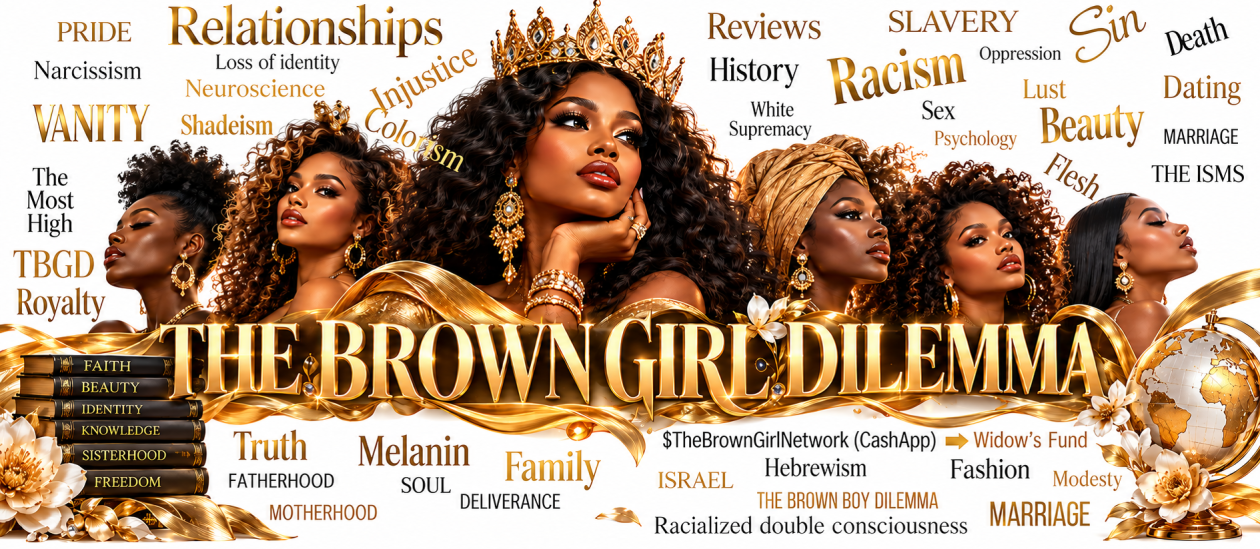

Meditation: Close your eyes and breathe deeply. Picture yourself surrounded by light, your unique beauty shining brightly. Let go of society’s labels and standards. You belong here, exactly as you are. Your presence matters.
Journal Prompt: What parts of yourself do you most want to celebrate today? How can you create spaces that affirm your worth and the worth of other women in your life?
Beauty and belonging are intertwined, yet often misunderstood forces in the life of a Black woman. In a world that constantly projects ideals shaped by Eurocentric standards, the challenge is not merely external—how one looks—but deeply internal: how one perceives her worth, her identity, and her divine design. The journey toward understanding beauty and belonging begins with reclaiming self-perception through the lens of faith, culture, and sisterhood.
The Scripture reminds us that beauty is more than physical. In 1 Samuel 16:7 (KJV), it is written: “The Lord seeth not as man seeth; for man looketh on the outward appearance, but the Lord looketh on the heart.” True belonging begins when we recognize that our value is not dictated by society, but by the Creator who intricately designed every feature, tone, and curl.
Black women have historically been subjected to oppressive standards of beauty, from colonial times to modern media. Hair texture, skin tone, and body shape have all been scrutinized through a biased lens, leading to an internalized belief that to belong, one must conform. Yet, the sisterhood—a network of women bound by empathy, shared experience, and divine purpose—offers a sanctuary where authenticity is celebrated.
Belonging within sisterhood is a conscious choice. It requires rejecting comparison and embracing mutual encouragement. Romans 12:10 exhorts, “Be kindly affectioned one to another with brotherly love; in honour preferring one another.” Sisters who lift each other cultivate spaces where beauty is both affirmed and redefined.
Beauty, when reclaimed through faith and community, becomes an act of empowerment. It is not limited to aesthetic appeal but includes the glow of confidence, resilience, and grace. Proverbs 31:30 reminds us, “Favour is deceitful, and beauty is vain: but a woman that feareth the Lord, she shall be praised.” Here, true beauty is inseparable from moral and spiritual integrity, emphasizing that belonging is also rooted in righteous living.
Cultural reclamation is central to belonging. Celebrating African heritage, understanding ancestral legacies, and embracing natural features are profound statements of self-acceptance. These acts affirm that Black women are inherently beautiful, complex, and deserving of spaces that honor their identities.
Sisterhood also provides a mirror that reflects truth when society’s distorted images prevail. In supportive circles, women can witness each other’s victories and vulnerabilities, fostering empathy and solidarity. This collective reinforcement combats the isolation often experienced when beauty is narrowly defined.
Moreover, belonging is strengthened when women engage in mentorship and guidance. Older generations of sisters can provide wisdom about navigating societal pressures while affirming divine worth. Titus 2:3-4 emphasizes, “The aged women likewise, that they be in behaviour as becometh holiness…that they may teach the young women to be sober, to love their husbands, to love their children.” Mentorship is not merely instruction; it is the sharing of lived experiences that instills confidence and belonging.
Beauty without purpose risks superficiality, but beauty rooted in faith and self-awareness radiates influence. Sisters who cultivate both internal and external grace serve as catalysts for transformation, modeling to younger women that their presence in any space is valid and cherished.
Belonging is also a spiritual experience. It requires aligning with God’s vision of oneself, which often conflicts with worldly definitions. When a woman recognizes that she is fearfully and wonderfully made (Psalm 139:14), she experiences a profound sense of belonging that transcends approval from peers or society.
Modern media, while often harmful, can also be harnessed to affirm beauty and belonging. Curated platforms celebrating diverse skin tones, hair textures, and body types can provide validation that complements the sisterhood experience. However, the foundation must always rest on faith, community, and self-acceptance.
Importantly, belonging does not necessitate uniformity. Each sister brings unique gifts, perspectives, and features. Embracing these differences strengthens the network, allowing beauty to exist in varied expressions—melanin-rich skin, textured hair, unique facial structures, and distinct styles—all celebrated under the banner of shared identity.
Psychologically, belonging combats anxiety, imposter syndrome, and feelings of invisibility. The sisterhood serves as a protective factor, promoting mental health through affirmation, spiritual grounding, and collective resilience. The knowledge that one is seen, valued, and cherished in authentic spaces nurtures confidence that radiates beyond the sisterhood.
In practice, creating spaces of belonging may involve book clubs, prayer circles, mentorship programs, or social initiatives. These environments encourage dialogue about challenges and victories, reaffirming the notion that no Black woman is alone in her journey toward self-acceptance and empowerment.
The transformative power of sisterhood lies in its reciprocity. As women uplift each other, they also cultivate their own self-worth. Acts of encouragement, recognition of talents, and celebration of achievements reinforce a cycle where beauty and belonging flourish simultaneously.
Ultimately, beauty and belonging are inseparable in the life of a Black woman who embraces her divine identity. They require intentionality, faith, and community to fully realize. The sisterhood is not merely a social construct—it is a sacred covenant where women reflect God’s love, affirm each other’s worth, and create enduring spaces of empowerment.
Belonging is not passive; it is claimed through courage, faith, and mutual support. Beauty is not only what the eye perceives but what the heart exudes when aligned with God’s purpose. In this sacred space of sisterhood, Black women find the freedom to be fully themselves, celebrated for their uniqueness, and cherished as essential contributors to a shared legacy.
The journey toward beauty and belonging is ongoing. It is nurtured by prayer, community, mentorship, and self-reflection. When a sister claims her worth and extends the same affirmation to others, she participates in a divine cycle of love that uplifts generations and transforms cultures.
In a world that often undermines the value of Black women, the sisterhood becomes both refuge and launchpad. Through it, beauty is redefined, belonging is secured, and every woman has the opportunity to thrive—not just as individuals, but as integral parts of a sacred, collective tapestry.
References:
- Holy Bible, King James Version. (1611). 1 Samuel 16:7; Proverbs 31:30; Psalm 139:14; Romans 12:10; Titus 2:3-4.
- hooks, b. (2000). All About Love: New Visions. Harper Perennial.
- Collins, P. H. (2000). Black Feminist Thought: Knowledge, Consciousness, and the Politics of Empowerment. Routledge.
- Banks, I. (2019). Hair Matters: Beauty, Power, and Black Women’s Identity. University Press.

