All posts by The Brown Girl Dilemma

I welcome everyone— women and men of all nationalities—to read, reflect, and gather insight across the many topics about black people explored here. To the Brown girl and the Brown boy who walk into rooms already carrying history, beauty, and burden—this space is for you. You stand at the intersection of visibility and erasure, desirability and disregard, reverence and resistance, often praised, questioned, desired, dismissed, and debated all at once. In a world that studies your skin more than your soul and distorts what God designed with intention, may truth, healing, and divine purpose meet you here. This is a conversation created to name your journey without silencing your truth, to restore what society has tried to redefine, and to remind you that your worth was never the problem—only the world’s inability to honor it.

Dilemma: Denial of Racism and the Racist Mascots.

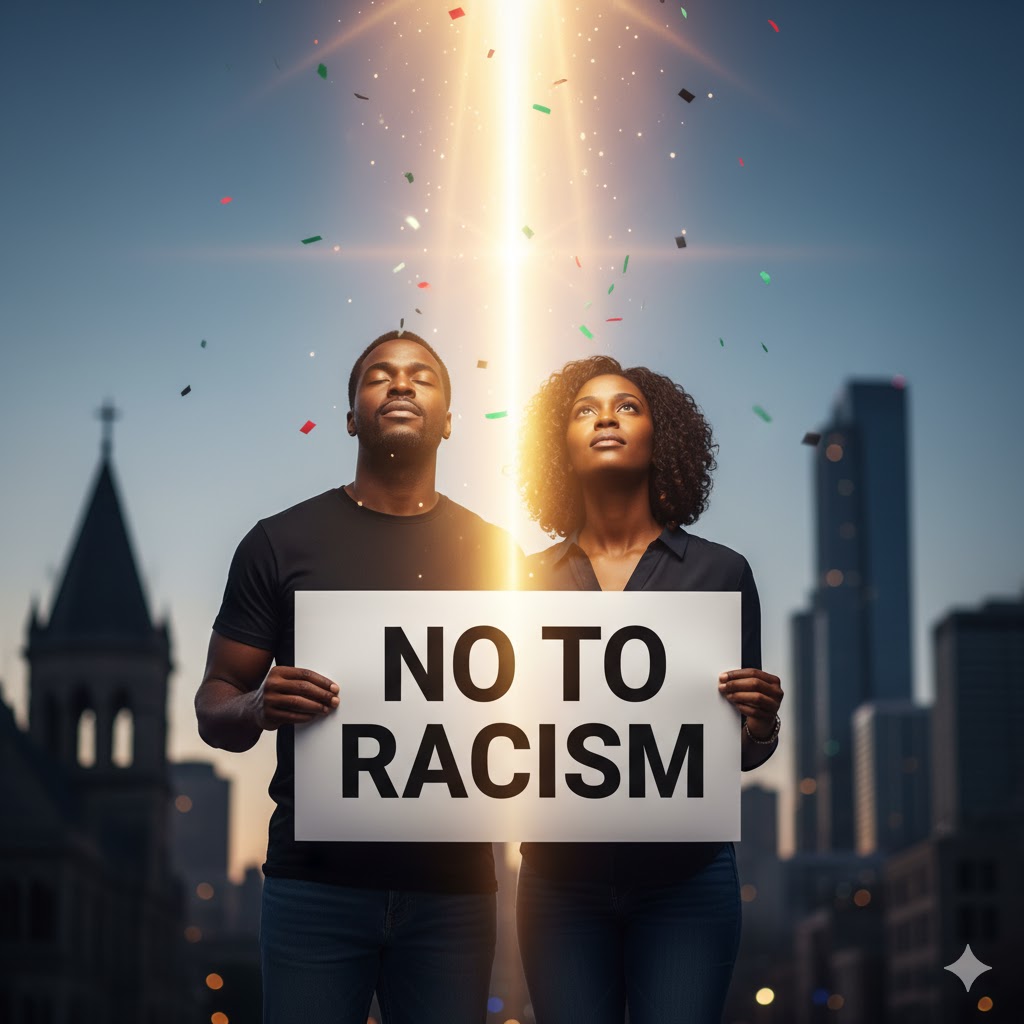
Racism is more than individual prejudice—it is a system of power, privilege, and oppression that shapes every level of society. It is the belief, whether conscious or unconscious, that one race is superior to another, and this ideology has fueled centuries of injustice toward Black people and other nonwhite groups. Denial of racism, therefore, is a form of complicity. It allows prejudice to persist unchecked, normalizing discrimination under the illusion of equality. In modern America, this denial manifests not only in speech and policy but also in symbols—especially racist mascots that trivialize entire cultures for entertainment and profit (Tatum, 2017).

Racist mascots are public symbols, images, or characters that depict racial or ethnic groups through stereotypes. They include sports team names, cartoon logos, and advertising imagery that caricature people of color, particularly Indigenous, Asian, and Black individuals. The purpose of such mascots has historically been to create a sense of fun or team spirit, but beneath the surface lies the dehumanization of real people. These mascots perpetuate racism by turning living identities into costumes or cartoons, mocking heritage and reinforcing white dominance (King, Davis-Delano, Staurowsky, & Baca, 2006).

Examples of racist mascots include the Washington Redskins (now Commanders), Cleveland Indians (now Guardians), and the use of Native caricatures like “Chief Wahoo.” In addition, Black caricatures such as “Aunt Jemima,” “Uncle Ben,” and the “Sambo” figures have long stood as consumer symbols rooted in slavery and Jim Crow imagery. These depictions present people of color as servile, ignorant, or primitive—images designed to comfort white audiences while reminding Black people of their social “place” (Pilgrim, 2012).

The denial of racism allows these symbols to persist under the justification of “tradition” or “harmless fun.” Yet such arguments ignore the historical and emotional damage caused by these portrayals. To deny racism is to silence the voices of those who endure its consequences. White individuals who resist the removal of racist mascots often do so because acknowledging their harm would mean confronting uncomfortable truths about privilege and the legacies of colonization (Sue et al., 2019).

For Black people, racism manifests not only through overt hatred but also through the cultural symbols that reinforce inferiority. Racist mascots, jokes, and media portrayals perpetuate the myth of white superiority, making it harder for Black individuals to assert pride and dignity. These representations influence how others perceive them—affecting hiring decisions, media representation, and even internalized self-worth. When a culture is continually mocked or minimized, it becomes a psychological burden that echoes across generations (Williams & Mohammed, 2009).

The psychological effect of racist imagery cannot be overstated. Studies show that exposure to racial caricatures can reinforce stereotypes, reduce empathy toward minority groups, and diminish the sense of belonging among young people of color. For Black children, seeing racist imagery in public life communicates a painful message: that their identity is a joke, their culture a costume, and their history unworthy of respect. The harm of these images is cumulative and intergenerational (Clark, 2019).

White supremacy, the ideology that whiteness is inherently superior, underpins both the denial of racism and the creation of racist mascots. It is the invisible hand guiding policies, media narratives, and cultural norms that prioritize white comfort over Black liberation. White supremacy thrives in denial—it insists that racism is a relic of the past while continuing to shape the present. It operates through coded language like “heritage” and “pride,” which often mask bigotry behind nostalgia (Kendi, 2019).

The most blatant expression of white supremacy in American history is the Ku Klux Klan (KKK). Founded after the Civil War, the KKK terrorized Black communities through violence, lynchings, and intimidation. Its mission was to maintain white dominance in political, social, and economic spheres. Members of the Klan saw themselves as defenders of a “pure” America, using fear and brutality to suppress Black advancement. Their robes, burning crosses, and public parades became symbols of white terror and racial hatred (Alexander, 2010).

The impact of the KKK on Black people was devastating. Generations were traumatized by violence and systemic exclusion. Families were torn apart, homes burned, and entire towns destroyed under the pretext of racial purity. Even today, the Klan’s legacy persists in modern hate groups, racial profiling, and police violence. The ideology never died—it evolved into new forms of systemic control such as mass incarceration and economic disenfranchisement.

White supremacy continues to hurt Black people by limiting access to wealth, education, and justice. Redlining, discriminatory hiring, and unequal school funding are structural extensions of the same mindset that birthed the KKK and racist mascots. These systems rely on the same falsehood—that Black people are less deserving of opportunity. By denying racism’s existence, society allows these injustices to flourish behind the facade of fairness (Bonilla-Silva, 2018).

Denial of racism often appears as “colorblindness.” When white individuals claim they “don’t see race,” they erase the lived experiences of Black people who face racism daily. Colorblindness is not equality—it is avoidance. It refuses to confront historical trauma or acknowledge current inequalities. This denial maintains white innocence and blocks progress toward reconciliation and justice (Wise, 2010).

Racist mascots are powerful tools of denial because they hide oppression behind art and entertainment. They turn centuries of suffering into amusement, trivializing racism itself. By normalizing these caricatures, society teaches future generations to see racism as exaggerated or irrelevant. The mascot becomes a smiling mask covering a violent history of enslavement and dehumanization (Fryberg et al., 2008).

To overcome this, institutions must replace symbols of oppression with those of truth and empowerment. Education is key—students should learn the origins of these images and why they are harmful. Removing racist mascots and replacing them with culturally respectful symbols is not “erasing history,” but correcting it. True history must expose oppression, not celebrate it.

Community conversations about race and symbolism are also essential. Many white Americans cling to racist mascots because they lack understanding of their impact. Honest dialogue, paired with empathy and accountability, can transform ignorance into awareness. This process requires humility—the willingness to listen rather than defend.

Faith-based and moral frameworks remind us that racism is a sin of pride. The Bible teaches that all people are created in the image of God (Genesis 1:27, KJV). To deny racism or perpetuate racist symbols is to deny God’s design for equality and justice. The work of dismantling white supremacy is therefore both a social and spiritual responsibility.

For Black people, confronting racist mascots is an act of liberation. It is a declaration that identity will no longer be mocked or commodified. Cultural restoration begins with reclaiming representation—telling stories from within rather than allowing others to define Blackness from without. Every statue removed, logo retired, and stereotype challenged marks a step toward collective healing.

The denial of racism also prevents national unity. A country that refuses to face its truth cannot heal from it. Reconciliation requires repentance—an acknowledgment of harm and a commitment to change. Only when the truth of racism is faced with courage can justice begin to take root.

Ultimately, racist mascots are symptoms of a deeper disease: the refusal to see Black humanity. The denial of racism enables the disease to spread unchecked, poisoning institutions and relationships. Challenging these symbols is not about political correctness—it is about moral clarity. Racism cannot die where denial lives.

The path forward requires truth-telling, accountability, and love rooted in justice. Dismantling racist mascots, confronting white supremacy, and rejecting the lies of the KKK are not acts of division—they are acts of restoration. The goal is not revenge but righteousness. As James Baldwin wrote, “Not everything that is faced can be changed, but nothing can be changed until it is faced.”

References
Alexander, M. (2010). The new Jim Crow: Mass incarceration in the age of colorblindness. The New Press.
Bonilla-Silva, E. (2018). Racism without racists: Color-blind racism and the persistence of racial inequality in America. Rowman & Littlefield.
Clark, C. R. (2019). Psychological impact of racial imagery on youth. Journal of Black Psychology, 45(2), 105–122.
Fryberg, S. A., Markus, H. R., Oyserman, D., & Stone, J. M. (2008). Of warrior chiefs and Indian princesses: The psychological consequences of American Indian mascots. Basic and Applied Social Psychology, 30(3), 208–218.
Kendi, I. X. (2019). How to be an antiracist. One World.
King, C. R., Davis-Delano, L. R., Staurowsky, E. J., & Baca, L. (2006). The Native American mascot controversy: A handbook. Scarecrow Press.
Pilgrim, D. (2012). Understanding Jim Crow: Using racist memorabilia to teach tolerance and promote social justice. Ferris State University.
Sue, D. W., Alsaidi, S., Awad, M. N., Calle, C. Z., & Mendez, N. (2019). Disarming racial microaggressions: Microintervention strategies for targets, White allies, and bystanders. American Psychologist, 74(1), 128–142.
Tatum, B. D. (2017). Why are all the Black kids sitting together in the cafeteria? Basic Books.
Wise, T. (2010). Colorblind: The rise of post-racial politics and the retreat from racial equity. City Lights Books.
Williams, D. R., & Mohammed, S. A. (2009). Discrimination and racial disparities in health: Evidence and needed research. Journal of Behavioral Medicine, 32(1), 20–47.
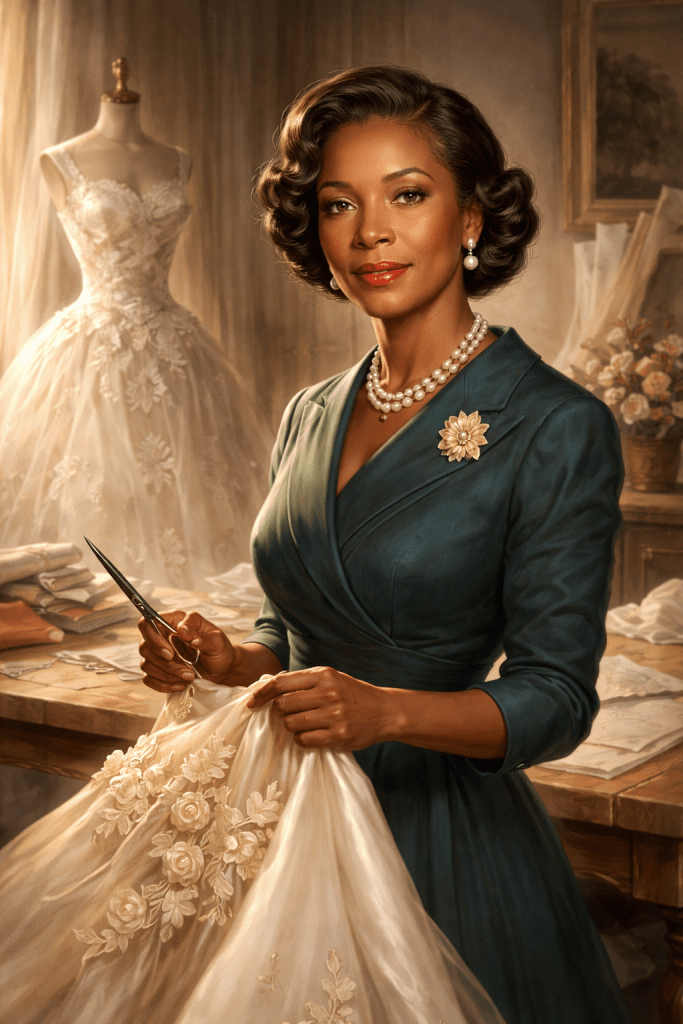
Ann Lowe: The Hidden Architect of Fashion with American Elegance.

Ann Lowe stands as one of the most underrecognized yet profoundly influential figures in American fashion history, a woman whose genius was stitched into some of the most iconic garments of the twentieth century. Born into a lineage shaped by both artistry and oppression, Lowe’s life and career represent a powerful intersection of race, resilience, and refined craftsmanship. Despite working during an era deeply entrenched in racial segregation, she rose to dress some of the most elite women in America, leaving behind a legacy that continues to inspire designers and historians alike.

Born in 1898 in Clayton, Alabama, Ann Lowe was the great-granddaughter of an enslaved seamstress and the daughter of a skilled dressmaker. Her family’s talent for design was cultivated under the harsh conditions of slavery, where Black women were often forced to create garments for wealthy white families. This generational inheritance of skill became Lowe’s foundation, transforming what began as forced labor into a refined art form that would later captivate high society.

Lowe’s early exposure to couture techniques came through her mother and grandmother, who designed elaborate gowns for prominent Southern families. After her mother’s death, Lowe completed an unfinished set of dresses for a governor’s wife at just sixteen years old, astonishing clients with her ability. This moment marked the beginning of her independent career, signaling a rare and extraordinary talent that would defy the limitations imposed on Black women in her time.

Determined to refine her craft, Lowe enrolled in a design school in New York, where she faced segregation even within education. She was separated from her white classmates but excelled beyond expectations, completing her program ahead of schedule. Her perseverance in the face of discrimination highlighted both her resilience and her commitment to excellence.

Lowe eventually established herself in New York City, where she opened her own salon. She became known for her intricate hand-sewn floral appliqués, delicate embroidery, and structured silhouettes that reflected both European couture traditions and her own distinct aesthetic. Her work was often described as ethereal, feminine, and technically masterful.

Among her elite clientele were members of America’s most prominent families, including the Rockefellers and the du Ponts. Yet, despite her high-profile clients, Lowe remained largely uncredited due to the racial dynamics of the era. Many of the women who wore her gowns received public admiration, while Lowe’s name remained hidden behind the seams.

One of the most significant moments in her career came when she was commissioned to design the wedding gown for Jacqueline Bouvier Kennedy, who would later become the wife of John F. Kennedy. This gown would become one of the most iconic bridal dresses in American history.

The dress itself was a masterpiece of ivory silk taffeta, featuring a portrait neckline, fitted bodice, and a voluminous skirt adorned with intricate folds. Lowe also designed the bridesmaids’ dresses, ensuring a cohesive and elegant visual presentation for the entire wedding party. Her attention to detail and commitment to perfection were evident in every stitch.

However, just days before the wedding, a catastrophic flood in Lowe’s studio destroyed the dresses she had painstakingly created. Without informing her client, Lowe worked tirelessly to recreate each garment in time for the ceremony, absorbing the financial loss herself. This act of dedication exemplified her professionalism and unwavering commitment to her craft.

Despite the monumental success of the wedding and the global attention it received, Lowe was not publicly credited at the time. When asked about the designer, Jacqueline Kennedy reportedly described the dress as made by “a colored dressmaker,” reflecting the racial attitudes that obscured Lowe’s recognition.

Lowe’s connection to Jacqueline Kennedy remains one of the most discussed aspects of her legacy, symbolizing both her brilliance and the systemic barriers she faced. It was not until years later that her role in creating the gown was widely acknowledged, allowing her to finally receive the recognition she deserved.

In addition to her work for high society, Lowe also designed dresses for debutantes, particularly for the annual Azalea Ball in Florida. These gowns became a rite of passage for wealthy young women, further cementing her reputation as a designer of elegance and tradition.

Lowe’s designs are now preserved in several prestigious institutions, most notably the Smithsonian Institution, where her work is recognized as a vital part of American cultural and fashion history. Her garments are also held in collections at the Metropolitan Museum of Art, ensuring that her legacy endures for future generations.

Her inclusion in these museums represents a significant shift in how her contributions are valued, transforming her from an overlooked artisan into a celebrated pioneer. These institutions acknowledge not only her technical skill but also the cultural significance of her work as a Black woman navigating a segregated industry.

Lowe’s career was not without hardship. Financial instability plagued her business, partly due to her reluctance to charge her wealthy clients what her work was truly worth. This, combined with systemic racism, limited her financial success despite her immense talent.

Nevertheless, her influence can be seen in the generations of designers who followed. Her emphasis on craftsmanship, detail, and elegance set a standard that continues to resonate within the fashion industry today. She remains a symbol of excellence achieved against overwhelming odds.

Lowe’s story also serves as a lens through which to examine the broader history of Black labor in America. From slavery to the twentieth century, Black artisans have often been the invisible architects of beauty and culture, their contributions minimized or erased. Lowe’s life challenges this narrative, demanding recognition and respect.

Her work embodies a quiet form of resistance, demonstrating that excellence can thrive even in the most restrictive conditions. Through her designs, she asserted her identity and artistry in a society that sought to marginalize both.

Today, Ann Lowe is increasingly celebrated as a trailblazer, a woman who transformed inherited skill into high art. Her story is not just one of fashion but of perseverance, dignity, and the enduring power of creativity.

In reclaiming her legacy, we honor not only Ann Lowe but also the countless unnamed Black women whose talents shaped history from behind the scenes. Her stitches, once hidden, now tell a story of brilliance that can no longer be ignored.

References

Bolton, A. (2016). Jacqueline Kennedy: The White House Years. Metropolitan Museum of Art.

Harris, A. (2018). The Hidden History of American Fashion: Rediscovering Ann Lowe. Fashion Studies Journal, 12(3), 45–62.

Smithsonian Institution. (n.d.). Ann Lowe: American Couturier. National Museum of African American History and Culture.

Vreeland, D. (1965). American Fashion and Its Designers. New York: Harper & Row.

Walker, R. (2020). Threads of Legacy: African American Dressmakers and the Politics of Recognition. Journal of American History, 107(2), 389–412.

Strength and Struggle: Examining the Social Pressures Placed on Black Women.

Black women in the United States occupy a unique social position shaped by the intersection of race, gender, and historical inequality. Their experiences are influenced by centuries of systemic discrimination, cultural expectations, and social pressures that affect economic opportunities, health outcomes, and societal perceptions. Understanding the realities facing Black women requires examining the historical and structural forces that shape their daily lives.

One of the most significant frameworks used to analyze these experiences is intersectionality, a concept introduced by legal scholar Kimberlé Crenshaw. Intersectionality explains how different forms of discrimination—particularly racism and sexism—interact simultaneously. For Black women, this means facing social barriers that cannot be fully explained by race alone or gender alone but by the combination of both.

Historically, Black women have endured unique forms of labor exploitation and social marginalization. During slavery in the United States, Black women were forced to perform both agricultural labor and domestic work while also being subjected to sexual exploitation. These conditions created enduring stereotypes that portrayed Black women as either excessively strong or morally deviant.

These stereotypes evolved into several harmful archetypes that continue to influence public perception. The “mammy,” “jezebel,” and “angry Black woman” stereotypes emerged from historical narratives that sought to justify inequality and control. These caricatures have persisted in popular culture, shaping how Black women are viewed in workplaces, media, and social institutions.

Economic inequality represents another major pressure affecting Black women. Despite high levels of labor participation, Black women frequently encounter wage disparities compared with white men, white women, and sometimes Black men. Data from the U.S. Bureau of Labor Statistics consistently demonstrates a persistent racial and gender wage gap.

The consequences of wage inequality extend beyond individual income. Lower earnings reduce opportunities for homeownership, savings, and wealth accumulation. Over time, these disparities contribute to the broader racial wealth gap observed across American society.

Education has been an area where Black women have demonstrated remarkable progress. In recent decades, Black women have become one of the fastest-growing groups earning college and advanced degrees. Despite these achievements, barriers to leadership roles and executive positions remain prevalent in many industries.

Healthcare disparities also represent a critical concern. Studies conducted by the Centers for Disease Control and Prevention show that Black women face significantly higher maternal mortality rates than women from other racial groups. These disparities have been linked to unequal access to healthcare, implicit bias among medical providers, and systemic inequalities in the healthcare system.

Mental health pressures are also significant. Many Black women report experiencing high levels of stress related to workplace discrimination, financial responsibilities, and caregiving obligations. Yet cultural expectations often encourage them to appear emotionally resilient regardless of the circumstances.

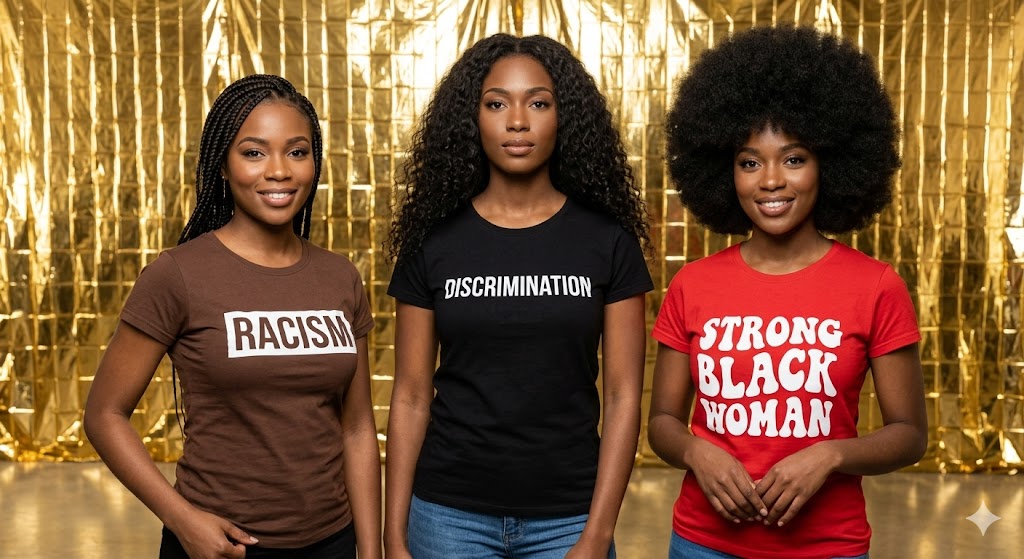
This expectation is commonly referred to as the “Strong Black Woman” trope. While resilience is often celebrated, scholars argue that the expectation of constant strength can discourage Black women from seeking emotional support or mental health care when needed.

Black feminist scholars have played a central role in analyzing these dynamics. Intellectual leaders such as Patricia Hill Collins and bell hooks have written extensively about the ways Black women resist oppression while simultaneously navigating complex social expectations.

Media representation also shapes how Black women are perceived. Historically, film and television often depicted Black women through narrow stereotypes. Although representation has improved, scholars continue to debate whether contemporary portrayals adequately reflect the diversity and complexity of Black womanhood.

Another significant pressure involves beauty standards and colorism. Western beauty ideals have historically favored lighter skin tones and European features, often marginalizing darker-skinned women. Colorism can influence opportunities in employment, media representation, and social relationships.

Black women are also deeply involved in community leadership and social activism. Throughout American history, they have organized movements advocating for civil rights, gender equality, and social justice. Their leadership has often been underrecognized despite its profound impact.

Figures such as Harriet Tubman, Ida B. Wells, and Shirley Chisholm exemplify the tradition of Black female leadership in American history. Their contributions helped reshape political and social landscapes.

Family and community responsibilities also create unique pressures. Black women frequently play central roles in caregiving, household leadership, and community support networks. These responsibilities often exist alongside professional obligations, creating additional demands on time and emotional energy.

Religious and spiritual institutions have historically provided important support systems. Churches and faith-based organizations have served as spaces where Black women could find community, leadership opportunities, and emotional resilience.

Despite these pressures, Black women have demonstrated extraordinary cultural influence. Their contributions to literature, music, fashion, and art have profoundly shaped American culture and global artistic expression.

Scholars emphasize that understanding the experiences of Black women requires recognizing both the challenges they face and the strength they demonstrate. Their resilience reflects not only personal determination but also collective strategies developed within communities to resist inequality.

Addressing the social pressures facing Black women requires policy reforms that promote economic equity, healthcare access, educational opportunity, and fair representation in leadership positions.

Ultimately, examining the experiences of Black women reveals broader truths about inequality within American society. By acknowledging these realities and addressing systemic barriers, society can move toward a more inclusive and equitable future.


References

Collins, P. H. (2000). Black feminist thought: Knowledge, consciousness, and the politics of empowerment. Routledge.

Crenshaw, K. (1989). Demarginalizing the intersection of race and sex. University of Chicago Legal Forum.

hooks, b. (1981). Ain’t I a woman: Black women and feminism. South End Press.

Jones, C. P. (2000). Levels of racism: A theoretical framework and a gardener’s tale. American Journal of Public Health.

Centers for Disease Control and Prevention. (2023). Racial and ethnic disparities in maternal health.

U.S. Bureau of Labor Statistics. (2023). Labor force statistics by race and gender.

Beyond Stereotypes: The Social and Structural Challenges Affecting Black Women.

“The biggest problem with Black women” is extremely broad, and scholars caution against framing issues in a way that blames an entire group. Most research instead examines systemic challenges and social pressures that disproportionately affect Black women in the United States. These issues are rooted in historical inequalities, structural racism, gender bias, and economic disparities.

Intersectional Discrimination

One of the most widely discussed issues is intersectional discrimination, a concept introduced by legal scholar Kimberlé Crenshaw. Intersectionality explains how Black women often face discrimination that combines both racism and sexism simultaneously. This dual burden can affect employment opportunities, healthcare experiences, legal protections, and social perceptions.


The “Strong Black Woman” Stereotype

Another major concern is the cultural expectation often described as the “Strong Black Woman” stereotype. While strength and resilience are positive qualities, scholars note that this stereotype can pressure Black women to suppress vulnerability, emotional needs, or mental health struggles. The expectation to remain strong in the face of adversity sometimes leads to untreated stress and burnout.


Economic Inequality

Black women are also disproportionately affected by economic inequality. According to data from the U.S. Bureau of Labor Statistics, Black women historically earn less than both white men and white women in the United States. This wage gap reflects broader systemic issues such as occupational segregation, hiring discrimination, and unequal access to high-paying industries.


Health Disparities

Public health research shows significant disparities affecting Black women’s health outcomes. For example, maternal mortality rates among Black women are significantly higher than those of other racial groups. Studies by the Centers for Disease Control and Prevention attribute this disparity to factors including unequal healthcare access, medical bias, and chronic stress related to systemic racism.


Colorism and Beauty Standards

Colorism—the preferential treatment of lighter skin tones within communities of color—also impacts Black women socially and professionally. Darker-skinned women often report facing bias in media representation, employment opportunities, and dating dynamics. These issues are widely examined within sociology and cultural studies.


Media Representation

Black women have historically been portrayed through limited stereotypes in film and television, including tropes such as the “mammy,” the “angry Black woman,” or hypersexualized depictions. Media scholars argue that these portrayals influence public perception and contribute to bias in social institutions.


Educational and Professional Barriers

Despite significant educational achievements—Black women are among the fastest-growing groups earning college degrees—many still face barriers to leadership positions in corporate and political spaces. Structural inequality and workplace bias often limit advancement opportunities.


Relationship and Family Dynamics

Sociologists also examine how historical factors such as mass incarceration, economic inequality, and employment instability affect family structures within Black communities. These broader systemic issues influence relationship dynamics, marriage rates, and household stability.


Mental Health Stigma

Mental health stigma within many communities can discourage individuals from seeking professional help. Black women may feel pressure to maintain emotional strength while dealing with racism, sexism, and economic stressors. This can delay treatment for anxiety, depression, or trauma-related conditions.


Structural Inequality

Ultimately, many scholars argue that the biggest challenges facing Black women are not individual flaws but structural inequalities embedded within social systems. These include disparities in housing, healthcare, employment, and education that developed over centuries of discrimination.


Resilience and Leadership

Despite these challenges, Black women have historically demonstrated remarkable resilience and leadership. Figures such as Harriet Tubman, Ida B. Wells, and Shirley Chisholm played critical roles in social justice movements, civil rights advocacy, and political progress in the United States.


Conclusion

Rather than identifying a single “problem” with Black women, most scholars emphasize examining the structural conditions that shape their experiences. Addressing disparities in healthcare, economic opportunity, education, and representation can help reduce inequalities and support the well-being of Black women in society.


References

Crenshaw, K. (1989). Demarginalizing the intersection of race and sex. University of Chicago Legal Forum.

Collins, P. H. (2000). Black feminist thought: Knowledge, consciousness, and the politics of empowerment. Routledge.

Centers for Disease Control and Prevention. Maternal mortality and racial disparities in the United States.

Jones, C. P. (2000). Levels of racism: A theoretical framework. American Journal of Public Health.

U.S. Bureau of Labor Statistics. (2023). Labor force statistics by race and gender.

The Weight of Two Worlds: Racism, Sexism, and the Burden Carried by Black Women.

Black women in the United States have historically navigated a complex social landscape shaped by the intersecting forces of racism and sexism. These overlapping systems of inequality have produced a unique set of challenges that influence the economic, social, and psychological realities of Black womanhood. Scholars across sociology, gender studies, and African American studies emphasize that the experiences of Black women cannot be fully understood through the lens of race alone or gender alone, but through the interaction of both.

One of the most influential frameworks for understanding this dynamic is intersectionality, a term developed by legal scholar Kimberlé Crenshaw. Intersectionality describes how different systems of oppression overlap and compound one another. For Black women, discrimination may occur simultaneously along racial and gender lines, creating experiences that differ significantly from those faced by Black men or white women.

Historically, Black women have faced social stereotypes that shape how they are perceived and treated within American society. Images such as the “mammy,” the “jezebel,” and the “angry Black woman” have long circulated within media and cultural narratives. These stereotypes not only distort public perceptions but also influence workplace dynamics, healthcare interactions, and broader social relationships.

The historical roots of these stereotypes can be traced back to the era of slavery in the United States. During slavery, Black women were often forced into labor roles while simultaneously being subjected to sexual exploitation and dehumanization. These experiences contributed to long-standing myths about Black women’s strength, sexuality, and emotional resilience that persist in modern society.

Economic inequality represents another significant challenge. Black women participate in the labor force at high rates, yet they often encounter wage disparities and occupational segregation. According to data from the U.S. Bureau of Labor Statistics, Black women on average earn less than white men, white women, and in many cases Black men, highlighting the intersection of racial and gender pay gaps.

These economic disparities have broader implications for household wealth and financial stability. Because income inequality accumulates over time, Black women frequently face greater barriers to building generational wealth through homeownership, investment, and retirement savings.

In the realm of healthcare, Black women experience notable disparities in medical outcomes. Studies from the Centers for Disease Control and Prevention indicate that Black women face significantly higher rates of maternal mortality compared with women from other racial groups in the United States. Researchers attribute these disparities to factors including unequal healthcare access, systemic bias within medical institutions, and chronic stress associated with discrimination.

Mental health is also shaped by these pressures. Many scholars discuss the cultural expectation that Black women must embody resilience and emotional strength, often referred to as the “Strong Black Woman” archetype. While strength is widely celebrated, this expectation can discourage individuals from expressing vulnerability or seeking mental health support.

Black feminist scholars have long examined these social pressures. Thinkers such as Patricia Hill Collins and bell hooks have explored how Black women develop intellectual traditions and cultural strategies to resist systems of domination while affirming their identities and experiences.

Education represents both a challenge and a space of remarkable achievement for Black women. In recent decades, Black women have become one of the fastest-growing groups earning college and graduate degrees in the United States. Despite these accomplishments, barriers to leadership positions and career advancement remain present in many professional fields.

Media representation plays a powerful role in shaping public perception. Historically, film and television have portrayed Black women through narrow character types. While representation has improved in recent decades, scholars continue to argue that media portrayals influence broader social attitudes and expectations.

Another dimension of inequality involves the criminal justice system. Black women are disproportionately affected by policing, incarceration, and legal inequities compared with women of other racial groups. These patterns reflect broader systemic disparities within the justice system.

Housing inequality also affects many Black women and their families. Historical policies such as housing discrimination and segregation contributed to patterns of residential inequality that continue to shape access to resources such as schools, healthcare facilities, and employment opportunities.

Despite these structural barriers, Black women have historically served as leaders in social justice movements. Figures such as Harriet Tubman, Ida B. Wells, and Fannie Lou Hamer played transformative roles in abolitionism, anti-lynching campaigns, and the civil rights movement.

In politics, Black women have continued to break barriers and influence national conversations about equity and representation. Their leadership has expanded discussions around voting rights, criminal justice reform, healthcare access, and economic opportunity.

Culturally, Black women have shaped American music, literature, art, and fashion. Their contributions have influenced global culture while also serving as forms of creative resistance and self-expression.

Community networks and faith institutions have also historically provided support systems for Black women navigating systemic challenges. Churches, civic organizations, and grassroots movements have played central roles in fostering solidarity and empowerment.

Scholars emphasize that understanding the experiences of Black women requires acknowledging both struggle and resilience. While structural inequalities persist, Black women have continuously demonstrated leadership, creativity, and perseverance in confronting social barriers.

Addressing the challenges facing Black women requires systemic change. Policies aimed at reducing wage inequality, improving healthcare access, strengthening educational opportunity, and addressing discrimination are essential components of achieving social equity.

Ultimately, the experiences of Black women illustrate the broader consequences of intersecting forms of inequality within society. Recognizing and addressing these complexities is crucial for building a more just and inclusive future.


References

Collins, P. H. (2000). Black feminist thought: Knowledge, consciousness, and the politics of empowerment. Routledge.

Crenshaw, K. (1989). Demarginalizing the intersection of race and sex. University of Chicago Legal Forum.

hooks, b. (1981). Ain’t I a woman: Black women and feminism. South End Press.

Jones, C. P. (2000). Levels of racism: A theoretical framework. American Journal of Public Health.

Centers for Disease Control and Prevention. (2023). Maternal health disparities in the United States.

U.S. Bureau of Labor Statistics. (2023). Labor force statistics by race and gender.

Healing. Honor. High Value.

Photo by Abdulkadir muhammad sani on Pexels.com

Healing is the foundation of restoration. Psalm 147:3 declares, “He healeth the broken in heart, and bindeth up their wounds.” Emotional, spiritual, and relational healing allows individuals—particularly women of color—to reclaim their identity, purpose, and voice in a world that often devalues them.

Honor flows from God’s design. Proverbs 3:35 teaches, “The wise shall inherit glory: but shame shall be the promotion of fools.” When a person aligns with God’s truth, they walk in dignity that no worldly measure can diminish.

High value originates in divine creation. Psalm 139:14 affirms, “I will praise thee; for I am fearfully and wonderfully made: marvellous are thy works; and that my soul knoweth right well.” Recognizing intrinsic worth rooted in God’s craftsmanship fosters confidence, resilience, and purpose.

Healing nurtures spiritual growth. James 5:16 exhorts, “Confess your faults one to another, and pray one for another, that ye may be healed. The effectual fervent prayer of a righteous man availeth much.” Community and prayer are vital components in restoration.

Honor shapes relationships. Romans 12:10 teaches, “Be kindly affectioned one to another with brotherly love; in honour preferring one another.” Treating oneself and others with respect reinforces godly influence.

High value guides decision-making. Proverbs 4:7 affirms, “Wisdom is the principal thing; therefore get wisdom: and with all thy getting get understanding.” Awareness of personal worth informs choices that align with God’s purpose.

Healing restores identity. Isaiah 61:1 declares, “The Spirit of the Lord GOD is upon me; because the LORD hath anointed me to preach good tidings unto the meek…” Restoration begins when spiritual truth reshapes perception of self.

Honor manifests in integrity. Proverbs 10:9 teaches, “He that walketh uprightly walketh surely: but he that perverteth his ways shall be known.” Dignity grows when actions align with God’s principles.

High value empowers advocacy. Proverbs 31:26 affirms, “She openeth her mouth with wisdom; and in her tongue is the law of kindness.” Speaking truth and establishing boundaries reflect self-worth and divine guidance.

Healing strengthens resilience. Romans 5:3-4 teaches, “…tribulation worketh patience; And patience, experience; and experience, hope.” Overcoming past wounds develops character and fortitude.

Honor amplifies influence. 1 Peter 2:17 exhorts, “Honour all men. Love the brotherhood. Fear God. Honour the king.” Respect for self and others fosters leadership and legacy.

High value sustains purpose. Colossians 3:23 commands, “And whatsoever ye do, do it heartily, as to the Lord, and not unto men.” Valuing oneself in accordance with God’s standards inspires excellence.

Healing restores voice. Psalm 34:18 declares, “The LORD is nigh unto them that are of a broken heart; and saveth such as be of a contrite spirit.” Emotional restoration empowers expression and authenticity.

Honor reflects divine reflection. Ephesians 4:32 teaches, “And be ye kind one to another, tenderhearted, forgiving one another, even as God for Christ’s sake hath forgiven you.” Treating others with reverence mirrors God’s character.

High value nurtures leadership. Proverbs 31:25 states, “Strength and honour are her clothing; and she shall rejoice in time to come.” Recognizing worth strengthens confidence, influence, and legacy.

Healing requires intentionality. Matthew 11:28 encourages, “Come unto me, all ye that labour and are heavy laden, and I will give you rest.” Seeking restoration through Christ sustains transformation.

Honor sustains relationships. Romans 12:18 teaches, “If it be possible, as much as lieth in you, live peaceably with all men.” Living honorably fosters trust, respect, and collaboration.

High value inspires boundaries. Proverbs 25:28 warns, “He that hath no rule over his own spirit is like a city that is broken down, and without walls.” Recognizing worth ensures protection of self and integrity.

Healing cultivates wholeness. 1 Peter 5:7 exhorts, “Casting all your care upon him; for he careth for you.” Spiritual surrender releases burdens, allowing restoration to flourish.

Ultimately, healing, honor, and high value converge as a blueprint for living authentically and purposefully. Psalm 1:3 promises, “And he shall be like a tree planted by the rivers of water, that bringeth forth his fruit in his season; his leaf also shall not wither; and whatsoever he doeth shall prosper.” Wholeness, dignity, and worth are cultivated in alignment with God’s truth.

Lack of Knowlege

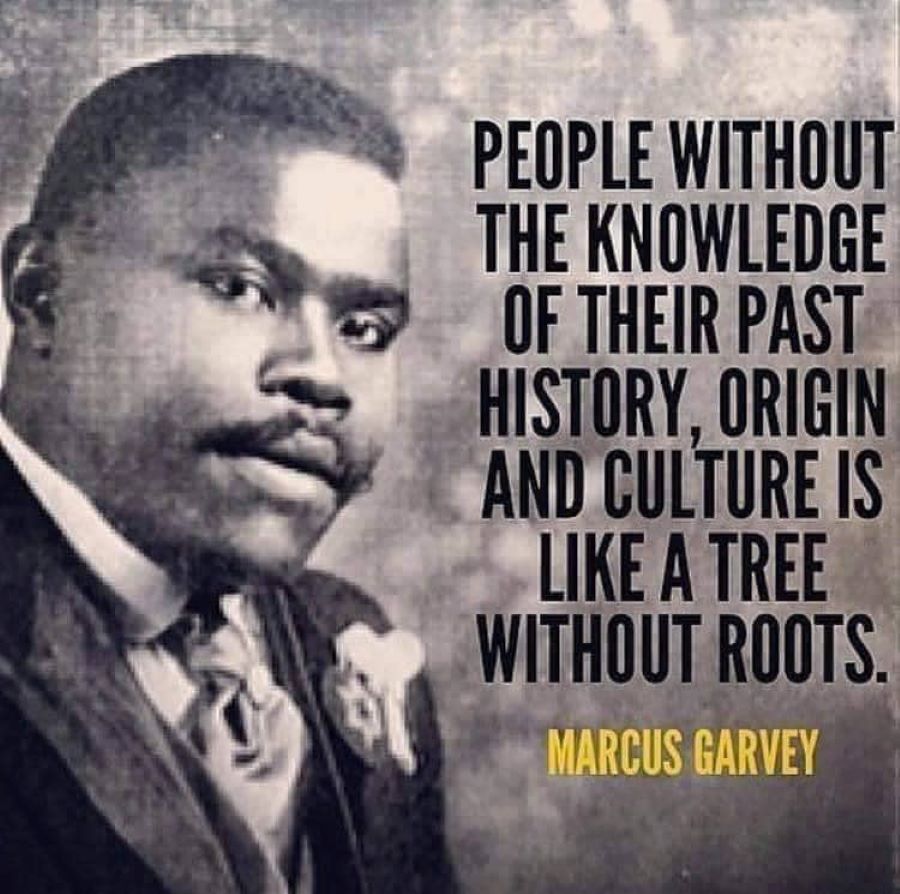
Hosea 4:6 (KJV) declares, “My people are destroyed for lack of knowledge: because thou hast rejected knowledge, I will also reject thee.” This scripture is a sobering reminder that ignorance is not just a personal issue—it can have generational, spiritual, and societal consequences. When people reject truth, they open the door to destruction, confusion, and bondage. Knowledge, in the biblical sense, is not merely intellectual information but deep understanding, discernment, and wisdom that lead to righteous living.

The danger of lacking knowledge begins with spiritual blindness. Without understanding who God is and what His Word says, people are vulnerable to false doctrines, manipulative leaders, and destructive choices. Proverbs 29:18 (KJV) warns, “Where there is no vision, the people perish: but he that keepeth the law, happy is he.” Vision here refers to divine revelation and guidance. When revelation is absent, chaos reigns.

Lack of knowledge also leads to cycles of oppression. History shows that when people are kept from education, they are easier to control. During slavery in America, it was illegal to teach enslaved Africans to read, precisely because knowledge would empower them to question their oppression and fight for freedom. This is why the Bible, literacy, and education were such powerful tools of liberation.

Psychologically, ignorance breeds fear and superstition. People without knowledge often rely on rumor, myth, or cultural tradition rather than truth. This can lead to destructive behaviors, prejudice, and generational curses. When individuals gain understanding—through study, therapy, and self-reflection—they can break free from unhealthy patterns and make wiser decisions.

Another danger of lacking knowledge is exploitation. Unscrupulous people take advantage of those who do not know their rights, their worth, or their purpose. Proverbs 22:3 (KJV) says, “A prudent man foreseeth the evil, and hideth himself: but the simple pass on, and are punished.” Without discernment, people fall into traps—whether financial scams, abusive relationships, or spiritual deception.

Lack of biblical knowledge specifically puts believers at risk of spiritual death. Jesus told the Sadducees, “Ye do err, not knowing the scriptures, nor the power of God” (Matthew 22:29, KJV). Without Scripture, people rely on human wisdom or popular culture for moral guidance, which often leads them away from God’s truth.

Overcoming ignorance requires an intentional pursuit of knowledge. Proverbs 4:7 (KJV) instructs, “Wisdom is the principal thing; therefore get wisdom: and with all thy getting get understanding.” This means believers must actively study, learn, and seek understanding—not only from books but from God through prayer, fasting, and fellowship.

Knowledge of the Bible is the foundation of true wisdom. Psalm 119:105 (KJV) says, “Thy word is a lamp unto my feet, and a light unto my path.” Scripture illuminates the right path and exposes lies. Regular Bible study, meditation on Scripture, and hearing sound teaching help believers grow in spiritual maturity and avoid deception.

Knowledge of self is also essential. Socrates famously said, “Know thyself,” and this wisdom aligns with Scripture’s call to self-examination. 2 Corinthians 13:5 (KJV) instructs, “Examine yourselves, whether ye be in the faith.” Understanding one’s identity in Christ brings confidence, purpose, and resilience against manipulation.

Psychology affirms that self-awareness is key to emotional intelligence and healthy decision-making. When people understand their strengths, weaknesses, and triggers, they are better equipped to respond rather than react, and to pursue growth rather than repeat mistakes.

Communal knowledge is just as important as individual knowledge. Black history, for instance, has often been suppressed or whitewashed, leaving generations disconnected from their heritage. Reclaiming historical knowledge restores dignity, pride, and collective power. Hosea’s warning applies here too: forgetting the past leads to cultural and spiritual destruction.

Another way to overcome lack of knowledge is mentorship and discipleship. In the Bible, knowledge was often passed down orally and through apprenticeship. Paul discipled Timothy (2 Timothy 2:2, KJV), teaching him sound doctrine so that he could teach others. Today, mentorship helps people grow spiritually, professionally, and personally.

The Holy Spirit also plays a critical role in imparting knowledge. John 14:26 (KJV) promises that the Comforter will “teach you all things, and bring all things to your remembrance.” This means that divine revelation is not limited to human intellect—God Himself is willing to teach those who are willing to learn.

A lack of knowledge about health and wellness can also lead to destruction. Many illnesses are preventable through education about nutrition, exercise, and mental health. The Bible encourages stewardship of the body: “Know ye not that your body is the temple of the Holy Ghost?” (1 Corinthians 6:19, KJV).

Financial ignorance is another area where people perish. Proverbs 21:20 (KJV) notes that “There is treasure to be desired and oil in the dwelling of the wise; but a foolish man spendeth it up.” Learning budgeting, saving, and investing protects families from generational poverty and exploitation.

Overcoming lack of knowledge also requires humility. Proverbs 12:1 (KJV) says, “Whoso loveth instruction loveth knowledge: but he that hateth reproof is brutish.” Some reject knowledge because it challenges their worldview or pride. A teachable spirit allows one to grow and avoid destruction.

Social media can be both a danger and a blessing in this regard. While misinformation spreads quickly online, digital platforms also provide access to education, theology, and history. The key is discernment—testing every message against Scripture and credible sources.

Ultimately, knowledge must lead to action. James 1:22 (KJV) warns, “But be ye doers of the word, and not hearers only, deceiving your own selves.” Knowing what is right without doing it is self-deception. True knowledge transforms character and behavior.

In conclusion, lack of knowledge is dangerous because it leads to destruction—spiritually, emotionally, financially, and culturally. The solution is a relentless pursuit of truth: knowledge of God through His Word, knowledge of self through reflection, and knowledge of the world through study and discernment. When we seek wisdom, God promises to give it liberally (James 1:5, KJV). Knowledge is not just power—it is protection, freedom, and the life path.


References

  • DeGruy, J. (2005). Post Traumatic Slave Syndrome: America’s Legacy of Enduring Injury and Healing. Joy DeGruy Publications.
  • Goleman, D. (1995). Emotional Intelligence: Why It Can Matter More Than IQ. Bantam Books.
  • hooks, b. (1995). Killing Rage: Ending Racism. Henry Holt and Company.
  • Tatum, B. D. (2017). Why Are All the Black Kids Sitting Together in the Cafeteria? Basic Books.

Key KJV Scriptures: Hosea 4:6; Proverbs 29:18; Proverbs 4:7; Psalm 119:105; 2 Corinthians 13:5; 1 Corinthians 6:19; Proverbs 21:20; James 1:22; Matthew 22:29; John 14:26.

Internalized Whiteness: Beauty Standards and the Reverence for Eurocentric Features.

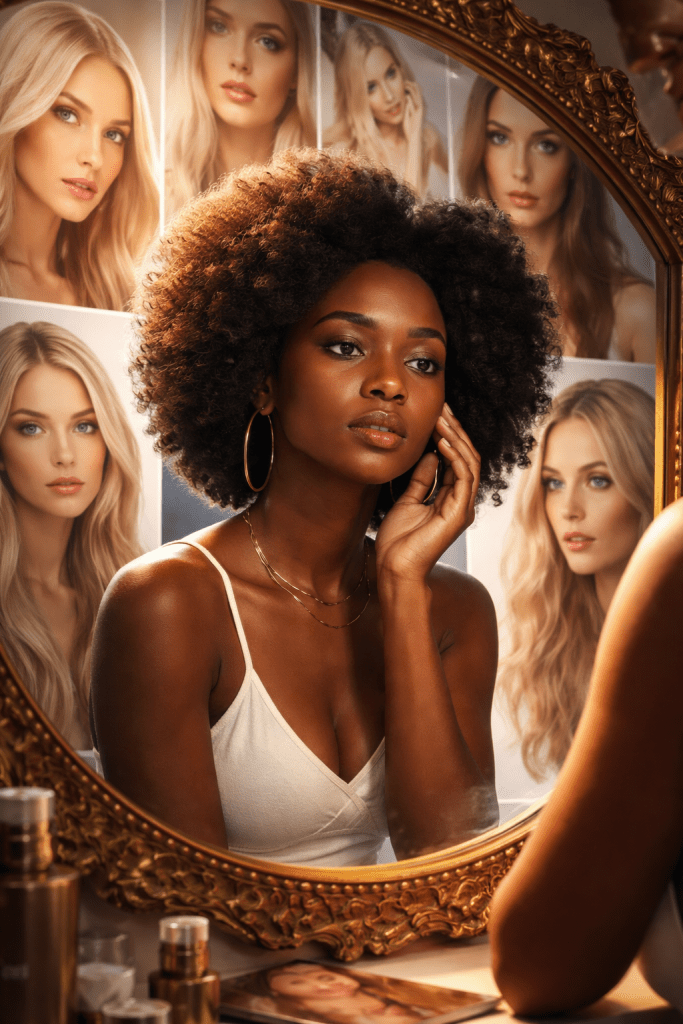
Black people in the United States and around the world have long contended with beauty ideals that place white, Eurocentric features at the top of a global hierarchy. These standards influence perceptions of skin, hair, facial structure, and desirability — shaping how individuals see themselves and each other. This phenomenon, when adopted within marginalized groups, is often referred to as internalized whiteness or internalized racism.

Internalized whiteness emerges when dominant cultural norms — rooted in white supremacy — become so embedded that they influence individuals’ self-value and self-image. This includes prioritizing lighter skin, straight hair, narrower noses, and thinner lips — traits historically associated with whiteness — over features more common among Black people.

At its core, internalized whiteness is not simply a matter of preference. It is a psychological and social legacy of historical oppression and exclusion — the aftermath of centuries in which European features were valorized while African features were devalued. This dynamic can play out within Black communities themselves, manifesting in preferences that mimic wider societal biases.

Research in psychology has found that internalized endorsement of Eurocentric beauty standards is associated with negative psychological outcomes for Black women, including increased anxiety and depression. This illustrates how deeply these aesthetic norms can penetrate individual self-worth.

Much of this beauty hierarchy has historical roots in colonialism and slavery. During slavery in the United States and Europe’s colonial enterprises globally, lighter skin was sometimes associated with proximity to enslaved persons’ masters or privileges — creating a rudimentary hierarchy of skin tone. This early color hierarchy evolved into modern colorism, where lighter skin and Eurocentric physical traits are socially rewarded.

Colorism — discrimination based on skin tone — is shaped by these beauty standards and operates both between and within racial groups. Studies have shown that within Black communities, lighter skin is often associated with social advantages, while darker skin correlates with disadvantage in socioeconomic status, relationships, and self-esteem.

This internalized ranking contributes to phenomena such as Black mothers complimenting mixed-race children for being “cute” while overlooking the beauty of darker-skinned children. Embedded beauty hierarchies can lead to intracommunity bias that privileges proximity to whiteness — a painful echo of larger societal values.

Internalized whiteness also shapes dating ideals. Within many Black communities, lighter or Eurocentric features are often perceived as more desirable. Researchers have documented how colorism can influence romantic relationships, with lighter-skinned individuals sometimes given preferential social attention or perceived as more attractive.

This dynamic is reinforced by media portrayals that celebrate Eurocentric standards. Television, film, and social media often highlight lighter skin and straighter hair as ideals of attractiveness, while darker skin and natural hair textures are marginalized or exoticized.

The entertainment industry itself reflects these norms. Colorism has long affected casting decisions, where lighter or Eurocentric Black actors may receive more visibility or roles reinforcing beauty ideals closer to whiteness. This can subtly encourage audiences to associate desirability with a closer resemblance to white aesthetics.

Prominent individuals have spoken about their own struggles with internalized beauty norms. Actor Taye Diggs has shared that he experienced self-esteem issues due to his dark skin during his youth and that seeing a dark-skinned model like Tyson Beckford celebrated for his looks helped shift his self-perception.

Diggs recounted that after seeing such representation, he felt more pride in his appearance — illustrating how affirming depictions can counteract internalized negative values.

Despite these pressures, there is a long tradition of movements that push back against internalized whiteness. The “Black Is Beautiful” movement, for example, explicitly affirmed the beauty of all African features and encouraged pride in Black identity and aesthetics.

Nonetheless, everyday social interactions continue to reflect internalized standards. Many within Black communities witness attitudes where darker skin or kinkier hair is overlooked or undervalued — sometimes even compared unfavorably to lighter skin or straighter hair. These preferences can create tension between generations and within peer groups.

Colorism also affects self-image in deeper ways. Adolescent Black girls who internalize beauty norms tied to whiteness often show lower body esteem and self-confidence, especially when media representations seldom reflect their own appearance.

The internalized gaze — the tendency to view oneself and one’s group through the lens of dominant Eurocentric ideals — is a psychological burden that can shape life choices, aspirations, and identity development.

Black individuals may also project these norms onto others. Stories of Black men and women expressing preferences for lighter-skinned or mixed partners indicate that societal beauty hierarchies persist even within marginalized groups. These patterns often reflect deeper social conditioning rather than genuine individual aesthetics.

For some, these preferences result in Black-on-Black criticism — for example, targeting darker-skinned individuals for perceived unattractiveness. Such intragroup conflict reflects the broader influence of external beauty standards internalized over time.

Within families, these dynamics can influence how children are treated and perceived. Some Black parents may unconsciously praise lighter or mixed-heritage children more frequently, reinforcing beauty standards rooted in whiteness.

However, research suggests that strong racial identity and cultural affirmation can mitigate the psychological effects of internalized whiteness. Black feminist consciousness and pride in African aesthetics have been linked to better body satisfaction and resilience against beauty ideals imposed by dominant culture.

Colorism and internalized whiteness do not only affect women. Men in Black communities may also internalize beauty hierarchies, influencing their preferences in partners and perceptions of themselves. These internalized biases can contribute to harmful social norms around desirability and masculinity.

Despite the deep roots of these issues, many in the Black community are actively resisting internalized beauty standards. Grassroots movements, cultural affirmations of natural hair care, skin tone diversity celebrations, and educational campaigns all challenge the notion that whiteness equals beauty.

Social media has become a space for Black creators to celebrate Afrocentric features, natural hair textures, and darker skin tones — offering counter-narratives to historical beauty hierarchies.

These cultural shifts are important because representation matters. Seeing diverse Black beauty celebrated publicly can weaken the internalized gaze and make space for fuller self-acceptance.

Fostering dialogue within families and communities about these issues can help dismantle internalized beauty standards. Education about the historical origins of these preferences can reveal how deeply they are rooted in systemic inequities, not biological superiority.

Ultimately, internalized whiteness and the reverence for Eurocentric features represent not an inherent flaw within Black people but the lingering psychological impact of centuries of racial domination and cultural marginalization.

Embracing Black aesthetics — in all their diversity — is part of the healing process. It involves reclaiming beauty definitions and affirming that Black features, skin tones, and hair textures are not only valid but inherently beautiful.

By understanding and challenging the internalized gaze, individuals and communities can move toward greater self-acceptance and collective pride.

Breaking free from these internalized hierarchies is not just a cultural shift — it’s a step toward racial justice and psychological liberation.


References

Dennis, A. C., DeAngelis, R., Hargrove, T. W., & Pearson, J. A. (2025). Colorism and health inequities among Black Americans: A biopsychosocial perspective. PMC. https://pmc.ncbi.nlm.nih.gov/articles/PMC12573201/?utm_source=chatgpt.com

Phoenix, A., & Craddock, N. (2024). Skin shade and relationships: How colourism pits Black and mixed Black-White women against each other. Frontiers in Sociology. https://pubmed.ncbi.nlm.nih.gov/39758188/?utm_source=chatgpt.com

Walker, S. T. (2014). Black beauty, white standards: Impacts on Black women and resources for resistance and resilience. University of Massachusetts Boston. https://scholarworks.umb.edu/doctoral_dissertations/147?utm_source=chatgpt.com

Williams, T. R., Sanders, S. M., Bass, J. E., Tookes-Williams, K., Popplewell, R., Hooper, V., & Garcia-Aguilera, C. (2025). Investigating the effects of racial identity on the relationship between Black women’s endorsement of Eurocentric beauty standards and psychological health. Women & Therapy. https://www.tandfonline.com/doi/full/10.1080/02703149.2025.2515013?utm_source=chatgpt.com

Internalized racism – Wikipedia. https://en.wikipedia.org/wiki/Internalized_racism?utm_source=chatgpt.com

Black is Beautiful – Wikipedia. https://en.wikipedia.org/wiki/Black_is_beautiful?utm_source=chatgpt.com

Taye Diggs commentary on colorism and self-esteem – Atlanta Black Star. https://atlantablackstar.com/2012/01/19/taye-diggs-reveals-black-men-are-scarred-by-colorism/?utm_source=chatgpt.com

Chromatic Hierarchy: The Social Order of Skin Tone.

Chromatic hierarchy refers to a system of social stratification in which individuals are ranked or valued based on variations in skin tone. Within this framework, lighter complexions are often privileged while darker complexions are marginalized. Although the concept is closely related to colorism, chromatic hierarchy emphasizes the broader structural and historical patterns that create and sustain these inequalities. This hierarchy can exist both between racial groups and within them, shaping perceptions of beauty, intelligence, social status, and economic opportunity.

The roots of chromatic hierarchy can be traced to the historical processes of colonialism, slavery, and racial classification. European colonial powers constructed racial hierarchies that placed whiteness at the top as a symbol of civilization and superiority. These ideas were reinforced through pseudoscientific racial theories that attempted to rank human populations according to physical characteristics such as skin color, facial features, and hair texture. Over time, these ideologies became embedded in social institutions and cultural norms.

In the context of the transatlantic slave trade, chromatic hierarchy became particularly pronounced. Enslaved Africans were often categorized and treated differently depending on their complexion. Lighter-skinned individuals, many of whom were the mixed-race children of enslavers, were sometimes given different labor assignments or allowed limited privileges within plantation systems. While these distinctions did not erase the brutality of slavery, they created internal divisions that would influence later social dynamics within Black communities.

Following emancipation in the United States, chromatic hierarchy continued to shape social life. During the late nineteenth and early twentieth centuries, lighter-skinned African Americans were sometimes perceived as having greater access to education, employment, and social mobility. Elite organizations and social clubs occasionally used informal complexion tests—such as the infamous “paper bag test”—to determine who could participate in certain institutions. These practices reinforced the idea that proximity to whiteness conferred social advantage.

Chromatic hierarchy also intersected with economic opportunity. Research has shown that lighter-skinned individuals in many societies have historically received higher wages, more favorable treatment in hiring, and increased representation in leadership roles. These patterns illustrate how color-based stratification operates not only at the interpersonal level but also within broader economic systems.

The concept is deeply tied to the legacy of racial ideology in Western societies. In the United States, racial categories were constructed during slavery and codified through laws that reinforced segregation and discrimination. The association of lightness with privilege and darkness with marginalization became embedded in cultural narratives, influencing how people interpret identity and status.

Within Black communities, chromatic hierarchy has often produced complex social dynamics. While the shared experience of racial discrimination fosters solidarity, differences in complexion can still shape perceptions of beauty, desirability, and social standing. Media representation, historical social structures, and colonial legacies have contributed to these internal hierarchies.

Beauty standards provide one of the most visible examples of chromatic hierarchy. For decades, mainstream media and fashion industries have often favored lighter skin tones and Eurocentric features. This preference has influenced advertising, film casting, and beauty industries, shaping cultural perceptions of attractiveness and worth. As a result, darker-skinned individuals—particularly women—have frequently been underrepresented or stereotyped in media portrayals.

These patterns can have psychological consequences. Studies in social psychology suggest that exposure to hierarchical beauty standards can affect self-esteem, identity formation, and perceptions of belonging. When individuals repeatedly encounter messages that privilege certain physical characteristics, those messages can shape internal beliefs about value and desirability.

Education and socialization also play important roles in maintaining or challenging chromatic hierarchy. Children often learn cultural preferences regarding complexion through family conversations, media exposure, and peer interactions. These early experiences can influence how individuals perceive themselves and others throughout their lives.

The relationship between chromatic hierarchy and socioeconomic mobility has been widely studied. Sociologists have found correlations between skin tone and outcomes such as educational attainment, income, and occupational status in certain contexts. These findings suggest that the legacy of color-based stratification continues to influence opportunities in contemporary society.

At the same time, many scholars emphasize that chromatic hierarchy is not a universal or static phenomenon. Its effects vary across regions, cultures, and historical periods. In some societies, different forms of color-based stratification exist that are not directly tied to racial categories but instead relate to class or colonial history.

Within the African diaspora, discussions about chromatic hierarchy often intersect with broader conversations about identity, representation, and empowerment. Activists, artists, and scholars have increasingly called attention to the ways in which skin tone bias affects social experiences. These discussions aim to promote awareness and encourage more inclusive representations of beauty and identity.

The media has begun to reflect these conversations. In recent years, film, television, and fashion industries have made efforts to showcase a broader range of complexions and features. While progress remains uneven, these shifts illustrate how cultural institutions can influence public perceptions and challenge long-standing hierarchies.

Scholars often emphasize that dismantling chromatic hierarchy requires both cultural and structural change. Addressing bias involves examining historical narratives, expanding representation, and promoting equitable opportunities across institutions. Education and critical discussion play crucial roles in helping individuals recognize how historical systems continue to shape present realities.

Within Black communities, confronting chromatic hierarchy also involves fostering dialogue about shared history and internal diversity. Recognizing the influence of historical color-based divisions allows communities to address them with honesty and compassion, promoting solidarity rather than division.

Theological and ethical perspectives have also contributed to critiques of chromatic hierarchy. Many religious traditions emphasize the intrinsic value and dignity of every human being. From this perspective, hierarchies based on skin tone contradict moral teachings that affirm equality and justice.

Ultimately, chromatic hierarchy reflects the enduring influence of historical racial ideologies. Although societies have made progress toward greater equality, the legacy of color-based stratification continues to shape social interactions and institutional outcomes. Understanding this history is essential for recognizing how past structures influence present conditions.

By examining the origins and consequences of chromatic hierarchy, scholars and communities can better understand the complexities of identity and inequality. Awareness of these dynamics encourages a broader commitment to justice, representation, and respect for the full diversity of human experience.


References

Hunter, M. L. (2007). The persistent problem of colorism: Skin tone, status, and inequality. Sociology Compass, 1(1), 237–254.

Keith, V. M., & Herring, C. (1991). Skin tone and stratification in the Black community. American Journal of Sociology, 97(3), 760–778.

Hall, R. E. (2010). The bleaching syndrome: African Americans’ response to cultural domination vis-à-vis skin color. Journal of Black Studies, 26(2), 172–184.

Glenn, E. N. (2009). Shades of difference: Why skin color matters. Stanford University Press.

Wilder, J. (2015). Color stories: Black women and colorism in the 21st century. Temple University Press.

Russell, K., Wilson, M., & Hall, R. (1992). The color complex: The politics of skin color among African Americans. Harcourt Brace Jovanovich.

Constructed Identities: The Politics, Genetics, and Legacy of Mixed Race.

The story of mixed race is not merely a matter of biology, but a deeply layered narrative shaped by power, conquest, identity, and survival. What we call “mixed race” today emerged from historical systems that sought to divide humanity into categories, assigning value and status based on appearance. These divisions were not natural; they were constructed.

The modern conception of race was developed during the rise of European colonialism. Scholars in anthropology widely agree that race has no fixed biological basis. Instead, it was created as a social hierarchy to justify slavery, land theft, and domination over non-European peoples.

In contrast, ethnicity refers to cultural identity—shared language, customs, ancestry, and traditions. While race is often imposed externally, ethnicity is more closely tied to how people understand themselves and their heritage. The confusion between these two concepts has contributed to centuries of misunderstanding about identity.

The transatlantic slave trade marked a turning point in how race was defined and enforced. During this period, millions of Africans were forcibly transported to the Americas, where rigid racial systems were established. Within this system, people of mixed ancestry were given special classifications that both elevated and restricted them.

Many mixed-race individuals were born from deeply unequal relationships, often involving coercion or outright violence. European enslavers frequently fathered children with enslaved African women, creating a population that did not fit neatly into the binary racial categories of the time. These individuals became central to the development of complex racial hierarchies.

One of the most common terms used during slavery was Mulatto, referring to someone with one African and one European parent. The term itself reflects the dehumanizing logic of the era, as it is derived from a word historically associated with animal breeding.

Other classifications attempted to quantify ancestry with disturbing precision. A Quadroon referred to someone with one Black grandparent, while an Octoroon described someone even further removed. These labels were not casual descriptors—they determined a person’s legal rights, social status, and opportunities.

In Spanish and Portuguese colonies, an elaborate system known as the Casta System categorized individuals based on detailed mixtures of African, Indigenous, and European ancestry. Paintings from this era visually depicted these categories, reinforcing the idea that identity could be measured and ranked.

Terms like Mestizo and Zambo further illustrate how colonial societies attempted to map human diversity into rigid frameworks. Each category carried different social implications, often tied to proximity to whiteness.

In the United States, racial classification took on a particularly rigid form through the development of the One-Drop Rule. This principle erased the complexity of mixed identities by categorizing anyone with African ancestry as Black, reinforcing white supremacy and limiting social mobility.

Within plantation life, mixed-race individuals were often assigned roles that reflected their perceived proximity to whiteness. Some worked as house servants, while others labored in the fields. This distinction contributed to the development of colorism—a system that privileges lighter skin within communities of color.

Colorism has had long-lasting psychological and social effects. Lighter-skinned individuals were sometimes granted limited privileges, such as access to education or less physically demanding labor, while darker-skinned individuals faced harsher conditions. These divisions created internal hierarchies that persist today.

From a scientific perspective, however, the idea of distinct races collapses under scrutiny. Advances in Genetics reveal that all humans share approximately 99.9% of their DNA. The differences that do exist are gradual and do not align with traditional racial categories.

Mixed-race individuals are simply expressions of genetic diversity, resulting from the blending of ancestral populations over time. This process, known as admixture, is a natural part of human history. Migration, trade, and interaction have always led to the mixing of populations.

There is no single genetic marker that defines race. Traits like skin color are influenced by a small number of genes and can vary widely even within the same family. This explains why mixed-race individuals can have a broad range of appearances.

Physically, mixed-race individuals may exhibit a combination of features associated with different ancestral groups. These can include variations in skin tone, hair texture, facial structure, and eye color. However, these traits are not predictable and do not follow simple patterns.

The perception of a “mixed-race look” is largely shaped by societal expectations rather than biological reality. People often project assumptions onto individuals based on their appearance, reinforcing stereotypes about what mixed race should look like.

The psychological experience of being mixed race has often been marked by tension and contradiction. Many individuals have historically been forced to navigate multiple identities, sometimes feeling that they do not fully belong to any one group.

This sense of in-betweenness has been described as both a burden and a unique perspective. While some experience alienation, others embrace their mixed heritage as a source of strength and cultural richness.

A powerful case study can be found in the history of Creole communities in Louisiana. These communities, often composed of individuals with African, European, and sometimes Indigenous ancestry, developed distinct cultural identities that blended language, religion, and tradition.

Creoles occupied a unique social position, sometimes enjoying more rights than enslaved Africans but still facing discrimination. Their existence challenged rigid racial categories and demonstrated the fluidity of identity.

Another important case study is the Melungeon population of Appalachia. These communities, with mixed African, European, and Indigenous roots, lived on the margins of society and were often subjected to suspicion and discrimination due to their ambiguous appearance.

In the Caribbean, particularly in places like Haiti and the Dominican Republic, mixed-race populations became central to national identity. However, color hierarchies persisted, often privileging lighter skin and European features.

The legacy of mixed race is also visible in modern celebrity culture. Public figures of mixed ancestry are often celebrated for their appearance while simultaneously being subjected to scrutiny about their identity and authenticity.

Historically, mixed-race individuals have also been used symbolically in media and literature, sometimes portrayed as tragic figures caught between worlds. These narratives reflect broader societal anxieties about race and belonging.

A Construct Born of Power, Not Biology

The concept of “mixed race” cannot be understood apart from the historical invention of race itself. Race is not a biological reality but a social construct, developed largely during European colonial expansion to justify hierarchy, slavery, and domination . In contrast, ethnicity refers to shared culture, language, ancestry, and heritage—not physical traits alone.

Thus, “mixed race” is less about genetics and more about how societies have historically categorized, controlled, and stratified human beings.


The Origins of Race and Ethnicity

  • Race: A classification system based primarily on physical traits (skin color, hair texture, facial features), developed during colonialism to rank human populations.
  • Ethnicity: A cultural identity tied to shared traditions, language, ancestry, and historical experience.

The modern racial system emerged between the 16th–18th centuries alongside the transatlantic slave trade. Europeans created rigid categories (White, Black, Indigenous) and then constructed intermediate labels to classify people of mixed ancestry.


Slavery and the Creation of Mixed-Race Classes

During slavery in the Americas, mixed-race individuals were often the result of coercive relationships between European enslavers and African women . These children occupied a complex and often contradictory social position:

  • Sometimes granted limited privileges (education, lighter labor)
  • Often still enslaved and denied full humanity
  • Used as a buffer class between enslaved Africans and White elites

House Slaves vs Field Slaves

  • House slaves: Often lighter-skinned or mixed ancestry; worked inside homes; perceived as “closer” to whiteness
  • Field slaves: Typically darker-skinned; subjected to harsher labor conditions

This division reinforced colorism, a system privileging lighter skin within Black communities—a legacy that persists today.


Historical Terms for Mixed Race (and Their Meanings)

Colonial societies created dozens of terms to classify people by fractions of ancestry. These were not neutral—they were tools of control.

African + European Ancestry

  • Mulatto: One Black parent, one White parent
  • Quadroon: 1/4 African ancestry
  • Octoroon: 1/8 African ancestry
  • Griffe: 3/4 African, 1/4 European

African + Indigenous

  • Zambo: African + Indigenous ancestry

European + Indigenous

  • Mestizo: European + Indigenous ancestry

Tri-Racial or Complex Mixtures

  • Pardo: Mixed African, European, and Indigenous ancestry
  • Marabou: Haitian term for mixed African, European, and Indigenous lineage

Colonial System

  • Casta System: A hierarchical classification system in Spanish colonies assigning social status based on racial mixture

These labels were tied to legal rights, social status, and even freedom.


The “One-Drop Rule” and Racial Policing

In the United States, racial identity became even more rigid under laws like the one-drop rule, where any African ancestry classified a person as Black. This erased the complexity of mixed identity and reinforced white supremacy.


Genetics of Mixed Race: What Science Actually Says

From a biological standpoint:

  • All humans share 99.9% of their DNA
  • Genetic variation exists gradually across populations (not in rigid racial boxes)
  • Mixed-race individuals simply reflect genetic admixture—the blending of ancestral populations over time

Key points:

  • There is no gene for race
  • Traits like skin color are influenced by a small number of genes
  • Mixed ancestry often increases genetic diversity, which can be beneficial for health

Physical Features of Mixed-Race Individuals

There is no single “mixed-race look,” but some commonly observed features (depending on ancestry) include:

  • Varying skin tones (light brown to deep brown)
  • Curly, wavy, or loosely coiled hair textures
  • Facial feature blending (nose shape, lip fullness, eye shape)
  • Lighter eye colors (in some African-European mixes)

However, phenotype (appearance) is unpredictable due to genetic recombination.


The Psychological and Social “Tragedy”

The “tragedy” of mixed race is not biological—it is social and historical:

1. Identity Fragmentation

Mixed individuals have often been forced to “choose” one identity over another.

2. Rejection from Both Sides

Historically:

  • Not fully accepted by White society
  • Sometimes viewed with suspicion in Black communities

3. Colorism and Privilege

Mixed individuals have sometimes been:

  • Privileged due to proximity to whiteness
  • Simultaneously marginalized and fetishized

4. Historical Trauma

Many mixed-race lineages originate from violence, coercion, and exploitation during slavery.


Modern Language: Moving Away from Colonial Labels

Today, terms like:

  • Biracial
  • Multiracial
  • Mixed

are preferred over colonial classifications like “mulatto,” which is widely considered outdated or offensive in the United States.


Beyond Labels

Mixed race is not a biological anomaly—it is a human reality shaped by migration, empire, and survival. The tragedy lies not in the mixture, but in the systems that:

  • Created hierarchies of human value
  • Weaponized identity
  • Divided people by appearance

In truth, mixed-race people expose a deeper reality: the artificial nature of racial boundaries themselves.

The so-called “tragedy” of mixed race is not inherent to the individuals themselves but arises from the systems that have sought to define and limit them. It is a tragedy rooted in exclusion, not in identity.

In contemporary society, language around mixed race has evolved. Terms like “biracial” and “multiracial” are now commonly used, reflecting a shift toward more inclusive and self-defined identities.

Despite this progress, challenges remain. Mixed-race individuals still navigate complex social dynamics, including questions of authenticity, representation, and belonging.

At the same time, the growing visibility of multiracial identities is reshaping how society understands race. Increasingly, people are recognizing that racial categories are fluid, overlapping, and deeply interconnected.

Ultimately, the history of mixed race reveals a fundamental truth: the boundaries we draw between people are neither natural nor fixed. They are the product of human decisions, shaped by history and power.

In this sense, mixed-race individuals do not complicate the idea of race—they expose its limitations. Their existence challenges us to rethink how we define identity and to move beyond the divisions of the past.

The future of racial identity may lie not in rigid categories but in a more nuanced understanding of human diversity—one that acknowledges both our shared humanity and the richness of our differences.


References

Encyclopaedia Britannica. (2026). Mulatto.
Encyclopaedia Britannica. (2026). Race (human classification).
Pew Research Center. (2015). Multiracial in America: Proud, diverse, and growing in numbers.
Omi, M., & Winant, H. (2015). Racial Formation in the United States. Routledge.
Smedley, A., & Smedley, B. D. (2005). Race as biology is fiction, racism as a social problem is real. American Psychologist, 60(1), 16–26.
Marks, J. (2010). Ten Facts about Human Variation. In Biological Anthropology.
Nash, G. B. (1992). Forbidden Love: The Secret History of Mixed-Race America.
Davis, F. J. (2001). Who Is Black? One Nation’s Definition. Penn State Press.
Hollinger, D. A. (2003). Amalgamation and hypodescent. Journal of American History, 89(4), 1363–1390.