All posts by The Brown Girl Dilemma

I welcome everyone— women and men of all nationalities—to read, reflect, and gather insight across the many topics about black people explored here. To the Brown girl and the Brown boy who walk into rooms already carrying history, beauty, and burden—this space is for you. You stand at the intersection of visibility and erasure, desirability and disregard, reverence and resistance, often praised, questioned, desired, dismissed, and debated all at once. In a world that studies your skin more than your soul and distorts what God designed with intention, may truth, healing, and divine purpose meet you here. This is a conversation created to name your journey without silencing your truth, to restore what society has tried to redefine, and to remind you that your worth was never the problem—only the world’s inability to honor it.

The Secret of Melanin: Aging Beauty, and the Power of the Black Woman.

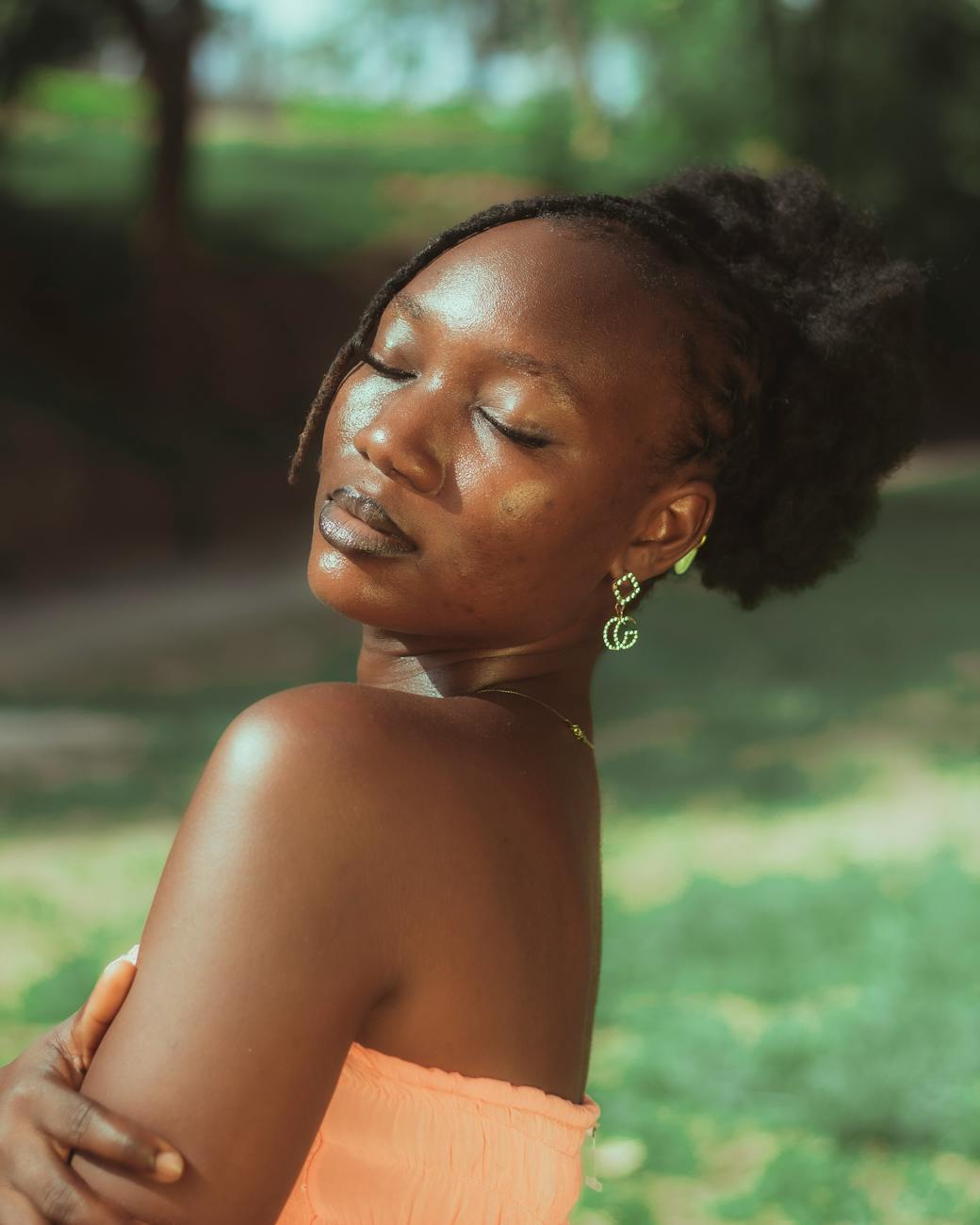
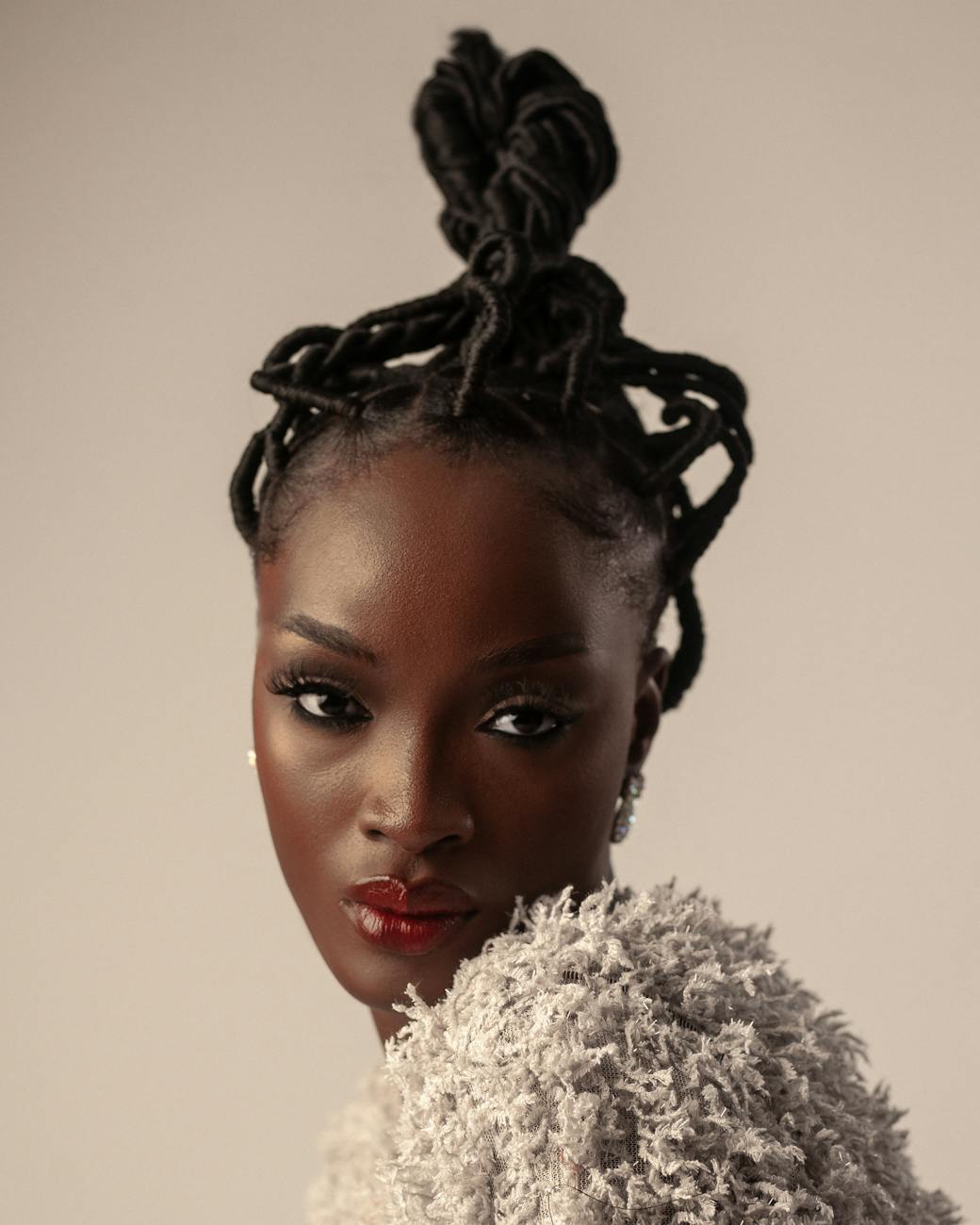
Photo by Adedamola Adetoyi on Pexels.com

The phrase “Black don’t crack” has echoed for generations in Black communities across the globe. It’s more than a catchy saying—it is a cultural truth backed by science, genetics, and ancestral wisdom. While the conversation around aging is often filled with fear and consumerist solutions, Black women have long been the embodiment of timeless beauty, grace, and strength. Their youthful appearance, particularly when compared to other racial groups, has raised both admiration and curiosity. But what’s the science—and the soul—behind it all?

Scientific Explanation: The Role of Melanin in Aging

The slower aging process in Black women is primarily rooted in biology—specifically in the amount and function of melanin in the skin.

1. Melanin as a Natural Sunblock

Melanin is a pigment produced by melanocytes in the skin. It exists in two main forms: eumelanin (dark brown/black) and pheomelanin (red/yellow). Black skin contains more eumelanin, which provides natural protection against ultraviolet (UV) radiation. UV exposure is the number one cause of premature skin aging, including wrinkles, sagging, and sunspots.

  • Scientific studies show that darker skin can have a natural SPF of up to 13, compared to SPF 3 for lighter skin tones (Taylor, 2002).
  • This means Black skin is less likely to develop sun-induced damage, which contributes heavily to early signs of aging in lighter-skinned populations.

2. Collagen Density and Structure

Black skin has been found to have a denser and more compact dermis layer (the middle layer of skin where collagen lives). Collagen provides the skin with structure and elasticity. Because of this:

  • Wrinkles form more slowly in Black skin.
  • The skin maintains firmness and tightness for longer periods.

3. Oil Production and Hydration

Sebaceous glands (which produce oil) are generally more active in darker skin, offering greater moisture retention. Dry skin leads to fine lines and faster aging. The higher oil content in Black skin helps keep the skin plump and hydrated over time.

4. Antioxidant Properties of Melanin

Melanin isn’t just protective—it’s biologically active. It has antioxidant and free-radical scavenging abilities that help the skin resist inflammation and oxidative stress—both of which contribute to aging (Welsing, 1991).


Biblical Explanation: Divine Design, Beauty, and the Glory of Melanin

The Bible affirms that all humanity was “fearfully and wonderfully made” (Psalm 139:14, KJV), but many scholars, including Hebraic thinkers, assert that melanated people—especially descendants of Shem and Ham—possess a unique divine signature. This isn’t about racial superiority, but about purposeful design and resilience.

1. Melanin and the Image of God

The concept of being made in the image of God (Genesis 1:26–27) speaks to divine intentionality and sacred identity. Melanin, in this sense, can be seen as a marker of divine resilience, power, and spiritual energy. As Dr. Frances Cress Welsing argued, melanin is not only biochemical but symbolic of deep cosmic intelligence and spiritual connectivity (Welsing, 1991).

In biblical thought, Blackness is not a curse but a blessing:

  • Song of Solomon 1:5“I am black and beautiful, O daughters of Jerusalem…”
  • The Hebrew word for “black” here is “shachor,” denoting richness, depth, and value.
  • Queen of Sheba (1 Kings 10) and Cushites (Jeremiah 13:23) are celebrated African figures in Scripture associated with wisdom, wealth, and prestige.

2. Preservation Through Affliction

Throughout biblical history, Israel endured suffering, slavery, and dispersion. Yet, as prophesied in Deuteronomy 28, the true Israelites—often identified by many Black scholars as melanated people scattered across the globe—would endure but not be erased. Their bodies, minds, and spirits would be preserved by divine strength.

  • “They shall be strong in the Lord and in the power of His might” (Ephesians 6:10)—this can be applied not just spiritually but physically, reflecting strength in endurance, health, and aging.

3. The Golden Fleece and Divine Worth

Dr. Welsing’s term “golden fleece” refers to melanin as a sacred covering, a biological inheritance that carries wisdom, spiritual insight, and physical protection. It connects the bearer to cosmic rhythms, ancestral memory, and divine purpose.

  • This mirrors Exodus 25, where gold symbolizes purity, power, and divine presence in the tabernacle. Similarly, melanated skin carries divine symbolism—a covering of dignity and glory.

Black women, through both science and Scripture, are shown to be resilient, radiant, and rare. Their aging process—graceful and glorious—is not merely aesthetic. It is testimony, evidence of a deeper mystery encoded in their very being.


Why Do Black Women Age Differently?

The primary factor lies in melanin, the pigment responsible for skin, hair, and eye color. Black skin, particularly rich in melanin, offers a built-in defense mechanism against the harmful effects of ultraviolet (UV) rays, which are known to accelerate skin aging. According to dermatological studies, darker skin contains more eumelanin, a type of melanin that acts as a natural sunscreen, blocking up to 80% of UV rays (Taylor, 2002). This means that Black skin is less prone to sunburns, photoaging, and the breakdown of collagen and elastin.

By contrast, lighter-skinned individuals, particularly those of Northern European descent, possess significantly less melanin, making their skin more vulnerable to sun damage, wrinkles, and early signs of aging.


Melanin: The Golden Fleece of Human Biology

In her groundbreaking work The Isis Papers: The Keys to the Colors (1991), Dr. Frances Cress Welsing described melanin as the “golden fleece”—a symbolic and biological treasure. Welsing, a psychiatrist and scholar, argued that melanin is not only a pigment but a biochemical force tied to intelligence, strength, spiritual consciousness, and resilience. To her, the global fascination with Blackness, from tanning trends to lip and body augmentation, speaks to an unspoken admiration for melanated aesthetics and vitality.

Melanin also functions as a powerful antioxidant and free-radical scavenger, protecting against environmental toxins, premature aging, and inflammation. It is no coincidence that melanin-rich individuals, particularly women, tend to retain elasticity and luminosity in their skin far longer than their non-melanated counterparts.


Healthy Foods for Radiant Skin

While genetics and melanin are powerful allies, diet plays a crucial role in preserving skin health and youthful appearance. Here is a list of foods that support glowing, ageless skin—especially for Black women:

  • Avocados – Rich in healthy fats and vitamin E, promoting elasticity.
  • Sweet Potatoes – High in beta-carotene, which converts to vitamin A for skin renewal.
  • Berries – Packed with antioxidants that fight oxidative stress.
  • Dark Leafy Greens – Contain chlorophyll, iron, and vitamins A and C.
  • Nuts and Seeds – Provide zinc, selenium, and omega-3 fatty acids for collagen support.
  • Turmeric – Anti-inflammatory properties help even skin tone.
  • Water – Essential for hydration and detoxification.

The Cultural Meaning Behind “Black Don’t Crack”

“Black don’t crack” is not just a biological fact; it is a cultural declaration. It celebrates the resilience, grace, and strength of Black women who have endured centuries of systemic oppression, stress, and racism—and yet remain regal and radiant. It’s an acknowledgment of the divine design that allows Black women to thrive and blossom, even in adversity.


Some of the Most Beautiful Black Women Over 50?

  • Angela Bassett (b. 1958) – A living testament to ageless beauty and strength.
  • Viola Davis (b. 1965) – Powerfully beautiful with deeply expressive features.
  • Halle Berry (b. 1966) – Consistently cited among the most beautiful women globally.
  • Michelle Obama (b. 1964) – Embodying poise, power, and purpose.
  • Regina King (b. 1971) – A luminous presence in Hollywood and beyond.
  • Sade Adu (b. 1959) – Her timeless beauty and voice defy age.

Which Races Age the Fastest?

Scientific research generally supports that individuals of African, Southeast Asian, and East Indian descent tend to age more slowly due to higher melanin content and thicker dermal layers. On the other hand, Caucasian skin tends to show signs of aging earliest due to its susceptibility to UV radiation and lower oil production (Rawlings, 2006). This doesn’t imply superiority or inferiority, but rather differences in biological resilience and environmental adaptation.


Are Black Women Desirable to Men?

Absolutely. Black women are deeply desirable—not merely because of physical attributes but because of their strength, intelligence, spirituality, and resilience. However, desirability is often shaped by societal standards and media representations, which historically marginalized or exoticized Black femininity. Thankfully, global perceptions are shifting. A 2020 Pew Research study revealed growing cross-cultural appreciation for Black women’s beauty, with social media platforms amplifying authentic narratives and redefining beauty standards.

Still, Black women’s desirability shouldn’t hinge on trends or external validation. Their power lies in their essence—unapologetically regal, innately divine, and eternally radiant.


Conclusion

To say that Black women age well is to understate a profound biological and spiritual phenomenon. Their melanin—the literal golden fleece—is not just pigment, but power. It preserves them, protects them, and showcases their divine blueprint. In a world obsessed with youth and beauty, Black women remain timeless. Their skin, their wisdom, and their legacy shine brighter with age. From a scientific standpoint, melanin is a natural superpower, slowing the visible effects of aging, protecting from sun damage, and promoting long-term skin health. From a biblical and Afrocentric perspective, melanin is a sacred inheritance—a visible marker of divine craftsmanship, cultural continuity, and ancestral survival.


References

  • Rawlings, A. V. (2006). Ethnic skin types: Are there differences in skin structure and function? International Journal of Cosmetic Science, 28(2), 79–93.
  • Taylor, S. C. (2002). Skin of color: Biology, structure, function, and implications for dermatologic disease. Journal of the American Academy of Dermatology, 46(2), S41–S62.
  • Welsing, F. C. (1991). The Isis Papers: The Keys to the Colors. Chicago: Third World Press.
  • Pew Research Center. (2020). Race in America: Public attitudes on race relations, racial inequality, and their personal experiences.
  • Taylor, S. C. (2002). Skin of color: Biology, structure, function, and implications for dermatologic disease. Journal of the American Academy of Dermatology, 46(2), S41–S62.
  • Rawlings, A. V. (2006). Ethnic skin types: Are there differences in skin structure and function? International Journal of Cosmetic Science, 28(2), 79–93.
  • Welsing, F. C. (1991). The Isis Papers: The Keys to the Colors. Chicago: Third World Press.
  • The Holy Bible, King James Version (KJV)
Dilemma: I DON’T NEED A MAN!?

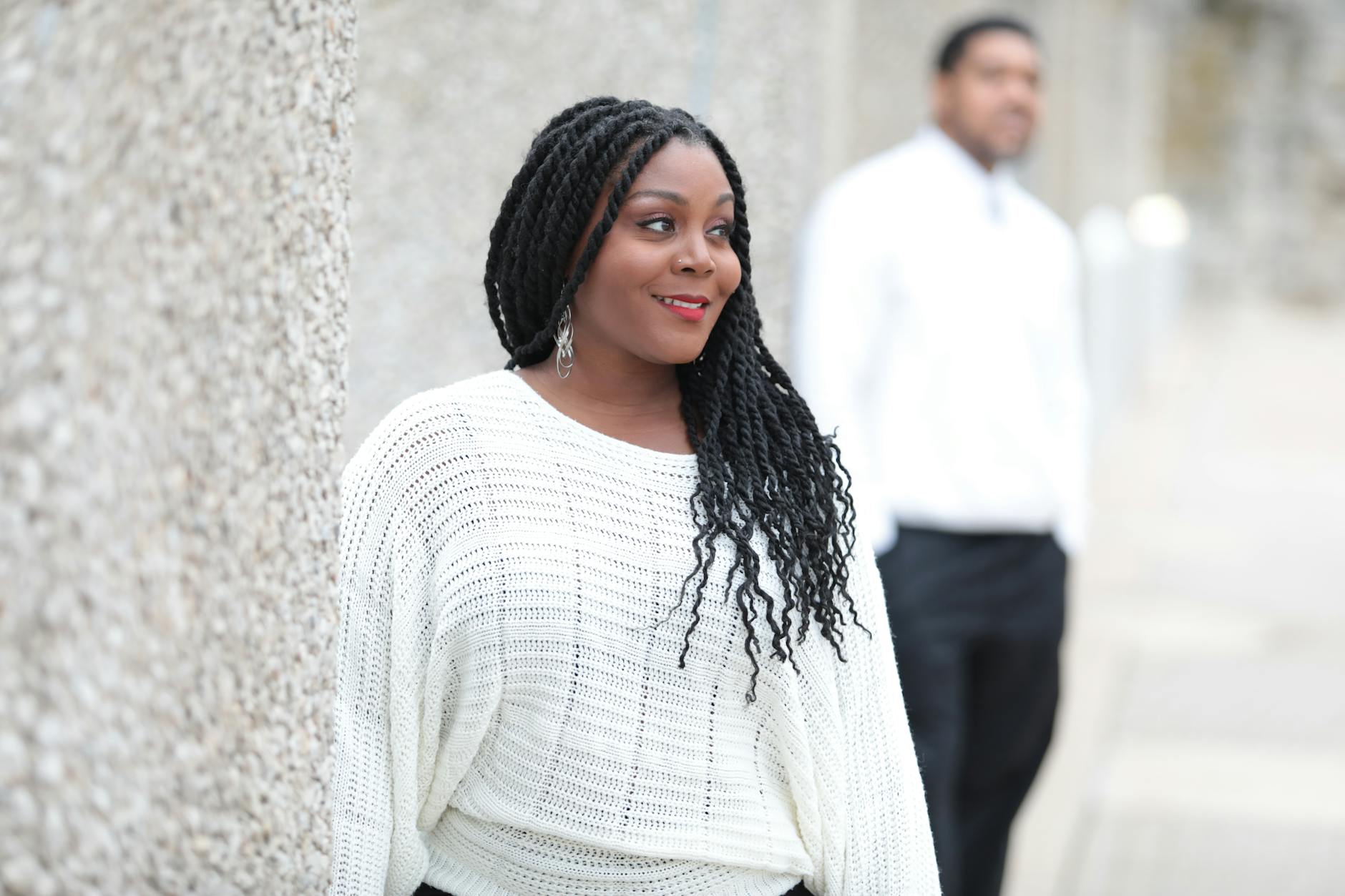
Photo by Tony Meyers on Pexels.com

The popular phrase “I don’t need a man” echoes through modern culture, often touted as a badge of strength, independence, and self-reliance. While independence has its virtues, the sentiment frequently masks deep cultural wounds, spiritual misalignment, and historical shifts that have led to the breakdown of the biblical model of love, marriage, and mutual support. From the Genesis account of Adam and Eve to the apostolic teachings of Christ and the Church, Scripture consistently affirms that it is not good for man—or woman—to be alone.


I Need a Man: To My Black Brother
By Paper Doll (with love and truth)

I need a man—
Not just any man, but my brother, my king,
A soul forged in the fire of trials,
A lion with purpose,
A priest of his home,
A warrior of the Most High.

I need a man—
Not to complete me, but to stand beside me,
To speak life into dry places,
To cover me in prayer when the night grows cold,
To hold my hand as we walk this narrow road,
Both flawed, but chosen.

I need a man—
Not to dominate, but to lead,
With love as his language and wisdom as his seed.
I need the thunder in your voice to silence fear,
The strength of your arms to draw me near.
I need your presence, your covering, your gaze,
Your commitment, not just your praise.

To my Black brother—
We need you.
Not the world’s version of you,
But the real you:
Head bowed in prayer,
Hands lifted in praise,
Feet firm in faith.

I want you—
Your mind, your spirit, your legacy.
I want your protection, your counsel,
Your vision that sees beyond the storm,
Your heart that beats in rhythm with heaven.

We were never meant to do this alone.
Even Eden knew no joy until Eve had Adam—
Flesh of his flesh, bone of his bone.
I am your rib, and you are my frame.
We are not enemies. We are flame.

I need a man—
One who will stand when others fall,
Who loves hard, forgives deep, and fears God above all.
A man who will teach sons how to be just,
And daughters how to trust.

I need a man—
To laugh with, pray with, build with, grow with,
To cry with, dream with, raise nations with.
To love me like Christ loves His bride—
Not as property, but in power.
Not as servant, but with honor.

To my Black king,
Come home.
We need you.
I need you.
And I will wait—not for perfection,
But for your return to purpose.

Genesis: God’s Blueprint for Companionship

In Genesis 2:18 (KJV), God declared, “It is not good that the man should be alone; I will make him an help meet for him.” This foundational statement affirms that man was never intended to live in isolation. The woman was not an afterthought, but a divine counterpart—a reflection of man’s need for relational, emotional, and spiritual partnership. Eve was taken from Adam’s side—not his head, to rule over him, nor his feet, to be trampled—but from his rib, to walk beside him in purpose and covenant (Genesis 2:21-24).

Marriage, in its purest form, is not just a social contract but a living testament of divine love. Ephesians 5:25 (KJV) declares, “Husbands, love your wives, even as Christ also loved the church, and gave himself for it.” Here, Paul equates the sacrificial love of Christ with the love a man must show his wife—protective, selfless, and enduring. This relationship is not built on domination or servitude but mutual honor and spiritual reflection.


The Dangers of Radical Independence and Isolation

While independence in women has its place—particularly in resilience, wisdom, and strength—it becomes spiritually and emotionally dangerous when it fosters isolation, pride, or rebellion against God’s order. Proverbs 14:12 reminds us, “There is a way which seemeth right unto a man, but the end thereof are the ways of death.” The idea that one does not need a man, often born out of trauma or disappointment, may seem empowering but ultimately undermines the divine need for interdependence.

In Ecclesiastes 4:9-10 (KJV), the Word declares: “Two are better than one… For if they fall, the one will lift up his fellow: but woe to him that is alone when he falleth.” Emotional, spiritual, and physical support is best found in companionship and community. When women believe they can “do it all,” they often face burnout, loneliness, and spiritual disconnection, especially if they are raising children or managing households without godly support.


Lesbianism: A Symptom of Rebellion and Woundedness

The rise of lesbianism in modern society is not just a cultural shift but a spiritual misalignment with God’s design for human relationships. Romans 1:26-27 (KJV) speaks directly to this: “For this cause God gave them up unto vile affections: for even their women did change the natural use into that which is against nature.” While society affirms same-sex unions, Scripture warns of the spiritual consequences of rejecting God’s established order.

In many cases, lesbianism arises from deep wounds—neglect, abuse, betrayal by men, or unresolved trauma. Instead of turning to God for healing, some women turn to one another in an effort to escape the hurt men have caused. Yet, counterfeit love cannot fill the void that only God’s truth can satisfy.


Black Love: A Sacred Partnership in Need of Restoration

In the Black community, centuries of slavery, systemic racism, and generational trauma have torn apart the image of strong, unified Black families. From being sold apart on plantations to the government policies of the 20th century that incentivized fatherless homes, the erosion of the Black family has been strategic. Now more than ever, Black men and women must reject the culture of division and embrace one another in truth, healing, and covenant love.

Ephesians 4:2-3 encourages believers to walk “with all lowliness and meekness, with longsuffering, forbearing one another in love; Endeavouring to keep the unity of the Spirit in the bond of peace.” Black love must not be based on transactional convenience but on godly servanthood and mutual respect.


The Working Woman vs. The Stay-at-Home Mother: Honoring Both Roles

A woman who works outside the home brings financial support, creativity, and independence to the family. Proverbs 31:16 describes the virtuous woman: “She considereth a field, and buyeth it.” However, the same passage also honors her role within the home: “She looketh well to the ways of her household” (v. 27). A stay-at-home mother nurtures, educates, and spiritually molds the next generation—a full-time calling that should not be belittled.

Both paths require balance, grace, and godly alignment, and neither is superior if done in submission to God’s will. The danger lies in comparison, pride, or the belief that motherhood or homemaking is lesser in value.


The Fall of Feminism and the Illusion of Superiority

Modern feminism, while originally rooted in the pursuit of equal rights, has gradually evolved into a movement of superiority, not equality. The second and third waves of feminism especially encouraged women to reject traditional gender roles, marriage, and male leadership, positioning men as inherently oppressive. This ideology has led to division, confusion, and a deep identity crisis in many women.

Isaiah 3:12 (KJV) warns, “As for my people, children are their oppressors, and women rule over them.” The breakdown of order, where men are devalued and women exalt themselves above them, creates societal instability. God’s order is not patriarchal oppression—it is divine harmony.


Conclusion: We Need Each Other

God never intended for men or women to be alone or independent from one another. We were created for covenant—for marriage, family, and divine partnership. Hebrews 13:4 (KJV) declares: “Marriage is honourable in all, and the bed undefiled: but whoremongers and adulterers God will judge.” Marriage mirrors the heart of God, His love for His people, and the unity of the body of Christ.

It is not weakness to need a man—it is wisdom. And for men, it is not weakness to need a woman—it is God’s design. As Black men and women, the healing of our community depends on us choosing love, honor, and unity over pride, pain, and division.


References

  • The Holy Bible, King James Version (KJV)

  • Ephesians 5:25
  • Genesis 2:18-24
  • Ecclesiastes 4:9-10
  • Romans 1:26-27
  • Proverbs 31
  • Isaiah 3:12
  • Hebrews 13:4

🤍A NEEDLE IN THE HAYSTACK🤍

The Measure of a Godly Man: Provider, Priest, and Protector


Photo by Luca Nardone on Pexels.com

A Needle in the Haystack: Honoring the Rare Man After God’s Own Heart

In a world of shifting values and shallow definitions of masculinity, the Godly man stands out—not for his noise, but for his depth. He is not easily found, nor is he loudly celebrated. He is rare—a needle in the haystack, a living testimony to what it means to be a man after God’s own heart.

The Quiet Strength of a Godly Man

He does not lead with arrogance or ego. His strength is measured in silence, in discipline, in the weight he bears for those he loves. He is not shaped by culture, but by covenant. He walks with quiet fire, with vision that reaches generations. This man lives beneath the surface of trends and hype, rooted instead in biblical truth and eternal values.

“A needle in the haystack’s maze,
A rare gem in a reckless age.”

A Lover of God, First and Foremost

Above all else, this man is devoted to God. His intimacy with the Father defines every other role he plays. He does not seek approval from men, but walks humbly before the throne of grace. Like King David, he is not perfect—but he is penitent, pursuing God with a whole heart.

“A lover of the Lord Most High,
With tear-stained prayers and lifted eyes.
He bends his knee before the throne,
Before he leads, he’s led alone.”

Priest, Provider, and Protector of the Home

He embraces his God-ordained role as priest of the home, standing in spiritual authority while washing his family in love and wisdom. He provides—not just materially, but emotionally, mentally, and spiritually. He is a safe place and a strong tower for his wife and children.

“He is a priest, he is a shield,
A man whose heart has been revealed.
Through trials fierce and battles deep,
He sows the Word, his children reap.”

“A provider, not by wealth alone,
But through the seeds of love he’s sown.
He leads with action, not with talk—
His life, a sermon when he walks.”

A Husband Who Honors and Cherishes

To his wife, he is gentle yet strong, a man who knows how to cover and nurture. His love is not performance-based; it is rooted in covenant. He honors her role, values her voice, and builds her up with his words and actions.

“He is a husband, strong yet kind,
Who cherishes his bride’s design.
Not just in touch, but in his tone—
He makes her feel safe, seen, and known.”

A Father Who Shapes Destiny

This man understands the weight of fatherhood. He doesn’t just father children—he fathers futures. He teaches, corrects, affirms, and protects. His children rise blessed because he walks in integrity (Proverbs 20:7, KJV).

“He is a father, wise and true,
Who builds with faith and labors too.
He trains his sons, he lifts his girls,
He guides with grace in a shaking world.”

A Man of Integrity, Not Image

Unlike the “dusty” man—who refuses to provide, demands 50/50, and dodges responsibility—this man shows his love through action. He doesn’t just speak of loyalty and vision—he lives it. He leads not to be served, but to serve. He chooses legacy over lust, and covenant over convenience.

“He doesn’t just command respect—he earns it.”

Conclusion: Blessed is She Who Finds Him

Men like this are not found every day. They are formed in fire, refined by grace, and led by Spirit. They are the exception, not the rule. For the woman who finds such a man, she has found more than a husband—she has found a reflection of God’s own heart.

“So rare he is, so few remain—
A remnant in a world profane.
A man of covenant, not charm—
Whose life is shelter, truth, and calm.”

“A needle in the haystack’s depth,
A holy flame, a living breath.
A Godly man, so few will find—
But blessed is she who calls him mine.”


A Godly man is not defined by charm, charisma, or credentials—but by his commitment to righteousness, his faithfulness to God’s Word, and his unwavering love for his family. He is the anchor of the home, the pillar of wisdom, and the guardian of legacy. He is a rare find—a needle in a haystack—whose presence reflects the strength and spirit of the Most High.


The Divine Duty: Man as Provider and Priest

God created man to lead, provide, and protect. From the beginning, Adam was placed in the garden to “dress it and keep it” (Genesis 2:15, KJV)—a calling of labor, stewardship, and responsibility. The New Testament echoes this eternal charge: “But if any provide not for his own, and specially for those of his own house, he hath denied the faith, and is worse than an infidel” (1 Timothy 5:8, KJV).

Provision is not merely financial. A Godly man provides security, vision, wisdom, and love. He covers his wife in prayer, counsels his children in truth, and builds a legacy rooted in faith. Like Joshua, he declares, “But as for me and my house, we will serve the Lord” (Joshua 24:15, KJV). He is the priest of the home, walking in integrity, standing in the gap, and leading his household in righteousness.


The Dusty Man: A Counterfeit Masculinity

In stark contrast stands the dusty man—a modern byword for the irresponsible, entitled, and unprincipled male. He is not just poor in finances—he is poor in character. He demands 50/50 from a woman while offering nothing in spiritual leadership, monetary, or covering. He wants partnership without sacrifice, intimacy without commitment, benefits without burden. He is like the man described in Proverbs: “As a bird that wandereth from her nest, so is a man that wandereth from his place” (Proverbs 27:8, KJV).

The dusty man wants a Proverbs 31 woman but fails to be an Ephesians 5 husband. He speaks of love but shows no action. Yet the Word is clear: “My little children, let us not love in word, neither in tongue; but in deed and in truth” (1 John 3:18, KJV). Love is an action word. It is not proven by gifts or words alone, but by consistent self-sacrifice and the pursuit of the other’s good.

He lies in wait for women to build with him, only to later abandon them. He fathers children but forsakes the role of fatherhood. The Word warns: “He that troubleth his own house shall inherit the wind” (Proverbs 11:29, KJV). This man builds nothing because he invests in nothing but himself.


Faithful Men vs. The Unfaithful: Fruit vs. Failure

A faithful man is not ruled by lust but led by love. He is a man who resists temptation and honors covenant. “The just man walketh in his integrity: his children are blessed after him” (Proverbs 20:7, KJV). He builds trust over time and leads his home with dignity and strength. His love is patient, long-suffering, kind, and consistent (1 Corinthians 13:4–7).

In contrast, the unfaithful man is unstable in all his ways. He may charm with his words, but his actions betray him. He leaves broken homes, broken hearts, and broken children behind. The Bible is clear that “A double minded man is unstable in all his ways” (James 1:8, KJV). A man that does not take care of his family, in heart or in hand, has rejected the very image of the Father—for our heavenly Father never abandons His children.


Strength Over the Flesh: Becoming a Man of Discipline

A strong man is not one who dominates others—but one who governs himself. “He that is slow to anger is better than the mighty; and he that ruleth his spirit than he that taketh a city” (Proverbs 16:32, KJV). Overcoming the flesh is not easy, but it is essential. The Godly man crucifies his desires daily (Galatians 5:24), submits his mind to Christ (Romans 12:2), and disciplines his eyes, thoughts, and body for the glory of God.

He knows the price of obedience, and he pays it—because eternity is more valuable than momentary pleasure.


What a Godly Man Looks for in a Godly Woman

A man of the Most High does not seek vanity but virtue. He desires a woman with modesty of heart, not just modesty of dress. A woman who fears the Lord (Proverbs 31:30), whose speech is seasoned with grace, and whose spirit is clothed in humility (1 Peter 3:4). She is not loud and clamorous, but wise and peaceable. She edifies, she uplifts, and she understands that submission is strength, not slavery.

He does not fear a strong woman—but he honors one who knows when to lead and when to follow. He seeks a helpmeet, not a hindrance—a partner in purpose, a warrior in prayer, and a queen who walks in the fear of the Lord.


The True Leader: A Man After God’s Own Heart

The Godly man is open-hearted, yet discerning. Open-minded, yet grounded in Scripture. He is a student of truth, a lover of wisdom, and a man who leads with clarity and conviction. He is faithful, generous, and honest—even when it costs him. He is a shepherd to his family, not a tyrant; a servant-leader who lays down his life, just as Christ did for the Church (Ephesians 5:25).

He doesn’t just command respect—he earns it.


Final Word: The Legacy of a Righteous Man

The Godly man is a rare jewel in a generation of dust and deceit. He builds, he prays, he stays. He doesn’t run from responsibility—he embraces it. He is a father to the fatherless, a husband of honor, and a man after God’s own heart (Acts 13:22).

Final Thoughts

In a time where masculinity is often misunderstood or misrepresented, the world desperately needs fathers, husbands, and leaders who reflect the love, discipline, and courage of Christ. These men may not trend online—but they will transform families, strengthen communities, and shake generations.

They are the few.
They are the faithful.
They are the rare

Let men rise to the calling. Let them walk as kings and priests in their homes (Revelation 1:6). Let them forsake childish ways, overcome the flesh, and love not in word only, but in deed and truth.

Because real men don’t just say they love—they show it.

Dilemma: Sexual Sins

The Power and Consequence of Sexual Sin: A Biblical and Psychological Study

Photo by Jasmine Carter on Pexels.com

“A man once told me, after seeing me at the opera, ‘The moment you entered the room, I was paralyzed by your presence—your extraordinary beauty captivated me so completely, it was as if time stopped. The delicate way your dress embraced your hourglass form, the elegance of your silhouette, and the radiance in your big bedroom eyes made it impossible to look away. I silently vowed, in that moment, to honor your very footstep.’”

This experience is more than poetic admiration; it is a powerful display of what lust can awaken in the human mind and heart. The emotional and physical reaction of the man may seem romantic, but it is also a spiritual battleground—a war between appreciation and temptation, desire and self-control.


Sexual Sin: A Sacred Design Twisted

Sex was designed by the Most High as a holy covenant act within marriage, a physical and spiritual union between husband and wife. It is more than pleasure—it is worship, connection, and a symbol of divine intimacy.

📖 Hebrews 13:4 (KJV): “Marriage is honourable in all, and the bed undefiled: but whoremongers and adulterers God will judge.”

When misused, this sacred act becomes spiritually unlawful. All sex outside of marriage—whether fornication, adultery, or pornography—is considered sin and invites spiritual bondage.


The Origin and Nature of Sexual Sin

Sexual sin entered the world through the fall of Adam and Eve. Before sin, there was nakedness without shame (Genesis 2:25). Afterward, shame, secrecy, and lust corrupted the purity of sexual connection.

📖 1 Corinthians 6:18 (KJV): “Flee fornication. Every sin that a man doeth is without the body; but he that committeth fornication sinneth against his own body.”


What Is Fornication and Lust?

  • Fornication (Greek: porneia) is any sexual activity outside of marriage (1 Corinthians 6:9).
  • Lust is a desire that goes beyond admiration; it is coveting with the intent to possess, even if only in the mind.

📖 Matthew 5:28 (KJV): “But I say unto you, That whosoever looketh on a woman to lust after her hath committed adultery with her already in his heart.”


Men, Attraction, and the Brain

When a man sees a physically attractive woman, dopamine is released in the brain—a chemical associated with reward and pleasure. This activates areas tied to sexual arousal and fantasy. Without spiritual discipline, these desires can evolve from admiration into sinful lust and even addiction.

📖 Proverbs 6:25: “Lust not after her beauty in thine heart; neither let her take thee with her eyelids.”


Are Women More Prone to Sexual Sin or Addiction?

Sexual sin affects both men and women, but often in different ways:

🔹 Men are more visually stimulated, often falling into pornography, lust, or physical encounters.

🔹 Women, though traditionally thought more emotionally driven, are increasingly exposed to emotional and physical sexual temptations, especially through media, novels, and online platforms.

According to psychological studies:

  • Women today are almost equally vulnerable to pornography and sexual compulsions.
  • Many women report struggles with masturbation, fantasy, and emotional infidelity.

📖 Romans 3:23 (KJV): “For all have sinned, and come short of the glory of God.”

No gender is exempt from temptation. Sin is an equal-opportunity enslaver.


What Is Porn Addiction and Masturbation Spiritually?

🔹 Porn Addiction

  • Trains the brain to crave unrealistic sexual images
  • Leads to desensitization, broken relationships, and spiritual numbness

📖 Ephesians 5:12: “For it is a shame even to speak of those things which are done of them in secret.”

🔹 Masturbation

  • Involves lust and fantasy, often leading to guilt and isolation
  • Spiritually opens a door to demonic influence when fueled by unclean imagery

📖 1 Corinthians 10:8: “Neither let us commit fornication, as some of them committed, and fell in one day three and twenty thousand.”

🧠 Psychologically, this behavior releases high levels of dopamine, creating a cycle of dependency.


Lust: A Gateway to the Spirit Realm

Lust is more than a fleeting emotion. It is a spiritual doorway—a one-way invitation into your soul.

Lust does not remain in the mind. It is a spiritual transaction. When you lust, you give permission for spirits of lust, addiction, and perversion to enter your life. These unclean spirits enslave the mind and body, leading to shame, brokenness, and spiritual death.

📖 James 1:14–15: “Every man is tempted, when he is drawn away of his own lust… then when lust hath conceived, it bringeth forth sin.”


Sex Within Marriage: Divine Worship


Sex in marriage is not only a physical act—it is a form of worship, a spiritual celebration of covenant love. The Most High intended sex to build intimacy, unity, and joy between husband and wife. Outside of marriage, that same act becomes a tool for destruction.

📖 Genesis 2:24: “Therefore shall a man leave his father and his mother, and shall cleave unto his wife: and they shall be one flesh.”


Common Sexual Sins in Scripture

  1. Fornication (1 Corinthians 6:18)
  2. Adultery (Exodus 20:14)
  3. Homosexual acts (Leviticus 18:22)
  4. Incest (Leviticus 18)
  5. Bestiality (Leviticus 18:23)
  6. Lust (Matthew 5:28)
  7. Prostitution (Proverbs 6:26)
  8. Pornography/Fantasy (Implied in Matthew 5:28)

How to Overcome Sexual Lust

🔹 Biblical Methods

  • Flee temptation (2 Timothy 2:22)
  • Renew your mind daily (Romans 12:2)
  • Pray and fast (Matthew 17:21)
  • Confess and repent (1 John 1:9)
  • Walk in the Spirit (Galatians 5:16)

🔹 Mental and Practical Methods

  • Avoid triggers (movies, social media, music)
  • Seek accountability partners or counselors
  • Replace temptation with purpose (exercise, service, worship)
  • Use CBT (Cognitive Behavioral Therapy) to reframe destructive patterns

Conclusion: Choose Holiness Over Compromise

Sexual sin is a powerful force—but it is not more powerful than God’s grace. While the enemy uses lust to destroy, God offers purity, redemption, and strength.

📖 1 Thessalonians 4:3–5 (KJV):
“For this is the will of God, even your sanctification, that ye should abstain from fornication… not in the lust of concupiscence, even as the Gentiles which know not God.”

You are not alone in this fight. Through Christ, you can walk in freedom, holiness, and peace—restoring the sacredness of your body and mind as a vessel of the Most High.


References:

  • The Holy Bible, King James Version (KJV)
  • Struthers, W. (2009). Wired for Intimacy: How Pornography Hijacks the Male Brain
  • Laaser, M. (2004). Healing the Wounds of Sexual Addiction
  • Patrick Carnes (2011). Out of the Shadows: Understanding Sexual Addiction
  • American Psychological Association (2020): “Sexual Behavior and the Brain”

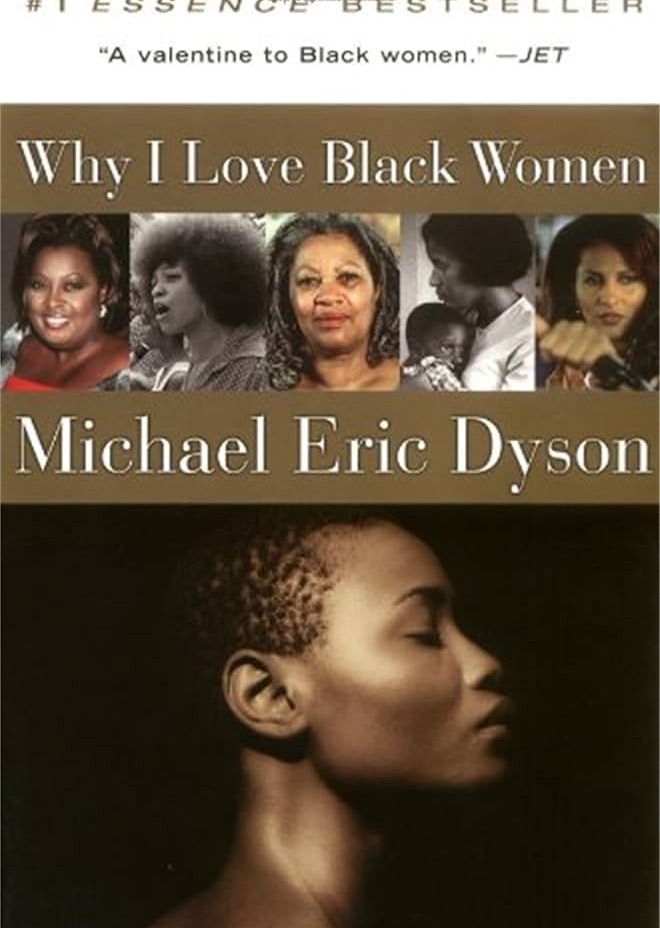
Book Review: Dr. Michael Eric Dyson’s Why I Love Black Women.

Book Review: Why I Love Black Women by Michael Eric Dyson
⭐️⭐️⭐️⭐️⭐️ (5/5)
All photographs are the property of their respective owners.

In a society where Eurocentric standards of beauty often dominate the media, fashion, and even romantic ideals, Why I Love Black Women by Dr. Michael Eric Dyson is a deeply affirming and poetic tribute to the strength, beauty, and soul of Black women. With eloquence, reverence, and a heartfelt sense of gratitude, Dyson reclaims the narrative, elevating the Black woman from the margins to the center—where she has always belonged.

This book is more than just a love letter. It is a cultural, intellectual, and emotional reckoning. Dyson weaves personal experiences, historical insight, and cultural commentary to portray Black women as both divine and real—complex, resilient, sensual, brilliant, and beautiful in ways that are too often overlooked or dismissed.

A Breathtaking Portrait of Black Womanhood

Dyson’s words flow with a kind of gospel rhythm, offering both testimony and tribute. From his mother to his mentors, lovers, icons, and even strangers, each chapter is devoted to a different Black woman or type of Black woman who shaped his worldview. He reflects on women like Rosa Parks, Toni Morrison, his own grandmother, and everyday sisters who, as he says, “walked through the fire and made it out smelling like cocoa butter and victory.”

In his own words:

“Black women have helped me to learn how to love. They have taught me about courage. They have fed my soul with their passion and intelligence and joy.”
—Michael Eric Dyson, Why I Love Black Women (2003)

His appreciation extends beyond the physical: he honors the intellect, dignity, spiritual power, and emotional depth of Black women. Dyson does not offer empty praise—he uplifts with intellectual rigor and heartfelt sincerity. His admiration is not rooted in idealization but in lived truth and deep respect.

A Voice of Authority and Empathy

Michael Eric Dyson, born in Detroit, Michigan, is one of the most respected public intellectuals and cultural critics of our time. A former Baptist minister, he combines scholarship with soul, and his work spans race, politics, religion, and pop culture. He earned his Ph.D. in religion from Princeton University and has taught at institutions such as the University of Pennsylvania, Georgetown University, and currently, Vanderbilt University, where he holds the position of Distinguished University Professor of African American and Diaspora Studies.

Dyson is also a prolific author, having written more than 20 books, including Tears We Cannot Stop: A Sermon to White America and The Black Presidency: Barack Obama and the Politics of Race in America. His voice is trusted, his insight sharp, and his compassion unmatched.

He is married to Marcia L. Dyson, a writer, minister, and activist in her own right—making them a powerhouse couple in both love and advocacy.

Why It Matters

Why I Love Black Women is not just a personal narrative—it is a cultural intervention. In an era where Black women are often devalued or fetishized, Dyson dares to speak truth to their power, to celebrate their beauty inside and out, and to give them the flowers they so rightfully deserve.

His writing leaves you breathless not because it flatters, but because it affirms. It reminds readers—especially Black women—that they are seen, valued, and deeply loved.

Final Thoughts

This book is a must-read for anyone who wishes to better understand the heart of a Black intellectual and the unshakable importance of Black women in shaping families, communities, and the cultural landscape. Dyson offers more than admiration—he offers reverence. And in doing so, he challenges us all to love Black women out loud.

Rating: ⭐️⭐️⭐️⭐️⭐️ (5/5)
Essential Reading. Soulful. Celebratory. Revolutionary.


References:

  • Dyson, M. E. (2003). Why I Love Black Women. Basic Civitas Books.
  • Dyson, M. E. (2017). Tears We Cannot Stop: A Sermon to White America. St. Martin’s Press.
  • Dyson, M. E. (2016). The Black Presidency: Barack Obama and the Politics of Race in America. Houghton Mifflin Harcourt.
  • Vanderbilt University Faculty Profile: Dr. Michael Eric Dyson – vanderbilt.edu
  • Marcia L. Dyson – marciadyson.com

Dilemma: The ISMS

Understanding the “-Isms”: Prejudice, Psychology, and Liberation

Photo by RDNE Stock project on Pexels.com

In modern discourse, the term “-isms” refers to a collection of belief systems rooted in prejudice, discrimination, and social hierarchy. These ideologies—racism, sexism, colorism, lookism, featurism, ableism, ageism, classism, and others—are not merely isolated biases; they are embedded in the structures of society, influencing everything from policy to personal interactions. Understanding these “-isms” requires an examination of their definitions, psychological roots, real-world implications, and the pathway toward liberation.


1. Defining the “-Isms” and Their Prejudicial Nature

Racism

Racism is the belief that one race is inherently superior to others. It manifests in systemic inequality, police brutality, housing discrimination, and educational disparities.
Example: The over-policing and incarceration of Black men in America reflect institutional racism.

Sexism

Sexism involves discrimination based on gender, particularly against women and gender-nonconforming individuals.
Example: Women being paid less than men for the same work or being underrepresented in leadership roles.

Colorism

Colorism refers to the preferential treatment of lighter skin over darker skin, often within the same racial group.
Example: Lighter-skinned Black individuals may be perceived as more “professional” or “attractive” than darker-skinned individuals.

Lookism

Lookism is the bias against individuals based on physical appearance, especially when they do not conform to societal standards of beauty.
Example: Attractive people are often more likely to be hired, promoted, or favored socially.

Featurism

Featurism involves discrimination based on facial or bodily features, often tied to Eurocentric beauty standards.
Example: Natural Black hairstyles or broader noses being considered “unprofessional” in workplaces.

Ableism

Ableism is prejudice against people with disabilities, whether physical, mental, or neurological.
Example: Buildings lacking ramps or employers assuming individuals with disabilities are less competent.

Ageism

Ageism includes biases against individuals based on age, whether young or elderly.
Example: Older adults being overlooked for jobs or leadership positions due to assumptions about technological incompetence.

Classism

Classism is discrimination based on socioeconomic status. It creates unjust barriers for low-income individuals in education, healthcare, and justice.
Example: Poor students attending underfunded schools, or being stereotyped as lazy or unmotivated.


2. Bias Behind the -Isms: Psychological Foundations

Psychologically, the “isms” stem from implicit bias, social conditioning, and in-group favoritism. According to social identity theory (Tajfel & Turner, 1979), individuals tend to categorize themselves and others into groups, favoring those like themselves. These biases are often unconscious and reinforced by media, culture, and family norms. Cognitive shortcuts (heuristics) also cause people to make rapid judgments, which can be tainted by stereotypes.

3. Impact on the Workforce, Decision-Making, and Society

The “isms” shape everything from hiring practices to healthcare access. For instance:

  • Hiring Bias: A study by Bertrand & Mullainathan (2004) found that résumés with White-sounding names received 50% more callbacks than those with African American names.
  • Healthcare Disparities: Black women are three to four times more likely to die from pregnancy-related complications than White women (CDC, 2021).
  • Decision-Making: Boards, leadership teams, and policymakers often reflect majority cultures, perpetuating exclusion through unconscious bias and systemic design.

The result is structural inequality, where marginalized groups—especially Black communities—face barriers not due to individual lack of ability, but because of systemic oppression.


4. The “Isms” and the Black Community

The Black community bears a disproportionate burden of these intersecting prejudices:

  • Racism leads to police violence, economic marginalization, and mass incarceration.
  • Colorism and featurism create internalized self-hatred and divisions within the community.
  • Classism affects access to wealth-building opportunities.
  • Sexism and misogynoir (a term coined by Moya Bailey) harm Black women through unique forms of racialized sexism.
  • Ableism and ageism leave vulnerable members of the community without support or representation.

The cumulative effect is intergenerational trauma, identity fragmentation, and a survival-based rather than thriving-based existence.


5. Deliverance and Rising Above the “Isms”

Liberation begins with conscious awareness, critical education, and spiritual transformation. Here are strategies to dismantle internal and external systems of prejudice:

1. Self-Education and Unlearning

  • Read literature on race, gender, and equity (e.g., bell hooks, Audre Lorde, James Baldwin).
  • Examine personal biases and deconstruct internalized oppression.

2. Community Empowerment

  • Support community organizations that challenge systemic injustice.
  • Create spaces for healing, mentorship, and economic growth.

3. Biblical Perspective on Liberation

The Bible calls for justice and equity:

“He has shown you, O man, what is good; and what does the Lord require of you but to do justly, to love mercy, and to walk humbly with your God?”
Micah 6:8 (KJV)

Scripture affirms the dignity of every person, regardless of status or appearance. In Christ, “there is neither Jew nor Greek… male nor female… for you are all one” (Galatians 3:28). This does not erase identity but calls for unity in justice and love.

4. Role Models and Representation

Men and women with strong moral leadership—mentors, fathers, elders, and educators—play a crucial role in reestablishing values. Black male role models are especially vital to reframe narratives around fatherhood, manhood, and provision.
As author and activist Hill Harper said:

“Being a provider is not just about money. It’s about being emotionally, spiritually, and physically present.”


Conclusion: From Oppression to Empowerment

The “-isms” are not merely concepts—they are lived realities with devastating consequences. They shape how we see ourselves, how we treat others, and how systems operate. For the Black community, overcoming these barriers is not only a matter of survival but of revival. Through education, spiritual grounding, collective action, and love for self and community, it is possible to rise above the weight of prejudice and reclaim dignity, purpose, and liberation.


References:

  • Bertrand, M., & Mullainathan, S. (2004). Are Emily and Greg More Employable than Lakisha and Jamal? American Economic Review.
  • CDC (2021). Pregnancy Mortality Surveillance System.
  • Tajfel, H., & Turner, J. (1979). An Integrative Theory of Intergroup Conflict.
  • hooks, b. (2000). Feminism is for Everybody. South End Press.
  • Bailey, M. (2010). Misogynoir: Black Women, Black Men, and Anti-Black Misogyny.

🌹THE BROWN GIRL DILEMMA🌹

The journey of the brown girl is a complex tapestry woven with strands of resilience, faith, pain, and perseverance. Her voice, often muted by systemic oppression, resonates with both the echoes of ancestral struggle and the melody of survival. Despite her indispensable role in the shaping of societies, the brown girl remains caught between visibility and invisibility, celebrated yet silenced, desired yet devalued.

This photograph is the property of its owner. No copyright infringement intended.

The Black woman stands at a unique intersection of race, gender, and historical complexity. She is a daughter of Africa, molded by centuries of cultural richness, yet shaped by the traumas of colonization, slavery, and systemic oppression. To define the Black woman is not merely to categorize her by phenotype or ethnicity but to acknowledge the multifaceted strength, resilience, and spiritual depth she embodies. Her existence is both a testimony of survival and a manifestation of divine creation.

She walks with shadows on her skin,
Her crown denied, her truth made thin.
Yet in her soul, a flame still burns,
Toward God Most High, her spirit turns.

The Essence of the Black Woman

The Black woman is not a passive bystander in the human story. She is a survivor and a leader among women. She is not simply the product of oppression but the embodiment of legacy, faith, and hope. While the world has too often rendered her invisible, she has never ceased to shine. Her scars are not signs of weakness but marks of endurance. Her voice is not one of anger but of righteous truth. Her presence is not an afterthought—it is essential. To be a Black woman is to carry the weight of many worlds and still walk upright. It is to be defined not by trauma, but by triumph. It is to rise, again and again, from the ashes of injustice with wisdom in her mind, fire in her bones, and purpose in her soul.

The Origins and Legacy of the Black Woman

The roots of the Black woman run deep in the soil of the African continent, often referred to as the cradle of civilization. Long before the Middle Passage or the ravages of imperialism, she was revered as queen, healer, warrior, and nurturer. Ancient civilizations such as Kemet (Egypt) and Kush (Nubia) bear witness to her influence and power. Historical figures such as Makeda, the Queen of Sheba, and Yaa Asantewaa, the Ashanti warrior queen, represent the authority and intellect Black women wielded long before colonial narratives sought to reduce their value. In the diaspora, figures such as Harriet Tubman, Sojourner Truth, and Ida B. Wells continued this legacy of resistance, intellect, and spiritual resilience.

This sacred lineage was disrupted but not erased by slavery and systemic racism. She is CHOSEN. Even in bondage, the Black woman bore nations, preserved culture, and nurtured resistance. Her story is not merely one of suffering, but of transformation and transcendence.

The “Brown Girl Dilemma” speaks to the intersectional struggles of Black women who carry the weight of history, family, and society upon their shoulders while striving to reclaim their identity as daughters of the Most High God. The Bible reminds us that sin separates humanity from the Creator: “But your iniquities have separated between you and your God, and your sins have hid his face from you” (Isaiah 59:2, KJV). As descendants of a chosen people, many in the African diaspora bear the consequences of forgetting God’s commandments (Deuteronomy 28). Restoration begins with repentance, obedience, and returning to the covenant, for it is only through God that wholeness can be achieved.

The impact of slavery continues to shape the psyche of Black people. Enslavement fractured families, introduced color hierarchies, and instilled a legacy of trauma. Colorism emerged as a tool of division, where lighter-skinned Blacks were often given preferential treatment, a strategy designed to destroy unity. Today, this manifests in distrust, competition, and a failure to unite as one nation. Scholars such as Du Bois (1903/1994) wrote of the “double consciousness” of Black existence, a struggle between identity and imposed inferiority. The legacy of slavery has not disappeared—it has merely transformed into systemic racism, prison pipelines, and discriminatory policies.

The order of the family is equally troubled. In biblical teaching, the husband is called to love his wife as Christ loved the church (Ephesians 5:25, KJV). Yet many Black women experience broken relationships marked by absentee fathers, irresponsible partners, and men driven by lust rather than godly responsibility. Economic strain, social pressures, and the allure of interracial dating often leave Black women questioning their value. While there are faithful, loving men within the community, they can feel like rare jewels—“needles in a haystack.” Too many women are burdened with carrying the weight of provision, discipline, and emotional labor alone.

Beyond family matters, the “isms” weigh heavily. Racism remains pervasive, sexism undermines Black women in workplaces and institutions, colorism pits them against one another, and lookism—judging worth based on appearance—diminishes them further. Each of these forces multiplies the challenge of survival and success. Crenshaw’s (1989) concept of intersectionality reveals how Black women experience multiple, overlapping oppressions, often making their struggles invisible in mainstream feminist or racial justice discourse.

Economically, Black women continue to face disparities. According to the U.S. Department of Labor (2024), Black women earn approximately 63 cents for every dollar earned by white men, with long-term implications for generational wealth. Joblessness and underemployment remain pressing issues, with Black unemployment rates historically double those of whites (Bureau of Labor Statistics, 2023). This economic imbalance is not only unjust but also psychologically damaging, reinforcing feelings of inadequacy and systemic exclusion.

Health disparities further compound these challenges. Black women have the highest rates of hypertension, diabetes, heart disease, and certain cancers compared to other demographics (CDC, 2024). Additionally, sexually transmitted diseases, including HIV, disproportionately affect Black communities. Poor diet access, limited healthcare, and stress-related illnesses tie into broader socioeconomic inequalities. Scripture reminds us, however, that our bodies are temples of God (1 Corinthians 6:19–20, KJV), urging the community toward better stewardship of health.

The universal standard of beauty has been a dagger against the esteem of Black women. Rooted in Eurocentric ideals, it positions whiteness as the pinnacle of desirability. In 2011, a Psychology Today article notoriously argued that Black women were “less attractive” than other races, sparking outrage and revealing deep-seated prejudices. Lighter-skinned women often find more social acceptance, yet the hierarchy continues to marginalize darker-skinned women. Many Black male celebrities have also publicly disparaged Black women, praising non-Black women instead, furthering the internalization of these hierarchies. This demonstrates how colonized definitions of beauty perpetuate cycles of self-hatred and exclusion.

Kevin Samuels (Image Consultant / YouTube Personality)

Samuels frequently made disparaging remarks toward Black women. In one widely circulated clip, he referred to single women over 35 as “leftovers.” He also claimed:

“When you’re talking about Black women, they are on the opposite end of the spectrum in all ranks.”
GQ


Tariq Nasheed (Media Commentary / FBA Proponent)

Nasheed popularized the term “bed wench” as a derogatory label for Black women who date interracially—a term rooted in slavery-era contempt, and used to shame successful Black women who allegedly challenge Black patriarchy.
Wikipedia


Tommy Sotomayor (Internet Commentator / Men’s Rights Activist)

Sotomayor has blamed the struggles of young Black men on single Black mothers, suggesting that Black women’s family structures are at the root of broader societal issues.
Wikipedia


Chester Himes (Author, mid-20th century)

In his work In Black and White, Himes portrayed Black women with disturbing stereotypes and violence. For example: “It is presumed only right and justifiable for a black man to beat his own black women when they need it.”
The New Yorker


Anecdotal Examples from Social Discourse (Reddit)

  • One user shared a heartbreaking example of a musician’s demeaning comments: “…yelling how ugly black darkskinned women are, the only beautiful women on this planet are biracials and Ethiopians… black girls look like men…”
    Reddit
  • Another user captures the broader sentiment of colorism and rejection: “I seen that rap battle … one of the darkskin men boasted about having a lightskin daughter … called the other man’s darkskin 6-year-old daughter black and ugly and a whore.”
    Reddit

Summary of Key Negative Narratives

Source (Public Figure / Setting)Essence of Negative Commentary
Kevin SamuelsDemeaning Black women—calling them “leftovers” and ranking them low on desirability.
Tariq NasheedLabels Black women who date outside the race with demeaning historical slurs.
Tommy SotomayorBlames Black women (single mothers) for societal and familial issues standing in the way of Black men.
Chester Himes (Literary)Portrays Black women through violent, oppressive stereotypes in his fiction.
Reddit AnecdotesReflect real lived experiences: colorism-driven insults, preference for lighter skin, degrading comparisons.

Stereotypes compound these struggles. Black women are often mislabeled as “angry,” “hypersexual,” or “unfeminine,” fallacies that obscure their complexity. Patricia Hill Collins (2000) refers to these as “controlling images,” cultural myths that justify oppression. The truth, however, is that Black women embody resilience, creativity, and leadership. Yet the psychological toll of disproving these stereotypes daily is exhausting, creating stress known as “weathering” (Geronimus, 1992), which accelerates health decline.

Violence against Black women remains an alarming crisis. According to the Institute for Women’s Policy Research (2023), over 40% of Black women will experience intimate partner violence in their lifetime. Police brutality disproportionately harms Black women as well, from Sandra Bland to Breonna Taylor, their lives cut short by systemic violence. Beyond physical harm, psychological warfare—through negative media portrayals, exclusion, and microaggressions—erodes mental well-being. The psalmist cries: “How long shall they utter and speak hard things? and all the workers of iniquity boast themselves?” (Psalm 94:4, KJV).

The solution lies in unity and spiritual renewal. Frances Cress Welsing once wrote, “If we do not understand white supremacy—what it is and how it works—everything else that we think we understand will only confuse us” (1991, p. 2). Michelle Obama reminds us: “The measure of any society is how it treats its women and girls.” And Toni Morrison emphasized, “The function of freedom is to free someone else.” These voices remind us that the liberation of Black women is inseparable from the liberation of the community as a whole.

🌹 The Brown Girl Dilemma vs. The Brown Boy Dilemma 💪

ThemeBrown Girl DilemmaBrown Boy Dilemma
Spiritual IdentityMen are emasculated, denied authority, criminalized and treated as threats.Same disconnection; loss of spiritual leadership; struggles with manhood outside biblical order.
Slavery’s LegacyDisconnected from God through sin and oppression, struggles with worth and obedience to His commandments.Single mothers bear heavy loads, absentee fathers; imbalance in relationships.
Family StructureSingle mothers bear heavy loads, absentee fathers, imbalance in relationships.Fatherlessness creates cycles; incarceration removes men from homes; lack of role models.
Racism & Systemic OppressionSexism + racism (double bind); overlooked in justice movements.Criminalized early; school-to-prison pipeline; hyper-policed and surveilled.
ColorismLighter-skinned women often favored in beauty standards; darker-skinned women devalued.Light-skinned men sometimes perceived as more “acceptable”; dark-skinned men stereotyped as dangerous.
Beauty Standards / MasculinityEurocentric beauty ideals label Black women “ugly” or “less attractive.”Stereotypes of hypermasculinity, aggression, and oversexualization.
Economic StrugglesWage gap: Black women earn ~63¢ per white man’s $1; underrepresentation in leadership roles.Higher unemployment, wage gaps; fewer economic opportunities; struggle with provider expectations.
Health DisparitiesHigh rates of heart disease, cancer, diabetes, STDs; psychological “weathering.”Lower life expectancy; hypertension, diabetes, homicide rates; mental health stigma.
Media Stereotypes“Angry Black woman,” “welfare queen,” hypersexualized Jezebel, unfeminine.“Thug,” “deadbeat dad,” “gangster,” emotionally detached, criminal.
RelationshipsBurdened with 50/50 relationships; men seen as “lazy” or unfaithful; undervalued.Pressure to provide without means; some reject Black women, internalizing misogyny.
Violence / SafetyVictims of intimate partner violence, police brutality (Breonna Taylor, Sandra Bland).Victims of police killings (Tamir Rice, Michael Brown), homicide, systemic violence.
Psychological StrainCarry stereotypes daily, causing exhaustion and mental health struggles.Identity crises, low self-esteem, pressure to conform to false masculinity.
EducationBlack girls disciplined unfairly, but often outperform academically with support.Black boys suspended/expelled at high rates; overrepresented in remedial tracks.
Solution – BibleReturn to God’s commandments, embrace worth in Him, love and unity within community.Reclaim manhood through biblical leadership, courage, love, and fatherhood.
Solution – PsychologyTherapy, self-love, dismantling internalized racism, collective healing.Therapy, mentorship, redefining masculinity, affirming dignity and purpose.

✨ Together, these dilemmas show that Brown Girls and Brown Boys carry overlapping but distinct burdens. Both require:

  • Spiritual restoration (return to God’s commandments).
  • Psychological healing (therapy, affirmation, unity).
  • Collective solidarity (ending division between men and women).

The Modern-Day Challenges of the Black Woman

Despite her historical strength, the Black woman today continues to face multilayered adversities stemming from structural and interpersonal forces. These challenges are best understood through the framework of intersectionality—a concept coined by legal scholar Kimberlé Crenshaw—which highlights how race, gender, and other identities intersect to create compounded discrimination.

Racism continues to manifest in disproportionate rates of police brutality, workplace discrimination, and underrepresentation in positions of power. Simultaneously, sexism subjects Black women to patriarchal structures that marginalize their voices and capabilities. Complicating this further is colorism, a preference for lighter skin within and beyond the Black community, often privileging those with Eurocentric features and contributing to a dangerous belief in the superiority of light-skinned individuals.

Misogynoir, the unique discrimination against Black women that blends racism and sexism, further entrenches stereotypes such as the “angry Black woman,” the hypersexualized “jezebel,” or the self-sacrificing “mammy.” These tropes are not just offensive—they are psychologically and socially damaging, limiting the perceptions others have of Black women and the ones they have of themselves.

Moreover, Black women face systemic economic inequalities. Despite being among the most educated demographics in the U.S., Black women continue to earn less than both white men and white women. They also lead in numerous health disparities, including heart disease, maternal mortality, and untreated mental health conditions—often exacerbated by inadequate access to quality care and generational trauma.


✅ Proposed Solutions for Black Women

DomainStrategy
PsychologicalHealing from colorism, building self-worth, therapy to counter trauma
CommunitySupport sisterhood, mentorship, natural beauty affirmation
SpiritualBiblical grounding—acknowledge that all are made in God’s image (Psalm 139:14)
HealthcareAdvocate for culturally competent care, regular screenings, trusted providers
EducationEmpower conversations about sexuality, STIs, and negotiation in relationships


To rise above, healing is cultural, psychological, and spiritual: affirming identity, rejecting imposed standards, seeking justice, and fostering empowered, faith-rooted sisterhood.

Overcoming Adversity: Pathways to Liberation

To overcome these deeply rooted challenges, Black women must embark on both personal and collective journeys of empowerment. First and foremost, it is critical for the Black woman to reclaim her worth and identity, understanding that her value is not defined by societal standards, media representation, or Eurocentric beauty ideals. Psalm 139:14 declares that she is “fearfully and wonderfully made”—a divine truth that must be internalized.

Knowledge of one’s history is equally vital. By studying the contributions of foremothers and reconnecting with African ancestry, the Black woman gains a powerful sense of self and purpose. Historical literacy combats invisibility and fosters pride.

Community and sisterhood play an essential role in healing. Instead of perpetuating the internalized divisions—whether through colorism, competition, or jealousy—Black women must uplift one another. Unity is not a luxury; it is a necessity for collective survival and flourishing.

Therapy, spiritual practices, and culturally informed healing can address generational trauma and the psychological damage wrought by centuries of oppression. By confronting pain through both professional counseling and ancestral traditions, the Black woman can begin to mend what has been broken.

Economic empowerment and education remain foundational tools for liberation. Black women have historically led movements, founded schools, and built businesses. Entrepreneurship and financial literacy offer pathways to independence and influence.

Faith and spiritual guidance also remain integral. The Black woman has often leaned on her spiritual roots—whether through Christ for hope and endurance. Returning to God and seeking wise counsel strengthens her inner resolve and aligns her with divine purpose.

Unity within the Black community must transcend negativity, envy, and division. The Bible commands: “Behold, how good and how pleasant it is for brethren to dwell together in unity!” (Psalm 133:1, KJV). By rejecting divisive ideologies and embracing love, Black men and women can rebuild trust and solidarity. Restoring families, promoting education, supporting businesses, and encouraging health are acts of resistance against oppression.

Psychologically, healing requires therapy, collective affirmation, and dismantling internalized racism. From a biblical perspective, repentance, forgiveness, and love remain central. “Above all things have fervent charity among yourselves: for charity shall cover the multitude of sins” (1 Peter 4:8, KJV). The brown girl must be reminded that her worth is not defined by a hostile world but by the image of God she carries.

Overcoming the “Brown Girl Dilemma” begins with truth-telling: about history, about pain, and about hope. Black women must be encouraged to pursue spiritual renewal, to demand justice, and to embrace their beauty unapologetically. Communities must uplift one another instead of tearing each other down.

The dilemma remains real, but the path of deliverance is clear. Rooted in God’s commandments, strengthened through unity, and fortified with love, the brown girl will no longer be a dilemma but a divine solution—a vessel of resilience, creativity, and healing for generations to come.


📚 References

  • Bureau of Labor Statistics. (2023). Employment status of the civilian population by race, sex, and age.
  • Centers for Disease Control and Prevention. (2024). Health disparities by race and ethnicity.
  • Collins, P. H. (2000). Black feminist thought: Knowledge, consciousness, and the politics of empowerment. Routledge.
  • Crenshaw, K. (1989). Demarginalizing the intersection of race and sex. University of Chicago Legal Forum, 1989(1), 139–167.
  • Du Bois, W. E. B. (1994). The souls of Black folk. Dover. (Original work published 1903).
  • Geronimus, A. T. (1992). The weathering hypothesis and the health of African-American women and infants. Ethnicity & Disease, 2(3), 207–221.
  • Welsing, F. C. (1991). The Isis papers: The keys to the colors. Third World Press.
  • U.S. Department of Labor. (2024). Gender and racial wage gaps.

Crenshaw, K. (1989). Demarginalizing the Intersection of Race and Sex: A Black Feminist Critique of Antidiscrimination Doctrine. University of Chicago Legal Forum. Reprinted in “Mapping the Margins” (1991) Encyclopedia Britannica.

Institute for Women’s Policy Research. (2025, July 7). Black women stand to lose over $1 million to the wage gap IWPR+1National Women’s Law Center+1.

Centers for Disease Control and Prevention. (2024, April). Working Together to Reduce Black Maternal Mortality PRB+7CDC+7people.com+7.

Hoyert, D. L. (2023). Health E‑Stat 100: Maternal Mortality Rates in the United States, 2023 CDC.

News reports on maternal mortality (2025). AP News; Axios Axios.

Britannica Editors. (2025). Intersectionality entry, Encyclopaedia Britannica Encyclopedia Britannica.

Would you like this version formatted as a PDF or adapted into a workshop outline or sermon script

COLORISM

The Complexion Divide: A Critical Examination of Colorism, Beauty, and Identity.

Colorism, a term coined by Pulitzer Prize–winning author Alice Walker in 1982, refers to the “prejudicial or preferential treatment of same-race people based solely on their color” (Walker, 1983). Unlike racism, which is structured around differences between racial groups, colorism operates within racial and ethnic communities, privileging lighter skin tones while marginalizing those with darker complexions. It is a form of internalized oppression born from the intersection of white supremacy and colonial ideology.

This photograph is the property of its respective owner.

While racism categorizes people by race, colorism creates a hierarchy within that categorization, wherein lighter skin becomes a form of social capital. The effects are deeply psychological, affecting self-worth, community relationships, beauty standards, and life opportunities. It is most deeply felt in communities historically subjected to colonial rule, enslavement, and media misrepresentation—including the Black diaspora.

Colorism privileges individuals with lighter skin, Eurocentric features, and straighter hair textures, often at the expense of darker-skinned individuals, particularly women. It is a global phenomenon—seen in the popularity of skin-lightening creams in Africa and Asia, the media underrepresentation of dark-skinned women, and internalized inferiority within Black and brown communities.

The Beauty Hierarchy and Eurocentric Standards

The universal standard of beauty, reinforced by colonialism, mass media, and white supremacy, promotes a Eurocentric ideal—fair skin, narrow noses, thin lips, and a slim yet curvaceous figure. These characteristics are often seen as aspirational, while Afrocentric features—broad noses, full lips, tightly coiled hair—are marginalized. Scientific racism and eugenics in the 19th and 20th centuries played critical roles in establishing this false standard of human aesthetics (Painter, 2010).

This beauty hierarchy persists today in the form of Hollywood casting, magazine covers, beauty pageants, and advertising, where lighter-skinned Black women (e.g., Beyoncé, Zendaya, Halle Berry, and Yara Shahidi) are more prominently featured than their darker-skinned peers, such as Lupita Nyong’o or Viola Davis—though the latter have also achieved visibility through activism and counter-cultural movements.

Psychological and Biblical Implications

Psychologically, colorism fosters internalized oppression, body dysmorphia, low self-esteem, and even disordered eating. Women and girls not deemed “beautiful” by Eurocentric standards often feel invisible or undesirable. Society trains them, through media propaganda, to seek validation through external approval—what psychologists call externalized locus of control.

Biblically, this phenomenon contradicts the teachings of Scripture, which affirms that “man looks at the outward appearance, but the Lord looks at the heart” (1 Samuel 16:7, NKJV). The Bible consistently emphasizes inner character over physical beauty (Proverbs 31:30). Moreover, the elevation of one group over another due to appearance or social class mirrors the sin of partiality, which Scripture condemns (James 2:1-9).

Beauty and the Racial Caste: From Nazi Aryanism to American Colorism

The Nazi Aryan ideal, rooted in pseudoscientific racial theories, promoted the concept of the Nordic master race. This racial doctrine, advanced by figures like Alfred Rosenberg, claimed that Aryans (Northern Europeans) were biologically and morally superior. Such ideologies influenced not only Germany but also global race and beauty perceptions, legitimizing discrimination against people of color and reinforcing whiteness as the pinnacle of humanity.

These ideologies helped shape a global racial beauty hierarchy, where the following order often dominates:

  1. White (European, Aryan)
  2. East Asian (with fair skin)
  3. South Asian (light-skinned)
  4. Latinx (light mestizo)
  5. Middle Eastern (light Arab)
  6. Black (light-skinned)
  7. Black (dark-skinned)

This hierarchy is evident in fashion industries, marriage markets, and social media algorithms that favor Eurocentric features and lighter complexions.

The Science of Dark Skin and Its Strength

Biologically, melanin—the pigment that gives skin its dark color—offers natural protection against UV radiation and decreases the risk of skin cancer (Jablonski & Chaplin, 2000). Far from being a disadvantage, dark skin is an adaptive advantage in equatorial climates. Despite this, it has been wrongly associated with inferiority, laziness, or criminality—myths perpetuated by colonial narratives and media biases.

Photo by Meshack Emmanuel Kazanshyi on Pexels.com

Impact on the Black Community

In the Black community, colorism fosters division, resentment, and competition. It informs dating preferences, hiring decisions, and self-worth. Lighter-skinned individuals may receive more opportunities, while darker-skinned individuals report higher instances of discrimination—even within their own racial group (Keith & Herring, 1991).

This reality is a byproduct of slavery, where enslaved Africans were divided and assigned labor based on color. Today, this manifests in preferences for lighter-skinned partners, the rejection of natural hair, and increased rates of skin bleaching.

Solutions: Psychological and Spiritual Healing

To overcome colorism and its caste-based roots, several interventions are necessary:

  • Psychological: Encourage media literacy, affirm diverse representations of beauty, promote healing spaces for racial identity development, and reject comparison culture.
  • Spiritual: Reconnect with Scripture, which affirms that all are “fearfully and wonderfully made” (Psalm 139:14). Reject the idolatry of beauty and uphold justice and equality.

The Church, educators, and media gatekeepers must challenge false narratives and elevate voices and images that reflect the full spectrum of human dignity.


Colorism and the racial caste system are global cancers rooted in historical oppression and perpetuated through beauty myths and social structures. They distort how people see themselves and others, particularly within communities of color. To rise above the “isms”, we must engage in intentional truth-telling, healing, and cultural reformation that affirms all people—regardless of hue—as made in the image of God.


Historical Origins of Colorism and the Colonial Legacy

Colorism has deep roots in the transatlantic slave trade and European colonization. During American slavery, enslaved Africans were divided by complexion: lighter-skinned individuals—often the result of forced sexual relations between slave owners and enslaved women—were frequently assigned domestic duties in the “Big House,” while darker-skinned individuals labored in the fields under harsher conditions. This division reinforced the idea that proximity to whiteness equated to privilege and desirability.

These divisions sowed seeds of internal conflict, jealousy, and disunity within the Black community—a legacy that remains today. Light skin became associated with intelligence, civility, and beauty, while dark skin was linked to ignorance, brutishness, and unattractiveness. These narratives were not just social—they were weaponized tools of control under the umbrella of white supremacy.


Colorism vs. Racism: A Distinct Yet Interrelated Dynamic

While racism is discrimination based on perceived racial identity—often institutional and systemic—colorism is intra-racial and operates at a more intimate, psychological level. It reflects an acceptance of racial hierarchies within one’s own group, often unknowingly perpetuated by those subjected to racial subjugation themselves.

he concept of a racial caste system reflects a deeply entrenched global hierarchy that privileges certain racial and phenotypic features—especially those associated with whiteness—while marginalizing others. This system, particularly within the realms of beauty and social value, historically elevates the white woman as the apex of aesthetic ideals. Her image—fair skin, narrow features, and light hair—has become the global prototype of beauty, reinforced relentlessly through media, colonial legacies, and socio-political structures.

Defining the Caste System and Its Color-Based Foundations

The caste system, originally associated with South Asia, particularly India, is a rigid social stratification structure that historically defined individuals by their birth status, often linked to ritual purity and occupation. During the collapse of the Mughal Empire and under British colonial rule, caste identities were hardened and institutionalized. The British Raj, from 1860–1920, codified caste divisions through their administration, privileging upper-caste elites with education and jobs while relegating the lower castes to subjugated roles. This stratification aligned with skin tone hierarchies, where lighter skin tones were associated with higher caste status and moral superiority (Deshpande, 2010).

This Indian model of caste-based discrimination found parallels across the globe. During American slavery, enslaved Africans were divided by shade: light-skinned Blacks, often children of slave masters, were assigned more favorable tasks (such as domestic work), while dark-skinned Africans were confined to harsh field labor. This intra-racial division sowed seeds of colorism that persist today (Hunter, 2007).

Colorism privileges individuals with lighter skin, Eurocentric features, and straighter hair textures, often at the expense of darker-skinned individuals, particularly women. It is a global phenomenon—seen in the popularity of skin-lightening creams in Africa and Asia, the media underrepresentation of dark-skinned women, and internalized inferiority within Black and brown communities.

The Beauty Hierarchy and Eurocentric Standards

The universal standard of beauty, reinforced by colonialism, mass media, and white supremacy, promotes a Eurocentric ideal—fair skin, narrow noses, thin lips, and a slim yet curvaceous figure. These characteristics are often seen as aspirational, while Afrocentric features—broad noses, full lips, tightly coiled hair—are marginalized. Scientific racism and eugenics in the 19th and 20th centuries played critical roles in establishing this false standard of human aesthetics (Painter, 2010).

This beauty hierarchy persists today in the form of Hollywood casting, magazine covers, beauty pageants, and advertising, where lighter-skinned Black women (e.g., Beyoncé, Zendaya, Halle Bailey, Yara Shahidi) are more prominently featured than their darker-skinned peers, such as Lupita Nyong’o or Viola Davis—though the latter have also achieved visibility through activism and counter-cultural movements.

Beauty and the Racial Caste: From Nazi Aryanism to American Colorism

The Nazi Aryan ideal, rooted in pseudoscientific racial theories, promoted the concept of the Nordic master race. This racial doctrine, advanced by figures like Alfred Rosenberg, claimed that Aryans (Northern Europeans) were biologically and morally superior. Such ideologies influenced not only Germany but also global race and beauty perceptions, legitimizing discrimination against people of color and reinforcing whiteness as the pinnacle of humanity.

These ideologies helped shape a global racial beauty hierarchy, where the following order often dominates:

  1. White (European, Aryan)
  2. East Asian (with fair skin)
  3. South Asian (light-skinned)
  4. Latinx (light mestizo)
  5. Middle Eastern (light Arab)
  6. Black (light-skinned)
  7. Black (dark-skinned)

This hierarchy is evident in fashion industries, marriage markets, and social media algorithms that favor Eurocentric features and lighter complexions.

The Science of Dark Skin and Its Strength

Biologically, melanin—the pigment that gives skin its dark color—offers natural protection against UV radiation and decreases the risk of skin cancer (Jablonski & Chaplin, 2000). Far from being a disadvantage, dark skin is an adaptive advantage in equatorial climates. Despite this, it has been wrongly associated with inferiority, laziness, or criminality—myths perpetuated by colonial narratives and media biases.

Impact on the Black Community

In the Black community, colorism fosters division, resentment, and competition. It informs dating preferences, hiring decisions, and self-worth. Lighter-skinned individuals may receive more opportunities, while darker-skinned individuals report higher instances of discrimination—even within their own racial group (Keith & Herring, 1991).

This reality is a byproduct of slavery, where enslaved Africans were divided and assigned labor based on color. Today, this manifests in preferences for lighter-skinned partners, the rejection of natural hair, and increased rates of skin bleaching.

Solutions: Psychological and Spiritual Healing

To overcome colorism and its caste-based roots, several interventions are necessary:

  • Psychological: Encourage media literacy, affirm diverse representations of beauty, promote healing spaces for racial identity development, and reject comparison culture.
  • Spiritual: Reconnect with Scripture, which affirms that all are “fearfully and wonderfully made” (Psalm 139:14). Reject the idolatry of beauty and uphold justice and equality.

The Church, educators, and media gatekeepers must challenge false narratives and elevate voices and images that reflect the full spectrum of human dignity.


Colorism and the racial caste system are global cancers rooted in historical oppression and perpetuated through beauty myths and social structures. They distort how people see themselves and others, particularly within communities of color. To rise above the “isms”, we must engage in intentional truth-telling, healing, and cultural reformation that affirms all people—regardless of hue—as made in the image of God.

Why Is Light Skin Viewed as More Attractive? The Colonial Beauty Ideal

The elevation of light skin is a product of a Eurocentric beauty paradigm established through colonial education, media, and social norms. Historically, European features—fair skin, straight hair, slender noses, and light eyes—have been projected as the universal standard of beauty. This construct is reinforced in fashion, television, film, and social media, creating a globalized aesthetic ideal.

Black women and girls across the world are pressured to conform to this standard—often resulting in skin lightening, hair straightening, cosmetic surgery, and disordered eating. These are not merely beauty preferences; they are survival strategies in a world where desirability often equates to social and economic access.


The Psychological and Spiritual Toll of Colorism

The psychological damage caused by colorism includes:

  • Low self-esteem and body image issues
  • Internalized self-hatred
  • Disrupted identity formation in youth
  • Color-based bullying, often beginning in childhood
  • Discrimination in dating, employment, and education

From a biblical perspective, colorism contradicts the foundational truth that all people are made in the image of God (Genesis 1:27). The Bible affirms diversity in creation, and nowhere does it prescribe skin tone as a standard of righteousness, beauty, or worth. Proverbs 31:30 reminds us:

“Charm is deceitful and beauty is vain, but a woman who fears the Lord is to be praised.”


Media and the “Invisible” Woman: The Silencing of Darker Beauty

The media has long perpetuated the myth that beauty is white, slim, and symmetrical. Women who do not meet this standard—especially dark-skinned Black women—often face erasure.
Who sees “the woman that nobody sees”? The one ignored in public, overlooked in dating, absent from billboards? This invisibility is one of the most painful consequences of colorism.


Black Beauty and Global Icons

Despite centuries of marginalization, many Black figures have shattered conventional beauty standards and redefined what it means to be beautiful:

  • Lupita Nyong’o – Oscar-winning actress and vocal advocate against colorism
  • Viola Davis – Emmy and Oscar winner, known for her powerful presence and authenticity
  • Gabrielle Union – Actress and author who has challenged Hollywood’s narrow beauty ideals
  • Naomi Campbell – One of the first Black supermodels to dominate high fashion
  • Kelly Rowland – Often overshadowed in her early career, she has embraced and celebrated her dark complexion
  • Jodie Turner-Smith, Michaela Coel, Danai Gurira, and Teyonah Parris – All represent a bold, proud, and deeply Black beauty that confronts Eurocentric norms

These women are not only physically stunning—they reflect strength, intelligence, and spiritual depth.


The Science Behind Dark Skin: A Gift Misunderstood

Scientifically, melanin—the pigment responsible for darker skin—provides protection against ultraviolet radiation. It reduces the risk of sunburn, skin cancer, and slows the aging process. Far from being a deficiency, dark skin is a biological adaptation of excellence, rooted in the geography and climate of ancestral homelands.

✨ Mark Twain on Dark Skin and Zulu Beauty

In Following the Equator (1897), Mark Twain offers a striking meditation on the appearance of South African Zulu tribesmen:

“The splendid black satin skin of the South African Zulus of Durban seemed to me to come very close to perfection.”
Mark Twain Telelib+8Mark Twain Classic Literature+8TheOriginalBlackWoman+8

Twain continues with a vivid contrast of white and dark complexions:

“Nearly all black and brown skins are beautiful, but a beautiful white skin is rare.… The advantage is with the Zulu… he starts with a beautiful complexion, and it will last him through.” Full Text Archive+7TheOriginalBlackWoman+7Learning India+7

These passages reveal Twain’s admiration for deeply melanin-rich skin tones and his critique of pale complexions, which, he argues, require constant artificial maintenance.


📖 Contextual Significance

Twain’s reflections emerge from his global travels, where he observed beauty in cultures often marginalized by Western standards. He contrasted the effortless radiance of dark-skinned individuals with the fragile, impermanent beauty of many white complexions, noting how the latter often appear unhealthy or artificial in contrast to naturally rich melanin hues. Mark Twain Classic LiteratureFull Text ArchiveTheOriginalBlackWoman


🧪 Insights and Implications

ThemeExplanation
Beauty & HierarchyTwain challenges Eurocentric beauty ideals by elevating darker skin as naturally durable and aesthetically superior.
Cultural CritiqueHe implicitly critiques a global beauty infrastructure reliant on cosmetics, bleaching, and artificial enhancements.
Psychological AffirmationHis language affirms the inherent dignity, grace, and resilience of dark-skinned individuals—a rare stance in his era.

📌 Key Quote Summary

“The splendid black satin skin of the South African Zulus of Durban seemed to me to come very close to perfection…. Nearly all black and brown skins are beautiful, but a beautiful white skin is rare… The advantage is with the Zulu… he starts with a beautiful complexion, and it will last him through.”
Mark Twain Wikisource+7TheOriginalBlackWoman+7Learning India+7California Digital Library+7Mark Twain Classic Literature+7TheOriginalBlackWoman+7

Solutions: Healing from Colorism

Biblical Approach:

  • Recognize each human as fearfully and wonderfully made (Psalm 139:14)
  • Dismantle idols of beauty and embrace godly character as the true mark of worth
  • Celebrate diversity as God’s creative intention, not as a flaw to be corrected

Psychological and Community Solutions:

  • Media representation: Promote diverse portrayals of Blackness in media and advertising
  • Education: Teach children the beauty of melanin, natural hair, and African features early
  • Therapy and support groups: Address color-based trauma in safe, healing environments
  • Parenting practices: Encourage affirmation in families, especially for dark-skinned children

Conclusion: From Shame to Sovereignty

Colorism is a byproduct of colonial violence and white supremacy that has taken root in the hearts and minds of oppressed peoples. But it is not unbreakable. Through truth, education, and faith, the lies about Blackness—especially dark-skinned Black womanhood—can be uprooted.

The question remains: Is light skin better than dark skin? No. It is a false dichotomy—a deception. Beauty is not found in hue, but in the harmony of soul, spirit, and strength. When we rise above the shade-based lies that divide us, we rediscover the inherent power of being beautifully, unapologetically Black.


REFERENCES:

Deshpande, A. (2010). The Grammar of Caste: Economic Discrimination in Contemporary India. Oxford University Press.

Hunter, M. (2007). The Persistent Problem of Colorism: Skin Tone, Status, and Inequality. Sociology Compass, 1(1), 237–254.

Jablonski, N. G., & Chaplin, G. (2000). The evolution of human skin coloration. Journal of Human Evolution, 39(1), 57–106.

Keith, V. M., & Herring, C. (1991). Skin Tone and Stratification in the Black Community. American Journal of Sociology, 97(3), 760–778.

Walker, A. (1982). In Search of Our Mothers’ Gardens: Womanist Prose.

Hunter, M. (2005). Race, Gender, and the Politics of Skin Tone. Routledge.

Russell, K., Wilson, M., & Hall, R. (1992). The Color Complex: The Politics of Skin Color Among African Americans. Anchor Books.

Thompson, C. (2009). Black Women, Beauty, and Hair as a Matter of Being. Women’s Studies.

The Holy Bible, KJV. Genesis 1:27; Psalm 139:14; Proverbs 31:30.

Twain, M. (1894). Following the Equator: A Journey Around the World.

💪THE BROWN BOY DILEMMA 💪

Reclaiming Biblical Manhood: Leadership, Provision, and the Crisis in the Black Family.

Born into shadows, marked by scars,
His crown forgotten beneath the stars.
Yet strength still lingers in his frame,
A chosen son, called by God’s name.


The “Brown Boy Dilemma” captures the complexity of Black men’s struggles in a world that criminalizes their bodies, questions their worth, and fractures their identities. At its root, the dilemma is spiritual. The Bible declares, “My people are destroyed for lack of knowledge” (Hosea 4:6, KJV). Separated from the Most High through sin and forgetfulness of His commandments, the sons of the diaspora wander without the stability that divine order provides. Deuteronomy 28 outlines the curses that have followed disobedience—captivity, broken homes, violence, and oppression. Reconnection with the Creator is the first step in addressing the dilemma.

Historically, slavery dismantled the image of Black men. Enslavement emasculated them before their families, reduced them to property, and instilled a legacy of generational trauma. Even after emancipation, Jim Crow laws and systemic racism continued to suppress their advancement. As Du Bois (1903/1994) described, the “double consciousness” of Black life forces the Brown Boy to see himself both through his own eyes and through the eyes of a hostile society. This fractured identity still reverberates in the psyches of young men today.

The family structure remains central to the dilemma. Many Black boys grow up fatherless due to incarceration, systemic violence, or abandonment. Without fathers to model godly manhood, young men often turn to peers, media, or gangs for definitions of masculinity. The absence of fathers is not merely personal—it is systemic. The mass incarceration crisis disproportionately removes Black men from households, leaving children without guidance. Yet scripture teaches, “Fathers, provoke not your children to wrath: but bring them up in the nurture and admonition of the Lord” (Ephesians 6:4, KJV). Restoring family order is essential for healing the dilemma.

The Brown Boy is criminalized early. Research shows Black boys are suspended or expelled three times more often than white peers and are more likely to be referred to law enforcement in school (USDOE, 2022). Police brutality has claimed the lives of Tamir Rice, Michael Brown, and countless others, reminding young Black men that their innocence is fragile. To be born Black and male in America is to inherit suspicion before one speaks or acts. The dilemma is survival under perpetual surveillance.

Hypermasculinity adds another layer of difficulty. Black men are stereotyped as hypersexual, aggressive, and emotionally detached. Some internalize these stereotypes, believing manhood requires dominance, conquest, or violence. bell hooks (2004) argued that this “patriarchal masculinity” is destructive to both men and women, limiting the full humanity of Black men. The dilemma lies in resisting caricatures while rediscovering healthy, spiritual masculinity.

Economic inequality worsens the crisis. According to the Bureau of Labor Statistics (2023), Black men earn significantly less than white men across nearly all professions. Joblessness, underemployment, and wage gaps limit their ability to provide for families, creating feelings of emasculation. Many turn to informal or illicit economies to survive, perpetuating cycles of poverty and incarceration. Economic disempowerment remains one of the greatest barriers to stability for Black men.

Health disparities add to the weight. Black men face higher rates of hypertension, diabetes, stroke, and shorter life expectancy than any other male group in the U.S. (CDC, 2023). Mental health challenges are also prevalent, yet stigma prevents many from seeking therapy. The constant stress of racism and systemic exclusion contributes to what Geronimus (1992) calls “weathering”—premature aging caused by chronic stress. “Know ye not that ye are the temple of God, and that the Spirit of God dwelleth in you?” (1 Corinthians 3:16, KJV) calls Black men to honor their health as part of their spiritual stewardship.

Colorism shapes the Brown Boy’s experience as well. Darker-skinned men are often portrayed as dangerous or thuggish, while lighter-skinned men may be deemed more attractive or socially acceptable. These biases influence relationships, job opportunities, and media representation. Although colorism impacts Black women more overtly, it still burdens Black men with distorted images of desirability and worth.

Media portrayals reinforce these dilemmas. From the “gangster” to the “deadbeat dad,” Hollywood rarely depicts Black men as vulnerable, intellectual, or nurturing. Instead, harmful archetypes dominate. Such narratives rob boys of broader models for manhood and encourage the internalization of falsehoods. Collins (2000) refers to these as “controlling images,” designed to sustain systemic oppression.

The dilemma extends to relationships. Many Black men feel societal pressure to provide yet lack opportunities, leading to tension in partnerships. Some reject Black women altogether, pursuing interracial relationships as a form of social mobility. Others perpetuate misogyny, failing to uplift women as partners. The result is fractured intimacy within the Black community. But biblically, manhood requires sacrifice and love: “Husbands, love your wives, even as Christ also loved the church, and gave himself for it” (Ephesians 5:25, KJV).

Education presents both hope and hardship. Black boys are disproportionately placed in special education, disciplined unfairly, and told they cannot succeed (USDOE, 2022). Yet when nurtured, they excel. Historically Black Colleges and Universities (HBCUs) and mentorship programs prove that with investment and support, Brown Boys rise. The dilemma lies not in potential but in systemic neglect.

Violence haunts their lives. Homicide remains the leading cause of death for Black men ages 15–34 (CDC, 2023). Many live in communities plagued by poverty and gun violence. At the same time, they are disproportionately incarcerated for nonviolent crimes, feeding the prison-industrial complex. The Brown Boy’s dilemma is that danger comes from both within his community and from the system that governs him.

Psychologically, the weight of stereotypes and exclusion fosters identity crises, low self-esteem, and cycles of despair. Yet therapy, mentorship, and spiritual renewal provide avenues for healing. “Be strong and of a good courage, fear not, nor be afraid of them: for the Lord thy God, he it is that doth go with thee” (Deuteronomy 31:6, KJV) reminds Black men that courage is not in conformity but in faith.

🌹 The Brown Girl Dilemma vs. The Brown Boy Dilemma 💪

ThemeBrown Girl DilemmaBrown Boy Dilemma
Spiritual IdentityWomen are exploited sexually, divided by colorism, and burdened as caretakers.Same disconnection; loss of spiritual leadership; struggles with manhood outside biblical order.
Slavery’s LegacyDisconnected from God through sin and oppression, struggles with worth and obedience to His commandments.Single mothers bear heavy loads, absentee fathers; imbalance in relationships.
Family StructureSingle mothers bear heavy loads, absentee fathers, imbalance in relationships.Fatherlessness creates cycles; incarceration removes men from homes; lack of role models.
Racism & Systemic OppressionSexism + racism (double bind); overlooked in justice movements.Criminalized early; school-to-prison pipeline; hyper-policed and surveilled.
ColorismLighter-skinned women are often favored in beauty standards; darker-skinned women are devalued.Lighter-skinned women are often favored in beauty standards; darker-skinned women devalued.
Beauty Standards / MasculinityEurocentric beauty ideals label Black women “ugly” or “less attractive.”Stereotypes of hypermasculinity, aggression, and oversexualization.
Economic StrugglesWage gap: Black women earn ~63¢ per white man’s $1; underrepresentation in leadership roles.Higher unemployment, wage gaps, fewer economic opportunities, and struggles with provider expectations.
Health DisparitiesHigh rates of heart disease, cancer, diabetes, STDs, and psychological “weathering.”Burdened with 50/50 relationships, men are seen as “lazy” or unfaithful, undervalued.
Media Stereotypes“Angry Black woman,” “welfare queen,” hypersexualized Jezebel, unfeminine.“Thug,” “deadbeat dad,” “gangster,” emotionally detached, criminal.
RelationshipsHigher unemployment, wage gaps, fewer economic opportunities, struggles with provider expectations.Pressure to provide without means; some reject Black women, internalizing misogyny.
Violence / SafetyVictims of intimate partner violence, police brutality (Breonna Taylor, Sandra Bland).Victims of police killings (Tamir Rice, Michael Brown), homicide, systemic violence.
Psychological StrainCarrying stereotypes daily, causes exhaustion and mental health struggles.Identity crises, low self-esteem, pressure to conform to false masculinity.
EducationBlack boys are suspended/expelled at high rates; overrepresented in remedial tracks.Carrying stereotypes daily causes exhaustion and mental health struggles.
Solution – BibleReturn to God’s commandments, embrace worth in Him, love and unity within community.Reclaim manhood through biblical leadership, courage, love, and fatherhood.
Solution – PsychologyTherapy, self-love, dismantling internalized racism, collective healing.Therapy, mentorship, redefining masculinity, affirming dignity and purpose.

✨ Together, these dilemmas show that Brown Girls and Brown Boys carry overlapping but distinct burdens. Both require:

  • Spiritual restoration (return to God’s commandments).
  • Psychological healing (therapy, affirmation, unity).
  • Collective solidarity (ending division between men and women).

💪💪💪💪💪💪💪

Lead her like Abraham.

Provide for her like David.

Take comfort in her like Isaac.

Fight for her love like Jacob.

Care for her like Boaz.

Love her like the Savior.”

This poetic charge reflects a timeless standard—rooted in Scripture—for how men are called to lead, provide, and love. Yet in contemporary American society, and particularly within the Black community, this divine model of manhood has been largely distorted, deconstructed, and, in many cases, dismantled.

Across various parts of the world—such as regions in Africa, India, and the Middle East—divorce rates remain comparatively low. One contributing factor is the intergenerational investment in marital success, where family members take active roles in holding both husband and wife accountable. Marriage is not seen as a temporary arrangement based on personal convenience, but a covenant guided by collective responsibility and cultural honor.

In contrast, within the United States, marriage is often viewed through a transactional lens. The “50/50” mentality—”I’ll get mine, so you bring yours”—has replaced sacrificial unity with conditional reciprocity. The rise of individualism, accelerated by the feminist movement and post-industrial economic shifts, has complicated gender roles. Many women, shaped by the rhetoric of independence (“I don’t need a man”), often find themselves unequally paired with men who lack education, guidance, or any model of responsible manhood. The result is a cultural and spiritual vacuum where few know what true headship or provision looks like.

Biblically, the role of a man is clear. Before the creation of Eve, Adam had assignments—he was called to work, to tend the Garden, to name the animals, and to walk with God (Genesis 2:15-20). Adam was a provider, a steward, and a priest. This divine order remains relevant today: a man is expected to care for his household with integrity, diligence, and presence. As Paul wrote, “But if any provide not for his own, and especially for those of his own house, he hath denied the faith, and is worse than an infidel” (1 Timothy 5:8, KJV). Provision is not solely financial—it is emotional, spiritual, and moral.

Yet the breakdown of the Black family has made this ideal increasingly rare. According to the U.S. Census Bureau (2023), approximately 72% of Black children are born to unmarried mothers, and many are raised in homes where the father is absent. This crisis cannot be understood apart from the sociopolitical and spiritual shifts of the past half-century. The civil rights era, though marked by progress, gave way to a cultural rebellion in the 1960s and 1970s—marked by the sexual revolution, radical feminism, and economic policies that incentivized fatherless homes. The result has been generational instability.

The mass incarceration of Black men has further devastated families. The Bureau of Justice Statistics (2020) reported that 1 in 3 Black men will face incarceration during their lifetime. Many of these men are removed from homes before they have a chance to be husbands, fathers, or providers. Others succumb to a culture of hypersexuality, pornography, and promiscuity—choosing lust over legacy. This leads to a pattern of abandonment: a man lies with a woman, leaves her with child, and is nowhere to be found when the baby is born. This leaves mothers vulnerable, children broken, and the cycle continues.

In such environments, daughters are often taught distorted ideals about love and worth, mirroring the instability they see at home. Sons grow up learning that masculinity is measured by sexual conquest rather than commitment. Without fathers present, they are more likely to become emotionally stunted, effeminate, or irresponsible. The emotional and behavioral fallout is enormous. Children from fatherless homes are statistically more likely to struggle academically, experience poverty, commit crimes, and suffer from mental health issues (U.S. Department of Health and Human Services, 2019).

The restoration of the family must begin with the restoration of the man. A provider is more than a paycheck—he is a stabilizer, protector, and spiritual leader. He models righteousness, discipline, and love. According to the late Black theologian and civil rights activist Howard Thurman,

“A man cannot be at home in the world if he is not at home in himself.”
The absence of strong male role models—both in the home and the community—has created a vacuum of identity and direction. Without mentors, many young Black men drift into chaos.

The biblical model remains our compass. Abraham led his family by faith. David, despite his flaws, was a warrior king who provided and repented. Isaac found comfort in Rebekah after the death of his mother (Genesis 24:67). Jacob labored 14 years to win the love of Rachel. Boaz honored and protected Ruth. Christ, the ultimate model, gave His life for His bride.

The call to modern men, particularly Black men, is to reclaim these roles—not through domination, but through humility, purpose, and divine alignment. The restoration of our communities depends on it. If the foundation is destroyed, what can the righteous do (Psalm 11:3)? The answer: rebuild it—one man, one home, one truth at a time. Solutions require both biblical restoration and psychological intervention. Spiritually, men must return to the commandments of God, rejecting sin and reclaiming leadership rooted in love and service. Psychologically, therapy, brotherhood, and affirming healthy masculinity are essential. Communities must rebuild mentorship systems that guide boys into maturity with dignity and discipline.

The Brown Boy Dilemma is real, but it is not final. Reconnection to the Creator, restoration of families, community unity, and collective healing can transform the dilemma into destiny. Black men, as sons of the Most High, are called to rise beyond stereotypes, reclaim their crowns, and embody the strength, wisdom, and compassion they were created for. In doing so, the Brown Boy Dilemma becomes not a curse, but a testimony of triumph.


References:

  • U.S. Census Bureau. (2023). Living Arrangements of Children Under 18 Years Old: 1960 to Present.
  • Bureau of Justice Statistics. (2020). Prisoners in 2020. U.S. Department of Justice.
  • U.S. Department of Health and Human Services. (2019). Father Absence and Its Impact on Child Well-being.
  • The Holy Bible, King James Version. 1 Timothy 5:8; Genesis 2:15–20; Psalm 11:3.
  • Thurman, H. (1984). Meditations of the Heart. Beacon Press.
  • Bureau of Labor Statistics. (2023). Employment status by race and gender.
  • Centers for Disease Control and Prevention. (2023). Health disparities among Black men.
  • Collins, P. H. (2000). Black feminist thought: Knowledge, consciousness, and the politics of empowerment. Routledge.
  • Du Bois, W. E. B. (1994). The souls of Black folk. Dover. (Original work published 1903).
  • Geronimus, A. T. (1992). The weathering hypothesis. Ethnicity & Disease, 2(3), 207–221.
  • hooks, b. (2004). The will to change: Men, masculinity, and love. Washington Square Press.
  • U.S. Department of Education. (2022). Discipline disparities in schools.

Dilemma: FAME

The Price of Illusion: Fame, Identity, and the Soul’s Cost

Photo by Ekaterina Belinskaya on Pexels.com

Fame has long been romanticized as the pinnacle of success—a shining city on a hill where one’s name is known, celebrated, and remembered. Yet beneath the glitz and glamour lies a deeper, often darker truth. What is the true cost of fame? Is it merely the surrender of privacy, or is it something more profound—the slow erosion of identity, purpose, and even one’s soul?

As a young girl growing up in Germany, I was often told that I was astonishingly beautiful. Strangers referred to me as a “living doll,” and suggestions to pursue modeling came early. I did not desire to be a celebrity; I was content with a quiet existence. Yet as the opportunities mounted, I yielded. My image graced billboards and magazine spreads, and lucrative contracts poured in. Even in school, I was nicknamed “Paper Doll” and hailed as “the most beautiful girl in the world.” But over time, the lights dimmed. I began to see that attention and admiration were not the same as love, and validation from the world was fleeting at best. So, I walked away.

In today’s culture, however, many continue to worship at the altar of fame. The desire to “see one’s name in lights” has become, for some, a form of modern idolatry. People now equate visibility with value, believing that being famous is synonymous with being worthy. This yearning, magnified by social media, has driven countless individuals to sacrifice integrity, mental health, and even their spirituality for a shot at recognition.

As the Bible so poignantly illustrates, even Jesus was tempted by this very notion. In Matthew 4:8–10 in the bible, Satan offered Him “all the kingdoms of the world and their splendor” in exchange for worship. Christ refused, reminding us that worldly power and glory are hollow rewards if they come at the expense of truth and obedience to God. This temptation aligns with the warning found in 1 John 2:16 (KJV): “For all that is in the world—the lust of the flesh, and the lust of the eyes, and the pride of life—is not of the Father, but is of the world.”

Fame, in this context, is not simply a career path—it is a test of character.

The psychological impact of fame has been well-documented. Research by psychologist Donna Rockwell (2012) found that celebrities often experience disconnection, loss of privacy, and a distorted sense of self. Fame can foster a chronic need for validation, leading to anxiety, depression, and addiction. It creates an artificial world where one’s public persona is constantly managed, often at the expense of authentic living.

Many celebrities have spoken candidly about this internal war:

“I think everybody should get rich and famous and do everything they ever dreamed of so they can see that it’s not the answer.”
Jim Carrey

“Fame is a prison.”
Lady Gaga

“Fame doesn’t fulfill you. It warms you a bit, but that warmth is temporary.”
Marilyn Monroe

“I had everything and I was still unhappy.”
Justin Bieber

“Fame is like a drug. But what happens when it doesn’t fix anything?”
Kanye West

“I thought fame would give me everything I wanted, but it took everything I had.”
Russell Brand

These confessions reveal a painful irony: fame, while promising fulfillment, often delivers emptiness. Robin Williams, a beloved actor who brought joy to millions, once joked, “The thing about being famous is that you get a lot of free stuff. Mostly therapy.” Beneath the laughter was an acknowledgment of his own struggles, which tragically ended in suicide.

This paradox—that fame is both glorified and devastating—reflects a deeper spiritual battle. When identity is rooted in the applause of man rather than the truth of one’s inner worth, the soul becomes vulnerable to exploitation. The “lust of the eyes,” the desire to be seen, and the “pride of life,” the hunger for status, can lure even the strongest into dangerous territory.

In the final analysis, fame is a form of illusion—an image without substance, a performance without rest. While it may offer temporary rewards, it often demands long-term sacrifices. It can rob a person of their peace, privacy, and, most tragically, their purpose.

So we must ask ourselves: What are we willing to give up to be seen, and at what cost? Is the price of fame worth the loss of authenticity, wholeness, and divine calling?

In a world obsessed with the external, the ultimate act of rebellion may be to walk away from the spotlight—and return to the quiet truth of who we are when no one is watching. Living a life that is pleasing to the Most High because in the end you will have to answer to God.


References:

  • Rockwell, D., & Giles, D. (2009). Being a Celebrity: A Phenomenology of Fame. Journal of Phenomenological Psychology, 40(2), 178–210.
  • Giles, D. (2017). Psychology of Fame: Explorations in Identity, Culture, and Celebrity. Palgrave Macmillan.
  • The Holy Bible, King James Version. 1 John 2:16.
  • Carrey, J., Gaga, L., Monroe, M., Bieber, J., West, K., Brand, R., & Williams, R. – various interviews and public statements.